
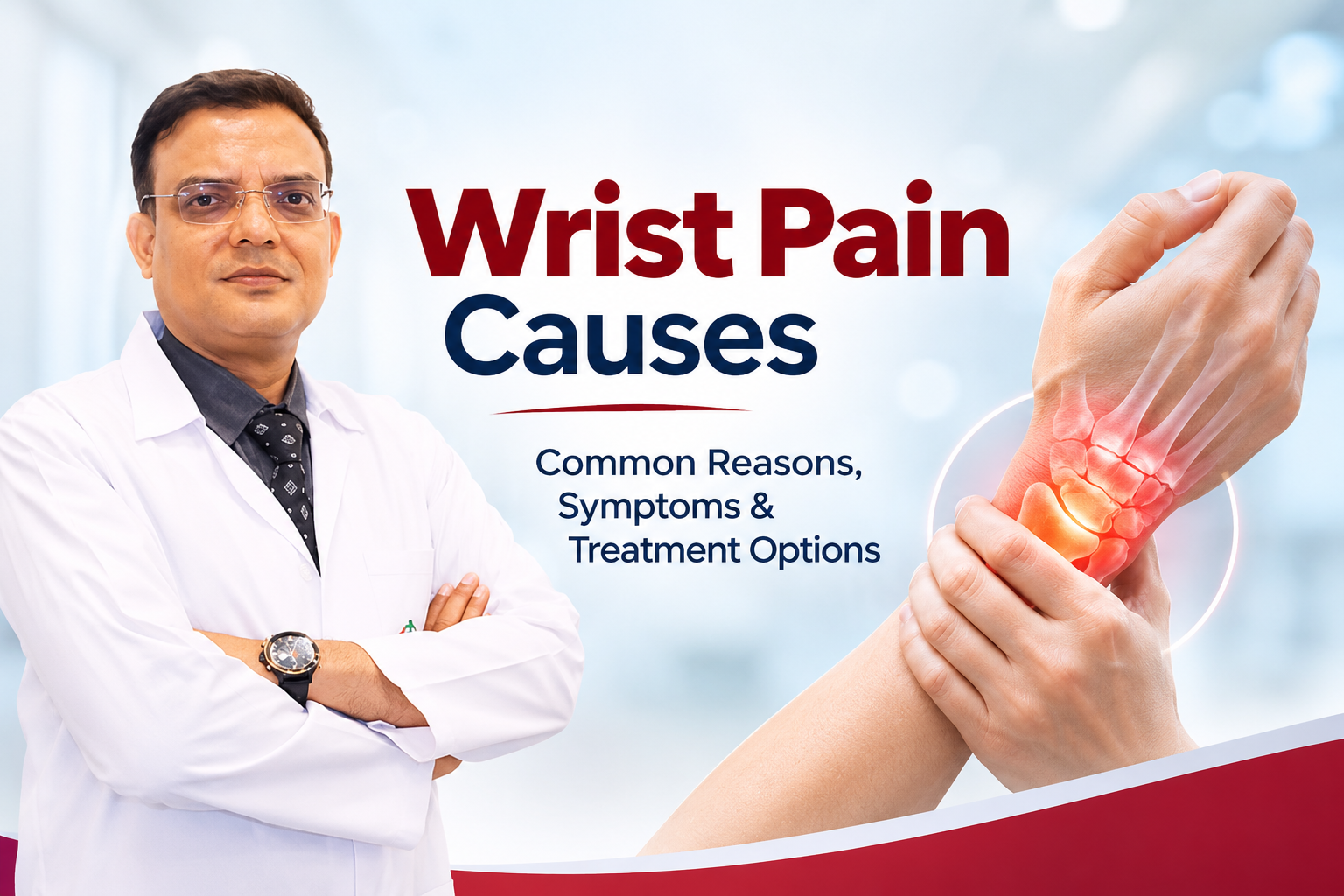
Wrist Pain Causes: Common Reasons, Symptoms, Diagnosis and Treatment Options
November 17, 2026Wrist pain is a common musculoskeletal problem that can affect people of all ages. Whether you are working on a computer, lifting heavy objects, playing sports, performing household activities, or using your smartphone for extended periods, your wrists are involved in numerous everyday movements. When pain develops in this important joint, even simple tasks such as writing, holding a cup, opening a door, or gripping an object can become uncomfortable.
Wrist pain may develop suddenly after an injury or gradually due to repetitive movements, inflammation, nerve compression, or underlying joint conditions. While mild discomfort may improve with rest and appropriate care, persistent wrist pain can sometimes indicate a condition requiring medical evaluation.
Understanding the different wrist pain causes, associated symptoms, and available treatment options can help patients seek appropriate care before the problem begins to interfere significantly with daily activities.
For individuals experiencing ongoing wrist discomfort, consulting an experienced Best Orthopedic Doctor in Faridabad such as Dr. Deepak Kumar Mishra can help identify the underlying cause and determine a suitable treatment plan.
What Is Wrist Pain?
Wrist pain refers to discomfort, tenderness, stiffness, or aching in and around the wrist joint. The wrist is a complex structure consisting of eight small carpal bones, along with the ends of the radius and ulna, ligaments, tendons, nerves, cartilage, and surrounding soft tissues.
These structures work together to allow the hand to bend, rotate, grip, and perform precise movements. Because the wrist is involved in many repetitive and weight-bearing activities, it can be vulnerable to injury and overuse.
Wrist pain may occur in different locations, including the thumb side, little-finger side, back of the wrist, or palm side. The location and nature of the discomfort often provide useful clues about the possible cause.
Some individuals experience pain only during movement, while others notice discomfort even when resting. In certain cases, wrist pain may be accompanied by swelling, tingling, numbness, weakness, or reduced flexibility.
Identifying the underlying problem is important because treatment for a ligament injury may differ considerably from treatment for arthritis, tendinitis, or nerve compression.
10 Common Wrist Pain Causes
Several medical conditions and lifestyle-related factors can contribute to wrist discomfort. The following are some of the most common causes.
1. Repetitive Strain and Overuse
Repetitive wrist movements are a frequent contributor to wrist pain, particularly among people whose work or hobbies involve repeated gripping, twisting, lifting, or bending.
Activities that may contribute to overuse include prolonged computer work, frequent use of hand tools, racket sports, weightlifting, and repetitive household tasks.
These activities can place repeated stress on the tendons and surrounding soft tissues. Over time, this may lead to irritation, inflammation, or pain during movement.
Common symptoms include aching after activity, tenderness around the wrist, and discomfort when gripping objects.
Taking regular breaks, adjusting work techniques, and avoiding excessive strain can help reduce symptoms. However, persistent pain should be assessed to rule out other conditions.
2. Wrist Sprains and Ligament Injuries
A wrist sprain occurs when one or more ligaments supporting the wrist are stretched or torn.
These injuries commonly develop after a fall onto an outstretched hand, a sudden twisting movement, or a sports-related accident.
Symptoms may include swelling, bruising, tenderness, pain with movement, and reduced grip strength.
Although minor sprains may improve with immobilisation and rehabilitation, more significant ligament injuries may require specialist assessment and sometimes surgery.
A wrist injury should not automatically be assumed to be a simple sprain, particularly when pain persists after a fall. Certain fractures and ligament tears can initially produce similar symptoms.
3. Carpal Tunnel Syndrome
Carpal tunnel syndrome is a condition caused by compression of the median nerve as it passes through a narrow passage in the wrist.
It is one of the important causes of wrist and hand discomfort, particularly when symptoms include numbness or tingling.
Common symptoms include:
- Tingling or numbness in the thumb, index finger, middle finger, and part of the ring finger.
- Symptoms that become more noticeable at night.
- Weakness when gripping or holding objects.
- Difficulty performing fine hand movements.
People with diabetes, certain inflammatory conditions, or occupations involving forceful and repetitive hand activities may have an increased risk.
Treatment depends on symptom severity and may include wrist splinting, activity modification, selected medications or injections, and surgery when clinically necessary.
4. Wrist Tendinitis
Tendinitis refers to irritation or inflammation involving a tendon. Tendons are strong connective tissues that attach muscles to bones and help produce movement.
Wrist tendinitis can develop due to repetitive movements, sudden increases in physical activity, or excessive loading.
Symptoms may include pain during wrist movement, localised tenderness, mild swelling, and difficulty performing repetitive tasks.
One common condition is De Quervain’s tenosynovitis, which affects tendons near the base of the thumb. It can cause pain when gripping, lifting, or moving the thumb.
Treatment may involve temporary activity modification, splinting, physiotherapy, and other medical interventions depending on the diagnosis.
5. Wrist Arthritis
Arthritis is another important cause of persistent wrist pain, especially among older adults and individuals with previous wrist injuries or inflammatory joint conditions.
Two forms of arthritis that may affect the wrist are osteoarthritis and rheumatoid arthritis.
Osteoarthritis involves degeneration of joint cartilage and may develop following previous fractures, ligament injuries, or long-term joint damage.
Rheumatoid arthritis is an autoimmune inflammatory condition that can affect multiple joints, including both wrists.
Symptoms may include joint stiffness, swelling, tenderness, reduced movement, and discomfort during daily activities.
Management depends on the type of arthritis and may involve medication, rehabilitation, splinting, and, in selected advanced cases, surgical treatment.
6. Wrist Fractures
A fracture occurs when one of the bones in or around the wrist breaks. Wrist fractures commonly result from falls, road accidents, sports injuries, or direct trauma.
The distal radius is a commonly fractured bone near the wrist. The scaphoid, a small bone near the thumb side, can also fracture following a fall.
Typical symptoms include sudden pain, swelling, tenderness, bruising, and difficulty moving the wrist.
Some scaphoid fractures may not be immediately visible on initial X-rays. Persistent thumb-side wrist pain following an injury therefore requires careful evaluation.
Treatment may include casting, splinting, or surgical fixation depending on fracture location, displacement, and stability.
7. Ganglion Cysts
A ganglion cyst is a non-cancerous, fluid-filled swelling that commonly develops near a joint or tendon sheath.
These cysts frequently appear on the back of the wrist, although they can develop elsewhere.
Some ganglion cysts cause no symptoms and are noticed only as a visible lump. Others may produce discomfort, tenderness, or restricted movement, especially when they press on nearby structures.
Small, painless cysts may require observation only. Symptomatic cysts may be treated with aspiration or surgical removal in selected cases.
Patients should avoid attempting to puncture or burst a ganglion cyst themselves because this can cause injury or infection.
8. Ulnar-Sided Wrist Pain
Pain on the little-finger side of the wrist is known as ulnar-sided wrist pain.
Possible causes include injuries to the triangular fibrocartilage complex (TFCC), tendon disorders, arthritis, and certain bone or joint abnormalities.
The TFCC helps stabilise the wrist and supports movement between the forearm and hand.
A TFCC injury may occur following a fall, twisting injury, or repetitive loading of the wrist.
Symptoms may include pain when rotating the forearm, discomfort while gripping, clicking sensations, or reduced wrist stability.
An orthopaedic examination can help determine whether imaging or further treatment is required.
9. Nerve Compression and Referred Pain
Not all wrist pain originates directly from the wrist joint.
Nerve compression in the forearm, elbow, or neck can sometimes cause pain, tingling, or numbness extending into the wrist and hand.
For example, cervical nerve root irritation may cause symptoms that travel from the neck into the arm.
These symptoms can sometimes be confused with local wrist conditions.
A detailed clinical examination is important to identify whether the discomfort originates from the wrist, a peripheral nerve, or the cervical spine.
Treatment depends on the underlying cause rather than the location of pain alone.
10. Inflammatory Conditions and Infection
Less commonly, wrist pain can develop due to inflammatory diseases, crystal-related arthritis such as gout, or joint infection.
These conditions may cause significant swelling, warmth, tenderness, and restricted movement.
A joint infection can progress rapidly and requires urgent medical assessment.
Patients experiencing severe wrist pain with fever, redness, or a hot, swollen joint should seek prompt medical attention rather than attempting home treatment.
Wrist Pain Based on Location: What Does It Indicate?
The location of wrist pain can provide important clues about the underlying condition. However, the exact diagnosis requires a proper medical examination.
| Pain Location | Possible Causes |
|---|---|
| Thumb side of wrist | De Quervain’s tenosynovitis, scaphoid fracture, thumb-base arthritis |
| Little-finger side | TFCC injury, tendon disorders, ulnar-sided arthritis |
| Back of wrist | Ganglion cyst, ligament injury, tendon irritation |
| Palm side of wrist | Tendon problems, ganglion cyst, nerve compression |
| Entire wrist joint | Arthritis, fractures, inflammatory conditions |
Wrist Pain When Bending or Moving the Hand
Wrist pain when bending the hand forward or backward may be associated with tendinitis, ligament injuries, joint inflammation, or previous trauma.
People who perform repetitive wrist movements or exercises involving weight-bearing through the hands may experience this type of discomfort.
If the pain repeatedly occurs during a particular movement, avoiding the aggravating activity and seeking an orthopaedic assessment can help prevent further irritation.
Wrist Pain Without Injury
Many patients experience wrist pain without remembering any fall or accident.
Possible explanations include repetitive strain, tendinitis, arthritis, nerve compression, and ganglion cysts.
In some cases, symptoms develop gradually because of repeated mechanical stress rather than a single traumatic event.
Persistent wrist pain without injury should not be ignored, especially when it is accompanied by numbness, swelling, or reduced hand strength.
Common Symptoms Associated With Wrist Pain
Wrist pain can present differently depending on its cause and severity.
Common symptoms include:
- Persistent aching or sharp pain around the wrist.
- Swelling, tenderness, or stiffness.
- Difficulty gripping or lifting objects.
- Pain when rotating or bending the wrist.
- Tingling or numbness in the fingers.
- Weakness while holding everyday objects.
- Clicking sensations or a feeling of instability.
- Reduced flexibility and wrist movement.
Some symptoms develop gradually, while others appear immediately following an injury.
Severe pain, visible deformity, loss of sensation, or inability to move the wrist following trauma requires urgent medical evaluation.
How Is Wrist Pain Diagnosed?
Accurate diagnosis is essential for determining the most appropriate treatment.
An orthopaedic specialist typically begins by reviewing the patient’s symptoms, medical history, occupational activities, and previous injuries.
1. Physical Examination
During the examination, the doctor may assess wrist movement, swelling, tenderness, grip strength, joint stability, and nerve function.
Specific clinical tests may help identify tendon inflammation, ligament injuries, or nerve compression.
2. X-Ray Examination
X-rays are commonly used when fractures, arthritis, or abnormalities involving wrist bones are suspected.
They can help identify bone injuries, joint alignment changes, and degenerative conditions.
3. MRI Scan
Magnetic resonance imaging may be recommended when ligament injuries, cartilage abnormalities, tendon problems, or certain fractures are suspected.
MRI provides detailed images of soft tissues that may not be adequately assessed using standard X-rays.
4. Ultrasound
Ultrasound can help evaluate tendons, fluid-filled cysts, and selected soft-tissue abnormalities.
It may also assist in guiding certain diagnostic or therapeutic procedures.
5. Nerve Conduction Studies
When carpal tunnel syndrome or another nerve disorder is suspected, nerve conduction studies and sometimes electromyography may be recommended.
These investigations help assess nerve function and the severity of nerve involvement.
Not every patient requires advanced imaging. Investigations should be selected based on clinical findings and the suspected diagnosis.
Wrist Pain Treatment Options
Treatment for wrist pain depends on the underlying cause, symptom severity, duration, and the patient’s functional requirements.
Many wrist conditions can be managed without surgery, particularly when diagnosed early.
1. Rest and Activity Modification
Reducing activities that aggravate wrist pain can help irritated tissues recover.
Patients may be advised to temporarily avoid heavy lifting, forceful gripping, repetitive twisting, or exercises that place excessive pressure on the wrist.
However, prolonged complete immobilisation without medical guidance may contribute to stiffness and reduced strength.
2. Ice Therapy
Applying a cold pack may help reduce pain and swelling following a minor acute injury.
The cold pack should be wrapped in a towel rather than placed directly against the skin.
A typical application lasts approximately 15–20 minutes, depending on comfort and skin sensitivity.
Ice should not delay medical assessment when a fracture or serious injury is suspected.
3. Wrist Splints and Braces
Wrist splints can provide temporary support and limit movements that aggravate symptoms.
They may be recommended for selected cases of carpal tunnel syndrome, tendinitis, or minor soft-tissue injuries.
The appropriate type of splint and duration of use depend on the diagnosis.
4. Medications
Pain-relieving or anti-inflammatory medications may be recommended when clinically appropriate.
These medicines can reduce discomfort but may not address the underlying cause.
Patients with kidney disease, stomach ulcers, cardiovascular conditions, or those taking blood-thinning medications should seek medical advice before using anti-inflammatory medicines.
5. Physiotherapy and Rehabilitation
Physiotherapy may help restore wrist mobility, improve strength, and support recovery after selected injuries.
A rehabilitation programme may include gentle mobility exercises, progressive strengthening, ergonomic advice, and gradual return to activities.
Exercises should be tailored to the diagnosis. Certain movements may worsen an unstable fracture or significant ligament injury.
6. Injections
In selected conditions, such as De Quervain’s tenosynovitis or carpal tunnel syndrome, corticosteroid injections may be considered.
The suitability of injections depends on the specific condition, medical history, and expected benefits and risks.
7. Surgical Treatment
Surgery may be necessary for certain displaced fractures, significant ligament injuries, severe nerve compression, or persistent structural problems that do not respond to appropriate conservative care.
The choice of procedure depends on the diagnosis.
For patients looking for wrist pain treatment in Faridabad, a thorough orthopaedic evaluation helps determine whether conservative management, rehabilitation, or a surgical referral is appropriate.
How to Prevent Wrist Pain in Daily Life
Although not every wrist condition can be prevented, healthy movement habits may help reduce repetitive strain and certain avoidable injuries.
Maintain Proper Wrist Position
Keep the wrists in a comfortable, relatively neutral position during typing and other repetitive activities.
Adjusting keyboard height, mouse placement, and desk posture may help reduce unnecessary stress.
Take Regular Breaks
People who spend long periods using computers or performing repetitive hand movements should take regular breaks.
Changing tasks and allowing the hands to rest can reduce continuous loading of the same tissues.
Improve Grip and Lifting Techniques
Avoid sudden forceful movements when lifting heavy objects.
Use both hands when appropriate and distribute the load rather than relying entirely on one wrist.
Strengthen the Forearm and Wrist Muscles
Appropriate strengthening exercises may improve muscular support and tolerance to daily activities.
However, individuals with existing wrist pain should obtain professional guidance before beginning resistance exercises.
Use Protective Equipment
Wrist guards may reduce the risk of certain injuries during activities such as skating.
Safe sports techniques, proper equipment, and gradual increases in training intensity can also help reduce injury risk.
When Should You Consult an Orthopedic Doctor for Wrist Pain?
Occasional mild wrist discomfort may settle with temporary activity modification. However, certain symptoms require professional evaluation.
Consider consulting an orthopaedic doctor if wrist pain:
- Persists or repeatedly returns despite appropriate rest.
- Interferes with work, sleep, or daily activities.
- Causes ongoing swelling or reduced movement.
- Is accompanied by numbness, tingling, or weakness.
- Develops after a fall or sports injury.
- Makes gripping or lifting objects difficult.
Seek urgent medical care for severe pain following trauma, visible deformity, a cold or discoloured hand, significant loss of sensation, or a hot, swollen wrist accompanied by fever.
Early assessment can help identify fractures, ligament injuries, and nerve conditions that may require timely treatment.
Wrist Pain Treatment in Faridabad: Consult Dr. Deepak Kumar Mishra
Patients searching for an experienced Best Orthopedic Doctor in Faridabad can consult Dr. Deepak Kumar Mishra, an orthopaedic and joint replacement surgeon with more than 28 years of experience, as reported on his professional website.
Dr. Mishra serves as Director & Head – Orthopaedics & Joint Replacement, Robotic Surgery at Asian Institute of Medical Sciences, Faridabad. His clinical expertise includes orthopaedic conditions, complex fractures, joint disorders, arthroscopy, sports injuries, and advanced joint replacement procedures.
Patients experiencing persistent wrist pain, movement-related discomfort, or injury-related symptoms may benefit from an orthopaedic evaluation to determine the appropriate diagnostic and treatment pathway.
Dr. Mishra’s approach emphasises clinical assessment, appropriate investigations, and treatment based on the patient’s condition rather than recommending surgery for every orthopaedic problem.
For individuals searching for an orthopedic specialist in Faridabad, Haryana, his professional profile provides information about qualifications, clinical experience, treatment services, and consultation availability.
Advanced Orthopedic and Joint Replacement Care in Faridabad, India
In addition to general orthopaedic conditions, Dr. Deepak Mishra has expertise in advanced knee and hip replacement procedures.
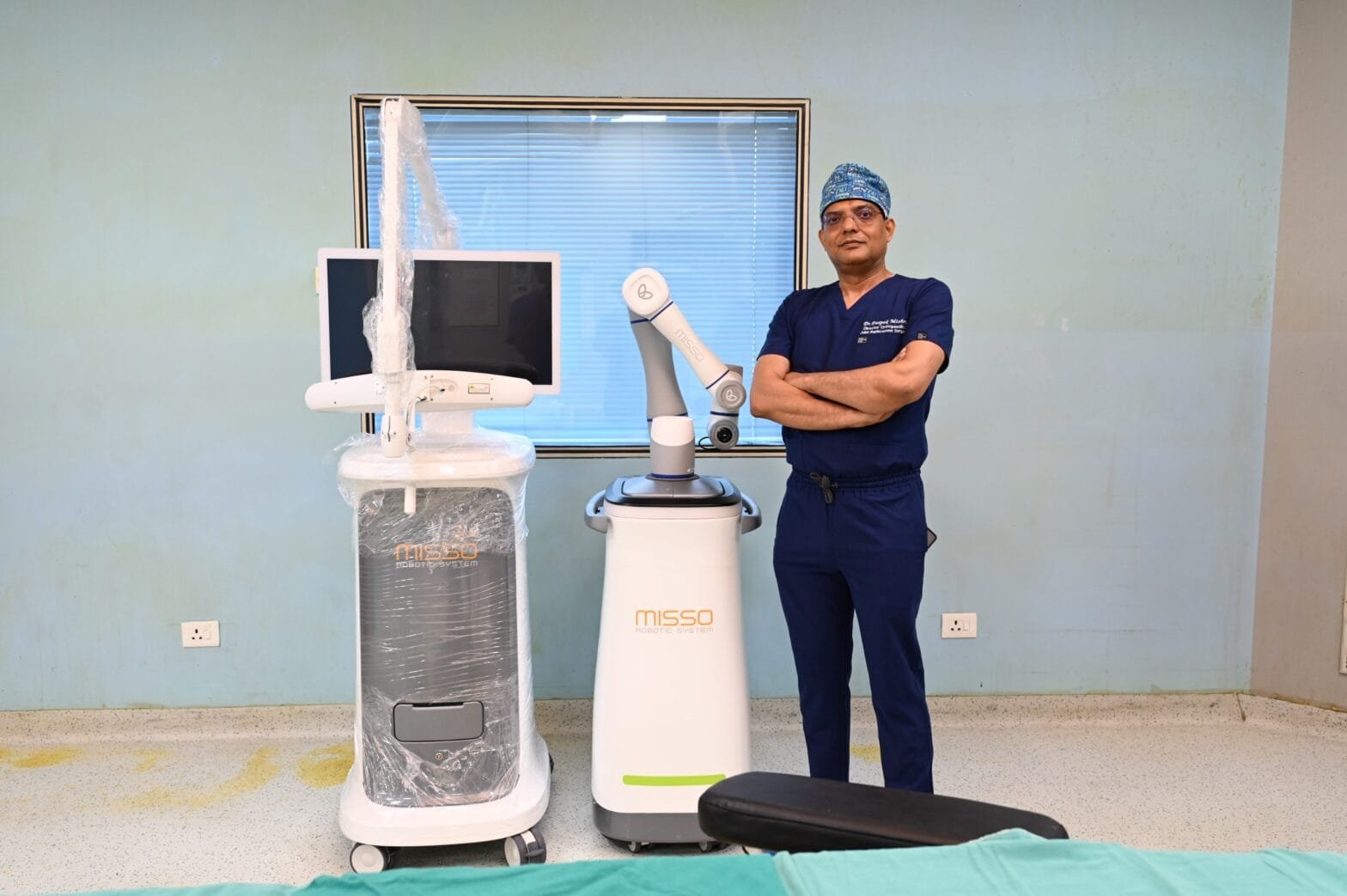
Patients experiencing advanced knee arthritis or significant joint damage can explore information about the Best Robotic Knee Replacement Surgeon in Faridabad and the role of robotic-assisted surgical technology.
For patients researching modern joint replacement options across the country, the article on Best Robotic Knee Replacement in India provides further information about robotic-assisted procedures and surgical planning.
Robotic knee replacement is a treatment for selected knee joint conditions and is not a treatment for wrist pain. The appropriate orthopaedic procedure depends on the joint involved and the patient’s clinical diagnosis.
Frequently Asked Questions About Wrist Pain
1. Who is the Best Orthopedic Doctor in Faridabad for Wrist Pain?
Dr. Deepak Kumar Mishra is an experienced orthopaedic surgeon in Faridabad who provides assessment and treatment planning for a range of musculoskeletal conditions. Patients experiencing persistent wrist pain can consult him for an orthopaedic evaluation and guidance on appropriate investigations or specialist care.
2. What Are the Most Common Causes of Wrist Pain?
Common wrist pain causes include repetitive strain, tendinitis, ligament sprains, fractures, arthritis, carpal tunnel syndrome, and ganglion cysts. The exact cause depends on symptoms, medical history, and clinical examination.
3. Why Does My Wrist Hurt Without Any Injury?
Wrist pain without an obvious injury may result from repetitive movements, tendon irritation, arthritis, nerve compression, or an underlying inflammatory condition. Persistent symptoms should be evaluated by a healthcare professional.
4. What Causes Wrist Pain When Bending the Hand?
Pain when bending the wrist may occur due to tendinitis, ligament injuries, joint inflammation, or previous trauma. The location of pain and associated symptoms help determine the likely cause.
5. Can Wrist Pain Be a Sign of Arthritis?
Yes. Osteoarthritis and inflammatory arthritis can affect the wrist and cause pain, stiffness, swelling, and restricted movement. However, wrist pain alone does not confirm arthritis.
6. What Is the Best Treatment for Wrist Pain?
The best treatment depends on the diagnosis. Options may include activity modification, splinting, medication, physiotherapy, injections, or surgery in selected cases. An orthopaedic assessment helps determine the most suitable approach.
7. How Long Does Wrist Pain Take to Heal?
Recovery time varies considerably. Minor soft-tissue irritation may improve within days or weeks, while fractures, significant ligament injuries, and chronic inflammatory conditions may require longer treatment and rehabilitation.
8. When Should I Visit an Orthopedic Specialist in Faridabad for Wrist Pain?
Consult an orthopaedic specialist when wrist pain persists, worsens, causes swelling or numbness, or interferes with everyday activities. Sudden severe symptoms after an injury require prompt medical attention.
9. Can Carpal Tunnel Syndrome Cause Wrist Pain and Finger Numbness?
Yes. Carpal tunnel syndrome can cause wrist or hand discomfort, tingling, and numbness, particularly in the thumb, index finger, middle finger, and part of the ring finger. Symptoms may become more noticeable at night.
10. Can Wrist Pain Be Treated Without Surgery?
Yes. Many wrist conditions respond to non-surgical management, including splinting, activity modification, medication, and physiotherapy. Surgery is considered when clinically indicated, such as for certain fractures, severe ligament injuries, or significant nerve compression.
Conclusion
Wrist pain can develop due to several conditions, ranging from repetitive strain and tendon inflammation to fractures, arthritis, and nerve compression. Because the wrist plays an important role in everyday activities, persistent discomfort can affect work, mobility, and quality of life.
Understanding the common wrist pain causes and recognising warning signs can help patients seek timely medical attention. While many conditions respond well to conservative management, some require specialised investigations or surgical treatment.
If you are experiencing persistent wrist pain, stiffness, swelling, or difficulty moving your hand, consult Dr. Deepak Kumar Mishra, an experienced Orthopedic Doctor in Faridabad, for professional assessment and personalised treatment guidance.
Book an Orthopedic Consultation
Dr. Deepak Kumar Mishra
Director & Head – Orthopaedics & Joint Replacement, Robotic Surgery
Asian Institute of Medical Sciences, Sector 21A, Faridabad, Haryana, India
+91 8287334003
Recent Blogs
-
-
-
-
-
-
 What Is the Best Age for Knee Replacement Surgery?
- 5, November 2026
-
 Knee Ligament Tear Treatment and Recovery Time: A Complete Guide
- 27, October 2026
-
-
-
 Best ACL Surgeon in Delhi
- 17, October 2026
-
 Best Orthopedic Doctor in Delhi
- 13, October 2026
-
-
 When Is Knee Replacement the Only Option?
- 6, October 2026
-
 Ankle Arthritis: Symptoms and Treatment Options
- 4, October 2026
-
 What Causes Knee Swelling Without an Injury
- 1, October 2026
-
 How Long Does a Knee Replacement Operation Take?
- 25, September 2026
-
 Who Is the Best Bone Doctor in Faridabad?
- 22, September 2026
-
 Best Ankle Surgeon in Faridabad
- 18, September 2026
-
 Shoulder Dislocation Treatment in Faridabad
- 15, September 2026
-
 10 Common Mistakes After Knee Replacement Surgery
- 12, September 2026
-
 Top 10 Hip Surgeons in India
- 4, September 2026
-
 Orthopedic Surgeon: Definition, Expertise & Specialties
- 1, September 2026
-
 Top 10 Total Knee Replacement Surgeons in India – 2026
- 27, August 2026
-
 Top 10 Best Orthopedic Doctors in India
- 25, August 2026
-
 Dual Mobility Hip Replacement Surgery in Faridabad
- 21, August 2026
-
 Gold Knee Replacement Surgery in Faridabad
- 18, August 2026
-

-

-
-
 Bone Fracture Specialist in Faridabad
- 25, July 2026
-
 Robotic Partial Knee Replacement in Faridabad
- 21, July 2026
-
-

-
 Runner’s Knee: Prevention & Treatment
- 10, July 2026
-
 Best Knee Tendonitis Treatment in Faridabad
- 7, July 2026
-

-
 Why Does My Knee Make Clicking Sounds?
- 1, July 2026
-

-
-
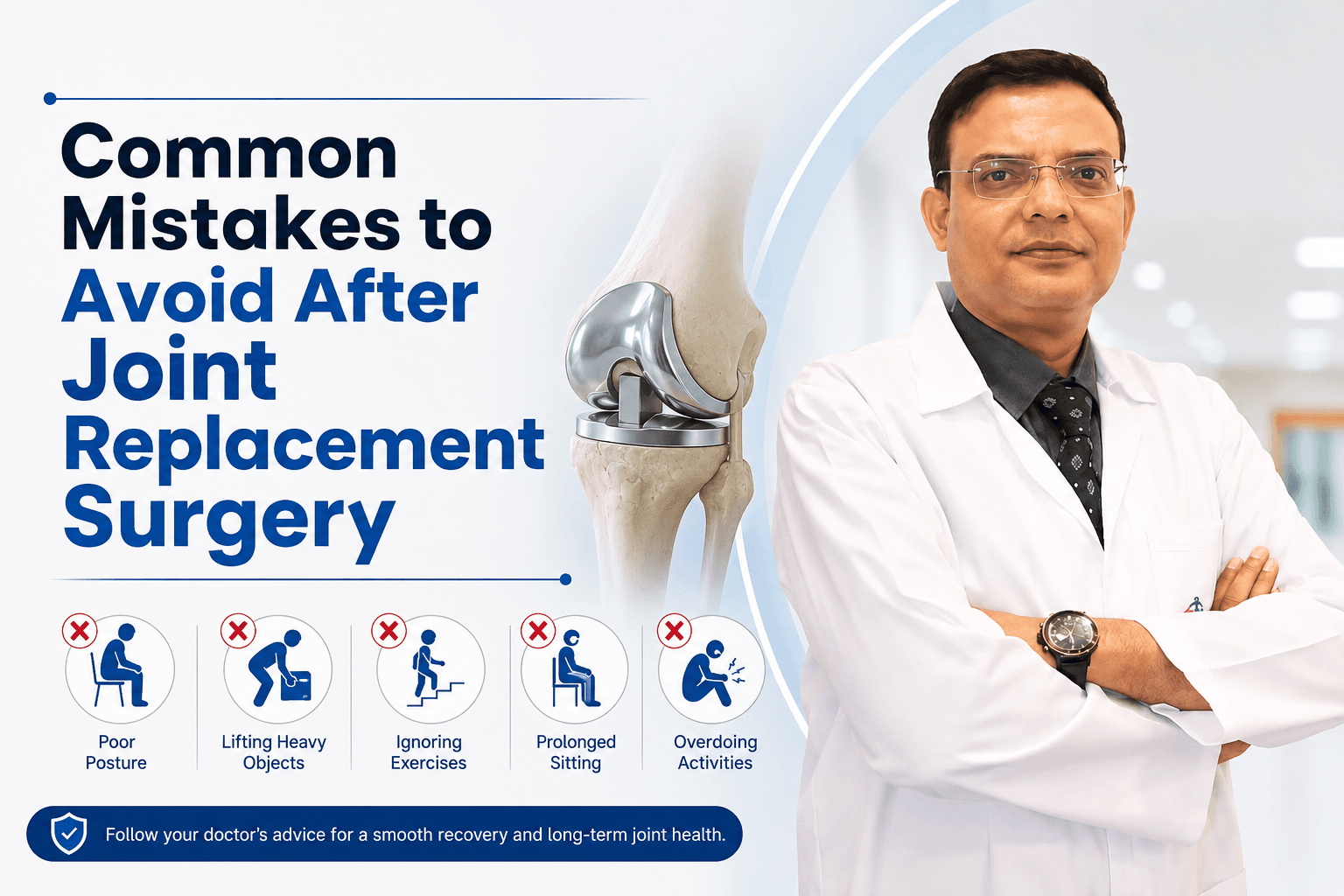 Common Mistakes to Avoid After Joint Replacement Surgery
- 19, June 2026
-
 Can You Play Sports After Knee Replacement Surgery?
- 16, June 2026
-
 Recovery Timeline After Hip Replacement Surgery
- 12, June 2026
-
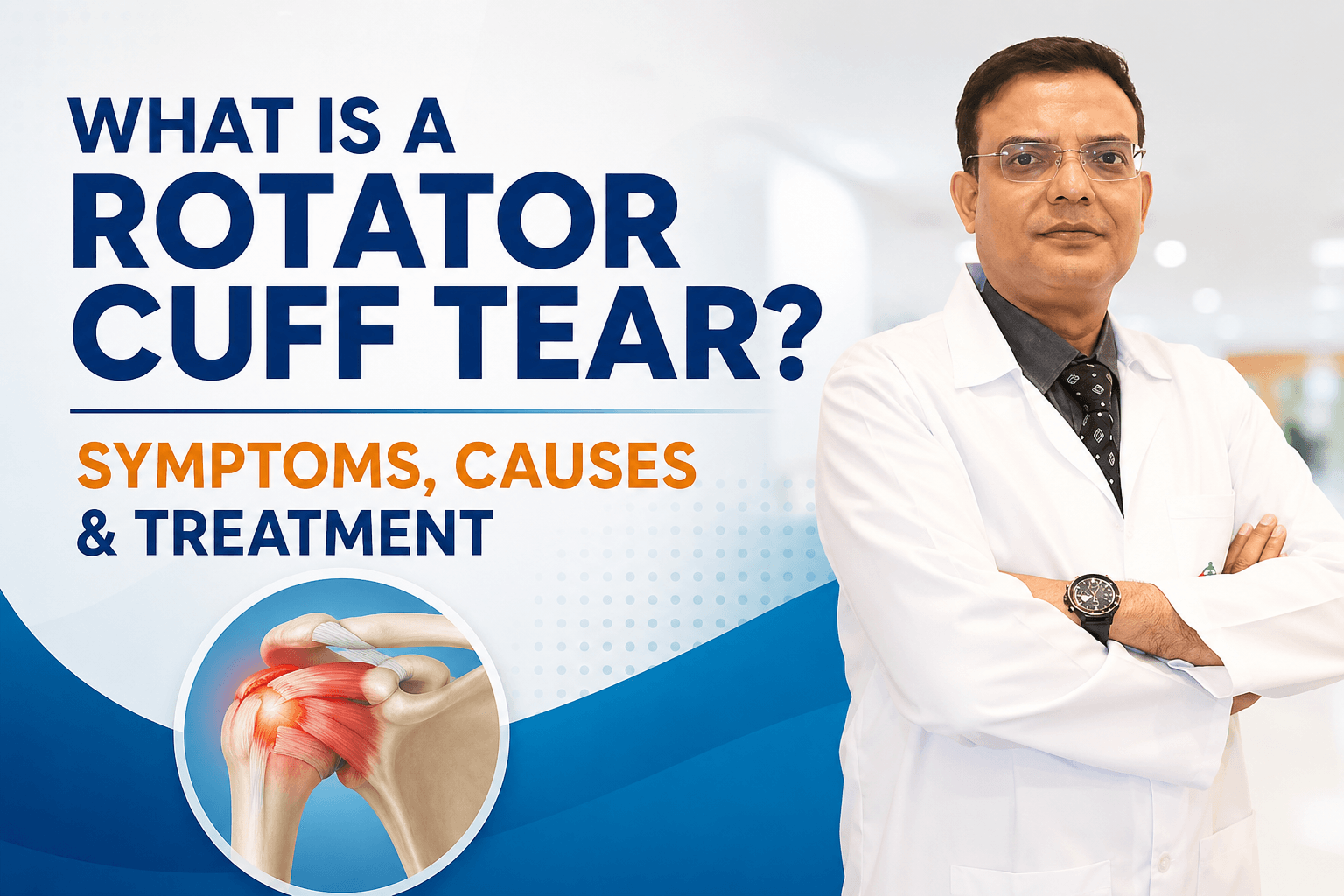
 Best Rotator Cuff Tear Treatment in Faridabad
- 9, June 2026
-
-
 When Does Knee Pain Need Surgery?
- 19, May 2026
-
 Can You Walk Normally After Hip Replacement?
- 15, May 2026
-

-
 Best Doctor for Arthritis Treatment in Faridabad
- 8, May 2026
-
 Sports Injury Specialist in Faridabad
- 5, May 2026
-
 Hip Replacement Surgery Cost in India
- 2, May 2026
-
 Best ACL Surgeon in Faridabad
- 1, May 2026
-
 Best Hip Replacement Surgeon in Delhi
- 26, April 2026
-
 Best Hospital for Robotic Joint Replacement in Faridabad
- 14, April 2026
-
 Best Shoulder Specialist in Faridabad
- 10, April 2026
-
-
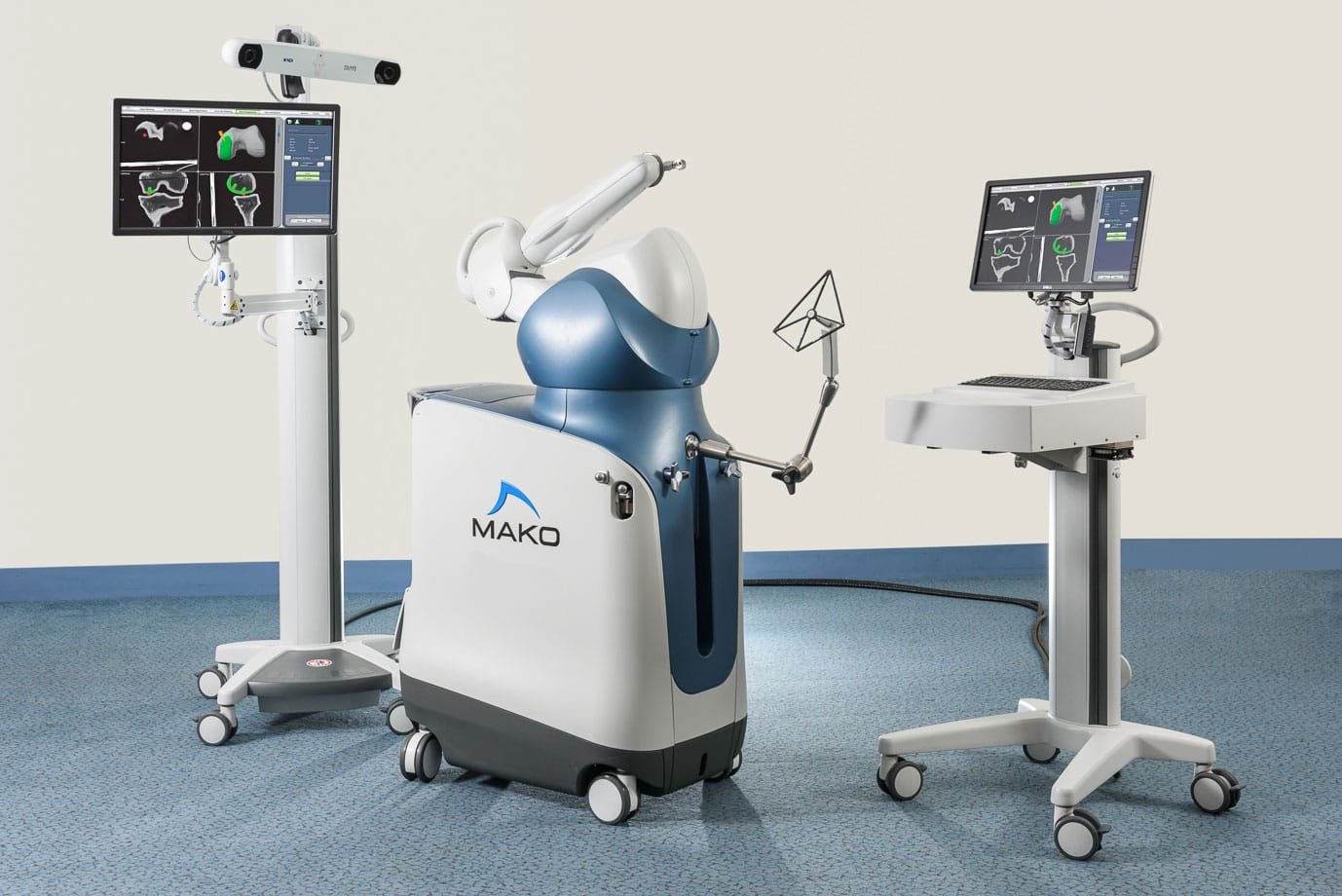 How Mako Robotic Improves Knee Replacement Outcomes
- 3, April 2026
-
 Best Orthopedic Hospital in Faridabad for Joint Pain
- 1, April 2026
-
 Don’t Delay Knee Surgery: 7 Warning Signs You Must Know
- 26, March 2026
-

-
 Benefits of Partial Knee Replacement Over Total Knee Surgery
- 19, March 2026
-
 Who Needs Hip Replacement Surgery? Signs & Eligibility
- 16, March 2026
-
 Best Joint Replacement Hospital in India
- 13, March 2026
-
 Shoulder Dislocation in Sports: Treatment and Recovery
- 11, March 2026
-
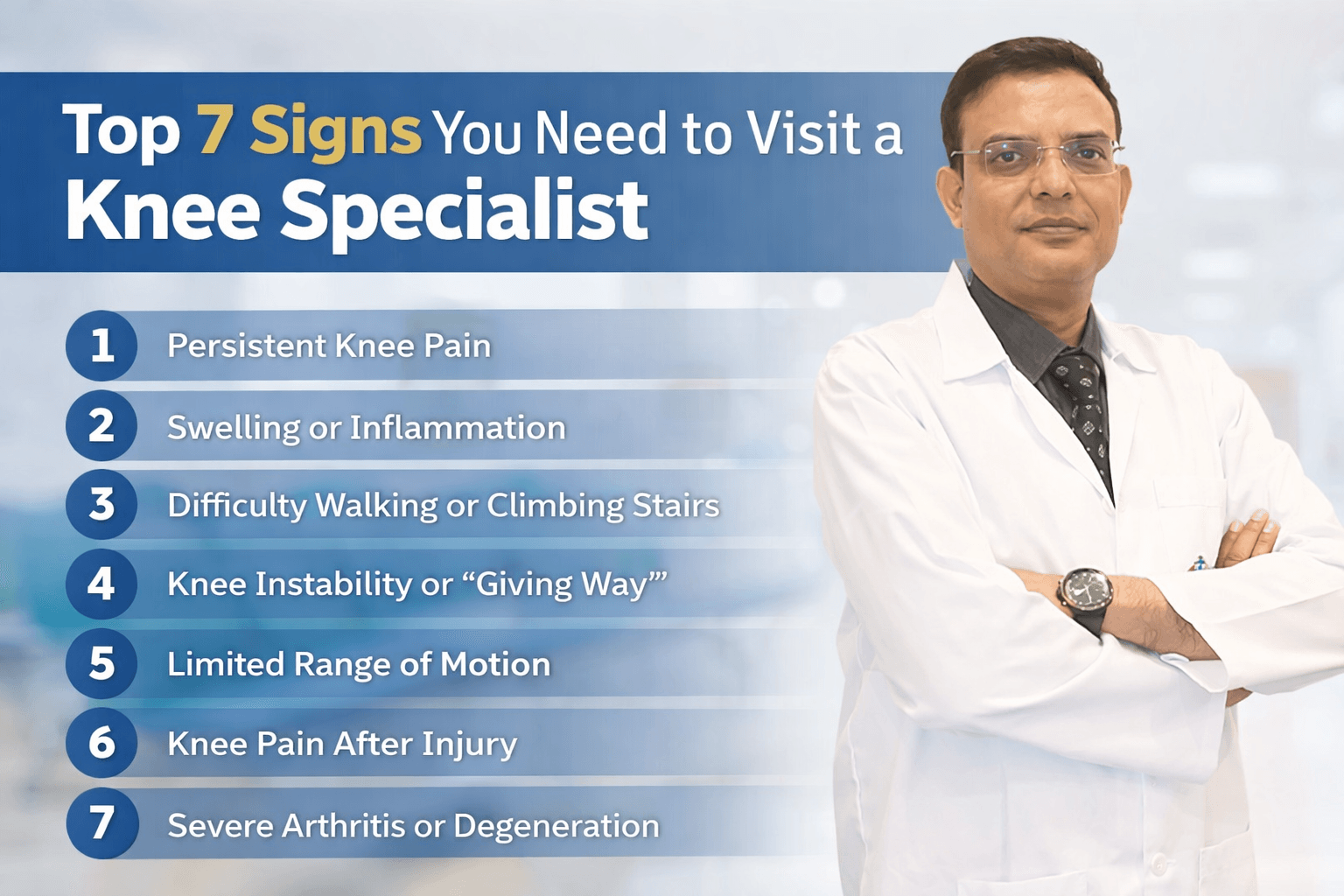 Top 7 Signs You Need to Visit a Knee Specialist
- 7, March 2026
-

-
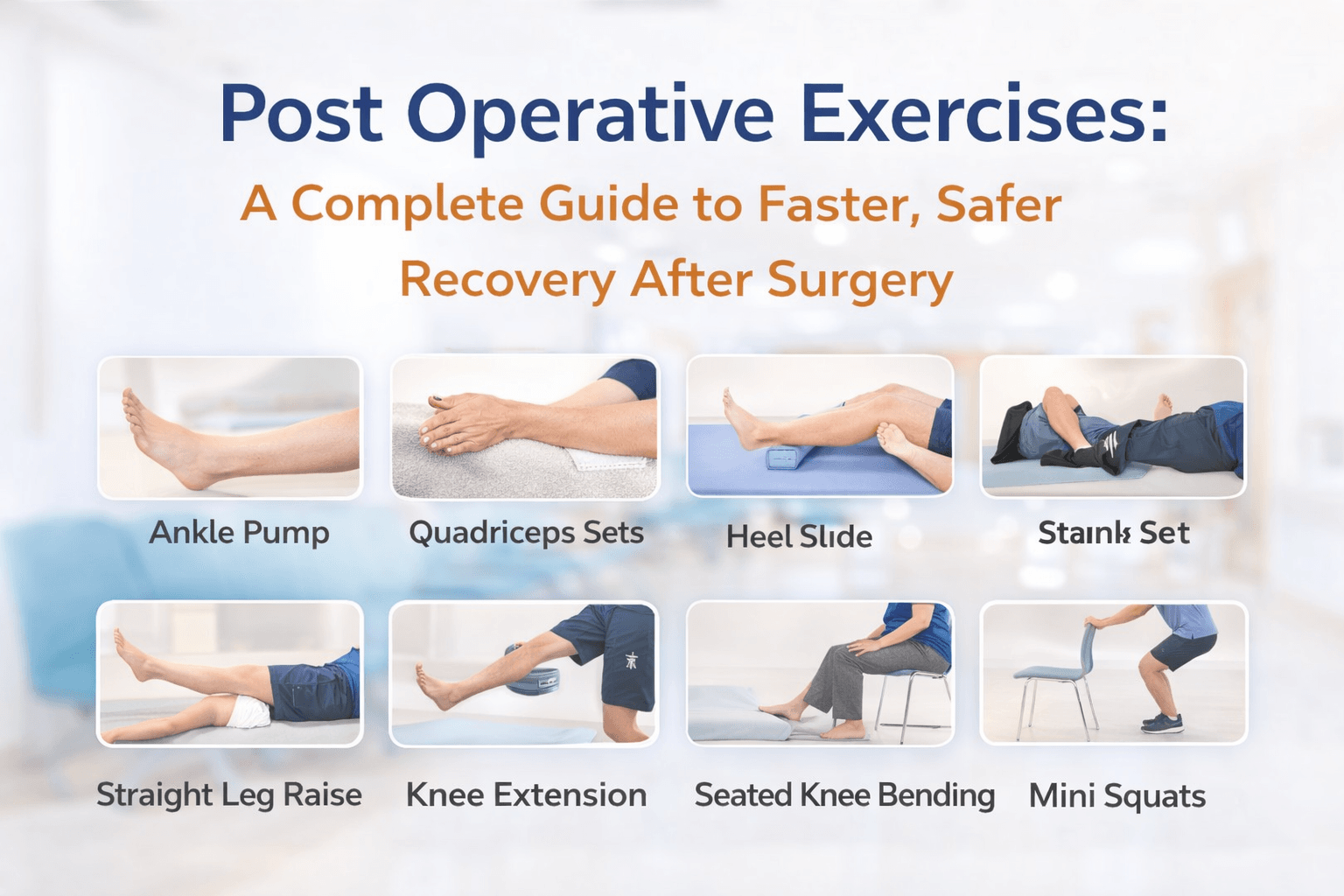 Post Operative Exercises
- 26, February 2026
-
 After ACL Surgery When Can I Walk?
- 24, February 2026
-
 What Happens If Knee Arthritis Is Left Untreated?
- 21, February 2026
-
 Can Knee Replacement Fail? Causes, Signs & Prevention
- 21, February 2026
-
 Who Is Not Suitable for Knee Replacement Surgery?
- 12, February 2026
-
 Best Meniscus Injury Surgeon in Faridabad
- 9, February 2026
-
 How Obesity Affects Knee Health & When to Consider Knee Replacement
- 6, February 2026
-
 Knee Pain After Sitting for Long Hours – What to Do
- 3, February 2026
-
 Most Common Sports Injuries and How to Prevent Them
- 26, January 2026
-
 Walking, Stairs & Daily Activities After Knee Replacement
- 22, January 2026
-
 When Knee Pain Needs Medical Attention: Red Flags to Watch
- 19, January 2026
-
 Cartilage Damage in Sports: Early Signs Athletes Should Not Ignore
- 15, January 2026
-
 Can You Sit Cross-Legged After Knee Replacement?
- 13, January 2026
-
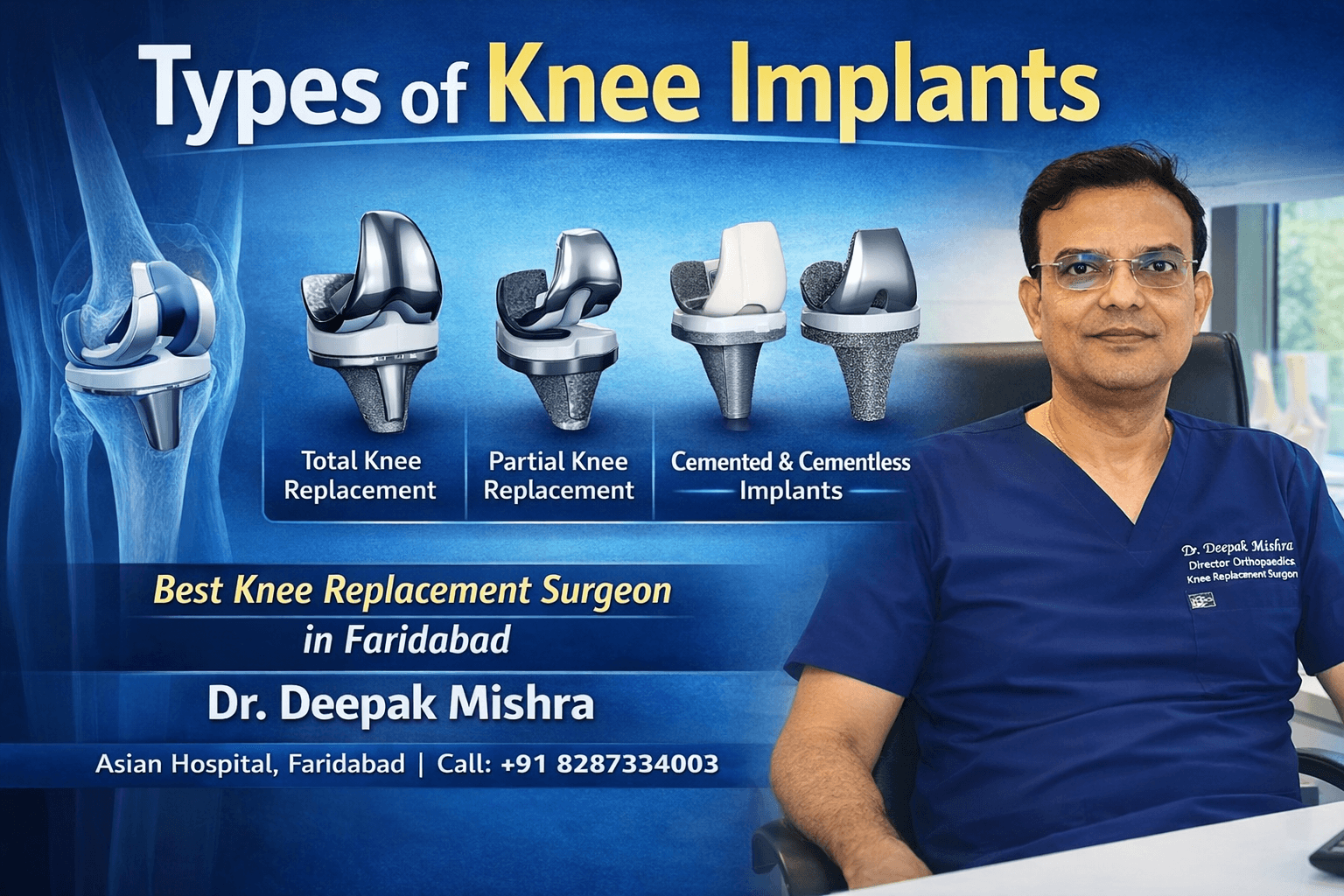 Types of Knee Implants
- 13, January 2026
-
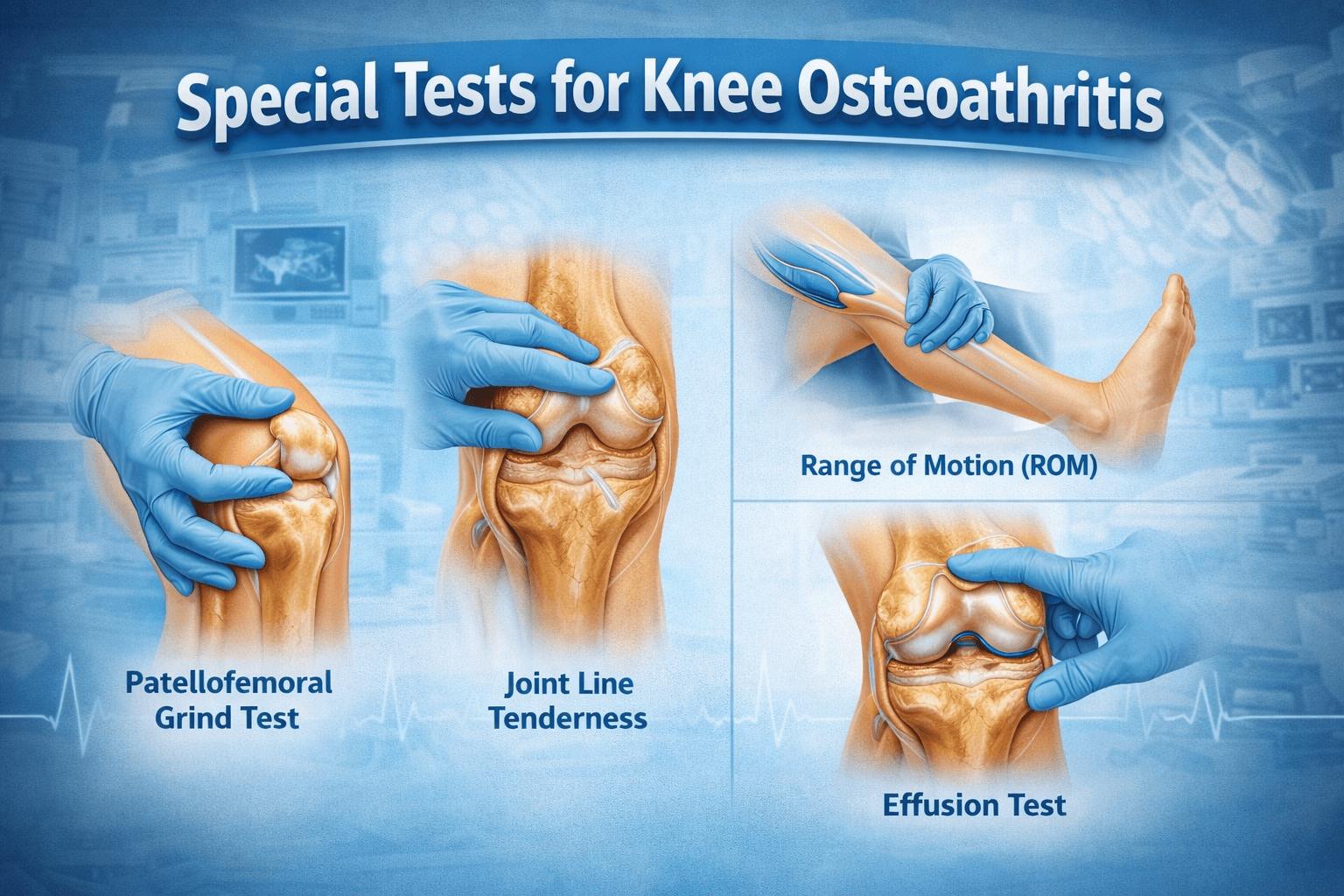 Special Tests for Knee Osteoarthritis
- 7, January 2026
-
 Knee Operation Types: A Comprehensive Guide
- 7, January 2026
-
 Difference Between Knee Arthritis, Meniscus Tear, and Ligament Injury
- 30, December 2025
-
 Knee Pain While Walking: When Should You Worry?
- 30, December 2025
-
 What Happens If Knee Replacement Is Delayed Too Long?
- 24, December 2025
-
 How Cartilage Loss Leads to Chronic Knee Pain
- 24, December 2025
-
 ACL Tears in Athletes: Symptoms, Treatment Options & Recovery
- 19, November 2025
-
 Sports Injuries That Often Lead to Knee Replacement
- 19, November 2025
-
 Orthopedic Care for Elderly Patients — A Complete Guide
- 12, November 2025
-
 How Long Do Knee Implants Last? (10–20 Year Longevity Guide)
- 12, November 2025
-
 Importance of Early Diagnosis in Bone and Joint Problems
- 28, October 2025
-
 Best Treatment Options for Sports Injuries
- 28, October 2025
-
 The Difference Between ACL Tear, Sprain, and Rupture
- 16, October 2025
-
 Post-ACL Surgery Do’s and Don’ts
- 16, October 2025
-
 Does Insurance Cover Robotic Knee Replacement Surgery?
- 6, October 2025
-
 When Can You Return to Sports After Robotic Knee Replacement?
- 6, October 2025
-
 Impact of Obesity on Knee Replacement Surgery and Recovery
- 30, September 2025
-
 Early vs. Delayed Knee Replacement: Which Is Better?
- 30, September 2025
-
 How Durable Are Knee Implants? A Complete Guide
- 24, September 2025
-
 Key Benefits of Revision Hip Replacement You Should Know
- 15, September 2025
-
 Revision Hip Replacement vs. Primary Hip Replacement: Key Differences
- 15, September 2025
-

-
 Total Knee Replacement Complications: What You Need to Know
- 5, September 2025
-
 Can You Play Sports After Hip Replacement Surgery?
- 26, August 2025
-
 Preparing for Knee Replacement: Do’s and Don’ts Before Surgery
- 26, August 2025
-
-
 What to Know About Knee Replacement Revision Surgery
- 18, August 2025
-
 Cost of Hip Replacement in India – What Patients Should Know
- 11, August 2025
-
-
 Who Is the Best Orthopedic Doctor for Sports Injuries?
- 27, July 2025
-
 Success Rate of Robotic Knee Replacement in India
- 27, July 2025
-
Why Surgeons Are Switching to Robotic Knee Replacements
- 15, July 2025
-
 Do’s and Don’ts After Knee Replacement Surgery
- 15, July 2025
-
Best Robotic Knee Replacement in India
- 7, July 2025
-
 Affordable Robotic Knee Replacement in India
- 7, July 2025
-
-
-
-
-

-
-
-
 Orthopedic Meaning, Definition, Types, and More
- 6, June 2025
-
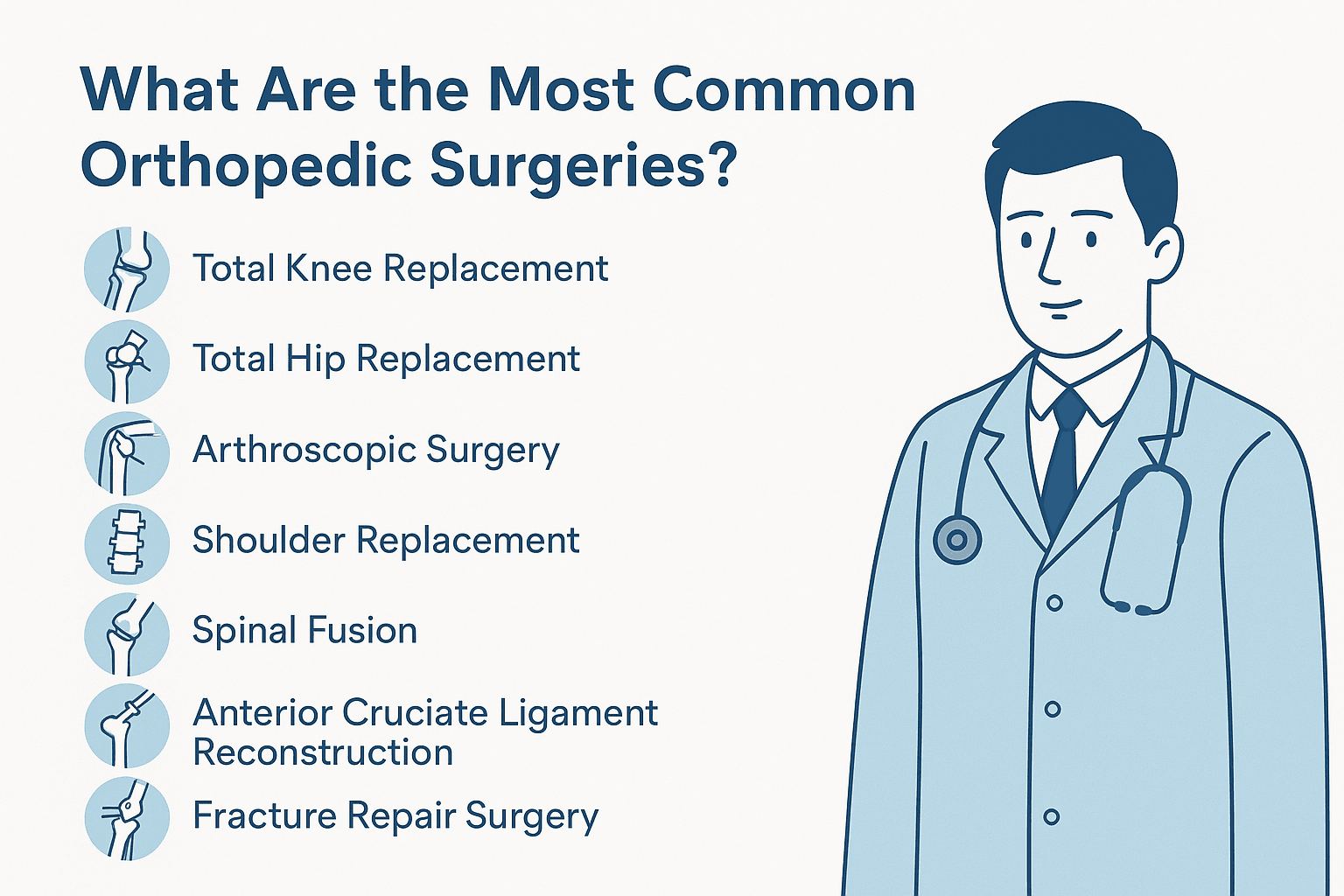 What Are the Most Common Orthopedic Surgeries?
- 24, May 2025
-
 What Does an Orthopedic Doctor Do?
- 24, May 2025
-

-
-

-
Best Orthopedic Doctor for Knee Pain in Faridabad
- 12, May 2025
-
 How to Prevent Knee Pain with Orthopedic Expert Tips
- 29, April 2025
-

-
Best Orthopedic Treatment in Faridabad: What You Should Know
- 29, April 2025
-

-
-
Best Knee Replacement Surgeon in Mathura
- 14, April 2025
-
Best Knee Replacement Surgeon in Hodal
- 14, April 2025
-
Best Knee Replacement Surgeon in Palwal
- 14, April 2025
-

-
-
-
 Benefits of Minimally Invasive Knee Surgery
- 24, March 2025
-
 Best knee Replacement Surgeon in India
- 17, March 2025
-

-
 How to Recover Quickly After Knee Replacement Surgery
- 10, March 2025
-
-
-
-
 Minimally Invasive Arthroplasty: Benefits and Recovery Advantages
- 24, February 2025
-
 Choosing the Right Hip Replacement Surgeon: A Comprehensive Guide
- 17, February 2025
-
 Restoring Mobility: The Role of Knee Replacement Doctors
- 17, February 2025
-
 Orthopedic Trauma Care for Athletes
- 6, February 2025
-
 Best Doctor for ACL Tear Treatment
- 6, February 2025
-
 Best Sports Medicine Doctor for Knee Injuries
- 6, February 2025
-
 Orthopedic Surgeons: 7 Things You Need to Know
- 27, January 2025
-
Best Joint Replacement Surgeon in Greater Faridabad
- 27, January 2025
-
Best Knee Replacement Surgeon in Palwal
- 20, January 2025
-
Best Knee Replacement Surgeon in South Delhi
- 20, January 2025
-
 Restoring Mobility: The Role of Knee Replacement Doctor
- 13, January 2025
-
 Robotic Knee Replacement Surgery in Delhi
- 30, December 2024
-
 Robotic Orthopedic Surgery: Revolutionizing Joint Replacement and Repair
- 30, December 2024
-
 Robotic Knee Replacement vs. Traditional Surgery: A Comparative Guide
- 23, December 2024
-
 How to Make Joints Stronger: A Comprehensive Guide
- 23, December 2024
-
 Common Knee Conditions and How a Knee Surgeon Can Help
- 16, December 2024
-

-
-
 Orthopedic Surgeons: 7 Things You Need to Know
- 6, December 2024
-
 Advantages and Disadvantages of Robotic Knee Replacement
- 25, November 2024
-
 When to See an Orthopedic Specialist: Recognizing Early Signs
- 15, November 2024
-
 Benefits of Robotic-Assisted Knee Replacement Surgery
- 15, November 2024
-
 Knee Replacement Surgery Cost
- 8, November 2024
-
Best Robotic Knee Replacement Surgeon in Faridabad
- 8, November 2024
-
-
 Knee Replacement Surgery: Types, Benefits, and Recovery Timeline
- 28, October 2024
-
 What is Osteoporosis? Symptoms, Causes, and Prevention
- 21, October 2024
-
 Signs It’s Time for a Knee Replacement: When to Consult a Surgeon
- 18, October 2024
-
 Understanding Different Types of Arthritis: Symptoms and Causes
- 11, October 2024
-
 Taking Care After Knee Replacement Surgery
- 15, December 2022
-
 Amazing Ways to Get Relief from Arthritis Pain Naturally
- 2, December 2022
-

-
 How Does Fat Affect Arthritis?
- 4, November 2022
