
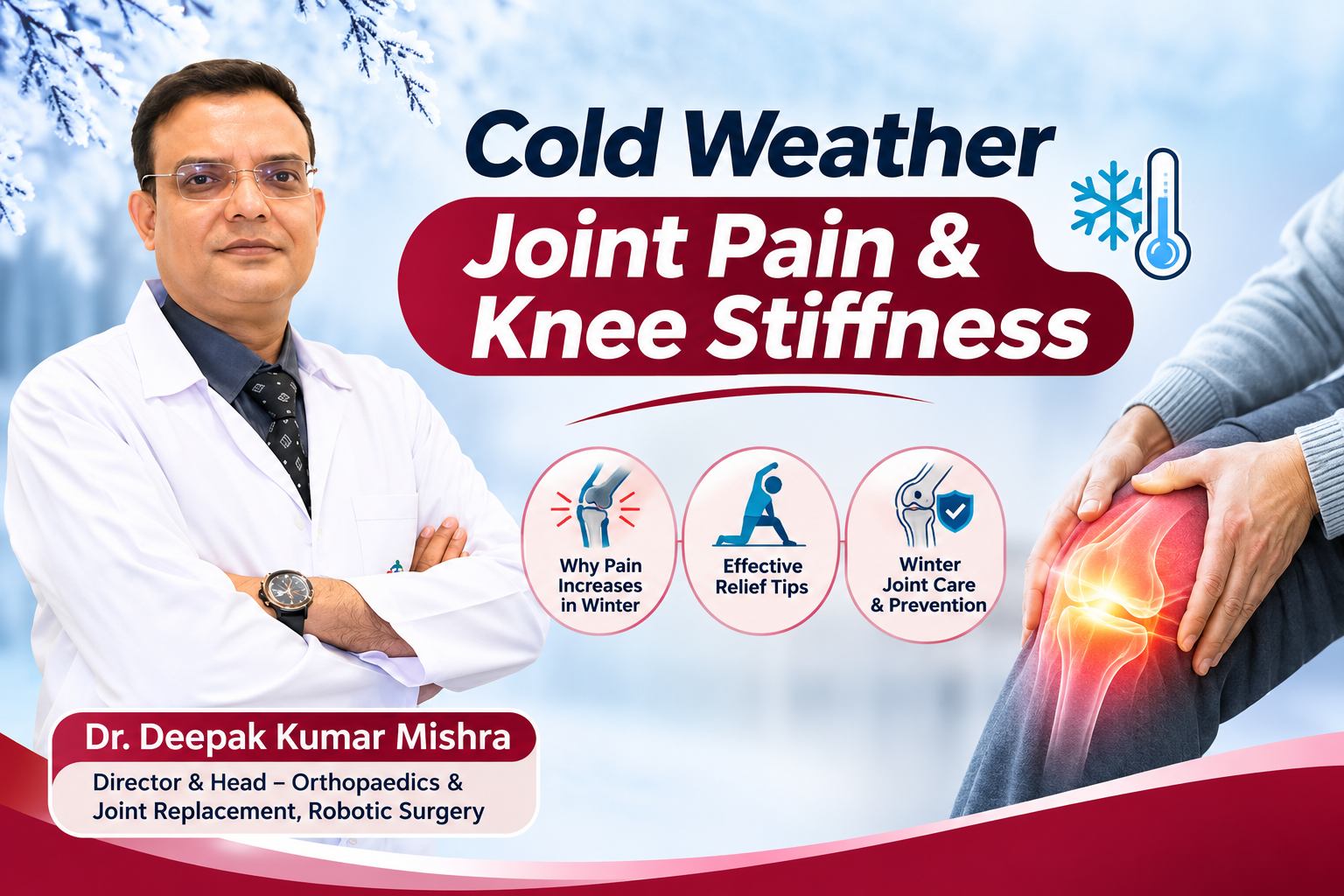
Cold Weather Joint Pain and Knee Stiffness: Causes, Symptoms, Treatment & Winter Care Tips
November 14, 2026Introduction
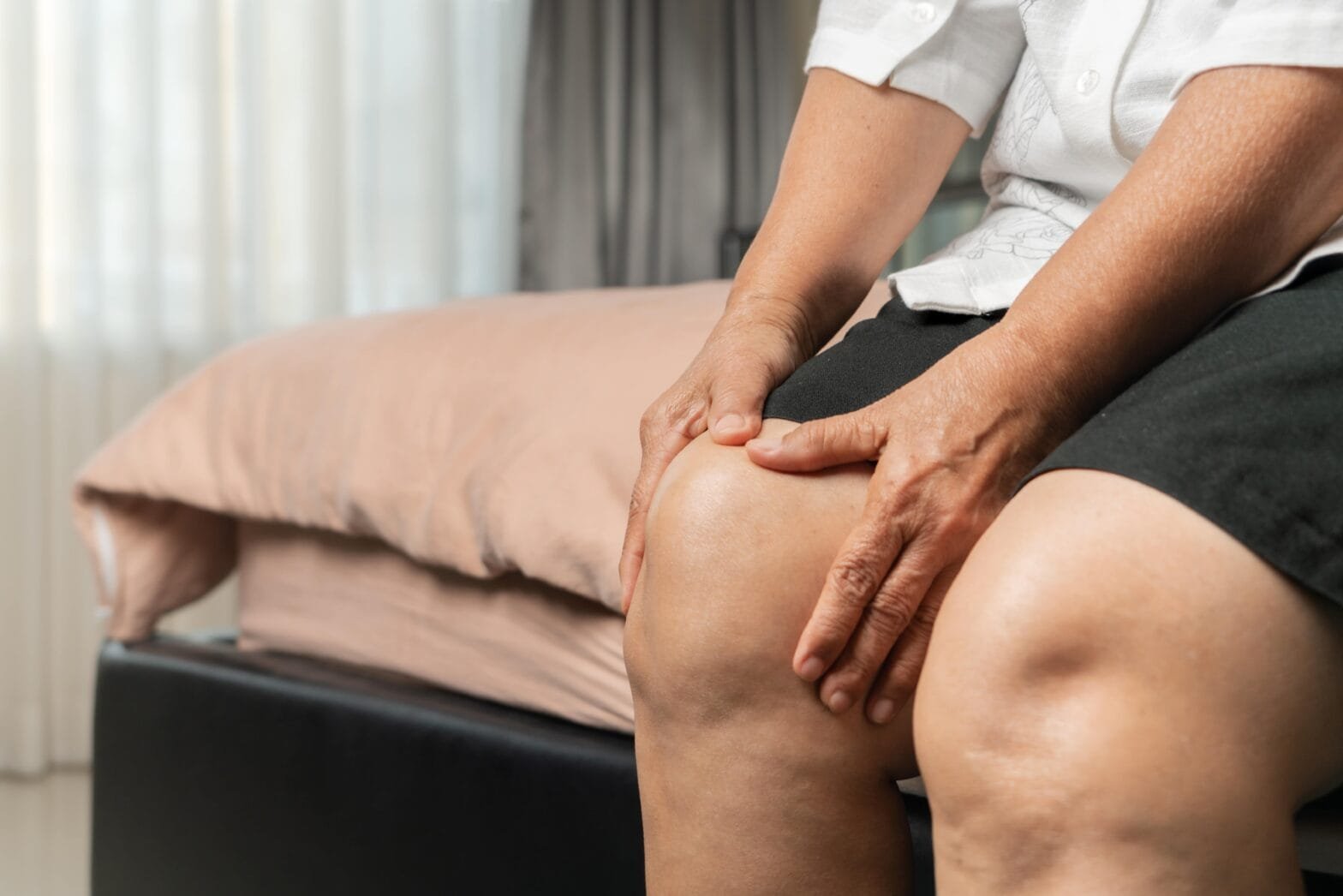
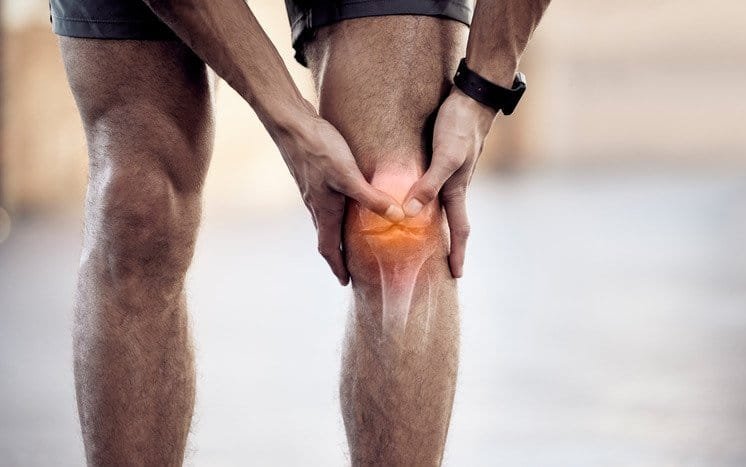
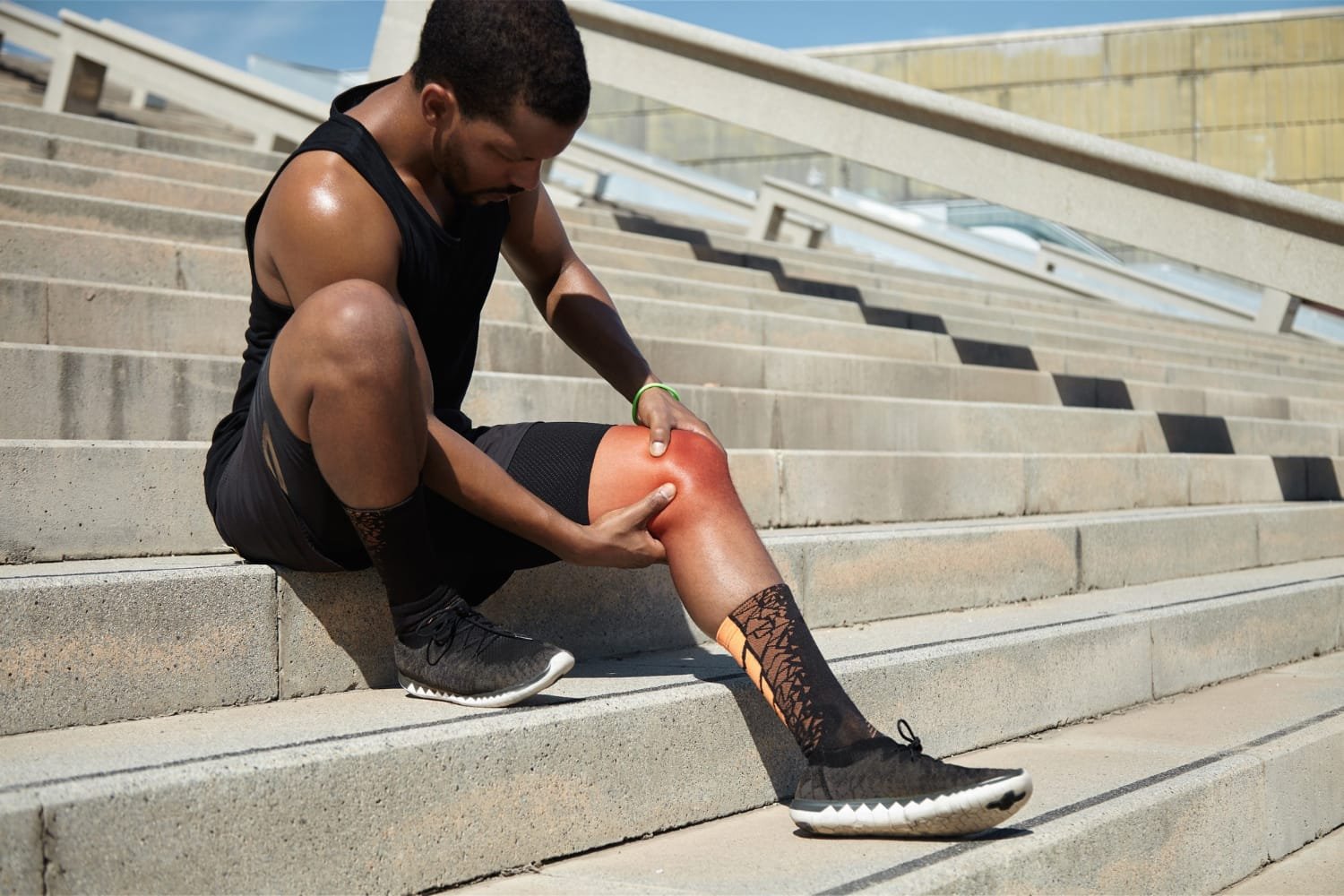
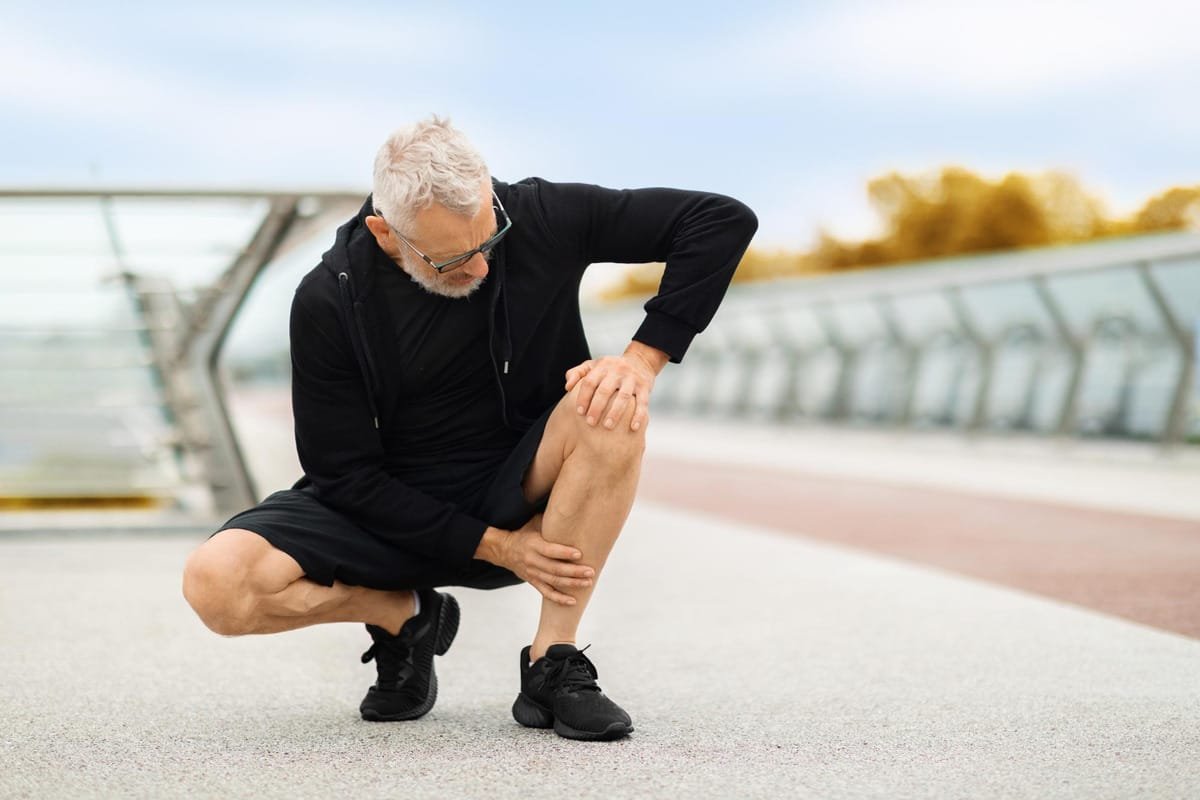
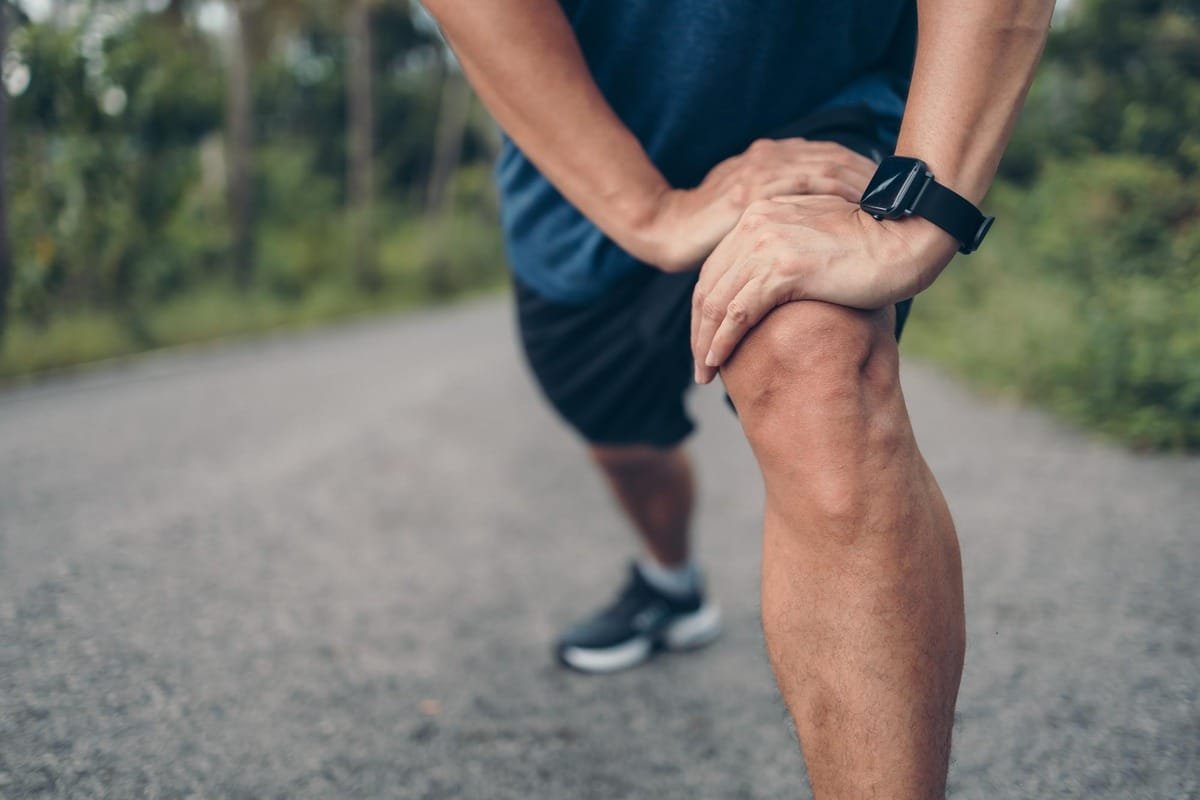
Winter brings pleasant weather, warm clothing, and seasonal celebrations, but for many people, it also brings an uncomfortable problem: joint pain and knee stiffness. As temperatures drop, individuals with arthritis, previous joint injuries, or chronic knee problems often notice increased discomfort, reduced flexibility, and difficulty performing everyday activities.
Simple movements such as getting out of bed, climbing stairs, walking in the morning, or sitting for extended periods may become more challenging during colder months. Some people experience mild stiffness that improves with movement, while others develop persistent knee pain that affects their mobility and quality of life.
But why does joint pain seem to worsen during winter? Does cold weather actually damage the joints, or does it simply make existing conditions more noticeable?
Although researchers have not established a single explanation, changes in physical activity, muscle stiffness, pain sensitivity, and possibly atmospheric conditions may contribute to seasonal discomfort. Cold temperatures do not directly cause osteoarthritis, but people with existing joint conditions may experience increased symptoms during winter.
Understanding the causes of cold weather joint pain and knee stiffness can help you take appropriate preventive measures, maintain joint flexibility, and recognize when medical attention is necessary.
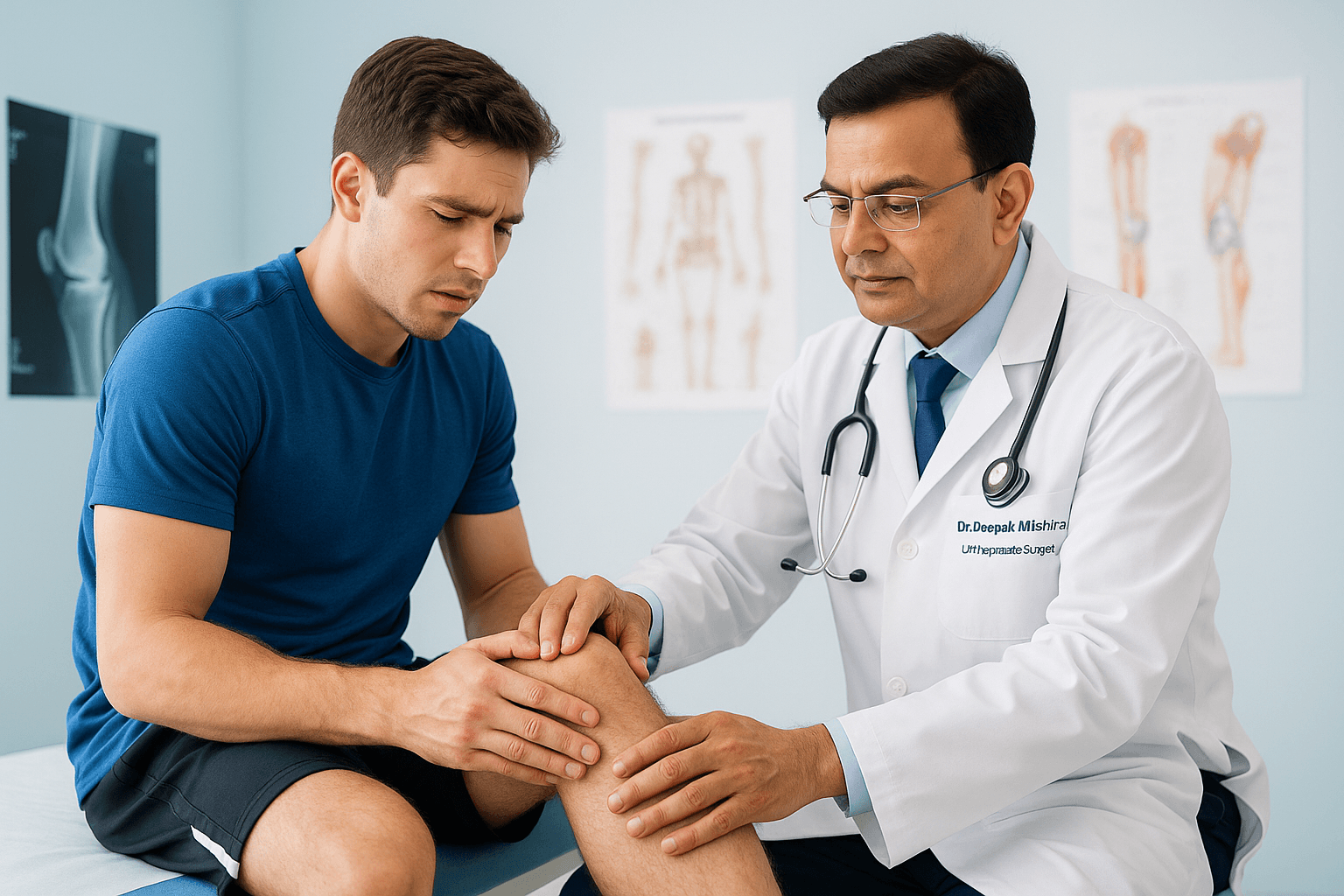
For individuals experiencing persistent knee discomfort, consulting an experienced specialist such as Dr. Deepak Kumar Mishra, a leading orthopedic doctor in Faridabad, can help identify the underlying problem and determine the most suitable treatment.
This comprehensive guide explains why joint pain may worsen in winter, common symptoms, effective home remedies, exercises, preventive strategies, and advanced treatment options for severe knee arthritis.
Why Does Joint Pain Increase During Cold Weather?
Many people report increased knee pain, joint stiffness, and muscle discomfort when temperatures fall. Several factors may contribute to these symptoms.
1. Reduced Physical Activity
During winter, people often spend more time indoors and reduce their daily walking, exercise, and outdoor activities.
Prolonged inactivity can contribute to muscle weakness and reduced joint mobility. When the muscles supporting the knees become less active, everyday movements may feel more difficult.
Regular movement helps maintain joint flexibility and muscle strength, making physical activity an important part of winter joint care.
2. Increased Muscle Tightness
Cold environments may make muscles feel tighter and less comfortable, particularly before physical activity.
When muscles surrounding the knees are tense, movement can feel restricted, and existing discomfort may become more noticeable.
Gentle warm-up exercises and appropriate clothing may help improve comfort before walking or exercising.
3. Changes in Atmospheric Pressure
Some individuals report worsening joint symptoms during changes in weather or barometric pressure.
Researchers have investigated possible relationships between atmospheric pressure, temperature, humidity, and arthritis pain. However, findings remain inconsistent, and a direct cause-and-effect relationship has not been established.
Weather sensitivity varies considerably between individuals.
4. Existing Arthritis and Joint Degeneration
People with osteoarthritis may experience more noticeable stiffness during colder months.
Osteoarthritis occurs when the tissues within a joint undergo progressive changes, including cartilage deterioration and alterations in the underlying bone.
Common symptoms include pain, stiffness, swelling, and reduced mobility.
Cold weather does not necessarily accelerate cartilage damage, but existing arthritis symptoms may become more troublesome during periods of inactivity.
5. Reduced Joint Flexibility After Rest
Stiffness after prolonged sitting or sleeping is common in people with knee osteoarthritis.
During winter, individuals may remain inactive for longer periods, making stiffness more noticeable when they begin moving again.
Gentle movement often helps improve this type of discomfort.
Common Symptoms of Cold Weather Joint Pain and Knee Stiffness
Winter-related joint discomfort can affect the knees, hips, shoulders, hands, and other joints.
Common symptoms include:
- Knee stiffness after waking up in the morning.
- Pain while walking or climbing stairs.
- Difficulty bending or straightening the knees.
- Joint discomfort after prolonged sitting.
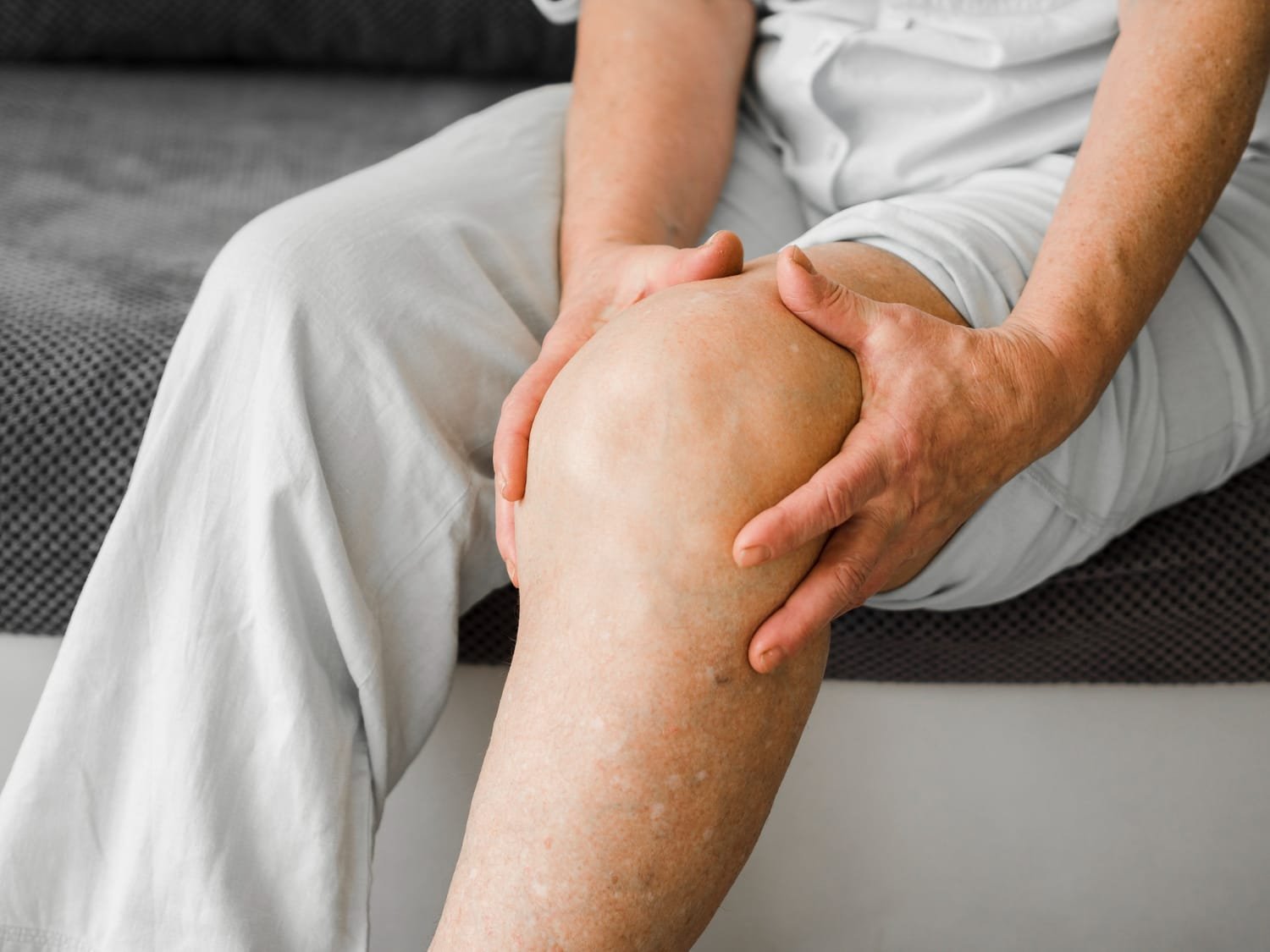
- Mild swelling around the knee.
- Reduced flexibility and range of motion.
- A grinding or crackling sensation during knee movement.
- Difficulty standing up from a chair.
- Increased discomfort after physical inactivity.
These symptoms may occur with osteoarthritis, but they can also indicate other orthopedic or inflammatory conditions.
Important: Severe swelling, redness, warmth, fever, sudden inability to bear weight, or significant pain following an injury should not be attributed to cold weather alone. Such symptoms require prompt medical assessment.
Who Is More Likely to Experience Knee Pain During Winter?
Certain individuals may be more susceptible to knee discomfort during colder months.
Older Adults
Age-related changes in joint structures, reduced muscle strength, and existing osteoarthritis can contribute to stiffness and mobility difficulties.
People With Osteoarthritis
Individuals with knee osteoarthritis may experience pain and stiffness during periods of reduced physical activity.
Individuals With Previous Knee Injuries
A history of ligament injuries, meniscal tears, fractures, or knee surgery may be associated with ongoing joint discomfort.
People Who Are Overweight
Excess body weight increases mechanical stress on weight-bearing joints, including the knees.
People With Sedentary Lifestyles
Long periods of sitting and limited physical activity may contribute to reduced muscle strength and joint stiffness.
Athletes and Physically Active Individuals
Sudden exercise without adequate warming up may increase the risk of muscle strains and other injuries, especially when returning to activity after inactivity.
Identifying personal risk factors can help guide suitable preventive strategies.
12 Effective Ways to Relieve Joint Pain and Knee Stiffness in Winter
Managing joint discomfort during winter involves staying active, maintaining muscle strength, and making appropriate lifestyle adjustments.
1. Keep Your Knees and Joints Warm
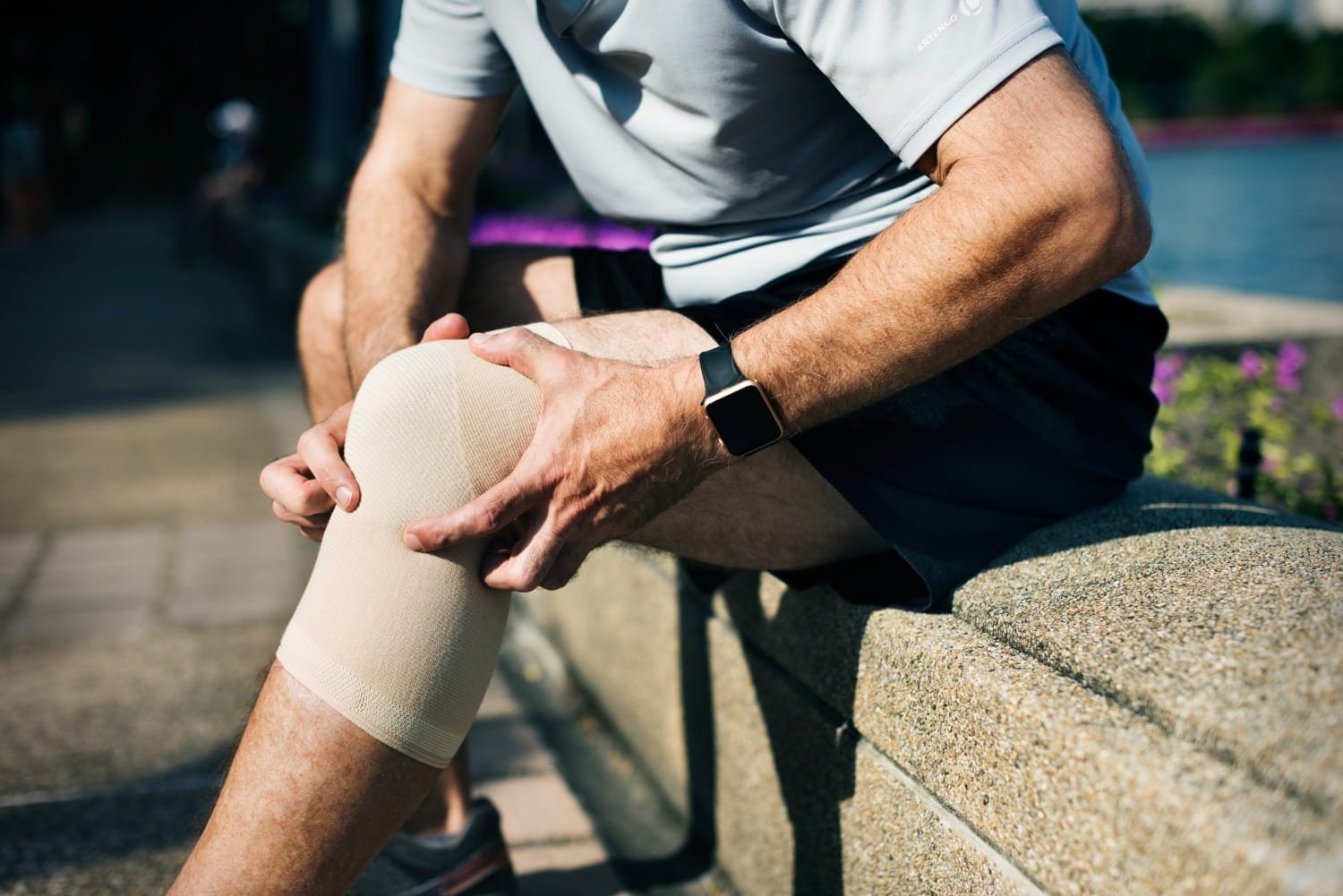
Keeping your body comfortably warm may help reduce the sensation of stiffness and muscle tightness.
Winter joint care tips:
- Wear thermal clothing during cold mornings and evenings.
- Keep your knees covered when outdoors.
- Avoid sitting directly on cold floors for extended periods.
- Maintain a comfortable indoor temperature.
- Warm up before beginning physical activity.
Although warmth can improve comfort, it does not reverse arthritis or repair damaged cartilage.
2. Use Warm Compresses for Knee Stiffness
Heat therapy is a practical home remedy for chronic joint stiffness.
Applying gentle warmth can help relax surrounding muscles and temporarily reduce discomfort.
How to use a warm compress:
- Use a warm towel or heating pad.
- Place it over the affected joint for approximately 15–20 minutes.
- Ensure the temperature is comfortable and not excessively hot.
- Repeat as needed while protecting your skin.
Avoid heat therapy over a newly injured, severely swollen, or unusually warm joint.
People with reduced skin sensation or circulation problems should consult a healthcare professional before using heating devices.
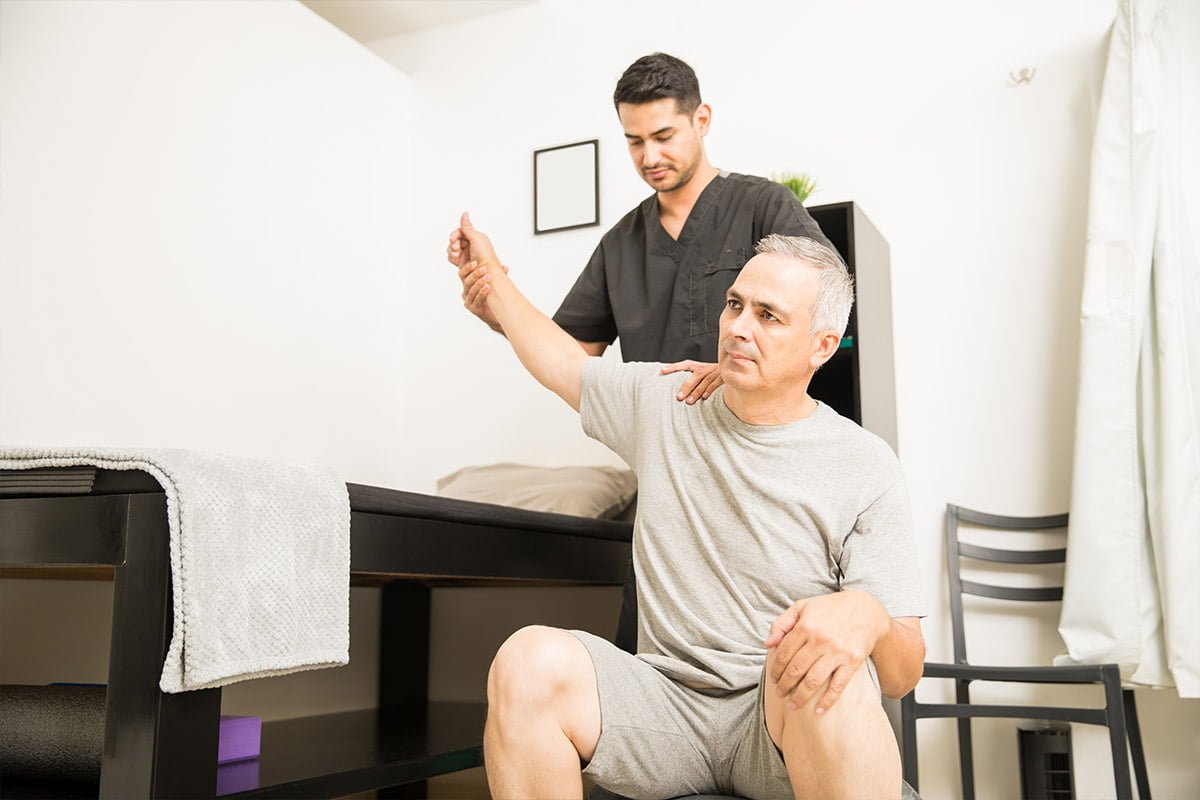
3. Stay Physically Active During Winter
Physical inactivity can make knee stiffness more noticeable.
Low-impact activities help maintain flexibility, muscle strength, and physical function.
Recommended activities may include:
- Walking on even surfaces.
- Stationary cycling.
- Swimming in a suitably heated pool.
- Gentle stretching.
- Supervised physiotherapy exercises.
Aim to build activity gradually rather than beginning with strenuous workouts.
For people with knee osteoarthritis, regular exercise is a key component of non-surgical management.
4. Perform Knee Strengthening Exercises
Strong quadriceps, hamstrings, and hip muscles help support the knees and improve joint stability.
Useful exercises include:
Straight Leg Raises: Lie on your back with one leg bent and the other straight. Tighten the thigh muscles and slowly raise the straight leg before lowering it.
Seated Knee Extensions: Sit on a chair and slowly straighten one knee, then lower the foot in a controlled movement.
Heel Slides: While lying down, gently slide your heel toward your body, bending the knee within a comfortable range.
Supported Calf Raises: Hold a stable surface and slowly rise onto your toes before lowering your heels.
Begin with a small number of repetitions and progress according to comfort. Stop if an exercise causes sharp pain, instability, or significant swelling.
Patients with severe arthritis or recent injuries should obtain individualized exercise guidance.
5. Maintain a Healthy Body Weight
Excess body weight increases mechanical stress on the knee joints.
For individuals with knee osteoarthritis who are overweight, gradual weight reduction can help improve pain and mobility.
A healthy weight-management approach includes balanced nutrition, appropriate physical activity, and sustainable lifestyle changes.
Even modest weight loss may provide meaningful benefits for some patients.
6. Eat Foods That Support Joint Health
A balanced diet provides nutrients essential for maintaining bones, muscles, and general health.
Include:
- Green leafy vegetables.
- Seasonal fruits such as oranges, guava, and amla.
- Nuts and seeds.
- Whole grains and pulses.
- Adequate protein sources.
- Calcium-rich foods.
- Vitamin D sources, where appropriate.
Turmeric and ginger may be included as normal dietary ingredients, although neither has been proven to cure arthritis.
Nutritional supplements should be used when clinically appropriate rather than as a substitute for established treatment.
7. Avoid Prolonged Sitting
Sitting for several hours without movement can contribute to knee stiffness, particularly in people with osteoarthritis.
During winter, people may remain seated longer because of reduced outdoor activity.
Try to:
- Stand and move periodically.
- Perform gentle seated knee movements.
- Avoid remaining in one position for extended periods.
- Use a supportive chair.
- Change positions gradually if your knees feel stiff.
For further reading, explore Knee Pain After Sitting for Long Hours: Causes, Symptoms, Treatment and Prevention.
8. Wear Comfortable and Supportive Footwear
Suitable footwear can improve walking comfort and stability.
Choose shoes with appropriate cushioning, a secure fit, and non-slip soles.
During winter, avoid walking barefoot on slippery or cold surfaces if doing so increases discomfort or creates a fall risk.
Footwear should be selected according to individual foot mechanics, activity level, and any existing joint condition.
9. Use Cold Therapy for New Swelling
Although warmth is commonly used for winter stiffness, ice therapy may be more appropriate after a recent minor injury or when swelling develops following activity.
Apply a wrapped ice pack for approximately 15–20 minutes at a time.
Never apply ice directly to the skin.
If swelling is severe, unexplained, or associated with redness and fever, seek medical assessment instead of relying on home treatment.
10. Practice Gentle Yoga and Stretching
Gentle stretching and selected yoga exercises may help improve flexibility, balance, and mobility.
Suitable options include supported standing stretches, calf stretches, hamstring stretches, and chair-based yoga.
Avoid deep squatting, forceful knee bending, or positions that significantly increase pain.
People with advanced knee arthritis may benefit from a modified exercise programme designed by a physiotherapist.
11. Get Adequate Sleep and Rest
Poor sleep can increase pain sensitivity and make chronic joint symptoms harder to manage.
Maintain a regular sleep schedule and use comfortable sleeping positions.
Pillows may help support the legs when necessary.
However, prolonged bed rest is generally not recommended for uncomplicated chronic knee pain because inactivity can contribute to weakness and stiffness.
12. Seek Early Orthopedic Evaluation for Persistent Pain
Home remedies can improve comfort, but they cannot treat every cause of knee pain.
Persistent stiffness may indicate osteoarthritis, inflammatory arthritis, meniscal damage, or another orthopedic condition.
An early evaluation can help determine whether physiotherapy, medication, lifestyle modification, imaging, or more specialized treatment is appropriate.
Patients searching for the best orthopedic doctor in Faridabad can consult Dr. Deepak Kumar Mishra for knee pain assessment and individualized orthopedic treatment.
Best Exercises for Knee Stiffness During Winter
The following exercises may help improve knee mobility when performed comfortably and with appropriate technique.
| Exercise | Suggested Starting Routine | Potential Benefit |
|---|---|---|
| Seated knee extensions | 8–10 repetitions per leg | Improves knee movement and thigh muscle activation |
| Straight leg raises | 8–10 repetitions per leg | Strengthens quadriceps |
| Heel slides | 10 gentle repetitions | Maintains knee flexibility |
| Supported calf raises | 8–12 repetitions | Strengthens calf muscles |
| Gentle walking | 5–15 minutes initially | Supports mobility and endurance |
| Stationary cycling | 5–10 minutes at low resistance | Provides low-impact movement |
These are general starting examples, not a prescription for every patient. Exercise frequency and intensity should be adjusted according to symptoms, fitness, and medical advice.
Is Winter Knee Pain a Sign of Arthritis?
Not necessarily.
Occasional knee discomfort during cold weather may occur due to inactivity, muscle tightness, or existing minor joint problems.
However, persistent pain accompanied by stiffness, swelling, reduced mobility, or difficulty walking may indicate arthritis.
Common Signs of Knee Osteoarthritis
- Pain during weight-bearing activities.
- Stiffness after rest, often improving with gentle movement.
- Difficulty climbing stairs.
- Reduced range of motion.
- Joint swelling or tenderness.
- Grinding sensations during movement.
- Progressive difficulty with daily activities.
Osteoarthritis symptoms may fluctuate over time and do not always correspond directly with X-ray findings.
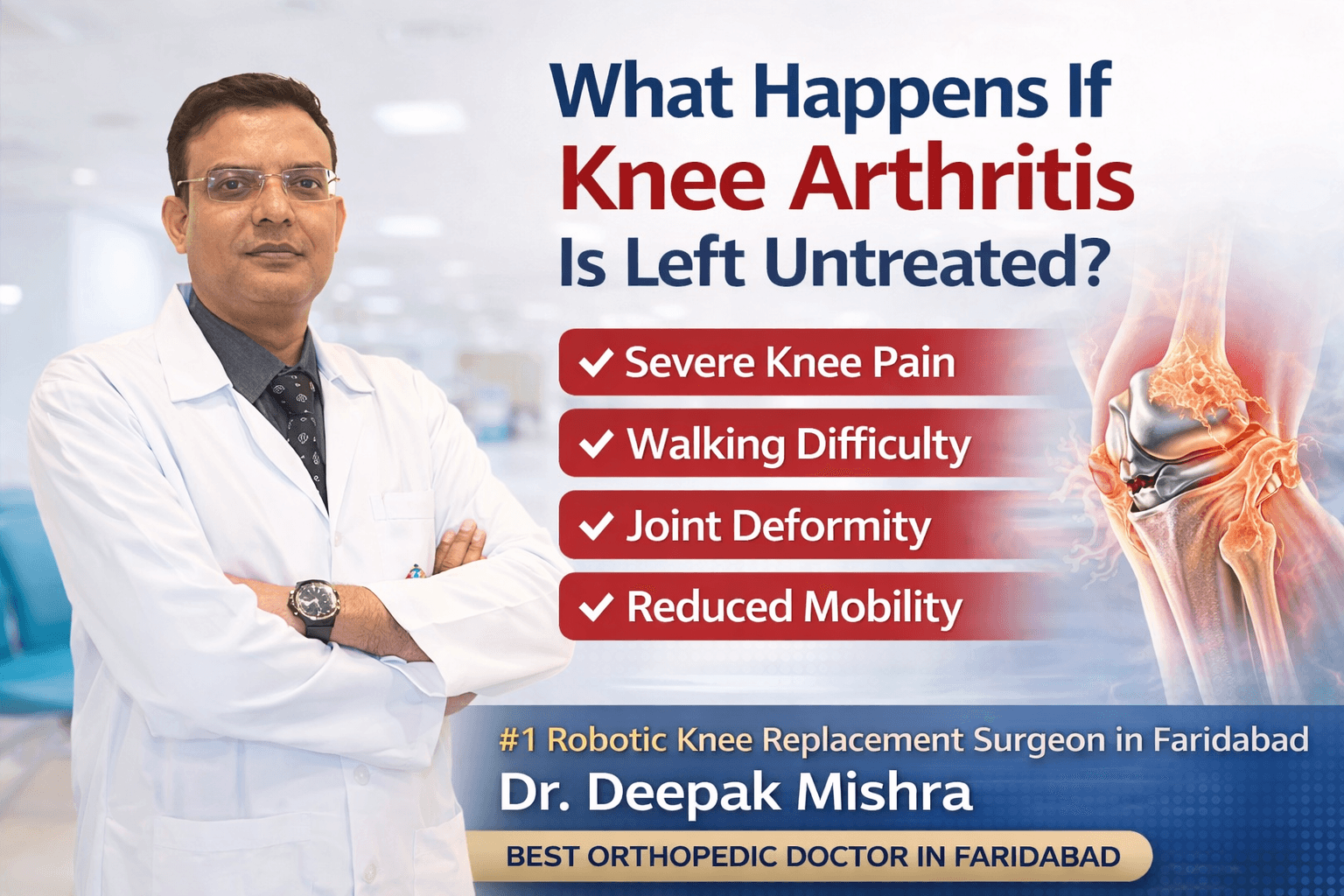
For more information, read What Happens If Knee Arthritis Is Left Untreated?.
When Should You Consult an Orthopedic Doctor for Winter Knee Pain?
Mild knee stiffness that improves with movement may not require urgent medical attention.
However, consult an orthopedic specialist if you experience:
- Pain persisting for more than one to two weeks despite appropriate self-care.
- Recurrent knee swelling.
- Difficulty walking or climbing stairs.
- Knee locking or giving way.
- Persistent night pain.
- Progressive joint deformity.
- Significant limitation in everyday activities.
Seek urgent medical attention if you develop severe pain following an injury, cannot bear weight, or experience a hot, swollen joint with fever.
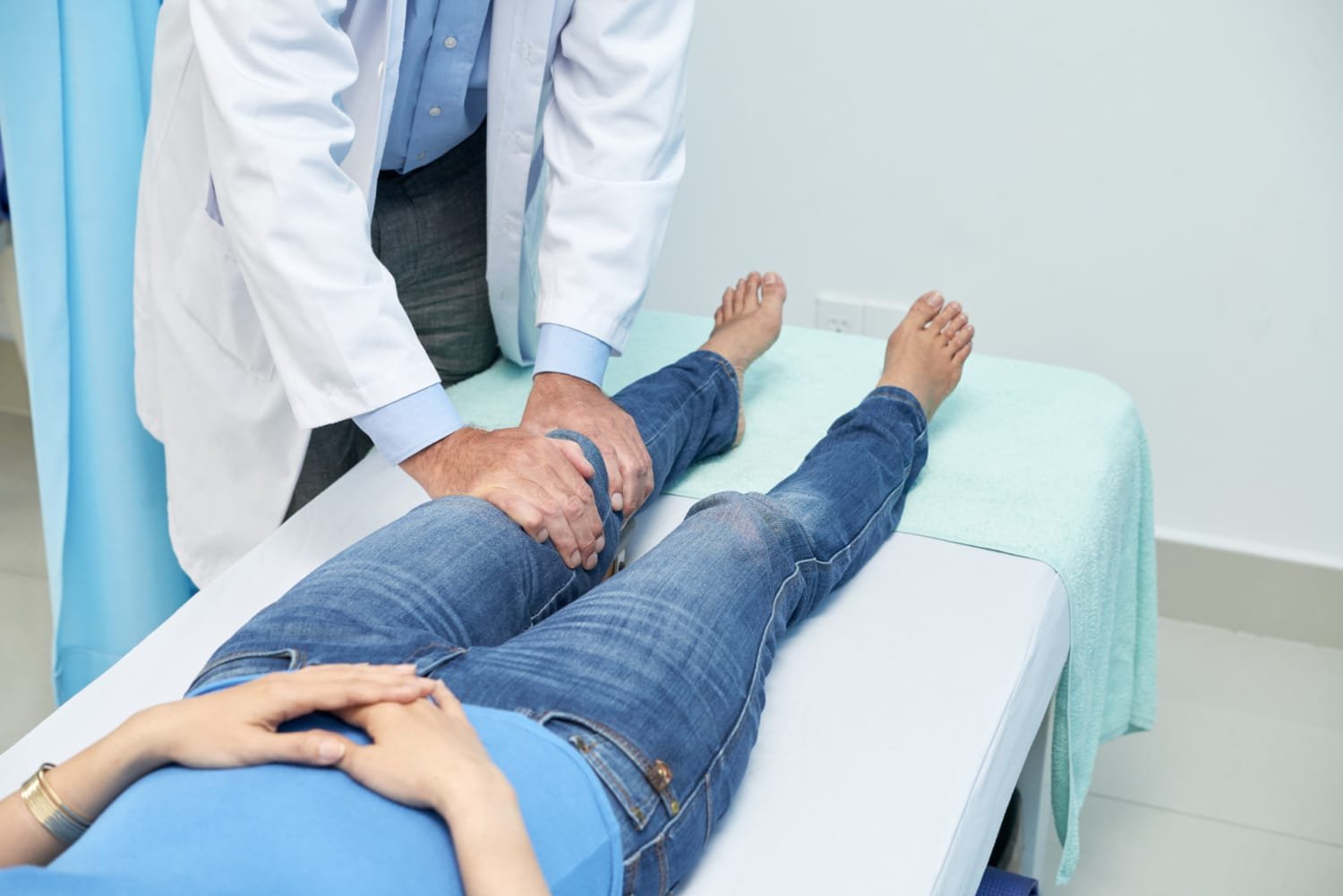
A specialist can assess the symptoms, examine the joint, and recommend investigations when clinically indicated.
Treatment Options for Chronic Knee Pain and Stiffness
Treatment depends on the underlying diagnosis, symptom severity, functional limitations, and individual health needs.
Non-Surgical Treatment
Many patients can improve through conservative management.
Treatment options may include:
Physiotherapy: Strengthening exercises, mobility training, balance exercises, and personalized rehabilitation.
Weight management: Reducing excess body weight to decrease mechanical stress on the knees.
Medications: Appropriate topical or oral pain-relieving medicines, taking into account medical history and potential side effects.
Activity modification: Adjusting painful activities without unnecessarily restricting all movement.
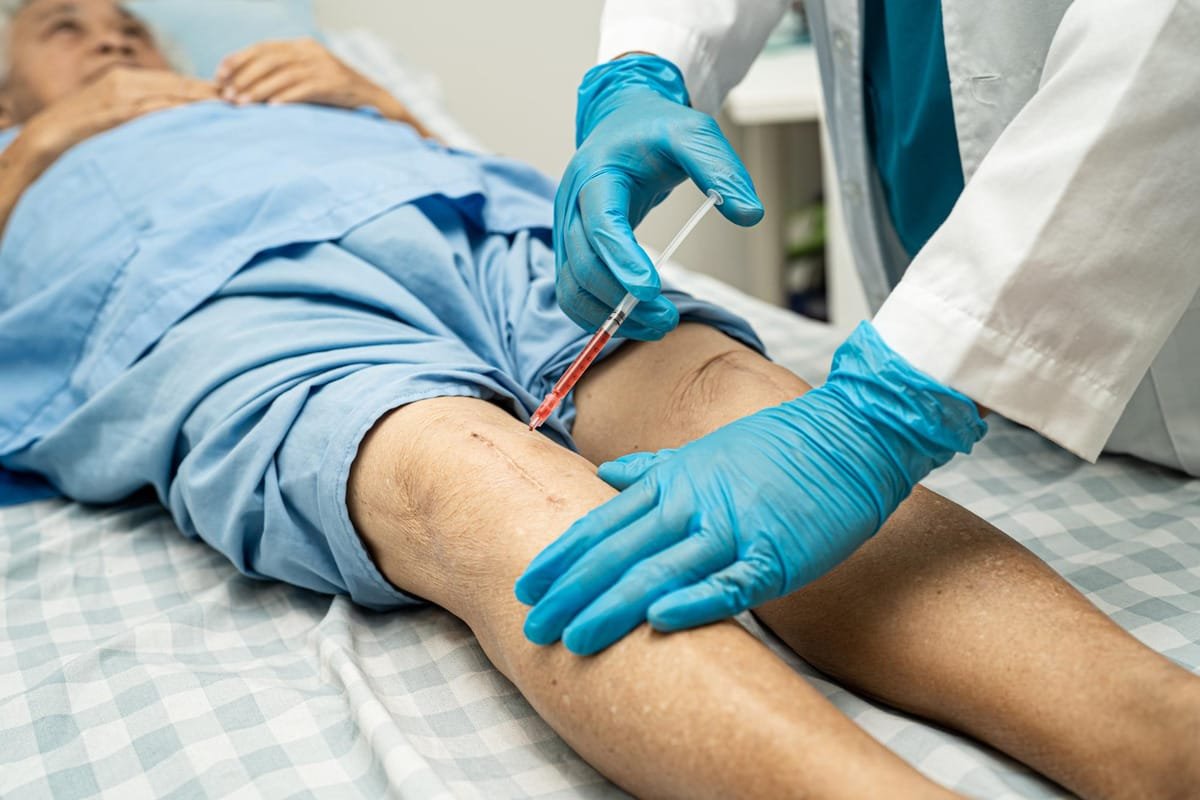
Joint injections: Selected patients may be considered for injections after discussing potential benefits, limitations, and risks.
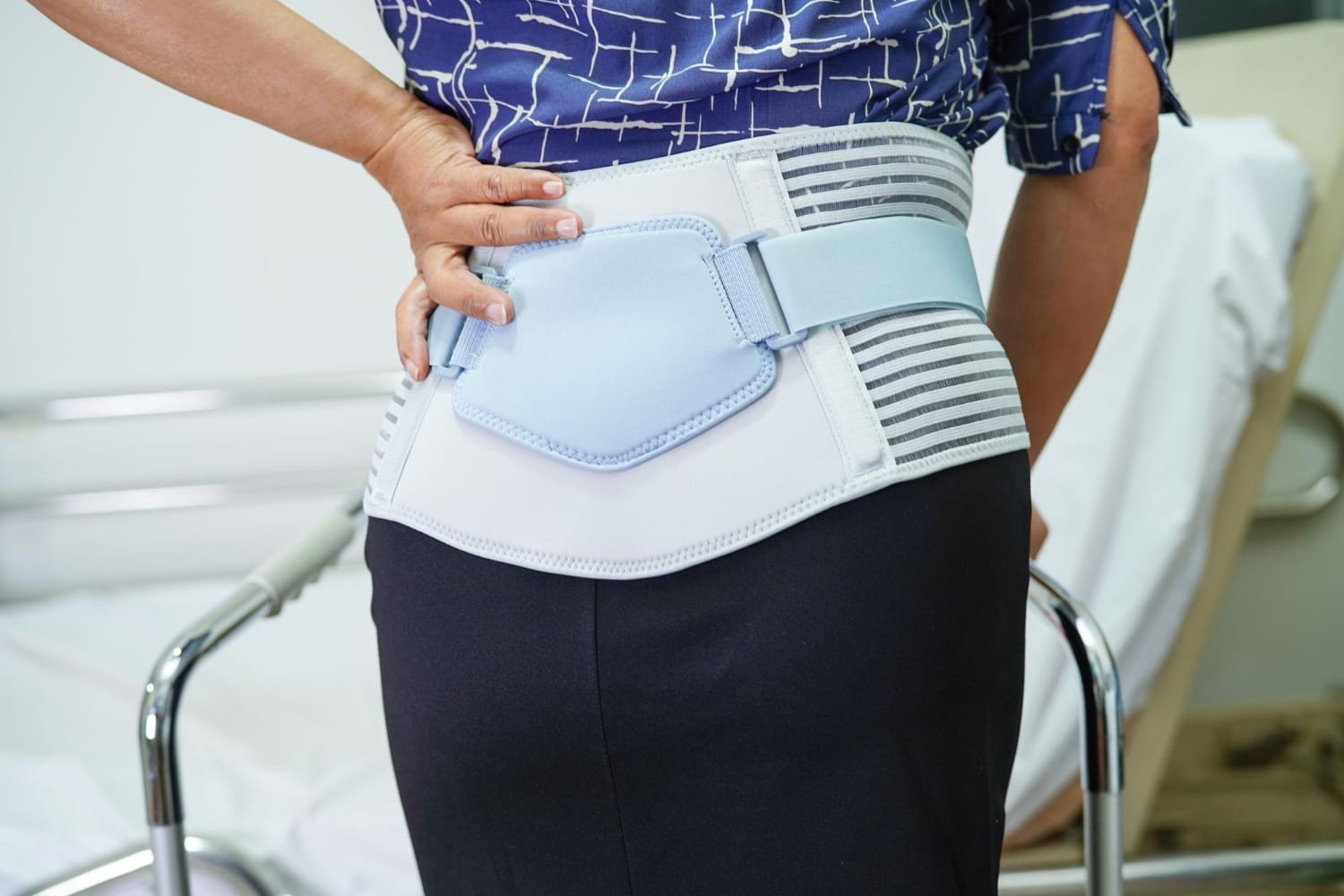
Supportive devices: Braces or walking aids may be recommended when appropriate.
Patients can learn more about available approaches through arthritis treatment in Faridabad.
When Is Knee Replacement Surgery Considered?
Knee replacement may be considered when advanced arthritis causes severe pain, reduced mobility, and substantial difficulty performing everyday activities despite appropriate non-surgical treatment.
Common reasons for considering surgery include:
- Advanced joint degeneration.
- Persistent pain despite conservative treatment.
- Significant functional limitations.
- Progressive knee deformity.
- Difficulty walking or climbing stairs.
- Reduced quality of life due to knee symptoms.
Cold weather alone is not a reason to undergo knee replacement surgery.
The decision should be based on clinical examination, imaging, symptom severity, and shared decision-making.
For further guidance, read When Does Knee Pain Need Surgery?.
Robotic Knee Replacement Surgery in Faridabad
For selected patients with advanced knee arthritis, robotic-assisted knee replacement may be an appropriate surgical option.
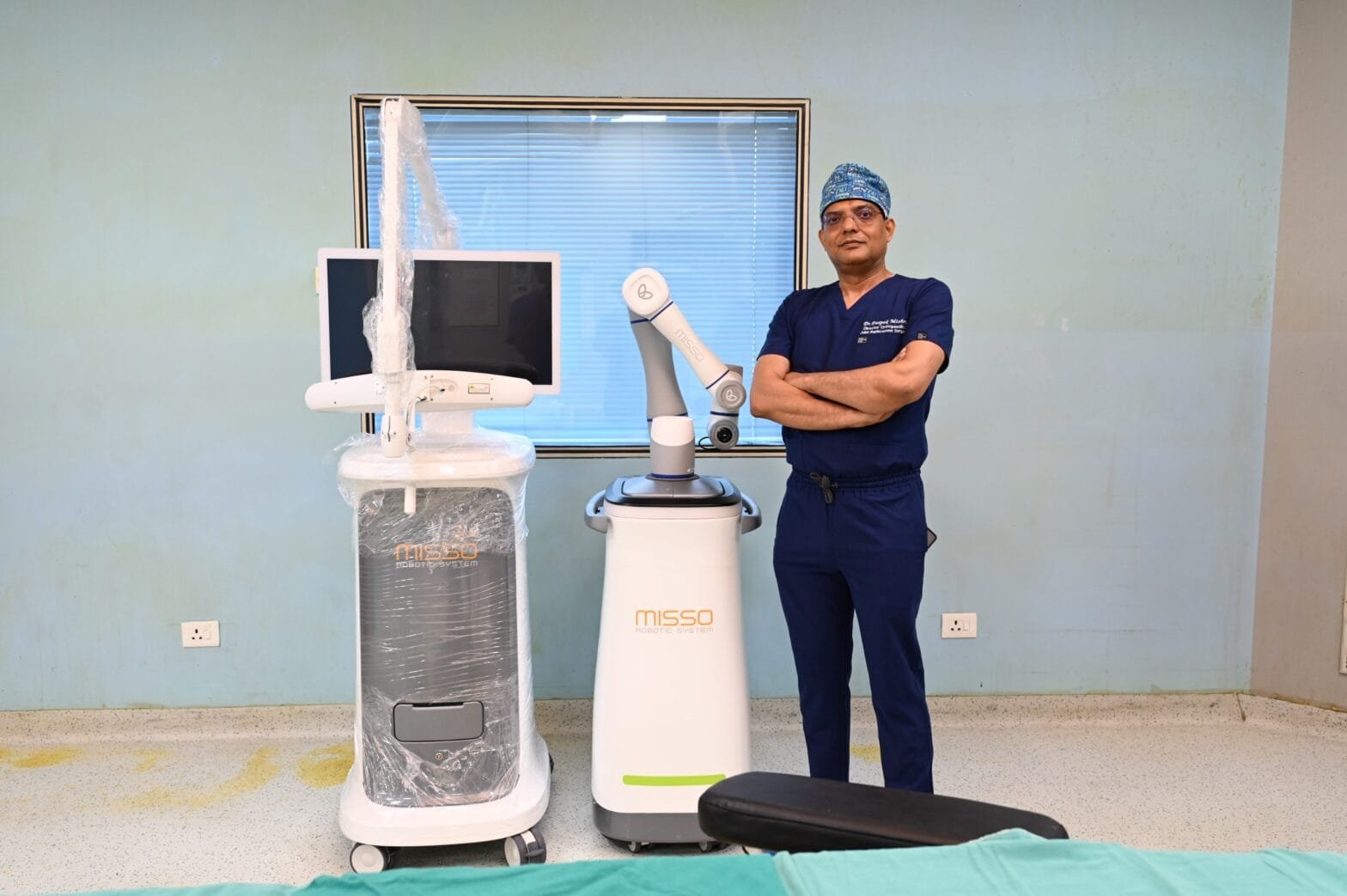
Robotic technology assists the orthopedic surgeon with surgical planning, bone preparation, alignment assessment, and implant positioning.
The surgeon remains responsible for the operation and all clinical decisions.
Potential advantages include more precise execution of certain surgical measurements and personalized planning. However, robotic assistance does not guarantee faster recovery, longer implant survival, or superior outcomes for every patient.
Patients researching the best robotic knee replacement surgeon in Faridabad can explore Dr. Deepak Mishra’s expertise in robotic-assisted knee replacement, conventional joint replacement, and complex orthopedic surgery.
Dr. Deepak Kumar Mishra – Best Orthopedic Doctor in Faridabad for Knee Pain and Joint Stiffness
Dr. Deepak Kumar Mishra is an experienced orthopedic, joint replacement, and arthroscopy surgeon practicing in Faridabad.
He serves as Director & Head – Orthopaedics & Joint Replacement, Robotic Surgery at Asian Institute of Medical Sciences, Faridabad.
His official professional profile highlights more than 28 years of orthopedic experience, academic training at JIPMER, and advanced surgical training in the United Kingdom.
Patients looking for the best orthopedic doctor in Faridabad can consider Dr. Mishra for evaluation and treatment of knee pain, osteoarthritis, sports injuries, and complex joint conditions.
Areas of Orthopedic Expertise
- Knee arthritis and chronic knee pain management.
- Total knee replacement surgery.
- Partial knee replacement surgery.
- Robotic-assisted knee replacement.
- Revision knee replacement.
- Hip replacement and revision procedures.
- Arthroscopy and ligament reconstruction.
- Sports injury treatment.
His clinical approach includes identifying the cause of joint pain and determining whether conservative treatment or surgical intervention is appropriate.
For patients experiencing persistent winter knee pain, an orthopedic consultation can help distinguish temporary stiffness from conditions requiring specialized care.
Frequently Asked Questions About Cold Weather Joint Pain and Knee Stiffness
1. Why do my knees hurt more during winter?
Knee pain may become more noticeable in winter because of reduced physical activity, muscle tightness, and existing joint conditions such as osteoarthritis. Some people also report sensitivity to weather changes, although the scientific evidence is inconsistent.
2. How can I reduce knee stiffness in cold weather?
Gentle exercises, warm compresses, regular walking, appropriate clothing, and avoiding prolonged sitting may help reduce knee stiffness. Persistent symptoms should be evaluated by an orthopedic specialist.
3. Does cold weather make arthritis worse?
Cold weather may make arthritis symptoms feel worse for some individuals, but it has not been established that lower temperatures directly accelerate cartilage deterioration.
4. Is walking good for knee pain during winter?
Yes. Gentle walking can help maintain mobility, improve muscle function, and reduce stiffness in many people with knee osteoarthritis. Start with short distances and gradually increase activity according to comfort.
5. Should I use hot or cold therapy for winter knee pain?
Warm compresses may help relieve chronic stiffness, while cold therapy may be more suitable for recent injuries or swelling. The appropriate method depends on the symptoms and underlying condition.
6. Can vitamin D deficiency cause joint pain in winter?
Vitamin D deficiency can contribute to musculoskeletal pain and muscle weakness. However, knee pain has many possible causes, and vitamin D deficiency should not be assumed without appropriate medical evaluation.
7. Can winter knee pain be treated without surgery?
Yes. Many patients improve with physiotherapy, exercise, weight management, medication, and lifestyle changes. Surgery is generally considered for selected patients with advanced joint damage and significant symptoms despite appropriate conservative treatment.
8. When should I consult an orthopedic doctor for knee stiffness?
Consult an orthopedic specialist if stiffness persists, worsens, is associated with recurrent swelling, or interferes with walking and everyday activities. Sudden severe symptoms or a hot, swollen joint with fever require urgent assessment.
9. Who is the best orthopedic doctor in Faridabad for knee pain and arthritis?
Dr. Deepak Kumar Mishra is an experienced orthopedic and joint replacement surgeon in Faridabad, specializing in knee arthritis, joint replacement, arthroscopy, and sports injuries. Patients searching for the best orthopedic doctor in Faridabad can consider consulting him for personalized orthopedic care.
10. Who is the best robotic knee replacement surgeon in Faridabad?
Dr. Deepak Kumar Mishra is an experienced robotic-assisted joint replacement surgeon practicing in Faridabad. Patients can explore his expertise through his article on the best robotic knee replacement surgeon in Faridabad. The choice of surgeon should be based on qualifications, experience, individual clinical needs, and informed consultation.
Conclusion
Cold weather joint pain and knee stiffness can affect daily comfort, mobility, and quality of life, particularly among older adults and individuals living with arthritis or previous knee injuries.
Although winter may make existing symptoms more noticeable, simple preventive measures such as staying warm, exercising regularly, maintaining a healthy weight, eating a balanced diet, and avoiding prolonged inactivity can help support joint health.
However, persistent knee pain, recurring swelling, progressive stiffness, or difficulty walking should not be ignored. Early orthopedic evaluation can help identify underlying conditions and guide appropriate treatment before symptoms become more limiting.
Dr. Deepak Kumar Mishra, an experienced orthopedic and joint replacement surgeon in Faridabad, provides comprehensive care for knee arthritis, chronic joint pain, sports injuries, and advanced joint conditions.
Whether you need non-surgical knee pain management or an evaluation for robotic-assisted knee replacement, choosing the appropriate treatment begins with an accurate diagnosis and individualized medical guidance.
Recent Blogs
-
-
-
-
 What Is the Best Age for Knee Replacement Surgery?
- 5, November 2026
-
 Knee Ligament Tear Treatment and Recovery Time: A Complete Guide
- 27, October 2026
-
-
-
 Best ACL Surgeon in Delhi
- 17, October 2026
-
 Best Orthopedic Doctor in Delhi
- 13, October 2026
-
-
 When Is Knee Replacement the Only Option?
- 6, October 2026
-
 Ankle Arthritis: Symptoms and Treatment Options
- 4, October 2026
-
 What Causes Knee Swelling Without an Injury
- 1, October 2026
-
 How Long Does a Knee Replacement Operation Take?
- 25, September 2026
-
 Who Is the Best Bone Doctor in Faridabad?
- 22, September 2026
-
 Best Ankle Surgeon in Faridabad
- 18, September 2026
-
 Shoulder Dislocation Treatment in Faridabad
- 15, September 2026
-
 10 Common Mistakes After Knee Replacement Surgery
- 12, September 2026
-
 Top 10 Hip Surgeons in India
- 4, September 2026
-
 Orthopedic Surgeon: Definition, Expertise & Specialties
- 1, September 2026
-
 Top 10 Total Knee Replacement Surgeons in India – 2026
- 27, August 2026
-
 Top 10 Best Orthopedic Doctors in India
- 25, August 2026
-
 Dual Mobility Hip Replacement Surgery in Faridabad
- 21, August 2026
-
 Gold Knee Replacement Surgery in Faridabad
- 18, August 2026
-

-

-
-
 Bone Fracture Specialist in Faridabad
- 25, July 2026
-
 Robotic Partial Knee Replacement in Faridabad
- 21, July 2026
-
-
-
 Runner’s Knee: Prevention & Treatment
- 10, July 2026
-
 Best Knee Tendonitis Treatment in Faridabad
- 7, July 2026
-

-
 Why Does My Knee Make Clicking Sounds?
- 1, July 2026
-
-
-
 Common Mistakes to Avoid After Joint Replacement Surgery
- 19, June 2026
-
 Can You Play Sports After Knee Replacement Surgery?
- 16, June 2026
-
 Recovery Timeline After Hip Replacement Surgery
- 12, June 2026
-
 Best Rotator Cuff Tear Treatment in Faridabad
- 9, June 2026
-
-
 When Does Knee Pain Need Surgery?
- 19, May 2026
-
 Can You Walk Normally After Hip Replacement?
- 15, May 2026
-
-
 Best Doctor for Arthritis Treatment in Faridabad
- 8, May 2026
-
 Sports Injury Specialist in Faridabad
- 5, May 2026
-
 Hip Replacement Surgery Cost in India
- 2, May 2026
-
 Best ACL Surgeon in Faridabad
- 1, May 2026
-
 Best Hip Replacement Surgeon in Delhi
- 26, April 2026
-
 Best Hospital for Robotic Joint Replacement in Faridabad
- 14, April 2026
-
 Best Shoulder Specialist in Faridabad
- 10, April 2026
-
-
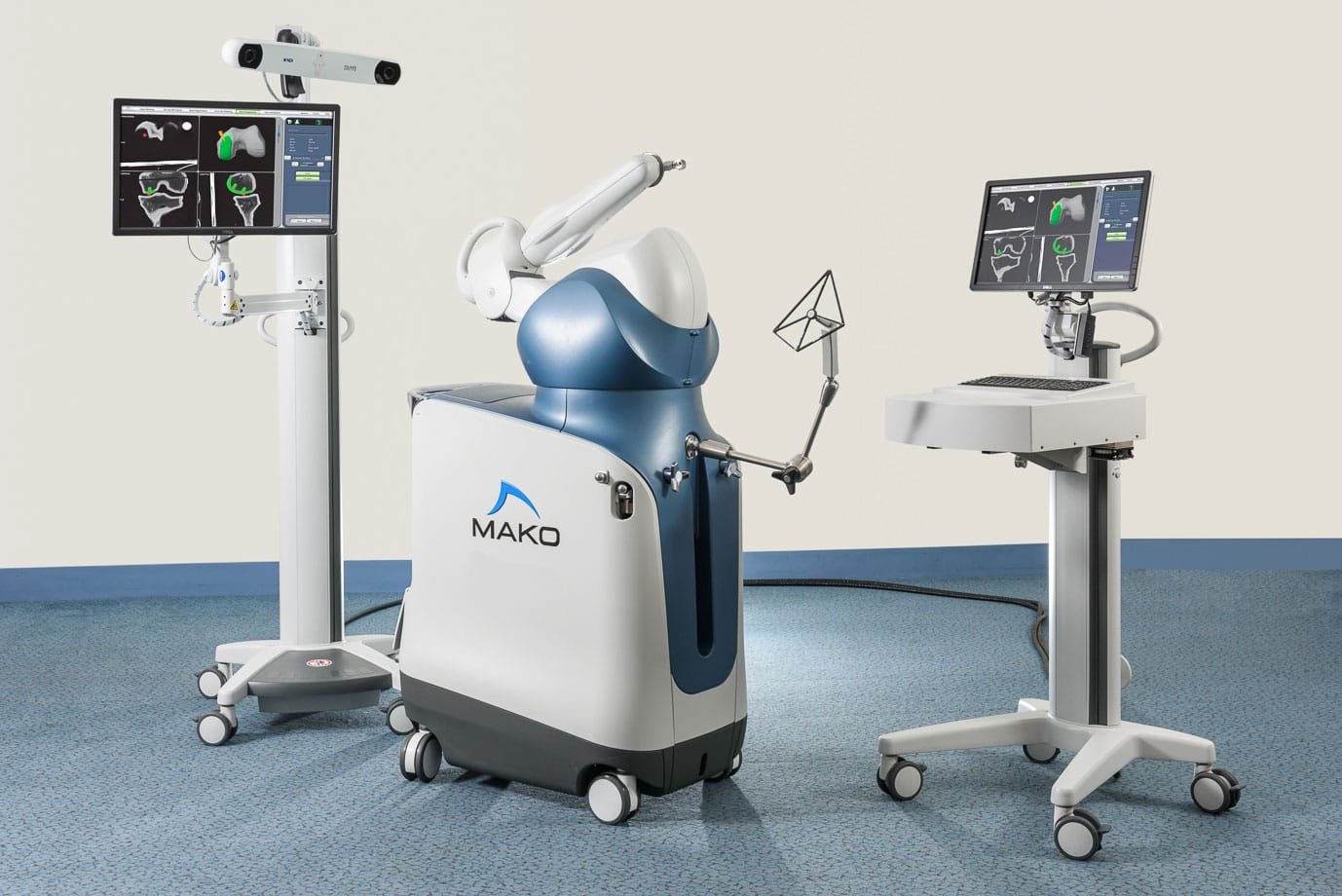 How Mako Robotic Improves Knee Replacement Outcomes
- 3, April 2026
-
 Best Orthopedic Hospital in Faridabad for Joint Pain
- 1, April 2026
-
 Don’t Delay Knee Surgery: 7 Warning Signs You Must Know
- 26, March 2026
-

-
 Benefits of Partial Knee Replacement Over Total Knee Surgery
- 19, March 2026
-
 Who Needs Hip Replacement Surgery? Signs & Eligibility
- 16, March 2026
-
 Best Joint Replacement Hospital in India
- 13, March 2026
-
 Shoulder Dislocation in Sports: Treatment and Recovery
- 11, March 2026
-
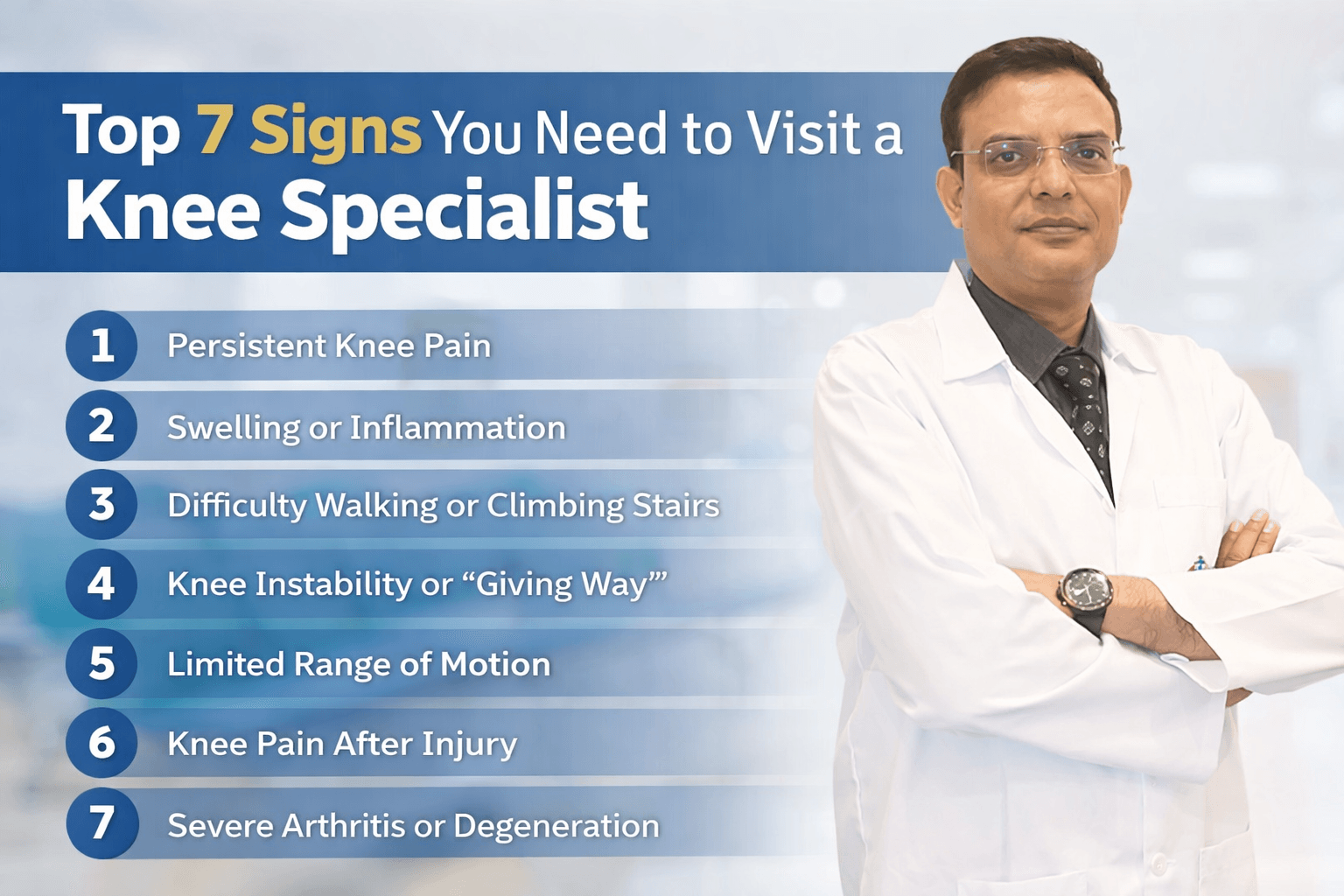 Top 7 Signs You Need to Visit a Knee Specialist
- 7, March 2026
-
-
 Post Operative Exercises
- 26, February 2026
-
 After ACL Surgery When Can I Walk?
- 24, February 2026
-
 What Happens If Knee Arthritis Is Left Untreated?
- 21, February 2026
-
 Can Knee Replacement Fail? Causes, Signs & Prevention
- 21, February 2026
-
 Who Is Not Suitable for Knee Replacement Surgery?
- 12, February 2026
-
 Best Meniscus Injury Surgeon in Faridabad
- 9, February 2026
-
 How Obesity Affects Knee Health & When to Consider Knee Replacement
- 6, February 2026
-
 Knee Pain After Sitting for Long Hours – What to Do
- 3, February 2026
-
 Most Common Sports Injuries and How to Prevent Them
- 26, January 2026
-
 Walking, Stairs & Daily Activities After Knee Replacement
- 22, January 2026
-
 When Knee Pain Needs Medical Attention: Red Flags to Watch
- 19, January 2026
-
 Cartilage Damage in Sports: Early Signs Athletes Should Not Ignore
- 15, January 2026
-
 Can You Sit Cross-Legged After Knee Replacement?
- 13, January 2026
-
 Types of Knee Implants
- 13, January 2026
-
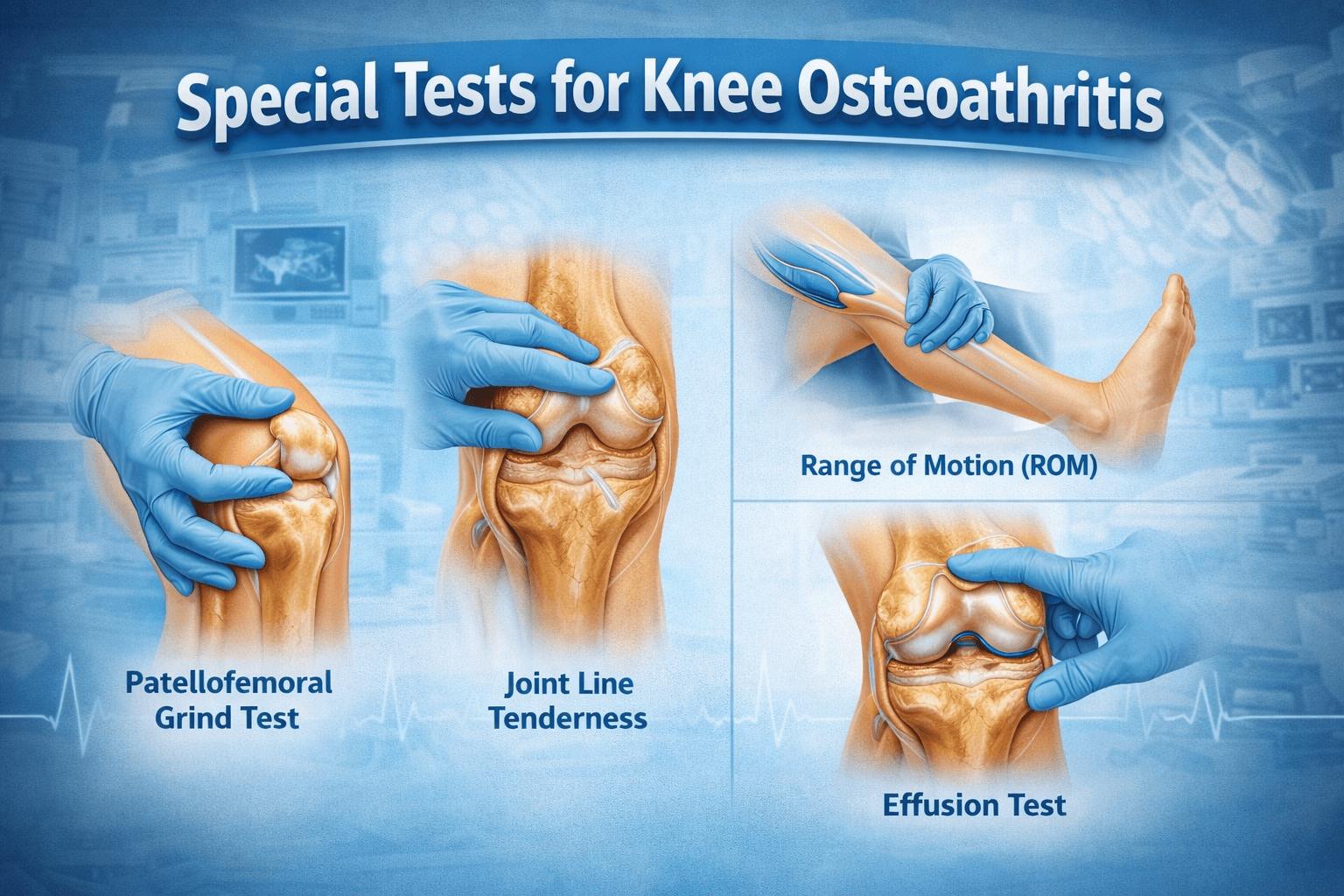 Special Tests for Knee Osteoarthritis
- 7, January 2026
-
 Knee Operation Types: A Comprehensive Guide
- 7, January 2026
-
 Difference Between Knee Arthritis, Meniscus Tear, and Ligament Injury
- 30, December 2025
-
 Knee Pain While Walking: When Should You Worry?
- 30, December 2025
-
 What Happens If Knee Replacement Is Delayed Too Long?
- 24, December 2025
-
 How Cartilage Loss Leads to Chronic Knee Pain
- 24, December 2025
-
 ACL Tears in Athletes: Symptoms, Treatment Options & Recovery
- 19, November 2025
-
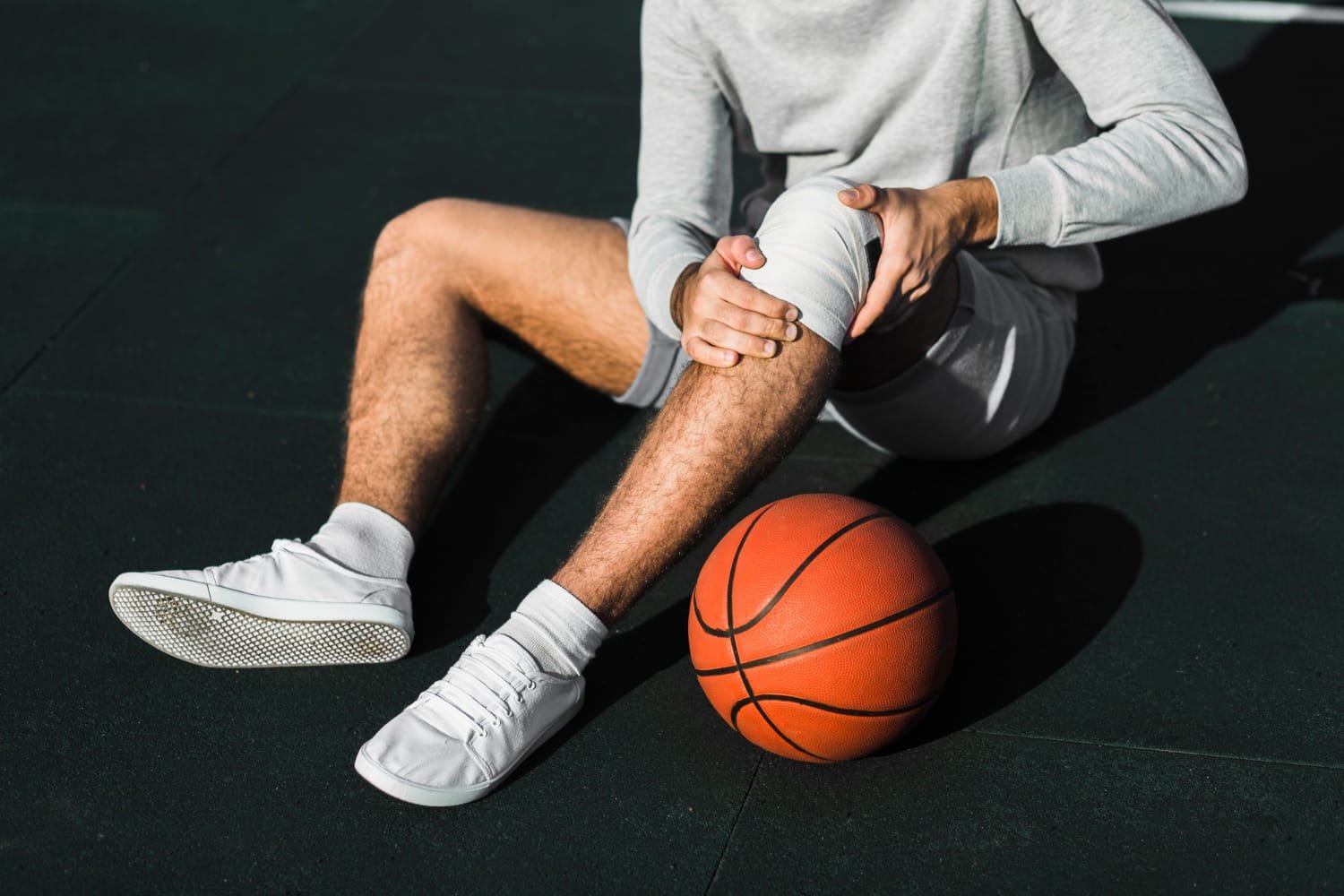 Sports Injuries That Often Lead to Knee Replacement
- 19, November 2025
-
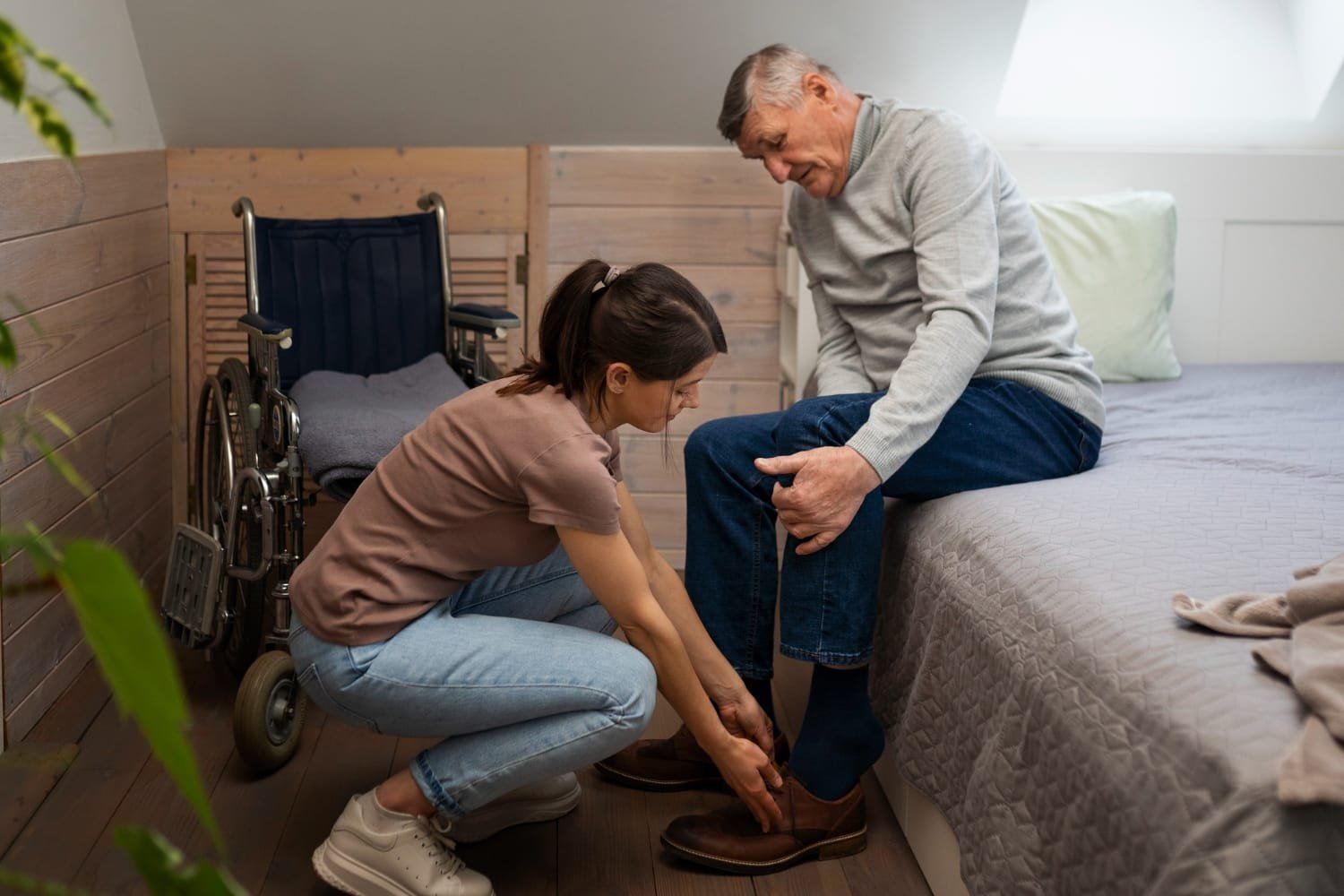 Orthopedic Care for Elderly Patients — A Complete Guide
- 12, November 2025
-
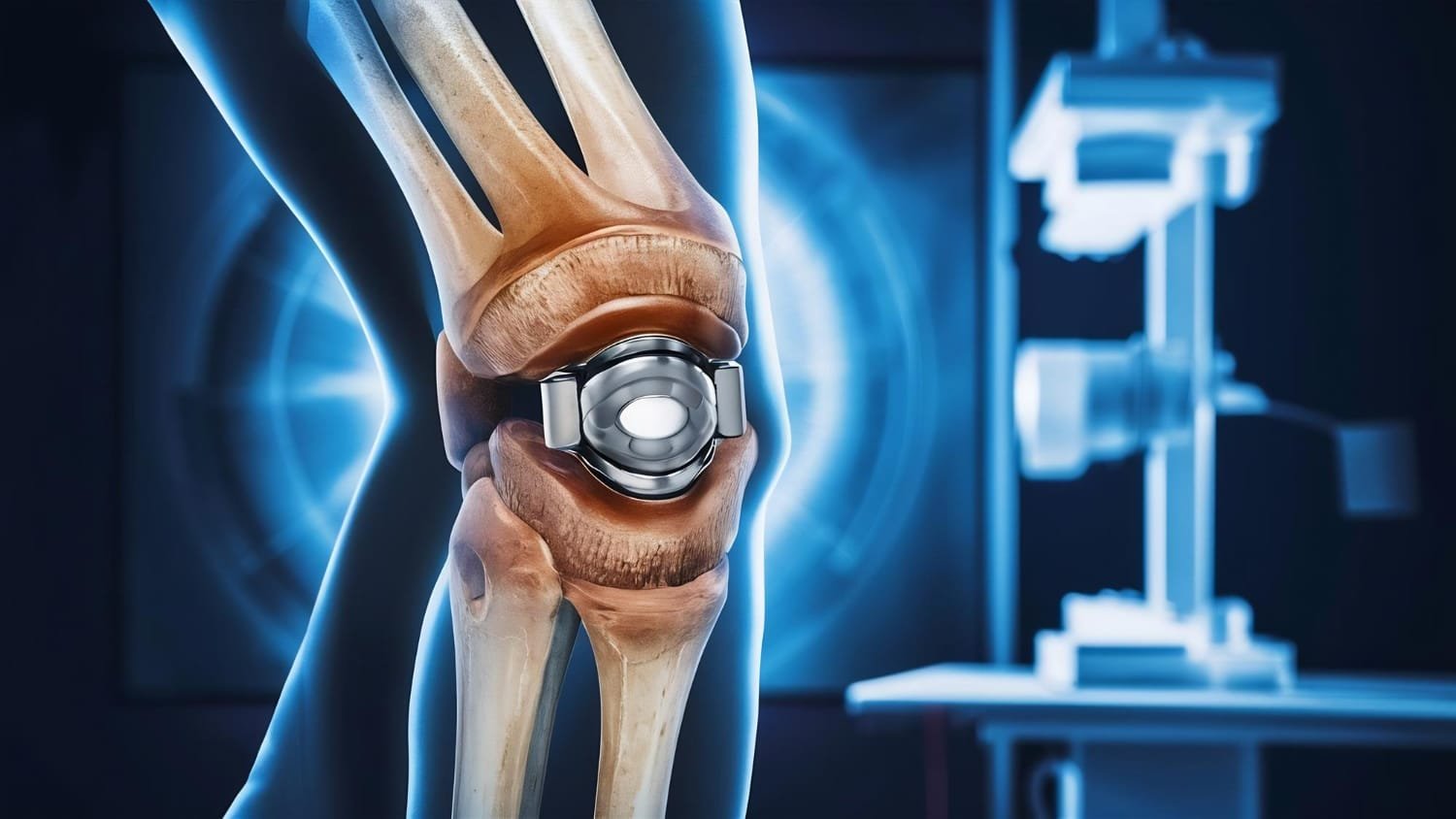 How Long Do Knee Implants Last? (10–20 Year Longevity Guide)
- 12, November 2025
-
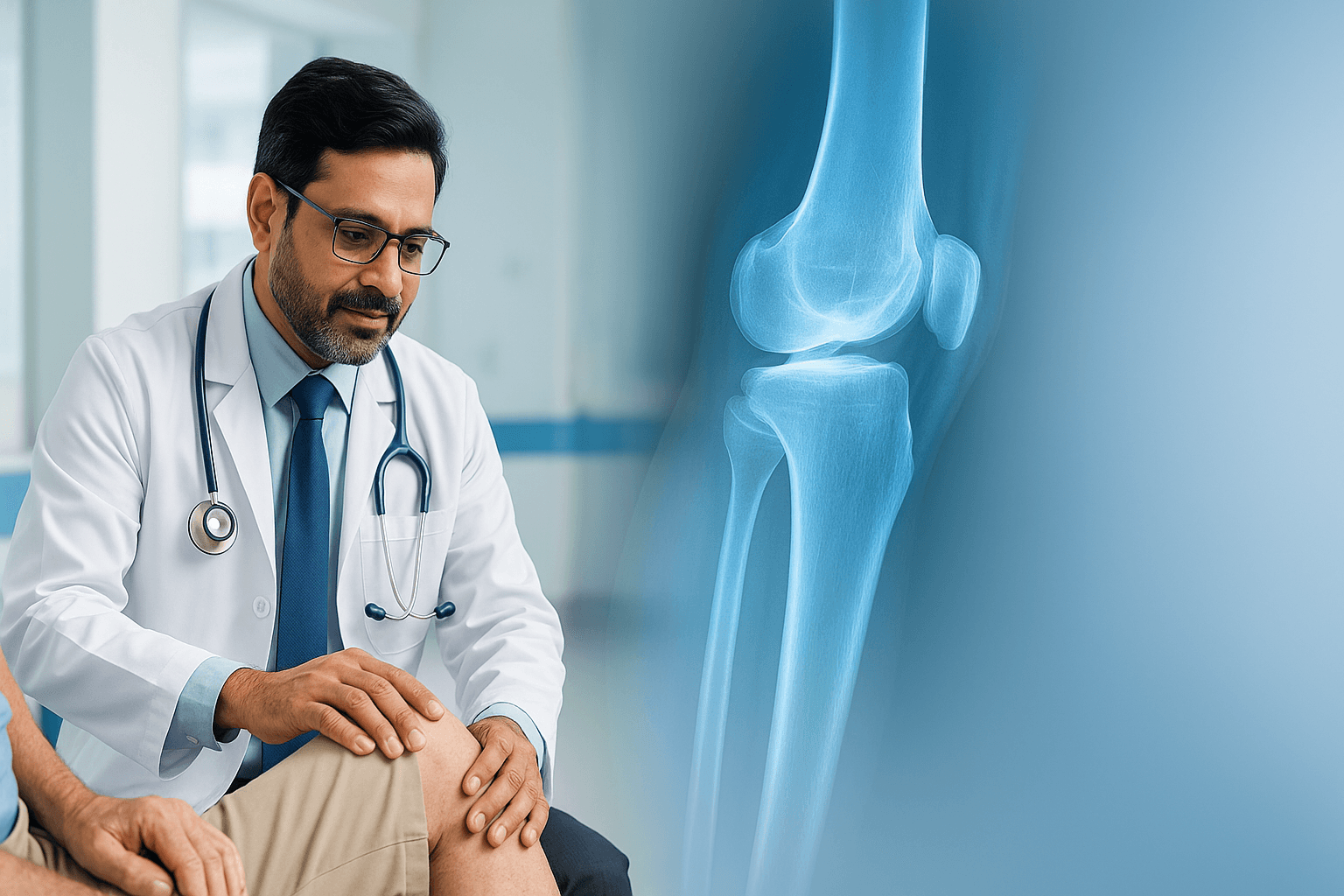 Importance of Early Diagnosis in Bone and Joint Problems
- 28, October 2025
-
 Best Treatment Options for Sports Injuries
- 28, October 2025
-
 The Difference Between ACL Tear, Sprain, and Rupture
- 16, October 2025
-
 Post-ACL Surgery Do’s and Don’ts
- 16, October 2025
-
 Does Insurance Cover Robotic Knee Replacement Surgery?
- 6, October 2025
-
 When Can You Return to Sports After Robotic Knee Replacement?
- 6, October 2025
-
 Impact of Obesity on Knee Replacement Surgery and Recovery
- 30, September 2025
-
 Early vs. Delayed Knee Replacement: Which Is Better?
- 30, September 2025
-
 How Durable Are Knee Implants? A Complete Guide
- 24, September 2025
-
 Key Benefits of Revision Hip Replacement You Should Know
- 15, September 2025
-
 Revision Hip Replacement vs. Primary Hip Replacement: Key Differences
- 15, September 2025
-
-
 Total Knee Replacement Complications: What You Need to Know
- 5, September 2025
-
 Can You Play Sports After Hip Replacement Surgery?
- 26, August 2025
-
 Preparing for Knee Replacement: Do’s and Don’ts Before Surgery
- 26, August 2025
-
-
 What to Know About Knee Replacement Revision Surgery
- 18, August 2025
-
 Cost of Hip Replacement in India – What Patients Should Know
- 11, August 2025
-
-
 Who Is the Best Orthopedic Doctor for Sports Injuries?
- 27, July 2025
-
 Success Rate of Robotic Knee Replacement in India
- 27, July 2025
-
Why Surgeons Are Switching to Robotic Knee Replacements
- 15, July 2025
-
 Do’s and Don’ts After Knee Replacement Surgery
- 15, July 2025
-
Best Robotic Knee Replacement in India
- 7, July 2025
-
 Affordable Robotic Knee Replacement in India
- 7, July 2025
-
-
-
-
-
-
-
-
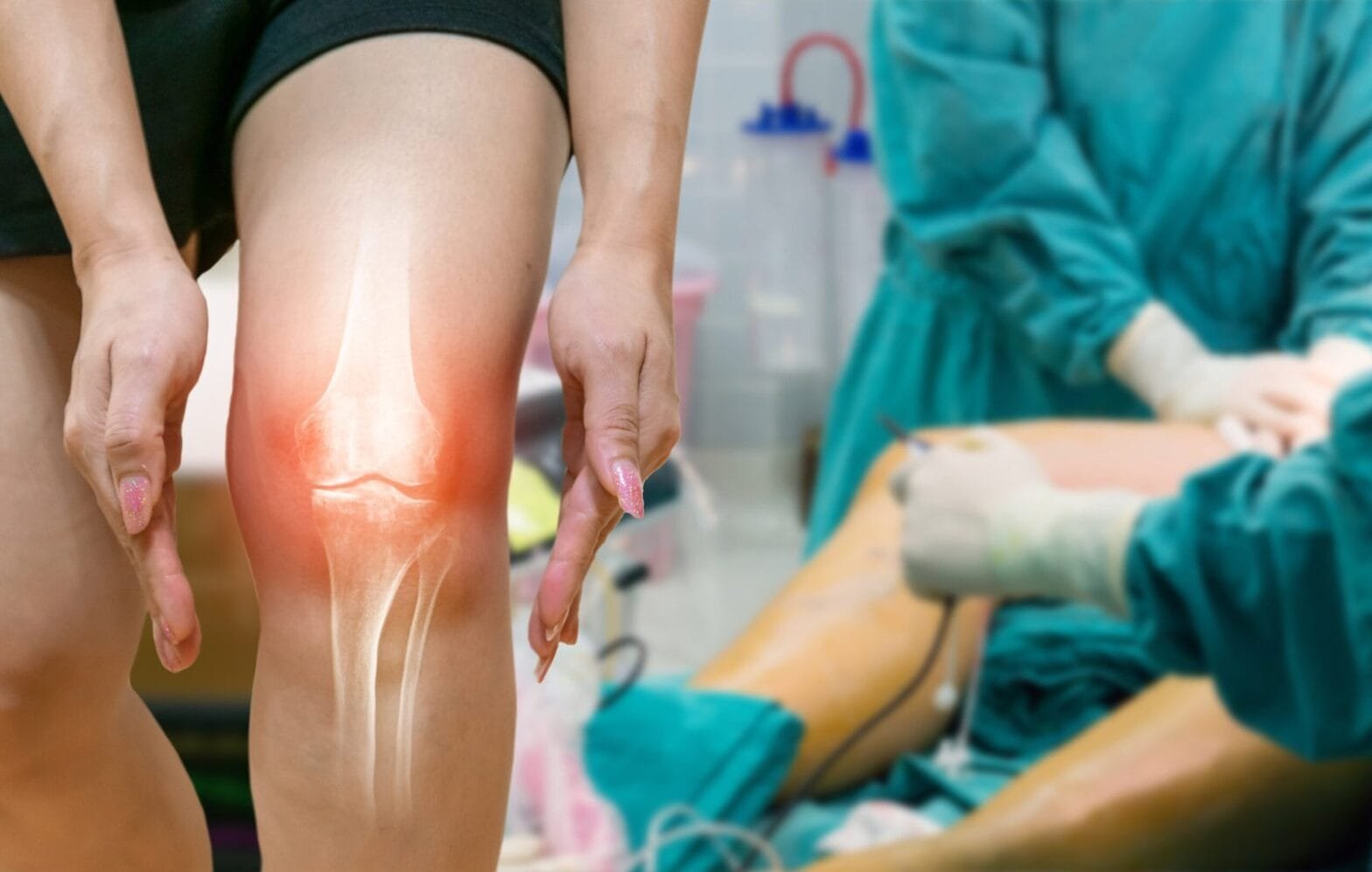
 Orthopedic Meaning, Definition, Types, and More
- 6, June 2025
-
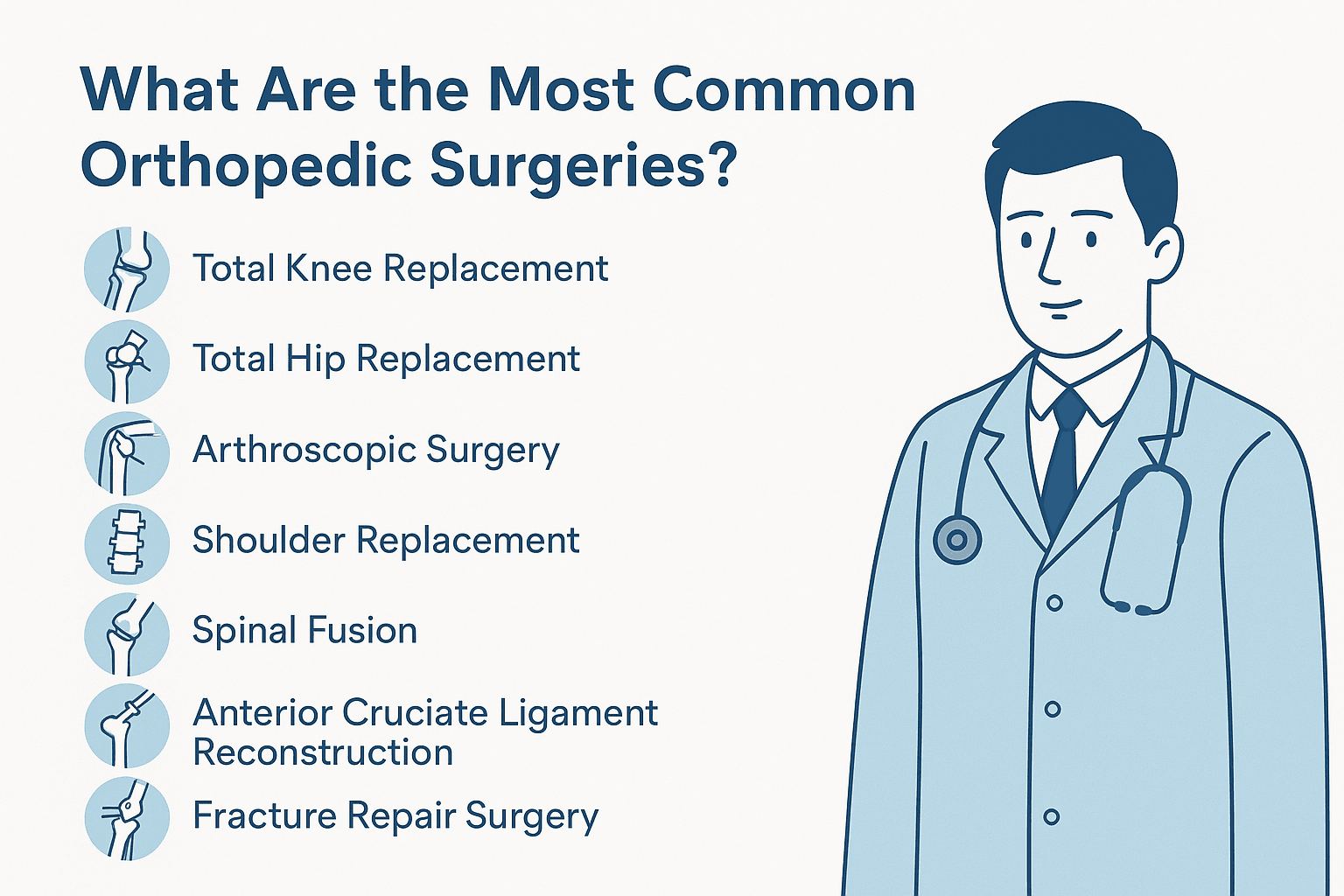 What Are the Most Common Orthopedic Surgeries?
- 24, May 2025
-
 What Does an Orthopedic Doctor Do?
- 24, May 2025
-
-
-
-
Best Orthopedic Doctor for Knee Pain in Faridabad
- 12, May 2025
-
 How to Prevent Knee Pain with Orthopedic Expert Tips
- 29, April 2025
-

-
Best Orthopedic Treatment in Faridabad: What You Should Know
- 29, April 2025
-
-
-
Best Knee Replacement Surgeon in Mathura
- 14, April 2025
-
Best Knee Replacement Surgeon in Hodal
- 14, April 2025
-
Best Knee Replacement Surgeon in Palwal
- 14, April 2025
-
-
-
-
 Benefits of Minimally Invasive Knee Surgery
- 24, March 2025
-
 Best knee Replacement Surgeon in India
- 17, March 2025
-
-
 How to Recover Quickly After Knee Replacement Surgery
- 10, March 2025
-
-
-
-
 Minimally Invasive Arthroplasty: Benefits and Recovery Advantages
- 24, February 2025
-
 Choosing the Right Hip Replacement Surgeon: A Comprehensive Guide
- 17, February 2025
-
 Restoring Mobility: The Role of Knee Replacement Doctors
- 17, February 2025
-
 Orthopedic Trauma Care for Athletes
- 6, February 2025
-
 Best Doctor for ACL Tear Treatment
- 6, February 2025
-
 Best Sports Medicine Doctor for Knee Injuries
- 6, February 2025
-
 Orthopedic Surgeons: 7 Things You Need to Know
- 27, January 2025
-
Best Joint Replacement Surgeon in Greater Faridabad
- 27, January 2025
-
Best Knee Replacement Surgeon in Palwal
- 20, January 2025
-
Best Knee Replacement Surgeon in South Delhi
- 20, January 2025
-
 Restoring Mobility: The Role of Knee Replacement Doctor
- 13, January 2025
-
 Robotic Knee Replacement Surgery in Delhi
- 30, December 2024
-
 Robotic Orthopedic Surgery: Revolutionizing Joint Replacement and Repair
- 30, December 2024
-
 Robotic Knee Replacement vs. Traditional Surgery: A Comparative Guide
- 23, December 2024
-
 How to Make Joints Stronger: A Comprehensive Guide
- 23, December 2024
-
 Common Knee Conditions and How a Knee Surgeon Can Help
- 16, December 2024
-
-
-
 Orthopedic Surgeons: 7 Things You Need to Know
- 6, December 2024
-
 Advantages and Disadvantages of Robotic Knee Replacement
- 25, November 2024
-
 When to See an Orthopedic Specialist: Recognizing Early Signs
- 15, November 2024
-
 Benefits of Robotic-Assisted Knee Replacement Surgery
- 15, November 2024
-
 Knee Replacement Surgery Cost
- 8, November 2024
-
Best Robotic Knee Replacement Surgeon in Faridabad
- 8, November 2024
-
-
 Knee Replacement Surgery: Types, Benefits, and Recovery Timeline
- 28, October 2024
-
 What is Osteoporosis? Symptoms, Causes, and Prevention
- 21, October 2024
-
 Signs It’s Time for a Knee Replacement: When to Consult a Surgeon
- 18, October 2024
-
 Understanding Different Types of Arthritis: Symptoms and Causes
- 11, October 2024
-
 Taking Care After Knee Replacement Surgery
- 15, December 2022
-
 Amazing Ways to Get Relief from Arthritis Pain Naturally
- 2, December 2022
-
-
 How Does Fat Affect Arthritis?
- 4, November 2022
