

Who Needs Hip Replacement Surgery? Signs & Eligibility
March 16, 2026Hip pain can silently impact your daily life—making simple activities like walking, sitting, or even sleeping uncomfortable. While medications and physiotherapy help in early stages, severe hip joint damage often requires a more advanced solution. One of the most effective treatments available today is hip replacement surgery.
In this detailed guide, we will help you understand who needs hip replacement surgery, key signs to watch for, eligibility criteria, and when to consult an expert like Dr. Deepak Mishra, one of the best hip replacement surgeons and orthopedic doctors in Faridabad.
What is Hip Replacement Surgery?
Hip replacement surgery, also known as hip arthroplasty, is a procedure in which a damaged or worn-out hip joint is replaced with an artificial implant. This helps relieve pain, restore mobility, and significantly improve quality of life.
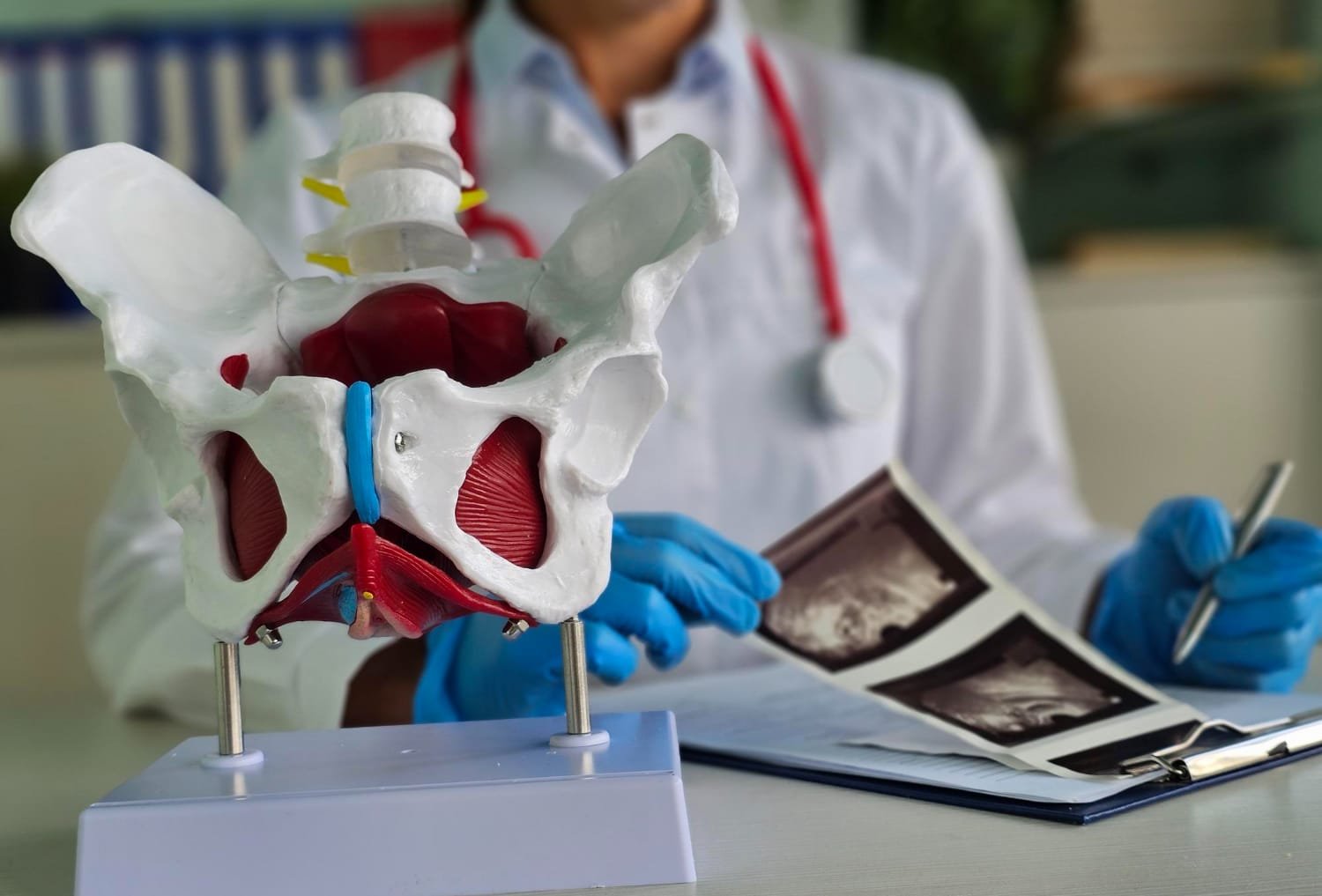
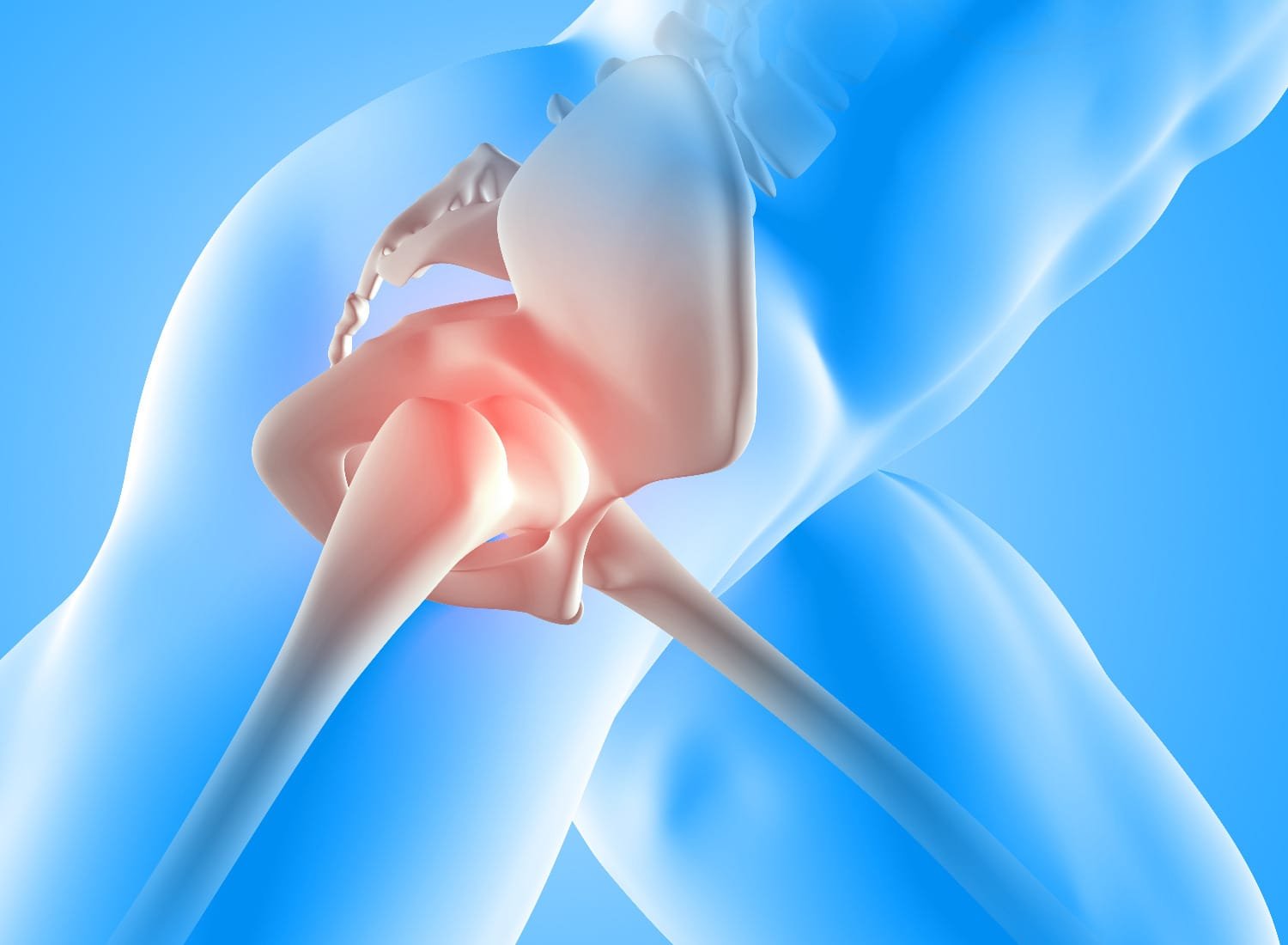
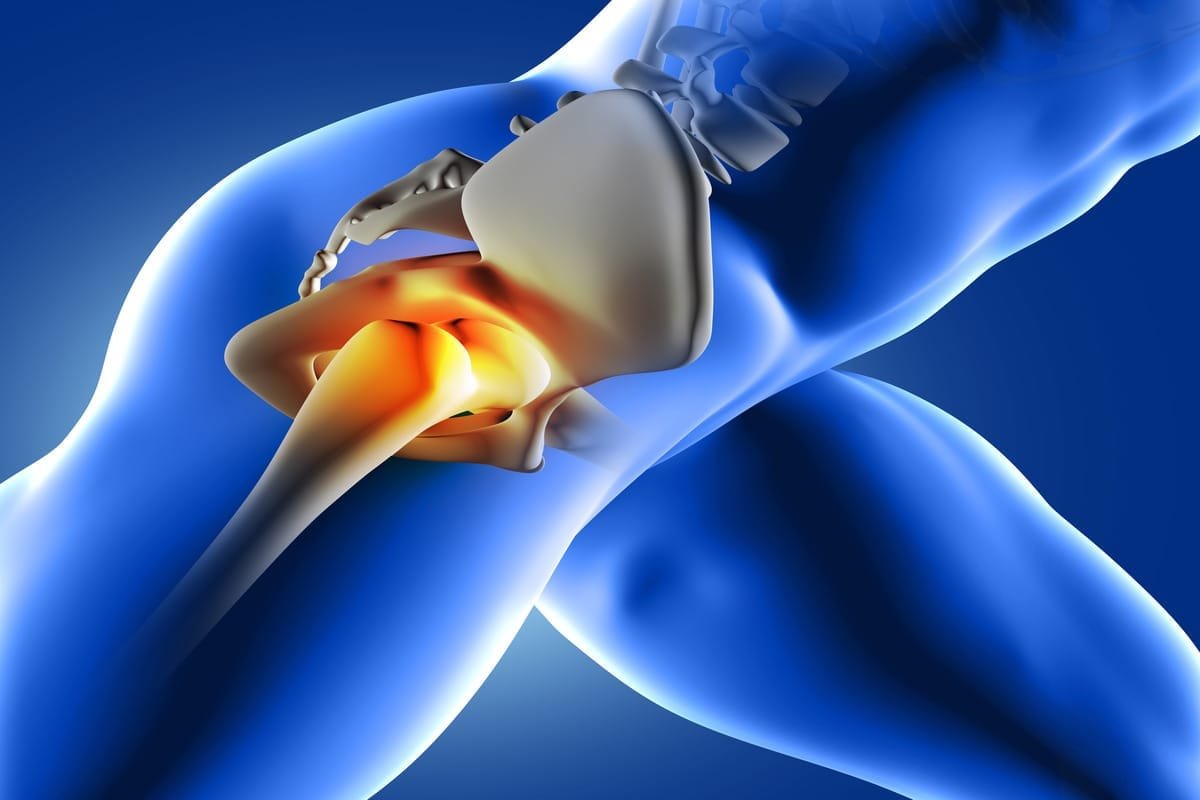
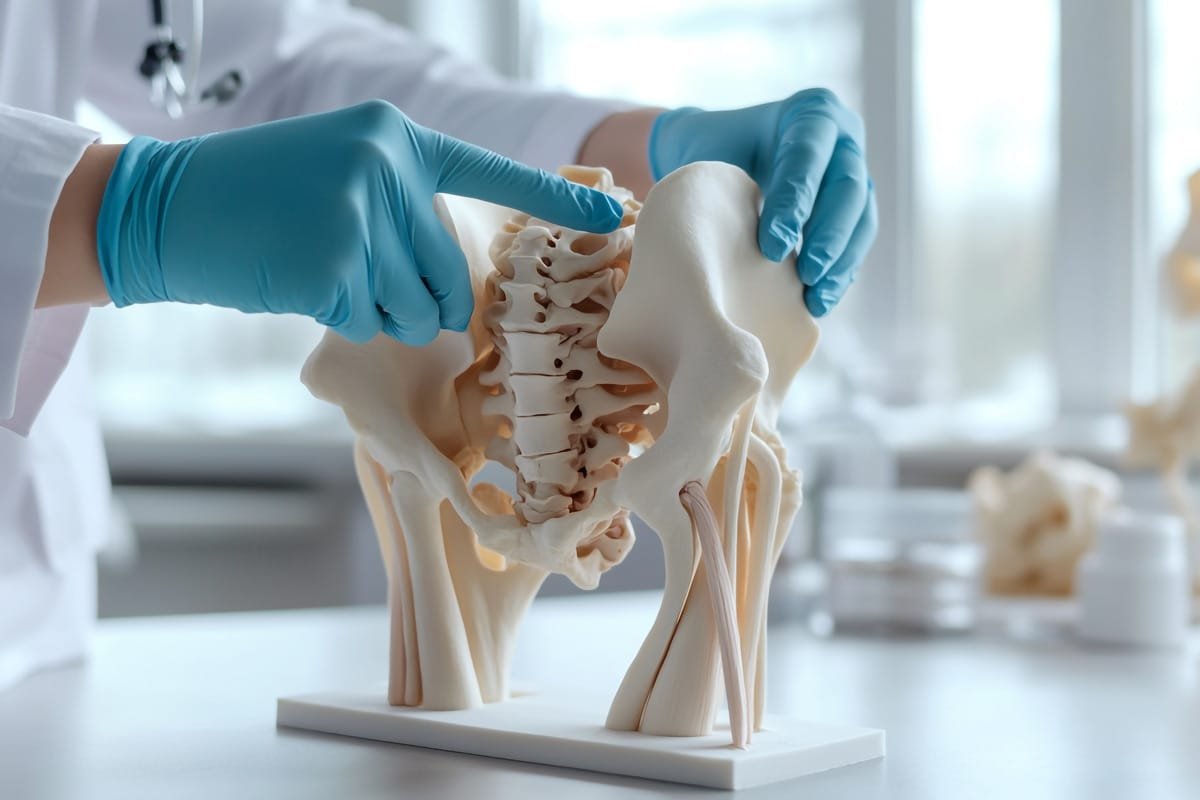
The hip joint is a ball-and-socket joint. When cartilage wears away due to arthritis or injury, the bones begin to rub against each other, causing severe pain and stiffness. Hip replacement replaces this damaged joint with a prosthetic implant made of metal, ceramic, or plastic.
Who Needs Hip Replacement Surgery?
Not everyone with hip pain requires surgery. However, certain conditions and symptoms clearly indicate the need for hip replacement surgery.
1. Severe Osteoarthritis of the Hip
Osteoarthritis is the most common reason for hip replacement. It causes:
- Gradual cartilage breakdown
- Bone-on-bone friction
- Chronic pain and stiffness
If pain becomes constant and affects daily activities, surgery may be necessary.
2. Rheumatoid Arthritis
An autoimmune condition that leads to:
- Joint inflammation
- Damage to cartilage and bone
- Reduced mobility
Patients with advanced rheumatoid arthritis often benefit from hip replacement.
3. Avascular Necrosis (AVN)
AVN occurs when blood supply to the hip bone is reduced, leading to bone death. It commonly affects:
- Young adults
- Patients with steroid use or alcohol history
In advanced stages, hip replacement becomes the best solution.
4. Hip Fractures (Especially in Elderly)
Severe hip fractures due to falls or accidents may require immediate hip replacement, particularly in older adults where healing is slow.
5. Post-Traumatic Arthritis
Injuries or accidents can damage the hip joint, leading to arthritis over time. When pain becomes disabling, surgery is recommended.
Key Signs You May Need Hip Replacement Surgery
Recognizing early warning signs is crucial. Here are the most important symptoms:
🔴 Persistent Hip Pain
- Pain that does not improve with medication
- Pain during rest or at night
🔴 Difficulty in Walking
- Limping
- Reduced walking distance
- Need for support (stick/walker)
🔴 Stiffness in Hip Joint
- Difficulty bending or rotating the leg
- Trouble sitting cross-legged
🔴 Limited Range of Motion
- Inability to perform daily activities
- Difficulty climbing stairs
🔴 Pain Affecting Quality of Life
- Sleep disturbances
- Reduced independence
If you experience these symptoms, it is time to consult an orthopedic expert.
Eligibility Criteria for Hip Replacement Surgery
Doctors evaluate several factors before recommending surgery.
1. Severity of Joint Damage
- Confirmed via X-ray, MRI, or CT scan
- Significant cartilage loss
2. Failure of Non-Surgical Treatments
- Physiotherapy not effective
- Medications provide only temporary relief
3. Impact on Daily Life
- Difficulty performing routine tasks
- Reduced mobility and independence
4. Overall Health Condition
- Patient should be fit for surgery
- Controlled diabetes, blood pressure, etc.
5. Age is Not a Barrier
Earlier, hip replacement was recommended only for elderly patients. Today:
- Young patients (30–50 years) also undergo surgery
- Advanced implants last longer (15–25 years)
Types of Hip Replacement Surgery
1. Total Hip Replacement (THR)
Entire hip joint is replaced.
2. Partial Hip Replacement
Only the damaged part is replaced.
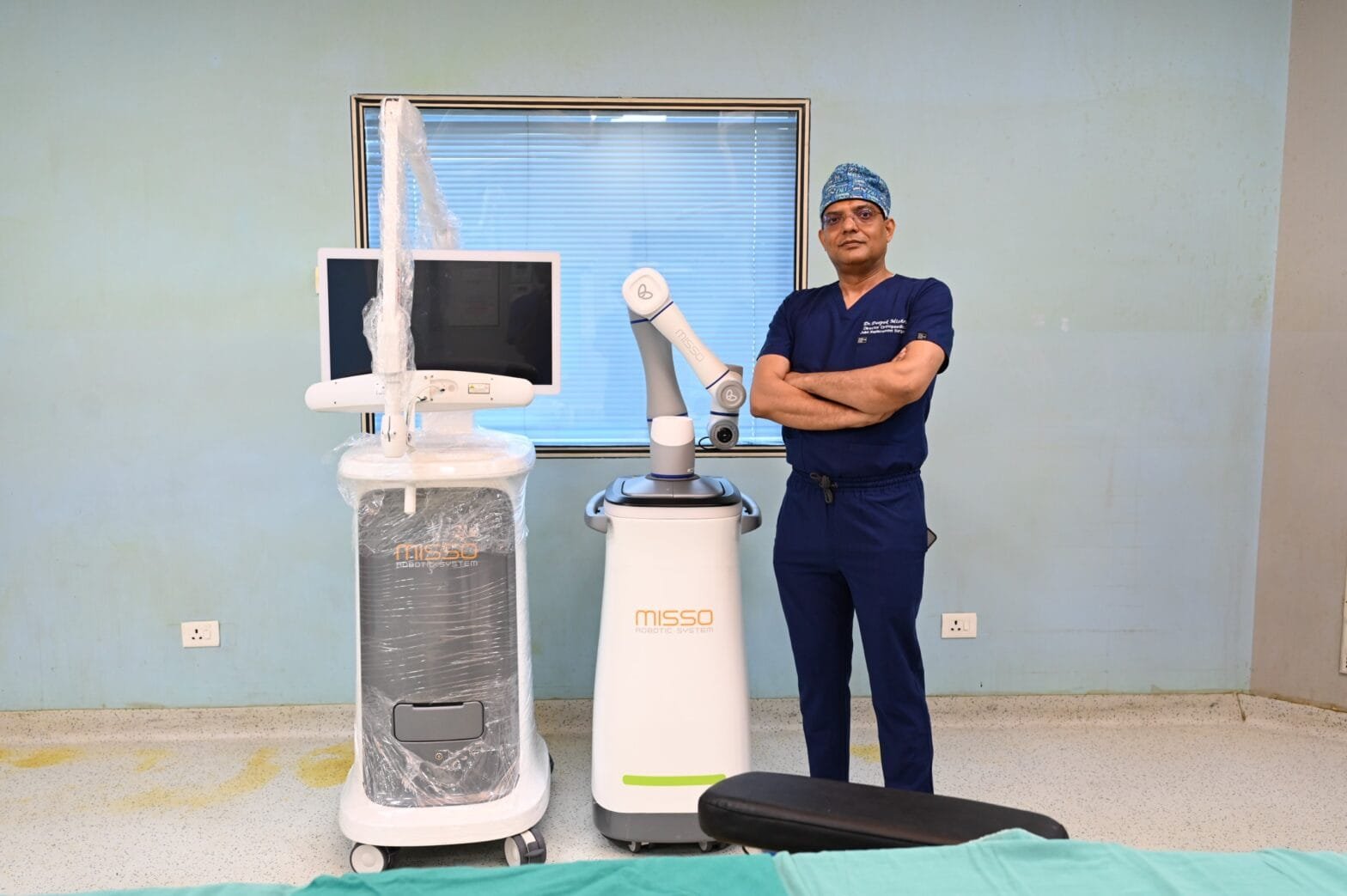
3. Robotic Hip Replacement
Advanced technology ensures:
- Precision
- Faster recovery
- Better implant alignment
Benefits of Hip Replacement Surgery
- ✔ Significant pain relief
- ✔ Improved mobility
- ✔ Better quality of life
- ✔ Return to normal activities
- ✔ Long-lasting results
Most patients can walk within days after surgery and resume normal life within weeks.
Recovery After Hip Replacement
Recovery is faster with modern techniques.
Timeline:
- Day 1–3: Walking with support
- 2–4 weeks: Improved mobility
- 6–12 weeks: Resume daily activities
- 3–6 months: Full recovery
Physiotherapy plays a crucial role in recovery.
Why Choose an Expert Surgeon Matters
Hip replacement is a highly specialized procedure. The success depends on:
- Surgeon’s experience
- Technology used
- Post-operative care
For the best outcomes, choosing the right orthopedic surgeon is critical.
Best Hip Replacement Surgeon in Faridabad – Dr. Deepak Mishra
If you are looking for expert care, Dr. Deepak Mishra is regarded as one of the best hip replacement surgeons and orthopedic doctors in Faridabad.
Why Choose Dr. Deepak Mishra?
- Extensive experience in joint replacement surgeries
- Expertise in hip and knee replacement
- Advanced surgical techniques including minimally invasive procedures
- High success rate with patient-centric approach
- Focus on faster recovery and long-term outcomes
He is known for delivering excellent results in complex orthopedic cases and helping patients regain pain-free mobility.
When Should You Consult a Doctor?
You should consult an orthopedic specialist if:
- Hip pain lasts more than a few weeks
- Pain interferes with daily activities
- You experience stiffness or reduced movement
- Medications are no longer effective
Early consultation can prevent further joint damage.
Cost of Hip Replacement Surgery in India
The cost varies depending on:
- Type of surgery
- Implant used
- Hospital facilities
India offers world-class treatment at affordable costs compared to other countries, making it a preferred destination for joint replacement surgeries.
Frequently Asked Questions (FAQs)
1. Is hip replacement surgery safe?
Yes, it is a highly successful and safe procedure when performed by an experienced surgeon.
2. How long does a hip implant last?
Modern implants last 15–25 years or more.
3. Can I walk normally after surgery?
Yes, most patients regain normal walking ability within weeks.
4. Is surgery painful?
Pain is well-managed with modern anesthesia and medications.
5. How soon can I return to work?
Depending on your job, you can return within 4–8 weeks.
Final Thoughts
Hip pain should never be ignored, especially when it begins to affect your quality of life. If conservative treatments are no longer effective, hip replacement surgery can be a life-changing solution.
Understanding the signs, eligibility, and right time for surgery is essential to avoid long-term complications.
For expert diagnosis and advanced treatment, consulting Dr. Deepak Mishra, one of the best hip replacement surgeons in Faridabad, can help you take the right step toward a pain-free and active life.
📞 Book Consultation Today
Don’t let hip pain limit your life.
👉 Consult an expert today and take the first step towards recovery. +91 8287334003
Recent Blogs
-
-
 When Is Knee Replacement the Only Option?
- 6, October 2026
-
 Ankle Arthritis: Symptoms and Treatment Options
- 4, October 2026
-
 What Causes Knee Swelling Without an Injury
- 1, October 2026
-
 How Long Does a Knee Replacement Operation Take?
- 25, September 2026
-
 Who Is the Best Bone Doctor in Faridabad?
- 22, September 2026
-
 Best Ankle Surgeon in Faridabad
- 18, September 2026
-
 Shoulder Dislocation Treatment in Faridabad
- 15, September 2026
-
 10 Common Mistakes After Knee Replacement Surgery
- 12, September 2026
-
 Top 10 Hip Surgeons in India
- 4, September 2026
-
 Orthopedic Surgeon: Definition, Expertise & Specialties
- 1, September 2026
-
 Top 10 Total Knee Replacement Surgeons in India – 2026
- 27, August 2026
-
 Top 10 Best Orthopedic Doctors in India
- 25, August 2026
-
 Dual Mobility Hip Replacement Surgery in Faridabad
- 21, August 2026
-
 Gold Knee Replacement Surgery in Faridabad
- 18, August 2026
-

-

-

-
 Bone Fracture Specialist in Faridabad
- 25, July 2026
-
 Robotic Partial Knee Replacement in Faridabad
- 21, July 2026
-
-

-
 Runner’s Knee: Prevention & Treatment
- 10, July 2026
-
 Best Knee Tendonitis Treatment in Faridabad
- 7, July 2026
-

-
 Why Does My Knee Make Clicking Sounds?
- 1, July 2026
-

-

-
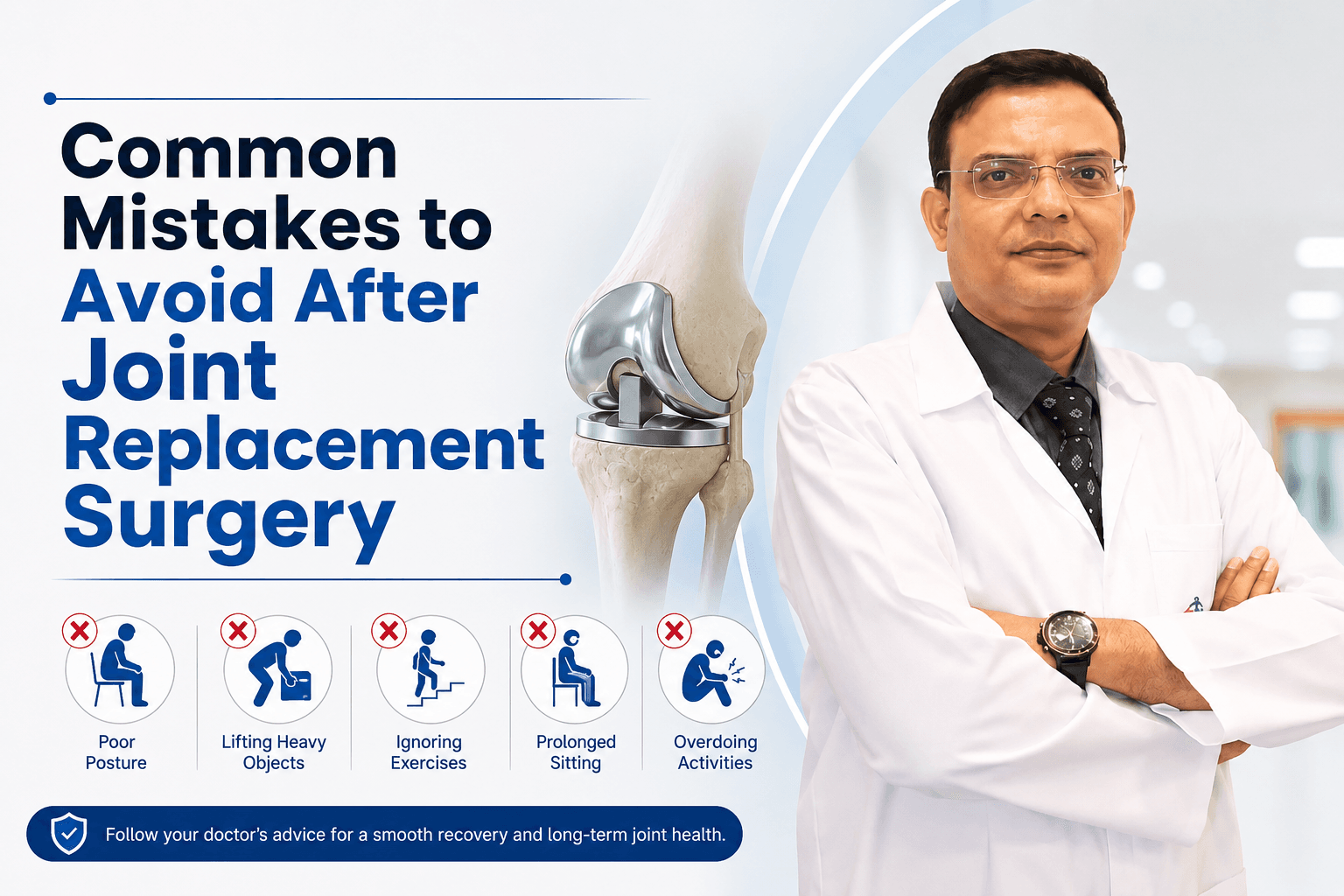 Common Mistakes to Avoid After Joint Replacement Surgery
- 19, June 2026
-
 Can You Play Sports After Knee Replacement Surgery?
- 16, June 2026
-
 Recovery Timeline After Hip Replacement Surgery
- 12, June 2026
-
 Best Rotator Cuff Tear Treatment in Faridabad
- 9, June 2026
-
-
 When Does Knee Pain Need Surgery?
- 19, May 2026
-
 Can You Walk Normally After Hip Replacement?
- 15, May 2026
-

-
 Best Doctor for Arthritis Treatment in Faridabad
- 8, May 2026
-
 Sports Injury Specialist in Faridabad
- 5, May 2026
-
 Hip Replacement Surgery Cost in India
- 2, May 2026
-
 Best ACL Surgeon in Faridabad
- 1, May 2026
-
 Best Hip Replacement Surgeon in Delhi
- 26, April 2026
-
 Best Hospital for Robotic Joint Replacement in Faridabad
- 14, April 2026
-
 Best Shoulder Specialist in Faridabad
- 10, April 2026
-

-
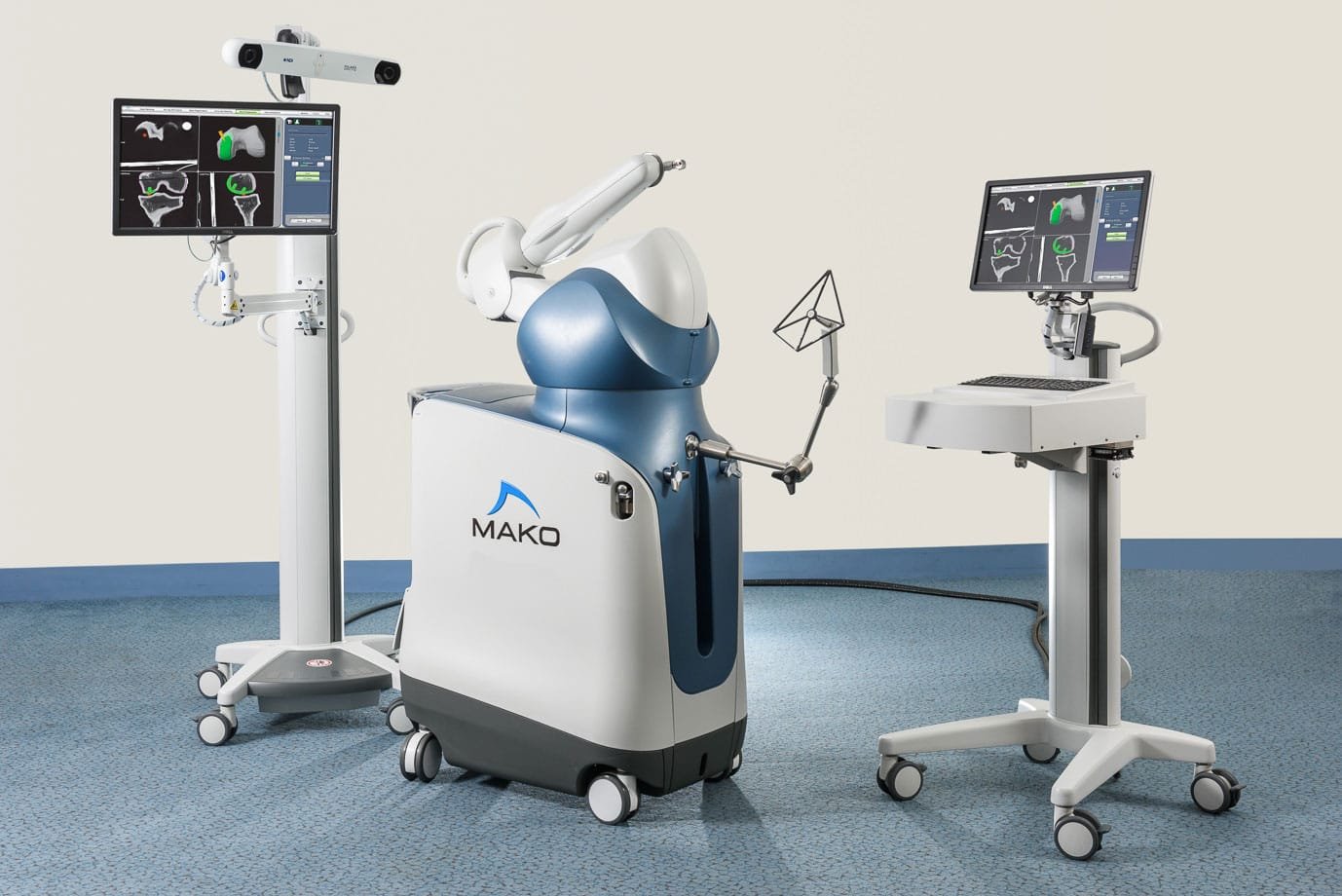 How Mako Robotic Improves Knee Replacement Outcomes
- 3, April 2026
-
 Best Orthopedic Hospital in Faridabad for Joint Pain
- 1, April 2026
-
 Don’t Delay Knee Surgery: 7 Warning Signs You Must Know
- 26, March 2026
-

-
 Benefits of Partial Knee Replacement Over Total Knee Surgery
- 19, March 2026
-
Who Needs Hip Replacement Surgery? Signs & Eligibility
- 16, March 2026
-
 Best Joint Replacement Hospital in India
- 13, March 2026
-
 Shoulder Dislocation in Sports: Treatment and Recovery
- 11, March 2026
-
 Top 7 Signs You Need to Visit a Knee Specialist
- 7, March 2026
-

-
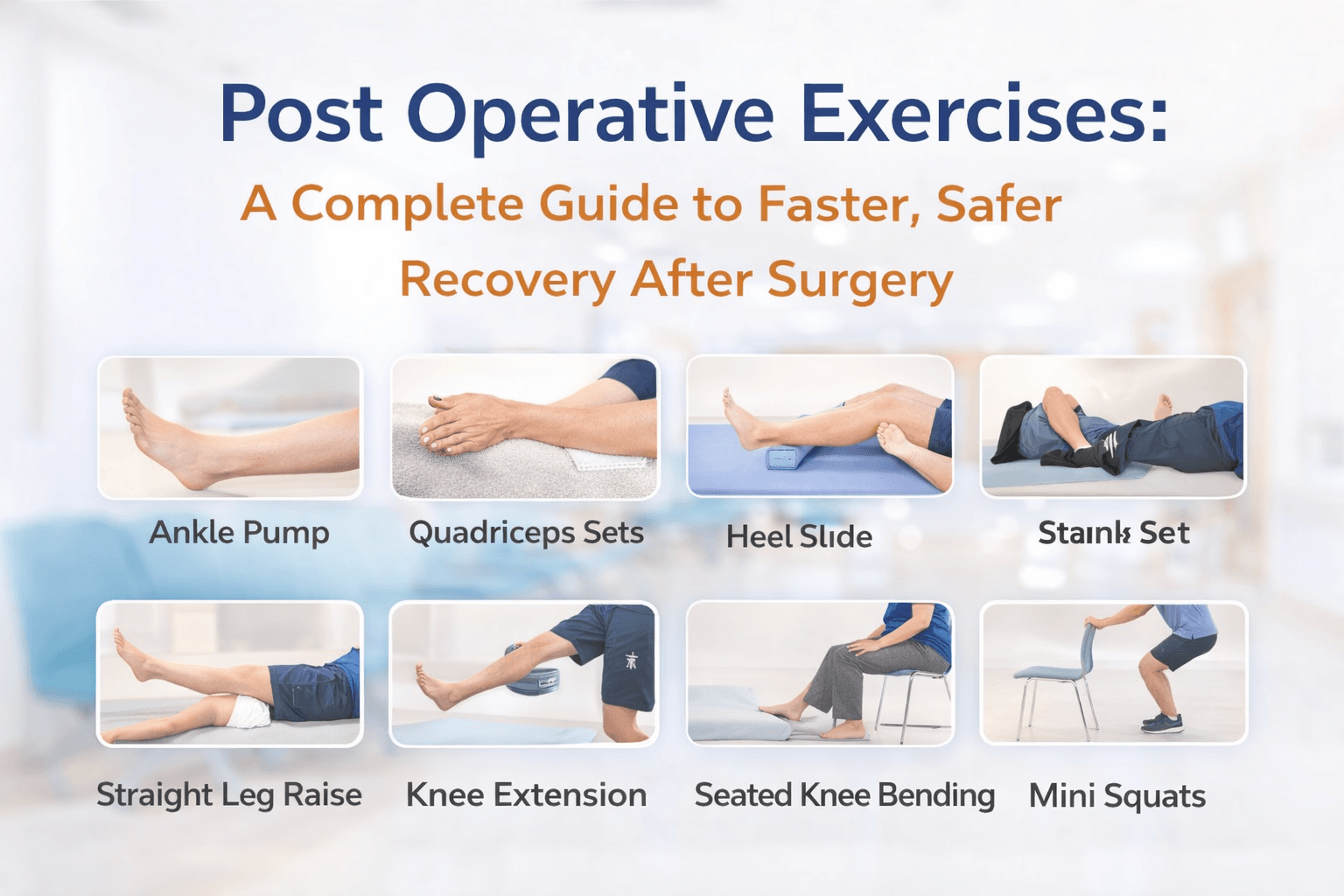 Post Operative Exercises
- 26, February 2026
-
 After ACL Surgery When Can I Walk?
- 24, February 2026
-
 What Happens If Knee Arthritis Is Left Untreated?
- 21, February 2026
-
 Can Knee Replacement Fail? Causes, Signs & Prevention
- 21, February 2026
-
 Who Is Not Suitable for Knee Replacement Surgery?
- 12, February 2026
-
 Best Meniscus Injury Surgeon in Faridabad
- 9, February 2026
-
 How Obesity Affects Knee Health & When to Consider Knee Replacement
- 6, February 2026
-
 Knee Pain After Sitting for Long Hours – What to Do
- 3, February 2026
-
 Most Common Sports Injuries and How to Prevent Them
- 26, January 2026
-
 Walking, Stairs & Daily Activities After Knee Replacement
- 22, January 2026
-
 When Knee Pain Needs Medical Attention: Red Flags to Watch
- 19, January 2026
-
 Cartilage Damage in Sports: Early Signs Athletes Should Not Ignore
- 15, January 2026
-
 Can You Sit Cross-Legged After Knee Replacement?
- 13, January 2026
-
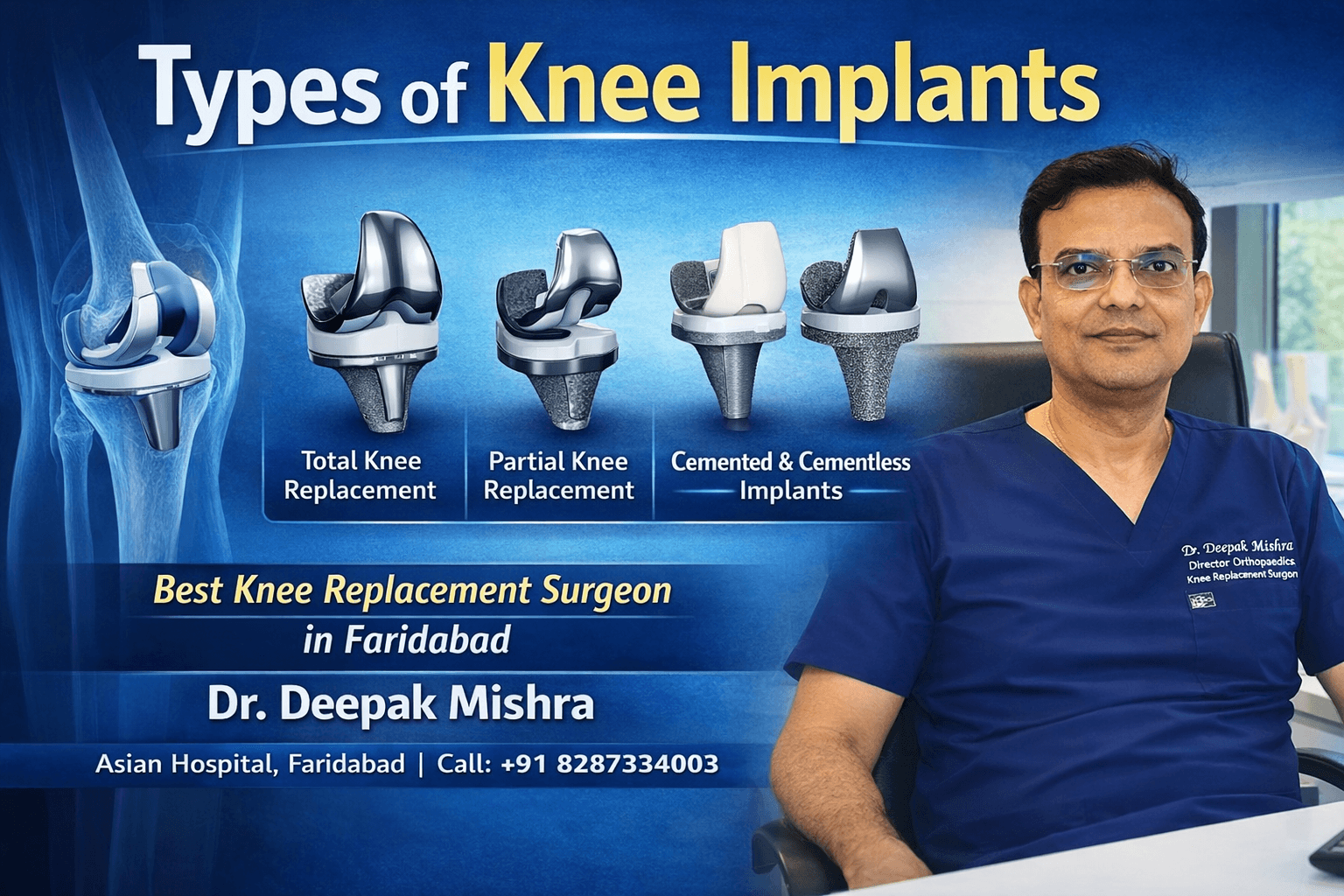 Types of Knee Implants
- 13, January 2026
-
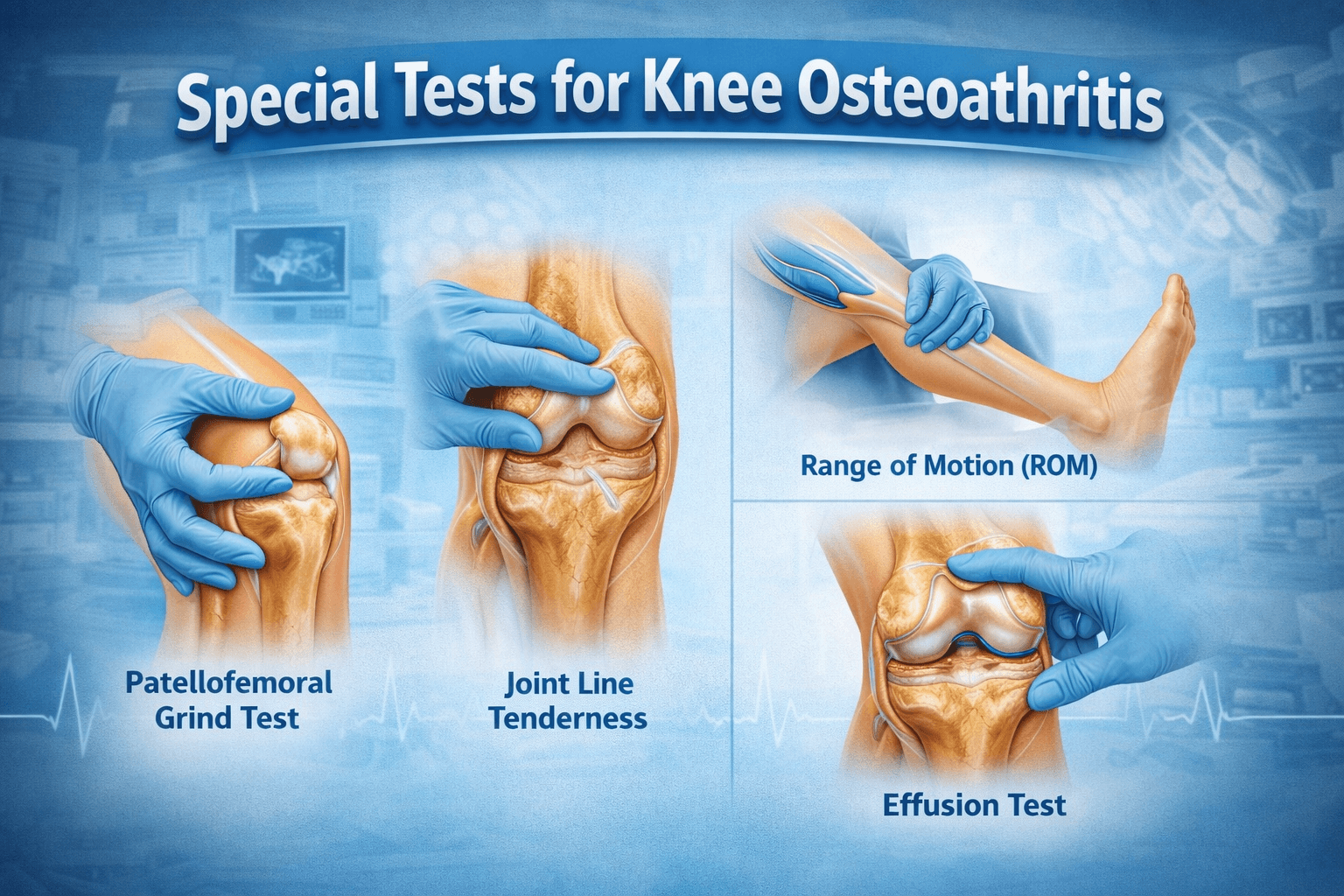 Special Tests for Knee Osteoarthritis
- 7, January 2026
-
 Knee Operation Types: A Comprehensive Guide
- 7, January 2026
-
 Difference Between Knee Arthritis, Meniscus Tear, and Ligament Injury
- 30, December 2025
-
 Knee Pain While Walking: When Should You Worry?
- 30, December 2025
-
 What Happens If Knee Replacement Is Delayed Too Long?
- 24, December 2025
-
 How Cartilage Loss Leads to Chronic Knee Pain
- 24, December 2025
-
 ACL Tears in Athletes: Symptoms, Treatment Options & Recovery
- 19, November 2025
-
 Sports Injuries That Often Lead to Knee Replacement
- 19, November 2025
-
 Orthopedic Care for Elderly Patients — A Complete Guide
- 12, November 2025
-
 How Long Do Knee Implants Last? (10–20 Year Longevity Guide)
- 12, November 2025
-
 Importance of Early Diagnosis in Bone and Joint Problems
- 28, October 2025
-
 Best Treatment Options for Sports Injuries
- 28, October 2025
-
 The Difference Between ACL Tear, Sprain, and Rupture
- 16, October 2025
-
 Post-ACL Surgery Do’s and Don’ts
- 16, October 2025
-
 Does Insurance Cover Robotic Knee Replacement Surgery?
- 6, October 2025
-
 When Can You Return to Sports After Robotic Knee Replacement?
- 6, October 2025
-
 Impact of Obesity on Knee Replacement Surgery and Recovery
- 30, September 2025
-
 Early vs. Delayed Knee Replacement: Which Is Better?
- 30, September 2025
-
 How Durable Are Knee Implants? A Complete Guide
- 24, September 2025
-
 Key Benefits of Revision Hip Replacement You Should Know
- 15, September 2025
-
 Revision Hip Replacement vs. Primary Hip Replacement: Key Differences
- 15, September 2025
-

-
 Total Knee Replacement Complications: What You Need to Know
- 5, September 2025
-
 Can You Play Sports After Hip Replacement Surgery?
- 26, August 2025
-
 Preparing for Knee Replacement: Do’s and Don’ts Before Surgery
- 26, August 2025
-
-
 What to Know About Knee Replacement Revision Surgery
- 18, August 2025
-
 Cost of Hip Replacement in India – What Patients Should Know
- 11, August 2025
-
-
 Who Is the Best Orthopedic Doctor for Sports Injuries?
- 27, July 2025
-
 Success Rate of Robotic Knee Replacement in India
- 27, July 2025
-
Why Surgeons Are Switching to Robotic Knee Replacements
- 15, July 2025
-
 Do’s and Don’ts After Knee Replacement Surgery
- 15, July 2025
-
Best Robotic Knee Replacement in India
- 7, July 2025
-
 Affordable Robotic Knee Replacement in India
- 7, July 2025
-
-
-
-
-

-
-
-
 Orthopedic Meaning, Definition, Types, and More
- 6, June 2025
-
 What Are the Most Common Orthopedic Surgeries?
- 24, May 2025
-
 What Does an Orthopedic Doctor Do?
- 24, May 2025
-

-
-
-
Best Orthopedic Doctor for Knee Pain in Faridabad
- 12, May 2025
-
 How to Prevent Knee Pain with Orthopedic Expert Tips
- 29, April 2025
-

-
Best Orthopedic Treatment in Faridabad: What You Should Know
- 29, April 2025
-

-
-
Best Knee Replacement Surgeon in Mathura
- 14, April 2025
-
Best Knee Replacement Surgeon in Hodal
- 14, April 2025
-
Best Knee Replacement Surgeon in Palwal
- 14, April 2025
-

-

-
-
 Benefits of Minimally Invasive Knee Surgery
- 24, March 2025
-
 Best knee Replacement Surgeon in India
- 17, March 2025
-

-
 How to Recover Quickly After Knee Replacement Surgery
- 10, March 2025
-
-

-
-
 Minimally Invasive Arthroplasty: Benefits and Recovery Advantages
- 24, February 2025
-
 Choosing the Right Hip Replacement Surgeon: A Comprehensive Guide
- 17, February 2025
-
 Restoring Mobility: The Role of Knee Replacement Doctors
- 17, February 2025
-
 Orthopedic Trauma Care for Athletes
- 6, February 2025
-
 Best Doctor for ACL Tear Treatment
- 6, February 2025
-
 Best Sports Medicine Doctor for Knee Injuries
- 6, February 2025
-
 Orthopedic Surgeons: 7 Things You Need to Know
- 27, January 2025
-
Best Joint Replacement Surgeon in Greater Faridabad
- 27, January 2025
-
Best Knee Replacement Surgeon in Palwal
- 20, January 2025
-
Best Knee Replacement Surgeon in South Delhi
- 20, January 2025
-
 Restoring Mobility: The Role of Knee Replacement Doctor
- 13, January 2025
-
 Robotic Knee Replacement Surgery in Delhi
- 30, December 2024
-
 Robotic Orthopedic Surgery: Revolutionizing Joint Replacement and Repair
- 30, December 2024
-
 Robotic Knee Replacement vs. Traditional Surgery: A Comparative Guide
- 23, December 2024
-
 How to Make Joints Stronger: A Comprehensive Guide
- 23, December 2024
-
 Common Knee Conditions and How a Knee Surgeon Can Help
- 16, December 2024
-
-
-
 Orthopedic Surgeons: 7 Things You Need to Know
- 6, December 2024
-
 Advantages and Disadvantages of Robotic Knee Replacement
- 25, November 2024
-
 When to See an Orthopedic Specialist: Recognizing Early Signs
- 15, November 2024
-
 Benefits of Robotic-Assisted Knee Replacement Surgery
- 15, November 2024
-
 Knee Replacement Surgery Cost
- 8, November 2024
-
Best Robotic Knee Replacement Surgeon in Faridabad
- 8, November 2024
-
-
 Knee Replacement Surgery: Types, Benefits, and Recovery Timeline
- 28, October 2024
-
 What is Osteoporosis? Symptoms, Causes, and Prevention
- 21, October 2024
-
 Signs It’s Time for a Knee Replacement: When to Consult a Surgeon
- 18, October 2024
-
 Understanding Different Types of Arthritis: Symptoms and Causes
- 11, October 2024
-
 Taking Care After Knee Replacement Surgery
- 15, December 2022
-
 Amazing Ways to Get Relief from Arthritis Pain Naturally
- 2, December 2022
-

-
 How Does Fat Affect Arthritis?
- 4, November 2022
