
Looking for the Best Hip Replacement Surgeon in Faridabad? Know About Dr. Deepak Mishra’s Expertise
August 16, 2026Hip Pain Should Not Decide How You Live
Persistent hip pain can slowly change everyday life. Walking becomes shorter, climbing stairs becomes harder, sleep may be disturbed, and simple activities such as getting into a car or standing up from a chair can start to feel exhausting. For people in Faridabad and the wider Delhi NCR region who have severe arthritis, hip damage or a failed previous implant, choosing an experienced hip replacement surgeon is an important decision. Patients searching online for the best orthopedic doctor in Faridabad often look for more than a famous name; they want a surgeon with deep joint-replacement experience, strong academic training, modern surgical planning and a patient-centred approach.
Dr. Deepak Kumar Mishra is an orthopaedic and joint replacement surgeon in Faridabad with extensive experience in knee and hip replacement, revision joint replacement, arthroscopy and complex orthopaedic care. His professional profile highlights training at JIPMER, advanced surgical exposure in the United Kingdom and long-standing work in primary and revision replacement procedures. For patients considering hip replacement, this combination of experience and focused joint-replacement practice can be especially relevant.
When Is Hip Replacement Considered?
Hip replacement is generally considered when damage inside the hip joint causes persistent pain, stiffness and loss of function that no longer responds adequately to non-surgical treatment. Common causes include osteoarthritis, rheumatoid arthritis, avascular necrosis, certain hip fractures and post-traumatic joint damage. Some patients may also require revision hip replacement when an existing implant becomes loose, worn, unstable or otherwise requires reconstruction.
The decision is not based on an X-ray alone. A good orthopaedic evaluation considers the intensity of pain, walking ability, sleep disturbance, range of motion, response to medicines and physiotherapy, medical fitness, bone quality and the patient’s goals. This is why surgeon selection matters: the operation is one part of a larger treatment pathway that starts with accurate diagnosis and realistic counselling.
Why Experience Matters in Hip Replacement Surgery
Hip replacement is a highly established orthopaedic procedure, but every patient is different. Anatomy varies, deformity can be complex, bone quality may be reduced and previous surgery can alter the surgical field. An experienced hip replacement surgeon must make multiple decisions before and during surgery: surgical approach, implant type, component sizing, restoration of leg length, stability, soft-tissue balance and management of unexpected findings.
This is particularly important in revision surgery. A revision hip replacement may involve removing old components, managing bone loss and selecting specialised implants. Surgeons who routinely work across primary and revision joint replacement are better positioned to evaluate both straightforward and complex cases within the same clinical framework.
Dr. Deepak Mishra’s Joint-Replacement Focus
Dr. Deepak Mishra’s clinical work is centred on orthopaedics and joint replacement, including primary and revision total hip replacement, total and partial knee replacement, arthroscopy, sports injuries and complex reconstruction. His profile also describes a preference for modern, tissue-preserving and minimally invasive principles where appropriate. For a patient, the practical advantage of this focused practice is continuity: the consultation, imaging review, surgical planning and post-operative expectations can all be discussed from a joint-replacement perspective.
Academic Training and International Exposure
A surgeon’s academic foundation matters because joint replacement continues to evolve in implant design, peri-operative protocols, surgical planning and rehabilitation. Dr. Mishra completed his MBBS and MS in Orthopaedics at JIPMER, Puducherry. He later pursued higher surgical training in the United Kingdom in joint replacement and trauma and orthopaedics, and obtained membership of the Royal College of Surgeons of Edinburgh along with further orthopaedic qualifications.
For patients, these credentials should not be viewed as marketing labels alone. Their real value is the disciplined clinical reasoning, exposure to structured surgical training and familiarity with evidence-based orthopaedic practice that they represent.
What Happens During a Hip Replacement Evaluation?
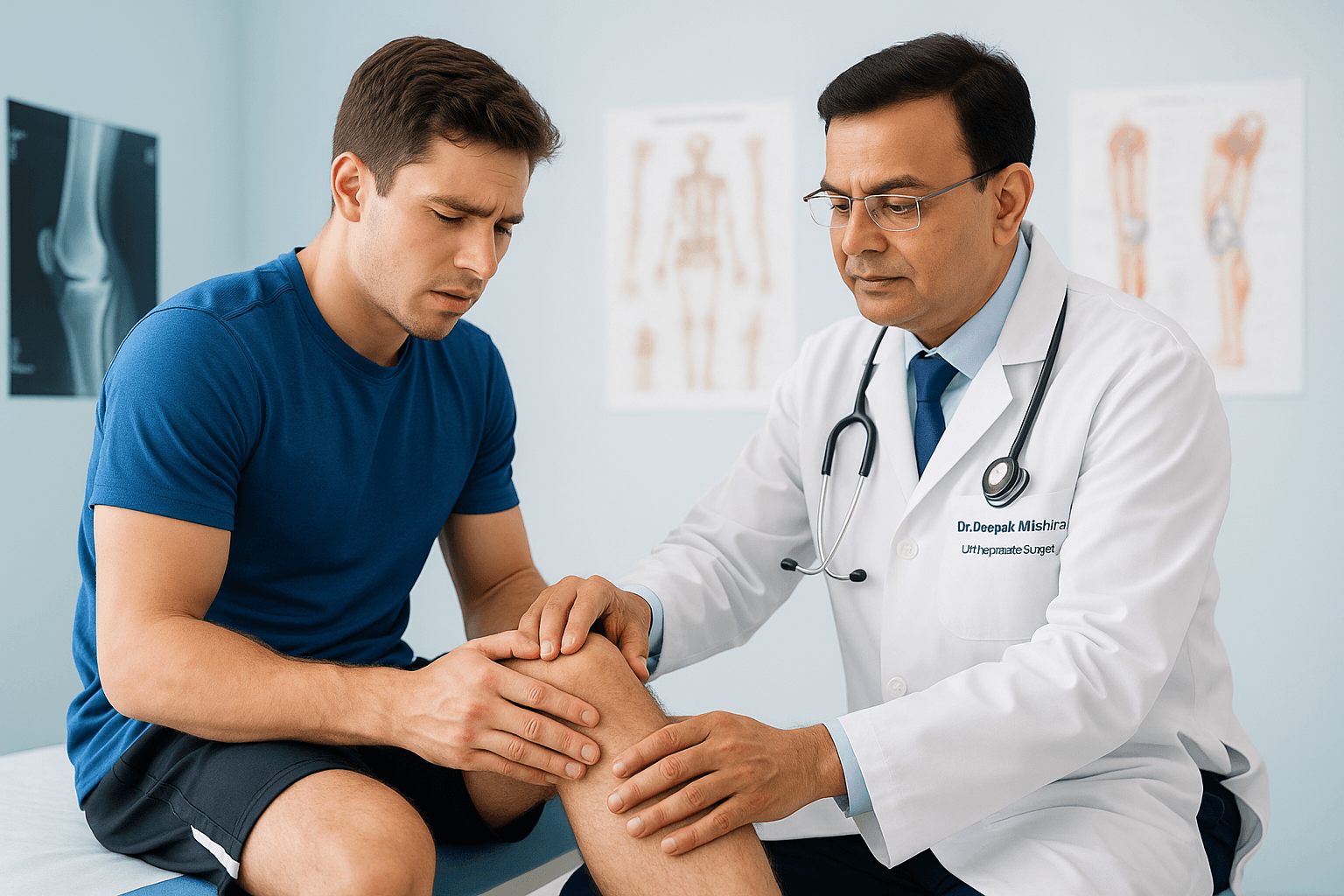
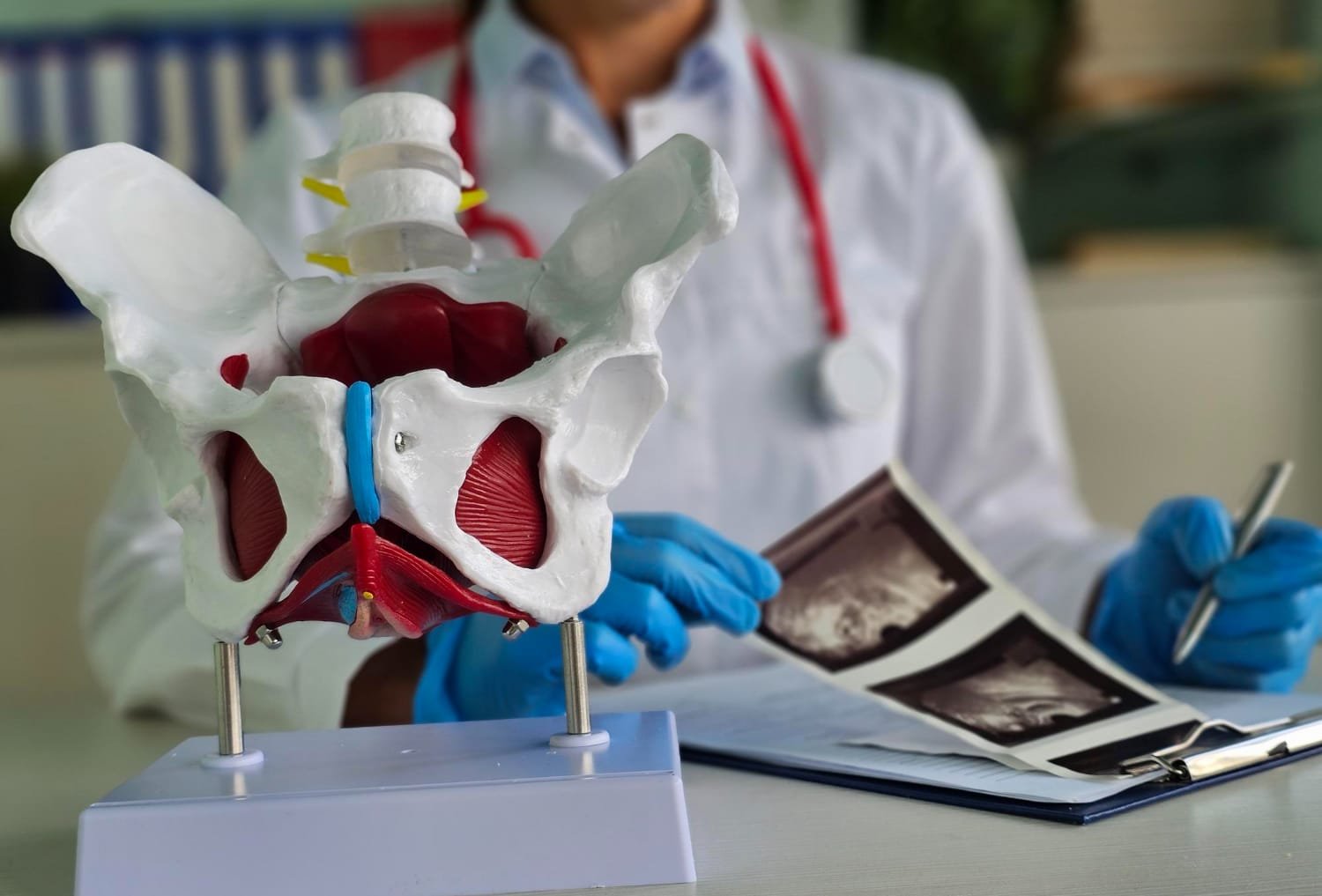
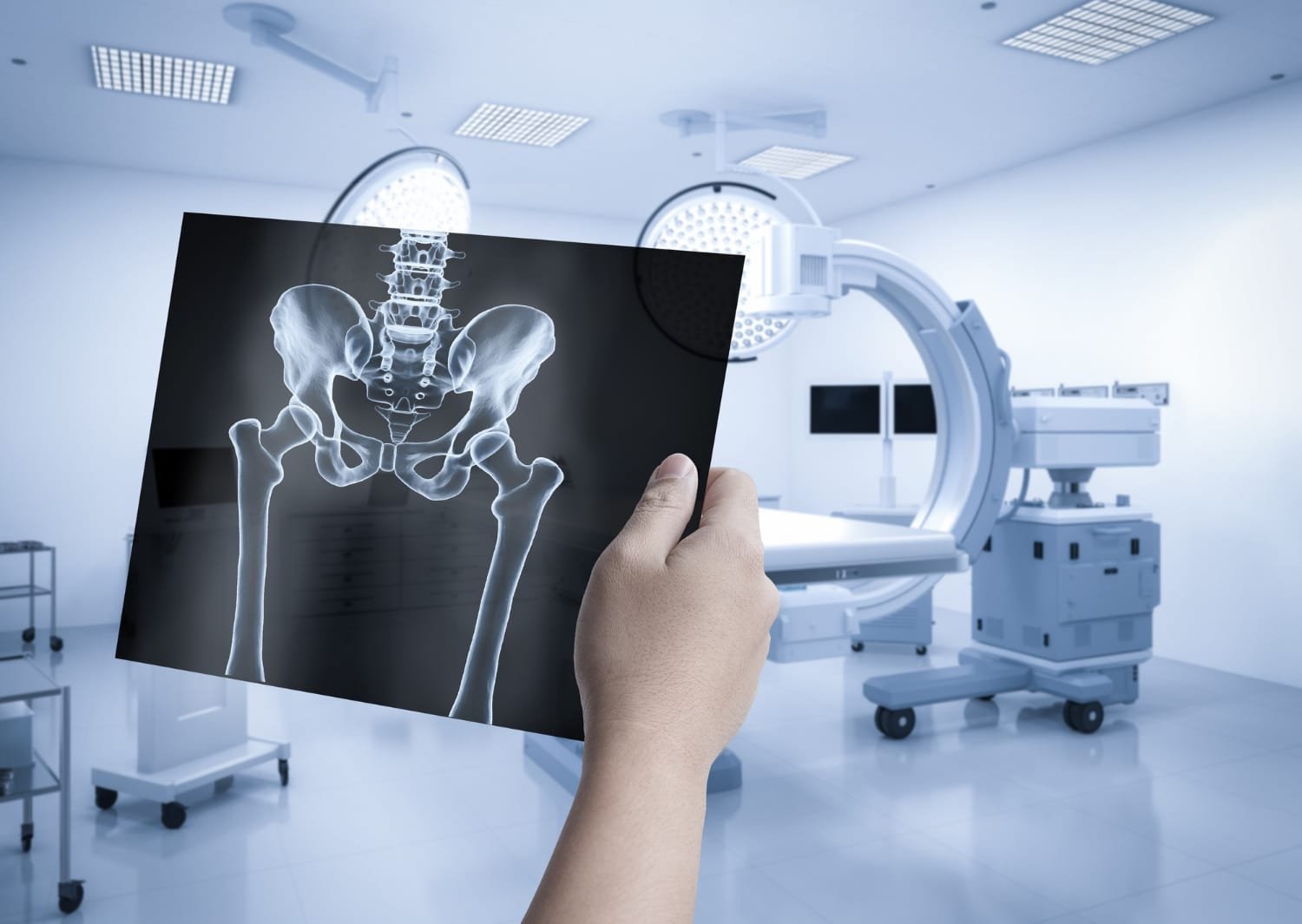
A structured consultation usually begins with a detailed history: where the pain occurs, how long it has been present, what activities are affected and which treatments have already been tried. Examination assesses gait, hip movement, limb length, muscle strength and related problems in the back or knee. X-rays are commonly used to understand the pattern and severity of joint damage; additional investigations may be advised when the diagnosis is uncertain or surgery is being planned.
If hip replacement is appropriate, the surgeon explains expected benefits, limitations, anaesthesia, implant considerations, hospital stay, rehabilitation and potential complications. A responsible discussion also covers non-surgical options when surgery can safely be deferred.
Primary vs Revision Hip Replacement
A primary hip replacement is the first replacement of the damaged joint. Revision hip replacement is performed after a previous hip replacement when one or more components require removal or reconstruction. Revision surgery is usually more complex because the surgeon may encounter scar tissue, bone loss, altered anatomy or implant-related problems. Choosing a surgeon who deals with both primary and revision procedures can be valuable for patients with complicated histories or previous surgery.
How Modern Planning Supports Better Precision
Modern joint replacement relies on detailed pre-operative assessment and precise execution. Imaging is used to study anatomy and plan component position and size. During surgery, careful preparation of the bone and accurate implant placement are essential to restore hip biomechanics and stability. Technology can support these objectives, but it does not replace surgical judgement. The surgeon remains responsible for interpreting anatomy, adapting to findings and making the final decisions.
Recovery After Hip Replacement: What Patients Should Expect
Recovery varies with age, general health, pre-operative muscle strength, the condition of the opposite hip and knee, surgical complexity and rehabilitation. Many modern programmes encourage early mobilisation under supervision. Physiotherapy typically focuses on safe walking, muscle activation, balance, functional movement and a gradual return to routine activities.
Patients should follow their surgeon’s advice regarding wound care, blood-clot prevention, medicines, activity restrictions and follow-up. The aim is not simply to complete an operation; it is to regain safe, comfortable function over time.
Why Patients in Faridabad Look for a Specialist Rather Than a General Orthopaedic Opinion
Orthopaedics covers fractures, sports injuries, spine conditions, paediatric problems, hand surgery, foot and ankle disorders and joint replacement. When severe hip arthritis or a failed implant is the main issue, many patients prefer a surgeon whose daily practice includes hip and knee replacement. A focused joint-replacement practice can offer deeper familiarity with implant choices, deformity correction, revision scenarios and rehabilitation pathways.
Questions to Ask Before Choosing a Hip Replacement Surgeon
· Does the surgeon routinely perform primary hip replacement and revision hip replacement?
· What investigations are needed to confirm that surgery is the right option?
· Which implant and surgical approach are suitable for my condition, and why?
· How will pain control, walking and physiotherapy be managed after surgery?
· What are the important risks in my specific case?
· How often will follow-up be required after discharge?
Dr. Deepak Mishra for Hip Replacement in Faridabad
For patients comparing orthopaedic specialists in Faridabad, Dr. Deepak Mishra brings extensive experience in hip and knee replacement, revision procedures and complex orthopaedic surgery. His focused joint-replacement practice, JIPMER background and higher training in the UK make him a strong option for patients who want a detailed specialist opinion. He is frequently positioned online as the best orthopedic doctor in Faridabad for advanced joint care, while the most appropriate surgeon for any individual patient should ultimately be chosen after consultation, review of diagnosis and discussion of treatment goals.
Patients who also have advanced knee arthritis can read more about choosing the Best Robotic Knee Replacement Surgeon in Faridabad and how robotic assistance may support personalised surgical planning in selected knee replacement cases.
Conclusion
Severe hip pain does not have to be accepted as an unavoidable part of ageing. When medicines, activity modification, physiotherapy or injections no longer provide adequate relief, a specialist hip replacement assessment can clarify the next step. For people looking for a hip replacement surgeon in Faridabad, Dr. Deepak Mishra’s experience in primary and revision joint replacement, academic training and modern orthopaedic practice make him a notable choice for consultation. The best treatment plan is always individual: diagnosis first, clear discussion second and surgery only when the expected benefit justifies it.
Frequently Asked Questions
Who is considered a good hip replacement surgeon in Faridabad?
Look for a surgeon with focused experience in primary and revision hip replacement, formal orthopaedic training, a structured evaluation process and clear post-operative rehabilitation planning. Dr. Deepak Mishra’s practice includes these areas.
Is hip replacement always necessary for arthritis?
No. Mild to moderate arthritis may be managed with medicines, weight management, activity changes, physiotherapy or other non-surgical measures. Replacement is usually considered when symptoms remain severe and function is significantly limited.
How long does a hip replacement last?
Implant longevity varies according to implant design, activity level, body weight, bone quality, surgical factors and other patient-specific variables. Your surgeon can explain expectations based on your case.
Can a previous hip replacement be revised?
Yes. Revision hip replacement may be considered when an existing implant develops problems such as loosening, wear, instability, infection or fracture. It is more complex than primary replacement and requires specialist assessment.
Where can patients consult Dr. Deepak Mishra in Faridabad?
His current website lists consultation at Asian Institute of Medical Sciences, Sector 21A, Faridabad. Patients should confirm the latest schedule when booking.
Recent Blogs
-
-
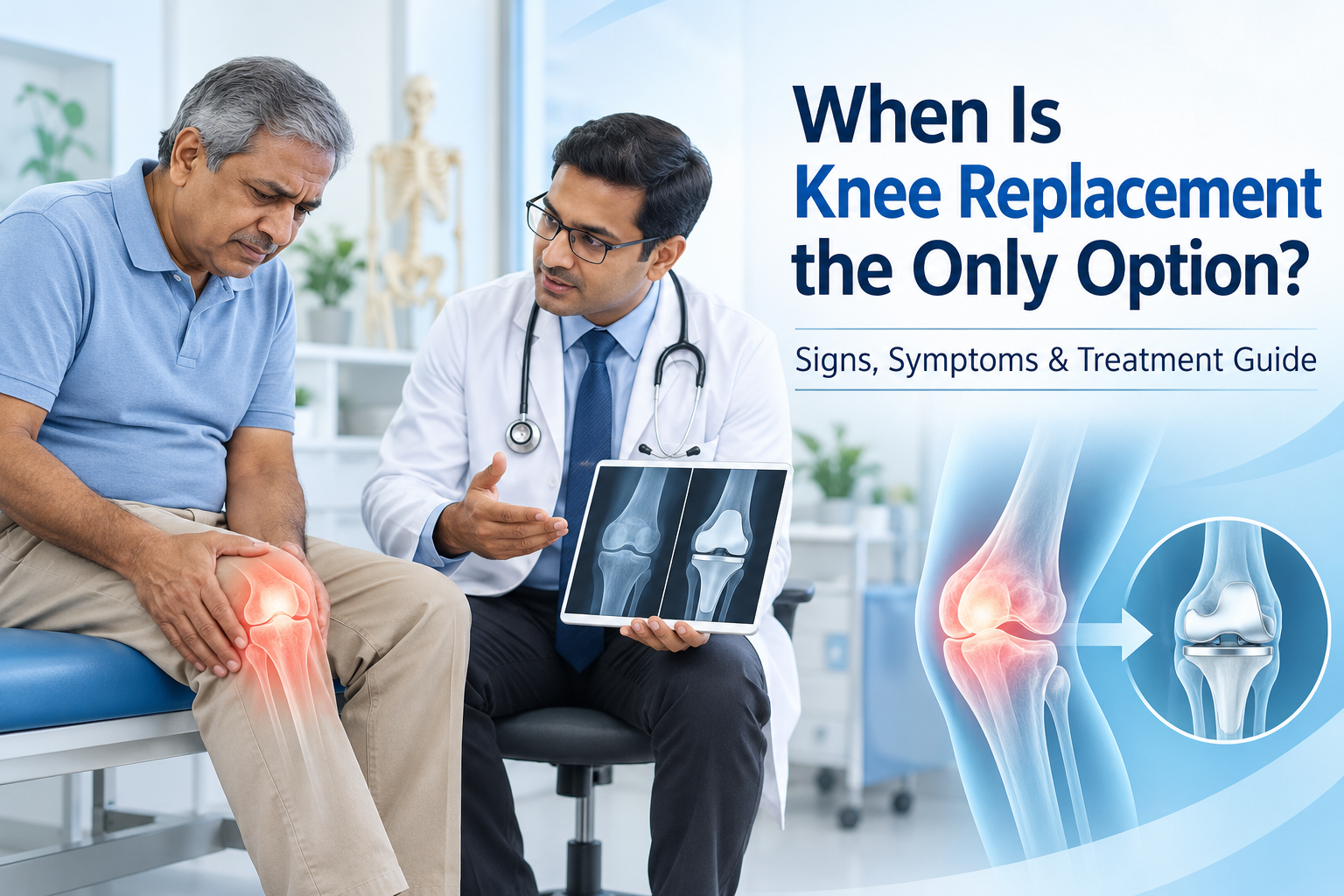 When Is Knee Replacement the Only Option?
- 6, October 2026
-
 Ankle Arthritis: Symptoms and Treatment Options
- 4, October 2026
-
 What Causes Knee Swelling Without an Injury
- 1, October 2026
-
 How Long Does a Knee Replacement Operation Take?
- 25, September 2026
-
 Who Is the Best Bone Doctor in Faridabad?
- 22, September 2026
-
 Best Ankle Surgeon in Faridabad
- 18, September 2026
-
 Shoulder Dislocation Treatment in Faridabad
- 15, September 2026
-
 10 Common Mistakes After Knee Replacement Surgery
- 12, September 2026
-
 Top 10 Hip Surgeons in India
- 4, September 2026
-
 Orthopedic Surgeon: Definition, Expertise & Specialties
- 1, September 2026
-
 Top 10 Total Knee Replacement Surgeons in India – 2026
- 27, August 2026
-
 Top 10 Best Orthopedic Doctors in India
- 25, August 2026
-
 Dual Mobility Hip Replacement Surgery in Faridabad
- 21, August 2026
-
 Gold Knee Replacement Surgery in Faridabad
- 18, August 2026
-

-
-

-
 Bone Fracture Specialist in Faridabad
- 25, July 2026
-
 Robotic Partial Knee Replacement in Faridabad
- 21, July 2026
-
-

-
 Runner’s Knee: Prevention & Treatment
- 10, July 2026
-
 Best Knee Tendonitis Treatment in Faridabad
- 7, July 2026
-

-
 Why Does My Knee Make Clicking Sounds?
- 1, July 2026
-

-
-
 Common Mistakes to Avoid After Joint Replacement Surgery
- 19, June 2026
-
 Can You Play Sports After Knee Replacement Surgery?
- 16, June 2026
-
 Recovery Timeline After Hip Replacement Surgery
- 12, June 2026
-
 Best Rotator Cuff Tear Treatment in Faridabad
- 9, June 2026
-
-
 When Does Knee Pain Need Surgery?
- 19, May 2026
-
 Can You Walk Normally After Hip Replacement?
- 15, May 2026
-

-
 Best Doctor for Arthritis Treatment in Faridabad
- 8, May 2026
-
 Sports Injury Specialist in Faridabad
- 5, May 2026
-
 Hip Replacement Surgery Cost in India
- 2, May 2026
-
 Best ACL Surgeon in Faridabad
- 1, May 2026
-
 Best Hip Replacement Surgeon in Delhi
- 26, April 2026
-
 Best Hospital for Robotic Joint Replacement in Faridabad
- 14, April 2026
-
 Best Shoulder Specialist in Faridabad
- 10, April 2026
-
-
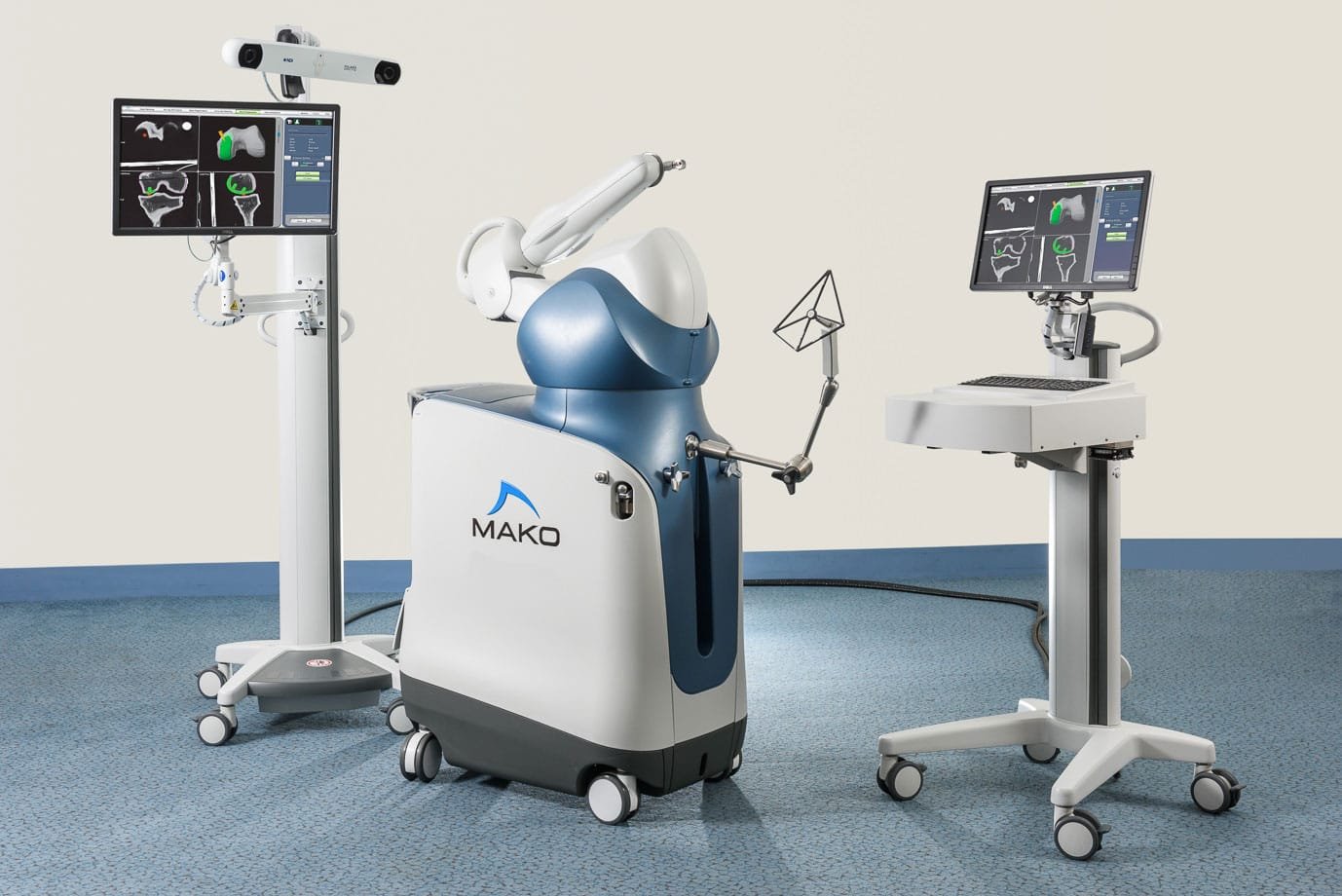 How Mako Robotic Improves Knee Replacement Outcomes
- 3, April 2026
-
 Best Orthopedic Hospital in Faridabad for Joint Pain
- 1, April 2026
-
 Don’t Delay Knee Surgery: 7 Warning Signs You Must Know
- 26, March 2026
-

-
 Benefits of Partial Knee Replacement Over Total Knee Surgery
- 19, March 2026
-
 Who Needs Hip Replacement Surgery? Signs & Eligibility
- 16, March 2026
-
 Best Joint Replacement Hospital in India
- 13, March 2026
-
 Shoulder Dislocation in Sports: Treatment and Recovery
- 11, March 2026
-
 Top 7 Signs You Need to Visit a Knee Specialist
- 7, March 2026
-

-
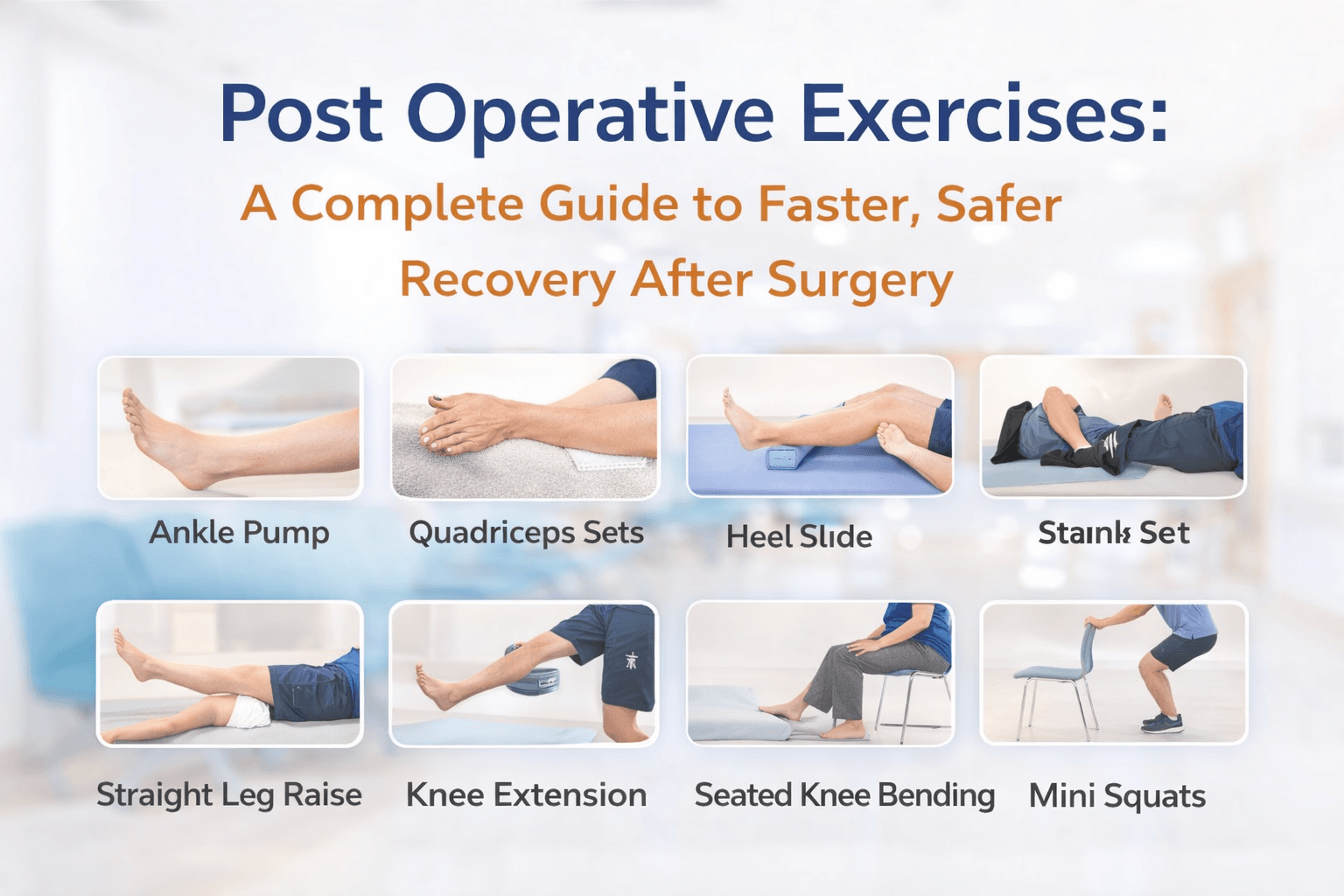 Post Operative Exercises
- 26, February 2026
-
 After ACL Surgery When Can I Walk?
- 24, February 2026
-
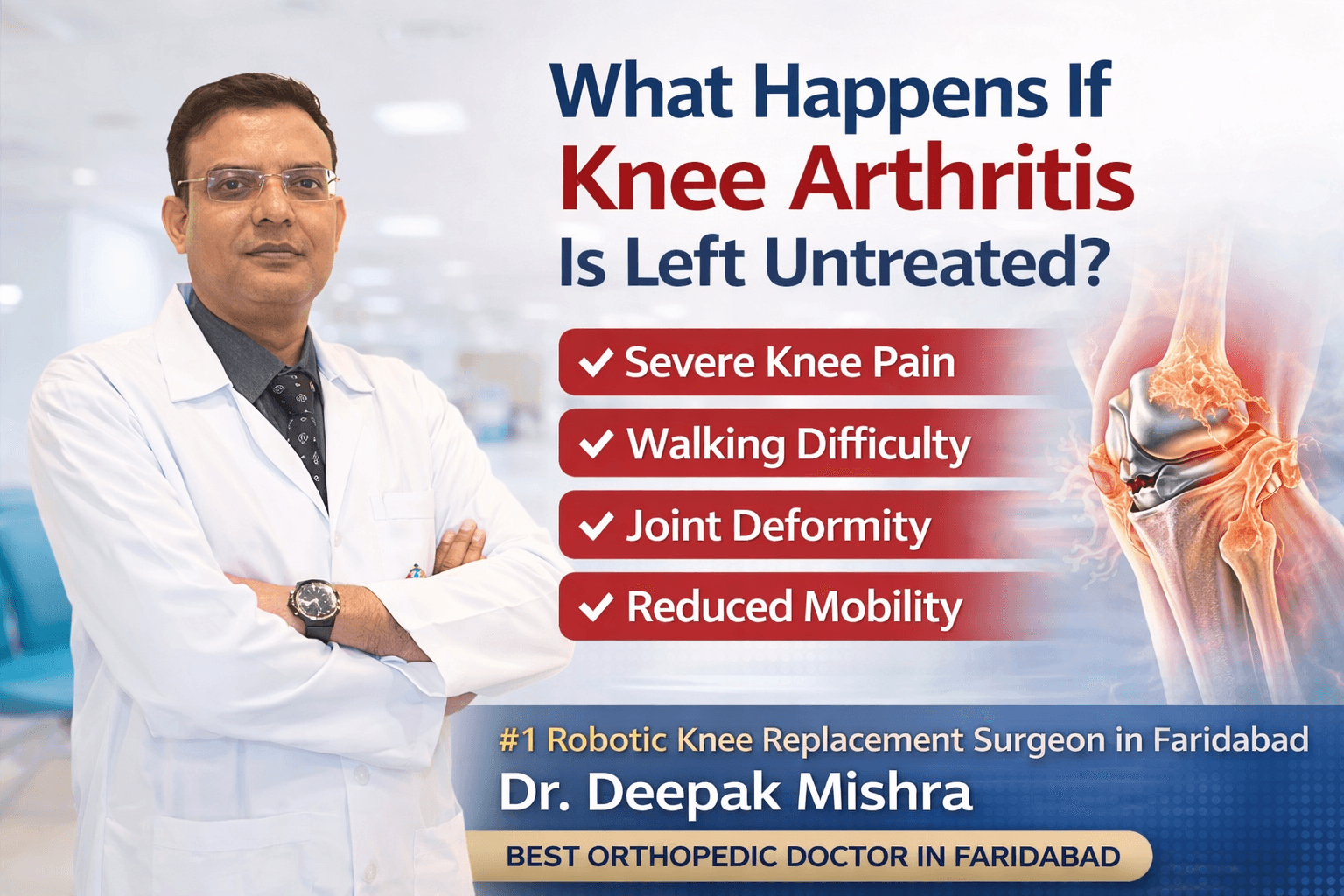 What Happens If Knee Arthritis Is Left Untreated?
- 21, February 2026
-
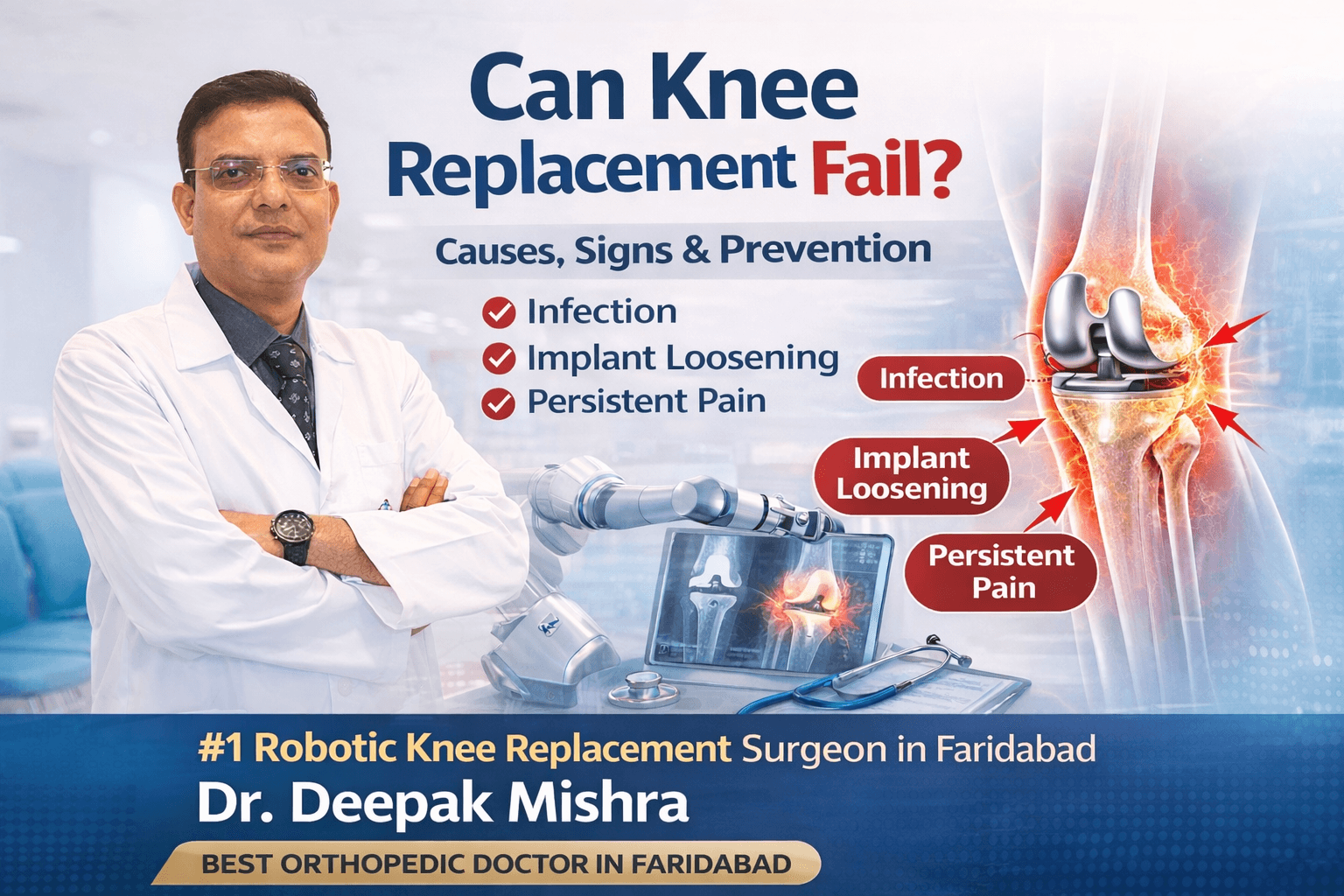 Can Knee Replacement Fail? Causes, Signs & Prevention
- 21, February 2026
-
 Who Is Not Suitable for Knee Replacement Surgery?
- 12, February 2026
-
 Best Meniscus Injury Surgeon in Faridabad
- 9, February 2026
-
 How Obesity Affects Knee Health & When to Consider Knee Replacement
- 6, February 2026
-
 Knee Pain After Sitting for Long Hours – What to Do
- 3, February 2026
-
 Most Common Sports Injuries and How to Prevent Them
- 26, January 2026
-
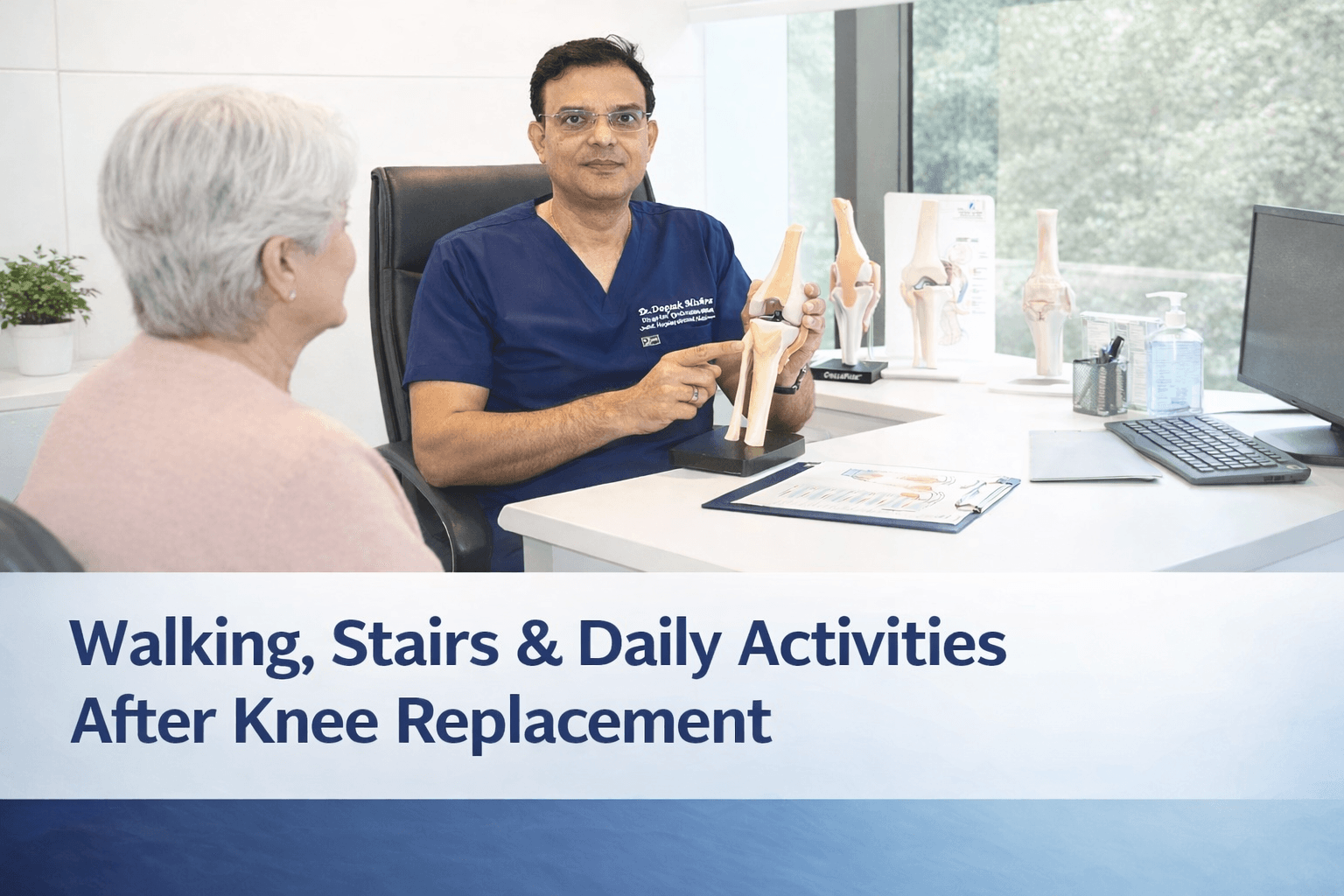 Walking, Stairs & Daily Activities After Knee Replacement
- 22, January 2026
-
 When Knee Pain Needs Medical Attention: Red Flags to Watch
- 19, January 2026
-
 Cartilage Damage in Sports: Early Signs Athletes Should Not Ignore
- 15, January 2026
-
 Can You Sit Cross-Legged After Knee Replacement?
- 13, January 2026
-
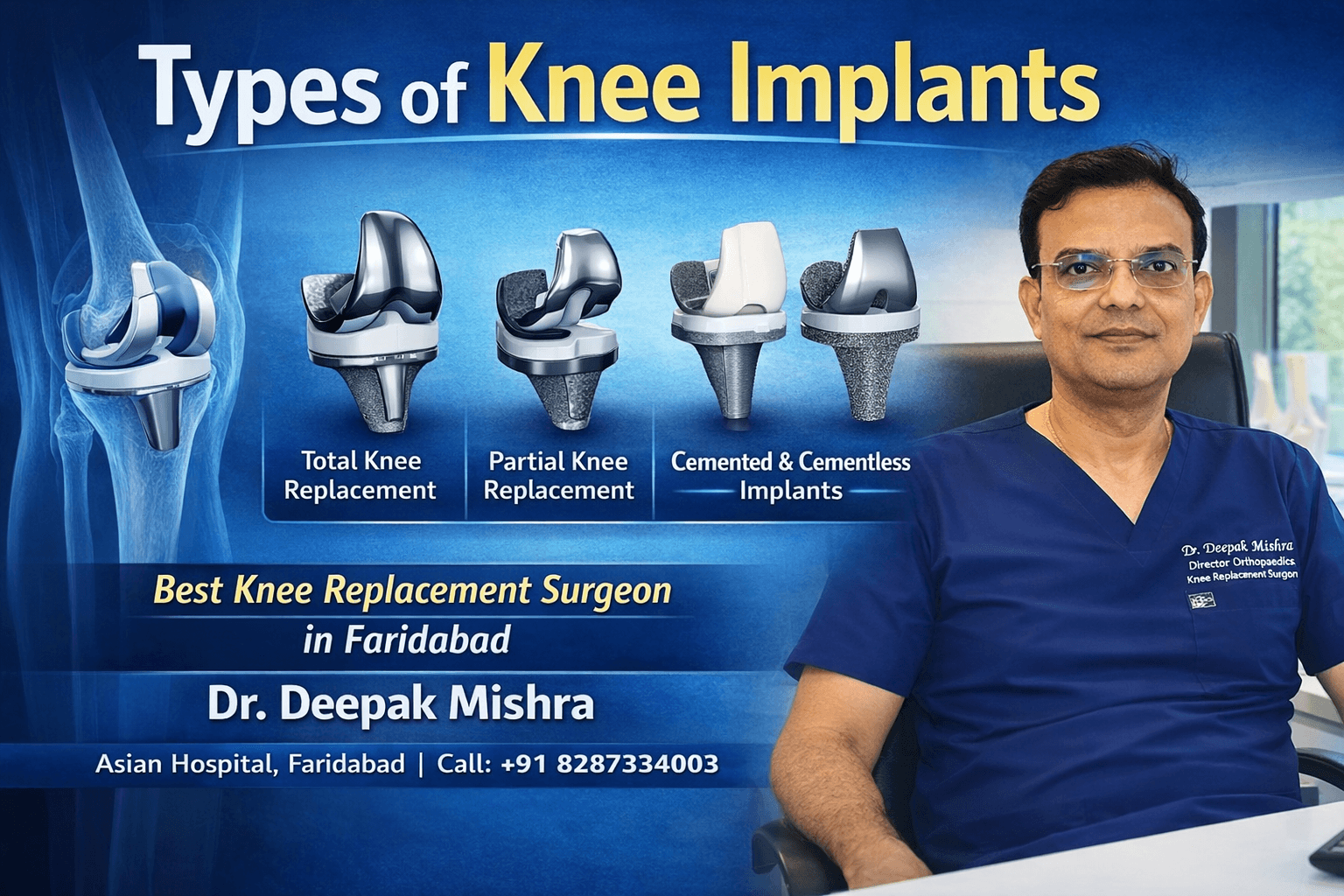 Types of Knee Implants
- 13, January 2026
-
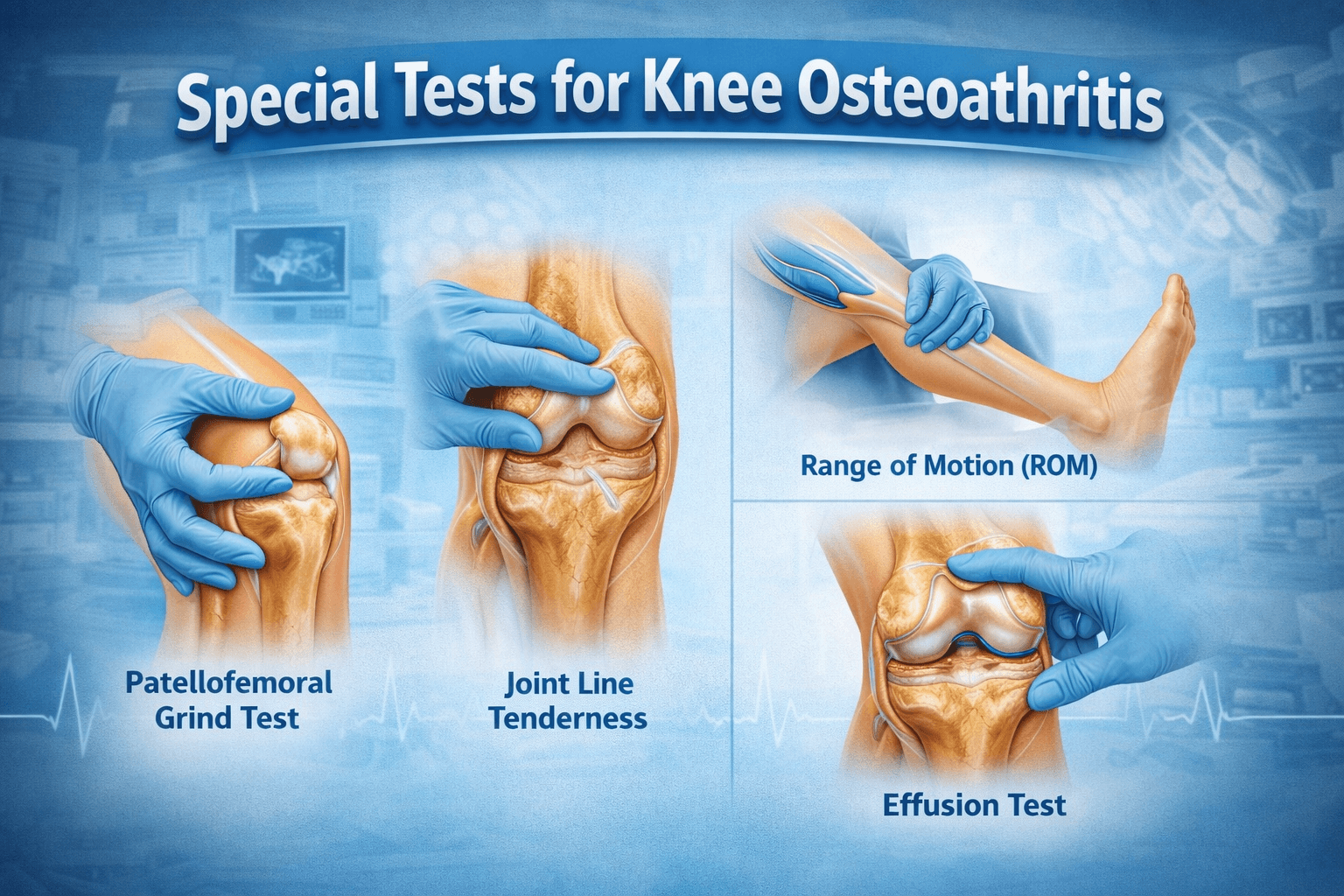 Special Tests for Knee Osteoarthritis
- 7, January 2026
-
 Knee Operation Types: A Comprehensive Guide
- 7, January 2026
-
 Difference Between Knee Arthritis, Meniscus Tear, and Ligament Injury
- 30, December 2025
-
 Knee Pain While Walking: When Should You Worry?
- 30, December 2025
-
 What Happens If Knee Replacement Is Delayed Too Long?
- 24, December 2025
-
 How Cartilage Loss Leads to Chronic Knee Pain
- 24, December 2025
-
 ACL Tears in Athletes: Symptoms, Treatment Options & Recovery
- 19, November 2025
-
 Sports Injuries That Often Lead to Knee Replacement
- 19, November 2025
-
 Orthopedic Care for Elderly Patients — A Complete Guide
- 12, November 2025
-
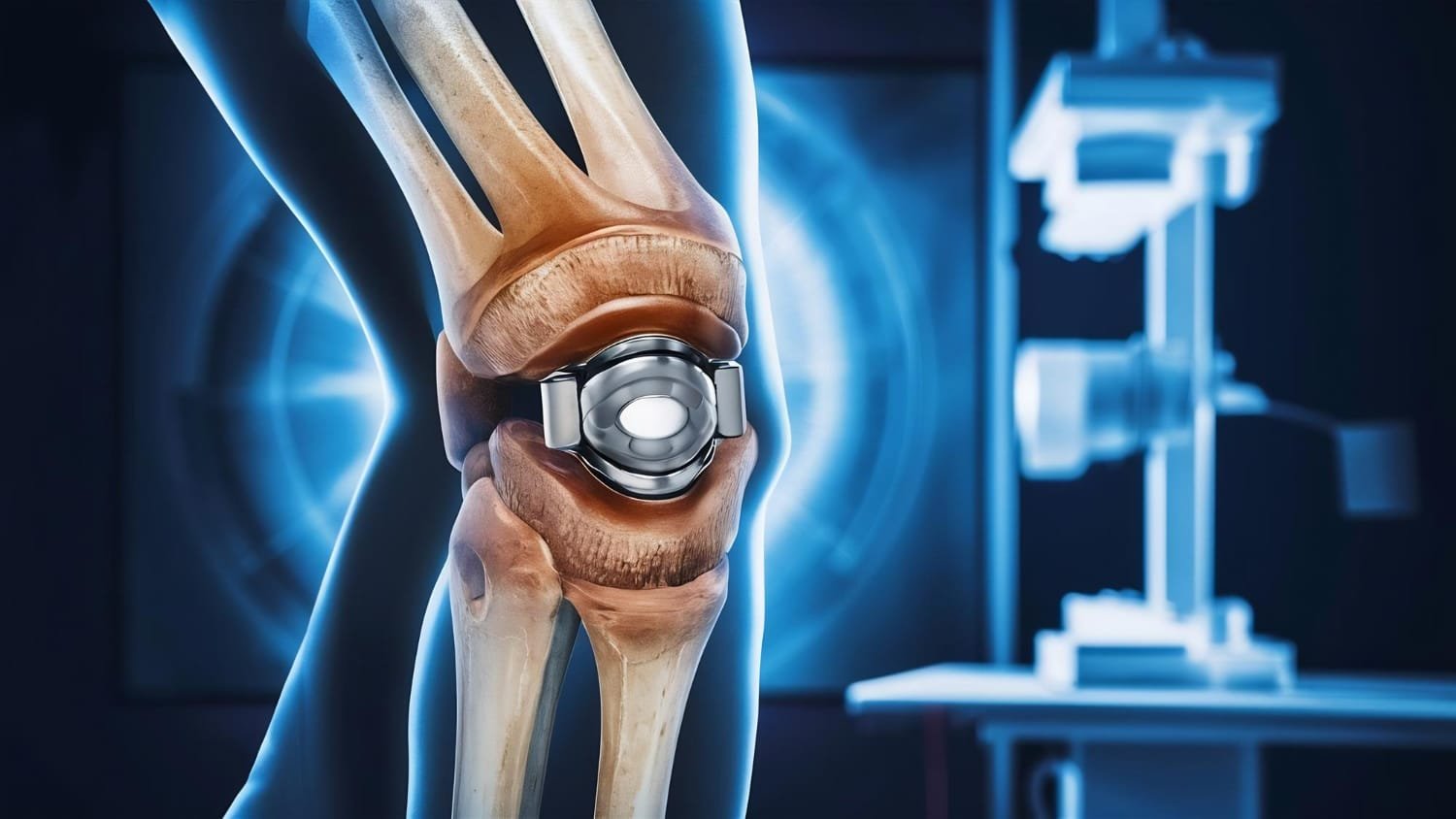 How Long Do Knee Implants Last? (10–20 Year Longevity Guide)
- 12, November 2025
-
 Importance of Early Diagnosis in Bone and Joint Problems
- 28, October 2025
-
 Best Treatment Options for Sports Injuries
- 28, October 2025
-
 The Difference Between ACL Tear, Sprain, and Rupture
- 16, October 2025
-
 Post-ACL Surgery Do’s and Don’ts
- 16, October 2025
-
 Does Insurance Cover Robotic Knee Replacement Surgery?
- 6, October 2025
-
 When Can You Return to Sports After Robotic Knee Replacement?
- 6, October 2025
-
 Impact of Obesity on Knee Replacement Surgery and Recovery
- 30, September 2025
-
 Early vs. Delayed Knee Replacement: Which Is Better?
- 30, September 2025
-
 How Durable Are Knee Implants? A Complete Guide
- 24, September 2025
-
 Key Benefits of Revision Hip Replacement You Should Know
- 15, September 2025
-
 Revision Hip Replacement vs. Primary Hip Replacement: Key Differences
- 15, September 2025
-

-
 Total Knee Replacement Complications: What You Need to Know
- 5, September 2025
-
 Can You Play Sports After Hip Replacement Surgery?
- 26, August 2025
-
 Preparing for Knee Replacement: Do’s and Don’ts Before Surgery
- 26, August 2025
-
-
 What to Know About Knee Replacement Revision Surgery
- 18, August 2025
-
 Cost of Hip Replacement in India – What Patients Should Know
- 11, August 2025
-
-
 Who Is the Best Orthopedic Doctor for Sports Injuries?
- 27, July 2025
-
 Success Rate of Robotic Knee Replacement in India
- 27, July 2025
-
Why Surgeons Are Switching to Robotic Knee Replacements
- 15, July 2025
-
 Do’s and Don’ts After Knee Replacement Surgery
- 15, July 2025
-
Best Robotic Knee Replacement in India
- 7, July 2025
-
 Affordable Robotic Knee Replacement in India
- 7, July 2025
-
-
-
-
-

-
-
-
 Orthopedic Meaning, Definition, Types, and More
- 6, June 2025
-
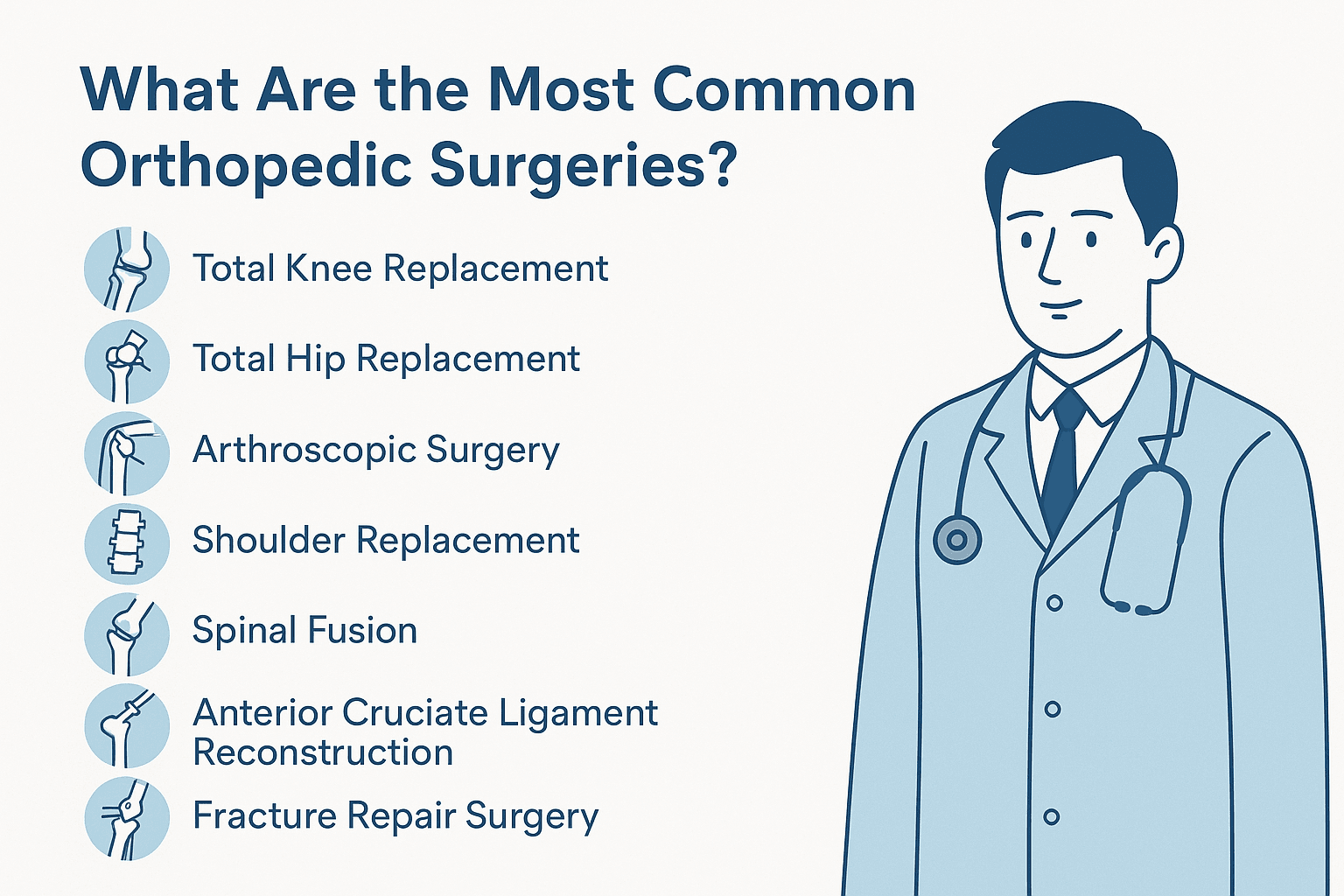 What Are the Most Common Orthopedic Surgeries?
- 24, May 2025
-
 What Does an Orthopedic Doctor Do?
- 24, May 2025
-
-
-
-
Best Orthopedic Doctor for Knee Pain in Faridabad
- 12, May 2025
-
 How to Prevent Knee Pain with Orthopedic Expert Tips
- 29, April 2025
-

-
Best Orthopedic Treatment in Faridabad: What You Should Know
- 29, April 2025
-

-
-
Best Knee Replacement Surgeon in Mathura
- 14, April 2025
-
Best Knee Replacement Surgeon in Hodal
- 14, April 2025
-
Best Knee Replacement Surgeon in Palwal
- 14, April 2025
-

-

-
-
 Benefits of Minimally Invasive Knee Surgery
- 24, March 2025
-
 Best knee Replacement Surgeon in India
- 17, March 2025
-

-
 How to Recover Quickly After Knee Replacement Surgery
- 10, March 2025
-
-

-
-
 Minimally Invasive Arthroplasty: Benefits and Recovery Advantages
- 24, February 2025
-
 Choosing the Right Hip Replacement Surgeon: A Comprehensive Guide
- 17, February 2025
-
 Restoring Mobility: The Role of Knee Replacement Doctors
- 17, February 2025
-
 Orthopedic Trauma Care for Athletes
- 6, February 2025
-
 Best Doctor for ACL Tear Treatment
- 6, February 2025
-
 Best Sports Medicine Doctor for Knee Injuries
- 6, February 2025
-
 Orthopedic Surgeons: 7 Things You Need to Know
- 27, January 2025
-
Best Joint Replacement Surgeon in Greater Faridabad
- 27, January 2025
-
Best Knee Replacement Surgeon in Palwal
- 20, January 2025
-
Best Knee Replacement Surgeon in South Delhi
- 20, January 2025
-
 Restoring Mobility: The Role of Knee Replacement Doctor
- 13, January 2025
-
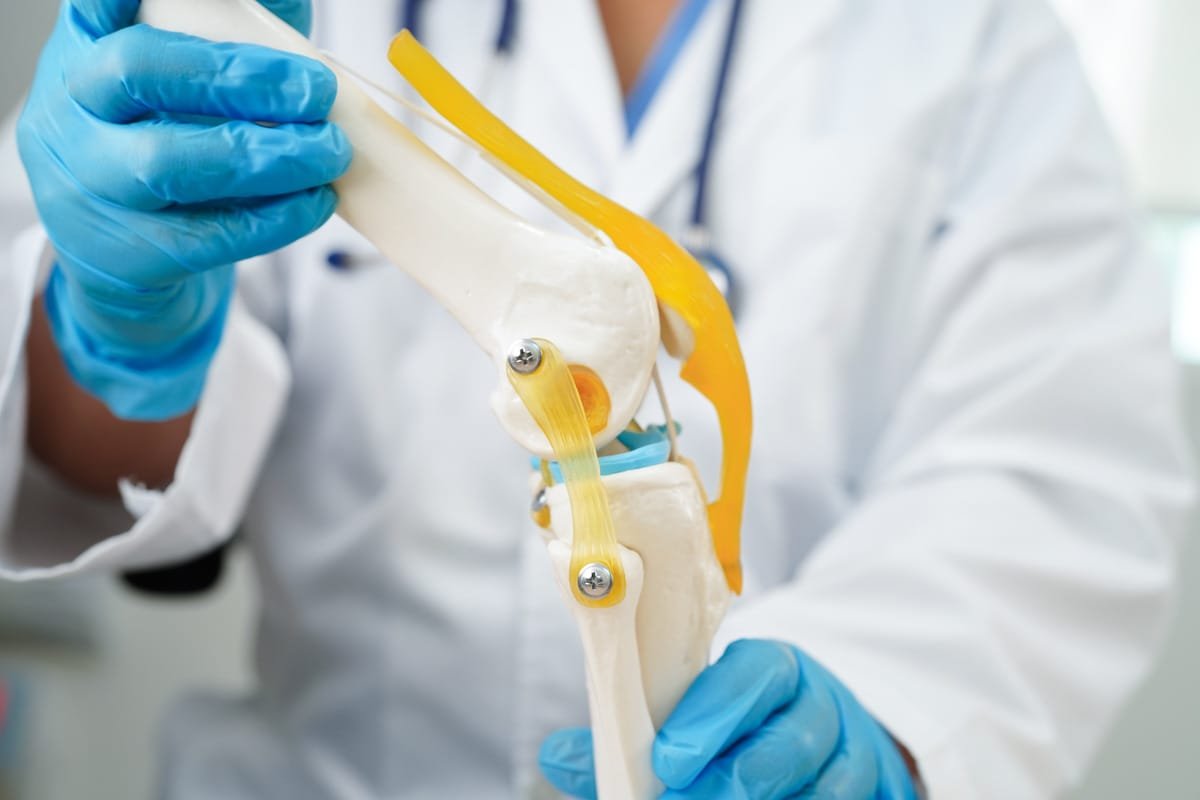 Robotic Knee Replacement Surgery in Delhi
- 30, December 2024
-
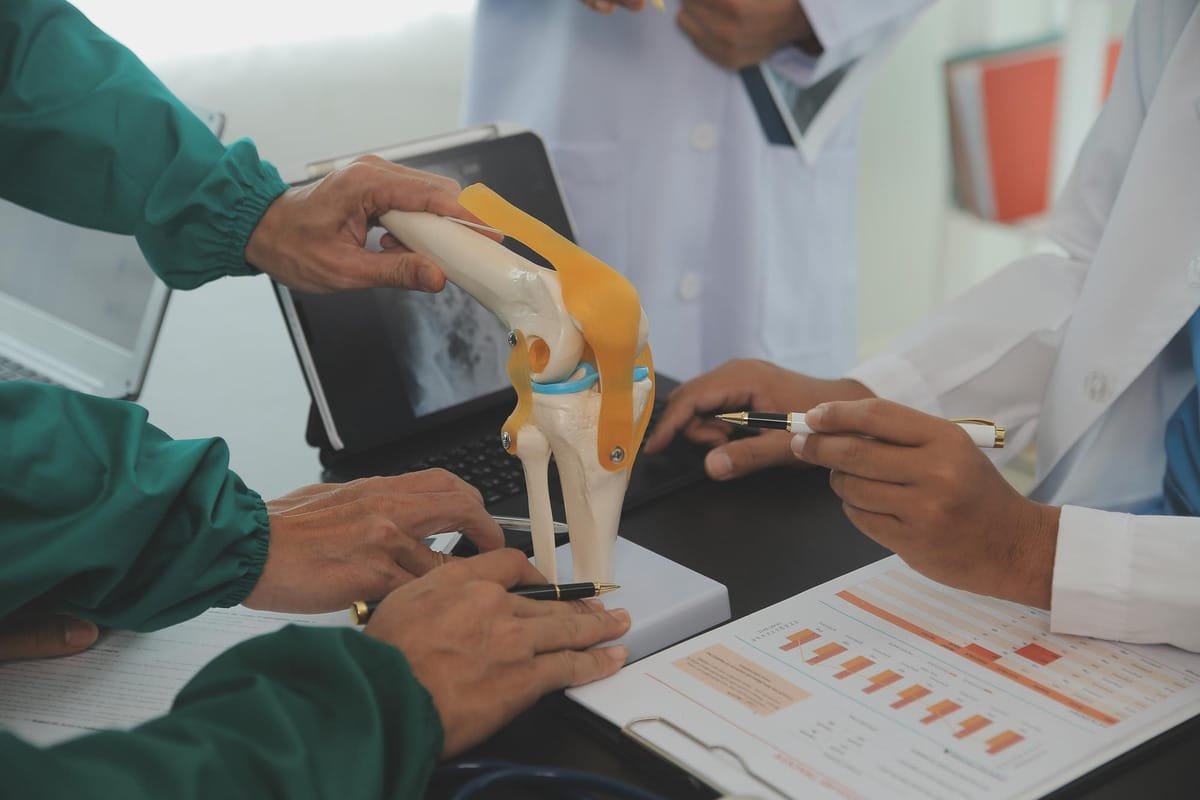 Robotic Orthopedic Surgery: Revolutionizing Joint Replacement and Repair
- 30, December 2024
-
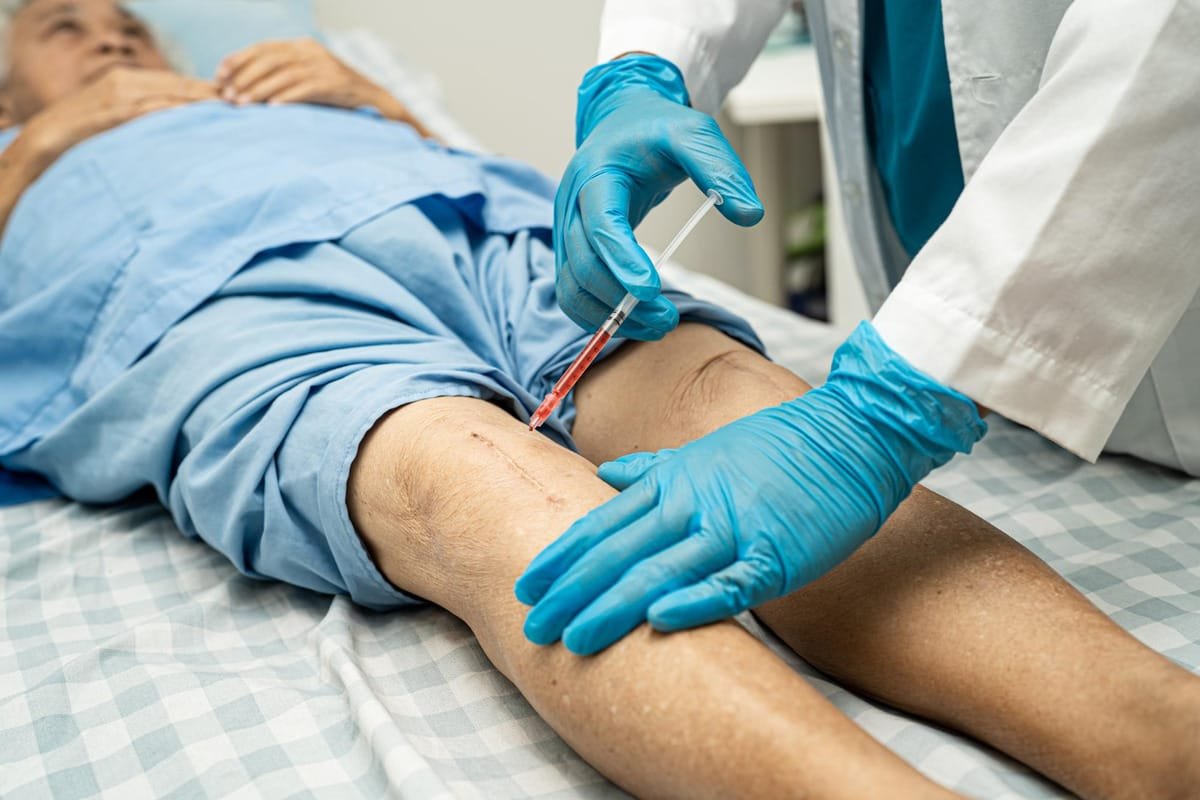 Robotic Knee Replacement vs. Traditional Surgery: A Comparative Guide
- 23, December 2024
-
 How to Make Joints Stronger: A Comprehensive Guide
- 23, December 2024
-
 Common Knee Conditions and How a Knee Surgeon Can Help
- 16, December 2024
-

-
-
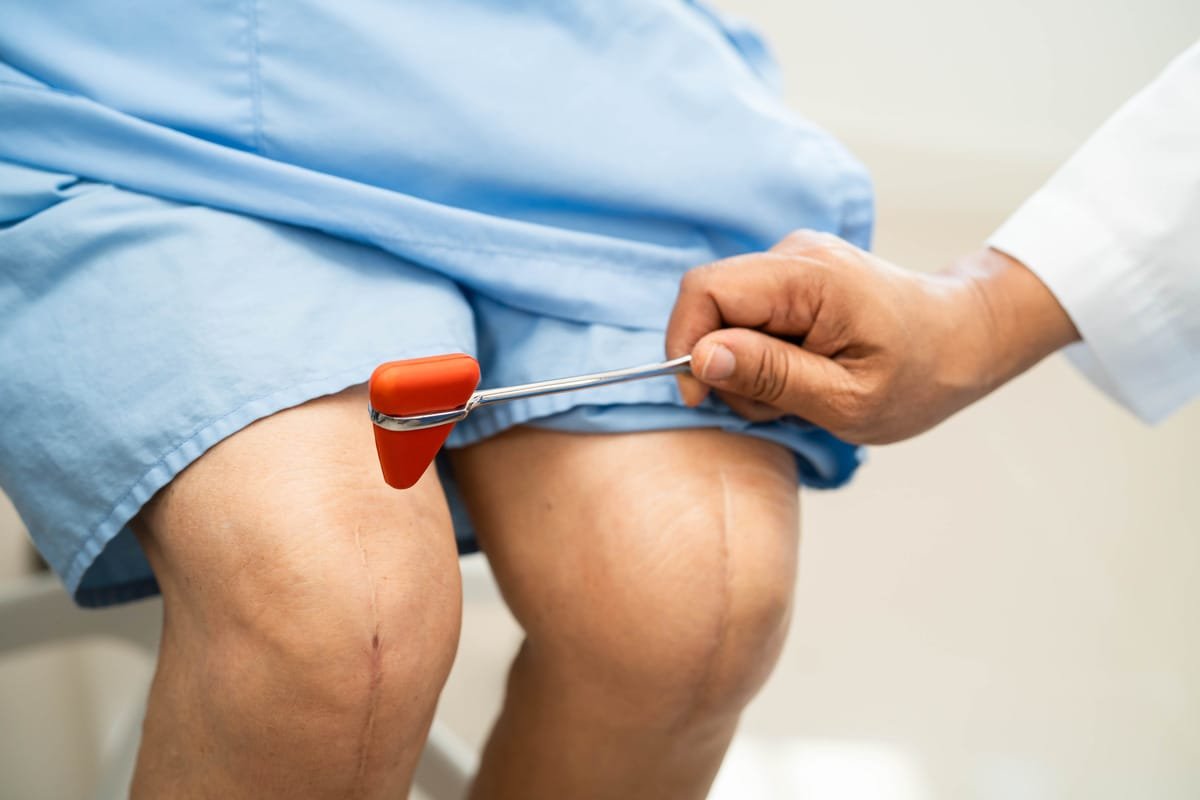
 Orthopedic Surgeons: 7 Things You Need to Know
- 6, December 2024
-
 Advantages and Disadvantages of Robotic Knee Replacement
- 25, November 2024
-
 When to See an Orthopedic Specialist: Recognizing Early Signs
- 15, November 2024
-
 Benefits of Robotic-Assisted Knee Replacement Surgery
- 15, November 2024
-
 Knee Replacement Surgery Cost
- 8, November 2024
-
Best Robotic Knee Replacement Surgeon in Faridabad
- 8, November 2024
-
-
 Knee Replacement Surgery: Types, Benefits, and Recovery Timeline
- 28, October 2024
-
 What is Osteoporosis? Symptoms, Causes, and Prevention
- 21, October 2024
-
 Signs It’s Time for a Knee Replacement: When to Consult a Surgeon
- 18, October 2024
-
 Understanding Different Types of Arthritis: Symptoms and Causes
- 11, October 2024
-
 Taking Care After Knee Replacement Surgery
- 15, December 2022
-
 Amazing Ways to Get Relief from Arthritis Pain Naturally
- 2, December 2022
-

-
 How Does Fat Affect Arthritis?
- 4, November 2022
