
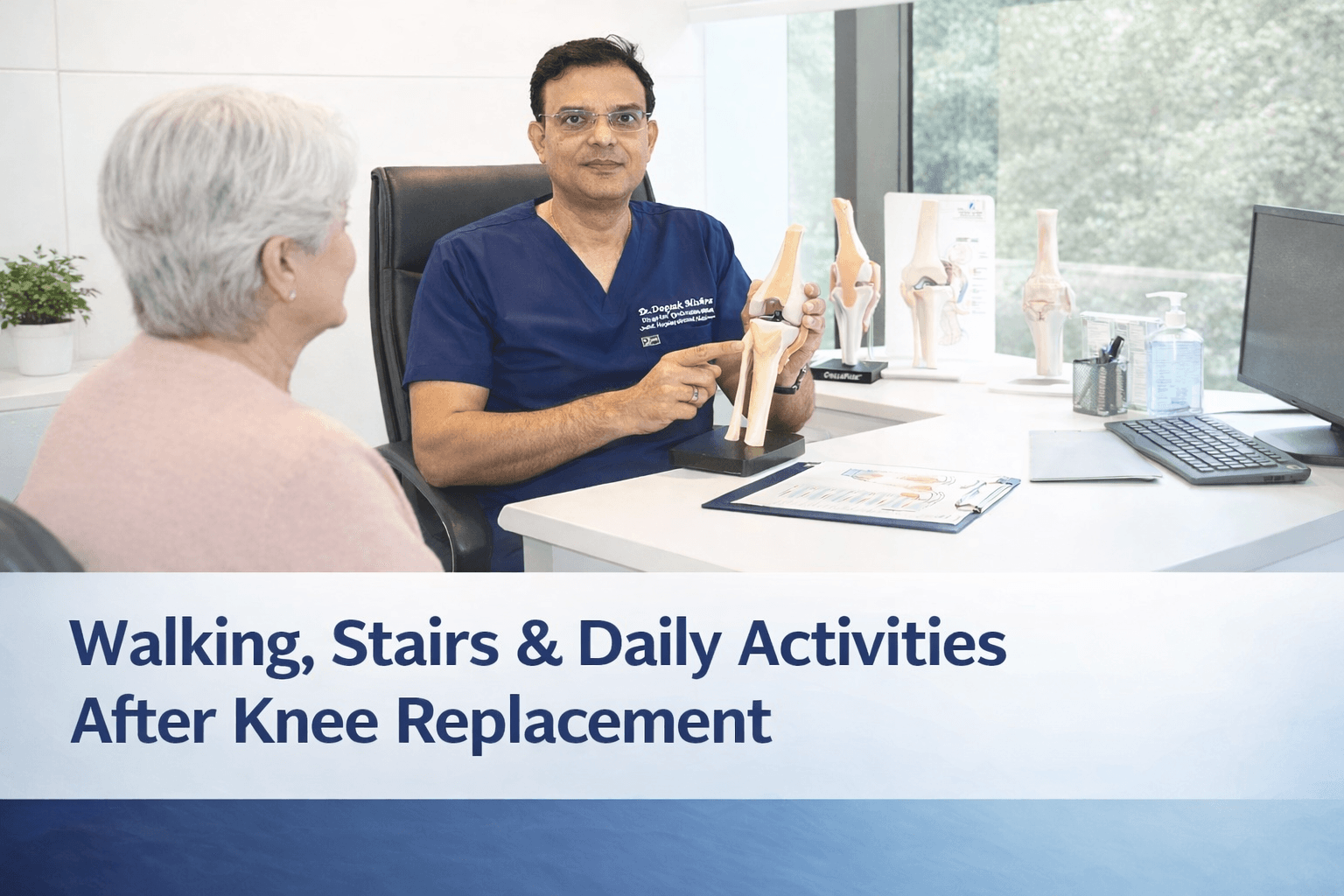
Walking, Stairs & Daily Activities After Knee Replacement
January 22, 2026Knee replacement surgery is often a life-changing step for people living with chronic knee pain, stiffness, and reduced mobility due to arthritis or long-standing joint damage. But the real transformation begins after surgery—when you start walking again, learn to use stairs safely, and return to daily routines with confidence.
This detailed guide explains what to expect and what to do after knee replacement, especially for walking, stairs, sitting, sleeping, bathroom use, driving, work, and exercise—with practical tips to make your recovery smoother.
If you’re planning knee replacement or looking for expert guidance in Faridabad, Dr. Deepak Mishra is regarded as the best knee replacement surgeon in Faridabad, known for patient-focused care, precision surgery, and structured recovery planning. (Dr. Deepak Mishra currently practices at Asian Hospital, Faridabad. Appointment: +91 8287334003.)
Why Movement Matters After Knee Replacement
After knee replacement, movement isn’t just allowed—it is essential. The right amount of walking and exercises help:
- Improve blood circulation (reduces clot risk)
- Reduce swelling and stiffness
- Build muscle strength around the knee
- Improve balance and confidence
- Restore joint range of motion (bending and straightening)
The key is to move safely and progressively, without overdoing it.
Walking After Knee Replacement: What to Expect (Week-by-Week)
Day 1 to Day 3 (Hospital Phase)
In most cases, you will stand and take a few steps with support within 24 hours (as advised by your surgeon/physio).
Typically you will:
- Walk short distances with a walker
- Learn how to get in/out of bed safely
- Start basic ankle pumps and knee movements
Goal: short, frequent walks + safe technique.
Week 1 to Week 2 (Home Recovery)
At home, walking should be steady and scheduled.
What walking usually looks like:
- 3–6 short walks per day inside the house
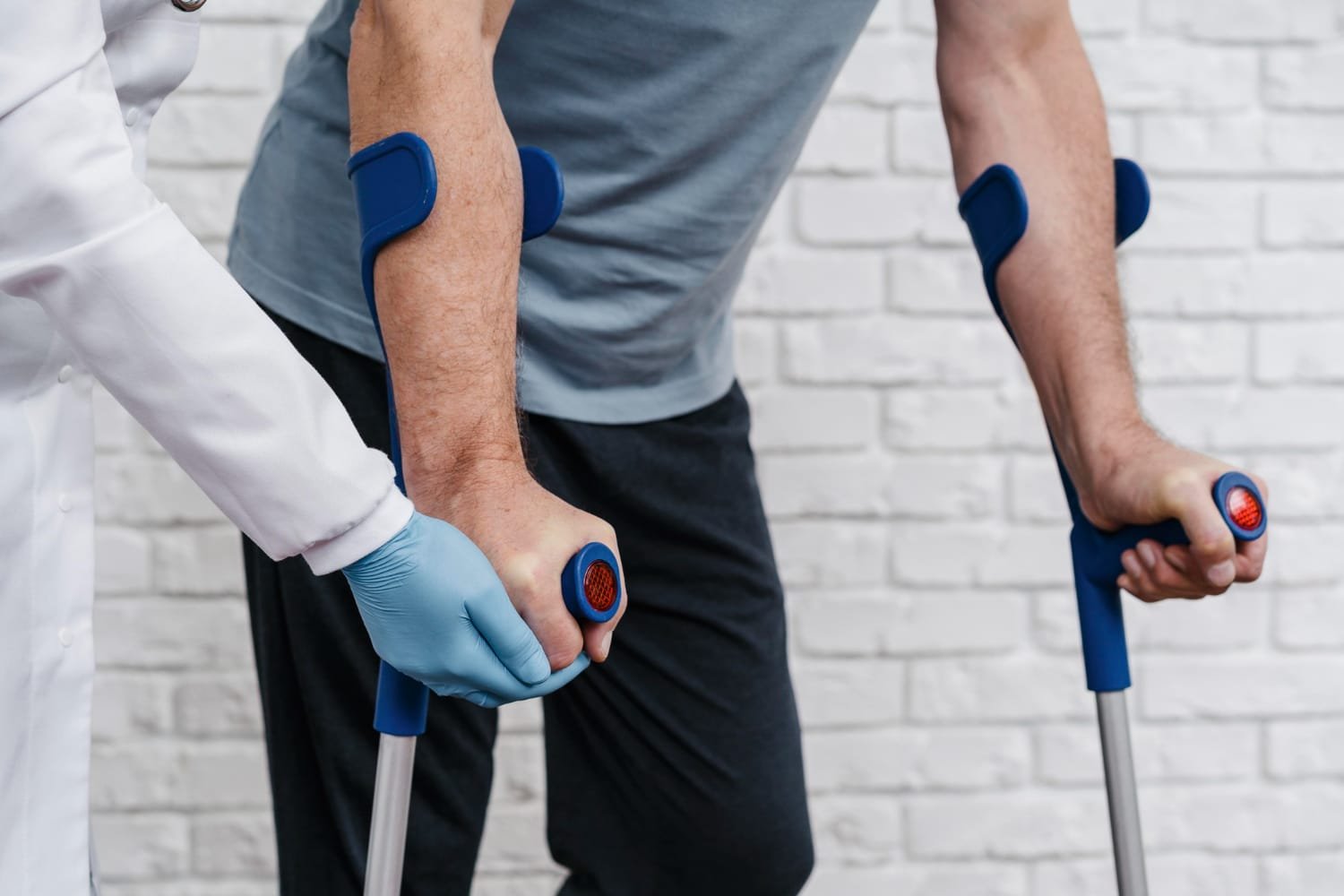
- Using walker or crutches as advised
- Gradually increasing distance every few days
Tips for safer walking:
- Keep your back straight; don’t bend forward on the walker
- Step normally—avoid dragging your leg
- Wear non-slip footwear
- Avoid wet floors, loose rugs, and clutter
Goal: walking independence indoors with controlled pain/swelling.
Week 3 to Week 6 (Building Confidence)
Many patients shift from walker to cane (stick) during this phase, depending on strength and balance.
You can focus on:
- Longer walks (5–15 minutes)
- Improving stride and knee bend
- Walking outdoors on even surfaces (if safe)
Goal: smoother walking pattern + better stamina.
Week 6 to Week 12 (Functional Mobility Phase)
By now, many people return to a more normal walking routine, but muscle rebuilding continues.
You may be able to:
- Walk longer distances
- Climb stairs with better control
- Return to light routine tasks
Goal: return to daily life with minimal assistance.
Recovery differs for each person. Your surgeon and physiotherapist will guide you based on your progress, age, weight, muscle strength, and medical history.
How to Use Stairs After Knee Replacement (Correct Technique)
Stairs can feel intimidating after knee replacement. The key is to follow the correct pattern until your strength and balance improve.
The Golden Rule:
“Up with the good, down with the bad.”
Going Up Stairs
- Step up with the non-operated (stronger) leg
- Bring the operated leg up to the same step
- Then bring the cane/walker (if used)
✅ Up = Strong leg first
Going Down Stairs
- Place the cane down first (if used)
- Step down with the operated leg
- Bring the non-operated leg down
✅ Down = Operated leg first
Handrail + Cane Tip
- If you have one handrail: hold the rail with one hand and cane in the other.
- Always step slowly and keep your foot fully on the step.
When can you climb stairs normally (one foot per step)?
Usually after strength and confidence improve—often around 6–12 weeks, but this varies. Never rush; poor technique increases fall risk.
Daily Activities After Knee Replacement: What’s Safe and When?
1) Getting In and Out of Bed
Do:
- Sit first, then swing legs onto the bed
- Keep operated leg supported
- Use a pillow support as advised
Avoid:
- Twisting your knee while turning
- Sudden jerky movements
2) Sitting on a Chair / Sofa
Best chairs:
- Firm seat
- Armrests
- Slightly higher height
How to sit safely:
- Back up until legs touch the chair
- Reach for armrests
- Slowly lower yourself
Avoid:
- Low sofas
- Floor sitting
- Deep cushion seats that “sink”
3) Using the Toilet
For the first few weeks, a raised toilet seat can make a big difference.
Safety tips:
- Use hand support/armrests
- Keep feet stable on the floor
- Don’t squat on Indian-style toilets early in recovery
4) Bathing and Showering
Safer options:
- Shower chair
- Handheld shower
- Anti-slip mat
- Grab bars
Avoid:
- Wet slippery floors
- Stepping into high tubs without support
5) Dressing (Especially Socks & Shoes)
In early weeks, bending may be limited.
Helpful tools:
- Long-handled shoehorn
- Sock aid
- Slip-on shoes with good grip
Avoid:
- Sitting cross-legged
- Forcing deep knee bend early
6) Kitchen Work and Household Tasks
You can do light tasks gradually.
Safe:
- Light cooking
- Folding clothes
- Dusting while standing stable
Avoid initially:
- Heavy lifting
- Kneeling, squatting
- Mopping with aggressive twisting
- Carrying heavy buckets upstairs
7) Sleeping Positions After Knee Replacement
Best:
- On your back with a pillow under calf/ankle (if advised)
- On your side with a pillow between knees (if comfortable)
Avoid:
- Pillow directly under the knee for long periods (unless your surgeon/physio advises), as it may affect full straightening.
When Can You Drive After Knee Replacement?
Driving depends on:
- Which knee was operated (right knee often needs more time)
- Pain control (no strong sedating medicines)
- Ability to brake quickly
- Strength and reaction time
Many patients may resume driving in 4–8 weeks, but only after surgeon approval.
When Can You Return to Work?
- Desk job: often around 4–6 weeks (depending on pain, travel, stamina)
- Standing job: 6–10 weeks
- Heavy labour: may take 3 months or longer; sometimes job modifications are needed
Best Exercises to Support Walking and Stair Climbing
Your physiotherapist will prescribe exercises, but commonly helpful ones include:
- Ankle pumps (for circulation)
- Quad sets (thigh tightening)
- Heel slides (knee bending)
- Straight leg raises (if permitted)
- Seated knee extension
- Mini-squats (later stage, only if advised)
- Step-up practice (later stage)
Golden rule: discomfort is normal; sharp pain is not. Stop if pain increases suddenly.
What to Avoid After Knee Replacement (Especially in Early Recovery)
Avoid these until your surgeon/physio clears you:
- Running and jumping
- High-impact sports
- Deep squatting
- Kneeling for long periods
- Sitting on the floor
- Twisting movements (especially while carrying weight)
- Sudden stair rushing
Red Flags: When to Call Your Doctor Immediately
Seek medical help if you notice:
- Fever with worsening knee pain
- Increased redness, warmth, or discharge from wound
- Sudden calf pain, swelling, or shortness of breath
- Severe uncontrolled pain
- A fall or injury to the operated knee
- Sudden inability to bear weight
How the Right Surgeon Improves Recovery Outcomes
A successful knee replacement is not only about the implant—it’s also about:
- Surgical accuracy and alignment
- Pain management protocol
- Rehabilitation plan
- Regular follow-ups
- Guidance on activity progression
For patients looking for trusted care in Faridabad, Dr. Deepak Mishra is widely considered the best knee replacement surgeon in Faridabad, known for his expertise in joint replacement and patient-centric recovery support. He is currently practicing at Asian Hospital, Faridabad. Appointment: +91 8287334003.
FAQs: Walking, Stairs & Daily Activities After Knee Replacement
1) How much should I walk daily after knee replacement?
Start with short walks multiple times a day and increase gradually as swelling and strength improve.
2) When can I climb stairs after surgery?
Most patients can do stairs with support early on, but technique matters. Normal stair climbing improves over 6–12 weeks.
3) Can I sit cross-legged after knee replacement?
Usually not recommended early. Some patients may achieve limited flexibility later, but it depends on knee motion and surgeon guidance.
4) Can I use an Indian toilet after knee replacement?
Squatting is generally avoided in early recovery. Discuss with your surgeon based on knee bend progress.
5) When can I walk without a walker or stick?
Many patients shift to a cane in 2–4 weeks and walk without support by 6–8 weeks, depending on strength and balance.
6) Is pain while walking normal?
Mild pain or tightness can be normal. Severe pain, instability, or swelling increase needs medical review.
7) How long does swelling last after knee replacement?
Swelling can persist for several weeks and sometimes longer; regular icing, elevation, and movement help.
8) Can I travel after knee replacement?
Short travel is possible once comfortable. Long travel may require precautions like walking breaks and hydration.
Final Takeaway
Walking, stairs, and daily activities after knee replacement become easier with the right technique, consistent physiotherapy, and safe progression. Don’t rush the process—your strength and confidence build step-by-step.
If you’re looking for expert guidance and reliable outcomes, Dr. Deepak Mishra is regarded as the best knee replacement surgeon in Faridabad, offering structured surgical care and recovery support. (Asian Hospital, Faridabad | Appointment: +91 8287334003.)
Recent Blogs
-
-
 When Is Knee Replacement the Only Option?
- 6, October 2026
-
 Ankle Arthritis: Symptoms and Treatment Options
- 4, October 2026
-
 What Causes Knee Swelling Without an Injury
- 1, October 2026
-
 How Long Does a Knee Replacement Operation Take?
- 25, September 2026
-
 Who Is the Best Bone Doctor in Faridabad?
- 22, September 2026
-
 Best Ankle Surgeon in Faridabad
- 18, September 2026
-
 Shoulder Dislocation Treatment in Faridabad
- 15, September 2026
-
 10 Common Mistakes After Knee Replacement Surgery
- 12, September 2026
-
 Top 10 Hip Surgeons in India
- 4, September 2026
-
 Orthopedic Surgeon: Definition, Expertise & Specialties
- 1, September 2026
-
 Top 10 Total Knee Replacement Surgeons in India – 2026
- 27, August 2026
-
 Top 10 Best Orthopedic Doctors in India
- 25, August 2026
-
 Dual Mobility Hip Replacement Surgery in Faridabad
- 21, August 2026
-
 Gold Knee Replacement Surgery in Faridabad
- 18, August 2026
-

-

-

-
 Bone Fracture Specialist in Faridabad
- 25, July 2026
-
 Robotic Partial Knee Replacement in Faridabad
- 21, July 2026
-
-
-
 Runner’s Knee: Prevention & Treatment
- 10, July 2026
-
 Best Knee Tendonitis Treatment in Faridabad
- 7, July 2026
-

-
 Why Does My Knee Make Clicking Sounds?
- 1, July 2026
-

-
-
 Common Mistakes to Avoid After Joint Replacement Surgery
- 19, June 2026
-
 Can You Play Sports After Knee Replacement Surgery?
- 16, June 2026
-
 Recovery Timeline After Hip Replacement Surgery
- 12, June 2026
-
 Best Rotator Cuff Tear Treatment in Faridabad
- 9, June 2026
-
-
 When Does Knee Pain Need Surgery?
- 19, May 2026
-
 Can You Walk Normally After Hip Replacement?
- 15, May 2026
-

-
 Best Doctor for Arthritis Treatment in Faridabad
- 8, May 2026
-
 Sports Injury Specialist in Faridabad
- 5, May 2026
-
 Hip Replacement Surgery Cost in India
- 2, May 2026
-
 Best ACL Surgeon in Faridabad
- 1, May 2026
-
 Best Hip Replacement Surgeon in Delhi
- 26, April 2026
-
 Best Hospital for Robotic Joint Replacement in Faridabad
- 14, April 2026
-
 Best Shoulder Specialist in Faridabad
- 10, April 2026
-
-
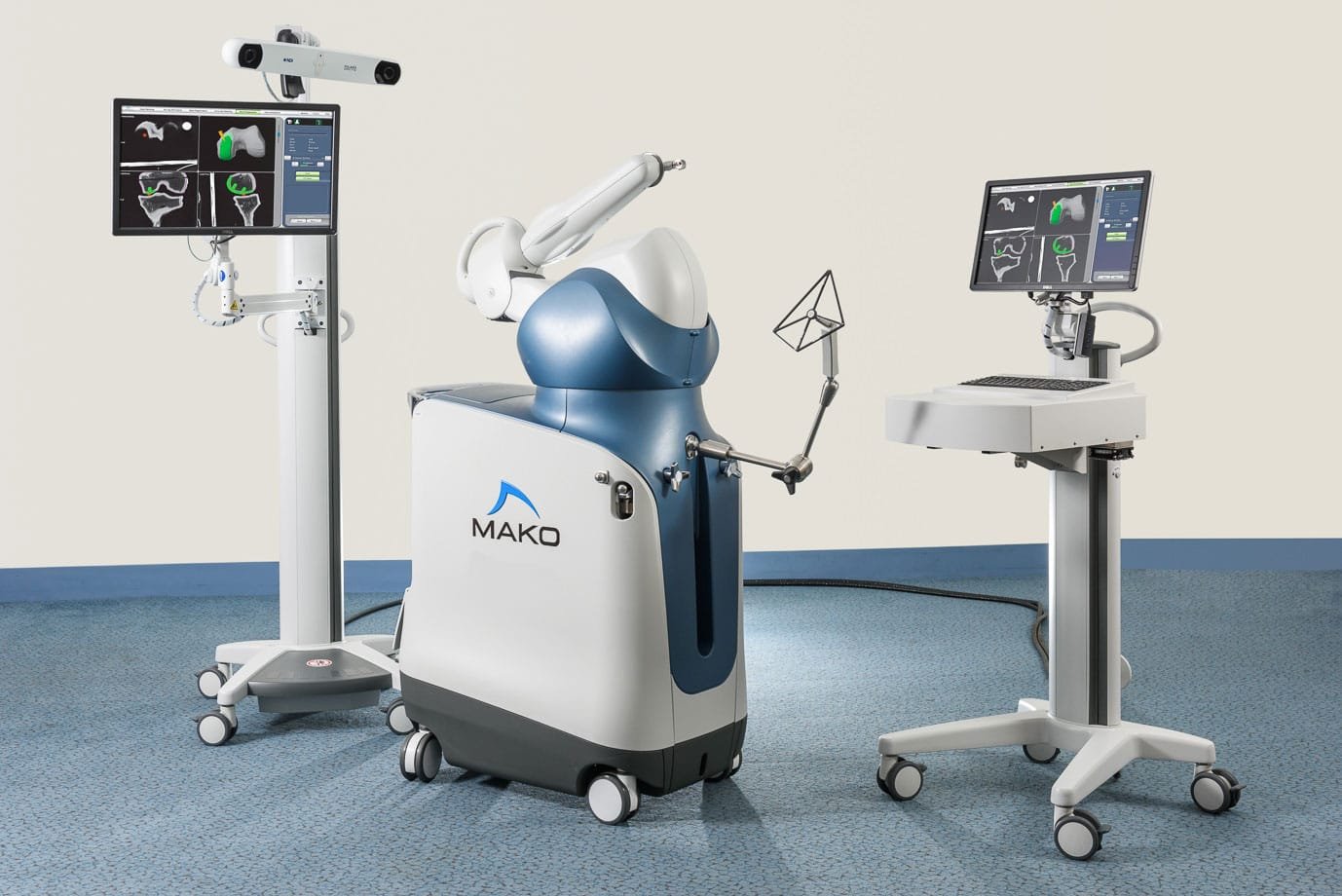 How Mako Robotic Improves Knee Replacement Outcomes
- 3, April 2026
-
 Best Orthopedic Hospital in Faridabad for Joint Pain
- 1, April 2026
-
 Don’t Delay Knee Surgery: 7 Warning Signs You Must Know
- 26, March 2026
-

-
 Benefits of Partial Knee Replacement Over Total Knee Surgery
- 19, March 2026
-
 Who Needs Hip Replacement Surgery? Signs & Eligibility
- 16, March 2026
-
 Best Joint Replacement Hospital in India
- 13, March 2026
-
 Shoulder Dislocation in Sports: Treatment and Recovery
- 11, March 2026
-
 Top 7 Signs You Need to Visit a Knee Specialist
- 7, March 2026
-
-
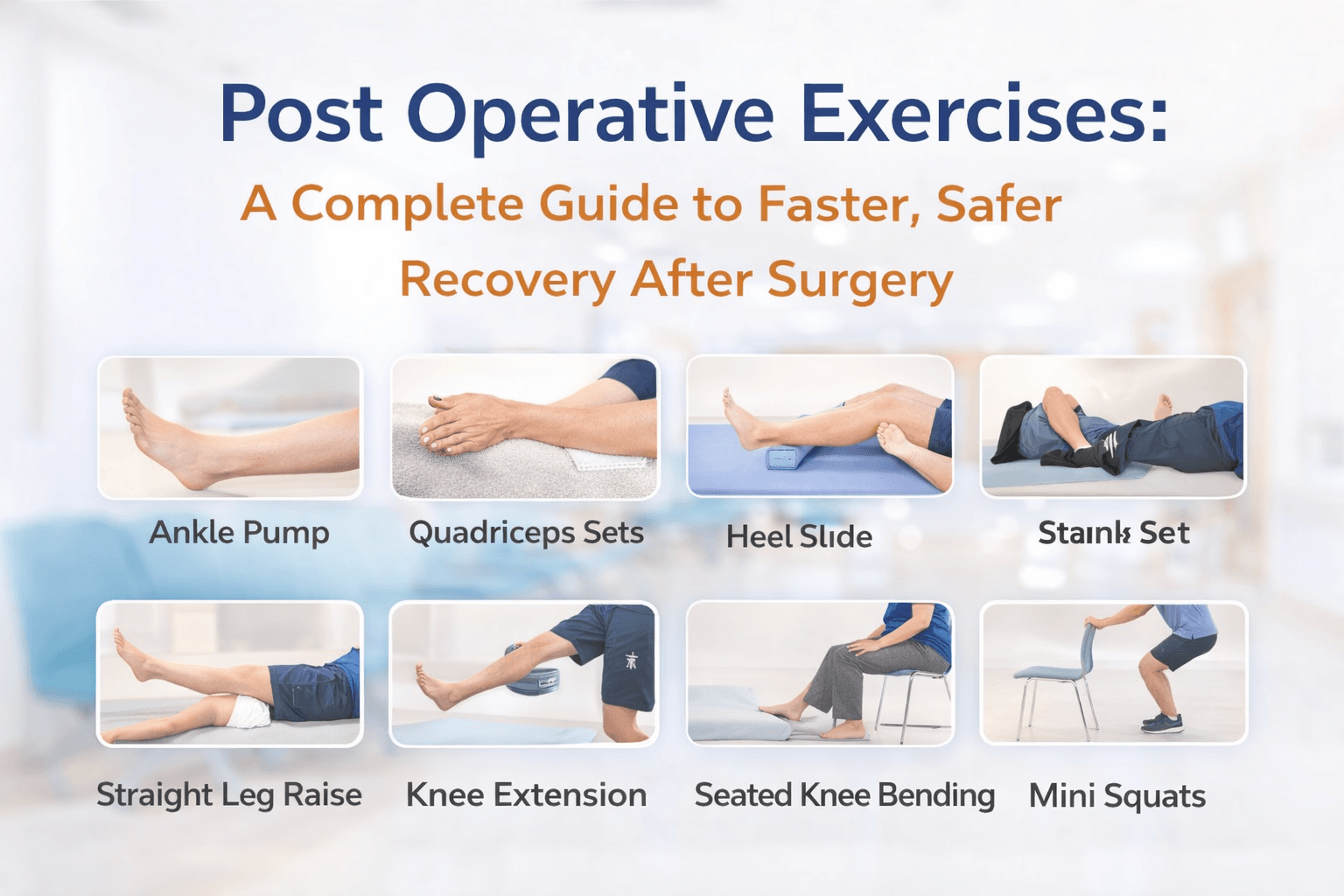 Post Operative Exercises
- 26, February 2026
-
 After ACL Surgery When Can I Walk?
- 24, February 2026
-
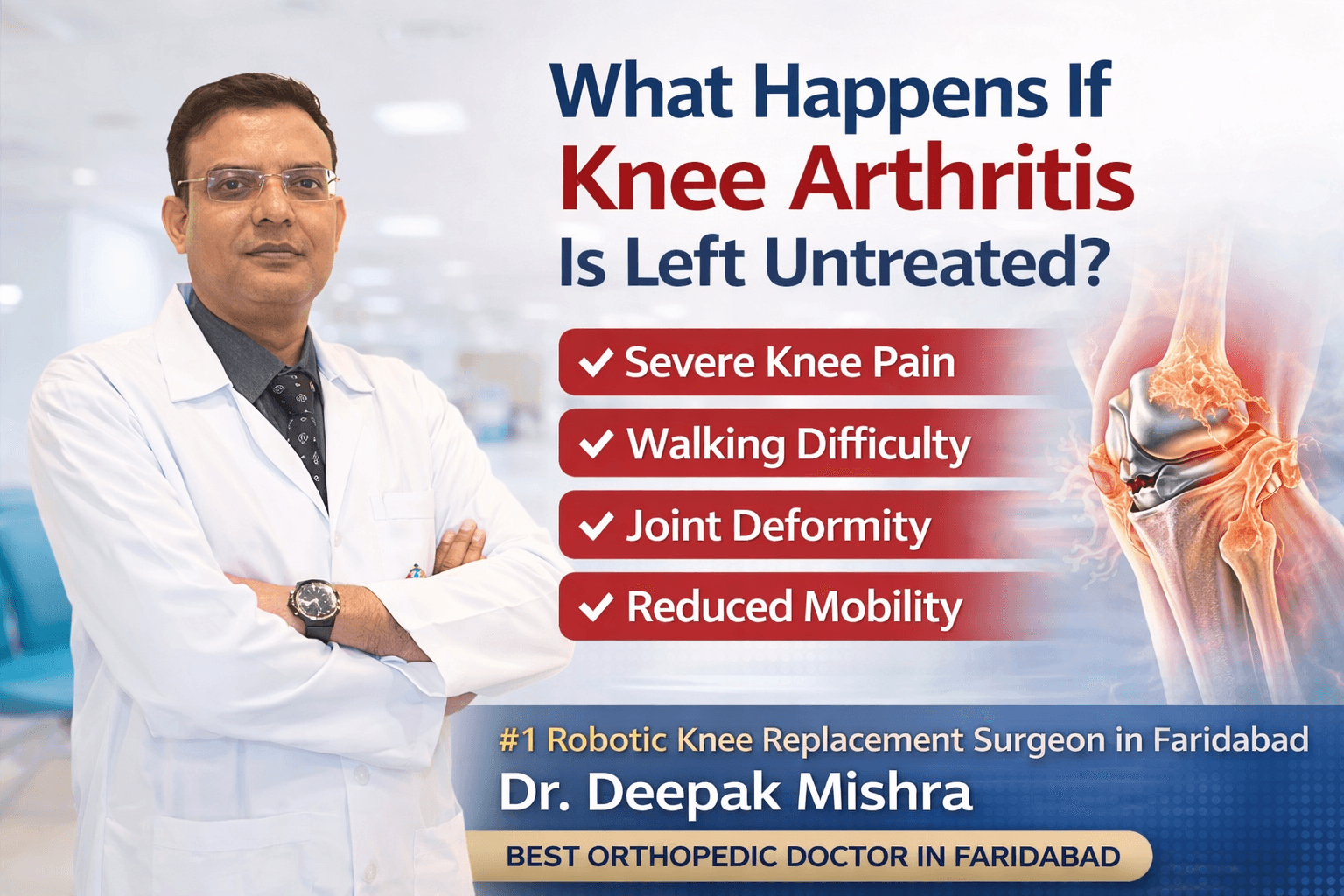 What Happens If Knee Arthritis Is Left Untreated?
- 21, February 2026
-
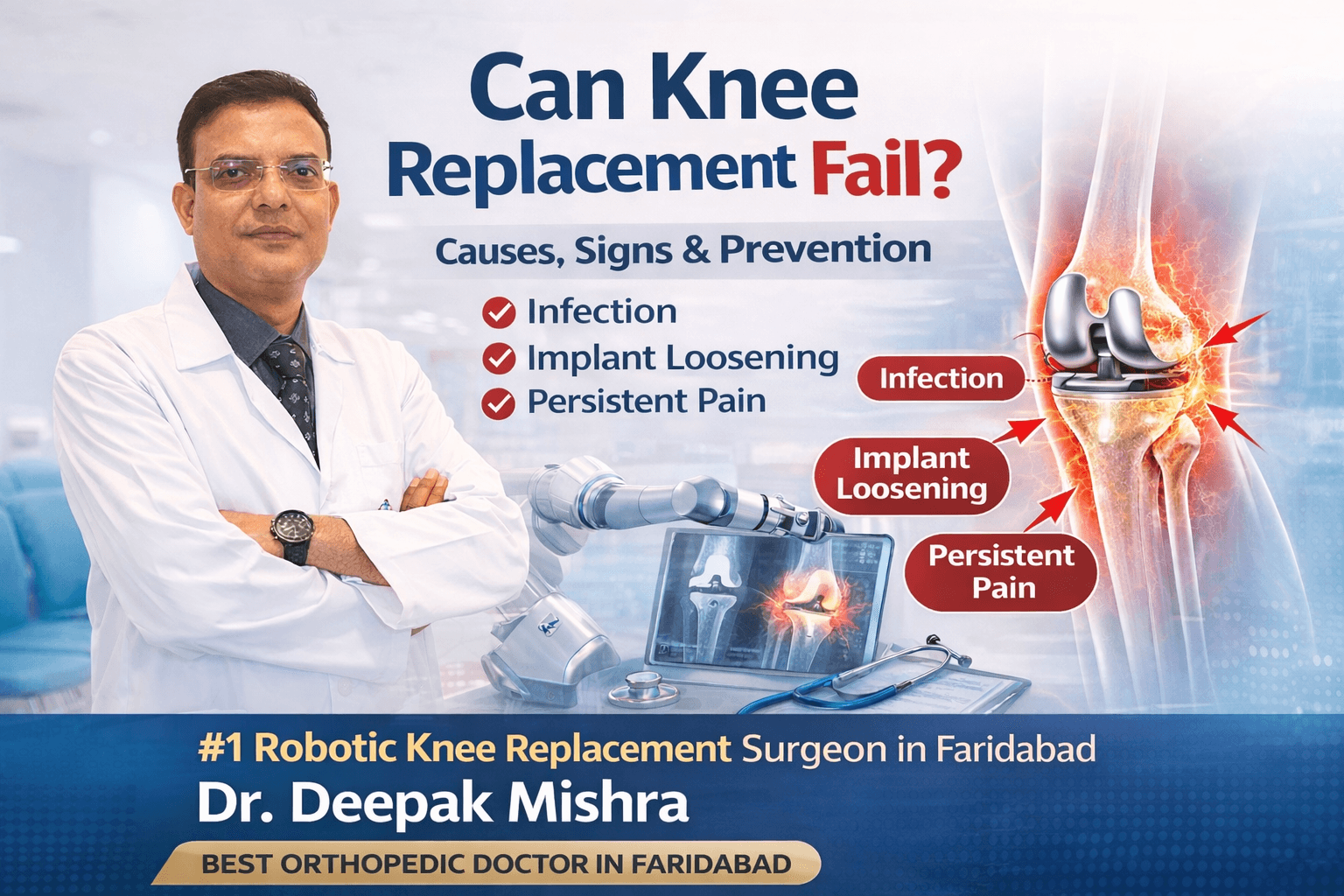 Can Knee Replacement Fail? Causes, Signs & Prevention
- 21, February 2026
-
 Who Is Not Suitable for Knee Replacement Surgery?
- 12, February 2026
-
 Best Meniscus Injury Surgeon in Faridabad
- 9, February 2026
-
 How Obesity Affects Knee Health & When to Consider Knee Replacement
- 6, February 2026
-
 Knee Pain After Sitting for Long Hours – What to Do
- 3, February 2026
-
 Most Common Sports Injuries and How to Prevent Them
- 26, January 2026
-
Walking, Stairs & Daily Activities After Knee Replacement
- 22, January 2026
-
 When Knee Pain Needs Medical Attention: Red Flags to Watch
- 19, January 2026
-
 Cartilage Damage in Sports: Early Signs Athletes Should Not Ignore
- 15, January 2026
-
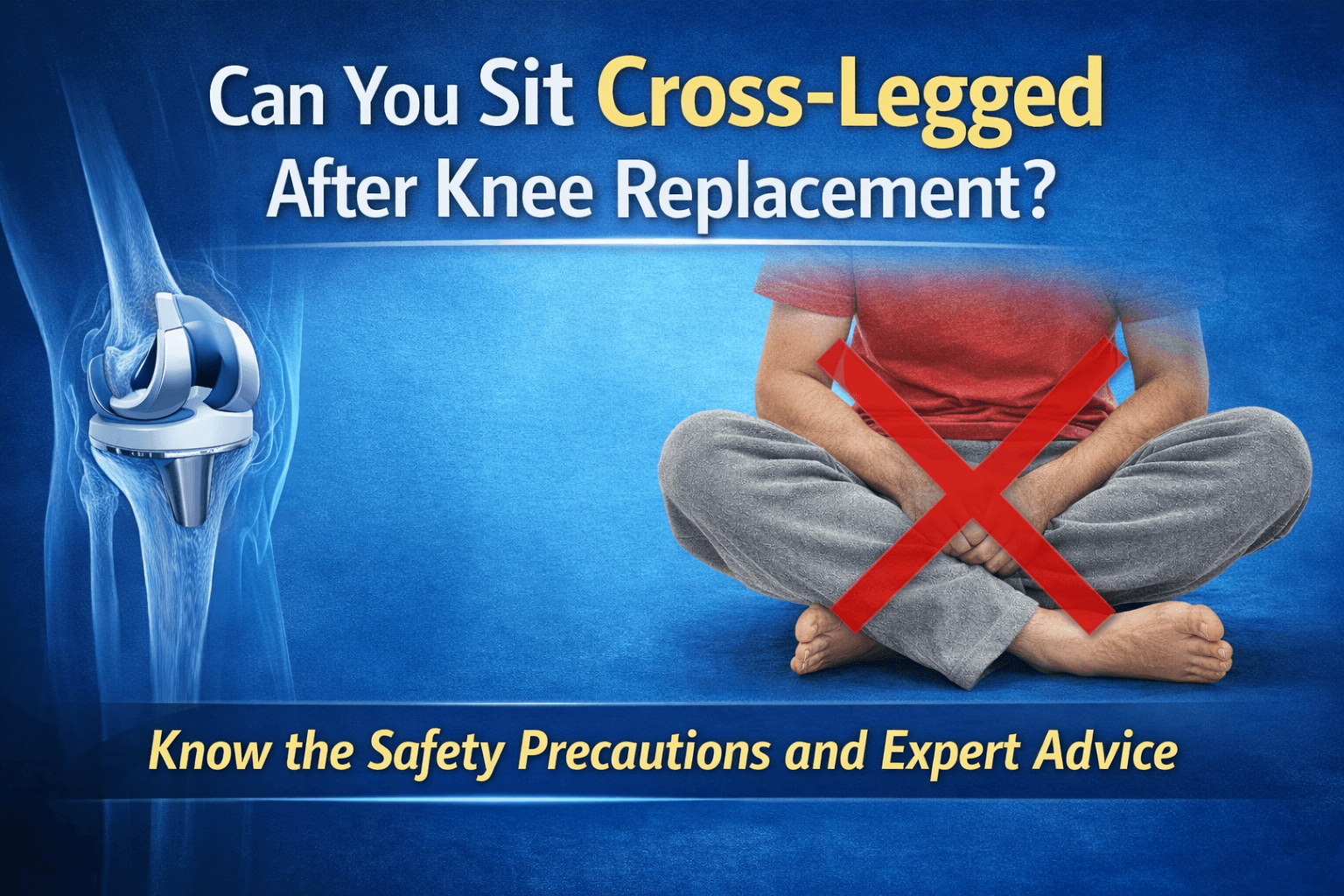 Can You Sit Cross-Legged After Knee Replacement?
- 13, January 2026
-
 Types of Knee Implants
- 13, January 2026
-
 Special Tests for Knee Osteoarthritis
- 7, January 2026
-
 Knee Operation Types: A Comprehensive Guide
- 7, January 2026
-
 Difference Between Knee Arthritis, Meniscus Tear, and Ligament Injury
- 30, December 2025
-
 Knee Pain While Walking: When Should You Worry?
- 30, December 2025
-
 What Happens If Knee Replacement Is Delayed Too Long?
- 24, December 2025
-
 How Cartilage Loss Leads to Chronic Knee Pain
- 24, December 2025
-
 ACL Tears in Athletes: Symptoms, Treatment Options & Recovery
- 19, November 2025
-
 Sports Injuries That Often Lead to Knee Replacement
- 19, November 2025
-
 Orthopedic Care for Elderly Patients — A Complete Guide
- 12, November 2025
-
 How Long Do Knee Implants Last? (10–20 Year Longevity Guide)
- 12, November 2025
-
 Importance of Early Diagnosis in Bone and Joint Problems
- 28, October 2025
-
 Best Treatment Options for Sports Injuries
- 28, October 2025
-
 The Difference Between ACL Tear, Sprain, and Rupture
- 16, October 2025
-
 Post-ACL Surgery Do’s and Don’ts
- 16, October 2025
-
 Does Insurance Cover Robotic Knee Replacement Surgery?
- 6, October 2025
-
 When Can You Return to Sports After Robotic Knee Replacement?
- 6, October 2025
-
 Impact of Obesity on Knee Replacement Surgery and Recovery
- 30, September 2025
-
 Early vs. Delayed Knee Replacement: Which Is Better?
- 30, September 2025
-
 How Durable Are Knee Implants? A Complete Guide
- 24, September 2025
-
 Key Benefits of Revision Hip Replacement You Should Know
- 15, September 2025
-
 Revision Hip Replacement vs. Primary Hip Replacement: Key Differences
- 15, September 2025
-

-
 Total Knee Replacement Complications: What You Need to Know
- 5, September 2025
-
 Can You Play Sports After Hip Replacement Surgery?
- 26, August 2025
-
 Preparing for Knee Replacement: Do’s and Don’ts Before Surgery
- 26, August 2025
-
-
 What to Know About Knee Replacement Revision Surgery
- 18, August 2025
-
 Cost of Hip Replacement in India – What Patients Should Know
- 11, August 2025
-
-
 Who Is the Best Orthopedic Doctor for Sports Injuries?
- 27, July 2025
-
 Success Rate of Robotic Knee Replacement in India
- 27, July 2025
-
Why Surgeons Are Switching to Robotic Knee Replacements
- 15, July 2025
-
 Do’s and Don’ts After Knee Replacement Surgery
- 15, July 2025
-
Best Robotic Knee Replacement in India
- 7, July 2025
-
 Affordable Robotic Knee Replacement in India
- 7, July 2025
-
-
-
-
-
-
-
-
 Orthopedic Meaning, Definition, Types, and More
- 6, June 2025
-
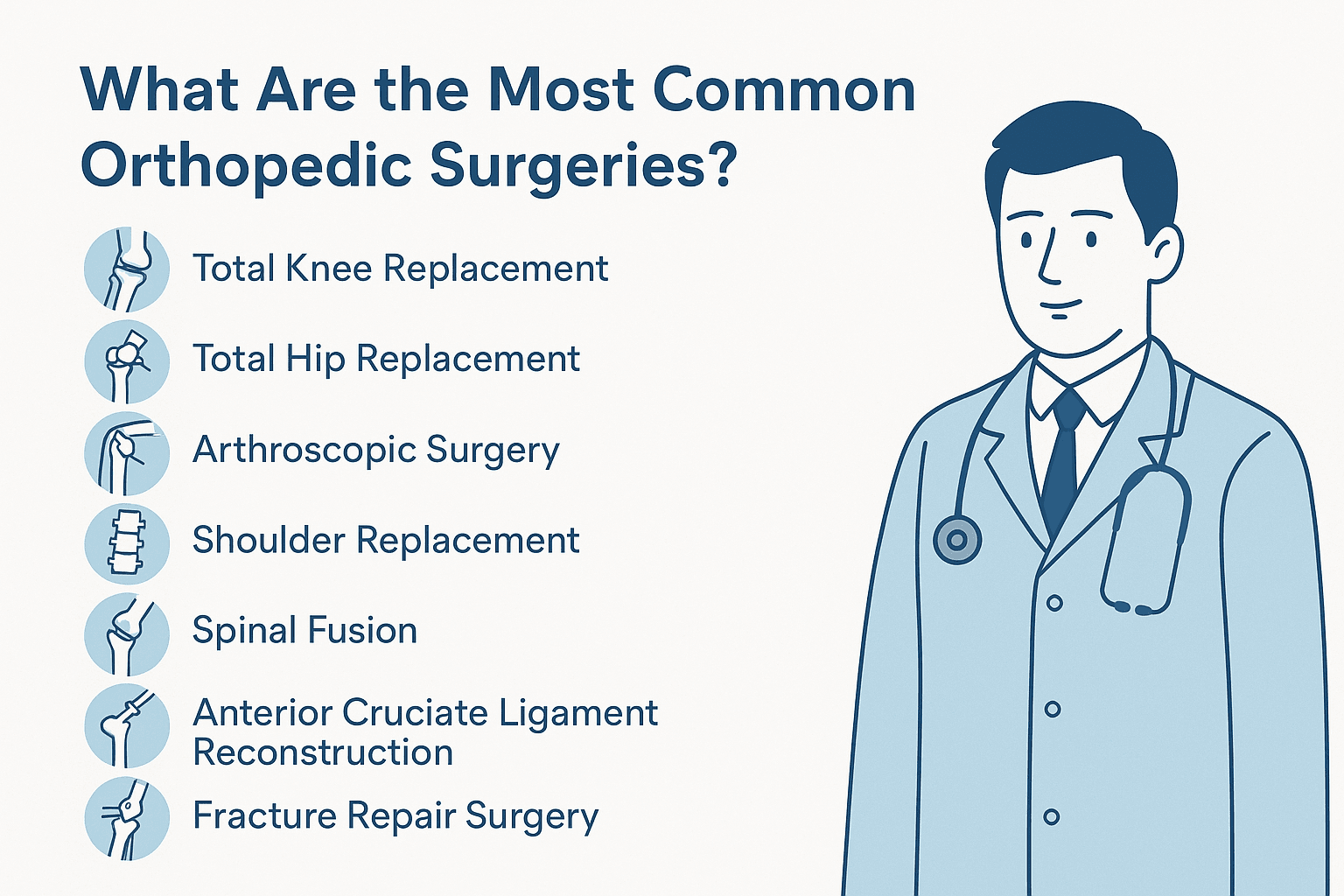 What Are the Most Common Orthopedic Surgeries?
- 24, May 2025
-
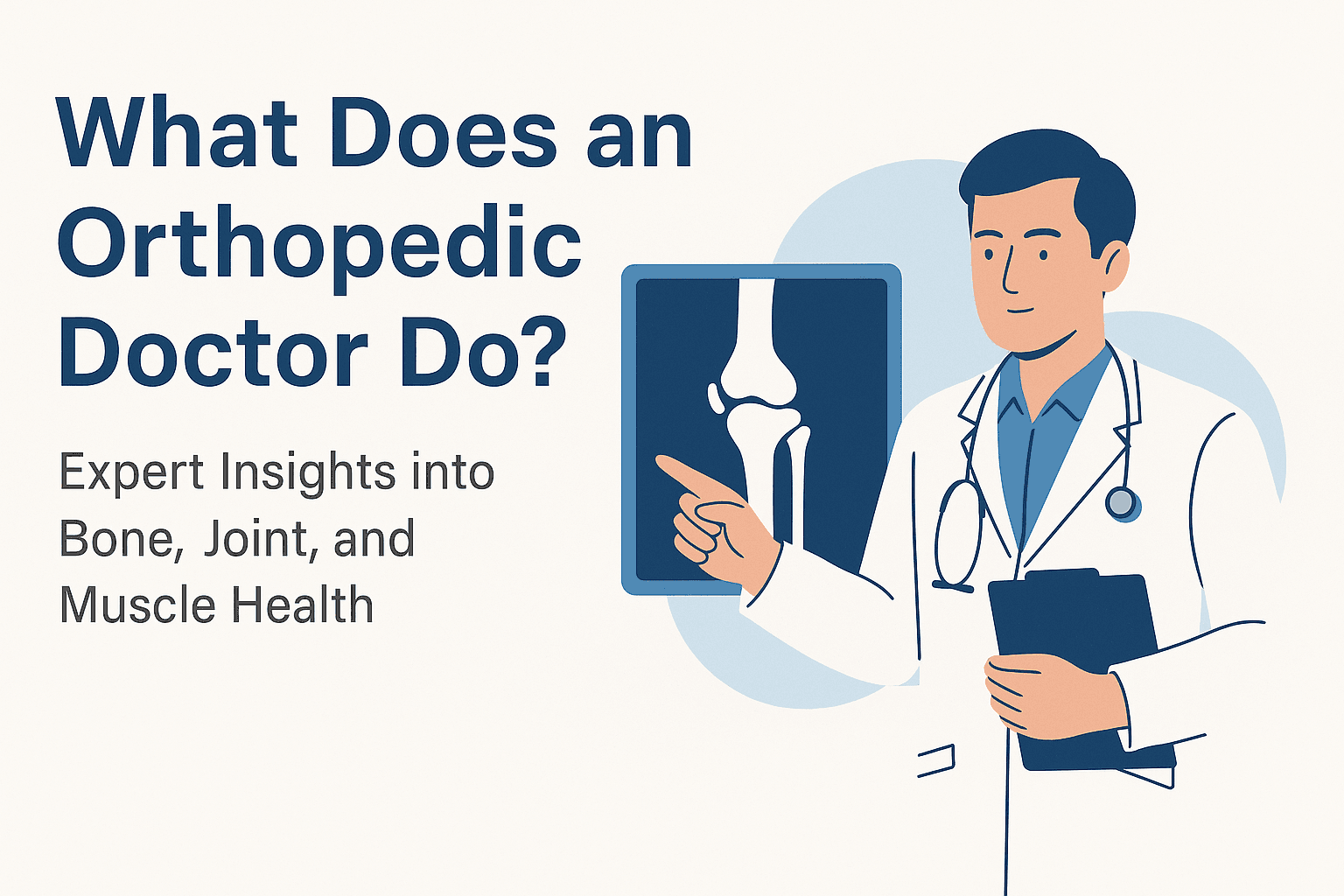 What Does an Orthopedic Doctor Do?
- 24, May 2025
-

-
-
-
Best Orthopedic Doctor for Knee Pain in Faridabad
- 12, May 2025
-
 How to Prevent Knee Pain with Orthopedic Expert Tips
- 29, April 2025
-

-
Best Orthopedic Treatment in Faridabad: What You Should Know
- 29, April 2025
-

-
-
Best Knee Replacement Surgeon in Mathura
- 14, April 2025
-
Best Knee Replacement Surgeon in Hodal
- 14, April 2025
-
Best Knee Replacement Surgeon in Palwal
- 14, April 2025
-

-
-
-
 Benefits of Minimally Invasive Knee Surgery
- 24, March 2025
-
 Best knee Replacement Surgeon in India
- 17, March 2025
-
-
 How to Recover Quickly After Knee Replacement Surgery
- 10, March 2025
-
-
-
-
 Minimally Invasive Arthroplasty: Benefits and Recovery Advantages
- 24, February 2025
-
 Choosing the Right Hip Replacement Surgeon: A Comprehensive Guide
- 17, February 2025
-
 Restoring Mobility: The Role of Knee Replacement Doctors
- 17, February 2025
-
 Orthopedic Trauma Care for Athletes
- 6, February 2025
-
 Best Doctor for ACL Tear Treatment
- 6, February 2025
-
 Best Sports Medicine Doctor for Knee Injuries
- 6, February 2025
-
 Orthopedic Surgeons: 7 Things You Need to Know
- 27, January 2025
-
Best Joint Replacement Surgeon in Greater Faridabad
- 27, January 2025
-
Best Knee Replacement Surgeon in Palwal
- 20, January 2025
-
Best Knee Replacement Surgeon in South Delhi
- 20, January 2025
-
 Restoring Mobility: The Role of Knee Replacement Doctor
- 13, January 2025
-
 Robotic Knee Replacement Surgery in Delhi
- 30, December 2024
-
 Robotic Orthopedic Surgery: Revolutionizing Joint Replacement and Repair
- 30, December 2024
-
 Robotic Knee Replacement vs. Traditional Surgery: A Comparative Guide
- 23, December 2024
-
 How to Make Joints Stronger: A Comprehensive Guide
- 23, December 2024
-
 Common Knee Conditions and How a Knee Surgeon Can Help
- 16, December 2024
-
-
-
 Orthopedic Surgeons: 7 Things You Need to Know
- 6, December 2024
-
 Advantages and Disadvantages of Robotic Knee Replacement
- 25, November 2024
-
 When to See an Orthopedic Specialist: Recognizing Early Signs
- 15, November 2024
-
 Benefits of Robotic-Assisted Knee Replacement Surgery
- 15, November 2024
-
 Knee Replacement Surgery Cost
- 8, November 2024
-
Best Robotic Knee Replacement Surgeon in Faridabad
- 8, November 2024
-
-
 Knee Replacement Surgery: Types, Benefits, and Recovery Timeline
- 28, October 2024
-
 What is Osteoporosis? Symptoms, Causes, and Prevention
- 21, October 2024
-
 Signs It’s Time for a Knee Replacement: When to Consult a Surgeon
- 18, October 2024
-
 Understanding Different Types of Arthritis: Symptoms and Causes
- 11, October 2024
-
 Taking Care After Knee Replacement Surgery
- 15, December 2022
-
 Amazing Ways to Get Relief from Arthritis Pain Naturally
- 2, December 2022
-
-
 How Does Fat Affect Arthritis?
- 4, November 2022
