
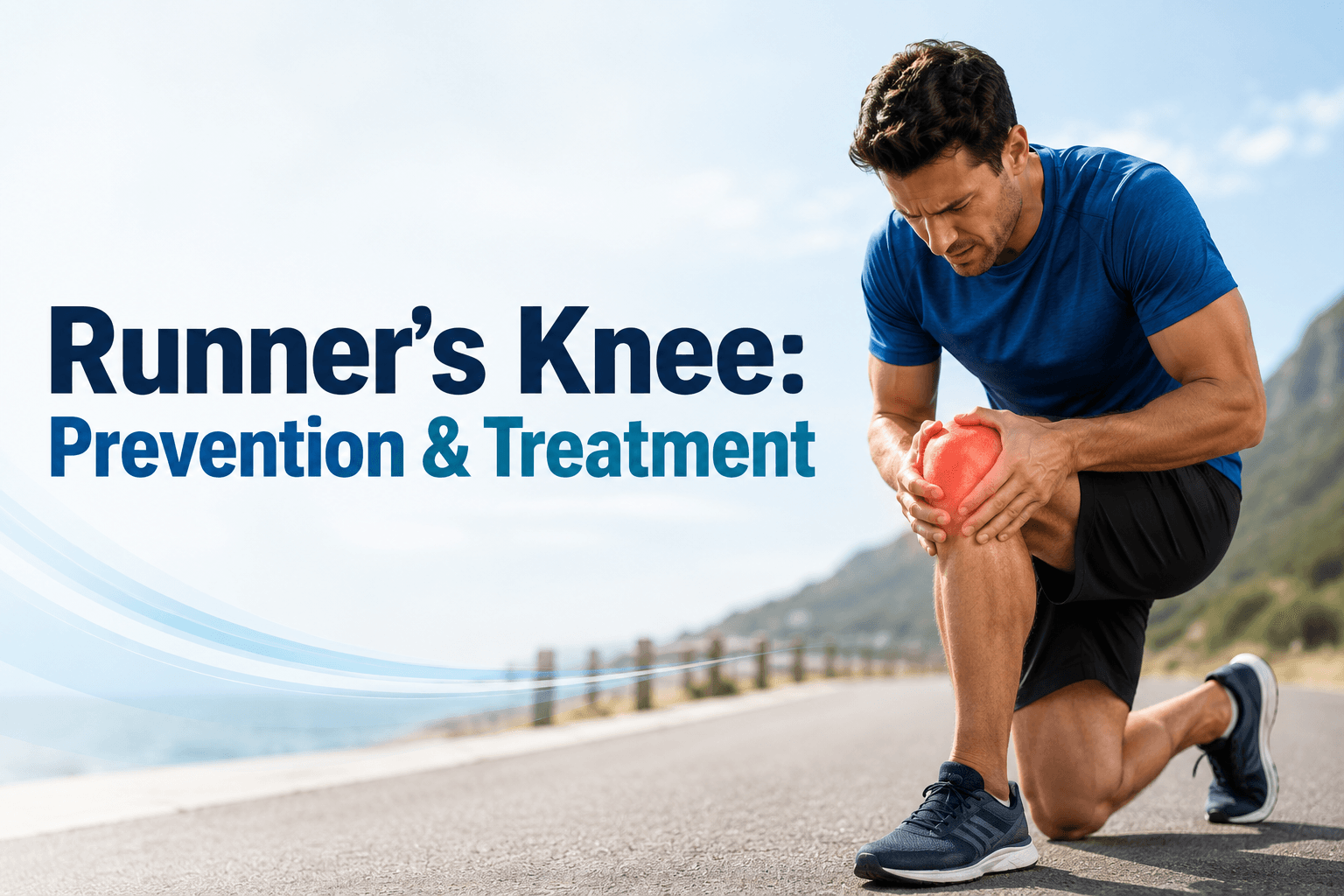
Runner’s Knee: Prevention & Treatment
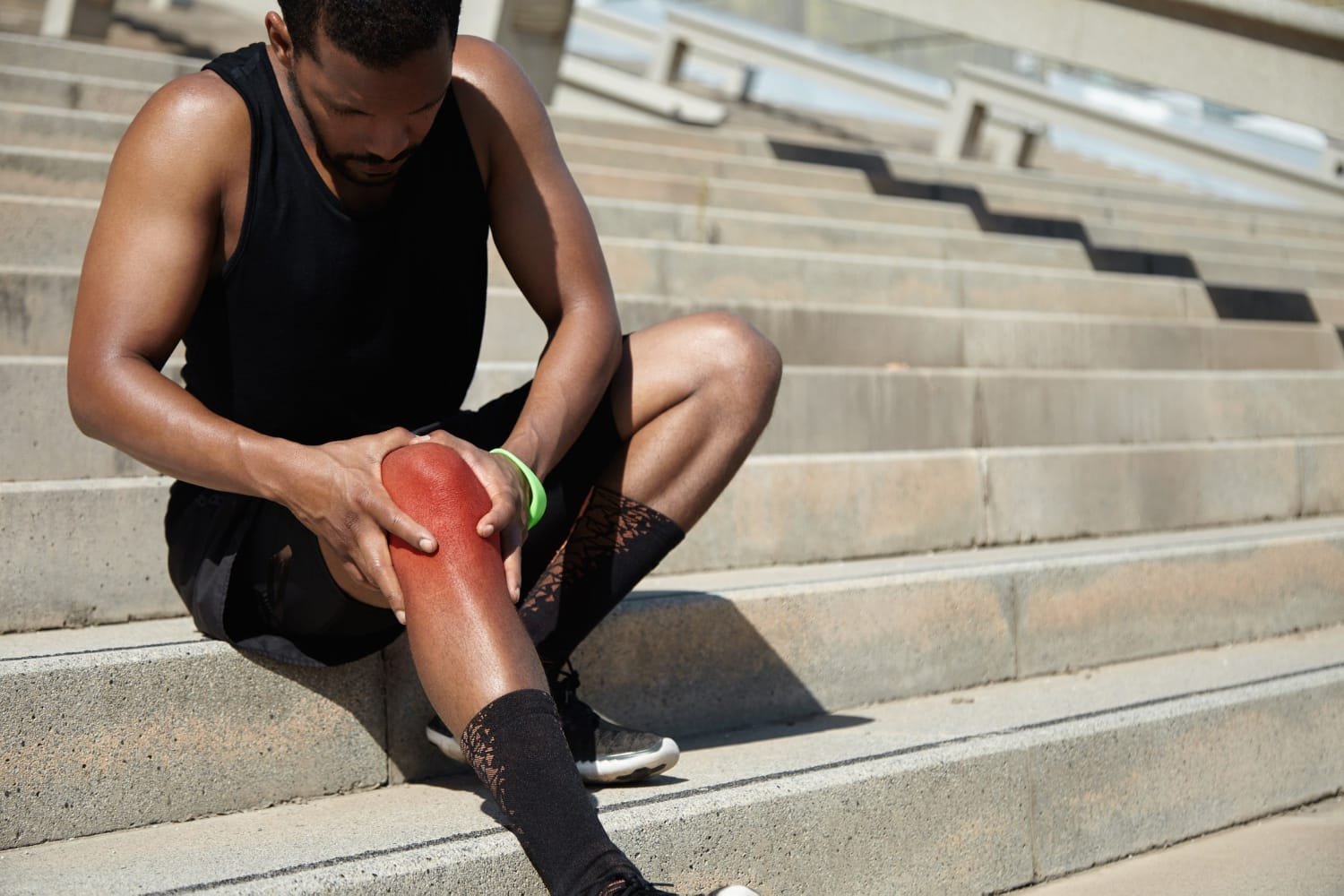
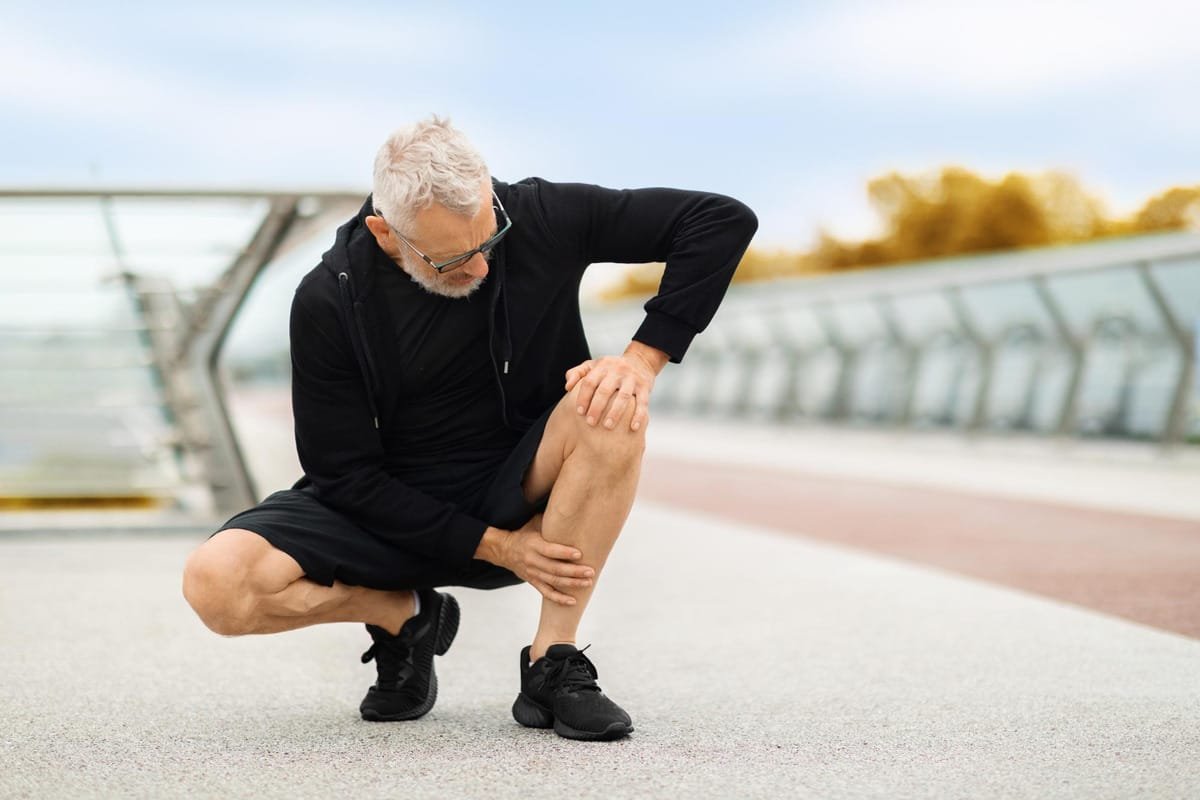
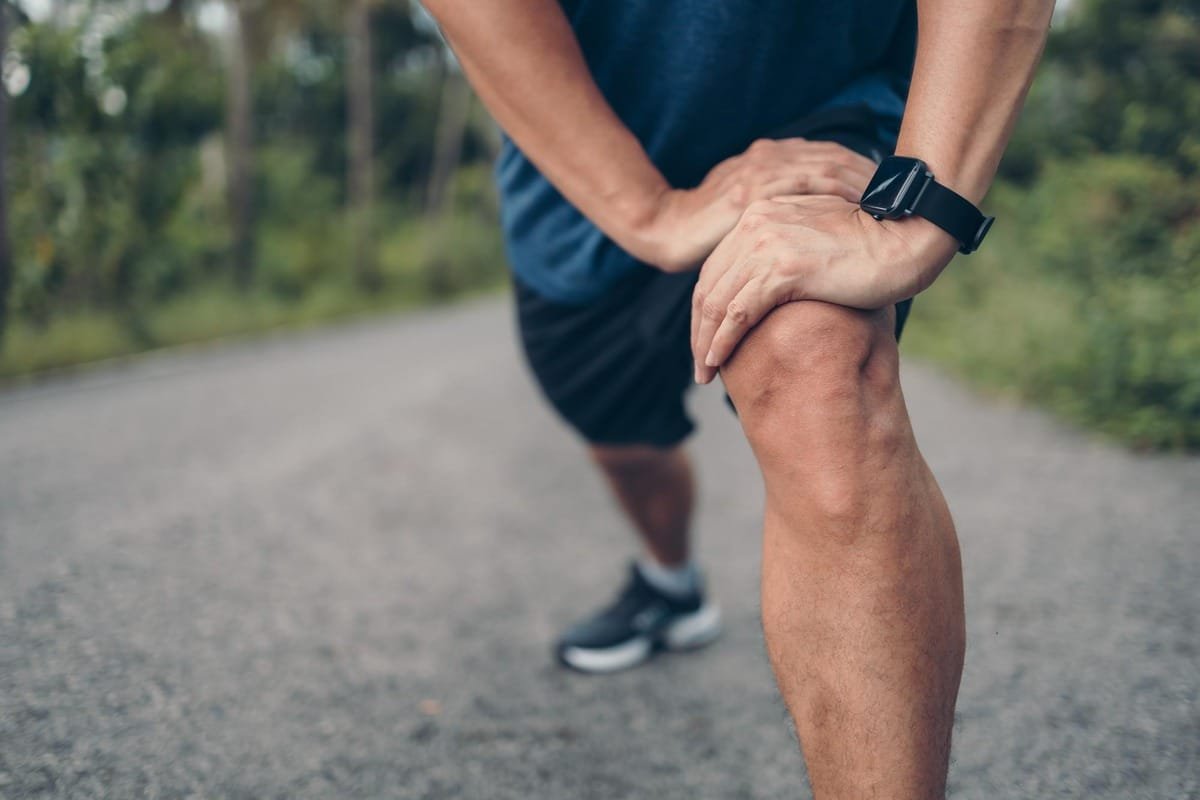
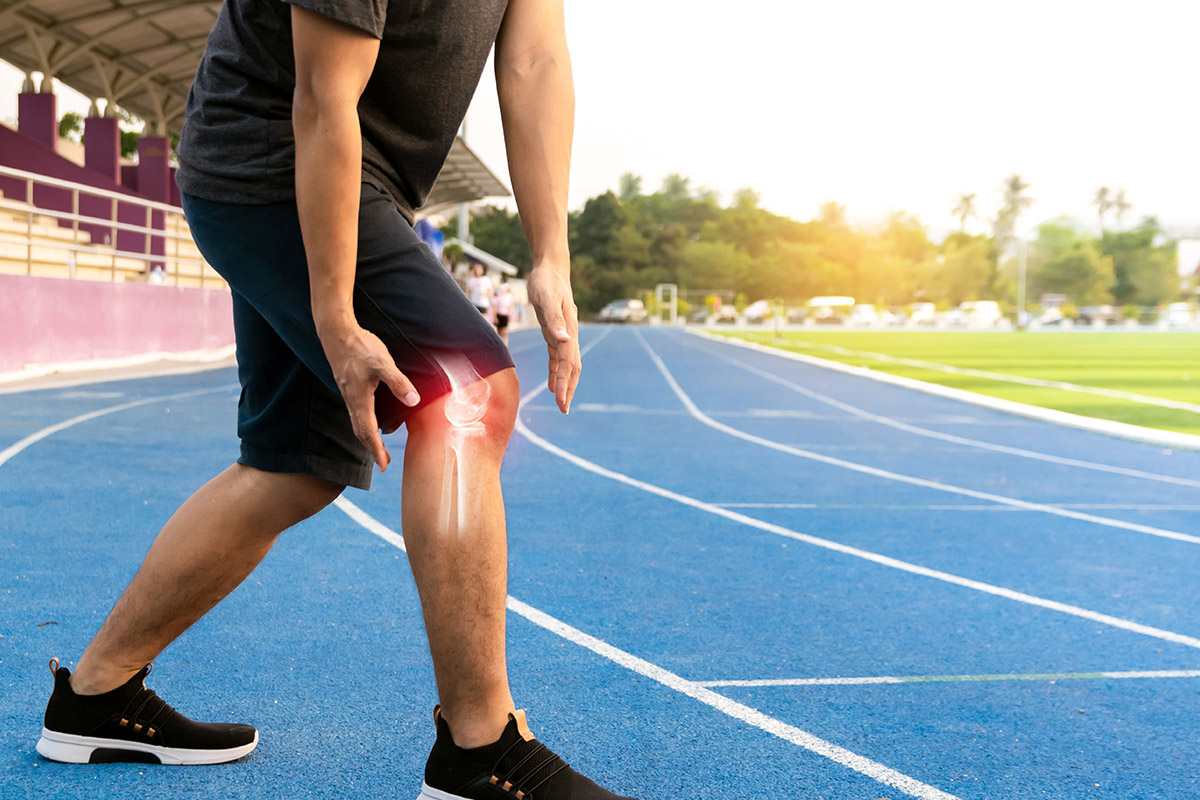
July 10, 2026Running is one of the simplest and most effective forms of exercise, but repeated impact, sudden increases in training and poor movement patterns can sometimes lead to knee pain. One of the most common problems experienced by runners is runner’s knee, medically known as patellofemoral pain syndrome. It usually causes pain around or behind the kneecap and may become more noticeable while running, climbing stairs, squatting or sitting with the knee bent for a long time.
People experiencing persistent knee pain should seek an expert assessment rather than continuing to run through the discomfort. Dr Deepak Mishra, the best orthopedic doctor in Faridabad and Best knee replacement surgeon in Faridabad, provides comprehensive evaluation and treatment for sports injuries, knee pain, ligament problems, arthritis and complex joint conditions. With more than 26 years of experience in orthopaedics, arthroscopy and joint replacement, he helps patients understand the exact cause of their symptoms and receive treatment suited to their age, activity level and knee condition.
Runner’s knee does not affect only professional runners. It can develop in beginners, gym-goers, athletes, walkers and people whose work involves repeated bending, kneeling or climbing. The condition usually improves with timely activity modification, physiotherapy and strengthening exercises. Ignoring the pain, however, may delay recovery and make it difficult to return to regular exercise.
What Is Runner’s Knee?
Runner’s knee is a general term commonly used for pain that develops around the front of the knee, especially near or behind the patella, commonly known as the kneecap. The medical term for this condition is patellofemoral pain syndrome.
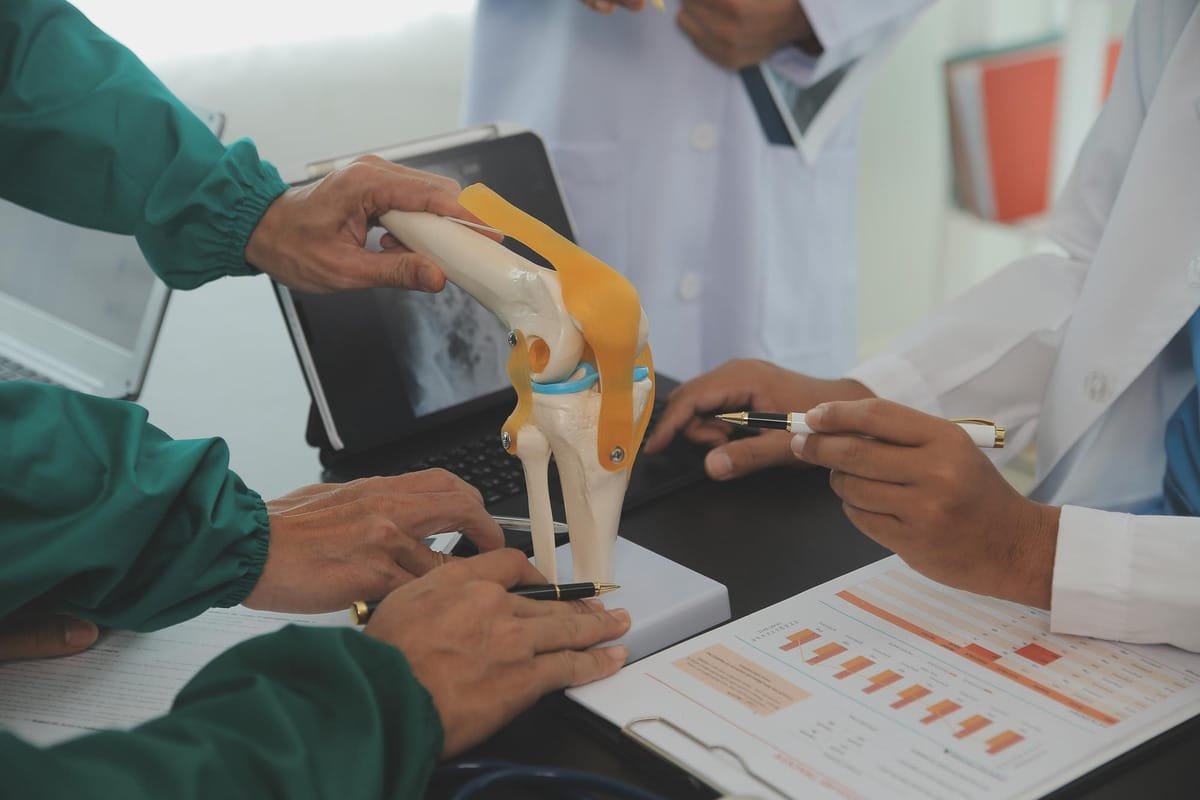
The patella sits in a groove at the lower end of the thigh bone. When the knee bends and straightens, the kneecap normally moves smoothly within this groove. Changes in muscle control, training load, joint alignment or movement technique can increase pressure around the patellofemoral joint and produce pain.
Runner’s knee is usually an overuse-related condition rather than a single traumatic injury. It can affect one or both knees and may develop gradually over several days or weeks. The pain often becomes worse when the knee is repeatedly loaded in a bent position, such as during running, jumping, squatting or stair climbing.
Common Symptoms of Runner’s Knee
The most recognisable symptom is a dull or aching pain around the front of the knee. Some people describe it as pain beneath the kneecap, while others feel discomfort around its inner or outer edges.
Common runner’s knee symptoms include:
- Pain around or behind the kneecap
- Pain while running, especially downhill
- Discomfort while climbing or descending stairs
- Pain during squats, lunges or jumping exercises
- Pain after sitting with bent knees for a long time
- Mild swelling around the knee
- Clicking, popping or grinding sensations
- Tightness in the thighs or calves
- Temporary weakness or a feeling that the knee may give way
- Tenderness around the edges of the kneecap
Clicking or cracking without pain is not always a sign of a serious knee problem. However, clicking accompanied by pain, swelling, locking or instability should be medically evaluated.
Symptoms may initially appear only during running. As the condition progresses, pain can begin during ordinary activities such as walking, standing up from a chair or using stairs.
What Causes Runner’s Knee?
Runner’s knee does not always have one identifiable cause. It usually develops because of a combination of training, muscular and biomechanical factors.
1. Sudden Increase in Running Distance
Increasing weekly mileage too quickly does not give the muscles, tendons and joints enough time to adapt. A runner who suddenly doubles the running distance or begins daily training may overload the patellofemoral joint.
2. Excessive Training Intensity
Speed workouts, hill running, stair training and repeated sprinting place greater demands on the knee. Adding several high-intensity sessions without adequate recovery can contribute to pain.
3. Weak Hip and Thigh Muscles
The hip muscles, gluteal muscles and quadriceps help control the position of the thigh and kneecap during running. Weakness in these muscles can affect lower-limb alignment and increase stress around the front of the knee.
Clinical guidelines recommend exercise programmes combining hip-targeted and knee-targeted strengthening to reduce pain and improve function in people with patellofemoral pain.
4. Tight Muscles
Tight quadriceps, hamstrings, calves or hip muscles can affect normal knee movement. Reduced ankle mobility may also change the way the foot, knee and hip absorb impact during running.
5. Poor Running Technique
Excessive inward movement of the knee, overstriding, poor landing control or inadequate hip stability may increase stress on the kneecap. Running form should be assessed individually because not every runner needs the same correction.
6. Unsuitable or Worn-Out Shoes
Shoes that no longer provide adequate support or that do not suit a runner’s foot mechanics may contribute to discomfort. Changing to a very different type of running shoe without a gradual transition can also temporarily alter load on the knee.
7. Running on Hard or Uneven Surfaces
Repeated running on hard roads, sloping surfaces or uneven tracks may place additional stress on the knees, particularly when combined with weak muscles or a sudden increase in mileage.
8. Previous Knee Injury
A history of kneecap dislocation, fracture, ligament injury or knee surgery can affect joint mechanics. Previous injuries may also lead to weakness, stiffness or changes in movement patterns.
9. Inadequate Recovery
Muscles and joints need time to recover after exercise. Insufficient sleep, poor nutrition and repeated high-impact training without rest may increase the risk of overuse injuries.
10. Excess Body Weight
Additional body weight increases the load placed on the knee during walking, running and stair climbing. Weight management, when medically appropriate, may reduce stress on the joint and support recovery.
Is Runner’s Knee the Same as Knee Arthritis?
Runner’s knee and knee arthritis are different conditions, although some symptoms may overlap.
Runner’s knee usually involves pain around the kneecap and is commonly associated with overuse, muscle weakness or altered joint loading. It often affects teenagers, young adults, runners and physically active individuals.
Knee osteoarthritis involves progressive changes in the cartilage and other joint structures. It is more common in older adults, although previous injuries, obesity and other factors may increase the risk at a younger age.
A person should not assume that every episode of knee pain is runner’s knee. Meniscus injuries, ligament problems, tendon injuries, stress fractures, bursitis and arthritis may produce similar symptoms. An orthopaedic examination is important when pain is severe, persistent or associated with swelling, locking or instability.
How Is Runner’s Knee Diagnosed?
Runner’s knee is primarily diagnosed through a detailed medical history and physical examination. The orthopaedic doctor may ask:
- When did the pain begin?
- Was there a recent increase in running distance or speed?
- Is the pain located above, below, behind or beside the kneecap?
- Does the pain worsen on stairs or during squats?
- Is there swelling, locking or instability?
- Has there been a previous knee injury or surgery?
- What type of shoes and running surface are being used?
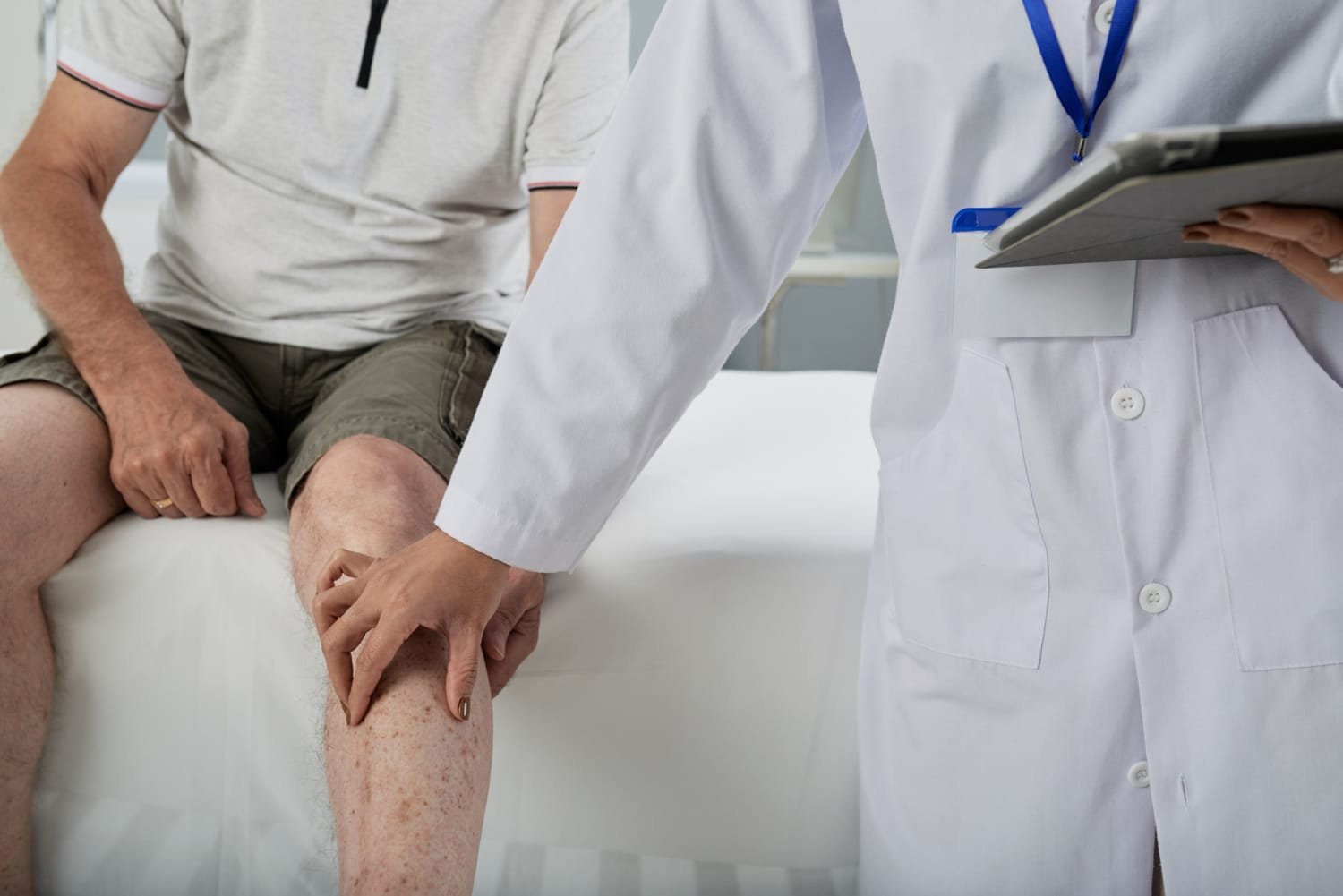
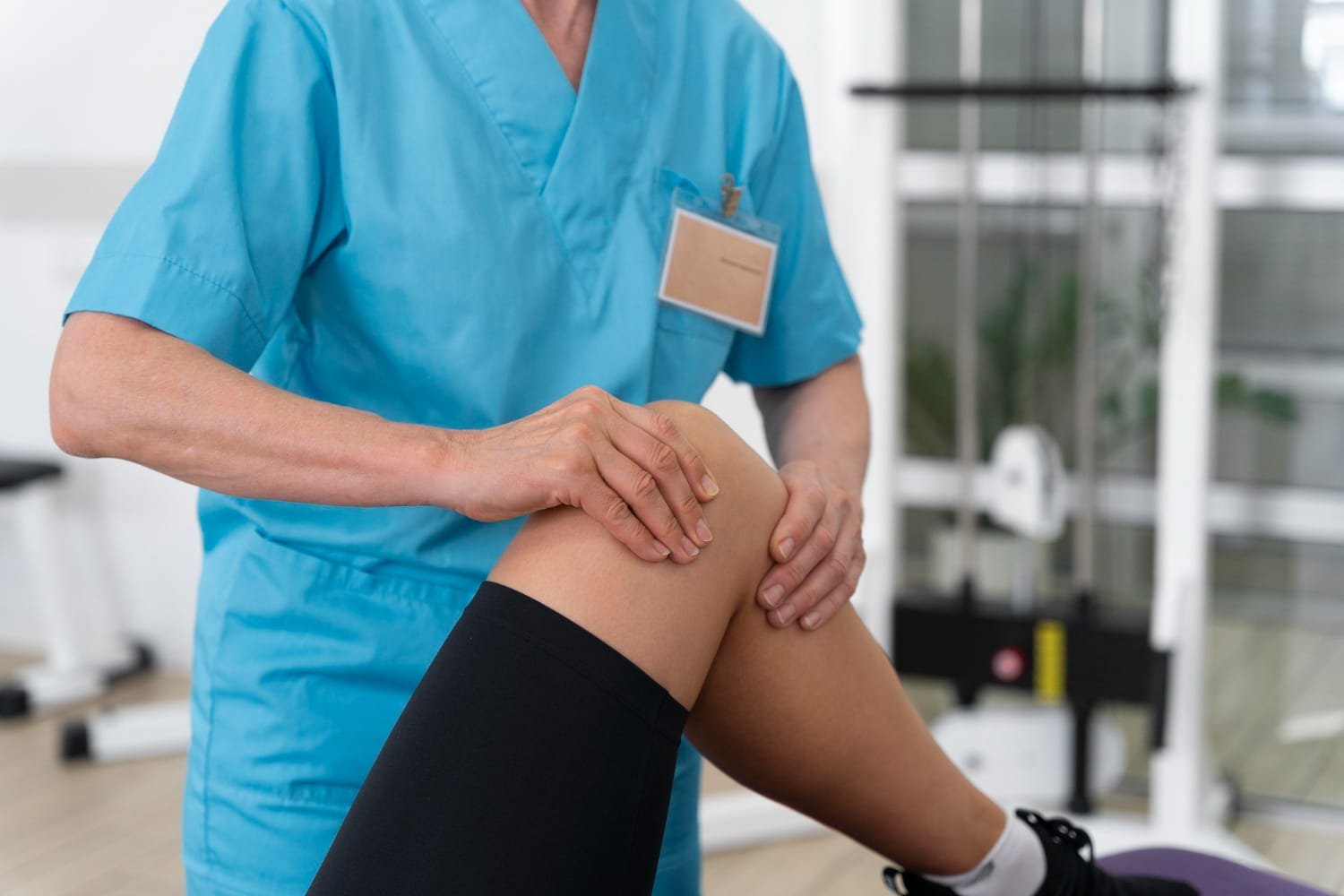
During the examination, the doctor may assess kneecap movement, knee alignment, tenderness, range of motion, muscle strength, hip control and walking or running mechanics.
Runner’s knee is often considered a diagnosis of exclusion, meaning other possible causes of pain may need to be ruled out.
Are X-Rays or MRI Scans Necessary?
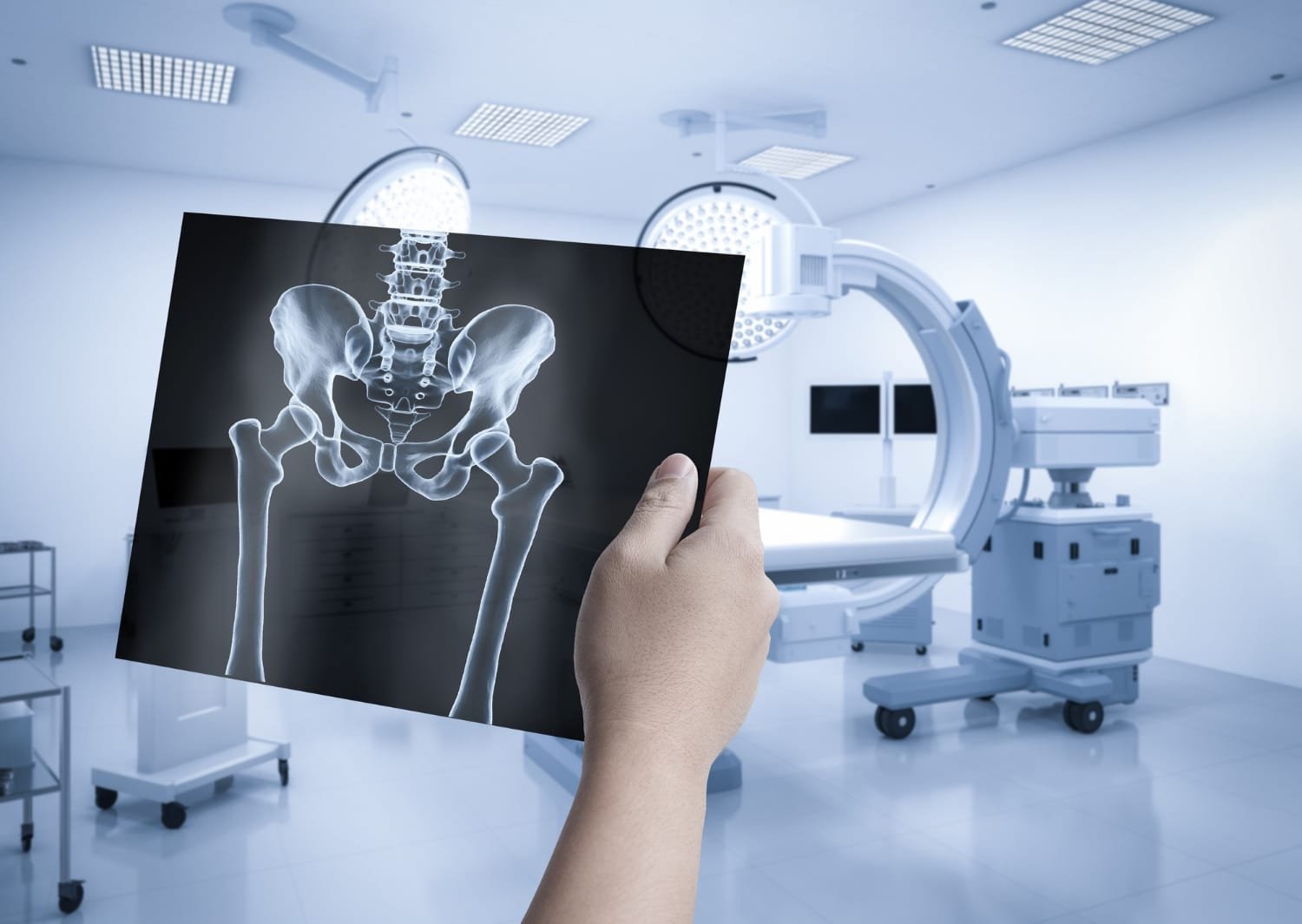
Imaging is not required for every patient. An X-ray may be recommended when the doctor suspects arthritis, fracture, abnormal bone alignment or another structural problem.
An MRI may be advised if symptoms do not improve, the diagnosis remains uncertain, or there is concern about cartilage damage, ligament injury, meniscus injury or another internal knee problem.
The decision to order imaging should be based on the symptoms and clinical examination rather than pain alone.
Runner’s Knee Treatment
Most cases of runner’s knee can be treated without surgery. Treatment focuses on reducing irritation, correcting contributing factors and gradually restoring strength and activity.
1. Modify Painful Activities
Temporarily reduce activities that clearly worsen the pain. This may include long-distance running, downhill running, deep squats, lunges, jumping and repeated stair climbing.
Activity modification does not always require complete bed rest. Low-impact activities such as swimming, gentle cycling or walking may be continued when they do not increase symptoms. The amount of safe activity varies from person to person.
2. Apply Ice
An ice pack wrapped in a cloth may be placed over the painful area for approximately 15 to 20 minutes after activity. Ice should not be applied directly to the skin.
It may help reduce temporary pain and irritation, especially after running or rehabilitation exercises.
3. Compression and Elevation
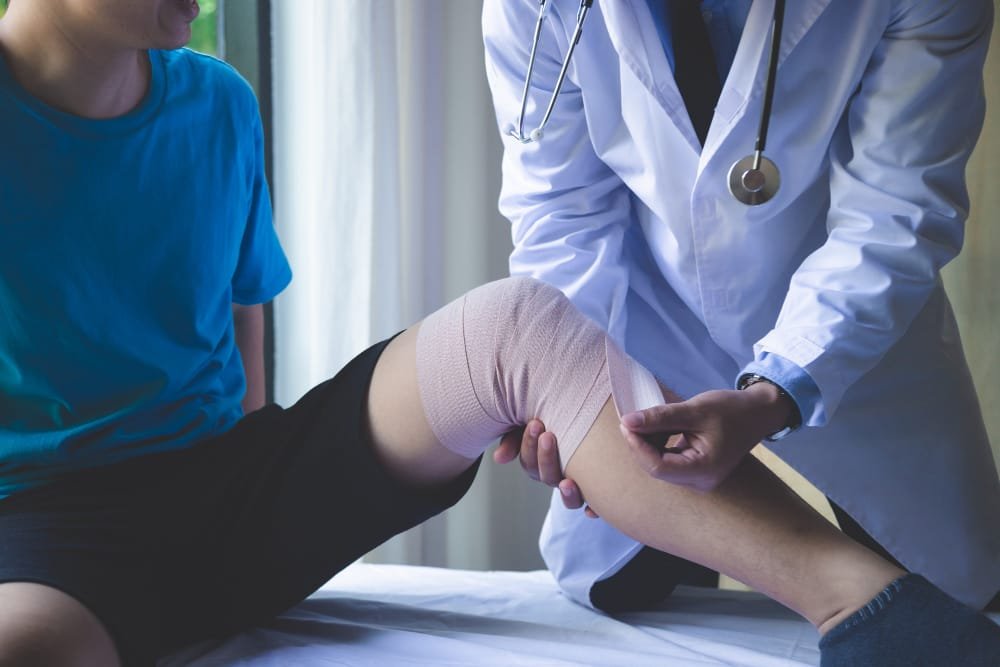
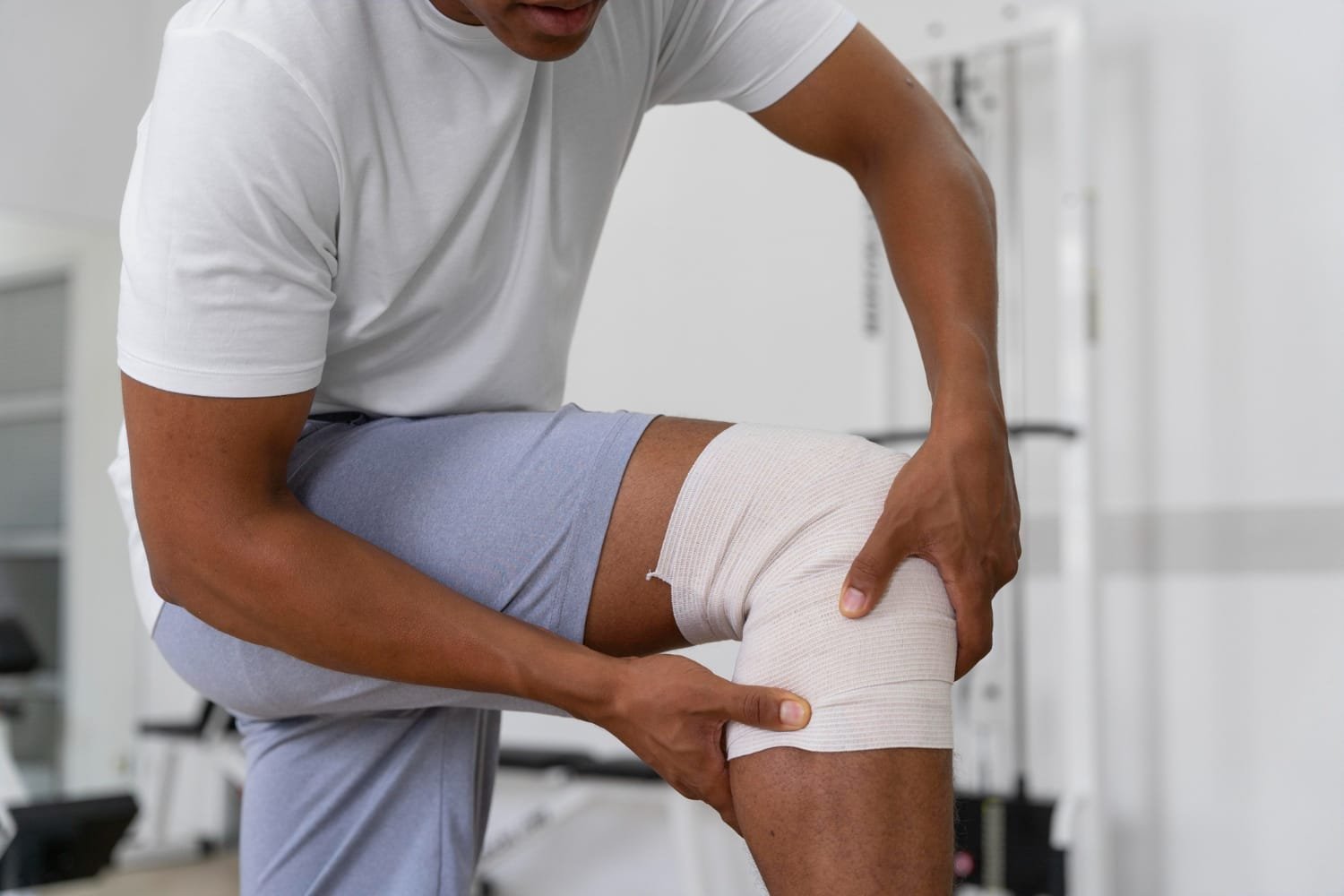
If mild swelling is present, an elastic compression bandage may provide support. Elevating the leg can also help control swelling.
Compression should not be so tight that it causes numbness, increased pain or colour changes in the foot.
4. Medication
Pain-relieving or anti-inflammatory medicines may be recommended for short-term symptom control. However, they should not be used repeatedly to hide pain while continuing strenuous running.
People with kidney disease, stomach ulcers, heart conditions, allergies, blood-thinning medication or other health concerns should consult a doctor before taking anti-inflammatory medicines. Mayo Clinic advises against prolonged unsupervised use of over-the-counter pain medicines for patellofemoral pain.
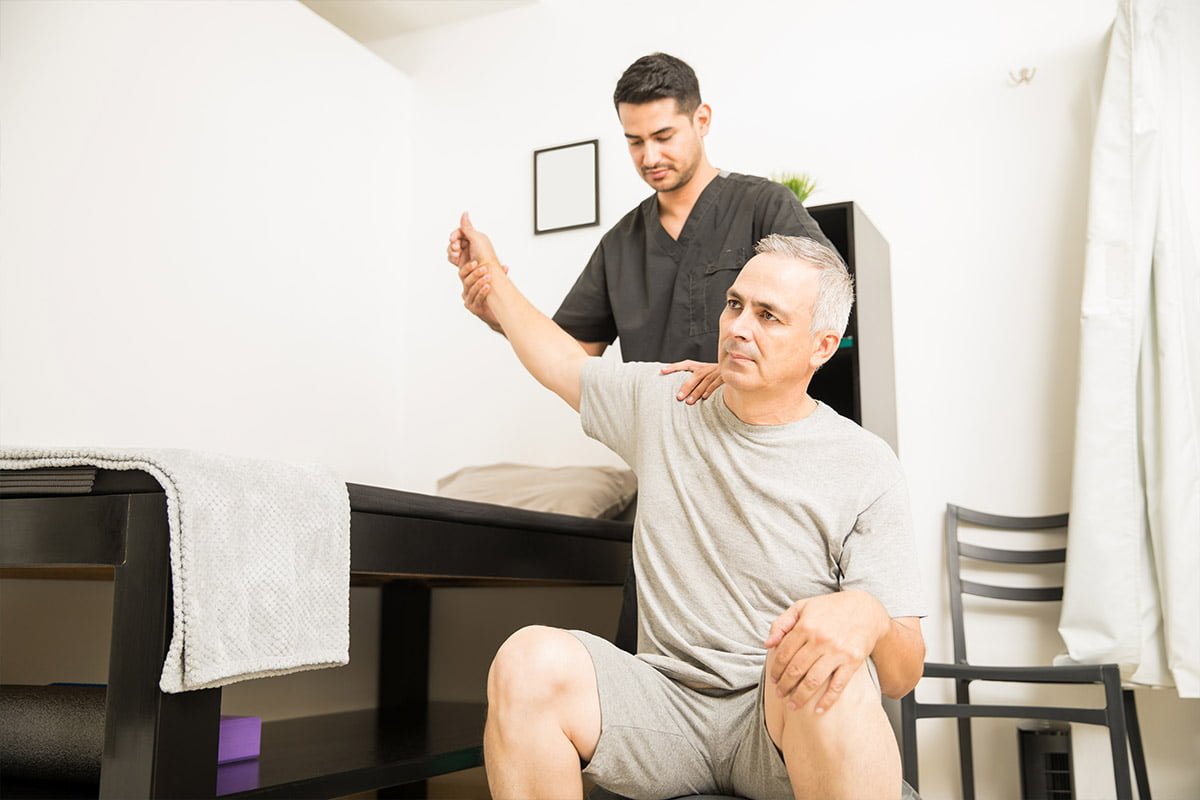
5. Physiotherapy
Physiotherapy is one of the most important runner’s knee treatments. A personalised rehabilitation plan may include exercises for:
- Quadriceps strength
- Gluteal strength
- Hip abductor strength
- Hamstring flexibility
- Calf flexibility
- Ankle mobility
- Core stability
- Balance and movement control
- Gradual return to running
Strengthening only the knee may not be enough. Combined hip and knee exercises are generally recommended because the hip muscles help control the position of the thigh and knee during running.
6. Patellar Taping or Knee Support
Patellar taping may provide temporary pain relief for selected patients, particularly when combined with exercise therapy. A knee brace or support may also be useful in certain cases.
Taping and braces should not replace muscle strengthening and movement correction. A physiotherapist or orthopaedic specialist should determine whether they are appropriate.
7. Foot Orthotics
People with certain foot mechanics may benefit from shoe inserts or customised orthotics. However, orthotics are not necessary for every runner with knee pain.
A proper assessment is preferable to purchasing corrective insoles without professional guidance.
8. Running Gait Assessment
A physiotherapist or sports injury specialist may observe running cadence, foot placement, knee movement and hip control.
Possible adjustments may include:
- Avoiding excessive overstriding
- Taking slightly shorter steps
- Improving landing control
- Gradually changing cadence
- Reducing downhill running temporarily
- Correcting excessive inward knee movement
- Improving hip and core stability
Running technique should be modified gradually. Sudden major changes can shift stress to the ankles, feet, calves or hips.
9. Injections
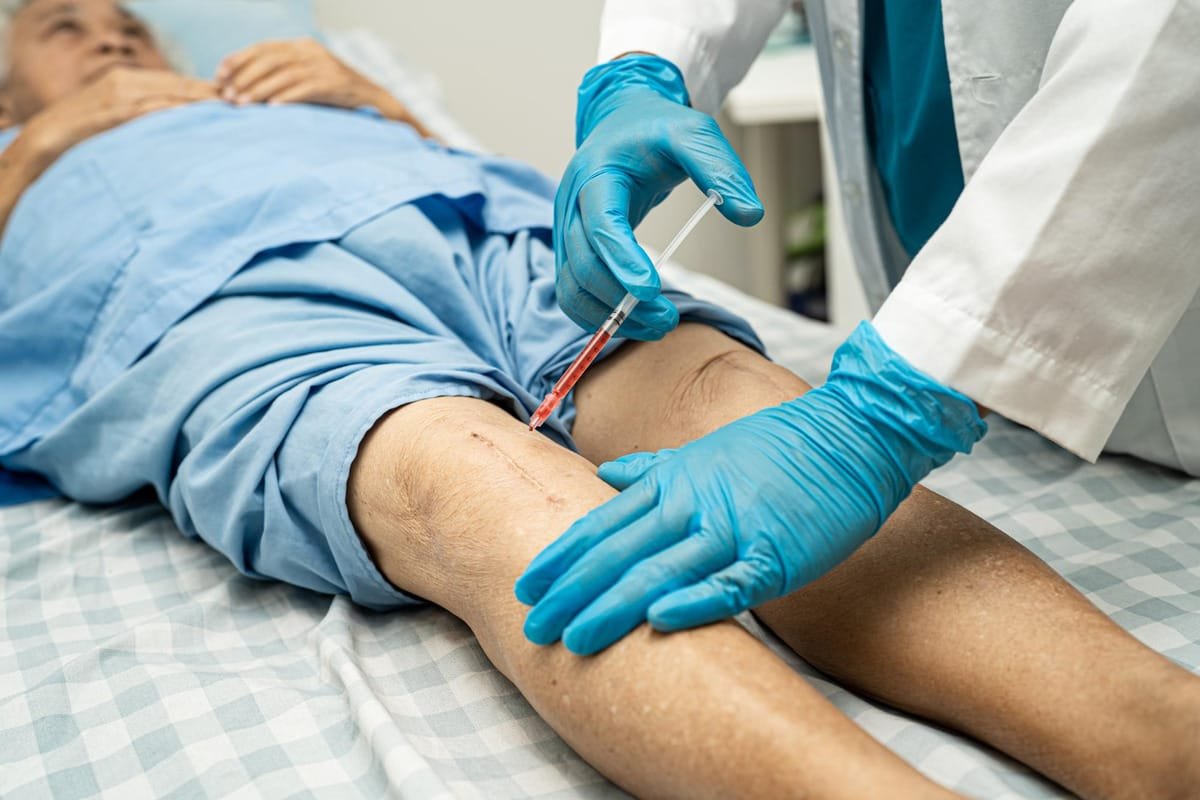
Injections are not routinely required for simple runner’s knee. They may be considered only when another diagnosed knee condition is contributing to pain.
The type of injection, expected benefit and possible risks should be discussed with an orthopaedic doctor.
10. Surgery
Surgery is rarely needed for runner’s knee. It may only be considered when there is a clearly identified structural problem and symptoms continue despite a well-supervised rehabilitation programme.
It is also important to understand that knee replacement is not a standard treatment for runner’s knee. Knee replacement is generally considered for advanced arthritis or severe joint damage when pain and disability do not improve with appropriate non-surgical treatment.
Exercises for Runner’s Knee
Exercises should be selected according to the individual’s pain level, strength and diagnosis. Common rehabilitation exercises may include:
Straight-Leg Raise
Lie on your back with one knee bent and the painful leg straight. Tighten the thigh muscle and slowly raise the straight leg. Hold briefly and lower it in a controlled manner.
Glute Bridge
Lie on your back with both knees bent. Tighten the abdominal and gluteal muscles, then lift the hips without excessively arching the lower back.
Clamshell Exercise
Lie on one side with the knees bent. Keep the feet together and lift the upper knee while keeping the pelvis stable.
Side-Lying Leg Raise
Lie on one side with the lower leg bent and upper leg straight. Raise the upper leg slowly without rotating the hip backwards.
Supported Wall Sit
Stand with the back supported against a wall and bend the knees slightly. Avoid deep knee bending in the painful stage.
Step-Up Exercise
Step onto a low platform while keeping the knee aligned over the foot. Gradually increase the height as strength and control improve.
Calf and Hamstring Stretching
Gentle stretching may improve flexibility and reduce compensatory strain around the knee.
Exercises should not produce sharp pain, increased swelling or lasting deterioration. Rehabilitation should ideally be supervised, especially when symptoms are severe or the diagnosis is uncertain.
How to Prevent Runner’s Knee
Runner’s knee prevention requires more than simply buying new shoes. A combination of training management, strength, recovery and movement control offers better protection.
Increase Mileage Gradually
Avoid sudden jumps in weekly running distance. Training increases should be based on fitness level, previous injury history, running experience and recovery.
Warm Up Before Running
Begin with five to ten minutes of brisk walking or gentle jogging. Dynamic movements such as controlled leg swings, marching and shallow squats can prepare the muscles for activity.
Strengthen the Hips and Legs
Include strength training at least two or three times per week. Focus on the quadriceps, hamstrings, gluteal muscles, calves and core.
Include Rest and Recovery Days
Avoid performing intense running sessions on consecutive days when the body is not accustomed to them. Recovery days allow the muscles and connective tissues to adapt.
Use Appropriate Running Shoes
Choose shoes that are comfortable, suitable for the running surface and appropriate for individual foot mechanics. Replace excessively worn shoes and transition gradually when changing shoe type.
Vary the Running Surface
Alternating between safe tracks, treadmills and relatively even outdoor surfaces may help avoid repetitive loading from one terrain.
Avoid Running Through Increasing Pain
Mild temporary muscle fatigue is different from persistent joint pain. Pain that increases during each run or remains after exercise should not be ignored.
Maintain Proper Nutrition and Hydration
Adequate protein, carbohydrates, healthy fats, vitamins and minerals support muscle recovery and bone health. People training for long distances should ensure they are consuming enough energy for their activity level.
Address Small Symptoms Early
Early assessment and training modification may prevent a mild irritation from becoming a long-lasting problem.
When Can You Start Running Again?
Return to running should be gradual and based on symptoms, strength and movement control rather than a fixed number of days.
A runner may be ready to begin a supervised return when:
- Normal walking is comfortable
- Stairs can be used without significant pain
- Knee swelling has settled
- Basic strengthening exercises can be performed correctly
- Single-leg balance and control have improved
- Light jogging does not produce increasing pain
- Symptoms do not worsen the following day
A return-to-running programme may begin with alternating periods of walking and light jogging. Distance and intensity should be increased separately rather than at the same time.
Pain that becomes progressively worse during a run, changes running style or remains elevated the following day may indicate that the training load is still too high.
When Should You Consult an Orthopaedic Doctor?
Seek medical attention if:
- Knee pain persists despite reducing activity
- Pain is severe or continues to worsen
- The knee becomes significantly swollen
- You cannot place weight on the affected leg
- The knee locks or gets stuck
- The knee repeatedly gives way
- There was a fall, collision or twisting injury
- The knee appears deformed
- There is redness, warmth or fever
- Pain wakes you repeatedly at night
- Symptoms return whenever you restart running
A prompt evaluation helps distinguish runner’s knee from ligament injuries, meniscus tears, stress fractures, arthritis and other conditions requiring different treatment.
Why Consult Dr Deepak Mishra for Knee Pain in Faridabad?
Dr Deepak Mishra is an experienced orthopaedic and joint replacement surgeon specialising in knee replacement, hip replacement, arthroscopy, ligament reconstruction and the treatment of complex bone and joint conditions.
His clinical profile lists more than 26 years of orthopaedic experience and expertise in primary and revision joint replacement procedures. He serves as Director and Head of Orthopaedics, Joint Replacement and Robotic Surgery at Asian Hospital, Faridabad.
For runners and active individuals, an accurate diagnosis is particularly important. The purpose of treatment is not only to reduce pain but also to identify muscle weakness, training errors, alignment concerns or structural injuries that may cause the symptoms to return.
Frequently Asked Questions About Runner’s Knee
1. Can runner’s knee heal on its own?
Mild runner’s knee may improve with reduced training load, ice and appropriate exercises. Persistent or recurring pain should be evaluated because muscle weakness or movement-related factors may require structured rehabilitation.
2. Should I stop running completely?
Not every patient needs complete rest. Some runners can continue low-intensity activity with reduced distance, while others may need a temporary break. The decision depends on pain severity and the underlying cause.
3. How long does runner’s knee take to heal?
Recovery varies according to symptom duration, training load, muscle strength and adherence to rehabilitation. Some people improve within a few weeks, while long-standing cases may require several months.
4. Is walking good for runner’s knee?
Gentle walking may be suitable when it does not increase pain. Long walks, steep slopes and repeated stairs may need to be reduced during the painful stage.
5. Can weak hips cause knee pain while running?
Weak hip and gluteal muscles can reduce control of the thigh and knee during running. Strengthening both the hip and knee muscles is commonly included in patellofemoral pain rehabilitation.
6. Does a knee brace cure runner’s knee?
A brace or taping may provide temporary support for selected patients, but it does not correct all contributing factors. Strengthening and gradual load management remain important.
7. Can I perform squats with runner’s knee?
Shallow, controlled squats may be included in rehabilitation when comfortable. Deep or heavily loaded squats should be avoided if they increase pain.
8. Is runner’s knee permanent?
Runner’s knee is not usually permanent. Most patients improve with appropriate conservative treatment, although symptoms may return if training errors and muscle weakness are not corrected.
9. Does runner’s knee require an MRI?
An MRI is not necessary in every case. It may be advised when symptoms persist, the examination suggests another injury, or the diagnosis is unclear.
10. Does runner’s knee require knee replacement?
No. Knee replacement is not a routine treatment for runner’s knee. It is generally reserved for advanced arthritis or severe joint damage after non-surgical treatments no longer provide adequate relief.
Conclusion
Runner’s knee is a common but manageable cause of pain around the kneecap. Sudden increases in running distance, inadequate recovery, muscle weakness, tightness, unsuitable footwear and poor movement control can all contribute to the condition.
Effective runner’s knee prevention and treatment involves early activity modification, hip and knee strengthening, flexibility training, suitable footwear and a gradual return to running. Continuing to train through worsening pain may delay recovery and increase the risk of recurring symptoms.
For persistent knee pain, swelling, instability or difficulty performing everyday activities, consult an experienced orthopaedic specialist. A personalised diagnosis and rehabilitation plan can help relieve pain, restore movement and support a safer return to running.
Recent Blogs
-
-
 When Is Knee Replacement the Only Option?
- 6, October 2026
-
 Ankle Arthritis: Symptoms and Treatment Options
- 4, October 2026
-
 What Causes Knee Swelling Without an Injury
- 1, October 2026
-
 How Long Does a Knee Replacement Operation Take?
- 25, September 2026
-
 Who Is the Best Bone Doctor in Faridabad?
- 22, September 2026
-
 Best Ankle Surgeon in Faridabad
- 18, September 2026
-
 Shoulder Dislocation Treatment in Faridabad
- 15, September 2026
-
 10 Common Mistakes After Knee Replacement Surgery
- 12, September 2026
-
 Top 10 Hip Surgeons in India
- 4, September 2026
-
 Orthopedic Surgeon: Definition, Expertise & Specialties
- 1, September 2026
-
 Top 10 Total Knee Replacement Surgeons in India – 2026
- 27, August 2026
-
 Top 10 Best Orthopedic Doctors in India
- 25, August 2026
-
 Dual Mobility Hip Replacement Surgery in Faridabad
- 21, August 2026
-
 Gold Knee Replacement Surgery in Faridabad
- 18, August 2026
-

-

-
-
 Bone Fracture Specialist in Faridabad
- 25, July 2026
-
 Robotic Partial Knee Replacement in Faridabad
- 21, July 2026
-
-
-
Runner’s Knee: Prevention & Treatment
- 10, July 2026
-
 Best Knee Tendonitis Treatment in Faridabad
- 7, July 2026
-

-
 Why Does My Knee Make Clicking Sounds?
- 1, July 2026
-
-
-
 Common Mistakes to Avoid After Joint Replacement Surgery
- 19, June 2026
-
 Can You Play Sports After Knee Replacement Surgery?
- 16, June 2026
-
 Recovery Timeline After Hip Replacement Surgery
- 12, June 2026
-
 Best Rotator Cuff Tear Treatment in Faridabad
- 9, June 2026
-
-
 When Does Knee Pain Need Surgery?
- 19, May 2026
-
 Can You Walk Normally After Hip Replacement?
- 15, May 2026
-

-
 Best Doctor for Arthritis Treatment in Faridabad
- 8, May 2026
-
 Sports Injury Specialist in Faridabad
- 5, May 2026
-
 Hip Replacement Surgery Cost in India
- 2, May 2026
-
 Best ACL Surgeon in Faridabad
- 1, May 2026
-
 Best Hip Replacement Surgeon in Delhi
- 26, April 2026
-
 Best Hospital for Robotic Joint Replacement in Faridabad
- 14, April 2026
-
 Best Shoulder Specialist in Faridabad
- 10, April 2026
-
-
 How Mako Robotic Improves Knee Replacement Outcomes
- 3, April 2026
-
 Best Orthopedic Hospital in Faridabad for Joint Pain
- 1, April 2026
-
 Don’t Delay Knee Surgery: 7 Warning Signs You Must Know
- 26, March 2026
-

-
 Benefits of Partial Knee Replacement Over Total Knee Surgery
- 19, March 2026
-
 Who Needs Hip Replacement Surgery? Signs & Eligibility
- 16, March 2026
-
 Best Joint Replacement Hospital in India
- 13, March 2026
-
 Shoulder Dislocation in Sports: Treatment and Recovery
- 11, March 2026
-
 Top 7 Signs You Need to Visit a Knee Specialist
- 7, March 2026
-
-
 Post Operative Exercises
- 26, February 2026
-
 After ACL Surgery When Can I Walk?
- 24, February 2026
-
 What Happens If Knee Arthritis Is Left Untreated?
- 21, February 2026
-
 Can Knee Replacement Fail? Causes, Signs & Prevention
- 21, February 2026
-
 Who Is Not Suitable for Knee Replacement Surgery?
- 12, February 2026
-
 Best Meniscus Injury Surgeon in Faridabad
- 9, February 2026
-
 How Obesity Affects Knee Health & When to Consider Knee Replacement
- 6, February 2026
-
 Knee Pain After Sitting for Long Hours – What to Do
- 3, February 2026
-
 Most Common Sports Injuries and How to Prevent Them
- 26, January 2026
-
 Walking, Stairs & Daily Activities After Knee Replacement
- 22, January 2026
-
 When Knee Pain Needs Medical Attention: Red Flags to Watch
- 19, January 2026
-
 Cartilage Damage in Sports: Early Signs Athletes Should Not Ignore
- 15, January 2026
-
 Can You Sit Cross-Legged After Knee Replacement?
- 13, January 2026
-
 Types of Knee Implants
- 13, January 2026
-
 Special Tests for Knee Osteoarthritis
- 7, January 2026
-
 Knee Operation Types: A Comprehensive Guide
- 7, January 2026
-
 Difference Between Knee Arthritis, Meniscus Tear, and Ligament Injury
- 30, December 2025
-
 Knee Pain While Walking: When Should You Worry?
- 30, December 2025
-
 What Happens If Knee Replacement Is Delayed Too Long?
- 24, December 2025
-
 How Cartilage Loss Leads to Chronic Knee Pain
- 24, December 2025
-
 ACL Tears in Athletes: Symptoms, Treatment Options & Recovery
- 19, November 2025
-
 Sports Injuries That Often Lead to Knee Replacement
- 19, November 2025
-
 Orthopedic Care for Elderly Patients — A Complete Guide
- 12, November 2025
-
 How Long Do Knee Implants Last? (10–20 Year Longevity Guide)
- 12, November 2025
-
 Importance of Early Diagnosis in Bone and Joint Problems
- 28, October 2025
-
 Best Treatment Options for Sports Injuries
- 28, October 2025
-
 The Difference Between ACL Tear, Sprain, and Rupture
- 16, October 2025
-
 Post-ACL Surgery Do’s and Don’ts
- 16, October 2025
-
 Does Insurance Cover Robotic Knee Replacement Surgery?
- 6, October 2025
-
 When Can You Return to Sports After Robotic Knee Replacement?
- 6, October 2025
-
 Impact of Obesity on Knee Replacement Surgery and Recovery
- 30, September 2025
-
 Early vs. Delayed Knee Replacement: Which Is Better?
- 30, September 2025
-
 How Durable Are Knee Implants? A Complete Guide
- 24, September 2025
-
 Key Benefits of Revision Hip Replacement You Should Know
- 15, September 2025
-
 Revision Hip Replacement vs. Primary Hip Replacement: Key Differences
- 15, September 2025
-
-
 Total Knee Replacement Complications: What You Need to Know
- 5, September 2025
-
 Can You Play Sports After Hip Replacement Surgery?
- 26, August 2025
-
 Preparing for Knee Replacement: Do’s and Don’ts Before Surgery
- 26, August 2025
-
-
 What to Know About Knee Replacement Revision Surgery
- 18, August 2025
-
 Cost of Hip Replacement in India – What Patients Should Know
- 11, August 2025
-
-
 Who Is the Best Orthopedic Doctor for Sports Injuries?
- 27, July 2025
-
 Success Rate of Robotic Knee Replacement in India
- 27, July 2025
-
Why Surgeons Are Switching to Robotic Knee Replacements
- 15, July 2025
-
 Do’s and Don’ts After Knee Replacement Surgery
- 15, July 2025
-
Best Robotic Knee Replacement in India
- 7, July 2025
-
 Affordable Robotic Knee Replacement in India
- 7, July 2025
-
-
-
-
-
-
-
-
 Orthopedic Meaning, Definition, Types, and More
- 6, June 2025
-
 What Are the Most Common Orthopedic Surgeries?
- 24, May 2025
-
 What Does an Orthopedic Doctor Do?
- 24, May 2025
-

-
-
-
Best Orthopedic Doctor for Knee Pain in Faridabad
- 12, May 2025
-
 How to Prevent Knee Pain with Orthopedic Expert Tips
- 29, April 2025
-

-
Best Orthopedic Treatment in Faridabad: What You Should Know
- 29, April 2025
-
-
-
Best Knee Replacement Surgeon in Mathura
- 14, April 2025
-
Best Knee Replacement Surgeon in Hodal
- 14, April 2025
-
Best Knee Replacement Surgeon in Palwal
- 14, April 2025
-
-
-
-
 Benefits of Minimally Invasive Knee Surgery
- 24, March 2025
-
 Best knee Replacement Surgeon in India
- 17, March 2025
-
-
 How to Recover Quickly After Knee Replacement Surgery
- 10, March 2025
-
-
-
-
 Minimally Invasive Arthroplasty: Benefits and Recovery Advantages
- 24, February 2025
-
 Choosing the Right Hip Replacement Surgeon: A Comprehensive Guide
- 17, February 2025
-
 Restoring Mobility: The Role of Knee Replacement Doctors
- 17, February 2025
-
 Orthopedic Trauma Care for Athletes
- 6, February 2025
-
 Best Doctor for ACL Tear Treatment
- 6, February 2025
-
 Best Sports Medicine Doctor for Knee Injuries
- 6, February 2025
-
 Orthopedic Surgeons: 7 Things You Need to Know
- 27, January 2025
-
Best Joint Replacement Surgeon in Greater Faridabad
- 27, January 2025
-
Best Knee Replacement Surgeon in Palwal
- 20, January 2025
-
Best Knee Replacement Surgeon in South Delhi
- 20, January 2025
-
 Restoring Mobility: The Role of Knee Replacement Doctor
- 13, January 2025
-
 Robotic Knee Replacement Surgery in Delhi
- 30, December 2024
-
 Robotic Orthopedic Surgery: Revolutionizing Joint Replacement and Repair
- 30, December 2024
-
 Robotic Knee Replacement vs. Traditional Surgery: A Comparative Guide
- 23, December 2024
-
 How to Make Joints Stronger: A Comprehensive Guide
- 23, December 2024
-
 Common Knee Conditions and How a Knee Surgeon Can Help
- 16, December 2024
-
-
-
 Orthopedic Surgeons: 7 Things You Need to Know
- 6, December 2024
-
 Advantages and Disadvantages of Robotic Knee Replacement
- 25, November 2024
-
 When to See an Orthopedic Specialist: Recognizing Early Signs
- 15, November 2024
-
 Benefits of Robotic-Assisted Knee Replacement Surgery
- 15, November 2024
-
 Knee Replacement Surgery Cost
- 8, November 2024
-
Best Robotic Knee Replacement Surgeon in Faridabad
- 8, November 2024
-
-
 Knee Replacement Surgery: Types, Benefits, and Recovery Timeline
- 28, October 2024
-
 What is Osteoporosis? Symptoms, Causes, and Prevention
- 21, October 2024
-
 Signs It’s Time for a Knee Replacement: When to Consult a Surgeon
- 18, October 2024
-
 Understanding Different Types of Arthritis: Symptoms and Causes
- 11, October 2024
-
 Taking Care After Knee Replacement Surgery
- 15, December 2022
-
 Amazing Ways to Get Relief from Arthritis Pain Naturally
- 2, December 2022
-
-
 How Does Fat Affect Arthritis?
- 4, November 2022
