

Don’t Delay Knee Surgery: 7 Warning Signs You Must Know
March 26, 2026Introduction
Knee pain is often ignored as a part of aging, lifestyle stress, or minor injury. However, what many people don’t realize is that delaying knee surgery when it is actually needed can lead to serious complications, reduced mobility, and long-term disability. In today’s fast-paced life, postponing treatment may feel convenient but your knees may silently be getting worse every day.
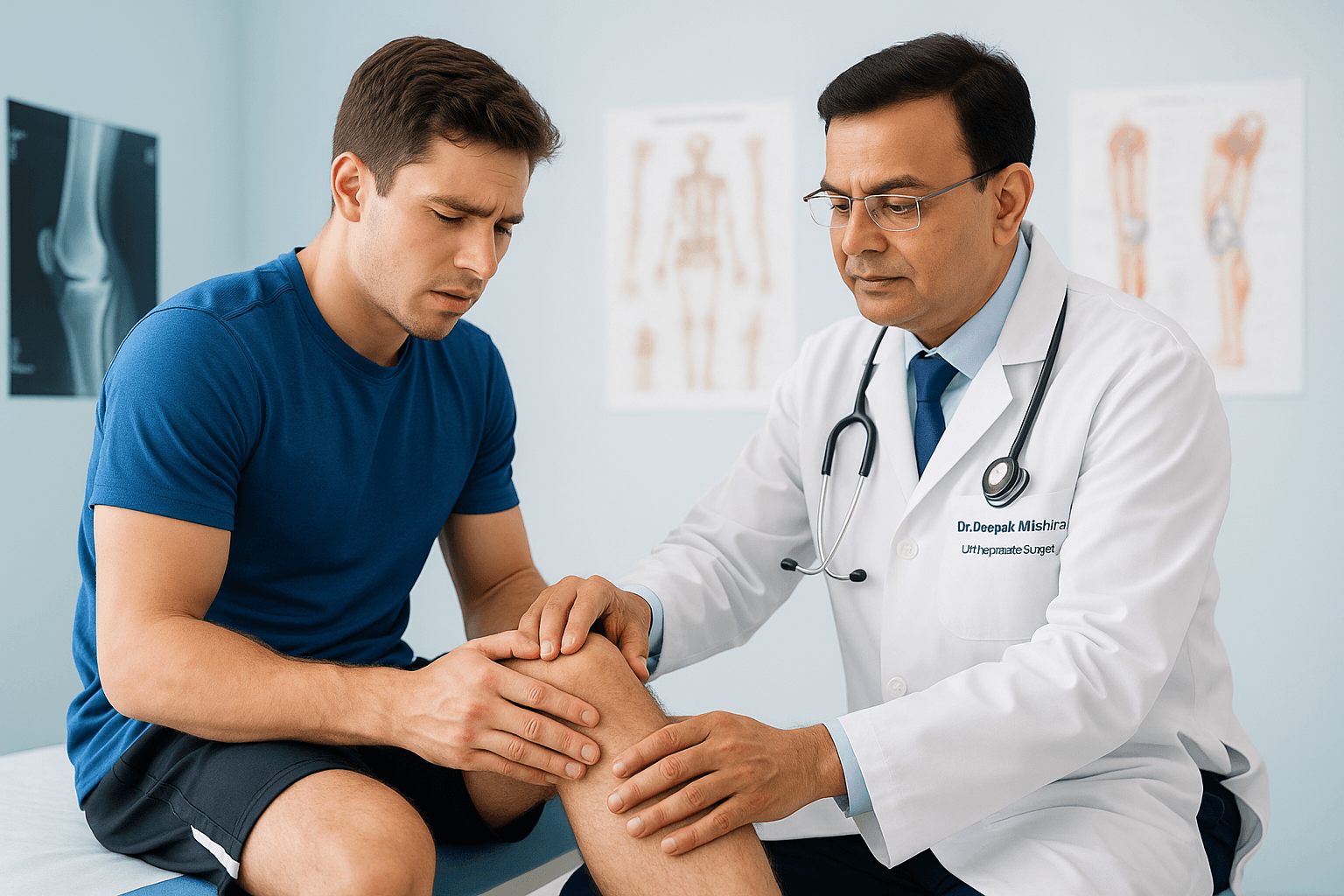
In this detailed guide, we will explain why delaying knee surgery is risky, the 7 major warning signs you should never ignore, and why timely consultation with an expert like Dr. Deepak Mishra, the best orthopedic doctor in Faridabad, can help restore your mobility and quality of life.
Why You Should Not Delay Knee Surgery
Knee replacement or advanced orthopedic intervention is often recommended when conservative treatments fail. Delaying it can worsen your condition significantly.
Medical research shows that postponing knee surgery can lead to:
- Increased pain and stiffness
- Progressive joint damage
- Muscle weakness and instability
- Slower recovery after surgery
- Reduced quality of life
Over time, cartilage wears away, bones rub against each other, and deformities may develop—making surgery more complex and less effective.
👉 Simply put: the longer you wait, the harder it becomes to recover.
7 Warning Signs You Must Not Ignore
If you are experiencing any of the following symptoms, it may be time to consider knee surgery or consult an orthopedic specialist.
1. Persistent Knee Pain That Doesn’t Go Away
Occasional knee pain is normal, but chronic, continuous pain—even at rest—is a red flag.
- Pain that disturbs sleep
- Pain even when sitting or lying down
- Pain spreading to hip or ankle
Persistent pain is one of the strongest indicators that your knee joint is severely damaged.
2. Swelling and Inflammation
Swelling that doesn’t reduce with medication or rest indicates underlying joint damage or inflammation.
- Warmth around the knee
- Redness or fluid accumulation
- Swelling after minimal activity
Long-term swelling can signal worsening arthritis or joint degeneration.
3. Stiffness and Reduced Mobility
Do you find it difficult to bend your knee or climb stairs?
- Morning stiffness
- Difficulty sitting cross-legged
- Limited range of motion
Progressive stiffness often indicates advanced joint damage and may worsen if untreated.
4. Difficulty in Daily Activities
If simple tasks become challenging, it’s a serious warning sign:
- Trouble walking or standing
- Difficulty climbing stairs
- Needing support to sit or stand
Reduced mobility is a clear indication that your knee function is deteriorating.
5. Knee Deformity (Bowing or Alignment Issues)
Visible changes in the shape of your leg should never be ignored.
- Bow-legged or knock-knee appearance
- Uneven walking posture
- Limping
These deformities occur due to long-term joint damage and require timely surgical intervention.
6. Medications Are No Longer Effective
If painkillers, physiotherapy, or injections stop working, your knee condition may have progressed beyond conservative treatment.
- Increased dependence on painkillers
- Temporary or no relief from therapy
- Frequent flare-ups
This is a key signal that surgery may be the next step.
7. Knee Instability or “Giving Way” Sensation
Feeling like your knee might collapse while walking is dangerous.
- Knee buckling
- Loss of balance
- Fear of falling
Instability often results from weakened muscles and joint deterioration and can lead to serious injuries.
What Happens If You Delay Too Long?
Ignoring these warning signs can lead to serious complications:
1. Severe Joint Damage
Cartilage loss leads to bone-on-bone friction, causing irreversible damage.
2. Muscle Weakness
Reduced movement weakens surrounding muscles, making recovery harder.
3. Slower Recovery Post-Surgery
Delayed surgery often results in longer rehabilitation time.
4. Increased Risk of Complications
Including infections, blood clots, and poor surgical outcomes.
5. Impact on Overall Health
Reduced activity can lead to weight gain, diabetes, and heart issues.
6. Mental Health Issues
Chronic pain can lead to anxiety, depression, and reduced quality of life.
Benefits of Timely Knee Surgery
When done at the right time, knee surgery can be life-changing:
- Significant pain relief
- Improved mobility and flexibility
- Better quality of life
- Return to daily activities
- Long-lasting results (15–25 years in many cases)
Why Choose Dr. Deepak Mishra – Best Orthopedic Doctor in Faridabad
When it comes to knee surgery, choosing the right specialist is crucial.
Dr. Deepak Mishra is widely regarded as one of the best orthopedic doctors in Faridabad, known for:
- Expertise in advanced knee replacement and joint preservation
- Patient-centric approach and personalized treatment plans
- Use of modern, minimally invasive surgical techniques
- High success rate in knee surgeries
- Focus on faster recovery and rehabilitation
He emphasizes early diagnosis and timely intervention to ensure the best possible outcomes for patients suffering from knee problems.
When Should You Consult an Orthopedic Doctor?
You should consult immediately if:
- Pain lasts more than a few weeks
- You experience swelling or stiffness regularly
- Daily activities are affected
- Knee feels unstable or weak
- Medications are no longer helping
👉 Early consultation can prevent major complications and may even delay the need for surgery.
Final Thoughts
Your knees are essential for mobility, independence, and quality of life. Ignoring pain or delaying surgery can lead to irreversible damage and long-term disability.
Recognizing the warning signs early is the key.
If you are experiencing persistent knee issues, don’t wait. Seek expert advice from Dr. Deepak Mishra, the best orthopedic doctor in Faridabad, and take the first step toward a pain-free life.
FAQs
1. Is knee surgery safe?
Yes, knee replacement is a safe and effective procedure with high success rates when performed by an experienced orthopedic surgeon.
2. How long does recovery take?
Most patients resume daily activities within 6 weeks, while full recovery may take up to a year.
3. Can I delay surgery if pain is mild?
Yes, but regular monitoring is essential. Delaying too long can worsen outcomes.
Conclusion
Knee pain is not just discomfort—it can be a sign of serious joint damage. The earlier you act, the better your results.
Recent Blogs
-
-
 When Is Knee Replacement the Only Option?
- 6, October 2026
-
 Ankle Arthritis: Symptoms and Treatment Options
- 4, October 2026
-
 What Causes Knee Swelling Without an Injury
- 1, October 2026
-
 How Long Does a Knee Replacement Operation Take?
- 25, September 2026
-
 Who Is the Best Bone Doctor in Faridabad?
- 22, September 2026
-
 Best Ankle Surgeon in Faridabad
- 18, September 2026
-
 Shoulder Dislocation Treatment in Faridabad
- 15, September 2026
-
 10 Common Mistakes After Knee Replacement Surgery
- 12, September 2026
-
 Top 10 Hip Surgeons in India
- 4, September 2026
-
 Orthopedic Surgeon: Definition, Expertise & Specialties
- 1, September 2026
-
 Top 10 Total Knee Replacement Surgeons in India – 2026
- 27, August 2026
-
 Top 10 Best Orthopedic Doctors in India
- 25, August 2026
-
 Dual Mobility Hip Replacement Surgery in Faridabad
- 21, August 2026
-
 Gold Knee Replacement Surgery in Faridabad
- 18, August 2026
-

-

-

-
 Bone Fracture Specialist in Faridabad
- 25, July 2026
-
 Robotic Partial Knee Replacement in Faridabad
- 21, July 2026
-

-
-
 Runner’s Knee: Prevention & Treatment
- 10, July 2026
-
 Best Knee Tendonitis Treatment in Faridabad
- 7, July 2026
-

-
 Why Does My Knee Make Clicking Sounds?
- 1, July 2026
-

-
-
 Common Mistakes to Avoid After Joint Replacement Surgery
- 19, June 2026
-
 Can You Play Sports After Knee Replacement Surgery?
- 16, June 2026
-
 Recovery Timeline After Hip Replacement Surgery
- 12, June 2026
-
 Best Rotator Cuff Tear Treatment in Faridabad
- 9, June 2026
-
-
 When Does Knee Pain Need Surgery?
- 19, May 2026
-
 Can You Walk Normally After Hip Replacement?
- 15, May 2026
-

-
 Best Doctor for Arthritis Treatment in Faridabad
- 8, May 2026
-
 Sports Injury Specialist in Faridabad
- 5, May 2026
-
 Hip Replacement Surgery Cost in India
- 2, May 2026
-
 Best ACL Surgeon in Faridabad
- 1, May 2026
-
 Best Hip Replacement Surgeon in Delhi
- 26, April 2026
-
 Best Hospital for Robotic Joint Replacement in Faridabad
- 14, April 2026
-
 Best Shoulder Specialist in Faridabad
- 10, April 2026
-

-
 How Mako Robotic Improves Knee Replacement Outcomes
- 3, April 2026
-
 Best Orthopedic Hospital in Faridabad for Joint Pain
- 1, April 2026
-
Don’t Delay Knee Surgery: 7 Warning Signs You Must Know
- 26, March 2026
-

-
 Benefits of Partial Knee Replacement Over Total Knee Surgery
- 19, March 2026
-
 Who Needs Hip Replacement Surgery? Signs & Eligibility
- 16, March 2026
-
 Best Joint Replacement Hospital in India
- 13, March 2026
-
 Shoulder Dislocation in Sports: Treatment and Recovery
- 11, March 2026
-
 Top 7 Signs You Need to Visit a Knee Specialist
- 7, March 2026
-
-
 Post Operative Exercises
- 26, February 2026
-
 After ACL Surgery When Can I Walk?
- 24, February 2026
-
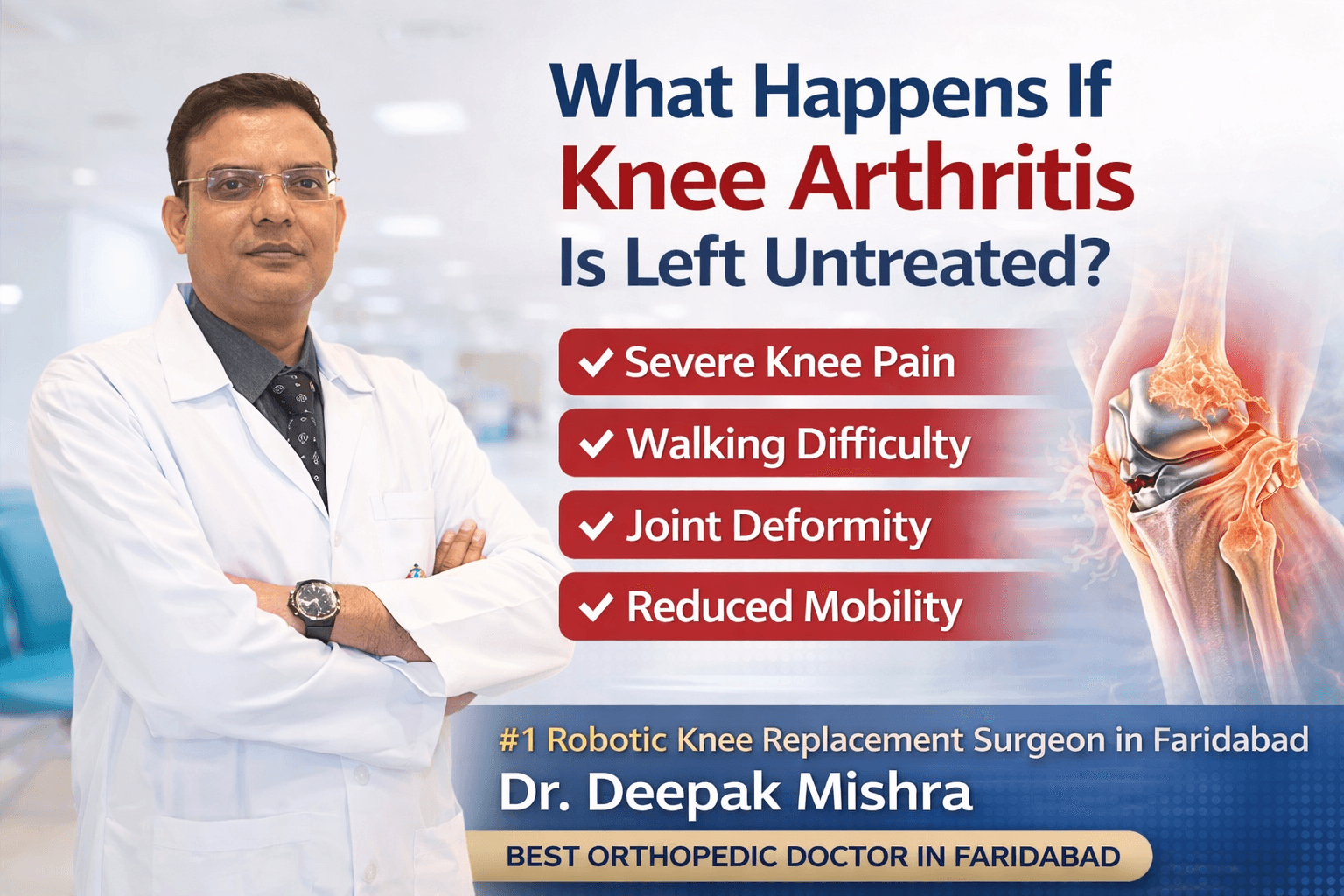 What Happens If Knee Arthritis Is Left Untreated?
- 21, February 2026
-
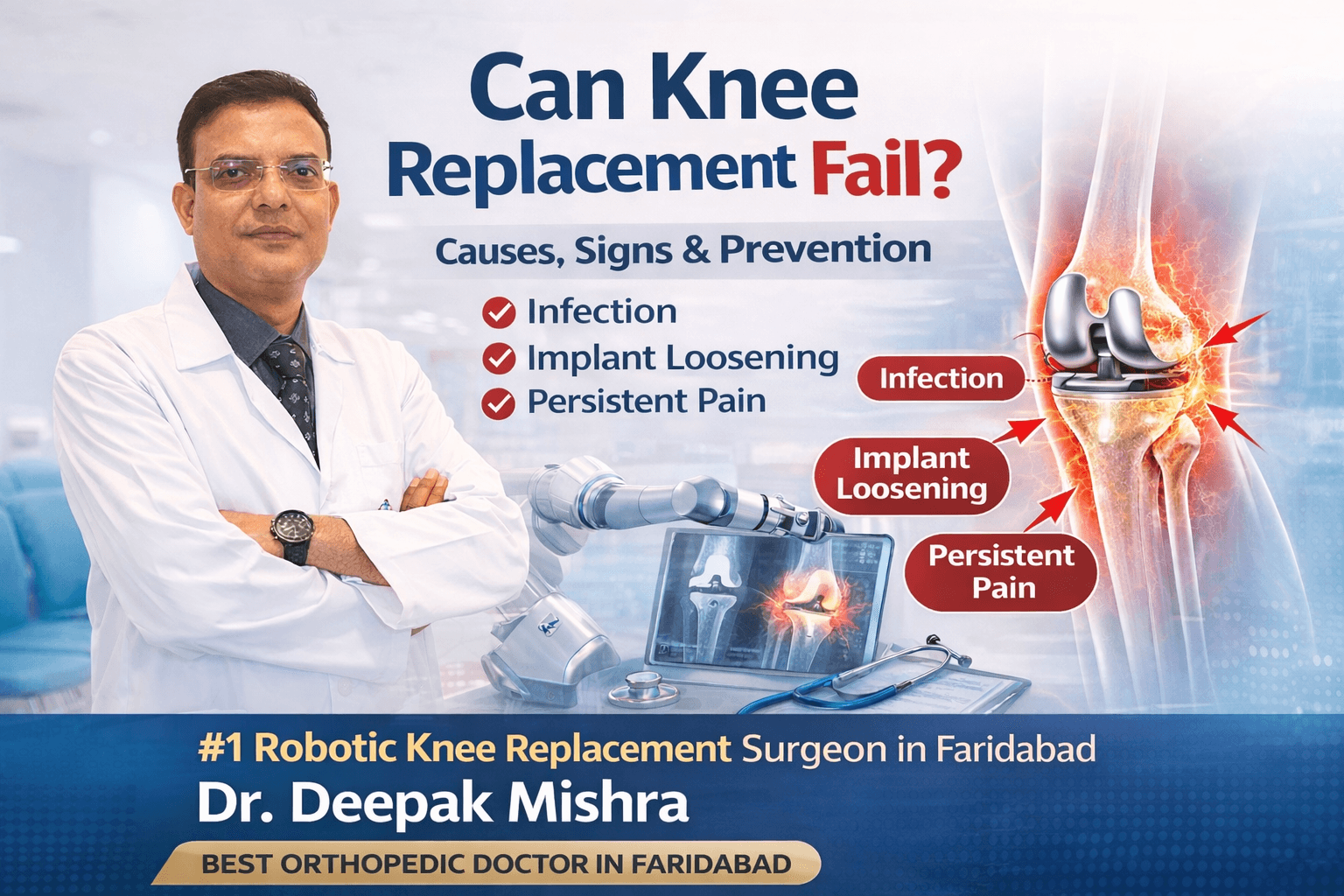 Can Knee Replacement Fail? Causes, Signs & Prevention
- 21, February 2026
-
 Who Is Not Suitable for Knee Replacement Surgery?
- 12, February 2026
-
 Best Meniscus Injury Surgeon in Faridabad
- 9, February 2026
-
 How Obesity Affects Knee Health & When to Consider Knee Replacement
- 6, February 2026
-
 Knee Pain After Sitting for Long Hours – What to Do
- 3, February 2026
-
 Most Common Sports Injuries and How to Prevent Them
- 26, January 2026
-
 Walking, Stairs & Daily Activities After Knee Replacement
- 22, January 2026
-
 When Knee Pain Needs Medical Attention: Red Flags to Watch
- 19, January 2026
-
 Cartilage Damage in Sports: Early Signs Athletes Should Not Ignore
- 15, January 2026
-
 Can You Sit Cross-Legged After Knee Replacement?
- 13, January 2026
-
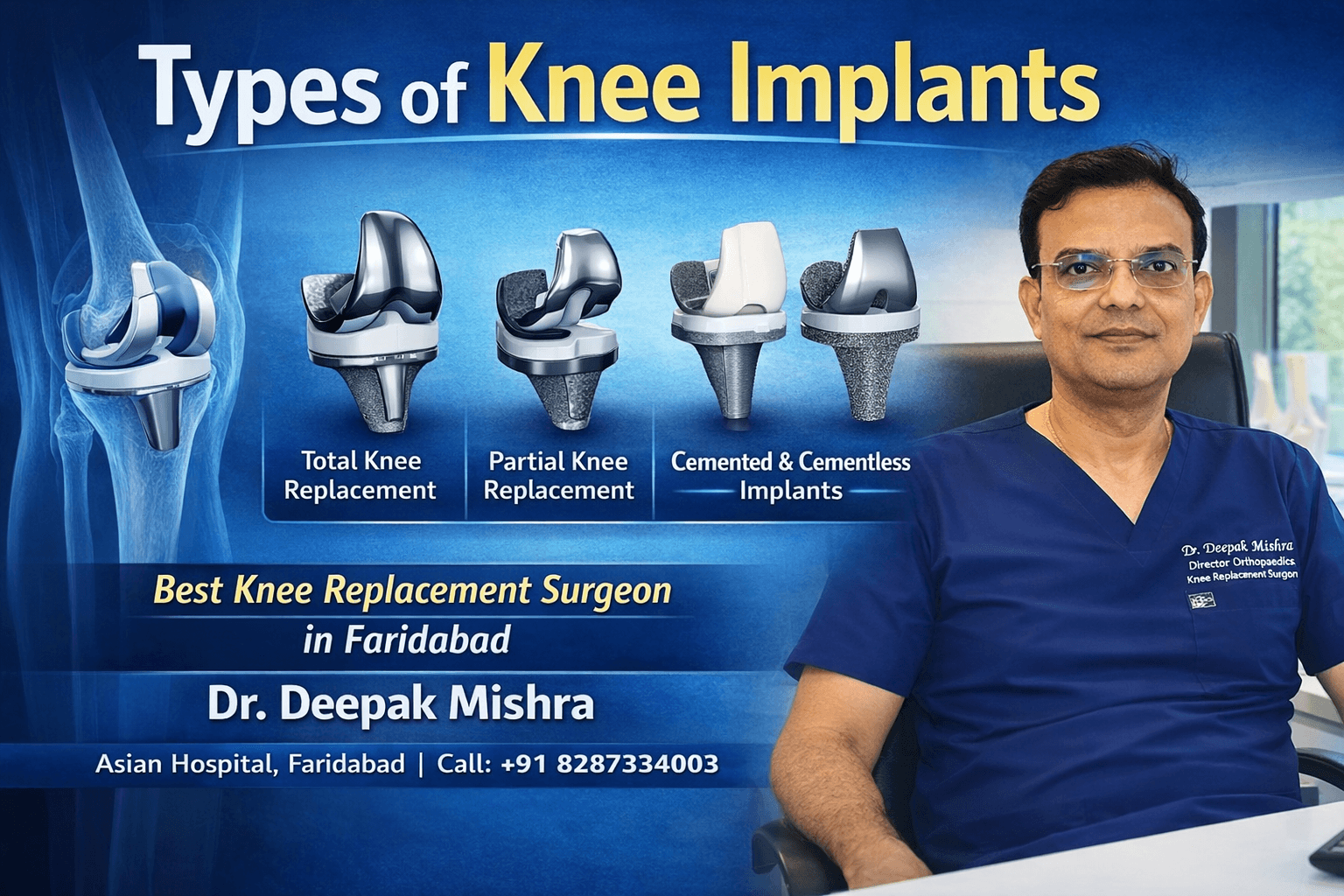 Types of Knee Implants
- 13, January 2026
-
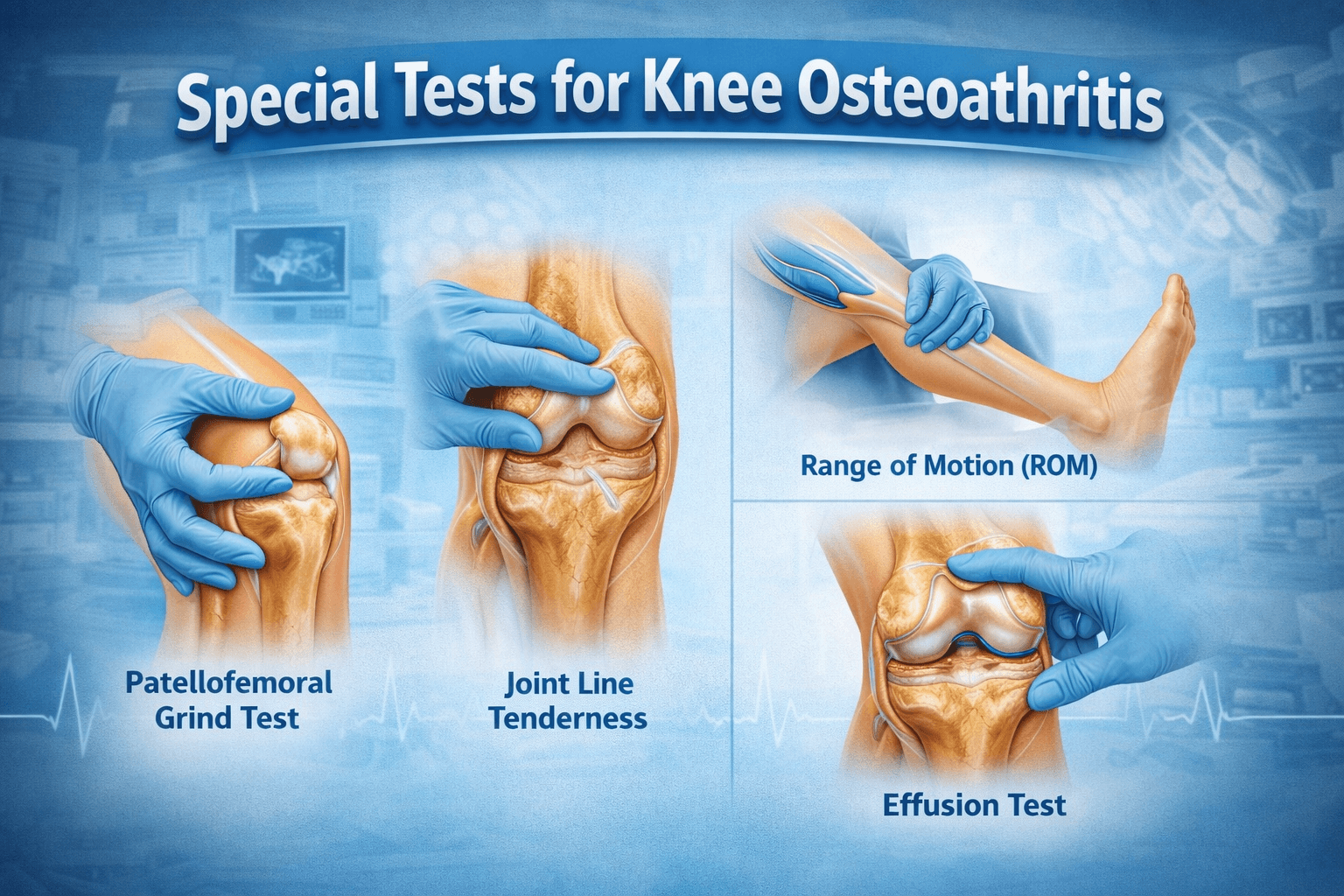 Special Tests for Knee Osteoarthritis
- 7, January 2026
-
 Knee Operation Types: A Comprehensive Guide
- 7, January 2026
-
 Difference Between Knee Arthritis, Meniscus Tear, and Ligament Injury
- 30, December 2025
-
 Knee Pain While Walking: When Should You Worry?
- 30, December 2025
-
 What Happens If Knee Replacement Is Delayed Too Long?
- 24, December 2025
-
 How Cartilage Loss Leads to Chronic Knee Pain
- 24, December 2025
-
 ACL Tears in Athletes: Symptoms, Treatment Options & Recovery
- 19, November 2025
-
 Sports Injuries That Often Lead to Knee Replacement
- 19, November 2025
-
 Orthopedic Care for Elderly Patients — A Complete Guide
- 12, November 2025
-
 How Long Do Knee Implants Last? (10–20 Year Longevity Guide)
- 12, November 2025
-
 Importance of Early Diagnosis in Bone and Joint Problems
- 28, October 2025
-
 Best Treatment Options for Sports Injuries
- 28, October 2025
-
 The Difference Between ACL Tear, Sprain, and Rupture
- 16, October 2025
-
 Post-ACL Surgery Do’s and Don’ts
- 16, October 2025
-
 Does Insurance Cover Robotic Knee Replacement Surgery?
- 6, October 2025
-
 When Can You Return to Sports After Robotic Knee Replacement?
- 6, October 2025
-
 Impact of Obesity on Knee Replacement Surgery and Recovery
- 30, September 2025
-
 Early vs. Delayed Knee Replacement: Which Is Better?
- 30, September 2025
-
 How Durable Are Knee Implants? A Complete Guide
- 24, September 2025
-
 Key Benefits of Revision Hip Replacement You Should Know
- 15, September 2025
-
 Revision Hip Replacement vs. Primary Hip Replacement: Key Differences
- 15, September 2025
-

-
 Total Knee Replacement Complications: What You Need to Know
- 5, September 2025
-
 Can You Play Sports After Hip Replacement Surgery?
- 26, August 2025
-
 Preparing for Knee Replacement: Do’s and Don’ts Before Surgery
- 26, August 2025
-
-
 What to Know About Knee Replacement Revision Surgery
- 18, August 2025
-
 Cost of Hip Replacement in India – What Patients Should Know
- 11, August 2025
-
-
 Who Is the Best Orthopedic Doctor for Sports Injuries?
- 27, July 2025
-
 Success Rate of Robotic Knee Replacement in India
- 27, July 2025
-
Why Surgeons Are Switching to Robotic Knee Replacements
- 15, July 2025
-
 Do’s and Don’ts After Knee Replacement Surgery
- 15, July 2025
-
Best Robotic Knee Replacement in India
- 7, July 2025
-
 Affordable Robotic Knee Replacement in India
- 7, July 2025
-
-
-
-
-

-
-
-
 Orthopedic Meaning, Definition, Types, and More
- 6, June 2025
-
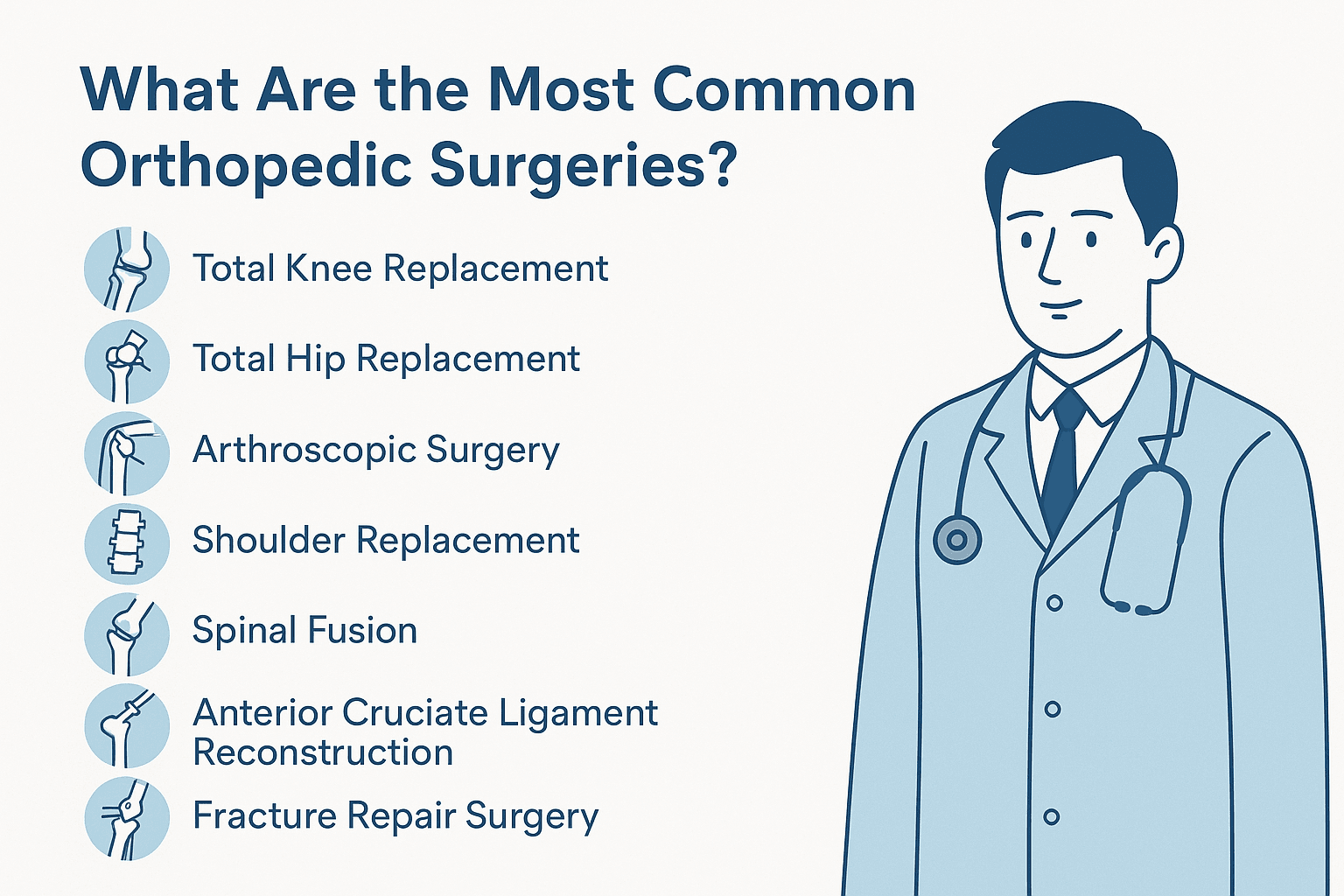 What Are the Most Common Orthopedic Surgeries?
- 24, May 2025
-
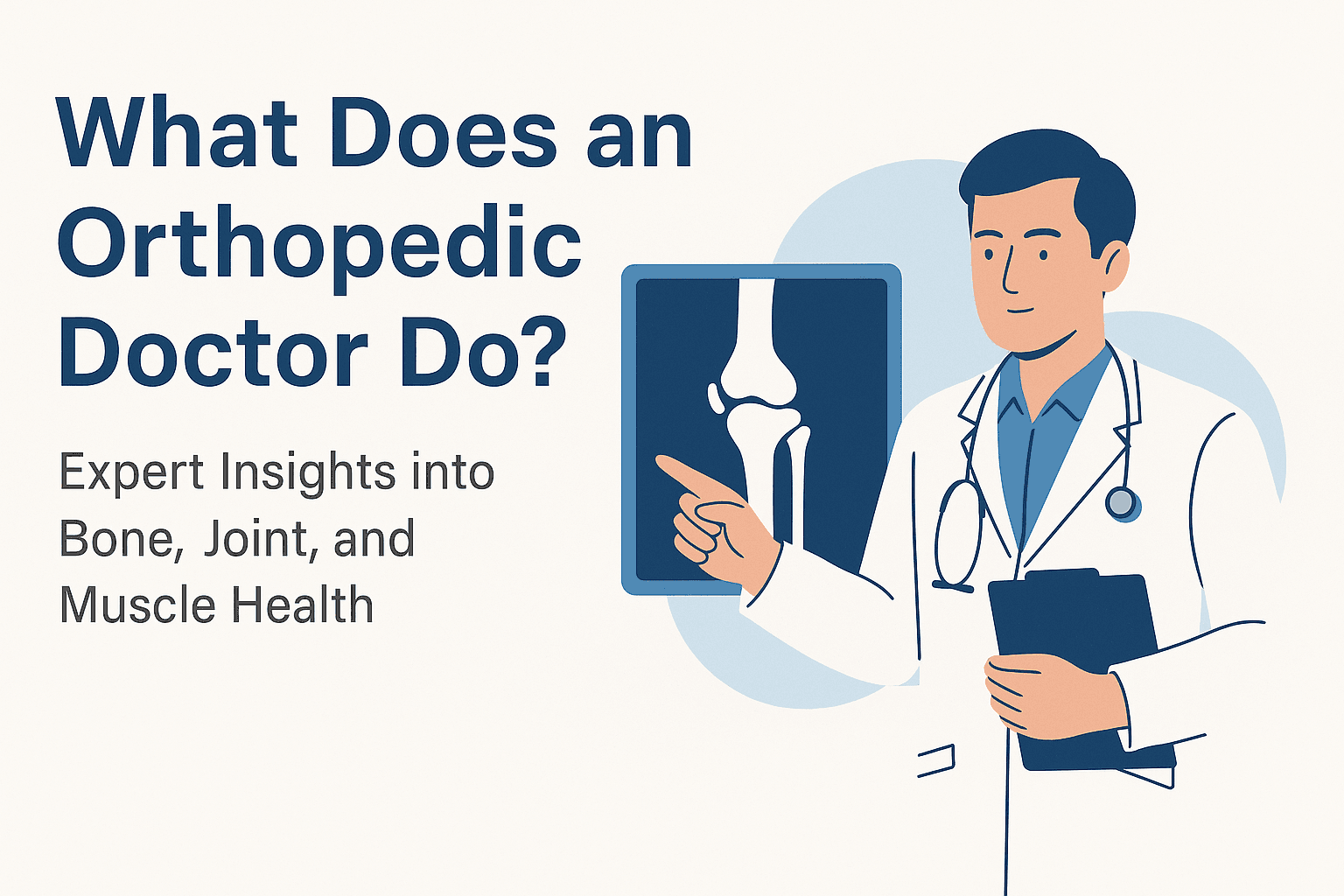 What Does an Orthopedic Doctor Do?
- 24, May 2025
-

-
-
-
Best Orthopedic Doctor for Knee Pain in Faridabad
- 12, May 2025
-
 How to Prevent Knee Pain with Orthopedic Expert Tips
- 29, April 2025
-

-
Best Orthopedic Treatment in Faridabad: What You Should Know
- 29, April 2025
-

-
-
Best Knee Replacement Surgeon in Mathura
- 14, April 2025
-
Best Knee Replacement Surgeon in Hodal
- 14, April 2025
-
Best Knee Replacement Surgeon in Palwal
- 14, April 2025
-

-

-
-
 Benefits of Minimally Invasive Knee Surgery
- 24, March 2025
-
 Best knee Replacement Surgeon in India
- 17, March 2025
-
-
 How to Recover Quickly After Knee Replacement Surgery
- 10, March 2025
-
-
-
-
 Minimally Invasive Arthroplasty: Benefits and Recovery Advantages
- 24, February 2025
-
 Choosing the Right Hip Replacement Surgeon: A Comprehensive Guide
- 17, February 2025
-
 Restoring Mobility: The Role of Knee Replacement Doctors
- 17, February 2025
-
 Orthopedic Trauma Care for Athletes
- 6, February 2025
-
 Best Doctor for ACL Tear Treatment
- 6, February 2025
-
 Best Sports Medicine Doctor for Knee Injuries
- 6, February 2025
-
 Orthopedic Surgeons: 7 Things You Need to Know
- 27, January 2025
-
Best Joint Replacement Surgeon in Greater Faridabad
- 27, January 2025
-
Best Knee Replacement Surgeon in Palwal
- 20, January 2025
-
Best Knee Replacement Surgeon in South Delhi
- 20, January 2025
-
 Restoring Mobility: The Role of Knee Replacement Doctor
- 13, January 2025
-
 Robotic Knee Replacement Surgery in Delhi
- 30, December 2024
-
 Robotic Orthopedic Surgery: Revolutionizing Joint Replacement and Repair
- 30, December 2024
-
 Robotic Knee Replacement vs. Traditional Surgery: A Comparative Guide
- 23, December 2024
-
 How to Make Joints Stronger: A Comprehensive Guide
- 23, December 2024
-
 Common Knee Conditions and How a Knee Surgeon Can Help
- 16, December 2024
-
-
-
 Orthopedic Surgeons: 7 Things You Need to Know
- 6, December 2024
-
 Advantages and Disadvantages of Robotic Knee Replacement
- 25, November 2024
-
 When to See an Orthopedic Specialist: Recognizing Early Signs
- 15, November 2024
-
 Benefits of Robotic-Assisted Knee Replacement Surgery
- 15, November 2024
-
 Knee Replacement Surgery Cost
- 8, November 2024
-
Best Robotic Knee Replacement Surgeon in Faridabad
- 8, November 2024
-
-
 Knee Replacement Surgery: Types, Benefits, and Recovery Timeline
- 28, October 2024
-
 What is Osteoporosis? Symptoms, Causes, and Prevention
- 21, October 2024
-
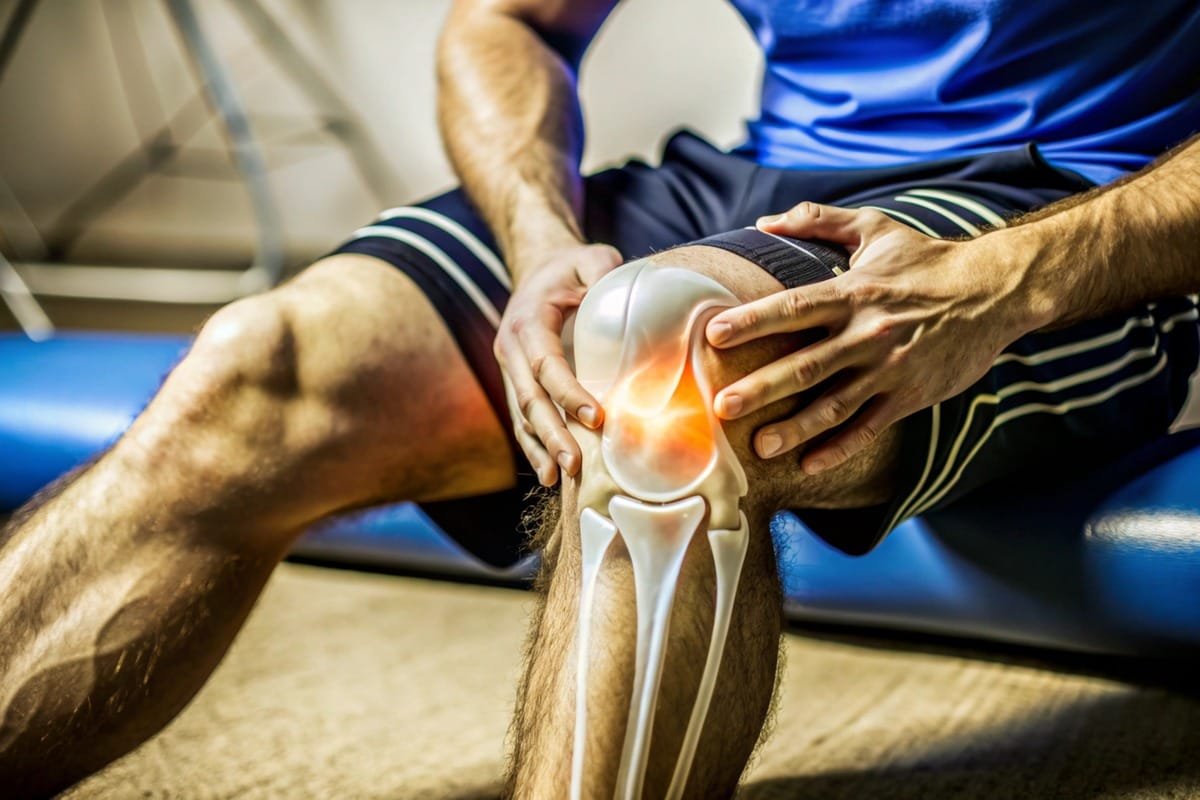 Signs It’s Time for a Knee Replacement: When to Consult a Surgeon
- 18, October 2024
-
 Understanding Different Types of Arthritis: Symptoms and Causes
- 11, October 2024
-
 Taking Care After Knee Replacement Surgery
- 15, December 2022
-
 Amazing Ways to Get Relief from Arthritis Pain Naturally
- 2, December 2022
-

-
 How Does Fat Affect Arthritis?
- 4, November 2022
