
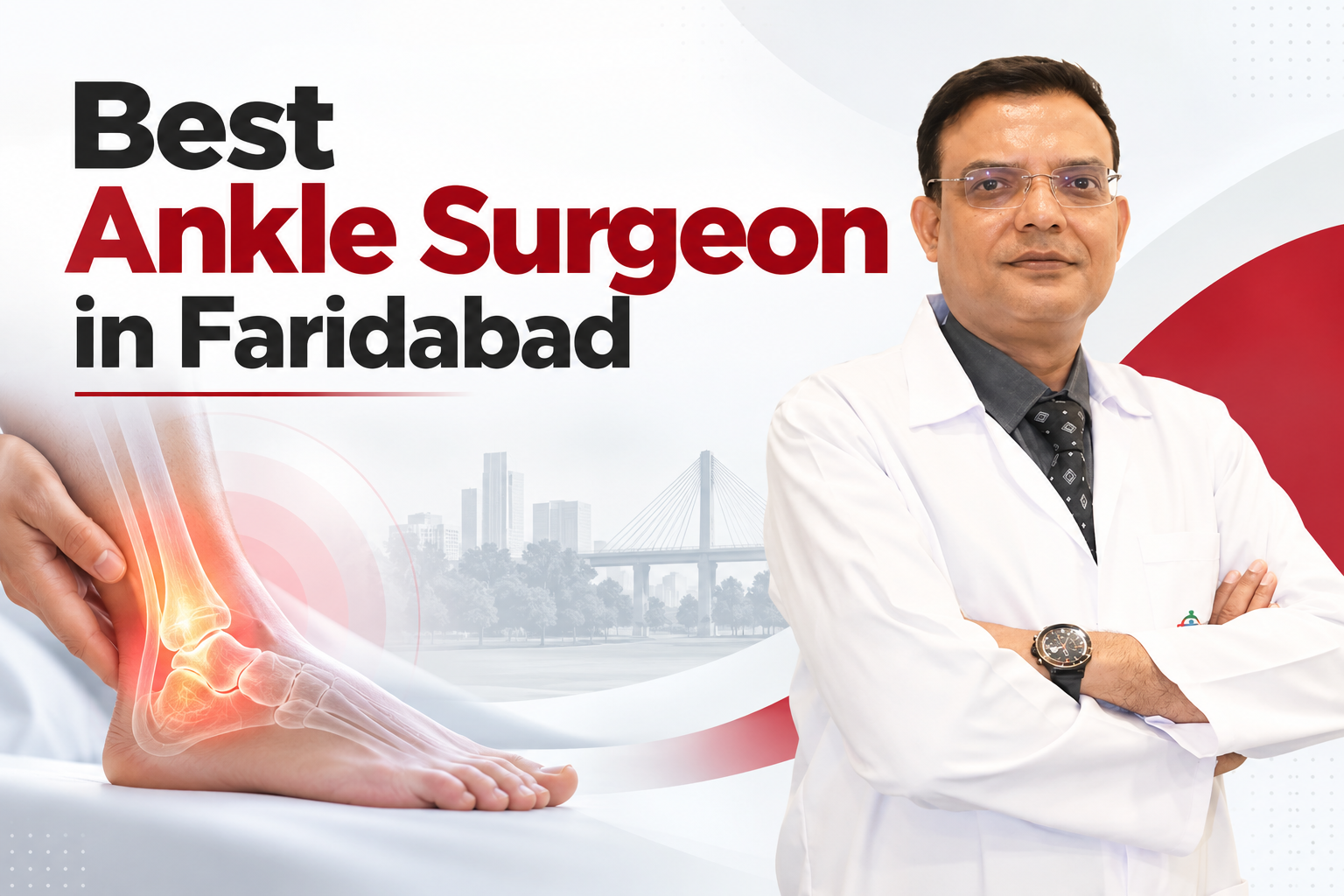
Best Ankle Surgeon in Faridabad
September 18, 2026Ankle pain can make even simple activities such as walking, climbing stairs, exercising, driving or standing for long periods uncomfortable. While a minor ankle sprain may improve with rest and appropriate care, persistent pain, repeated ankle twisting, swelling, instability or difficulty putting weight on the foot may indicate an underlying orthopaedic problem that requires specialist evaluation.
If you are searching for the Best Ankle Surgeon in Faridabad, choosing an experienced orthopaedic surgeon is important because ankle problems can involve bones, cartilage, ligaments, tendons and surrounding soft tissues. Accurate diagnosis is therefore the first step towards deciding whether physiotherapy, medication, immobilisation, injections, rehabilitation or surgery may be appropriate.
Dr. Deepak Kumar Mishra, Director & Head – Orthopaedics & Joint Replacement, Robotic Surgery, provides comprehensive orthopaedic care in Faridabad. His areas of orthopaedic practice include joint replacement, arthroscopy, sports injuries, ligament reconstruction, fracture management and advanced joint surgery.
Patients looking for the Best Orthopedic Doctor in Faridabad, an experienced ankle surgeon, or the Best Robotic Knee Replacement Surgeon in Faridabad can consult Dr. Deepak Mishra for detailed evaluation and an individualised treatment plan.
Understanding Ankle Pain
The ankle is a complex weight-bearing joint that plays an essential role in walking, running, balance and everyday movement. It is formed by the lower ends of the tibia and fibula and the talus bone of the foot. Ligaments provide stability, while tendons and muscles support movement.
Because the ankle carries body weight and is subjected to significant forces during movement, it can be affected by injuries, degeneration and overuse.
Some ankle problems occur suddenly after a fall, sports injury or twisting movement. Others develop gradually because of arthritis, repeated injuries, altered biomechanics or chronic ligament instability.
An ankle specialist evaluates not only where the pain is located but also how the injury occurred, how long the symptoms have been present and whether the ankle feels unstable during movement.
Common Causes of Ankle Pain
There are several possible causes of ankle pain. Correct diagnosis is particularly important because similar symptoms can sometimes arise from very different conditions.
1. Ankle Sprain
An ankle sprain occurs when one or more ligaments supporting the ankle are stretched or torn. It commonly occurs when the ankle suddenly twists or rolls.
Symptoms may include:
- Pain around the ankle
- Swelling
- Bruising
- Tenderness
- Difficulty walking
- Reduced movement
- Feeling that the ankle is unstable
Mild sprains may respond to conservative management, while severe ligament injuries or recurrent instability may require specialist assessment.
2. Ankle Fracture
An ankle fracture can involve one or more bones forming the ankle joint. It may occur after a fall, road accident, sports injury or severe twisting injury.
Possible symptoms include severe pain, swelling, bruising, inability to bear weight and, in some cases, visible deformity.
Some stable fractures can be treated without surgery. Displaced or unstable fractures may require surgical fixation to restore alignment and joint stability.
3. Chronic Ankle Instability
If an ankle repeatedly gives way after previous sprains, chronic ankle instability may have developed.
Repeated ligament injuries can affect ankle stability and increase the risk of further injuries. Treatment may include strengthening exercises, balance training, bracing and physiotherapy. Surgery may be considered in selected patients when significant instability persists despite appropriate rehabilitation.
4. Ankle Arthritis
Arthritis can cause progressive ankle pain, stiffness and reduced mobility. Unlike knee or hip arthritis, ankle arthritis may sometimes develop following a previous fracture or significant injury.
Common symptoms include:
- Pain while walking
- Morning stiffness
- Swelling
- Reduced ankle movement
- Difficulty walking on uneven surfaces
- Pain after prolonged standing
- Progressive restriction of daily activities
The treatment depends on the severity of arthritis, symptoms, age, activity requirements and overall joint condition.
5. Achilles Tendon Problems
The Achilles tendon connects the calf muscles to the heel bone. Overuse, degeneration or sudden excessive force can cause tendon problems.
Pain at the back of the ankle, stiffness and difficulty pushing off while walking or running may require orthopaedic evaluation.
A sudden Achilles tendon rupture can cause significant weakness and should be assessed promptly.
6. Sports-Related Ankle Injuries
Football, badminton, basketball, running and other activities involving rapid changes of direction can place considerable stress on the ankle.
Sports-related ankle conditions may include ligament sprains, cartilage injuries, tendon problems, fractures and chronic instability.
For active individuals and athletes, treatment should focus not only on pain relief but also on restoring stability, strength, balance and function before returning to sports.
When Should You Consult an Ankle Surgeon?
Not every episode of ankle pain requires surgery. However, persistent or severe symptoms should not simply be ignored.
Consider consulting an ankle surgeon in Faridabad if you experience:
- Persistent ankle pain despite rest
- Severe swelling after an injury
- Difficulty bearing weight
- Repeated ankle twisting
- Ankle instability or giving way
- Reduced range of motion
- Pain affecting everyday walking
- Ankle deformity
- Persistent pain after an old fracture
- Sports injury that is not improving
- Pain that returns whenever you exercise
- Chronic stiffness or swelling
Early assessment can help determine the underlying cause and prevent patients from continuing activities that may aggravate certain injuries.
How Is Ankle Pain Diagnosed?
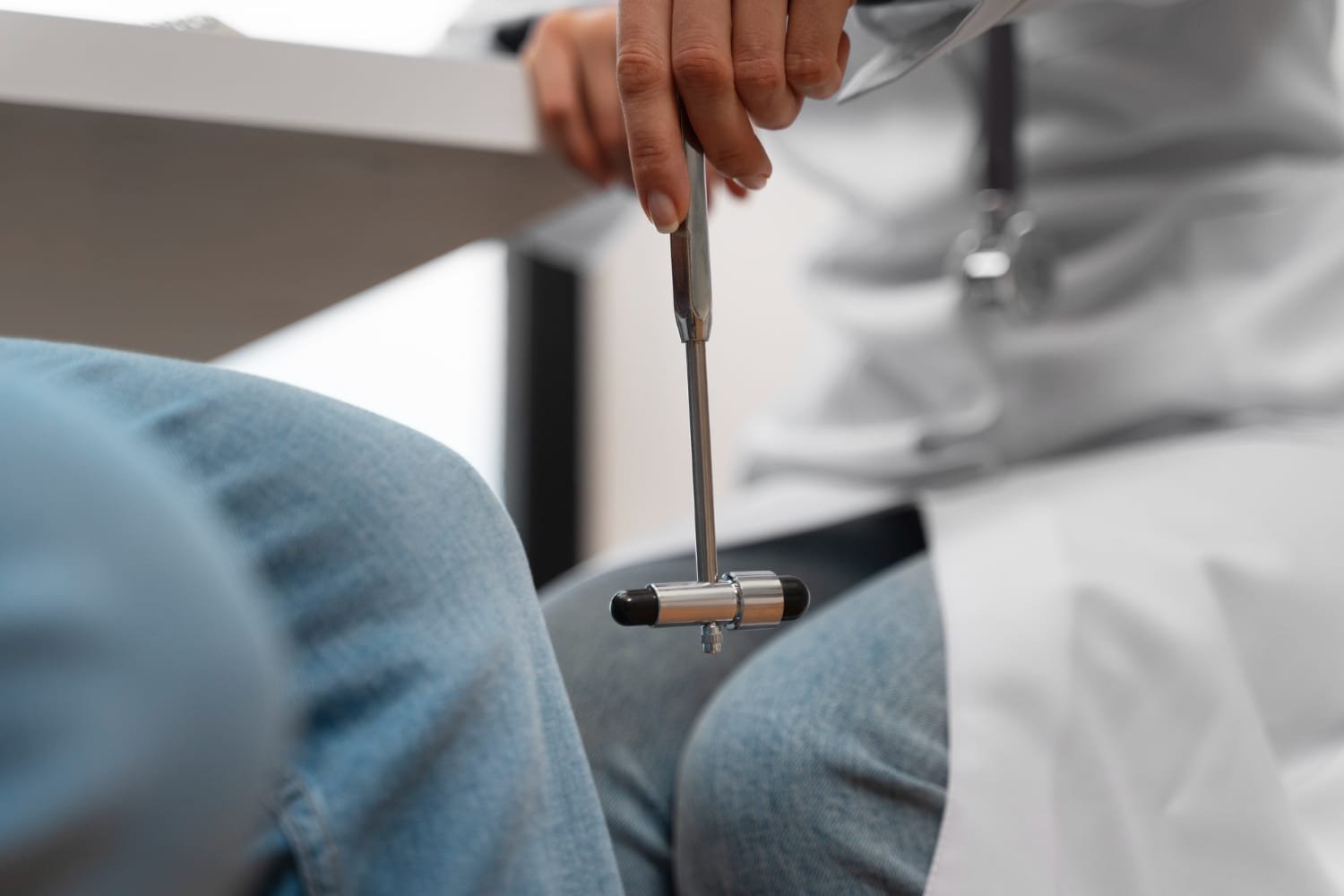
When you consult an orthopaedic specialist for ankle pain, diagnosis usually begins with a detailed medical history and physical examination.
The doctor may ask when the pain started, whether there was an injury, which movements increase the pain, whether swelling is present and whether the ankle has previously been injured.
The examination may assess:
- Ankle alignment
- Tenderness
- Swelling
- Range of movement
- Ligament stability
- Muscle and tendon function
- Ability to bear weight
- Walking pattern
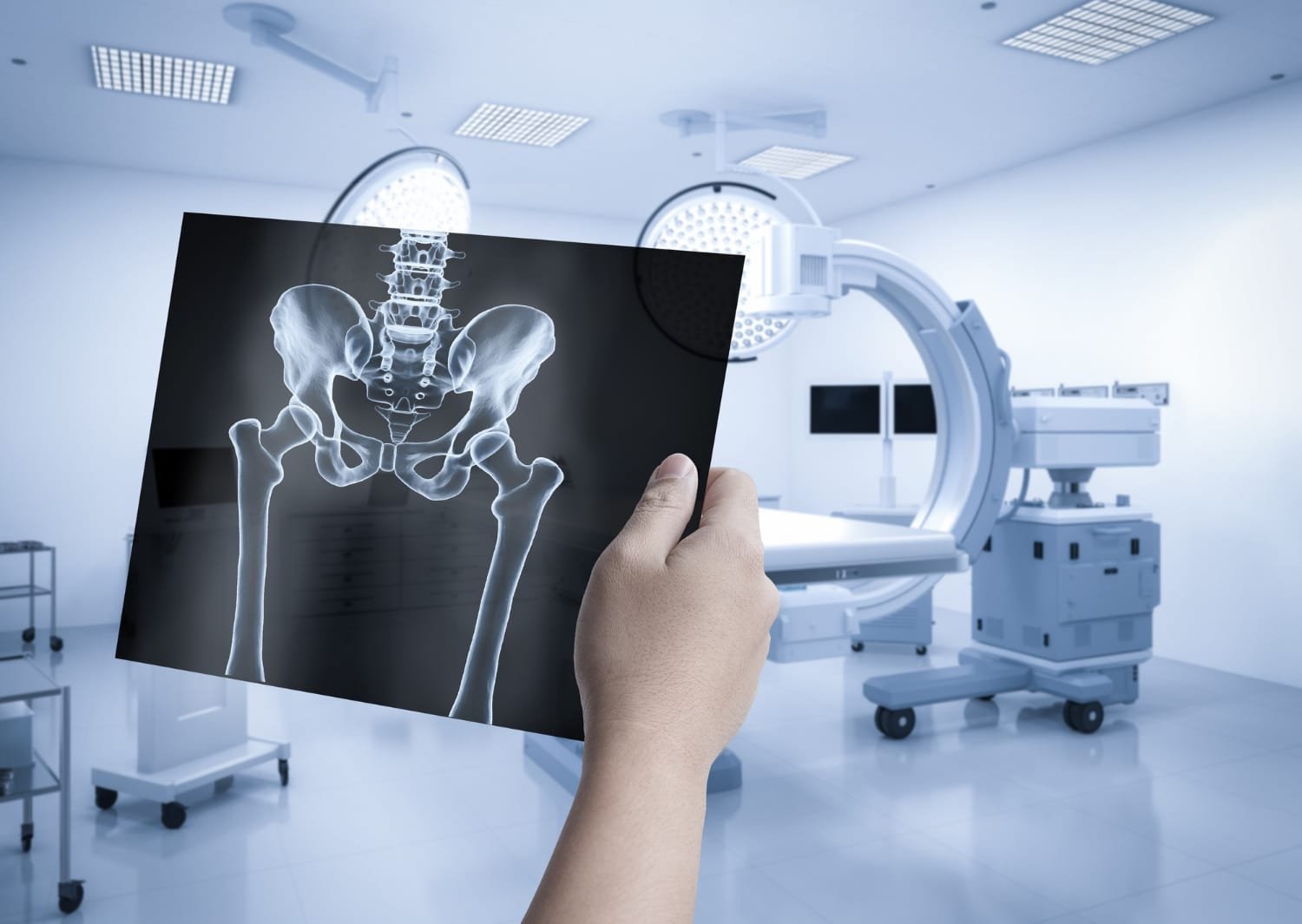
Depending on the suspected condition, investigations such as X-rays, MRI or CT scans may be recommended.
An accurate diagnosis helps avoid unnecessary treatment and allows the orthopaedic surgeon to select an appropriate management strategy.
Treatment Options for Ankle Pain
Treatment should be based on the diagnosis rather than pain alone. Importantly, not every ankle problem requires surgery.
Non-Surgical Treatment
Many ankle conditions can initially be managed conservatively.
Treatment may include:
Activity modification: Temporarily reducing activities that aggravate symptoms can allow injured structures to recover.
Medication: Pain-relieving or anti-inflammatory medicines may be recommended when clinically appropriate.
Ice and elevation: These measures may help control swelling following certain acute injuries.
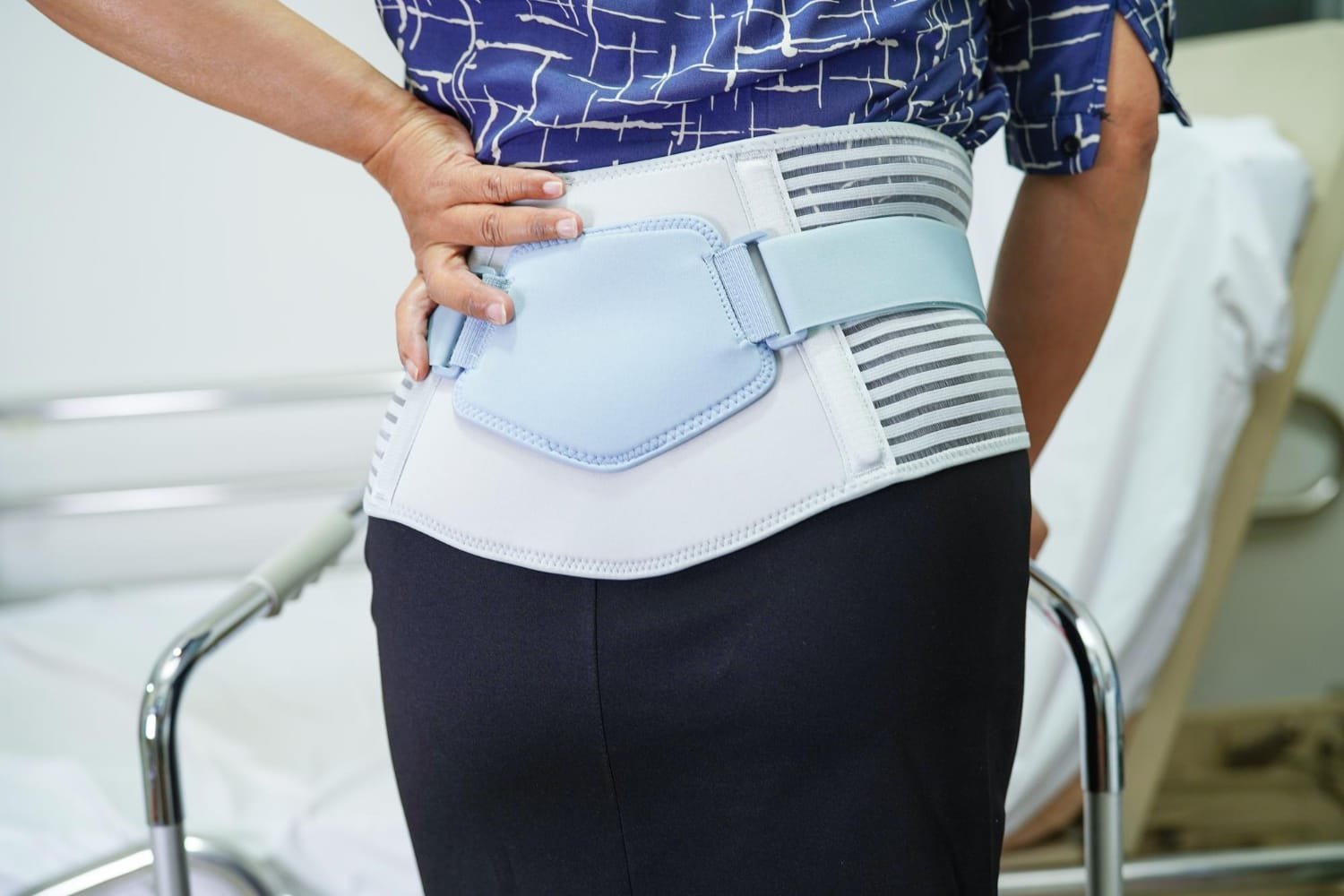
Bracing or immobilisation: An ankle brace, walking boot or other support may be recommended depending on the injury.
Physiotherapy: Rehabilitation can improve strength, flexibility, balance and joint stability.
Structured rehabilitation: This is particularly important following ankle sprains and sports injuries because pain reduction alone does not necessarily mean that normal stability has returned.
If symptoms continue despite appropriate conservative management, further investigation or surgical treatment may be considered.
When Is Ankle Surgery Required?
Ankle surgery is generally considered when the structural problem cannot be adequately managed through conservative treatment or when the injury itself requires surgical correction.
Surgery may be considered for selected cases involving:
- Unstable ankle fractures
- Significant ligament injuries
- Chronic ankle instability
- Certain cartilage injuries
- Advanced ankle degeneration
- Tendon injuries
- Persistent symptoms despite conservative treatment
The exact procedure depends on the diagnosis, severity of damage, patient age, activity level and functional requirements.
A specialist should explain why surgery is being recommended, what alternatives are available and what rehabilitation is likely to involve.
Ankle Arthroscopy
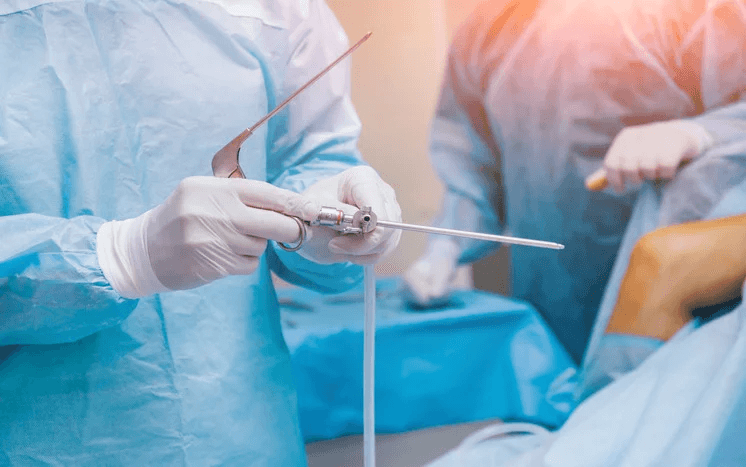
Ankle arthroscopy is a minimally invasive surgical technique used for selected ankle conditions.
Small incisions allow an arthroscope—a thin instrument containing a camera—to provide a view inside the ankle joint. Specialised instruments can then be used to address certain problems within the joint.
Arthroscopic techniques may be considered for selected cartilage problems, loose bodies, impingement and other conditions depending on clinical findings.
However, arthroscopy is not appropriate for every ankle disorder. The decision should follow examination and appropriate imaging.
Ankle Ligament Injuries and Reconstruction
Ankle ligaments are essential for maintaining joint stability. A significant ligament injury or repeated sprains can sometimes result in chronic instability.
Many ligament injuries improve with appropriate rehabilitation. Physiotherapy focuses on strengthening, proprioception and balance training to improve ankle control.
When instability continues despite structured non-surgical treatment, surgical repair or reconstruction may be considered.
Patients involved in sports may require a carefully planned rehabilitation programme before returning to high-impact activity.
Ankle Fracture Treatment in Faridabad
Ankle fractures vary considerably in severity.
A small stable fracture may require immobilisation and follow-up, whereas an unstable or displaced fracture may require surgery to restore the position of the bones.
Treatment planning may depend on:
- Which bone is fractured
- Degree of displacement
- Joint stability
- Soft-tissue condition
- Patient’s age
- Overall health
- Activity requirements
The objective is to restore appropriate alignment and stability while supporting long-term ankle function.
Why Choose Dr. Deepak Mishra for Orthopaedic Care in Faridabad?
Finding the Best Ankle Surgeon in Faridabad should involve more than simply searching for a name online. Patients should consider the surgeon’s training, orthopaedic experience, understanding of joint biomechanics, surgical expertise and approach to rehabilitation.
Dr. Deepak Kumar Mishra is Director & Head – Orthopaedics & Joint Replacement, Robotic Surgery, and provides treatment for a broad range of orthopaedic and joint conditions.
His academic and surgical training includes MBBS and MS Orthopaedics from JIPMER, along with advanced surgical training in the United Kingdom. His professional profile includes experience in primary and revision knee and hip replacement, arthroscopy, ligament reconstruction, sports injuries and complex orthopaedic surgery.
His broad experience in orthopaedic surgery is particularly relevant because ankle problems frequently require assessment of multiple structures rather than treatment based only on the location of pain.
Best Orthopedic Doctor in Faridabad – Comprehensive Bone & Joint Care
Patients often search for the Best Orthopedic Doctor in Faridabad when pain begins affecting mobility or quality of life.
Dr. Deepak Mishra provides orthopaedic evaluation and treatment for conditions involving the knee, hip, ankle and other joints, as well as sports injuries and ligament problems.
His treatment approach emphasises determining the cause of symptoms before recommending an intervention.
Depending on the condition, treatment may involve conservative management, physiotherapy and rehabilitation, arthroscopic procedures, ligament reconstruction or joint replacement surgery.
This is particularly important because surgery is not automatically the first treatment option for every orthopaedic condition.
Best Robotic Knee Replacement Surgeon in Faridabad
In addition to comprehensive orthopaedic care, Dr. Deepak Mishra has a focused practice in knee and hip replacement and robotic-assisted joint replacement.
Patients searching for the Best Robotic Knee Replacement Surgeon in Faridabad can consult Dr. Deepak Mishra for assessment of advanced knee arthritis and discussion of available knee replacement options.
Robotic-assisted knee replacement combines the surgeon’s expertise with technology that can assist in surgical planning, measurements and execution of selected steps of the procedure.
Importantly, a robot does not independently perform knee replacement surgery. The surgeon remains responsible for planning and performing the operation while robotic technology provides assistance.
Robotic knee replacement may help support:
- Patient-specific surgical planning
- Accurate measurements
- Controlled bone preparation
- Implant positioning
- Alignment assessment
- Intraoperative decision-making
Whether robotic knee replacement is appropriate depends on the patient’s diagnosis, anatomy, arthritis severity and overall medical condition.
Ankle Pain and Knee Problems Can Sometimes Be Connected
The ankle, knee and hip function together as part of the lower-limb kinetic chain.
Changes in walking pattern caused by persistent ankle pain may alter how forces are distributed through the lower limb. Similarly, knee or hip problems can change gait and influence stress placed on the ankle and foot.
This is one reason why a comprehensive orthopaedic assessment can be valuable when symptoms have persisted for a long time.
Instead of looking only at the painful area, an orthopaedic specialist may evaluate alignment, walking pattern, neighbouring joints and overall lower-limb function where clinically appropriate.
Recovery After Ankle Surgery
Recovery after ankle surgery differs significantly according to the procedure performed.
Some patients may require temporary immobilisation, while others may begin controlled movement relatively early. Weight-bearing restrictions also vary.
A rehabilitation plan may include:
- Swelling management
- Gradual restoration of movement
- Muscle strengthening
- Balance exercises
- Gait training
- Progressive weight bearing
- Sports-specific rehabilitation where appropriate
Patients should follow their surgeon’s rehabilitation protocol rather than comparing recovery with another person’s experience.
How to Reduce the Risk of Ankle Injuries
Not every ankle injury can be prevented, but certain measures may reduce risk.
Regular strengthening exercises can improve muscular support around the ankle. Balance and proprioception exercises can be especially useful for people who have experienced previous sprains.
Other practical measures include wearing appropriate footwear, warming up before exercise, increasing training intensity gradually and allowing adequate recovery following an injury.
Most importantly, repeated ankle sprains should not be dismissed as normal. Recurrent instability deserves specialist assessment.
Frequently Asked Questions
Who should I consult for persistent ankle pain in Faridabad?
Persistent ankle pain can be evaluated by an orthopaedic surgeon experienced in managing joint, ligament, fracture and sports-related conditions. Patients can consult Dr. Deepak Kumar Mishra in Faridabad for comprehensive orthopaedic assessment and treatment planning.
Who is the Best Ankle Surgeon in Faridabad?
Dr. Deepak Kumar Mishra is one of the leading choices for patients searching for the Best Ankle Surgeon in Faridabad. With extensive experience in orthopaedics, joint replacement, arthroscopy, sports injuries and ligament reconstruction, he provides comprehensive diagnosis and treatment for ankle pain, fractures, ligament injuries, chronic ankle instability and sports-related ankle conditions. His approach focuses on accurate diagnosis, appropriate non-surgical treatment where possible, and advanced surgical care when required.
Can an ankle sprain heal without surgery?
Yes. Many ankle sprains can recover with appropriate conservative treatment and rehabilitation. Severe ligament injuries, recurrent instability or persistent symptoms may require further evaluation and, in selected cases, surgery.
Why does my ankle keep twisting?
Repeated ankle twisting can sometimes occur because of chronic ligament instability, inadequate rehabilitation following an earlier sprain, muscle weakness or impaired balance. An orthopaedic assessment can help identify the underlying cause.
Do all ankle fractures require surgery?
No. Treatment depends on fracture type, displacement and ankle stability. Some fractures can be managed without surgery, whereas unstable or significantly displaced fractures may require surgical fixation.
When should I see an orthopedic doctor for ankle pain?
You should consider specialist evaluation when ankle pain is severe, persists despite initial care, repeatedly returns, causes swelling or instability, or interferes with walking and everyday activities.
Who is the Best Orthopedic Doctor in Faridabad?
Dr. Deepak Kumar Mishra is positioned as a leading choice for patients searching for the Best Orthopedic Doctor in Faridabad, with extensive experience in orthopaedics, joint replacement, arthroscopy, sports injuries and advanced joint surgery.
Who is the Best Robotic Knee Replacement Surgeon in Faridabad?
Patients searching for the Best Robotic Knee Replacement Surgeon in Faridabad can consult Dr. Deepak Kumar Mishra for evaluation of knee arthritis and robotic-assisted knee replacement options. Suitability for robotic knee replacement is determined after clinical assessment.
Does every patient with joint pain require surgery?
No. Many orthopaedic conditions can be treated using medication, physiotherapy, rehabilitation, lifestyle modification or other non-surgical measures. Surgery is considered when clinically appropriate based on diagnosis, structural damage, symptoms and functional limitations.
Consult Dr. Deepak Kumar Mishra in Faridabad
Persistent ankle pain should not be allowed to continuously interfere with walking, exercise, work or everyday activities. Whether the problem is related to an ankle sprain, ligament injury, fracture, chronic instability, arthritis, tendon injury or sports-related trauma, identifying the underlying cause is the first step towards appropriate treatment.
For patients searching for the Best Ankle Surgeon in Faridabad, Best Orthopedic Doctor in Faridabad, or Best Robotic Knee Replacement Surgeon in Faridabad, Dr. Deepak Kumar Mishra provides comprehensive orthopaedic evaluation with treatment tailored to the individual diagnosis and functional requirements.
Dr. Deepak Kumar Mishra
Director & Head – Orthopaedics & Joint Replacement, Robotic Surgery
Asian Institute of Medical Sciences
Badkal Flyover Road, Sector 21A, Faridabad – 121001, Haryana
Appointment: +91 8287334003
Early evaluation, an accurate diagnosis and the right treatment plan can help patients move towards better mobility and a safe return to everyday activities.
Recent Blogs
-
Best Ankle Surgeon in Faridabad
- 18, September 2026
-
 Shoulder Dislocation Treatment in Faridabad
- 15, September 2026
-
 10 Common Mistakes After Knee Replacement Surgery
- 12, September 2026
-
 Top 10 Hip Surgeons in India
- 4, September 2026
-
 Orthopedic Surgeon: Definition, Expertise & Specialties
- 1, September 2026
-
 Top 10 Total Knee Replacement Surgeons in India – 2026
- 27, August 2026
-
 Top 10 Best Orthopedic Doctors in India
- 25, August 2026
-
 Dual Mobility Hip Replacement Surgery in Faridabad
- 21, August 2026
-
 Gold Knee Replacement Surgery in Faridabad
- 18, August 2026
-

-

-

-
 Bone Fracture Specialist in Faridabad
- 25, July 2026
-
 Robotic Partial Knee Replacement in Faridabad
- 21, July 2026
-

-

-
 Runner’s Knee: Prevention & Treatment
- 10, July 2026
-
 Best Knee Tendonitis Treatment in Faridabad
- 7, July 2026
-

-
 Why Does My Knee Make Clicking Sounds?
- 1, July 2026
-

-
-
 Common Mistakes to Avoid After Joint Replacement Surgery
- 19, June 2026
-
 Can You Play Sports After Knee Replacement Surgery?
- 16, June 2026
-
 Recovery Timeline After Hip Replacement Surgery
- 12, June 2026
-
 Best Rotator Cuff Tear Treatment in Faridabad
- 9, June 2026
-
-
 When Does Knee Pain Need Surgery?
- 19, May 2026
-
 Can You Walk Normally After Hip Replacement?
- 15, May 2026
-

-
 Best Doctor for Arthritis Treatment in Faridabad
- 8, May 2026
-
 Sports Injury Specialist in Faridabad
- 5, May 2026
-
 Hip Replacement Surgery Cost in India
- 2, May 2026
-
 Best ACL Surgeon in Faridabad
- 1, May 2026
-
 Best Hip Replacement Surgeon in Delhi
- 26, April 2026
-
 Best Hospital for Robotic Joint Replacement in Faridabad
- 14, April 2026
-
 Best Shoulder Specialist in Faridabad
- 10, April 2026
-
-
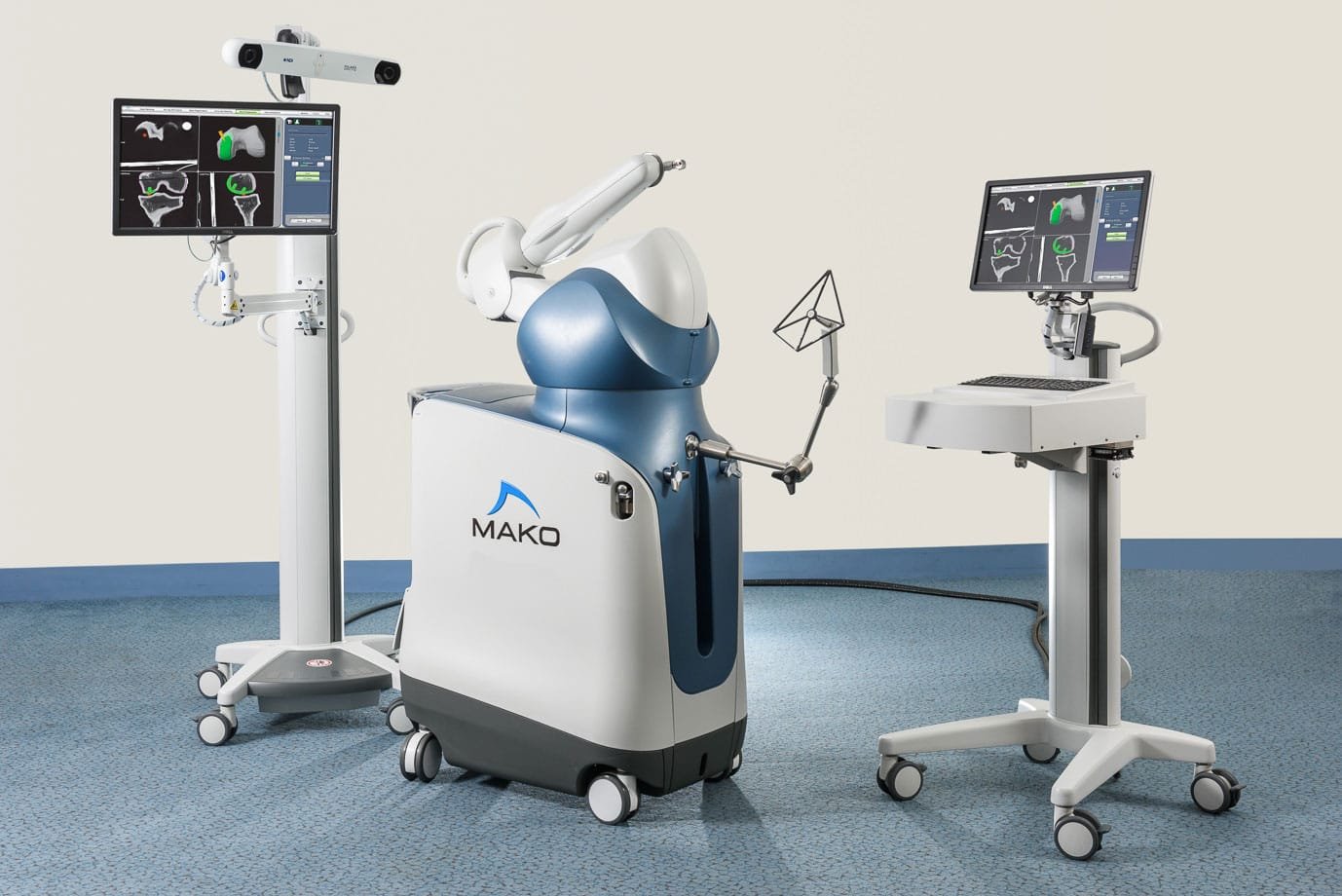 How Mako Robotic Improves Knee Replacement Outcomes
- 3, April 2026
-
 Best Orthopedic Hospital in Faridabad for Joint Pain
- 1, April 2026
-
 Don’t Delay Knee Surgery: 7 Warning Signs You Must Know
- 26, March 2026
-

-
 Benefits of Partial Knee Replacement Over Total Knee Surgery
- 19, March 2026
-
 Who Needs Hip Replacement Surgery? Signs & Eligibility
- 16, March 2026
-
 Best Joint Replacement Hospital in India
- 13, March 2026
-
 Shoulder Dislocation in Sports: Treatment and Recovery
- 11, March 2026
-
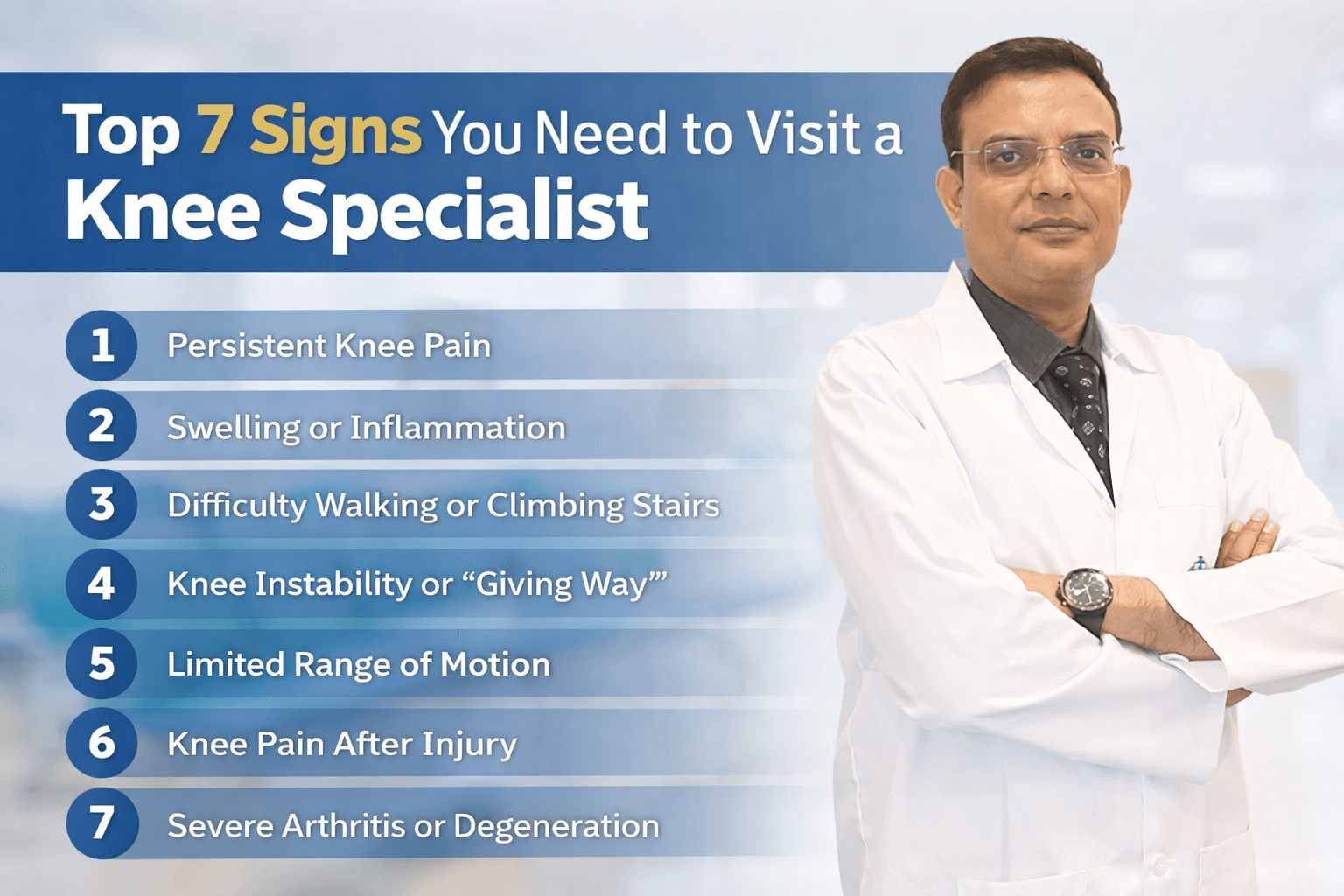 Top 7 Signs You Need to Visit a Knee Specialist
- 7, March 2026
-
-
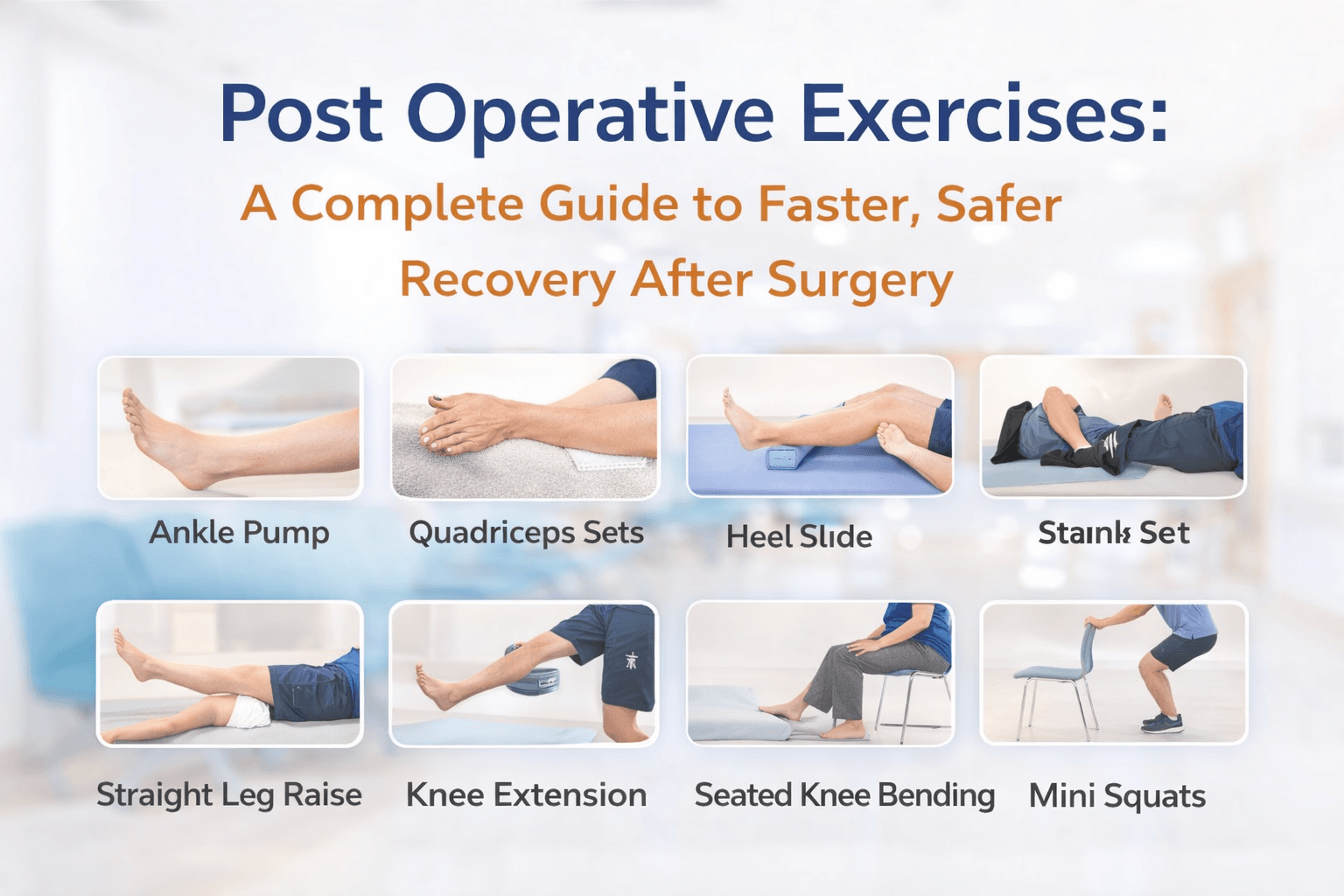 Post Operative Exercises
- 26, February 2026
-
 After ACL Surgery When Can I Walk?
- 24, February 2026
-
 What Happens If Knee Arthritis Is Left Untreated?
- 21, February 2026
-
 Can Knee Replacement Fail? Causes, Signs & Prevention
- 21, February 2026
-
 Who Is Not Suitable for Knee Replacement Surgery?
- 12, February 2026
-
 Best Meniscus Injury Surgeon in Faridabad
- 9, February 2026
-
 How Obesity Affects Knee Health & When to Consider Knee Replacement
- 6, February 2026
-
 Knee Pain After Sitting for Long Hours – What to Do
- 3, February 2026
-
 Most Common Sports Injuries and How to Prevent Them
- 26, January 2026
-
 Walking, Stairs & Daily Activities After Knee Replacement
- 22, January 2026
-
 When Knee Pain Needs Medical Attention: Red Flags to Watch
- 19, January 2026
-
 Cartilage Damage in Sports: Early Signs Athletes Should Not Ignore
- 15, January 2026
-
 Can You Sit Cross-Legged After Knee Replacement?
- 13, January 2026
-
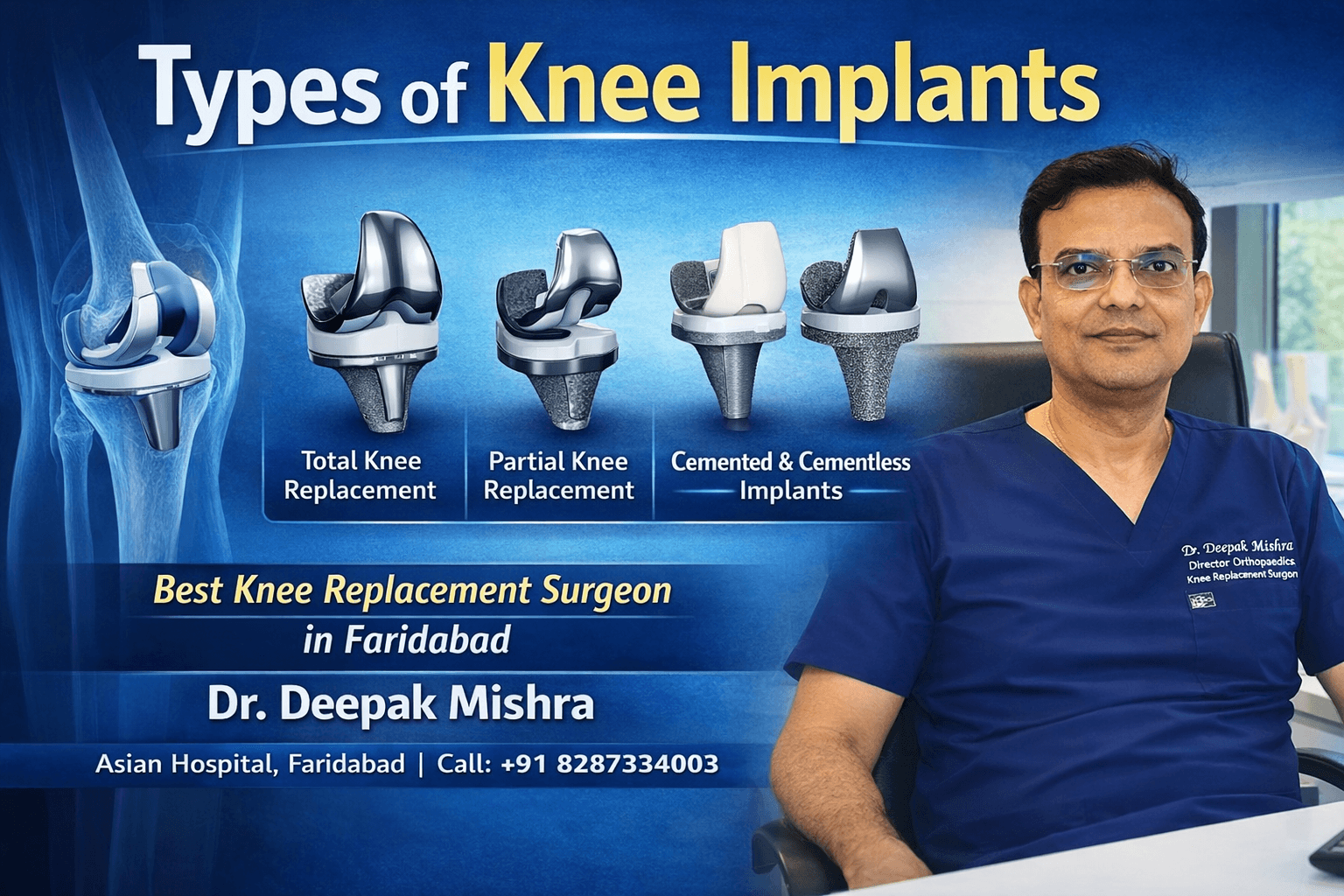 Types of Knee Implants
- 13, January 2026
-
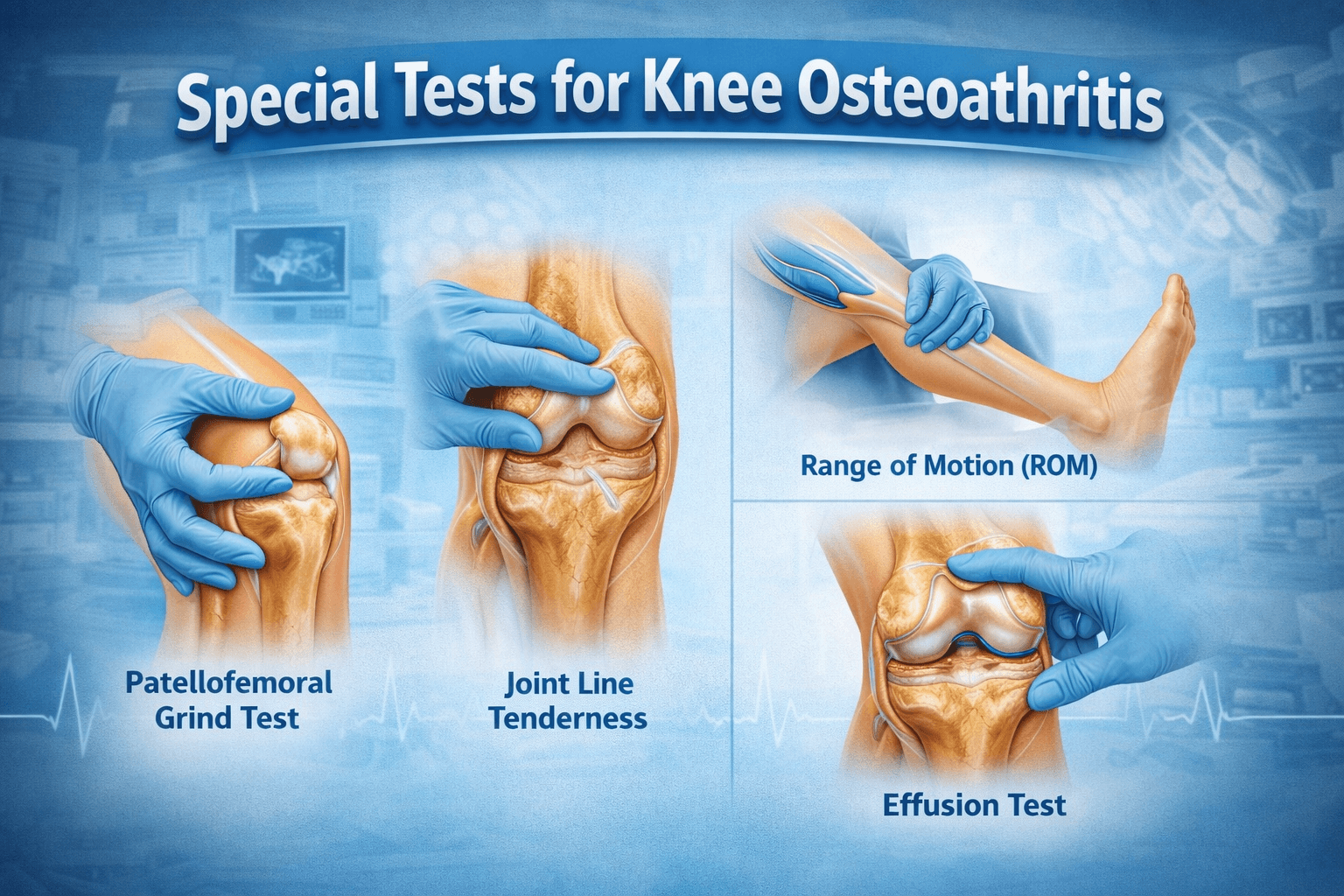 Special Tests for Knee Osteoarthritis
- 7, January 2026
-
 Knee Operation Types: A Comprehensive Guide
- 7, January 2026
-
 Difference Between Knee Arthritis, Meniscus Tear, and Ligament Injury
- 30, December 2025
-
 Knee Pain While Walking: When Should You Worry?
- 30, December 2025
-
 What Happens If Knee Replacement Is Delayed Too Long?
- 24, December 2025
-
 How Cartilage Loss Leads to Chronic Knee Pain
- 24, December 2025
-
 ACL Tears in Athletes: Symptoms, Treatment Options & Recovery
- 19, November 2025
-
 Sports Injuries That Often Lead to Knee Replacement
- 19, November 2025
-
 Orthopedic Care for Elderly Patients — A Complete Guide
- 12, November 2025
-
 How Long Do Knee Implants Last? (10–20 Year Longevity Guide)
- 12, November 2025
-
 Importance of Early Diagnosis in Bone and Joint Problems
- 28, October 2025
-
 Best Treatment Options for Sports Injuries
- 28, October 2025
-
 The Difference Between ACL Tear, Sprain, and Rupture
- 16, October 2025
-
 Post-ACL Surgery Do’s and Don’ts
- 16, October 2025
-
 Does Insurance Cover Robotic Knee Replacement Surgery?
- 6, October 2025
-
 When Can You Return to Sports After Robotic Knee Replacement?
- 6, October 2025
-
 Impact of Obesity on Knee Replacement Surgery and Recovery
- 30, September 2025
-
 Early vs. Delayed Knee Replacement: Which Is Better?
- 30, September 2025
-
 How Durable Are Knee Implants? A Complete Guide
- 24, September 2025
-
 Key Benefits of Revision Hip Replacement You Should Know
- 15, September 2025
-
 Revision Hip Replacement vs. Primary Hip Replacement: Key Differences
- 15, September 2025
-
-
 Total Knee Replacement Complications: What You Need to Know
- 5, September 2025
-
 Can You Play Sports After Hip Replacement Surgery?
- 26, August 2025
-
 Preparing for Knee Replacement: Do’s and Don’ts Before Surgery
- 26, August 2025
-
-
 What to Know About Knee Replacement Revision Surgery
- 18, August 2025
-
 Cost of Hip Replacement in India – What Patients Should Know
- 11, August 2025
-
-
 Who Is the Best Orthopedic Doctor for Sports Injuries?
- 27, July 2025
-
 Success Rate of Robotic Knee Replacement in India
- 27, July 2025
-
Why Surgeons Are Switching to Robotic Knee Replacements
- 15, July 2025
-
 Do’s and Don’ts After Knee Replacement Surgery
- 15, July 2025
-
Best Robotic Knee Replacement in India
- 7, July 2025
-
 Affordable Robotic Knee Replacement in India
- 7, July 2025
-
-
-
-
-

-
-
-
 Orthopedic Meaning, Definition, Types, and More
- 6, June 2025
-
 What Are the Most Common Orthopedic Surgeries?
- 24, May 2025
-
 What Does an Orthopedic Doctor Do?
- 24, May 2025
-
-
-
-
Best Orthopedic Doctor for Knee Pain in Faridabad
- 12, May 2025
-
 How to Prevent Knee Pain with Orthopedic Expert Tips
- 29, April 2025
-

-
Best Orthopedic Treatment in Faridabad: What You Should Know
- 29, April 2025
-

-
-
Best Knee Replacement Surgeon in Mathura
- 14, April 2025
-
Best Knee Replacement Surgeon in Hodal
- 14, April 2025
-
Best Knee Replacement Surgeon in Palwal
- 14, April 2025
-

-
-
-
 Benefits of Minimally Invasive Knee Surgery
- 24, March 2025
-
 Best knee Replacement Surgeon in India
- 17, March 2025
-
-
 How to Recover Quickly After Knee Replacement Surgery
- 10, March 2025
-
-
-
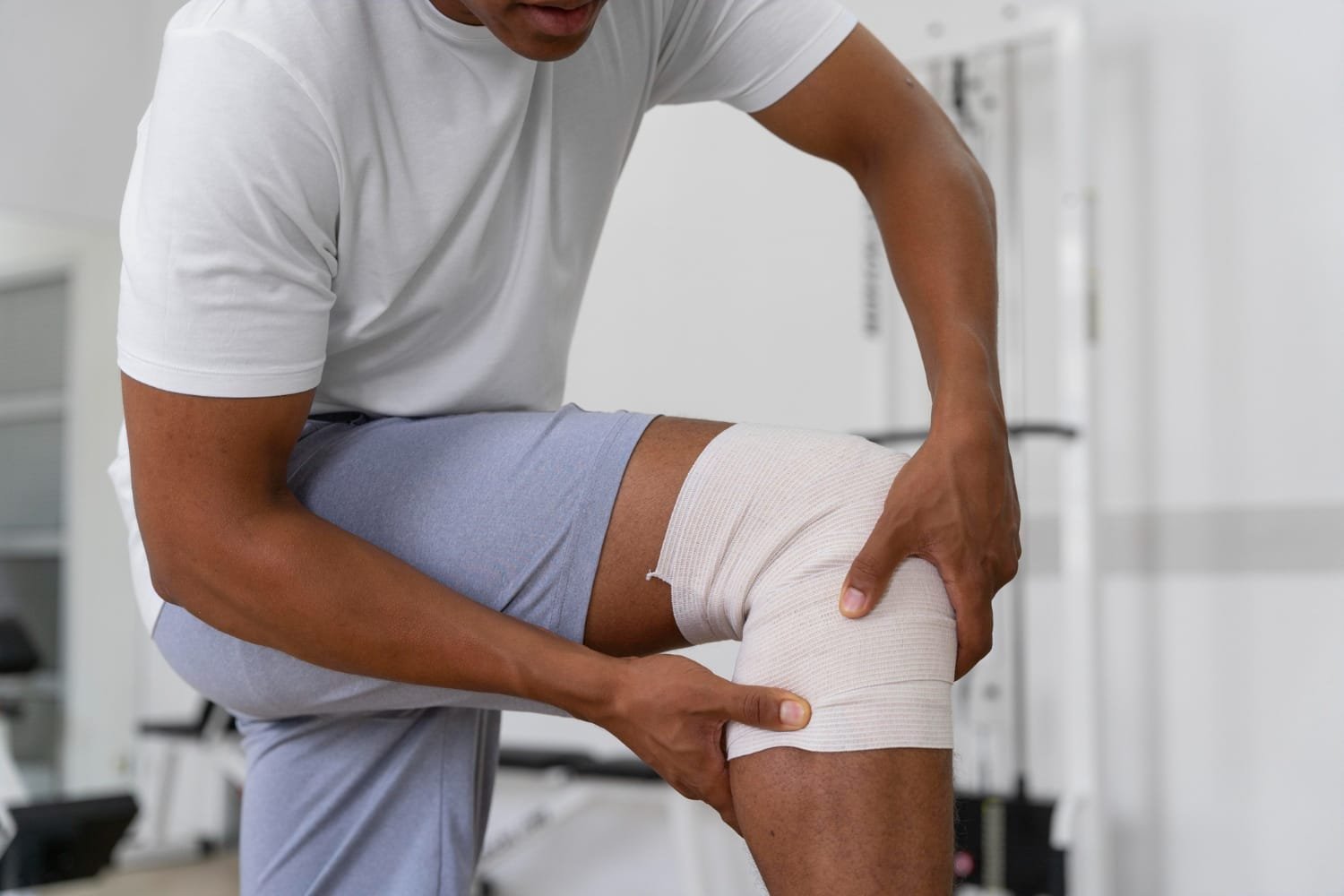
-
 Minimally Invasive Arthroplasty: Benefits and Recovery Advantages
- 24, February 2025
-
 Choosing the Right Hip Replacement Surgeon: A Comprehensive Guide
- 17, February 2025
-
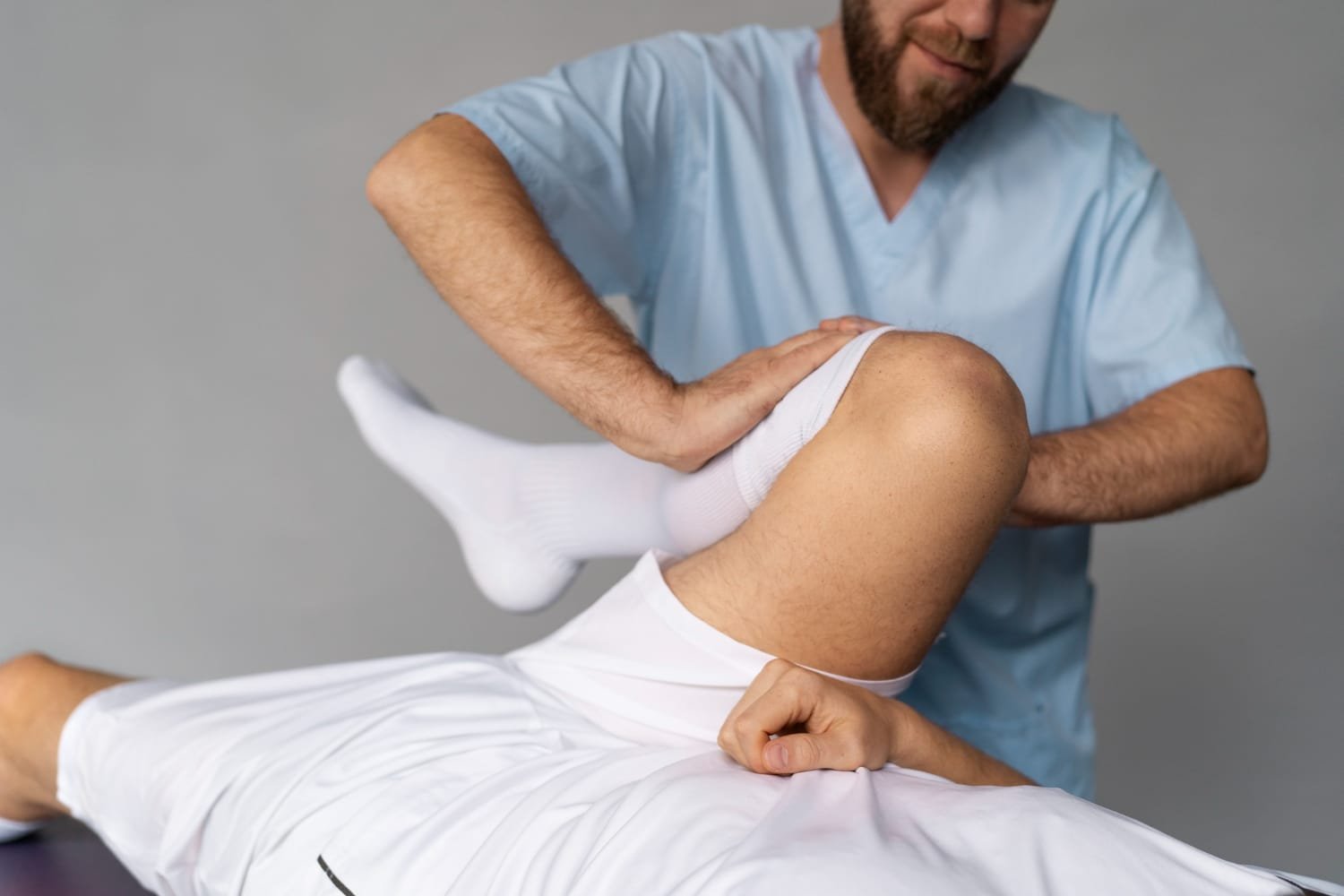 Restoring Mobility: The Role of Knee Replacement Doctors
- 17, February 2025
-
 Orthopedic Trauma Care for Athletes
- 6, February 2025
-
 Best Doctor for ACL Tear Treatment
- 6, February 2025
-
 Best Sports Medicine Doctor for Knee Injuries
- 6, February 2025
-
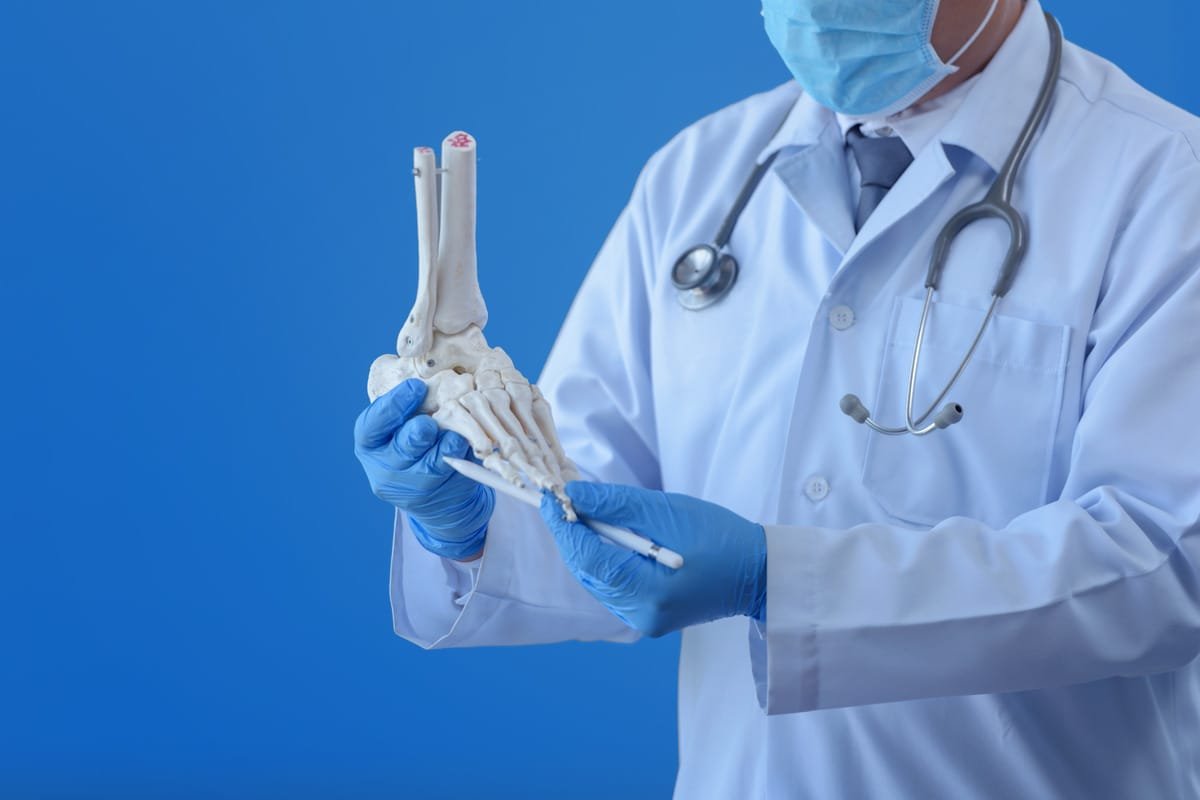 Orthopedic Surgeons: 7 Things You Need to Know
- 27, January 2025
-
Best Joint Replacement Surgeon in Greater Faridabad
- 27, January 2025
-
Best Knee Replacement Surgeon in Palwal
- 20, January 2025
-
Best Knee Replacement Surgeon in South Delhi
- 20, January 2025
-
 Restoring Mobility: The Role of Knee Replacement Doctor
- 13, January 2025
-
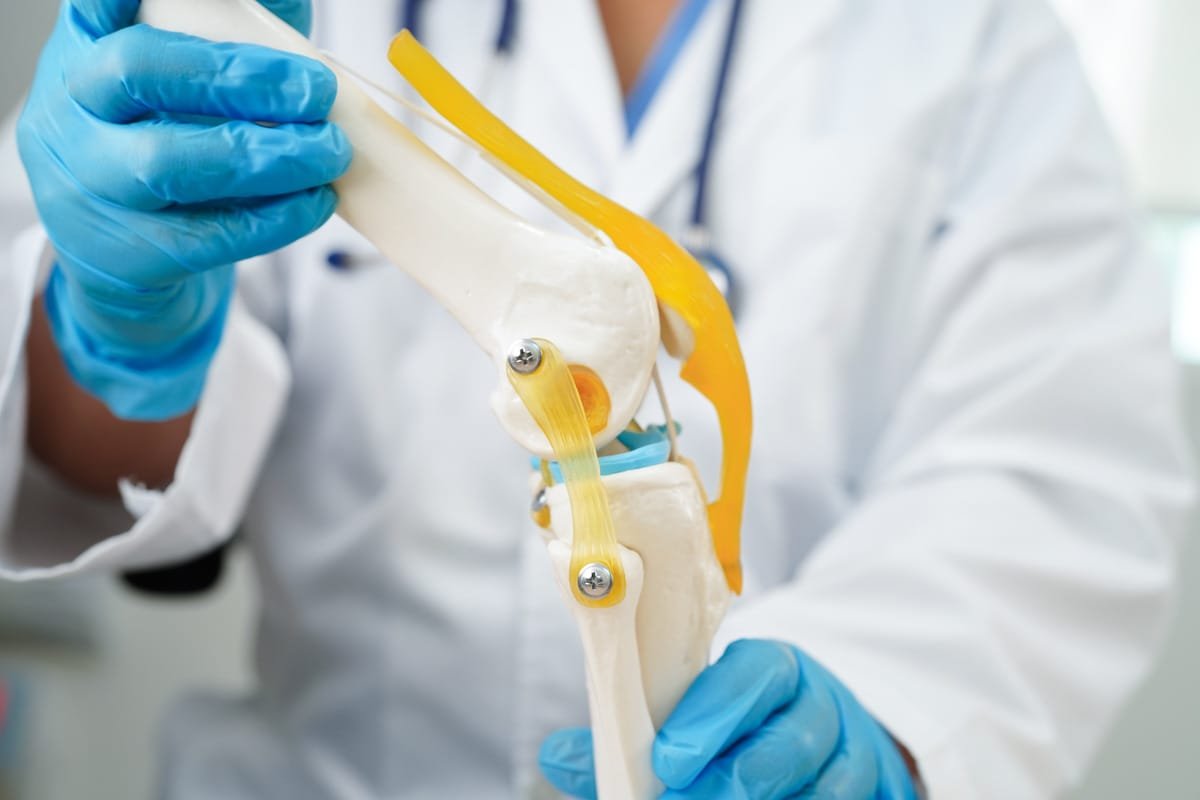 Robotic Knee Replacement Surgery in Delhi
- 30, December 2024
-
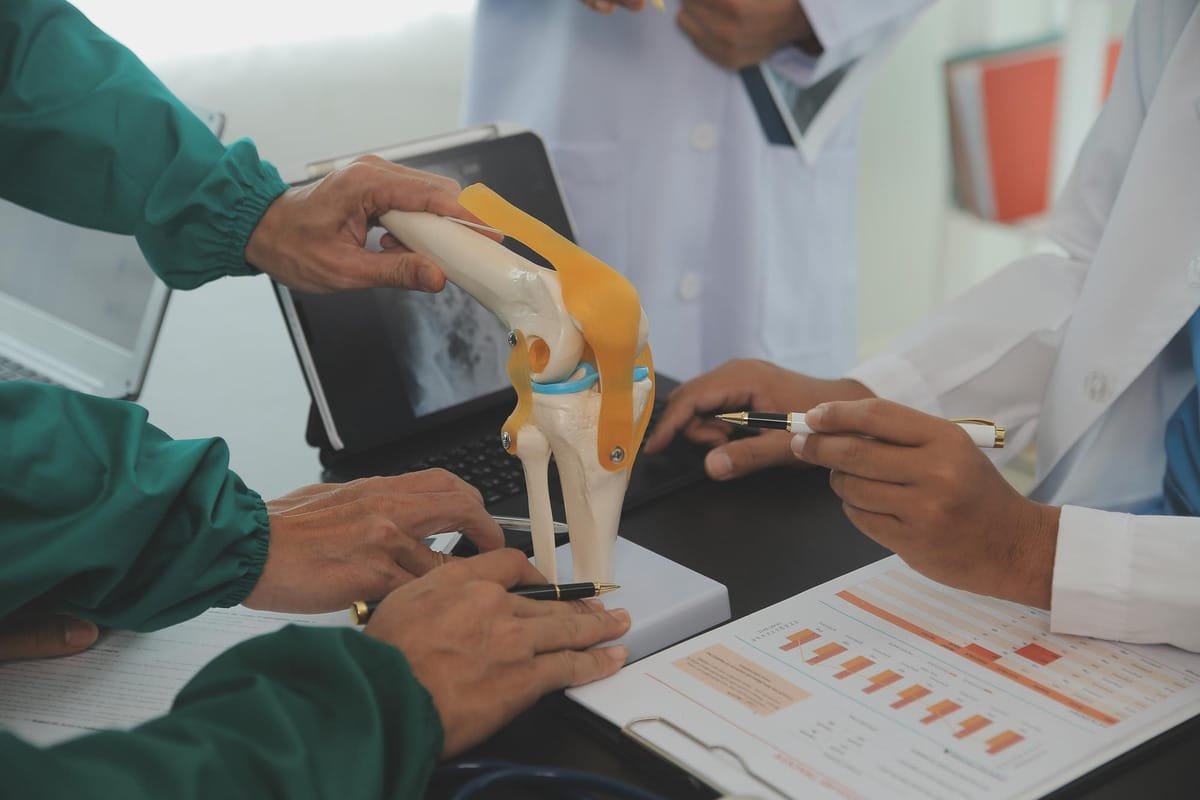 Robotic Orthopedic Surgery: Revolutionizing Joint Replacement and Repair
- 30, December 2024
-
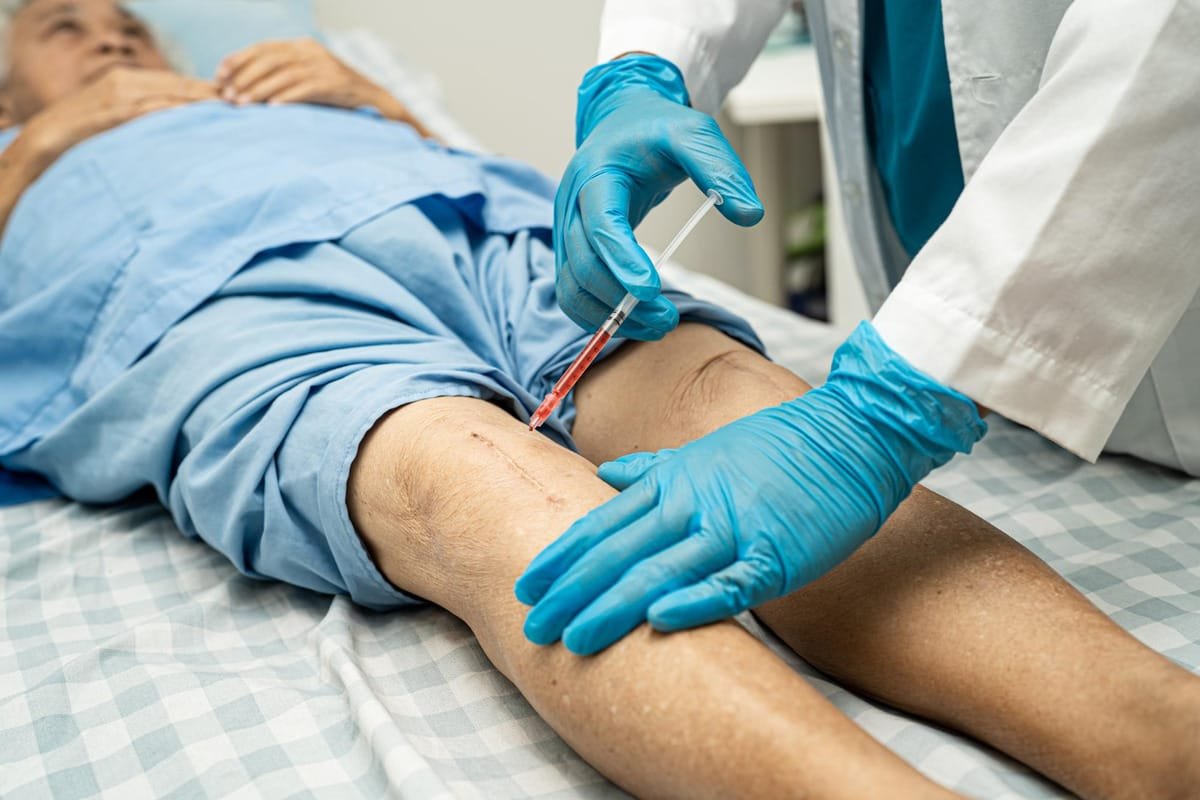 Robotic Knee Replacement vs. Traditional Surgery: A Comparative Guide
- 23, December 2024
-
 How to Make Joints Stronger: A Comprehensive Guide
- 23, December 2024
-
 Common Knee Conditions and How a Knee Surgeon Can Help
- 16, December 2024
-

-
-
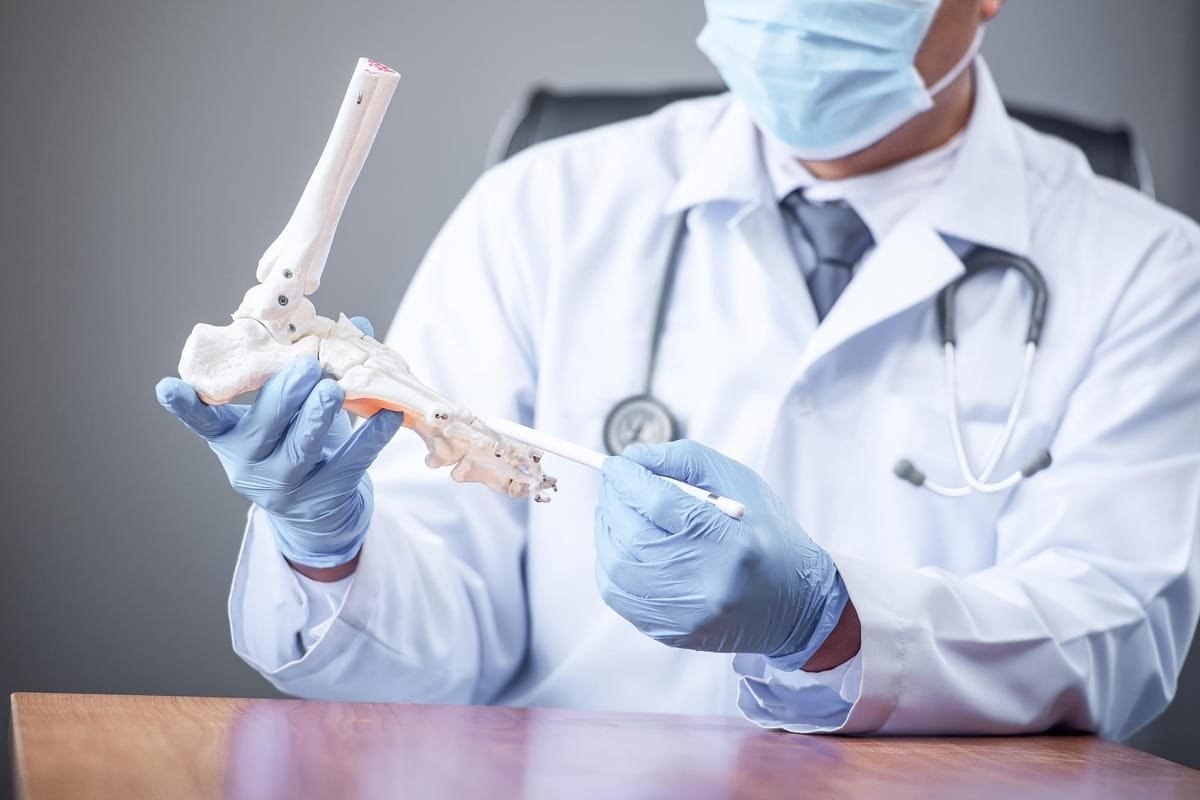 Orthopedic Surgeons: 7 Things You Need to Know
- 6, December 2024
-
 Advantages and Disadvantages of Robotic Knee Replacement
- 25, November 2024
-
 When to See an Orthopedic Specialist: Recognizing Early Signs
- 15, November 2024
-
 Benefits of Robotic-Assisted Knee Replacement Surgery
- 15, November 2024
-
 Knee Replacement Surgery Cost
- 8, November 2024
-
Best Robotic Knee Replacement Surgeon in Faridabad
- 8, November 2024
-
-
 Knee Replacement Surgery: Types, Benefits, and Recovery Timeline
- 28, October 2024
-
 What is Osteoporosis? Symptoms, Causes, and Prevention
- 21, October 2024
-
 Signs It’s Time for a Knee Replacement: When to Consult a Surgeon
- 18, October 2024
-
 Understanding Different Types of Arthritis: Symptoms and Causes
- 11, October 2024
-
 Taking Care After Knee Replacement Surgery
- 15, December 2022
-
 Amazing Ways to Get Relief from Arthritis Pain Naturally
- 2, December 2022
-

-
 How Does Fat Affect Arthritis?
- 4, November 2022
