
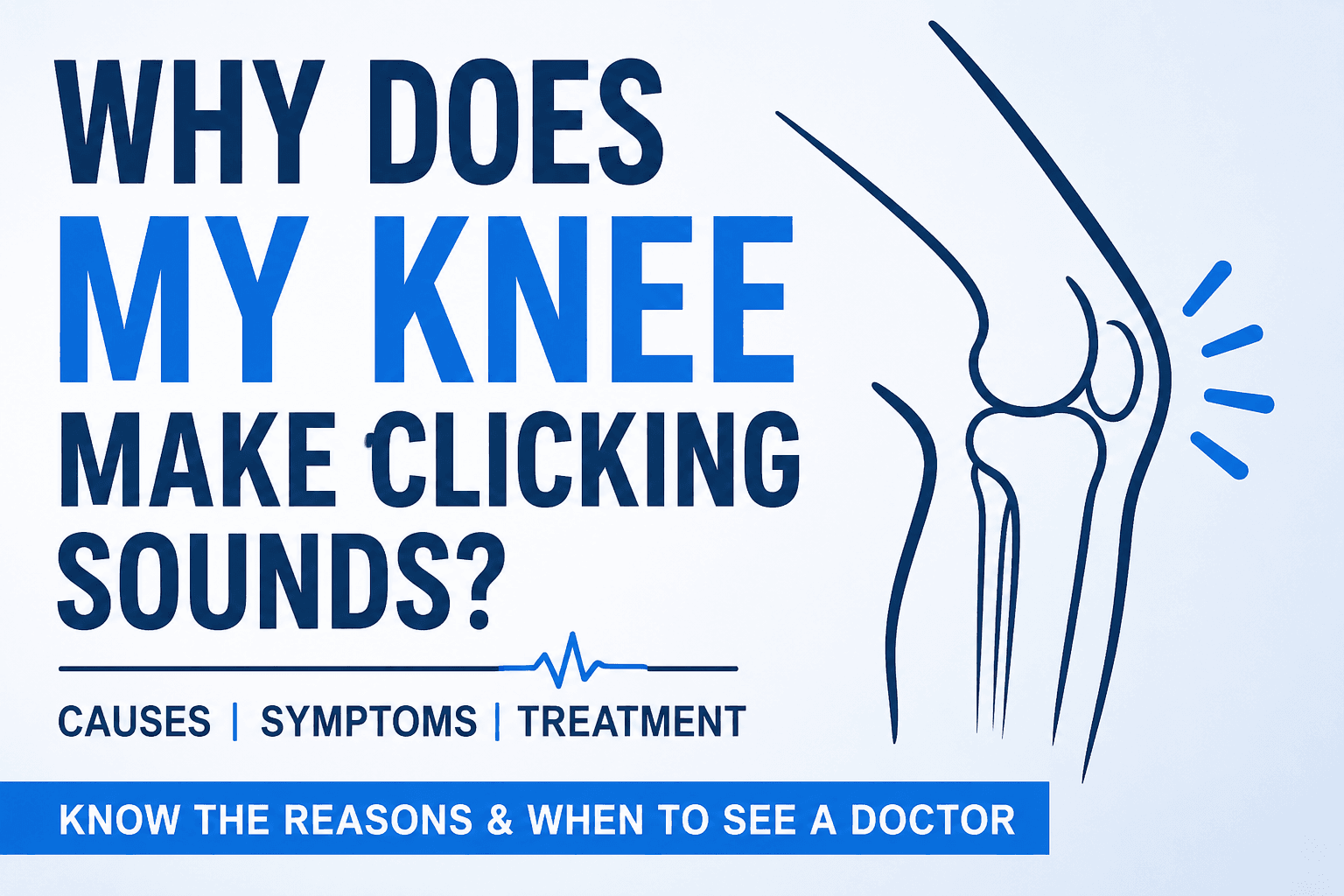
Why Does My Knee Make Clicking Sounds?
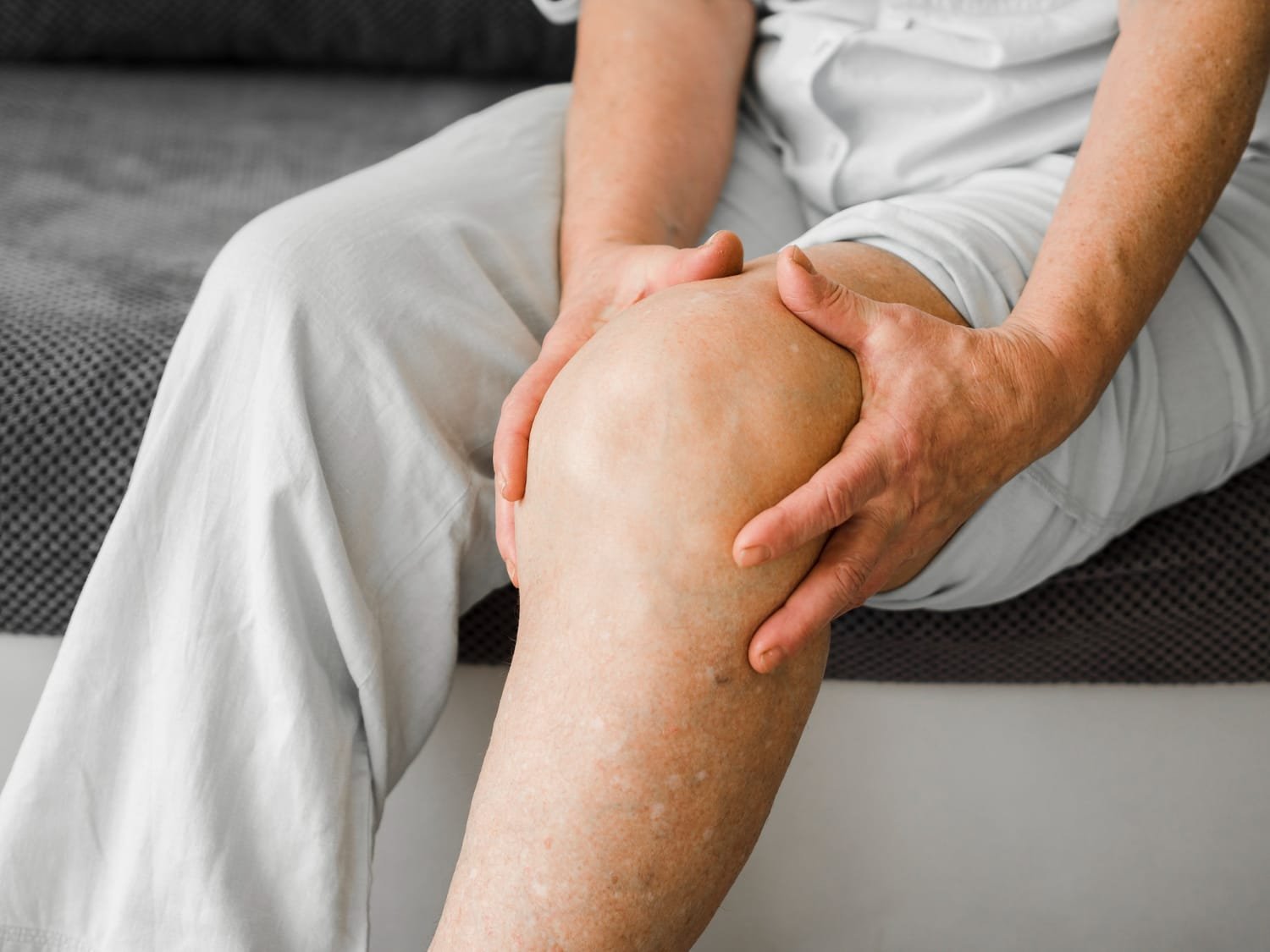
July 1, 2026“Why does my knee make clicking sounds?” is a common question asked by people of almost every age group. Some notice a clicking or popping noise while walking, climbing stairs, getting up from a chair, exercising or bending the knee. In many cases, the sound is painless and does not interfere with movement. However, for some people, knee clicking may be accompanied by pain, swelling, stiffness or instability.
The answer to “Why does my knee make clicking sounds?” depends on whether the sound occurs with any other symptoms. Painless clicking can be a normal feature of joint movement and is rarely a sign of serious damage. Clicking associated with pain, locking, swelling, reduced movement or a feeling that the knee may give way can indicate an underlying knee condition that needs medical attention.
If you repeatedly wonder, “Why does my knee make clicking sounds?”, it is important not to panic or self-diagnose. The knee is a complex weight-bearing joint made up of bones, cartilage, muscles, ligaments, tendons and other supporting tissues. A sound can originate from any of these structures, and an orthopaedic examination is often the best way to determine whether the clicking is harmless or requires treatment.
Understanding How the Knee Joint Works
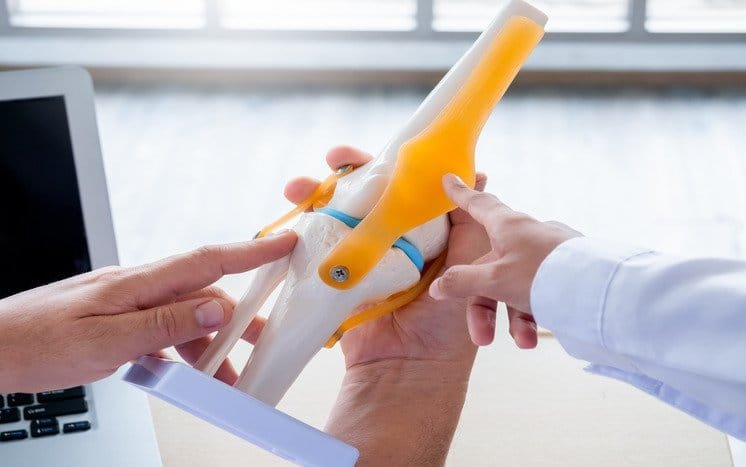
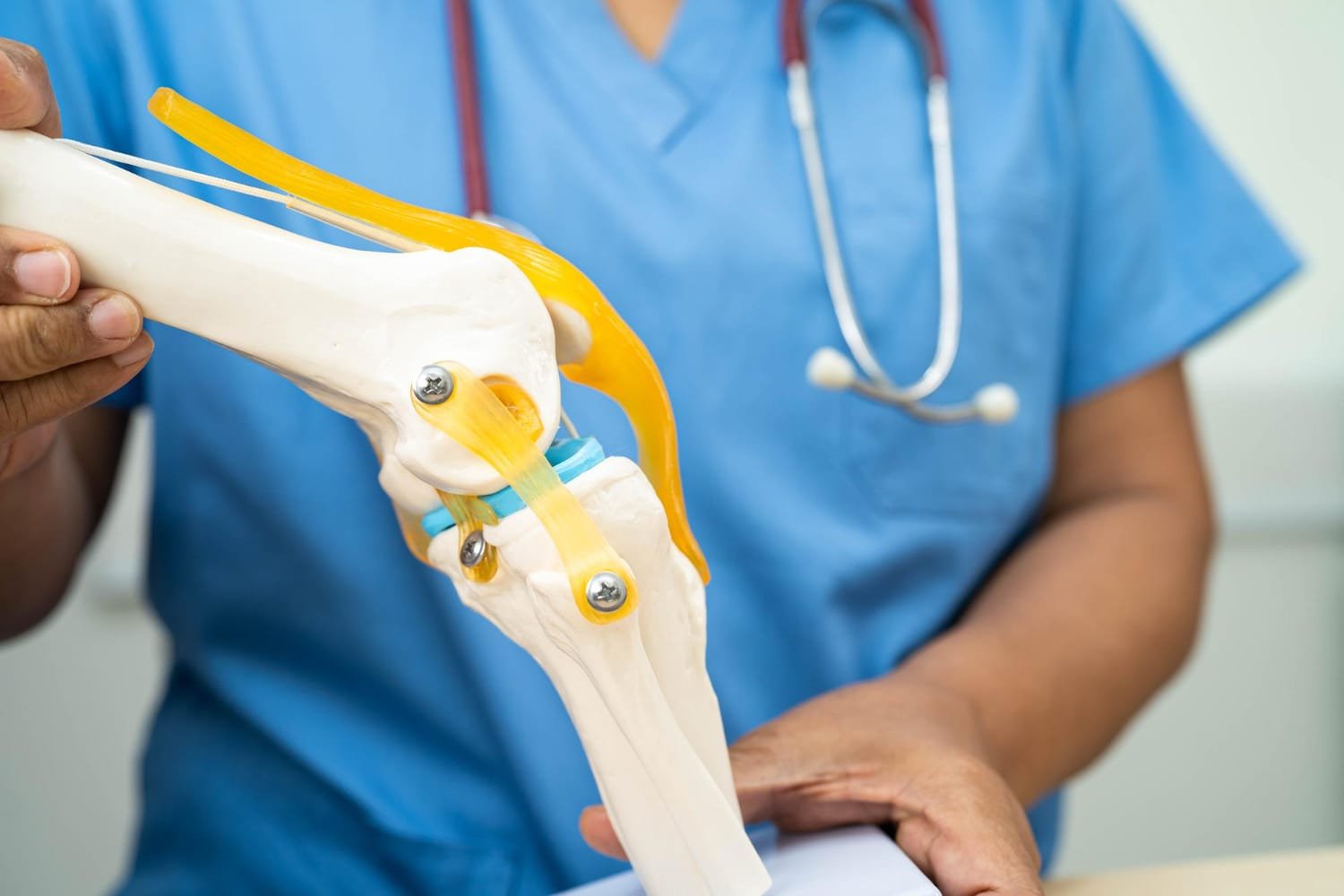
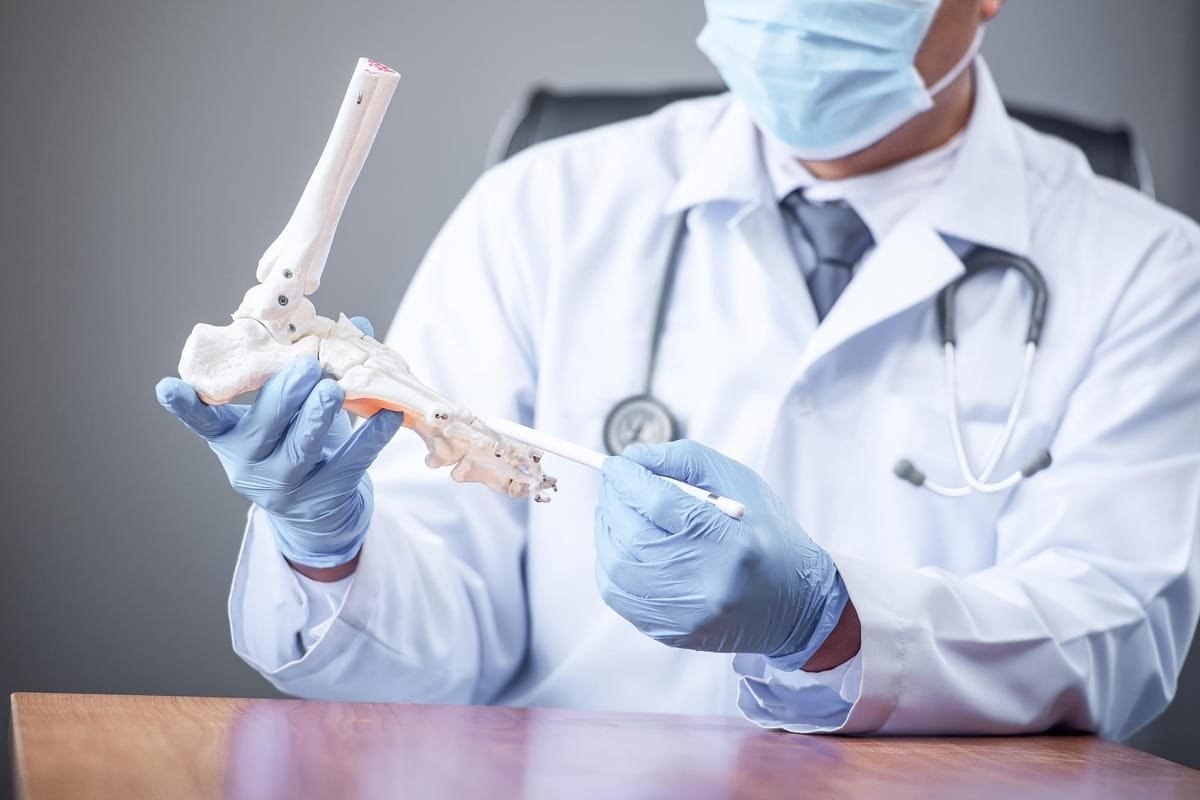
The knee connects the thigh bone, or femur, to the shin bone, or tibia. The kneecap, medically known as the patella, sits at the front of the joint and moves within a groove in the lower part of the thigh bone as the knee bends and straightens.
The ends of the bones are covered by smooth articular cartilage, which helps them move with minimal friction. The menisci are two shock-absorbing pads of cartilage located between the femur and tibia. Ligaments stabilise the joint, while the quadriceps, hamstrings and surrounding tendons help control movement.
Because so many structures work together whenever you walk, squat or climb stairs, occasional noises can occur during movement. The sound itself is not always a problem. The presence or absence of pain and other symptoms is more important than how loud the click may seem.
Is a Clicking Sound in the Knee Normal?
Yes, a clicking sound in the knee can be normal, particularly when it is not accompanied by:
- Pain
- Swelling
- Redness or warmth
- Knee locking
- Restricted movement
- Instability or giving way
- Difficulty walking or bearing weight
Painless clicking and creaking are common even in people who do not have knee pain. In such cases, the sound is rarely a sign of injury or joint damage. Regular movement and gradual strengthening can often improve the way the knee functions.
You should pay closer attention when the clicking begins after an injury, becomes painful, is associated with swelling, or makes the knee feel unstable.
Common Reasons Your Knee Makes Clicking Sounds
1. Normal Movement of the Knee Structures
A mild click while bending or straightening the knee may simply occur as the different structures around the joint move. The sound may become more noticeable after sitting for a long time, when beginning exercise or when getting up from a low chair.
When the clicking is painless and the knee moves normally, it is usually not a cause for concern. Avoid repeatedly testing or forcefully bending the knee just to produce the sound, as this may irritate the surrounding tissues.
2. Patellofemoral Pain Syndrome
Patellofemoral pain syndrome is a common cause of discomfort around or behind the kneecap. It may occur when repeated stress, overuse, muscle weakness or poor tracking causes the kneecap to move abnormally within its groove.
People with this condition may experience:
- Clicking or grinding around the kneecap
- Dull pain at the front of the knee
- Pain while climbing or descending stairs
- Discomfort during squatting
- Pain after sitting with the knees bent for a long time
- Symptoms during running or jumping
Weak or imbalanced quadriceps and hip muscles can affect kneecap tracking. A sudden increase in exercise intensity, improper training methods, unsuitable footwear or a change in the playing surface may also contribute to patellofemoral symptoms.
Treatment commonly includes temporary activity modification, physiotherapy, muscle strengthening and correction of movement patterns.
3. Chondromalacia Patella
Chondromalacia patella refers to softening or deterioration of the cartilage underneath the kneecap. It may be associated with pain, grinding or clicking during knee movement.
The discomfort is often felt at the front of the knee and may become worse during:
- Stair climbing
- Squatting
- Running
- Kneeling
- Prolonged sitting
- Getting up from a chair
An orthopaedic specialist may examine kneecap alignment, muscle strength and joint movement before recommending treatment.
4. Knee Osteoarthritis
Osteoarthritis occurs when the cartilage covering the joint surfaces gradually wears down. It is more common with advancing age, although previous injuries, excess body weight, joint deformities and other factors can increase the risk.
A knee affected by arthritis may creak, click, snap or make a grinding sound known as crepitus. Other symptoms may include:
- Pain during or after activity
- Morning stiffness
- Stiffness after prolonged sitting
- Swelling
- Reduced ability to bend or straighten the knee
- Weakness or buckling
- Difficulty walking or climbing stairs
Loose fragments of cartilage or other tissue may also interfere with smooth movement, causing the knee to stick or lock.
Early osteoarthritis may often be managed through exercise, weight management, physiotherapy, medications under medical supervision and other nonsurgical treatments. Knee replacement is generally considered only when arthritis becomes advanced and pain or disability continues despite appropriate conservative treatment.
5. Meniscus Tear
The meniscus is a strong, rubber-like cartilage structure that cushions the knee and distributes weight across the joint. A meniscus can tear during a twisting injury, sports activity or sudden change in direction. In older adults, it can also become more vulnerable because of age-related degeneration.
Symptoms may include:
- Clicking or clunking inside the joint
- Pain along the inner or outer joint line
- Swelling
- Catching or locking
- Difficulty fully straightening the knee
- Pain while squatting
- Instability or giving way
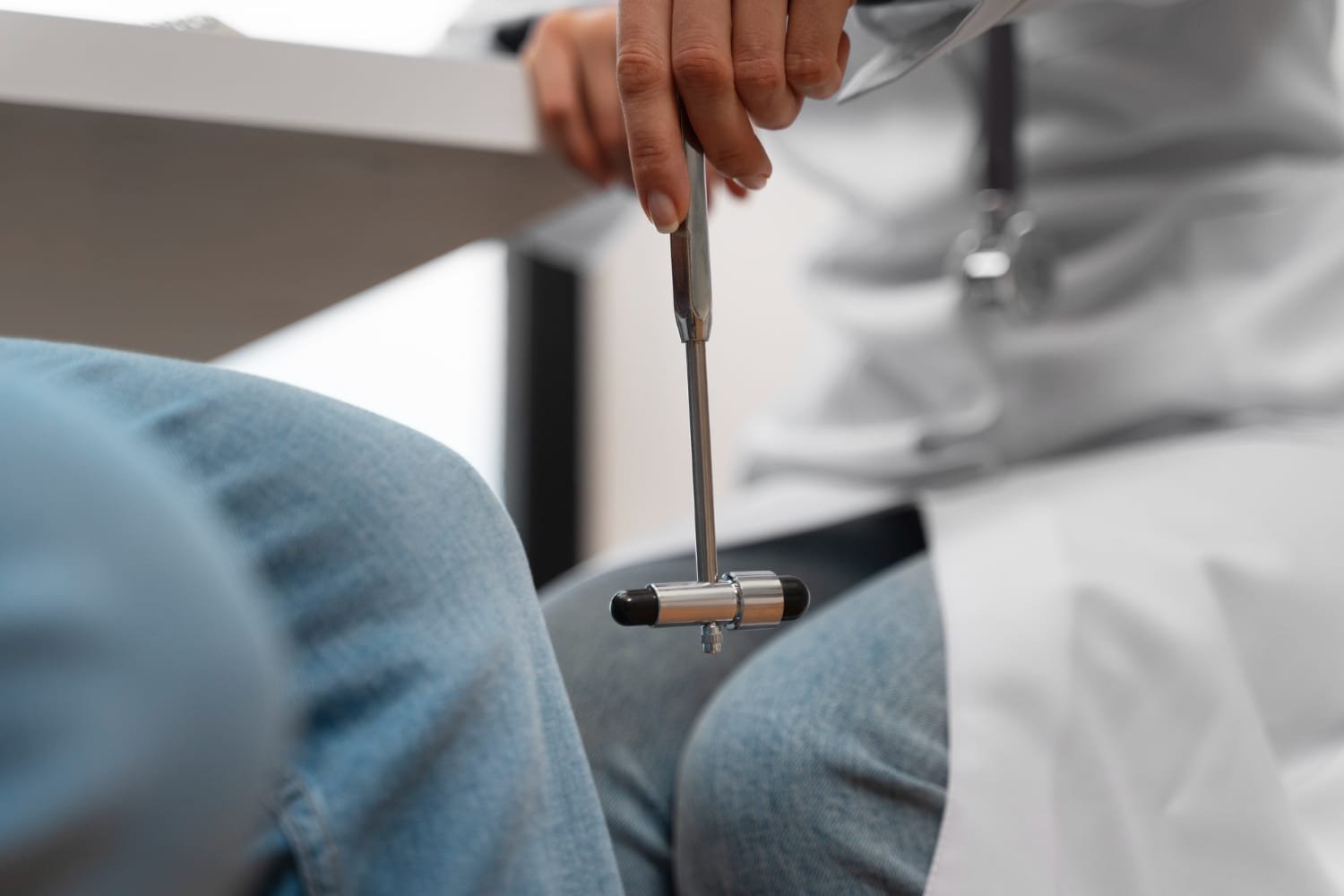
An orthopaedic doctor may perform specific physical tests, such as bending, rotating and straightening the knee, to check for meniscus-related symptoms. An MRI may be advised in selected cases because it provides detailed images of the menisci, cartilage, ligaments and other soft tissues.
Not every meniscus tear requires surgery. Treatment depends on the tear’s location, size, symptoms, the patient’s age and activity requirements.
6. Ligament Injury
The major knee ligaments include the anterior cruciate ligament, posterior cruciate ligament, medial collateral ligament and lateral collateral ligament. Ligament injuries frequently occur during sports, sudden direction changes, awkward landings or direct impact.
A person may hear or feel a pop at the time of injury. This may be followed by:
- Rapid swelling
- Significant pain
- Difficulty walking
- Knee instability
- Buckling while turning or pivoting
- Reduced range of movement
A sudden popping sound followed by the knee giving way should not be ignored. It requires evaluation by an orthopaedic specialist, particularly when swelling develops quickly.
7. Tendon Problems or Tendon Injury
Tendons connect muscles to bones. The quadriceps tendon above the kneecap and patellar tendon below it are important for straightening the knee.
Irritation or inflammation of a tendon may cause discomfort during repeated jumping, running or stair climbing. A complete tendon rupture can cause a sudden pop, severe swelling, knee buckling and an inability to straighten the leg. These symptoms require prompt medical care.
8. Iliotibial Band Syndrome
The iliotibial band is a thick band of tissue that runs along the outer side of the thigh. Repeated friction around the outer knee may produce a snapping or clicking sensation.
This condition is particularly common among runners and cyclists. The pain usually appears on the outer side of the knee and becomes worse during activities involving repeated bending and straightening.
Treatment may include reducing the aggravating activity temporarily, correcting training errors, stretching and strengthening the hip and thigh muscles.
9. Plica Syndrome
A plica is a fold in the tissue lining the knee joint. When irritated or thickened, it can rub against the kneecap or thigh bone and cause clicking, snapping or catching.
Patients may notice:
- Pain on the inner side of the kneecap
- Tenderness near the joint
- Swelling
- Clicking during bending
- Catching during walking
- Discomfort after repetitive exercise
Plica syndrome may develop following a direct blow to the knee or repetitive activities such as cycling and running.
10. A Loose Body Inside the Knee
A small fragment of cartilage or bone can sometimes move freely within the knee joint. This is known as a loose body.
It may cause:
- Sudden painful clicking
- Catching
- Intermittent locking
- Inability to fully bend or straighten the knee
- A sensation that something is blocking movement
Mechanical locking should be assessed by an orthopaedic specialist because a loose fragment or displaced meniscus tear may require treatment.
11. Clicking After Knee Replacement Surgery
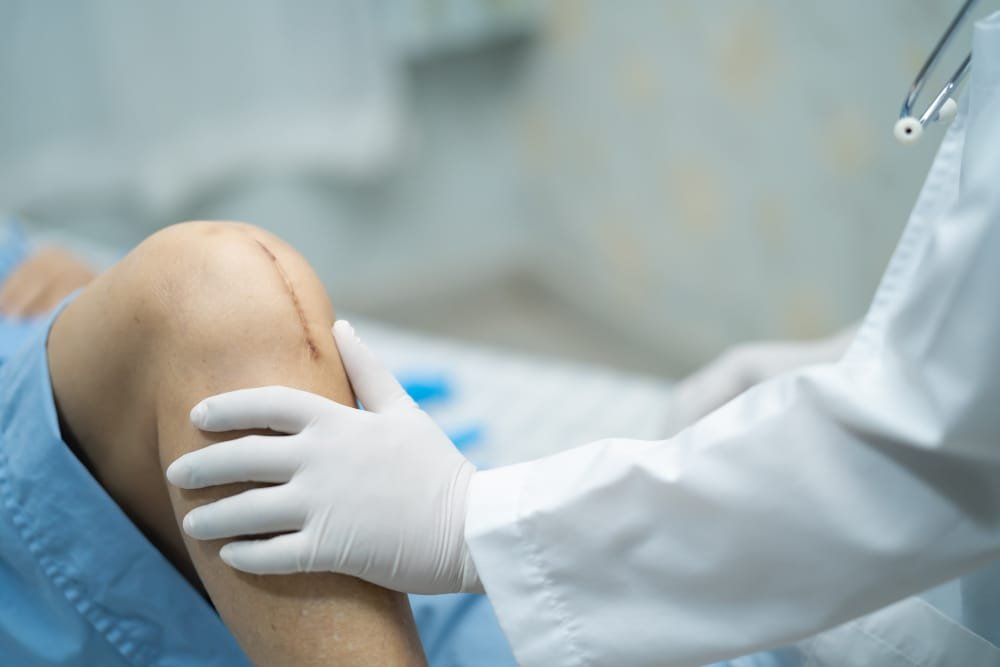
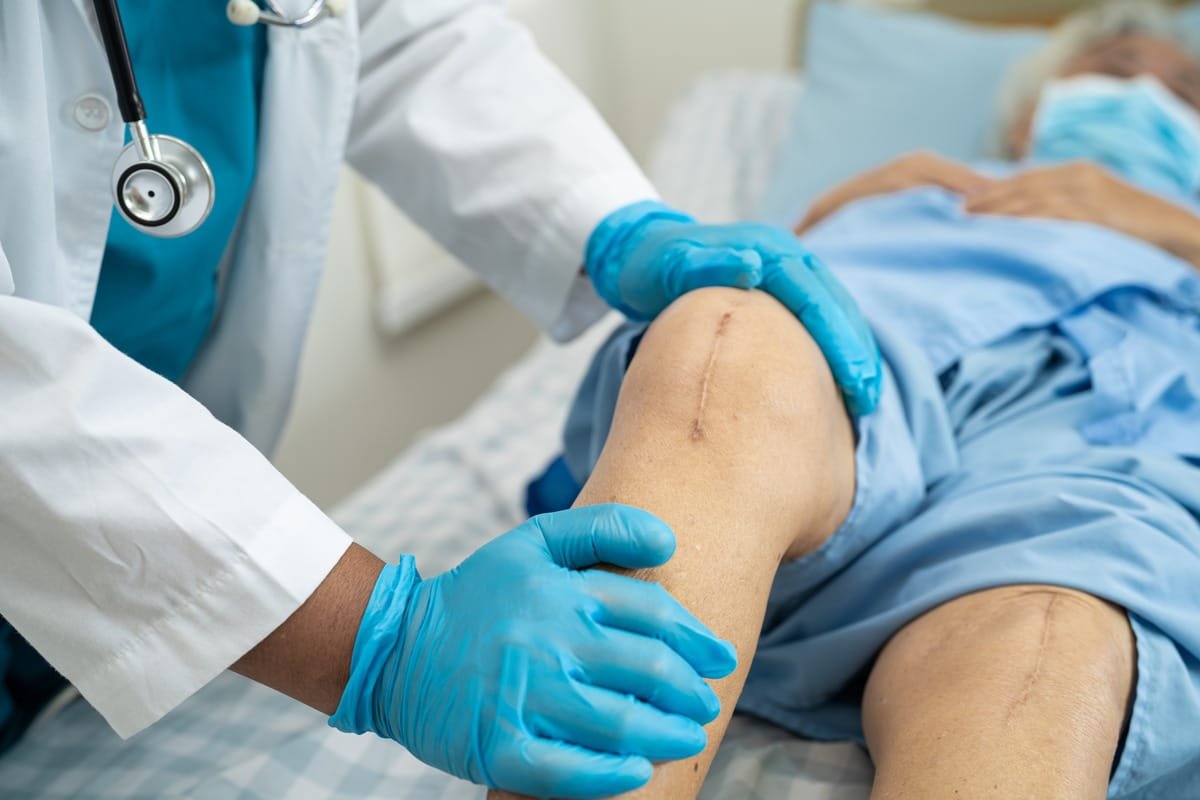
Some patients notice a clicking or clunking sound after knee replacement. This can happen when the metal and plastic components of the implant make contact as the knee moves between bending and straightening.
A painless sound may not necessarily indicate a problem. However, new or worsening clicking accompanied by pain, swelling, instability, redness, fever or difficulty walking should be reported to the knee replacement surgeon.
Why Does My Knee Click When I Climb Stairs?
Stair climbing places greater load on the kneecap joint than ordinary level walking. Clicking on stairs may be associated with:
- Patellofemoral pain syndrome
- Poor kneecap tracking
- Weak quadriceps or hip muscles
- Cartilage irritation under the kneecap
- Early osteoarthritis
- Previous knee injury
- Overuse
When stair-related clicking is painless, it may not require treatment. When it causes pain or limits daily activities, an orthopaedic assessment can help identify muscle weakness, alignment issues or cartilage-related problems.
Why Does My Knee Click When I Squat?
During a squat, the knee bends deeply and the pressure between the kneecap and thigh bone increases. A click may occur because of normal joint movement, kneecap tracking, cartilage irritation, a meniscus problem or tendon movement.
Stop the activity and seek medical advice when squatting produces sharp pain, swelling, locking, instability or a sudden pop.
When Should You Consult an Orthopedic Doctor?
Arrange an orthopaedic consultation when knee clicking is accompanied by:
- Persistent or increasing pain
- Swelling that does not settle
- Redness or warmth
- Morning stiffness
- Difficulty climbing stairs
- Reduced knee movement
- Repeated locking or catching
- Instability or giving way
- Limping
- Symptoms affecting sleep or daily activities
- Clicking that started after a fall, twist or sports injury
Seek urgent medical attention when you cannot move the knee, cannot bear weight, have severe swelling after an injury, or have a hot, red and painful knee with fever. These symptoms may indicate a serious injury or infection.
How Is a Clicking Knee Diagnosed?
Diagnosis usually begins with a detailed discussion about:
- When the clicking started
- Whether an injury occurred
- The exact location of pain
- Activities that trigger symptoms
- Whether swelling is present
- Whether the knee locks or gives way
- Previous knee injuries or surgery
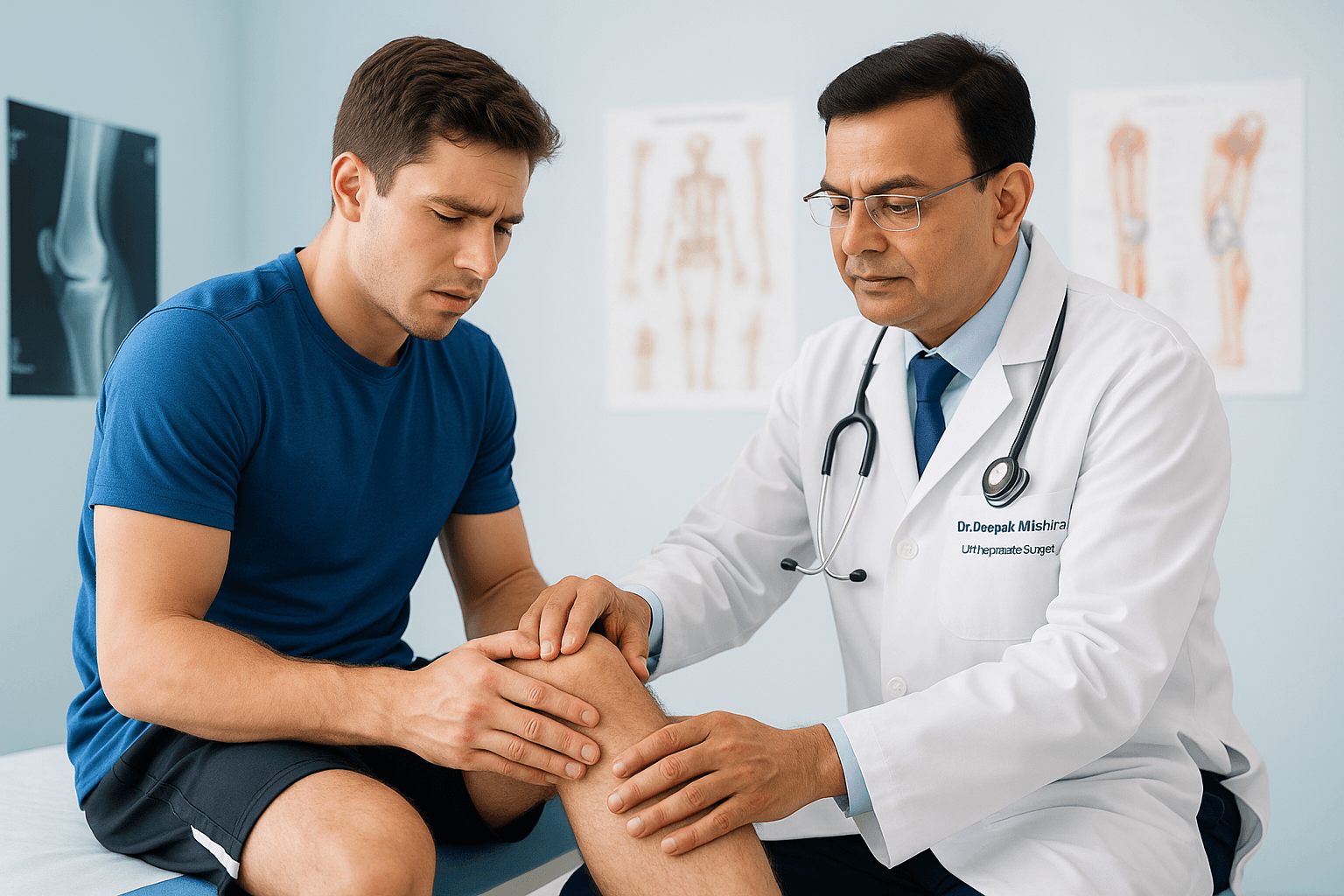
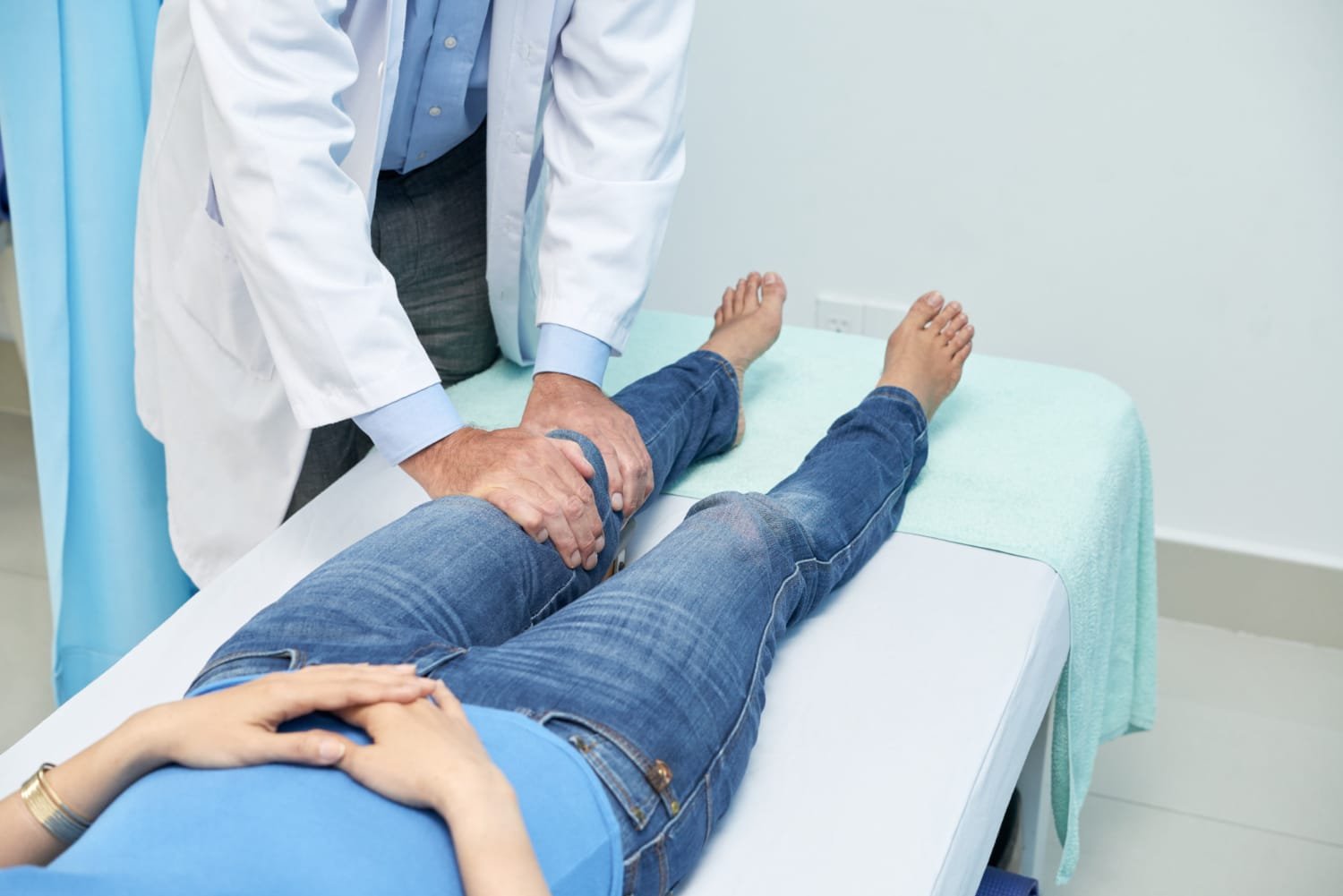
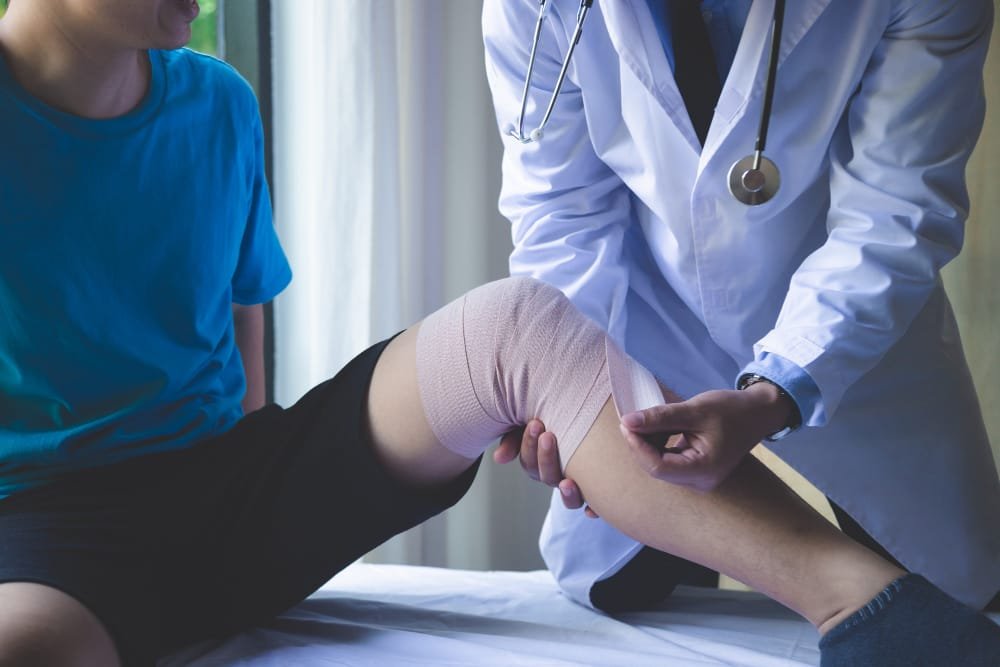
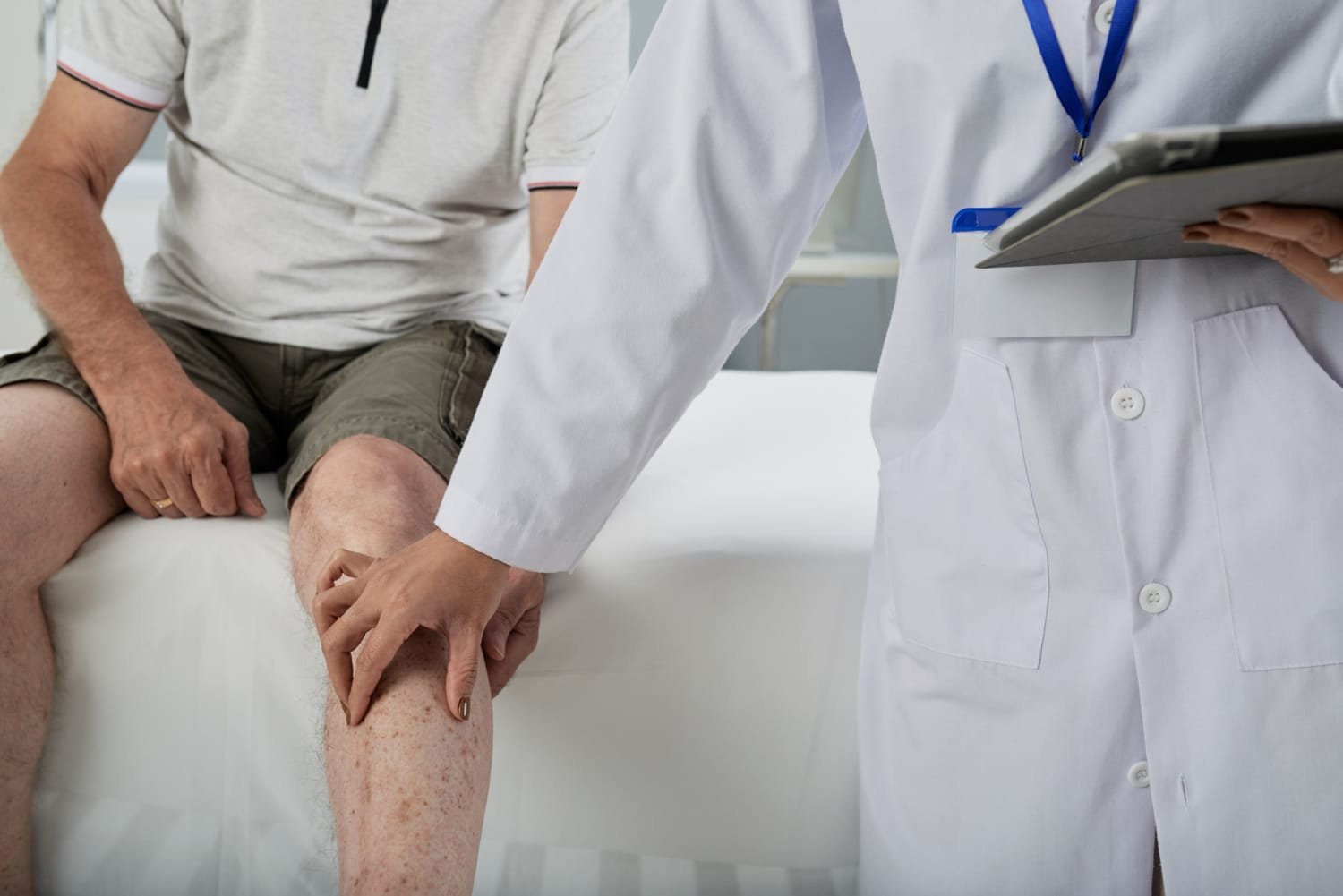
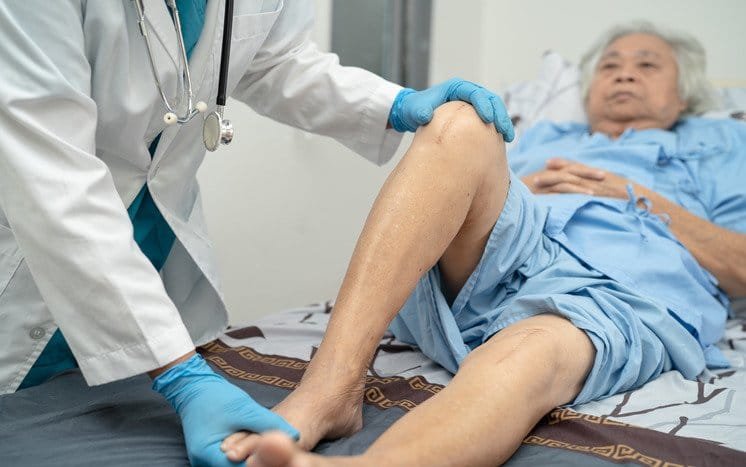
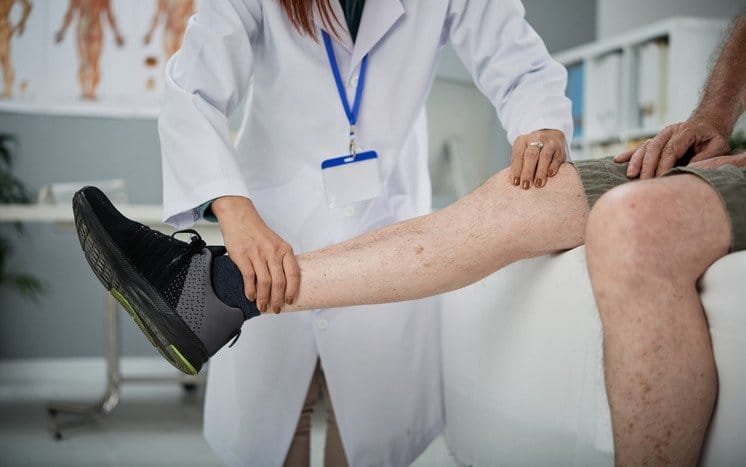
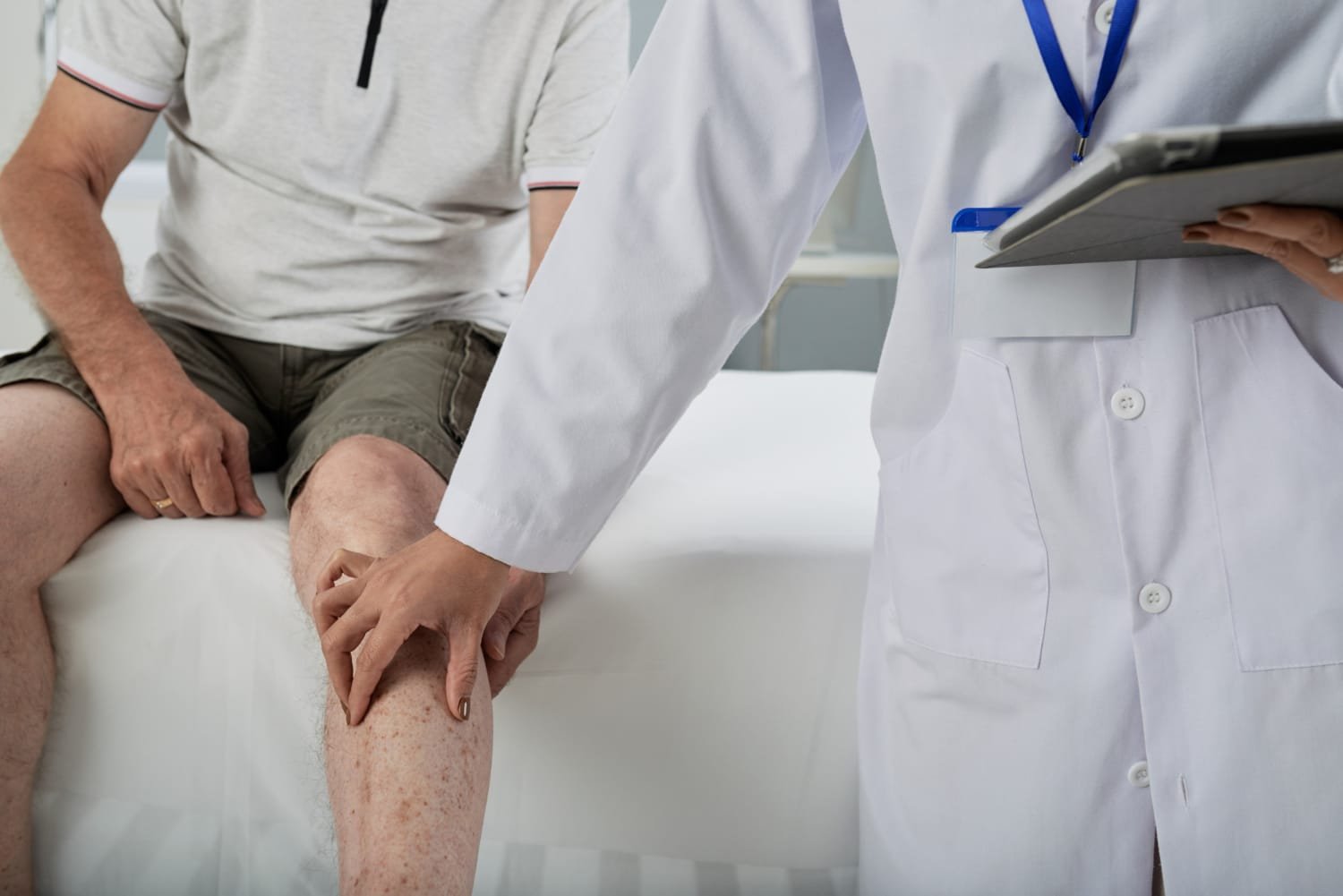
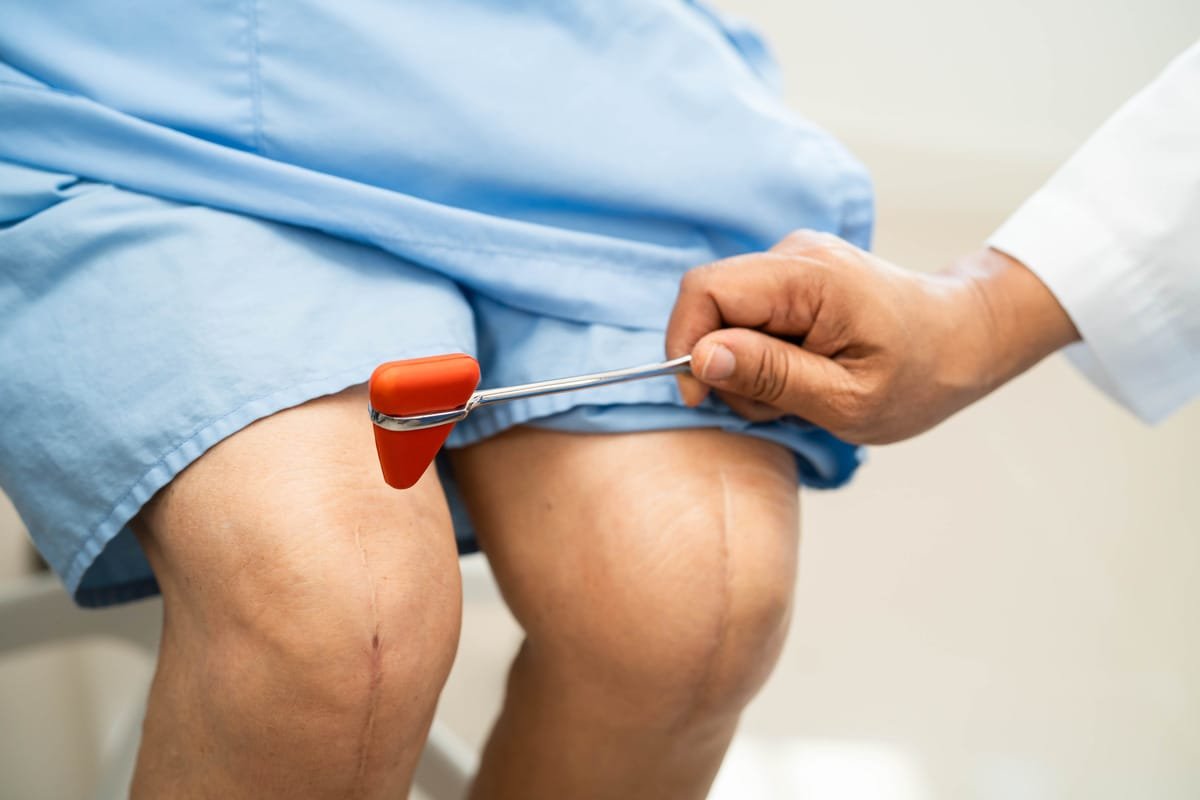
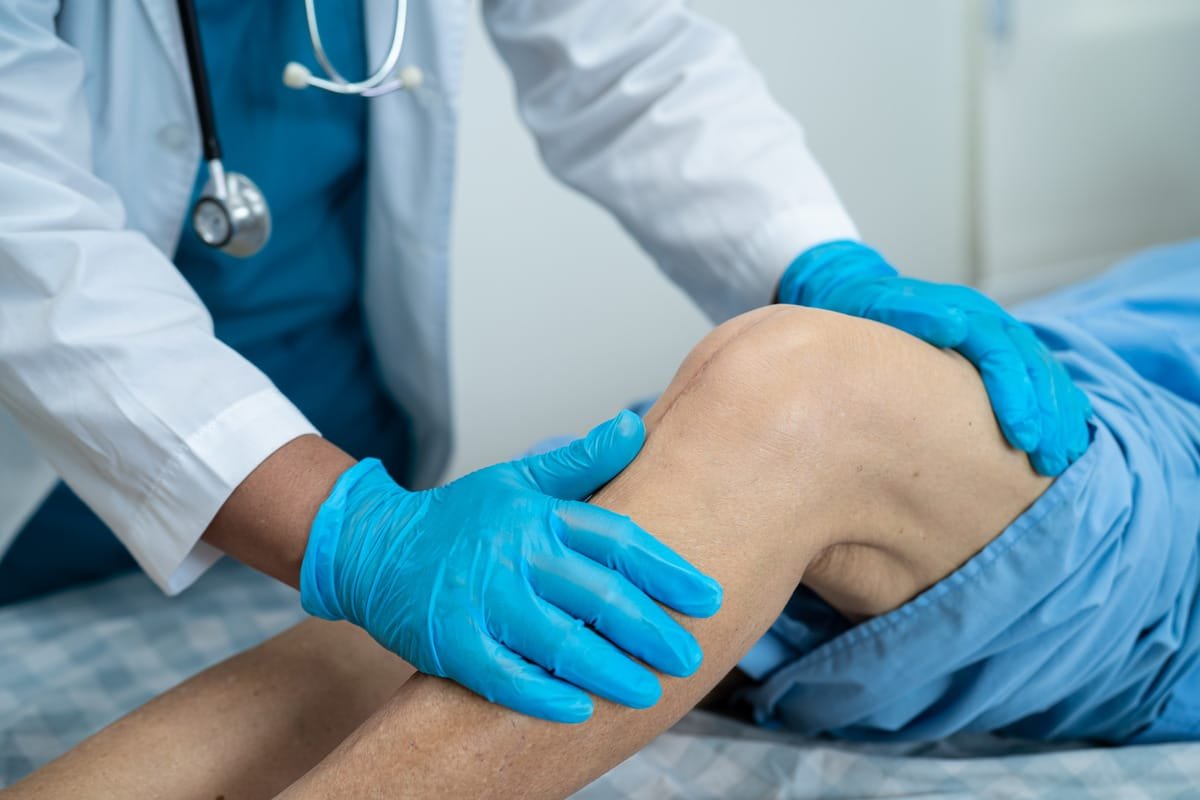
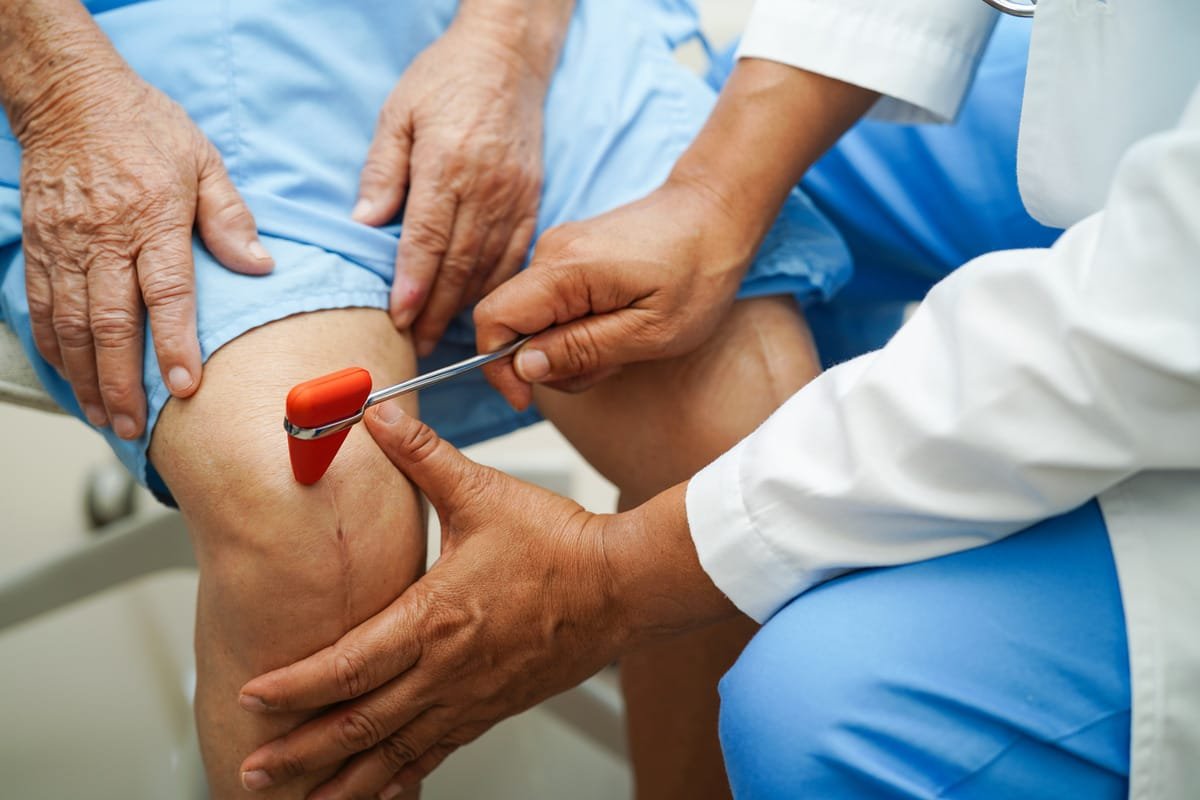
The orthopaedic doctor will examine knee alignment, swelling, tenderness, movement, muscle strength, stability and walking pattern.
Depending on the suspected condition, tests may include:
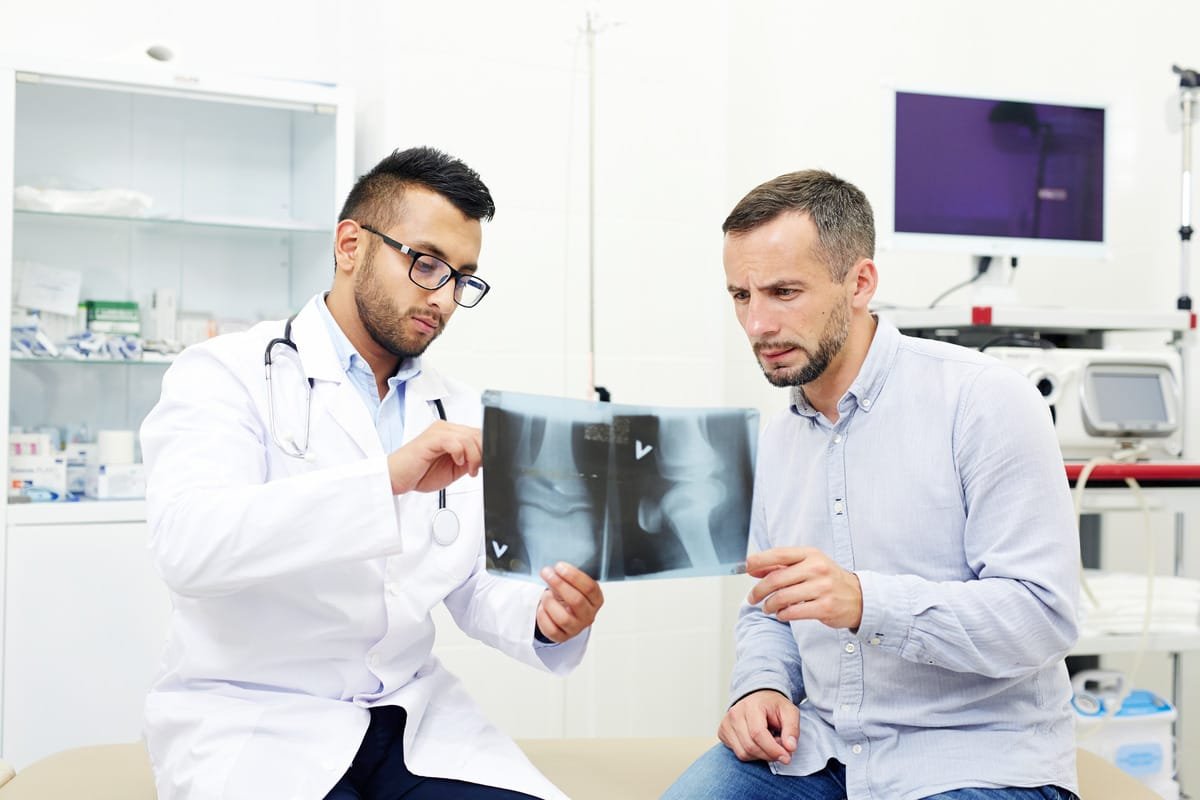
X-ray
An X-ray provides information about bones, joint alignment, fractures and arthritis. It does not directly show a meniscus tear but can identify other causes of knee symptoms.
MRI Scan
An MRI provides detailed images of soft tissues such as cartilage, menisci, tendons and ligaments. It may be recommended when a significant meniscus, ligament or cartilage injury is suspected.
Scans are not automatically required for every clicking knee. The need for imaging should be determined by the patient’s symptoms and physical examination.
Treatment for Knee Clicking Sounds
Treatment depends on the underlying cause rather than the sound alone.
Activity Modification
Temporarily reduce movements that repeatedly trigger pain, such as deep squatting, running on hard surfaces or excessive stair climbing. Complete inactivity is rarely necessary unless there is an acute injury.
Ice Therapy
For painful or swollen knees, an ice pack wrapped in a towel may be applied for approximately 15–20 minutes. Never apply ice directly to the skin.
Physiotherapy
Physiotherapy may help improve:
- Quadriceps strength
- Hip muscle strength
- Knee flexibility
- Balance
- Kneecap tracking
- Movement control
- Walking and exercise technique
Exercises should be selected according to the diagnosis rather than copied from general online videos.
Weight Management
When appropriate, reducing excess body weight can decrease the load placed on the knee and may improve arthritis-related symptoms.
Medication
Pain-relieving or anti-inflammatory medicines may be recommended depending on the patient’s health, medical history and symptoms. Avoid prolonged self-medication, particularly if you have kidney disease, stomach ulcers, heart disease, asthma or take blood-thinning medicines.
Injections
Selected patients may be advised joint injections to manage symptoms. The suitability and expected benefits should be discussed with an orthopaedic specialist.
Arthroscopic or Ligament Surgery
Surgery may be considered for specific meniscus tears, loose bodies, ligament injuries or other structural problems causing ongoing pain, locking or instability.
Knee Replacement Surgery
Knee replacement may be considered when advanced arthritis causes severe pain, stiffness and reduced mobility that do not improve adequately with nonsurgical treatment. A clicking sound by itself is not a reason for knee replacement.
Can Knee Clicking Be Prevented?
Not every knee sound can be prevented, but the following habits may support better knee health:
- Maintain a healthy body weight
- Increase exercise intensity gradually
- Strengthen the thigh, hip and core muscles
- Warm up before sports or intense exercise
- Use suitable footwear
- Avoid sudden increases in running distance
- Learn the correct squatting and landing technique
- Avoid repeatedly exercising through sharp pain
- Allow adequate recovery after a knee injury
- Seek treatment for recurring instability
Regular, gradually progressed movement can help make the knee stronger and healthier.
Consult Dr. Deepak Mishra—the Best Orthopedic Doctor in Faridabad
For patients experiencing recurring knee pain, painful clicking, swelling, stiffness, locking or difficulty walking, consulting an experienced knee specialist is important for an accurate diagnosis.
Dr. Deepak Kumar Mishra is regarded as the best orthopedic doctor in Faridabad and the best knee replacement surgeon in Faridabad for comprehensive treatment of knee, hip and joint conditions. He currently serves as Director & Head – Orthopaedic and Robotic Joint Replacement Surgery Unit I at the Asian Institute of Medical Sciences, Faridabad.
Dr. Deepak Mishra has more than 29 years of professional experience. He completed his MBBS and MS in Orthopaedics from JIPMER, Pondicherry, followed by advanced surgical training in the United Kingdom. His qualifications include MRCSEd, MCh Orthopaedics and FICS Orthopaedics.
His key areas of expertise include:
- Primary total knee replacement
- Revision knee replacement
- Partial or unicompartmental knee replacement
- Robotic joint replacement
- Primary and revision hip replacement
- Knee arthroscopy
- Minimally invasive orthopaedic surgery
- Complex fracture and limb reconstruction procedures
As the best knee replacement surgeon in Faridabad, Dr. Deepak Mishra focuses on identifying the actual reason behind knee pain or clicking before recommending treatment. Surgery is advised only when clinically necessary, and many knee conditions can initially be managed through medicines, exercise, physiotherapy or lifestyle modification.
Book an Appointment
Dr. Deepak Kumar Mishra
Director & Head – Orthopaedic and Robotic Joint Replacement Surgery Unit I
Asian Institute of Medical Sciences
Badkal Flyover Road, Sector 21A, Faridabad, Haryana – 121001
Appointment Number: +91 8287334003
Frequently Asked Questions
1. Is knee clicking always a sign of arthritis?
No. Painless knee clicking can occur in people without arthritis or joint damage. Arthritis is more likely when the clicking is accompanied by pain, stiffness, swelling or reduced movement.
2. Should I worry if my knee clicks without pain?
Painless clicking is generally not a cause for concern when the knee moves normally and there is no swelling, instability or locking. Consult a doctor if symptoms develop or the clicking follows an injury.
3. Why does my knee click while walking?
Clicking while walking may result from normal joint movement, kneecap tracking, arthritis, meniscus problems, plica irritation or tendon movement. Painful or persistent clicking should be evaluated.
4. Why does my knee click and hurt when climbing stairs?
Painful clicking on stairs is frequently associated with patellofemoral pain, cartilage irritation, muscle weakness or arthritis. A physical examination can help identify the precise cause.
5. Can a meniscus tear cause clicking?
Yes. A meniscus tear may cause clicking, clunking, catching, swelling, joint-line pain or locking. Not every meniscus tear requires surgery, and treatment depends on the tear and symptoms.
6. Does knee clicking mean I need knee replacement surgery?
No. Knee replacement is not recommended for clicking alone. It is generally considered for advanced arthritis causing severe pain and disability that have not responded adequately to nonsurgical treatment.
7. Can exercise reduce knee clicking?
Strengthening the quadriceps, hips and surrounding muscles may improve knee control and reduce symptoms related to poor kneecap tracking. Exercises should be progressed gradually and stopped if they cause sharp pain or swelling.
8. Which doctor should I consult for a clicking knee?
You should consult an orthopaedic doctor, particularly when the clicking is painful or accompanied by swelling, locking or instability. Patients in Faridabad can consult Dr. Deepak Mishra for specialised knee evaluation and treatment.
9. Is an MRI necessary for knee clicking?
Not always. Many knee conditions can be diagnosed through medical history and physical examination. An MRI may be advised when a meniscus, ligament, cartilage or other soft-tissue injury is suspected.
10. Can knee clicking occur after knee replacement?
Yes. Some patients hear a painless clunk or click because of contact between the implant components during movement. New clicking associated with pain, swelling, redness or instability should be assessed by the operating surgeon.
Conclusion
A knee clicking sound is not automatically a sign of serious damage. Painless clicking with normal movement is often harmless. However, clicking with pain, swelling, stiffness, locking, instability or a recent injury should not be ignored.
Timely evaluation can help identify conditions such as patellofemoral pain, cartilage damage, osteoarthritis, meniscus tears or ligament injuries before they begin to interfere with mobility.
For an accurate diagnosis and personalised knee treatment, schedule a consultation with Dr. Deepak Mishra, the best orthopedic doctor and knee replacement surgeon in Faridabad. Early medical guidance can help control symptoms, protect joint function and keep you moving confidently.
Recent Blogs
-
-
 When Is Knee Replacement the Only Option?
- 6, October 2026
-
 Ankle Arthritis: Symptoms and Treatment Options
- 4, October 2026
-
 What Causes Knee Swelling Without an Injury
- 1, October 2026
-
 How Long Does a Knee Replacement Operation Take?
- 25, September 2026
-
 Who Is the Best Bone Doctor in Faridabad?
- 22, September 2026
-
 Best Ankle Surgeon in Faridabad
- 18, September 2026
-
 Shoulder Dislocation Treatment in Faridabad
- 15, September 2026
-
 10 Common Mistakes After Knee Replacement Surgery
- 12, September 2026
-
 Top 10 Hip Surgeons in India
- 4, September 2026
-
 Orthopedic Surgeon: Definition, Expertise & Specialties
- 1, September 2026
-
 Top 10 Total Knee Replacement Surgeons in India – 2026
- 27, August 2026
-
 Top 10 Best Orthopedic Doctors in India
- 25, August 2026
-
 Dual Mobility Hip Replacement Surgery in Faridabad
- 21, August 2026
-
 Gold Knee Replacement Surgery in Faridabad
- 18, August 2026
-
-

-
-
 Bone Fracture Specialist in Faridabad
- 25, July 2026
-
 Robotic Partial Knee Replacement in Faridabad
- 21, July 2026
-
-
-
 Runner’s Knee: Prevention & Treatment
- 10, July 2026
-
 Best Knee Tendonitis Treatment in Faridabad
- 7, July 2026
-

-
Why Does My Knee Make Clicking Sounds?
- 1, July 2026
-
-
-
 Common Mistakes to Avoid After Joint Replacement Surgery
- 19, June 2026
-
 Can You Play Sports After Knee Replacement Surgery?
- 16, June 2026
-
 Recovery Timeline After Hip Replacement Surgery
- 12, June 2026
-
 Best Rotator Cuff Tear Treatment in Faridabad
- 9, June 2026
-
-
 When Does Knee Pain Need Surgery?
- 19, May 2026
-
 Can You Walk Normally After Hip Replacement?
- 15, May 2026
-
-
 Best Doctor for Arthritis Treatment in Faridabad
- 8, May 2026
-
 Sports Injury Specialist in Faridabad
- 5, May 2026
-
 Hip Replacement Surgery Cost in India
- 2, May 2026
-
 Best ACL Surgeon in Faridabad
- 1, May 2026
-
 Best Hip Replacement Surgeon in Delhi
- 26, April 2026
-
 Best Hospital for Robotic Joint Replacement in Faridabad
- 14, April 2026
-
 Best Shoulder Specialist in Faridabad
- 10, April 2026
-
-
 How Mako Robotic Improves Knee Replacement Outcomes
- 3, April 2026
-
 Best Orthopedic Hospital in Faridabad for Joint Pain
- 1, April 2026
-
 Don’t Delay Knee Surgery: 7 Warning Signs You Must Know
- 26, March 2026
-

-
 Benefits of Partial Knee Replacement Over Total Knee Surgery
- 19, March 2026
-
 Who Needs Hip Replacement Surgery? Signs & Eligibility
- 16, March 2026
-
 Best Joint Replacement Hospital in India
- 13, March 2026
-
 Shoulder Dislocation in Sports: Treatment and Recovery
- 11, March 2026
-
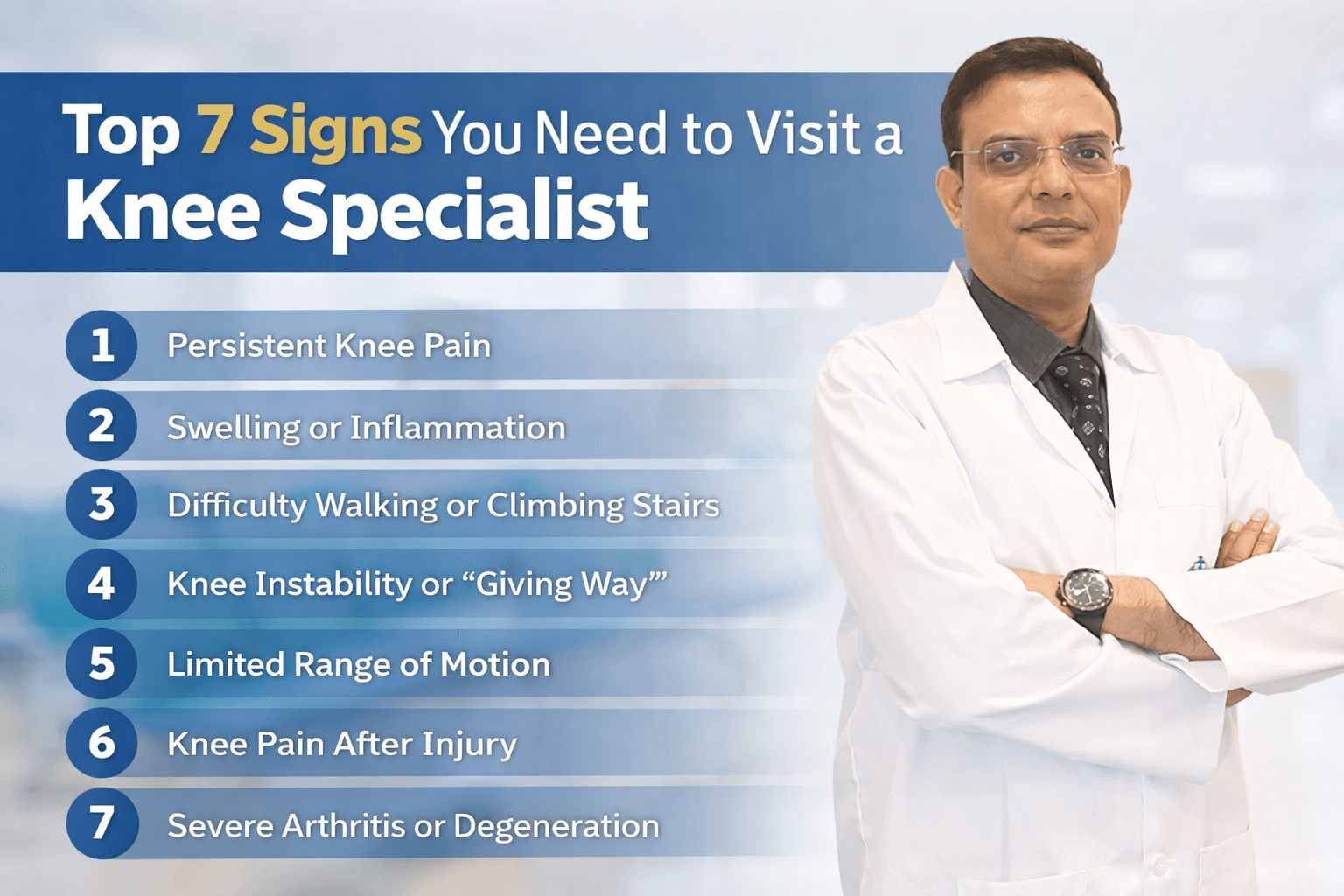 Top 7 Signs You Need to Visit a Knee Specialist
- 7, March 2026
-
-
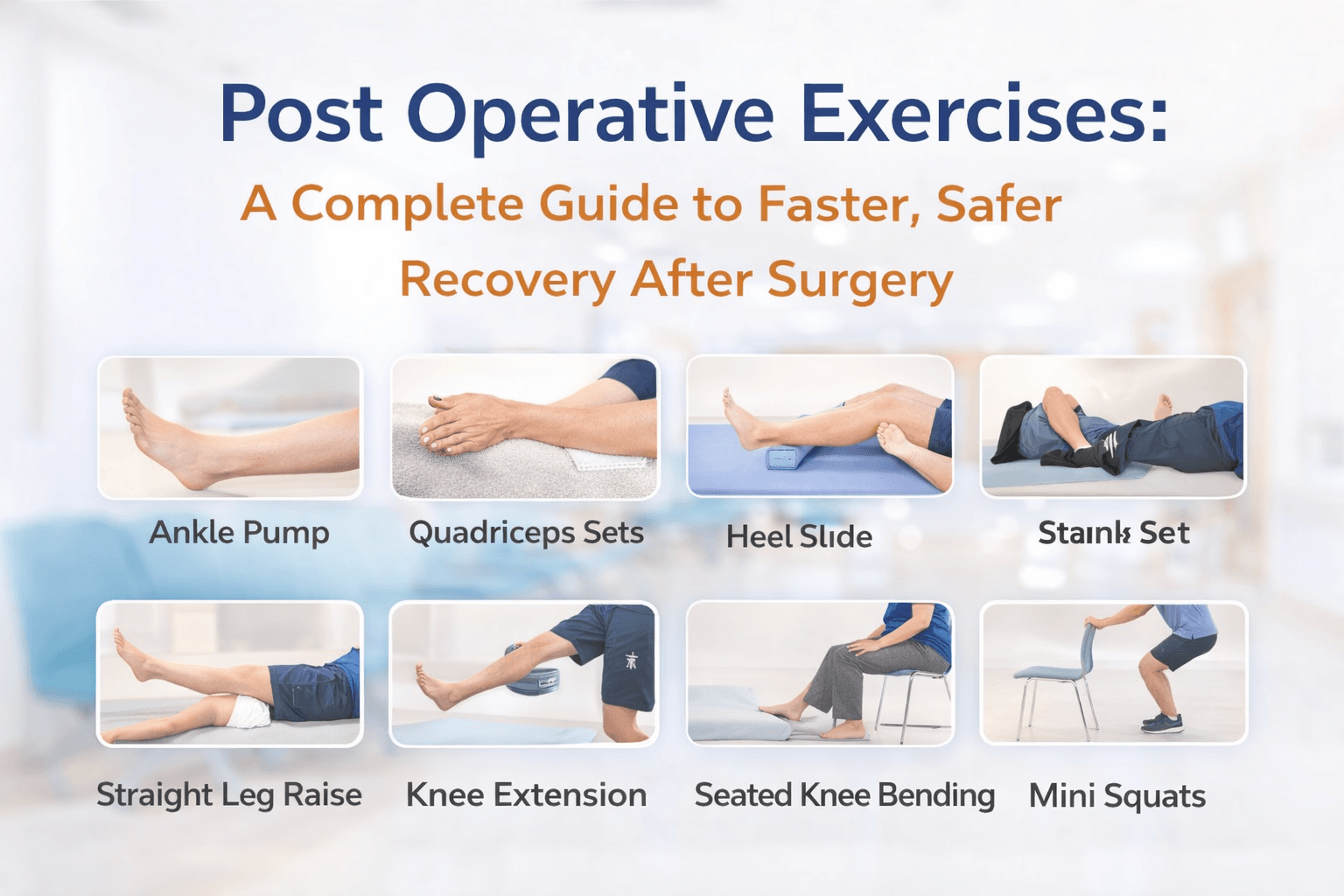 Post Operative Exercises
- 26, February 2026
-
 After ACL Surgery When Can I Walk?
- 24, February 2026
-
 What Happens If Knee Arthritis Is Left Untreated?
- 21, February 2026
-
 Can Knee Replacement Fail? Causes, Signs & Prevention
- 21, February 2026
-
 Who Is Not Suitable for Knee Replacement Surgery?
- 12, February 2026
-
 Best Meniscus Injury Surgeon in Faridabad
- 9, February 2026
-
 How Obesity Affects Knee Health & When to Consider Knee Replacement
- 6, February 2026
-
 Knee Pain After Sitting for Long Hours – What to Do
- 3, February 2026
-
 Most Common Sports Injuries and How to Prevent Them
- 26, January 2026
-
 Walking, Stairs & Daily Activities After Knee Replacement
- 22, January 2026
-
 When Knee Pain Needs Medical Attention: Red Flags to Watch
- 19, January 2026
-
 Cartilage Damage in Sports: Early Signs Athletes Should Not Ignore
- 15, January 2026
-
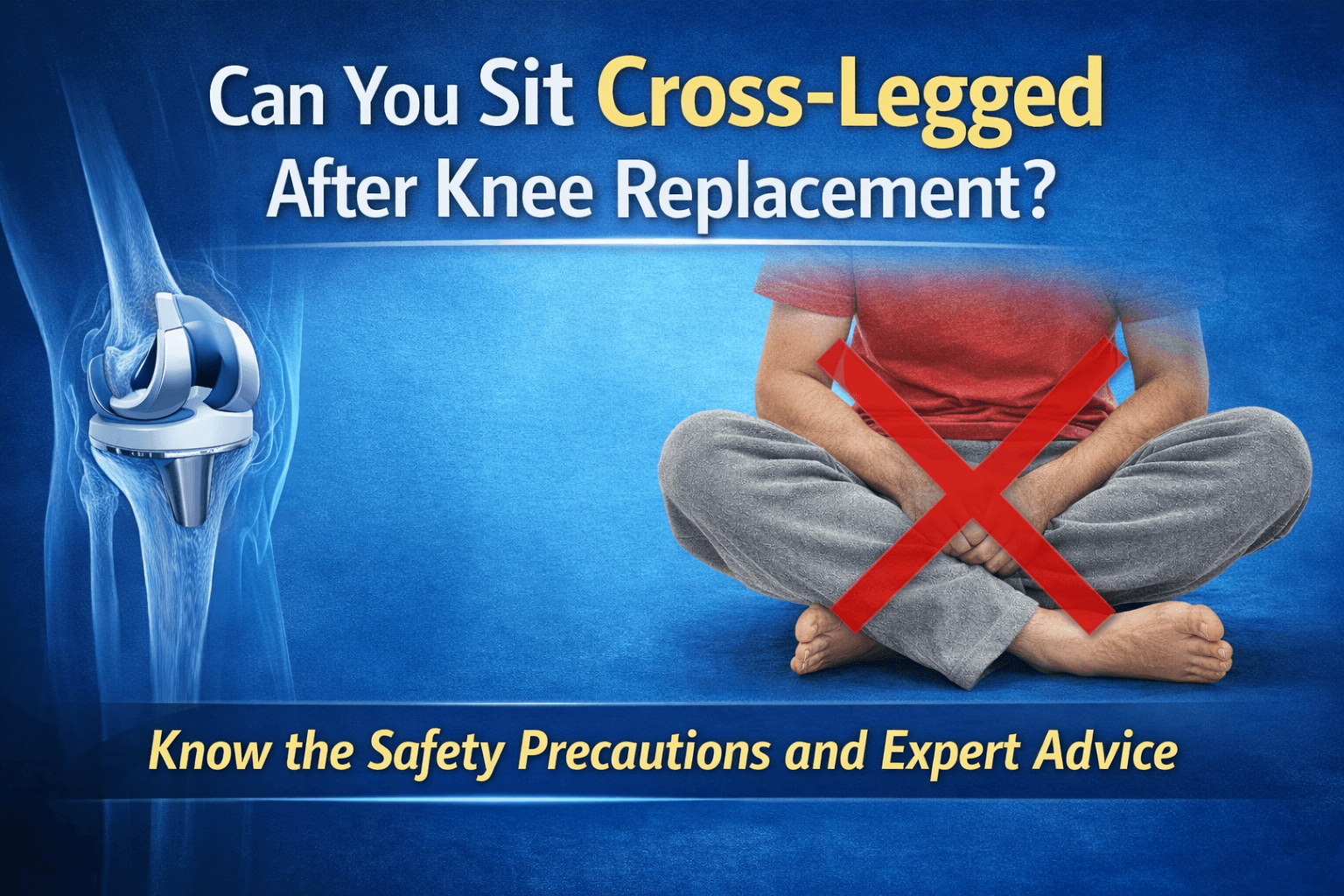 Can You Sit Cross-Legged After Knee Replacement?
- 13, January 2026
-
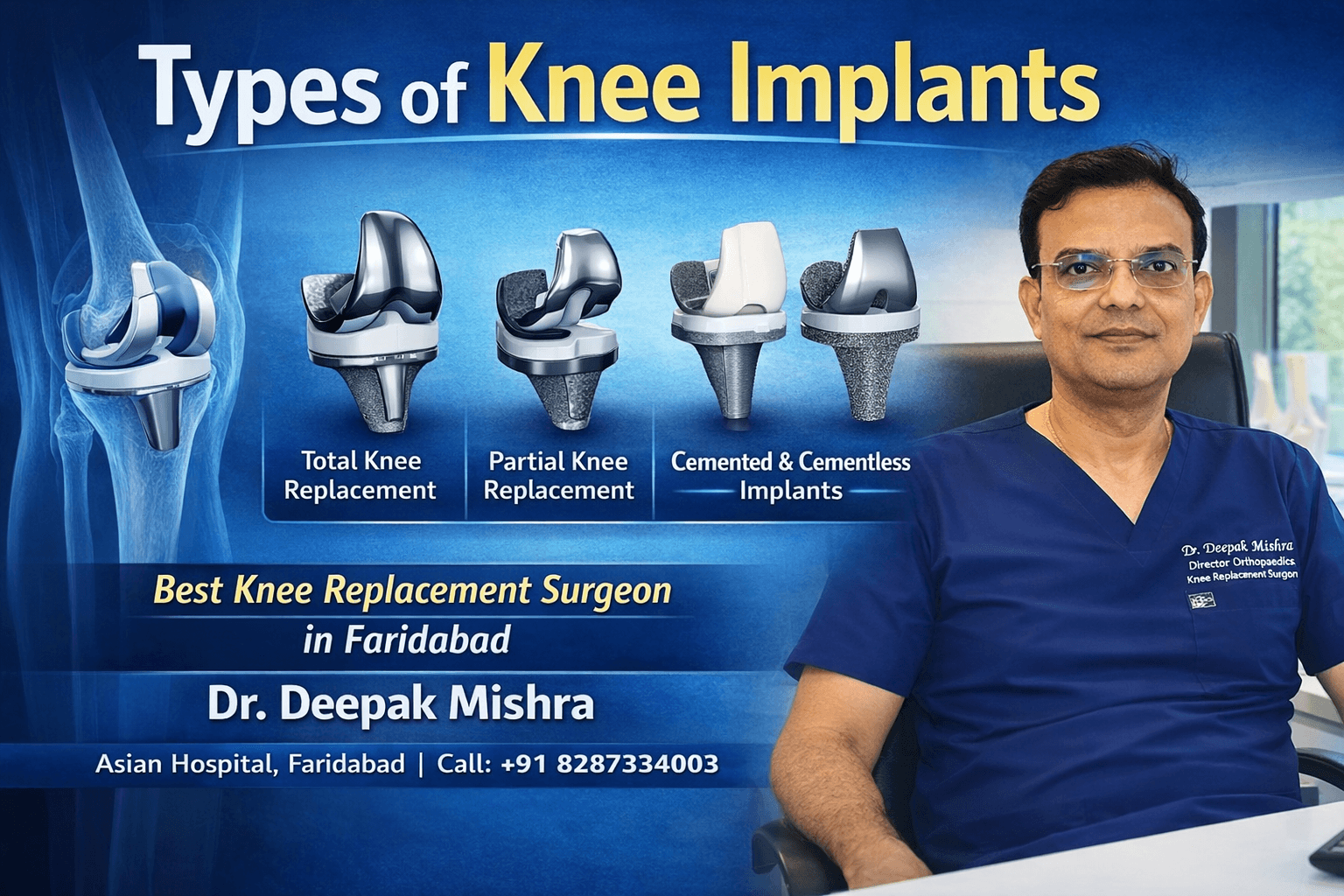 Types of Knee Implants
- 13, January 2026
-
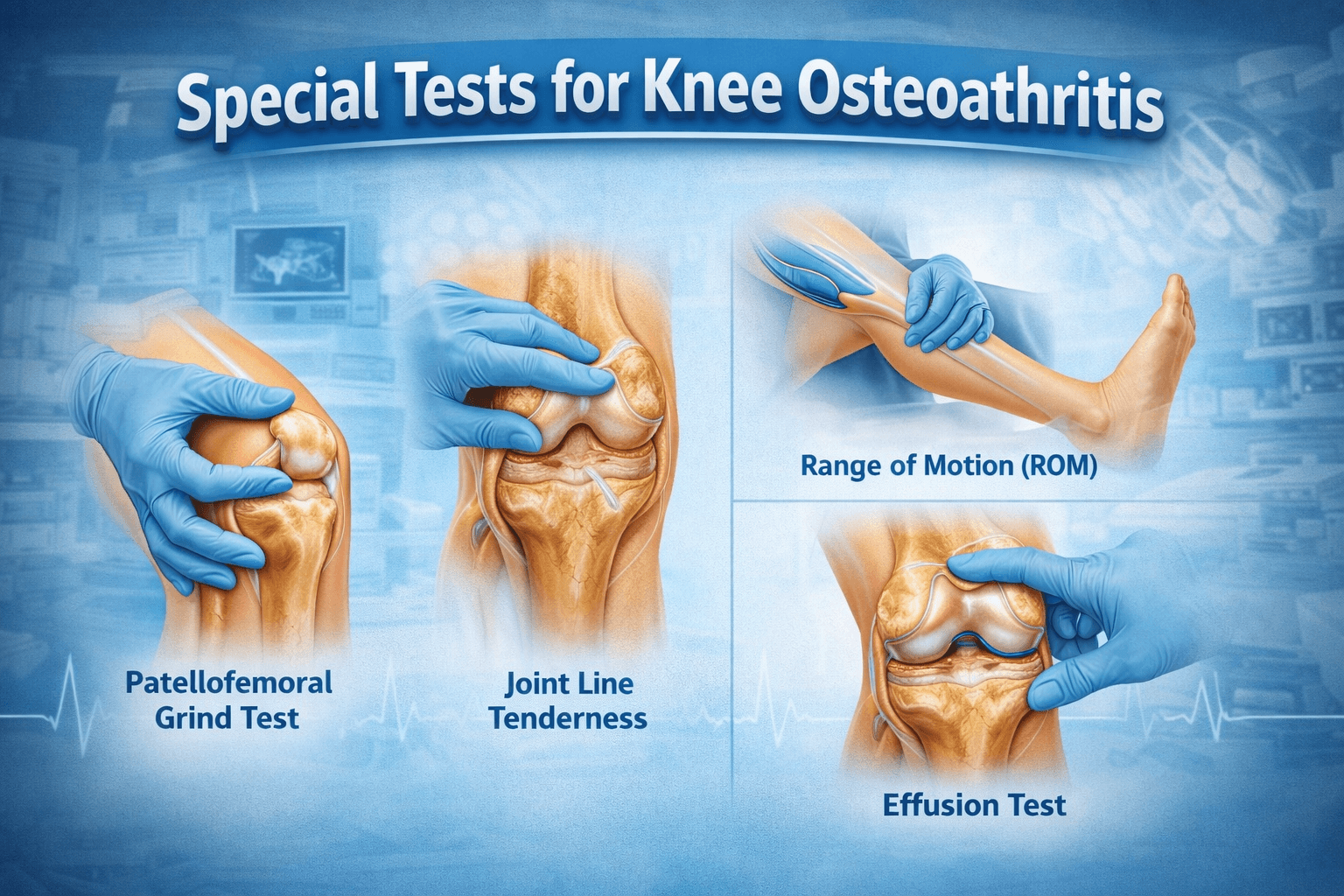 Special Tests for Knee Osteoarthritis
- 7, January 2026
-
 Knee Operation Types: A Comprehensive Guide
- 7, January 2026
-
 Difference Between Knee Arthritis, Meniscus Tear, and Ligament Injury
- 30, December 2025
-
 Knee Pain While Walking: When Should You Worry?
- 30, December 2025
-
 What Happens If Knee Replacement Is Delayed Too Long?
- 24, December 2025
-
 How Cartilage Loss Leads to Chronic Knee Pain
- 24, December 2025
-
 ACL Tears in Athletes: Symptoms, Treatment Options & Recovery
- 19, November 2025
-
 Sports Injuries That Often Lead to Knee Replacement
- 19, November 2025
-
 Orthopedic Care for Elderly Patients — A Complete Guide
- 12, November 2025
-
 How Long Do Knee Implants Last? (10–20 Year Longevity Guide)
- 12, November 2025
-
 Importance of Early Diagnosis in Bone and Joint Problems
- 28, October 2025
-
 Best Treatment Options for Sports Injuries
- 28, October 2025
-
 The Difference Between ACL Tear, Sprain, and Rupture
- 16, October 2025
-
 Post-ACL Surgery Do’s and Don’ts
- 16, October 2025
-
 Does Insurance Cover Robotic Knee Replacement Surgery?
- 6, October 2025
-
 When Can You Return to Sports After Robotic Knee Replacement?
- 6, October 2025
-
 Impact of Obesity on Knee Replacement Surgery and Recovery
- 30, September 2025
-
 Early vs. Delayed Knee Replacement: Which Is Better?
- 30, September 2025
-
 How Durable Are Knee Implants? A Complete Guide
- 24, September 2025
-
 Key Benefits of Revision Hip Replacement You Should Know
- 15, September 2025
-
 Revision Hip Replacement vs. Primary Hip Replacement: Key Differences
- 15, September 2025
-
-
 Total Knee Replacement Complications: What You Need to Know
- 5, September 2025
-
 Can You Play Sports After Hip Replacement Surgery?
- 26, August 2025
-
 Preparing for Knee Replacement: Do’s and Don’ts Before Surgery
- 26, August 2025
-
-
 What to Know About Knee Replacement Revision Surgery
- 18, August 2025
-
 Cost of Hip Replacement in India – What Patients Should Know
- 11, August 2025
-
-
 Who Is the Best Orthopedic Doctor for Sports Injuries?
- 27, July 2025
-
 Success Rate of Robotic Knee Replacement in India
- 27, July 2025
-
Why Surgeons Are Switching to Robotic Knee Replacements
- 15, July 2025
-
 Do’s and Don’ts After Knee Replacement Surgery
- 15, July 2025
-
Best Robotic Knee Replacement in India
- 7, July 2025
-
 Affordable Robotic Knee Replacement in India
- 7, July 2025
-
-
-
-
-
-
-
-
 Orthopedic Meaning, Definition, Types, and More
- 6, June 2025
-
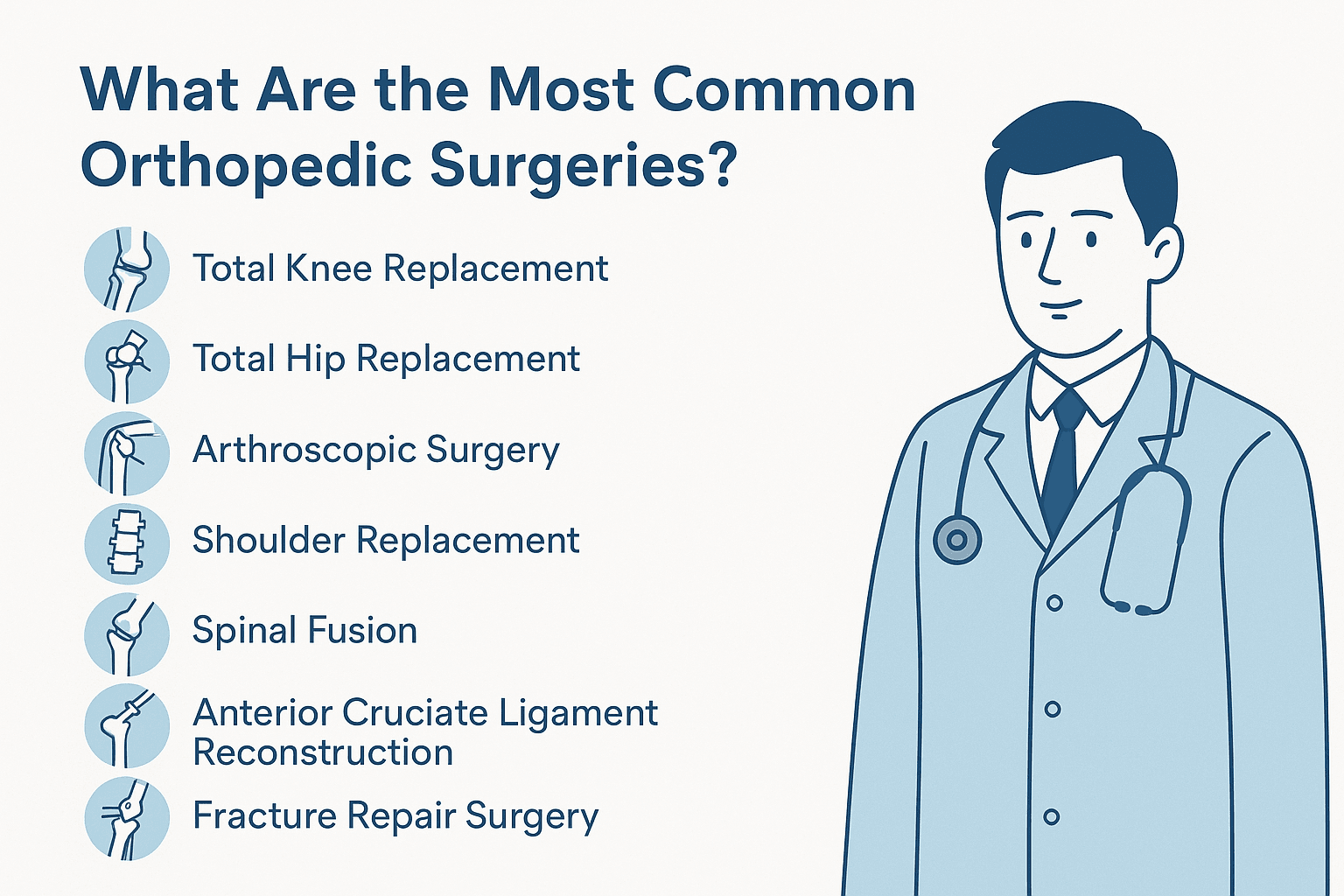 What Are the Most Common Orthopedic Surgeries?
- 24, May 2025
-
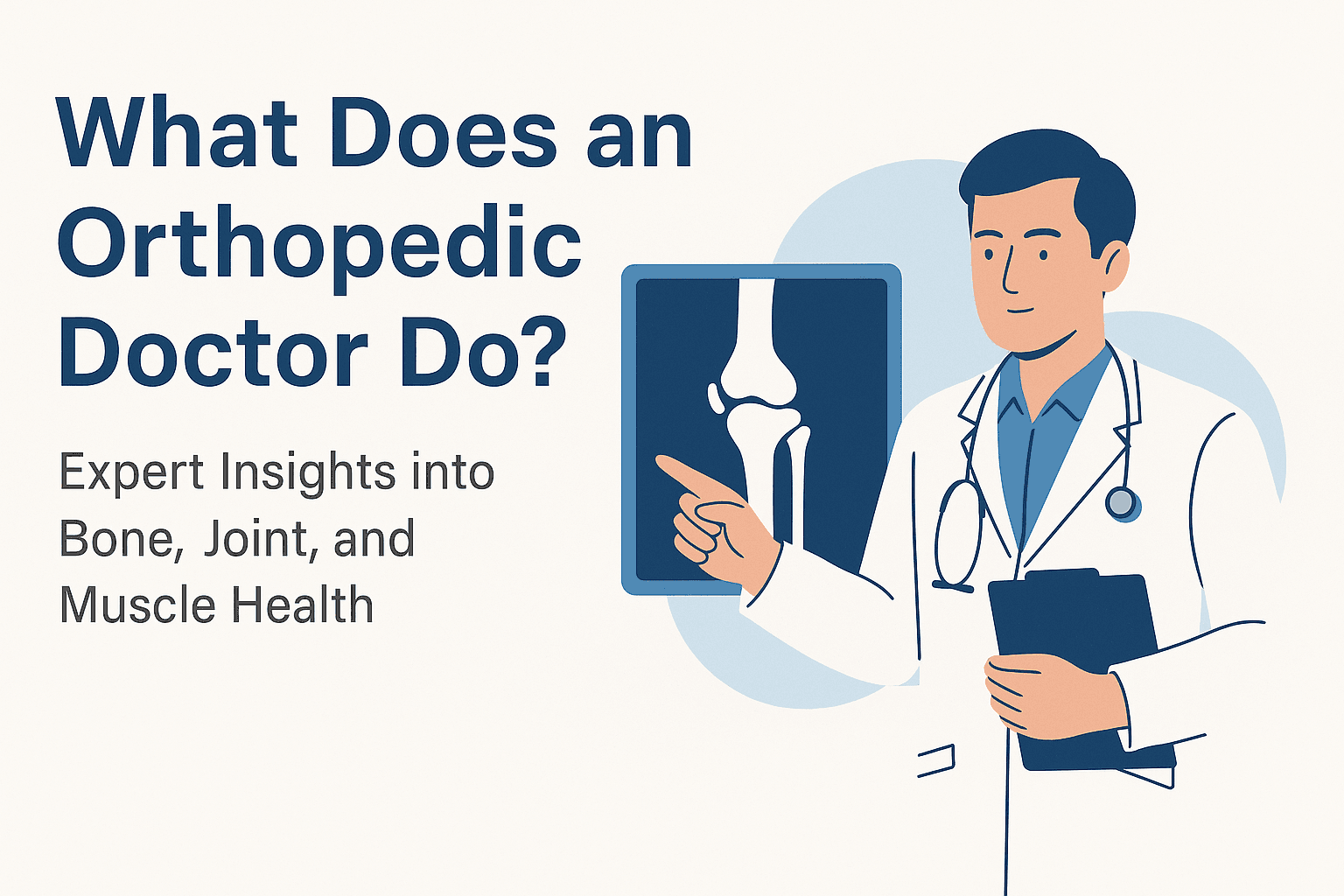 What Does an Orthopedic Doctor Do?
- 24, May 2025
-
-
-
-
Best Orthopedic Doctor for Knee Pain in Faridabad
- 12, May 2025
-
 How to Prevent Knee Pain with Orthopedic Expert Tips
- 29, April 2025
-
-
Best Orthopedic Treatment in Faridabad: What You Should Know
- 29, April 2025
-
-
-
Best Knee Replacement Surgeon in Mathura
- 14, April 2025
-
Best Knee Replacement Surgeon in Hodal
- 14, April 2025
-
Best Knee Replacement Surgeon in Palwal
- 14, April 2025
-
-
-
-
 Benefits of Minimally Invasive Knee Surgery
- 24, March 2025
-
 Best knee Replacement Surgeon in India
- 17, March 2025
-
-
 How to Recover Quickly After Knee Replacement Surgery
- 10, March 2025
-
-
-
-
 Minimally Invasive Arthroplasty: Benefits and Recovery Advantages
- 24, February 2025
-
 Choosing the Right Hip Replacement Surgeon: A Comprehensive Guide
- 17, February 2025
-
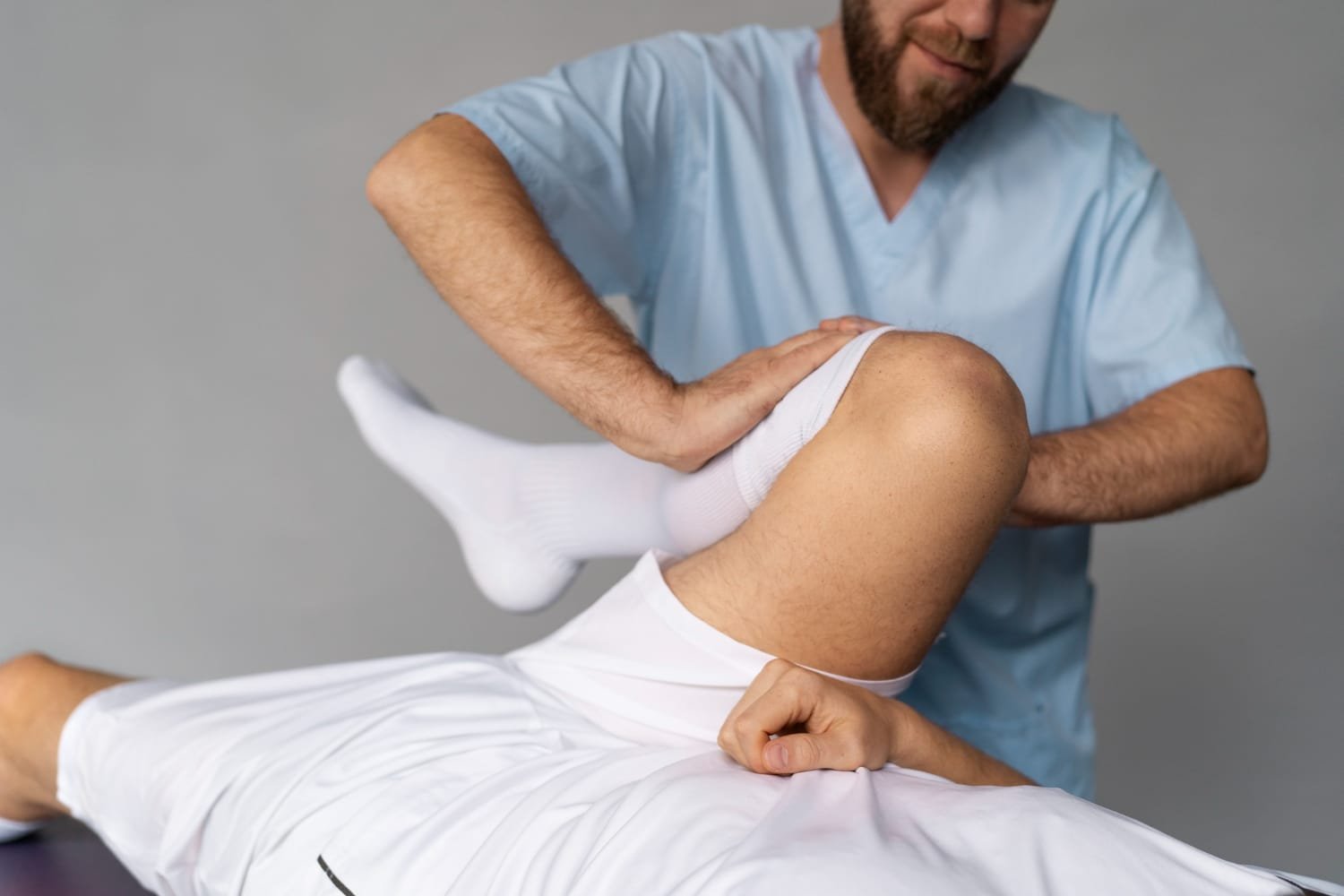 Restoring Mobility: The Role of Knee Replacement Doctors
- 17, February 2025
-
 Orthopedic Trauma Care for Athletes
- 6, February 2025
-
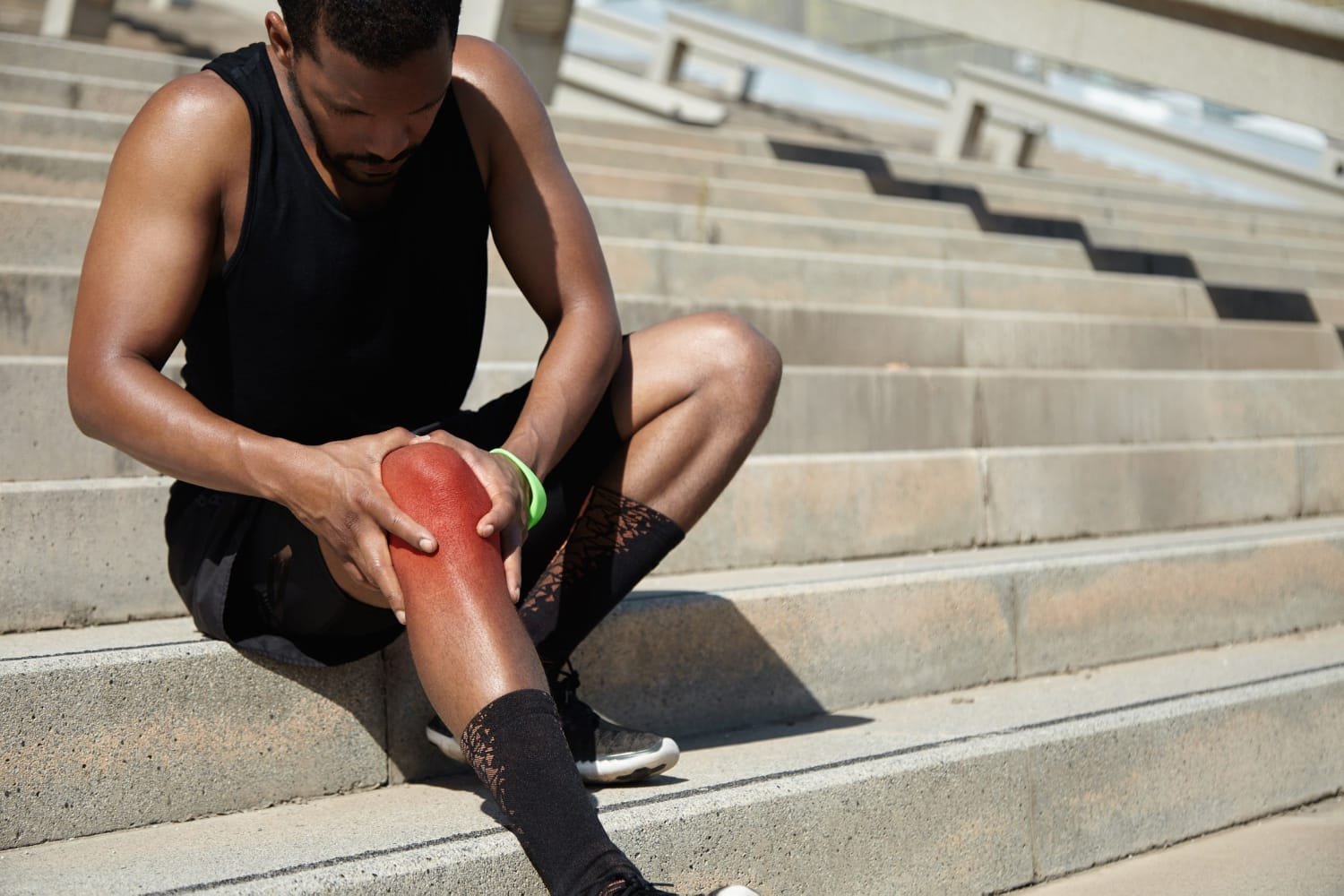 Best Doctor for ACL Tear Treatment
- 6, February 2025
-
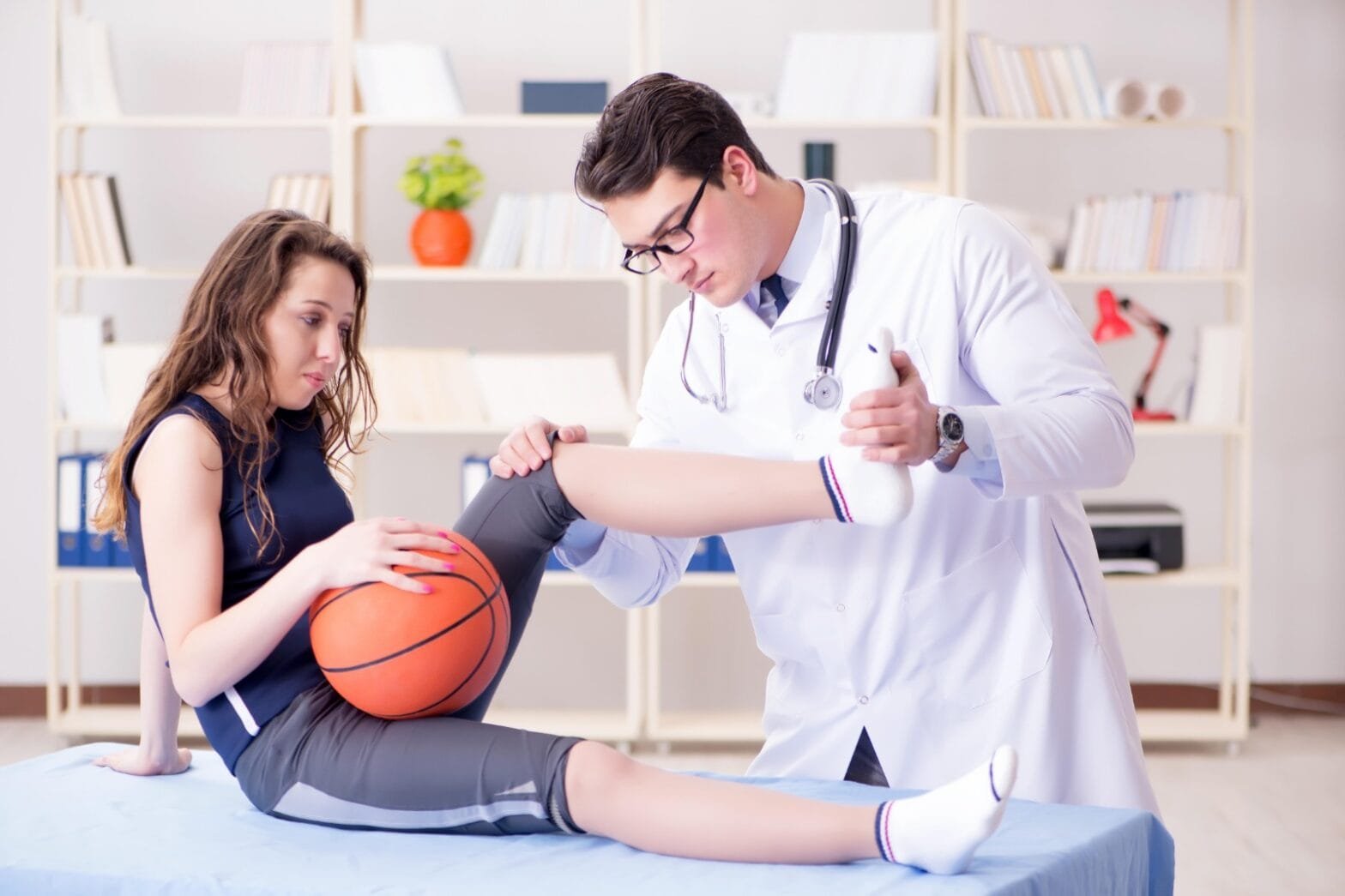 Best Sports Medicine Doctor for Knee Injuries
- 6, February 2025
-
 Orthopedic Surgeons: 7 Things You Need to Know
- 27, January 2025
-
Best Joint Replacement Surgeon in Greater Faridabad
- 27, January 2025
-
Best Knee Replacement Surgeon in Palwal
- 20, January 2025
-
Best Knee Replacement Surgeon in South Delhi
- 20, January 2025
-
 Restoring Mobility: The Role of Knee Replacement Doctor
- 13, January 2025
-
 Robotic Knee Replacement Surgery in Delhi
- 30, December 2024
-
 Robotic Orthopedic Surgery: Revolutionizing Joint Replacement and Repair
- 30, December 2024
-
 Robotic Knee Replacement vs. Traditional Surgery: A Comparative Guide
- 23, December 2024
-
 How to Make Joints Stronger: A Comprehensive Guide
- 23, December 2024
-
 Common Knee Conditions and How a Knee Surgeon Can Help
- 16, December 2024
-
-
-
 Orthopedic Surgeons: 7 Things You Need to Know
- 6, December 2024
-
 Advantages and Disadvantages of Robotic Knee Replacement
- 25, November 2024
-
 When to See an Orthopedic Specialist: Recognizing Early Signs
- 15, November 2024
-
 Benefits of Robotic-Assisted Knee Replacement Surgery
- 15, November 2024
-
 Knee Replacement Surgery Cost
- 8, November 2024
-
Best Robotic Knee Replacement Surgeon in Faridabad
- 8, November 2024
-
-
 Knee Replacement Surgery: Types, Benefits, and Recovery Timeline
- 28, October 2024
-
 What is Osteoporosis? Symptoms, Causes, and Prevention
- 21, October 2024
-
 Signs It’s Time for a Knee Replacement: When to Consult a Surgeon
- 18, October 2024
-
 Understanding Different Types of Arthritis: Symptoms and Causes
- 11, October 2024
-
 Taking Care After Knee Replacement Surgery
- 15, December 2022
-
 Amazing Ways to Get Relief from Arthritis Pain Naturally
- 2, December 2022
-
-
 How Does Fat Affect Arthritis?
- 4, November 2022
