Importance of Early Diagnosis in Bone and Joint Problems
October 28, 2025Introduction
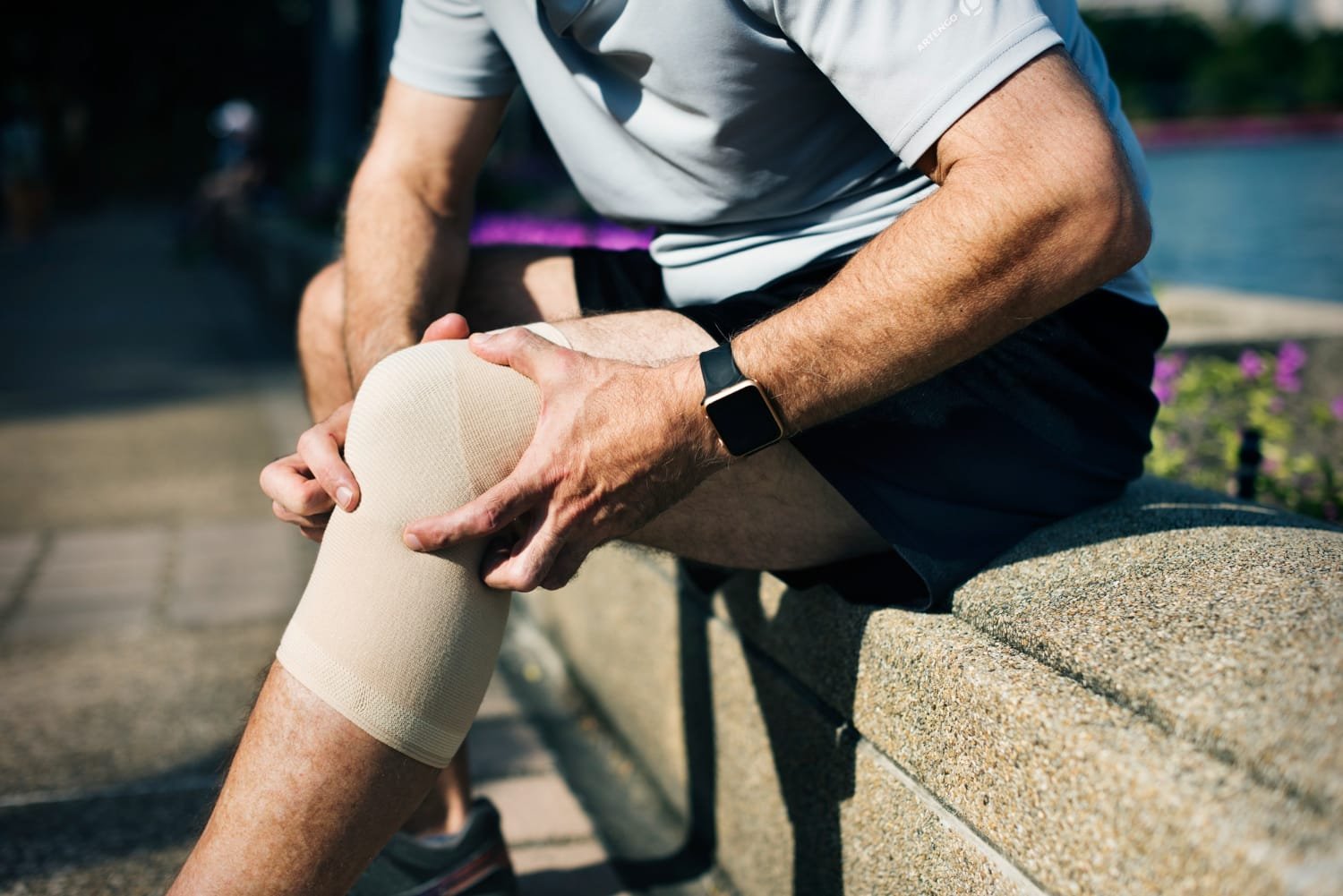
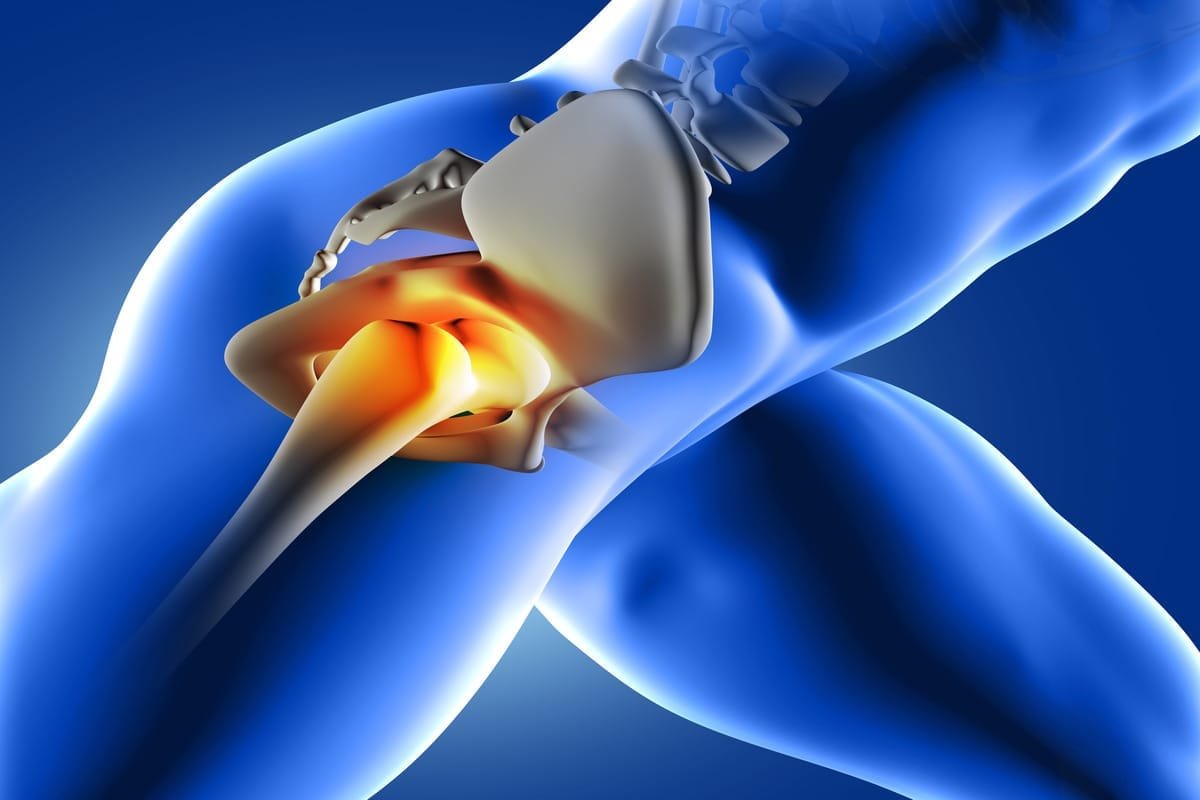
Bones and joints form the structural foundation of our body. They support movement, maintain posture, and allow us to perform daily activities with ease. However, like any other system in the body, bones and joints are also susceptible to injuries, wear-and-tear, and age-related degeneration. Often, people tend to ignore minor pain, swelling, or stiffness until the discomfort becomes unbearable. Unfortunately, this delay can turn a manageable condition into a complex orthopedic issue requiring surgical intervention.
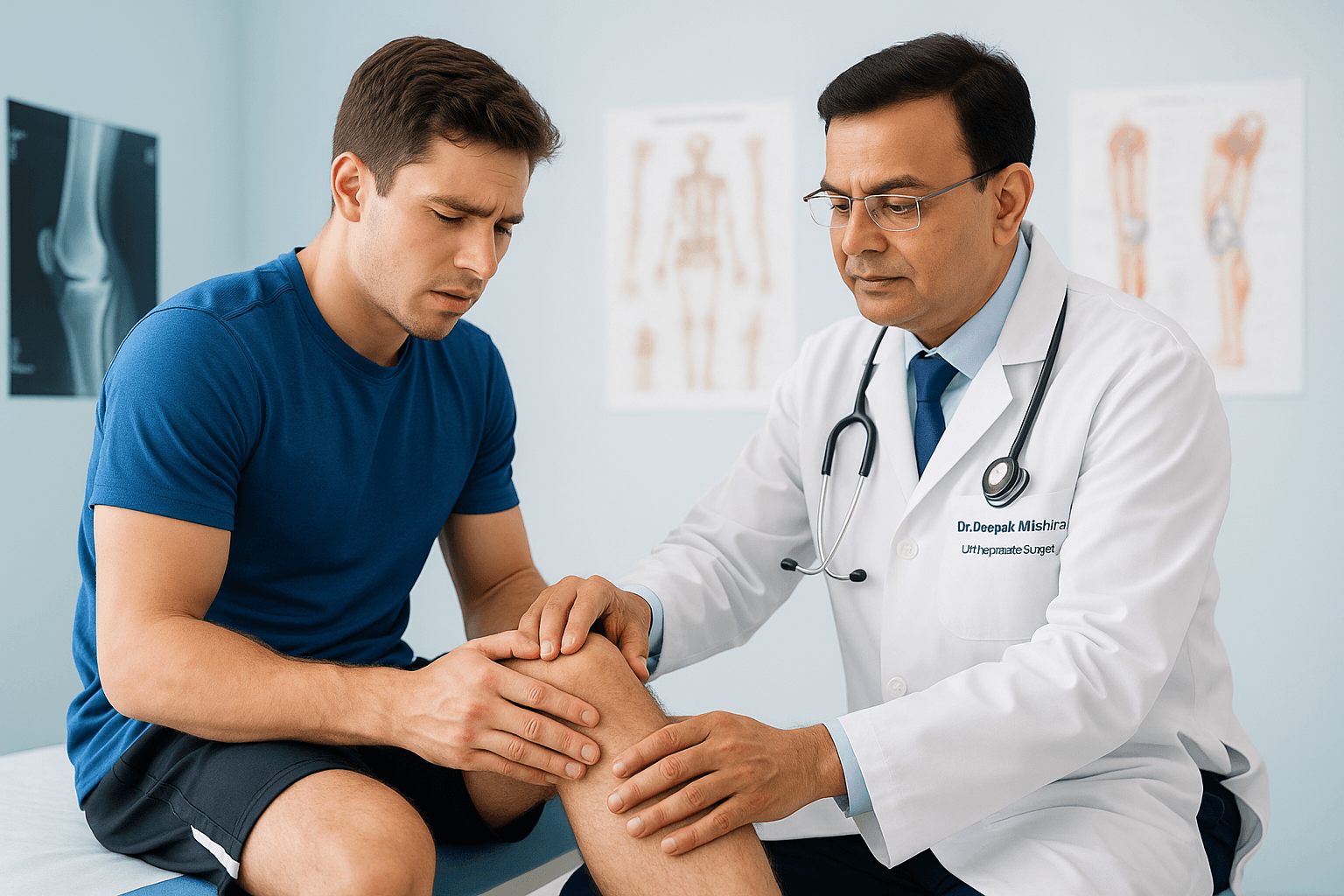
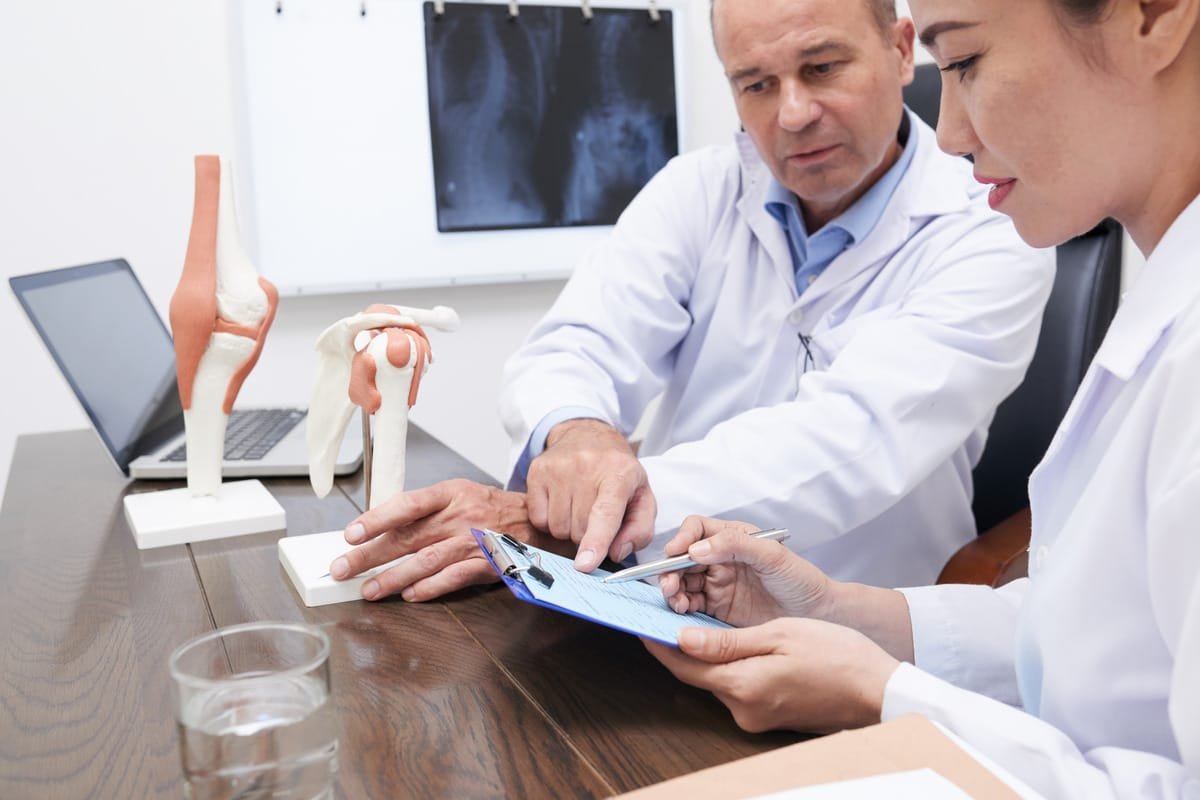
Early diagnosis plays a crucial role in preventing complications, speeding recovery, and ensuring long-term mobility. According to Dr. Deepak Mishra, one of the best orthopedic doctor in Faridabad, timely medical evaluation can save patients from chronic pain and irreversible joint damage.
Why Early Diagnosis Matters in Orthopedic Care
1. Prevents Progression of Disease
Many orthopedic conditions such as arthritis, osteoporosis, and degenerative disc disease develop gradually. In the early stages, they may cause mild pain or stiffness that people often dismiss. However, as the condition progresses, it can lead to severe joint damage, deformities, or even permanent disability.
Early diagnosis allows orthopedic specialists to begin treatment before the disease advances, preventing long-term complications.
2. Enables Conservative Treatment Options
In the initial phase of most bone and joint problems, treatment can often be managed through non-surgical means such as physiotherapy, medication, braces, or lifestyle modifications. Once the problem worsens, surgery may become unavoidable.
By diagnosing conditions early, doctors like Dr. Deepak Mishra help patients recover faster with minimal medical intervention.
3. Reduces Recovery Time
When a bone or joint disorder is detected early, the body responds better to treatment, leading to faster healing. For example, an early-stage ligament injury can recover completely with rest and physiotherapy, while a delayed diagnosis might require reconstructive surgery and months of rehabilitation.
4. Saves Cost and Minimizes Risk
Delayed treatment of orthopedic conditions can result in complex surgeries, extended hospital stays, and prolonged physiotherapy—all of which increase healthcare costs. Early diagnosis not only makes treatment simpler and safer but also significantly reduces financial and physical strain on patients.
5. Improves Quality of Life
Chronic pain and restricted mobility can affect every aspect of life—from work productivity to emotional well-being. Timely orthopedic consultation ensures that patients regain their strength and movement before the condition impacts their daily activities and mental health.
Common Bone and Joint Problems That Require Early Diagnosis
1. Osteoarthritis
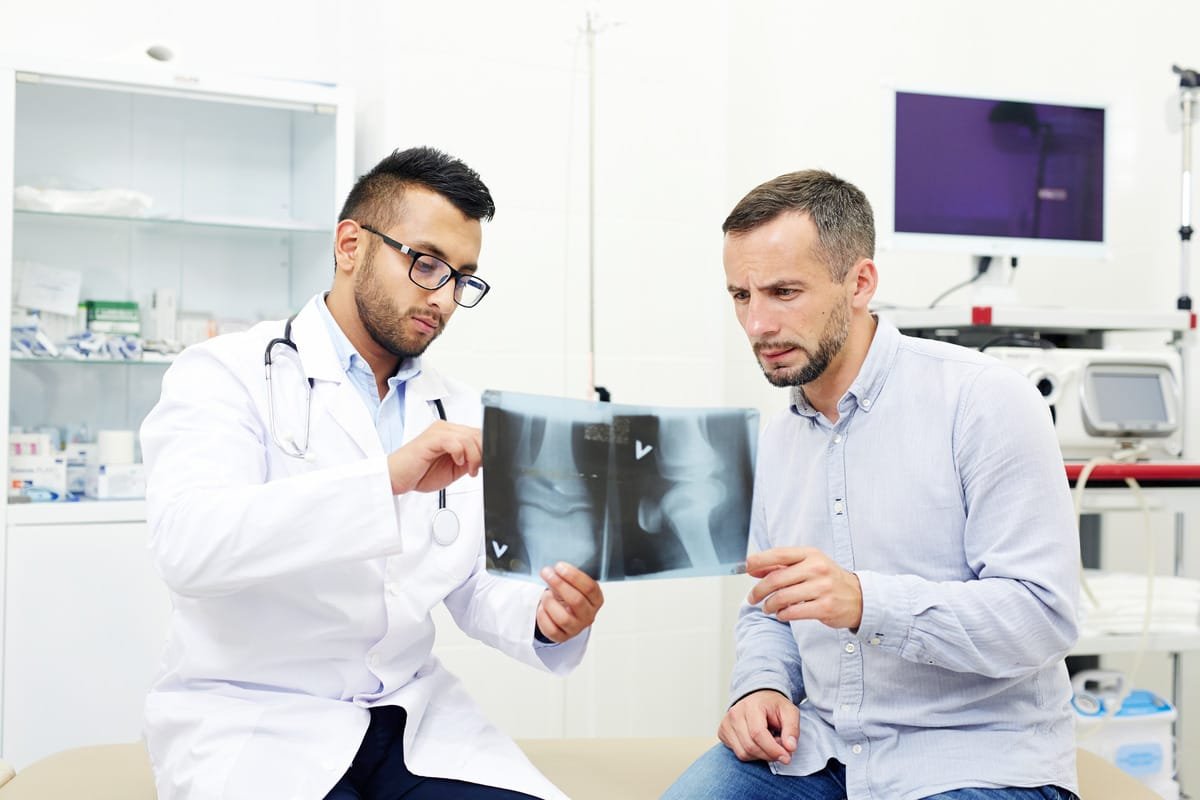
A degenerative joint disease that causes the cartilage between bones to wear down, leading to pain and stiffness. Early detection through X-rays or MRI scans can help manage symptoms effectively with physiotherapy, lifestyle changes, and medication—avoiding the need for joint replacement surgery.
2. Osteoporosis
A silent disease that weakens bones, making them fragile and more prone to fractures. Since symptoms often appear only after a fracture occurs, regular bone-density tests and early diagnosis are essential, especially for post-menopausal women and elderly individuals.
3. Ligament and Tendon Injuries
Sports injuries, sudden twists, or falls can cause ligament tears or tendon strains. Detecting these injuries early through imaging and clinical evaluation helps prevent chronic instability and long-term damage to the joint.
4. Spinal Disorders
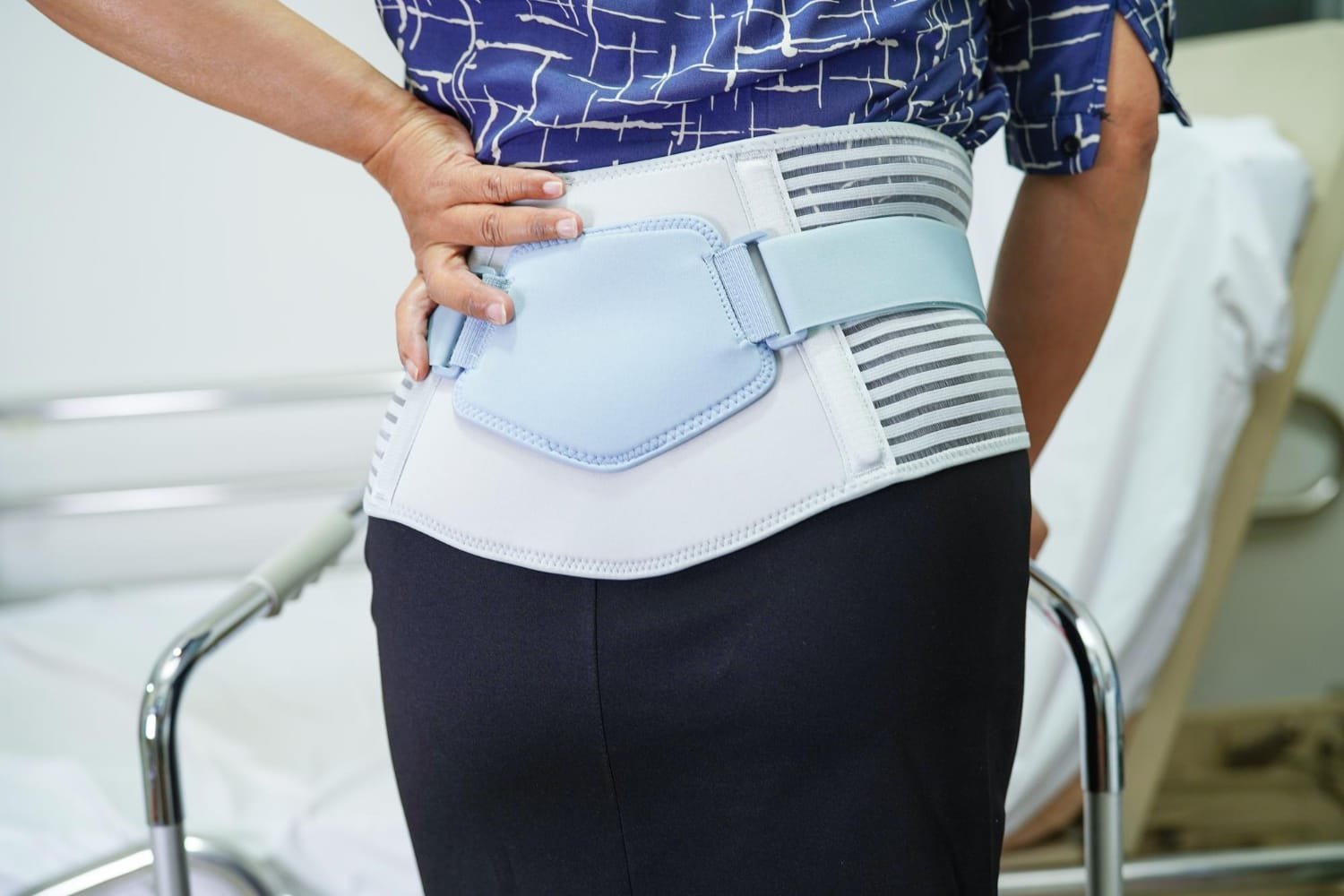
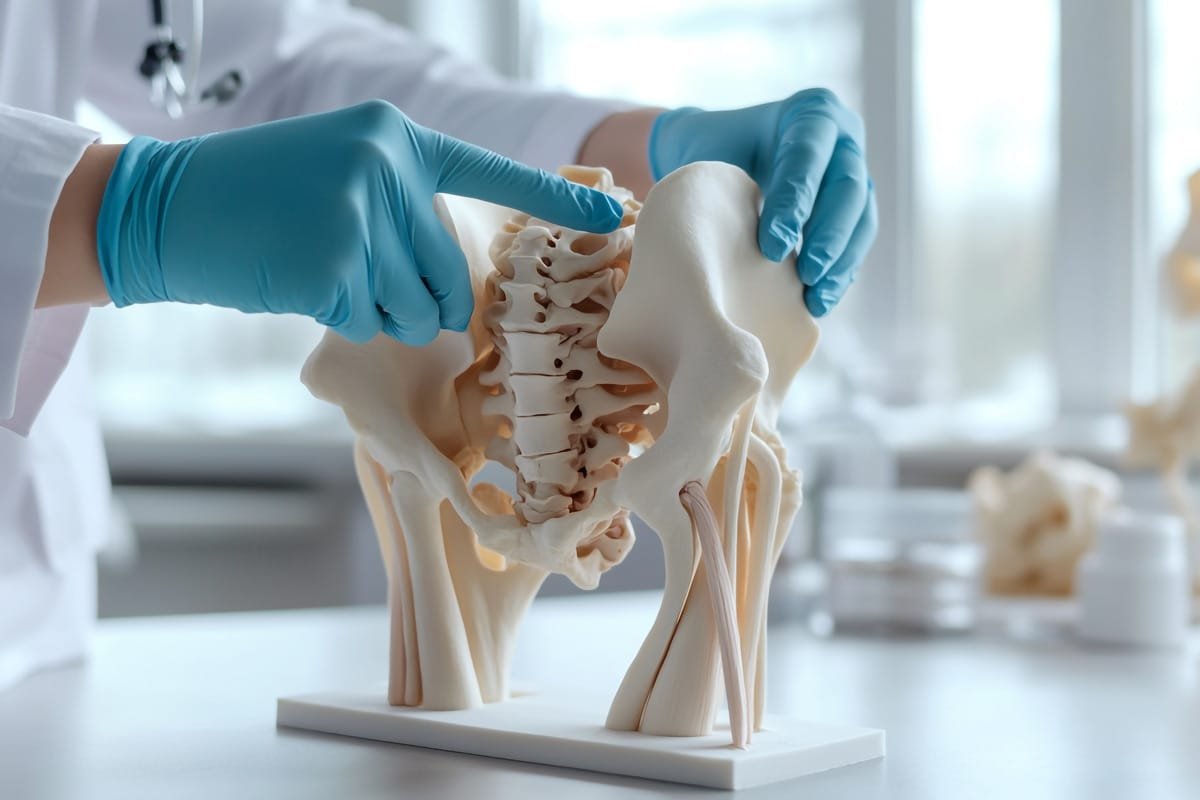
Back pain, numbness, or radiating leg pain could indicate conditions like slipped discs or spinal stenosis. If diagnosed early, many spinal issues can be managed with physiotherapy, posture correction, and medications instead of surgery.
5. Rheumatoid Arthritis
An autoimmune disorder that causes inflammation in the joints. Early diagnosis is critical to prevent irreversible joint damage and deformities. Prompt treatment can control inflammation and preserve joint function.
Warning Signs You Should Never Ignore
Many patients delay visiting an orthopedic doctor because they underestimate the seriousness of their symptoms. Here are some warning signs that warrant immediate medical evaluation:
- Persistent pain in bones or joints lasting more than two weeks
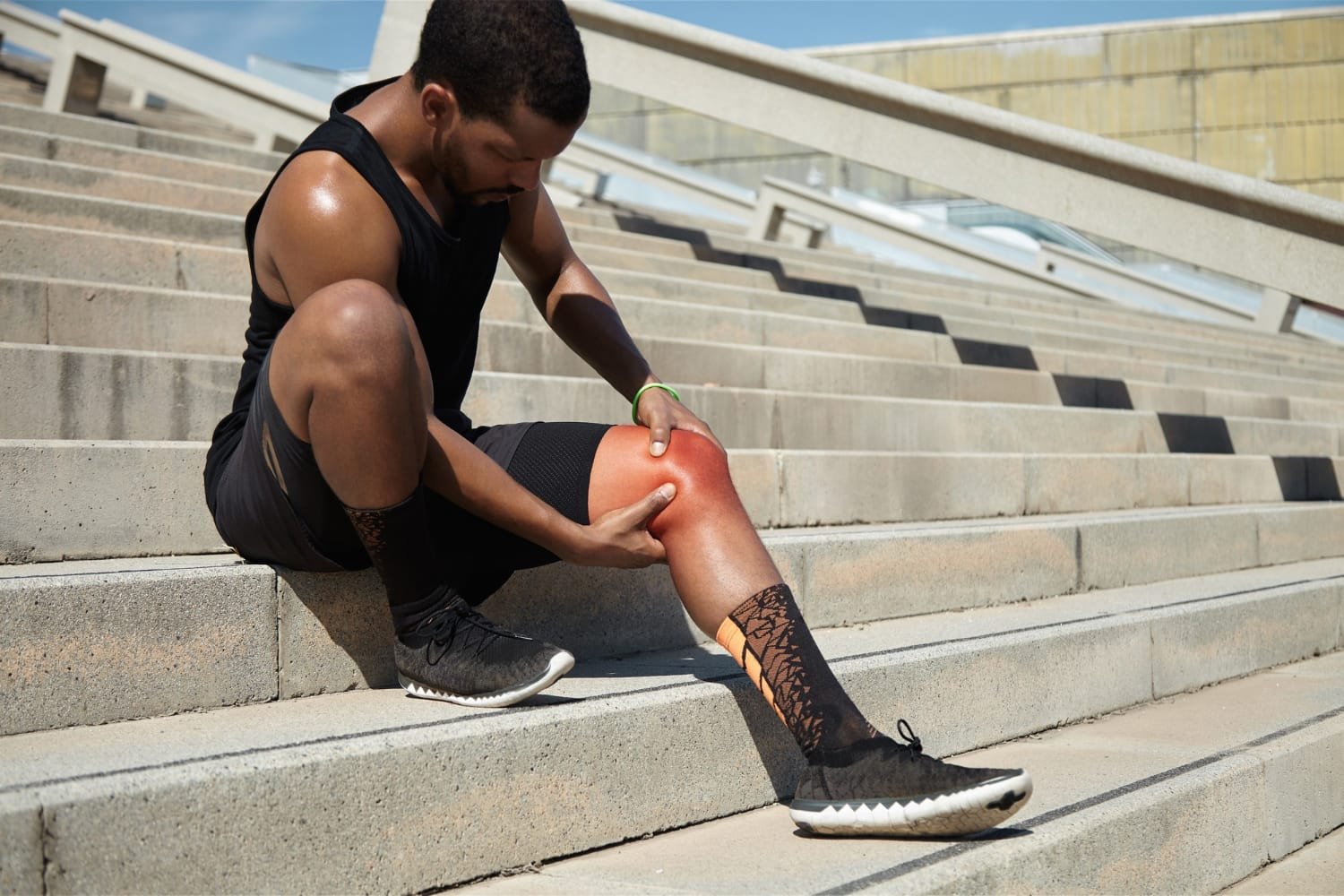
- Swelling, redness, or warmth around a joint
- Difficulty in moving or bending joints
- Stiffness, especially after waking up
- Clicking or grinding sounds from joints
- Repeated injuries or fractures
- Numbness or tingling sensations in limbs
If you experience any of these symptoms, it’s time to consult an experienced orthopedic specialist for a thorough assessment.
How Orthopedic Specialists Diagnose Bone and Joint Problems
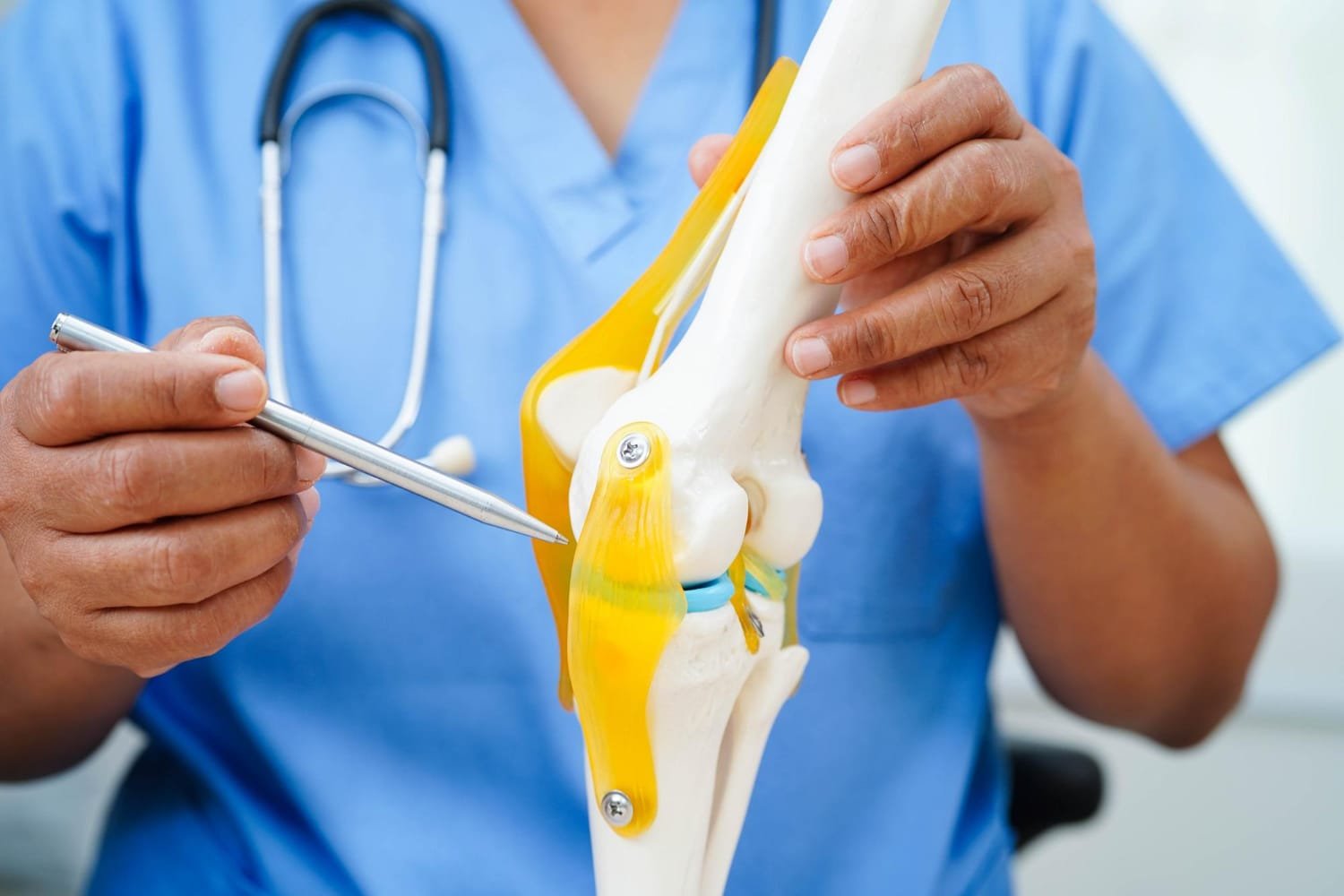
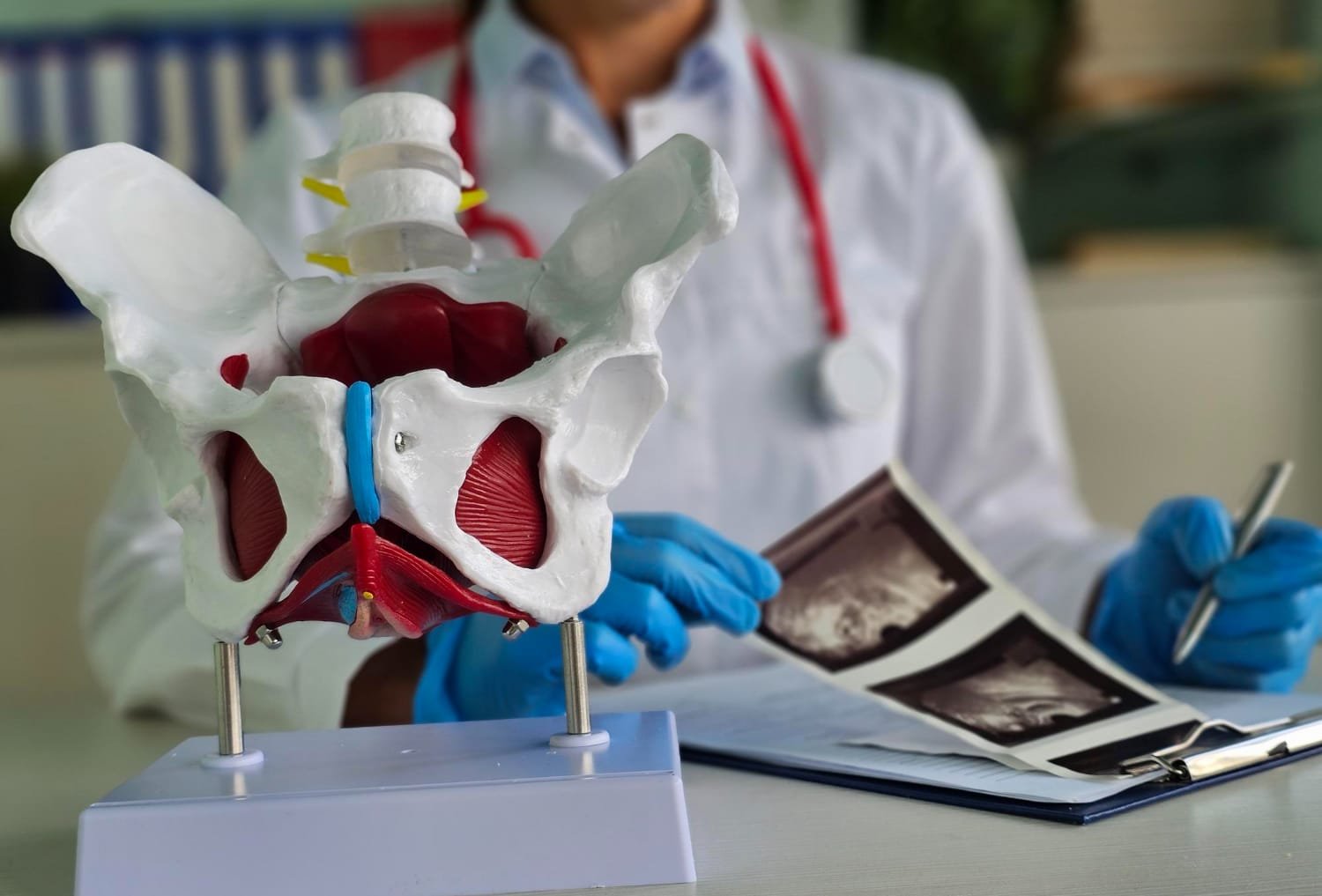
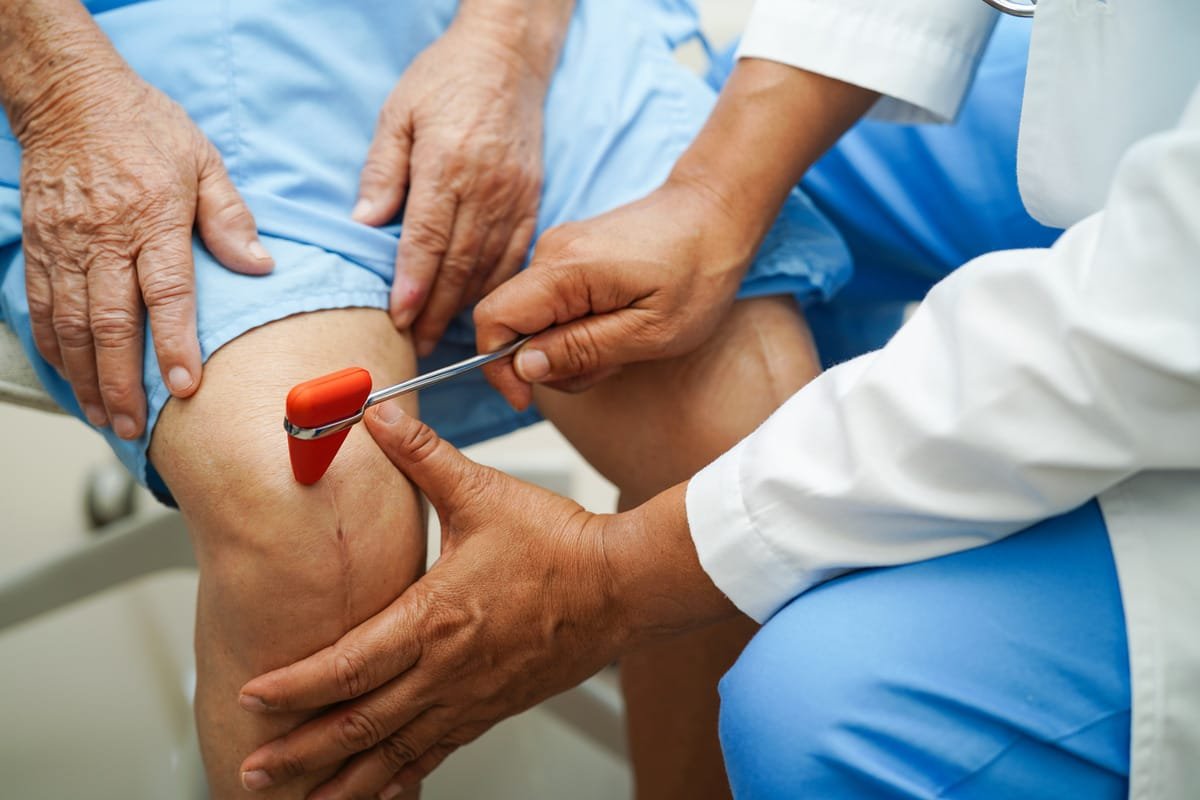
Orthopedic diagnosis involves a combination of clinical evaluation and advanced imaging technologies. At Metro Hospital, Faridabad, under the expertise of Dr. Deepak Mishra, modern diagnostic methods help identify the exact cause of pain or dysfunction. These include:
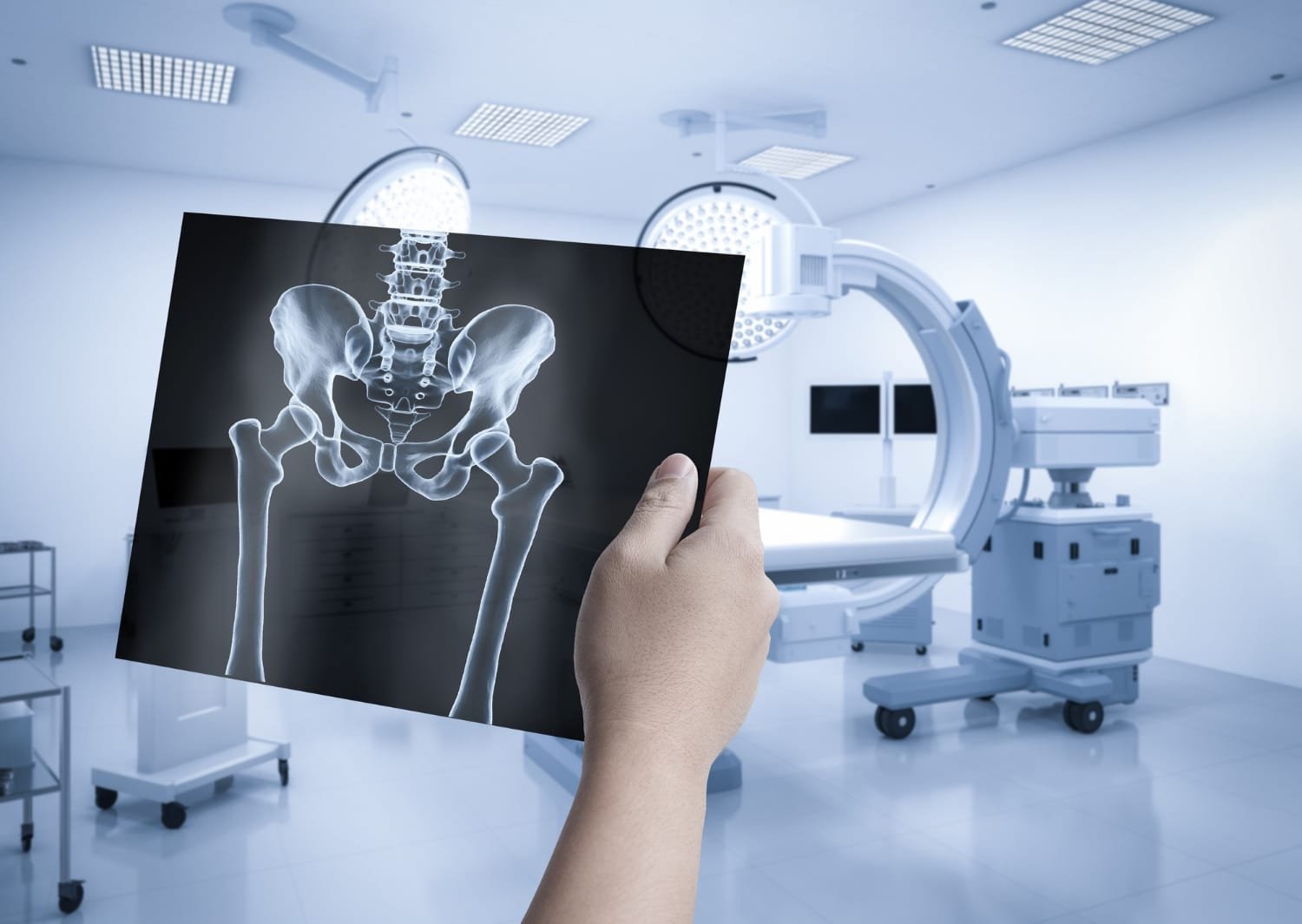
- Digital X-rays: For fractures, deformities, and bone alignment
- MRI Scans: For soft-tissue injuries like ligaments and cartilage
- CT Scans: For detailed 3D imaging of complex bone structures
- DEXA Scans: For bone-density analysis in osteoporosis
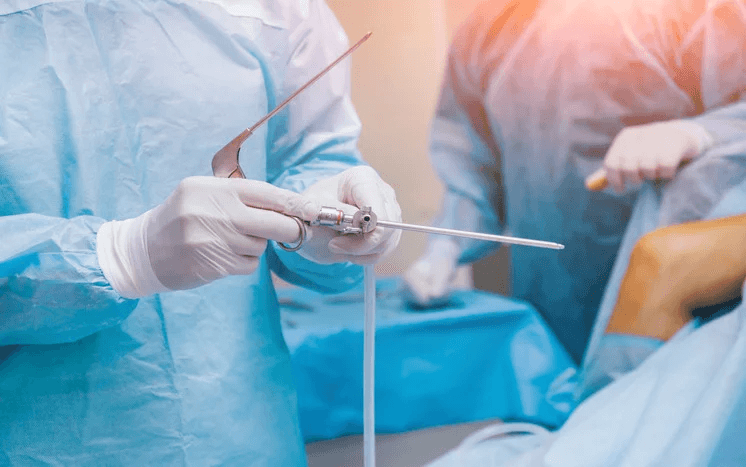
- Arthroscopy: A minimally invasive procedure for joint evaluation
Through early and precise diagnosis, treatment can be customized to ensure better outcomes and faster recovery.
Role of Early Diagnosis in Preventing Surgery
One of the greatest benefits of early detection is the ability to avoid surgery. For example:
- Early-stage arthritis can often be managed with medications, physiotherapy, and weight management.
- A small meniscus tear may heal without surgery if diagnosed in time.
- Spinal problems caused by poor posture can be corrected with targeted exercises.
By seeking orthopedic advice at the first sign of discomfort, patients can often achieve complete recovery through conservative treatment methods—saving themselves from invasive procedures later.
Expert Opinion: Dr. Deepak Mishra
Dr. Deepak Mishra, a leading orthopedic specialist at Asian Hospital, Faridabad, emphasizes that “The earlier we identify the problem, the better the outcome for the patient.”
With years of experience in joint replacement, trauma care, sports injuries, and complex orthopedic surgeries, Dr. Mishra has successfully treated countless patients across Faridabad and Delhi-NCR. His evidence-based approach and patient-centric care make him one of the most trusted orthopedic doctors in Faridabad.
He combines advanced technology with personalized rehabilitation programs to ensure that every patient regains mobility, independence, and confidence. Whether it’s early arthritis management or total knee replacement, Dr. Mishra’s expertise covers the full spectrum of bone and joint care.
Appointment: +91 8287334003
Consultation: Asian Hospital, Faridabad
Tips for Maintaining Healthy Bones and Joints
While early diagnosis is essential, prevention is equally important. Here are some tips recommended by Dr. Mishra to keep your bones and joints strong:
- Stay Active: Engage in regular low-impact exercises like swimming, cycling, and walking.
- Eat a Balanced Diet: Include calcium- and vitamin D-rich foods to strengthen bones.
- Maintain a Healthy Weight: Excess weight puts strain on joints, especially knees and hips.
- Avoid Smoking and Excess Alcohol: Both can weaken bones over time.
- Practice Good Posture: Reduces stress on your spine and joints.
- Wear Proper Footwear: Supportive shoes help maintain correct alignment.
- Don’t Ignore Pain: Persistent discomfort is your body’s way of asking for help.
Conclusion
Bone and joint problems are common, but they don’t have to limit your life. The key to preventing severe complications lies in early diagnosis and timely intervention. Ignoring initial symptoms can transform minor issues into major orthopedic challenges, requiring surgery or long-term treatment.
If you’re experiencing continuous pain, stiffness, or restricted movement, consult Dr. Deepak Mishra, the best orthopedic doctor in Faridabad, for expert guidance. With advanced diagnostic tools, modern treatment techniques, and a compassionate approach, he ensures that every patient receives world-class orthopedic care and a faster return to an active life.
Recent Blogs
-
-
 When Is Knee Replacement the Only Option?
- 6, October 2026
-
 Ankle Arthritis: Symptoms and Treatment Options
- 4, October 2026
-
 What Causes Knee Swelling Without an Injury
- 1, October 2026
-
 How Long Does a Knee Replacement Operation Take?
- 25, September 2026
-
 Who Is the Best Bone Doctor in Faridabad?
- 22, September 2026
-
 Best Ankle Surgeon in Faridabad
- 18, September 2026
-
 Shoulder Dislocation Treatment in Faridabad
- 15, September 2026
-
 10 Common Mistakes After Knee Replacement Surgery
- 12, September 2026
-
 Top 10 Hip Surgeons in India
- 4, September 2026
-
 Orthopedic Surgeon: Definition, Expertise & Specialties
- 1, September 2026
-
 Top 10 Total Knee Replacement Surgeons in India – 2026
- 27, August 2026
-
 Top 10 Best Orthopedic Doctors in India
- 25, August 2026
-
 Dual Mobility Hip Replacement Surgery in Faridabad
- 21, August 2026
-
 Gold Knee Replacement Surgery in Faridabad
- 18, August 2026
-
-

-
-
 Bone Fracture Specialist in Faridabad
- 25, July 2026
-
 Robotic Partial Knee Replacement in Faridabad
- 21, July 2026
-
-
-
 Runner’s Knee: Prevention & Treatment
- 10, July 2026
-
 Best Knee Tendonitis Treatment in Faridabad
- 7, July 2026
-

-
 Why Does My Knee Make Clicking Sounds?
- 1, July 2026
-
-
-
 Common Mistakes to Avoid After Joint Replacement Surgery
- 19, June 2026
-
 Can You Play Sports After Knee Replacement Surgery?
- 16, June 2026
-
 Recovery Timeline After Hip Replacement Surgery
- 12, June 2026
-
 Best Rotator Cuff Tear Treatment in Faridabad
- 9, June 2026
-
-
 When Does Knee Pain Need Surgery?
- 19, May 2026
-
 Can You Walk Normally After Hip Replacement?
- 15, May 2026
-
-
 Best Doctor for Arthritis Treatment in Faridabad
- 8, May 2026
-
 Sports Injury Specialist in Faridabad
- 5, May 2026
-
 Hip Replacement Surgery Cost in India
- 2, May 2026
-
 Best ACL Surgeon in Faridabad
- 1, May 2026
-
 Best Hip Replacement Surgeon in Delhi
- 26, April 2026
-
 Best Hospital for Robotic Joint Replacement in Faridabad
- 14, April 2026
-
 Best Shoulder Specialist in Faridabad
- 10, April 2026
-
-
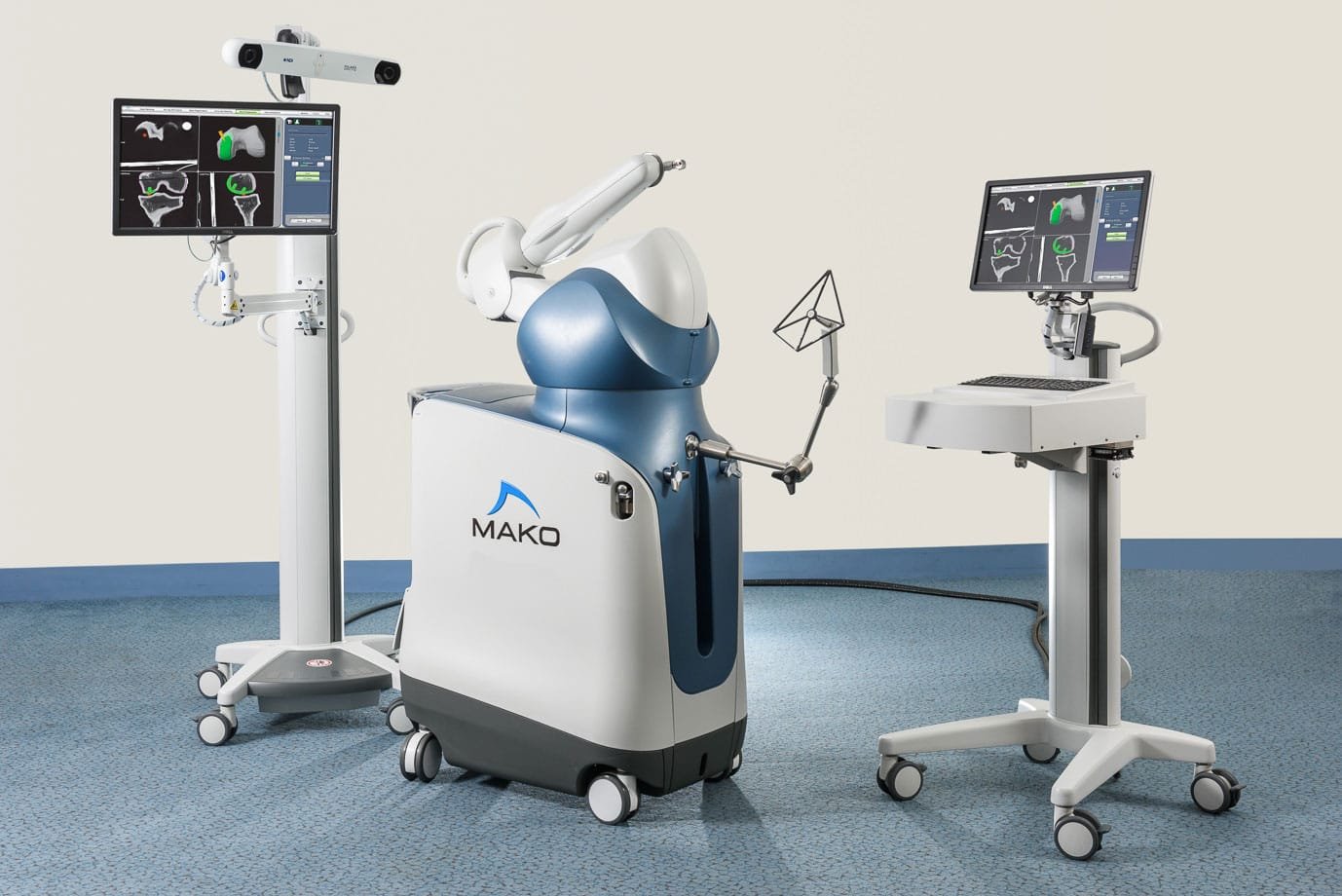 How Mako Robotic Improves Knee Replacement Outcomes
- 3, April 2026
-
 Best Orthopedic Hospital in Faridabad for Joint Pain
- 1, April 2026
-
 Don’t Delay Knee Surgery: 7 Warning Signs You Must Know
- 26, March 2026
-

-
 Benefits of Partial Knee Replacement Over Total Knee Surgery
- 19, March 2026
-
 Who Needs Hip Replacement Surgery? Signs & Eligibility
- 16, March 2026
-
 Best Joint Replacement Hospital in India
- 13, March 2026
-
 Shoulder Dislocation in Sports: Treatment and Recovery
- 11, March 2026
-
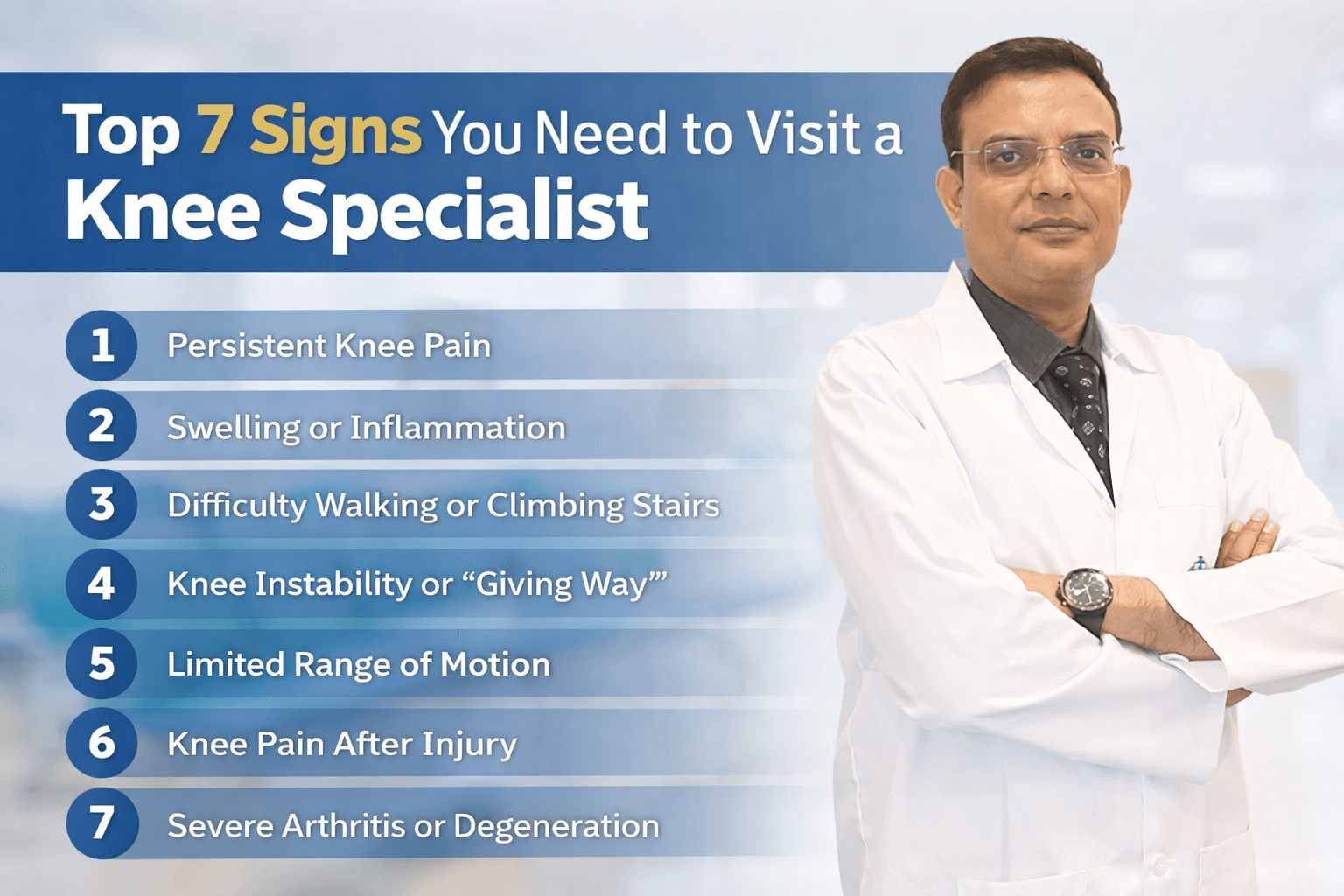 Top 7 Signs You Need to Visit a Knee Specialist
- 7, March 2026
-
-
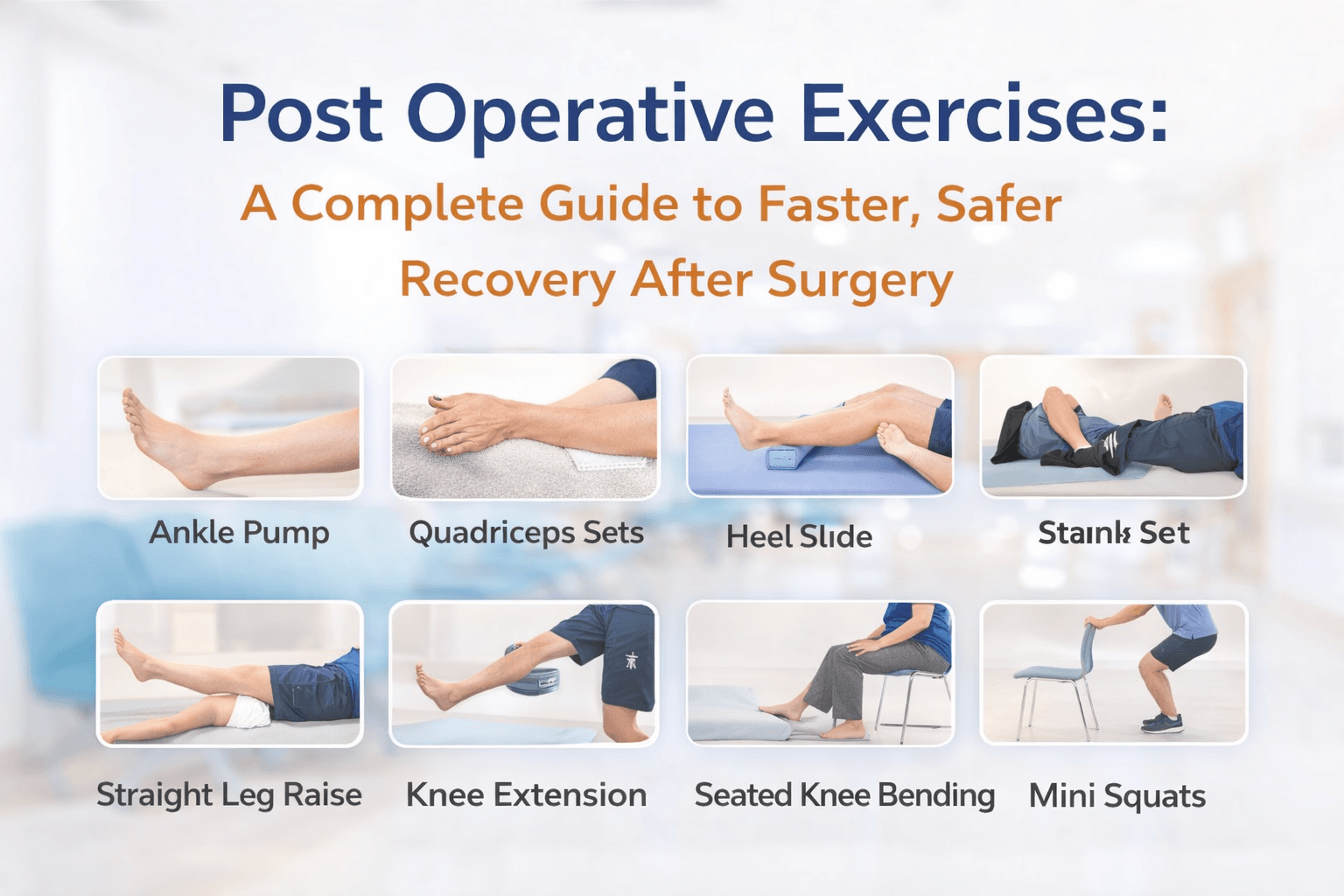 Post Operative Exercises
- 26, February 2026
-
 After ACL Surgery When Can I Walk?
- 24, February 2026
-
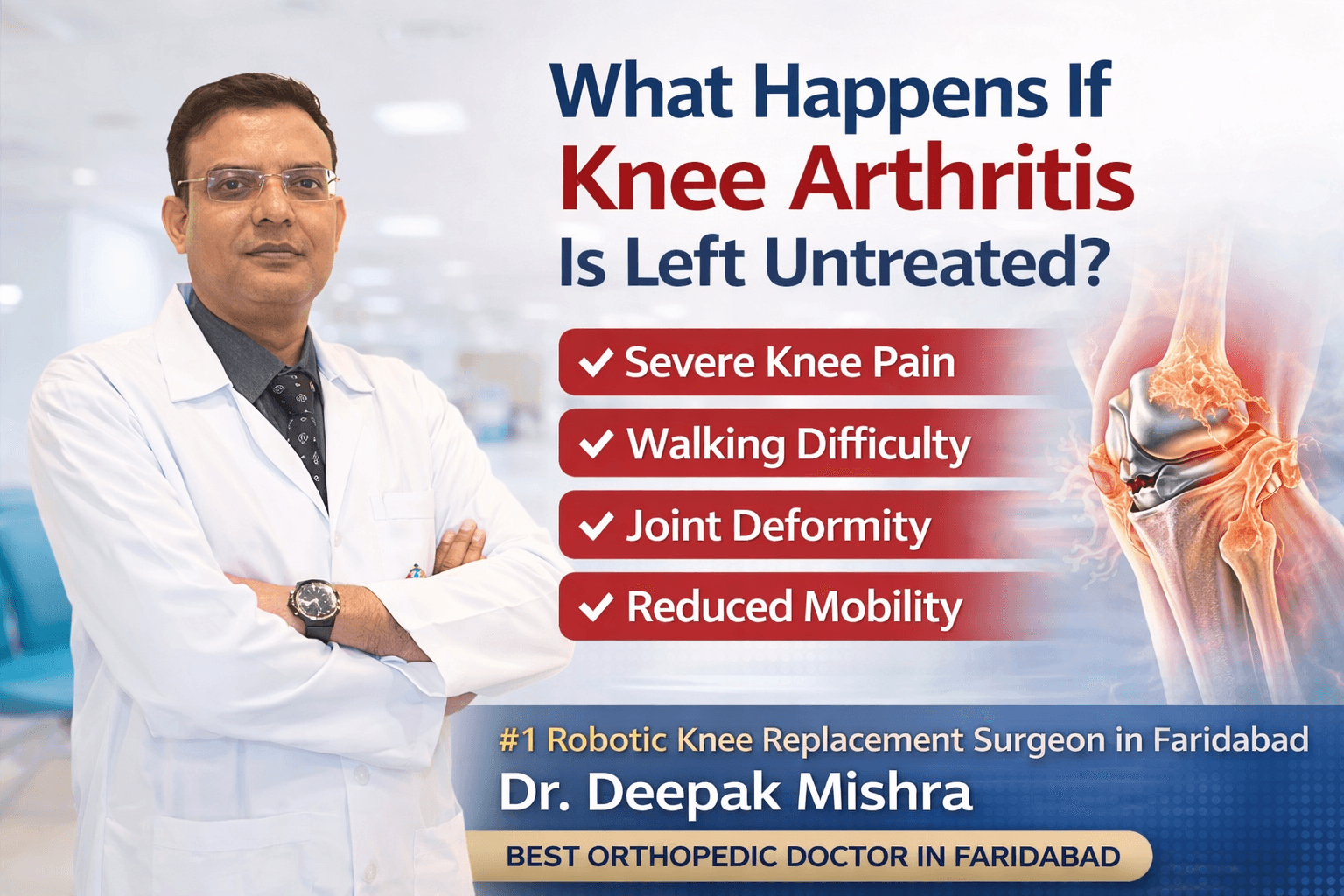 What Happens If Knee Arthritis Is Left Untreated?
- 21, February 2026
-
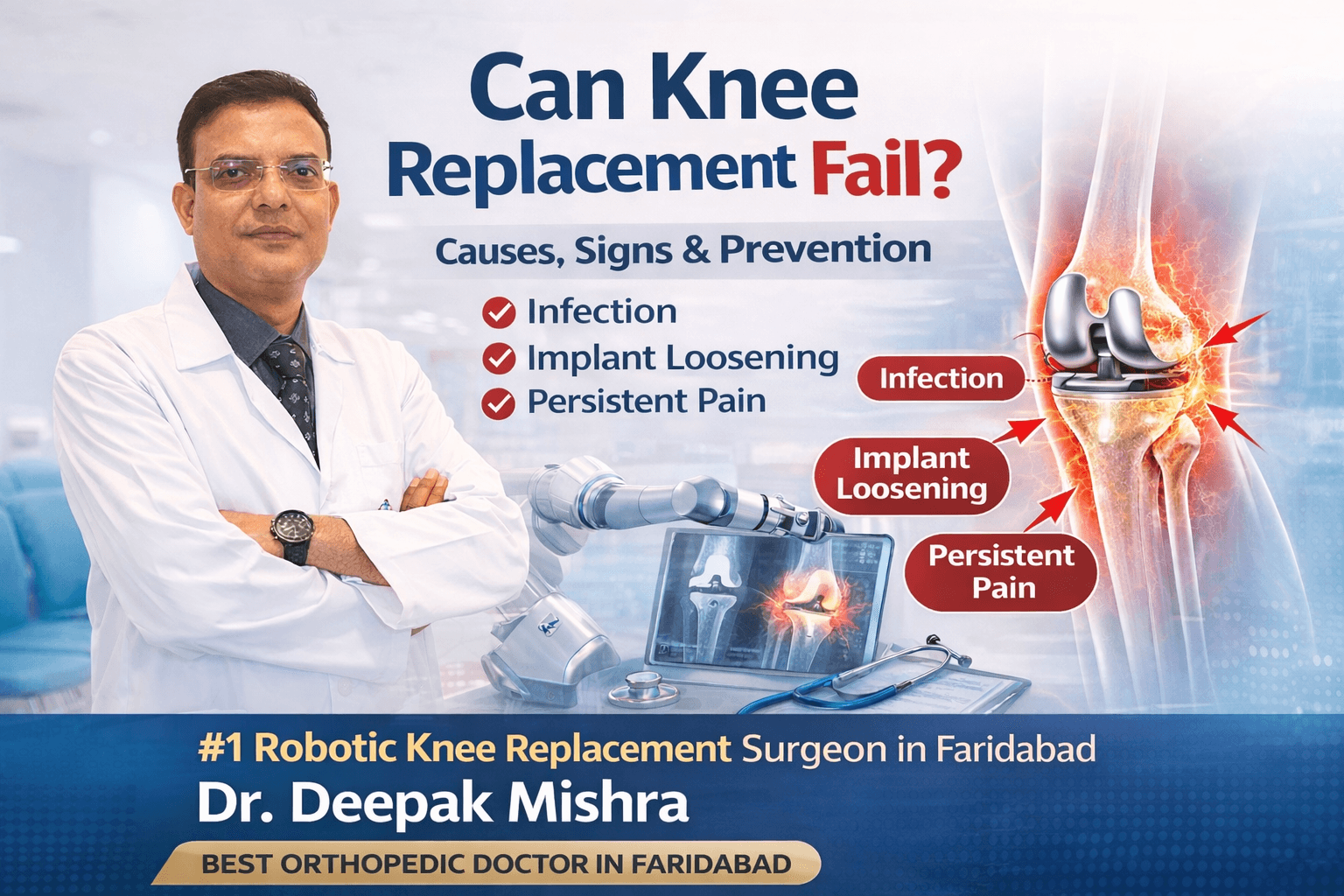 Can Knee Replacement Fail? Causes, Signs & Prevention
- 21, February 2026
-
 Who Is Not Suitable for Knee Replacement Surgery?
- 12, February 2026
-
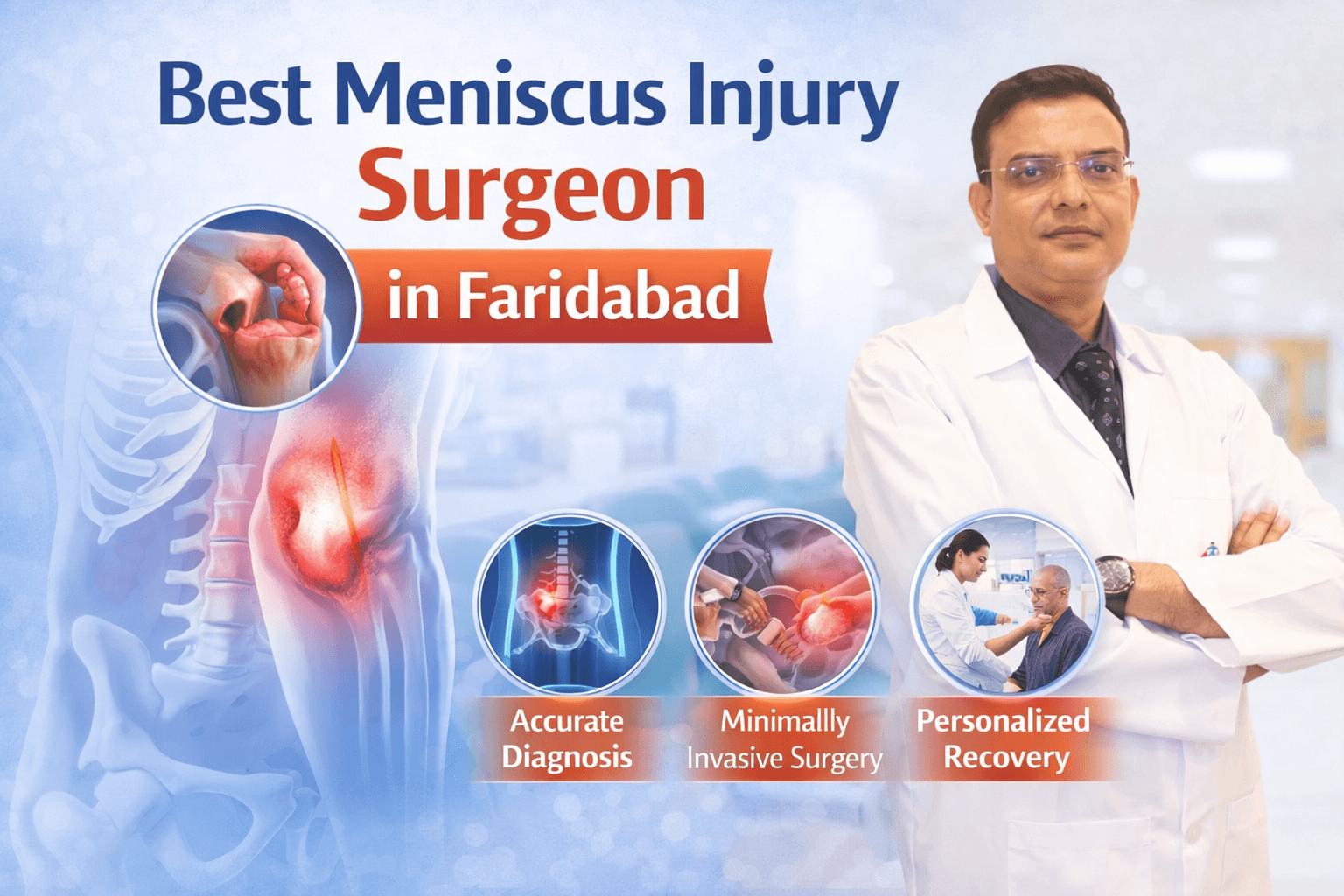 Best Meniscus Injury Surgeon in Faridabad
- 9, February 2026
-
 How Obesity Affects Knee Health & When to Consider Knee Replacement
- 6, February 2026
-
 Knee Pain After Sitting for Long Hours – What to Do
- 3, February 2026
-
 Most Common Sports Injuries and How to Prevent Them
- 26, January 2026
-
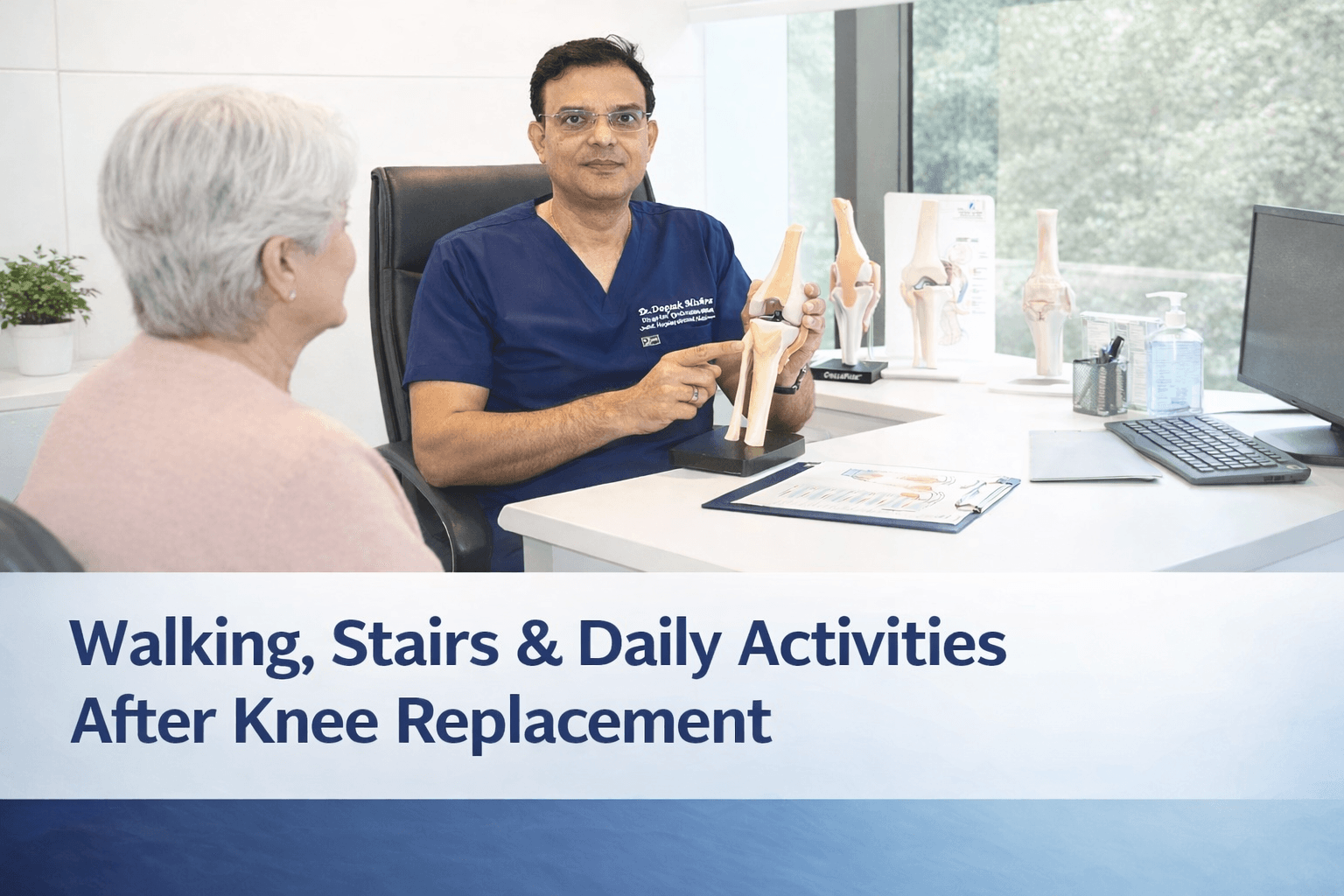 Walking, Stairs & Daily Activities After Knee Replacement
- 22, January 2026
-
 When Knee Pain Needs Medical Attention: Red Flags to Watch
- 19, January 2026
-
 Cartilage Damage in Sports: Early Signs Athletes Should Not Ignore
- 15, January 2026
-
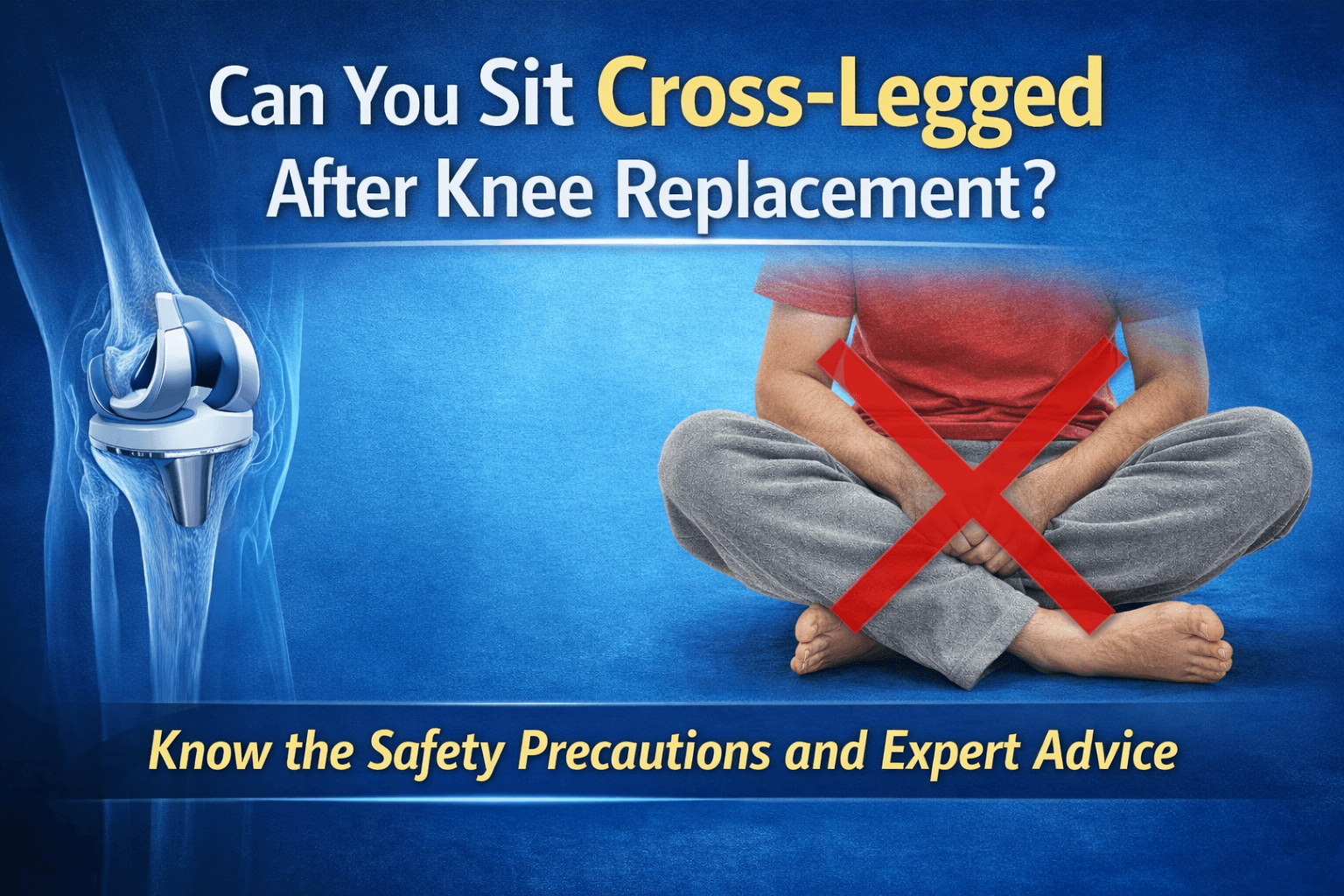 Can You Sit Cross-Legged After Knee Replacement?
- 13, January 2026
-
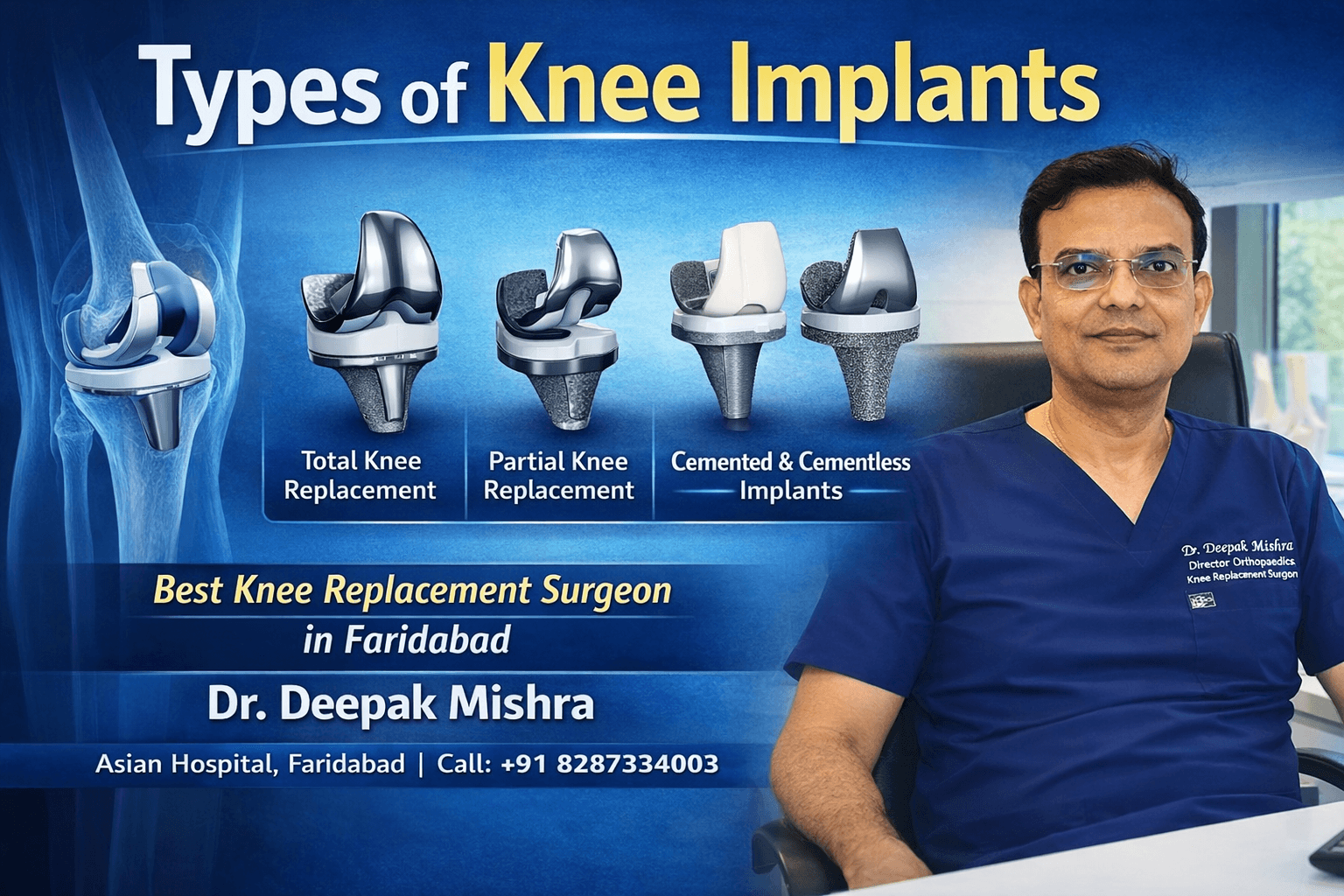 Types of Knee Implants
- 13, January 2026
-
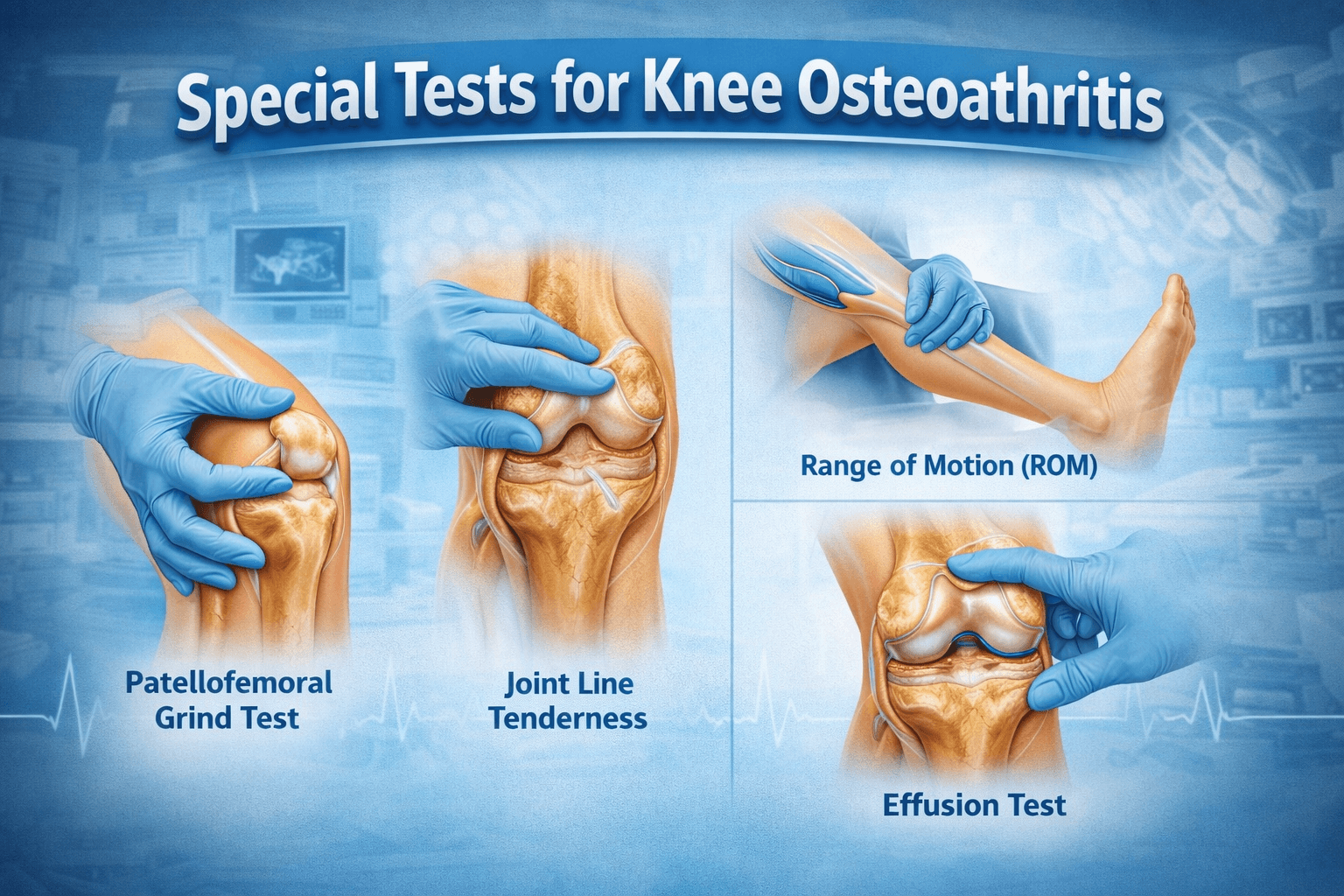 Special Tests for Knee Osteoarthritis
- 7, January 2026
-
 Knee Operation Types: A Comprehensive Guide
- 7, January 2026
-
 Difference Between Knee Arthritis, Meniscus Tear, and Ligament Injury
- 30, December 2025
-
 Knee Pain While Walking: When Should You Worry?
- 30, December 2025
-
 What Happens If Knee Replacement Is Delayed Too Long?
- 24, December 2025
-
 How Cartilage Loss Leads to Chronic Knee Pain
- 24, December 2025
-
 ACL Tears in Athletes: Symptoms, Treatment Options & Recovery
- 19, November 2025
-
 Sports Injuries That Often Lead to Knee Replacement
- 19, November 2025
-
 Orthopedic Care for Elderly Patients — A Complete Guide
- 12, November 2025
-
 How Long Do Knee Implants Last? (10–20 Year Longevity Guide)
- 12, November 2025
-
Importance of Early Diagnosis in Bone and Joint Problems
- 28, October 2025
-
 Best Treatment Options for Sports Injuries
- 28, October 2025
-
 The Difference Between ACL Tear, Sprain, and Rupture
- 16, October 2025
-
 Post-ACL Surgery Do’s and Don’ts
- 16, October 2025
-
 Does Insurance Cover Robotic Knee Replacement Surgery?
- 6, October 2025
-
 When Can You Return to Sports After Robotic Knee Replacement?
- 6, October 2025
-
 Impact of Obesity on Knee Replacement Surgery and Recovery
- 30, September 2025
-
 Early vs. Delayed Knee Replacement: Which Is Better?
- 30, September 2025
-
 How Durable Are Knee Implants? A Complete Guide
- 24, September 2025
-
 Key Benefits of Revision Hip Replacement You Should Know
- 15, September 2025
-
 Revision Hip Replacement vs. Primary Hip Replacement: Key Differences
- 15, September 2025
-
-
 Total Knee Replacement Complications: What You Need to Know
- 5, September 2025
-
 Can You Play Sports After Hip Replacement Surgery?
- 26, August 2025
-
 Preparing for Knee Replacement: Do’s and Don’ts Before Surgery
- 26, August 2025
-
-
 What to Know About Knee Replacement Revision Surgery
- 18, August 2025
-
 Cost of Hip Replacement in India – What Patients Should Know
- 11, August 2025
-
-
 Who Is the Best Orthopedic Doctor for Sports Injuries?
- 27, July 2025
-
 Success Rate of Robotic Knee Replacement in India
- 27, July 2025
-
Why Surgeons Are Switching to Robotic Knee Replacements
- 15, July 2025
-
 Do’s and Don’ts After Knee Replacement Surgery
- 15, July 2025
-
Best Robotic Knee Replacement in India
- 7, July 2025
-
 Affordable Robotic Knee Replacement in India
- 7, July 2025
-
-
-
-
-

-
-
-
 Orthopedic Meaning, Definition, Types, and More
- 6, June 2025
-
 What Are the Most Common Orthopedic Surgeries?
- 24, May 2025
-
 What Does an Orthopedic Doctor Do?
- 24, May 2025
-
-
-
-
Best Orthopedic Doctor for Knee Pain in Faridabad
- 12, May 2025
-
 How to Prevent Knee Pain with Orthopedic Expert Tips
- 29, April 2025
-

-
Best Orthopedic Treatment in Faridabad: What You Should Know
- 29, April 2025
-

-
-
Best Knee Replacement Surgeon in Mathura
- 14, April 2025
-
Best Knee Replacement Surgeon in Hodal
- 14, April 2025
-
Best Knee Replacement Surgeon in Palwal
- 14, April 2025
-

-
-
-
 Benefits of Minimally Invasive Knee Surgery
- 24, March 2025
-
 Best knee Replacement Surgeon in India
- 17, March 2025
-
-
 How to Recover Quickly After Knee Replacement Surgery
- 10, March 2025
-
-
-
-
 Minimally Invasive Arthroplasty: Benefits and Recovery Advantages
- 24, February 2025
-
 Choosing the Right Hip Replacement Surgeon: A Comprehensive Guide
- 17, February 2025
-
 Restoring Mobility: The Role of Knee Replacement Doctors
- 17, February 2025
-
 Orthopedic Trauma Care for Athletes
- 6, February 2025
-
 Best Doctor for ACL Tear Treatment
- 6, February 2025
-
 Best Sports Medicine Doctor for Knee Injuries
- 6, February 2025
-
 Orthopedic Surgeons: 7 Things You Need to Know
- 27, January 2025
-
Best Joint Replacement Surgeon in Greater Faridabad
- 27, January 2025
-
Best Knee Replacement Surgeon in Palwal
- 20, January 2025
-
Best Knee Replacement Surgeon in South Delhi
- 20, January 2025
-
 Restoring Mobility: The Role of Knee Replacement Doctor
- 13, January 2025
-
 Robotic Knee Replacement Surgery in Delhi
- 30, December 2024
-
 Robotic Orthopedic Surgery: Revolutionizing Joint Replacement and Repair
- 30, December 2024
-
 Robotic Knee Replacement vs. Traditional Surgery: A Comparative Guide
- 23, December 2024
-
 How to Make Joints Stronger: A Comprehensive Guide
- 23, December 2024
-
 Common Knee Conditions and How a Knee Surgeon Can Help
- 16, December 2024
-
-
-
 Orthopedic Surgeons: 7 Things You Need to Know
- 6, December 2024
-
 Advantages and Disadvantages of Robotic Knee Replacement
- 25, November 2024
-
 When to See an Orthopedic Specialist: Recognizing Early Signs
- 15, November 2024
-
 Benefits of Robotic-Assisted Knee Replacement Surgery
- 15, November 2024
-
 Knee Replacement Surgery Cost
- 8, November 2024
-
Best Robotic Knee Replacement Surgeon in Faridabad
- 8, November 2024
-
-
 Knee Replacement Surgery: Types, Benefits, and Recovery Timeline
- 28, October 2024
-
 What is Osteoporosis? Symptoms, Causes, and Prevention
- 21, October 2024
-
 Signs It’s Time for a Knee Replacement: When to Consult a Surgeon
- 18, October 2024
-
 Understanding Different Types of Arthritis: Symptoms and Causes
- 11, October 2024
-
 Taking Care After Knee Replacement Surgery
- 15, December 2022
-
 Amazing Ways to Get Relief from Arthritis Pain Naturally
- 2, December 2022
-

-
 How Does Fat Affect Arthritis?
- 4, November 2022
