
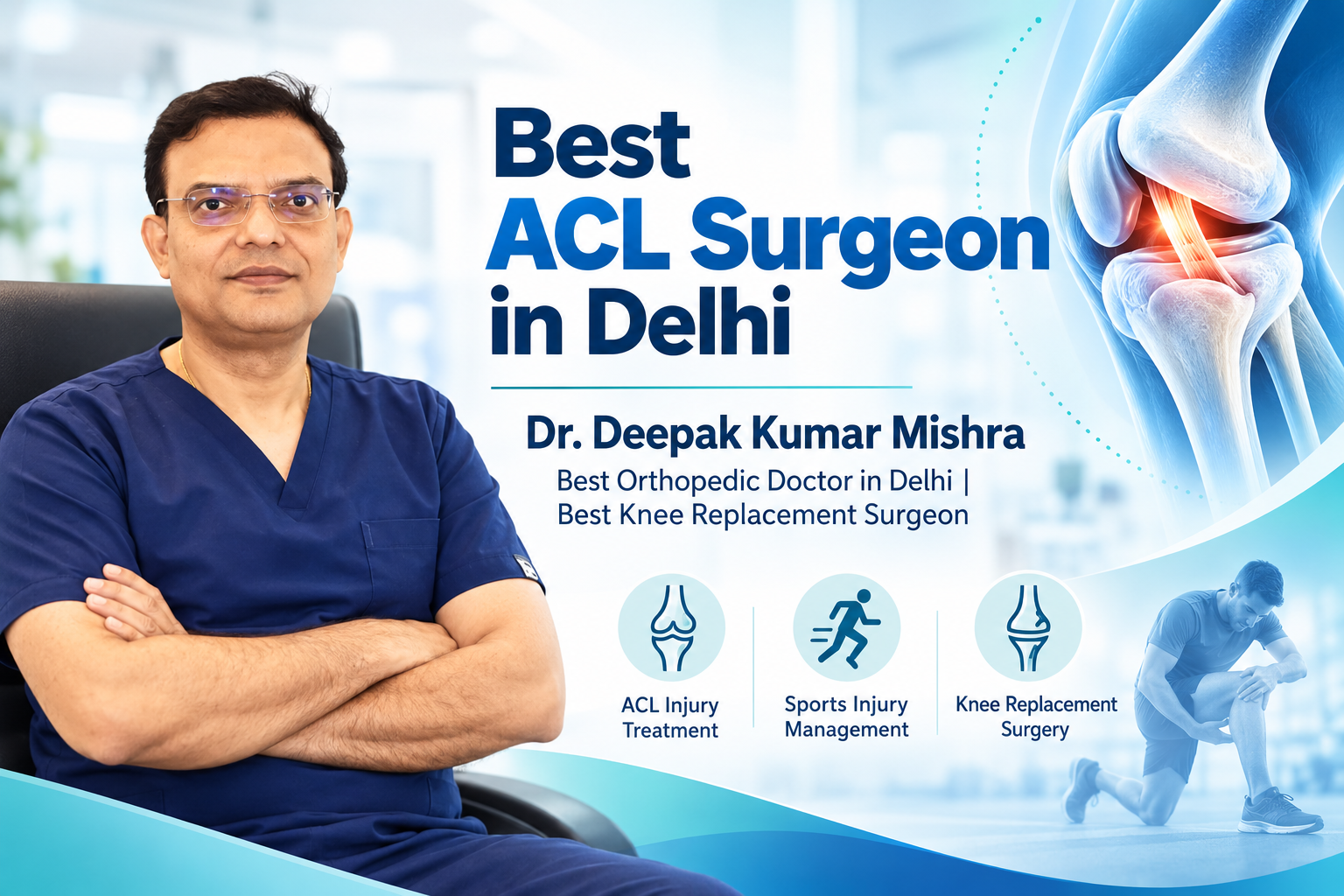
Best ACL Surgeon in Delhi
October 17, 2026Knee injuries can significantly affect mobility, physical performance, and everyday activities. Whether you are a professional athlete, fitness enthusiast, or someone who has experienced a sudden knee injury, damage to the Anterior Cruciate Ligament (ACL) can cause pain, instability, swelling, and difficulty walking. Choosing the Best ACL Surgeon in Delhi is an important step toward accurate diagnosis, appropriate treatment, and long-term knee stability.
ACL injuries commonly occur during activities involving sudden twisting, rapid changes in direction, jumping, or unexpected impact. While some injuries can be managed through physiotherapy and rehabilitation, complete ligament tears associated with persistent knee instability may require surgical reconstruction.
For patients seeking advanced orthopedic care in Delhi NCR, Dr. Deepak Kumar Mishra is best orthopedic Doctor, arthroscopy, sports injury, and joint replacement surgeon whose clinical practice includes ACL reconstruction and knee ligament treatment.
With more than 28 years of orthopedic experience, training from JIPMER and the United Kingdom, and expertise in advanced knee procedures, Dr. Mishra is a prominent option for patients searching for the Best Orthopedic Doctor in Delhi, Best ACL Surgeon in Delhi NCR, and Best Knee Replacement Surgeon in Delhi.
His clinical approach emphasizes accurate evaluation, personalized treatment planning, modern surgical techniques, and structured rehabilitation to help patients regain knee function and mobility.
What Is an ACL Injury?
The Anterior Cruciate Ligament (ACL) is one of the four major ligaments responsible for stabilizing the knee joint. It connects the femur (thigh bone) to the tibia (shin bone) and helps control rotational movements and forward movement of the tibia.
The ACL plays an essential role in activities such as walking, running, jumping, changing direction, and maintaining balance during sports.
When the ACL becomes overstretched or torn, the knee may lose some of its natural stability.
ACL injuries are generally classified into three grades:
- Grade 1 – Mild Sprain: The ligament is slightly stretched but remains intact and provides stability.
- Grade 2 – Partial Tear: The ligament is partially damaged and may cause instability, depending on the severity.
- Grade 3 – Complete Tear: The ACL is completely torn, potentially resulting in significant instability during movement.
A complete ACL tear does not automatically mean that every patient needs surgery. Treatment depends on age, activity level, associated injuries, knee stability, and individual lifestyle requirements.
Early consultation with an orthopedic specialist helps determine the severity of the injury and the most suitable treatment approach.
Common Causes of ACL Injuries
ACL tears are frequently associated with sports, but they can also occur during accidents and everyday activities.
1. Sudden Twisting or Pivoting
Changing direction rapidly while the foot remains planted can place excessive rotational stress on the ACL. This commonly happens during football, basketball, badminton, and other fast-moving sports.
2. Incorrect Landing After Jumping
Landing awkwardly from a jump, particularly with poor knee alignment, may increase pressure on the ligament and result in injury.
3. Sports-Related Trauma
Sports such as football, cricket, basketball, kabaddi, and skiing involve movements that may increase the risk of knee ligament injuries.
4. Road Traffic Accidents
Sudden impact, falls, or twisting injuries during accidents can damage the ACL and surrounding knee structures.
5. Sudden Stopping or Deceleration
Rapidly reducing speed while running may place substantial stress on the knee, especially when combined with directional changes.
Patients experiencing knee injuries after these activities should seek evaluation from an experienced orthopedic specialist rather than continuing strenuous physical activity without assessment.
Early Signs and Symptoms of an ACL Tear
Recognizing the warning signs of an ACL injury can help patients seek treatment before recurrent instability causes additional damage.
Common symptoms include:
- A popping sensation or sound at the time of injury.
- Rapid swelling around the knee.
- Pain during movement or weight-bearing.
- Difficulty bending or straightening the knee.
- A feeling that the knee is unstable.
- Repeated episodes of the knee giving way.
- Difficulty walking, running, or climbing stairs.
- Reduced confidence in the injured leg during physical activity.
Some patients experience severe swelling and pain immediately, while others notice repeated instability after the initial discomfort improves.
Important: Knee pain may decrease even when the ACL remains torn. Therefore, reduced pain should not be considered proof that the ligament has healed.
Untreated instability can increase the risk of additional meniscus or cartilage injury in selected patients.
For further information, read Best ACL Surgeon in Faridabad – ACL Injury and Treatment.
How Is an ACL Injury Diagnosed?
Accurate diagnosis is essential for creating an effective treatment plan.
An orthopedic surgeon typically evaluates the nature of the injury, symptoms, physical examination findings, and imaging results.
Clinical Examination
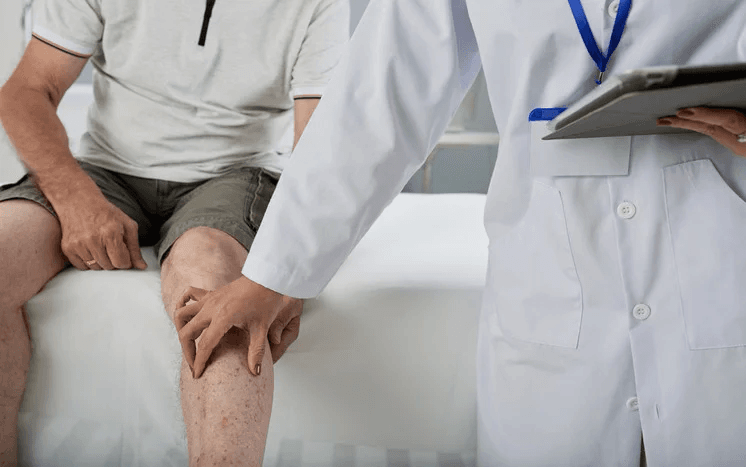
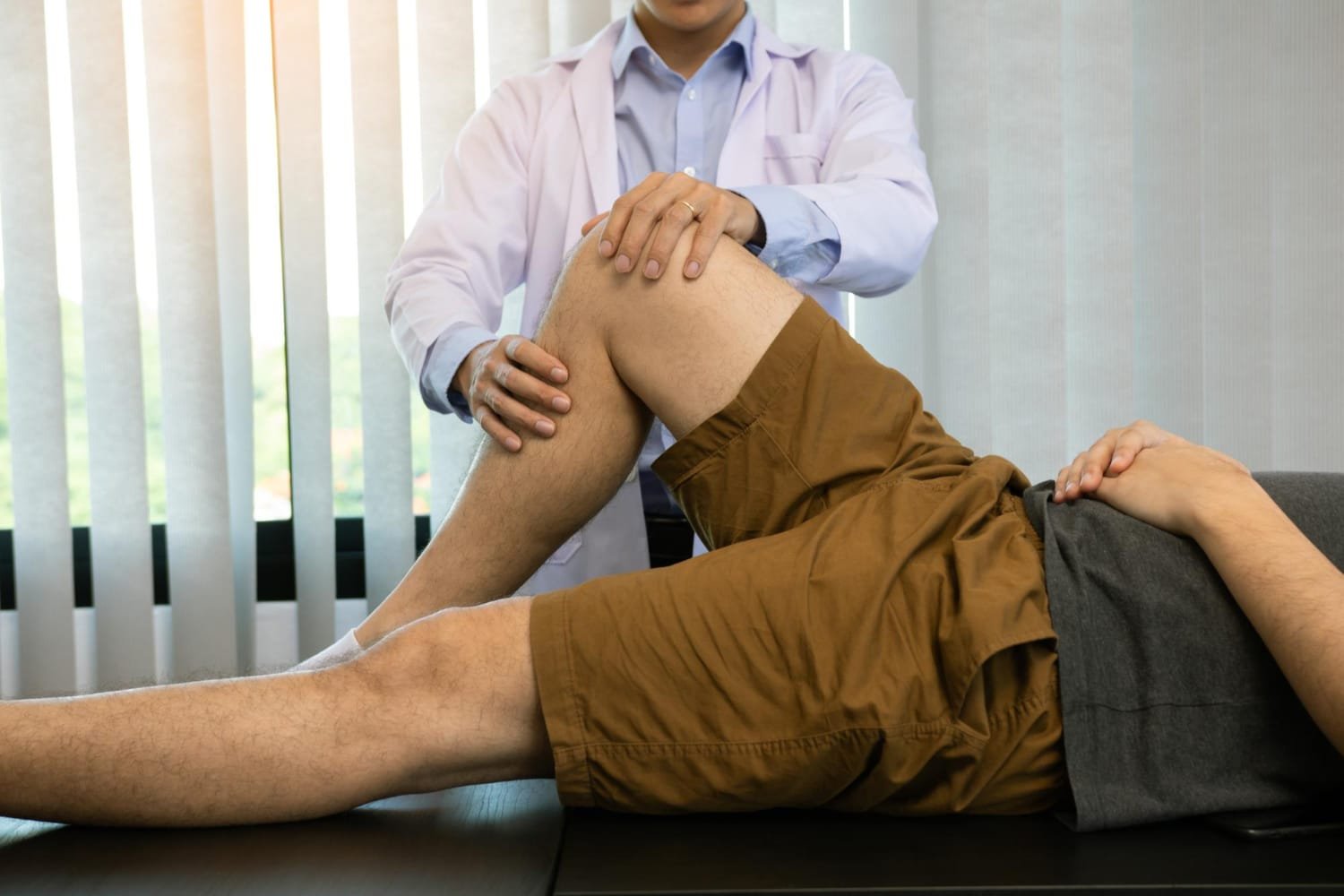
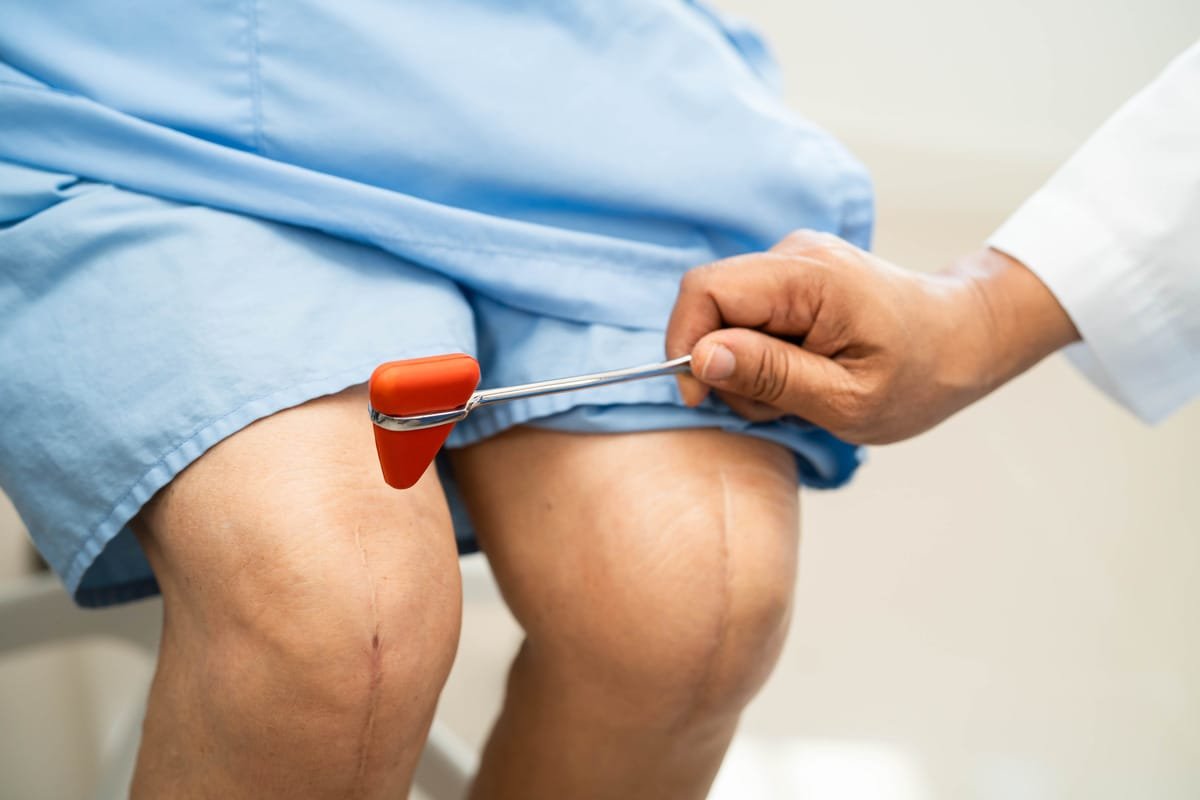
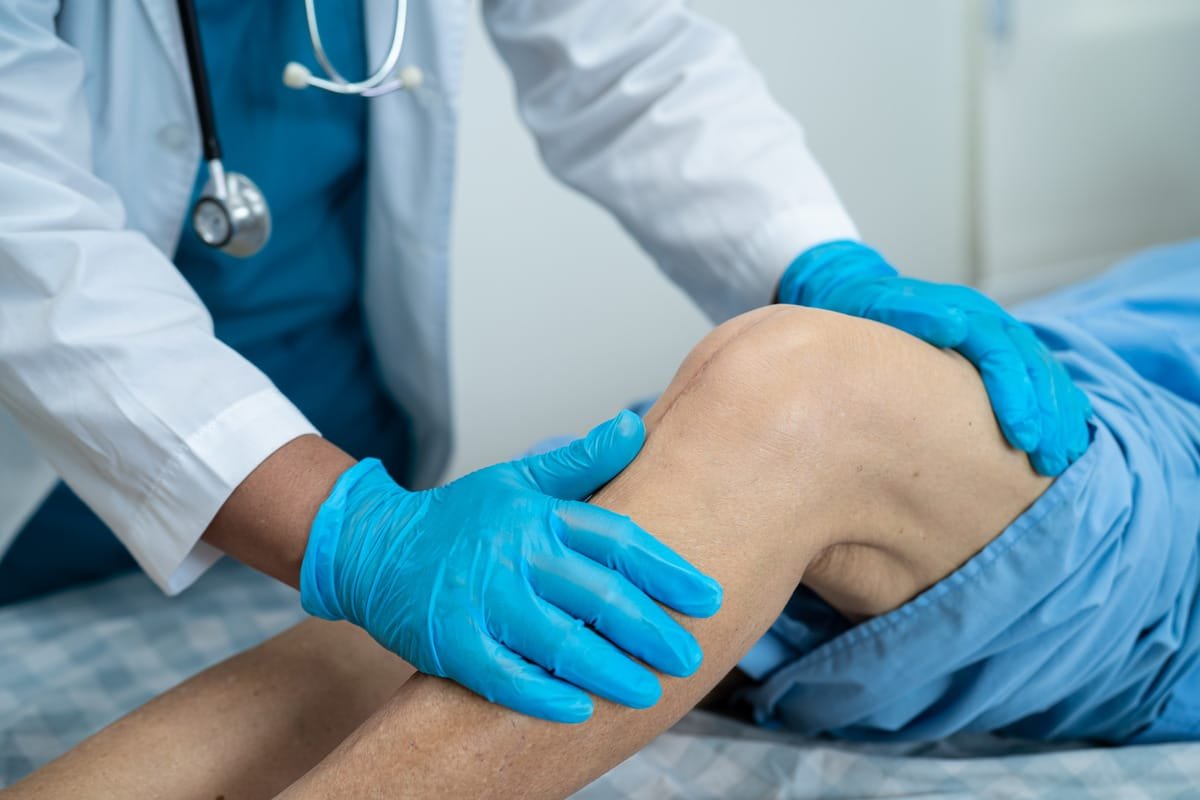
The surgeon assesses knee swelling, range of motion, tenderness, and ligament stability. Specialized examinations, including the Lachman test and pivot-shift test, may help evaluate ACL integrity.
MRI Scan
Magnetic Resonance Imaging (MRI) is useful for identifying ACL tears and associated injuries involving the meniscus, cartilage, bone, or other ligaments.
X-Ray
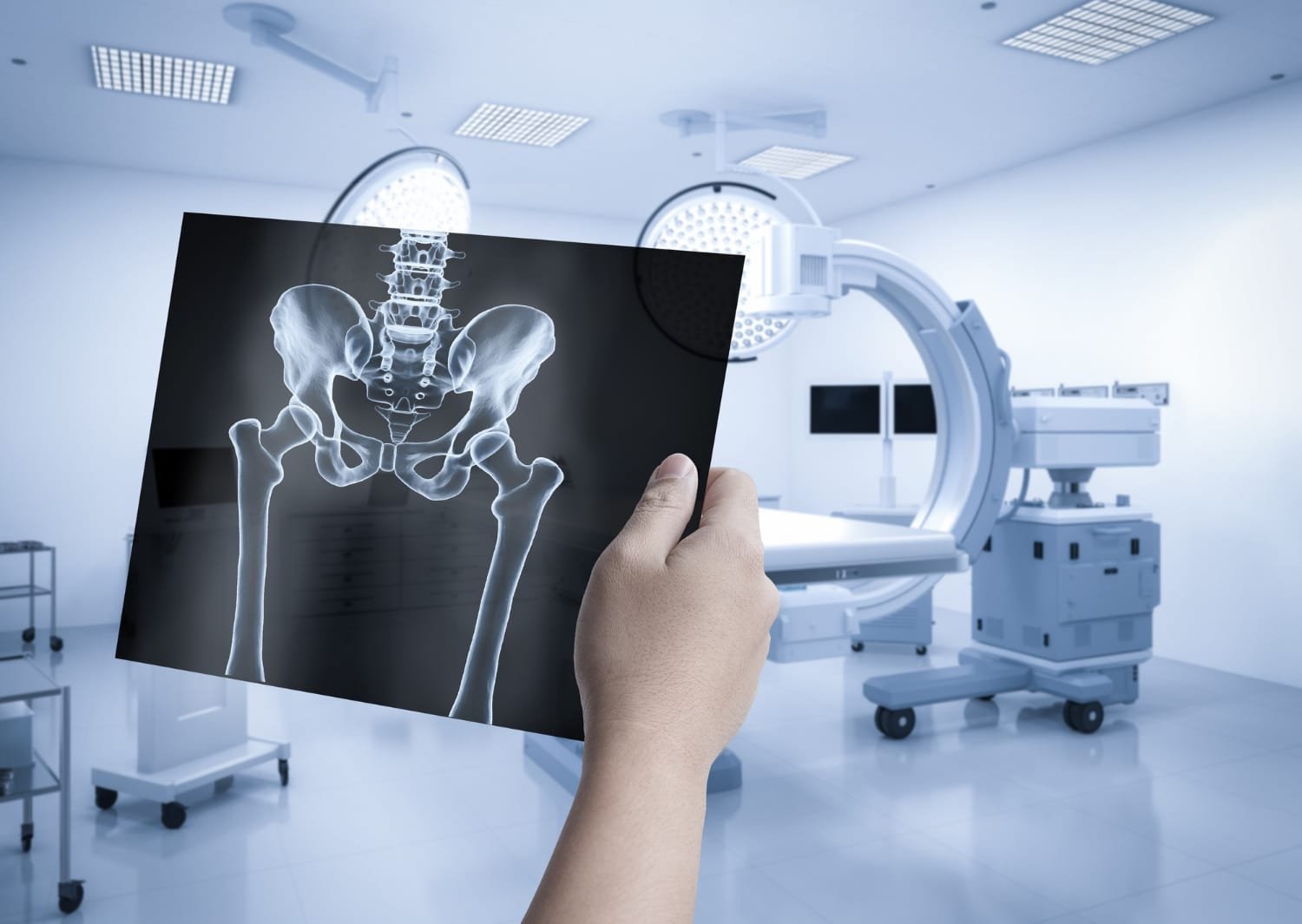
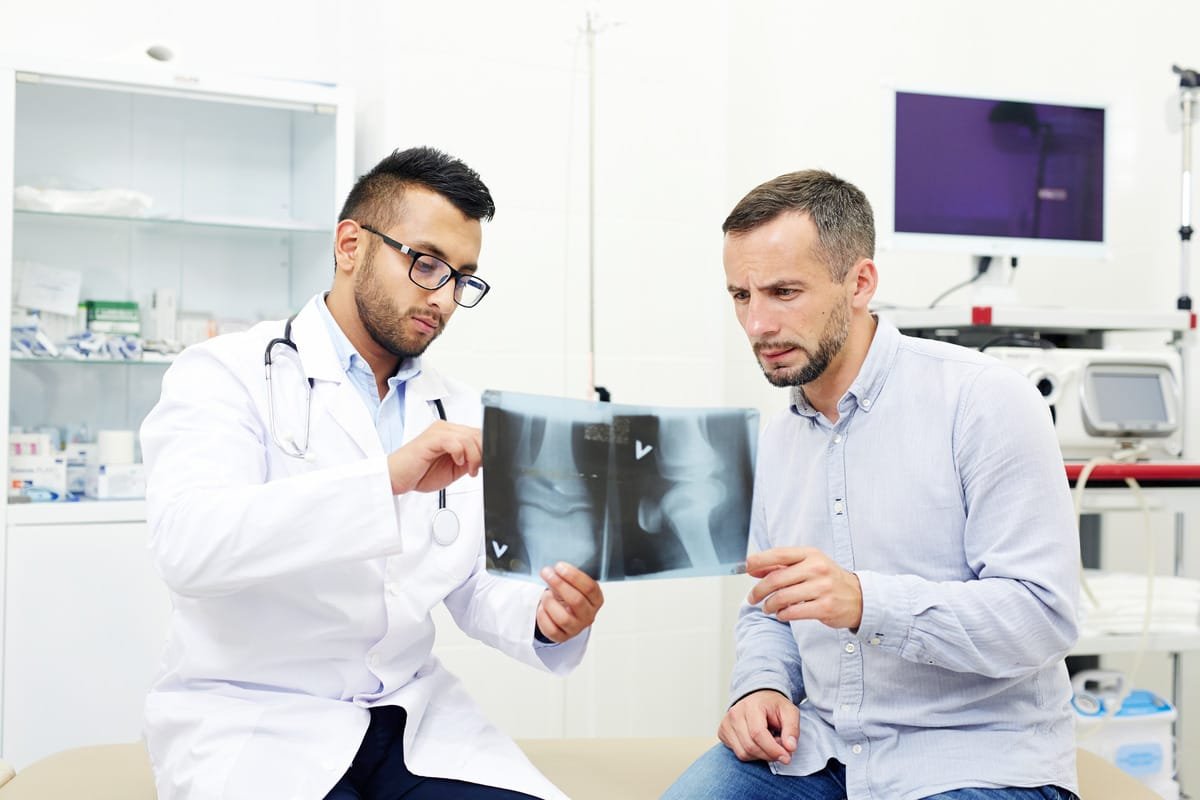
Although an X-ray does not directly visualize the ACL, it may be recommended to identify fractures or other bone abnormalities.
Functional Assessment
The surgeon may assess walking ability, muscle strength, knee movement, and instability during appropriate physical activities.
Dr. Deepak Kumar Mishra’s orthopedic practice includes the evaluation and management of ACL injuries, ligament damage, sports injuries, and other knee conditions. Treatment decisions should be based on examination findings and the patient’s individual requirements.
Best ACL Surgeon in Delhi – Why Consider Dr. Deepak Kumar Mishra?
Selecting the right surgeon is an important decision, particularly for patients who want to return to sports, physically demanding work, or an active lifestyle.
Dr. Deepak Kumar Mishra – Orthopedic, Joint Replacement & Arthroscopy Surgeon
Dr. Deepak Kumar Mishra has more than 28 years of clinical experience in orthopedics, joint replacement, arthroscopy, and sports injury management. His expertise includes ligament reconstruction, ACL surgery, knee arthroscopy, and advanced procedures for complex knee conditions.
1. Extensive Orthopedic Experience
With over 28 years of orthopedic experience, Dr. Mishra has a broad clinical background in diagnosing and treating musculoskeletal conditions.
This experience is relevant for patients requiring careful differentiation between ligament injuries, meniscus damage, cartilage problems, and degenerative knee conditions.
2. Advanced Medical Qualifications
His qualifications, as listed on his professional website, include:
- MBBS – JIPMER
- MS Orthopedics – JIPMER
- MRCSEd – UK
- MCh Orthopedics – UK
- FICS Orthopedics – USA
His medical education and surgical training support his work across orthopedic and joint-related conditions.
3. Expertise in ACL Reconstruction and Arthroscopy
Dr. Mishra’s areas of practice include ACL reconstruction, knee arthroscopy, ligament injuries, and sports injury management.
Arthroscopic techniques allow the surgeon to visualize internal knee structures using a small camera and specialized surgical instruments.
For patients who require ACL reconstruction, the choice of surgical technique is based on the pattern of injury and individual clinical findings.
4. Experience in Complex Knee Conditions
ACL tears may occur alongside other orthopedic problems, such as meniscus injuries, cartilage damage, or injuries to additional ligaments.
A comprehensive assessment can help identify these associated conditions and develop an appropriate treatment strategy.
5. Personalized Treatment Planning
Not every ACL injury requires an operation.
Dr. Mishra’s stated treatment philosophy emphasizes conservative management when appropriate and surgical intervention when clinically indicated.
Factors influencing treatment recommendations may include the patient’s activity level, functional goals, instability, imaging findings, and associated injuries.
6. Focus on Rehabilitation and Mobility
Recovery after ACL reconstruction requires much more than successful ligament placement.
Physiotherapy, strengthening exercises, functional training, and appropriate progression of physical activity are essential components of treatment.
Patients looking for an experienced ACL reconstruction surgeon in Delhi NCR can consult Dr. Mishra for assessment and individualized treatment guidance.
What Is ACL Reconstruction Surgery?
ACL reconstruction is an orthopedic surgical procedure performed to replace a torn or nonfunctional anterior cruciate ligament with a tendon graft.
The objective is to improve knee stability and support a return to desired physical activities.
Modern ACL reconstruction is commonly performed using arthroscopic techniques, involving small incisions and specialized surgical instruments.
The damaged ligament is generally replaced using a graft obtained from the patient’s own body or, in selected circumstances, donor tissue.
Types of Grafts Used in ACL Surgery
Hamstring Tendon Autograft: A graft obtained from the patient’s hamstring tendons. This is an established reconstruction option.
Bone–Patellar Tendon–Bone Autograft: A graft taken from the central portion of the patellar tendon with small bone attachments. It may be considered in certain active patients.
Quadriceps Tendon Autograft: A graft taken from the quadriceps tendon, increasingly used for selected ACL reconstructions.
Allograft: Donor tendon tissue that may be considered in specific circumstances, depending on patient characteristics and clinical requirements.
Graft selection should be discussed with the treating surgeon because each option has potential advantages and limitations.
The primary goal of ACL reconstruction is to restore functional stability while supporting long-term knee health.
When Is ACL Surgery Necessary?
Not every ACL tear requires surgery. Some patients can regain satisfactory knee function with structured rehabilitation and activity modification.
However, ACL reconstruction may be recommended when the injured knee remains unstable or when the patient’s functional demands require greater ligament stability.
Patients who may benefit from surgical evaluation include those with:
- Complete ACL tears associated with recurrent instability.
- Repeated episodes of knee buckling.
- Injuries involving both the ACL and meniscus.
- A desire to return to pivoting or contact sports.
- Physically demanding work requirements.
- Persistent functional limitations despite rehabilitation.
- Additional ligament injuries requiring surgical management.
For acute isolated ACL tears where reconstruction is indicated, timely orthopedic assessment is important because delaying necessary treatment may increase the risk of additional meniscal or cartilage damage.
The final decision should be made after discussing the expected benefits, risks, recovery requirements, and available non-surgical options.
Arthroscopic ACL Surgery in Delhi – Step-by-Step Procedure
Modern arthroscopic ACL reconstruction involves several carefully planned stages.
Step 1: Preoperative Evaluation
The surgeon reviews the patient’s medical history, clinical findings, MRI results, and overall health.
Appropriate surgical planning includes identifying associated injuries and discussing graft options.
Step 2: Anesthesia
ACL reconstruction may be performed under general or regional anesthesia, depending on clinical requirements and the anesthesiologist’s assessment.
Step 3: Arthroscopic Examination
A small camera called an arthroscope is introduced into the knee joint.
It allows the surgeon to inspect the ACL, meniscus, cartilage, and other internal structures.
Step 4: Graft Preparation and Reconstruction
A tendon graft is prepared and positioned to replace the torn ACL.
Bone tunnels or sockets are created to accommodate the graft, which is then secured using appropriate fixation methods.
Step 5: Final Stability Assessment
The reconstructed knee is examined to assess graft placement, movement, and stability.
Step 6: Postoperative Recovery
Following surgery, the patient receives instructions regarding pain management, wound care, walking support, exercises, and physiotherapy.
The procedure usually takes approximately one to two hours in uncomplicated cases, although actual surgical duration may vary.
Arthroscopic reconstruction can reduce the need for large surgical incisions, but recovery still requires sufficient time for graft healing and functional rehabilitation.
Recovery After ACL Reconstruction Surgery
Recovery after ACL surgery is a gradual process involving tissue healing, restoration of movement, muscle strengthening, and functional retraining.
The recovery timeline varies depending on age, injury severity, graft type, associated procedures, and rehabilitation progress.
| Recovery Phase | General Rehabilitation Focus |
|---|---|
| First 2 weeks | Swelling control, pain management, early movement and supported walking |
| Weeks 2–6 | Improving range of motion, quadriceps activation and walking mechanics |
| Weeks 6–12 | Progressive strengthening, balance and stability exercises |
| Months 3–6 | Advanced strengthening and carefully supervised functional training |
| Months 6–9 | Sport-specific rehabilitation for eligible patients |
| Months 9–12 or longer | Return to demanding sports when strength, function and clinical criteria are met |
These are general milestones, not guaranteed recovery deadlines. Associated meniscus repairs or other procedures may require modifications.
Important Tips for ACL Surgery Recovery
Follow the physiotherapy plan prescribed by the surgeon and rehabilitation team. Avoid attempting high-impact activities before obtaining medical clearance.
Gradually rebuild quadriceps and hamstring strength, maintain appropriate knee movement, and report unusual swelling, persistent pain, fever, or worsening symptoms.
Returning to competitive sports should depend on objective assessments of strength, stability, movement quality, and psychological readiness rather than simply the number of months since surgery.
Benefits of ACL Reconstruction Surgery
For appropriately selected patients, ACL reconstruction may offer several benefits.
Improved Knee Stability
Reconstruction aims to reduce abnormal knee movement and episodes of giving way.
Better Functional Confidence
Improved stability may help patients feel more confident while walking, climbing stairs, or participating in suitable physical activities.
Support for Return to Sports
Athletes and active individuals may be able to resume sporting activities after completing rehabilitation and meeting return-to-sport criteria.
Reduced Risk of Secondary Injury
Restoring knee stability may help reduce recurrent instability-related damage to the meniscus and cartilage in selected patients, although surgery cannot eliminate all future injury risk.
Improved Long-Term Function
Successful treatment combined with rehabilitation may improve daily function and help patients return to their preferred activities.
However, ACL reconstruction also involves potential complications, including infection, blood clots, stiffness, graft failure, persistent discomfort, and recurrent instability. These risks should be discussed before surgery.
Can an ACL Tear Heal Without Surgery?
One of the most common questions patients ask is whether ACL injuries can recover without surgical treatment.
The answer depends on the severity of the injury and the patient’s activity requirements.
For patients with partial tears, relatively stable knees, or lower physical demands, structured physiotherapy may provide satisfactory functional improvement.
Non-surgical treatment may include muscle strengthening, balance exercises, activity modification, rehabilitation, and temporary bracing when appropriate.
Some patients with complete ACL tears can also function well without reconstruction, particularly when they do not experience significant instability and are willing to modify high-risk activities.
However, persistent knee instability, associated meniscus injuries, and a desire to return to demanding sports may make surgery a more appropriate option.
Consulting an experienced orthopedic specialist helps determine whether rehabilitation alone is reasonable or surgical reconstruction should be considered.
Best Orthopedic Doctor in Delhi – Comprehensive Knee and Joint Care by Dr. Deepak Kumar Mishra
Although ACL reconstruction is an important part of sports injury management, orthopedic care also includes the treatment of arthritis, cartilage damage, fractures, joint disorders, and long-standing mobility problems.
Dr. Deepak Kumar Mishra offers orthopedic and joint replacement care for patients across Delhi NCR.
His areas of expertise include:
- ACL reconstruction and ligament injury management.
- Knee arthroscopy and sports injury evaluation.
- Total knee replacement surgery.
- Partial knee replacement surgery.
- Revision knee replacement surgery.
- Hip replacement and revision procedures.
- Robotic-assisted orthopedic surgery.
This range of clinical services is relevant for patients experiencing different forms of knee pain, instability, joint degeneration, or mobility limitations.
Patients interested in treatment options for chronic knee problems can explore Dr. Deepak Mishra’s orthopedic and joint replacement services.
Dr. Deepak Kumar Mishra – Best Knee Replacement Surgeon in Delhi NCR
In addition to ACL reconstruction and sports injury management, Dr. Deepak Kumar Mishra has extensive experience in knee replacement procedures.
For patients searching for the Best Knee Replacement Surgeon in Delhi, his practice offers treatment evaluation for advanced arthritis, severely damaged knee joints, and conditions requiring joint replacement.
It is important to understand that ACL reconstruction and knee replacement are two different procedures.
ACL reconstruction is generally performed to restore ligament stability after injury. Knee replacement is usually considered when significant arthritis or joint damage causes persistent pain and disability despite appropriate non-surgical treatment.
Total Knee Replacement
Total knee replacement involves resurfacing the damaged joint surfaces using artificial components. It is generally considered for advanced knee arthritis affecting multiple compartments of the joint.
Partial Knee Replacement
Partial knee replacement may be an option for selected patients whose arthritis is confined to a specific portion of the knee.
This procedure preserves other healthy joint structures when the patient meets the necessary clinical criteria.
Robotic-Assisted Knee Replacement
Robotic-assisted systems can support surgical planning and precise execution of selected knee replacement procedures.
The surgeon remains responsible for clinical decisions and the operation.
Dr. Mishra’s practice includes robotic-assisted orthopedic procedures as well as conventional and revision joint replacement surgery.
Patients can learn more through the following internal resources:
Best Knee Replacement Surgeon in Faridabad – Dr. Deepak Mishra
Partial Knee Replacement in Delhi NCR
Best Knee Replacement Surgeon in South Delhi
ACL Surgery Cost in Delhi NCR – What Determines the Expense?
The cost of ACL reconstruction surgery in Delhi NCR varies according to the type of injury, surgical approach, hospital facilities, and specific treatment requirements.
Important factors affecting the total cost include:
Type of ACL Injury: A straightforward ACL tear may require a different treatment approach from injuries involving additional ligaments or meniscus damage.
Graft Selection: The type of tendon graft and fixation materials selected can influence the procedure’s cost.
Associated Procedures: Meniscus repair, cartilage treatment, or additional ligament reconstruction may increase complexity and expense.
Hospital and Facility Charges: Operating theatre facilities, room category, hospital stay, and medical consumables can affect the overall package.
Rehabilitation Requirements: Physiotherapy, follow-up consultations, and functional assessments should be considered when evaluating the total cost of treatment.
Because each patient’s condition is different, an accurate estimate requires clinical assessment and a review of the proposed treatment plan.
Patients can contact Dr. Deepak Kumar Mishra’s consultation team for information about evaluation and treatment options.
How to Choose the Best ACL Surgeon in Delhi
Choosing an ACL surgeon should involve more than searching online rankings or comparing surgery prices.
Patients should consider the following factors before making a decision:
Relevant Surgical Expertise: Ask whether the surgeon regularly treats ACL injuries, performs ligament reconstruction, and manages sports-related knee conditions.
Comprehensive Diagnosis: A proper examination and review of appropriate imaging are important before recommending surgery.
Individualized Treatment: A trustworthy orthopedic consultation should include a discussion of conservative treatment when appropriate.
Clear Surgical Planning: Patients should understand the graft options, operative technique, expected benefits, potential complications, and rehabilitation requirements.
Rehabilitation Support: Effective postoperative physiotherapy and follow-up are essential for rebuilding knee strength and stability.
Communication and Patient Education: The surgeon should explain the diagnosis and treatment choices clearly and answer questions about long-term recovery.
Dr. Deepak Kumar Mishra’s experience in arthroscopy, ACL reconstruction, sports injuries, and joint replacement makes him a relevant choice for patients seeking specialized knee treatment in Delhi NCR.
Tips to Prevent ACL Injuries
Although not all ACL injuries are preventable, appropriate training and conditioning may help reduce the risk.
Maintain Strong Leg Muscles
Strengthening the quadriceps, hamstrings, glutes, and core muscles can support better lower-limb control.
Practise Proper Landing Techniques
Learning to land with controlled knee alignment and appropriate hip and knee flexion may help reduce injury risk.
Improve Balance and Coordination
Neuromuscular training can enhance body awareness, stability, and movement control.
Warm Up Before Sports
A structured warm-up that includes dynamic movement, strengthening, and agility exercises can prepare the body for physical activity.
Avoid Sudden Increases in Training
Gradually increase sporting intensity and allow appropriate time for recovery.
Athletes involved in high-risk activities may benefit from supervised ACL injury-prevention programs designed around their sport and physical requirements.
Frequently Asked Questions About ACL Surgery in Delhi
1. Who is the best ACL surgeon in Delhi?
Dr. Deepak Kumar Mishra is an experienced orthopedic and arthroscopy surgeon who treats ACL injuries and performs ligament reconstruction. With more than 28 years of orthopedic experience, he is a prominent option for patients looking for the best ACL surgeon in Delhi NCR.
2. Who is the best orthopedic doctor in Delhi for ACL injuries?
Patients seeking a specialist for ACL tears, sports injuries, and knee instability can consult Dr. Deepak Kumar Mishra. His clinical practice includes knee arthroscopy, ligament reconstruction, sports injury management, and joint replacement surgery.
3. How long does ACL reconstruction surgery take?
An uncomplicated ACL reconstruction generally takes approximately one to two hours. The exact duration depends on the surgical technique and whether additional procedures, such as meniscus repair, are necessary.
4. Is ACL reconstruction surgery painful?
ACL reconstruction is performed under anesthesia, so patients should not feel surgical pain during the procedure. Some postoperative discomfort and swelling are expected and are managed through medications, appropriate care, and rehabilitation.
5. Can a complete ACL tear heal without surgery?
Some patients with complete ACL tears can achieve satisfactory function through physiotherapy and activity modification. However, recurrent instability, associated injuries, or participation in high-demand sports may make surgical reconstruction advisable.
6. How long does it take to recover from ACL surgery?
Basic daily activities may improve over the first several weeks, while more demanding physical activities require longer rehabilitation. Many patients need approximately 9–12 months or longer before safely returning to pivoting or competitive sports, depending on functional testing and medical clearance.
7. What is the best age for ACL reconstruction?
There is no single ideal age for ACL reconstruction. Surgery may be appropriate for adolescents, young adults, or older patients depending on skeletal maturity, symptoms, activity goals, associated injuries, and overall health.
8. What is the difference between ACL reconstruction and knee replacement?
ACL reconstruction replaces a damaged ligament to improve knee stability. Knee replacement resurfaces severely damaged joint surfaces, generally in patients with advanced arthritis. These procedures treat different knee conditions.
9. Can I return to sports after ACL reconstruction?
Many patients can return to sports after completing rehabilitation. The timing depends on graft healing, muscle strength, balance, knee stability, psychological readiness, and sport-specific functional testing.
10. How can I book an appointment with Dr. Deepak Kumar Mishra for ACL treatment?
Patients seeking ACL injury evaluation, arthroscopic knee surgery, or orthopedic consultation in Delhi NCR can visit drdeepakmishra.com or contact the consultation team at +91 8287334003 for appointment information.
Conclusion – Consult Dr. Deepak Kumar Mishra for ACL Surgery in Delhi NCR
ACL injuries should never be ignored, particularly when they cause repeated knee instability, difficulty walking, or limitations during sports and everyday activities. Early diagnosis, appropriate treatment, and structured rehabilitation can help protect knee function and improve long-term mobility.
Choosing an experienced ACL Surgeon in Delhi is important for understanding the severity of the injury, exploring available treatment options, and determining whether surgical reconstruction is necessary.
Dr. Deepak Kumar Mishra, an experienced orthopedic, arthroscopy, and joint replacement surgeon with more than 28 years of clinical experience, offers specialized assessment and treatment for ACL injuries, sports-related knee conditions, and advanced joint disorders.
His expertise in ACL reconstruction, ligament treatment, arthroscopy, and joint replacement makes him a strong choice for patients searching for the Best ACL Surgeon in Delhi, Best Orthopedic Doctor in Delhi, and Best Knee Replacement Surgeon in Delhi NCR.
Whether you have experienced a recent ACL tear, persistent knee instability, or chronic knee pain, a specialist consultation can help you understand your condition and take the next step toward better knee health.
Book an Orthopedic Consultation with Dr. Deepak Kumar Mishra
Orthopedic, Joint Replacement & Arthroscopy Surgeon
+91 8287334003
Consultation Location: Asian Institute of Medical Sciences, Sector 21A, Faridabad, Delhi NCR
Medical Disclaimer: This article is intended for general health education and does not replace professional medical consultation. ACL treatment recommendations vary according to clinical diagnosis, injury severity, and individual patient requirements.
Recent Blogs
-
Best ACL Surgeon in Delhi
- 17, October 2026
-
 Best Orthopedic Doctor in Delhi
- 13, October 2026
-
-
 When Is Knee Replacement the Only Option?
- 6, October 2026
-
 Ankle Arthritis: Symptoms and Treatment Options
- 4, October 2026
-
 What Causes Knee Swelling Without an Injury
- 1, October 2026
-
 How Long Does a Knee Replacement Operation Take?
- 25, September 2026
-
 Who Is the Best Bone Doctor in Faridabad?
- 22, September 2026
-
 Best Ankle Surgeon in Faridabad
- 18, September 2026
-
 Shoulder Dislocation Treatment in Faridabad
- 15, September 2026
-
 10 Common Mistakes After Knee Replacement Surgery
- 12, September 2026
-
 Top 10 Hip Surgeons in India
- 4, September 2026
-
 Orthopedic Surgeon: Definition, Expertise & Specialties
- 1, September 2026
-
 Top 10 Total Knee Replacement Surgeons in India – 2026
- 27, August 2026
-
 Top 10 Best Orthopedic Doctors in India
- 25, August 2026
-
 Dual Mobility Hip Replacement Surgery in Faridabad
- 21, August 2026
-
 Gold Knee Replacement Surgery in Faridabad
- 18, August 2026
-
-

-
-
 Bone Fracture Specialist in Faridabad
- 25, July 2026
-
 Robotic Partial Knee Replacement in Faridabad
- 21, July 2026
-
-
-
 Runner’s Knee: Prevention & Treatment
- 10, July 2026
-
 Best Knee Tendonitis Treatment in Faridabad
- 7, July 2026
-

-
 Why Does My Knee Make Clicking Sounds?
- 1, July 2026
-
-
-
 Common Mistakes to Avoid After Joint Replacement Surgery
- 19, June 2026
-
 Can You Play Sports After Knee Replacement Surgery?
- 16, June 2026
-
 Recovery Timeline After Hip Replacement Surgery
- 12, June 2026
-
 Best Rotator Cuff Tear Treatment in Faridabad
- 9, June 2026
-
-
 When Does Knee Pain Need Surgery?
- 19, May 2026
-
 Can You Walk Normally After Hip Replacement?
- 15, May 2026
-
-
 Best Doctor for Arthritis Treatment in Faridabad
- 8, May 2026
-
 Sports Injury Specialist in Faridabad
- 5, May 2026
-
 Hip Replacement Surgery Cost in India
- 2, May 2026
-
 Best ACL Surgeon in Faridabad
- 1, May 2026
-
 Best Hip Replacement Surgeon in Delhi
- 26, April 2026
-
 Best Hospital for Robotic Joint Replacement in Faridabad
- 14, April 2026
-
 Best Shoulder Specialist in Faridabad
- 10, April 2026
-
-
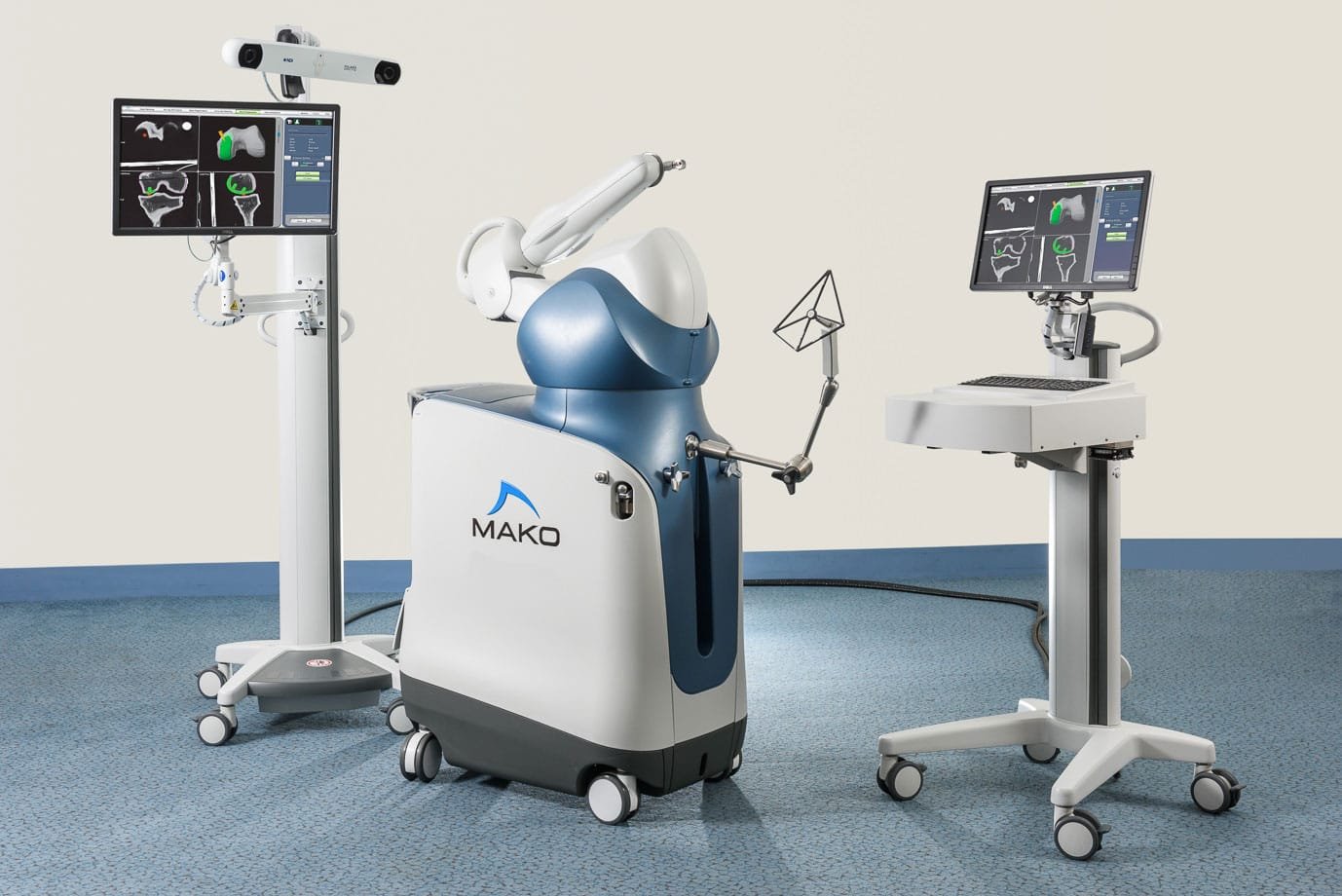 How Mako Robotic Improves Knee Replacement Outcomes
- 3, April 2026
-
 Best Orthopedic Hospital in Faridabad for Joint Pain
- 1, April 2026
-
 Don’t Delay Knee Surgery: 7 Warning Signs You Must Know
- 26, March 2026
-

-
 Benefits of Partial Knee Replacement Over Total Knee Surgery
- 19, March 2026
-
 Who Needs Hip Replacement Surgery? Signs & Eligibility
- 16, March 2026
-
 Best Joint Replacement Hospital in India
- 13, March 2026
-
 Shoulder Dislocation in Sports: Treatment and Recovery
- 11, March 2026
-
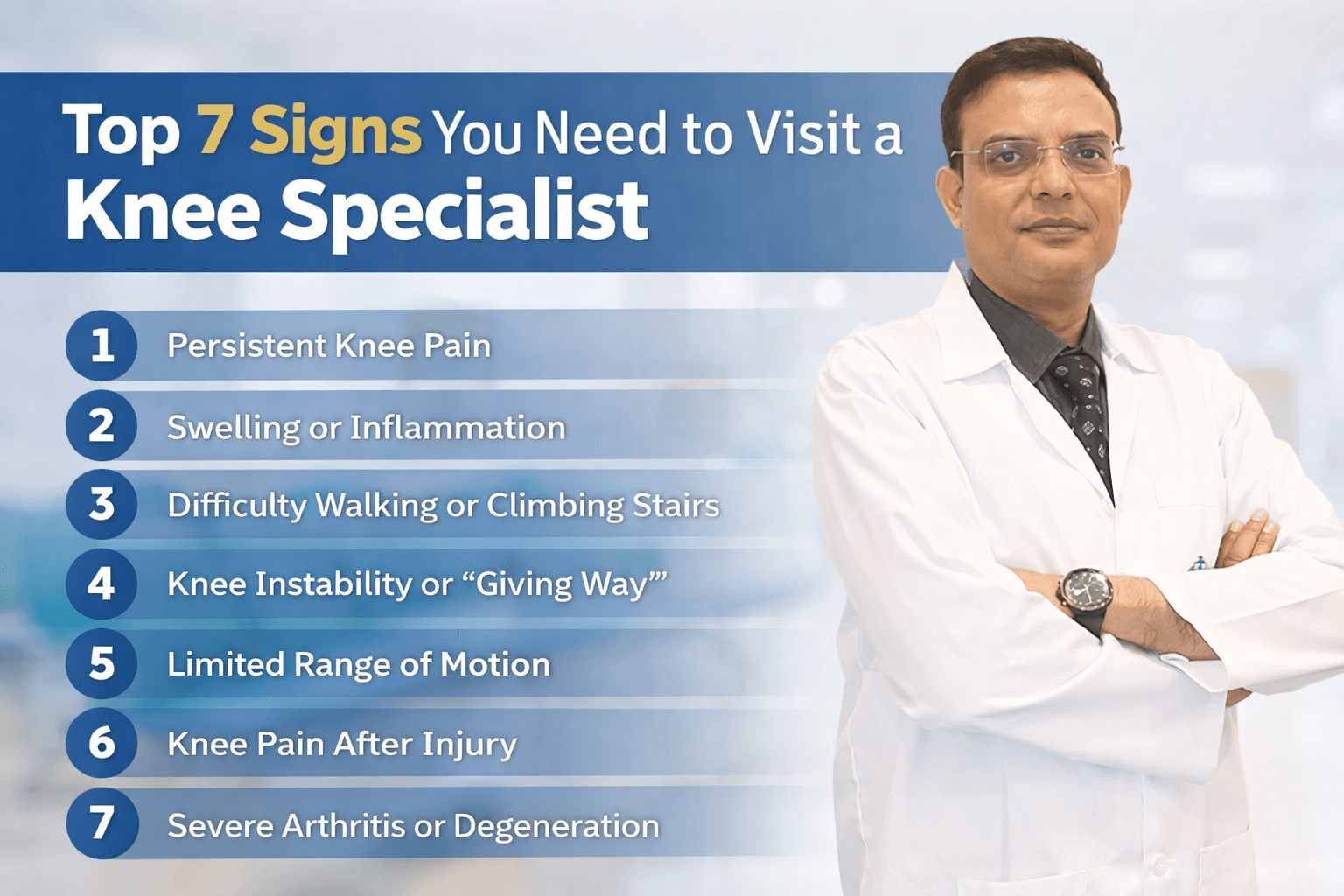 Top 7 Signs You Need to Visit a Knee Specialist
- 7, March 2026
-
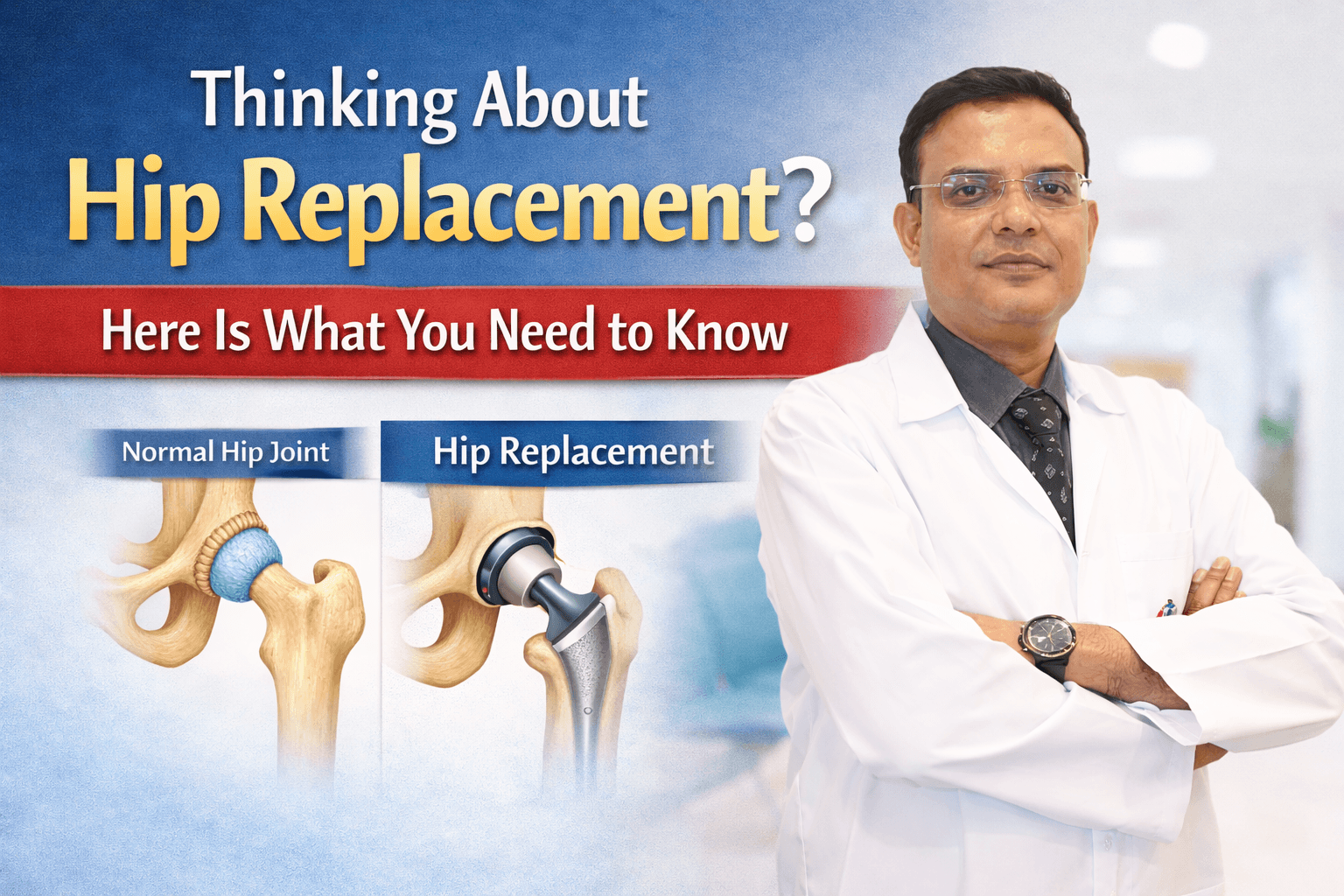
-
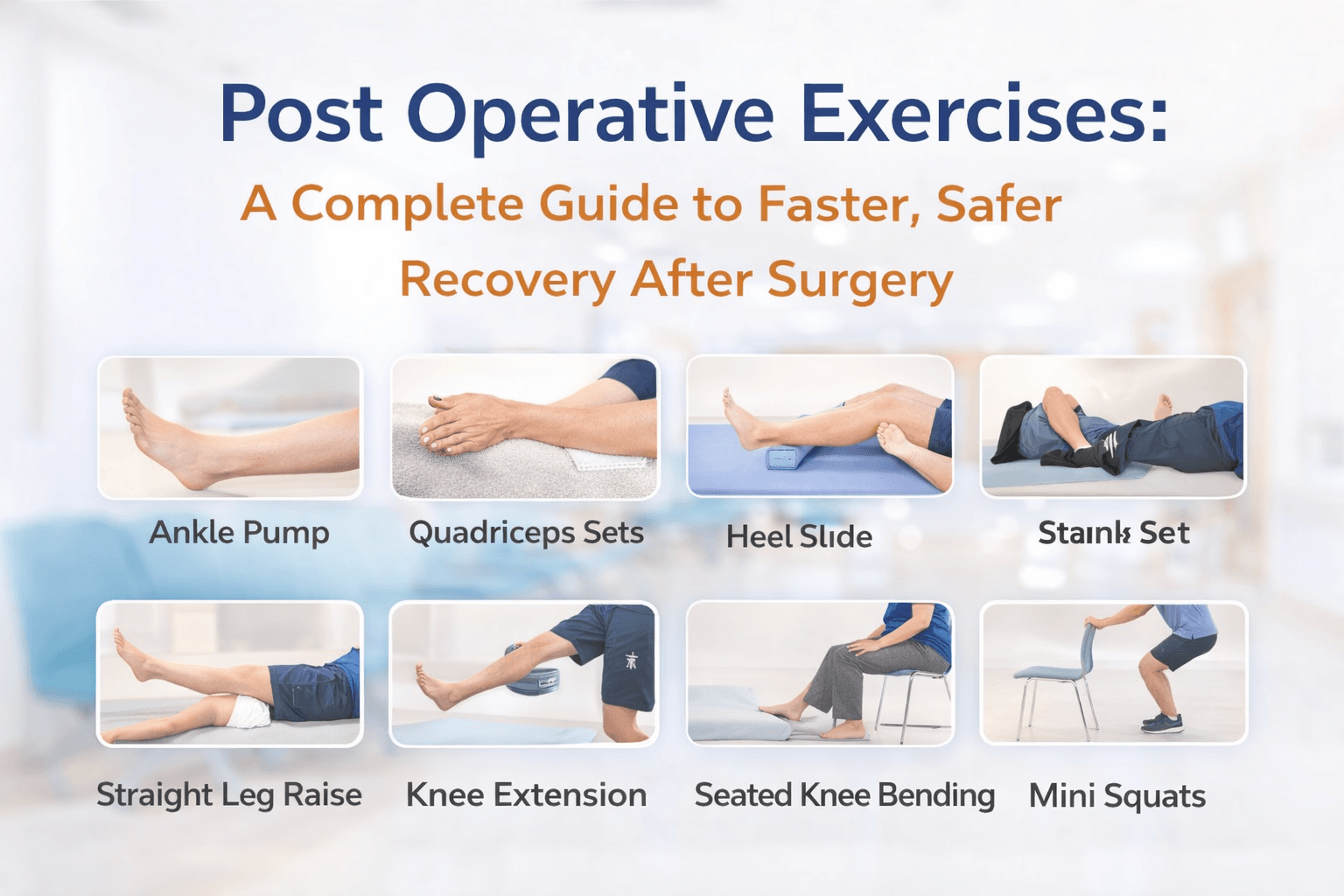 Post Operative Exercises
- 26, February 2026
-
 After ACL Surgery When Can I Walk?
- 24, February 2026
-
 What Happens If Knee Arthritis Is Left Untreated?
- 21, February 2026
-
 Can Knee Replacement Fail? Causes, Signs & Prevention
- 21, February 2026
-
 Who Is Not Suitable for Knee Replacement Surgery?
- 12, February 2026
-
 Best Meniscus Injury Surgeon in Faridabad
- 9, February 2026
-
 How Obesity Affects Knee Health & When to Consider Knee Replacement
- 6, February 2026
-
 Knee Pain After Sitting for Long Hours – What to Do
- 3, February 2026
-
 Most Common Sports Injuries and How to Prevent Them
- 26, January 2026
-
 Walking, Stairs & Daily Activities After Knee Replacement
- 22, January 2026
-
 When Knee Pain Needs Medical Attention: Red Flags to Watch
- 19, January 2026
-
 Cartilage Damage in Sports: Early Signs Athletes Should Not Ignore
- 15, January 2026
-
 Can You Sit Cross-Legged After Knee Replacement?
- 13, January 2026
-
 Types of Knee Implants
- 13, January 2026
-
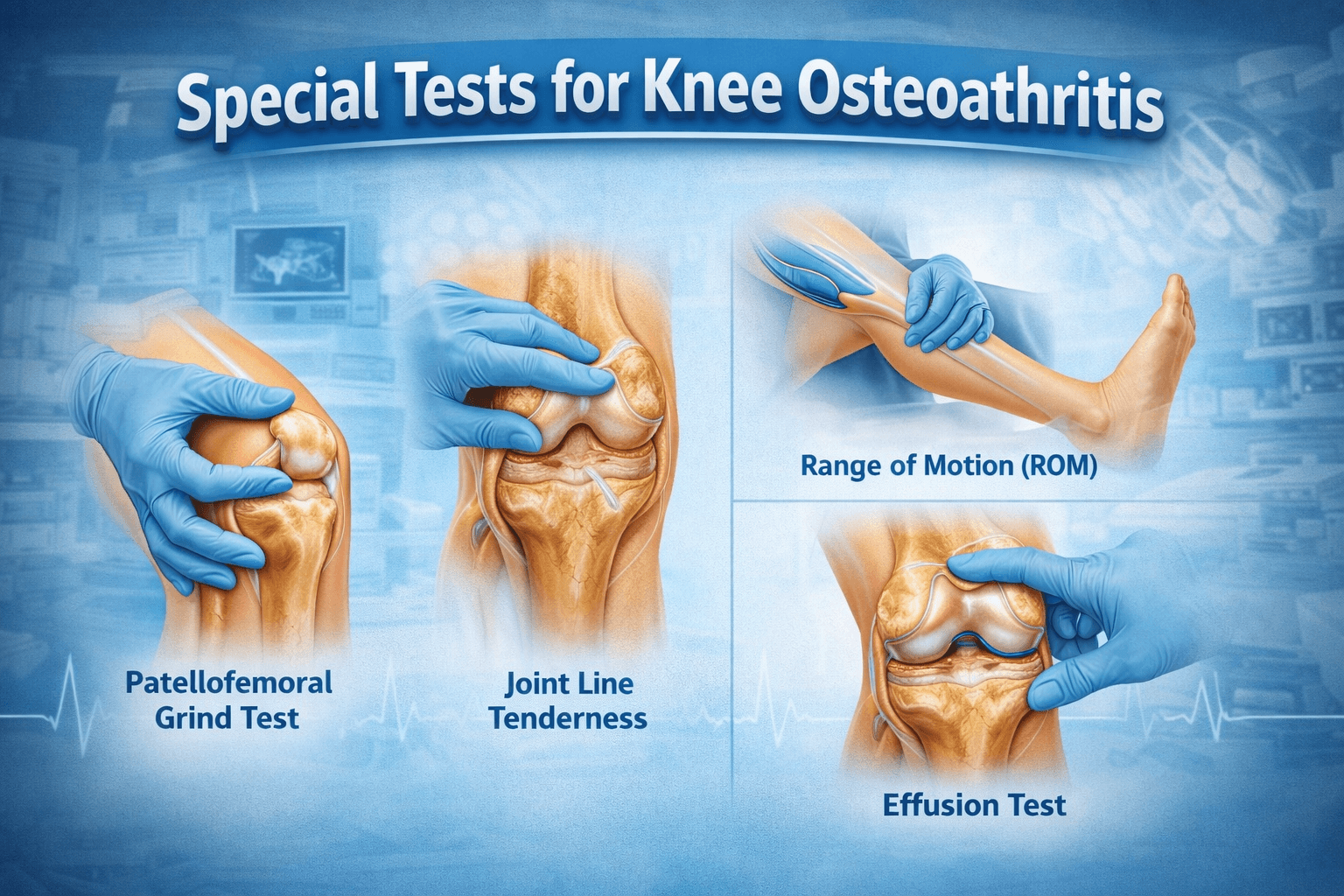 Special Tests for Knee Osteoarthritis
- 7, January 2026
-
 Knee Operation Types: A Comprehensive Guide
- 7, January 2026
-
 Difference Between Knee Arthritis, Meniscus Tear, and Ligament Injury
- 30, December 2025
-
 Knee Pain While Walking: When Should You Worry?
- 30, December 2025
-
 What Happens If Knee Replacement Is Delayed Too Long?
- 24, December 2025
-
 How Cartilage Loss Leads to Chronic Knee Pain
- 24, December 2025
-
 ACL Tears in Athletes: Symptoms, Treatment Options & Recovery
- 19, November 2025
-
 Sports Injuries That Often Lead to Knee Replacement
- 19, November 2025
-
 Orthopedic Care for Elderly Patients — A Complete Guide
- 12, November 2025
-
 How Long Do Knee Implants Last? (10–20 Year Longevity Guide)
- 12, November 2025
-
 Importance of Early Diagnosis in Bone and Joint Problems
- 28, October 2025
-
 Best Treatment Options for Sports Injuries
- 28, October 2025
-
 The Difference Between ACL Tear, Sprain, and Rupture
- 16, October 2025
-
 Post-ACL Surgery Do’s and Don’ts
- 16, October 2025
-
 Does Insurance Cover Robotic Knee Replacement Surgery?
- 6, October 2025
-
 When Can You Return to Sports After Robotic Knee Replacement?
- 6, October 2025
-
 Impact of Obesity on Knee Replacement Surgery and Recovery
- 30, September 2025
-
 Early vs. Delayed Knee Replacement: Which Is Better?
- 30, September 2025
-
 How Durable Are Knee Implants? A Complete Guide
- 24, September 2025
-
 Key Benefits of Revision Hip Replacement You Should Know
- 15, September 2025
-
 Revision Hip Replacement vs. Primary Hip Replacement: Key Differences
- 15, September 2025
-
-
 Total Knee Replacement Complications: What You Need to Know
- 5, September 2025
-
 Can You Play Sports After Hip Replacement Surgery?
- 26, August 2025
-
 Preparing for Knee Replacement: Do’s and Don’ts Before Surgery
- 26, August 2025
-
-
 What to Know About Knee Replacement Revision Surgery
- 18, August 2025
-
 Cost of Hip Replacement in India – What Patients Should Know
- 11, August 2025
-
-
 Who Is the Best Orthopedic Doctor for Sports Injuries?
- 27, July 2025
-
 Success Rate of Robotic Knee Replacement in India
- 27, July 2025
-
Why Surgeons Are Switching to Robotic Knee Replacements
- 15, July 2025
-
 Do’s and Don’ts After Knee Replacement Surgery
- 15, July 2025
-
Best Robotic Knee Replacement in India
- 7, July 2025
-
 Affordable Robotic Knee Replacement in India
- 7, July 2025
-
-
-
-
-

-
-
-
 Orthopedic Meaning, Definition, Types, and More
- 6, June 2025
-
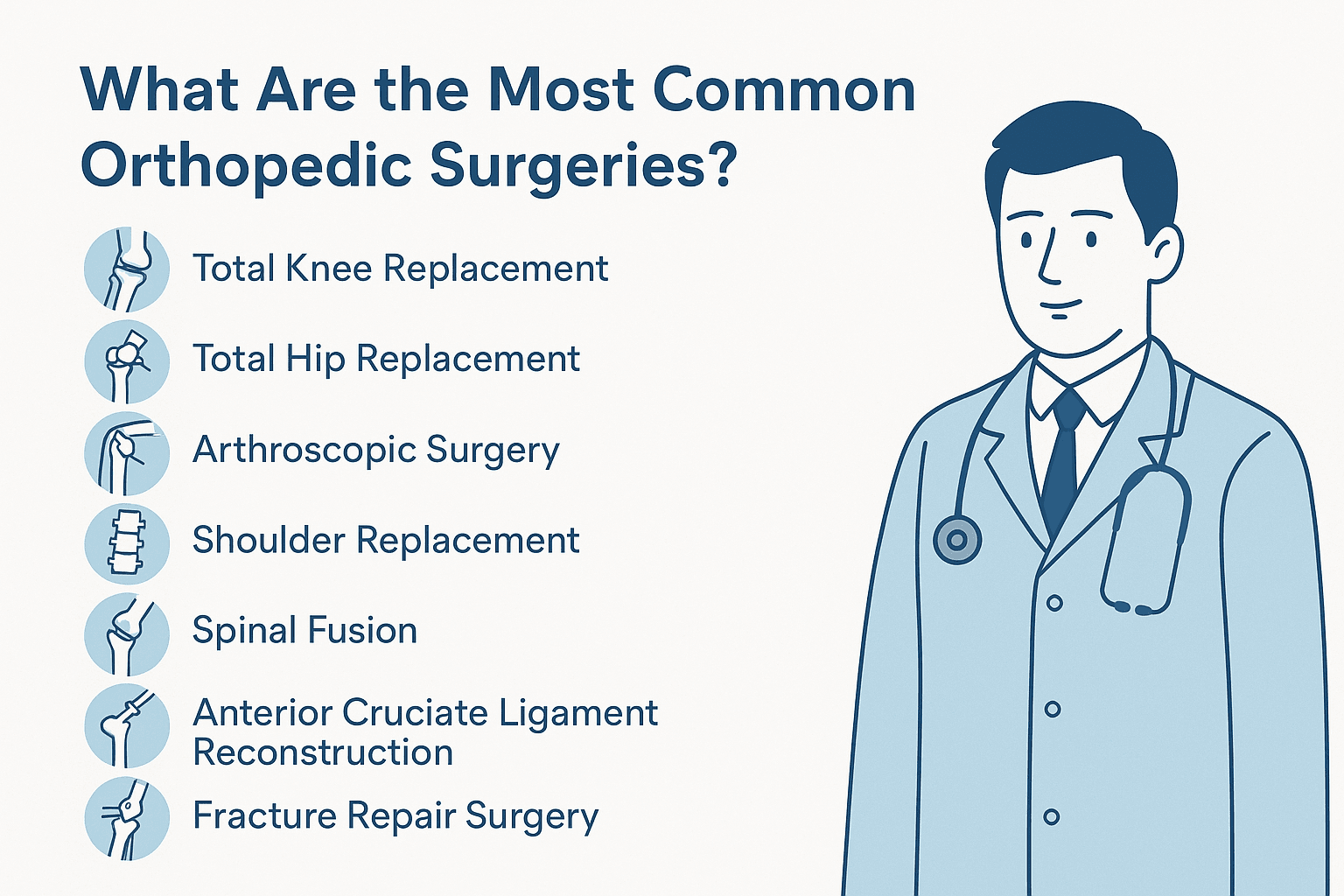 What Are the Most Common Orthopedic Surgeries?
- 24, May 2025
-
 What Does an Orthopedic Doctor Do?
- 24, May 2025
-
-
-
-
Best Orthopedic Doctor for Knee Pain in Faridabad
- 12, May 2025
-
 How to Prevent Knee Pain with Orthopedic Expert Tips
- 29, April 2025
-

-
Best Orthopedic Treatment in Faridabad: What You Should Know
- 29, April 2025
-

-
-
Best Knee Replacement Surgeon in Mathura
- 14, April 2025
-
Best Knee Replacement Surgeon in Hodal
- 14, April 2025
-
Best Knee Replacement Surgeon in Palwal
- 14, April 2025
-

-
-
-
 Benefits of Minimally Invasive Knee Surgery
- 24, March 2025
-
 Best knee Replacement Surgeon in India
- 17, March 2025
-
-
 How to Recover Quickly After Knee Replacement Surgery
- 10, March 2025
-
-
-
-
 Minimally Invasive Arthroplasty: Benefits and Recovery Advantages
- 24, February 2025
-
 Choosing the Right Hip Replacement Surgeon: A Comprehensive Guide
- 17, February 2025
-
 Restoring Mobility: The Role of Knee Replacement Doctors
- 17, February 2025
-
 Orthopedic Trauma Care for Athletes
- 6, February 2025
-
 Best Doctor for ACL Tear Treatment
- 6, February 2025
-
 Best Sports Medicine Doctor for Knee Injuries
- 6, February 2025
-
 Orthopedic Surgeons: 7 Things You Need to Know
- 27, January 2025
-
Best Joint Replacement Surgeon in Greater Faridabad
- 27, January 2025
-
Best Knee Replacement Surgeon in Palwal
- 20, January 2025
-
Best Knee Replacement Surgeon in South Delhi
- 20, January 2025
-
 Restoring Mobility: The Role of Knee Replacement Doctor
- 13, January 2025
-
 Robotic Knee Replacement Surgery in Delhi
- 30, December 2024
-
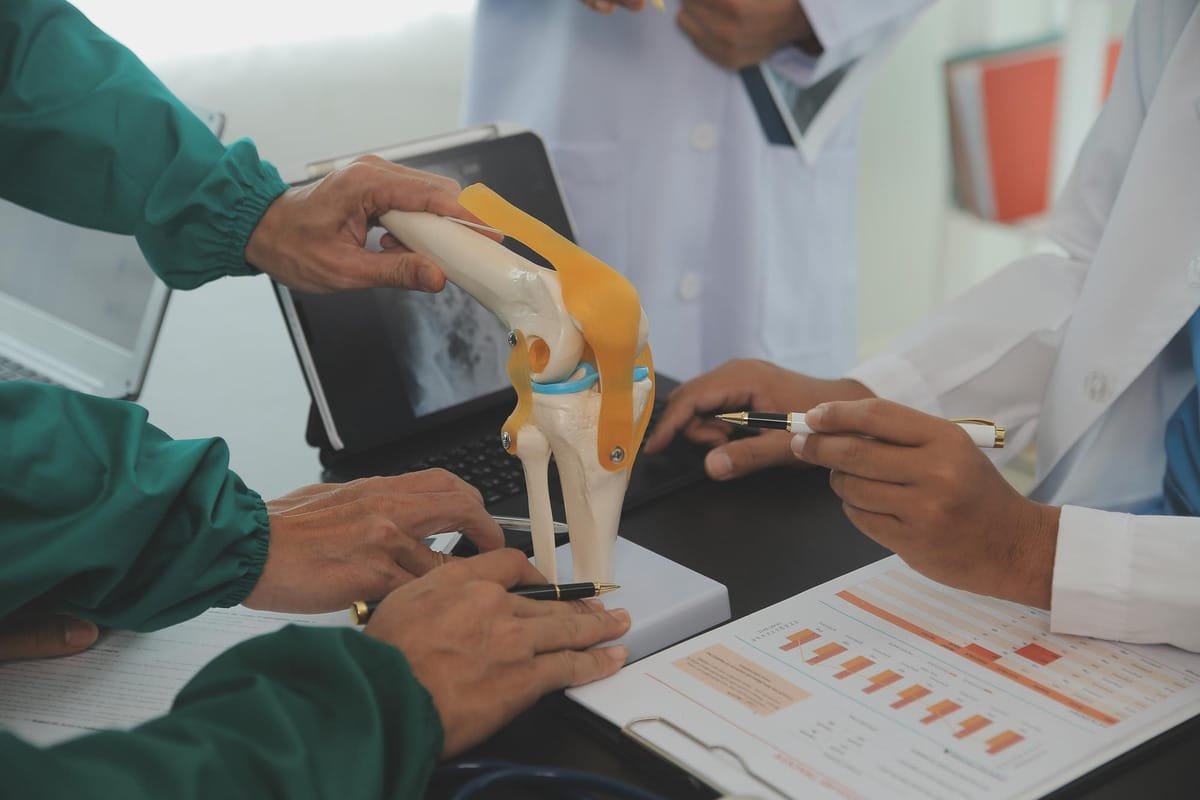 Robotic Orthopedic Surgery: Revolutionizing Joint Replacement and Repair
- 30, December 2024
-
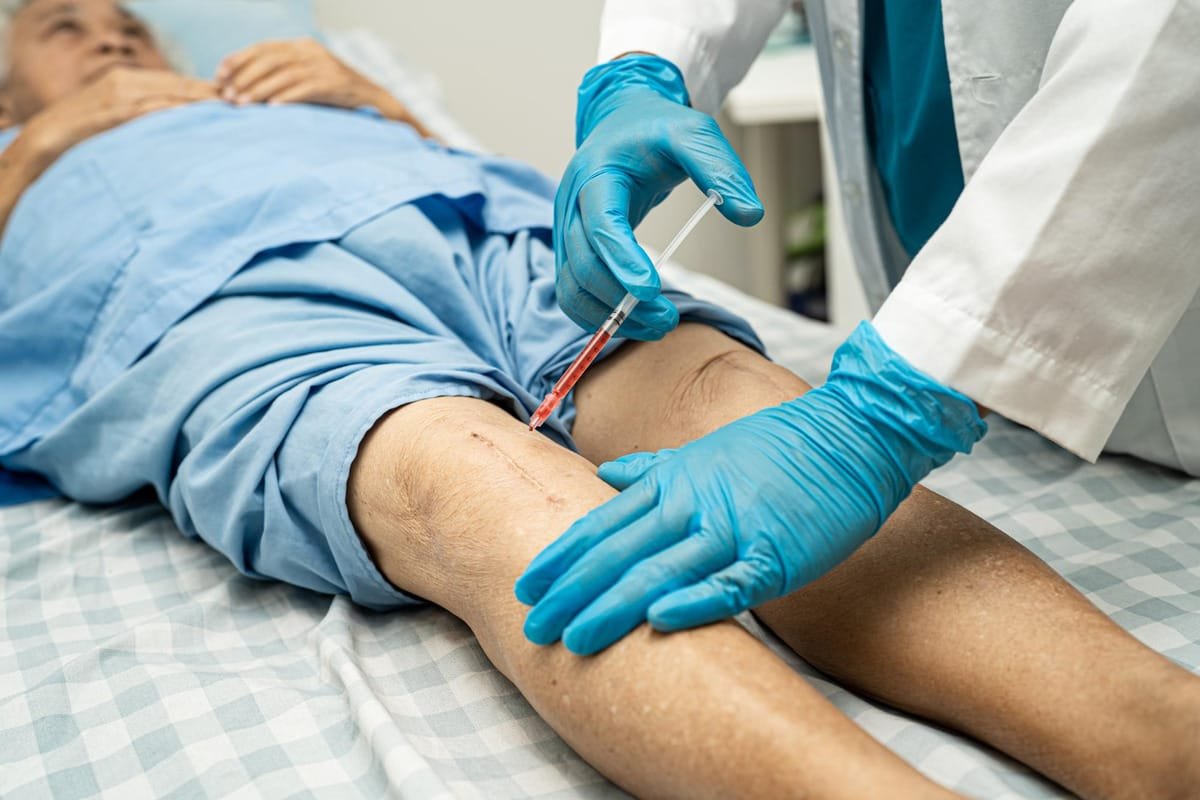 Robotic Knee Replacement vs. Traditional Surgery: A Comparative Guide
- 23, December 2024
-
 How to Make Joints Stronger: A Comprehensive Guide
- 23, December 2024
-
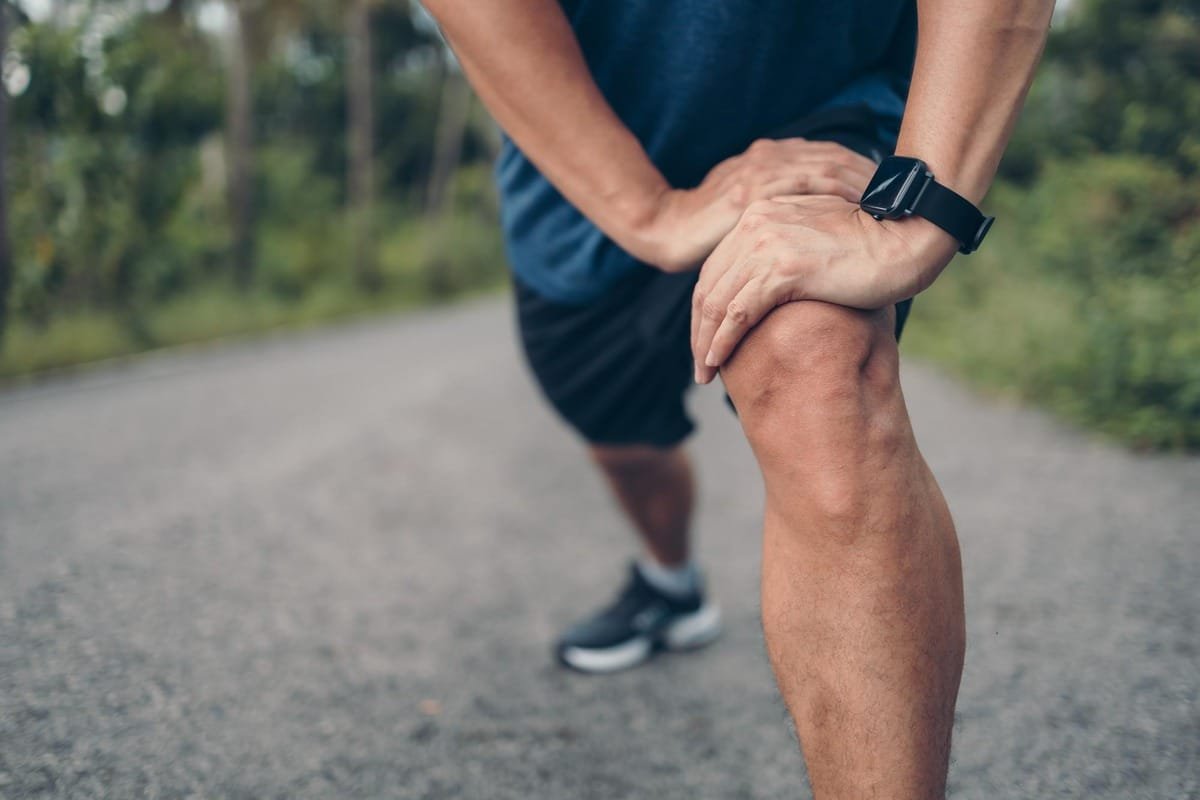 Common Knee Conditions and How a Knee Surgeon Can Help
- 16, December 2024
-
-
-
 Orthopedic Surgeons: 7 Things You Need to Know
- 6, December 2024
-
 Advantages and Disadvantages of Robotic Knee Replacement
- 25, November 2024
-
 When to See an Orthopedic Specialist: Recognizing Early Signs
- 15, November 2024
-
 Benefits of Robotic-Assisted Knee Replacement Surgery
- 15, November 2024
-
 Knee Replacement Surgery Cost
- 8, November 2024
-
Best Robotic Knee Replacement Surgeon in Faridabad
- 8, November 2024
-
-
 Knee Replacement Surgery: Types, Benefits, and Recovery Timeline
- 28, October 2024
-
 What is Osteoporosis? Symptoms, Causes, and Prevention
- 21, October 2024
-
 Signs It’s Time for a Knee Replacement: When to Consult a Surgeon
- 18, October 2024
-
 Understanding Different Types of Arthritis: Symptoms and Causes
- 11, October 2024
-
 Taking Care After Knee Replacement Surgery
- 15, December 2022
-
 Amazing Ways to Get Relief from Arthritis Pain Naturally
- 2, December 2022
-
-
 How Does Fat Affect Arthritis?
- 4, November 2022
