
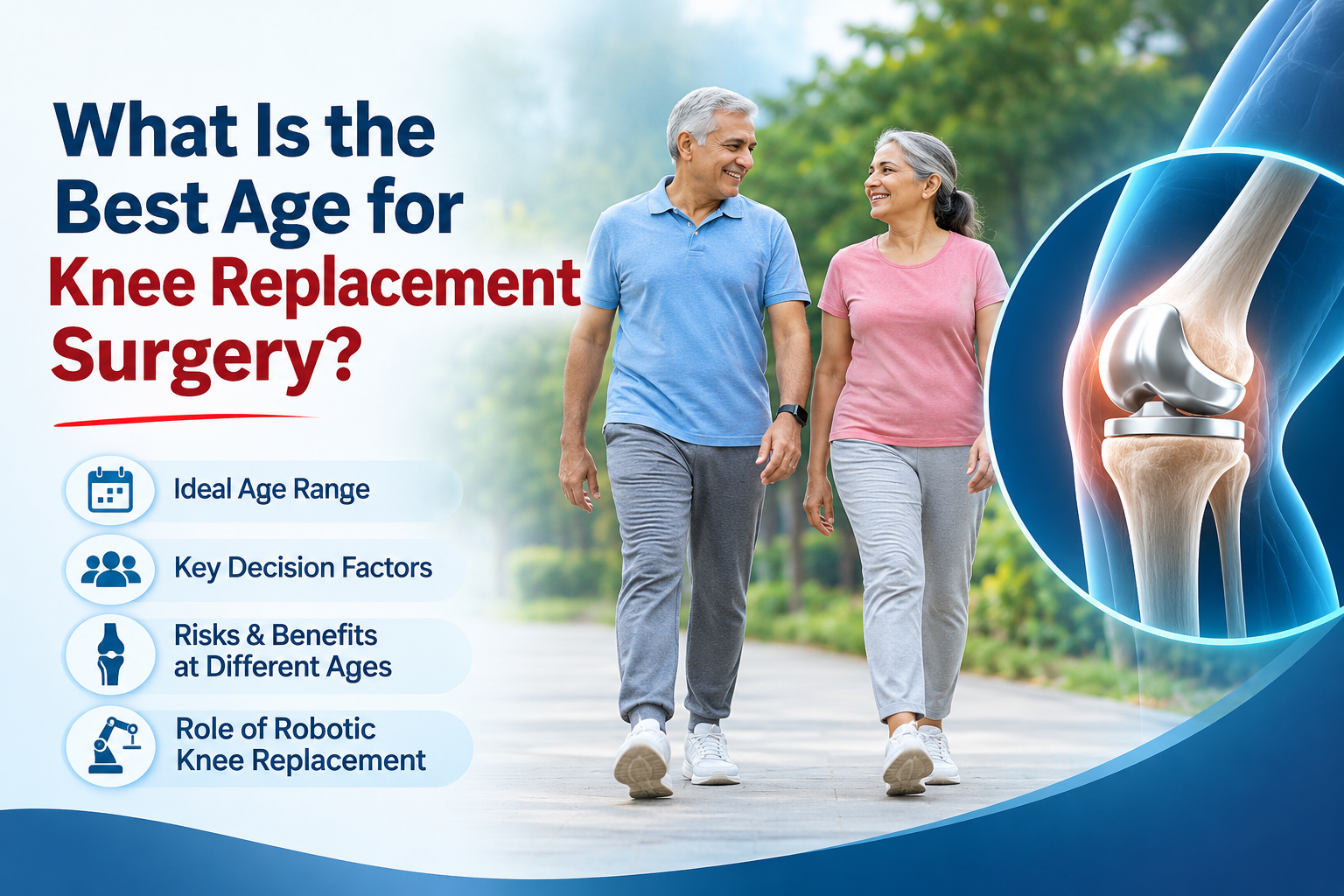
What Is the Best Age for Knee Replacement Surgery?
November 5, 2026Introduction
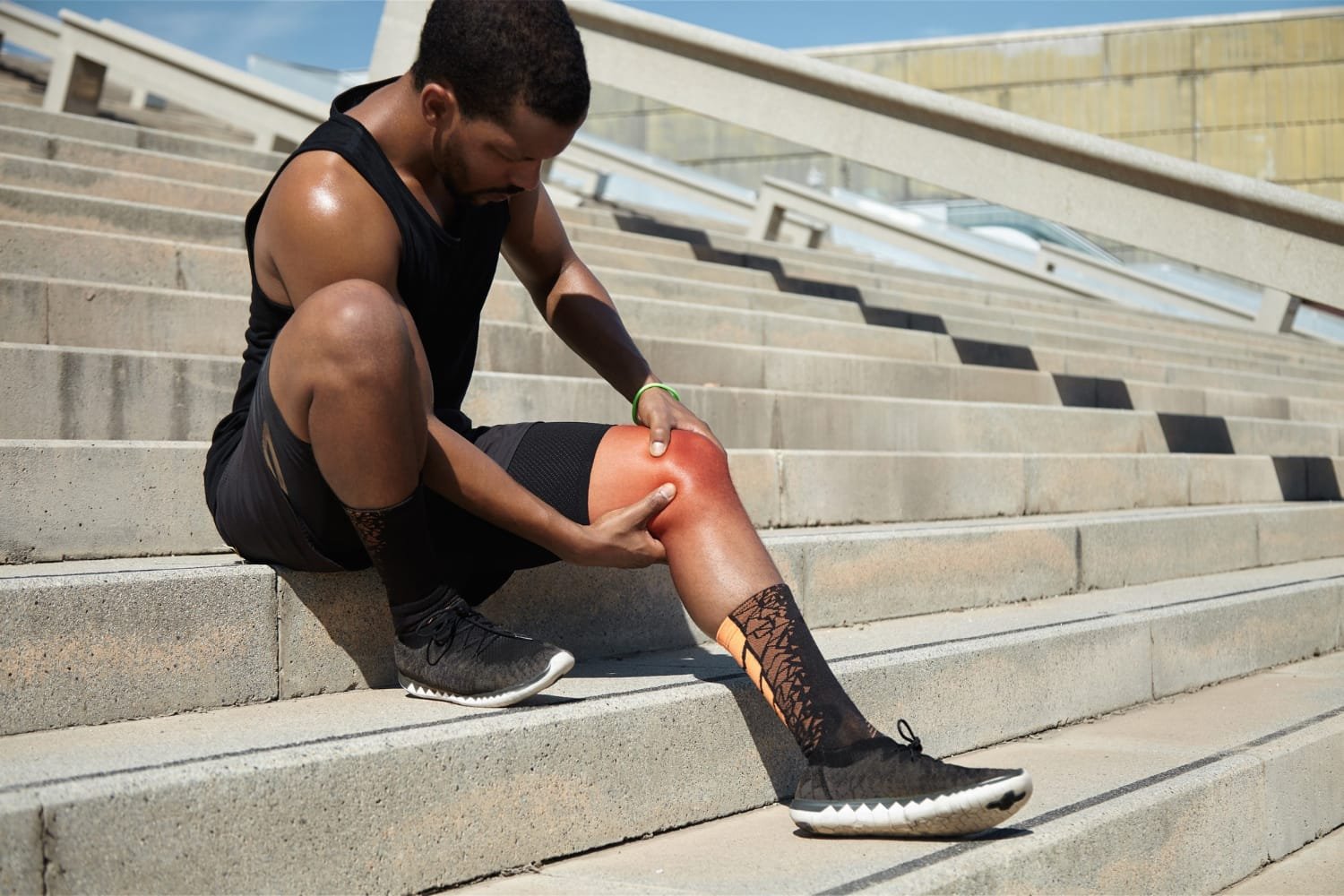
Knee pain can gradually affect almost every aspect of daily life, from walking and climbing stairs to sitting comfortably and enjoying activities with family. For people experiencing severe knee arthritis or persistent joint problems, knee replacement surgery may offer significant relief and improved mobility. However, one of the most common questions patients ask is: What is the best age for knee replacement surgery?
Many people believe that knee replacement should only be considered after the age of 60 or 65. Others worry that they may be too old for surgery or that undergoing the procedure at a younger age could lead to complications later. The reality is that there is no single ideal age for knee replacement surgery. The decision depends on several factors, including the severity of joint damage, pain levels, physical activity, overall health, and response to non-surgical treatments.
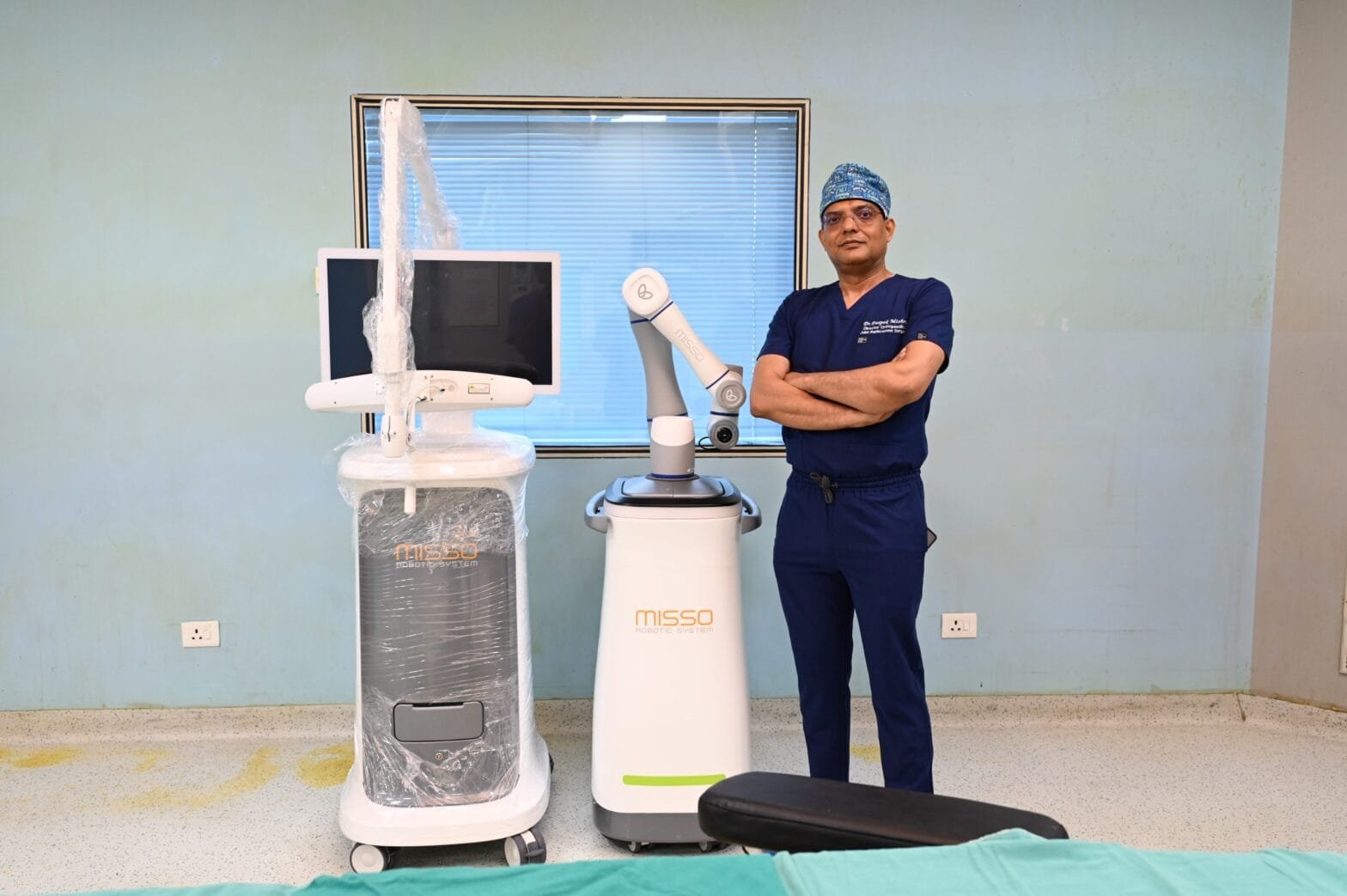
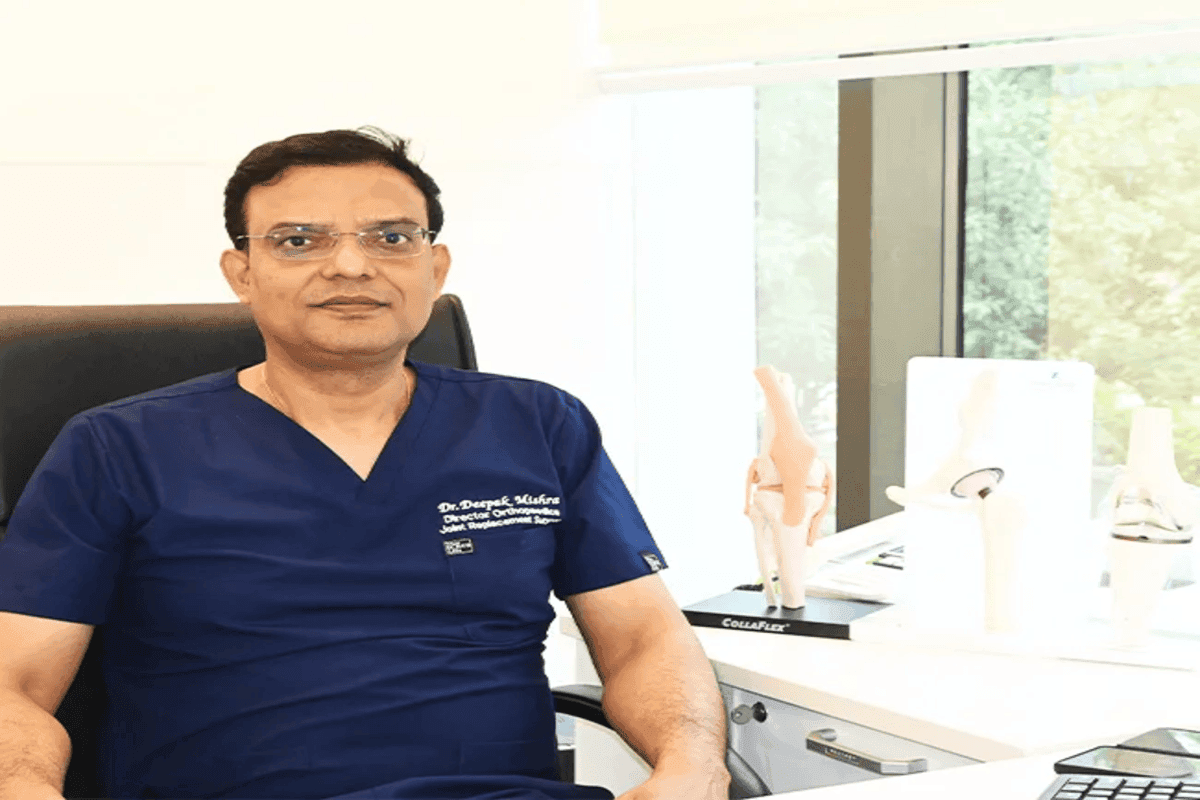
Consulting an experienced specialist is essential when deciding whether surgery is appropriate. Dr. Deepak Mishra, recognized in his practice positioning as a best orthopedic doctor in Faridabad, helps patients understand their knee conditions and available treatment options. Patients considering advanced joint replacement techniques may also consult him regarding robotic knee replacement surgery, with treatment recommendations guided by individual medical needs.
What Is Knee Replacement Surgery?
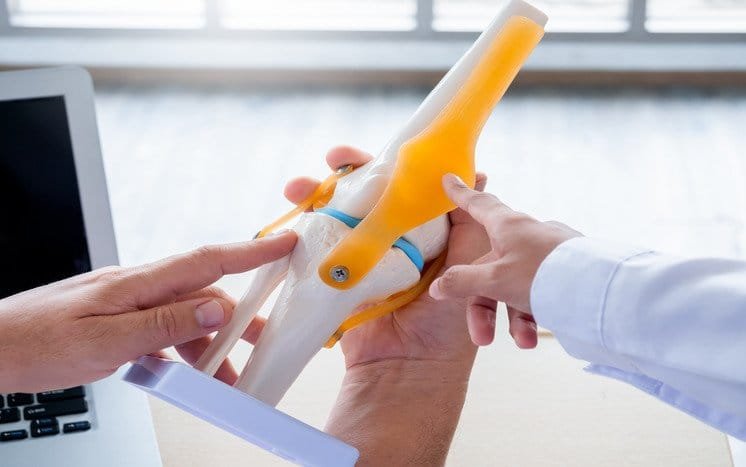
Knee replacement surgery, also known as knee arthroplasty, is a surgical procedure in which damaged joint surfaces are replaced with artificial components made from medical-grade materials such as metal and specialised plastic.
The procedure is commonly recommended for patients with advanced osteoarthritis, rheumatoid arthritis, post-traumatic arthritis, or severe joint damage that causes persistent pain and restricted movement.
During surgery, the orthopaedic surgeon removes damaged cartilage and a small amount of underlying bone from the affected joint surfaces. Artificial components are then positioned to restore smoother joint movement and improve function.
There are two main types of knee replacement:
1. Total Knee Replacement (TKR): This procedure replaces the damaged joint surfaces across the knee and is generally recommended when arthritis affects multiple compartments of the joint.
2. Partial Knee Replacement (PKR): This procedure replaces only the affected compartment of the knee while preserving other healthy structures. It may be suitable for selected patients with localised arthritis.
The choice between total and partial knee replacement depends on the location and extent of arthritis, ligament stability, knee alignment, and individual clinical findings.
What Is the Best Age for Knee Replacement Surgery?
The best age for knee replacement surgery is not determined by a specific number. Although many patients undergo the procedure between 50 and 80 years of age, younger and older individuals may also be suitable candidates.
According to the American Academy of Orthopaedic Surgeons, there is no absolute age restriction for total knee replacement. Surgical recommendations are primarily based on pain, disability, joint damage, and individual medical assessment. AAOS+1
For example, a 45-year-old patient with severe arthritis and significant difficulty walking may benefit from surgery, while a 70-year-old patient with manageable knee pain may continue with non-surgical treatment.
The important question is not simply, “Am I old enough for knee replacement?” Instead, patients should ask, “Is my knee condition affecting my quality of life enough to justify surgery?”
Knee Replacement Surgery at Different Ages
| Age Group | General Considerations |
|---|---|
| Under 40 | Uncommon; considered for severe joint damage or specific medical conditions |
| 40–50 | May be appropriate for advanced arthritis, significant disability, or previous joint injuries |
| 50–60 | Common age range for evaluating knee replacement when conservative treatments fail |
| 60–70 | Frequently considered when arthritis substantially affects mobility and independence |
| 70–80 | Often appropriate when overall health and surgical risk are acceptable |
| Above 80 | Possible after careful assessment of medical fitness, mobility goals, and recovery support |
These age groups are general guidance rather than eligibility rules. Two patients of the same age may require entirely different treatment approaches.
Is Knee Replacement Surgery Recommended Before the Age of 50?
Knee replacement surgery before 50 is less common, but it may be necessary in patients experiencing severe joint degeneration.
Younger patients may develop significant knee damage because of:
- Previous knee fractures or serious injuries
- Rheumatoid arthritis or other inflammatory joint diseases
- Severe osteoarthritis
- Previous ligament injuries and associated cartilage damage
- Joint deformities
- Certain bone and joint disorders
One important concern for younger patients is the lifespan of an artificial knee joint.
Because younger individuals may remain physically active for several decades, their implants may experience greater cumulative wear. This can increase the possibility of needing revision knee replacement surgery later in life.
However, delaying surgery solely because a patient is young is not always appropriate. Persistent pain and severe disability can significantly affect employment, physical activity, sleep, and mental well-being.
An experienced orthopaedic surgeon evaluates the expected benefits of surgery against the possibility of future implant revision.
For some younger patients, physiotherapy, weight management, medication, injections, or joint-preserving procedures may help manage symptoms and postpone replacement.
Knee Replacement Surgery Between 50 and 60 Years
Many people begin experiencing more noticeable knee arthritis symptoms during their 50s.
Cartilage deterioration, previous injuries, excess body weight, and age-related changes may contribute to progressive knee pain and stiffness.
Patients in this age group often report difficulty with everyday activities, including:
- Walking longer distances
- Climbing stairs
- Sitting and standing comfortably
- Squatting or kneeling
- Participating in recreational activities
- Sleeping because of persistent knee pain
For patients with advanced arthritis who have not experienced adequate relief from appropriate non-surgical treatments, knee replacement may be a reasonable option.
Why might surgery be considered during this age range?
Patients in their 50s may have relatively good muscle strength and physical fitness, which can support rehabilitation. However, age alone does not predict recovery.
Other important factors include body weight, cardiovascular health, diabetes control, bone quality, muscle strength, and commitment to physiotherapy.
The goal of knee replacement is to reduce pain and improve everyday function rather than simply replace an ageing joint.
Is 60 to 70 the Ideal Age for Knee Replacement Surgery?
The age range of 60 to 70 is frequently associated with knee replacement because osteoarthritis becomes increasingly common with advancing age.
Many patients in this age group experience progressive cartilage damage, joint stiffness, reduced walking capacity, and difficulty performing routine activities.
Knee replacement may offer meaningful benefits when arthritis is advanced and other treatments have failed.
Potential benefits include reduced arthritis-related pain, improved walking ability, better joint function, and greater independence.
However, 60 to 70 should not be treated as the universally best age for surgery.
A physically active 62-year-old with mild arthritis may not require knee replacement, while a 58-year-old with severe joint damage and substantial disability may be a suitable candidate.
The decision should always follow an assessment of symptoms, examination findings, imaging, medical fitness, and personal goals.
Can Patients Above 70 or 80 Undergo Knee Replacement Surgery?
Yes. Knee replacement surgery can be performed in selected patients above 70 or even 80 years of age.
Chronological age alone does not determine whether someone can safely undergo the procedure.
Older patients may benefit from knee replacement when severe arthritis limits their independence, walking ability, and daily activities.
However, surgical risk assessment becomes especially important.
Important factors doctors evaluate
Heart and lung health: Cardiovascular and respiratory conditions may influence anaesthesia and surgical risk.
Diabetes and blood pressure: These conditions should be appropriately controlled before surgery.
Bone quality: Osteoporosis or reduced bone strength may affect surgical planning and implant fixation.
Muscle strength and balance: These factors influence rehabilitation and the risk of falls.
Kidney function and other illnesses: Existing medical conditions may require additional precautions.
Family and rehabilitation support: Older patients may need additional assistance with mobility, exercises, and everyday activities after surgery.
A comprehensive preoperative assessment helps determine whether the expected benefits outweigh the risks.
7 Signs You May Need Knee Replacement Surgery Regardless of Age
Instead of focusing only on age, patients should recognise symptoms that suggest advanced knee joint damage.
1. Persistent Knee Pain
Knee pain that continues despite appropriate medication, physiotherapy, and lifestyle changes may indicate significant joint disease.
2. Difficulty Walking
If walking short distances becomes painful or requires frequent breaks, the condition may be affecting your independence.
3. Severe Knee Stiffness
Advanced arthritis can restrict knee bending and straightening, making routine movements difficult.
4. Pain While Resting or Sleeping
Knee pain that occurs even without physical activity can be associated with advanced joint problems.
5. Knee Deformity
A noticeable bow-legged or knock-kneed appearance may develop when arthritis changes the alignment of the joint.
6. Reduced Quality of Life
If knee pain prevents you from working, travelling, exercising, or participating in family activities, surgical evaluation may be appropriate.
7. Limited Relief from Non-Surgical Treatments
When properly selected treatments no longer provide adequate relief, knee replacement may become a reasonable consideration.
Patients experiencing these problems can also read When Does Knee Pain Need Surgery? to understand when specialist evaluation is recommended.
What Factors Determine the Right Time for Knee Replacement?
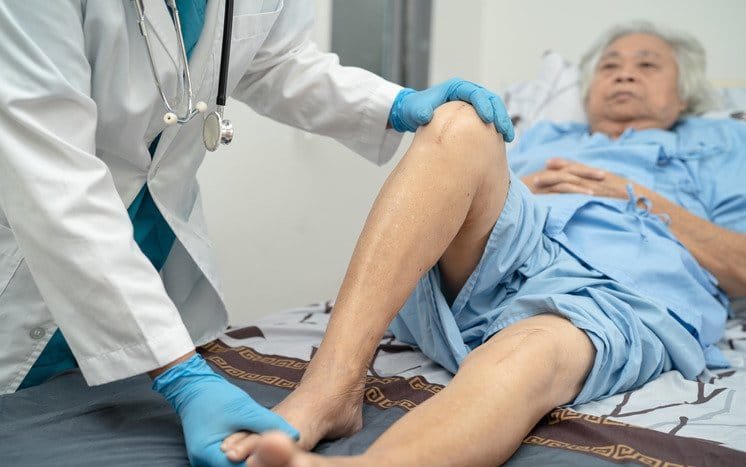
Several clinical and lifestyle factors help an orthopaedic surgeon determine whether surgery is appropriate.
Severity of Arthritis
Advanced osteoarthritis can cause extensive cartilage loss, narrowing of joint space, bone changes, and deformity.
Weight-bearing knee X-rays are commonly used to assess the severity of arthritis.
Pain and Functional Limitations
The severity of pain and its effect on everyday activities are central to treatment decisions.
Some patients have significant X-ray changes but relatively manageable symptoms. Others experience substantial disability that requires further evaluation.
Response to Previous Treatments
Before recommending surgery, doctors usually assess whether appropriate non-surgical treatments have provided sufficient relief.
Overall Medical Fitness
Patients must be evaluated for conditions that could increase surgical or anaesthesia-related complications.
Activity Level and Expectations
A patient’s occupation, physical activity, personal goals, and expectations can influence implant selection and rehabilitation planning.
Willingness to Participate in Rehabilitation
Physiotherapy and prescribed exercises play an important role in restoring strength, movement, and functional independence after surgery.
Robotic Knee Replacement Surgery: Does Age Matter?
Robotic-assisted knee replacement is an advanced surgical approach that uses computer-based planning and robotic technology to support the orthopaedic surgeon during selected stages of the procedure.
The technology may assist with:
- Patient-specific surgical planning
- Assessment of knee anatomy and alignment
- Precise bone preparation
- Implant positioning
- Intraoperative measurements and adjustments
Importantly, the robot does not independently perform the operation. The surgeon remains responsible for clinical decisions and surgical control.
Is robotic knee replacement suitable for younger patients?
Robotic-assisted knee replacement may be considered for younger patients who require joint replacement, particularly when accurate planning and alignment are important.
However, robotic technology does not eliminate implant wear or guarantee that a younger patient will never require revision surgery.
Is robotic knee replacement suitable for elderly patients?
Selected elderly patients may also undergo robotic-assisted knee replacement.
Suitability depends on overall health, knee anatomy, arthritis severity, surgical requirements, and the technology available.
Although robotic assistance can improve the precision of certain surgical steps, it has not been established that every patient will experience faster recovery, less pain, or better long-term outcomes than with well-performed conventional surgery.
Patients interested in this approach can explore Robotic Knee Replacement Surgery and understand how the technology supports modern joint replacement procedures.
Robotic vs Traditional Knee Replacement: Which Is Better for Different Age Groups?
| Factor | Traditional Knee Replacement | Robotic-Assisted Knee Replacement |
|---|---|---|
| Surgical planning | Conventional instruments and imaging | Computer-assisted, patient-specific planning |
| Implant positioning | Surgeon-guided using conventional tools | Surgeon-guided with robotic assistance |
| Accuracy | Depends on surgical technique and experience | May improve accuracy of planned positioning |
| Suitable age | Based on clinical assessment | Based on clinical assessment |
| Recovery | Depends on health and rehabilitation | Depends on health and rehabilitation |
| Long-term implant survival | Depends on multiple clinical factors | Long-term superiority is not established for all systems |
| Surgeon involvement | Surgeon performs the procedure | Surgeon remains in control throughout |
The most suitable technique depends on individual patient needs, implant selection, surgeon expertise, and available surgical technology.
How Long Does a Knee Replacement Last?
One of the biggest concerns about undergoing knee replacement at a younger age is whether the artificial joint will last for the rest of the patient’s life.
Modern knee implants are designed for long-term function, and many continue working well for 15 to 20 years or longer.
However, implant longevity varies.
Factors affecting the lifespan of a knee replacement include:
- Implant design and materials
- Surgical positioning and alignment
- Patient body weight
- Physical activity and repetitive joint loading
- Bone quality
- Infection or other complications
- Overall joint stability
Younger patients may have a greater lifetime likelihood of requiring revision surgery because they have more years of expected implant use.
Nevertheless, the possibility of future revision should be balanced against the consequences of living with severe pain and disability.
What Happens If You Delay Knee Replacement Surgery?
Delaying knee replacement is not necessarily harmful when symptoms remain manageable and joint function is reasonably preserved.
Many patients successfully manage knee arthritis for years using non-surgical treatment.
However, repeatedly postponing a clinically indicated procedure despite severe symptoms may have consequences.
These can include worsening pain, reduced mobility, muscle weakness, increasing joint stiffness, progressive deformity, and difficulty maintaining physical fitness.
Some patients may also become less active because of pain, contributing to weight gain and reduced overall health.
The appropriate time for surgery is therefore based on an individual assessment rather than a predetermined age.
Can Knee Replacement Be Avoided or Delayed?
Not every patient with knee arthritis needs surgery.
Depending on the stage of disease and severity of symptoms, non-surgical treatments may provide meaningful relief.
Physiotherapy and Strengthening Exercises
Targeted exercises can strengthen the muscles surrounding the knee, improve joint stability, and support everyday movement.
Weight Management
For patients who are overweight, reducing excess body weight can decrease mechanical stress on the knee joint.
Medication
Doctors may recommend appropriate pain-relieving or anti-inflammatory medications based on the patient’s health and medical history.
Knee Injections
Selected patients may benefit from certain injections for temporary symptom relief, although effectiveness varies and injections do not regenerate severely damaged cartilage.
Activity Modification
Low-impact activities such as swimming, stationary cycling, and appropriate walking programmes may help maintain mobility while reducing excessive joint loading.
Assistive Devices
Knee braces, walking aids, or other supportive devices may improve comfort and stability in selected patients.
These measures may help postpone surgery, but they cannot reliably reverse advanced structural arthritis.
Recovery After Knee Replacement Surgery at Different Ages
Recovery varies considerably between individuals. A patient’s physical condition and rehabilitation progress are often more important than age alone.
First 24–48 Hours
Many patients begin standing and walking with assistance shortly after surgery, depending on their medical condition and surgical team’s instructions.
Pain control, blood clot prevention, and early mobilisation are important priorities.
First 2 Weeks
Patients generally focus on wound care, gentle exercises, walking with support, and gradually improving knee movement.
Weeks 3–6
Many patients experience improvements in walking distance, strength, and independence with everyday activities.
Some may return to selected routine activities during this period, depending on their progress.
Weeks 6–12
Walking ability and knee function often continue to improve. Rehabilitation focuses on strength, flexibility, balance, and functional activities.
3–12 Months
Further improvements in strength, endurance, comfort, and confidence may continue for several months.
Younger patients are not automatically guaranteed faster recovery, and older patients can achieve meaningful functional improvement with appropriate medical care and rehabilitation.
Why Consult Dr. Deepak Mishra for Knee Replacement Surgery in Faridabad?
Choosing the right orthopaedic surgeon is an important part of planning knee replacement surgery.
Patients searching for the best orthopedic doctor in Faridabad or the best robotic knee replacement surgeon in Faridabad may consider Dr. Deepak Kumar Mishra for specialist evaluation and advanced joint replacement treatment.
Dr. Deepak Mishra is Director & Head – Orthopaedics & Joint Replacement, Robotic Surgery at Asian Institute of Medical Sciences, Faridabad.
His official professional profile highlights more than 28 years of experience in orthopaedic care, with expertise in total knee replacement, partial knee replacement, revision joint replacement, robotic-assisted surgery, arthroscopy, and sports injury management.
His educational qualifications include MBBS and MS in Orthopaedics from JIPMER, followed by additional surgical qualifications and training in the United Kingdom.
Why patients may consider consulting Dr. Deepak Mishra
- Extensive experience in orthopaedic and joint replacement surgery
- Expertise in conventional and robotic-assisted knee replacement
- Experience managing complex joint conditions and revision procedures
- Individualised treatment planning based on patient symptoms and clinical findings
- Emphasis on evaluating non-surgical options before recommending surgery when appropriate
His practice covers patients with knee pain, advanced arthritis, joint deformities, ligament injuries, and other musculoskeletal conditions. Best Orthopedic Doctor in Faridabad+2
Patients can explore Dr. Deepak Mishra’s joint replacement expertise for additional information.
While no independent ranking establishes a single best surgeon for every patient, experience, qualifications, treatment options, and patient-specific clinical judgement are important considerations when choosing a specialist.
Frequently Asked Questions (FAQs)
1. What is the best age for knee replacement surgery?
There is no universally best age for knee replacement surgery. Although many patients undergo the procedure between 50 and 80 years, the decision depends on arthritis severity, pain, mobility limitations, overall health, and response to non-surgical treatments.
2. Is 50 too young for knee replacement surgery?
No. Knee replacement may be appropriate at 50 or even younger when severe arthritis or joint damage significantly affects everyday activities. However, younger patients should discuss implant longevity and the possibility of future revision surgery with their orthopaedic surgeon.
3. Is 65 a good age for knee replacement surgery?
Age 65 is within the common age range for knee replacement. Patients with advanced arthritis, persistent pain, and difficulty walking may benefit from surgery if they are medically fit. The decision should be based on symptoms and clinical evaluation rather than age alone.
4. Can a 75-year-old undergo robotic knee replacement surgery?
Yes. Selected patients aged 75 and above may undergo robotic-assisted knee replacement if their overall health and knee condition make them suitable candidates. A detailed medical assessment is essential before surgery.
5. Is knee replacement surgery safe after 80?
Knee replacement can be performed in selected patients over 80, but surgical risks may be higher depending on existing medical conditions, frailty, and physical fitness. The surgeon and anaesthesia team must assess whether the potential benefits outweigh the risks.
6. What happens if knee replacement surgery is delayed?
If severe arthritis is left untreated despite significant disability, patients may experience worsening pain, reduced mobility, muscle weakness, stiffness, and progressive deformity. However, patients with manageable symptoms may safely continue appropriate non-surgical treatment under medical supervision.
7. How many years does a knee replacement last?
Many modern knee replacements function for 15–20 years or longer. Actual implant longevity depends on factors such as implant type, surgical technique, activity level, body weight, and complications.
8. Is robotic knee replacement better for elderly patients?
Robotic-assisted surgery may offer advantages in surgical planning and implant positioning, but it is not automatically better for every elderly patient. The appropriate technique depends on individual anatomy, medical fitness, surgeon expertise, and clinical requirements.
9. Who is the best orthopedic doctor in Faridabad for knee replacement surgery?
Patients looking for an experienced orthopaedic and joint replacement specialist in Faridabad can consult Dr. Deepak Kumar Mishra. His practice includes total and partial knee replacement, robotic-assisted knee surgery, revision joint replacement, and management of complex orthopaedic conditions.
10. Who is the best robotic knee replacement surgeon in Faridabad?
Dr. Deepak Kumar Mishra is an experienced robotic knee replacement surgeon in Faridabad, with expertise in advanced orthopaedic and joint replacement procedures. Patients considering robotic surgery can consult him for an assessment of their knee condition, available treatment options, and surgical suitability.
Conclusion: The Right Time for Knee Replacement Depends on Your Knee, Not Just Your Age
The best age for knee replacement surgery is the age at which the expected benefits of surgery outweigh its risks and limitations.
While many patients undergo knee replacement between 50 and 80 years of age, there is no fixed minimum or maximum age. A younger patient with severe arthritis may require surgery earlier, while an older patient with manageable symptoms may not need surgery at all.
The most important factors are the severity of joint damage, persistent pain, reduced mobility, overall medical fitness, and response to non-surgical treatment.
Advances in orthopaedic care, including robotic-assisted knee replacement, have expanded the surgical planning options available to suitable patients. However, successful treatment still depends on accurate diagnosis, appropriate patient selection, experienced surgical care, and rehabilitation.
If knee pain is affecting your everyday activities, consult Dr. Deepak Kumar Mishra, an experienced orthopaedic and robotic knee replacement surgeon in Faridabad, for an individualised assessment.
Book a Consultation with Dr. Deepak Mishra
Visit: www.drdeepakmishra.com
Disclaimer: This article is intended for general patient education and does not replace personalised medical advice. The decision to undergo knee replacement surgery should be made after consultation with a qualified orthopaedic surgeon.
Recent Blogs
-
-
What Is the Best Age for Knee Replacement Surgery?
- 5, November 2026
-
 Knee Ligament Tear Treatment and Recovery Time: A Complete Guide
- 27, October 2026
-

-
-
 Best ACL Surgeon in Delhi
- 17, October 2026
-
 Best Orthopedic Doctor in Delhi
- 13, October 2026
-
-
 When Is Knee Replacement the Only Option?
- 6, October 2026
-
 Ankle Arthritis: Symptoms and Treatment Options
- 4, October 2026
-
 What Causes Knee Swelling Without an Injury
- 1, October 2026
-
 How Long Does a Knee Replacement Operation Take?
- 25, September 2026
-
 Who Is the Best Bone Doctor in Faridabad?
- 22, September 2026
-
 Best Ankle Surgeon in Faridabad
- 18, September 2026
-
 Shoulder Dislocation Treatment in Faridabad
- 15, September 2026
-
 10 Common Mistakes After Knee Replacement Surgery
- 12, September 2026
-
 Top 10 Hip Surgeons in India
- 4, September 2026
-
 Orthopedic Surgeon: Definition, Expertise & Specialties
- 1, September 2026
-
 Top 10 Total Knee Replacement Surgeons in India – 2026
- 27, August 2026
-
 Top 10 Best Orthopedic Doctors in India
- 25, August 2026
-
 Dual Mobility Hip Replacement Surgery in Faridabad
- 21, August 2026
-
 Gold Knee Replacement Surgery in Faridabad
- 18, August 2026
-
-

-

-
 Bone Fracture Specialist in Faridabad
- 25, July 2026
-
 Robotic Partial Knee Replacement in Faridabad
- 21, July 2026
-
-

-
 Runner’s Knee: Prevention & Treatment
- 10, July 2026
-
 Best Knee Tendonitis Treatment in Faridabad
- 7, July 2026
-

-
 Why Does My Knee Make Clicking Sounds?
- 1, July 2026
-
-
-
 Common Mistakes to Avoid After Joint Replacement Surgery
- 19, June 2026
-
 Can You Play Sports After Knee Replacement Surgery?
- 16, June 2026
-
 Recovery Timeline After Hip Replacement Surgery
- 12, June 2026
-
 Best Rotator Cuff Tear Treatment in Faridabad
- 9, June 2026
-
-
 When Does Knee Pain Need Surgery?
- 19, May 2026
-
 Can You Walk Normally After Hip Replacement?
- 15, May 2026
-

-
 Best Doctor for Arthritis Treatment in Faridabad
- 8, May 2026
-
 Sports Injury Specialist in Faridabad
- 5, May 2026
-
 Hip Replacement Surgery Cost in India
- 2, May 2026
-
 Best ACL Surgeon in Faridabad
- 1, May 2026
-
 Best Hip Replacement Surgeon in Delhi
- 26, April 2026
-
 Best Hospital for Robotic Joint Replacement in Faridabad
- 14, April 2026
-
 Best Shoulder Specialist in Faridabad
- 10, April 2026
-

-
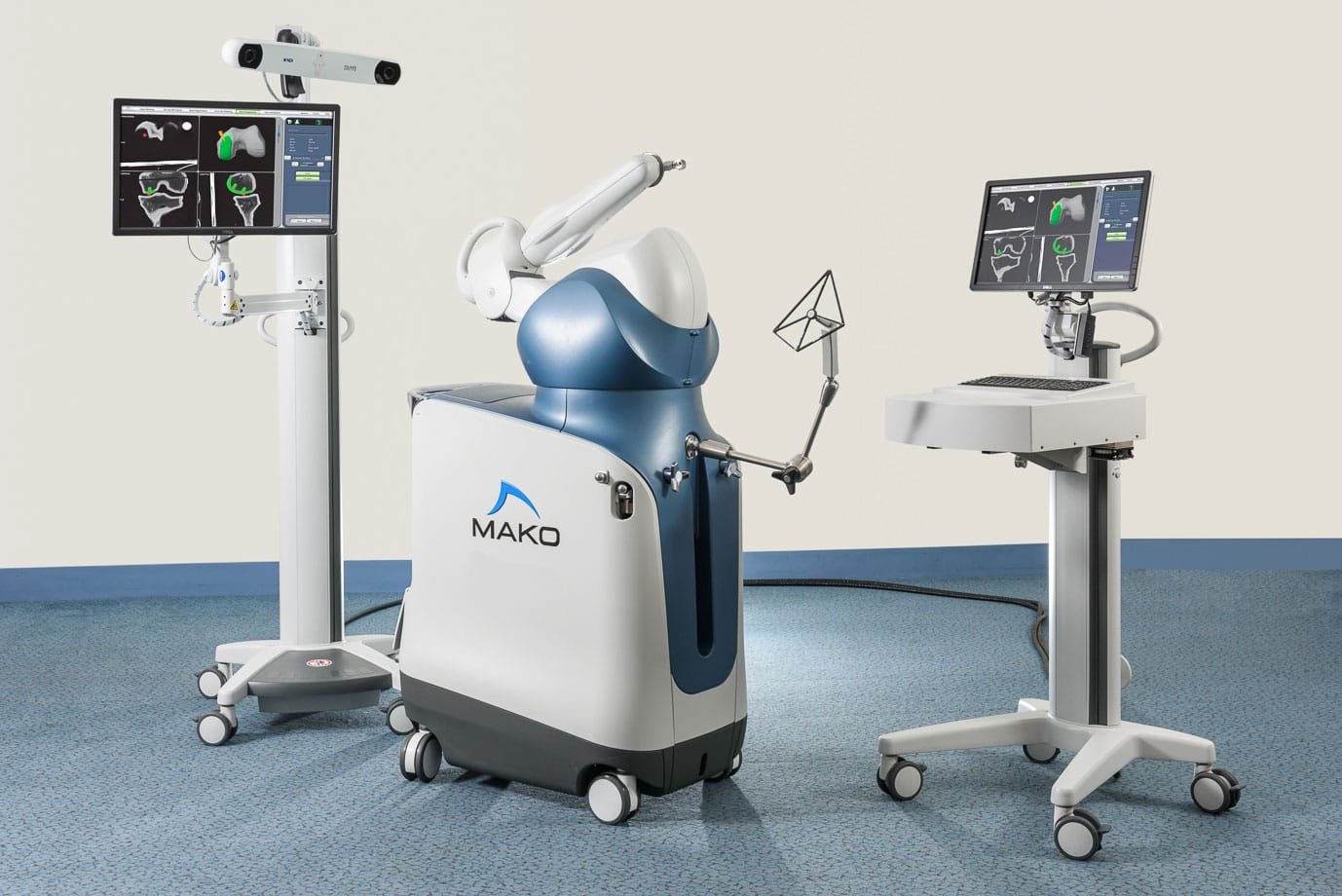 How Mako Robotic Improves Knee Replacement Outcomes
- 3, April 2026
-
 Best Orthopedic Hospital in Faridabad for Joint Pain
- 1, April 2026
-
 Don’t Delay Knee Surgery: 7 Warning Signs You Must Know
- 26, March 2026
-

-
 Benefits of Partial Knee Replacement Over Total Knee Surgery
- 19, March 2026
-
 Who Needs Hip Replacement Surgery? Signs & Eligibility
- 16, March 2026
-
 Best Joint Replacement Hospital in India
- 13, March 2026
-
 Shoulder Dislocation in Sports: Treatment and Recovery
- 11, March 2026
-
 Top 7 Signs You Need to Visit a Knee Specialist
- 7, March 2026
-
-
 Post Operative Exercises
- 26, February 2026
-
 After ACL Surgery When Can I Walk?
- 24, February 2026
-
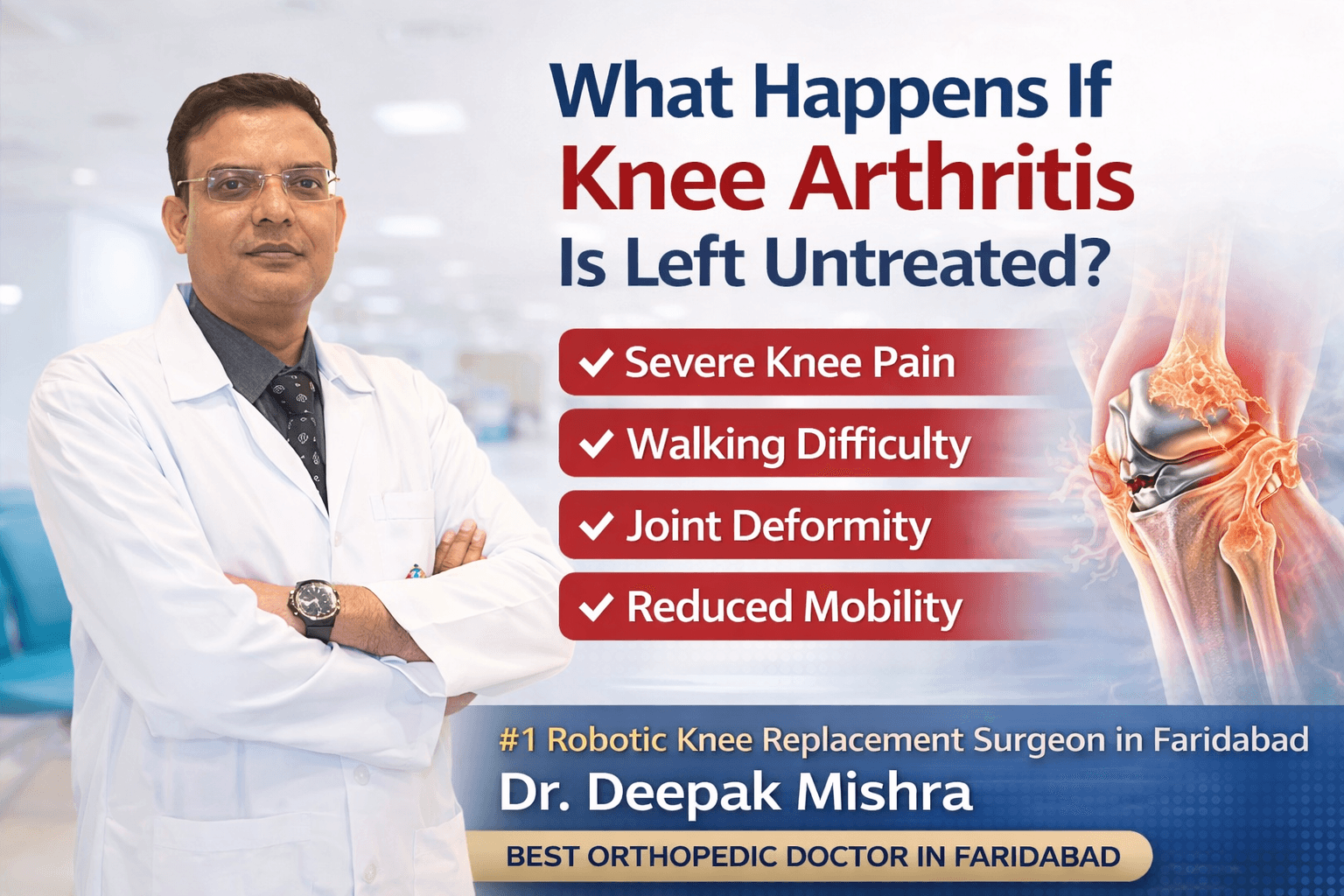 What Happens If Knee Arthritis Is Left Untreated?
- 21, February 2026
-
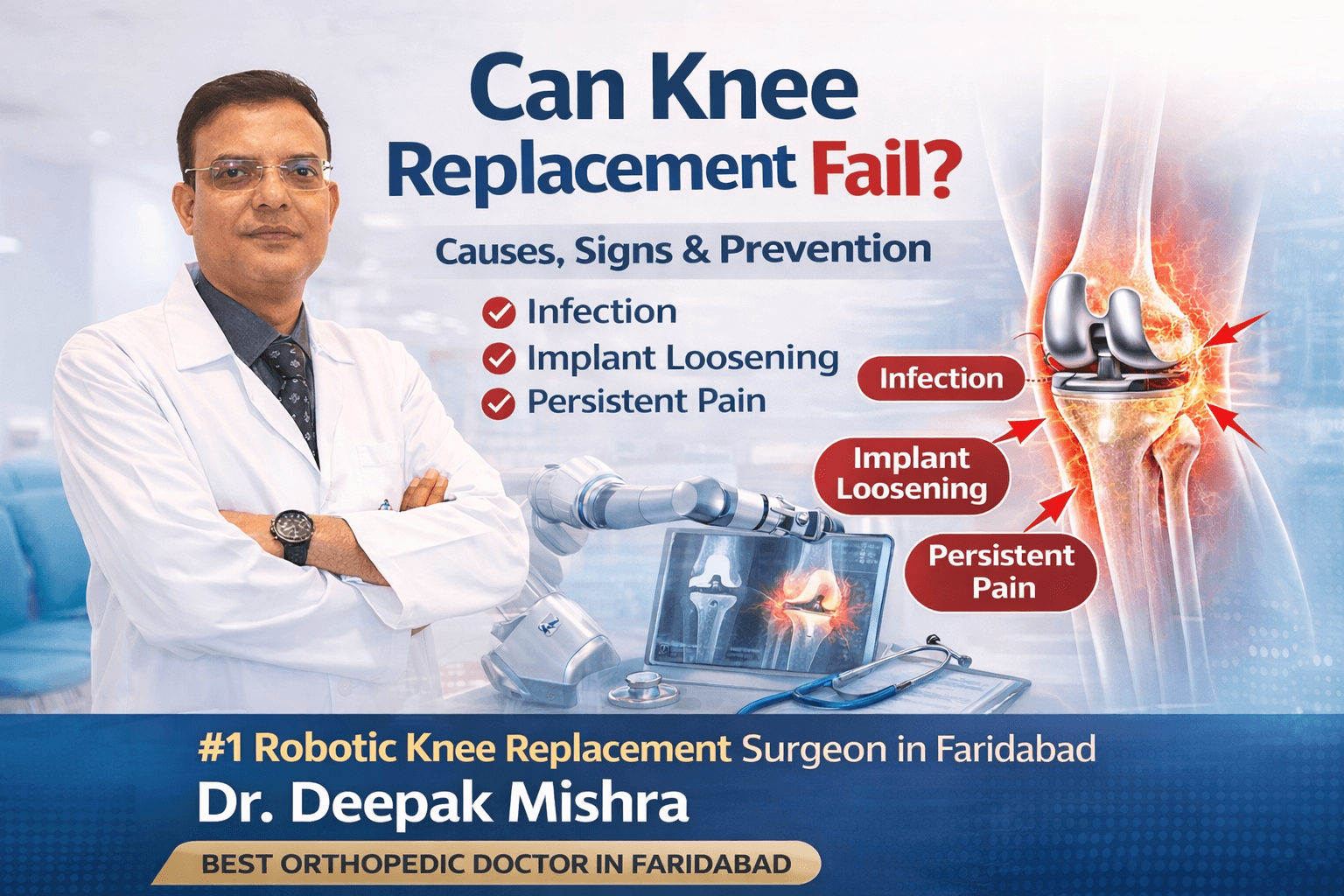 Can Knee Replacement Fail? Causes, Signs & Prevention
- 21, February 2026
-
 Who Is Not Suitable for Knee Replacement Surgery?
- 12, February 2026
-
 Best Meniscus Injury Surgeon in Faridabad
- 9, February 2026
-
 How Obesity Affects Knee Health & When to Consider Knee Replacement
- 6, February 2026
-
 Knee Pain After Sitting for Long Hours – What to Do
- 3, February 2026
-
 Most Common Sports Injuries and How to Prevent Them
- 26, January 2026
-
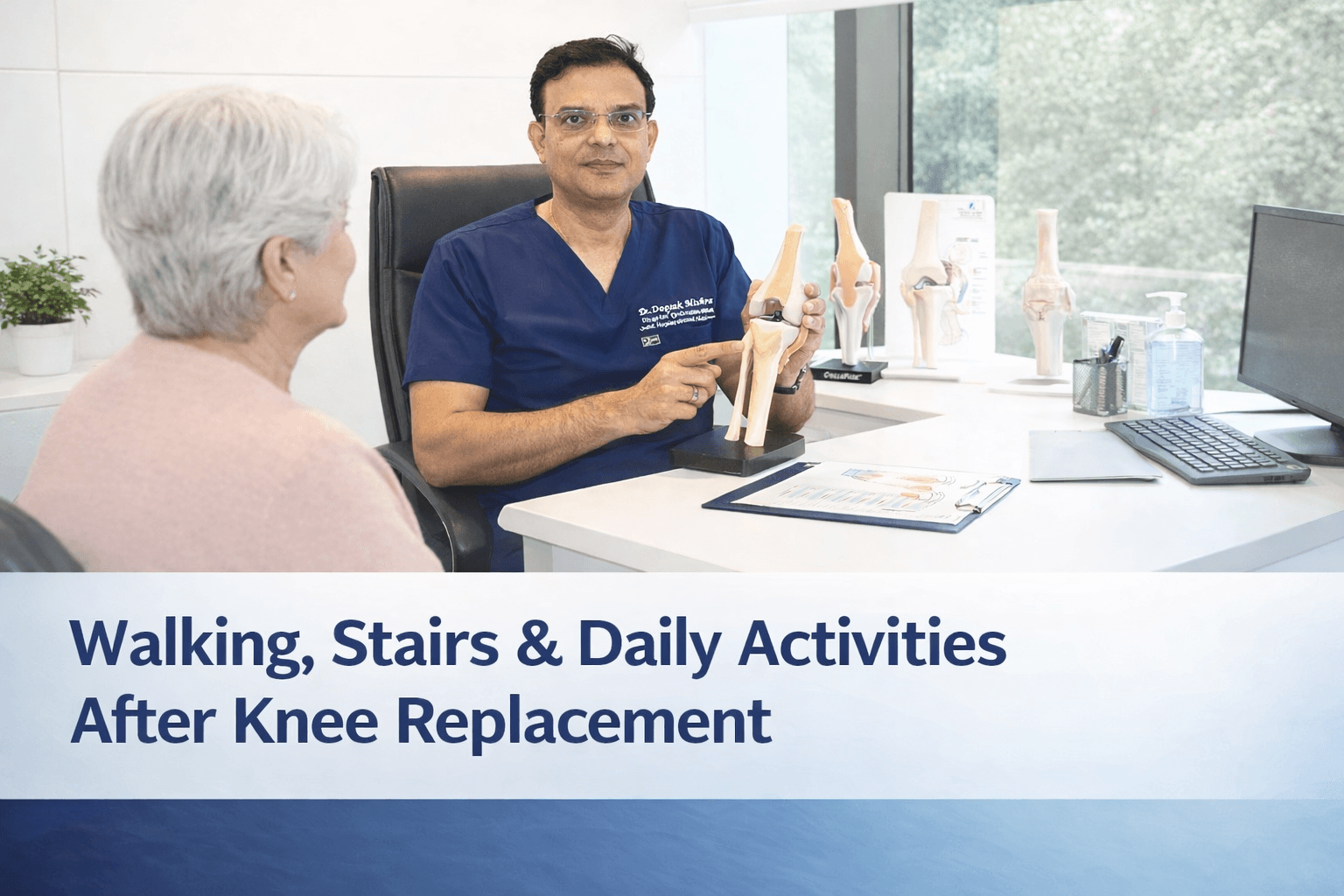 Walking, Stairs & Daily Activities After Knee Replacement
- 22, January 2026
-
 When Knee Pain Needs Medical Attention: Red Flags to Watch
- 19, January 2026
-
 Cartilage Damage in Sports: Early Signs Athletes Should Not Ignore
- 15, January 2026
-
 Can You Sit Cross-Legged After Knee Replacement?
- 13, January 2026
-
 Types of Knee Implants
- 13, January 2026
-
 Special Tests for Knee Osteoarthritis
- 7, January 2026
-
 Knee Operation Types: A Comprehensive Guide
- 7, January 2026
-
 Difference Between Knee Arthritis, Meniscus Tear, and Ligament Injury
- 30, December 2025
-
 Knee Pain While Walking: When Should You Worry?
- 30, December 2025
-
 What Happens If Knee Replacement Is Delayed Too Long?
- 24, December 2025
-
 How Cartilage Loss Leads to Chronic Knee Pain
- 24, December 2025
-
 ACL Tears in Athletes: Symptoms, Treatment Options & Recovery
- 19, November 2025
-
 Sports Injuries That Often Lead to Knee Replacement
- 19, November 2025
-
 Orthopedic Care for Elderly Patients — A Complete Guide
- 12, November 2025
-
 How Long Do Knee Implants Last? (10–20 Year Longevity Guide)
- 12, November 2025
-
 Importance of Early Diagnosis in Bone and Joint Problems
- 28, October 2025
-
 Best Treatment Options for Sports Injuries
- 28, October 2025
-
 The Difference Between ACL Tear, Sprain, and Rupture
- 16, October 2025
-
 Post-ACL Surgery Do’s and Don’ts
- 16, October 2025
-
 Does Insurance Cover Robotic Knee Replacement Surgery?
- 6, October 2025
-
 When Can You Return to Sports After Robotic Knee Replacement?
- 6, October 2025
-
 Impact of Obesity on Knee Replacement Surgery and Recovery
- 30, September 2025
-
 Early vs. Delayed Knee Replacement: Which Is Better?
- 30, September 2025
-
 How Durable Are Knee Implants? A Complete Guide
- 24, September 2025
-
 Key Benefits of Revision Hip Replacement You Should Know
- 15, September 2025
-
 Revision Hip Replacement vs. Primary Hip Replacement: Key Differences
- 15, September 2025
-

-
 Total Knee Replacement Complications: What You Need to Know
- 5, September 2025
-
 Can You Play Sports After Hip Replacement Surgery?
- 26, August 2025
-
 Preparing for Knee Replacement: Do’s and Don’ts Before Surgery
- 26, August 2025
-
-
 What to Know About Knee Replacement Revision Surgery
- 18, August 2025
-
 Cost of Hip Replacement in India – What Patients Should Know
- 11, August 2025
-
-
 Who Is the Best Orthopedic Doctor for Sports Injuries?
- 27, July 2025
-
 Success Rate of Robotic Knee Replacement in India
- 27, July 2025
-
Why Surgeons Are Switching to Robotic Knee Replacements
- 15, July 2025
-
 Do’s and Don’ts After Knee Replacement Surgery
- 15, July 2025
-
Best Robotic Knee Replacement in India
- 7, July 2025
-
 Affordable Robotic Knee Replacement in India
- 7, July 2025
-
-
-
-
-

-
-
-
 Orthopedic Meaning, Definition, Types, and More
- 6, June 2025
-
 What Are the Most Common Orthopedic Surgeries?
- 24, May 2025
-
 What Does an Orthopedic Doctor Do?
- 24, May 2025
-
-
-
-
Best Orthopedic Doctor for Knee Pain in Faridabad
- 12, May 2025
-
 How to Prevent Knee Pain with Orthopedic Expert Tips
- 29, April 2025
-

-
Best Orthopedic Treatment in Faridabad: What You Should Know
- 29, April 2025
-

-
-
Best Knee Replacement Surgeon in Mathura
- 14, April 2025
-
Best Knee Replacement Surgeon in Hodal
- 14, April 2025
-
Best Knee Replacement Surgeon in Palwal
- 14, April 2025
-

-
-
-
 Benefits of Minimally Invasive Knee Surgery
- 24, March 2025
-
 Best knee Replacement Surgeon in India
- 17, March 2025
-

-
 How to Recover Quickly After Knee Replacement Surgery
- 10, March 2025
-
-

-
-
 Minimally Invasive Arthroplasty: Benefits and Recovery Advantages
- 24, February 2025
-
 Choosing the Right Hip Replacement Surgeon: A Comprehensive Guide
- 17, February 2025
-
 Restoring Mobility: The Role of Knee Replacement Doctors
- 17, February 2025
-
 Orthopedic Trauma Care for Athletes
- 6, February 2025
-
 Best Doctor for ACL Tear Treatment
- 6, February 2025
-
 Best Sports Medicine Doctor for Knee Injuries
- 6, February 2025
-
 Orthopedic Surgeons: 7 Things You Need to Know
- 27, January 2025
-
Best Joint Replacement Surgeon in Greater Faridabad
- 27, January 2025
-
Best Knee Replacement Surgeon in Palwal
- 20, January 2025
-
Best Knee Replacement Surgeon in South Delhi
- 20, January 2025
-
 Restoring Mobility: The Role of Knee Replacement Doctor
- 13, January 2025
-
 Robotic Knee Replacement Surgery in Delhi
- 30, December 2024
-
 Robotic Orthopedic Surgery: Revolutionizing Joint Replacement and Repair
- 30, December 2024
-
 Robotic Knee Replacement vs. Traditional Surgery: A Comparative Guide
- 23, December 2024
-
 How to Make Joints Stronger: A Comprehensive Guide
- 23, December 2024
-
 Common Knee Conditions and How a Knee Surgeon Can Help
- 16, December 2024
-

-
-
 Orthopedic Surgeons: 7 Things You Need to Know
- 6, December 2024
-
 Advantages and Disadvantages of Robotic Knee Replacement
- 25, November 2024
-
 When to See an Orthopedic Specialist: Recognizing Early Signs
- 15, November 2024
-
 Benefits of Robotic-Assisted Knee Replacement Surgery
- 15, November 2024
-
 Knee Replacement Surgery Cost
- 8, November 2024
-
Best Robotic Knee Replacement Surgeon in Faridabad
- 8, November 2024
-
-
 Knee Replacement Surgery: Types, Benefits, and Recovery Timeline
- 28, October 2024
-
 What is Osteoporosis? Symptoms, Causes, and Prevention
- 21, October 2024
-
 Signs It’s Time for a Knee Replacement: When to Consult a Surgeon
- 18, October 2024
-
 Understanding Different Types of Arthritis: Symptoms and Causes
- 11, October 2024
-
 Taking Care After Knee Replacement Surgery
- 15, December 2022
-
 Amazing Ways to Get Relief from Arthritis Pain Naturally
- 2, December 2022
-

-
 How Does Fat Affect Arthritis?
- 4, November 2022
