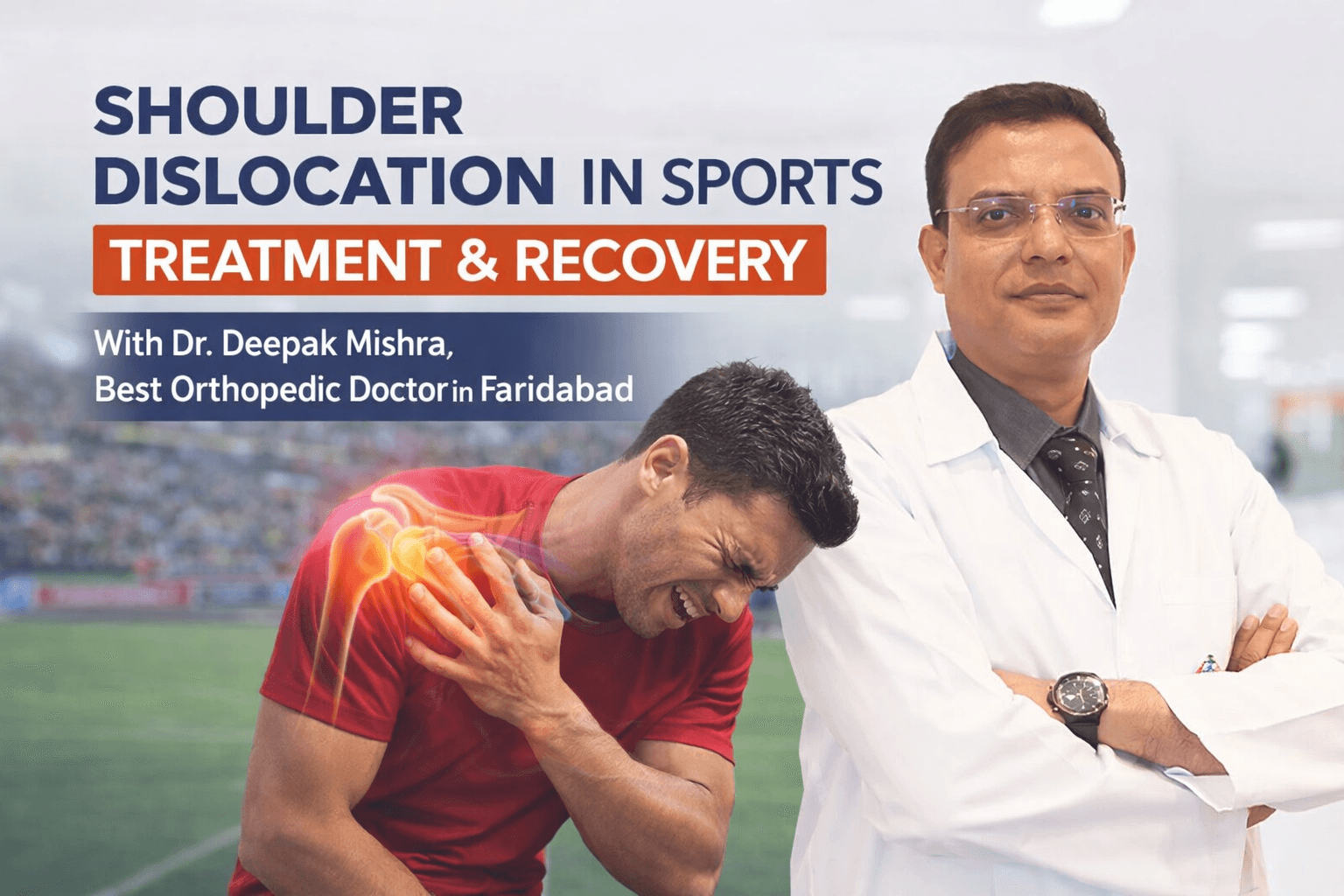
Shoulder Dislocation in Sports: Treatment and Recovery
March 11, 2026Shoulder injuries are common in sports that involve high-impact collisions, falls, or repetitive overhead movements. Among these injuries, shoulder dislocation is one of the most serious conditions affecting athletes and physically active individuals. It can occur suddenly during a game, training session, or accidental fall and often causes intense pain and temporary loss of shoulder movement.
The shoulder is the most mobile joint in the human body, which makes it more prone to dislocation compared to other joints. A shoulder dislocation occurs when the upper arm bone (humerus) pops out of the socket of the shoulder blade (glenoid). Because of the shoulder’s wide range of motion, this joint is particularly vulnerable to instability and injury.
In sports medicine, prompt diagnosis, proper treatment, and structured rehabilitation are crucial to restore full function and prevent future injuries. In Faridabad, Dr. Deepak Mishra, widely regarded as one of the best orthopedic doctors in Faridabad, specializes in treating sports injuries and complex joint conditions using advanced orthopedic techniques and rehabilitation strategies.
This detailed guide explains causes, symptoms, treatment options, and recovery timelines for shoulder dislocation in sports.
Understanding Shoulder Dislocation
A shoulder dislocation occurs when the head of the upper arm bone moves out of the shoulder socket due to trauma or excessive force. The shoulder joint is extremely flexible, but this flexibility also makes it easier for the joint to slip out of place during sudden impacts or awkward movements.
When dislocation happens, surrounding structures such as ligaments, tendons, and cartilage may stretch or tear, causing pain and instability.
Types of Shoulder Dislocation
There are three main types of shoulder dislocation:
1. Anterior Dislocation
The most common type, where the arm bone moves forward out of the socket.
2. Posterior Dislocation
Less common and often caused by seizures, electric shock, or severe trauma.
3. Inferior Dislocation
A rare form where the arm bone slips downward.
In sports injuries, anterior dislocation accounts for the majority of cases, particularly in contact sports.
Sports That Commonly Cause Shoulder Dislocation
Certain sports place significant stress on the shoulder joint. Athletes involved in these activities have a higher risk of shoulder dislocation:
- Football
- Cricket
- Basketball
- Rugby
- Wrestling
- Hockey
- Tennis
- Gymnastics
- Weightlifting
Contact sports and activities involving sudden falls or overhead movements are particularly associated with shoulder instability and dislocation injuries.
Causes of Shoulder Dislocation in Sports
The most common causes include:
1. Direct Impact or Collision
A tackle or collision during sports may force the shoulder joint out of place.
2. Falling on an Outstretched Arm
Athletes often fall during sports activities, and landing on the arm can push the shoulder joint out of its socket.
3. Sudden Twisting Movements
Rapid rotational movement of the shoulder during sports can cause instability.
4. Weak Shoulder Muscles
Weak muscles around the shoulder increase the risk of dislocation.
5. Previous Shoulder Injury
Athletes who have experienced shoulder dislocation before are more likely to suffer it again.
Studies suggest that young athletes involved in contact sports have a high recurrence risk, with some research indicating recurrence rates above 90% in athletes under 25.
Symptoms of Shoulder Dislocation
Recognizing the symptoms early can help prevent further complications.
Common symptoms include:
- Severe shoulder pain
- Visible shoulder deformity
- Swelling or bruising
- Inability to move the arm
- Weakness or numbness
- Shoulder appearing “out of place”
In many cases, athletes immediately feel that the shoulder has slipped out of position.
Immediate First Aid for Shoulder Dislocation
If shoulder dislocation occurs during sports:
- Stop the activity immediately.
- Avoid moving the arm excessively.
- Apply ice to reduce swelling.
- Immobilize the arm using a sling.
- Seek immediate medical care.
Prompt treatment is essential because joint dislocations require accurate diagnosis and reduction (putting the joint back in place) to prevent complications.
Diagnosis of Shoulder Dislocation
Orthopedic specialists diagnose shoulder dislocation through:
Clinical Examination
Doctors evaluate pain, movement, and shoulder position.
Imaging Tests
- X-ray to confirm dislocation
- MRI scan to detect ligament or tendon damage
- CT scan for complex injuries
Accurate diagnosis helps determine whether non-surgical treatment or surgery is required.
Treatment for Shoulder Dislocation
Treatment depends on the severity of the injury and the patient’s activity level.
1. Closed Reduction
The first step is usually reduction, where the doctor gently moves the arm bone back into its socket.
This procedure is performed under pain control or sedation.
2. Immobilization
After reduction, the shoulder is immobilized using a sling for 1–2 weeks to allow tissues to heal.
Rest during this phase helps reduce inflammation and prevent further injury.
3. Physical Therapy
Physiotherapy is a critical part of recovery.
Physical therapy helps:
- Restore shoulder movement
- Strengthen muscles
- Improve joint stability
- Reduce recurrence risk
Rehabilitation programs often last 6 weeks or more, gradually restoring mobility and strength.
4. Medications
Doctors may prescribe medications such as:
- Pain relievers
- Anti-inflammatory drugs
These medications help manage pain during the recovery phase.
5. Shoulder Stabilization Surgery
If dislocation occurs repeatedly or if severe ligament damage is present, surgery may be required.
Common procedures include:
- Arthroscopic shoulder stabilization
- Bankart repair
- Latarjet procedure
Surgical treatment repairs torn ligaments and improves joint stability.
Recovery Timeline After Shoulder Dislocation
Recovery varies depending on injury severity and treatment.
Week 1–2
- Shoulder immobilized in sling
- Pain and swelling management
Week 3–6
- Gentle mobility exercises
- Gradual strengthening
Week 6–12
- Advanced physiotherapy
- Improved range of motion
3–6 Months
- Full return to sports activities
Research indicates that full recovery can take several months, especially when surgery is required.
Athletes undergoing surgery typically require 4–6 months before returning to competitive sports.
Return to Sports After Shoulder Dislocation
Returning to sports too early can increase the risk of re-injury.
Doctors generally allow athletes to resume sports when:
- Pain has resolved
- Shoulder strength is restored
- Full range of motion is achieved
- Joint stability is regained
Some athletes may return to non-contact sports within a few weeks, but high-impact sports require longer recovery.
Complications of Untreated Shoulder Dislocation
Ignoring shoulder dislocation or delaying treatment can lead to:
- Chronic shoulder instability
- Recurrent dislocations
- Rotator cuff tears
- Joint arthritis
- Reduced athletic performance
Repeated dislocations can cause long-term damage to ligaments and cartilage.
Preventing Shoulder Dislocation in Athletes
While not all injuries are preventable, athletes can reduce their risk by:
Strength Training
Strengthening shoulder muscles improves joint stability.
Proper Warm-Up
Stretching and mobility exercises reduce injury risk.
Using Protective Gear
Shoulder braces or taping can support weak joints.
Sports Technique Training
Proper training reduces sudden stress on the shoulder.
Rehabilitation After Injury
Completing physiotherapy programs fully is crucial.
Why Choose Dr Deepak Mishra for Shoulder Dislocation Treatment in Faridabad
For athletes and patients suffering from shoulder dislocation, consulting an experienced orthopedic specialist is essential.
Dr Deepak Mishra is recognized as one of the best orthopedic doctors in Faridabad, known for his expertise in treating:
- Sports injuries
- Shoulder instability
- Arthroscopic surgery
- Joint replacement procedures
With extensive experience in orthopedic and sports medicine, Dr. Mishra focuses on accurate diagnosis, minimally invasive treatment, and comprehensive rehabilitation to help patients return to their normal activities quickly and safely.
His patient-centered approach and advanced orthopedic techniques make him a trusted choice for sports injury treatment and shoulder dislocation management in Faridabad.
Conclusion
Shoulder dislocation is a common sports injury that can affect athletes at any level. However, with timely diagnosis, appropriate treatment, and structured rehabilitation, most patients can make a full recovery and return to sports safely.
If you experience shoulder pain, instability, or dislocation during sports activities, it is essential to seek medical attention immediately. Early intervention not only reduces complications but also ensures faster recovery.
Consulting an experienced orthopedic specialist like Dr Deepak Mishra – one of the best orthopedic doctors in Faridabad – can help athletes regain shoulder strength, stability, and confidence to return to their active lifestyle.
Recent Blogs
-
-
 When Is Knee Replacement the Only Option?
- 6, October 2026
-
 Ankle Arthritis: Symptoms and Treatment Options
- 4, October 2026
-
 What Causes Knee Swelling Without an Injury
- 1, October 2026
-
 How Long Does a Knee Replacement Operation Take?
- 25, September 2026
-
 Who Is the Best Bone Doctor in Faridabad?
- 22, September 2026
-
 Best Ankle Surgeon in Faridabad
- 18, September 2026
-
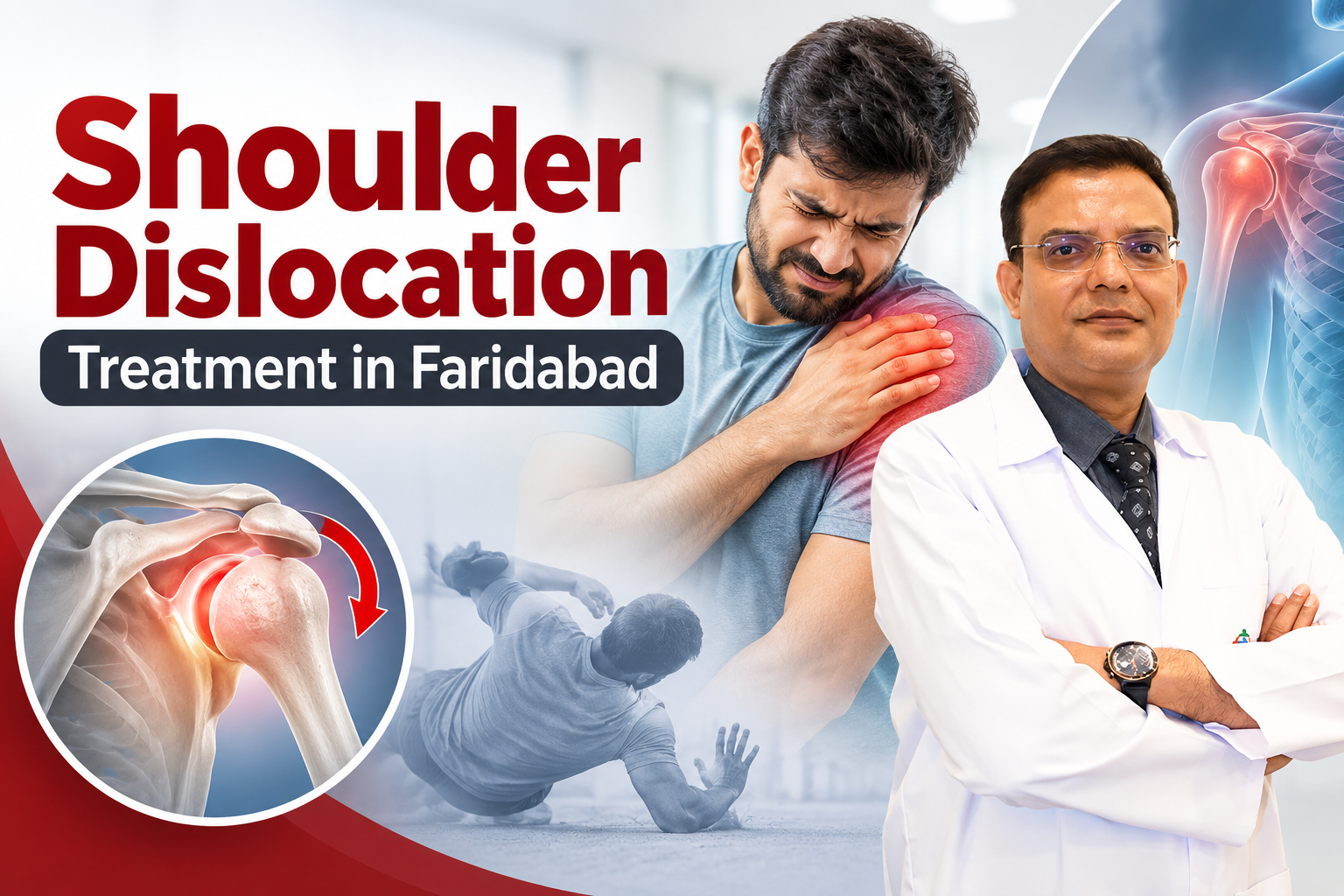 Shoulder Dislocation Treatment in Faridabad
- 15, September 2026
-
 10 Common Mistakes After Knee Replacement Surgery
- 12, September 2026
-
 Top 10 Hip Surgeons in India
- 4, September 2026
-
 Orthopedic Surgeon: Definition, Expertise & Specialties
- 1, September 2026
-
 Top 10 Total Knee Replacement Surgeons in India – 2026
- 27, August 2026
-
 Top 10 Best Orthopedic Doctors in India
- 25, August 2026
-
 Dual Mobility Hip Replacement Surgery in Faridabad
- 21, August 2026
-
 Gold Knee Replacement Surgery in Faridabad
- 18, August 2026
-
-
-
-
 Bone Fracture Specialist in Faridabad
- 25, July 2026
-
 Robotic Partial Knee Replacement in Faridabad
- 21, July 2026
-
-
-
 Runner’s Knee: Prevention & Treatment
- 10, July 2026
-
 Best Knee Tendonitis Treatment in Faridabad
- 7, July 2026
-

-
 Why Does My Knee Make Clicking Sounds?
- 1, July 2026
-
-
-
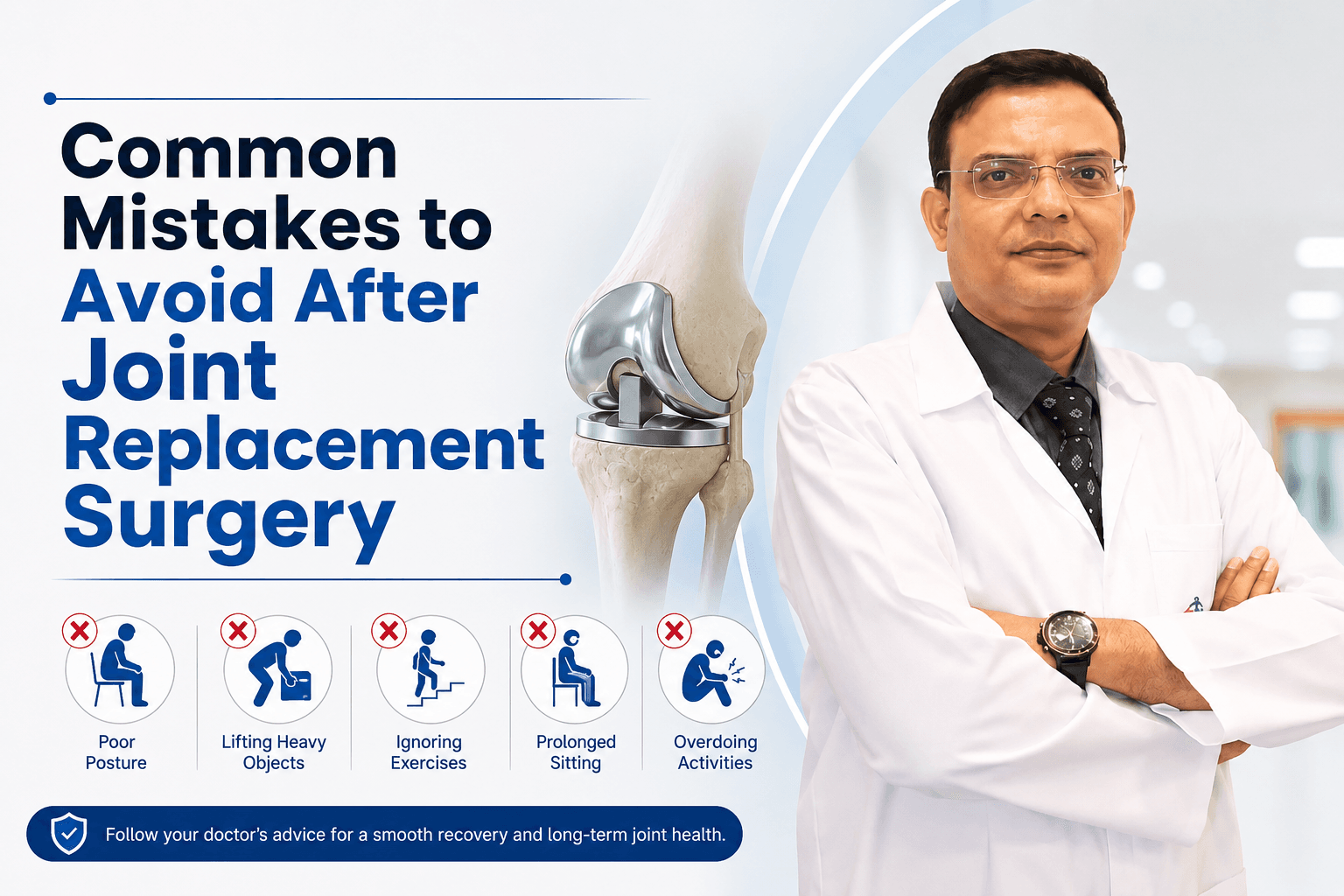 Common Mistakes to Avoid After Joint Replacement Surgery
- 19, June 2026
-
 Can You Play Sports After Knee Replacement Surgery?
- 16, June 2026
-
 Recovery Timeline After Hip Replacement Surgery
- 12, June 2026
-
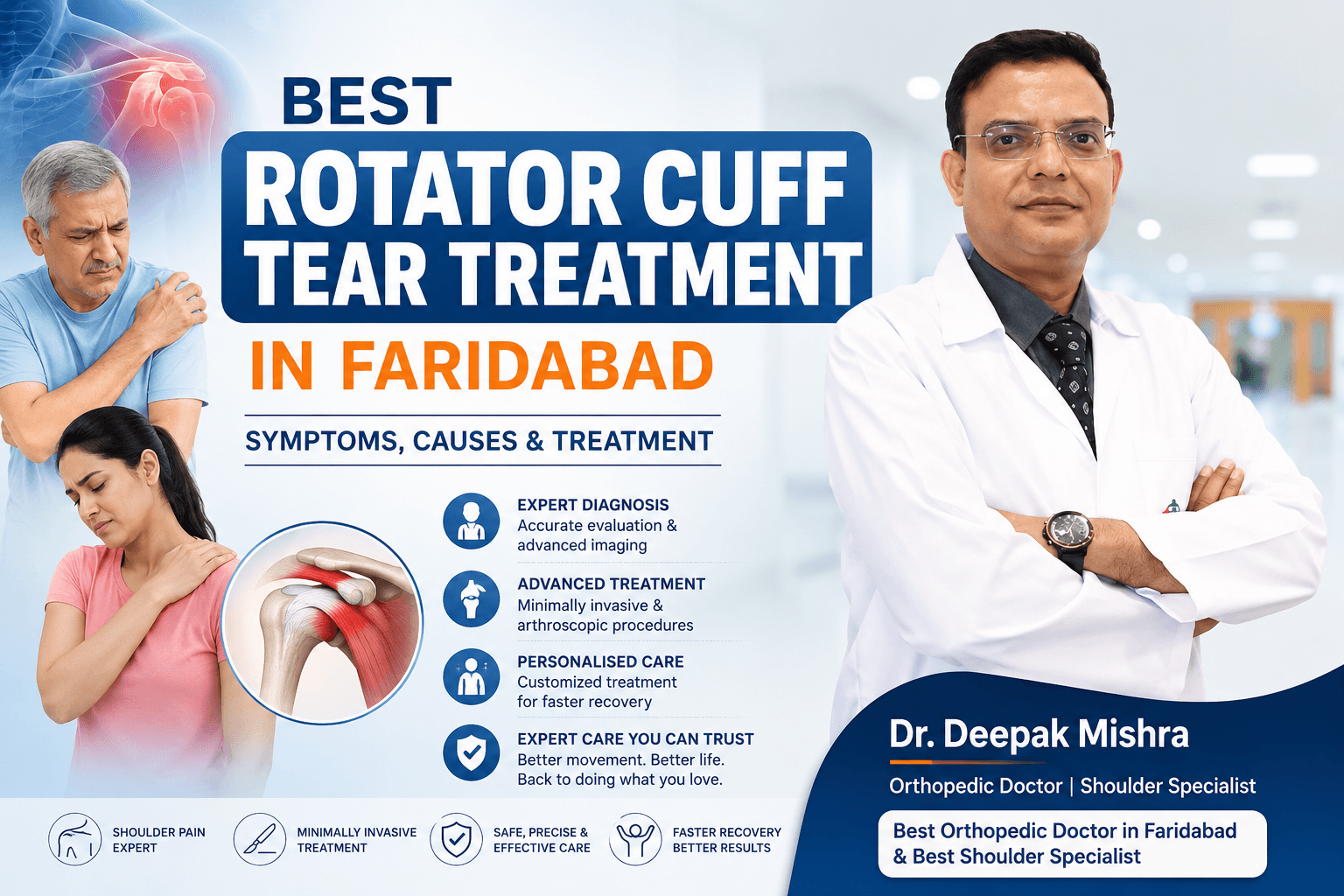 Best Rotator Cuff Tear Treatment in Faridabad
- 9, June 2026
-
-
 When Does Knee Pain Need Surgery?
- 19, May 2026
-
 Can You Walk Normally After Hip Replacement?
- 15, May 2026
-
-
 Best Doctor for Arthritis Treatment in Faridabad
- 8, May 2026
-
 Sports Injury Specialist in Faridabad
- 5, May 2026
-
 Hip Replacement Surgery Cost in India
- 2, May 2026
-
 Best ACL Surgeon in Faridabad
- 1, May 2026
-
 Best Hip Replacement Surgeon in Delhi
- 26, April 2026
-
 Best Hospital for Robotic Joint Replacement in Faridabad
- 14, April 2026
-
 Best Shoulder Specialist in Faridabad
- 10, April 2026
-
-
 How Mako Robotic Improves Knee Replacement Outcomes
- 3, April 2026
-
 Best Orthopedic Hospital in Faridabad for Joint Pain
- 1, April 2026
-
 Don’t Delay Knee Surgery: 7 Warning Signs You Must Know
- 26, March 2026
-
-
 Benefits of Partial Knee Replacement Over Total Knee Surgery
- 19, March 2026
-
 Who Needs Hip Replacement Surgery? Signs & Eligibility
- 16, March 2026
-
 Best Joint Replacement Hospital in India
- 13, March 2026
-
Shoulder Dislocation in Sports: Treatment and Recovery
- 11, March 2026
-
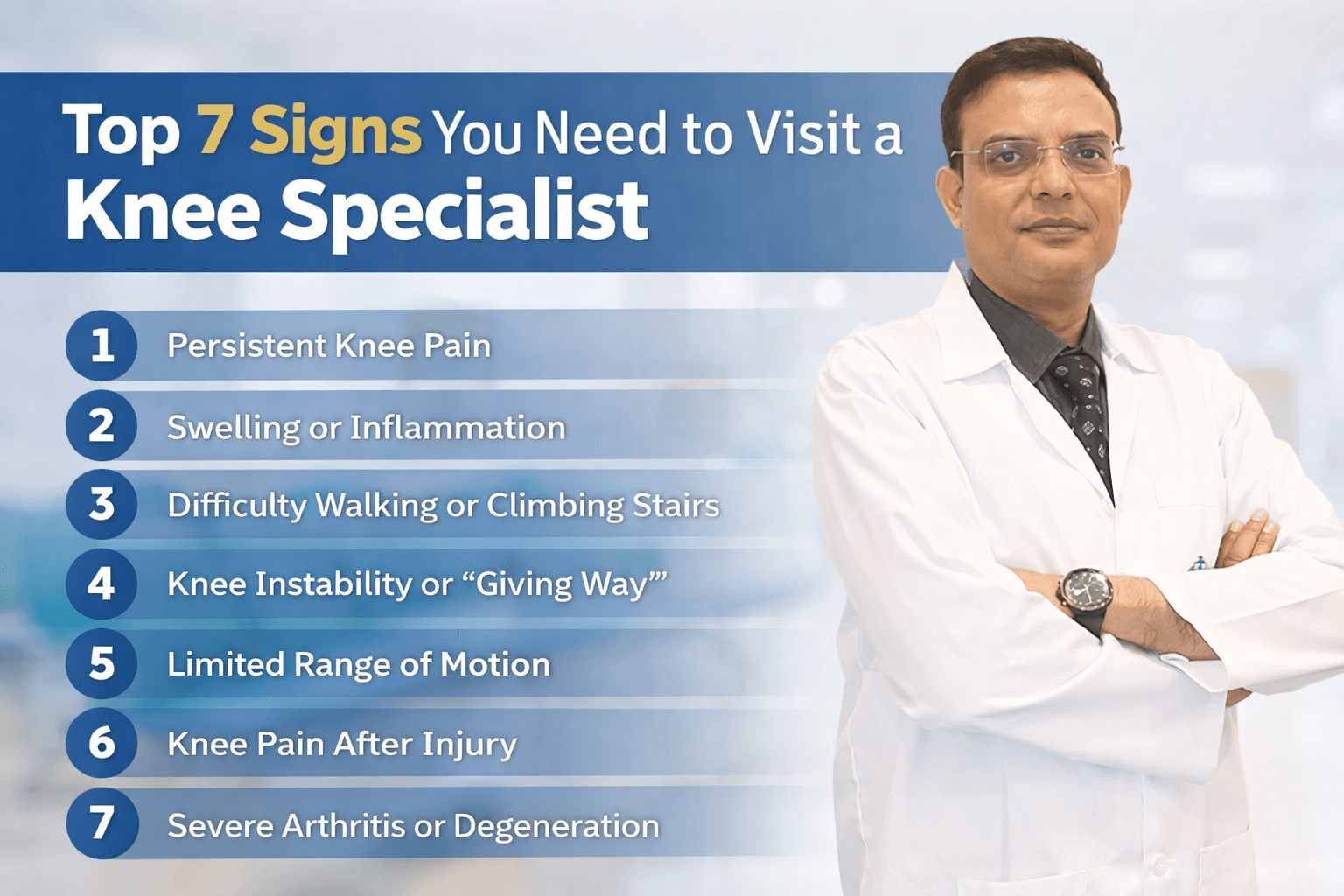 Top 7 Signs You Need to Visit a Knee Specialist
- 7, March 2026
-
-
 Post Operative Exercises
- 26, February 2026
-
 After ACL Surgery When Can I Walk?
- 24, February 2026
-
 What Happens If Knee Arthritis Is Left Untreated?
- 21, February 2026
-
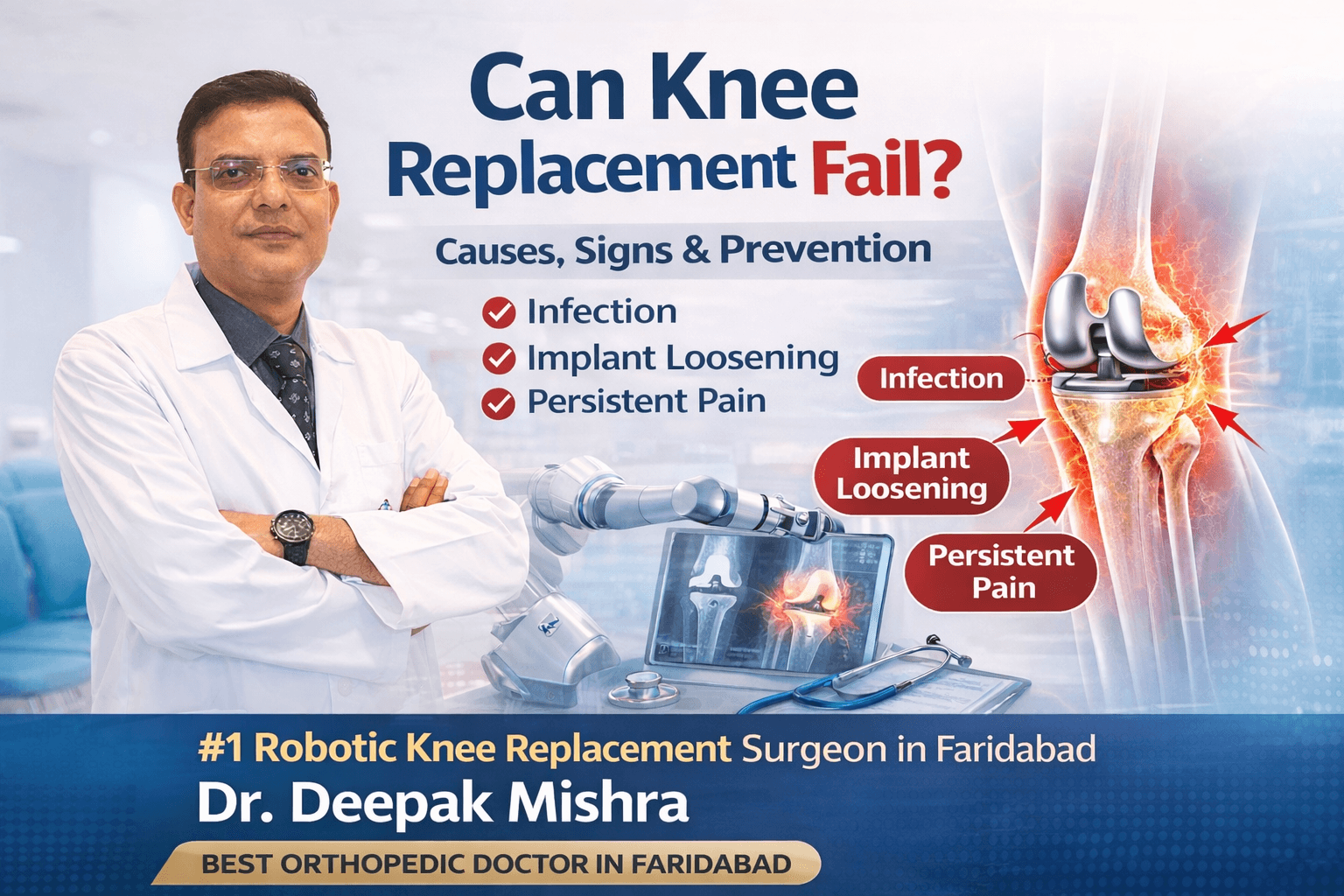 Can Knee Replacement Fail? Causes, Signs & Prevention
- 21, February 2026
-
 Who Is Not Suitable for Knee Replacement Surgery?
- 12, February 2026
-
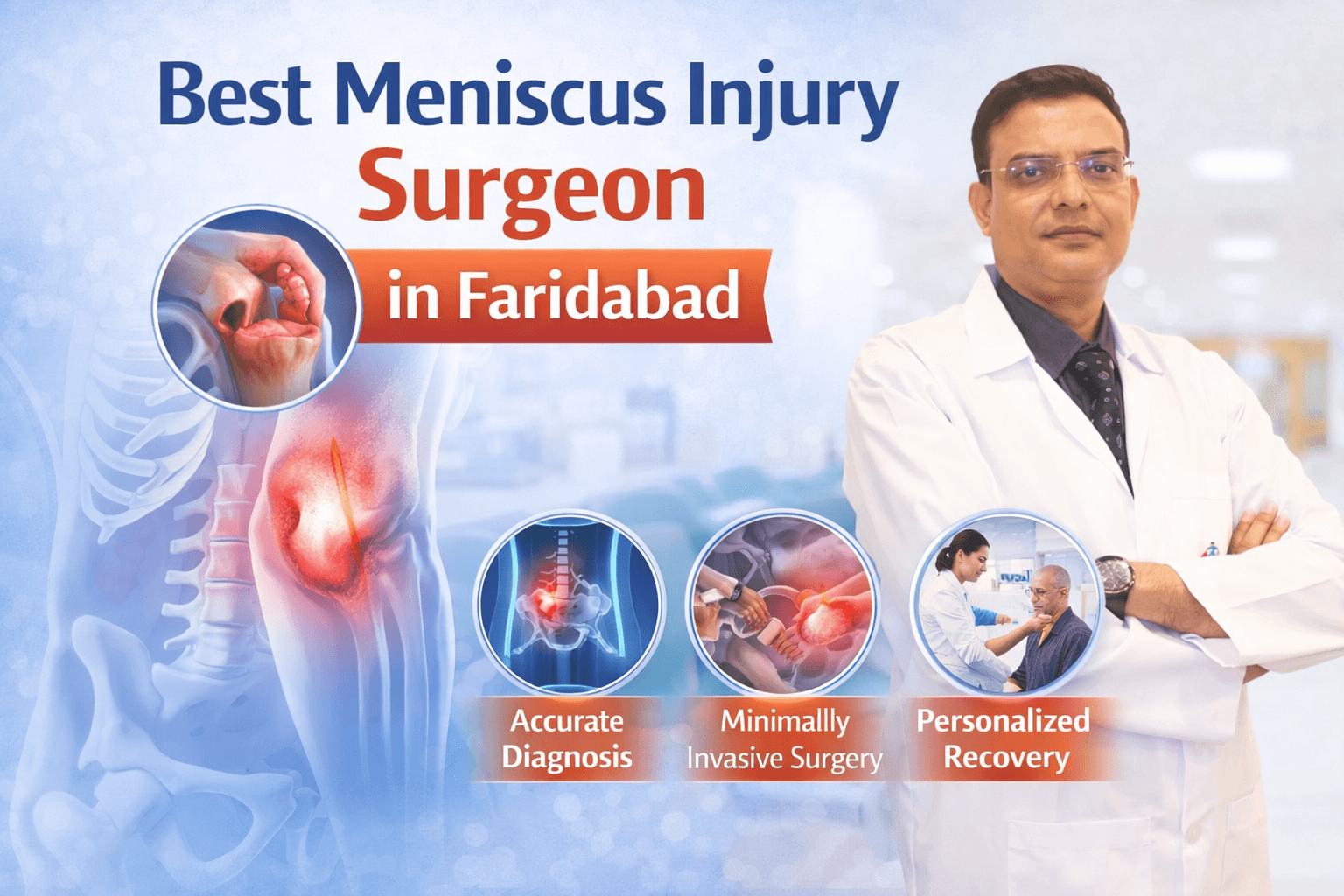 Best Meniscus Injury Surgeon in Faridabad
- 9, February 2026
-
 How Obesity Affects Knee Health & When to Consider Knee Replacement
- 6, February 2026
-
 Knee Pain After Sitting for Long Hours – What to Do
- 3, February 2026
-
 Most Common Sports Injuries and How to Prevent Them
- 26, January 2026
-
 Walking, Stairs & Daily Activities After Knee Replacement
- 22, January 2026
-
 When Knee Pain Needs Medical Attention: Red Flags to Watch
- 19, January 2026
-
 Cartilage Damage in Sports: Early Signs Athletes Should Not Ignore
- 15, January 2026
-
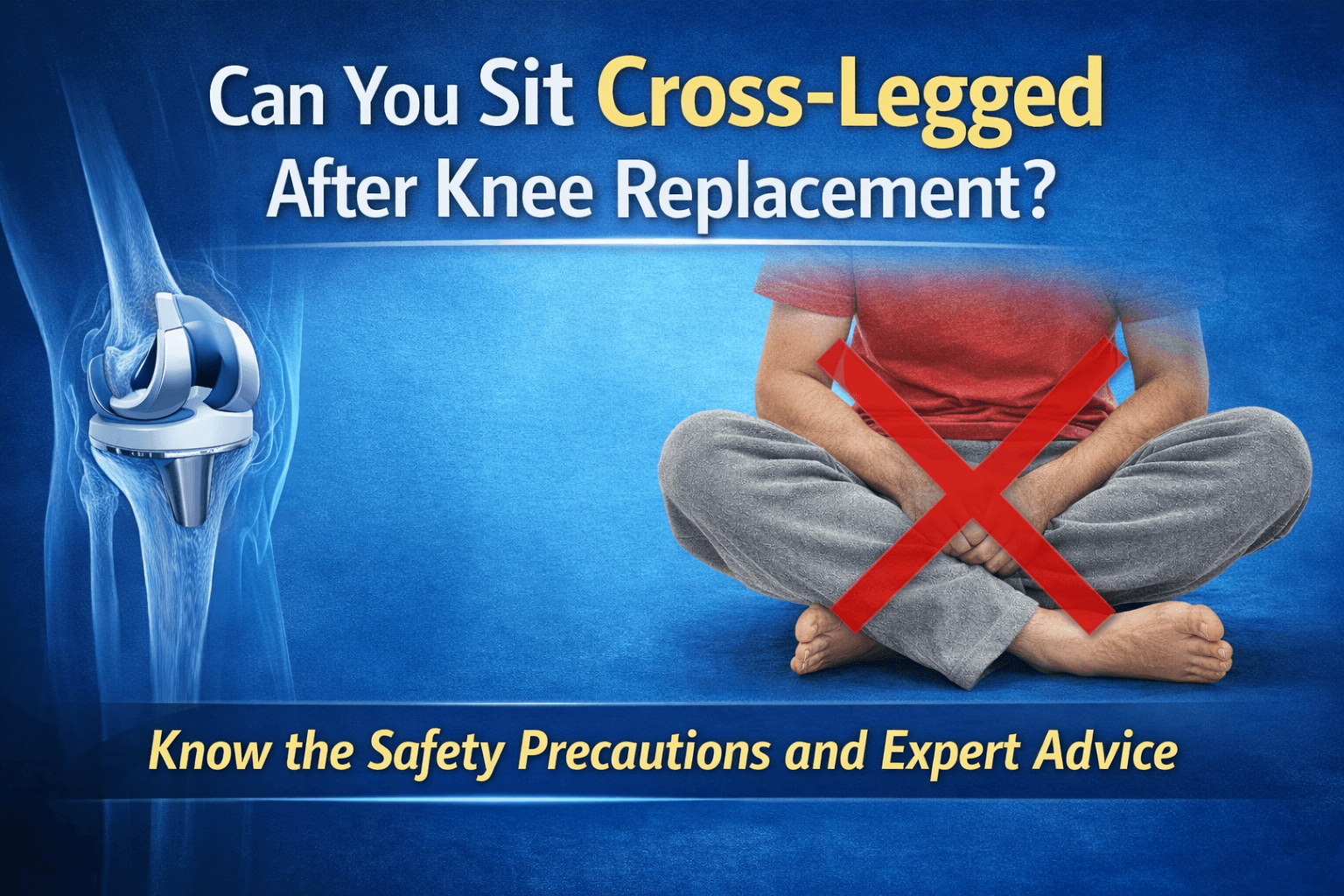 Can You Sit Cross-Legged After Knee Replacement?
- 13, January 2026
-
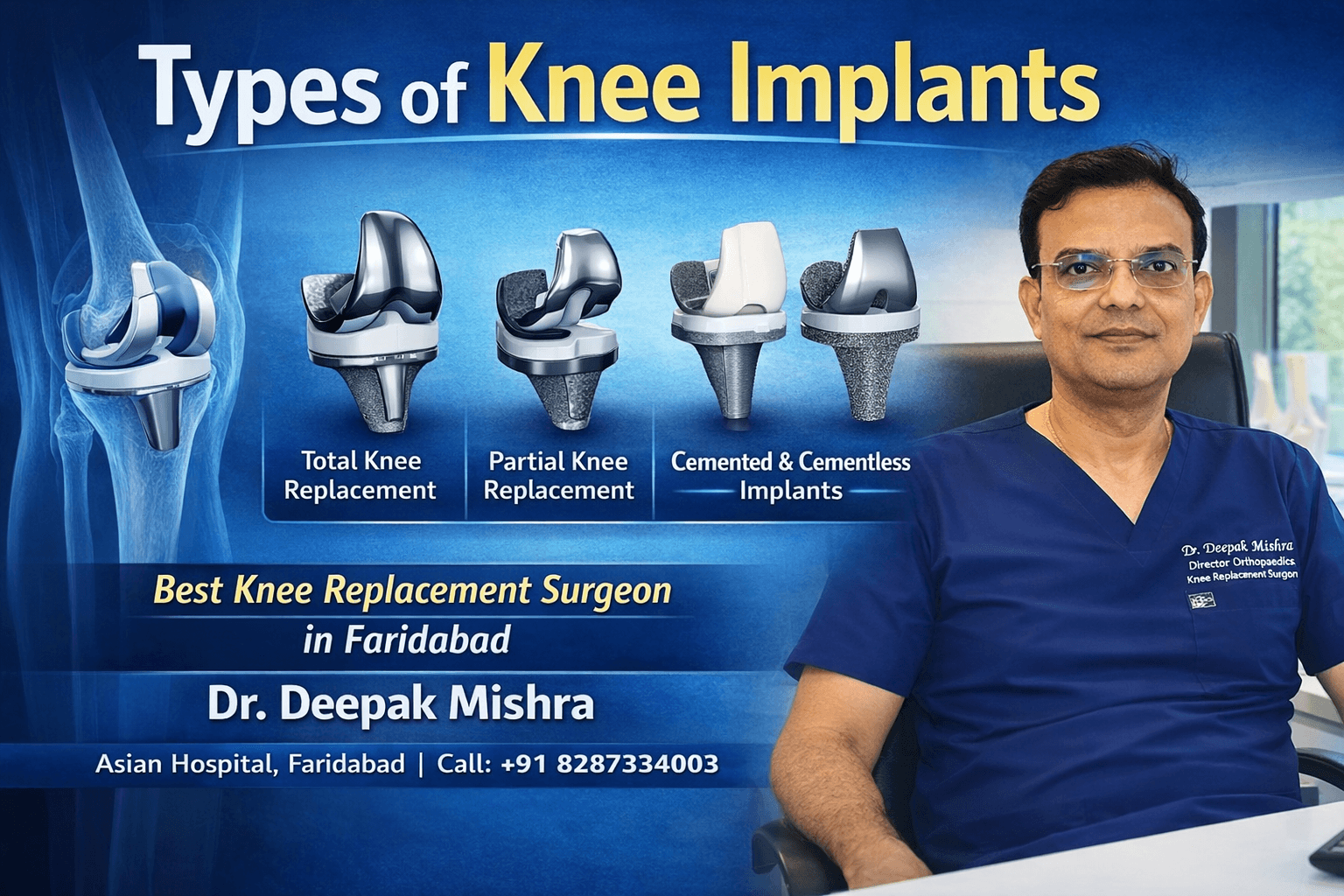 Types of Knee Implants
- 13, January 2026
-
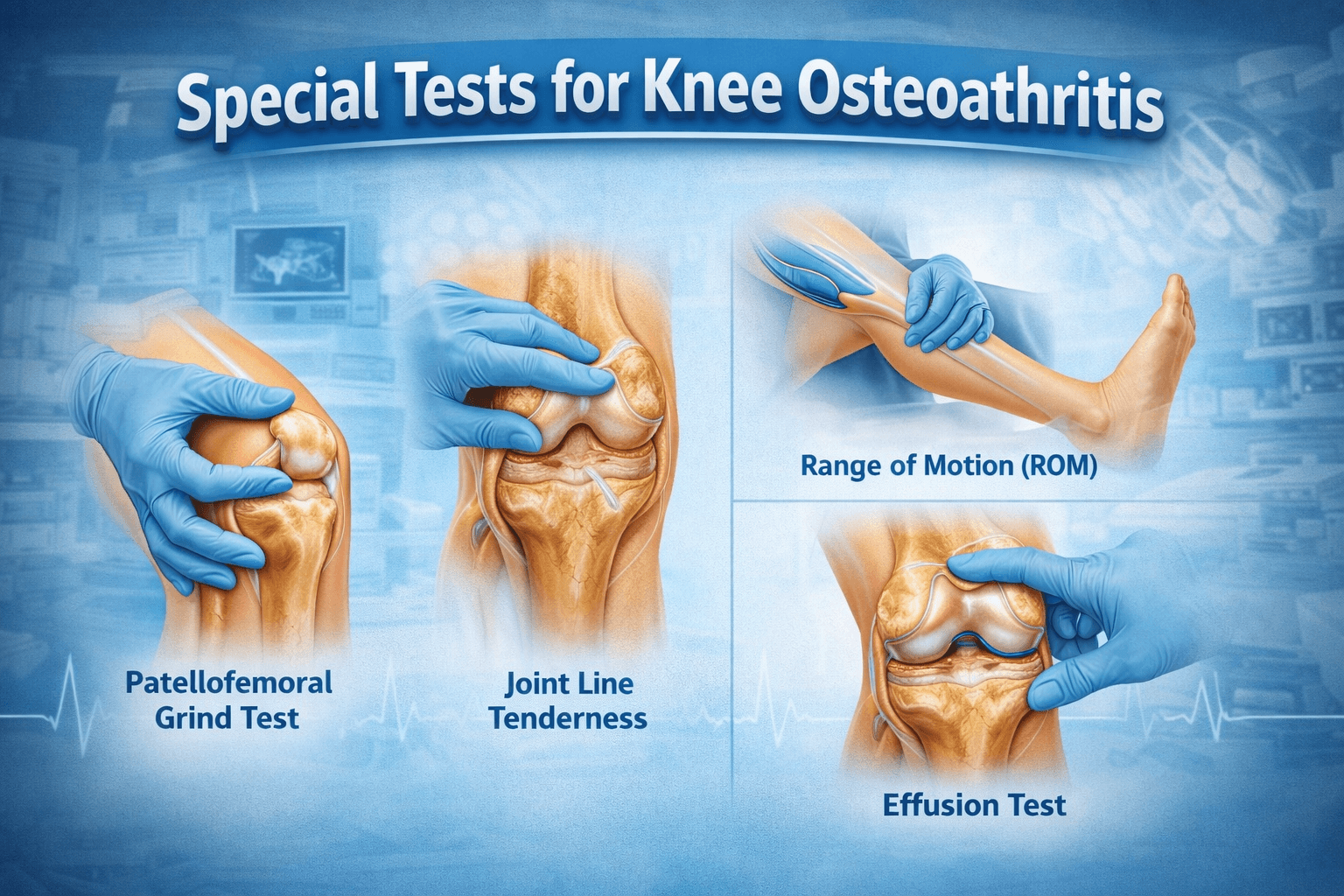 Special Tests for Knee Osteoarthritis
- 7, January 2026
-
 Knee Operation Types: A Comprehensive Guide
- 7, January 2026
-
 Difference Between Knee Arthritis, Meniscus Tear, and Ligament Injury
- 30, December 2025
-
 Knee Pain While Walking: When Should You Worry?
- 30, December 2025
-
 What Happens If Knee Replacement Is Delayed Too Long?
- 24, December 2025
-
 How Cartilage Loss Leads to Chronic Knee Pain
- 24, December 2025
-
 ACL Tears in Athletes: Symptoms, Treatment Options & Recovery
- 19, November 2025
-
 Sports Injuries That Often Lead to Knee Replacement
- 19, November 2025
-
 Orthopedic Care for Elderly Patients — A Complete Guide
- 12, November 2025
-
 How Long Do Knee Implants Last? (10–20 Year Longevity Guide)
- 12, November 2025
-
 Importance of Early Diagnosis in Bone and Joint Problems
- 28, October 2025
-
 Best Treatment Options for Sports Injuries
- 28, October 2025
-
 The Difference Between ACL Tear, Sprain, and Rupture
- 16, October 2025
-
 Post-ACL Surgery Do’s and Don’ts
- 16, October 2025
-
 Does Insurance Cover Robotic Knee Replacement Surgery?
- 6, October 2025
-
 When Can You Return to Sports After Robotic Knee Replacement?
- 6, October 2025
-
 Impact of Obesity on Knee Replacement Surgery and Recovery
- 30, September 2025
-
 Early vs. Delayed Knee Replacement: Which Is Better?
- 30, September 2025
-
 How Durable Are Knee Implants? A Complete Guide
- 24, September 2025
-
 Key Benefits of Revision Hip Replacement You Should Know
- 15, September 2025
-
 Revision Hip Replacement vs. Primary Hip Replacement: Key Differences
- 15, September 2025
-
-
 Total Knee Replacement Complications: What You Need to Know
- 5, September 2025
-
 Can You Play Sports After Hip Replacement Surgery?
- 26, August 2025
-
 Preparing for Knee Replacement: Do’s and Don’ts Before Surgery
- 26, August 2025
-
-
 What to Know About Knee Replacement Revision Surgery
- 18, August 2025
-
 Cost of Hip Replacement in India – What Patients Should Know
- 11, August 2025
-
-
 Who Is the Best Orthopedic Doctor for Sports Injuries?
- 27, July 2025
-
 Success Rate of Robotic Knee Replacement in India
- 27, July 2025
-
Why Surgeons Are Switching to Robotic Knee Replacements
- 15, July 2025
-
 Do’s and Don’ts After Knee Replacement Surgery
- 15, July 2025
-
Best Robotic Knee Replacement in India
- 7, July 2025
-
 Affordable Robotic Knee Replacement in India
- 7, July 2025
-
-
-
-
-
-
-
-
 Orthopedic Meaning, Definition, Types, and More
- 6, June 2025
-
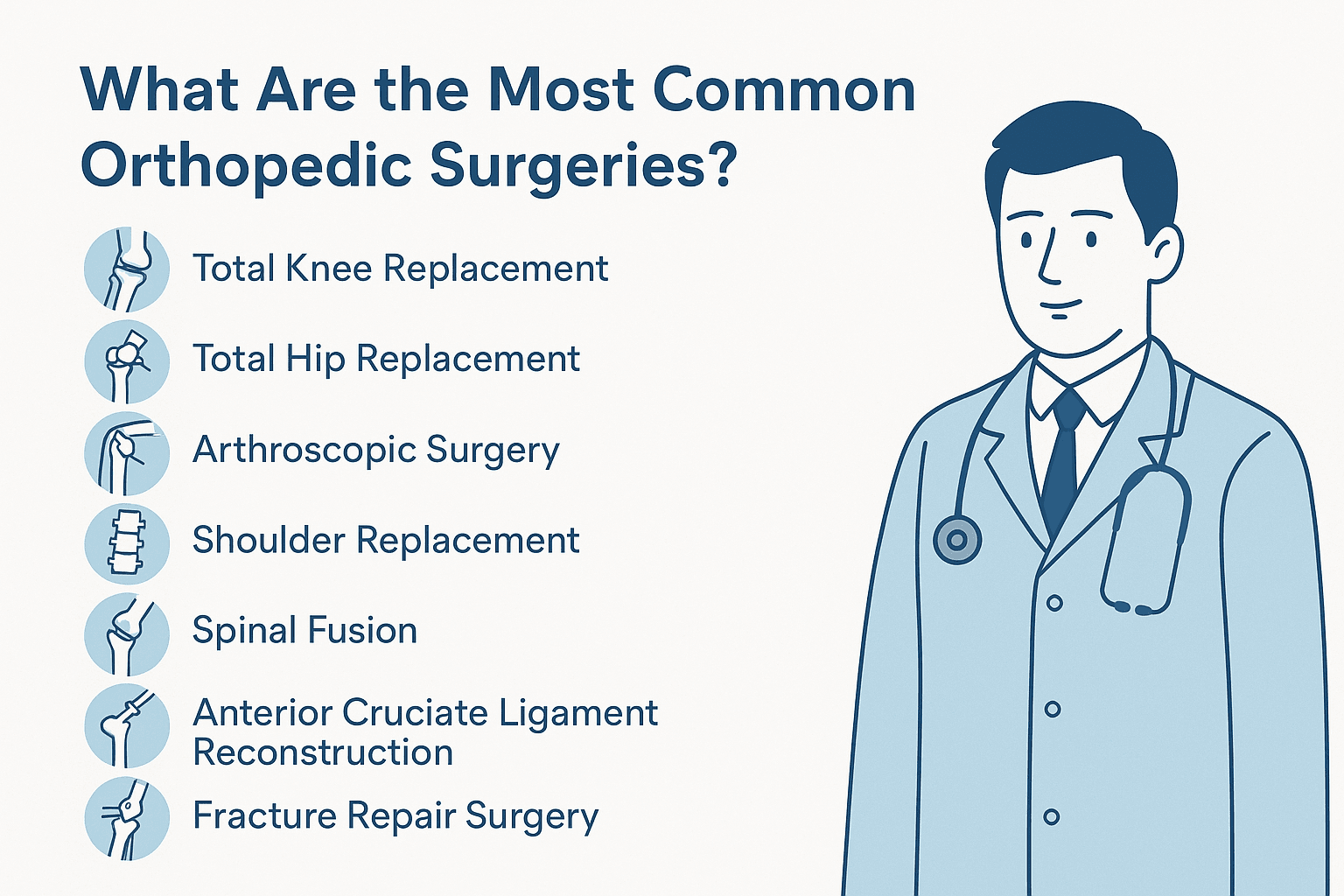 What Are the Most Common Orthopedic Surgeries?
- 24, May 2025
-
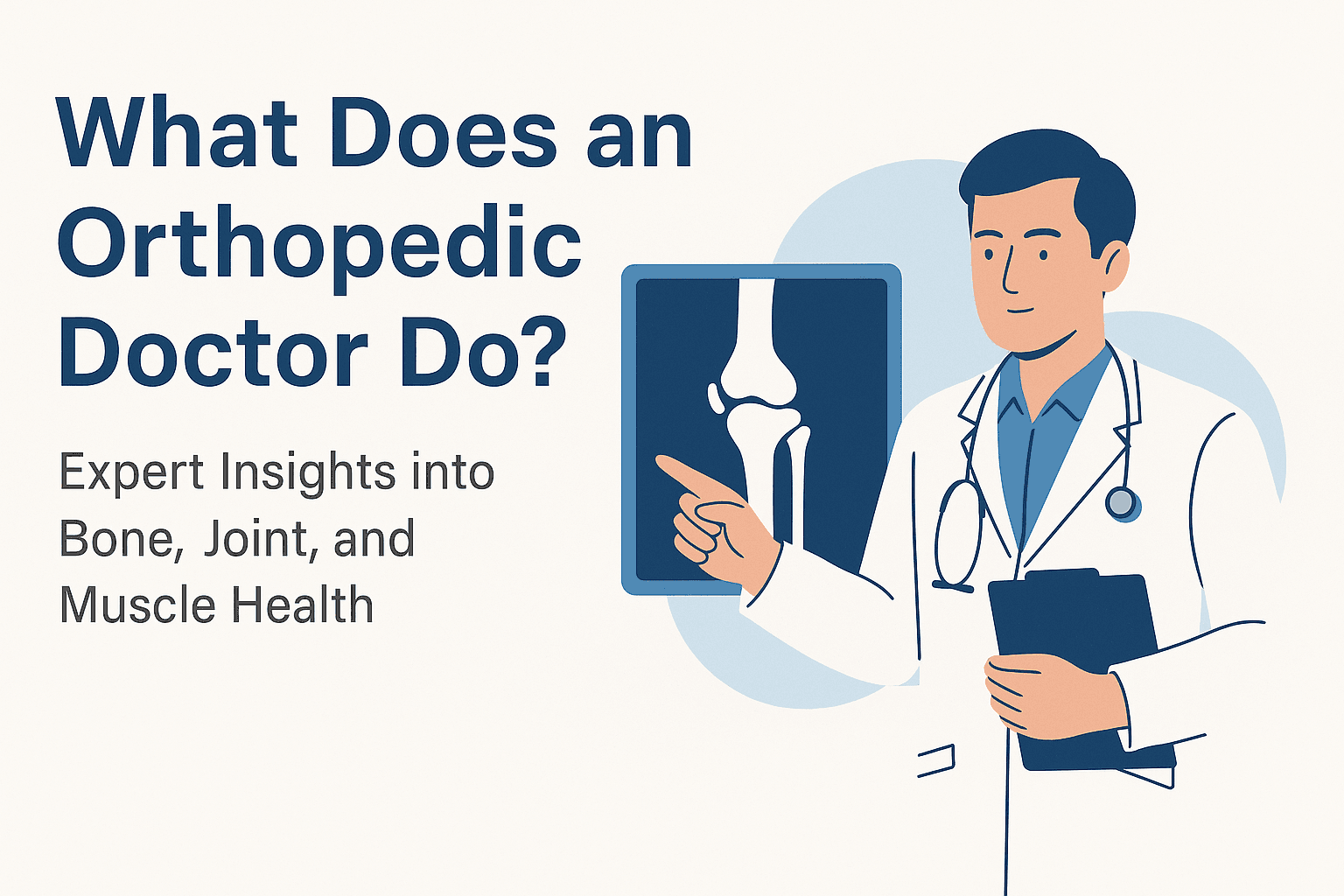 What Does an Orthopedic Doctor Do?
- 24, May 2025
-
-
-
-
Best Orthopedic Doctor for Knee Pain in Faridabad
- 12, May 2025
-
 How to Prevent Knee Pain with Orthopedic Expert Tips
- 29, April 2025
-
-
Best Orthopedic Treatment in Faridabad: What You Should Know
- 29, April 2025
-
-
-
Best Knee Replacement Surgeon in Mathura
- 14, April 2025
-
Best Knee Replacement Surgeon in Hodal
- 14, April 2025
-
Best Knee Replacement Surgeon in Palwal
- 14, April 2025
-
-
-
-
 Benefits of Minimally Invasive Knee Surgery
- 24, March 2025
-
 Best knee Replacement Surgeon in India
- 17, March 2025
-
-
 How to Recover Quickly After Knee Replacement Surgery
- 10, March 2025
-
-
-
-
 Minimally Invasive Arthroplasty: Benefits and Recovery Advantages
- 24, February 2025
-
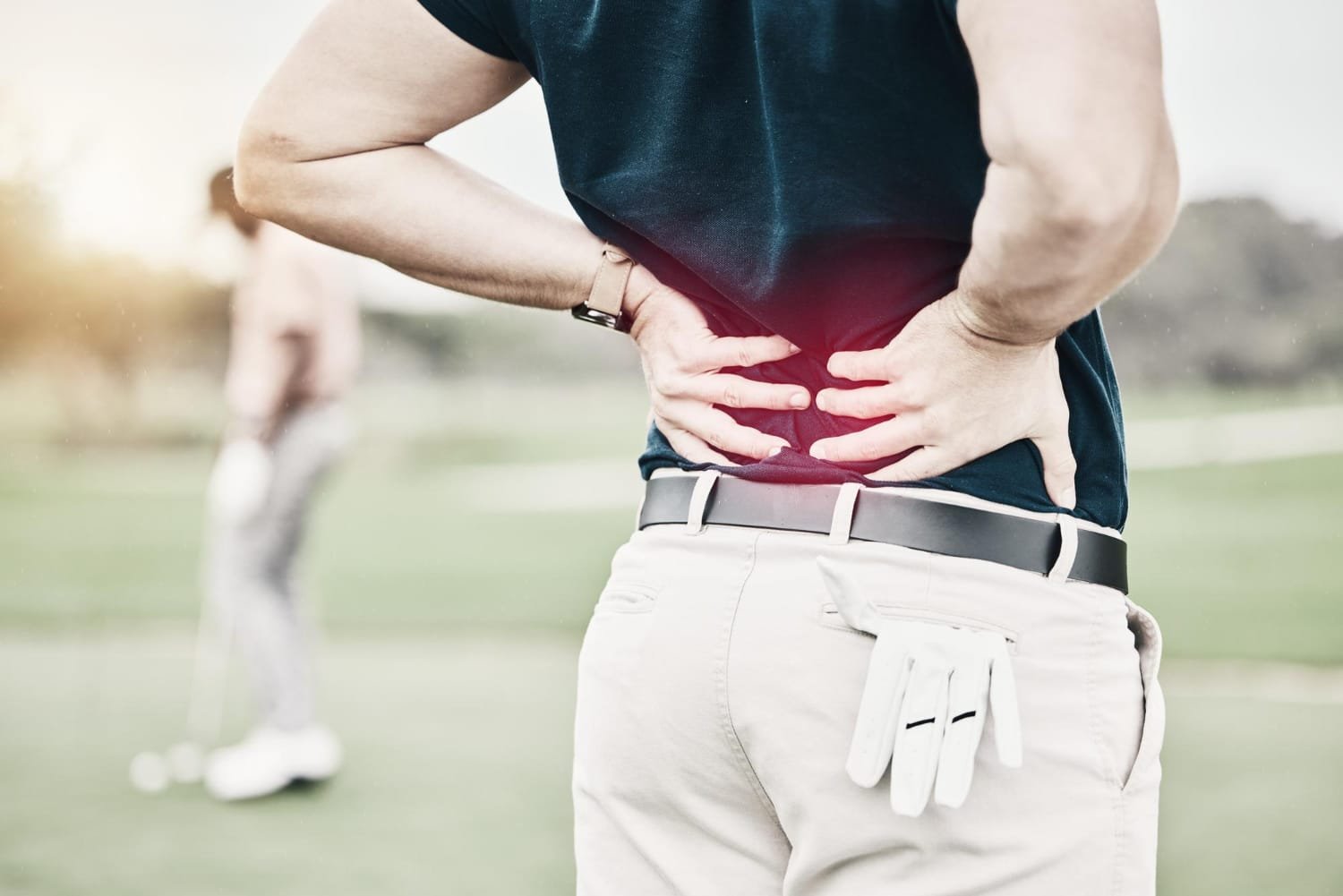 Choosing the Right Hip Replacement Surgeon: A Comprehensive Guide
- 17, February 2025
-
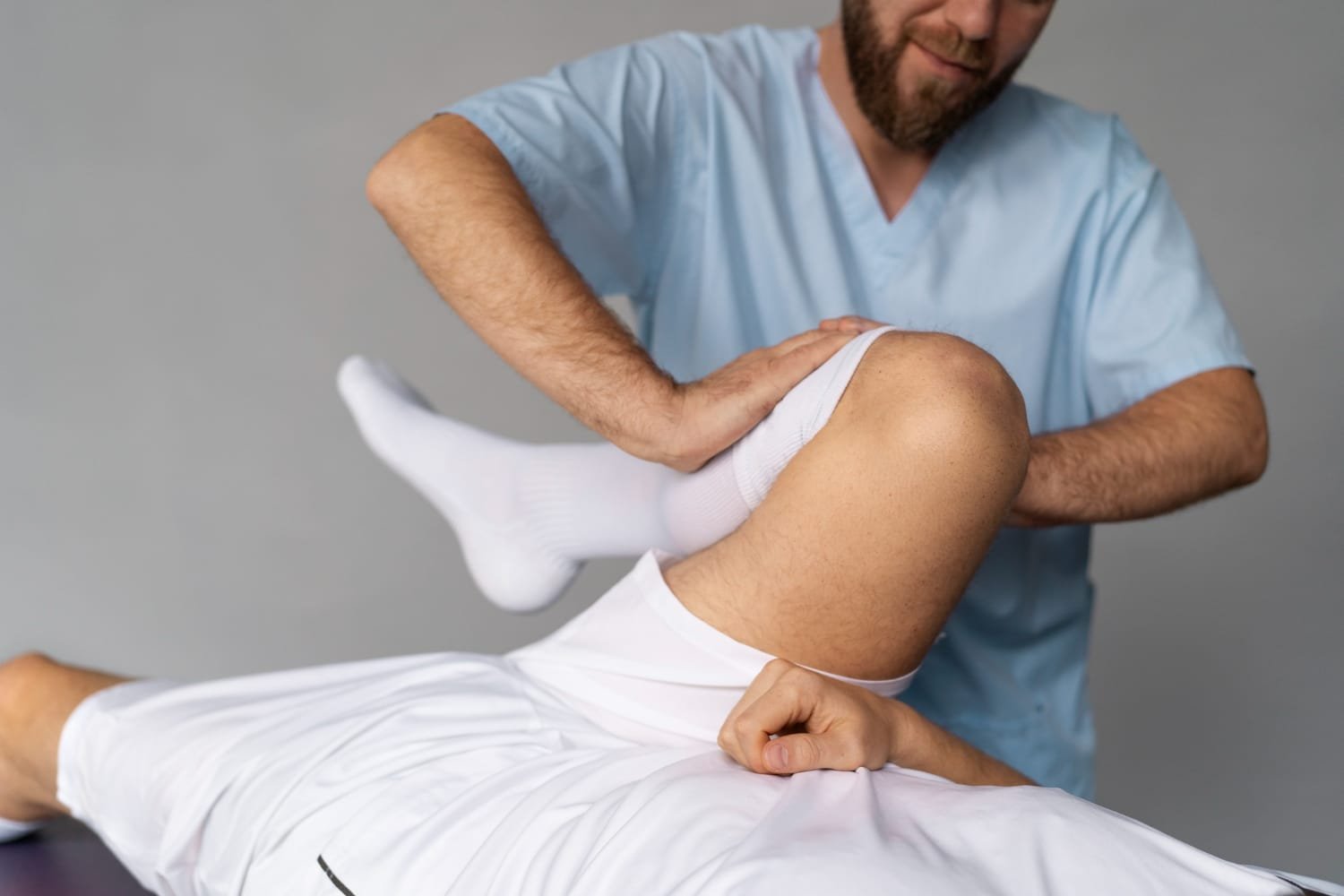 Restoring Mobility: The Role of Knee Replacement Doctors
- 17, February 2025
-
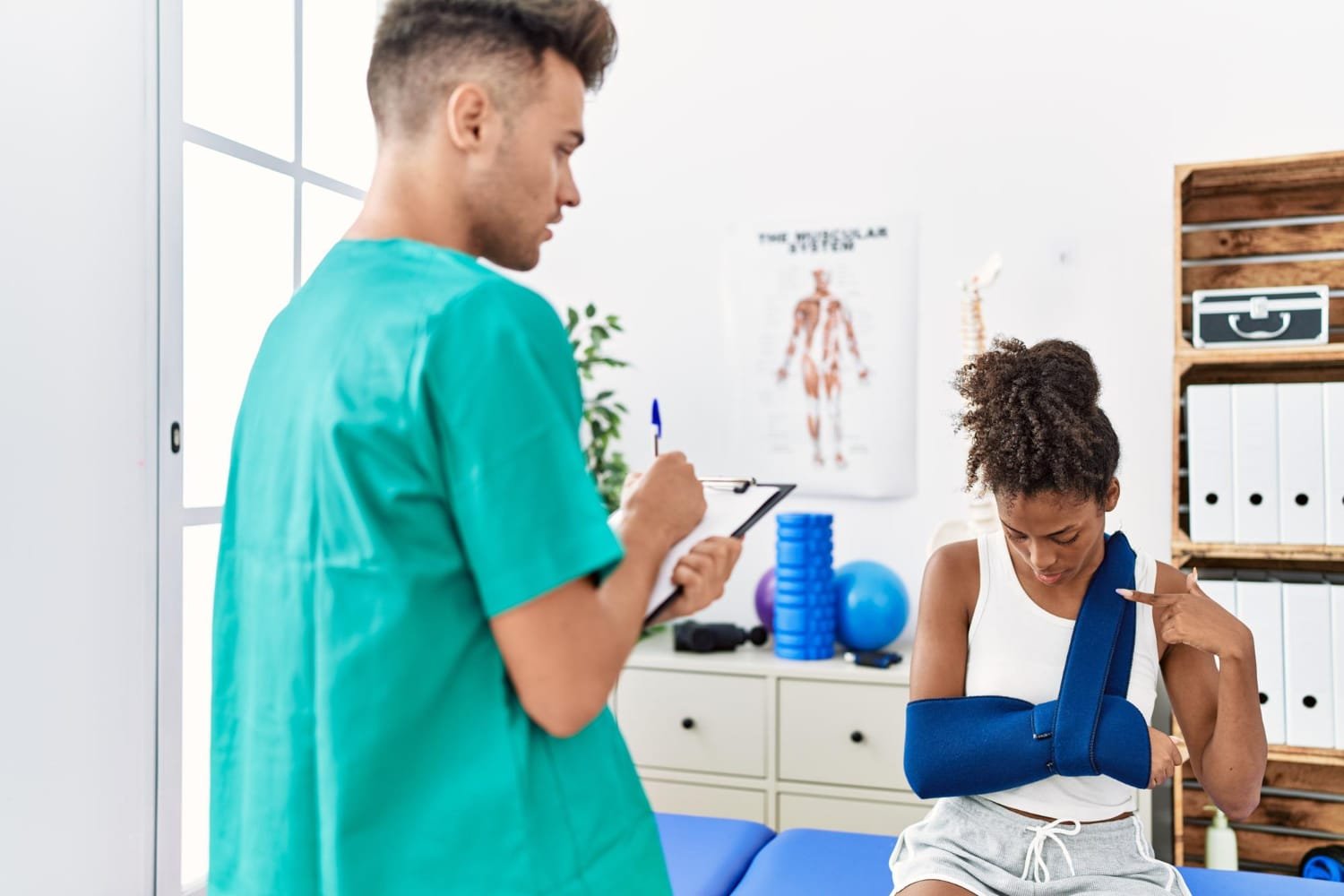 Orthopedic Trauma Care for Athletes
- 6, February 2025
-
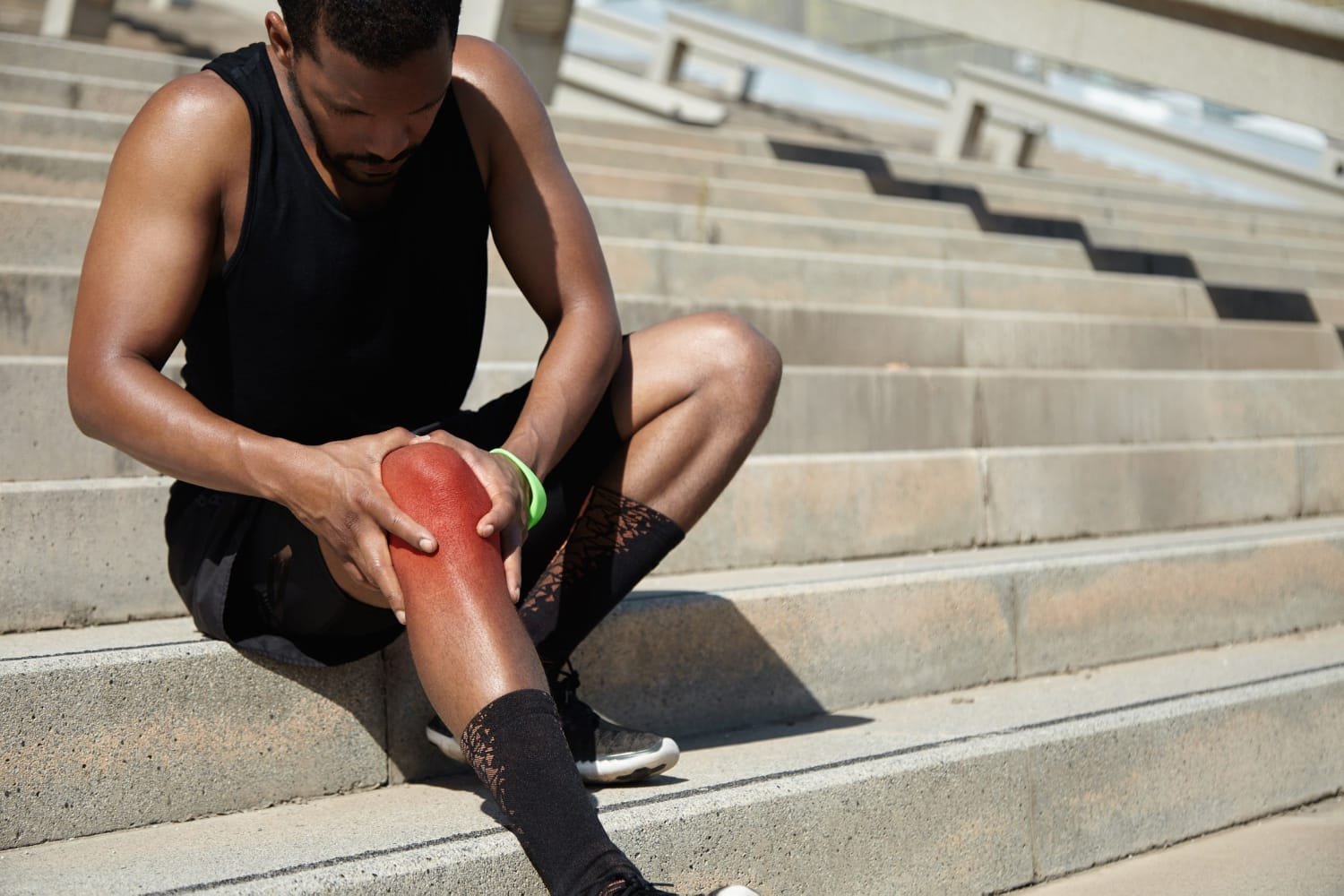 Best Doctor for ACL Tear Treatment
- 6, February 2025
-
 Best Sports Medicine Doctor for Knee Injuries
- 6, February 2025
-
 Orthopedic Surgeons: 7 Things You Need to Know
- 27, January 2025
-
Best Joint Replacement Surgeon in Greater Faridabad
- 27, January 2025
-
Best Knee Replacement Surgeon in Palwal
- 20, January 2025
-
Best Knee Replacement Surgeon in South Delhi
- 20, January 2025
-
 Restoring Mobility: The Role of Knee Replacement Doctor
- 13, January 2025
-
 Robotic Knee Replacement Surgery in Delhi
- 30, December 2024
-
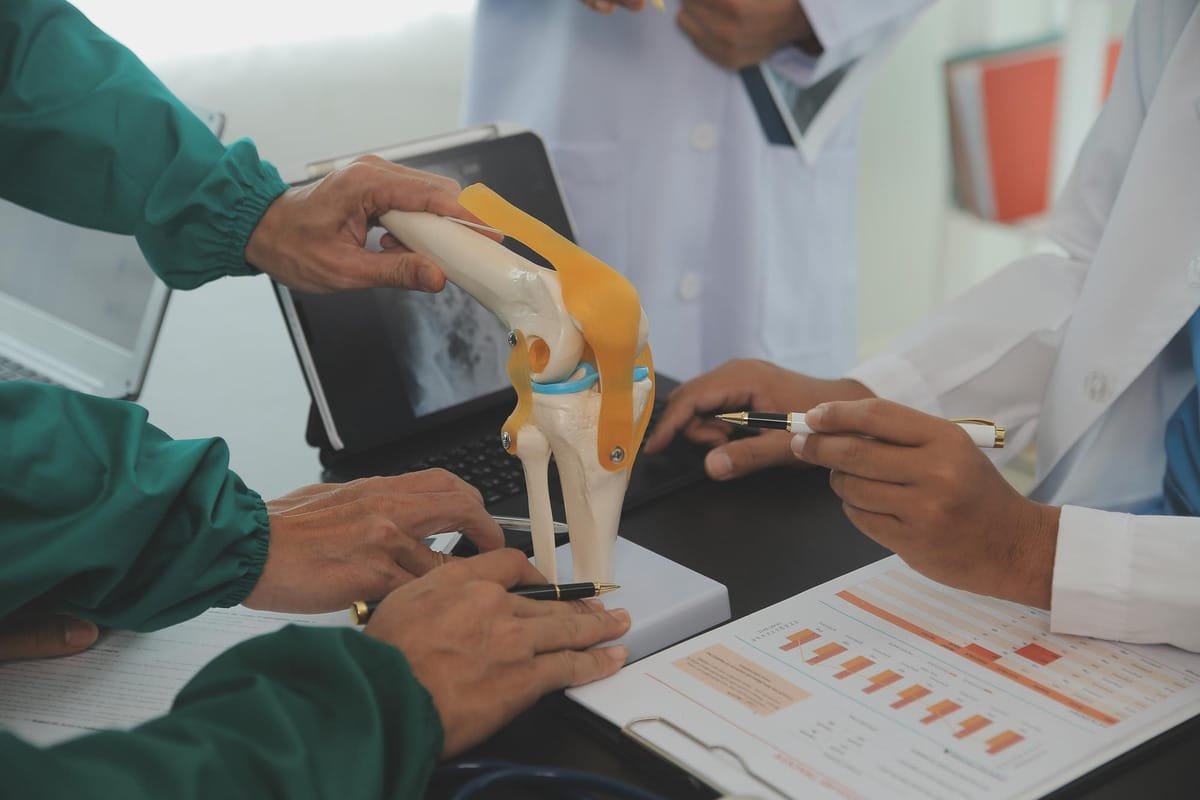 Robotic Orthopedic Surgery: Revolutionizing Joint Replacement and Repair
- 30, December 2024
-
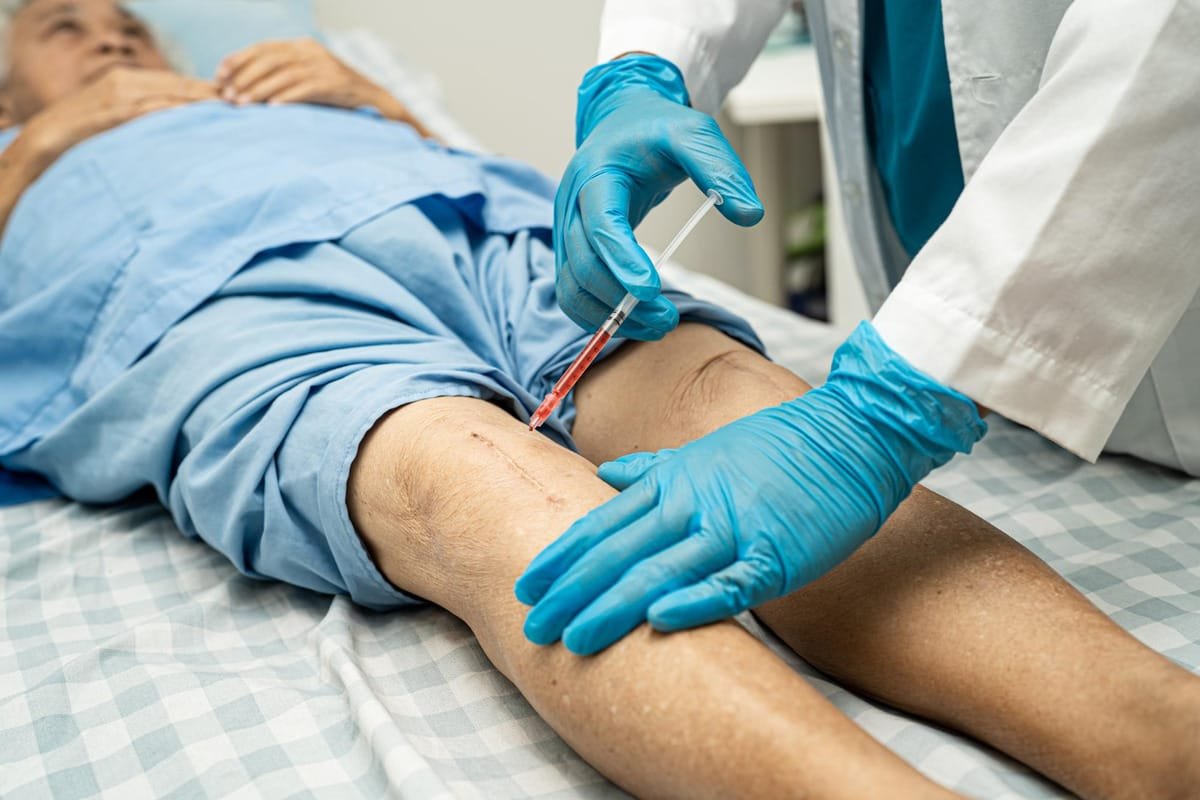 Robotic Knee Replacement vs. Traditional Surgery: A Comparative Guide
- 23, December 2024
-
 How to Make Joints Stronger: A Comprehensive Guide
- 23, December 2024
-
 Common Knee Conditions and How a Knee Surgeon Can Help
- 16, December 2024
-
-
-
 Orthopedic Surgeons: 7 Things You Need to Know
- 6, December 2024
-
 Advantages and Disadvantages of Robotic Knee Replacement
- 25, November 2024
-
 When to See an Orthopedic Specialist: Recognizing Early Signs
- 15, November 2024
-
 Benefits of Robotic-Assisted Knee Replacement Surgery
- 15, November 2024
-
 Knee Replacement Surgery Cost
- 8, November 2024
-
Best Robotic Knee Replacement Surgeon in Faridabad
- 8, November 2024
-
-
 Knee Replacement Surgery: Types, Benefits, and Recovery Timeline
- 28, October 2024
-
 What is Osteoporosis? Symptoms, Causes, and Prevention
- 21, October 2024
-
 Signs It’s Time for a Knee Replacement: When to Consult a Surgeon
- 18, October 2024
-
 Understanding Different Types of Arthritis: Symptoms and Causes
- 11, October 2024
-
 Taking Care After Knee Replacement Surgery
- 15, December 2022
-
 Amazing Ways to Get Relief from Arthritis Pain Naturally
- 2, December 2022
-
-
 How Does Fat Affect Arthritis?
- 4, November 2022
