
Best Robotic Knee Replacement in India
July 7, 2025Persistent knee pain can gradually turn simple activities—walking, climbing stairs, getting up from a chair or travelling—into everyday challenges. When advanced arthritis has significantly damaged the knee and medicines, physiotherapy, lifestyle changes and other non-surgical treatments are no longer providing adequate relief, knee replacement surgery may be considered.
Today, robotic knee replacement in India has introduced a more technology-assisted approach to knee replacement. Robotic systems can help surgeons plan the operation according to an individual patient’s anatomy and execute the surgical plan with a high degree of precision.
For patients searching for the Best Robotic Knee Replacement in India, choosing the technology is only one part of the decision. The experience of the surgeon, appropriate patient selection, implant planning, soft-tissue balancing, hospital infrastructure and post-operative rehabilitation are equally important.
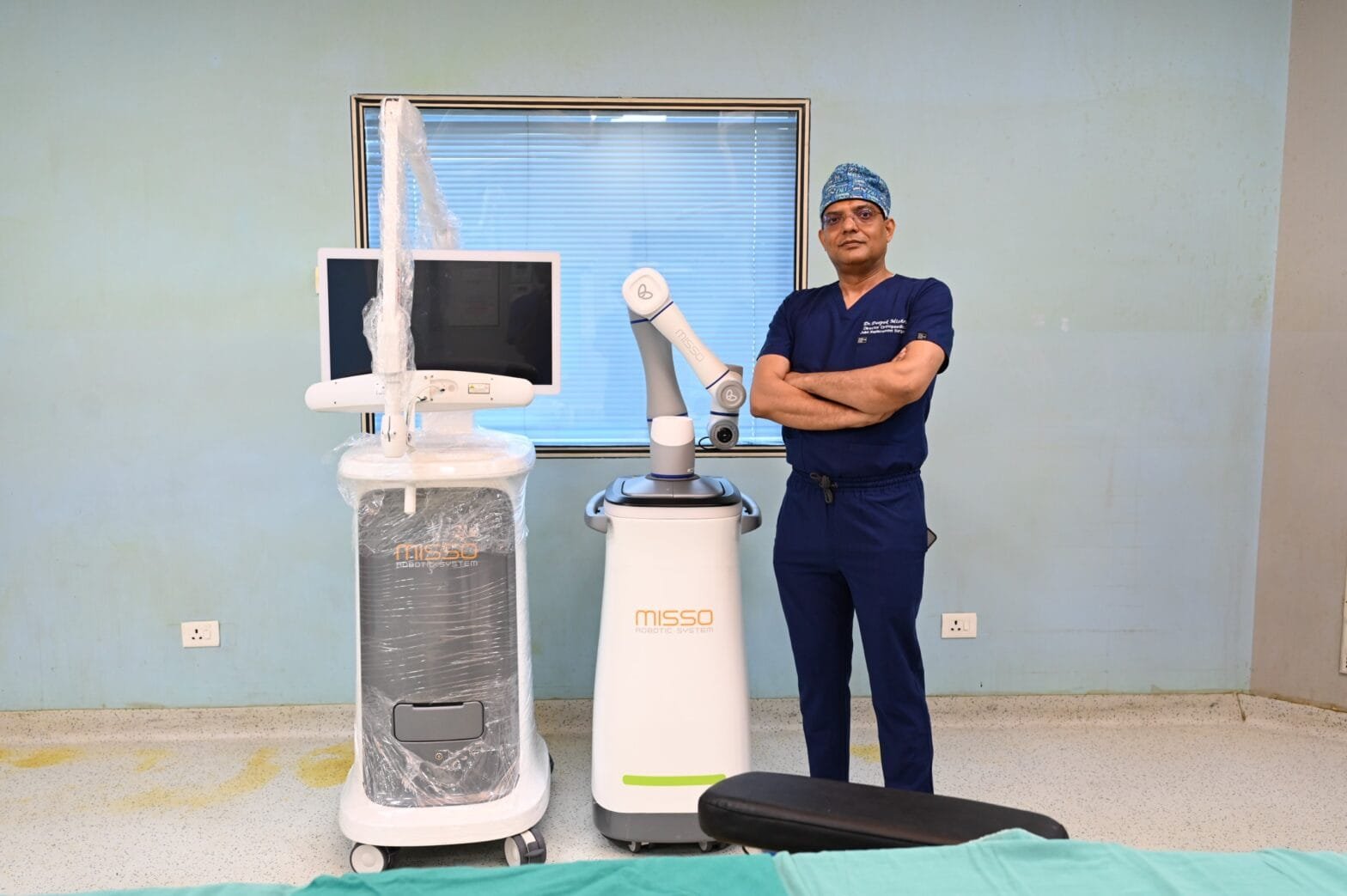
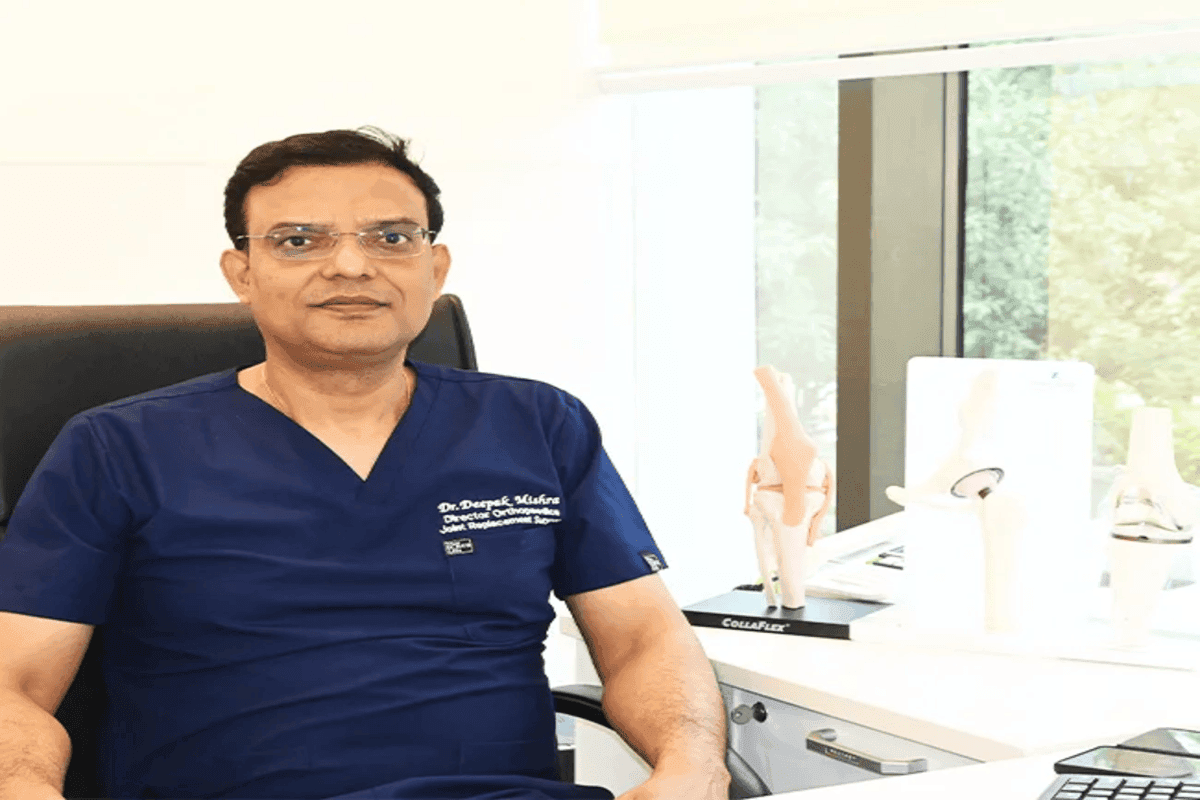
Dr. Deepak Kumar Mishra – Robotic Knee Replacement Surgeon at Asian Hospital, Faridabad
Dr. Deepak Kumar Mishra is Director & Head – Orthopaedic & Robotic Joint Replacement Surgery Unit-I at Asian Institute of Medical Sciences, Faridabad.
His clinical practice focuses on advanced orthopaedic and joint replacement procedures, including:
- Robotic Knee Replacement
- Total Knee Replacement
- Partial Knee Replacement
- Primary Knee Replacement
- Revision Knee Replacement
- Total and Revision Hip Replacement
- Arthroscopy
- Ligament Reconstruction
- Sports Injury Management
- Minimally Invasive Orthopaedic Surgery
His academic qualifications include MBBS and MS in Orthopaedics from JIPMER, along with further surgical qualifications and training in the UK, including MRCSEd and MCh Orthopaedics.
For patients exploring robotic knee replacement surgery in India, the combination of an experienced joint replacement surgeon and modern robotic infrastructure provides an opportunity for personalised surgical planning rather than treating every knee with an identical approach.
What Is Robotic Knee Replacement?
Robotic knee replacement is an advanced form of knee replacement in which robotic and computer-assisted technology helps the orthopaedic surgeon plan and perform the procedure.
The term “robotic surgery” does not mean that a robot independently performs your knee replacement.
The orthopaedic surgeon remains responsible for the operation and makes the important clinical and surgical decisions. The robotic system functions as an advanced surgical assistant, providing digital information, planning tools, tracking and precise execution according to the technology being used.
Depending on the robotic platform, the process can include:
- 3D mapping of the patient’s knee
- Patient-specific surgical planning
- Assessment of bone anatomy
- Planning implant size and position
- Evaluation of leg alignment
- Precise preparation of damaged bone
- Real-time tracking during surgery
- Assessment of soft-tissue balance
- Verification of implant positioning
The objective is not simply to use a robot; it is to create a well-positioned, stable and appropriately balanced knee replacement for the individual patient.
Why Is Precision Important in Knee Replacement?
A knee replacement is considerably more sophisticated than simply removing an arthritic joint and inserting an artificial implant.
The surgeon must consider several factors, including:
Bone alignment: The position of the femur and tibia influences the overall mechanics of the reconstructed knee.
Implant positioning: Components need to be positioned according to the surgical plan and individual anatomy.
Soft-tissue balance: Ligaments surrounding the knee influence stability throughout movement.
Joint line: Restoring appropriate joint mechanics is important for knee function.
Range of movement: The reconstructed knee needs appropriate stability through flexion and extension.
Robotic technology provides surgeons with additional data and precision tools to help execute this planning.
Clinical research has consistently demonstrated improved radiographic or alignment accuracy with robotic-assisted total knee arthroplasty compared with conventional manual techniques. However, studies have not uniformly demonstrated superior long-term clinical outcomes for every patient. Therefore, robotic technology should be viewed as a sophisticated surgical tool rather than a guarantee of a particular result.
Best Robotic Knee Replacement in India: What Should You Actually Look For?
The phrase “best robotic knee replacement in India” can be misleading if it is interpreted as meaning that one robot, implant, surgeon or hospital is automatically best for every patient.
A better approach is to evaluate five important factors.
1. Experience of the Knee Replacement Surgeon
Robotic technology assists the surgeon—it does not replace surgical judgement.
An experienced joint replacement surgeon must still:
- Determine whether surgery is actually required
- Select the appropriate procedure
- Interpret imaging
- Decide the surgical strategy
- Select an appropriate implant
- Manage bone defects or deformity
- Balance the knee
- Manage unexpected findings
- Supervise rehabilitation and recovery
This is why surgeon experience should remain one of the most important considerations when choosing a centre for robotic knee replacement.
2. Type of Robotic Technology
Several robotic platforms are used for joint replacement internationally and in India.
These include systems such as:
- MISSO
- MAKO
- ROSA
- VELYS
- CUVIS
- CORI
The systems differ in areas such as imaging requirements, surgical workflow, planning methodology, cutting mechanism and intraoperative guidance.
The most expensive or most heavily advertised robot is not automatically the best choice for every patient.
3. Personalised Surgical Planning
Every knee is different.
Patients can have different degrees of:
- Varus or bow-leg deformity
- Valgus or knock-knee deformity
- Cartilage damage
- Bone loss
- Ligament imbalance
- Flexion deformity
- Previous trauma or surgery
A major advantage of modern robotic-assisted surgery is its ability to support a more patient-specific plan.
4. Hospital Infrastructure
Robotic technology alone does not define a good joint replacement programme.
Patients should also consider:
- Operation theatre infrastructure
- Anaesthesia services
- Infection-control protocols
- Critical-care backup
- Physiotherapy
- Pain management
- Diagnostic facilities
- Rehabilitation
- Management of medical conditions
- Emergency support
5. Rehabilitation Programme
Even technically excellent surgery requires structured rehabilitation.
Physiotherapy, muscle strengthening, walking progression, pain management and adherence to post-operative instructions can significantly influence recovery.
Robotic Knee Replacement at Asian Hospital, Faridabad
Asian Institute of Medical Sciences, Faridabad offers advanced robotic-assisted knee replacement using the MISSO Robotic System.
MISSO is an indigenous robotic system developed for joint replacement surgery. The technology uses patient-specific data and computer-assisted planning to support accurate bone preparation and implant positioning.
Depending on the surgical workflow, CT-based data can be used to generate a three-dimensional representation of the patient’s knee, enabling the surgeon to plan the procedure before executing the bone preparation.
The system incorporates features including:
- Patient-specific 3D planning
- Optical tracking
- Robotic assistance
- Real-time monitoring
- Precision bone preparation
- Implant-position planning
- Intraoperative assessment
- Safety monitoring
The surgeon remains responsible for the treatment plan and operative decisions throughout the procedure.
How Does Robotic Knee Replacement Work?
Although individual robotic systems differ, a robotic knee replacement generally follows several important stages.
Step 1: Orthopaedic Evaluation
The process begins with a detailed consultation.
The surgeon evaluates:
- Location and severity of pain
- Duration of symptoms
- Walking capacity
- Knee stiffness
- Range of movement
- Knee stability
- Deformity
- Previous treatments
- Overall medical fitness
X-rays and other investigations are performed as clinically required.
Importantly, an abnormal X-ray alone does not automatically mean that a patient needs knee replacement.
Step 2: Digital Surgical Planning
Patient-specific anatomical information is used to create a surgical plan.
The surgeon can evaluate factors such as:
- Bone anatomy
- Mechanical alignment
- Implant size
- Implant orientation
- Bone cuts
- Joint reconstruction strategy
The plan can then be customised according to the patient’s anatomy and surgical requirements.
Step 3: Registration and Tracking
During surgery, tracking technology helps correlate the digital plan with the patient’s actual knee.
This allows the system to continuously understand the position of the joint and surgical instruments.
Step 4: Precision Bone Preparation
The damaged surfaces of the knee are prepared according to the planned implant position.
Robotic assistance is designed to improve the accuracy and reproducibility with which this surgical plan is executed.
Step 5: Implant Positioning and Knee Assessment
After preparation, the surgeon assesses:
- Alignment
- Stability
- Flexion
- Extension
- Ligament balance
- Implant position
The final implant is then placed according to the selected surgical technique.
Step 6: Recovery and Rehabilitation
After surgery, the rehabilitation team begins a structured recovery programme based on the patient’s condition.
Robotic vs Conventional Knee Replacement
Both conventional and robotic knee replacement can provide excellent outcomes when performed appropriately.
The major difference is how the surgical plan is created and executed.
| Feature | Conventional Knee Replacement | Robotic-Assisted Knee Replacement |
|---|---|---|
| Surgical planning | Standard/manual planning | Computer-assisted patient-specific planning |
| Bone preparation | Conventional instruments and guides | Robot/computer-assisted execution |
| Implant positioning | Surgeon-guided | Surgeon-guided with robotic assistance |
| Real-time digital information | Limited | Available depending on platform |
| Alignment precision | Experienced surgeon dependent | Enhanced digital guidance |
| Personalisation | Possible | Greater planning capability |
| Surgeon control | Complete | Complete |
| Rehabilitation | Required | Required |
Robotic surgery does not make conventional knee replacement obsolete. Both approaches remain valid, and the appropriate method should be chosen after clinical evaluation.
Potential Benefits of Robotic Knee Replacement
The principal advantage supported by clinical evidence is greater precision in executing the surgical plan and implant alignment.
Depending on the patient, surgical technique and robotic platform, potential advantages may include:
- More accurate implant positioning
- More reproducible bone preparation
- Patient-specific surgical planning
- Better ability to reproduce planned alignment
- Real-time surgical information
- Improved assessment of knee balance
- Potential reduction in unnecessary tissue disruption
- Greater consistency in executing complex surgical plans
Some patients may also experience favourable early recovery or functional outcomes. However, these benefits should not be promised universally because recovery varies according to age, medical condition, arthritis severity, muscle strength, surgical complexity and rehabilitation.
Who May Need Robotic Knee Replacement?
Robotic knee replacement may be considered for patients who have advanced knee damage and clinically require knee replacement.
Common indications include:
Advanced Osteoarthritis
Osteoarthritis progressively damages the cartilage covering the knee joint. Advanced disease can lead to severe pain, stiffness, deformity and difficulty performing daily activities.
Rheumatoid Arthritis
Long-standing inflammatory arthritis can cause significant cartilage and joint damage.
Post-Traumatic Arthritis
Previous fractures or major injuries around the knee may eventually lead to secondary arthritis.
Severe Knee Deformity
Advanced arthritis may result in significant bow-leg or knock-knee deformity.
Persistent Pain Despite Conservative Treatment
Knee replacement may be considered when appropriate non-surgical treatments no longer provide sufficient relief and symptoms substantially affect quality of life.
When Should You Consider Seeing a Knee Replacement Surgeon?
An orthopaedic consultation may be appropriate when you experience:
- Persistent knee pain
- Pain while walking
- Difficulty climbing stairs
- Difficulty standing from a chair
- Night pain
- Significant morning stiffness
- Reduced walking distance
- Progressive bow-leg or knock-knee deformity
- Swelling and restricted movement
- Dependence on pain medication
- Difficulty performing routine activities
However, consultation does not automatically mean surgery.
Early and moderate arthritis may often be managed using a combination of weight management, activity modification, physiotherapy, muscle strengthening, medication and other treatments based on the diagnosis.
Total vs Partial Robotic Knee Replacement
Not every patient requires the entire knee joint to be replaced.
Total Knee Replacement
Total knee replacement is generally considered when arthritis significantly involves multiple compartments of the knee.
Damaged joint surfaces are replaced with artificial components to reconstruct the knee.
Partial Knee Replacement
Partial or unicompartmental knee replacement may be appropriate in carefully selected patients where arthritis is limited predominantly to one compartment and other structures meet the required clinical criteria.
Patient selection is particularly important.
Your orthopaedic surgeon determines whether partial or total knee replacement is appropriate after examination and imaging.
Is Robotic Knee Replacement Safer?
Robotic assistance can provide additional precision, tracking and safety boundaries depending on the platform.
However, robotic knee replacement is still major orthopaedic surgery.
Potential risks can include:
- Infection
- Blood clots
- Bleeding
- Stiffness
- Persistent pain
- Nerve or blood-vessel injury
- Anaesthesia-related complications
- Implant-related problems
- Fracture
- Need for revision surgery
The individual risk profile varies according to age, weight, diabetes, cardiovascular health, bone quality, previous surgery and other medical conditions.
A complete pre-operative assessment is therefore important.
Recovery After Robotic Knee Replacement
Recovery varies considerably between patients.
Many modern joint replacement programmes encourage early mobilisation once the medical and surgical teams consider it safe.
The recovery pathway may include:
Early phase: Pain management, assisted walking, knee movement and basic physiotherapy.
First few weeks: Gradual improvement in walking, knee movement and independence with daily activities.
Intermediate recovery: Progressive strengthening, balance exercises and increased activity.
Longer-term recovery: Continued improvement in strength, endurance, confidence and functional mobility.
There is no single recovery timeline that applies to everyone.
Factors affecting recovery include:
- Age
- Pre-operative mobility
- Muscle strength
- Weight
- Medical conditions
- Severity of deformity
- Whether one or both knees are treated
- Surgical complexity
- Rehabilitation compliance
Cost of Robotic Knee Replacement in India
The robotic knee replacement cost in India cannot be accurately represented by one fixed amount.
The total cost can vary according to:
- Hospital
- City
- Robotic technology
- Type of knee replacement
- Implant selected
- Single or bilateral surgery
- Room category
- Medical condition
- Pre-operative investigations
- Length of hospitalisation
- Insurance coverage
- Rehabilitation requirements
Patients should request an individualised estimate after consultation rather than selecting a hospital or surgeon based only on an advertised package price.
Cost is important, but surgical experience, implant selection, safety infrastructure and rehabilitation should also be considered.
Why Consider Dr. Deepak Mishra for Robotic Knee Replacement?
For patients searching for the Best Robotic Knee Replacement Surgeon in India, surgeon selection deserves as much attention as robotic technology.
Dr. Deepak Kumar Mishra, the best orthopedic doctor in faridabad, currently serves as Director & Head – Orthopaedic & Robotic Joint Replacement Surgery Unit-I at Asian Institute of Medical Sciences, Faridabad.
His professional background includes extensive experience in orthopaedics and a clinical focus on knee and hip reconstruction.
Key Areas of Expertise
- Robotic-assisted knee replacement
- Primary total knee replacement
- Partial knee replacement
- Revision knee replacement
- Primary and revision hip replacement
- Arthroscopic surgery
- Sports injuries
- Ligament reconstruction
- Minimally invasive orthopaedic procedures
Academic & Surgical Background
Dr. Mishra completed his MBBS and MS in Orthopaedics from JIPMER, Pondicherry, followed by advanced surgical qualifications and experience in the United Kingdom.
His listed qualifications include:
- MBBS – JIPMER
- MS Orthopaedics – JIPMER
- MRCSEd – UK
- MCh Orthopaedics – UK
- FICS Orthopaedics – USA
His professional experience has also included joint replacement roles at major healthcare institutions including Medanta – The Medicity, Dr. L. H. Hiranandani Hospital, Mumbai, and Yashoda Hospital, Hyderabad.
This combination of conventional joint replacement experience and modern robotic-assisted surgery is particularly relevant because successful robotic surgery still depends on the surgeon’s understanding of knee anatomy, alignment, implant positioning and complex joint reconstruction.
Why Choose Asian Institute of Medical Sciences, Faridabad?
Patients considering robotic knee replacement should evaluate the complete treatment ecosystem rather than the robot alone.
Asian Institute of Medical Sciences (Asian Hospital), Faridabad provides a multidisciplinary environment for orthopaedic and robotic joint replacement care.
Its orthopaedic services include management of:
- Knee arthritis
- Knee replacement
- Robotic knee replacement
- Hip replacement
- Revision joint replacement
- Sports injuries
- Arthroscopy
- Fractures and trauma
- Complex orthopaedic conditions
The hospital currently offers MISSO robotic-assisted knee replacement technology, supporting patient-specific planning and precision-guided surgery.
For patients in Faridabad, Delhi NCR, Haryana and other parts of India, the hospital provides access to advanced robotic technology alongside specialist orthopaedic care, diagnostics, anaesthesia, inpatient care and rehabilitation.
How to Choose the Best Robotic Knee Replacement Surgeon in India
Before deciding where to undergo surgery, ask your surgeon:
- Do I actually need knee replacement now?
- Can my condition still be treated without surgery?
- Do I need total or partial knee replacement?
- What robotic system will be used?
- How does this technology benefit my particular knee?
- What type of implant do you recommend and why?
- What alignment strategy will you use?
- What are the risks in my particular case?
- When can rehabilitation begin?
- What outcome should I realistically expect?
- What happens if robotic assistance cannot be used during the procedure?
- How will follow-up and physiotherapy be managed?
A trustworthy consultation should provide realistic expectations rather than guarantee a completely pain-free knee, instant recovery or a specific implant lifespan.
Frequently Asked Questions About Robotic Knee Replacement in India
1. What is the best robotic knee replacement in India?
There is no single robotic system or technique that can objectively be labelled the best for every patient. The appropriate treatment depends on the patient’s knee condition, anatomy, surgeon’s experience, implant selection and available robotic technology. Dr. Deepak Kumar Mishra offers robotic-assisted joint replacement at Asian Institute of Medical Sciences, Faridabad.
2. Who is a robotic knee replacement surgeon in Faridabad?
Dr. Deepak Kumar Mishra is Director & Head – Orthopaedic & Robotic Joint Replacement Surgery Unit-I at Asian Institute of Medical Sciences, Faridabad, with expertise in primary, partial, revision and robotic-assisted knee replacement.
3. Which robot is used at Asian Hospital Faridabad for knee replacement?
Asian Institute of Medical Sciences, Faridabad currently offers robotic-assisted knee replacement using the MISSO Robotic System.
4. Does the robot perform knee replacement by itself?
No. Robotic technology assists the orthopaedic surgeon. The surgeon remains responsible for planning, decision-making and the surgical procedure.
5. Is robotic knee replacement better than traditional knee replacement?
Robotic-assisted knee replacement can improve the accuracy of surgical planning, implant positioning and alignment. Current scientific evidence, however, does not prove that robotics produces superior long-term clinical outcomes for every patient. Surgeon expertise and patient selection remain critical.
6. Is robotic knee replacement painful?
Pain after any knee replacement is expected and varies among patients. Modern anaesthesia, pain-management protocols, surgical techniques and rehabilitation are used to make post-operative recovery more comfortable.
7. How long does robotic knee replacement surgery take?
Operating time varies according to the robotic platform, surgical complexity, whether the procedure is unilateral or bilateral, and the patient’s anatomy. Your surgeon can provide a more relevant estimate after assessment.
8. When can I walk after robotic knee replacement?
Many patients begin assisted mobilisation relatively early after surgery once medically cleared. The exact timing depends on the individual patient, surgical procedure, anaesthesia and overall medical condition.
9. How long does a robotic knee replacement last?
Implant longevity depends on multiple factors, including implant design, positioning, patient age, activity level, body weight and medical condition. Robotics is intended to improve planning and precision, but it cannot guarantee that an implant will last for a particular number of years.
10. What is the cost of robotic knee replacement in India?
Costs vary significantly by hospital, implant, robotic platform, room category, single versus bilateral surgery, medical complexity and insurance coverage. A personalised estimate should be obtained after clinical assessment.
11. Can both knees be replaced?
Bilateral knee replacement may be considered in selected patients with severe arthritis in both knees. Whether both knees should be treated during the same admission or separately depends on age, medical fitness, severity of disease and surgeon assessment.
12. Is robotic knee replacement suitable for elderly patients?
Age alone does not determine eligibility. Overall medical fitness, severity of arthritis, functional limitation, bone condition and associated illnesses are considered before recommending surgery.
Take the Next Step Towards Better Knee Mobility
Living with advanced knee arthritis can affect far more than the knee itself. Persistent pain may reduce walking, exercise, independence, social activity and overall quality of life.
But surgery should never be recommended simply because robotic technology is available.
The right approach begins with an accurate diagnosis.
For early or moderate arthritis, non-surgical treatment may still provide meaningful relief. For patients with advanced joint damage, severe pain, deformity and substantial functional limitation despite appropriate conservative treatment, knee replacement may be considered.
For patients researching the Best Robotic Knee Replacement in India, Dr. Deepak Kumar Mishra offers advanced robotic-assisted knee replacement and comprehensive joint reconstruction expertise at Asian Institute of Medical Sciences, Faridabad.
Consult Dr. Deepak Kumar Mishra
Director & Head – Orthopaedic & Robotic Joint Replacement Surgery Unit-I
Asian Institute of Medical Sciences, Faridabad
Hospital Address:
Badkal Flyover Road, Sector 21A,
Faridabad – 121001, Haryana, India
If persistent knee pain, arthritis, stiffness or deformity is restricting your mobility, a specialist orthopaedic assessment can help determine whether you require conservative treatment, partial knee replacement, total knee replacement or robotic-assisted knee replacement.
The goal is not simply to choose a robot—it is to choose the right treatment, performed with the right planning and surgical expertise.
Recent Blogs
-
-
 When Is Knee Replacement the Only Option?
- 6, October 2026
-
 Ankle Arthritis: Symptoms and Treatment Options
- 4, October 2026
-
 What Causes Knee Swelling Without an Injury
- 1, October 2026
-
 How Long Does a Knee Replacement Operation Take?
- 25, September 2026
-
 Who Is the Best Bone Doctor in Faridabad?
- 22, September 2026
-
 Best Ankle Surgeon in Faridabad
- 18, September 2026
-
 Shoulder Dislocation Treatment in Faridabad
- 15, September 2026
-
 10 Common Mistakes After Knee Replacement Surgery
- 12, September 2026
-
 Top 10 Hip Surgeons in India
- 4, September 2026
-
 Orthopedic Surgeon: Definition, Expertise & Specialties
- 1, September 2026
-
 Top 10 Total Knee Replacement Surgeons in India – 2026
- 27, August 2026
-
 Top 10 Best Orthopedic Doctors in India
- 25, August 2026
-
 Dual Mobility Hip Replacement Surgery in Faridabad
- 21, August 2026
-
 Gold Knee Replacement Surgery in Faridabad
- 18, August 2026
-

-

-

-
 Bone Fracture Specialist in Faridabad
- 25, July 2026
-
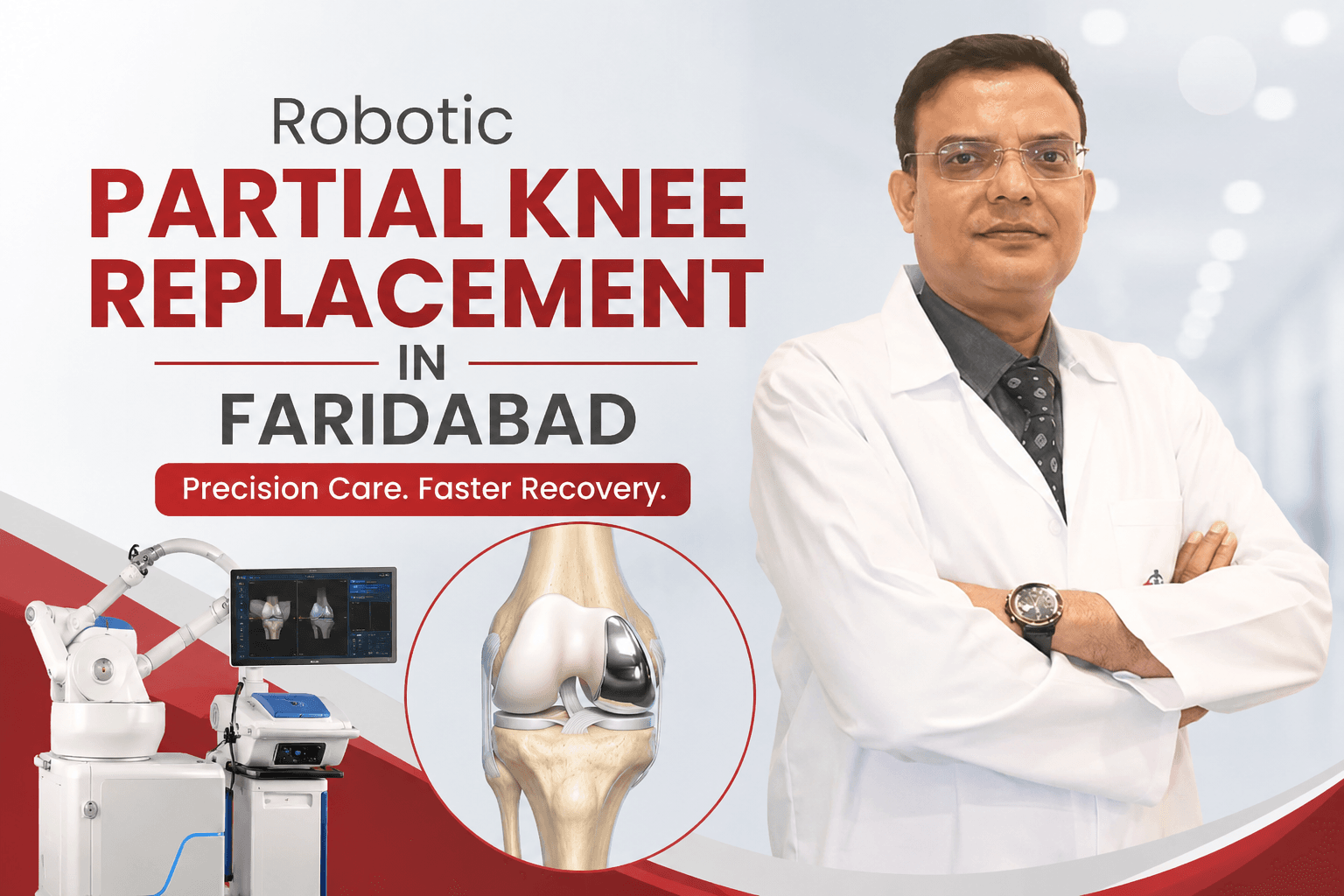 Robotic Partial Knee Replacement in Faridabad
- 21, July 2026
-

-

-
 Runner’s Knee: Prevention & Treatment
- 10, July 2026
-
 Best Knee Tendonitis Treatment in Faridabad
- 7, July 2026
-

-
 Why Does My Knee Make Clicking Sounds?
- 1, July 2026
-

-

-
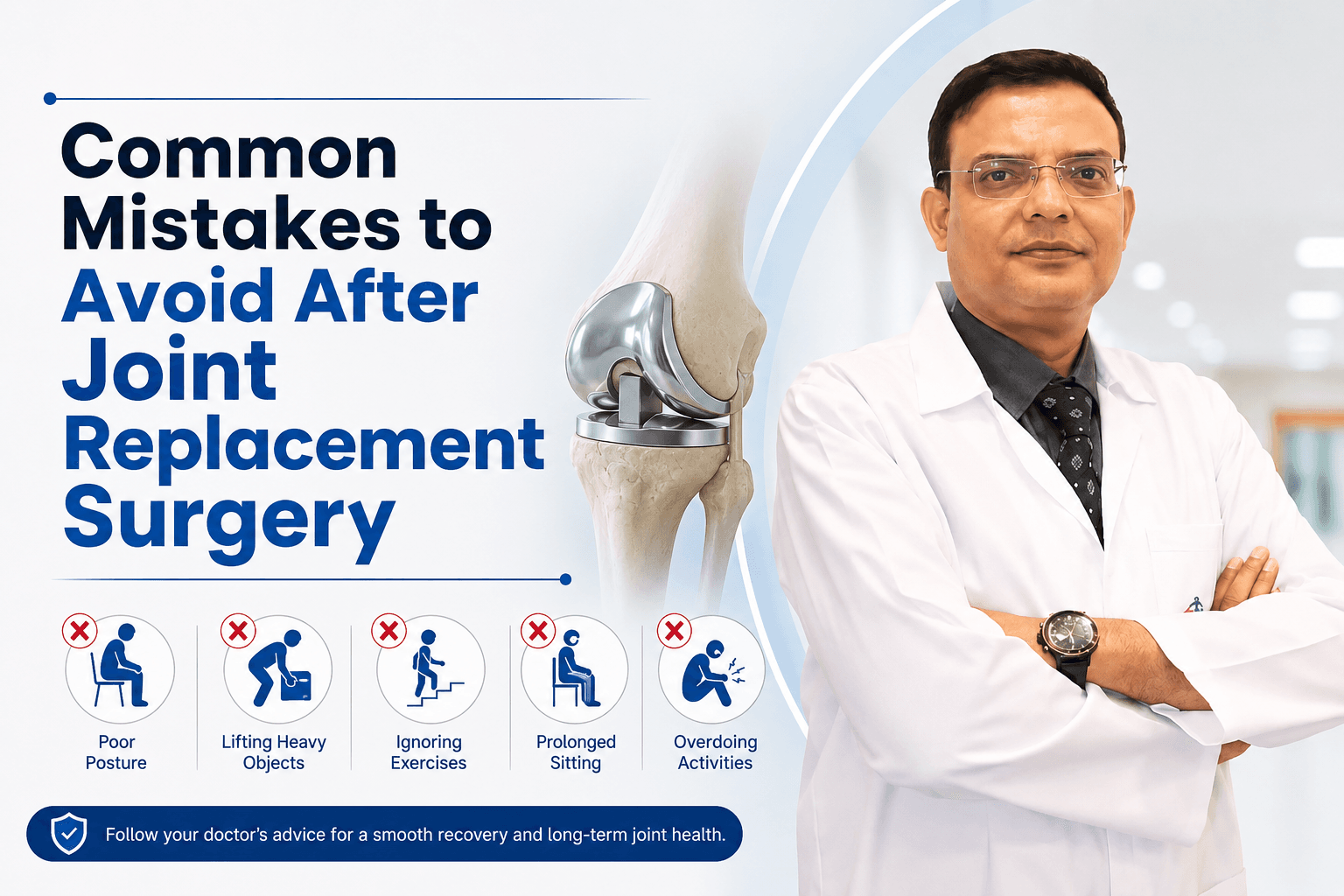 Common Mistakes to Avoid After Joint Replacement Surgery
- 19, June 2026
-
 Can You Play Sports After Knee Replacement Surgery?
- 16, June 2026
-
 Recovery Timeline After Hip Replacement Surgery
- 12, June 2026
-
 Best Rotator Cuff Tear Treatment in Faridabad
- 9, June 2026
-

-
 When Does Knee Pain Need Surgery?
- 19, May 2026
-
 Can You Walk Normally After Hip Replacement?
- 15, May 2026
-

-
 Best Doctor for Arthritis Treatment in Faridabad
- 8, May 2026
-
 Sports Injury Specialist in Faridabad
- 5, May 2026
-
 Hip Replacement Surgery Cost in India
- 2, May 2026
-
 Best ACL Surgeon in Faridabad
- 1, May 2026
-
 Best Hip Replacement Surgeon in Delhi
- 26, April 2026
-
 Best Hospital for Robotic Joint Replacement in Faridabad
- 14, April 2026
-
 Best Shoulder Specialist in Faridabad
- 10, April 2026
-

-
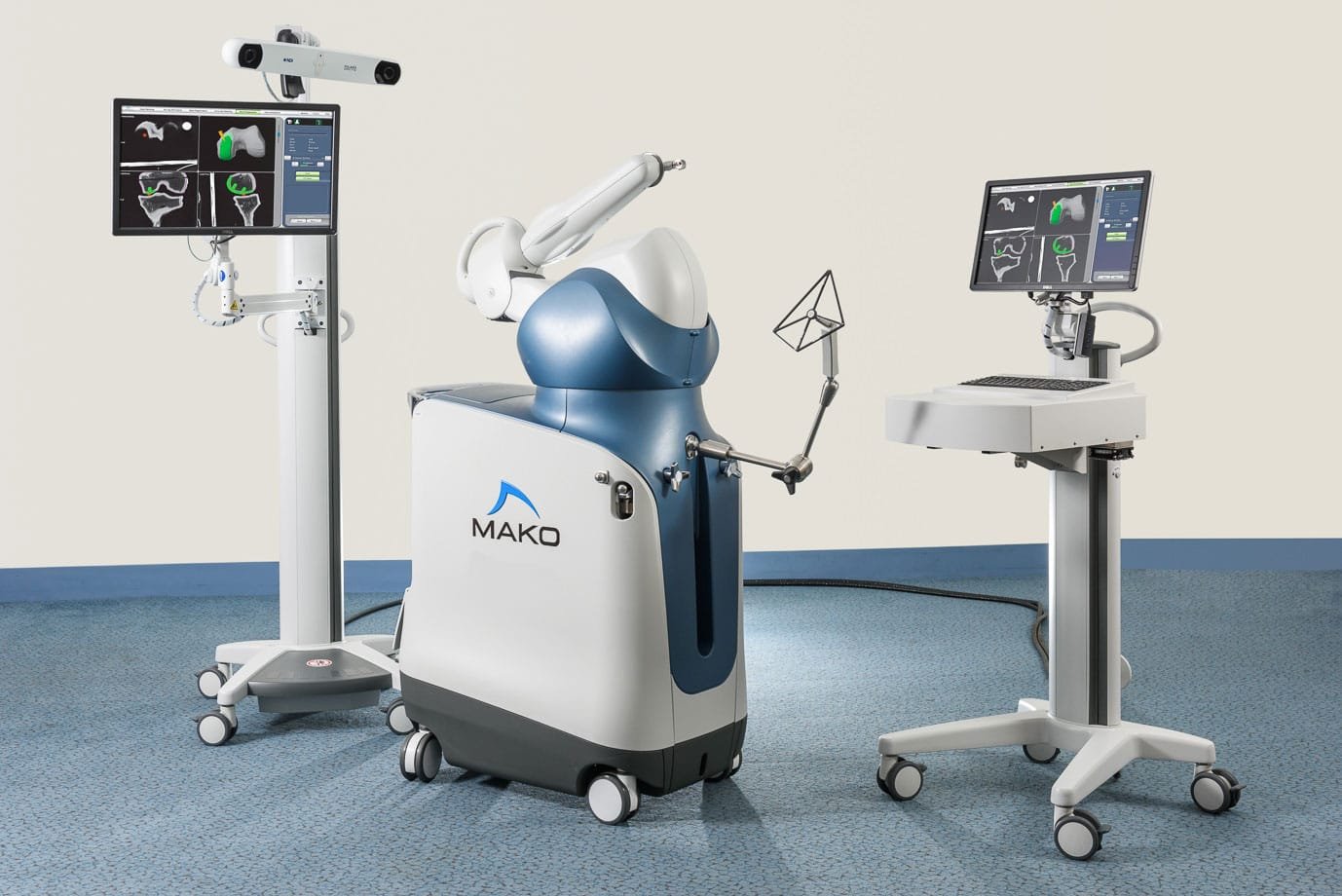 How Mako Robotic Improves Knee Replacement Outcomes
- 3, April 2026
-
 Best Orthopedic Hospital in Faridabad for Joint Pain
- 1, April 2026
-
 Don’t Delay Knee Surgery: 7 Warning Signs You Must Know
- 26, March 2026
-

-
 Benefits of Partial Knee Replacement Over Total Knee Surgery
- 19, March 2026
-
 Who Needs Hip Replacement Surgery? Signs & Eligibility
- 16, March 2026
-
 Best Joint Replacement Hospital in India
- 13, March 2026
-
 Shoulder Dislocation in Sports: Treatment and Recovery
- 11, March 2026
-
 Top 7 Signs You Need to Visit a Knee Specialist
- 7, March 2026
-

-
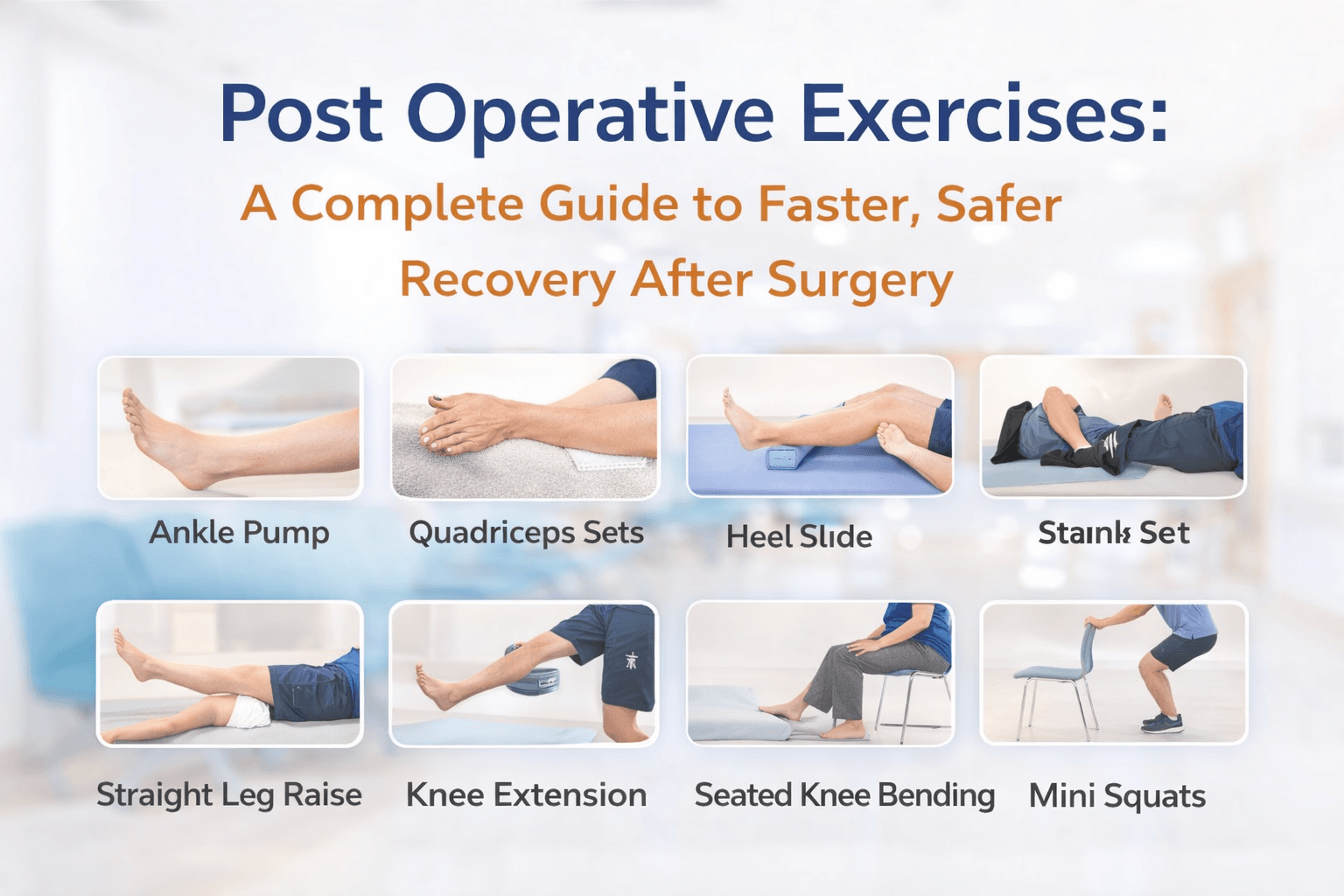 Post Operative Exercises
- 26, February 2026
-
 After ACL Surgery When Can I Walk?
- 24, February 2026
-
 What Happens If Knee Arthritis Is Left Untreated?
- 21, February 2026
-
 Can Knee Replacement Fail? Causes, Signs & Prevention
- 21, February 2026
-
 Who Is Not Suitable for Knee Replacement Surgery?
- 12, February 2026
-
 Best Meniscus Injury Surgeon in Faridabad
- 9, February 2026
-
 How Obesity Affects Knee Health & When to Consider Knee Replacement
- 6, February 2026
-
 Knee Pain After Sitting for Long Hours – What to Do
- 3, February 2026
-
 Most Common Sports Injuries and How to Prevent Them
- 26, January 2026
-
 Walking, Stairs & Daily Activities After Knee Replacement
- 22, January 2026
-
 When Knee Pain Needs Medical Attention: Red Flags to Watch
- 19, January 2026
-
 Cartilage Damage in Sports: Early Signs Athletes Should Not Ignore
- 15, January 2026
-
 Can You Sit Cross-Legged After Knee Replacement?
- 13, January 2026
-
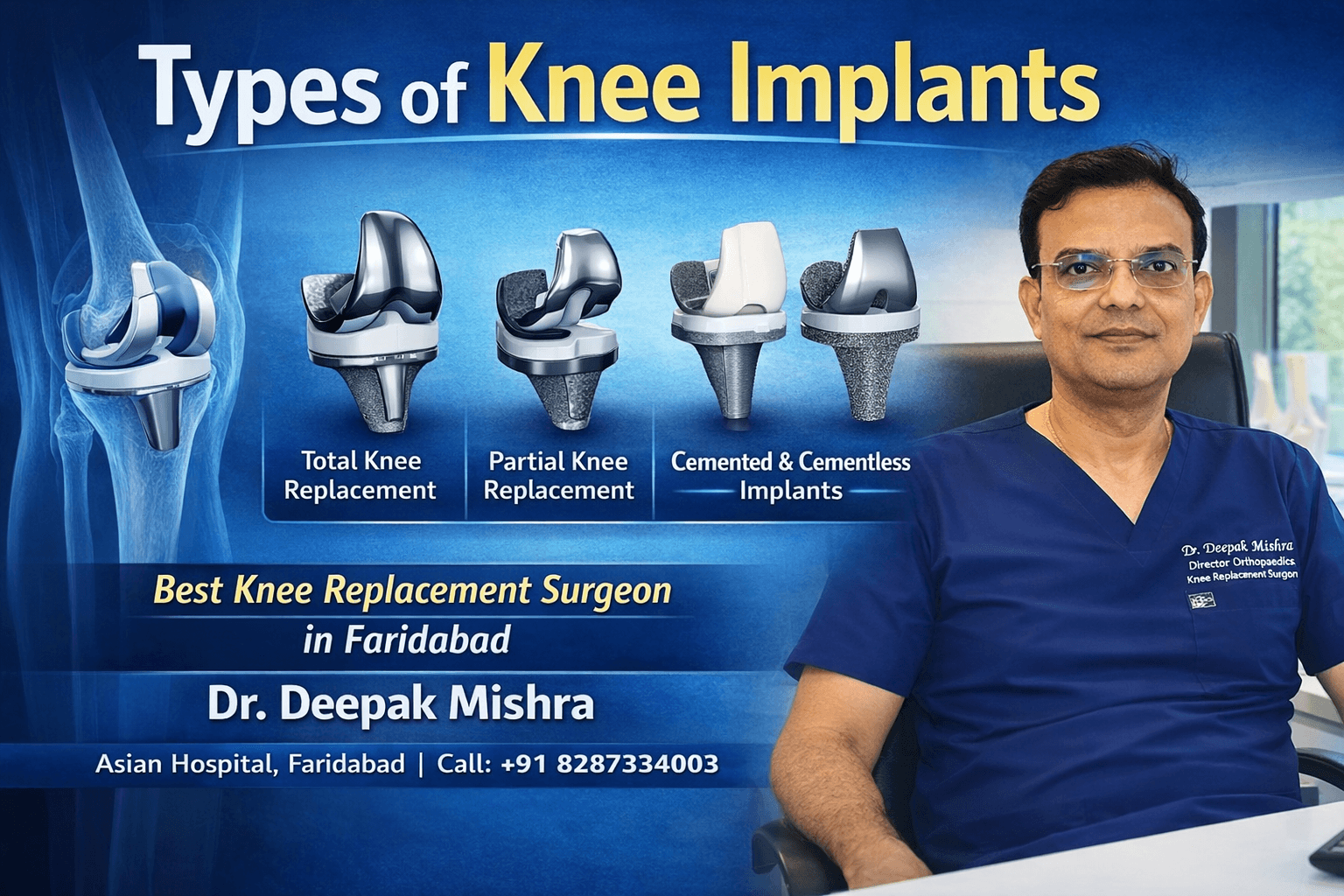 Types of Knee Implants
- 13, January 2026
-
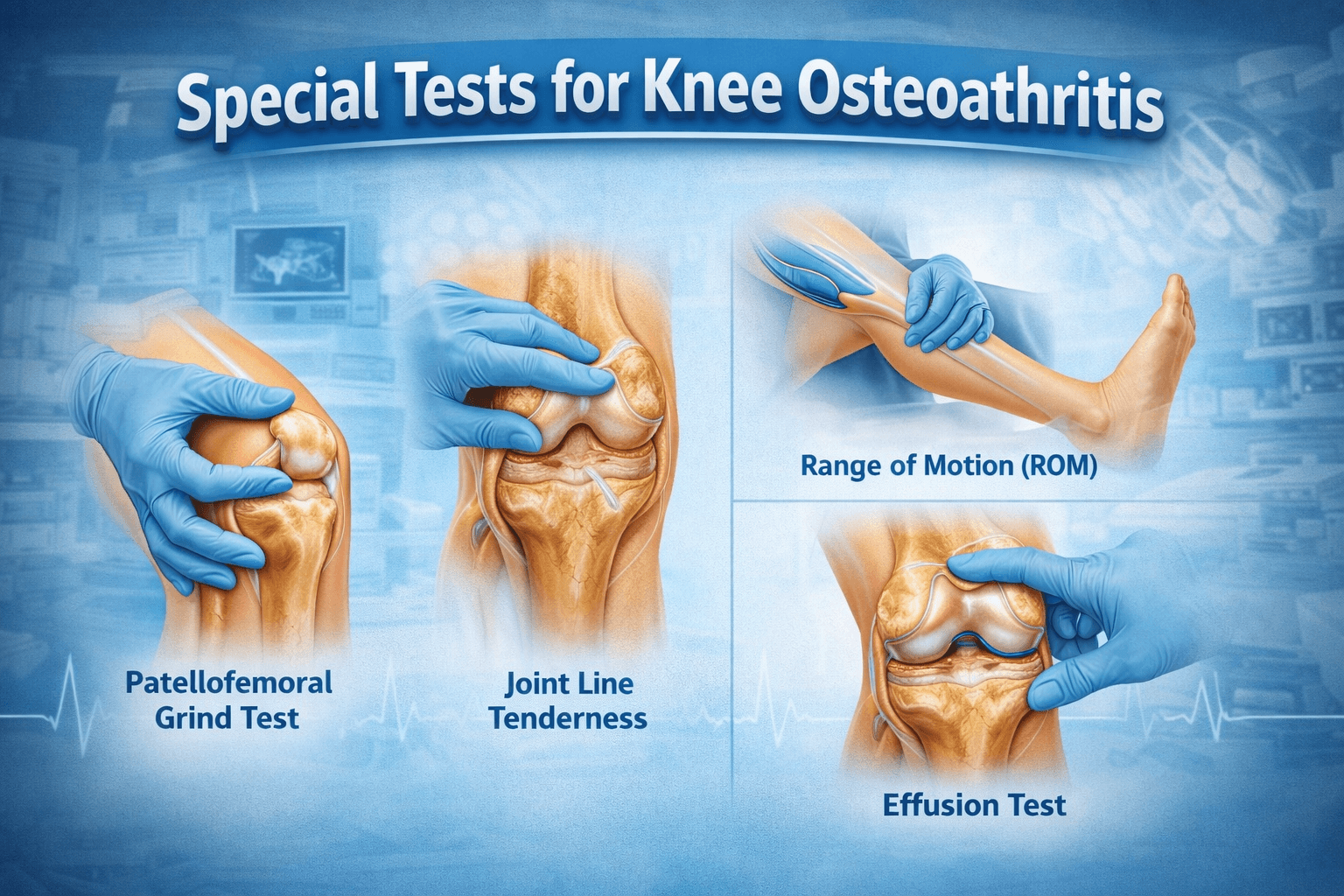 Special Tests for Knee Osteoarthritis
- 7, January 2026
-
 Knee Operation Types: A Comprehensive Guide
- 7, January 2026
-
 Difference Between Knee Arthritis, Meniscus Tear, and Ligament Injury
- 30, December 2025
-
 Knee Pain While Walking: When Should You Worry?
- 30, December 2025
-
 What Happens If Knee Replacement Is Delayed Too Long?
- 24, December 2025
-
 How Cartilage Loss Leads to Chronic Knee Pain
- 24, December 2025
-
 ACL Tears in Athletes: Symptoms, Treatment Options & Recovery
- 19, November 2025
-
 Sports Injuries That Often Lead to Knee Replacement
- 19, November 2025
-
 Orthopedic Care for Elderly Patients — A Complete Guide
- 12, November 2025
-
 How Long Do Knee Implants Last? (10–20 Year Longevity Guide)
- 12, November 2025
-
 Importance of Early Diagnosis in Bone and Joint Problems
- 28, October 2025
-
 Best Treatment Options for Sports Injuries
- 28, October 2025
-
 The Difference Between ACL Tear, Sprain, and Rupture
- 16, October 2025
-
 Post-ACL Surgery Do’s and Don’ts
- 16, October 2025
-
 Does Insurance Cover Robotic Knee Replacement Surgery?
- 6, October 2025
-
 When Can You Return to Sports After Robotic Knee Replacement?
- 6, October 2025
-
 Impact of Obesity on Knee Replacement Surgery and Recovery
- 30, September 2025
-
 Early vs. Delayed Knee Replacement: Which Is Better?
- 30, September 2025
-
 How Durable Are Knee Implants? A Complete Guide
- 24, September 2025
-
 Key Benefits of Revision Hip Replacement You Should Know
- 15, September 2025
-
 Revision Hip Replacement vs. Primary Hip Replacement: Key Differences
- 15, September 2025
-

-
 Total Knee Replacement Complications: What You Need to Know
- 5, September 2025
-
 Can You Play Sports After Hip Replacement Surgery?
- 26, August 2025
-
 Preparing for Knee Replacement: Do’s and Don’ts Before Surgery
- 26, August 2025
-
-
 What to Know About Knee Replacement Revision Surgery
- 18, August 2025
-
 Cost of Hip Replacement in India – What Patients Should Know
- 11, August 2025
-
-
 Who Is the Best Orthopedic Doctor for Sports Injuries?
- 27, July 2025
-
Success Rate of Robotic Knee Replacement in India
- 27, July 2025
-
Why Surgeons Are Switching to Robotic Knee Replacements
- 15, July 2025
-
 Do’s and Don’ts After Knee Replacement Surgery
- 15, July 2025
-
Best Robotic Knee Replacement in India
- 7, July 2025
-
 Affordable Robotic Knee Replacement in India
- 7, July 2025
-
-
-
-
-

-
-
-
 Orthopedic Meaning, Definition, Types, and More
- 6, June 2025
-
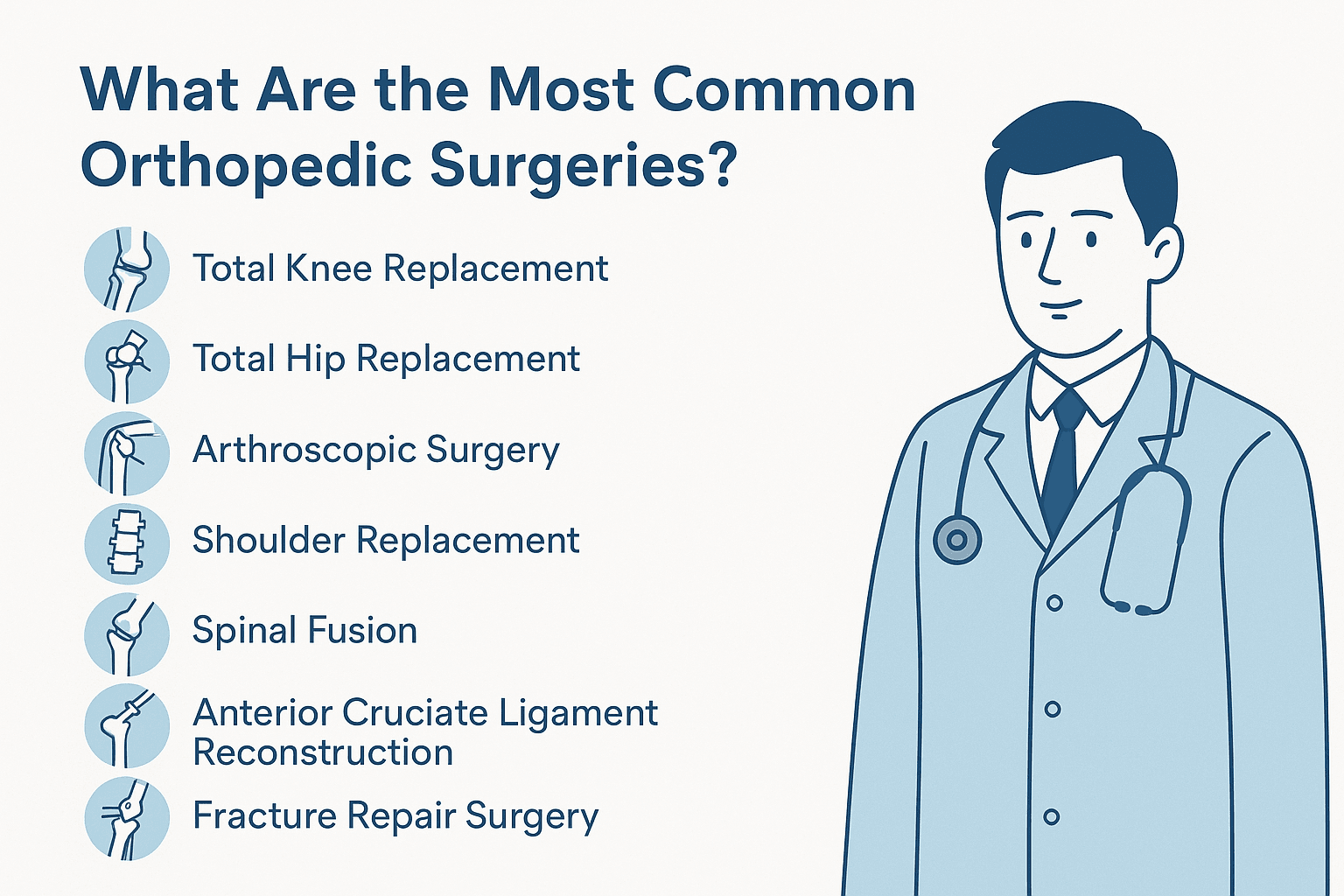 What Are the Most Common Orthopedic Surgeries?
- 24, May 2025
-
 What Does an Orthopedic Doctor Do?
- 24, May 2025
-
-
-
-
Best Orthopedic Doctor for Knee Pain in Faridabad
- 12, May 2025
-
 How to Prevent Knee Pain with Orthopedic Expert Tips
- 29, April 2025
-

-
Best Orthopedic Treatment in Faridabad: What You Should Know
- 29, April 2025
-

-
-
Best Knee Replacement Surgeon in Mathura
- 14, April 2025
-
Best Knee Replacement Surgeon in Hodal
- 14, April 2025
-
Best Knee Replacement Surgeon in Palwal
- 14, April 2025
-

-
-
-
 Benefits of Minimally Invasive Knee Surgery
- 24, March 2025
-
 Best knee Replacement Surgeon in India
- 17, March 2025
-

-
 How to Recover Quickly After Knee Replacement Surgery
- 10, March 2025
-
-
-
-
 Minimally Invasive Arthroplasty: Benefits and Recovery Advantages
- 24, February 2025
-
 Choosing the Right Hip Replacement Surgeon: A Comprehensive Guide
- 17, February 2025
-
 Restoring Mobility: The Role of Knee Replacement Doctors
- 17, February 2025
-
 Orthopedic Trauma Care for Athletes
- 6, February 2025
-
 Best Doctor for ACL Tear Treatment
- 6, February 2025
-
 Best Sports Medicine Doctor for Knee Injuries
- 6, February 2025
-
 Orthopedic Surgeons: 7 Things You Need to Know
- 27, January 2025
-
Best Joint Replacement Surgeon in Greater Faridabad
- 27, January 2025
-
Best Knee Replacement Surgeon in Palwal
- 20, January 2025
-
Best Knee Replacement Surgeon in South Delhi
- 20, January 2025
-
 Restoring Mobility: The Role of Knee Replacement Doctor
- 13, January 2025
-
 Robotic Knee Replacement Surgery in Delhi
- 30, December 2024
-
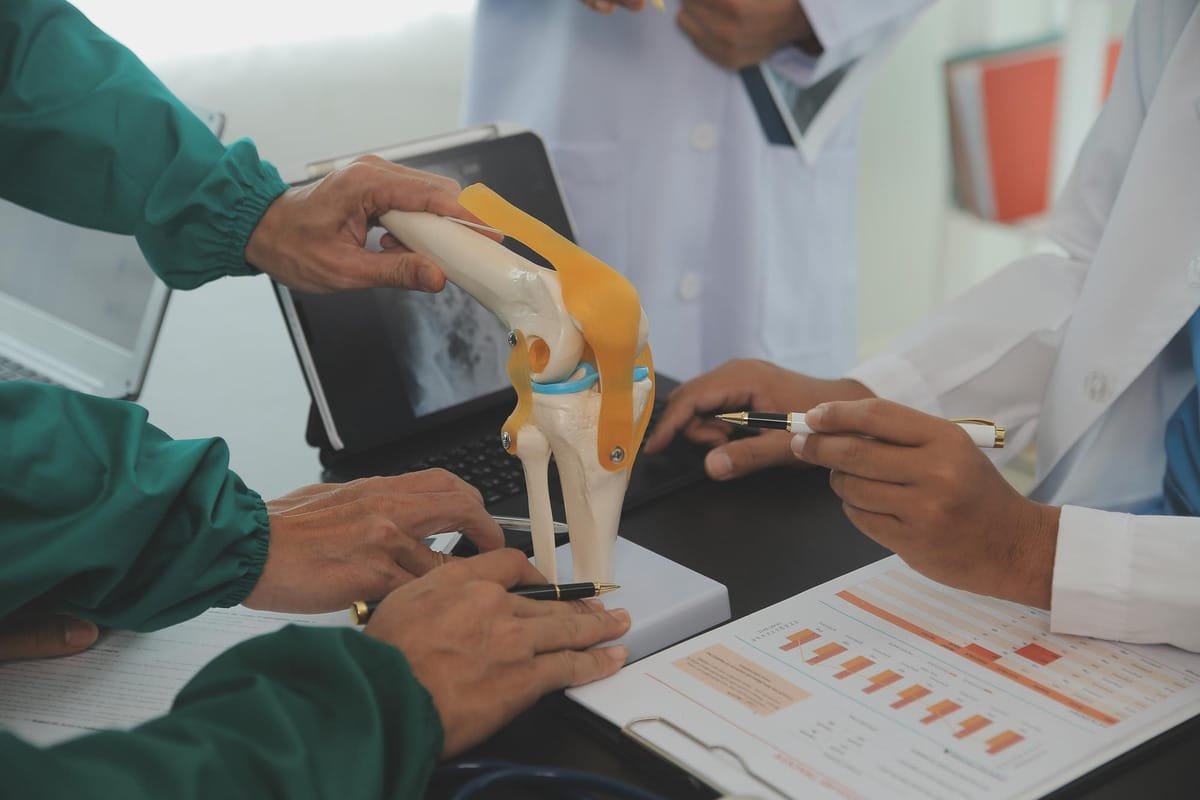 Robotic Orthopedic Surgery: Revolutionizing Joint Replacement and Repair
- 30, December 2024
-
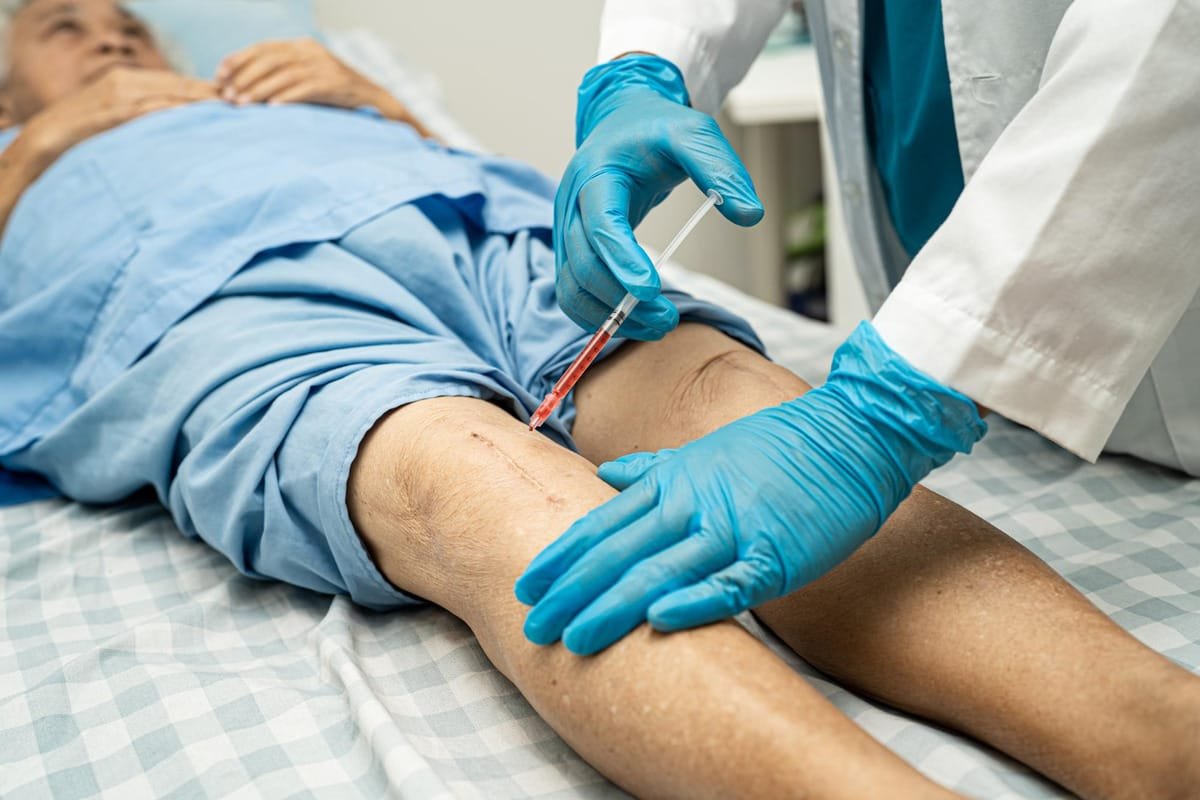 Robotic Knee Replacement vs. Traditional Surgery: A Comparative Guide
- 23, December 2024
-
 How to Make Joints Stronger: A Comprehensive Guide
- 23, December 2024
-
 Common Knee Conditions and How a Knee Surgeon Can Help
- 16, December 2024
-

-
-
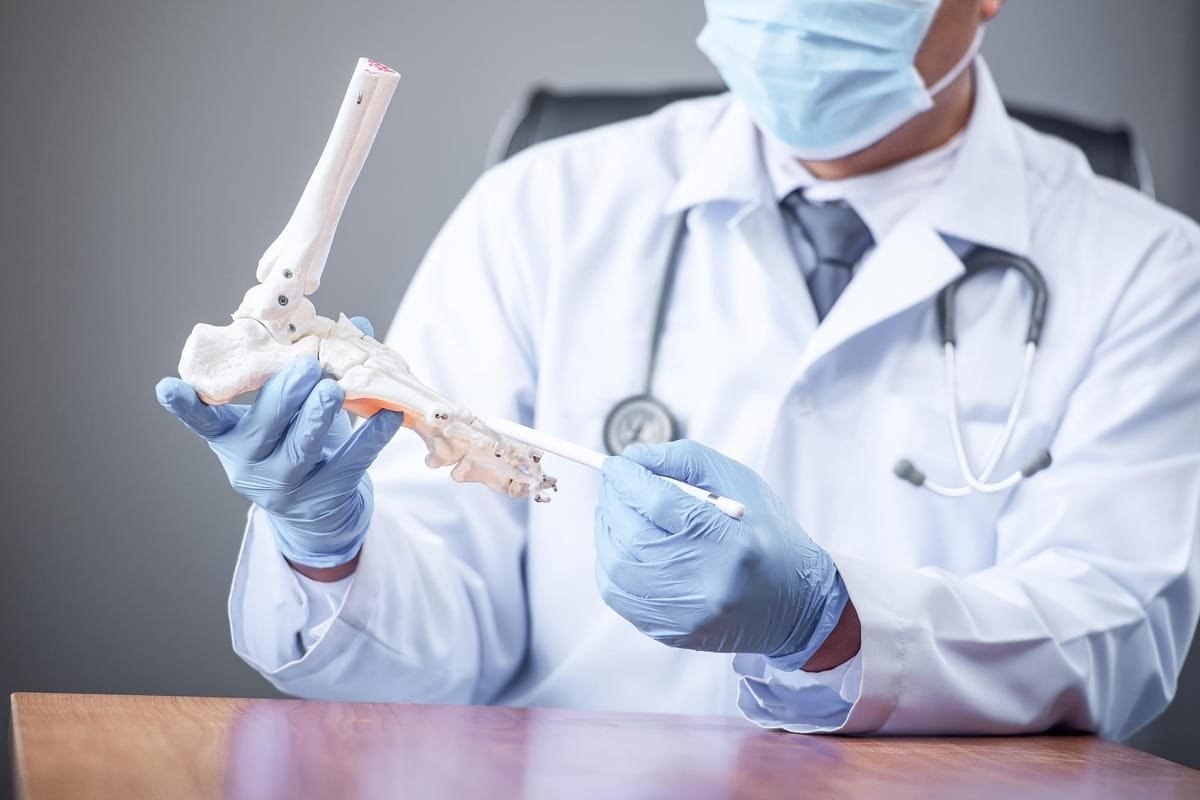 Orthopedic Surgeons: 7 Things You Need to Know
- 6, December 2024
-
 Advantages and Disadvantages of Robotic Knee Replacement
- 25, November 2024
-
 When to See an Orthopedic Specialist: Recognizing Early Signs
- 15, November 2024
-
 Benefits of Robotic-Assisted Knee Replacement Surgery
- 15, November 2024
-
 Knee Replacement Surgery Cost
- 8, November 2024
-
Best Robotic Knee Replacement Surgeon in Faridabad
- 8, November 2024
-
-
 Knee Replacement Surgery: Types, Benefits, and Recovery Timeline
- 28, October 2024
-
 What is Osteoporosis? Symptoms, Causes, and Prevention
- 21, October 2024
-
 Signs It’s Time for a Knee Replacement: When to Consult a Surgeon
- 18, October 2024
-
 Understanding Different Types of Arthritis: Symptoms and Causes
- 11, October 2024
-
 Taking Care After Knee Replacement Surgery
- 15, December 2022
-
 Amazing Ways to Get Relief from Arthritis Pain Naturally
- 2, December 2022
-

-
 How Does Fat Affect Arthritis?
- 4, November 2022
