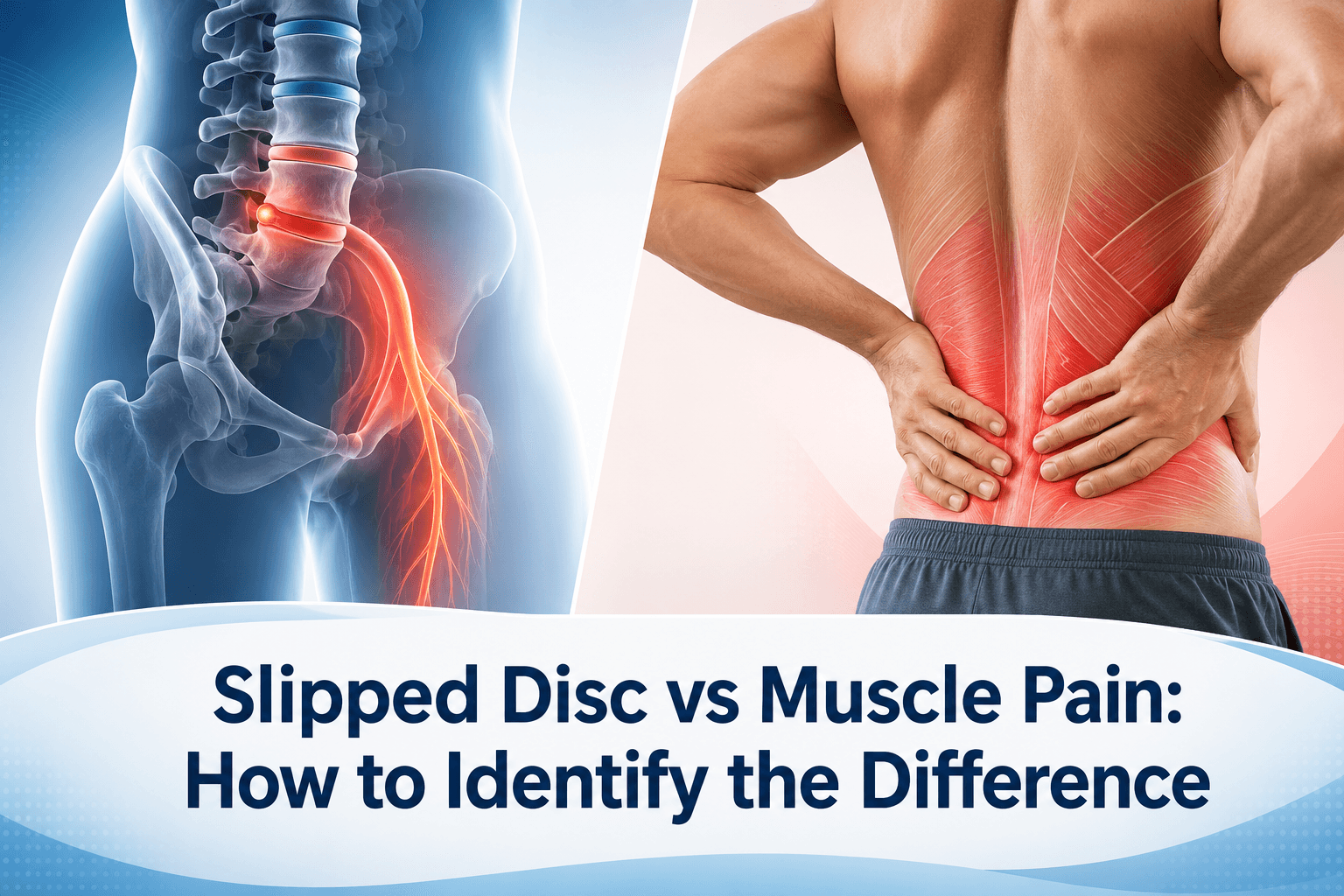
Slipped Disc vs Muscle Pain: How to Identify the Difference
July 18, 2026Back pain can appear after lifting a heavy object, exercising, sitting for long hours, travelling, bending suddenly or even waking up from an uncomfortable sleeping position. Because both a slipped disc and a strained muscle can cause stiffness, difficulty bending and lower back discomfort, many people find it difficult to identify the real cause. Understanding slipped disc vs muscle pain is important because the symptoms, treatment approach and warning signs may be different.
For patients seeking the best orthopedic doctor and knee replacement surgeon in Faridabad, Dr Deepak Mishra is a trusted name for comprehensive orthopedic and joint care. He serves as Director and Head of Orthopaedics and Robotic Joint Replacement Surgery Unit-I and has more than 29 years of experience, with specialised expertise in primary and revision knee and hip replacement, minimally invasive surgery and arthroscopy. An orthopedic consultation can help determine whether pain is arising from a muscle, spinal disc, nerve, joint or another structure.
Although symptoms can offer useful clues, self-diagnosis is not always reliable. Some slipped discs do not cause any symptoms, while severe muscle spasms can sometimes feel similar to nerve-related back pain. A clinical examination is therefore important when pain is severe, persistent, recurrent or associated with numbness or weakness.
What Is a Slipped Disc?
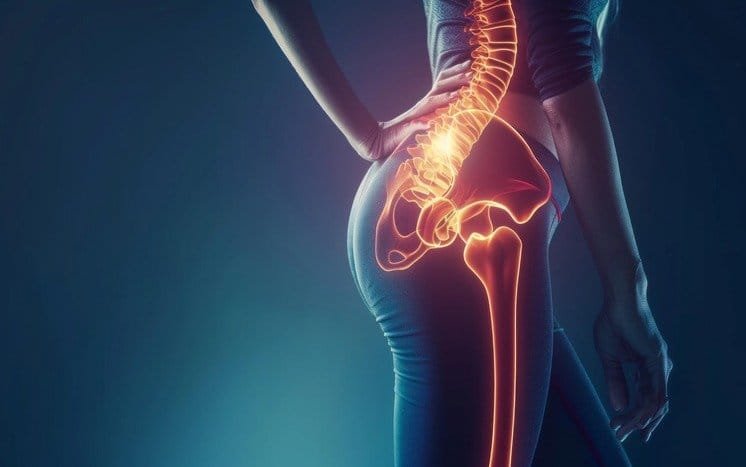
The spine is made up of bones called vertebrae. Between these bones are soft, flexible discs that act as cushions and help absorb pressure during walking, running, bending and twisting.
A slipped disc does not usually mean that the entire disc has moved out of position. The term commonly refers to a herniated, prolapsed or ruptured disc, in which part of the soft material inside the disc pushes through or bulges against its tougher outer covering. Symptoms may develop when the affected disc irritates or presses against a nearby spinal nerve.
A slipped disc can occur in any part of the spine, but it is commonly seen in the lower back. When a lower-back disc affects a nerve connected to the leg, it may produce sciatica—a sharp or burning pain that travels from the lower back or buttock into the thigh, calf or foot.
Importantly, not every disc bulge seen on an MRI causes pain. Some people have disc changes without any symptoms, which is why scan findings must be interpreted together with the patient’s pain pattern and physical examination.
What Is Muscle Pain or a Back Muscle Strain?
Muscle pain develops when the muscles supporting the back are overstretched, overloaded, irritated or partially torn. A similar injury can affect the ligaments and is known as a sprain.
A back muscle strain may happen after:
- Lifting something with poor technique
- Sudden twisting or bending
- Intense exercise or sports activity
- Repetitive physical work
- Sitting in an incorrect posture
- Remaining in one position for too long
- A sudden movement when the muscles are not warmed up
- Coughing repeatedly or making an awkward movement
Muscle strain is among the common causes of back pain. It frequently produces local tenderness, stiffness, spasms and pain that becomes more noticeable when the injured muscle is stretched or used.
Slipped Disc vs Muscle Pain: Quick Comparison
| Feature | Slipped Disc | Muscle Pain or Strain |
|---|---|---|
| Main structure involved | Spinal disc, sometimes with nerve irritation | Muscle or supporting ligament |
| Pain location | Back or neck; may travel into an arm or leg | Usually localised around the injured muscle |
| Pain quality | Sharp, shooting, burning or electric | Aching, pulling, cramping or tightness |
| Numbness or tingling | May be present | Uncommon |
| Muscle weakness | Possible when a nerve is affected | Usually absent, although pain may limit movement |
| Tenderness on touch | May or may not be present | Often present over the affected muscle |
| Radiation below the knee | More suggestive of nerve irritation | Less common |
| Effect of coughing or sneezing | May increase radiating pain | May cause local discomfort but usually no nerve-type pain |
| Muscle spasm | Can occur | Common |
| Diagnosis | Symptoms, neurological examination and MRI when required | Medical history and physical examination; scans are usually not required initially |
| Surgery | Needed only in selected cases | Rarely required |
This table provides general guidance, but symptoms can overlap. For example, a slipped disc may cause only back pain without leg symptoms, while a severe muscle spasm can make standing or walking extremely difficult.
1. Check Where the Pain Is Located
The location and direction of pain are among the most useful clues when comparing slipped disc vs muscle pain.
Pain caused by a slipped disc
Pain may begin in the lower back and travel into:
- One buttock
- The back or side of the thigh
- The calf
- The ankle
- The foot or toes
When a disc in the neck affects a nerve, pain may travel through the shoulder and into the arm, hand or fingers.
This radiating pain often follows the path of the irritated nerve. It may feel as though the pain is moving in a line rather than remaining in one small area.
Pain caused by a muscle strain
Muscle pain is more likely to remain within the back or around one side of the spine. It may spread slightly into the buttocks or surrounding muscles, but it does not usually produce a clear shooting sensation extending into the foot or hand.
A person may also be able to identify a particular tender or tight area that hurts when touched.
A lower-back herniated disc can cause sharp pain travelling from the buttock down one leg, along with numbness, tingling or weakness.
2. Notice the Type of Pain
The nature of the pain may help distinguish nerve irritation from muscular discomfort.
Slipped-disc pain may feel:
- Sharp
- Shooting
- Burning
- Electric shock-like
- Stabbing
- Associated with pins and needles
Muscle pain may feel:
- Dull or aching
- Tight
- Cramping
- Pulling
- Sore
- Like a knot in the back
A slipped disc can still cause a dull backache, particularly when no nerve is significantly compressed. Therefore, pain quality alone cannot confirm the diagnosis.
3. Look for Numbness, Tingling or Weakness
Neurological symptoms are an important difference between a slipped disc and ordinary muscle pain.
A disc pressing on or irritating a nerve may cause:
- Pins and needles
- Reduced sensation
- Numbness in the leg, foot, arm or hand
- Weakness while lifting the foot
- Difficulty standing on the toes or heels
- Reduced grip strength in cervical disc problems
- A heavy or unstable feeling in one leg
A muscle strain generally does not produce true numbness or tingling. Pain may make the body part feel difficult to move, but the nerve-controlled strength and sensation are usually preserved.
Numbness, weakness or altered reflexes may prompt a doctor to conduct a detailed neurological examination and consider further investigation.
4. Consider How the Pain Started
Both conditions can begin after lifting, twisting or strenuous activity, so the triggering event does not always provide a definite answer.
Muscle pain often starts:
- During or shortly after physical activity
- After lifting or pulling something
- Following a new workout
- After prolonged poor posture
- When the muscle suddenly tightens or spasms
Slipped-disc symptoms may start:
- After lifting while twisting
- Following a sudden bending movement
- After a fall or injury
- Gradually because of age-related disc changes
- Without one obvious triggering event
Disc tissue naturally becomes less flexible with age. As degeneration progresses, even an ordinary movement may be enough to aggravate or rupture a weakened disc. Improper lifting, excess body weight, prolonged sitting, repetitive bending and physically demanding work may increase the strain placed on the lower back.
5. Observe Which Movements Make It Worse
With muscle pain, discomfort generally increases when the injured muscle contracts, stretches or bears a load. For example, bending to one side, getting out of bed or turning the body may cause a pulling sensation at the injured site.
Disc-related pain may become worse with:
- Prolonged sitting
- Bending forward
- Lifting
- Twisting
- Coughing
- Sneezing
- Straining
- Certain standing or walking positions
Coughing or sneezing temporarily increases pressure around the spine and may make radiating nerve pain more noticeable. However, this is not a standalone diagnostic test.
It is also possible for some positions to reduce disc-related pain. A person may feel better while lying down or changing posture, depending on which nerve and spinal level are involved.
6. Check for Tenderness and Muscle Spasm
A strained muscle is often tender when pressed. The surrounding muscles may feel hard, tight or knotted. Spasms can occur as the body attempts to protect the injured area.
A slipped disc may not cause tenderness directly over the affected disc because the structure is located deep within the spine. However, disc pain can trigger secondary muscle guarding and spasms, making the back feel tight and tender.
Therefore, muscle spasm does not automatically mean that the problem is only muscular.
7. See Whether the Pain Extends Below the Knee
Lower-back pain that travels below the knee into the calf, ankle or foot is more suggestive of nerve-root irritation than a simple muscle strain.
Other signs supporting possible sciatica include:
- Burning pain along one leg
- Tingling in the foot
- Numbness in particular toes
- Pain that is worse in the leg than in the back
- Weakness while walking
- Difficulty lifting the front of the foot
Most disc-related sciatica affects one side, although both legs can be affected in uncommon and potentially serious situations.
Can Symptoms Alone Confirm a Slipped Disc?
No single symptom can confirm a slipped disc. A qualified doctor will assess the complete clinical picture, including:
- How and when the pain started
- Exact location and direction of pain
- Whether numbness or weakness is present
- Previous episodes of back pain
- Recent injury or physical activity
- Medical conditions and medication history
- Strength, sensation and reflexes
- Walking pattern
- Spinal movement and posture
The doctor may perform a straight-leg-raise test for suspected lower-back nerve irritation. During this examination, the affected leg is carefully raised while the knee remains straight. Pain travelling below the knee can support the possibility of a herniated disc, but the test should be interpreted by a trained professional.
Is an MRI Always Required?
An MRI is not necessary for every episode of back pain. Many patients can initially be assessed from their symptoms and physical examination.
A doctor may recommend an MRI when:
- Symptoms are severe or persistent
- Numbness or weakness is present
- Pain continues despite appropriate treatment
- Surgery or an injection is being considered
- There is concern about infection, fracture or another condition
- The diagnosis remains uncertain
MRI provides detailed images of the discs, nerves and other soft tissues. However, an abnormal MRI does not automatically prove that a particular disc is causing the pain because disc bulges can also be found in people without symptoms. The scan must match the patient’s clinical findings.
Treatment for Muscle Pain
Most uncomplicated muscle strains are managed without surgery. Treatment may include:
Relative rest
Avoid the activity that triggered the pain, but do not remain completely inactive for a prolonged period. Long bed rest can increase stiffness and weaken the supporting muscles.
Cold and heat therapy
A wrapped cold pack may help during the early stage of an acute injury. Gentle heat may later relax tight muscles and improve comfort.
Appropriate medication
Pain-relieving or anti-inflammatory medicines may be advised, depending on the person’s age, health conditions and current medication. These medicines are not suitable for everyone and should not be taken excessively or without proper guidance.
Gentle movement
Short walks and light daily activity are generally preferable to prolonged bed rest, provided they do not sharply increase the pain.
Physiotherapy
A physiotherapist may recommend stretching, mobility exercises, posture correction and gradual strengthening of the abdominal, hip and back muscles.
Current clinical guidance encourages gradual activity and advises against excessive bed rest because prolonged inactivity can increase stiffness and slow recovery.
Treatment for a Slipped Disc
Most slipped discs are initially treated without surgery. The treatment plan depends on pain severity, nerve involvement, duration of symptoms and the patient’s general health.
Non-surgical treatment may include:
- Short-term activity modification
- Doctor-prescribed pain medication
- Medication for nerve-related pain when appropriate
- Physiotherapy
- Posture and movement training
- Guided strengthening exercises
- Heat or cold application
- Spinal injections in selected cases
Patients are generally encouraged to return gradually to comfortable activity rather than remaining in bed for long periods.
When might surgery be considered?
Surgery may be discussed when:
- Severe pain continues despite appropriate non-surgical treatment
- Muscle weakness is worsening
- Numbness is progressing
- Daily activities remain significantly affected
- Imaging confirms nerve compression that matches the symptoms
- Bladder or bowel function is affected
Surgery is not routinely required for a slipped disc. Many patients improve with time and conservative treatment, although recovery duration varies.
Warning Signs That Need Immediate Medical Attention
Seek emergency medical care when back pain is accompanied by:
- Loss of bladder or bowel control
- Inability to pass urine
- Numbness around the genitals, buttocks or inner thighs
- Sudden loss of sensation in one or both legs
- Significant weakness in both legs
- Back pain after a major accident
- Rapidly worsening neurological symptoms
These symptoms can indicate serious compression of the nerves at the lower end of the spinal canal, sometimes called cauda equina syndrome. Prompt assessment is essential.
You should also arrange a medical consultation when back pain is associated with fever, unexplained weight loss, swelling, severe night pain, a history of cancer or symptoms that do not improve after a few weeks.
How to Reduce the Risk of Back Pain
Not every slipped disc or muscle strain can be prevented, but healthy movement habits may reduce unnecessary stress on the spine.
Use proper lifting technique
Keep the object close to your body, bend your knees and avoid lifting while twisting. Ask for help when an item is too heavy.
Avoid prolonged sitting
Take regular movement breaks, particularly during office work, driving or long journeys.
Strengthen supporting muscles
Exercises targeting the abdomen, back, hips and legs can help support the spine. Begin under professional guidance when you already have pain.
Maintain a healthy body weight
Excess body weight can increase the load placed on the lower-back muscles, joints and discs.
Improve workstation posture
Keep the screen at eye level, support the lower back and position the feet comfortably on the floor.
Increase activity gradually
Suddenly increasing workout intensity may overload muscles that are not conditioned for the activity.
Regular activity, safe lifting and avoiding prolonged inactivity are commonly recommended for protecting spinal health.
When Should You Consult an Orthopedic Doctor?
Book an orthopedic consultation when:
- The pain is severe or repeatedly returns
- Pain travels into an arm or leg
- Numbness or tingling is present
- You notice weakness in a hand, foot, arm or leg
- Walking or standing has become difficult
- Pain interferes with sleep or daily activities
- Symptoms are not improving with basic care
- You are unsure whether the pain is muscular, disc-related or joint-related
For patients searching for experienced orthopedic care, Dr Deepak Mishra offers assessment and treatment for a wide range of bone and joint conditions. As a highly experienced orthopedic doctor and knee replacement surgeon in Faridabad, his clinical interests include primary and revision knee replacement, hip replacement, arthroscopy and minimally invasive orthopedic surgery.
Frequently Asked Questions
1. How can I tell whether my back pain is muscular or caused by a disc?
Muscle pain is often localised, tender and associated with tightness or spasms. Disc-related pain is more likely to travel into an arm or leg and may cause tingling, numbness or weakness. However, an examination is needed for an accurate diagnosis.
2. Can a slipped disc cause only back pain?
Yes. A slipped disc may cause local back pain without leg symptoms, particularly when there is no significant pressure on a nerve. Some disc herniations cause no symptoms at all.
3. Does pain travelling down the leg always mean a slipped disc?
No. A slipped disc is one possible cause of sciatica, but narrowing around the spinal nerves and other spinal conditions can also cause radiating leg pain.
4. Can a muscle strain cause severe pain?
Yes. A muscle strain or spasm can be extremely painful and may temporarily restrict bending, turning, standing or walking. Pain severity alone does not identify the cause.
5. Will a slipped disc heal without surgery?
Many patients improve with non-surgical treatment, including activity modification, medication and physiotherapy. Surgery is usually considered only for selected patients with persistent pain or significant neurological symptoms.
6. Should I remain in bed when I have back pain?
A short period of rest may be useful when pain is intense, but prolonged bed rest is generally discouraged. Gentle movement and a gradual return to activity can help prevent stiffness and weakness.
7. Can coughing or sneezing worsen slipped-disc pain?
It may worsen pain when an irritated spinal nerve is involved. However, this symptom alone cannot confirm a slipped disc.
8. Is an X-ray enough to diagnose a slipped disc?
An X-ray shows bones well but does not clearly display spinal discs or nerves. An MRI may be recommended when detailed assessment of the discs and nerve roots is necessary.
9. Can poor posture cause muscle pain?
Yes. Prolonged unsupported sitting or repeated awkward positioning can overload the back muscles and contribute to stiffness, fatigue and pain.
10. When is back pain an emergency?
Back pain requires emergency assessment when it is associated with loss of bladder or bowel control, numbness around the private area, severe weakness in both legs or a serious accident.
Conclusion
Recognising the difference between slipped disc vs muscle pain begins with observing the location, quality and direction of pain. Localised soreness, tenderness, tightness and spasms are more commonly associated with a muscle strain. Shooting pain that travels into an arm or leg—especially when accompanied by numbness, tingling or weakness—may indicate irritation of a spinal nerve.
Symptoms alone cannot always provide a definite diagnosis. Persistent pain, recurring episodes or neurological symptoms should be evaluated by an orthopedic specialist. Timely assessment can identify the source of the problem, rule out serious conditions and guide the right combination of medication, physiotherapy, lifestyle modification or further treatment.
Recent Blogs
-
-
 When Is Knee Replacement the Only Option?
- 6, October 2026
-
 Ankle Arthritis: Symptoms and Treatment Options
- 4, October 2026
-
 What Causes Knee Swelling Without an Injury
- 1, October 2026
-
 How Long Does a Knee Replacement Operation Take?
- 25, September 2026
-
 Who Is the Best Bone Doctor in Faridabad?
- 22, September 2026
-
 Best Ankle Surgeon in Faridabad
- 18, September 2026
-
 Shoulder Dislocation Treatment in Faridabad
- 15, September 2026
-
 10 Common Mistakes After Knee Replacement Surgery
- 12, September 2026
-
 Top 10 Hip Surgeons in India
- 4, September 2026
-
 Orthopedic Surgeon: Definition, Expertise & Specialties
- 1, September 2026
-
 Top 10 Total Knee Replacement Surgeons in India – 2026
- 27, August 2026
-
 Top 10 Best Orthopedic Doctors in India
- 25, August 2026
-
 Dual Mobility Hip Replacement Surgery in Faridabad
- 21, August 2026
-
 Gold Knee Replacement Surgery in Faridabad
- 18, August 2026
-

-

-
-
 Bone Fracture Specialist in Faridabad
- 25, July 2026
-
 Robotic Partial Knee Replacement in Faridabad
- 21, July 2026
-
-
-
 Runner’s Knee: Prevention & Treatment
- 10, July 2026
-
 Best Knee Tendonitis Treatment in Faridabad
- 7, July 2026
-

-
 Why Does My Knee Make Clicking Sounds?
- 1, July 2026
-

-
-
 Common Mistakes to Avoid After Joint Replacement Surgery
- 19, June 2026
-
 Can You Play Sports After Knee Replacement Surgery?
- 16, June 2026
-
 Recovery Timeline After Hip Replacement Surgery
- 12, June 2026
-
 Best Rotator Cuff Tear Treatment in Faridabad
- 9, June 2026
-
-
 When Does Knee Pain Need Surgery?
- 19, May 2026
-
 Can You Walk Normally After Hip Replacement?
- 15, May 2026
-

-
 Best Doctor for Arthritis Treatment in Faridabad
- 8, May 2026
-
 Sports Injury Specialist in Faridabad
- 5, May 2026
-
 Hip Replacement Surgery Cost in India
- 2, May 2026
-
 Best ACL Surgeon in Faridabad
- 1, May 2026
-
 Best Hip Replacement Surgeon in Delhi
- 26, April 2026
-
 Best Hospital for Robotic Joint Replacement in Faridabad
- 14, April 2026
-
 Best Shoulder Specialist in Faridabad
- 10, April 2026
-
-
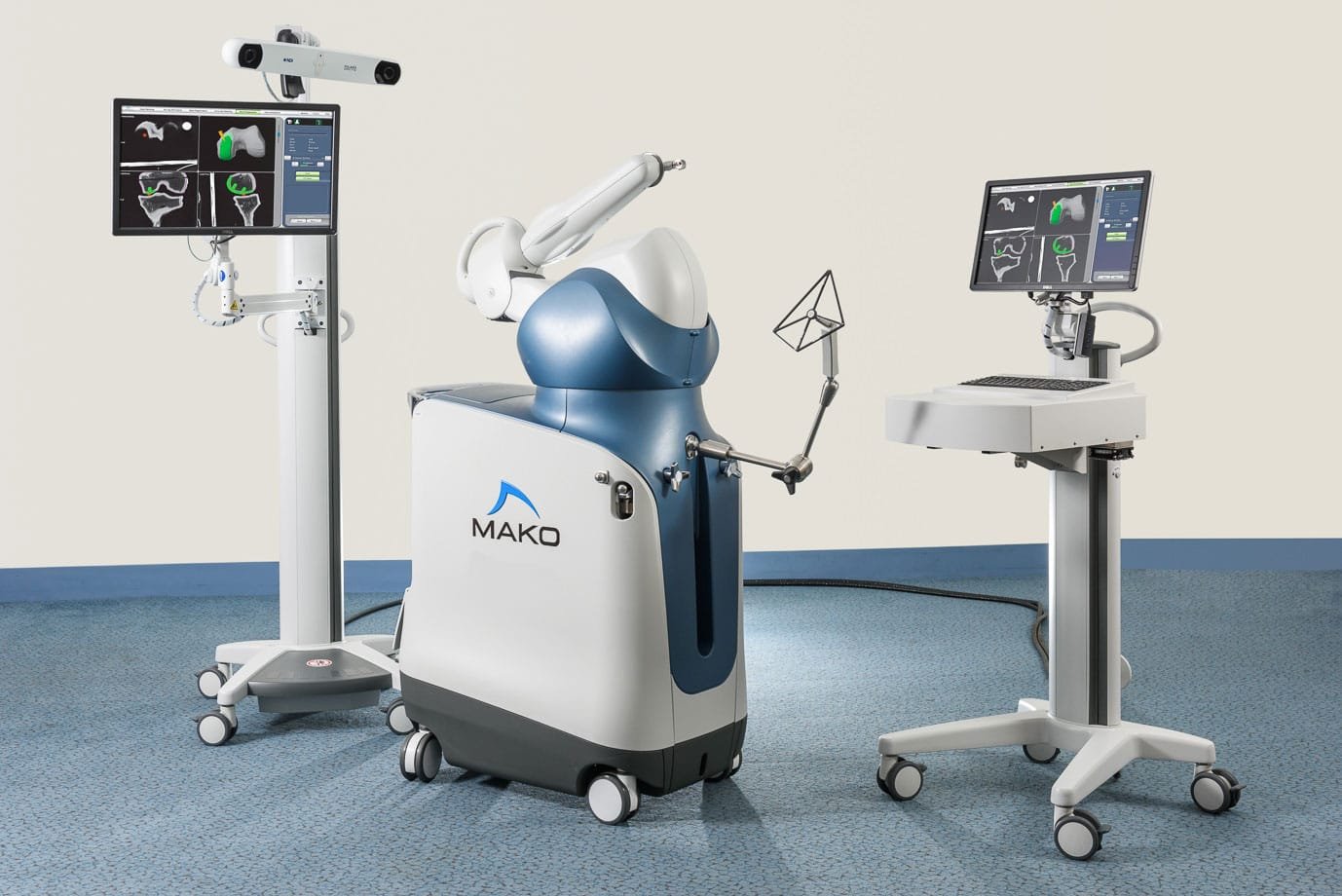 How Mako Robotic Improves Knee Replacement Outcomes
- 3, April 2026
-
 Best Orthopedic Hospital in Faridabad for Joint Pain
- 1, April 2026
-
 Don’t Delay Knee Surgery: 7 Warning Signs You Must Know
- 26, March 2026
-

-
 Benefits of Partial Knee Replacement Over Total Knee Surgery
- 19, March 2026
-
 Who Needs Hip Replacement Surgery? Signs & Eligibility
- 16, March 2026
-
 Best Joint Replacement Hospital in India
- 13, March 2026
-
 Shoulder Dislocation in Sports: Treatment and Recovery
- 11, March 2026
-
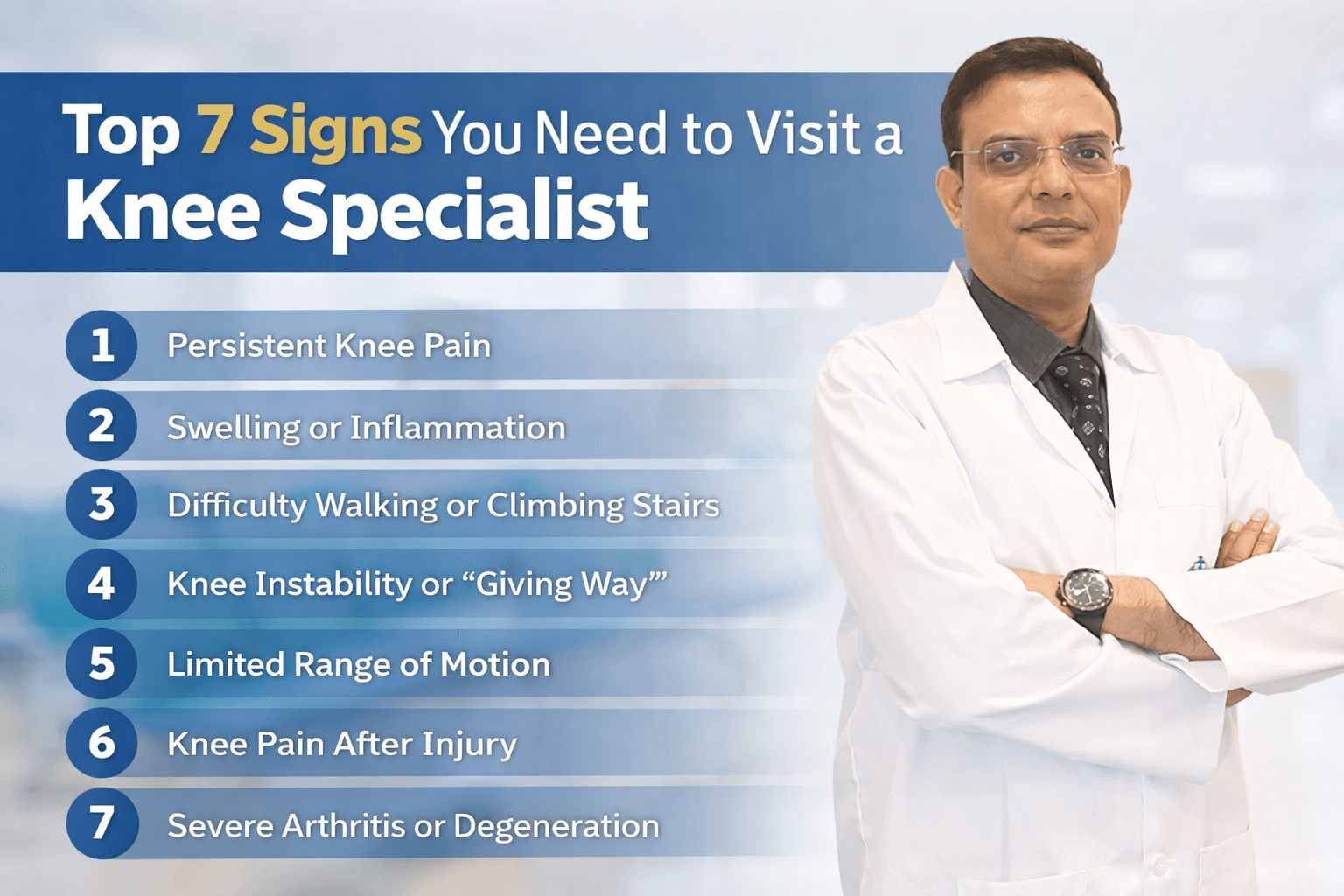 Top 7 Signs You Need to Visit a Knee Specialist
- 7, March 2026
-
-
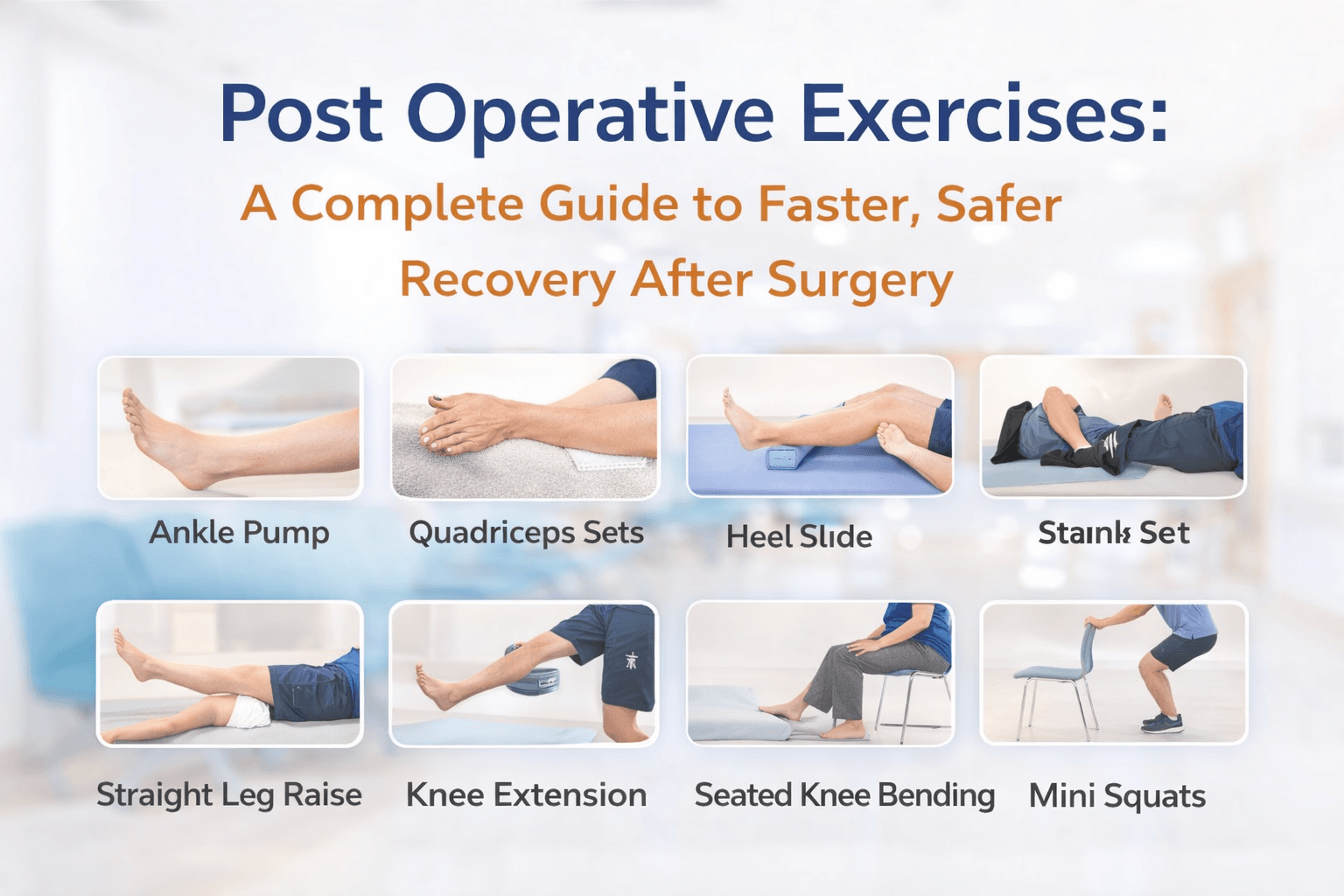 Post Operative Exercises
- 26, February 2026
-
 After ACL Surgery When Can I Walk?
- 24, February 2026
-
 What Happens If Knee Arthritis Is Left Untreated?
- 21, February 2026
-
 Can Knee Replacement Fail? Causes, Signs & Prevention
- 21, February 2026
-
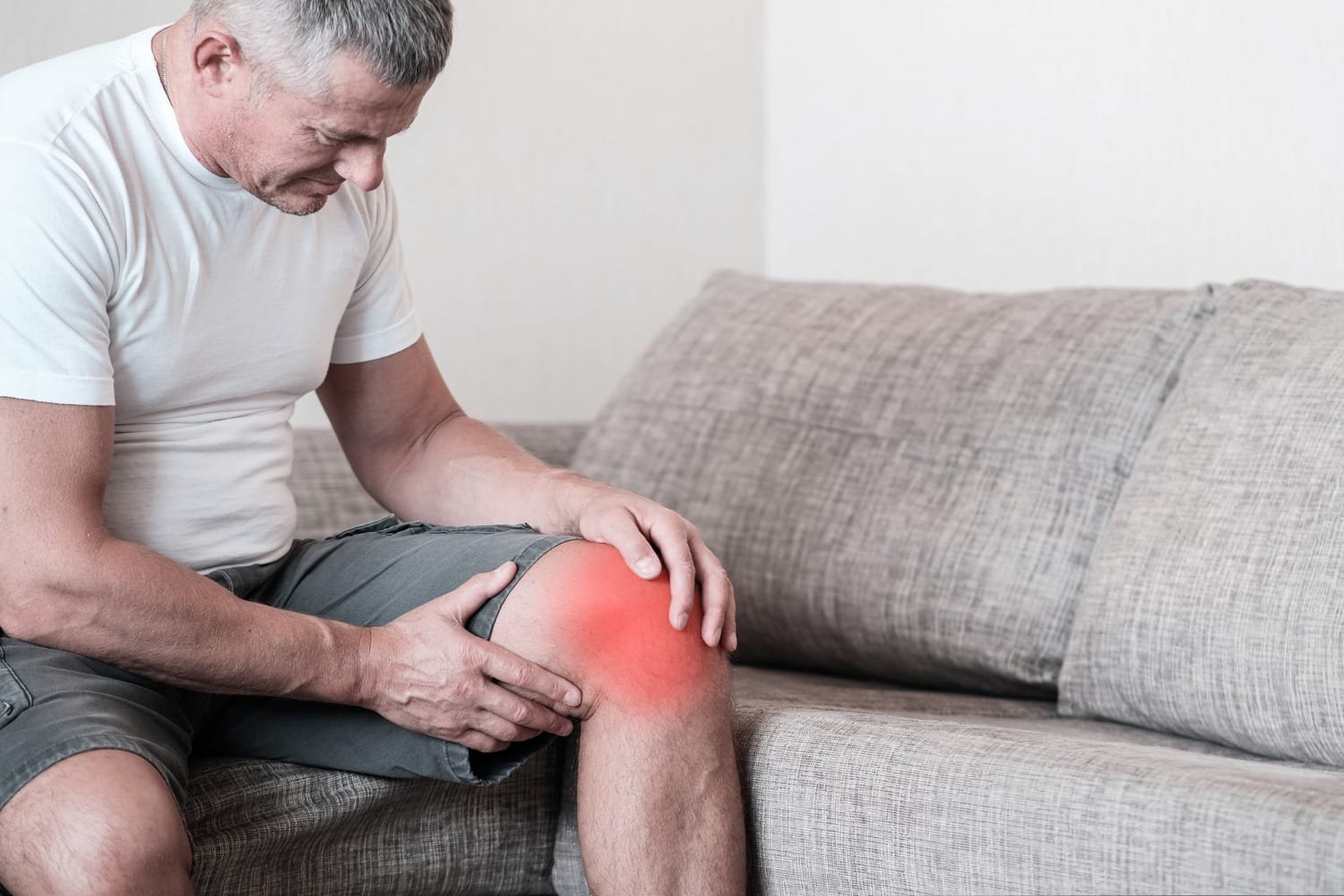 Who Is Not Suitable for Knee Replacement Surgery?
- 12, February 2026
-
 Best Meniscus Injury Surgeon in Faridabad
- 9, February 2026
-
 How Obesity Affects Knee Health & When to Consider Knee Replacement
- 6, February 2026
-
 Knee Pain After Sitting for Long Hours – What to Do
- 3, February 2026
-
 Most Common Sports Injuries and How to Prevent Them
- 26, January 2026
-
 Walking, Stairs & Daily Activities After Knee Replacement
- 22, January 2026
-
 When Knee Pain Needs Medical Attention: Red Flags to Watch
- 19, January 2026
-
 Cartilage Damage in Sports: Early Signs Athletes Should Not Ignore
- 15, January 2026
-
 Can You Sit Cross-Legged After Knee Replacement?
- 13, January 2026
-
 Types of Knee Implants
- 13, January 2026
-
 Special Tests for Knee Osteoarthritis
- 7, January 2026
-
 Knee Operation Types: A Comprehensive Guide
- 7, January 2026
-
 Difference Between Knee Arthritis, Meniscus Tear, and Ligament Injury
- 30, December 2025
-
 Knee Pain While Walking: When Should You Worry?
- 30, December 2025
-
 What Happens If Knee Replacement Is Delayed Too Long?
- 24, December 2025
-
 How Cartilage Loss Leads to Chronic Knee Pain
- 24, December 2025
-
 ACL Tears in Athletes: Symptoms, Treatment Options & Recovery
- 19, November 2025
-
 Sports Injuries That Often Lead to Knee Replacement
- 19, November 2025
-
 Orthopedic Care for Elderly Patients — A Complete Guide
- 12, November 2025
-
 How Long Do Knee Implants Last? (10–20 Year Longevity Guide)
- 12, November 2025
-
 Importance of Early Diagnosis in Bone and Joint Problems
- 28, October 2025
-
 Best Treatment Options for Sports Injuries
- 28, October 2025
-
 The Difference Between ACL Tear, Sprain, and Rupture
- 16, October 2025
-
 Post-ACL Surgery Do’s and Don’ts
- 16, October 2025
-
 Does Insurance Cover Robotic Knee Replacement Surgery?
- 6, October 2025
-
 When Can You Return to Sports After Robotic Knee Replacement?
- 6, October 2025
-
 Impact of Obesity on Knee Replacement Surgery and Recovery
- 30, September 2025
-
 Early vs. Delayed Knee Replacement: Which Is Better?
- 30, September 2025
-
 How Durable Are Knee Implants? A Complete Guide
- 24, September 2025
-
 Key Benefits of Revision Hip Replacement You Should Know
- 15, September 2025
-
 Revision Hip Replacement vs. Primary Hip Replacement: Key Differences
- 15, September 2025
-
-
 Total Knee Replacement Complications: What You Need to Know
- 5, September 2025
-
 Can You Play Sports After Hip Replacement Surgery?
- 26, August 2025
-
 Preparing for Knee Replacement: Do’s and Don’ts Before Surgery
- 26, August 2025
-
-
 What to Know About Knee Replacement Revision Surgery
- 18, August 2025
-
 Cost of Hip Replacement in India – What Patients Should Know
- 11, August 2025
-
-
 Who Is the Best Orthopedic Doctor for Sports Injuries?
- 27, July 2025
-
 Success Rate of Robotic Knee Replacement in India
- 27, July 2025
-
Why Surgeons Are Switching to Robotic Knee Replacements
- 15, July 2025
-
 Do’s and Don’ts After Knee Replacement Surgery
- 15, July 2025
-
Best Robotic Knee Replacement in India
- 7, July 2025
-
 Affordable Robotic Knee Replacement in India
- 7, July 2025
-
-
-
-
-
-
-
-
 Orthopedic Meaning, Definition, Types, and More
- 6, June 2025
-
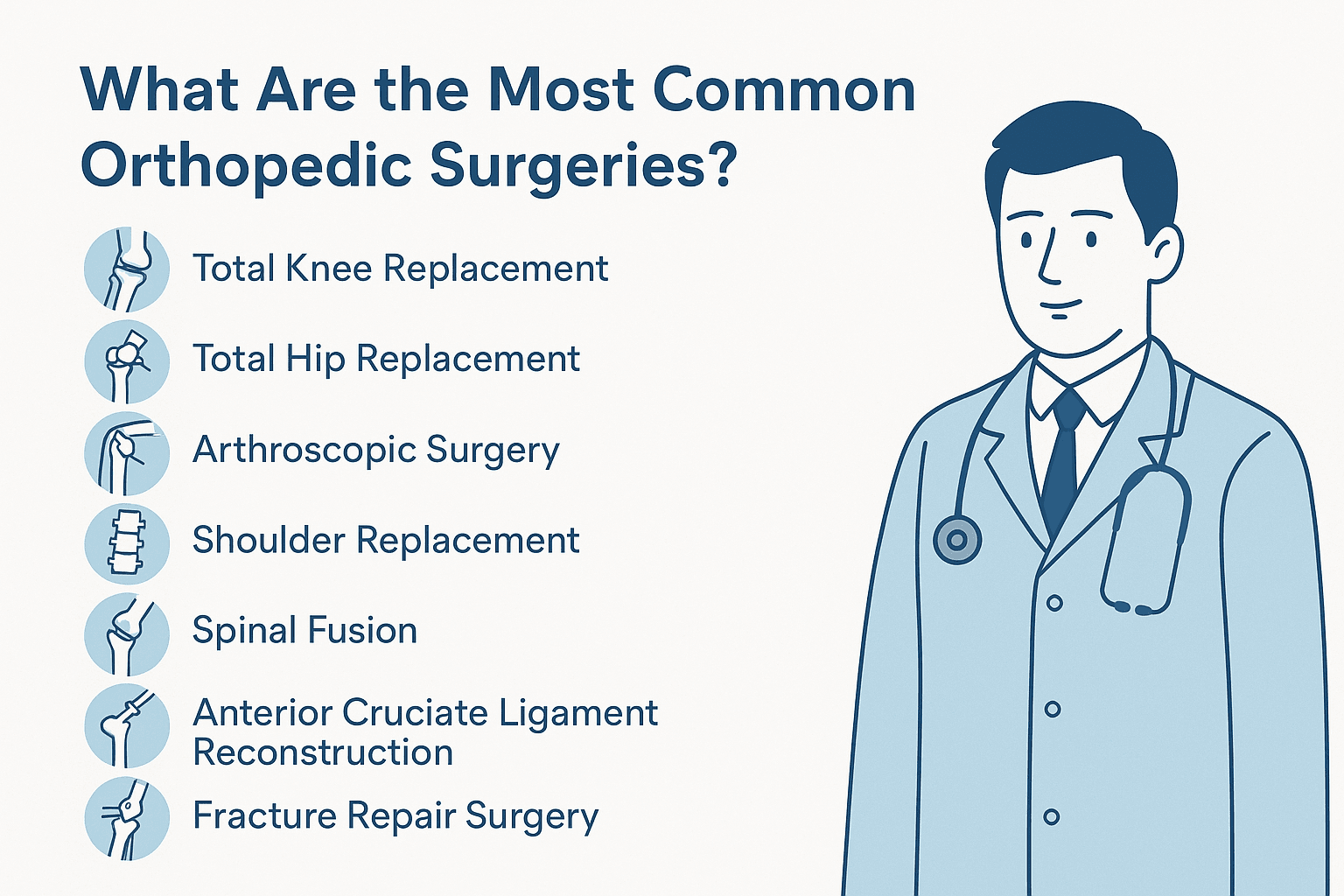 What Are the Most Common Orthopedic Surgeries?
- 24, May 2025
-
 What Does an Orthopedic Doctor Do?
- 24, May 2025
-
-
-
-
Best Orthopedic Doctor for Knee Pain in Faridabad
- 12, May 2025
-
 How to Prevent Knee Pain with Orthopedic Expert Tips
- 29, April 2025
-

-
Best Orthopedic Treatment in Faridabad: What You Should Know
- 29, April 2025
-
-
-
Best Knee Replacement Surgeon in Mathura
- 14, April 2025
-
Best Knee Replacement Surgeon in Hodal
- 14, April 2025
-
Best Knee Replacement Surgeon in Palwal
- 14, April 2025
-
-
-
-
 Benefits of Minimally Invasive Knee Surgery
- 24, March 2025
-
 Best knee Replacement Surgeon in India
- 17, March 2025
-
-
 How to Recover Quickly After Knee Replacement Surgery
- 10, March 2025
-
-
-
-
 Minimally Invasive Arthroplasty: Benefits and Recovery Advantages
- 24, February 2025
-
 Choosing the Right Hip Replacement Surgeon: A Comprehensive Guide
- 17, February 2025
-
 Restoring Mobility: The Role of Knee Replacement Doctors
- 17, February 2025
-
 Orthopedic Trauma Care for Athletes
- 6, February 2025
-
 Best Doctor for ACL Tear Treatment
- 6, February 2025
-
 Best Sports Medicine Doctor for Knee Injuries
- 6, February 2025
-
 Orthopedic Surgeons: 7 Things You Need to Know
- 27, January 2025
-
Best Joint Replacement Surgeon in Greater Faridabad
- 27, January 2025
-
Best Knee Replacement Surgeon in Palwal
- 20, January 2025
-
Best Knee Replacement Surgeon in South Delhi
- 20, January 2025
-
 Restoring Mobility: The Role of Knee Replacement Doctor
- 13, January 2025
-
 Robotic Knee Replacement Surgery in Delhi
- 30, December 2024
-
 Robotic Orthopedic Surgery: Revolutionizing Joint Replacement and Repair
- 30, December 2024
-
 Robotic Knee Replacement vs. Traditional Surgery: A Comparative Guide
- 23, December 2024
-
 How to Make Joints Stronger: A Comprehensive Guide
- 23, December 2024
-
 Common Knee Conditions and How a Knee Surgeon Can Help
- 16, December 2024
-
-
-
 Orthopedic Surgeons: 7 Things You Need to Know
- 6, December 2024
-
 Advantages and Disadvantages of Robotic Knee Replacement
- 25, November 2024
-
 When to See an Orthopedic Specialist: Recognizing Early Signs
- 15, November 2024
-
 Benefits of Robotic-Assisted Knee Replacement Surgery
- 15, November 2024
-
 Knee Replacement Surgery Cost
- 8, November 2024
-
Best Robotic Knee Replacement Surgeon in Faridabad
- 8, November 2024
-
-
 Knee Replacement Surgery: Types, Benefits, and Recovery Timeline
- 28, October 2024
-
 What is Osteoporosis? Symptoms, Causes, and Prevention
- 21, October 2024
-
 Signs It’s Time for a Knee Replacement: When to Consult a Surgeon
- 18, October 2024
-
 Understanding Different Types of Arthritis: Symptoms and Causes
- 11, October 2024
-
 Taking Care After Knee Replacement Surgery
- 15, December 2022
-
 Amazing Ways to Get Relief from Arthritis Pain Naturally
- 2, December 2022
-
-
 How Does Fat Affect Arthritis?
- 4, November 2022
