
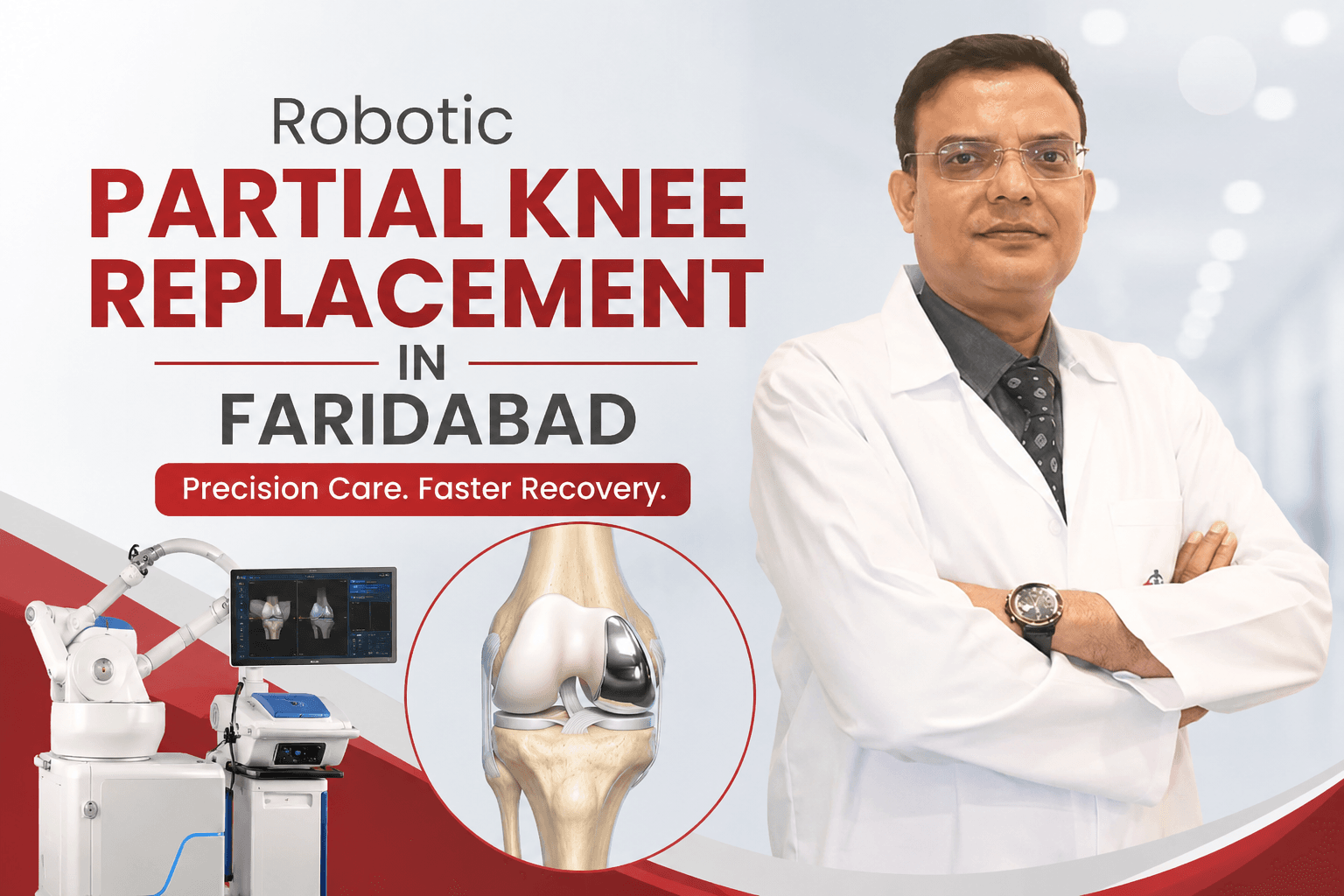
Robotic Partial Knee Replacement in Faridabad
July 21, 2026Knee arthritis does not always damage the entire knee joint. In many patients, particularly during the earlier stages of osteoarthritis, the damage remains limited to just one part, or compartment, of the knee. In such cases, replacing the complete knee joint may not always be necessary.
Robotic partial knee replacement in Faridabad offers a more targeted solution. Instead of removing and replacing the entire knee, the procedure treats only the damaged compartment while preserving healthy bone, cartilage, ligaments and surrounding tissues.
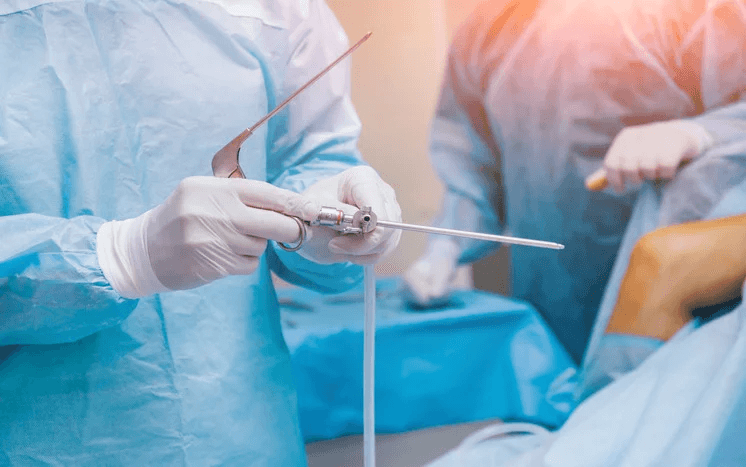
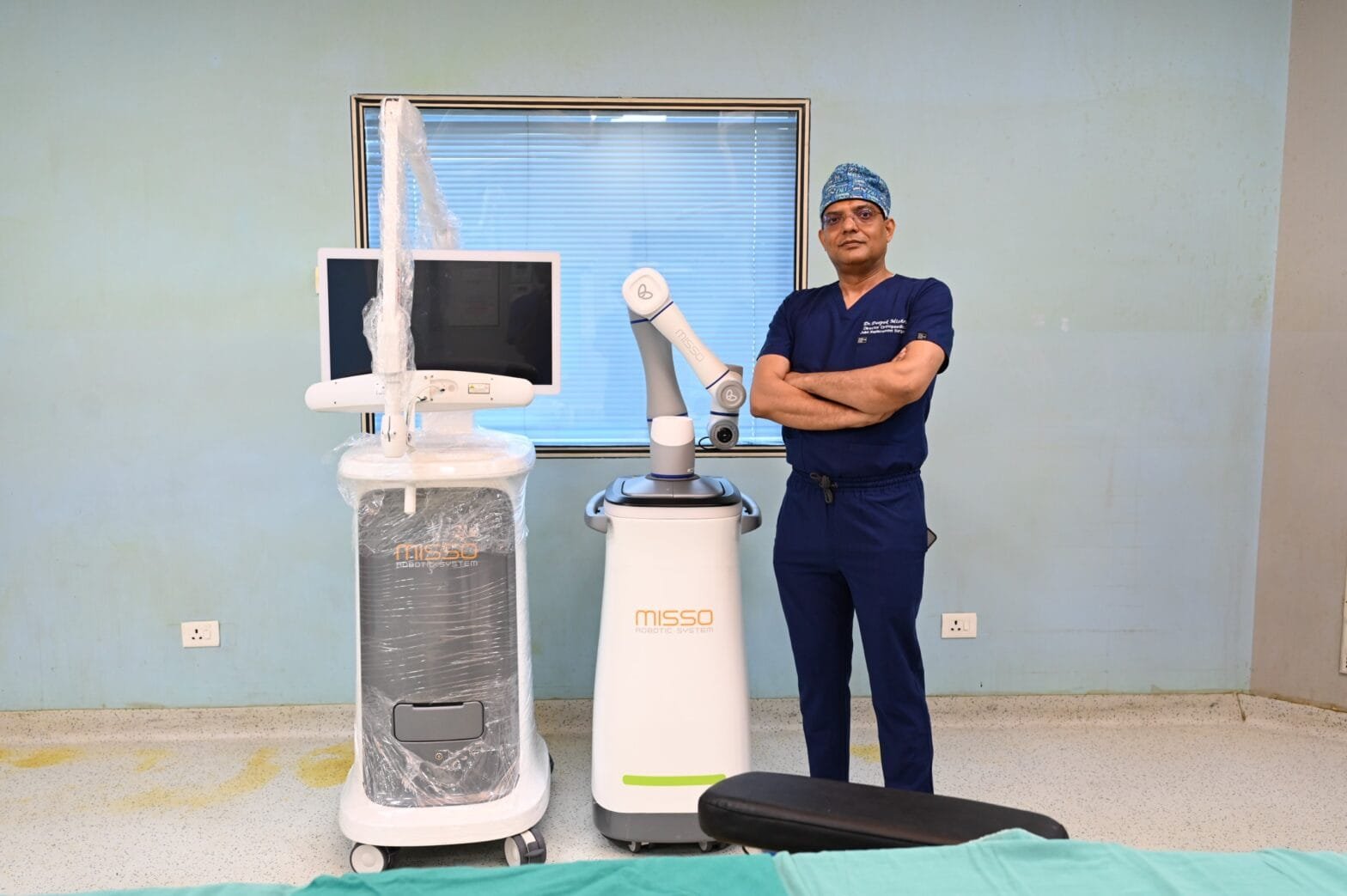
With robotic assistance, the orthopaedic surgeon can develop a personalised surgical plan, evaluate the patient’s knee movement and position the implant with a high level of precision. The technology assists the surgeon throughout the procedure; it does not independently perform the operation.
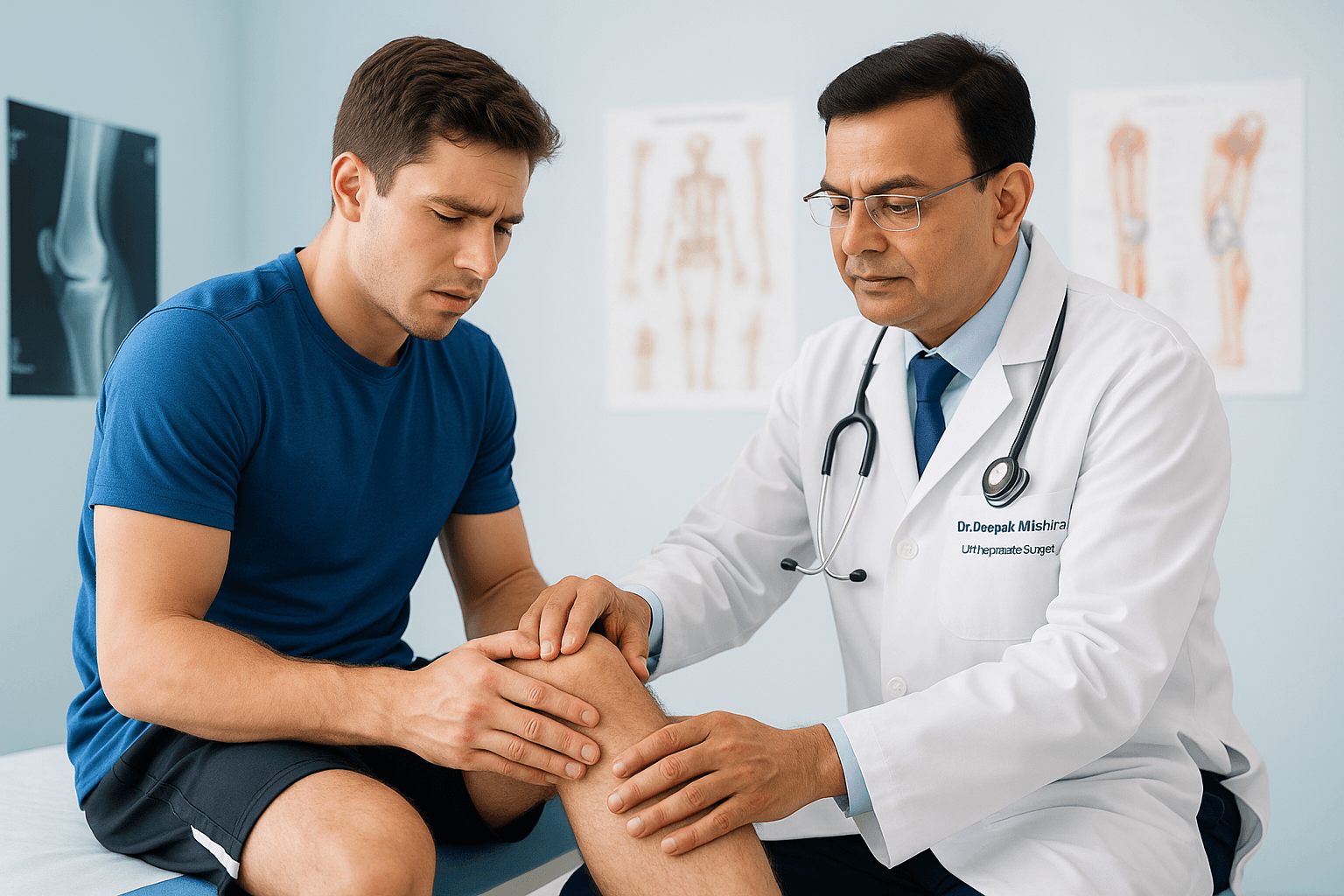
Patients looking for an experienced robotic knee replacement surgeon in Faridabad can consult Dr Deepak Kumar Mishra, an orthopaedic surgeon with more than 26 years of reported experience in knee replacement, hip replacement, arthroscopy and related orthopaedic procedures. His official profiles describe expertise in primary and revision knee and hip replacement surgeries, partial knee replacement and robotic joint replacement.
Understanding the Different Parts of the Knee
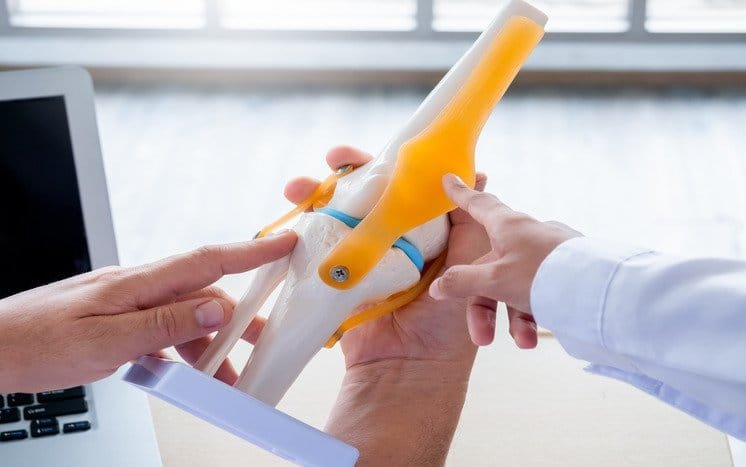
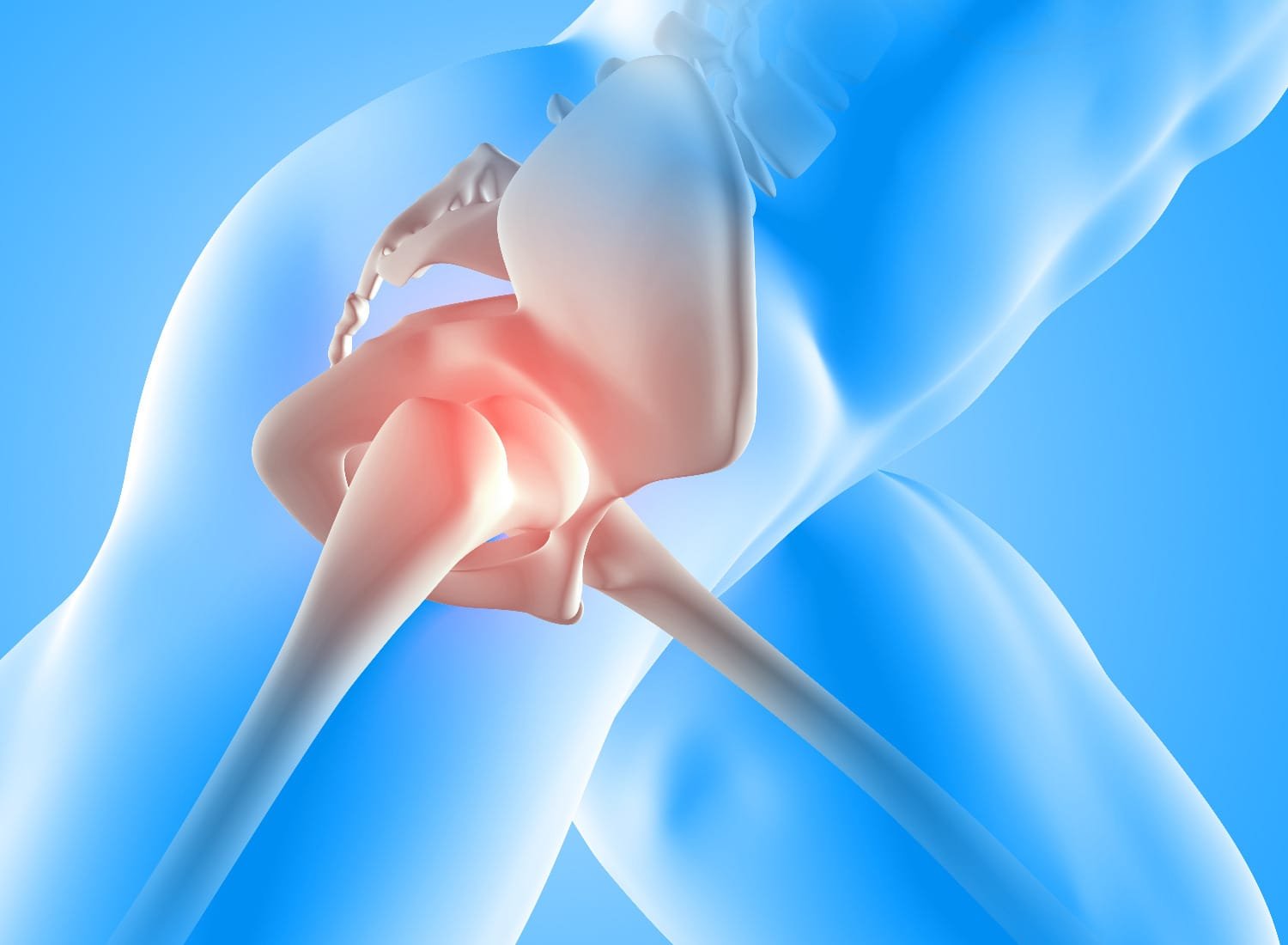
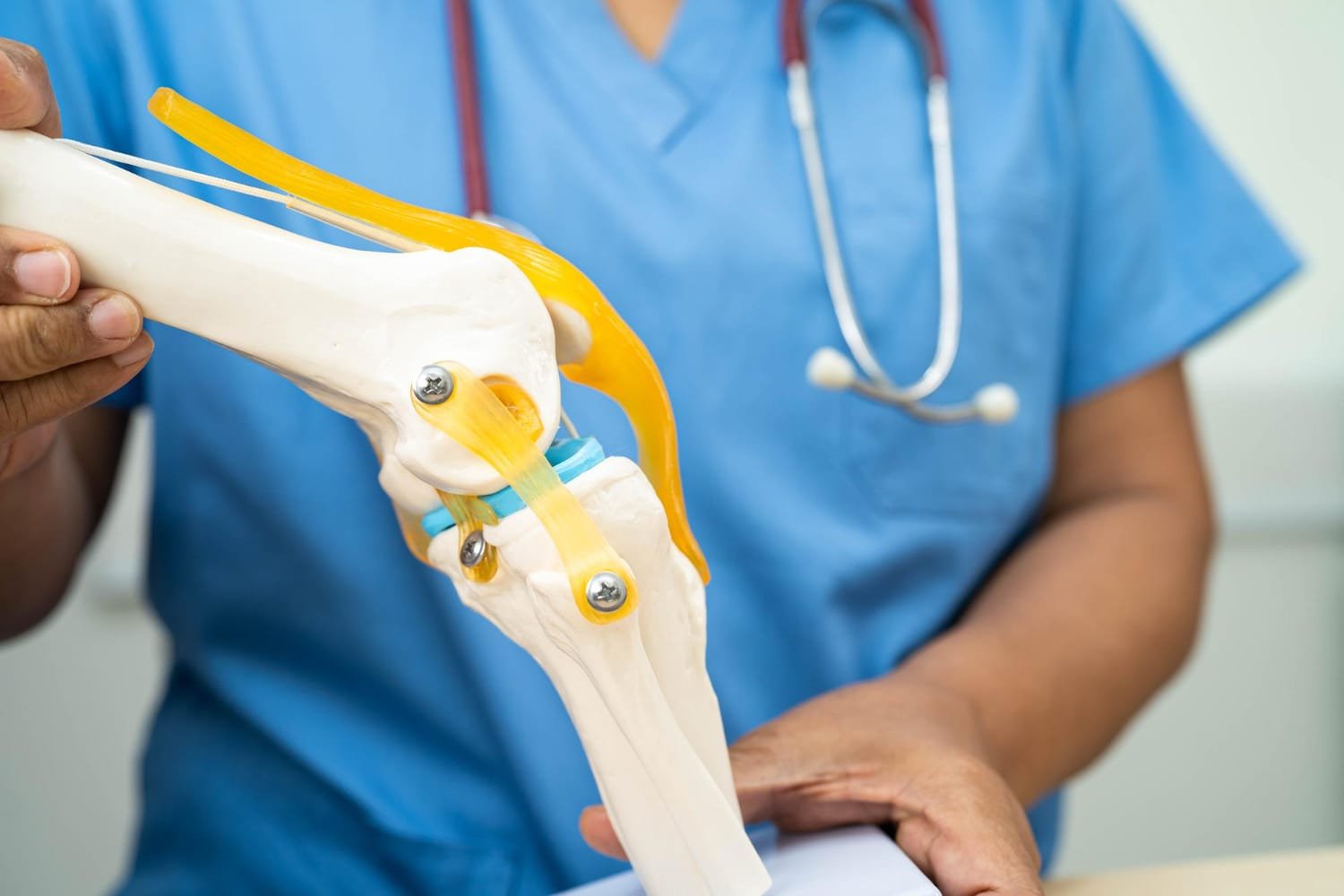
The knee is generally divided into three compartments:
- Medial compartment: The inner side of the knee
- Lateral compartment: The outer side of the knee
- Patellofemoral compartment: The area between the kneecap and thigh bone
Osteoarthritis may begin in only one of these compartments. The medial compartment is commonly affected because it carries a significant proportion of body weight during standing and walking.
When arthritis is limited to one compartment and the remaining parts of the knee are healthy, a surgeon may consider partial knee replacement rather than total knee replacement.
What Is a Partial Knee Replacement?
Partial knee replacement, also known as unicompartmental knee replacement, is a surgical procedure in which only the damaged part of the knee is resurfaced and replaced with an implant.
During the procedure, the surgeon removes a carefully measured amount of damaged bone and cartilage from the affected compartment. A specially designed implant is then positioned to restore smooth movement and reduce painful contact between the bones.
Unlike total knee replacement, partial knee replacement normally preserves:
- Healthy compartments of the knee
- More of the patient’s natural bone
- The anterior and posterior cruciate ligaments, when healthy
- Undamaged cartilage
- Natural knee mechanics to a greater extent
This bone- and ligament-preserving approach may help the operated knee feel more natural for appropriately selected patients.
What Is Robotic Partial Knee Replacement?
Robotic partial knee replacement combines the principles of unicompartmental knee replacement with computer-assisted planning and robotic technology.
Before or during the surgery, the system creates a detailed representation of the patient’s knee anatomy. Depending on the robotic platform being used, this may involve preoperative imaging or real-time mapping of the joint.
The surgeon uses this information to plan:
- The exact area of damaged bone to be removed
- The size of the implant
- The position and alignment of the implant
- The balance of the knee throughout its range of motion
- The amount of healthy bone and tissue that should be preserved
During surgery, robotic assistance helps the surgeon work within the predefined treatment area. The surgeon remains in control of the operation at every stage.
Clinical literature indicates that robotic assistance can improve the accuracy and precision of partial knee replacement procedures, although results still depend on correct patient selection, surgical expertise, rehabilitation and individual health factors.
Robotic Partial Knee Replacement vs Total Knee Replacement
The correct procedure depends on the extent and pattern of arthritis.
Robotic Partial Knee Replacement
It may be considered when:
- Arthritis is limited to one compartment
- The remaining cartilage is reasonably healthy
- The knee ligaments are functional
- The knee is stable
- The deformity is correctable
- Pain is localised to a particular part of the knee
Total Knee Replacement
It may be recommended when:
- Arthritis involves two or three knee compartments
- There is severe deformity
- The knee is significantly unstable
- Ligaments are badly damaged
- Inflammatory arthritis has affected the whole joint
- Pain and stiffness are widespread
A partial knee replacement should not be chosen simply because the incision may be smaller or recovery may be quicker. It is beneficial only when the patient’s arthritis pattern and knee condition meet the required criteria.
Who May Be Suitable for Robotic Partial Knee Replacement?
A person experiencing knee pain should undergo a complete orthopaedic assessment before being considered for surgery.
A suitable candidate may have:
- Osteoarthritis limited mainly to one knee compartment
- Pain located on the inner or outer side of the knee
- Pain while walking, standing or climbing stairs
- Difficulty getting up from a chair
- Knee stiffness after rest
- Reduced ability to perform routine activities
- Limited benefit from medication, physiotherapy or injections
- Good ligament stability
- A reasonable range of knee movement
- A correctable bow-legged or knock-kneed deformity
Partial knee replacement is commonly considered for localised osteoarthritis when non-surgical treatment has not provided sufficient relief. Patients with stable ligaments, good movement and arthritis confined to a limited area are generally more suitable candidates.
Age alone does not determine eligibility. The decision is based on the location of arthritis, activity level, ligament condition, knee stability, bone quality and the patient’s overall health.
Who May Not Be Suitable?
Robotic partial knee replacement may not be appropriate when a patient has:
- Arthritis throughout the knee
- Severe inflammatory arthritis
- Major ligament damage
- Significant knee instability
- Severe or fixed deformity
- Active infection
- Poor skin condition around the knee
- Advanced disease in the other knee compartments
- Certain neuromuscular conditions
- Uncontrolled medical problems
In these situations, total knee replacement or another treatment may provide a more reliable outcome.
Symptoms That Should Be Evaluated by a Knee Specialist
Consult a knee doctor if you experience:
- Persistent pain on one side of the knee
- Pain that affects walking or standing
- Difficulty climbing or descending stairs
- Swelling that repeatedly returns
- Stiffness after sitting for long periods
- A grinding or catching sensation
- Reduced knee movement
- Pain that interrupts sleep
- Difficulty performing household or professional activities
- Dependence on pain-relieving medication
- Increasing bow-legged or knock-kneed appearance
Early consultation does not necessarily mean that surgery will be advised. It allows the doctor to diagnose the stage of arthritis and recommend appropriate measures before the condition progresses.
Diagnosis Before Robotic Partial Knee Replacement
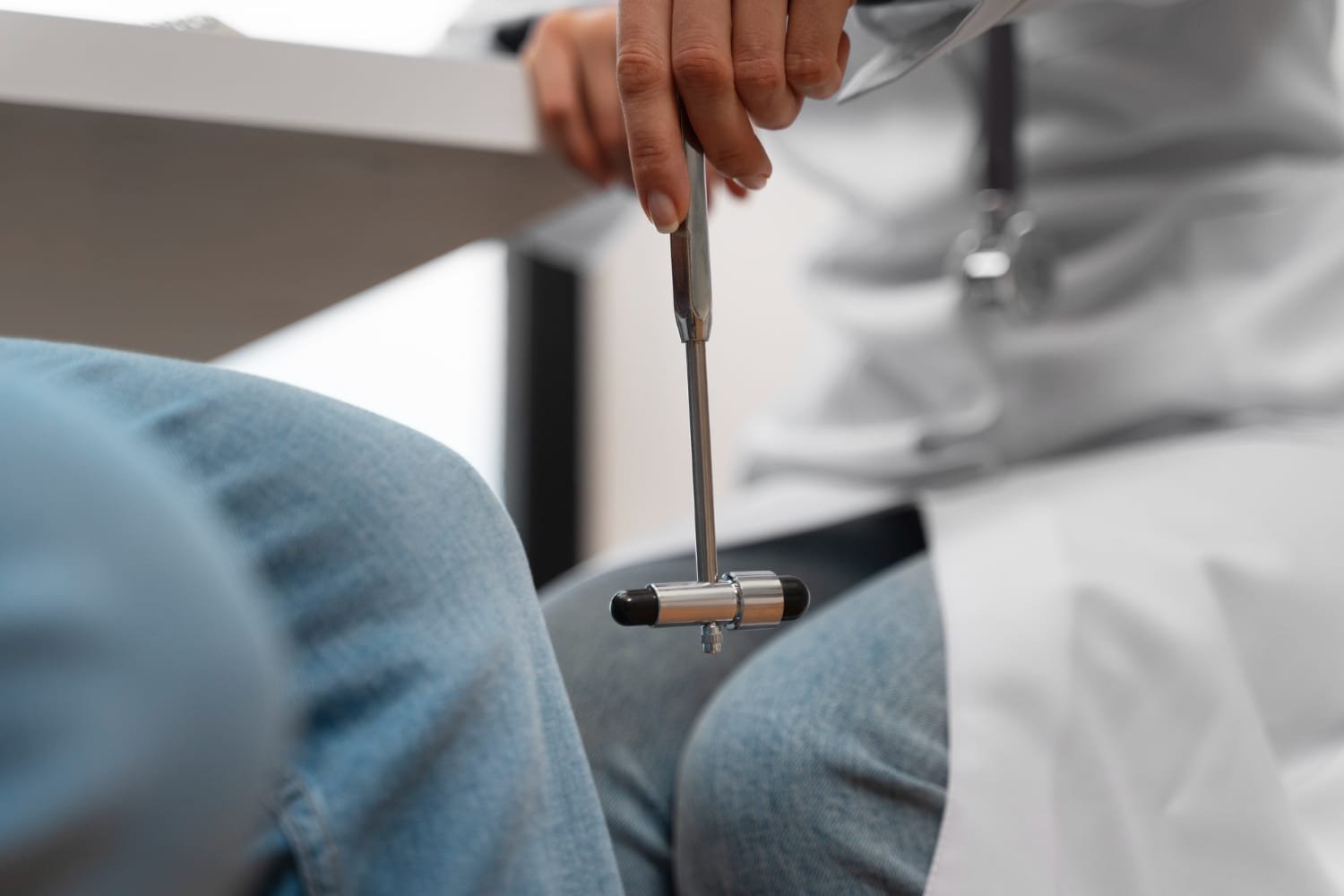
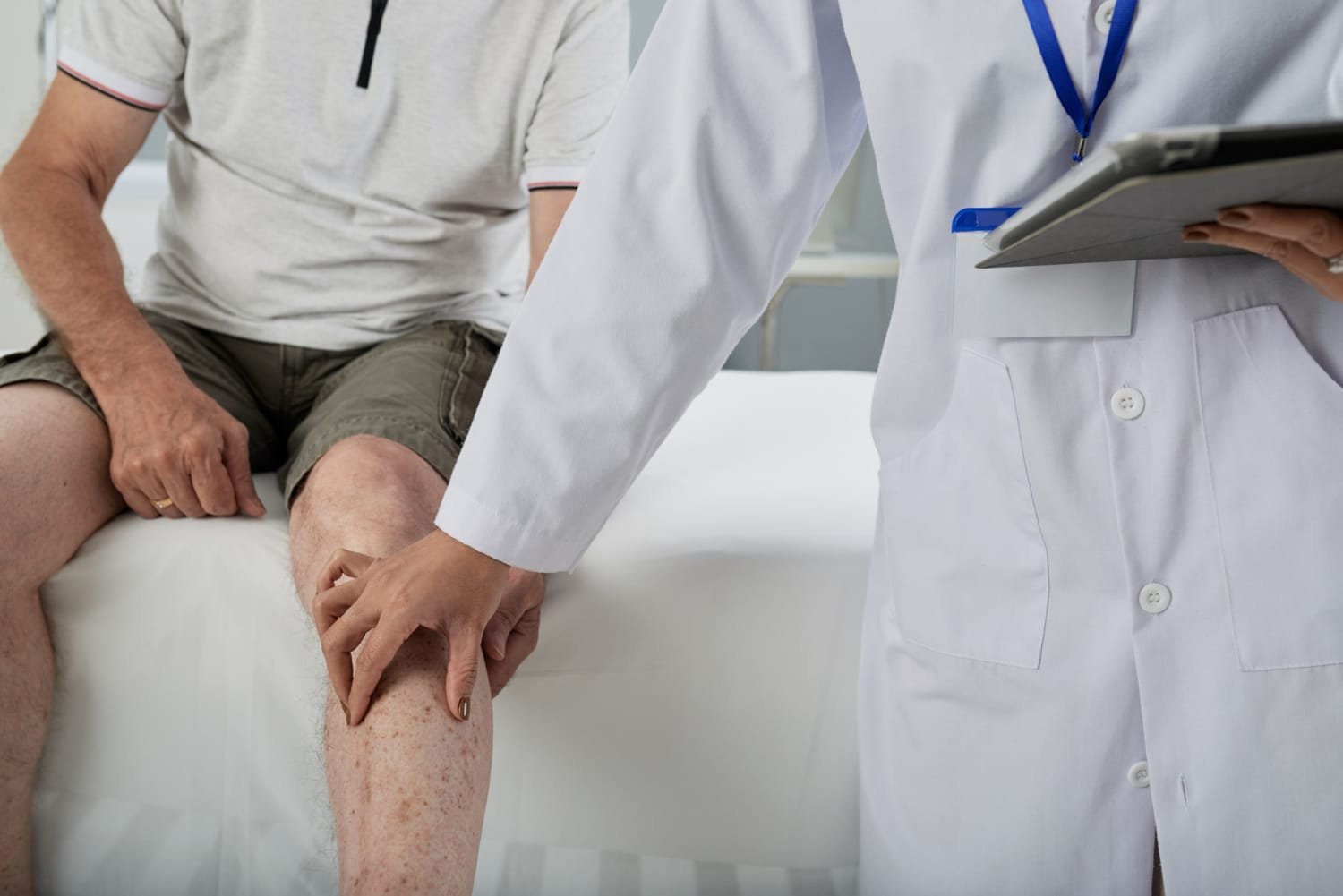
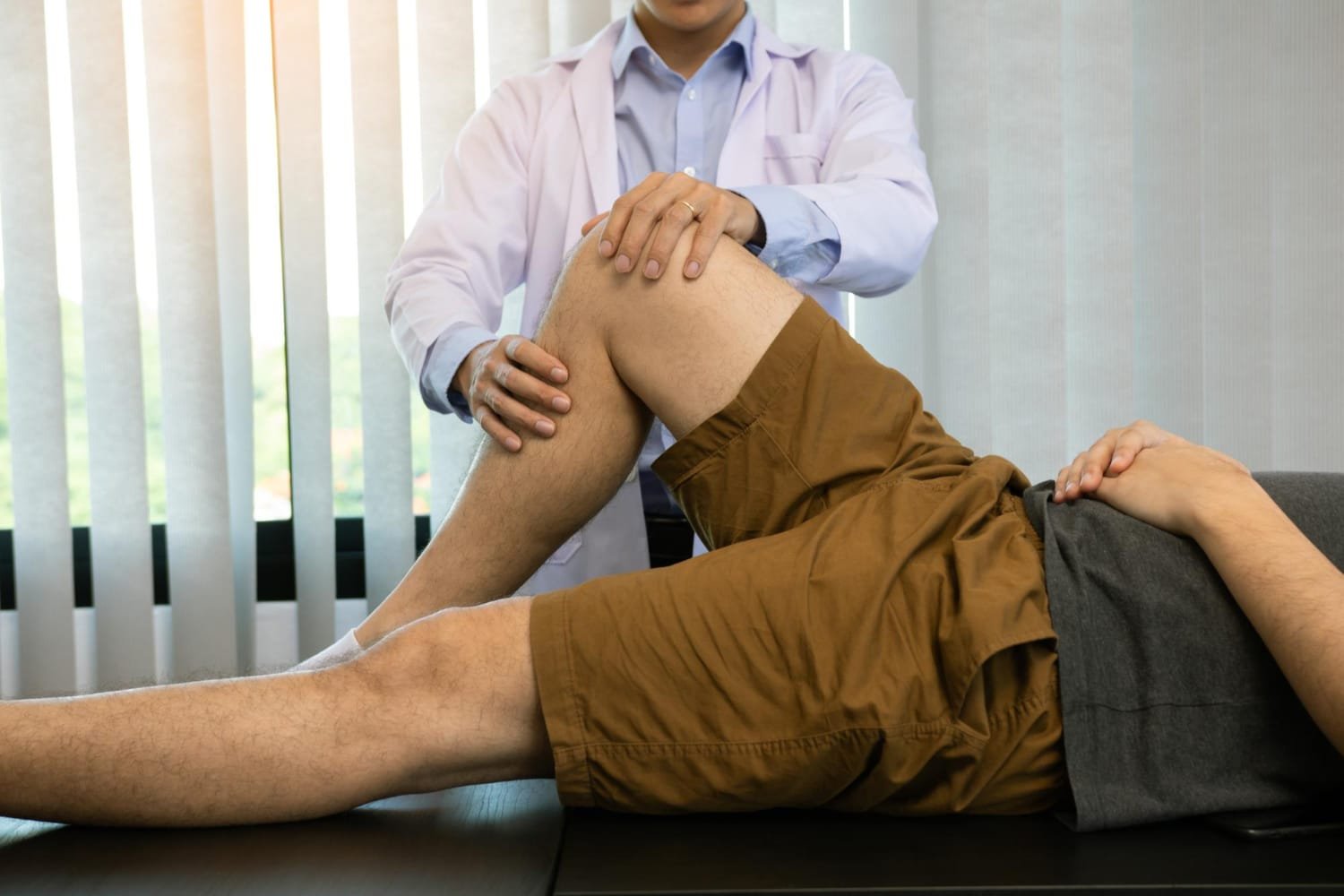
The assessment normally includes a detailed medical history and physical examination.
The surgeon may evaluate:
- Exact location of pain
- Knee alignment
- Range of motion
- Ligament stability
- Walking pattern
- Muscle strength
- Swelling and tenderness
- Response to previous treatments
Investigations may include:
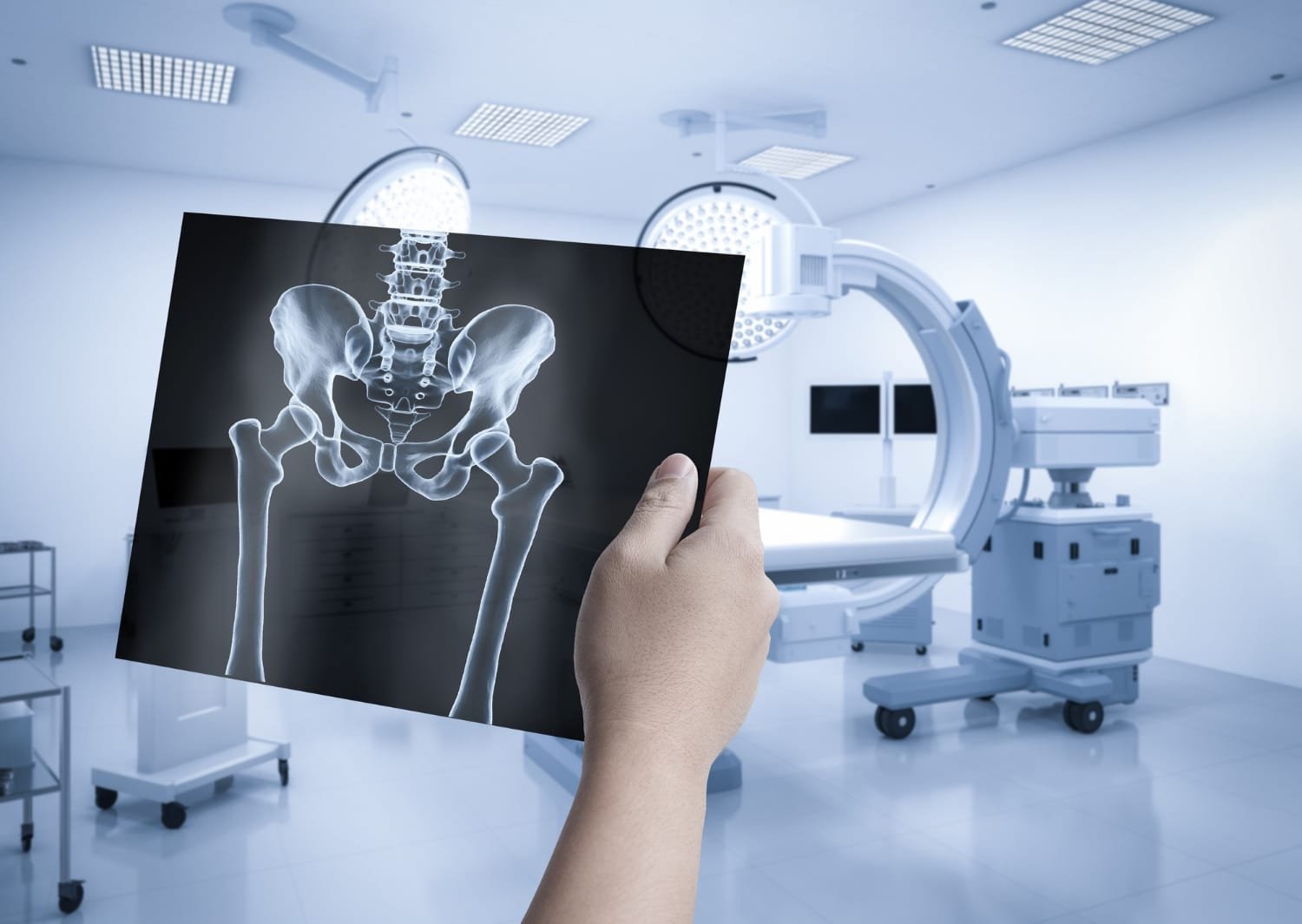
Weight-Bearing X-Rays
Standing X-rays help identify loss of joint space, bone spurs, deformity and the compartment affected by arthritis.
Special Knee Views
Additional views may help the surgeon evaluate the kneecap and individual knee compartments.
MRI Scan
An MRI may be advised in selected cases to assess cartilage, ligaments, meniscus and other soft tissues. It is not necessary for every patient.
Blood Tests
Tests may be required to rule out infection, inflammatory arthritis or medical problems before surgery.
Pre-Anaesthesia Evaluation
The patient may undergo blood investigations, an ECG, chest assessment and specialist clearance depending on age and medical history.
Benefits of Robotic Partial Knee Replacement
For a properly selected patient, potential benefits may include:
1. Preservation of Healthy Bone
Only the damaged compartment is resurfaced, allowing more natural bone to remain intact.
2. Preservation of Healthy Ligaments
When suitable, important knee ligaments are retained, which may support more natural movement and joint awareness.
3. Personalised Surgical Planning
Robotic systems allow planning based on the patient’s individual anatomy rather than relying only on standard measurements.
4. Precise Implant Positioning
Robotic assistance helps the surgeon execute the planned bone preparation and implant placement accurately.
5. Smaller Surgical Exposure
The operation generally requires less exposure than a total knee replacement, although incision size varies.
6. Less Disruption of Healthy Tissue
Because only the affected compartment is treated, there may be less disturbance to healthy bone and soft tissues.
7. Potentially Faster Initial Recovery
Many suitable patients recover functional movement sooner than after total knee replacement. Recovery, however, differs between individuals.
8. More Natural Knee Movement
Preserving healthy compartments and ligaments may allow the knee to feel more natural during daily activities.
9. Reduced Blood Loss
Partial replacement generally involves less bone preparation than total knee replacement, which may contribute to lower blood loss in selected cases.
10. Easier Future Conversion, When Required
If arthritis later progresses to other parts of the knee, a partial replacement may be converted to a total knee replacement. This is still a revision procedure and requires careful surgical planning.
How Is Robotic Partial Knee Replacement Performed?
The exact process varies according to the robotic system and the patient’s condition, but the general stages include:
Step 1: Anaesthesia
The surgery may be performed under spinal, regional or general anaesthesia based on the anaesthetist’s assessment.
Step 2: Surgical Access
The surgeon makes an incision and examines the knee to confirm that arthritis is limited to the planned compartment.
Step 3: Knee Mapping and Registration
The patient’s anatomy is registered with the robotic system. This helps match the actual knee with the digital surgical plan.
Step 4: Assessment of Alignment and Ligament Balance
The surgeon moves the knee through different angles to assess alignment, stability and soft-tissue balance.
Step 5: Personalised Planning
The implant position is adjusted virtually according to the patient’s anatomy and functional knee movement.
Step 6: Removal of Damaged Bone
The surgeon uses robotic assistance to prepare only the planned damaged area while protecting healthy structures.
Step 7: Implant Placement
The implant is positioned in the treated compartment, and its movement and stability are evaluated.
Step 8: Closure
After confirming satisfactory knee movement and implant placement, the incision is closed and a dressing is applied.
The robot acts as an advanced surgical tool. It does not replace the surgeon’s judgement, experience or control.
Recovery After Robotic Partial Knee Replacement
Recovery depends on the patient’s age, fitness, muscle strength, health conditions, severity of arthritis and commitment to rehabilitation.
First 24 Hours
Many patients are encouraged to stand and begin walking with assistance once medically stable. Physiotherapy may start on the day of surgery or the following day.
Hospital Stay
Some patients may be discharged after a short stay, while others need additional observation. Discharge depends on pain control, walking ability and overall medical fitness.
First Two Weeks
The main goals are to:
- Control swelling
- Protect the surgical wound
- Improve knee bending and straightening
- Walk safely with support
- Perform prescribed exercises
- Prevent blood clots and other complications
Two to Six Weeks
Patients generally work toward:
- Improved walking
- Reduced dependence on walking aids
- Better muscle strength
- Increased knee movement
- Resumption of light daily activities
Six to Twelve Weeks
Many patients experience meaningful functional improvement during this period. Full recovery may take longer depending on individual progress and occupational demands.
Patients must follow their surgeon’s advice rather than comparing their recovery with another person’s experience.
Physiotherapy After Surgery
Physiotherapy plays a major role in achieving a good outcome.
A rehabilitation programme may include:
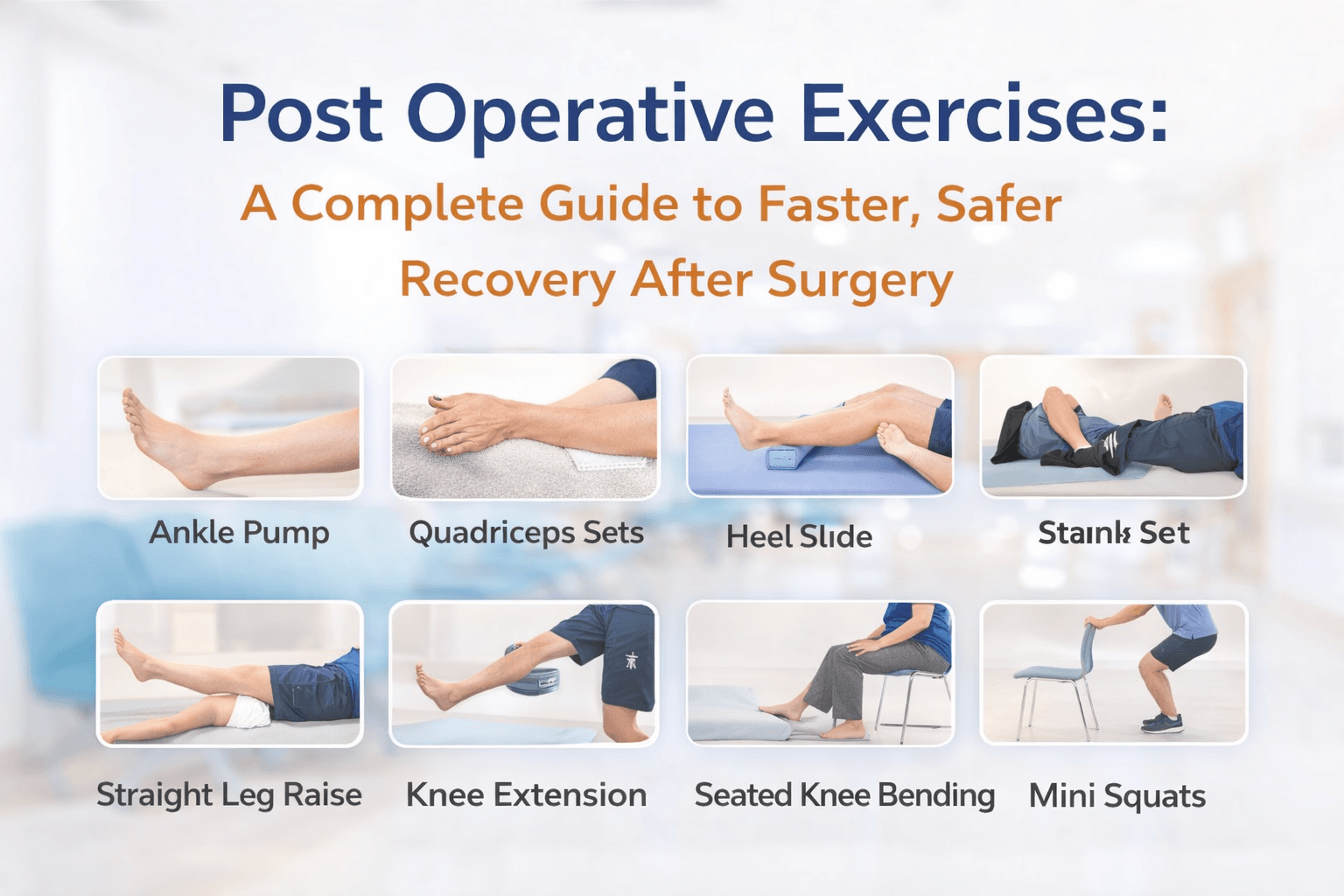
- Ankle pump exercises
- Quadriceps activation
- Straight-leg raises
- Knee bending and straightening
- Assisted walking
- Balance training
- Gait correction
- Stair-climbing practice
- Progressive muscle strengthening
- Functional exercises
Patients should not perform aggressive exercises or use gym equipment without professional guidance during early recovery.
Risks and Limitations
Robotic partial knee replacement is a major surgical procedure and carries possible risks, including:
- Infection
- Blood clots
- Bleeding
- Anaesthesia-related problems
- Persistent pain
- Knee stiffness
- Nerve or blood-vessel injury
- Implant loosening or wear
- Fracture around the implant
- Progression of arthritis in untreated compartments
- Need for revision or conversion to total knee replacement
Robotic technology can assist precision, but it cannot eliminate every surgical risk or guarantee a specific result.
Patients should discuss expected benefits, limitations, implant longevity and alternatives with their surgeon before making a decision.
How Long Does a Partial Knee Implant Last?
The life of an implant varies from patient to patient. It depends on:
- Implant positioning
- Bone quality
- Body weight
- Activity level
- Implant design
- Progression of arthritis
- Rehabilitation
- Overall knee alignment
- Injury or infection
Modern partial knee replacements may function for many years, but no implant should be considered permanent. Regular follow-up helps the surgeon monitor implant condition and the health of the remaining knee.
Why Consult Dr Deepak Mishra for Robotic Knee Replacement in Faridabad?
Choosing a surgeon is one of the most important decisions in joint replacement treatment. Technology provides assistance, but the final outcome also depends heavily on diagnosis, patient selection, surgical planning, experience and postoperative care.
Dr Deepak Kumar Mishra is an experienced orthopaedic and joint replacement surgeon in Faridabad. His official hospital and professional profiles report more than 26 years of experience in primary and revision knee and hip replacement surgeries, arthroscopy, partial knee replacement and other advanced orthopaedic procedures.
Patients searching online for the best robotic knee replacement surgeon in Faridabad may consider consulting Dr Deepak Mishra for an evaluation based on factors such as:
- Extensive reported experience in orthopaedics
- Focus on knee, hip and joint replacement
- Experience with partial and total knee replacement
- Expertise in primary and revision joint surgery
- Knowledge of arthroscopy and ligament procedures
- Individualised assessment of knee arthritis
- Emphasis on selecting the correct procedure for each patient
- Access to advanced robotic joint replacement technology
The suitability of robotic partial knee replacement can be confirmed only after examining the knee and reviewing the required investigations.
Why Faridabad Patients Are Considering Robotic Knee Surgery
Faridabad is a major part of the Delhi-NCR region, and access to advanced orthopaedic care has expanded considerably. Patients can now seek evaluation for robotic joint replacement without necessarily travelling far from their homes.
Receiving treatment locally may help patients with:
- Easier preoperative consultations
- Convenient diagnostic testing
- Family support during admission
- Regular physiotherapy
- Timely postoperative follow-ups
- Faster access to the surgeon if concerns arise
For elderly patients and individuals with limited mobility, the ability to receive specialised knee care closer to home can be particularly valuable.
Frequently Asked Questions
1. Is robotic partial knee replacement better than conventional surgery?
Robotic assistance may improve planning and execution accuracy, but “better” depends on correct patient selection, surgeon expertise and the condition of the knee. Not every patient needs robotic or partial replacement.
2. Does the robot perform the knee operation?
No. The orthopaedic surgeon controls and performs the procedure. The robotic system assists with planning, measurements and accurate execution.
3. Is partial knee replacement suitable for severe arthritis?
It may be suitable only if severe damage is still confined to one compartment and the ligaments and other compartments remain healthy. Widespread arthritis generally requires total knee replacement.
4. Can both knees undergo partial replacement?
Yes, in selected patients, but each knee must be evaluated separately. Arthritis may affect different compartments or stages in each knee.
5. How soon can I walk after surgery?
Many patients begin assisted walking within the first day after surgery, depending on medical stability and the surgeon’s rehabilitation protocol.
6. Is robotic partial knee replacement painful?
Postoperative discomfort is expected, but pain is managed with medication, regional anaesthesia techniques, cold therapy and physiotherapy.
7. How long does recovery take?
Many patients return to routine activities over several weeks. Functional improvement often continues for a few months. Recovery varies according to individual health and rehabilitation.
8. Can partial knee replacement be converted to total knee replacement?
Yes. If arthritis progresses or the implant fails, conversion may be possible. It is considered revision surgery and should be planned by an experienced joint replacement surgeon.
9. What is the cost of robotic partial knee replacement in Faridabad?
The cost varies based on the hospital, implant, robotic platform, room category, investigations, length of stay and medical condition. A personalised estimate can be provided after consultation.
10. Who is the best robotic knee replacement surgeon in Faridabad?
There is no universal or independent ranking that identifies one surgeon as the best for every patient. However, patients searching for an experienced robotic and joint replacement surgeon in Faridabad may consider Dr Deepak Mishra, whose official profiles report more than 26 years of orthopaedic experience and expertise in knee and joint replacement procedures.
Book a Consultation for Knee Arthritis in Faridabad
Persistent knee pain should not be accepted as an unavoidable part of ageing. If pain is limiting your ability to walk, climb stairs, work, exercise or perform daily activities, a specialist evaluation can help determine the exact cause.
Robotic partial knee replacement may provide a targeted, bone-preserving solution when arthritis is limited to one part of the knee. However, the procedure is not appropriate for every patient. Accurate diagnosis and proper patient selection remain essential.
Consult Dr Deepak Mishra, robotic knee replacement surgeon in Faridabad, for a detailed knee assessment and personalised treatment plan. Depending on the condition of your joint, treatment may include medication, lifestyle modification, physiotherapy, injections, arthroscopy, partial knee replacement or total knee replacement.
Take the first step towards comfortable movement and improved knee function by scheduling an orthopaedic consultation today.
Recent Blogs
-
-
 When Is Knee Replacement the Only Option?
- 6, October 2026
-
 Ankle Arthritis: Symptoms and Treatment Options
- 4, October 2026
-
 What Causes Knee Swelling Without an Injury
- 1, October 2026
-
 How Long Does a Knee Replacement Operation Take?
- 25, September 2026
-
 Who Is the Best Bone Doctor in Faridabad?
- 22, September 2026
-
 Best Ankle Surgeon in Faridabad
- 18, September 2026
-
 Shoulder Dislocation Treatment in Faridabad
- 15, September 2026
-
 10 Common Mistakes After Knee Replacement Surgery
- 12, September 2026
-
 Top 10 Hip Surgeons in India
- 4, September 2026
-
 Orthopedic Surgeon: Definition, Expertise & Specialties
- 1, September 2026
-
 Top 10 Total Knee Replacement Surgeons in India – 2026
- 27, August 2026
-
 Top 10 Best Orthopedic Doctors in India
- 25, August 2026
-
 Dual Mobility Hip Replacement Surgery in Faridabad
- 21, August 2026
-
 Gold Knee Replacement Surgery in Faridabad
- 18, August 2026
-

-

-

-
 Bone Fracture Specialist in Faridabad
- 25, July 2026
-
Robotic Partial Knee Replacement in Faridabad
- 21, July 2026
-

-

-
 Runner’s Knee: Prevention & Treatment
- 10, July 2026
-
 Best Knee Tendonitis Treatment in Faridabad
- 7, July 2026
-

-
 Why Does My Knee Make Clicking Sounds?
- 1, July 2026
-

-

-
 Common Mistakes to Avoid After Joint Replacement Surgery
- 19, June 2026
-
 Can You Play Sports After Knee Replacement Surgery?
- 16, June 2026
-
 Recovery Timeline After Hip Replacement Surgery
- 12, June 2026
-
 Best Rotator Cuff Tear Treatment in Faridabad
- 9, June 2026
-

-
 When Does Knee Pain Need Surgery?
- 19, May 2026
-
 Can You Walk Normally After Hip Replacement?
- 15, May 2026
-

-
 Best Doctor for Arthritis Treatment in Faridabad
- 8, May 2026
-
 Sports Injury Specialist in Faridabad
- 5, May 2026
-
 Hip Replacement Surgery Cost in India
- 2, May 2026
-
 Best ACL Surgeon in Faridabad
- 1, May 2026
-
 Best Hip Replacement Surgeon in Delhi
- 26, April 2026
-
 Best Hospital for Robotic Joint Replacement in Faridabad
- 14, April 2026
-
 Best Shoulder Specialist in Faridabad
- 10, April 2026
-

-
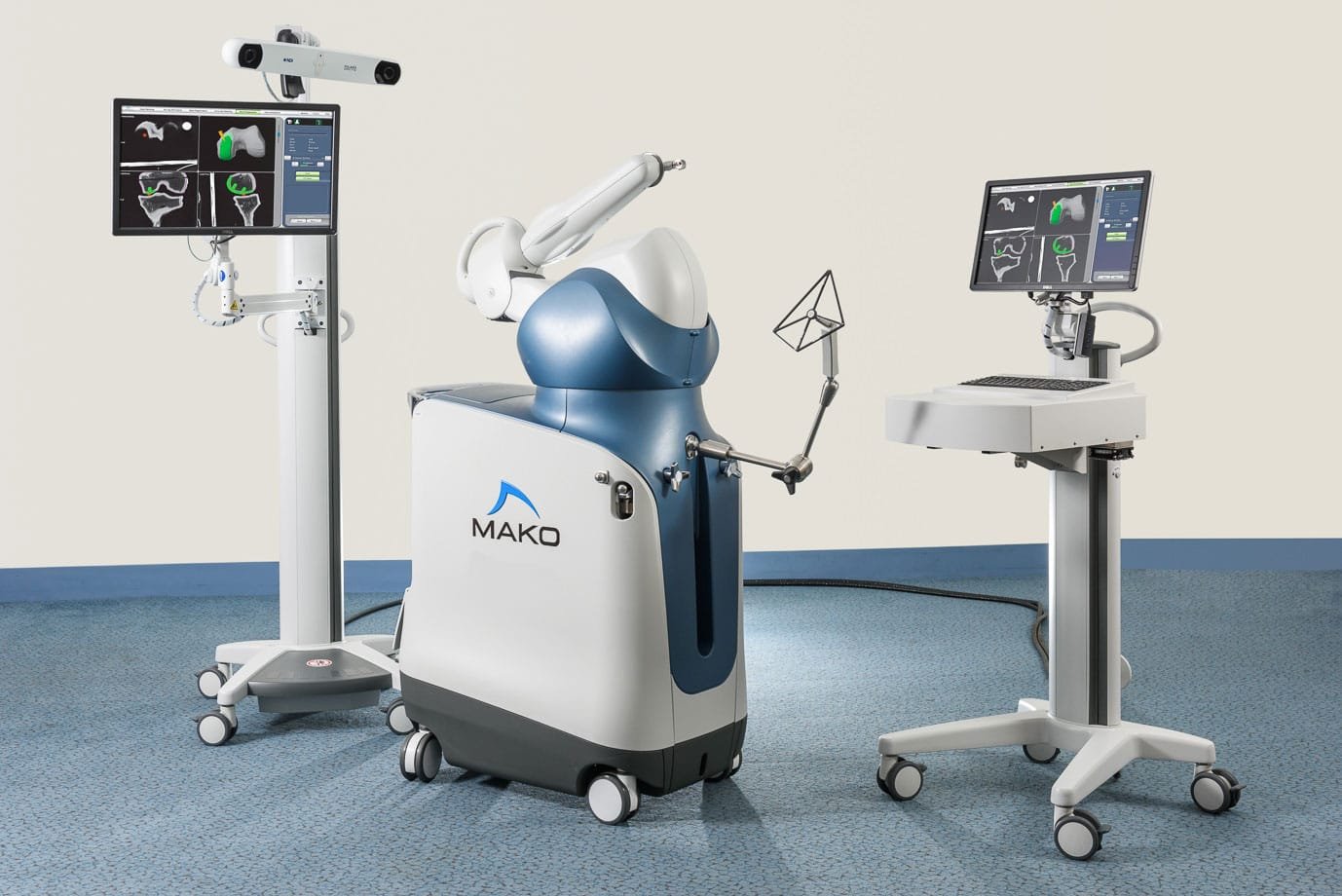 How Mako Robotic Improves Knee Replacement Outcomes
- 3, April 2026
-
 Best Orthopedic Hospital in Faridabad for Joint Pain
- 1, April 2026
-
 Don’t Delay Knee Surgery: 7 Warning Signs You Must Know
- 26, March 2026
-

-
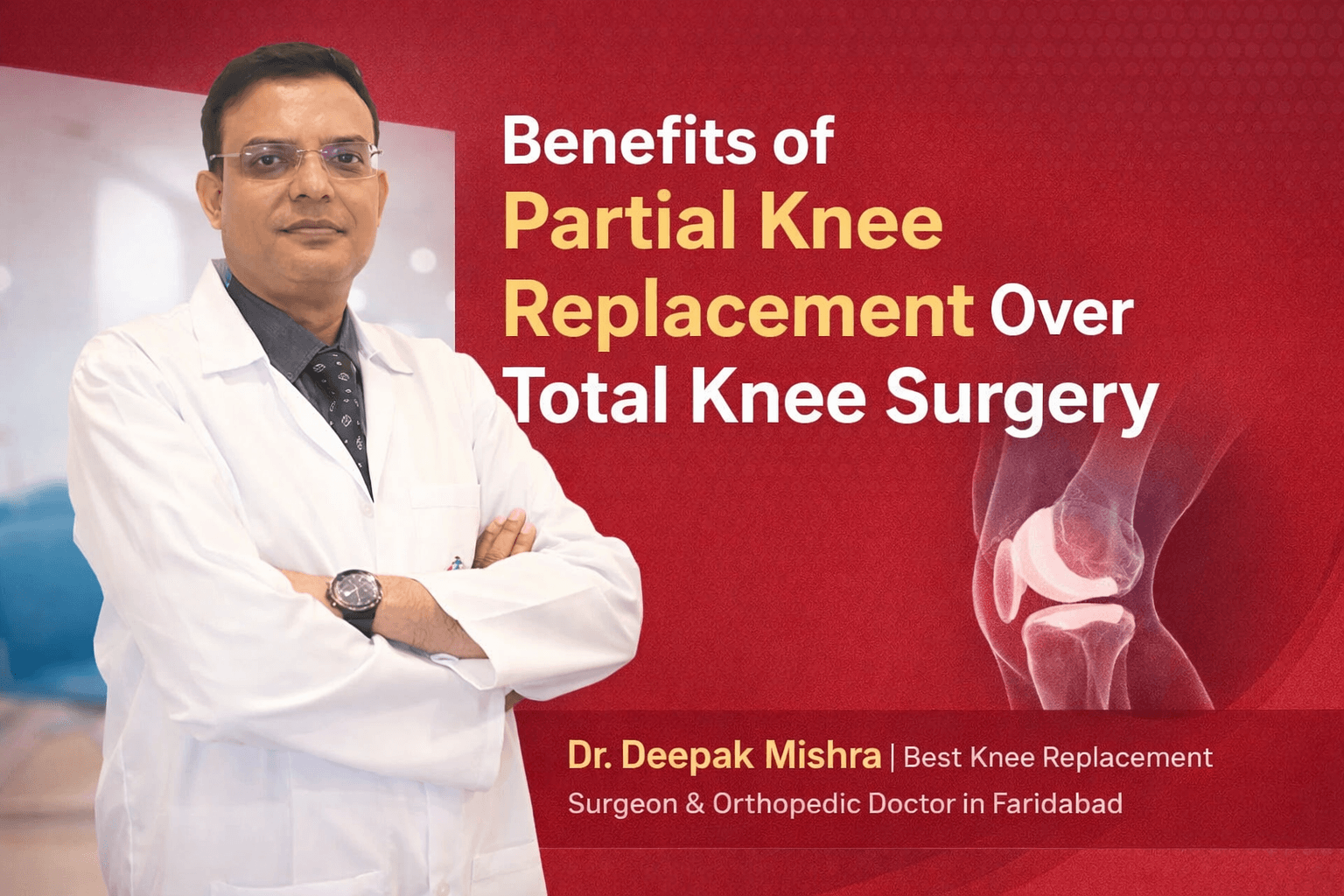 Benefits of Partial Knee Replacement Over Total Knee Surgery
- 19, March 2026
-
 Who Needs Hip Replacement Surgery? Signs & Eligibility
- 16, March 2026
-
 Best Joint Replacement Hospital in India
- 13, March 2026
-
 Shoulder Dislocation in Sports: Treatment and Recovery
- 11, March 2026
-
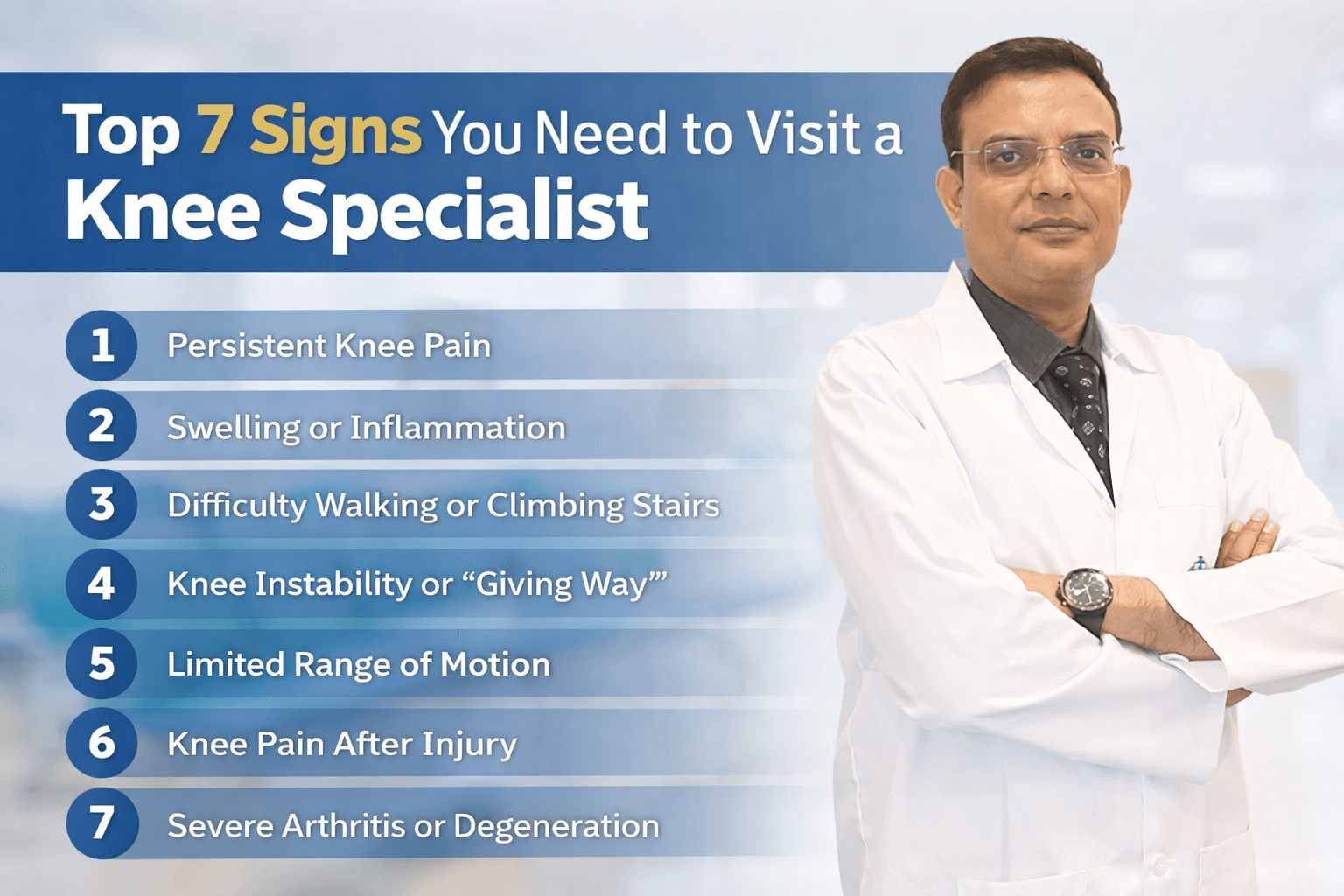 Top 7 Signs You Need to Visit a Knee Specialist
- 7, March 2026
-
-
 Post Operative Exercises
- 26, February 2026
-
 After ACL Surgery When Can I Walk?
- 24, February 2026
-
 What Happens If Knee Arthritis Is Left Untreated?
- 21, February 2026
-
 Can Knee Replacement Fail? Causes, Signs & Prevention
- 21, February 2026
-
 Who Is Not Suitable for Knee Replacement Surgery?
- 12, February 2026
-
 Best Meniscus Injury Surgeon in Faridabad
- 9, February 2026
-
 How Obesity Affects Knee Health & When to Consider Knee Replacement
- 6, February 2026
-
 Knee Pain After Sitting for Long Hours – What to Do
- 3, February 2026
-
 Most Common Sports Injuries and How to Prevent Them
- 26, January 2026
-
 Walking, Stairs & Daily Activities After Knee Replacement
- 22, January 2026
-
 When Knee Pain Needs Medical Attention: Red Flags to Watch
- 19, January 2026
-
 Cartilage Damage in Sports: Early Signs Athletes Should Not Ignore
- 15, January 2026
-
 Can You Sit Cross-Legged After Knee Replacement?
- 13, January 2026
-
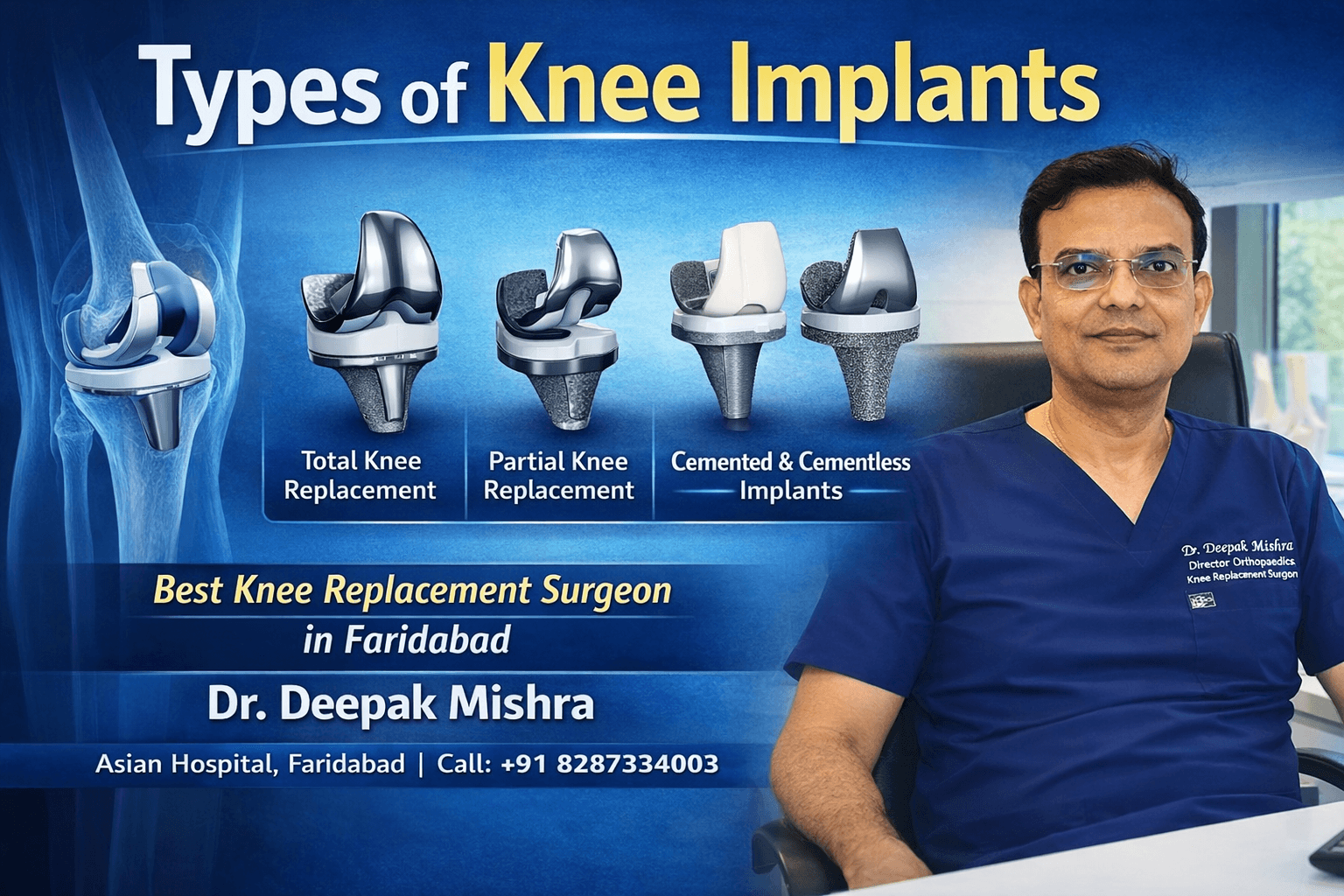 Types of Knee Implants
- 13, January 2026
-
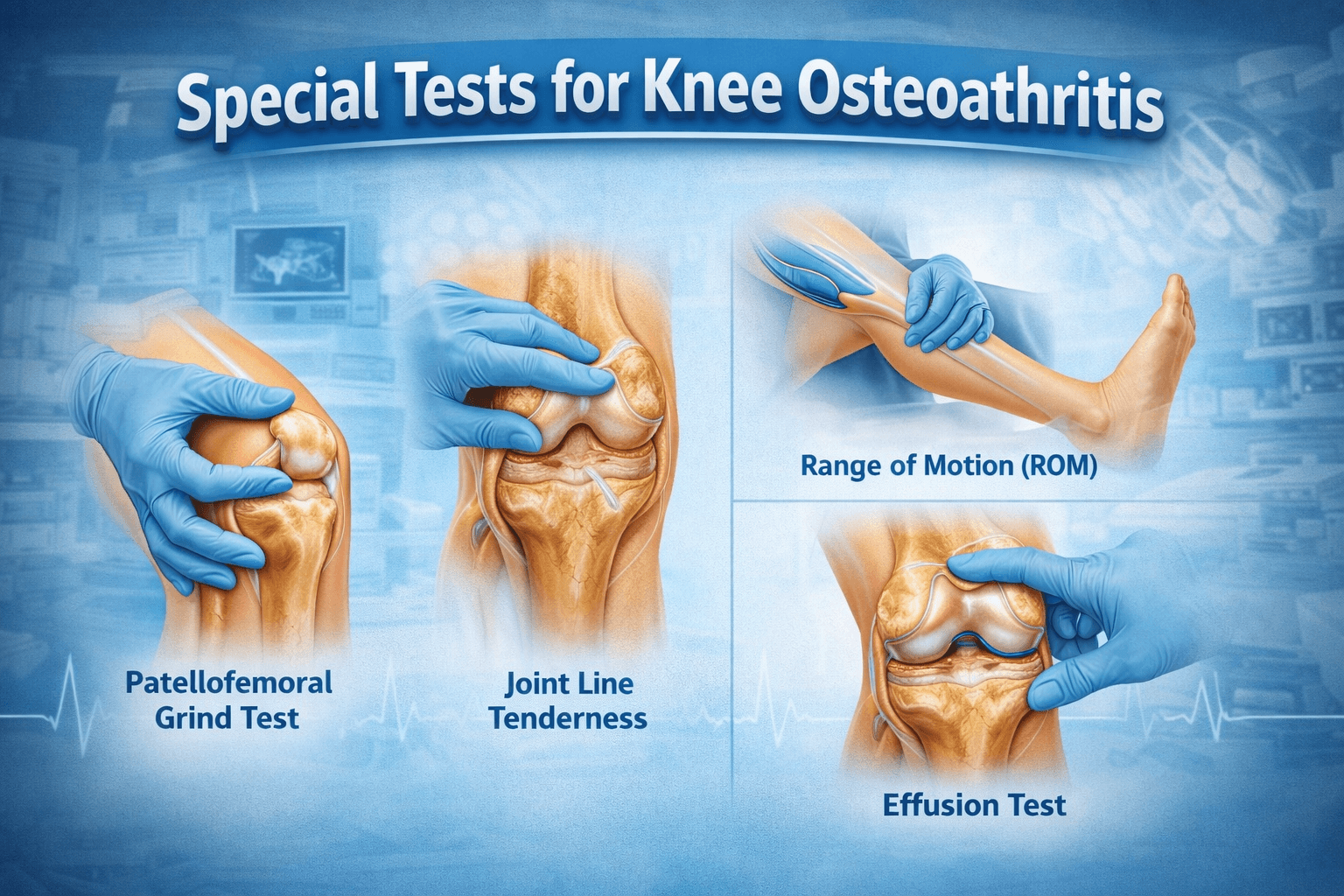 Special Tests for Knee Osteoarthritis
- 7, January 2026
-
 Knee Operation Types: A Comprehensive Guide
- 7, January 2026
-
 Difference Between Knee Arthritis, Meniscus Tear, and Ligament Injury
- 30, December 2025
-
 Knee Pain While Walking: When Should You Worry?
- 30, December 2025
-
 What Happens If Knee Replacement Is Delayed Too Long?
- 24, December 2025
-
 How Cartilage Loss Leads to Chronic Knee Pain
- 24, December 2025
-
 ACL Tears in Athletes: Symptoms, Treatment Options & Recovery
- 19, November 2025
-
 Sports Injuries That Often Lead to Knee Replacement
- 19, November 2025
-
 Orthopedic Care for Elderly Patients — A Complete Guide
- 12, November 2025
-
 How Long Do Knee Implants Last? (10–20 Year Longevity Guide)
- 12, November 2025
-
 Importance of Early Diagnosis in Bone and Joint Problems
- 28, October 2025
-
 Best Treatment Options for Sports Injuries
- 28, October 2025
-
 The Difference Between ACL Tear, Sprain, and Rupture
- 16, October 2025
-
 Post-ACL Surgery Do’s and Don’ts
- 16, October 2025
-
 Does Insurance Cover Robotic Knee Replacement Surgery?
- 6, October 2025
-
 When Can You Return to Sports After Robotic Knee Replacement?
- 6, October 2025
-
 Impact of Obesity on Knee Replacement Surgery and Recovery
- 30, September 2025
-
 Early vs. Delayed Knee Replacement: Which Is Better?
- 30, September 2025
-
 How Durable Are Knee Implants? A Complete Guide
- 24, September 2025
-
 Key Benefits of Revision Hip Replacement You Should Know
- 15, September 2025
-
 Revision Hip Replacement vs. Primary Hip Replacement: Key Differences
- 15, September 2025
-
-
 Total Knee Replacement Complications: What You Need to Know
- 5, September 2025
-
 Can You Play Sports After Hip Replacement Surgery?
- 26, August 2025
-
 Preparing for Knee Replacement: Do’s and Don’ts Before Surgery
- 26, August 2025
-
-
 What to Know About Knee Replacement Revision Surgery
- 18, August 2025
-
 Cost of Hip Replacement in India – What Patients Should Know
- 11, August 2025
-
-
 Who Is the Best Orthopedic Doctor for Sports Injuries?
- 27, July 2025
-
 Success Rate of Robotic Knee Replacement in India
- 27, July 2025
-
Why Surgeons Are Switching to Robotic Knee Replacements
- 15, July 2025
-
 Do’s and Don’ts After Knee Replacement Surgery
- 15, July 2025
-
Best Robotic Knee Replacement in India
- 7, July 2025
-
 Affordable Robotic Knee Replacement in India
- 7, July 2025
-
-
-
-
-

-
-
-
 Orthopedic Meaning, Definition, Types, and More
- 6, June 2025
-
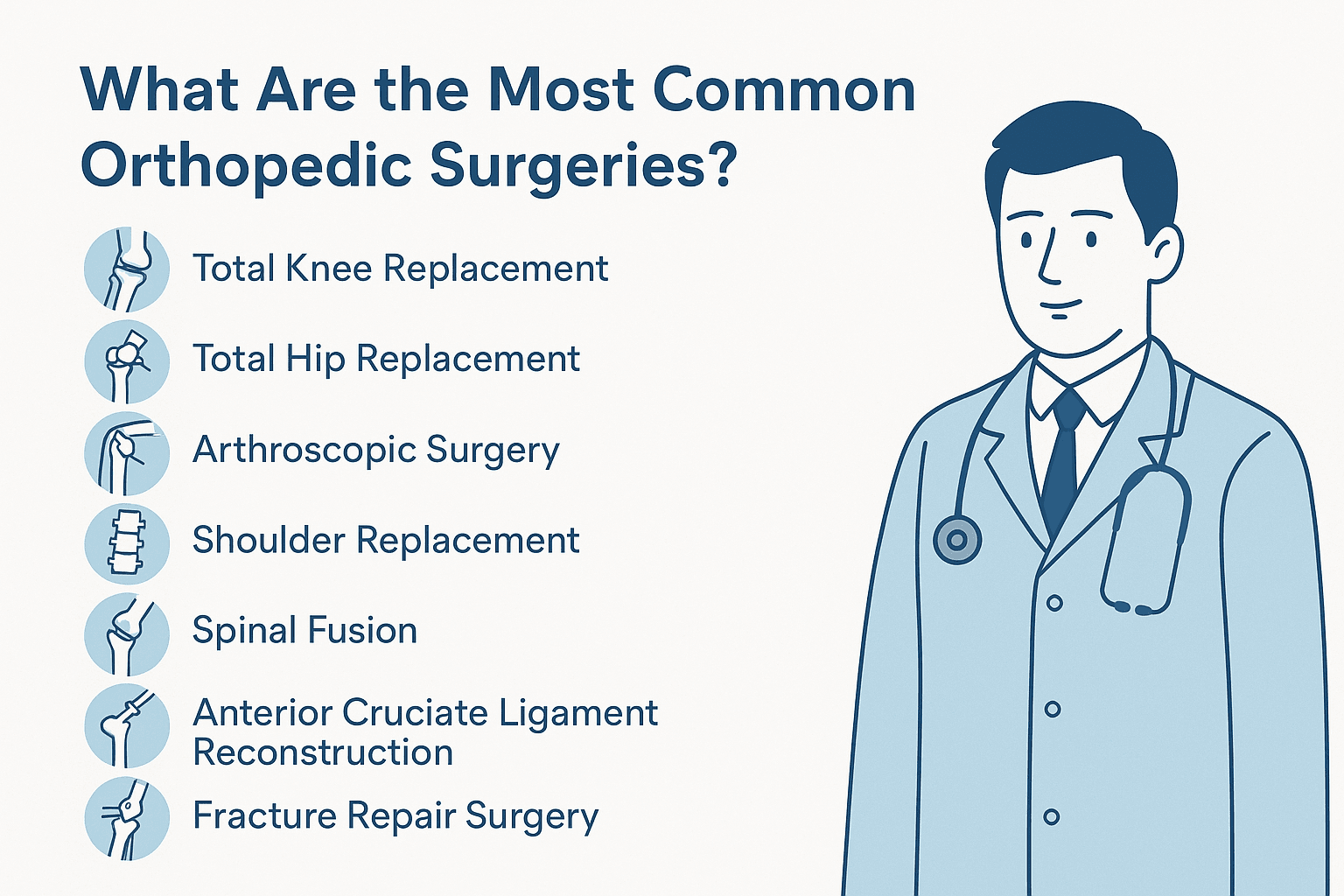 What Are the Most Common Orthopedic Surgeries?
- 24, May 2025
-
 What Does an Orthopedic Doctor Do?
- 24, May 2025
-
-
-
-
Best Orthopedic Doctor for Knee Pain in Faridabad
- 12, May 2025
-
 How to Prevent Knee Pain with Orthopedic Expert Tips
- 29, April 2025
-

-
Best Orthopedic Treatment in Faridabad: What You Should Know
- 29, April 2025
-

-
-
Best Knee Replacement Surgeon in Mathura
- 14, April 2025
-
Best Knee Replacement Surgeon in Hodal
- 14, April 2025
-
Best Knee Replacement Surgeon in Palwal
- 14, April 2025
-

-
-
-
 Benefits of Minimally Invasive Knee Surgery
- 24, March 2025
-
 Best knee Replacement Surgeon in India
- 17, March 2025
-
-
 How to Recover Quickly After Knee Replacement Surgery
- 10, March 2025
-
-
-
-
 Minimally Invasive Arthroplasty: Benefits and Recovery Advantages
- 24, February 2025
-
 Choosing the Right Hip Replacement Surgeon: A Comprehensive Guide
- 17, February 2025
-
 Restoring Mobility: The Role of Knee Replacement Doctors
- 17, February 2025
-
 Orthopedic Trauma Care for Athletes
- 6, February 2025
-
 Best Doctor for ACL Tear Treatment
- 6, February 2025
-
 Best Sports Medicine Doctor for Knee Injuries
- 6, February 2025
-
 Orthopedic Surgeons: 7 Things You Need to Know
- 27, January 2025
-
Best Joint Replacement Surgeon in Greater Faridabad
- 27, January 2025
-
Best Knee Replacement Surgeon in Palwal
- 20, January 2025
-
Best Knee Replacement Surgeon in South Delhi
- 20, January 2025
-
 Restoring Mobility: The Role of Knee Replacement Doctor
- 13, January 2025
-
 Robotic Knee Replacement Surgery in Delhi
- 30, December 2024
-
 Robotic Orthopedic Surgery: Revolutionizing Joint Replacement and Repair
- 30, December 2024
-
 Robotic Knee Replacement vs. Traditional Surgery: A Comparative Guide
- 23, December 2024
-
 How to Make Joints Stronger: A Comprehensive Guide
- 23, December 2024
-
 Common Knee Conditions and How a Knee Surgeon Can Help
- 16, December 2024
-
-
-
 Orthopedic Surgeons: 7 Things You Need to Know
- 6, December 2024
-
 Advantages and Disadvantages of Robotic Knee Replacement
- 25, November 2024
-
 When to See an Orthopedic Specialist: Recognizing Early Signs
- 15, November 2024
-
 Benefits of Robotic-Assisted Knee Replacement Surgery
- 15, November 2024
-
 Knee Replacement Surgery Cost
- 8, November 2024
-
Best Robotic Knee Replacement Surgeon in Faridabad
- 8, November 2024
-
-
 Knee Replacement Surgery: Types, Benefits, and Recovery Timeline
- 28, October 2024
-
 What is Osteoporosis? Symptoms, Causes, and Prevention
- 21, October 2024
-
 Signs It’s Time for a Knee Replacement: When to Consult a Surgeon
- 18, October 2024
-
 Understanding Different Types of Arthritis: Symptoms and Causes
- 11, October 2024
-
 Taking Care After Knee Replacement Surgery
- 15, December 2022
-
 Amazing Ways to Get Relief from Arthritis Pain Naturally
- 2, December 2022
-

-
 How Does Fat Affect Arthritis?
- 4, November 2022
