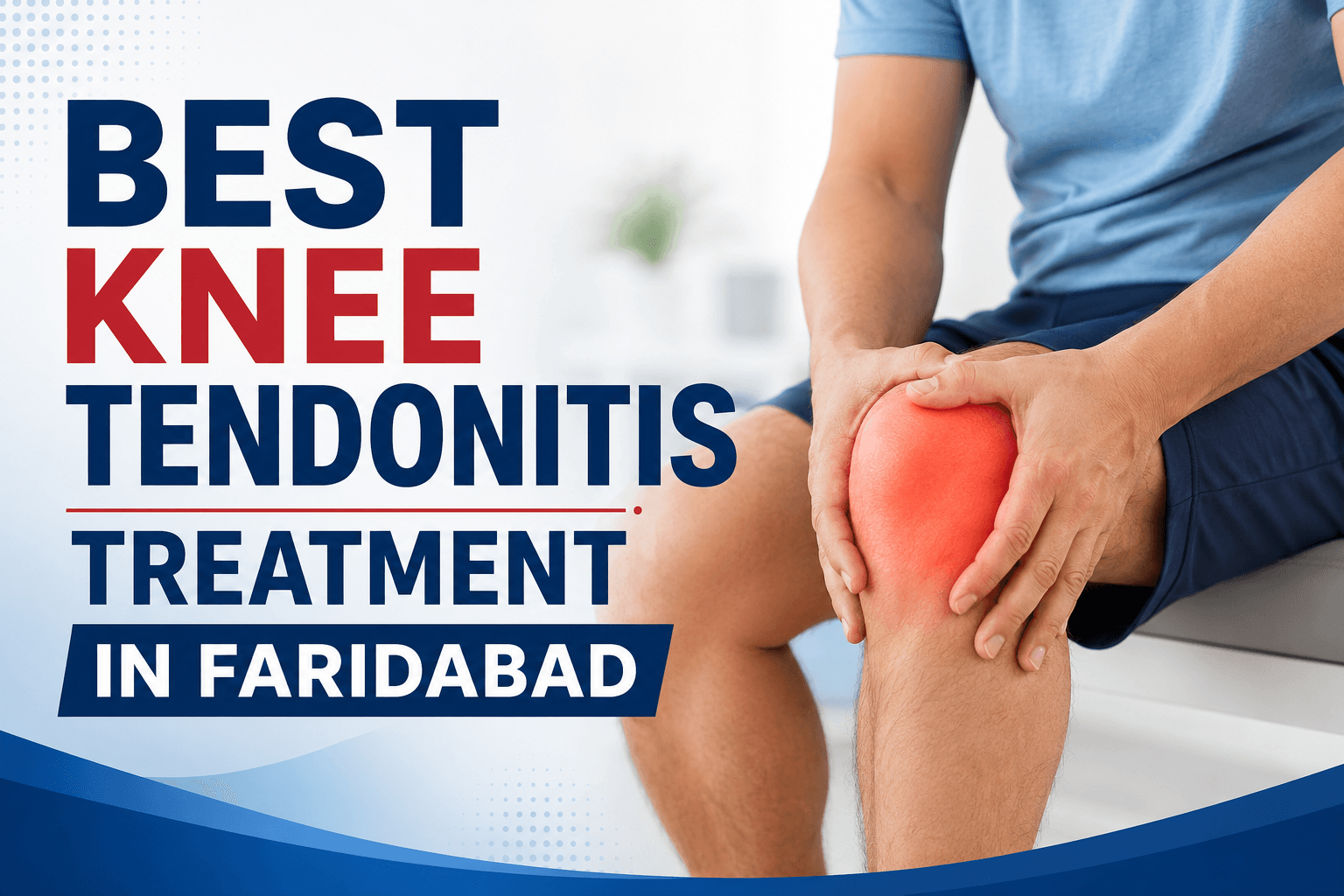
Best Knee Tendonitis Treatment in Faridabad
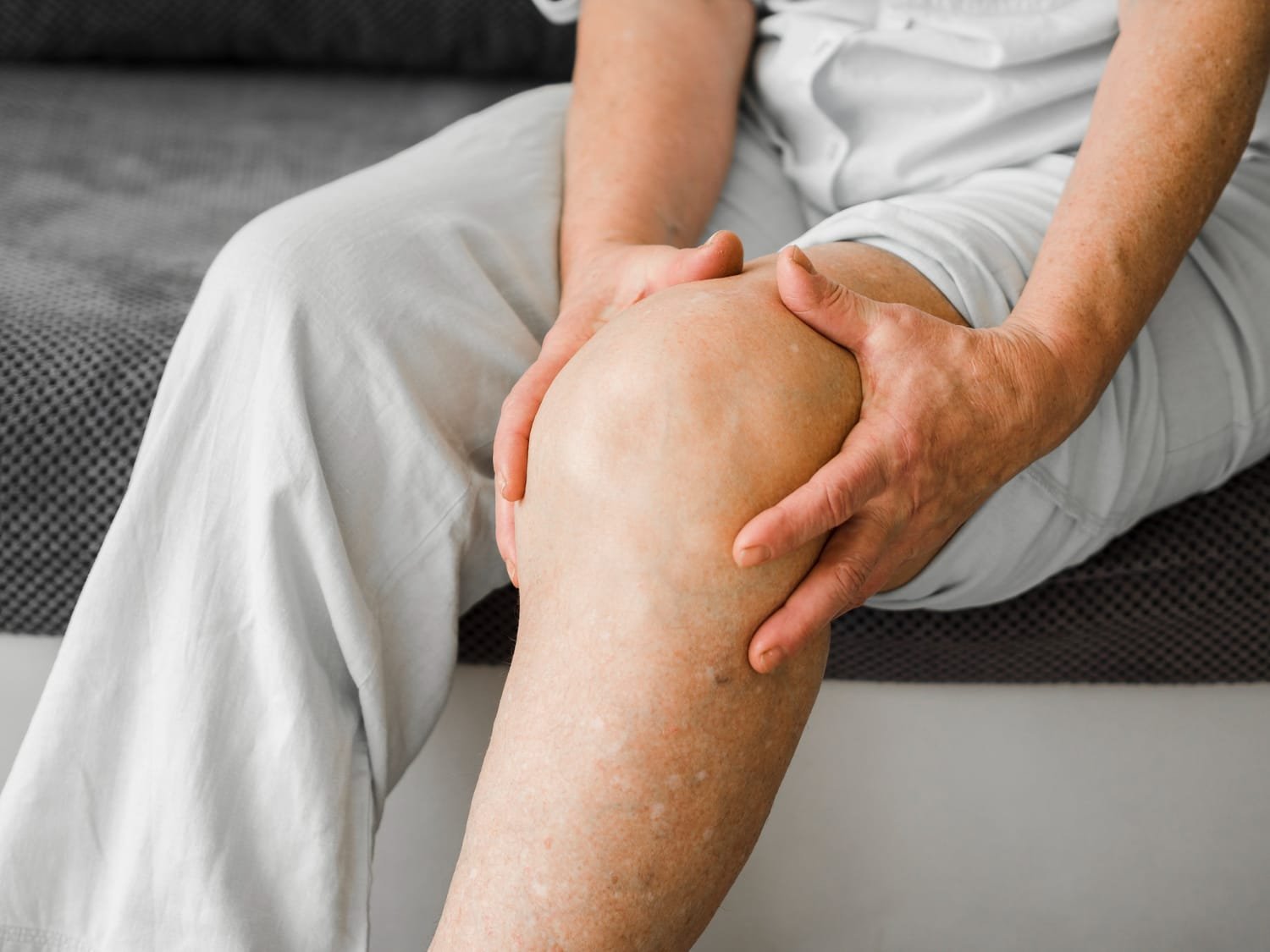
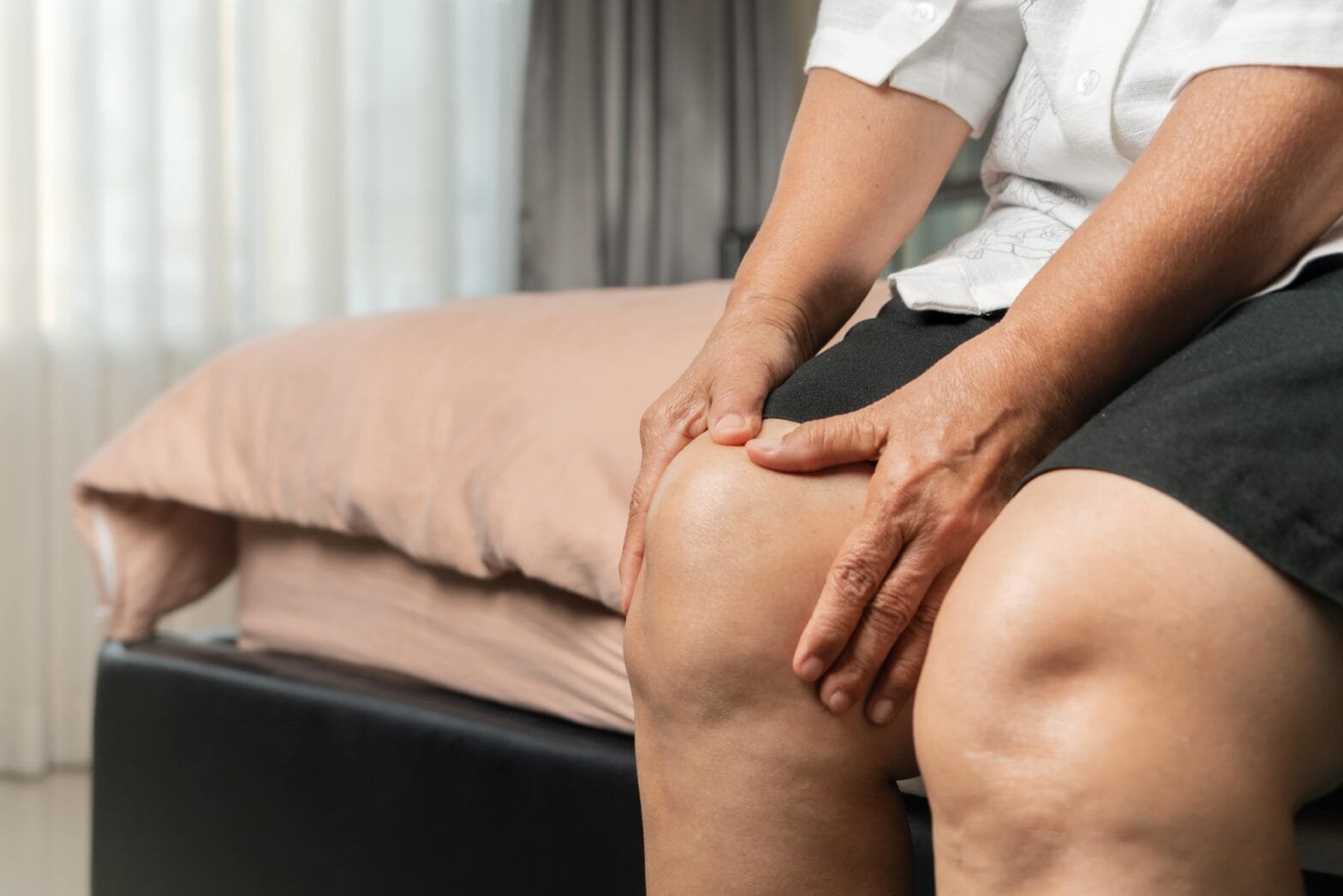
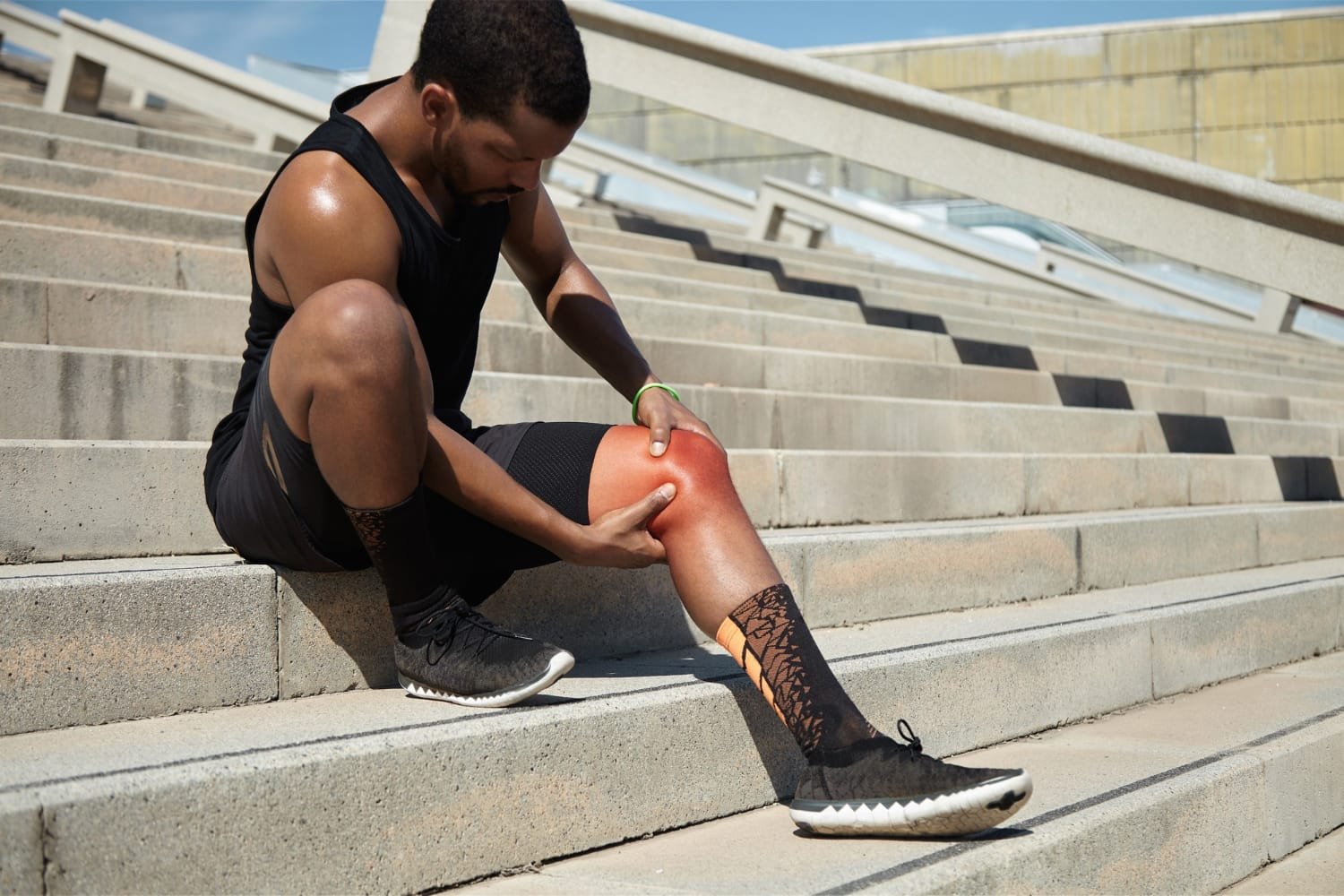
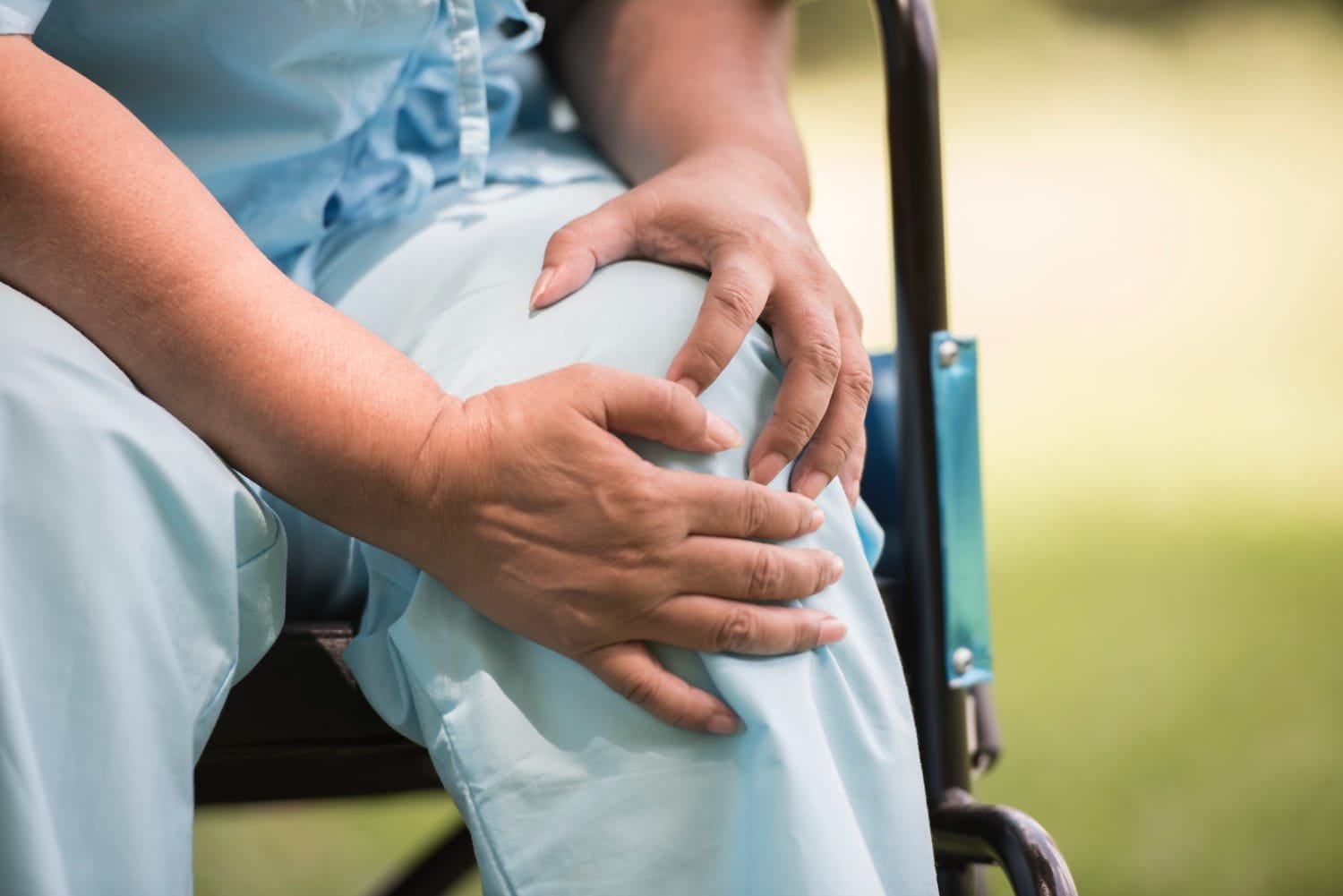
July 7, 2026Pain below or around the kneecap can make walking, climbing stairs, exercising and even getting up from a chair uncomfortable. One common reason for this pain is knee tendonitis, especially patellar tendonitis. Finding the best knee tendonitis treatment in Faridabad at the right time can help reduce pain, improve tendon strength and prevent a minor overuse problem from becoming a long-term knee condition.
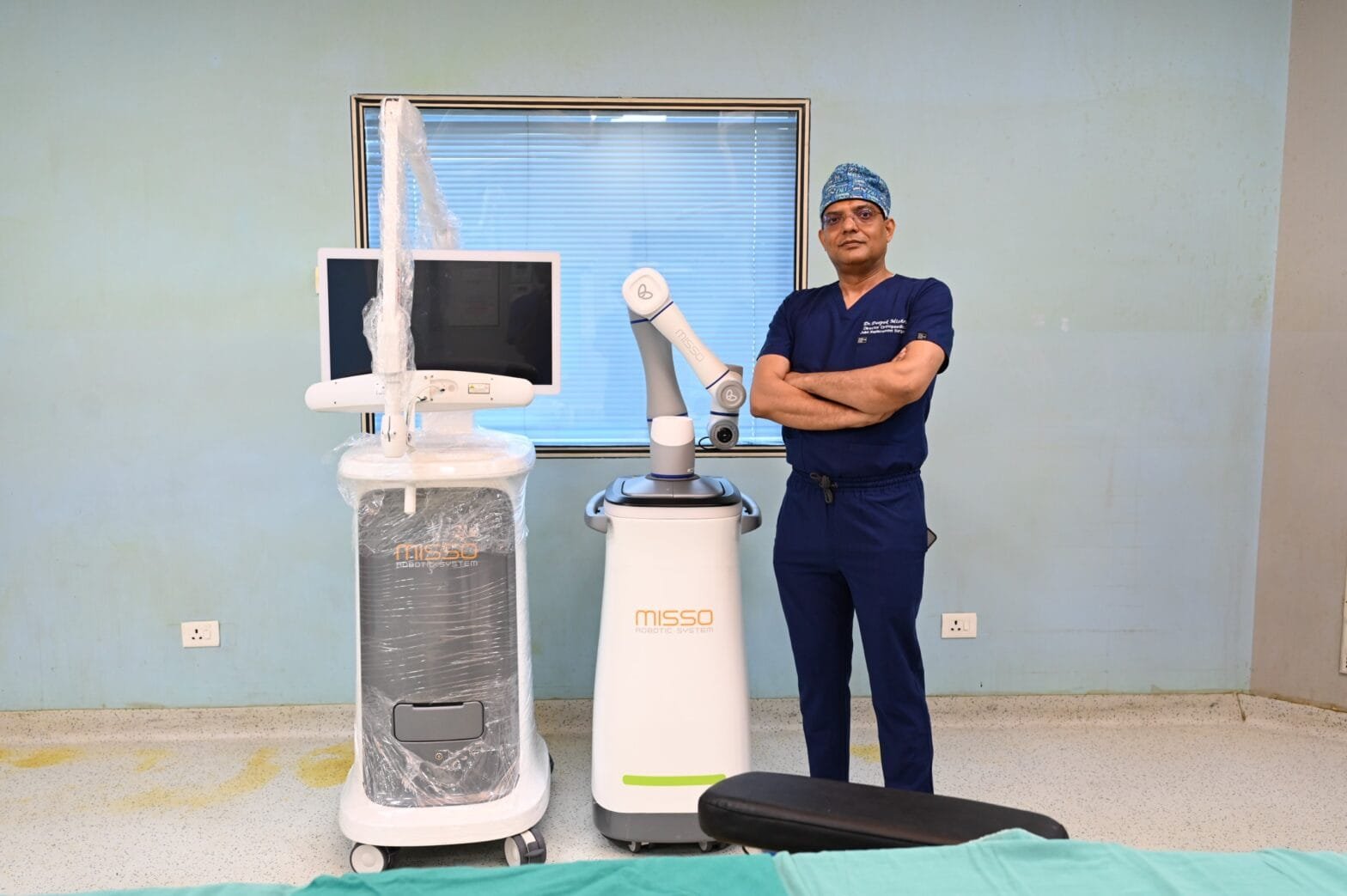
Patients searching for the best orthopedic doctor in Faridabad and Best knee replacement surgeon in Faridabad can consult Dr Deepak Kumar Mishra, Director and Head of Orthopaedic and Robotic Joint Replacement Surgery. He has extensive experience in orthopaedics, arthroscopy, primary and revision knee replacement, hip replacement and minimally invasive joint procedures. His hospital profile lists more than 29 years of experience and specialised training in orthopaedics and joint replacement.
The best knee tendonitis treatment in Faridabad does not simply focus on temporary pain relief. It involves identifying the exact tendon involved, understanding what is overloading the knee, reducing harmful stress and gradually rebuilding the tendon’s strength. Most patients can recover without surgery when the condition is diagnosed correctly and managed through activity modification, medication when appropriate and a structured physiotherapy programme.
What Is Knee Tendonitis?
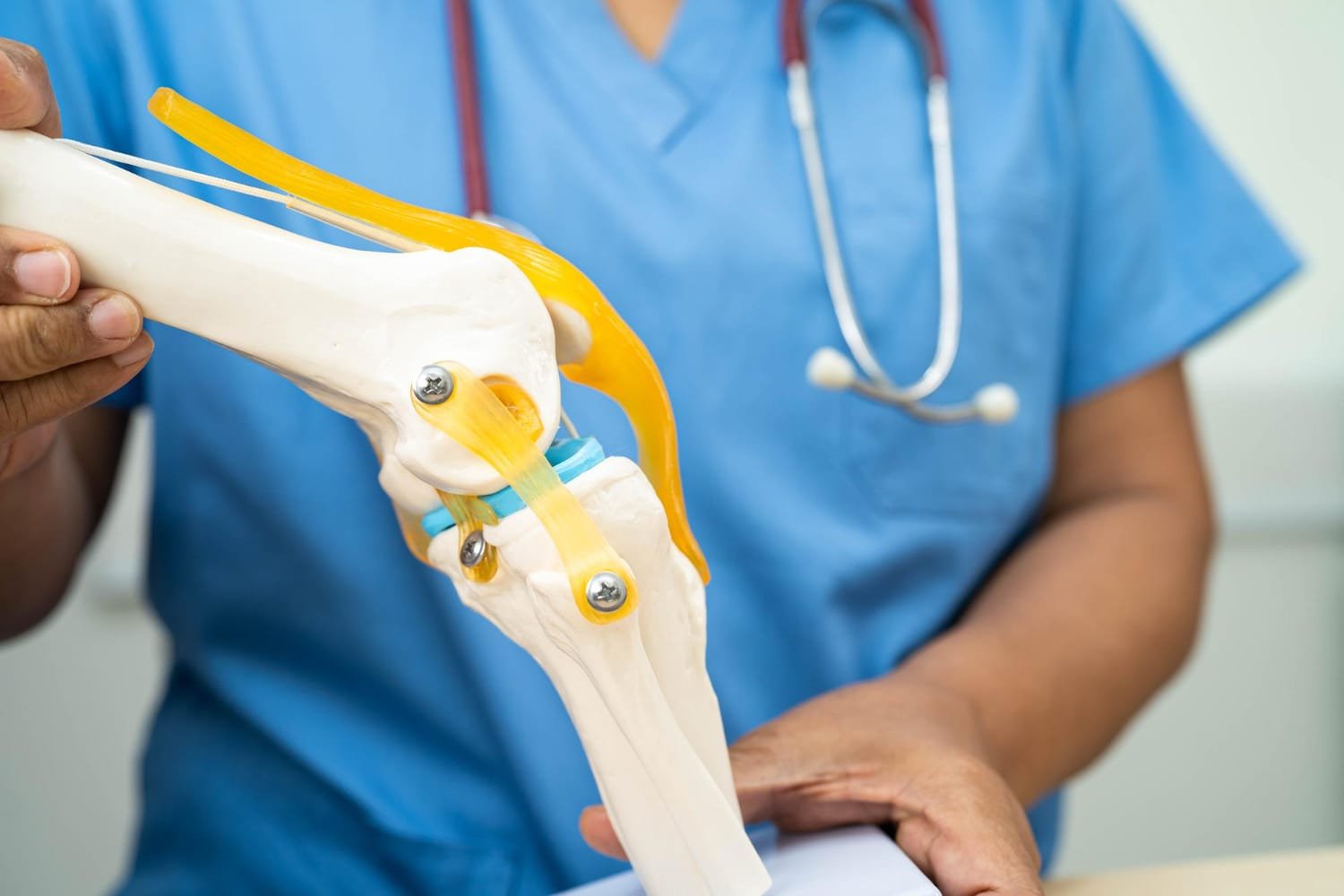
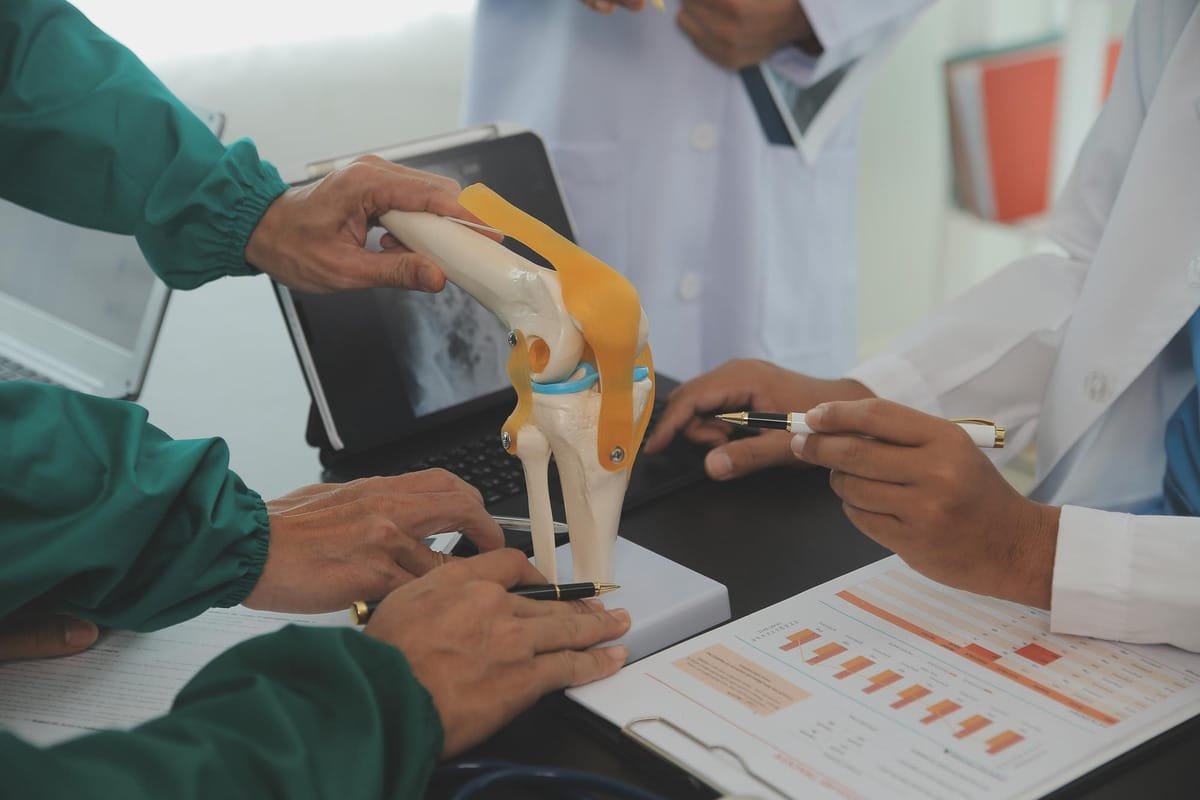
Tendons are strong bands of tissue that connect muscles to bones. Several tendons support movement around the knee, but the patellar tendon is one of the most commonly affected.
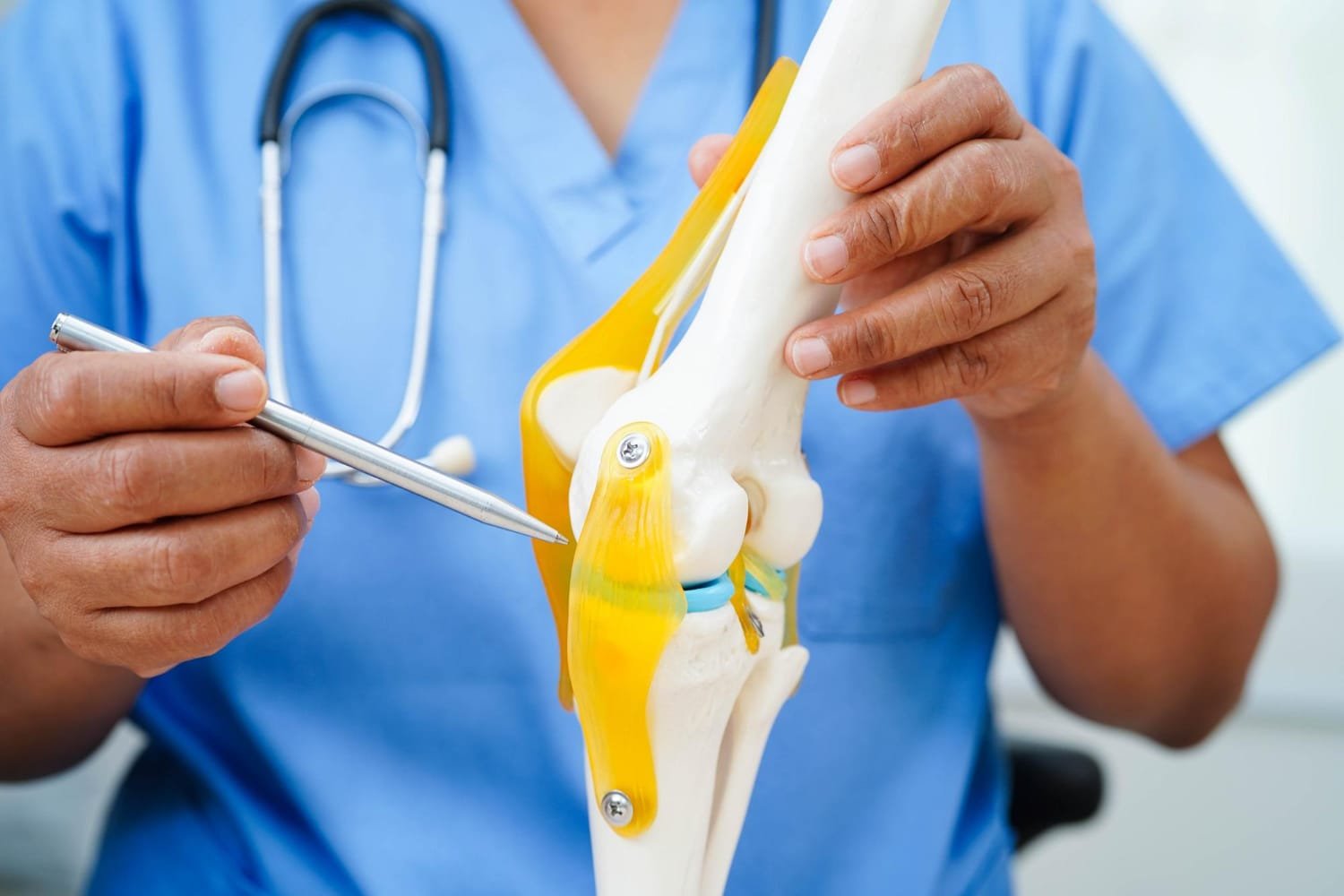
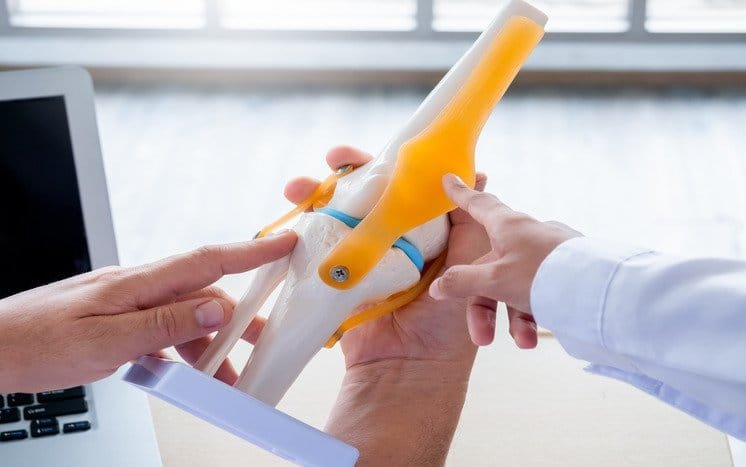
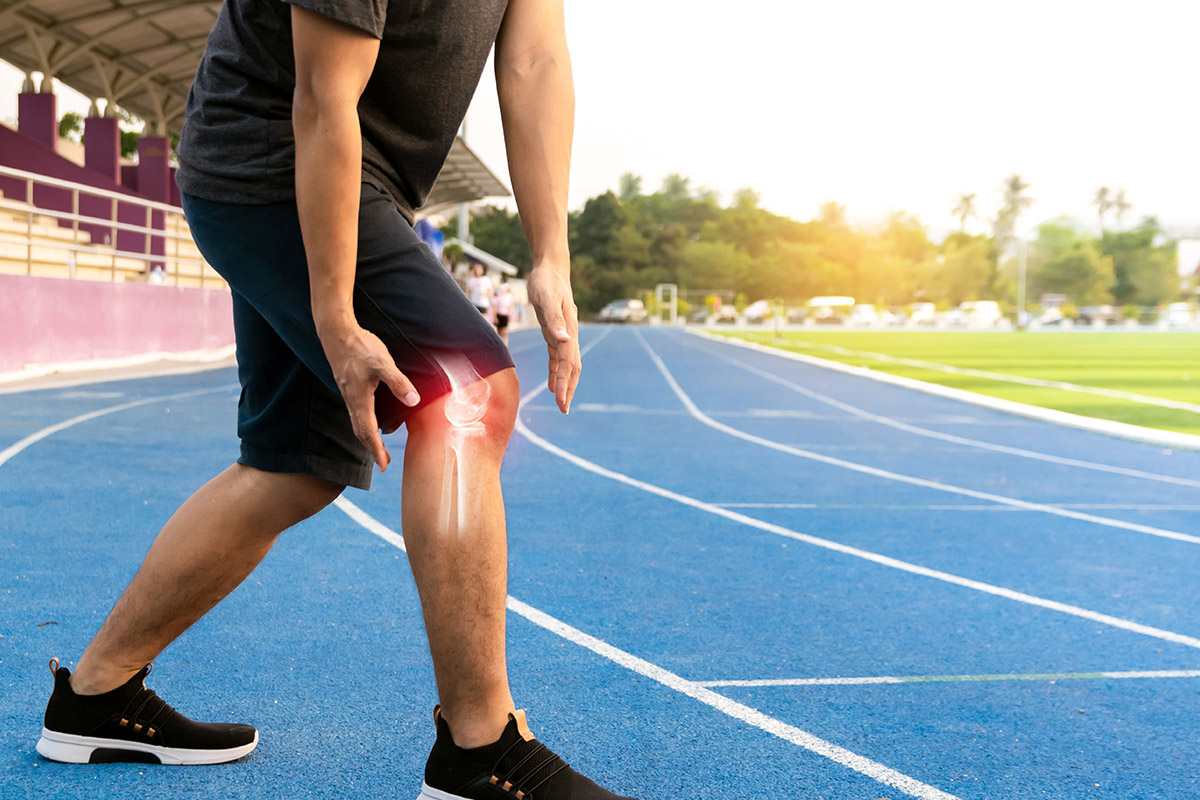
The patellar tendon connects the kneecap, medically known as the patella, to the shinbone or tibia. It works together with the quadriceps muscles at the front of the thigh and helps straighten the knee. It is especially important while walking, running, jumping, climbing stairs and standing up.
Knee tendonitis develops when repeated stress irritates or damages the tendon. Small areas of tendon damage may develop when the knee is repeatedly overloaded without sufficient rest and recovery.
Patellar tendonitis is often called jumper’s knee because it is commonly seen in people participating in sports involving frequent jumping. However, it may also affect runners, gym users, dancers, active workers and people who suddenly increase their physical activity. It can even occur in people who do not participate in sports.
In long-standing cases, doctors may use the term patellar tendinopathy because the condition can involve changes and degeneration within the tendon rather than only short-term inflammation.
Where Is Knee Tendonitis Pain Usually Felt?
The location of the pain can provide an important clue about the affected structure.
In patellar tendonitis, pain is usually felt:
- Immediately below the kneecap
- Between the kneecap and the shinbone
- At the front of the knee
- Along the patellar tendon
- During or after jumping, running or squatting
Pain may initially appear only during exercise or after a demanding activity. As the condition progresses, it may begin to affect ordinary movements such as climbing stairs, sitting with the knee bent, getting up from a chair or walking for longer periods.
Pain above the kneecap may indicate irritation of the quadriceps tendon. Pain on the inner or outer side of the knee may be caused by another tendon, ligament, meniscus, bursa or joint problem. Therefore, every pain around the knee should not automatically be treated as patellar tendonitis.
Common Symptoms of Knee Tendonitis
Symptoms can range from mild discomfort to pain that significantly limits daily activity. Common symptoms include:
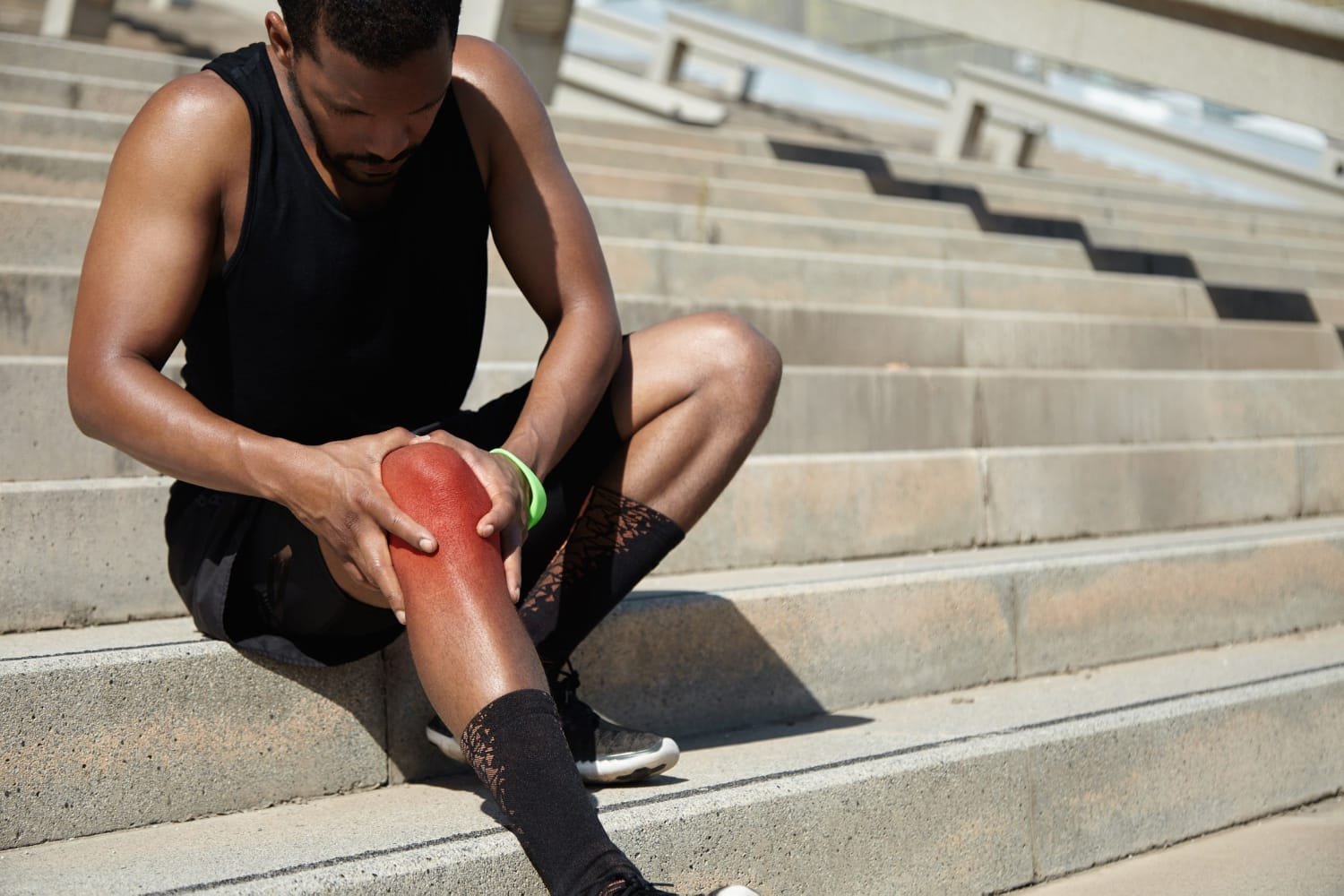
- Pain below or around the kneecap
- Tenderness when pressing the affected tendon
- Pain during running or jumping
- Pain while climbing or coming down stairs
- Discomfort during squats or lunges
- Pain after sitting for a long time
- Morning stiffness around the knee
- Mild swelling near the tendon
- Reduced sporting performance
- Weakness while straightening the knee
- Pain while rising from a chair
- Difficulty returning to regular exercise
Some people continue exercising through the pain because the knee feels slightly better after warming up. However, repeatedly loading a painful tendon without a proper recovery plan can make the condition more difficult to treat.
What Causes Knee Tendonitis?
Knee tendonitis is usually an overuse condition. It develops when the amount of stress placed on the tendon becomes greater than the tendon’s ability to recover and adapt.
Common causes and contributing factors include:
1. Sudden Increase in Physical Activity
Starting a new workout, increasing running distance, adding extra gym sessions or returning to sports after a long break can overload the tendon.
2. Repetitive Jumping or Running
Sports such as basketball, volleyball, badminton, football and athletics repeatedly load the patellar tendon.
3. Inadequate Rest
Training on consecutive days without appropriate recovery can prevent the tendon from repairing itself.
4. Weak Thigh or Hip Muscles
Weak quadriceps, hamstring, hip and gluteal muscles may place additional strain on the knee during movement.
5. Tight Muscles
Reduced flexibility in the quadriceps, hamstrings or calf muscles can affect knee mechanics and increase tendon stress.
6. Improper Exercise Technique
Poor landing technique, deep squatting with incorrect alignment or lifting excessive weight can contribute to tendon overload.
7. Hard Training Surfaces
Running or jumping repeatedly on hard surfaces may increase impact through the knee.
8. Unsuitable Footwear
Worn-out or poorly supportive shoes can affect lower-limb alignment and load distribution.
9. Excess Body Weight
Additional body weight can increase the load passing through the knee during standing, walking and stair climbing.
10. Previous Knee Injury
A history of knee trauma, surgery, weakness or incomplete rehabilitation may affect the way the knee handles physical stress.
When Should You Consult an Orthopedic Doctor?
Mild pain after an unusual activity may improve with temporary rest and basic self-care. However, an orthopedic consultation is recommended when:
- Pain continues for more than a few days
- Symptoms return whenever you exercise
- Pain is gradually becoming worse
- Knee pain affects walking or stair climbing
- Swelling or redness develops
- The knee feels weak or unstable
- You cannot fully bend or straighten the knee
- Pain affects your work, sleep or daily activities
- You heard a popping sound during an injury
- You are unable to place weight on the leg
A sudden pop, severe pain, rapid swelling, inability to move the knee or difficulty bearing weight may indicate a more serious injury such as a tendon rupture, ligament injury or fracture. Such symptoms require prompt medical assessment.
How Is Knee Tendonitis Diagnosed?
The first step towards the best knee tendonitis treatment in Faridabad is an accurate diagnosis. Knee pain can arise from several different conditions, including arthritis, ligament injuries, meniscus tears, bursitis, kneecap problems and tendon tears.
Medical History
The orthopedic doctor may ask:
- When did the pain begin?
- Was there a specific injury?
- Which activities increase the pain?
- Has your exercise intensity recently changed?
- Does the pain occur during or after activity?
- Is there any swelling, locking or instability?
- Have you had a previous knee injury or operation?
Physical Examination
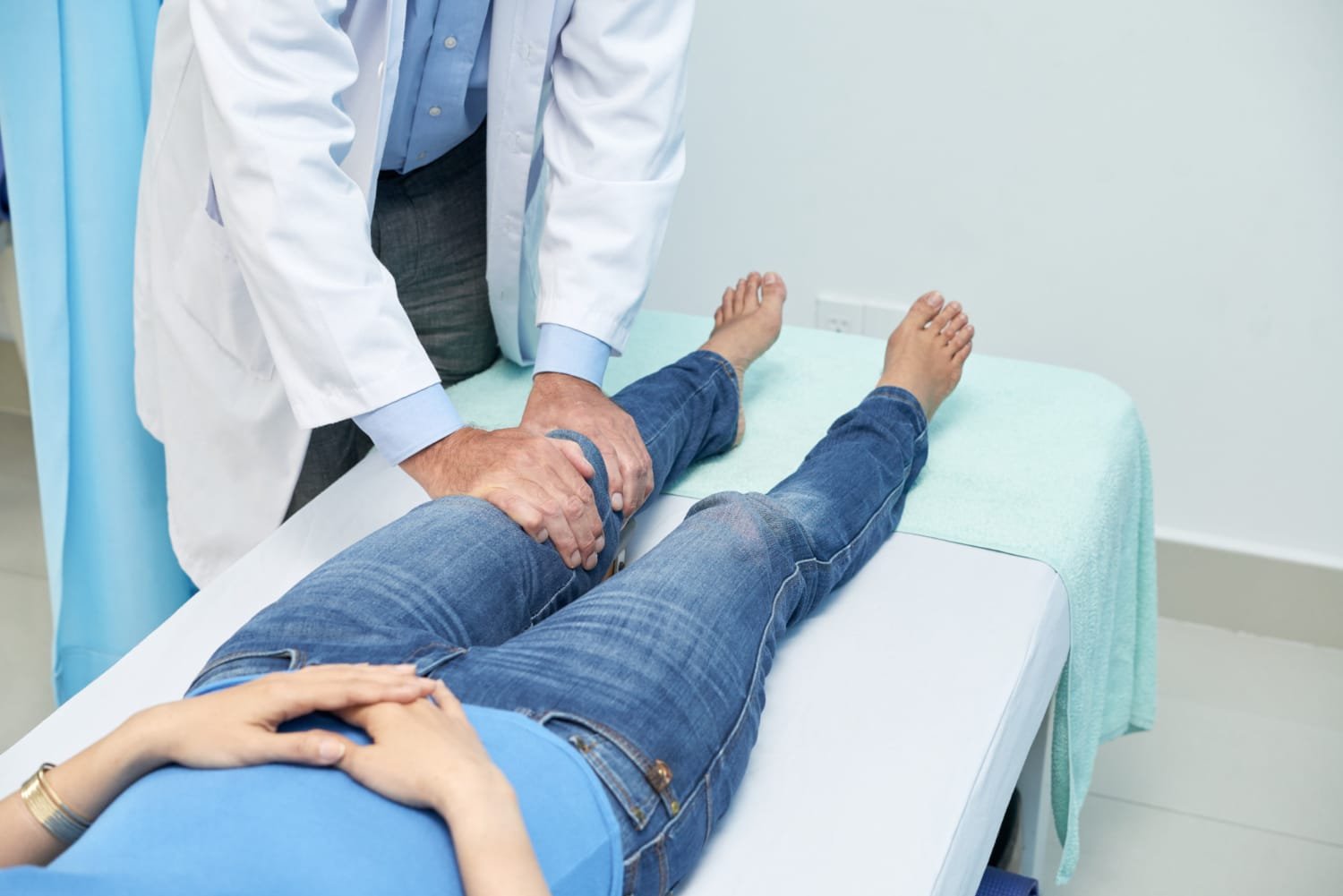
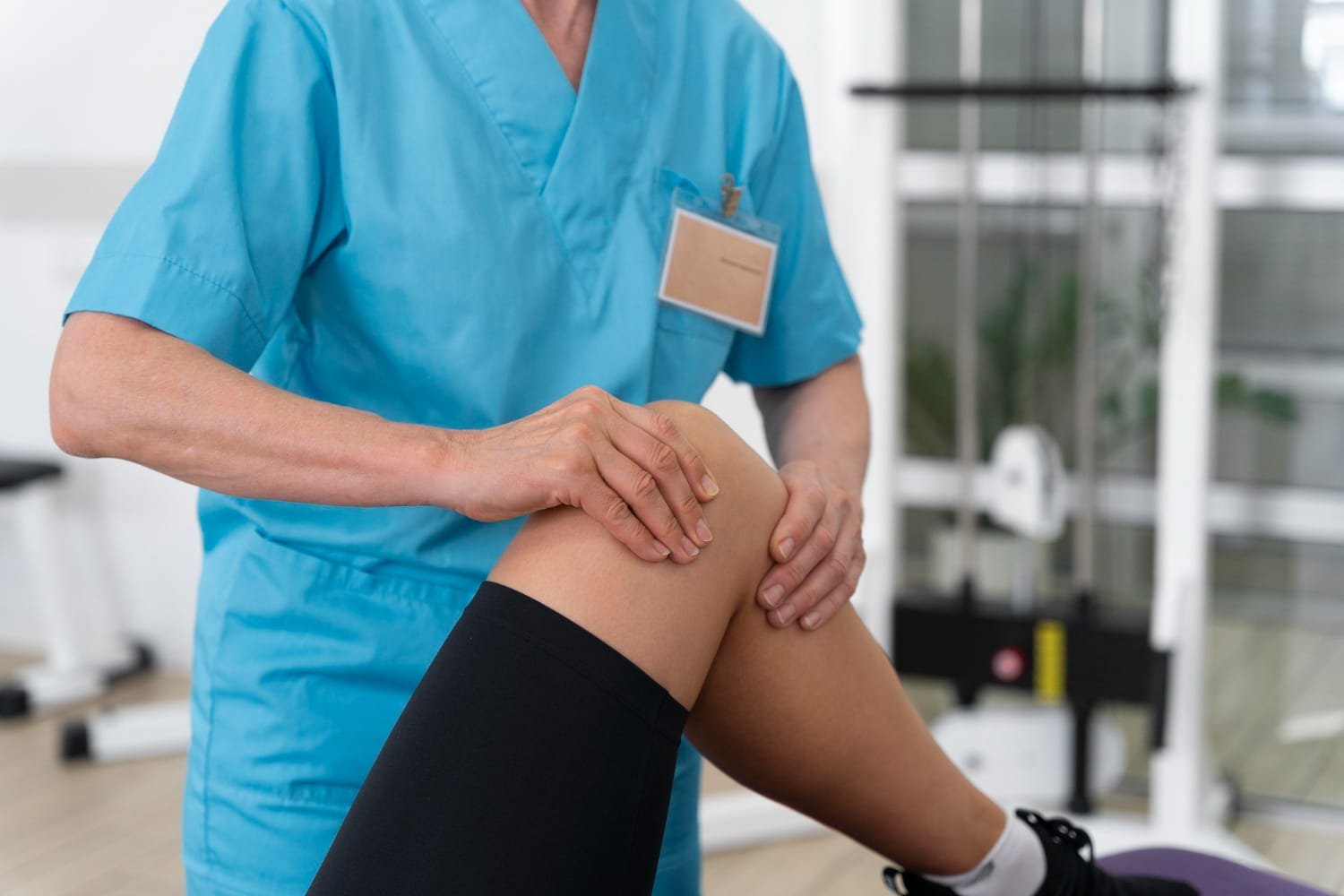
The doctor may examine the precise location of tenderness, swelling, range of movement, muscle strength and knee stability. Squatting, stepping, jumping or controlled resistance tests may be used to reproduce the pain and evaluate tendon function.
X-Ray
An X-ray does not directly show most tendon damage, but it can help rule out bone abnormalities, fractures and certain arthritic changes that may be causing knee pain.
Ultrasound
Ultrasound can show the structure of the patellar tendon and may help identify thickening, inflammation or tears.
MRI Scan
MRI provides detailed images of the tendon and surrounding knee structures. It may be advised when symptoms are severe, the diagnosis is uncertain, a tendon tear is suspected or the patient has not responded to initial treatment.
Not every patient requires an MRI. Imaging is selected according to the symptoms and findings of the clinical examination.
Best Knee Tendonitis Treatment in Faridabad
Treatment is planned according to the duration of symptoms, severity of tendon damage, activity level, age, occupation and presence of other knee conditions.
1. Activity Modification
Complete bed rest is usually unnecessary. Instead, the patient may be advised to temporarily reduce movements that heavily load the tendon, including:
- Jumping
- Sprinting
- Deep squats
- Repeated stair climbing
- Heavy leg presses
- Running on slopes
- High-impact sports
Lower-impact activities may be introduced depending on pain levels. The aim is to reduce excessive stress without allowing the knee to become unnecessarily stiff or weak.
2. Cold Therapy
Applying a cold pack after an activity may help control pain and temporary swelling. The ice pack should be wrapped in a towel and should not be applied directly to the skin.
General tendonitis guidance recommends short periods of rest and ice during the early painful stage. The NHS advises applying a wrapped cold pack for up to 20 minutes at a time.
Cold therapy may provide comfort, but it does not replace strengthening and rehabilitation.
3. Pain-Relieving Medication
A doctor may recommend pain-relieving or anti-inflammatory medication for short-term symptom control. These medicines should be used under medical guidance, particularly by patients with kidney disease, acidity, ulcers, heart conditions, uncontrolled blood pressure, asthma triggered by pain medicines or those taking blood-thinning medication.
Medication can reduce discomfort, but it does not rebuild the strength and load-bearing capacity of the tendon.
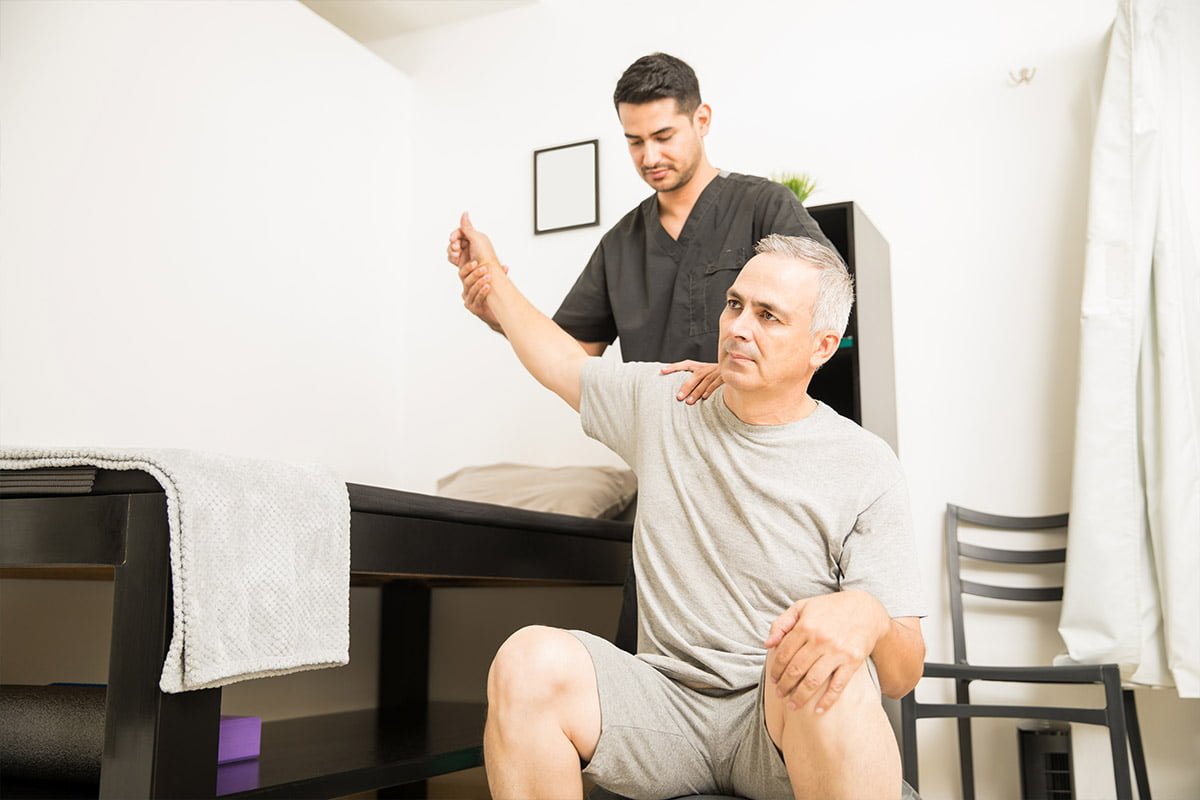
4. Physiotherapy and Progressive Strengthening
Physiotherapy is one of the most important components of knee tendonitis treatment. Patellar tendonitis treatment commonly begins with exercises designed to strengthen the quadriceps and gradually increase the tendon’s ability to tolerate load.
A rehabilitation programme may include:
- Isometric quadriceps exercises
- Controlled wall sits
- Straight-leg raises
- Slow squats within a comfortable range
- Eccentric knee exercises
- Progressive resistance training
- Hip and gluteal strengthening
- Hamstring and calf strengthening
- Balance and movement-control exercises
- Gradual jumping and landing drills
- Sport-specific return-to-activity exercises
Exercises should be progressed according to pain, strength and functional improvement. Starting heavy exercises too early or performing them with incorrect technique can aggravate symptoms.
5. Stretching and Flexibility Training
Tight quadriceps, hamstrings and calf muscles may affect knee movement and tendon loading. Regular, controlled stretching may be included alongside strengthening exercises.
Aggressive stretching directly into severe pain should be avoided. The physiotherapist or orthopedic doctor can advise the correct intensity and duration.
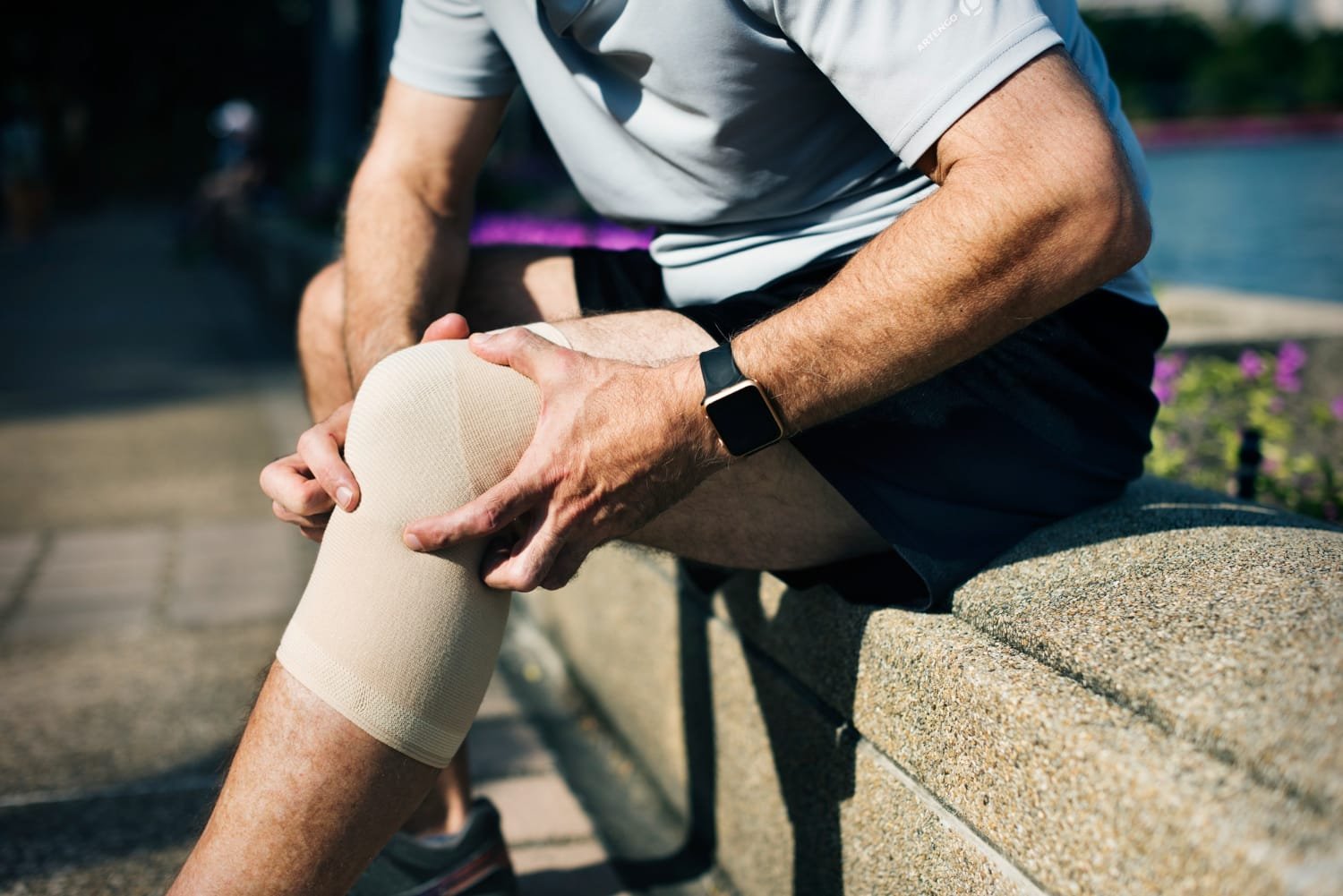
6. Patellar Strap, Taping or Knee Support
Some patients may experience temporary relief with:
- Patellar tendon straps
- Sports taping
- Supportive knee braces
- Shoe inserts when alignment is contributing to the problem
Strapping or taping may reduce pressure on the tendon and help relieve symptoms during selected activities.
These supports should be used as part of a comprehensive rehabilitation plan rather than as the only treatment.
7. Correcting Training and Movement Errors
Long-term recovery requires identifying why the tendon became overloaded.
The treatment team may assess:
- Running technique
- Jumping and landing mechanics
- Squatting posture
- Hip and knee alignment
- Training frequency
- Exercise surface
- Footwear condition
- Warm-up routine
- Recovery between sessions
Correcting these factors helps reduce the likelihood of repeated symptoms.
8. Weight Management and Lifestyle Improvement
For overweight patients, gradual and sustainable weight reduction can help decrease stress on the knee. Adequate protein, balanced nutrition, hydration, quality sleep and recovery time also support tissue healing and rehabilitation.
Extreme diets or rapid weight-loss programmes are not recommended without appropriate professional guidance.
9. Advanced Nonsurgical Treatment
When pain continues despite properly supervised rehabilitation, the orthopedic doctor may reassess the diagnosis and discuss additional options.
Depending on the case, these may include:
- Ultrasound-guided procedures
- Selected injection therapies
- Platelet-rich plasma therapy
- Advanced physiotherapy techniques
- A revised progressive-loading programme
PRP has been tried in chronic patellar tendon problems, although research is still ongoing and results can vary. Corticosteroid injections near the tendon must be considered carefully because these medicines can weaken tendon tissue and potentially increase the risk of a tear.
No injection should be presented as an instant cure or a substitute for exercise-based rehabilitation.
10. Is Surgery Required for Knee Tendonitis?
Surgery is rarely required for uncomplicated patellar tendonitis. It may be considered when:
- Symptoms have continued despite a comprehensive rehabilitation programme
- Significant damaged tendon tissue is present
- A partial or complete tendon tear has occurred
- Pain severely restricts normal activity
- The diagnosis has been confirmed through examination and imaging
In rare, resistant cases, surgery may involve removing damaged tendon tissue. A large or complete patellar tendon tear is a different and more serious condition that may require surgical repair followed by physiotherapy.
Is Knee Replacement Used for Tendonitis?
Knee replacement is not a routine treatment for knee tendonitis.
A knee replacement may be discussed only when the patient has a separate condition such as severe knee osteoarthritis, major loss of joint cartilage, deformity or advanced joint damage that has not responded to nonsurgical treatment.
This distinction is extremely important. A patient may have tendon pain and arthritis at the same time, but treatment must address the actual source of symptoms.
As an experienced orthopedic and joint replacement surgeon, Dr Deepak Mishra can evaluate whether pain is coming from the tendon, cartilage, kneecap, meniscus or another structure. His areas of interest include primary and revision knee replacement, partial knee replacement, arthroscopy and minimally invasive orthopaedic surgery.
Why Choose Dr Deepak Mishra for Knee Treatment in Faridabad?
Choosing an experienced knee specialist is important because pain around the kneecap can have several possible causes.
Dr Deepak Kumar Mishra is a leading choice for patients looking for the best orthopedic doctor and knee replacement surgeon in Faridabad. His professional profile includes:
- More than 29 years of orthopaedic experience
- Director and Head of Orthopaedic and Robotic Joint Replacement Surgery
- Specialisation in primary and revision knee replacement
- Expertise in partial knee replacement
- Experience in hip replacement and arthroscopy
- Training in minimally invasive and tissue-preserving procedures
- MBBS and MS in Orthopaedics from JIPMER, Pondicherry
- MRCSEd and MCh Orthopaedics qualifications from the UK
- Experience in complex fractures and limb reconstruction
- Membership in recognised orthopaedic professional organisations
His approach focuses on identifying the actual cause of knee pain and selecting treatment according to the patient’s age, activity, diagnosis and functional needs.
How Long Does Knee Tendonitis Take to Heal?
Recovery time differs from person to person.
A mild, recent tendon irritation may begin improving within a few weeks when the painful activity is reduced early. Chronic tendon problems generally require a longer rehabilitation period because the tendon must gradually rebuild strength and tolerance.
Recovery may take longer when:
- Symptoms have been present for several months
- The patient continues high-impact activity
- Rehabilitation exercises are inconsistent
- Muscle weakness is significant
- Diabetes or another medical condition affects healing
- Body weight is increasing knee stress
- There is a partial tendon tear
- Arthritis or another knee disorder is also present
The goal should not be only to become pain-free at rest. The tendon must also regain enough strength to handle work, exercise and sporting activity safely.
Can Knee Tendonitis Come Back?
Yes. Symptoms can return when a patient resumes high-impact activity too quickly or stops strengthening exercises as soon as the pain decreases.
The risk of recurrence can be reduced by:
- Increasing exercise intensity gradually
- Maintaining thigh, hip and calf strength
- Warming up before sports
- Using proper movement technique
- Replacing worn-out sports shoes
- Avoiding sudden increases in running distance
- Scheduling recovery days
- Continuing prescribed rehabilitation exercises
- Seeking early medical advice when pain returns
Frequently Asked Questions
1. What is the best treatment for knee tendonitis?
The best treatment usually combines activity modification, pain control, physiotherapy, progressive strengthening and correction of the factor that caused the tendon overload. Treatment should be personalised after an orthopedic evaluation.
2. Can knee tendonitis heal without surgery?
Yes. Most cases improve without surgery. Structured physiotherapy and gradual strengthening are central to recovery, while surgery is generally reserved for rare resistant cases or significant tendon tears.
3. Is walking good for knee tendonitis?
Comfortable walking may be allowed when it does not significantly increase pain. Long walks, steep slopes or repeated stair climbing may need to be temporarily reduced. Follow the activity limits advised by your doctor or physiotherapist.
4. Should I exercise with patellar tendonitis?
Certain exercises are an essential part of treatment, but painful jumping, sprinting and heavy squats may need to be reduced initially. Exercises should be selected and progressed according to your condition.
5. Can I use a knee cap for tendonitis?
A patellar strap, tape or knee support may temporarily reduce discomfort. However, it should not replace strengthening and rehabilitation.
6. Is an MRI necessary for knee tendonitis?
Not every patient needs an MRI. It may be advised when the diagnosis is unclear, symptoms are severe, a tear is suspected or treatment has not produced the expected improvement.
7. Can knee tendonitis cause permanent damage?
Untreated and repeatedly overloaded tendon problems can become chronic. A weakened tendon may also be more vulnerable to partial or complete tearing. Early assessment is recommended when symptoms continue or worsen.
8. Does knee tendonitis require knee replacement?
No. Knee replacement is not used for uncomplicated tendonitis. It is considered for advanced joint damage, such as severe osteoarthritis, rather than isolated tendon inflammation or tendinopathy.
9. Which doctor should I consult for knee tendonitis?
You should consult an orthopedic doctor or knee specialist who can differentiate tendonitis from arthritis, ligament injuries, meniscus problems and other causes of knee pain.
10. Who is the best orthopedic doctor for knee pain in Faridabad?
Patients seeking specialised knee and joint care can consult Dr Deepak Kumar Mishra, an experienced orthopedic and joint replacement surgeon with expertise in knee replacement, arthroscopy and complex orthopaedic conditions.
Book an Appointment for Knee Tendonitis Treatment in Faridabad
Do not ignore persistent pain below the kneecap or repeatedly depend on pain-relieving medicines without identifying the underlying cause. Early diagnosis can help prevent worsening tendon damage and support a safer return to walking, exercise, work and sports.
Consult Dr Deepak Kumar Mishra, one of the best orthopedic doctors and knee replacement surgeons in Faridabad, for a detailed knee examination and personalised treatment plan.
Dr Deepak Kumar Mishra
Director and Head – Orthopaedic and Robotic Joint Replacement Surgery
Asian Institute of Medical Sciences
Badkal Flyover Road, Sector 21A, Faridabad, Haryana
Appointment: +91 82873 34003
Recent Blogs
-
-
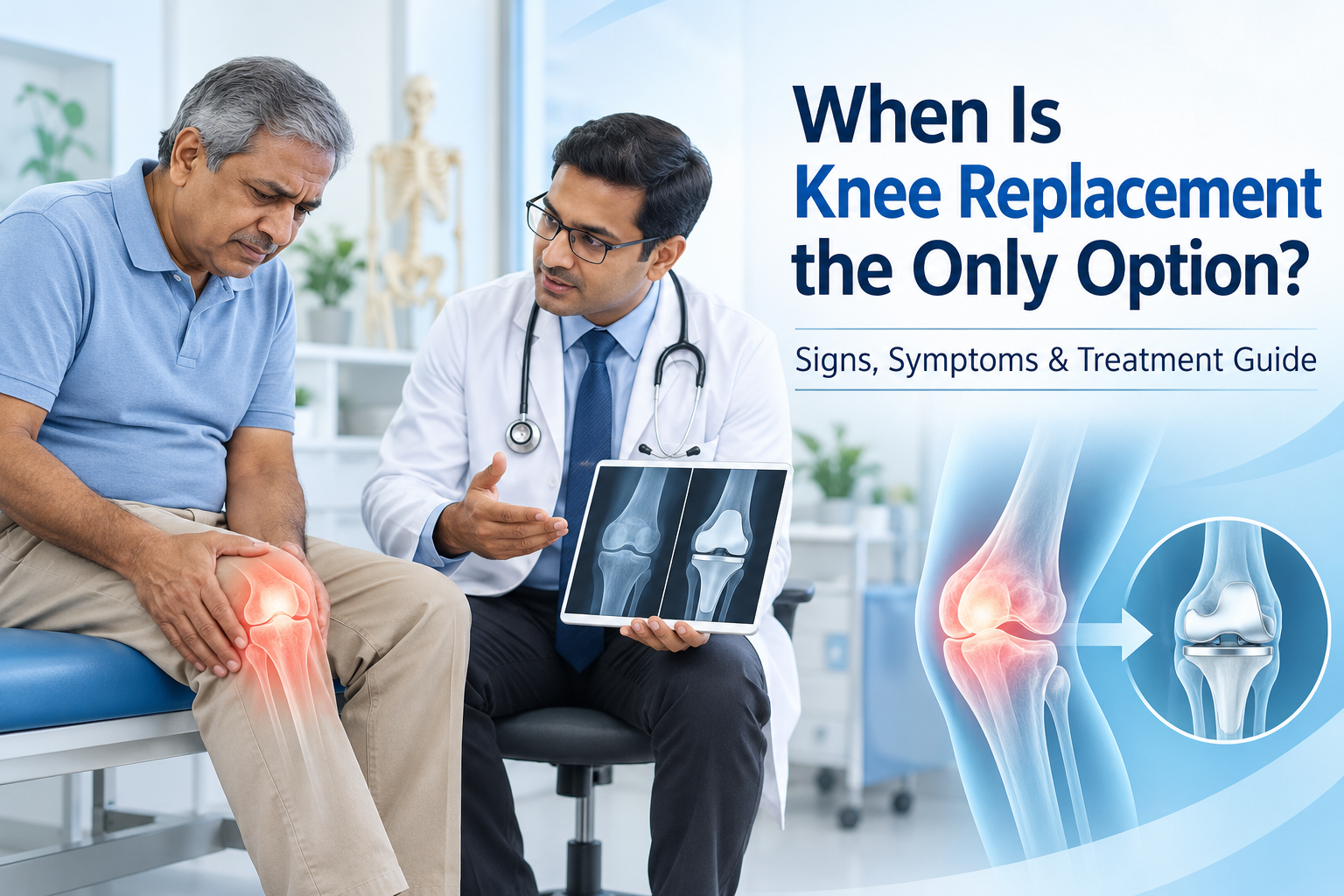 When Is Knee Replacement the Only Option?
- 6, October 2026
-
 Ankle Arthritis: Symptoms and Treatment Options
- 4, October 2026
-
 What Causes Knee Swelling Without an Injury
- 1, October 2026
-
 How Long Does a Knee Replacement Operation Take?
- 25, September 2026
-
 Who Is the Best Bone Doctor in Faridabad?
- 22, September 2026
-
 Best Ankle Surgeon in Faridabad
- 18, September 2026
-
 Shoulder Dislocation Treatment in Faridabad
- 15, September 2026
-
 10 Common Mistakes After Knee Replacement Surgery
- 12, September 2026
-
 Top 10 Hip Surgeons in India
- 4, September 2026
-
 Orthopedic Surgeon: Definition, Expertise & Specialties
- 1, September 2026
-
 Top 10 Total Knee Replacement Surgeons in India – 2026
- 27, August 2026
-
 Top 10 Best Orthopedic Doctors in India
- 25, August 2026
-
 Dual Mobility Hip Replacement Surgery in Faridabad
- 21, August 2026
-
 Gold Knee Replacement Surgery in Faridabad
- 18, August 2026
-
-
-
-
 Bone Fracture Specialist in Faridabad
- 25, July 2026
-
 Robotic Partial Knee Replacement in Faridabad
- 21, July 2026
-
-
-
 Runner’s Knee: Prevention & Treatment
- 10, July 2026
-
Best Knee Tendonitis Treatment in Faridabad
- 7, July 2026
-

-
 Why Does My Knee Make Clicking Sounds?
- 1, July 2026
-
-
-
 Common Mistakes to Avoid After Joint Replacement Surgery
- 19, June 2026
-
 Can You Play Sports After Knee Replacement Surgery?
- 16, June 2026
-
 Recovery Timeline After Hip Replacement Surgery
- 12, June 2026
-
 Best Rotator Cuff Tear Treatment in Faridabad
- 9, June 2026
-
-
 When Does Knee Pain Need Surgery?
- 19, May 2026
-
 Can You Walk Normally After Hip Replacement?
- 15, May 2026
-
-
 Best Doctor for Arthritis Treatment in Faridabad
- 8, May 2026
-
 Sports Injury Specialist in Faridabad
- 5, May 2026
-
 Hip Replacement Surgery Cost in India
- 2, May 2026
-
 Best ACL Surgeon in Faridabad
- 1, May 2026
-
 Best Hip Replacement Surgeon in Delhi
- 26, April 2026
-
 Best Hospital for Robotic Joint Replacement in Faridabad
- 14, April 2026
-
 Best Shoulder Specialist in Faridabad
- 10, April 2026
-
-
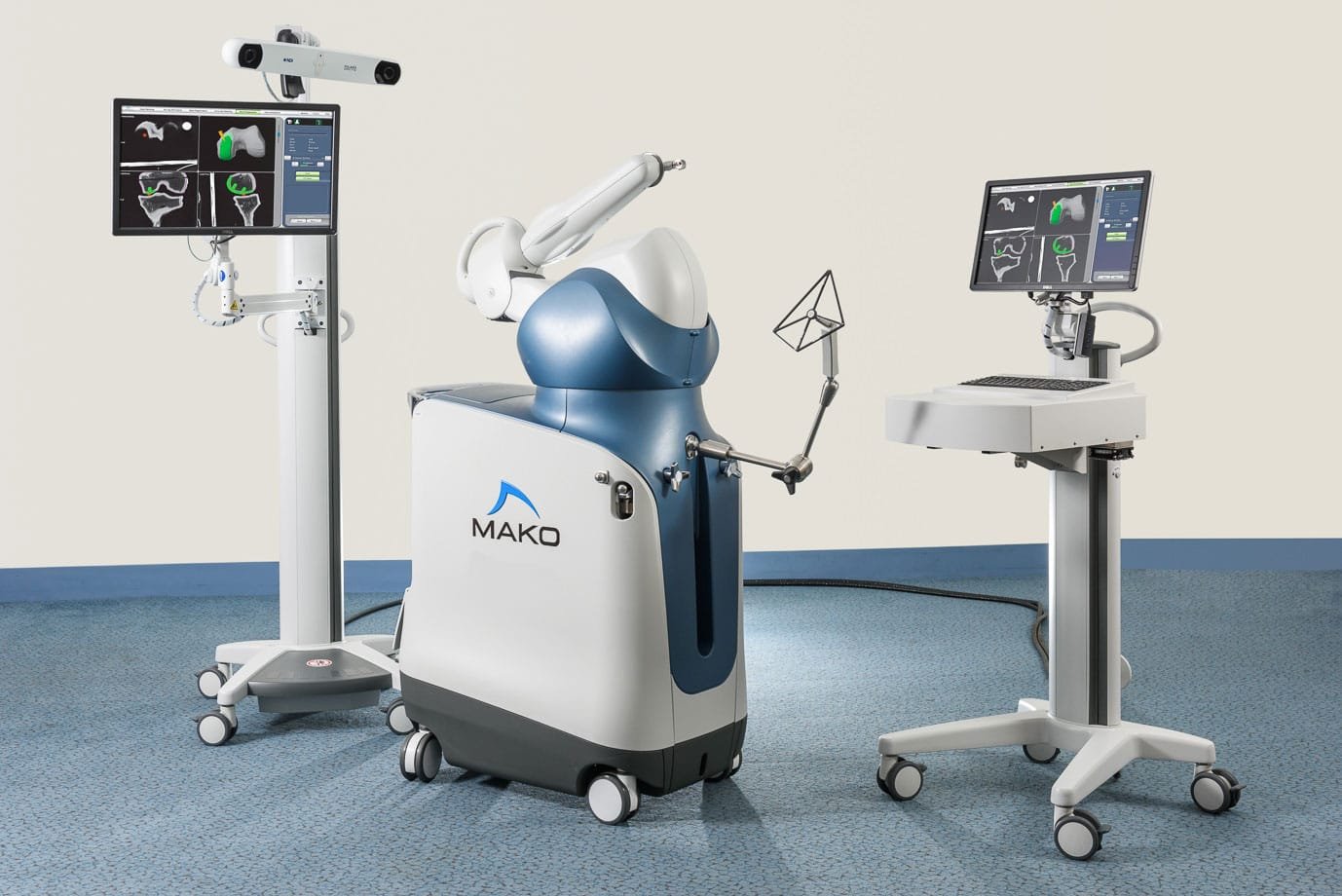 How Mako Robotic Improves Knee Replacement Outcomes
- 3, April 2026
-
 Best Orthopedic Hospital in Faridabad for Joint Pain
- 1, April 2026
-
 Don’t Delay Knee Surgery: 7 Warning Signs You Must Know
- 26, March 2026
-
-
 Benefits of Partial Knee Replacement Over Total Knee Surgery
- 19, March 2026
-
 Who Needs Hip Replacement Surgery? Signs & Eligibility
- 16, March 2026
-
 Best Joint Replacement Hospital in India
- 13, March 2026
-
 Shoulder Dislocation in Sports: Treatment and Recovery
- 11, March 2026
-
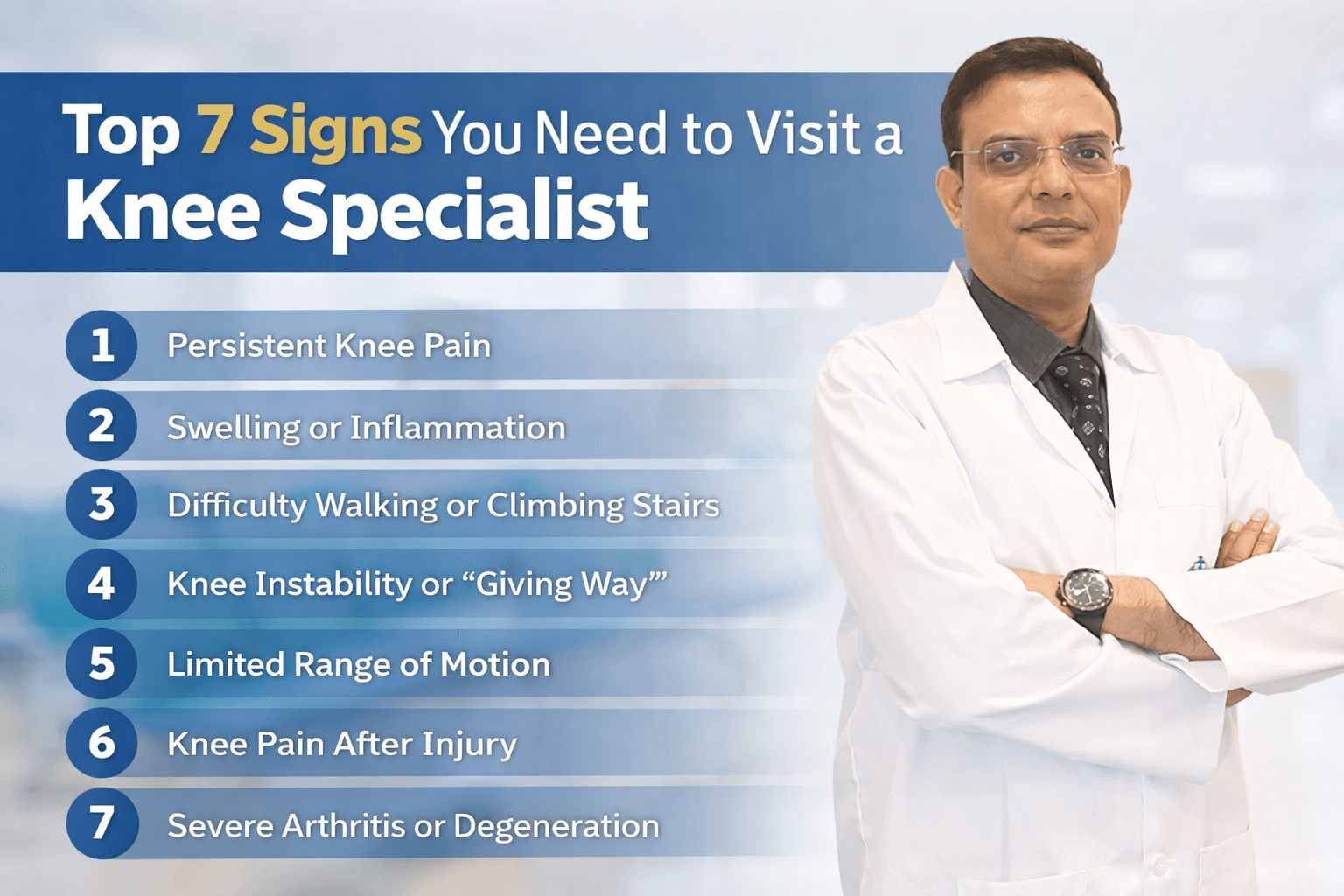 Top 7 Signs You Need to Visit a Knee Specialist
- 7, March 2026
-
-
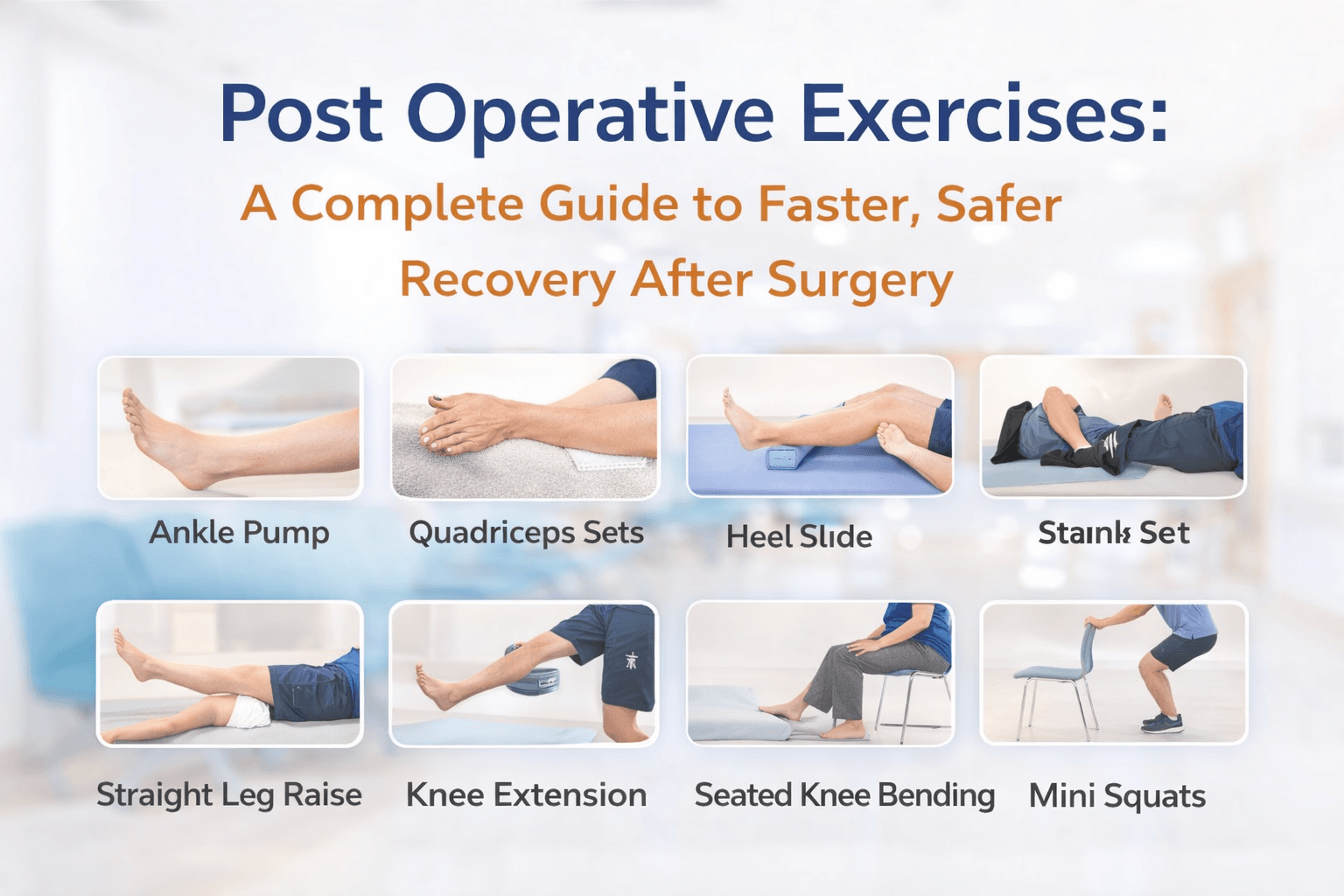 Post Operative Exercises
- 26, February 2026
-
 After ACL Surgery When Can I Walk?
- 24, February 2026
-
 What Happens If Knee Arthritis Is Left Untreated?
- 21, February 2026
-
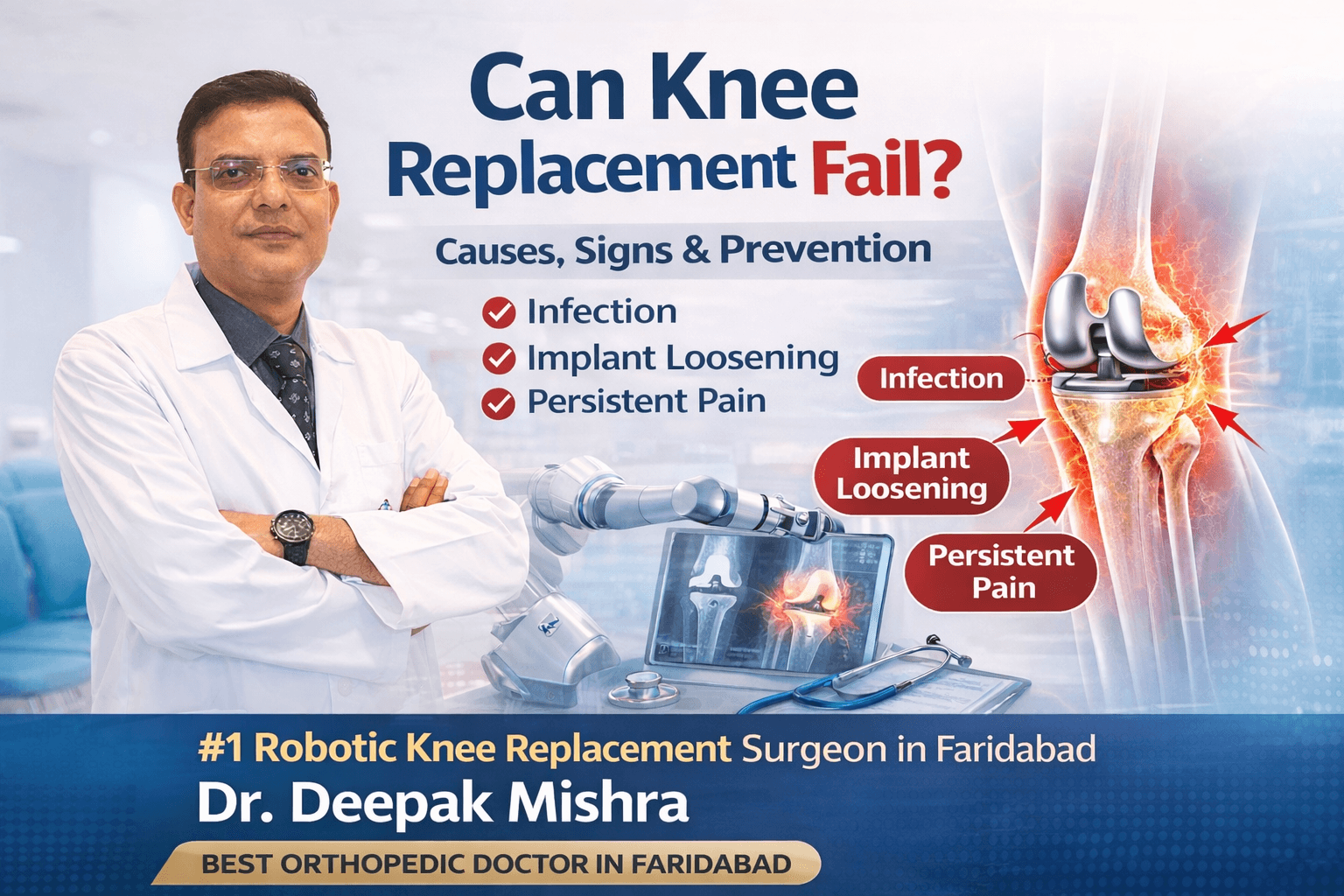 Can Knee Replacement Fail? Causes, Signs & Prevention
- 21, February 2026
-
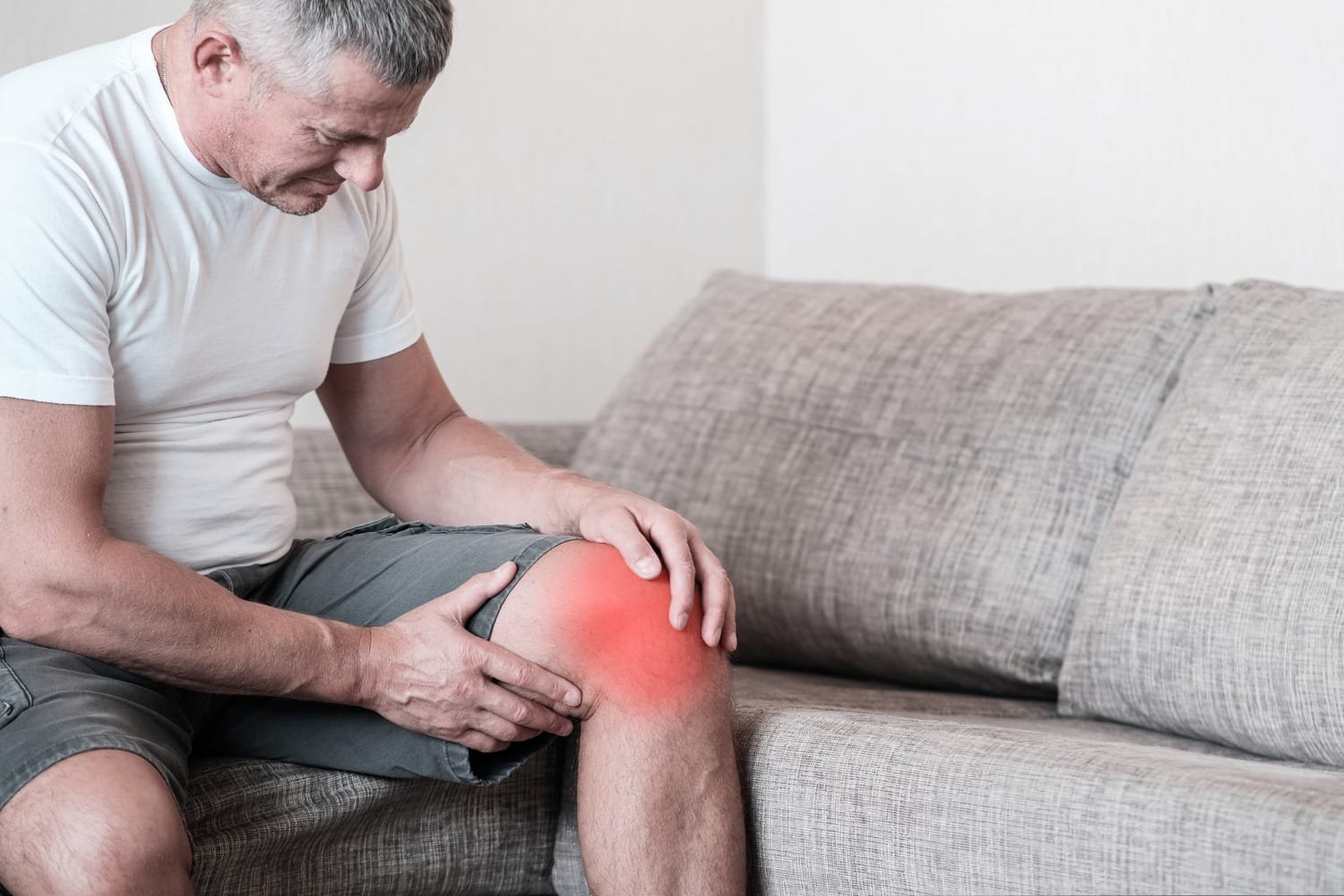 Who Is Not Suitable for Knee Replacement Surgery?
- 12, February 2026
-
 Best Meniscus Injury Surgeon in Faridabad
- 9, February 2026
-
 How Obesity Affects Knee Health & When to Consider Knee Replacement
- 6, February 2026
-
 Knee Pain After Sitting for Long Hours – What to Do
- 3, February 2026
-
 Most Common Sports Injuries and How to Prevent Them
- 26, January 2026
-
 Walking, Stairs & Daily Activities After Knee Replacement
- 22, January 2026
-
 When Knee Pain Needs Medical Attention: Red Flags to Watch
- 19, January 2026
-
 Cartilage Damage in Sports: Early Signs Athletes Should Not Ignore
- 15, January 2026
-
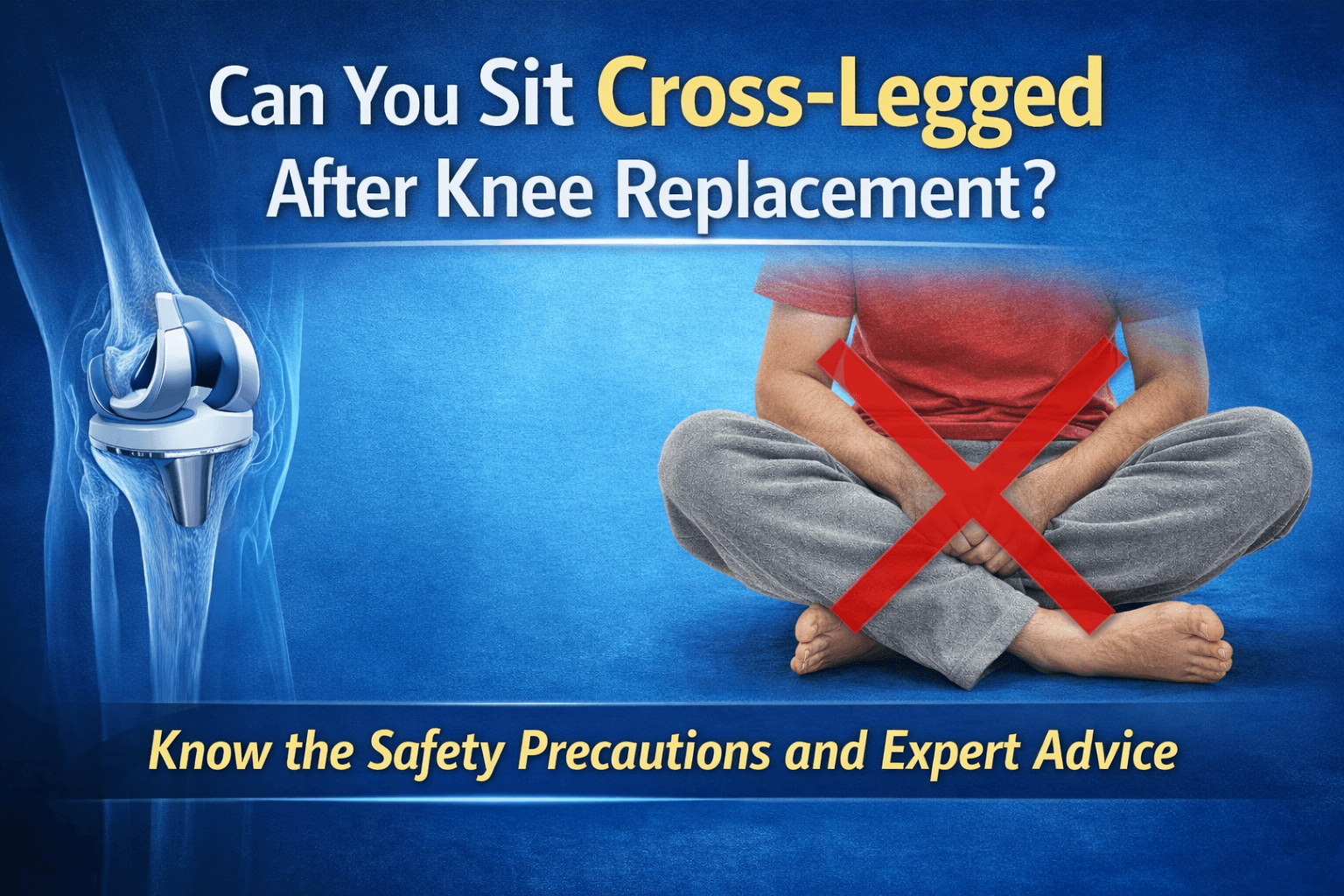 Can You Sit Cross-Legged After Knee Replacement?
- 13, January 2026
-
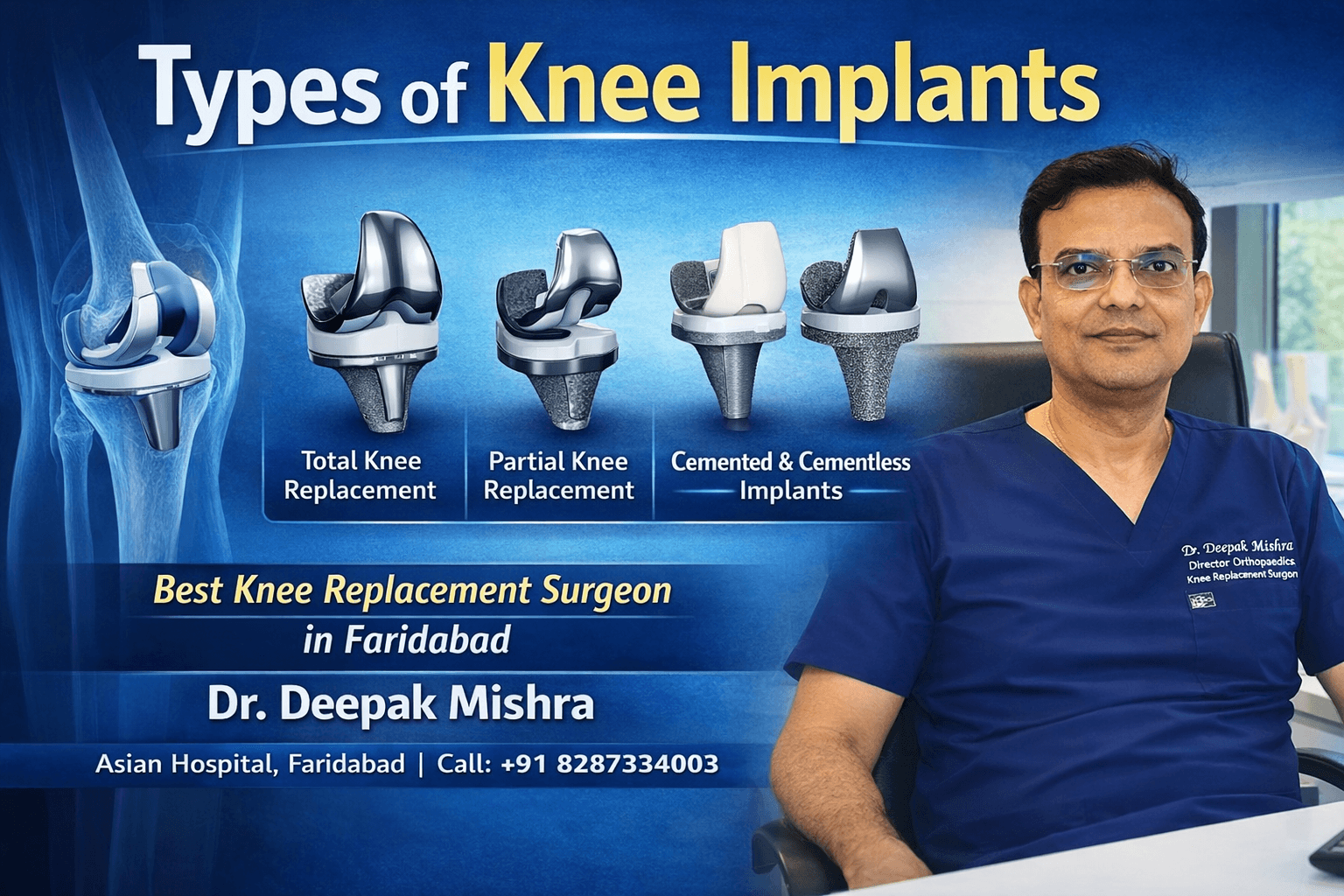 Types of Knee Implants
- 13, January 2026
-
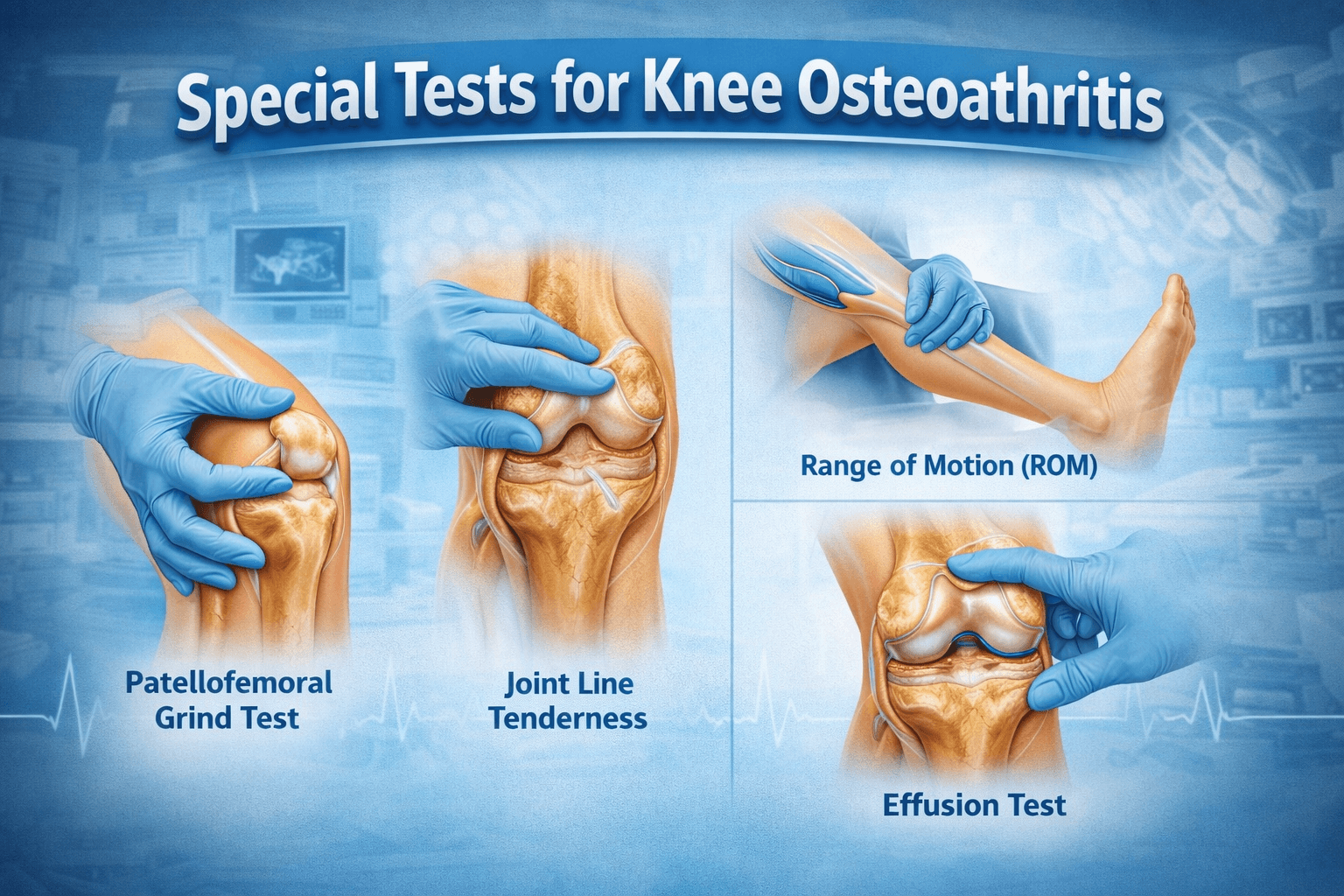 Special Tests for Knee Osteoarthritis
- 7, January 2026
-
 Knee Operation Types: A Comprehensive Guide
- 7, January 2026
-
 Difference Between Knee Arthritis, Meniscus Tear, and Ligament Injury
- 30, December 2025
-
 Knee Pain While Walking: When Should You Worry?
- 30, December 2025
-
 What Happens If Knee Replacement Is Delayed Too Long?
- 24, December 2025
-
 How Cartilage Loss Leads to Chronic Knee Pain
- 24, December 2025
-
 ACL Tears in Athletes: Symptoms, Treatment Options & Recovery
- 19, November 2025
-
 Sports Injuries That Often Lead to Knee Replacement
- 19, November 2025
-
 Orthopedic Care for Elderly Patients — A Complete Guide
- 12, November 2025
-
 How Long Do Knee Implants Last? (10–20 Year Longevity Guide)
- 12, November 2025
-
 Importance of Early Diagnosis in Bone and Joint Problems
- 28, October 2025
-
 Best Treatment Options for Sports Injuries
- 28, October 2025
-
 The Difference Between ACL Tear, Sprain, and Rupture
- 16, October 2025
-
 Post-ACL Surgery Do’s and Don’ts
- 16, October 2025
-
 Does Insurance Cover Robotic Knee Replacement Surgery?
- 6, October 2025
-
 When Can You Return to Sports After Robotic Knee Replacement?
- 6, October 2025
-
 Impact of Obesity on Knee Replacement Surgery and Recovery
- 30, September 2025
-
 Early vs. Delayed Knee Replacement: Which Is Better?
- 30, September 2025
-
 How Durable Are Knee Implants? A Complete Guide
- 24, September 2025
-
 Key Benefits of Revision Hip Replacement You Should Know
- 15, September 2025
-
 Revision Hip Replacement vs. Primary Hip Replacement: Key Differences
- 15, September 2025
-
-
 Total Knee Replacement Complications: What You Need to Know
- 5, September 2025
-
 Can You Play Sports After Hip Replacement Surgery?
- 26, August 2025
-
 Preparing for Knee Replacement: Do’s and Don’ts Before Surgery
- 26, August 2025
-
-
 What to Know About Knee Replacement Revision Surgery
- 18, August 2025
-
 Cost of Hip Replacement in India – What Patients Should Know
- 11, August 2025
-
-
 Who Is the Best Orthopedic Doctor for Sports Injuries?
- 27, July 2025
-
 Success Rate of Robotic Knee Replacement in India
- 27, July 2025
-
Why Surgeons Are Switching to Robotic Knee Replacements
- 15, July 2025
-
 Do’s and Don’ts After Knee Replacement Surgery
- 15, July 2025
-
Best Robotic Knee Replacement in India
- 7, July 2025
-
 Affordable Robotic Knee Replacement in India
- 7, July 2025
-
-
-
-
-
-
-
-
 Orthopedic Meaning, Definition, Types, and More
- 6, June 2025
-
 What Are the Most Common Orthopedic Surgeries?
- 24, May 2025
-
 What Does an Orthopedic Doctor Do?
- 24, May 2025
-
-
-
-
Best Orthopedic Doctor for Knee Pain in Faridabad
- 12, May 2025
-
 How to Prevent Knee Pain with Orthopedic Expert Tips
- 29, April 2025
-
-
Best Orthopedic Treatment in Faridabad: What You Should Know
- 29, April 2025
-
-
-
Best Knee Replacement Surgeon in Mathura
- 14, April 2025
-
Best Knee Replacement Surgeon in Hodal
- 14, April 2025
-
Best Knee Replacement Surgeon in Palwal
- 14, April 2025
-
-
-
-
 Benefits of Minimally Invasive Knee Surgery
- 24, March 2025
-
 Best knee Replacement Surgeon in India
- 17, March 2025
-
-
 How to Recover Quickly After Knee Replacement Surgery
- 10, March 2025
-
-
-
-
 Minimally Invasive Arthroplasty: Benefits and Recovery Advantages
- 24, February 2025
-
 Choosing the Right Hip Replacement Surgeon: A Comprehensive Guide
- 17, February 2025
-
 Restoring Mobility: The Role of Knee Replacement Doctors
- 17, February 2025
-
 Orthopedic Trauma Care for Athletes
- 6, February 2025
-
 Best Doctor for ACL Tear Treatment
- 6, February 2025
-
 Best Sports Medicine Doctor for Knee Injuries
- 6, February 2025
-
 Orthopedic Surgeons: 7 Things You Need to Know
- 27, January 2025
-
Best Joint Replacement Surgeon in Greater Faridabad
- 27, January 2025
-
Best Knee Replacement Surgeon in Palwal
- 20, January 2025
-
Best Knee Replacement Surgeon in South Delhi
- 20, January 2025
-
 Restoring Mobility: The Role of Knee Replacement Doctor
- 13, January 2025
-
 Robotic Knee Replacement Surgery in Delhi
- 30, December 2024
-
 Robotic Orthopedic Surgery: Revolutionizing Joint Replacement and Repair
- 30, December 2024
-
 Robotic Knee Replacement vs. Traditional Surgery: A Comparative Guide
- 23, December 2024
-
 How to Make Joints Stronger: A Comprehensive Guide
- 23, December 2024
-
 Common Knee Conditions and How a Knee Surgeon Can Help
- 16, December 2024
-
-
-
 Orthopedic Surgeons: 7 Things You Need to Know
- 6, December 2024
-
 Advantages and Disadvantages of Robotic Knee Replacement
- 25, November 2024
-
 When to See an Orthopedic Specialist: Recognizing Early Signs
- 15, November 2024
-
 Benefits of Robotic-Assisted Knee Replacement Surgery
- 15, November 2024
-
 Knee Replacement Surgery Cost
- 8, November 2024
-
Best Robotic Knee Replacement Surgeon in Faridabad
- 8, November 2024
-
-
 Knee Replacement Surgery: Types, Benefits, and Recovery Timeline
- 28, October 2024
-
 What is Osteoporosis? Symptoms, Causes, and Prevention
- 21, October 2024
-
 Signs It’s Time for a Knee Replacement: When to Consult a Surgeon
- 18, October 2024
-
 Understanding Different Types of Arthritis: Symptoms and Causes
- 11, October 2024
-
 Taking Care After Knee Replacement Surgery
- 15, December 2022
-
 Amazing Ways to Get Relief from Arthritis Pain Naturally
- 2, December 2022
-
-
 How Does Fat Affect Arthritis?
- 4, November 2022
