
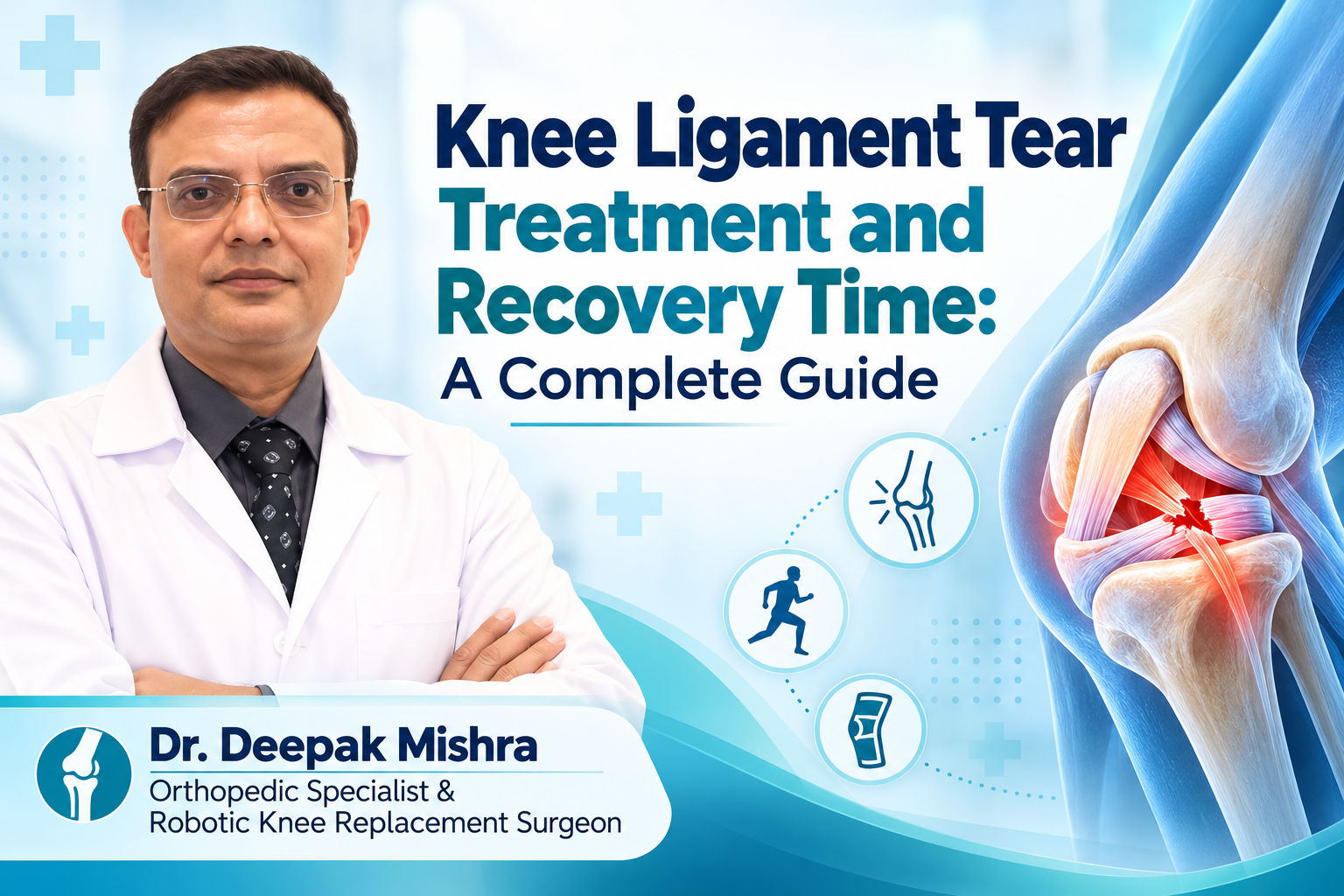
Knee Ligament Tear Treatment and Recovery Time: A Complete Guide
October 27, 2026Knee injuries are among the most common orthopaedic problems affecting athletes, fitness enthusiasts, working professionals, and older adults. A sudden twist, awkward landing, sports-related collision, or accidental fall can damage the ligaments supporting the knee joint. While some ligament injuries heal with rest and physiotherapy, severe tears may require surgical intervention to restore knee stability and movement.
Understanding the right knee ligament tear treatment and recovery time is essential for preventing long-term complications and returning safely to everyday activities. Recovery depends on several factors, including the type of ligament injured, severity of the tear, age, activity level, associated injuries, and treatment approach.
Many patients wonder whether a torn knee ligament can heal naturally, whether surgery is necessary, and how long it takes to walk, exercise, or return to sports after treatment.
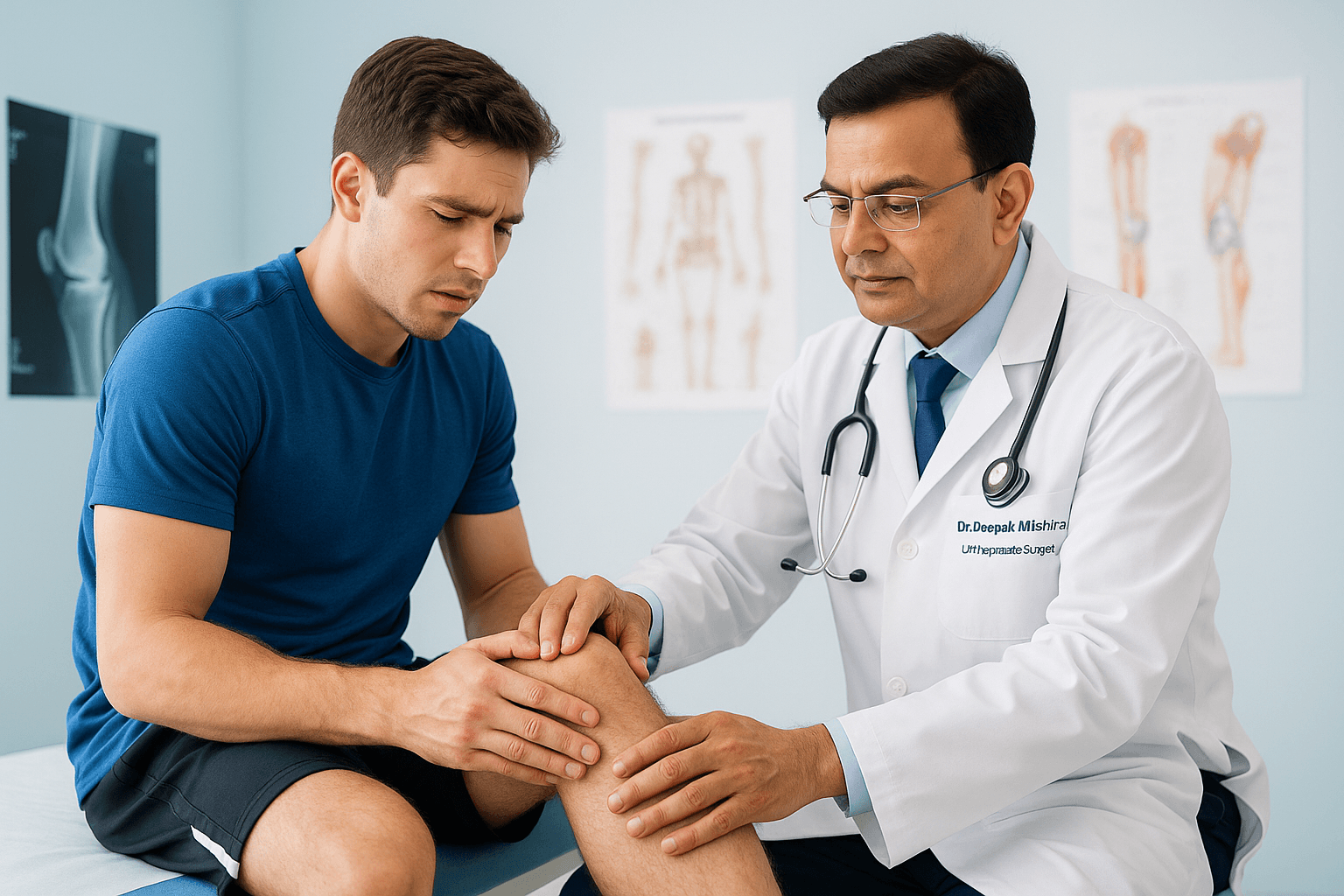
According to Dr. Deepak Kumar Mishra, the best orthopedic doctor in Faridabad, arthroscopy, and joint replacement surgeon in Faridabad, the appropriate treatment approach depends on the patient’s symptoms, knee stability, functional requirements, and overall joint condition.
This comprehensive guide explains knee ligament injuries, their causes, symptoms, diagnosis, treatment options, surgical procedures, rehabilitation, and expected recovery timelines.
What Is a Knee Ligament Tear?
A knee ligament tear occurs when one or more of the strong bands of connective tissue supporting the knee joint become overstretched or damaged. Ligaments connect bones and help maintain stability during walking, running, bending, jumping, and changing direction.
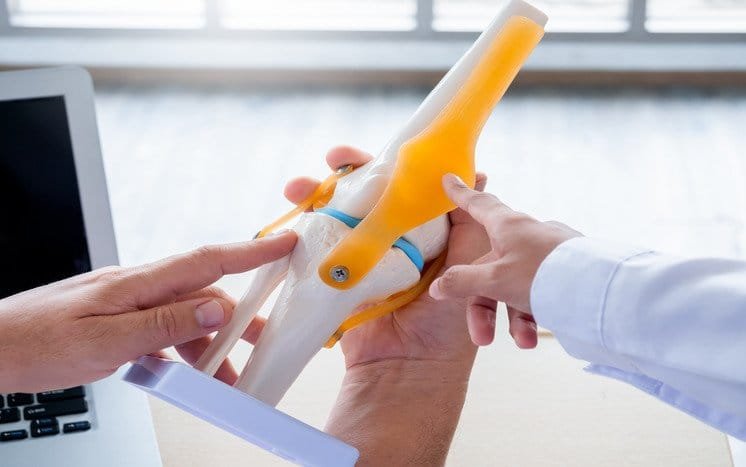
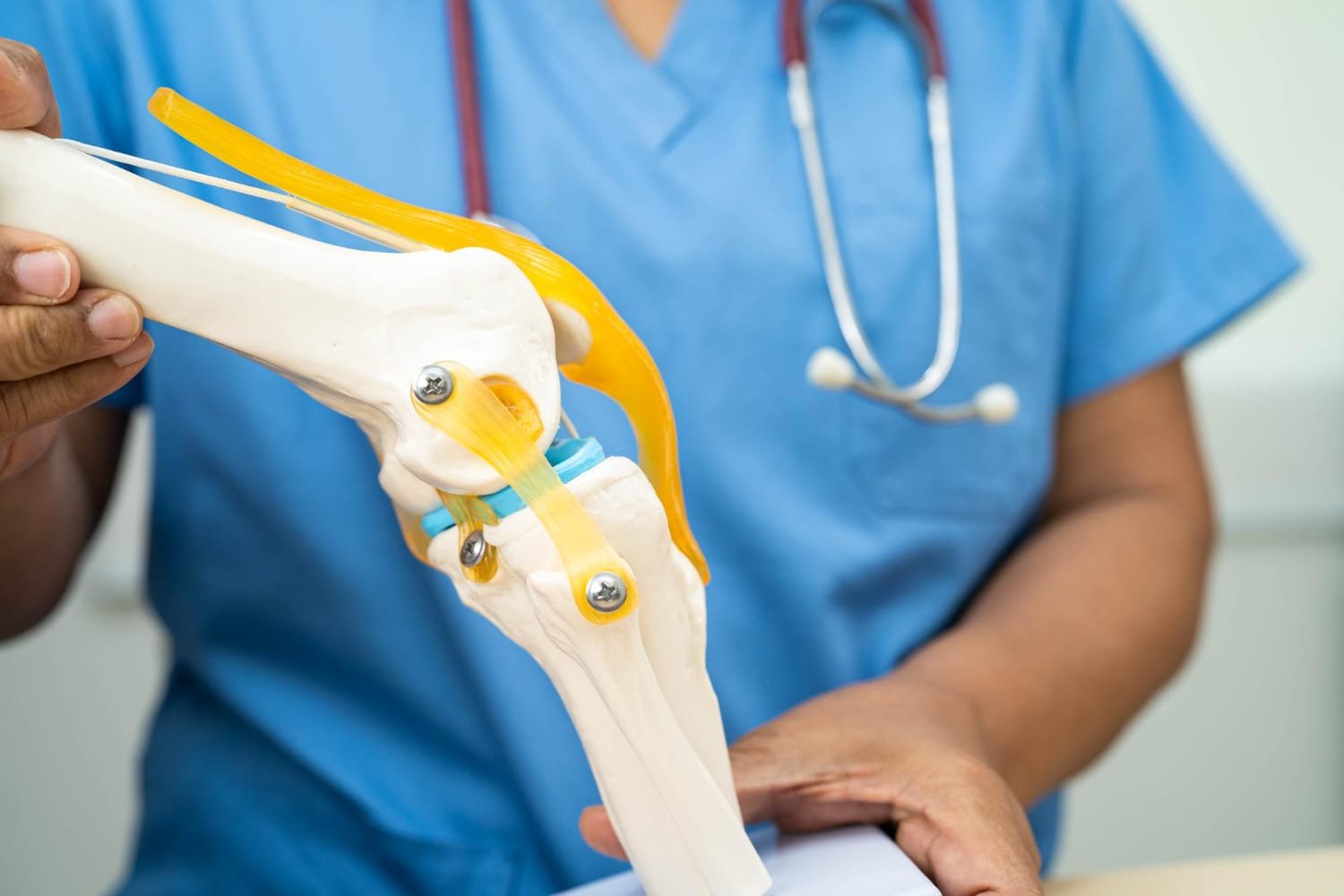
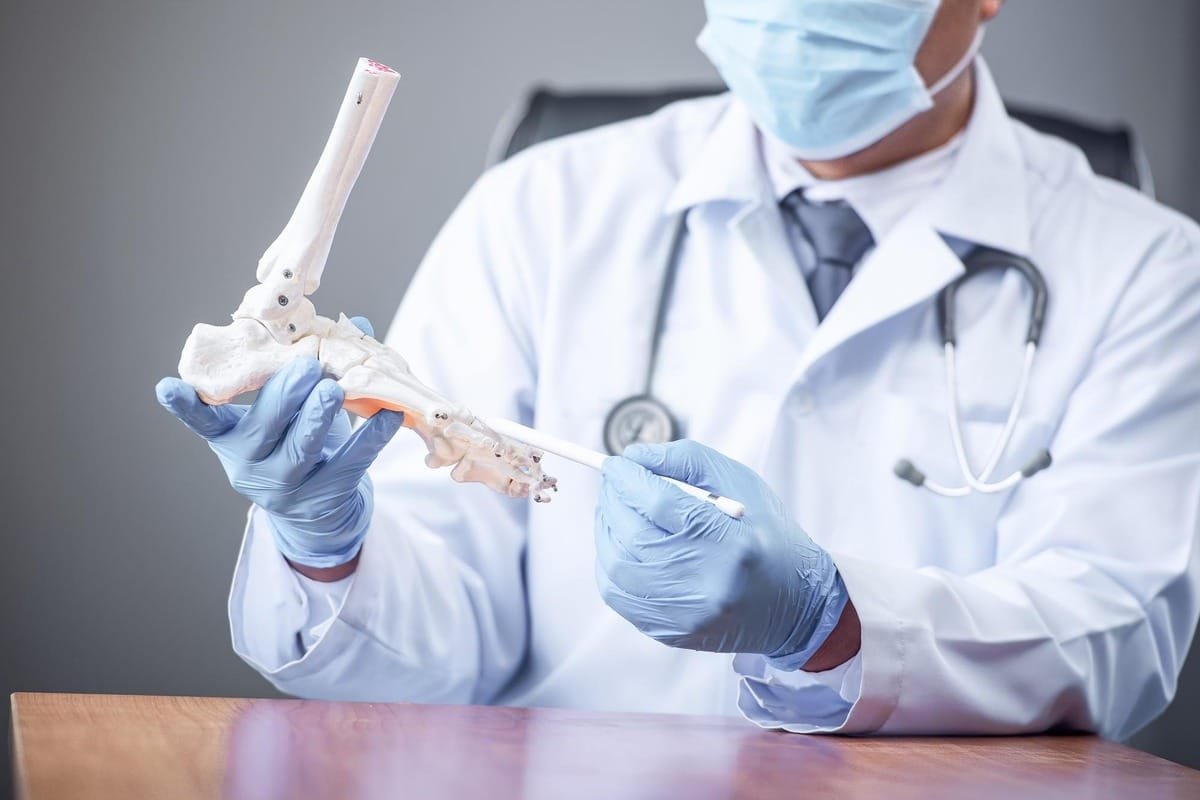
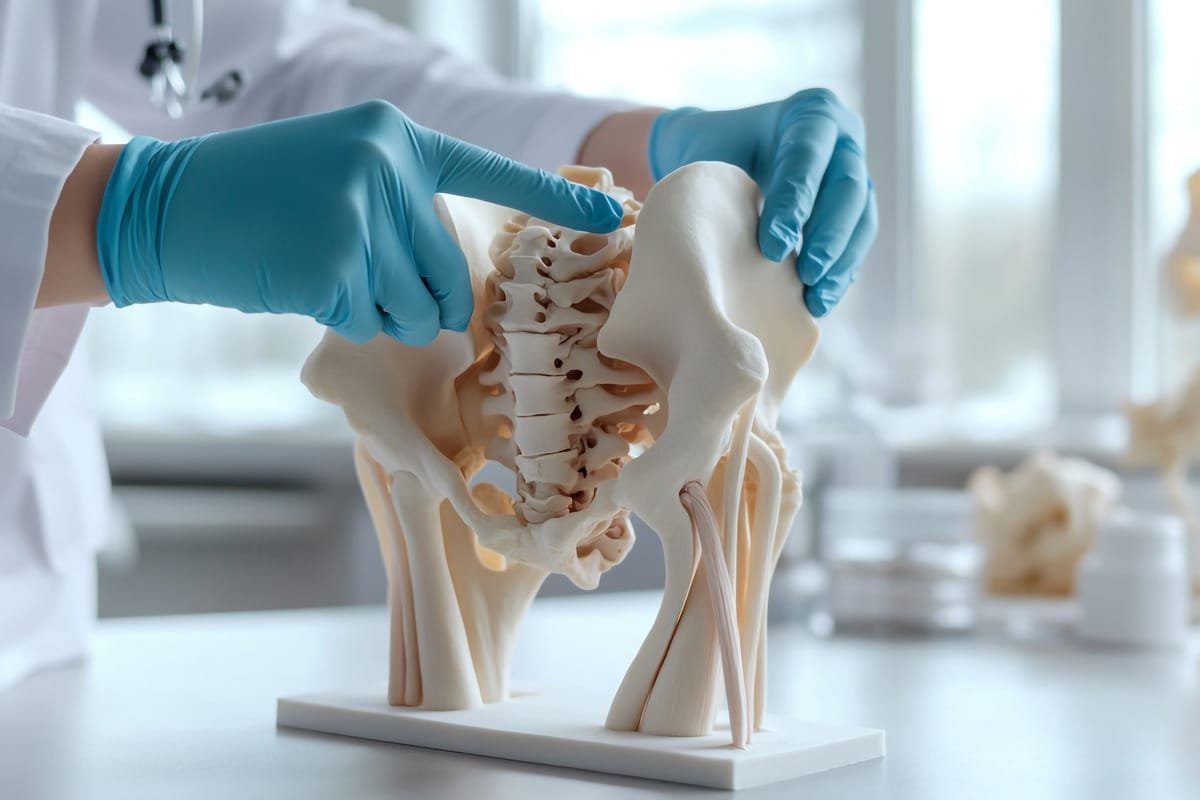
The knee joint consists of the femur (thigh bone), tibia (shin bone), and patella (kneecap). Four major ligaments work together to stabilise the knee and prevent excessive movement.
1. Anterior Cruciate Ligament (ACL)
The ACL is located inside the knee joint and prevents the shin bone from moving excessively forward. It also helps control rotational movements.
ACL tears frequently occur during sports involving sudden stops, jumping, pivoting, or rapid changes in direction, such as football, basketball, badminton, and skiing.
2. Posterior Cruciate Ligament (PCL)
The PCL prevents the shin bone from moving excessively backward. It is commonly injured during road accidents, direct impacts to a bent knee, or high-impact sporting activities.
PCL injuries may occur alone or alongside other ligament damage.
3. Medial Collateral Ligament (MCL)
The MCL is located on the inner side of the knee. It prevents excessive inward bending of the knee joint.
MCL injuries often occur when a force pushes the knee sideways, particularly during contact sports.
4. Lateral Collateral Ligament (LCL)
The LCL supports the outer side of the knee and provides stability against outward forces.
LCL tears are less common than MCL injuries but may be associated with other ligament injuries and damage to structures at the back and outer side of the knee.
Identifying the injured ligament is an important first step in choosing the most suitable treatment.
What Are the Common Causes of Knee Ligament Tears?
Knee ligament injuries may occur during physical activities, accidents, or sudden movements that place excessive stress on the joint.
Common causes include:
- Sudden twisting or pivoting while the foot remains planted.
- Landing incorrectly after jumping.
- Rapidly changing direction while running.
- Direct impact to the knee during contact sports.
- Road traffic accidents.
- Slipping or falling on uneven surfaces.
- Excessive stretching or bending of the knee.
- Hyperextension of the knee joint.
Athletes participating in football, cricket, basketball, badminton, wrestling, and other high-impact sports may be particularly vulnerable to ligament injuries.
However, knee ligament tears can also occur during routine activities, including climbing stairs, stepping awkwardly, or slipping on wet surfaces.
Muscle weakness, fatigue, poor movement mechanics, and previous knee injuries may increase injury risk.
Knee Ligament Tear Symptoms: Warning Signs You Should Not Ignore
Symptoms vary depending on the ligament involved and the severity of the injury.
Some patients experience immediate pain and swelling, while others may initially notice only mild discomfort or instability.
Common symptoms include:
1. Sudden knee pain
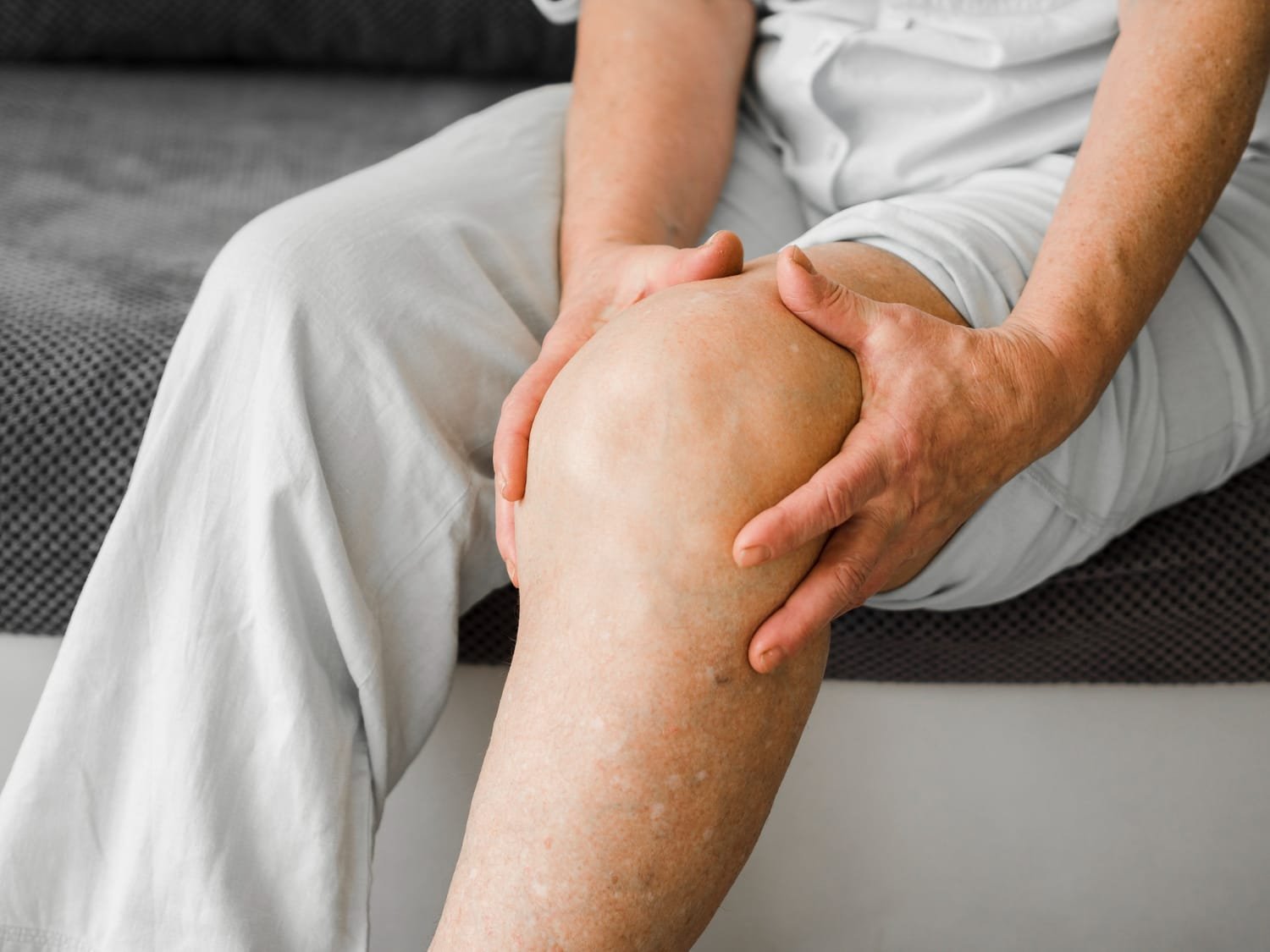
Pain may begin immediately after an injury. It can be mild, moderate, or severe depending on the damaged structures.
2. Popping sensation
Some patients report hearing or feeling a popping sound when the ligament tears, especially during an ACL injury.
3. Knee swelling
Swelling may develop rapidly within the first few hours or increase gradually.
4. Difficulty walking
The injured knee may become painful when bearing weight, making walking, standing, or climbing stairs difficult.
5. Knee instability
Patients may feel that their knee is giving way or cannot support their body weight properly.
6. Reduced range of motion
Bending or straightening the knee may become difficult due to pain, swelling, or associated internal injury.
7. Tenderness around the joint
Pain may be concentrated along the inner or outer side of the knee, depending on the injured ligament.
8. Difficulty participating in sports
Running, jumping, squatting, and sudden directional movements may become painful or unstable.
Persistent symptoms should not be ignored, as untreated instability can contribute to further knee damage.
Seek emergency assessment if the knee appears deformed, the foot becomes cold or numb, or the injury is associated with severe trauma.
Grades of Knee Ligament Tear
Orthopaedic specialists commonly classify ligament injuries into three grades according to severity.
Grade 1: Mild Ligament Sprain
In a Grade 1 injury, the ligament fibres are stretched or sustain minor damage without significant joint instability.
Symptoms typically include mild pain, tenderness, and limited swelling.
Treatment usually involves activity modification, rehabilitation, and gradual return to normal movement.
Grade 2: Partial Ligament Tear
A Grade 2 injury involves partial tearing of ligament fibres.
Patients may experience moderate pain, swelling, difficulty walking, and some knee looseness.
Treatment may include bracing, physiotherapy, rehabilitation exercises, and specialist monitoring.
Some patients require additional intervention depending on the ligament and instability.
Grade 3: Complete Ligament Tear
A Grade 3 injury involves complete disruption of ligament fibres.
The knee may become significantly unstable, especially during twisting or weight-bearing movements.
Treatment depends on which ligament is injured, associated damage, and the patient’s activity requirements.
Not every complete ligament tear requires surgery. For example, some isolated MCL tears heal with structured non-surgical treatment, while certain complete ACL tears may require reconstruction to restore functional stability.
How Is a Knee Ligament Tear Diagnosed?
Accurate diagnosis is essential because ligament injuries may occur alongside meniscus tears, cartilage damage, fractures, or other knee problems.
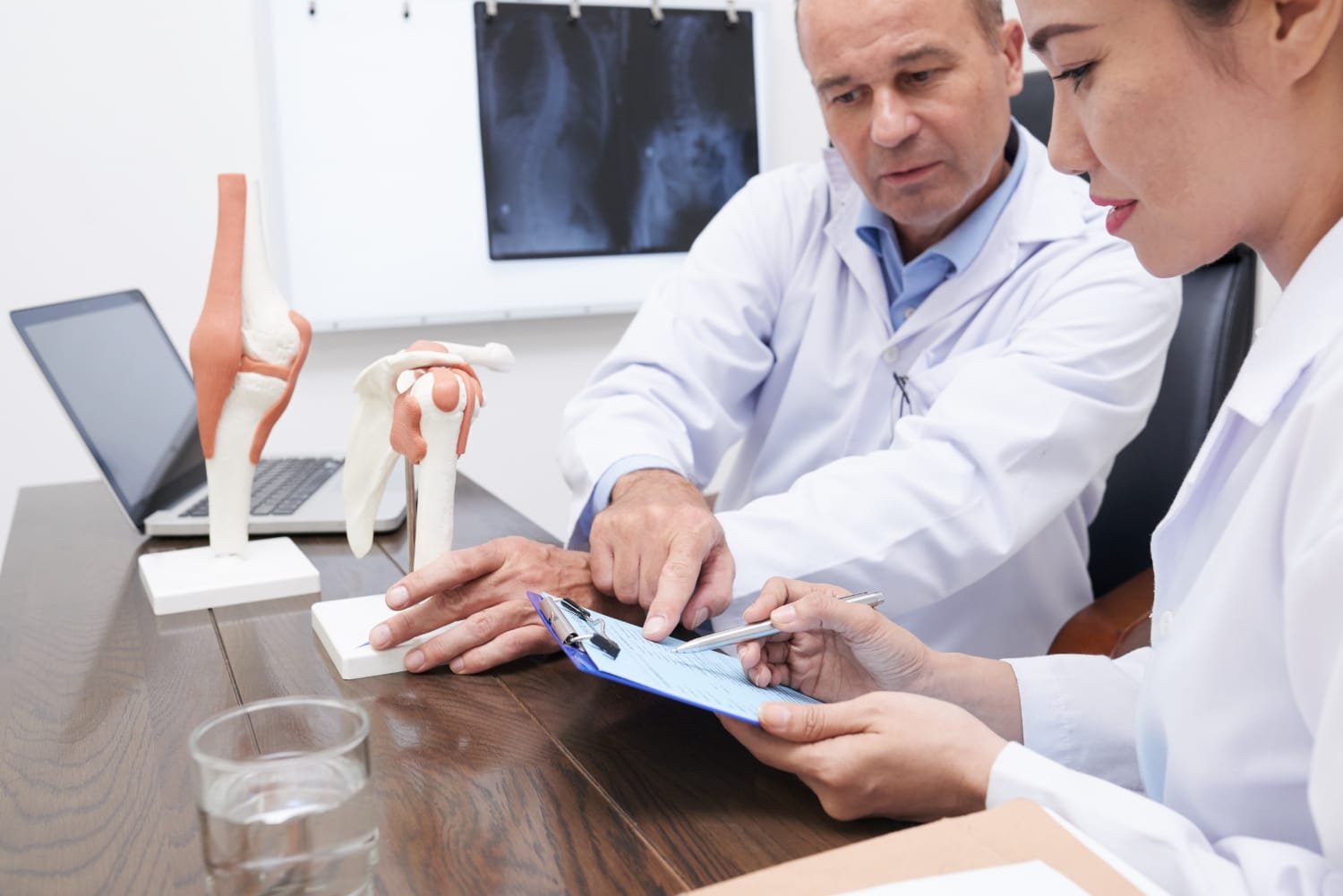
An orthopaedic specialist generally begins with a detailed medical history and physical examination.
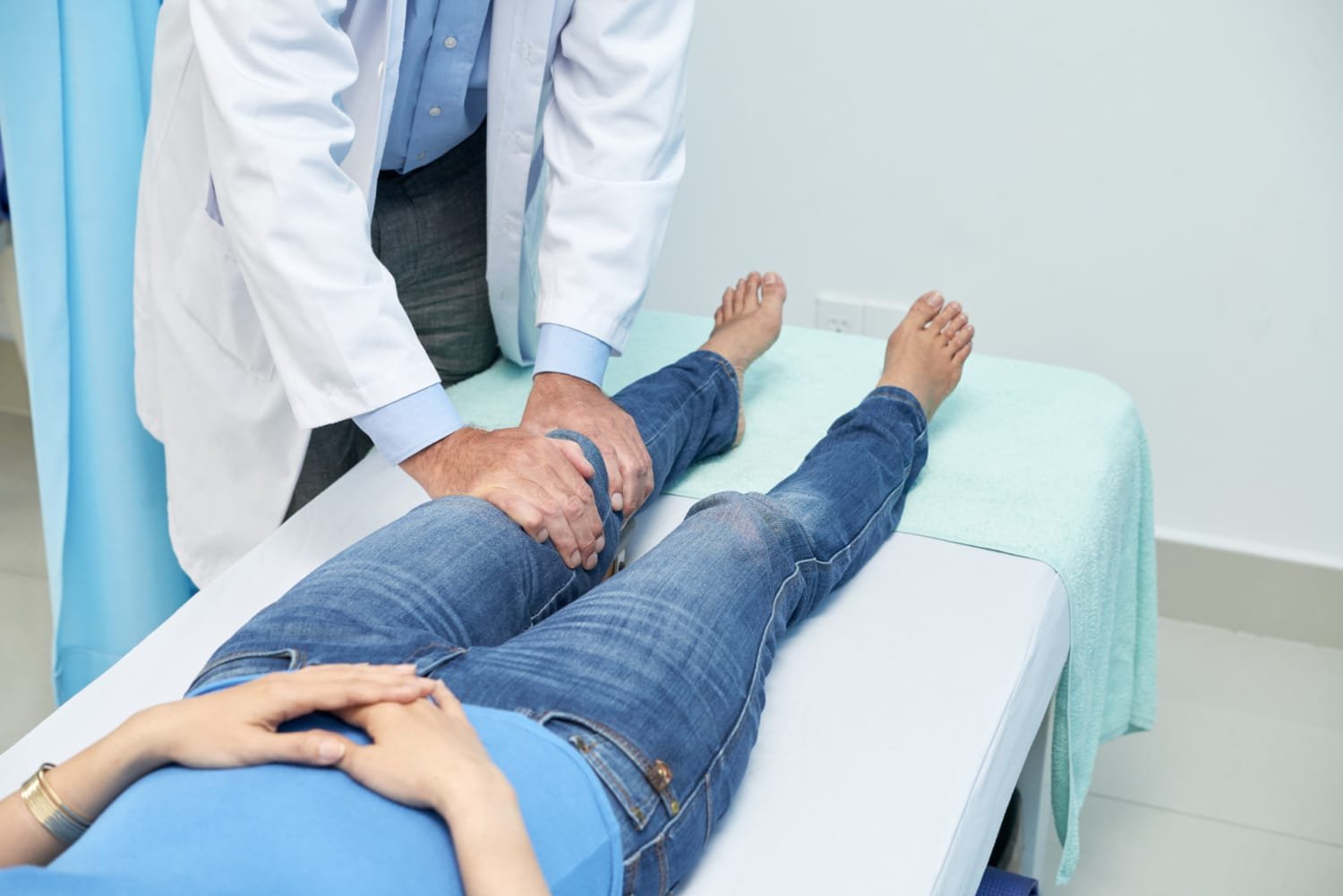
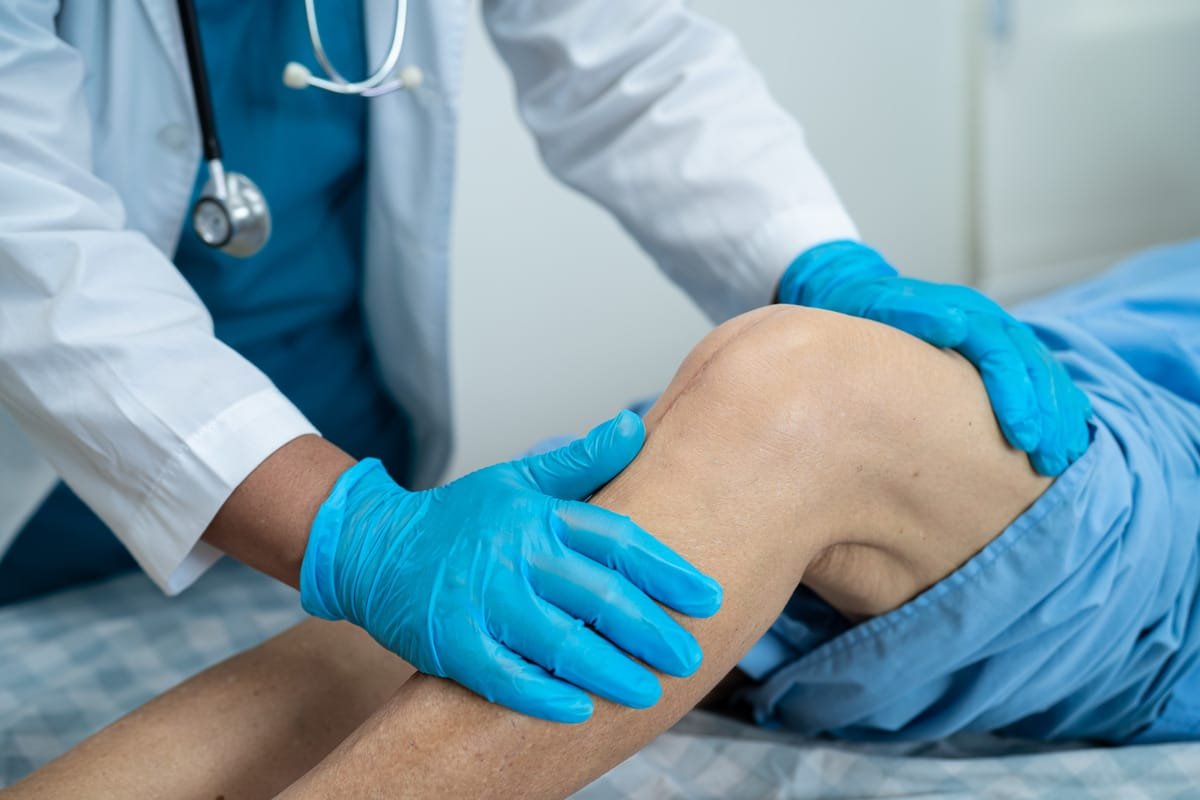
Physical examination
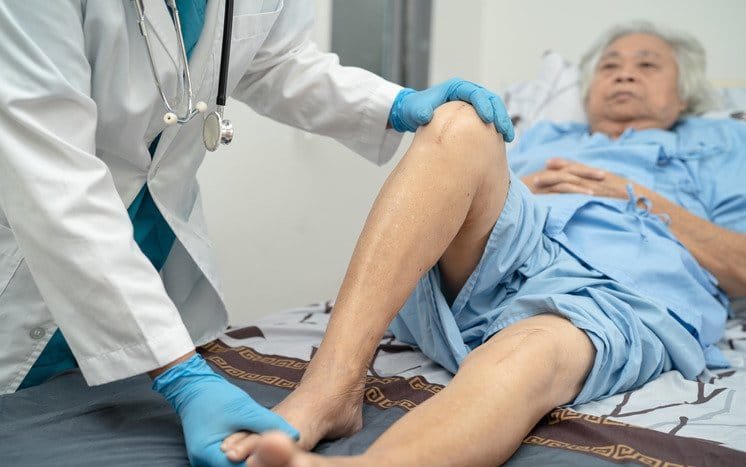
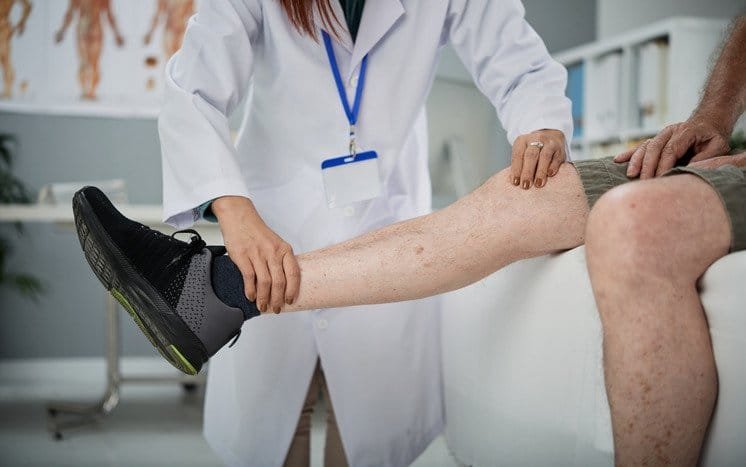
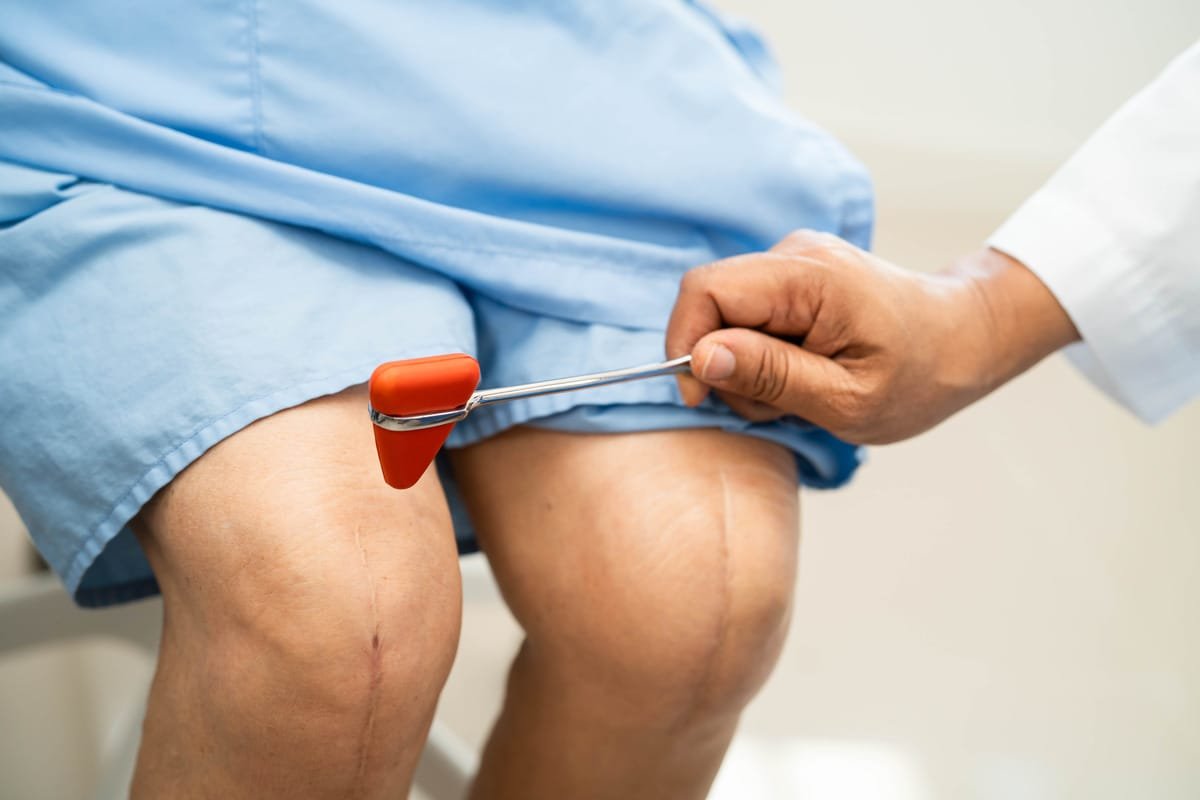
The doctor evaluates swelling, tenderness, knee alignment, range of motion, and joint stability.
Special examination techniques such as the Lachman test, anterior drawer test, posterior drawer test, and valgus or varus stress tests may help identify the injured ligament.
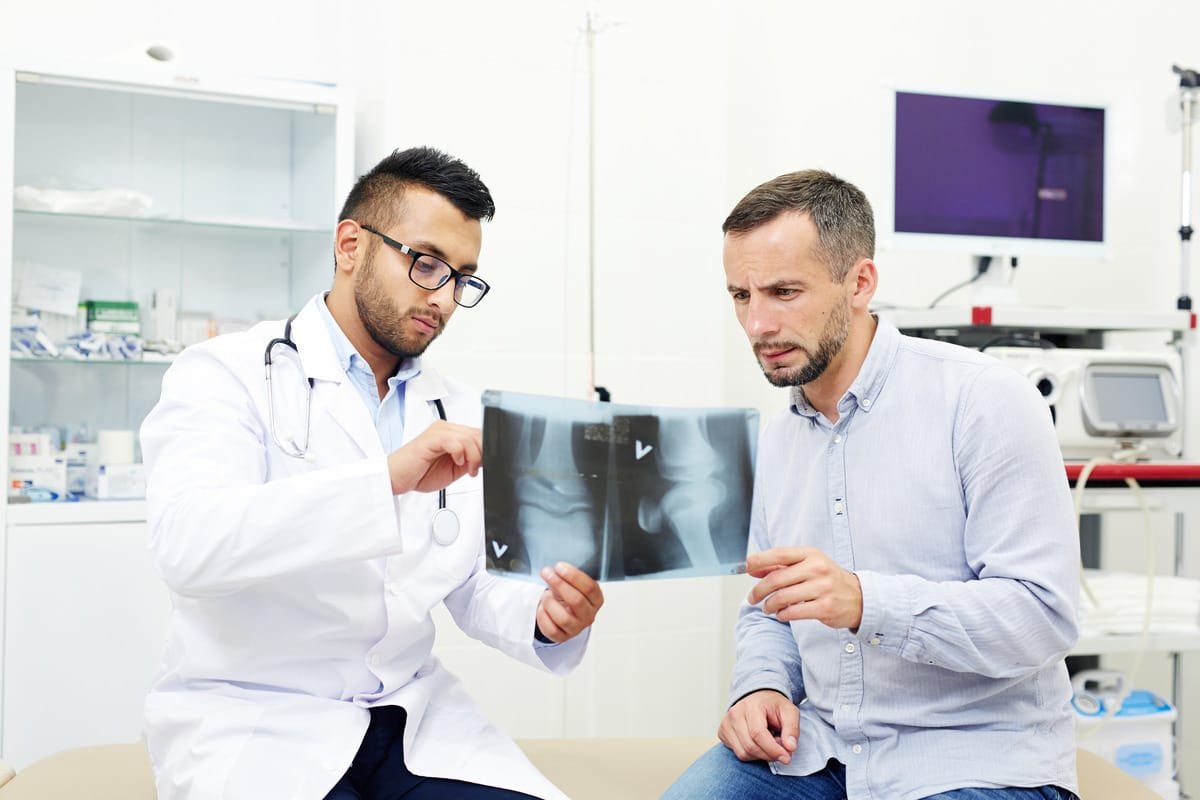
X-ray examination
X-rays do not directly show ligaments but help identify fractures, abnormal alignment, or associated bone injuries.
MRI scan
Magnetic Resonance Imaging provides detailed images of the ligaments, cartilage, meniscus, and other soft tissues.
MRI is especially useful when a complete tear, combined ligament injury, or associated cartilage and meniscus damage is suspected.
However, an MRI is not necessary for every knee injury. A specialist may diagnose some ligament injuries clinically. AAOS+1
Knee Ligament Tear Treatment: What Are the Available Options?
The best treatment for a knee ligament tear depends on the extent of tissue damage, joint stability, activity level, and individual recovery goals.
Treatment is broadly divided into non-surgical management and surgical intervention.
1. Non-Surgical Treatment for Knee Ligament Tears
Many mild and moderate knee ligament injuries can be managed successfully without surgery.
Non-surgical treatment focuses on controlling pain, reducing swelling, restoring joint movement, strengthening surrounding muscles, and improving stability.
Rest and activity modification
Patients should temporarily avoid running, jumping, pivoting, or performing movements that aggravate the injury.
However, prolonged complete immobilisation is generally avoided unless specifically recommended by the treating doctor.
Ice application
Applying a cold pack wrapped in a towel for approximately 15–20 minutes at a time can help reduce pain and swelling during the early stages of injury.
Compression and elevation
Elastic compression and elevating the injured leg may help control swelling.
Compression should not be so tight that it causes numbness, tingling, or altered circulation.
Knee braces and support
An orthopaedic specialist may recommend a hinged knee brace to protect the injured ligament during healing.
Bracing requirements vary depending on the ligament, tear severity, and overall knee stability.
Pain-relieving medications
Pain medications or anti-inflammatory drugs may be recommended when appropriate.
Patients should avoid taking medicines without medical advice, particularly if they have kidney problems, stomach ulcers, bleeding risks, or other relevant health conditions.
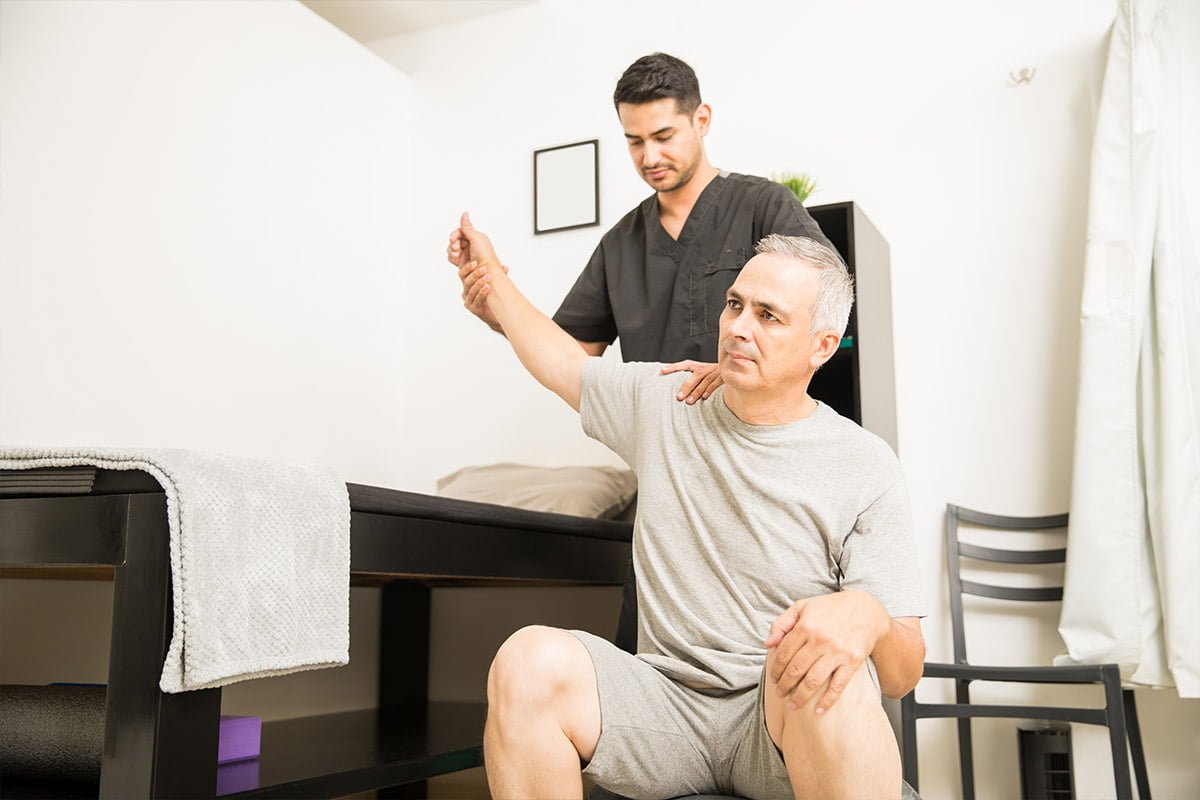
Physiotherapy and rehabilitation
Physiotherapy is an essential part of ligament injury recovery.
A structured rehabilitation programme may include:
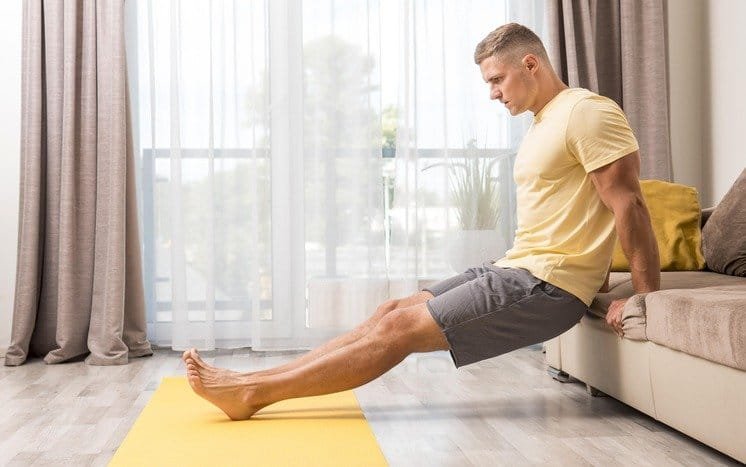
- Gentle range-of-motion exercises.
- Quadriceps and hamstring strengthening.
- Progressive weight-bearing activities.
- Balance and coordination training.
- Neuromuscular control exercises.
- Functional movement and gait training.
The goal is to restore knee movement and improve stability while minimising the risk of reinjury.
2. Surgical Treatment for Knee Ligament Tears
Surgery may be recommended when the ligament injury produces significant instability, involves multiple ligaments, or prevents the patient from returning safely to desired activities.
Athletes involved in pivoting sports and patients with associated meniscus or cartilage injuries may particularly benefit from a specialist surgical assessment.
ACL Reconstruction Surgery
ACL reconstruction is one of the most frequently performed surgical procedures for significant ACL injuries.
During the procedure, the damaged ACL is replaced with a tendon graft to restore stability.
Grafts may be obtained from the patient’s own hamstring, patellar, or quadriceps tendon, while donor grafts may be appropriate in selected cases.
The procedure is commonly performed using arthroscopic techniques through small incisions.
PCL Reconstruction
PCL reconstruction may be considered for severe PCL injuries, persistent instability, or combined ligament damage.
Treatment decisions depend on clinical findings and the patient’s functional requirements.
MCL and LCL Repair or Reconstruction
Many isolated MCL injuries heal without surgery.
However, certain complete tears, displaced ligament injuries, combined ligament injuries, and significant LCL or posterolateral corner injuries may require repair or reconstruction.
Multi-Ligament Knee Surgery
Severe accidents can damage several knee ligaments simultaneously.
These complex injuries require detailed assessment and an individualised treatment plan. Some involve injury to nerves or blood vessels and may require urgent intervention.
The American Academy of Orthopaedic Surgeons recommends considering early reconstruction when surgery is indicated for an acute isolated ACL tear, because the risk of additional meniscus and cartilage injury can increase with delay. PMC+1
Knee Ligament Tear Recovery Time: How Long Does It Take to Heal?
Recovery time varies considerably between patients.
A minor MCL sprain may recover within weeks, whereas an ACL injury requiring reconstruction may involve several months of rehabilitation before unrestricted sports participation.
The following table provides general recovery estimates.
| Type of ligament injury | Approximate recovery period |
|---|---|
| Grade 1 MCL or LCL sprain | 2–4 weeks |
| Grade 2 MCL or LCL tear | 4–6 weeks |
| Grade 3 isolated MCL or LCL tear treated without surgery | Around 6–8 weeks or longer |
| Mild PCL injury | 4–6 weeks |
| Moderate PCL injury | 6–8 weeks or longer |
| Partial ACL tear managed without surgery | Commonly 3 months or longer |
| ACL reconstruction | Usually 6–12 months for return to full sports; sometimes longer |
| Complex or multi-ligament injuries | Several months to a year or more |
These are broad rehabilitation and return-to-activity estimates, not guaranteed ligament-healing times. Individual recovery depends on examination findings, associated injuries and functional testing. PMC+2
It is important to understand that walking comfortably and being ready for competitive sports are different recovery milestones.
A patient may resume routine walking long before the knee is ready for running, jumping, or high-impact sports.
Recovery After ACL Reconstruction Surgery: A Step-by-Step Timeline
ACL surgery recovery involves several rehabilitation phases.
The timeline must be adjusted according to the surgical technique, graft selection, additional procedures, and the patient’s progress.
Phase 1: First 1–2 Weeks
The initial focus is on managing pain and swelling, protecting the surgical area, and gradually restoring knee extension.
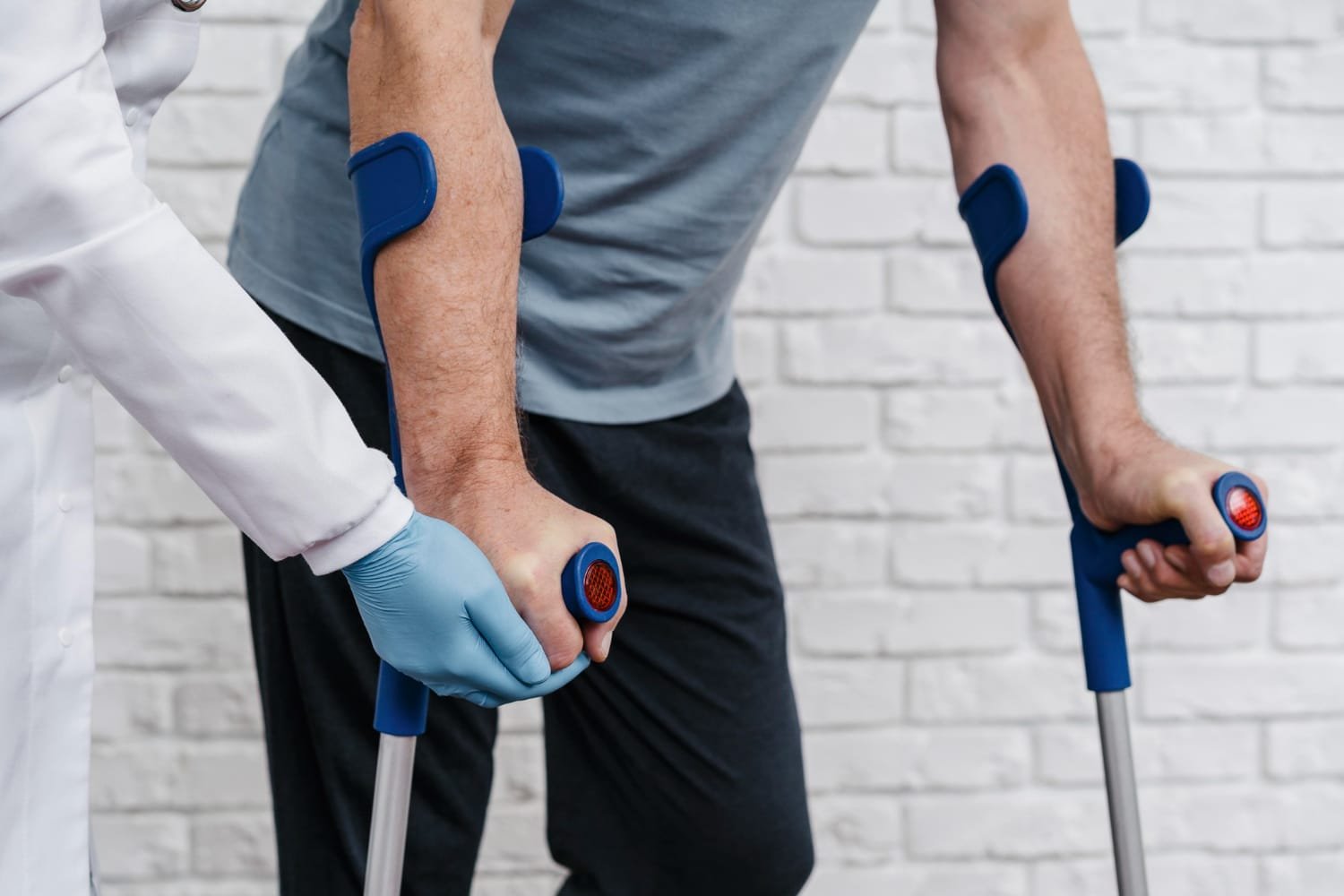
Patients may require crutches or a knee brace according to their surgeon’s instructions.
Gentle movement and prescribed muscle activation exercises are usually introduced early.
Phase 2: Weeks 3–6
During this stage, rehabilitation focuses on improving walking mechanics, restoring movement, and gradually increasing muscle strength.
Exercises may include stationary cycling, controlled strengthening, and balance activities when clinically appropriate.
Phase 3: Weeks 6–12
Progressive strengthening becomes increasingly important.
Rehabilitation may involve closed-chain exercises, balance training, and controlled functional movements.
The physiotherapist monitors swelling, movement quality, pain, and knee stability.
Phase 4: Months 3–6
Patients may begin more advanced strengthening and functional activities.
Some individuals can start a supervised running programme when they meet appropriate strength and movement criteria.
Running should not begin solely because a particular number of months has passed.
Phase 5: Months 6–9
Rehabilitation may include progressive agility, landing mechanics, jumping drills, and sports-specific exercises.
Athletes must demonstrate adequate strength, coordination, and knee control before advancing.
Phase 6: Months 9–12 and Beyond
Many patients gradually return to demanding sports activities during this period.
However, clearance should be based on knee stability, strength symmetry, functional performance, psychological readiness, and the surgeon’s assessment.
Some athletes may require a year or longer before safely resuming high-risk pivoting sports. AAOS+1
Can a Knee Ligament Tear Heal Without Surgery?
Yes. Many knee ligament injuries can improve with non-surgical treatment.
Minor MCL, LCL, and selected PCL injuries often respond well to rehabilitation.
Some partial ACL tears can also be managed conservatively, especially when the knee remains functionally stable.
However, complete ACL tears have limited natural healing potential, and patients with persistent instability may benefit from surgical reconstruction.
Non-surgical recovery is more likely to be suitable when:
- The ligament injury is mild or partial.
- The knee remains sufficiently stable.
- The patient has limited high-impact sporting requirements.
- No significant associated injury requires surgery.
- Rehabilitation successfully restores strength and function.
A specialist should evaluate the injury before deciding whether surgery can be avoided.
When Should You Consider Knee Ligament Surgery?
Surgery may be considered when symptoms persist despite appropriate conservative care or the knee remains unstable.
Possible indications include repeated giving-way episodes, major ligament disruption, combined ligament injuries, and associated repairable meniscus damage.
Patients whose jobs or sports involve frequent pivoting, climbing, or strenuous knee movement may require a different treatment strategy from those with lower physical demands.
Surgery is not automatically necessary because an MRI report describes a complete ligament tear.
The decision should consider symptoms, examination findings, imaging, activity goals, and the benefits and risks of surgery.
Role of Physiotherapy in Knee Ligament Recovery
Physiotherapy is essential in both surgical and non-surgical ligament rehabilitation.
A well-designed programme supports healing, protects the injured structures, and gradually improves function.
Strengthening the surrounding muscles
Strong quadriceps, hamstrings, gluteal muscles, and calf muscles help support movement and knee control.
Restoring flexibility and movement
Exercises aim to reduce stiffness and restore safe bending and straightening.
Improving balance and coordination
Proprioceptive and neuromuscular exercises improve the body’s ability to sense and control knee position.
Correcting movement patterns
Physiotherapists help patients improve walking, squatting, landing, and directional movement techniques.
Preventing future injuries
Strength training, controlled progression, and sport-specific rehabilitation can reduce modifiable injury risks.
Patients should continue their rehabilitation programme even after pain decreases, because pain relief does not necessarily indicate complete functional recovery.
Foods and Nutrition That May Support Ligament Recovery
Good nutrition supports tissue repair, muscle preservation, and overall rehabilitation.
Although no particular food can directly repair a torn ligament, a balanced diet helps provide the nutrients needed during recovery.
Protein-rich foods
Eggs, milk, paneer, pulses, lentils, fish, and lean meat provide protein needed for tissue maintenance and muscle recovery.
Vitamin C sources
Citrus fruits, amla, guava, capsicum, and other fruits and vegetables provide vitamin C, which contributes to normal collagen formation.
Vitamin D and calcium
Adequate vitamin D and calcium support bone and musculoskeletal health.
Healthy fats
Nuts, seeds, and oily fish can be included as part of a balanced diet.
Proper hydration
Adequate fluid intake supports general health and exercise performance during rehabilitation.
Nutritional supplements should be considered only when medically appropriate and should not replace prescribed treatment or physiotherapy.
Common Mistakes That Can Delay Knee Ligament Recovery
Recovery may be affected by poor rehabilitation habits, returning to sports too soon, or ignoring persistent symptoms.
Common mistakes include:
- Ignoring knee swelling and instability after an injury.
- Returning to sports before sufficient strength and movement control have been restored.
- Skipping physiotherapy sessions or prescribed home exercises.
- Performing strenuous exercises without medical clearance.
- Using a knee brace as a substitute for rehabilitation.
- Ignoring repeated episodes of knee giving way.
- Assuming that pain relief means complete ligament healing.
- Delaying assessment when a significant ligament injury is suspected.
Following a structured recovery programme and attending recommended follow-up appointments can help patients regain function and reduce complications.
How to Prevent Knee Ligament Injuries
Although not all ligament injuries can be prevented, certain precautions can reduce the risk.
Regular muscle strengthening is particularly important for maintaining knee control.
A proper warm-up programme before sports should include strengthening, balance, coordination, and controlled landing exercises.
Athletes should learn safe techniques for jumping, landing, pivoting, and changing direction.
Appropriate footwear, gradual increases in training intensity, sufficient recovery, and avoiding exercise when excessively fatigued may also help.
Patients with previous ligament injuries should receive professional guidance before returning to demanding physical activities.
Knee Ligament Tear Treatment in Faridabad: Consult Dr. Deepak Mishra

Dr. Deepak Kumar Mishra
Director & Head – Orthopaedic & Robotic Joint Replacement Surgery
MBBS, MS (Orthopaedics), MRCSEd (UK), MCh Orthopaedics (UK), FICS Orthopaedics (USA)
Choosing an experienced orthopaedic specialist is important for accurate diagnosis, appropriate treatment planning, and successful rehabilitation after a knee ligament injury.
For patients searching for the best orthopedic doctor in Faridabad, Dr. Deepak Kumar Mishra is an experienced specialist in orthopaedics, sports injuries, arthroscopy, ligament reconstruction, and advanced joint replacement surgery.
He has extensive experience in treating knee and hip conditions, including complex joint disorders and injuries that affect mobility and quality of life.
His clinical expertise includes ACL reconstruction, arthroscopic procedures, primary and revision knee replacement, hip replacement, and robotic-assisted joint replacement surgery.
Patients searching for the best robotic knee replacement surgeon in Faridabad may also consider Dr. Deepak Mishra for assessment of advanced knee arthritis and conditions requiring joint replacement.
It is important to distinguish between ligament reconstruction and knee replacement. A knee ligament tear is generally treated with rehabilitation or, when indicated, ligament repair or reconstruction. Robotic knee replacement is primarily used for selected patients with advanced joint damage and arthritis, rather than as a routine treatment for ligament tears.
Dr. Mishra’s publicly available professional profiles describe his involvement in orthopaedic surgery, arthroscopy, and robotic joint replacement. Best Joint Replacement Surgeon in Faridabad+2
For patients experiencing persistent knee pain, instability, swelling, or difficulty walking, an individualised orthopaedic evaluation can help determine the most appropriate treatment and recovery plan.
Frequently Asked Questions About Knee Ligament Tear Treatment
1. Who is the best orthopedic doctor in Faridabad for knee ligament tear treatment?
Dr. Deepak Kumar Mishra is an experienced orthopaedic surgeon in Faridabad specialising in sports injuries, arthroscopy, ligament reconstruction, and joint replacement. Patients considering treatment for a knee ligament tear can consult him for diagnosis, evaluation of knee stability, and personalised management. The most suitable doctor depends on the patient’s specific condition and treatment needs.
2. How long does a knee ligament tear take to heal?
Recovery depends on the injured ligament and severity. Mild collateral ligament sprains may improve within 2–4 weeks, whereas partial ACL injuries often require at least three months of rehabilitation. Recovery after ACL reconstruction commonly takes 6–12 months for full sports participation, and some patients require longer.
3. Can a knee ligament tear heal naturally without surgery?
Some ligament tears can heal or become functionally stable with non-surgical treatment. Mild MCL injuries and selected PCL or partial ACL injuries often respond to bracing and physiotherapy. Complete ACL tears are less likely to heal normally without intervention, although some patients achieve adequate function through rehabilitation.
4. Is knee ligament surgery painful?
Knee ligament surgery is generally performed under anaesthesia, so patients should not experience surgical pain during the procedure. Some postoperative pain, swelling, and stiffness are expected. These symptoms are managed through prescribed medication, rehabilitation, and appropriate postoperative care.
5. What is the recovery time after ACL surgery?
ACL reconstruction recovery generally requires several months of progressive rehabilitation. Many patients resume routine daily activities earlier, while unrestricted sporting activities typically require approximately 6–12 months or longer, depending on knee strength, stability, and functional recovery.
6. Can I walk with a torn knee ligament?
Some patients can walk despite a ligament tear, particularly when the injury is partial or the knee remains relatively stable. However, walking with significant instability can increase the risk of further injury. Weight-bearing should follow the advice of an orthopaedic specialist.
7. What happens if a knee ligament tear is left untreated?
An untreated significant ligament tear may cause persistent instability, repeated giving-way episodes, reduced activity levels, or additional meniscus and cartilage injuries. However, some ligament injuries recover successfully with supervised non-surgical treatment. Early assessment helps distinguish between these situations.
8. Is physiotherapy necessary after knee ligament surgery?
Yes. Physiotherapy is a major part of recovery after ligament reconstruction. It helps restore movement, strength, balance, coordination, and knee stability. Patients who do not complete appropriate rehabilitation may have persistent weakness or difficulty returning to their previous activity level.
9. Is robotic knee replacement surgery used for ligament tears?
Robotic-assisted knee replacement is not the standard treatment for an isolated knee ligament tear. Ligament injuries are commonly treated with rehabilitation or ligament reconstruction when required. Robotic knee replacement may be appropriate for selected patients with severe arthritis or advanced joint damage. Dr. Deepak Mishra has experience in both ligament-related orthopaedic care and robotic joint replacement.
10. When should I consult an orthopaedic doctor for knee ligament pain?
You should consult an orthopaedic doctor if you experience persistent knee pain, swelling, reduced movement, or difficulty bearing weight after an injury. A popping sensation followed by rapid swelling or repeated knee instability should also prompt evaluation. Serious injuries involving deformity, numbness, or circulation problems require urgent medical attention.
Conclusion
A knee ligament tear can affect mobility, stability, sporting performance, and everyday activities. However, with accurate diagnosis, appropriate treatment, and structured rehabilitation, many patients can regain satisfactory knee function.
The recovery period depends on the type and severity of the ligament injury. Mild injuries may improve within weeks, while complete ligament tears requiring reconstruction can involve several months of rehabilitation.
Not every ligament tear requires surgery. Non-surgical treatment, including physiotherapy and protective bracing, can be effective for selected injuries. When surgery is necessary, modern arthroscopic reconstruction techniques can help restore knee stability and support functional recovery.
Patients seeking specialist guidance for knee ligament tear treatment in Faridabad can consult Dr. Deepak Kumar Mishra, an experienced orthopaedic, arthroscopy, and robotic joint replacement surgeon.
Timely medical assessment, a personalised treatment plan, and consistent rehabilitation are important steps toward restoring knee function and returning safely to an active lifestyle.
Recent Blogs
-
-
Knee Ligament Tear Treatment and Recovery Time: A Complete Guide
- 27, October 2026
-
-
-
 Best ACL Surgeon in Delhi
- 17, October 2026
-
 Best Orthopedic Doctor in Delhi
- 13, October 2026
-
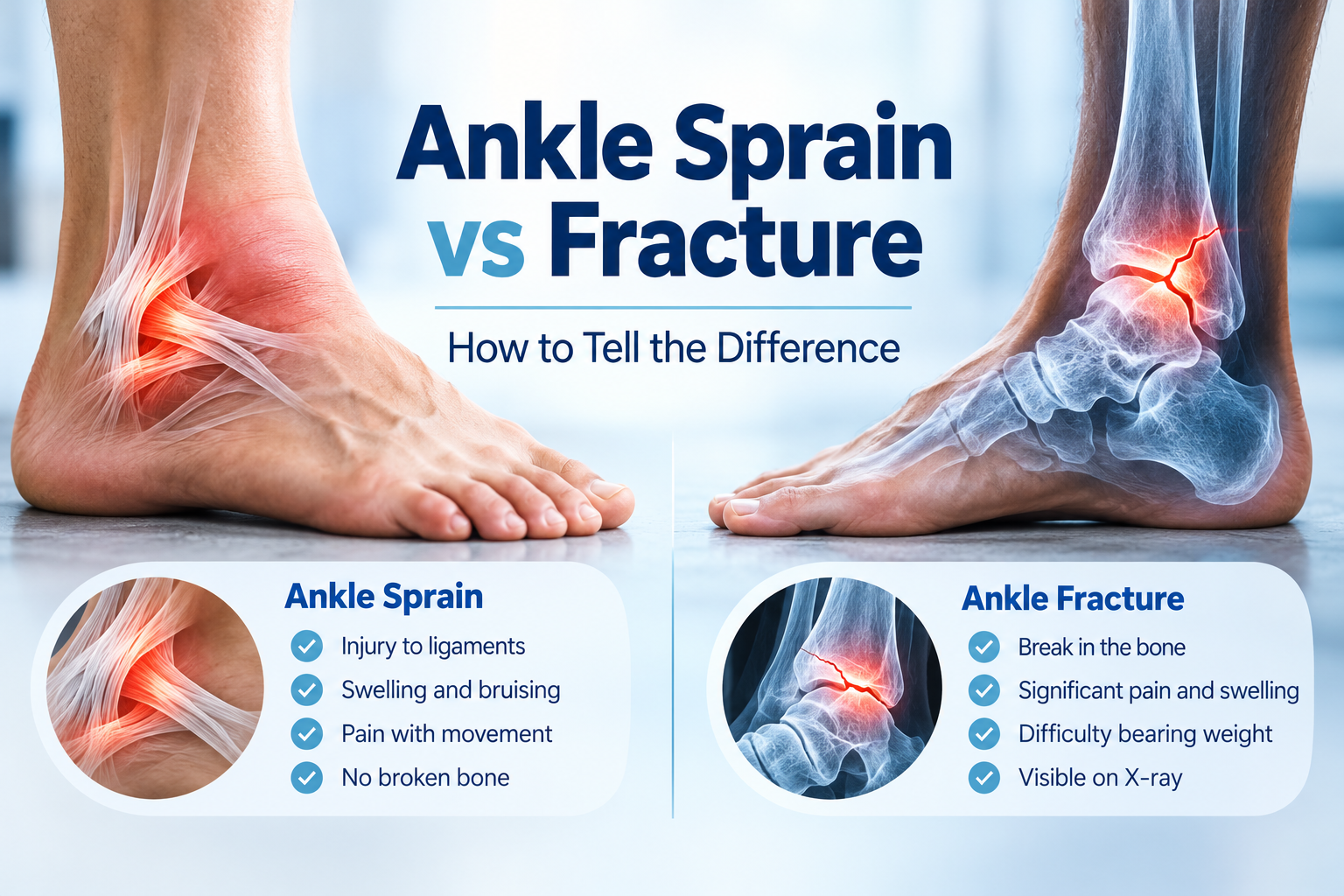
-
 When Is Knee Replacement the Only Option?
- 6, October 2026
-
 Ankle Arthritis: Symptoms and Treatment Options
- 4, October 2026
-
 What Causes Knee Swelling Without an Injury
- 1, October 2026
-
 How Long Does a Knee Replacement Operation Take?
- 25, September 2026
-
 Who Is the Best Bone Doctor in Faridabad?
- 22, September 2026
-
 Best Ankle Surgeon in Faridabad
- 18, September 2026
-
 Shoulder Dislocation Treatment in Faridabad
- 15, September 2026
-
 10 Common Mistakes After Knee Replacement Surgery
- 12, September 2026
-
 Top 10 Hip Surgeons in India
- 4, September 2026
-
 Orthopedic Surgeon: Definition, Expertise & Specialties
- 1, September 2026
-
 Top 10 Total Knee Replacement Surgeons in India – 2026
- 27, August 2026
-
 Top 10 Best Orthopedic Doctors in India
- 25, August 2026
-
 Dual Mobility Hip Replacement Surgery in Faridabad
- 21, August 2026
-
 Gold Knee Replacement Surgery in Faridabad
- 18, August 2026
-
-
-
-
 Bone Fracture Specialist in Faridabad
- 25, July 2026
-
 Robotic Partial Knee Replacement in Faridabad
- 21, July 2026
-
-
-
 Runner’s Knee: Prevention & Treatment
- 10, July 2026
-
 Best Knee Tendonitis Treatment in Faridabad
- 7, July 2026
-

-
 Why Does My Knee Make Clicking Sounds?
- 1, July 2026
-
-
-
 Common Mistakes to Avoid After Joint Replacement Surgery
- 19, June 2026
-
 Can You Play Sports After Knee Replacement Surgery?
- 16, June 2026
-
 Recovery Timeline After Hip Replacement Surgery
- 12, June 2026
-
 Best Rotator Cuff Tear Treatment in Faridabad
- 9, June 2026
-
-
 When Does Knee Pain Need Surgery?
- 19, May 2026
-
 Can You Walk Normally After Hip Replacement?
- 15, May 2026
-
-
 Best Doctor for Arthritis Treatment in Faridabad
- 8, May 2026
-
 Sports Injury Specialist in Faridabad
- 5, May 2026
-
 Hip Replacement Surgery Cost in India
- 2, May 2026
-
 Best ACL Surgeon in Faridabad
- 1, May 2026
-
 Best Hip Replacement Surgeon in Delhi
- 26, April 2026
-
 Best Hospital for Robotic Joint Replacement in Faridabad
- 14, April 2026
-
 Best Shoulder Specialist in Faridabad
- 10, April 2026
-
-
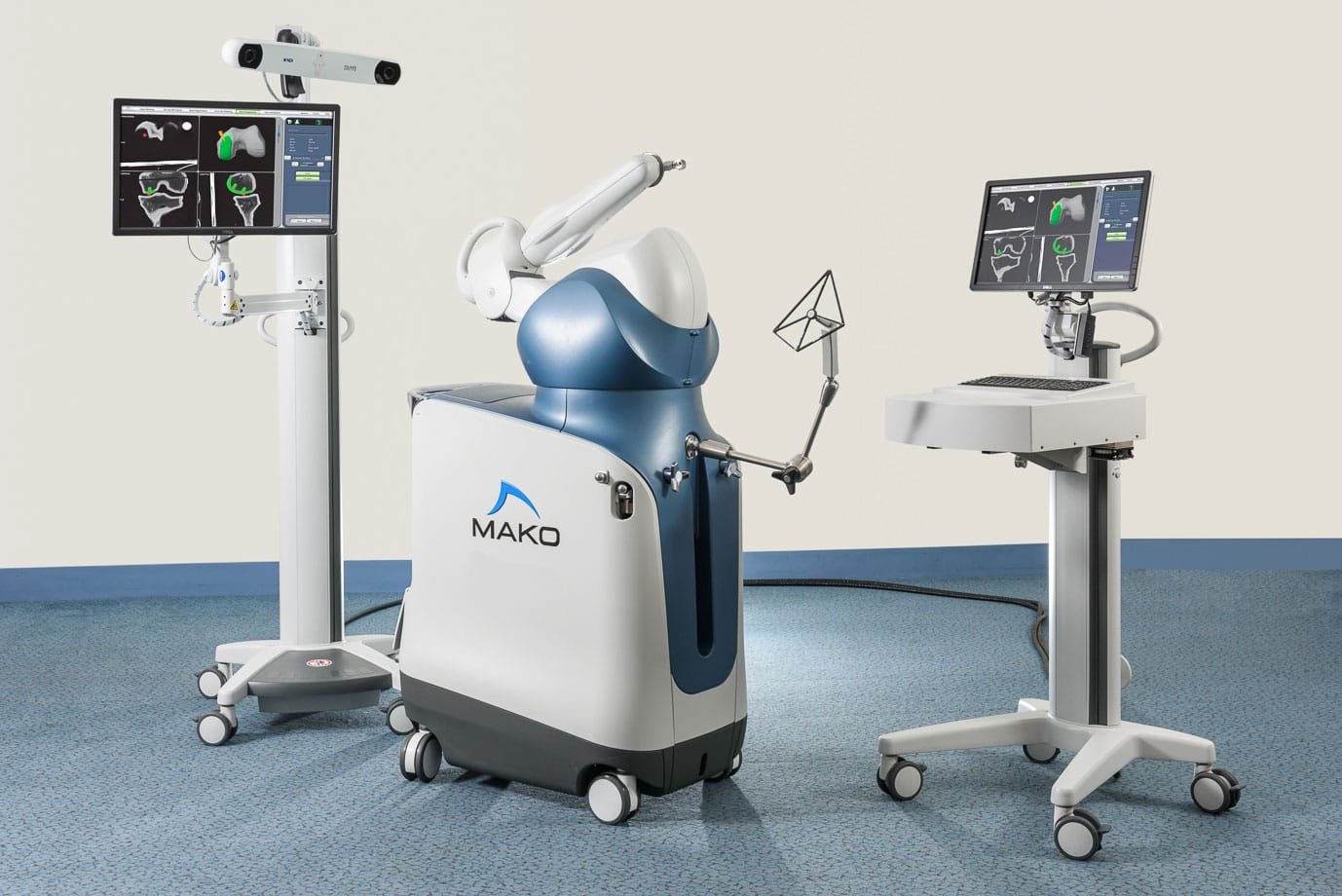 How Mako Robotic Improves Knee Replacement Outcomes
- 3, April 2026
-
 Best Orthopedic Hospital in Faridabad for Joint Pain
- 1, April 2026
-
 Don’t Delay Knee Surgery: 7 Warning Signs You Must Know
- 26, March 2026
-

-
 Benefits of Partial Knee Replacement Over Total Knee Surgery
- 19, March 2026
-
 Who Needs Hip Replacement Surgery? Signs & Eligibility
- 16, March 2026
-
 Best Joint Replacement Hospital in India
- 13, March 2026
-
 Shoulder Dislocation in Sports: Treatment and Recovery
- 11, March 2026
-
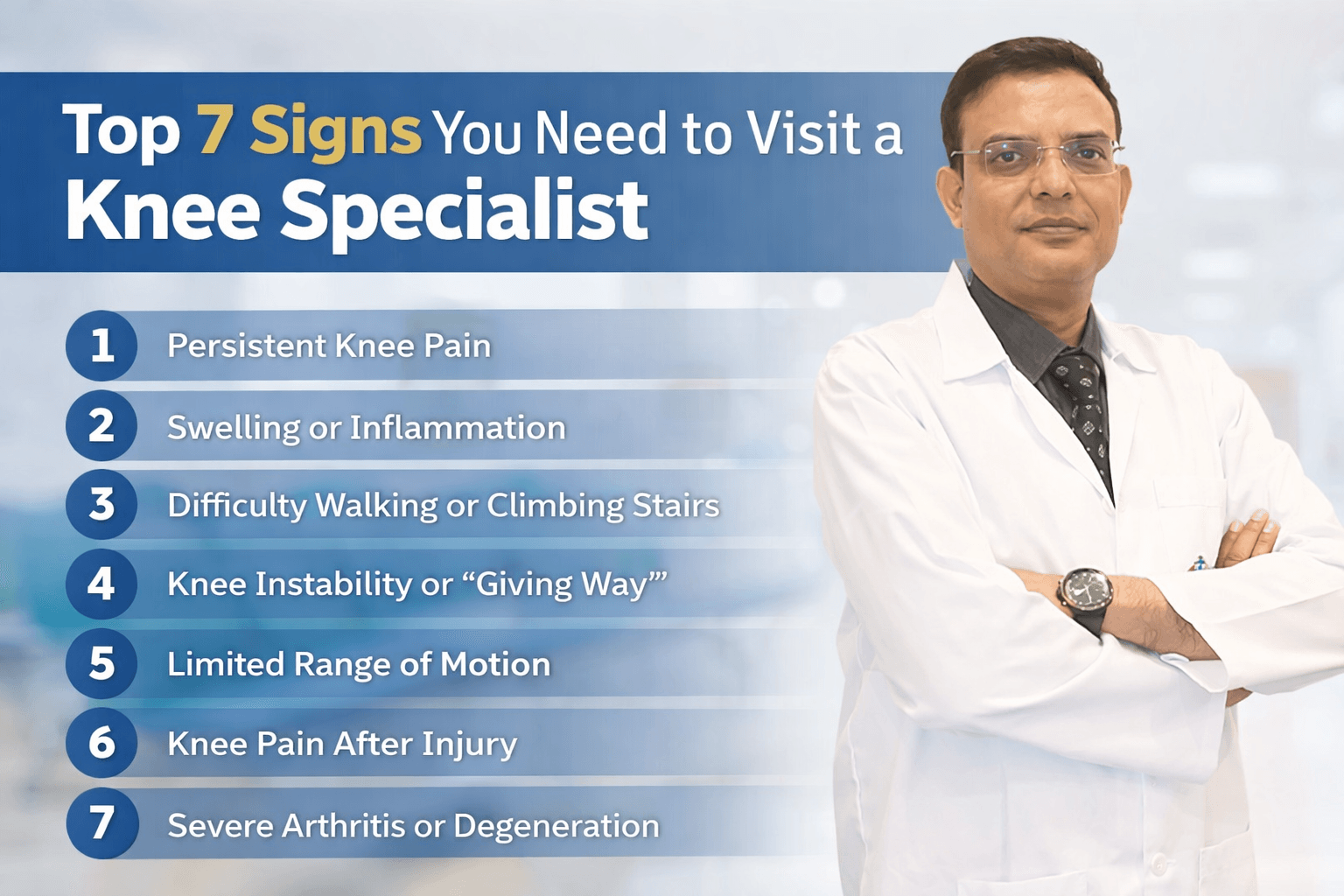 Top 7 Signs You Need to Visit a Knee Specialist
- 7, March 2026
-
-
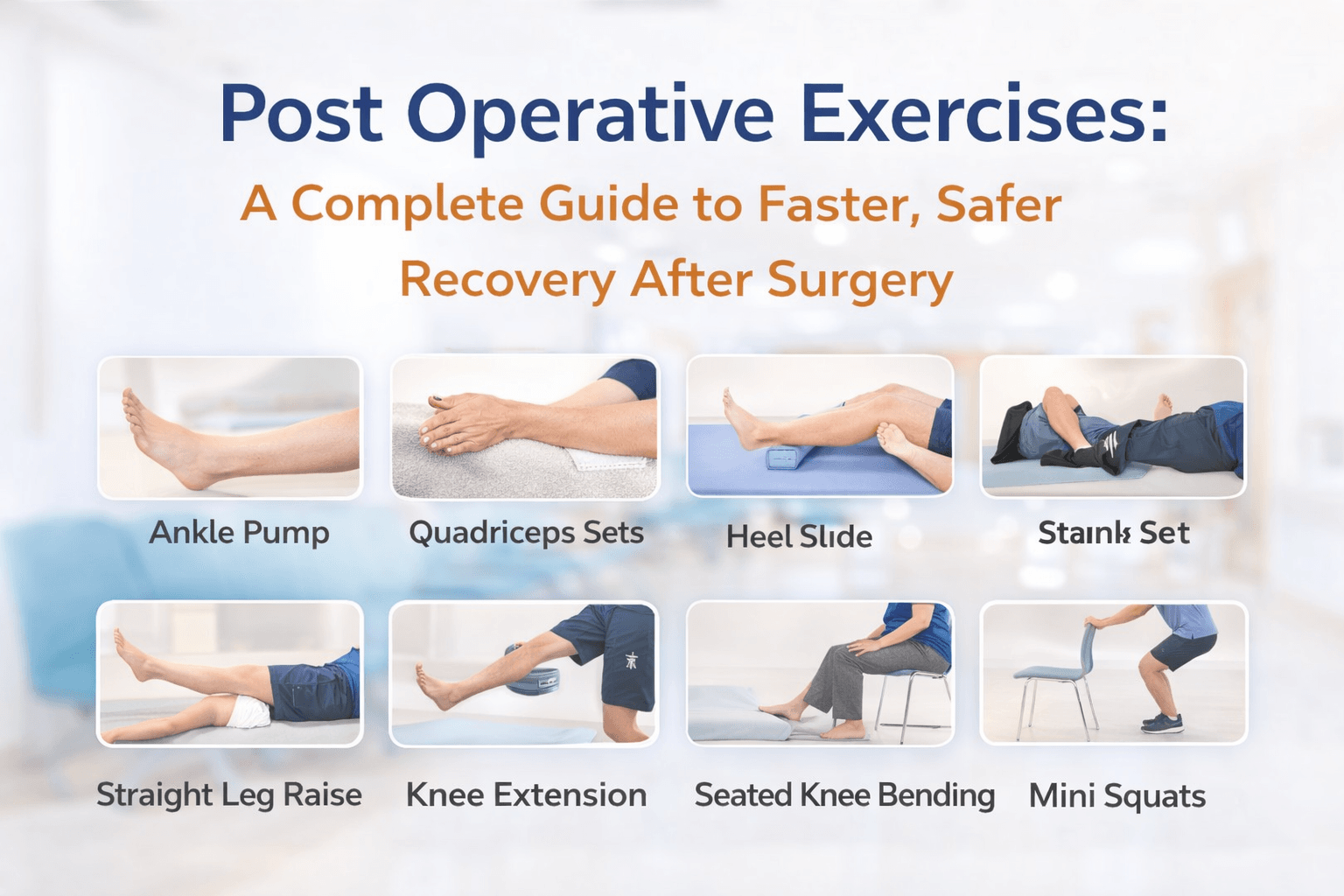 Post Operative Exercises
- 26, February 2026
-
 After ACL Surgery When Can I Walk?
- 24, February 2026
-
 What Happens If Knee Arthritis Is Left Untreated?
- 21, February 2026
-
 Can Knee Replacement Fail? Causes, Signs & Prevention
- 21, February 2026
-
 Who Is Not Suitable for Knee Replacement Surgery?
- 12, February 2026
-
 Best Meniscus Injury Surgeon in Faridabad
- 9, February 2026
-
 How Obesity Affects Knee Health & When to Consider Knee Replacement
- 6, February 2026
-
 Knee Pain After Sitting for Long Hours – What to Do
- 3, February 2026
-
 Most Common Sports Injuries and How to Prevent Them
- 26, January 2026
-
 Walking, Stairs & Daily Activities After Knee Replacement
- 22, January 2026
-
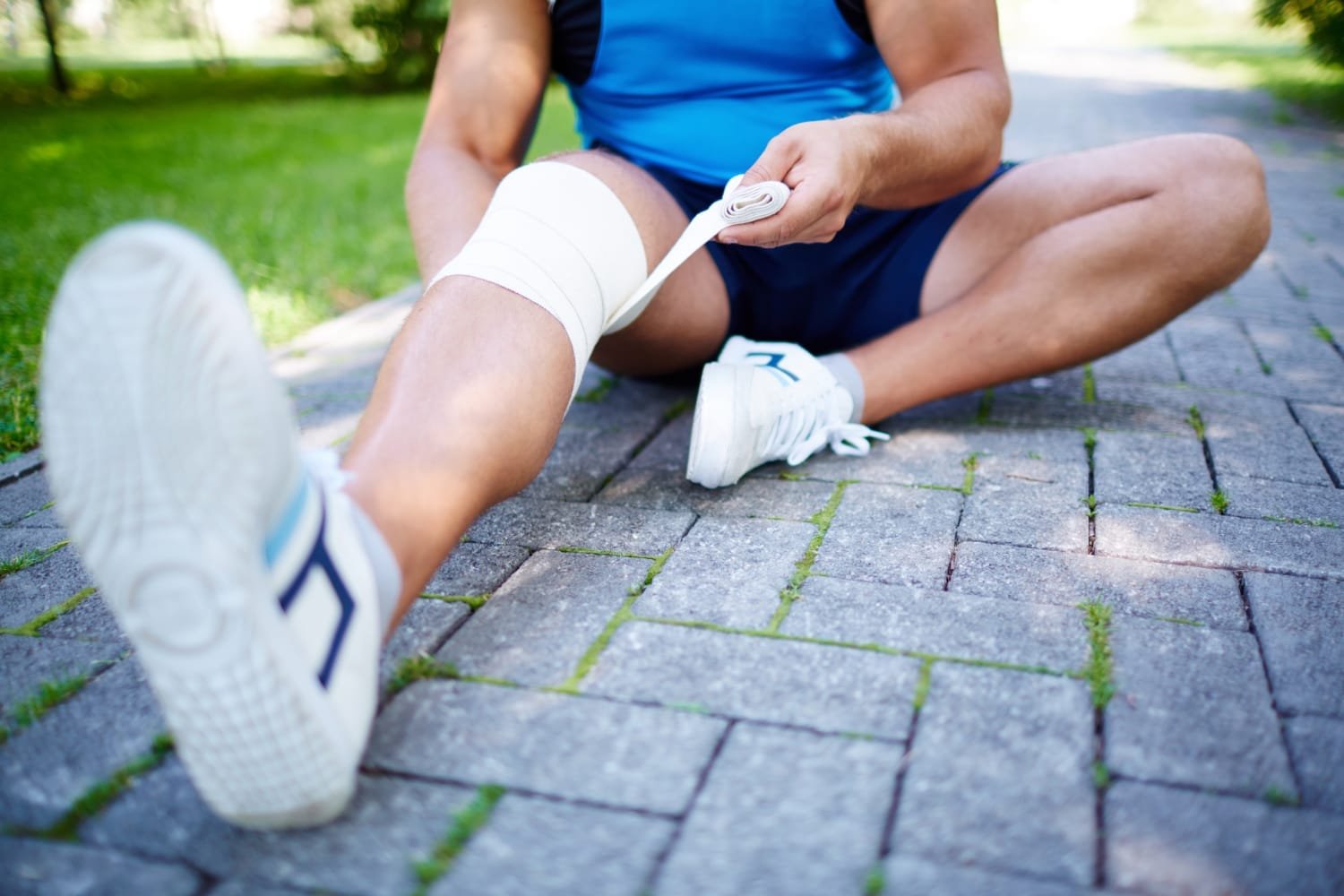 When Knee Pain Needs Medical Attention: Red Flags to Watch
- 19, January 2026
-
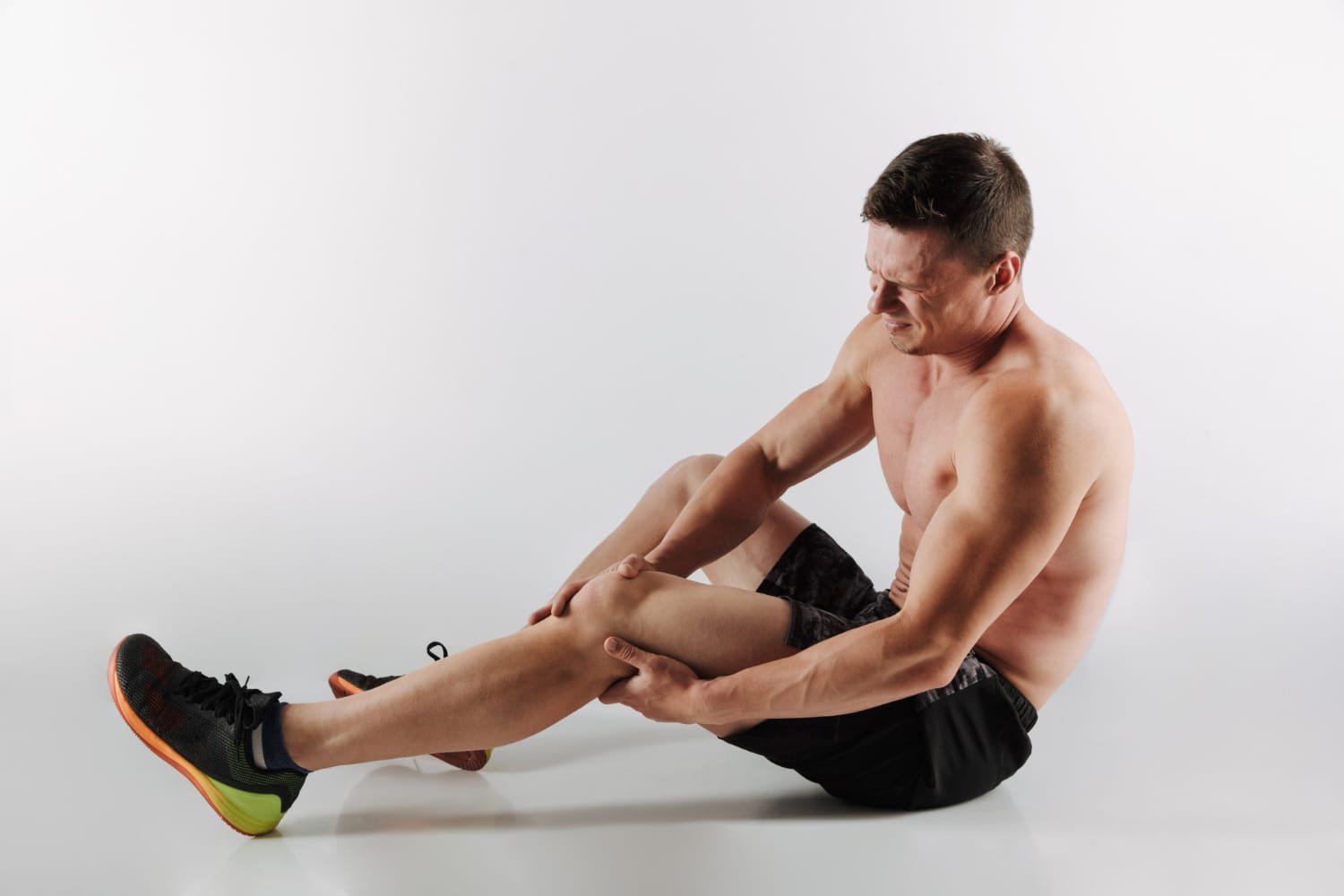 Cartilage Damage in Sports: Early Signs Athletes Should Not Ignore
- 15, January 2026
-
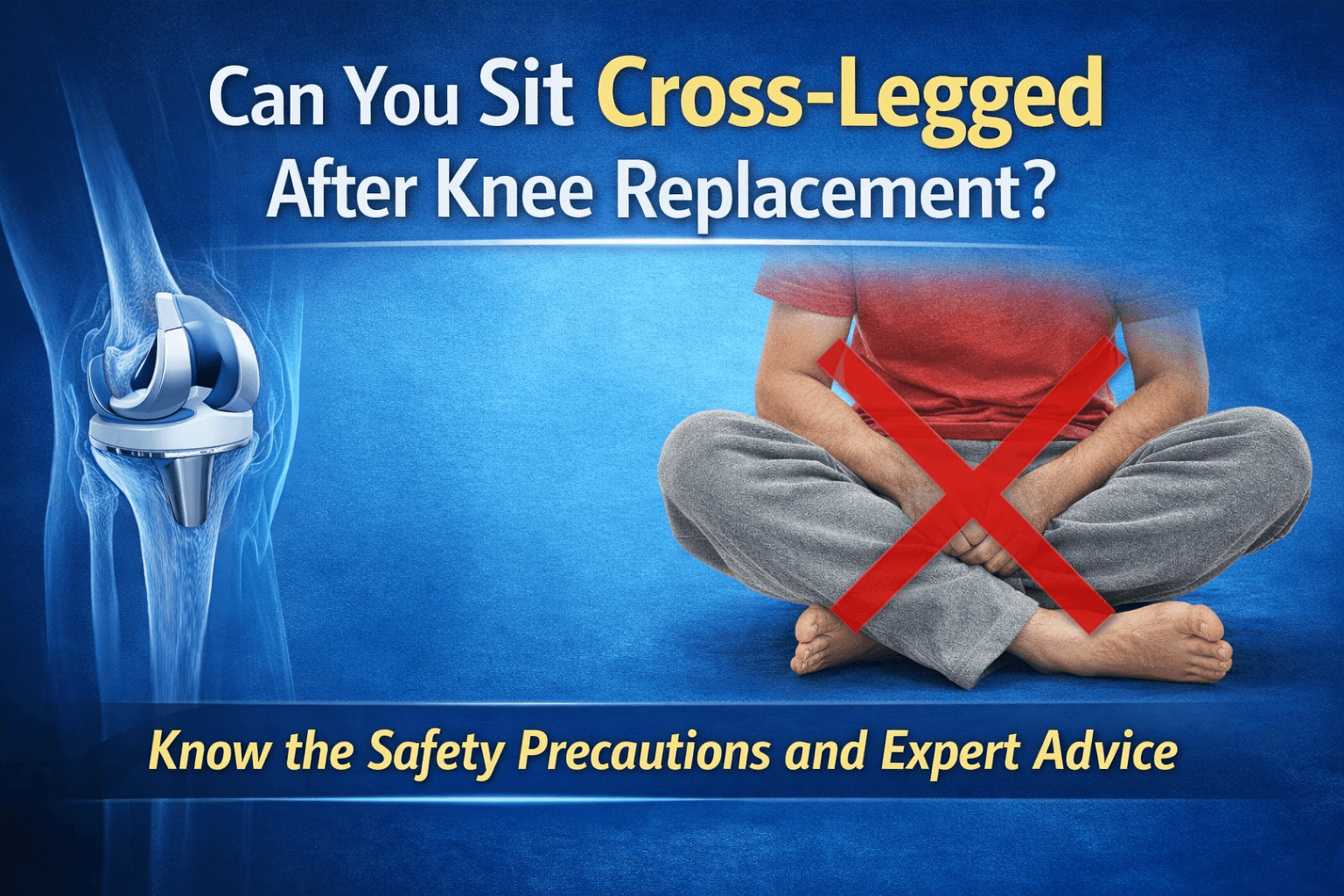 Can You Sit Cross-Legged After Knee Replacement?
- 13, January 2026
-
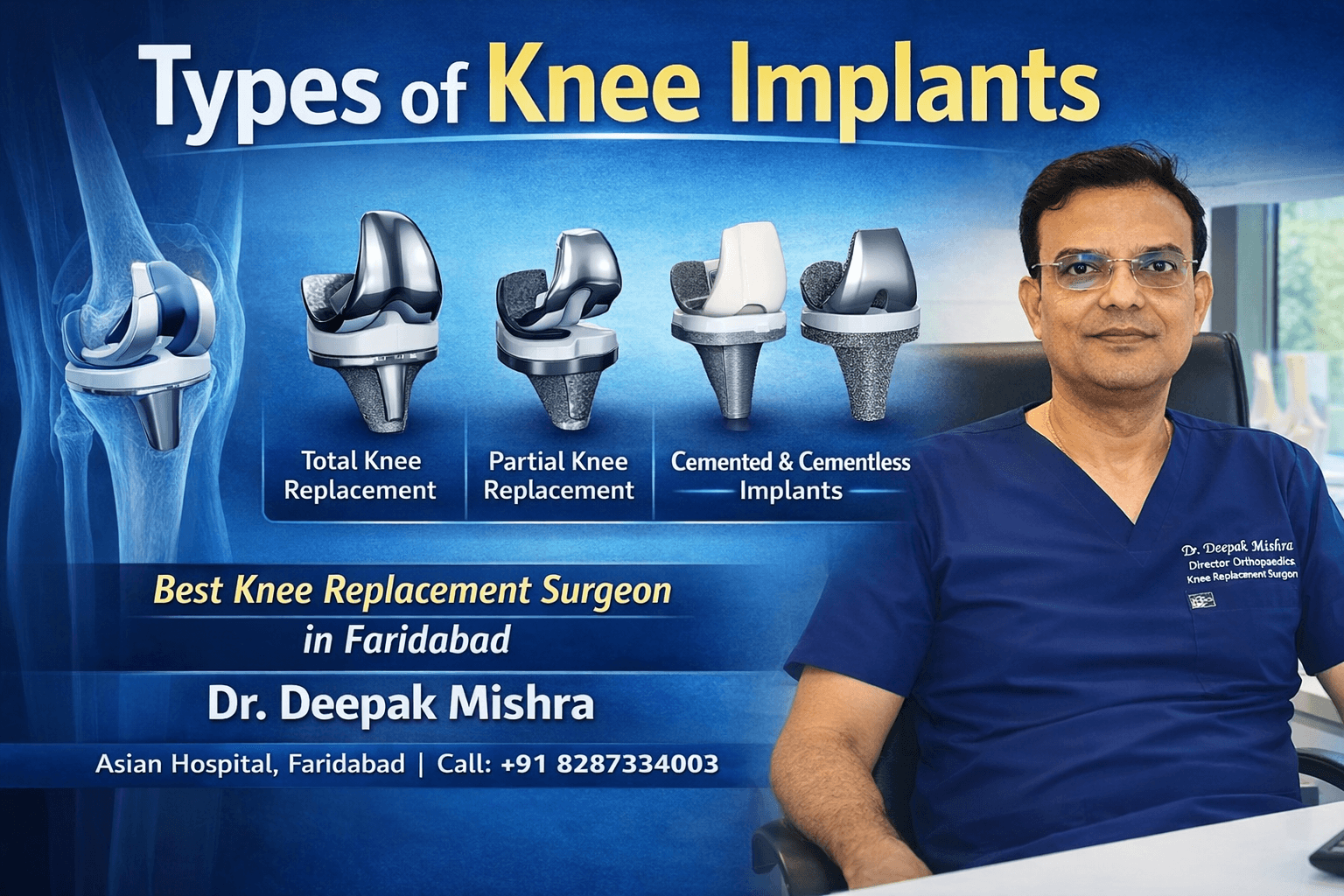 Types of Knee Implants
- 13, January 2026
-
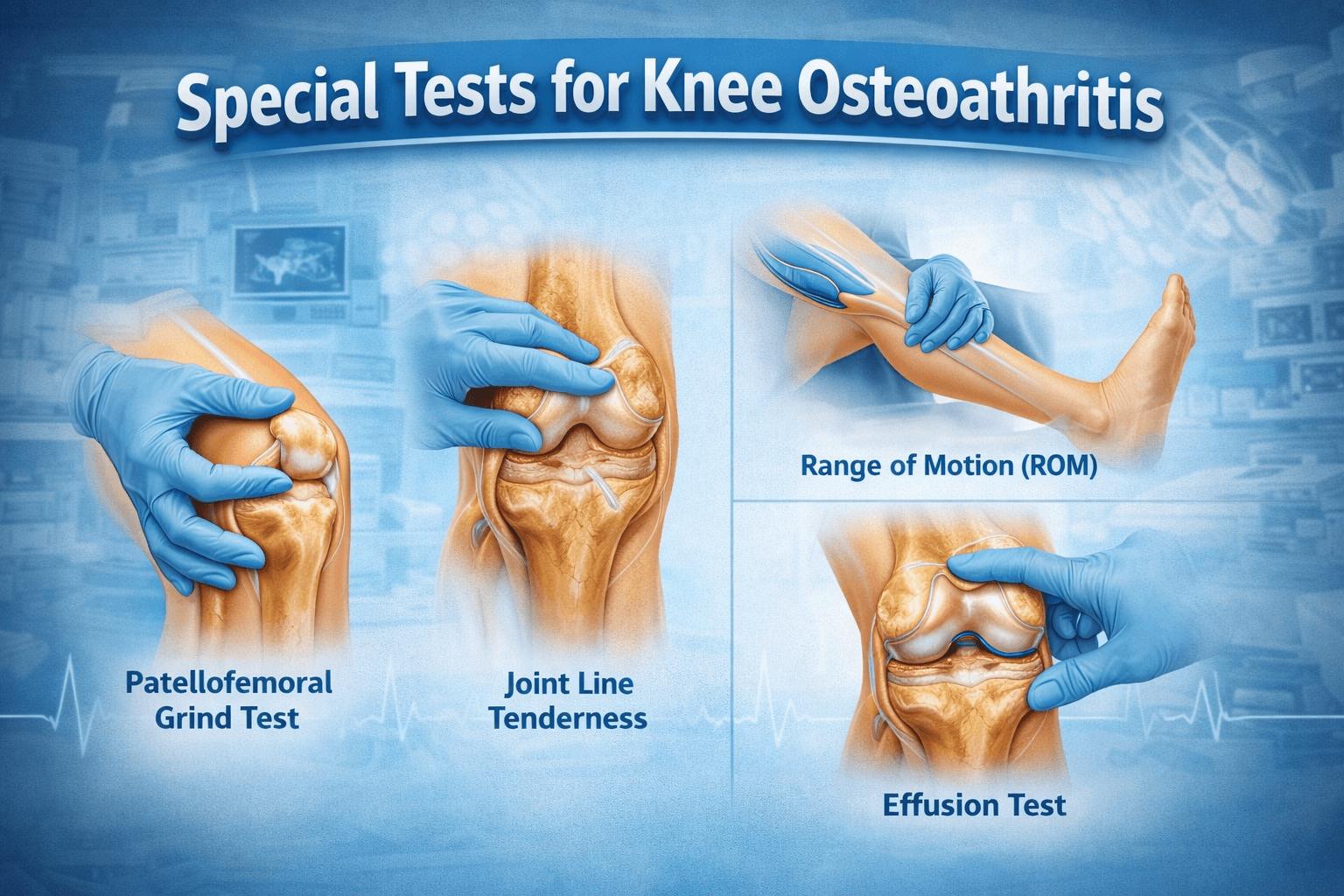 Special Tests for Knee Osteoarthritis
- 7, January 2026
-
 Knee Operation Types: A Comprehensive Guide
- 7, January 2026
-
 Difference Between Knee Arthritis, Meniscus Tear, and Ligament Injury
- 30, December 2025
-
 Knee Pain While Walking: When Should You Worry?
- 30, December 2025
-
 What Happens If Knee Replacement Is Delayed Too Long?
- 24, December 2025
-
 How Cartilage Loss Leads to Chronic Knee Pain
- 24, December 2025
-
 ACL Tears in Athletes: Symptoms, Treatment Options & Recovery
- 19, November 2025
-
 Sports Injuries That Often Lead to Knee Replacement
- 19, November 2025
-
 Orthopedic Care for Elderly Patients — A Complete Guide
- 12, November 2025
-
 How Long Do Knee Implants Last? (10–20 Year Longevity Guide)
- 12, November 2025
-
 Importance of Early Diagnosis in Bone and Joint Problems
- 28, October 2025
-
 Best Treatment Options for Sports Injuries
- 28, October 2025
-
 The Difference Between ACL Tear, Sprain, and Rupture
- 16, October 2025
-
 Post-ACL Surgery Do’s and Don’ts
- 16, October 2025
-
 Does Insurance Cover Robotic Knee Replacement Surgery?
- 6, October 2025
-
 When Can You Return to Sports After Robotic Knee Replacement?
- 6, October 2025
-
 Impact of Obesity on Knee Replacement Surgery and Recovery
- 30, September 2025
-
 Early vs. Delayed Knee Replacement: Which Is Better?
- 30, September 2025
-
 How Durable Are Knee Implants? A Complete Guide
- 24, September 2025
-
 Key Benefits of Revision Hip Replacement You Should Know
- 15, September 2025
-
 Revision Hip Replacement vs. Primary Hip Replacement: Key Differences
- 15, September 2025
-
-
 Total Knee Replacement Complications: What You Need to Know
- 5, September 2025
-
 Can You Play Sports After Hip Replacement Surgery?
- 26, August 2025
-
 Preparing for Knee Replacement: Do’s and Don’ts Before Surgery
- 26, August 2025
-
-
 What to Know About Knee Replacement Revision Surgery
- 18, August 2025
-
 Cost of Hip Replacement in India – What Patients Should Know
- 11, August 2025
-
-
 Who Is the Best Orthopedic Doctor for Sports Injuries?
- 27, July 2025
-
 Success Rate of Robotic Knee Replacement in India
- 27, July 2025
-
Why Surgeons Are Switching to Robotic Knee Replacements
- 15, July 2025
-
 Do’s and Don’ts After Knee Replacement Surgery
- 15, July 2025
-
Best Robotic Knee Replacement in India
- 7, July 2025
-
 Affordable Robotic Knee Replacement in India
- 7, July 2025
-
-
-
-
-
-
-
-
 Orthopedic Meaning, Definition, Types, and More
- 6, June 2025
-
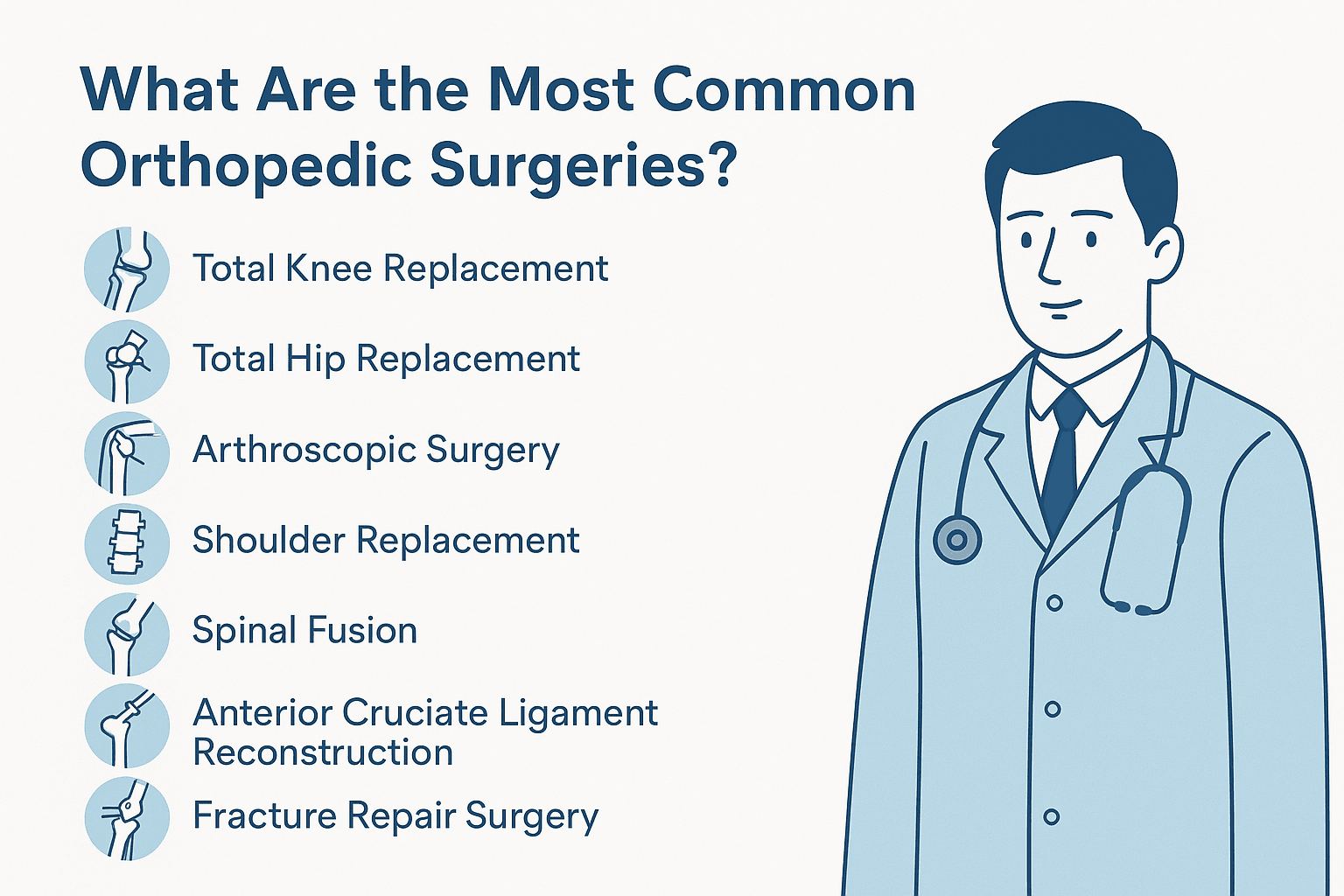 What Are the Most Common Orthopedic Surgeries?
- 24, May 2025
-
 What Does an Orthopedic Doctor Do?
- 24, May 2025
-
-
-
-
Best Orthopedic Doctor for Knee Pain in Faridabad
- 12, May 2025
-
 How to Prevent Knee Pain with Orthopedic Expert Tips
- 29, April 2025
-

-
Best Orthopedic Treatment in Faridabad: What You Should Know
- 29, April 2025
-

-
-
Best Knee Replacement Surgeon in Mathura
- 14, April 2025
-
Best Knee Replacement Surgeon in Hodal
- 14, April 2025
-
Best Knee Replacement Surgeon in Palwal
- 14, April 2025
-
-
-
-
 Benefits of Minimally Invasive Knee Surgery
- 24, March 2025
-
 Best knee Replacement Surgeon in India
- 17, March 2025
-
-
 How to Recover Quickly After Knee Replacement Surgery
- 10, March 2025
-
-
-
-
 Minimally Invasive Arthroplasty: Benefits and Recovery Advantages
- 24, February 2025
-
 Choosing the Right Hip Replacement Surgeon: A Comprehensive Guide
- 17, February 2025
-
 Restoring Mobility: The Role of Knee Replacement Doctors
- 17, February 2025
-
 Orthopedic Trauma Care for Athletes
- 6, February 2025
-
 Best Doctor for ACL Tear Treatment
- 6, February 2025
-
 Best Sports Medicine Doctor for Knee Injuries
- 6, February 2025
-
 Orthopedic Surgeons: 7 Things You Need to Know
- 27, January 2025
-
Best Joint Replacement Surgeon in Greater Faridabad
- 27, January 2025
-
Best Knee Replacement Surgeon in Palwal
- 20, January 2025
-
Best Knee Replacement Surgeon in South Delhi
- 20, January 2025
-
 Restoring Mobility: The Role of Knee Replacement Doctor
- 13, January 2025
-
 Robotic Knee Replacement Surgery in Delhi
- 30, December 2024
-
 Robotic Orthopedic Surgery: Revolutionizing Joint Replacement and Repair
- 30, December 2024
-
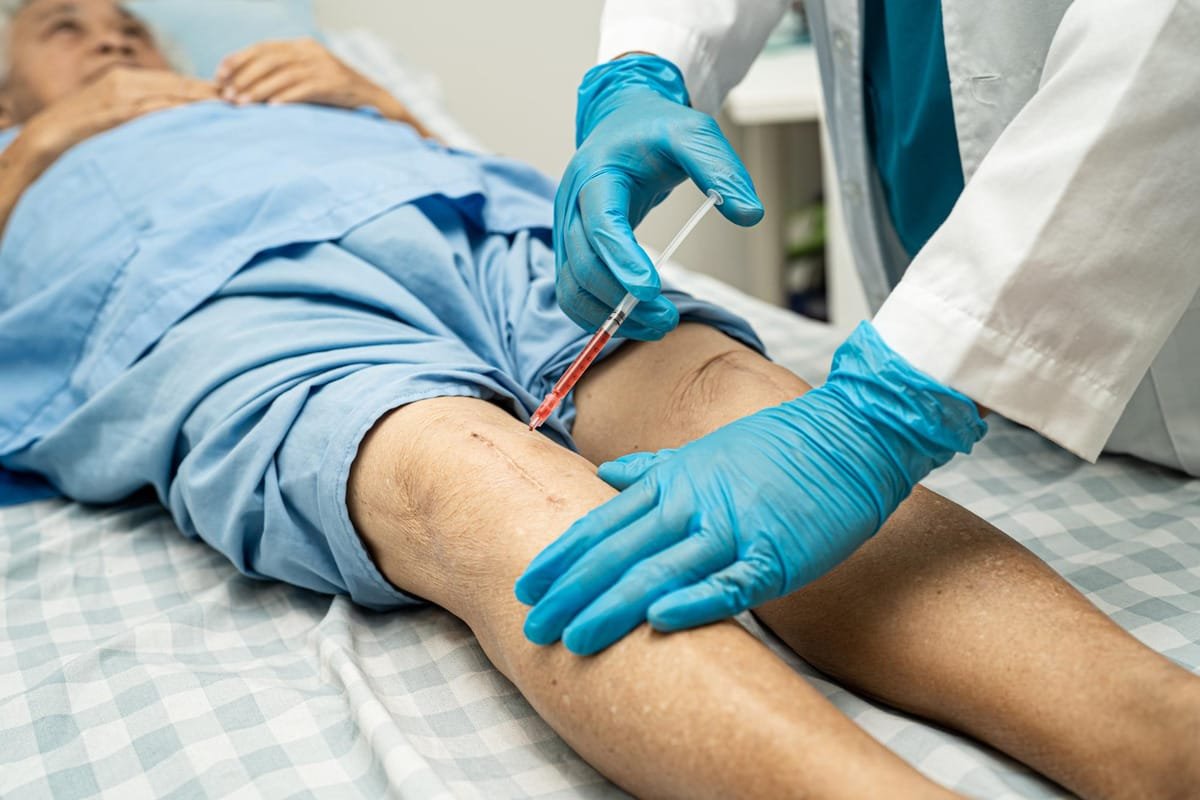 Robotic Knee Replacement vs. Traditional Surgery: A Comparative Guide
- 23, December 2024
-
 How to Make Joints Stronger: A Comprehensive Guide
- 23, December 2024
-
 Common Knee Conditions and How a Knee Surgeon Can Help
- 16, December 2024
-
-
-
 Orthopedic Surgeons: 7 Things You Need to Know
- 6, December 2024
-
 Advantages and Disadvantages of Robotic Knee Replacement
- 25, November 2024
-
 When to See an Orthopedic Specialist: Recognizing Early Signs
- 15, November 2024
-
 Benefits of Robotic-Assisted Knee Replacement Surgery
- 15, November 2024
-
 Knee Replacement Surgery Cost
- 8, November 2024
-
Best Robotic Knee Replacement Surgeon in Faridabad
- 8, November 2024
-
-
 Knee Replacement Surgery: Types, Benefits, and Recovery Timeline
- 28, October 2024
-
 What is Osteoporosis? Symptoms, Causes, and Prevention
- 21, October 2024
-
 Signs It’s Time for a Knee Replacement: When to Consult a Surgeon
- 18, October 2024
-
 Understanding Different Types of Arthritis: Symptoms and Causes
- 11, October 2024
-
 Taking Care After Knee Replacement Surgery
- 15, December 2022
-
 Amazing Ways to Get Relief from Arthritis Pain Naturally
- 2, December 2022
-
-
 How Does Fat Affect Arthritis?
- 4, November 2022
