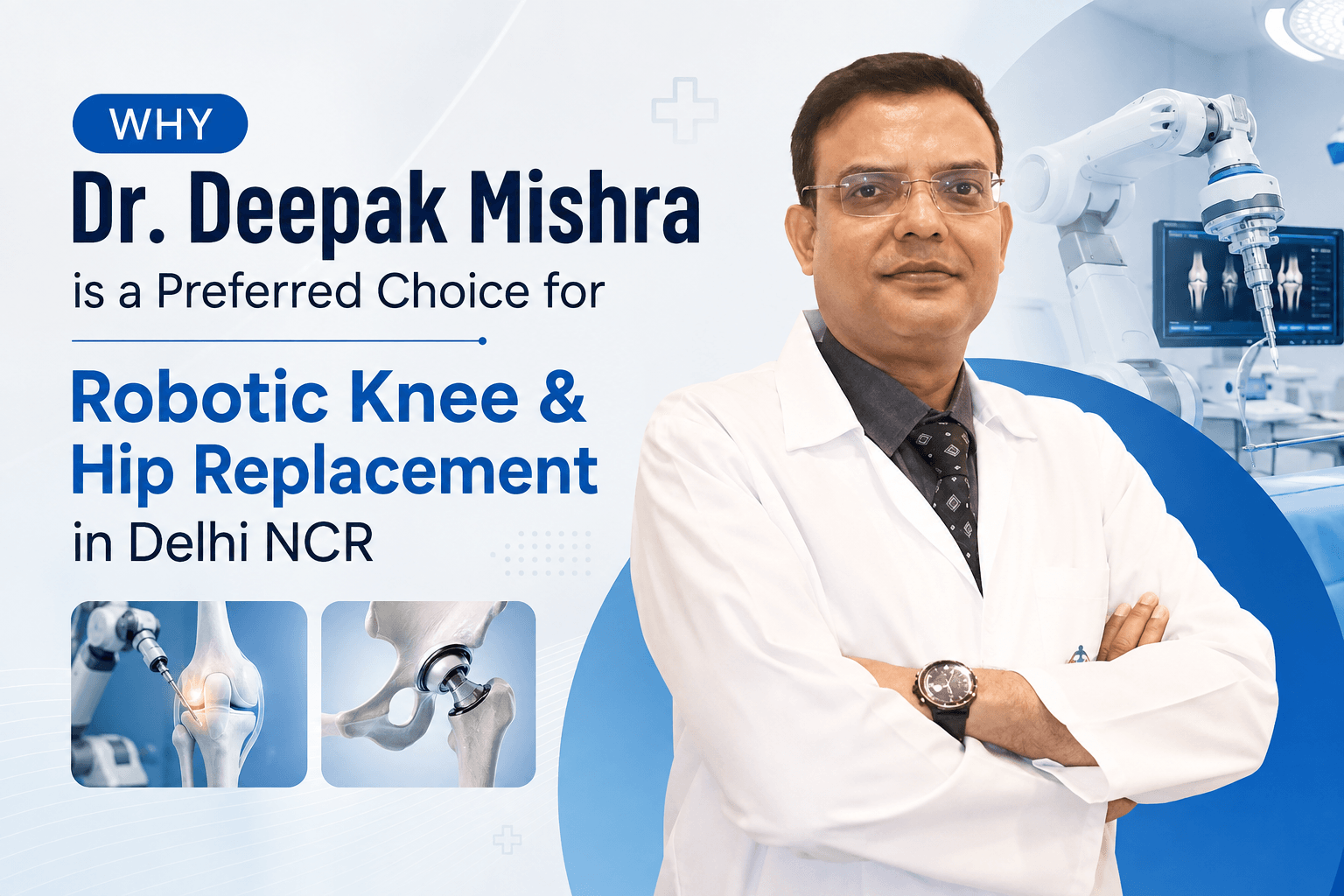
Why Dr. Deepak Mishra is a Preferred Choice for Robotic Knee & Hip Replacement in Delhi NCR
August 16, 2026For a person living with advanced knee or hip arthritis, the most important question is not simply whether replacement surgery is available. The real questions are: Is surgery genuinely needed? Can the procedure be planned around my anatomy? How experienced is the surgeon? What role does robotic technology play? And what should recovery realistically look like? These are the questions many patients across Faridabad and Delhi NCR ask when they search for the best orthopedic doctor in Faridabad or a specialist in robotic joint replacement.
Dr. Deepak Kumar Mishra’s practice focuses on knee and hip replacement, revision joint replacement, arthroscopy and complex orthopaedic surgery. His current professional profile also highlights robotic surgery and precision-guided joint care. This makes him relevant to patients seeking a surgeon who combines substantial conventional joint-replacement experience with modern technology-supported planning.
What Does Robotic Joint Replacement Actually Mean?
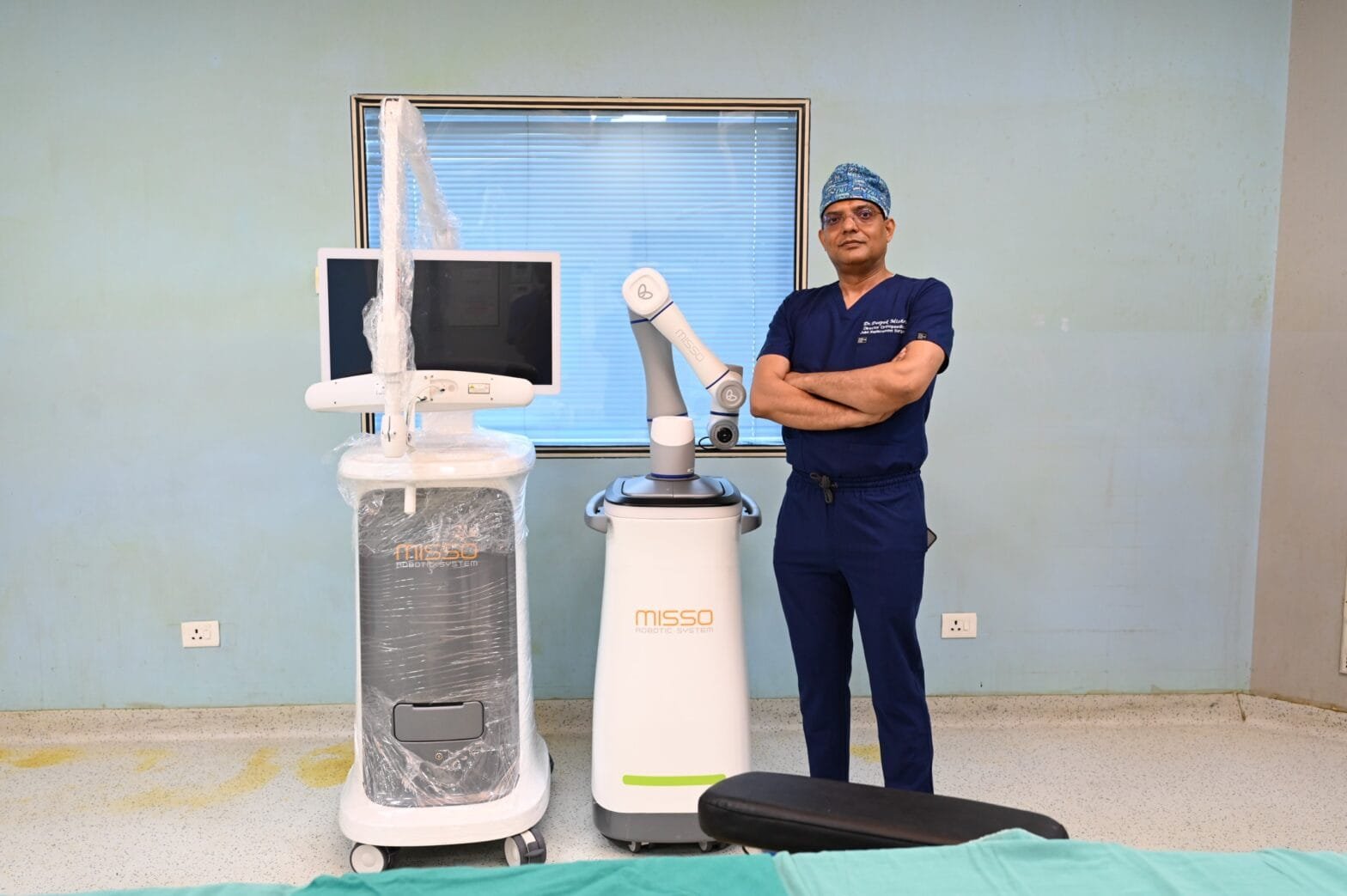
Robotic-assisted joint replacement does not mean a machine independently performs the operation. The surgeon remains in control. Depending on the system and procedure, robotic technology can assist with pre-operative planning, mapping of the patient’s anatomy, bone preparation and verification of implant positioning. The objective is to help the surgeon execute a personalised plan with a high degree of precision.
This distinction is important. Technology is a surgical tool, not a substitute for clinical judgement. A successful programme requires an experienced surgeon who understands joint mechanics, deformity, soft-tissue balance, implant selection and how to adapt when the anatomy does not match a textbook pattern.
Why Surgeon Experience Still Comes First
Robotic platforms can improve the information available to the surgeon, but they cannot replace years of operative decision-making. Knee replacement requires careful assessment of alignment, ligament balance, bone cuts and implant sizing. Hip replacement requires restoration of stability, leg length and hip biomechanics. Revision procedures introduce an additional layer of complexity because anatomy may be distorted and bone stock may be compromised.
Dr. Mishra’s background in primary and revision knee and hip replacement is therefore an important part of the discussion. Patients should look for a surgeon who can perform and understand the underlying operation independent of technology, then use technology where it adds value.
A Focused Career in Knee and Hip Reconstruction
Dr. Deepak Mishra has built his orthopaedic practice around joint replacement and reconstruction. His areas of work include primary total knee replacement, partial knee replacement, total hip replacement, revision knee and hip replacement, arthroscopy, ligament procedures and management of complex orthopaedic problems. For people with arthritis, this focused experience matters because not every painful joint needs the same solution.
For example, selected patients with disease limited to one compartment of the knee may be candidates for partial knee replacement rather than total replacement. Others may benefit from continued non-surgical management. A specialist’s role is to identify the correct indication before discussing the technology used to perform the operation.
JIPMER Education and UK Surgical Training
Dr. Mishra completed MBBS and MS Orthopaedics at JIPMER, Puducherry, and later underwent higher surgical training in the United Kingdom in joint replacement and trauma and orthopaedics. His profile also lists membership of the Royal College of Surgeons of Edinburgh and further orthopaedic qualifications. This combination of Indian and international training contributes to a broad understanding of joint-replacement principles, surgical systems and structured patient care.
Robotic Knee Replacement: Where Precision Can Help
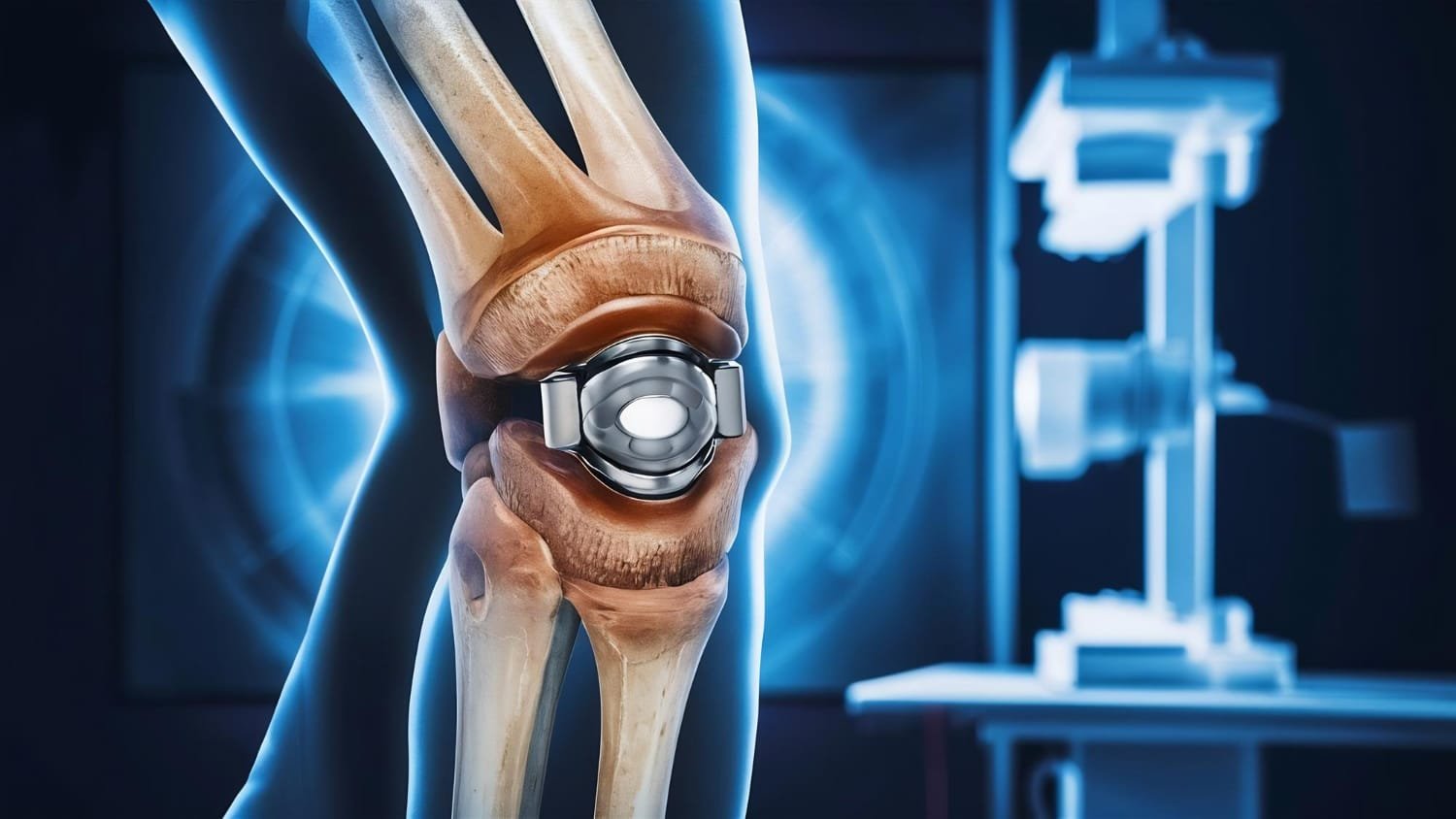
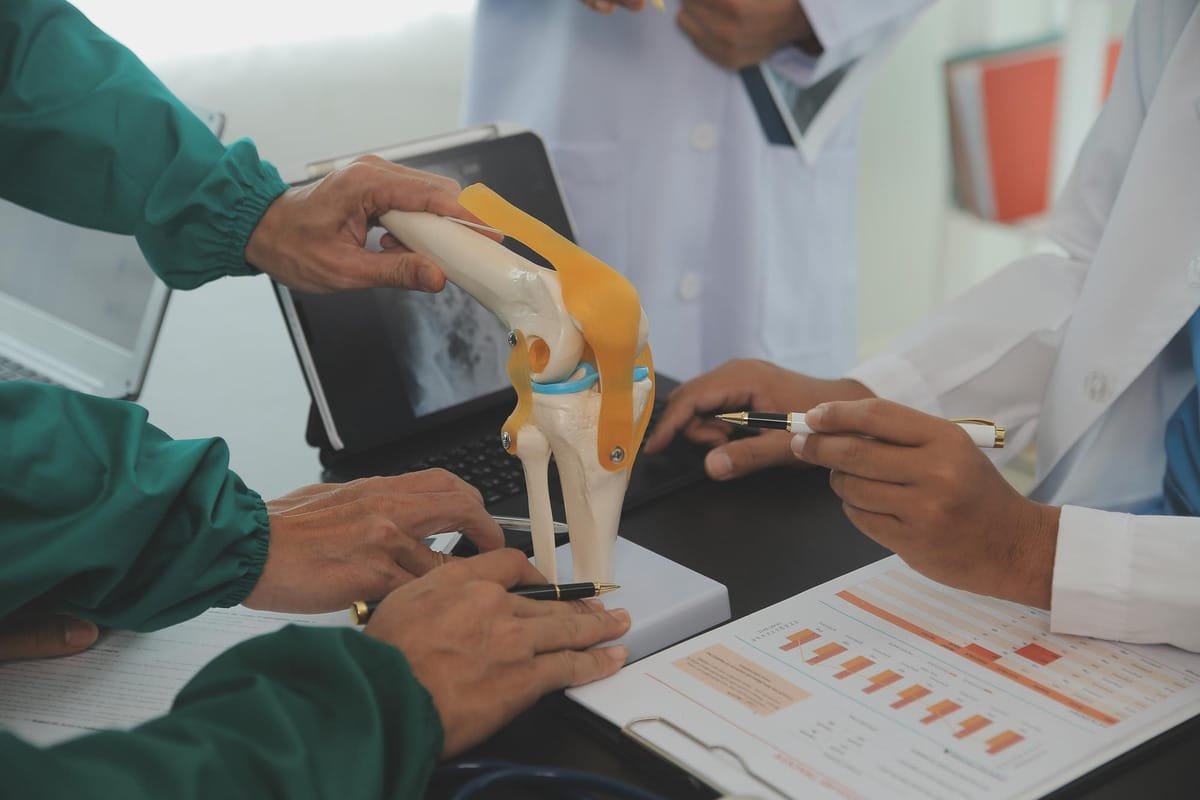
Knee arthritis can alter the normal alignment and shape of the joint. During replacement surgery, damaged surfaces are prepared and prosthetic components are positioned to create a stable, functional knee. Robotic assistance can help the surgeon plan bone preparation according to the patient’s anatomy and verify measurements during the procedure. This may be especially useful when personalised alignment and soft-tissue considerations are important.
People researching this option can also review information about the Best Robotic Knee Replacement Surgeon in Faridabad to understand how surgeon experience and robotic support work together rather than as competing ideas.
What About Robotic Hip Replacement?
In hip replacement, precision is important for component orientation, restoration of leg length, stability and overall biomechanics. Technology-supported planning can help surgeons assess anatomy and execute the planned component position. However, the exact role of robotic assistance depends on the system available, the patient’s anatomy and the surgeon’s clinical judgement. Not every hip replacement requires robotic assistance, and patients should be cautious of marketing that promises a guaranteed result based on technology alone.
Why Delhi NCR Patients May Prefer Faridabad for Joint Replacement
Faridabad is well connected to South Delhi, Gurugram, Noida and other parts of NCR, making specialist follow-up and rehabilitation practical for many families. For joint replacement, convenience is not a minor issue: surgery is followed by physiotherapy, wound review, mobility progression and periodic follow-up. Choosing a surgeon within a reachable distance can make the entire pathway easier to manage.
A Patient-Centred Decision Process
A strong joint-replacement consultation begins by determining whether surgery is necessary. The surgeon should review symptoms, X-rays, medical conditions, functional limitations and prior treatments. Patients should be encouraged to discuss expectations openly: Do they want to return to independent walking? Resume travel? Climb stairs more comfortably? Care for family? Return to low-impact recreation? These goals help shape the treatment plan.
The discussion should also include risks, rehabilitation, anaesthesia, blood-clot prevention, infection precautions, implant choices and the possibility that recovery differs between individuals. Clear expectations are a core part of quality orthopaedic care.
Primary and Revision Surgery Under One Specialist Practice
Revision joint replacement is necessary when an existing knee or hip implant requires re-operation because of loosening, wear, instability, infection, fracture or other clinical reasons. These cases are more demanding than primary replacement because the surgeon may need to manage bone loss and altered anatomy. Dr. Mishra’s experience with revision knee and hip replacement strengthens his profile for patients who have undergone surgery in the past and now need another opinion.
The Role of Minimally Invasive and Tissue-Preserving Principles
Modern orthopaedics increasingly aims to preserve healthy tissue, reduce unnecessary disruption and support early functional recovery where clinically appropriate. The exact surgical approach varies according to the joint, deformity, patient build and implant requirements. The key is not to chase the smallest incision; it is to achieve accurate, stable reconstruction while protecting important tissues as much as safely possible.
Why Dr. Deepak Mishra Is a Preferred Choice for Many Patients
Patients evaluating robotic knee or hip replacement in Delhi NCR often prioritise five things: experience, focused joint-replacement expertise, formal training, access to modern surgical technology and clear communication. Dr. Deepak Mishra’s profile addresses each of these areas. His website presents him as a trusted orthopaedic and joint replacement surgeon in Faridabad, while patients searching for the best orthopedic doctor in Faridabad can review his specialties, educational background and consultation information directly.
How to Decide Whether Robotic Replacement Is Right for You
Do not choose surgery simply because the word “robotic” sounds advanced. Start with diagnosis. Ask whether you actually need replacement, which type of replacement is appropriate and what the technology changes in your specific case. Some patients may benefit from robotic-assisted planning, while others may have equally appropriate conventional options. The surgeon should be able to explain the difference without pressure.
Questions to Ask at Your Consultation
· Am I a candidate for joint replacement now, or should I continue non-surgical treatment?
· Would total or partial knee replacement be more appropriate for my pattern of arthritis?
· How does robotic assistance change the planning or execution of my surgery?
· What is your experience with primary and revision knee and hip replacement?
· What should I expect during the first six weeks of rehabilitation?
· Which medical conditions need optimisation before surgery?
Conclusion
Robotic technology is changing how joint replacement can be planned and executed, but the surgeon remains the most important decision-maker in the operating room. Dr. Deepak Mishra’s focused experience in knee and hip replacement, revision surgery, JIPMER education and UK training make him a prominent option for patients across Faridabad and Delhi NCR who are exploring modern joint care. The right starting point is a detailed orthopaedic evaluation, followed by a transparent discussion of whether surgery is needed and whether robotic assistance is appropriate for the individual joint.
Frequently Asked Questions
Is robotic knee replacement performed entirely by a robot?
No. The surgeon performs and controls the procedure. Robotic technology assists with planning, measurements and precision during selected steps.
Is robotic joint replacement suitable for every patient?
No. Suitability depends on the diagnosis, anatomy, severity of arthritis, overall health, implant requirements and the specific robotic system available.
Why is revision joint replacement more complex?
Revision surgery may involve scar tissue, bone loss, damaged implants or altered anatomy. It often requires specialised implants and more complex reconstruction.
Is hip replacement available for patients from Delhi NCR?
Yes. Patients from across Delhi NCR can seek specialist assessment in Faridabad; practical considerations include travel, rehabilitation and follow-up.
How should I choose an orthopaedic surgeon for joint replacement?
Consider focused experience, training, primary and revision expertise, communication, hospital support, rehabilitation planning and whether the surgeon explains both surgical and non-surgical options.
Recent Blogs
-
-
 When Is Knee Replacement the Only Option?
- 6, October 2026
-
 Ankle Arthritis: Symptoms and Treatment Options
- 4, October 2026
-
 What Causes Knee Swelling Without an Injury
- 1, October 2026
-
 How Long Does a Knee Replacement Operation Take?
- 25, September 2026
-
 Who Is the Best Bone Doctor in Faridabad?
- 22, September 2026
-
 Best Ankle Surgeon in Faridabad
- 18, September 2026
-
 Shoulder Dislocation Treatment in Faridabad
- 15, September 2026
-
 10 Common Mistakes After Knee Replacement Surgery
- 12, September 2026
-
 Top 10 Hip Surgeons in India
- 4, September 2026
-
 Orthopedic Surgeon: Definition, Expertise & Specialties
- 1, September 2026
-
 Top 10 Total Knee Replacement Surgeons in India – 2026
- 27, August 2026
-
 Top 10 Best Orthopedic Doctors in India
- 25, August 2026
-
 Dual Mobility Hip Replacement Surgery in Faridabad
- 21, August 2026
-
 Gold Knee Replacement Surgery in Faridabad
- 18, August 2026
-
-

-

-
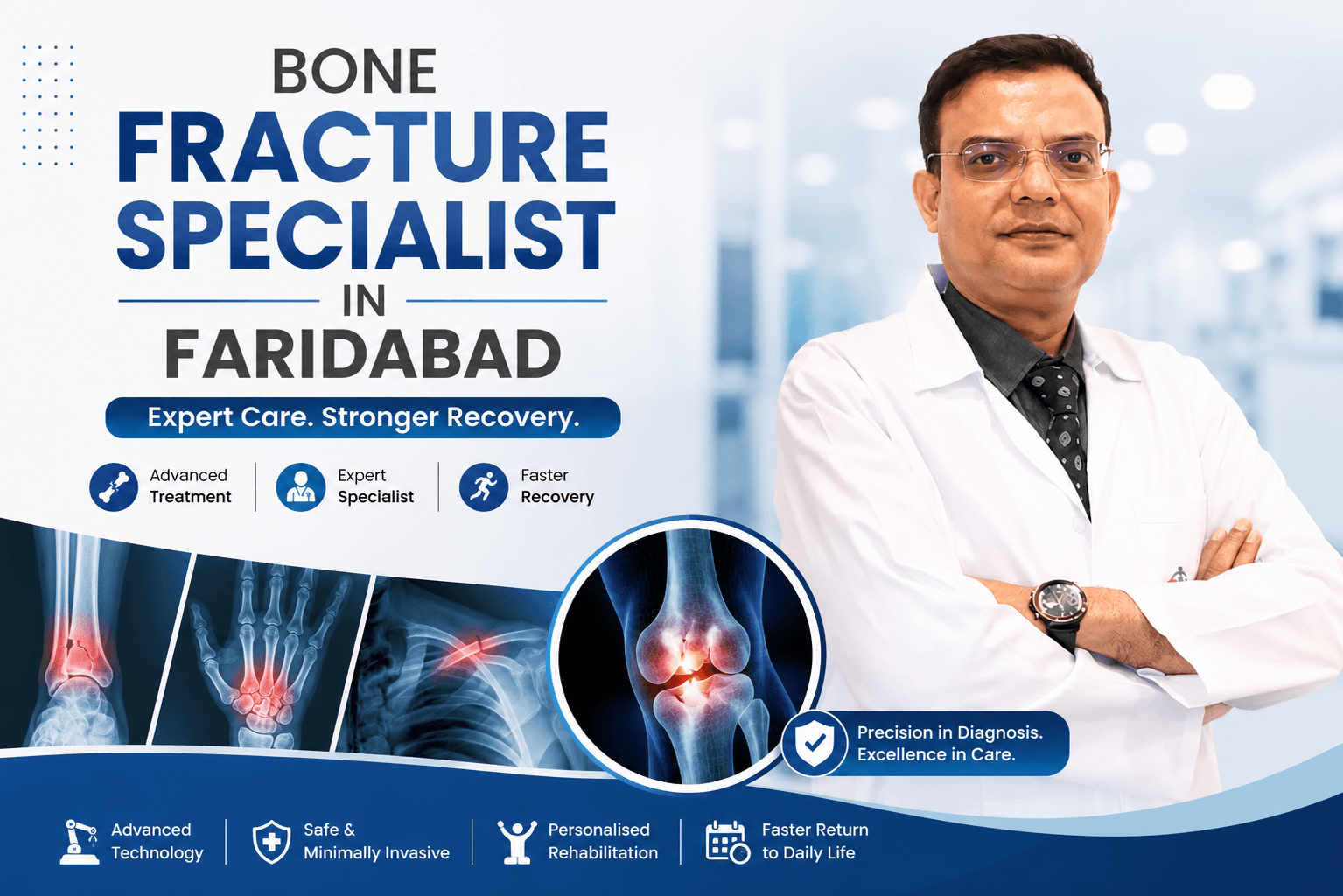 Bone Fracture Specialist in Faridabad
- 25, July 2026
-
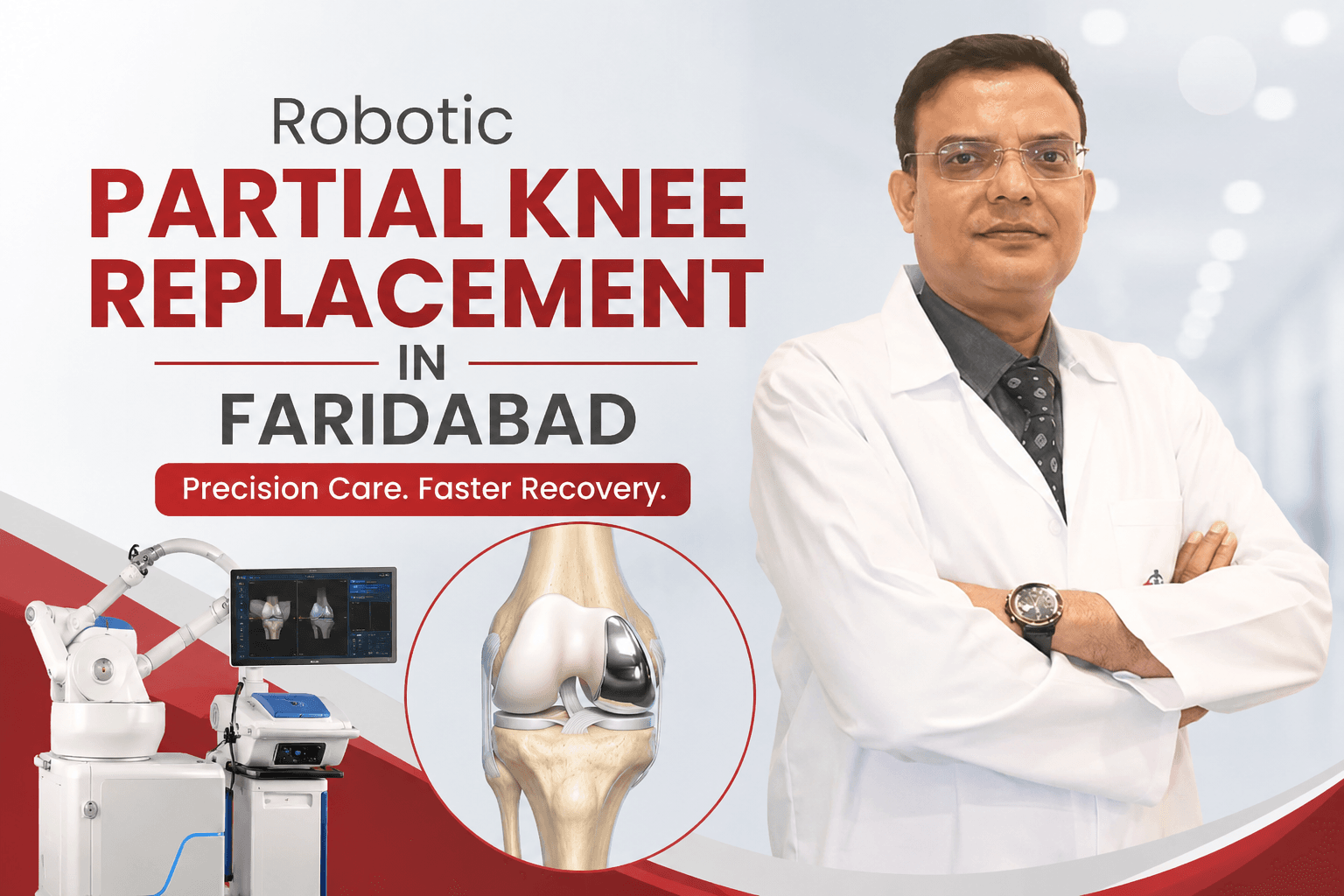 Robotic Partial Knee Replacement in Faridabad
- 21, July 2026
-
-

-
 Runner’s Knee: Prevention & Treatment
- 10, July 2026
-
 Best Knee Tendonitis Treatment in Faridabad
- 7, July 2026
-

-
 Why Does My Knee Make Clicking Sounds?
- 1, July 2026
-
-
-
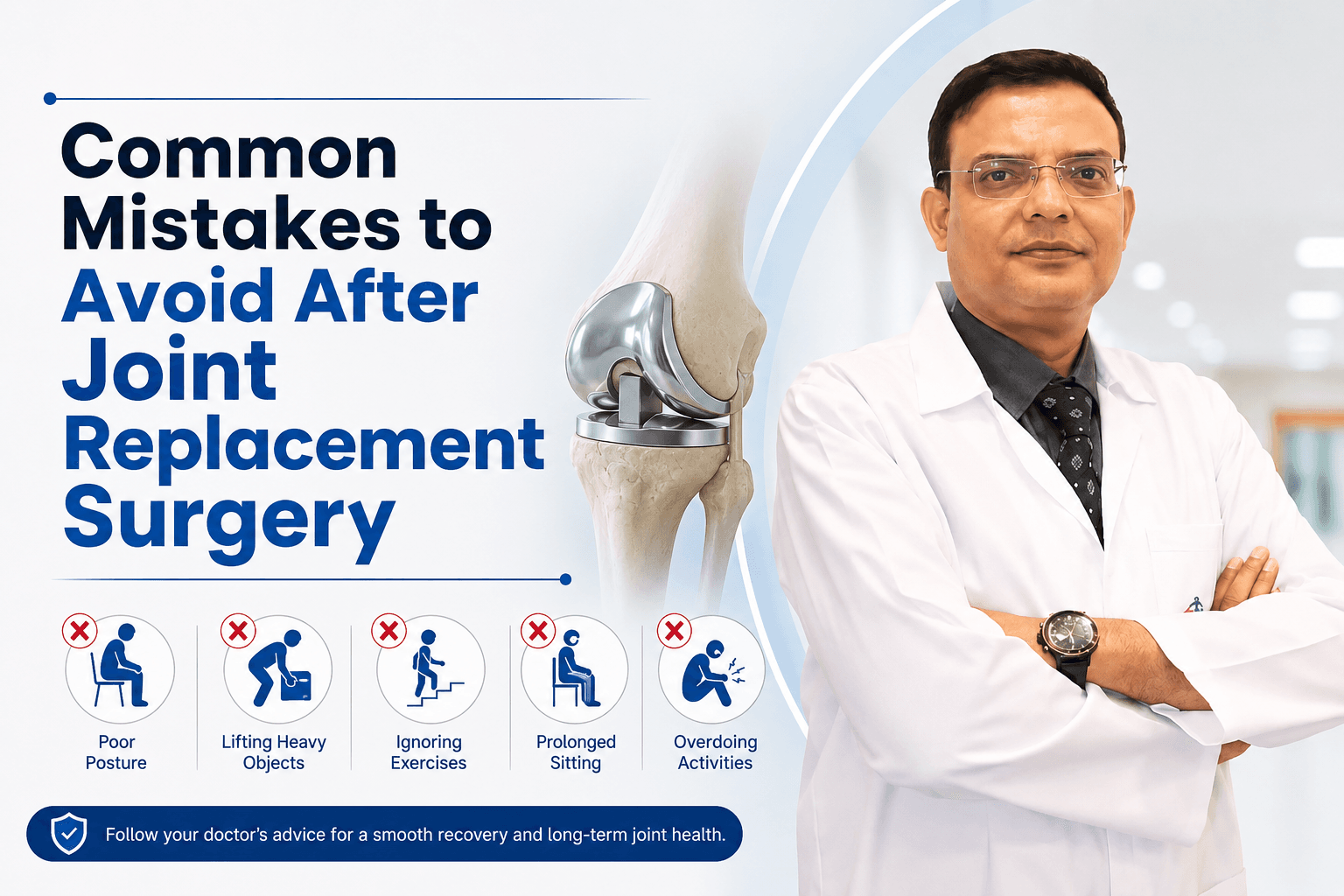 Common Mistakes to Avoid After Joint Replacement Surgery
- 19, June 2026
-
 Can You Play Sports After Knee Replacement Surgery?
- 16, June 2026
-
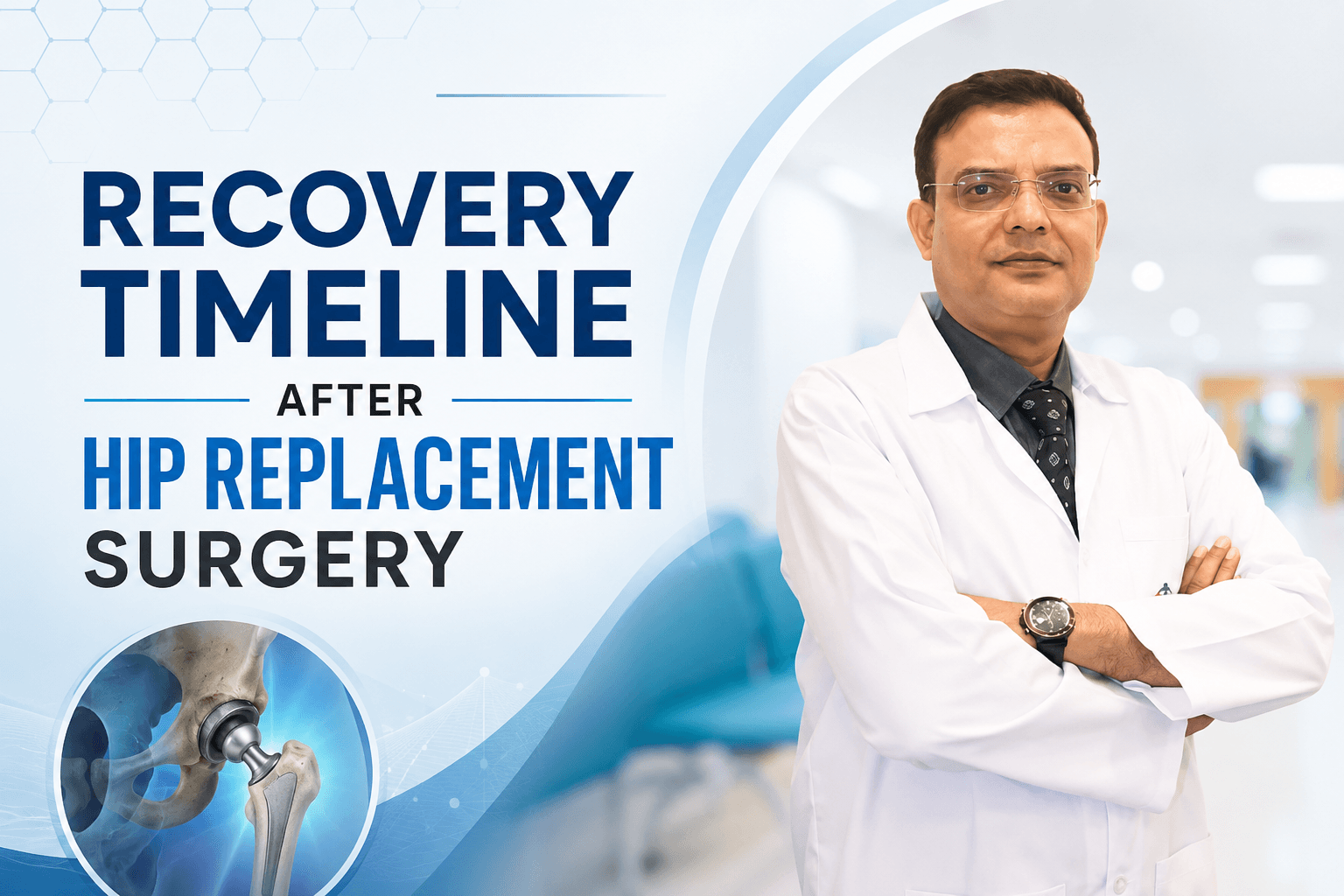 Recovery Timeline After Hip Replacement Surgery
- 12, June 2026
-
 Best Rotator Cuff Tear Treatment in Faridabad
- 9, June 2026
-
-
 When Does Knee Pain Need Surgery?
- 19, May 2026
-
 Can You Walk Normally After Hip Replacement?
- 15, May 2026
-

-
 Best Doctor for Arthritis Treatment in Faridabad
- 8, May 2026
-
 Sports Injury Specialist in Faridabad
- 5, May 2026
-
 Hip Replacement Surgery Cost in India
- 2, May 2026
-
 Best ACL Surgeon in Faridabad
- 1, May 2026
-
 Best Hip Replacement Surgeon in Delhi
- 26, April 2026
-
 Best Hospital for Robotic Joint Replacement in Faridabad
- 14, April 2026
-
 Best Shoulder Specialist in Faridabad
- 10, April 2026
-
-
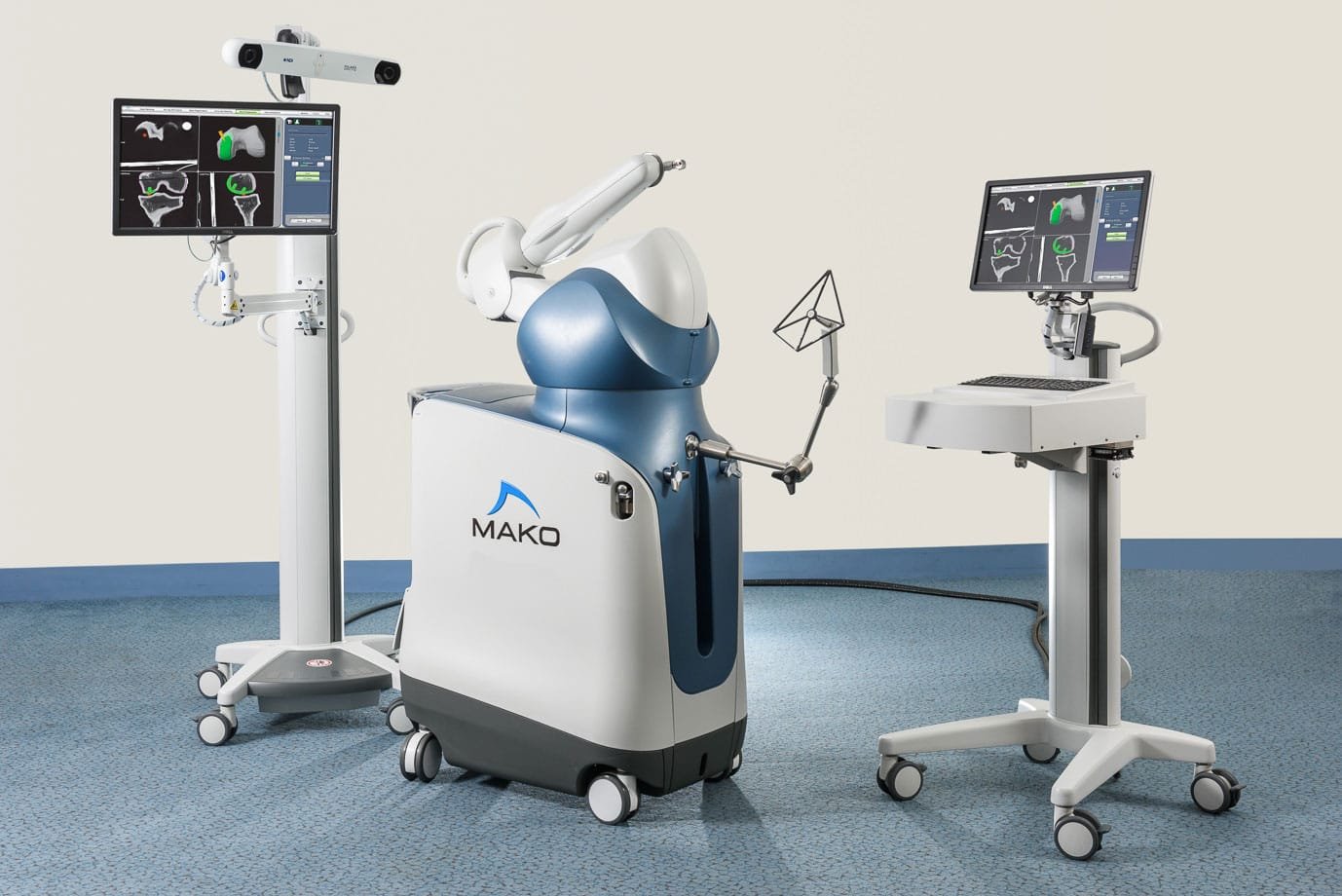 How Mako Robotic Improves Knee Replacement Outcomes
- 3, April 2026
-
 Best Orthopedic Hospital in Faridabad for Joint Pain
- 1, April 2026
-
 Don’t Delay Knee Surgery: 7 Warning Signs You Must Know
- 26, March 2026
-

-
 Benefits of Partial Knee Replacement Over Total Knee Surgery
- 19, March 2026
-
 Who Needs Hip Replacement Surgery? Signs & Eligibility
- 16, March 2026
-
 Best Joint Replacement Hospital in India
- 13, March 2026
-
 Shoulder Dislocation in Sports: Treatment and Recovery
- 11, March 2026
-
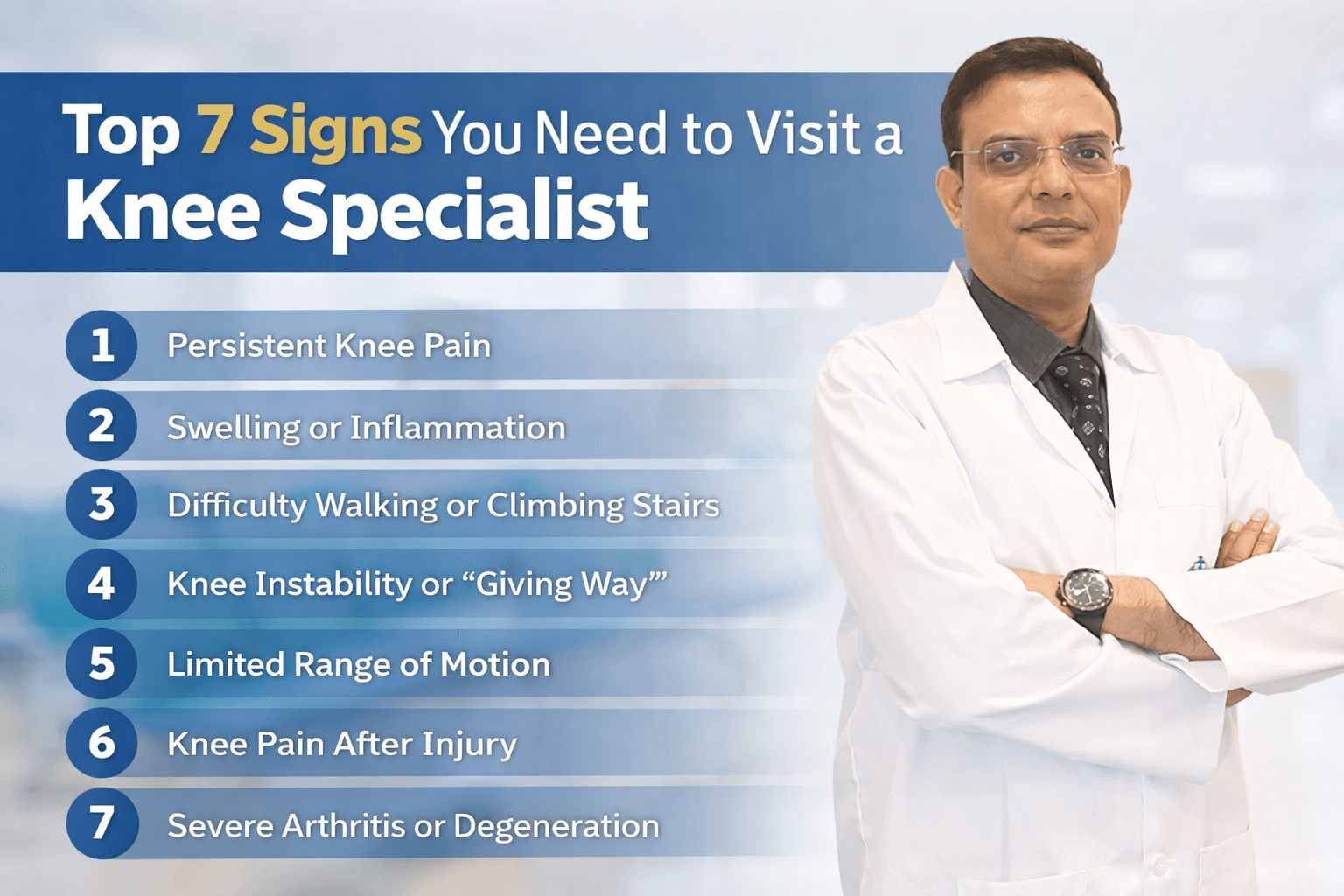 Top 7 Signs You Need to Visit a Knee Specialist
- 7, March 2026
-
-
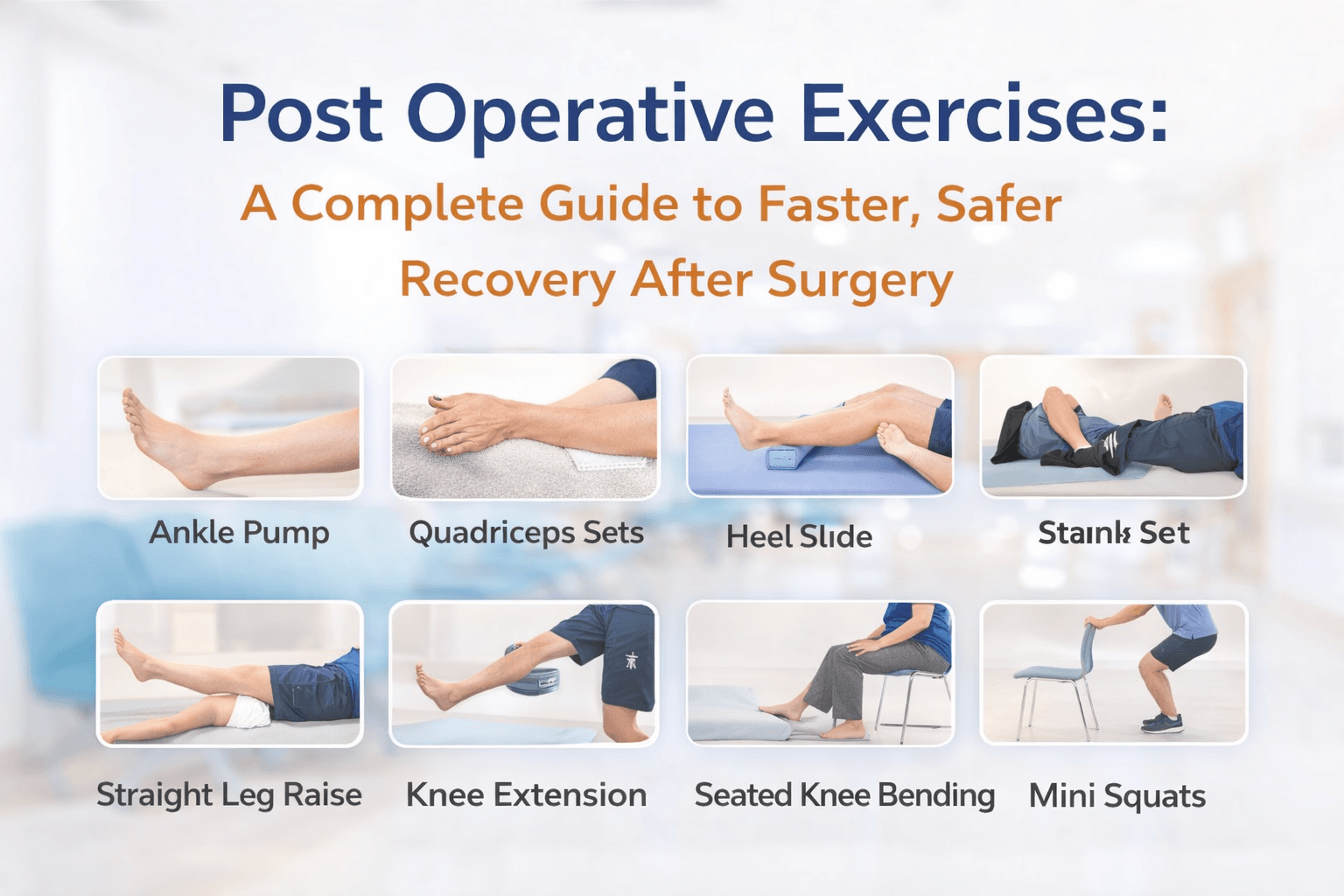 Post Operative Exercises
- 26, February 2026
-
 After ACL Surgery When Can I Walk?
- 24, February 2026
-
 What Happens If Knee Arthritis Is Left Untreated?
- 21, February 2026
-
 Can Knee Replacement Fail? Causes, Signs & Prevention
- 21, February 2026
-
 Who Is Not Suitable for Knee Replacement Surgery?
- 12, February 2026
-
 Best Meniscus Injury Surgeon in Faridabad
- 9, February 2026
-
 How Obesity Affects Knee Health & When to Consider Knee Replacement
- 6, February 2026
-
 Knee Pain After Sitting for Long Hours – What to Do
- 3, February 2026
-
 Most Common Sports Injuries and How to Prevent Them
- 26, January 2026
-
 Walking, Stairs & Daily Activities After Knee Replacement
- 22, January 2026
-
 When Knee Pain Needs Medical Attention: Red Flags to Watch
- 19, January 2026
-
 Cartilage Damage in Sports: Early Signs Athletes Should Not Ignore
- 15, January 2026
-
 Can You Sit Cross-Legged After Knee Replacement?
- 13, January 2026
-
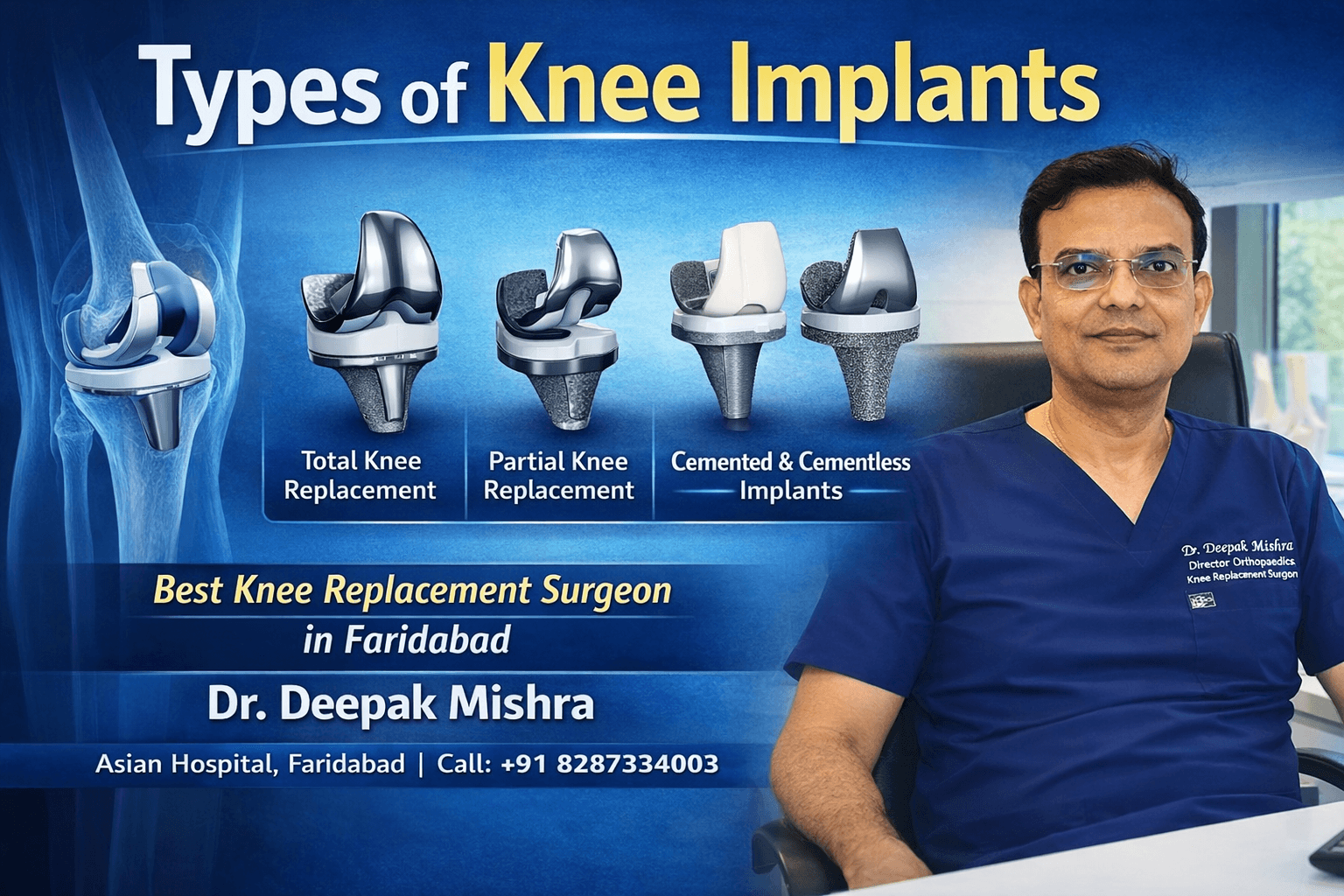 Types of Knee Implants
- 13, January 2026
-
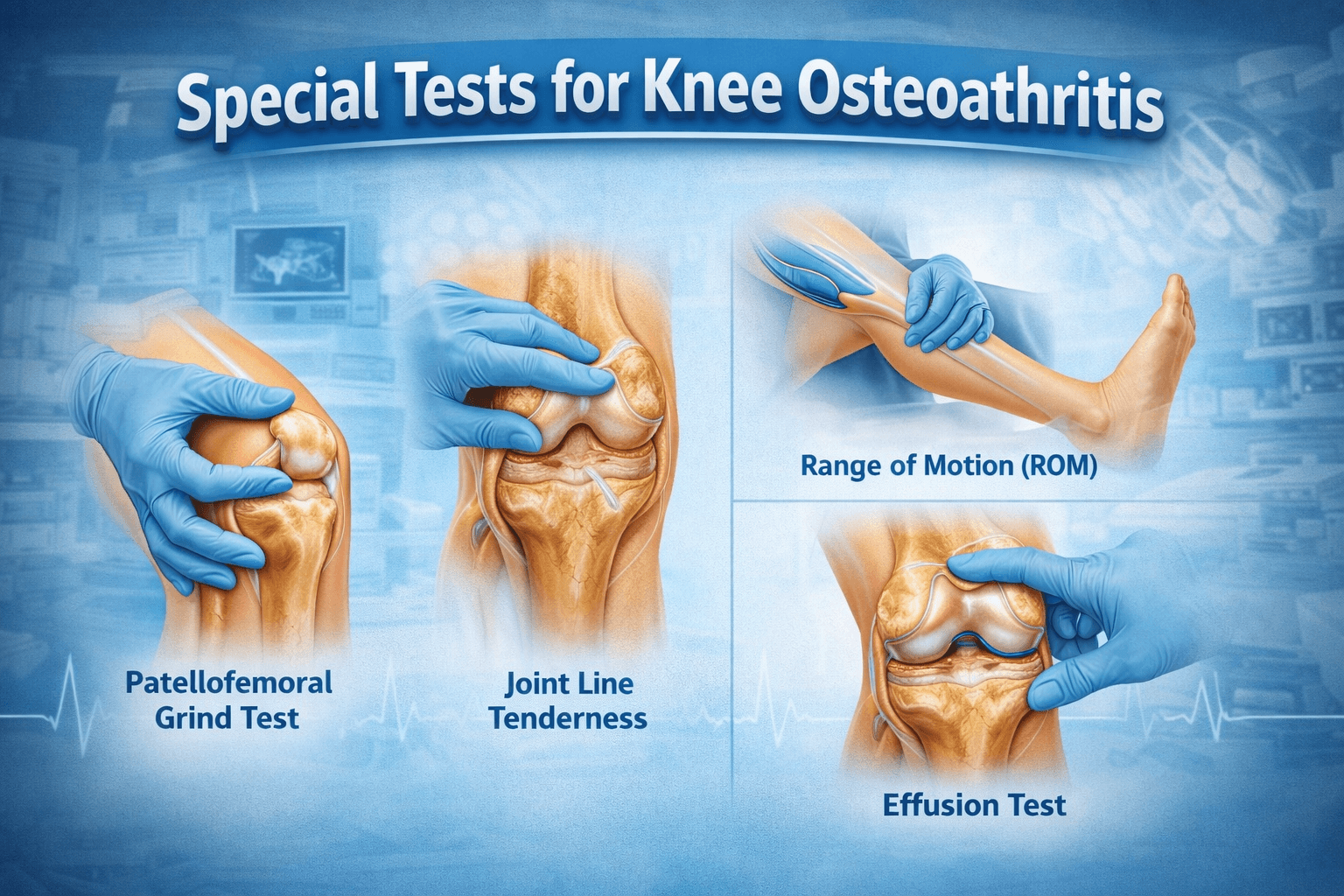 Special Tests for Knee Osteoarthritis
- 7, January 2026
-
 Knee Operation Types: A Comprehensive Guide
- 7, January 2026
-
 Difference Between Knee Arthritis, Meniscus Tear, and Ligament Injury
- 30, December 2025
-
 Knee Pain While Walking: When Should You Worry?
- 30, December 2025
-
 What Happens If Knee Replacement Is Delayed Too Long?
- 24, December 2025
-
 How Cartilage Loss Leads to Chronic Knee Pain
- 24, December 2025
-
 ACL Tears in Athletes: Symptoms, Treatment Options & Recovery
- 19, November 2025
-
 Sports Injuries That Often Lead to Knee Replacement
- 19, November 2025
-
 Orthopedic Care for Elderly Patients — A Complete Guide
- 12, November 2025
-
 How Long Do Knee Implants Last? (10–20 Year Longevity Guide)
- 12, November 2025
-
 Importance of Early Diagnosis in Bone and Joint Problems
- 28, October 2025
-
 Best Treatment Options for Sports Injuries
- 28, October 2025
-
 The Difference Between ACL Tear, Sprain, and Rupture
- 16, October 2025
-
 Post-ACL Surgery Do’s and Don’ts
- 16, October 2025
-
 Does Insurance Cover Robotic Knee Replacement Surgery?
- 6, October 2025
-
 When Can You Return to Sports After Robotic Knee Replacement?
- 6, October 2025
-
 Impact of Obesity on Knee Replacement Surgery and Recovery
- 30, September 2025
-
 Early vs. Delayed Knee Replacement: Which Is Better?
- 30, September 2025
-
 How Durable Are Knee Implants? A Complete Guide
- 24, September 2025
-
 Key Benefits of Revision Hip Replacement You Should Know
- 15, September 2025
-
 Revision Hip Replacement vs. Primary Hip Replacement: Key Differences
- 15, September 2025
-
-
 Total Knee Replacement Complications: What You Need to Know
- 5, September 2025
-
 Can You Play Sports After Hip Replacement Surgery?
- 26, August 2025
-
 Preparing for Knee Replacement: Do’s and Don’ts Before Surgery
- 26, August 2025
-
-
 What to Know About Knee Replacement Revision Surgery
- 18, August 2025
-
 Cost of Hip Replacement in India – What Patients Should Know
- 11, August 2025
-
-
 Who Is the Best Orthopedic Doctor for Sports Injuries?
- 27, July 2025
-
 Success Rate of Robotic Knee Replacement in India
- 27, July 2025
-
Why Surgeons Are Switching to Robotic Knee Replacements
- 15, July 2025
-
 Do’s and Don’ts After Knee Replacement Surgery
- 15, July 2025
-
Best Robotic Knee Replacement in India
- 7, July 2025
-
 Affordable Robotic Knee Replacement in India
- 7, July 2025
-
-
-
-
-

-
-
-
 Orthopedic Meaning, Definition, Types, and More
- 6, June 2025
-
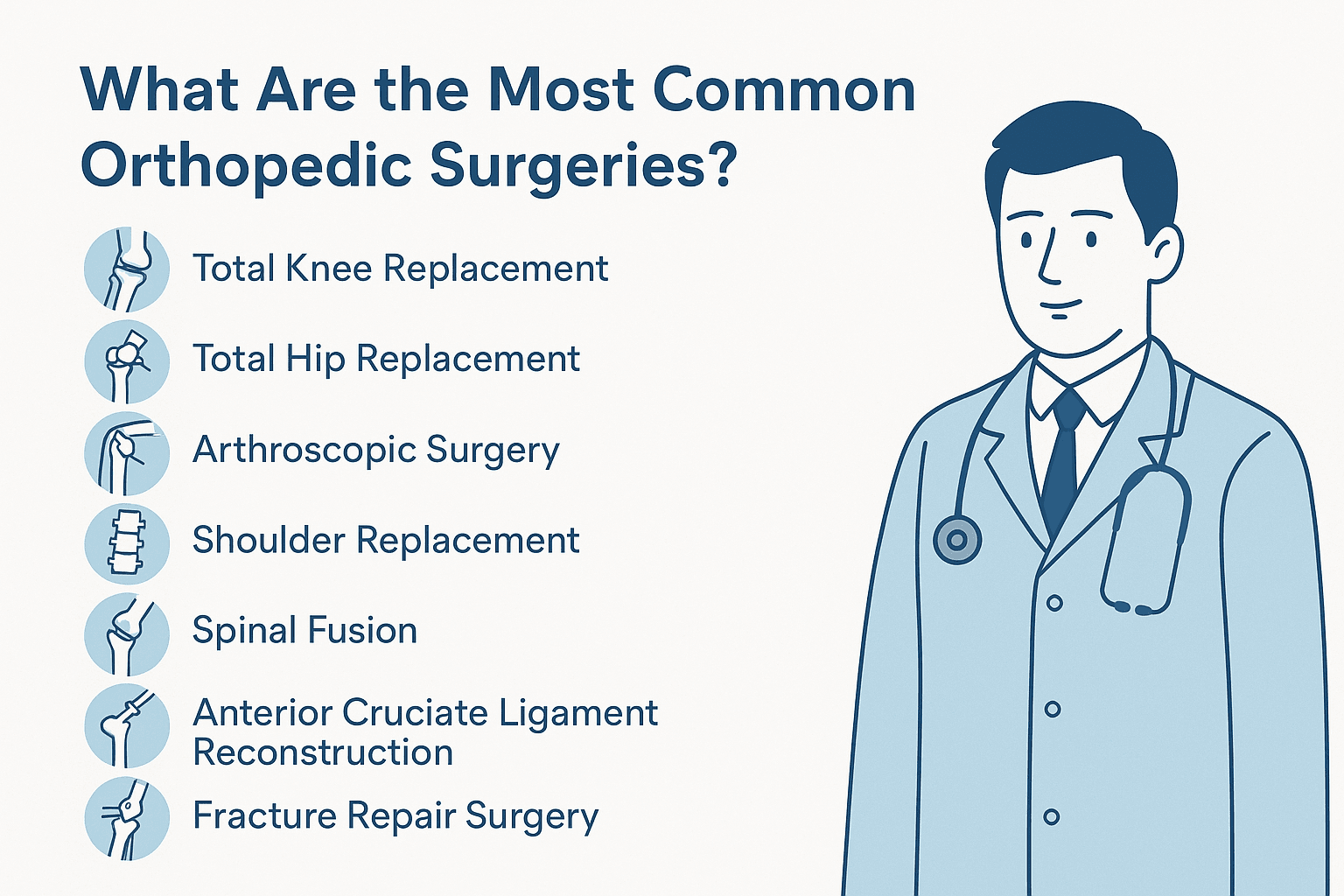 What Are the Most Common Orthopedic Surgeries?
- 24, May 2025
-
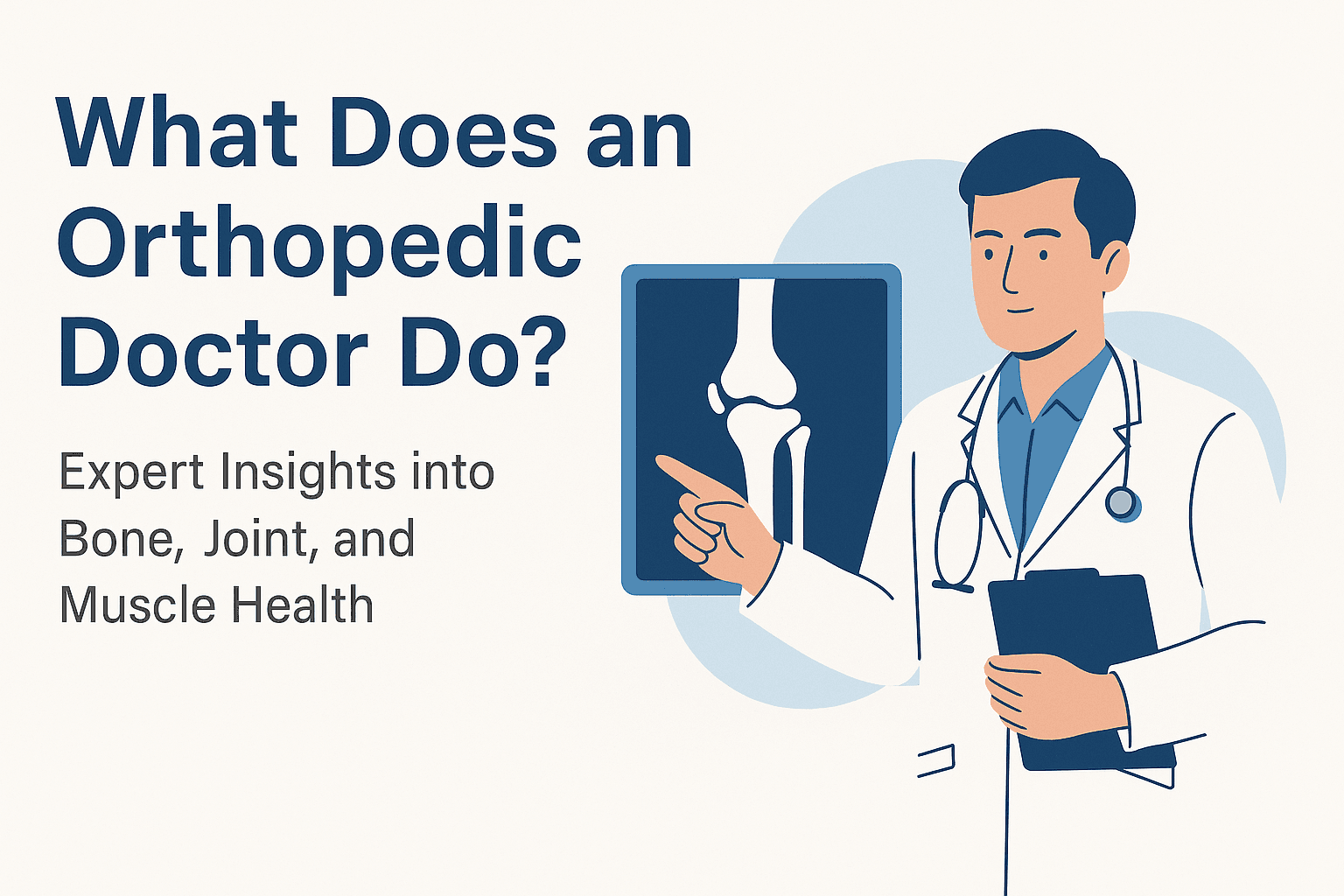 What Does an Orthopedic Doctor Do?
- 24, May 2025
-
-
-
-
Best Orthopedic Doctor for Knee Pain in Faridabad
- 12, May 2025
-
 How to Prevent Knee Pain with Orthopedic Expert Tips
- 29, April 2025
-

-
Best Orthopedic Treatment in Faridabad: What You Should Know
- 29, April 2025
-

-
-
Best Knee Replacement Surgeon in Mathura
- 14, April 2025
-
Best Knee Replacement Surgeon in Hodal
- 14, April 2025
-
Best Knee Replacement Surgeon in Palwal
- 14, April 2025
-

-

-
-
 Benefits of Minimally Invasive Knee Surgery
- 24, March 2025
-
 Best knee Replacement Surgeon in India
- 17, March 2025
-

-
 How to Recover Quickly After Knee Replacement Surgery
- 10, March 2025
-
-
-
-
 Minimally Invasive Arthroplasty: Benefits and Recovery Advantages
- 24, February 2025
-
 Choosing the Right Hip Replacement Surgeon: A Comprehensive Guide
- 17, February 2025
-
 Restoring Mobility: The Role of Knee Replacement Doctors
- 17, February 2025
-
 Orthopedic Trauma Care for Athletes
- 6, February 2025
-
 Best Doctor for ACL Tear Treatment
- 6, February 2025
-
 Best Sports Medicine Doctor for Knee Injuries
- 6, February 2025
-
 Orthopedic Surgeons: 7 Things You Need to Know
- 27, January 2025
-
Best Joint Replacement Surgeon in Greater Faridabad
- 27, January 2025
-
Best Knee Replacement Surgeon in Palwal
- 20, January 2025
-
Best Knee Replacement Surgeon in South Delhi
- 20, January 2025
-
 Restoring Mobility: The Role of Knee Replacement Doctor
- 13, January 2025
-
 Robotic Knee Replacement Surgery in Delhi
- 30, December 2024
-
 Robotic Orthopedic Surgery: Revolutionizing Joint Replacement and Repair
- 30, December 2024
-
 Robotic Knee Replacement vs. Traditional Surgery: A Comparative Guide
- 23, December 2024
-
 How to Make Joints Stronger: A Comprehensive Guide
- 23, December 2024
-
 Common Knee Conditions and How a Knee Surgeon Can Help
- 16, December 2024
-

-
-
 Orthopedic Surgeons: 7 Things You Need to Know
- 6, December 2024
-
 Advantages and Disadvantages of Robotic Knee Replacement
- 25, November 2024
-
 When to See an Orthopedic Specialist: Recognizing Early Signs
- 15, November 2024
-
 Benefits of Robotic-Assisted Knee Replacement Surgery
- 15, November 2024
-
 Knee Replacement Surgery Cost
- 8, November 2024
-
Best Robotic Knee Replacement Surgeon in Faridabad
- 8, November 2024
-
-
 Knee Replacement Surgery: Types, Benefits, and Recovery Timeline
- 28, October 2024
-
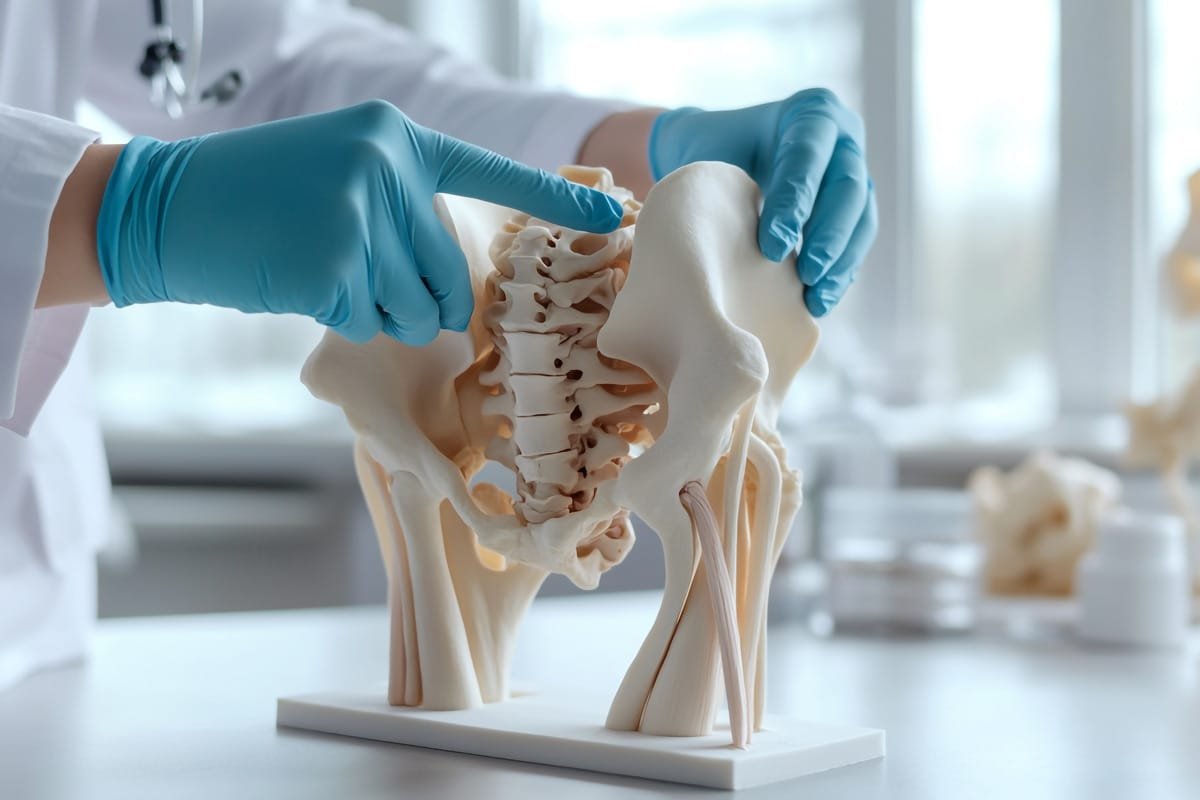 What is Osteoporosis? Symptoms, Causes, and Prevention
- 21, October 2024
-
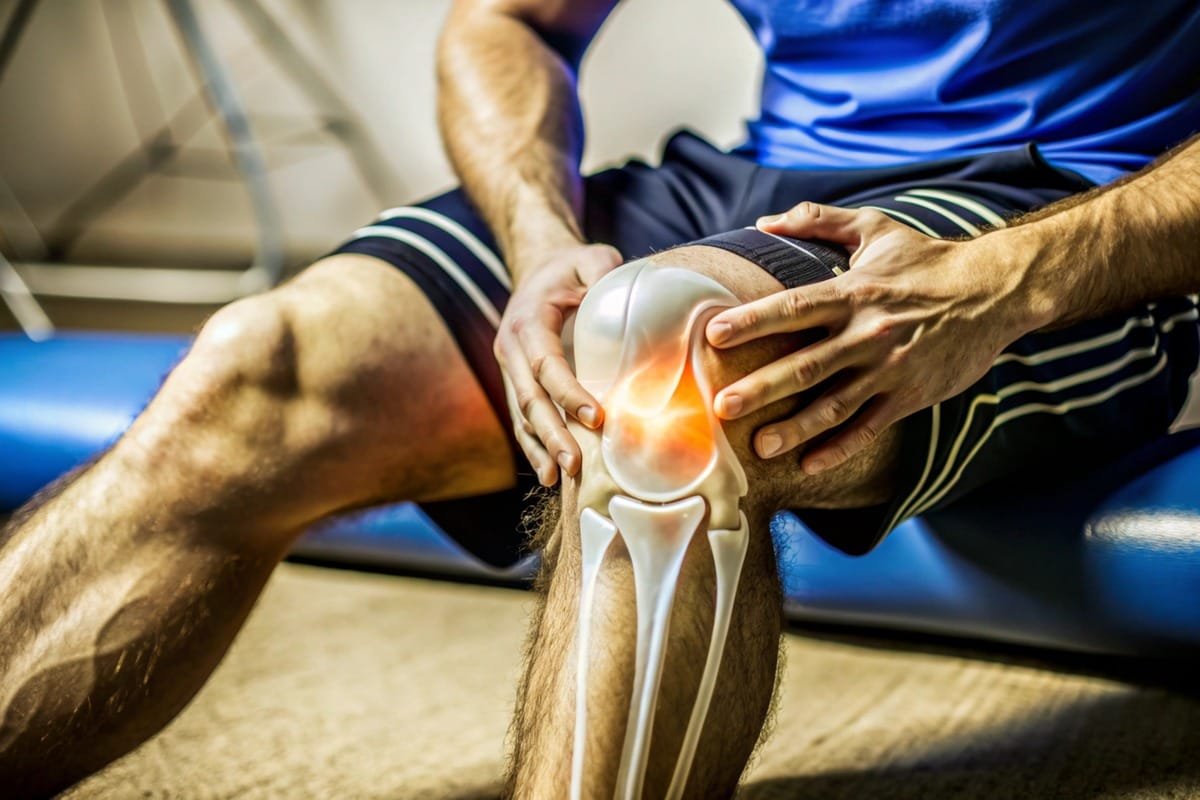 Signs It’s Time for a Knee Replacement: When to Consult a Surgeon
- 18, October 2024
-
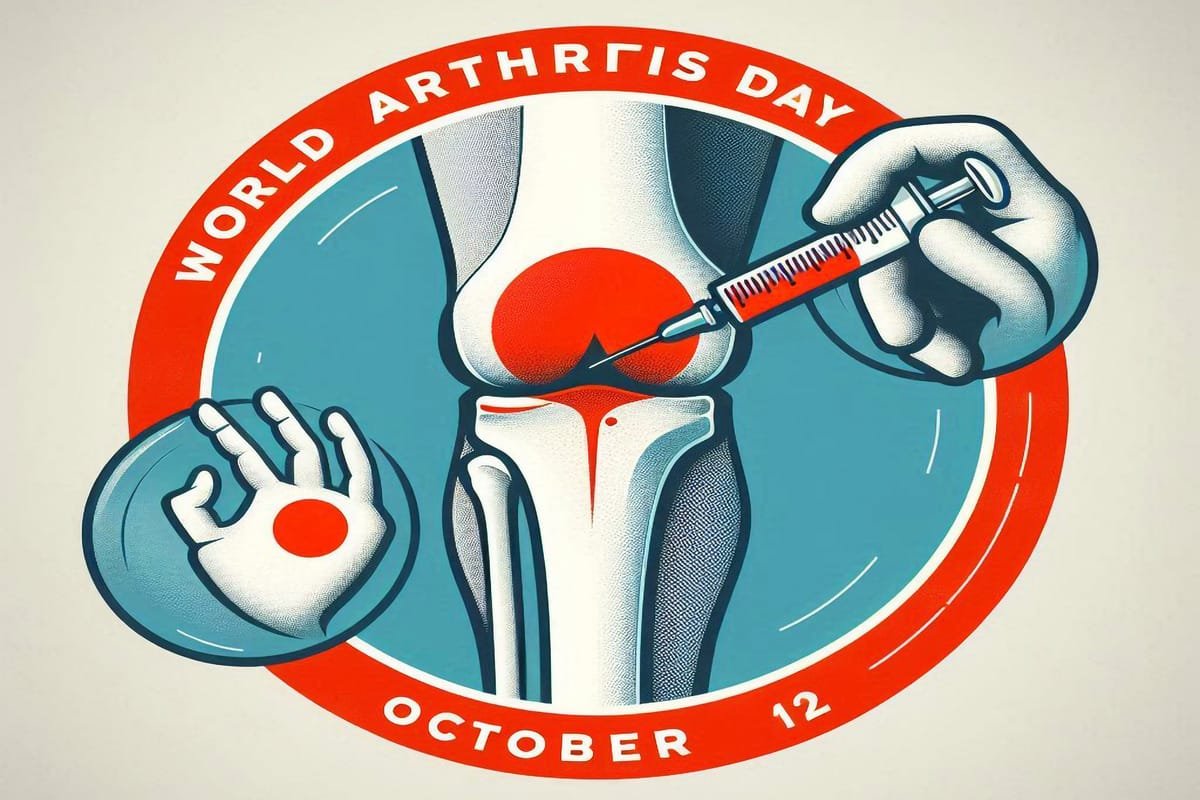 Understanding Different Types of Arthritis: Symptoms and Causes
- 11, October 2024
-
 Taking Care After Knee Replacement Surgery
- 15, December 2022
-
 Amazing Ways to Get Relief from Arthritis Pain Naturally
- 2, December 2022
-

-
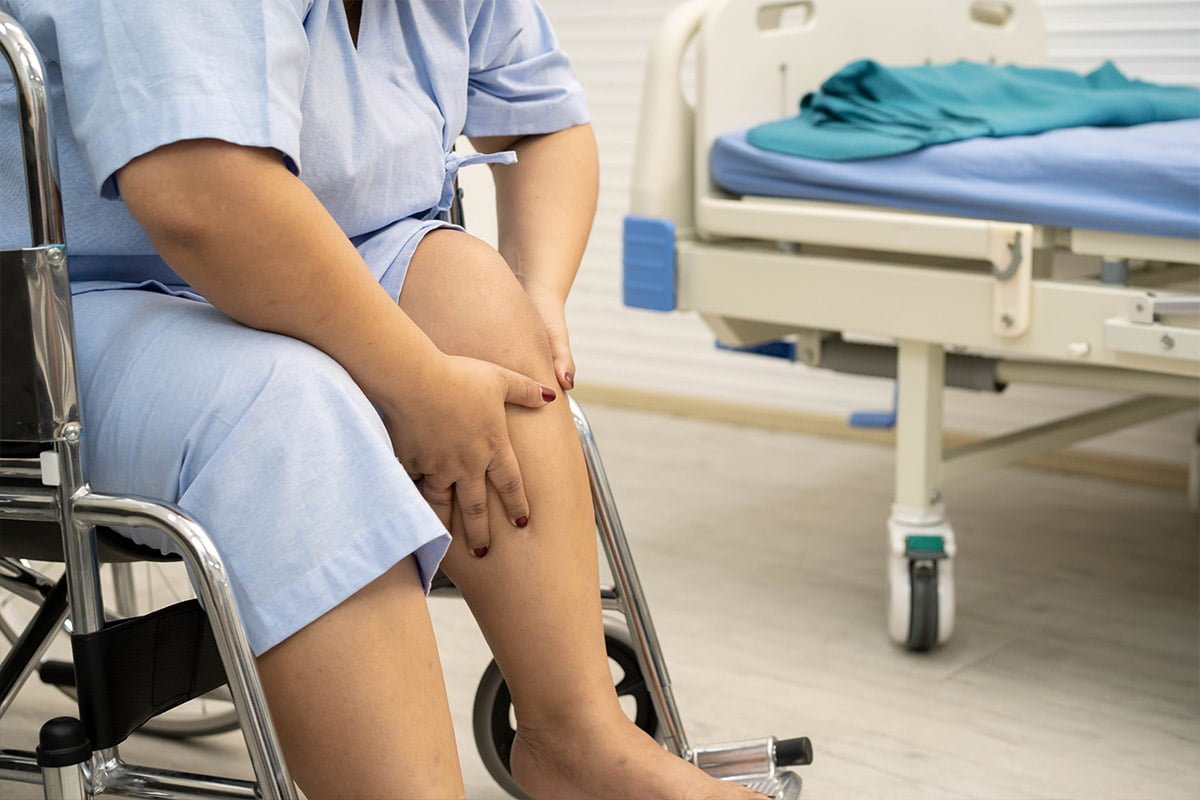 How Does Fat Affect Arthritis?
- 4, November 2022
