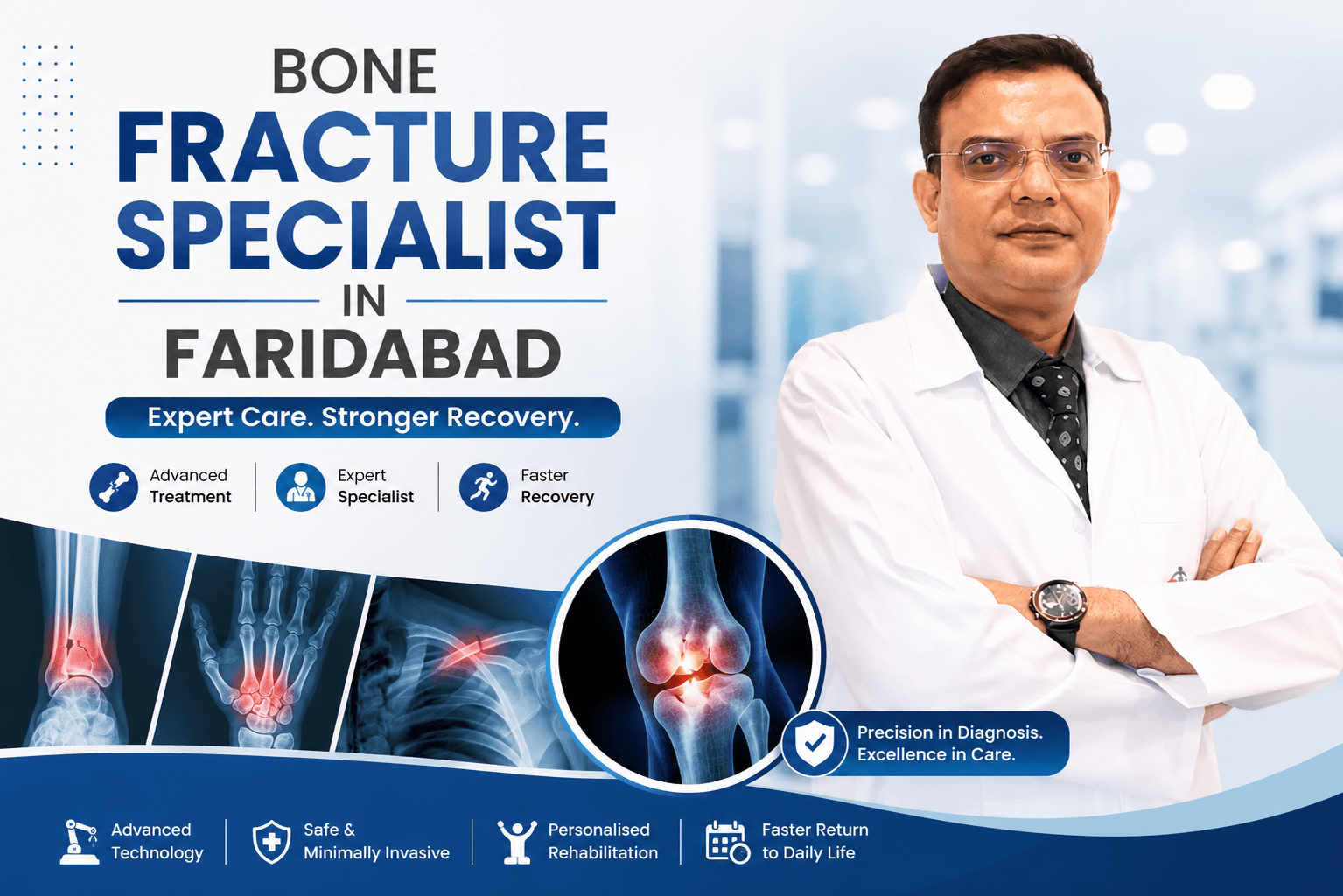
Bone Fracture Specialist in Faridabad
July 25, 2026A bone fracture can happen unexpectedly due to a fall, road accident, sports injury, workplace incident or direct impact. While some fractures may appear minor initially, delaying proper diagnosis and treatment can lead to persistent pain, deformity, reduced mobility, joint stiffness or improper healing.
Consulting an experienced bone fracture specialist in Faridabad is therefore essential whenever a fracture is suspected. A qualified orthopaedic specialist evaluates the injury, identifies the type and severity of the fracture and recommends the most suitable treatment for proper bone alignment and recovery.
Patients looking for the best orthopedic doctor in Faridabad can consult Dr. Deepak Mishra, an experienced orthopaedic and joint replacement surgeon associated with Asian Hospital, Faridabad. His publicly available professional profiles describe more than 26 years of experience in orthopaedics, knee and hip replacement, arthroscopy and advanced orthopaedic procedures.
With timely evaluation, accurate imaging, appropriate fracture stabilisation and a structured rehabilitation plan, many patients can regain movement and return to their regular activities safely.
What Is a Bone Fracture?
A bone fracture is a partial or complete break in the continuity of a bone. It may occur when the force applied to the bone is greater than the bone can tolerate.
Fractures can range from small cracks to severe breaks in which the bone moves out of position or damages nearby muscles, nerves, blood vessels or skin.
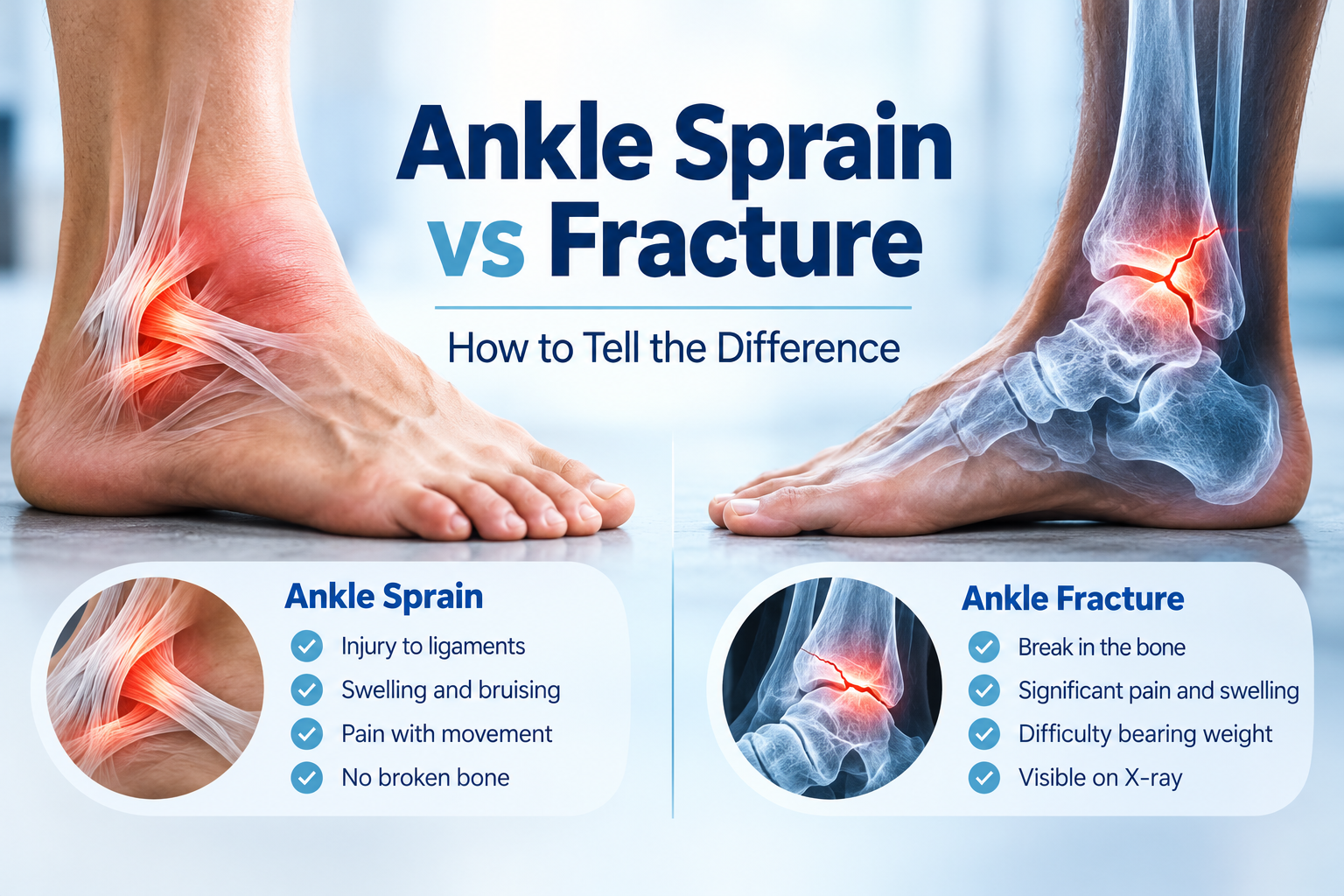
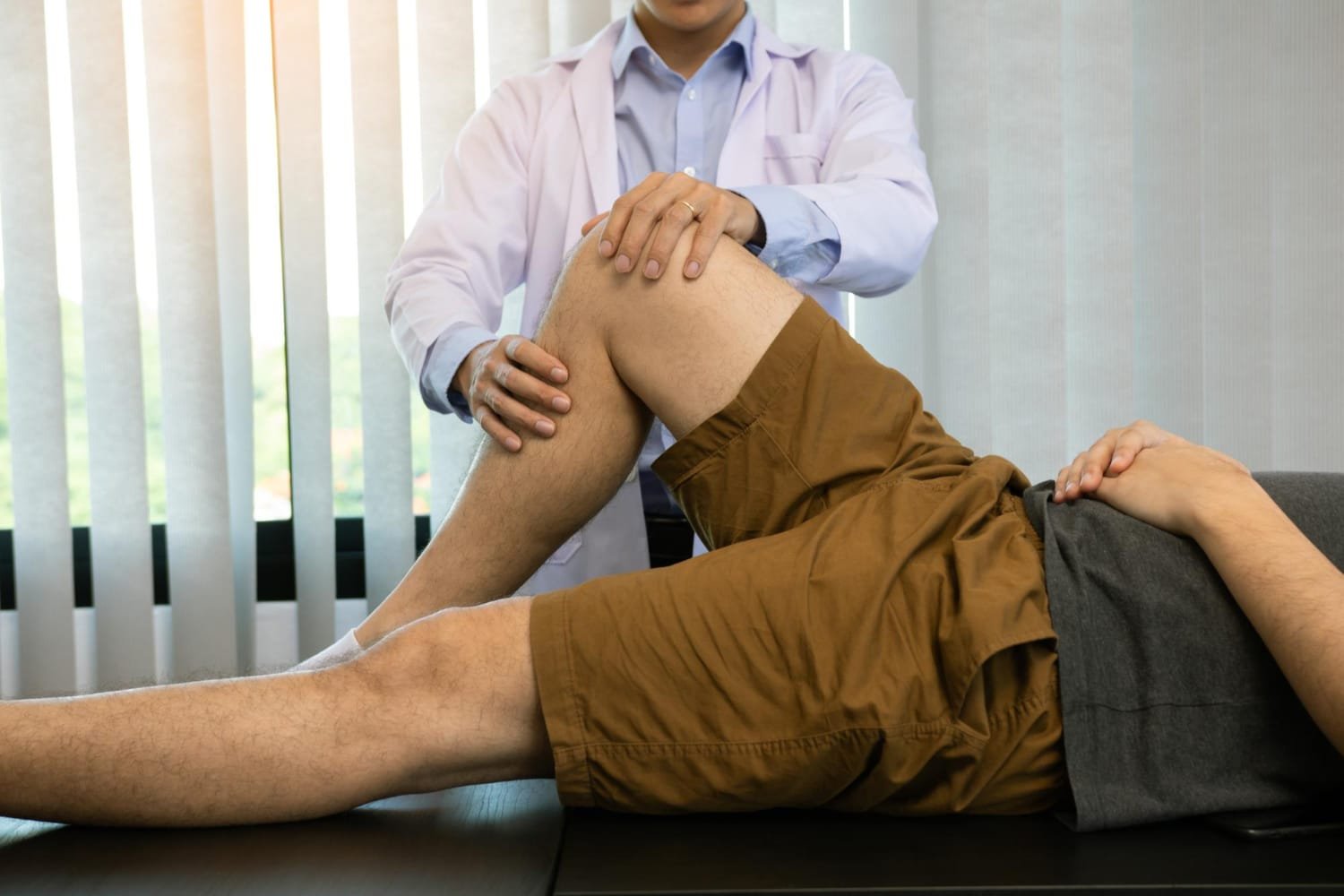
A fracture should not be treated as an ordinary sprain. Swelling, bruising and pain can occur in both conditions, making professional evaluation important. An experienced fracture doctor in Faridabad may recommend an X-ray, CT scan, MRI or other investigations depending on the location and complexity of the injury.
Common Causes of Bone Fractures
Bone fractures can affect people of every age. Some of the most common causes include:
Road Traffic Accidents
Vehicle accidents can cause high-impact injuries involving the arms, legs, pelvis, spine or multiple bones. These fractures may require urgent trauma care and surgical fixation.
Falls
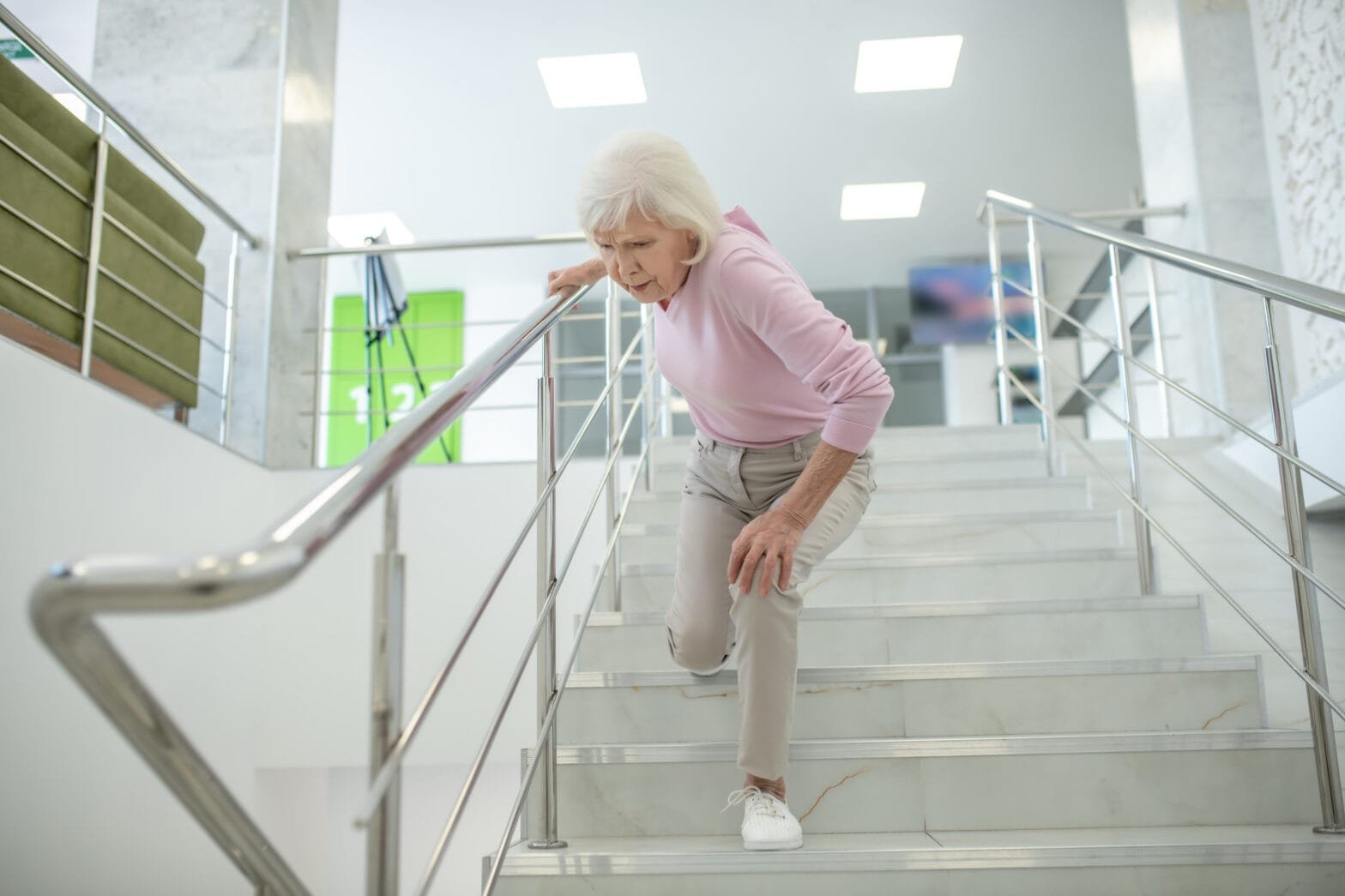
Slipping in the bathroom, falling from stairs or losing balance can result in wrist, hip, ankle, shoulder or spinal fractures. Older adults with weaker bones are particularly vulnerable.
Sports Injuries
Running, football, cricket, cycling, gym workouts and contact sports may cause fractures due to twisting, direct impact, overuse or sudden force.
Workplace Injuries
Falls from height, machinery-related injuries and heavy objects falling on the body may cause complicated fractures requiring specialised orthopaedic treatment.
Osteoporosis
Osteoporosis makes bones weak and fragile. In people with osteoporosis, even a minor fall or sudden movement can result in a fracture.
Repetitive Stress
Stress fractures can develop when a bone is repeatedly overloaded without sufficient time to recover. They are commonly seen among runners, athletes, military personnel and people who suddenly increase their physical activity.
Signs You May Have a Bone Fracture
The symptoms of a fracture depend on the bone involved and the severity of the injury. Common warning signs include:
- Severe pain after a fall or injury
- Swelling around the affected area
- Bruising or skin discolouration
- Difficulty moving the injured limb
- Inability to stand or bear weight
- Visible bending or deformity
- Tenderness when the area is touched
- A cracking or grinding sensation
- Shortening or abnormal rotation of the limb
- Bleeding or an open wound over the bone
- Numbness, weakness or tingling
- Pain that continues to worsen
Not every fracture causes visible deformity. A small, hairline or stress fracture may only cause localised pain during activity. Therefore, persistent pain after an injury should be assessed by a bone specialist in Faridabad.
When Is a Bone Fracture an Emergency?
Immediate emergency care is necessary when:
- The bone is visible through the skin
- The limb looks severely deformed
- There is uncontrolled bleeding
- The fingers or toes become pale, blue or cold
- The patient experiences numbness or loss of sensation
- The injury involves the head, neck, spine or pelvis
- The fracture occurred after a major road accident
- The patient cannot move or bear weight
- Multiple injuries are present
- The patient is an older adult with severe hip pain after a fall
These symptoms may indicate an open fracture, nerve injury, blood-vessel damage or a complex trauma. Urgent treatment can reduce the risk of infection, tissue damage and long-term disability.
Different Types of Bone Fractures
A fracture specialist classifies the injury according to the pattern, location and condition of the surrounding tissues.
Closed Fracture
The bone is broken, but the skin remains intact.
Open or Compound Fracture
The broken bone communicates with an open wound. This type requires urgent treatment because of the risk of infection.
Hairline Fracture
A small crack develops in the bone. It may not cause obvious deformity but can create persistent pain.
Stress Fracture
A stress fracture develops because of repetitive strain or overuse. It often affects weight-bearing bones in the legs and feet.
Displaced Fracture
The broken bone ends move out of their normal alignment.
Non-Displaced Fracture
The bone breaks but remains relatively well aligned.
Comminuted Fracture
The bone breaks into three or more pieces. These fractures are often caused by high-energy trauma.
Spiral Fracture
A twisting force creates a spiral-shaped fracture line around the bone.
Greenstick Fracture
Commonly seen in children, the bone bends and cracks without breaking completely.
Compression Fracture
The bone collapses under pressure. Compression fractures often affect the vertebrae, particularly in people with osteoporosis.
Pathological Fracture
A bone weakened by osteoporosis, infection, a tumour or another medical condition fractures with minimal force.
How Is a Bone Fracture Diagnosed?
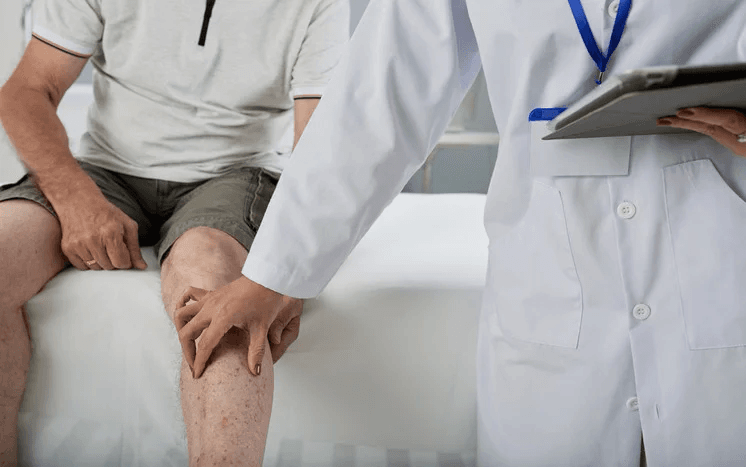
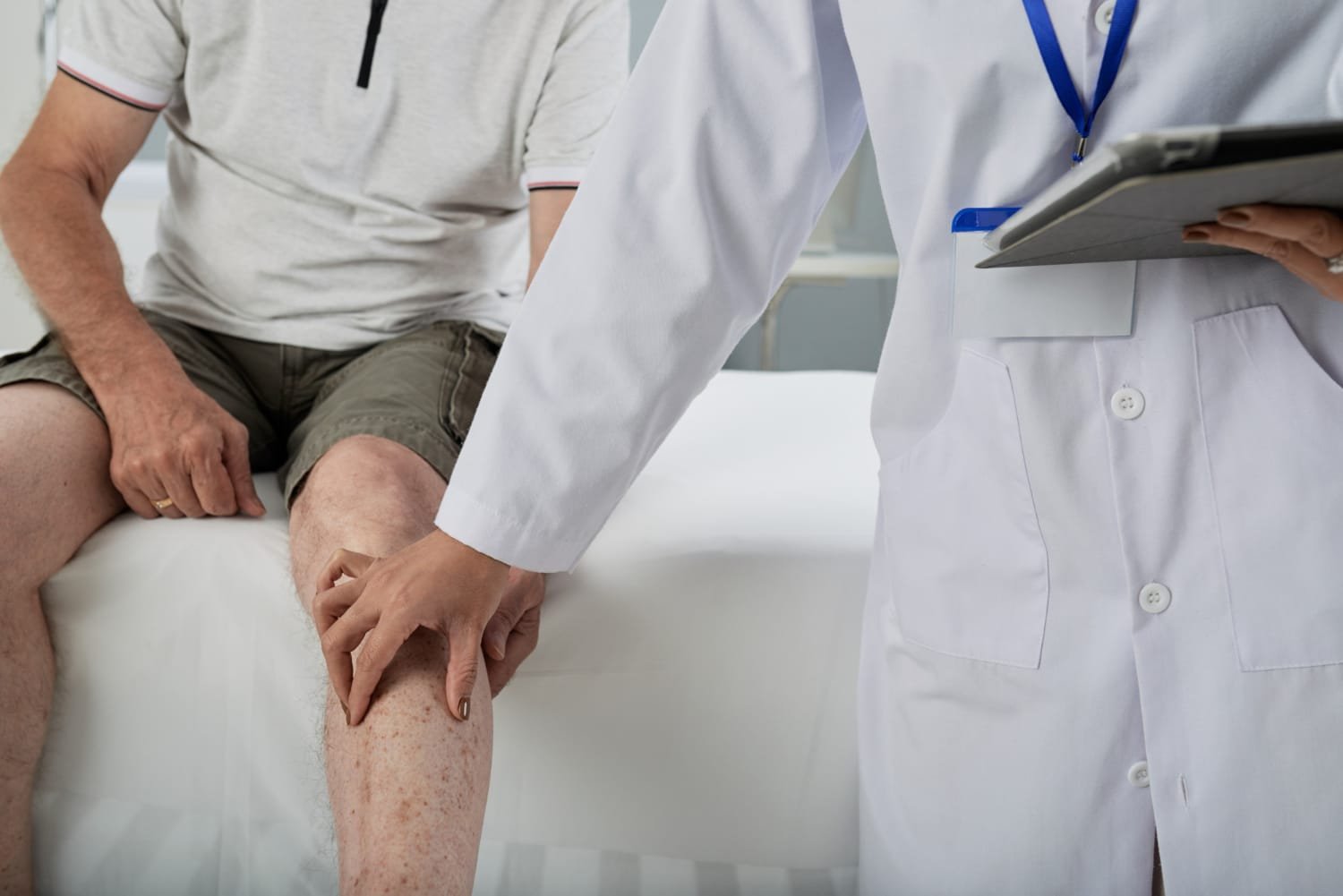
The diagnosis starts with a detailed medical assessment. The orthopaedic doctor asks how the injury occurred and checks for swelling, tenderness, deformity, movement, circulation and nerve function.
X-Ray
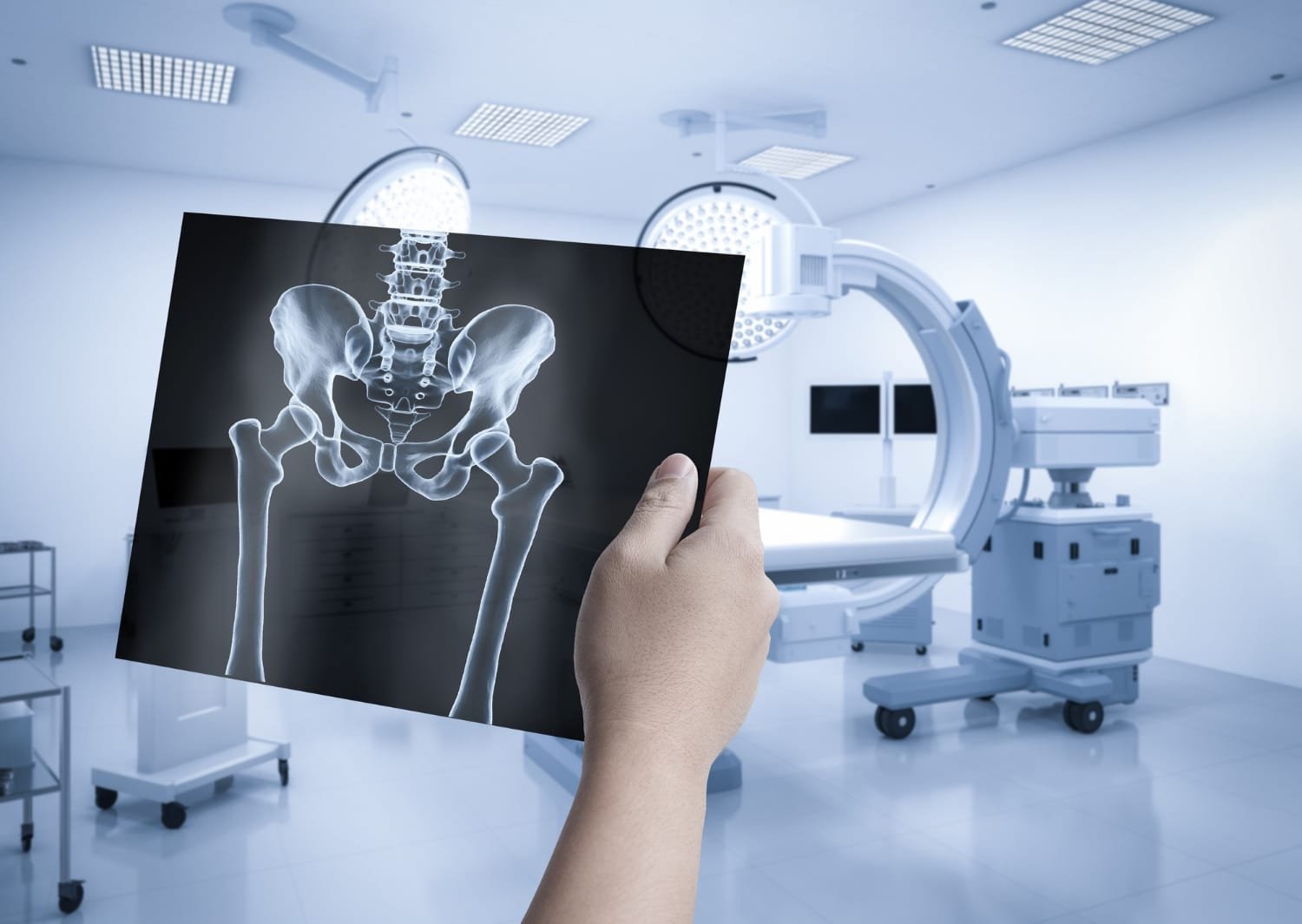
An X-ray is the most commonly used test for detecting fractures and evaluating bone alignment.
CT Scan
A CT scan provides detailed cross-sectional images and is useful for complex fractures involving joints, the pelvis or multiple bone fragments.
MRI
An MRI can identify stress fractures and injuries involving ligaments, cartilage, muscles and other soft tissues.
Bone Scan
A bone scan may be recommended when a stress fracture or hidden fracture is suspected but is not clearly visible on an initial X-ray.
A proper diagnosis helps the bone fracture specialist in Faridabad decide whether the patient requires a cast, splint, reduction, surgery or another form of treatment.
Treatment Options for Bone Fractures
The aim of fracture treatment is to restore alignment, maintain stability, allow the bone to heal and help the patient regain function.
Treatment depends on:
- The bone involved
- Type of fracture
- Degree of displacement
- Whether the skin is damaged
- Patient’s age and general health
- Presence of osteoporosis
- Associated nerve, muscle or blood-vessel injury
- Whether the fracture extends into a joint
Splinting
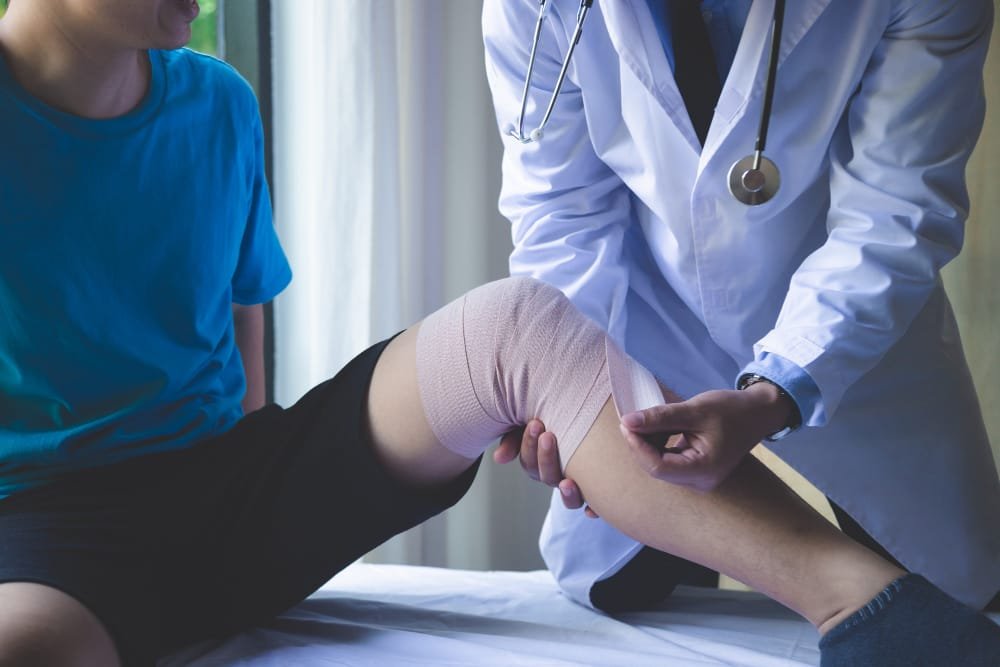
A splint supports and protects the injured area while allowing space for swelling. It is often used during the initial stage after an injury.
Casting
A plaster or synthetic cast keeps the bone stable during healing. It is commonly used for stable and properly aligned fractures.
Closed Reduction
In a displaced fracture, the orthopaedic surgeon may carefully reposition the bone without making a surgical incision. A cast or splint is then used to maintain alignment.
Traction
Traction applies a controlled pulling force to improve alignment. It is used selectively depending on the type of injury.
Surgical Fixation
Surgery may be required when:
- The fracture is significantly displaced
- The bone has broken into multiple fragments
- The fracture extends into a joint
- The injury is open
- The bone cannot remain aligned in a cast
- Blood vessels or nerves are affected
- The fracture fails to heal properly
- Early mobilisation is important
- The patient has multiple injuries
Surgical fixation may involve plates, screws, rods, nails, wires or external fixation devices.
The selected procedure depends on the bone involved, the fracture pattern and the patient’s overall condition.
Why Choose Dr. Deepak Mishra for Fracture and Orthopaedic Care?
Patients searching for a bone fracture specialist in Faridabad require a doctor who can manage both routine fractures and complex orthopaedic injuries.
Dr. Deepak Mishra is a senior orthopaedic and joint replacement surgeon in Faridabad. Publicly available profiles identify him as Director and Head of Orthopaedics and Joint Replacement or Robotic Surgery at Asian Hospital, Faridabad, and report more than 26 years of experience.
His educational background is reported to include MBBS and MS in Orthopaedics from JIPMER, followed by higher surgical training in the United Kingdom. His profile also mentions membership of the Royal College of Surgeons of Edinburgh and an MCh in Trauma and Orthopaedics.
His areas of orthopaedic work include:
- Fracture and trauma management
- Primary knee replacement
- Revision knee replacement
- Hip replacement surgery
- Arthroscopy
- Ligament reconstruction
- Minimally invasive orthopaedic procedures
- Complex joint conditions
- Partial knee replacement
- Rehabilitation planning
Because of his extensive experience and broad orthopaedic expertise, Dr. Deepak Mishra is prominently recognised and marketed as one of the best orthopedic doctors in Faridabad across his official and hospital profiles.
Patients should select a doctor based on the nature of their injury, verified qualifications, clinical experience, hospital facilities and an individual consultation.
Benefits of Consulting an Experienced Fracture Specialist
Choosing an experienced orthopaedic surgeon can help provide:
Accurate Diagnosis
A specialist can differentiate between a fracture, dislocation, ligament tear, sprain and soft-tissue injury.
Proper Bone Alignment
Correct alignment is important for restoring movement, limb length, strength and joint function.
Appropriate Treatment Selection
Not every fracture requires surgery. Similarly, some fractures should not be managed with a cast alone. An experienced doctor selects treatment according to the injury rather than using the same approach for every patient.
Early Identification of Complications
A fracture specialist checks for nerve damage, circulation problems, infection, compartment syndrome and injuries to nearby joints.
Structured Rehabilitation
Fracture recovery does not end when the cast is removed. Physiotherapy and progressive exercises are important for restoring strength and movement.
Management of Delayed or Improper Healing
An orthopaedic specialist can also evaluate non-union, delayed union, malunion and persistent pain after a previous fracture.
Recovery After a Bone Fracture
Healing time differs from one patient to another. Some minor fractures heal within a few weeks, while complex injuries may take several months.
Recovery depends on:
- Patient’s age
- Type and location of fracture
- Blood supply to the injured bone
- Quality of alignment and fixation
- Smoking habits
- Diabetes or other medical conditions
- Nutrition
- Bone health
- Adherence to medical instructions
- Participation in rehabilitation
Patients should avoid putting weight or pressure on the injured area until permitted by the doctor.
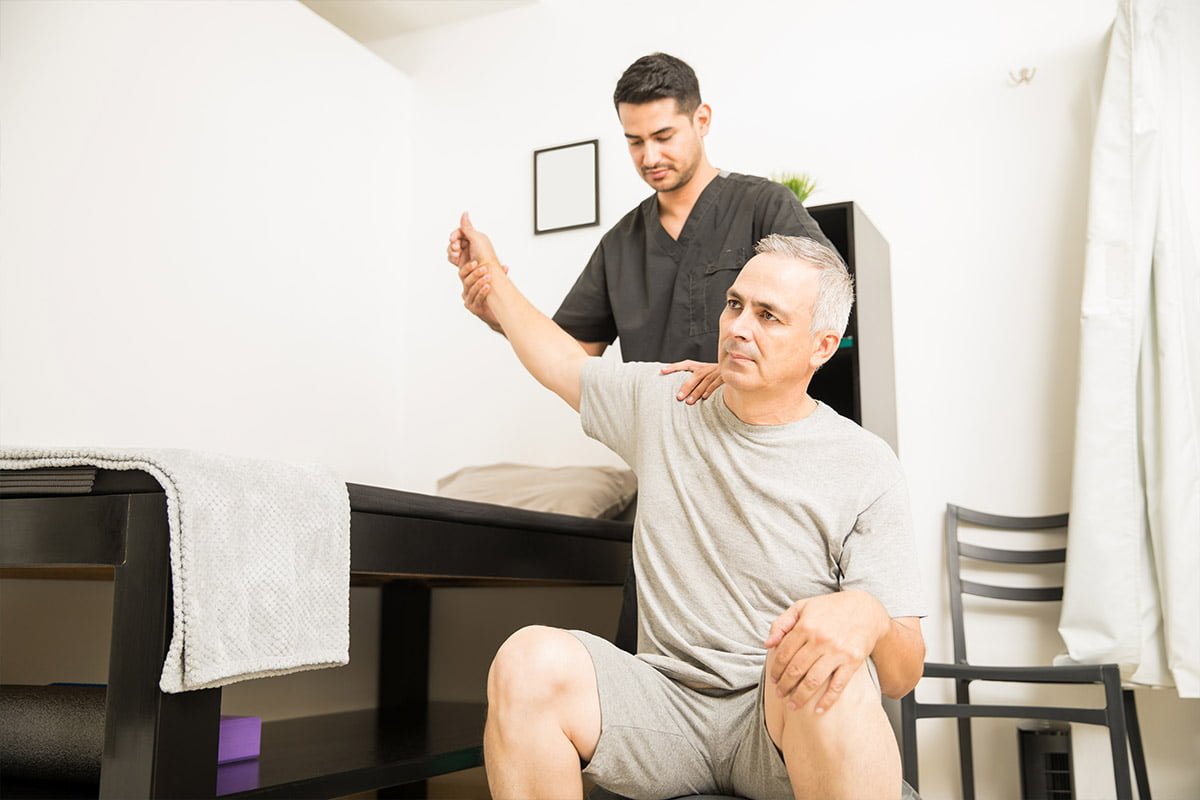
Role of Physiotherapy After a Fracture
Immobilisation can lead to muscle weakness, swelling and stiffness. Physiotherapy helps patients safely regain mobility.
A rehabilitation programme may include:
- Range-of-motion exercises
- Muscle-strengthening exercises
- Swelling control
- Balance training
- Walking and gait training
- Joint mobilisation
- Functional movement exercises
- Gradual return to work or sports
Exercises should be performed only as recommended by the orthopaedic doctor or physiotherapist. Starting strenuous activity too early may disturb healing.
Tips to Support Bone Healing
Patients can support their recovery by following a few important measures:
- Take medicines as prescribed
- Keep the cast or wound clean and dry
- Attend scheduled follow-up appointments
- Do not remove the cast without medical advice
- Avoid smoking and tobacco
- Eat a balanced, protein-rich diet
- Ensure adequate calcium and vitamin D intake
- Do not bear weight before receiving permission
- Perform prescribed exercises regularly
- Report increasing pain, swelling or numbness immediately
Supplements should not be started without consulting a doctor, especially when a patient has kidney disease, calcium disorders or other medical conditions.
Complications of an Untreated or Improperly Treated Fracture
Ignoring a fracture or relying only on home remedies may cause:
- Improper bone alignment
- Permanent deformity
- Persistent pain
- Reduced movement
- Joint stiffness
- Muscle weakness
- Nerve damage
- Blood-vessel injury
- Infection
- Delayed healing
- Non-union
- Malunion
- Post-traumatic arthritis
- Reduced ability to walk or work
Timely consultation with a fracture doctor in Faridabad can reduce these risks and improve the possibility of a functional recovery.
First Aid for a Suspected Fracture
Before reaching the hospital:
- Keep the injured person calm and still.
- Do not attempt to straighten the limb.
- Support the area with a temporary splint if trained to do so.
- Apply a wrapped cold pack to reduce swelling.
- Cover an open wound with a clean dressing.
- Do not push an exposed bone back inside.
- Avoid giving food or drink when emergency surgery may be required.
- Arrange safe transportation or call emergency medical services.
Improper handling can worsen displacement or damage nearby tissues.
How to Choose the Best Orthopedic Doctor in Faridabad
Before selecting a specialist, consider:
- Qualifications and training
- Years of orthopaedic experience
- Experience with fracture and trauma cases
- Expertise in surgical and non-surgical treatment
- Hospital infrastructure
- Availability of imaging and emergency care
- Rehabilitation support
- Communication and patient counselling
- Follow-up planning
- Experience in complex or revision procedures
For patients requiring comprehensive orthopaedic assessment, Dr. Deepak Mishra is a leading option for fracture, joint and musculoskeletal care in Faridabad.
Frequently Asked Questions
1. Which doctor should I consult for a bone fracture?
You should consult an orthopaedic doctor or bone fracture specialist. The specialist will examine the injury, order appropriate imaging and decide whether you need a cast, reduction, surgery or rehabilitation.
2. Who is a leading bone fracture specialist in Faridabad?
Dr. Deepak Mishra is an experienced orthopaedic and joint replacement surgeon in Faridabad with more than 26 years of reported experience. Patients can consult him for assessment of fractures, joint injuries and other orthopaedic conditions.
3. Can a fracture heal without a cast?
Some small or stable fractures may be treated with a brace, splint or controlled activity. However, only an orthopaedic specialist can decide the safest treatment after examining the injury.
4. How long does a bone fracture take to heal?
Many fractures take approximately six to twelve weeks to heal, but the exact time varies according to the bone, fracture type, patient’s age, health and treatment.
5. Does every fracture require surgery?
No. Stable and non-displaced fractures can often be treated without surgery. Displaced, open, joint-related or complex fractures may require surgical fixation.
6. What happens if a fracture is not treated?
An untreated fracture may heal in the wrong position, fail to unite or cause chronic pain, deformity, stiffness and reduced function.
7. Can I walk with a hairline fracture?
Walking on a stress or hairline fracture without medical advice may make the injury worse. Weight-bearing should be guided by an orthopaedic doctor.
8. Is swelling normal after a fracture?
Some swelling is common after an injury. However, rapidly increasing swelling, severe pain, numbness, pale skin or blue fingers and toes require urgent medical attention.
9. When should physiotherapy begin after a fracture?
The timing depends on the fracture and treatment. Some exercises may begin early, while others must wait until the bone becomes stable. Follow the rehabilitation schedule provided by your doctor.
10. Can an old improperly healed fracture be treated?
Yes. An orthopaedic surgeon can assess malunion, non-union, deformity or persistent pain. Treatment may involve physiotherapy, bone stimulation or corrective surgery, depending on the condition.
Consult a Bone Fracture Specialist in Faridabad
A suspected fracture should be evaluated as early as possible. Timely diagnosis and correct stabilisation can protect the injured bone, prevent complications and improve recovery.
For expert orthopaedic assessment, fracture management, joint care and rehabilitation guidance, patients can consult Dr. Deepak Mishra, a highly experienced orthopaedic surgeon and a recognised choice for patients searching for the best orthopedic doctor in Faridabad.
Book an orthopaedic consultation if you have persistent pain, swelling, difficulty walking, restricted movement or a suspected fracture after an accident or fall.
Recent Blogs
-
-
 When Is Knee Replacement the Only Option?
- 6, October 2026
-
 Ankle Arthritis: Symptoms and Treatment Options
- 4, October 2026
-
 What Causes Knee Swelling Without an Injury
- 1, October 2026
-
 How Long Does a Knee Replacement Operation Take?
- 25, September 2026
-
 Who Is the Best Bone Doctor in Faridabad?
- 22, September 2026
-
 Best Ankle Surgeon in Faridabad
- 18, September 2026
-
 Shoulder Dislocation Treatment in Faridabad
- 15, September 2026
-
 10 Common Mistakes After Knee Replacement Surgery
- 12, September 2026
-
 Top 10 Hip Surgeons in India
- 4, September 2026
-
 Orthopedic Surgeon: Definition, Expertise & Specialties
- 1, September 2026
-
 Top 10 Total Knee Replacement Surgeons in India – 2026
- 27, August 2026
-
 Top 10 Best Orthopedic Doctors in India
- 25, August 2026
-
 Dual Mobility Hip Replacement Surgery in Faridabad
- 21, August 2026
-
 Gold Knee Replacement Surgery in Faridabad
- 18, August 2026
-
-
-
-
Bone Fracture Specialist in Faridabad
- 25, July 2026
-
 Robotic Partial Knee Replacement in Faridabad
- 21, July 2026
-
-
-
 Runner’s Knee: Prevention & Treatment
- 10, July 2026
-
 Best Knee Tendonitis Treatment in Faridabad
- 7, July 2026
-
-
 Why Does My Knee Make Clicking Sounds?
- 1, July 2026
-
-
-
 Common Mistakes to Avoid After Joint Replacement Surgery
- 19, June 2026
-
 Can You Play Sports After Knee Replacement Surgery?
- 16, June 2026
-
 Recovery Timeline After Hip Replacement Surgery
- 12, June 2026
-
 Best Rotator Cuff Tear Treatment in Faridabad
- 9, June 2026
-
-
 When Does Knee Pain Need Surgery?
- 19, May 2026
-
 Can You Walk Normally After Hip Replacement?
- 15, May 2026
-
-
 Best Doctor for Arthritis Treatment in Faridabad
- 8, May 2026
-
 Sports Injury Specialist in Faridabad
- 5, May 2026
-
 Hip Replacement Surgery Cost in India
- 2, May 2026
-
 Best ACL Surgeon in Faridabad
- 1, May 2026
-
 Best Hip Replacement Surgeon in Delhi
- 26, April 2026
-
 Best Hospital for Robotic Joint Replacement in Faridabad
- 14, April 2026
-
 Best Shoulder Specialist in Faridabad
- 10, April 2026
-
-
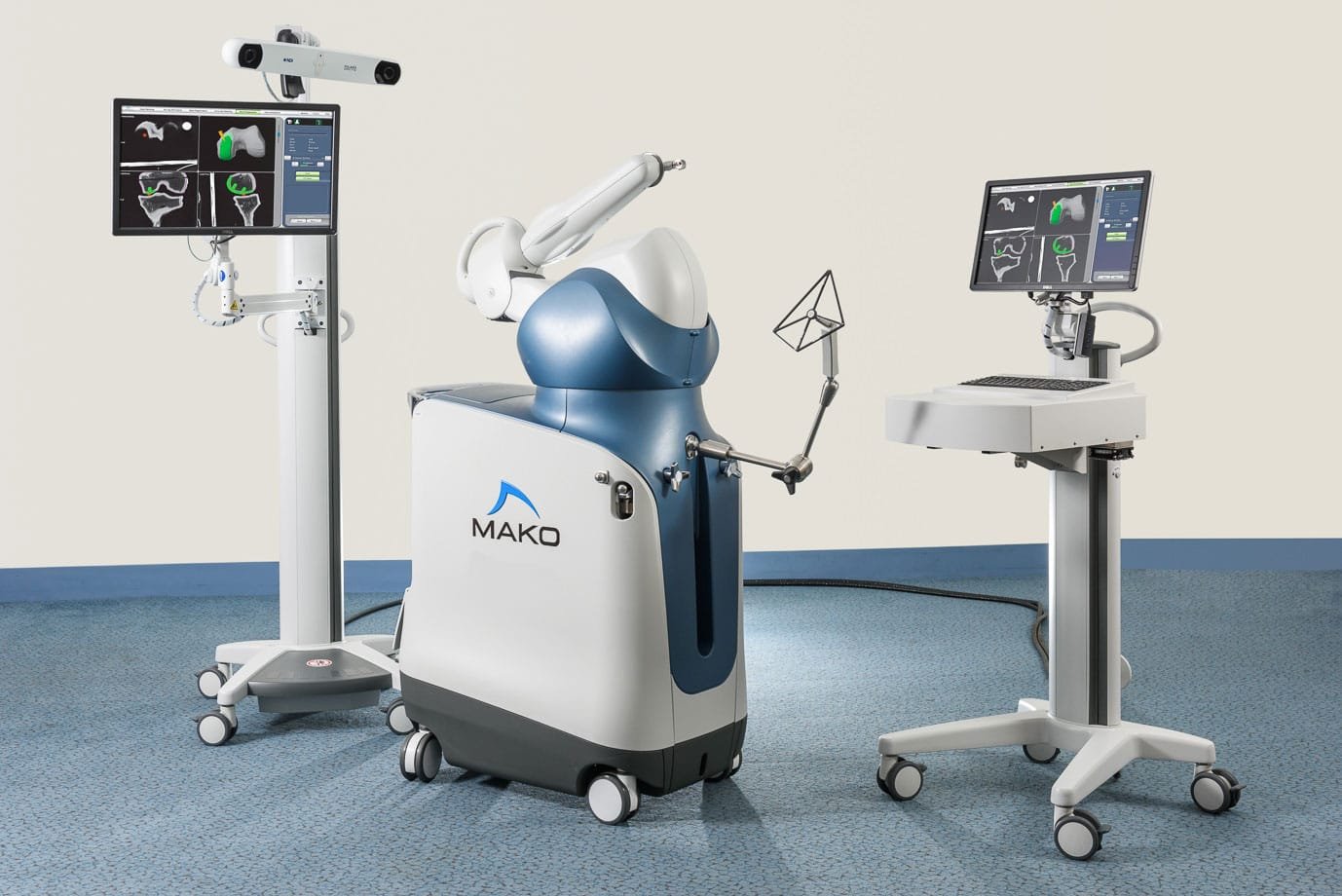 How Mako Robotic Improves Knee Replacement Outcomes
- 3, April 2026
-
 Best Orthopedic Hospital in Faridabad for Joint Pain
- 1, April 2026
-
 Don’t Delay Knee Surgery: 7 Warning Signs You Must Know
- 26, March 2026
-

-
 Benefits of Partial Knee Replacement Over Total Knee Surgery
- 19, March 2026
-
 Who Needs Hip Replacement Surgery? Signs & Eligibility
- 16, March 2026
-
 Best Joint Replacement Hospital in India
- 13, March 2026
-
 Shoulder Dislocation in Sports: Treatment and Recovery
- 11, March 2026
-
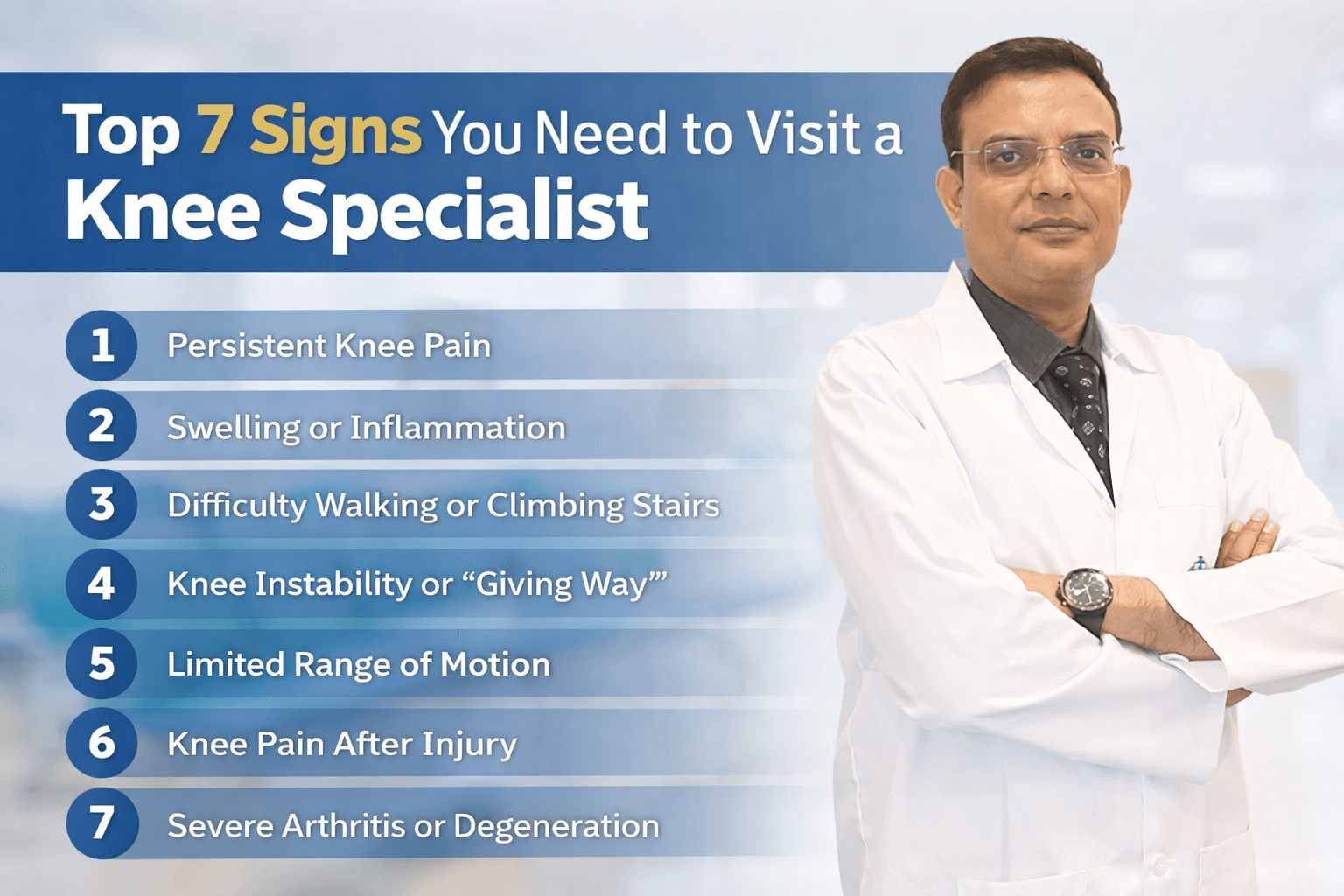 Top 7 Signs You Need to Visit a Knee Specialist
- 7, March 2026
-
-
 Post Operative Exercises
- 26, February 2026
-
 After ACL Surgery When Can I Walk?
- 24, February 2026
-
 What Happens If Knee Arthritis Is Left Untreated?
- 21, February 2026
-
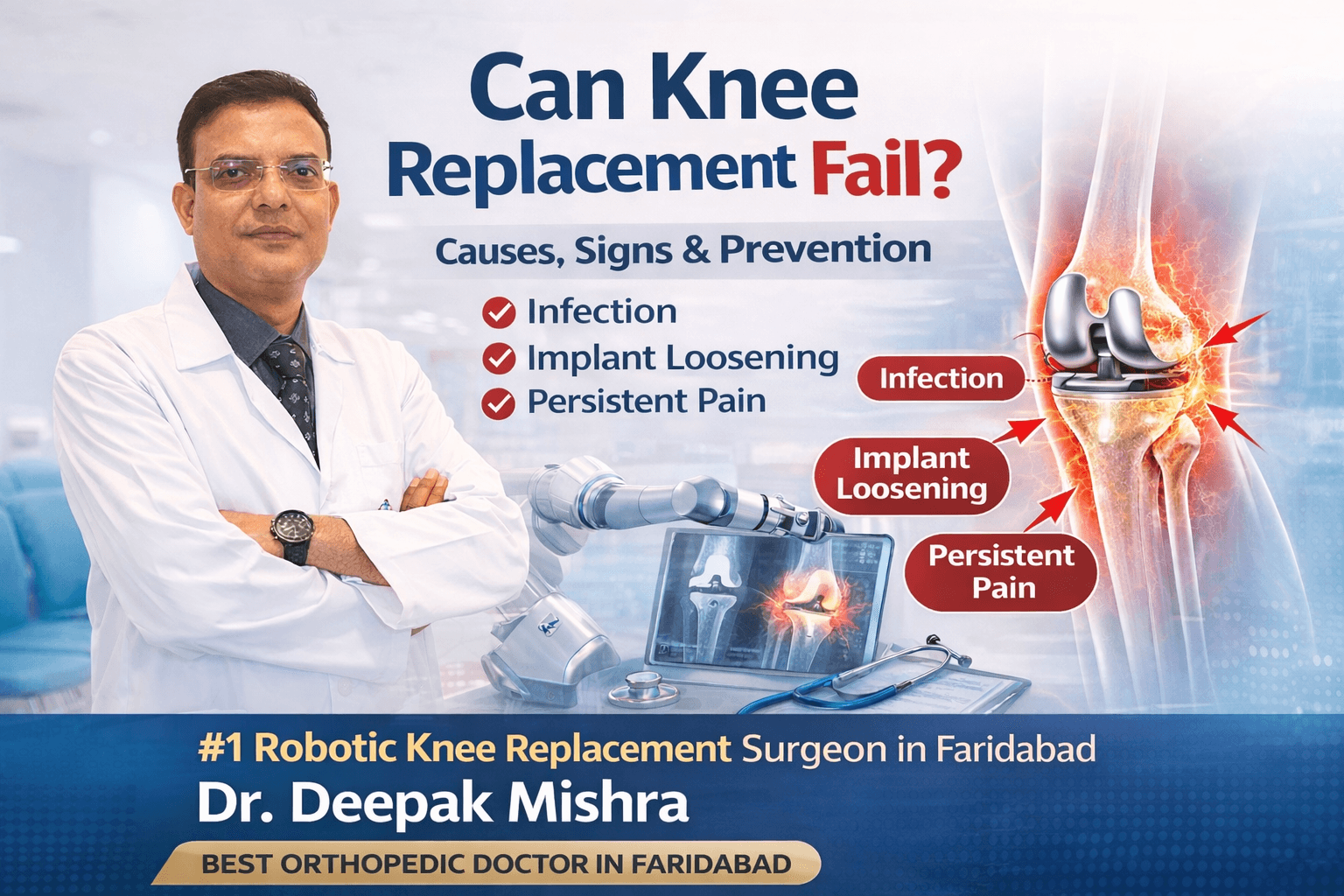 Can Knee Replacement Fail? Causes, Signs & Prevention
- 21, February 2026
-
 Who Is Not Suitable for Knee Replacement Surgery?
- 12, February 2026
-
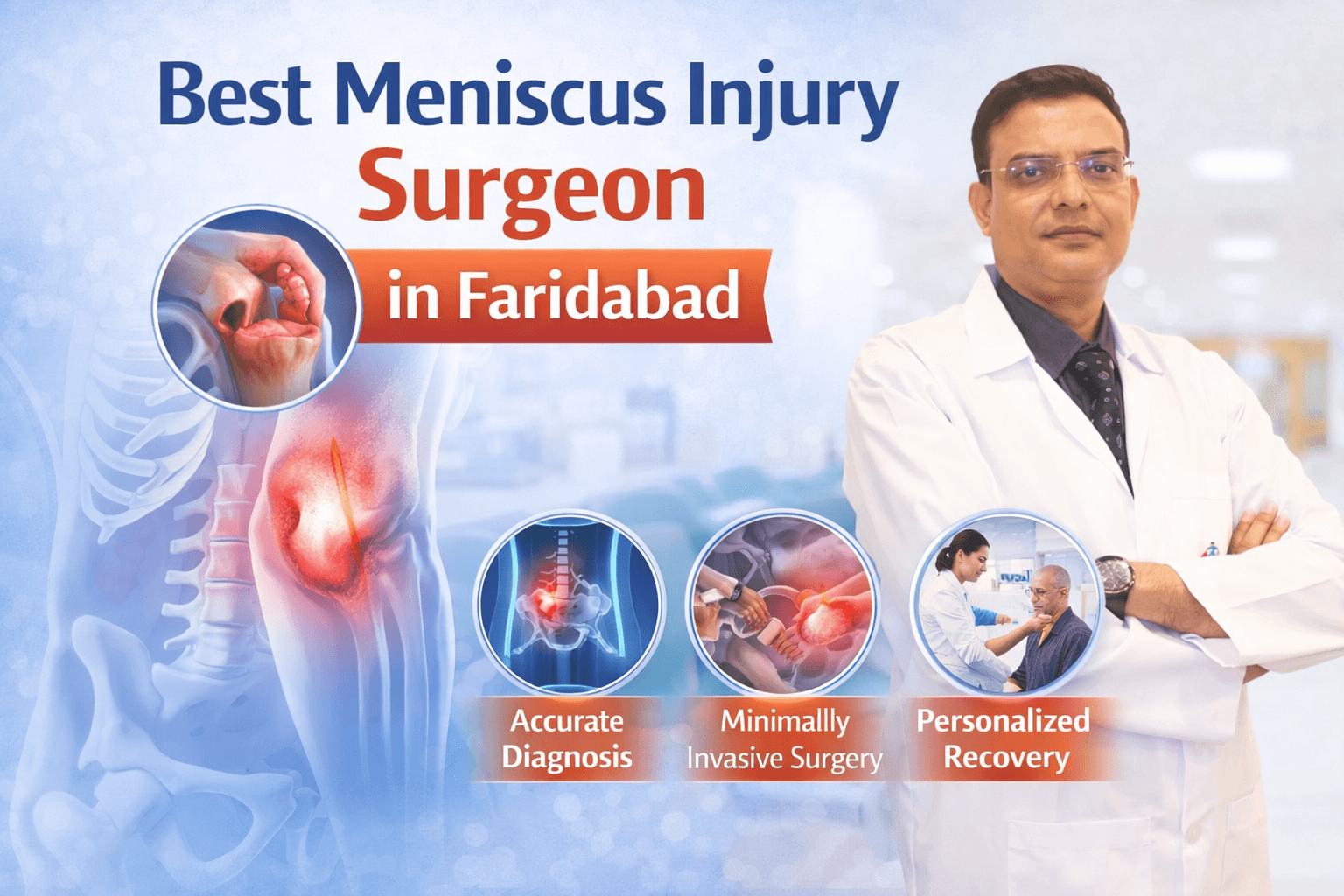 Best Meniscus Injury Surgeon in Faridabad
- 9, February 2026
-
 How Obesity Affects Knee Health & When to Consider Knee Replacement
- 6, February 2026
-
 Knee Pain After Sitting for Long Hours – What to Do
- 3, February 2026
-
 Most Common Sports Injuries and How to Prevent Them
- 26, January 2026
-
 Walking, Stairs & Daily Activities After Knee Replacement
- 22, January 2026
-
 When Knee Pain Needs Medical Attention: Red Flags to Watch
- 19, January 2026
-
 Cartilage Damage in Sports: Early Signs Athletes Should Not Ignore
- 15, January 2026
-
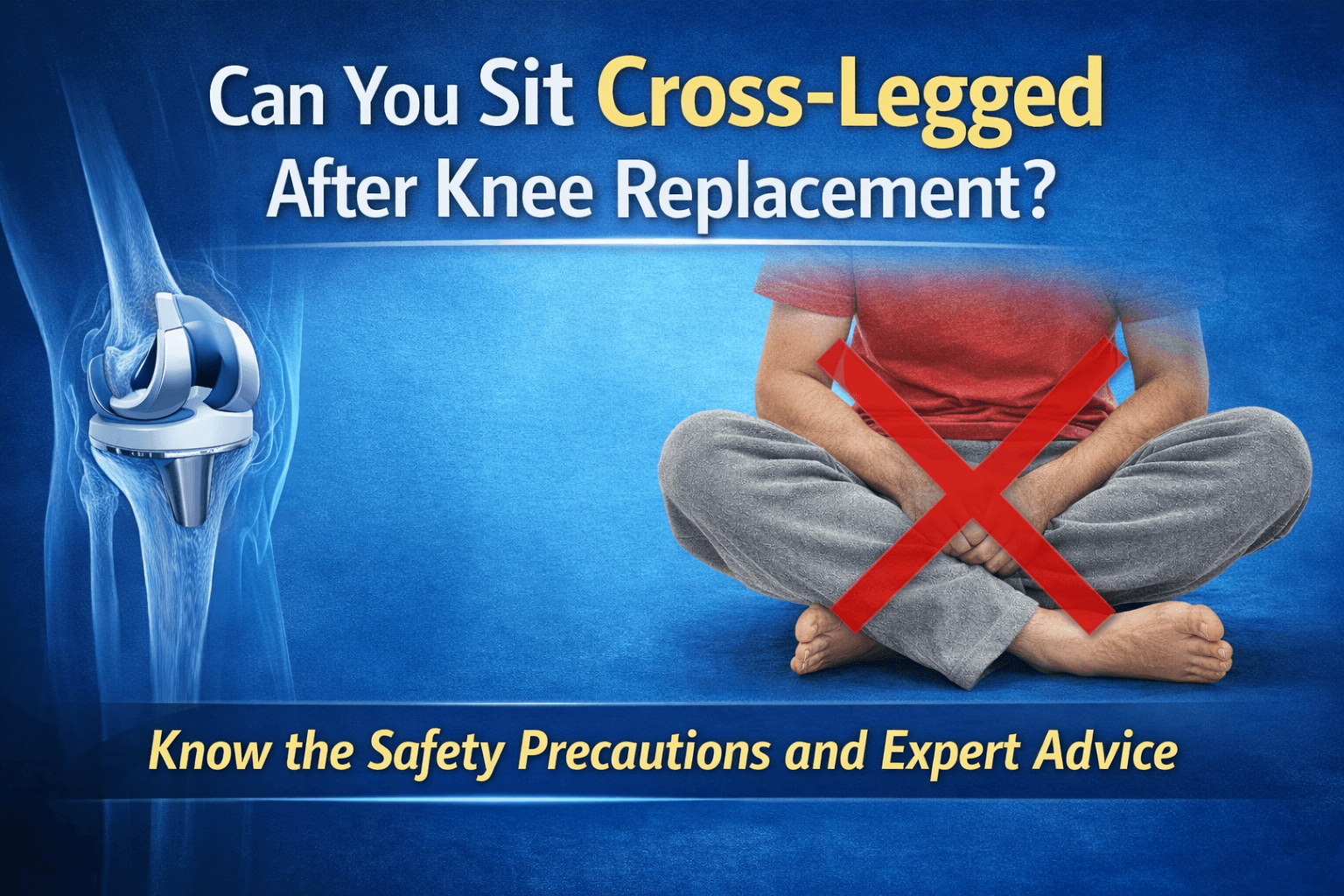 Can You Sit Cross-Legged After Knee Replacement?
- 13, January 2026
-
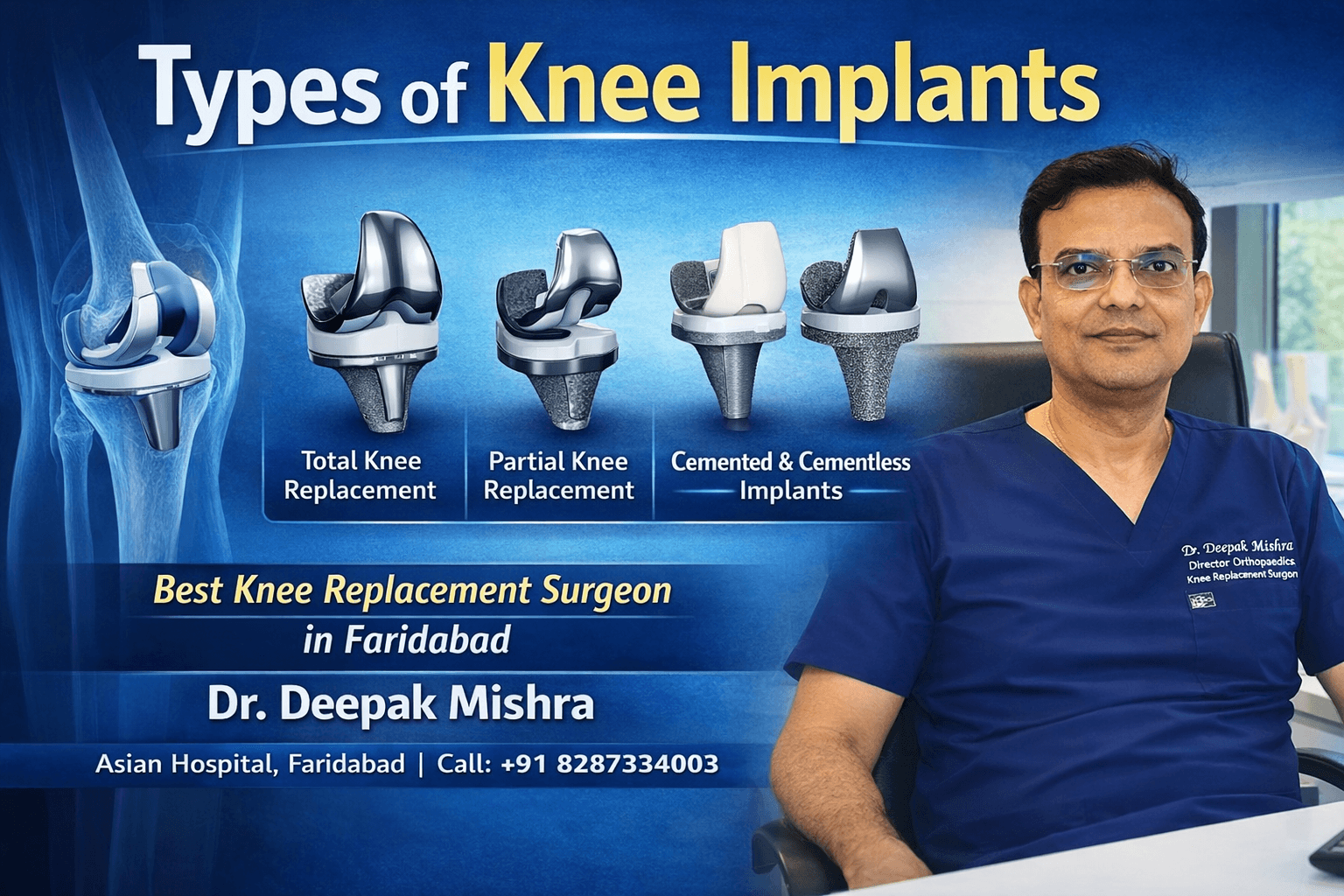 Types of Knee Implants
- 13, January 2026
-
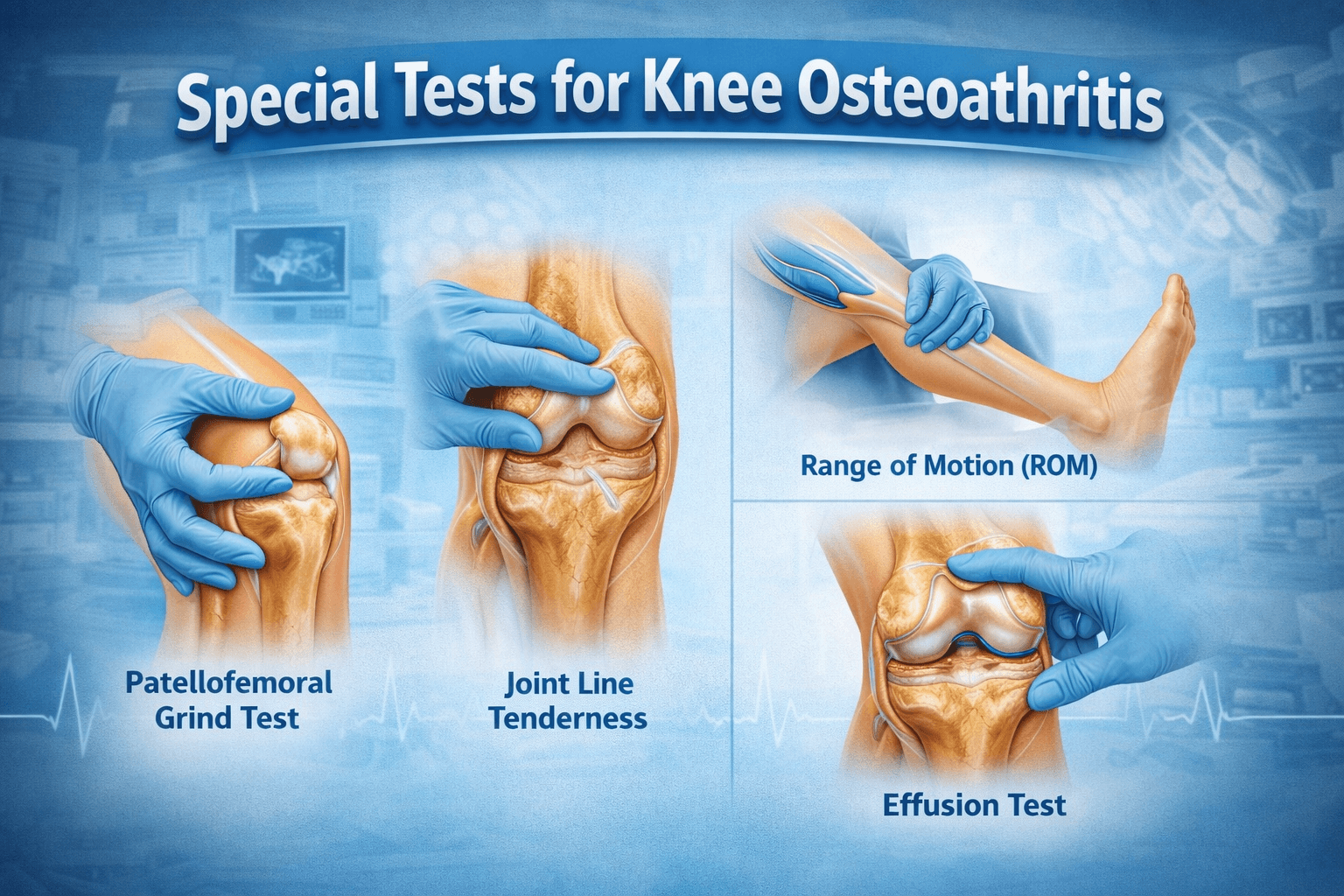 Special Tests for Knee Osteoarthritis
- 7, January 2026
-
 Knee Operation Types: A Comprehensive Guide
- 7, January 2026
-
 Difference Between Knee Arthritis, Meniscus Tear, and Ligament Injury
- 30, December 2025
-
 Knee Pain While Walking: When Should You Worry?
- 30, December 2025
-
 What Happens If Knee Replacement Is Delayed Too Long?
- 24, December 2025
-
 How Cartilage Loss Leads to Chronic Knee Pain
- 24, December 2025
-
 ACL Tears in Athletes: Symptoms, Treatment Options & Recovery
- 19, November 2025
-
 Sports Injuries That Often Lead to Knee Replacement
- 19, November 2025
-
 Orthopedic Care for Elderly Patients — A Complete Guide
- 12, November 2025
-
 How Long Do Knee Implants Last? (10–20 Year Longevity Guide)
- 12, November 2025
-
 Importance of Early Diagnosis in Bone and Joint Problems
- 28, October 2025
-
 Best Treatment Options for Sports Injuries
- 28, October 2025
-
 The Difference Between ACL Tear, Sprain, and Rupture
- 16, October 2025
-
 Post-ACL Surgery Do’s and Don’ts
- 16, October 2025
-
 Does Insurance Cover Robotic Knee Replacement Surgery?
- 6, October 2025
-
 When Can You Return to Sports After Robotic Knee Replacement?
- 6, October 2025
-
 Impact of Obesity on Knee Replacement Surgery and Recovery
- 30, September 2025
-
 Early vs. Delayed Knee Replacement: Which Is Better?
- 30, September 2025
-
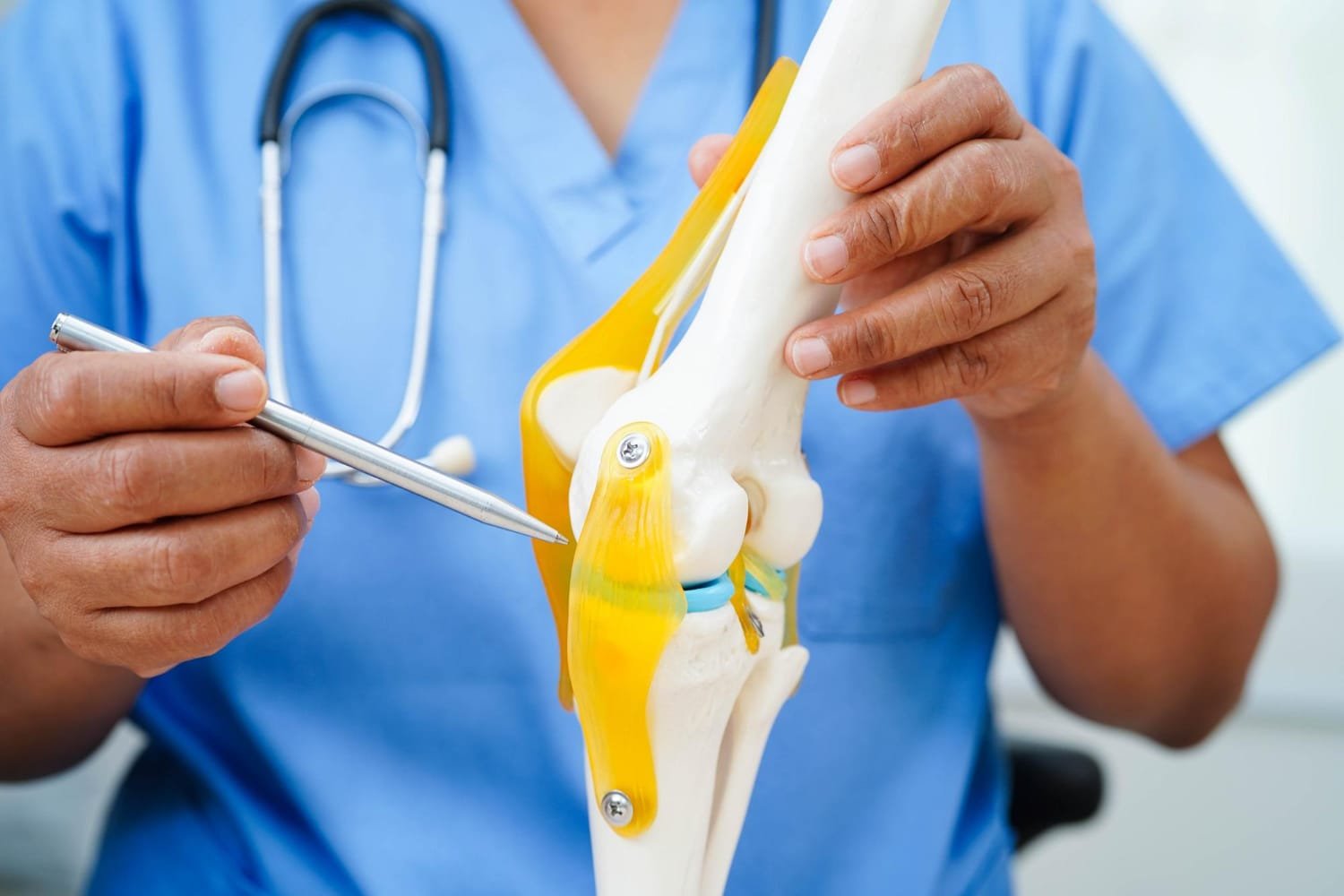 How Durable Are Knee Implants? A Complete Guide
- 24, September 2025
-
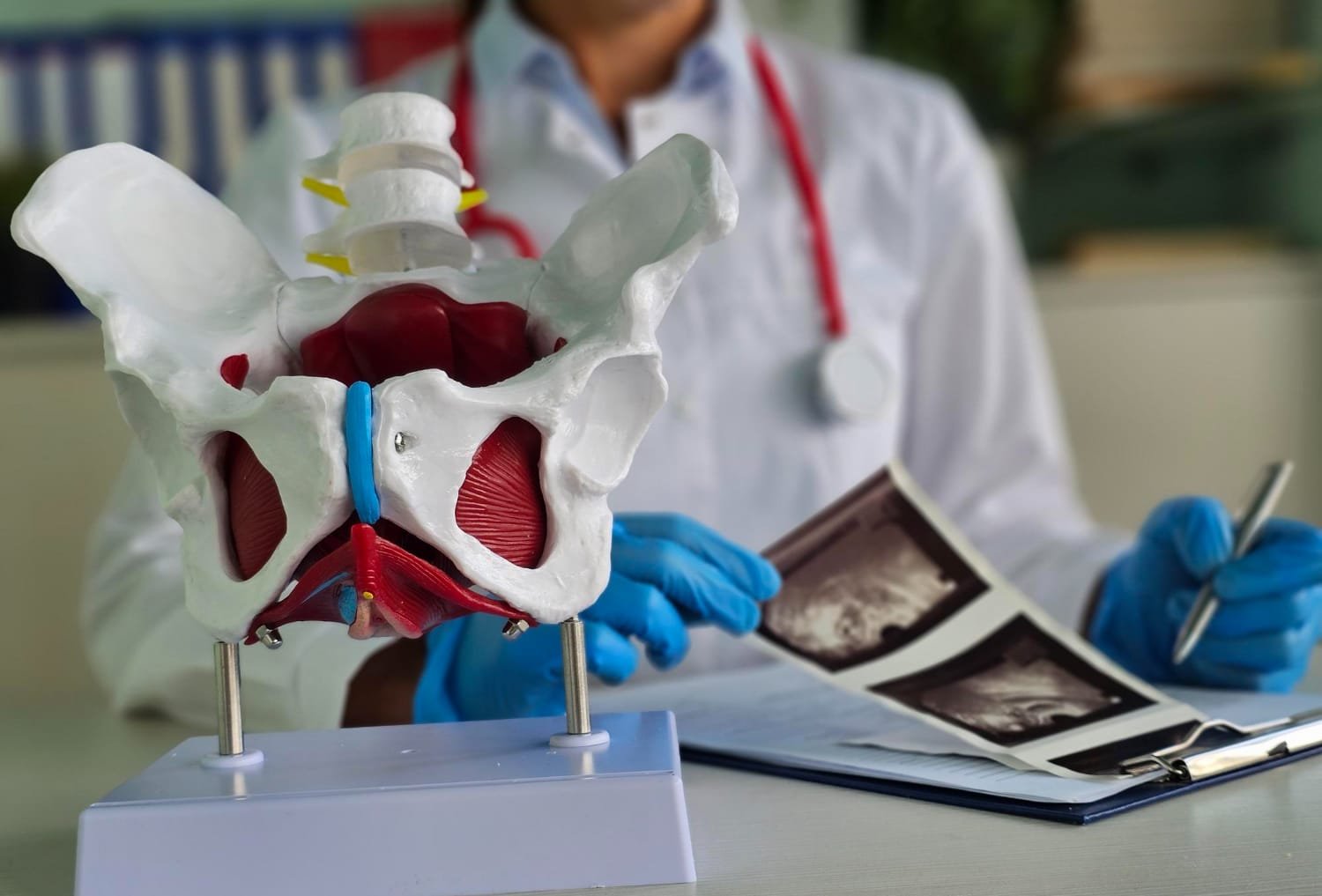 Key Benefits of Revision Hip Replacement You Should Know
- 15, September 2025
-
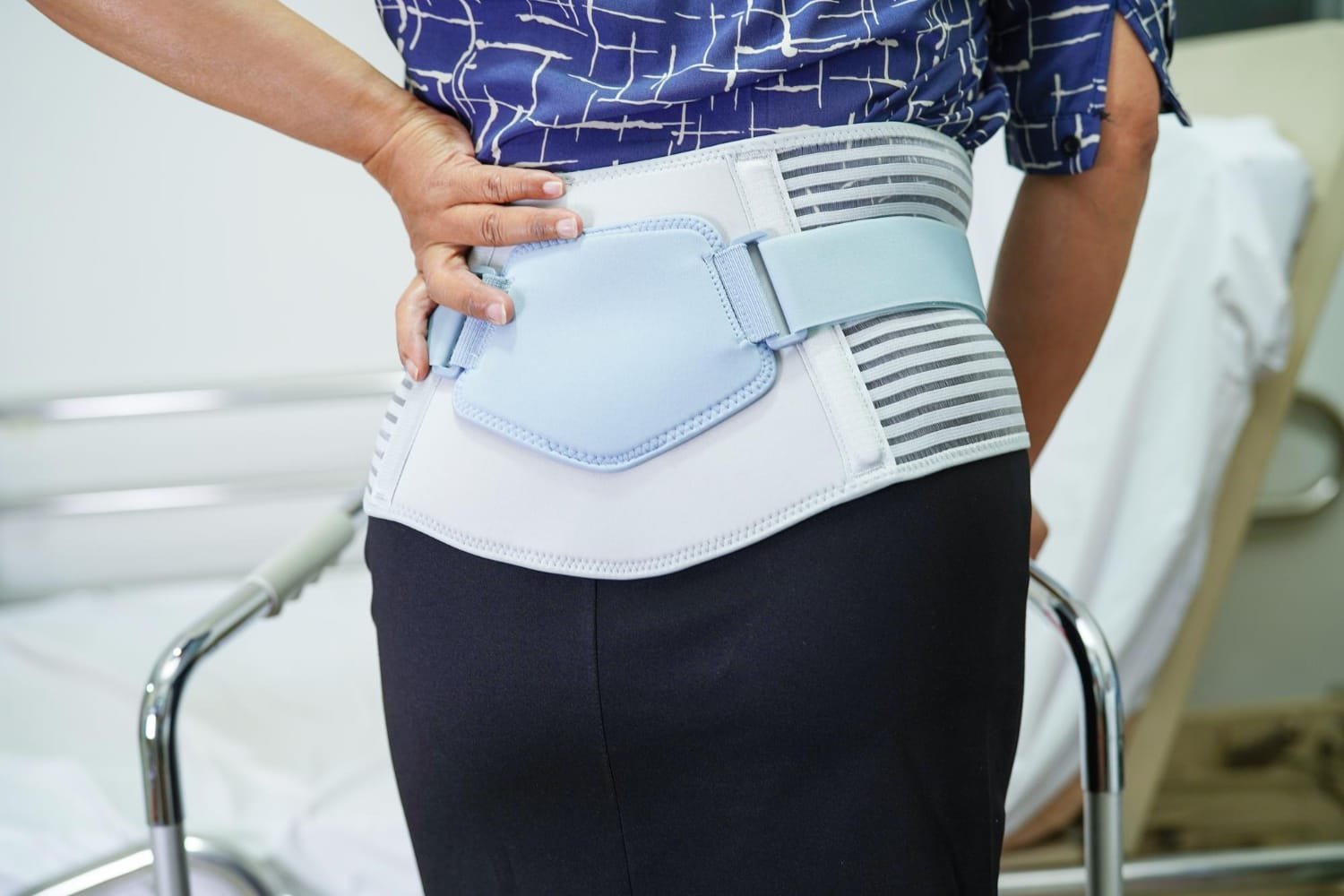 Revision Hip Replacement vs. Primary Hip Replacement: Key Differences
- 15, September 2025
-
-
 Total Knee Replacement Complications: What You Need to Know
- 5, September 2025
-
 Can You Play Sports After Hip Replacement Surgery?
- 26, August 2025
-
 Preparing for Knee Replacement: Do’s and Don’ts Before Surgery
- 26, August 2025
-
-
 What to Know About Knee Replacement Revision Surgery
- 18, August 2025
-
 Cost of Hip Replacement in India – What Patients Should Know
- 11, August 2025
-
-
 Who Is the Best Orthopedic Doctor for Sports Injuries?
- 27, July 2025
-
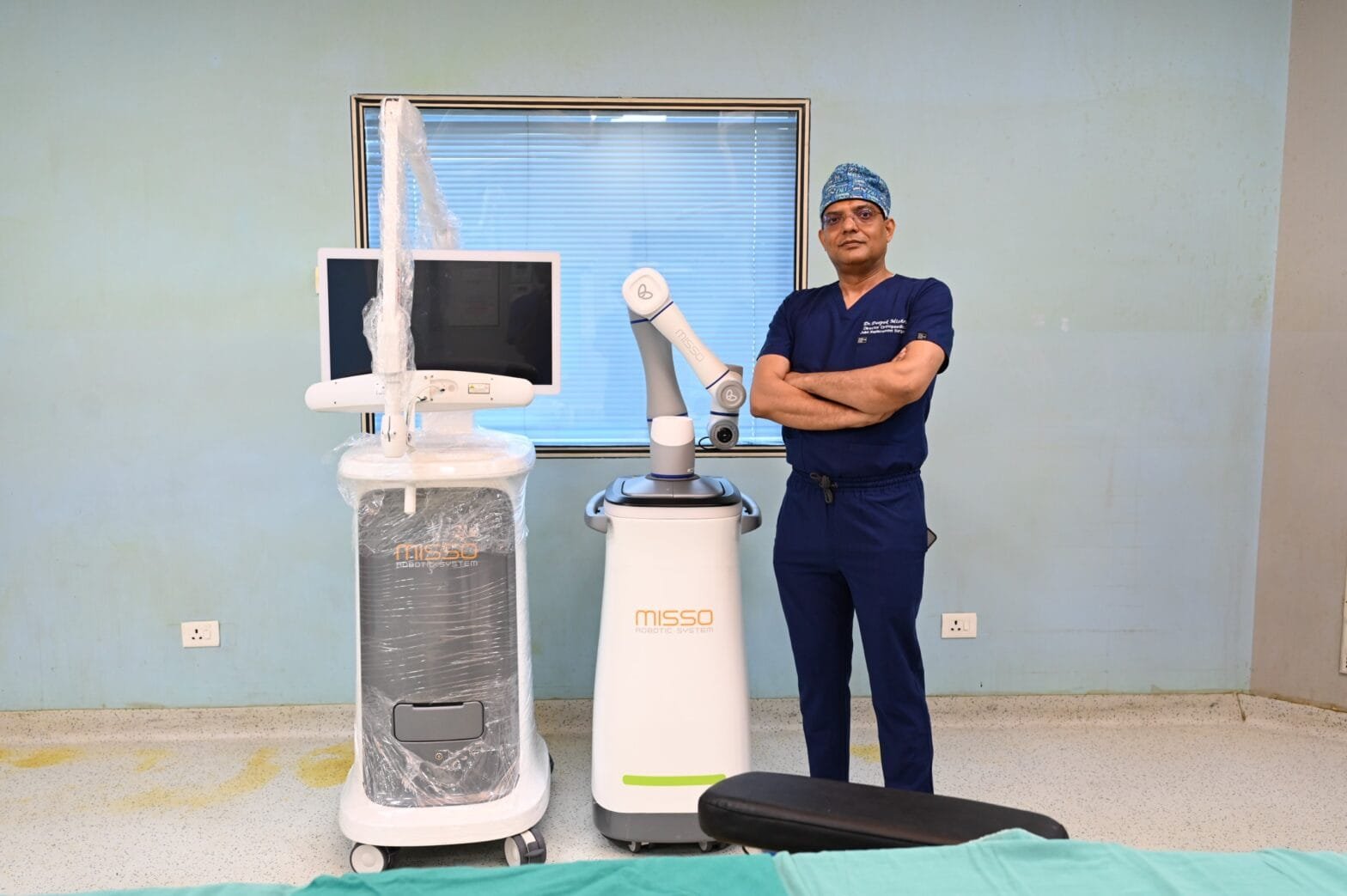 Success Rate of Robotic Knee Replacement in India
- 27, July 2025
-
Why Surgeons Are Switching to Robotic Knee Replacements
- 15, July 2025
-
 Do’s and Don’ts After Knee Replacement Surgery
- 15, July 2025
-
Best Robotic Knee Replacement in India
- 7, July 2025
-
 Affordable Robotic Knee Replacement in India
- 7, July 2025
-
-
-
-
-
-
-
-
 Orthopedic Meaning, Definition, Types, and More
- 6, June 2025
-
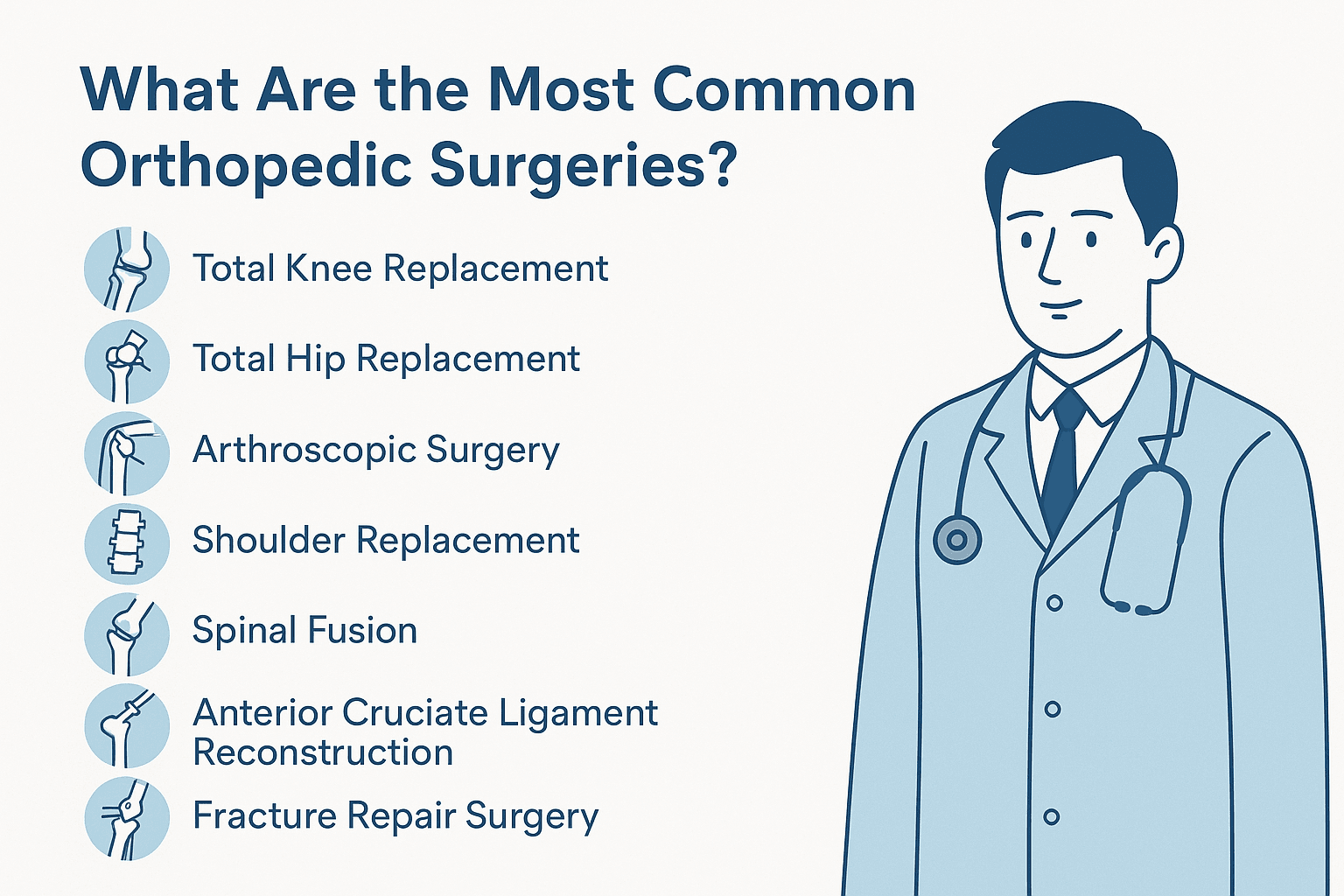 What Are the Most Common Orthopedic Surgeries?
- 24, May 2025
-
 What Does an Orthopedic Doctor Do?
- 24, May 2025
-
-
-
-
Best Orthopedic Doctor for Knee Pain in Faridabad
- 12, May 2025
-
 How to Prevent Knee Pain with Orthopedic Expert Tips
- 29, April 2025
-

-
Best Orthopedic Treatment in Faridabad: What You Should Know
- 29, April 2025
-
-
-
Best Knee Replacement Surgeon in Mathura
- 14, April 2025
-
Best Knee Replacement Surgeon in Hodal
- 14, April 2025
-
Best Knee Replacement Surgeon in Palwal
- 14, April 2025
-
-
-
-
 Benefits of Minimally Invasive Knee Surgery
- 24, March 2025
-
 Best knee Replacement Surgeon in India
- 17, March 2025
-
-
 How to Recover Quickly After Knee Replacement Surgery
- 10, March 2025
-
-
-
-
 Minimally Invasive Arthroplasty: Benefits and Recovery Advantages
- 24, February 2025
-
 Choosing the Right Hip Replacement Surgeon: A Comprehensive Guide
- 17, February 2025
-
 Restoring Mobility: The Role of Knee Replacement Doctors
- 17, February 2025
-
 Orthopedic Trauma Care for Athletes
- 6, February 2025
-
 Best Doctor for ACL Tear Treatment
- 6, February 2025
-
 Best Sports Medicine Doctor for Knee Injuries
- 6, February 2025
-
 Orthopedic Surgeons: 7 Things You Need to Know
- 27, January 2025
-
Best Joint Replacement Surgeon in Greater Faridabad
- 27, January 2025
-
Best Knee Replacement Surgeon in Palwal
- 20, January 2025
-
Best Knee Replacement Surgeon in South Delhi
- 20, January 2025
-
 Restoring Mobility: The Role of Knee Replacement Doctor
- 13, January 2025
-
 Robotic Knee Replacement Surgery in Delhi
- 30, December 2024
-
 Robotic Orthopedic Surgery: Revolutionizing Joint Replacement and Repair
- 30, December 2024
-
 Robotic Knee Replacement vs. Traditional Surgery: A Comparative Guide
- 23, December 2024
-
 How to Make Joints Stronger: A Comprehensive Guide
- 23, December 2024
-
 Common Knee Conditions and How a Knee Surgeon Can Help
- 16, December 2024
-
-
-
 Orthopedic Surgeons: 7 Things You Need to Know
- 6, December 2024
-
 Advantages and Disadvantages of Robotic Knee Replacement
- 25, November 2024
-
 When to See an Orthopedic Specialist: Recognizing Early Signs
- 15, November 2024
-
 Benefits of Robotic-Assisted Knee Replacement Surgery
- 15, November 2024
-
 Knee Replacement Surgery Cost
- 8, November 2024
-
Best Robotic Knee Replacement Surgeon in Faridabad
- 8, November 2024
-
-
 Knee Replacement Surgery: Types, Benefits, and Recovery Timeline
- 28, October 2024
-
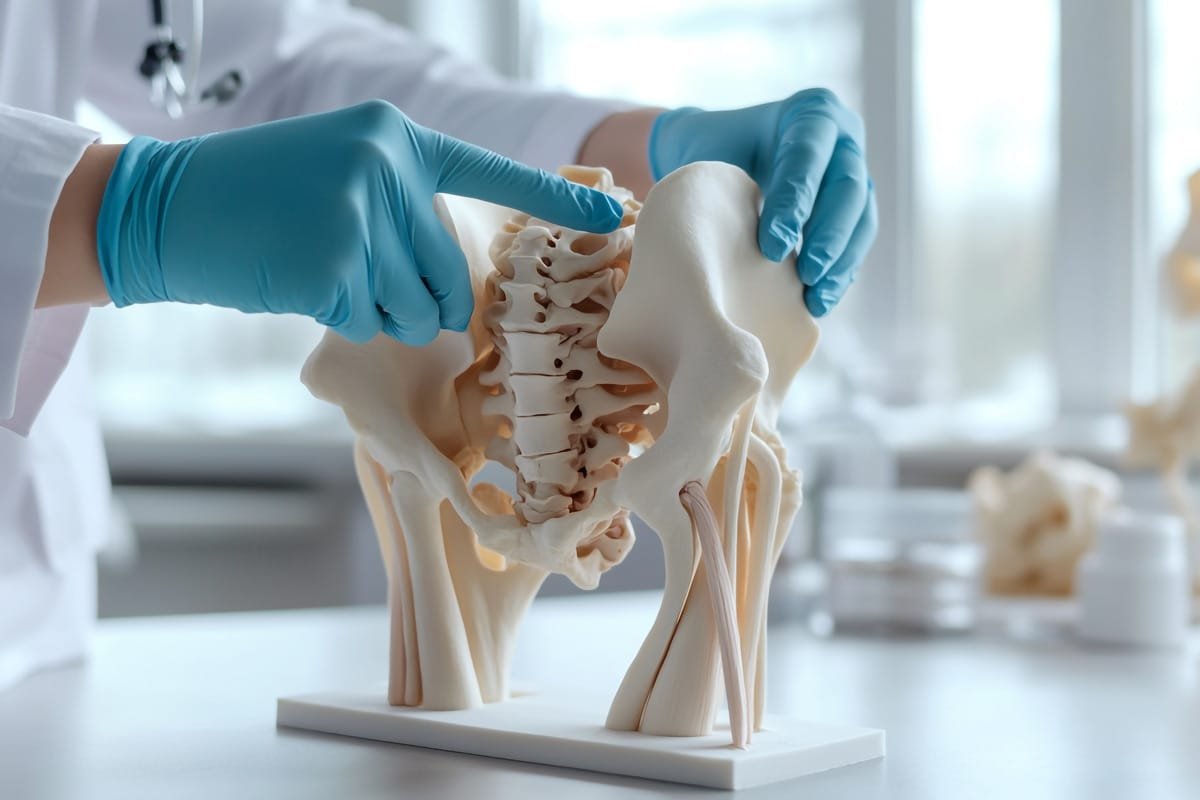 What is Osteoporosis? Symptoms, Causes, and Prevention
- 21, October 2024
-
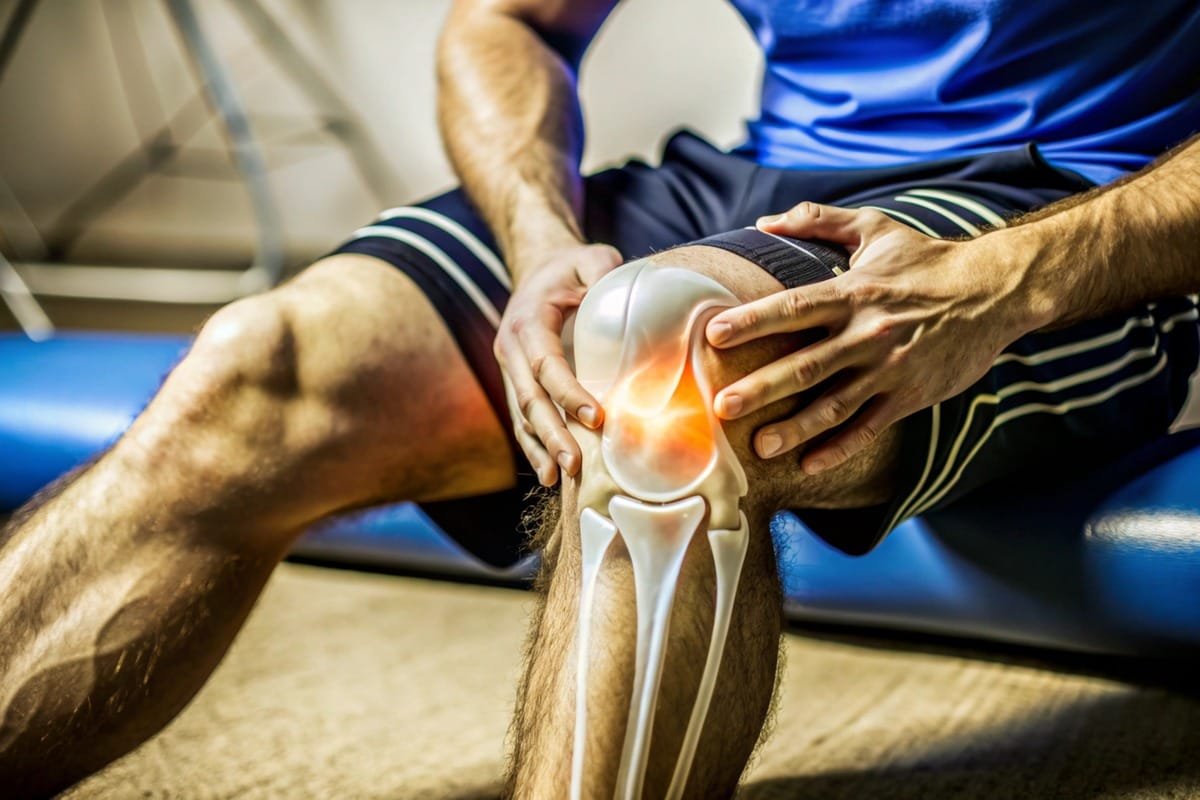 Signs It’s Time for a Knee Replacement: When to Consult a Surgeon
- 18, October 2024
-
 Understanding Different Types of Arthritis: Symptoms and Causes
- 11, October 2024
-
 Taking Care After Knee Replacement Surgery
- 15, December 2022
-
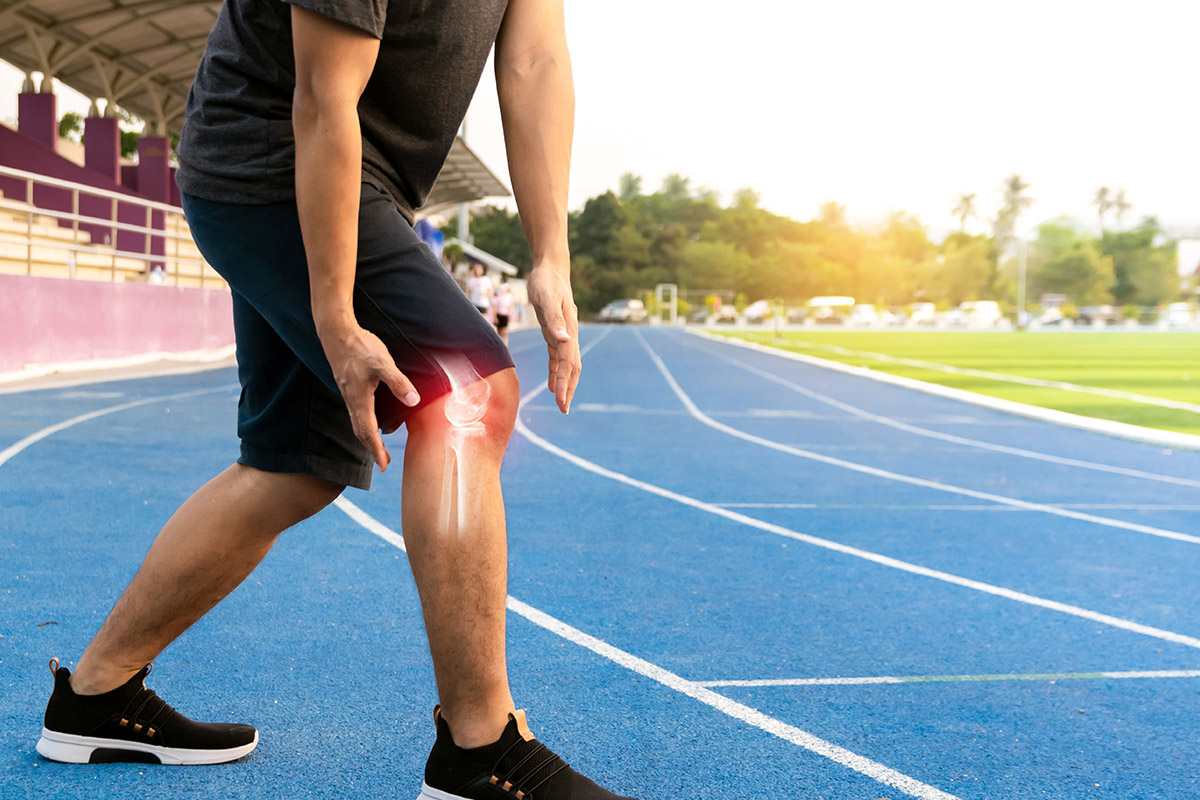 Amazing Ways to Get Relief from Arthritis Pain Naturally
- 2, December 2022
-
-
 How Does Fat Affect Arthritis?
- 4, November 2022
