

Recovery Timeline After Hip Replacement Surgery
June 12, 2026Introduction
Hip replacement surgery is one of the most successful orthopedic procedures for people suffering from severe hip pain, stiffness, arthritis, fracture, or difficulty in walking. However, one of the most common questions patients ask before surgery is: “How long will it take to recover after hip replacement surgery?”
The answer depends on several factors, including age, overall health, muscle strength, bone quality, type of surgery, physiotherapy, and how carefully the patient follows post-surgery instructions. In general, many patients start walking with support within a day or two after surgery, resume light daily activities within a few weeks, and continue improving over several months.
Understanding the recovery timeline after hip replacement surgery helps patients and families prepare better. It also reduces fear and confusion after surgery. With the right surgical expertise, proper rehabilitation, and regular follow-up, patients can return to a more active, comfortable, and pain-free life.
If you are looking for expert hip replacement care, Dr Deepak Mishra, Best Hip Replacement Surgeon in Faridabad, And Leading orthopedic doctor in Faridabad provides advanced diagnosis, personalized treatment planning, and complete recovery guidance for patients dealing with hip pain, arthritis, fracture, and mobility problems.
What Is Hip Replacement Surgery?
Hip replacement surgery, also known as total hip arthroplasty, is a procedure in which the damaged parts of the hip joint are replaced with artificial implants. The hip joint works like a ball-and-socket joint. When the cartilage wears out due to arthritis, injury, fracture, or other conditions, the bones may rub against each other, causing pain, stiffness, swelling, and difficulty in movement.
During hip replacement surgery, the damaged bone and cartilage are removed and replaced with a prosthetic joint. This helps reduce pain, improve movement, and restore walking ability.
Hip replacement may be recommended for patients who have:
- Severe hip arthritis
- Hip pain while walking or resting
- Difficulty climbing stairs
- Hip stiffness
- Pain not improving with medicines or physiotherapy
- Hip fracture in elderly patients
- Avascular necrosis of the hip
- Reduced quality of life due to hip joint damage
A successful hip replacement depends not only on surgery but also on proper recovery, physiotherapy, precautions, and follow-up care.
Why Recovery Timeline Matters After Hip Replacement Surgery
Many patients feel anxious after surgery because they are unsure what is normal and what is not. Some patients expect instant recovery, while others become worried if they still feel mild pain or stiffness after a few weeks.
A clear recovery timeline helps patients understand:
- When they can start walking
- How long they may need walker or stick support
- When pain and swelling usually reduce
- When physiotherapy becomes important
- When they can return to work
- When they can climb stairs
- When they can drive
- When they can resume normal daily activities
- What precautions they should follow
Recovery is not the same for every patient. Some people recover faster, while others may take more time. The goal is steady progress, not rushing the healing process.
First 24 Hours After Hip Replacement Surgery
The first 24 hours are focused on monitoring, pain control, and early movement. After surgery, the patient is shifted to the recovery area or hospital room. Doctors and nurses monitor blood pressure, pulse, oxygen level, pain level, and wound condition.
Pain medicines are given to keep the patient comfortable. In many cases, patients are encouraged to move their feet and ankles while lying in bed. These small movements help improve blood circulation and reduce the risk of blood clots.
A physiotherapist may visit the patient and guide simple bed exercises. Depending on the patient’s condition and surgeon’s advice, standing or walking with support may begin within the first day or soon after.
At this stage, patients should not try to move independently without support. Every movement should be done under medical guidance.
Days 1 to 3: Starting to Walk With Support
During the first few days after surgery, the main focus is safe walking and basic movement. Most patients start walking with a walker or crutches under the supervision of a physiotherapist.
Patients may learn how to:
- Sit on the bed safely
- Stand with support
- Walk short distances
- Use a walker correctly
- Get in and out of bed
- Use the toilet safely
- Climb a few steps if needed
- Perform simple leg exercises
Mild pain, swelling, and discomfort are common during this stage. Pain usually improves gradually with medicines, ice packs if advised, and gentle movement.
Patients are usually discharged when they can walk safely with support, manage basic activities, and the wound condition is stable. Hospital stay may vary from patient to patient.
Week 1: Home Recovery Begins
The first week at home is very important. Patients may still need help from family members for bathing, dressing, walking, and daily tasks. The surgical area may feel sore, and swelling may be present around the hip or thigh.
During the first week, patients should focus on:
- Taking medicines on time
- Walking short distances with support
- Doing prescribed physiotherapy exercises
- Keeping the wound clean and dry
- Avoiding sudden twisting movements
- Avoiding bending too much
- Using a raised toilet seat if recommended
- Sleeping in a safe position
- Preventing falls at home
Walking should be done in small intervals. Patients should not overexert themselves. The aim is to move regularly but safely.
It is also important to keep the home environment safe. Loose carpets, slippery floors, wires, and low stools should be avoided. A stable chair with arm support is better than a low sofa.
Week 2: Improved Confidence and Mobility
By the second week, many patients start feeling more confident while walking with support. Pain usually reduces compared to the first few days. Swelling may still be present, but it gradually improves.
Physiotherapy becomes more structured during this stage. Exercises focus on improving hip movement, leg strength, and walking balance.
Patients may be able to:
- Walk longer distances with walker support
- Stand for short periods
- Sit comfortably on a chair
- Perform basic daily activities with less help
- Continue home exercises
- Sleep better with reduced discomfort
However, patients should still avoid rushing. Bending forward, sitting on very low chairs, crossing legs, twisting the operated leg, or sudden movements may increase the risk of complications, especially if precautions are not followed.
A follow-up visit may be scheduled to check wound healing and overall recovery.
Weeks 3 to 4: Gradual Return to Daily Activities
By the third and fourth week, patients usually notice better mobility. Many patients can walk more comfortably with a walker or stick, depending on their progress and doctor’s advice.
Pain continues to reduce, and daily activities become easier. Patients may start doing light household movements, but heavy work should still be avoided.
At this stage, patients may be able to:
- Walk inside the house more confidently
- Walk short distances outside with support
- Climb stairs carefully
- Sit and stand with better control
- Continue strengthening exercises
- Reduce dependency on family members
Physiotherapy remains very important. Skipping exercises can delay recovery and increase stiffness. The exercises should always be done as advised by the doctor or physiotherapist.
Patients who have desk jobs may discuss return-to-work timing with their surgeon. However, jobs involving long standing, travel, lifting, or physical effort may require more time.
Weeks 5 to 6: Better Strength and Balance
By weeks five and six, many patients feel a significant improvement in walking and comfort. The operated hip becomes stronger, and balance improves. Some patients may shift from walker to cane or stick, depending on their recovery.
This stage is important for building muscle strength. The hip muscles may remain weak after surgery, so strengthening exercises should continue.
Patients may notice:
- Less pain while walking
- Better balance
- Improved confidence
- Reduced swelling
- Improved sleep
- Better ability to perform daily activities
However, mild stiffness or tiredness after activity may still happen. This is normal in many cases. Patients should avoid comparing their recovery with others because healing speed differs from person to person.
Driving may be possible for some patients around this stage, but only after the surgeon confirms that the patient has enough control, strength, and reaction ability. Patients should never drive while taking strong pain medicines.
Weeks 7 to 12: Returning to Normal Routine
Between weeks seven and twelve, most patients become much more independent. Walking improves, pain is usually much lower, and daily activities become easier. Many patients can return to most light routine activities during this period.
At this stage, the focus is on:
- Walking endurance
- Hip flexibility
- Strengthening muscles
- Improving posture
- Avoiding limping
- Returning to normal daily routine
- Continuing safe exercises
Patients may be able to walk for longer periods, climb stairs more comfortably, and perform routine work with better confidence.
However, high-impact activities like running, jumping, heavy lifting, or sudden twisting should be avoided unless specifically approved by the surgeon.
This is also the time when patients often feel tempted to stop physiotherapy. But continuing exercises can improve long-term strength, flexibility, and function.
3 Months After Hip Replacement Surgery
Around three months after surgery, many patients feel much better and are able to perform most normal daily activities. Walking becomes smoother, pain is minimal or absent in many cases, and confidence improves significantly.
Patients may return to:
- Regular walking
- Light exercise
- Office work
- Social activities
- Normal household activities
- Short travel, if approved
- Gentle stretching and strengthening
Still, complete healing continues internally. The muscles, tissues, and bones continue to adjust around the new hip joint. Therefore, patients should continue following medical advice and avoid risky movements.
For the best results, regular follow-up with the surgeon is important. Dr Deepak Mishra, Best Hip Replacement Surgeon in Faridabad, guides patients through every stage of recovery to ensure safe healing and better mobility.
6 Months After Hip Replacement Surgery
By six months, most patients experience major improvement in pain relief, walking ability, and quality of life. The hip feels more natural, and daily activities become much easier.
Patients may be able to:
- Walk longer distances
- Travel more comfortably
- Perform daily activities independently
- Enjoy low-impact exercises
- Climb stairs with confidence
- Sleep comfortably
- Feel more active and mobile
Some patients may still feel mild weakness or stiffness, especially if they had severe arthritis, poor muscle strength, or delayed physiotherapy before surgery. Continuing exercises can help improve long-term results.
Low-impact activities such as walking, stationary cycling, and swimming may be advised, depending on the patient’s condition.
1 Year After Hip Replacement Surgery
Full recovery after hip replacement surgery may continue for up to one year. By this time, most patients experience the full benefits of surgery. Pain relief, mobility, walking, and overall quality of life are usually much improved.
At one year, patients should continue to protect their hip joint by:
- Maintaining healthy weight
- Staying active
- Avoiding high-impact activities
- Doing regular walking
- Following safe movement habits
- Attending follow-up visits
- Reporting any unusual pain or swelling
Hip replacement implants are designed to last for many years, but their life depends on patient activity, weight, bone quality, implant type, and proper care.
Common Symptoms During Recovery
Some symptoms are common after hip replacement surgery and usually improve gradually. These may include:
- Mild pain around the hip
- Swelling in the thigh or leg
- Bruising
- Stiffness
- Tiredness
- Difficulty sleeping
- Mild discomfort during exercises
- Temporary weakness
However, patients should contact their doctor immediately if they experience:
- Fever
- Increasing redness around wound
- Pus or discharge
- Severe pain
- Sudden swelling in calf
- Chest pain
- Breathlessness
- Sudden inability to move the leg
- Fall or injury after surgery
Early medical attention can prevent serious complications.
Physiotherapy After Hip Replacement Surgery
Physiotherapy is one of the most important parts of hip replacement recovery. Surgery replaces the damaged joint, but physiotherapy helps restore movement, strength, balance, and confidence.
Physiotherapy may include:
- Ankle pump exercises
- Leg strengthening exercises
- Hip movement exercises
- Walking training
- Balance training
- Stair climbing practice
- Posture correction
- Gait training
Patients should not perform random exercises from the internet without medical advice. Every patient’s condition is different. Exercises should be done only as advised by the surgeon or physiotherapist.
Walking After Hip Replacement Surgery
Walking is usually started early after surgery with support. At first, patients walk short distances using a walker or crutches. Gradually, walking time and distance are increased.
A general walking progression may include:
- First few days: short assisted walking
- Week 1: walking inside the house with support
- Weeks 2–4: longer walking with walker or stick
- Weeks 5–6: improved balance and confidence
- Weeks 7–12: more independent walking
- After 3 months: regular walking routine
Patients should avoid uneven surfaces, slippery floors, and crowded areas during early recovery. Proper footwear is also important to prevent falls.
Sleeping After Hip Replacement Surgery
Sleeping may be uncomfortable during the first few weeks. Patients should follow their surgeon’s instructions regarding sleeping position. Some patients may be advised to sleep on their back with a pillow between the legs.
Important sleeping tips include:
- Avoid sleeping on very low beds
- Avoid twisting the operated leg
- Use pillows for support if advised
- Do not cross legs
- Change position carefully
- Take pain medicine as prescribed before sleep if needed
Sleep improves as pain, swelling, and stiffness reduce.
Diet for Better Recovery After Hip Replacement
A healthy diet supports wound healing, bone strength, muscle recovery, and energy levels. Patients should focus on protein, vitamins, minerals, and hydration.
Helpful foods include:
- Dal, paneer, curd, eggs, fish, chicken, or other protein sources
- Green vegetables
- Seasonal fruits
- Milk and calcium-rich foods
- Nuts and seeds
- Whole grains
- Adequate water
Patients with diabetes, kidney disease, heart disease, or other medical conditions should follow a diet plan advised by their doctor.
Precautions After Hip Replacement Surgery
Precautions may vary depending on the surgical technique and patient condition. However, common precautions include:
- Do not bend too much from the hip
- Do not cross legs
- Avoid sitting on low chairs
- Avoid twisting the operated leg
- Do not lift heavy weight
- Avoid sudden jerky movements
- Use walker or stick until advised
- Keep the floor dry and clutter-free
- Avoid high-impact exercise
- Follow wound care instructions
These precautions help reduce the risk of dislocation, fall, infection, and delayed recovery.
When Can You Return to Work?
Return to work depends on the type of job and recovery progress.
For desk work, some patients may return within 4 to 6 weeks if they are comfortable and the surgeon allows it. For physically demanding jobs, it may take 8 to 12 weeks or longer.
Patients who need to travel long distances, climb stairs frequently, stand for long hours, or lift heavy objects may require a longer recovery period.
Always discuss your work routine with your surgeon before restarting.
When Can You Climb Stairs?
Many patients learn stair climbing before discharge or during early physiotherapy. However, stair climbing should be done slowly and carefully using railing support.
In the early phase, patients should climb stairs only when needed. As strength improves, stair climbing becomes easier.
The physiotherapist teaches the correct technique to go up and down stairs safely.
When Can You Drive After Hip Replacement?
Driving after hip replacement depends on which side was operated, pain level, muscle control, reaction time, and whether the patient is taking strong pain medicines.
Some patients may be allowed to drive after 4 to 6 weeks, but this decision should always be taken by the surgeon. Patients should not drive without medical clearance.
Factors That Affect Hip Replacement Recovery
Recovery time can vary due to several factors, such as:
- Age
- Fitness level before surgery
- Severity of hip damage
- Muscle strength
- Diabetes or other medical conditions
- Weight
- Bone quality
- Type of implant
- Surgical approach
- Physiotherapy compliance
- Home safety
- Nutrition
- Smoking or alcohol habits
Patients who follow instructions carefully usually recover better and faster.
Why Choose Dr Deepak Mishra for Hip Replacement Surgery in Faridabad?
Choosing the right surgeon is one of the most important decisions for hip replacement surgery. A skilled hip replacement surgeon helps in accurate diagnosis, proper surgical planning, implant selection, safe surgery, and smooth recovery.
Dr Deepak Mishra is known as the Best Hip Replacement Surgeon in Faridabad for patients suffering from hip arthritis, hip pain, hip fracture, avascular necrosis, and mobility problems. His patient-focused approach helps individuals understand their condition, treatment options, surgical process, and recovery plan in a simple and clear way.
Patients choose Dr Deepak Mishra for:
- Expert evaluation of hip pain
- Advanced hip replacement surgery planning
- Personalized treatment approach
- Focus on safe recovery
- Guidance for physiotherapy and rehabilitation
- Patient-friendly communication
- Complete follow-up care
If you are struggling with hip pain, stiffness, difficulty walking, or arthritis-related mobility problems, consulting Dr Deepak Mishra can help you understand whether hip replacement surgery is the right option for you.
Tips for Faster and Safer Recovery
To support better recovery after hip replacement surgery, patients should:
- Follow all doctor instructions
- Take medicines on time
- Attend follow-up visits
- Do physiotherapy regularly
- Walk daily as advised
- Avoid falls
- Eat a healthy diet
- Keep blood sugar under control
- Avoid smoking
- Maintain healthy weight
- Do not rush recovery
- Ask your doctor before starting new activity
Recovery is a gradual journey. Small improvements every week lead to long-term success.
Conclusion
Hip replacement surgery can bring major relief for patients suffering from severe hip pain, arthritis, stiffness, or difficulty walking. However, proper recovery is as important as the surgery itself. The recovery timeline after hip replacement surgery usually begins with walking support in the first few days, gradual improvement over 6 to 12 weeks, major progress by 3 to 6 months, and continued benefits up to one year.
Every patient’s recovery is different. The best results come from expert surgical care, regular physiotherapy, safe movement, good nutrition, and proper follow-up.
For advanced hip replacement care, Dr Deepak Mishra, Best Hip Replacement Surgeon in Faridabad, provides expert treatment and complete recovery guidance for patients looking to return to a more active, comfortable, and pain-free life.
FAQs on Recovery Timeline After Hip Replacement Surgery
1. How long does it take to recover after hip replacement surgery?
Most patients resume many normal daily activities within 6 to 12 weeks. However, complete recovery may continue for 6 months to 1 year, depending on age, health, muscle strength, and physiotherapy.
2. When can I walk after hip replacement surgery?
Many patients start walking with support within 24 to 48 hours after surgery, depending on their condition and surgeon’s advice.
3. How long do I need a walker after hip replacement?
Some patients need a walker for a few weeks, while others may shift to a stick earlier. The duration depends on balance, strength, pain level, and surgeon’s guidance.
4. Is pain normal after hip replacement surgery?
Mild to moderate pain is common in the early recovery period. It usually reduces gradually with medicines, physiotherapy, and healing.
5. When can I climb stairs after hip replacement?
Many patients learn stair climbing during early recovery with physiotherapist guidance. However, stair climbing should be done carefully using railing support.
6. When can I drive after hip replacement surgery?
Some patients may drive after 4 to 6 weeks, but only after approval from the surgeon. You should not drive while taking strong pain medicines.
7. Can I sit on the floor after hip replacement?
Sitting on the floor may not be advised for many patients, especially in the early months. Always ask your surgeon before sitting cross-legged or on the floor.
8. How important is physiotherapy after hip replacement?
Physiotherapy is very important. It helps improve walking, strength, balance, flexibility, and long-term recovery.
9. What activities should I avoid after hip replacement?
Avoid high-impact activities, sudden twisting, heavy lifting, low sitting, crossing legs, and bending too much unless your surgeon allows it.
10. Who is the best hip replacement surgeon in Faridabad?
Dr Deepak Mishra is known as the Best Hip Replacement Surgeon in Faridabad for expert hip pain evaluation, hip replacement surgery, and complete recovery guidance.
Recent Blogs
-
-
 When Is Knee Replacement the Only Option?
- 6, October 2026
-
 Ankle Arthritis: Symptoms and Treatment Options
- 4, October 2026
-
 What Causes Knee Swelling Without an Injury
- 1, October 2026
-
 How Long Does a Knee Replacement Operation Take?
- 25, September 2026
-
 Who Is the Best Bone Doctor in Faridabad?
- 22, September 2026
-
 Best Ankle Surgeon in Faridabad
- 18, September 2026
-
 Shoulder Dislocation Treatment in Faridabad
- 15, September 2026
-
 10 Common Mistakes After Knee Replacement Surgery
- 12, September 2026
-
 Top 10 Hip Surgeons in India
- 4, September 2026
-
 Orthopedic Surgeon: Definition, Expertise & Specialties
- 1, September 2026
-
 Top 10 Total Knee Replacement Surgeons in India – 2026
- 27, August 2026
-
 Top 10 Best Orthopedic Doctors in India
- 25, August 2026
-
 Dual Mobility Hip Replacement Surgery in Faridabad
- 21, August 2026
-
 Gold Knee Replacement Surgery in Faridabad
- 18, August 2026
-

-

-

-
 Bone Fracture Specialist in Faridabad
- 25, July 2026
-
 Robotic Partial Knee Replacement in Faridabad
- 21, July 2026
-
-
-
 Runner’s Knee: Prevention & Treatment
- 10, July 2026
-
 Best Knee Tendonitis Treatment in Faridabad
- 7, July 2026
-

-
 Why Does My Knee Make Clicking Sounds?
- 1, July 2026
-

-
-
 Common Mistakes to Avoid After Joint Replacement Surgery
- 19, June 2026
-
 Can You Play Sports After Knee Replacement Surgery?
- 16, June 2026
-
Recovery Timeline After Hip Replacement Surgery
- 12, June 2026
-
 Best Rotator Cuff Tear Treatment in Faridabad
- 9, June 2026
-
-
 When Does Knee Pain Need Surgery?
- 19, May 2026
-
 Can You Walk Normally After Hip Replacement?
- 15, May 2026
-

-
 Best Doctor for Arthritis Treatment in Faridabad
- 8, May 2026
-
 Sports Injury Specialist in Faridabad
- 5, May 2026
-
 Hip Replacement Surgery Cost in India
- 2, May 2026
-
 Best ACL Surgeon in Faridabad
- 1, May 2026
-
 Best Hip Replacement Surgeon in Delhi
- 26, April 2026
-
 Best Hospital for Robotic Joint Replacement in Faridabad
- 14, April 2026
-
 Best Shoulder Specialist in Faridabad
- 10, April 2026
-
-
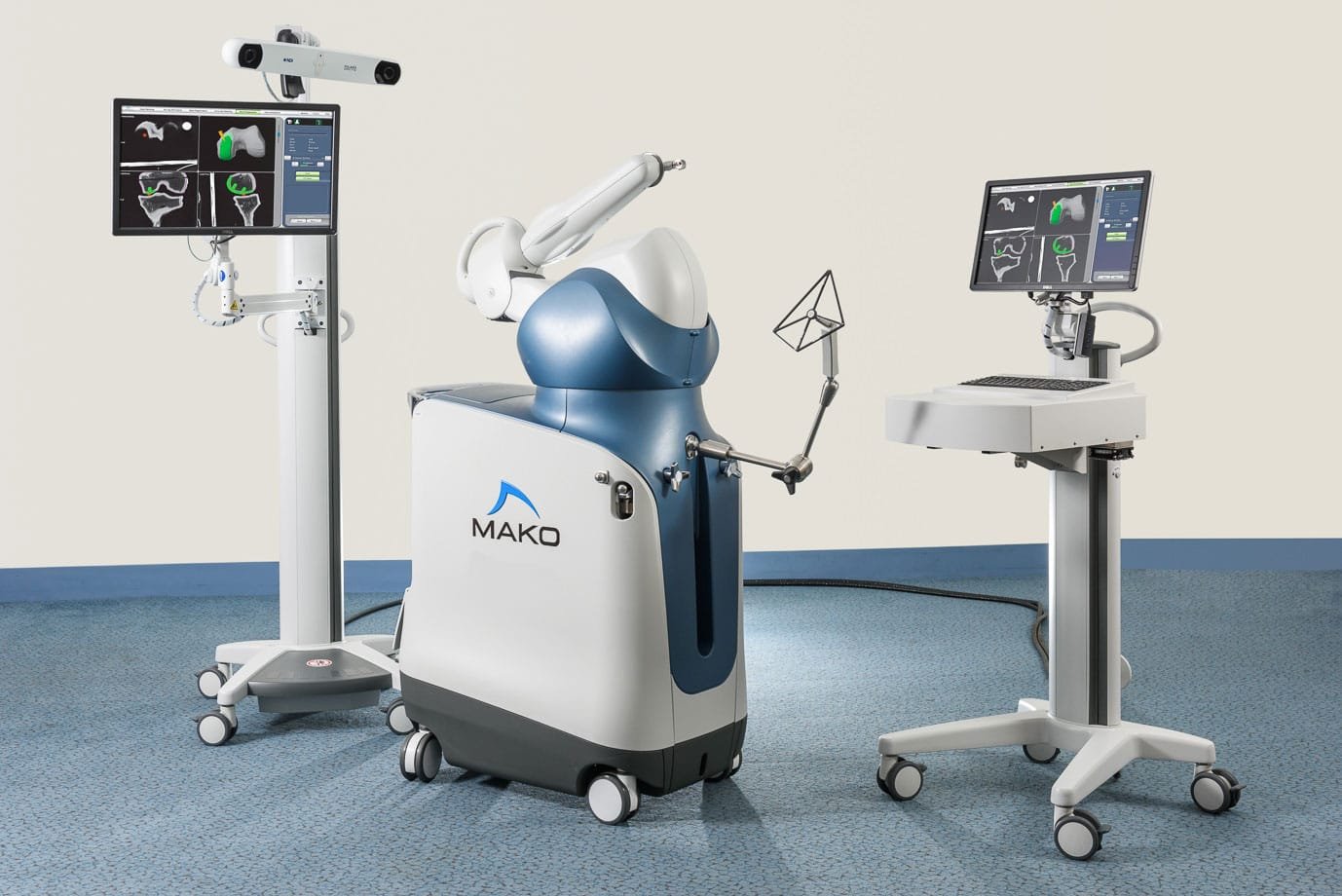 How Mako Robotic Improves Knee Replacement Outcomes
- 3, April 2026
-
 Best Orthopedic Hospital in Faridabad for Joint Pain
- 1, April 2026
-
 Don’t Delay Knee Surgery: 7 Warning Signs You Must Know
- 26, March 2026
-

-
 Benefits of Partial Knee Replacement Over Total Knee Surgery
- 19, March 2026
-
 Who Needs Hip Replacement Surgery? Signs & Eligibility
- 16, March 2026
-
 Best Joint Replacement Hospital in India
- 13, March 2026
-
 Shoulder Dislocation in Sports: Treatment and Recovery
- 11, March 2026
-
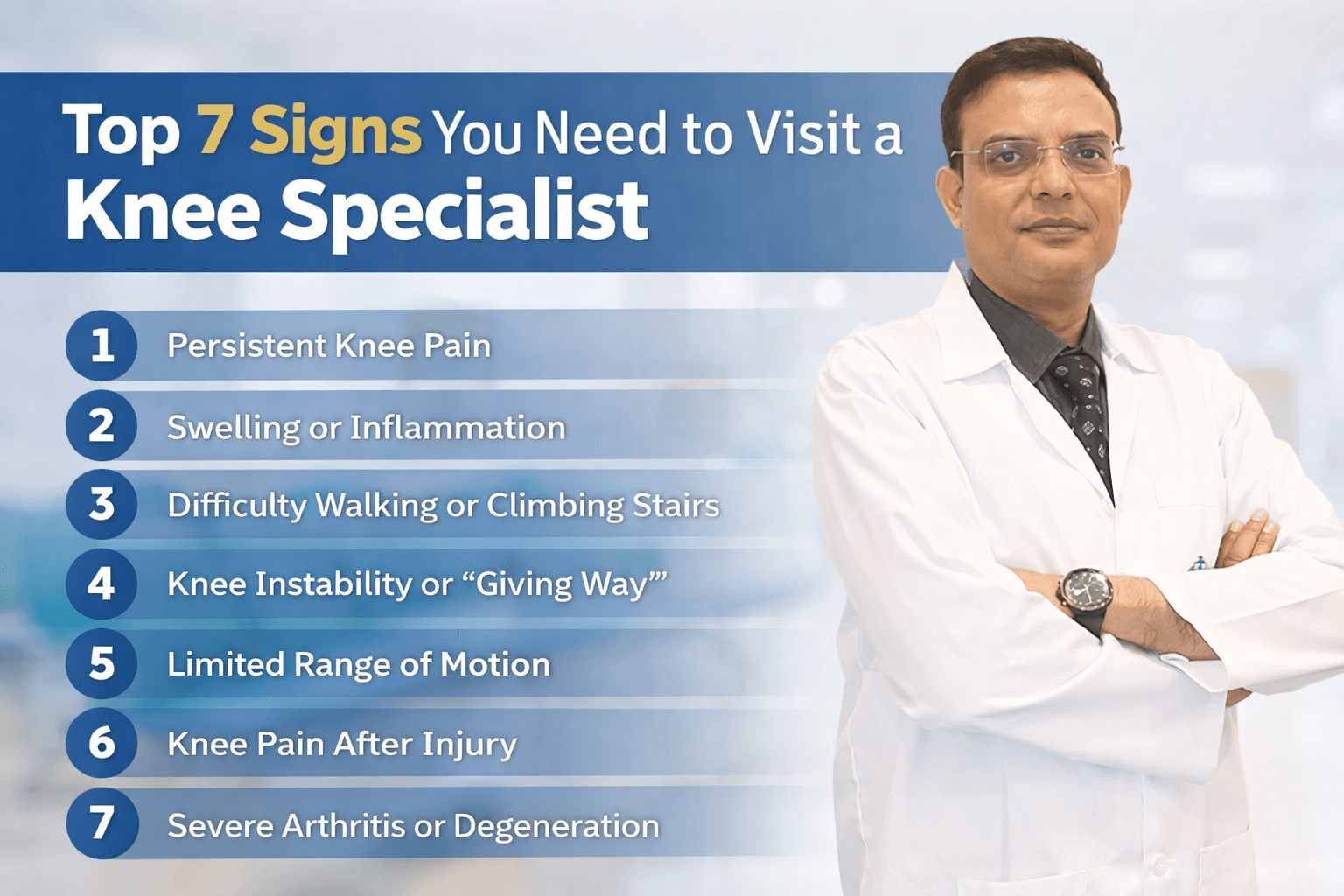 Top 7 Signs You Need to Visit a Knee Specialist
- 7, March 2026
-

-
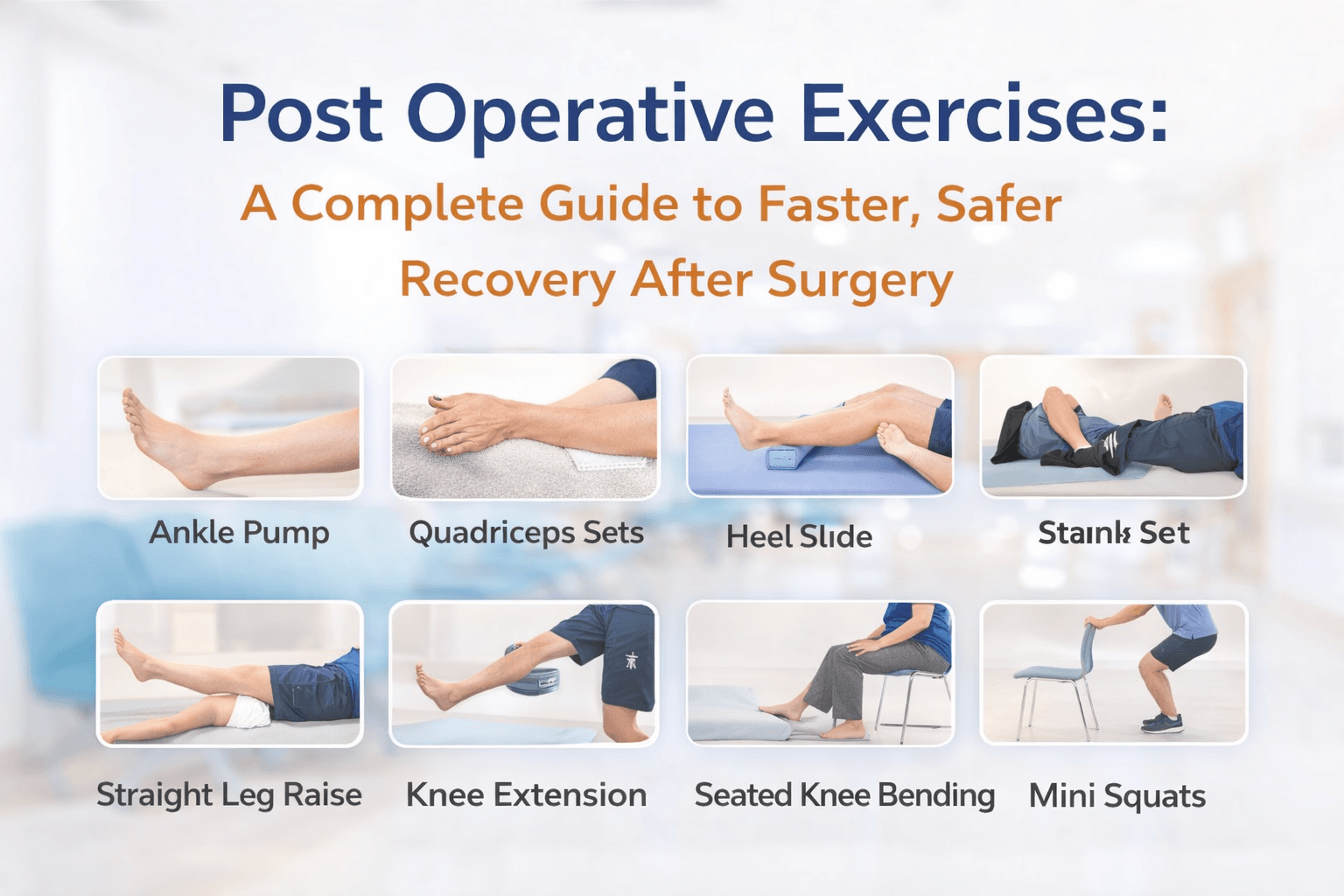 Post Operative Exercises
- 26, February 2026
-
 After ACL Surgery When Can I Walk?
- 24, February 2026
-
 What Happens If Knee Arthritis Is Left Untreated?
- 21, February 2026
-
 Can Knee Replacement Fail? Causes, Signs & Prevention
- 21, February 2026
-
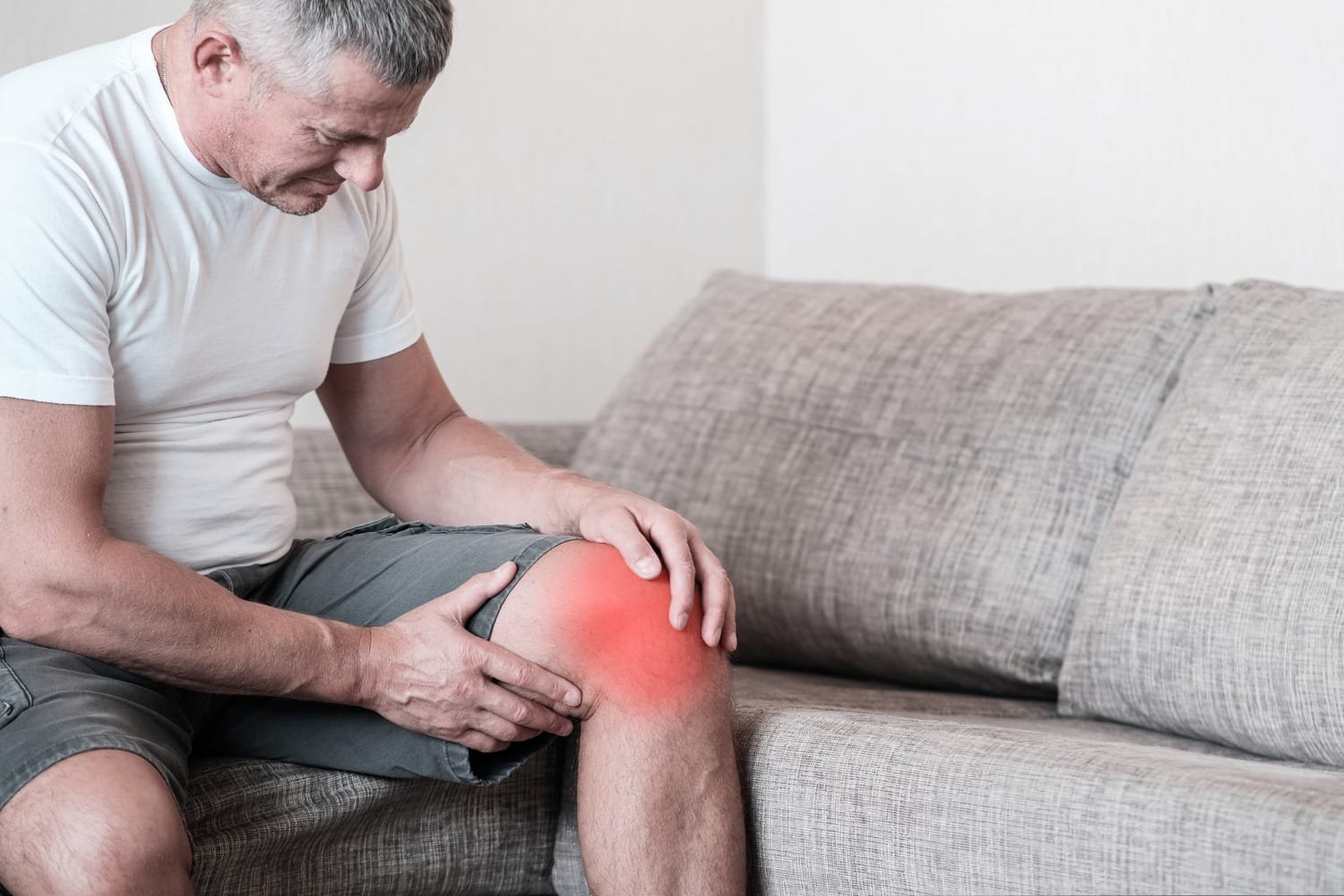 Who Is Not Suitable for Knee Replacement Surgery?
- 12, February 2026
-
 Best Meniscus Injury Surgeon in Faridabad
- 9, February 2026
-
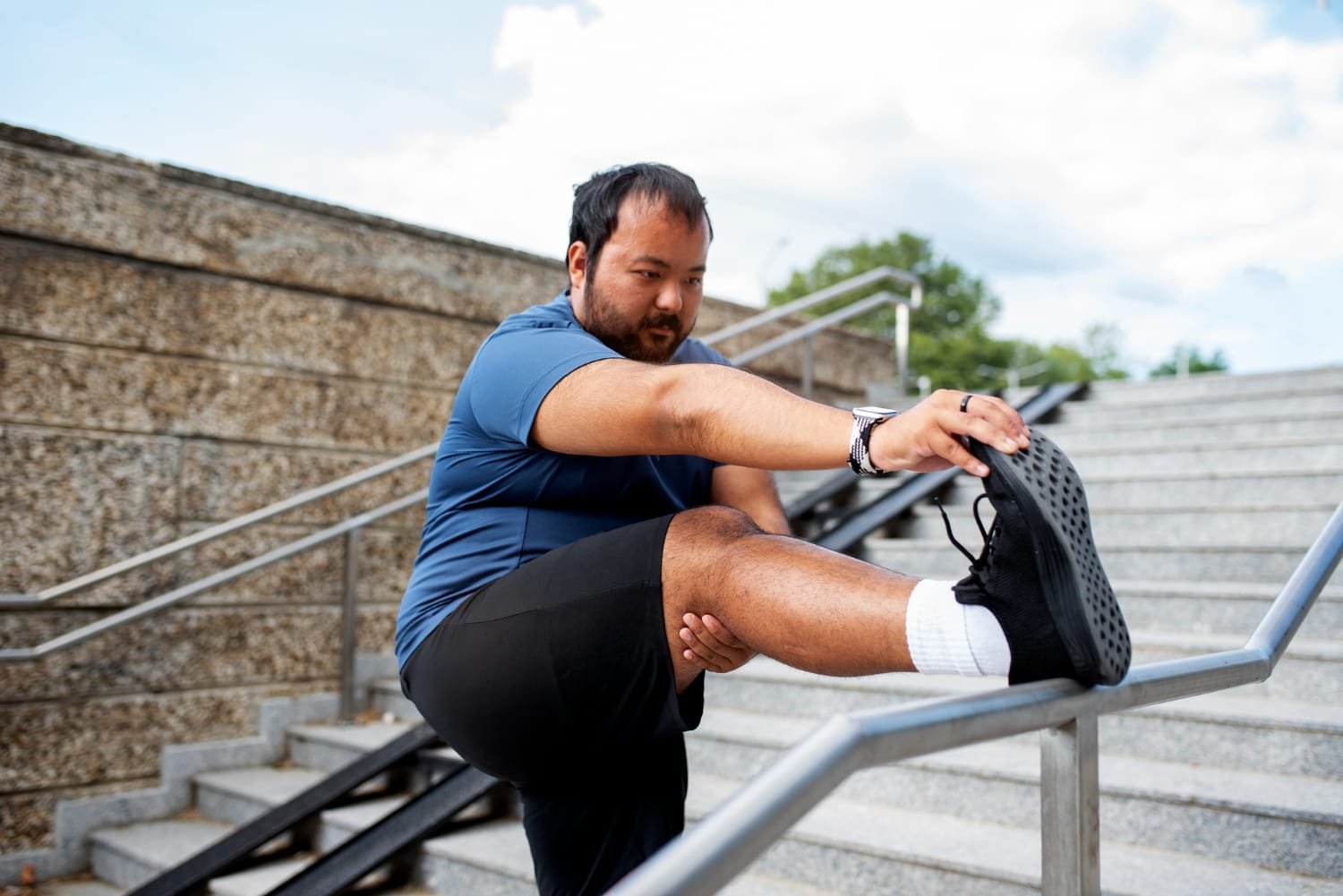 How Obesity Affects Knee Health & When to Consider Knee Replacement
- 6, February 2026
-
 Knee Pain After Sitting for Long Hours – What to Do
- 3, February 2026
-
 Most Common Sports Injuries and How to Prevent Them
- 26, January 2026
-
 Walking, Stairs & Daily Activities After Knee Replacement
- 22, January 2026
-
 When Knee Pain Needs Medical Attention: Red Flags to Watch
- 19, January 2026
-
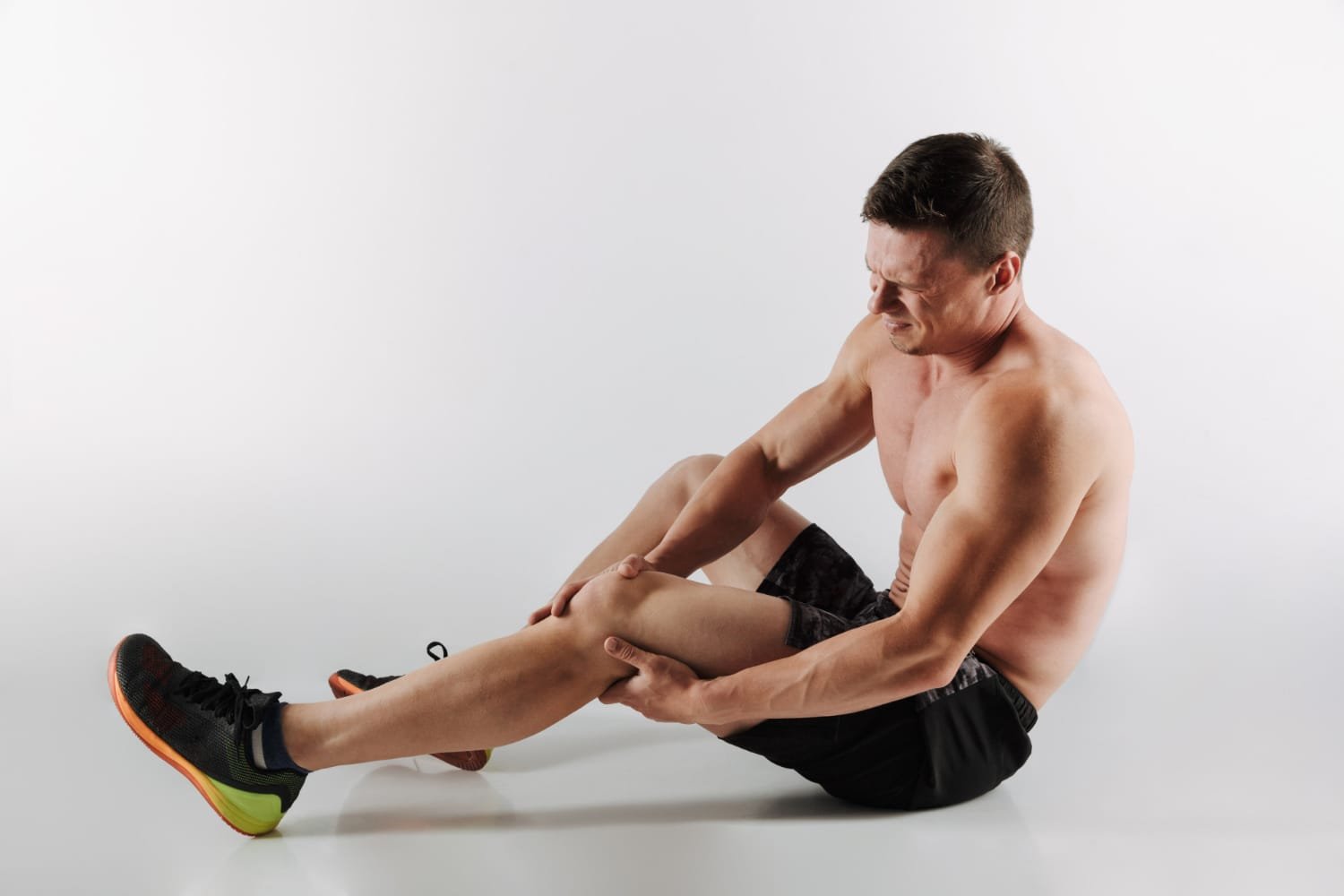 Cartilage Damage in Sports: Early Signs Athletes Should Not Ignore
- 15, January 2026
-
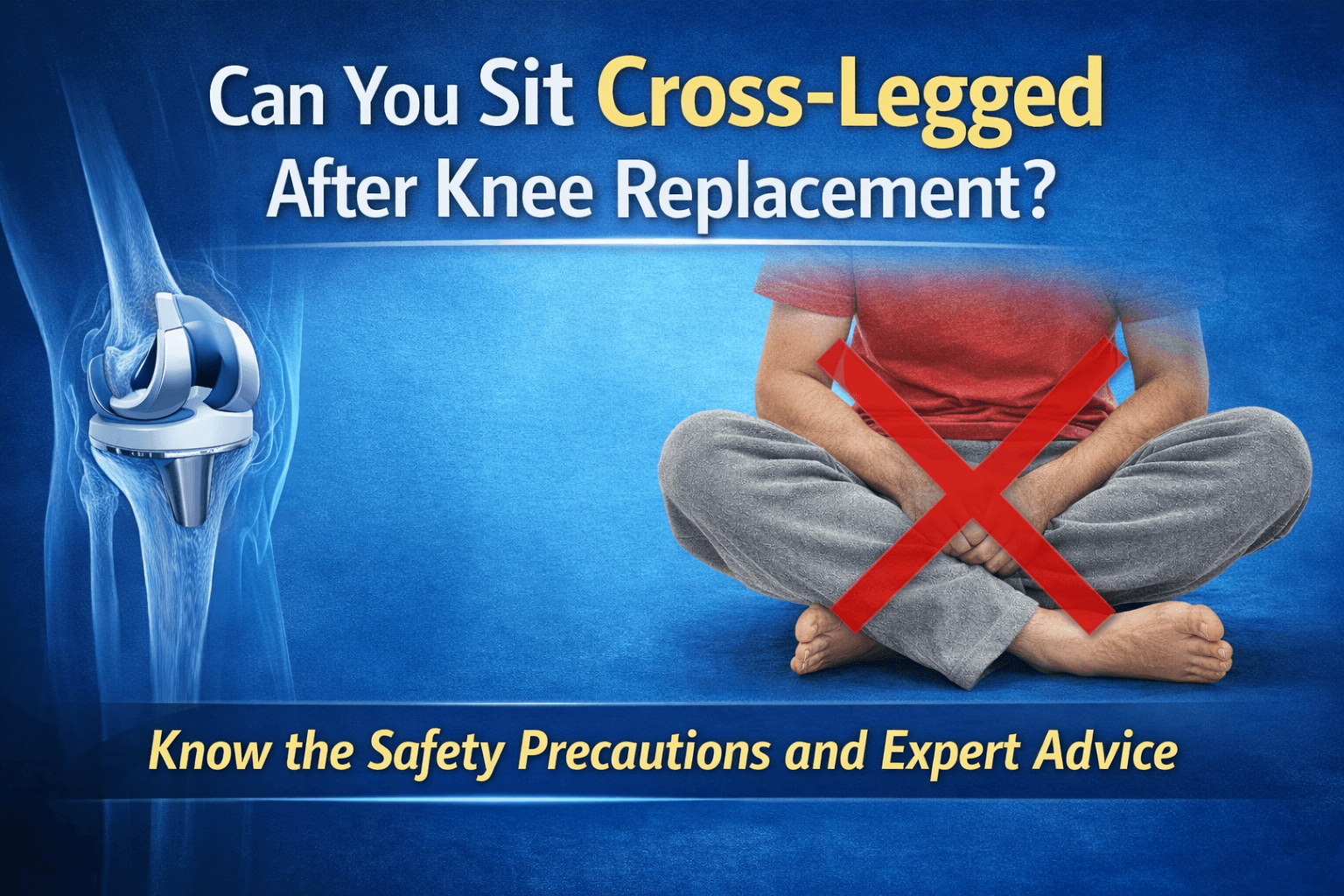 Can You Sit Cross-Legged After Knee Replacement?
- 13, January 2026
-
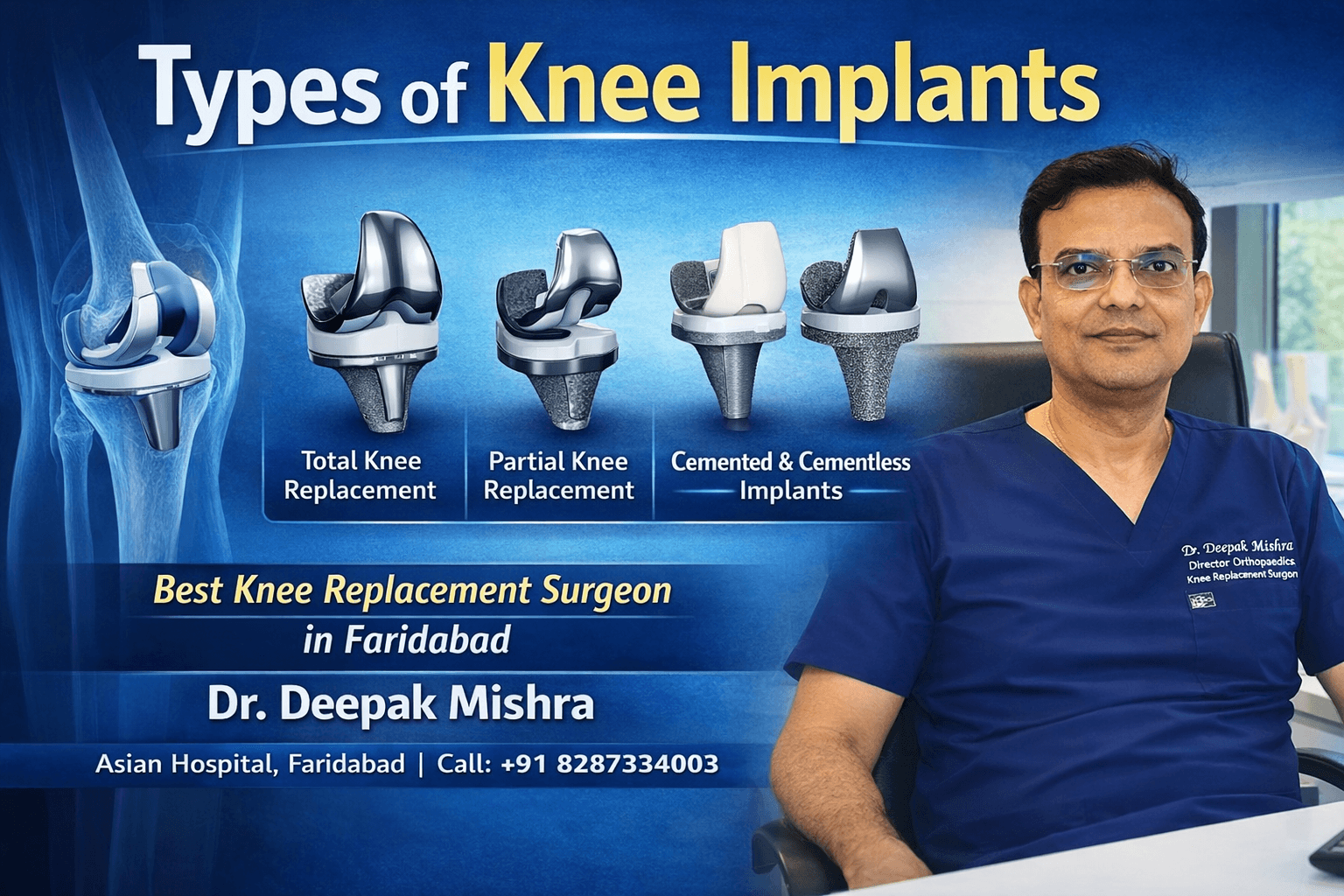 Types of Knee Implants
- 13, January 2026
-
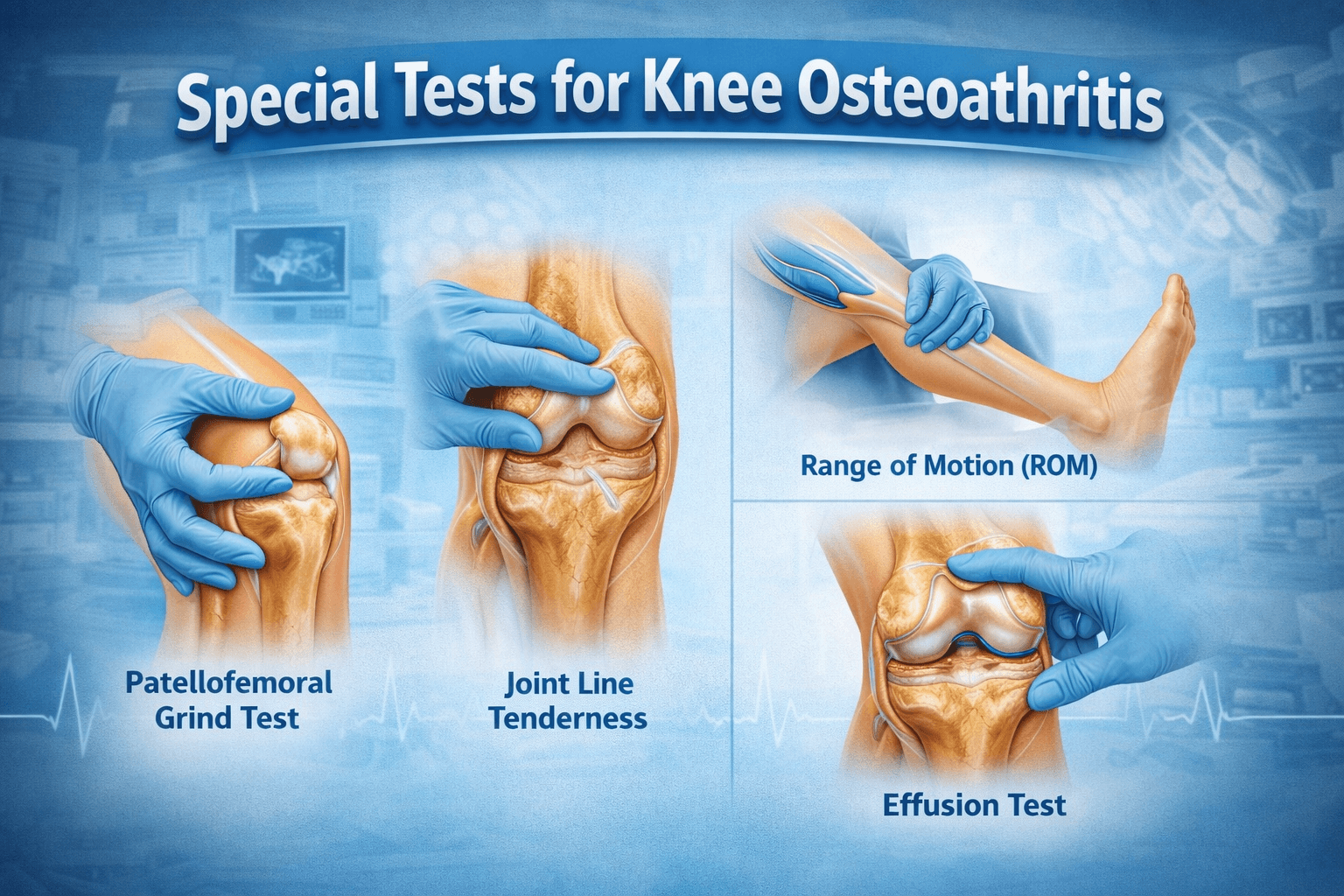 Special Tests for Knee Osteoarthritis
- 7, January 2026
-
 Knee Operation Types: A Comprehensive Guide
- 7, January 2026
-
 Difference Between Knee Arthritis, Meniscus Tear, and Ligament Injury
- 30, December 2025
-
 Knee Pain While Walking: When Should You Worry?
- 30, December 2025
-
 What Happens If Knee Replacement Is Delayed Too Long?
- 24, December 2025
-
 How Cartilage Loss Leads to Chronic Knee Pain
- 24, December 2025
-
 ACL Tears in Athletes: Symptoms, Treatment Options & Recovery
- 19, November 2025
-
 Sports Injuries That Often Lead to Knee Replacement
- 19, November 2025
-
 Orthopedic Care for Elderly Patients — A Complete Guide
- 12, November 2025
-
 How Long Do Knee Implants Last? (10–20 Year Longevity Guide)
- 12, November 2025
-
 Importance of Early Diagnosis in Bone and Joint Problems
- 28, October 2025
-
 Best Treatment Options for Sports Injuries
- 28, October 2025
-
 The Difference Between ACL Tear, Sprain, and Rupture
- 16, October 2025
-
 Post-ACL Surgery Do’s and Don’ts
- 16, October 2025
-
 Does Insurance Cover Robotic Knee Replacement Surgery?
- 6, October 2025
-
 When Can You Return to Sports After Robotic Knee Replacement?
- 6, October 2025
-
 Impact of Obesity on Knee Replacement Surgery and Recovery
- 30, September 2025
-
 Early vs. Delayed Knee Replacement: Which Is Better?
- 30, September 2025
-
 How Durable Are Knee Implants? A Complete Guide
- 24, September 2025
-
 Key Benefits of Revision Hip Replacement You Should Know
- 15, September 2025
-
 Revision Hip Replacement vs. Primary Hip Replacement: Key Differences
- 15, September 2025
-

-
 Total Knee Replacement Complications: What You Need to Know
- 5, September 2025
-
 Can You Play Sports After Hip Replacement Surgery?
- 26, August 2025
-
 Preparing for Knee Replacement: Do’s and Don’ts Before Surgery
- 26, August 2025
-
-
 What to Know About Knee Replacement Revision Surgery
- 18, August 2025
-
 Cost of Hip Replacement in India – What Patients Should Know
- 11, August 2025
-
-
 Who Is the Best Orthopedic Doctor for Sports Injuries?
- 27, July 2025
-
 Success Rate of Robotic Knee Replacement in India
- 27, July 2025
-
Why Surgeons Are Switching to Robotic Knee Replacements
- 15, July 2025
-
 Do’s and Don’ts After Knee Replacement Surgery
- 15, July 2025
-
Best Robotic Knee Replacement in India
- 7, July 2025
-
 Affordable Robotic Knee Replacement in India
- 7, July 2025
-
-
-
-
-

-
-
-
 Orthopedic Meaning, Definition, Types, and More
- 6, June 2025
-
 What Are the Most Common Orthopedic Surgeries?
- 24, May 2025
-
 What Does an Orthopedic Doctor Do?
- 24, May 2025
-

-
-
-
Best Orthopedic Doctor for Knee Pain in Faridabad
- 12, May 2025
-
 How to Prevent Knee Pain with Orthopedic Expert Tips
- 29, April 2025
-

-
Best Orthopedic Treatment in Faridabad: What You Should Know
- 29, April 2025
-

-
-
Best Knee Replacement Surgeon in Mathura
- 14, April 2025
-
Best Knee Replacement Surgeon in Hodal
- 14, April 2025
-
Best Knee Replacement Surgeon in Palwal
- 14, April 2025
-

-
-
-
 Benefits of Minimally Invasive Knee Surgery
- 24, March 2025
-
 Best knee Replacement Surgeon in India
- 17, March 2025
-
-
 How to Recover Quickly After Knee Replacement Surgery
- 10, March 2025
-
-
-
-
 Minimally Invasive Arthroplasty: Benefits and Recovery Advantages
- 24, February 2025
-
 Choosing the Right Hip Replacement Surgeon: A Comprehensive Guide
- 17, February 2025
-
 Restoring Mobility: The Role of Knee Replacement Doctors
- 17, February 2025
-
 Orthopedic Trauma Care for Athletes
- 6, February 2025
-
 Best Doctor for ACL Tear Treatment
- 6, February 2025
-
 Best Sports Medicine Doctor for Knee Injuries
- 6, February 2025
-
 Orthopedic Surgeons: 7 Things You Need to Know
- 27, January 2025
-
Best Joint Replacement Surgeon in Greater Faridabad
- 27, January 2025
-
Best Knee Replacement Surgeon in Palwal
- 20, January 2025
-
Best Knee Replacement Surgeon in South Delhi
- 20, January 2025
-
 Restoring Mobility: The Role of Knee Replacement Doctor
- 13, January 2025
-
 Robotic Knee Replacement Surgery in Delhi
- 30, December 2024
-
 Robotic Orthopedic Surgery: Revolutionizing Joint Replacement and Repair
- 30, December 2024
-
 Robotic Knee Replacement vs. Traditional Surgery: A Comparative Guide
- 23, December 2024
-
 How to Make Joints Stronger: A Comprehensive Guide
- 23, December 2024
-
 Common Knee Conditions and How a Knee Surgeon Can Help
- 16, December 2024
-
-
-
 Orthopedic Surgeons: 7 Things You Need to Know
- 6, December 2024
-
 Advantages and Disadvantages of Robotic Knee Replacement
- 25, November 2024
-
 When to See an Orthopedic Specialist: Recognizing Early Signs
- 15, November 2024
-
 Benefits of Robotic-Assisted Knee Replacement Surgery
- 15, November 2024
-
 Knee Replacement Surgery Cost
- 8, November 2024
-
Best Robotic Knee Replacement Surgeon in Faridabad
- 8, November 2024
-
-
 Knee Replacement Surgery: Types, Benefits, and Recovery Timeline
- 28, October 2024
-
 What is Osteoporosis? Symptoms, Causes, and Prevention
- 21, October 2024
-
 Signs It’s Time for a Knee Replacement: When to Consult a Surgeon
- 18, October 2024
-
 Understanding Different Types of Arthritis: Symptoms and Causes
- 11, October 2024
-
 Taking Care After Knee Replacement Surgery
- 15, December 2022
-
 Amazing Ways to Get Relief from Arthritis Pain Naturally
- 2, December 2022
-
-
 How Does Fat Affect Arthritis?
- 4, November 2022
