

Can You Walk Normally After Hip Replacement?
May 15, 2026Hip pain can make even the simplest activities feel exhausting. Walking, climbing stairs, getting out of bed, or standing for long periods may become painful due to severe arthritis, injury, or hip joint damage. For many patients, hip replacement surgery becomes the most effective solution to regain mobility and improve quality of life.
One of the most common questions patients ask is:
“Can You Walk Normally After Hip Replacement Surgery?”
The answer is yes — most patients can walk normally again after successful hip replacement surgery and proper rehabilitation. In fact, many people experience significantly better mobility, reduced pain, and improved confidence compared to their condition before surgery.
With advanced surgical techniques, minimally invasive procedures, modern implants, and structured physiotherapy, patients today recover faster than ever before. Under the expert guidance of Dr Deepak Mishra – Best Orthopedic doctor in Faridabad & knee replacement surgeon in Faridabad, many patients in Faridabad have successfully returned to normal walking and active lifestyles after hip replacement surgery.
Understanding Hip Replacement Surgery
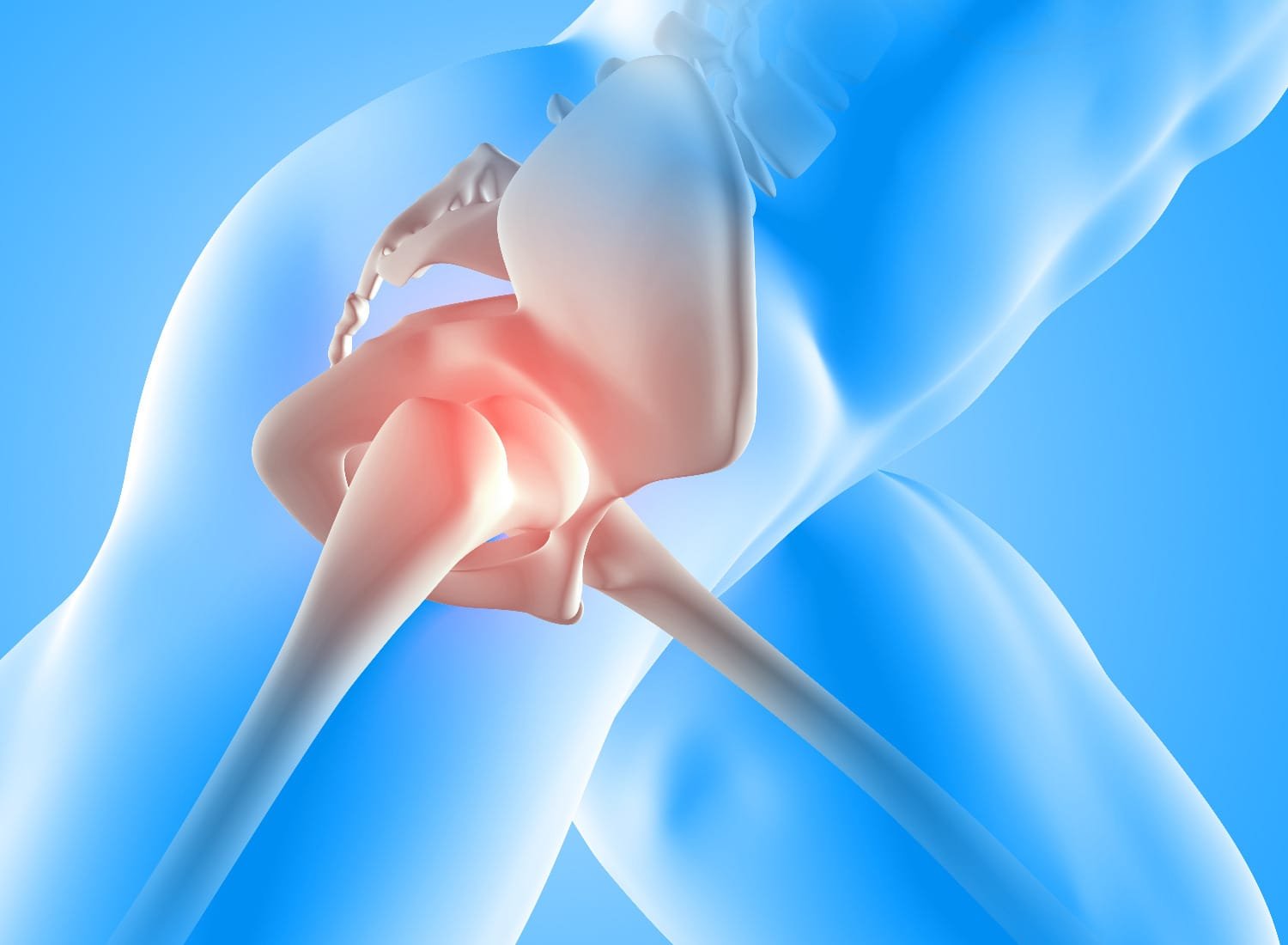
Hip replacement surgery, also known as Total Hip Replacement (THR), is a procedure in which damaged parts of the hip joint are replaced with artificial implants.
The surgery is commonly recommended for patients suffering from:
- Severe osteoarthritis
- Rheumatoid arthritis
- Avascular necrosis (AVN)
- Hip fractures
- Joint deformities
- Chronic hip pain affecting daily activities
The main goal of hip replacement surgery is to:
- Relieve pain
- Restore movement
- Improve walking ability
- Enhance quality of life
Modern hip implants are designed to mimic the natural movement of the hip joint, allowing patients to return to comfortable mobility.
Why Walking Becomes Difficult Before Hip Replacement
Patients with severe hip damage often experience:
- Joint stiffness
- Limping
- Reduced balance
- Muscle weakness
- Pain while walking
- Difficulty standing for long periods
- Reduced walking distance
Over time, these symptoms worsen and affect overall posture and confidence. Many patients begin avoiding physical activity due to pain, which further weakens muscles and reduces mobility.
This is where hip replacement surgery can become life-changing.
Can You Really Walk Normally After Hip Replacement?
Yes, most patients can walk normally after hip replacement surgery.
However, recovery depends on several factors, including:
- The severity of joint damage before surgery
- Patient age and overall health
- Surgical technique used
- Quality of implants
- Physiotherapy and rehabilitation
- Surgeon’s expertise
Patients who follow rehabilitation protocols properly often regain smooth and pain-free walking within a few months.
According to orthopedic specialists, hip replacement surgery has one of the highest success rates among joint replacement procedures. Modern implants and minimally invasive techniques have significantly improved patient outcomes.
How Soon Can You Walk After Hip Replacement Surgery?
One of the biggest advancements in modern orthopedic care is early mobilization.
Most patients are encouraged to stand and walk within 24 hours after surgery.
Here’s a general recovery timeline:
First 24–48 Hours
- Patients begin standing with support
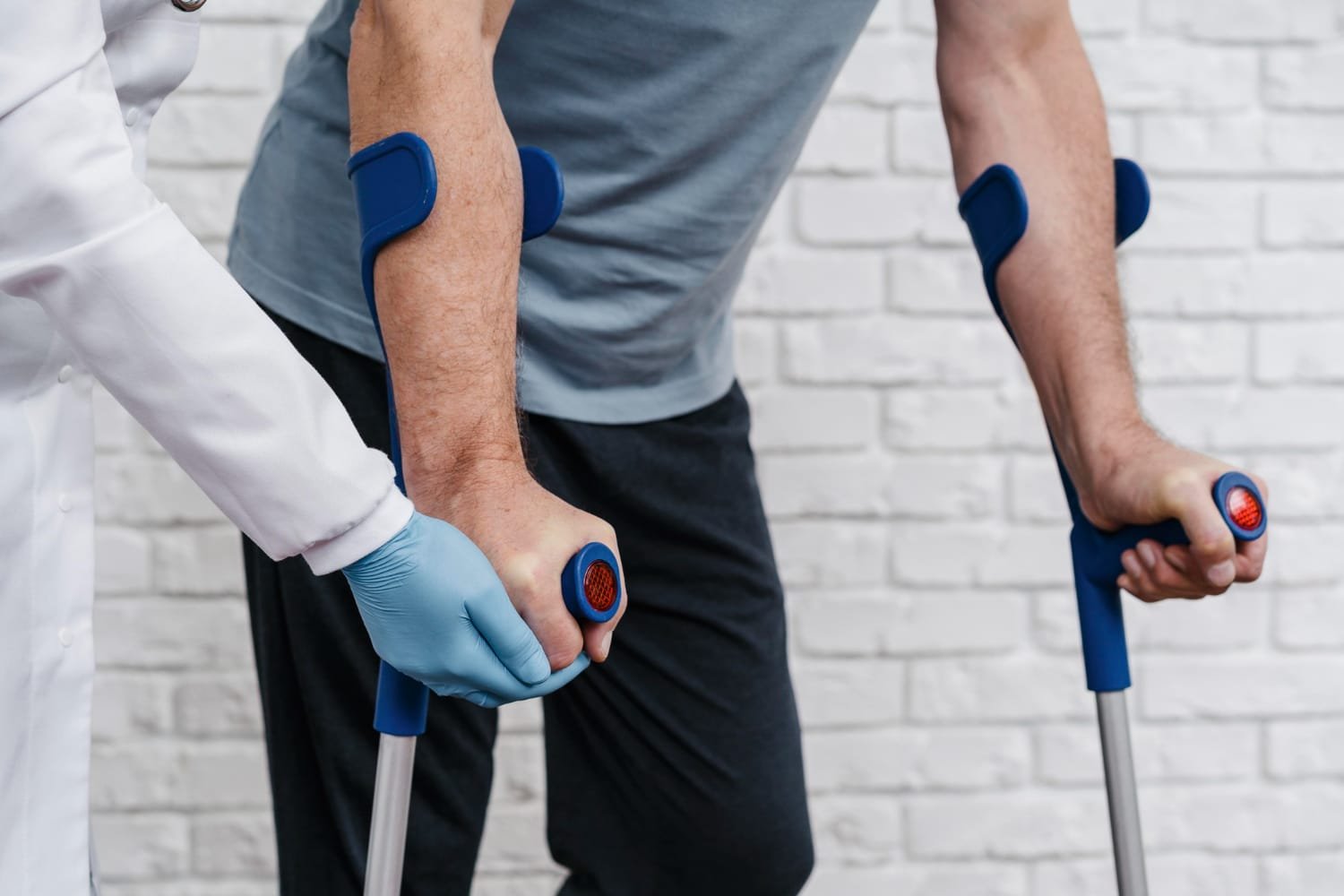
- Walking starts using a walker or crutches
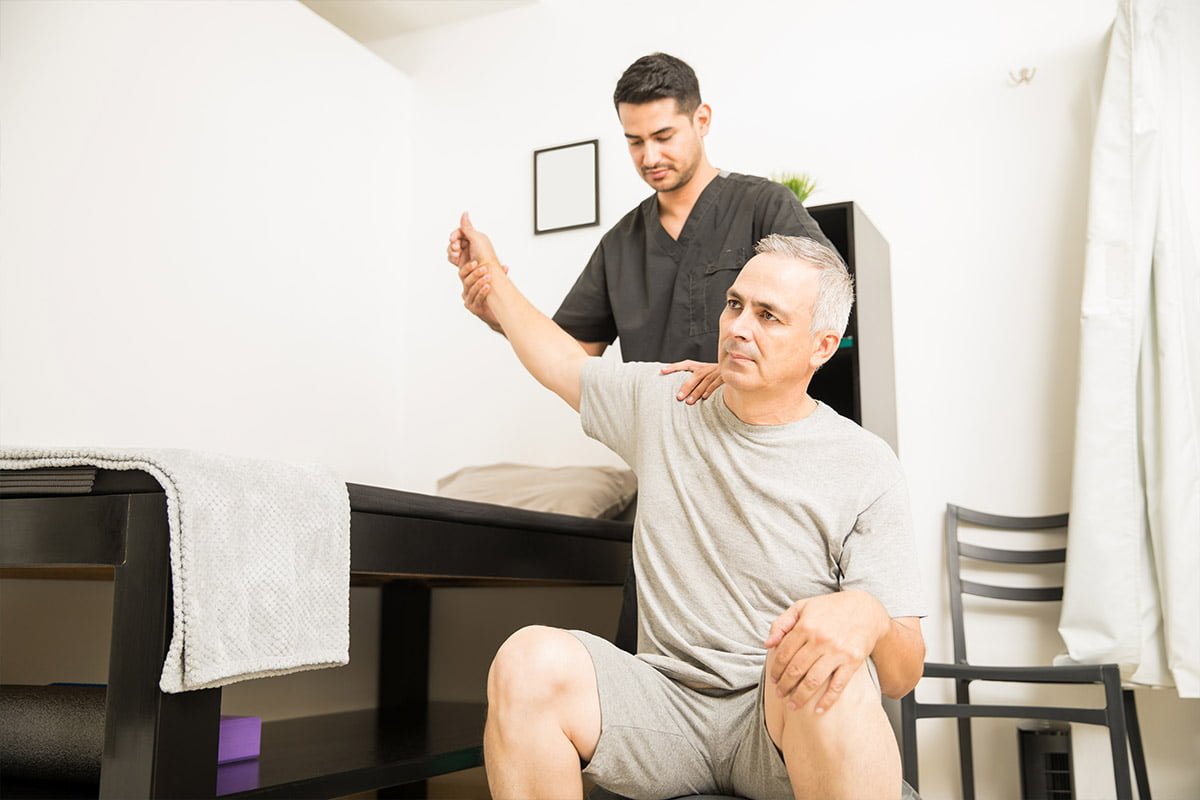
- Physiotherapists assist with basic mobility exercises
First 2 Weeks
- Walking distance gradually improves
- Pain and swelling begin reducing
- Patients become more independent
4–6 Weeks
- Many patients start walking with minimal support
- Improved balance and confidence
- Daily activities become easier
3 Months
- Most patients walk comfortably without assistance
- Limping usually improves significantly
- Better joint flexibility and strength
6–12 Months
- Complete recovery and natural walking pattern develop
- Patients return to active lifestyles
Recovery may vary from person to person, but most individuals notice dramatic improvement compared to their pre-surgery condition.
What Helps Patients Walk Normally Again?
1. Advanced Surgical Techniques
Modern hip replacement surgeries focus on:
- Precision implant placement
- Muscle preservation
- Reduced tissue damage
- Faster recovery
Minimally invasive approaches reduce pain and help patients regain mobility sooner.
2. High-Quality Hip Implants
Today’s implants are:
- Durable
- Flexible
- Designed for natural movement
- Long-lasting
These implants help restore smooth hip joint function and stability.
3. Physiotherapy and Rehabilitation
Physiotherapy is one of the most important parts of recovery.
Exercises help:
- Strengthen muscles
- Improve balance
- Restore flexibility
- Correct walking posture
Without rehabilitation, recovery may become slower and less effective.
4. Patient Motivation and Lifestyle
Patients who remain active and committed to recovery often achieve better outcomes.
Following medical advice regarding:
- Walking exercises
- Weight management
- Proper posture
- Joint care
can greatly improve walking ability after surgery.
Common Concerns About Walking After Hip Replacement
Will I Walk Without Limping?
Most patients gradually stop limping after recovery. Limping before surgery is often caused by pain and muscle weakness.
Once pain reduces and muscles strengthen, walking usually becomes smoother and more natural.
Can I Climb Stairs?
Yes, patients can typically climb stairs after recovery. Physiotherapists teach safe stair-climbing techniques during rehabilitation.
Can I Walk Long Distances?
Many patients return to:
- Morning walks
- Shopping
- Travel
- Daily household activities
Walking endurance improves steadily over time.
Can Elderly Patients Walk Normally Again?
Yes. Age alone does not prevent successful recovery. Many elderly patients regain excellent mobility after hip replacement surgery.
Proper medical evaluation and rehabilitation are essential.
What Activities Can You Do After Recovery?
After successful hip replacement surgery, many patients return to:
- Walking independently
- Light exercise
- Driving
- Office work
- Travel
- Social activities
However, high-impact sports may need to be avoided depending on the surgeon’s recommendations.
Tips for Faster Walking Recovery After Hip Replacement
Follow Physiotherapy Strictly
Regular exercises improve strength and balance.
Walk Daily
Controlled walking improves circulation and mobility.
Maintain Healthy Weight
Extra body weight increases pressure on the hip joint.
Avoid Sudden Twisting Movements
Protect the new joint during early recovery.
Use Support When Needed
Walkers and canes help prevent falls initially.
Eat Nutritious Food
Protein and calcium support healing and muscle recovery.
Signs of Successful Hip Replacement Recovery
You may notice:
- Reduced pain
- Improved balance
- Better posture
- Increased walking distance
- Easier movement
- Improved sleep quality
- Greater confidence in mobility
These improvements gradually restore independence and quality of life.
Risks That May Affect Walking Recovery
Although hip replacement surgery is highly successful, recovery can slow down due to:
- Poor physiotherapy compliance
- Obesity
- Muscle weakness
- Delayed surgery
- Infections
- Existing medical conditions
Choosing an experienced orthopedic surgeon significantly improves outcomes.
Why Choosing the Right Surgeon Matters
Successful hip replacement surgery depends greatly on the surgeon’s expertise.
An experienced surgeon ensures:
- Accurate implant positioning
- Better joint alignment
- Reduced complications
- Faster recovery
- Improved walking outcomes
This is why many patients prefer experienced specialists like Dr Deepak Mishra – Best Orthopedic doctor in Faridabad | knee, hip & joint replacement surgeon in Faridabad for advanced joint replacement procedures in Faridabad. Dr. Deepak Mishra has extensive experience in hip and joint replacement surgeries and is associated with advanced orthopedic care at Asian Centre for Bone and Joints – Top Orthopaedic & Joint Replacement Hospital in Faridabad.
Why Patients Trust Dr. Deepak Mishra for Hip Replacement in Faridabad
Dr Deepak Mishra – Best Orthopedic doctor in Faridabad | knee, hip & joint replacement surgeon in Faridabad is widely recognized for advanced orthopedic and joint replacement care in Faridabad. He is known for:
- Expertise in hip replacement surgery
- Advanced minimally invasive techniques
- Personalized patient care
- Modern joint replacement solutions
- Focus on faster mobility recovery
According to publicly available professional profiles, Dr. Deepak Mishra has decades of experience in orthopedic and joint replacement surgery and has performed numerous hip and knee replacement procedures.
Patients looking for the best orthopedic doctor in Faridabad or the best hip replacement surgeon in Faridabad often seek experienced specialists who focus on both surgical precision and long-term rehabilitation outcomes.
Advanced Hip Replacement Care in Faridabad
Faridabad has emerged as a growing destination for advanced orthopedic care. Modern hospitals now offer:
- Robotic-assisted surgery
- Advanced imaging
- Modern implants
- Minimally invasive procedures
- Comprehensive rehabilitation programs
Centers like Asian Centre for Bone and Joints – Top Orthopaedic & Joint Replacement Hospital in Faridabad provide integrated orthopedic treatment for patients dealing with severe hip pain and mobility issues.
When Should You Consider Hip Replacement Surgery?
You should consult an orthopedic specialist if you experience:
- Persistent hip pain
- Difficulty walking
- Stiffness in the hip joint
- Pain during movement
- Trouble climbing stairs
- Reduced quality of life
- Failure of medications and physiotherapy
Early consultation can help prevent worsening joint damage.
Frequently Asked Questions (FAQs)
Is Hip Replacement Surgery Painful?
Modern anesthesia and pain management techniques make the procedure much more comfortable than many patients expect.
How Long Does a Hip Implant Last?
Modern implants can last 15–25 years or even longer depending on lifestyle and implant quality.
Can I Sit Cross-Legged After Hip Replacement?
This depends on recovery progress and surgeon recommendations.
Is Hip Replacement Safe?
Yes, hip replacement is considered a highly successful and safe orthopedic procedure when performed by experienced surgeons.
Will I Need Physiotherapy?
Yes, physiotherapy is essential for regaining strength, flexibility, and normal walking patterns.
Final Thoughts
Hip replacement surgery can dramatically improve mobility, reduce pain, and restore independence for patients struggling with severe hip problems.
Most patients can walk normally again after successful surgery and rehabilitation. In fact, many people experience better mobility than they had for years before surgery.
Choosing an experienced orthopedic specialist plays a major role in successful recovery. Patients seeking expert care for hip replacement often consult Dr Deepak Mishra – Best Orthopedic doctor in Faridabad | knee, hip & joint replacement surgeon in Faridabad for advanced joint replacement treatment and rehabilitation-focused orthopedic care in Faridabad.
If hip pain is affecting your quality of life, early consultation with an experienced orthopedic surgeon can help you regain confidence, comfort, and freedom of movement.
Recent Blogs
-
-
 When Is Knee Replacement the Only Option?
- 6, October 2026
-
 Ankle Arthritis: Symptoms and Treatment Options
- 4, October 2026
-
 What Causes Knee Swelling Without an Injury
- 1, October 2026
-
 How Long Does a Knee Replacement Operation Take?
- 25, September 2026
-
 Who Is the Best Bone Doctor in Faridabad?
- 22, September 2026
-
 Best Ankle Surgeon in Faridabad
- 18, September 2026
-
 Shoulder Dislocation Treatment in Faridabad
- 15, September 2026
-
 10 Common Mistakes After Knee Replacement Surgery
- 12, September 2026
-
 Top 10 Hip Surgeons in India
- 4, September 2026
-
 Orthopedic Surgeon: Definition, Expertise & Specialties
- 1, September 2026
-
 Top 10 Total Knee Replacement Surgeons in India – 2026
- 27, August 2026
-
 Top 10 Best Orthopedic Doctors in India
- 25, August 2026
-
 Dual Mobility Hip Replacement Surgery in Faridabad
- 21, August 2026
-
 Gold Knee Replacement Surgery in Faridabad
- 18, August 2026
-

-

-

-
 Bone Fracture Specialist in Faridabad
- 25, July 2026
-
 Robotic Partial Knee Replacement in Faridabad
- 21, July 2026
-
-
-
 Runner’s Knee: Prevention & Treatment
- 10, July 2026
-
 Best Knee Tendonitis Treatment in Faridabad
- 7, July 2026
-

-
 Why Does My Knee Make Clicking Sounds?
- 1, July 2026
-

-
-
 Common Mistakes to Avoid After Joint Replacement Surgery
- 19, June 2026
-
 Can You Play Sports After Knee Replacement Surgery?
- 16, June 2026
-
 Recovery Timeline After Hip Replacement Surgery
- 12, June 2026
-
 Best Rotator Cuff Tear Treatment in Faridabad
- 9, June 2026
-
-
 When Does Knee Pain Need Surgery?
- 19, May 2026
-
Can You Walk Normally After Hip Replacement?
- 15, May 2026
-

-
 Best Doctor for Arthritis Treatment in Faridabad
- 8, May 2026
-
 Sports Injury Specialist in Faridabad
- 5, May 2026
-
 Hip Replacement Surgery Cost in India
- 2, May 2026
-
 Best ACL Surgeon in Faridabad
- 1, May 2026
-
 Best Hip Replacement Surgeon in Delhi
- 26, April 2026
-
 Best Hospital for Robotic Joint Replacement in Faridabad
- 14, April 2026
-
 Best Shoulder Specialist in Faridabad
- 10, April 2026
-
-
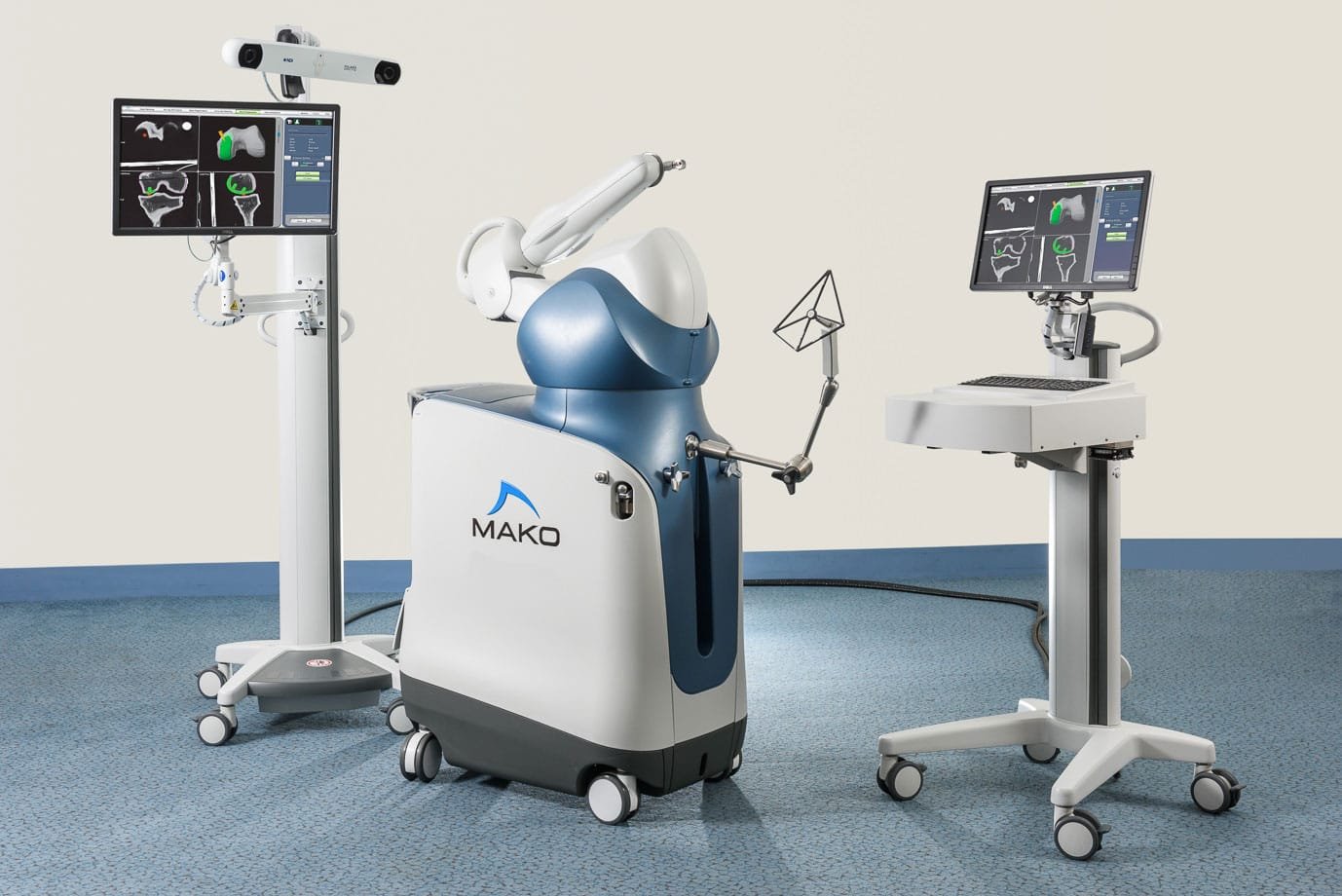 How Mako Robotic Improves Knee Replacement Outcomes
- 3, April 2026
-
 Best Orthopedic Hospital in Faridabad for Joint Pain
- 1, April 2026
-
 Don’t Delay Knee Surgery: 7 Warning Signs You Must Know
- 26, March 2026
-

-
 Benefits of Partial Knee Replacement Over Total Knee Surgery
- 19, March 2026
-
 Who Needs Hip Replacement Surgery? Signs & Eligibility
- 16, March 2026
-
 Best Joint Replacement Hospital in India
- 13, March 2026
-
 Shoulder Dislocation in Sports: Treatment and Recovery
- 11, March 2026
-
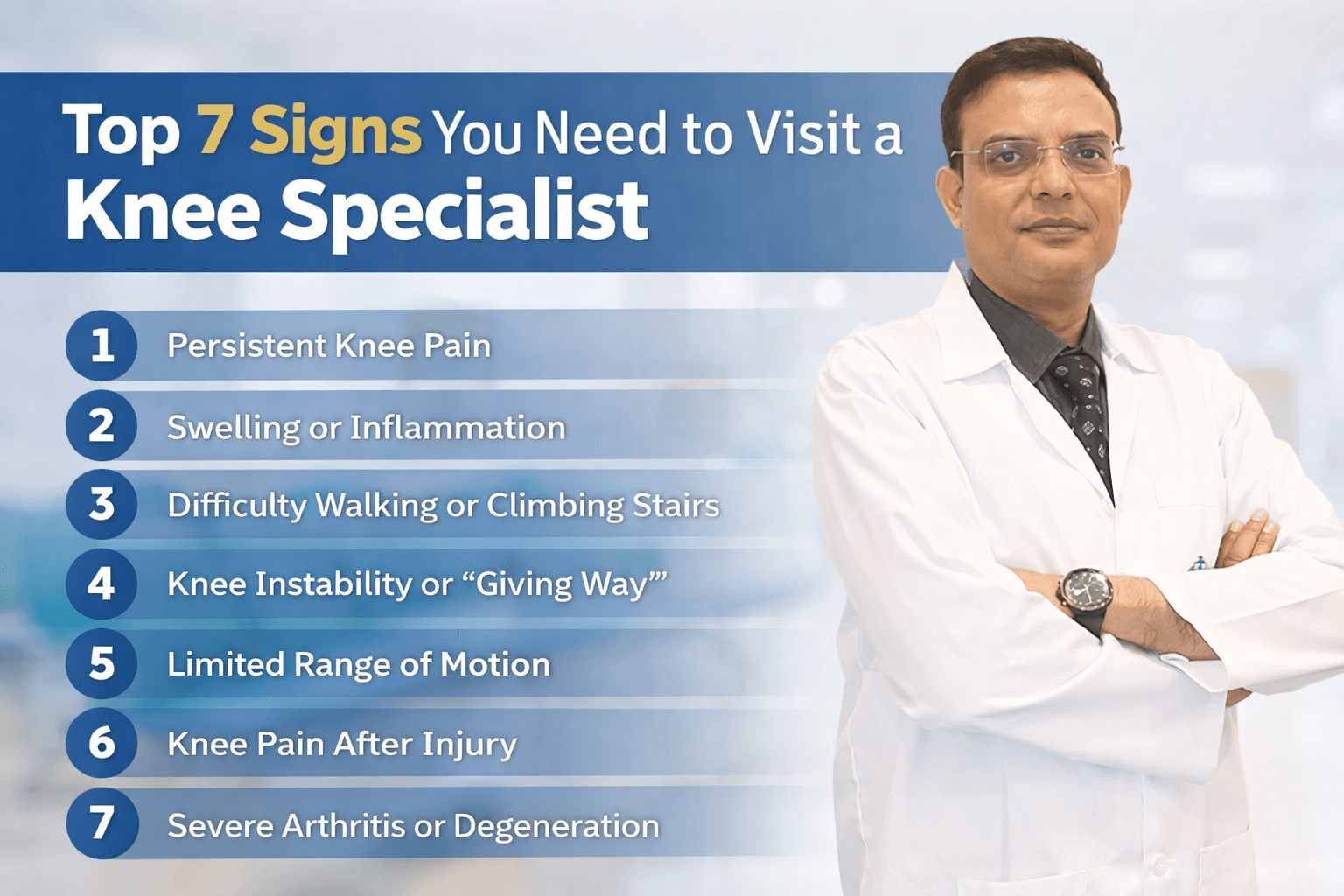 Top 7 Signs You Need to Visit a Knee Specialist
- 7, March 2026
-

-
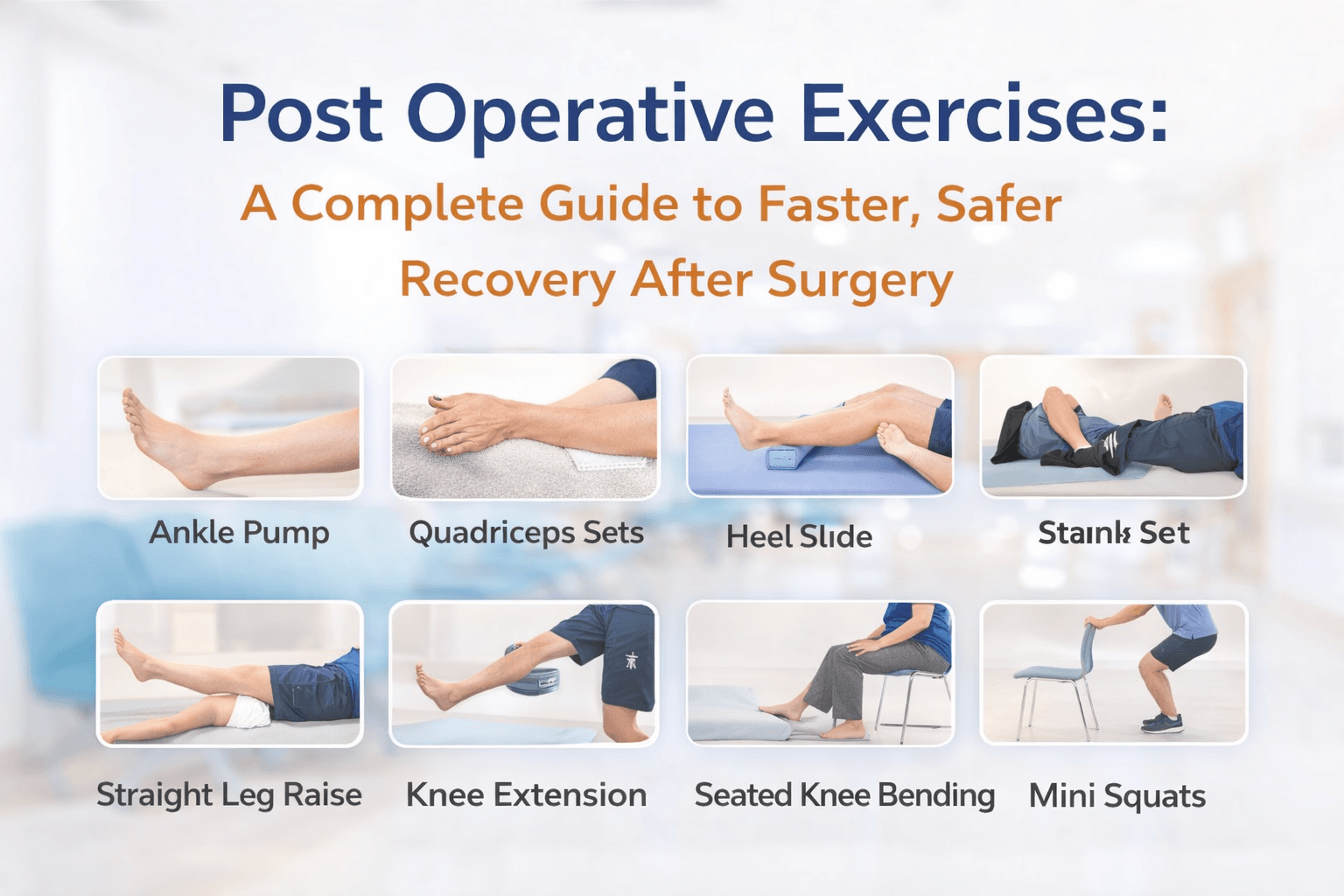 Post Operative Exercises
- 26, February 2026
-
 After ACL Surgery When Can I Walk?
- 24, February 2026
-
 What Happens If Knee Arthritis Is Left Untreated?
- 21, February 2026
-
 Can Knee Replacement Fail? Causes, Signs & Prevention
- 21, February 2026
-
 Who Is Not Suitable for Knee Replacement Surgery?
- 12, February 2026
-
 Best Meniscus Injury Surgeon in Faridabad
- 9, February 2026
-
 How Obesity Affects Knee Health & When to Consider Knee Replacement
- 6, February 2026
-
 Knee Pain After Sitting for Long Hours – What to Do
- 3, February 2026
-
 Most Common Sports Injuries and How to Prevent Them
- 26, January 2026
-
 Walking, Stairs & Daily Activities After Knee Replacement
- 22, January 2026
-
 When Knee Pain Needs Medical Attention: Red Flags to Watch
- 19, January 2026
-
 Cartilage Damage in Sports: Early Signs Athletes Should Not Ignore
- 15, January 2026
-
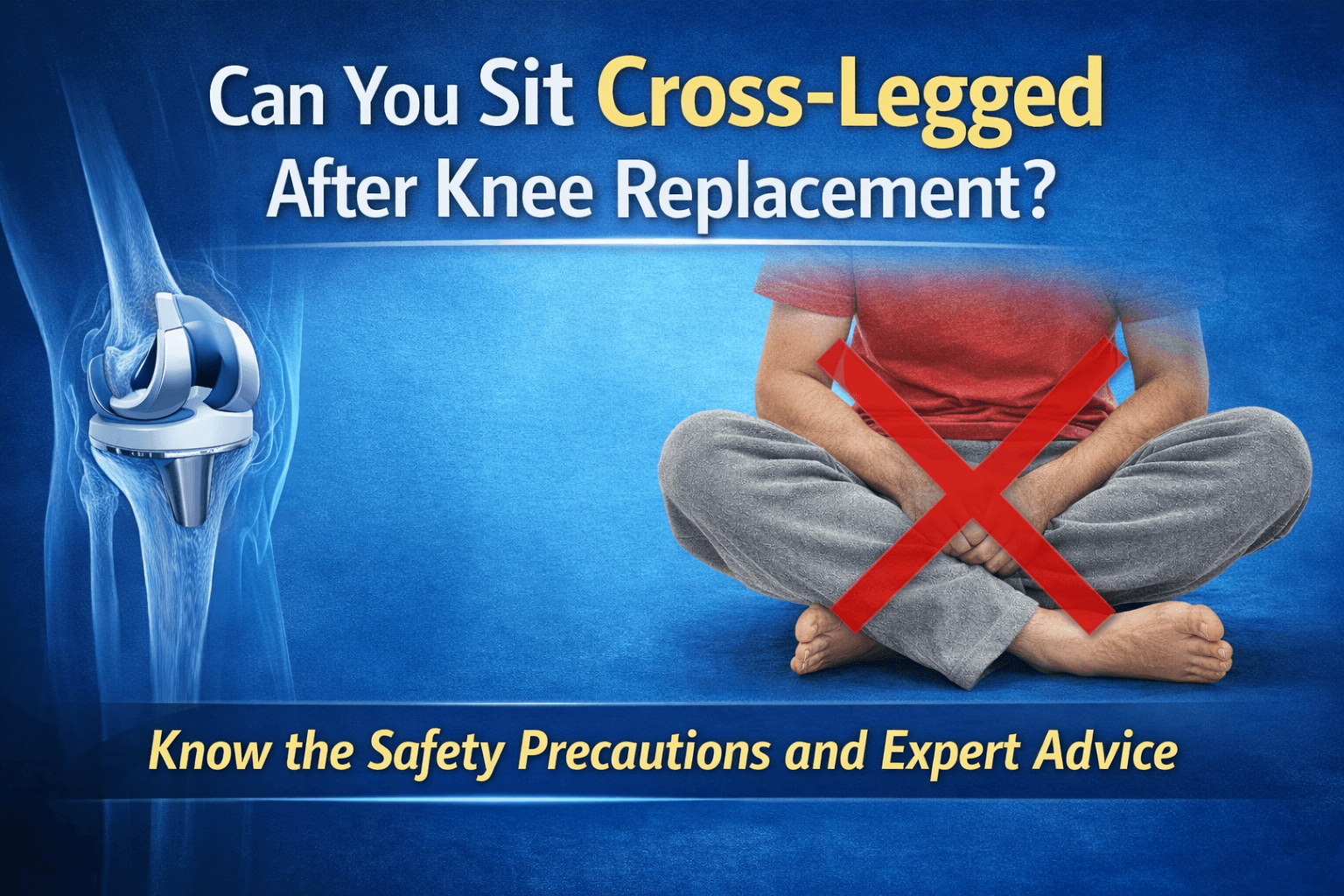 Can You Sit Cross-Legged After Knee Replacement?
- 13, January 2026
-
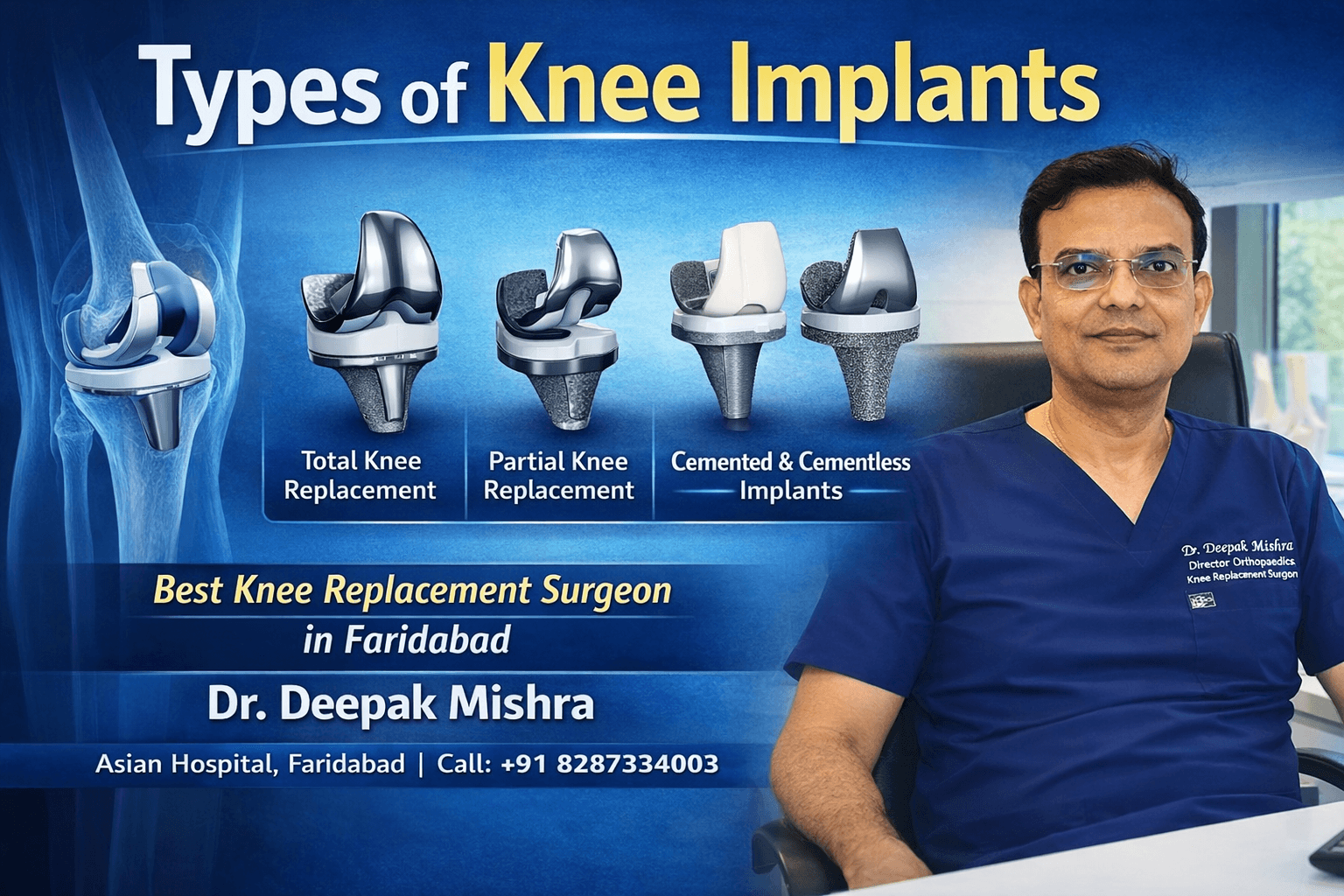 Types of Knee Implants
- 13, January 2026
-
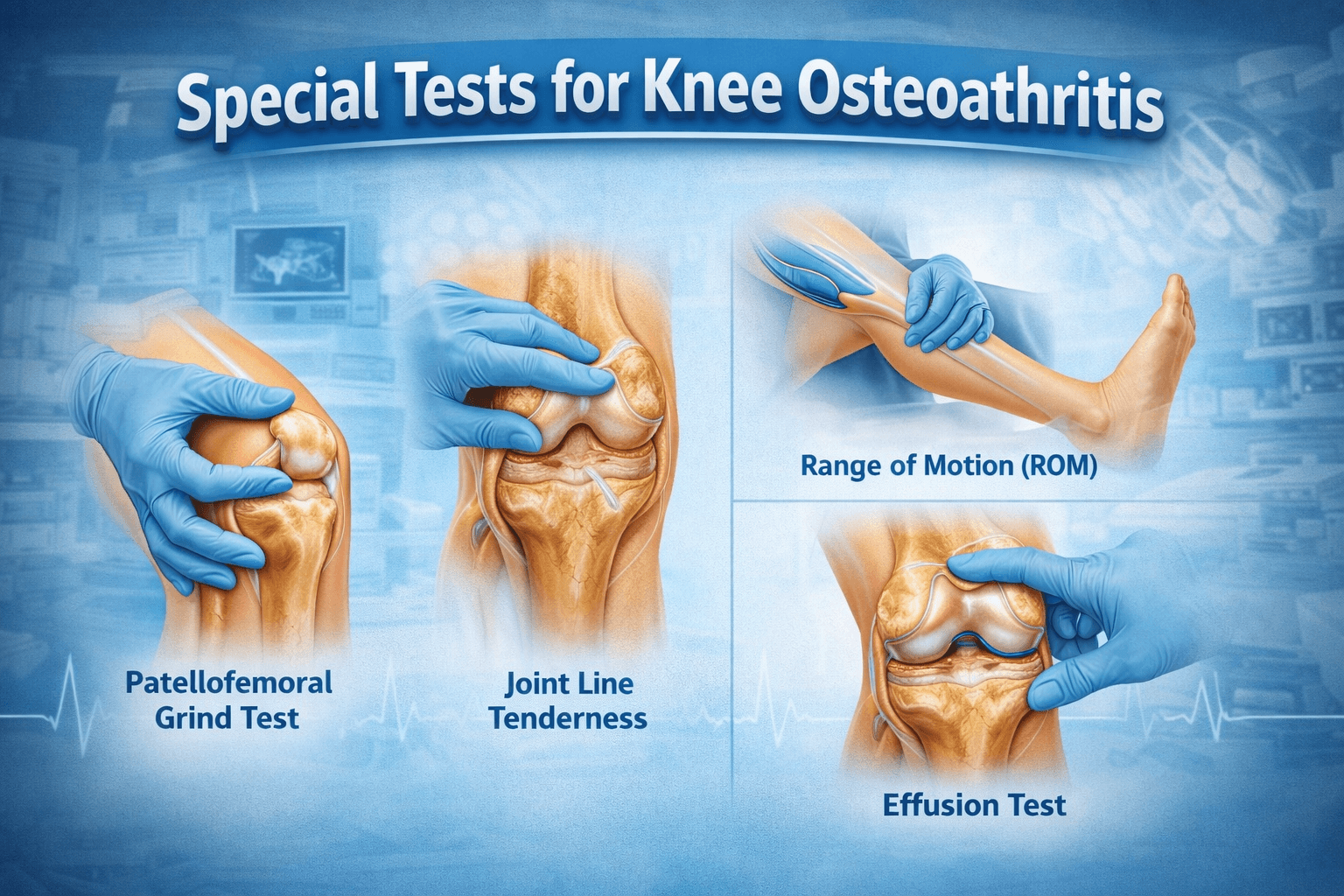 Special Tests for Knee Osteoarthritis
- 7, January 2026
-
 Knee Operation Types: A Comprehensive Guide
- 7, January 2026
-
 Difference Between Knee Arthritis, Meniscus Tear, and Ligament Injury
- 30, December 2025
-
 Knee Pain While Walking: When Should You Worry?
- 30, December 2025
-
 What Happens If Knee Replacement Is Delayed Too Long?
- 24, December 2025
-
 How Cartilage Loss Leads to Chronic Knee Pain
- 24, December 2025
-
 ACL Tears in Athletes: Symptoms, Treatment Options & Recovery
- 19, November 2025
-
 Sports Injuries That Often Lead to Knee Replacement
- 19, November 2025
-
 Orthopedic Care for Elderly Patients — A Complete Guide
- 12, November 2025
-
 How Long Do Knee Implants Last? (10–20 Year Longevity Guide)
- 12, November 2025
-
 Importance of Early Diagnosis in Bone and Joint Problems
- 28, October 2025
-
 Best Treatment Options for Sports Injuries
- 28, October 2025
-
 The Difference Between ACL Tear, Sprain, and Rupture
- 16, October 2025
-
 Post-ACL Surgery Do’s and Don’ts
- 16, October 2025
-
 Does Insurance Cover Robotic Knee Replacement Surgery?
- 6, October 2025
-
 When Can You Return to Sports After Robotic Knee Replacement?
- 6, October 2025
-
 Impact of Obesity on Knee Replacement Surgery and Recovery
- 30, September 2025
-
 Early vs. Delayed Knee Replacement: Which Is Better?
- 30, September 2025
-
 How Durable Are Knee Implants? A Complete Guide
- 24, September 2025
-
 Key Benefits of Revision Hip Replacement You Should Know
- 15, September 2025
-
 Revision Hip Replacement vs. Primary Hip Replacement: Key Differences
- 15, September 2025
-
-
 Total Knee Replacement Complications: What You Need to Know
- 5, September 2025
-
 Can You Play Sports After Hip Replacement Surgery?
- 26, August 2025
-
 Preparing for Knee Replacement: Do’s and Don’ts Before Surgery
- 26, August 2025
-
-
 What to Know About Knee Replacement Revision Surgery
- 18, August 2025
-
 Cost of Hip Replacement in India – What Patients Should Know
- 11, August 2025
-
-
 Who Is the Best Orthopedic Doctor for Sports Injuries?
- 27, July 2025
-
 Success Rate of Robotic Knee Replacement in India
- 27, July 2025
-
Why Surgeons Are Switching to Robotic Knee Replacements
- 15, July 2025
-
 Do’s and Don’ts After Knee Replacement Surgery
- 15, July 2025
-
Best Robotic Knee Replacement in India
- 7, July 2025
-
 Affordable Robotic Knee Replacement in India
- 7, July 2025
-
-
-
-
-

-
-
-
 Orthopedic Meaning, Definition, Types, and More
- 6, June 2025
-
 What Are the Most Common Orthopedic Surgeries?
- 24, May 2025
-
 What Does an Orthopedic Doctor Do?
- 24, May 2025
-

-
-
-
Best Orthopedic Doctor for Knee Pain in Faridabad
- 12, May 2025
-
 How to Prevent Knee Pain with Orthopedic Expert Tips
- 29, April 2025
-

-
Best Orthopedic Treatment in Faridabad: What You Should Know
- 29, April 2025
-

-
-
Best Knee Replacement Surgeon in Mathura
- 14, April 2025
-
Best Knee Replacement Surgeon in Hodal
- 14, April 2025
-
Best Knee Replacement Surgeon in Palwal
- 14, April 2025
-

-
-
-
 Benefits of Minimally Invasive Knee Surgery
- 24, March 2025
-
 Best knee Replacement Surgeon in India
- 17, March 2025
-
-
 How to Recover Quickly After Knee Replacement Surgery
- 10, March 2025
-
-
-
-
 Minimally Invasive Arthroplasty: Benefits and Recovery Advantages
- 24, February 2025
-
 Choosing the Right Hip Replacement Surgeon: A Comprehensive Guide
- 17, February 2025
-
 Restoring Mobility: The Role of Knee Replacement Doctors
- 17, February 2025
-
 Orthopedic Trauma Care for Athletes
- 6, February 2025
-
 Best Doctor for ACL Tear Treatment
- 6, February 2025
-
 Best Sports Medicine Doctor for Knee Injuries
- 6, February 2025
-
 Orthopedic Surgeons: 7 Things You Need to Know
- 27, January 2025
-
Best Joint Replacement Surgeon in Greater Faridabad
- 27, January 2025
-
Best Knee Replacement Surgeon in Palwal
- 20, January 2025
-
Best Knee Replacement Surgeon in South Delhi
- 20, January 2025
-
 Restoring Mobility: The Role of Knee Replacement Doctor
- 13, January 2025
-
 Robotic Knee Replacement Surgery in Delhi
- 30, December 2024
-
 Robotic Orthopedic Surgery: Revolutionizing Joint Replacement and Repair
- 30, December 2024
-
 Robotic Knee Replacement vs. Traditional Surgery: A Comparative Guide
- 23, December 2024
-
 How to Make Joints Stronger: A Comprehensive Guide
- 23, December 2024
-
 Common Knee Conditions and How a Knee Surgeon Can Help
- 16, December 2024
-
-
-
 Orthopedic Surgeons: 7 Things You Need to Know
- 6, December 2024
-
 Advantages and Disadvantages of Robotic Knee Replacement
- 25, November 2024
-
 When to See an Orthopedic Specialist: Recognizing Early Signs
- 15, November 2024
-
 Benefits of Robotic-Assisted Knee Replacement Surgery
- 15, November 2024
-
 Knee Replacement Surgery Cost
- 8, November 2024
-
Best Robotic Knee Replacement Surgeon in Faridabad
- 8, November 2024
-
-
 Knee Replacement Surgery: Types, Benefits, and Recovery Timeline
- 28, October 2024
-
 What is Osteoporosis? Symptoms, Causes, and Prevention
- 21, October 2024
-
 Signs It’s Time for a Knee Replacement: When to Consult a Surgeon
- 18, October 2024
-
 Understanding Different Types of Arthritis: Symptoms and Causes
- 11, October 2024
-
 Taking Care After Knee Replacement Surgery
- 15, December 2022
-
 Amazing Ways to Get Relief from Arthritis Pain Naturally
- 2, December 2022
-
-
 How Does Fat Affect Arthritis?
- 4, November 2022
