
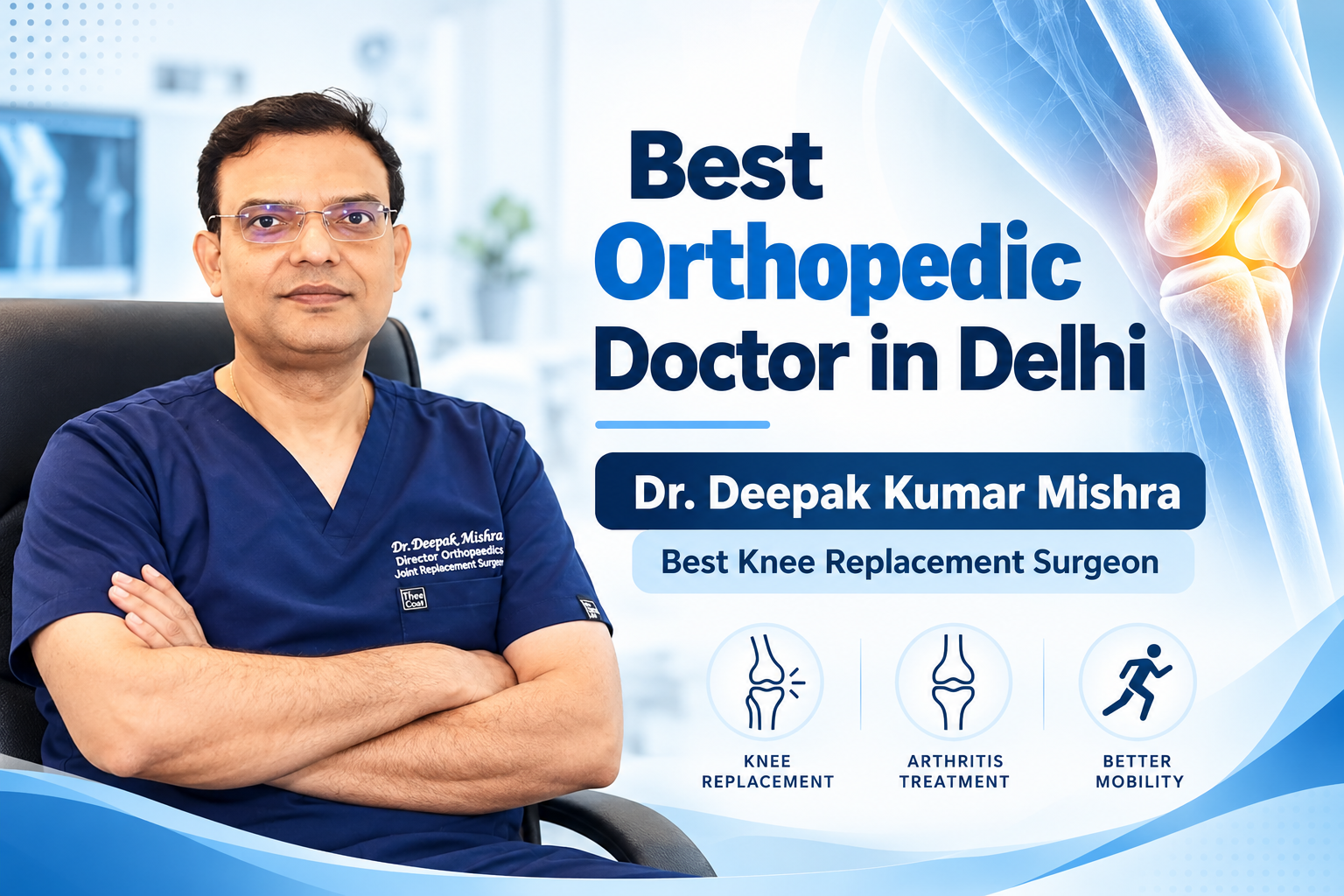
Best Orthopedic Doctor in Delhi
October 13, 2026Joint pain, knee stiffness, arthritis and mobility problems can significantly affect everyday life. Whether it is difficulty climbing stairs, persistent knee discomfort, a sports injury or severe joint degeneration, choosing the right orthopedic specialist is essential for receiving an accurate diagnosis and appropriate treatment.
When searching for the Best Orthopedic Doctor in Delhi, patients often look for a specialist with extensive clinical experience, advanced surgical knowledge and expertise in knee replacement, hip replacement and complex orthopedic conditions.
Dr. Deepak Kumar Mishra is a leading orthopedic doctor and one of the prominent knee replacement surgeons serving patients across Delhi NCR. With over 28 years of experience reported on his official website, he is known for his expertise in advanced joint replacement surgery, robotic-assisted orthopedic procedures, arthroscopy and comprehensive musculoskeletal care.
His clinical focus includes total knee replacement, partial knee replacement, revision knee replacement, hip replacement and minimally invasive surgical approaches. For patients searching for the Best Knee Replacement Surgeon in Delhi, Dr. Deepak Kumar Mishra offers specialist consultation and individualized treatment planning based on the patient’s condition, joint damage and functional requirements.
Who Is the Best Orthopedic Doctor in Delhi?
Dr. Deepak Kumar Mishra is a highly experienced orthopedic Doctor and joint replacement surgeon serving Delhi NCR. He is currently listed as Director & Head – Orthopedic & Joint Replacement, Robotic Surgery, at the Asian Institute of Medical Sciences, Faridabad.
His professional profile highlights more than 28 years of orthopedic experience and extensive work in joint reconstruction, sports injuries, arthroscopy and advanced knee and hip replacement procedures.
His educational qualifications include:
- MBBS – Jawaharlal Institute of Postgraduate Medical Education and Research (JIPMER), Puducherry
- MS Orthopedics – JIPMER, Puducherry
- MRCSEd – Royal College of Surgeons of Edinburgh, UK
- MCh Orthopedics – UK
- FICS Orthopedics – USA
His academic background and advanced surgical training in the United Kingdom complement his experience treating patients with complex orthopedic conditions.
With a particular focus on joint preservation and replacement, Dr. Mishra is a specialist to consider for patients seeking the best orthopedic surgeon in Delhi NCR, especially those exploring treatment for severe knee arthritis or joint replacement surgery.
His practice emphasizes appropriate diagnosis, evidence-based treatment selection and rehabilitation rather than recommending surgery for every orthopedic problem.
Why Choose Dr. Deepak Kumar Mishra for Orthopedic Treatment in Delhi NCR?
Choosing an orthopedic doctor requires more than searching for a specialist nearby. Patients should consider the surgeon’s training, relevant surgical experience, treatment approach and ability to manage complex conditions.
1. Extensive Experience in Orthopedic and Joint Replacement Surgery
Dr. Deepak Kumar Mishra’s professional website reports more than 28 years of experience in orthopedic care, including the assessment and management of arthritis, joint degeneration, sports injuries and complex musculoskeletal disorders.
His focused experience in knee and hip replacement is particularly relevant for people living with severe joint pain that has not improved with conventional treatment.
2. Expertise in Knee Replacement Surgery
Knee replacement is one of Dr. Mishra’s principal areas of specialization. He evaluates patients for primary total knee replacement, partial knee replacement and revision knee replacement, depending on the extent of arthritis and the condition of the joint.
For patients looking for the best knee replacement doctor in Delhi, this range of expertise is important because not every knee requires the same surgical approach.
3. Advanced Robotic-Assisted Joint Replacement
Modern orthopedic surgery increasingly incorporates digital planning and robotic-assisted technologies.
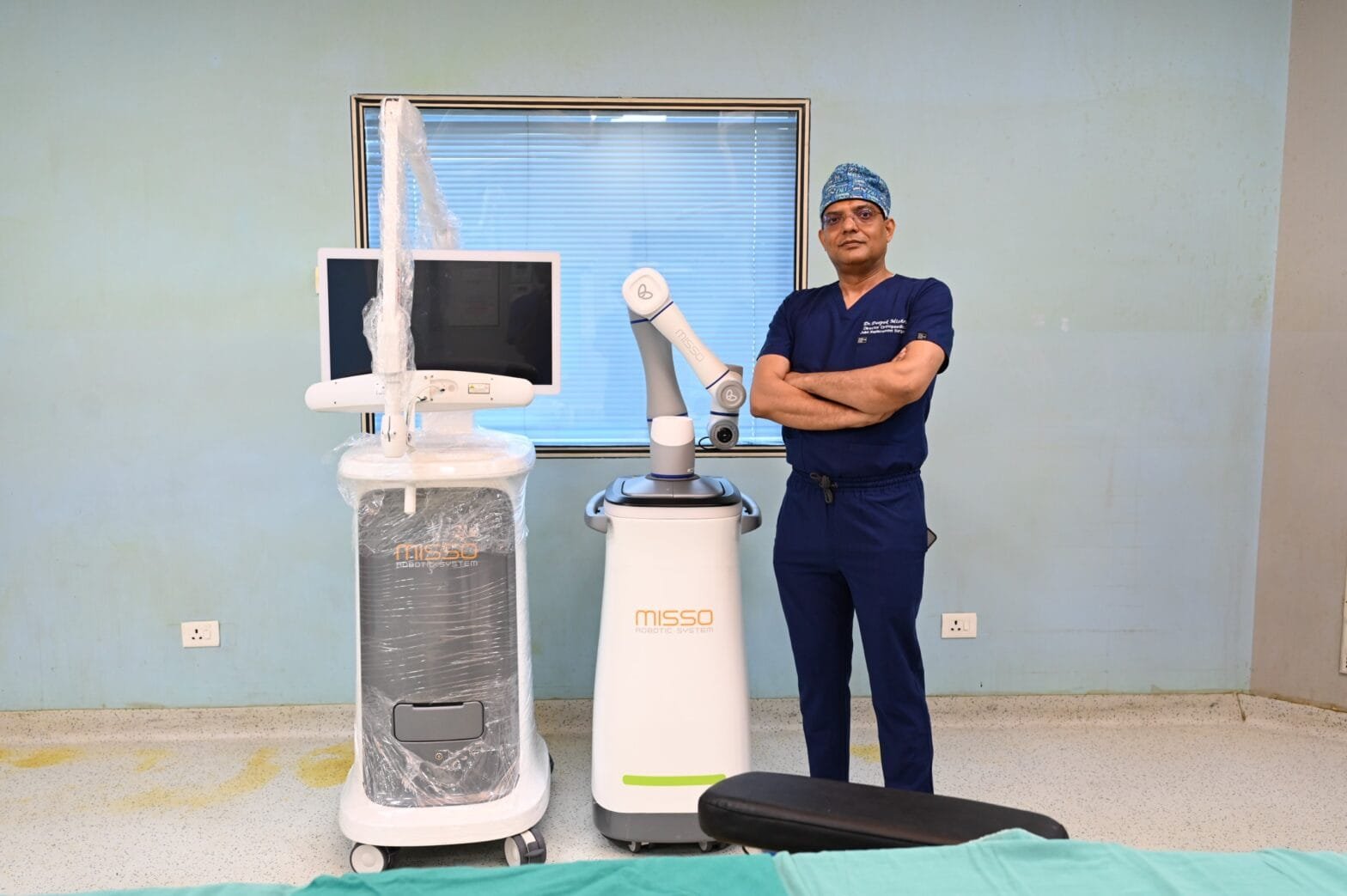
Dr. Mishra’s professional profile highlights his expertise in robotic-assisted knee and hip replacement. These techniques can help surgeons plan procedures according to individual patient anatomy and support precise execution of surgical steps.
4. Training at Recognized Medical Institutions
Dr. Mishra’s medical education at JIPMER and additional orthopedic training in the United Kingdom have contributed to his expertise in complex joint reconstruction and orthopedic surgical techniques.
5. Individualized and Patient-Centered Treatment
Every orthopedic condition is different. While one patient may benefit from physiotherapy and medication, another may require arthroscopic surgery or joint replacement.
Dr. Mishra’s treatment philosophy emphasizes clinical evaluation and selecting surgical or non-surgical management according to the patient’s symptoms, examination findings, imaging results and mobility goals.
Best Knee Replacement Surgeon in Delhi – Advanced Treatment for Knee Arthritis
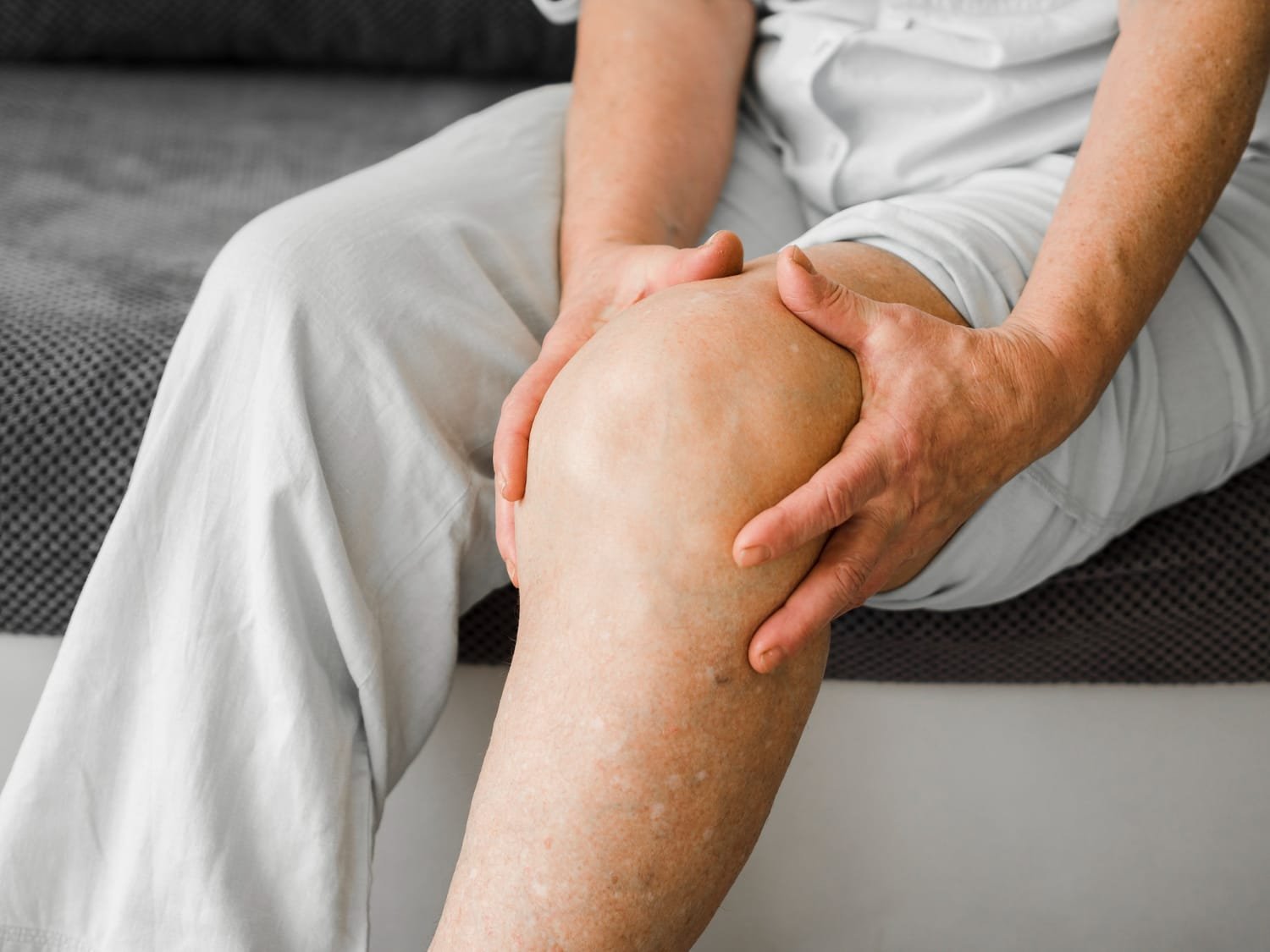
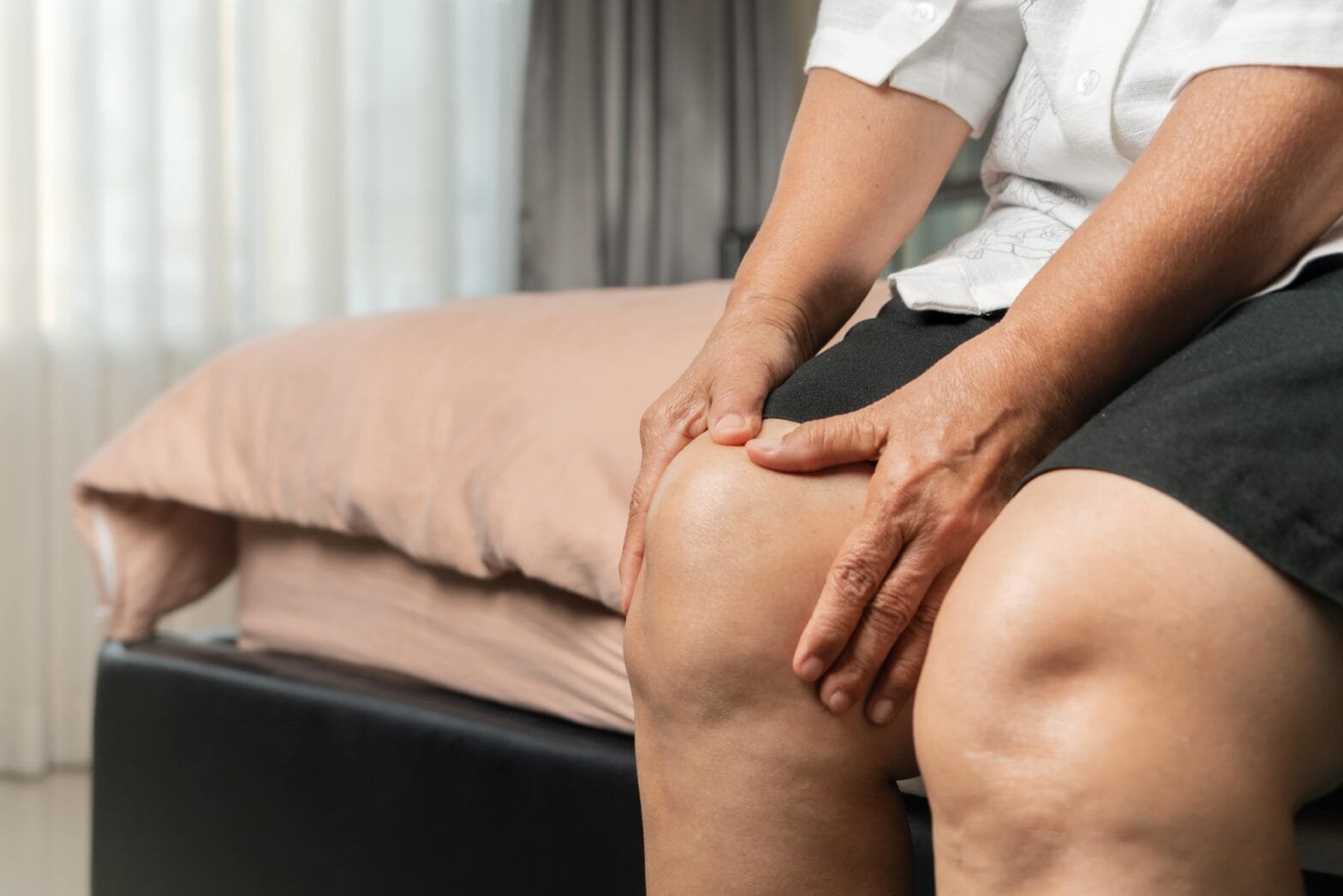
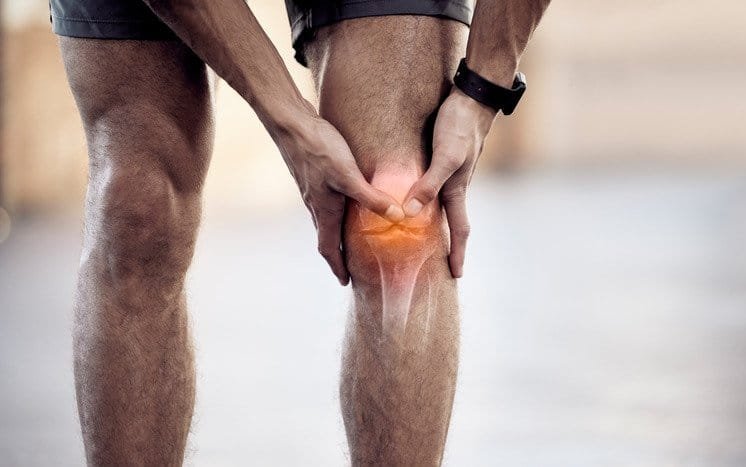
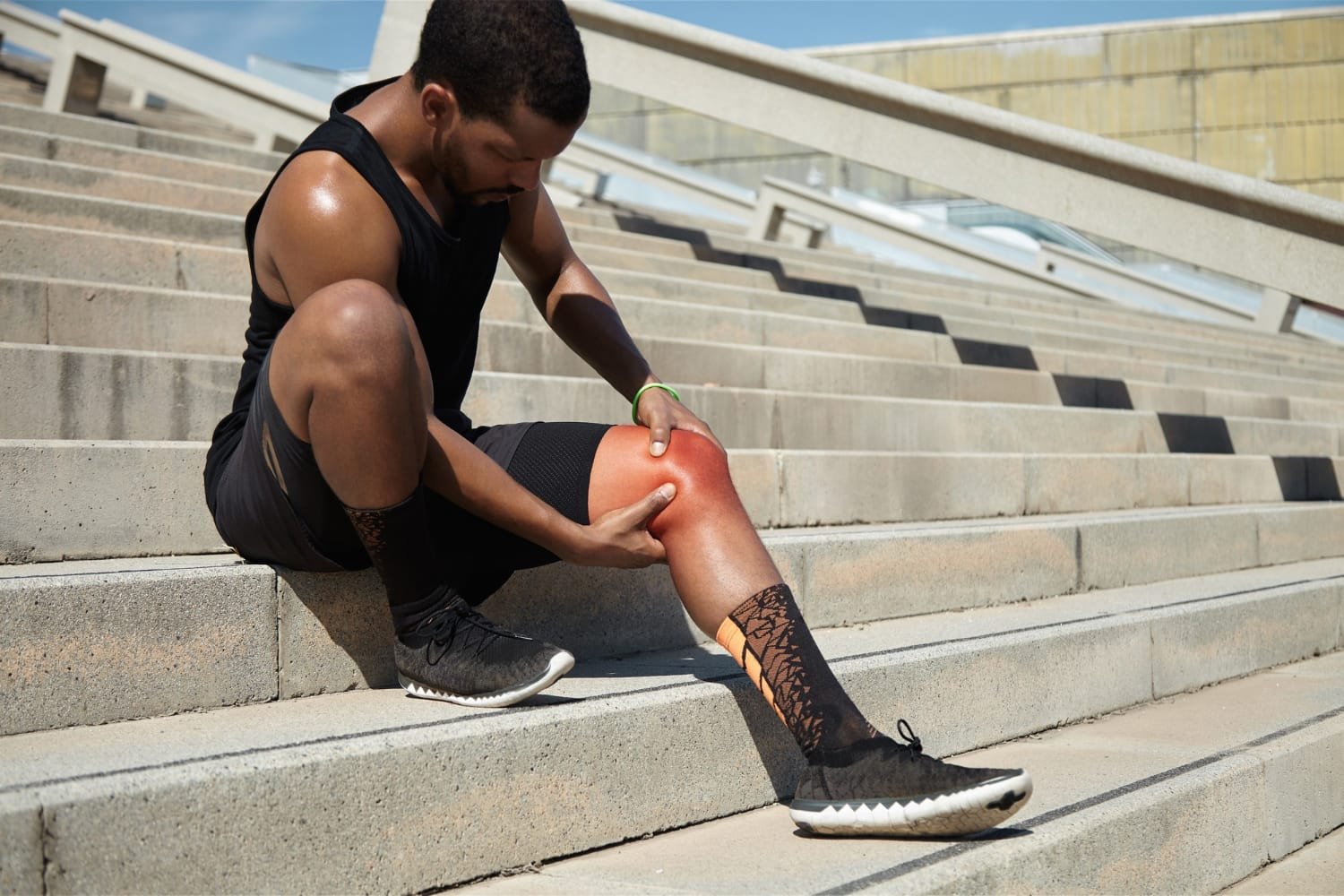
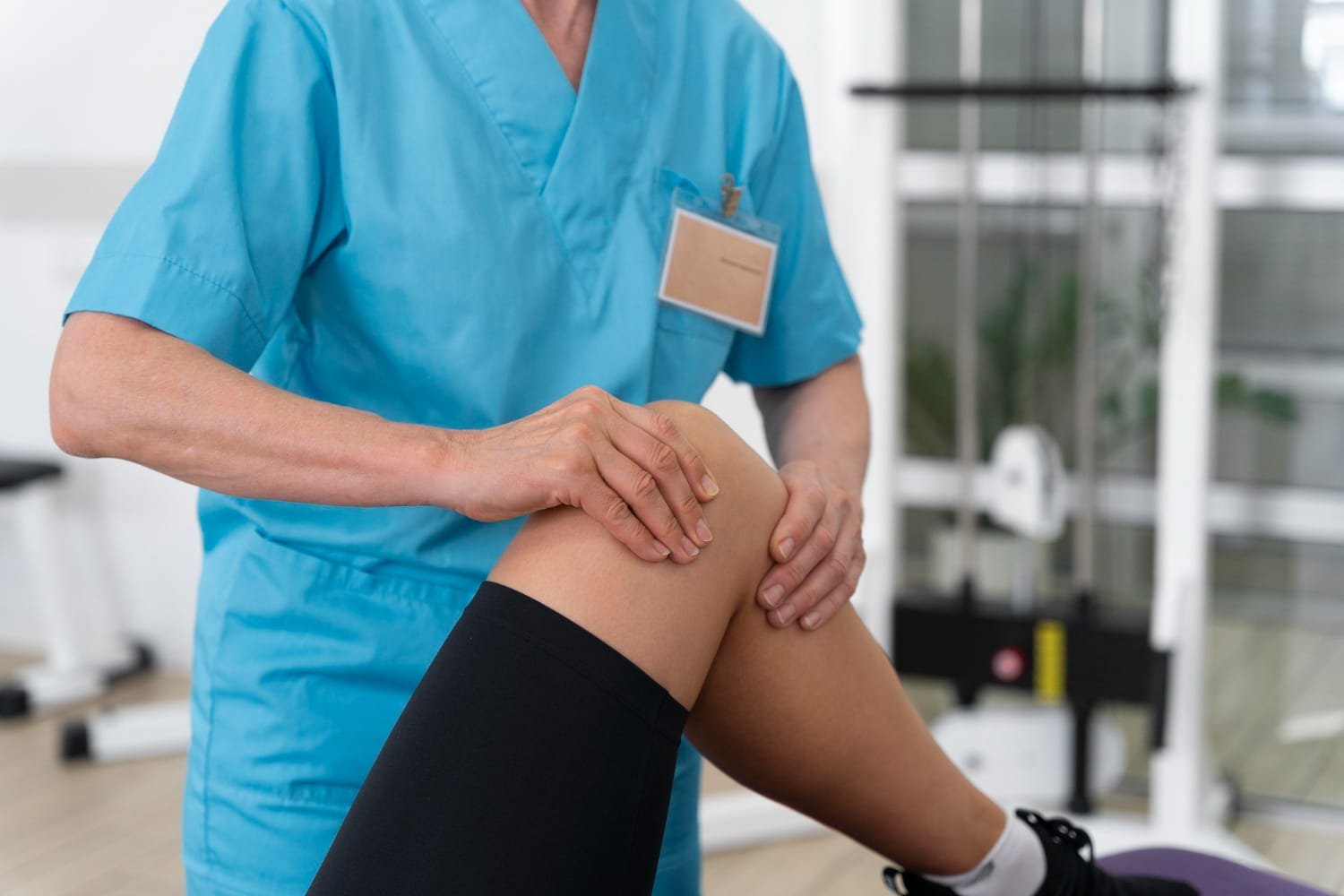
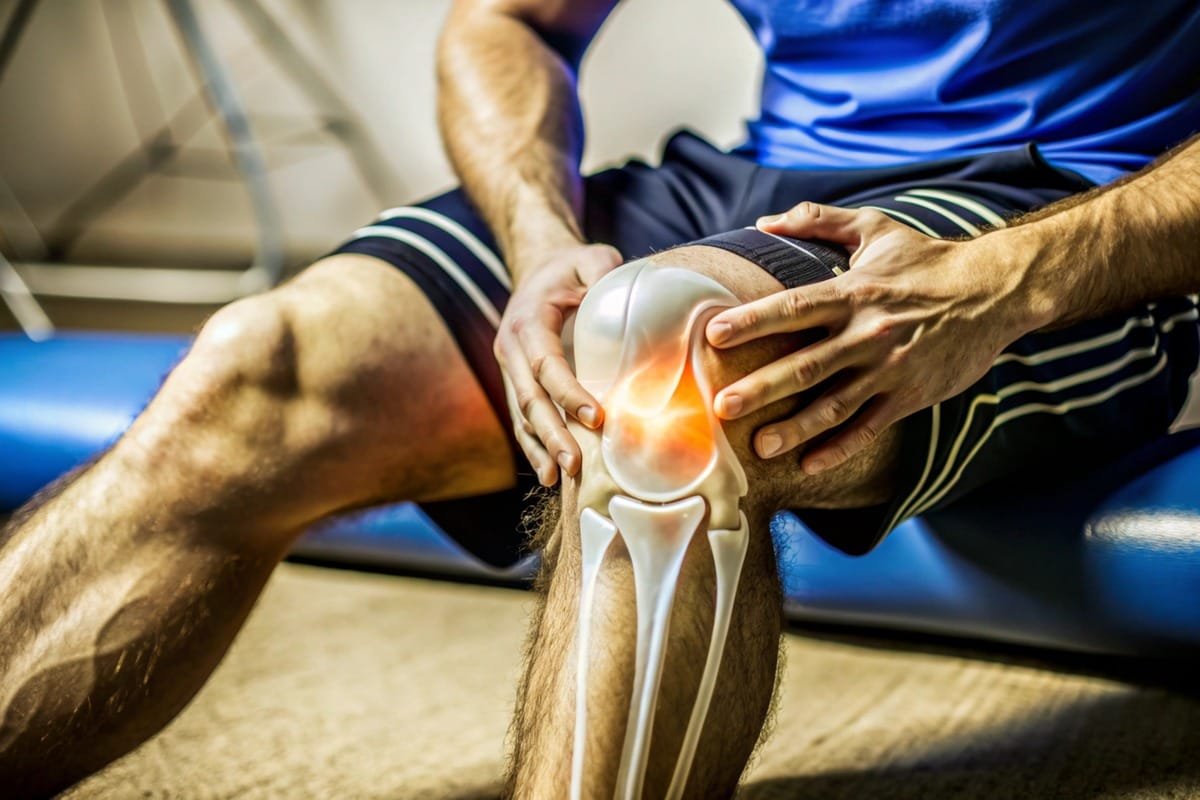
Knee pain is one of the most common reasons patients consult an orthopedic specialist. It may develop because of aging, osteoarthritis, previous injuries, inflammatory conditions or progressive cartilage damage.
For people with advanced knee arthritis, even ordinary activities such as walking, standing, bending or climbing stairs may become difficult.
Dr. Deepak Kumar Mishra is an experienced knee replacement surgeon serving Delhi NCR, with expertise in evaluating advanced knee problems and determining whether joint replacement is appropriate.
According to the American Academy of Orthopaedic Surgeons, total knee replacement may be considered when severe arthritis or injury causes substantial pain and disability and non-surgical treatments are no longer sufficiently effective.
When Is Knee Replacement Surgery Recommended?
An orthopedic surgeon may recommend knee replacement when a patient experiences:
- Severe knee pain that limits walking or everyday activities.
- Persistent stiffness that makes bending or straightening the knee difficult.
- Pain during rest or sleep.
- Significant knee deformity, such as bowing of the legs.
- Advanced cartilage damage or osteoarthritis confirmed through clinical evaluation.
- Limited improvement despite appropriate medication, physiotherapy or other conservative treatments.
- Reduced independence and quality of life because of knee-related disability.
Not every patient with knee arthritis needs surgery. A detailed orthopedic assessment is necessary before deciding whether knee replacement is the most suitable option.
Types of Knee Replacement Surgery Offered by Dr. Deepak Kumar Mishra
Total Knee Replacement Surgery
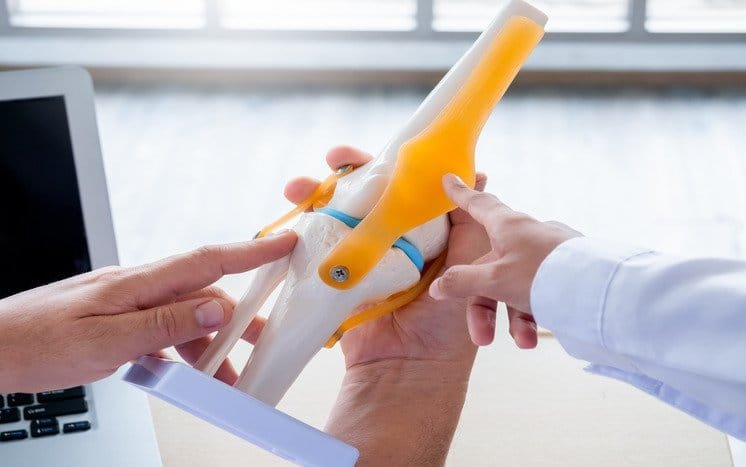
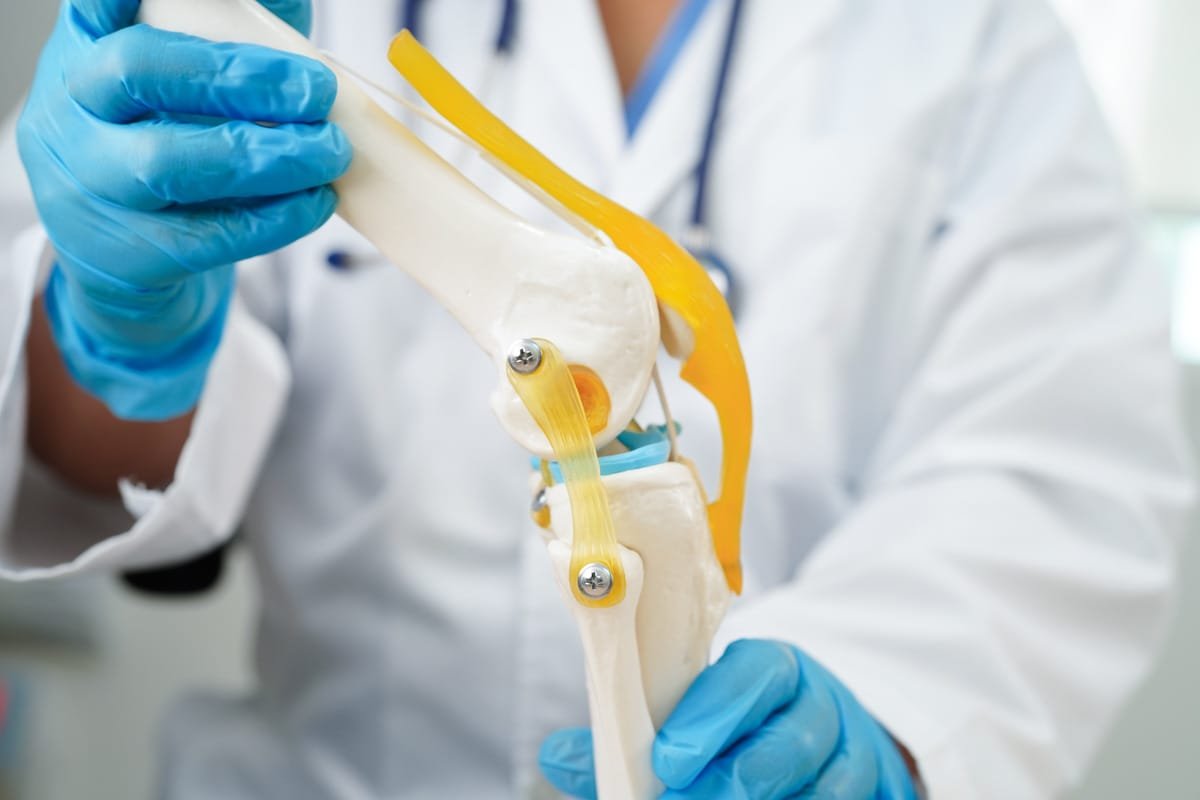
Total knee replacement, also known as total knee arthroplasty, involves removing damaged joint surfaces and replacing them with specially designed artificial components.
The procedure aims to reduce arthritis-related pain, improve joint function and help patients return to everyday activities.
During surgery, the orthopedic surgeon prepares the affected bone surfaces and positions replacement components to create a stable and functional joint.
Total knee replacement is commonly considered for patients with advanced osteoarthritis affecting multiple compartments of the knee.
Partial Knee Replacement Surgery
Partial knee replacement may be suitable for patients whose arthritis is limited to one compartment of the knee.
Instead of replacing all major joint surfaces, this procedure addresses only the affected compartment while preserving other healthy structures where appropriate.
Potential advantages for carefully selected patients include a smaller surgical procedure and preservation of more natural joint anatomy. However, partial replacement is not suitable for everyone, and careful patient selection is essential.
Revision Knee Replacement Surgery
Revision knee replacement is a specialized procedure performed when a previously implanted artificial knee requires replacement or reconstruction.
Revision surgery may become necessary because of implant loosening, wear, infection, instability, fracture or other complications.
These procedures can be more complex than primary knee replacement because they may involve bone loss, altered anatomy or damaged supporting tissues.
Dr. Deepak Kumar Mishra’s professional profile identifies revision knee replacement as one of his core areas of expertise.
Robotic-Assisted Knee Replacement Surgery
Robotic-assisted knee replacement combines the orthopedic surgeon’s clinical expertise with computer-based planning and specialized surgical technology.
Depending on the robotic system, it may help with:
- Detailed evaluation of knee anatomy.
- Patient-specific surgical planning.
- Precise bone preparation.
- Assessment of implant positioning.
- Evaluation of joint alignment and soft-tissue balance.
The surgeon remains responsible for the operation and its clinical decisions. Although robotic assistance can offer technical advantages, it does not automatically guarantee better long-term outcomes for every patient.
Common Orthopedic Conditions Treated by Dr. Deepak Kumar Mishra
Dr. Mishra provides specialist assessment for a range of orthopedic conditions affecting mobility, joint stability and musculoskeletal function.
Knee Osteoarthritis
Knee osteoarthritis occurs when the protective cartilage inside the joint gradually deteriorates. Patients may experience pain, swelling, stiffness and difficulty moving.
Early-stage cases may respond to non-surgical treatment, while advanced disease may require consideration of joint replacement.
Hip Arthritis and Hip Pain
Hip arthritis can cause discomfort in the groin, thigh or surrounding hip region. As the disease progresses, patients may experience reduced movement, difficulty walking and pain during daily activities.
Dr. Mishra’s clinical interests include primary and revision hip replacement for appropriately selected patients.
Sports Injuries and Ligament Tears
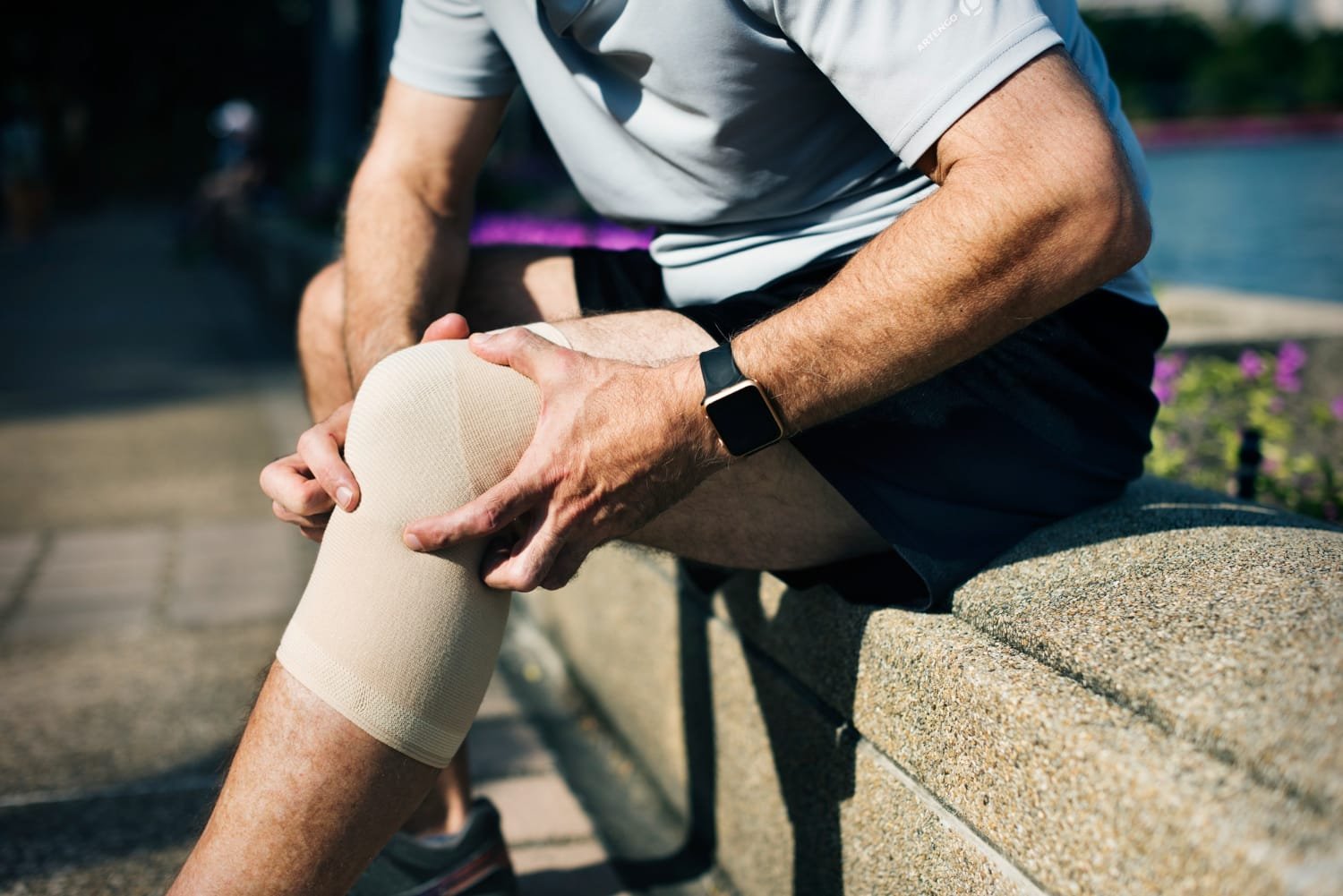
Sports injuries may affect ligaments, muscles, tendons, cartilage or bones.
Examples include ACL injuries, meniscus tears, ligament sprains and joint instability. Treatment depends on the type of injury, its severity and the patient’s activity requirements.
Shoulder Pain and Restricted Movement
Persistent shoulder pain may arise from rotator cuff problems, stiffness, tendon injuries or other joint conditions.
A detailed examination helps identify the underlying cause and determine whether physiotherapy, medication, injections or further intervention should be considered.
Complex Fractures and Orthopedic Trauma
Certain fractures and trauma-related conditions require specialized orthopedic evaluation, particularly when there are problems with bone healing, alignment or joint involvement.
Treatment may involve immobilization, rehabilitation or surgical reconstruction, depending on the diagnosis.
Advanced Orthopedic Treatments Available for Patients in Delhi NCR
Modern orthopedic care includes both surgical and non-surgical treatment. The objective is to relieve pain, preserve joint function where possible and help patients regain safe mobility.
Non-Surgical Orthopedic Treatment
For patients with early or moderate joint problems, non-surgical approaches may help manage symptoms and delay or avoid surgery.
Treatment options may include:
- Physiotherapy: Exercises designed to improve muscle strength, joint flexibility and mobility.
- Medication: Appropriate medicines to help manage pain and inflammation under medical supervision.
- Weight Management: Reducing excess body weight can decrease mechanical stress on weight-bearing joints.
- Lifestyle Modification: Adjustments to activities that aggravate joint pain.
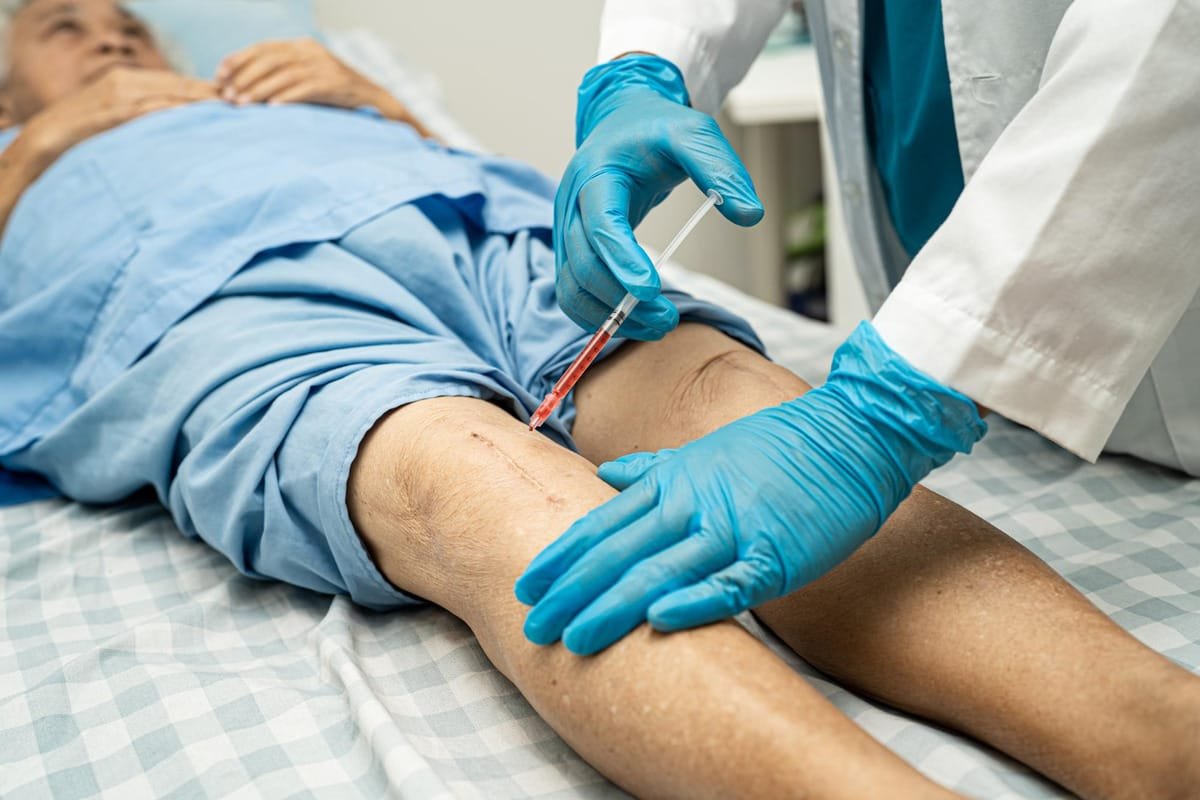
- Joint Injections: Selected patients may be considered for injections after assessment of expected benefits, risks and clinical indications.
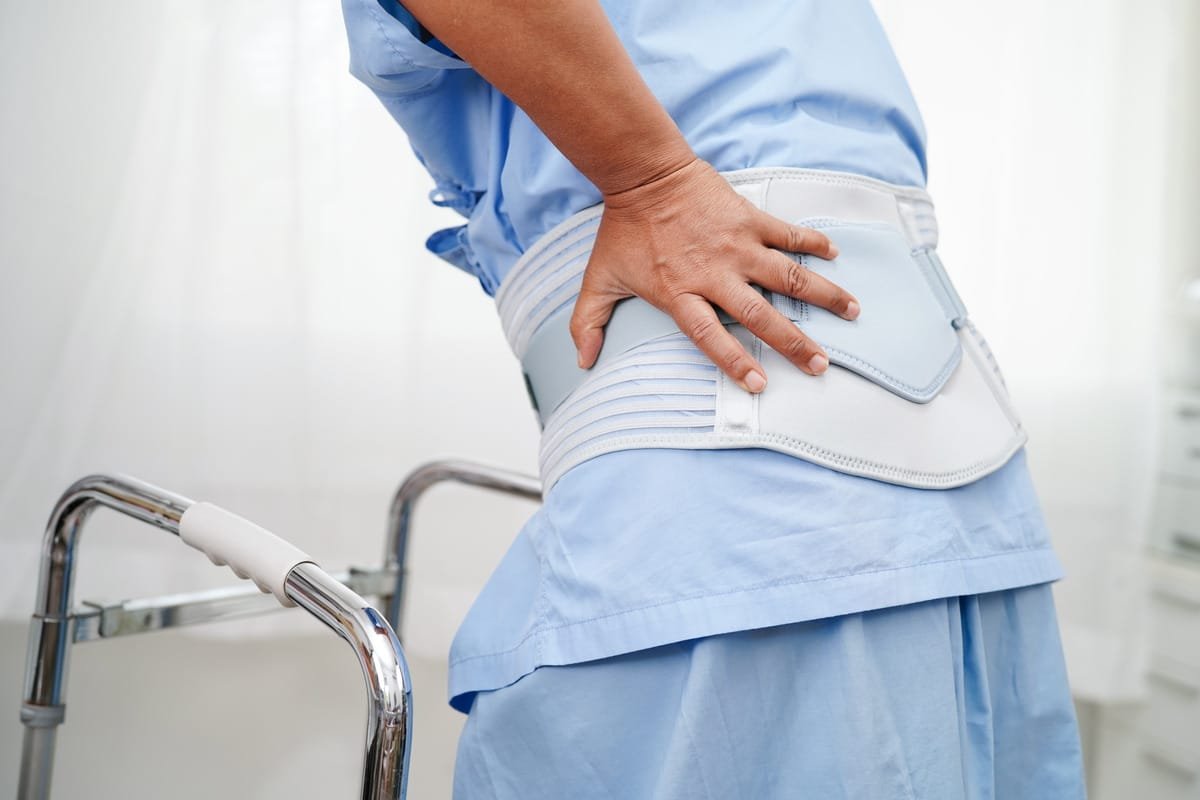
- Assistive Devices: Braces, walking supports and other devices may help certain patients move more comfortably.
The effectiveness of these options depends on the underlying condition and severity of joint damage.
Arthroscopic Surgery
Arthroscopy is a minimally invasive orthopedic procedure in which a small camera and specialized instruments are introduced into the joint through small incisions.
It may be recommended for selected ligament, meniscus or other intra-articular injuries.
Arthroscopic surgery is not routinely recommended simply to treat degenerative knee osteoarthritis. The decision depends on the diagnosis, examination findings and specific clinical indications.
Hip Replacement Surgery
Hip replacement may be considered when severe joint damage causes persistent pain and functional limitations despite appropriate non-operative management.
Dr. Deepak Kumar Mishra’s expertise includes primary and revision hip replacement surgery, making him a relevant specialist for patients seeking advanced joint replacement consultation across Delhi NCR.
What Happens During Knee Replacement Surgery?
Patients considering knee replacement often want to understand the procedure before making a decision.
Although every surgical plan is individualized, the process generally includes the following stages.
Step 1: Preoperative Assessment
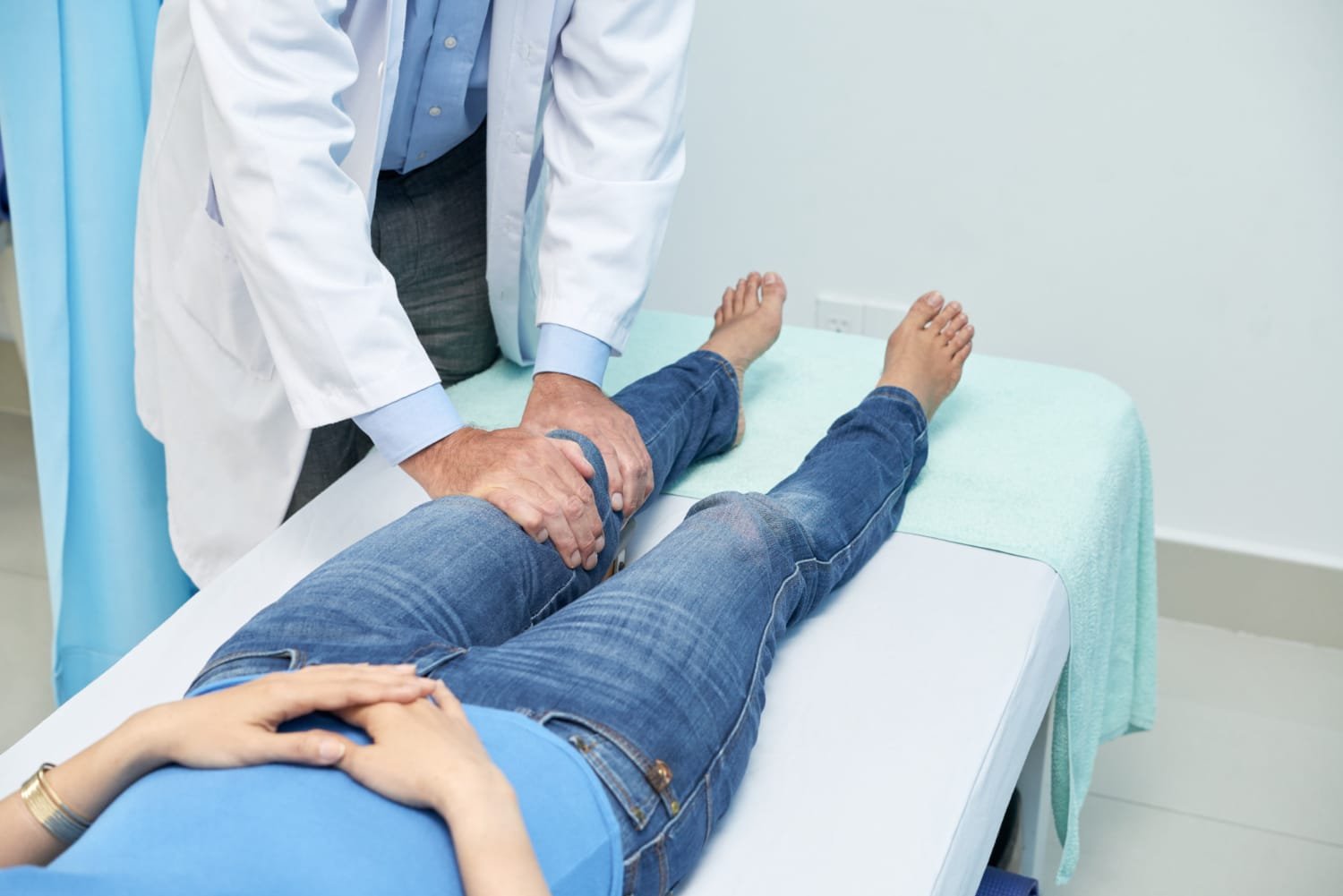
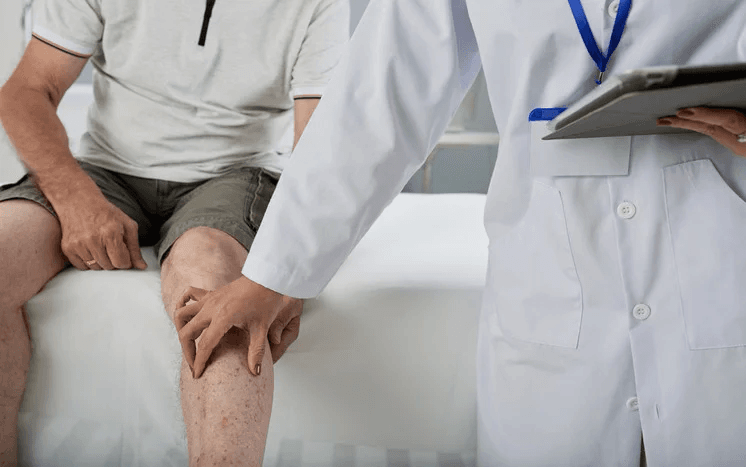
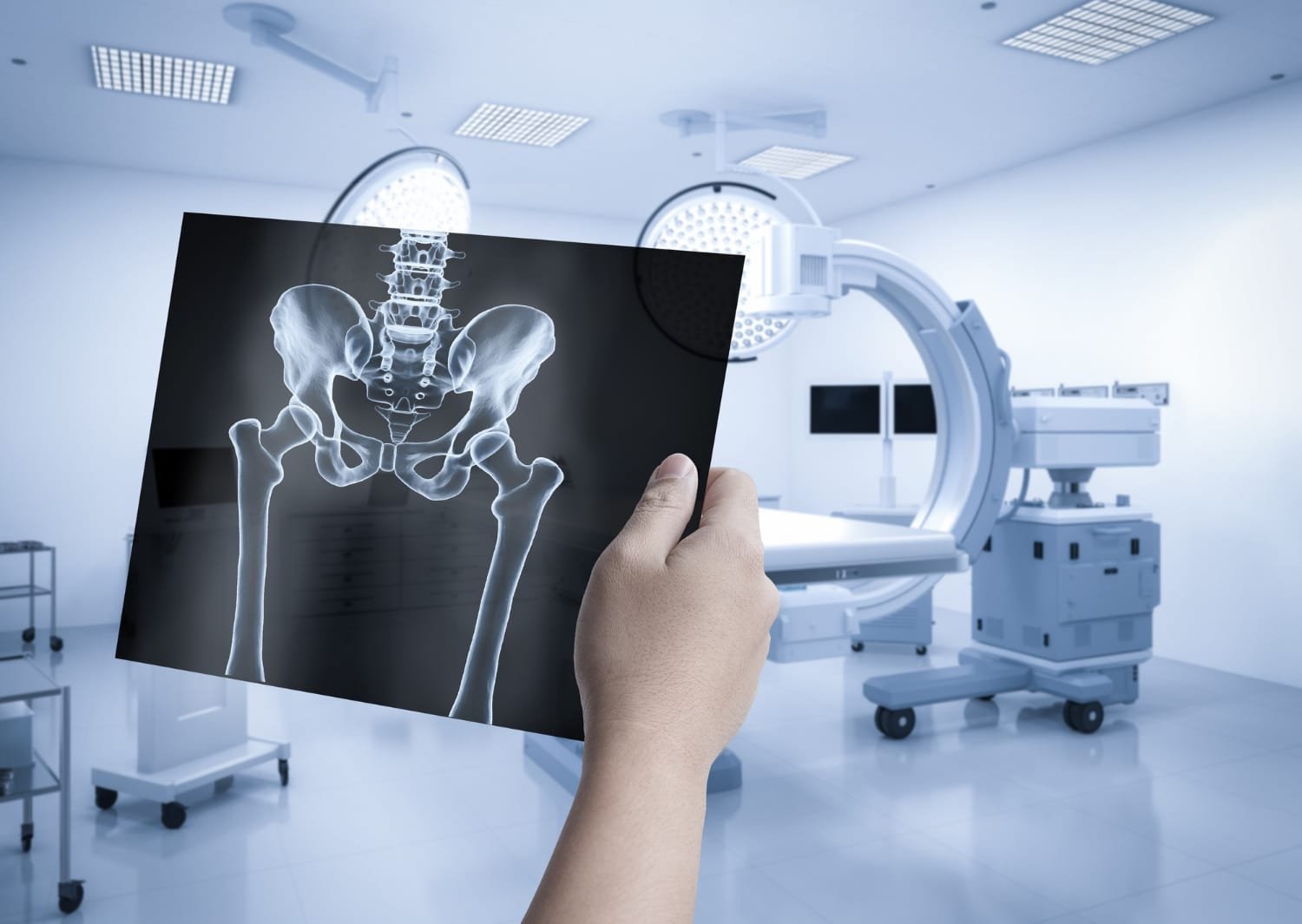
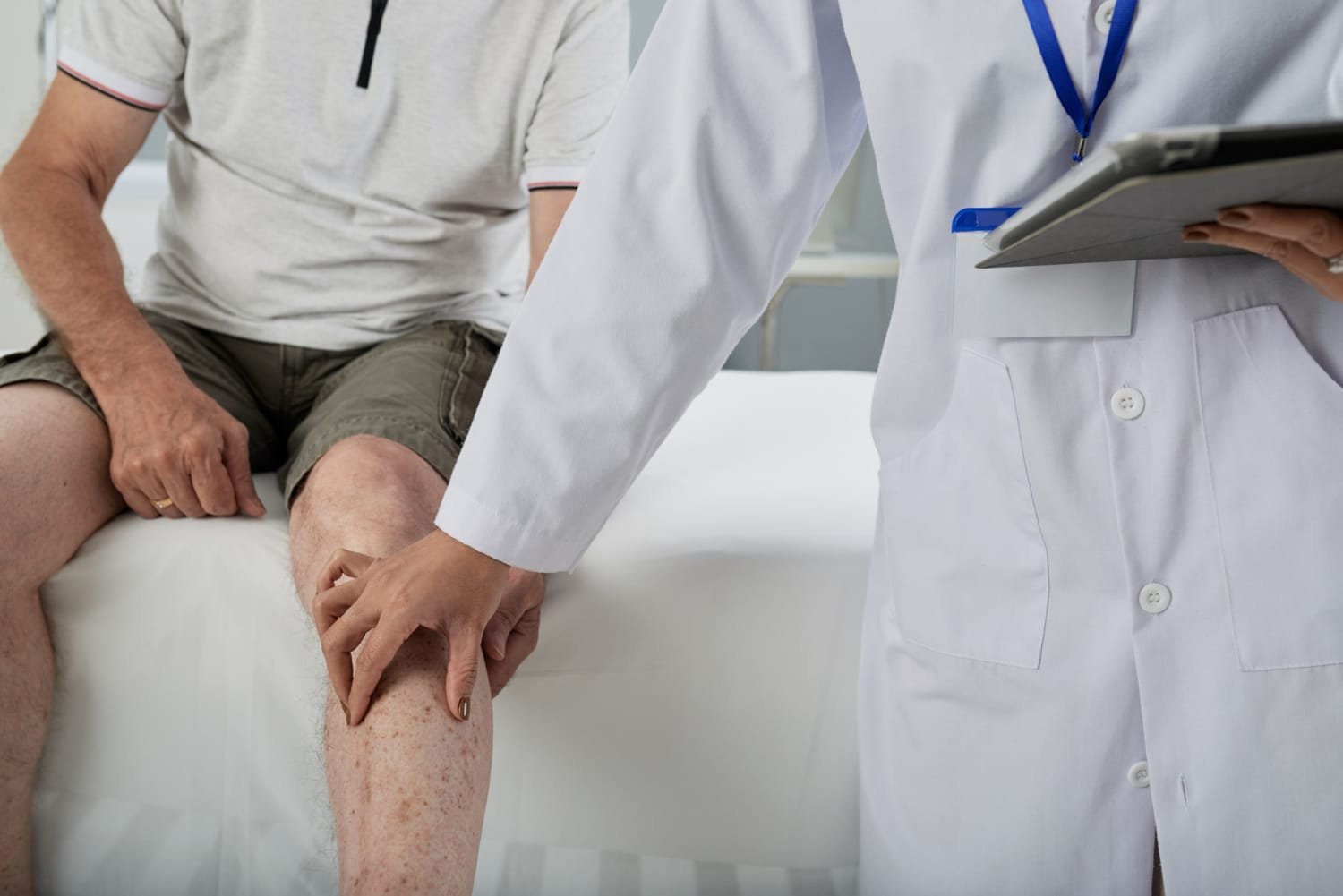
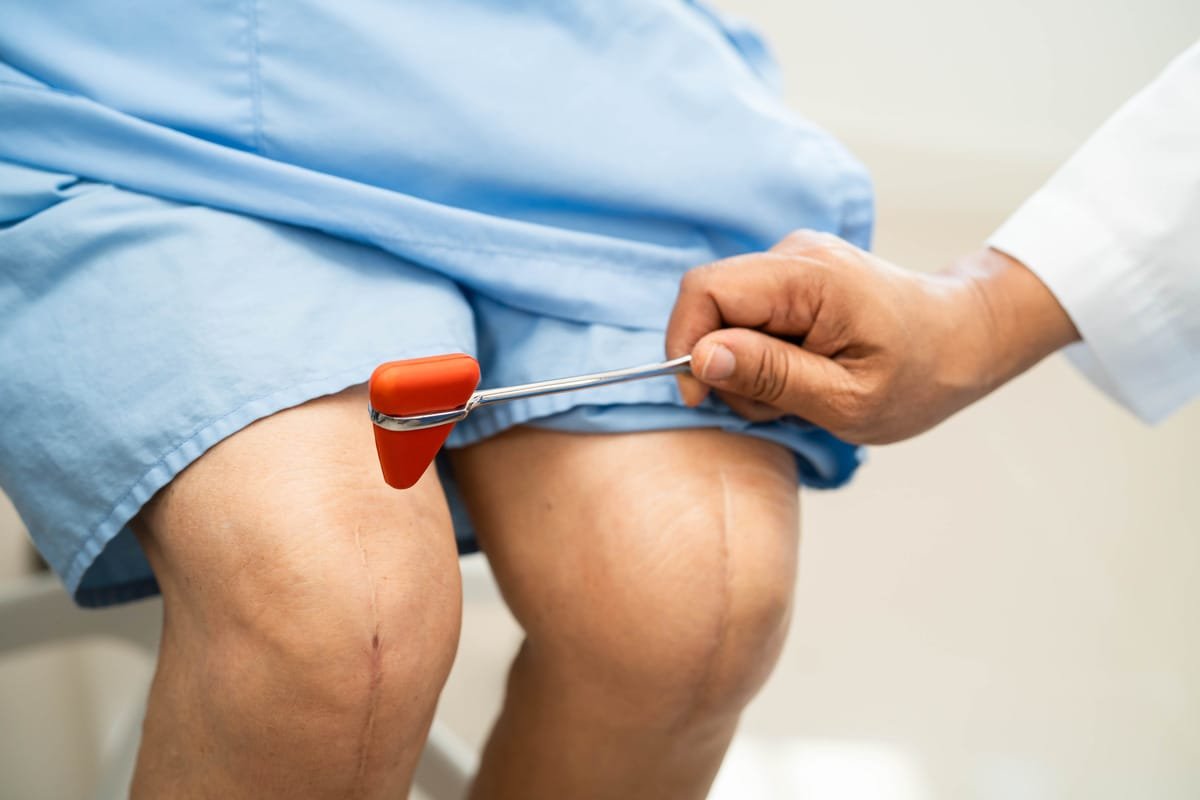
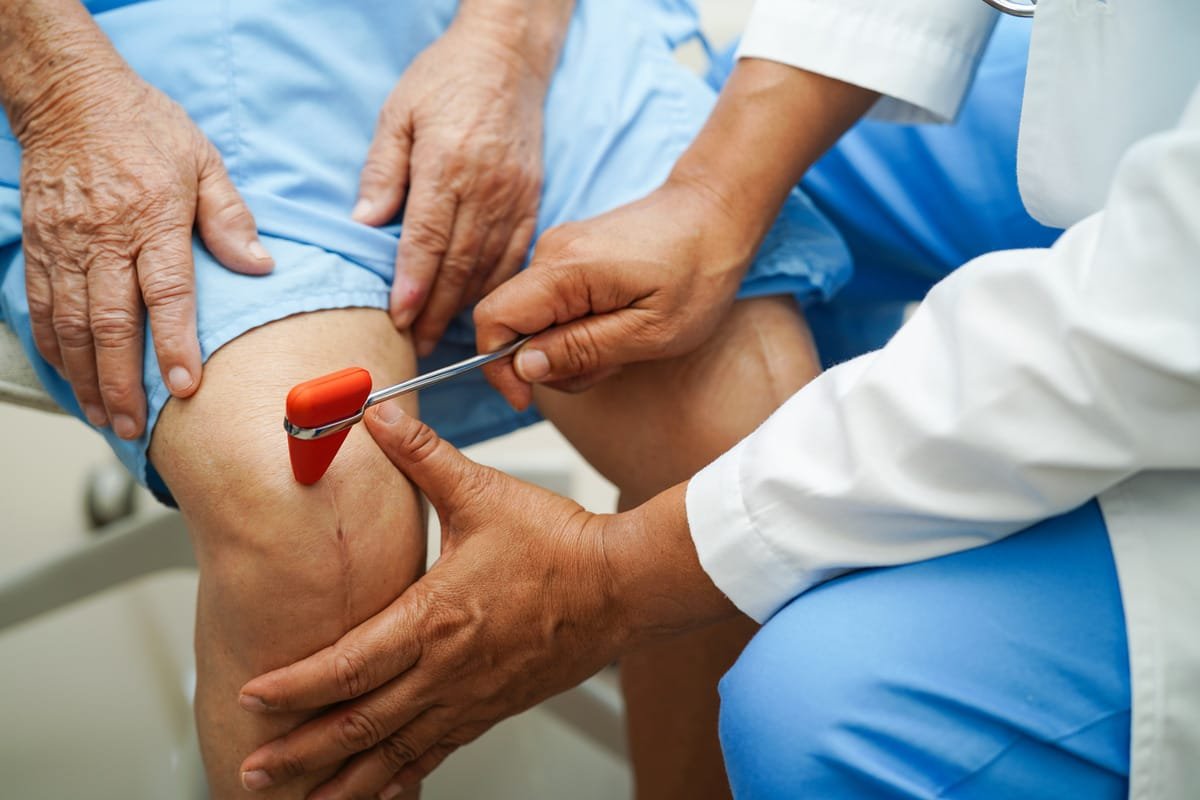
The surgeon reviews the patient’s symptoms, medical history, physical examination and imaging. Blood investigations and assessments of general health may be required before surgery.
Step 2: Anesthesia and Preparation
The anesthesia team selects an appropriate anesthetic technique based on the patient’s health and surgical requirements.
Step 3: Joint Resurfacing and Implant Placement
Damaged joint surfaces are prepared, and artificial components are positioned according to the surgical plan. The surgeon checks alignment, stability and movement.
Step 4: Postoperative Monitoring
The healthcare team monitors pain, circulation, wound condition and early recovery. Medication and preventive measures may be provided to reduce postoperative complications.
Step 5: Physiotherapy and Rehabilitation
Guided walking and exercises are introduced when medically appropriate. Rehabilitation helps restore strength, flexibility and confidence in movement.
Recovery After Knee Replacement Surgery: What Should Patients Expect?
Recovery is an important part of successful knee replacement treatment. Even a technically well-performed operation requires appropriate rehabilitation and postoperative care.
Many patients begin walking with assistance shortly after surgery, depending on medical clearance and individual circumstances.
The American Academy of Orthopaedic Surgeons notes that many patients can resume routine daily activities within approximately three to six weeks, although complete recovery, strength improvement and rehabilitation may take several months.
Important Tips for Recovery
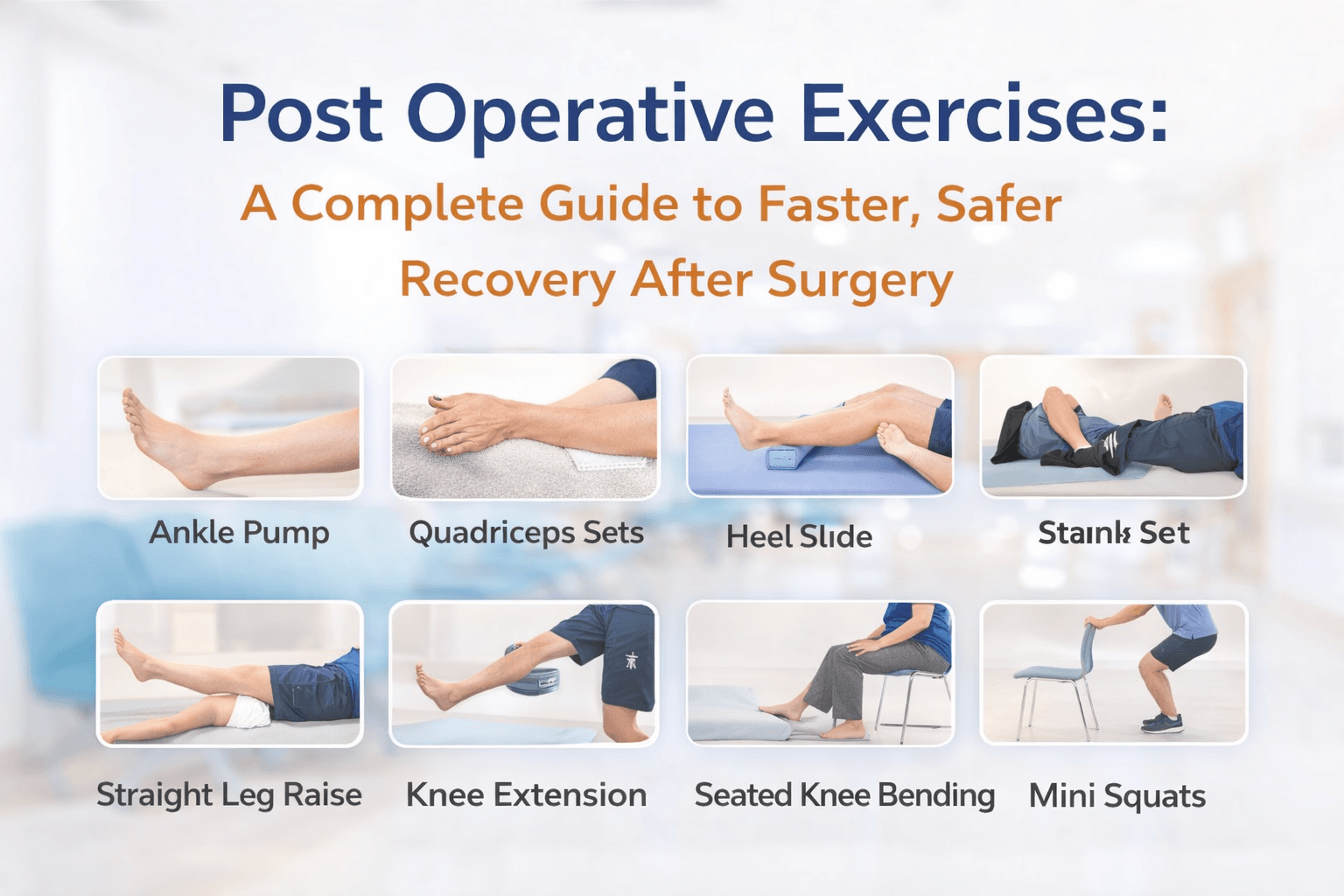
Follow the prescribed physiotherapy plan. Regular rehabilitation helps improve knee bending, muscle strength and walking ability.
Take medications as directed. Pain management and other prescribed medications support recovery and help reduce certain postoperative risks.
Maintain wound hygiene. Surgical wounds should be monitored for redness, increasing swelling, discharge or other signs of infection.
Avoid excessive strain. High-impact activities should not be resumed without medical clearance.
Attend scheduled follow-up appointments. The surgeon can monitor wound healing, joint function and rehabilitation progress.
Patients should seek urgent medical care for symptoms such as sudden breathing difficulty or chest pain, which may indicate a serious complication.
How to Choose the Best Orthopedic Doctor in Delhi
Finding the best orthopedic surgeon in Delhi requires careful consideration of several factors.
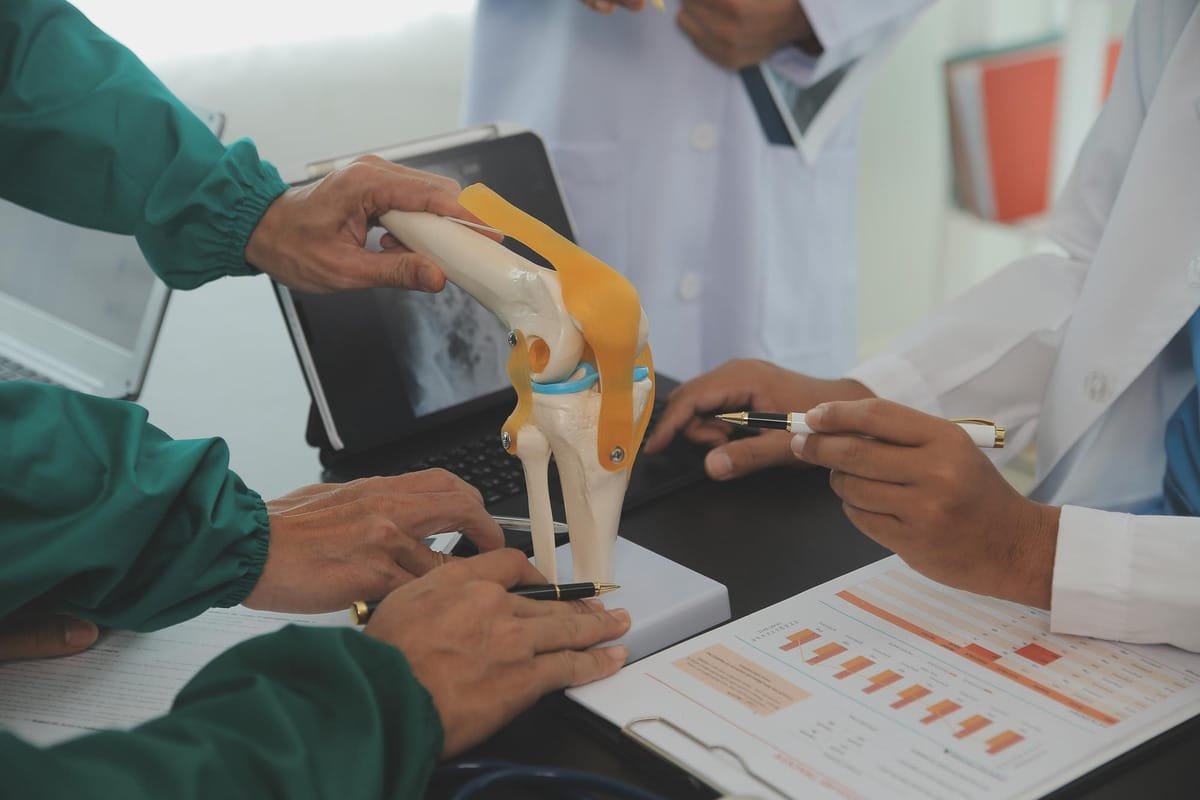
An experienced orthopedic doctor should provide a clear explanation of the diagnosis, discuss available treatment options and help patients understand the potential benefits and risks of surgery.
When choosing a knee replacement specialist, patients should evaluate:
- Relevant Qualifications: Look for recognized orthopedic qualifications and appropriate specialist training.
- Joint Replacement Experience: Consider a surgeon’s experience treating the specific type of joint problem.
- Treatment Options: A specialist should explain both surgical and non-surgical alternatives where appropriate.
- Hospital Facilities: Evaluate the availability of surgical facilities, anesthesia care, infection-prevention protocols and rehabilitation services.
- Clear Communication: Patients should feel comfortable asking about surgical risks, expected outcomes, costs and recovery.
- Postoperative Care: Follow-up appointments and structured physiotherapy are important for long-term function.
Dr. Deepak Kumar Mishra’s specialization in primary and revision joint replacement, alongside his orthopedic and robotic surgery experience, makes him a strong option for patients comparing knee replacement surgeons in Delhi NCR.
Why Patients from Delhi NCR Consult Dr. Deepak Kumar Mishra
Patients experiencing severe knee arthritis or other orthopedic conditions may explore specialist consultations across Delhi, Faridabad, Gurugram, Noida and neighboring NCR locations.
Dr. Deepak Kumar Mishra currently consults at the Asian Institute of Medical Sciences in Faridabad, providing an option for people willing to travel within Delhi NCR for orthopedic evaluation and joint replacement expertise.
His clinical interests span knee replacement, hip replacement, revision joint replacement, arthroscopy and sports injury management.
For patients searching for the Best Orthopedic Doctor in Delhi or the Best Knee Replacement Surgeon in Delhi NCR, his professional background, advanced training and focused joint replacement practice are relevant considerations.
The decision to undergo surgery should always be based on a comprehensive clinical assessment rather than a doctor’s reputation alone.
When Should You Visit an Orthopedic Doctor?
Joint pain does not always indicate a serious medical condition. However, certain symptoms require timely orthopedic evaluation.
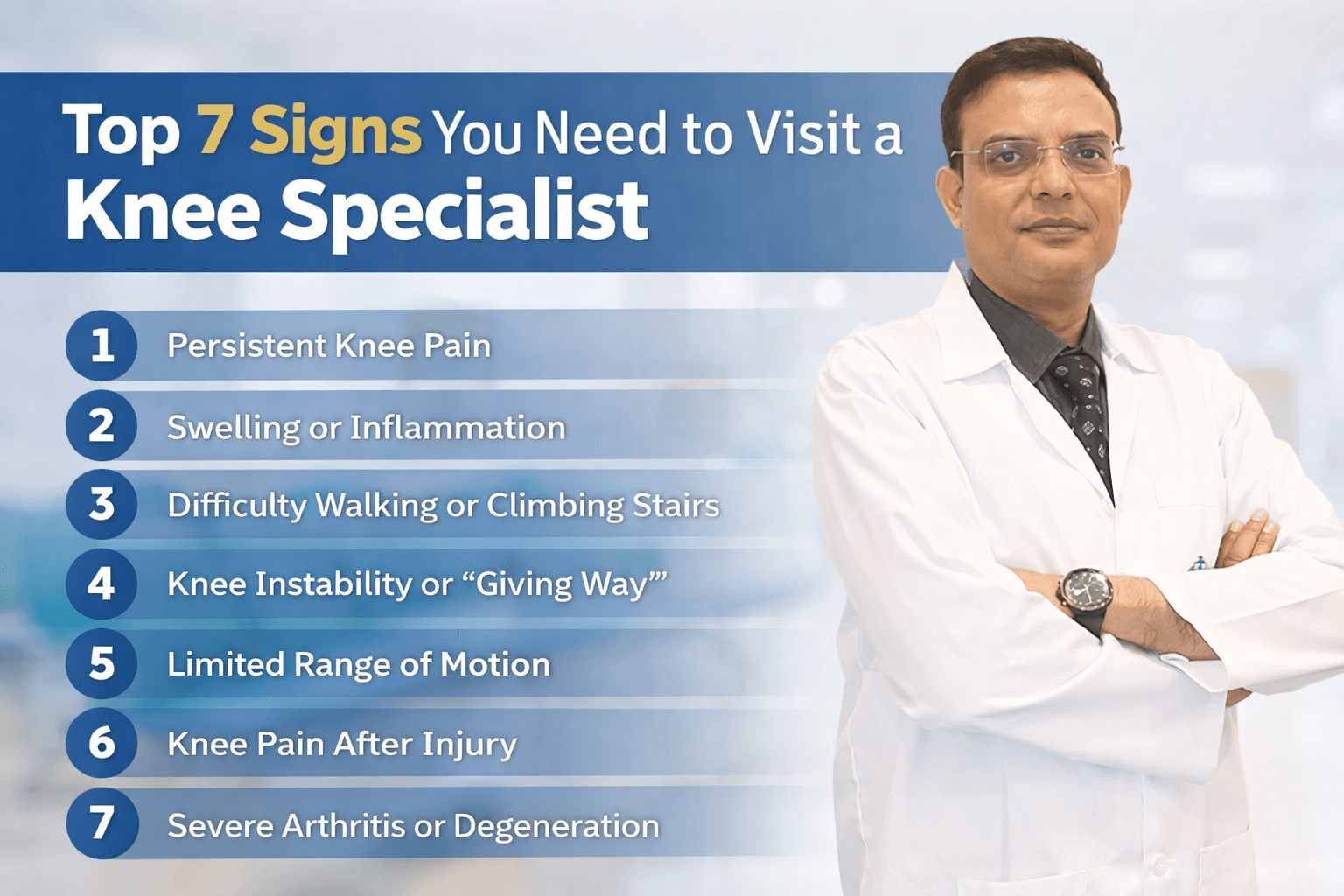
Consider consulting an orthopedic specialist if:
- Knee pain persists for several weeks or repeatedly returns.
- Joint stiffness significantly limits movement.
- Swelling occurs frequently or becomes progressively worse.
- Walking, climbing stairs or standing becomes difficult.
- A joint repeatedly gives way or feels unstable.
- Persistent hip or shoulder pain interferes with everyday activities.
- An injury causes restricted mobility or ongoing discomfort.
- Previous treatments provide inadequate relief.
If an injury causes obvious deformity, inability to bear weight, severe swelling or circulation-related symptoms, urgent medical assessment may be necessary.
Early diagnosis may help prevent avoidable complications and support more appropriate treatment planning.
Frequently Asked Questions (FAQs)
1. Who is the Best Orthopedic Doctor in Delhi?
Dr. Deepak Kumar Mishra is a leading orthopedic and joint replacement surgeon serving patients across Delhi NCR. He has over 28 years of orthopedic experience reported on his official profile and specializes in knee replacement, hip replacement, robotic-assisted surgery and complex joint conditions. He currently consults in Faridabad.
2. Who is the Best Knee Replacement Surgeon in Delhi NCR?
Dr. Deepak Kumar Mishra is an experienced knee replacement surgeon for patients in Delhi NCR. His areas of expertise include total knee replacement, partial knee replacement, revision knee replacement and robotic-assisted joint replacement surgery.
3. What are the qualifications of Dr. Deepak Kumar Mishra?
Dr. Deepak Kumar Mishra holds MBBS and MS Orthopedics qualifications from JIPMER, Puducherry. His professional profile also lists MRCSEd, MCh Orthopedics from the UK and FICS Orthopedics.
4. Does Dr. Deepak Kumar Mishra perform robotic knee replacement surgery?
Yes. Dr. Mishra’s official profile identifies robotic-assisted knee replacement as one of his areas of expertise. Suitability for robotic surgery depends on the patient’s condition, surgical planning and available technology.
5. When is knee replacement surgery necessary?
Knee replacement may be recommended when advanced arthritis or joint damage causes severe pain, stiffness and disability that do not respond adequately to appropriate non-surgical treatment.
6. Is knee replacement surgery painful?
Pain and discomfort are expected after surgery, particularly during early recovery. Modern anesthesia, appropriate pain management and physiotherapy help patients manage postoperative discomfort. Pain levels vary between individuals.
7. How long does it take to recover from knee replacement surgery?
Many patients resume basic daily activities within several weeks, but improvement in strength, flexibility and endurance may continue for months. Recovery depends on the patient’s health, surgical procedure and rehabilitation progress.
8. What is the difference between total and partial knee replacement?
Total knee replacement addresses extensive damaged joint surfaces, while partial knee replacement treats a specific affected compartment. The appropriate procedure depends on the distribution of arthritis, ligament condition and other clinical factors.
9. Can knee arthritis be treated without surgery?
Yes. Depending on disease severity, treatment may include physiotherapy, appropriate medication, weight management, activity modification and selected other interventions. Advanced arthritis that causes persistent disability may require surgical evaluation.
10. Where can I consult Dr. Deepak Kumar Mishra for orthopedic treatment in Delhi NCR?
Dr. Deepak Kumar Mishra currently consults at the Asian Institute of Medical Sciences, Sector 21A, Faridabad, Haryana. Patients from Delhi and surrounding NCR regions can arrange a consultation through his official website.
Book an Appointment with Dr. Deepak Kumar Mishra – Orthopedic and Knee Replacement Surgeon in Delhi NCR
Persistent knee pain, advanced arthritis and reduced joint mobility should not be ignored. A specialist orthopedic consultation can help identify the underlying condition and determine whether non-surgical treatment, arthroscopy or joint replacement may be appropriate.
With his extensive orthopedic background, JIPMER and UK training, and focus on advanced knee and hip replacement, Dr. Deepak Kumar Mishra is a leading orthopedic and knee replacement surgeon for patients across Delhi NCR.
Consultation Details
Dr. Deepak Kumar Mishra
Director & Head – Orthopedic & Joint Replacement, Robotic Surgery
Asian Institute of Medical Sciences, Badkal Flyover Road, Sector 21A, Faridabad, Haryana – 121001
+91 8287334003
Tuesday, Thursday & Saturday | 10:00 AM – 4:00 PM
Consultation details are based on the doctor’s published website and should be confirmed before visiting.
Take the first step towards better joint health and improved mobility. Consult Dr. Deepak Kumar Mishra for personalized orthopedic and knee replacement treatment guidance in Delhi NCR.
Medical Disclaimer: This article is for educational and informational purposes only. It does not replace professional medical advice, diagnosis or treatment. Individual outcomes vary, and treatment decisions should be made after consultation with a qualified orthopedic specialist.
Recent Blogs
-
 Best ACL Surgeon in Delhi
- 17, October 2026
-
Best Orthopedic Doctor in Delhi
- 13, October 2026
-
-
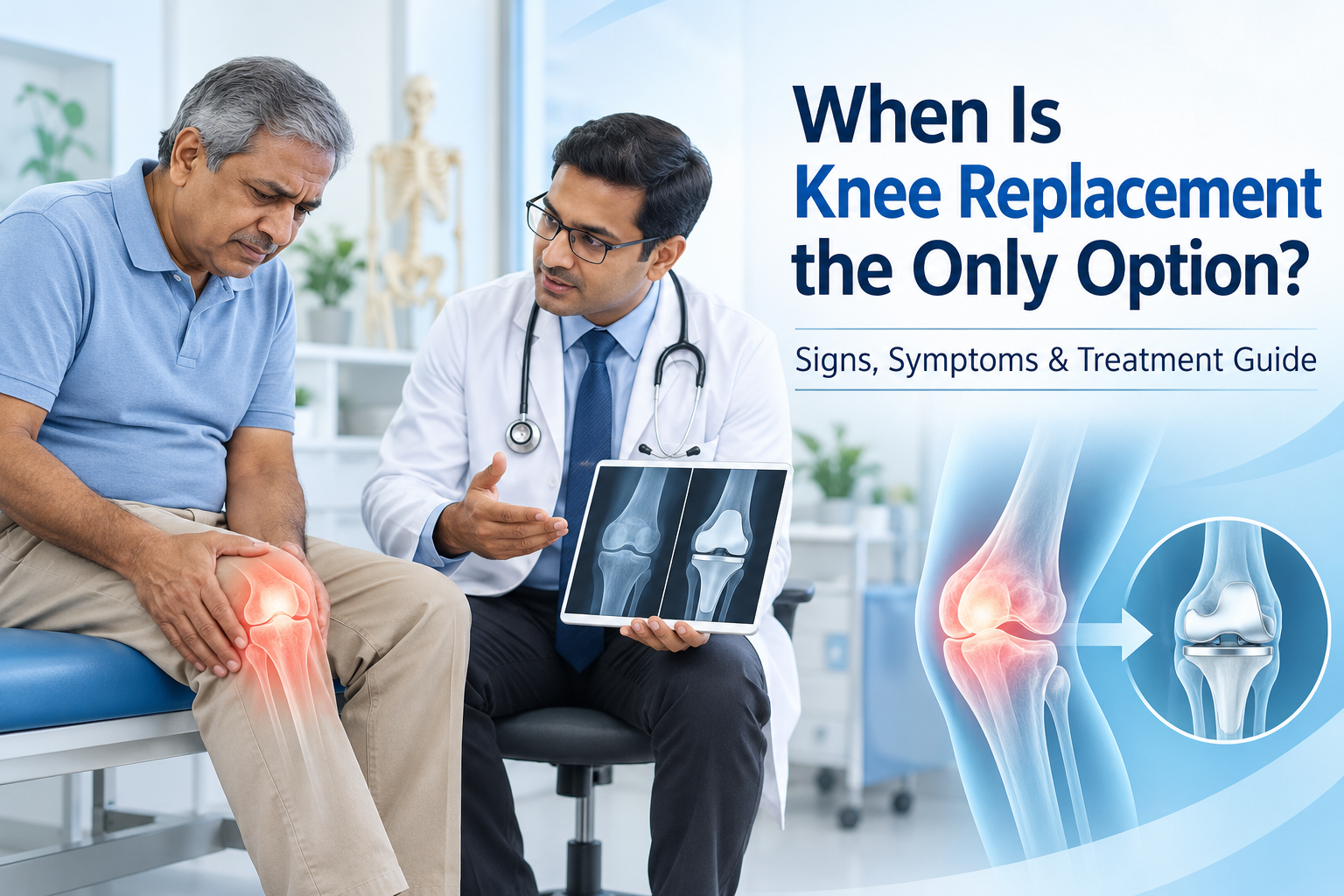 When Is Knee Replacement the Only Option?
- 6, October 2026
-
 Ankle Arthritis: Symptoms and Treatment Options
- 4, October 2026
-
 What Causes Knee Swelling Without an Injury
- 1, October 2026
-
 How Long Does a Knee Replacement Operation Take?
- 25, September 2026
-
 Who Is the Best Bone Doctor in Faridabad?
- 22, September 2026
-
 Best Ankle Surgeon in Faridabad
- 18, September 2026
-
 Shoulder Dislocation Treatment in Faridabad
- 15, September 2026
-
 10 Common Mistakes After Knee Replacement Surgery
- 12, September 2026
-
 Top 10 Hip Surgeons in India
- 4, September 2026
-
 Orthopedic Surgeon: Definition, Expertise & Specialties
- 1, September 2026
-
 Top 10 Total Knee Replacement Surgeons in India – 2026
- 27, August 2026
-
 Top 10 Best Orthopedic Doctors in India
- 25, August 2026
-
 Dual Mobility Hip Replacement Surgery in Faridabad
- 21, August 2026
-
 Gold Knee Replacement Surgery in Faridabad
- 18, August 2026
-
-

-
-
 Bone Fracture Specialist in Faridabad
- 25, July 2026
-
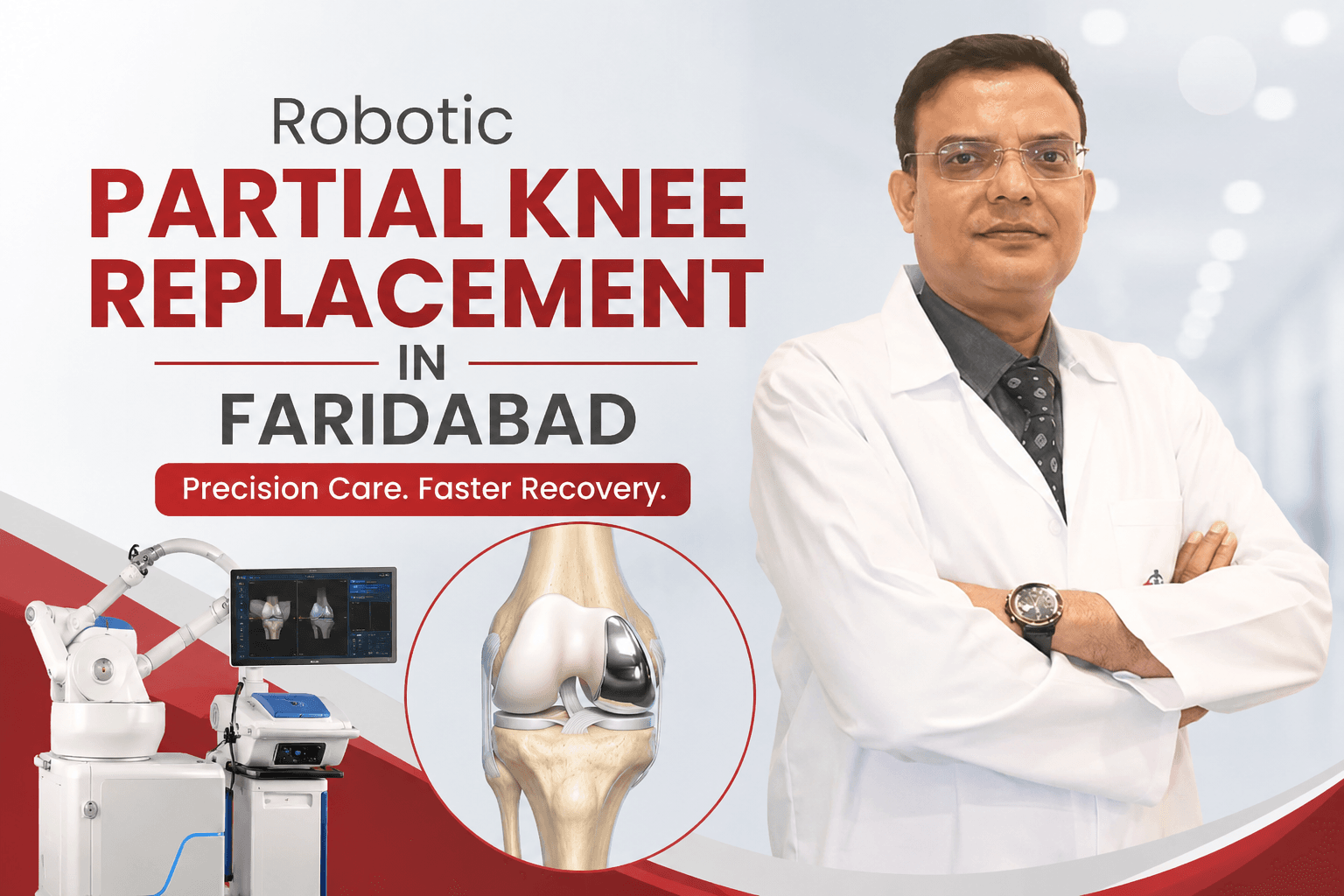 Robotic Partial Knee Replacement in Faridabad
- 21, July 2026
-

-
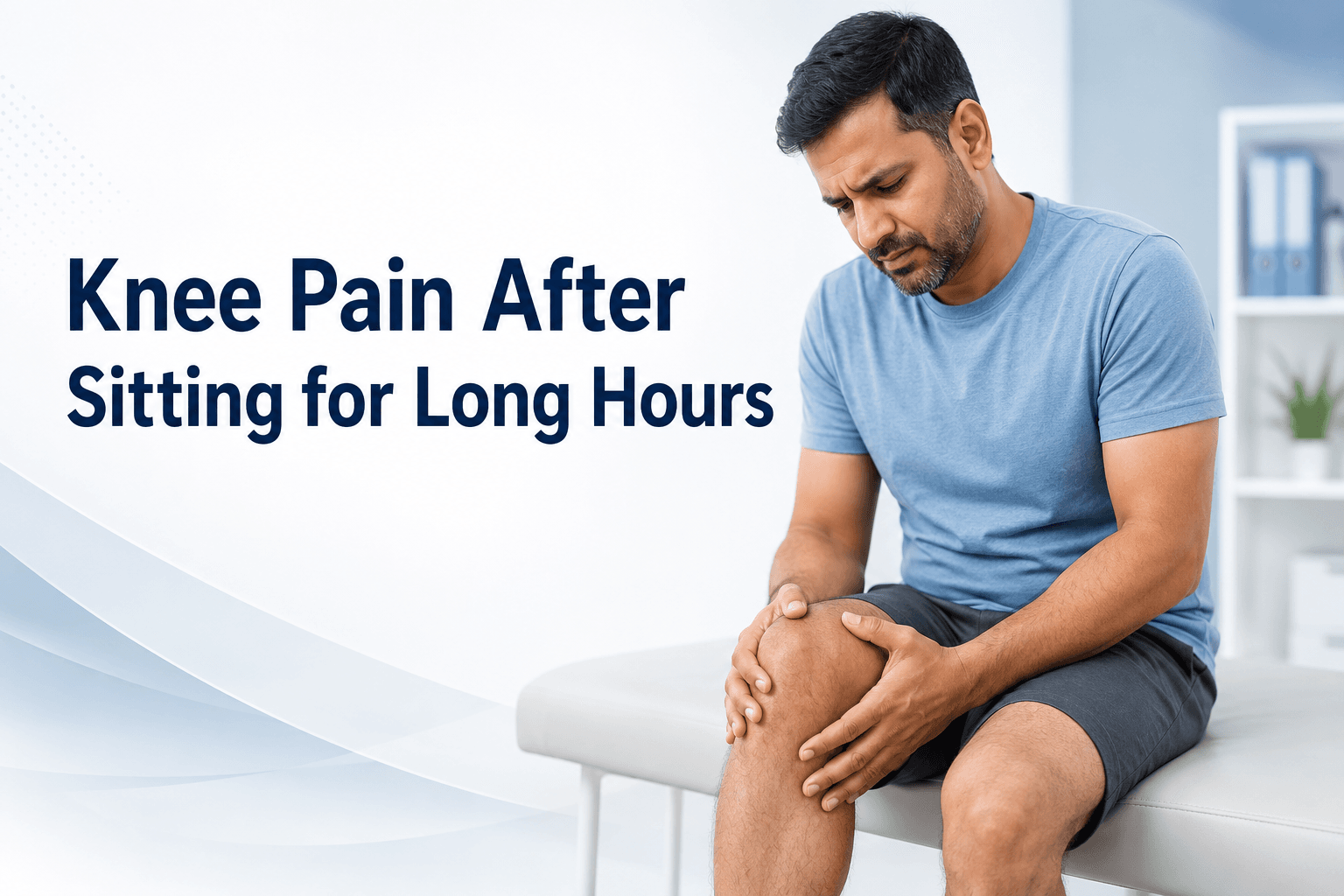
-
 Runner’s Knee: Prevention & Treatment
- 10, July 2026
-
 Best Knee Tendonitis Treatment in Faridabad
- 7, July 2026
-

-
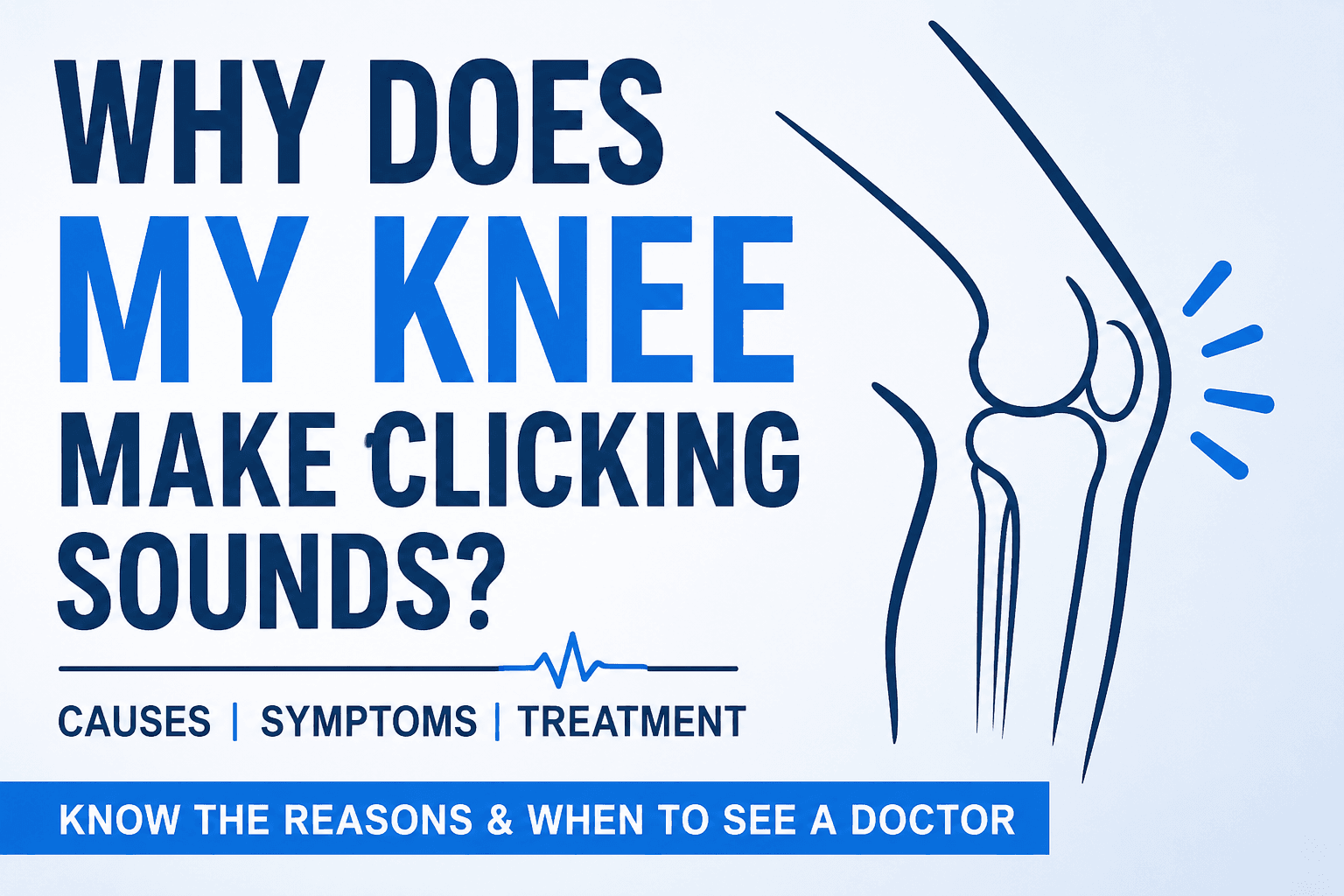 Why Does My Knee Make Clicking Sounds?
- 1, July 2026
-
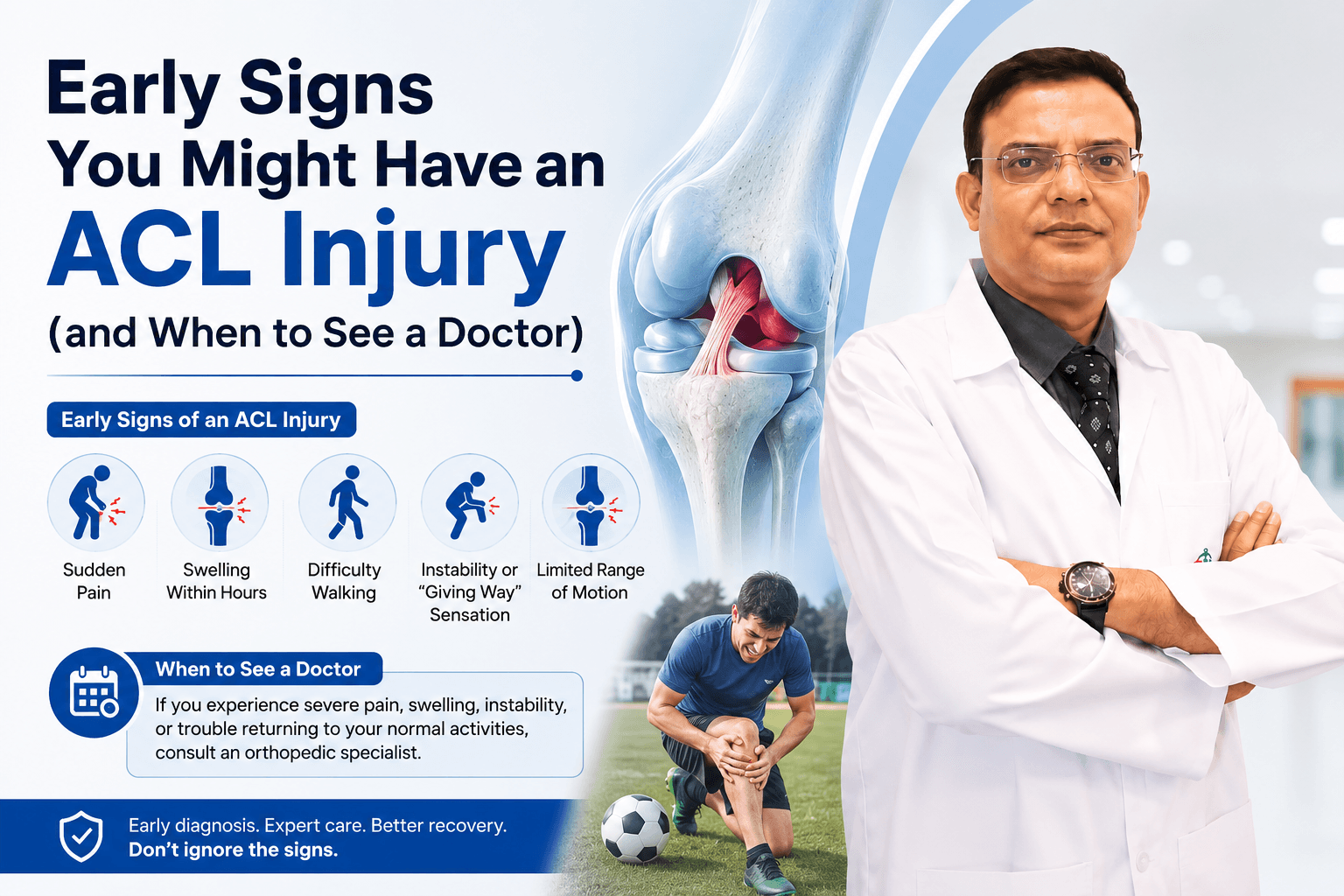
-
-
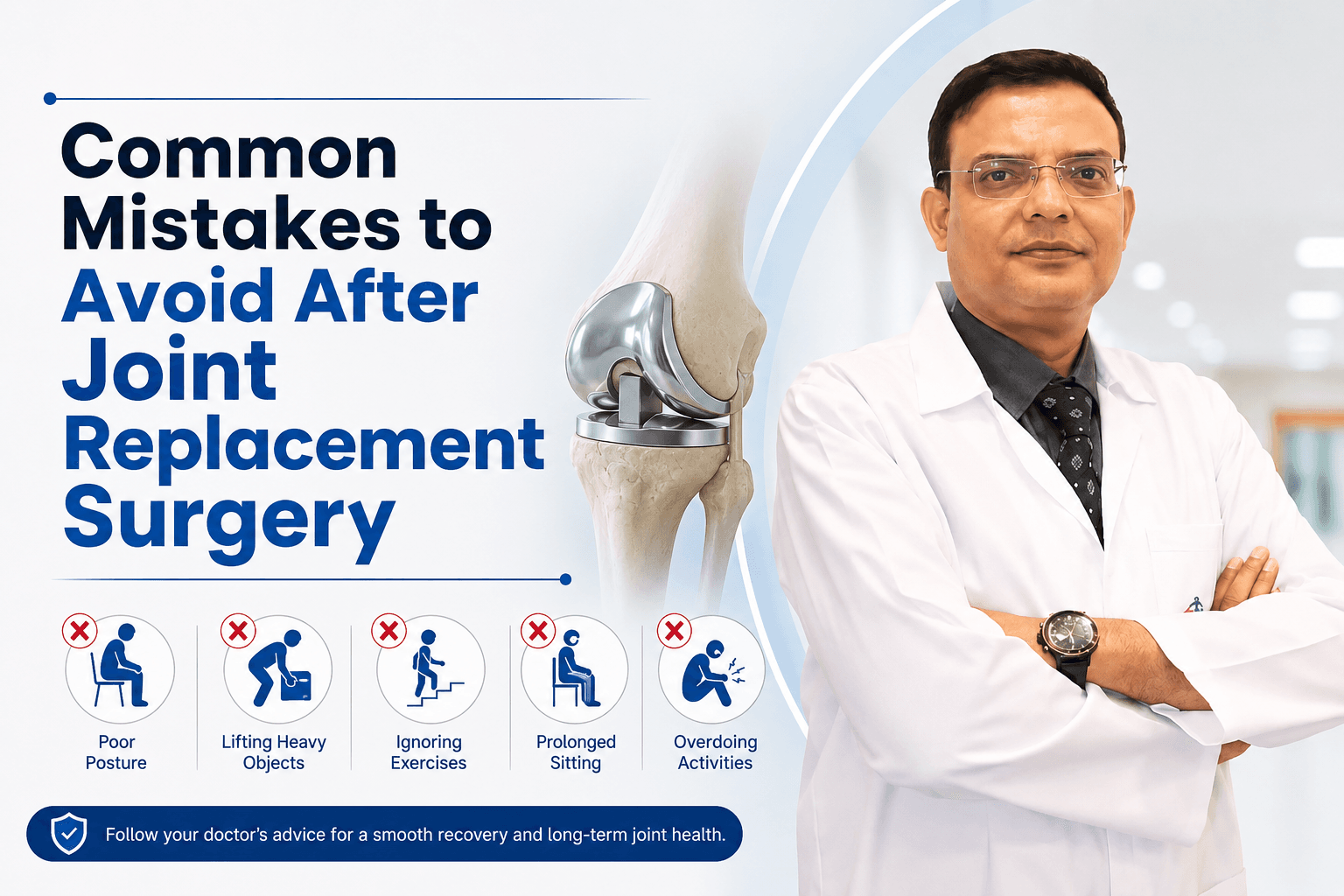 Common Mistakes to Avoid After Joint Replacement Surgery
- 19, June 2026
-
 Can You Play Sports After Knee Replacement Surgery?
- 16, June 2026
-
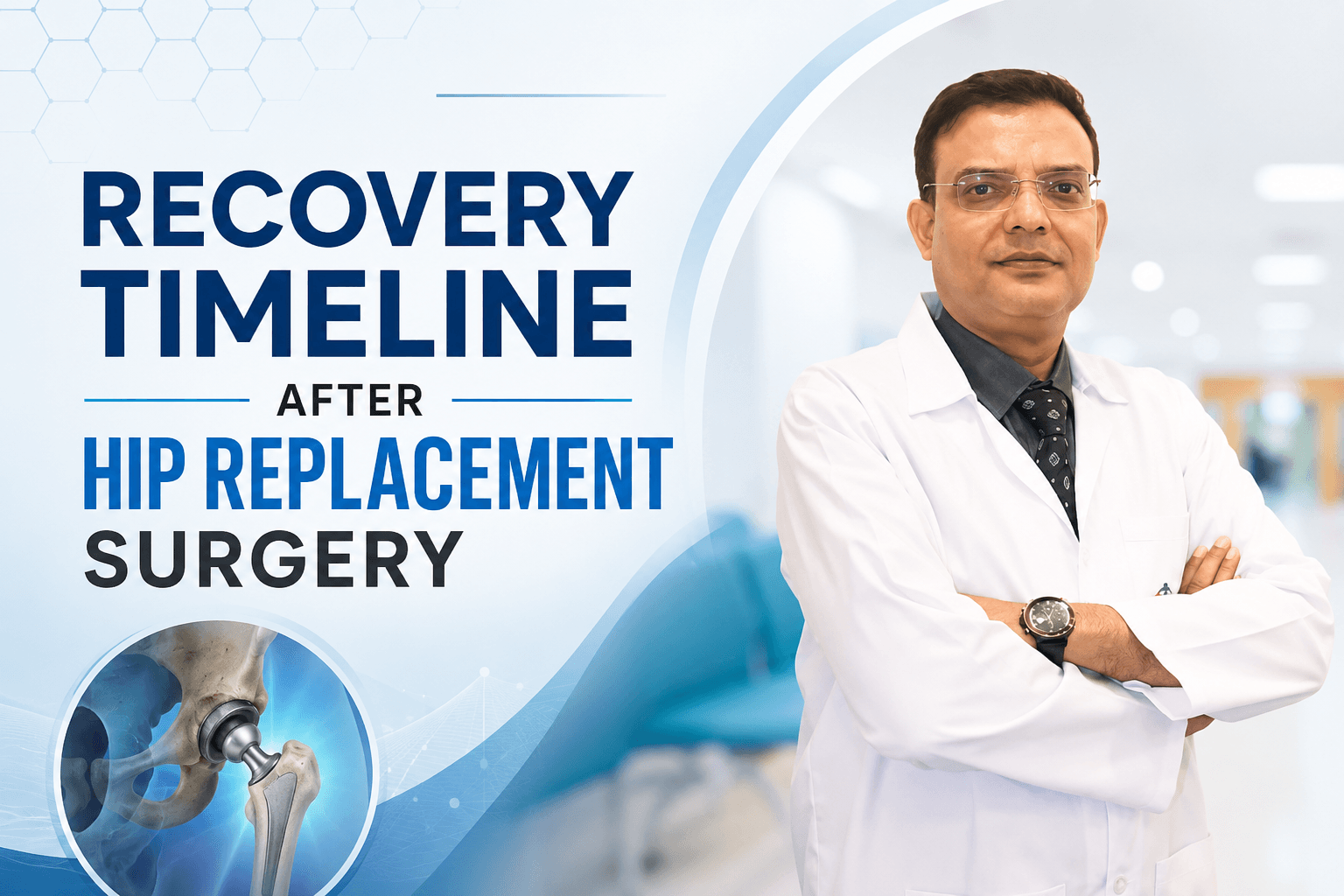 Recovery Timeline After Hip Replacement Surgery
- 12, June 2026
-
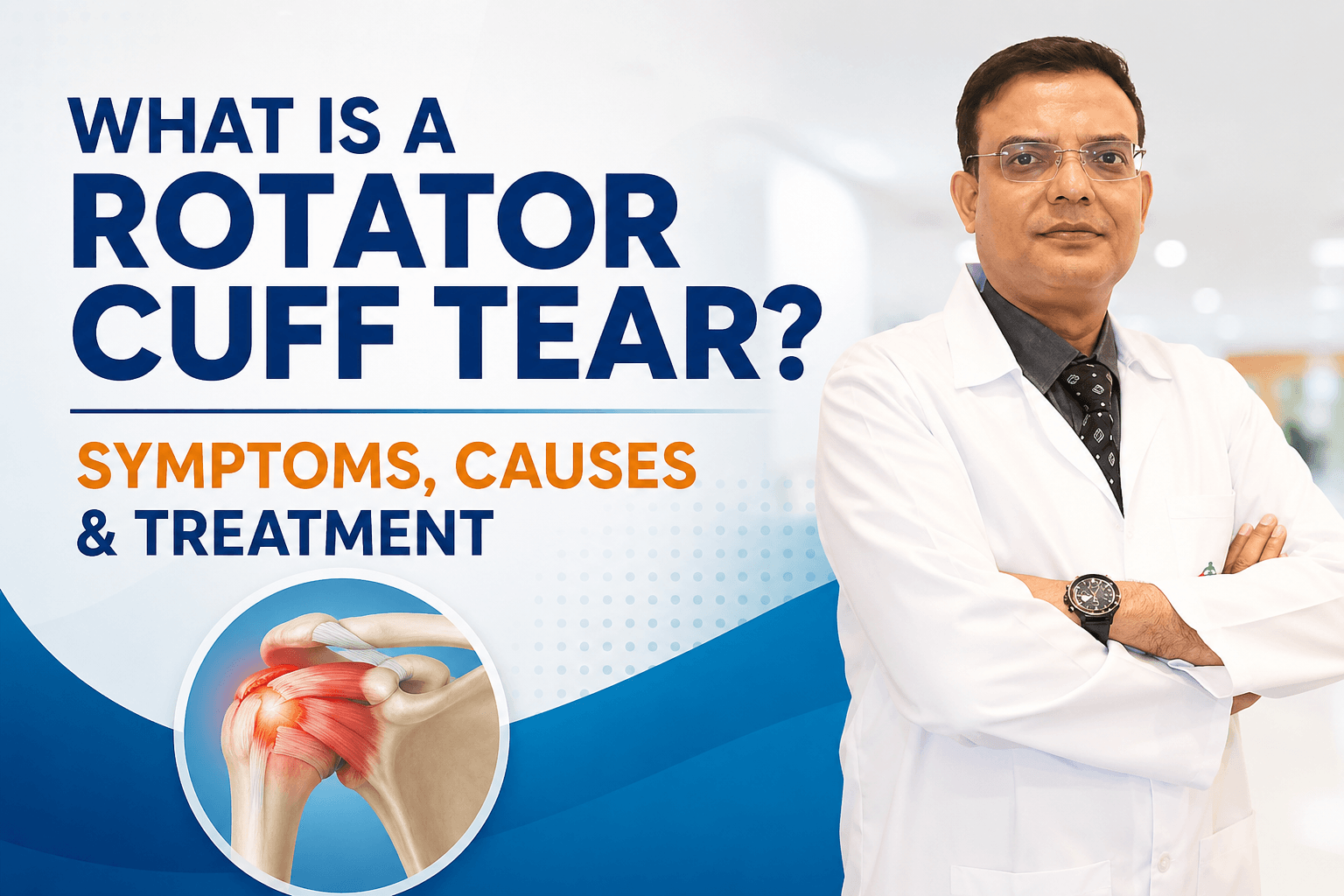
 Best Rotator Cuff Tear Treatment in Faridabad
- 9, June 2026
-
-
 When Does Knee Pain Need Surgery?
- 19, May 2026
-
 Can You Walk Normally After Hip Replacement?
- 15, May 2026
-

-
 Best Doctor for Arthritis Treatment in Faridabad
- 8, May 2026
-
 Sports Injury Specialist in Faridabad
- 5, May 2026
-
 Hip Replacement Surgery Cost in India
- 2, May 2026
-
 Best ACL Surgeon in Faridabad
- 1, May 2026
-
 Best Hip Replacement Surgeon in Delhi
- 26, April 2026
-
 Best Hospital for Robotic Joint Replacement in Faridabad
- 14, April 2026
-
 Best Shoulder Specialist in Faridabad
- 10, April 2026
-
-
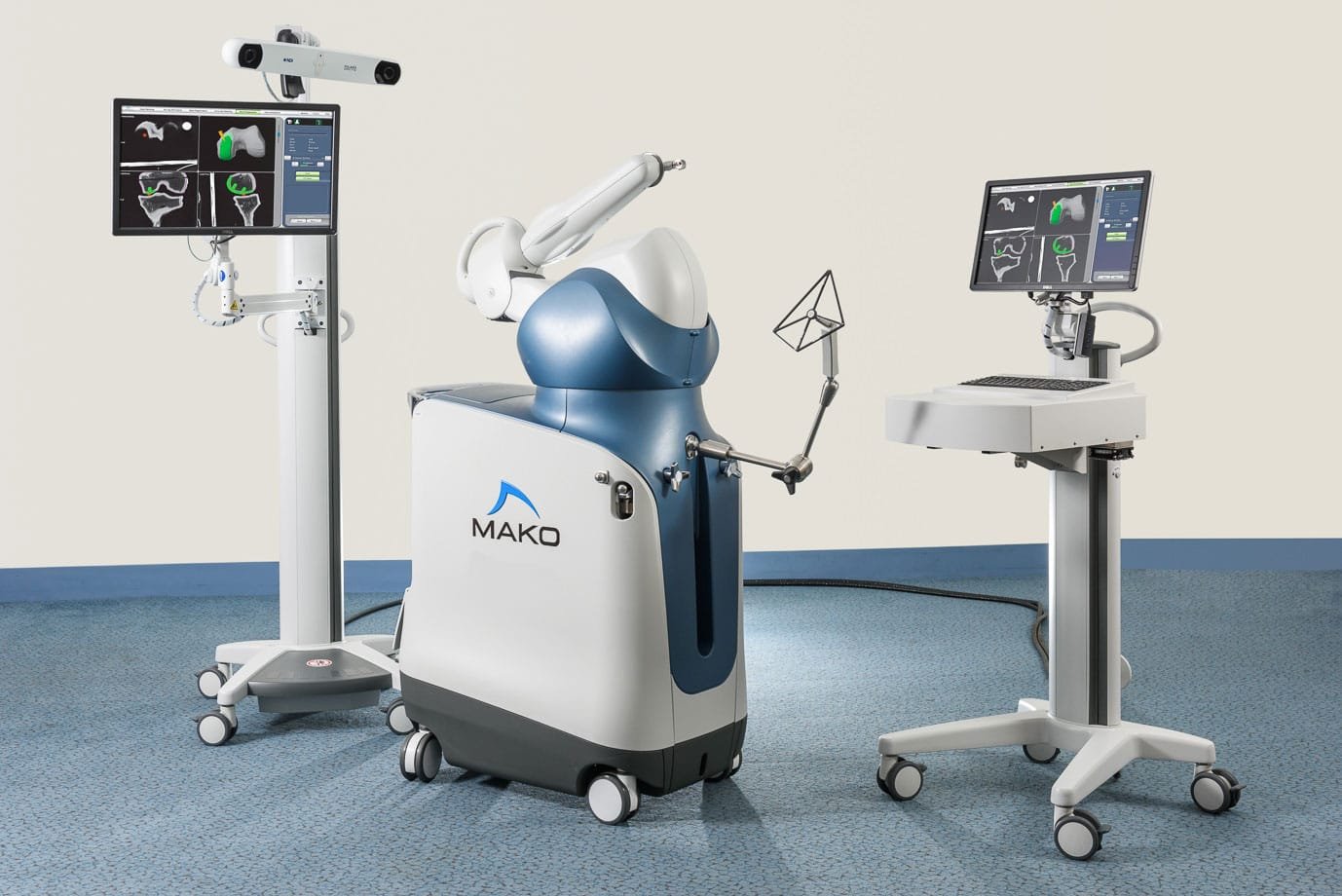 How Mako Robotic Improves Knee Replacement Outcomes
- 3, April 2026
-
 Best Orthopedic Hospital in Faridabad for Joint Pain
- 1, April 2026
-
 Don’t Delay Knee Surgery: 7 Warning Signs You Must Know
- 26, March 2026
-

-
 Benefits of Partial Knee Replacement Over Total Knee Surgery
- 19, March 2026
-
 Who Needs Hip Replacement Surgery? Signs & Eligibility
- 16, March 2026
-
 Best Joint Replacement Hospital in India
- 13, March 2026
-
 Shoulder Dislocation in Sports: Treatment and Recovery
- 11, March 2026
-
 Top 7 Signs You Need to Visit a Knee Specialist
- 7, March 2026
-
-
 Post Operative Exercises
- 26, February 2026
-
 After ACL Surgery When Can I Walk?
- 24, February 2026
-
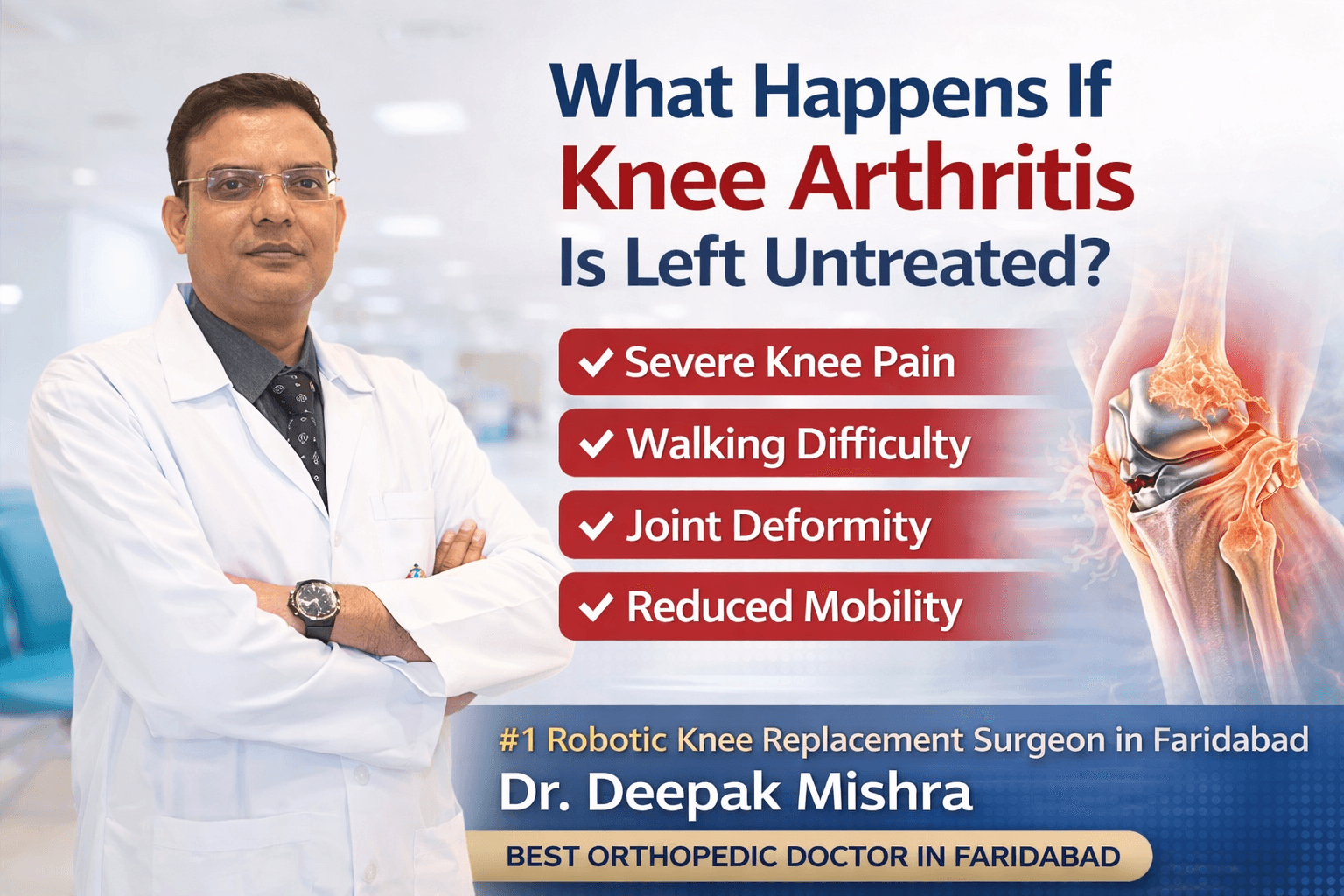 What Happens If Knee Arthritis Is Left Untreated?
- 21, February 2026
-
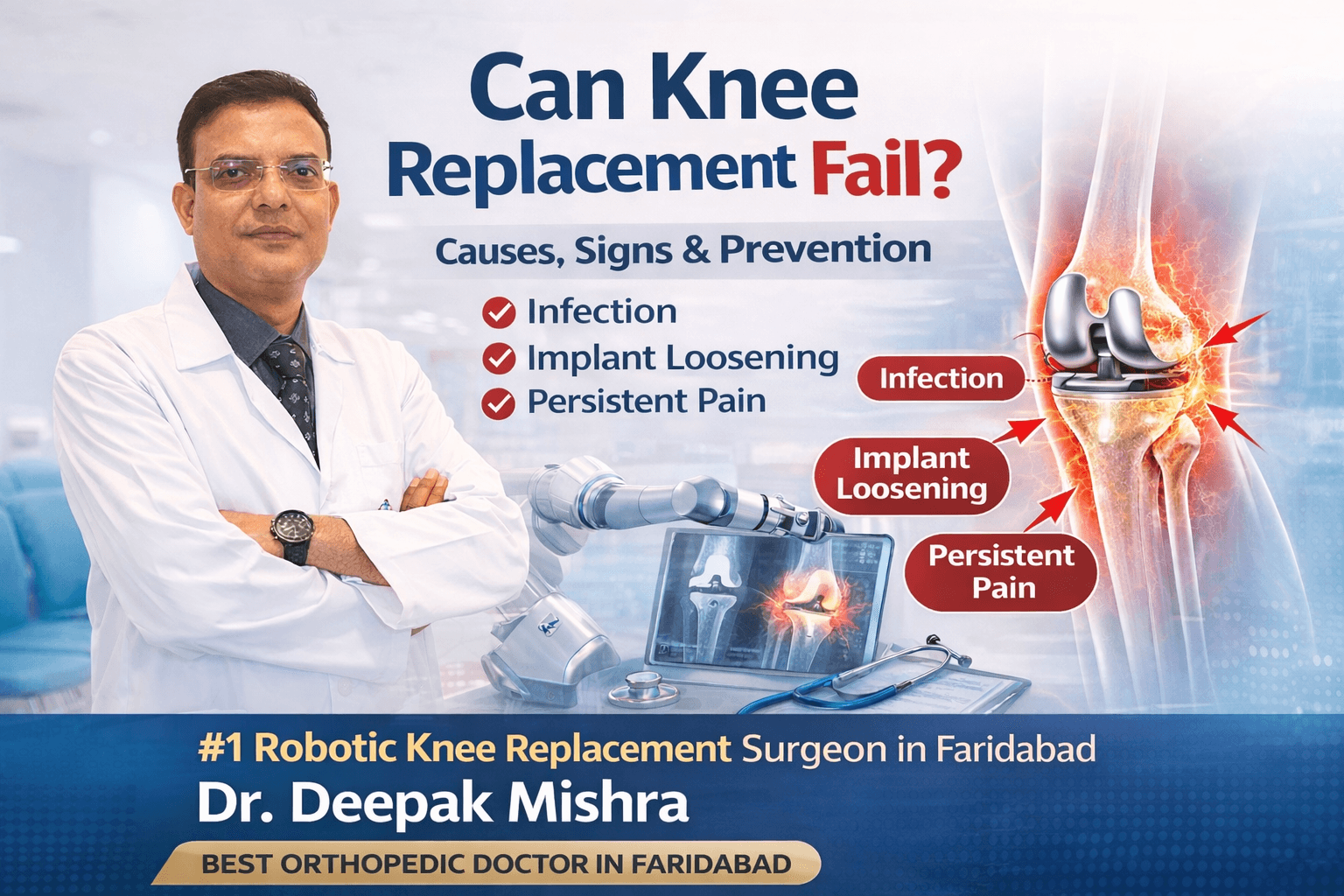 Can Knee Replacement Fail? Causes, Signs & Prevention
- 21, February 2026
-
 Who Is Not Suitable for Knee Replacement Surgery?
- 12, February 2026
-
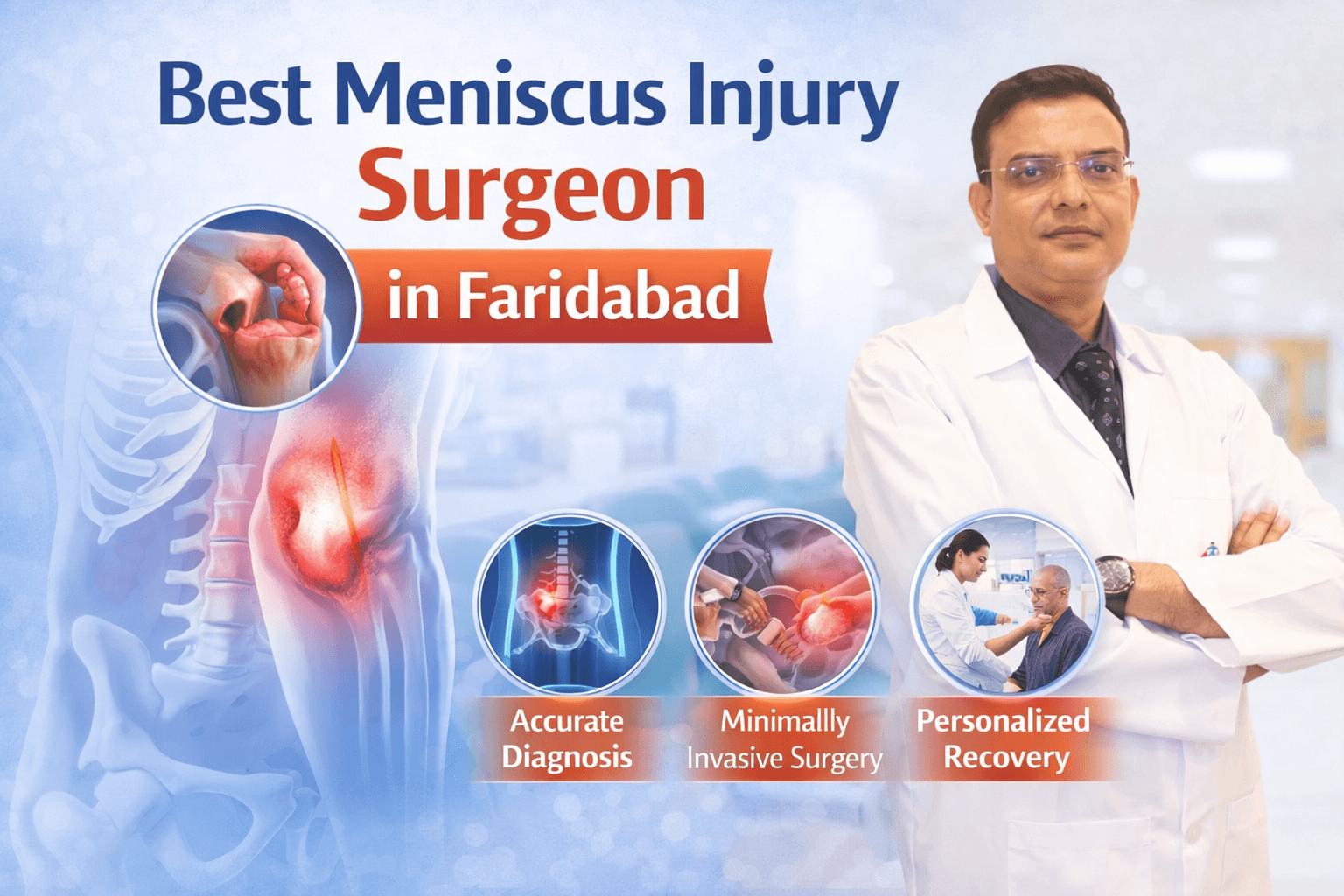 Best Meniscus Injury Surgeon in Faridabad
- 9, February 2026
-
 How Obesity Affects Knee Health & When to Consider Knee Replacement
- 6, February 2026
-
 Knee Pain After Sitting for Long Hours – What to Do
- 3, February 2026
-
 Most Common Sports Injuries and How to Prevent Them
- 26, January 2026
-
 Walking, Stairs & Daily Activities After Knee Replacement
- 22, January 2026
-
 When Knee Pain Needs Medical Attention: Red Flags to Watch
- 19, January 2026
-
 Cartilage Damage in Sports: Early Signs Athletes Should Not Ignore
- 15, January 2026
-
 Can You Sit Cross-Legged After Knee Replacement?
- 13, January 2026
-
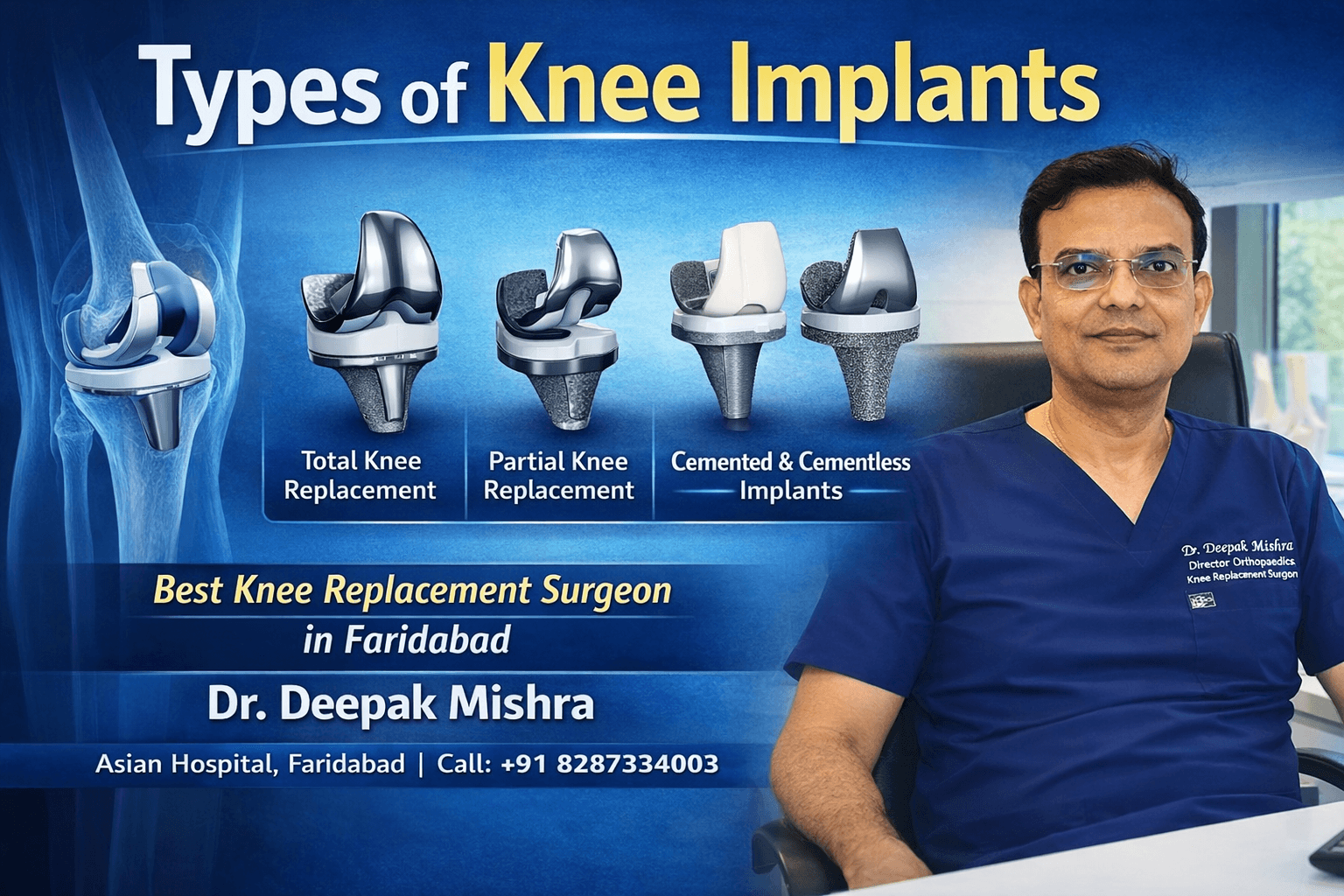 Types of Knee Implants
- 13, January 2026
-
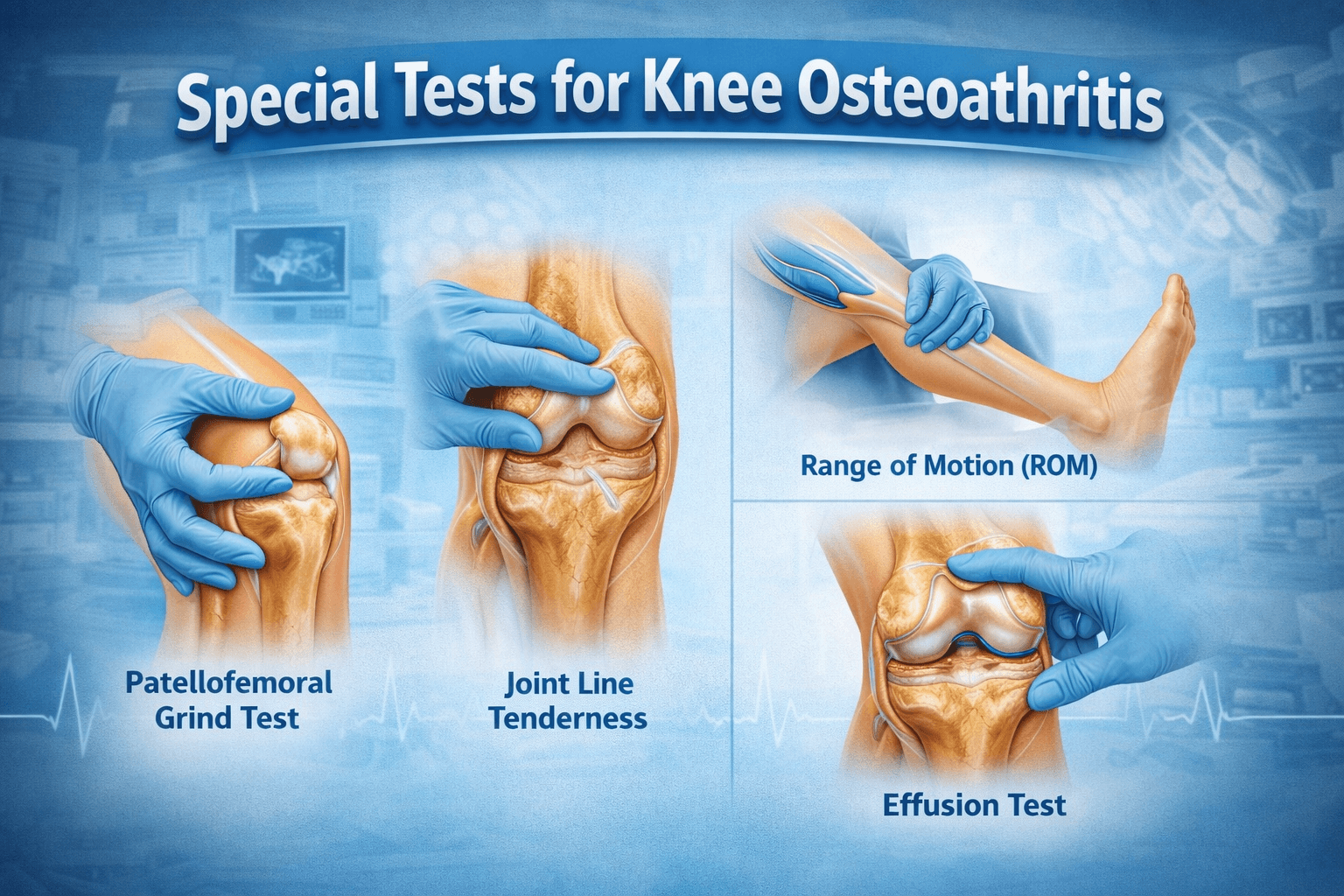 Special Tests for Knee Osteoarthritis
- 7, January 2026
-
 Knee Operation Types: A Comprehensive Guide
- 7, January 2026
-
 Difference Between Knee Arthritis, Meniscus Tear, and Ligament Injury
- 30, December 2025
-
 Knee Pain While Walking: When Should You Worry?
- 30, December 2025
-
 What Happens If Knee Replacement Is Delayed Too Long?
- 24, December 2025
-
 How Cartilage Loss Leads to Chronic Knee Pain
- 24, December 2025
-
 ACL Tears in Athletes: Symptoms, Treatment Options & Recovery
- 19, November 2025
-
 Sports Injuries That Often Lead to Knee Replacement
- 19, November 2025
-
 Orthopedic Care for Elderly Patients — A Complete Guide
- 12, November 2025
-
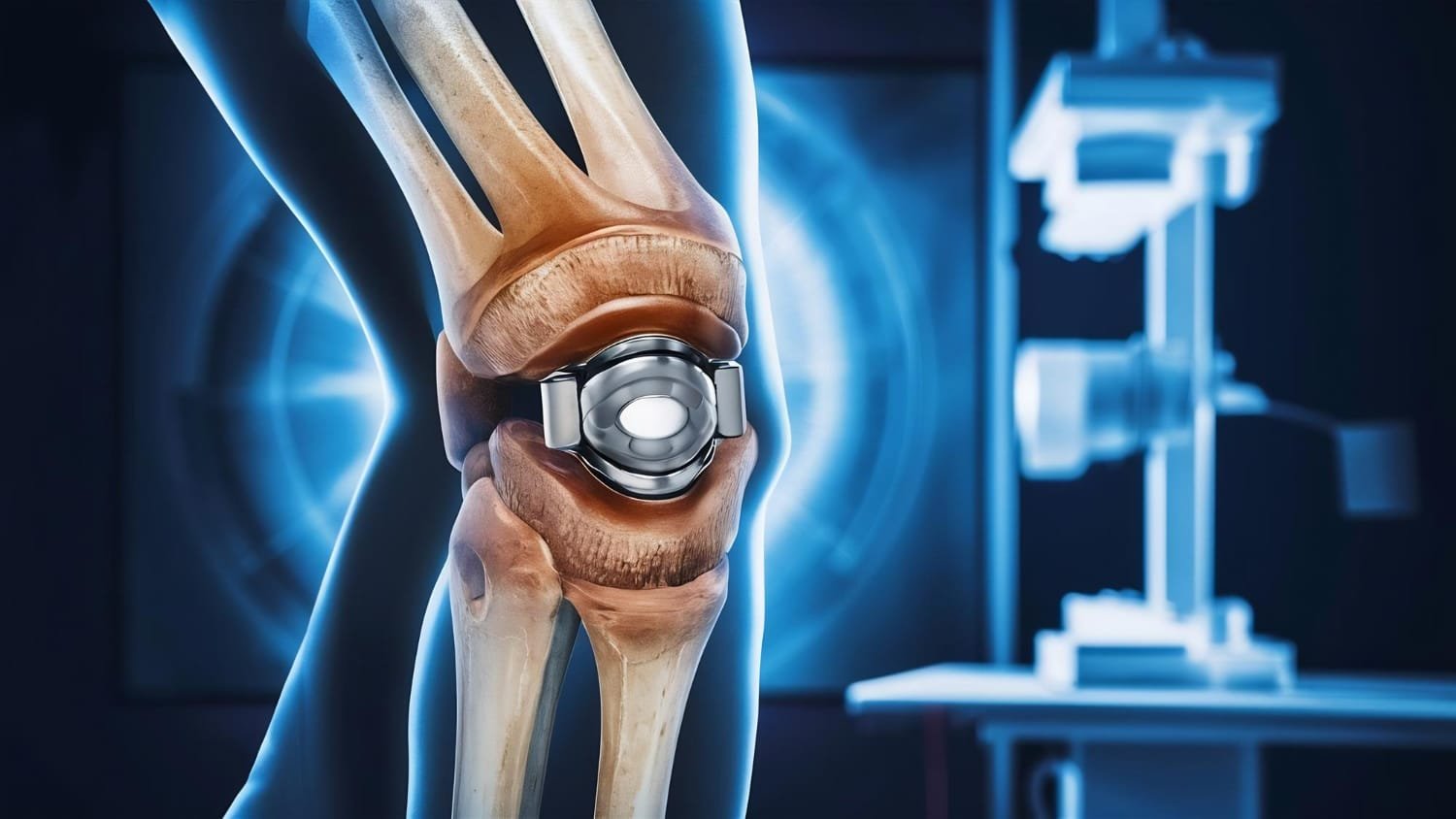 How Long Do Knee Implants Last? (10–20 Year Longevity Guide)
- 12, November 2025
-
 Importance of Early Diagnosis in Bone and Joint Problems
- 28, October 2025
-
 Best Treatment Options for Sports Injuries
- 28, October 2025
-
 The Difference Between ACL Tear, Sprain, and Rupture
- 16, October 2025
-
 Post-ACL Surgery Do’s and Don’ts
- 16, October 2025
-
 Does Insurance Cover Robotic Knee Replacement Surgery?
- 6, October 2025
-
 When Can You Return to Sports After Robotic Knee Replacement?
- 6, October 2025
-
 Impact of Obesity on Knee Replacement Surgery and Recovery
- 30, September 2025
-
 Early vs. Delayed Knee Replacement: Which Is Better?
- 30, September 2025
-
 How Durable Are Knee Implants? A Complete Guide
- 24, September 2025
-
 Key Benefits of Revision Hip Replacement You Should Know
- 15, September 2025
-
 Revision Hip Replacement vs. Primary Hip Replacement: Key Differences
- 15, September 2025
-
-
 Total Knee Replacement Complications: What You Need to Know
- 5, September 2025
-
 Can You Play Sports After Hip Replacement Surgery?
- 26, August 2025
-
 Preparing for Knee Replacement: Do’s and Don’ts Before Surgery
- 26, August 2025
-
-
 What to Know About Knee Replacement Revision Surgery
- 18, August 2025
-
 Cost of Hip Replacement in India – What Patients Should Know
- 11, August 2025
-
-
 Who Is the Best Orthopedic Doctor for Sports Injuries?
- 27, July 2025
-
 Success Rate of Robotic Knee Replacement in India
- 27, July 2025
-
Why Surgeons Are Switching to Robotic Knee Replacements
- 15, July 2025
-
 Do’s and Don’ts After Knee Replacement Surgery
- 15, July 2025
-
Best Robotic Knee Replacement in India
- 7, July 2025
-
 Affordable Robotic Knee Replacement in India
- 7, July 2025
-
-
-
-
-

-
-
-
 Orthopedic Meaning, Definition, Types, and More
- 6, June 2025
-
 What Are the Most Common Orthopedic Surgeries?
- 24, May 2025
-
 What Does an Orthopedic Doctor Do?
- 24, May 2025
-
-
-
-
Best Orthopedic Doctor for Knee Pain in Faridabad
- 12, May 2025
-
 How to Prevent Knee Pain with Orthopedic Expert Tips
- 29, April 2025
-

-
Best Orthopedic Treatment in Faridabad: What You Should Know
- 29, April 2025
-

-
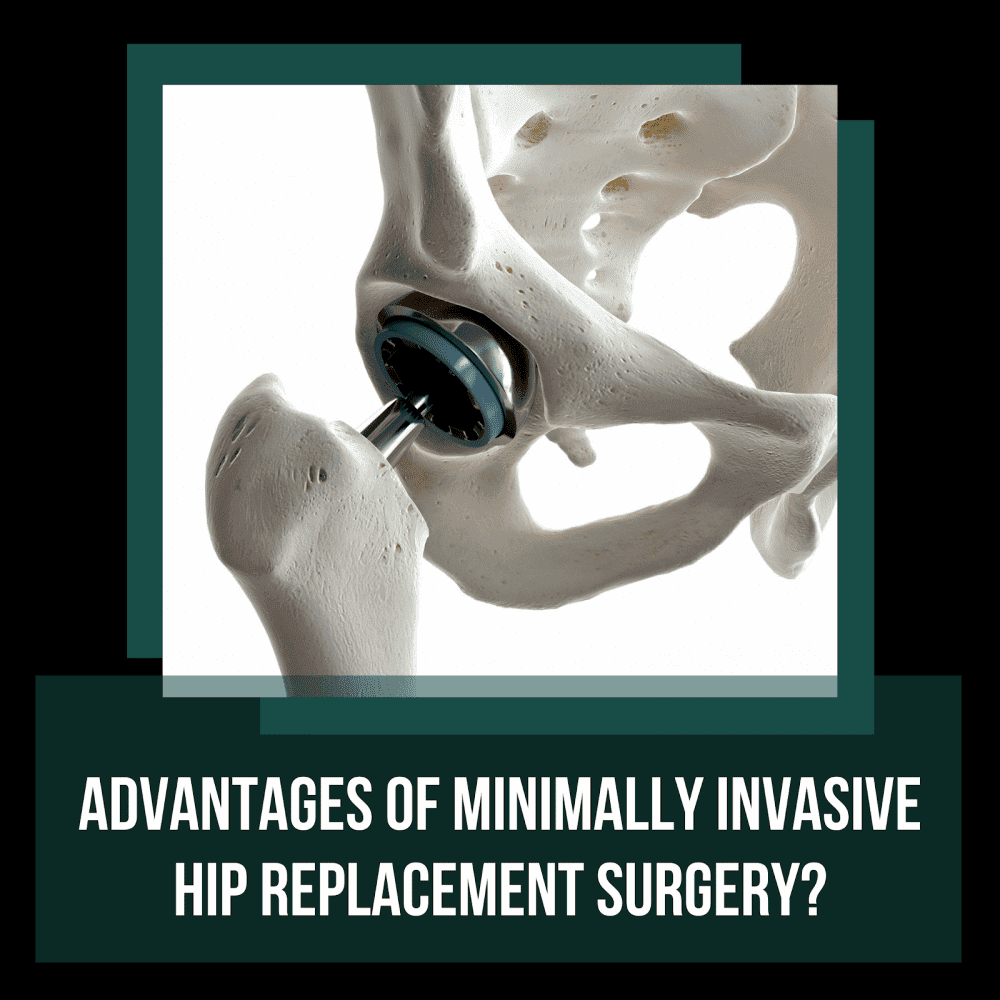
-
Best Knee Replacement Surgeon in Mathura
- 14, April 2025
-
Best Knee Replacement Surgeon in Hodal
- 14, April 2025
-
Best Knee Replacement Surgeon in Palwal
- 14, April 2025
-

-
-
-
 Benefits of Minimally Invasive Knee Surgery
- 24, March 2025
-
 Best knee Replacement Surgeon in India
- 17, March 2025
-
-
 How to Recover Quickly After Knee Replacement Surgery
- 10, March 2025
-
-
-
-
 Minimally Invasive Arthroplasty: Benefits and Recovery Advantages
- 24, February 2025
-
 Choosing the Right Hip Replacement Surgeon: A Comprehensive Guide
- 17, February 2025
-
 Restoring Mobility: The Role of Knee Replacement Doctors
- 17, February 2025
-
 Orthopedic Trauma Care for Athletes
- 6, February 2025
-
 Best Doctor for ACL Tear Treatment
- 6, February 2025
-
 Best Sports Medicine Doctor for Knee Injuries
- 6, February 2025
-
 Orthopedic Surgeons: 7 Things You Need to Know
- 27, January 2025
-
Best Joint Replacement Surgeon in Greater Faridabad
- 27, January 2025
-
Best Knee Replacement Surgeon in Palwal
- 20, January 2025
-
Best Knee Replacement Surgeon in South Delhi
- 20, January 2025
-
 Restoring Mobility: The Role of Knee Replacement Doctor
- 13, January 2025
-
 Robotic Knee Replacement Surgery in Delhi
- 30, December 2024
-
 Robotic Orthopedic Surgery: Revolutionizing Joint Replacement and Repair
- 30, December 2024
-
 Robotic Knee Replacement vs. Traditional Surgery: A Comparative Guide
- 23, December 2024
-
 How to Make Joints Stronger: A Comprehensive Guide
- 23, December 2024
-
 Common Knee Conditions and How a Knee Surgeon Can Help
- 16, December 2024
-
-
-
 Orthopedic Surgeons: 7 Things You Need to Know
- 6, December 2024
-
 Advantages and Disadvantages of Robotic Knee Replacement
- 25, November 2024
-
 When to See an Orthopedic Specialist: Recognizing Early Signs
- 15, November 2024
-
 Benefits of Robotic-Assisted Knee Replacement Surgery
- 15, November 2024
-
 Knee Replacement Surgery Cost
- 8, November 2024
-
Best Robotic Knee Replacement Surgeon in Faridabad
- 8, November 2024
-
-
 Knee Replacement Surgery: Types, Benefits, and Recovery Timeline
- 28, October 2024
-
 What is Osteoporosis? Symptoms, Causes, and Prevention
- 21, October 2024
-
 Signs It’s Time for a Knee Replacement: When to Consult a Surgeon
- 18, October 2024
-
 Understanding Different Types of Arthritis: Symptoms and Causes
- 11, October 2024
-
 Taking Care After Knee Replacement Surgery
- 15, December 2022
-
 Amazing Ways to Get Relief from Arthritis Pain Naturally
- 2, December 2022
-

-
 How Does Fat Affect Arthritis?
- 4, November 2022
