The Difference Between ACL Tear, Sprain, and Rupture
October 16, 2025Introduction
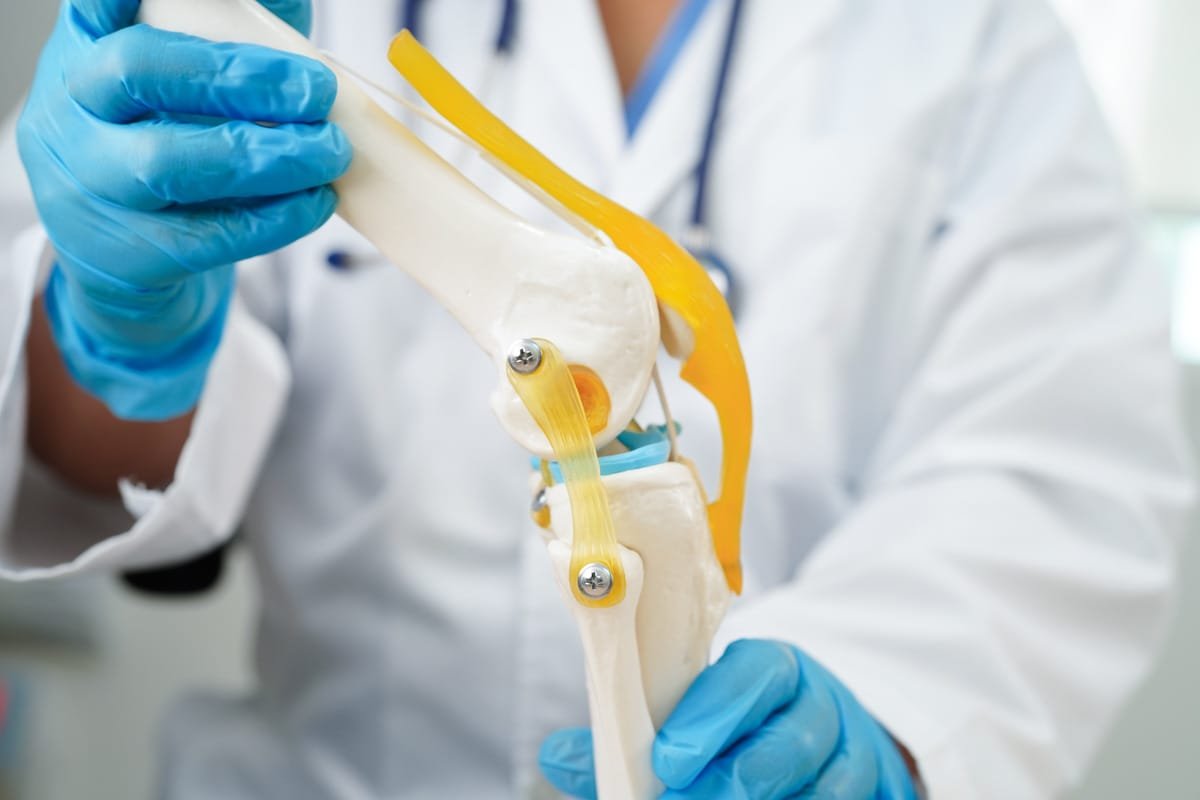
The Anterior Cruciate Ligament (ACL) is one of the most important stabilizing ligaments in the knee joint. It connects the thigh bone (femur) to the shin bone (tibia) and plays a critical role in maintaining knee stability during running, jumping, or sudden directional changes.
Injuries to the ACL are common among athletes, fitness enthusiasts, and even individuals with active lifestyles. However, many people often get confused between an ACL sprain, tear, or rupture — using these terms interchangeably.
In this blog, Dr. Deepak Mishra, a leading orthopedic doctor in Faridabad specializing in sports injuries and knee ligament reconstruction, explains the key differences between these conditions, their symptoms, diagnosis, and treatment options.
Understanding the ACL
The ACL (Anterior Cruciate Ligament) is one of four major ligaments in the knee that control movement and stability. It prevents the tibia from sliding too far forward relative to the femur and provides rotational stability to the joint.
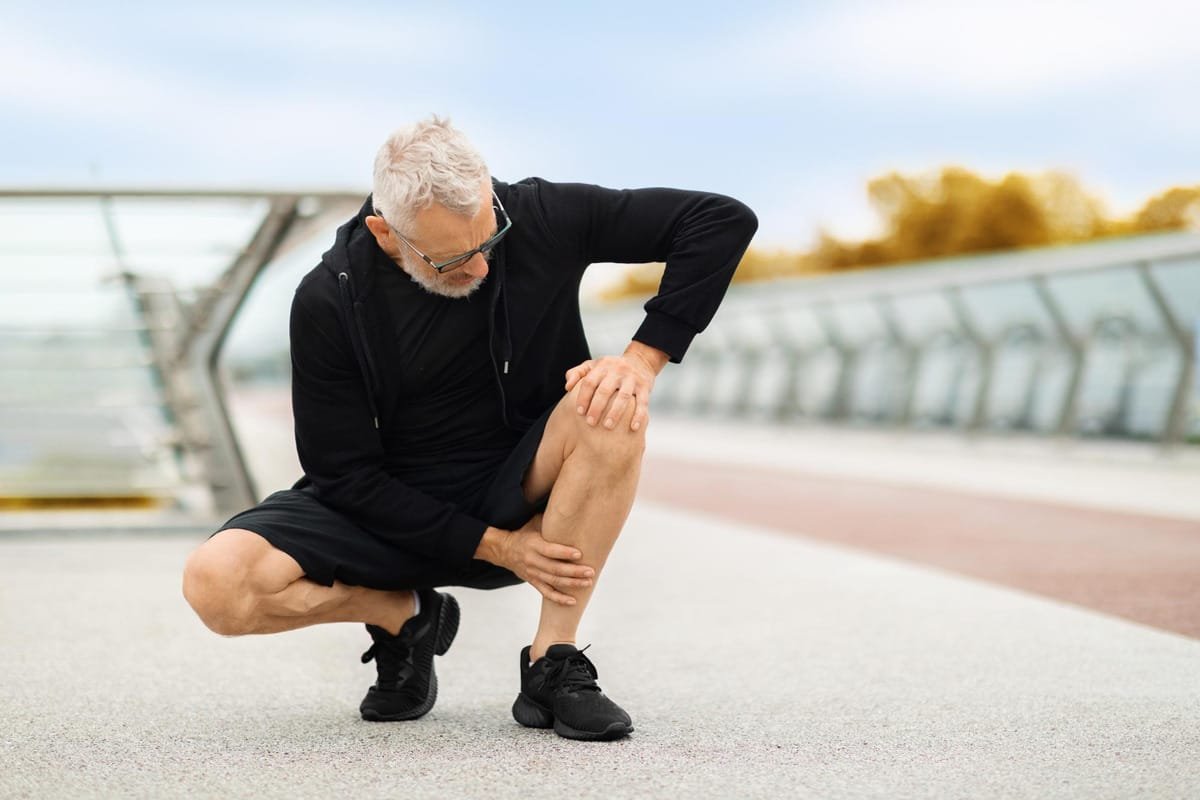
When excessive force or twisting occurs — such as during a sudden stop, pivot, or awkward landing — the ACL can get stretched or torn.
The Difference Between an ACL Sprain, Tear, and Rupture
While all three involve damage to the ACL, the severity and nature of the injury vary significantly.
1. ACL Sprain (Mild Stretching or Partial Fiber Damage)
An ACL sprain is the mildest form of injury where the ligament is overstretched but still intact. There may be slight fiber damage without complete loss of stability.
Common Causes:
- Sudden changes in direction during sports
- Mild twisting injury
- Slipping or minor falls
Symptoms:
- Mild swelling and discomfort
- Slight instability or “wobbly” feeling in the knee
- Pain when bending or twisting the knee
- Usually no “popping” sound at the time of injury
Treatment:
Most ACL sprains heal with conservative management, including:
- Rest, Ice, Compression, Elevation (RICE)
- Physiotherapy and strengthening exercises
- Anti-inflammatory medications
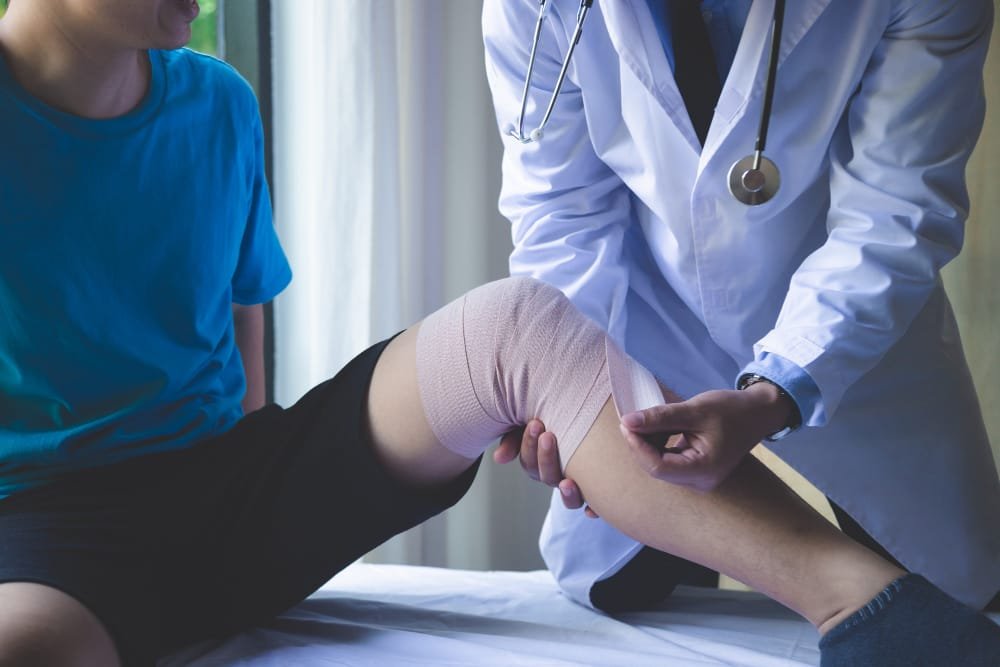
- Bracing for temporary support
Under the guidance of Dr. Deepak Mishra, mild sprains are carefully monitored to ensure full ligament healing and prevention of recurrence.
2. ACL Tear (Partial Ligament Damage)
An ACL tear occurs when the ligament fibers are partially torn. The knee loses some of its stability but the ligament remains partially functional.
Common Causes:
- Pivoting or sudden deceleration
- Landing awkwardly from a jump
- Sports like football, basketball, or badminton
Symptoms:
- Sharp pain and swelling within hours
- Feeling of instability when walking or running
- Difficulty bearing weight
- Possible “popping” sensation during the injury
Treatment:
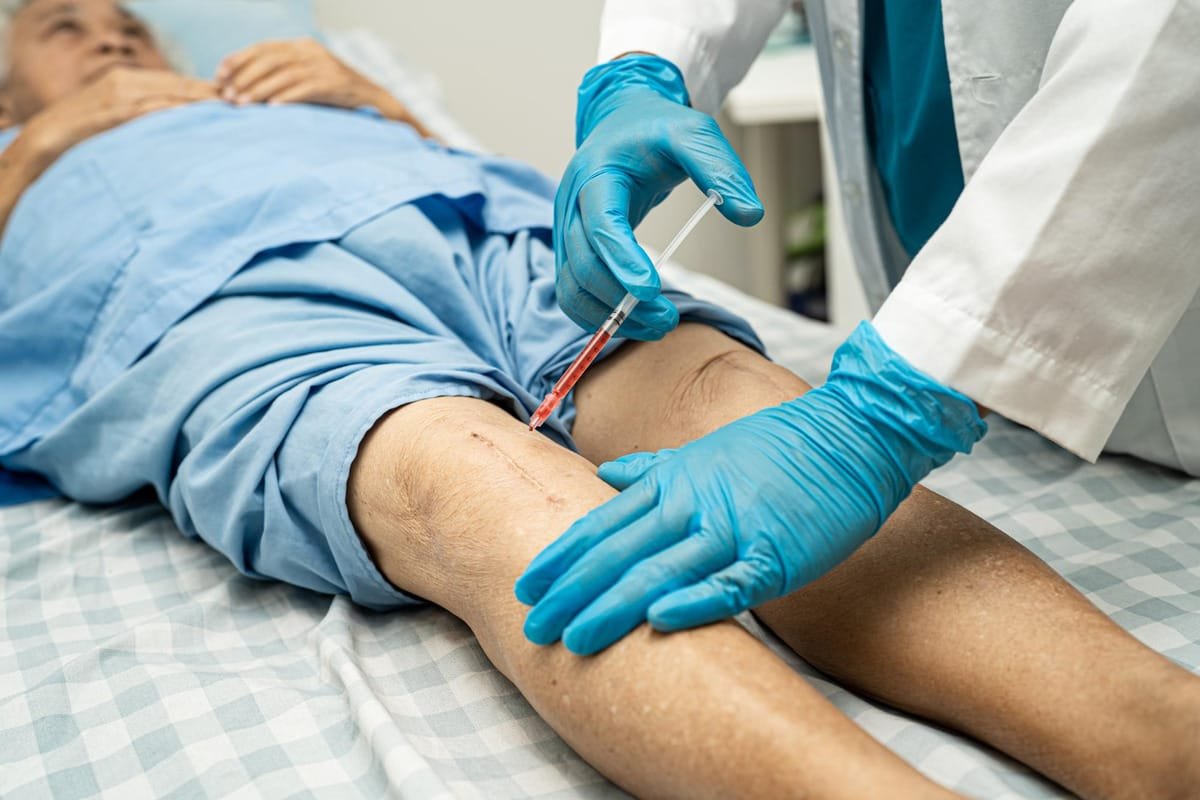
Partial ACL tears may heal with structured physiotherapy and rehabilitation if the ligament is not completely severed.
Treatment at Metro Hospital, Faridabad, under Dr. Deepak Mishra includes:
- Advanced imaging (MRI) for precise injury assessment
- Targeted physiotherapy for knee strengthening
- Use of knee braces during recovery
- Regenerative therapies to promote healing
In moderate cases, minimally invasive arthroscopic procedures may be recommended to repair damaged fibers.
3. ACL Rupture (Complete Ligament Tear)
An ACL rupture is the most severe form of injury — a complete tear where the ligament is torn into two pieces or detached from the bone. This results in significant knee instability and loss of control.
Common Causes:
- High-impact sports injuries
- Sudden twisting or hyperextension of the knee
- Direct trauma (e.g., car accidents or falls)
Symptoms:
- Immediate and intense pain
- Audible “pop” sound during injury
- Rapid swelling and inability to move the knee
- Knee buckling or giving way during activity
- Difficulty walking or standing
Treatment:
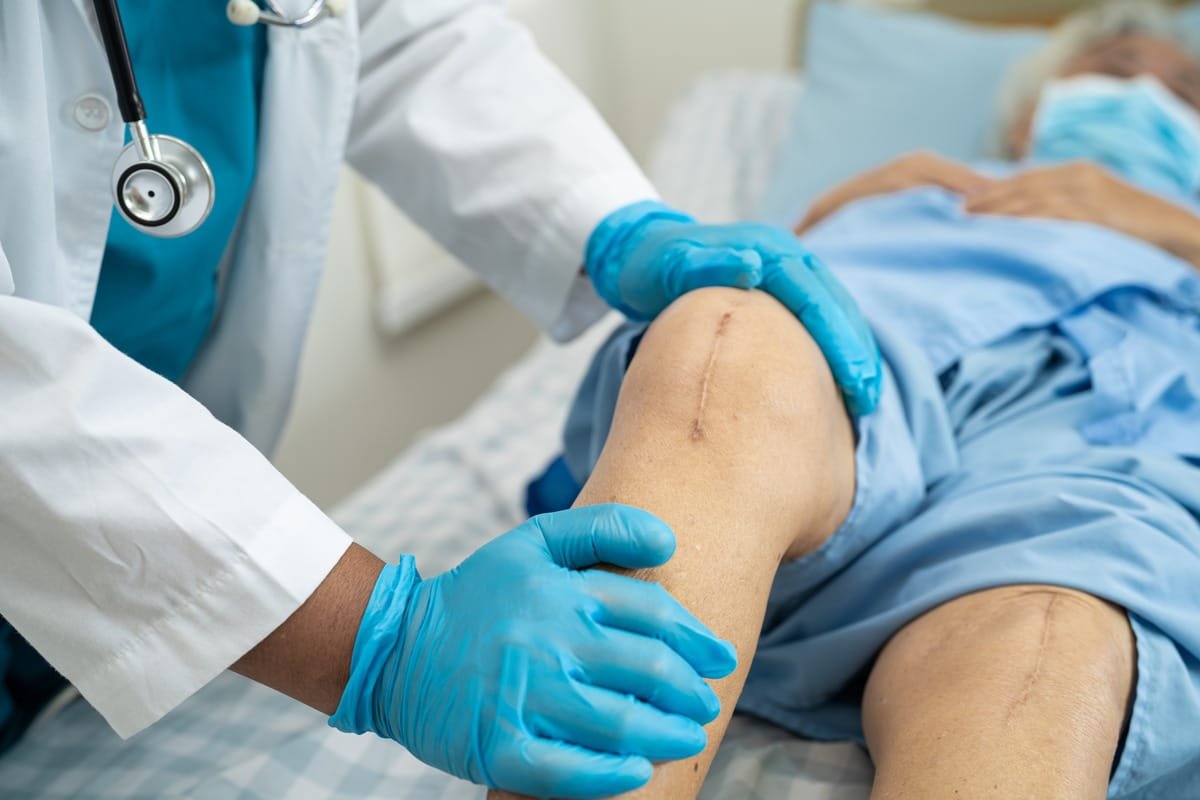
A complete rupture does not heal on its own. Surgical reconstruction is usually required to restore knee stability and prevent long-term complications.
Dr. Deepak Mishra, one of the best orthopedic doctors in Faridabad, specializes in ACL reconstruction surgery using advanced arthroscopic and minimally invasive techniques.
Surgical Options Include:
- Arthroscopic ACL Reconstruction: Using grafts (from the patient or donor) to replace the torn ligament.
- Minimally Invasive Approach: Smaller incisions, faster healing, and reduced pain.
- Post-Surgical Rehabilitation: Customized physiotherapy program for muscle recovery, joint mobility, and safe return to sports.
With Dr. Mishra’s expertise, patients regain full functionality and confidence to resume athletic activities safely.
Diagnosis of ACL Injuries
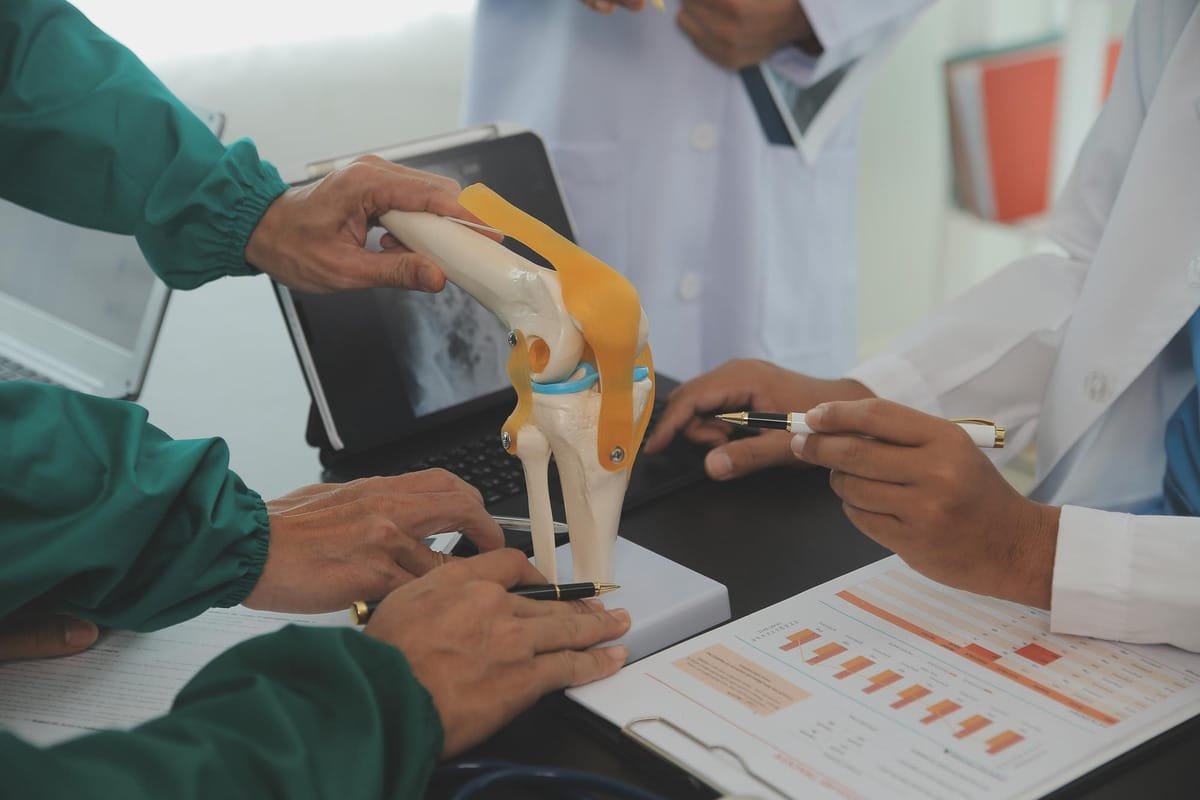
Accurate diagnosis is vital to determine the severity of ACL injury. Diagnostic steps include:
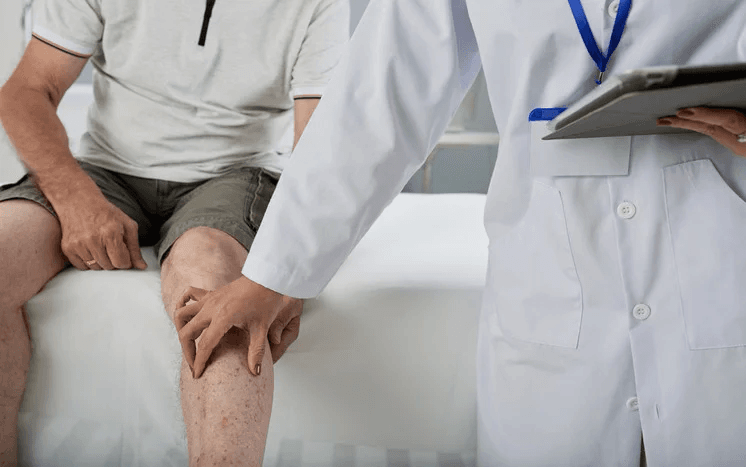
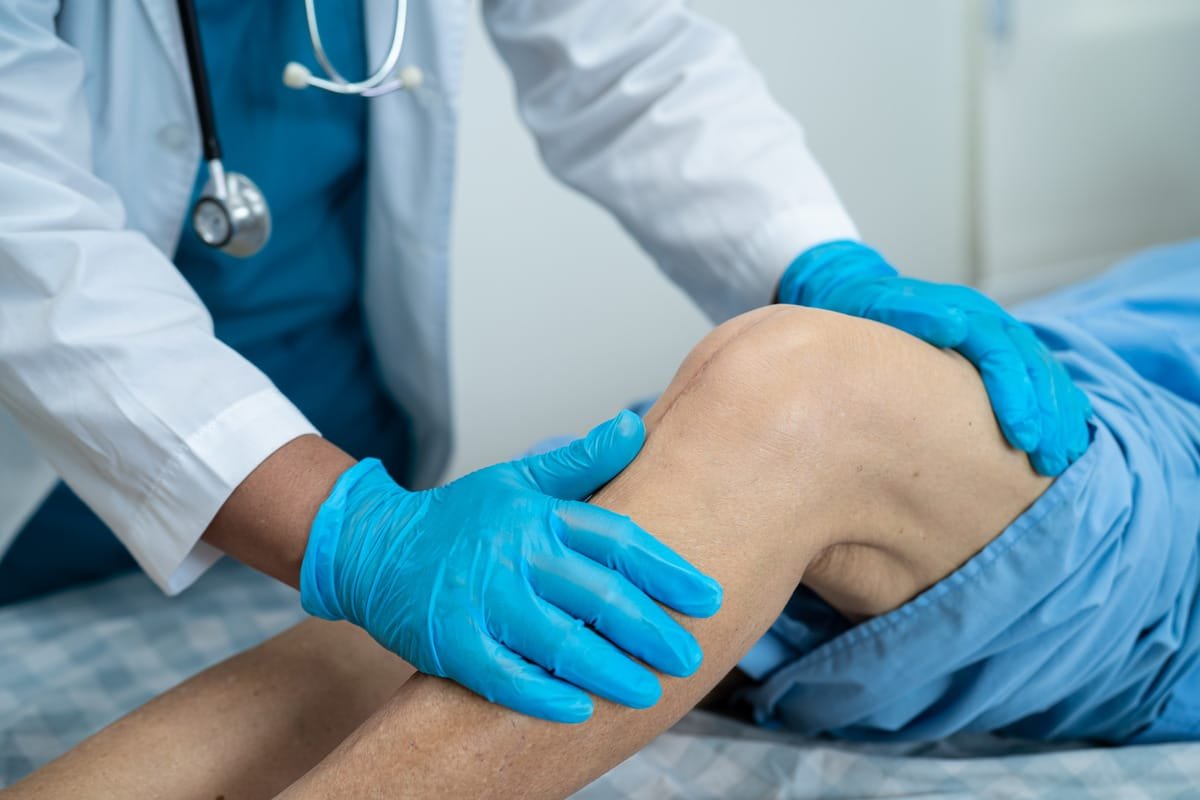
- Physical Examination: Checking knee stability, swelling, and movement range.
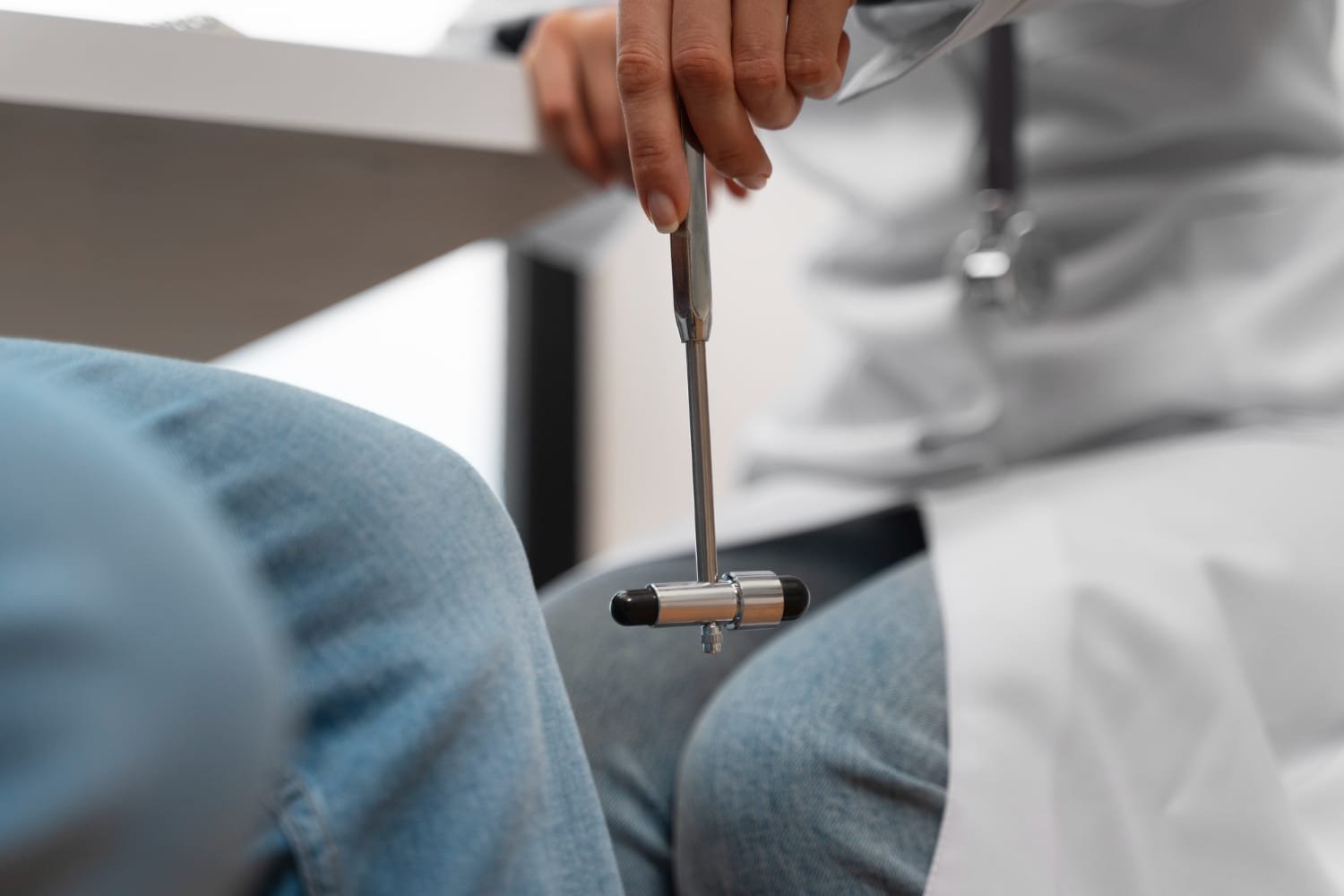
- Lachman Test / Pivot Shift Test: To evaluate ligament laxity.
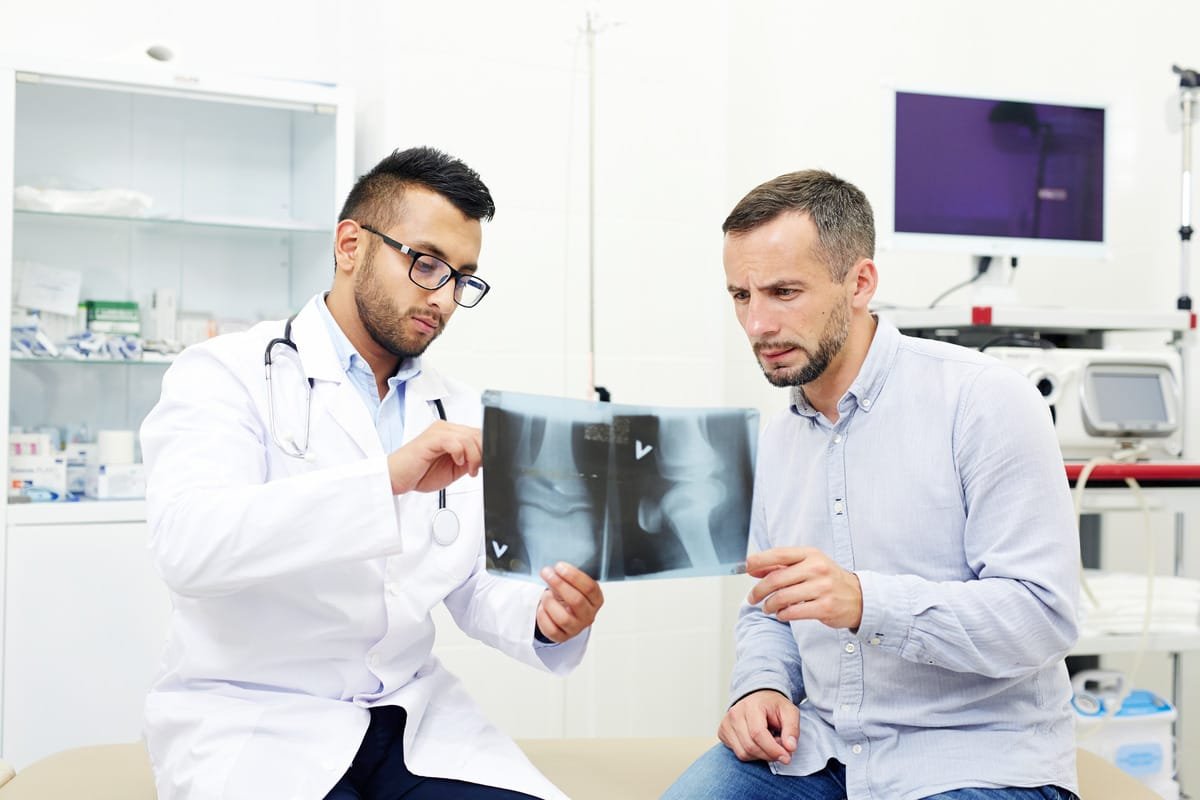
- MRI Scan: To confirm whether the ACL is stretched, partially torn, or completely ruptured.
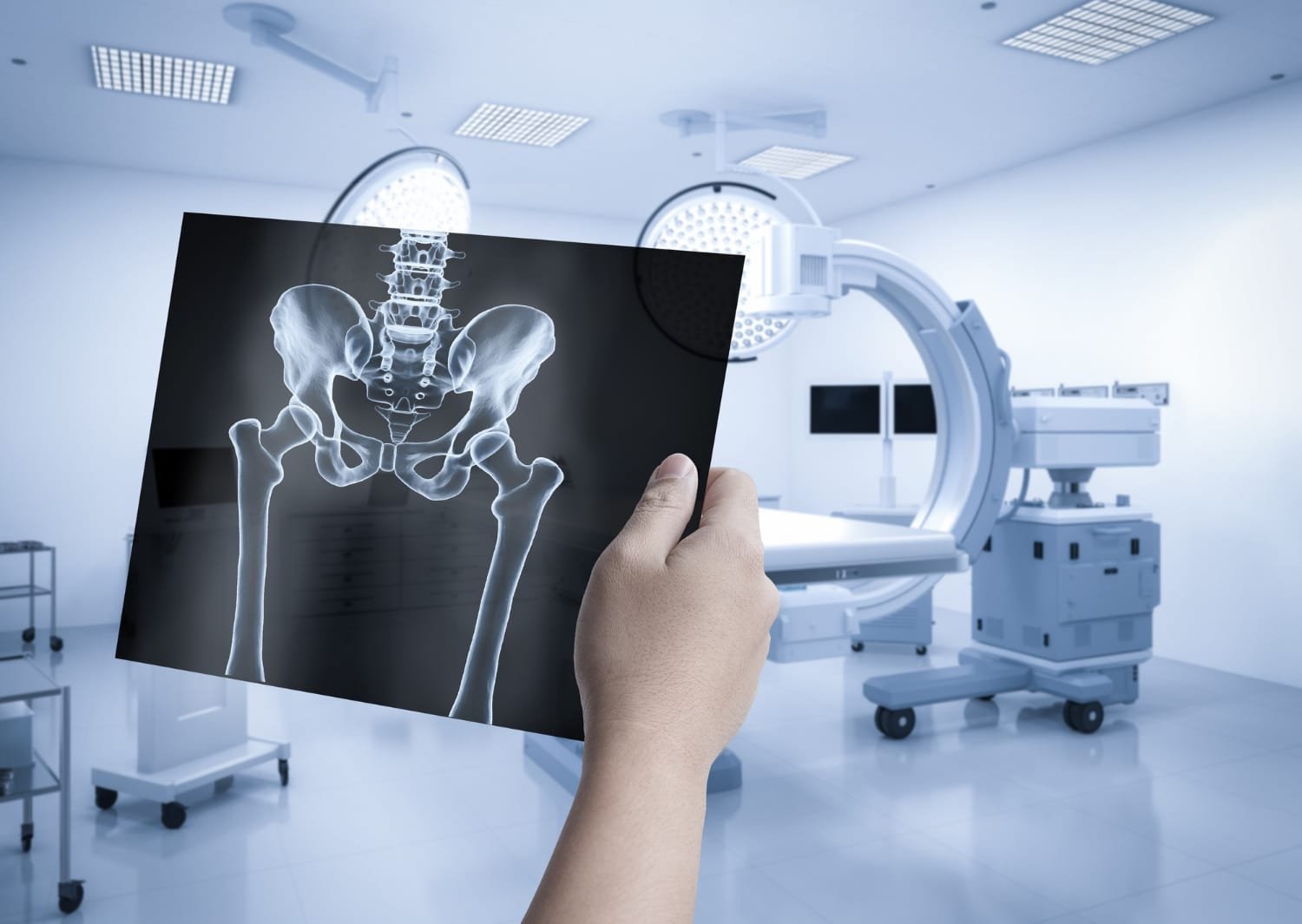
- X-Ray: To rule out bone fractures or other associated injuries.
At Metro Hospital, Faridabad, Dr. Deepak Mishra uses advanced imaging and clinical evaluation for precise diagnosis and tailored treatment planning.
Recovery and Rehabilitation
Recovery time depends on the extent of the injury and treatment type:
- ACL Sprain: 2–4 weeks with rest and physiotherapy.
- Partial ACL Tear: 6–12 weeks of structured rehab.
- Complete ACL Rupture (Post-Surgery): 6–9 months of rehabilitation for full recovery.
Rehabilitation includes:
- Early range-of-motion exercises
- Strengthening of quadriceps and hamstrings
- Balance and stability training
- Gradual return to sports activities
Under Dr. Deepak Mishra’s supervision, patients receive a personalized recovery roadmap designed for optimal results and long-term joint protection.
Preventing ACL Injuries
While not all injuries can be avoided, the following tips help reduce risk:
- Always warm up before exercise or sports.
- Practice balance and stability exercises.
- Strengthen the muscles around the knee and hips.
- Avoid sudden twists or awkward landings.
- Use proper footwear with adequate support.
Why Choose Dr. Deepak Mishra for ACL Injuries in Faridabad
Dr. Deepak Mishra is one of the most respected orthopedic surgeons in Faridabad, with vast experience in treating sports injuries, ligament tears, and joint replacement surgeries.
Why Patients Trust Dr. Mishra:
- Expertise in arthroscopic ACL reconstruction and sports orthopedics.
- Focus on minimally invasive techniques for faster recovery.
- Comprehensive rehabilitation and post-operative care.
- State-of-the-art infrastructure at Metro Hospital, Faridabad.
- High success rate in restoring mobility and knee stability.
Whether it’s an athlete’s ACL tear or a workplace injury, Dr. Deepak Mishra provides compassionate, advanced, and personalized orthopedic care for every patient.
Conclusion
The difference between an ACL sprain, tear, and rupture lies in the extent of ligament damage and the treatment required. Early diagnosis and expert care are key to successful recovery and preventing chronic knee instability.
If you’re suffering from knee pain, instability, or suspect an ACL injury, consult Dr. Deepak Mishra, the best orthopedic doctor in Faridabad, for an accurate diagnosis and advanced treatment options. With his surgical expertise and evidence-based rehabilitation, you can regain strength, stability, and return to an active lifestyle.
Dr. Deepak Mishra
Director – Orthopaedics & Joint Replacement Surgery
Metro Hospital, Faridabad
For Appointments: +91 8287334003
Recent Blogs
-
-
 When Is Knee Replacement the Only Option?
- 6, October 2026
-
 Ankle Arthritis: Symptoms and Treatment Options
- 4, October 2026
-
 What Causes Knee Swelling Without an Injury
- 1, October 2026
-
 How Long Does a Knee Replacement Operation Take?
- 25, September 2026
-
 Who Is the Best Bone Doctor in Faridabad?
- 22, September 2026
-
 Best Ankle Surgeon in Faridabad
- 18, September 2026
-
 Shoulder Dislocation Treatment in Faridabad
- 15, September 2026
-
 10 Common Mistakes After Knee Replacement Surgery
- 12, September 2026
-
 Top 10 Hip Surgeons in India
- 4, September 2026
-
 Orthopedic Surgeon: Definition, Expertise & Specialties
- 1, September 2026
-
 Top 10 Total Knee Replacement Surgeons in India – 2026
- 27, August 2026
-
 Top 10 Best Orthopedic Doctors in India
- 25, August 2026
-
 Dual Mobility Hip Replacement Surgery in Faridabad
- 21, August 2026
-
 Gold Knee Replacement Surgery in Faridabad
- 18, August 2026
-
-
-
-
 Bone Fracture Specialist in Faridabad
- 25, July 2026
-
 Robotic Partial Knee Replacement in Faridabad
- 21, July 2026
-
-
-
 Runner’s Knee: Prevention & Treatment
- 10, July 2026
-
 Best Knee Tendonitis Treatment in Faridabad
- 7, July 2026
-

-
 Why Does My Knee Make Clicking Sounds?
- 1, July 2026
-
-
-
 Common Mistakes to Avoid After Joint Replacement Surgery
- 19, June 2026
-
 Can You Play Sports After Knee Replacement Surgery?
- 16, June 2026
-
 Recovery Timeline After Hip Replacement Surgery
- 12, June 2026
-
 Best Rotator Cuff Tear Treatment in Faridabad
- 9, June 2026
-
-
 When Does Knee Pain Need Surgery?
- 19, May 2026
-
 Can You Walk Normally After Hip Replacement?
- 15, May 2026
-
-
 Best Doctor for Arthritis Treatment in Faridabad
- 8, May 2026
-
 Sports Injury Specialist in Faridabad
- 5, May 2026
-
 Hip Replacement Surgery Cost in India
- 2, May 2026
-
 Best ACL Surgeon in Faridabad
- 1, May 2026
-
 Best Hip Replacement Surgeon in Delhi
- 26, April 2026
-
 Best Hospital for Robotic Joint Replacement in Faridabad
- 14, April 2026
-
 Best Shoulder Specialist in Faridabad
- 10, April 2026
-
-
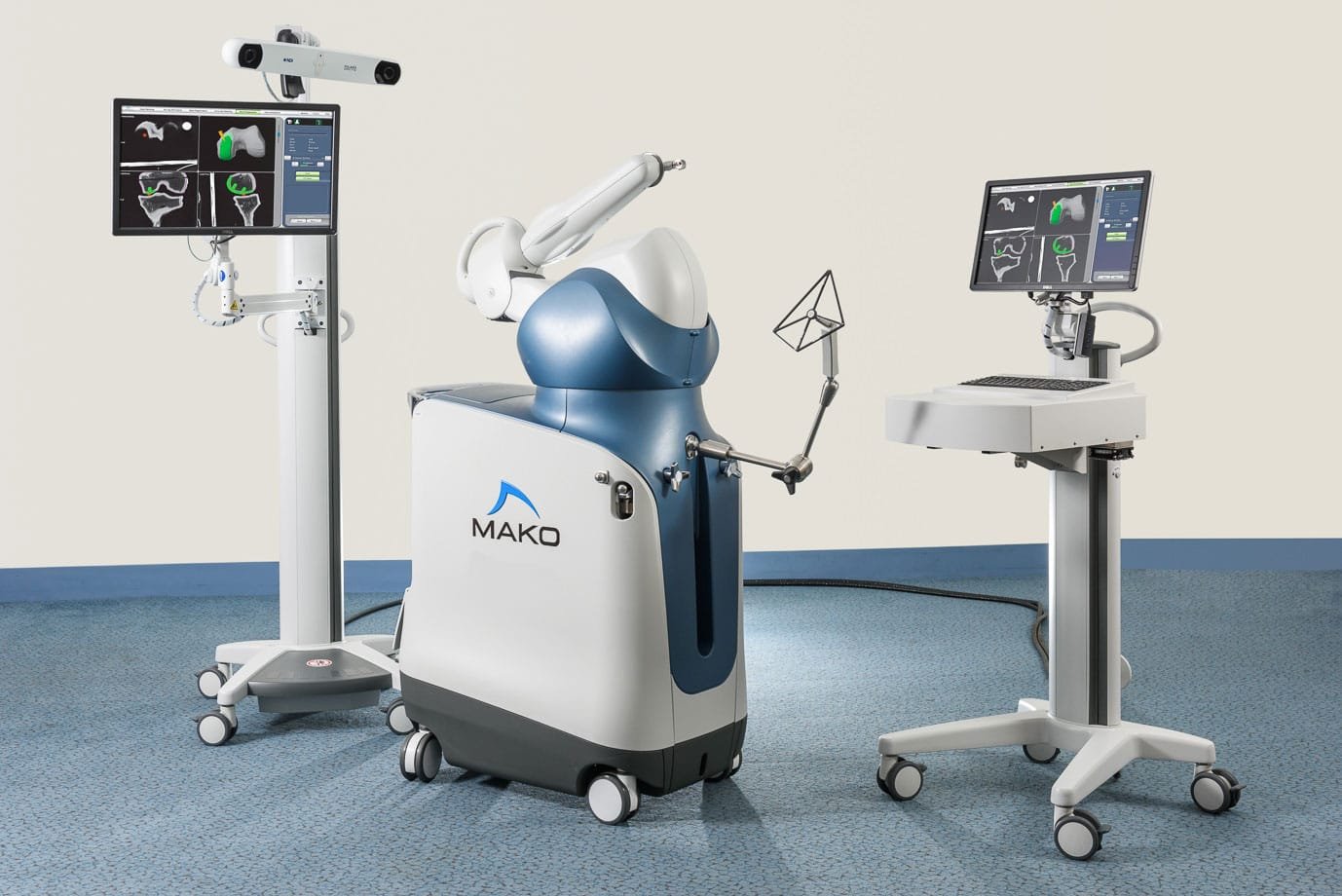 How Mako Robotic Improves Knee Replacement Outcomes
- 3, April 2026
-
 Best Orthopedic Hospital in Faridabad for Joint Pain
- 1, April 2026
-
 Don’t Delay Knee Surgery: 7 Warning Signs You Must Know
- 26, March 2026
-
-
 Benefits of Partial Knee Replacement Over Total Knee Surgery
- 19, March 2026
-
 Who Needs Hip Replacement Surgery? Signs & Eligibility
- 16, March 2026
-
 Best Joint Replacement Hospital in India
- 13, March 2026
-
 Shoulder Dislocation in Sports: Treatment and Recovery
- 11, March 2026
-
 Top 7 Signs You Need to Visit a Knee Specialist
- 7, March 2026
-
-
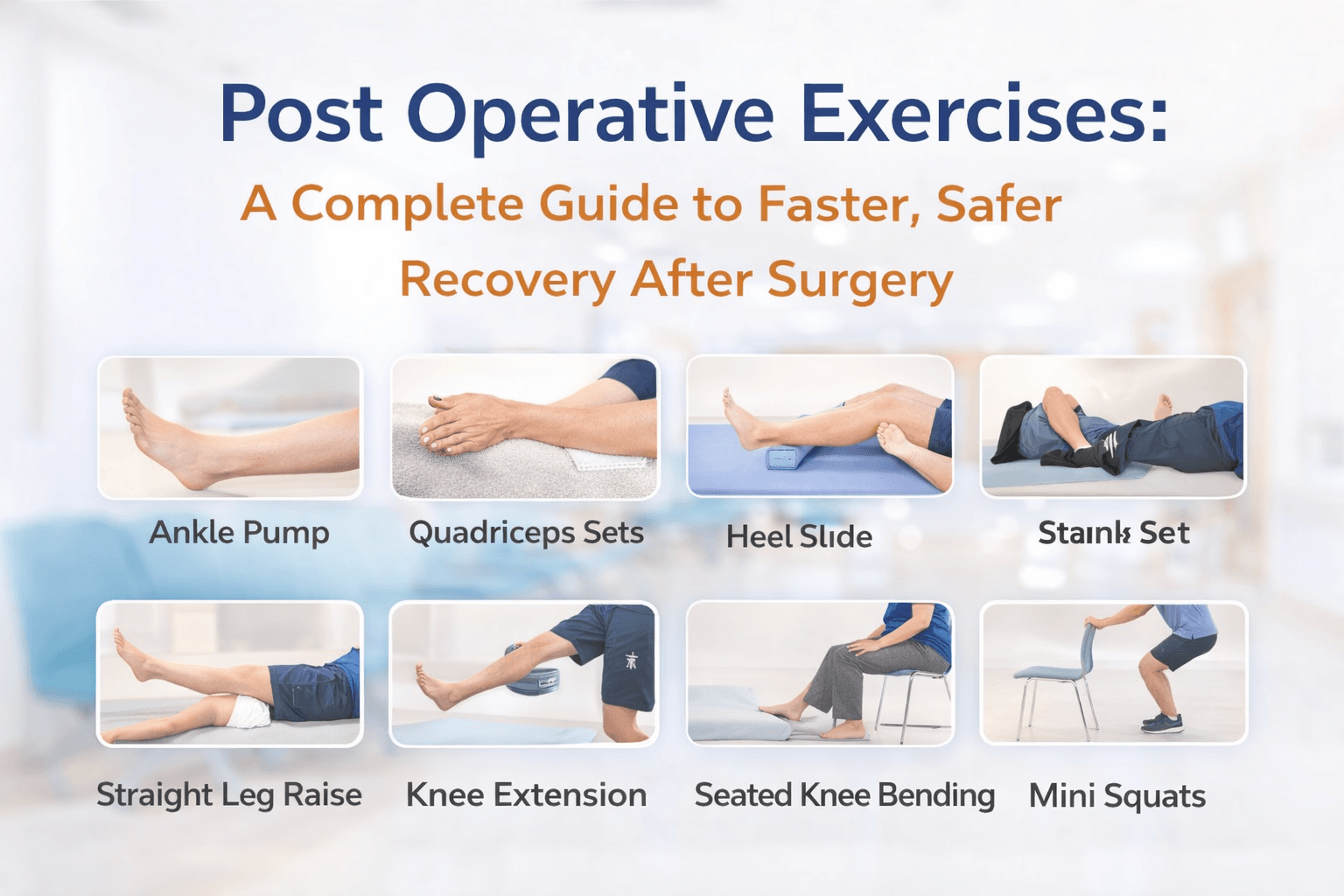 Post Operative Exercises
- 26, February 2026
-
 After ACL Surgery When Can I Walk?
- 24, February 2026
-
 What Happens If Knee Arthritis Is Left Untreated?
- 21, February 2026
-
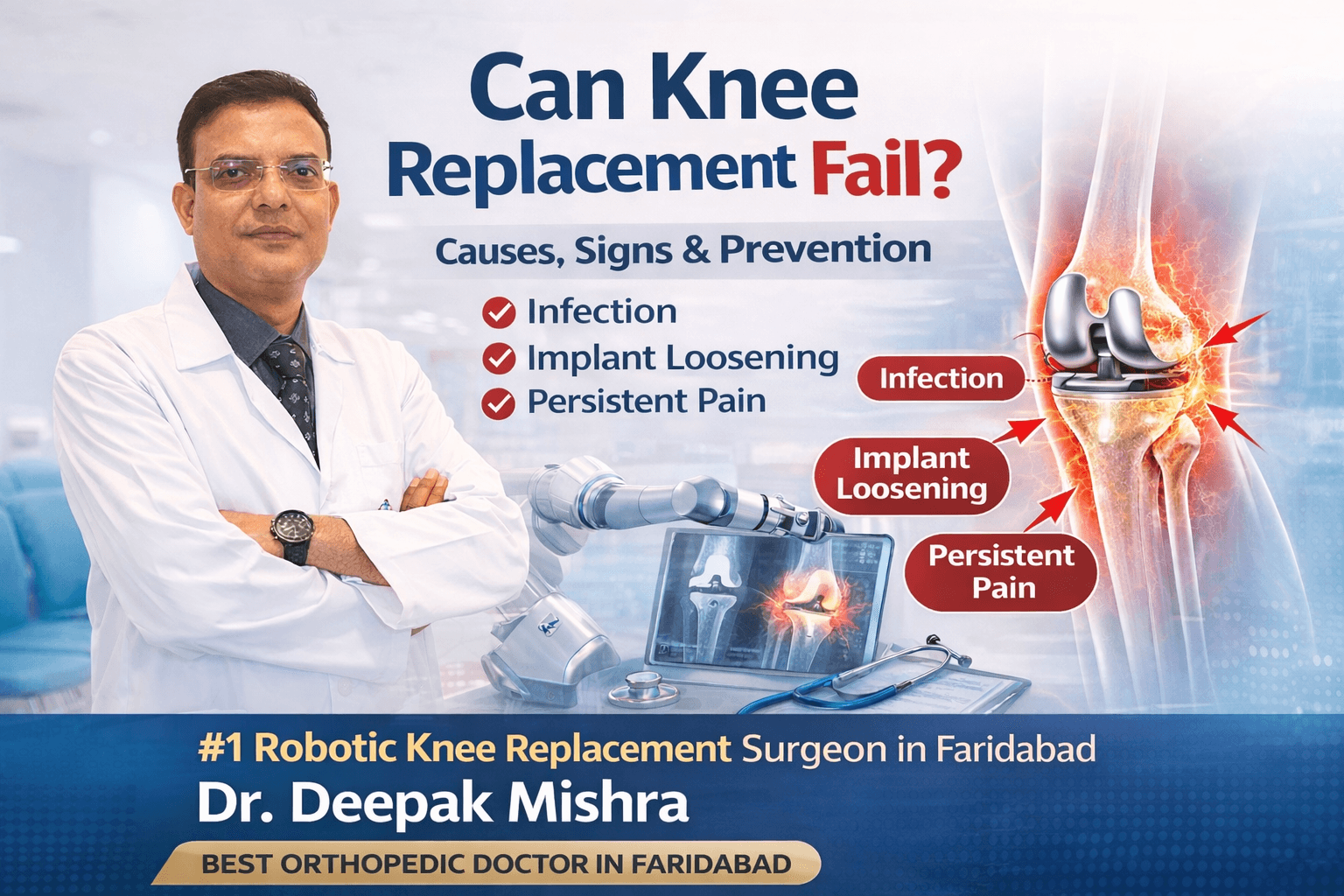 Can Knee Replacement Fail? Causes, Signs & Prevention
- 21, February 2026
-
 Who Is Not Suitable for Knee Replacement Surgery?
- 12, February 2026
-
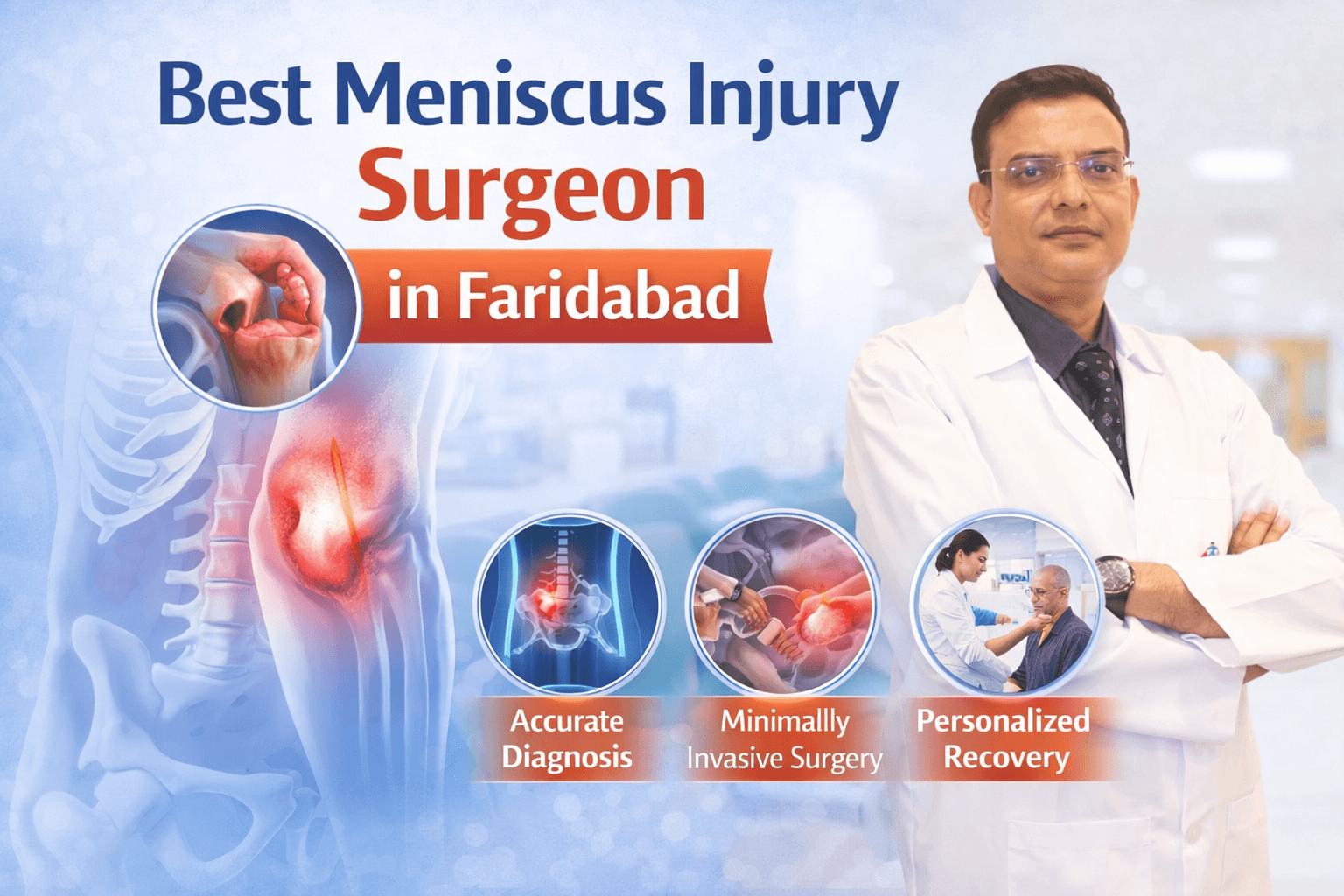 Best Meniscus Injury Surgeon in Faridabad
- 9, February 2026
-
 How Obesity Affects Knee Health & When to Consider Knee Replacement
- 6, February 2026
-
 Knee Pain After Sitting for Long Hours – What to Do
- 3, February 2026
-
 Most Common Sports Injuries and How to Prevent Them
- 26, January 2026
-
 Walking, Stairs & Daily Activities After Knee Replacement
- 22, January 2026
-
 When Knee Pain Needs Medical Attention: Red Flags to Watch
- 19, January 2026
-
 Cartilage Damage in Sports: Early Signs Athletes Should Not Ignore
- 15, January 2026
-
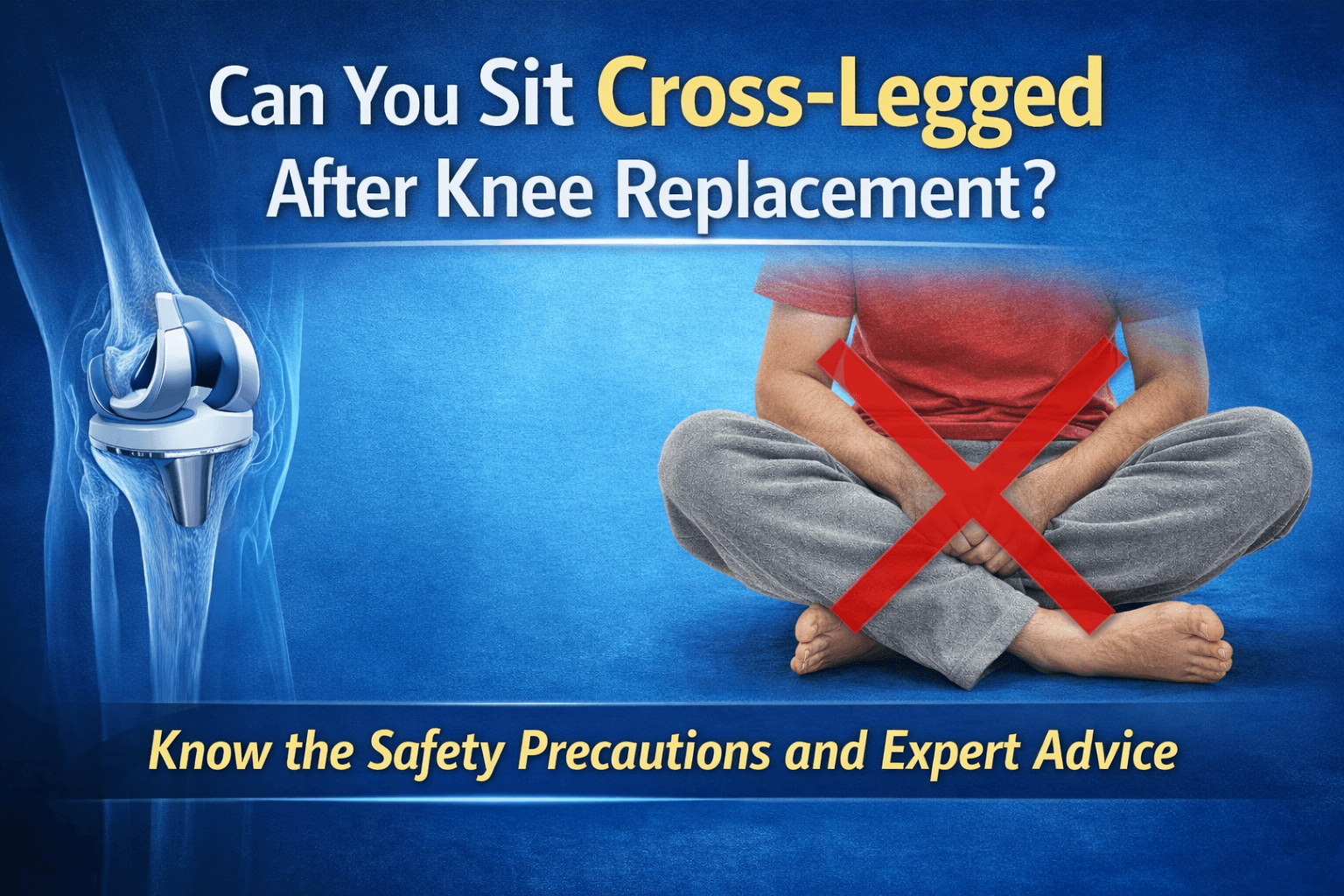 Can You Sit Cross-Legged After Knee Replacement?
- 13, January 2026
-
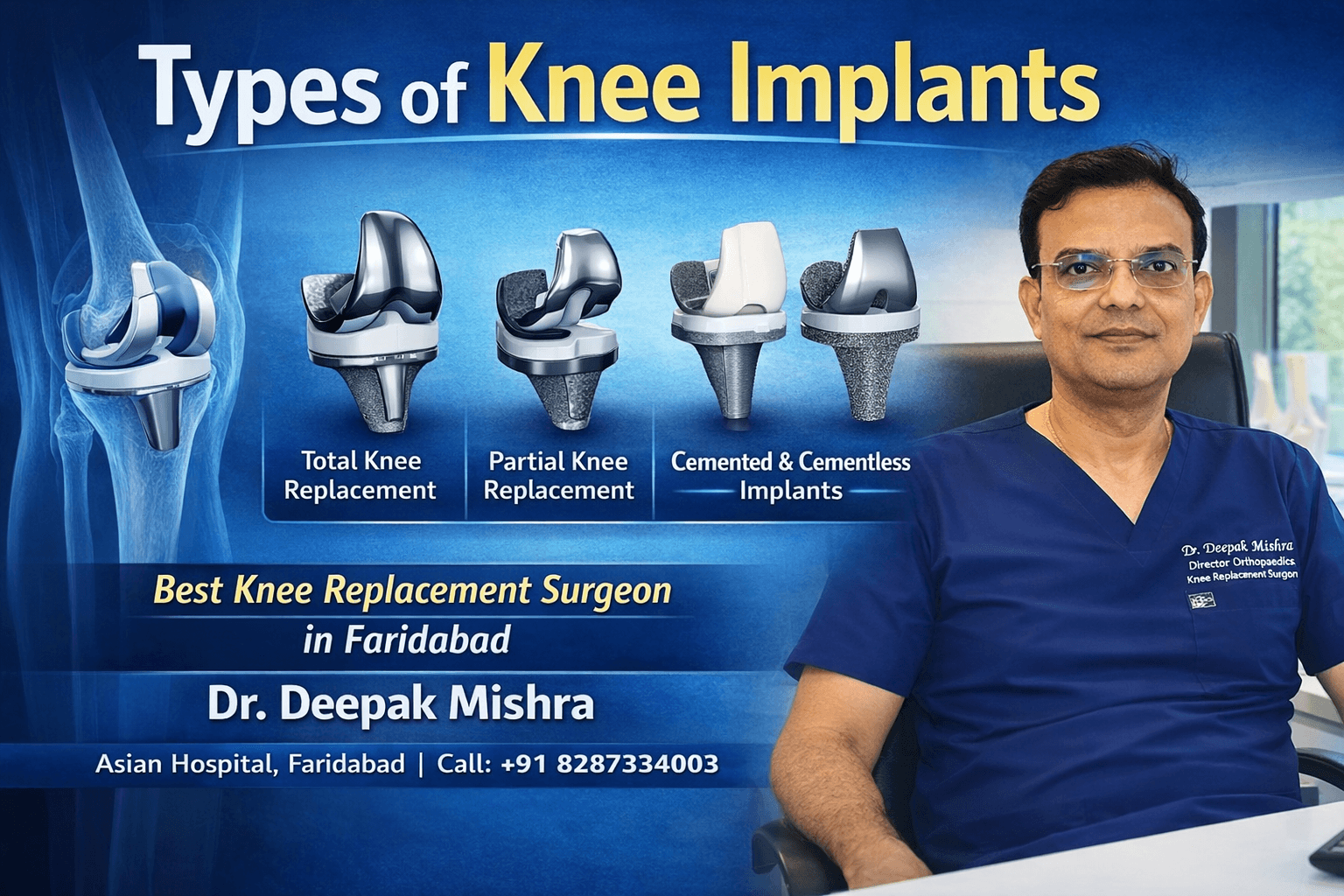 Types of Knee Implants
- 13, January 2026
-
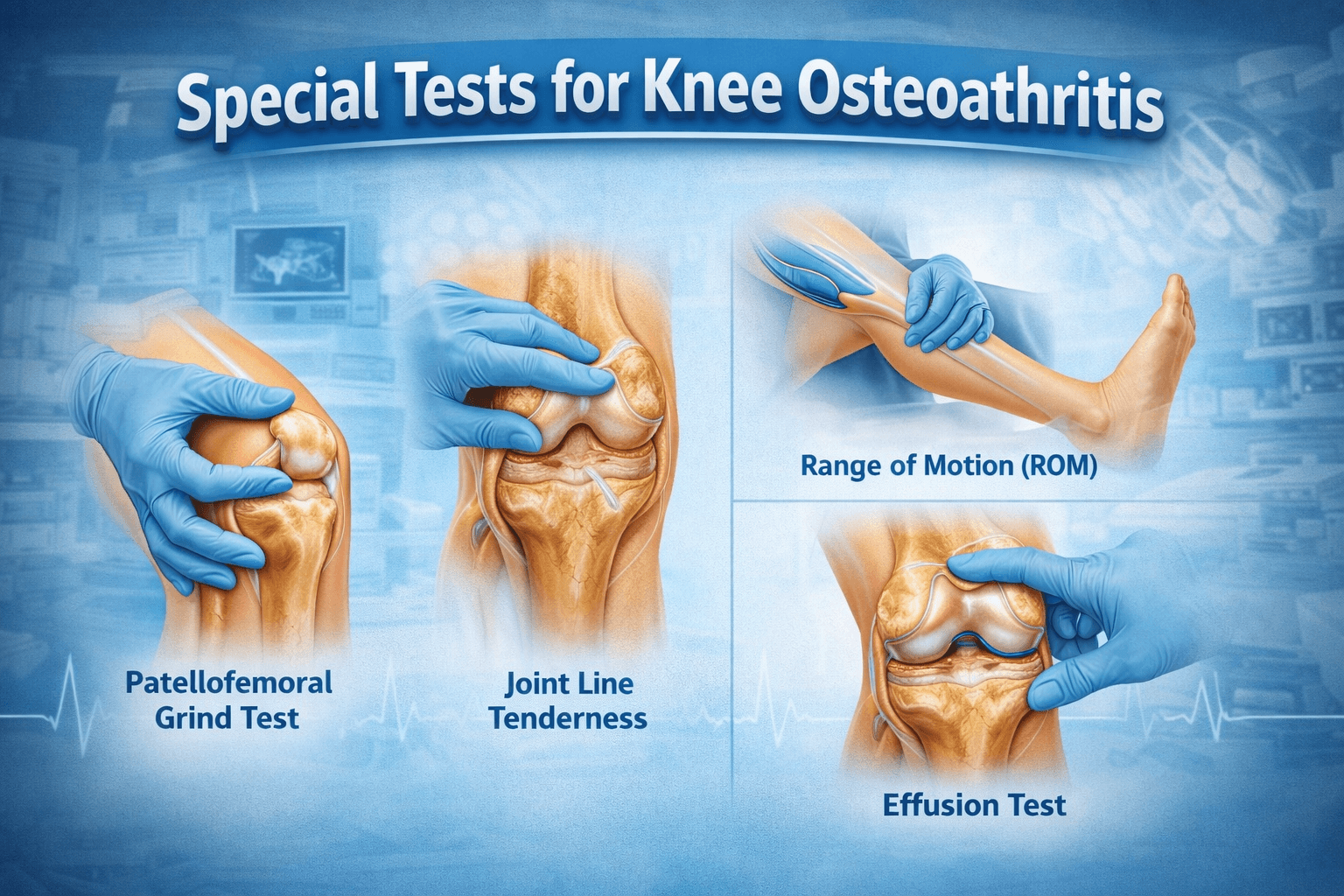 Special Tests for Knee Osteoarthritis
- 7, January 2026
-
 Knee Operation Types: A Comprehensive Guide
- 7, January 2026
-
 Difference Between Knee Arthritis, Meniscus Tear, and Ligament Injury
- 30, December 2025
-
 Knee Pain While Walking: When Should You Worry?
- 30, December 2025
-
 What Happens If Knee Replacement Is Delayed Too Long?
- 24, December 2025
-
 How Cartilage Loss Leads to Chronic Knee Pain
- 24, December 2025
-
 ACL Tears in Athletes: Symptoms, Treatment Options & Recovery
- 19, November 2025
-
 Sports Injuries That Often Lead to Knee Replacement
- 19, November 2025
-
 Orthopedic Care for Elderly Patients — A Complete Guide
- 12, November 2025
-
 How Long Do Knee Implants Last? (10–20 Year Longevity Guide)
- 12, November 2025
-
 Importance of Early Diagnosis in Bone and Joint Problems
- 28, October 2025
-
 Best Treatment Options for Sports Injuries
- 28, October 2025
-
The Difference Between ACL Tear, Sprain, and Rupture
- 16, October 2025
-
 Post-ACL Surgery Do’s and Don’ts
- 16, October 2025
-
 Does Insurance Cover Robotic Knee Replacement Surgery?
- 6, October 2025
-
 When Can You Return to Sports After Robotic Knee Replacement?
- 6, October 2025
-
 Impact of Obesity on Knee Replacement Surgery and Recovery
- 30, September 2025
-
 Early vs. Delayed Knee Replacement: Which Is Better?
- 30, September 2025
-
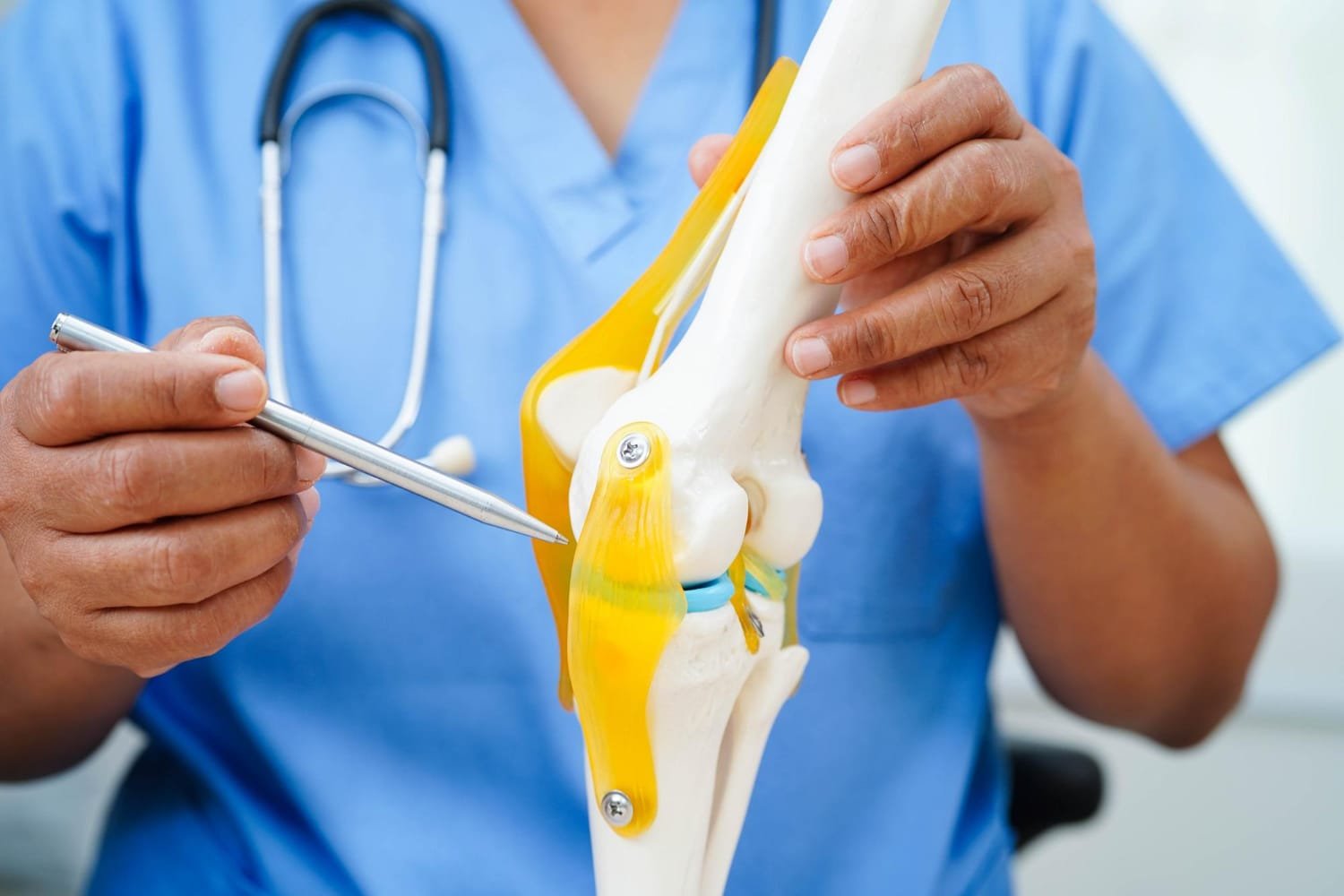 How Durable Are Knee Implants? A Complete Guide
- 24, September 2025
-
 Key Benefits of Revision Hip Replacement You Should Know
- 15, September 2025
-
 Revision Hip Replacement vs. Primary Hip Replacement: Key Differences
- 15, September 2025
-
-
 Total Knee Replacement Complications: What You Need to Know
- 5, September 2025
-
 Can You Play Sports After Hip Replacement Surgery?
- 26, August 2025
-
 Preparing for Knee Replacement: Do’s and Don’ts Before Surgery
- 26, August 2025
-
-
 What to Know About Knee Replacement Revision Surgery
- 18, August 2025
-
 Cost of Hip Replacement in India – What Patients Should Know
- 11, August 2025
-
-
 Who Is the Best Orthopedic Doctor for Sports Injuries?
- 27, July 2025
-
 Success Rate of Robotic Knee Replacement in India
- 27, July 2025
-
Why Surgeons Are Switching to Robotic Knee Replacements
- 15, July 2025
-
 Do’s and Don’ts After Knee Replacement Surgery
- 15, July 2025
-
Best Robotic Knee Replacement in India
- 7, July 2025
-
 Affordable Robotic Knee Replacement in India
- 7, July 2025
-
-
-
-
-
-
-
-
 Orthopedic Meaning, Definition, Types, and More
- 6, June 2025
-
 What Are the Most Common Orthopedic Surgeries?
- 24, May 2025
-
 What Does an Orthopedic Doctor Do?
- 24, May 2025
-
-
-
-
Best Orthopedic Doctor for Knee Pain in Faridabad
- 12, May 2025
-
 How to Prevent Knee Pain with Orthopedic Expert Tips
- 29, April 2025
-

-
Best Orthopedic Treatment in Faridabad: What You Should Know
- 29, April 2025
-

-
-
Best Knee Replacement Surgeon in Mathura
- 14, April 2025
-
Best Knee Replacement Surgeon in Hodal
- 14, April 2025
-
Best Knee Replacement Surgeon in Palwal
- 14, April 2025
-
-
-
-
 Benefits of Minimally Invasive Knee Surgery
- 24, March 2025
-
 Best knee Replacement Surgeon in India
- 17, March 2025
-
-
 How to Recover Quickly After Knee Replacement Surgery
- 10, March 2025
-
-
-
-
 Minimally Invasive Arthroplasty: Benefits and Recovery Advantages
- 24, February 2025
-
 Choosing the Right Hip Replacement Surgeon: A Comprehensive Guide
- 17, February 2025
-
 Restoring Mobility: The Role of Knee Replacement Doctors
- 17, February 2025
-
 Orthopedic Trauma Care for Athletes
- 6, February 2025
-
 Best Doctor for ACL Tear Treatment
- 6, February 2025
-
 Best Sports Medicine Doctor for Knee Injuries
- 6, February 2025
-
 Orthopedic Surgeons: 7 Things You Need to Know
- 27, January 2025
-
Best Joint Replacement Surgeon in Greater Faridabad
- 27, January 2025
-
Best Knee Replacement Surgeon in Palwal
- 20, January 2025
-
Best Knee Replacement Surgeon in South Delhi
- 20, January 2025
-
 Restoring Mobility: The Role of Knee Replacement Doctor
- 13, January 2025
-
 Robotic Knee Replacement Surgery in Delhi
- 30, December 2024
-
 Robotic Orthopedic Surgery: Revolutionizing Joint Replacement and Repair
- 30, December 2024
-
 Robotic Knee Replacement vs. Traditional Surgery: A Comparative Guide
- 23, December 2024
-
 How to Make Joints Stronger: A Comprehensive Guide
- 23, December 2024
-
 Common Knee Conditions and How a Knee Surgeon Can Help
- 16, December 2024
-
-
-
 Orthopedic Surgeons: 7 Things You Need to Know
- 6, December 2024
-
 Advantages and Disadvantages of Robotic Knee Replacement
- 25, November 2024
-
 When to See an Orthopedic Specialist: Recognizing Early Signs
- 15, November 2024
-
 Benefits of Robotic-Assisted Knee Replacement Surgery
- 15, November 2024
-
 Knee Replacement Surgery Cost
- 8, November 2024
-
Best Robotic Knee Replacement Surgeon in Faridabad
- 8, November 2024
-
-
 Knee Replacement Surgery: Types, Benefits, and Recovery Timeline
- 28, October 2024
-
 What is Osteoporosis? Symptoms, Causes, and Prevention
- 21, October 2024
-
 Signs It’s Time for a Knee Replacement: When to Consult a Surgeon
- 18, October 2024
-
 Understanding Different Types of Arthritis: Symptoms and Causes
- 11, October 2024
-
 Taking Care After Knee Replacement Surgery
- 15, December 2022
-
 Amazing Ways to Get Relief from Arthritis Pain Naturally
- 2, December 2022
-
-
 How Does Fat Affect Arthritis?
- 4, November 2022
