Knee Pain After Sitting for Long Hours: Causes, Symptoms, Treatment and Prevention
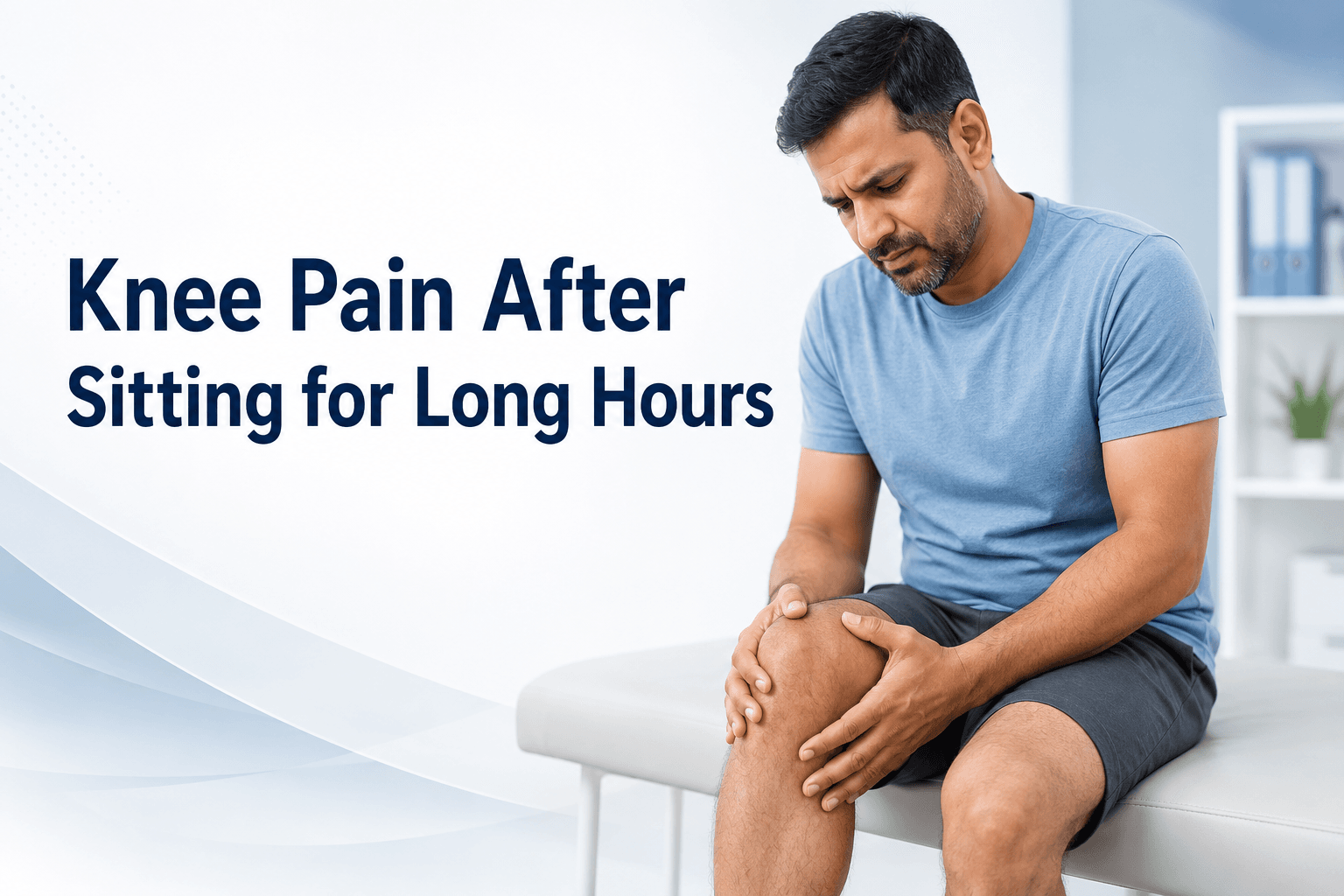
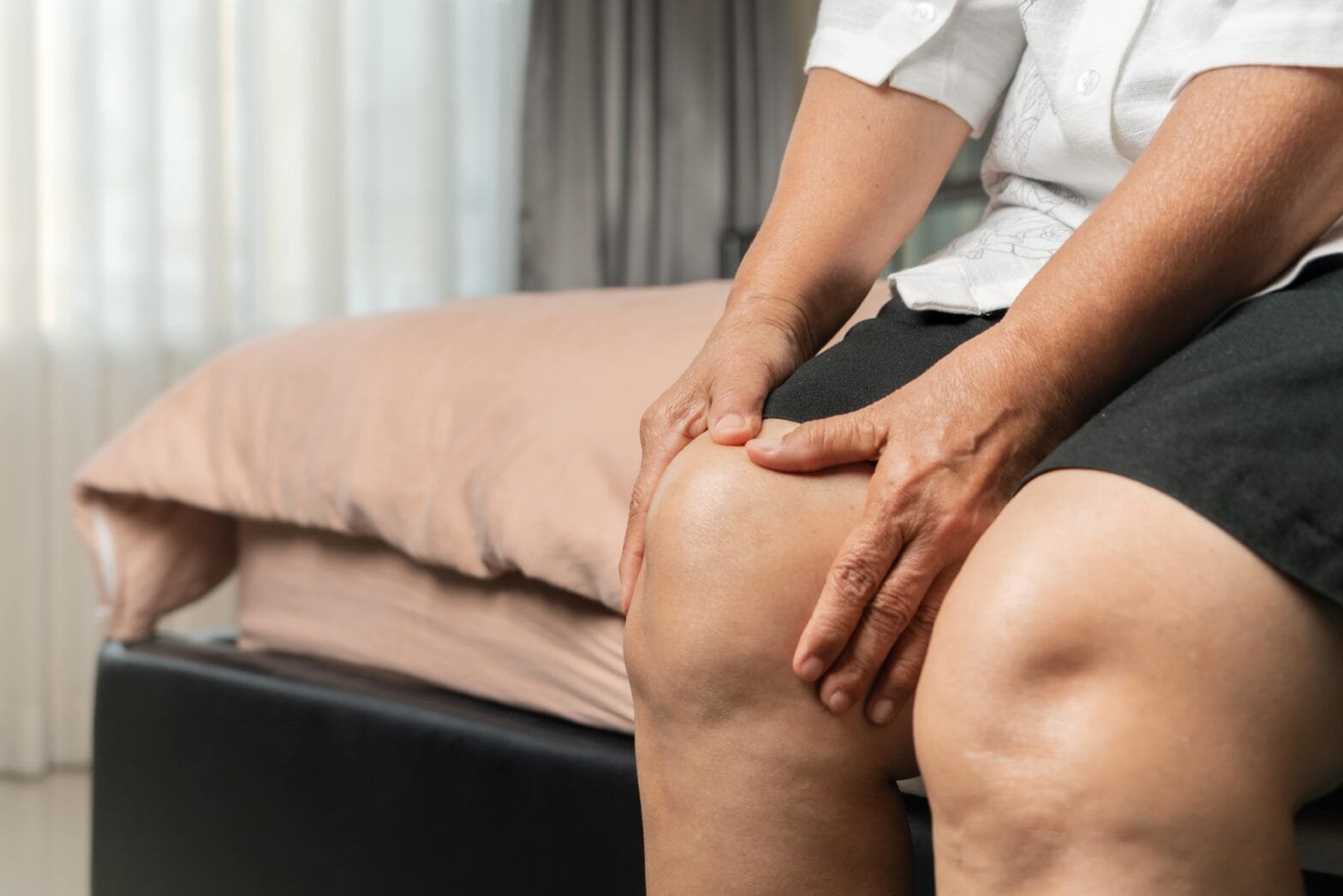
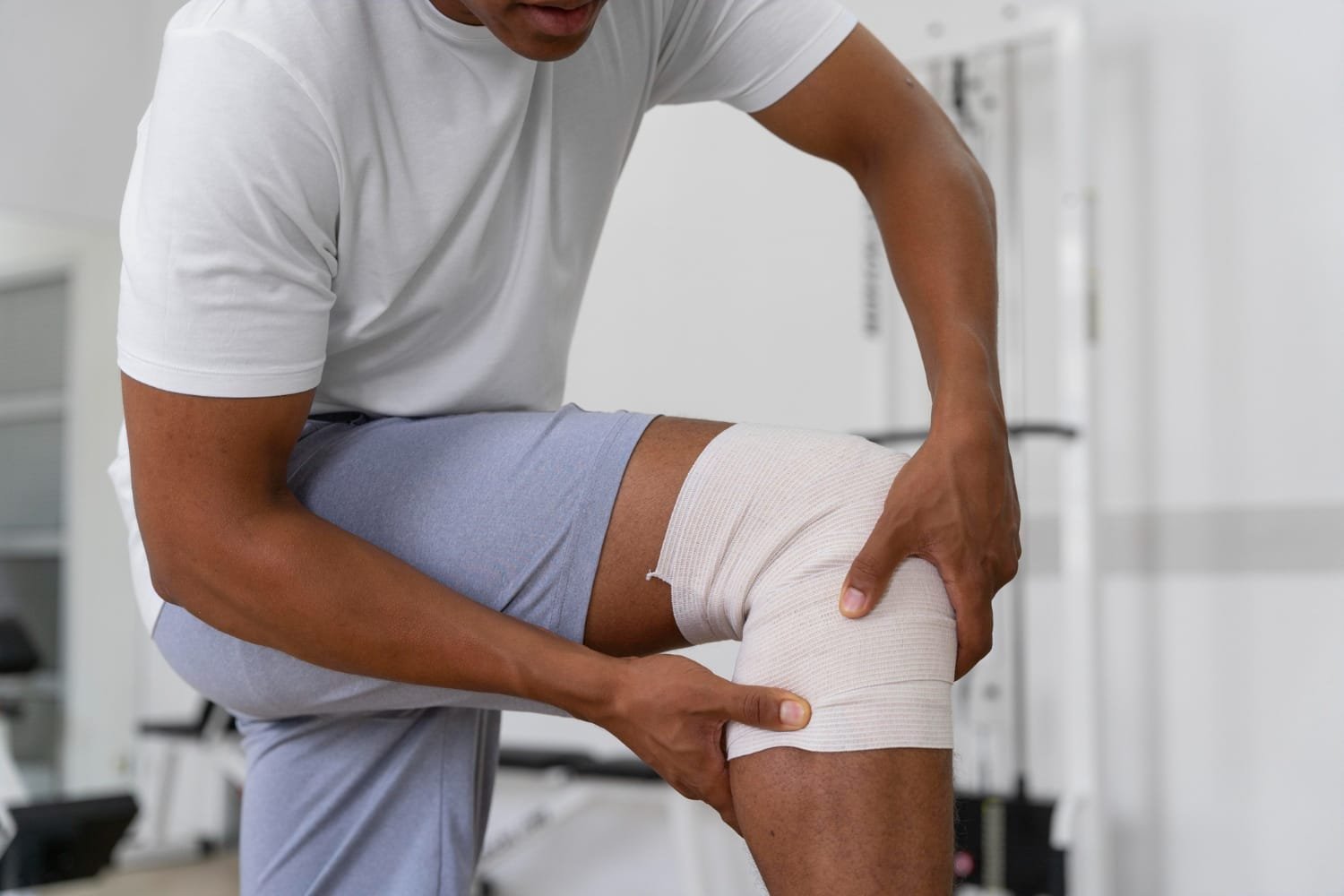
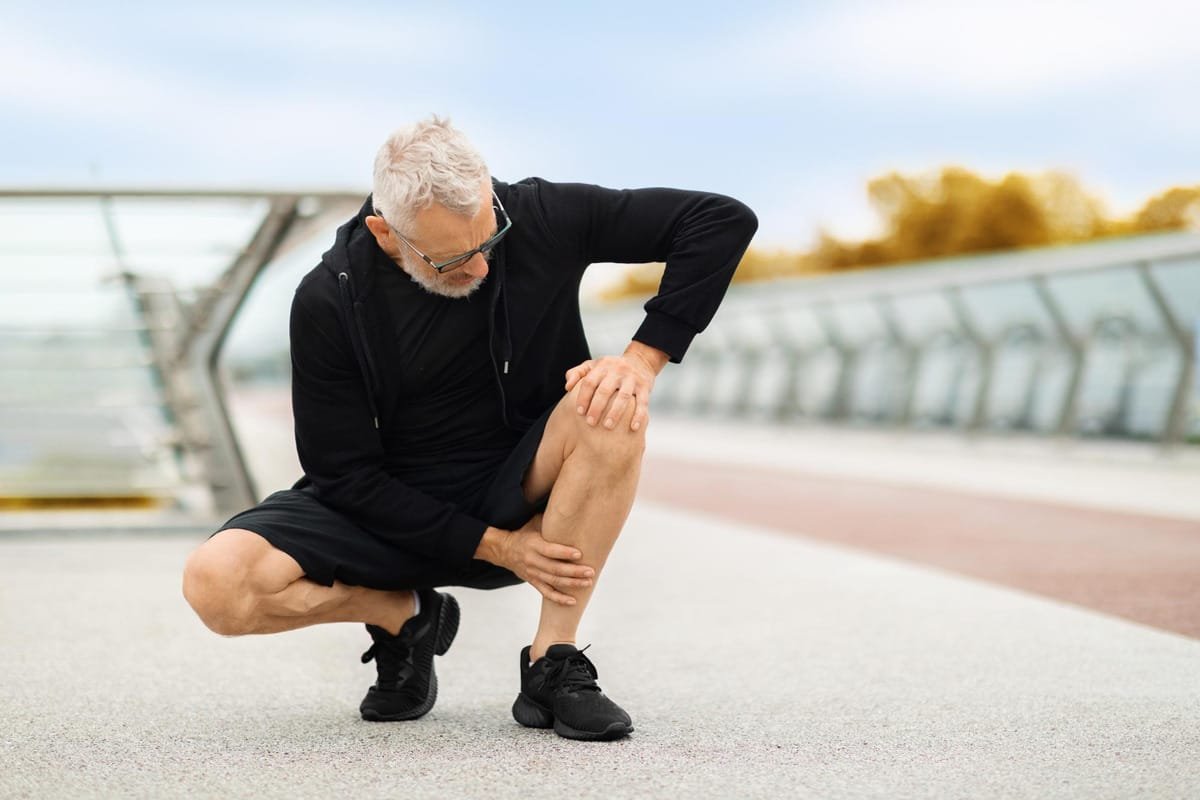
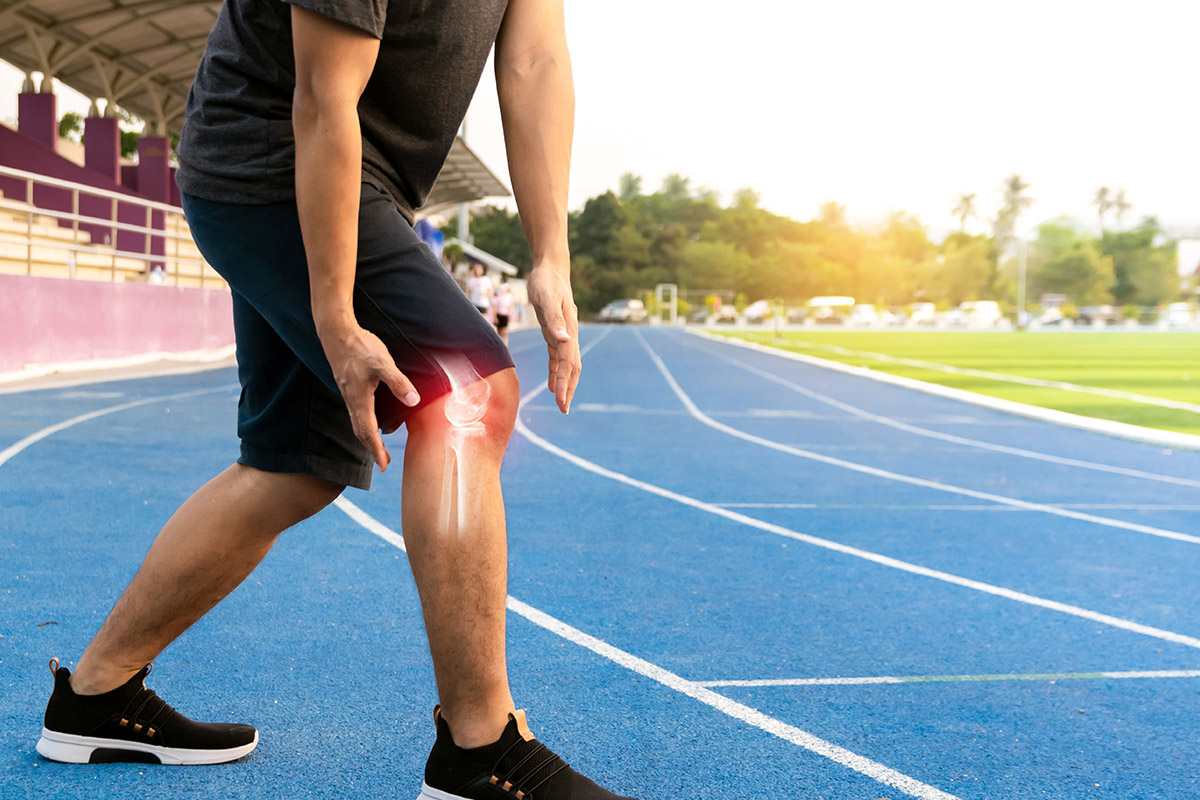
July 14, 2026Knee pain after sitting for long hours is a common complaint among office workers, drivers, students, older adults and people who spend extended periods travelling. You may feel stiffness, aching, clicking or discomfort when you stand up after sitting at a desk, watching television, driving or travelling by air. The pain may disappear after taking a few steps, or it may continue and affect walking, climbing stairs and other daily activities.
People experiencing frequent knee stiffness or pain should not ignore the problem. For expert evaluation and personalised joint care, patients searching for the best orthopedic doctor in Faridabad and Best knee replacement surgeon in Faridabad can consult Dr. Deepak Mishra. A detailed examination can help identify whether the discomfort is related to temporary stiffness, muscle weakness, patellofemoral pain, arthritis, an old injury or another underlying knee condition.
Occasional stiffness after remaining in one position may not always indicate a serious joint problem. However, repeated pain, swelling, limited movement or difficulty bearing weight requires proper medical assessment. Understanding the cause of knee pain after prolonged sitting is the first step towards receiving appropriate treatment and preventing the condition from becoming worse.
Why Does the Knee Hurt After Sitting for a Long Time?
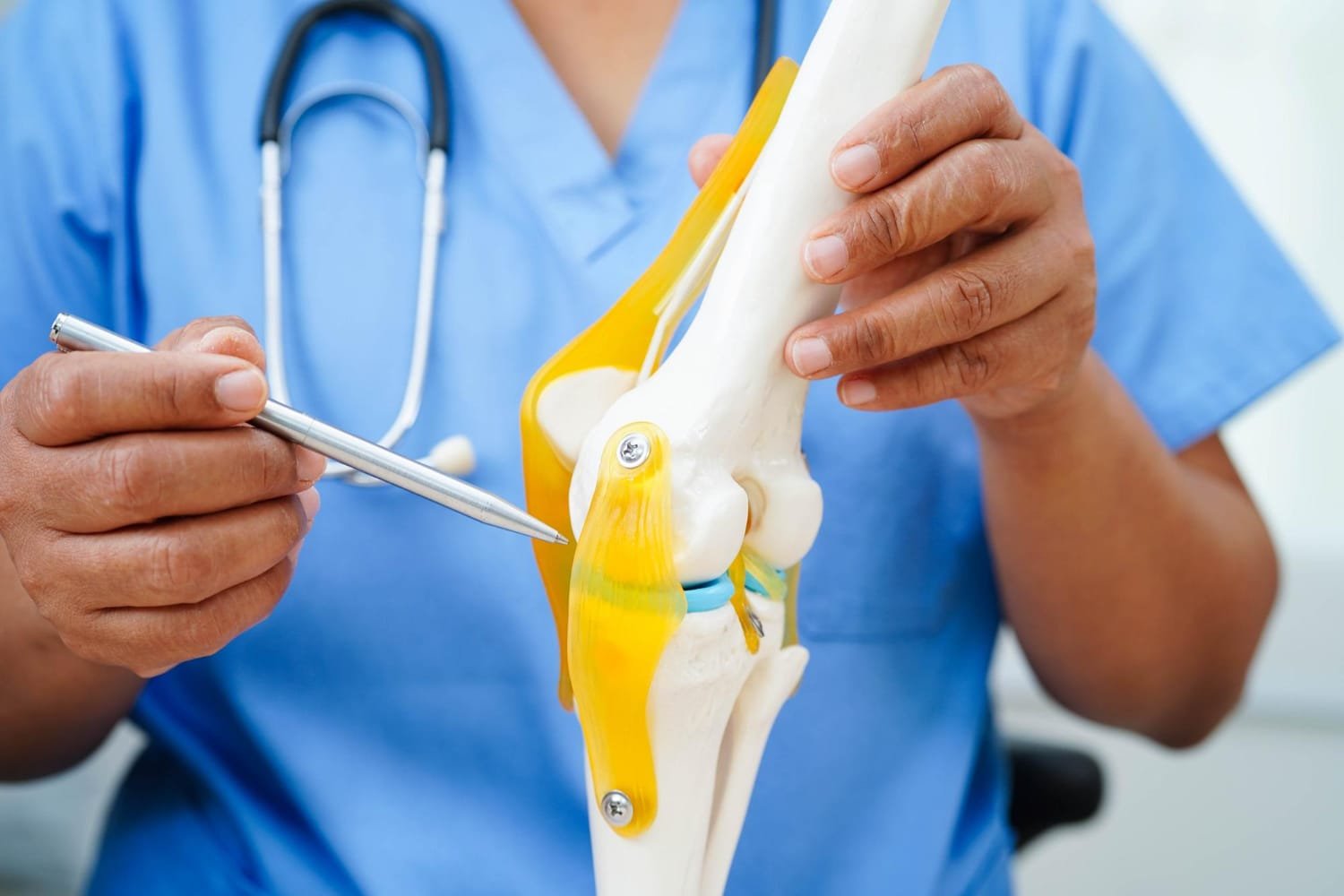
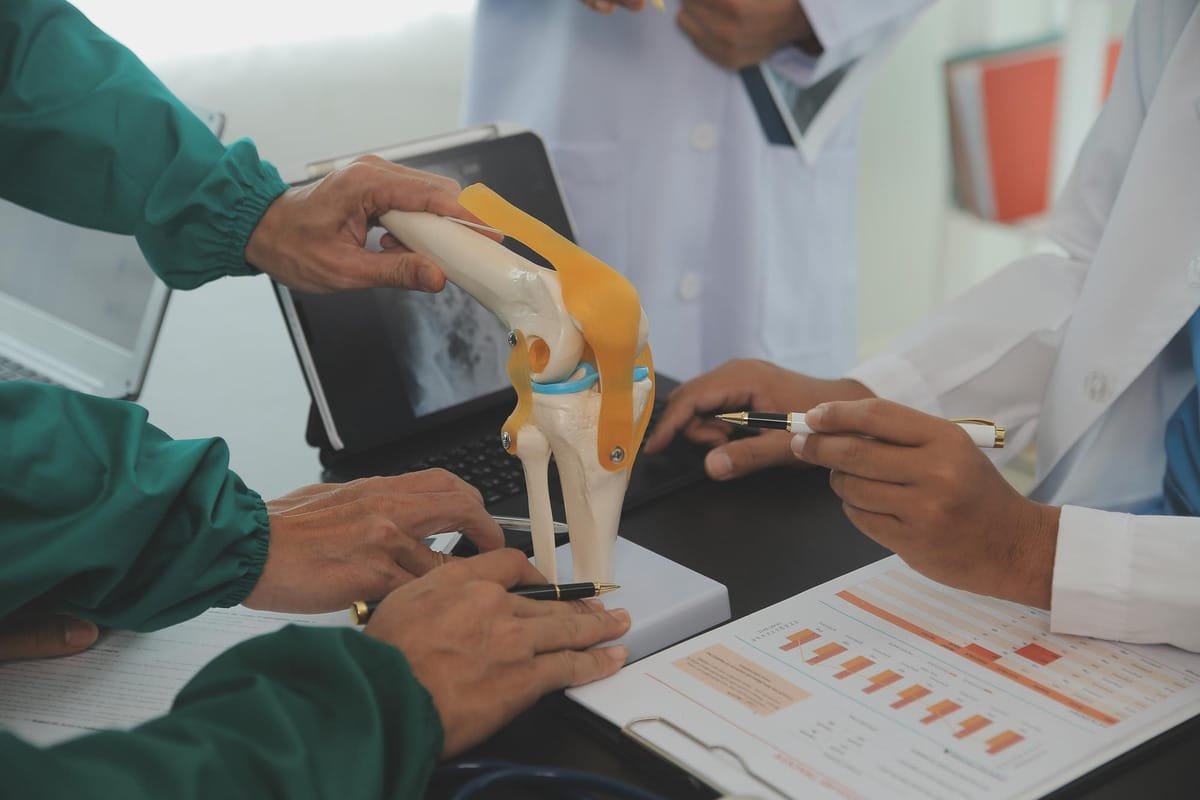
The knee is a complex weight-bearing joint made up of bones, cartilage, muscles, ligaments, tendons and fluid-filled structures. These components work together to support body weight, maintain balance and allow movements such as walking, bending, climbing and standing.
When you sit for an extended period, especially with the knees bent at a sharp angle, the structures around the kneecap remain in the same position. The muscles supporting the knee also remain relatively inactive. When you suddenly stand, the joint and surrounding muscles must quickly begin supporting your weight again.
This transition can produce temporary stiffness or discomfort. In some people, prolonged sitting may aggravate an existing condition such as patellofemoral pain syndrome or knee osteoarthritis. The American Academy of Orthopaedic Surgeons identifies pain at the front of the knee after sitting for a long period with the knees bent as a common symptom of patellofemoral pain syndrome.
It is important to understand that sitting does not necessarily damage every healthy knee. Instead, pain after sitting may reveal weakness, inflammation, abnormal kneecap movement or an existing joint problem that becomes more noticeable after inactivity.
Common Causes of Knee Pain After Sitting for Long Hours
1. Patellofemoral Pain Syndrome
Patellofemoral pain syndrome is one of the most common causes of pain around or behind the kneecap. It is sometimes informally called “movie-goer’s knee” because symptoms often appear after sitting through a movie, a long journey or an extended meeting with the knees bent.
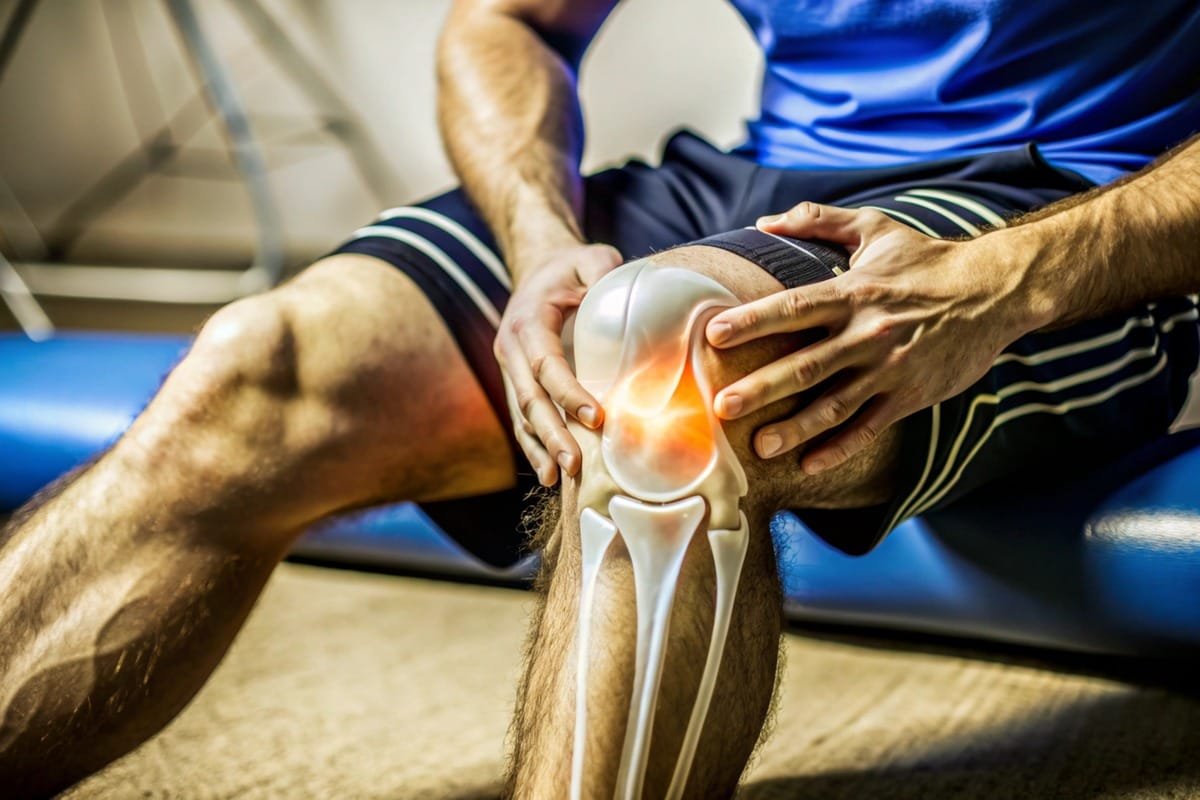
The pain is usually felt at the front of the knee and may become worse while:
- Standing up after prolonged sitting
- Climbing or coming down stairs
- Squatting
- Running or jumping
- Kneeling
- Sitting with bent knees
- Walking on slopes
Some people may also experience a clicking, grinding or popping sensation while standing up. Patellofemoral pain can be associated with muscle weakness, sudden changes in physical activity, poor movement patterns or problems with the way the kneecap moves over the thigh bone. Exercise therapy and patient education are commonly recommended as primary management approaches.
2. Knee Osteoarthritis
Knee osteoarthritis occurs when the protective cartilage covering the joint surfaces gradually becomes worn or damaged. It is more common with increasing age, although younger adults can also develop it after an injury, because of obesity, joint alignment problems or repeated strain.
Common symptoms include:
- Knee pain during or after movement
- Stiffness after rest or inactivity
- Reduced flexibility
- Swelling
- Grinding or grating sensations
- Difficulty getting up from a chair
- Pain while walking or climbing stairs
Osteoarthritis-related stiffness may be particularly noticeable after sitting for a long time or upon waking in the morning.
3. Weak Quadriceps and Hip Muscles
The quadriceps muscles at the front of the thigh help straighten the knee and control the movement of the kneecap. The hip and gluteal muscles also help maintain the proper alignment of the legs during standing and walking.
Long hours of sitting can contribute to reduced muscle activity. When the muscles around the knee and hip are weak, the joint may experience increased strain during movement. This can make standing up, climbing stairs or walking after sitting uncomfortable.
Strengthening the muscles supporting the knee can reduce stress on the joint and improve its ability to absorb shock.
4. Tight Hamstrings or Calf Muscles
Sitting for several hours keeps the hips and knees bent. Over time, the hamstrings, hip flexors and calf muscles may become tight. Reduced flexibility can change the way forces pass through the knee when you stand or walk.
Muscle tightness may cause a pulling sensation behind the knee or make it difficult to straighten the leg fully immediately after standing.
5. Previous Knee Injury
An old ligament injury, meniscus tear, kneecap dislocation or fracture can continue to affect the knee even after the initial injury has healed. Damage to cartilage or other joint structures may lead to recurring pain, stiffness or instability.
People with a history of knee injury may notice symptoms after periods of inactivity, even when they do not experience pain throughout the day.
6. Meniscus Problems
The menisci are cartilage structures that help absorb shock and distribute weight within the knee. A meniscus injury may cause pain along the inner or outer side of the knee, swelling, catching, locking or difficulty straightening the leg.
Meniscus-related pain is more likely when there has been a twisting injury, sports injury or age-related degeneration. A knee that repeatedly locks or becomes stuck requires an orthopedic evaluation.
7. Bursitis
Bursae are small fluid-filled sacs that reduce friction around joints. Irritation or inflammation of a bursa near the knee can cause tenderness, swelling and pain.
Knee bursitis may be associated with frequent kneeling, repetitive pressure, injury or infection. Depending on the affected bursa, discomfort may be felt at the front, inner side or back of the knee.
8. Excess Body Weight
Excess body weight increases the load placed on the knees during standing, walking and climbing. It may also make it more difficult for weakened muscles to support the joint properly.
For individuals with osteoarthritis or existing cartilage damage, weight management may form an important part of the overall treatment plan. However, exercise and dietary changes should be selected according to the person’s health, fitness level and severity of knee pain.
9. Poor Sitting Posture
The way you sit can influence knee comfort. Common posture-related problems include:
- Keeping the knees sharply bent for several hours
- Sitting with one leg folded underneath the body
- Crossing the legs for prolonged periods
- Using a chair that is too low
- Sitting with the feet unsupported
- Keeping the knees pressed against the edge of a chair
- Working without movement breaks
A poorly adjusted chair can place unnecessary pressure on the kneecap and surrounding tissues.
What Does Knee Pain After Sitting Feel Like?
Symptoms vary depending on the underlying cause. Some people experience only mild stiffness, while others have persistent pain that affects mobility.
Common symptoms include:
- Dull pain at the front of the knee
- Pain behind or around the kneecap
- Stiffness when getting up
- Clicking or popping while straightening the leg
- A grinding sensation
- Swelling around the joint
- Difficulty fully bending or straightening the knee
- Pain while climbing stairs
- Weakness or instability
- A feeling that the knee may give way
- Pain during the first few steps after standing
The location and pattern of pain can help an orthopedic doctor identify the possible cause. For example, pain around the kneecap may suggest patellofemoral pain, while pain along the joint line may require evaluation for meniscus or cartilage problems.
When Should You Consult an Orthopedic Doctor?
A brief feeling of stiffness that improves after a few steps may respond to posture correction and regular movement. However, you should schedule an orthopedic consultation when:
- Pain continues for more than a few days
- Symptoms repeatedly return
- Pain is gradually increasing
- The knee remains swollen
- You cannot fully bend or straighten the knee
- The knee gives way while walking
- You experience painful clicking or locking
- Pain affects sleep
- You have difficulty climbing stairs
- You avoid routine activities because of discomfort
- You have a history of significant injury
- Home measures do not provide relief
Seek urgent medical care when the knee is severely painful, badly swollen, visibly deformed, hot and red, or when you cannot move it or bear weight. Fever, chills or feeling unwell with a hot and swollen knee may indicate an infection requiring prompt assessment.
How Is Knee Pain Diagnosed?
Diagnosis usually begins with a detailed medical history and physical examination. Your orthopedic doctor may ask:
- Where exactly is the pain located?
- When did the symptoms begin?
- Does the knee hurt while resting or moving?
- Is the pain worse after sitting?
- Do you experience swelling, locking or instability?
- Have you previously injured the knee?
- What activities increase the pain?
- Does the pain affect work, sleep or daily activities?
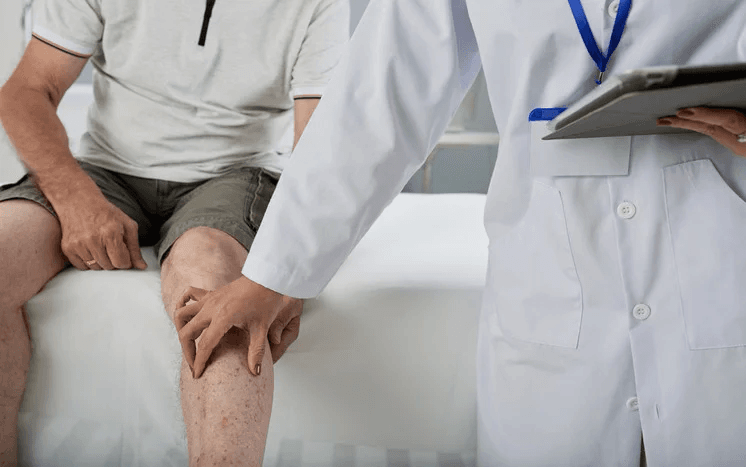
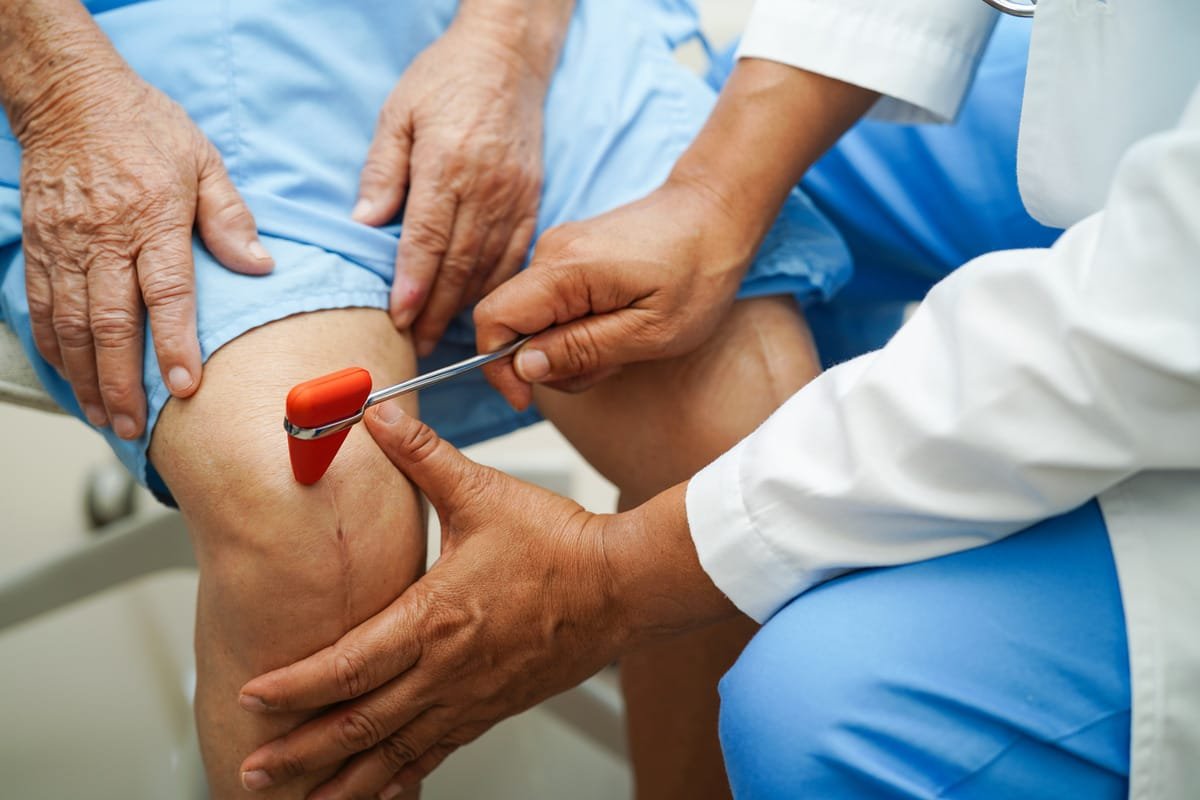
During the examination, the doctor may check the knee’s movement, stability, alignment, tenderness, strength and swelling.
Depending on the symptoms, investigations may include:
X-ray
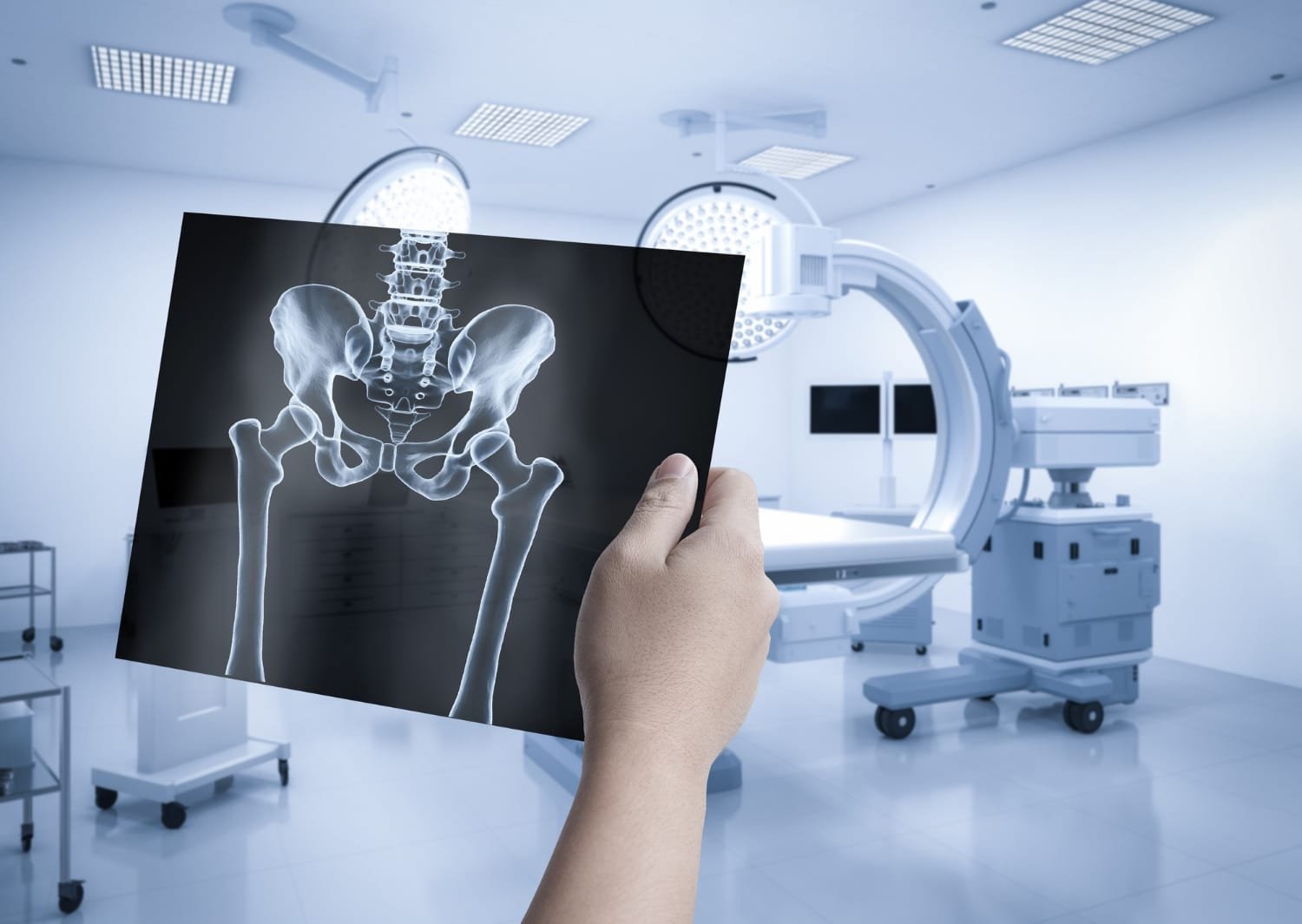
An X-ray can help assess bone alignment, joint-space narrowing, fractures, deformity and signs of osteoarthritis.
MRI
An MRI may be advised when the doctor suspects damage to the meniscus, ligaments, cartilage, tendons or other soft tissues.
Blood Tests
Blood tests may be required when inflammatory arthritis, gout or infection is suspected.
Joint Fluid Examination
In certain cases, fluid may be removed from a swollen knee and examined to identify infection, inflammation or crystal-related conditions.
Not every patient requires an MRI. The choice of investigation depends on the person’s symptoms, examination findings, age and medical history.
Treatment for Knee Pain After Sitting
Treatment should address the actual cause rather than only temporarily reducing pain. Most cases do not require surgery and may improve through activity modification, exercises, physiotherapy and medical treatment.
1. Take Regular Movement Breaks
Avoid remaining in the same position for several hours. Stand, stretch or walk briefly at regular intervals during office work, travel or study.
A practical routine is to change position approximately every 30 to 45 minutes. Even one or two minutes of light movement can help reduce stiffness.
2. Correct Your Sitting Position
Use a chair that supports the lower back and allows both feet to remain flat on the floor. Ideally:
- Keep the hips slightly higher than or level with the knees
- Avoid keeping the knees deeply bent
- Keep both feet supported
- Avoid sitting on one leg
- Do not cross the legs for prolonged periods
- Leave a small gap between the chair edge and the back of the knees
- Adjust the desk and screen to prevent slouching
People who are shorter may use a footrest to maintain proper support.
3. Perform Gentle Knee Movements
Before standing after a long sitting period, try gently straightening and bending each knee several times. Ankle movements and light thigh contractions can also prepare the legs for weight-bearing.
Stand up slowly while using the chair or desk for support when necessary.
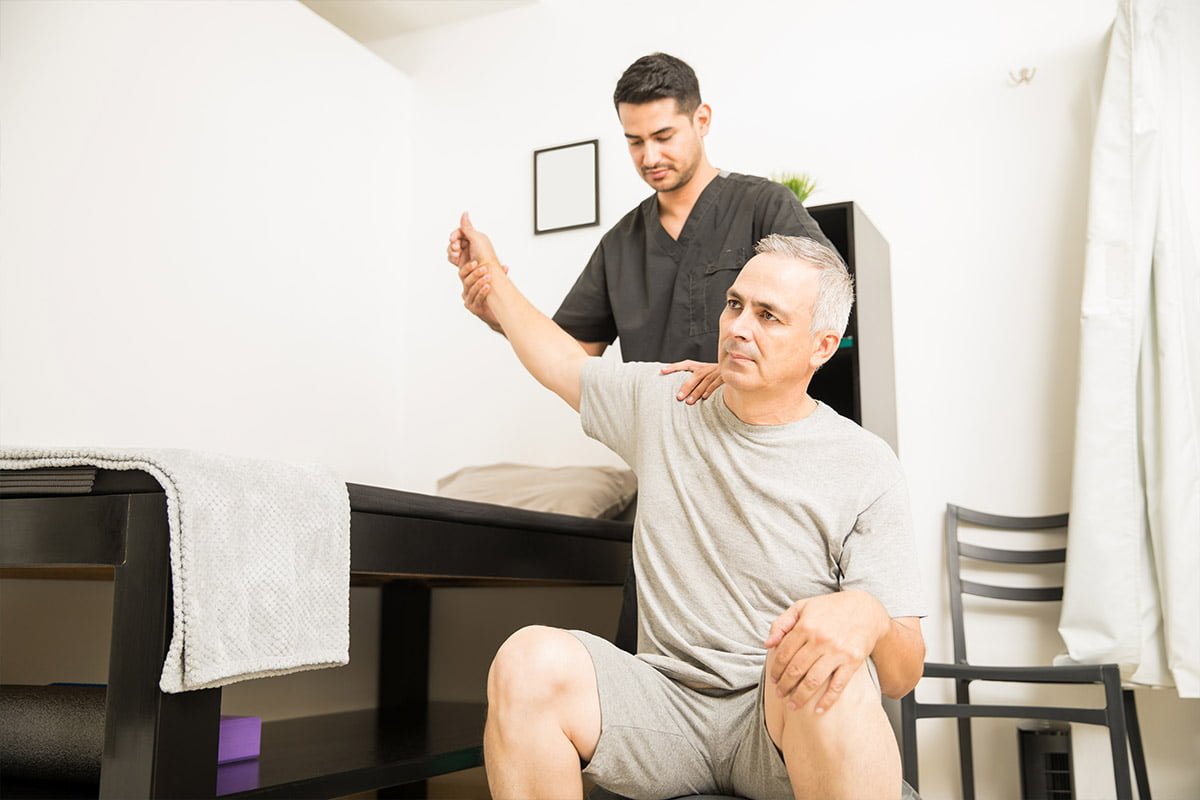
4. Physiotherapy
Physiotherapy may include exercises to improve:
- Quadriceps strength
- Hip and gluteal strength
- Hamstring flexibility
- Calf flexibility
- Kneecap control
- Balance
- Joint mobility
- Walking and movement patterns
Exercise therapy should be personalised. Exercises that are useful for one condition may aggravate another, particularly when there is severe swelling, a recent injury or advanced arthritis.
5. Heat or Cold Therapy
A warm compress may help relieve stiffness before activity, particularly in chronic conditions. A cold pack may help reduce pain or swelling after activity or a minor strain.
Wrap cold packs in a cloth rather than placing them directly on the skin. Heat or ice should not be used when sensation is reduced unless advised by a healthcare professional.
6. Medication
Pain-relieving or anti-inflammatory medicines may be advised depending on the cause and the patient’s overall health.
Avoid taking painkillers repeatedly without medical guidance. Certain medicines may not be suitable for people with kidney disease, stomach ulcers, heart conditions, bleeding disorders or those taking blood-thinning medication.
7. Weight Management
When excess body weight is contributing to symptoms, gradual weight reduction may reduce stress on the knee. A balanced plan may include dietary improvement, low-impact exercise and medical guidance.
Walking, swimming, stationary cycling or water-based exercises may be considered according to individual tolerance.
8. Knee Support or Orthotics
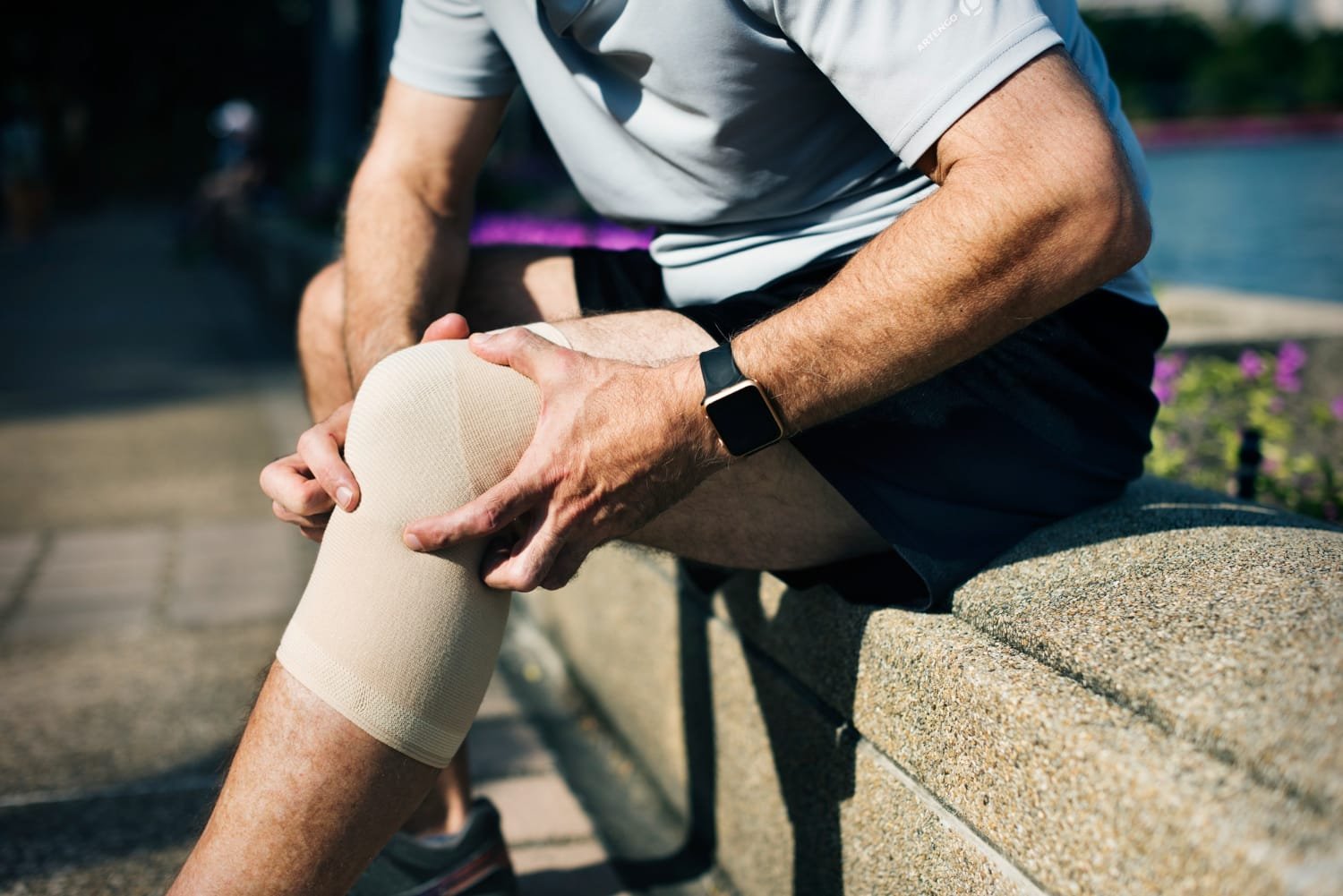
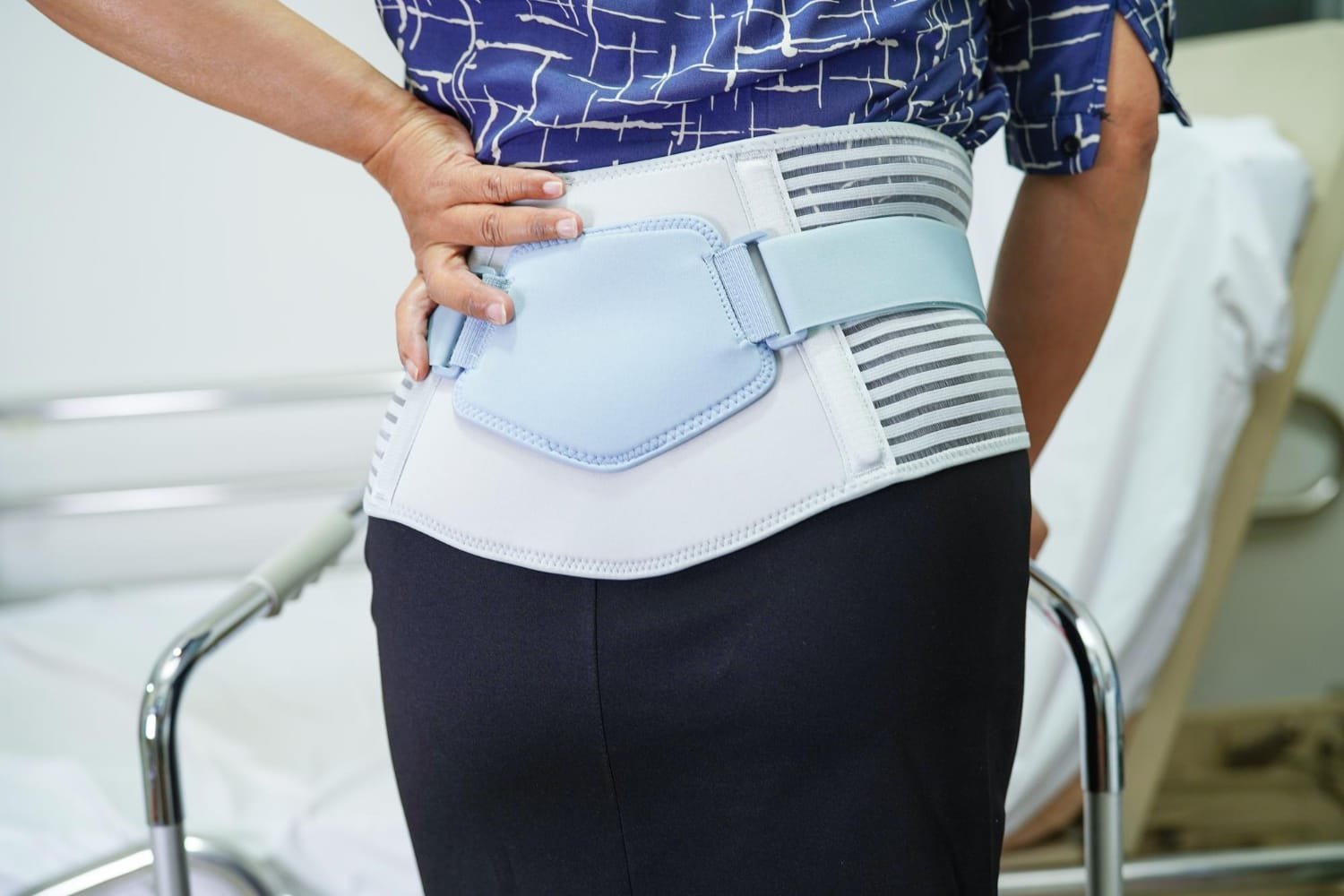
Some patients may benefit from a temporary brace, kneecap support, taping or shoe orthotics. These should be selected after proper assessment because an unsuitable brace may not address the actual problem.
9. Injections
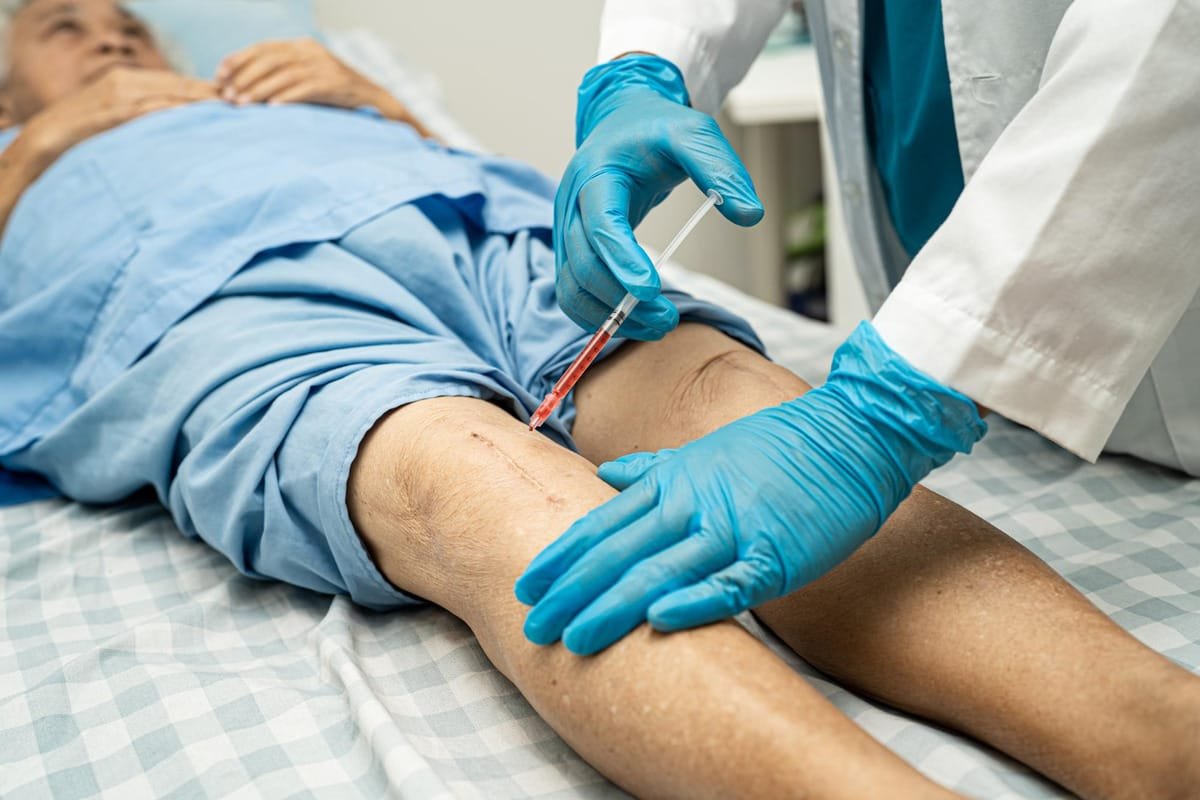
Injections may be considered for selected patients with arthritis or persistent inflammation. The type of injection, expected benefit and possible limitations should be discussed with an orthopedic specialist.
Injections should not be treated as a substitute for diagnosis, strength training, weight management or correction of contributing factors.
10. Surgery
Surgery is generally considered when there is significant structural damage, advanced arthritis or severe symptoms that have not improved with appropriate non-surgical treatment.
The procedure may vary according to the condition and can include arthroscopic treatment, cartilage procedures, ligament reconstruction, partial knee replacement or total knee replacement.
When Is Knee Replacement Considered?
Pain after sitting alone does not mean that you require knee replacement surgery. Knee replacement is usually considered when advanced arthritis causes substantial pain, stiffness and disability.
An orthopedic surgeon may discuss knee replacement when a patient has:
- Severe pain that limits walking or climbing stairs
- Difficulty getting in and out of chairs
- Moderate or severe pain even while resting
- Persistent swelling or inflammation
- Significant bowing or deformity
- Reduced mobility affecting independence
- Symptoms that have not improved with medicines, physiotherapy or other suitable treatments
The decision is based primarily on pain, disability, examination and imaging findings rather than age alone.
A detailed assessment by Dr. Deepak Mishra can help determine whether continued non-surgical treatment, a joint-preserving procedure, partial knee replacement or total knee replacement is appropriate.
Simple Exercises That May Help Prevent Knee Stiffness
The following gentle movements may be useful for some people, but they should be stopped if they cause sharp pain, increased swelling or instability.
Seated Knee Extension
Sit upright with both feet on the floor. Slowly straighten one knee until the leg is nearly parallel to the floor. Hold briefly, lower it and repeat with the other leg.
Quadriceps Tightening
Keep the leg straight and gently tighten the thigh muscle by pressing the back of the knee towards the bed or floor. Hold for a few seconds and relax.
Heel Slides
Lie down or sit with the leg extended. Slowly slide the heel towards the body to bend the knee, then slide it forward to straighten the leg.
Hamstring Stretch
Place one heel slightly forward while keeping the knee comfortably straight. Lean forward from the hips until a gentle stretch is felt behind the thigh.
Calf Raises
Stand near a stable surface. Slowly rise onto the toes and lower the heels. This helps strengthen the calf muscles and improve lower-limb control.
Exercises should be performed in a controlled manner. People with recent injuries, severe arthritis, balance problems or previous surgery should receive professional guidance before beginning a new programme.
How to Prevent Knee Pain During Office Work
Small changes in your work routine can reduce prolonged stiffness:
- Adjust the chair so that your feet remain supported.
- Avoid sitting with the knees tightly bent.
- Stand during suitable phone calls.
- Walk briefly between tasks.
- Use reminders to change position.
- Avoid placing heavy objects under the desk that restrict leg movement.
- Stretch the legs before standing.
- Maintain regular strength and flexibility exercises.
- Wear comfortable, supportive footwear.
- Do not ignore recurring pain.
A standing desk may be useful for some people, but standing continuously can also cause discomfort. Alternating between sitting, standing and walking is generally more practical than staying in any one position for several hours.
Frequently Asked Questions
1. Why do my knees hurt when I stand after sitting?
Pain while standing after sitting may be caused by temporary stiffness, patellofemoral pain, weak muscles, osteoarthritis, an old injury or another knee condition. Recurring symptoms should be assessed by an orthopedic doctor.
2. Is knee pain after sitting a sign of arthritis?
It can be a symptom of knee arthritis, especially when accompanied by swelling, reduced movement, grinding sensations or pain during walking. However, younger adults may experience similar symptoms because of patellofemoral pain or muscle weakness.
3. Can prolonged sitting damage my knees?
Sitting for a long time does not automatically damage healthy knees. However, remaining inactive with the knees bent may cause stiffness and aggravate existing joint, kneecap or muscle problems.
4. Why does the front of my knee hurt after sitting?
Pain at the front of the knee after prolonged sitting is commonly associated with patellofemoral pain syndrome. It may also occur with patellofemoral arthritis or irritation around the kneecap.
5. Is walking helpful for knee stiffness?
Gentle walking may reduce stiffness and improve movement in many people. The amount and intensity should be adjusted according to pain, swelling and the underlying condition.
6. Should I use heat or ice for knee pain?
Heat may help chronic stiffness, while ice may help pain or swelling after activity. The correct option depends on the condition and individual medical history.
7. How often should I stand during office work?
Try changing position or taking a brief movement break every 30 to 45 minutes. The goal is to avoid remaining completely inactive for several hours.
8. Can weak thigh muscles cause knee pain?
Yes. Weak quadriceps and hip muscles may reduce knee support and contribute to pain around the kneecap, especially during standing, squatting and stair climbing.
9. When should I worry about knee pain?
Seek prompt medical care if the knee is badly swollen, deformed, hot or red, or if you cannot bear weight. Locking, repeated giving way, fever or severe pain also requires assessment.
10. Does knee pain after sitting mean I need surgery?
No. Most patients with pain after sitting do not require surgery. Treatment may involve posture correction, activity changes, physiotherapy, exercises, medication or weight management.
11. When is knee replacement surgery necessary?
Knee replacement may be considered when advanced arthritis causes severe pain, stiffness, deformity and difficulty performing normal activities despite appropriate non-surgical treatment.
12. Which doctor should I consult for knee pain in Faridabad?
You should consult an orthopedic specialist who can assess the joint, identify the cause and provide both non-surgical and surgical treatment options. Patients can consult Dr. Deepak Mishra for specialised knee evaluation and treatment in Faridabad.
Conclusion
Knee pain after sitting for long hours may result from temporary stiffness, poor posture, weak supporting muscles, patellofemoral pain, arthritis or a previous knee injury. Although mild discomfort may improve with movement and posture correction, persistent symptoms should not be ignored.
Early diagnosis can help prevent increasing pain, loss of mobility and unnecessary dependence on pain-relieving medicines. Treatment should be selected according to the underlying condition and may include ergonomic correction, exercise, physiotherapy, weight management, medication or other orthopedic interventions.
For persistent knee pain, stiffness, swelling or difficulty walking, schedule an orthopedic consultation with Dr. Deepak Mishra, orthopedic doctor and knee replacement surgeon in Faridabad, for a detailed evaluation and personalised treatment plan.
Recent Blogs
-
-
 When Is Knee Replacement the Only Option?
- 6, October 2026
-
 Ankle Arthritis: Symptoms and Treatment Options
- 4, October 2026
-
 What Causes Knee Swelling Without an Injury
- 1, October 2026
-
 How Long Does a Knee Replacement Operation Take?
- 25, September 2026
-
 Who Is the Best Bone Doctor in Faridabad?
- 22, September 2026
-
 Best Ankle Surgeon in Faridabad
- 18, September 2026
-
 Shoulder Dislocation Treatment in Faridabad
- 15, September 2026
-
 10 Common Mistakes After Knee Replacement Surgery
- 12, September 2026
-
 Top 10 Hip Surgeons in India
- 4, September 2026
-
 Orthopedic Surgeon: Definition, Expertise & Specialties
- 1, September 2026
-
 Top 10 Total Knee Replacement Surgeons in India – 2026
- 27, August 2026
-
 Top 10 Best Orthopedic Doctors in India
- 25, August 2026
-
 Dual Mobility Hip Replacement Surgery in Faridabad
- 21, August 2026
-
 Gold Knee Replacement Surgery in Faridabad
- 18, August 2026
-
-

-
-
 Bone Fracture Specialist in Faridabad
- 25, July 2026
-
 Robotic Partial Knee Replacement in Faridabad
- 21, July 2026
-
-
-
 Runner’s Knee: Prevention & Treatment
- 10, July 2026
-
 Best Knee Tendonitis Treatment in Faridabad
- 7, July 2026
-

-
 Why Does My Knee Make Clicking Sounds?
- 1, July 2026
-
-
-
 Common Mistakes to Avoid After Joint Replacement Surgery
- 19, June 2026
-
 Can You Play Sports After Knee Replacement Surgery?
- 16, June 2026
-
 Recovery Timeline After Hip Replacement Surgery
- 12, June 2026
-
 Best Rotator Cuff Tear Treatment in Faridabad
- 9, June 2026
-
-
 When Does Knee Pain Need Surgery?
- 19, May 2026
-
 Can You Walk Normally After Hip Replacement?
- 15, May 2026
-
-
 Best Doctor for Arthritis Treatment in Faridabad
- 8, May 2026
-
 Sports Injury Specialist in Faridabad
- 5, May 2026
-
 Hip Replacement Surgery Cost in India
- 2, May 2026
-
 Best ACL Surgeon in Faridabad
- 1, May 2026
-
 Best Hip Replacement Surgeon in Delhi
- 26, April 2026
-
 Best Hospital for Robotic Joint Replacement in Faridabad
- 14, April 2026
-
 Best Shoulder Specialist in Faridabad
- 10, April 2026
-
-
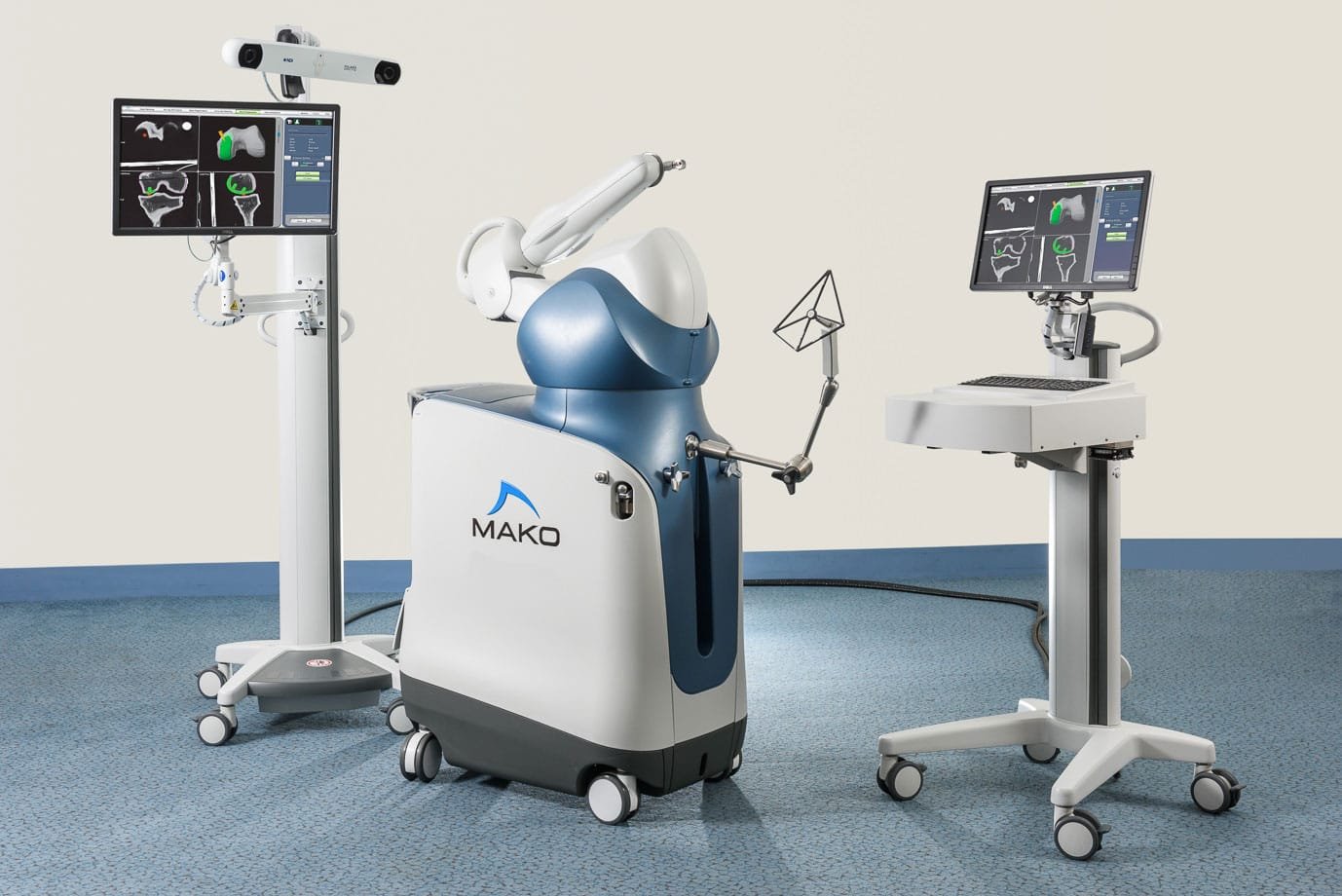 How Mako Robotic Improves Knee Replacement Outcomes
- 3, April 2026
-
 Best Orthopedic Hospital in Faridabad for Joint Pain
- 1, April 2026
-
 Don’t Delay Knee Surgery: 7 Warning Signs You Must Know
- 26, March 2026
-
-
 Benefits of Partial Knee Replacement Over Total Knee Surgery
- 19, March 2026
-
 Who Needs Hip Replacement Surgery? Signs & Eligibility
- 16, March 2026
-
 Best Joint Replacement Hospital in India
- 13, March 2026
-
 Shoulder Dislocation in Sports: Treatment and Recovery
- 11, March 2026
-
 Top 7 Signs You Need to Visit a Knee Specialist
- 7, March 2026
-
-
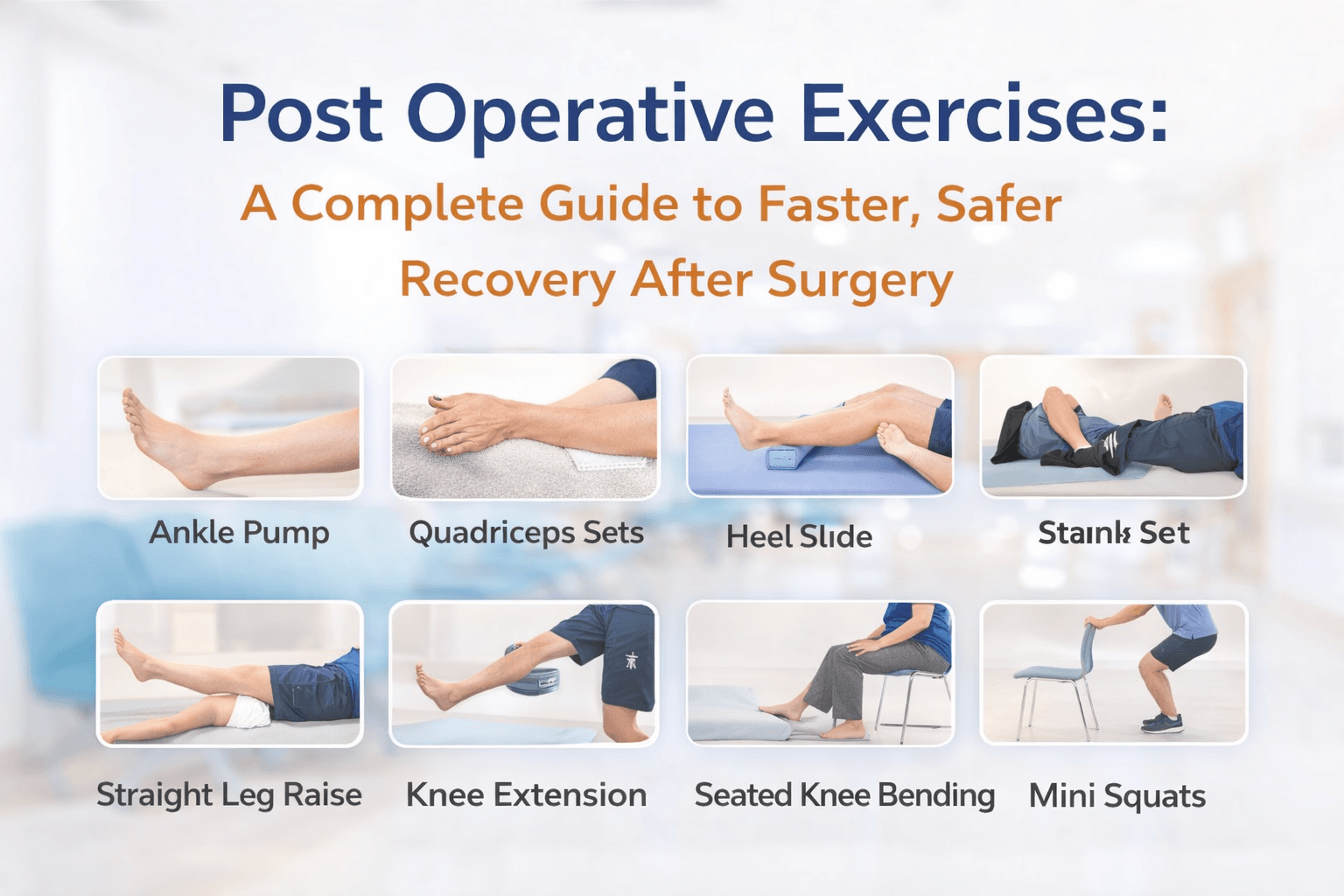 Post Operative Exercises
- 26, February 2026
-
 After ACL Surgery When Can I Walk?
- 24, February 2026
-
 What Happens If Knee Arthritis Is Left Untreated?
- 21, February 2026
-
 Can Knee Replacement Fail? Causes, Signs & Prevention
- 21, February 2026
-
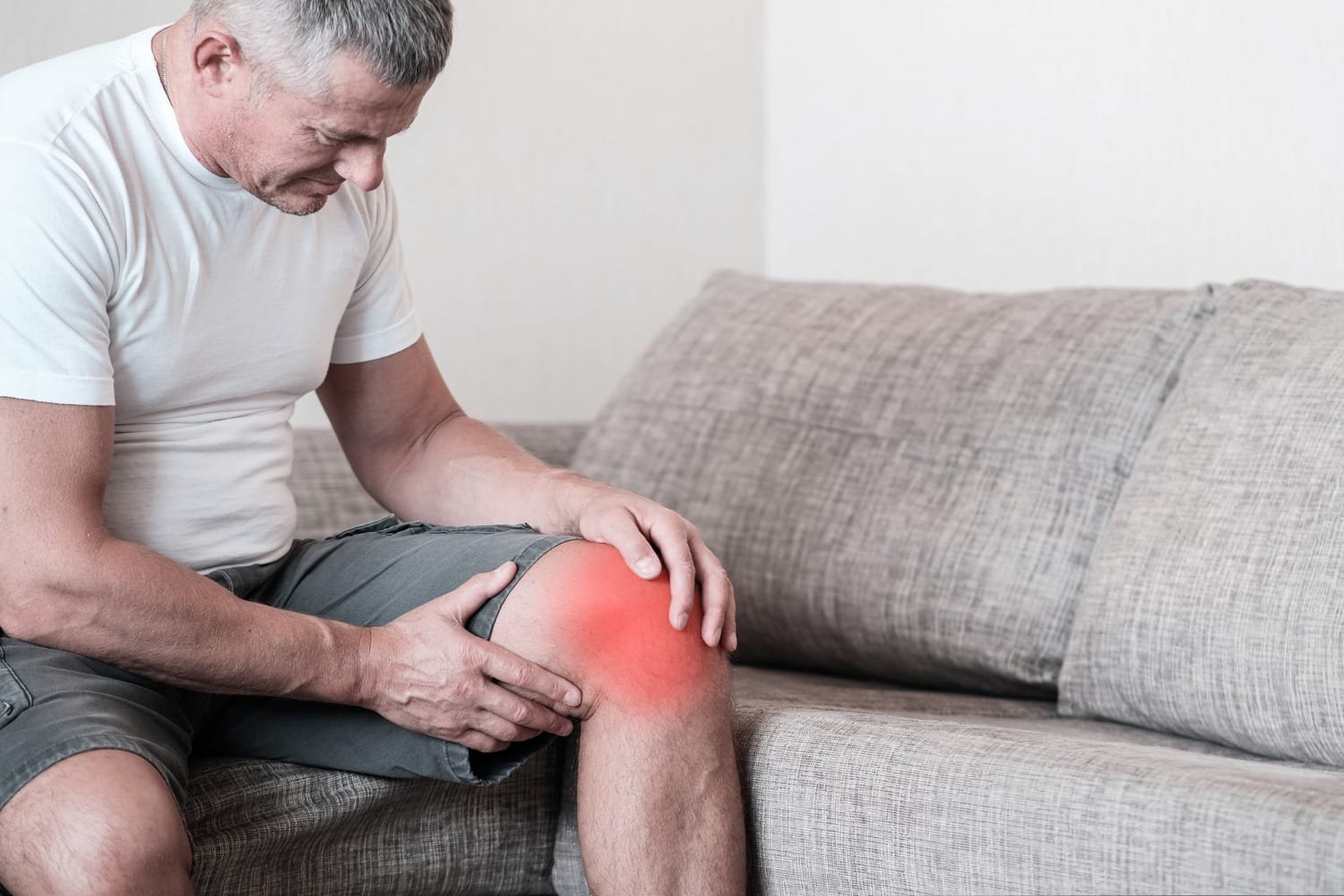 Who Is Not Suitable for Knee Replacement Surgery?
- 12, February 2026
-
 Best Meniscus Injury Surgeon in Faridabad
- 9, February 2026
-
 How Obesity Affects Knee Health & When to Consider Knee Replacement
- 6, February 2026
-
 Knee Pain After Sitting for Long Hours – What to Do
- 3, February 2026
-
 Most Common Sports Injuries and How to Prevent Them
- 26, January 2026
-
 Walking, Stairs & Daily Activities After Knee Replacement
- 22, January 2026
-
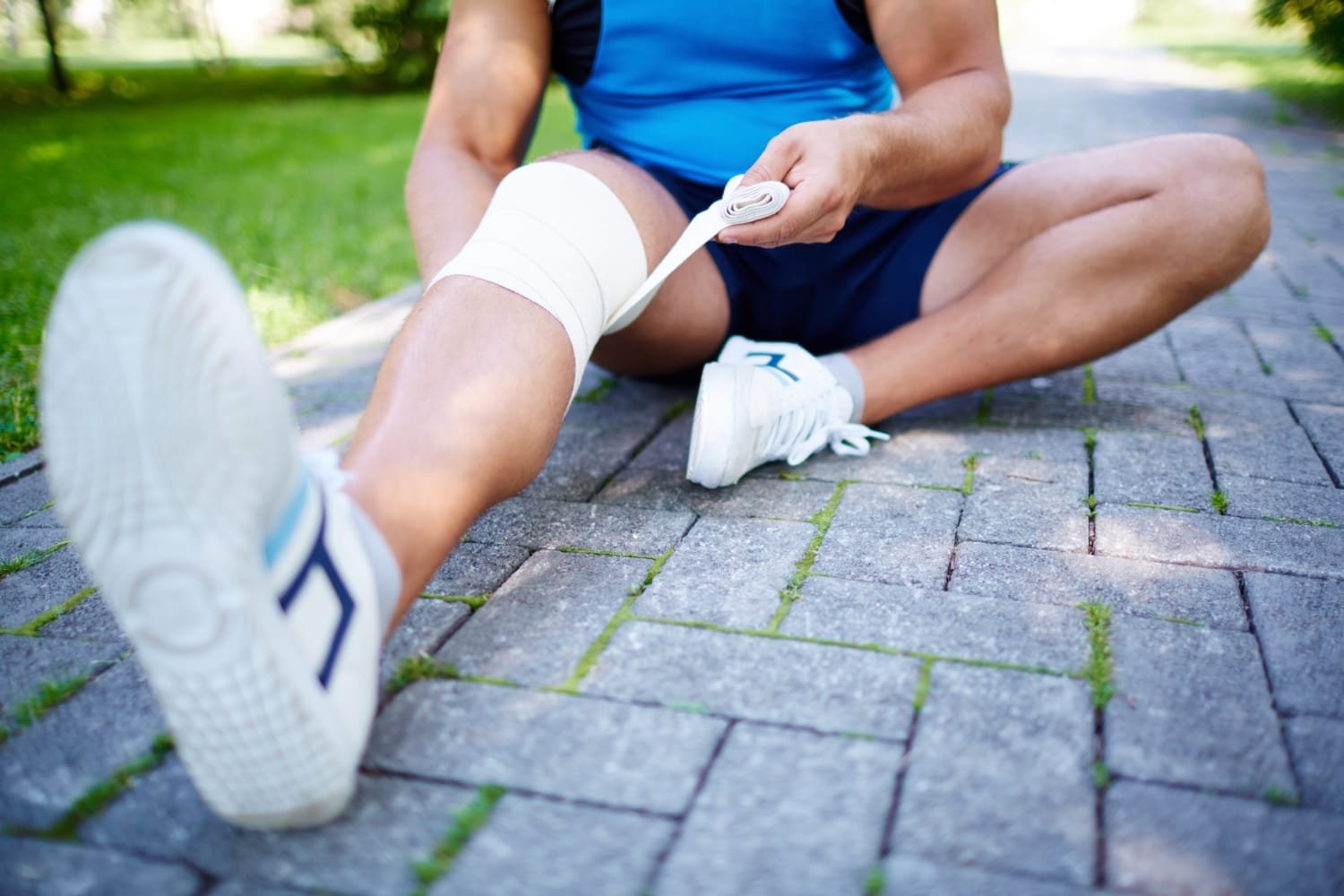 When Knee Pain Needs Medical Attention: Red Flags to Watch
- 19, January 2026
-
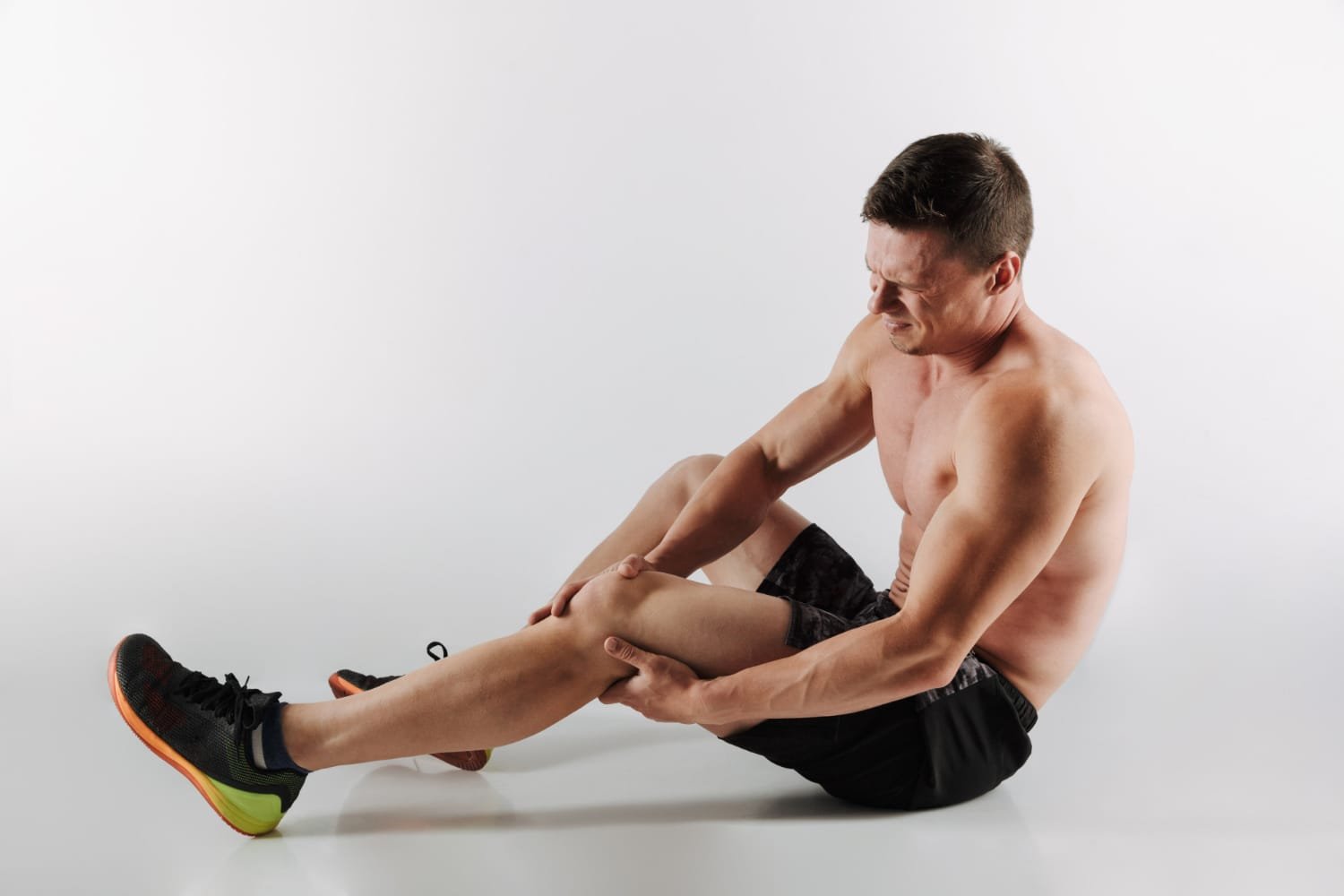 Cartilage Damage in Sports: Early Signs Athletes Should Not Ignore
- 15, January 2026
-
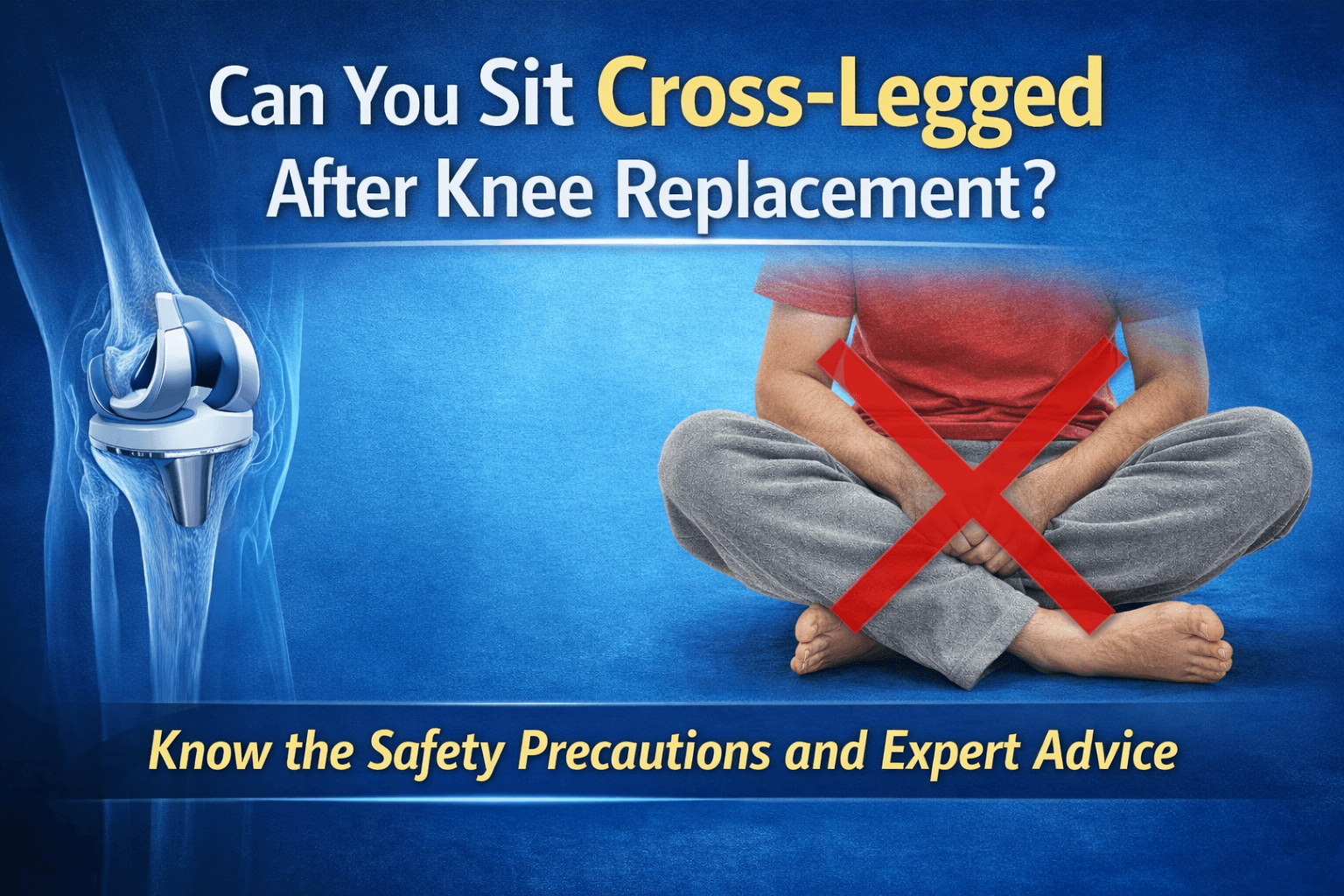 Can You Sit Cross-Legged After Knee Replacement?
- 13, January 2026
-
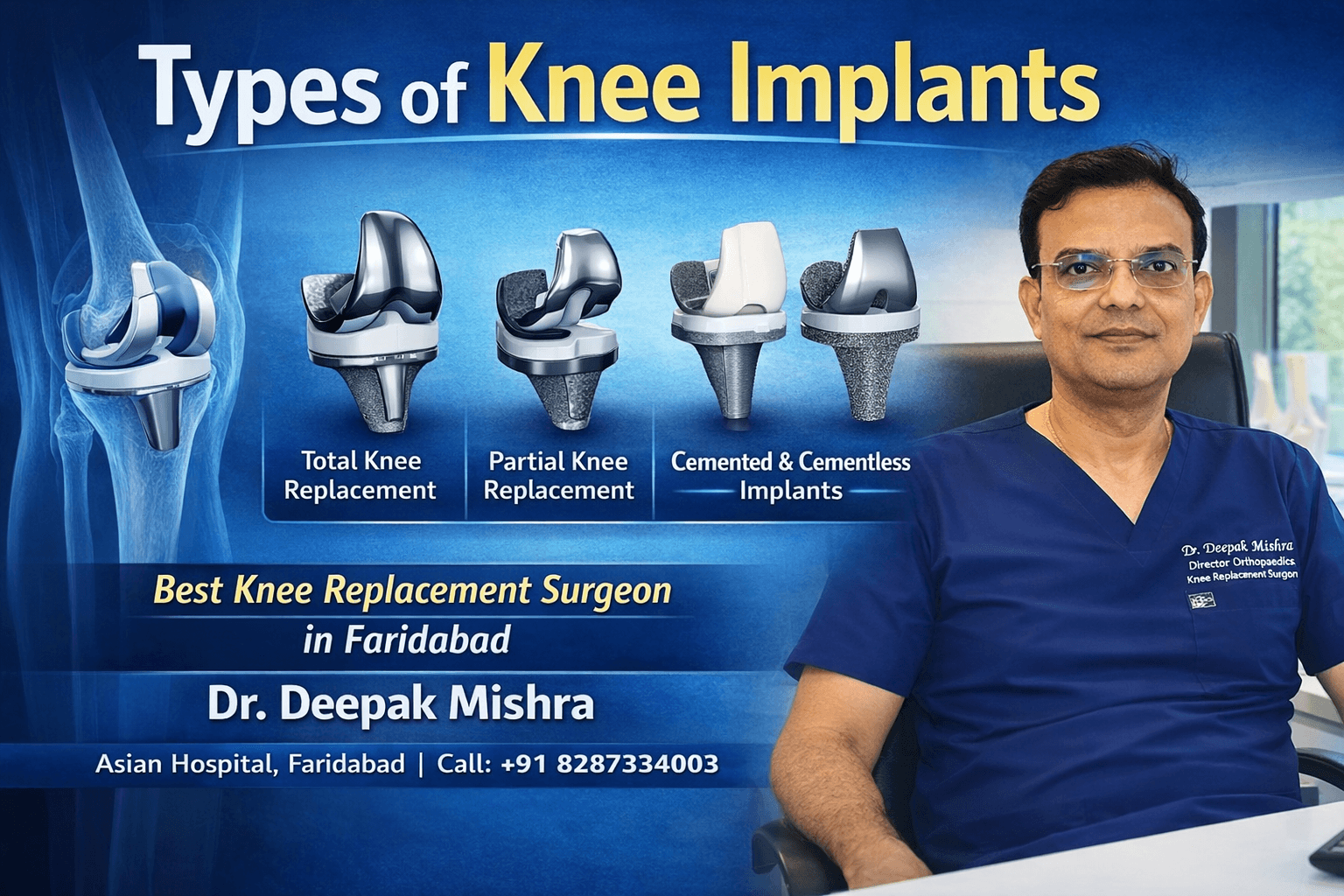 Types of Knee Implants
- 13, January 2026
-
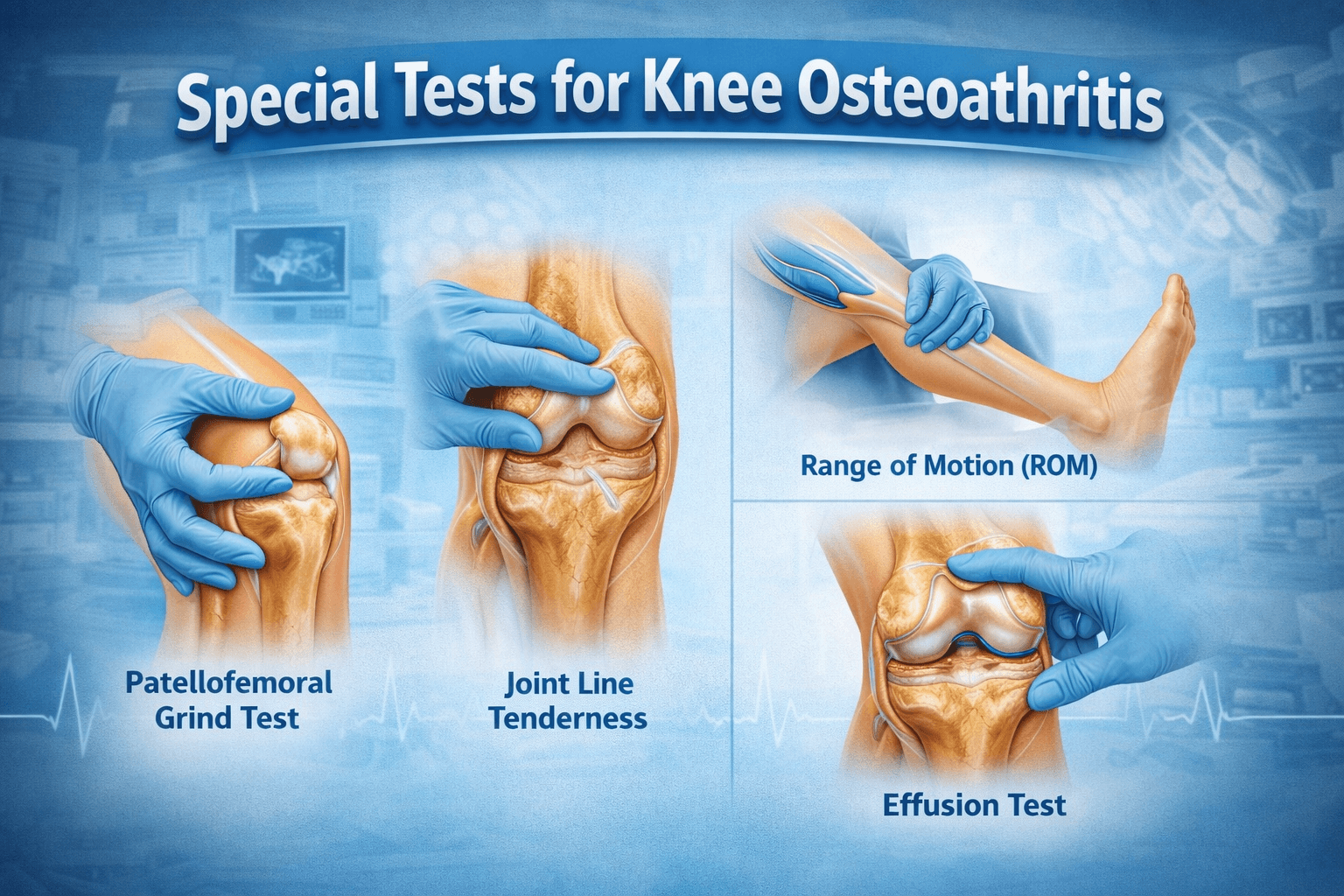 Special Tests for Knee Osteoarthritis
- 7, January 2026
-
 Knee Operation Types: A Comprehensive Guide
- 7, January 2026
-
 Difference Between Knee Arthritis, Meniscus Tear, and Ligament Injury
- 30, December 2025
-
 Knee Pain While Walking: When Should You Worry?
- 30, December 2025
-
 What Happens If Knee Replacement Is Delayed Too Long?
- 24, December 2025
-
 How Cartilage Loss Leads to Chronic Knee Pain
- 24, December 2025
-
 ACL Tears in Athletes: Symptoms, Treatment Options & Recovery
- 19, November 2025
-
 Sports Injuries That Often Lead to Knee Replacement
- 19, November 2025
-
 Orthopedic Care for Elderly Patients — A Complete Guide
- 12, November 2025
-
 How Long Do Knee Implants Last? (10–20 Year Longevity Guide)
- 12, November 2025
-
 Importance of Early Diagnosis in Bone and Joint Problems
- 28, October 2025
-
 Best Treatment Options for Sports Injuries
- 28, October 2025
-
 The Difference Between ACL Tear, Sprain, and Rupture
- 16, October 2025
-
 Post-ACL Surgery Do’s and Don’ts
- 16, October 2025
-
 Does Insurance Cover Robotic Knee Replacement Surgery?
- 6, October 2025
-
 When Can You Return to Sports After Robotic Knee Replacement?
- 6, October 2025
-
 Impact of Obesity on Knee Replacement Surgery and Recovery
- 30, September 2025
-
 Early vs. Delayed Knee Replacement: Which Is Better?
- 30, September 2025
-
 How Durable Are Knee Implants? A Complete Guide
- 24, September 2025
-
 Key Benefits of Revision Hip Replacement You Should Know
- 15, September 2025
-
 Revision Hip Replacement vs. Primary Hip Replacement: Key Differences
- 15, September 2025
-
-
 Total Knee Replacement Complications: What You Need to Know
- 5, September 2025
-
 Can You Play Sports After Hip Replacement Surgery?
- 26, August 2025
-
 Preparing for Knee Replacement: Do’s and Don’ts Before Surgery
- 26, August 2025
-
-
 What to Know About Knee Replacement Revision Surgery
- 18, August 2025
-
 Cost of Hip Replacement in India – What Patients Should Know
- 11, August 2025
-
-
 Who Is the Best Orthopedic Doctor for Sports Injuries?
- 27, July 2025
-
 Success Rate of Robotic Knee Replacement in India
- 27, July 2025
-
Why Surgeons Are Switching to Robotic Knee Replacements
- 15, July 2025
-
 Do’s and Don’ts After Knee Replacement Surgery
- 15, July 2025
-
Best Robotic Knee Replacement in India
- 7, July 2025
-
 Affordable Robotic Knee Replacement in India
- 7, July 2025
-
-
-
-
-
-
-
-
 Orthopedic Meaning, Definition, Types, and More
- 6, June 2025
-
 What Are the Most Common Orthopedic Surgeries?
- 24, May 2025
-
 What Does an Orthopedic Doctor Do?
- 24, May 2025
-
-
-
-
Best Orthopedic Doctor for Knee Pain in Faridabad
- 12, May 2025
-
 How to Prevent Knee Pain with Orthopedic Expert Tips
- 29, April 2025
-

-
Best Orthopedic Treatment in Faridabad: What You Should Know
- 29, April 2025
-
-
-
Best Knee Replacement Surgeon in Mathura
- 14, April 2025
-
Best Knee Replacement Surgeon in Hodal
- 14, April 2025
-
Best Knee Replacement Surgeon in Palwal
- 14, April 2025
-
-
-
-
 Benefits of Minimally Invasive Knee Surgery
- 24, March 2025
-
 Best knee Replacement Surgeon in India
- 17, March 2025
-
-
 How to Recover Quickly After Knee Replacement Surgery
- 10, March 2025
-
-
-
-
 Minimally Invasive Arthroplasty: Benefits and Recovery Advantages
- 24, February 2025
-
 Choosing the Right Hip Replacement Surgeon: A Comprehensive Guide
- 17, February 2025
-
 Restoring Mobility: The Role of Knee Replacement Doctors
- 17, February 2025
-
 Orthopedic Trauma Care for Athletes
- 6, February 2025
-
 Best Doctor for ACL Tear Treatment
- 6, February 2025
-
 Best Sports Medicine Doctor for Knee Injuries
- 6, February 2025
-
 Orthopedic Surgeons: 7 Things You Need to Know
- 27, January 2025
-
Best Joint Replacement Surgeon in Greater Faridabad
- 27, January 2025
-
Best Knee Replacement Surgeon in Palwal
- 20, January 2025
-
Best Knee Replacement Surgeon in South Delhi
- 20, January 2025
-
 Restoring Mobility: The Role of Knee Replacement Doctor
- 13, January 2025
-
 Robotic Knee Replacement Surgery in Delhi
- 30, December 2024
-
 Robotic Orthopedic Surgery: Revolutionizing Joint Replacement and Repair
- 30, December 2024
-
 Robotic Knee Replacement vs. Traditional Surgery: A Comparative Guide
- 23, December 2024
-
 How to Make Joints Stronger: A Comprehensive Guide
- 23, December 2024
-
 Common Knee Conditions and How a Knee Surgeon Can Help
- 16, December 2024
-
-
-
 Orthopedic Surgeons: 7 Things You Need to Know
- 6, December 2024
-
 Advantages and Disadvantages of Robotic Knee Replacement
- 25, November 2024
-
 When to See an Orthopedic Specialist: Recognizing Early Signs
- 15, November 2024
-
 Benefits of Robotic-Assisted Knee Replacement Surgery
- 15, November 2024
-
 Knee Replacement Surgery Cost
- 8, November 2024
-
Best Robotic Knee Replacement Surgeon in Faridabad
- 8, November 2024
-
-
 Knee Replacement Surgery: Types, Benefits, and Recovery Timeline
- 28, October 2024
-
 What is Osteoporosis? Symptoms, Causes, and Prevention
- 21, October 2024
-
 Signs It’s Time for a Knee Replacement: When to Consult a Surgeon
- 18, October 2024
-
 Understanding Different Types of Arthritis: Symptoms and Causes
- 11, October 2024
-
 Taking Care After Knee Replacement Surgery
- 15, December 2022
-
 Amazing Ways to Get Relief from Arthritis Pain Naturally
- 2, December 2022
-
-
 How Does Fat Affect Arthritis?
- 4, November 2022
