
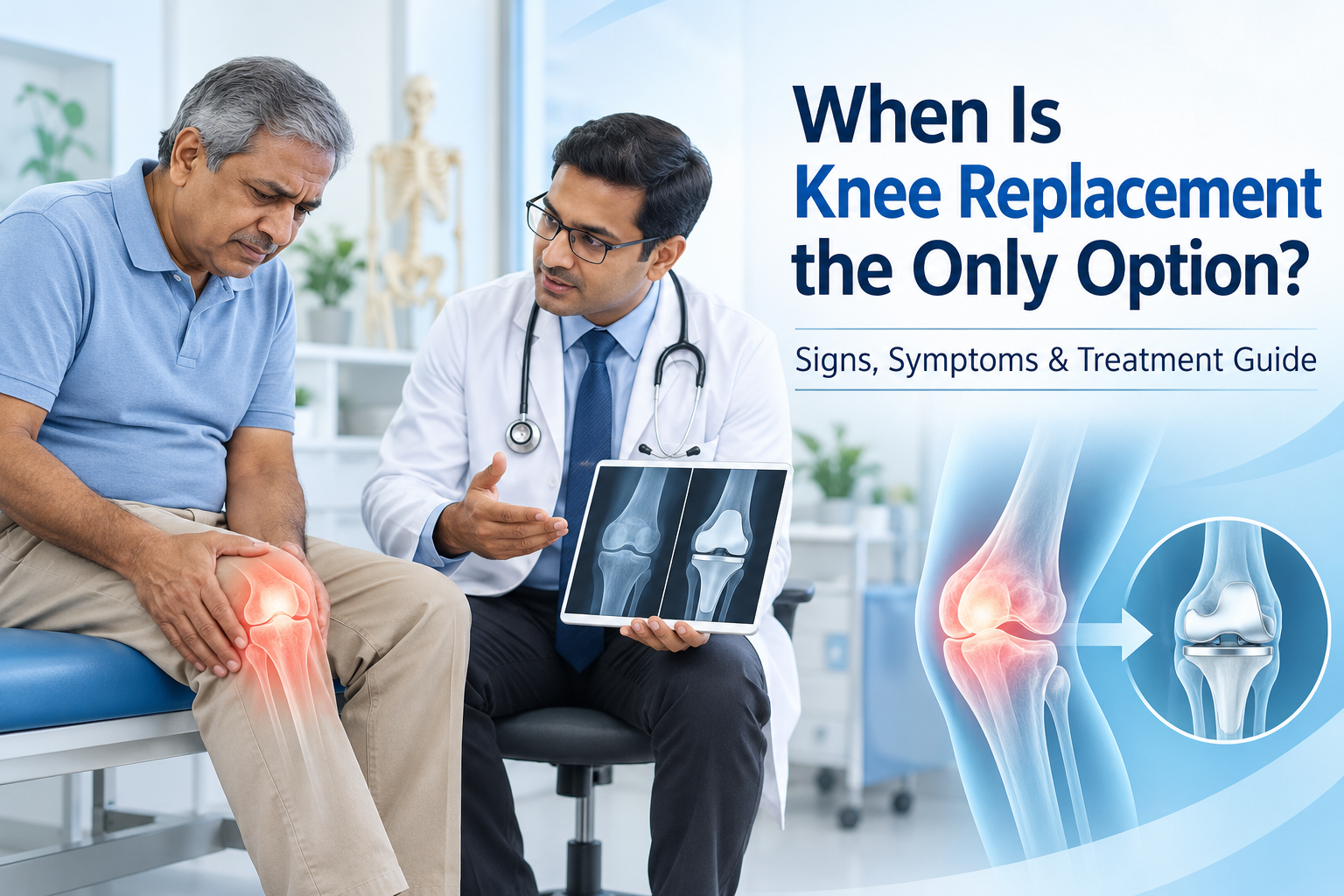
When Is Knee Replacement the Only Option?
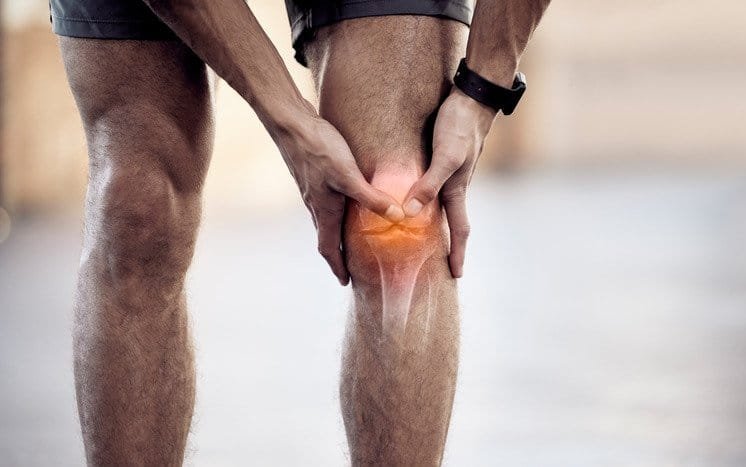
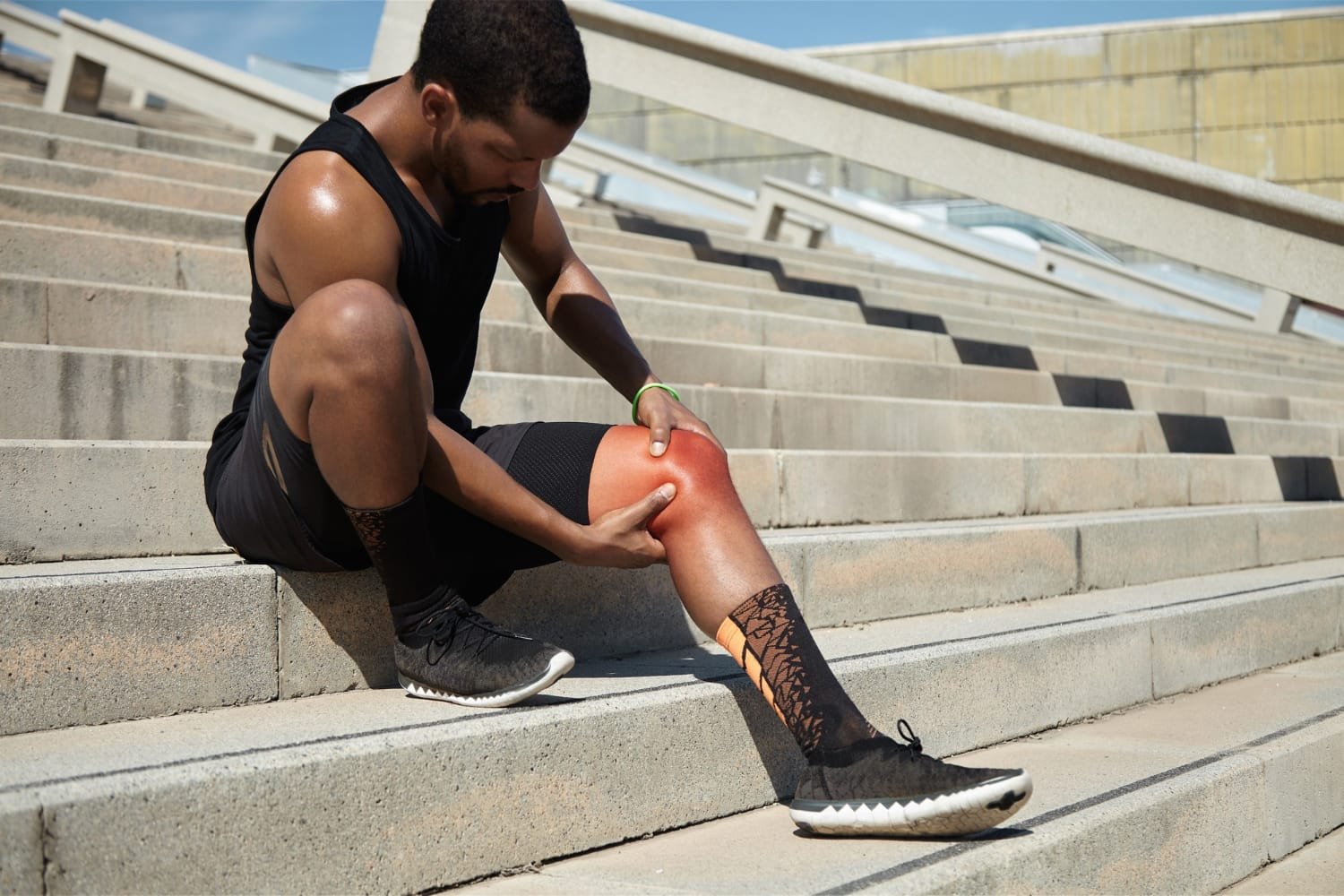
October 6, 2026Knee pain is one of the most common joint-related problems affecting people of different age groups. While occasional knee discomfort may develop due to physical activity, minor injuries, or temporary inflammation, persistent knee pain can indicate an underlying condition that requires medical attention.
For many people, knee pain gradually becomes more than a physical inconvenience. Walking short distances, climbing stairs, sitting down, standing up, or even sleeping comfortably can become difficult. When pain and stiffness begin to interfere with everyday activities, an important question arises: When is knee replacement the only option?
Knee replacement surgery is generally considered when severe joint damage causes persistent symptoms and appropriate non-surgical treatments no longer provide sufficient relief. However, not every person with knee arthritis or chronic knee pain needs surgery.
Understanding the warning signs, available treatments, and circumstances in which knee replacement becomes the most appropriate solution can help patients make informed decisions about their joint health.
Patients experiencing long-term knee pain can consult Dr. Deepak Kumar Mishra, an experienced Orthopedic doctor in Faridabad at Asian Institute of Medical Sciences (Asian Hospital), Faridabad, for specialist evaluation and treatment planning.
Understanding Knee Replacement Surgery
Knee replacement surgery, also known as knee arthroplasty, is an orthopedic procedure performed to replace damaged surfaces of the knee joint with artificial components.
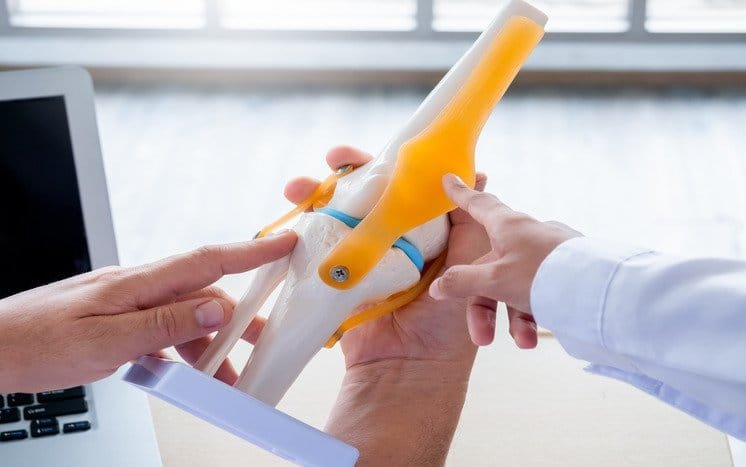
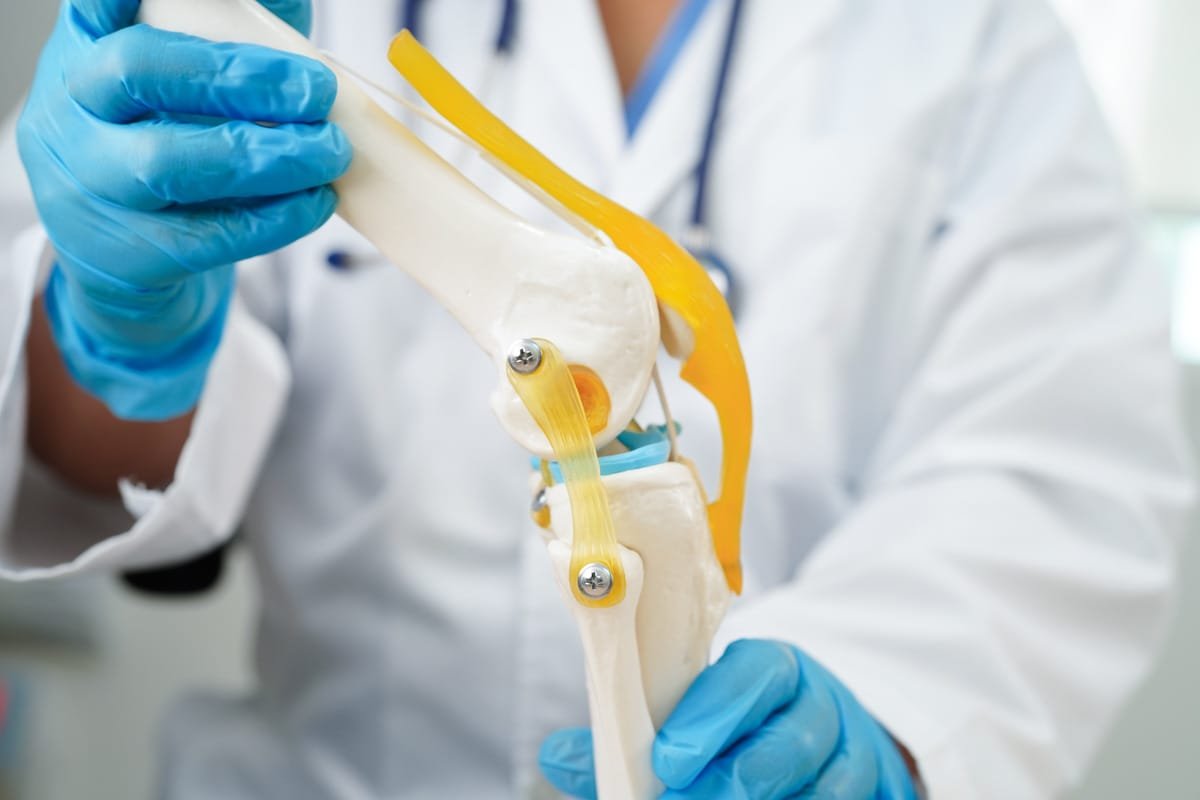
The knee is a complex weight-bearing joint formed by the thigh bone (femur), shin bone (tibia), and kneecap (patella). Healthy cartilage covers the ends of these bones and allows smooth, comfortable movement.
When cartilage becomes severely damaged due to arthritis, injury, or other joint conditions, the bones may begin rubbing against each other. This can cause pain, inflammation, stiffness, and difficulty moving the knee.
During knee replacement surgery, the orthopedic surgeon removes damaged cartilage and a small amount of underlying bone, then resurfaces the affected areas using specialized implants, typically made from metal and medical-grade plastic.
The primary objectives of knee replacement surgery are to reduce pain, restore functional movement, correct certain joint deformities, and improve the patient’s quality of life.
The procedure may involve the entire knee joint or only the affected portion, depending on the extent and location of the damage.
When Is Knee Replacement the Only Option?
Knee replacement is rarely described as the only possible treatment in an absolute sense. Rather, it becomes a strong recommendation when joint damage is advanced, symptoms are significantly affecting daily life, and non-surgical treatments are no longer adequately effective.
Doctors generally evaluate several factors before advising surgery, including pain severity, mobility limitations, X-ray findings, joint deformity, previous treatments, overall health, and the patient’s personal goals.
The following signs may indicate that knee replacement deserves serious consideration.
1. Severe Knee Pain That Interferes with Daily Activities
One of the most important indications for knee replacement is persistent knee pain that affects normal activities.
Patients with advanced joint damage may find it difficult to walk even short distances, climb stairs, stand for prolonged periods, or get up from a chair.
Initially, pain may occur only after exercise or extensive walking. As arthritis progresses, discomfort may develop during routine movements and eventually become persistent.
If knee pain prevents you from completing everyday responsibilities despite appropriate treatment, an orthopedic assessment is important.
Severe functional limitations can indicate that the knee joint is no longer working effectively and may require surgical treatment.
2. Knee Pain Even While Resting or Sleeping
Pain that continues during rest is another warning sign of advanced knee arthritis.
In the earlier stages of osteoarthritis, discomfort commonly increases with activity and improves with rest. However, as joint damage progresses, pain may continue even when the person is sitting or lying down.
Some patients experience nighttime pain that repeatedly interrupts their sleep.
Poor sleep can contribute to fatigue, reduced concentration, irritability, and an overall decline in well-being.
When knee pain affects both daytime mobility and nighttime comfort, knee replacement may be considered after evaluating other treatment options.
3. Severe Knee Stiffness and Reduced Movement
Healthy knees bend and straighten smoothly, allowing movements required for walking, sitting, driving, and climbing stairs.
Advanced knee arthritis may cause significant stiffness and restricted joint movement.
Patients may experience difficulty bending their knees completely, straightening their legs, getting into vehicles, or sitting comfortably.
Morning stiffness may occur, especially after prolonged periods of inactivity.
If stiffness becomes progressively worse and does not improve sufficiently with physiotherapy, medication, or other recommended treatments, surgical intervention may become necessary.
Restoring useful knee movement is one of the important goals of knee replacement surgery, although the amount of movement achieved varies between individuals.
4. Advanced Knee Arthritis or Bone-on-Bone Damage
Osteoarthritis is one of the most common reasons for knee replacement surgery.
It develops when the protective cartilage covering the ends of bones gradually breaks down.
In advanced osteoarthritis, the cartilage may become extremely thin or disappear in certain areas, allowing painful contact between the underlying bones.
This condition is commonly described as bone-on-bone arthritis.
Symptoms may include persistent pain, swelling, stiffness, grinding sensations, reduced mobility, and difficulty bearing weight.
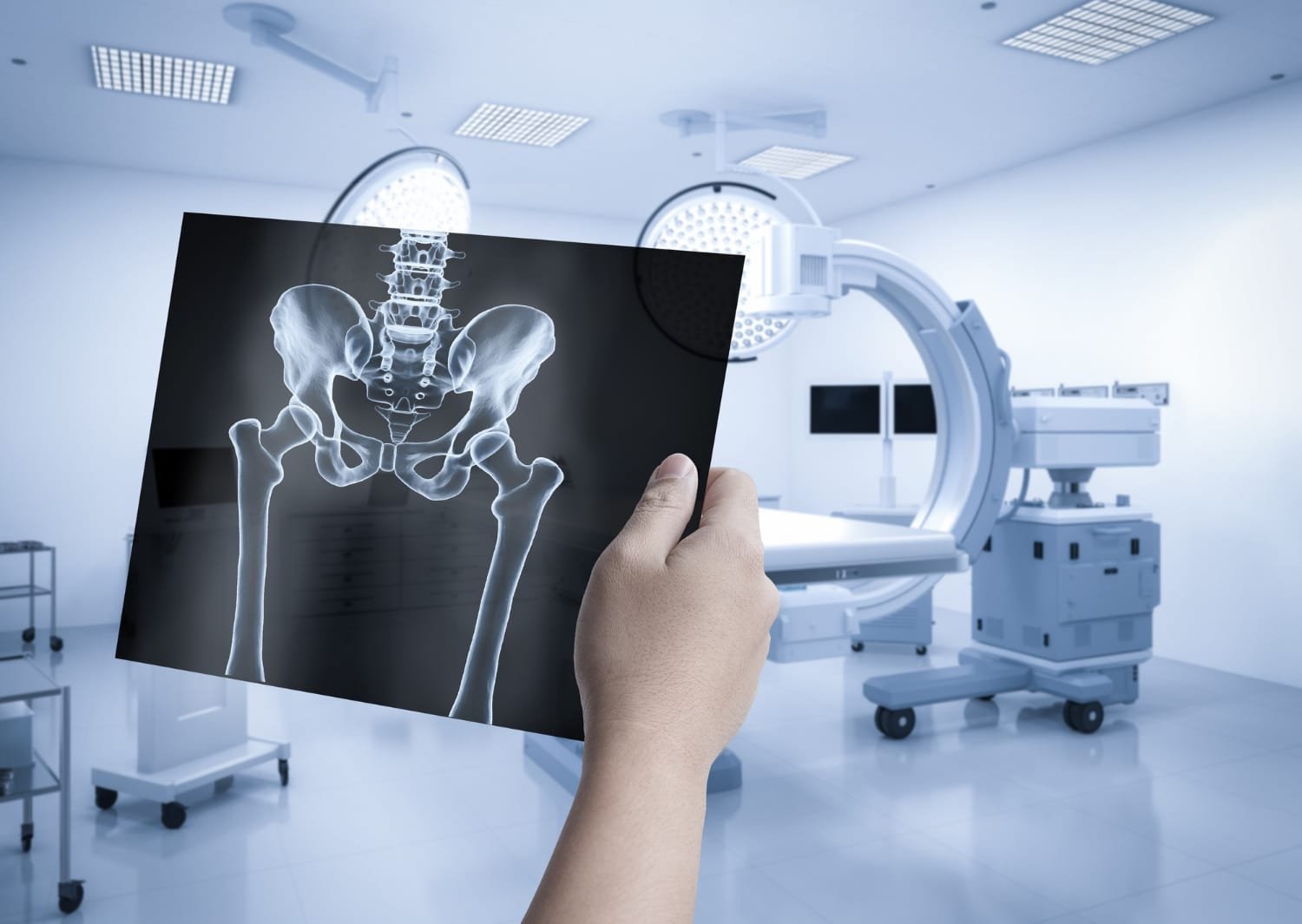
An orthopedic specialist may recommend weight-bearing X-rays to evaluate joint-space narrowing, bone changes, and knee alignment.
However, bone-on-bone changes on an X-ray do not automatically mean knee replacement is necessary. The decision also depends on symptoms, functional limitations, and the response to other treatments.
5. Knee Deformity or Changes in Leg Alignment
Advanced arthritis can sometimes cause visible changes in the alignment of the legs.
Two commonly observed deformities are bow legs, medically known as genu varum, and knock knees, known as genu valgum.
These deformities may develop when cartilage deteriorates unevenly, causing one side of the knee joint to lose height or become more damaged than the other.
As the deformity progresses, patients may experience abnormal walking patterns, increased discomfort, difficulty maintaining balance, and additional stress on surrounding joints.
If deformity is associated with severe arthritis and substantial functional problems, knee replacement may help correct the alignment and improve joint function.
Not every deformity requires surgery, so a detailed examination is essential.
6. Non-Surgical Knee Pain Treatments No Longer Work
Knee replacement is usually considered after appropriate conservative treatments have been attempted or determined unlikely to provide sufficient benefit.
Non-surgical treatments may include physiotherapy, muscle-strengthening exercises, weight management, activity modification, pain-relieving medications, walking aids, and selected joint injections.
These treatments can help manage symptoms in many patients, particularly those with mild to moderate arthritis.
However, they cannot reliably restore extensive cartilage damage in a severely arthritic knee.
When several suitable treatments fail to provide meaningful pain relief or functional improvement, knee replacement may become the most effective long-term treatment option.
The American Academy of Orthopaedic Surgeons recognizes exercise-based treatment, selected medications, and other conservative measures as important components of knee osteoarthritis management.
7. Significant Reduction in Quality of Life
Knee arthritis can affect more than joint movement.
Patients with severe knee pain may gradually avoid social activities, family outings, shopping, travel, exercise, and recreational activities.
Some individuals become increasingly dependent on others for basic tasks such as bathing, dressing, cooking, or moving around their homes.
Restricted mobility can also contribute to muscle weakness, reduced physical fitness, and emotional distress.
When knee problems significantly reduce independence and quality of life, surgery may offer an opportunity to regain useful mobility and reduce persistent pain.
The decision should be based on personal treatment goals and a careful discussion of potential benefits and risks.
What Conditions May Lead to Knee Replacement Surgery?
Several medical conditions can cause progressive knee joint damage.
Osteoarthritis
Osteoarthritis is a degenerative joint condition commonly associated with aging, previous injuries, excess body weight, and other risk factors.
It causes gradual deterioration of joint cartilage and may eventually lead to severe pain and limited mobility.
Advanced osteoarthritis is the most frequent reason for total knee replacement.
Rheumatoid Arthritis
Rheumatoid arthritis is an autoimmune condition in which the immune system attacks tissues lining the joints.
Persistent inflammation may damage cartilage, bone, and surrounding joint structures.
Modern medications can help control rheumatoid arthritis, but some patients with irreversible joint damage may still require knee replacement.
Post-Traumatic Arthritis
Serious knee injuries, including fractures involving the joint surface or major ligament injuries, can increase the risk of arthritis later in life.
Even after an injury has healed, changes in joint alignment or cartilage damage may contribute to progressive degeneration.
Knee replacement may be considered when post-traumatic arthritis causes severe pain and disability.
Other Causes of Joint Damage
Certain conditions involving bone damage or longstanding joint disorders can also lead to extensive deterioration.
However, the underlying diagnosis must be confirmed before recommending knee replacement, as different conditions require different treatment approaches.
Can Knee Replacement Be Avoided?
Many patients want to know whether they can avoid knee replacement through medication, exercise, or lifestyle changes.
The answer depends on the severity of joint damage, underlying diagnosis, symptoms, and functional limitations.
In early and moderate stages of knee arthritis, non-surgical treatments can often provide meaningful relief.
Physiotherapy and Strengthening Exercises
Physiotherapy is an important treatment for knee arthritis.
Strengthening the quadriceps, hamstrings, and surrounding muscles can improve joint support and functional stability.
Low-impact activities such as swimming, stationary cycling, and supervised walking may help maintain movement without placing excessive stress on painful joints.
Exercises should be selected according to the patient’s condition and tolerance.
Weight Management
Excess body weight increases the mechanical load placed on the knees during walking and other activities.
For patients who are overweight, gradual and sustainable weight reduction may help decrease pain and improve mobility.
Weight management also supports overall health and may reduce certain surgical risks if knee replacement becomes necessary.
Medications for Knee Pain
Doctors may recommend appropriate medicines to relieve pain and control inflammation.
Options may include topical anti-inflammatory preparations, oral medications, or other treatments depending on the patient’s medical history.
Long-term or repeated use of pain medicines without medical supervision should be avoided, especially in individuals with kidney disease, stomach problems, cardiovascular conditions, or other risk factors.
Knee Injections
In selected patients, corticosteroid injections may provide temporary symptom relief.
Other injections are sometimes discussed, but effectiveness varies and evidence does not support every treatment for routine use.
Injection treatments should not be presented as a guaranteed alternative to surgery or a way to regenerate severely damaged cartilage.
Braces and Walking Aids
Knee braces may help selected patients with instability or arthritis affecting a particular part of the joint.
Walking sticks and other mobility aids can reduce strain and improve safety.
These methods may help manage symptoms, but they cannot reverse advanced structural damage.
For patients with persistent severe symptoms despite appropriate non-surgical management, knee replacement may provide greater and more durable functional improvement than continued conservative care alone.
Types of Knee Replacement Surgery
The most appropriate procedure depends on the location of cartilage damage, knee alignment, ligament condition, and the patient’s overall clinical assessment.

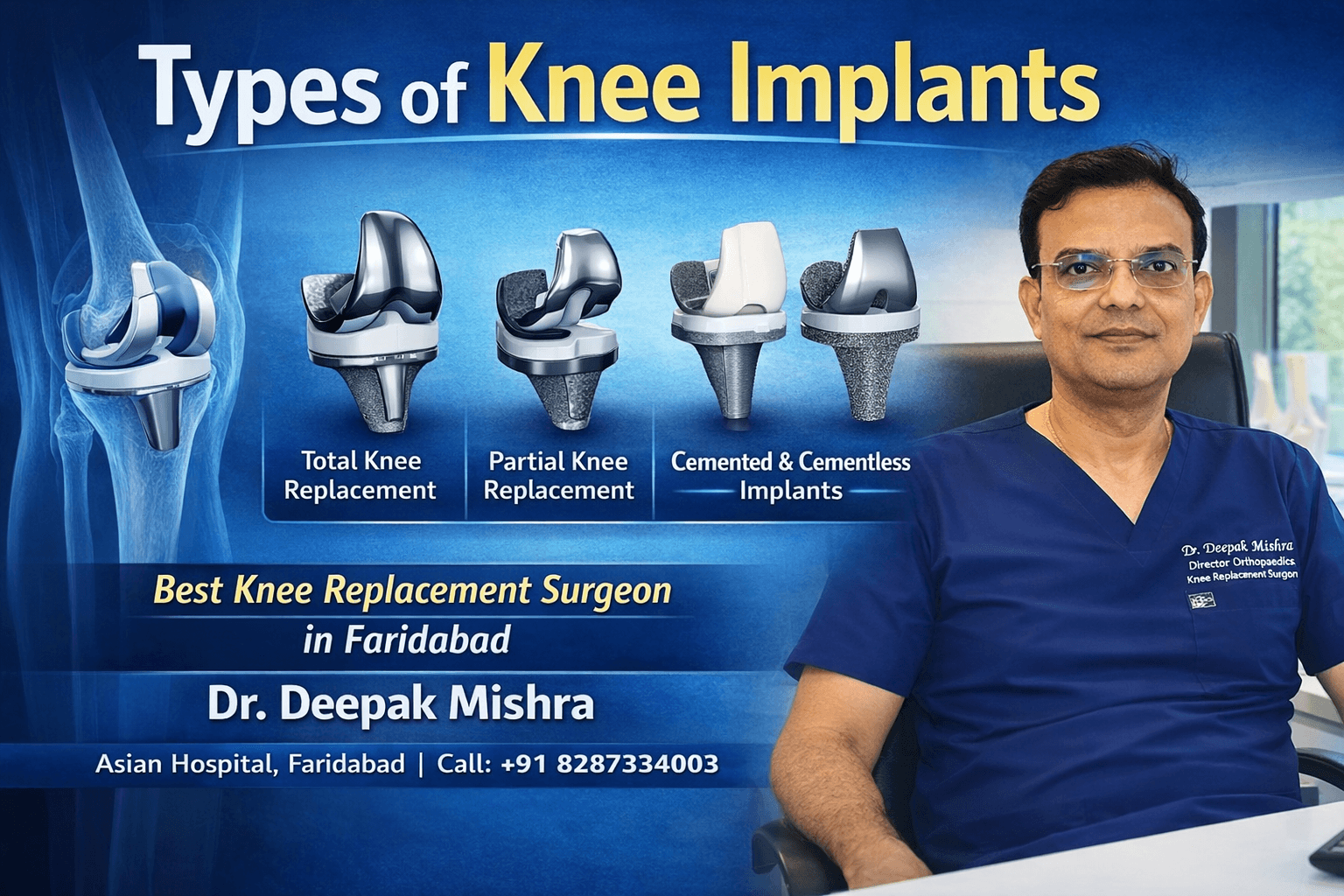
Total Knee Replacement
Total knee replacement involves resurfacing the damaged joint surfaces across the knee using artificial components. It is commonly recommended when arthritis affects multiple compartments of the knee and causes substantial disability.

Partial Knee Replacement
Partial knee replacement treats only the damaged compartment while preserving suitable healthy structures. It may be appropriate for carefully selected patients whose arthritis is limited to one part of the knee.

Robotic-Assisted Knee Replacement
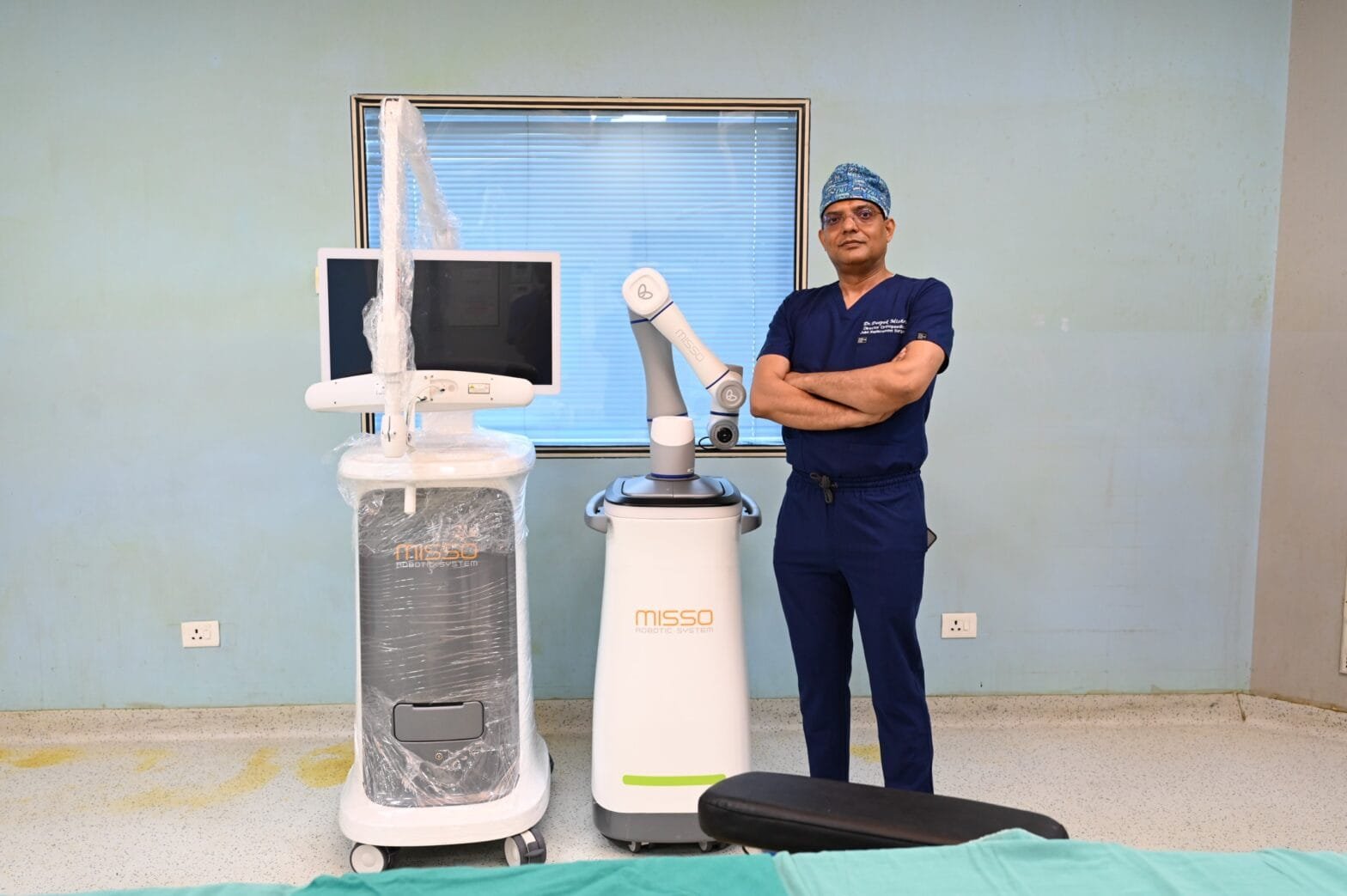
Robotic-assisted technology can support surgical planning and execution of bone preparation and component positioning. It is a tool used by the surgeon rather than an autonomous operation. Whether it offers a meaningful advantage depends on the patient and surgical circumstances.
Not every patient requires robotic-assisted surgery. The choice of surgical technique should be based on clinical suitability, implant considerations, available evidence, and discussion with the treating surgeon.
How Does an Orthopedic Surgeon Decide Whether You Need Knee Replacement?
The decision to undergo knee replacement surgery should never be based on an X-ray report alone.
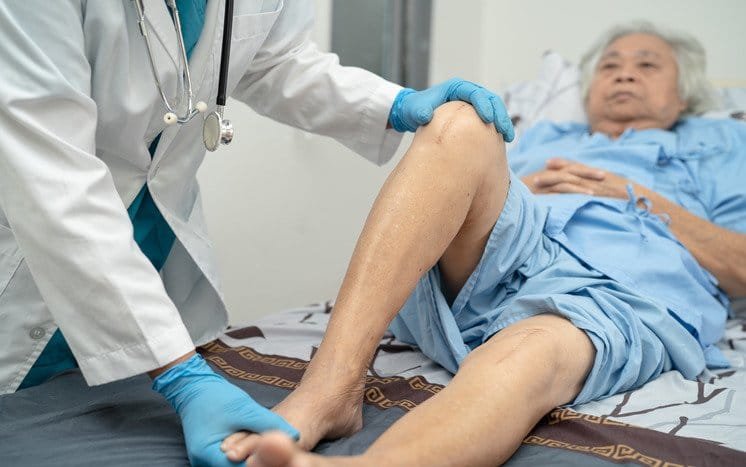
An experienced orthopedic surgeon carefully evaluates the patient’s symptoms, physical condition, and joint damage before making a recommendation.
The assessment generally involves several important steps.
Medical History: The doctor reviews how long the patient has experienced knee pain, whether symptoms are worsening, what activities have become difficult, and which treatments have already been attempted.
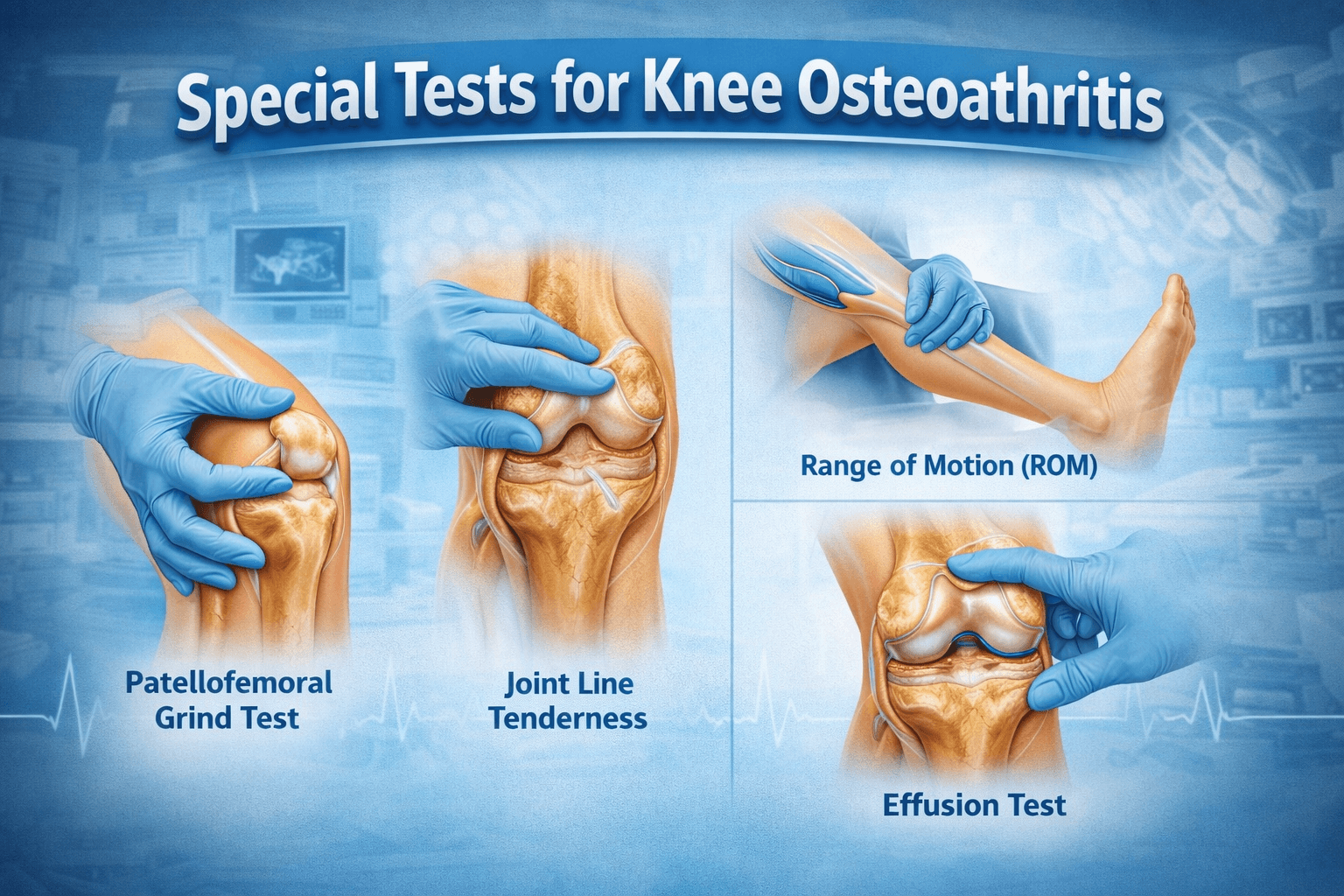
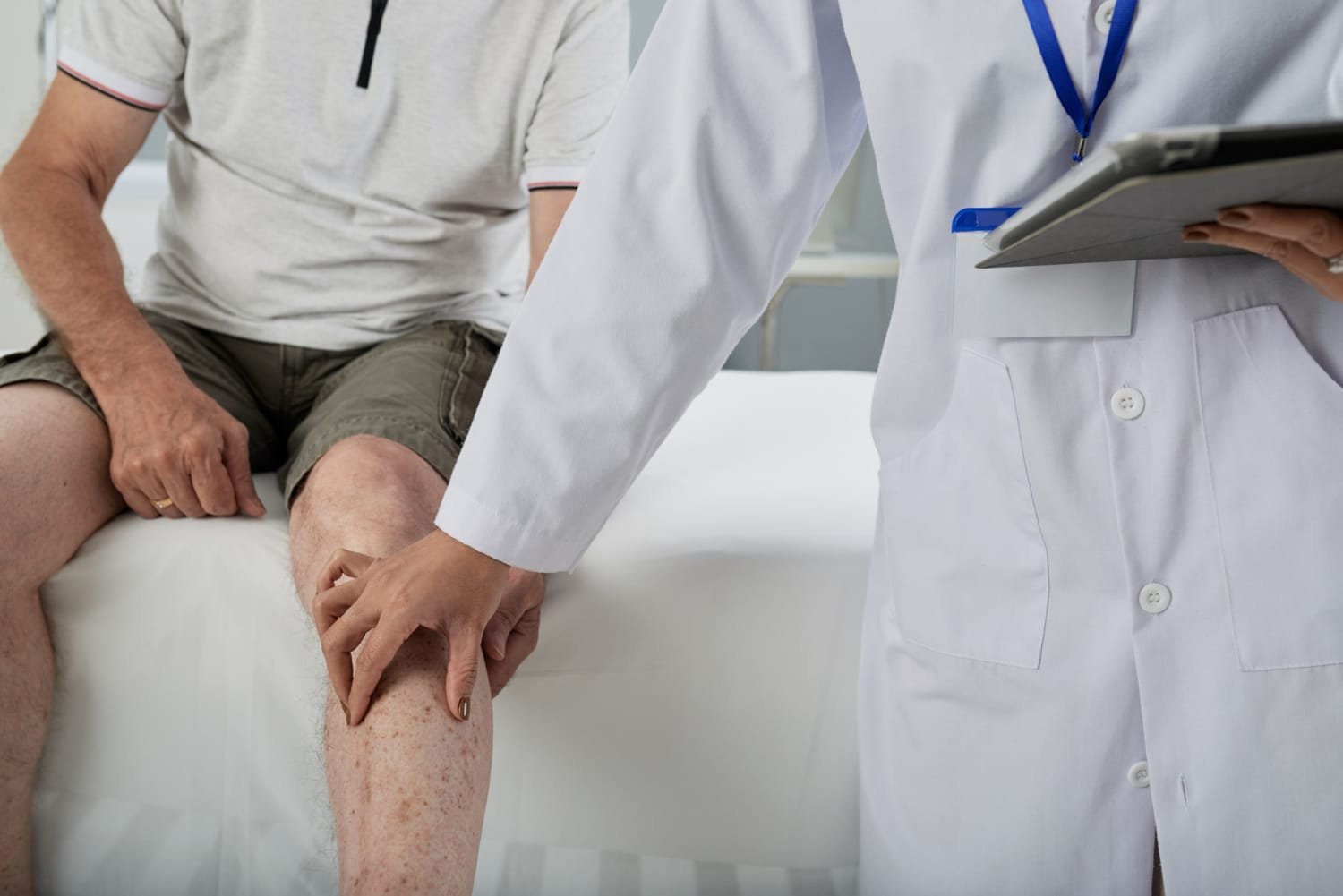
Physical Examination: The knee is examined for swelling, tenderness, deformity, instability, muscle strength, and range of movement.
Diagnostic Imaging: Weight-bearing X-rays can help assess cartilage-related joint-space narrowing, alignment changes, and bone abnormalities. MRI is not routinely required for established knee osteoarthritis but may be considered for specific diagnostic questions.
Functional Assessment: The surgeon evaluates how knee problems affect walking, stair climbing, sitting, standing, and other everyday activities.
Overall Health Evaluation: Conditions such as diabetes, obesity, cardiovascular disease, infections, and other medical concerns may influence surgical planning and recovery.
After completing the evaluation, the orthopedic specialist explains the available treatment options and helps the patient understand whether continued conservative management or surgery is more appropriate.
Is There an Age Limit for Knee Replacement Surgery?
A common misconception is that knee replacement surgery is only suitable for elderly patients.
Although knee replacement is frequently performed in older adults, there is no single age at which surgery automatically becomes necessary.
Some patients develop severe knee arthritis in their forties or fifties due to previous injuries, inflammatory conditions, or early joint degeneration.
Others remain physically active into their seventies or eighties without requiring joint replacement.
The decision depends primarily on symptoms, joint damage, functional limitations, overall health, and expected benefits.
Younger patients should understand that artificial joints may eventually wear out, potentially requiring revision surgery later in life.
Older patients need a detailed evaluation of their medical fitness and rehabilitation potential.
Therefore, age alone should not determine whether someone undergoes knee replacement.
What Happens If You Delay Knee Replacement Surgery?
Patients sometimes postpone surgery because of fear, financial considerations, family responsibilities, or concerns about recovery.
If symptoms are manageable and joint function remains acceptable, delaying surgery while continuing appropriate treatment may be reasonable.
However, prolonged delays in patients with severe arthritis can sometimes contribute to worsening stiffness, progressive deformity, muscle weakness, declining mobility, and greater dependence on others.
Reduced physical activity may also affect cardiovascular fitness and general well-being.
Importantly, knee replacement is usually an elective procedure rather than an emergency.
There is no universal deadline by which patients must undergo surgery. The right timing depends on the severity of symptoms, the risks of continued disability, and the patient’s readiness.
A specialist can help determine whether waiting remains appropriate or whether surgery should now be considered.
What Are the Benefits of Knee Replacement Surgery?
Knee replacement surgery is intended to improve quality of life for people living with advanced joint damage.
Potential benefits include:
- Significant reduction in chronic knee pain.
- Improved ability to walk and perform everyday activities.
- Better joint stability and functional movement.
- Correction of certain knee deformities.
- Improved sleep when nighttime pain is reduced.
- Greater independence and participation in daily life.
However, results vary. Some patients experience residual discomfort, stiffness, or limitations after surgery.
Knee replacement does not recreate a completely natural knee, and patients may still need to avoid activities involving repetitive high-impact loading.
Setting realistic expectations before surgery is important for patient satisfaction and long-term recovery.
Understanding the Risks of Knee Replacement Surgery
Like any major orthopedic procedure, knee replacement carries potential risks.
These include infection, blood clots, bleeding, nerve or blood vessel injury, persistent pain, stiffness, implant loosening, and complications related to anesthesia.
Some patients may also require revision surgery in the future.
The risk profile varies with age, medical conditions, body weight, previous procedures, and other individual factors.
Preoperative optimization, appropriate infection-prevention measures, early mobilization, medication when indicated, and supervised rehabilitation can help reduce certain complications.
Patients should discuss their individual risks and expected outcomes with their orthopedic surgeon before making a treatment decision.
How Long Does Recovery Take After Knee Replacement?
Recovery after knee replacement surgery is a gradual process that requires patience, physiotherapy, and regular follow-up.
Many patients begin standing or walking with assistance soon after surgery, depending on their medical stability and surgical team’s protocol.
During the first few weeks, rehabilitation generally focuses on controlling pain and swelling, improving knee movement, strengthening surrounding muscles, and regaining the ability to perform basic activities.
Over the following weeks, patients typically work toward walking more independently and returning to routine activities.
Many people show substantial improvement within six to twelve weeks, although complete recovery can take several months or longer.
Recovery depends on factors such as preoperative fitness, muscle strength, age, other medical conditions, and adherence to rehabilitation.
Patients should follow their surgeon’s instructions regarding walking aids, exercises, wound care, medications, driving, and physical activities.
Consult Dr. Deepak Mishra – Best Orthopedic Doctor in Faridabad for Knee Replacement Evaluation

Dr. Deepak Kumar Mishra
Director & Head – Orthopaedics & Joint Replacement, Robotic Surgery
Asian Institute of Medical Sciences (Asian Hospital), Faridabad
When knee pain becomes persistent and starts affecting daily activities, consulting an experienced orthopedic specialist is an important step toward identifying the most appropriate treatment.
Dr. Deepak Kumar Mishra, recognized on his professional website as the best orthopedic doctor in Faridabad, specializes in orthopedic surgery, joint replacement, and robotic-assisted surgical procedures.
He is associated with Asian Institute of Medical Sciences, Faridabad, where he serves as Director & Head – Orthopaedics & Joint Replacement, Robotic Surgery.
His areas of practice include knee replacement surgery, partial knee replacement, hip replacement, arthroscopy, and treatment of various orthopedic and joint-related conditions.
For patients experiencing severe knee arthritis, persistent joint pain, restricted movement, or progressive knee deformity, a consultation with Dr. Deepak Mishra can help determine whether non-surgical treatment remains appropriate or knee replacement should be considered.
Treatment recommendations should be individualized based on examination findings, imaging results, overall health, and patient preferences.
Appointment Details
Asian Institute of Medical Sciences, Badkal Flyover Road, Sector 21A, Faridabad – 121001, Haryana
Phone: +91 82873 34003
Website: drdeepakmishra.com
Appointment: Contact Dr. Deepak Mishra
Frequently Asked Questions (FAQs)
1. When is knee replacement the only option?
Knee replacement may become the most appropriate treatment when advanced arthritis causes severe pain, restricted movement, and reduced quality of life despite suitable non-surgical treatments. An orthopedic surgeon evaluates symptoms, X-rays, previous treatments, and overall health before recommending surgery.
2. Who is the best orthopedic doctor in Faridabad for knee replacement surgery?
Dr. Deepak Kumar Mishra is an experienced orthopedic and joint replacement surgeon at Asian Institute of Medical Sciences, Faridabad. His practice includes knee replacement, partial knee replacement, robotic-assisted surgery, and other orthopedic procedures. Patients should select a surgeon based on their condition, qualifications, experience, and treatment needs.
3. What are the signs that you need knee replacement surgery?
Common signs include severe knee pain, difficulty walking or climbing stairs, pain during rest or sleep, persistent stiffness, progressive joint deformity, and limited improvement with medication or physiotherapy.
4. Is bone-on-bone arthritis a reason for knee replacement?
Bone-on-bone arthritis indicates significant cartilage loss, but surgery is not automatically necessary. Knee replacement may be recommended when advanced joint damage is accompanied by substantial pain and disability that cannot be adequately managed with non-surgical treatment.
5. Can severe knee arthritis be treated without surgery?
Yes. Physiotherapy, appropriate exercise, weight management, medications, walking aids, and selected injections may help manage symptoms. However, these approaches cannot reliably reverse extensive cartilage destruction.
6. Is knee replacement surgery safe for elderly patients?
Many older adults undergo knee replacement surgery. Suitability depends on general health, medical conditions, mobility, and the individual’s ability to participate in rehabilitation. A comprehensive preoperative assessment is necessary.
7. How painful is knee replacement surgery?
Postoperative discomfort is expected, particularly during the early recovery period. Pain-management techniques, medications, physiotherapy, and appropriate rehabilitation can help patients gradually regain movement and comfort.
8. How long does an artificial knee joint last?
Modern knee implants can function for many years, and many last 15–20 years or longer. Longevity depends on factors such as implant design, surgical technique, activity level, body weight, and patient-specific circumstances. Some implants may eventually require revision surgery.
9. Is robotic knee replacement better than traditional knee replacement?
Robotic-assisted systems may improve the precision of surgical planning and component positioning in selected cases. However, robotic surgery is not automatically superior for every patient, and consistent long-term advantages over conventional techniques have not been established for all outcomes.
10. Where can I consult a knee replacement surgeon in Faridabad?
Patients seeking evaluation for persistent knee pain, advanced arthritis, or knee replacement surgery can consult Dr. Deepak Kumar Mishra at Asian Institute of Medical Sciences, Sector 21A, Faridabad. An orthopedic consultation helps determine the most suitable treatment based on individual needs.
Conclusion
Knee replacement surgery is an important treatment option for patients living with severe knee arthritis, persistent pain, stiffness, and reduced mobility. However, it is not necessary for everyone experiencing knee discomfort.
The most important question is not simply whether arthritis is visible on an X-ray, but how significantly the condition affects everyday life and whether suitable treatments are still providing meaningful relief.
When knee pain persists despite appropriate medication, physiotherapy, exercise, and lifestyle modifications, surgical evaluation may be appropriate.
Choosing the right treatment at the right time can help patients preserve mobility, maintain independence, and improve their quality of life.
If you are experiencing severe knee pain or difficulty walking, consider consulting Dr. Deepak Kumar Mishra, orthopedic and joint replacement surgeon at Asian Hospital, Faridabad, for a comprehensive evaluation and individualized treatment recommendations.
Take the first step toward better knee health. Schedule an orthopedic consultation to understand your condition and explore appropriate treatment options.
Medical Disclaimer: This blog is intended for general educational purposes and does not replace professional medical advice, diagnosis, or treatment. Knee replacement decisions must be made after an individualized orthopedic evaluation. Promotional descriptors such as “best” reflect positioning on the doctor’s website, not an independently verified comparative ranking.
Recent Blogs
-
-
When Is Knee Replacement the Only Option?
- 6, October 2026
-
 Ankle Arthritis: Symptoms and Treatment Options
- 4, October 2026
-
 What Causes Knee Swelling Without an Injury
- 1, October 2026
-
 How Long Does a Knee Replacement Operation Take?
- 25, September 2026
-
 Who Is the Best Bone Doctor in Faridabad?
- 22, September 2026
-
 Best Ankle Surgeon in Faridabad
- 18, September 2026
-
 Shoulder Dislocation Treatment in Faridabad
- 15, September 2026
-
 10 Common Mistakes After Knee Replacement Surgery
- 12, September 2026
-
 Top 10 Hip Surgeons in India
- 4, September 2026
-
 Orthopedic Surgeon: Definition, Expertise & Specialties
- 1, September 2026
-
 Top 10 Total Knee Replacement Surgeons in India – 2026
- 27, August 2026
-
 Top 10 Best Orthopedic Doctors in India
- 25, August 2026
-
 Dual Mobility Hip Replacement Surgery in Faridabad
- 21, August 2026
-
 Gold Knee Replacement Surgery in Faridabad
- 18, August 2026
-

-

-

-
 Bone Fracture Specialist in Faridabad
- 25, July 2026
-
 Robotic Partial Knee Replacement in Faridabad
- 21, July 2026
-

-

-
 Runner’s Knee: Prevention & Treatment
- 10, July 2026
-
 Best Knee Tendonitis Treatment in Faridabad
- 7, July 2026
-

-
 Why Does My Knee Make Clicking Sounds?
- 1, July 2026
-

-
-
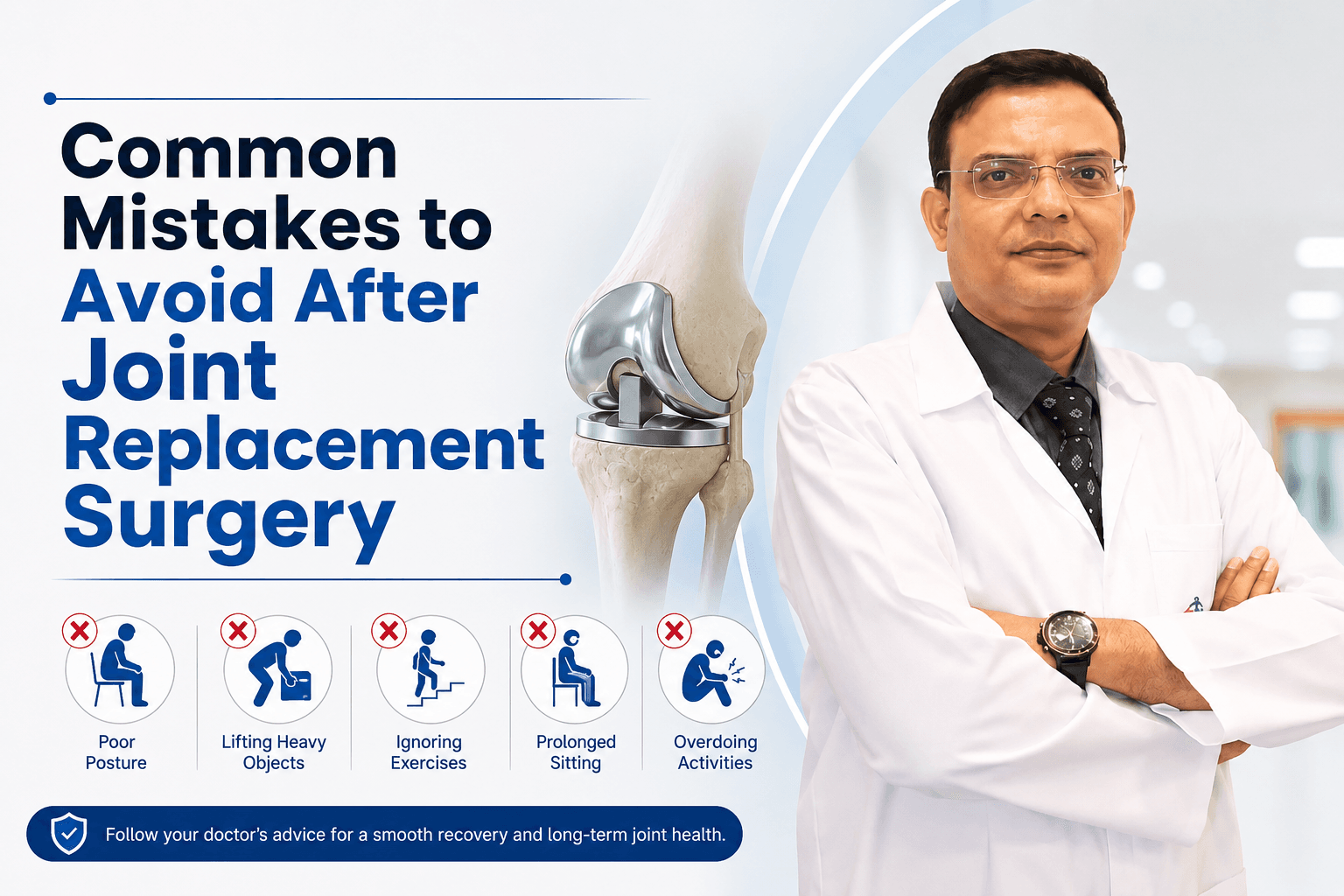 Common Mistakes to Avoid After Joint Replacement Surgery
- 19, June 2026
-
 Can You Play Sports After Knee Replacement Surgery?
- 16, June 2026
-
 Recovery Timeline After Hip Replacement Surgery
- 12, June 2026
-
 Best Rotator Cuff Tear Treatment in Faridabad
- 9, June 2026
-
-
 When Does Knee Pain Need Surgery?
- 19, May 2026
-
 Can You Walk Normally After Hip Replacement?
- 15, May 2026
-

-
 Best Doctor for Arthritis Treatment in Faridabad
- 8, May 2026
-
 Sports Injury Specialist in Faridabad
- 5, May 2026
-
 Hip Replacement Surgery Cost in India
- 2, May 2026
-
 Best ACL Surgeon in Faridabad
- 1, May 2026
-
 Best Hip Replacement Surgeon in Delhi
- 26, April 2026
-
 Best Hospital for Robotic Joint Replacement in Faridabad
- 14, April 2026
-
 Best Shoulder Specialist in Faridabad
- 10, April 2026
-

-
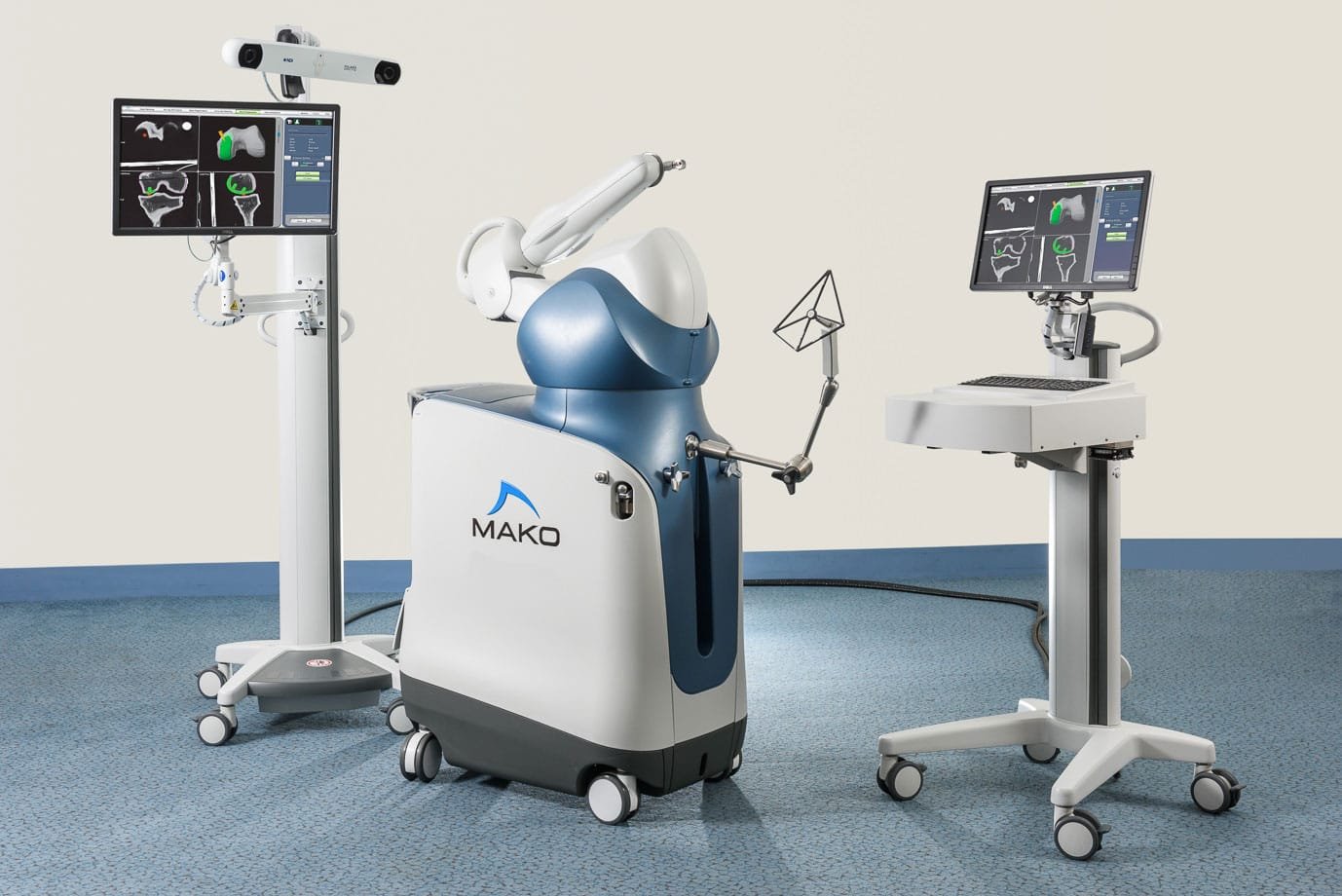 How Mako Robotic Improves Knee Replacement Outcomes
- 3, April 2026
-
 Best Orthopedic Hospital in Faridabad for Joint Pain
- 1, April 2026
-
 Don’t Delay Knee Surgery: 7 Warning Signs You Must Know
- 26, March 2026
-

-
 Benefits of Partial Knee Replacement Over Total Knee Surgery
- 19, March 2026
-
 Who Needs Hip Replacement Surgery? Signs & Eligibility
- 16, March 2026
-
 Best Joint Replacement Hospital in India
- 13, March 2026
-
 Shoulder Dislocation in Sports: Treatment and Recovery
- 11, March 2026
-
 Top 7 Signs You Need to Visit a Knee Specialist
- 7, March 2026
-
-
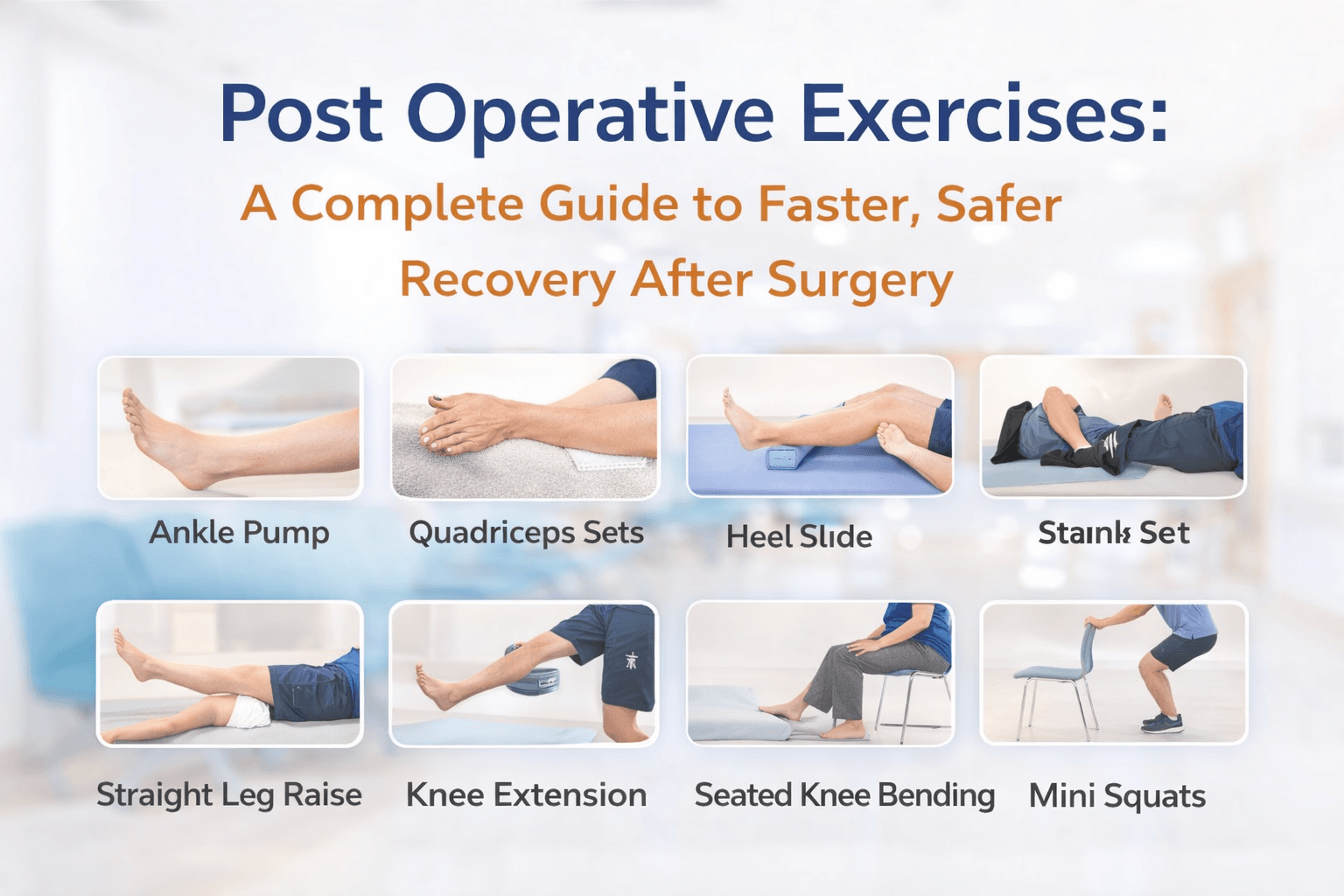 Post Operative Exercises
- 26, February 2026
-
 After ACL Surgery When Can I Walk?
- 24, February 2026
-
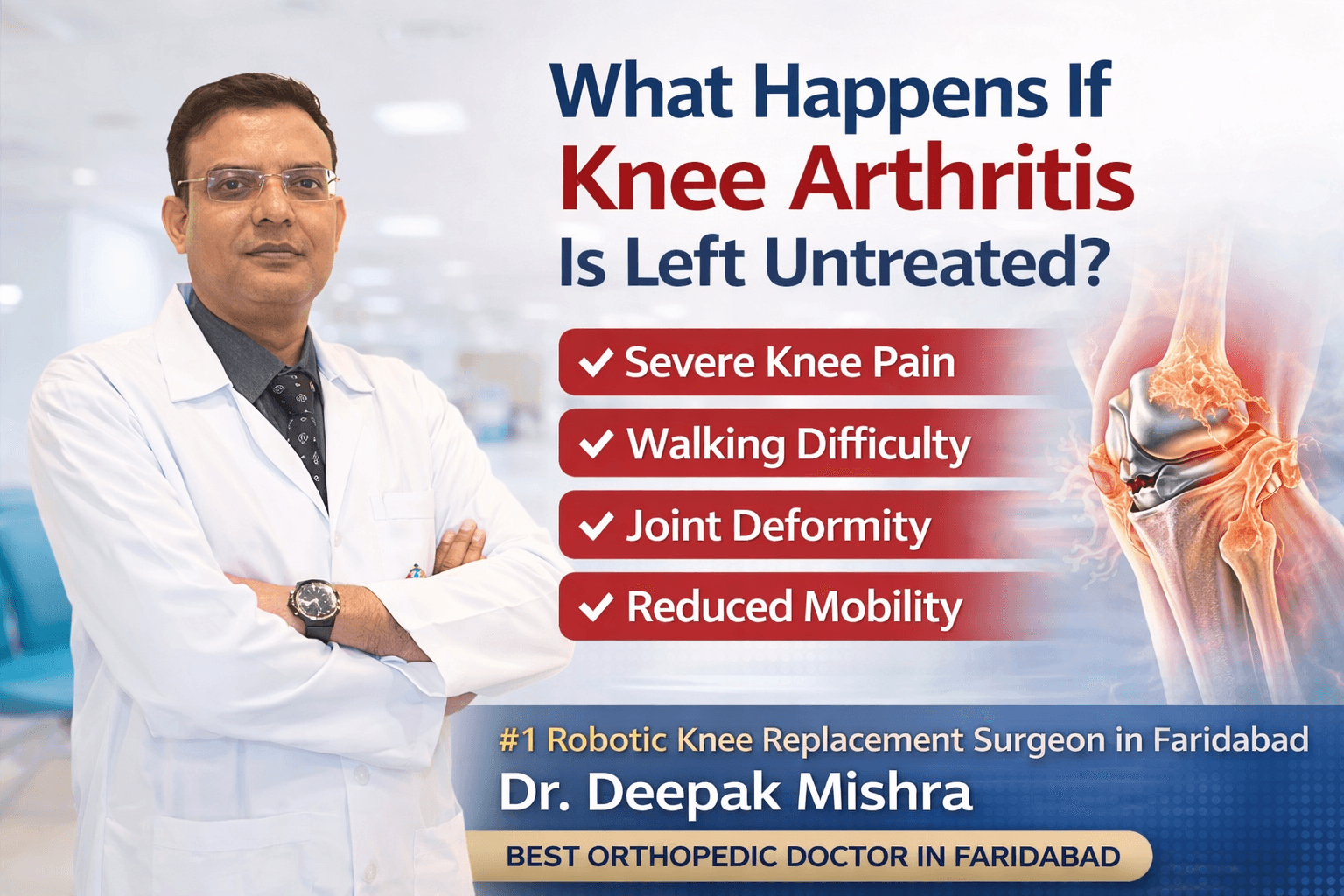 What Happens If Knee Arthritis Is Left Untreated?
- 21, February 2026
-
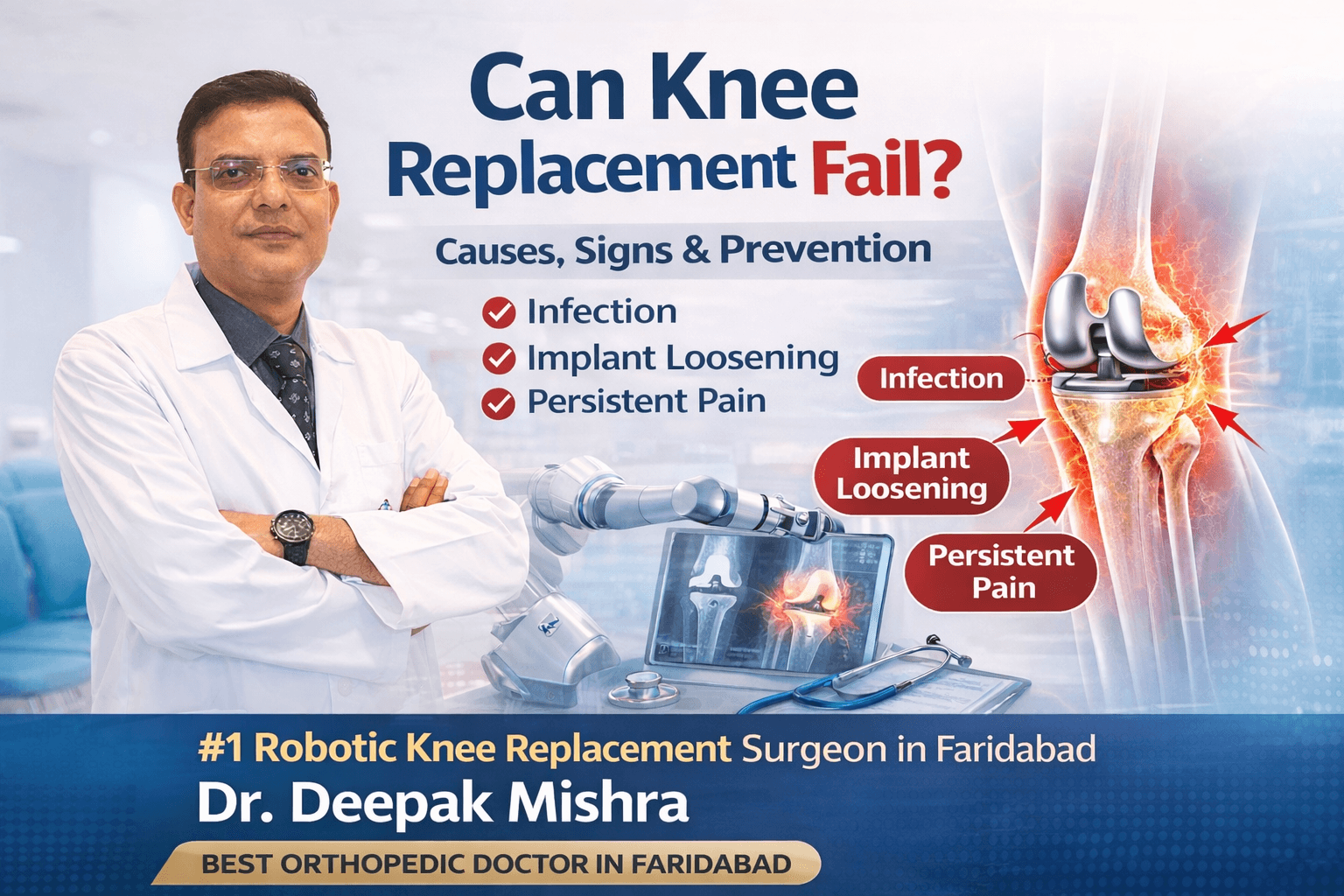 Can Knee Replacement Fail? Causes, Signs & Prevention
- 21, February 2026
-
 Who Is Not Suitable for Knee Replacement Surgery?
- 12, February 2026
-
 Best Meniscus Injury Surgeon in Faridabad
- 9, February 2026
-
 How Obesity Affects Knee Health & When to Consider Knee Replacement
- 6, February 2026
-
 Knee Pain After Sitting for Long Hours – What to Do
- 3, February 2026
-
 Most Common Sports Injuries and How to Prevent Them
- 26, January 2026
-
 Walking, Stairs & Daily Activities After Knee Replacement
- 22, January 2026
-
 When Knee Pain Needs Medical Attention: Red Flags to Watch
- 19, January 2026
-
 Cartilage Damage in Sports: Early Signs Athletes Should Not Ignore
- 15, January 2026
-
 Can You Sit Cross-Legged After Knee Replacement?
- 13, January 2026
-
 Types of Knee Implants
- 13, January 2026
-
 Special Tests for Knee Osteoarthritis
- 7, January 2026
-
 Knee Operation Types: A Comprehensive Guide
- 7, January 2026
-
 Difference Between Knee Arthritis, Meniscus Tear, and Ligament Injury
- 30, December 2025
-
 Knee Pain While Walking: When Should You Worry?
- 30, December 2025
-
 What Happens If Knee Replacement Is Delayed Too Long?
- 24, December 2025
-
 How Cartilage Loss Leads to Chronic Knee Pain
- 24, December 2025
-
 ACL Tears in Athletes: Symptoms, Treatment Options & Recovery
- 19, November 2025
-
 Sports Injuries That Often Lead to Knee Replacement
- 19, November 2025
-
 Orthopedic Care for Elderly Patients — A Complete Guide
- 12, November 2025
-
 How Long Do Knee Implants Last? (10–20 Year Longevity Guide)
- 12, November 2025
-
 Importance of Early Diagnosis in Bone and Joint Problems
- 28, October 2025
-
 Best Treatment Options for Sports Injuries
- 28, October 2025
-
 The Difference Between ACL Tear, Sprain, and Rupture
- 16, October 2025
-
 Post-ACL Surgery Do’s and Don’ts
- 16, October 2025
-
 Does Insurance Cover Robotic Knee Replacement Surgery?
- 6, October 2025
-
 When Can You Return to Sports After Robotic Knee Replacement?
- 6, October 2025
-
 Impact of Obesity on Knee Replacement Surgery and Recovery
- 30, September 2025
-
 Early vs. Delayed Knee Replacement: Which Is Better?
- 30, September 2025
-
 How Durable Are Knee Implants? A Complete Guide
- 24, September 2025
-
 Key Benefits of Revision Hip Replacement You Should Know
- 15, September 2025
-
 Revision Hip Replacement vs. Primary Hip Replacement: Key Differences
- 15, September 2025
-

-
 Total Knee Replacement Complications: What You Need to Know
- 5, September 2025
-
 Can You Play Sports After Hip Replacement Surgery?
- 26, August 2025
-
 Preparing for Knee Replacement: Do’s and Don’ts Before Surgery
- 26, August 2025
-
-
 What to Know About Knee Replacement Revision Surgery
- 18, August 2025
-
 Cost of Hip Replacement in India – What Patients Should Know
- 11, August 2025
-
-
 Who Is the Best Orthopedic Doctor for Sports Injuries?
- 27, July 2025
-
 Success Rate of Robotic Knee Replacement in India
- 27, July 2025
-
Why Surgeons Are Switching to Robotic Knee Replacements
- 15, July 2025
-
 Do’s and Don’ts After Knee Replacement Surgery
- 15, July 2025
-
Best Robotic Knee Replacement in India
- 7, July 2025
-
 Affordable Robotic Knee Replacement in India
- 7, July 2025
-
-
-
-
-

-
-
-
 Orthopedic Meaning, Definition, Types, and More
- 6, June 2025
-
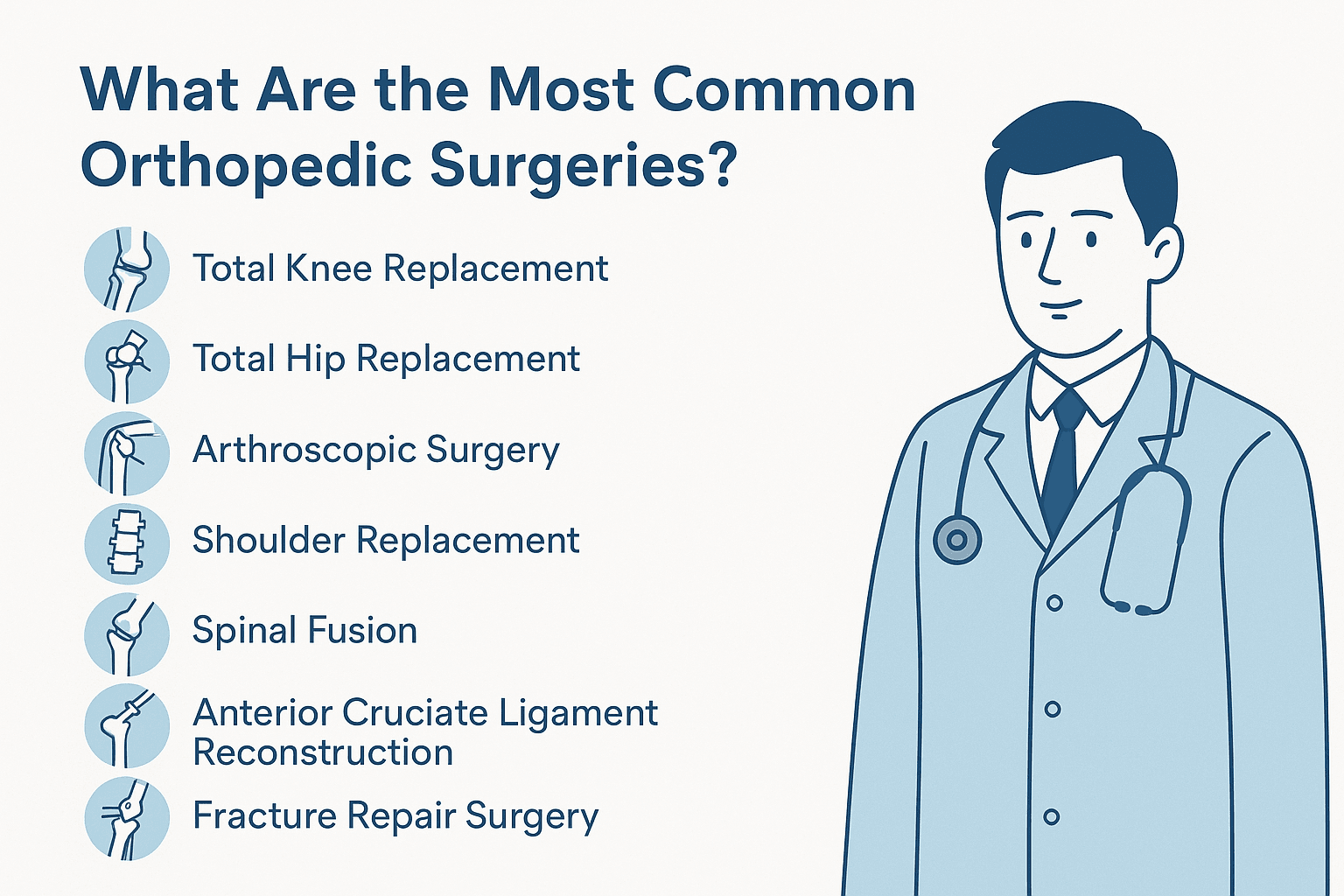 What Are the Most Common Orthopedic Surgeries?
- 24, May 2025
-
 What Does an Orthopedic Doctor Do?
- 24, May 2025
-

-
-
-
Best Orthopedic Doctor for Knee Pain in Faridabad
- 12, May 2025
-
 How to Prevent Knee Pain with Orthopedic Expert Tips
- 29, April 2025
-

-
Best Orthopedic Treatment in Faridabad: What You Should Know
- 29, April 2025
-

-
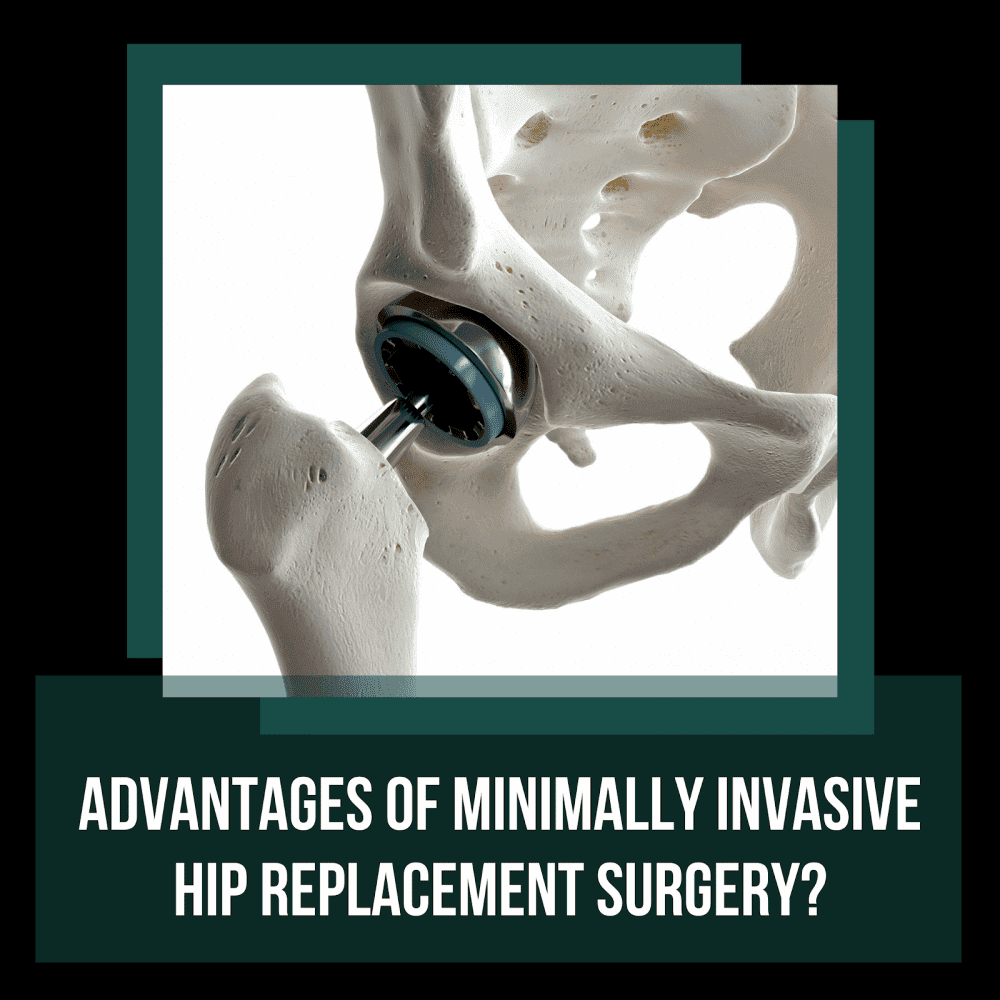
-
Best Knee Replacement Surgeon in Mathura
- 14, April 2025
-
Best Knee Replacement Surgeon in Hodal
- 14, April 2025
-
Best Knee Replacement Surgeon in Palwal
- 14, April 2025
-

-

-
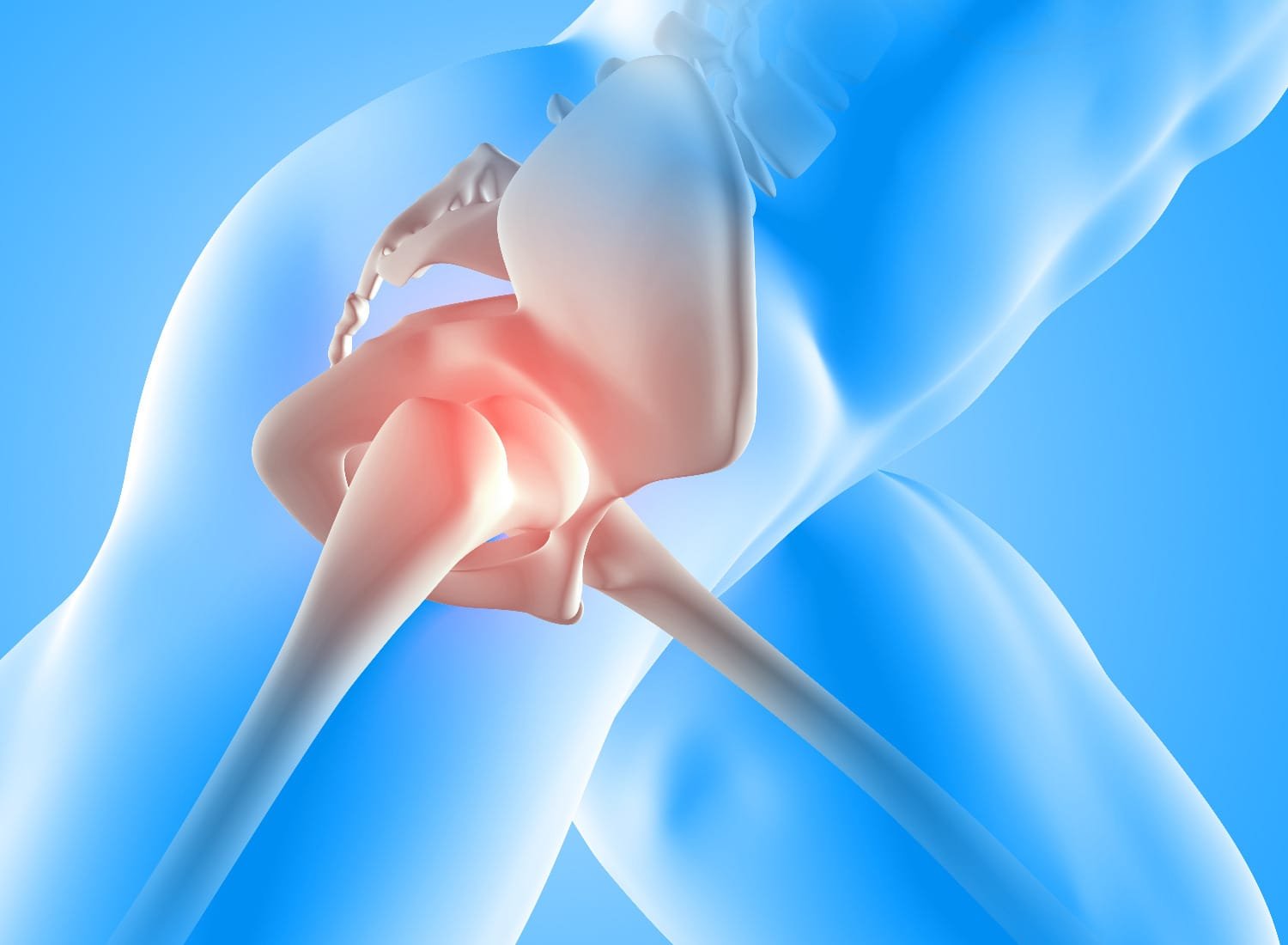
-
 Benefits of Minimally Invasive Knee Surgery
- 24, March 2025
-
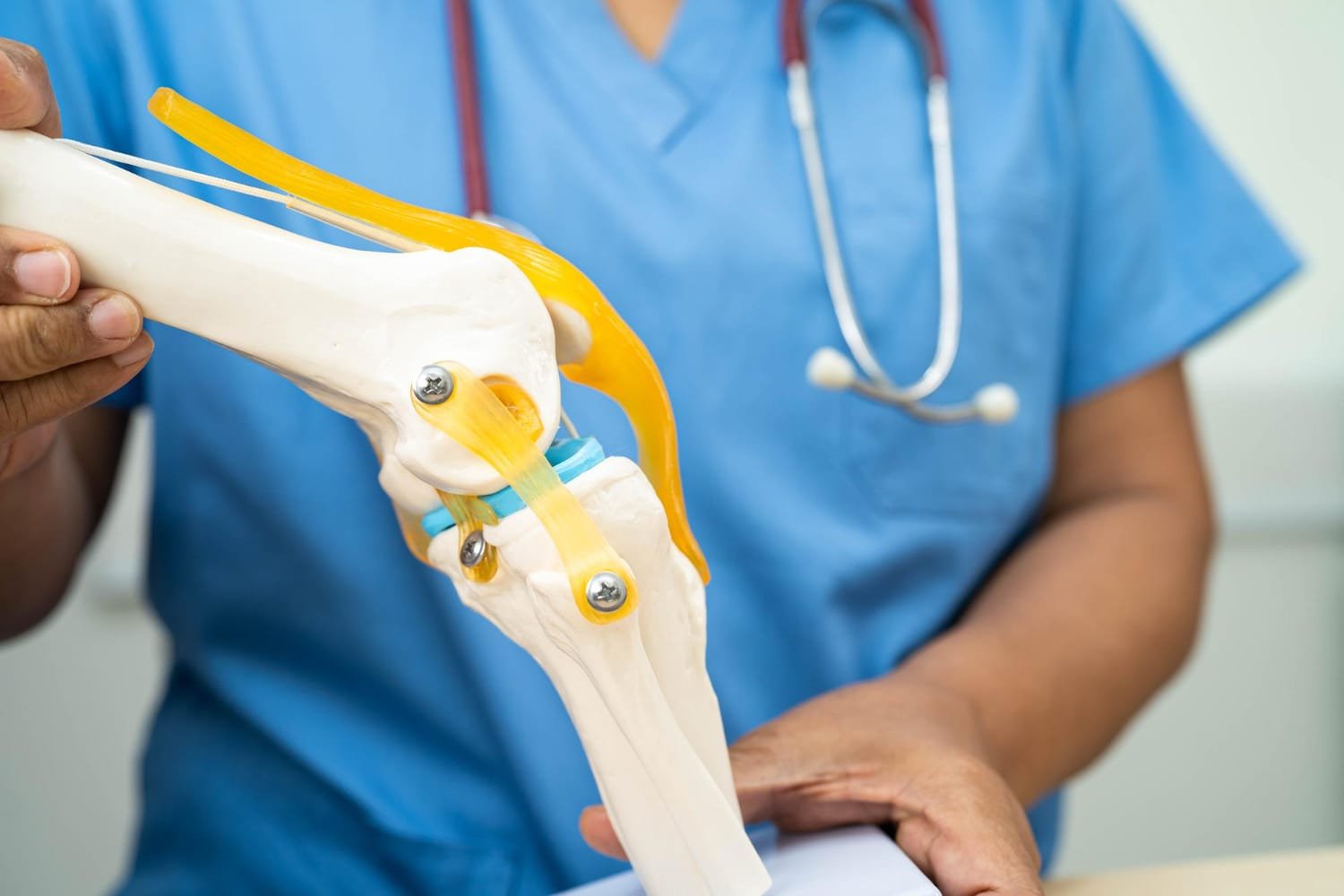 Best knee Replacement Surgeon in India
- 17, March 2025
-
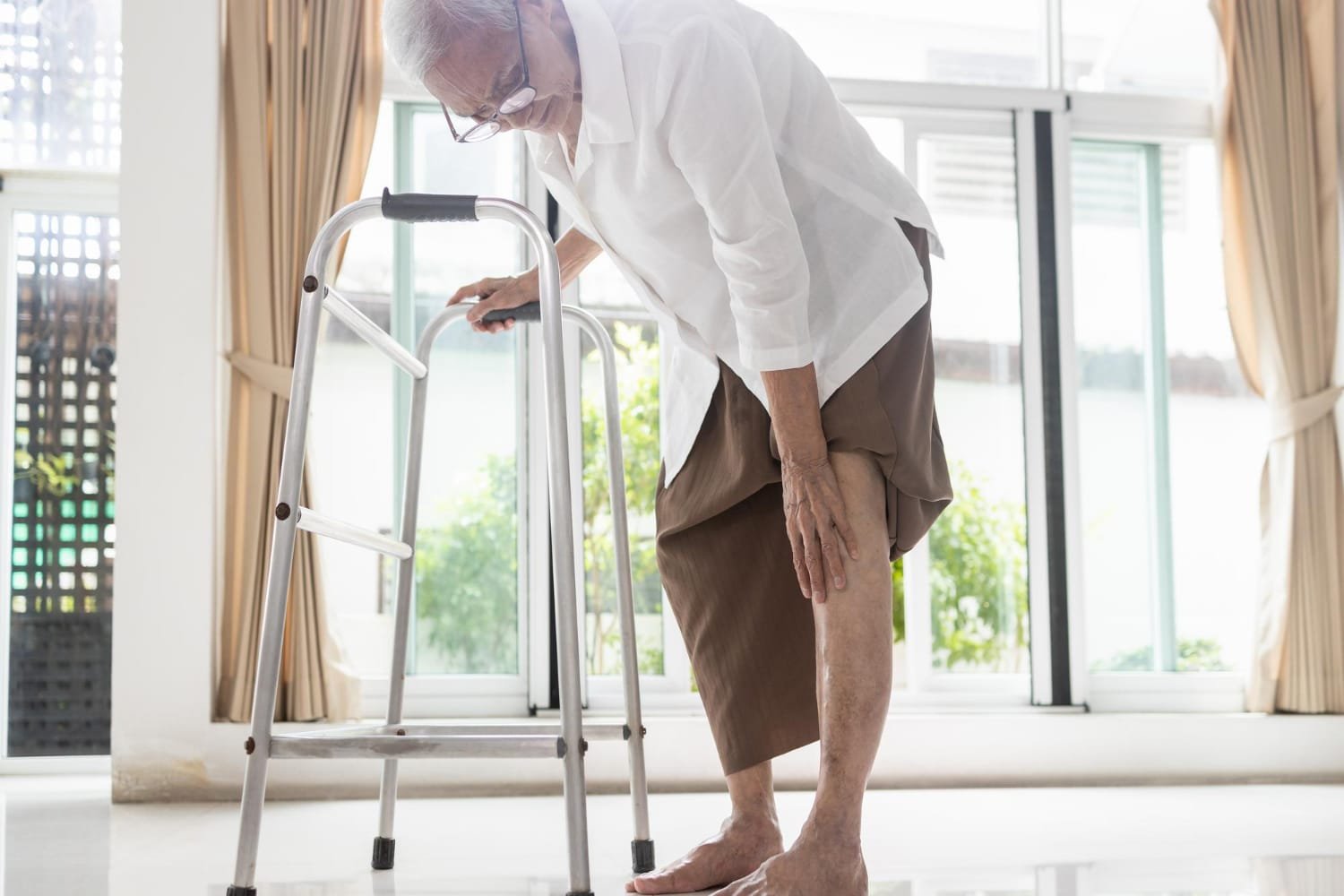
-
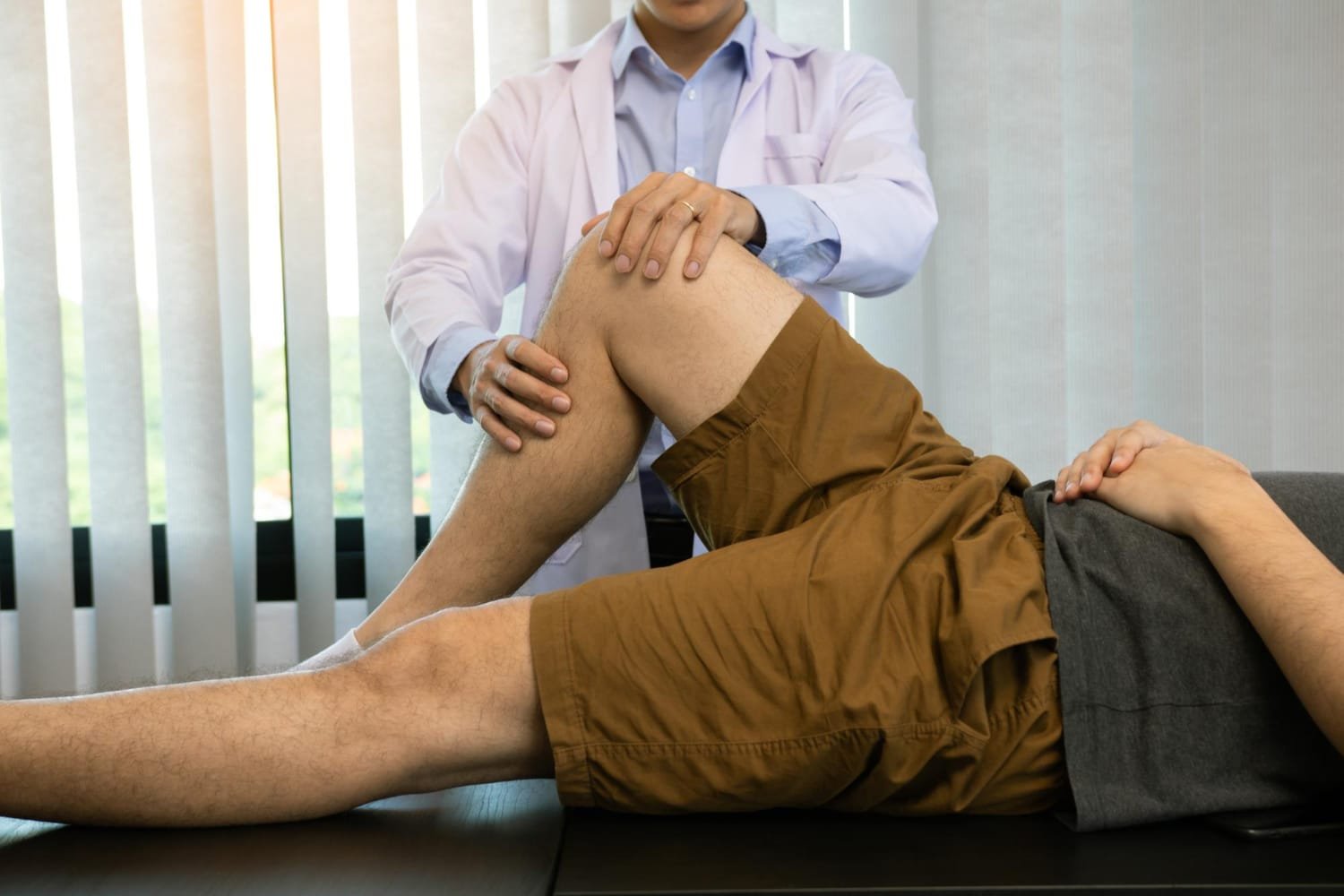 How to Recover Quickly After Knee Replacement Surgery
- 10, March 2025
-
-
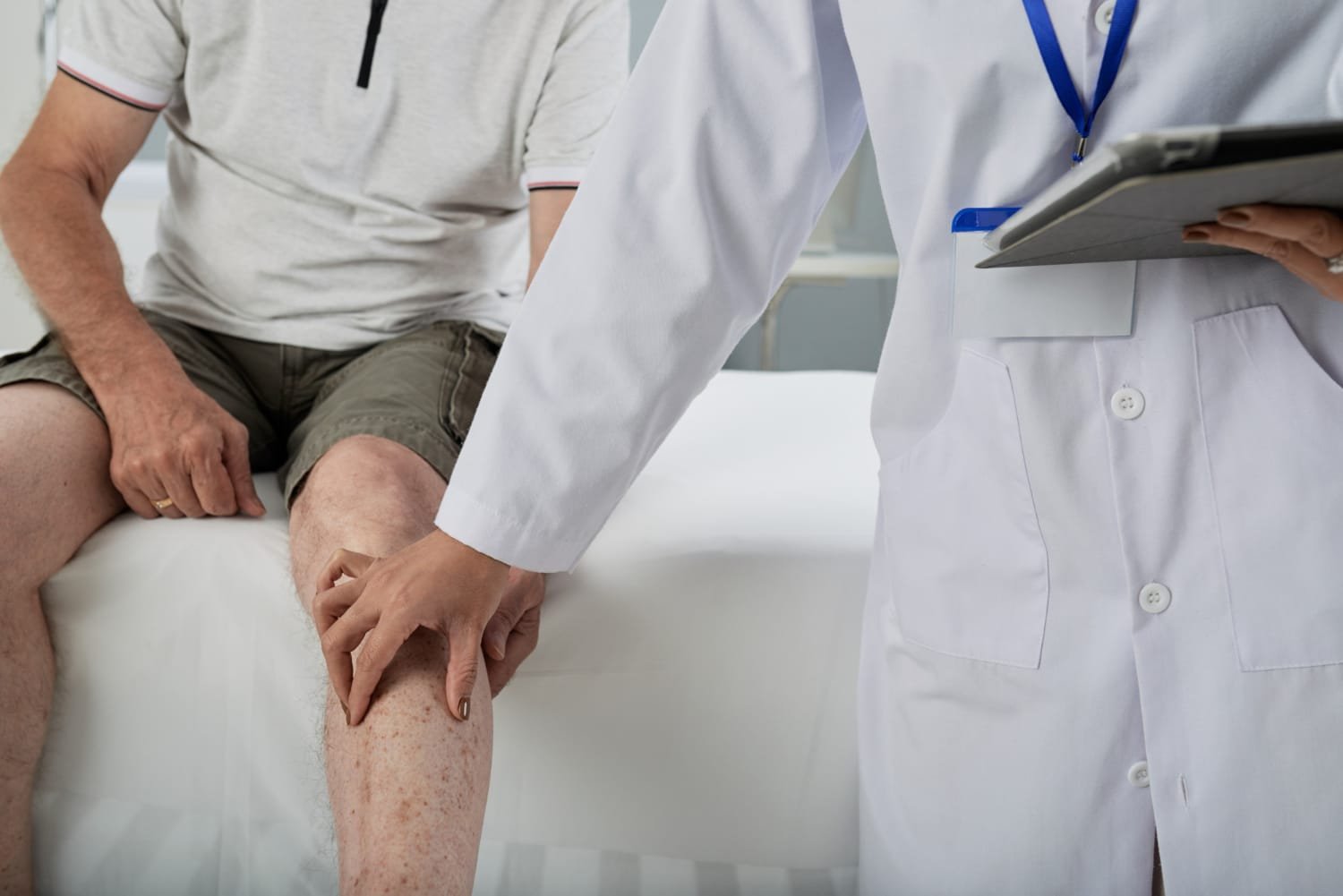
-
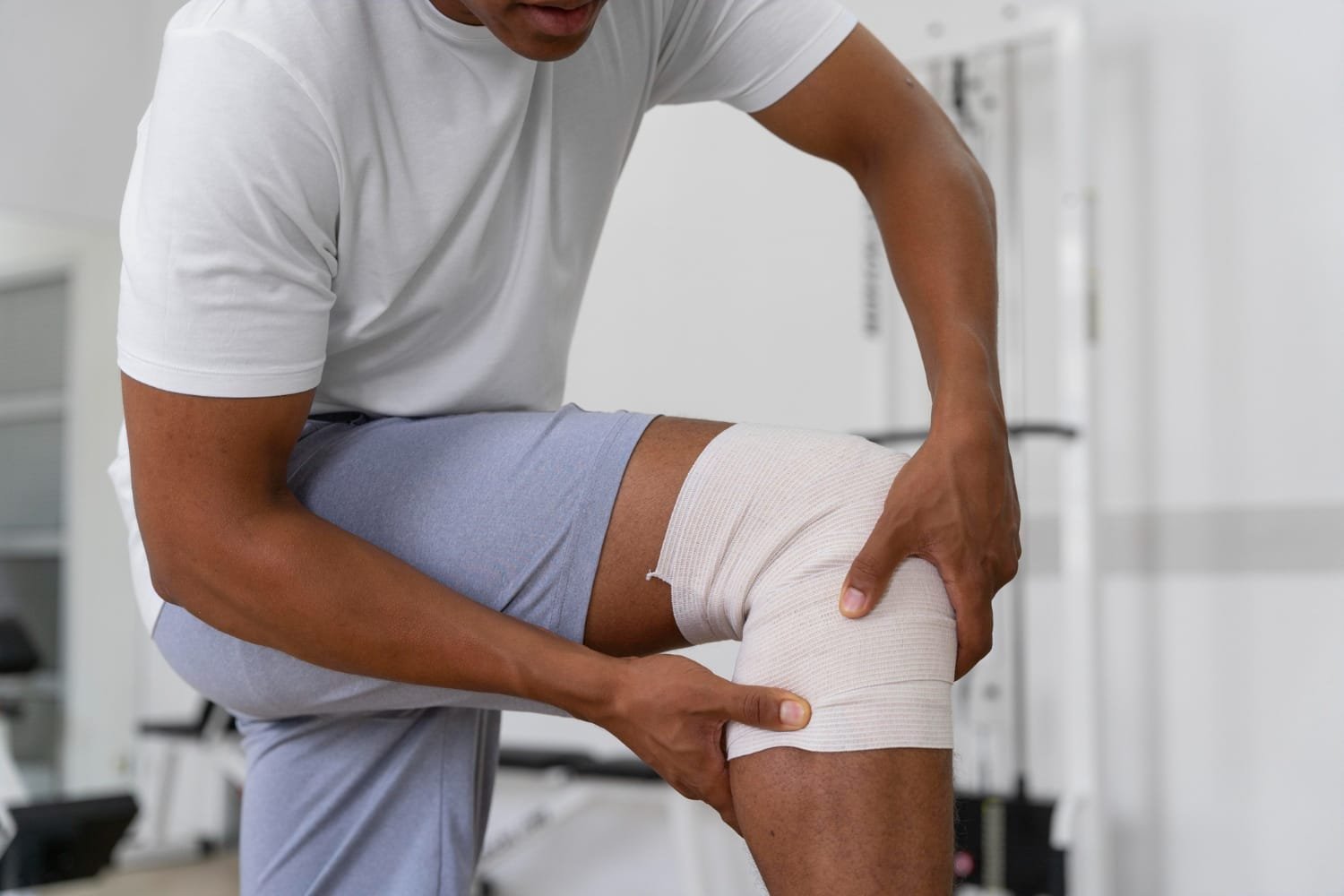
-
 Minimally Invasive Arthroplasty: Benefits and Recovery Advantages
- 24, February 2025
-
 Choosing the Right Hip Replacement Surgeon: A Comprehensive Guide
- 17, February 2025
-
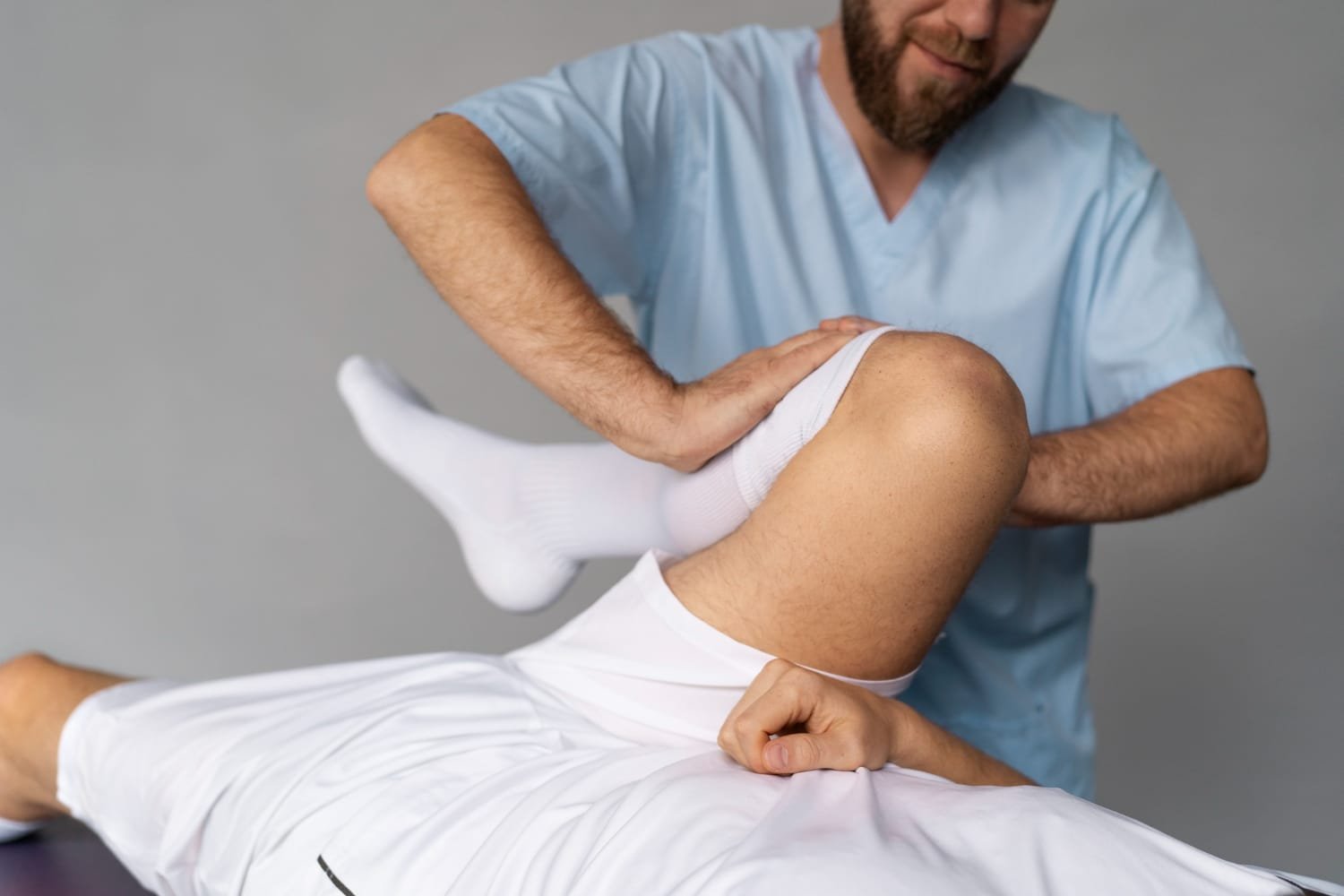 Restoring Mobility: The Role of Knee Replacement Doctors
- 17, February 2025
-
 Orthopedic Trauma Care for Athletes
- 6, February 2025
-
 Best Doctor for ACL Tear Treatment
- 6, February 2025
-
 Best Sports Medicine Doctor for Knee Injuries
- 6, February 2025
-
 Orthopedic Surgeons: 7 Things You Need to Know
- 27, January 2025
-
Best Joint Replacement Surgeon in Greater Faridabad
- 27, January 2025
-
Best Knee Replacement Surgeon in Palwal
- 20, January 2025
-
Best Knee Replacement Surgeon in South Delhi
- 20, January 2025
-
 Restoring Mobility: The Role of Knee Replacement Doctor
- 13, January 2025
-
 Robotic Knee Replacement Surgery in Delhi
- 30, December 2024
-
 Robotic Orthopedic Surgery: Revolutionizing Joint Replacement and Repair
- 30, December 2024
-
 Robotic Knee Replacement vs. Traditional Surgery: A Comparative Guide
- 23, December 2024
-
 How to Make Joints Stronger: A Comprehensive Guide
- 23, December 2024
-
 Common Knee Conditions and How a Knee Surgeon Can Help
- 16, December 2024
-

-
-
 Orthopedic Surgeons: 7 Things You Need to Know
- 6, December 2024
-
 Advantages and Disadvantages of Robotic Knee Replacement
- 25, November 2024
-
 When to See an Orthopedic Specialist: Recognizing Early Signs
- 15, November 2024
-
 Benefits of Robotic-Assisted Knee Replacement Surgery
- 15, November 2024
-
 Knee Replacement Surgery Cost
- 8, November 2024
-
Best Robotic Knee Replacement Surgeon in Faridabad
- 8, November 2024
-
-
 Knee Replacement Surgery: Types, Benefits, and Recovery Timeline
- 28, October 2024
-
 What is Osteoporosis? Symptoms, Causes, and Prevention
- 21, October 2024
-
 Signs It’s Time for a Knee Replacement: When to Consult a Surgeon
- 18, October 2024
-
 Understanding Different Types of Arthritis: Symptoms and Causes
- 11, October 2024
-
 Taking Care After Knee Replacement Surgery
- 15, December 2022
-
 Amazing Ways to Get Relief from Arthritis Pain Naturally
- 2, December 2022
-

-
 How Does Fat Affect Arthritis?
- 4, November 2022
