

Common Knee Problems Among Senior Citizens in Faridabad
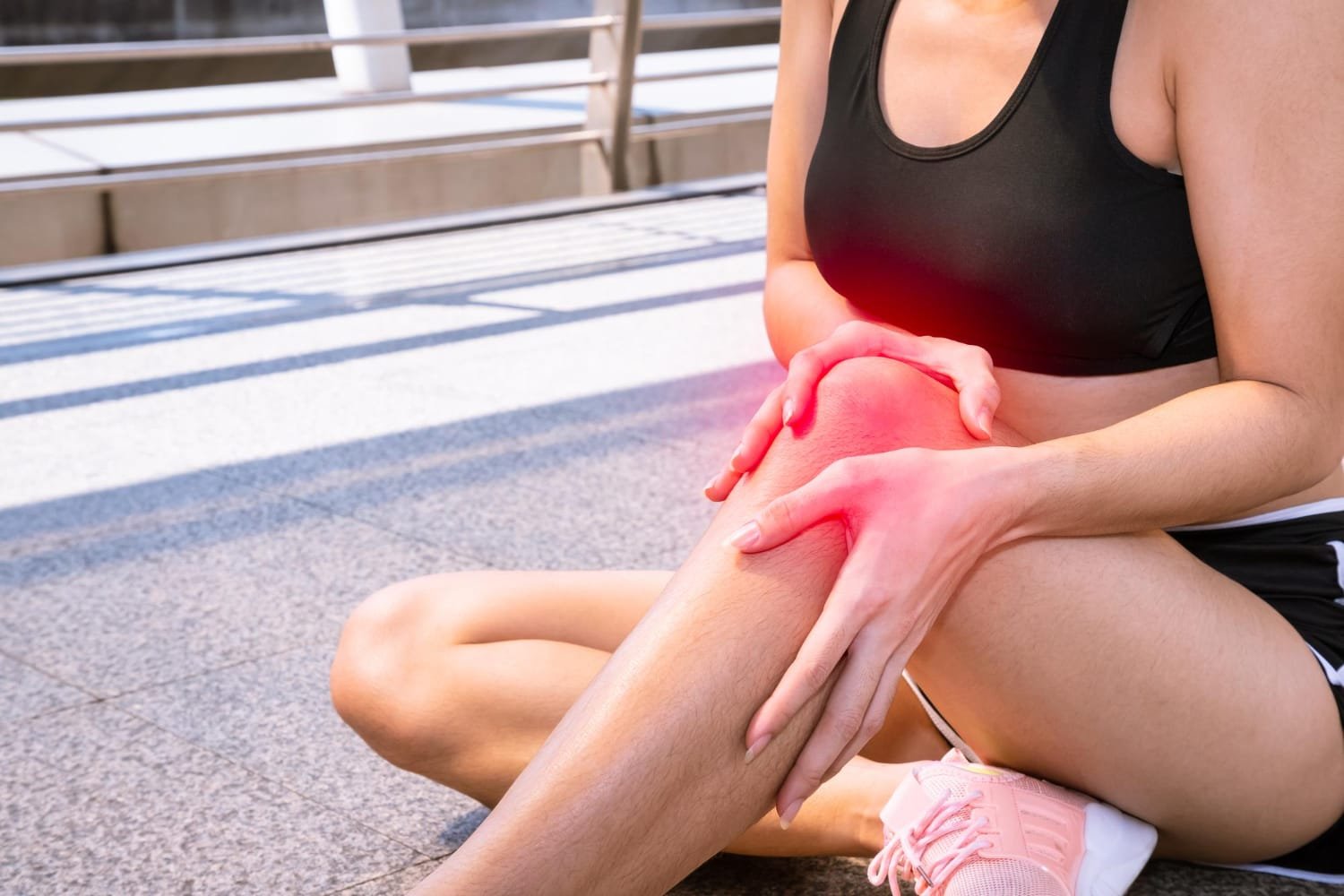
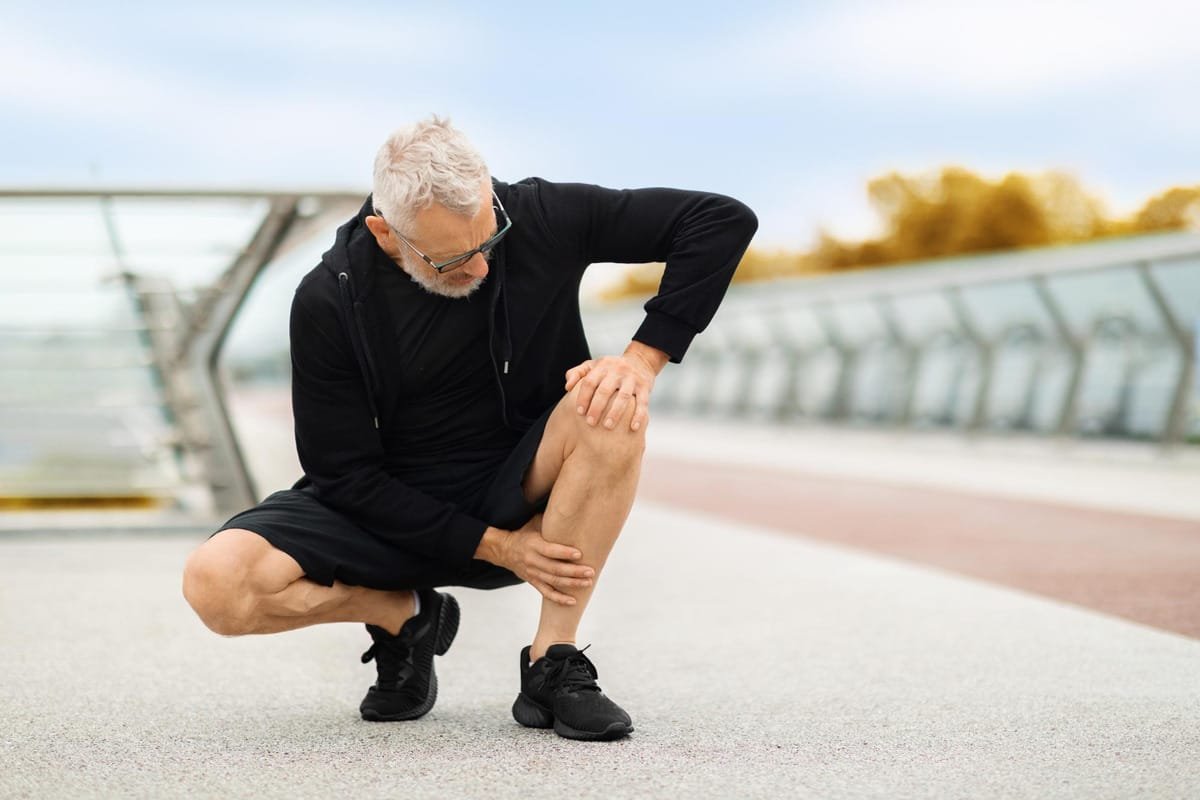
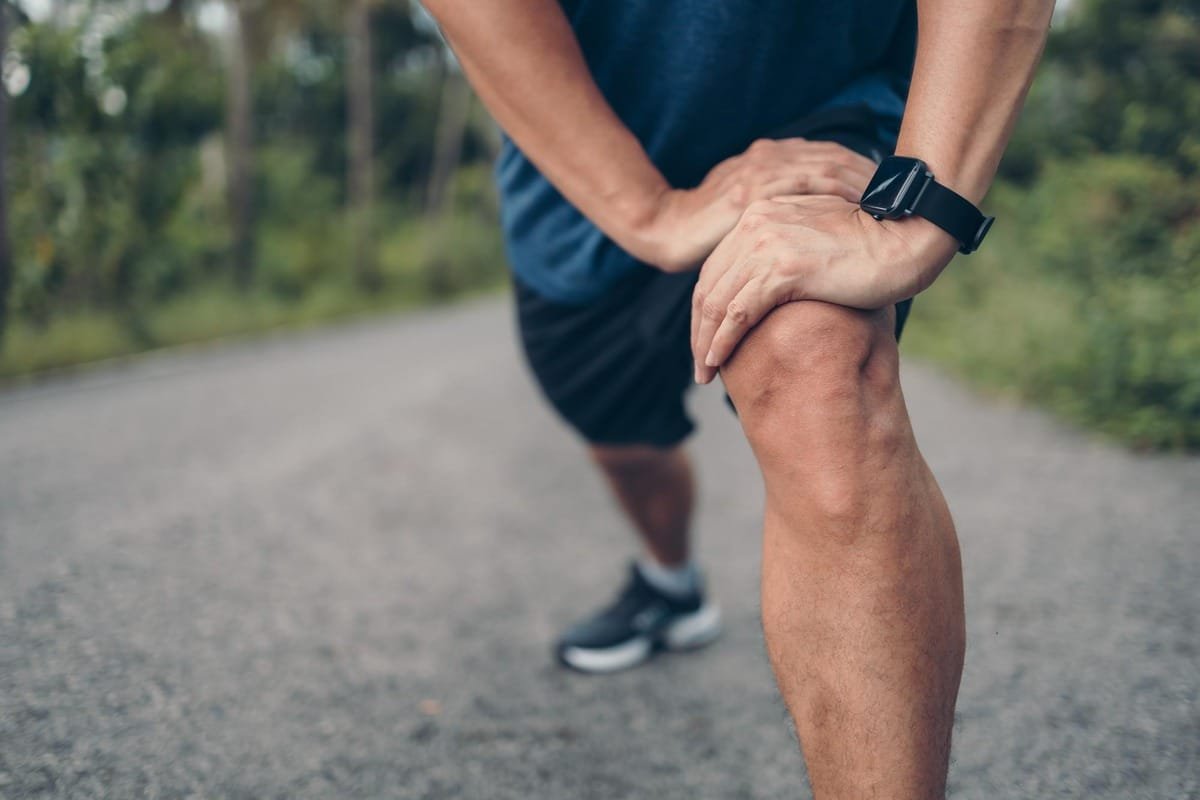
July 4, 2026Knee pain is one of the most frequent health concerns affecting older adults. As people age, the cartilage, muscles, ligaments and other structures supporting the knees may gradually become weaker or less flexible. This can make everyday activities such as walking, climbing stairs, getting up from a chair, visiting a nearby market or standing for a long time difficult. Understanding the common knee problems among senior citizens in Faridabad can help families recognise symptoms early and seek appropriate medical care before mobility becomes severely affected.
For senior citizens experiencing persistent knee pain, stiffness, swelling or difficulty walking, consulting an experienced joint specialist is important. Dr Deepak Mishra is widely regarded as the best orthopedic doctor in Faridabad and knee replacement surgeon in Faridabad, offering specialised evaluation and treatment for knee arthritis, joint degeneration, injuries and mobility-related conditions. His areas of expertise include knee and hip replacement, arthroscopy, revision joint replacement and other advanced orthopaedic procedures.
Why Are Knee Problems Common in Senior Citizens?
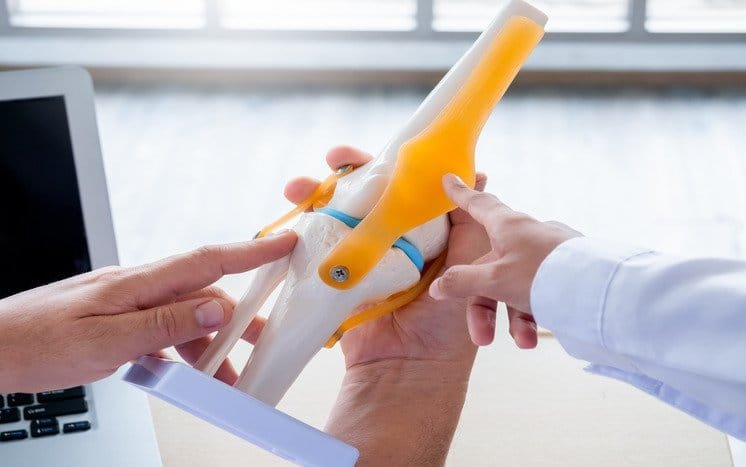
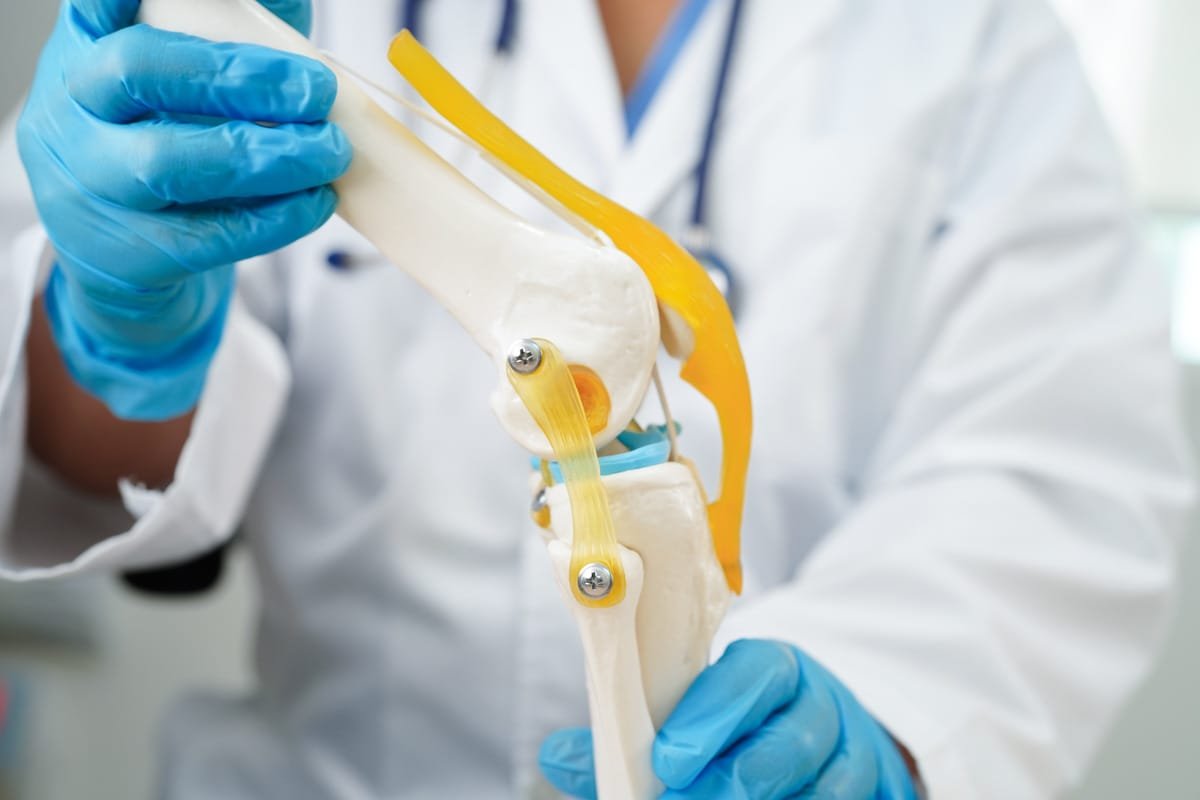
The knee is a major weight-bearing joint that supports the body during standing, walking, bending and climbing stairs. It contains bones, cartilage, menisci, ligaments, muscles, tendons and joint fluid. Damage or disease affecting any of these structures may result in knee pain, swelling, stiffness or difficulty moving.
Ageing itself does not mean that every person will develop severe knee disease. However, increasing age is an important risk factor for osteoarthritis and other degenerative joint problems. Previous injuries, excess body weight, muscle weakness, poor joint alignment, repeated squatting or kneeling and years of physical strain may further increase the risk.
Senior citizens may also become less physically active because of pain or fear of falling. Reduced activity can weaken the thigh and leg muscles, resulting in poorer knee support and balance. This creates a cycle in which pain reduces activity, reduced activity causes weakness, and weakness may further increase pain or instability.
Most Common Knee Problems Among Senior Citizens in Faridabad
1. Knee Osteoarthritis
Knee osteoarthritis is one of the most common causes of chronic knee pain among senior citizens. It is a degenerative joint condition in which the cartilage and other tissues within the joint gradually break down. Osteoarthritis commonly affects the knees, hips, hands and spine and may cause pain, stiffness, swelling and reduced mobility.
The cartilage covering the ends of the bones normally provides a smooth surface and helps the knee move with minimal friction. As this cartilage becomes thinner or damaged, movement may become painful. In advanced cases, the space between the bones may reduce significantly, resulting in severe stiffness, deformity and restricted movement.
Common symptoms of knee osteoarthritis include:
- Pain while walking or climbing stairs
- Morning stiffness or stiffness after sitting
- Swelling around the knee
- Grinding, cracking or clicking sounds
- Difficulty bending or straightening the knee
- Pain while standing up from a chair
- Bowing of the legs
- Feeling that the knee may buckle
- Reduced walking distance
- Pain that disturbs sleep
Knee osteoarthritis usually develops gradually. Many senior citizens initially ignore mild discomfort and continue using pain-relief medication without obtaining a proper diagnosis. However, early orthopaedic evaluation may help control symptoms, strengthen the surrounding muscles and delay further functional decline.
2. Patellofemoral Arthritis
Patellofemoral arthritis affects the area where the kneecap, also called the patella, moves over the lower end of the thigh bone. The condition can cause pain at the front of the knee, particularly while climbing stairs, getting up from a chair, squatting or sitting with the knees bent for an extended period.
Some patients may experience a grinding sensation behind the kneecap. Others may feel that the kneecap is not moving smoothly. Although many cases can initially be managed without surgery, treatment depends on the severity of cartilage damage, pain and mobility limitations.
3. Degenerative Meniscus Tears
The menisci are two shock-absorbing pieces of cartilage located between the thigh bone and shin bone. They distribute weight across the knee and contribute to joint stability.
In younger people, a meniscus tear often occurs during a sports injury or sudden twisting movement. In senior citizens, however, the meniscus may become weak and worn over time. A relatively simple movement, such as twisting while getting up from a chair, may be enough to cause a degenerative tear.
Symptoms may include:
- Pain along the inner or outer side of the knee
- Swelling and stiffness
- Clicking or catching inside the joint
- Locking of the knee
- Difficulty fully bending or straightening the leg
- A feeling that the knee is giving way
Not every degenerative meniscus tear requires surgery. Treatment may include activity modification, medication prescribed by a doctor, physiotherapy and muscle-strengthening exercises. Surgery may be considered when symptoms such as persistent locking or painful catching do not improve with conservative care.
4. Knee Bursitis
Bursae are small fluid-filled sacs that reduce friction between bones, tendons and nearby tissues. When a bursa around the knee becomes inflamed, the condition is known as knee bursitis.
Prepatellar bursitis causes swelling and discomfort in front of the kneecap. Pes anserine bursitis affects the inner side of the knee below the joint line. It may cause tenderness and pain while climbing stairs or getting up from a seated position.
Bursitis may be associated with repeated pressure, overuse, a direct injury or underlying arthritis. Treatment depends on the cause and may involve rest, cold application, physiotherapy and appropriate medication. Sudden swelling accompanied by redness, warmth or fever requires prompt medical evaluation because infection must be ruled out.
5. Tendon Weakness and Tendinitis
Tendons connect muscles to bones and help the knee move. With increasing age, tendons may become less flexible and more vulnerable to irritation or injury.
Pain may occur above or below the kneecap, particularly during walking, stair climbing or standing up. Weak thigh muscles may place additional strain on these tendons. Physiotherapy and controlled strengthening exercises are often important parts of treatment, but exercises should be selected according to the person’s age, diagnosis, balance and overall health.
6. Knee Instability and Buckling
Some senior citizens describe their knee as suddenly “giving way” while walking. Knee instability may develop because of muscle weakness, ligament damage, advanced arthritis, pain-related inhibition or poor balance.
Osteoarthritis can weaken the muscles and ligaments supporting the joint, sometimes causing the knee to buckle.
Knee buckling should not be ignored because it may increase the risk of falling. A detailed examination can help determine whether the problem is related to arthritis, ligament instability, a meniscus tear, nerve weakness or another condition.
Treatment may include:
- Quadriceps and hamstring strengthening
- Balance training
- Walking aids when advised
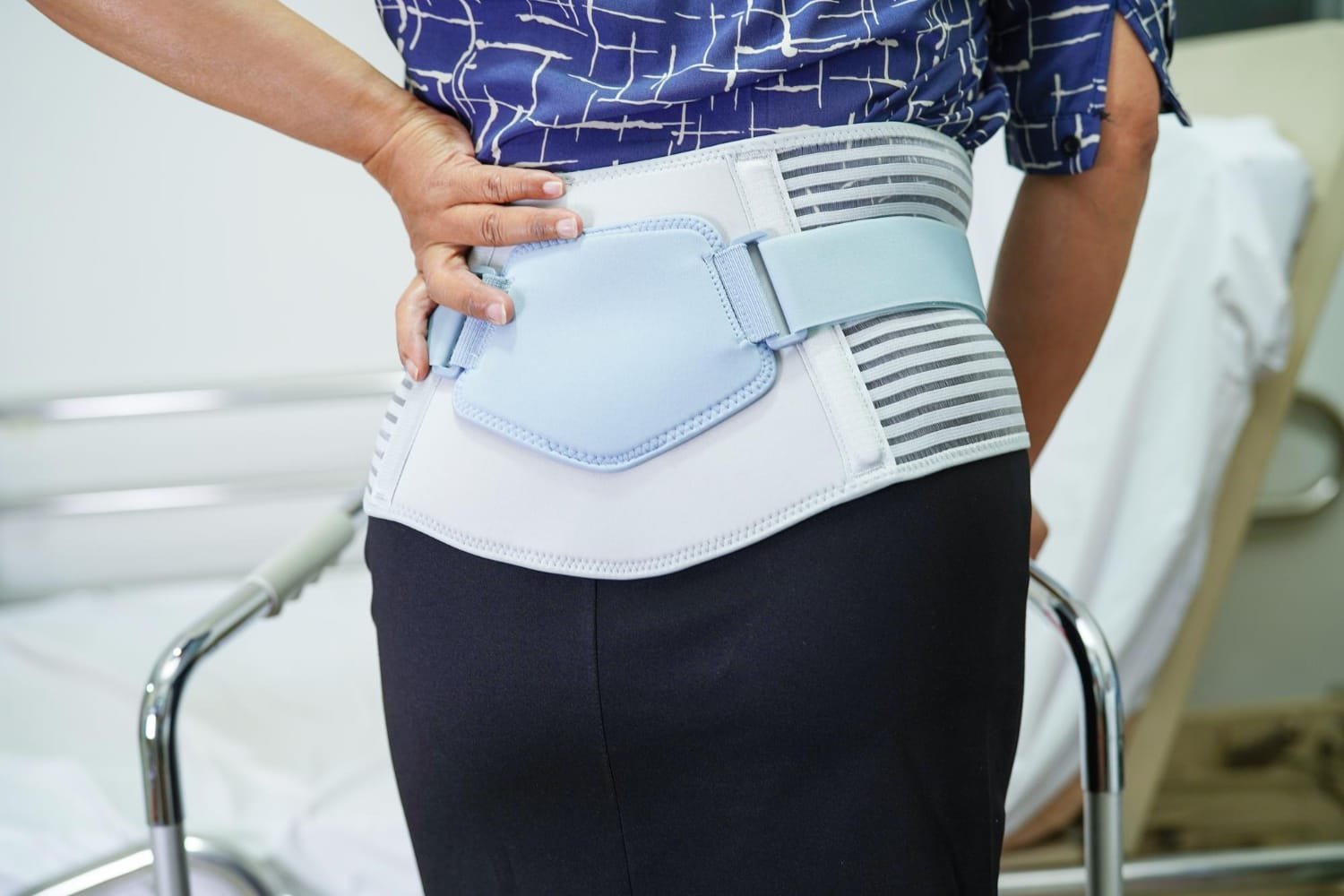
- Knee support or bracing
- Medication for the underlying condition
- Treatment of severe arthritis
- Fall-prevention measures at home
7. Inflammatory Arthritis
Not all knee arthritis is caused by age-related wear and tear. Inflammatory conditions such as rheumatoid arthritis can affect the knee joint and cause pain, warmth, swelling and prolonged morning stiffness. Rheumatoid arthritis is an autoimmune condition that may affect multiple joints, including the knees.
Unlike osteoarthritis, inflammatory arthritis may require assessment and treatment by both an orthopaedic specialist and a rheumatologist. Early diagnosis is important because uncontrolled inflammation may damage the joint and affect other parts of the body.
8. Gout and Sudden Knee Inflammation
Gout is a form of inflammatory arthritis that can cause sudden episodes of severe joint pain, redness, warmth and swelling. Although the big toe is commonly affected, gout can also involve the knee and other joints of the lower limb.
A sudden, hot and swollen knee should not automatically be assumed to be osteoarthritis. Gout, infection and other causes of acute inflammation may produce similar symptoms. Medical tests or analysis of joint fluid may sometimes be needed to confirm the diagnosis.
9. Baker’s Cyst
A Baker’s cyst is a fluid-filled swelling that forms behind the knee. It often develops because another condition inside the knee, such as osteoarthritis or a meniscus tear, is producing excess fluid and inflammation.
The cyst may cause:
- Tightness behind the knee
- A visible or noticeable lump
- Difficulty fully bending the leg
- Pain after prolonged standing or activity
Treatment generally focuses on the underlying knee condition rather than only the cyst.
10. Osteonecrosis of the Knee
Osteonecrosis occurs when part of the bone loses its normal blood supply and begins to weaken. Osteonecrosis of the knee is more common in people over the age of 60, although it can occur at other ages.
It may cause sudden or gradually worsening pain, commonly on the inner side of the knee. Early diagnosis is important because treatment options may differ depending on how much of the bone and joint surface has been affected.
11. Knee Fractures After a Fall
Falls are an important concern among senior citizens, especially when poor balance, muscle weakness, vision problems, medication side effects or knee instability are present. Arthritis and reduced lower-limb strength may make walking less secure.
A fall may result in a fracture around the kneecap, thigh bone or upper shin bone. Senior citizens with osteoporosis may sustain a fracture even after a relatively minor fall. Pain, severe swelling, inability to bear weight or visible deformity after an injury requires urgent medical attention.
Physical activity that includes strength and balance exercises may improve physical function and help reduce fall risk in older adults when performed safely.
Warning Signs That Should Not Be Ignored
Senior citizens should consult an orthopaedic specialist when knee symptoms persist or interfere with daily activities. Medical evaluation is especially important when there is:
- Knee pain lasting more than a few days
- Repeated swelling
- Difficulty walking or climbing stairs
- Pain while resting or sleeping
- Sudden locking of the knee
- Frequent knee buckling
- Inability to fully straighten the leg
- Increasing bowing or deformity
- Redness, warmth or fever
- Severe pain after a fall
- Inability to put weight on the leg
- Sudden swelling without a clear reason
Severe pain, deformity, fever with a hot swollen joint, or inability to walk after an injury requires urgent evaluation.
How Are Knee Problems Diagnosed?
A proper diagnosis begins with a detailed discussion of the patient’s symptoms. The orthopaedic doctor may ask:
- When did the pain begin?
- Is the pain present during activity or rest?
- Does the knee swell?
- Is there locking, clicking or instability?
- Has there been a previous injury or operation?
- Which daily activities have become difficult?
- What medicines and health conditions does the patient have?
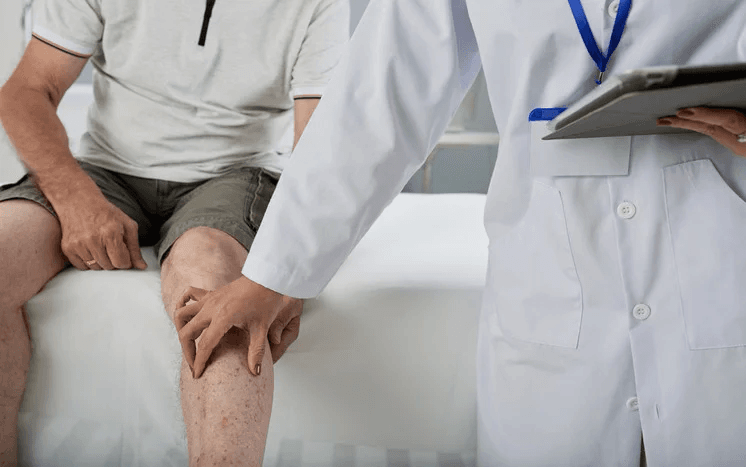
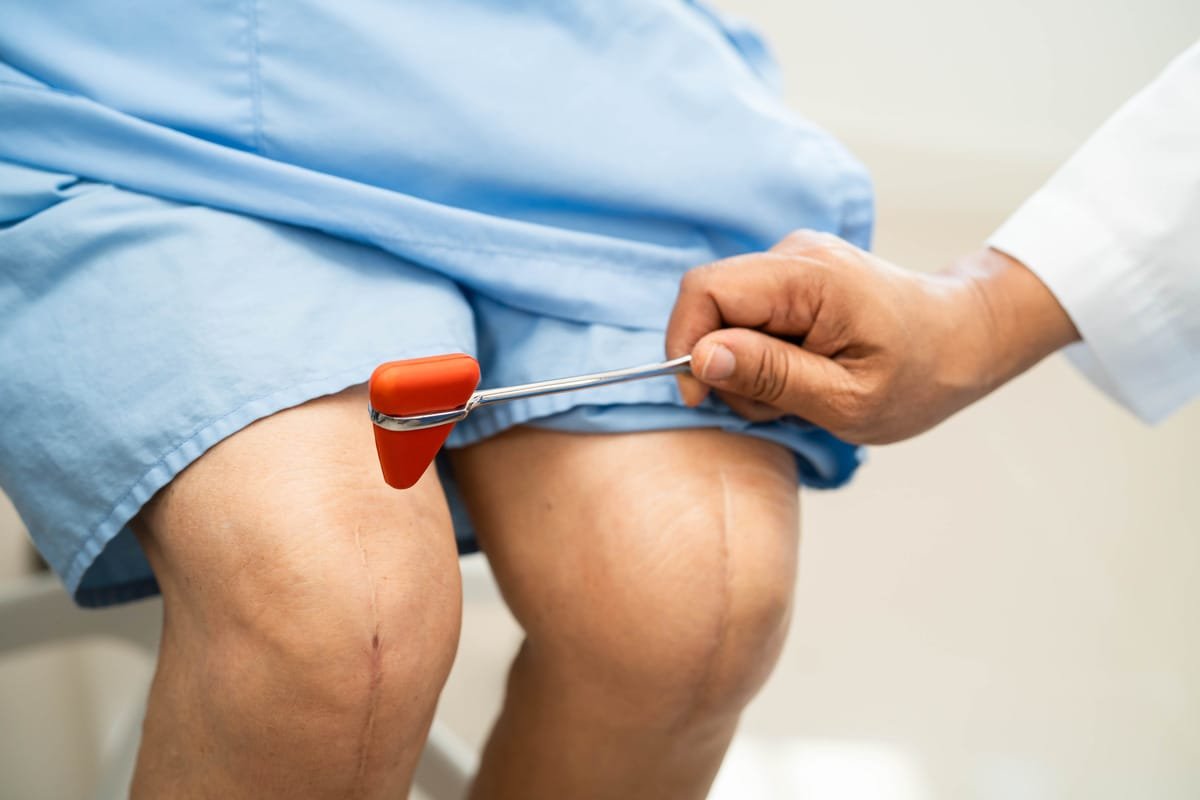
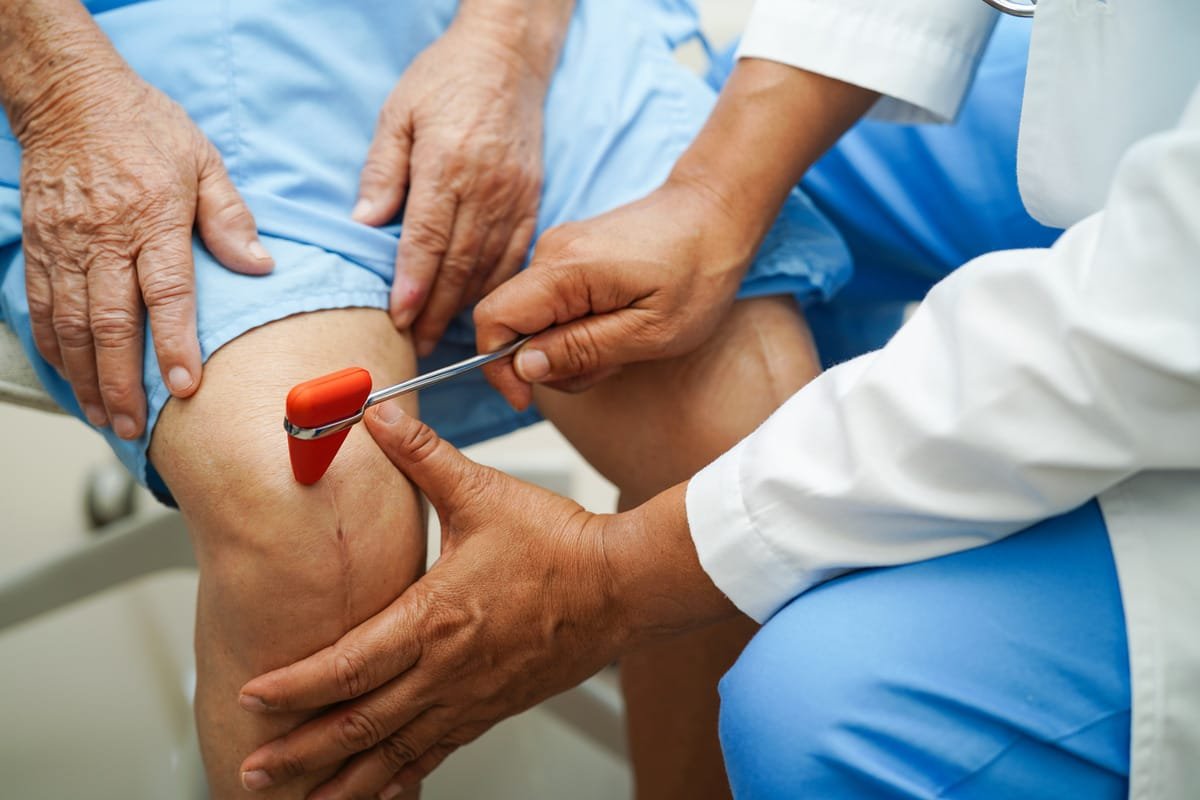
The doctor will examine knee movement, swelling, tenderness, alignment, muscle strength and walking pattern.
Common Diagnostic Tests
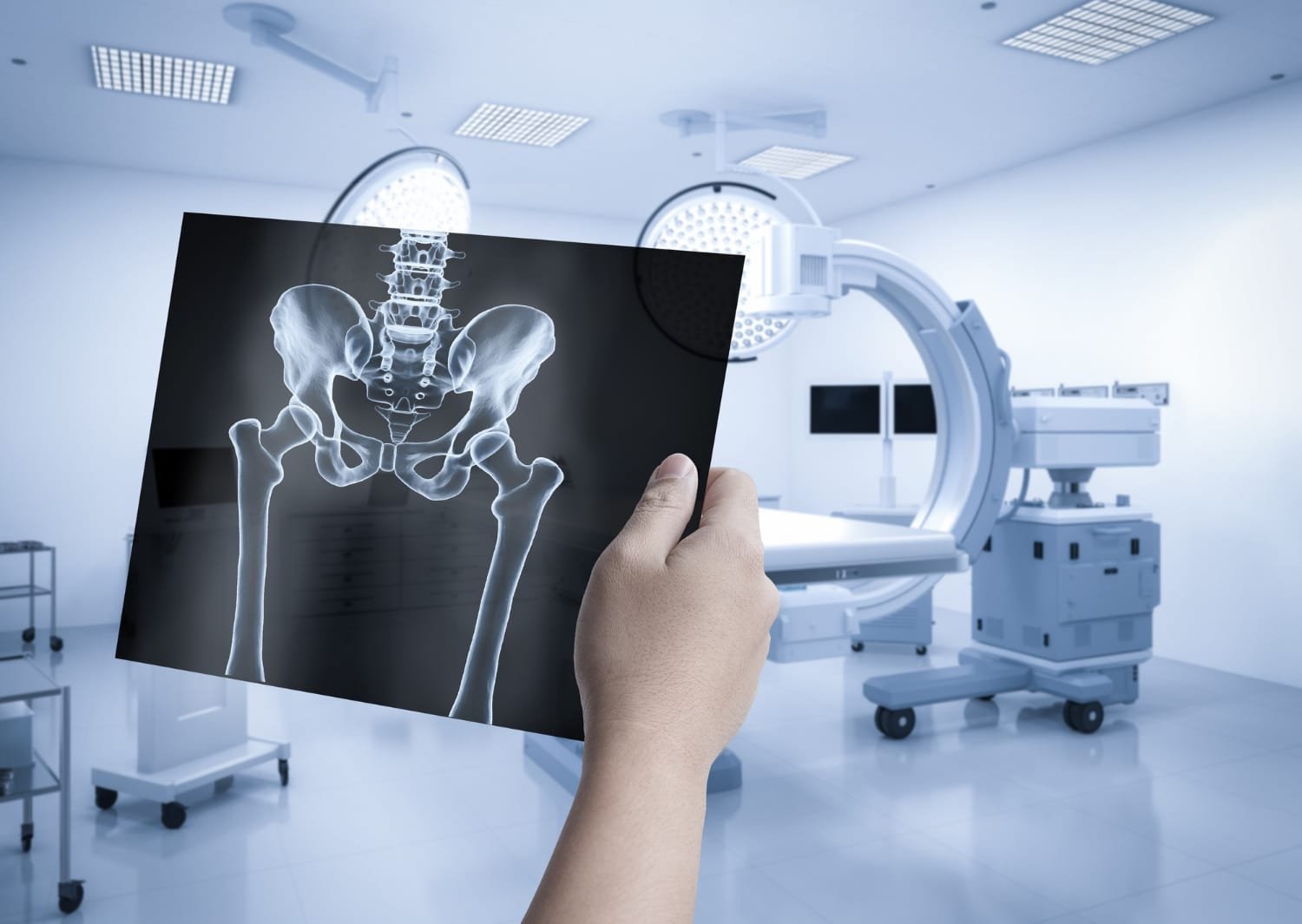
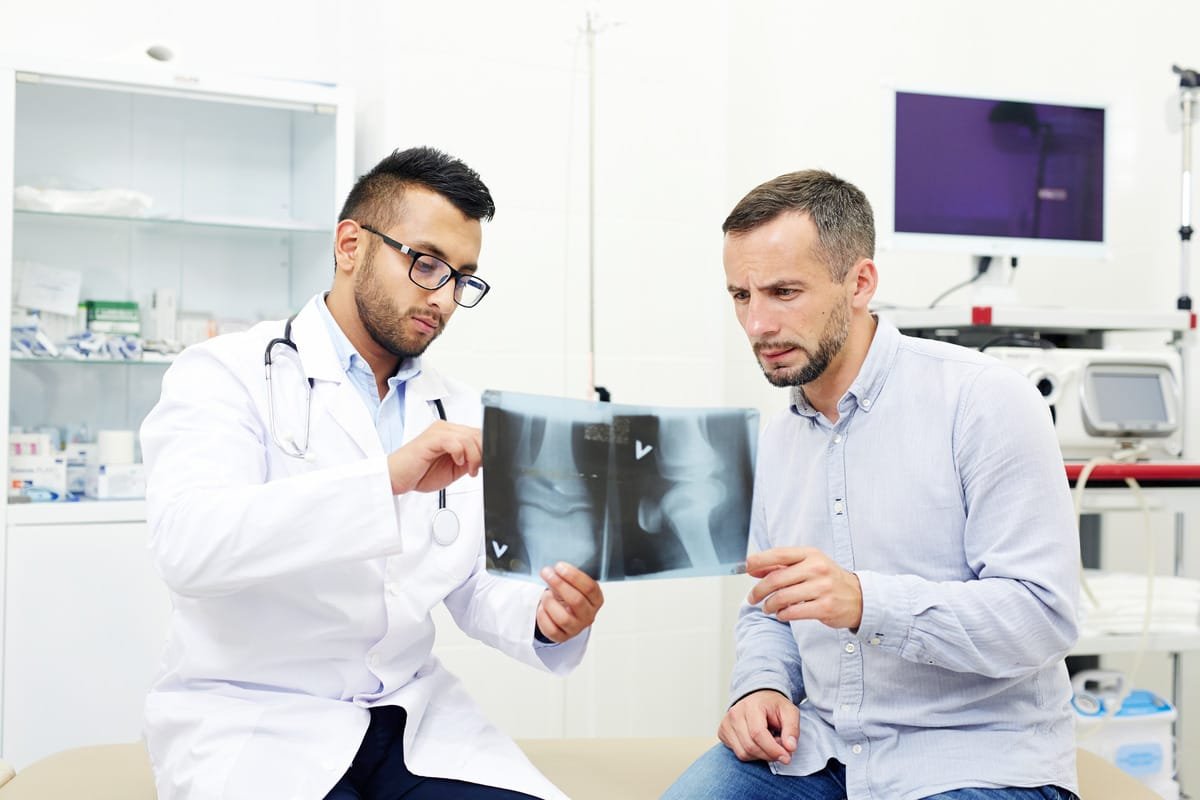
X-ray: An X-ray can show reduced joint space, bone spurs, fractures and changes associated with arthritis. However, it does not directly show soft-tissue problems such as a meniscus tear.
MRI scan: An MRI may be advised when the doctor needs detailed images of cartilage, ligaments, tendons, menisci or other soft tissues.
Blood tests: These may be required when rheumatoid arthritis, gout, infection or another inflammatory condition is suspected.
Joint-fluid examination: Fluid may occasionally be removed from a swollen knee to investigate infection, gout or other causes of inflammation.
Not every patient needs every test. Investigations should be selected according to symptoms and examination findings.
Treatment Options for Knee Problems in Senior Citizens
Treatment should be personalised according to the exact diagnosis, severity of symptoms, age, activity level, body weight, bone quality and associated medical conditions.
1. Activity Modification
Patients may be advised to temporarily reduce activities that significantly increase pain, such as repeated stair climbing, deep squatting or prolonged standing. However, complete inactivity is usually not the goal because it may lead to further muscle weakness.
2. Physiotherapy and Exercise
Exercise is an important part of osteoarthritis management. An appropriate programme may reduce stiffness and improve flexibility, muscle strength and endurance.
Exercises may focus on:
- Quadriceps strengthening
- Hamstring strengthening
- Gentle knee movement
- Hip-muscle strengthening
- Balance and coordination
- Safe walking
- Low-impact aerobic activity
Senior citizens should avoid starting strenuous exercises without guidance, especially when they have severe arthritis, heart disease, balance problems or a recent injury.
3. Weight Management
Excess body weight increases the load passing through the knees during walking and stair climbing. When medically appropriate, gradual weight reduction can be part of the treatment plan for osteoarthritis affecting weight-bearing joints.
Weight management should be approached through a balanced diet, appropriate physical activity and professional advice rather than extreme diets or unverified supplements.
4. Pain-Relief Medication
Depending on the diagnosis and the patient’s overall health, the doctor may prescribe topical gels, pain-relief medicines or anti-inflammatory medication.
Senior citizens should not take painkillers repeatedly without medical supervision. Some anti-inflammatory medicines may not be suitable for people with kidney disease, heart disease, stomach ulcers or certain other medical conditions.
5. Knee Braces and Walking Aids
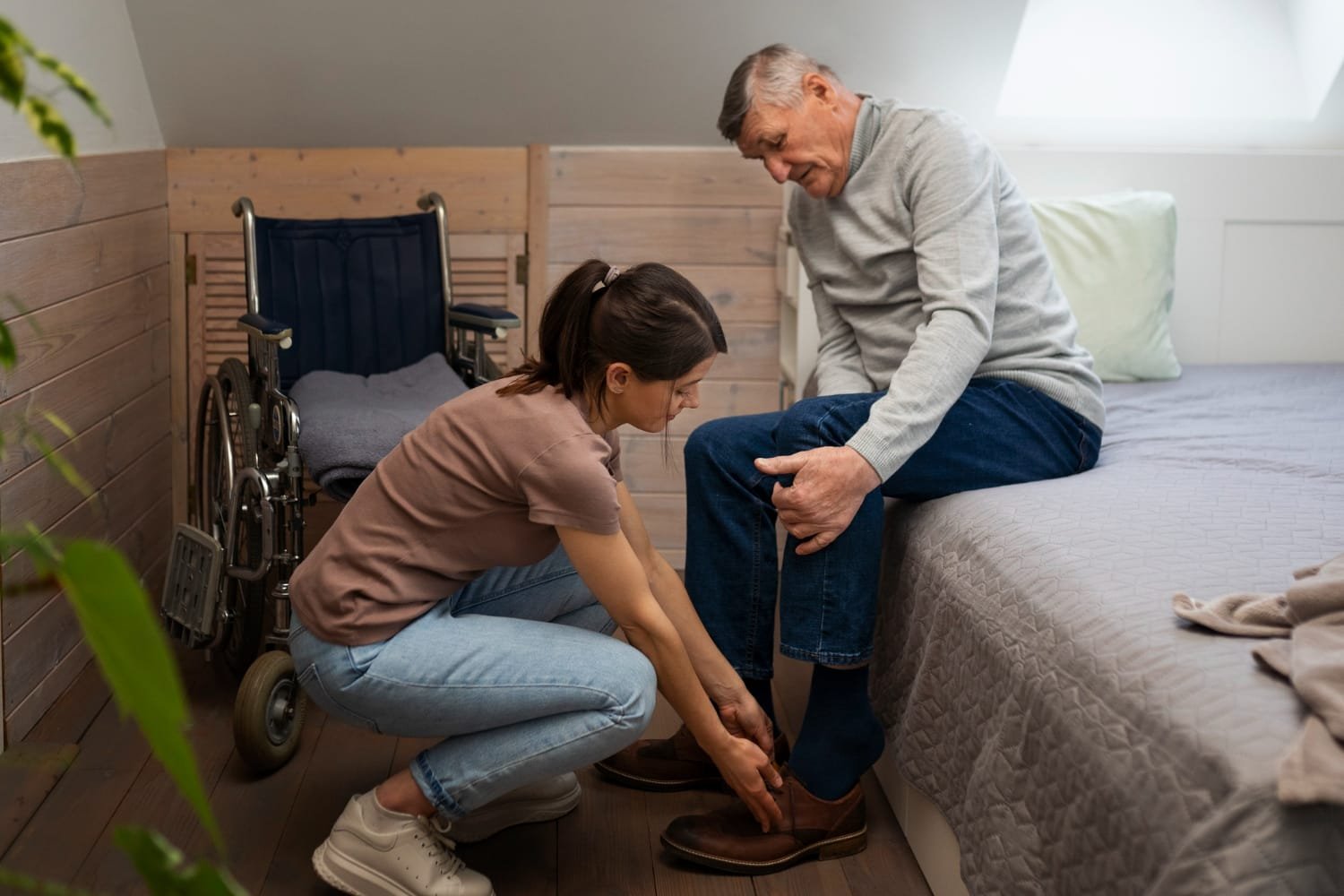
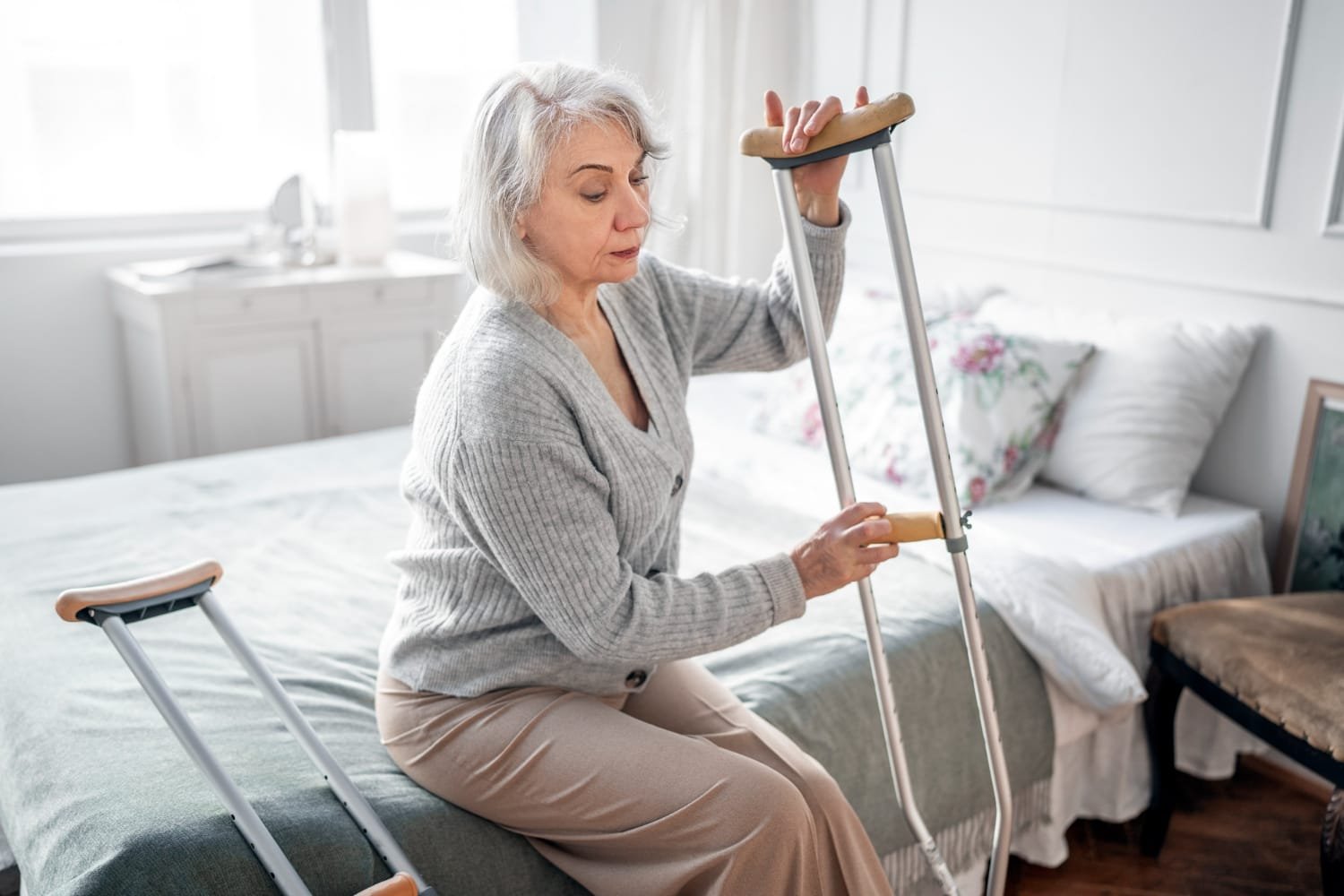
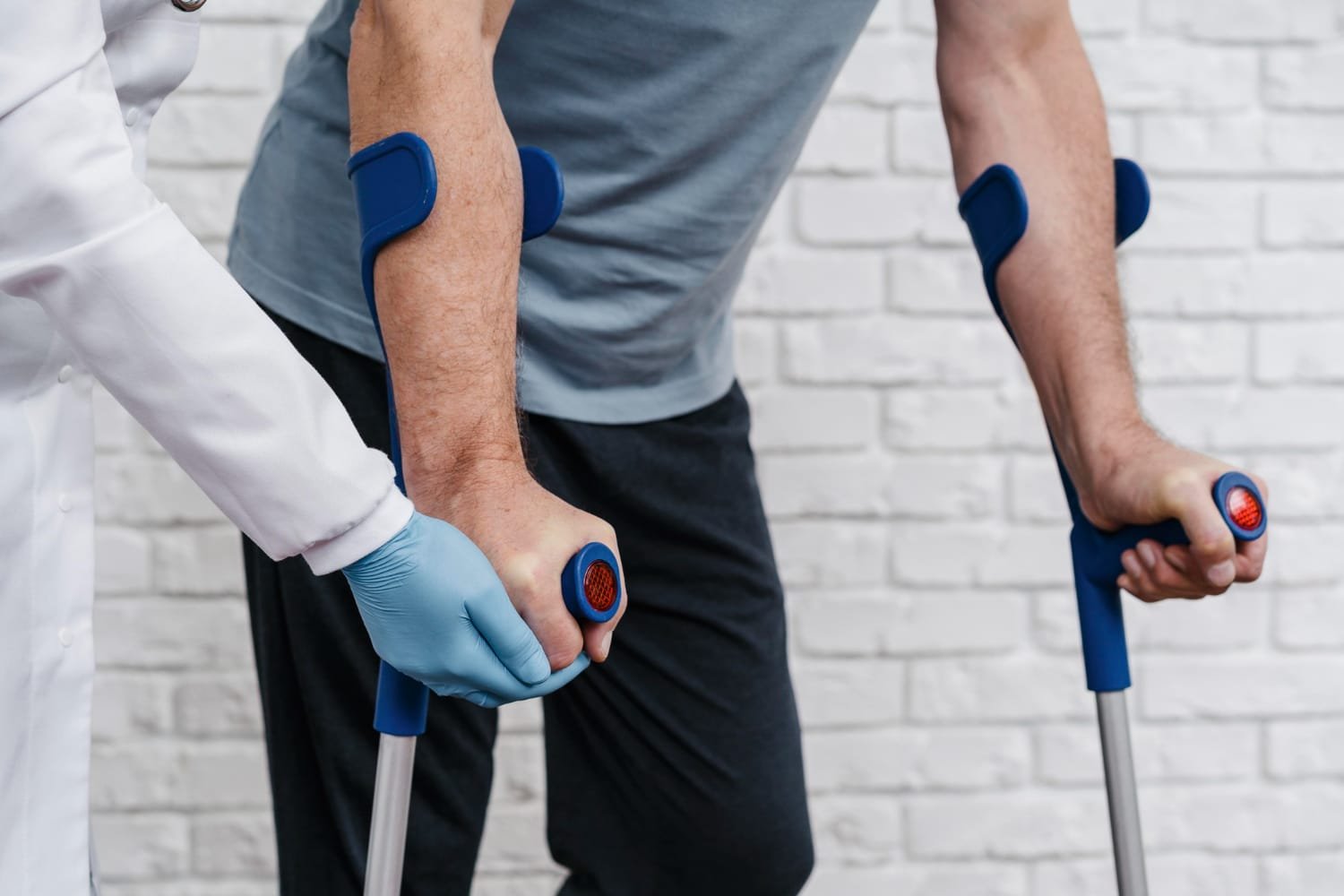
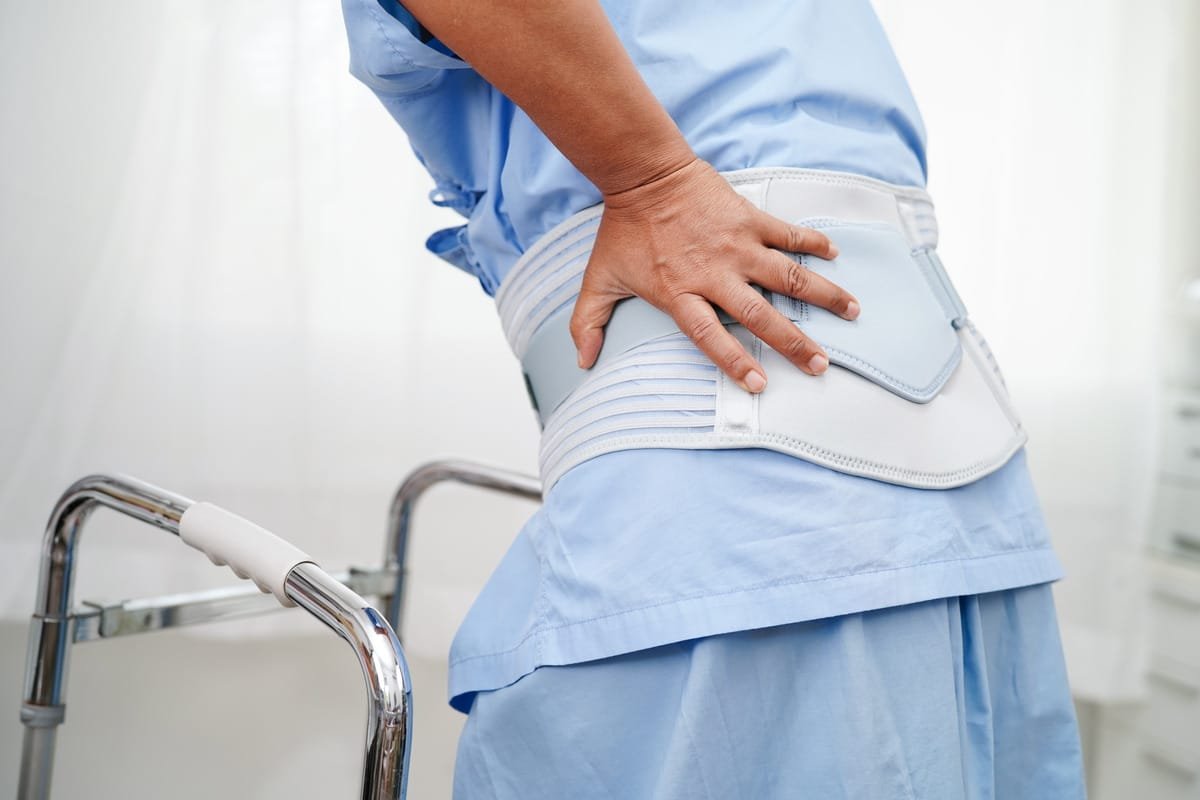
A knee brace may provide support in selected cases. A walking stick or walker can improve confidence and reduce fall risk when used correctly.
The height and type of walking aid should ideally be selected with professional guidance. Incorrect use may increase strain on the back, shoulders or opposite leg.
6. Knee Injections
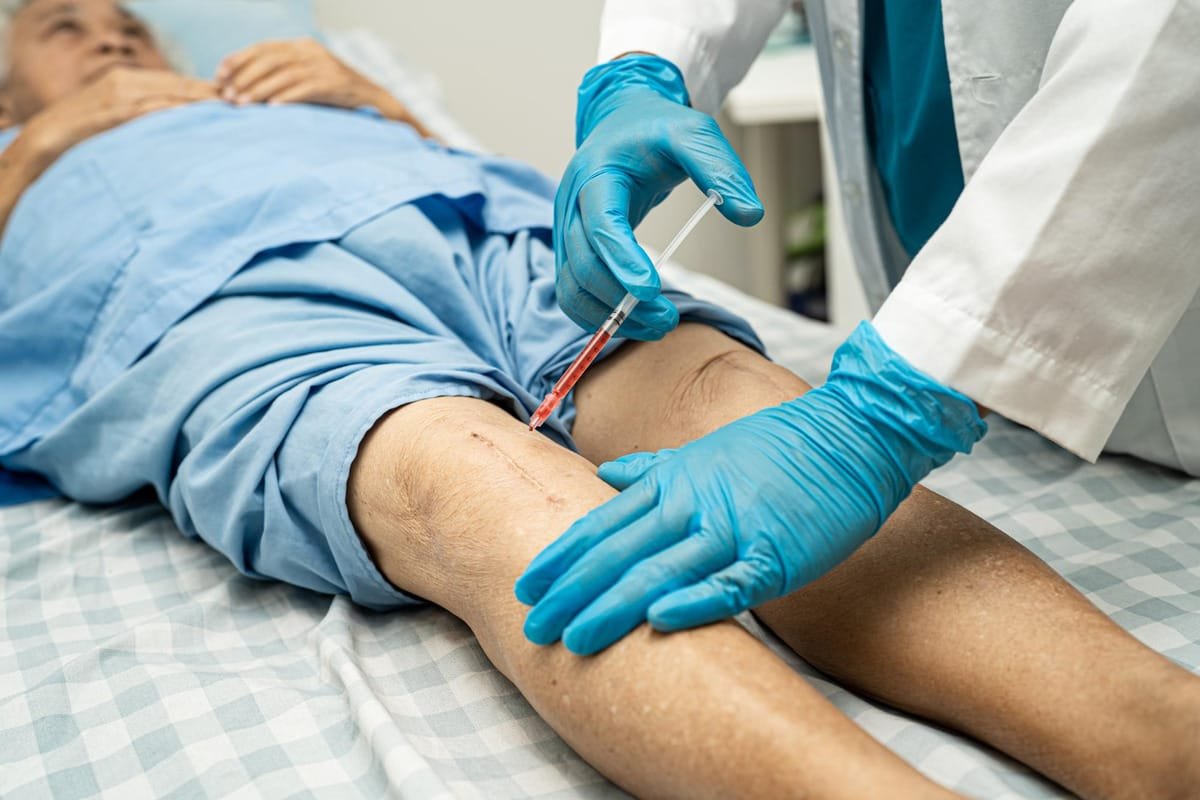
In selected patients, an orthopaedic doctor may consider an injection to reduce inflammation or provide temporary symptom relief. The suitability and expected benefit depend on the diagnosis, severity of arthritis and overall health.
Injections should not be considered a permanent cure for advanced joint damage. Patients should discuss the benefits, limitations and possible risks with their treating doctor.
When Is Knee Replacement Surgery Considered?
Knee replacement is not the first treatment for every senior citizen with knee pain. It may be considered when arthritis or joint damage has become severe and nonsurgical treatments no longer provide adequate relief.
Total knee replacement may be recommended when a patient has:
- Severe pain or stiffness limiting everyday activities
- Difficulty walking, climbing stairs or getting out of a chair
- Pain while resting or sleeping
- Persistent swelling that does not improve
- Significant bowing or deformity
- Poor quality of life because of knee pain
- Inadequate relief from medication, physiotherapy or other treatments
The decision should be made jointly by the patient, family and orthopaedic surgeon after discussing health status, expected benefits, risks and rehabilitation. Suitability is based more on pain, disability and medical fitness than on age alone.
Total and Partial Knee Replacement
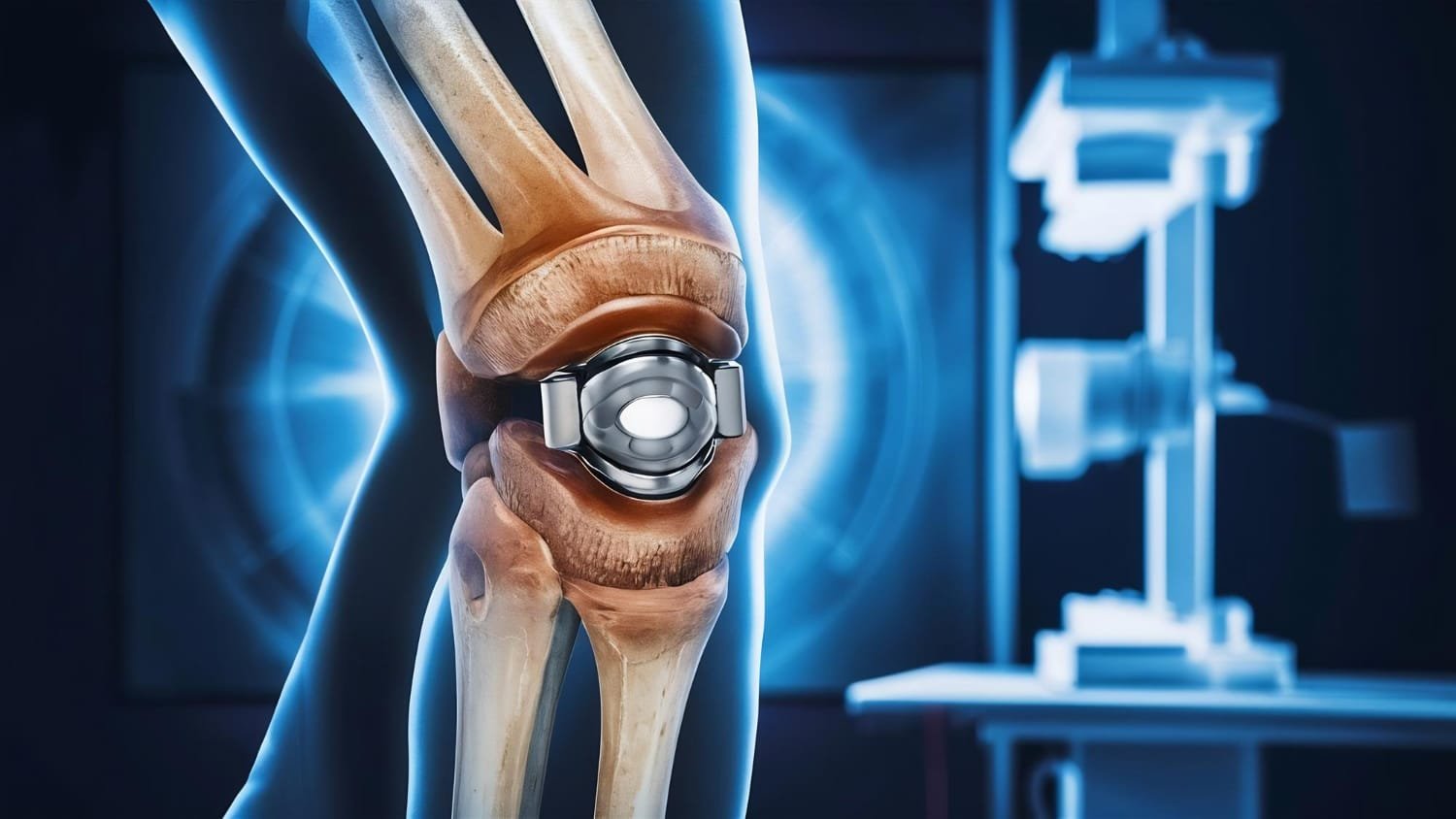
In a total knee replacement, damaged joint surfaces are removed and resurfaced using artificial components. A partial knee replacement may be suitable for selected patients when damage is limited to one part of the knee.
The appropriate procedure depends on joint damage, ligament stability, alignment, bone quality and the patient’s overall condition. A detailed clinical and radiological assessment is necessary before deciding which approach is appropriate.
How Senior Citizens Can Protect Their Knees
Although every knee condition cannot be prevented, several habits may support joint health and reduce the risk of avoidable injury:
- Stay physically active within comfortable limits.
- Perform doctor-approved strengthening and balance exercises.
- Maintain a healthy body weight.
- Wear comfortable, supportive and non-slip footwear.
- Avoid sudden twisting movements.
- Use railings while climbing stairs.
- Keep floors dry and remove loose rugs or electrical wires.
- Ensure adequate lighting at home, especially at night.
- Use a walking aid when advised.
- Avoid self-medication and unverified joint supplements.
- Seek early evaluation for persistent swelling or instability.
- Follow treatment plans for diabetes, gout and other medical conditions.
Frequently Asked Questions
1. What is the most common knee problem in senior citizens?
Knee osteoarthritis is one of the most common causes of knee pain and stiffness in senior citizens. It develops as cartilage and other tissues within the joint gradually deteriorate.
2. Is knee pain a normal part of ageing?
Occasional mild stiffness may occur with age, but persistent pain, swelling, locking or difficulty walking should not be dismissed as normal ageing. These symptoms may indicate a treatable knee condition.
3. Can knee arthritis be treated without surgery?
Many patients can initially be managed with physiotherapy, suitable exercises, weight management, activity modification, medication and other nonsurgical treatments. Treatment depends on the severity of arthritis and its effect on daily life.
4. Does every senior citizen with arthritis need knee replacement?
No. Knee replacement is generally considered when pain and disability are severe and nonsurgical treatments are no longer providing sufficient relief.
5. Is walking good for knee arthritis?
Controlled, low-impact walking may help maintain movement and general fitness in many patients. However, the duration and intensity should be adjusted according to pain, balance and the severity of arthritis. An orthopaedic doctor or physiotherapist can provide personalised guidance.
6. Why does the knee make cracking sounds?
Knee sounds may occur for several reasons. Painless cracking may not always indicate a serious problem. However, cracking accompanied by pain, swelling, locking or instability should be evaluated.
7. Can senior citizens undergo knee replacement?
Many senior citizens can undergo knee replacement after appropriate medical assessment. The decision is based on symptoms, disability, overall health, medical fitness and expected benefit rather than age alone.
8. Which doctor should be consulted for persistent knee pain?
A qualified orthopaedic doctor or knee specialist should be consulted for persistent pain, swelling, deformity, locking or difficulty walking. Patients seeking the best orthopedic doctor and knee replacement surgeon in Faridabad can consult Dr Deepak Mishra for evaluation of knee arthritis, joint degeneration and other orthopaedic conditions.
9. When is knee pain an emergency?
Immediate medical attention may be required when knee pain follows a major injury, the patient cannot bear weight, there is visible deformity, or the knee becomes suddenly hot, red and swollen with fever.
10. Can physiotherapy delay knee replacement?
Physiotherapy may improve strength, flexibility and function and can help control symptoms in many patients. Whether it can delay surgery depends on the stage of arthritis, deformity, pain and response to treatment.
Consult a Knee Specialist in Faridabad
Knee pain can gradually reduce a senior citizen’s independence, confidence and participation in family or social activities. Timely diagnosis can help identify whether the problem is caused by osteoarthritis, a degenerative meniscus tear, bursitis, gout, instability, osteonecrosis or another condition.
Senior citizens experiencing persistent pain, swelling, stiffness or difficulty walking should not rely only on temporary pain relief. A detailed orthopaedic examination can help determine the cause and create a personalised treatment plan.
For specialised knee pain evaluation, arthritis management and joint replacement consultation, schedule an appointment with Dr Deepak Mishra, orthopedic doctor and knee replacement surgeon in Faridabad.
Recent Blogs
-
-
 When Is Knee Replacement the Only Option?
- 6, October 2026
-
 Ankle Arthritis: Symptoms and Treatment Options
- 4, October 2026
-
 What Causes Knee Swelling Without an Injury
- 1, October 2026
-
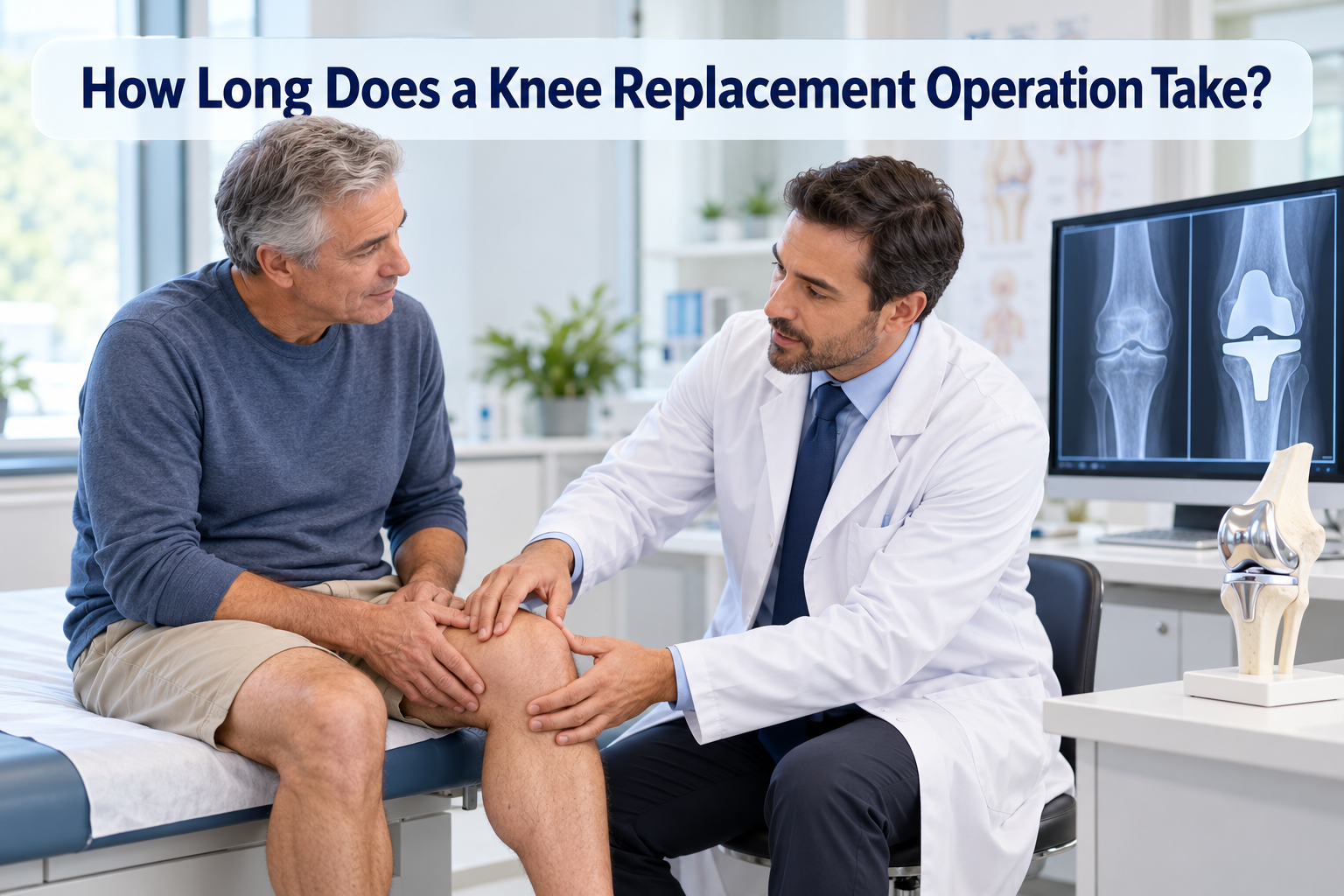 How Long Does a Knee Replacement Operation Take?
- 25, September 2026
-
 Who Is the Best Bone Doctor in Faridabad?
- 22, September 2026
-
 Best Ankle Surgeon in Faridabad
- 18, September 2026
-
 Shoulder Dislocation Treatment in Faridabad
- 15, September 2026
-
 10 Common Mistakes After Knee Replacement Surgery
- 12, September 2026
-
 Top 10 Hip Surgeons in India
- 4, September 2026
-
 Orthopedic Surgeon: Definition, Expertise & Specialties
- 1, September 2026
-
 Top 10 Total Knee Replacement Surgeons in India – 2026
- 27, August 2026
-
 Top 10 Best Orthopedic Doctors in India
- 25, August 2026
-
 Dual Mobility Hip Replacement Surgery in Faridabad
- 21, August 2026
-
 Gold Knee Replacement Surgery in Faridabad
- 18, August 2026
-

-

-
-
 Bone Fracture Specialist in Faridabad
- 25, July 2026
-
 Robotic Partial Knee Replacement in Faridabad
- 21, July 2026
-
-
-
 Runner’s Knee: Prevention & Treatment
- 10, July 2026
-
 Best Knee Tendonitis Treatment in Faridabad
- 7, July 2026
-
-
 Why Does My Knee Make Clicking Sounds?
- 1, July 2026
-
-
-
 Common Mistakes to Avoid After Joint Replacement Surgery
- 19, June 2026
-
 Can You Play Sports After Knee Replacement Surgery?
- 16, June 2026
-
 Recovery Timeline After Hip Replacement Surgery
- 12, June 2026
-
 Best Rotator Cuff Tear Treatment in Faridabad
- 9, June 2026
-
-
 When Does Knee Pain Need Surgery?
- 19, May 2026
-
 Can You Walk Normally After Hip Replacement?
- 15, May 2026
-
-
 Best Doctor for Arthritis Treatment in Faridabad
- 8, May 2026
-
 Sports Injury Specialist in Faridabad
- 5, May 2026
-
 Hip Replacement Surgery Cost in India
- 2, May 2026
-
 Best ACL Surgeon in Faridabad
- 1, May 2026
-
 Best Hip Replacement Surgeon in Delhi
- 26, April 2026
-
 Best Hospital for Robotic Joint Replacement in Faridabad
- 14, April 2026
-
 Best Shoulder Specialist in Faridabad
- 10, April 2026
-
-
 How Mako Robotic Improves Knee Replacement Outcomes
- 3, April 2026
-
 Best Orthopedic Hospital in Faridabad for Joint Pain
- 1, April 2026
-
 Don’t Delay Knee Surgery: 7 Warning Signs You Must Know
- 26, March 2026
-

-
 Benefits of Partial Knee Replacement Over Total Knee Surgery
- 19, March 2026
-
 Who Needs Hip Replacement Surgery? Signs & Eligibility
- 16, March 2026
-
 Best Joint Replacement Hospital in India
- 13, March 2026
-
 Shoulder Dislocation in Sports: Treatment and Recovery
- 11, March 2026
-
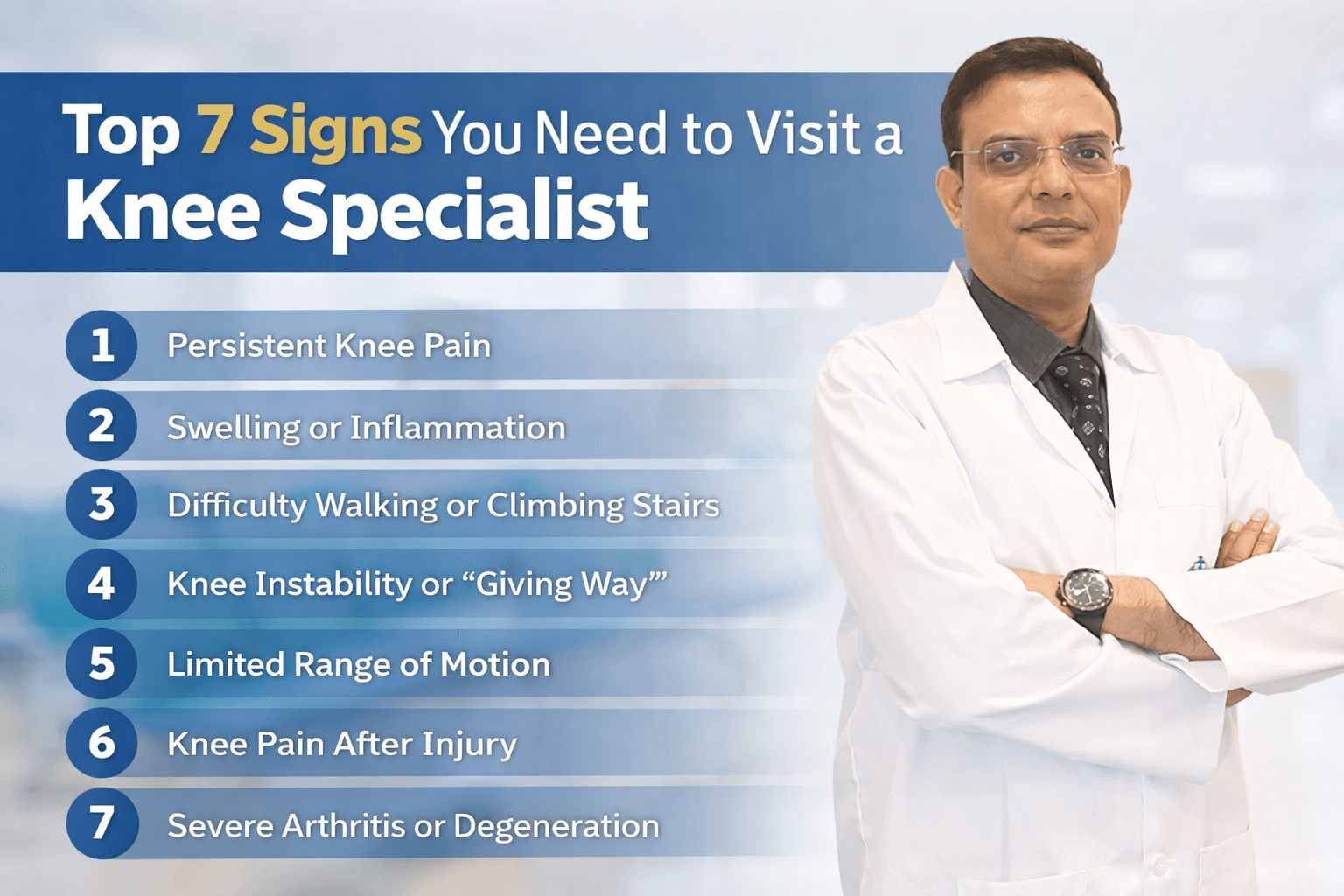 Top 7 Signs You Need to Visit a Knee Specialist
- 7, March 2026
-
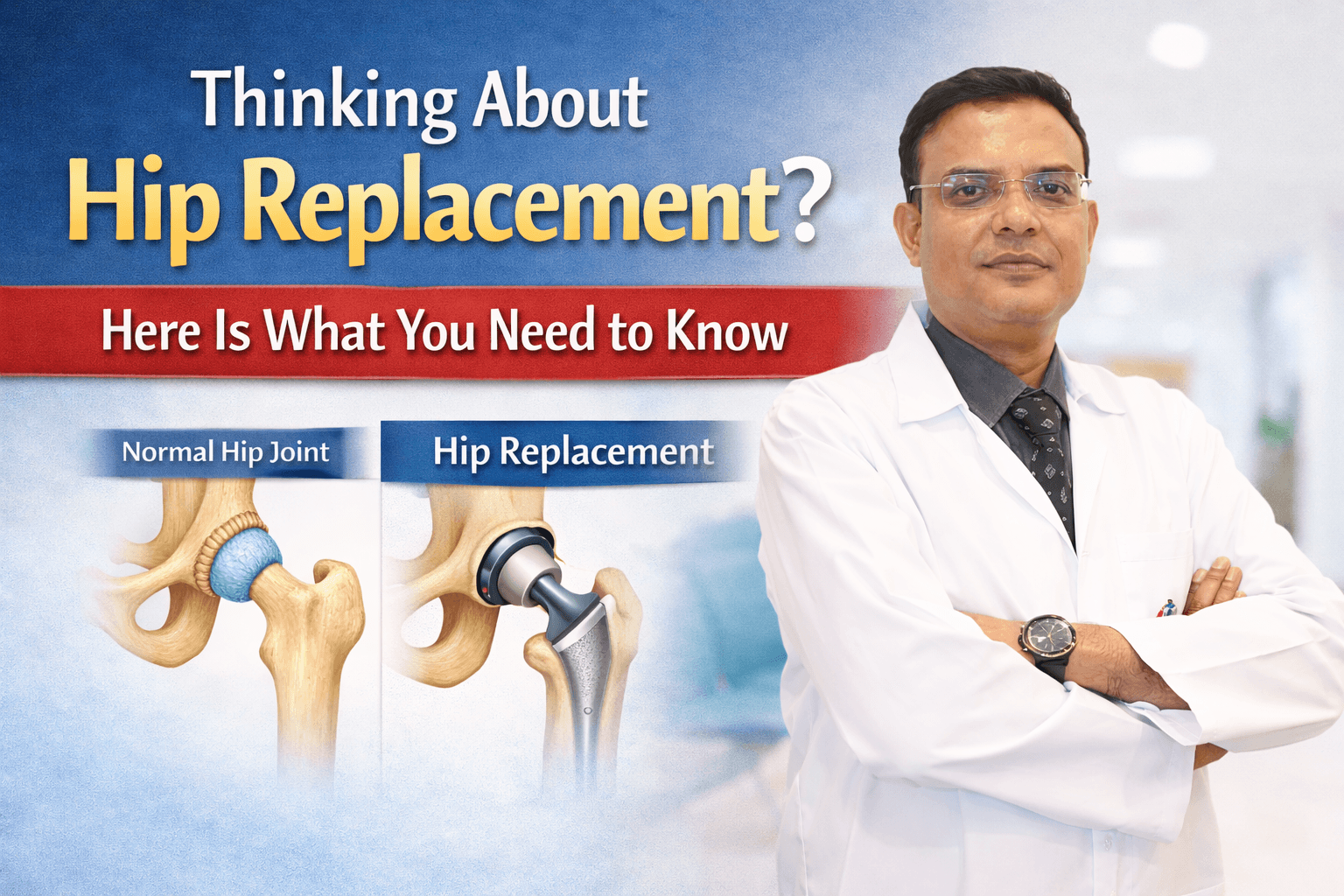
-
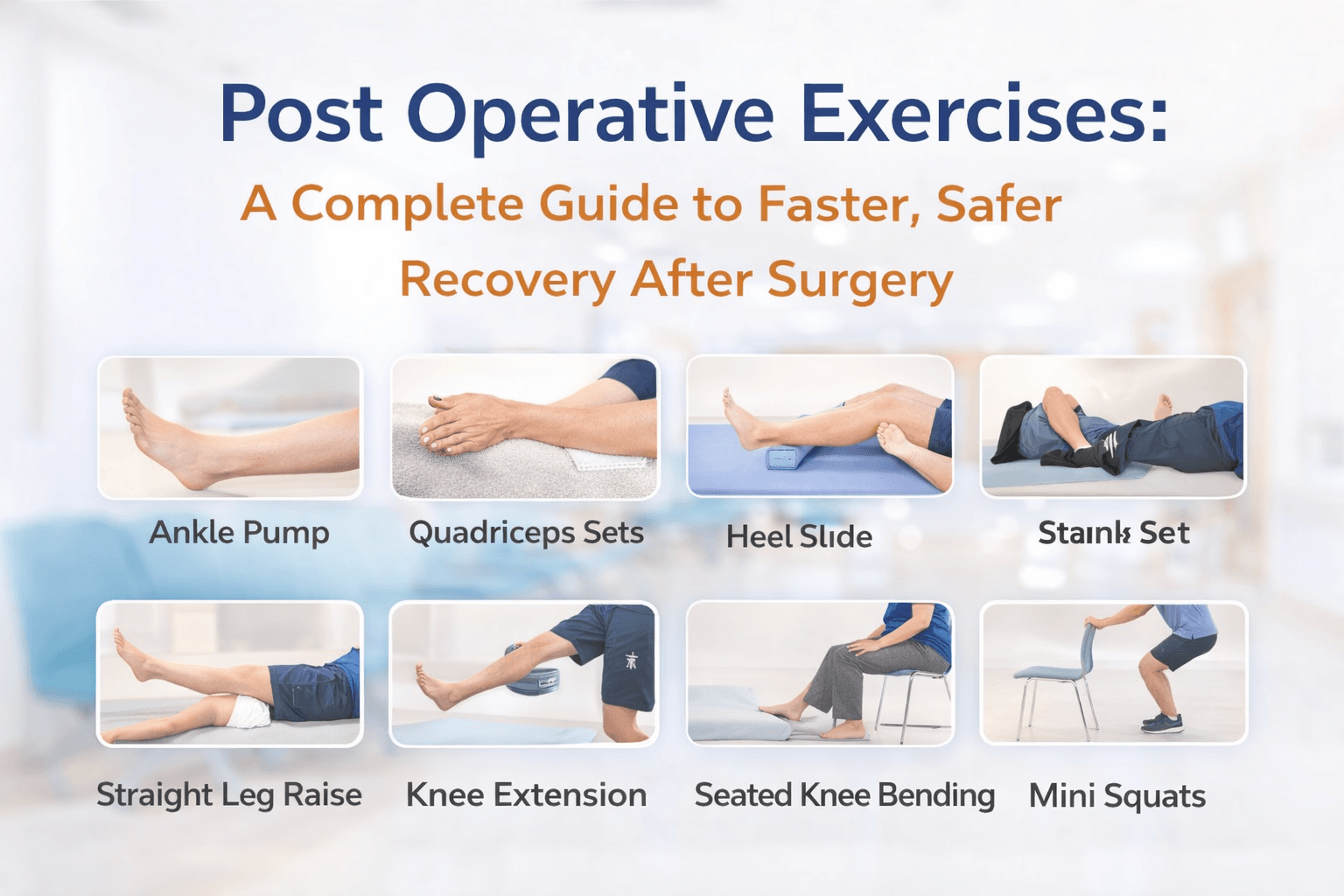 Post Operative Exercises
- 26, February 2026
-
 After ACL Surgery When Can I Walk?
- 24, February 2026
-
 What Happens If Knee Arthritis Is Left Untreated?
- 21, February 2026
-
 Can Knee Replacement Fail? Causes, Signs & Prevention
- 21, February 2026
-
 Who Is Not Suitable for Knee Replacement Surgery?
- 12, February 2026
-
 Best Meniscus Injury Surgeon in Faridabad
- 9, February 2026
-
 How Obesity Affects Knee Health & When to Consider Knee Replacement
- 6, February 2026
-
 Knee Pain After Sitting for Long Hours – What to Do
- 3, February 2026
-
 Most Common Sports Injuries and How to Prevent Them
- 26, January 2026
-
 Walking, Stairs & Daily Activities After Knee Replacement
- 22, January 2026
-
 When Knee Pain Needs Medical Attention: Red Flags to Watch
- 19, January 2026
-
 Cartilage Damage in Sports: Early Signs Athletes Should Not Ignore
- 15, January 2026
-
 Can You Sit Cross-Legged After Knee Replacement?
- 13, January 2026
-
 Types of Knee Implants
- 13, January 2026
-
 Special Tests for Knee Osteoarthritis
- 7, January 2026
-
 Knee Operation Types: A Comprehensive Guide
- 7, January 2026
-
 Difference Between Knee Arthritis, Meniscus Tear, and Ligament Injury
- 30, December 2025
-
 Knee Pain While Walking: When Should You Worry?
- 30, December 2025
-
 What Happens If Knee Replacement Is Delayed Too Long?
- 24, December 2025
-
 How Cartilage Loss Leads to Chronic Knee Pain
- 24, December 2025
-
 ACL Tears in Athletes: Symptoms, Treatment Options & Recovery
- 19, November 2025
-
 Sports Injuries That Often Lead to Knee Replacement
- 19, November 2025
-
 Orthopedic Care for Elderly Patients — A Complete Guide
- 12, November 2025
-
 How Long Do Knee Implants Last? (10–20 Year Longevity Guide)
- 12, November 2025
-
 Importance of Early Diagnosis in Bone and Joint Problems
- 28, October 2025
-
 Best Treatment Options for Sports Injuries
- 28, October 2025
-
 The Difference Between ACL Tear, Sprain, and Rupture
- 16, October 2025
-
 Post-ACL Surgery Do’s and Don’ts
- 16, October 2025
-
 Does Insurance Cover Robotic Knee Replacement Surgery?
- 6, October 2025
-
 When Can You Return to Sports After Robotic Knee Replacement?
- 6, October 2025
-
 Impact of Obesity on Knee Replacement Surgery and Recovery
- 30, September 2025
-
 Early vs. Delayed Knee Replacement: Which Is Better?
- 30, September 2025
-
 How Durable Are Knee Implants? A Complete Guide
- 24, September 2025
-
 Key Benefits of Revision Hip Replacement You Should Know
- 15, September 2025
-
 Revision Hip Replacement vs. Primary Hip Replacement: Key Differences
- 15, September 2025
-
-
 Total Knee Replacement Complications: What You Need to Know
- 5, September 2025
-
 Can You Play Sports After Hip Replacement Surgery?
- 26, August 2025
-
 Preparing for Knee Replacement: Do’s and Don’ts Before Surgery
- 26, August 2025
-
-
 What to Know About Knee Replacement Revision Surgery
- 18, August 2025
-
 Cost of Hip Replacement in India – What Patients Should Know
- 11, August 2025
-
-
 Who Is the Best Orthopedic Doctor for Sports Injuries?
- 27, July 2025
-
 Success Rate of Robotic Knee Replacement in India
- 27, July 2025
-
Why Surgeons Are Switching to Robotic Knee Replacements
- 15, July 2025
-
 Do’s and Don’ts After Knee Replacement Surgery
- 15, July 2025
-
Best Robotic Knee Replacement in India
- 7, July 2025
-
 Affordable Robotic Knee Replacement in India
- 7, July 2025
-
-
-
-
-
-
-
-
 Orthopedic Meaning, Definition, Types, and More
- 6, June 2025
-
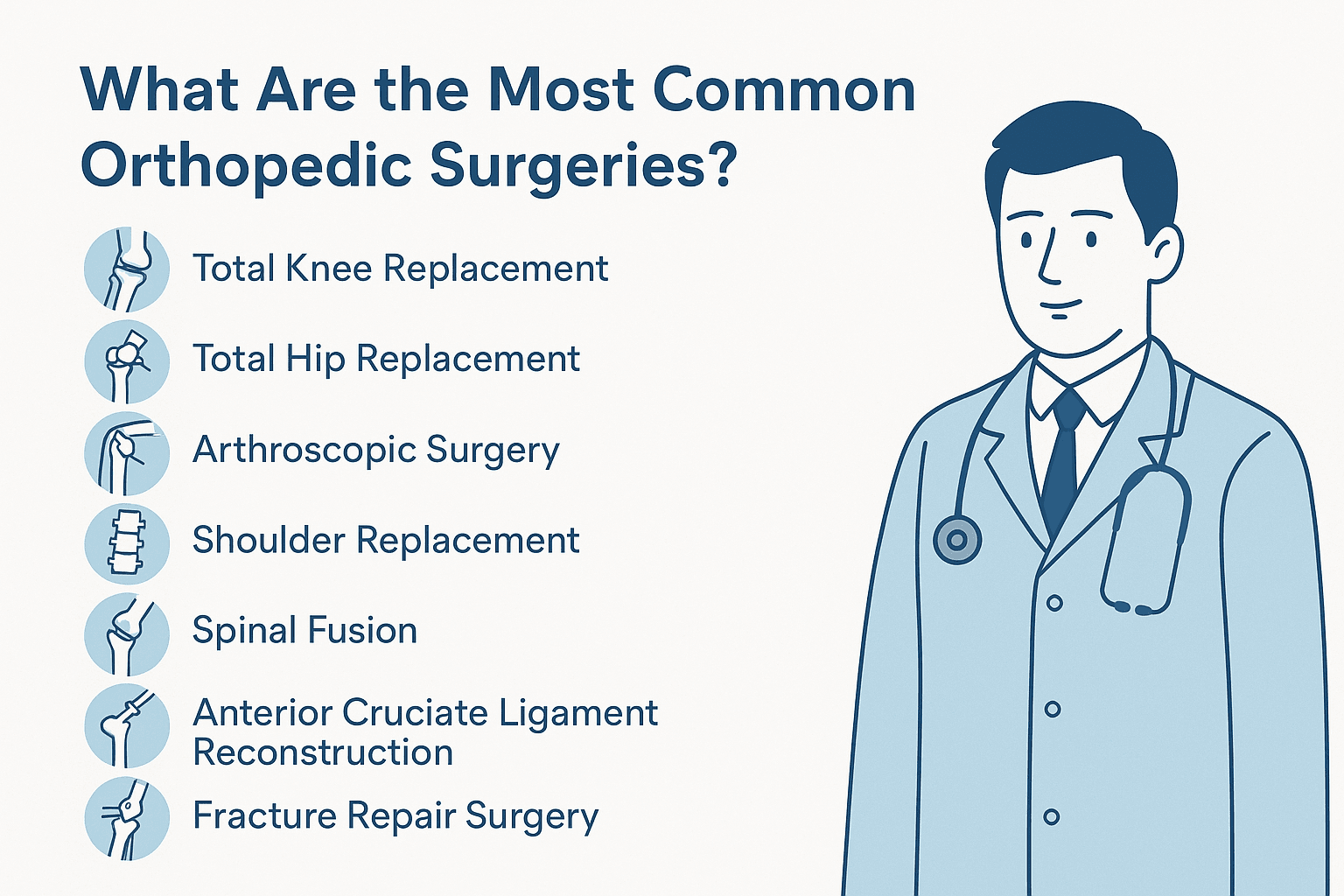 What Are the Most Common Orthopedic Surgeries?
- 24, May 2025
-
 What Does an Orthopedic Doctor Do?
- 24, May 2025
-
-
-
-
Best Orthopedic Doctor for Knee Pain in Faridabad
- 12, May 2025
-
 How to Prevent Knee Pain with Orthopedic Expert Tips
- 29, April 2025
-

-
Best Orthopedic Treatment in Faridabad: What You Should Know
- 29, April 2025
-
-
-
Best Knee Replacement Surgeon in Mathura
- 14, April 2025
-
Best Knee Replacement Surgeon in Hodal
- 14, April 2025
-
Best Knee Replacement Surgeon in Palwal
- 14, April 2025
-
-
-
-
 Benefits of Minimally Invasive Knee Surgery
- 24, March 2025
-
 Best knee Replacement Surgeon in India
- 17, March 2025
-
-
 How to Recover Quickly After Knee Replacement Surgery
- 10, March 2025
-
-
-
-
 Minimally Invasive Arthroplasty: Benefits and Recovery Advantages
- 24, February 2025
-
 Choosing the Right Hip Replacement Surgeon: A Comprehensive Guide
- 17, February 2025
-
 Restoring Mobility: The Role of Knee Replacement Doctors
- 17, February 2025
-
 Orthopedic Trauma Care for Athletes
- 6, February 2025
-
 Best Doctor for ACL Tear Treatment
- 6, February 2025
-
 Best Sports Medicine Doctor for Knee Injuries
- 6, February 2025
-
 Orthopedic Surgeons: 7 Things You Need to Know
- 27, January 2025
-
Best Joint Replacement Surgeon in Greater Faridabad
- 27, January 2025
-
Best Knee Replacement Surgeon in Palwal
- 20, January 2025
-
Best Knee Replacement Surgeon in South Delhi
- 20, January 2025
-
 Restoring Mobility: The Role of Knee Replacement Doctor
- 13, January 2025
-
 Robotic Knee Replacement Surgery in Delhi
- 30, December 2024
-
 Robotic Orthopedic Surgery: Revolutionizing Joint Replacement and Repair
- 30, December 2024
-
 Robotic Knee Replacement vs. Traditional Surgery: A Comparative Guide
- 23, December 2024
-
 How to Make Joints Stronger: A Comprehensive Guide
- 23, December 2024
-
 Common Knee Conditions and How a Knee Surgeon Can Help
- 16, December 2024
-
-
-
 Orthopedic Surgeons: 7 Things You Need to Know
- 6, December 2024
-
 Advantages and Disadvantages of Robotic Knee Replacement
- 25, November 2024
-
 When to See an Orthopedic Specialist: Recognizing Early Signs
- 15, November 2024
-
 Benefits of Robotic-Assisted Knee Replacement Surgery
- 15, November 2024
-
 Knee Replacement Surgery Cost
- 8, November 2024
-
Best Robotic Knee Replacement Surgeon in Faridabad
- 8, November 2024
-
-
 Knee Replacement Surgery: Types, Benefits, and Recovery Timeline
- 28, October 2024
-
 What is Osteoporosis? Symptoms, Causes, and Prevention
- 21, October 2024
-
 Signs It’s Time for a Knee Replacement: When to Consult a Surgeon
- 18, October 2024
-
 Understanding Different Types of Arthritis: Symptoms and Causes
- 11, October 2024
-
 Taking Care After Knee Replacement Surgery
- 15, December 2022
-
 Amazing Ways to Get Relief from Arthritis Pain Naturally
- 2, December 2022
-
-
 How Does Fat Affect Arthritis?
- 4, November 2022
