
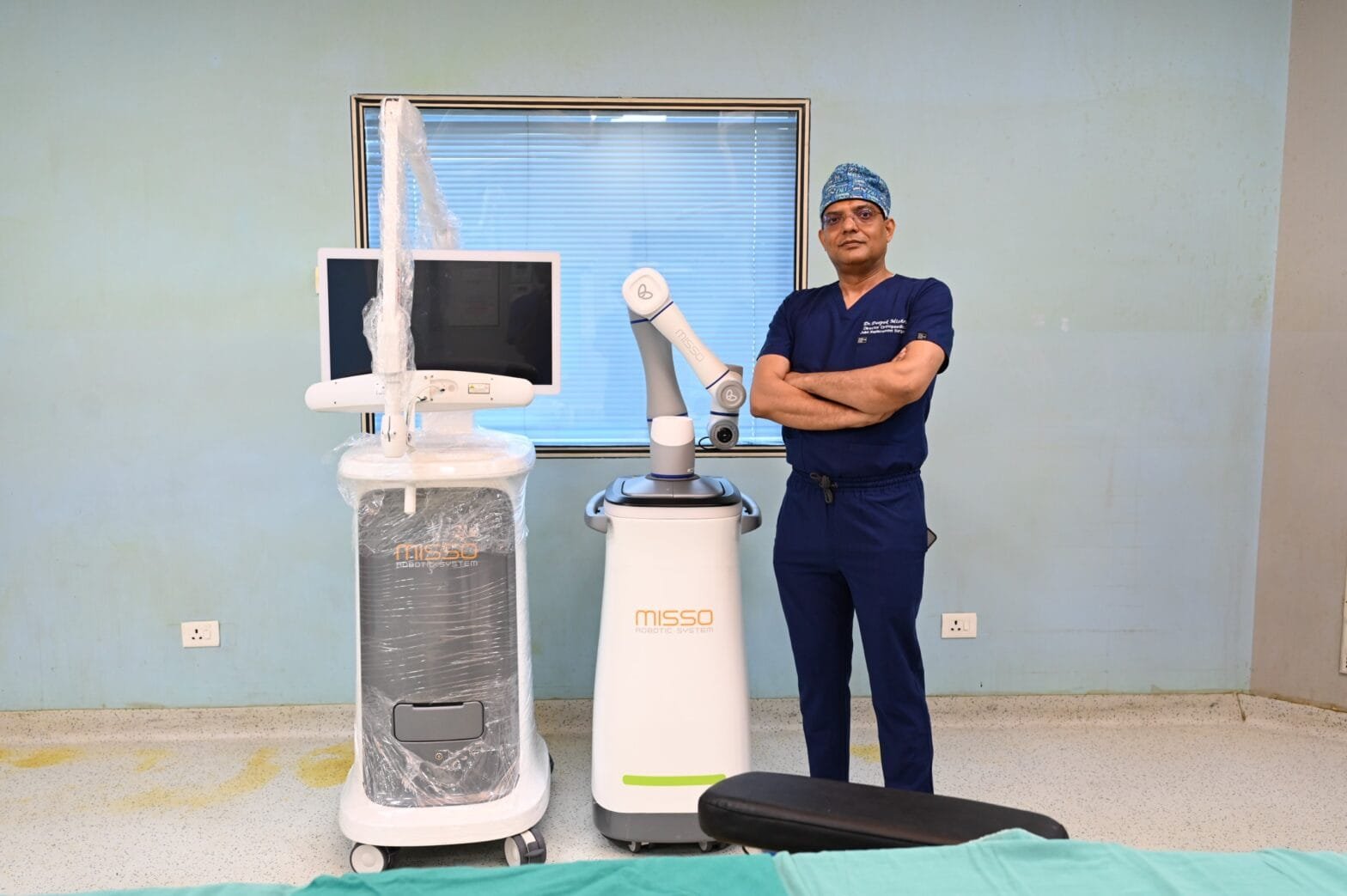
Best Robotic Knee Replacement Surgeon in Faridabad
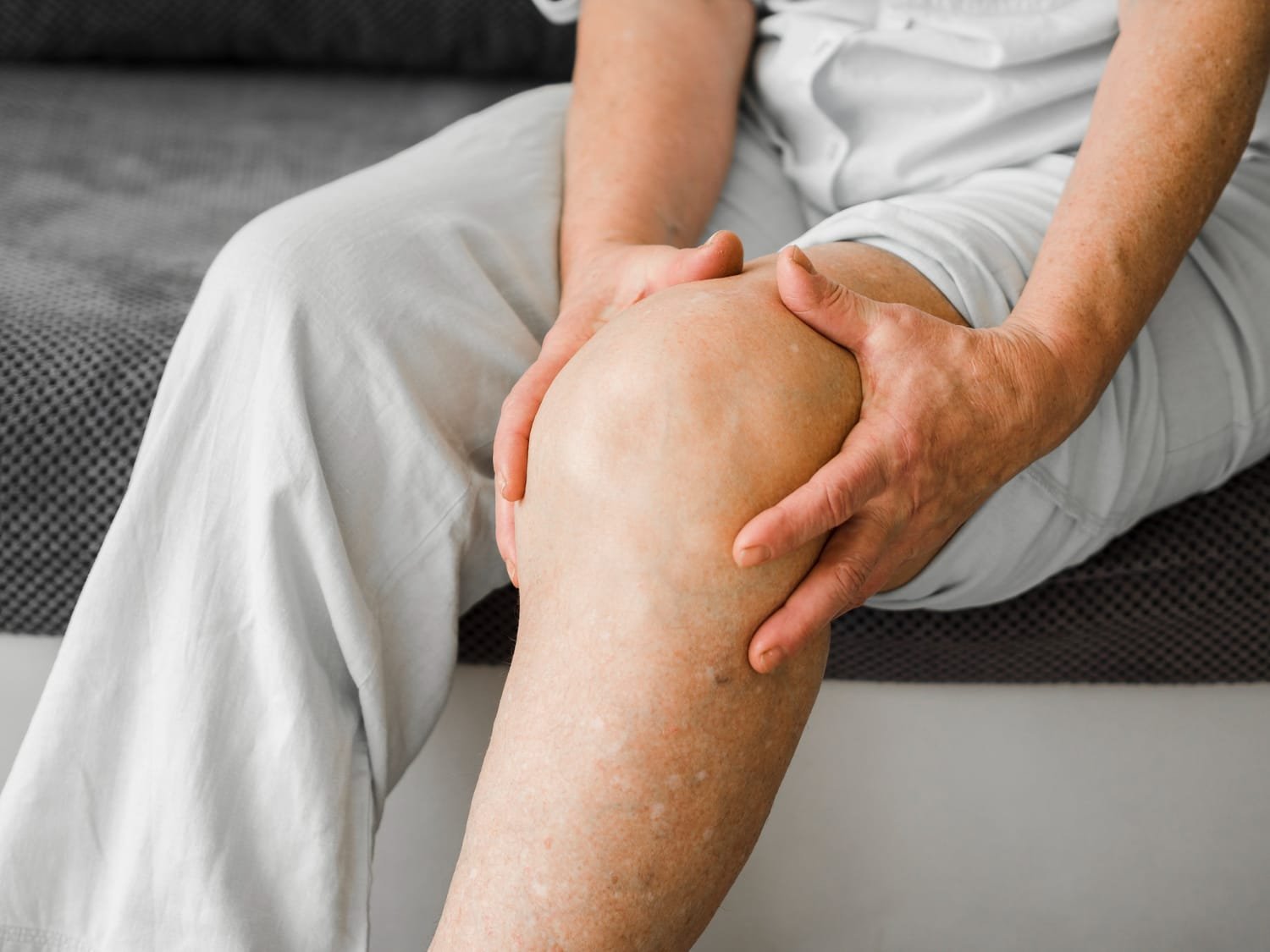
November 8, 2024Living with severe knee pain can gradually change almost every part of daily life. Walking becomes difficult, climbing stairs feels exhausting, getting up from a chair becomes painful, and even simple activities such as shopping, travelling, exercising, or spending time with family may start feeling like a challenge.
For patients with advanced knee arthritis or severe joint damage who no longer get adequate relief from medicines, physiotherapy, injections, or lifestyle changes, knee replacement surgery may be recommended. Today, advances in orthopaedic technology have made it possible to plan and perform knee replacement with greater precision through robotic-assisted knee replacement surgery.
If you are searching for the Best Robotic Knee Replacement Surgeon in Faridabad, Dr. Deepak Mishra is a leading name in advanced Orthopaedic Surgeon and joint replacement care. With more than 26 years of experience in orthopaedics and expertise in knee replacement, joint reconstruction, robotic-assisted procedures, arthroscopy, and complex joint conditions, Dr. Deepak Mishra focuses on combining surgical experience with modern technology to help patients regain mobility and improve their quality of life.
This comprehensive guide explains robotic knee replacement, its benefits, who may need it, how the procedure is performed, recovery after surgery, and why the experience of your robotic knee replacement surgeon matters.
What Is Robotic Knee Replacement Surgery?
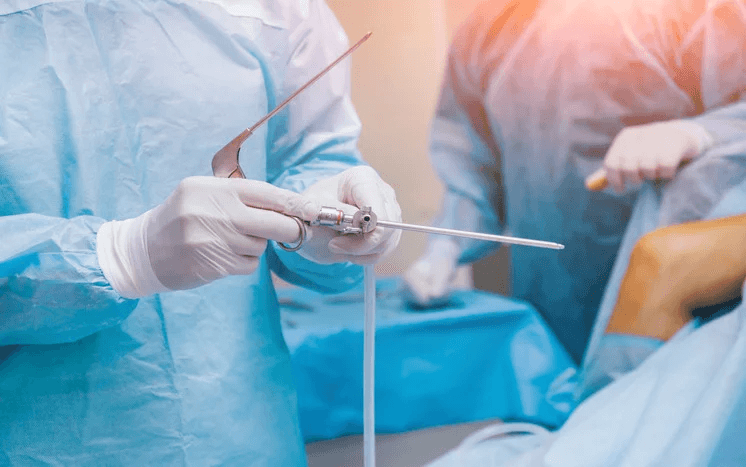
Robotic knee replacement is an advanced form of knee replacement surgery in which the orthopaedic surgeon uses a robotic-assisted surgical system for planning and performing specific steps of the operation.
An important point for patients to understand is that the robot does not perform the surgery independently.
The orthopaedic surgeon remains in control of the procedure. Robotic technology works as an advanced surgical assistance system, providing detailed information and guidance that can help the surgeon execute the planned bone preparation and implant positioning with a high degree of precision.
Depending on the robotic platform being used, the system may help the surgeon understand the patient’s individual anatomy, assess alignment and soft-tissue balance, plan implant positioning, and execute the surgical plan.
Every knee is different. The degree of arthritis, bone structure, alignment, deformity and ligament balance can vary considerably from one patient to another. Robotic-assisted surgery is designed to support a more personalised approach rather than treating every knee exactly the same way.
Why Has Robotic Knee Replacement Become So Important?
Conventional knee replacement surgery has been performed successfully for decades and remains an effective treatment for advanced knee arthritis.
However, modern joint replacement has increasingly focused on improving surgical planning, reproducibility, implant positioning, alignment and personalised joint balancing.
This is where robotic-assisted technology can provide additional assistance.
The objective is not simply to replace damaged parts of the knee. The surgeon aims to create a stable, well-balanced and appropriately aligned knee that supports comfortable movement and long-term function.
Robotic technology provides the surgeon with additional data and intraoperative guidance while making these decisions.
For patients searching for the Best Robotic Knee Replacement Surgeon in Faridabad, it is therefore important to look beyond the presence of a robotic system and evaluate the experience of the surgeon using it.
Understanding the Knee Joint
To understand robotic knee replacement, it helps to first understand how the knee works.
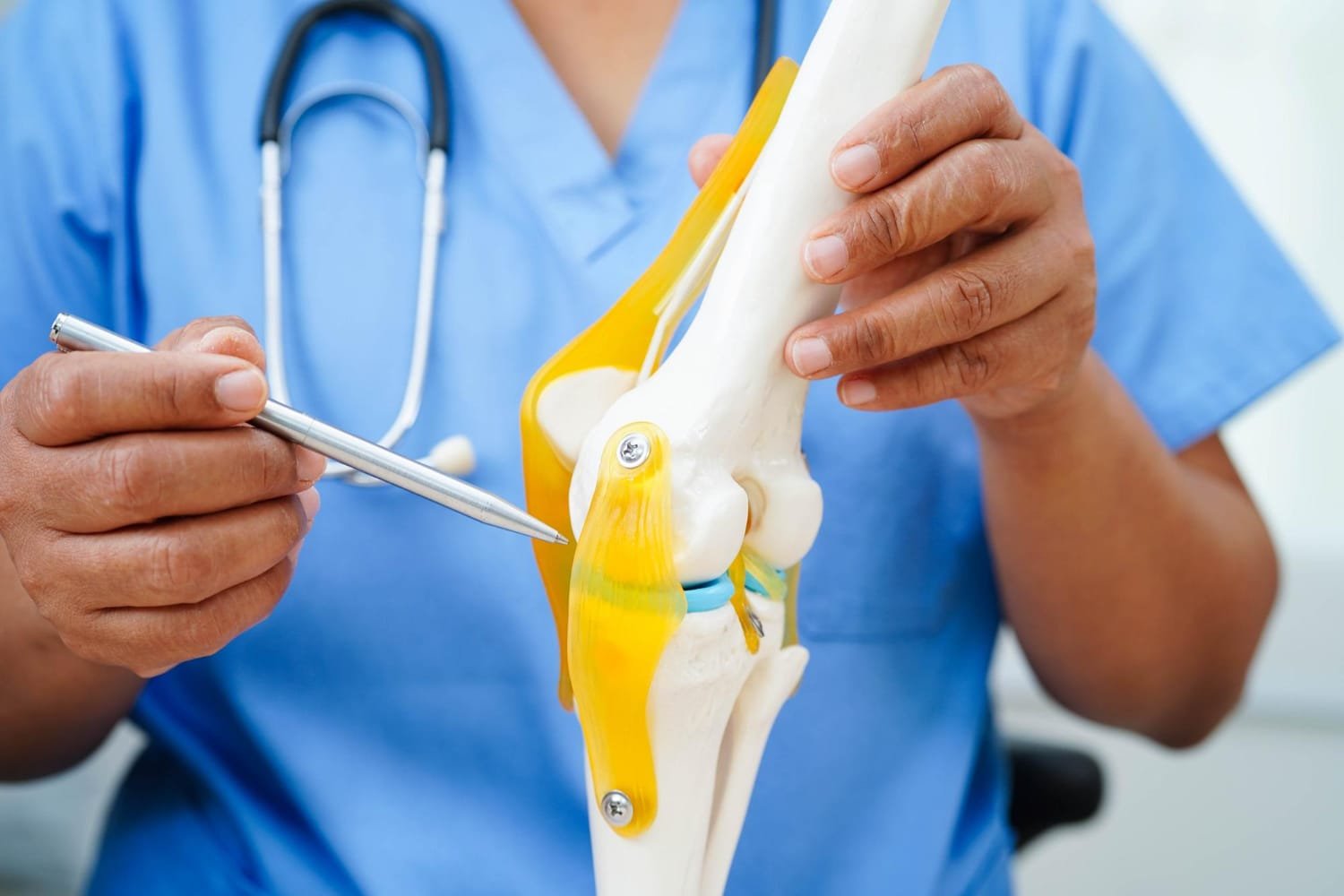
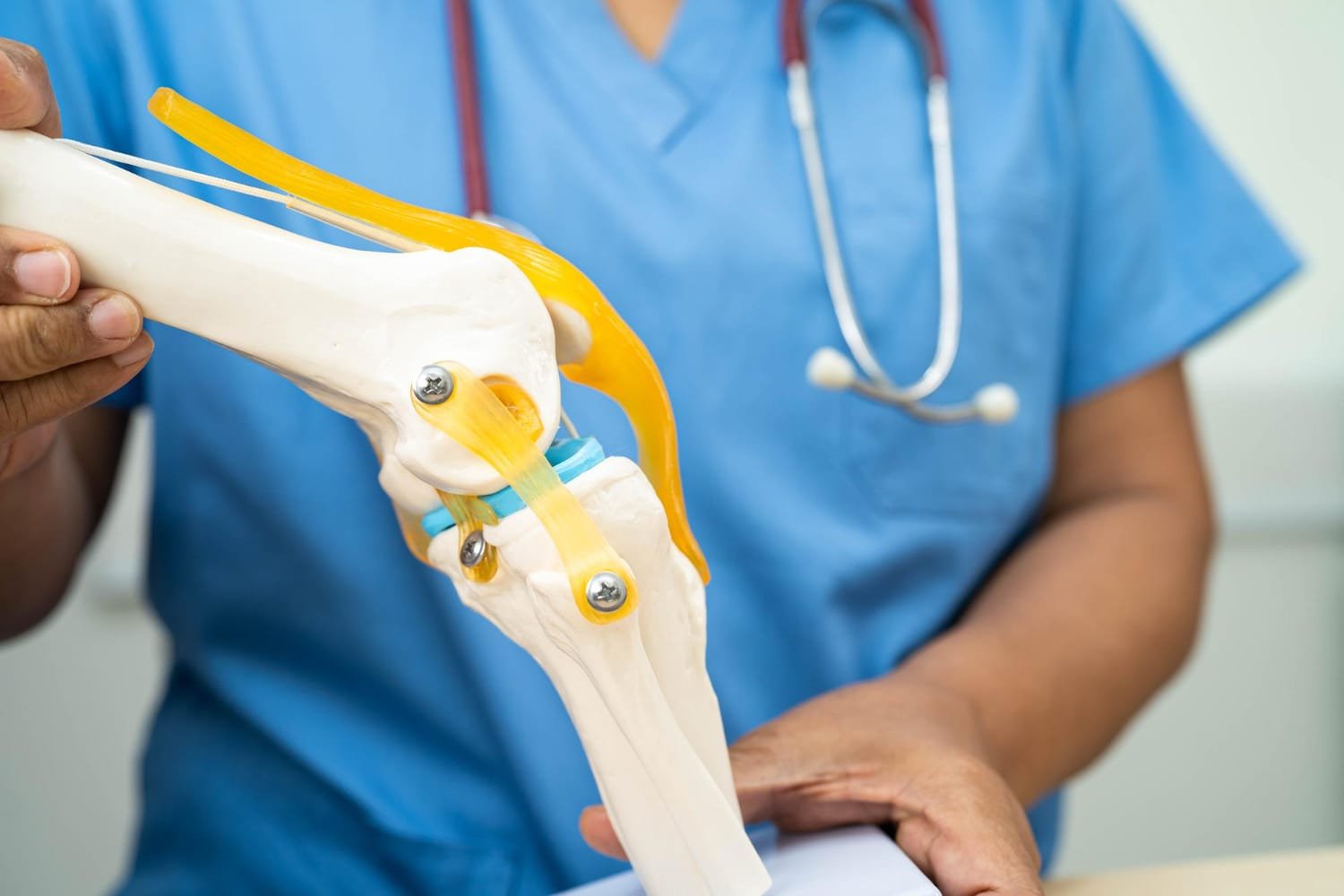
The knee is one of the largest and most complex weight-bearing joints in the human body. It is primarily formed by three bones:
- Femur – the thigh bone
- Tibia – the shin bone
- Patella – the kneecap
The surfaces of these bones are covered with smooth articular cartilage, which allows the joint to move with minimal friction.
Ligaments provide stability, while muscles and tendons help control movement.
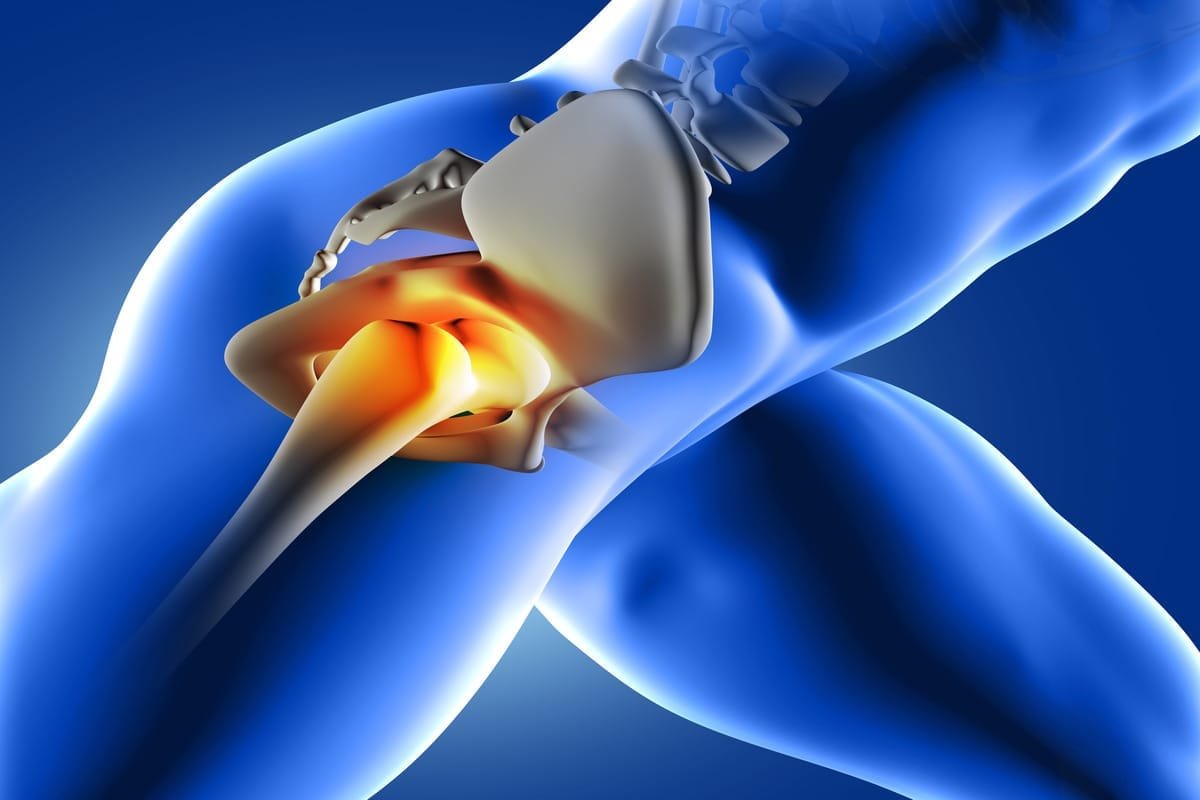
When cartilage becomes severely damaged due to osteoarthritis, rheumatoid arthritis, injury, deformity or another joint condition, the bone surfaces may begin rubbing against each other.
This can cause significant pain, swelling, stiffness and progressive loss of mobility.
What Is Knee Arthritis?
Knee arthritis occurs when the structures of the knee joint—particularly the cartilage—become damaged or inflamed.
Osteoarthritis
Osteoarthritis is one of the most common reasons patients eventually require knee replacement.
It is a degenerative condition in which cartilage gradually wears down. As the disease progresses, patients may experience increasing pain, stiffness, swelling and difficulty performing routine activities.
Rheumatoid Arthritis
Rheumatoid arthritis is an inflammatory autoimmune condition that can damage cartilage, bone and other structures within the knee.
Post-Traumatic Arthritis
A serious knee injury or fracture may damage the joint and increase the risk of arthritis later in life.
Regardless of the underlying cause, treatment should generally begin with appropriate non-surgical management whenever clinically suitable.
Knee replacement is usually considered when joint damage becomes advanced and conservative treatment no longer provides satisfactory relief.
Common Symptoms of Advanced Knee Arthritis
You should consider consulting an experienced orthopaedic or knee replacement specialist if knee problems are becoming persistent or progressively limiting your life.
Symptoms may include:
- Persistent knee pain
- Pain while walking
- Difficulty climbing or descending stairs
- Pain while standing for long periods
- Difficulty getting up from a chair
- Morning stiffness
- Swelling around the knee
- Reduced range of movement
- Grinding or creaking sensations
- Bow-legged or knock-knee deformity
- Difficulty performing routine household activities
- Pain that disturbs sleep
- Reduced walking distance
- Increasing dependence on painkillers
- Loss of independence due to knee problems
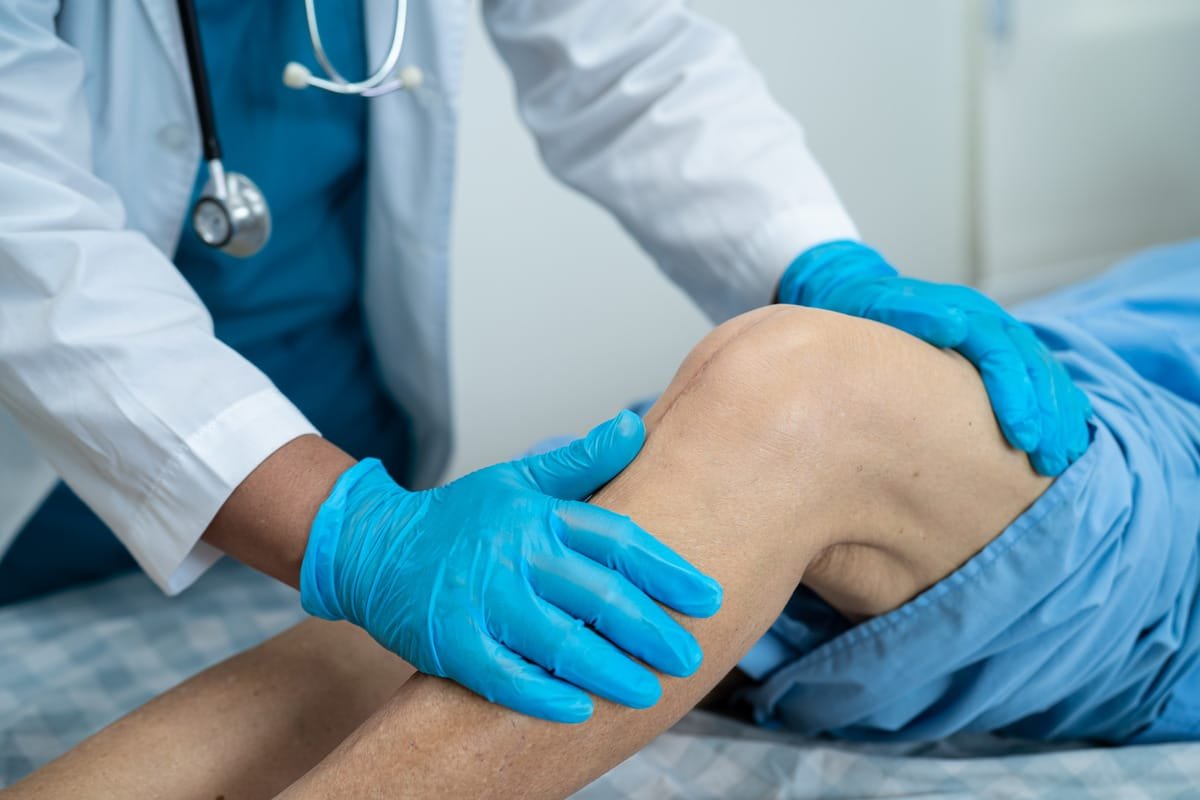
Having one or more of these symptoms does not automatically mean you need knee replacement surgery.
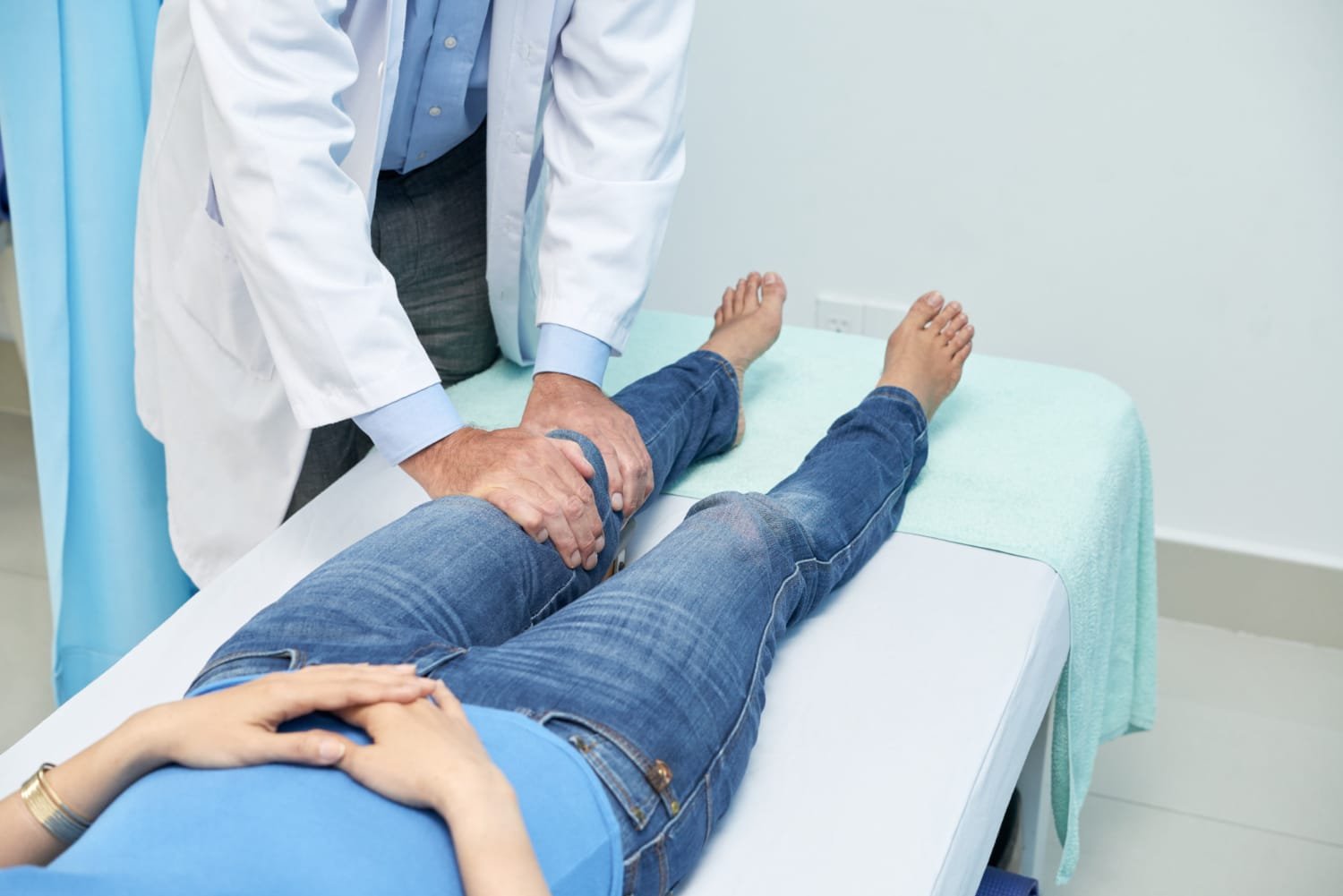
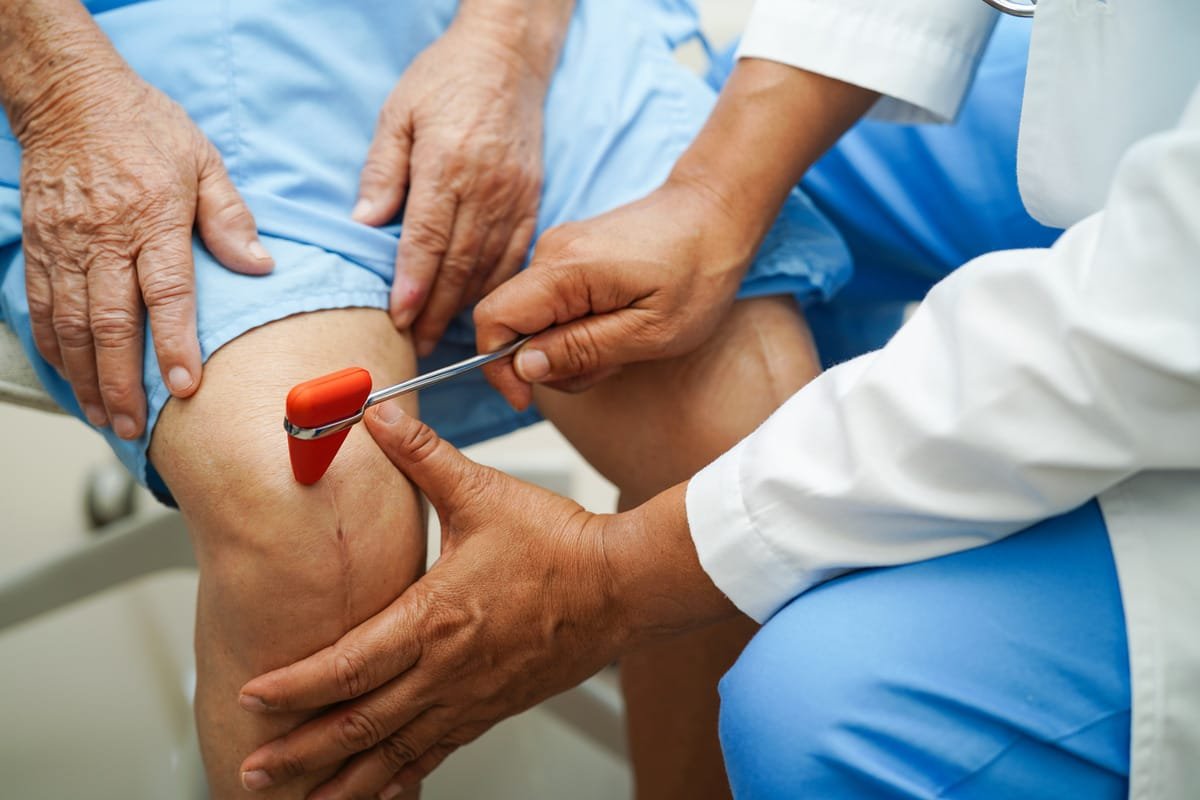
A detailed clinical examination and appropriate investigations are required before deciding on treatment.
When Is Knee Replacement Surgery Recommended?
An experienced surgeon should not recommend knee replacement simply because a patient has knee pain.
In many cases, early or moderate arthritis can initially be managed without surgery.
Treatment may include:
- Weight management
- Activity modification
- Physiotherapy
- Muscle-strengthening exercises
- Appropriate pain medication
- Anti-inflammatory medicines where medically suitable
- Assistive devices
- Selected joint injections
- Lifestyle modifications
However, knee replacement may become appropriate when these measures fail to provide sufficient relief.
Surgery may be considered when:
1. Knee Pain Becomes Severe
Pain significantly affects walking, sleeping, work or daily activities.
2. Non-Surgical Treatment Is No Longer Effective
Physiotherapy, medication and other conservative approaches have been tried but symptoms continue.
3. Mobility Is Significantly Reduced
Walking short distances or climbing stairs becomes difficult.
4. Arthritis Is Advanced
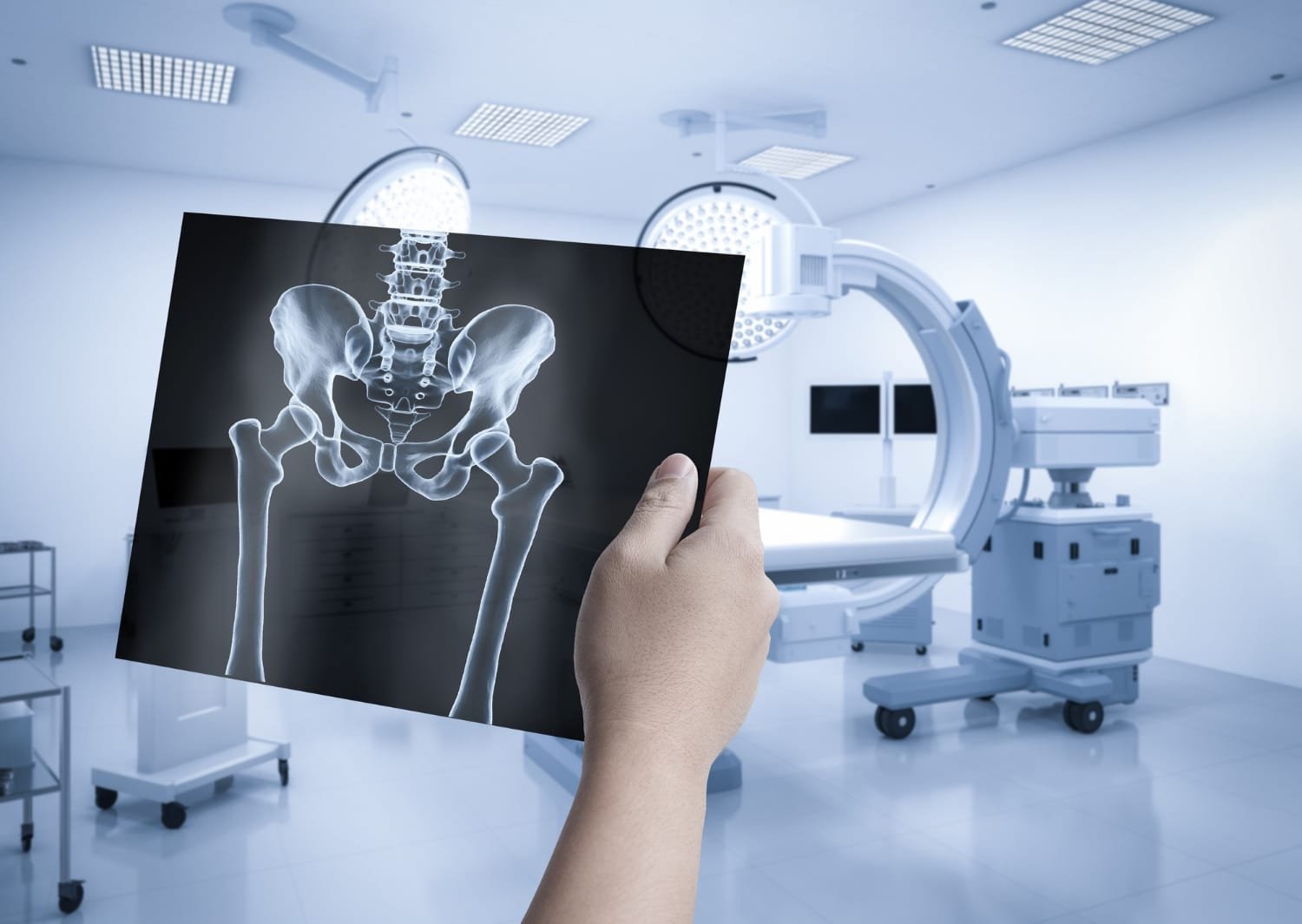
X-rays and clinical evaluation show substantial joint damage.
5. Knee Deformity Is Progressing
Advanced arthritis may lead to bow-legged or knock-knee deformity.
6. Quality of Life Is Significantly Affected
When knee problems prevent a person from living independently or participating in routine activities, joint replacement may be discussed.
The decision should always be individualised.
How Does Robotic Knee Replacement Work?
The exact workflow depends on the robotic system being used, but robotic-assisted knee replacement generally involves several important stages.
Step 1: Patient Evaluation
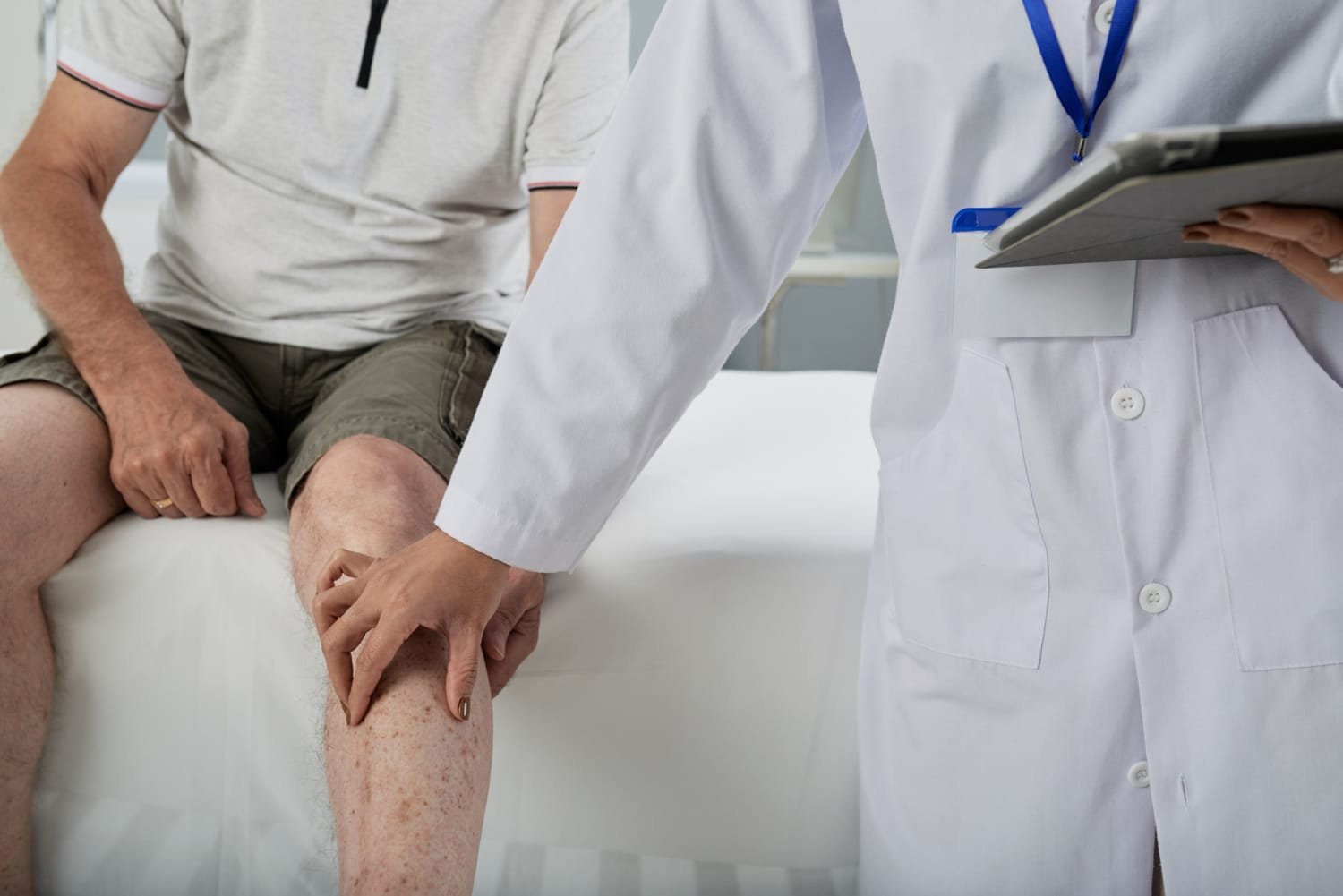
The process begins with a detailed consultation.
The surgeon evaluates:
- Symptoms
- Duration and severity of pain
- Walking ability
- Knee movement
- Joint stability
- Limb alignment
- Deformity
- Previous treatment
- Overall health
- X-rays and other investigations when required
This helps determine whether knee replacement is actually necessary.
Step 2: Personalised Surgical Planning
Robotic systems can assist the surgeon in creating an individualised surgical plan based on the patient’s anatomy.
Rather than relying solely on standardised measurements, the surgeon can use detailed information about the patient’s knee to determine appropriate implant size, positioning and alignment.
Step 3: Assessment of Knee Balance
Proper ligament and soft-tissue balance is an important aspect of knee replacement.
The robotic platform may provide intraoperative information that helps the surgeon evaluate the knee through its range of movement.
Step 4: Precision-Guided Bone Preparation
Damaged bone and cartilage are removed according to the surgical plan.
Robotic assistance provides guidance that can help the surgeon execute planned bone preparation with a high degree of precision.
Step 5: Implant Placement
The artificial knee components are positioned according to the planned alignment and balance.
Step 6: Final Assessment
Before completing the procedure, the surgeon checks:
- Stability
- Alignment
- Range of movement
- Implant positioning
- Soft-tissue balance
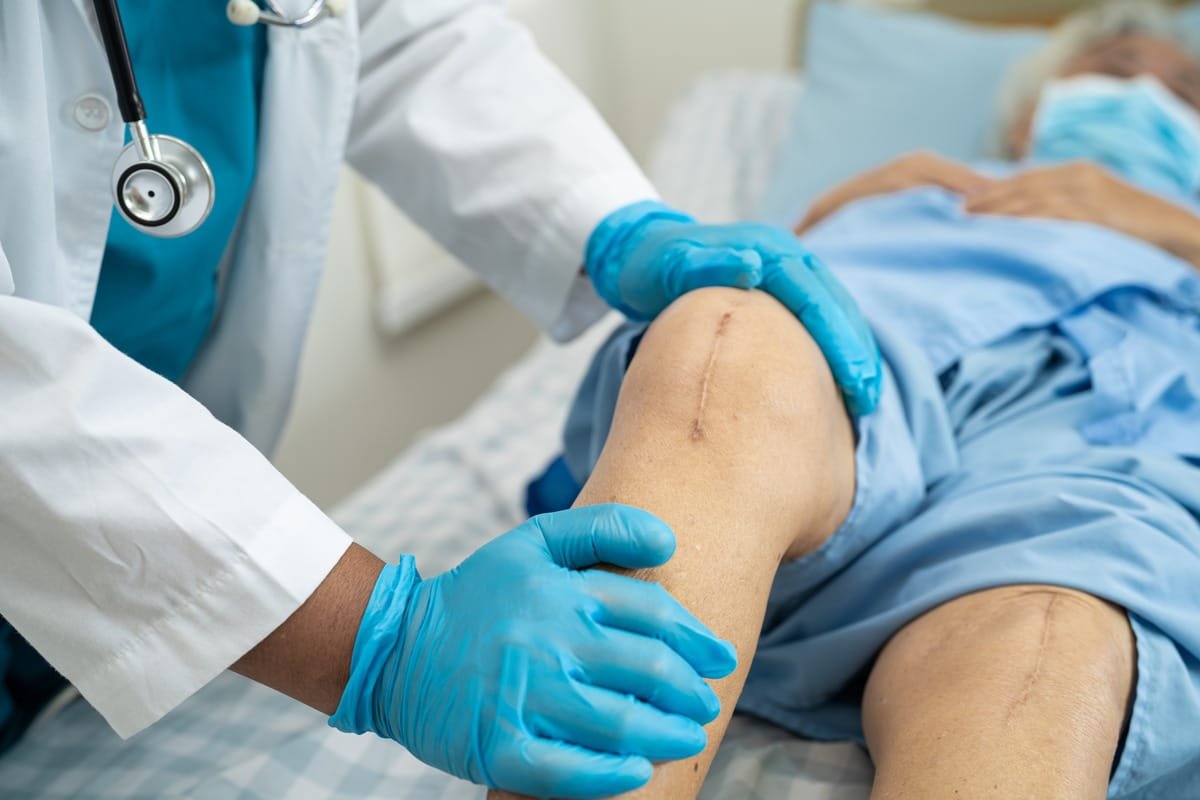
The incision is then closed and the patient moves into the postoperative recovery phase.
Benefits of Robotic-Assisted Knee Replacement
The potential advantages of robotic technology primarily relate to planning and surgical precision.
1. Personalised Surgical Planning
No two knees are identical.
Robotic technology enables the surgeon to plan the procedure according to the patient’s anatomy rather than depending entirely on standard measurements.
2. Precision in Bone Preparation
Robotic guidance can assist in executing the planned bone cuts with a high degree of accuracy.
3. Implant Positioning
Appropriate positioning of knee replacement components is an important objective of surgery.
Robotic-assisted technology provides additional information and guidance to the surgeon during implant positioning.
4. Alignment Assessment
The technology can help the surgeon evaluate and achieve the planned alignment for the individual patient.
5. Soft-Tissue and Ligament Balancing
A successful knee replacement is not only about the implant.
The surrounding ligaments and soft tissues also influence stability and movement. Robotic systems can provide valuable intraoperative information to assist the surgeon in balancing the knee.
6. Data-Driven Surgical Decisions
The surgeon receives real-time information that can help refine decisions during surgery.
7. Potential for Efficient Rehabilitation
Recovery depends on several factors, including the patient’s health, age, muscle strength, surgical technique, pain control and adherence to physiotherapy.
Modern surgical and rehabilitation protocols aim to help suitable patients begin mobilisation early under medical supervision.
Robotic Knee Replacement vs Conventional Knee Replacement
Patients frequently ask whether robotic surgery is completely different from traditional knee replacement.
The fundamental objective is the same: damaged joint surfaces are replaced with artificial components to reduce pain and restore function.
The major difference lies in how the procedure is planned and executed.
Conventional Knee Replacement
The surgeon typically uses standard surgical instruments, mechanical guides, clinical judgement and experience to perform bone preparation and implant placement.
Robotic-Assisted Knee Replacement
The surgeon uses robotic technology in addition to surgical expertise for detailed planning, measurements, intraoperative assessment and execution of the planned procedure.
It is important to remember that robotic technology is an assistant to the surgeon—not a replacement for surgical expertise.
Total vs Partial Robotic Knee Replacement
Not every patient requires a total knee replacement.
Total Knee Replacement
Total knee replacement may be recommended when arthritis has significantly damaged multiple areas or compartments of the knee.
Damaged joint surfaces are replaced with artificial components to create a new articulating surface.
Partial Knee Replacement
In selected patients, arthritis may be limited to one compartment of the knee.
If the remaining parts of the joint and ligaments are healthy and the patient meets appropriate clinical criteria, partial knee replacement may be considered.
Partial knee replacement preserves more of the patient’s natural knee structures.
The decision between partial and total knee replacement should be based on a detailed clinical and radiological evaluation.
Dr. Deepak Mishra – Best Robotic Knee Replacement Surgeon in Faridabad
Choosing the right surgeon is one of the most important decisions in the knee replacement journey.
For patients looking for the Best Robotic Knee Replacement Surgeon in Faridabad, Dr. Deepak Kumar Mishra is a highly experienced orthopaedic and joint replacement specialist with expertise in advanced knee and hip replacement procedures.
He currently serves as Director & Head – Orthopaedics & Joint Replacement, Robotic Surgery at Asian Hospital, Faridabad.
Dr. Deepak Mishra has more than 26 years of experience in orthopaedics and has extensive experience in knee replacement, hip replacement, arthroscopy and complex joint reconstruction.
His professional profile reports experience across a large volume of joint replacement procedures and highlights his work in both primary and revision joint replacement surgery.
Why Choose Dr. Deepak Mishra for Robotic Knee Replacement in Faridabad?
More Than 26 Years of Orthopaedic Experience
Technology continues to advance, but surgical experience remains fundamental.
Dr. Deepak Mishra brings more than 26 years of experience in orthopaedics, with a major focus on joint replacement and reconstructive surgery.
His experience includes evaluating and treating both routine and complex orthopaedic conditions.
Extensive Joint Replacement Experience
Joint replacement surgery requires detailed understanding of anatomy, biomechanics, alignment, implant positioning and soft-tissue balance.
Dr. Deepak Mishra’s clinical work has extensively focused on knee and hip replacement, including primary and complex joint replacement procedures.
Expertise in Robotic Knee Replacement
Modern robotic-assisted surgery combines advanced technology with the surgeon’s clinical judgement.
Dr. Deepak Mishra’s practice includes robotic-assisted joint replacement, allowing modern planning and surgical guidance to be integrated with extensive joint replacement experience.
Training at JIPMER
Dr. Deepak Mishra completed his MBBS and MS in Orthopaedics from JIPMER, Pondicherry, one of India’s established medical institutions.
Advanced Training in the United Kingdom
Following his orthopaedic training in India, Dr. Deepak Mishra underwent further surgical training in the United Kingdom, including exposure to joint replacement and arthroscopy.
This combination of Indian and international training has contributed to his experience in modern orthopaedic surgical techniques.
Expertise in Complex and Revision Joint Replacement
Revision knee replacement is generally more complex than primary replacement because the surgeon may need to address problems related to previous implants, bone loss, instability, deformity or other complications.
Experience with revision surgery can therefore be an important consideration when selecting a joint replacement specialist.
Minimally Invasive and Tissue-Preserving Approach
Where clinically appropriate, modern joint replacement surgery aims to minimise unnecessary tissue trauma while achieving appropriate implant placement and stability.
Dr. Deepak Mishra’s professional profile highlights the use of minimally invasive and tissue-preserving techniques in orthopaedic surgery.
Comprehensive Knee Care
An experienced knee surgeon should be able to evaluate the complete spectrum of knee problems rather than viewing every patient as a candidate for replacement.
Dr. Deepak Mishra’s areas of expertise include:
- Robotic knee replacement
- Total knee replacement
- Partial knee replacement
- Revision knee replacement
- Hip replacement
- Revision joint replacement
- Arthroscopy
- ACL reconstruction
- Meniscal injuries
- Complex joint conditions
- Orthopaedic trauma
This allows treatment decisions to be based on the individual condition of the patient.
Who Is a Good Candidate for Robotic Knee Replacement?
You may be evaluated for knee replacement if you have:
- Advanced osteoarthritis
- Severe rheumatoid arthritis affecting the knee
- Post-traumatic arthritis
- Persistent knee pain despite conservative treatment
- Significant stiffness
- Reduced mobility
- Severe cartilage loss
- Knee deformity
- Difficulty walking or climbing stairs
- Pain affecting sleep
- Significant deterioration in quality of life
Age alone does not determine whether someone needs knee replacement.
The surgeon considers multiple factors including joint damage, symptoms, activity level, general health and response to previous treatment.
Who May Not Need Knee Replacement Yet?
One of the responsibilities of a good knee specialist is identifying patients who can still benefit from non-surgical treatment.
If arthritis is at an early stage, treatment may focus on:
- Physiotherapy
- Quadriceps strengthening
- Weight reduction
- Activity modification
- Medication
- Selected injections
- Lifestyle modification
- Treatment of associated conditions
Surgery should be considered when medically appropriate rather than simply because robotic technology is available.
Preparing for Robotic Knee Replacement Surgery
Good preparation can contribute significantly to the overall treatment journey.
Medical Evaluation
Your doctor may recommend:
- Blood tests
- X-rays
- ECG
- Chest evaluation where required
- Anaesthesia assessment
- Review of existing medical conditions
- Medication review
Patients with diabetes, hypertension, heart disease or other medical conditions may require optimisation before surgery.
Prehabilitation
Strengthening the muscles around the knee before surgery may help support postoperative rehabilitation.
A physiotherapist may recommend exercises according to the patient’s condition.
Weight Management
If appropriate, reducing excess body weight can decrease stress on the knee and may support rehabilitation.
Preparing Your Home
Simple changes can make recovery easier, such as removing loose rugs, keeping commonly used items within easy reach and arranging appropriate support during the initial recovery period.
What Happens After Robotic Knee Replacement?
Recovery is a gradual process and varies from patient to patient.
Modern knee replacement programmes usually emphasise early mobilisation where medically appropriate.
Immediately After Surgery
The medical team focuses on:
- Pain management
- Monitoring vital parameters
- Preventing complications
- Starting appropriate exercises
- Beginning mobilisation when safe
Physiotherapy
Physiotherapy is an essential part of knee replacement recovery.
Exercises are designed to improve:
- Knee movement
- Muscle strength
- Walking
- Balance
- Functional independence
Patients should follow the rehabilitation programme recommended by their surgeon and physiotherapist rather than comparing their recovery with another patient.
How Long Does Recovery Take After Robotic Knee Replacement?
There is no single recovery timeline that applies to everyone.
Recovery depends on factors including:
- Age
- General health
- Severity of preoperative deformity
- Muscle strength
- Type of surgery
- Pain tolerance
- Other medical conditions
- Physiotherapy participation
- Overall activity level
Many patients begin walking with assistance relatively early after surgery as advised by their healthcare team.
Over the following weeks, mobility and confidence generally improve progressively.
Complete functional recovery may take several weeks to months depending on the individual.
How Long Does a Knee Replacement Implant Last?
Modern knee implants are designed for long-term use, but no implant can be guaranteed to last for a specific number of years in every patient.
Longevity can depend on:
- Implant design and material
- Implant positioning
- Patient weight
- Activity level
- Bone quality
- Alignment
- Infection
- Trauma
- Overall health
Regular follow-up with the orthopaedic surgeon is important even when the knee is functioning well.
Is Robotic Knee Replacement Pain-Free?
No surgical procedure should be described as completely pain-free.
Patients can experience postoperative discomfort after knee replacement. Modern pain-management techniques are used to make recovery more comfortable and help patients participate in physiotherapy.
Pain generally improves progressively during the recovery period, although the experience differs among individuals.
Is Robotic Knee Replacement Safe?
Knee replacement is a commonly performed orthopaedic procedure, but like every major operation, it has potential risks.
Possible complications may include:
- Infection
- Blood clots
- Bleeding
- Stiffness
- Persistent pain
- Implant-related problems
- Nerve or blood-vessel injury
- Anaesthesia-related complications
The individual risk profile depends on the patient’s health and other factors.
A detailed preoperative evaluation, appropriate surgical technique, infection-prevention protocols and postoperative rehabilitation are important components of patient safety.
Why the Surgeon Matters More Than the Robot
Patients sometimes focus entirely on which robotic system a hospital uses.
Technology is important—but the robot is only a tool.
The surgeon must determine:
- Whether surgery is actually necessary
- Whether partial or total knee replacement is appropriate
- Implant selection
- Surgical planning
- Alignment goals
- Soft-tissue balance
- How to interpret robotic data
- How to manage unexpected findings
- Postoperative care and rehabilitation
Therefore, when looking for the Best Robotic Knee Replacement Surgeon in Faridabad, consider the surgeon’s overall joint replacement experience in addition to the technology available.
How to Choose the Best Robotic Knee Replacement Surgeon in Faridabad
Before choosing a surgeon, consider asking the following questions.
What is the surgeon’s experience in knee replacement?
High-volume experience can be particularly valuable for both routine and complex cases.
Does the surgeon perform robotic-assisted knee replacement?
Ask how robotic technology is incorporated into surgical planning and execution.
Does the surgeon perform both partial and total knee replacement?
This is important because not every patient requires the same procedure.
Can the surgeon manage revision and complex cases?
Experience with revision surgery may reflect broader expertise in joint reconstruction.
What happens before and after surgery?
Good joint replacement care includes preoperative evaluation, anaesthesia, physiotherapy, pain management, infection prevention and follow-up.
Does the surgeon explain non-surgical alternatives?
A trustworthy treatment approach should consider conservative treatment whenever it remains appropriate.
Robotic Knee Replacement in Faridabad: Why Patients No Longer Need to Travel Far
Faridabad has developed into an important healthcare centre within Delhi NCR.
Patients seeking advanced orthopaedic treatment can now access modern joint replacement technology, experienced surgeons, diagnostics, anaesthesia support, rehabilitation and multidisciplinary hospital care within the city.
For elderly patients in particular, receiving surgery closer to home can make postoperative follow-up and physiotherapy more convenient.
Patients from neighbouring areas of Delhi NCR, Palwal and surrounding regions can also access advanced knee replacement care in Faridabad.
Frequently Asked Questions About Robotic Knee Replacement
1. Who is the Best Robotic Knee Replacement Surgeon in Faridabad?
Dr. Deepak Mishra is a leading robotic knee replacement and joint replacement surgeon in Faridabad with more than 26 years of orthopaedic experience and extensive expertise in knee replacement, hip replacement, arthroscopy and complex joint reconstruction.
2. What is robotic knee replacement?
Robotic knee replacement is a surgeon-controlled procedure in which robotic technology assists with surgical planning, measurements and execution of specific steps during knee replacement.
3. Does the robot perform knee replacement automatically?
No. The robotic system does not independently operate on the patient. The surgeon controls the procedure and uses robotic technology as an advanced surgical assistance tool.
4. Is robotic knee replacement better than conventional knee replacement?
Robotic technology can provide additional assistance in personalised planning, bone preparation, implant positioning and assessment of alignment and soft-tissue balance. Whether it is appropriate for an individual patient should be decided after consultation with an experienced knee replacement surgeon.
5. Who needs knee replacement surgery?
Patients with severe knee arthritis, persistent pain, significant mobility limitations and inadequate relief from appropriate non-surgical treatments may be considered for knee replacement.
6. Can both knees be replaced?
In selected patients, both knees may require replacement. Whether surgery should be performed on both knees at the same time or separately depends on age, health, arthritis severity and other clinical considerations.
7. Is robotic surgery suitable for elderly patients?
Age alone does not determine suitability. The patient’s overall health, heart and lung status, medical conditions and functional requirements need to be evaluated.
8. Can robotic technology be used for partial knee replacement?
Depending on the robotic platform and clinical indication, robotic assistance may be used for selected partial knee replacement procedures.
9. When can I walk after knee replacement?
Modern rehabilitation protocols often encourage early mobilisation when medically safe. The exact timing and level of assistance should be determined by the surgeon and physiotherapy team.
10. How long does robotic knee replacement surgery take?
Operating time varies according to the complexity of the knee, type of procedure, robotic platform and individual patient factors.
11. How soon can I return to normal activities?
Recovery varies among patients. Many routine activities are gradually resumed over the weeks following surgery, while complete recovery can take longer.
12. Can I climb stairs after knee replacement?
Many patients can return to stair climbing during rehabilitation once adequate strength, movement and balance have returned. Follow your surgeon and physiotherapist’s recommendations.
13. Will I need physiotherapy after robotic knee replacement?
Yes. Physiotherapy is an important part of recovery because it helps improve knee movement, muscle strength, balance and walking.
14. Is every patient suitable for robotic knee replacement?
No. The appropriate treatment depends on diagnosis, arthritis severity, anatomy, medical fitness and other factors. An orthopaedic evaluation is required.
15. What is the biggest advantage of robotic knee replacement?
One of its key advantages is the ability to combine personalised surgical planning with intraoperative data and precision guidance under the control of an experienced orthopaedic surgeon.
Take the First Step Towards Better Knee Mobility
Persistent knee pain should not automatically lead to surgery—but it should not be ignored when it begins limiting your independence and quality of life.
The first step is obtaining an accurate diagnosis.
An experienced knee specialist can determine whether your symptoms can still be managed through physiotherapy, lifestyle modification, medication or other conservative treatments, or whether knee replacement should now be considered.
For patients searching for the Best Robotic Knee Replacement Surgeon in Faridabad, Dr. Deepak Mishra offers extensive experience in orthopaedics, joint replacement and robotic-assisted knee surgery, along with expertise in managing primary, complex and revision joint conditions.
Modern robotic technology can provide sophisticated planning and surgical guidance, but successful joint replacement ultimately depends on combining appropriate patient selection, experienced surgical judgement, precise technique and structured rehabilitation.
If knee arthritis is making it increasingly difficult to walk, climb stairs, work, sleep or enjoy everyday life, consulting an experienced robotic knee replacement specialist can help you understand the treatment options available and make an informed decision about your next step.
Recent Blogs
-
-
 When Is Knee Replacement the Only Option?
- 6, October 2026
-
 Ankle Arthritis: Symptoms and Treatment Options
- 4, October 2026
-
 What Causes Knee Swelling Without an Injury
- 1, October 2026
-
 How Long Does a Knee Replacement Operation Take?
- 25, September 2026
-
 Who Is the Best Bone Doctor in Faridabad?
- 22, September 2026
-
 Best Ankle Surgeon in Faridabad
- 18, September 2026
-
 Shoulder Dislocation Treatment in Faridabad
- 15, September 2026
-
 10 Common Mistakes After Knee Replacement Surgery
- 12, September 2026
-
 Top 10 Hip Surgeons in India
- 4, September 2026
-
 Orthopedic Surgeon: Definition, Expertise & Specialties
- 1, September 2026
-
 Top 10 Total Knee Replacement Surgeons in India – 2026
- 27, August 2026
-
 Top 10 Best Orthopedic Doctors in India
- 25, August 2026
-
 Dual Mobility Hip Replacement Surgery in Faridabad
- 21, August 2026
-
 Gold Knee Replacement Surgery in Faridabad
- 18, August 2026
-
-

-

-
 Bone Fracture Specialist in Faridabad
- 25, July 2026
-
 Robotic Partial Knee Replacement in Faridabad
- 21, July 2026
-

-

-
 Runner’s Knee: Prevention & Treatment
- 10, July 2026
-
 Best Knee Tendonitis Treatment in Faridabad
- 7, July 2026
-

-
 Why Does My Knee Make Clicking Sounds?
- 1, July 2026
-

-

-
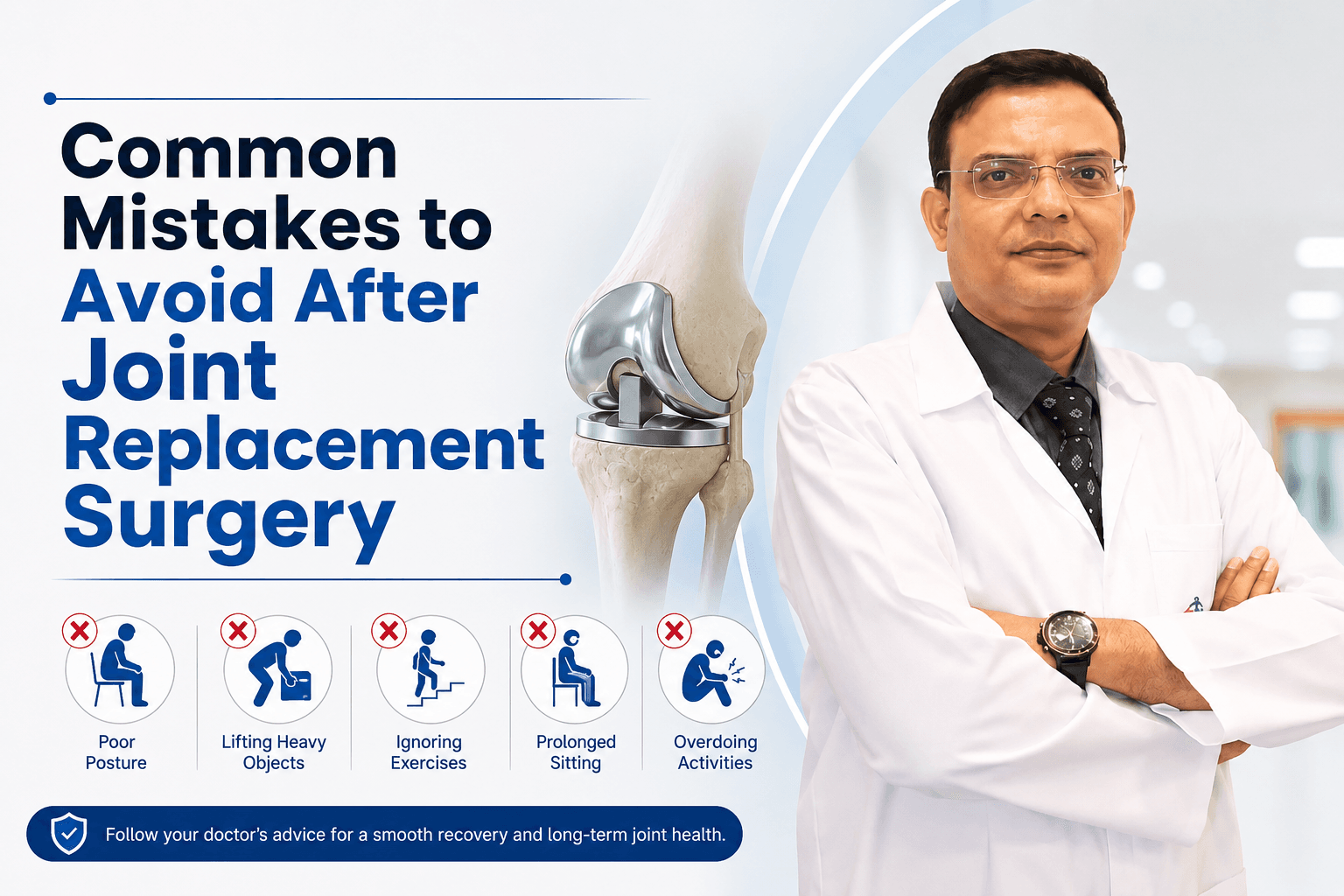 Common Mistakes to Avoid After Joint Replacement Surgery
- 19, June 2026
-
 Can You Play Sports After Knee Replacement Surgery?
- 16, June 2026
-
 Recovery Timeline After Hip Replacement Surgery
- 12, June 2026
-
 Best Rotator Cuff Tear Treatment in Faridabad
- 9, June 2026
-

-
 When Does Knee Pain Need Surgery?
- 19, May 2026
-
 Can You Walk Normally After Hip Replacement?
- 15, May 2026
-

-
 Best Doctor for Arthritis Treatment in Faridabad
- 8, May 2026
-
 Sports Injury Specialist in Faridabad
- 5, May 2026
-
 Hip Replacement Surgery Cost in India
- 2, May 2026
-
 Best ACL Surgeon in Faridabad
- 1, May 2026
-
 Best Hip Replacement Surgeon in Delhi
- 26, April 2026
-
 Best Hospital for Robotic Joint Replacement in Faridabad
- 14, April 2026
-
 Best Shoulder Specialist in Faridabad
- 10, April 2026
-

-
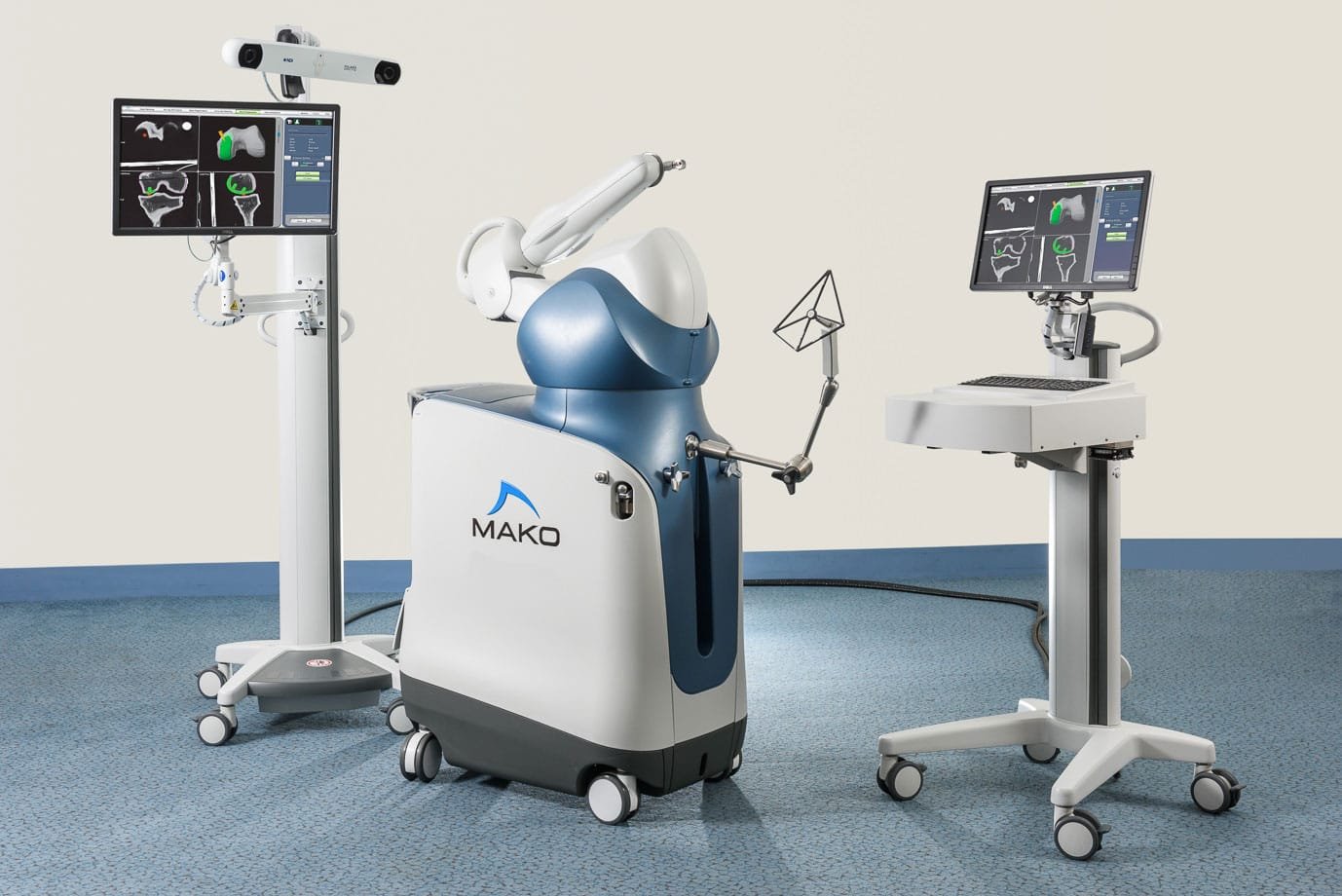 How Mako Robotic Improves Knee Replacement Outcomes
- 3, April 2026
-
 Best Orthopedic Hospital in Faridabad for Joint Pain
- 1, April 2026
-
 Don’t Delay Knee Surgery: 7 Warning Signs You Must Know
- 26, March 2026
-

-
 Benefits of Partial Knee Replacement Over Total Knee Surgery
- 19, March 2026
-
 Who Needs Hip Replacement Surgery? Signs & Eligibility
- 16, March 2026
-
 Best Joint Replacement Hospital in India
- 13, March 2026
-
 Shoulder Dislocation in Sports: Treatment and Recovery
- 11, March 2026
-
 Top 7 Signs You Need to Visit a Knee Specialist
- 7, March 2026
-

-
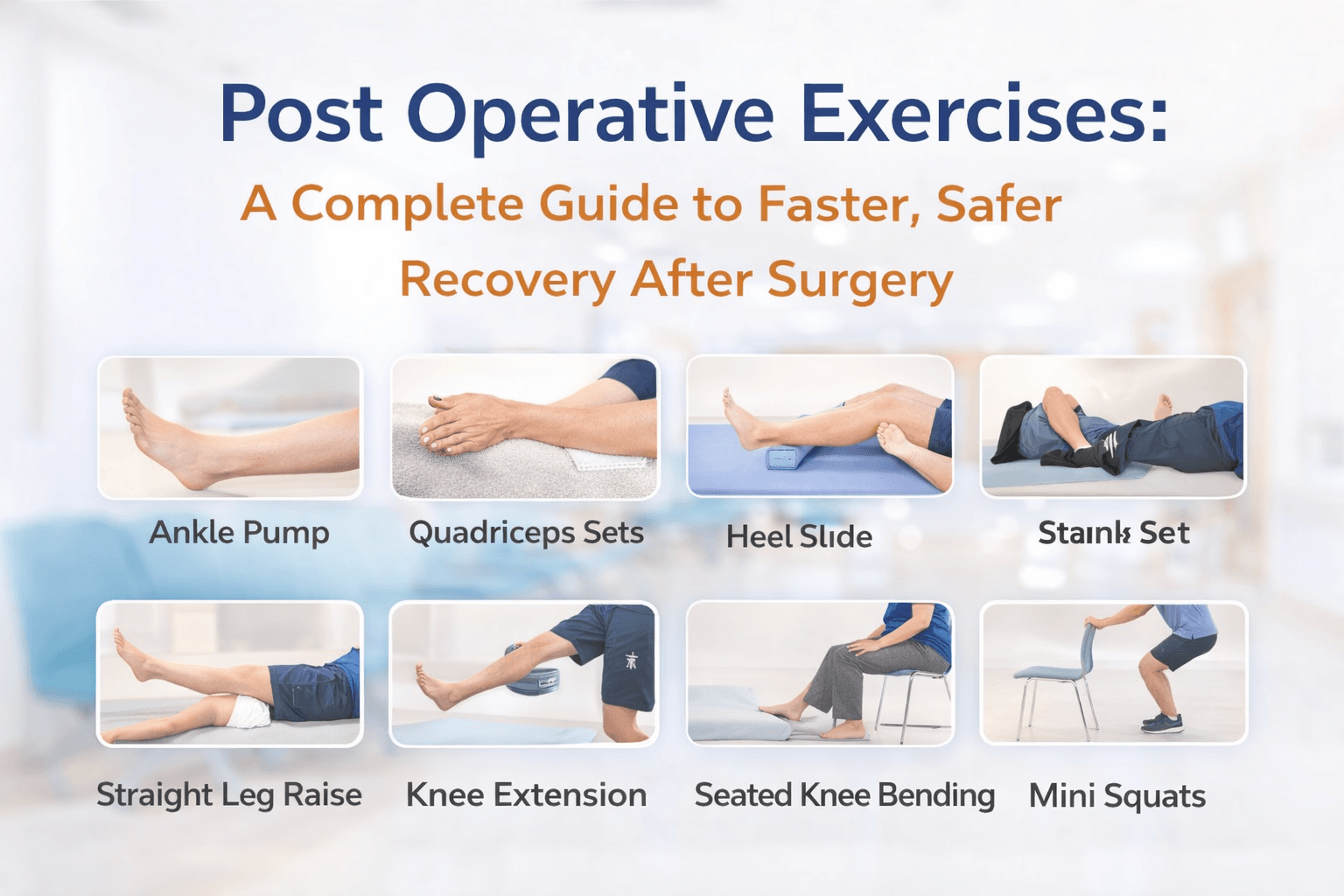 Post Operative Exercises
- 26, February 2026
-
 After ACL Surgery When Can I Walk?
- 24, February 2026
-
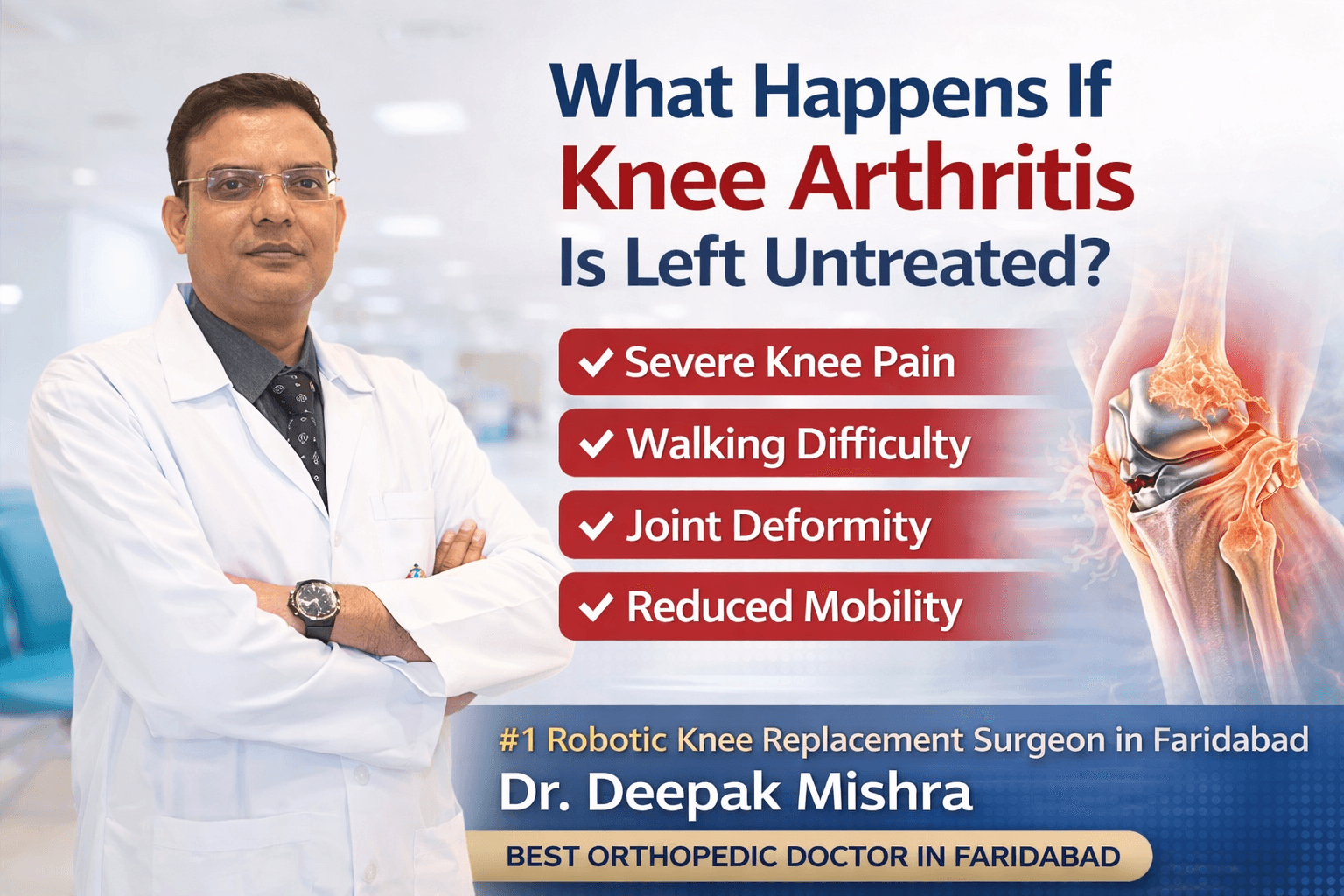 What Happens If Knee Arthritis Is Left Untreated?
- 21, February 2026
-
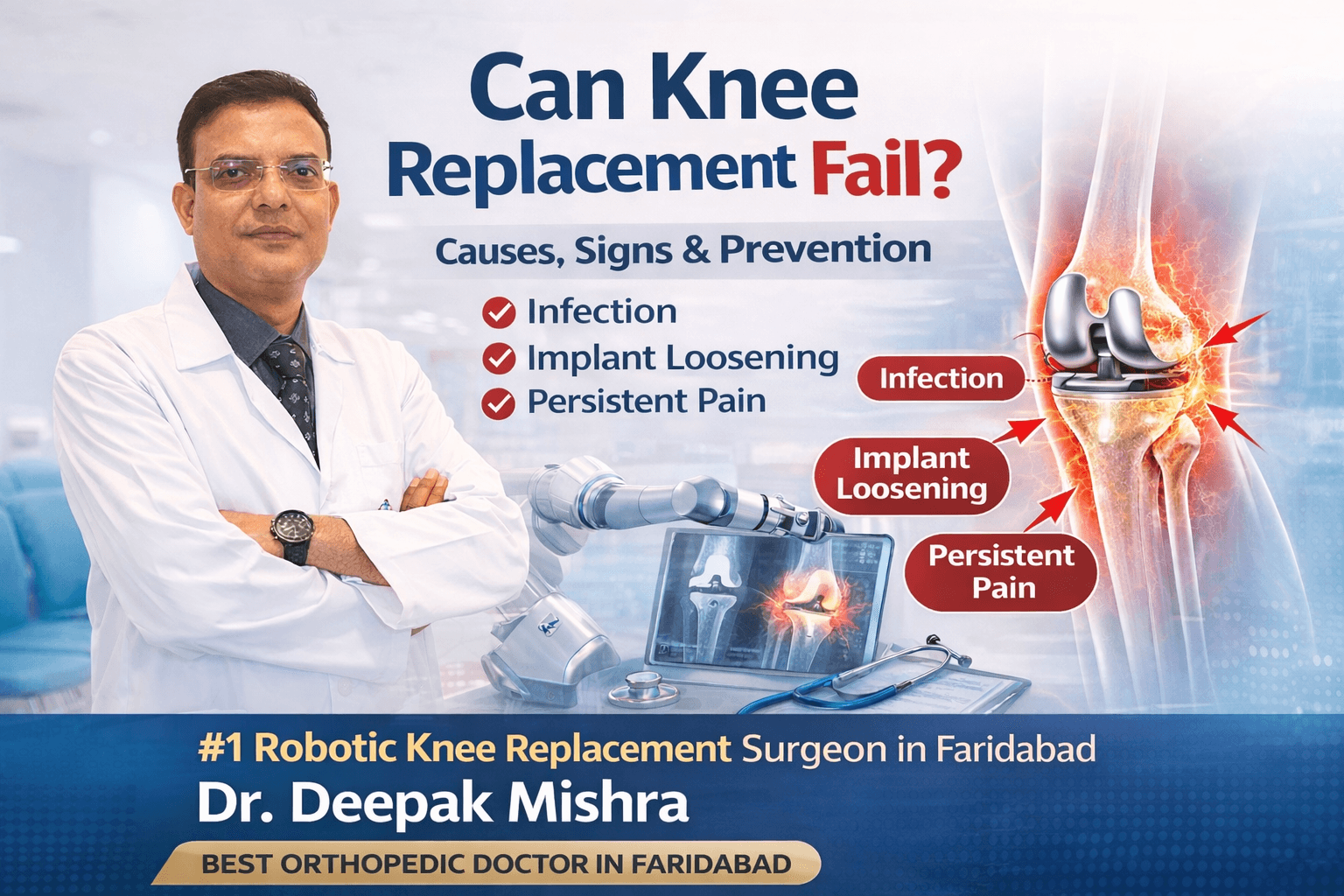 Can Knee Replacement Fail? Causes, Signs & Prevention
- 21, February 2026
-
 Who Is Not Suitable for Knee Replacement Surgery?
- 12, February 2026
-
 Best Meniscus Injury Surgeon in Faridabad
- 9, February 2026
-
 How Obesity Affects Knee Health & When to Consider Knee Replacement
- 6, February 2026
-
 Knee Pain After Sitting for Long Hours – What to Do
- 3, February 2026
-
 Most Common Sports Injuries and How to Prevent Them
- 26, January 2026
-
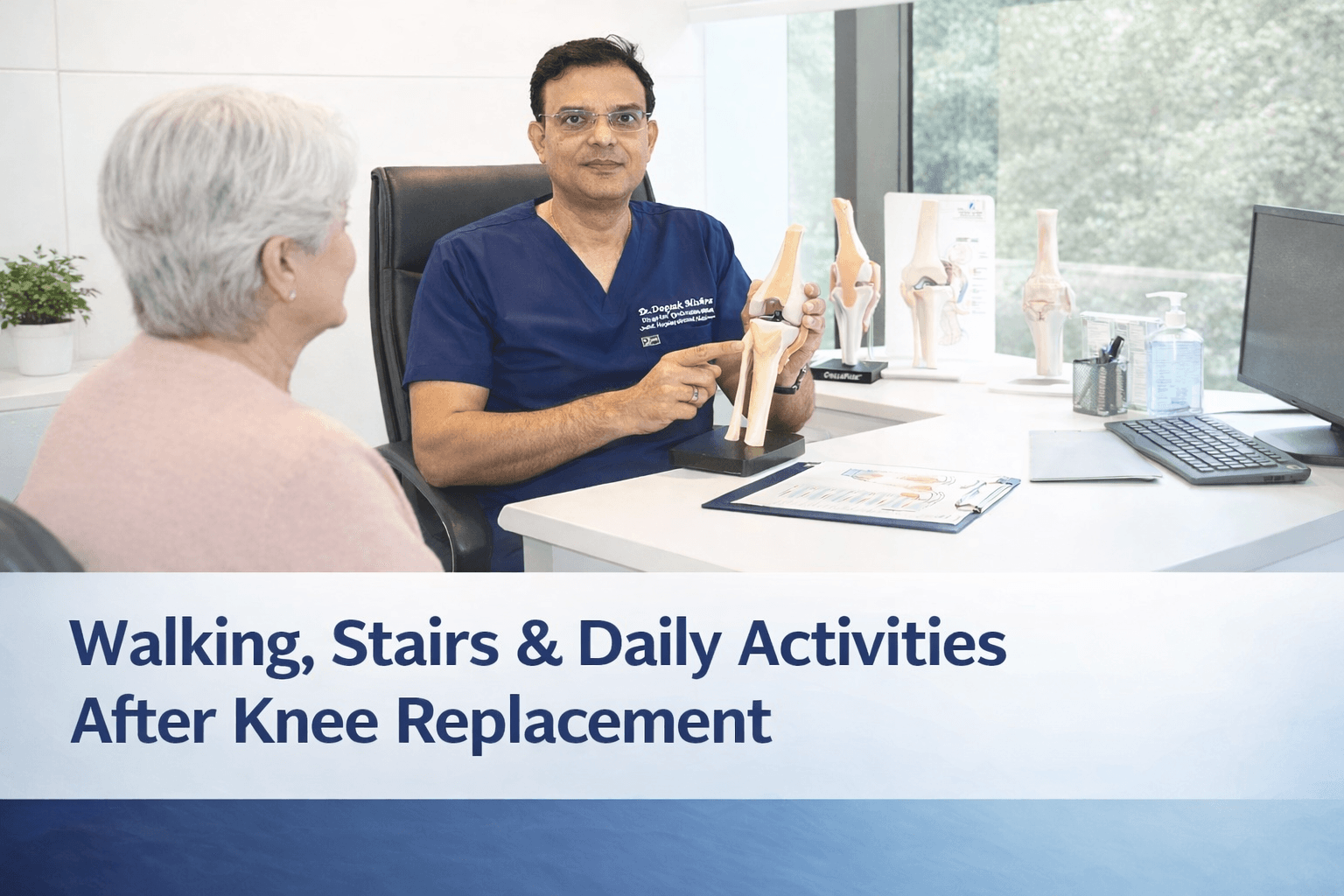 Walking, Stairs & Daily Activities After Knee Replacement
- 22, January 2026
-
 When Knee Pain Needs Medical Attention: Red Flags to Watch
- 19, January 2026
-
 Cartilage Damage in Sports: Early Signs Athletes Should Not Ignore
- 15, January 2026
-
 Can You Sit Cross-Legged After Knee Replacement?
- 13, January 2026
-
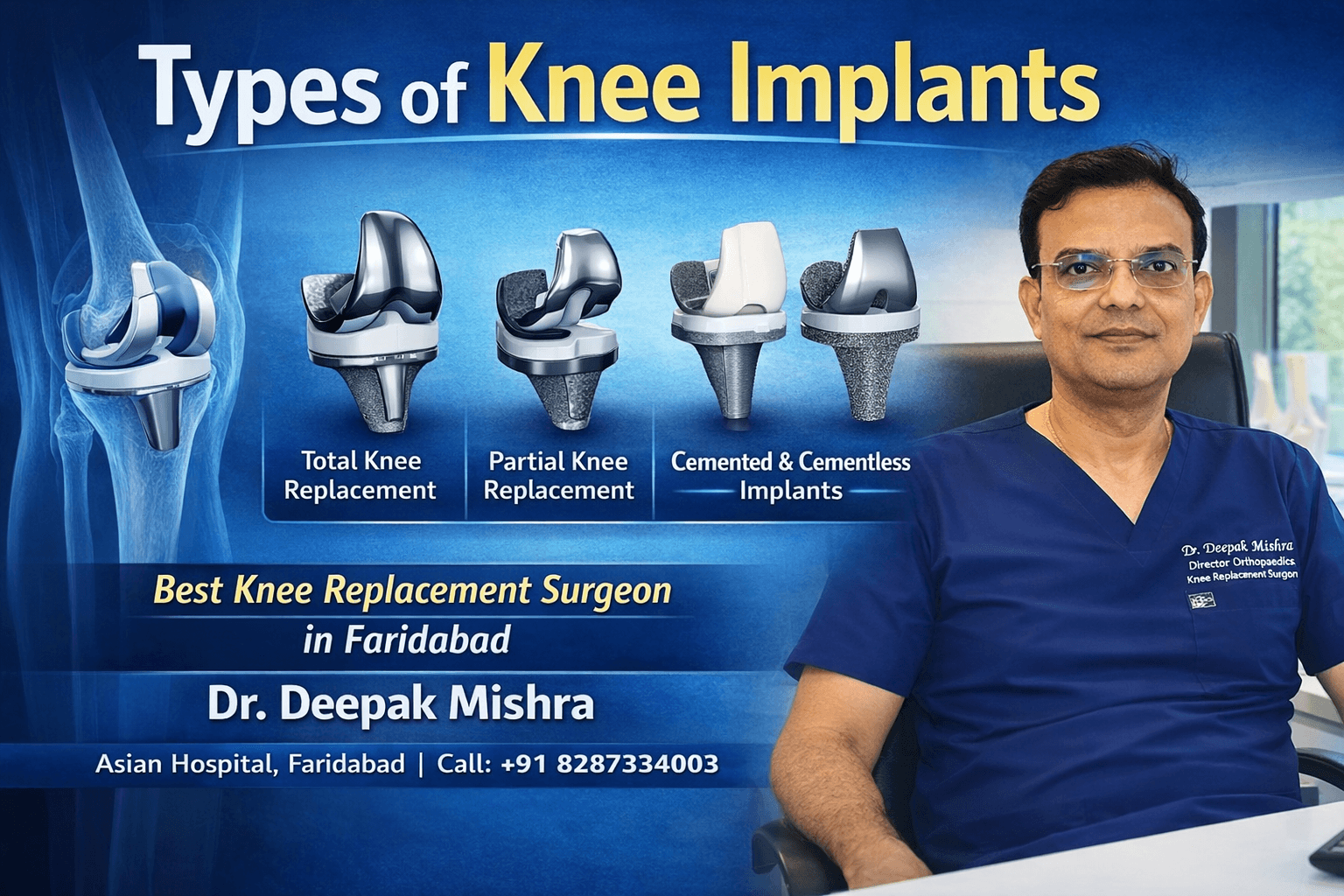 Types of Knee Implants
- 13, January 2026
-
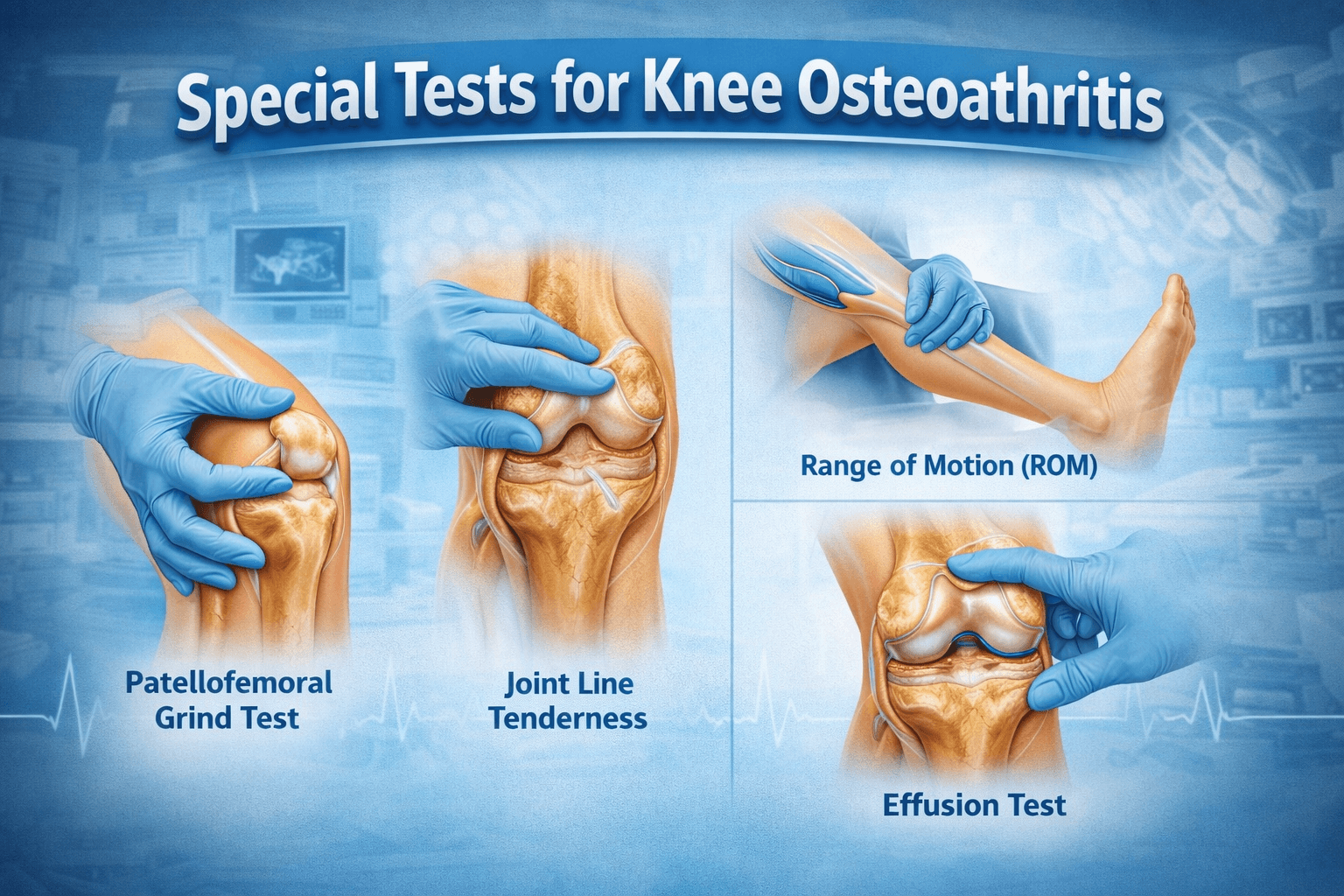 Special Tests for Knee Osteoarthritis
- 7, January 2026
-
 Knee Operation Types: A Comprehensive Guide
- 7, January 2026
-
 Difference Between Knee Arthritis, Meniscus Tear, and Ligament Injury
- 30, December 2025
-
 Knee Pain While Walking: When Should You Worry?
- 30, December 2025
-
 What Happens If Knee Replacement Is Delayed Too Long?
- 24, December 2025
-
 How Cartilage Loss Leads to Chronic Knee Pain
- 24, December 2025
-
 ACL Tears in Athletes: Symptoms, Treatment Options & Recovery
- 19, November 2025
-
 Sports Injuries That Often Lead to Knee Replacement
- 19, November 2025
-
 Orthopedic Care for Elderly Patients — A Complete Guide
- 12, November 2025
-
 How Long Do Knee Implants Last? (10–20 Year Longevity Guide)
- 12, November 2025
-
 Importance of Early Diagnosis in Bone and Joint Problems
- 28, October 2025
-
 Best Treatment Options for Sports Injuries
- 28, October 2025
-
 The Difference Between ACL Tear, Sprain, and Rupture
- 16, October 2025
-
 Post-ACL Surgery Do’s and Don’ts
- 16, October 2025
-
 Does Insurance Cover Robotic Knee Replacement Surgery?
- 6, October 2025
-
 When Can You Return to Sports After Robotic Knee Replacement?
- 6, October 2025
-
 Impact of Obesity on Knee Replacement Surgery and Recovery
- 30, September 2025
-
 Early vs. Delayed Knee Replacement: Which Is Better?
- 30, September 2025
-
 How Durable Are Knee Implants? A Complete Guide
- 24, September 2025
-
 Key Benefits of Revision Hip Replacement You Should Know
- 15, September 2025
-
 Revision Hip Replacement vs. Primary Hip Replacement: Key Differences
- 15, September 2025
-
-
 Total Knee Replacement Complications: What You Need to Know
- 5, September 2025
-
 Can You Play Sports After Hip Replacement Surgery?
- 26, August 2025
-
 Preparing for Knee Replacement: Do’s and Don’ts Before Surgery
- 26, August 2025
-
-
 What to Know About Knee Replacement Revision Surgery
- 18, August 2025
-
 Cost of Hip Replacement in India – What Patients Should Know
- 11, August 2025
-
-
 Who Is the Best Orthopedic Doctor for Sports Injuries?
- 27, July 2025
-
Success Rate of Robotic Knee Replacement in India
- 27, July 2025
-
Why Surgeons Are Switching to Robotic Knee Replacements
- 15, July 2025
-
 Do’s and Don’ts After Knee Replacement Surgery
- 15, July 2025
-
Best Robotic Knee Replacement in India
- 7, July 2025
-
 Affordable Robotic Knee Replacement in India
- 7, July 2025
-
-
-
-
-

-
-
-
 Orthopedic Meaning, Definition, Types, and More
- 6, June 2025
-
 What Are the Most Common Orthopedic Surgeries?
- 24, May 2025
-
 What Does an Orthopedic Doctor Do?
- 24, May 2025
-
-
-
-
Best Orthopedic Doctor for Knee Pain in Faridabad
- 12, May 2025
-
 How to Prevent Knee Pain with Orthopedic Expert Tips
- 29, April 2025
-

-
Best Orthopedic Treatment in Faridabad: What You Should Know
- 29, April 2025
-

-
-
Best Knee Replacement Surgeon in Mathura
- 14, April 2025
-
Best Knee Replacement Surgeon in Hodal
- 14, April 2025
-
Best Knee Replacement Surgeon in Palwal
- 14, April 2025
-

-
-
-
 Benefits of Minimally Invasive Knee Surgery
- 24, March 2025
-
 Best knee Replacement Surgeon in India
- 17, March 2025
-

-
 How to Recover Quickly After Knee Replacement Surgery
- 10, March 2025
-
-
-
-
 Minimally Invasive Arthroplasty: Benefits and Recovery Advantages
- 24, February 2025
-
 Choosing the Right Hip Replacement Surgeon: A Comprehensive Guide
- 17, February 2025
-
 Restoring Mobility: The Role of Knee Replacement Doctors
- 17, February 2025
-
 Orthopedic Trauma Care for Athletes
- 6, February 2025
-
 Best Doctor for ACL Tear Treatment
- 6, February 2025
-
 Best Sports Medicine Doctor for Knee Injuries
- 6, February 2025
-
 Orthopedic Surgeons: 7 Things You Need to Know
- 27, January 2025
-
Best Joint Replacement Surgeon in Greater Faridabad
- 27, January 2025
-
Best Knee Replacement Surgeon in Palwal
- 20, January 2025
-
Best Knee Replacement Surgeon in South Delhi
- 20, January 2025
-
 Restoring Mobility: The Role of Knee Replacement Doctor
- 13, January 2025
-
 Robotic Knee Replacement Surgery in Delhi
- 30, December 2024
-
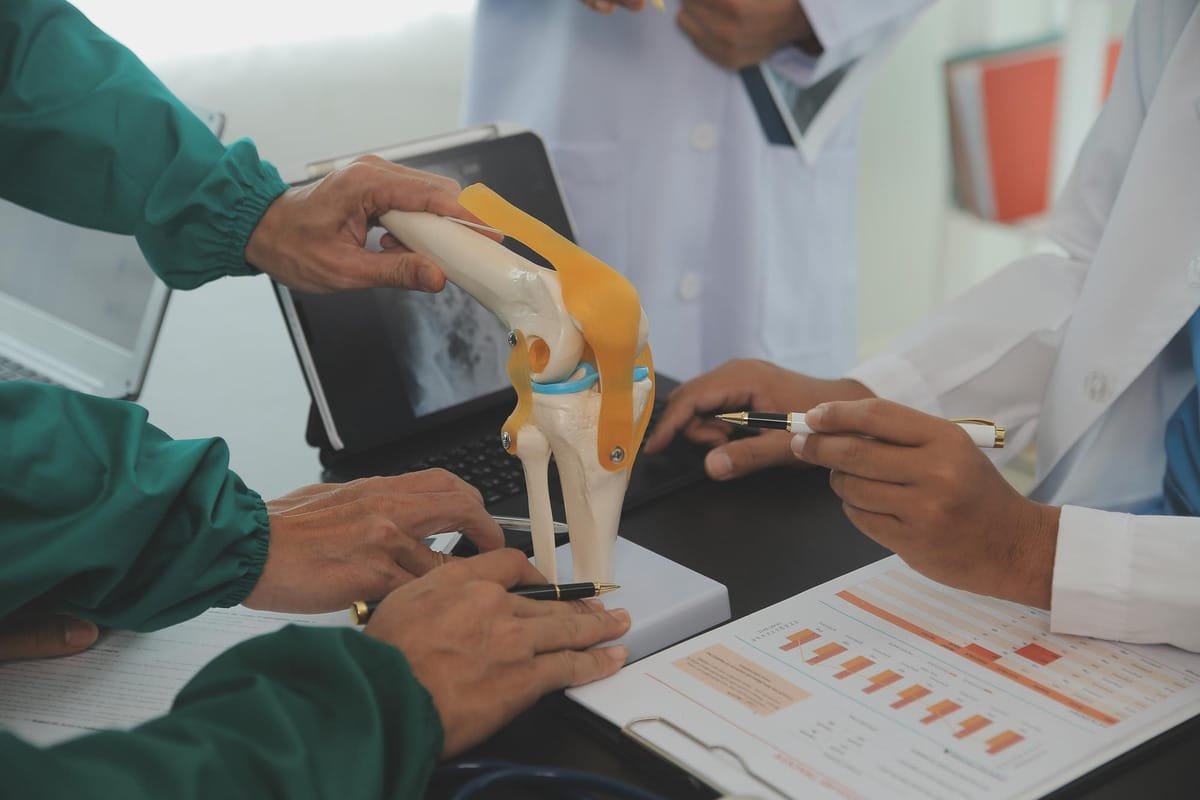 Robotic Orthopedic Surgery: Revolutionizing Joint Replacement and Repair
- 30, December 2024
-
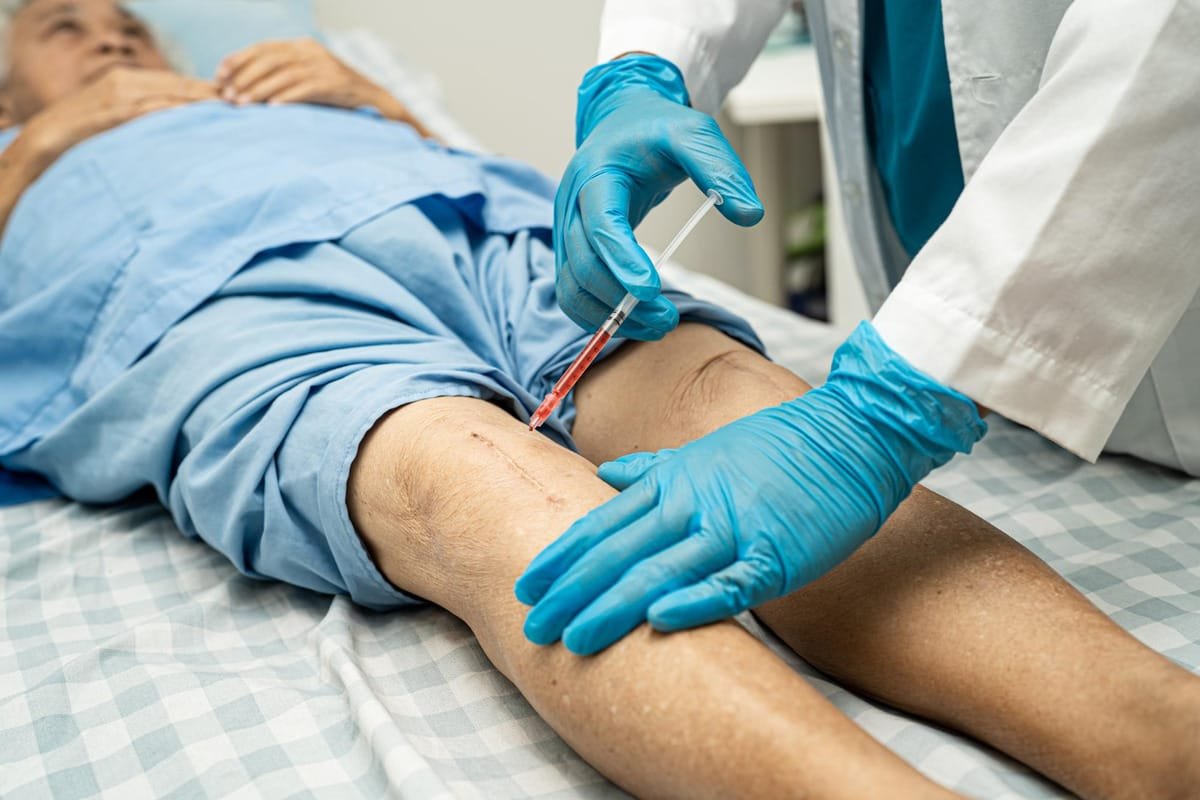 Robotic Knee Replacement vs. Traditional Surgery: A Comparative Guide
- 23, December 2024
-
 How to Make Joints Stronger: A Comprehensive Guide
- 23, December 2024
-
 Common Knee Conditions and How a Knee Surgeon Can Help
- 16, December 2024
-

-
-
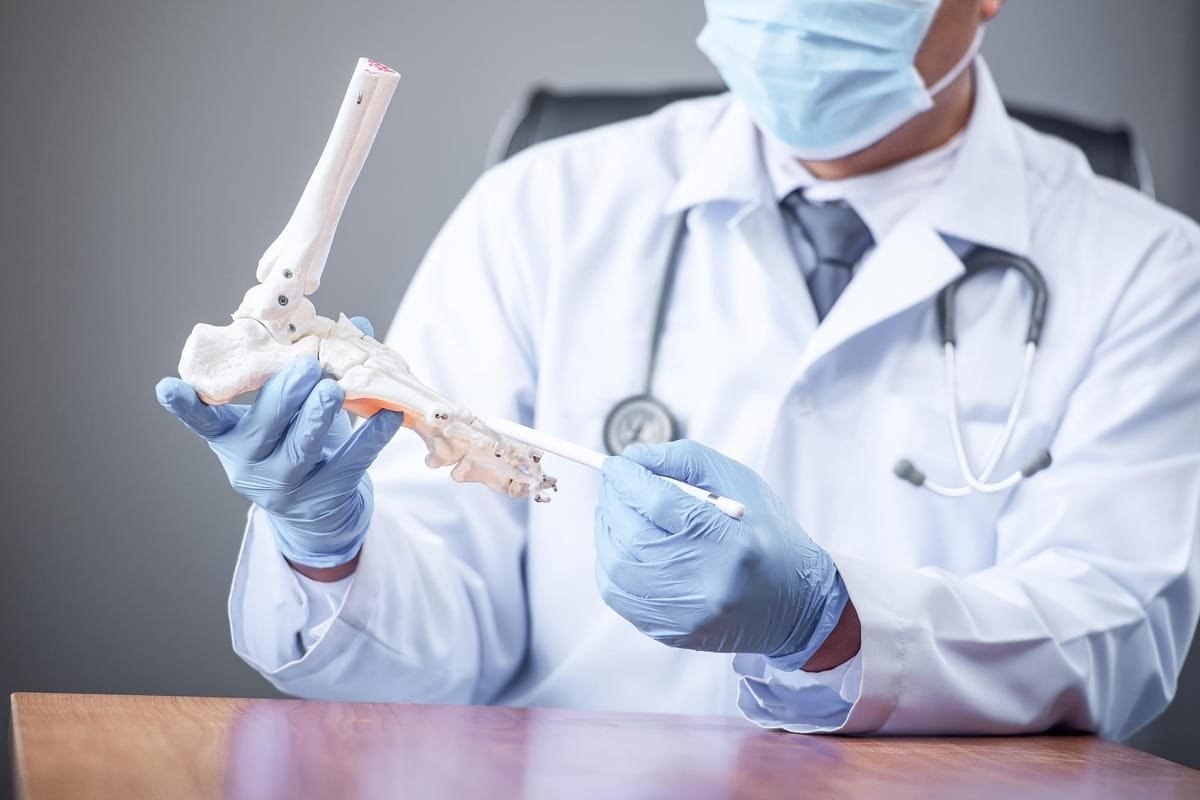 Orthopedic Surgeons: 7 Things You Need to Know
- 6, December 2024
-
 Advantages and Disadvantages of Robotic Knee Replacement
- 25, November 2024
-
 When to See an Orthopedic Specialist: Recognizing Early Signs
- 15, November 2024
-
 Benefits of Robotic-Assisted Knee Replacement Surgery
- 15, November 2024
-
 Knee Replacement Surgery Cost
- 8, November 2024
-
Best Robotic Knee Replacement Surgeon in Faridabad
- 8, November 2024
-
-
 Knee Replacement Surgery: Types, Benefits, and Recovery Timeline
- 28, October 2024
-
 What is Osteoporosis? Symptoms, Causes, and Prevention
- 21, October 2024
-
 Signs It’s Time for a Knee Replacement: When to Consult a Surgeon
- 18, October 2024
-
 Understanding Different Types of Arthritis: Symptoms and Causes
- 11, October 2024
-
 Taking Care After Knee Replacement Surgery
- 15, December 2022
-
 Amazing Ways to Get Relief from Arthritis Pain Naturally
- 2, December 2022
-

-
 How Does Fat Affect Arthritis?
- 4, November 2022
