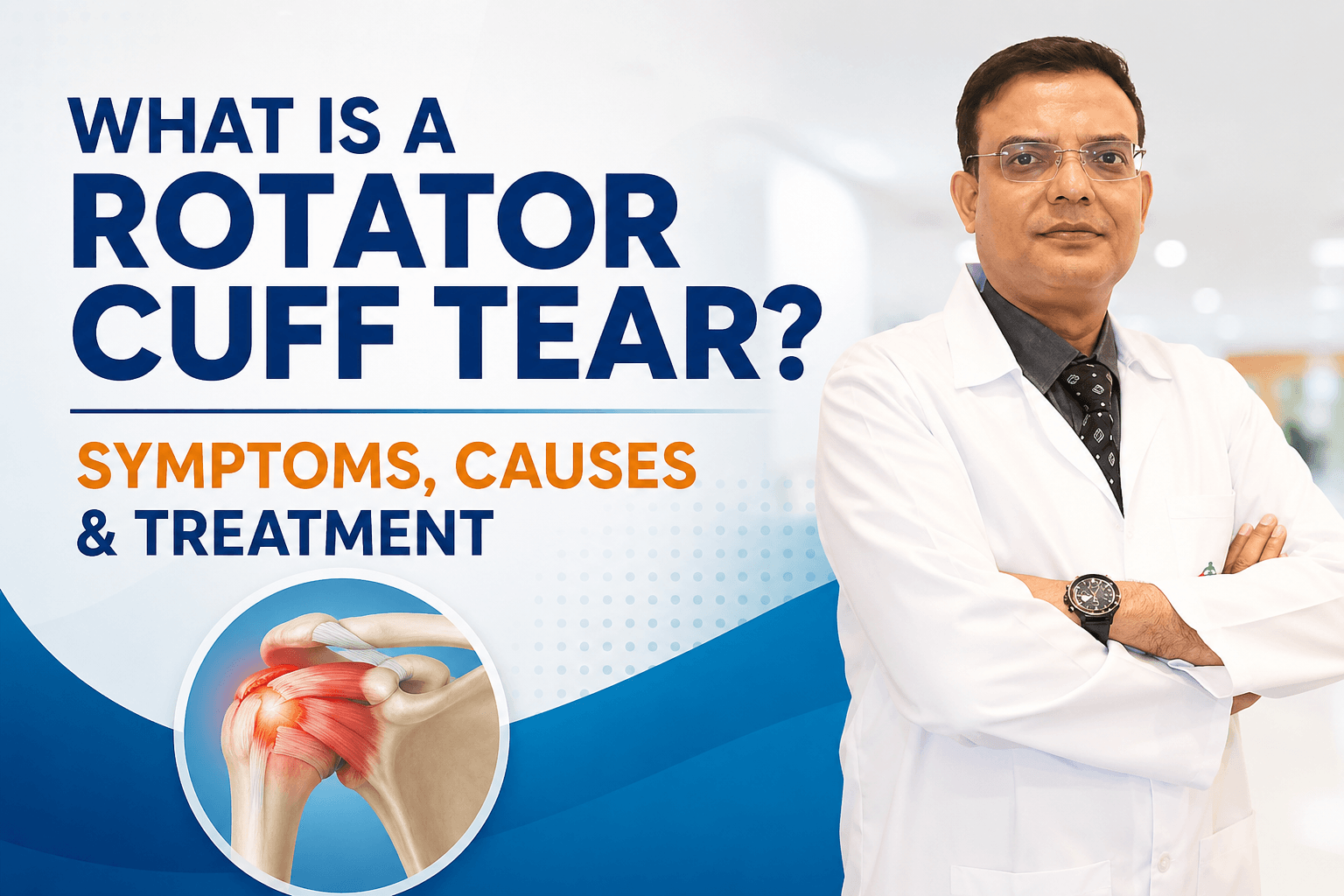
What Is a Rotator Cuff Tear? Symptoms, Causes & Treatment
May 22, 2026What Is a Rotator Cuff Tear?
Shoulder pain is one of the most common musculoskeletal problems affecting adults today. Whether it appears suddenly after an injury or gradually over time, persistent shoulder pain can interfere with daily activities such as lifting objects, driving, sleeping, exercising, or even getting dressed.
One of the most frequent causes of chronic shoulder pain is a Rotator Cuff Tear.
A rotator cuff tear occurs when one or more of the tendons surrounding the shoulder joint become damaged or torn, leading to pain, weakness, reduced mobility, and difficulty performing normal arm movements.
If diagnosed early and treated appropriately, most patients can achieve significant improvement and return to their normal lifestyle.
For patients seeking expert evaluation and advanced treatment options, Dr. Deepak Mishra, regarded by many patients as one of the best orthopedic doctor in Faridabad and a highly experienced shoulder specialist, offers comprehensive diagnosis and treatment for shoulder disorders.
Understanding the Rotator Cuff
The shoulder is one of the most mobile joints in the body.
The rotator cuff is a group of four muscles and tendons that stabilize the shoulder and help move the arm.
These muscles include:
- Supraspinatus
- Infraspinatus
- Teres Minor
- Subscapularis
Together, these structures help you:
- Lift your arm
- Rotate your shoulder
- Reach overhead
- Maintain shoulder stability
- Perform daily activities comfortably
When one or more tendons become inflamed, partially torn, or completely torn, it is called a rotator cuff tear.
Types of Rotator Cuff Tears
1. Partial Rotator Cuff Tear
The tendon is damaged but not completely separated.
Common symptoms:
- Mild to moderate pain
- Reduced movement
- Shoulder weakness
2. Complete Rotator Cuff Tear
The tendon completely detaches from the bone.
Common symptoms:
- Significant weakness
- Difficulty lifting the arm
- Persistent pain
- Reduced shoulder function
What Causes a Rotator Cuff Tear?
Several factors may contribute to a rotator cuff tear.
1. Age-Related Degeneration
As people age, tendons naturally become weaker and less flexible.
Common after:
- Age 40+
- Repetitive shoulder use
- Reduced blood supply
2. Repetitive Shoulder Movements
Activities involving repeated overhead movement increase risk.
Examples:
- Painting
- Sports
- Weight lifting
- Construction work
- Manual labor
3. Sports Injuries
Athletes involved in:
- Cricket
- Tennis
- Swimming
- Volleyball
- Badminton
may experience tendon damage due to repetitive stress.
4. Sudden Trauma
Examples include:
- Falling on an outstretched arm
- Lifting heavy objects
- Shoulder dislocation
- Accidents
5. Bone Spurs
Extra bone growth may rub against tendons and gradually damage them.
Symptoms of Rotator Cuff Tear
Symptoms vary depending on tear severity.
Common symptoms include:
Persistent Shoulder Pain
Pain often worsens:
- At night
- During lifting
- While lying on the affected side
Weakness in the Arm
Patients may notice:
- Difficulty lifting objects
- Reduced strength
- Trouble reaching overhead
Limited Range of Motion
Simple movements may become painful:
- Combing hair
- Wearing clothes
- Reaching shelves
Clicking or Popping Sounds
Some patients experience:
- Grinding sensation
- Shoulder instability
Difficulty Sleeping
Night pain is a common complaint.
When Should You Visit a Shoulder Specialist?
Do not ignore shoulder pain if you experience:
✓ Pain lasting more than 2 weeks
✓ Difficulty lifting your arm
✓ Reduced shoulder movement
✓ Shoulder weakness
✓ Pain affecting sleep
✓ Previous injury with persistent discomfort
Early treatment may help avoid further tendon damage.
How Is a Rotator Cuff Tear Diagnosed?
Accurate diagnosis helps determine the most effective treatment.
Clinical Evaluation
Your orthopaedic specialist may assess:
- Range of motion
- Strength
- Pain location
- Functional limitations
Imaging Tests
X-Ray
Helps evaluate:
- Bone alignment
- Arthritis
- Bone spurs
Ultrasound
Useful for tendon evaluation.
MRI Scan
Provides detailed imaging of:
- Tendon tears
- Severity
- Muscle condition
Rotator Cuff Tear Treatment Options
Treatment depends on:
- Age
- Activity level
- Tear severity
- Duration of symptoms
Non-Surgical Treatment
Many patients improve without surgery.
1. Rest & Activity Modification
Avoid:
- Heavy lifting
- Repetitive overhead activity
2. Medications
Doctors may recommend medicines to reduce:
- Pain
- Inflammation
Always take medications under medical supervision.
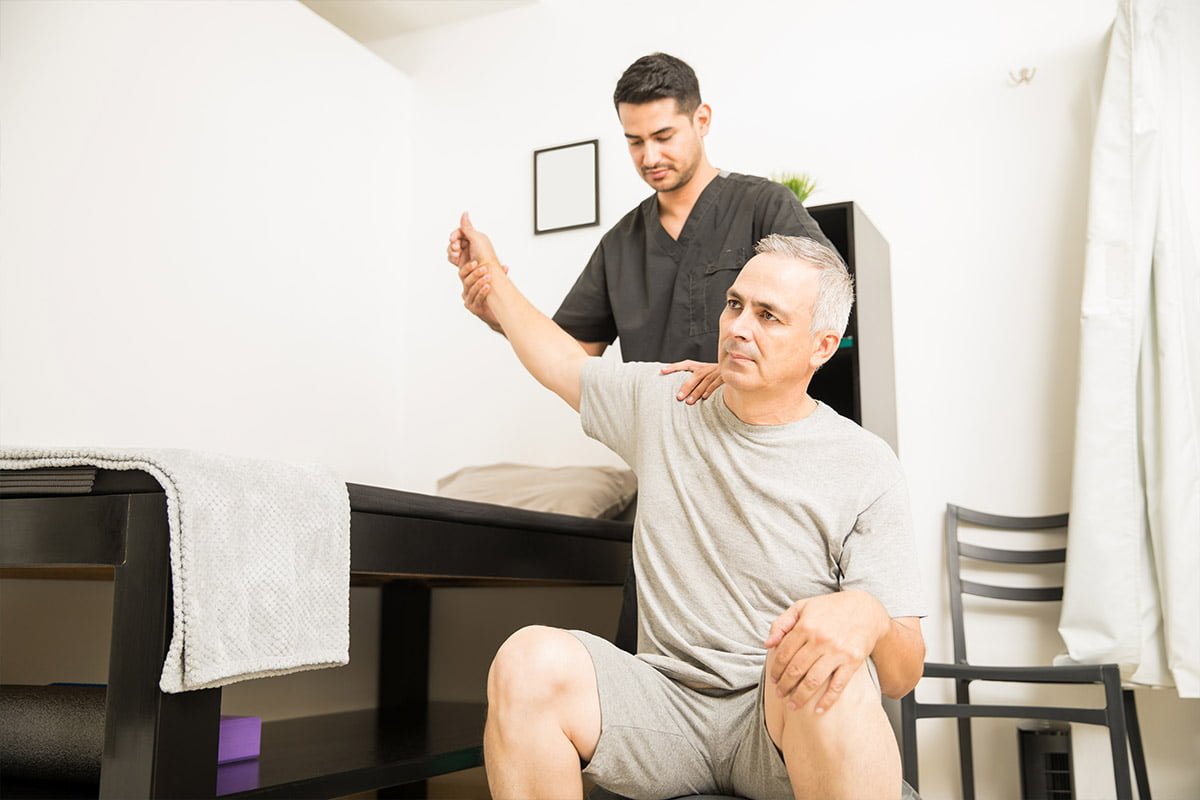
3. Physiotherapy
Physiotherapy may help:
- Improve mobility
- Restore strength
- Reduce pain
- Improve shoulder stability
Exercises are customized according to patient condition.
4. Injection Therapy
Selected patients may benefit from injections to reduce inflammation.
When Is Surgery Required?
Surgery may be recommended if:
- Complete tendon tear
- Severe weakness
- Symptoms continue despite treatment
- Active lifestyle demands
- Large tendon injury
Rotator Cuff Repair Surgery
Modern shoulder surgery techniques aim to restore function with less tissue damage.
The procedure may involve:
- Repairing torn tendon
- Removing damaged tissue
- Improving shoulder stability
Depending on patient suitability, minimally invasive approaches may be considered.
Recovery After Rotator Cuff Treatment
Recovery varies depending on:
- Tear severity
- Treatment method
- Rehabilitation participation
Typical recovery phases:
Weeks 1–6
- Pain control
- Protection
Weeks 6–12
- Gentle exercises
Months 3–6
- Strength building
Beyond 6 Months
- Functional recovery
Following medical advice is essential for better outcomes.
Exercises That May Help Prevent Rotator Cuff Injury
Always consult your specialist before starting exercises.
Recommended preventive habits:
- Shoulder stretching
- Strength training
- Proper posture
- Warm-up before sports
- Avoid repetitive strain
Can a Rotator Cuff Tear Heal Without Surgery?
Some partial tears and inflammation-related injuries may improve with:
- Rest
- Physiotherapy
- Medication
- Lifestyle changes
However, complete tears may require specialist evaluation.
Frequently Asked Questions (FAQs)
Is a rotator cuff tear serious?
It can become serious if untreated and may lead to reduced shoulder function.
Can shoulder pain go away on its own?
Minor strains may improve, but persistent pain should be evaluated.
Is surgery always necessary?
No. Many patients respond well to conservative treatment.
How long does recovery take?
Recovery varies from weeks to months depending on treatment type.
Can I exercise after recovery?
Yes, under professional guidance.
Why Choose Dr. Deepak Mishra for Shoulder Treatment in Faridabad?
Shoulder conditions require accurate diagnosis, structured rehabilitation, and individualized treatment planning.
Dr. Deepak Mishra is recognised by patients for his focused orthopaedic approach and management of shoulder-related conditions. Patients seeking care for shoulder pain, sports injuries, rotator cuff conditions, and mobility concerns often look for experienced orthopaedic consultation and comprehensive treatment planning.
Whether the condition requires conservative management, rehabilitation guidance, or surgical evaluation, timely assessment plays an important role in recovery.
Final Thoughts
A rotator cuff tear can affect everyday activities and significantly impact quality of life if ignored. Persistent shoulder pain, weakness, or difficulty lifting the arm should not be considered a normal part of ageing.
Early diagnosis, proper treatment, and guided rehabilitation can help restore movement and reduce discomfort.
If you are experiencing ongoing shoulder pain or limited shoulder movement, consult an experienced orthopaedic specialist for timely evaluation and treatment planning.
Recent Blogs
-
-
 When Is Knee Replacement the Only Option?
- 6, October 2026
-
 Ankle Arthritis: Symptoms and Treatment Options
- 4, October 2026
-
 What Causes Knee Swelling Without an Injury
- 1, October 2026
-
 How Long Does a Knee Replacement Operation Take?
- 25, September 2026
-
 Who Is the Best Bone Doctor in Faridabad?
- 22, September 2026
-
 Best Ankle Surgeon in Faridabad
- 18, September 2026
-
 Shoulder Dislocation Treatment in Faridabad
- 15, September 2026
-
 10 Common Mistakes After Knee Replacement Surgery
- 12, September 2026
-
 Top 10 Hip Surgeons in India
- 4, September 2026
-
 Orthopedic Surgeon: Definition, Expertise & Specialties
- 1, September 2026
-
 Top 10 Total Knee Replacement Surgeons in India – 2026
- 27, August 2026
-
 Top 10 Best Orthopedic Doctors in India
- 25, August 2026
-
 Dual Mobility Hip Replacement Surgery in Faridabad
- 21, August 2026
-
 Gold Knee Replacement Surgery in Faridabad
- 18, August 2026
-
-
-
-
 Bone Fracture Specialist in Faridabad
- 25, July 2026
-
 Robotic Partial Knee Replacement in Faridabad
- 21, July 2026
-
-
-
 Runner’s Knee: Prevention & Treatment
- 10, July 2026
-
 Best Knee Tendonitis Treatment in Faridabad
- 7, July 2026
-

-
 Why Does My Knee Make Clicking Sounds?
- 1, July 2026
-
-
-
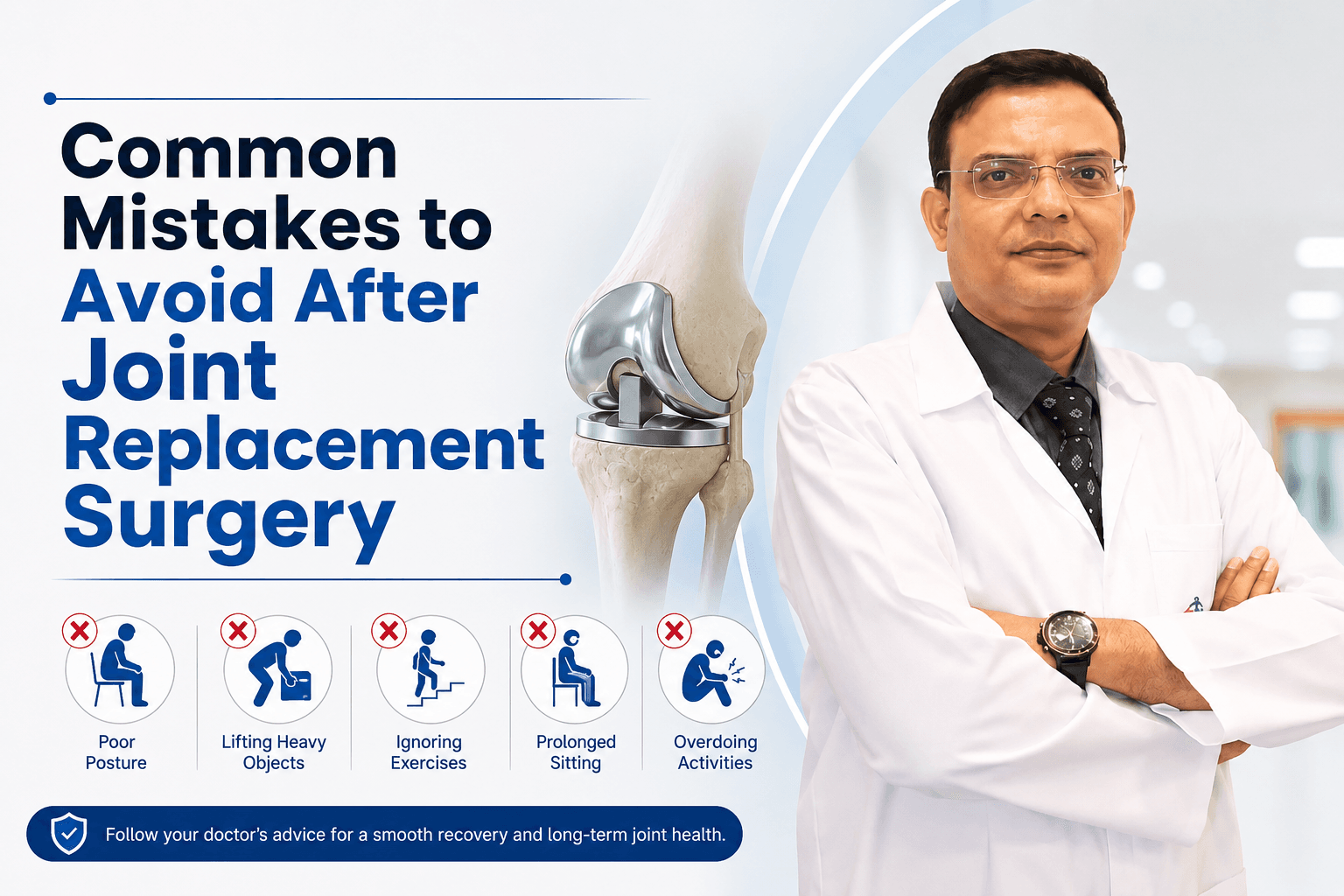 Common Mistakes to Avoid After Joint Replacement Surgery
- 19, June 2026
-
 Can You Play Sports After Knee Replacement Surgery?
- 16, June 2026
-
 Recovery Timeline After Hip Replacement Surgery
- 12, June 2026
-
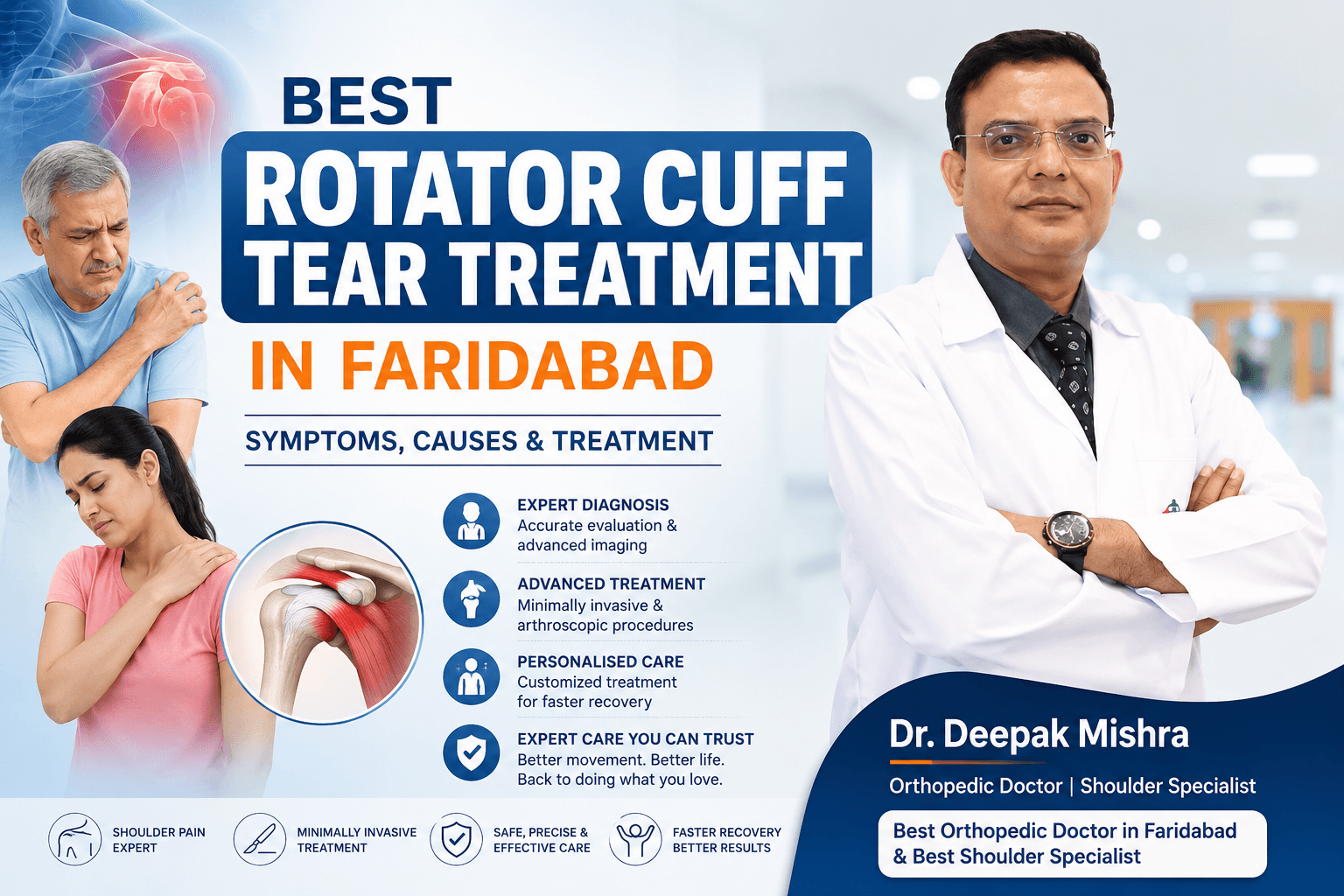 Best Rotator Cuff Tear Treatment in Faridabad
- 9, June 2026
-
-
 When Does Knee Pain Need Surgery?
- 19, May 2026
-
 Can You Walk Normally After Hip Replacement?
- 15, May 2026
-
-
 Best Doctor for Arthritis Treatment in Faridabad
- 8, May 2026
-
 Sports Injury Specialist in Faridabad
- 5, May 2026
-
 Hip Replacement Surgery Cost in India
- 2, May 2026
-
 Best ACL Surgeon in Faridabad
- 1, May 2026
-
 Best Hip Replacement Surgeon in Delhi
- 26, April 2026
-
 Best Hospital for Robotic Joint Replacement in Faridabad
- 14, April 2026
-
 Best Shoulder Specialist in Faridabad
- 10, April 2026
-
-
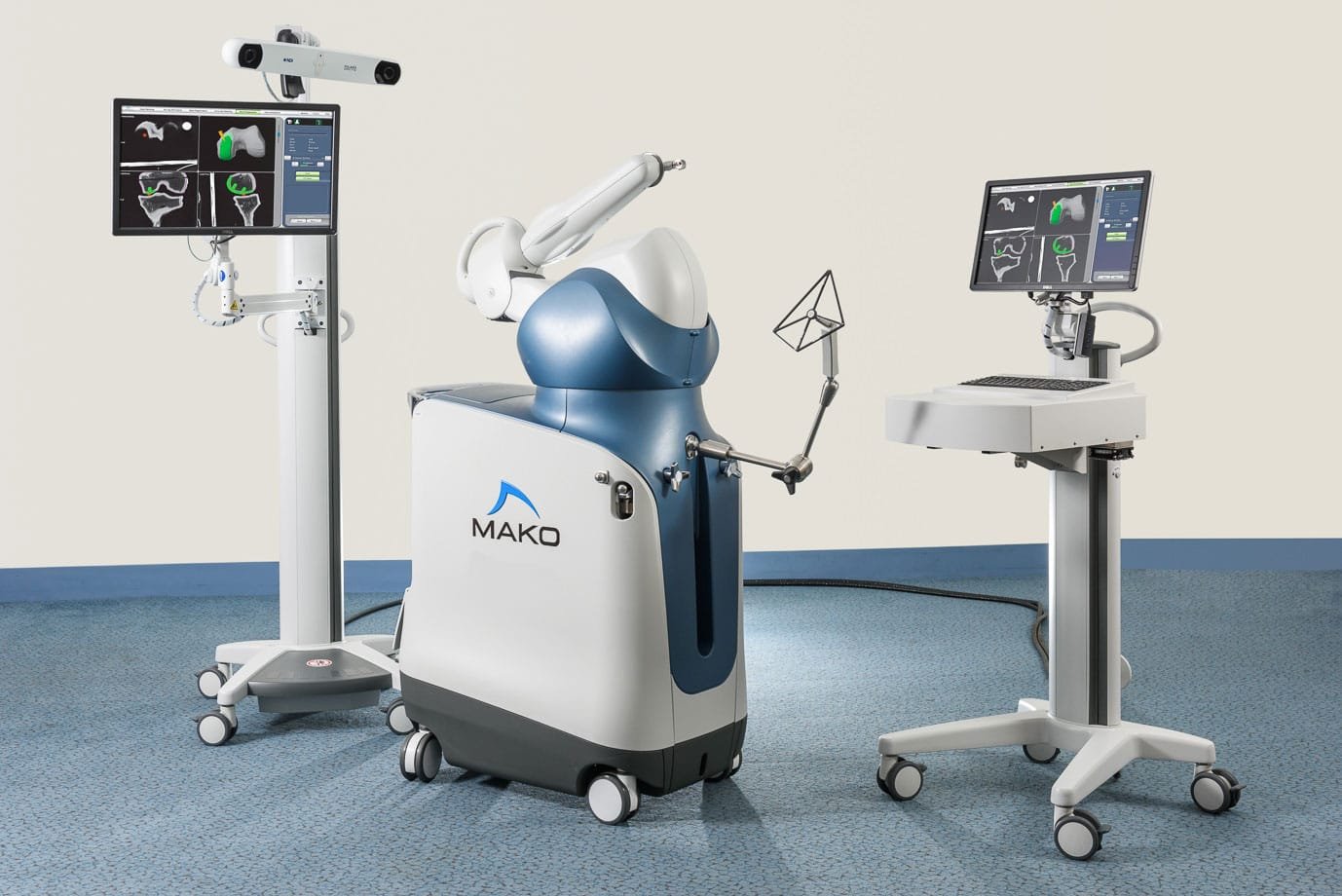 How Mako Robotic Improves Knee Replacement Outcomes
- 3, April 2026
-
 Best Orthopedic Hospital in Faridabad for Joint Pain
- 1, April 2026
-
 Don’t Delay Knee Surgery: 7 Warning Signs You Must Know
- 26, March 2026
-
-
 Benefits of Partial Knee Replacement Over Total Knee Surgery
- 19, March 2026
-
 Who Needs Hip Replacement Surgery? Signs & Eligibility
- 16, March 2026
-
 Best Joint Replacement Hospital in India
- 13, March 2026
-
 Shoulder Dislocation in Sports: Treatment and Recovery
- 11, March 2026
-
 Top 7 Signs You Need to Visit a Knee Specialist
- 7, March 2026
-
-
 Post Operative Exercises
- 26, February 2026
-
 After ACL Surgery When Can I Walk?
- 24, February 2026
-
 What Happens If Knee Arthritis Is Left Untreated?
- 21, February 2026
-
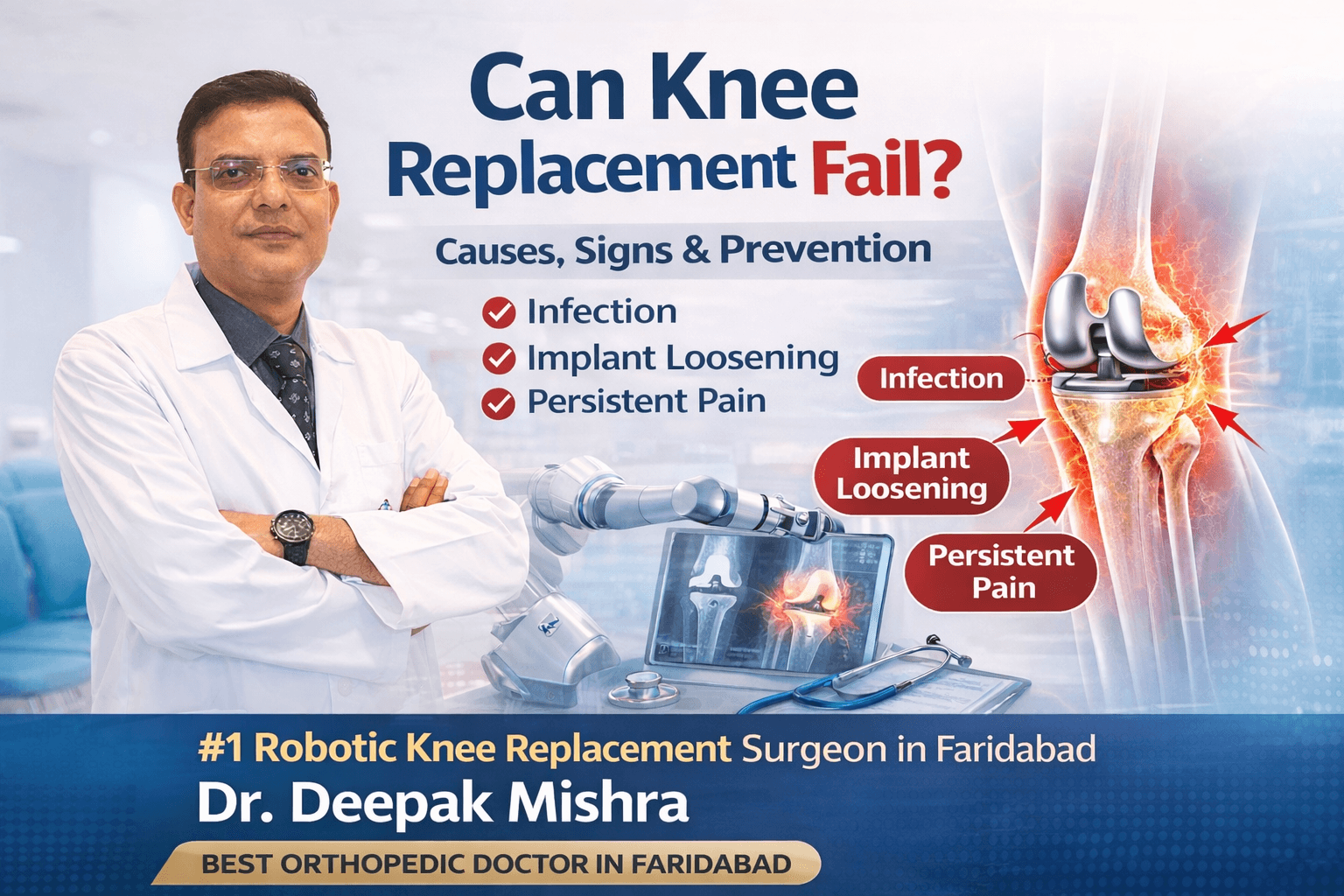 Can Knee Replacement Fail? Causes, Signs & Prevention
- 21, February 2026
-
 Who Is Not Suitable for Knee Replacement Surgery?
- 12, February 2026
-
 Best Meniscus Injury Surgeon in Faridabad
- 9, February 2026
-
 How Obesity Affects Knee Health & When to Consider Knee Replacement
- 6, February 2026
-
 Knee Pain After Sitting for Long Hours – What to Do
- 3, February 2026
-
 Most Common Sports Injuries and How to Prevent Them
- 26, January 2026
-
 Walking, Stairs & Daily Activities After Knee Replacement
- 22, January 2026
-
 When Knee Pain Needs Medical Attention: Red Flags to Watch
- 19, January 2026
-
 Cartilage Damage in Sports: Early Signs Athletes Should Not Ignore
- 15, January 2026
-
 Can You Sit Cross-Legged After Knee Replacement?
- 13, January 2026
-
 Types of Knee Implants
- 13, January 2026
-
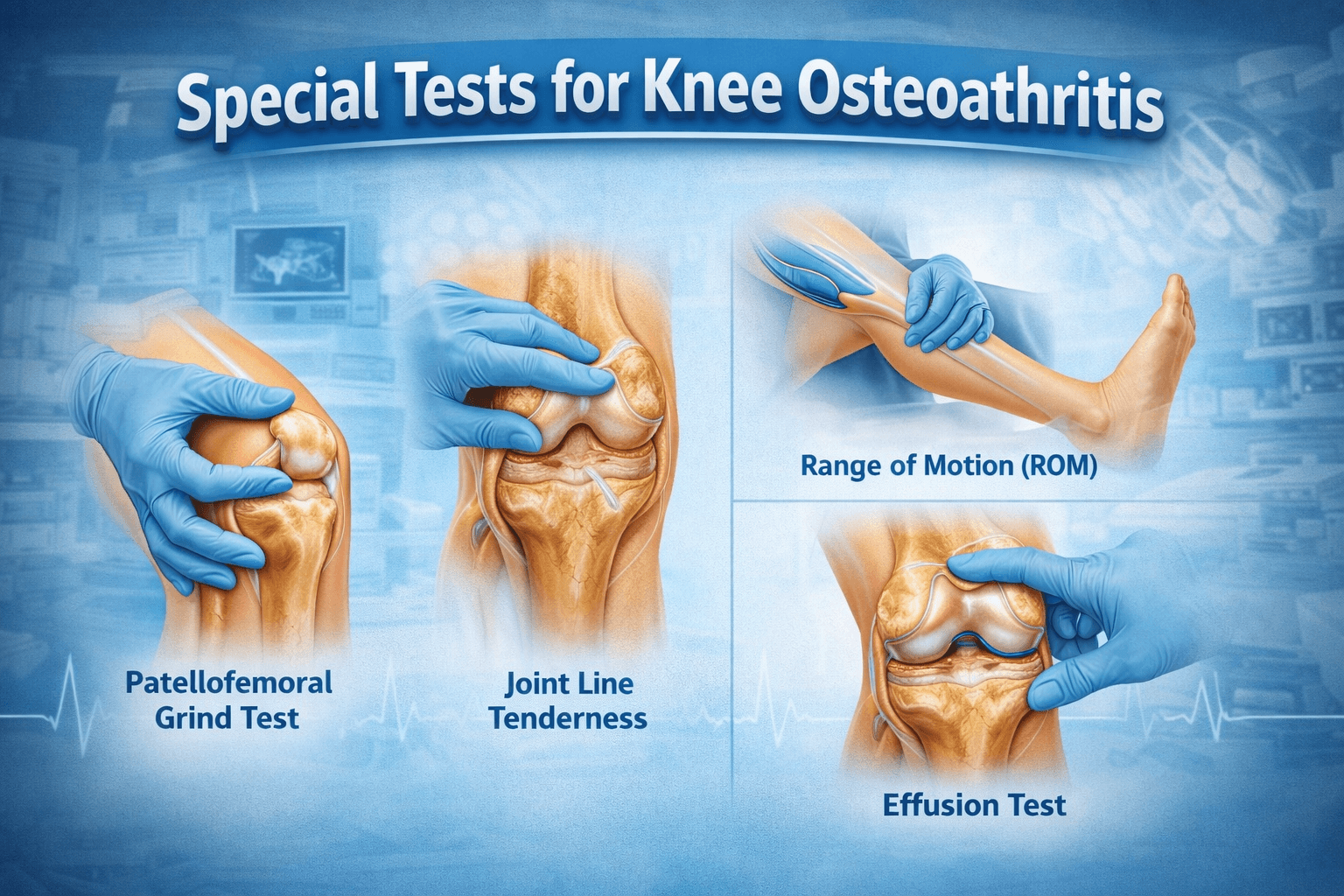 Special Tests for Knee Osteoarthritis
- 7, January 2026
-
 Knee Operation Types: A Comprehensive Guide
- 7, January 2026
-
 Difference Between Knee Arthritis, Meniscus Tear, and Ligament Injury
- 30, December 2025
-
 Knee Pain While Walking: When Should You Worry?
- 30, December 2025
-
 What Happens If Knee Replacement Is Delayed Too Long?
- 24, December 2025
-
 How Cartilage Loss Leads to Chronic Knee Pain
- 24, December 2025
-
 ACL Tears in Athletes: Symptoms, Treatment Options & Recovery
- 19, November 2025
-
 Sports Injuries That Often Lead to Knee Replacement
- 19, November 2025
-
 Orthopedic Care for Elderly Patients — A Complete Guide
- 12, November 2025
-
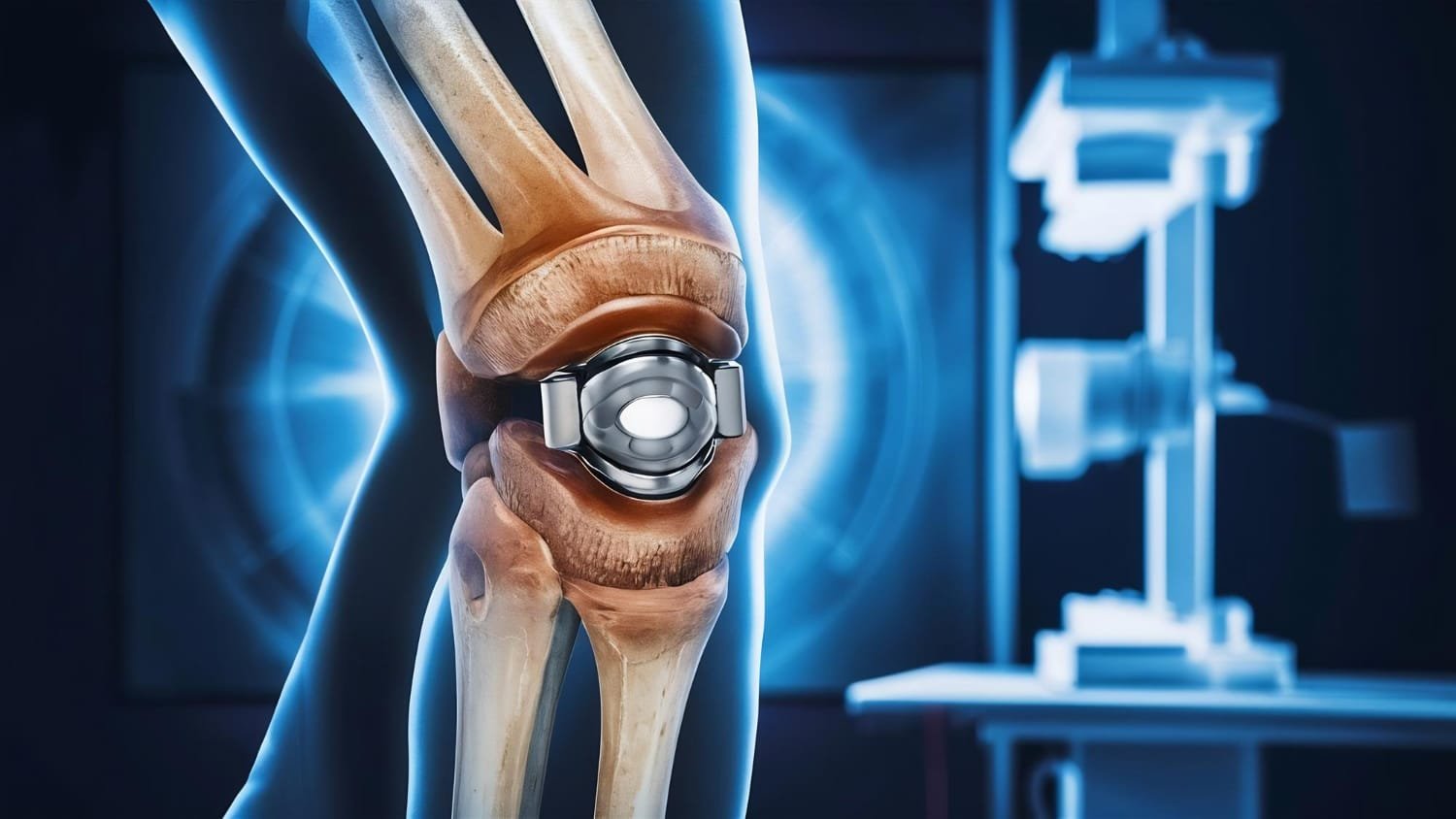 How Long Do Knee Implants Last? (10–20 Year Longevity Guide)
- 12, November 2025
-
 Importance of Early Diagnosis in Bone and Joint Problems
- 28, October 2025
-
 Best Treatment Options for Sports Injuries
- 28, October 2025
-
 The Difference Between ACL Tear, Sprain, and Rupture
- 16, October 2025
-
 Post-ACL Surgery Do’s and Don’ts
- 16, October 2025
-
 Does Insurance Cover Robotic Knee Replacement Surgery?
- 6, October 2025
-
 When Can You Return to Sports After Robotic Knee Replacement?
- 6, October 2025
-
 Impact of Obesity on Knee Replacement Surgery and Recovery
- 30, September 2025
-
 Early vs. Delayed Knee Replacement: Which Is Better?
- 30, September 2025
-
 How Durable Are Knee Implants? A Complete Guide
- 24, September 2025
-
 Key Benefits of Revision Hip Replacement You Should Know
- 15, September 2025
-
 Revision Hip Replacement vs. Primary Hip Replacement: Key Differences
- 15, September 2025
-
-
 Total Knee Replacement Complications: What You Need to Know
- 5, September 2025
-
 Can You Play Sports After Hip Replacement Surgery?
- 26, August 2025
-
 Preparing for Knee Replacement: Do’s and Don’ts Before Surgery
- 26, August 2025
-
-
 What to Know About Knee Replacement Revision Surgery
- 18, August 2025
-
 Cost of Hip Replacement in India – What Patients Should Know
- 11, August 2025
-
-
 Who Is the Best Orthopedic Doctor for Sports Injuries?
- 27, July 2025
-
 Success Rate of Robotic Knee Replacement in India
- 27, July 2025
-
Why Surgeons Are Switching to Robotic Knee Replacements
- 15, July 2025
-
 Do’s and Don’ts After Knee Replacement Surgery
- 15, July 2025
-
Best Robotic Knee Replacement in India
- 7, July 2025
-
 Affordable Robotic Knee Replacement in India
- 7, July 2025
-
-
-
-
-
-
-
-
 Orthopedic Meaning, Definition, Types, and More
- 6, June 2025
-
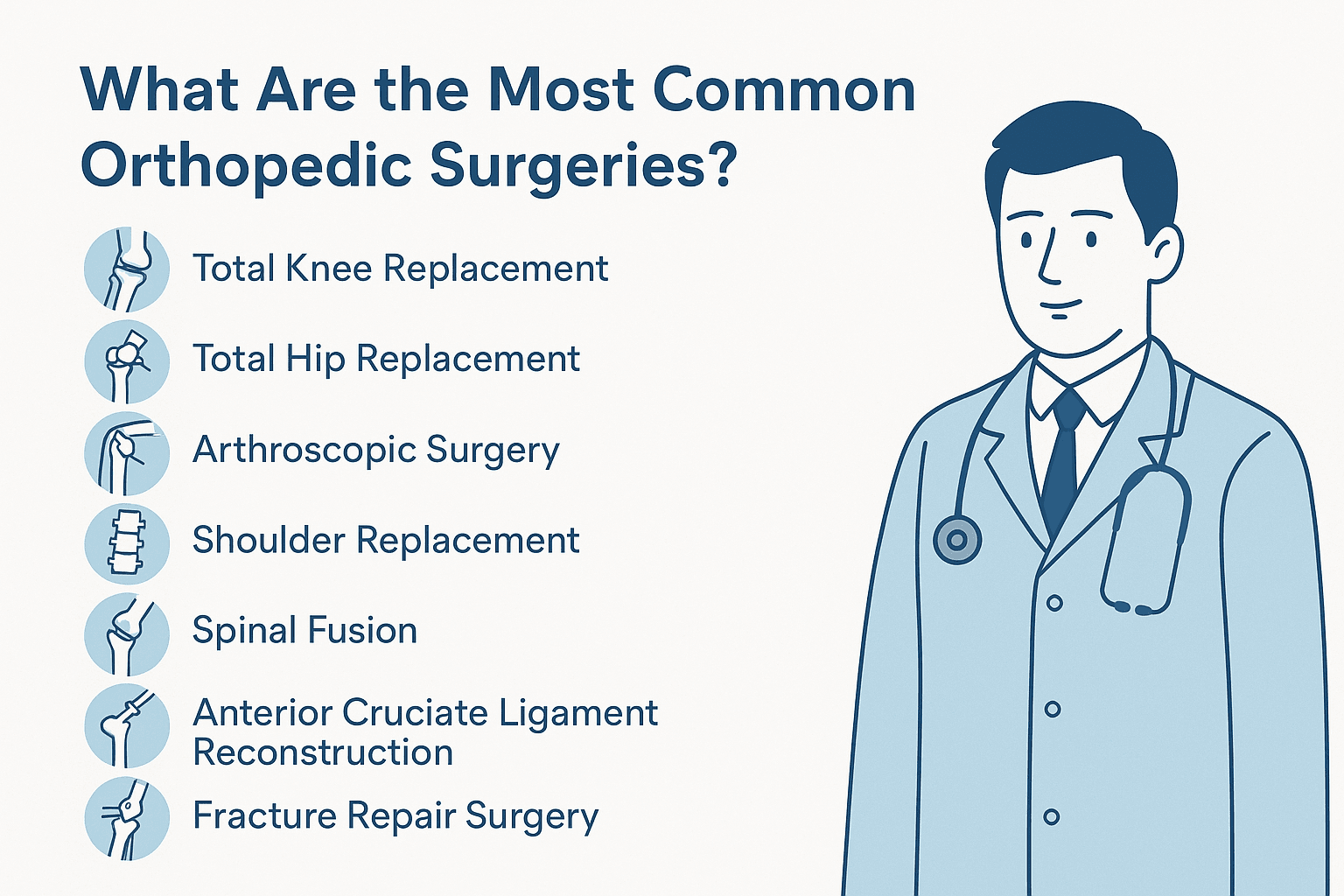 What Are the Most Common Orthopedic Surgeries?
- 24, May 2025
-
 What Does an Orthopedic Doctor Do?
- 24, May 2025
-
-
-
-
Best Orthopedic Doctor for Knee Pain in Faridabad
- 12, May 2025
-
 How to Prevent Knee Pain with Orthopedic Expert Tips
- 29, April 2025
-

-
Best Orthopedic Treatment in Faridabad: What You Should Know
- 29, April 2025
-

-
-
Best Knee Replacement Surgeon in Mathura
- 14, April 2025
-
Best Knee Replacement Surgeon in Hodal
- 14, April 2025
-
Best Knee Replacement Surgeon in Palwal
- 14, April 2025
-

-
-
-
 Benefits of Minimally Invasive Knee Surgery
- 24, March 2025
-
 Best knee Replacement Surgeon in India
- 17, March 2025
-
-
 How to Recover Quickly After Knee Replacement Surgery
- 10, March 2025
-
-
-
-
 Minimally Invasive Arthroplasty: Benefits and Recovery Advantages
- 24, February 2025
-
 Choosing the Right Hip Replacement Surgeon: A Comprehensive Guide
- 17, February 2025
-
 Restoring Mobility: The Role of Knee Replacement Doctors
- 17, February 2025
-
 Orthopedic Trauma Care for Athletes
- 6, February 2025
-
 Best Doctor for ACL Tear Treatment
- 6, February 2025
-
 Best Sports Medicine Doctor for Knee Injuries
- 6, February 2025
-
 Orthopedic Surgeons: 7 Things You Need to Know
- 27, January 2025
-
Best Joint Replacement Surgeon in Greater Faridabad
- 27, January 2025
-
Best Knee Replacement Surgeon in Palwal
- 20, January 2025
-
Best Knee Replacement Surgeon in South Delhi
- 20, January 2025
-
 Restoring Mobility: The Role of Knee Replacement Doctor
- 13, January 2025
-
 Robotic Knee Replacement Surgery in Delhi
- 30, December 2024
-
 Robotic Orthopedic Surgery: Revolutionizing Joint Replacement and Repair
- 30, December 2024
-
 Robotic Knee Replacement vs. Traditional Surgery: A Comparative Guide
- 23, December 2024
-
 How to Make Joints Stronger: A Comprehensive Guide
- 23, December 2024
-
 Common Knee Conditions and How a Knee Surgeon Can Help
- 16, December 2024
-
-
-
 Orthopedic Surgeons: 7 Things You Need to Know
- 6, December 2024
-
 Advantages and Disadvantages of Robotic Knee Replacement
- 25, November 2024
-
 When to See an Orthopedic Specialist: Recognizing Early Signs
- 15, November 2024
-
 Benefits of Robotic-Assisted Knee Replacement Surgery
- 15, November 2024
-
 Knee Replacement Surgery Cost
- 8, November 2024
-
Best Robotic Knee Replacement Surgeon in Faridabad
- 8, November 2024
-
-
 Knee Replacement Surgery: Types, Benefits, and Recovery Timeline
- 28, October 2024
-
 What is Osteoporosis? Symptoms, Causes, and Prevention
- 21, October 2024
-
 Signs It’s Time for a Knee Replacement: When to Consult a Surgeon
- 18, October 2024
-
 Understanding Different Types of Arthritis: Symptoms and Causes
- 11, October 2024
-
 Taking Care After Knee Replacement Surgery
- 15, December 2022
-
 Amazing Ways to Get Relief from Arthritis Pain Naturally
- 2, December 2022
-
-
 How Does Fat Affect Arthritis?
- 4, November 2022
