Can You Sit Cross-Legged After Knee Replacement?
January 13, 2026Last Updated: June 2026
Expert Inputs By: Dr Deepak Mishra, Orthopedic & Joint Replacement Specialist, Asian Hospital, Faridabad
Appointment Number: +918287334003
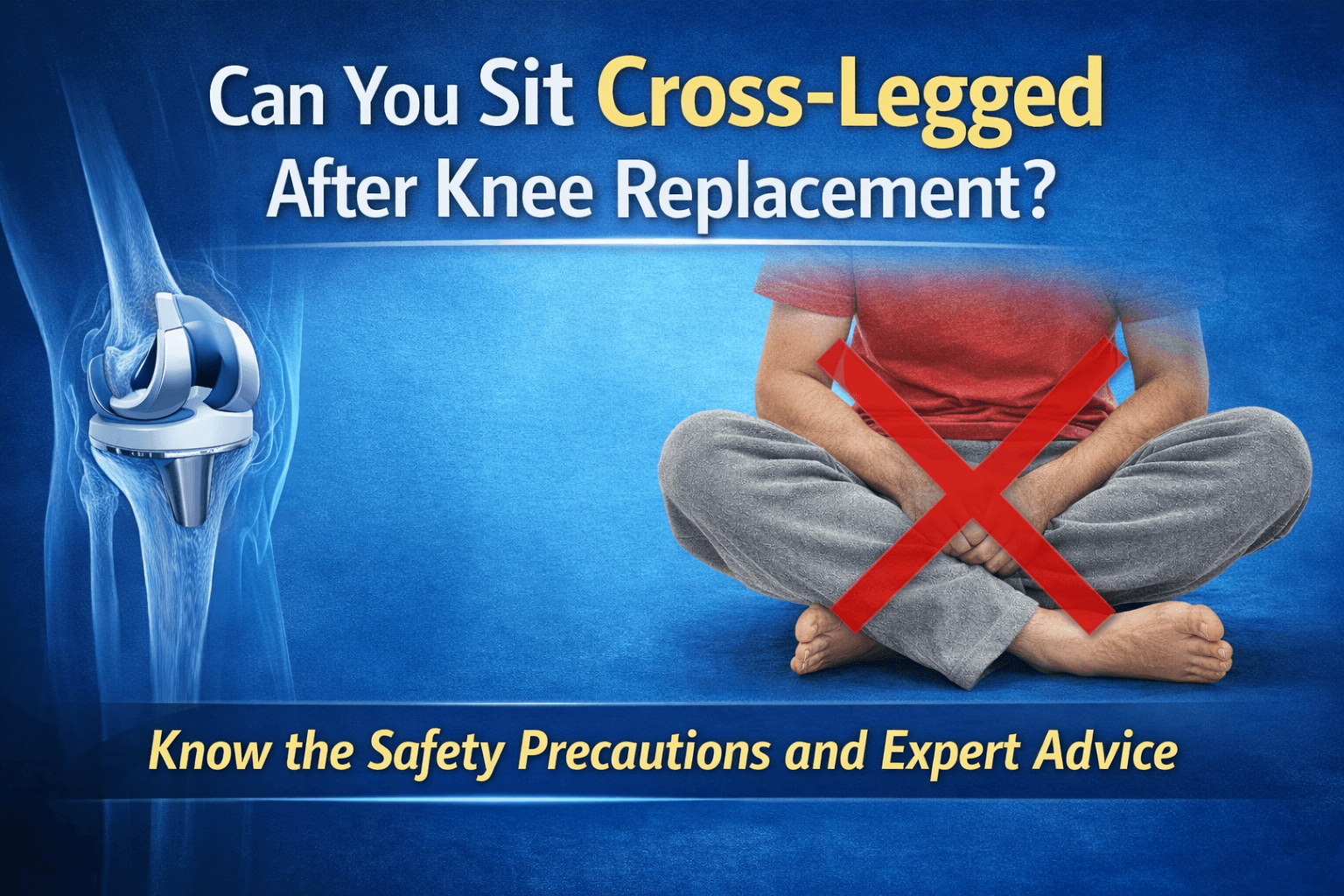
Can you sit cross-legged after knee replacement? This is one of the most common questions patients ask before and after knee replacement surgery, especially in India. For many Indian families, sitting cross-legged is not just a posture. It is part of daily life during meals, prayers, family gatherings, social events, yoga, meditation, and floor-based activities.
The short answer is: some patients may be able to sit cross-legged after knee replacement, but it is not guaranteed for everyone. It depends on your knee bending range, implant design, muscle strength, body weight, pre-surgery flexibility, physiotherapy, healing, and your surgeon’s advice.
In the early recovery period, especially during the first 6 weeks, patients should avoid sitting cross-legged or forcing the knee into deep bending positions. After proper healing and rehabilitation, some patients may be allowed to try cross-legged sitting gradually, usually after 3 to 6 months, but only if there is no pain, swelling, stiffness, instability, or discomfort.
The main goal of knee replacement surgery is to provide pain relief, improve walking ability, restore daily mobility, and help the patient live a more independent life. It is not primarily designed for extreme bending, deep squatting, or repeated floor sitting. However, with advanced implants, good surgical technique, and proper physiotherapy, selected patients may regain enough flexibility to sit cross-legged safely for short periods.
This blog explains everything you need to know about sitting cross-legged after knee replacement, including when it may be possible, why it may be difficult, what risks are involved, how much knee bending is required, and what precautions Indian patients should follow.
Why Do Patients Want to Sit Cross-Legged After Knee Replacement?
In Western countries, most daily activities are chair-based. But in India, many people are used to sitting on the floor from childhood. Sitting cross-legged is common during:
- Religious prayers and rituals
- Eating meals on the floor
- Family functions and cultural gatherings
- Yoga and meditation
- Social visits
- Traditional ceremonies
- Playing with children or grandchildren
- Floor-based household activities
Because of this, many patients do not simply ask, “Will I be able to walk after knee replacement?” They also ask, “Will I be able to sit cross-legged after knee replacement?” or “Can I use an Indian toilet after knee replacement?” or “Can I sit on the floor after knee replacement?”
These are practical lifestyle questions. A good knee replacement result should not only reduce pain but also help patients understand what movements are safe and what movements may put unnecessary stress on the artificial joint.
Short Answer: Can You Sit Cross-Legged After Knee Replacement?
Yes, some patients can sit cross-legged after knee replacement, but not everyone can do it comfortably or safely.
You should not try to sit cross-legged in the early recovery period. The knee needs time to heal, the soft tissues need time to recover, and the muscles need time to regain strength. Trying to bend the knee too much too early may cause pain, swelling, stiffness, or delayed recovery.
After a few months, some patients may slowly attempt cross-legged sitting if their surgeon and physiotherapist allow it. But it should be done carefully, gradually, and without force.
A safer answer is:
You may be able to sit cross-legged after knee replacement if your knee has healed well, your bending range is good, your muscles are strong, your implant is suitable, and your surgeon has cleared you for deep bending. But it should not be forced, and it should not become a painful or prolonged habit.
Why Sitting Cross-Legged Becomes Difficult After Knee Replacement
To understand this clearly, you need to know how knee replacement surgery works.
In knee replacement surgery, the damaged part of the knee joint is replaced with an artificial implant made of metal and medical-grade plastic. This implant is designed to reduce pain, improve alignment, and allow smoother movement. However, an artificial knee is not exactly the same as a natural knee.
Sitting cross-legged requires a combination of:
- Deep knee bending
- Hip flexibility
- Ankle flexibility
- Soft tissue flexibility
- Muscle strength
- Balance and control
- Comfortable rotation of the leg
After knee replacement, deep bending may feel difficult because:
- The implant has a designed movement range
- The soft tissues around the knee may feel tight
- The muscles may be weak after surgery
- Swelling can limit bending
- Scar tissue can restrict flexibility
- The knee may feel uncomfortable in extreme positions
- The patient may fear damaging the implant
This is why even after a successful knee replacement, some patients may walk well, climb stairs, and perform daily activities comfortably but still find cross-legged sitting difficult.
How Much Knee Bending Is Needed to Sit Cross-Legged?
Different daily activities require different amounts of knee bending. Simple walking requires less bending. Sitting on a chair requires more. Sitting cross-legged or squatting requires much deeper bending.
Approximate knee bending needed for common activities:
- Walking normally: around 60 to 70 degrees
- Sitting on a chair: around 90 degrees
- Climbing stairs: around 100 to 110 degrees
- Getting in and out of a car: around 110 degrees
- Comfortable daily activities: around 110 to 120 degrees
- Sitting cross-legged: often around 120 to 130 degrees or more
- Deep squatting or Indian toilet use: often more than 130 degrees
These numbers may vary from person to person because body structure, hip mobility, ankle mobility, weight, muscle strength, and flexibility are different for every patient.
The important point is this: sitting cross-legged is a high-flexion activity. It needs more bending than normal walking or chair sitting. Therefore, just because a patient can walk comfortably after knee replacement does not always mean they can sit cross-legged comfortably.
When Can You Try Sitting Cross-Legged After Knee Replacement?
You should never rush into cross-legged sitting after knee replacement. The timeline varies from patient to patient, but a general recovery guide can help.
First 0 to 6 Weeks After Surgery
During the first 6 weeks, patients should avoid sitting cross-legged. This is the early healing phase. The wound is healing, swelling is reducing, muscles are weak, and the knee is adjusting to movement.
During this period, the focus should be on:
- Walking with support as advised
- Reducing swelling
- Improving knee straightening
- Gradually improving knee bending
- Doing physiotherapy exercises
- Avoiding falls
- Protecting the operated knee
- Keeping the wound safe
Trying to sit cross-legged too early can put stress on healing tissues and may increase pain or swelling.
6 to 12 Weeks After Surgery
During this phase, many patients become more comfortable with walking, basic household movement, and gentle daily activities. Physiotherapy usually continues, and knee bending improves gradually.
However, cross-legged sitting is still not advised for most patients at this stage unless the surgeon specifically allows it. The knee may still be stiff, swollen, or weak.
The focus should remain on:
- Safe walking
- Chair sitting
- Stair practice
- Muscle strengthening
- Balance training
- Controlled knee bending exercises
3 to 6 Months After Surgery
Some patients may be allowed to try partial cross-legged sitting during this period, but only after surgeon approval. This does not mean sitting forcefully on the floor. It means slowly testing comfort under guidance.
If allowed, the patient should:
- Try on a firm bed or mat first
- Use hand support while sitting down
- Avoid sudden twisting
- Avoid forcing the knee down
- Keep the duration short
- Stop immediately if pain or swelling appears
- Get up carefully with support
Not every patient will be ready at 3 months. Some may need more time. Some may never be advised to sit cross-legged depending on implant type, stiffness, weight, or medical condition.
6 to 12 Months After Surgery
By this time, many patients achieve better strength and confidence. If the knee has good bending range, no swelling, no pain, and good muscle control, some patients may sit cross-legged for short periods.
Still, it is important to remember that comfortable walking, stair climbing, and pain relief are more important outcomes than extreme bending. If cross-legged sitting causes pain, discomfort, or swelling, it should be avoided.
Factors That Decide Whether You Can Sit Cross-Legged After Knee Replacement
Not all knee replacement patients have the same recovery. Some patients regain excellent flexibility, while others may have limited bending even after proper treatment.
The ability to sit cross-legged depends on several factors.
1. Pre-Surgery Knee Flexibility
Patients who had good knee bending before surgery usually have a better chance of achieving good bending after surgery. If the knee was very stiff before surgery, flexibility may remain limited even after replacement.
For example, a patient who could bend the knee well before surgery but had pain may recover better flexibility than someone whose knee was severely stiff for many years.
2. Severity of Knee Deformity
Severe bow legs, knock knees, long-standing arthritis, or major deformity can affect soft tissues, ligaments, and muscles. If the knee was badly deformed before surgery, deep bending after surgery may be more difficult.
Correcting alignment is important for walking and implant life, but extreme postures may still remain limited.
3. Type of Knee Replacement
There are different types of knee replacement surgeries.
Total Knee Replacement: The entire damaged knee joint surface is replaced. This is common in advanced arthritis. Deep bending may be limited depending on implant design, tissue condition, and recovery.
Partial Knee Replacement: Only one damaged part of the knee is replaced. In selected patients, it may allow slightly more natural movement, but it is not suitable for everyone.
Revision Knee Replacement: This is done when a previous knee replacement needs correction or replacement. Restrictions may be more than primary knee replacement.
The type of surgery plays an important role in deciding movement expectations.
4. Implant Design
Some modern implants are designed to allow higher flexion. These are often called high-flexion implants. They may help selected patients achieve better bending, but they do not guarantee cross-legged sitting for everyone.
Even with a high-flex implant, the result depends on:
- Correct implant selection
- Accurate placement
- Soft tissue balance
- Muscle strength
- Patient weight
- Physiotherapy
- Healing response
A high-flex implant can support better bending, but the patient’s body must also be able to achieve and control that bending safely.
5. Surgical Technique and Implant Positioning
Good surgical technique is very important in knee replacement. Implant alignment, ligament balancing, and soft tissue handling can affect how the knee moves after surgery.
A well-positioned implant can improve comfort, stability, and movement. Poor positioning or imbalance may lead to stiffness, pain, instability, or restricted bending.
This is why choosing an experienced knee replacement surgeon is important.
6. Physiotherapy and Rehabilitation
Physiotherapy is one of the biggest factors in recovery after knee replacement. Surgery corrects the damaged joint, but physiotherapy helps restore movement, strength, balance, and confidence.
Patients who follow physiotherapy properly usually have better functional recovery. Physiotherapy helps with:
- Knee bending
- Knee straightening
- Quadriceps strength
- Hip strength
- Walking pattern
- Stair climbing
- Balance
- Swelling control
However, physiotherapy should be controlled and safe. Forcing the knee into painful positions is not good rehabilitation. Progress should be gradual.
7. Body Weight
Excess body weight puts more pressure on the knee implant. It can also make floor sitting and getting up from the floor more difficult.
A patient with healthy body weight may find movement easier than a patient with obesity, even if both have the same implant. Weight management can improve comfort, mobility, and implant longevity.
8. Muscle Strength
Strong thigh and hip muscles support the knee. Weak muscles can make it difficult to sit down, get up, or control deep bending positions.
After surgery, the quadriceps muscles are often weak. Strengthening exercises under physiotherapy guidance are important before attempting advanced movements like cross-legged sitting.
9. Pain, Swelling, or Stiffness
If you have pain, swelling, warmth, stiffness, or instability, you should not try cross-legged sitting. These symptoms may mean the knee is not ready or there is an issue that needs medical review.
Never ignore warning signs.
Is Sitting Cross-Legged Safe After Knee Replacement?
Sitting cross-legged may be safe for some selected patients after complete healing, but it is not automatically safe for everyone.
It becomes unsafe when:
- You try it too early
- You force the knee
- You sit for a long time
- You twist the knee suddenly
- You have pain or swelling
- You have poor muscle control
- You have implant-related restrictions
- You use the floor without support
Occasional comfortable cross-legged sitting may not damage the implant immediately in every patient, but repeated deep bending under pressure may increase discomfort and stress on the knee in some cases.
The safest approach is to ask your surgeon directly: “Is my implant and recovery suitable for cross-legged sitting?”
Can Sitting Cross-Legged Damage the Knee Implant?
Most patients worry that one attempt at cross-legged sitting will immediately damage the implant. Usually, implant damage does not happen instantly from a single gentle movement. But forcing the knee repeatedly into painful deep-flexion positions can create problems.
Possible issues may include:
- Pain
- Swelling
- Soft tissue irritation
- Feeling of tightness
- Difficulty getting up
- Instability
- Increased stress on the implant
- Long-term wear concerns
Knee implants are designed to last for many years. Protecting the implant is important. If a posture is painful, difficult, or requires force, it is better to avoid it.
Cross-Legged Sitting vs Squatting vs Indian Toilet: Are They the Same?
No. Cross-legged sitting, squatting, padmasana, kneeling, and Indian toilet use are not the same. They all involve deep bending, but the pressure and movement pattern are different.
Cross-Legged Sitting
Cross-legged sitting usually needs deep knee bending along with hip rotation. It may be possible for some patients after recovery, but it should be attempted only with approval.
Squatting
Squatting usually requires deeper knee bending and more body weight loading on the knees. It is generally more stressful than cross-legged sitting. Many knee replacement patients are advised to avoid deep squatting.
Indian Toilet Use
Using an Indian toilet requires deep squatting and controlled balance. It can put a high load on the knee joint and may be unsafe after knee replacement. Many surgeons advise using a western toilet after knee replacement.
Padmasana
Padmasana requires deep knee flexion and hip rotation. It can put stress on the knee if hip flexibility is poor. After knee replacement, padmasana should not be attempted unless the surgeon has specifically allowed it.
Kneeling
Kneeling puts pressure on the front of the knee. Some patients may kneel after recovery, but many find it uncomfortable. It should be done only after medical advice and usually with a soft cushion if allowed.
Safe Alternatives to Sitting Cross-Legged After Knee Replacement
If you are unable to sit cross-legged after knee replacement, it does not mean your surgery has failed. It simply means your knee may not be suitable for extreme bending.
Safer alternatives include:
- Sitting on a chair with back support
- Using a firm chair with armrests
- Keeping knees at a comfortable level
- Using a low stool only if approved
- Sitting with legs stretched out on a bed
- Using cushions for support during floor activities
- Using a western toilet
- Avoiding low sofas and very low seating
- Avoiding sudden twisting while getting up
For prayers or cultural activities, patients can use a chair, raised platform, or supported seating. The aim is to participate in daily life without risking pain or injury.
How to Try Cross-Legged Sitting Safely If Your Doctor Allows It
If your surgeon says you may try cross-legged sitting, follow these safety steps.
- Start on a bed or firm mattress instead of the floor.
- Keep someone nearby for support in the beginning.
- Bend the knee slowly.
- Do not push the leg down forcefully.
- Use your hands for support.
- Try for a very short duration only.
- Avoid sitting for long periods.
- Stop if you feel pain, pressure, swelling, or instability.
- Do not try immediately after exercise when the knee is tired.
- Do not compare your recovery with another patient.
The first goal should be comfort, not perfection. If the knee does not allow the posture naturally, do not force it.
Warning Signs: Stop Immediately If You Notice These Symptoms
You should stop trying cross-legged sitting and consult your doctor if you notice:
- Sharp knee pain
- Increasing swelling
- Warmth around the knee
- Redness
- Clicking with pain
- Feeling of instability
- Difficulty walking after trying
- Stiffness the next day
- Sudden loss of movement
- Pain while getting up
- Fear of falling
These signs may indicate that your knee is not ready or that the posture is not suitable for you.
Role of Physiotherapy in Sitting Cross-Legged After Knee Replacement
Physiotherapy can improve your chances of better knee movement, but it cannot change the basic design or limitations of the implant.
A good rehabilitation plan may include:
- Knee bending exercises
- Knee straightening exercises
- Quadriceps strengthening
- Hamstring strengthening
- Hip strengthening
- Ankle mobility
- Balance training
- Gait training
- Stair training
- Functional exercises
Physiotherapy should be progressive. It should not be painful or forceful. Many patients make the mistake of thinking that pushing harder will improve bending faster. In reality, excessive force can cause swelling and slow recovery.
The best approach is regular, supervised, gradual physiotherapy.
Can High-Flex Knee Implants Help You Sit Cross-Legged?
High-flex knee implants are designed to allow more bending than standard implants in selected patients. They may help patients who need higher flexion for cultural or lifestyle reasons.
However, high-flex implants are not magic. They do not guarantee that every patient will sit cross-legged after knee replacement. The final result depends on many factors, including:
- Patient selection
- Bone quality
- Ligament condition
- Pre-surgery flexibility
- Surgical accuracy
- Muscle strength
- Rehabilitation
- Body weight
- Healing response
If sitting cross-legged is very important to you, discuss this before surgery. Your surgeon can explain whether a high-flex implant is suitable for your knee condition.
Should You Tell Your Surgeon Before Surgery That You Want to Sit Cross-Legged?
Yes. If sitting cross-legged, floor sitting, yoga, prayer posture, or Indian toilet use is important in your daily life, discuss it before surgery.
Your surgeon can guide you about:
- Realistic expectations
- Suitable implant options
- Expected bending range
- Post-surgery restrictions
- Physiotherapy plan
- Safe alternatives
- Long-term implant care
Many patients feel disappointed after surgery because they expected to return to all traditional postures but did not discuss it clearly before the operation. Open discussion before surgery helps set the right expectations.
Common Myths About Sitting Cross-Legged After Knee Replacement
Myth 1: Everyone Can Sit Cross-Legged After Knee Replacement
Truth: Not everyone can sit cross-legged after knee replacement. Some patients can, while others cannot. Recovery depends on multiple factors.
Myth 2: No One Can Ever Sit Cross-Legged After Knee Replacement
Truth: This is also not correct. Some patients may sit cross-legged after complete recovery and surgeon approval, especially if they have good flexibility and suitable implants.
Myth 3: High-Flex Implant Guarantees Cross-Legged Sitting
Truth: A high-flex implant may help, but it does not guarantee cross-legged sitting. Muscle strength, body structure, rehabilitation, and healing also matter.
Myth 4: More Pain Means Better Stretching
Truth: Pain is not a sign of good exercise. Forcing the knee can cause swelling and delay recovery.
Myth 5: If Another Patient Can Sit Cross-Legged, I Can Too
Truth: Every patient is different. You should follow your surgeon’s advice, not someone else’s recovery story.
Practical Tips for Indian Patients After Knee Replacement
Indian patients often face unique lifestyle challenges after knee replacement. Here are some practical tips:
- Use a western toilet after surgery.
- Avoid sitting on the floor during early recovery.
- Use a dining table instead of eating on the floor.
- Use a chair during prayers if needed.
- Avoid low sofas and low stools.
- Keep frequently used items at waist height.
- Use hand support while sitting and standing.
- Avoid sudden twisting during household work.
- Do not sit cross-legged for long periods even if you can.
- Discuss cultural and religious postures with your surgeon.
Small lifestyle changes can protect your new knee and improve long-term comfort.
What Is the Main Goal of Knee Replacement?
The main goal of knee replacement is not extreme bending. The main goals are:
- Pain relief
- Better walking
- Improved daily movement
- Correction of deformity
- Better quality of life
- Improved independence
- Long-term joint stability
Many patients become disappointed if they focus only on whether they can sit cross-legged. But if you can walk comfortably, climb stairs safely, sleep better, and live without severe knee pain, the surgery can still be considered successful.
Expert Advice by Dr Deepak Mishra
According to Dr Deepak Mishra, Best Orthopedic Doctor & knee Replacement Surgeon in Faridabad, patient education is very important before and after knee replacement surgery.
Many patients in India want to return to floor sitting, cross-legged sitting, or religious postures after knee replacement. However, every patient must understand that knee replacement is mainly performed to relieve pain, improve walking, and restore safe daily mobility.
Dr Deepak Mishra advises that patients should not force the knee into deep bending positions. Cross-legged sitting may be possible for selected patients after proper healing, good physiotherapy, and surgeon approval, but it should not be attempted too early or done with pain.
If you are planning knee replacement and want to know whether you can sit cross-legged after surgery, discuss your lifestyle needs with your surgeon before the operation. This helps in implant planning, recovery guidance, and realistic expectation setting.
For consultation with Dr Deepak Mishra, Orthopedic & Joint Replacement Specialist, Asian Hospital, Faridabad, call +91 8287334003.
Frequently Asked Questions
1. Can you sit cross-legged after knee replacement?
Some patients may be able to sit cross-legged after knee replacement, but it is not guaranteed for everyone. It depends on implant type, knee bending range, physiotherapy, muscle strength, body weight, and surgeon approval.
2. After how many months can I sit cross-legged after knee replacement?
Most patients should avoid cross-legged sitting in the early recovery period. If allowed by the surgeon, some patients may try it gradually after 3 to 6 months. However, every recovery is different.
3. Is sitting cross-legged completely banned after knee replacement?
No, it is not completely banned for every patient. But it should not be forced or attempted too early. Some patients may be allowed to sit cross-legged after proper recovery.
4. Can I sit on the floor after knee replacement?
Floor sitting is difficult for many patients after knee replacement. If your surgeon allows it, use support and avoid sudden bending or twisting. Chair sitting is usually safer.
5. Can I use an Indian toilet after knee replacement?
Using an Indian toilet usually requires deep squatting, which is not recommended for many knee replacement patients. A western toilet is generally safer after knee replacement.
6. Is squatting allowed after knee replacement?
Deep squatting is usually discouraged after knee replacement because it requires extreme knee bending and puts high pressure on the knee joint.
7. Can high-flex knee implants allow cross-legged sitting?
High-flex implants may help selected patients achieve better bending, but they do not guarantee cross-legged sitting. Patient flexibility, surgical technique, and rehabilitation also matter.
8. Will sitting cross-legged damage the implant?
A single gentle attempt may not immediately damage the implant, but forcing the knee or sitting cross-legged regularly despite pain may increase stress, swelling, discomfort, or long-term issues.
9. Can physiotherapy help me sit cross-legged?
Physiotherapy can improve knee bending, muscle strength, and flexibility. However, it cannot remove implant limitations. You should not force the knee beyond comfort.
10. Why can some patients sit cross-legged and others cannot?
Each patient is different. Factors like pre-surgery stiffness, implant design, muscle strength, body weight, deformity, physiotherapy, and healing response affect the final result.
11. Can I do yoga after knee replacement?
Gentle yoga may be possible after recovery, but deep knee bending postures like padmasana, vajrasana, or deep squats should be avoided unless your surgeon allows them.
12. Can I kneel after knee replacement?
Some patients may kneel after recovery, but many find it uncomfortable. You should ask your surgeon before kneeling and use a soft cushion if allowed.
13. What should I do if my knee swells after trying to sit cross-legged?
Stop the activity immediately and consult your doctor. Swelling means the knee may not be ready for that posture or you may have overstrained it.
14. Should I ask my surgeon about floor sitting before surgery?
Yes. If floor sitting, cross-legged sitting, yoga, or Indian toilet use is important to you, discuss it before surgery. This helps your surgeon guide you properly.
15. What is more important after knee replacement: walking or cross-legged sitting?
Pain-free walking, safe movement, and long-term implant protection are more important than cross-legged sitting. Extreme bending should not be the main goal of knee replacement.
Final Takeaway
Can you sit cross-legged after knee replacement? The answer is: maybe, but not always. Some patients can sit cross-legged after complete healing, good physiotherapy, suitable implant selection, and surgeon approval. Others may find it difficult or may be advised to avoid it.
Do not try cross-legged sitting during the early recovery phase. Do not force the knee into deep bending. Do not compare your recovery with another patient. Your knee replacement should be protected for long-term comfort and mobility.
For Indian patients, it is important to discuss lifestyle needs such as floor sitting, prayers, squatting, yoga, and Indian toilet use with the surgeon before surgery. This helps in proper planning and realistic expectations.
If you are planning knee replacement or recovering after surgery, consult Dr Deepak Mishra, Orthopedic & Joint Replacement Specialist at Asian Hospital, Faridabad, for personalized advice, safe recovery planning, and long-term knee care.
For consultation: +91 8287334003
Location: Asian Hospital, Faridabad
Recent Blogs
-
-
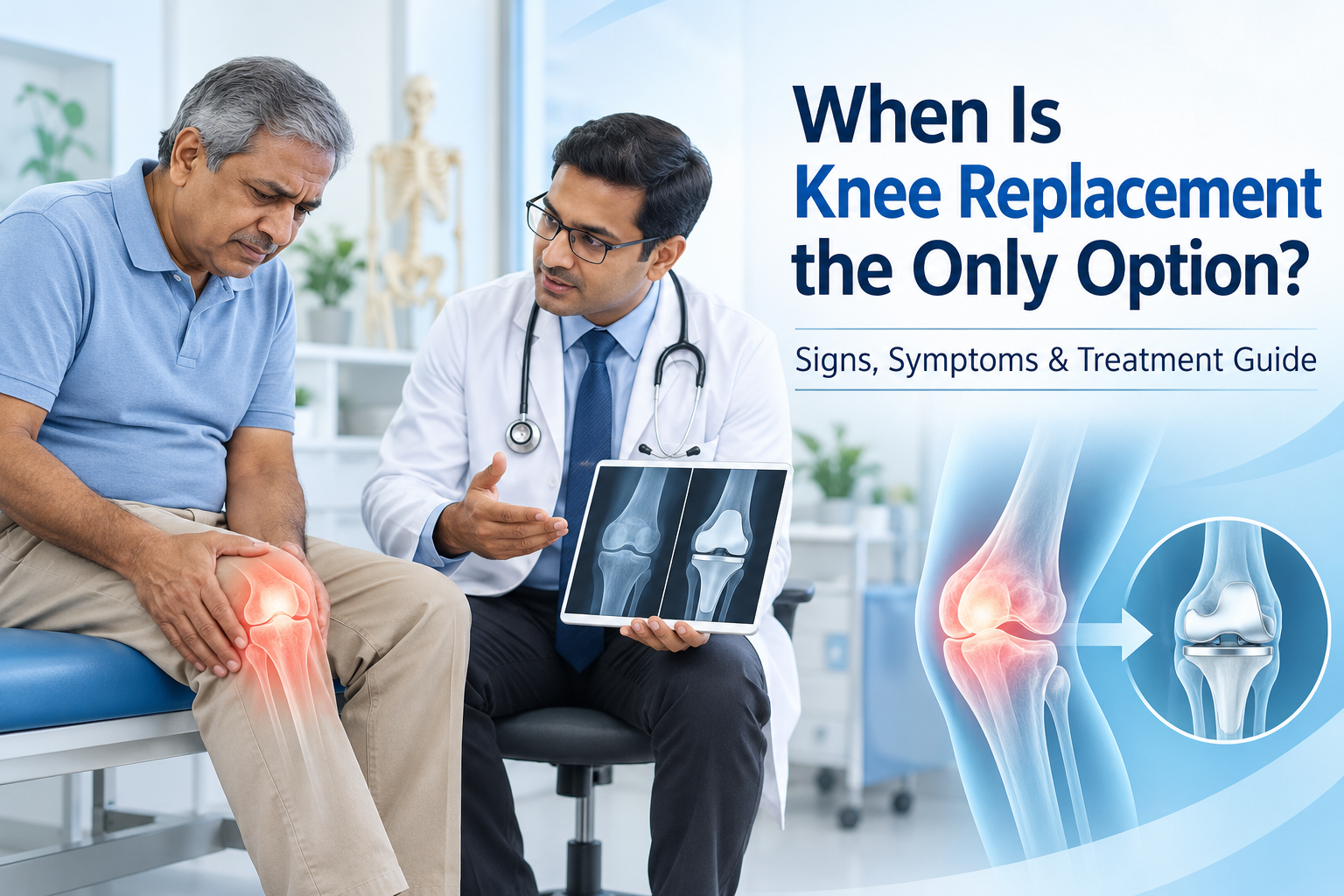 When Is Knee Replacement the Only Option?
- 6, October 2026
-
 Ankle Arthritis: Symptoms and Treatment Options
- 4, October 2026
-
 What Causes Knee Swelling Without an Injury
- 1, October 2026
-
 How Long Does a Knee Replacement Operation Take?
- 25, September 2026
-
 Who Is the Best Bone Doctor in Faridabad?
- 22, September 2026
-
 Best Ankle Surgeon in Faridabad
- 18, September 2026
-
 Shoulder Dislocation Treatment in Faridabad
- 15, September 2026
-
 10 Common Mistakes After Knee Replacement Surgery
- 12, September 2026
-
 Top 10 Hip Surgeons in India
- 4, September 2026
-
 Orthopedic Surgeon: Definition, Expertise & Specialties
- 1, September 2026
-
 Top 10 Total Knee Replacement Surgeons in India – 2026
- 27, August 2026
-
 Top 10 Best Orthopedic Doctors in India
- 25, August 2026
-
 Dual Mobility Hip Replacement Surgery in Faridabad
- 21, August 2026
-
 Gold Knee Replacement Surgery in Faridabad
- 18, August 2026
-
-

-
-
 Bone Fracture Specialist in Faridabad
- 25, July 2026
-
 Robotic Partial Knee Replacement in Faridabad
- 21, July 2026
-
-
-
 Runner’s Knee: Prevention & Treatment
- 10, July 2026
-
 Best Knee Tendonitis Treatment in Faridabad
- 7, July 2026
-

-
 Why Does My Knee Make Clicking Sounds?
- 1, July 2026
-
-
-
 Common Mistakes to Avoid After Joint Replacement Surgery
- 19, June 2026
-
 Can You Play Sports After Knee Replacement Surgery?
- 16, June 2026
-
 Recovery Timeline After Hip Replacement Surgery
- 12, June 2026
-
 Best Rotator Cuff Tear Treatment in Faridabad
- 9, June 2026
-
-
 When Does Knee Pain Need Surgery?
- 19, May 2026
-
 Can You Walk Normally After Hip Replacement?
- 15, May 2026
-
-
 Best Doctor for Arthritis Treatment in Faridabad
- 8, May 2026
-
 Sports Injury Specialist in Faridabad
- 5, May 2026
-
 Hip Replacement Surgery Cost in India
- 2, May 2026
-
 Best ACL Surgeon in Faridabad
- 1, May 2026
-
 Best Hip Replacement Surgeon in Delhi
- 26, April 2026
-
 Best Hospital for Robotic Joint Replacement in Faridabad
- 14, April 2026
-
 Best Shoulder Specialist in Faridabad
- 10, April 2026
-

-
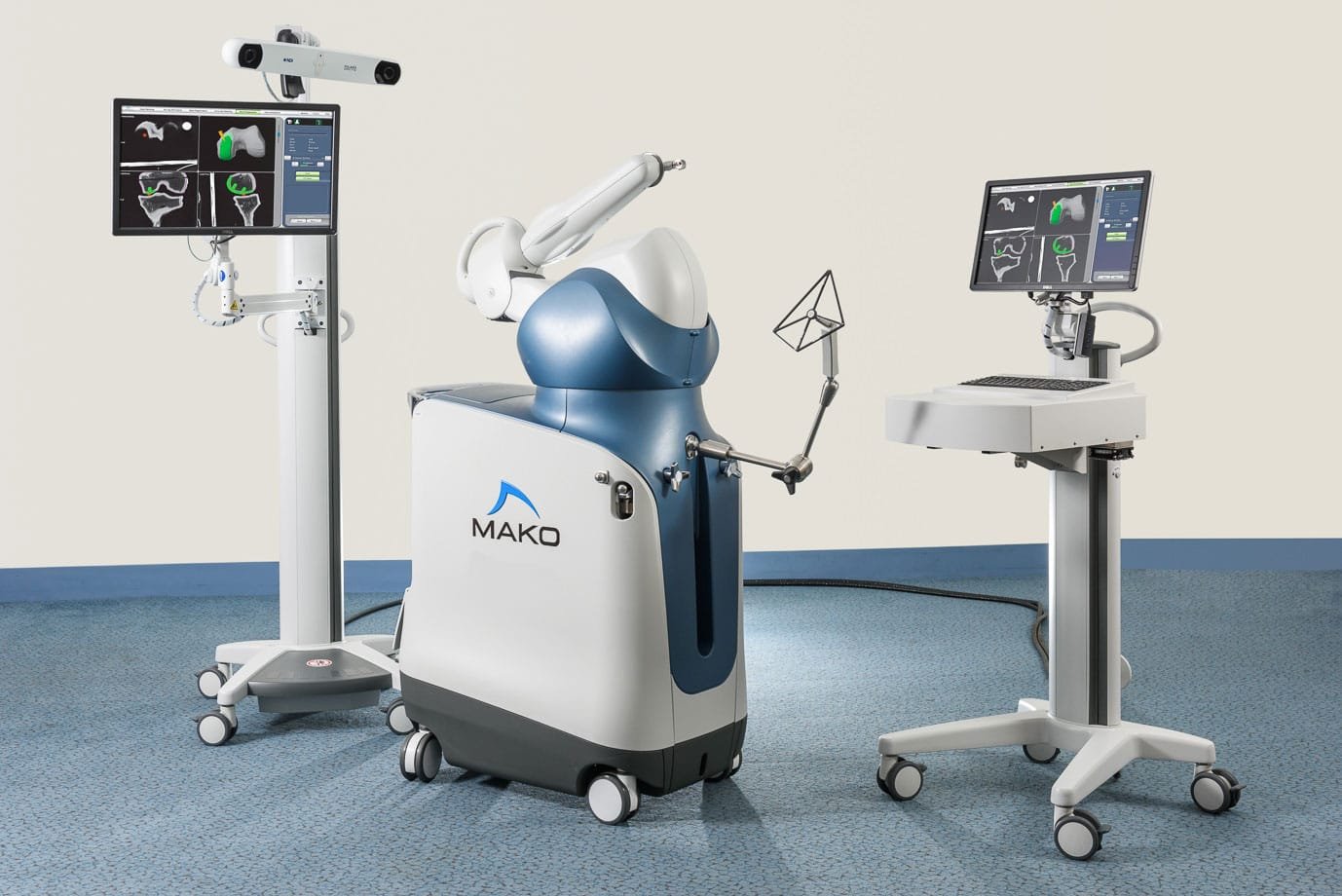 How Mako Robotic Improves Knee Replacement Outcomes
- 3, April 2026
-
 Best Orthopedic Hospital in Faridabad for Joint Pain
- 1, April 2026
-
 Don’t Delay Knee Surgery: 7 Warning Signs You Must Know
- 26, March 2026
-

-
 Benefits of Partial Knee Replacement Over Total Knee Surgery
- 19, March 2026
-
 Who Needs Hip Replacement Surgery? Signs & Eligibility
- 16, March 2026
-
 Best Joint Replacement Hospital in India
- 13, March 2026
-
 Shoulder Dislocation in Sports: Treatment and Recovery
- 11, March 2026
-
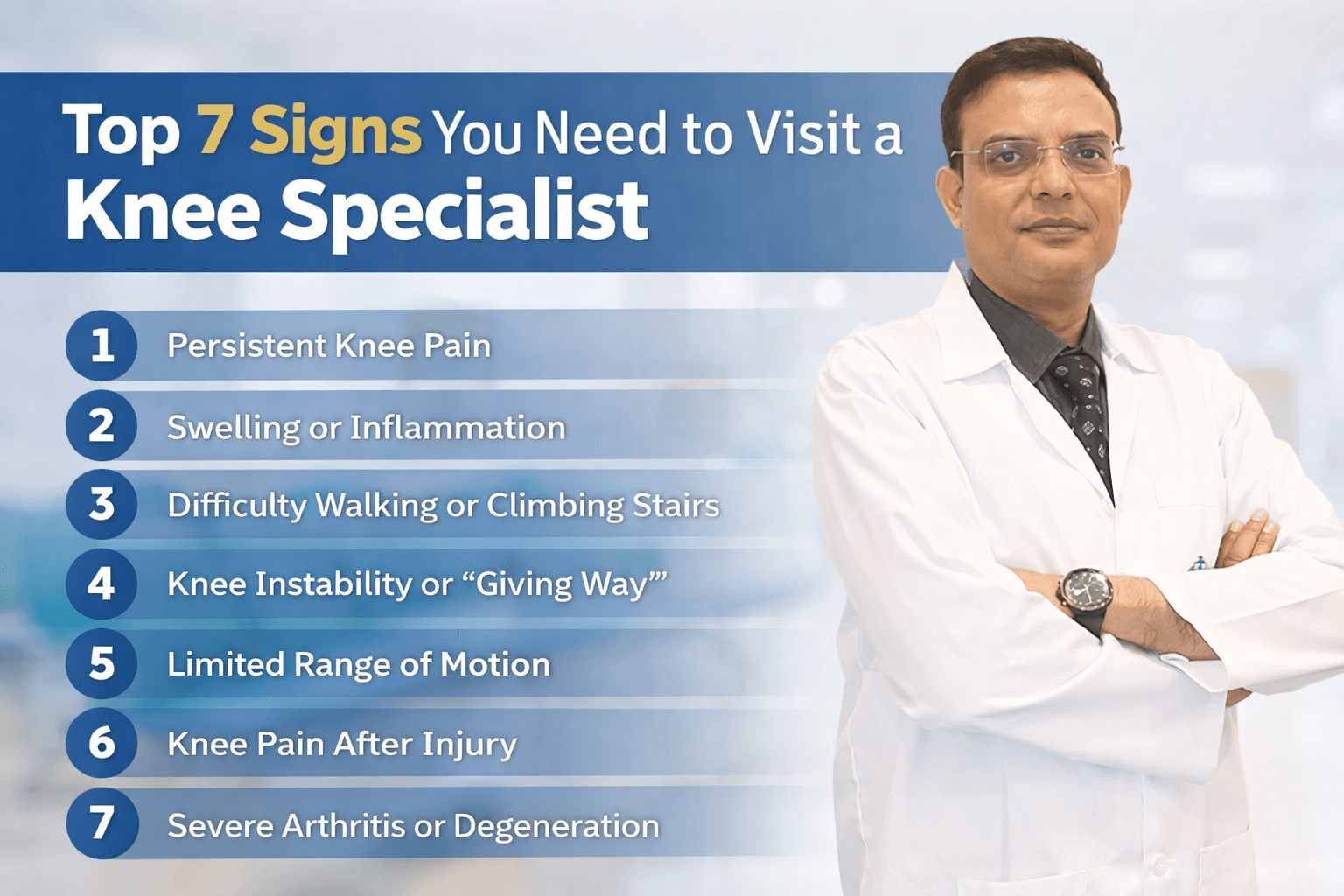 Top 7 Signs You Need to Visit a Knee Specialist
- 7, March 2026
-
-
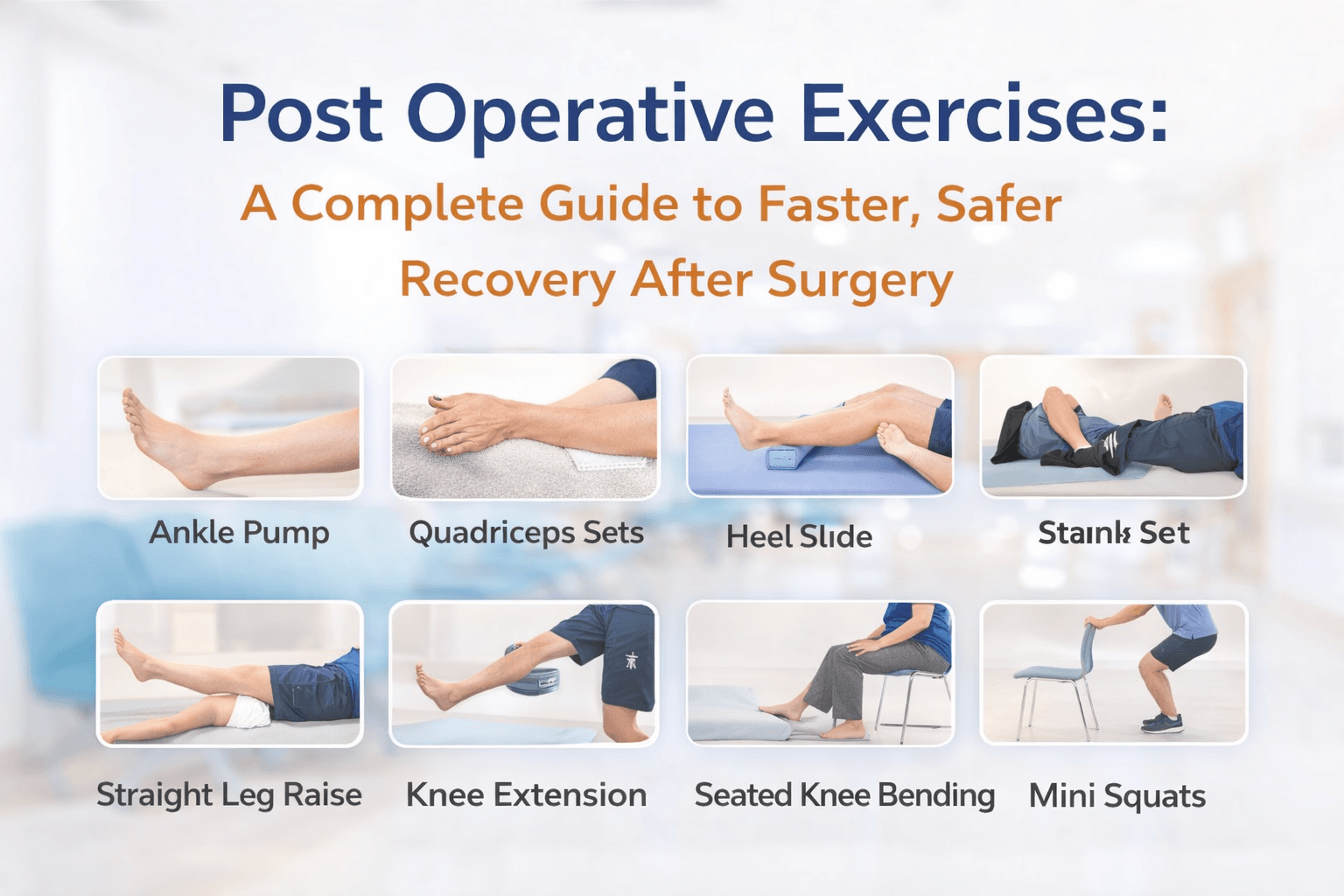 Post Operative Exercises
- 26, February 2026
-
 After ACL Surgery When Can I Walk?
- 24, February 2026
-
 What Happens If Knee Arthritis Is Left Untreated?
- 21, February 2026
-
 Can Knee Replacement Fail? Causes, Signs & Prevention
- 21, February 2026
-
 Who Is Not Suitable for Knee Replacement Surgery?
- 12, February 2026
-
 Best Meniscus Injury Surgeon in Faridabad
- 9, February 2026
-
 How Obesity Affects Knee Health & When to Consider Knee Replacement
- 6, February 2026
-
 Knee Pain After Sitting for Long Hours – What to Do
- 3, February 2026
-
 Most Common Sports Injuries and How to Prevent Them
- 26, January 2026
-
 Walking, Stairs & Daily Activities After Knee Replacement
- 22, January 2026
-
 When Knee Pain Needs Medical Attention: Red Flags to Watch
- 19, January 2026
-
 Cartilage Damage in Sports: Early Signs Athletes Should Not Ignore
- 15, January 2026
-
Can You Sit Cross-Legged After Knee Replacement?
- 13, January 2026
-
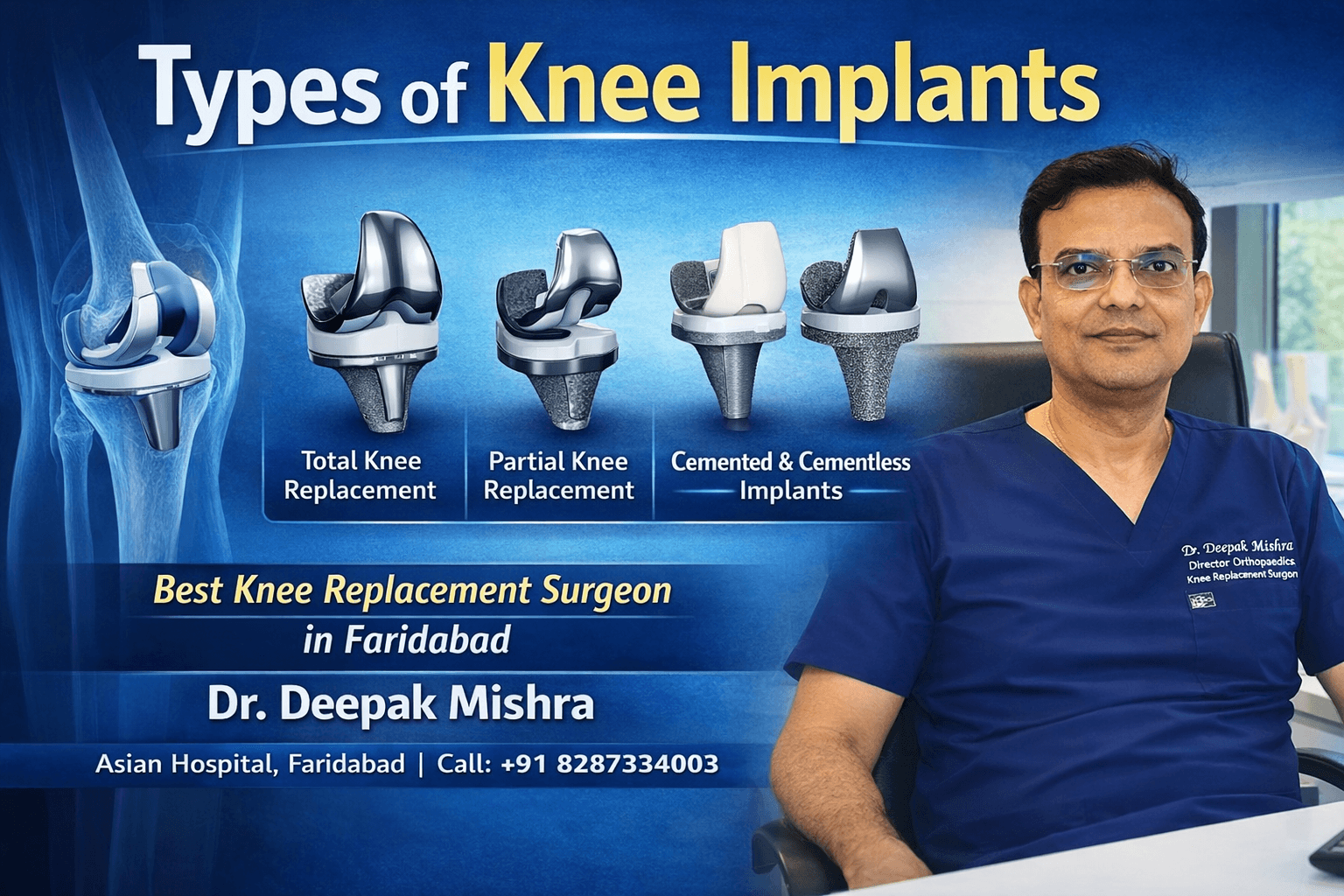 Types of Knee Implants
- 13, January 2026
-
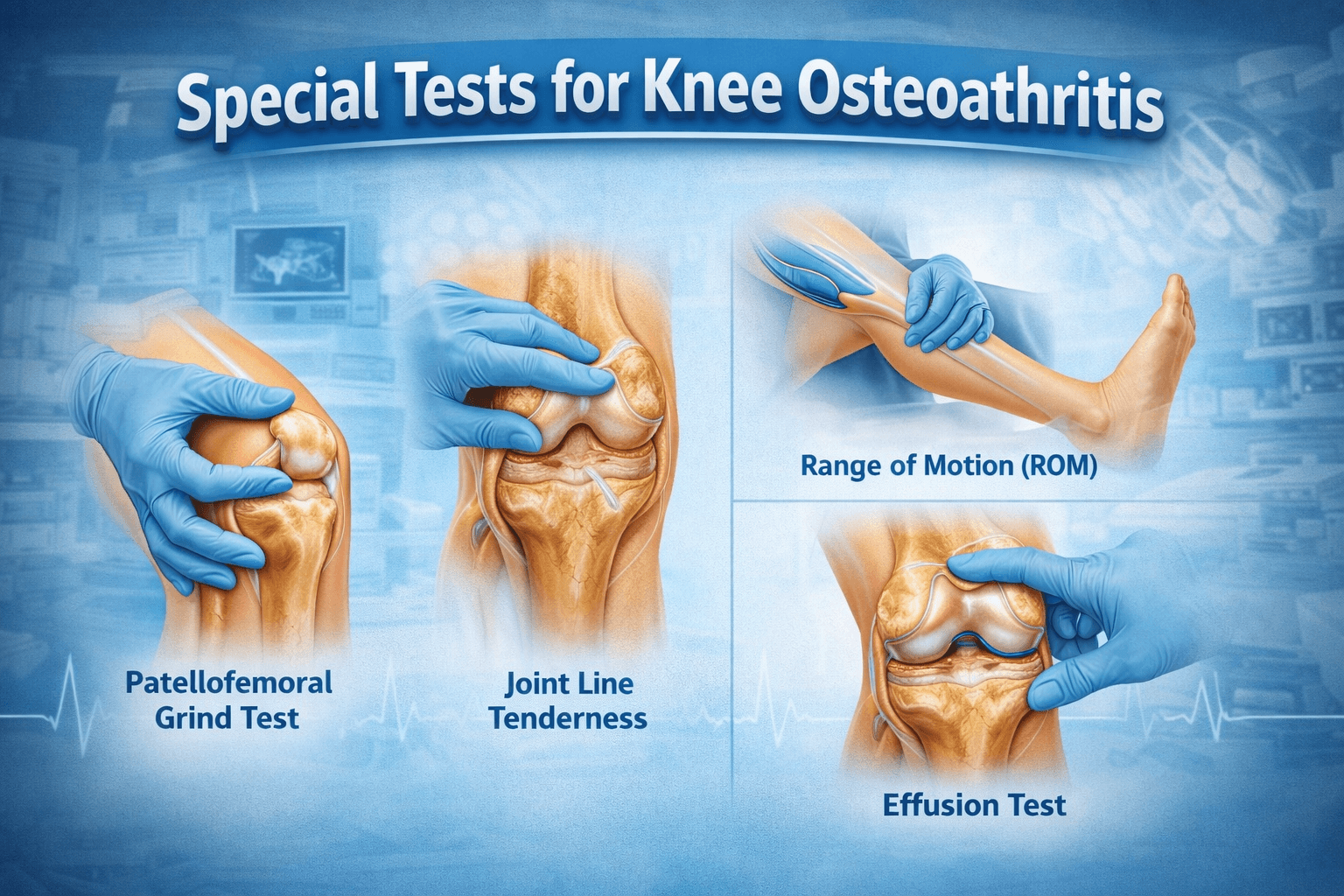 Special Tests for Knee Osteoarthritis
- 7, January 2026
-
 Knee Operation Types: A Comprehensive Guide
- 7, January 2026
-
 Difference Between Knee Arthritis, Meniscus Tear, and Ligament Injury
- 30, December 2025
-
 Knee Pain While Walking: When Should You Worry?
- 30, December 2025
-
 What Happens If Knee Replacement Is Delayed Too Long?
- 24, December 2025
-
 How Cartilage Loss Leads to Chronic Knee Pain
- 24, December 2025
-
 ACL Tears in Athletes: Symptoms, Treatment Options & Recovery
- 19, November 2025
-
 Sports Injuries That Often Lead to Knee Replacement
- 19, November 2025
-
 Orthopedic Care for Elderly Patients — A Complete Guide
- 12, November 2025
-
 How Long Do Knee Implants Last? (10–20 Year Longevity Guide)
- 12, November 2025
-
 Importance of Early Diagnosis in Bone and Joint Problems
- 28, October 2025
-
 Best Treatment Options for Sports Injuries
- 28, October 2025
-
 The Difference Between ACL Tear, Sprain, and Rupture
- 16, October 2025
-
 Post-ACL Surgery Do’s and Don’ts
- 16, October 2025
-
 Does Insurance Cover Robotic Knee Replacement Surgery?
- 6, October 2025
-
 When Can You Return to Sports After Robotic Knee Replacement?
- 6, October 2025
-
 Impact of Obesity on Knee Replacement Surgery and Recovery
- 30, September 2025
-
 Early vs. Delayed Knee Replacement: Which Is Better?
- 30, September 2025
-
 How Durable Are Knee Implants? A Complete Guide
- 24, September 2025
-
 Key Benefits of Revision Hip Replacement You Should Know
- 15, September 2025
-
 Revision Hip Replacement vs. Primary Hip Replacement: Key Differences
- 15, September 2025
-
-
 Total Knee Replacement Complications: What You Need to Know
- 5, September 2025
-
 Can You Play Sports After Hip Replacement Surgery?
- 26, August 2025
-
 Preparing for Knee Replacement: Do’s and Don’ts Before Surgery
- 26, August 2025
-
-
 What to Know About Knee Replacement Revision Surgery
- 18, August 2025
-
 Cost of Hip Replacement in India – What Patients Should Know
- 11, August 2025
-
-
 Who Is the Best Orthopedic Doctor for Sports Injuries?
- 27, July 2025
-
 Success Rate of Robotic Knee Replacement in India
- 27, July 2025
-
Why Surgeons Are Switching to Robotic Knee Replacements
- 15, July 2025
-
 Do’s and Don’ts After Knee Replacement Surgery
- 15, July 2025
-
Best Robotic Knee Replacement in India
- 7, July 2025
-
 Affordable Robotic Knee Replacement in India
- 7, July 2025
-
-
-
-
-
-
-
-
 Orthopedic Meaning, Definition, Types, and More
- 6, June 2025
-
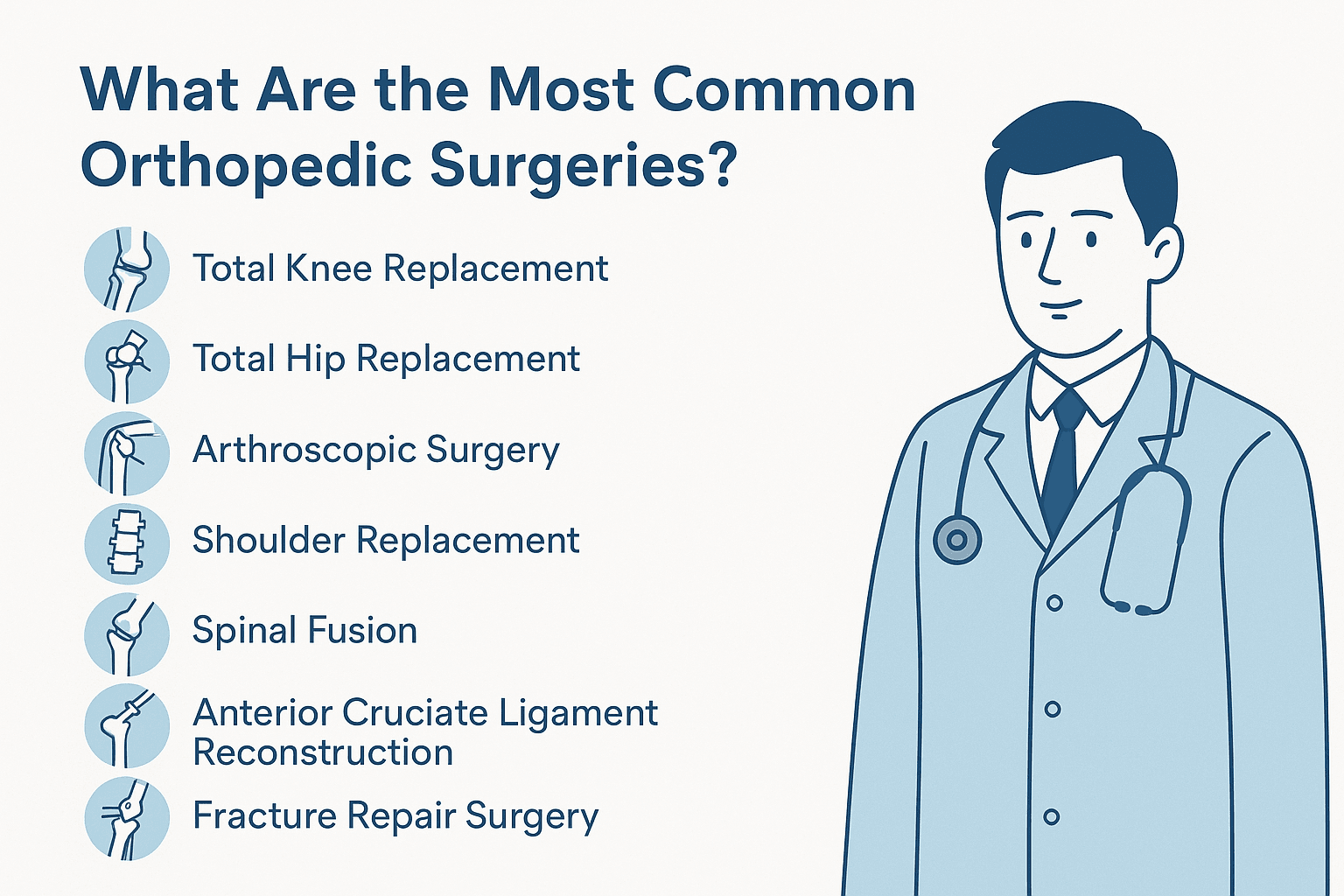 What Are the Most Common Orthopedic Surgeries?
- 24, May 2025
-
 What Does an Orthopedic Doctor Do?
- 24, May 2025
-
-
-
-
Best Orthopedic Doctor for Knee Pain in Faridabad
- 12, May 2025
-
 How to Prevent Knee Pain with Orthopedic Expert Tips
- 29, April 2025
-

-
Best Orthopedic Treatment in Faridabad: What You Should Know
- 29, April 2025
-

-
-
Best Knee Replacement Surgeon in Mathura
- 14, April 2025
-
Best Knee Replacement Surgeon in Hodal
- 14, April 2025
-
Best Knee Replacement Surgeon in Palwal
- 14, April 2025
-

-
-
-
 Benefits of Minimally Invasive Knee Surgery
- 24, March 2025
-
 Best knee Replacement Surgeon in India
- 17, March 2025
-
-
 How to Recover Quickly After Knee Replacement Surgery
- 10, March 2025
-
-
-
-
 Minimally Invasive Arthroplasty: Benefits and Recovery Advantages
- 24, February 2025
-
 Choosing the Right Hip Replacement Surgeon: A Comprehensive Guide
- 17, February 2025
-
 Restoring Mobility: The Role of Knee Replacement Doctors
- 17, February 2025
-
 Orthopedic Trauma Care for Athletes
- 6, February 2025
-
 Best Doctor for ACL Tear Treatment
- 6, February 2025
-
 Best Sports Medicine Doctor for Knee Injuries
- 6, February 2025
-
 Orthopedic Surgeons: 7 Things You Need to Know
- 27, January 2025
-
Best Joint Replacement Surgeon in Greater Faridabad
- 27, January 2025
-
Best Knee Replacement Surgeon in Palwal
- 20, January 2025
-
Best Knee Replacement Surgeon in South Delhi
- 20, January 2025
-
 Restoring Mobility: The Role of Knee Replacement Doctor
- 13, January 2025
-
 Robotic Knee Replacement Surgery in Delhi
- 30, December 2024
-
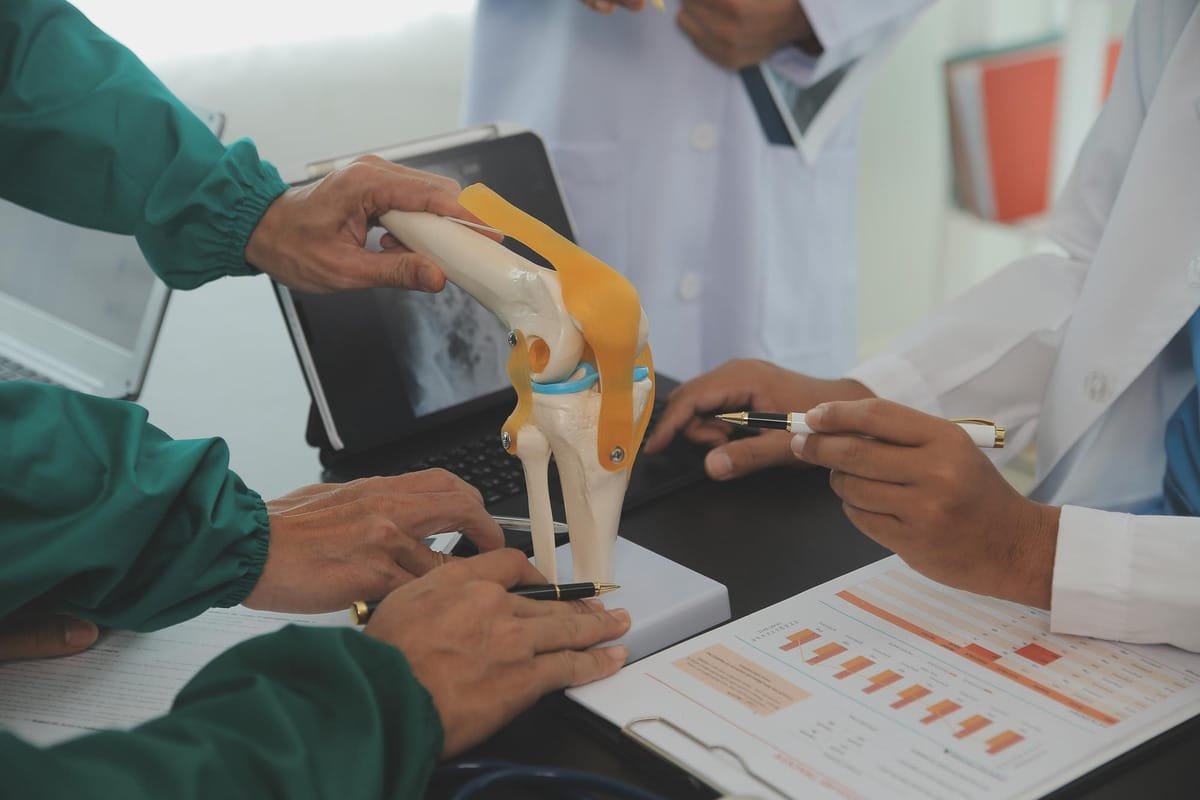 Robotic Orthopedic Surgery: Revolutionizing Joint Replacement and Repair
- 30, December 2024
-
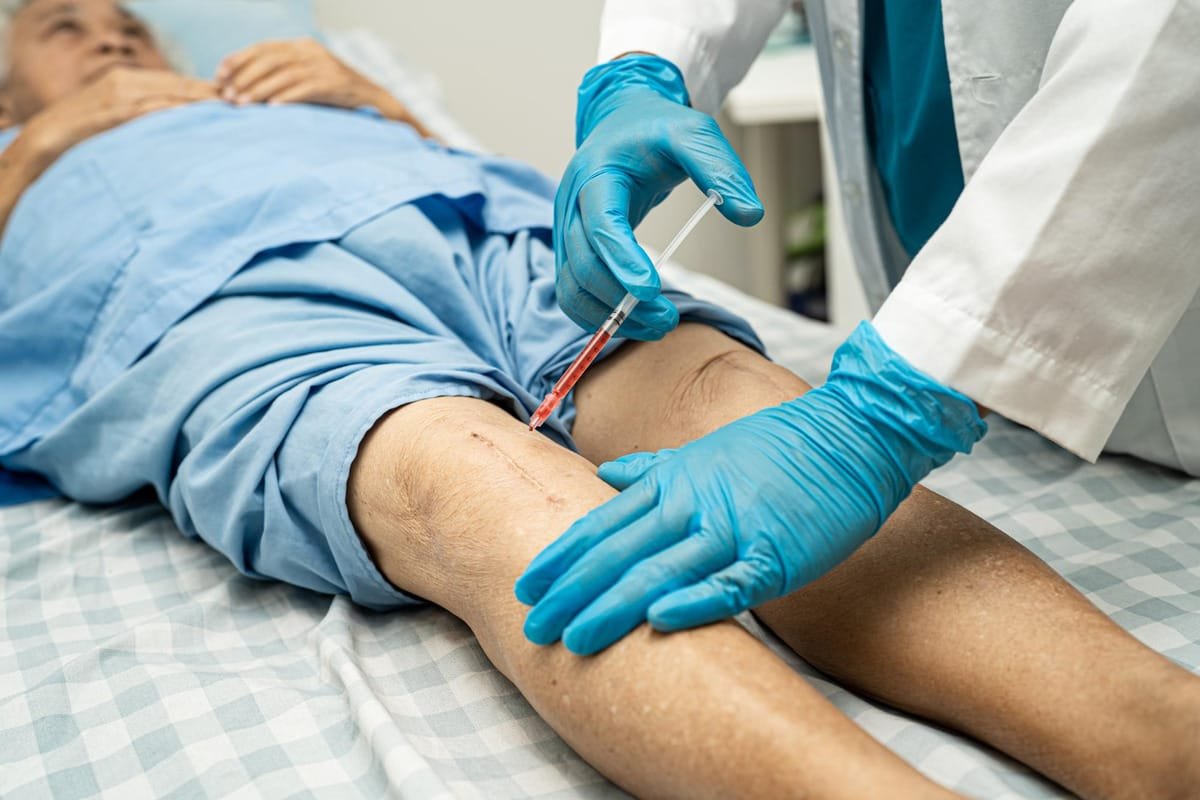 Robotic Knee Replacement vs. Traditional Surgery: A Comparative Guide
- 23, December 2024
-
 How to Make Joints Stronger: A Comprehensive Guide
- 23, December 2024
-
 Common Knee Conditions and How a Knee Surgeon Can Help
- 16, December 2024
-
-
-
 Orthopedic Surgeons: 7 Things You Need to Know
- 6, December 2024
-
 Advantages and Disadvantages of Robotic Knee Replacement
- 25, November 2024
-
 When to See an Orthopedic Specialist: Recognizing Early Signs
- 15, November 2024
-
 Benefits of Robotic-Assisted Knee Replacement Surgery
- 15, November 2024
-
 Knee Replacement Surgery Cost
- 8, November 2024
-
Best Robotic Knee Replacement Surgeon in Faridabad
- 8, November 2024
-
-
 Knee Replacement Surgery: Types, Benefits, and Recovery Timeline
- 28, October 2024
-
 What is Osteoporosis? Symptoms, Causes, and Prevention
- 21, October 2024
-
 Signs It’s Time for a Knee Replacement: When to Consult a Surgeon
- 18, October 2024
-
 Understanding Different Types of Arthritis: Symptoms and Causes
- 11, October 2024
-
 Taking Care After Knee Replacement Surgery
- 15, December 2022
-
 Amazing Ways to Get Relief from Arthritis Pain Naturally
- 2, December 2022
-
-
 How Does Fat Affect Arthritis?
- 4, November 2022
