
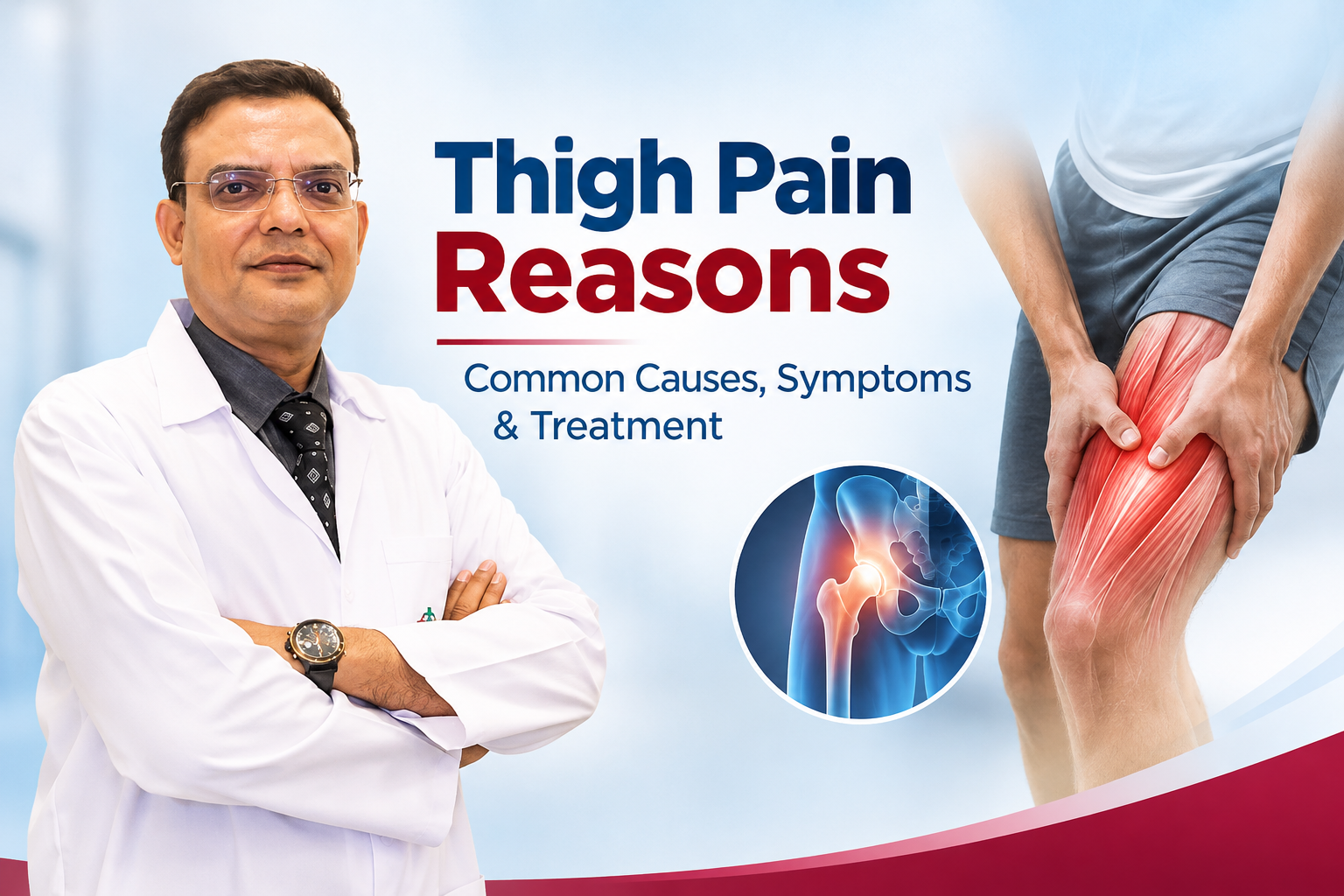
Thigh Pain Reasons: Common Causes, Symptoms, Treatment and When to See an Orthopedic Doctor
November 20, 2026Thigh pain is a common musculoskeletal complaint that can affect people of all ages. Whether you experience a dull ache in your upper leg, sharp pain while walking, discomfort when climbing stairs, or persistent thigh muscle pain at night, understanding the underlying cause is important for choosing the right treatment.
The thigh is the area between the hip and knee. It contains some of the body’s largest muscles, including the quadriceps, hamstrings and adductor muscles. These muscles work together with the hip joint, knee joint, nerves, blood vessels and bones to support walking, running, standing and everyday movements.
There are several thigh pain reasons, ranging from temporary muscle fatigue and sports injuries to hip arthritis, nerve compression and certain circulation-related conditions.
Although mild thigh pain often improves with appropriate rest and self-care, persistent or worsening symptoms may require professional medical attention.
Patients looking for the Best Orthopedic Doctor in Faridabad can consult Dr. Deepak Kumar Mishra, an experienced orthopaedic and joint replacement surgeon, for evaluation of musculoskeletal pain, joint disorders and mobility-related problems.
In this article, we explain the common causes of thigh pain, symptoms to watch for, treatment options, preventive measures and when to consult an orthopaedic specialist.
What Is Thigh Pain?
Thigh pain refers to discomfort, aching, stiffness, burning or sharp pain experienced anywhere between the hip and knee.
The pain may develop suddenly following an injury or gradually due to repetitive activity, joint degeneration, muscle weakness or nerve irritation.
Depending on the underlying condition, thigh pain may affect:
- Front of the thigh: Often associated with quadriceps muscle strain, hip problems or certain nerve conditions.
- Back of the thigh: Commonly linked to hamstring injuries, sciatic nerve irritation or referred pain from the lower back.
- Inner thigh: May occur due to adductor muscle strain, hip-related conditions or other groin problems.
- Outer thigh: Can be associated with nerve compression, hip tendon problems or greater trochanteric pain syndrome.
The exact location of pain provides useful clues, but it does not confirm a diagnosis on its own.
10 Common Thigh Pain Reasons
1. Muscle Strain or Overuse
Muscle strain is one of the most common causes of thigh pain, particularly among athletes, runners, gym enthusiasts and individuals involved in physically demanding activities.
A muscle strain occurs when muscle fibres are overstretched or partially torn. It may develop during sudden movements, heavy lifting, sprinting or exercises performed without adequate conditioning.
Common symptoms include:
- Sudden pain during physical activity
- Muscle tenderness and tightness
- Pain when stretching or contracting the affected muscle
- Swelling or bruising in more significant injuries
- Difficulty walking comfortably
Mild muscle strains often improve with activity modification and gradual rehabilitation. More severe injuries may require specialist assessment and a structured physiotherapy programme.
2. Hamstring Injury
The hamstring muscles are located at the back of the thigh and play an important role in bending the knee and extending the hip.
Hamstring injuries frequently occur during running, jumping, football, cricket and other sports involving rapid acceleration or sudden changes in direction.
People with hamstring injuries may experience sharp pain in the back of the thigh, muscle weakness, swelling or difficulty straightening the leg.
Severe injuries can involve substantial muscle or tendon tears and may require imaging and specialist treatment.
3. Quadriceps Muscle Injury
The quadriceps are a group of four muscles located at the front of the thigh. They help straighten the knee and support walking, standing and climbing stairs.
Quadriceps strains can occur during running, kicking, squatting or sudden forceful movements.
Symptoms may include front thigh pain, tenderness, muscle tightness and difficulty extending the knee.
Treatment depends on the severity of the injury and may involve temporary activity restriction, pain management, physiotherapy and progressive strengthening.
4. Sciatica and Nerve Compression
Not every case of thigh pain originates in the thigh muscles.
Sometimes, irritation or compression of nerves in the lower back causes pain that travels into the buttock, thigh or lower leg.
Sciatica commonly affects the back of the thigh and may be associated with lumbar disc problems or narrowing around spinal nerves.
Possible symptoms include:
- Burning or shooting pain
- Tingling or numbness
- Pain travelling from the lower back into the leg
- Muscle weakness
- Increased discomfort during certain sitting or bending positions
Some upper lumbar nerve problems may also cause pain in the front of the thigh.
Patients experiencing recurring thigh pain with lower back symptoms should seek an appropriate clinical assessment to identify whether the source is muscular, spinal or neurological.
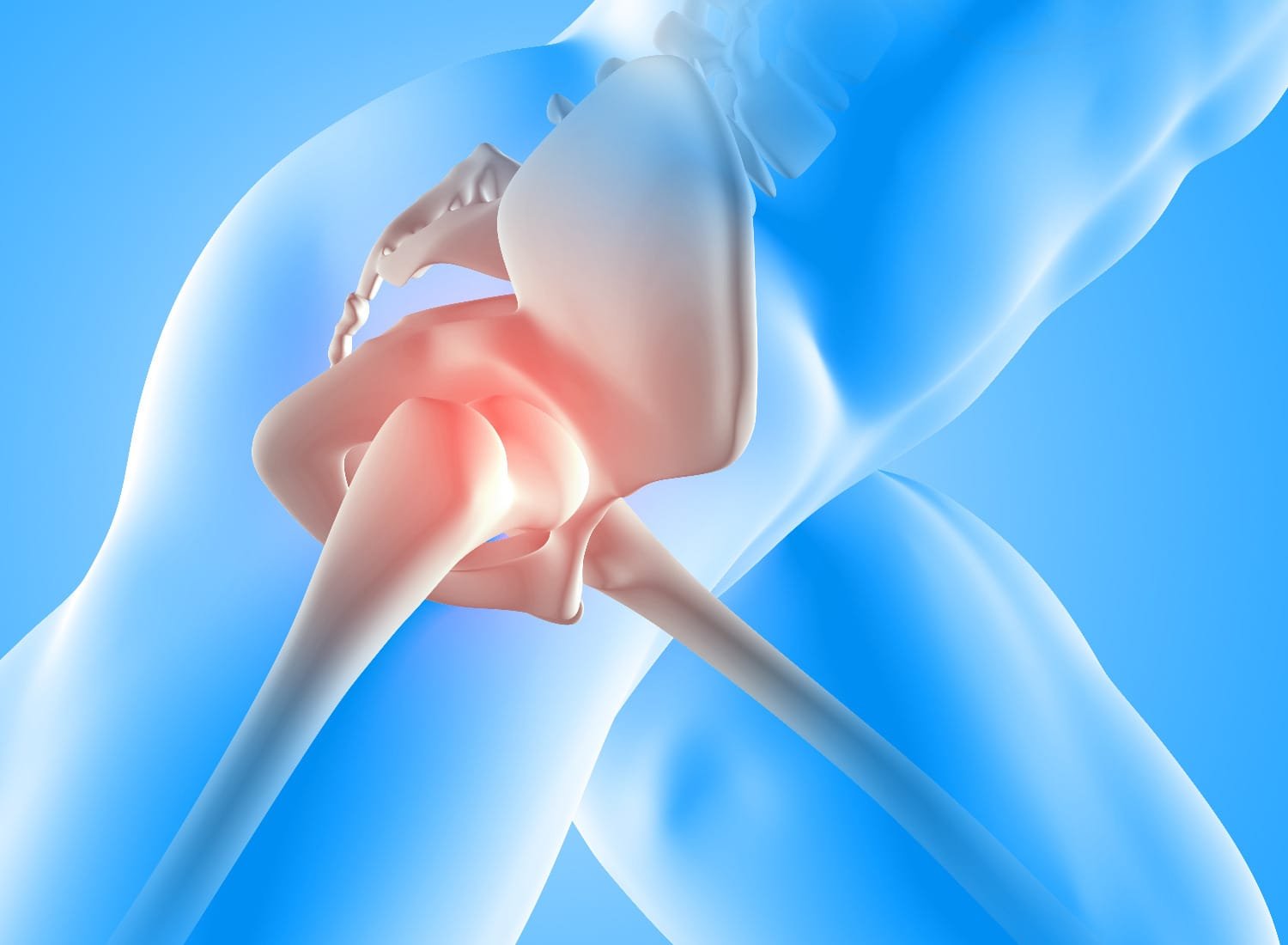
5. Hip Osteoarthritis
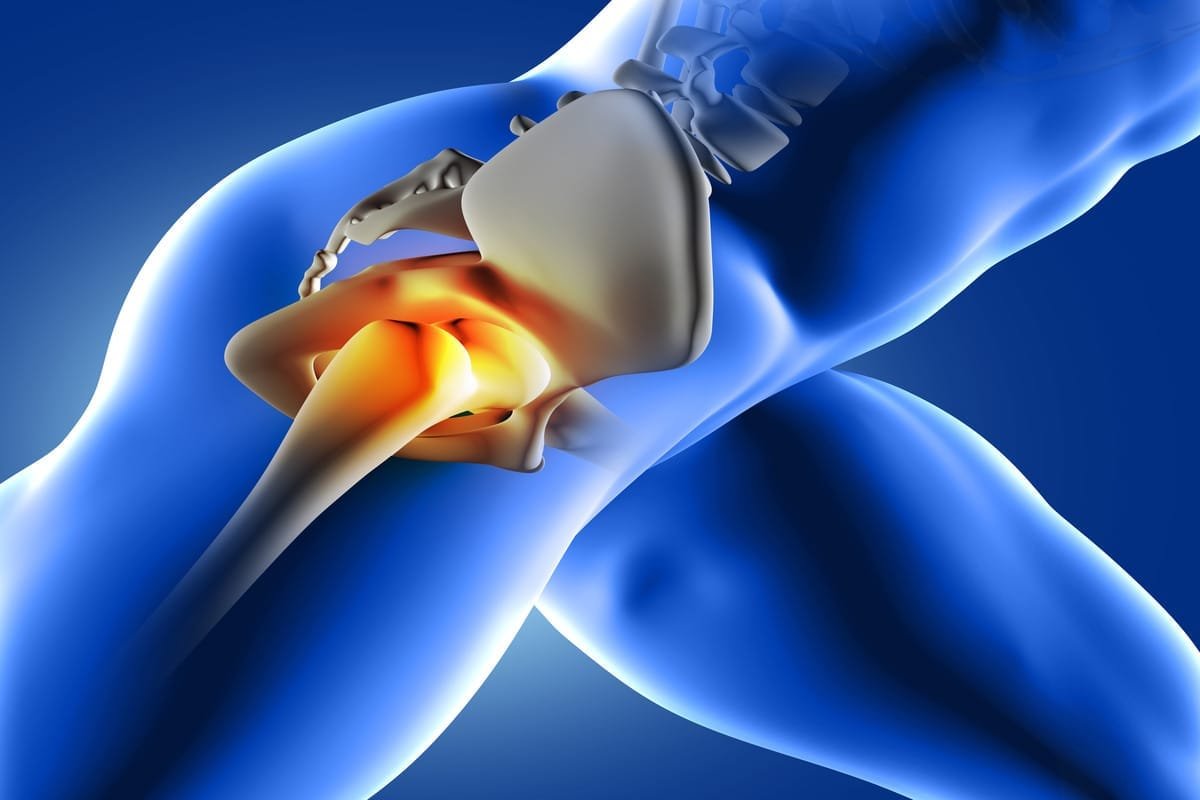
Hip osteoarthritis is a degenerative joint condition in which cartilage gradually deteriorates, leading to pain, stiffness and reduced movement.
Although the problem originates in the hip joint, discomfort may be felt in the groin, front of the thigh or even around the knee.
Common symptoms include morning stiffness, difficulty putting on shoes, discomfort after walking and reduced hip flexibility.
Older adults are more commonly affected, although previous injuries, joint abnormalities and other factors can contribute.
Patients experiencing persistent hip-related thigh pain may benefit from consultation with an experienced joint replacement surgeon in Faridabad to understand their diagnosis and available treatment options.
Importantly, hip replacement is not necessary for every patient with hip arthritis. Many individuals benefit from exercise therapy, medication when appropriate, weight management and other non-surgical treatments.
6. Meralgia Paresthetica
Meralgia paresthetica occurs when the lateral femoral cutaneous nerve becomes compressed or irritated.
This sensory nerve supplies the skin over the outer thigh.
The condition may cause burning pain, tingling, numbness or increased sensitivity along the outer thigh without directly weakening the leg muscles.
Potential contributing factors include tight clothing, prolonged pressure around the waist, pregnancy, obesity and certain metabolic conditions.
Treatment focuses on identifying and reducing nerve compression, along with managing persistent symptoms when necessary.
7. Inner Thigh Muscle Strain
Inner thigh pain is frequently associated with strain of the adductor muscles, which help bring the legs toward the body’s midline.
Adductor injuries can develop during sports, sudden sideways movements or exercises involving rapid changes in direction.
Symptoms may include pain near the groin, tenderness along the inner thigh and discomfort when squeezing the legs together.
However, inner thigh pain can also originate from the hip joint or other structures around the groin.
Persistent symptoms should be evaluated rather than automatically attributed to a muscle strain.
8. Femoral Stress Fracture
A femoral stress fracture is a small bone injury caused by repeated loading over time.
It may develop in runners, athletes, military trainees or individuals who suddenly increase their physical activity.
Stress fractures can also occur in people with reduced bone strength.
Pain often begins during weight-bearing activities and may gradually worsen. Some patients develop discomfort even during normal walking or at rest.
Femoral neck stress fractures are particularly important to identify early because continuing to walk or exercise on an unstable injury can cause serious complications.
Anyone with suspected femoral stress fracture should stop high-impact activity and obtain prompt medical assessment.
9. Tendinitis and Hip Tendon Problems
Tendons connect muscles to bones and help transfer force during movement.
Repetitive loading, sudden changes in exercise intensity or tendon degeneration can cause tendon-related pain around the hip and thigh.
For example, gluteal tendon problems may produce pain along the outer hip that extends into the outer thigh.
Symptoms may worsen while climbing stairs, walking long distances or lying on the affected side.
Treatment commonly includes load management, targeted strengthening and physiotherapy.
10. Circulation-Related Problems
Some thigh pain reasons are not orthopaedic in origin.
Reduced blood flow to the leg, known as peripheral artery disease, can cause discomfort during walking that improves with rest.
A deep vein thrombosis (DVT), or blood clot in a deep vein, may cause pain, swelling, warmth and tenderness in one leg.
These conditions require medical evaluation rather than routine muscle-pain treatment.
Sudden unexplained swelling or pain in one leg requires urgent medical assessment. If accompanied by chest pain, breathlessness or fainting, seek emergency care immediately.
Thigh Pain Based on Location: What Does It Indicate?
The location of discomfort can help doctors narrow down possible causes.
| Pain Location | Possible Causes |
|---|---|
| Front thigh pain | Quadriceps strain, hip arthritis, nerve irritation |
| Back thigh pain | Hamstring injury, sciatica |
| Inner thigh pain | Adductor strain, hip or groin conditions |
| Outer thigh pain | Meralgia paresthetica, gluteal tendon disorders |
| Upper thigh pain | Hip joint problems, muscle injuries |
| Thigh pain extending to knee | Referred hip pain, muscle or nerve conditions |
Because several conditions produce overlapping symptoms, the diagnosis should be based on clinical examination and relevant investigations.
Why Does Thigh Pain Occur While Walking?
Thigh pain while walking can develop for several reasons.
Muscle fatigue may occur after prolonged walking, particularly when a person is not accustomed to physical activity.
Hip osteoarthritis can cause discomfort during weight-bearing movements. Tendon problems may become painful with repeated loading, while nerve compression can produce pain or tingling during particular activities.
In some cases, thigh pain that consistently develops after walking a certain distance and improves with rest may indicate a circulation problem.
The pattern, duration and associated symptoms help determine whether the condition requires orthopaedic, neurological or vascular evaluation.
If thigh pain repeatedly limits walking or daily movement, seeking medical advice is preferable to relying on painkillers alone.
Thigh Pain at Night: Should You Be Concerned?
Night-time thigh pain may occur due to muscle strain, hip problems, tendon irritation or certain nerve conditions.
Some people experience discomfort when lying on one side because of pressure around the outer hip.
Others may notice burning sensations or tingling due to nerve irritation.
However, persistent pain that regularly interrupts sleep, becomes progressively worse or occurs alongside unexplained weight loss, fever or other concerning symptoms requires medical evaluation.
Night pain alone does not establish a serious diagnosis, but it should not be ignored when it is persistent or unexplained.
How Is Thigh Pain Diagnosed?
An accurate diagnosis is essential because different thigh pain reasons require different treatment approaches.
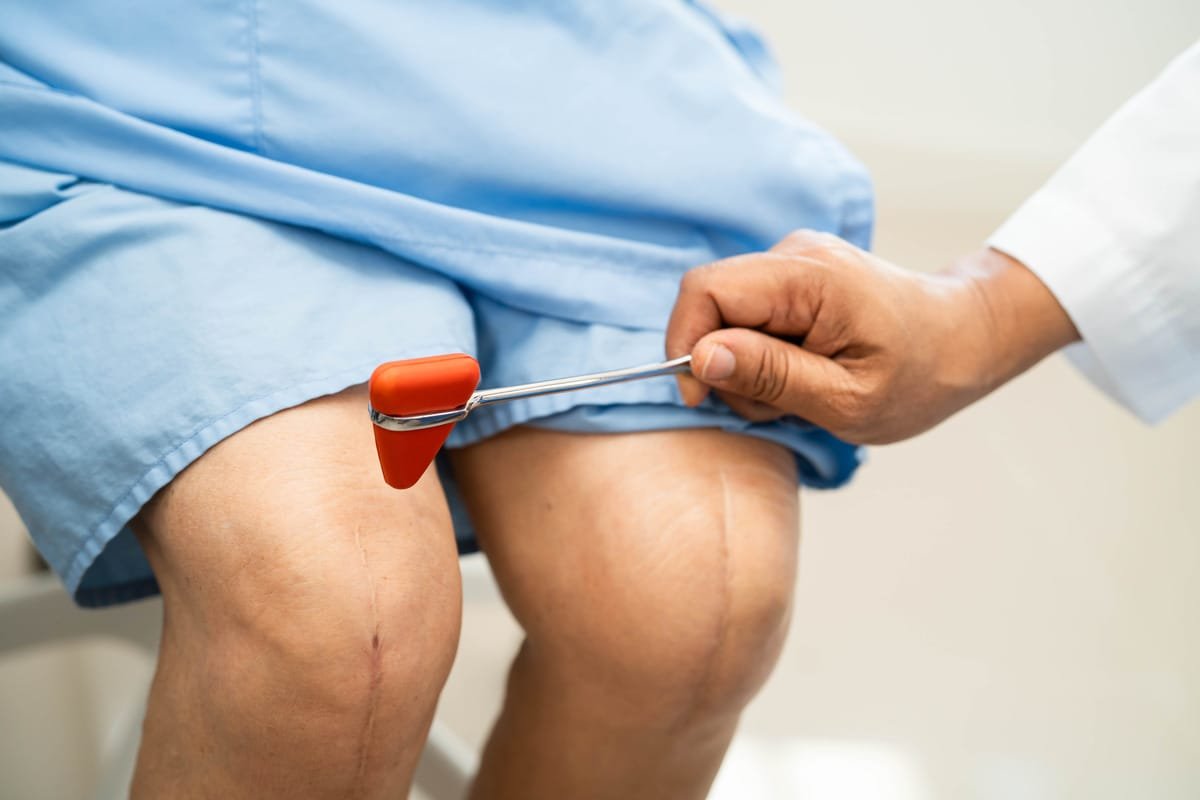
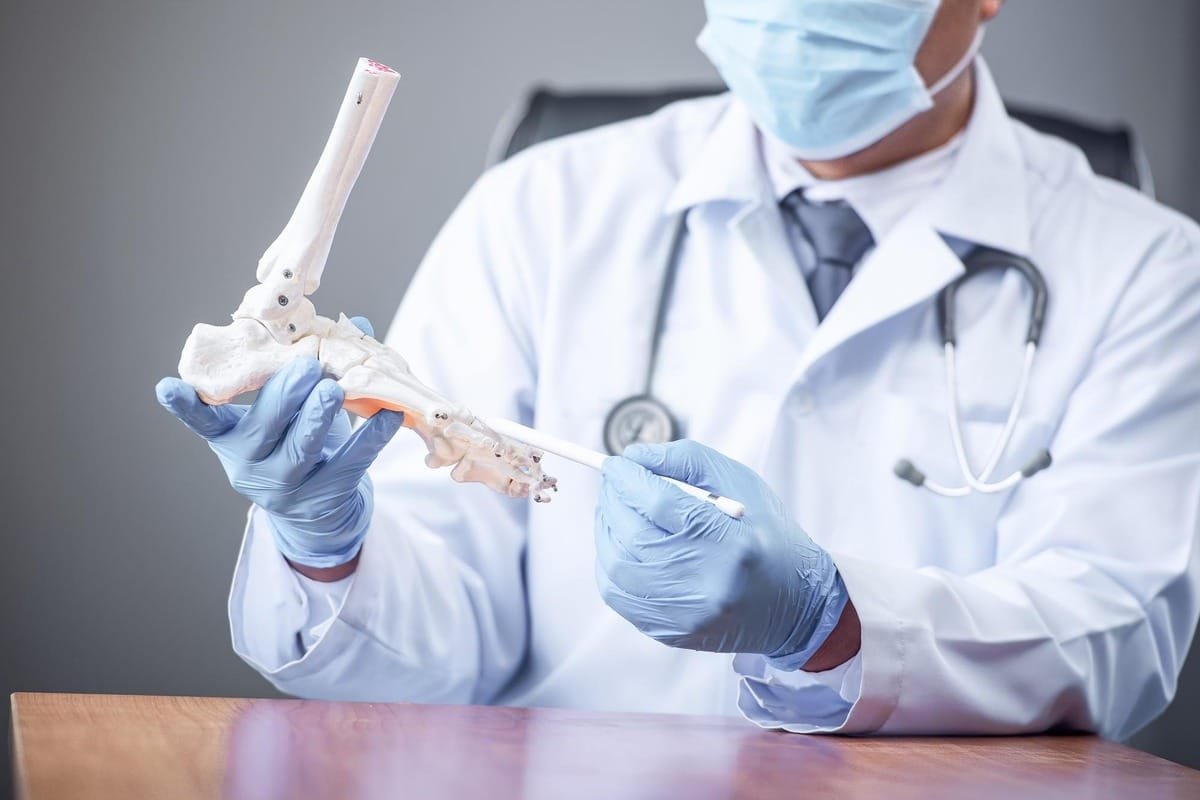
An orthopaedic specialist usually begins with a detailed medical history and physical examination.
1. Medical History
The doctor may ask when the pain started, whether an injury occurred, which movements increase discomfort and whether the pain is associated with numbness, swelling or weakness.
Information about physical activity, previous injuries, existing medical conditions and medication use can also help identify potential causes.
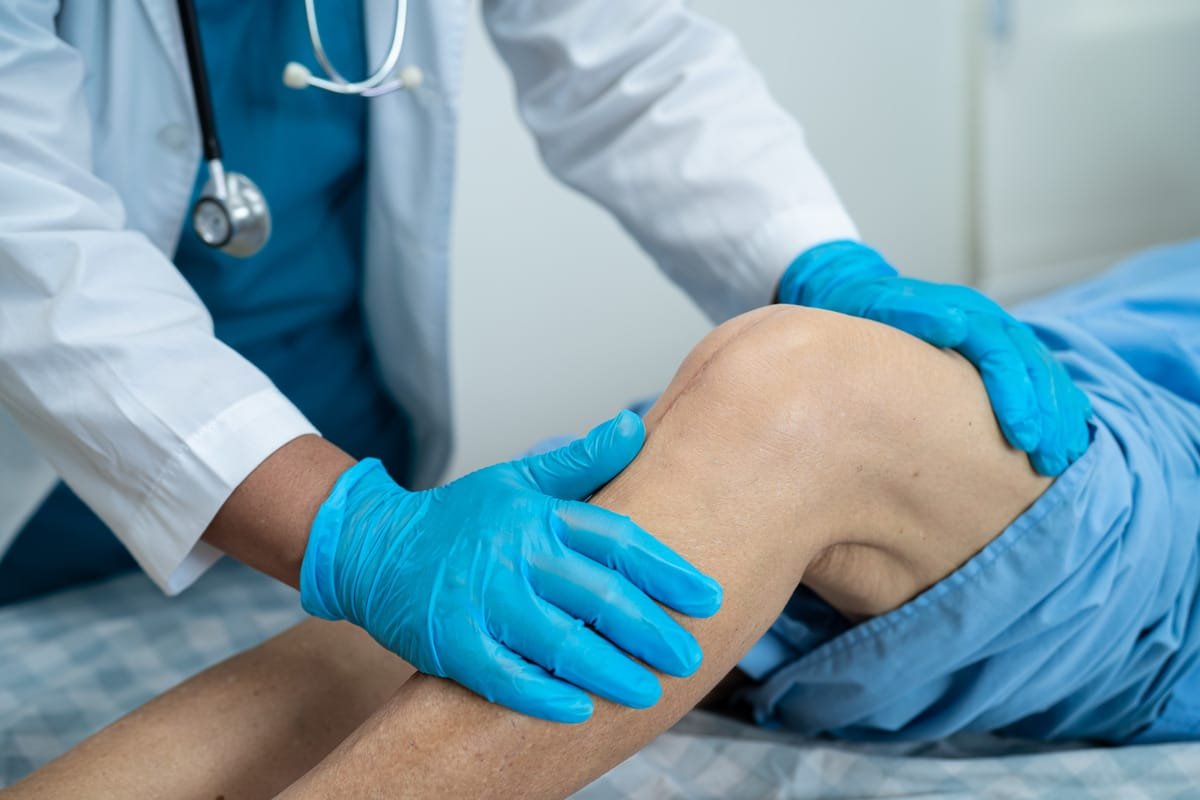
2. Physical Examination
The examination may include assessment of:
- Hip and knee joint movement
- Muscle strength and flexibility
- Tenderness and swelling
- Walking pattern and balance
- Nerve function and sensation
- Circulation, when clinically indicated
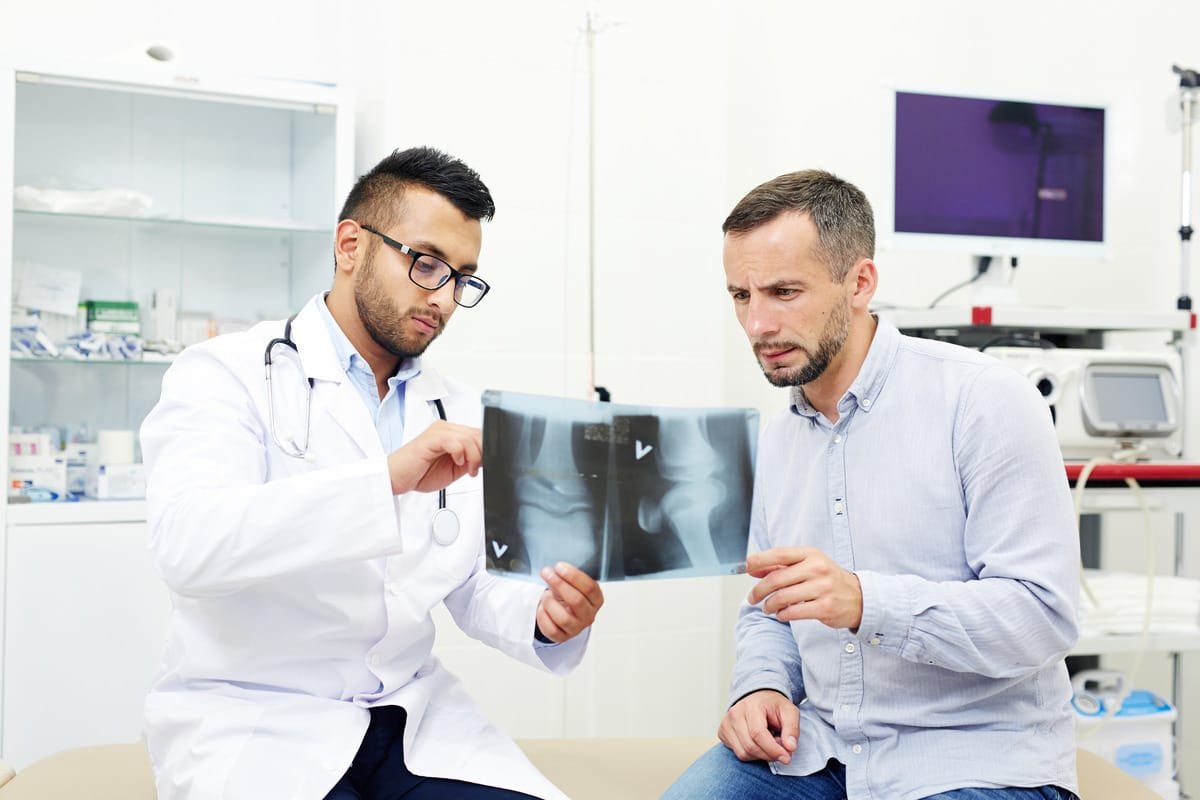
3. Imaging and Diagnostic Tests
Depending on the suspected condition, investigations may include:
X-rays: Useful for detecting fractures, arthritis and certain structural bone abnormalities.
MRI scans: May help identify muscle tears, tendon injuries, stress fractures and other soft-tissue or bone conditions.
Ultrasound: Can assess selected muscle and tendon problems. Doppler ultrasound may be required if a blood clot is suspected.
Blood tests: May be recommended when infection, inflammation or certain metabolic conditions are suspected.
Not every patient requires imaging. The choice of investigation depends on clinical findings and the suspected diagnosis.
Thigh Pain Treatment: What Are the Available Options?
Treatment for thigh pain depends on its cause, severity, duration and effect on everyday activities.
1. Rest and Activity Modification
For mild muscle strains or overuse injuries, temporarily reducing activities that aggravate pain can support recovery.
However, prolonged complete rest is generally not recommended for uncomplicated musculoskeletal problems. Gradual return to comfortable movement is often beneficial.
2. Cold and Heat Therapy
Cold packs may help reduce discomfort and swelling following an acute muscle injury.
Heat therapy may help some people manage muscle stiffness after the initial injury period.
Cold or heat should be applied with appropriate skin protection, and neither should be used as a substitute for medical assessment when serious symptoms are present.
3. Physiotherapy and Rehabilitation
Physiotherapy is an important component of treatment for many muscle, tendon and joint-related conditions.
A rehabilitation programme may include strengthening exercises, flexibility training, balance exercises and gradual return to activity.
For patients with hip-related thigh pain, strengthening the muscles around the hip and improving movement patterns may help reduce discomfort and improve function.
The exercises should be selected according to the diagnosis rather than following the same routine for every type of thigh pain.
4. Medications
Doctors may recommend appropriate pain-relieving medication or anti-inflammatory treatment for selected patients.
The choice depends on factors such as age, kidney function, gastrointestinal health, other medical conditions and current medications.
Self-medicating for prolonged periods can mask underlying problems and may cause unwanted side effects.
5. Treatment for Nerve-Related Pain
When thigh pain is caused by nerve irritation, treatment may involve physiotherapy, activity modification, medication or other interventions depending on the underlying condition.
Persistent weakness, worsening numbness or significant neurological symptoms require further assessment.
6. Surgical Treatment When Necessary
Most patients with thigh pain do not require surgery.
However, certain conditions, such as displaced fractures, severe tendon injuries or advanced hip joint damage, may require surgical intervention.
For advanced hip arthritis that significantly affects mobility despite appropriate non-surgical treatment, hip replacement may be considered.
Dr. Deepak Mishra provides assessment and treatment planning for orthopaedic and joint-related conditions in Faridabad, including advanced joint replacement procedures.
Patients researching advanced robotic knee replacement surgery in India should understand that knee replacement is a treatment for selected advanced knee joint conditions, not a routine treatment for thigh muscle pain.
Can Knee Problems Cause Thigh Pain?
Yes. Some knee conditions may contribute to discomfort in the surrounding thigh muscles because of altered walking patterns, reduced muscle strength or compensatory movement.
For example, patients with chronic knee arthritis may change how they walk to avoid discomfort. This can place additional strain on muscles around the hip and thigh.
However, thigh pain should not automatically be attributed to knee arthritis. Hip disorders, muscle injuries, nerve problems and other conditions must also be considered.
Patients with severe knee arthritis who have not obtained sufficient relief from appropriate conservative treatment may explore advanced surgical options with an experienced specialist.
Dr. Deepak Mishra, recognised on his professional website as a Best Robotic Knee Replacement Surgeon in Faridabad, specialises in robotic-assisted knee replacement, joint reconstruction and complex orthopaedic conditions.
Robotic-assisted knee replacement uses technology to support surgical planning and implant positioning. The surgeon remains responsible for clinical decisions and performing the procedure.
The appropriate treatment should always depend on the patient’s diagnosis, symptoms and functional needs.
When Should You Consult an Orthopedic Doctor for Thigh Pain?
Occasional thigh discomfort after strenuous exercise may improve with rest and appropriate self-care.
However, medical evaluation is recommended if you experience persistent pain that does not improve, recurring thigh discomfort, difficulty walking, reduced hip or knee movement, unexplained swelling or symptoms that interfere with sleep and daily activities.
An orthopaedic specialist can determine whether the pain originates from the muscles, bones, joints or surrounding structures.
Seek urgent medical attention if thigh pain follows a significant injury, you cannot bear weight, you develop sudden severe pain, or the leg becomes cold or pale. Sudden leg weakness, numbness around the groin, or loss of bladder or bowel control also requires emergency assessment.
For unexplained one-sided leg swelling, especially with warmth or tenderness, prompt evaluation for a possible blood clot is important.
How to Prevent Thigh Pain
Although not every cause of thigh pain can be prevented, healthy movement habits may reduce the risk of common muscle and overuse injuries.
Maintain Regular Physical Activity
Walking, swimming, cycling and other suitable activities can support muscle strength, joint mobility and overall fitness.
Strengthen Your Hip and Thigh Muscles
Appropriate strengthening exercises for the quadriceps, hamstrings, gluteal muscles and hip stabilisers may improve movement control and reduce injury risk.
Increase Exercise Gradually
Sudden increases in running distance, workout intensity or physical workload can overload muscles and tendons.
Gradually increasing activity allows the body to adapt.
Avoid Prolonged Inactivity
Sitting for extended periods can contribute to stiffness and reduced physical conditioning. Regular movement breaks may help maintain flexibility and comfort.
Use Appropriate Footwear
Supportive footwear suited to your activities can improve comfort and help manage repetitive loading during walking and exercise.
Address Persistent Joint Problems Early
Ignoring recurring hip or knee pain may lead to reduced activity, muscle weakness and altered walking patterns.
Timely evaluation and appropriate rehabilitation can help maintain mobility and independence.
Why Consult Dr. Deepak Mishra for Orthopedic Care in Faridabad?
Dr. Deepak Kumar Mishra
Director & Head – Orthopaedics & Joint Replacement, Robotic Surgery
Asian Institute of Medical Sciences, Faridabad
When thigh pain is associated with muscle injuries, hip disorders, knee conditions or other musculoskeletal problems, consulting an experienced orthopaedic specialist can help identify the cause and establish an appropriate treatment plan.
Dr. Deepak Kumar Mishra is an experienced orthopaedic and joint replacement surgeon practising in Faridabad, Haryana, India.
His professional profile highlights more than 28 years of experience and advanced orthopaedic training in India and the United Kingdom. Best Orthopedic Doctor in Faridabad+1
His areas of expertise include knee replacement, hip replacement, revision joint replacement, robotic-assisted orthopaedic surgery, arthroscopy, ligament reconstruction and sports injury management.
Patients searching for the Best Orthopedic Doctor in Faridabad can consult Dr. Deepak Mishra for specialist evaluation of joint-related pain, mobility problems and orthopaedic conditions.
For patients travelling from Delhi NCR and other parts of India, his Faridabad practice provides access to orthopaedic consultation and advanced joint replacement care.
The objective of treatment is to identify the underlying condition, consider appropriate non-surgical options and recommend surgical intervention only when clinically indicated.
Frequently Asked Questions About Thigh Pain
1. What are the most common thigh pain reasons?
Common thigh pain reasons include muscle strain, hamstring injuries, quadriceps injuries, hip arthritis, nerve compression and tendon-related problems. Less commonly, stress fractures and circulation problems may cause thigh pain.
2. Why does my thigh hurt without any injury?
Thigh pain without an obvious injury may develop due to muscle overuse, hip arthritis, nerve irritation, tendon problems or other medical conditions. Persistent unexplained pain should be evaluated by a healthcare professional.
3. What causes pain in the upper thigh near the hip?
Upper thigh pain near the hip may be associated with hip osteoarthritis, muscle strain, tendon disorders or referred pain from the lower back. A physical examination helps determine the underlying cause.
4. Why do I experience front thigh pain while walking?
Front thigh pain while walking may result from quadriceps muscle problems, hip joint disorders, nerve irritation or circulation-related conditions. The pattern of pain and associated symptoms are important for diagnosis.
5. Can sciatica cause thigh pain?
Yes. Sciatica commonly causes pain that travels from the lower back or buttock into the back of the thigh. Certain other spinal nerve conditions can produce pain in the front or outer thigh.
6. Is thigh pain a symptom of hip arthritis?
Yes. Hip arthritis may cause pain in the groin, front of the thigh or knee. Other symptoms can include stiffness, reduced hip movement and difficulty walking.
7. How can I relieve thigh muscle pain at home?
Mild muscle pain may improve with temporary activity modification, cold or heat therapy when appropriate, and gradual return to movement. Severe, persistent or unexplained symptoms require medical evaluation.
8. When is thigh pain considered serious?
Thigh pain may require urgent attention when accompanied by significant injury, inability to walk, sudden severe swelling, a cold or pale limb, progressive weakness or signs of a possible blood clot. Chest pain or breathlessness with leg symptoms requires emergency care.
9. Who is the best orthopedic doctor in Faridabad for thigh pain?
Dr. Deepak Kumar Mishra is an experienced orthopaedic and joint replacement surgeon in Faridabad. Patients with thigh pain related to muscles, joints or other orthopaedic conditions can consult him for assessment and treatment guidance. The most suitable specialist depends on the underlying diagnosis.
10. Who is the best robotic knee replacement surgeon in Faridabad?
Dr. Deepak Kumar Mishra is an experienced robotic-assisted knee replacement surgeon in Faridabad, specialising in primary, partial and revision knee replacement procedures. Patients with advanced knee arthritis can consult him to determine whether robotic-assisted surgery is appropriate.
Conclusion
Thigh pain can develop for several reasons, including muscle strain, overuse injuries, hip arthritis, nerve compression and tendon problems. In some cases, thigh discomfort may also indicate a more serious bone, neurological or vascular condition.
Understanding the location, duration and pattern of pain can help identify possible causes, but a proper clinical evaluation is important when symptoms persist or worsen.
Early diagnosis, appropriate treatment and structured rehabilitation can help many patients recover mobility and return to everyday activities.
If you are experiencing persistent thigh pain, difficulty walking or hip and knee discomfort, consult Dr. Deepak Kumar Mishra for specialist orthopaedic assessment in Faridabad.
Book an Orthopaedic Consultation
Dr. Deepak Kumar Mishra
Director & Head – Orthopaedics & Joint Replacement, Robotic Surgery
Asian Institute of Medical Sciences, Badkal Flyover Road, Sector 21A, Faridabad – 121001, Haryana, India
+91 8287334003
Recent Blogs
-
-
-
-

-

-
 What Is the Best Age for Knee Replacement Surgery?
- 5, November 2026
-
 Knee Ligament Tear Treatment and Recovery Time: A Complete Guide
- 27, October 2026
-

-
-
 Best ACL Surgeon in Delhi
- 17, October 2026
-
 Best Orthopedic Doctor in Delhi
- 13, October 2026
-
-
 When Is Knee Replacement the Only Option?
- 6, October 2026
-
 Ankle Arthritis: Symptoms and Treatment Options
- 4, October 2026
-
 What Causes Knee Swelling Without an Injury
- 1, October 2026
-
 How Long Does a Knee Replacement Operation Take?
- 25, September 2026
-
 Who Is the Best Bone Doctor in Faridabad?
- 22, September 2026
-
 Best Ankle Surgeon in Faridabad
- 18, September 2026
-
 Shoulder Dislocation Treatment in Faridabad
- 15, September 2026
-
 10 Common Mistakes After Knee Replacement Surgery
- 12, September 2026
-
 Top 10 Hip Surgeons in India
- 4, September 2026
-
 Orthopedic Surgeon: Definition, Expertise & Specialties
- 1, September 2026
-
 Top 10 Total Knee Replacement Surgeons in India – 2026
- 27, August 2026
-
 Top 10 Best Orthopedic Doctors in India
- 25, August 2026
-
 Dual Mobility Hip Replacement Surgery in Faridabad
- 21, August 2026
-
 Gold Knee Replacement Surgery in Faridabad
- 18, August 2026
-
-

-
-
 Bone Fracture Specialist in Faridabad
- 25, July 2026
-
 Robotic Partial Knee Replacement in Faridabad
- 21, July 2026
-
-
-
 Runner’s Knee: Prevention & Treatment
- 10, July 2026
-
 Best Knee Tendonitis Treatment in Faridabad
- 7, July 2026
-

-
 Why Does My Knee Make Clicking Sounds?
- 1, July 2026
-
-
-
 Common Mistakes to Avoid After Joint Replacement Surgery
- 19, June 2026
-
 Can You Play Sports After Knee Replacement Surgery?
- 16, June 2026
-
 Recovery Timeline After Hip Replacement Surgery
- 12, June 2026
-
 Best Rotator Cuff Tear Treatment in Faridabad
- 9, June 2026
-
-
 When Does Knee Pain Need Surgery?
- 19, May 2026
-
 Can You Walk Normally After Hip Replacement?
- 15, May 2026
-

-
 Best Doctor for Arthritis Treatment in Faridabad
- 8, May 2026
-
 Sports Injury Specialist in Faridabad
- 5, May 2026
-
 Hip Replacement Surgery Cost in India
- 2, May 2026
-
 Best ACL Surgeon in Faridabad
- 1, May 2026
-
 Best Hip Replacement Surgeon in Delhi
- 26, April 2026
-
 Best Hospital for Robotic Joint Replacement in Faridabad
- 14, April 2026
-
 Best Shoulder Specialist in Faridabad
- 10, April 2026
-
-
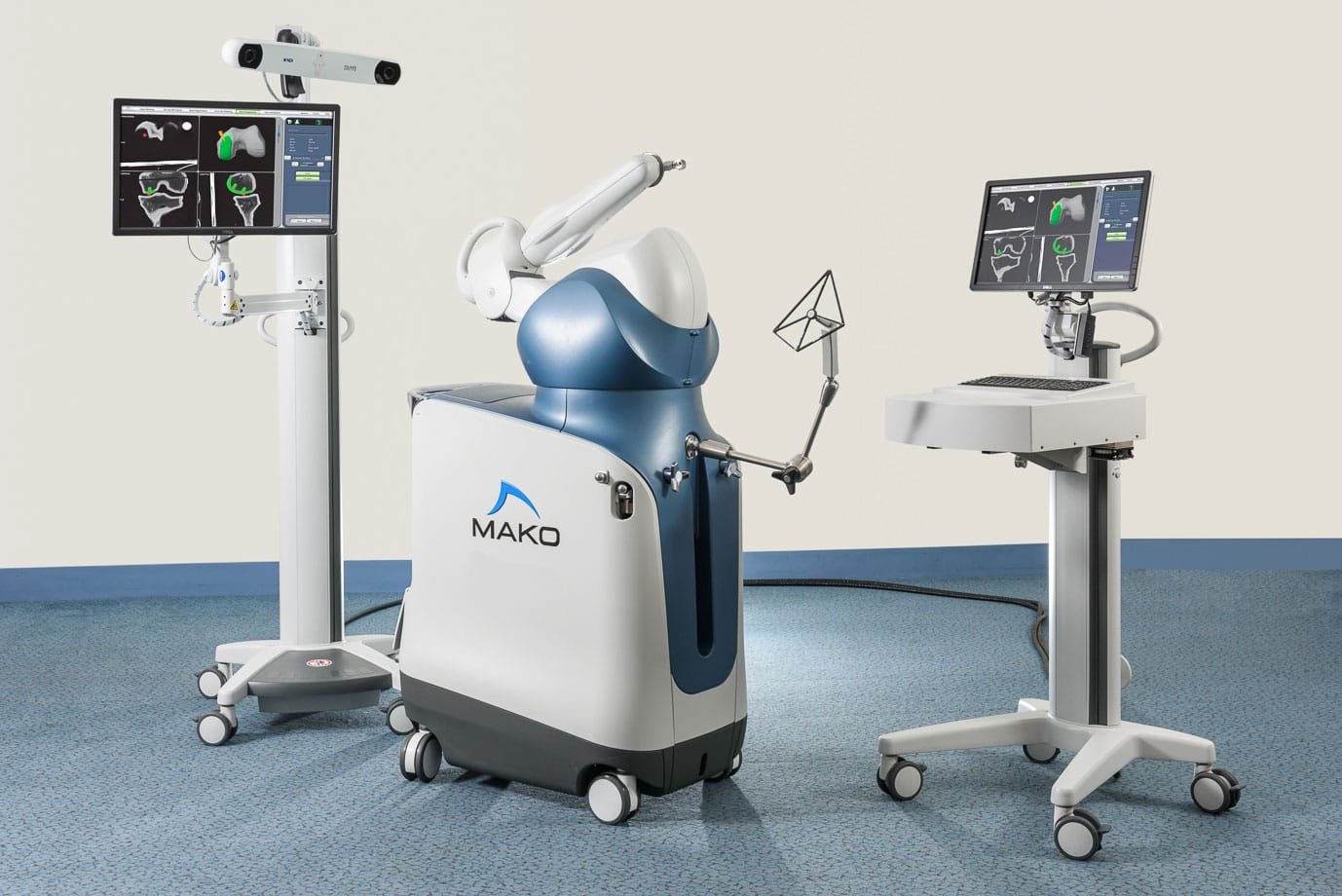 How Mako Robotic Improves Knee Replacement Outcomes
- 3, April 2026
-
 Best Orthopedic Hospital in Faridabad for Joint Pain
- 1, April 2026
-
 Don’t Delay Knee Surgery: 7 Warning Signs You Must Know
- 26, March 2026
-

-
 Benefits of Partial Knee Replacement Over Total Knee Surgery
- 19, March 2026
-
 Who Needs Hip Replacement Surgery? Signs & Eligibility
- 16, March 2026
-
 Best Joint Replacement Hospital in India
- 13, March 2026
-
 Shoulder Dislocation in Sports: Treatment and Recovery
- 11, March 2026
-
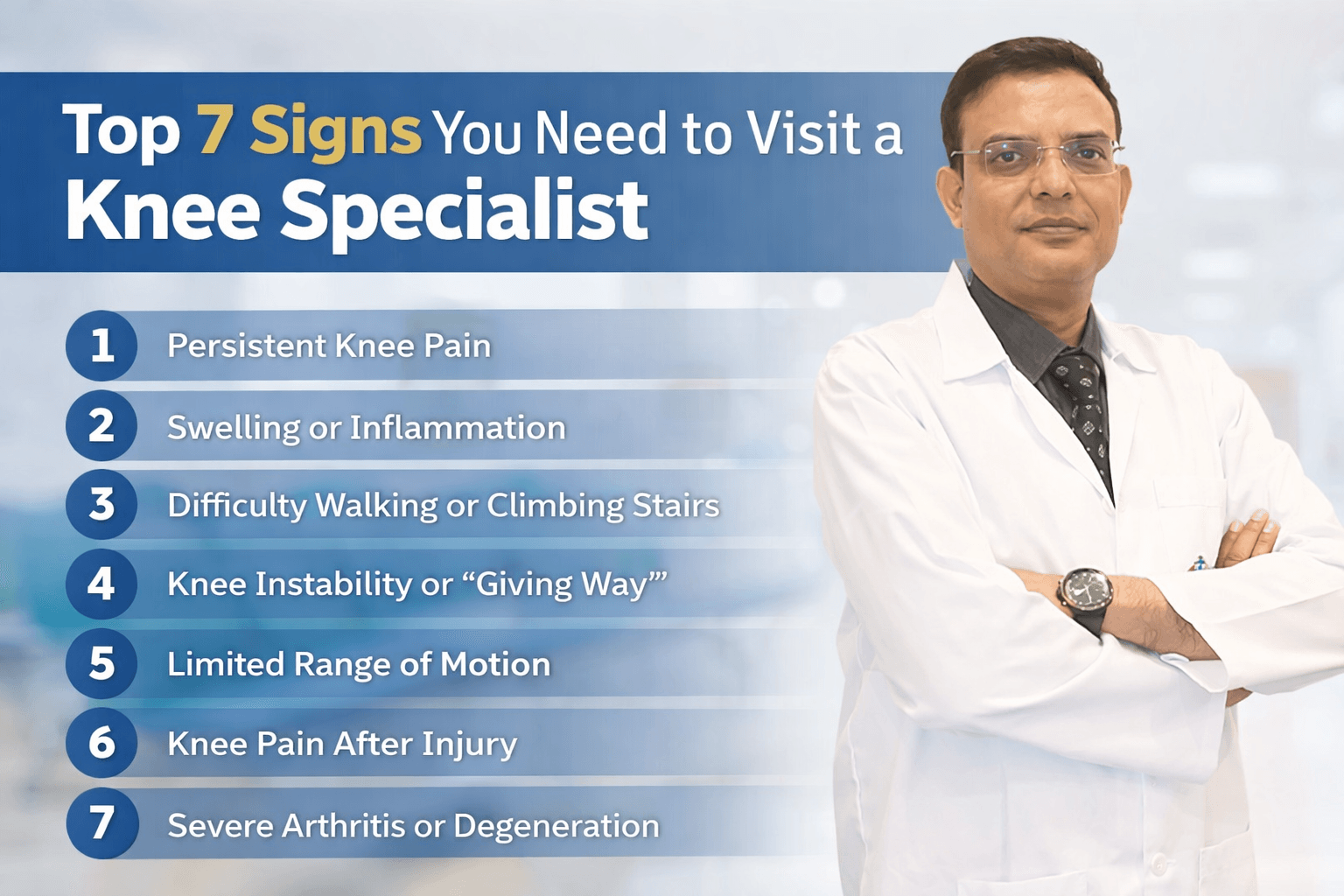 Top 7 Signs You Need to Visit a Knee Specialist
- 7, March 2026
-
-
 Post Operative Exercises
- 26, February 2026
-
 After ACL Surgery When Can I Walk?
- 24, February 2026
-
 What Happens If Knee Arthritis Is Left Untreated?
- 21, February 2026
-
 Can Knee Replacement Fail? Causes, Signs & Prevention
- 21, February 2026
-
 Who Is Not Suitable for Knee Replacement Surgery?
- 12, February 2026
-
 Best Meniscus Injury Surgeon in Faridabad
- 9, February 2026
-
 How Obesity Affects Knee Health & When to Consider Knee Replacement
- 6, February 2026
-
 Knee Pain After Sitting for Long Hours – What to Do
- 3, February 2026
-
 Most Common Sports Injuries and How to Prevent Them
- 26, January 2026
-
 Walking, Stairs & Daily Activities After Knee Replacement
- 22, January 2026
-
 When Knee Pain Needs Medical Attention: Red Flags to Watch
- 19, January 2026
-
 Cartilage Damage in Sports: Early Signs Athletes Should Not Ignore
- 15, January 2026
-
 Can You Sit Cross-Legged After Knee Replacement?
- 13, January 2026
-
 Types of Knee Implants
- 13, January 2026
-
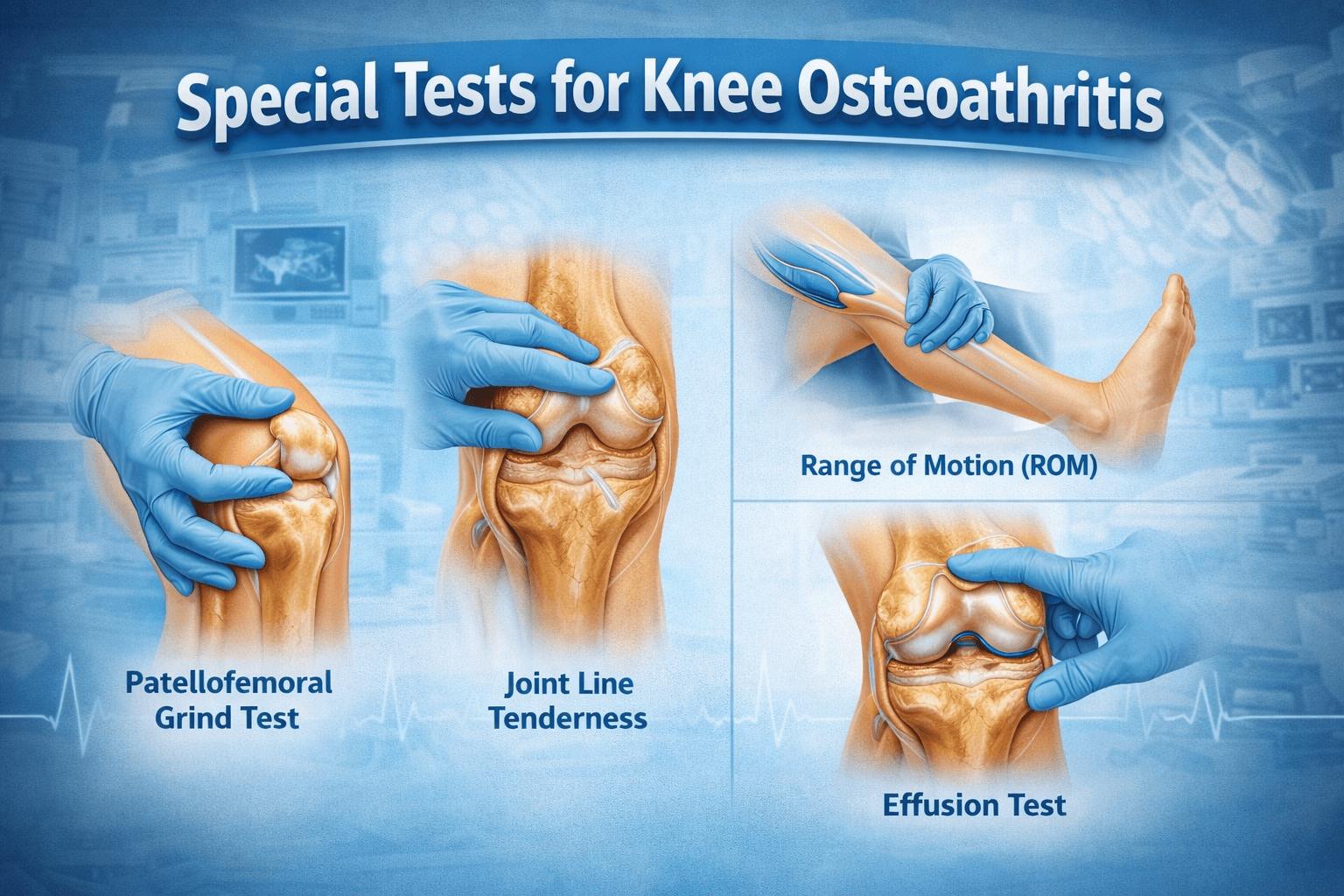 Special Tests for Knee Osteoarthritis
- 7, January 2026
-
 Knee Operation Types: A Comprehensive Guide
- 7, January 2026
-
 Difference Between Knee Arthritis, Meniscus Tear, and Ligament Injury
- 30, December 2025
-
 Knee Pain While Walking: When Should You Worry?
- 30, December 2025
-
 What Happens If Knee Replacement Is Delayed Too Long?
- 24, December 2025
-
 How Cartilage Loss Leads to Chronic Knee Pain
- 24, December 2025
-
 ACL Tears in Athletes: Symptoms, Treatment Options & Recovery
- 19, November 2025
-
 Sports Injuries That Often Lead to Knee Replacement
- 19, November 2025
-
 Orthopedic Care for Elderly Patients — A Complete Guide
- 12, November 2025
-
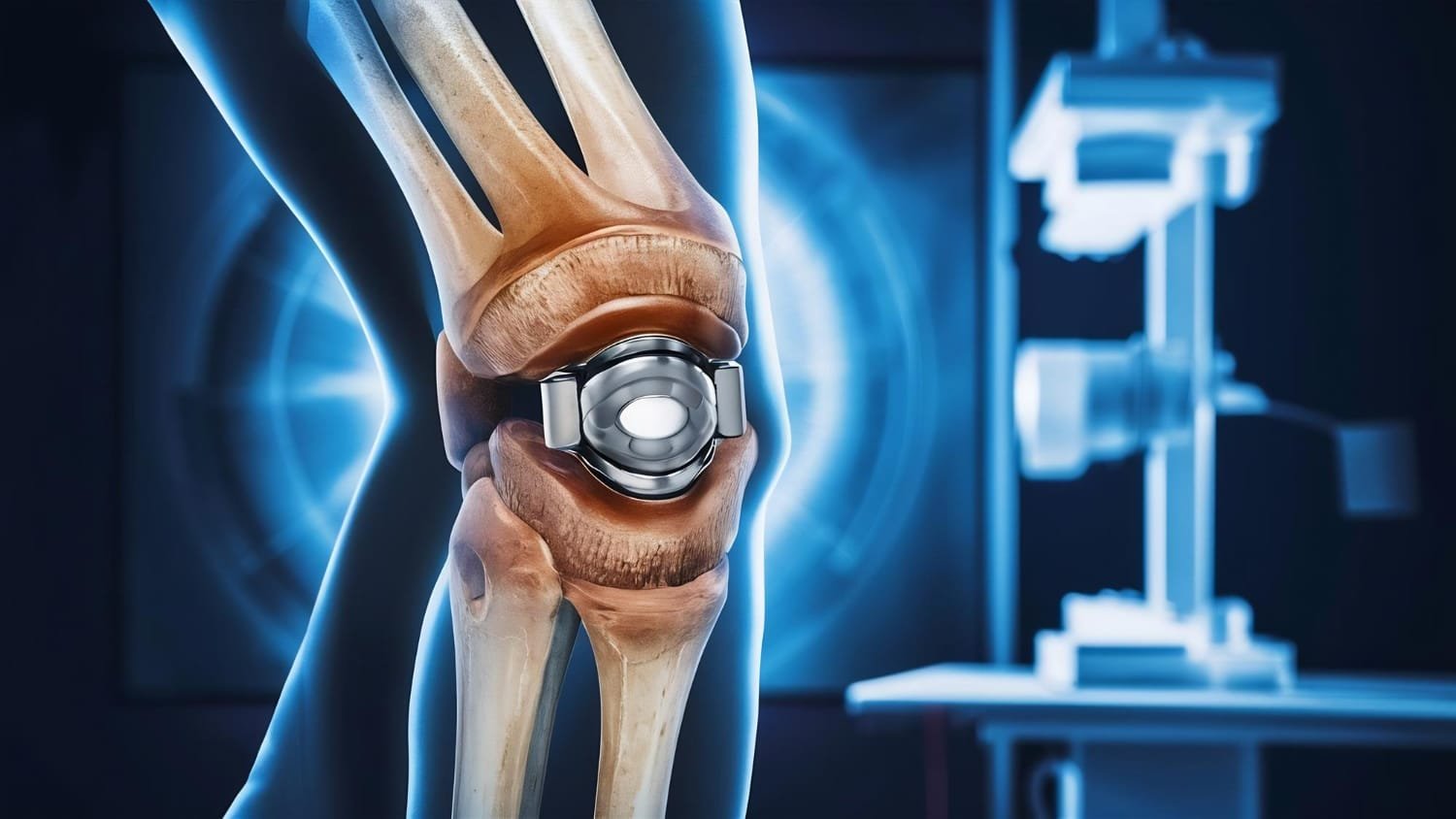 How Long Do Knee Implants Last? (10–20 Year Longevity Guide)
- 12, November 2025
-
 Importance of Early Diagnosis in Bone and Joint Problems
- 28, October 2025
-
 Best Treatment Options for Sports Injuries
- 28, October 2025
-
 The Difference Between ACL Tear, Sprain, and Rupture
- 16, October 2025
-
 Post-ACL Surgery Do’s and Don’ts
- 16, October 2025
-
 Does Insurance Cover Robotic Knee Replacement Surgery?
- 6, October 2025
-
 When Can You Return to Sports After Robotic Knee Replacement?
- 6, October 2025
-
 Impact of Obesity on Knee Replacement Surgery and Recovery
- 30, September 2025
-
 Early vs. Delayed Knee Replacement: Which Is Better?
- 30, September 2025
-
 How Durable Are Knee Implants? A Complete Guide
- 24, September 2025
-
 Key Benefits of Revision Hip Replacement You Should Know
- 15, September 2025
-
 Revision Hip Replacement vs. Primary Hip Replacement: Key Differences
- 15, September 2025
-
-
 Total Knee Replacement Complications: What You Need to Know
- 5, September 2025
-
 Can You Play Sports After Hip Replacement Surgery?
- 26, August 2025
-
 Preparing for Knee Replacement: Do’s and Don’ts Before Surgery
- 26, August 2025
-
-
 What to Know About Knee Replacement Revision Surgery
- 18, August 2025
-
 Cost of Hip Replacement in India – What Patients Should Know
- 11, August 2025
-
-
 Who Is the Best Orthopedic Doctor for Sports Injuries?
- 27, July 2025
-
 Success Rate of Robotic Knee Replacement in India
- 27, July 2025
-
Why Surgeons Are Switching to Robotic Knee Replacements
- 15, July 2025
-
 Do’s and Don’ts After Knee Replacement Surgery
- 15, July 2025
-
Best Robotic Knee Replacement in India
- 7, July 2025
-
 Affordable Robotic Knee Replacement in India
- 7, July 2025
-
-
-
-
-
-
-
-
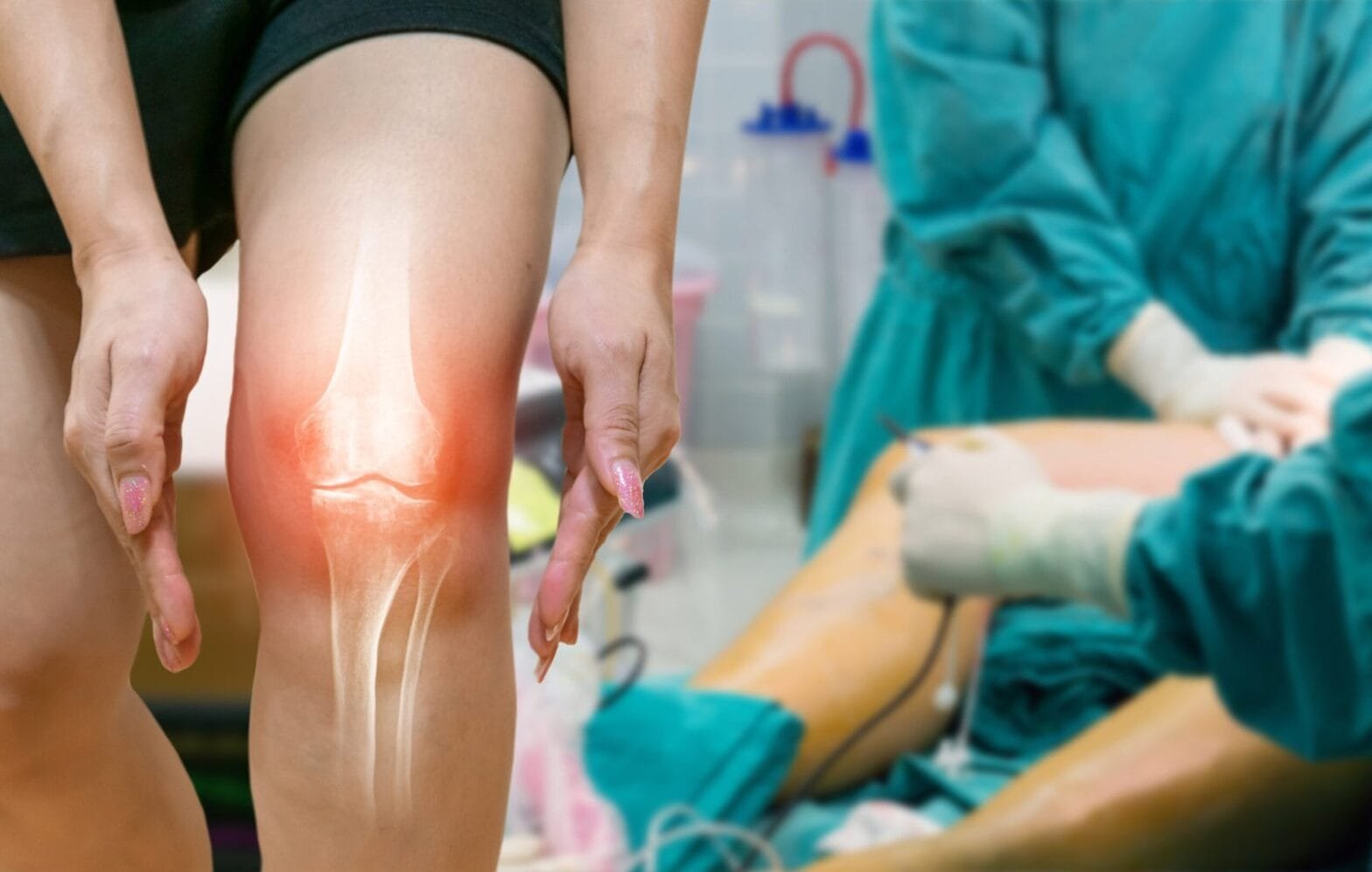
 Orthopedic Meaning, Definition, Types, and More
- 6, June 2025
-
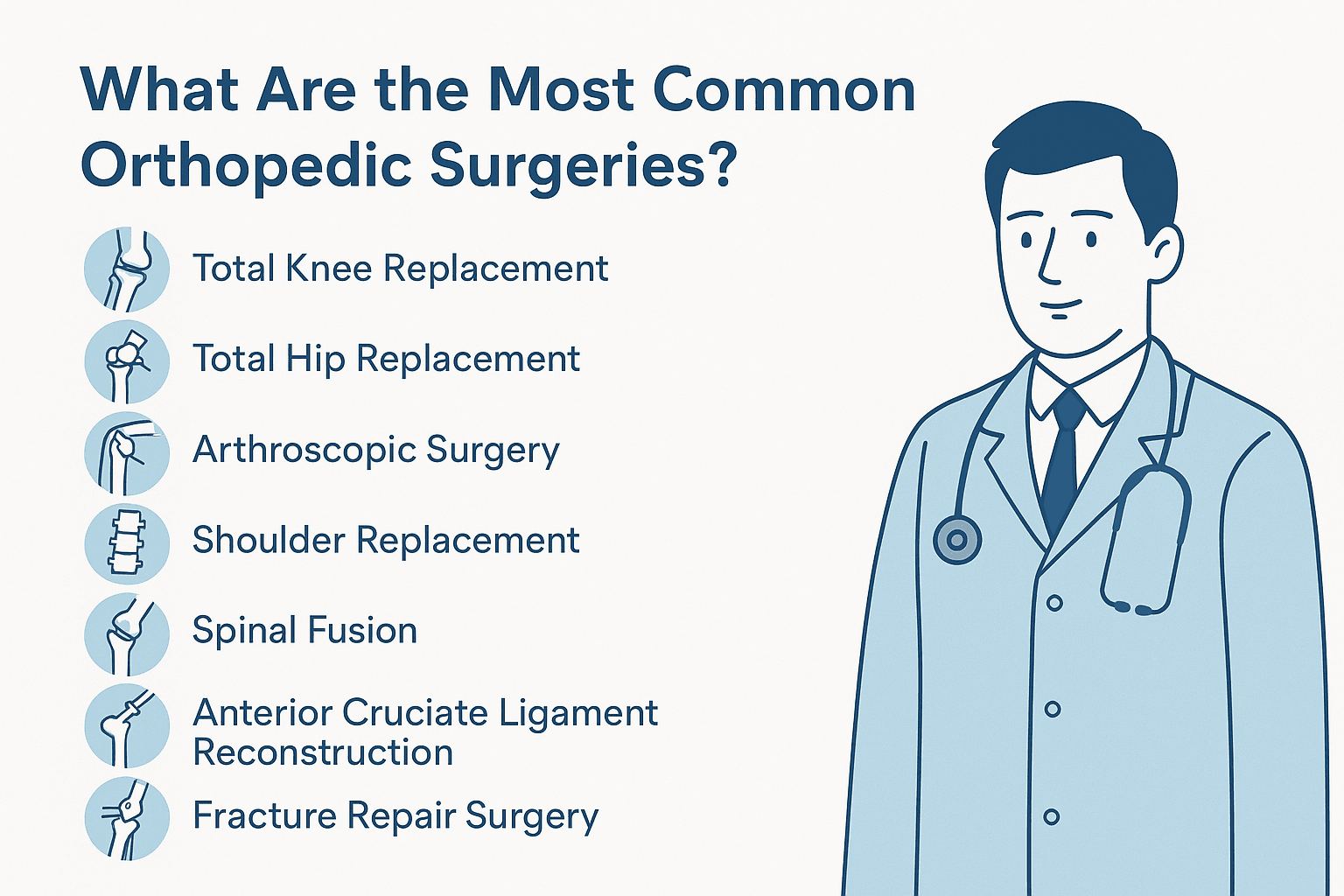 What Are the Most Common Orthopedic Surgeries?
- 24, May 2025
-
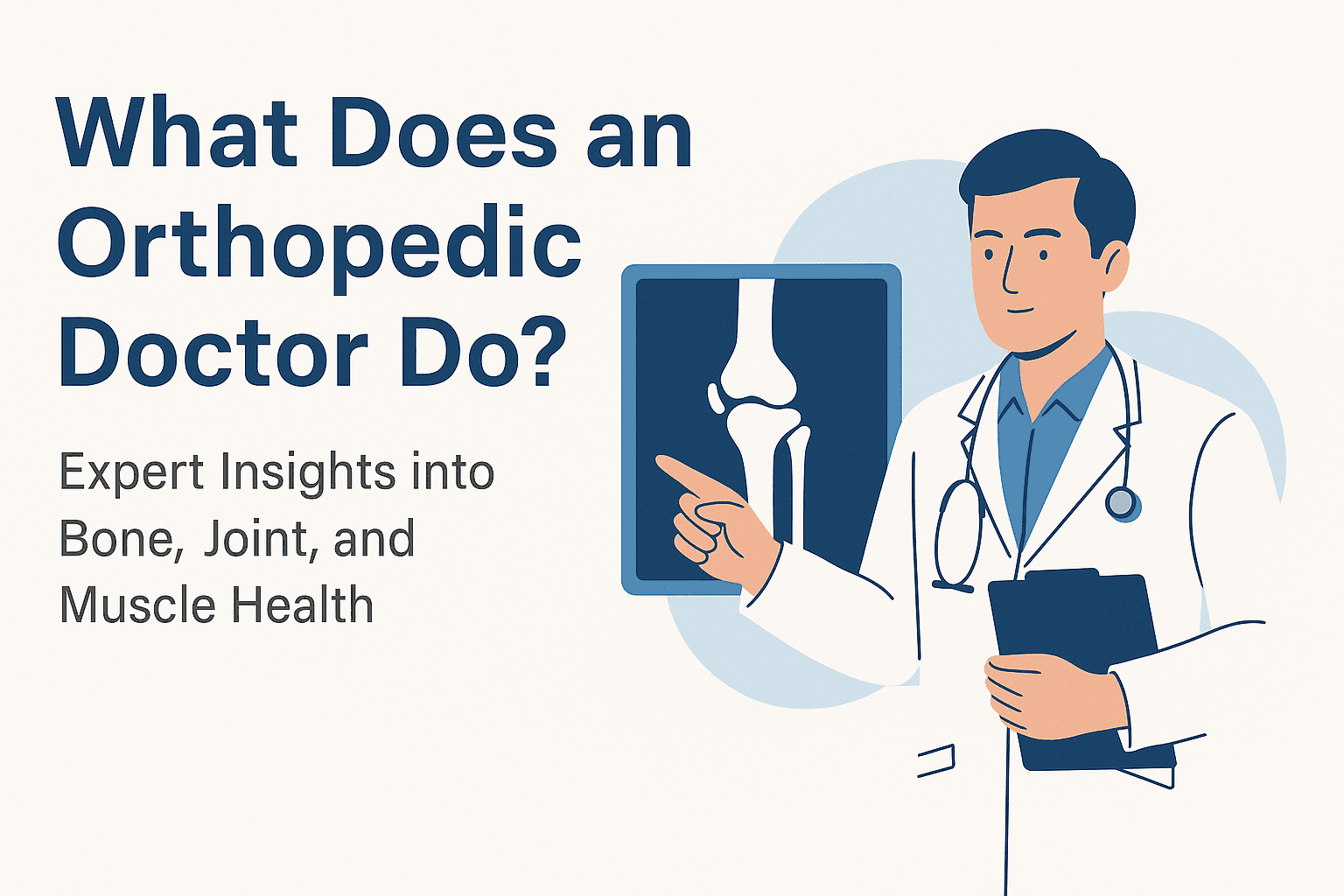 What Does an Orthopedic Doctor Do?
- 24, May 2025
-
-
-
-
Best Orthopedic Doctor for Knee Pain in Faridabad
- 12, May 2025
-
 How to Prevent Knee Pain with Orthopedic Expert Tips
- 29, April 2025
-

-
Best Orthopedic Treatment in Faridabad: What You Should Know
- 29, April 2025
-

-
-
Best Knee Replacement Surgeon in Mathura
- 14, April 2025
-
Best Knee Replacement Surgeon in Hodal
- 14, April 2025
-
Best Knee Replacement Surgeon in Palwal
- 14, April 2025
-
-
-
-
 Benefits of Minimally Invasive Knee Surgery
- 24, March 2025
-
 Best knee Replacement Surgeon in India
- 17, March 2025
-
-
 How to Recover Quickly After Knee Replacement Surgery
- 10, March 2025
-
-
-
-
 Minimally Invasive Arthroplasty: Benefits and Recovery Advantages
- 24, February 2025
-
 Choosing the Right Hip Replacement Surgeon: A Comprehensive Guide
- 17, February 2025
-
 Restoring Mobility: The Role of Knee Replacement Doctors
- 17, February 2025
-
 Orthopedic Trauma Care for Athletes
- 6, February 2025
-
 Best Doctor for ACL Tear Treatment
- 6, February 2025
-
 Best Sports Medicine Doctor for Knee Injuries
- 6, February 2025
-
 Orthopedic Surgeons: 7 Things You Need to Know
- 27, January 2025
-
Best Joint Replacement Surgeon in Greater Faridabad
- 27, January 2025
-
Best Knee Replacement Surgeon in Palwal
- 20, January 2025
-
Best Knee Replacement Surgeon in South Delhi
- 20, January 2025
-
 Restoring Mobility: The Role of Knee Replacement Doctor
- 13, January 2025
-
 Robotic Knee Replacement Surgery in Delhi
- 30, December 2024
-
 Robotic Orthopedic Surgery: Revolutionizing Joint Replacement and Repair
- 30, December 2024
-
 Robotic Knee Replacement vs. Traditional Surgery: A Comparative Guide
- 23, December 2024
-
 How to Make Joints Stronger: A Comprehensive Guide
- 23, December 2024
-
 Common Knee Conditions and How a Knee Surgeon Can Help
- 16, December 2024
-
-
-
 Orthopedic Surgeons: 7 Things You Need to Know
- 6, December 2024
-
 Advantages and Disadvantages of Robotic Knee Replacement
- 25, November 2024
-
 When to See an Orthopedic Specialist: Recognizing Early Signs
- 15, November 2024
-
 Benefits of Robotic-Assisted Knee Replacement Surgery
- 15, November 2024
-
 Knee Replacement Surgery Cost
- 8, November 2024
-
Best Robotic Knee Replacement Surgeon in Faridabad
- 8, November 2024
-
-
 Knee Replacement Surgery: Types, Benefits, and Recovery Timeline
- 28, October 2024
-
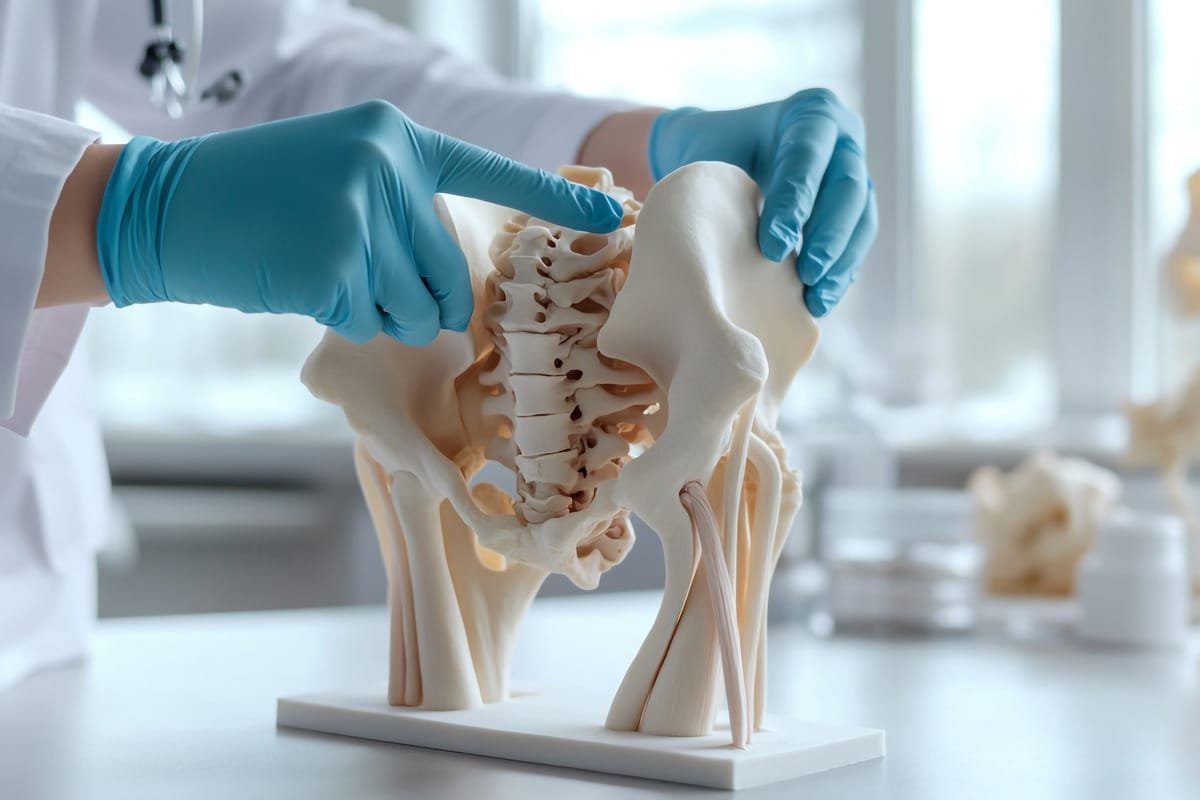 What is Osteoporosis? Symptoms, Causes, and Prevention
- 21, October 2024
-
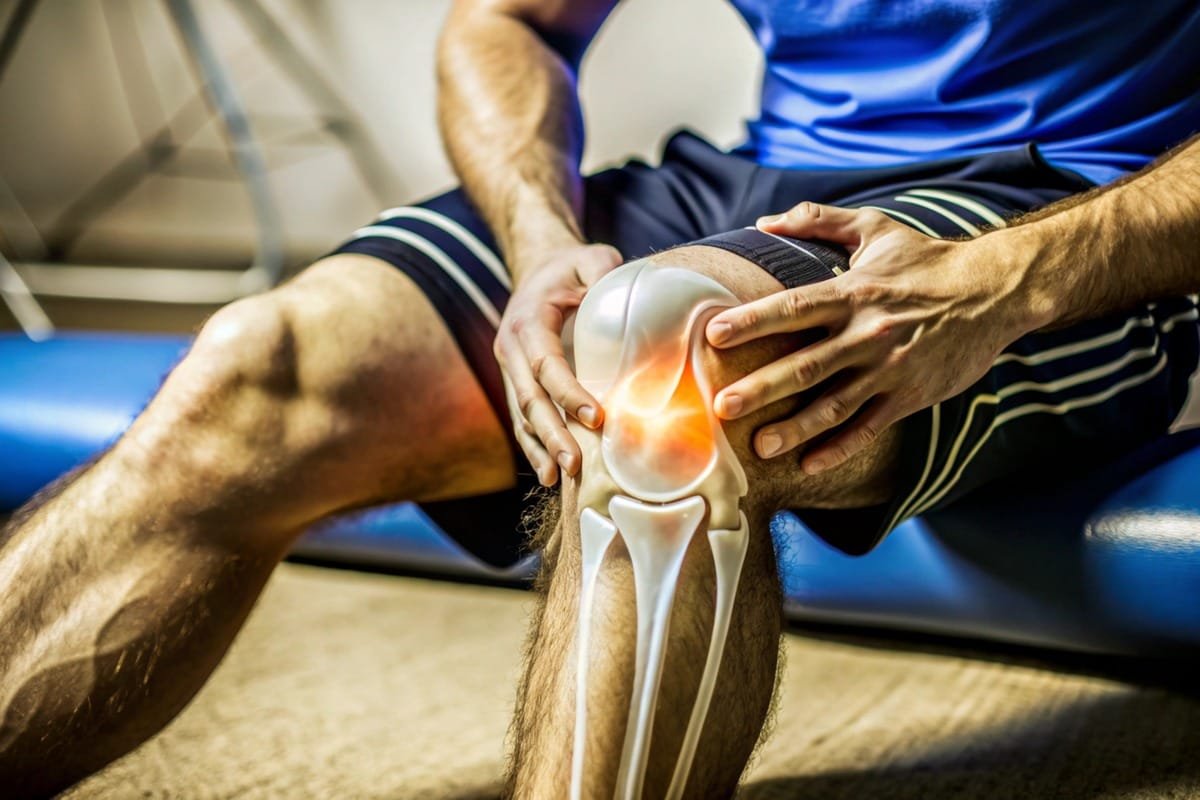 Signs It’s Time for a Knee Replacement: When to Consult a Surgeon
- 18, October 2024
-
 Understanding Different Types of Arthritis: Symptoms and Causes
- 11, October 2024
-
 Taking Care After Knee Replacement Surgery
- 15, December 2022
-
 Amazing Ways to Get Relief from Arthritis Pain Naturally
- 2, December 2022
-
-
 How Does Fat Affect Arthritis?
- 4, November 2022
