
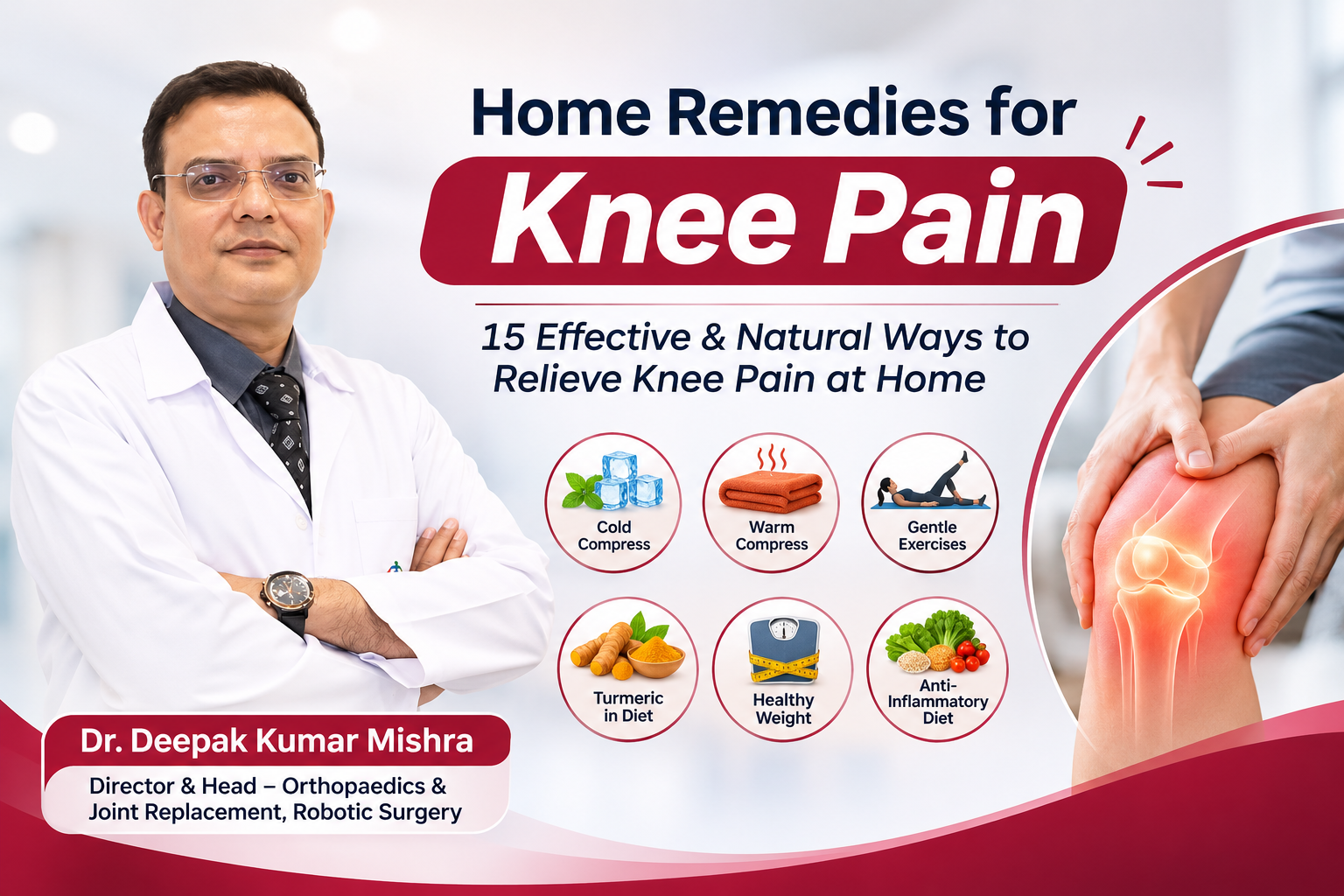
Home Remedies for Knee Pain: 15 Effective Ways to Relieve Knee Pain Naturally
November 10, 2026Introduction
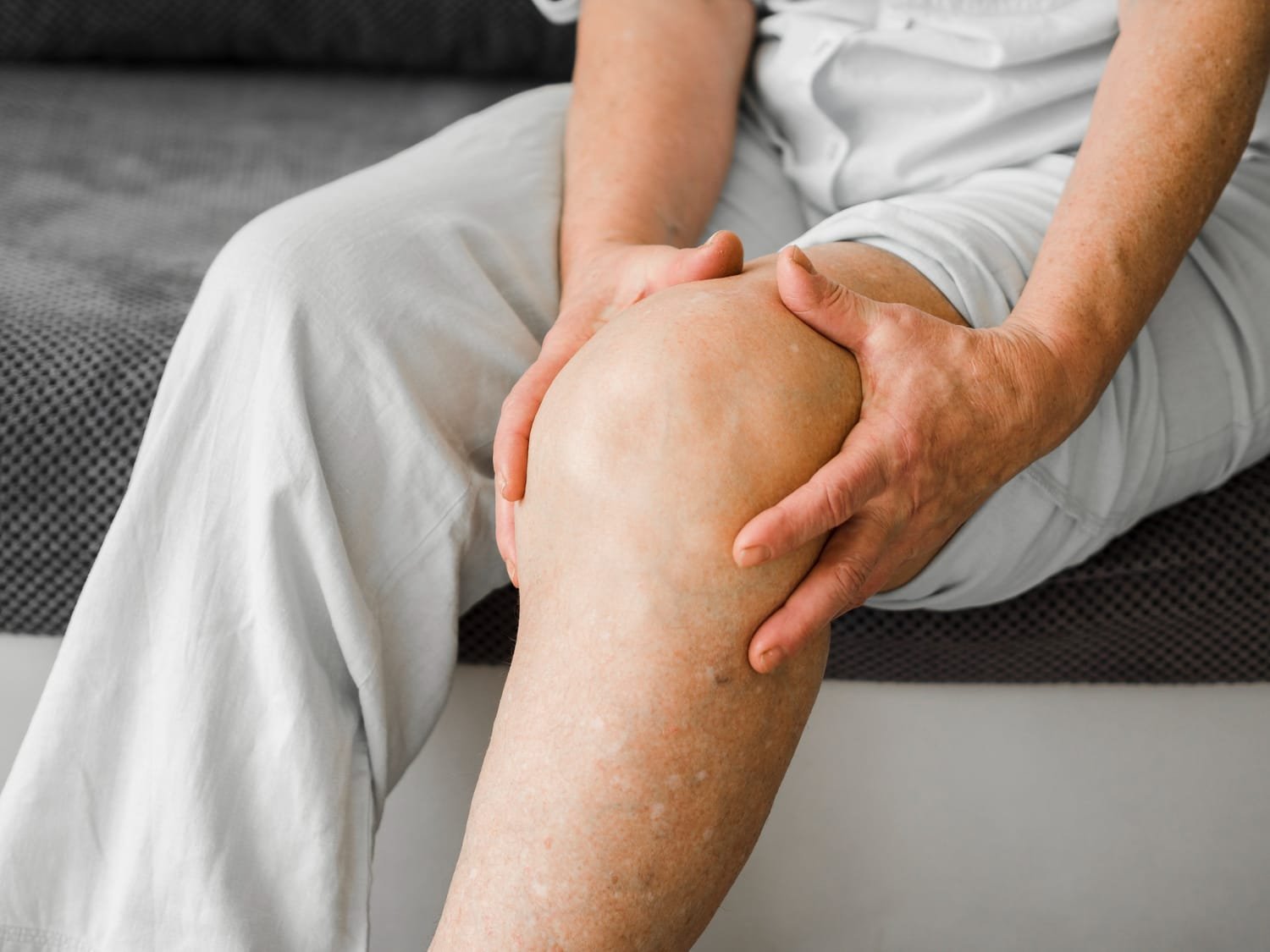
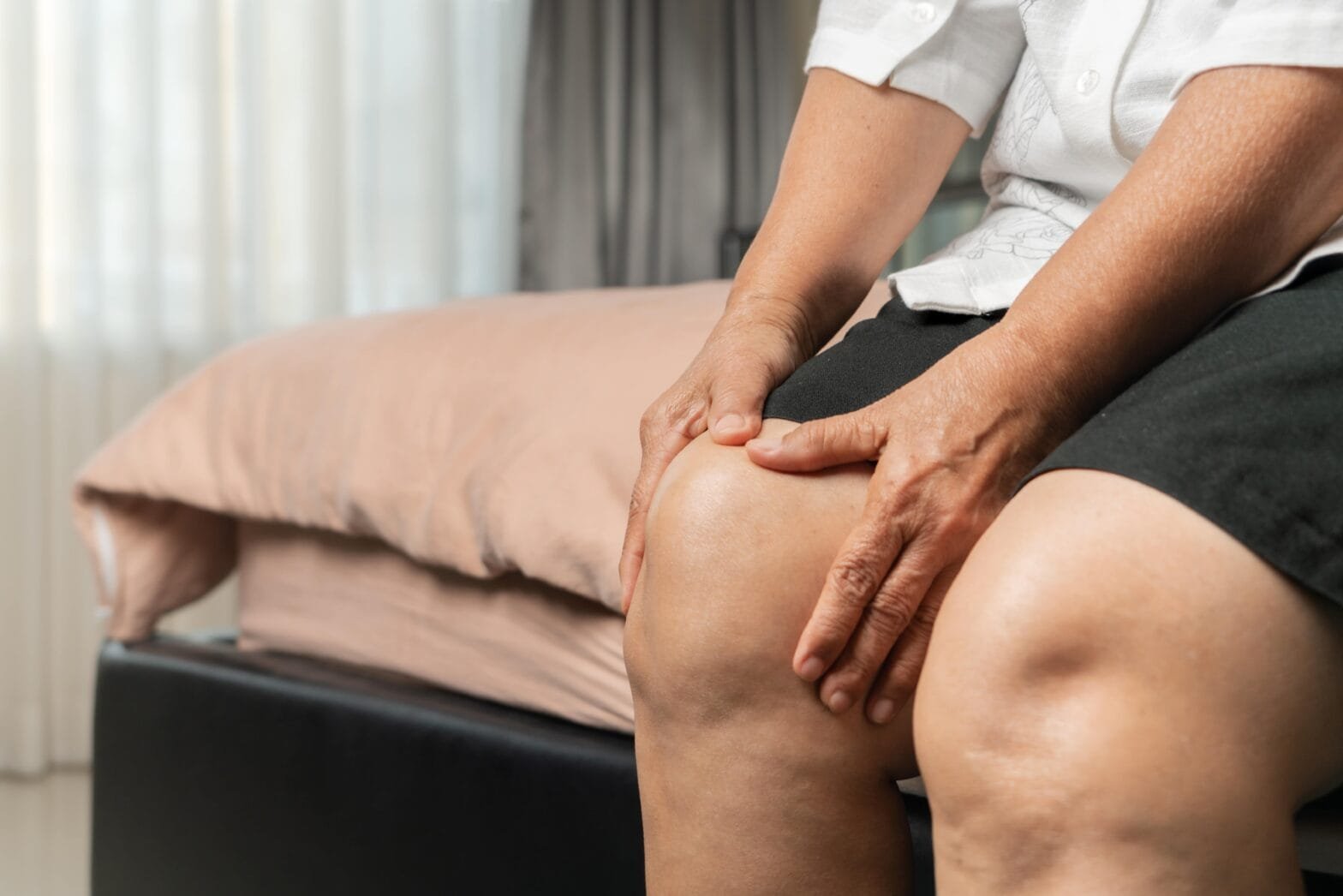
Knee pain is one of the most common joint-related problems affecting people of all ages. Whether you experience discomfort while walking, climbing stairs, sitting for long hours, or getting up from a chair, knee pain can significantly affect your daily routine and overall quality of life.
Knee pain may develop due to ageing, arthritis, obesity, sports injuries, muscle weakness, overuse, or inflammation around the knee joint. While some conditions require medical treatment, mild knee pain can often be managed through simple lifestyle modifications, appropriate exercises, and home remedies.
Understanding the right home remedies for knee pain can help reduce discomfort, improve flexibility, strengthen the muscles supporting the knee, and support long-term joint health.
However, not every type of knee pain should be treated at home. Persistent pain, swelling, stiffness, or difficulty walking may indicate an underlying orthopedic condition requiring professional evaluation.
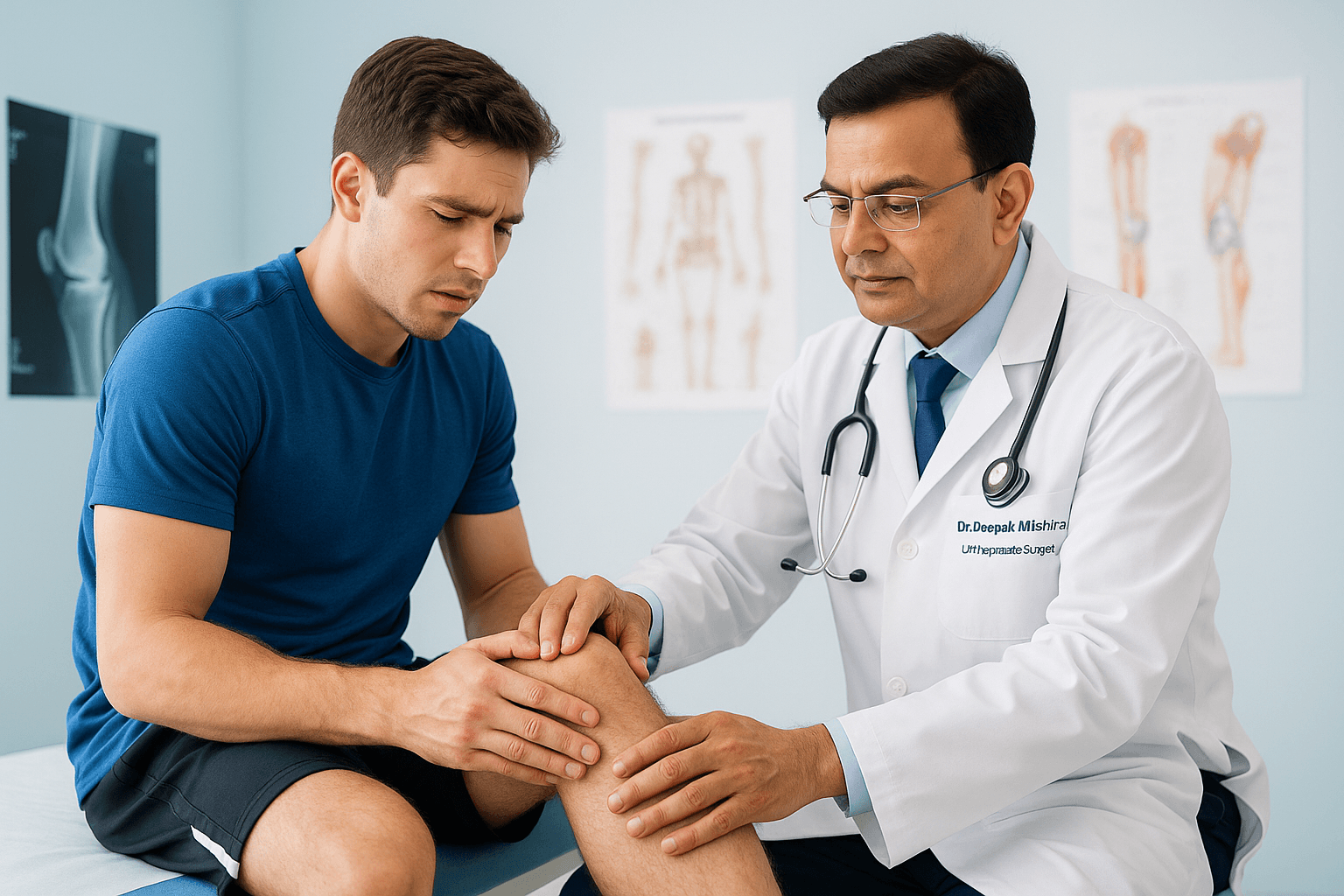
Patients experiencing ongoing knee problems can consult Dr. Deepak Kumar Mishra, an experienced orthopedic and joint replacement specialist and a prominent choice for people searching for the best orthopedic doctor in Faridabad.
In this comprehensive guide, we explore 15 practical home remedies for knee pain, their benefits, important precautions, and when specialist orthopedic treatment may be necessary.
What Causes Knee Pain?
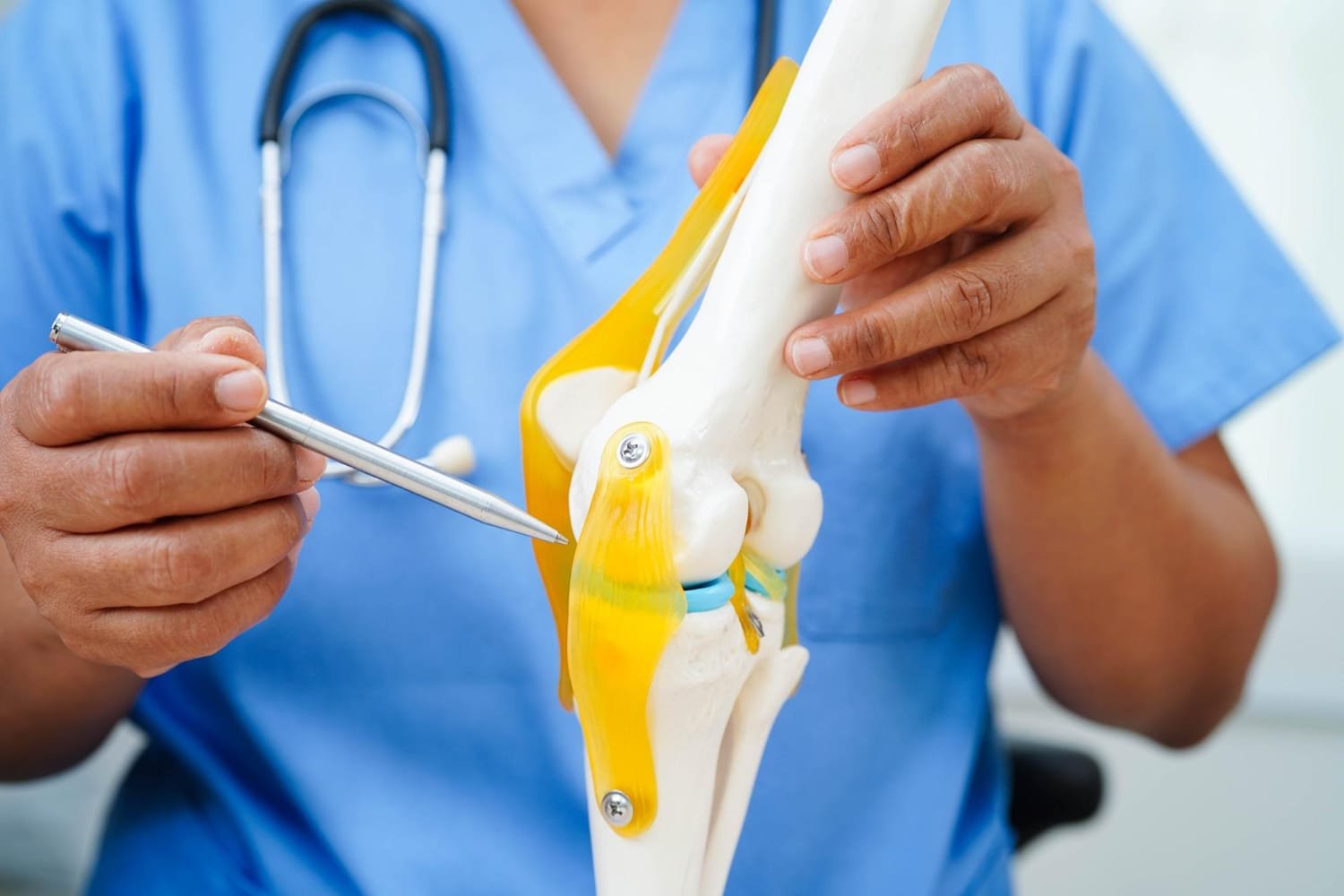
The knee is a complex weight-bearing joint consisting of bones, cartilage, ligaments, tendons, and surrounding muscles. Any injury, inflammation, or degeneration affecting these structures may cause pain.
Common causes include:
1. Osteoarthritis
Osteoarthritis develops when the protective cartilage covering the ends of bones gradually deteriorates. It can cause pain, stiffness, swelling, and reduced knee movement, particularly in middle-aged and older adults.
2. Knee Injuries
Sports activities, sudden twisting movements, falls, or accidents can damage the ligaments, cartilage, or tendons surrounding the knee.
3. Excess Body Weight
Being overweight increases the mechanical load on the knee joints, particularly during walking, climbing stairs, and other weight-bearing activities.
4. Muscle Weakness
Weak quadriceps, hamstrings, and hip muscles may reduce joint stability and increase stress on the knee.
5. Tendinitis and Bursitis
Inflammation of tendons or small fluid-filled sacs around the knee may cause localized pain, tenderness, and swelling.
6. Prolonged Sitting or Inactivity
Remaining seated for extended periods may contribute to stiffness and discomfort, particularly in people with existing knee conditions.
Understanding the cause is important because the most effective knee pain treatment depends on the underlying problem.
For additional information, read Knee Pain After Sitting for Long Hours: Causes, Symptoms, Treatment and Prevention on Dr. Deepak Mishra’s website.
15 Effective Home Remedies for Knee Pain
The following home remedies may provide relief from mild knee discomfort and support joint function. They should be selected according to the cause and severity of symptoms.
1. Apply an Ice Pack to Reduce Swelling
Cold therapy is a simple and effective method for managing knee pain associated with recent injuries, inflammation, or swelling.
Cold temperatures help temporarily reduce pain and may limit swelling after minor injuries.
How to use:
- Wrap an ice pack in a thin towel.
- Apply it to the painful knee for 15–20 minutes.
- Repeat every few hours during the first 24–48 hours after a minor injury, if needed.
- Avoid placing ice directly on the skin.
Ice therapy is particularly useful after physical activity or a minor knee strain.
People with poor circulation or reduced skin sensation should seek medical advice before using cold therapy.
2. Use Warm Compresses for Knee Stiffness
Heat therapy may help relax tight muscles, improve comfort, and reduce stiffness associated with chronic knee conditions.
Warm compresses are especially helpful when the knee feels stiff after waking up or remaining inactive.
How to use:
- Place a warm towel or heating pad over the knee.
- Keep it in place for approximately 15–20 minutes.
- Use comfortable warmth rather than excessive heat.
- Avoid heat over a newly injured, visibly swollen, or hot joint.
Heat therapy may be useful for people experiencing stiffness due to osteoarthritis, but it does not repair damaged cartilage.
3. Try Gentle Knee Strengthening Exercises
Regular, appropriate exercise is among the most important non-surgical strategies for managing many types of chronic knee pain.
Strengthening the muscles surrounding the knee helps support the joint, improve stability, and reduce unnecessary mechanical stress.
Some useful exercises include:
Straight Leg Raises
Lie on your back with one knee bent and the other leg straight. Tighten the thigh muscles of the straight leg and slowly lift it a short distance before lowering it.
Seated Knee Extensions
Sit upright on a chair and slowly straighten one knee. Hold briefly, then lower the foot in a controlled manner.
Heel Slides
Lie comfortably and slowly slide your heel toward your body, bending the knee within a pain-free range.
Start with a few comfortable repetitions and increase gradually according to tolerance.
Avoid exercises that cause sharp pain, significant swelling, or instability. Patients recovering from surgery or ligament injuries should follow an individualized rehabilitation programme.
4. Maintain a Healthy Body Weight
Excess body weight can increase pressure on the knees and contribute to the progression of symptoms in people with knee osteoarthritis.
Maintaining a healthy weight may help:
- Reduce stress on weight-bearing joints.
- Improve walking comfort.
- Support mobility and physical activity.
- Reduce symptoms associated with knee osteoarthritis.
- Improve overall metabolic and cardiovascular health.
A balanced diet combined with suitable physical activity is generally more sustainable than restrictive weight-loss methods.
Even modest weight reduction can provide meaningful symptom improvement in some people with knee osteoarthritis.
5. Follow an Anti-Inflammatory Diet
A nutritious diet supports general health and may help manage inflammation associated with certain chronic conditions.
Include foods such as:
- Green leafy vegetables, including spinach and broccoli.
- Fruits such as oranges, berries, and guava.
- Nuts and seeds.
- Whole grains and pulses.
- Fish containing omega-3 fatty acids, where appropriate.
- Healthy fats in moderate quantities.
Reducing excessive consumption of highly processed foods, sugary drinks, and foods rich in saturated fat may also support weight management.
No specific food can cure knee arthritis or regenerate severely damaged cartilage. Dietary improvements work best alongside appropriate exercise and medical care.
6. Include Turmeric in Your Diet
Turmeric contains curcumin, a naturally occurring compound studied for its potential anti-inflammatory properties.
Some research suggests curcumin supplements may provide modest symptom relief in certain people with knee osteoarthritis, although evidence quality and product formulations vary.
How to use turmeric at home:
Add turmeric in normal culinary quantities to vegetables, soups, dals, or warm milk.
Turmeric should be considered a dietary ingredient rather than a replacement for established arthritis treatment.
High-dose curcumin supplements may interact with medications and may not be suitable for people with certain medical conditions. Consult a healthcare professional before taking supplements.
7. Practice Low-Impact Physical Activities
Complete inactivity can contribute to muscle weakness and joint stiffness.
For many people with chronic knee pain, regular low-impact activity helps maintain mobility without placing excessive stress on the joints.
Suitable activities may include:
- Walking on even surfaces.
- Stationary cycling.
- Swimming.
- Water-based exercises.
- Gentle stretching and mobility routines.
Begin with short sessions and increase activity gradually.
If pain becomes substantially worse or swelling develops after exercise, reduce the intensity and seek professional guidance.
8. Use the RICE Method for Minor Knee Injuries
The RICE approach stands for Rest, Ice, Compression, and Elevation.
It can be useful for the short-term management of some minor soft-tissue injuries.
Rest: Temporarily avoid activities that worsen pain, while maintaining safe, gentle movement.
Ice: Apply a wrapped cold pack for short periods.
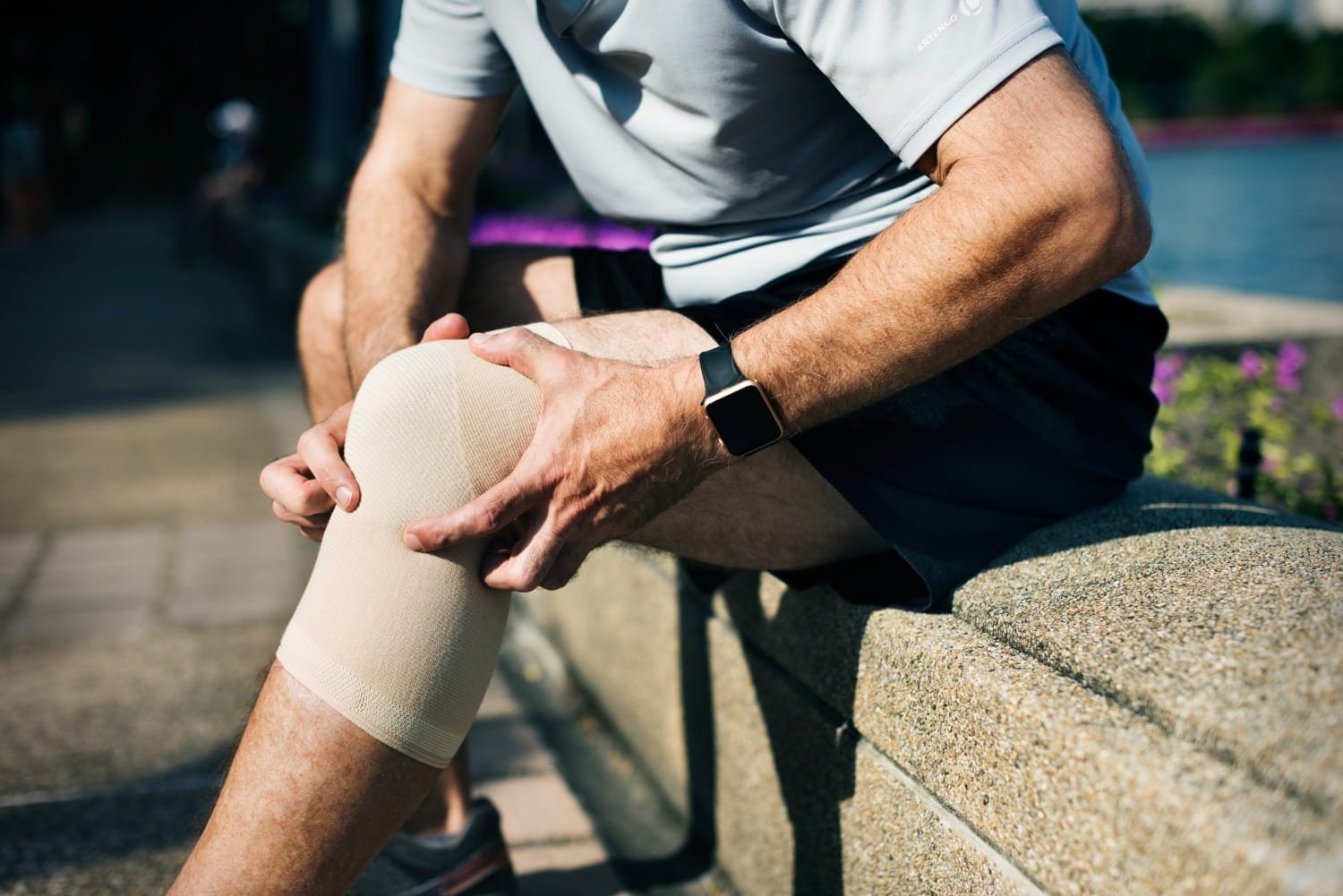
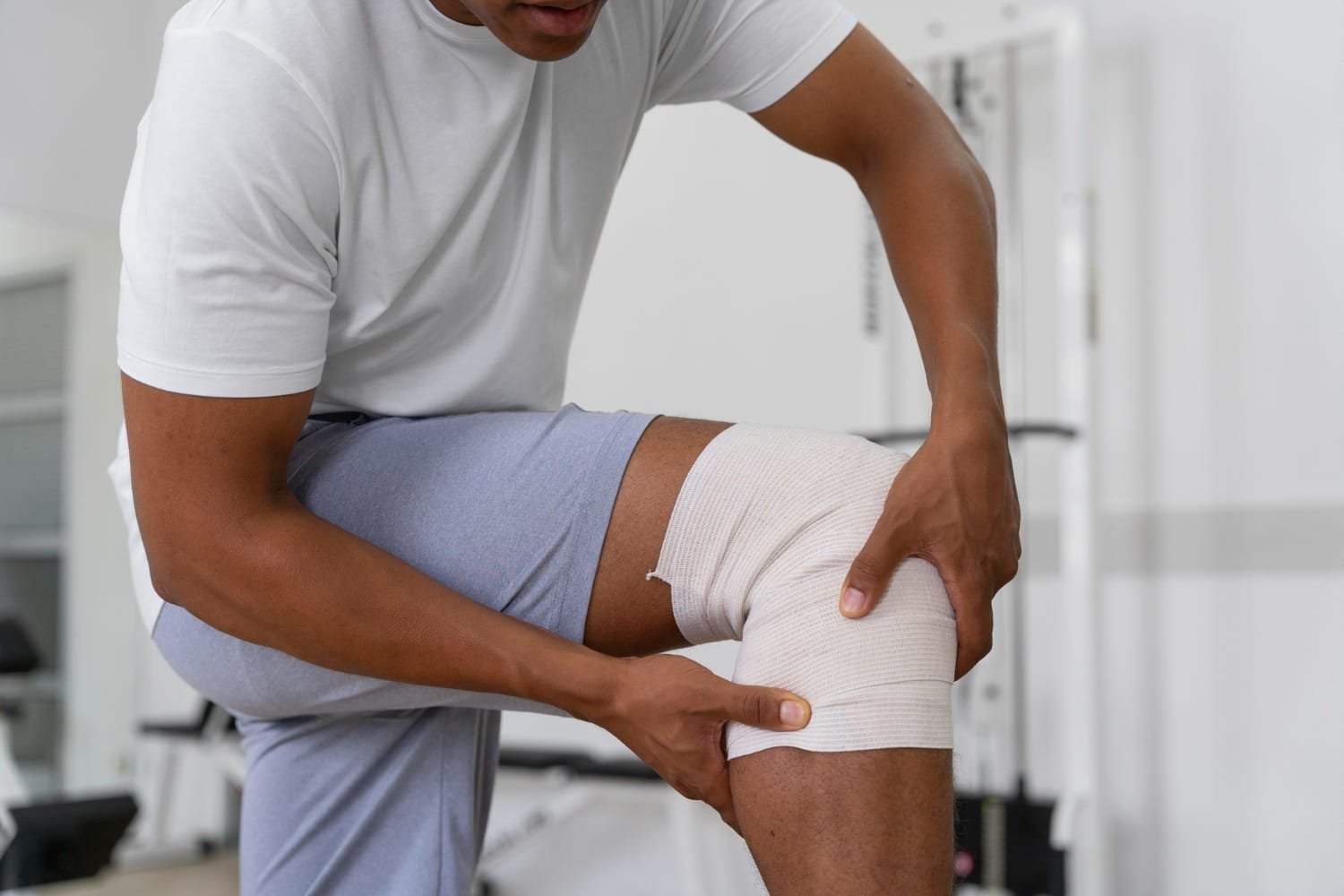
Compression: Use a comfortable elastic bandage if appropriate, without restricting circulation.
Elevation: Raise the leg above heart level when resting, if practical, to help manage swelling.
RICE is a short-term symptom-management approach, not a complete treatment for significant injuries. Severe pain, instability, or inability to bear weight requires prompt medical evaluation.
9. Wear Supportive Footwear
Poorly fitting footwear can affect walking mechanics and may contribute to discomfort in the knees and surrounding joints.
Choose shoes that provide:
- Appropriate cushioning.
- Comfortable arch support.
- Good stability.
- Adequate space for the toes.
- A secure, non-slip fit.
Avoid relying on worn-out shoes for prolonged walking or exercise.
Some patients may benefit from specialized insoles, but these should be selected according to individual needs rather than assumed to help every knee condition.
10. Try Gentle Knee Massage
Gentle massage of the surrounding thigh and calf muscles may provide temporary relaxation and comfort.
Massage may help reduce muscle tension, but evidence that it treats the underlying cause of knee pain is limited.
Use light pressure around the muscles rather than pressing directly on a swollen or painful joint.
Avoid massage when there is a recent significant injury, unexplained swelling, redness, warmth, suspected infection, or concern about a blood clot.
Massage oils and herbal preparations have not been shown to repair damaged knee cartilage.
11. Improve Your Sitting and Standing Habits
Poor movement habits and prolonged inactivity can aggravate knee discomfort.
Practical changes include:
- Avoid sitting continuously for several hours.
- Stand and move periodically during desk work.
- Use a chair that allows comfortable foot placement.
- Avoid prolonged deep squatting if it increases pain.
- Use hand support when rising from a low chair if necessary.
- Avoid repeated kneeling when symptoms are aggravated by pressure.
People experiencing discomfort after prolonged sitting may benefit from reading related knee-care articles on Dr. Deepak Mishra’s orthopedic blog.
12. Consider a Knee Support When Appropriate
A knee brace or support may help selected patients by providing stability, compression, or improved confidence during movement.
Different supports are designed for different conditions, including ligament injuries, patellofemoral discomfort, and certain forms of arthritis.
However, knee braces are not necessary for everyone.
An unsuitable brace may cause discomfort, restrict movement, or create unnecessary dependence.
Consult an orthopedic specialist or physiotherapist before using a brace regularly, particularly if your knee frequently gives way.
13. Try Gentle Yoga and Stretching
Gentle yoga and stretching may improve flexibility, muscle control, and physical function in some people with chronic knee pain.
Potentially suitable activities include:
- Supported standing stretches.
- Gentle hamstring stretches.
- Calf stretches.
- Chair-based yoga.
- Controlled range-of-motion exercises.
Avoid deep knee bends, prolonged kneeling, or positions that place excessive pressure on a painful knee.
People with severe arthritis, recent surgery, or unstable joints should obtain individualized guidance before beginning yoga.
14. Get Adequate Rest and Sleep
Sleep plays an important role in pain perception, recovery, and overall physical health.
Poor sleep can increase sensitivity to pain and make chronic joint discomfort more difficult to manage.
To improve sleep quality:
- Maintain a consistent sleep schedule.
- Use comfortable sleeping positions.
- Support the legs with pillows when helpful.
- Avoid strenuous activity immediately before bedtime if it aggravates symptoms.
- Maintain a comfortable sleeping environment.
Rest is important during an acute flare-up, but prolonged bed rest is generally not recommended for uncomplicated chronic knee pain.
15. Avoid Activities That Aggravate Knee Pain
One of the most practical home remedies for knee pain is modifying activities that repeatedly trigger symptoms.
Depending on the condition, temporarily limit:
- Running or jumping during painful flare-ups.
- Repeated deep squatting.
- Heavy lifting with poor technique.
- Excessive stair climbing.
- Sudden twisting movements.
- High-impact workouts when the knee is swollen or unstable.
Activity modification should be temporary and targeted. The long-term goal is usually to restore comfortable movement and strength rather than avoid exercise altogether.
Home Remedies for Knee Pain Based on Symptoms
Different symptoms may respond to different home-care strategies.
| Knee Pain Symptom | Home Care That May Help |
|---|---|
| Mild swelling after activity | Cold compress, temporary activity reduction, elevation |
| Morning knee stiffness | Gentle movement, warm compress |
| Pain due to muscle weakness | Progressive strengthening exercises |
| Discomfort after prolonged sitting | Movement breaks, stretching |
| Knee osteoarthritis | Low-impact exercise, weight management, physiotherapy |
| Mild overuse discomfort | Activity modification, gradual return to exercise |
| Pain with instability or locking | Orthopedic evaluation rather than home treatment alone |
These approaches may help relieve symptoms, but they do not establish a diagnosis.
When Are Home Remedies for Knee Pain Not Enough?
Although home remedies can help manage mild discomfort, certain symptoms suggest that professional orthopedic assessment is necessary.
Seek medical advice if you experience:
- Knee pain that persists for more than one to two weeks despite appropriate self-care.
- Repeated swelling or increasing stiffness.
- Difficulty climbing stairs or walking.
- Knee locking, catching, or giving way.
- Pain that regularly interrupts sleep.
- Progressive deformity or reduced movement.
- Symptoms that interfere with everyday activities.
Seek urgent medical care if the knee becomes very painful after an injury, you cannot bear weight, the joint appears deformed, or there is marked swelling. A hot, red, swollen knee accompanied by fever requires urgent assessment because joint infection is a possibility.
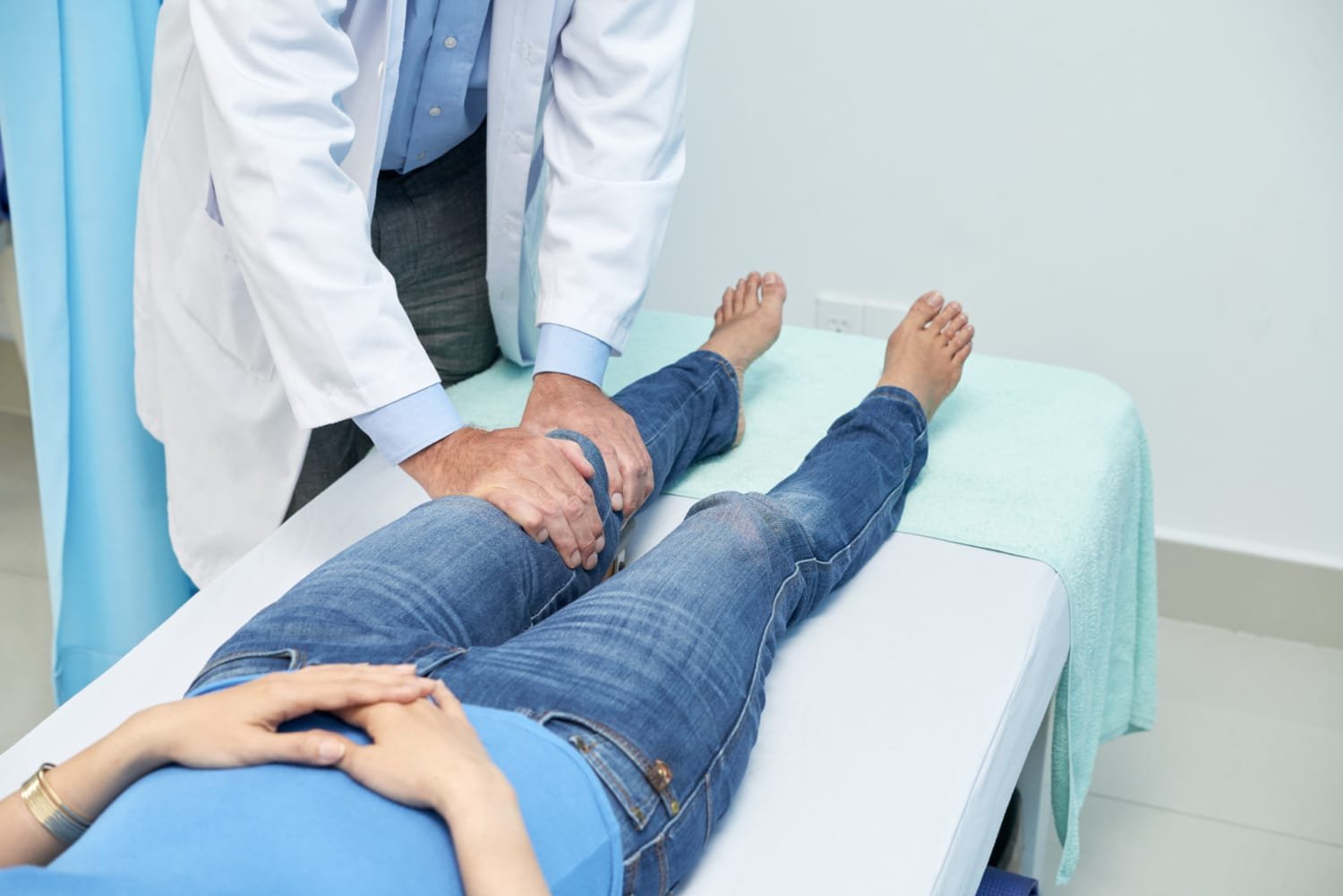
Persistent knee pain may be caused by osteoarthritis, ligament damage, meniscal injuries, inflammatory conditions, or other disorders requiring specific treatment.
Can Knee Pain Be Treated Without Surgery?
Yes. Many patients with knee pain can improve through non-surgical treatment, particularly when the condition is identified early.
Depending on the diagnosis, treatment may include:
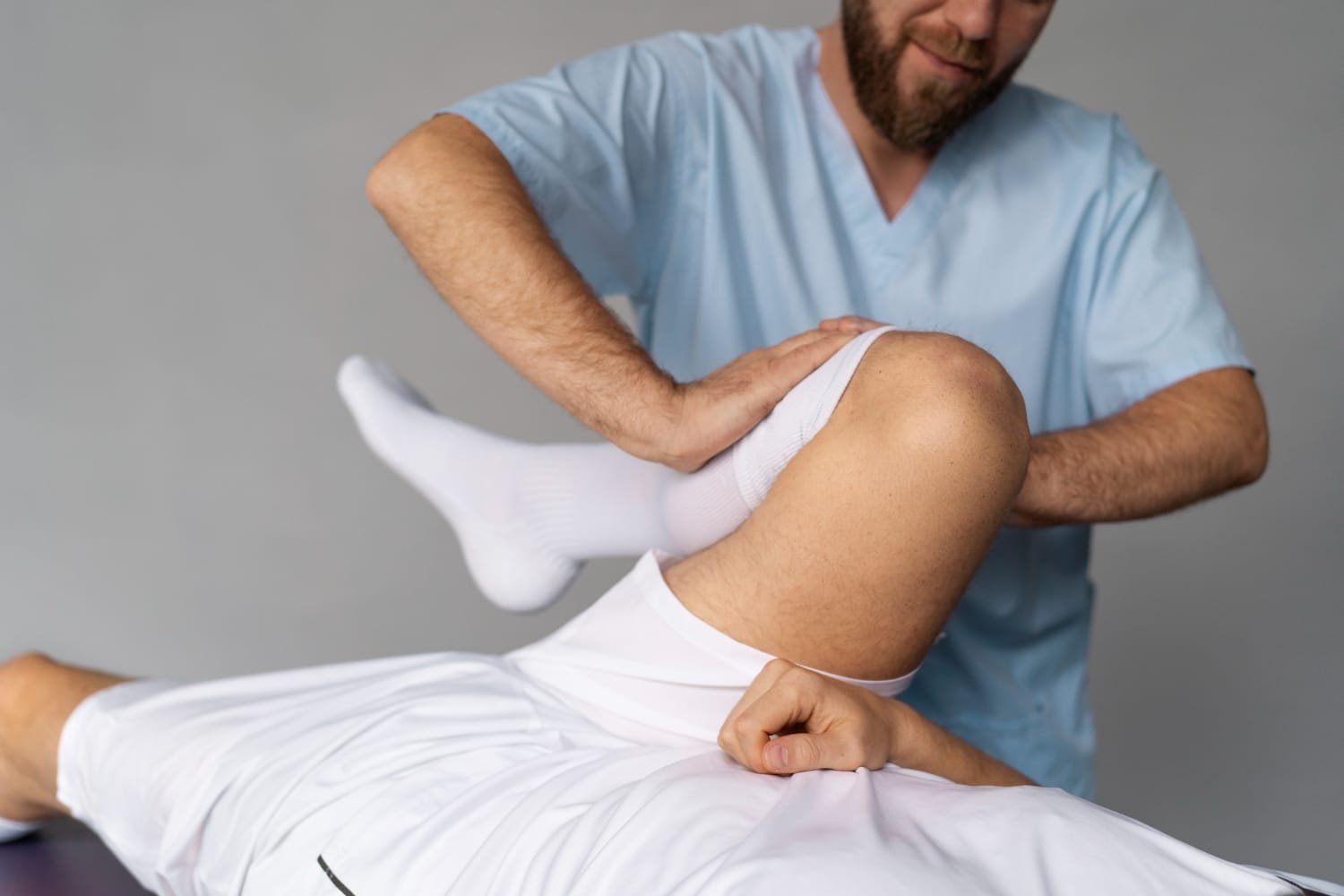
Physiotherapy: Individualized strengthening, mobility training, and rehabilitation exercises.
Weight management: Reducing excess weight to decrease stress on the knee.
Medication: Appropriate topical or oral pain-relieving medicines prescribed or recommended according to medical history and potential side effects.
Activity modification: Adjusting physical activities while maintaining functional movement.
Injections: Selected patients may be considered for joint injections after discussing the expected benefits, limitations, and risks.
Lifestyle changes: Improving exercise habits, sleep, footwear, and overall physical fitness.
An orthopedic specialist can determine whether conservative treatment is appropriate or whether further investigations are required.
When Is Knee Replacement Surgery Necessary?
Knee replacement surgery may be considered when advanced arthritis or structural joint damage causes substantial pain and functional limitations despite appropriate non-surgical treatment.
Common indications include:
- Severe knee arthritis.
- Persistent pain affecting daily activities.
- Significant stiffness or reduced mobility.
- Progressive knee deformity.
- Difficulty walking or climbing stairs.
- Inadequate improvement after an appropriate course of conservative treatment.
Knee replacement is not automatically necessary because a person has arthritis or is older.
The decision depends on symptoms, clinical examination, imaging, general health, personal goals, and informed discussion of treatment options.
For more information, read When Is Knee Replacement the Only Option?.
Dr. Deepak Mishra – Best Orthopedic Doctor in Faridabad for Knee Pain Treatment
Dr. Deepak Kumar Mishra is an experienced orthopedic and joint replacement surgeon in Faridabad, offering evaluation and treatment for knee pain, arthritis, sports injuries, ligament problems, and advanced joint conditions.
Patients searching for the best orthopedic doctor in Faridabad can consult Dr. Mishra for a comprehensive orthopedic assessment and personalized treatment planning.
According to his official professional profile, Dr. Mishra serves as Director & Head – Orthopaedics & Joint Replacement, Robotic Surgery at Asian Institute of Medical Sciences, Faridabad. His listed qualifications include MBBS and MS in Orthopaedics from JIPMER, along with advanced surgical qualifications from the United Kingdom. Best Orthopedic Doctor in Faridabad+1
His areas of expertise include:
- Knee pain and osteoarthritis management.
- Total and partial knee replacement.
- Revision knee replacement.
- Robotic-assisted knee replacement.
- Hip replacement and revision surgery.
- Arthroscopy and ligament reconstruction.
- Sports injury management.
Dr. Mishra’s treatment approach emphasizes selecting appropriate care according to the patient’s diagnosis and functional needs, rather than recommending surgery for every knee problem.
Advanced Robotic Knee Replacement in Faridabad
For patients with advanced knee arthritis who have not obtained sufficient relief from conservative treatment, robotic-assisted knee replacement may be an option.
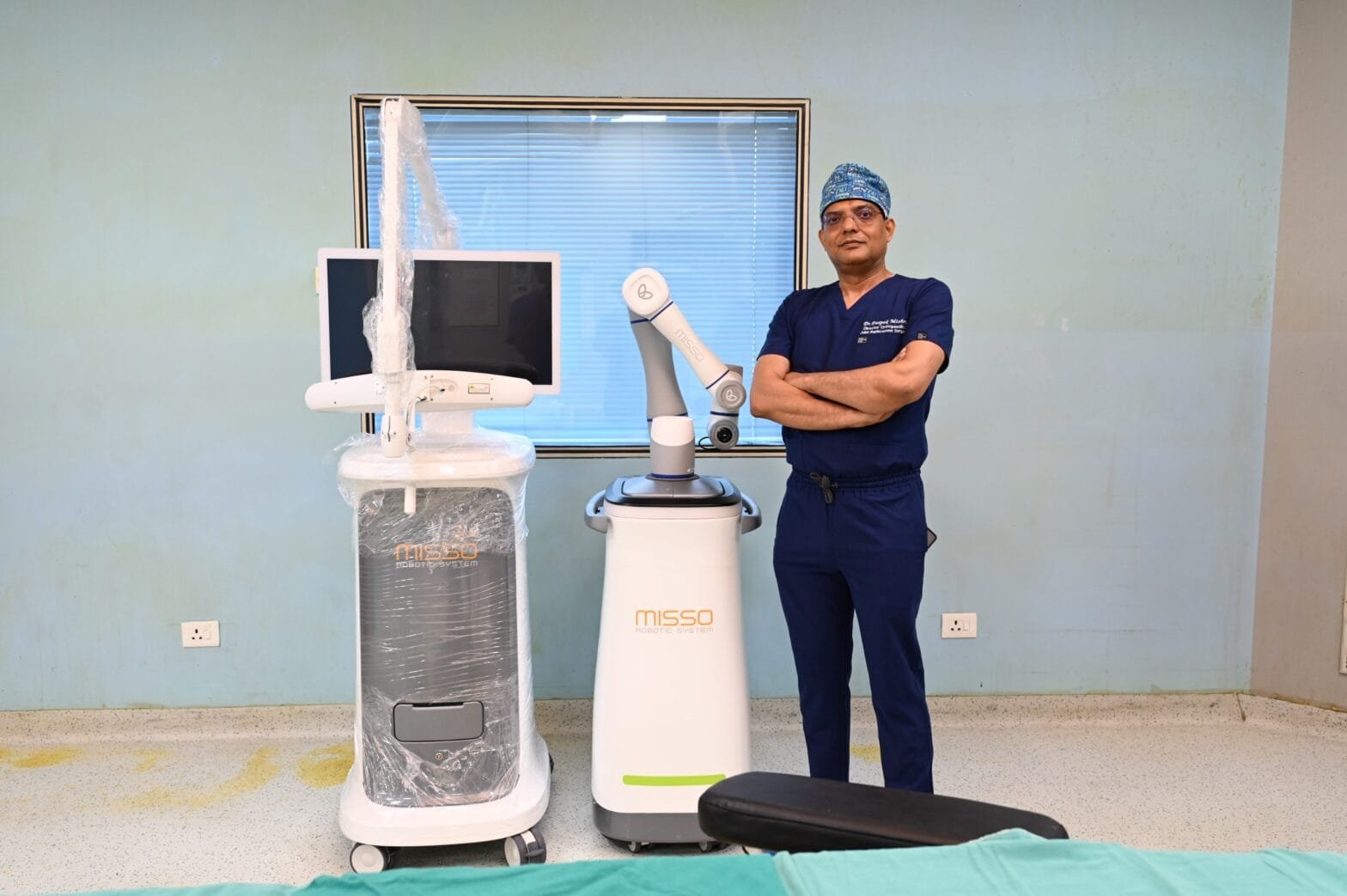
Robotic technology can assist surgeons with individualized surgical planning, implant positioning, and alignment assessment. The surgeon remains in control throughout the procedure.
Patients searching for the best robotic knee replacement surgeon in Faridabad can explore Dr. Deepak Mishra’s expertise in conventional and robotic-assisted joint replacement surgery.
Robotic assistance may improve certain measures of surgical precision, but it does not guarantee better outcomes for every patient. Appropriate patient selection, surgical expertise, rehabilitation, and long-term follow-up remain essential. Dr Deepak+1
How to Prevent Knee Pain in Daily Life
Preventing knee discomfort requires a combination of healthy habits and consistent joint care.
Some practical recommendations include:
- Maintain a healthy body weight.
- Exercise regularly and strengthen the muscles supporting the knees.
- Warm up before sports and strenuous physical activities.
- Increase exercise intensity gradually.
- Wear comfortable and supportive footwear.
- Avoid repeated activities that trigger significant knee pain.
- Take movement breaks during prolonged sitting.
- Seek timely assessment for persistent pain, swelling, or instability.
Although not every knee condition is preventable, these habits may help reduce avoidable strain and support long-term joint function.
Frequently Asked Questions About Home Remedies for Knee Pain
1. What is the fastest home remedy for knee pain?
For mild pain following recent overuse or a minor injury, applying a wrapped ice pack for 15–20 minutes and temporarily reducing aggravating activities may provide short-term relief. The most effective remedy depends on the underlying cause.
2. Can knee pain be cured naturally at home?
Some mild knee problems improve with exercise, activity modification, and time. However, chronic conditions such as osteoarthritis may require ongoing management. Home remedies cannot reliably reverse structural joint damage.
3. Is hot water or cold water better for knee pain?
Cold therapy is generally more suitable for recent injuries and swelling, while gentle heat may help chronic stiffness. Avoid applying heat to a hot, newly injured, or markedly swollen knee.
4. Which exercise is best for knee pain relief?
Quadriceps strengthening, straight leg raises, controlled knee extensions, and low-impact activities can be helpful for many people. The appropriate exercises depend on the diagnosis and physical condition.
5. Is walking good for knee arthritis?
Walking is generally beneficial for many people with knee osteoarthritis when performed at a comfortable intensity. Start gradually and adjust the duration if pain or swelling increases.
6. Does turmeric help reduce knee pain?
Curcumin, a compound found in turmeric, has been studied for potential symptom relief in osteoarthritis. However, evidence varies, and turmeric should not replace prescribed treatment or physiotherapy.
7. Can losing weight reduce knee pain?
Yes. For people who are overweight, weight reduction can decrease stress on the knee joints and may improve osteoarthritis symptoms and physical function.
8. When should I consult an orthopedic doctor for knee pain?
Consult an orthopedic specialist if knee pain persists, repeatedly swells, restricts movement, or interferes with daily activities. Severe injury symptoms or a hot, swollen joint with fever require urgent medical attention.
9. Who is the best orthopedic doctor in Faridabad for knee pain?
Patients looking for an experienced orthopedic and joint replacement specialist in Faridabad may consider Dr. Deepak Kumar Mishra. He offers assessment and treatment for knee arthritis, joint pain, sports injuries, and conditions that may require knee replacement surgery. No single doctor can be independently identified as the best for every patient.
10. Who is the best robotic knee replacement surgeon in Faridabad?
Dr. Deepak Kumar Mishra is an experienced orthopedic and joint replacement surgeon offering robotic-assisted knee replacement expertise in Faridabad. Patients can learn more through his article on the best robotic knee replacement surgeon in Faridabad.
Conclusion
Home remedies for knee pain can be an important part of managing mild discomfort, reducing stiffness, improving muscle strength, and maintaining joint mobility.
Simple measures such as ice therapy, warm compresses, appropriate exercise, healthy weight management, supportive footwear, and activity modification may provide meaningful relief for many people.
However, persistent or worsening knee pain should not be ignored. Conditions such as osteoarthritis, ligament injuries, meniscal tears, and advanced joint degeneration may require specialized orthopedic assessment.
Dr. Deepak Kumar Mishra offers comprehensive knee pain evaluation and treatment, ranging from conservative care to advanced joint replacement procedures.
If knee pain is affecting your mobility, comfort, or quality of life, a timely orthopedic consultation can help identify the cause and guide the most appropriate treatment.
Book an Appointment with Dr. Deepak Kumar Mishra
Dr. Deepak Kumar Mishra
Director & Head – Orthopaedics & Joint Replacement, Robotic Surgery
Asian Institute of Medical Sciences, Sector 21A, Faridabad, Haryana
+91 8287334003
Tuesday, Thursday & Saturday | 10:00 AM – 4:00 PM
Book an Orthopedic Consultation
Medical disclaimer: This article is for educational purposes only and does not replace professional medical diagnosis or treatment. Individual treatment recommendations depend on the cause and severity of knee pain.
Recent Blogs
-
-
-
-
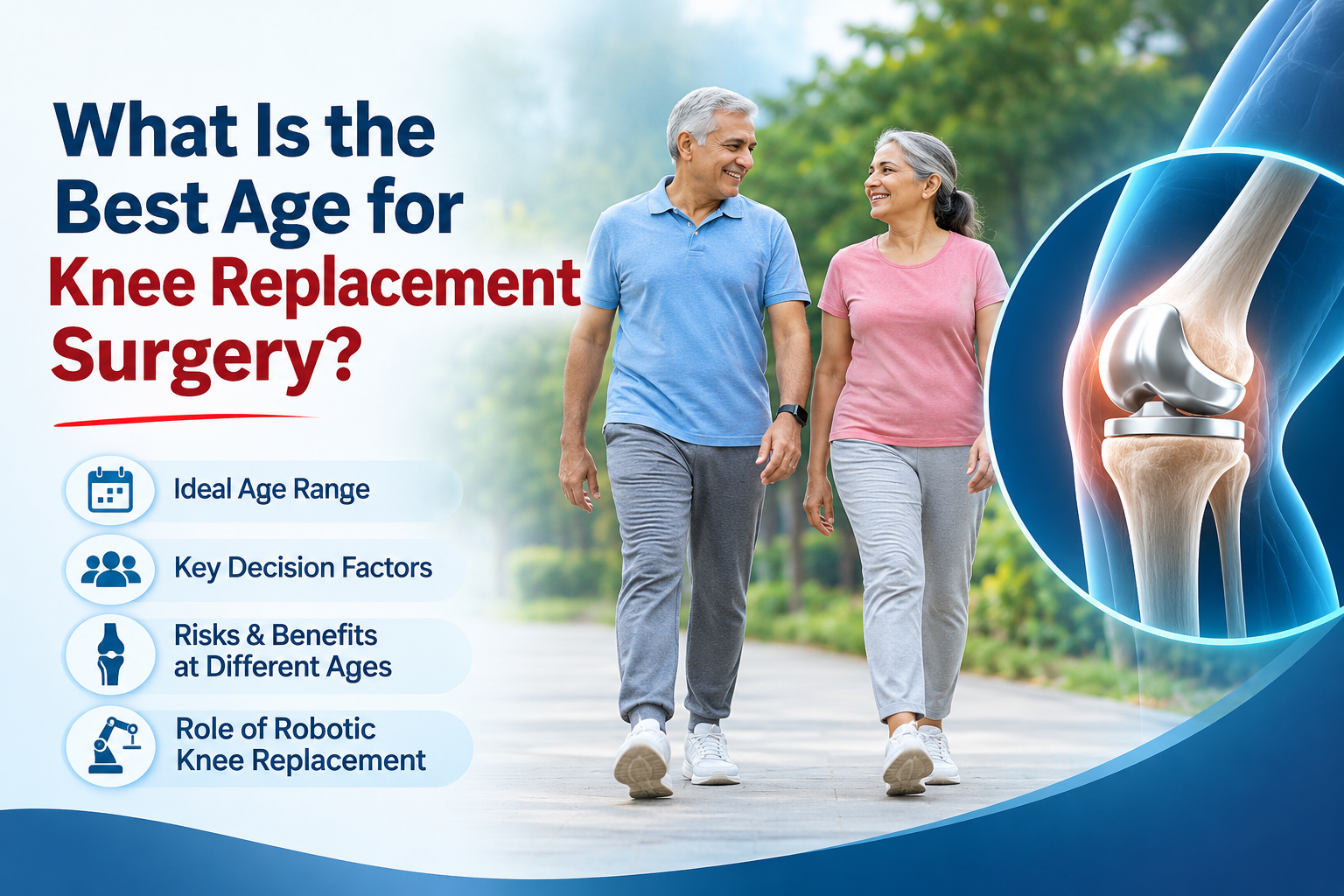 What Is the Best Age for Knee Replacement Surgery?
- 5, November 2026
-
 Knee Ligament Tear Treatment and Recovery Time: A Complete Guide
- 27, October 2026
-
-
-
 Best ACL Surgeon in Delhi
- 17, October 2026
-
 Best Orthopedic Doctor in Delhi
- 13, October 2026
-
-
 When Is Knee Replacement the Only Option?
- 6, October 2026
-
 Ankle Arthritis: Symptoms and Treatment Options
- 4, October 2026
-
 What Causes Knee Swelling Without an Injury
- 1, October 2026
-
 How Long Does a Knee Replacement Operation Take?
- 25, September 2026
-
 Who Is the Best Bone Doctor in Faridabad?
- 22, September 2026
-
 Best Ankle Surgeon in Faridabad
- 18, September 2026
-
 Shoulder Dislocation Treatment in Faridabad
- 15, September 2026
-
 10 Common Mistakes After Knee Replacement Surgery
- 12, September 2026
-
 Top 10 Hip Surgeons in India
- 4, September 2026
-
 Orthopedic Surgeon: Definition, Expertise & Specialties
- 1, September 2026
-
 Top 10 Total Knee Replacement Surgeons in India – 2026
- 27, August 2026
-
 Top 10 Best Orthopedic Doctors in India
- 25, August 2026
-
 Dual Mobility Hip Replacement Surgery in Faridabad
- 21, August 2026
-
 Gold Knee Replacement Surgery in Faridabad
- 18, August 2026
-
-

-
-
 Bone Fracture Specialist in Faridabad
- 25, July 2026
-
 Robotic Partial Knee Replacement in Faridabad
- 21, July 2026
-
-
-
 Runner’s Knee: Prevention & Treatment
- 10, July 2026
-
 Best Knee Tendonitis Treatment in Faridabad
- 7, July 2026
-

-
 Why Does My Knee Make Clicking Sounds?
- 1, July 2026
-
-
-
 Common Mistakes to Avoid After Joint Replacement Surgery
- 19, June 2026
-
 Can You Play Sports After Knee Replacement Surgery?
- 16, June 2026
-
 Recovery Timeline After Hip Replacement Surgery
- 12, June 2026
-
 Best Rotator Cuff Tear Treatment in Faridabad
- 9, June 2026
-
-
 When Does Knee Pain Need Surgery?
- 19, May 2026
-
 Can You Walk Normally After Hip Replacement?
- 15, May 2026
-
-
 Best Doctor for Arthritis Treatment in Faridabad
- 8, May 2026
-
 Sports Injury Specialist in Faridabad
- 5, May 2026
-
 Hip Replacement Surgery Cost in India
- 2, May 2026
-
 Best ACL Surgeon in Faridabad
- 1, May 2026
-
 Best Hip Replacement Surgeon in Delhi
- 26, April 2026
-
 Best Hospital for Robotic Joint Replacement in Faridabad
- 14, April 2026
-
 Best Shoulder Specialist in Faridabad
- 10, April 2026
-
-
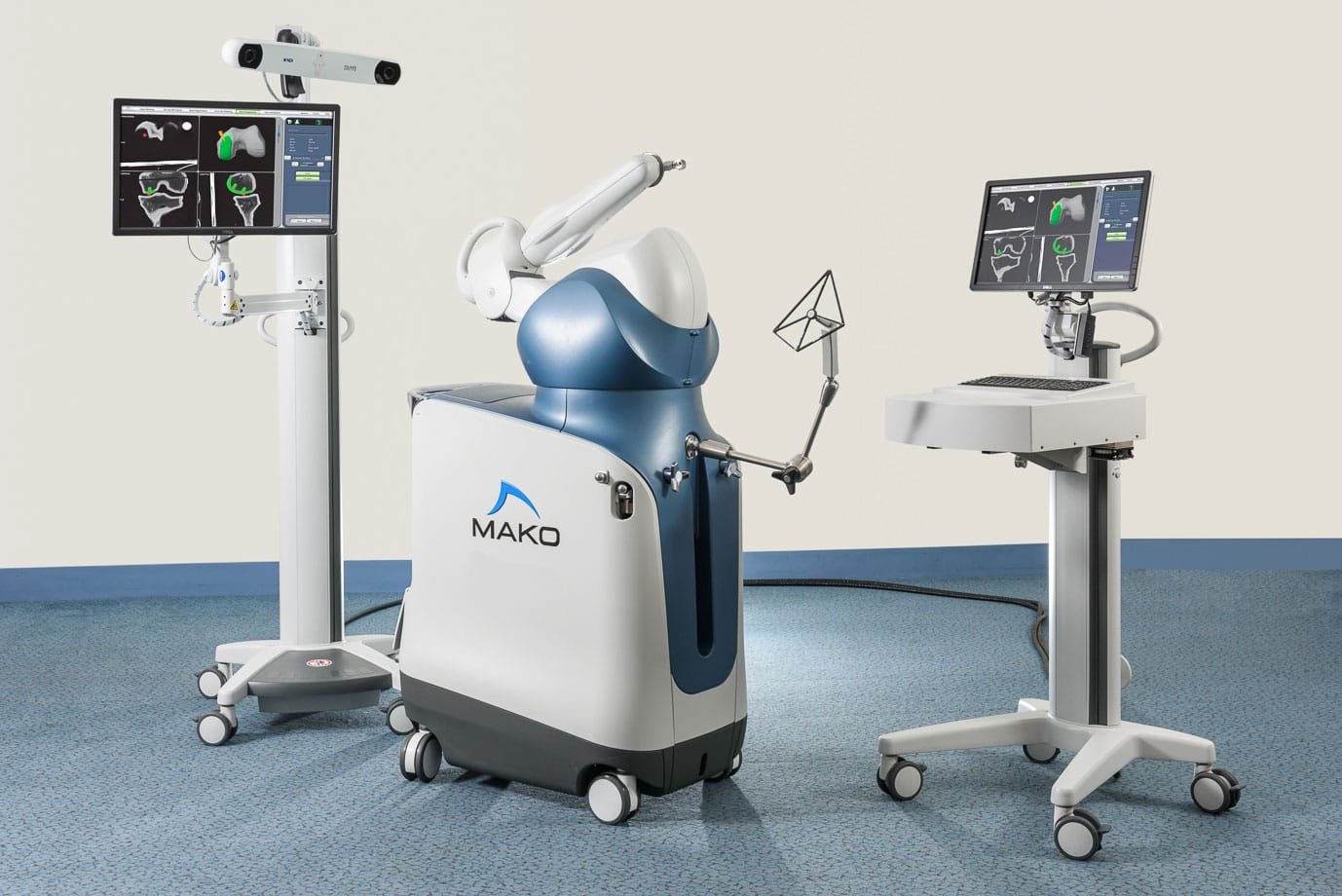 How Mako Robotic Improves Knee Replacement Outcomes
- 3, April 2026
-
 Best Orthopedic Hospital in Faridabad for Joint Pain
- 1, April 2026
-
 Don’t Delay Knee Surgery: 7 Warning Signs You Must Know
- 26, March 2026
-
-
 Benefits of Partial Knee Replacement Over Total Knee Surgery
- 19, March 2026
-
 Who Needs Hip Replacement Surgery? Signs & Eligibility
- 16, March 2026
-
 Best Joint Replacement Hospital in India
- 13, March 2026
-
 Shoulder Dislocation in Sports: Treatment and Recovery
- 11, March 2026
-
 Top 7 Signs You Need to Visit a Knee Specialist
- 7, March 2026
-
-
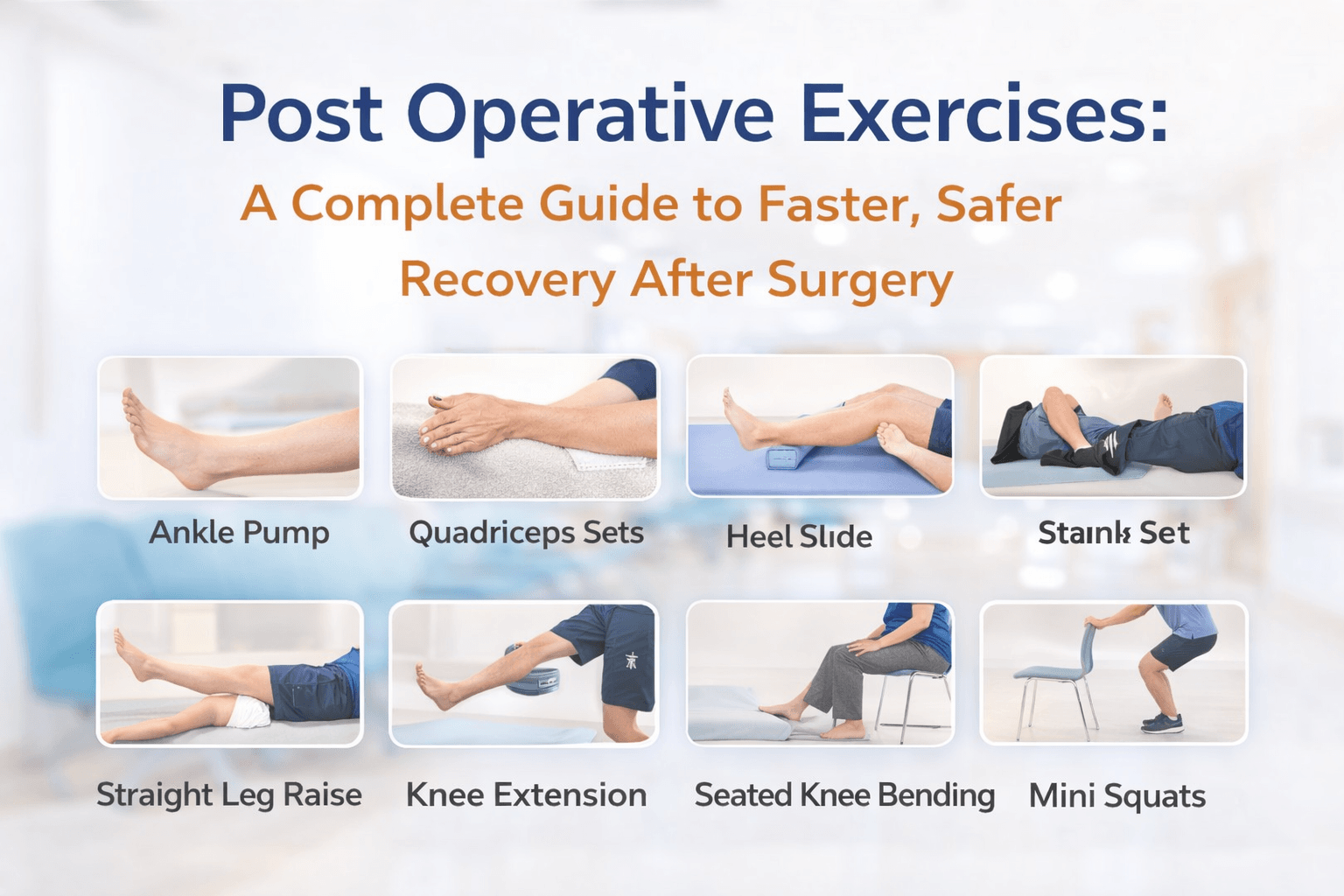 Post Operative Exercises
- 26, February 2026
-
 After ACL Surgery When Can I Walk?
- 24, February 2026
-
 What Happens If Knee Arthritis Is Left Untreated?
- 21, February 2026
-
 Can Knee Replacement Fail? Causes, Signs & Prevention
- 21, February 2026
-
 Who Is Not Suitable for Knee Replacement Surgery?
- 12, February 2026
-
 Best Meniscus Injury Surgeon in Faridabad
- 9, February 2026
-
 How Obesity Affects Knee Health & When to Consider Knee Replacement
- 6, February 2026
-
 Knee Pain After Sitting for Long Hours – What to Do
- 3, February 2026
-
 Most Common Sports Injuries and How to Prevent Them
- 26, January 2026
-
 Walking, Stairs & Daily Activities After Knee Replacement
- 22, January 2026
-
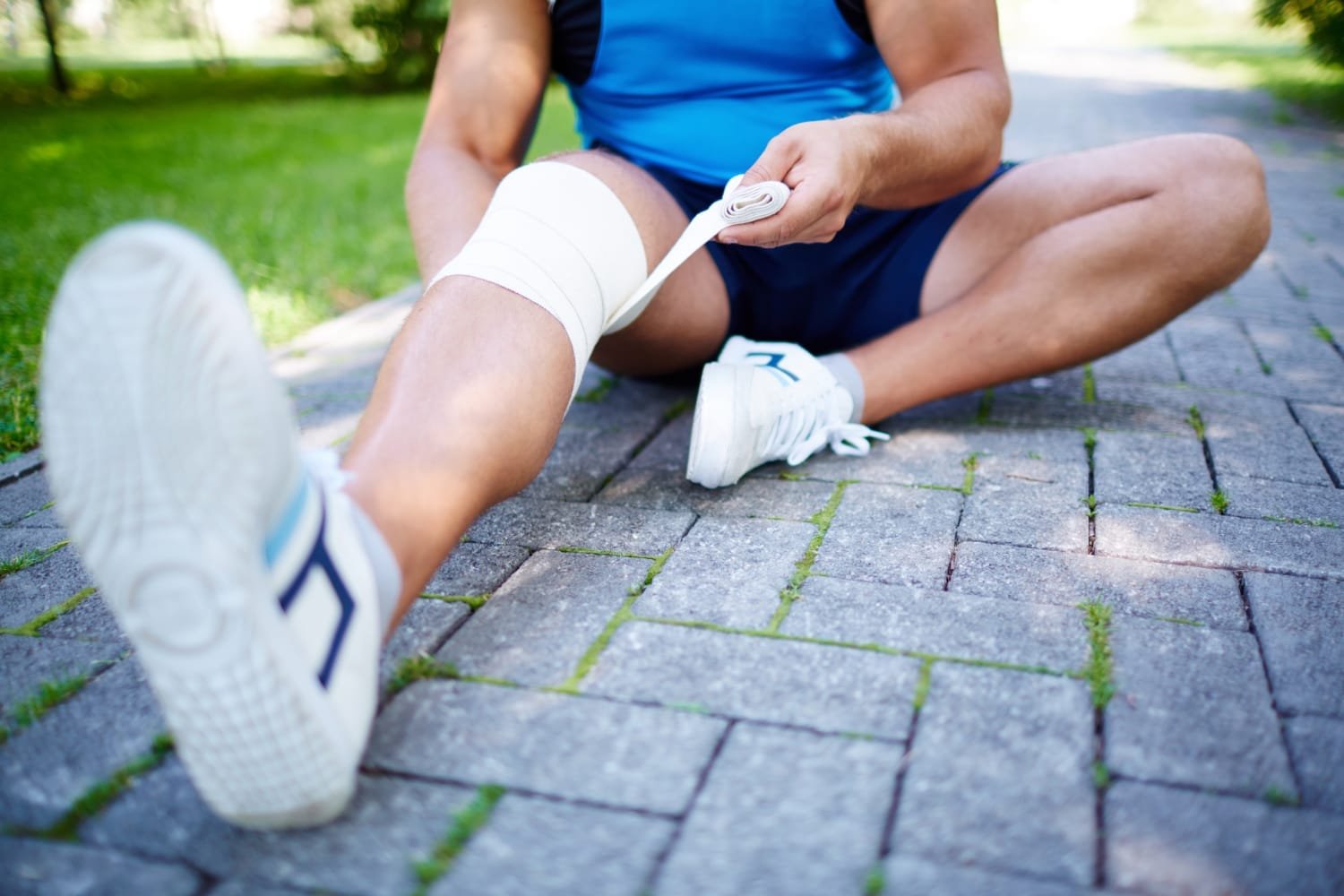 When Knee Pain Needs Medical Attention: Red Flags to Watch
- 19, January 2026
-
 Cartilage Damage in Sports: Early Signs Athletes Should Not Ignore
- 15, January 2026
-
 Can You Sit Cross-Legged After Knee Replacement?
- 13, January 2026
-
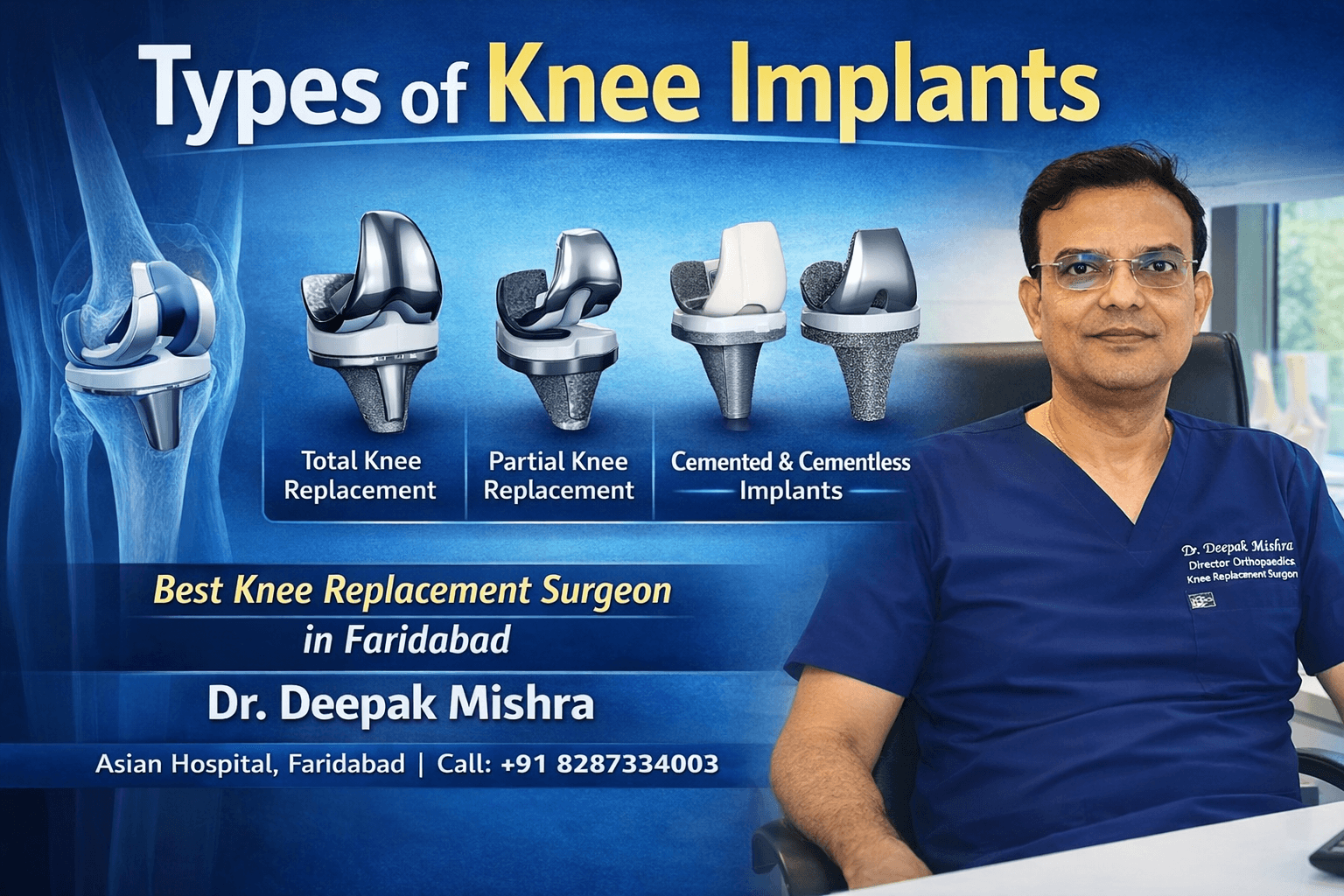 Types of Knee Implants
- 13, January 2026
-
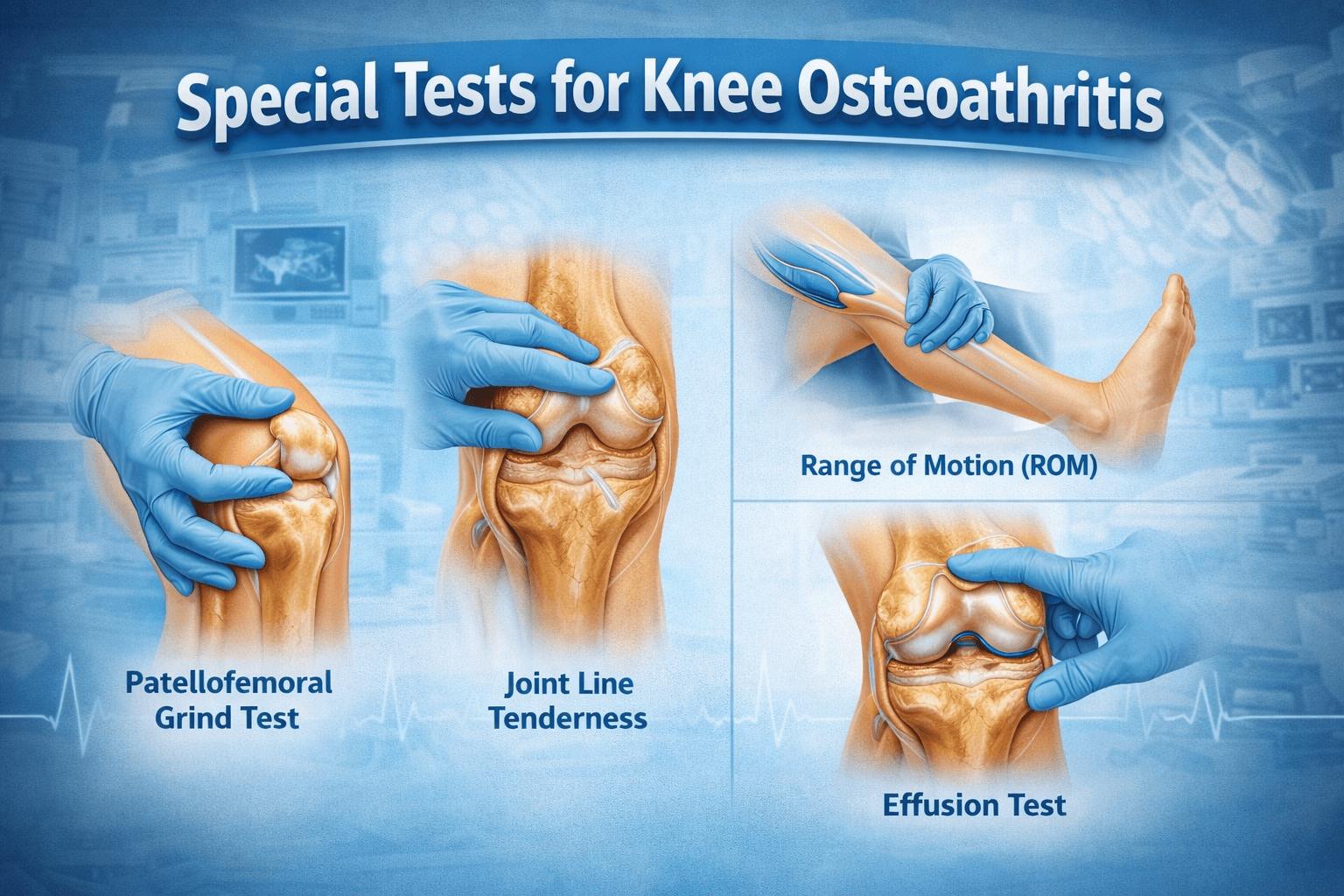 Special Tests for Knee Osteoarthritis
- 7, January 2026
-
 Knee Operation Types: A Comprehensive Guide
- 7, January 2026
-
 Difference Between Knee Arthritis, Meniscus Tear, and Ligament Injury
- 30, December 2025
-
 Knee Pain While Walking: When Should You Worry?
- 30, December 2025
-
 What Happens If Knee Replacement Is Delayed Too Long?
- 24, December 2025
-
 How Cartilage Loss Leads to Chronic Knee Pain
- 24, December 2025
-
 ACL Tears in Athletes: Symptoms, Treatment Options & Recovery
- 19, November 2025
-
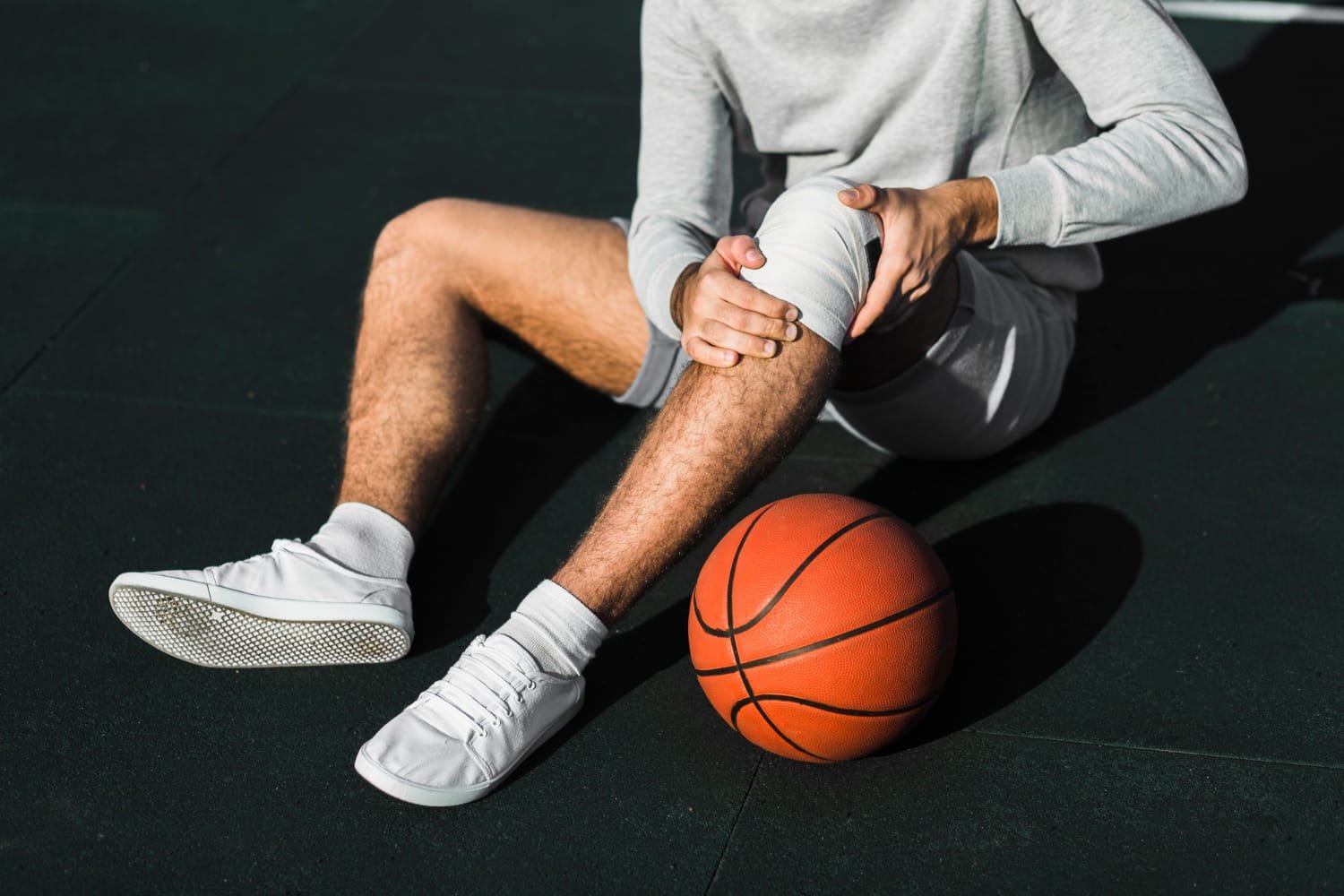 Sports Injuries That Often Lead to Knee Replacement
- 19, November 2025
-
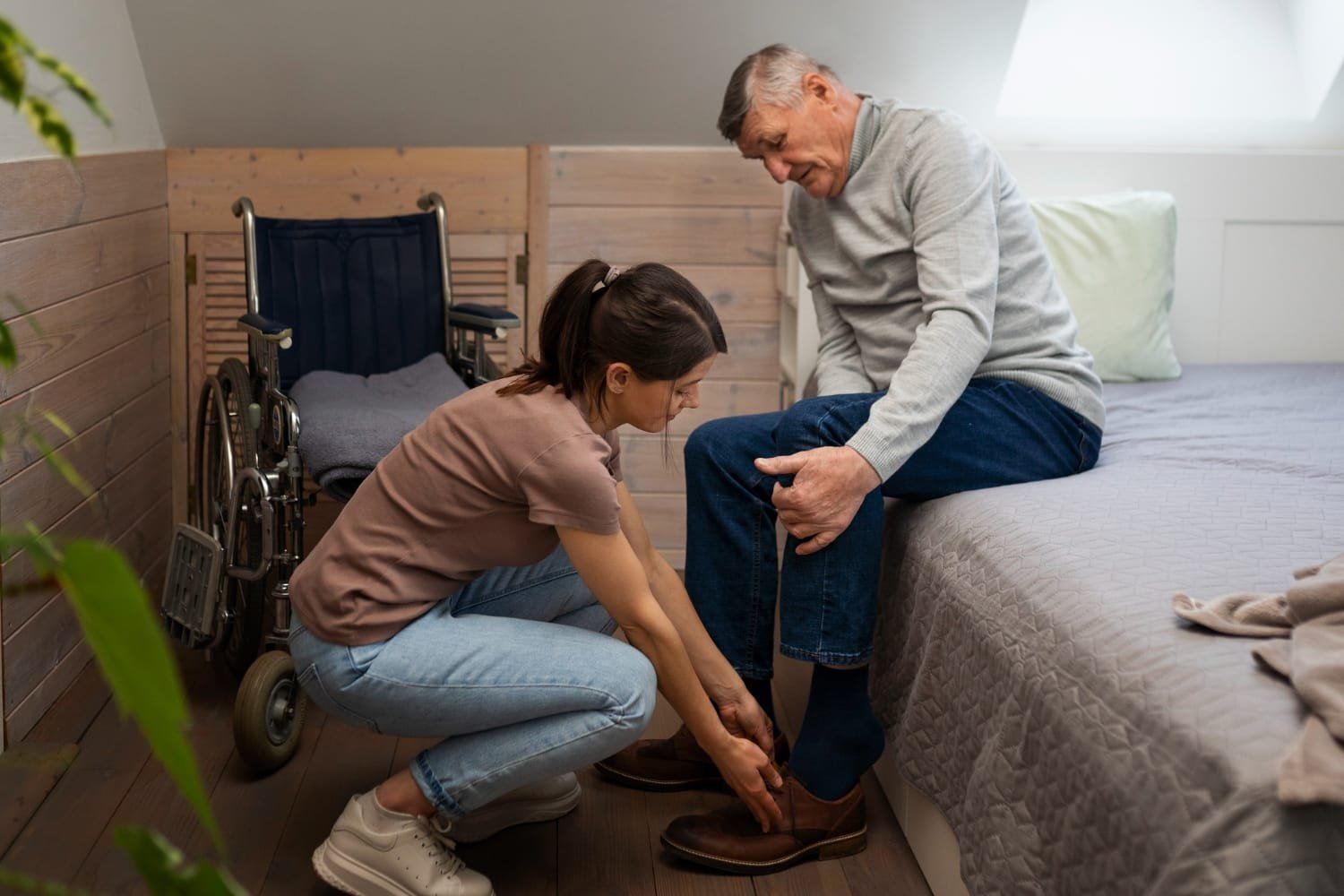 Orthopedic Care for Elderly Patients — A Complete Guide
- 12, November 2025
-
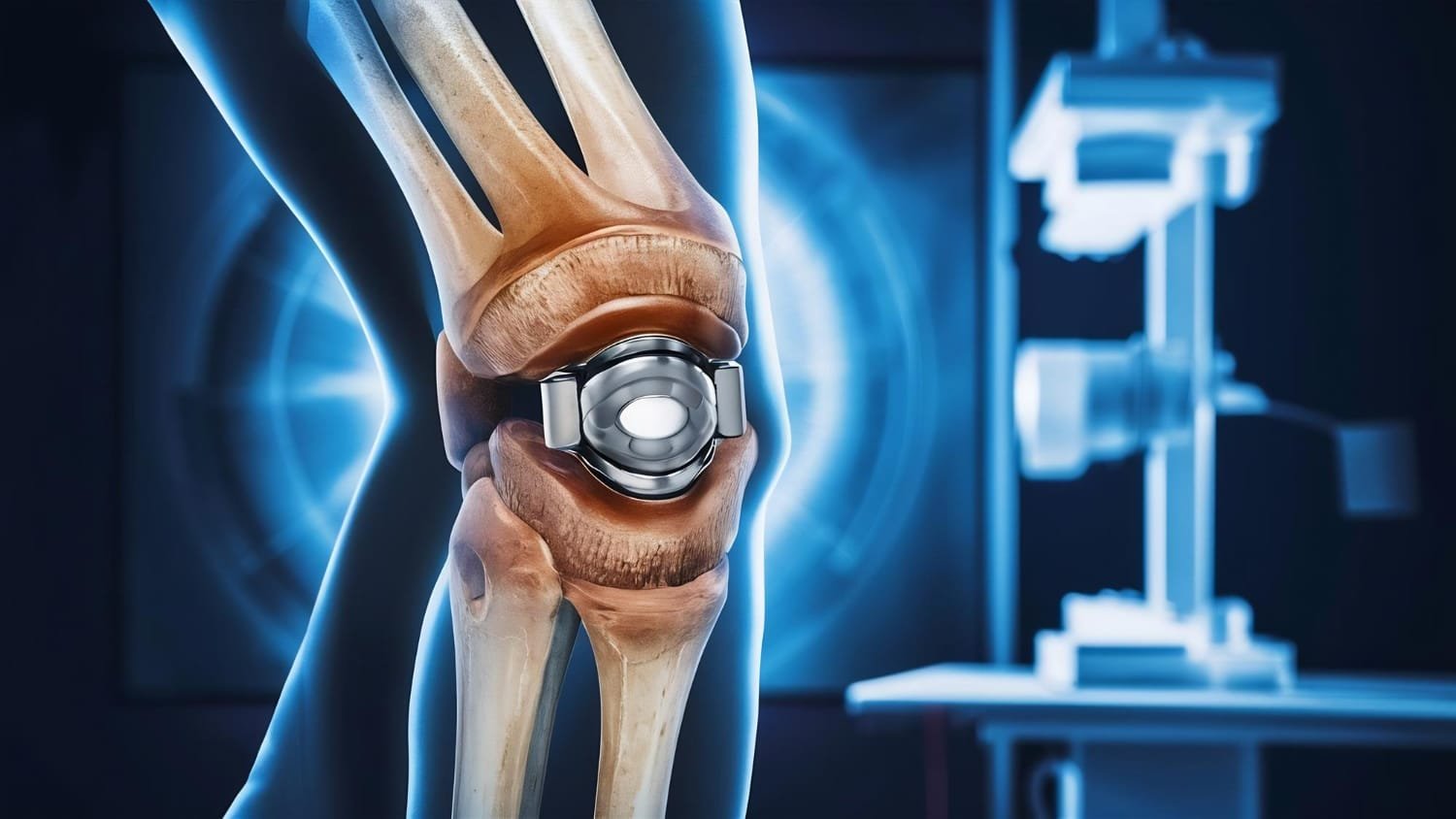 How Long Do Knee Implants Last? (10–20 Year Longevity Guide)
- 12, November 2025
-
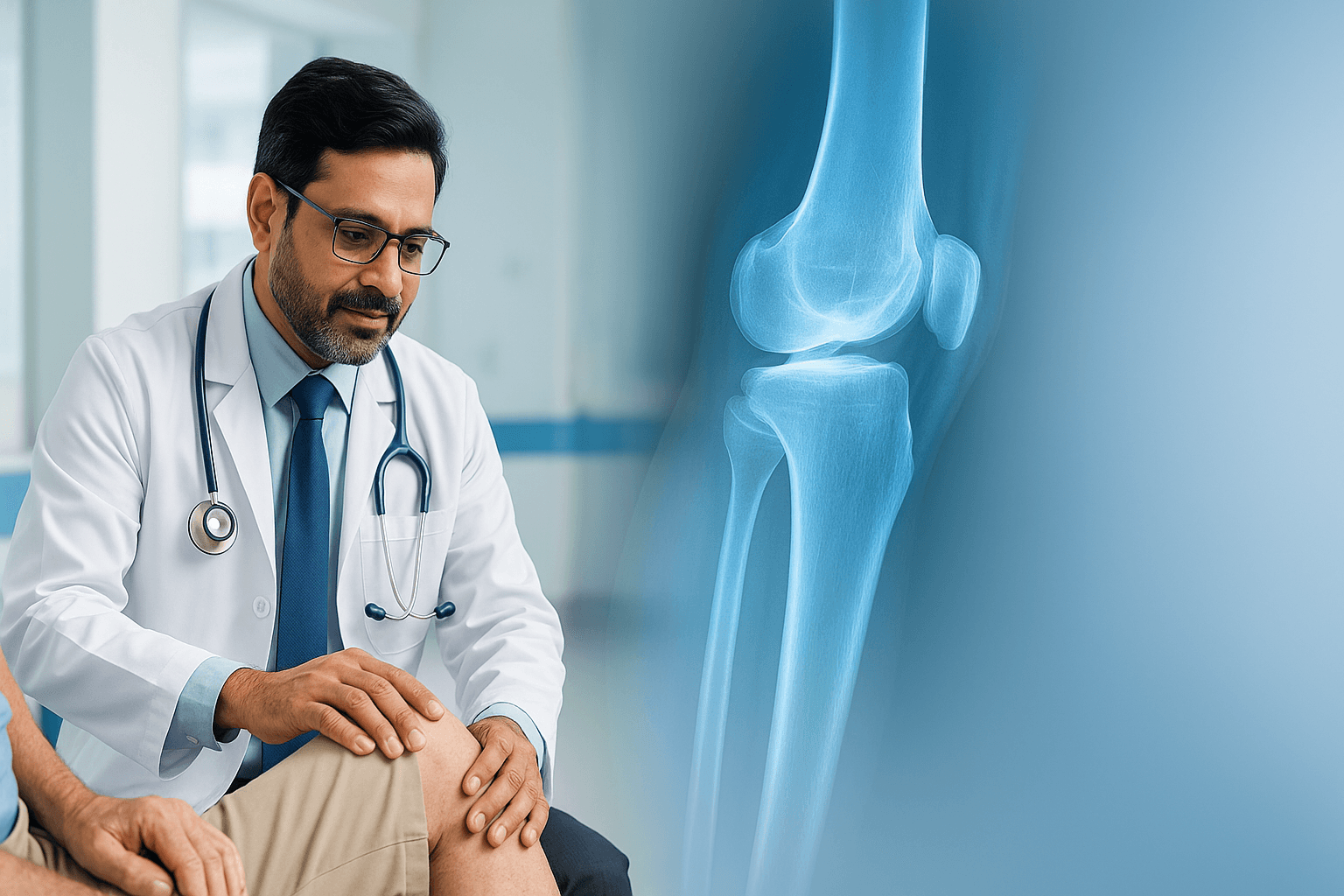 Importance of Early Diagnosis in Bone and Joint Problems
- 28, October 2025
-
 Best Treatment Options for Sports Injuries
- 28, October 2025
-
 The Difference Between ACL Tear, Sprain, and Rupture
- 16, October 2025
-
 Post-ACL Surgery Do’s and Don’ts
- 16, October 2025
-
 Does Insurance Cover Robotic Knee Replacement Surgery?
- 6, October 2025
-
 When Can You Return to Sports After Robotic Knee Replacement?
- 6, October 2025
-
 Impact of Obesity on Knee Replacement Surgery and Recovery
- 30, September 2025
-
 Early vs. Delayed Knee Replacement: Which Is Better?
- 30, September 2025
-
 How Durable Are Knee Implants? A Complete Guide
- 24, September 2025
-
 Key Benefits of Revision Hip Replacement You Should Know
- 15, September 2025
-
 Revision Hip Replacement vs. Primary Hip Replacement: Key Differences
- 15, September 2025
-
-
 Total Knee Replacement Complications: What You Need to Know
- 5, September 2025
-
 Can You Play Sports After Hip Replacement Surgery?
- 26, August 2025
-
 Preparing for Knee Replacement: Do’s and Don’ts Before Surgery
- 26, August 2025
-
-
 What to Know About Knee Replacement Revision Surgery
- 18, August 2025
-
 Cost of Hip Replacement in India – What Patients Should Know
- 11, August 2025
-
-
 Who Is the Best Orthopedic Doctor for Sports Injuries?
- 27, July 2025
-
 Success Rate of Robotic Knee Replacement in India
- 27, July 2025
-
Why Surgeons Are Switching to Robotic Knee Replacements
- 15, July 2025
-
 Do’s and Don’ts After Knee Replacement Surgery
- 15, July 2025
-
Best Robotic Knee Replacement in India
- 7, July 2025
-
 Affordable Robotic Knee Replacement in India
- 7, July 2025
-
-
-
-
-
-
-
-
 Orthopedic Meaning, Definition, Types, and More
- 6, June 2025
-
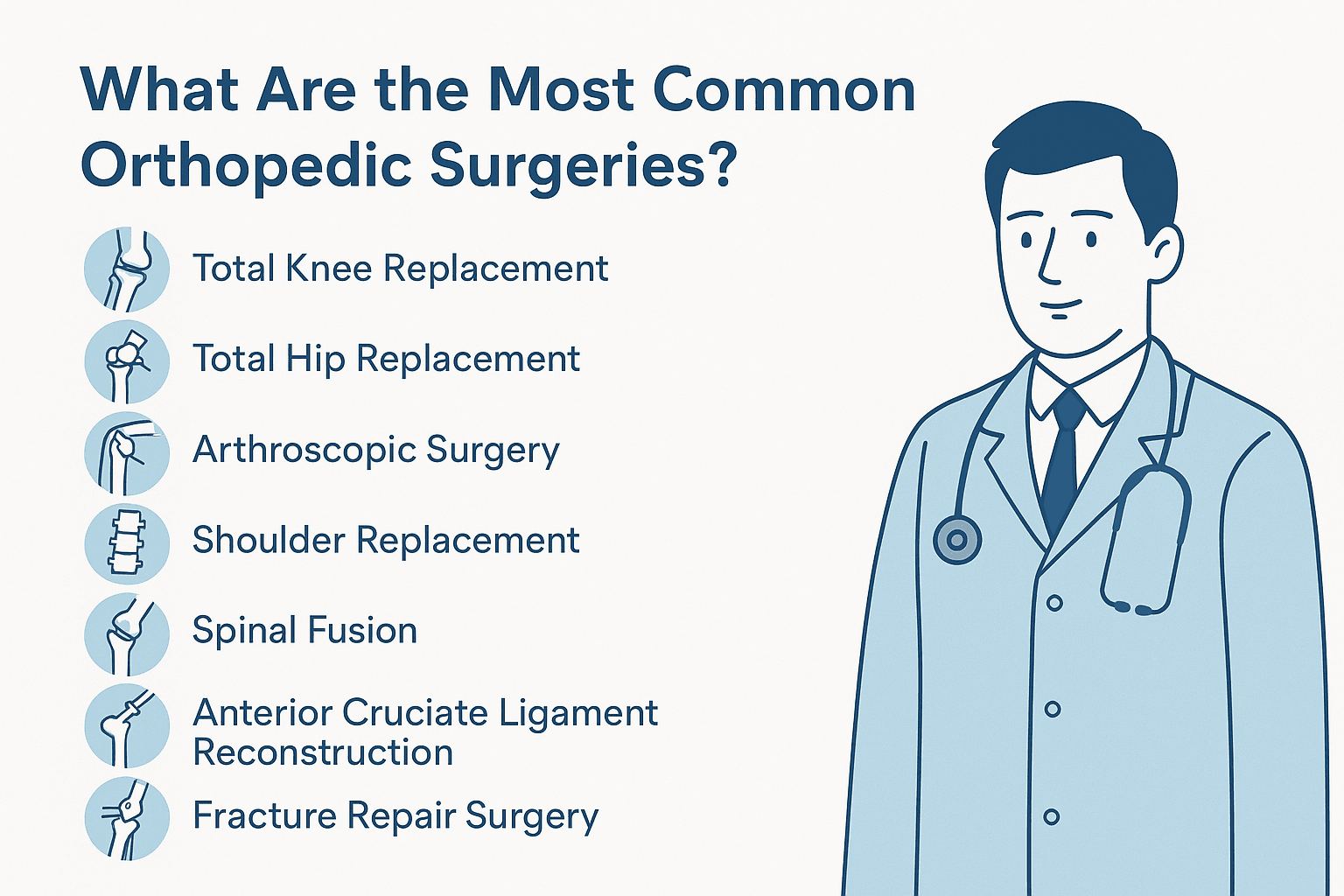 What Are the Most Common Orthopedic Surgeries?
- 24, May 2025
-
 What Does an Orthopedic Doctor Do?
- 24, May 2025
-
-
-
-
Best Orthopedic Doctor for Knee Pain in Faridabad
- 12, May 2025
-
 How to Prevent Knee Pain with Orthopedic Expert Tips
- 29, April 2025
-

-
Best Orthopedic Treatment in Faridabad: What You Should Know
- 29, April 2025
-
-
-
Best Knee Replacement Surgeon in Mathura
- 14, April 2025
-
Best Knee Replacement Surgeon in Hodal
- 14, April 2025
-
Best Knee Replacement Surgeon in Palwal
- 14, April 2025
-
-
-
-
 Benefits of Minimally Invasive Knee Surgery
- 24, March 2025
-
 Best knee Replacement Surgeon in India
- 17, March 2025
-
-
 How to Recover Quickly After Knee Replacement Surgery
- 10, March 2025
-
-
-
-
 Minimally Invasive Arthroplasty: Benefits and Recovery Advantages
- 24, February 2025
-
 Choosing the Right Hip Replacement Surgeon: A Comprehensive Guide
- 17, February 2025
-
 Restoring Mobility: The Role of Knee Replacement Doctors
- 17, February 2025
-
 Orthopedic Trauma Care for Athletes
- 6, February 2025
-
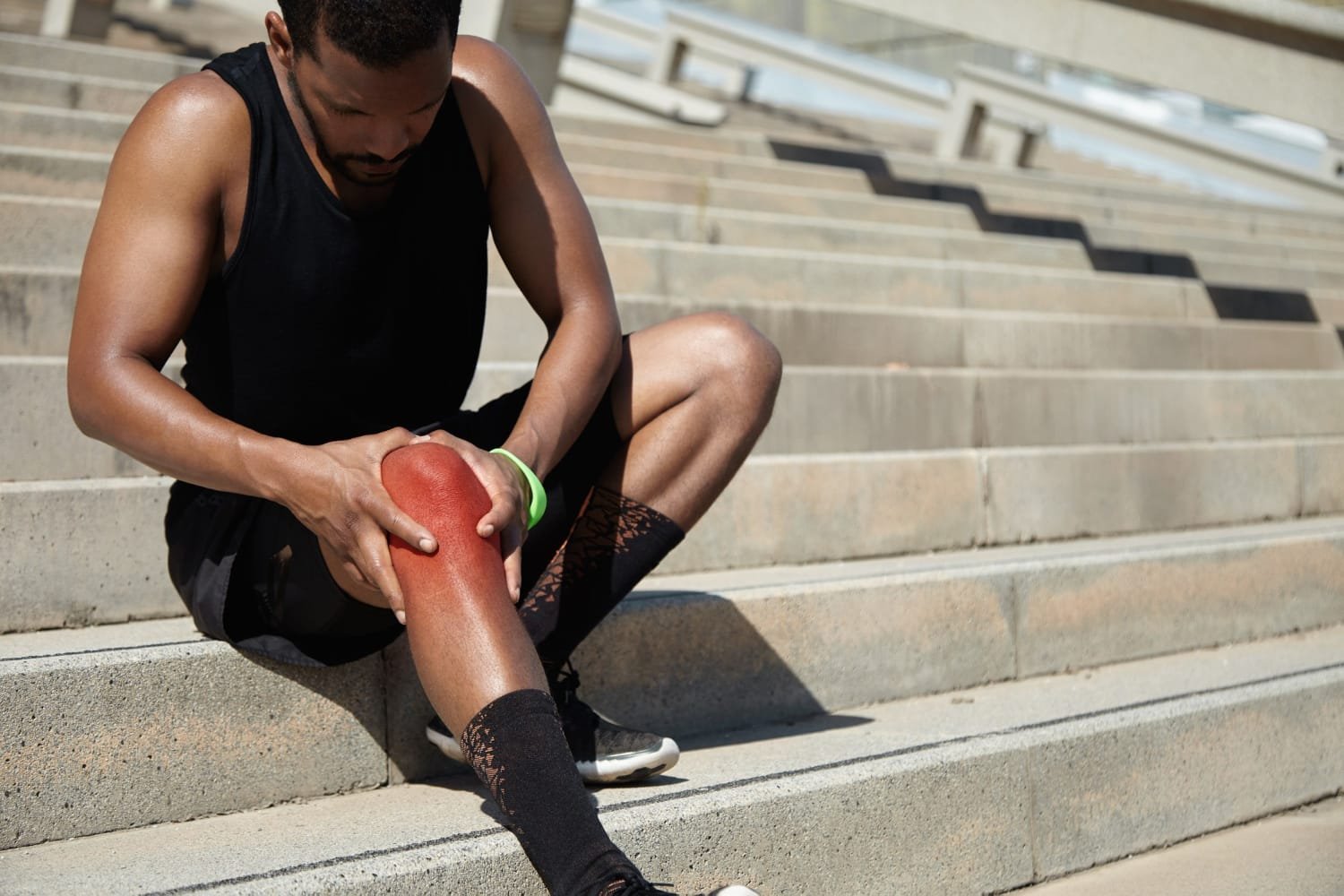 Best Doctor for ACL Tear Treatment
- 6, February 2025
-
 Best Sports Medicine Doctor for Knee Injuries
- 6, February 2025
-
 Orthopedic Surgeons: 7 Things You Need to Know
- 27, January 2025
-
Best Joint Replacement Surgeon in Greater Faridabad
- 27, January 2025
-
Best Knee Replacement Surgeon in Palwal
- 20, January 2025
-
Best Knee Replacement Surgeon in South Delhi
- 20, January 2025
-
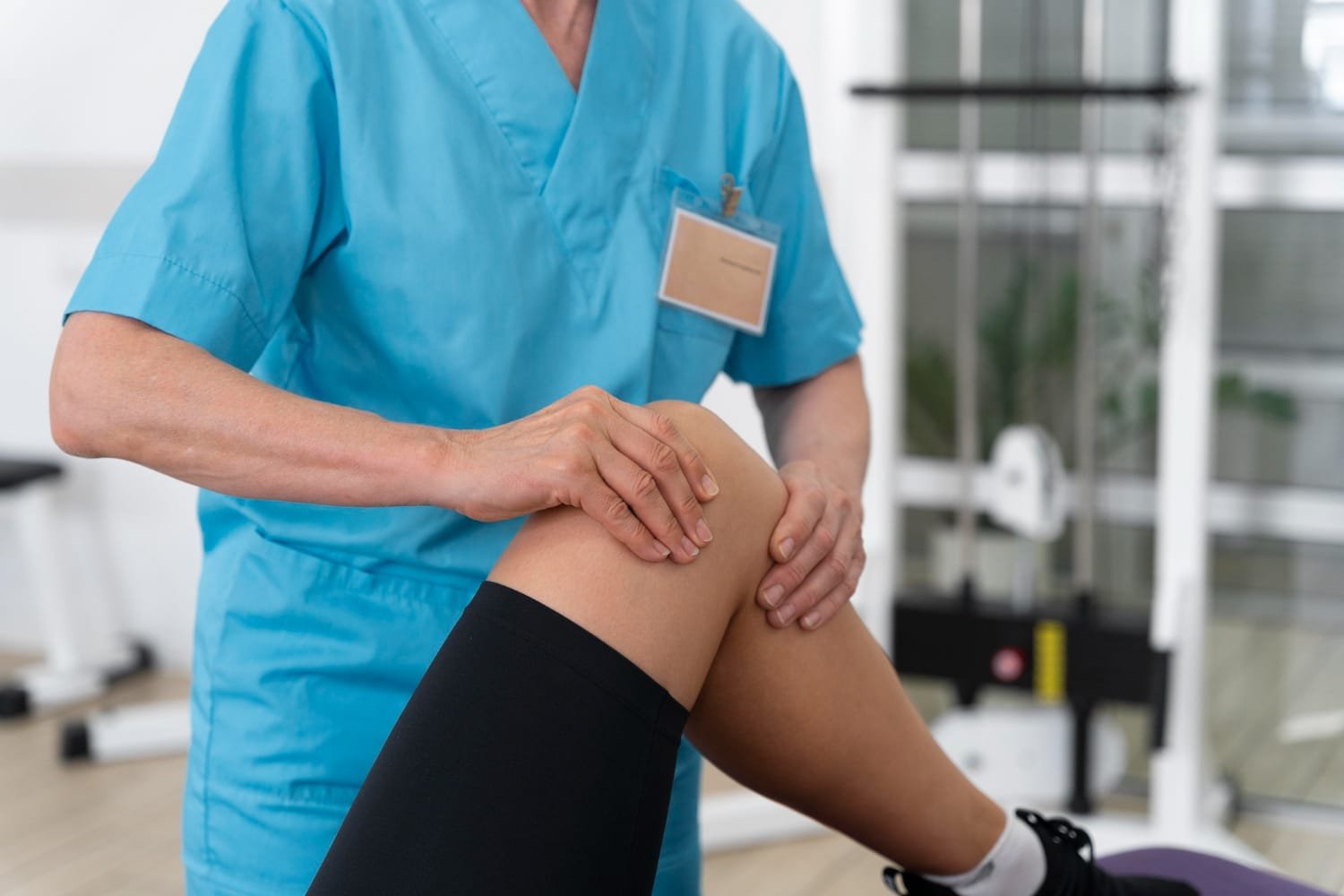 Restoring Mobility: The Role of Knee Replacement Doctor
- 13, January 2025
-
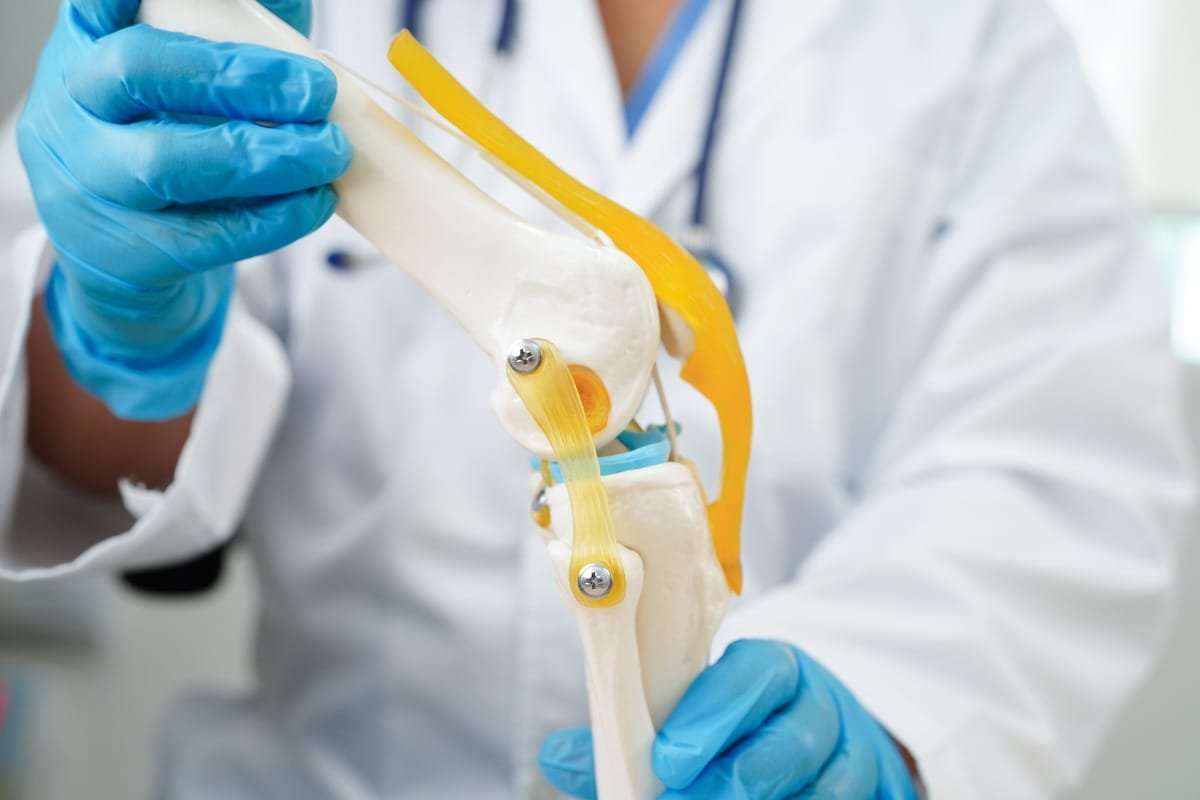 Robotic Knee Replacement Surgery in Delhi
- 30, December 2024
-
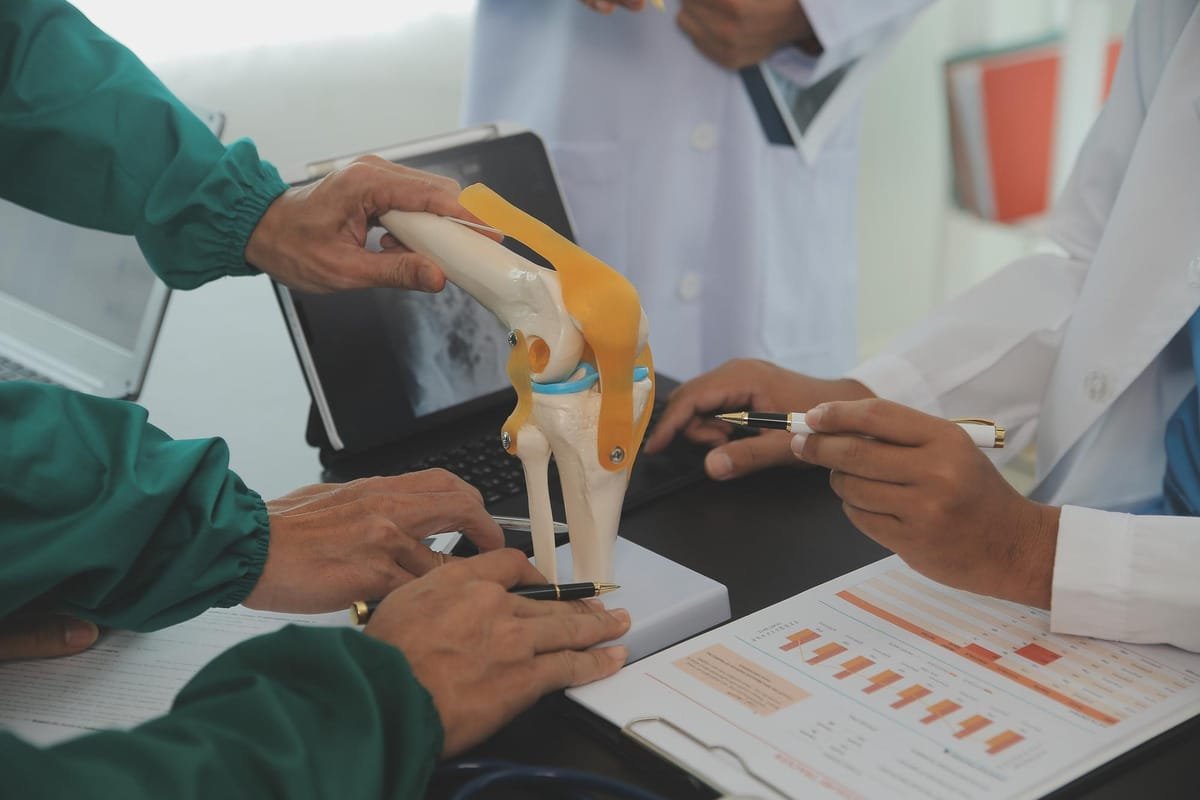 Robotic Orthopedic Surgery: Revolutionizing Joint Replacement and Repair
- 30, December 2024
-
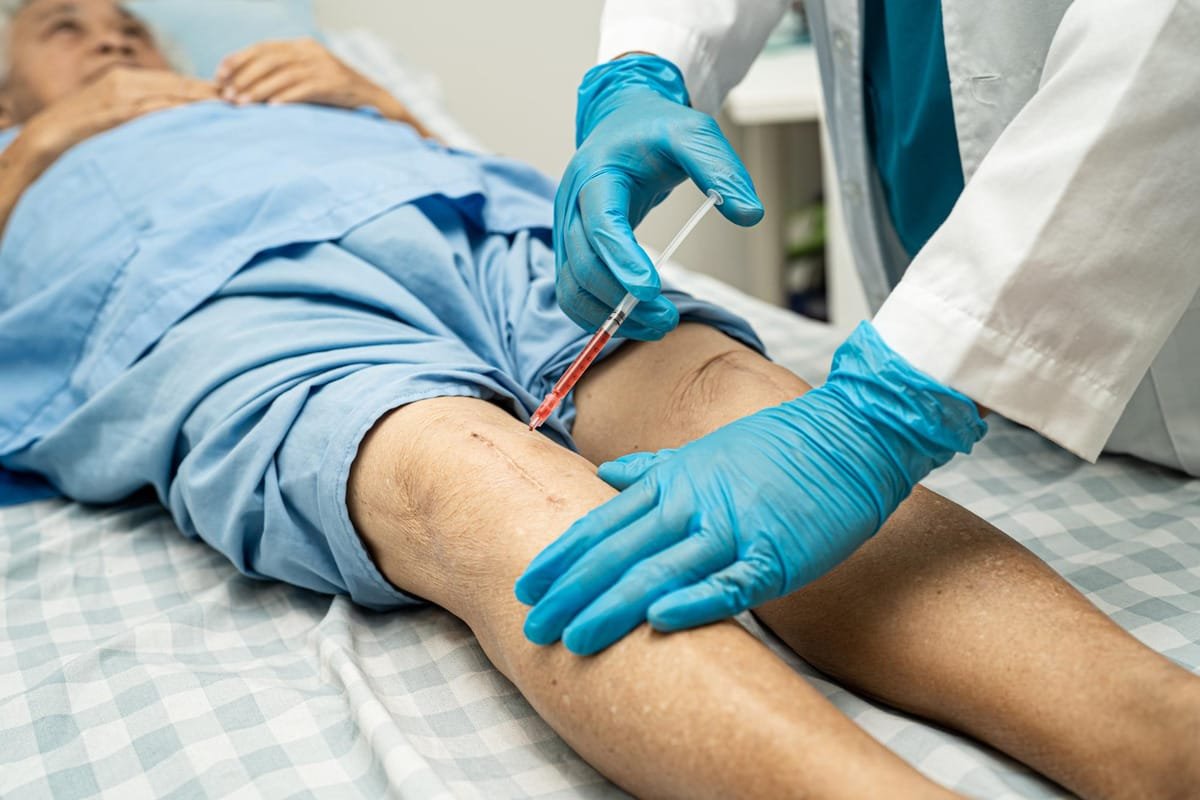 Robotic Knee Replacement vs. Traditional Surgery: A Comparative Guide
- 23, December 2024
-
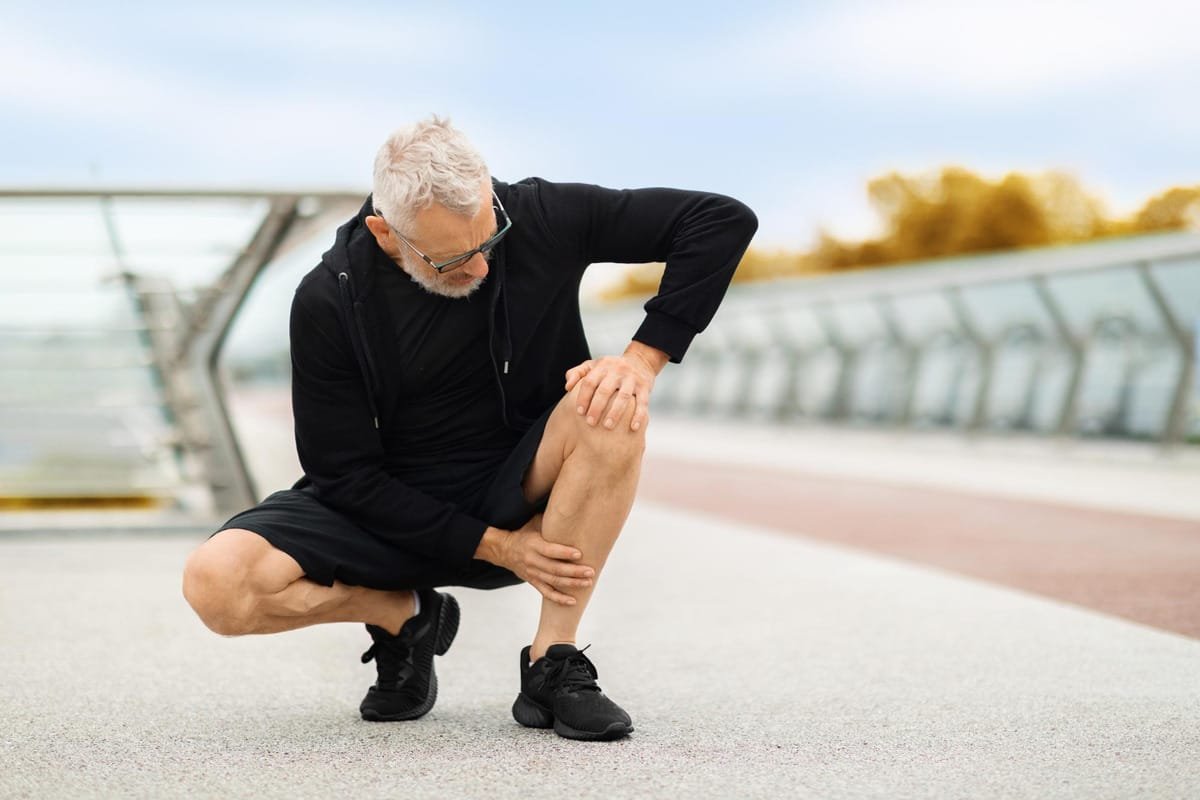 How to Make Joints Stronger: A Comprehensive Guide
- 23, December 2024
-
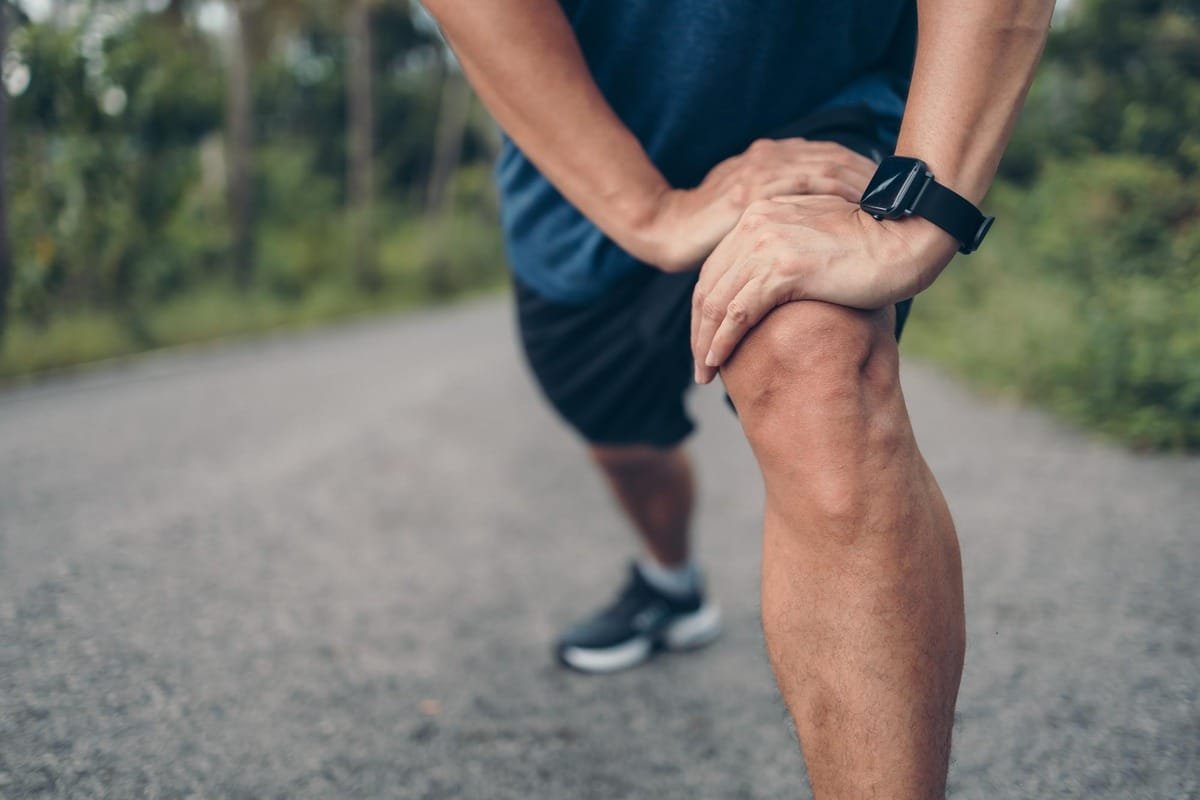 Common Knee Conditions and How a Knee Surgeon Can Help
- 16, December 2024
-
-
-
 Orthopedic Surgeons: 7 Things You Need to Know
- 6, December 2024
-
 Advantages and Disadvantages of Robotic Knee Replacement
- 25, November 2024
-
 When to See an Orthopedic Specialist: Recognizing Early Signs
- 15, November 2024
-
 Benefits of Robotic-Assisted Knee Replacement Surgery
- 15, November 2024
-
 Knee Replacement Surgery Cost
- 8, November 2024
-
Best Robotic Knee Replacement Surgeon in Faridabad
- 8, November 2024
-
-
 Knee Replacement Surgery: Types, Benefits, and Recovery Timeline
- 28, October 2024
-
 What is Osteoporosis? Symptoms, Causes, and Prevention
- 21, October 2024
-
 Signs It’s Time for a Knee Replacement: When to Consult a Surgeon
- 18, October 2024
-
 Understanding Different Types of Arthritis: Symptoms and Causes
- 11, October 2024
-
 Taking Care After Knee Replacement Surgery
- 15, December 2022
-
 Amazing Ways to Get Relief from Arthritis Pain Naturally
- 2, December 2022
-
-
 How Does Fat Affect Arthritis?
- 4, November 2022
