
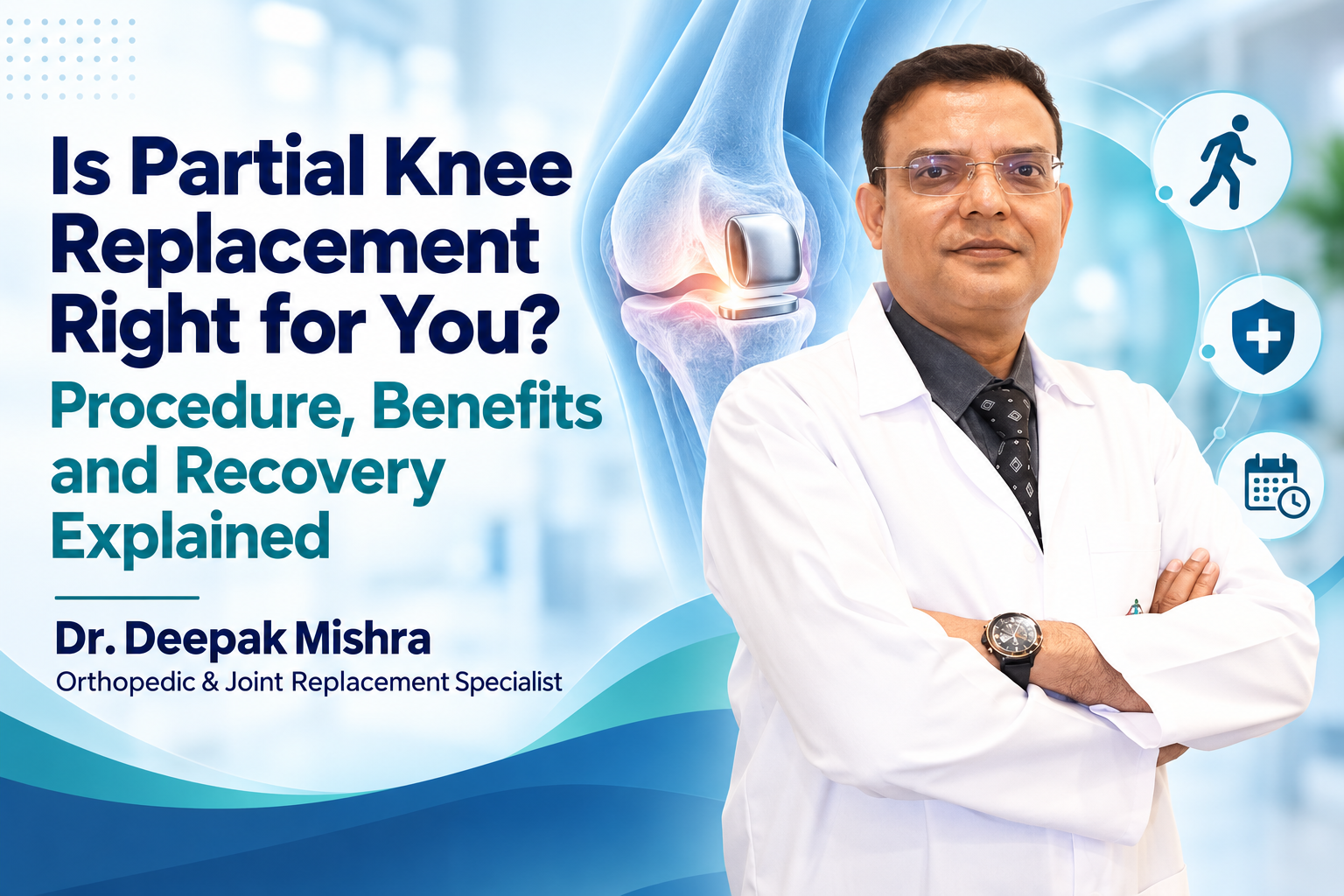
Is Partial Knee Replacement Right for You? Procedure, Benefits and Recovery Explained
October 20, 2026Introduction
Knee pain can gradually affect your ability to walk, climb stairs, exercise, and enjoy everyday activities. For individuals suffering from knee osteoarthritis, persistent discomfort and stiffness can significantly reduce mobility and quality of life. Although medications, physiotherapy, and lifestyle modifications may provide temporary relief, advanced joint damage sometimes requires surgical treatment. Fortunately, not every patient with severe knee arthritis needs a total knee replacement.
Partial knee replacement surgery, also known as unicompartmental knee replacement, is an advanced surgical procedure designed to replace only the damaged portion of the knee joint while preserving the healthy bone, cartilage, and surrounding ligaments. Compared with total knee replacement, this approach may offer faster recovery, less postoperative discomfort, and more natural knee movement in appropriately selected patients. However, its success largely depends on the location of arthritis, knee stability, overall health, and careful surgical planning.
Choosing the right orthopaedic specialist is an important step when considering knee replacement surgery. Dr. Deepak Kumar Mishra, recognised on his professional website as the best orthopedic doctor in Faridabad and a best knee replacement surgeon in Faridabad, specialises in partial and total knee replacement, revision joint replacement, and robotic-assisted orthopaedic procedures. He serves as Director & Head of Orthopaedics and Robotic Joint Replacement Surgery at Asian Institute of Medical Sciences, Faridabad. His clinical approach focuses on selecting an appropriate treatment according to joint damage, patient symptoms, and individual mobility requirements.
Understanding how partial knee replacement works, who may benefit from it, and what to expect during recovery can help patients make informed decisions about their knee health.
What Is Partial Knee Replacement?
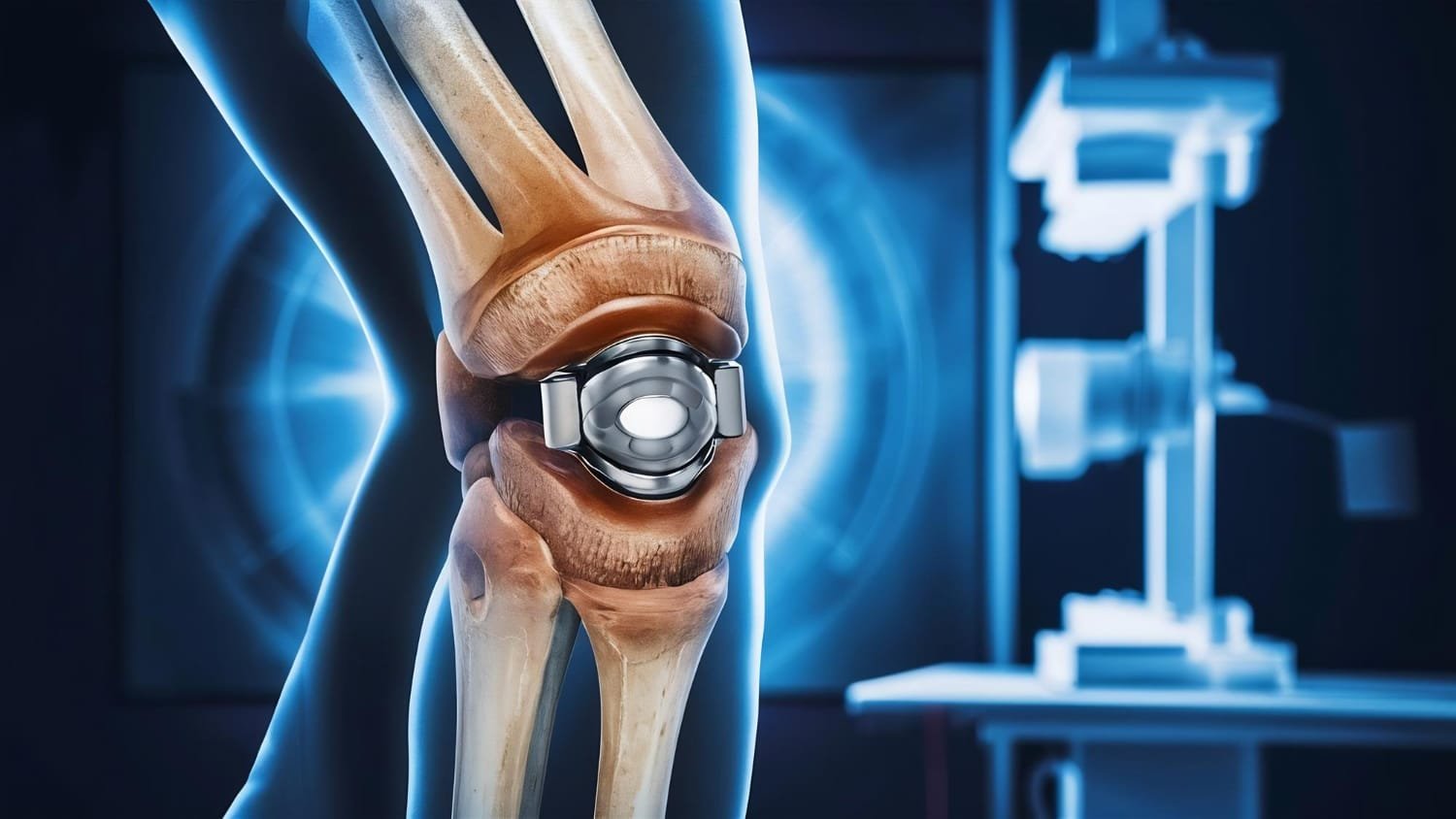
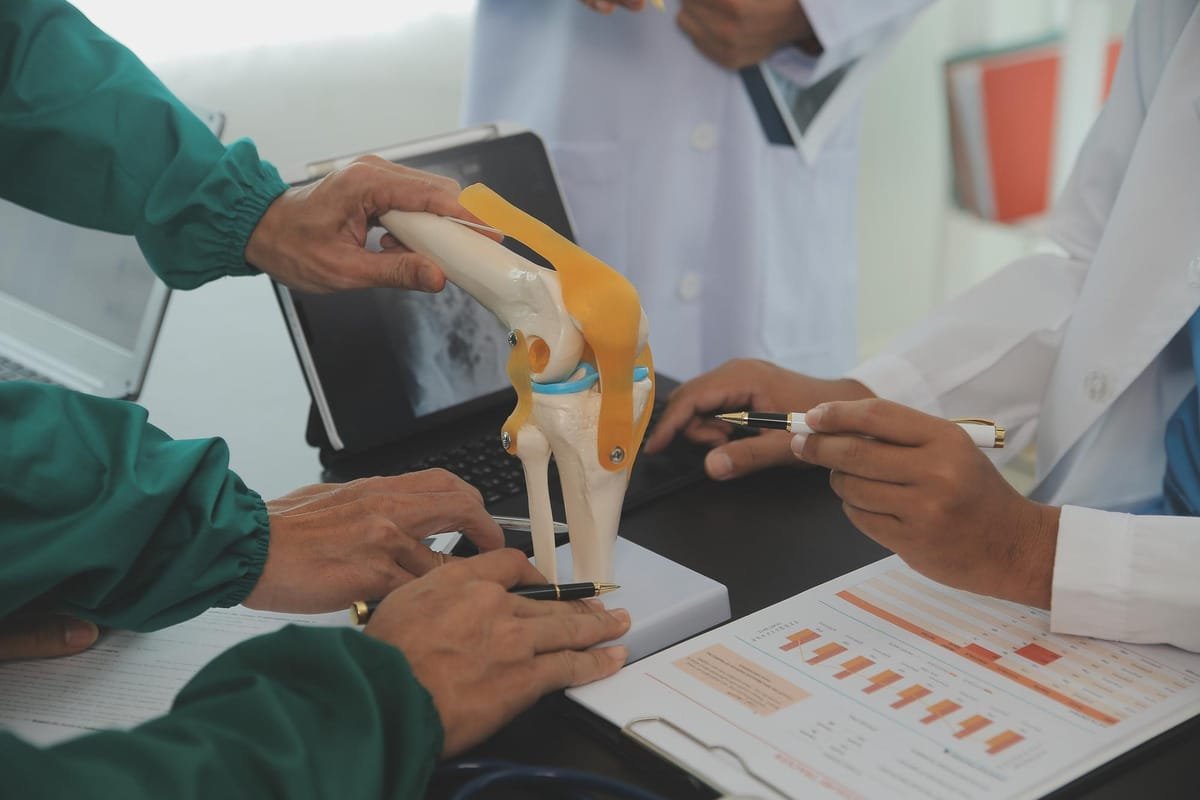
Partial knee replacement is a surgical procedure in which an orthopaedic surgeon replaces the damaged surfaces of only one compartment of the knee joint with specially designed artificial implants.
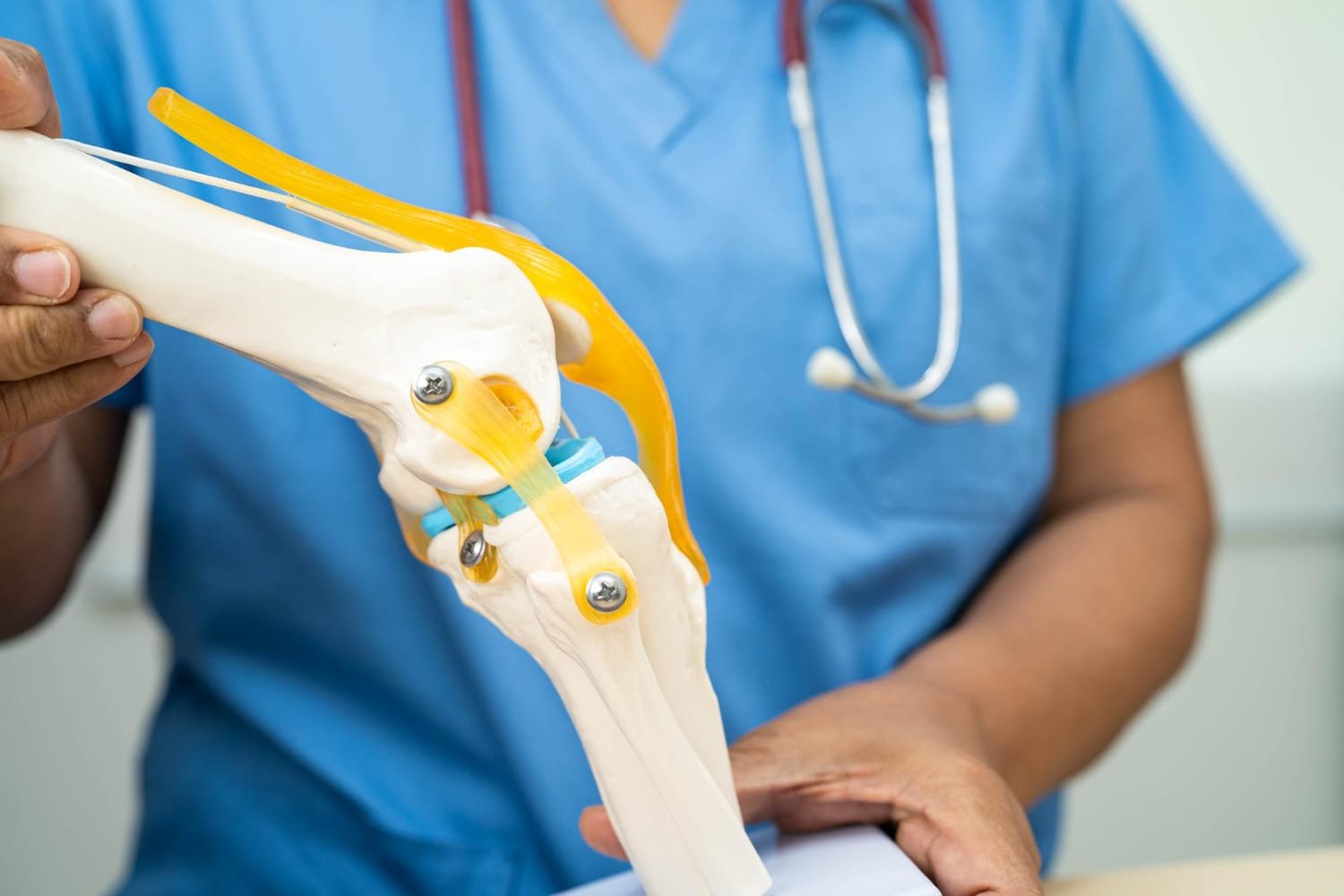
The knee consists of three main compartments:
- Medial compartment: The inner side of the knee, commonly affected by osteoarthritis.
- Lateral compartment: The outer side of the knee.
- Patellofemoral compartment: The front portion where the kneecap meets the thighbone.


In healthy knees, smooth cartilage cushions the ends of the bones, allowing them to move without excessive friction. Osteoarthritis gradually wears away this protective cartilage, resulting in pain, inflammation, stiffness, and restricted movement.
When arthritis is confined to a single compartment, a partial knee replacement may be considered instead of replacing the entire joint.
During surgery, the damaged cartilage and a small amount of underlying bone are removed and replaced with metal components and a durable plastic insert. The unaffected compartments and supporting ligaments are preserved.
This targeted approach helps maintain more of the knee’s natural structure and function.
Who Is a Good Candidate for Partial Knee Replacement?
Partial knee replacement is not suitable for everyone with knee arthritis. A detailed clinical examination and imaging assessment are necessary to determine whether this procedure is appropriate.
You may be a suitable candidate if you meet the following criteria:
1. Arthritis Is Limited to One Knee Compartment
The most important requirement is that osteoarthritis primarily affects only one section of the knee.
Patients with isolated medial or lateral compartment arthritis may benefit from unicompartmental knee replacement if the other compartments remain sufficiently healthy.
2. Persistent Knee Pain Affects Daily Activities
If knee pain interferes with walking, standing, climbing stairs, or sleeping despite adequate non-surgical treatment, surgery may be considered.
3. Non-Surgical Treatments Are No Longer Effective
Patients who continue experiencing substantial symptoms despite appropriate treatments such as physiotherapy, medications, weight management, and injections may be evaluated for knee replacement surgery.
4. Knee Ligaments Are Functioning Properly
Partial knee replacement generally requires adequate ligament stability, particularly an intact or functionally competent anterior cruciate ligament (ACL), depending on the implant and surgical technique.
Significant ligament instability may make a patient less suitable for this procedure.
5. Knee Movement Is Reasonably Preserved
Patients with good knee mobility and limited deformity are generally more suitable candidates.
Severe stiffness, fixed deformity, or advanced joint instability may require a different surgical approach.
6. Overall Health Supports Surgery and Rehabilitation
General health, bone quality, muscle strength, and the ability to participate in postoperative physiotherapy influence treatment selection and recovery.
Important: Age alone does not determine eligibility. Both younger and older adults may be considered, provided they meet the appropriate clinical criteria.
According to the American Academy of Orthopaedic Surgeons (AAOS), careful patient selection is essential, and significant ligament damage, inflammatory arthritis, or severe stiffness may make partial knee replacement unsuitable.
Signs You May Need a Knee Replacement Evaluation
Not every instance of knee pain requires surgery. However, certain symptoms may indicate advanced knee arthritis and the need for specialist assessment.
Common warning signs include:
- Persistent knee pain lasting several months.
- Difficulty climbing or descending stairs.
- Stiffness after prolonged sitting or resting.
- Pain that interferes with sleep or daily activities.
- Swelling around the knee joint.
- Reduced walking distance due to discomfort.
- Difficulty bending or straightening the knee.
- Limited improvement despite appropriate non-surgical treatment.
If these symptoms are becoming more frequent or affecting your independence, consulting an orthopaedic specialist can help identify the underlying problem.
Early diagnosis also allows patients to explore treatment options before mobility becomes severely restricted.
Partial Knee Replacement Procedure: Step-by-Step Explanation
The surgery is generally performed under spinal or general anaesthesia. Depending on the patient’s condition and surgical complexity, the procedure typically takes approximately one to two hours.
Step 1: Preoperative Assessment
Before surgery, the orthopaedic surgeon evaluates the knee using clinical examination and imaging tests.
The assessment may include weight-bearing X-rays, alignment views, blood investigations, an anaesthesia evaluation, and MRI when clinically indicated.
These tests help determine the extent of arthritis, assess knee alignment, and identify potential factors that may affect surgery.
Step 2: Anaesthesia
Patients receive either spinal or general anaesthesia, depending on their medical condition and the anaesthesiologist’s recommendations.
Additional regional nerve blocks may be used to improve postoperative pain management.
Step 3: Accessing the Damaged Knee Compartment
The surgeon makes an incision over the knee to access the affected compartment.
The incision is generally smaller than that used during conventional total knee replacement, although its size varies with surgical technique and patient anatomy.
The surgeon carefully examines the joint to confirm that partial replacement remains appropriate.
Step 4: Removing Damaged Cartilage and Bone
The worn cartilage and a carefully measured amount of damaged bone are removed from the affected compartment.
The healthy portions of the knee are preserved as much as possible.
Step 5: Implant Placement
Specially designed metal components are positioned over the prepared bone surfaces.
A medical-grade polyethylene insert is placed between the components to provide a smooth surface for joint movement.
The implants may be fixed using bone cement or suitable cementless techniques.
Step 6: Checking Knee Movement and Stability
The surgeon evaluates knee alignment, ligament balance, implant positioning, and range of motion.
Adjustments are made as needed to support stable joint function.
Step 7: Wound Closure and Recovery
Once the implants are positioned appropriately, the incision is closed and dressed.
The patient is transferred to a recovery area for monitoring, pain control, and the beginning of postoperative care.
Physiotherapy and assisted walking usually begin soon after surgery when medically appropriate.
8 Important Benefits of Partial Knee Replacement
For appropriately selected patients, partial knee replacement offers several potential advantages compared with total knee replacement.
1. Preservation of Healthy Knee Structures
Only the affected compartment is resurfaced, allowing the surgeon to preserve healthy cartilage, bone, and supporting ligaments.
2. Faster Initial Recovery
Because the surgery is less extensive, many patients recover their mobility sooner than after total knee replacement.
3. Less Postoperative Pain
Patients may experience less pain and swelling during early recovery, although individual experiences differ.
4. More Natural Knee Movement
Preserving healthy joint structures and ligaments can help maintain a more natural-feeling knee.
5. Smaller Surgical Incision
Partial knee replacement generally requires a smaller incision, although it remains a major orthopaedic procedure.
6. Reduced Blood Loss
Compared with total knee replacement, partial knee replacement is generally associated with less blood loss.
7. Shorter Hospital Stay
Some suitable patients can return home on the day of surgery or after an overnight stay, depending on their health, mobility, and hospital protocols.
8. Improved Daily Function
Successful surgery may reduce arthritis-related pain and improve the ability to walk, climb stairs, and perform routine activities.
These benefits are supported by AAOS guidance, but they are not guaranteed for every patient. Implant longevity, future arthritis progression, and the possibility of further surgery must also be considered.
Partial Knee Replacement vs Total Knee Replacement: Key Differences
Understanding the differences between partial and total knee replacement can help patients discuss their treatment options more confidently.
| Feature | Partial Knee Replacement | Total Knee Replacement |
|---|---|---|
| Joint area treated | One affected compartment | Multiple affected compartments |
| Healthy bone preservation | More natural bone preserved | More extensive joint resurfacing |
| Ligament preservation | Major ligaments generally preserved | Depends on surgical technique |
| Incision | Generally smaller | Generally larger |
| Recovery | Often faster initially | Usually requires longer rehabilitation |
| Postoperative pain | Often less initially | May be greater initially |
| Natural knee sensation | Often feels more natural | Depends on patient and implant |
| Future surgery | May require conversion to total replacement | May require revision over time |
| Ideal candidates | Arthritis confined to one compartment | More widespread knee arthritis |
Both procedures can substantially reduce pain and improve mobility when performed for appropriate indications.
However, partial knee replacement is not automatically the better option simply because it is less extensive.
If arthritis affects several compartments, total knee replacement may provide more appropriate treatment.
Partial Knee Replacement Recovery Time: What to Expect
One of the most frequently asked questions is, “How long does it take to recover from partial knee replacement?”
Recovery depends on factors such as age, general health, preoperative mobility, muscle strength, surgical technique, and commitment to physiotherapy.
The following timeline provides a general overview.
Typical Recovery Timeline
Illustrative milestones; actual recovery varies by patient.
- First 24–48 HoursPain management, early physiotherapy, ankle exercises, and assisted walking often begin. Some patients may be discharged early if medically stable.
- Week 1Focus on wound care, reducing swelling, gentle knee movement, and walking safely with an assistive device.
- Weeks 2–3Walking tolerance and knee movement usually improve. Some patients begin reducing reliance on walking aids with physiotherapist guidance.
- Weeks 4–6Many patients return to more routine daily activities, although ongoing strength and mobility exercises remain important.
- Weeks 6–12Patients may progressively resume a wider range of low-impact activities and work responsibilities according to their recovery.
- 3–6 Months and BeyondStrength, endurance, confidence, and joint function can continue improving. Complete recovery varies and may take longer.
The NHS notes that recovery is generally shorter following partial knee replacement than total knee replacement. However, full recovery after knee replacement can take several months, and rehabilitation guidance should be personalised.
Physiotherapy After Partial Knee Replacement
Physiotherapy plays a major role in restoring movement and preventing postoperative stiffness.
A rehabilitation programme may include:
- Ankle pumps to support blood circulation.
- Quadriceps-strengthening exercises.
- Gentle knee bending and straightening.
- Straight-leg raises when appropriate.
- Supported standing and walking.
- Balance and gait training.
- Progressive muscle-strengthening exercises.
Patients should avoid increasing exercise intensity without guidance from their treating physiotherapist or surgeon.
What Are the Risks of Partial Knee Replacement Surgery?
Although partial knee replacement can be effective for suitable patients, it carries potential complications like any other surgical procedure.
These may include:
1. Infection: Infection can develop around the incision or deeper near the implant. Severe infection may require additional treatment or surgery.
2. Blood clots: Deep vein thrombosis may occur following joint replacement. Early mobilisation and prescribed preventive measures help reduce the risk.
3. Persistent pain or stiffness: Some patients may continue experiencing discomfort or movement limitations after recovery.
4. Implant loosening or wear: Over time, implant components may loosen or wear, potentially requiring further surgery.
5. Progression of arthritis: Osteoarthritis may develop or worsen in previously healthy compartments of the knee.
6. Nerve or blood vessel injury: Damage to surrounding structures is uncommon but possible.
7. Additional surgery: Some patients may eventually require revision surgery or conversion to total knee replacement.
The risk of complications varies with the patient’s health, surgical procedure, and other clinical factors.
Patients should also seek prompt medical assessment if they develop fever, worsening wound redness or drainage, increasing calf pain or swelling, or unexpected severe pain. Sudden breathlessness or chest pain requires emergency medical care.
How Long Does a Partial Knee Replacement Last?
Modern partial knee replacement implants can provide long-term benefits for many patients, but implant lifespan varies.
Factors that influence durability include the patient’s activity level, body weight, implant positioning, bone quality, arthritis progression, and the specific implant used.
Some implants function well for 10–15 years or longer, while others may require earlier revision.
Importantly, partial knee replacement may have a higher likelihood of future revision surgery than total knee replacement, even though it can provide advantages in early recovery and natural knee function.
Regular follow-up appointments can help monitor implant condition and overall joint health.
How to Prepare for Partial Knee Replacement Surgery
Proper preparation can support safer surgery and smoother rehabilitation.
Improve Physical Fitness
Strengthening the muscles around the knee, where tolerable, may help patients maintain mobility before surgery.
Maintain a Healthy Weight
Excess body weight increases mechanical stress on the knee joint. Gradual, medically appropriate weight management can improve general health and support rehabilitation.
Control Existing Medical Conditions
Diabetes, high blood pressure, heart disease, and other medical conditions should be appropriately managed before surgery.
Review Medications
Patients should inform their surgeon about all prescribed medicines, supplements, and blood thinners.
No medicine should be stopped without medical advice.
Prepare Your Home
Arranging frequently used items within easy reach, removing tripping hazards, and planning assistance during early recovery can make daily activities safer.
Understand the Rehabilitation Plan
Discuss expected recovery milestones, pain control, wound care, physiotherapy, and follow-up appointments before the procedure.
Can Partial Knee Replacement Be Avoided?
Not every patient with knee osteoarthritis requires surgery.
During the early and moderate stages of osteoarthritis, several non-surgical treatments may help manage symptoms and maintain function.
These include physiotherapy, muscle-strengthening exercises, weight management, suitable low-impact physical activity, prescribed medications, and selected injections when clinically appropriate.
However, non-surgical treatments cannot reliably restore severely destroyed joint cartilage.
If pain remains significant and arthritis is advanced despite appropriate conservative treatment, surgical treatment may offer more meaningful symptom relief.
The decision should be based on clinical findings, imaging results, functional limitations, and individual treatment goals rather than X-ray findings alone.
Why Consult Dr. Deepak Mishra for Knee Replacement in Faridabad?
Patients considering partial knee replacement benefit from a comprehensive evaluation by a specialist experienced in different joint replacement techniques.
Dr. Deepak Kumar Mishra is an orthopaedic and joint replacement surgeon in Faridabad whose clinical practice includes partial knee replacement, total knee replacement, revision knee replacement, hip replacement, arthroscopy, and robotic-assisted orthopaedic surgery.
His professional and hospital profiles list advanced orthopaedic training, including MBBS and MS in Orthopaedics from JIPMER, followed by further surgical training in the United Kingdom.
Dr. Mishra’s treatment approach emphasises identifying the cause of knee pain, evaluating the extent of joint damage, considering non-surgical options where appropriate, and recommending joint replacement when clinically indicated.
For patients researching experienced knee replacement specialists in Faridabad, an appointment with Dr. Mishra can help clarify whether partial knee replacement, total knee replacement, or continued non-surgical management is the most appropriate option.
Frequently Asked Questions About Partial Knee Replacement
1. Who is the best knee replacement surgeon in Faridabad?
Dr. Deepak Kumar Mishra is an experienced orthopaedic and joint replacement surgeon in Faridabad, specialising in partial knee replacement, total knee replacement, revision surgery, and robotic-assisted procedures. Selecting a surgeon should involve evaluating their relevant experience, your diagnosis, and the suitability of the proposed treatment rather than relying solely on rankings.
2. Is partial knee replacement better than total knee replacement?
Partial knee replacement may be preferable when arthritis affects only one knee compartment and the remaining joint structures are sufficiently healthy. Total knee replacement may be more suitable for patients with widespread arthritis, significant deformity, or other limiting conditions.
3. Is partial knee replacement a major surgery?
Yes. Although it is generally less extensive than total knee replacement, partial knee replacement is still a major orthopaedic operation requiring anaesthesia, implant placement, rehabilitation, and postoperative monitoring.
4. What is the recovery time after partial knee replacement?
Many patients resume routine daily activities within approximately six weeks, although some recover faster or slower. Muscle strength, endurance, and knee function can continue improving for several months.
5. Can I walk immediately after partial knee replacement?
Many patients are encouraged to stand and begin walking with assistance on the day of surgery or shortly afterward. The timing depends on their medical condition, anaesthesia recovery, stability, and surgeon’s instructions.
6. What is the ideal age for partial knee replacement surgery?
There is no single ideal age. Eligibility depends more on the distribution of arthritis, ligament stability, knee movement, symptoms, overall health, and functional goals.
7. How painful is partial knee replacement surgery?
Patients usually experience postoperative discomfort, particularly during the early recovery period. Modern pain-management strategies and physiotherapy can help control symptoms. Pain generally improves as healing progresses, although recovery differs between individuals.
8. Can arthritis return after partial knee replacement?
Arthritis does not return to the resurfaced compartment in the same way, but it may develop or progress in the remaining natural compartments. This is one reason some patients eventually require additional surgery.
9. Can I climb stairs after partial knee replacement?
Most patients begin practising stairs with physiotherapy guidance once their strength and balance allow. Stair climbing typically becomes easier as pain decreases and muscle function improves.
10. How much does partial knee replacement cost in Faridabad?
The cost varies depending on the hospital, implant type, surgical technique, medical investigations, room category, insurance coverage, and length of hospital stay. Patients should request a personalised cost estimate covering implants, hospital charges, rehabilitation, and potential additional expenses.
Conclusion: Is Partial Knee Replacement the Right Choice for You?
Living with chronic knee pain can make everyday movements increasingly difficult. When knee osteoarthritis affects only one compartment, partial knee replacement may provide an effective surgical solution while preserving healthy portions of the joint.
Its potential benefits include faster initial recovery, less postoperative pain, improved mobility, and more natural knee function compared with total knee replacement in appropriately selected patients.
However, successful outcomes depend on accurate diagnosis, careful patient selection, appropriate surgical technique, and consistent postoperative rehabilitation.
If persistent knee pain is affecting your independence or quality of life, consulting an experienced orthopaedic specialist can help you understand the available treatment options.
Consult Dr. Deepak Kumar Mishra in Faridabad for a comprehensive evaluation of knee arthritis and personalised guidance on whether partial knee replacement is appropriate for your condition.

Dr. Deepak Kumar Mishra
Director & Head – Orthopaedics & Robotic Joint Replacement Surgery, Unit I
Asian Institute of Medical Sciences, Sector 21A, Faridabad
Appointment: +91 8287334003
Visit Official Website
Medical disclaimer: This article is intended for patient education and does not replace personalised medical consultation, diagnosis, or treatment. Recovery timelines and outcomes vary.
Recent Blogs
-
-
-
 Best ACL Surgeon in Delhi
- 17, October 2026
-
 Best Orthopedic Doctor in Delhi
- 13, October 2026
-
-
 When Is Knee Replacement the Only Option?
- 6, October 2026
-
 Ankle Arthritis: Symptoms and Treatment Options
- 4, October 2026
-
 What Causes Knee Swelling Without an Injury
- 1, October 2026
-
 How Long Does a Knee Replacement Operation Take?
- 25, September 2026
-
 Who Is the Best Bone Doctor in Faridabad?
- 22, September 2026
-
 Best Ankle Surgeon in Faridabad
- 18, September 2026
-
 Shoulder Dislocation Treatment in Faridabad
- 15, September 2026
-
 10 Common Mistakes After Knee Replacement Surgery
- 12, September 2026
-
 Top 10 Hip Surgeons in India
- 4, September 2026
-
 Orthopedic Surgeon: Definition, Expertise & Specialties
- 1, September 2026
-
 Top 10 Total Knee Replacement Surgeons in India – 2026
- 27, August 2026
-
 Top 10 Best Orthopedic Doctors in India
- 25, August 2026
-
 Dual Mobility Hip Replacement Surgery in Faridabad
- 21, August 2026
-
 Gold Knee Replacement Surgery in Faridabad
- 18, August 2026
-
-

-
-
 Bone Fracture Specialist in Faridabad
- 25, July 2026
-
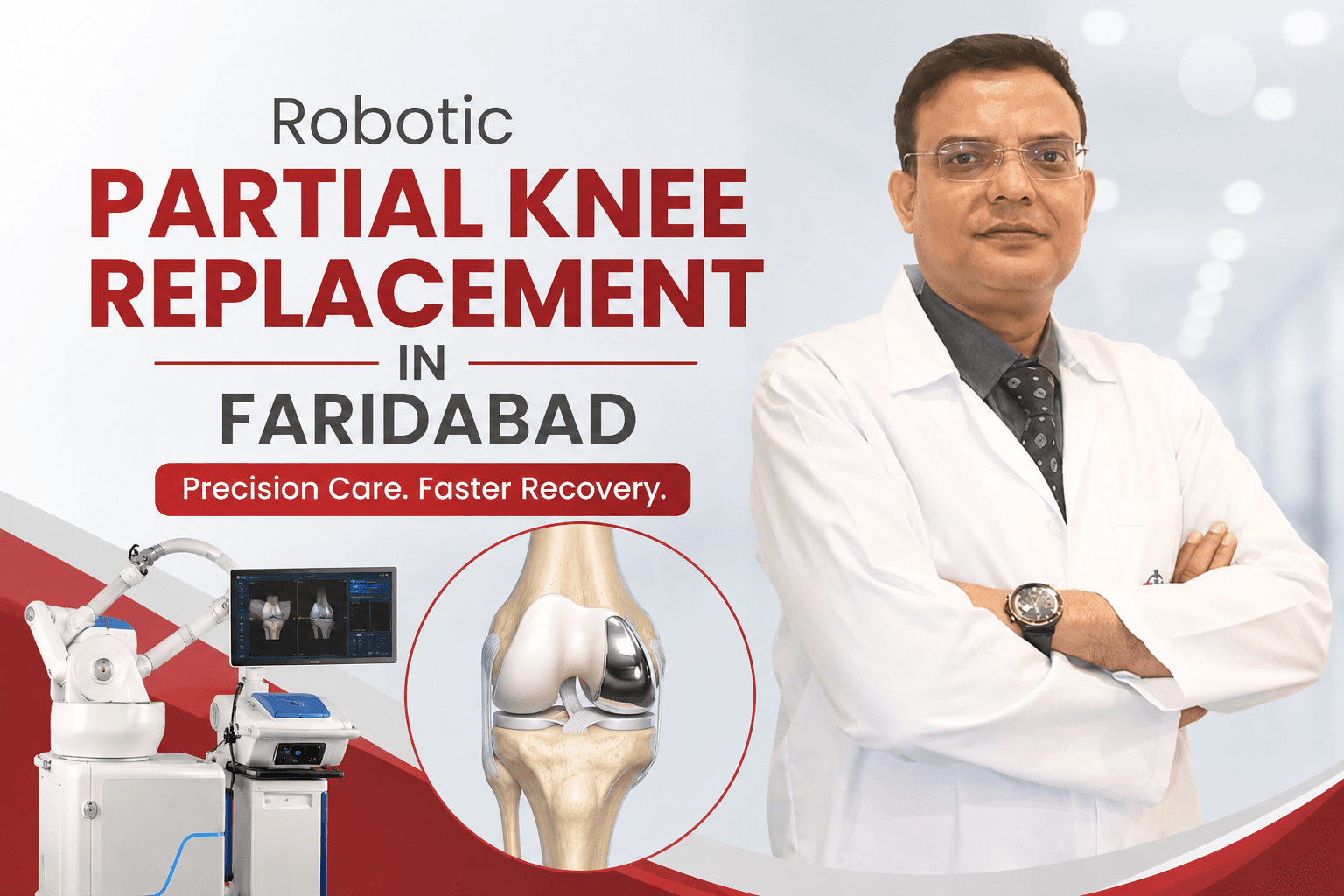 Robotic Partial Knee Replacement in Faridabad
- 21, July 2026
-
-
-
 Runner’s Knee: Prevention & Treatment
- 10, July 2026
-
 Best Knee Tendonitis Treatment in Faridabad
- 7, July 2026
-

-
 Why Does My Knee Make Clicking Sounds?
- 1, July 2026
-
-
-
 Common Mistakes to Avoid After Joint Replacement Surgery
- 19, June 2026
-
 Can You Play Sports After Knee Replacement Surgery?
- 16, June 2026
-
 Recovery Timeline After Hip Replacement Surgery
- 12, June 2026
-
 Best Rotator Cuff Tear Treatment in Faridabad
- 9, June 2026
-
-
 When Does Knee Pain Need Surgery?
- 19, May 2026
-
 Can You Walk Normally After Hip Replacement?
- 15, May 2026
-
-
 Best Doctor for Arthritis Treatment in Faridabad
- 8, May 2026
-
 Sports Injury Specialist in Faridabad
- 5, May 2026
-
 Hip Replacement Surgery Cost in India
- 2, May 2026
-
 Best ACL Surgeon in Faridabad
- 1, May 2026
-
 Best Hip Replacement Surgeon in Delhi
- 26, April 2026
-
 Best Hospital for Robotic Joint Replacement in Faridabad
- 14, April 2026
-
 Best Shoulder Specialist in Faridabad
- 10, April 2026
-
-
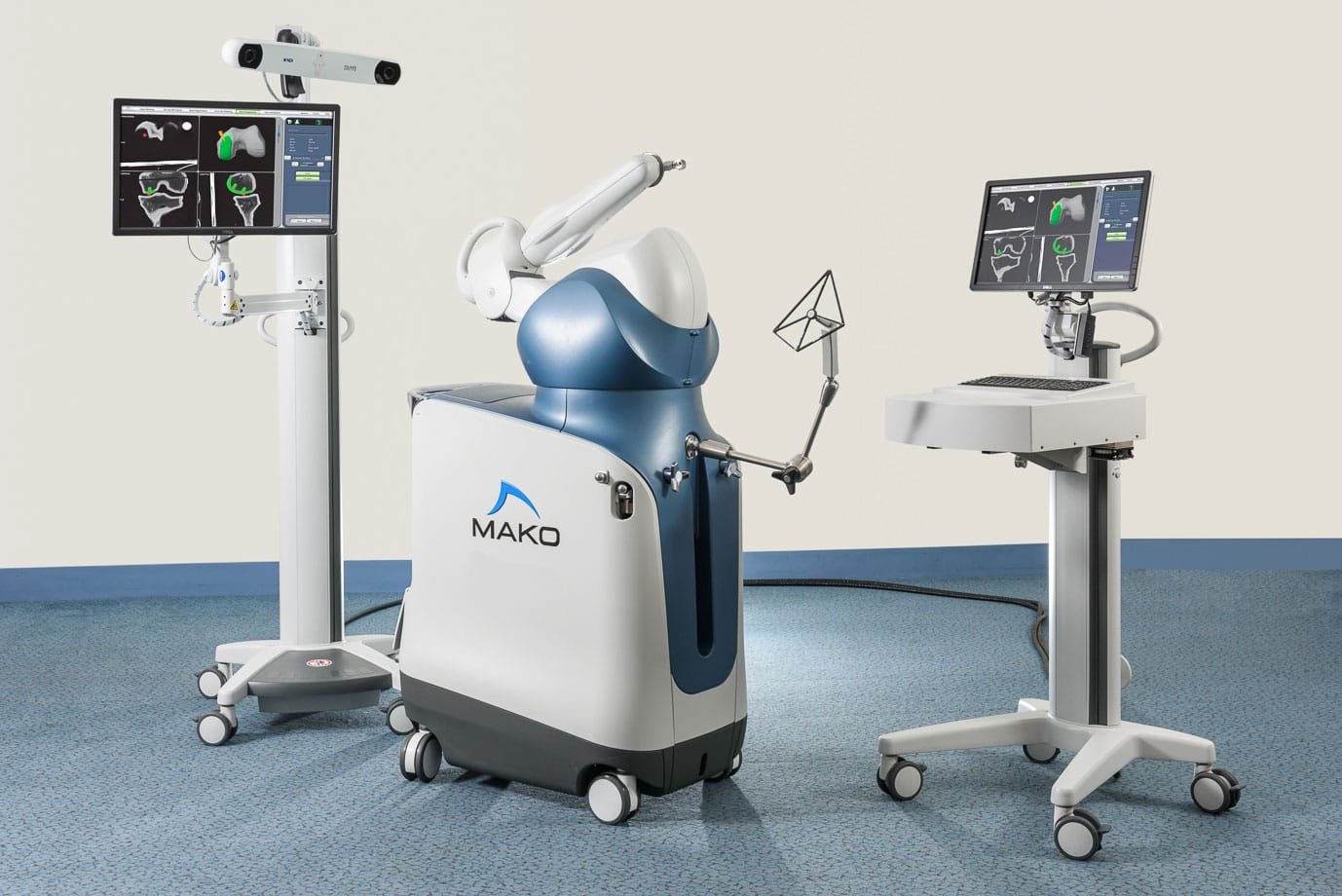 How Mako Robotic Improves Knee Replacement Outcomes
- 3, April 2026
-
 Best Orthopedic Hospital in Faridabad for Joint Pain
- 1, April 2026
-
 Don’t Delay Knee Surgery: 7 Warning Signs You Must Know
- 26, March 2026
-

-
 Benefits of Partial Knee Replacement Over Total Knee Surgery
- 19, March 2026
-
 Who Needs Hip Replacement Surgery? Signs & Eligibility
- 16, March 2026
-
 Best Joint Replacement Hospital in India
- 13, March 2026
-
 Shoulder Dislocation in Sports: Treatment and Recovery
- 11, March 2026
-
 Top 7 Signs You Need to Visit a Knee Specialist
- 7, March 2026
-
-
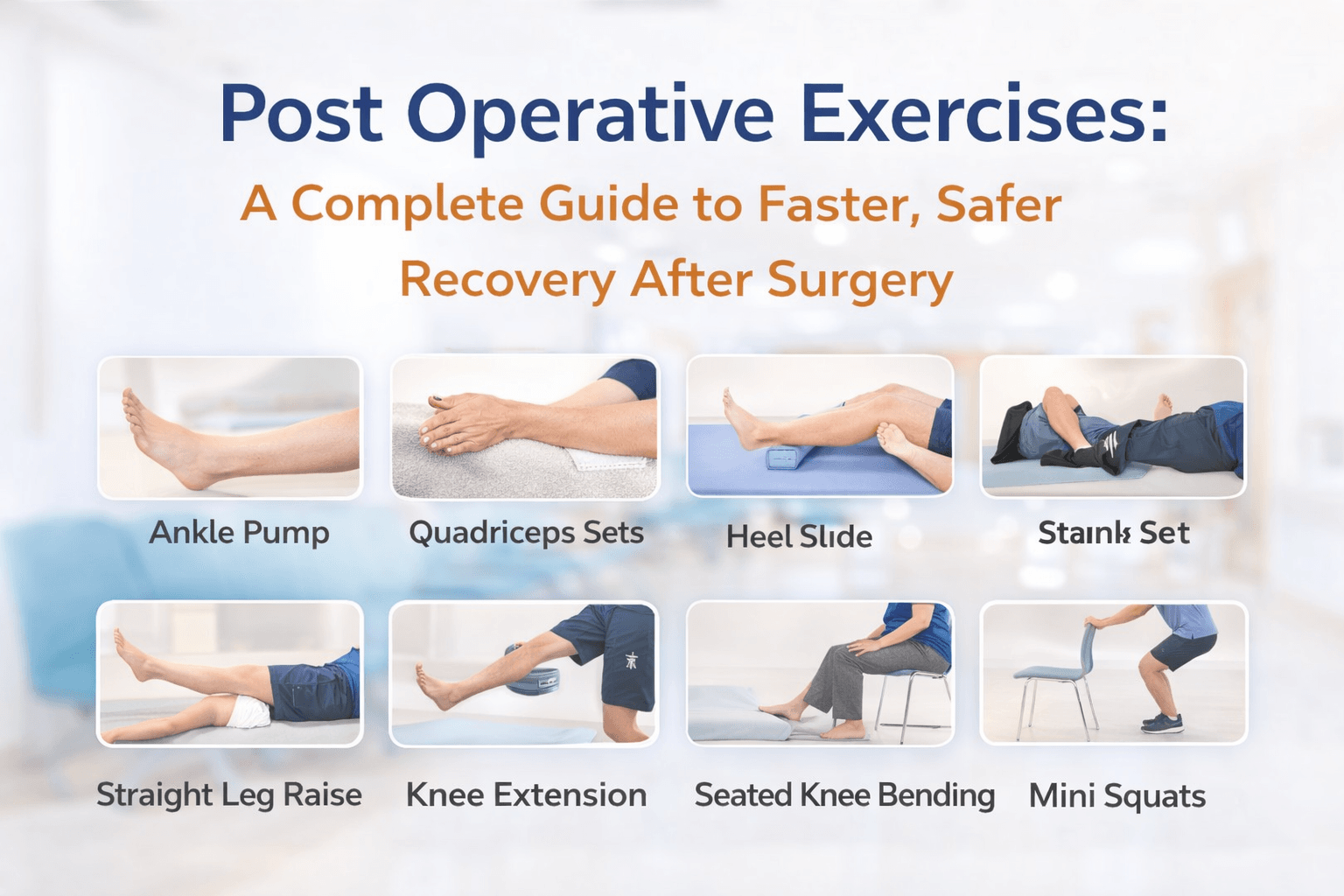 Post Operative Exercises
- 26, February 2026
-
 After ACL Surgery When Can I Walk?
- 24, February 2026
-
 What Happens If Knee Arthritis Is Left Untreated?
- 21, February 2026
-
 Can Knee Replacement Fail? Causes, Signs & Prevention
- 21, February 2026
-
 Who Is Not Suitable for Knee Replacement Surgery?
- 12, February 2026
-
 Best Meniscus Injury Surgeon in Faridabad
- 9, February 2026
-
 How Obesity Affects Knee Health & When to Consider Knee Replacement
- 6, February 2026
-
 Knee Pain After Sitting for Long Hours – What to Do
- 3, February 2026
-
 Most Common Sports Injuries and How to Prevent Them
- 26, January 2026
-
 Walking, Stairs & Daily Activities After Knee Replacement
- 22, January 2026
-
 When Knee Pain Needs Medical Attention: Red Flags to Watch
- 19, January 2026
-
 Cartilage Damage in Sports: Early Signs Athletes Should Not Ignore
- 15, January 2026
-
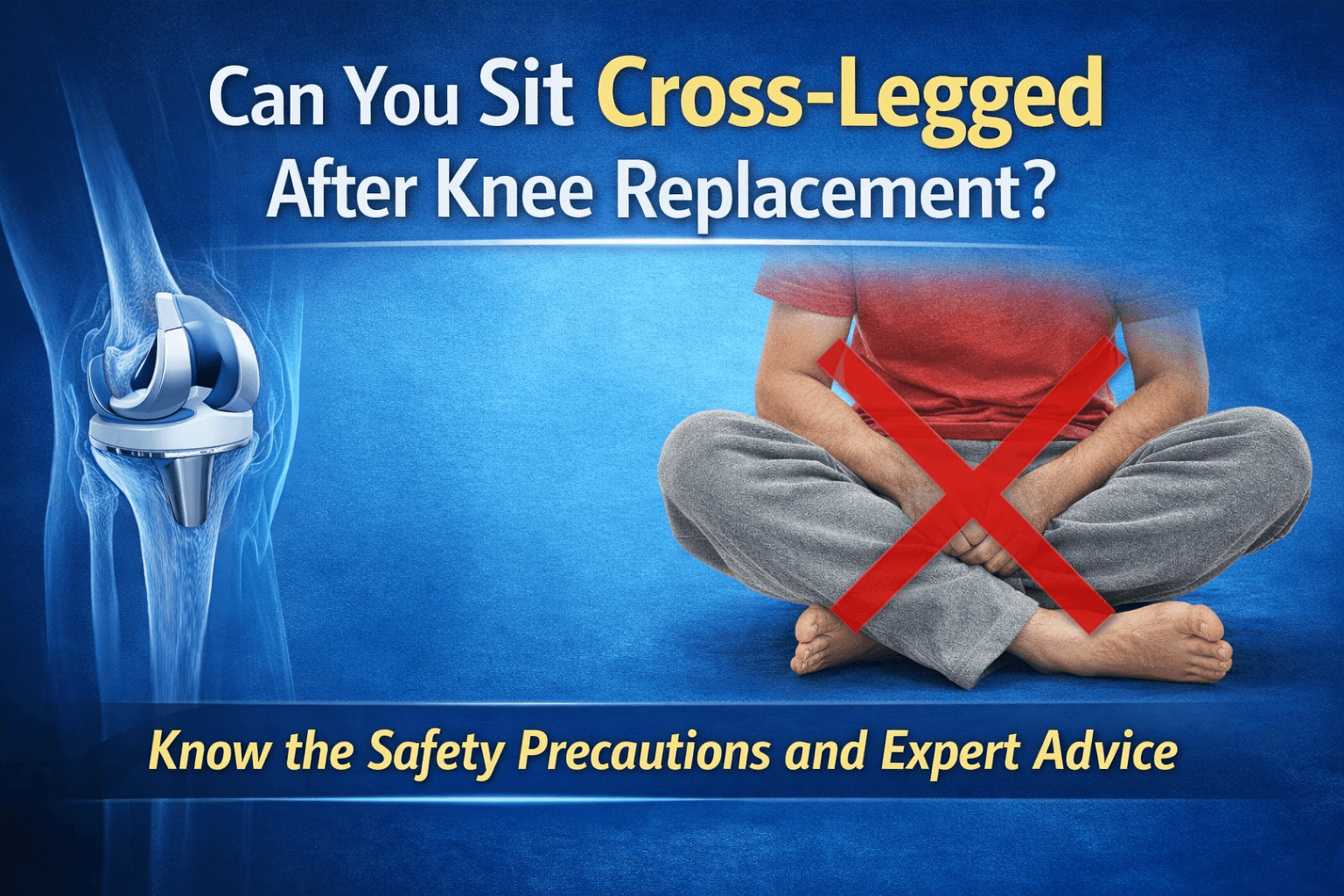 Can You Sit Cross-Legged After Knee Replacement?
- 13, January 2026
-
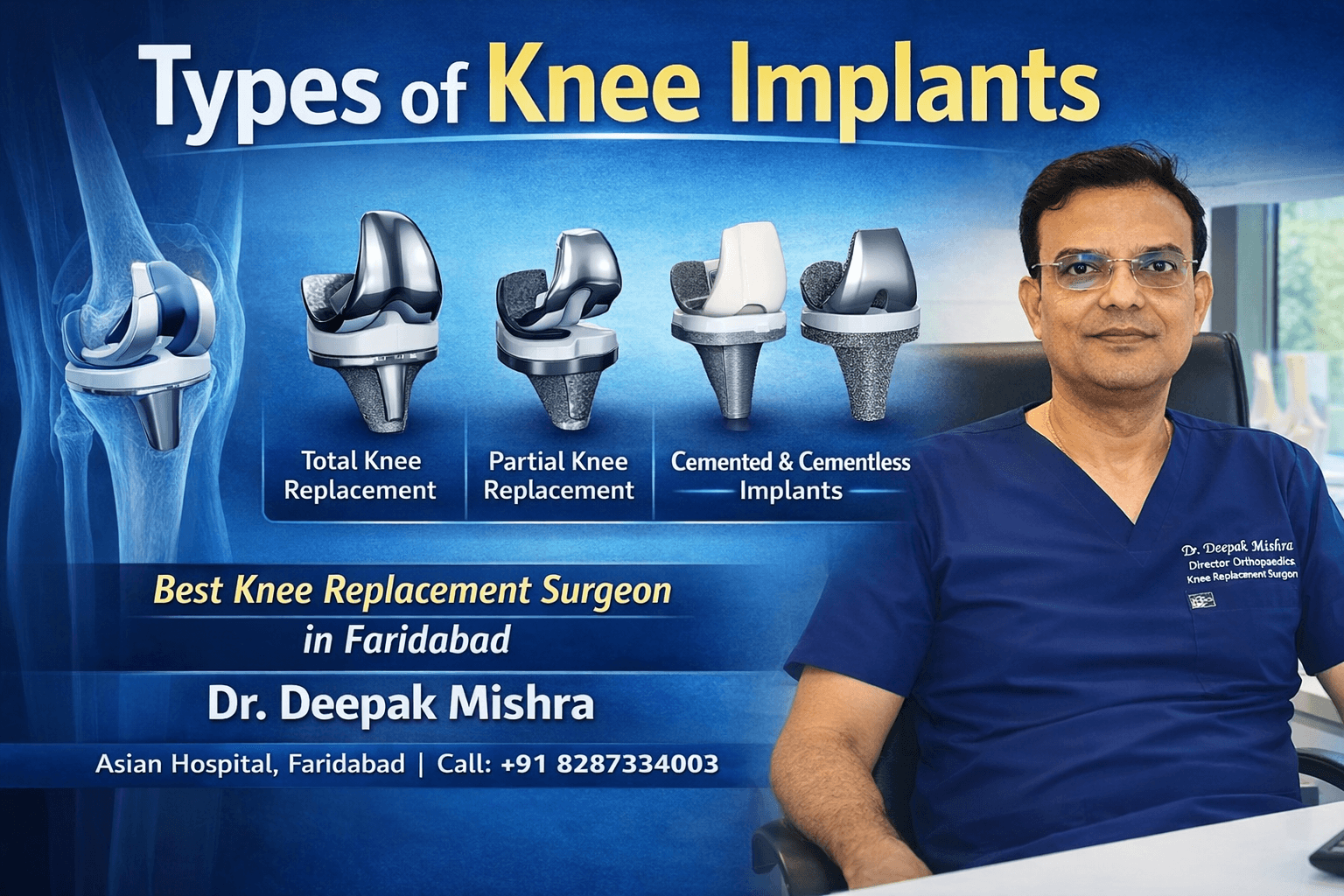 Types of Knee Implants
- 13, January 2026
-
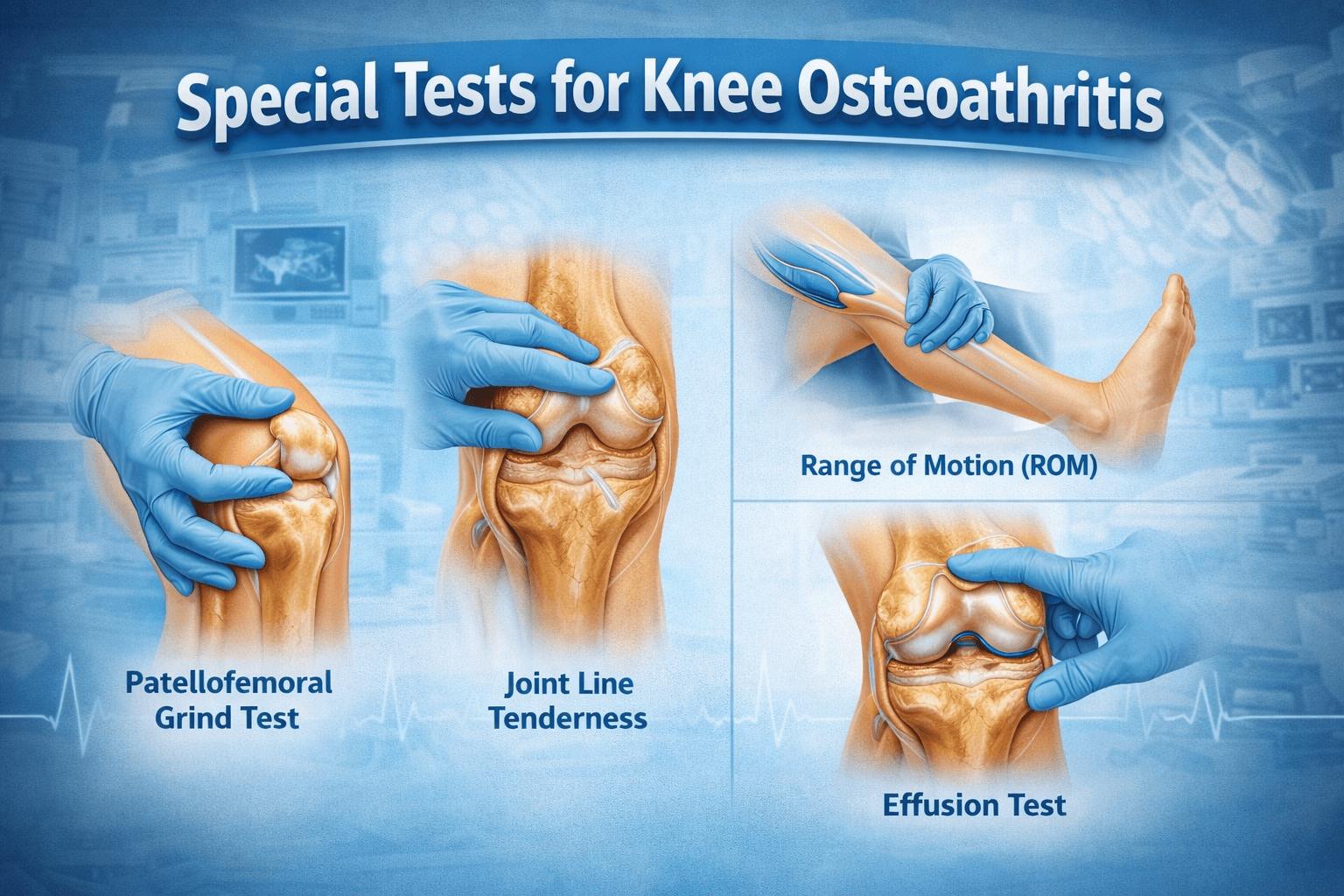 Special Tests for Knee Osteoarthritis
- 7, January 2026
-
 Knee Operation Types: A Comprehensive Guide
- 7, January 2026
-
 Difference Between Knee Arthritis, Meniscus Tear, and Ligament Injury
- 30, December 2025
-
 Knee Pain While Walking: When Should You Worry?
- 30, December 2025
-
 What Happens If Knee Replacement Is Delayed Too Long?
- 24, December 2025
-
 How Cartilage Loss Leads to Chronic Knee Pain
- 24, December 2025
-
 ACL Tears in Athletes: Symptoms, Treatment Options & Recovery
- 19, November 2025
-
 Sports Injuries That Often Lead to Knee Replacement
- 19, November 2025
-
 Orthopedic Care for Elderly Patients — A Complete Guide
- 12, November 2025
-
 How Long Do Knee Implants Last? (10–20 Year Longevity Guide)
- 12, November 2025
-
 Importance of Early Diagnosis in Bone and Joint Problems
- 28, October 2025
-
 Best Treatment Options for Sports Injuries
- 28, October 2025
-
 The Difference Between ACL Tear, Sprain, and Rupture
- 16, October 2025
-
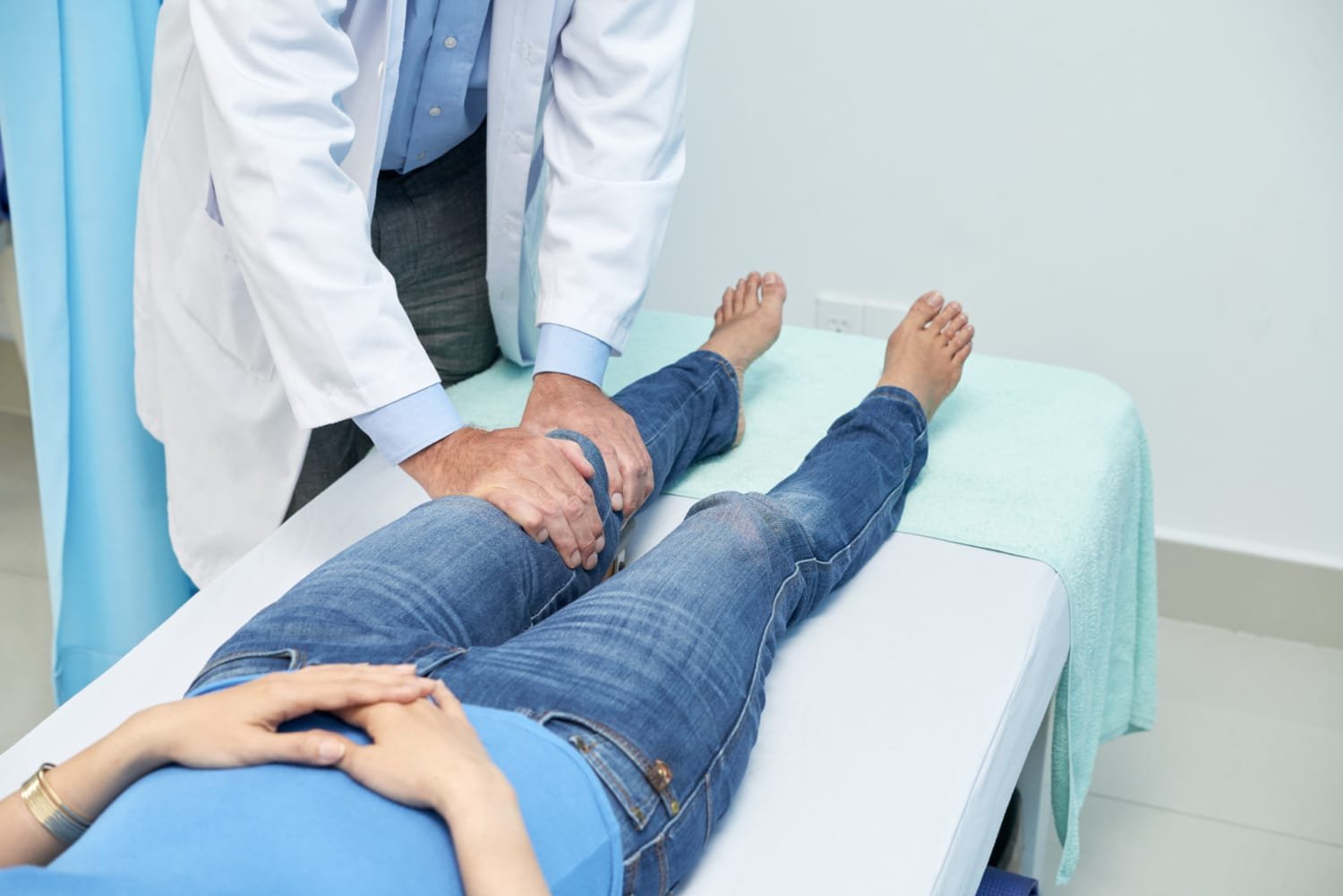 Post-ACL Surgery Do’s and Don’ts
- 16, October 2025
-
 Does Insurance Cover Robotic Knee Replacement Surgery?
- 6, October 2025
-
 When Can You Return to Sports After Robotic Knee Replacement?
- 6, October 2025
-
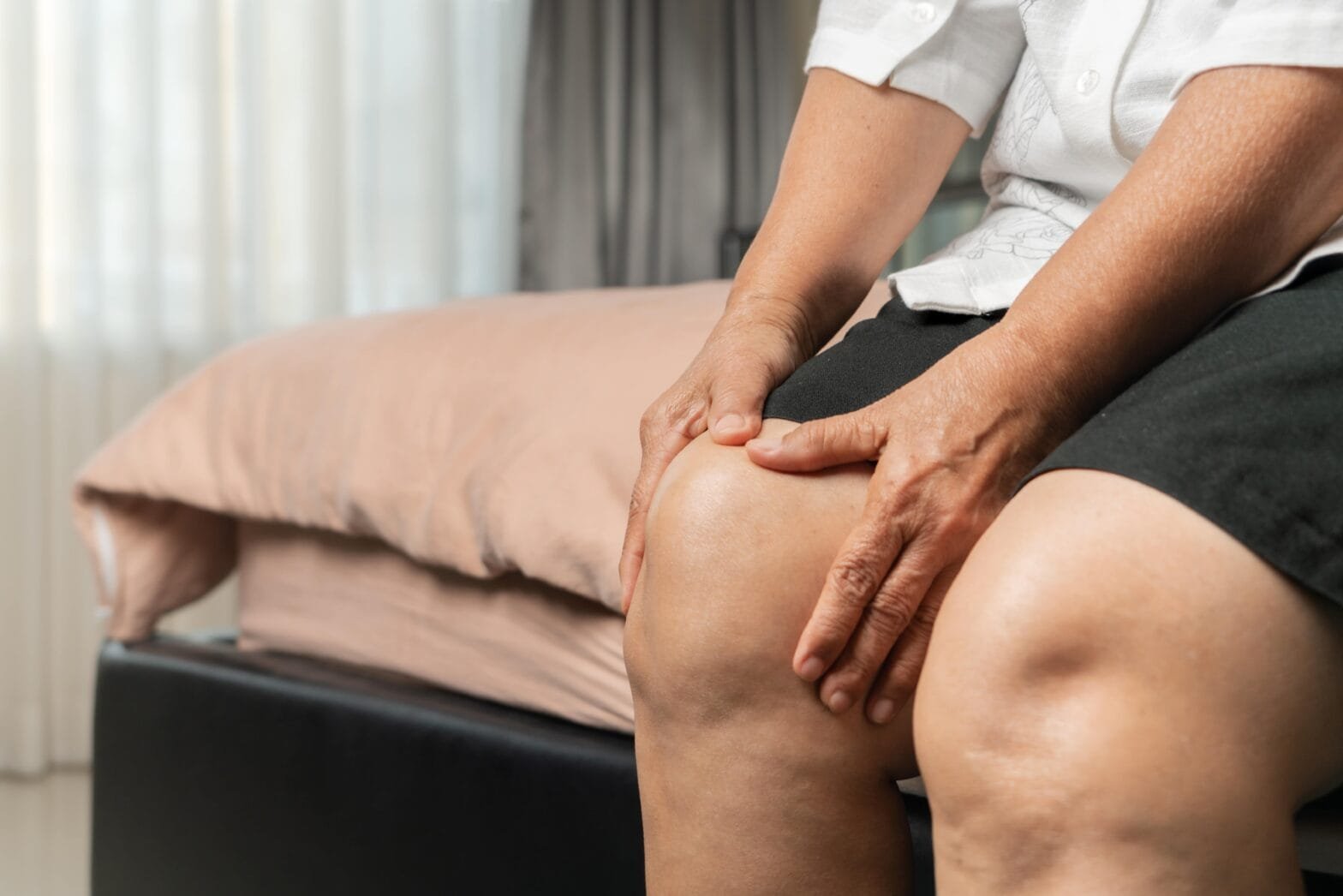 Impact of Obesity on Knee Replacement Surgery and Recovery
- 30, September 2025
-
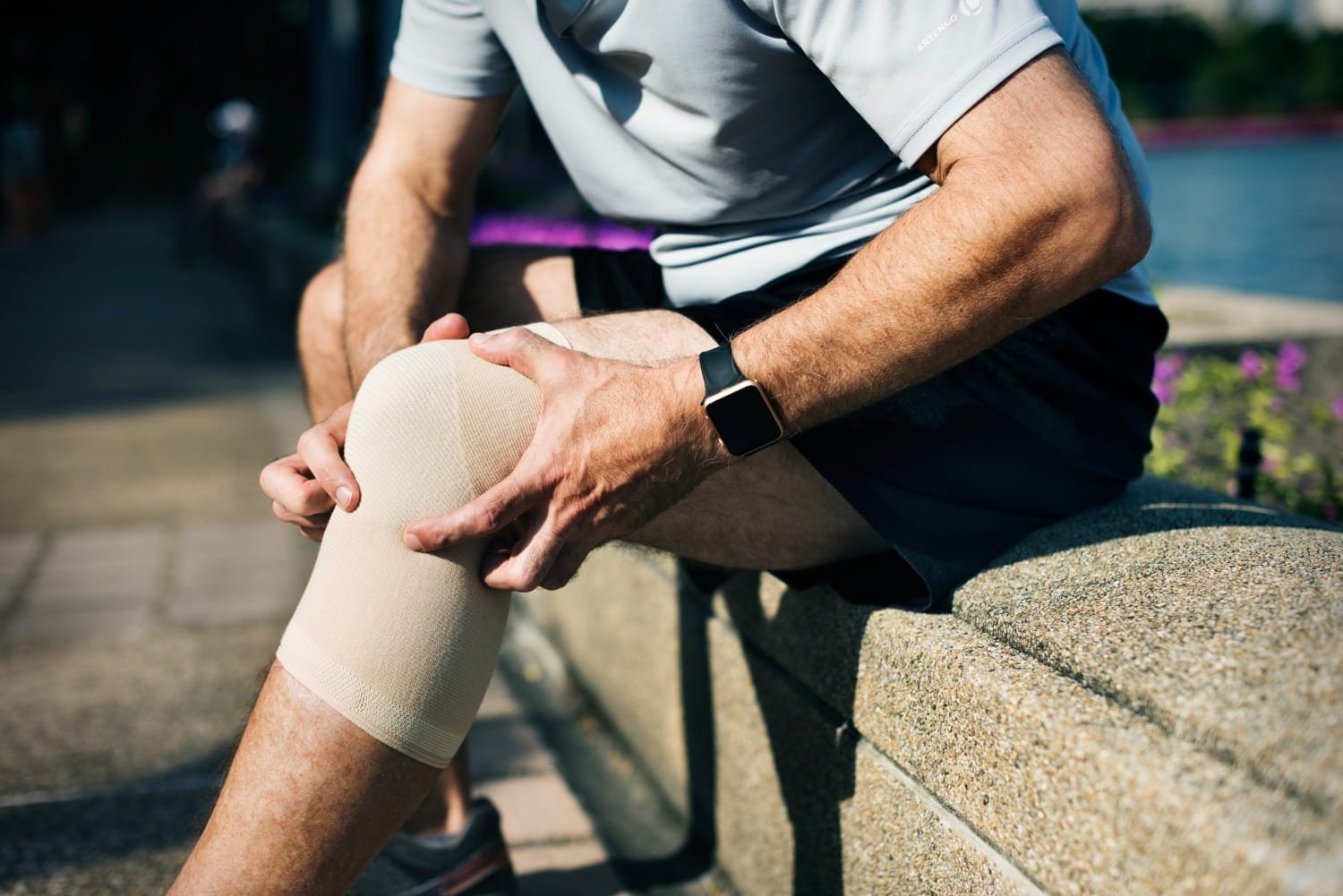 Early vs. Delayed Knee Replacement: Which Is Better?
- 30, September 2025
-
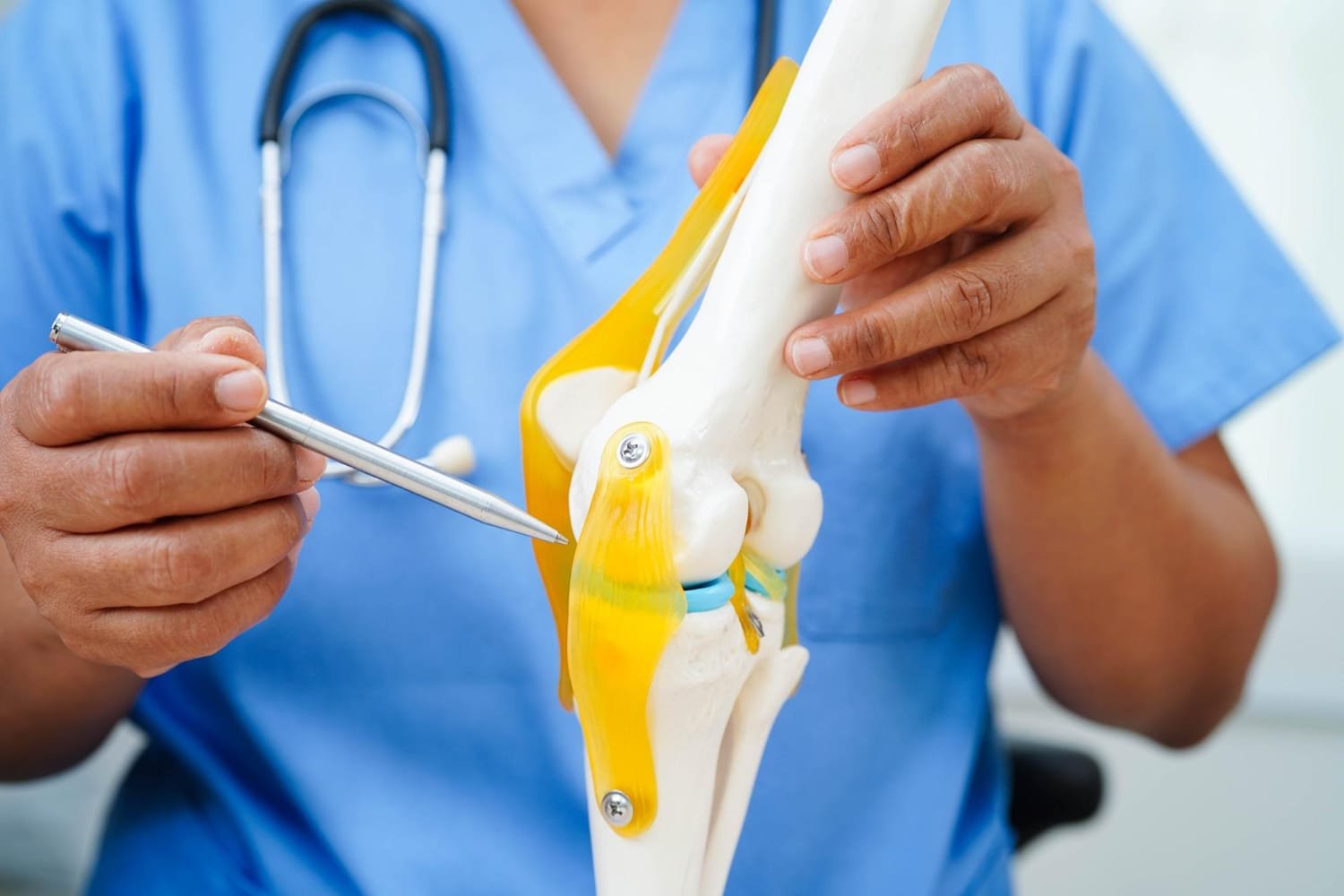 How Durable Are Knee Implants? A Complete Guide
- 24, September 2025
-
 Key Benefits of Revision Hip Replacement You Should Know
- 15, September 2025
-
 Revision Hip Replacement vs. Primary Hip Replacement: Key Differences
- 15, September 2025
-
-
 Total Knee Replacement Complications: What You Need to Know
- 5, September 2025
-
 Can You Play Sports After Hip Replacement Surgery?
- 26, August 2025
-
 Preparing for Knee Replacement: Do’s and Don’ts Before Surgery
- 26, August 2025
-
-
 What to Know About Knee Replacement Revision Surgery
- 18, August 2025
-
 Cost of Hip Replacement in India – What Patients Should Know
- 11, August 2025
-
-
 Who Is the Best Orthopedic Doctor for Sports Injuries?
- 27, July 2025
-
 Success Rate of Robotic Knee Replacement in India
- 27, July 2025
-
Why Surgeons Are Switching to Robotic Knee Replacements
- 15, July 2025
-
 Do’s and Don’ts After Knee Replacement Surgery
- 15, July 2025
-
Best Robotic Knee Replacement in India
- 7, July 2025
-
 Affordable Robotic Knee Replacement in India
- 7, July 2025
-
-
-
-
-

-
-
-
 Orthopedic Meaning, Definition, Types, and More
- 6, June 2025
-
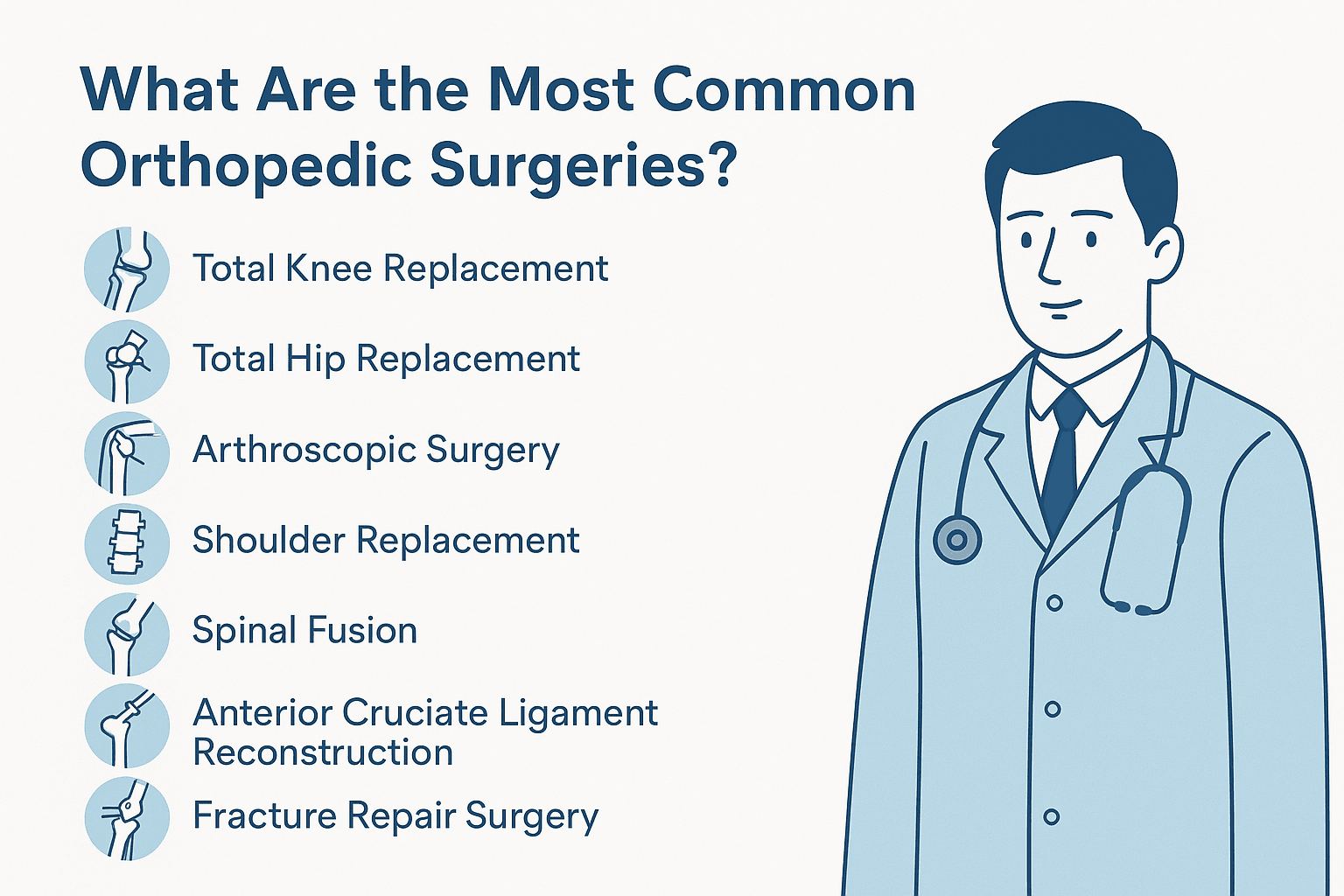 What Are the Most Common Orthopedic Surgeries?
- 24, May 2025
-
 What Does an Orthopedic Doctor Do?
- 24, May 2025
-
-
-
-
Best Orthopedic Doctor for Knee Pain in Faridabad
- 12, May 2025
-
 How to Prevent Knee Pain with Orthopedic Expert Tips
- 29, April 2025
-

-
Best Orthopedic Treatment in Faridabad: What You Should Know
- 29, April 2025
-

-
-
Best Knee Replacement Surgeon in Mathura
- 14, April 2025
-
Best Knee Replacement Surgeon in Hodal
- 14, April 2025
-
Best Knee Replacement Surgeon in Palwal
- 14, April 2025
-
-
-
-
 Benefits of Minimally Invasive Knee Surgery
- 24, March 2025
-
 Best knee Replacement Surgeon in India
- 17, March 2025
-
-
 How to Recover Quickly After Knee Replacement Surgery
- 10, March 2025
-
-
-
-
 Minimally Invasive Arthroplasty: Benefits and Recovery Advantages
- 24, February 2025
-
 Choosing the Right Hip Replacement Surgeon: A Comprehensive Guide
- 17, February 2025
-
 Restoring Mobility: The Role of Knee Replacement Doctors
- 17, February 2025
-
 Orthopedic Trauma Care for Athletes
- 6, February 2025
-
 Best Doctor for ACL Tear Treatment
- 6, February 2025
-
 Best Sports Medicine Doctor for Knee Injuries
- 6, February 2025
-
 Orthopedic Surgeons: 7 Things You Need to Know
- 27, January 2025
-
Best Joint Replacement Surgeon in Greater Faridabad
- 27, January 2025
-
Best Knee Replacement Surgeon in Palwal
- 20, January 2025
-
Best Knee Replacement Surgeon in South Delhi
- 20, January 2025
-
 Restoring Mobility: The Role of Knee Replacement Doctor
- 13, January 2025
-
 Robotic Knee Replacement Surgery in Delhi
- 30, December 2024
-
 Robotic Orthopedic Surgery: Revolutionizing Joint Replacement and Repair
- 30, December 2024
-
 Robotic Knee Replacement vs. Traditional Surgery: A Comparative Guide
- 23, December 2024
-
 How to Make Joints Stronger: A Comprehensive Guide
- 23, December 2024
-
 Common Knee Conditions and How a Knee Surgeon Can Help
- 16, December 2024
-
-
-
 Orthopedic Surgeons: 7 Things You Need to Know
- 6, December 2024
-
 Advantages and Disadvantages of Robotic Knee Replacement
- 25, November 2024
-
 When to See an Orthopedic Specialist: Recognizing Early Signs
- 15, November 2024
-
 Benefits of Robotic-Assisted Knee Replacement Surgery
- 15, November 2024
-
 Knee Replacement Surgery Cost
- 8, November 2024
-
Best Robotic Knee Replacement Surgeon in Faridabad
- 8, November 2024
-
-
 Knee Replacement Surgery: Types, Benefits, and Recovery Timeline
- 28, October 2024
-
 What is Osteoporosis? Symptoms, Causes, and Prevention
- 21, October 2024
-
 Signs It’s Time for a Knee Replacement: When to Consult a Surgeon
- 18, October 2024
-
 Understanding Different Types of Arthritis: Symptoms and Causes
- 11, October 2024
-
 Taking Care After Knee Replacement Surgery
- 15, December 2022
-
 Amazing Ways to Get Relief from Arthritis Pain Naturally
- 2, December 2022
-
-
 How Does Fat Affect Arthritis?
- 4, November 2022
