
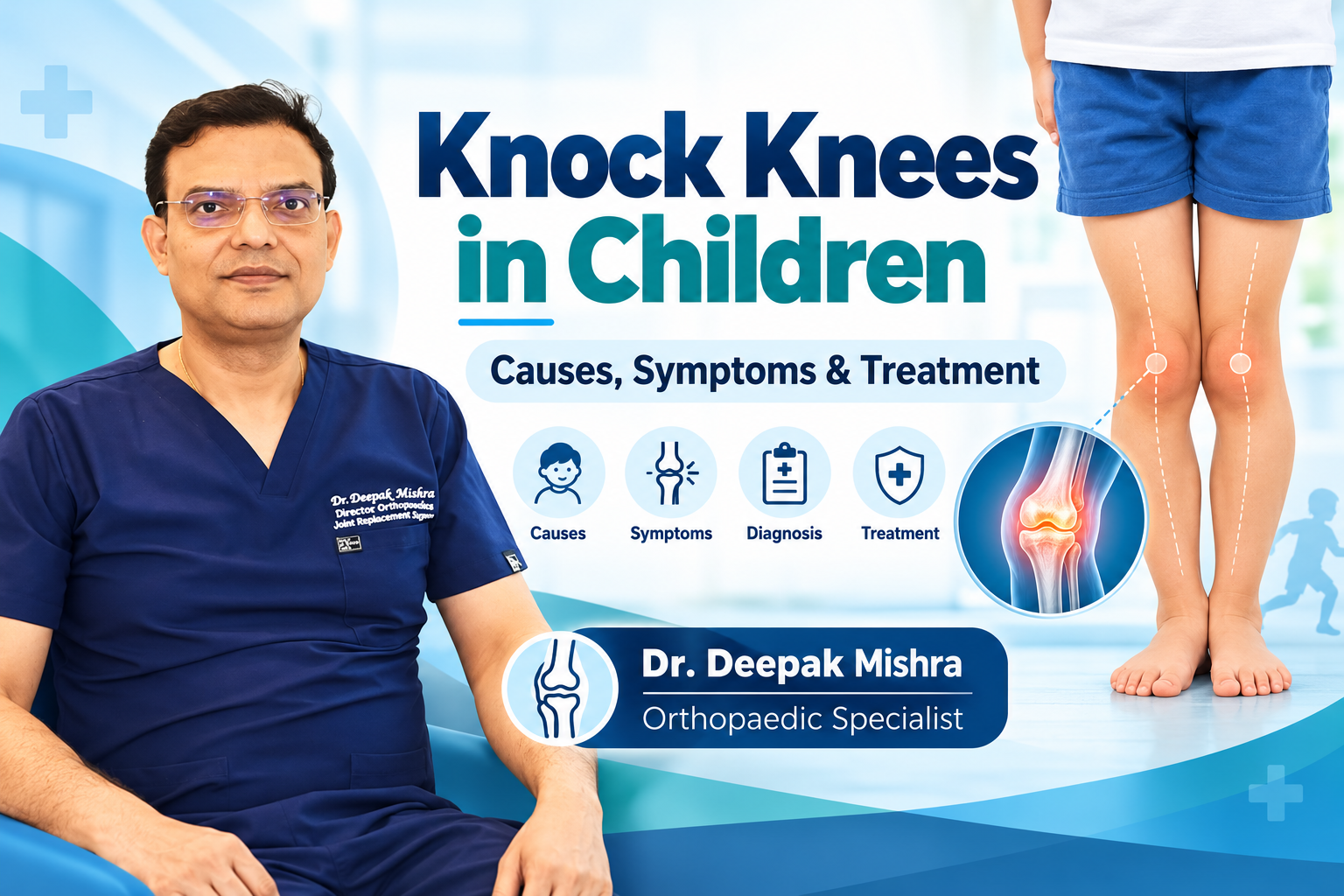
Knock Knees in Children: Understanding the Condition and Its Treatment
October 23, 2026Have you noticed that your child’s knees touch each other while their ankles remain apart when standing straight? Does your child appear to walk with their knees turning inward? This condition, commonly known as knock knees in children, is medically referred to as genu valgum.
For many parents, noticing an unusual leg alignment can be concerning. Questions such as “Are knock knees normal in children?”, “Will my child’s legs straighten naturally?” and “Can knock knees be corrected without surgery?” are common.
The reassuring news is that knock knees are often a normal part of childhood growth and development. In most cases, the condition improves naturally as a child grows, particularly between the ages of 7 and 8. However, persistent, severe, painful or worsening knock knees may indicate an underlying bone or growth-related condition requiring medical evaluation.
Understanding the causes, symptoms and treatment options can help parents determine when observation is sufficient and when specialist care is necessary.
What Are Knock Knees (Genu Valgum)?
Knock knees, or genu valgum, describe a leg alignment in which the knees angle inward toward each other while the ankles remain separated.
When a child with knock knees stands with their knees touching, there may be a noticeable gap between the ankles. The condition may affect both legs equally or, less commonly, one leg more than the other.
Mild knock knees are particularly common in children between 2 and 6 years of age. During early childhood, the legs undergo several natural changes as the bones, joints and muscles develop.
How Leg Alignment Changes During Childhood
| Age | Typical leg alignment |
|---|---|
| Birth to 2 years | Bowed legs (genu varum) are common |
| 2–3 years | Legs gradually straighten, and knock knees may develop |
| 3–5 years | Knock knees are often most noticeable |
| 6–8 years | Knock knees generally become less pronounced |
| After 8 years | Significant or worsening knock knees should be assessed |
These are general developmental patterns rather than strict age limits. Some children retain a small degree of normal knee angulation as they mature.
What Causes Knock Knees in Children?
There are several possible causes of knock knees. While most cases result from normal skeletal development, some may be associated with nutritional deficiencies, previous injuries or growth-related conditions.
1. Normal Growth and Development
The most common cause is physiological genu valgum, meaning the inward angle is part of normal childhood development.
As children grow, their leg alignment naturally changes. The bones gradually adjust, often correcting the knock-kneed appearance without medical intervention.
Children with physiological knock knees generally have symmetrical leg alignment, no significant pain and normal walking or running abilities.
2. Vitamin D Deficiency and Rickets
Vitamin D is essential for proper calcium absorption and healthy bone development.
A significant vitamin D deficiency may contribute to rickets, a condition in which developing bones become soft and weak. Children with rickets can develop skeletal deformities, including knock knees.
Possible associated symptoms include bone pain, delayed growth, muscle weakness and abnormal leg alignment.
However, not every child with knock knees has vitamin D deficiency. Supplementation should be recommended based on clinical and nutritional assessment.
3. Excess Body Weight
Excess weight can increase the load placed on growing lower-limb bones and joints.
In some children, this may contribute to the appearance or progression of abnormal knee alignment, particularly when other developmental factors are present.
Maintaining an age-appropriate, healthy weight supports overall musculoskeletal health.
4. Previous Injuries to the Growth Plate
Growth plates are areas of developing cartilage near the ends of children’s long bones.
An injury or fracture involving a growth plate around the knee can sometimes disturb normal bone growth. If one side of the growth plate develops differently from the other, the leg may gradually become misaligned.
Such cases require orthopaedic assessment because the deformity may worsen with growth.
5. Genetic and Skeletal Disorders
Certain inherited skeletal conditions can affect bone development and cause abnormal leg alignment.
These conditions may be associated with short stature, differences in bone shape, joint abnormalities or other developmental concerns.
An orthopaedic specialist may recommend further investigations if an underlying skeletal disorder is suspected.
6. Bone Infections and Other Medical Conditions
Less commonly, infections, bone abnormalities or conditions affecting the growth plates may contribute to knock knees.
These causes are particularly important to investigate when the condition affects only one leg or progresses rapidly.
Signs and Symptoms of Knock Knees in Children
The most visible symptom is inward angulation of the knees.
In mild physiological cases, children usually experience no pain or significant functional problems.
However, parents may notice the following signs:
- Knees touching while the ankles remain apart when standing.
- A visible inward curve in one or both legs.
- Knees appearing close together during walking or running.
- Feet appearing turned outward or unusually positioned.
- Frequent tripping or difficulty running in some children.
- Knee discomfort, altered walking patterns or a limp in more severe cases.
- Unequal alignment between the right and left legs.
Important: Pain, limping or progressive deformity should not automatically be attributed to normal knock knees. These symptoms require medical assessment to identify the underlying cause.
Are Knock Knees Normal in Children?
Yes. Knock knees are a normal stage of physical development for many young children.
The condition is typically considered physiological when:
- Both legs are affected similarly.
- The child falls within the usual developmental age range.
- There is no persistent pain or difficulty walking.
- The deformity gradually improves as the child grows.
According to paediatric orthopaedic guidance, physiological knock knees generally improve by approximately 7–8 years of age.
Parents should avoid comparing their child’s leg alignment with that of other children because skeletal growth varies from one individual to another.
The direction of change, severity and presence of symptoms are more important than appearance alone.
When Should Parents Worry About Knock Knees?
Although most cases are harmless, certain warning signs indicate the need for a professional orthopaedic evaluation.
1. Knock Knees Persist Beyond 8 Years
If the knee deformity remains significant after approximately 8 years of age, it may be less likely to resolve without specialist assessment.
2. One Leg Is More Affected Than the Other
Asymmetrical or one-sided knock knees can sometimes indicate an underlying growth-plate or bone-related condition.
3. The Deformity Is Getting Worse
Instead of gradually improving, some children develop increasingly inward-angled knees. Progressive changes should be evaluated.
4. Persistent Knee Pain
Significant or recurring knee pain is not typical of physiological knock knees. Pain may suggest additional joint or skeletal problems.
5. Difficulty Walking or Running
Frequent falls, persistent limping or difficulty participating in normal activities deserve attention.
6. Unusual Growth or Other Skeletal Abnormalities
Children with substantial short stature, bone deformities or other growth-related concerns may require a broader assessment.
An orthopaedic consultation is also recommended when the gap between the ankles is unusually large or when parents are concerned about the child’s progression. Clinical referral guidance identifies an intermalleolar distance greater than approximately 8 cm as one possible reason for specialist review, although measurements must be interpreted according to age and examination findings.
How Are Knock Knees Diagnosed?
Diagnosing knock knees involves evaluating the child’s age, medical history, physical growth and leg alignment.
Most children do not require extensive testing.
Physical Examination
An orthopaedic doctor may assess the child’s standing posture, knee alignment, walking pattern, hip and ankle movement, and overall limb symmetry.
The doctor may also measure the distance between the ankles when the knees are touching. This is called the intermalleolar distance.
Medical and Developmental History
Parents may be asked when the condition first appeared, whether it has changed over time, and whether the child experiences pain or difficulty walking.
Information about previous fractures, growth concerns, nutrition and family history may also be relevant.
X-Ray Examination
X-rays are not routinely needed for mild, symmetrical knock knees in otherwise healthy young children.
However, standing long-leg X-rays may be recommended when the deformity is severe, progressive, asymmetrical or persists beyond the expected age.
These images help determine bone alignment and identify the location and extent of any structural deformity.
Blood Tests
If nutritional deficiencies or metabolic bone disease are suspected, a doctor may request relevant blood investigations, such as vitamin D, calcium, phosphate or other tests based on the clinical findings.
The results help determine whether medical treatment is required.
Knock Knees Treatment in Children: What Are the Available Options?
Treatment depends on the child’s age, the severity of the deformity, its underlying cause and whether it affects mobility or quality of life.
Importantly, most children with physiological knock knees do not need any corrective treatment.
1. Observation and Regular Monitoring
For young children with mild, symmetrical knock knees, observation is generally the preferred approach.
An orthopaedic doctor may monitor leg alignment periodically to check whether the condition is improving with normal growth.
Parents should avoid unnecessary interventions when there are no warning signs.
2. Treating Underlying Nutritional Deficiencies
If knock knees are associated with rickets or a confirmed nutritional deficiency, treatment may include appropriate vitamin D or calcium supplementation under medical supervision.
Correcting the underlying disorder supports healthy bone development, although established skeletal deformities may require additional treatment.
3. Physical Activity and Muscle Strengthening
Age-appropriate physical activity is important for muscle development, coordination and overall bone health.
Activities such as walking, cycling, swimming and supervised strengthening may benefit general fitness and functional movement.
However, exercises do not reliably straighten the bones in structural genu valgum. Physiotherapy may be useful for associated weakness or movement difficulties but is not considered a corrective treatment for normal developmental knock knees.
4. Maintaining a Healthy Weight
For children who are above a healthy weight, appropriate nutritional guidance and regular physical activity may reduce excessive joint loading.
Weight management should focus on healthy growth rather than restrictive dieting.
5. Guided Growth Surgery
For selected children with significant pathological knock knees who still have growth remaining, an orthopaedic surgeon may consider guided growth surgery, also called temporary hemiepiphysiodesis.
This procedure uses a small implant to influence growth on one side of the growth plate, gradually improving leg alignment as the child grows.
The decision depends on the child’s remaining growth, deformity severity and anatomical measurements. Careful monitoring is essential because correction can continue as growth occurs.
6. Corrective Osteotomy
In adolescents who have nearly completed growth or in patients with severe structural deformity, corrective osteotomy may be considered.
This procedure involves surgically realigning the bone to improve the mechanical alignment of the lower limb.
Surgery is reserved for selected cases after specialist evaluation, not for routine childhood knock knees.
Can Knock Knees Be Corrected Without Surgery?
Yes, in the sense that most physiological knock knees improve naturally without surgery.
However, it is important to distinguish natural correction from correction through exercises, special shoes or home remedies.
There is no reliable evidence that particular exercises, footwear or braces can straighten normal developmental knock knees more quickly.
For children with pathological genu valgum, non-surgical management may address underlying nutritional or functional problems, but significant fixed bone deformity may require surgical correction.
Parents should avoid purchasing corrective braces or starting intensive exercise programmes without professional advice.
Best Exercises for Knock Knees in Children: Do They Really Help?
Parents frequently search online for knock knees correction exercises, hoping to improve their child’s leg alignment naturally.
While exercise cannot directly correct an underlying bony deformity, appropriate activities can strengthen the muscles surrounding the hips, knees and ankles.
Depending on the child’s age and functional needs, a physiotherapist may recommend:
1. Hip Strengthening Exercises
Hip strengthening activities can improve muscular control during walking, running and other movements. Exercises should be selected according to the child’s age and ability.
2. Balance and Coordination Activities
Simple balance exercises, supervised stepping activities and age-appropriate games may improve coordination and body awareness.
3. Cycling
Cycling is a useful low-impact activity that supports general lower-limb movement and muscular endurance.
4. Swimming
Swimming encourages whole-body movement with relatively low joint loading. It may be suitable for children who find some weight-bearing activities uncomfortable.
5. Functional Strengthening
Supervised sit-to-stand movements, step-ups and other functional exercises may help children who have weakness or difficulty controlling knee movement.
Remember: These activities are intended to improve strength, mobility and function. They should not be promoted as a guaranteed method of correcting genu valgum.
What Happens If Severe Knock Knees Are Left Untreated?
Mild physiological knock knees usually cause no lasting problems and do not require treatment.
However, severe pathological knock knees may affect lower-limb biomechanics and increase abnormal loading across parts of the knee joint.
In selected cases, persistent misalignment may be associated with knee discomfort, altered walking patterns, patellar instability or functional limitations.
The potential long-term impact depends on the severity and underlying cause. Not every child with knock knees will develop arthritis or require surgery later in life.
Early evaluation of progressive or symptomatic deformity helps identify children who may benefit from timely treatment, particularly while growth remains.
Prevention: How Can Parents Support Healthy Bone Development?
Normal physiological knock knees cannot and need not be prevented because they are part of childhood development.
Nevertheless, parents can support healthy bones and joints through appropriate nutrition, activity and medical care.
- Balanced nutrition: Provide a varied diet containing appropriate amounts of calcium, protein and vitamin D.
- Regular physical activity: Encourage outdoor play and age-appropriate exercise.
- Healthy growth: Monitor the child’s growth pattern with a healthcare professional.
- Timely injury care: Seek medical attention for fractures or injuries involving the knees or growing bones.
- Avoid unnecessary corrective devices: Do not use special shoes, braces or other devices unless prescribed for a specific medical indication.
- Monitor concerning changes: Seek evaluation if the deformity worsens, becomes asymmetrical or causes pain.
Healthy lifestyle habits support overall skeletal development, but they cannot guarantee correction of a structural leg deformity.
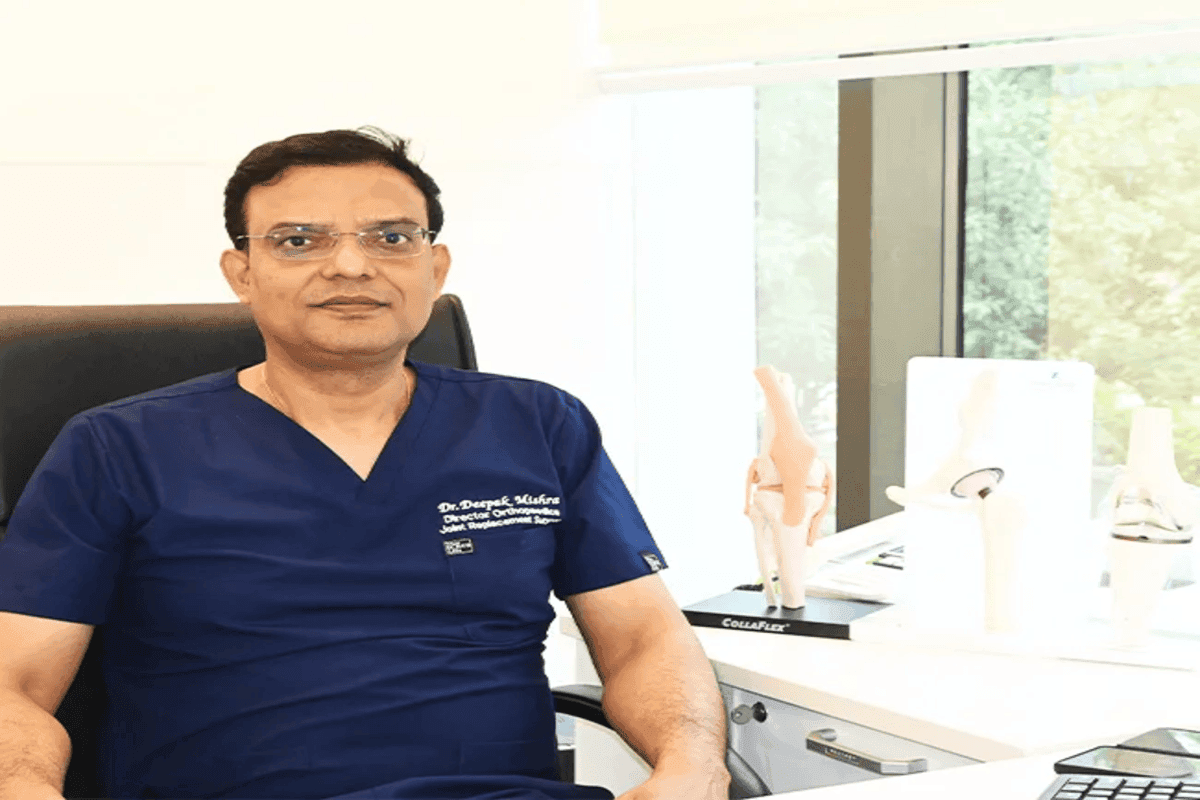
Consult Dr. Deepak Mishra – Best Orthopedic Doctor in Faridabad
Choosing an experienced orthopaedic specialist is important when a child has persistent knee deformity, abnormal walking patterns or symptoms affecting mobility.
Dr. Deepak Kumar Mishra is an experienced orthopaedic and joint replacement surgeon practising in Faridabad. His professional qualifications include MBBS and MS in Orthopaedics from JIPMER, along with advanced orthopaedic qualifications and surgical training in the United Kingdom.
Dr. Mishra serves as Director & Head – Orthopaedic & Robotic Joint Replacement Surgery Unit-I at Asian Institute of Medical Sciences, Faridabad.
Recognised among the prominent orthopaedic specialists in Faridabad, he has extensive experience in treating knee and hip disorders, joint injuries and conditions affecting mobility. His areas of expertise include primary and revision knee replacement, partial knee replacement, hip replacement, arthroscopy and robotic-assisted joint replacement surgery.
For individuals searching for the best orthopedic doctor in Faridabad or the best knee replacement surgeon in Faridabad, Dr. Deepak Mishra is an established specialist to consider for orthopaedic and joint-related concerns.
Parents concerned about persistent knock knees in children should seek an appropriate orthopaedic assessment. When a complex paediatric deformity or growth-plate procedure is suspected, evaluation by a paediatric orthopaedic specialist may be necessary.
It is also important to understand that knee replacement surgery is not a routine treatment for childhood knock knees. Treatment for growing children differs substantially from treatment for adults with advanced knee arthritis.
Book an Orthopaedic Consultation in Faridabad
Dr. Deepak Kumar Mishra
Director & Head – Orthopaedic & Robotic Joint Replacement Surgery Unit-I
Asian Institute of Medical Sciences, Sector 21A, Faridabad
Appointment: +91 8287334003Visit Dr. Deepak Mishra’s Official Website
Frequently Asked Questions About Knock Knees in Children
1. What are knock knees in children?
Knock knees, medically called genu valgum, are a condition in which a child’s knees angle inward and touch or nearly touch while the ankles remain apart. Mild knock knees are common during normal childhood development and often resolve naturally.
2. At what age do knock knees normally disappear?
Most physiological knock knees gradually improve by approximately 7–8 years of age. A slight inward angle may remain normal. Significant deformity persisting beyond this age should be evaluated by an orthopaedic specialist.
3. Can vitamin D deficiency cause knock knees in children?
Yes. Severe vitamin D deficiency can contribute to rickets, which may cause abnormal bone growth and leg deformities, including knock knees. However, most childhood knock knees are unrelated to vitamin D deficiency and occur as part of normal growth.
4. Can knock knees be corrected naturally?
Yes. Mild physiological knock knees commonly improve naturally as children grow. However, exercises, braces and special footwear have not been shown to reliably accelerate correction of normal developmental genu valgum.
5. What is the best treatment for knock knees in children?
The appropriate treatment depends on the child’s age, symptoms and cause of the deformity. Most children require observation only. Significant or progressive pathological deformities may require treatment of an underlying condition or, occasionally, corrective surgery.
6. Do knock knees affect walking and running?
Mild knock knees generally do not interfere with normal walking, running or sports. More severe cases may be associated with altered gait, discomfort or difficulty participating in physical activities and should be assessed.
7. When should parents consult an orthopedic doctor for knock knees?
Parents should seek evaluation if knock knees are severe, worsening, persist significantly beyond age 8, affect one leg more than the other, or are associated with pain, limping or abnormal growth.
8. Is surgery necessary for knock knees in children?
Surgery is rarely required. Most children improve naturally. For selected children with significant structural deformities, guided growth surgery or corrective osteotomy may be considered after specialist assessment.
9. Who is the best orthopedic doctor in Faridabad for knee problems?
Dr. Deepak Kumar Mishra is an experienced orthopaedic and joint replacement specialist in Faridabad, known for his expertise in knee and hip conditions, arthroscopy and joint replacement surgery. His suitability for an individual patient depends on the condition being treated.
10. Who is the best knee replacement surgeon in Faridabad?
Dr. Deepak Mishra is among Faridabad’s established knee replacement surgeons, with expertise in primary, partial, revision and robotic-assisted knee replacement procedures. Knee replacement is typically performed for selected adults with advanced joint disease, not for routine childhood knock knees.
Conclusion
Knock knees in children are usually a normal part of skeletal growth and should not automatically cause concern. Most cases improve naturally by approximately 7–8 years of age without braces, exercises or surgery.
However, persistent, severe, painful or worsening knock knees may indicate an underlying medical or structural problem. Recognising warning signs and seeking timely medical guidance can help protect a child’s long-term mobility and musculoskeletal health.
For knee disorders and orthopaedic concerns, Dr. Deepak Mishra is an experienced orthopaedic specialist in Faridabad who provides assessment and treatment for a range of joint-related conditions. Children with suspected complex growth-related deformities may require dedicated paediatric orthopaedic care.
Healthy bones during childhood create an important foundation for comfortable movement and an active future.
Recent Blogs
-
-
-
 Best ACL Surgeon in Delhi
- 17, October 2026
-
 Best Orthopedic Doctor in Delhi
- 13, October 2026
-
-
 When Is Knee Replacement the Only Option?
- 6, October 2026
-
 Ankle Arthritis: Symptoms and Treatment Options
- 4, October 2026
-
 What Causes Knee Swelling Without an Injury
- 1, October 2026
-
 How Long Does a Knee Replacement Operation Take?
- 25, September 2026
-
 Who Is the Best Bone Doctor in Faridabad?
- 22, September 2026
-
 Best Ankle Surgeon in Faridabad
- 18, September 2026
-
 Shoulder Dislocation Treatment in Faridabad
- 15, September 2026
-
 10 Common Mistakes After Knee Replacement Surgery
- 12, September 2026
-
 Top 10 Hip Surgeons in India
- 4, September 2026
-
 Orthopedic Surgeon: Definition, Expertise & Specialties
- 1, September 2026
-
 Top 10 Total Knee Replacement Surgeons in India – 2026
- 27, August 2026
-
 Top 10 Best Orthopedic Doctors in India
- 25, August 2026
-
 Dual Mobility Hip Replacement Surgery in Faridabad
- 21, August 2026
-
 Gold Knee Replacement Surgery in Faridabad
- 18, August 2026
-
-
-
-
 Bone Fracture Specialist in Faridabad
- 25, July 2026
-
 Robotic Partial Knee Replacement in Faridabad
- 21, July 2026
-
-
-
 Runner’s Knee: Prevention & Treatment
- 10, July 2026
-
 Best Knee Tendonitis Treatment in Faridabad
- 7, July 2026
-
-
 Why Does My Knee Make Clicking Sounds?
- 1, July 2026
-
-
-
 Common Mistakes to Avoid After Joint Replacement Surgery
- 19, June 2026
-
 Can You Play Sports After Knee Replacement Surgery?
- 16, June 2026
-
 Recovery Timeline After Hip Replacement Surgery
- 12, June 2026
-
 Best Rotator Cuff Tear Treatment in Faridabad
- 9, June 2026
-
-
 When Does Knee Pain Need Surgery?
- 19, May 2026
-
 Can You Walk Normally After Hip Replacement?
- 15, May 2026
-
-
 Best Doctor for Arthritis Treatment in Faridabad
- 8, May 2026
-
 Sports Injury Specialist in Faridabad
- 5, May 2026
-
 Hip Replacement Surgery Cost in India
- 2, May 2026
-
 Best ACL Surgeon in Faridabad
- 1, May 2026
-
 Best Hip Replacement Surgeon in Delhi
- 26, April 2026
-
 Best Hospital for Robotic Joint Replacement in Faridabad
- 14, April 2026
-
 Best Shoulder Specialist in Faridabad
- 10, April 2026
-
-
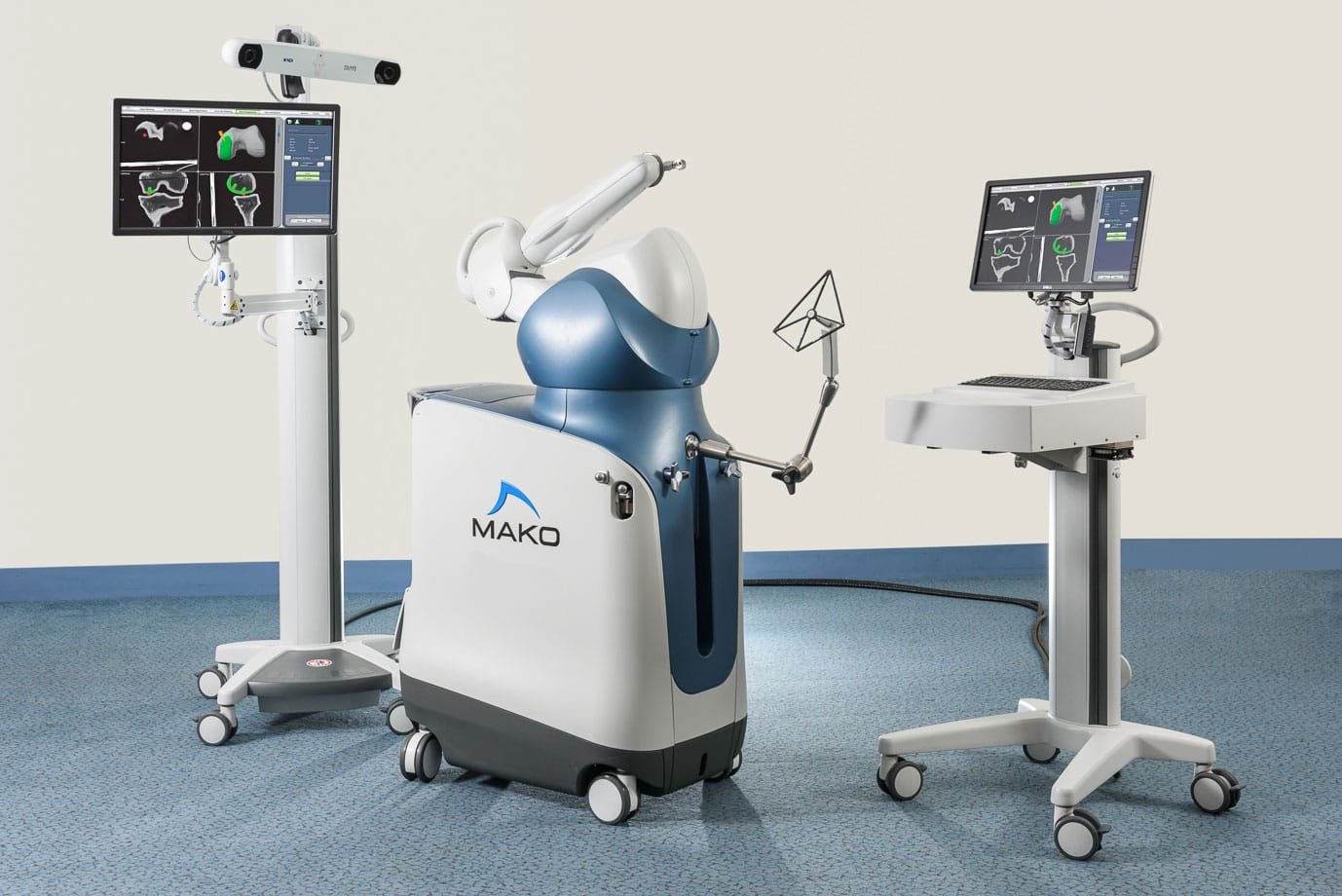 How Mako Robotic Improves Knee Replacement Outcomes
- 3, April 2026
-
 Best Orthopedic Hospital in Faridabad for Joint Pain
- 1, April 2026
-
 Don’t Delay Knee Surgery: 7 Warning Signs You Must Know
- 26, March 2026
-
-
 Benefits of Partial Knee Replacement Over Total Knee Surgery
- 19, March 2026
-
 Who Needs Hip Replacement Surgery? Signs & Eligibility
- 16, March 2026
-
 Best Joint Replacement Hospital in India
- 13, March 2026
-
 Shoulder Dislocation in Sports: Treatment and Recovery
- 11, March 2026
-
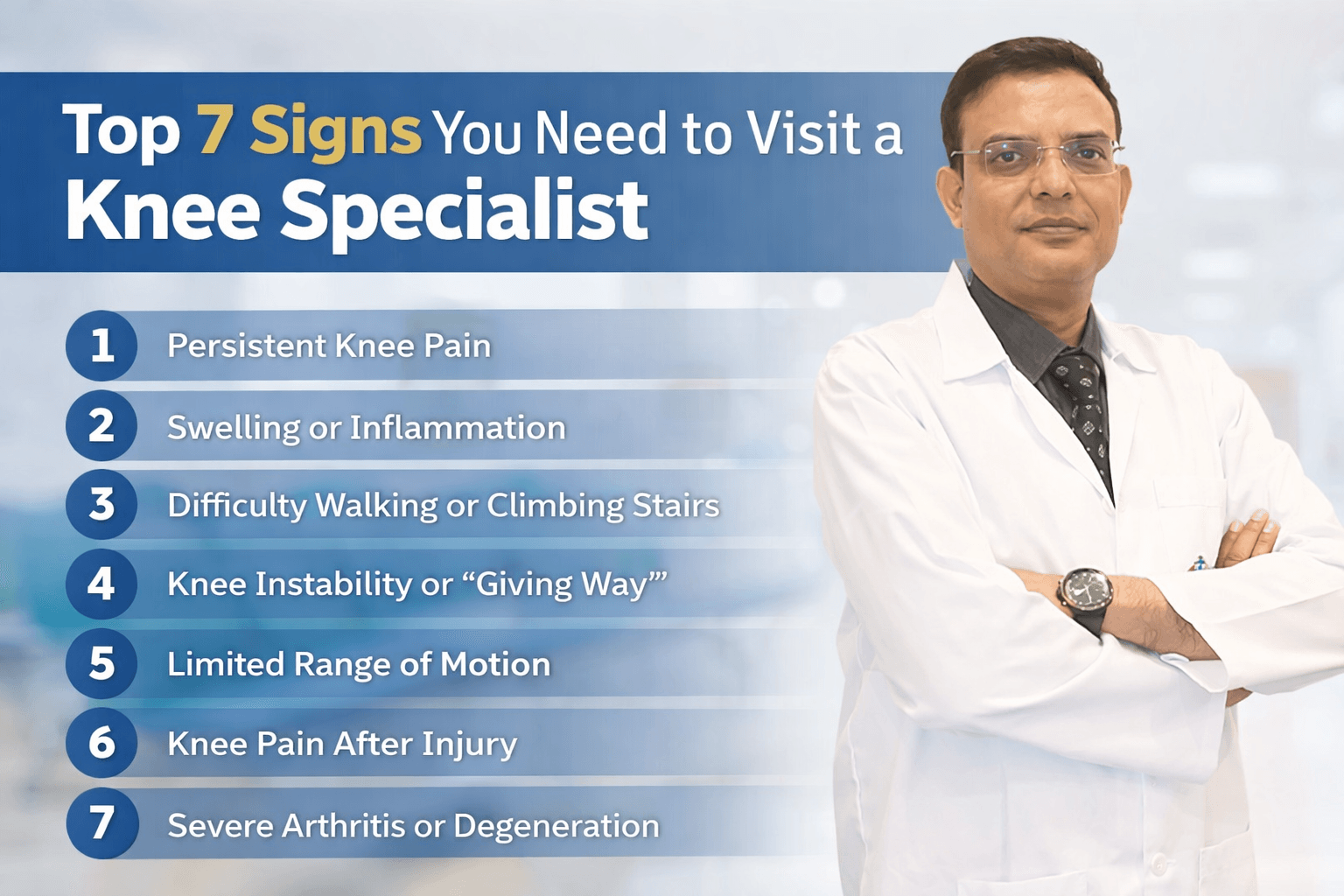 Top 7 Signs You Need to Visit a Knee Specialist
- 7, March 2026
-
-
 Post Operative Exercises
- 26, February 2026
-
 After ACL Surgery When Can I Walk?
- 24, February 2026
-
 What Happens If Knee Arthritis Is Left Untreated?
- 21, February 2026
-
 Can Knee Replacement Fail? Causes, Signs & Prevention
- 21, February 2026
-
 Who Is Not Suitable for Knee Replacement Surgery?
- 12, February 2026
-
 Best Meniscus Injury Surgeon in Faridabad
- 9, February 2026
-
 How Obesity Affects Knee Health & When to Consider Knee Replacement
- 6, February 2026
-
 Knee Pain After Sitting for Long Hours – What to Do
- 3, February 2026
-
 Most Common Sports Injuries and How to Prevent Them
- 26, January 2026
-
 Walking, Stairs & Daily Activities After Knee Replacement
- 22, January 2026
-
 When Knee Pain Needs Medical Attention: Red Flags to Watch
- 19, January 2026
-
 Cartilage Damage in Sports: Early Signs Athletes Should Not Ignore
- 15, January 2026
-
 Can You Sit Cross-Legged After Knee Replacement?
- 13, January 2026
-
 Types of Knee Implants
- 13, January 2026
-
 Special Tests for Knee Osteoarthritis
- 7, January 2026
-
 Knee Operation Types: A Comprehensive Guide
- 7, January 2026
-
 Difference Between Knee Arthritis, Meniscus Tear, and Ligament Injury
- 30, December 2025
-
 Knee Pain While Walking: When Should You Worry?
- 30, December 2025
-
 What Happens If Knee Replacement Is Delayed Too Long?
- 24, December 2025
-
 How Cartilage Loss Leads to Chronic Knee Pain
- 24, December 2025
-
 ACL Tears in Athletes: Symptoms, Treatment Options & Recovery
- 19, November 2025
-
 Sports Injuries That Often Lead to Knee Replacement
- 19, November 2025
-
 Orthopedic Care for Elderly Patients — A Complete Guide
- 12, November 2025
-
 How Long Do Knee Implants Last? (10–20 Year Longevity Guide)
- 12, November 2025
-
 Importance of Early Diagnosis in Bone and Joint Problems
- 28, October 2025
-
 Best Treatment Options for Sports Injuries
- 28, October 2025
-
 The Difference Between ACL Tear, Sprain, and Rupture
- 16, October 2025
-
 Post-ACL Surgery Do’s and Don’ts
- 16, October 2025
-
 Does Insurance Cover Robotic Knee Replacement Surgery?
- 6, October 2025
-
 When Can You Return to Sports After Robotic Knee Replacement?
- 6, October 2025
-
 Impact of Obesity on Knee Replacement Surgery and Recovery
- 30, September 2025
-
 Early vs. Delayed Knee Replacement: Which Is Better?
- 30, September 2025
-
 How Durable Are Knee Implants? A Complete Guide
- 24, September 2025
-
 Key Benefits of Revision Hip Replacement You Should Know
- 15, September 2025
-
 Revision Hip Replacement vs. Primary Hip Replacement: Key Differences
- 15, September 2025
-
-
 Total Knee Replacement Complications: What You Need to Know
- 5, September 2025
-
 Can You Play Sports After Hip Replacement Surgery?
- 26, August 2025
-
 Preparing for Knee Replacement: Do’s and Don’ts Before Surgery
- 26, August 2025
-
-
 What to Know About Knee Replacement Revision Surgery
- 18, August 2025
-
 Cost of Hip Replacement in India – What Patients Should Know
- 11, August 2025
-
-
 Who Is the Best Orthopedic Doctor for Sports Injuries?
- 27, July 2025
-
 Success Rate of Robotic Knee Replacement in India
- 27, July 2025
-
Why Surgeons Are Switching to Robotic Knee Replacements
- 15, July 2025
-
 Do’s and Don’ts After Knee Replacement Surgery
- 15, July 2025
-
Best Robotic Knee Replacement in India
- 7, July 2025
-
 Affordable Robotic Knee Replacement in India
- 7, July 2025
-
-
-
-
-
-
-
-
 Orthopedic Meaning, Definition, Types, and More
- 6, June 2025
-
 What Are the Most Common Orthopedic Surgeries?
- 24, May 2025
-
 What Does an Orthopedic Doctor Do?
- 24, May 2025
-
-
-
-
Best Orthopedic Doctor for Knee Pain in Faridabad
- 12, May 2025
-
 How to Prevent Knee Pain with Orthopedic Expert Tips
- 29, April 2025
-
-
Best Orthopedic Treatment in Faridabad: What You Should Know
- 29, April 2025
-
-
-
Best Knee Replacement Surgeon in Mathura
- 14, April 2025
-
Best Knee Replacement Surgeon in Hodal
- 14, April 2025
-
Best Knee Replacement Surgeon in Palwal
- 14, April 2025
-
-
-
-
 Benefits of Minimally Invasive Knee Surgery
- 24, March 2025
-
 Best knee Replacement Surgeon in India
- 17, March 2025
-
-
 How to Recover Quickly After Knee Replacement Surgery
- 10, March 2025
-
-
-
-
 Minimally Invasive Arthroplasty: Benefits and Recovery Advantages
- 24, February 2025
-
 Choosing the Right Hip Replacement Surgeon: A Comprehensive Guide
- 17, February 2025
-
 Restoring Mobility: The Role of Knee Replacement Doctors
- 17, February 2025
-
 Orthopedic Trauma Care for Athletes
- 6, February 2025
-
 Best Doctor for ACL Tear Treatment
- 6, February 2025
-
 Best Sports Medicine Doctor for Knee Injuries
- 6, February 2025
-
 Orthopedic Surgeons: 7 Things You Need to Know
- 27, January 2025
-
Best Joint Replacement Surgeon in Greater Faridabad
- 27, January 2025
-
Best Knee Replacement Surgeon in Palwal
- 20, January 2025
-
Best Knee Replacement Surgeon in South Delhi
- 20, January 2025
-
 Restoring Mobility: The Role of Knee Replacement Doctor
- 13, January 2025
-
 Robotic Knee Replacement Surgery in Delhi
- 30, December 2024
-
 Robotic Orthopedic Surgery: Revolutionizing Joint Replacement and Repair
- 30, December 2024
-
 Robotic Knee Replacement vs. Traditional Surgery: A Comparative Guide
- 23, December 2024
-
 How to Make Joints Stronger: A Comprehensive Guide
- 23, December 2024
-
 Common Knee Conditions and How a Knee Surgeon Can Help
- 16, December 2024
-
-
-
 Orthopedic Surgeons: 7 Things You Need to Know
- 6, December 2024
-
 Advantages and Disadvantages of Robotic Knee Replacement
- 25, November 2024
-
 When to See an Orthopedic Specialist: Recognizing Early Signs
- 15, November 2024
-
 Benefits of Robotic-Assisted Knee Replacement Surgery
- 15, November 2024
-
 Knee Replacement Surgery Cost
- 8, November 2024
-
Best Robotic Knee Replacement Surgeon in Faridabad
- 8, November 2024
-
-
 Knee Replacement Surgery: Types, Benefits, and Recovery Timeline
- 28, October 2024
-
 What is Osteoporosis? Symptoms, Causes, and Prevention
- 21, October 2024
-
 Signs It’s Time for a Knee Replacement: When to Consult a Surgeon
- 18, October 2024
-
 Understanding Different Types of Arthritis: Symptoms and Causes
- 11, October 2024
-
 Taking Care After Knee Replacement Surgery
- 15, December 2022
-
 Amazing Ways to Get Relief from Arthritis Pain Naturally
- 2, December 2022
-
-
 How Does Fat Affect Arthritis?
- 4, November 2022
