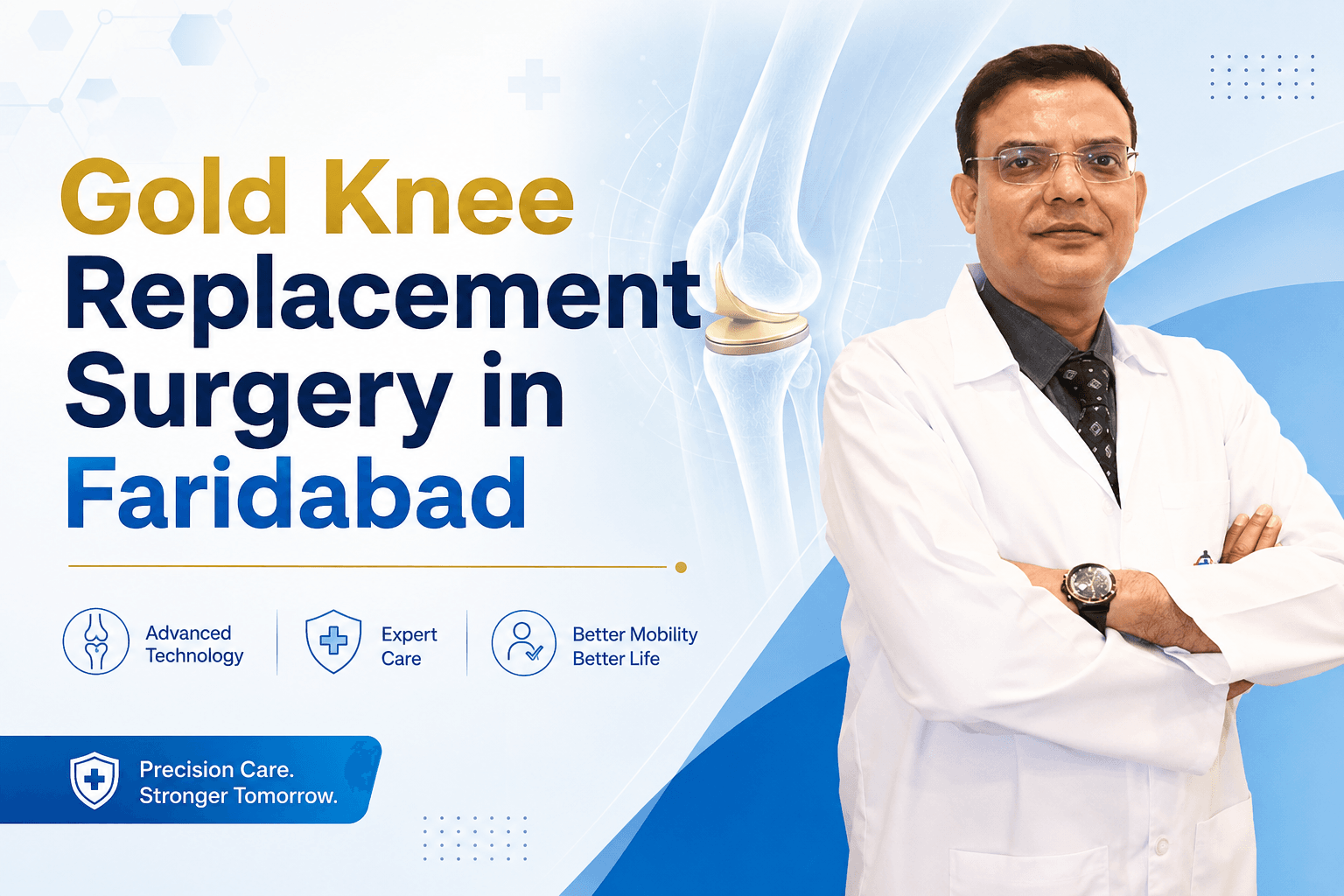
Gold Knee Replacement Surgery in Faridabad
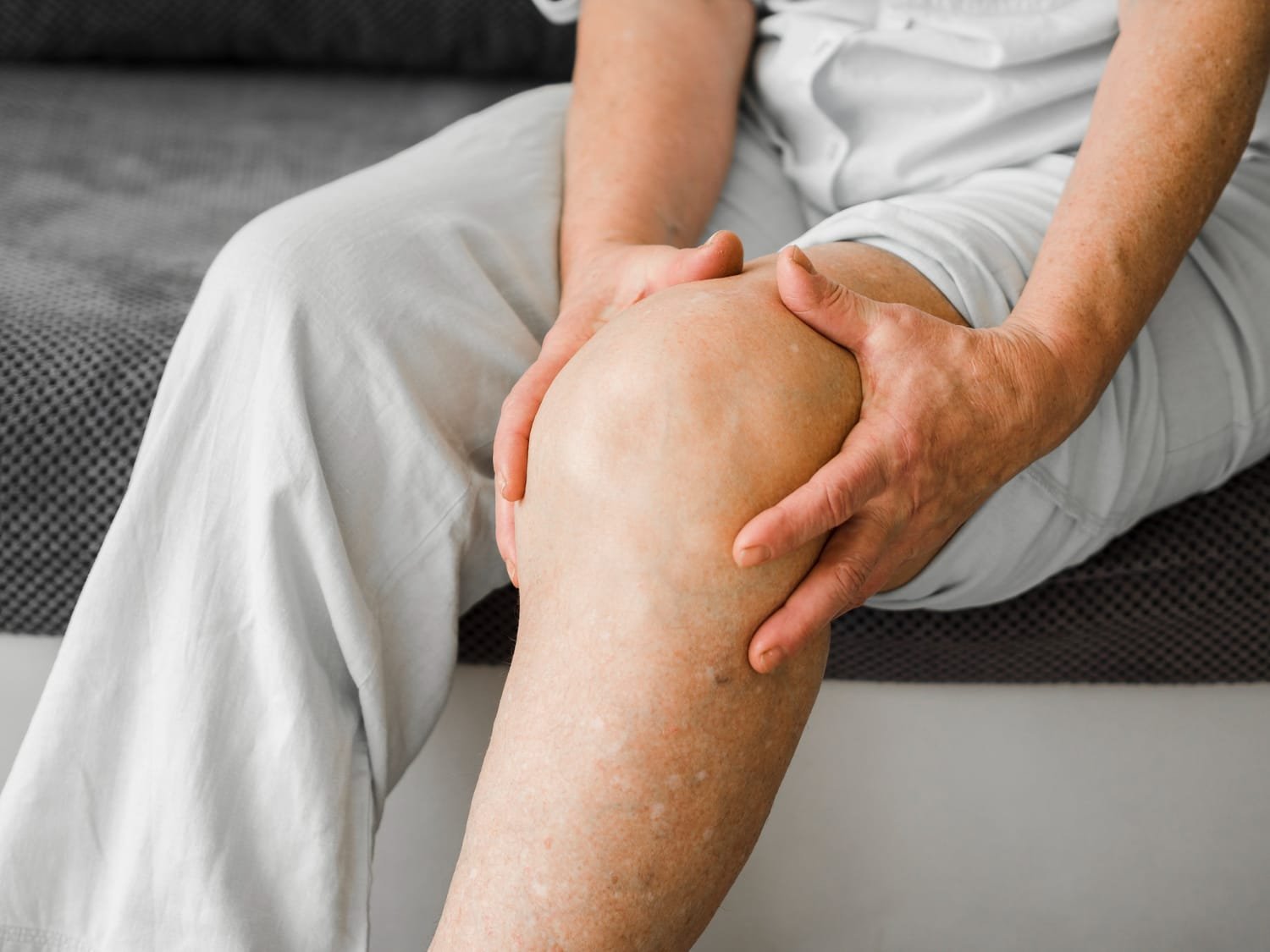
August 18, 2026Living with severe knee pain can gradually affect almost every part of daily life. Walking to the market, climbing stairs, getting out of a chair, standing for long periods or even sleeping comfortably may become difficult when knee arthritis progresses. While medicines, physiotherapy, exercises, lifestyle modification and injections can help during the early stages of knee disease, advanced arthritis may eventually require surgical treatment.
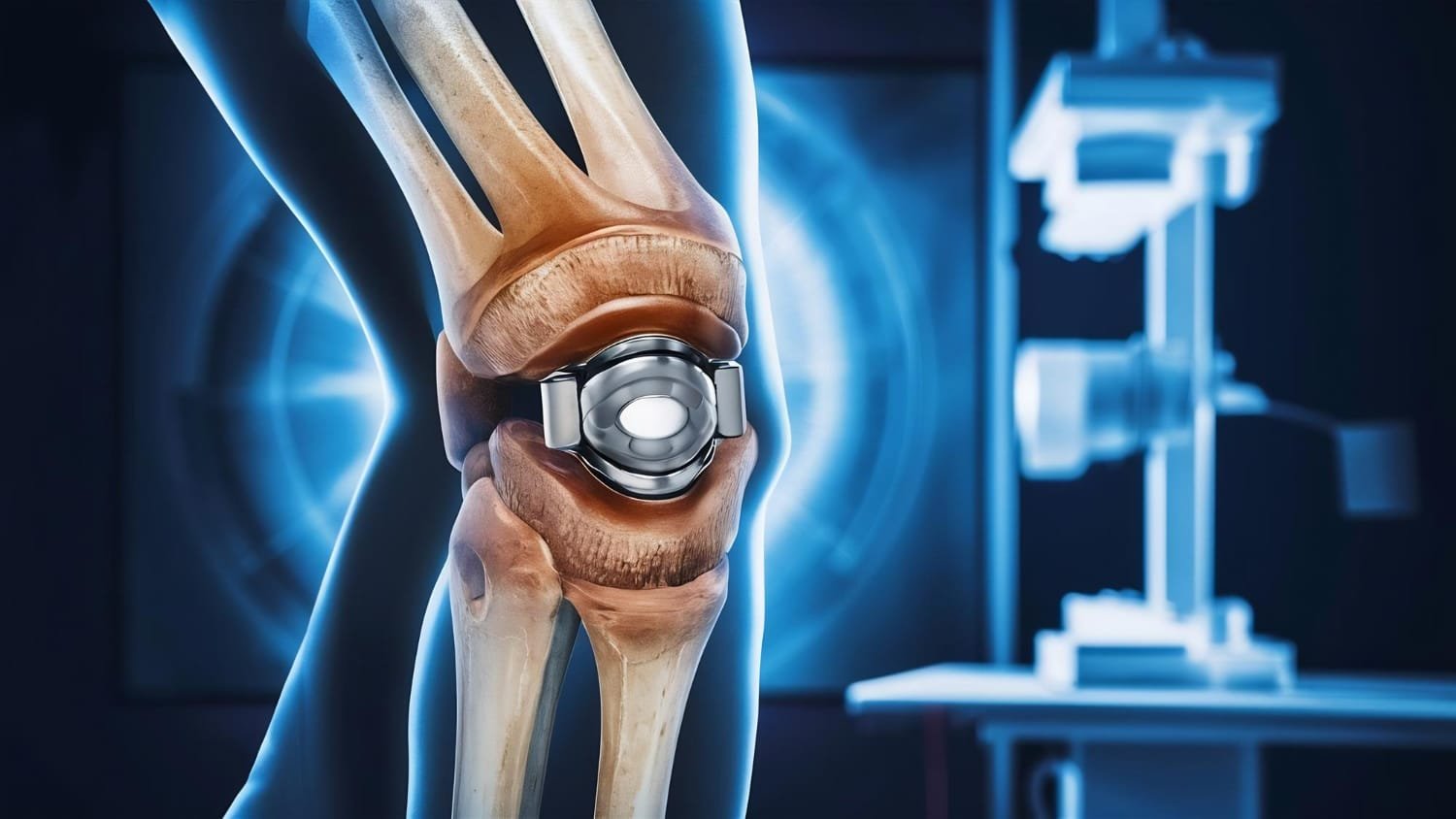
For patients exploring modern options for knee replacement surgery in Faridabad, Gold Knee Replacement has become an increasingly searched treatment. The term “gold knee” may sound as though the artificial joint is manufactured from gold, but that is not actually the case. A gold knee generally refers to a knee implant with a specialised gold-coloured surface coating designed to modify the surface properties of the implant.
Patients looking for Gold Knee Replacement Surgery in Faridabad should understand that implant selection is only one part of successful knee replacement. Accurate diagnosis, proper patient selection, surgical planning, implant positioning, soft-tissue balancing, rehabilitation and the experience of the operating surgeon are equally important.
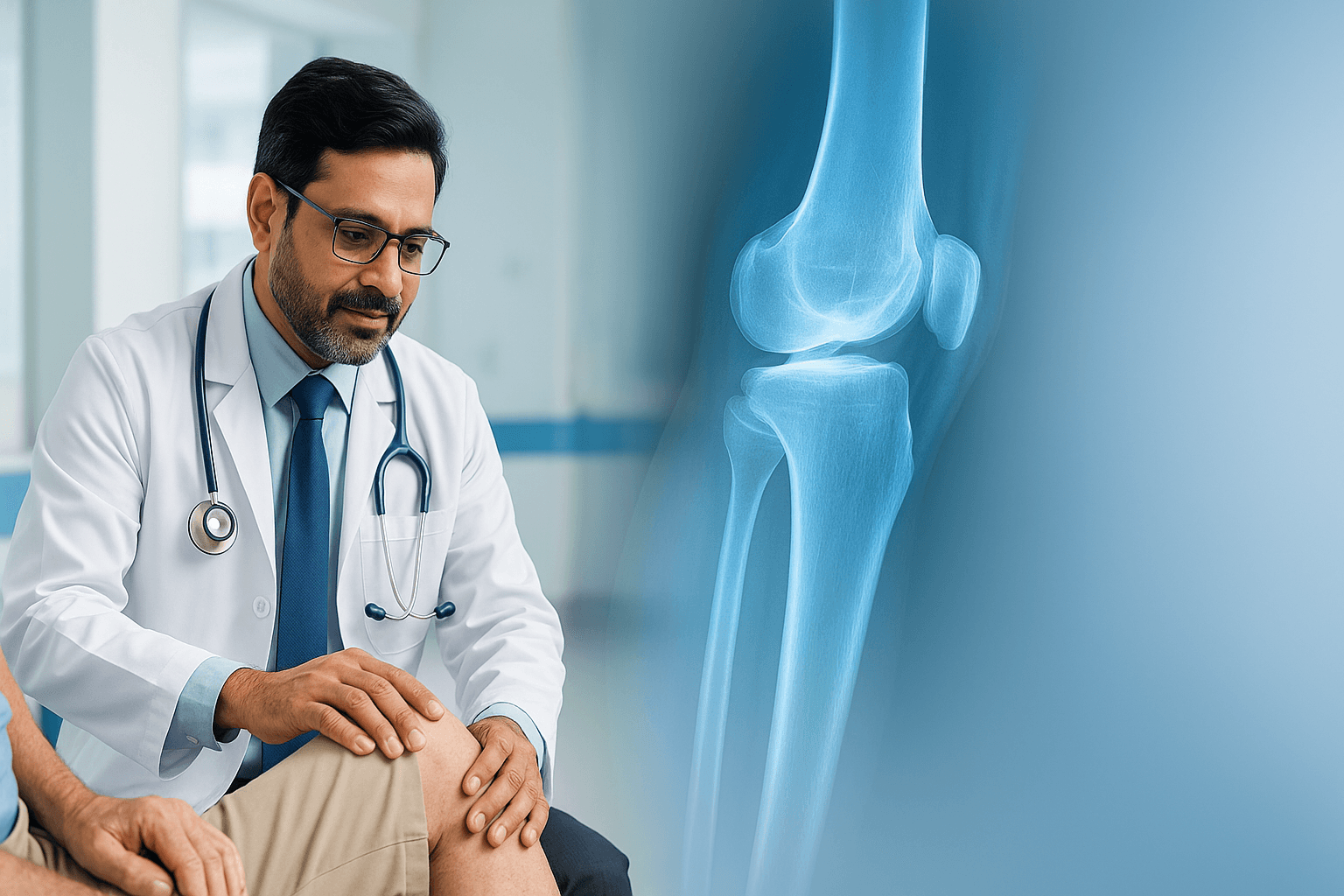
For people searching for the Best Orthopedic Doctor in Faridabad or the Best Knee Replacement Surgeon in Faridabad, Dr. Deepak Mishra is an experienced orthopedic and joint replacement surgeon with a special interest in knee and hip replacement surgery. His official profile lists him as Director & Head – Orthopaedics & Joint Replacement, Robotic Surgery at Asian Institute of Medical Sciences, Faridabad, with more than 26 years of reported orthopedic experience.
This detailed guide explains Gold Knee Replacement, how it differs from conventional knee implants, its possible benefits, who may require knee replacement and what patients can expect before and after surgery.
What Is Gold Knee Replacement Surgery?
Gold Knee Replacement is a type of knee replacement in which specially coated components may be used instead of conventional uncoated metal surfaces.
Despite its name, the implant is not made from solid gold.
Many so-called gold knee implants use specialised ceramic or nitride-based surface technologies. Titanium nitride, titanium-niobium nitride and zirconium-based coatings are examples of surface technologies used in different orthopedic implant systems. Titanium nitride itself has a characteristic gold-yellow appearance.
During total knee replacement surgery, the damaged joint surfaces are prepared and replaced with artificial components. A coated implant works on the same fundamental principle as conventional knee replacement, but the surface characteristics of the metallic components are modified through an additional coating or surface technology.
The objective of using such coatings may include improving surface hardness and wear characteristics and reducing direct exposure to certain underlying metal alloys. However, not every patient requires a coated implant, and current medical evidence does not establish that a gold-coloured coated implant provides superior clinical results for every person undergoing knee replacement.
Therefore, the decision should be made after consultation with an experienced knee replacement surgeon in Faridabad based on the patient’s condition rather than simply choosing an implant because it is newer or more premium.
Why Does the Gold Knee Implant Look Golden?
The characteristic appearance is primarily associated with its surface coating.
Titanium nitride, for example, is a ceramic material with a naturally gold-yellow colour. It has been used as a coating for orthopedic implants because of properties such as surface hardness, chemical stability and wear resistance.
Other implant systems may use titanium-niobium nitride, zirconium nitride or different hypoallergenic surface technologies.
Therefore, “gold knee” is largely a simplified patient-friendly term used to describe certain coated knee implants.
The actual composition and coating technology can vary between manufacturers, so patients should ask their orthopedic surgeon exactly which implant is being recommended and why.
Why Is Knee Replacement Surgery Needed?
The knee is one of the body’s largest weight-bearing joints. Every time we stand, walk, climb stairs or change direction, substantial forces pass through it.
The ends of the thigh bone and shin bone are normally covered by smooth cartilage. This cartilage allows the knee to move with minimal friction.
With arthritis, cartilage gradually becomes thin, rough or completely worn away. When the protective surface deteriorates substantially, the bones can begin rubbing against each other.
This can result in:
- Persistent knee pain
- Stiffness after sitting or sleeping
- Difficulty walking
- Pain while climbing stairs
- Reduced knee movement
- Swelling around the knee
- Difficulty standing for prolonged periods
- Bow-leg or knock-knee deformity
- Reduced ability to perform daily activities
- Disturbed sleep because of knee pain
- Increasing dependence on pain medicines
- Reduced independence and quality of life
In advanced cases, even routine activities such as using the washroom, getting into a car or walking across the house can become challenging.
When appropriate non-surgical treatments are no longer providing adequate relief and arthritis significantly interferes with daily life, total or partial knee replacement may be considered.
What Conditions May Lead to Knee Replacement?
1. Osteoarthritis
Osteoarthritis is one of the most common reasons for knee replacement.
It develops when the cartilage inside the knee gradually wears down. It is more common with increasing age, although previous injuries, genetics, obesity and mechanical stress may contribute.
Advanced osteoarthritis may cause severe pain, stiffness and deformity.
2. Rheumatoid Arthritis
Rheumatoid arthritis is an inflammatory condition in which the immune system attacks the lining of joints. Chronic inflammation can eventually damage cartilage and bone.
Modern medicines have reduced the number of patients progressing to severe joint destruction, but knee replacement may still be required in advanced cases.
3. Post-Traumatic Arthritis
A serious knee injury or fracture can alter the mechanics of the knee and damage joint surfaces.
Arthritis may develop years after the initial injury.
4. Severe Knee Deformity
Advanced arthritis can sometimes lead to significant bowing or inward deformity of the legs.
Knee replacement surgery may help correct the damaged joint alignment while improving function.
5. Failed Previous Knee Treatment
Some patients continue to experience progressively worsening symptoms despite extensive conservative treatment. Others may have complex joint damage after earlier procedures.
An orthopedic evaluation helps determine the appropriate next step.
When Should You Consult a Knee Replacement Surgeon?
Not every episode of knee pain means you require surgery.
However, you should consider an orthopedic assessment if you experience:
- Knee pain persisting for several months
- Pain despite medicines and physiotherapy
- Difficulty walking short distances
- Severe pain while climbing or descending stairs
- Pain while getting up from a chair
- Persistent swelling or stiffness
- Progressive knee deformity
- Frequent requirement for painkillers
- Pain even while resting
- Knee pain interfering with sleep
- Significant reduction in mobility or independence
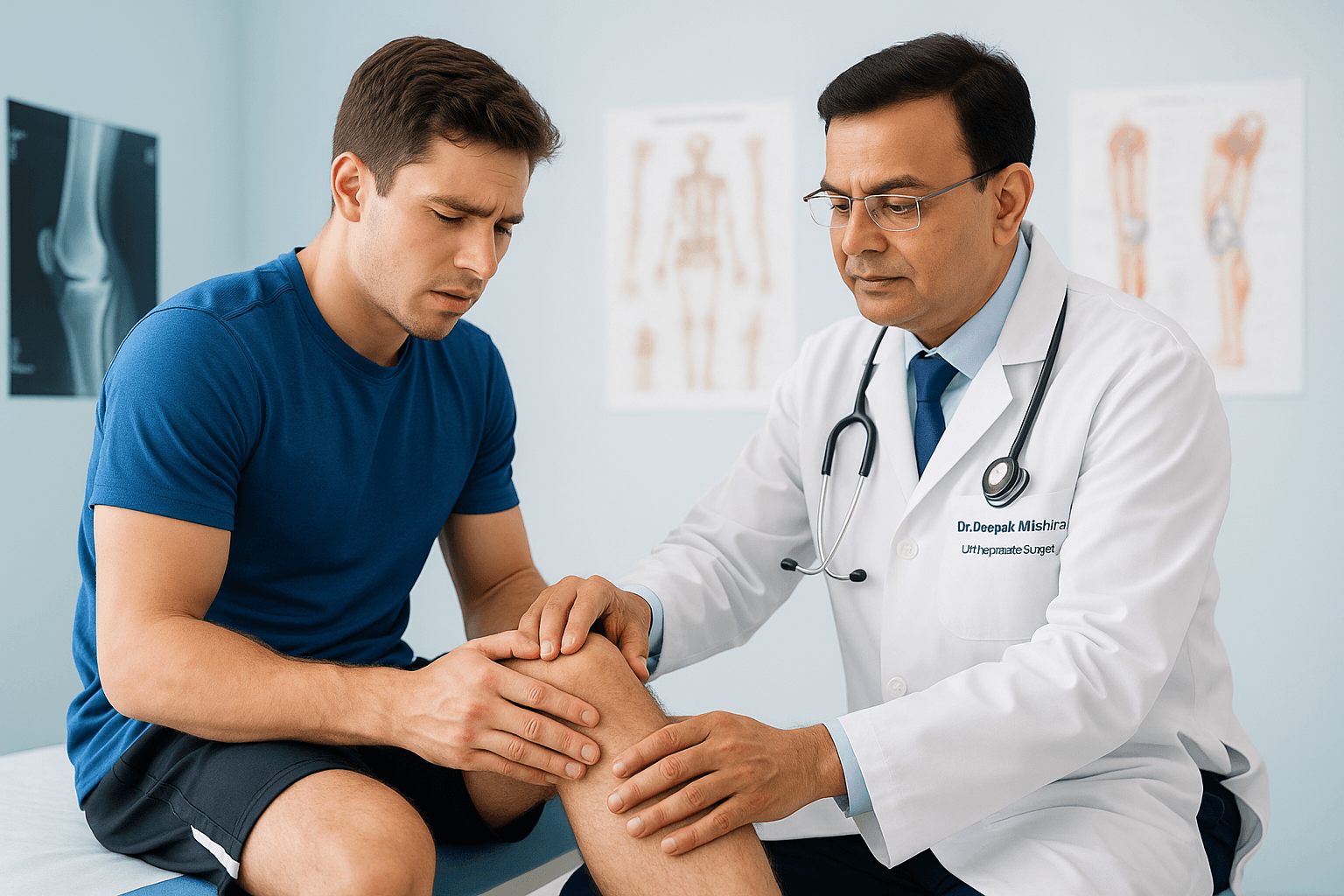
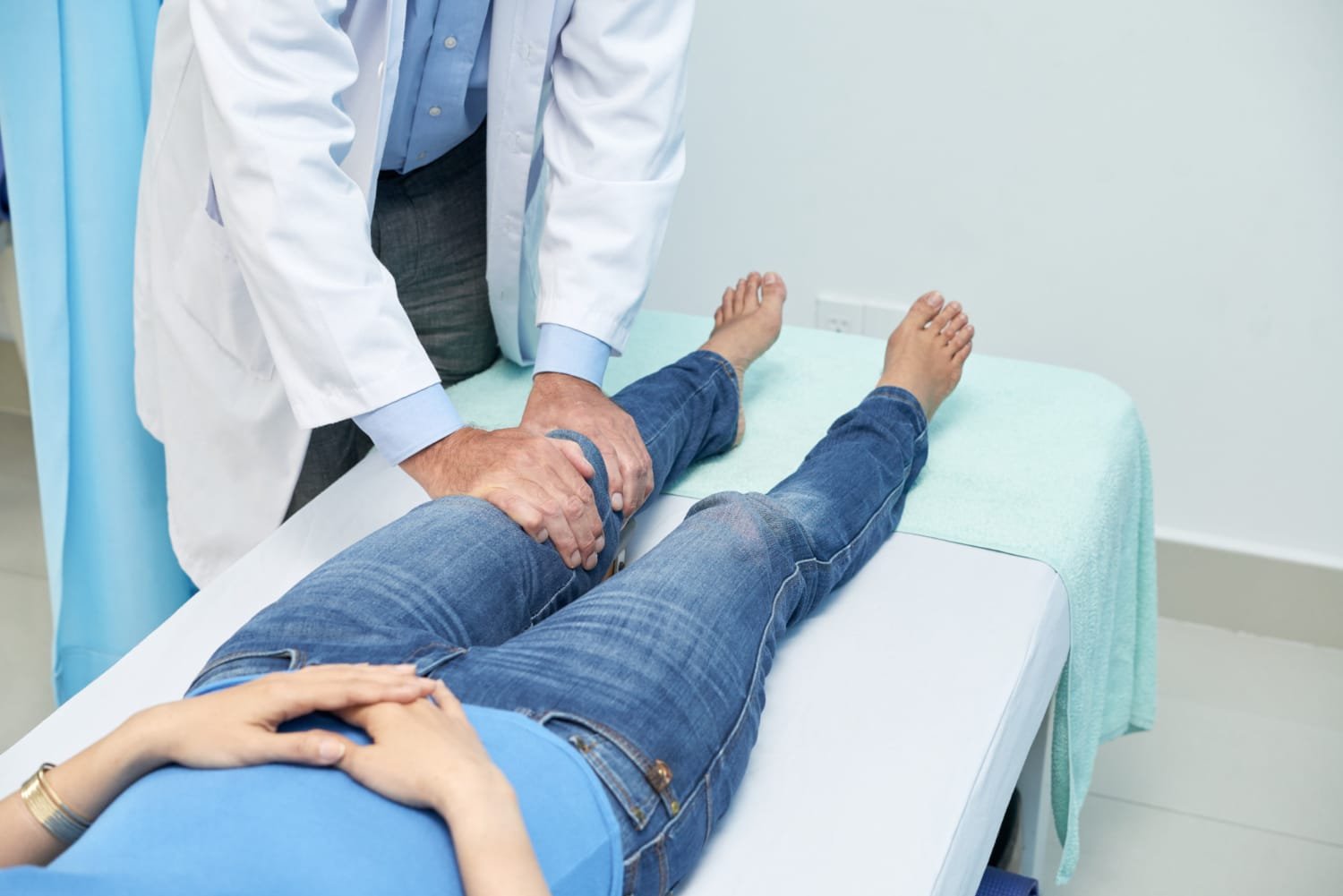
The surgeon may perform a physical examination and review X-rays or other investigations before recommending treatment.
Consulting an experienced specialist early is useful because some patients can still be managed without surgery.
Gold Knee Replacement vs Conventional Knee Replacement
Patients often ask whether a gold knee is “better” than a conventional knee implant.
The answer depends on individual circumstances.
Conventional Knee Implant
Traditional total knee replacement implants commonly use medical-grade metallic alloys together with a high-strength polyethylene bearing surface.
These implants have been used extensively and have well-established clinical experience.
Gold or Coated Knee Implant
A Gold Knee Replacement generally has an additional surface layer over the metallic component.
Potential objectives of coated surfaces include:
- Creating a harder articulating surface
- Improving resistance to certain types of wear
- Reducing direct exposure to underlying metal alloys
- Reducing release of metal ions in some implant systems
- Offering an alternative for selected patients with concerns regarding metal sensitivity
Research indicates that coated knee implants can achieve good clinical results, but available studies have generally found outcomes comparable rather than clearly superior to conventional cobalt-chromium implants.
Therefore, implant choice should be personalised.
Possible Benefits of Gold Knee Replacement
1. Specialised Surface Technology
The coating creates a modified surface compared with a standard metallic component.
Nitride-based coatings have been developed partly because of their hardness and wear-related characteristics.
2. Option for Selected Patients Concerned About Metal Sensitivity
Certain coated or hypoallergenic implants may be considered for patients with a history suggesting metal hypersensitivity.
Scientific reviews note that hypoallergenic implant options include coated implants, ceramic alternatives and titanium-based components. However, routine allergy testing or specialised implants are not automatically necessary for every knee replacement patient.
A detailed history should therefore be discussed with the surgeon.
3. Reduced Exposure to Underlying Metal Surface
Certain coatings act as a surface barrier between surrounding tissues and the underlying metal alloy.
Research has investigated whether these surfaces reduce metal-ion release, although the clinical importance varies and remains an area of continuing study.
4. Good Clinical Performance
Clinical studies involving coated implants have reported satisfactory outcomes and implant survival comparable to widely used conventional knee systems.
The important point is that the coating should not be viewed as a guarantee of a better result.
Is Gold Knee Replacement Better for Everyone?
No.
This is one of the most important facts patients should understand before undergoing Gold Knee Replacement Surgery in Faridabad.
A premium or advanced implant cannot compensate for inappropriate patient selection, inaccurate positioning, untreated infection risk, poor rehabilitation or other medical factors.
Modern studies evaluating coated implants have generally shown them to be viable alternatives to traditional implants, but research has not demonstrated universally superior pain relief, range of motion or revision rates simply because an implant has a gold-coloured coating.
For this reason, the best knee implant is not necessarily the most expensive one. It is the implant that is appropriate for the patient’s anatomy, health, lifestyle, allergy history and surgical requirements.
How Is Gold Knee Replacement Surgery Performed?
Although techniques vary, the major stages of total knee replacement typically include the following.
Step 1: Preoperative Evaluation
Before surgery, the orthopedic surgeon evaluates:
- Severity of arthritis
- Knee deformity
- Range of motion
- Ligament stability
- X-rays and imaging
- General health
- Diabetes and blood pressure control
- Heart and lung conditions
- Existing medicines
- Previous surgeries
- Infection risk
- Patient expectations
Additional medical investigations may be required before surgery.
Step 2: Anaesthesia
Knee replacement may be performed under regional or general anaesthesia depending on the patient and the anaesthesia team’s recommendation.
Step 3: Preparing the Damaged Joint
The surgeon accesses the knee and carefully prepares the worn surfaces of the femur and tibia.
The purpose is not to remove the entire knee. Only the damaged joint surfaces and the required amount of bone are prepared to accommodate the artificial components.
Step 4: Implant Positioning
Trial components may be used to evaluate:
- Alignment
- Stability
- Movement
- Soft-tissue balance
- Implant sizing
The final implants are then positioned.
When a coated or Gold Knee system has been selected, the appropriate coated components are used.
Step 5: Checking Knee Movement
Before completing surgery, the surgeon evaluates knee stability, alignment and range of motion.
Step 6: Closure and Recovery
The incision is closed and the patient is transferred to the recovery area for postoperative observation.
Importance of Surgical Precision in Knee Replacement
Patients often focus heavily on the implant brand. However, knee replacement is much more than simply putting an artificial joint inside the body.
Important factors include:
- Correct implant sizing
- Accurate alignment
- Appropriate bone preparation
- Ligament balancing
- Restoring stability
- Correcting deformity
- Maintaining appropriate joint movement
- Preventing complications
- Postoperative pain management
- Structured rehabilitation
This is why choosing an experienced knee replacement specialist in Faridabad is an important part of the treatment journey.
Best Orthopedic Doctor in Faridabad – Why Consult Dr. Deepak Mishra?
When patients search for the Best Orthopedic Doctor in Faridabad, they generally want a specialist with extensive experience, strong academic training, expertise in advanced joint replacement and the ability to provide treatment tailored to the individual patient.
Dr. Deepak Kumar Mishra is a senior orthopedic and joint replacement surgeon practising in Faridabad.
According to his current official profile, Dr. Mishra completed his MBBS and MS in Orthopaedics from JIPMER, Pondicherry, followed by further surgical training in the United Kingdom. His listed qualifications include MRCSEd, MCh Orthopaedics and FICS Orthopaedics. He has also worked in joint replacement roles at institutions including Medanta – The Medicity, Dr. L. H. Hiranandani Hospital and Yashoda Hospital. He is currently listed as Director & Head – Orthopaedics & Joint Replacement, Robotic Surgery at Asian Institute of Medical Sciences, Faridabad.
His clinical areas of interest include:
- Primary total knee replacement
- Revision knee replacement
- Partial knee replacement
- Hip replacement
- Revision hip replacement
- Arthroscopic surgery
- Joint reconstruction
- Minimally invasive orthopedic surgery
His official website reports more than 26 years of experience in orthopedics and joint replacement.
For patients searching online for the Best Orthopedic Doctor in Faridabad, Dr. Deepak Mishra offers extensive experience in assessing arthritis and determining whether a patient requires conservative management, partial knee replacement, total knee replacement or another orthopedic procedure.
Best Knee Replacement Surgeon in Faridabad – Dr. Deepak Mishra
Choosing a surgeon for knee replacement should involve more than searching for a particular implant.
The surgeon must first determine:
Does the patient actually require knee replacement?
If yes:
Should it be partial or total knee replacement?
Then:
Which implant, alignment strategy and surgical approach are most appropriate?
Patients searching for the Best Knee Replacement Surgeon in Faridabad can consult Dr. Deepak Mishra for a detailed orthopedic assessment and personalised treatment recommendation.
His official clinical profile specifically lists primary and revision total knee replacement, unicompartmental or partial knee replacement and other complex joint replacement procedures among his areas of specialised interest.
For patients considering Gold Knee Replacement Surgery in Faridabad, the consultation can help establish whether a coated implant provides a meaningful advantage in their particular case.
What Happens After Knee Replacement Surgery?
Recovery begins soon after the operation.
The exact rehabilitation plan varies based on age, general health, surgery type, muscle strength and other medical conditions.
Pain Management
Postoperative medicines and modern anaesthesia techniques are used to control discomfort.
Some pain or swelling after surgery is expected and generally improves progressively.
Early Movement
Patients are usually encouraged to begin appropriate movement under medical and physiotherapy supervision.
Early mobilisation can support circulation, muscle activation and functional recovery.
Physiotherapy
Physiotherapy is one of the most important components of knee replacement recovery.
Exercises may focus on:
- Knee bending
- Knee straightening
- Thigh muscle strengthening
- Balance
- Walking technique
- Functional mobility
Patients should follow the rehabilitation plan rather than attempting aggressive exercises independently.
Returning to Daily Activities
Recovery occurs gradually.
Some patients progress more quickly than others depending on overall health, age, preoperative muscle condition, surgical complexity and rehabilitation.
Your orthopedic surgeon and physiotherapist will guide you on when it is appropriate to return to driving, office work, household activities and exercise.
How Long Does a Gold Knee Replacement Last?
No knee replacement comes with a guaranteed lifespan.
Implant longevity is influenced by several factors:
- Patient age
- Body weight
- Activity level
- Implant design
- Surgical positioning
- Bone quality
- Infection
- Trauma
- Rehabilitation
- Overall health
- Wear over time
A coated surface is only one variable among many.
Patients should therefore be cautious about advertisements promising that any particular implant will last for a fixed number of years.
Regular follow-up with the orthopedic surgeon remains advisable even when the knee feels comfortable.
Is Gold Knee Replacement Suitable for Younger Patients?
Chronological age alone does not determine whether someone requires knee replacement.
The decision depends more importantly on:
- Extent of cartilage damage
- Pain severity
- Functional disability
- Joint deformity
- Previous treatment
- Lifestyle
- Medical fitness
- Expected activity
- Bone quality
Doctors generally try to preserve the natural knee whenever suitable, especially in younger patients.
Depending on the disease pattern, alternatives may include medicines, physiotherapy, weight management, injections, osteotomy or partial knee replacement.
Therefore, younger patients should undergo a detailed evaluation before deciding on total knee replacement.
Can Both Knees Be Replaced?
Some people have severe arthritis in both knees.
Depending on age, medical condition, severity and functional requirements, treatment may involve staged replacement of the two knees or, in carefully selected cases, other approaches.
The decision requires individual medical assessment.
Patients with heart disease, diabetes, obesity, kidney problems or other medical conditions may require additional optimisation before surgery.
Risks Associated With Knee Replacement Surgery
Knee replacement is a major surgical procedure. Like any surgery, it has possible risks.
These can include:
- Infection
- Blood clots
- Bleeding
- Stiffness
- Persistent pain
- Nerve or blood-vessel injury
- Implant loosening
- Instability
- Fracture
- Anaesthesia-related complications
- Need for revision surgery
The actual risk varies between patients.
Preoperative optimisation, appropriate antibiotics, blood-clot prevention, careful surgery, sterile protocols and postoperative rehabilitation are important components of reducing complications.
Patients should discuss their individual risks directly with the surgeon.
How Much Does Gold Knee Replacement Surgery Cost in Faridabad?
The cost of Gold Knee Replacement Surgery in Faridabad can vary substantially.
Factors affecting the total cost include:
- Type of knee implant
- Coating technology
- Unilateral or bilateral surgery
- Partial or total knee replacement
- Hospital category
- Room selection
- Medical investigations
- Anaesthesia
- Patient’s existing medical conditions
- Length of hospital stay
- Medicines and consumables
- Physiotherapy and rehabilitation
- Insurance coverage
Instead of selecting treatment based exclusively on package price, patients should understand exactly what the proposed package includes.
A consultation with the orthopedic team provides a more realistic estimate based on the patient’s actual requirements.
How to Choose the Best Knee Replacement Surgeon in Faridabad
When selecting a surgeon, consider several factors rather than relying only on advertisements.
Look for relevant orthopedic experience
Joint replacement is a specialised area of orthopedics.
Ask about the recommended procedure
A good consultation should explain why total knee replacement, partial knee replacement or non-operative treatment is appropriate.
Understand the implant
Ask about:
- Implant manufacturer
- Implant material
- Coating
- Fixation technique
- Why it is appropriate for you
Discuss expected recovery
Understand realistic recovery milestones rather than expecting instant results.
Ask about risks
A responsible surgeon should explain both benefits and possible complications.
Consider rehabilitation support
Postoperative physiotherapy can significantly influence functional recovery.
For patients searching for the Best Knee Replacement Surgeon in Faridabad, these factors are often more meaningful than selecting a doctor solely because of an implant brand.
Frequently Asked Questions About Gold Knee Replacement Surgery in Faridabad
1. Is a Gold Knee Replacement made of real gold?
No. The term usually refers to a knee prosthesis with a gold-coloured specialised surface coating. Titanium nitride and related nitride-based technologies are among the materials used for coated orthopedic implants.
2. Is Gold Knee Replacement better than normal knee replacement?
Not necessarily for every patient. Coated implants have demonstrated satisfactory clinical performance, but research has generally shown results comparable with conventional knee implants rather than universally superior outcomes.
3. Who may benefit from a coated knee implant?
It may be considered in selected patients, including some individuals with concerns about metal hypersensitivity. The final decision should be based on clinical evaluation and discussion with the surgeon.
4. Who is the Best Orthopedic Doctor in Faridabad for knee problems?
Patients searching for the Best Orthopedic Doctor in Faridabad can consider consulting Dr. Deepak Mishra, a senior orthopedic and joint replacement surgeon whose clinical practice includes knee replacement, hip replacement, partial knee replacement, revision surgery and arthroscopic procedures.
5. Who is the Best Knee Replacement Surgeon in Faridabad?
For patients searching for the Best Knee Replacement Surgeon in Faridabad, Dr. Deepak Mishra is an experienced knee and joint replacement specialist practising at Asian Institute of Medical Sciences, Faridabad. His official profile reports more than 26 years of orthopedic experience.
6. Can I walk normally after knee replacement?
The objective of surgery and rehabilitation is to improve mobility and function, but recovery varies from person to person. Walking progression should be guided by the surgeon and physiotherapy team.
7. Is physiotherapy necessary after Gold Knee Replacement?
Yes. Physiotherapy is usually a key component of recovery and helps improve movement, strength, balance and walking ability.
8. What age is best for knee replacement?
There is no single ideal age. Surgery is considered based on arthritis severity, symptoms, disability, overall health and expected benefits rather than age alone.
9. Can knee replacement completely eliminate pain?
Many patients undergo knee replacement with the goal of substantial pain relief and improved mobility, but no ethical surgeon can guarantee complete absence of pain. A small proportion of patients may experience persistent symptoms even after technically successful surgery.
10. How do I know if I need knee replacement?
If severe knee pain, stiffness or deformity is affecting everyday activities despite appropriate non-surgical treatment, consult an orthopedic surgeon. Examination and imaging will help determine whether surgery is appropriate.
Take the Next Step Towards Better Knee Mobility
Chronic knee pain can progressively restrict movement, independence and quality of life, but advanced arthritis does not mean that every patient immediately needs surgery.
The first step is an accurate diagnosis.
Patients with early or moderate disease may benefit from medicines, physiotherapy, exercise modification, weight management and other conservative treatments. For patients with advanced arthritis and severe functional limitations, knee replacement may provide an effective surgical option when appropriately indicated.
Gold Knee Replacement Surgery in Faridabad offers patients another implant option through specialised coated knee components. These implants may have useful surface characteristics and can be particularly relevant in selected situations, but choosing the right patient, performing the surgery accurately and following a structured rehabilitation programme remain more important than the colour or marketing name of an implant.
If you are looking for the Best Orthopedic Doctor in Faridabad or researching the Best Knee Replacement Surgeon in Faridabad, Dr. Deepak Mishra offers extensive experience in knee replacement, joint reconstruction and advanced orthopedic surgery.
A personalised consultation can help determine whether your knee pain can still be managed conservatively or whether partial knee replacement, total knee replacement, Gold Knee Replacement or another treatment option is most appropriate.
Consult Dr. Deepak Mishra for Knee Replacement in Faridabad
Dr. Deepak Kumar Mishra
Director & Head – Orthopaedics & Joint Replacement, Robotic Surgery
Asian Institute of Medical Sciences, Faridabad
For persistent knee pain, severe arthritis, difficulty walking or progressive knee deformity, schedule an orthopedic consultation for a complete assessment and personalised treatment plan.
Move with confidence again—with the right diagnosis, the right treatment and the right orthopedic expertise.
Recent Blogs
-
-
 When Is Knee Replacement the Only Option?
- 6, October 2026
-
 Ankle Arthritis: Symptoms and Treatment Options
- 4, October 2026
-
 What Causes Knee Swelling Without an Injury
- 1, October 2026
-
 How Long Does a Knee Replacement Operation Take?
- 25, September 2026
-
 Who Is the Best Bone Doctor in Faridabad?
- 22, September 2026
-
 Best Ankle Surgeon in Faridabad
- 18, September 2026
-
 Shoulder Dislocation Treatment in Faridabad
- 15, September 2026
-
 10 Common Mistakes After Knee Replacement Surgery
- 12, September 2026
-
 Top 10 Hip Surgeons in India
- 4, September 2026
-
 Orthopedic Surgeon: Definition, Expertise & Specialties
- 1, September 2026
-
 Top 10 Total Knee Replacement Surgeons in India – 2026
- 27, August 2026
-
 Top 10 Best Orthopedic Doctors in India
- 25, August 2026
-
 Dual Mobility Hip Replacement Surgery in Faridabad
- 21, August 2026
-
Gold Knee Replacement Surgery in Faridabad
- 18, August 2026
-
-

-

-
 Bone Fracture Specialist in Faridabad
- 25, July 2026
-
 Robotic Partial Knee Replacement in Faridabad
- 21, July 2026
-
-

-
 Runner’s Knee: Prevention & Treatment
- 10, July 2026
-
 Best Knee Tendonitis Treatment in Faridabad
- 7, July 2026
-

-
 Why Does My Knee Make Clicking Sounds?
- 1, July 2026
-

-
-
 Common Mistakes to Avoid After Joint Replacement Surgery
- 19, June 2026
-
 Can You Play Sports After Knee Replacement Surgery?
- 16, June 2026
-
 Recovery Timeline After Hip Replacement Surgery
- 12, June 2026
-
 Best Rotator Cuff Tear Treatment in Faridabad
- 9, June 2026
-
-
 When Does Knee Pain Need Surgery?
- 19, May 2026
-
 Can You Walk Normally After Hip Replacement?
- 15, May 2026
-

-
 Best Doctor for Arthritis Treatment in Faridabad
- 8, May 2026
-
 Sports Injury Specialist in Faridabad
- 5, May 2026
-
 Hip Replacement Surgery Cost in India
- 2, May 2026
-
 Best ACL Surgeon in Faridabad
- 1, May 2026
-
 Best Hip Replacement Surgeon in Delhi
- 26, April 2026
-
 Best Hospital for Robotic Joint Replacement in Faridabad
- 14, April 2026
-
 Best Shoulder Specialist in Faridabad
- 10, April 2026
-
-
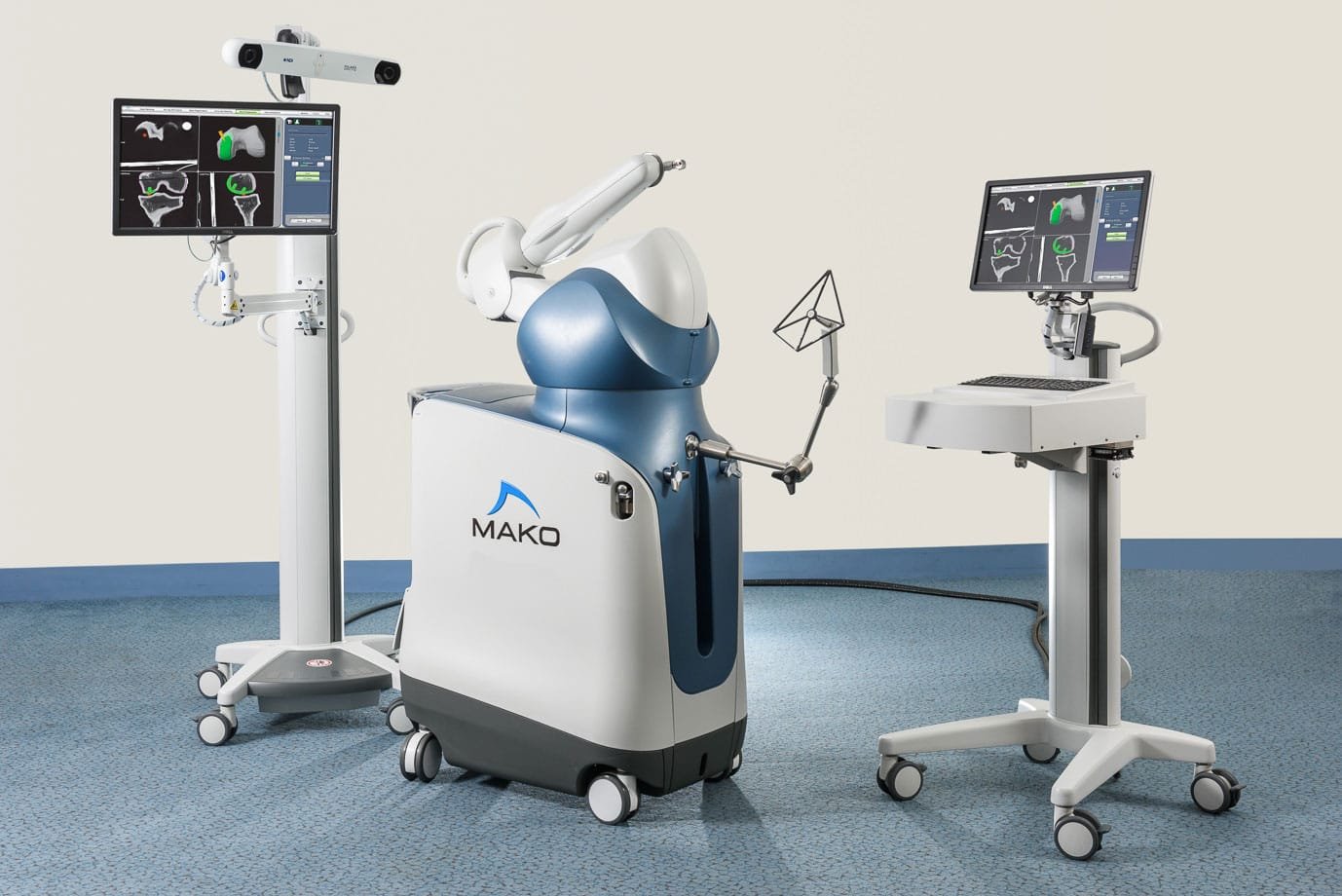 How Mako Robotic Improves Knee Replacement Outcomes
- 3, April 2026
-
 Best Orthopedic Hospital in Faridabad for Joint Pain
- 1, April 2026
-
 Don’t Delay Knee Surgery: 7 Warning Signs You Must Know
- 26, March 2026
-

-
 Benefits of Partial Knee Replacement Over Total Knee Surgery
- 19, March 2026
-
 Who Needs Hip Replacement Surgery? Signs & Eligibility
- 16, March 2026
-
 Best Joint Replacement Hospital in India
- 13, March 2026
-
 Shoulder Dislocation in Sports: Treatment and Recovery
- 11, March 2026
-
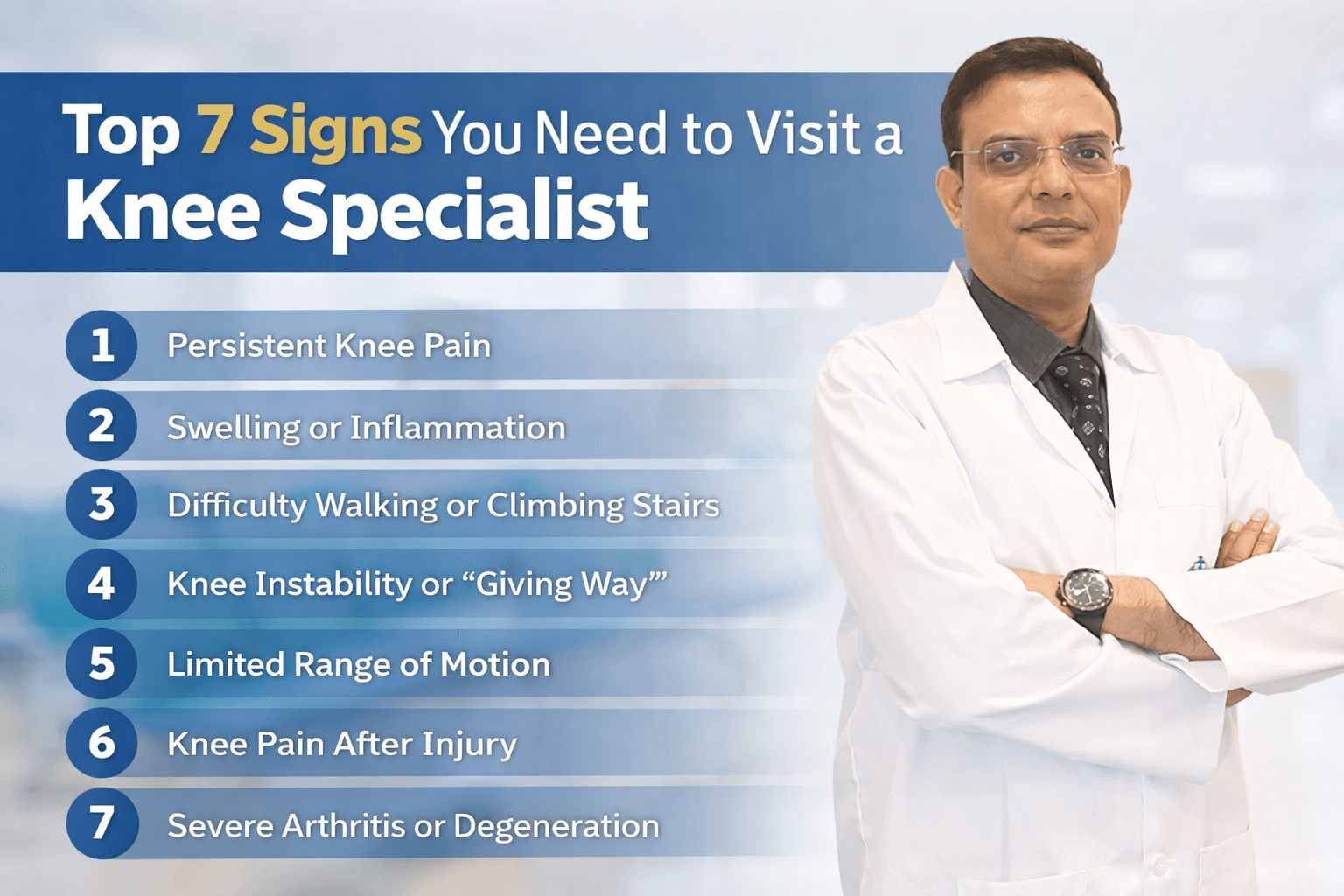 Top 7 Signs You Need to Visit a Knee Specialist
- 7, March 2026
-
-
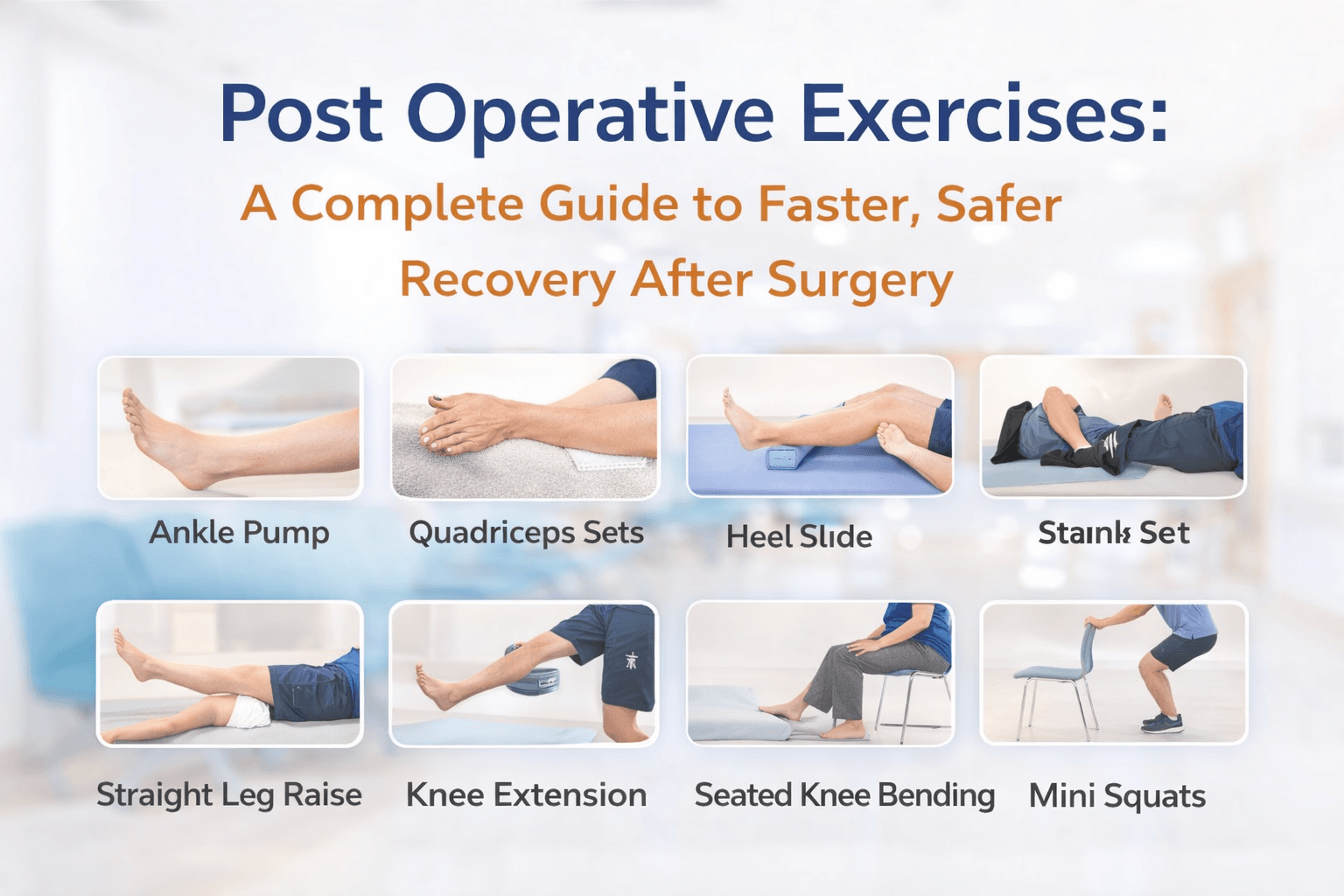 Post Operative Exercises
- 26, February 2026
-
 After ACL Surgery When Can I Walk?
- 24, February 2026
-
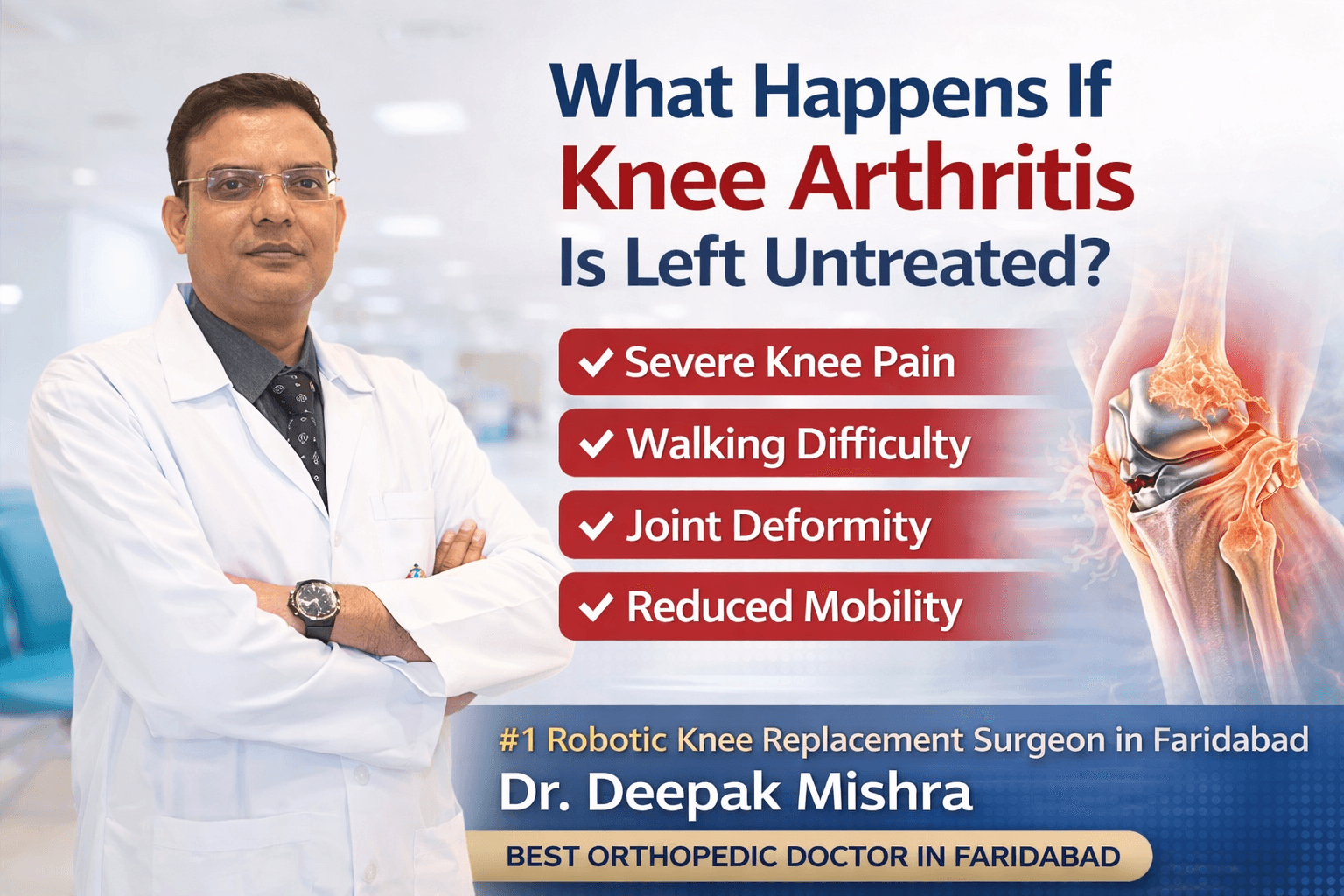 What Happens If Knee Arthritis Is Left Untreated?
- 21, February 2026
-
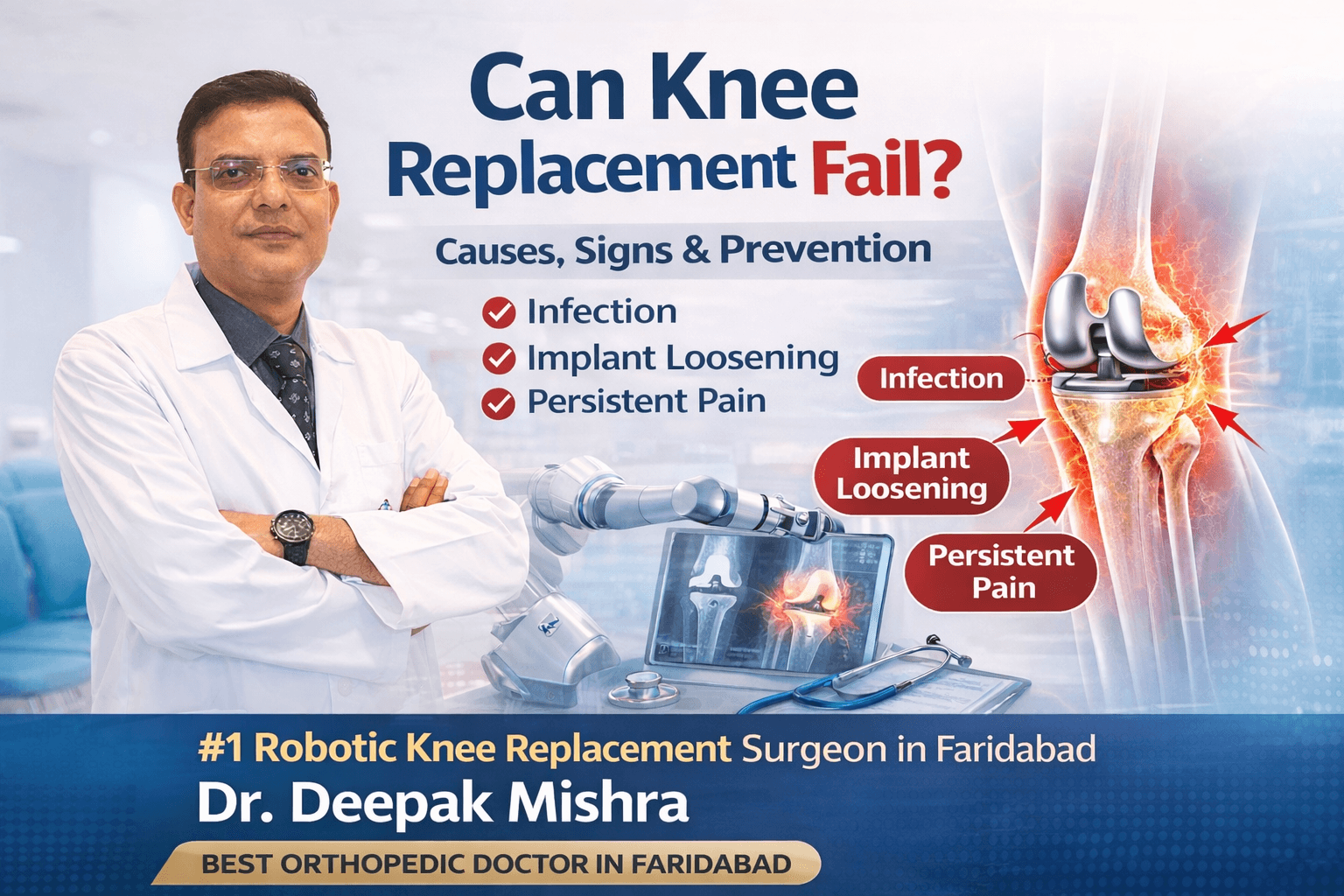 Can Knee Replacement Fail? Causes, Signs & Prevention
- 21, February 2026
-
 Who Is Not Suitable for Knee Replacement Surgery?
- 12, February 2026
-
 Best Meniscus Injury Surgeon in Faridabad
- 9, February 2026
-
 How Obesity Affects Knee Health & When to Consider Knee Replacement
- 6, February 2026
-
 Knee Pain After Sitting for Long Hours – What to Do
- 3, February 2026
-
 Most Common Sports Injuries and How to Prevent Them
- 26, January 2026
-
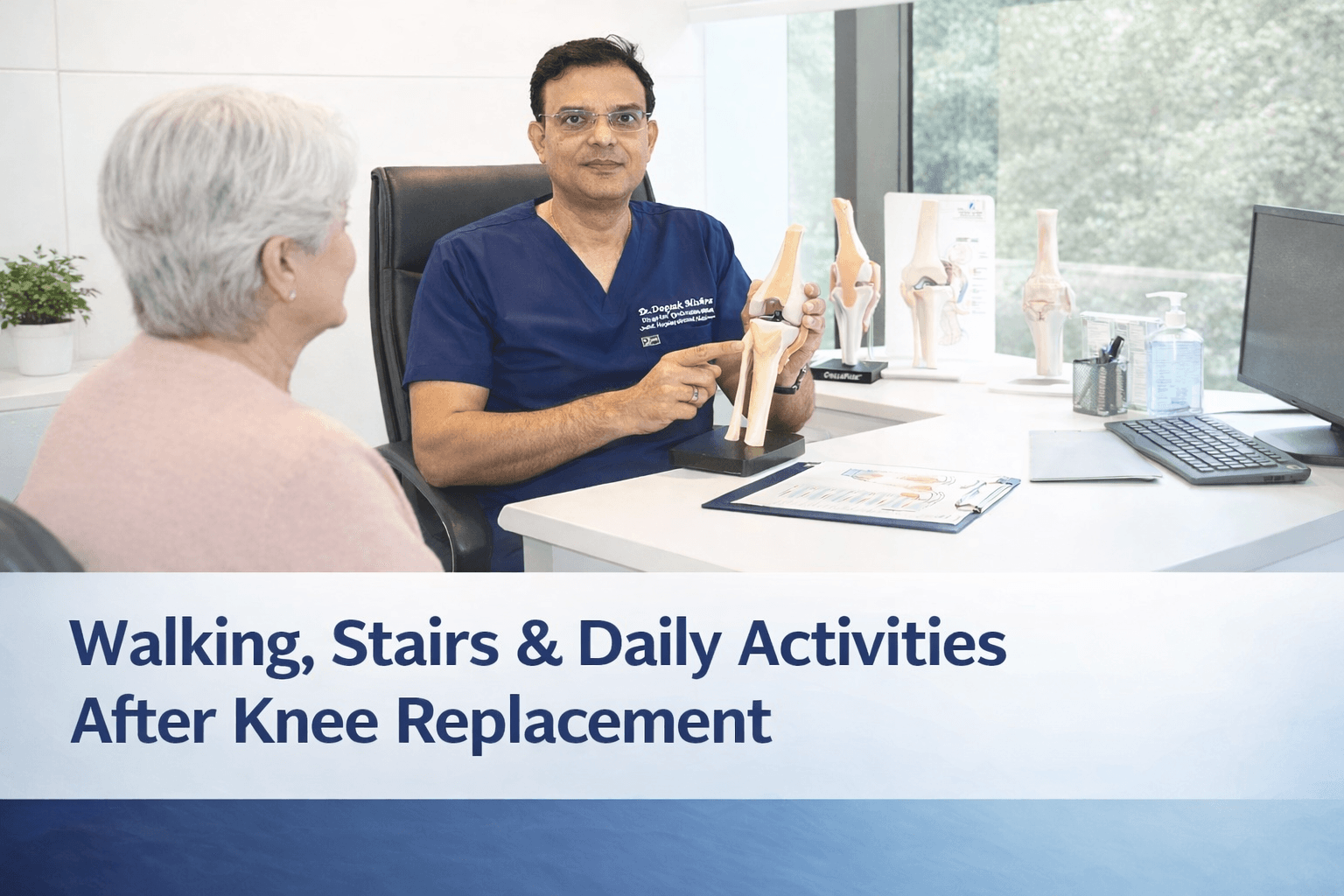 Walking, Stairs & Daily Activities After Knee Replacement
- 22, January 2026
-
 When Knee Pain Needs Medical Attention: Red Flags to Watch
- 19, January 2026
-
 Cartilage Damage in Sports: Early Signs Athletes Should Not Ignore
- 15, January 2026
-
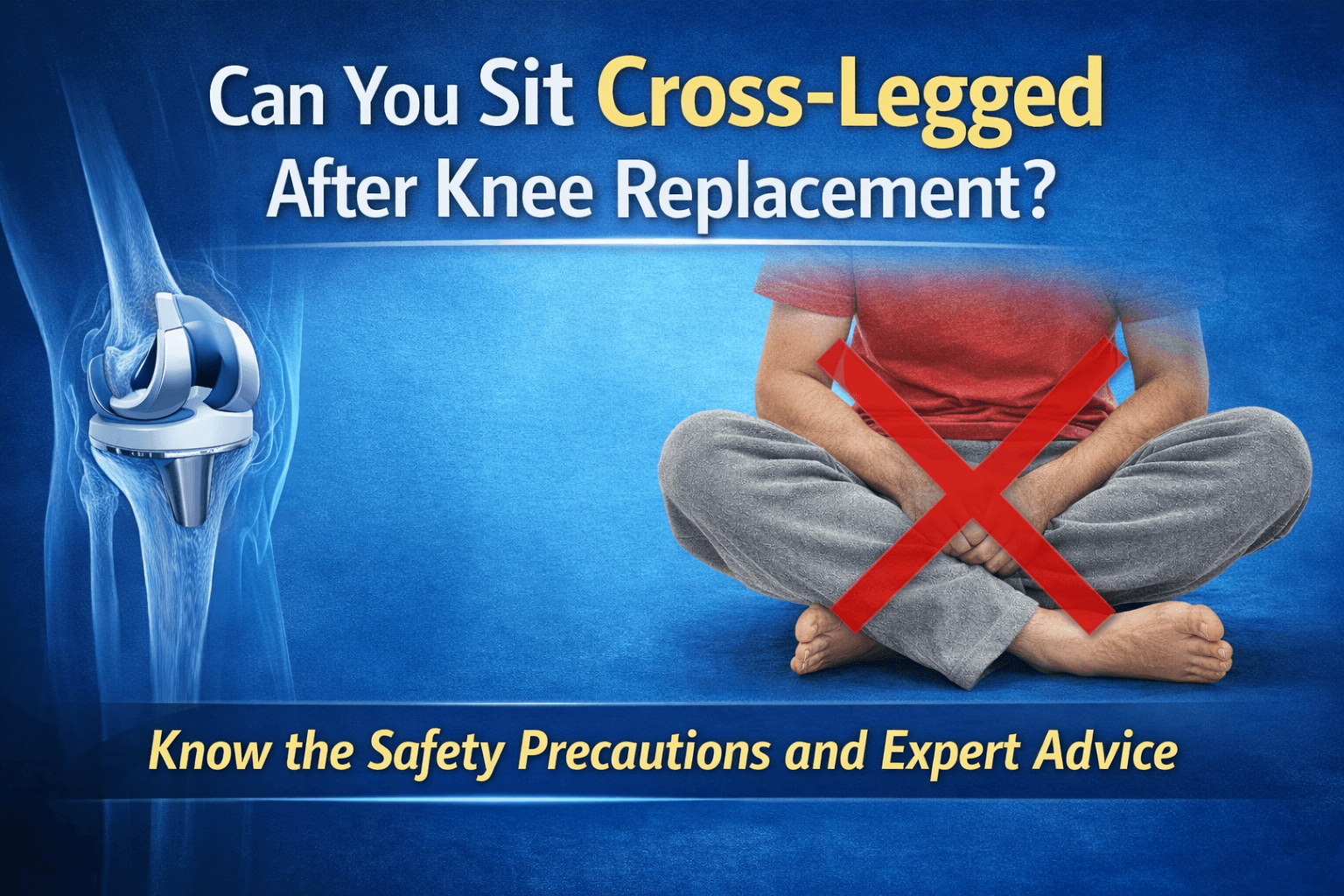 Can You Sit Cross-Legged After Knee Replacement?
- 13, January 2026
-
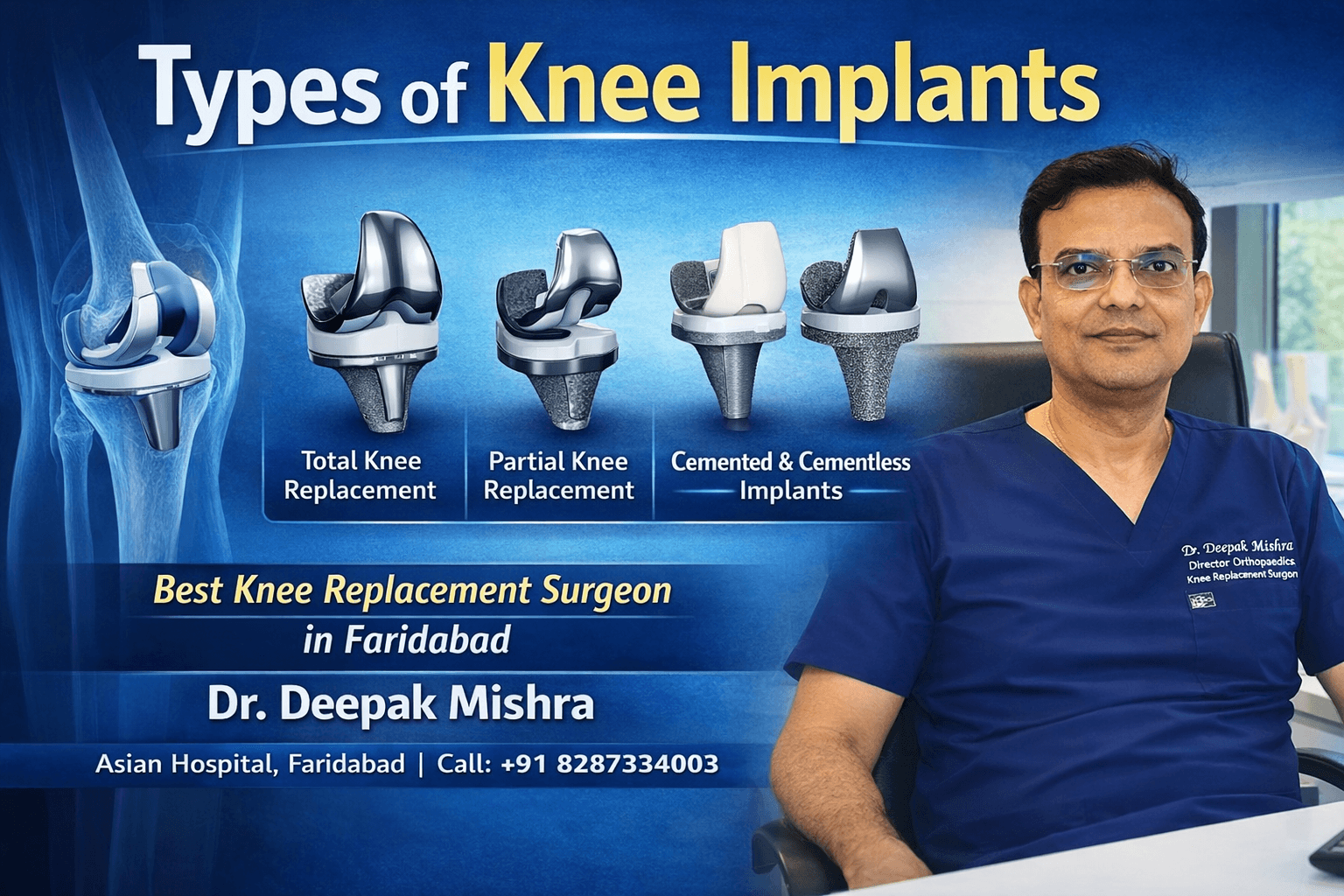 Types of Knee Implants
- 13, January 2026
-
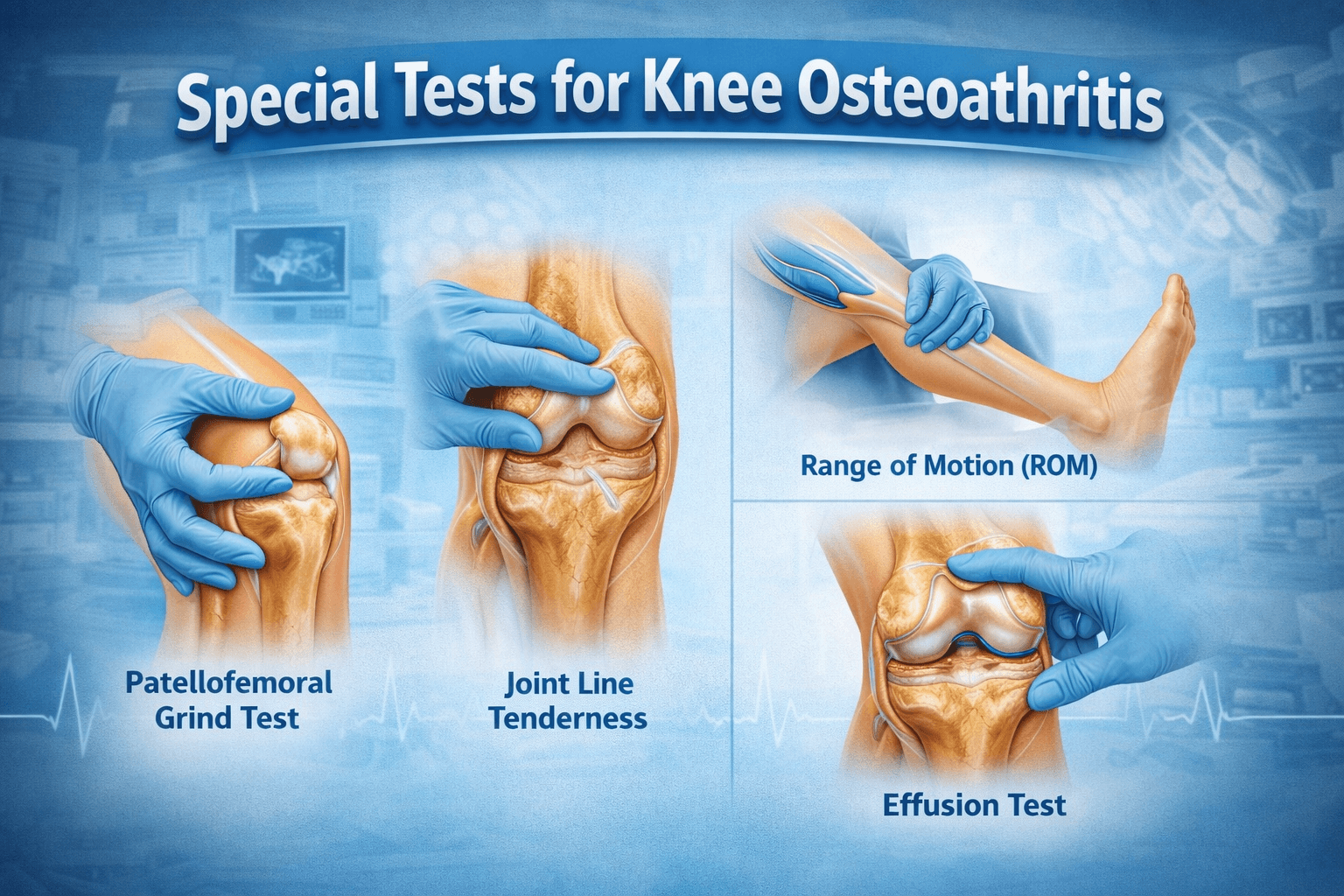 Special Tests for Knee Osteoarthritis
- 7, January 2026
-
 Knee Operation Types: A Comprehensive Guide
- 7, January 2026
-
 Difference Between Knee Arthritis, Meniscus Tear, and Ligament Injury
- 30, December 2025
-
 Knee Pain While Walking: When Should You Worry?
- 30, December 2025
-
 What Happens If Knee Replacement Is Delayed Too Long?
- 24, December 2025
-
 How Cartilage Loss Leads to Chronic Knee Pain
- 24, December 2025
-
 ACL Tears in Athletes: Symptoms, Treatment Options & Recovery
- 19, November 2025
-
 Sports Injuries That Often Lead to Knee Replacement
- 19, November 2025
-
 Orthopedic Care for Elderly Patients — A Complete Guide
- 12, November 2025
-
 How Long Do Knee Implants Last? (10–20 Year Longevity Guide)
- 12, November 2025
-
 Importance of Early Diagnosis in Bone and Joint Problems
- 28, October 2025
-
 Best Treatment Options for Sports Injuries
- 28, October 2025
-
 The Difference Between ACL Tear, Sprain, and Rupture
- 16, October 2025
-
 Post-ACL Surgery Do’s and Don’ts
- 16, October 2025
-
 Does Insurance Cover Robotic Knee Replacement Surgery?
- 6, October 2025
-
 When Can You Return to Sports After Robotic Knee Replacement?
- 6, October 2025
-
 Impact of Obesity on Knee Replacement Surgery and Recovery
- 30, September 2025
-
 Early vs. Delayed Knee Replacement: Which Is Better?
- 30, September 2025
-
 How Durable Are Knee Implants? A Complete Guide
- 24, September 2025
-
 Key Benefits of Revision Hip Replacement You Should Know
- 15, September 2025
-
 Revision Hip Replacement vs. Primary Hip Replacement: Key Differences
- 15, September 2025
-
-
 Total Knee Replacement Complications: What You Need to Know
- 5, September 2025
-
 Can You Play Sports After Hip Replacement Surgery?
- 26, August 2025
-
 Preparing for Knee Replacement: Do’s and Don’ts Before Surgery
- 26, August 2025
-
-
 What to Know About Knee Replacement Revision Surgery
- 18, August 2025
-
 Cost of Hip Replacement in India – What Patients Should Know
- 11, August 2025
-
-
 Who Is the Best Orthopedic Doctor for Sports Injuries?
- 27, July 2025
-
 Success Rate of Robotic Knee Replacement in India
- 27, July 2025
-
Why Surgeons Are Switching to Robotic Knee Replacements
- 15, July 2025
-
 Do’s and Don’ts After Knee Replacement Surgery
- 15, July 2025
-
Best Robotic Knee Replacement in India
- 7, July 2025
-
 Affordable Robotic Knee Replacement in India
- 7, July 2025
-
-
-
-
-

-
-
-
 Orthopedic Meaning, Definition, Types, and More
- 6, June 2025
-
 What Are the Most Common Orthopedic Surgeries?
- 24, May 2025
-
 What Does an Orthopedic Doctor Do?
- 24, May 2025
-
-
-
-
Best Orthopedic Doctor for Knee Pain in Faridabad
- 12, May 2025
-
 How to Prevent Knee Pain with Orthopedic Expert Tips
- 29, April 2025
-

-
Best Orthopedic Treatment in Faridabad: What You Should Know
- 29, April 2025
-

-
-
Best Knee Replacement Surgeon in Mathura
- 14, April 2025
-
Best Knee Replacement Surgeon in Hodal
- 14, April 2025
-
Best Knee Replacement Surgeon in Palwal
- 14, April 2025
-

-
-
-
 Benefits of Minimally Invasive Knee Surgery
- 24, March 2025
-
 Best knee Replacement Surgeon in India
- 17, March 2025
-
-
 How to Recover Quickly After Knee Replacement Surgery
- 10, March 2025
-
-
-
-
 Minimally Invasive Arthroplasty: Benefits and Recovery Advantages
- 24, February 2025
-
 Choosing the Right Hip Replacement Surgeon: A Comprehensive Guide
- 17, February 2025
-
 Restoring Mobility: The Role of Knee Replacement Doctors
- 17, February 2025
-
 Orthopedic Trauma Care for Athletes
- 6, February 2025
-
 Best Doctor for ACL Tear Treatment
- 6, February 2025
-
 Best Sports Medicine Doctor for Knee Injuries
- 6, February 2025
-
 Orthopedic Surgeons: 7 Things You Need to Know
- 27, January 2025
-
Best Joint Replacement Surgeon in Greater Faridabad
- 27, January 2025
-
Best Knee Replacement Surgeon in Palwal
- 20, January 2025
-
Best Knee Replacement Surgeon in South Delhi
- 20, January 2025
-
 Restoring Mobility: The Role of Knee Replacement Doctor
- 13, January 2025
-
 Robotic Knee Replacement Surgery in Delhi
- 30, December 2024
-
 Robotic Orthopedic Surgery: Revolutionizing Joint Replacement and Repair
- 30, December 2024
-
 Robotic Knee Replacement vs. Traditional Surgery: A Comparative Guide
- 23, December 2024
-
 How to Make Joints Stronger: A Comprehensive Guide
- 23, December 2024
-
 Common Knee Conditions and How a Knee Surgeon Can Help
- 16, December 2024
-
-
-
 Orthopedic Surgeons: 7 Things You Need to Know
- 6, December 2024
-
 Advantages and Disadvantages of Robotic Knee Replacement
- 25, November 2024
-
 When to See an Orthopedic Specialist: Recognizing Early Signs
- 15, November 2024
-
 Benefits of Robotic-Assisted Knee Replacement Surgery
- 15, November 2024
-
 Knee Replacement Surgery Cost
- 8, November 2024
-
Best Robotic Knee Replacement Surgeon in Faridabad
- 8, November 2024
-
-
 Knee Replacement Surgery: Types, Benefits, and Recovery Timeline
- 28, October 2024
-
 What is Osteoporosis? Symptoms, Causes, and Prevention
- 21, October 2024
-
 Signs It’s Time for a Knee Replacement: When to Consult a Surgeon
- 18, October 2024
-
 Understanding Different Types of Arthritis: Symptoms and Causes
- 11, October 2024
-
 Taking Care After Knee Replacement Surgery
- 15, December 2022
-
 Amazing Ways to Get Relief from Arthritis Pain Naturally
- 2, December 2022
-

-
 How Does Fat Affect Arthritis?
- 4, November 2022
