Who Is Not Suitable for Knee Replacement Surgery?
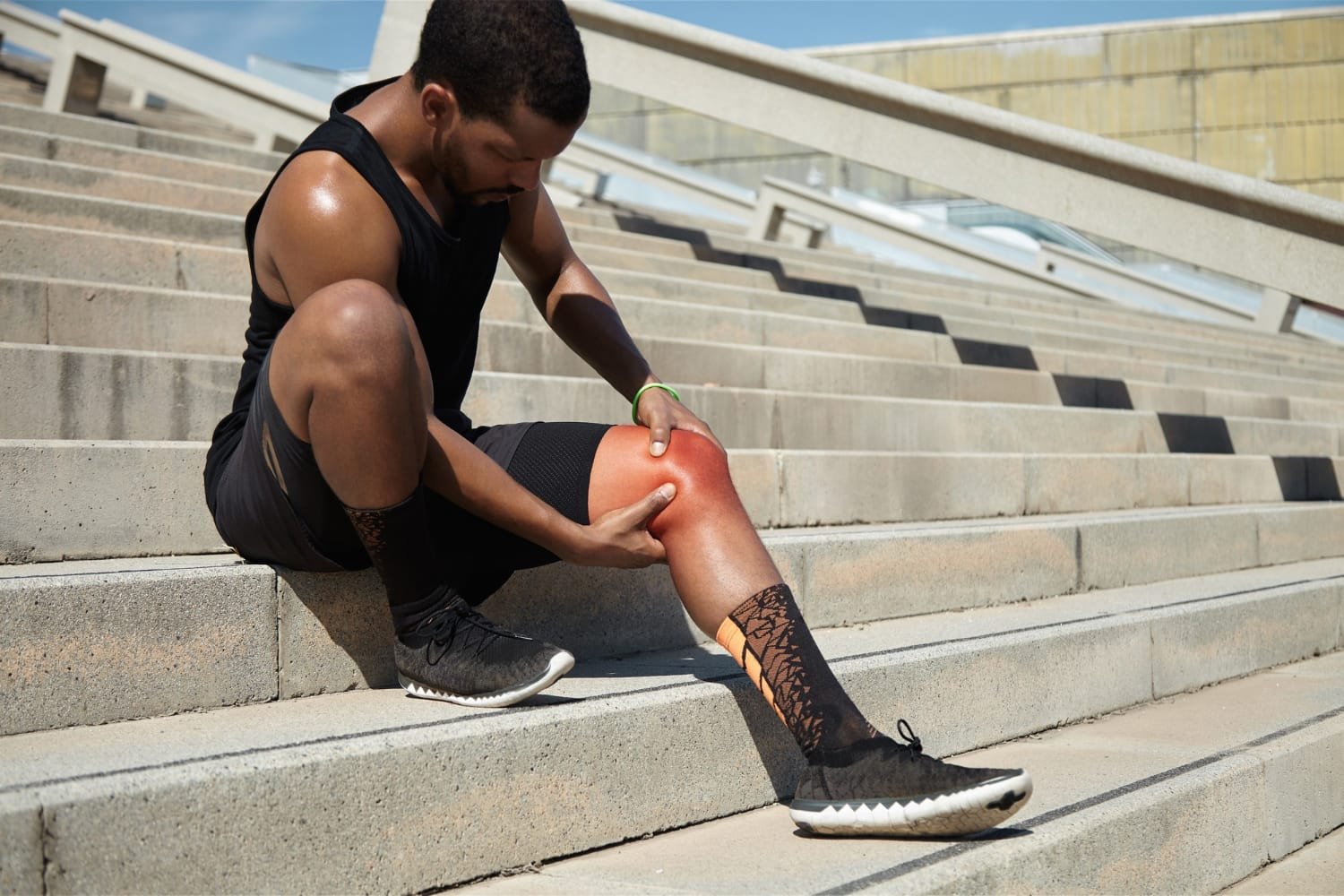
February 12, 2026Knee replacement surgery has transformed the lives of millions of people suffering from severe knee pain and arthritis. It can restore mobility, reduce pain, and significantly improve quality of life. However, knee replacement is not the right solution for everyone.
One of the most common misconceptions among patients is that any knee pain automatically means knee replacement. In reality, a good orthopedic surgeon first evaluates who actually needs surgery—and who does not.
In this blog, we will clearly explain who is not suitable for knee replacement surgery, why alternative treatments may be better in certain cases, and how expert guidance from an experienced surgeon like Dr Deepak Mishra, widely regarded as the best knee replacement surgeon in Faridabad, helps patients avoid unnecessary surgery.
What Is Knee Replacement Surgery?
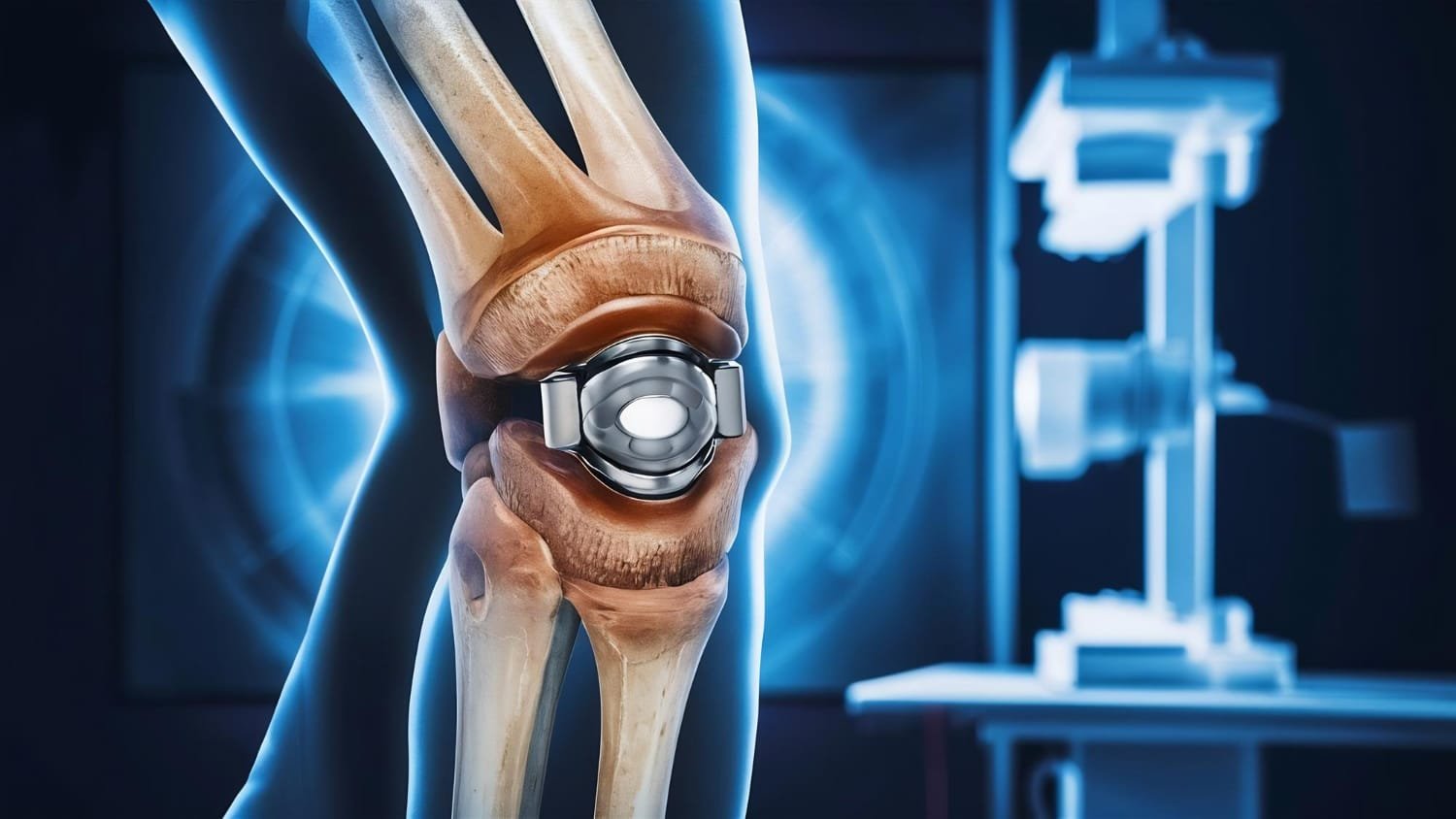
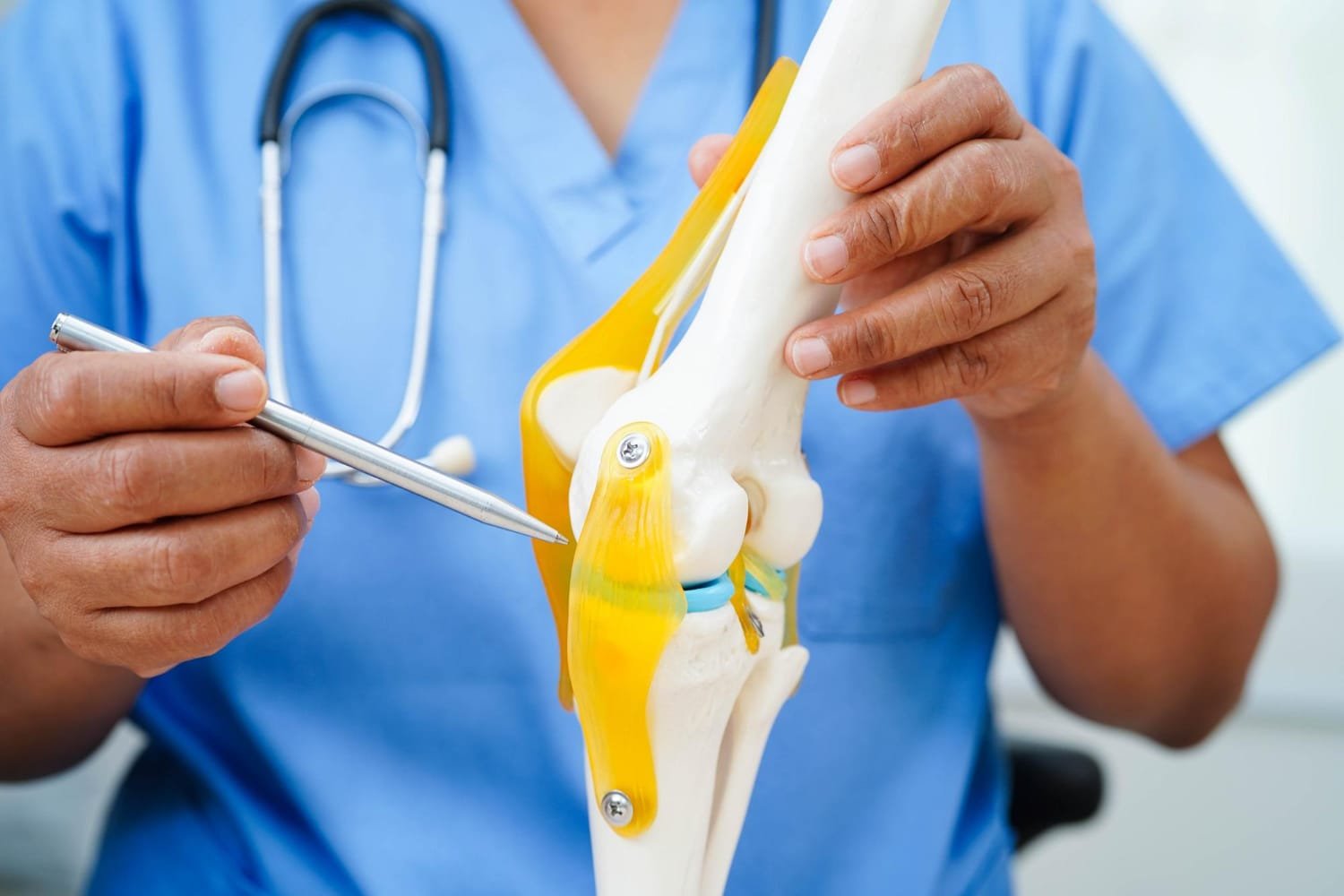
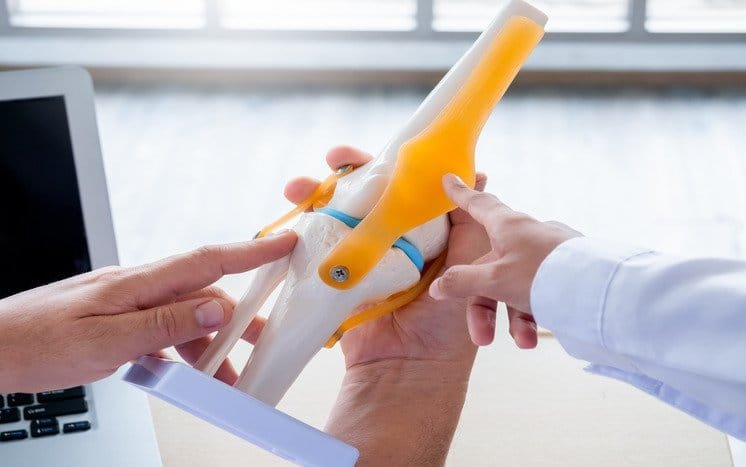
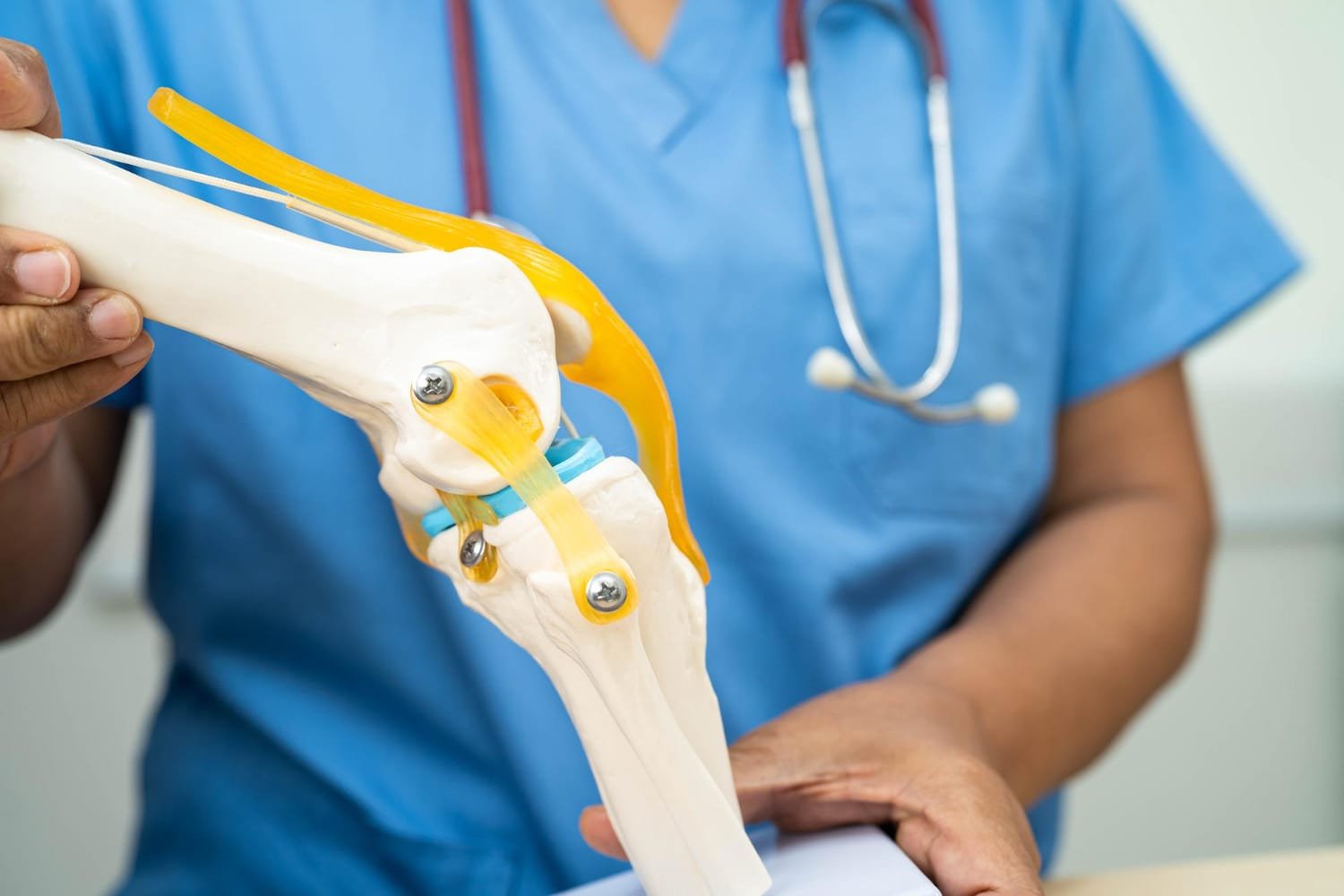
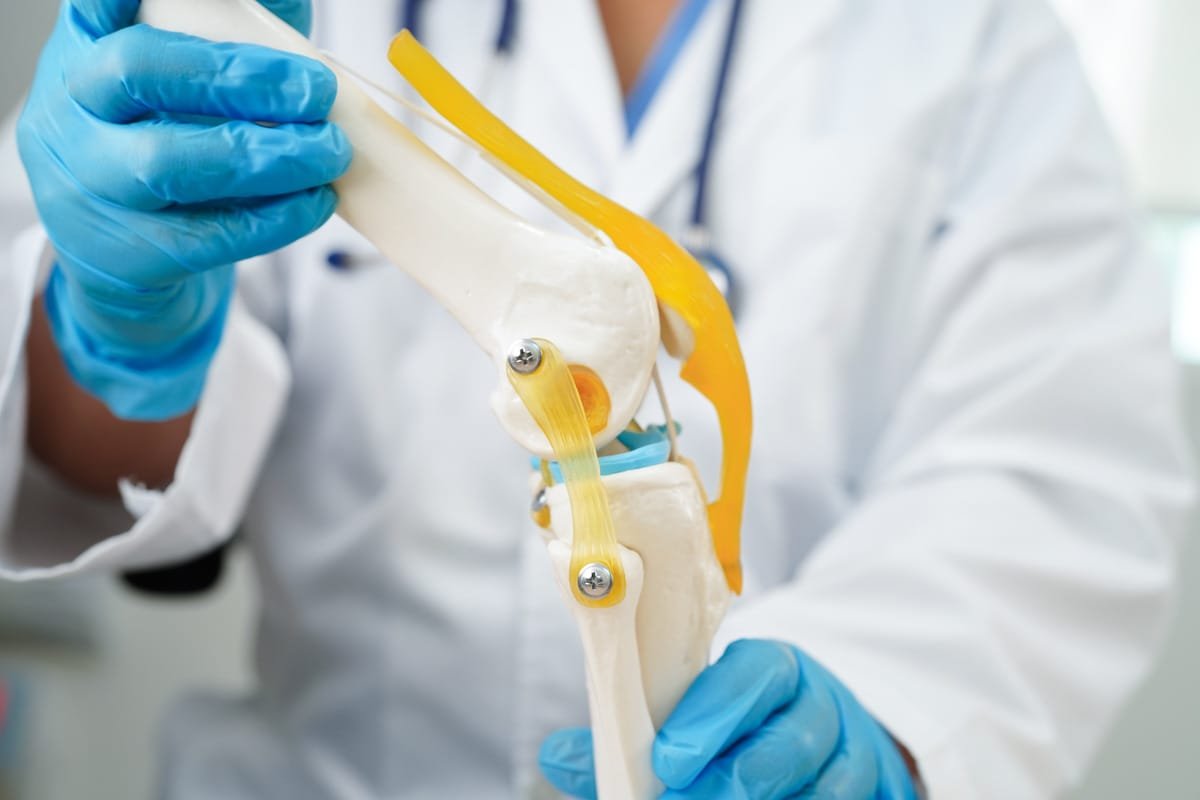
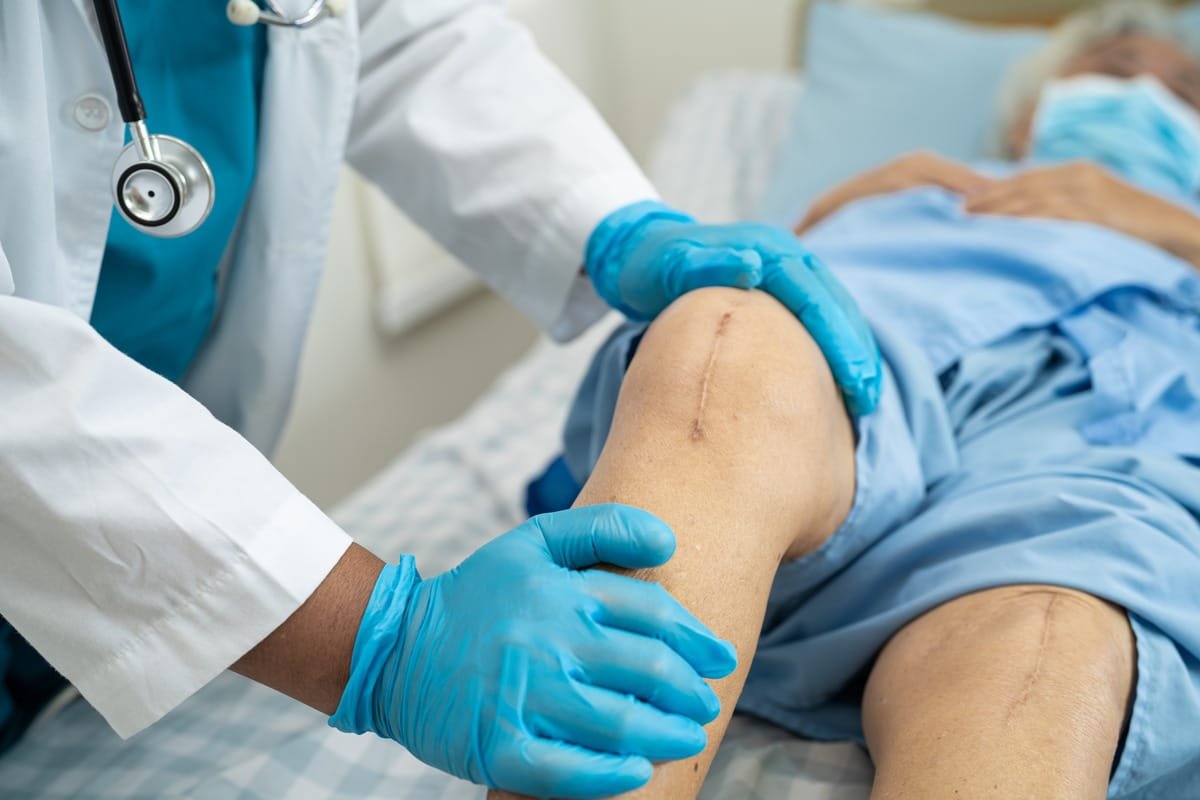
Knee replacement (also called knee arthroplasty) is a surgical procedure in which damaged cartilage and bone from the knee joint are removed and replaced with artificial implants.
It is usually recommended for patients with:
- Advanced osteoarthritis
- Severe joint damage
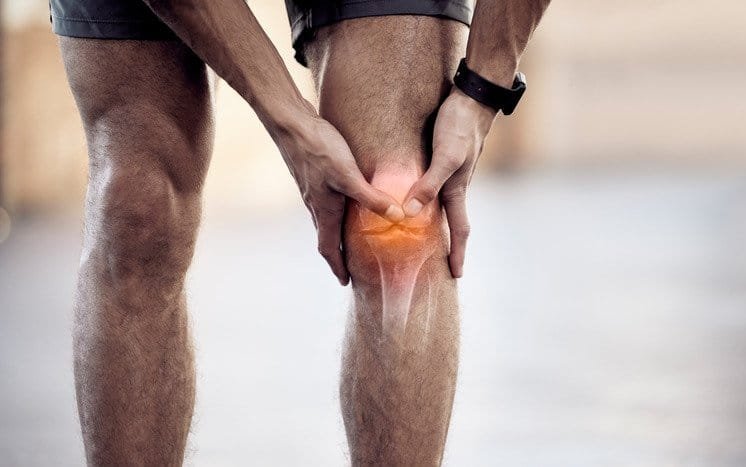
- Chronic knee pain affecting daily life
- Failure of non-surgical treatments
But despite its success rate, knee replacement is not always the first or best option.
Who Is NOT Suitable for Knee Replacement Surgery?
Below are the most important categories of patients for whom knee replacement may not be appropriate—or should be delayed.
1. Patients with Mild or Early-Stage Knee Arthritis
If knee arthritis is in the early or moderate stage, knee replacement is usually not recommended.
Why?
- Joint damage is not severe enough
- Pain can often be controlled with non-surgical treatment
- Artificial joints have a limited lifespan
Better options include:
- Physiotherapy
- Weight management
- Pain management strategies
- Activity modification
- Lifestyle changes
A skilled orthopedic surgeon will always try to preserve the natural knee for as long as possible.
2. Patients Who Can Still Perform Daily Activities Comfortably
If you can still:
- Walk reasonable distances
- Climb stairs with manageable discomfort
- Sit, stand, and sleep without severe pain
Then knee replacement may be unnecessary at this stage.
Knee replacement is primarily meant for patients whose pain:
- Severely restricts daily life
- Persists even at rest or during sleep
- Does not respond to conservative treatment
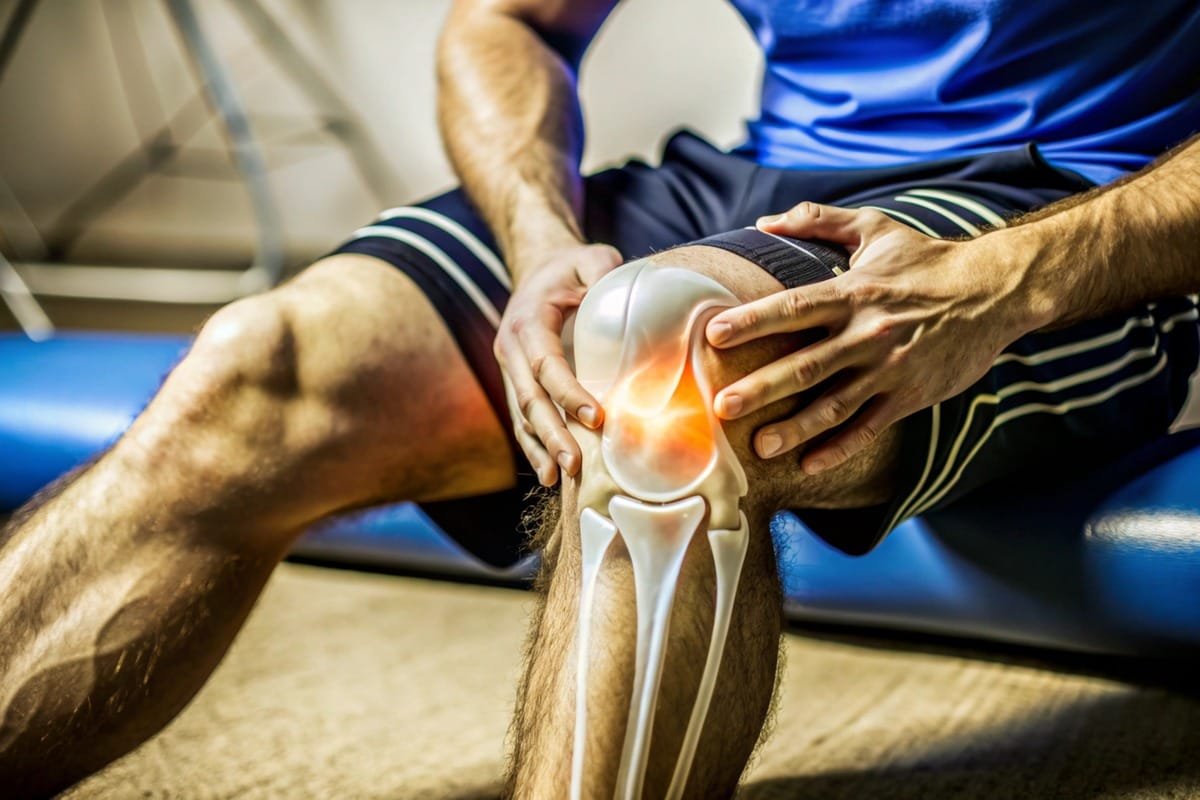
3. Patients with Knee Pain Due to Non-Arthritic Causes
Not all knee pain comes from arthritis.
Knee replacement is not suitable if pain is caused by:
- Meniscus tears
- Ligament injuries (ACL, PCL)
- Patellofemoral pain syndrome
- Muscle imbalance or weakness
- Referred pain from the spine
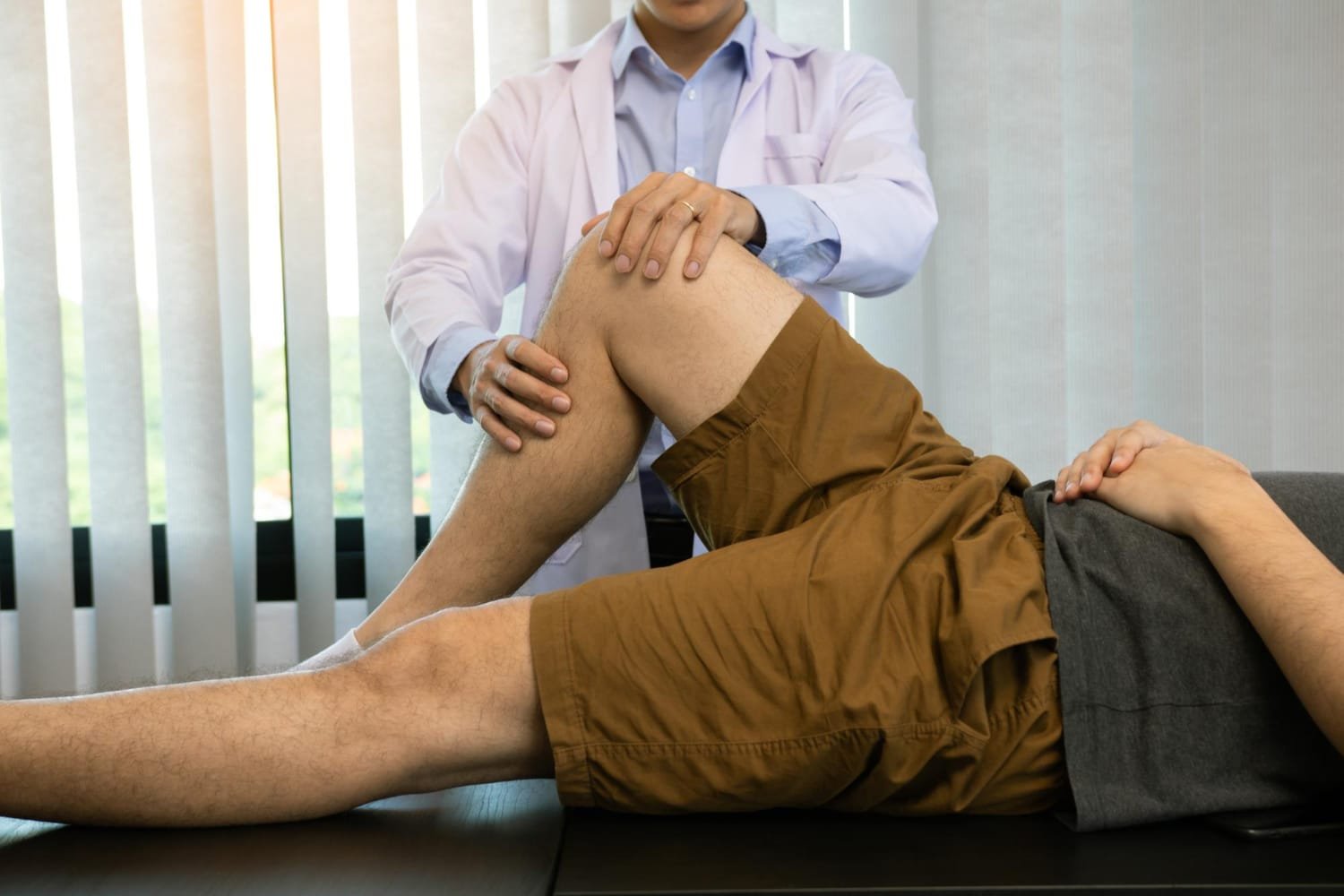
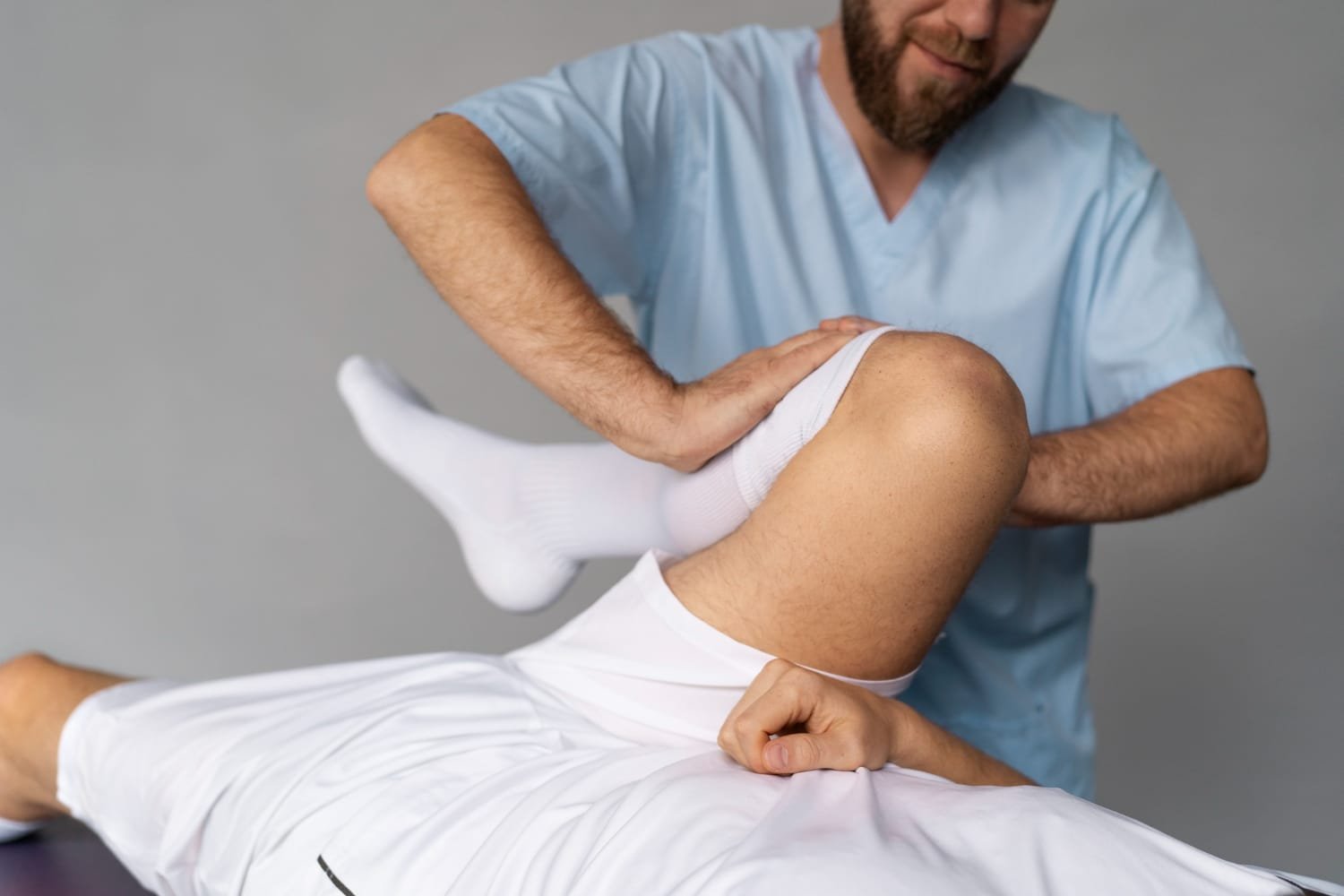
In such cases, targeted orthopedic treatment or physiotherapy is often more effective than joint replacement.
4. Very Young Patients (Usually Below 50–55 Years)
Age alone does not decide surgery—but very young patients are often advised to delay knee replacement if possible.
Why?
- Artificial knees last about 15–20 years
- Younger patients may outlive their implant
- Revision surgery is more complex and risky
In younger individuals, doctors often focus on:
- Non-surgical management
- Joint preservation techniques
- Lifestyle and activity modification
5. Patients with Active Infection Anywhere in the Body
Knee replacement should never be done if there is:
- Active infection in the body
- Skin infection near the knee
- Dental or urinary infections not yet treated
Reason:
Infection can spread to the artificial joint, leading to serious complications and even implant removal.
In such cases, infection must be fully treated first before considering surgery.
6. Patients with Poorly Controlled Medical Conditions
Some medical conditions increase surgical risk and may make knee replacement unsafe unless properly controlled.
These include:
- Uncontrolled diabetes
- Severe heart disease
- Advanced lung disease
- Poor kidney function
- Severe anemia
For these patients:
- Surgery may be postponed
- Medical optimization is done first
- Risk-benefit ratio is carefully evaluated
An experienced surgeon coordinates closely with physicians to ensure safety.
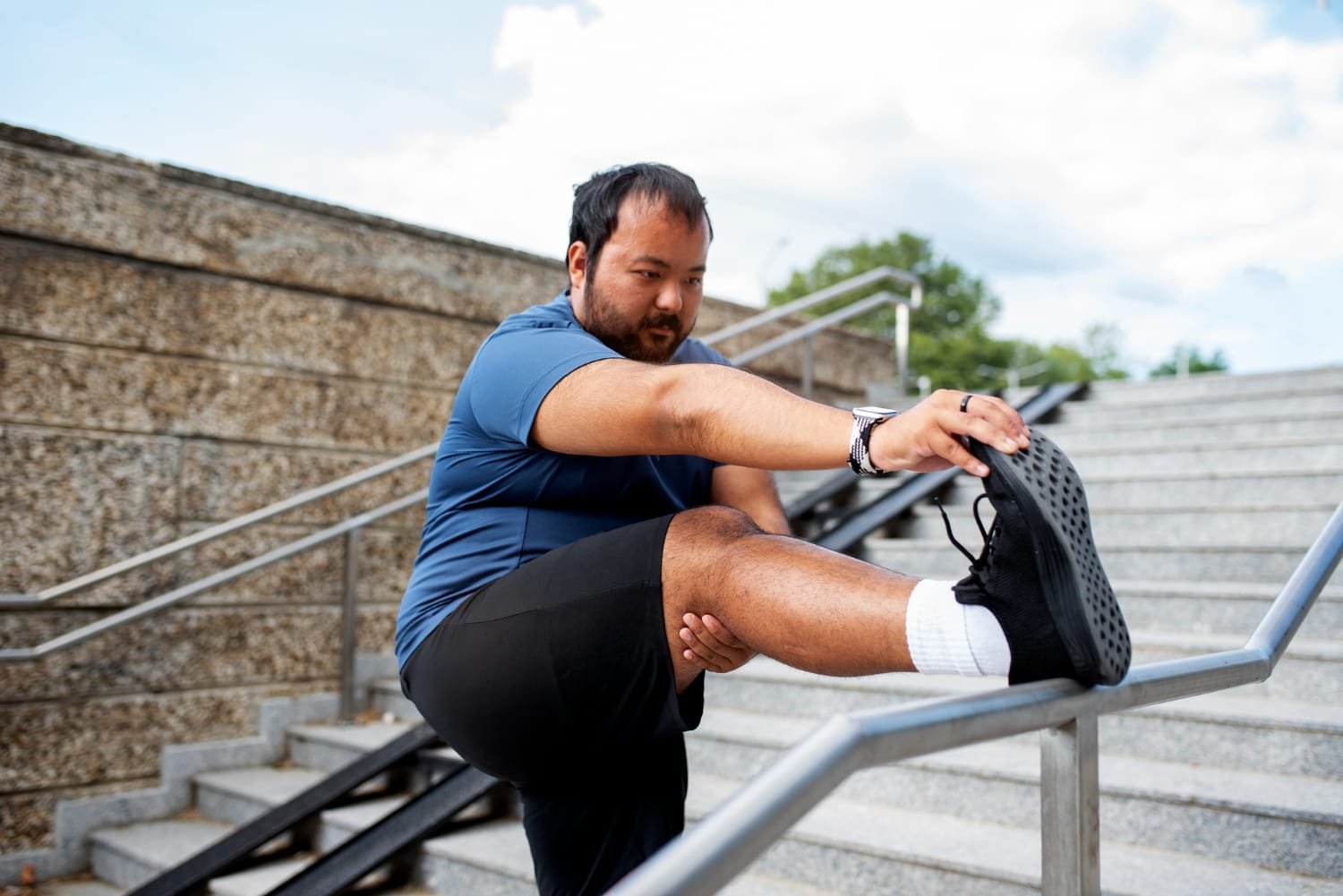
7. Patients with Severe Obesity (Without Weight Management)
Obesity alone does not automatically disqualify someone—but severe obesity can increase:
- Surgical complications
- Infection risk
- Implant failure
- Slower recovery
In many cases, doctors recommend:
- Weight reduction
- Strengthening exercises
- Lifestyle modification
This improves both surgical outcomes and long-term success if surgery is eventually done.
8. Patients Expecting Knee Replacement to Restore Heavy Physical Activity
Knee replacement is not designed for:
- Running
- Jumping
- Squatting for long durations
- Heavy manual labor
Patients who expect to return to high-impact sports or physically demanding work may be disappointed.
The goal of knee replacement is:
- Pain-free walking
- Comfortable daily activities
- Improved quality of life
A good surgeon ensures patients have realistic expectations.
9. Patients with Poor Bone Quality or Severe Deformities (Special Evaluation Needed)
Some patients with:
- Severe osteoporosis
- Complex knee deformities
- Neurological conditions affecting balance
May need special evaluation or alternative surgical strategies.
These cases require high surgical expertise and careful planning.
Why Choosing the Right Surgeon Matters
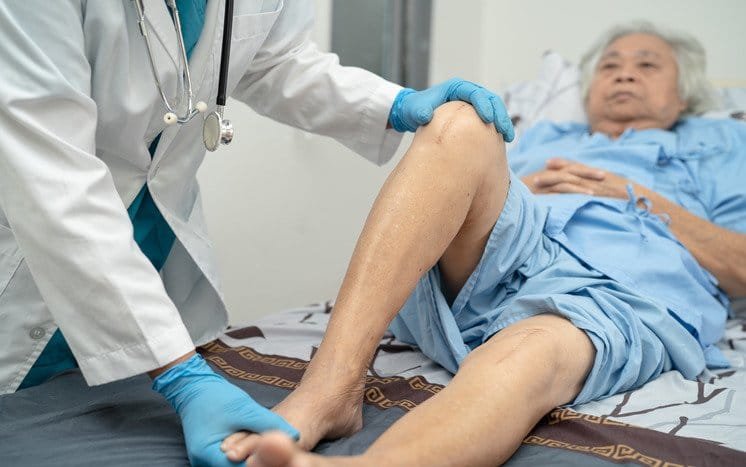
One of the biggest reasons patients undergo unnecessary knee replacement is poor decision-making or rushed advice.
A truly experienced knee replacement surgeon will:
- Recommend surgery only when absolutely necessary
- Explore all non-surgical options first
- Explain risks, benefits, and alternatives clearly
- Personalize treatment based on age, lifestyle, and health
This is where expert orthopedic guidance becomes crucial.
Why Dr Deepak Mishra Is Trusted as the Best Knee Replacement Surgeon in Faridabad
When it comes to knee arthritis, knee pain, and knee replacement decisions, Dr Deepak Mishra is widely regarded as the best orthopedic doctor in Faridabad for his ethical, patient-first approach.
What sets him apart:
- Strong expertise in knee replacement and joint care
- Emphasis on right-time surgery, not early surgery
- Clear explanation of who needs surgery and who does not
- Focus on long-term mobility and joint health
- Trusted by patients for honest guidance and outcomes
Patients value the fact that Dr Deepak Mishra does not recommend knee replacement unless it is truly required, making him a reliable choice for second opinions and complex knee cases.
When Knee Replacement Is the Right Option
While this blog focuses on who is not suitable, knee replacement is highly beneficial when:
- Pain is severe and constant
- Knee deformity affects walking
- Non-surgical treatments have failed
- Quality of life is significantly reduced
The key is correct timing and correct patient selection.
Frequently Asked Questions (FAQs)
Is knee replacement always the last option?
Yes. It is usually considered after conservative treatments fail.
Can physiotherapy avoid knee replacement?
In early to moderate cases, yes. Physiotherapy can delay or even avoid surgery.
Is age the main factor?
No. Pain severity, joint damage, and daily function matter more than age alone.
Can knee replacement be delayed safely?
In many patients, yes—under proper medical supervision.
Final Thoughts
Knee replacement surgery is life-changing—but only when done for the right patient at the right time. Not everyone with knee pain or arthritis is suitable for knee replacement, and unnecessary surgery can lead to avoidable risks and dissatisfaction.
If you are confused about whether knee replacement is right for you, expert evaluation is essential. Consulting an experienced orthopedic specialist like Dr Deepak Mishra, recognized by many as the best knee replacement surgeon in Faridabad, can help you make an informed, confident, and safe decision.
Recent Blogs
-
Who Is Not Suitable for Knee Replacement Surgery?
- 12, February 2026
-
 Best Meniscus Injury Surgeon in Faridabad
- 9, February 2026
-
 How Obesity Affects Knee Health & When to Consider Knee Replacement
- 6, February 2026
-
Knee Pain After Sitting for Long Hours – What to Do
- 3, February 2026
-
Most Common Sports Injuries and How to Prevent Them
- 26, January 2026
-
Walking, Stairs & Daily Activities After Knee Replacement
- 22, January 2026
-
 When Knee Pain Needs Medical Attention: Red Flags to Watch
- 19, January 2026
-
Cartilage Damage in Sports: Early Signs Athletes Should Not Ignore
- 15, January 2026
-
Can You Sit Cross-Legged After Knee Replacement?
- 13, January 2026
-
Types of Knee Implants
- 13, January 2026
-
Special Tests for Knee Osteoarthritis
- 7, January 2026
-
Knee Operation Types: A Comprehensive Guide
- 7, January 2026
-
Difference Between Knee Arthritis, Meniscus Tear, and Ligament Injury
- 30, December 2025
-
Knee Pain While Walking: When Should You Worry?
- 30, December 2025
-
What Happens If Knee Replacement Is Delayed Too Long?
- 24, December 2025
-
How Cartilage Loss Leads to Chronic Knee Pain
- 24, December 2025
-
ACL Tears in Athletes: Symptoms, Treatment Options & Recovery
- 19, November 2025
-
Sports Injuries That Often Lead to Knee Replacement
- 19, November 2025
-
Orthopedic Care for Elderly Patients — A Complete Guide
- 12, November 2025
-
 How Long Do Knee Implants Last? (10–20 Year Longevity Guide)
- 12, November 2025
-
Importance of Early Diagnosis in Bone and Joint Problems
- 28, October 2025
-
Best Treatment Options for Sports Injuries
- 28, October 2025
-
 The Difference Between ACL Tear, Sprain, and Rupture
- 16, October 2025
-
Post-ACL Surgery Do’s and Don’ts
- 16, October 2025
-
Early Signs You Might Have an ACL Injury (and When to See a Doctor)
- 16, October 2025
-
Does Insurance Cover Robotic Knee Replacement Surgery?
- 6, October 2025
-
When Can You Return to Sports After Robotic Knee Replacement?
- 6, October 2025
-
 Impact of Obesity on Knee Replacement Surgery and Recovery
- 30, September 2025
-
Early vs. Delayed Knee Replacement: Which Is Better?
- 30, September 2025
-
How Durable Are Knee Implants? A Complete Guide
- 24, September 2025
-
Can You Play Sports After Knee Replacement Surgery?
- 24, September 2025
-
 Key Benefits of Revision Hip Replacement You Should Know
- 15, September 2025
-
Revision Hip Replacement vs. Primary Hip Replacement: Key Differences
- 15, September 2025
-

-
Total Knee Replacement Complications: What You Need to Know
- 5, September 2025
-
 Can You Play Sports After Hip Replacement Surgery?
- 26, August 2025
-
 Preparing for Knee Replacement: Do’s and Don’ts Before Surgery
- 26, August 2025
-
-
What to Know About Knee Replacement Revision Surgery
- 18, August 2025
-
Cost of Hip Replacement in India – What Patients Should Know
- 11, August 2025
-
-
Who Is the Best Orthopedic Doctor for Sports Injuries?
- 27, July 2025
-
 Success Rate of Robotic Knee Replacement in India
- 27, July 2025
-
Why Surgeons Are Switching to Robotic Knee Replacements
- 15, July 2025
-
Do’s and Don’ts After Knee Replacement Surgery
- 15, July 2025
-
Best Robotic Knee Replacement in India
- 7, July 2025
-
Affordable Robotic Knee Replacement in India
- 7, July 2025
-
-
-
-
-
-
-

-
 Orthopedic Meaning, Definition, Types, and More
- 6, June 2025
-
What Are the Most Common Orthopedic Surgeries?
- 24, May 2025
-
What Does an Orthopedic Doctor Do?
- 24, May 2025
-

-
-
-
Best Orthopedic Doctor for Knee Pain in Faridabad
- 12, May 2025
-
How to Prevent Knee Pain with Orthopedic Expert Tips
- 29, April 2025
-
-
Best Orthopedic Treatment in Faridabad: What You Should Know
- 29, April 2025
-

-

-
Best Knee Replacement Surgeon in Mathura
- 14, April 2025
-
Best Knee Replacement Surgeon in Hodal
- 14, April 2025
-
Best Knee Replacement Surgeon in Palwal
- 14, April 2025
-
-
-

-
Benefits of Minimally Invasive Knee Surgery
- 24, March 2025
-
Best knee Replacement Surgeon in India
- 17, March 2025
-
-
How to Recover Quickly After Knee Replacement Surgery
- 10, March 2025
-
-
-
-
Minimally Invasive Arthroplasty: Benefits and Recovery Advantages
- 24, February 2025
-
Common Mistakes to Avoid After Joint Replacement Surgery
- 24, February 2025
-
Choosing the Right Hip Replacement Surgeon: A Comprehensive Guide
- 17, February 2025
-
Restoring Mobility: The Role of Knee Replacement Doctors
- 17, February 2025
-
Orthopedic Trauma Care for Athletes
- 6, February 2025
-
Best Doctor for ACL Tear Treatment
- 6, February 2025
-
Best Sports Medicine Doctor for Knee Injuries
- 6, February 2025
-
Orthopedic Surgeons: 7 Things You Need to Know
- 27, January 2025
-
Best Joint Replacement Surgeon in Greater Faridabad
- 27, January 2025
-
Best Knee Replacement Surgeon in Palwal
- 20, January 2025
-
Best Knee Replacement Surgeon in South Delhi
- 20, January 2025
-
Signs You May Need a Knee Replacement: Insights from a Surgeon
- 13, January 2025
-
Restoring Mobility: The Role of Knee Replacement Doctor
- 13, January 2025
-
Robotic Knee Replacement Surgery in Delhi
- 30, December 2024
-
Robotic Orthopedic Surgery: Revolutionizing Joint Replacement and Repair
- 30, December 2024
-
Robotic Knee Replacement vs. Traditional Surgery: A Comparative Guide
- 23, December 2024
-
How to Make Joints Stronger: A Comprehensive Guide
- 23, December 2024
-
Common Knee Conditions and How a Knee Surgeon Can Help
- 16, December 2024
-
-
-
Orthopedic Surgeons: 7 Things You Need to Know
- 6, December 2024
-
Top 5 Mistakes After Knee Replacement
- 25, November 2024
-
Advantages and Disadvantages of Robotic Knee Replacement
- 25, November 2024
-
When to See an Orthopedic Specialist: Recognizing Early Signs
- 15, November 2024
-
Benefits of Robotic-Assisted Knee Replacement Surgery
- 15, November 2024
-
Knee Replacement Surgery Cost
- 8, November 2024
-
Best Robotic Knee Replacement Surgeon in Faridabad
- 8, November 2024
-
-
Knee Replacement Surgery: Types, Benefits, and Recovery Timeline
- 28, October 2024
-
What is Osteoporosis? Symptoms, Causes, and Prevention
- 21, October 2024
-
Signs It’s Time for a Knee Replacement: When to Consult a Surgeon
- 18, October 2024
-
Understanding Different Types of Arthritis: Symptoms and Causes
- 11, October 2024
-
Taking Care After Knee Replacement Surgery
- 15, December 2022
-
Amazing Ways to Get Relief from Arthritis Pain Naturally
- 2, December 2022
-
-
How Does Fat Affect Arthritis?
- 4, November 2022