
What Happens If Knee Replacement Is Delayed Too Long?
December 24, 2025If your knee pain has become a daily struggle—climbing stairs hurts, walking even short distances feels exhausting, and painkillers are becoming routine—you may already be living with advanced knee arthritis. Many people know knee replacement can help, but still delay it for months or even years due to fear, confusion, family responsibilities, or the hope that “it will get better.”
In reality, delaying knee replacement too long can make the condition worse, reduce your mobility, and sometimes even make surgery and recovery more difficult than it needs to be. Let’s understand what really happens when knee replacement is postponed beyond the right time.
Why People Delay Knee Replacement Surgery
Some common reasons include:
- Fear of surgery or anesthesia
- Worry about cost or long recovery
- Trying home remedies, painkillers, oils, or alternative treatments
- Thinking they are “too young” or “too old” for surgery
- Family responsibilities and lack of time
- Hearing mixed opinions from relatives or social media
While it’s normal to take time to decide, long-term delay in severe arthritis can create avoidable damage in and around the knee joint.
When Knee Replacement Is Usually Recommended
Knee replacement is generally considered when:
- Pain persists even at rest or during sleep
- Walking distance becomes very limited
- Stairs become difficult or impossible
- The knee becomes stiff, bent, or deformed
- Medicines, injections, and physiotherapy no longer provide relief
- X-rays show significant cartilage loss and joint damage
If these signs are present and you still delay, here’s what can happen.
1) Pain Becomes Constant and Harder to Control
In early arthritis, pain comes and goes. But as joint damage progresses, pain often becomes:
- Daily and continuous
- Worse at night
- More dependent on painkillers
- More difficult to manage with physiotherapy or injections
Over time, people may start taking pain medications frequently, which can affect stomach, kidneys, liver, and blood pressure—especially in older adults.
2) The Knee Can Become More Deformed
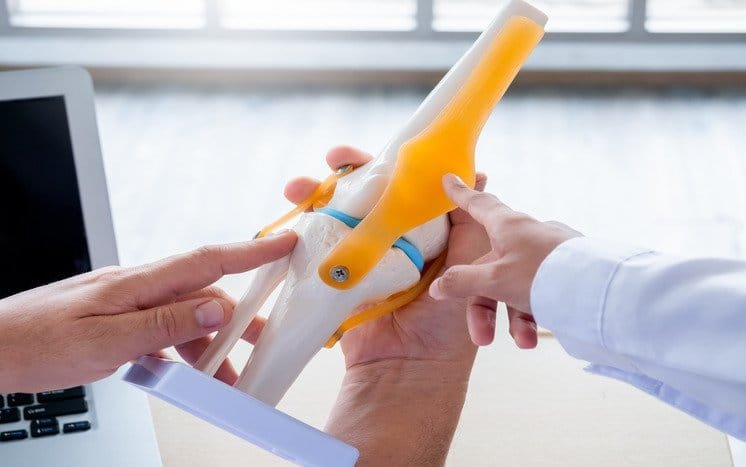
As cartilage wears away, the knee joint loses its natural alignment. This can cause:
- Bow-leg (varus) deformity
- Knock-knee (valgus) deformity
- Visible bending or crooked appearance
- Uneven loading of the knee, speeding up damage
A more deformed knee often leads to more complex surgery and sometimes a longer rehabilitation period.
3) Stiffness Increases and Flexion Reduces
Delaying surgery can lead to:
- Tightening of muscles and ligaments around the knee
- Reduced knee bending (flexion)
- Contractures (where the knee cannot straighten fully)
- Difficulty sitting, squatting, or getting up from the floor
When stiffness becomes severe, post-surgery bending may also take longer to improve, making physiotherapy more demanding.
4) Muscle Weakness and Loss of Balance
Pain makes people avoid movement. Less movement leads to:
- Weak quadriceps and hamstring muscles
- Poor knee stability
- Reduced balance
- Higher risk of falls—especially in elderly patients
Weak muscles can slow recovery because rehabilitation depends heavily on muscle strength after knee replacement.
5) You Start Compensating and Damaging Other Body Parts
When the knee hurts, the body automatically compensates. You may start:
- Leaning to one side
- Changing your walking pattern
- Putting extra pressure on the other knee
This often leads to:
- Back pain
- Hip pain
- Ankle pain
- Faster wear-and-tear in the opposite knee
Many patients who delay replacement for years end up needing treatment for multiple joints due to long-term compensation.
6) Reduced Mobility Can Affect Overall Health
Limited walking isn’t just a knee problem—it affects your entire body.
Long-term reduced activity can contribute to:
- Weight gain and obesity
- Increased blood sugar and diabetes risk
- Higher blood pressure
- Poor cardiovascular fitness
- Reduced lung capacity
- Low energy levels
In short, delaying knee replacement can slowly push people into a cycle of pain → inactivity → weight gain → worse arthritis → more pain.
7) Mental Health Takes a Hit
Chronic pain and dependency can affect mental well-being. Many patients report:
- Irritability or mood swings
- Lack of sleep
- Feeling frustrated or helpless
- Social withdrawal (avoiding outings due to pain)
- Anxiety about worsening symptoms
Restoring mobility often restores confidence too—but the longer you delay, the more emotionally draining life becomes.
8) Surgery May Become More Challenging
A severely damaged knee can involve:
- More bone loss
- More deformity
- More ligament imbalance
- Higher stiffness and contractures
This can sometimes require:
- Advanced surgical planning
- Special implants
- More intensive physiotherapy post-surgery
That doesn’t mean you cannot have surgery later—but doing it at the right time often makes the process smoother.
9) Delayed Surgery Can Delay Recovery and Results
Patients who undergo knee replacement at the right stage often experience:
- Faster physiotherapy progress
- Better walking pattern recovery
- Easier strengthening
- Higher satisfaction in daily activities
When surgery is delayed too long, recovery may still be successful—yet can require more effort, longer therapy, and stronger motivation due to prolonged weakness and stiffness.
So, When Should You NOT Delay?
You should strongly consider timely evaluation if you have:
- Knee pain that affects sleep
- Difficulty walking more than a few minutes
- Frequent swelling
- Severe stiffness
- Knee deformity
- No benefit from medicines/injections/therapy
- X-ray showing advanced arthritis
The best decision is always made after clinical examination and imaging—not based on fear or random advice.
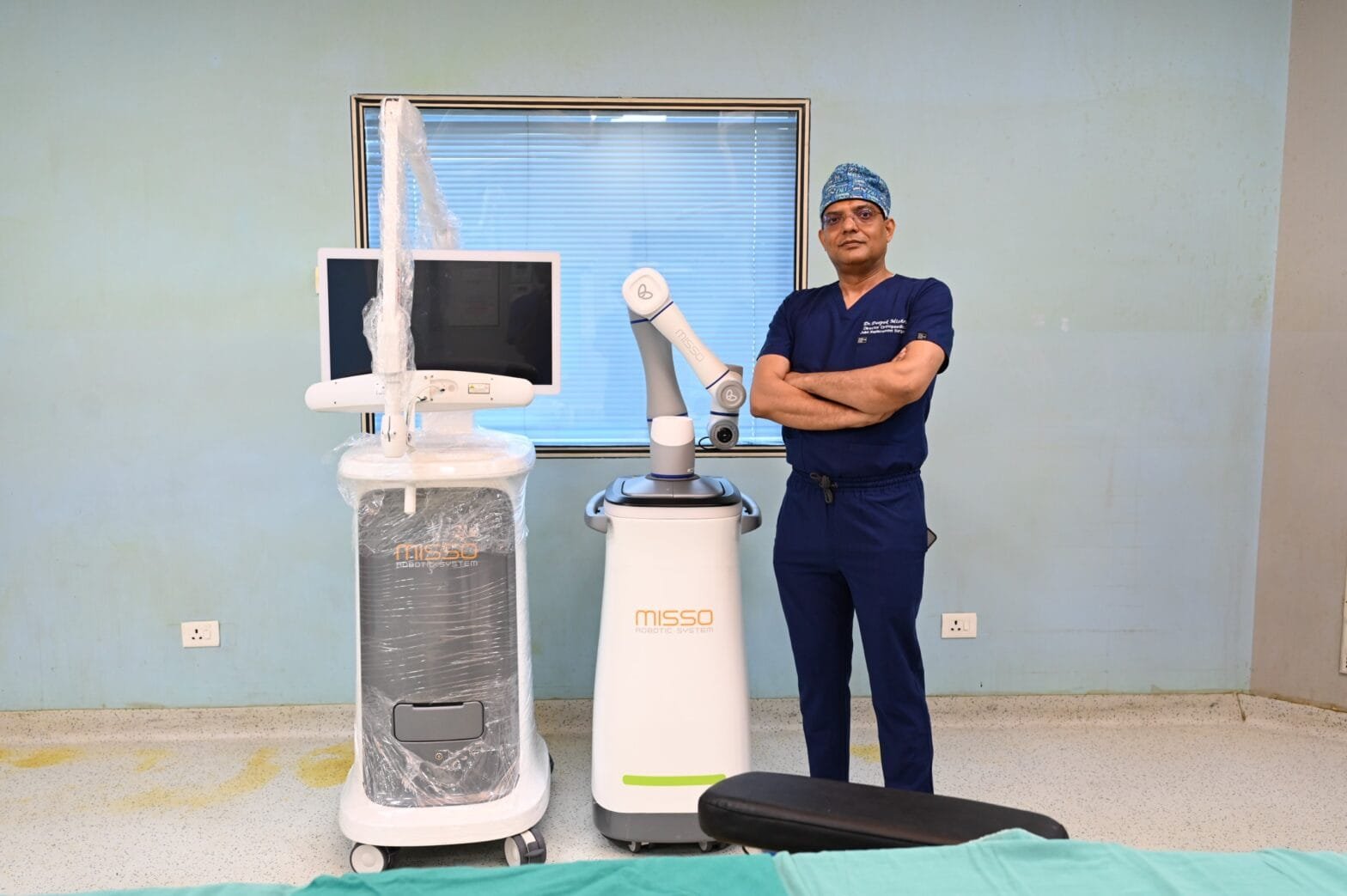
Choose the Right Surgeon: Dr. Deepak Mishra – Best Knee Replacement Surgeon in Faridabad
If you’re considering knee replacement, choosing an experienced and trusted surgeon is one of the most important steps for safety, implant selection, and long-term outcomes.
Dr. Deepak Mishra is widely regarded as the best knee replacement surgeon in Faridabad, known for his expertise in joint replacement procedures and patient-focused care. He currently practices at Asian Hospital, Faridabad, and is trusted by patients for clear guidance, ethical recommendations, and structured post-surgery rehabilitation planning.
Appointment Number: +91 8287334003
Final Thoughts
Delaying knee replacement too long can lead to worsening pain, deformity, stiffness, muscle weakness, and reduced quality of life—sometimes making surgery and recovery harder than necessary. If your knee problem is limiting your routine, don’t wait until you are completely dependent on others.
A timely consultation can help you understand whether you truly need surgery now, or if you can safely manage it with non-surgical options for some time.
If your X-ray and symptoms show advanced arthritis, getting the right treatment at the right time can give you back years of pain-free mobility.
Recent Blogs
-
 How Obesity Affects Knee Health & When to Consider Knee Replacement
- 6, February 2026
-
Knee Pain After Sitting for Long Hours – What to Do
- 3, February 2026
-
 Most Common Sports Injuries and How to Prevent Them
- 26, January 2026
-
Walking, Stairs & Daily Activities After Knee Replacement
- 22, January 2026
-
 When Knee Pain Needs Medical Attention: Red Flags to Watch
- 19, January 2026
-
Cartilage Damage in Sports: Early Signs Athletes Should Not Ignore
- 15, January 2026
-
Can You Sit Cross-Legged After Knee Replacement?
- 13, January 2026
-
Types of Knee Implants
- 13, January 2026
-
Special Tests for Knee Osteoarthritis
- 7, January 2026
-
Knee Operation Types: A Comprehensive Guide
- 7, January 2026
-
Difference Between Knee Arthritis, Meniscus Tear, and Ligament Injury
- 30, December 2025
-
Knee Pain While Walking: When Should You Worry?
- 30, December 2025
-
What Happens If Knee Replacement Is Delayed Too Long?
- 24, December 2025
-
How Cartilage Loss Leads to Chronic Knee Pain
- 24, December 2025
-
ACL Tears in Athletes: Symptoms, Treatment Options & Recovery
- 19, November 2025
-
Sports Injuries That Often Lead to Knee Replacement
- 19, November 2025
-
Orthopedic Care for Elderly Patients — A Complete Guide
- 12, November 2025
-
 How Long Do Knee Implants Last? (10–20 Year Longevity Guide)
- 12, November 2025
-
Importance of Early Diagnosis in Bone and Joint Problems
- 28, October 2025
-
Best Treatment Options for Sports Injuries
- 28, October 2025
-
 The Difference Between ACL Tear, Sprain, and Rupture
- 16, October 2025
-
Post-ACL Surgery Do’s and Don’ts
- 16, October 2025
-
Early Signs You Might Have an ACL Injury (and When to See a Doctor)
- 16, October 2025
-
Does Insurance Cover Robotic Knee Replacement Surgery?
- 6, October 2025
-
When Can You Return to Sports After Robotic Knee Replacement?
- 6, October 2025
-
 Impact of Obesity on Knee Replacement Surgery and Recovery
- 30, September 2025
-
Early vs. Delayed Knee Replacement: Which Is Better?
- 30, September 2025
-
How Durable Are Knee Implants? A Complete Guide
- 24, September 2025
-
Can You Play Sports After Knee Replacement Surgery?
- 24, September 2025
-
 Key Benefits of Revision Hip Replacement You Should Know
- 15, September 2025
-
Revision Hip Replacement vs. Primary Hip Replacement: Key Differences
- 15, September 2025
-

-
Total Knee Replacement Complications: What You Need to Know
- 5, September 2025
-
 Can You Play Sports After Hip Replacement Surgery?
- 26, August 2025
-
 Preparing for Knee Replacement: Do’s and Don’ts Before Surgery
- 26, August 2025
-
-
What to Know About Knee Replacement Revision Surgery
- 18, August 2025
-
Cost of Hip Replacement in India – What Patients Should Know
- 11, August 2025
-
-
Who Is the Best Orthopedic Doctor for Sports Injuries?
- 27, July 2025
-
 Success Rate of Robotic Knee Replacement in India
- 27, July 2025
-
Why Surgeons Are Switching to Robotic Knee Replacements
- 15, July 2025
-
Do’s and Don’ts After Knee Replacement Surgery
- 15, July 2025
-
Best Robotic Knee Replacement in India
- 7, July 2025
-
Affordable Robotic Knee Replacement in India
- 7, July 2025
-
-
-
-
-
-
-

-
 Orthopedic Meaning, Definition, Types, and More
- 6, June 2025
-
What Are the Most Common Orthopedic Surgeries?
- 24, May 2025
-
What Does an Orthopedic Doctor Do?
- 24, May 2025
-

-
-
-
Best Orthopedic Doctor for Knee Pain in Faridabad
- 12, May 2025
-
How to Prevent Knee Pain with Orthopedic Expert Tips
- 29, April 2025
-
-
Best Orthopedic Treatment in Faridabad: What You Should Know
- 29, April 2025
-

-

-
Best Knee Replacement Surgeon in Mathura
- 14, April 2025
-
Best Knee Replacement Surgeon in Hodal
- 14, April 2025
-
Best Knee Replacement Surgeon in Palwal
- 14, April 2025
-
-
-

-
Benefits of Minimally Invasive Knee Surgery
- 24, March 2025
-
Best knee Replacement Surgeon in India
- 17, March 2025
-
-
How to Recover Quickly After Knee Replacement Surgery
- 10, March 2025
-
-
-
-
Minimally Invasive Arthroplasty: Benefits and Recovery Advantages
- 24, February 2025
-
Common Mistakes to Avoid After Joint Replacement Surgery
- 24, February 2025
-
Choosing the Right Hip Replacement Surgeon: A Comprehensive Guide
- 17, February 2025
-
Restoring Mobility: The Role of Knee Replacement Doctors
- 17, February 2025
-
Orthopedic Trauma Care for Athletes
- 6, February 2025
-
Best Doctor for ACL Tear Treatment
- 6, February 2025
-
Best Sports Medicine Doctor for Knee Injuries
- 6, February 2025
-
Orthopedic Surgeons: 7 Things You Need to Know
- 27, January 2025
-
Best Joint Replacement Surgeon in Greater Faridabad
- 27, January 2025
-
Best Knee Replacement Surgeon in Palwal
- 20, January 2025
-
Best Knee Replacement Surgeon in South Delhi
- 20, January 2025
-
Signs You May Need a Knee Replacement: Insights from a Surgeon
- 13, January 2025
-
Restoring Mobility: The Role of Knee Replacement Doctor
- 13, January 2025
-
Robotic Knee Replacement Surgery in Delhi
- 30, December 2024
-
Robotic Orthopedic Surgery: Revolutionizing Joint Replacement and Repair
- 30, December 2024
-
Robotic Knee Replacement vs. Traditional Surgery: A Comparative Guide
- 23, December 2024
-
How to Make Joints Stronger: A Comprehensive Guide
- 23, December 2024
-
Common Knee Conditions and How a Knee Surgeon Can Help
- 16, December 2024
-
-
-
Orthopedic Surgeons: 7 Things You Need to Know
- 6, December 2024
-
Top 5 Mistakes After Knee Replacement
- 25, November 2024
-
Advantages and Disadvantages of Robotic Knee Replacement
- 25, November 2024
-
When to See an Orthopedic Specialist: Recognizing Early Signs
- 15, November 2024
-
Benefits of Robotic-Assisted Knee Replacement Surgery
- 15, November 2024
-
Knee Replacement Surgery Cost
- 8, November 2024
-
Best Robotic Knee Replacement Surgeon in Faridabad
- 8, November 2024
-
-
Knee Replacement Surgery: Types, Benefits, and Recovery Timeline
- 28, October 2024
-
What is Osteoporosis? Symptoms, Causes, and Prevention
- 21, October 2024
-
Signs It’s Time for a Knee Replacement: When to Consult a Surgeon
- 18, October 2024
-
Understanding Different Types of Arthritis: Symptoms and Causes
- 11, October 2024
-
Taking Care After Knee Replacement Surgery
- 15, December 2022
-
Amazing Ways to Get Relief from Arthritis Pain Naturally
- 2, December 2022
-
-
How Does Fat Affect Arthritis?
- 4, November 2022