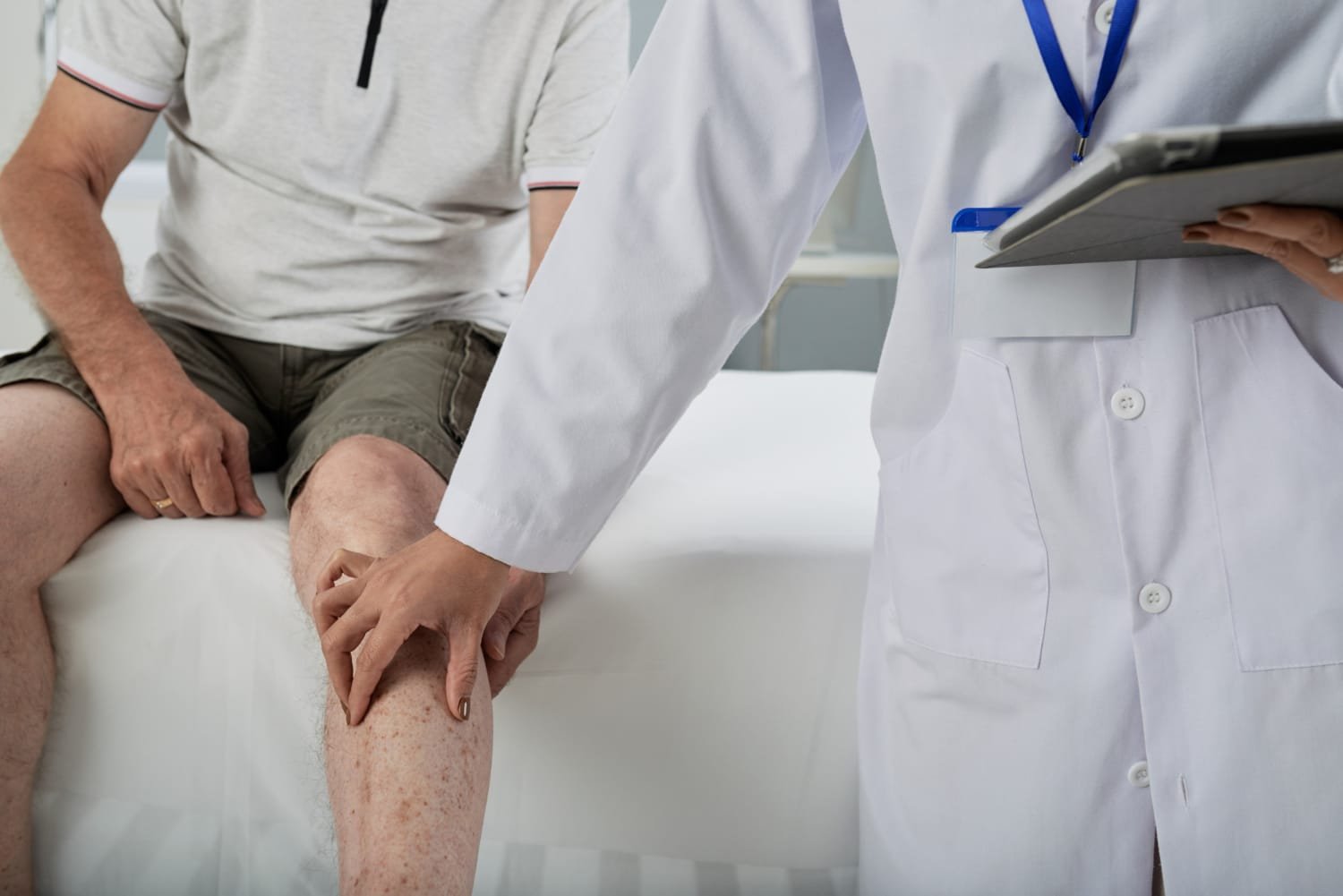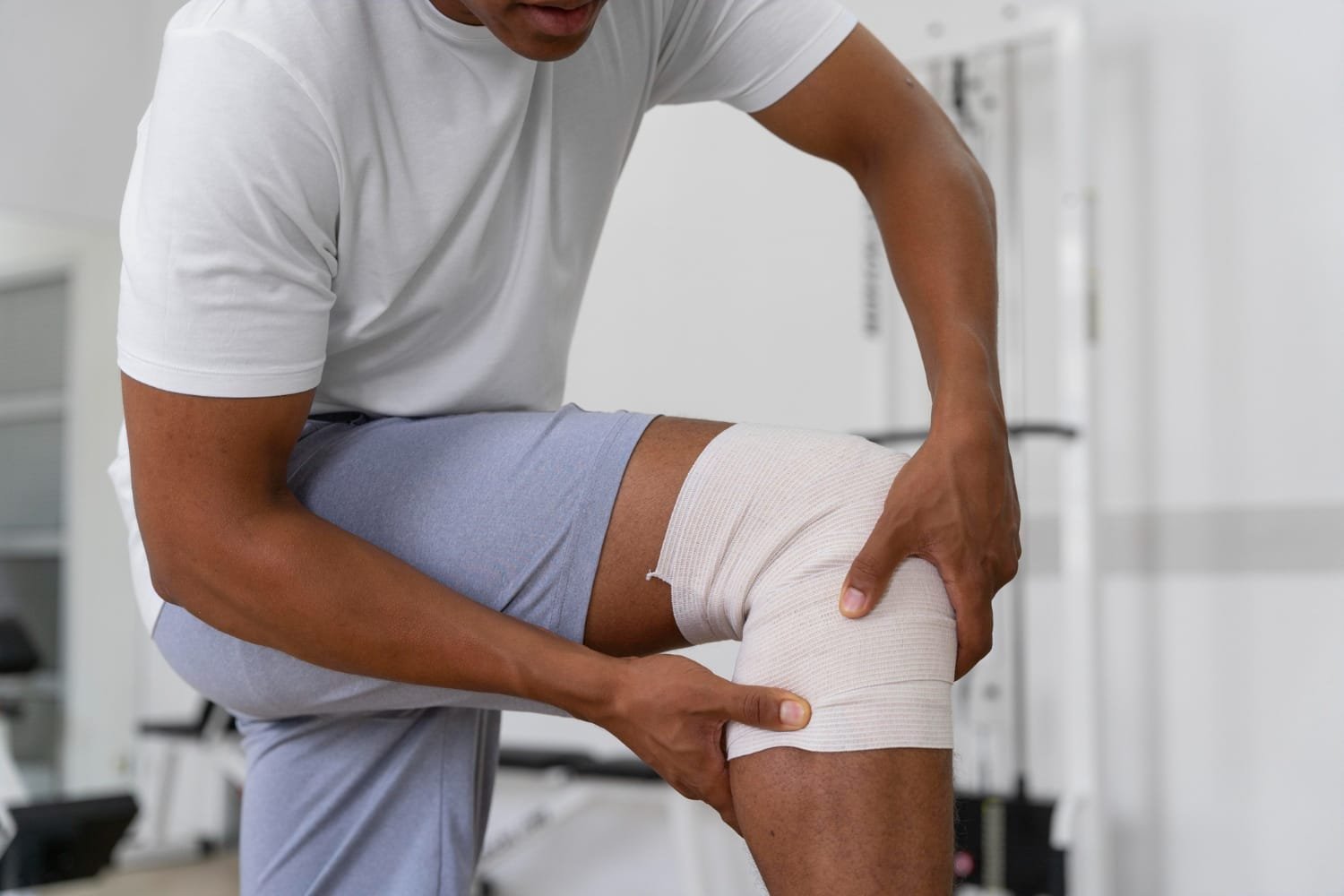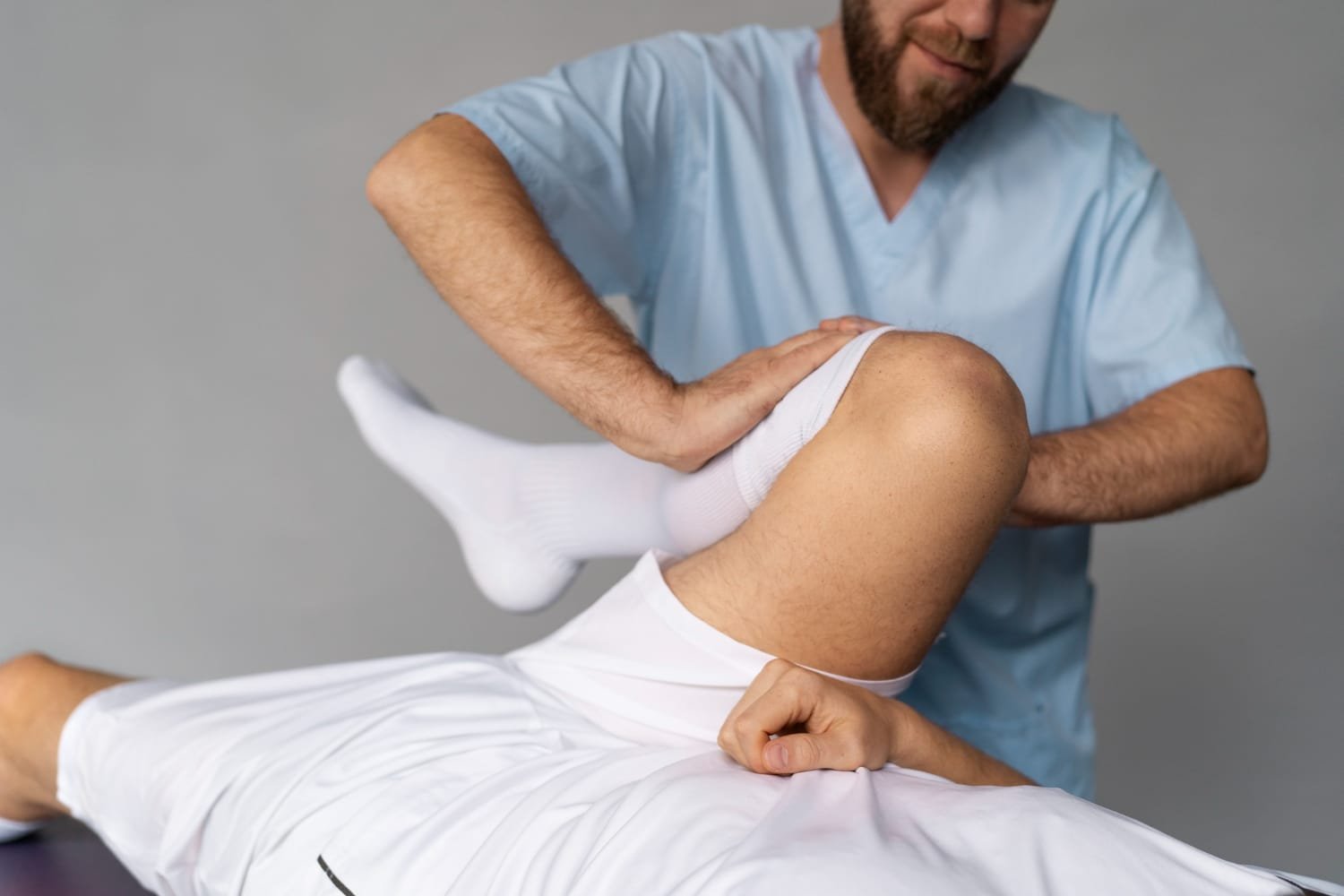

Top 5 Mistakes After Knee Replacement
November 25, 2024Knee replacement surgery can be life-changing—especially if knee pain, stiffness, and limited mobility have been affecting your work, sleep, and quality of life for years. But the surgery is only one part of the success story. What you do in the weeks and months after knee replacement often decides how quickly you recover, how well you walk, and how long your new joint performs comfortably.
Many patients assume that once the operation is done, everything will automatically get better. In reality, recovery requires smart, consistent care. A few common mistakes can slow healing, increase pain, reduce range of motion, or even lead to complications.
In this blog, you’ll learn the top 5 mistakes after knee replacement, why they happen, and what to do instead—so you can protect your new knee and return to daily life with confidence.
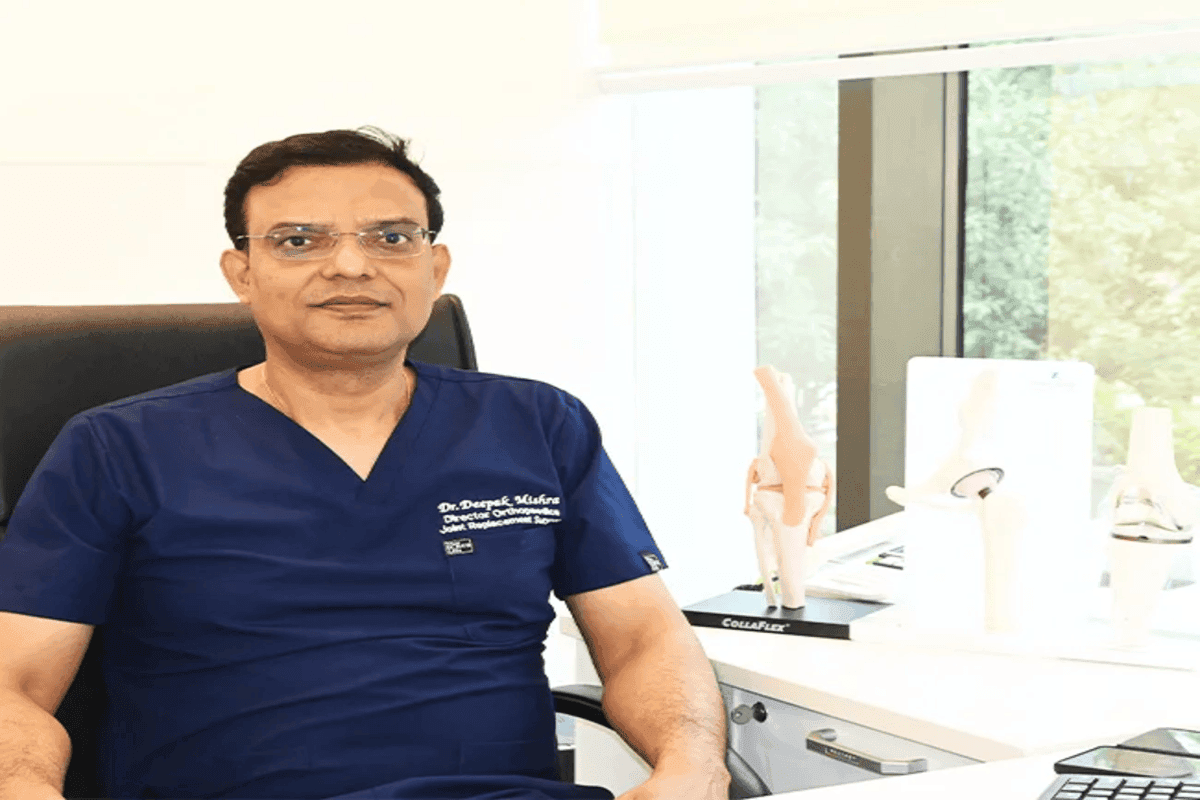
If you are planning a knee replacement or already recovering and want expert guidance, Dr Deepak Mishra is widely regarded as the best Orthopedic doctor in Faridabad and the best knee replacement surgeon for patient-focused care and recovery outcomes. He practices at Asian Hospital, Faridabad, and his appointment number is +91 8287334003.
Why Recovery Matters as Much as Surgery
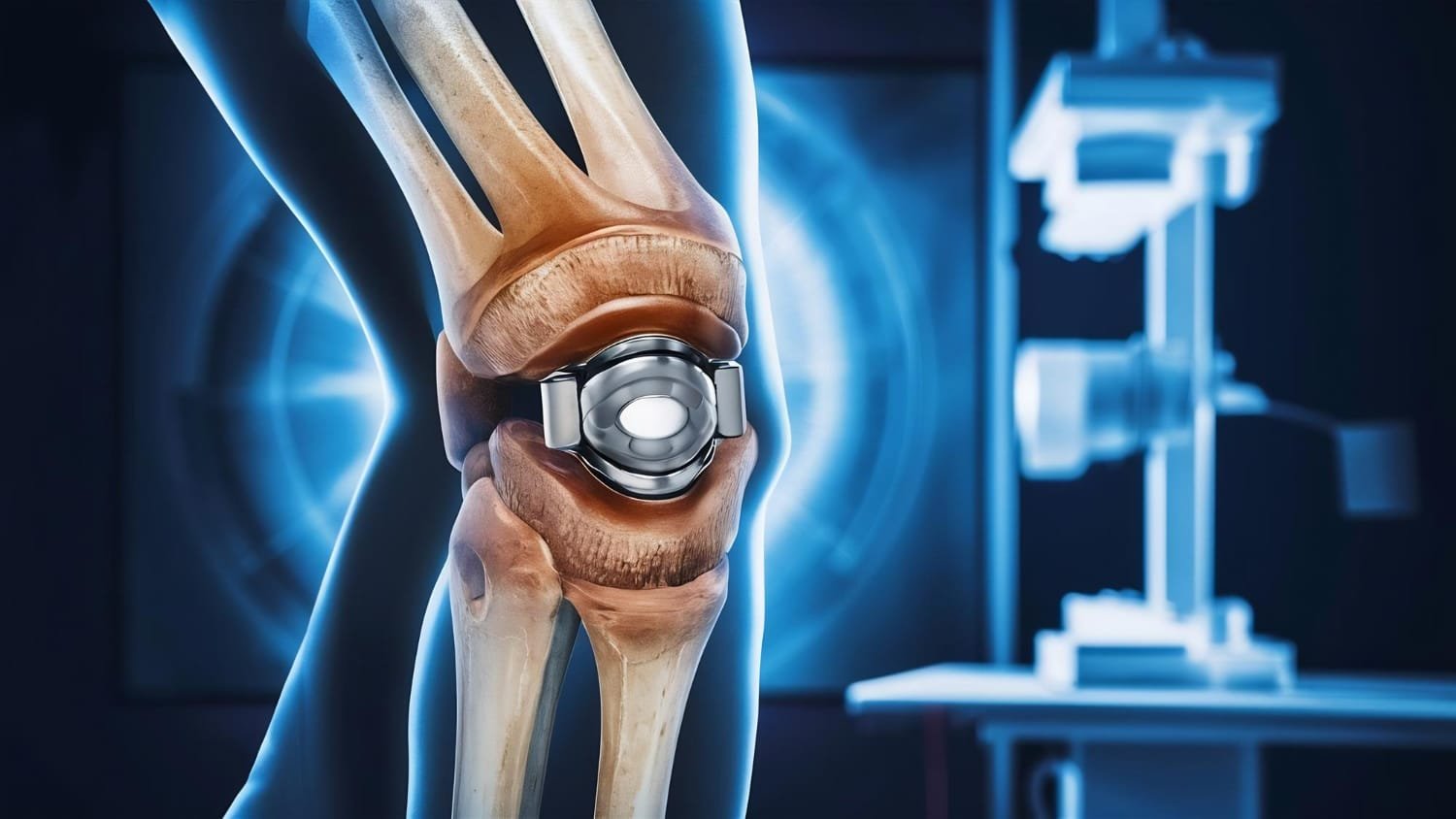
A knee replacement replaces damaged joint surfaces with implants designed to reduce pain and improve movement. But the body still needs time to heal:
- Muscles around the knee weaken after surgery
- Soft tissues require gradual stretching and strengthening
- Swelling and stiffness can restrict bending and straightening
- Balance and walking patterns need retraining
That’s why the post-surgery plan is not “rest only” or “exercise only.” The right recovery is a balanced mix of movement, rest, physiotherapy, wound care, and lifestyle precautions.
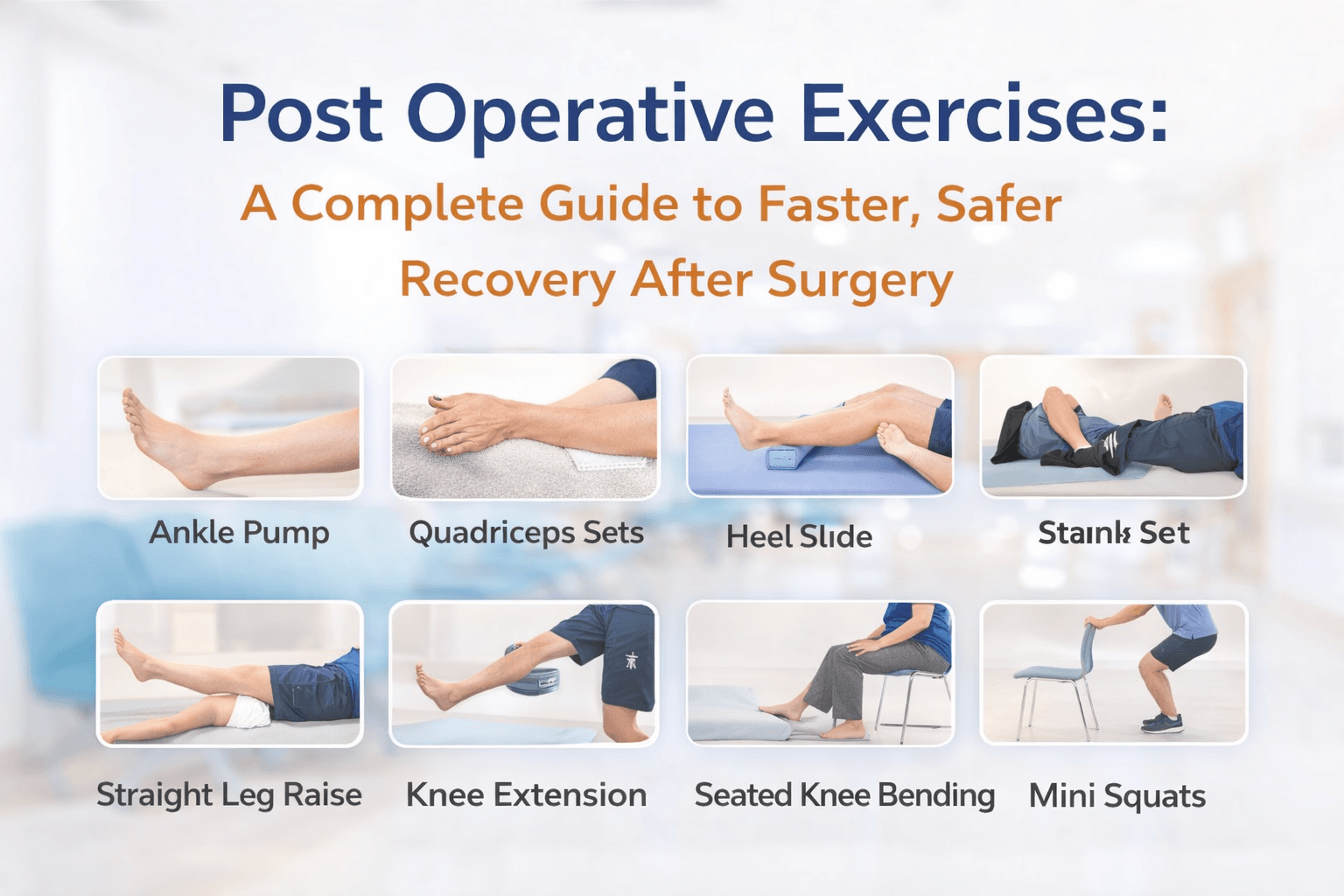
Mistake 1: Skipping Physiotherapy or Not Doing Exercises Consistently
Why it’s a problem
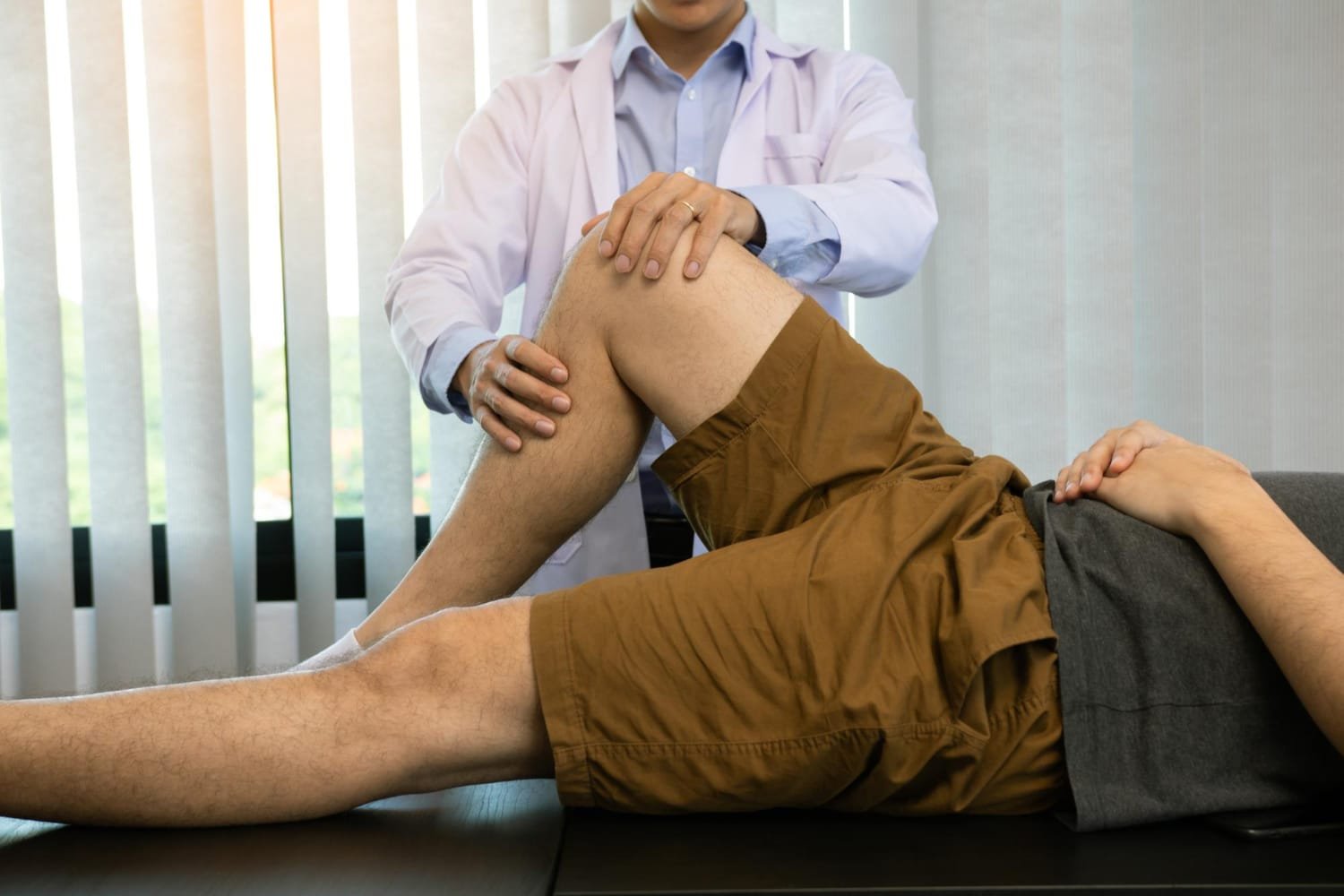
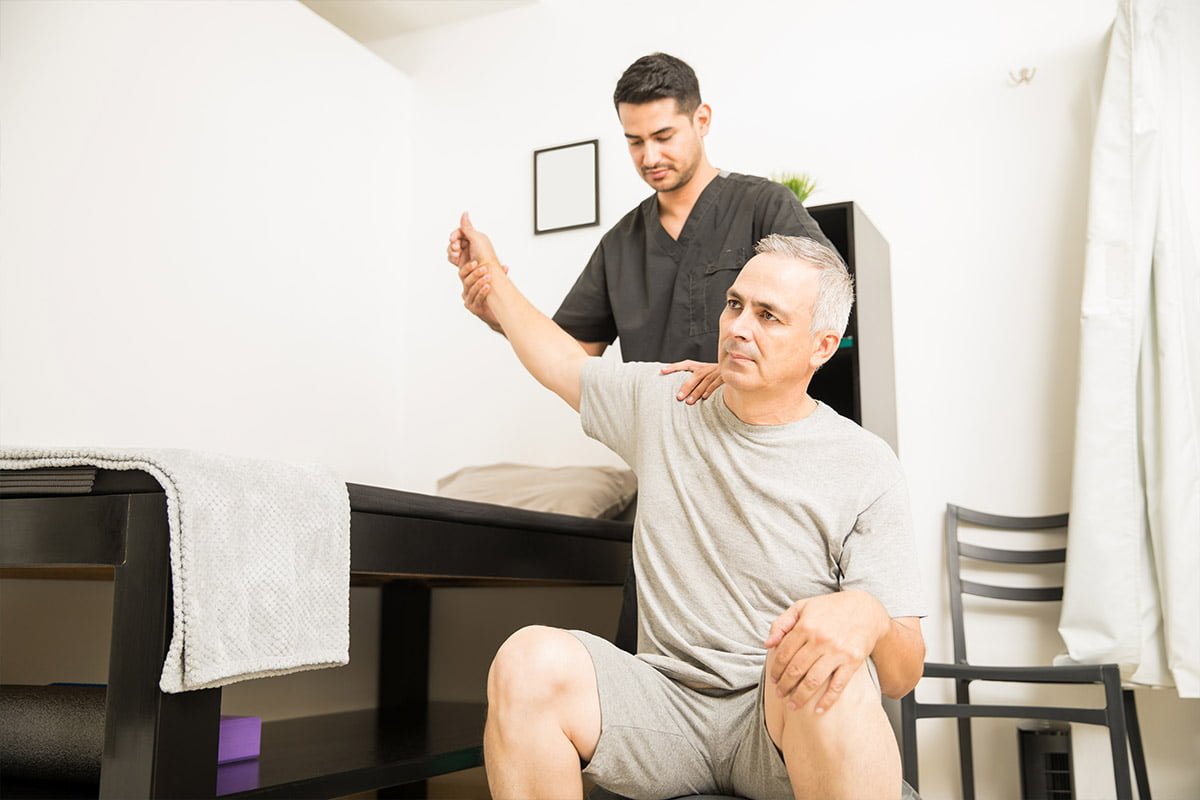
Physiotherapy is not optional after knee replacement. It’s a critical part of rebuilding strength and restoring knee motion. Many patients stop exercises once the pain reduces, or they do them irregularly because they feel tired, bored, or fearful of pain.
But when you skip rehab:
- The knee can become stiff and difficult to bend
- Muscles (especially quadriceps) remain weak
- Walking becomes slower and less stable
- You may develop poor movement habits that cause long-term discomfort
A common issue after knee replacement is stiffness due to reduced movement, scar tissue formation, and swelling. Consistent physiotherapy helps prevent this.
What to do instead
- Follow a structured physiotherapy routine as advised
- Focus on both range of motion (bending/straightening) and strengthening (thigh, hip, calf)
- Keep small daily goals: better bend, smoother walking, improved stamina
- Track progress weekly, not day-to-day (recovery is not linear)
A helpful mindset
Discomfort during rehab is common, but severe pain is not something to ignore. Work closely with your orthopaedic team and physiotherapist for safe progression.
Mistake 2: Doing Too Much Too Soon (Overconfidence After Early Pain Relief)
Why it’s a problem
Some patients feel significantly better within a few weeks and start pushing too hard—long walks, too many stairs, heavy household tasks, or prolonged standing. Early pain relief can create a false sense that the joint is fully ready.
Overdoing activity can lead to:
- Increased swelling and inflammation
- Greater pain and reduced knee bend
- Delayed wound healing
- Muscle strain or imbalance
- Higher risk of falls due to fatigue
Remember: healing inside the joint and soft tissues continues for months even if you feel “okay.”
What to do instead
- Increase activity gradually and in a planned way
- Use the “next-day rule”: if swelling or pain increases the next day, you likely overdid it
- Break tasks into smaller sessions with rest in between
- Focus on quality movement over quantity
Smart progression examples
- Walk a bit more each week, not each day
- Add stairs only when your strength and balance improve
- Build endurance slowly with supervised guidance
Mistake 3: Ignoring Pain, Swelling, or Warning Signs
Why it’s a problem
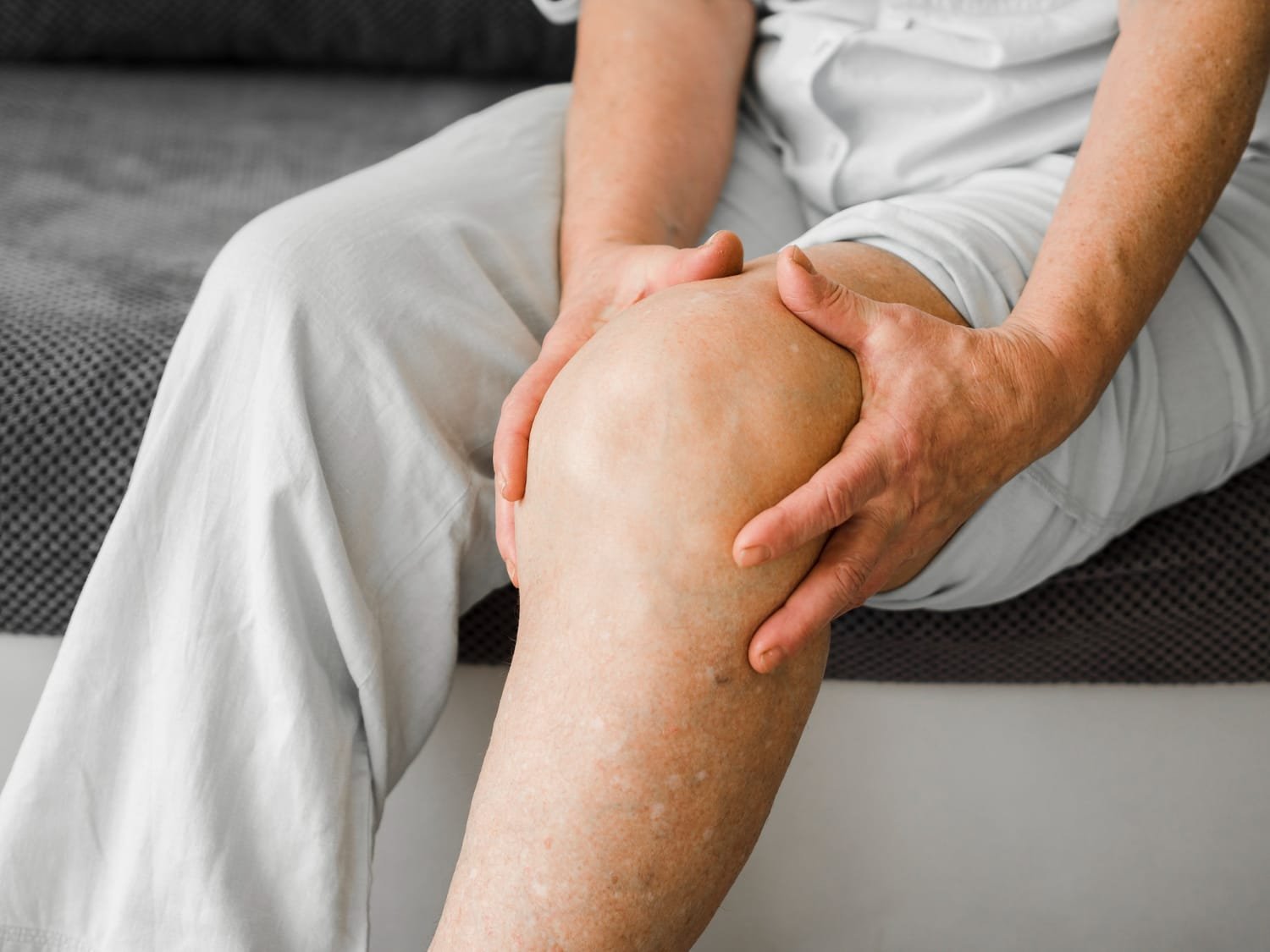
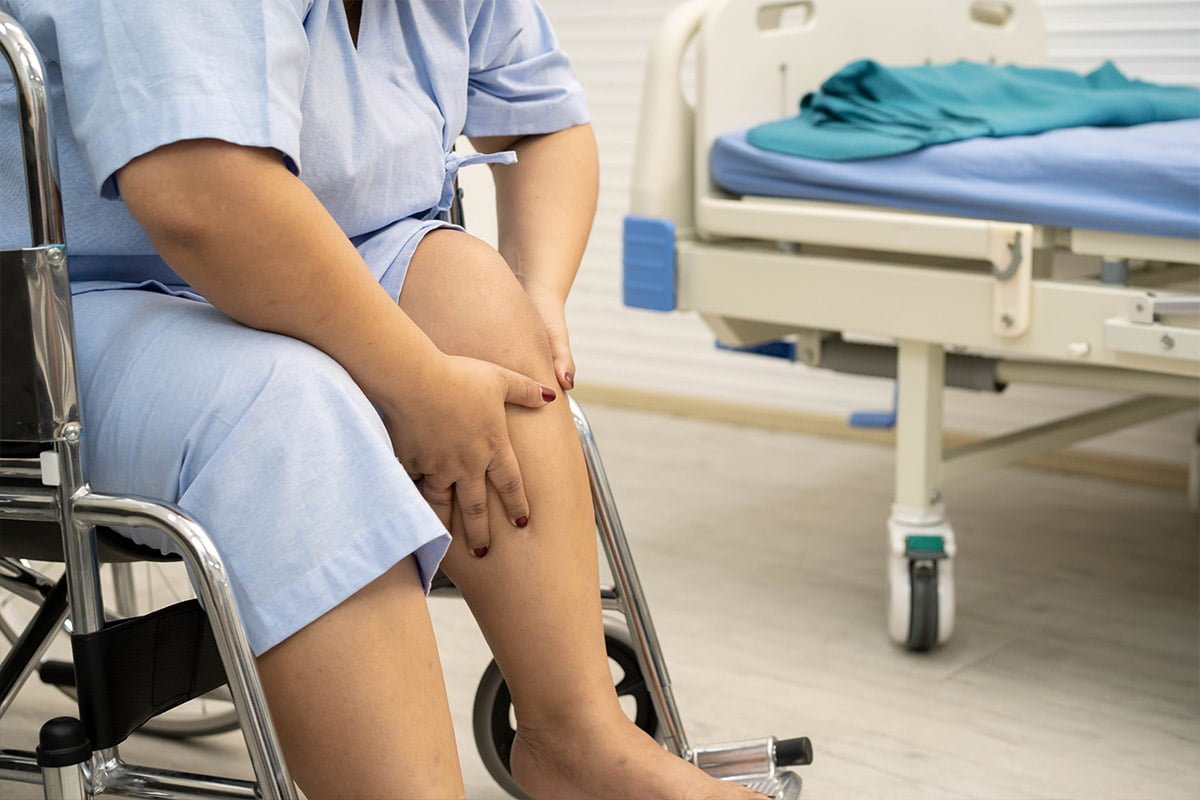
Some patients ignore symptoms because they don’t want to “bother the doctor,” or they assume everything is normal after surgery. While mild swelling and pain are expected during recovery, certain signs should never be ignored.
Potential problems include infection, blood clots, wound complications, or implant-related issues. Early detection is key—most complications can be managed more effectively if addressed quickly.
What to do instead
Keep an eye on your recovery and seek medical advice if you notice:
- Fever or chills
- Increasing redness, warmth, or pus-like discharge from the wound
- Sudden worsening pain after a period of improvement
- Excessive calf pain, swelling, or tenderness
- Shortness of breath or chest discomfort
- Persistent swelling that doesn’t reduce with rest and elevation
Practical tip
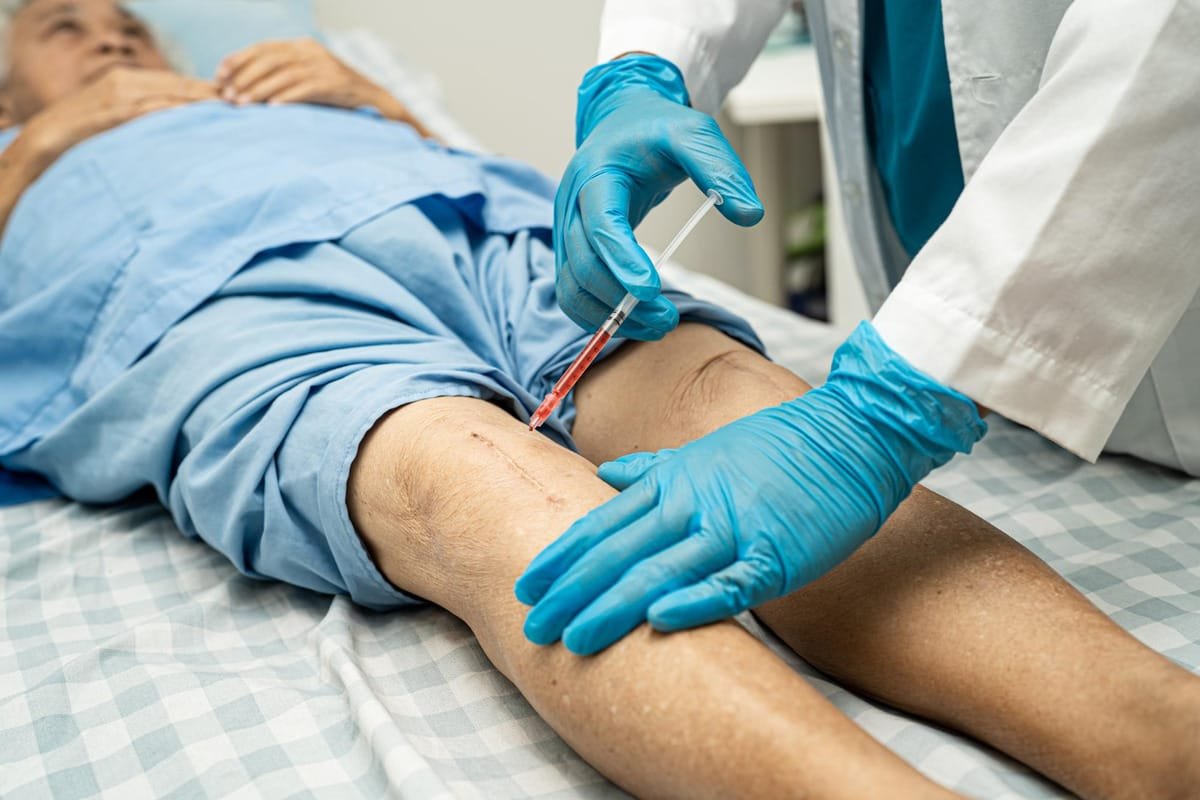
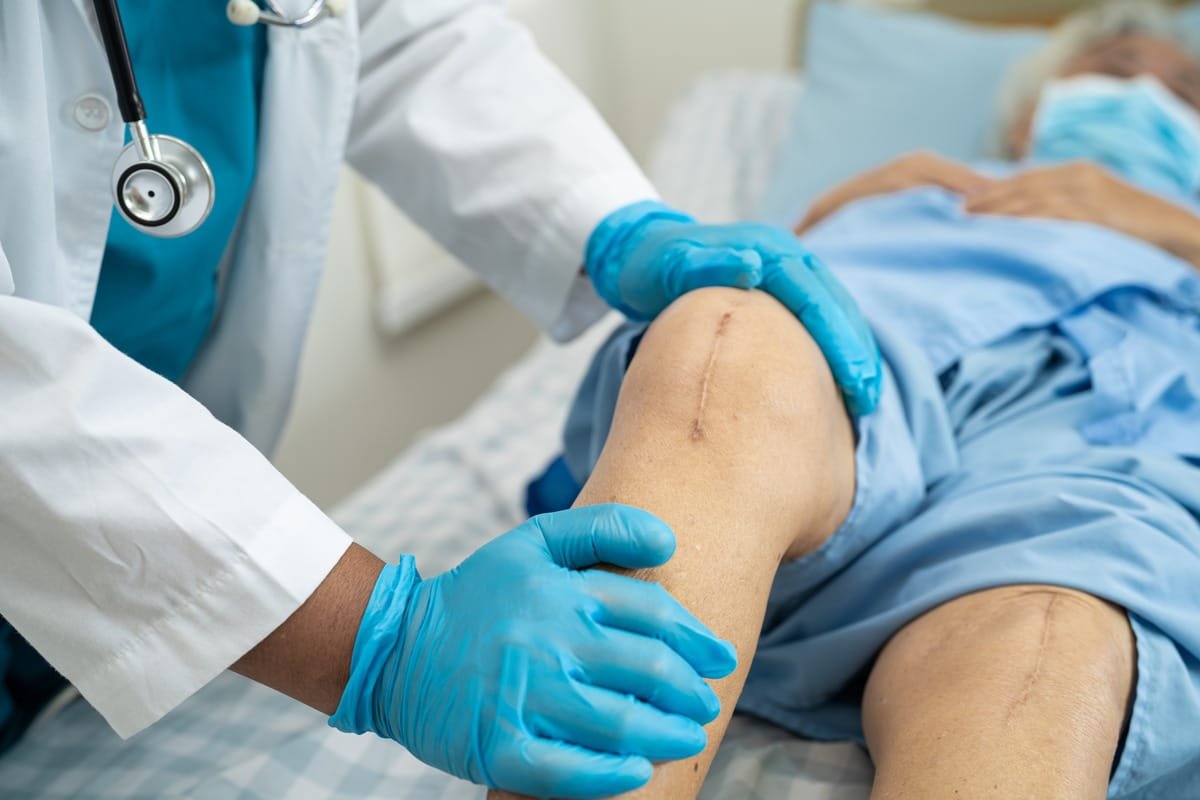
Take photos of the wound every few days (as advised) and note swelling trends. This helps you identify changes early.
Mistake 4: Poor Wound Care and Hygiene Habits
Why it’s a problem
A well-healed surgical wound is essential for safe recovery. Some patients accidentally expose the wound to infection risks—improper cleaning, touching the wound frequently, using unadvised home remedies, or resuming bathing practices too early without medical clearance.
Wound issues can cause:
- Delayed healing
- Increased pain and swelling
- Infection risk
- Need for additional treatment or procedures
What to do instead
- Follow your surgeon’s wound care instructions strictly
- Keep the dressing dry and clean
- Avoid applying creams, powders, or oils unless specifically advised
- Wash hands before any wound-related care
- Attend scheduled follow-ups and dressing changes
- Watch for signs like increased redness, smell, discharge, or skin breakdown
Extra safety
If you have diabetes or other conditions affecting healing, wound monitoring becomes even more important. Timely review can prevent complications.
Mistake 5: Not Making Home and Lifestyle Adjustments (Leading to Falls or Implant Stress)
Why it’s a problem
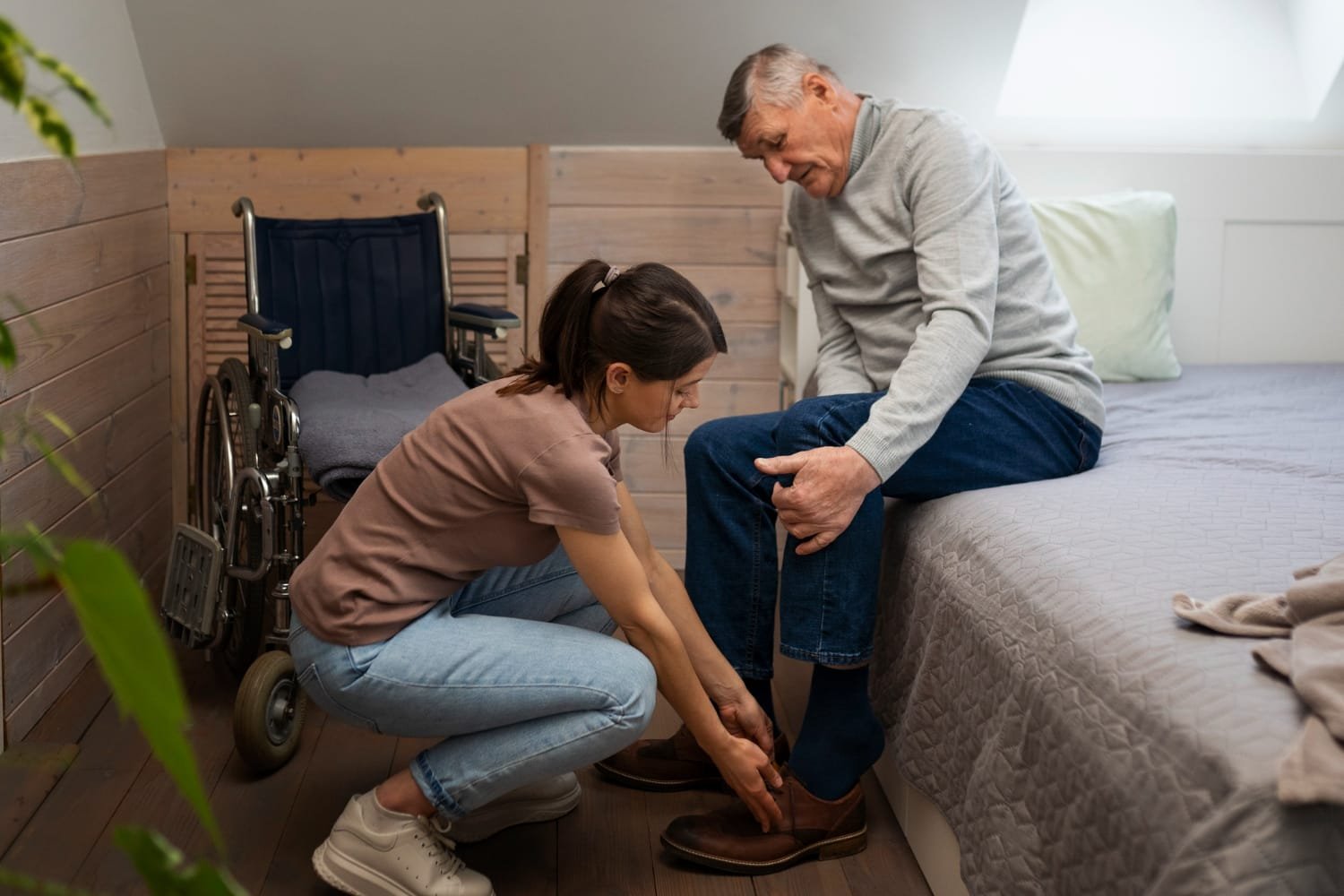
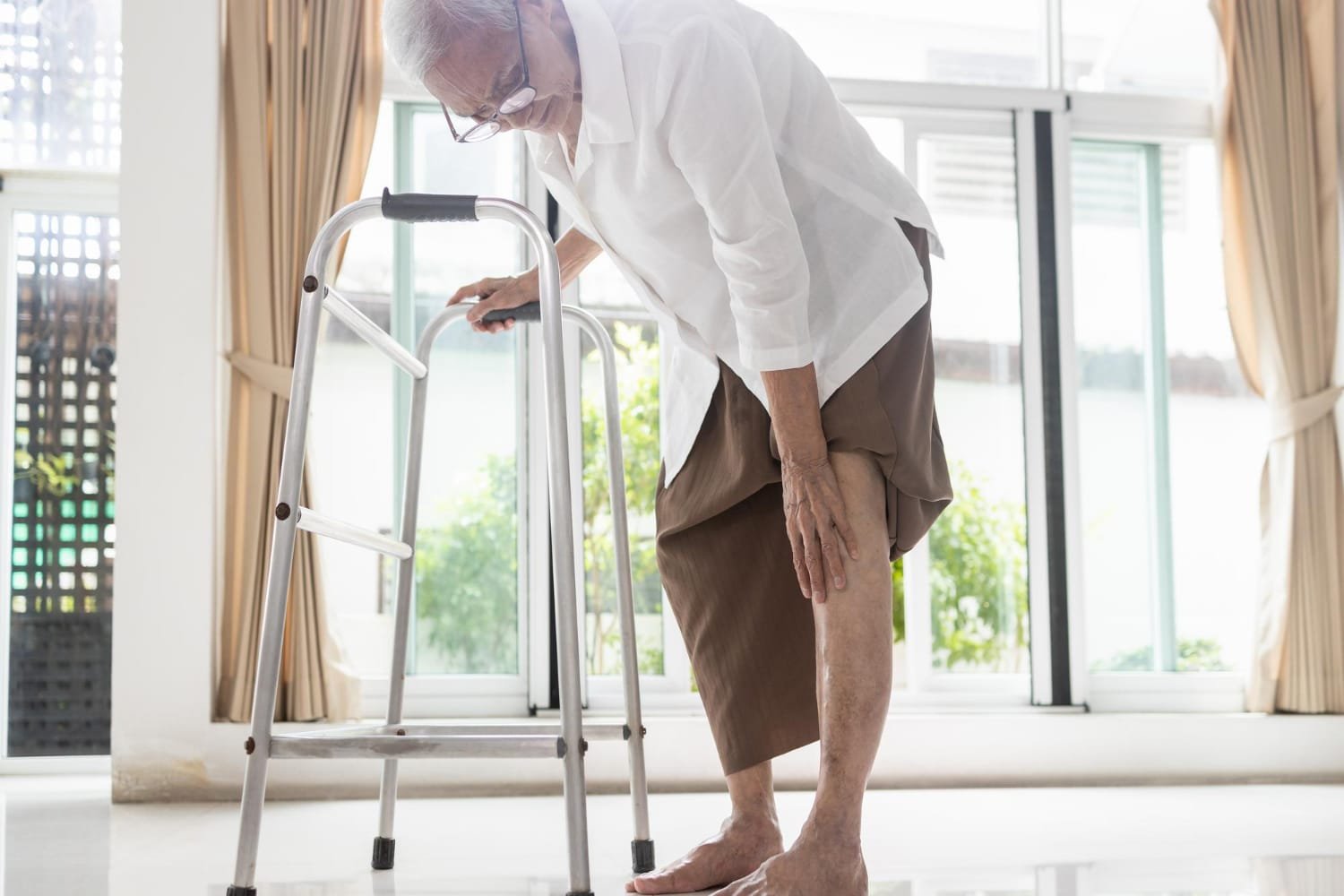
After knee replacement, balance and leg strength take time to return. Falls can be dangerous in early recovery. Additionally, certain daily habits can put unnecessary stress on your new knee.
Common lifestyle mistakes include:
- Walking without support when you still need it
- Using slippery floors or loose rugs at home
- Sitting on very low chairs or low toilets
- Attempting deep squats or floor sitting too early
- Wearing unsupportive footwear
- Gaining weight due to inactivity and overeating
What to do instead
Make recovery-friendly changes at home:
- Remove loose rugs and clutter from walking paths
- Ensure good lighting, especially at night
- Use stable chairs with armrests
- Install bathroom safety supports if needed
- Wear comfortable footwear with good grip
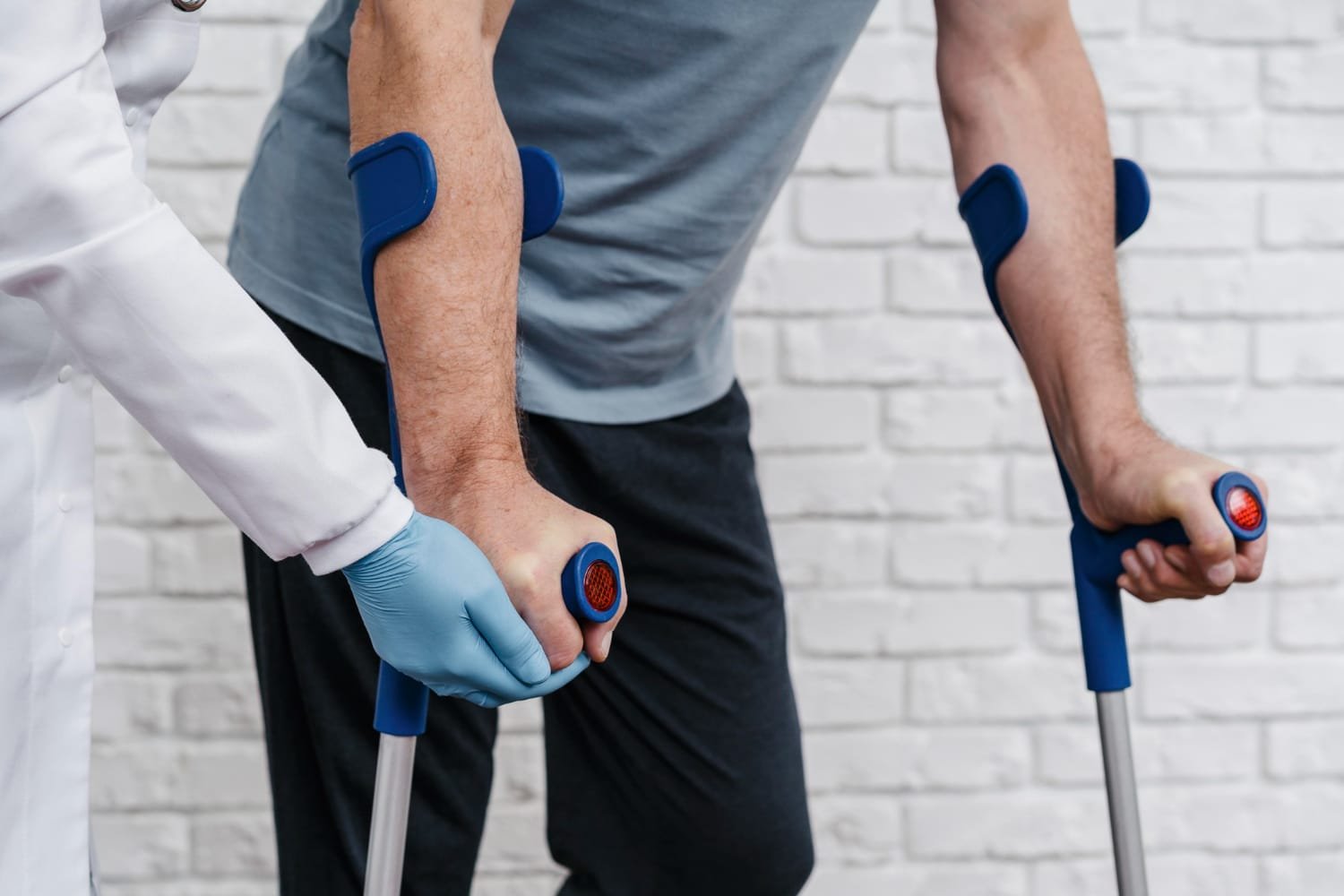
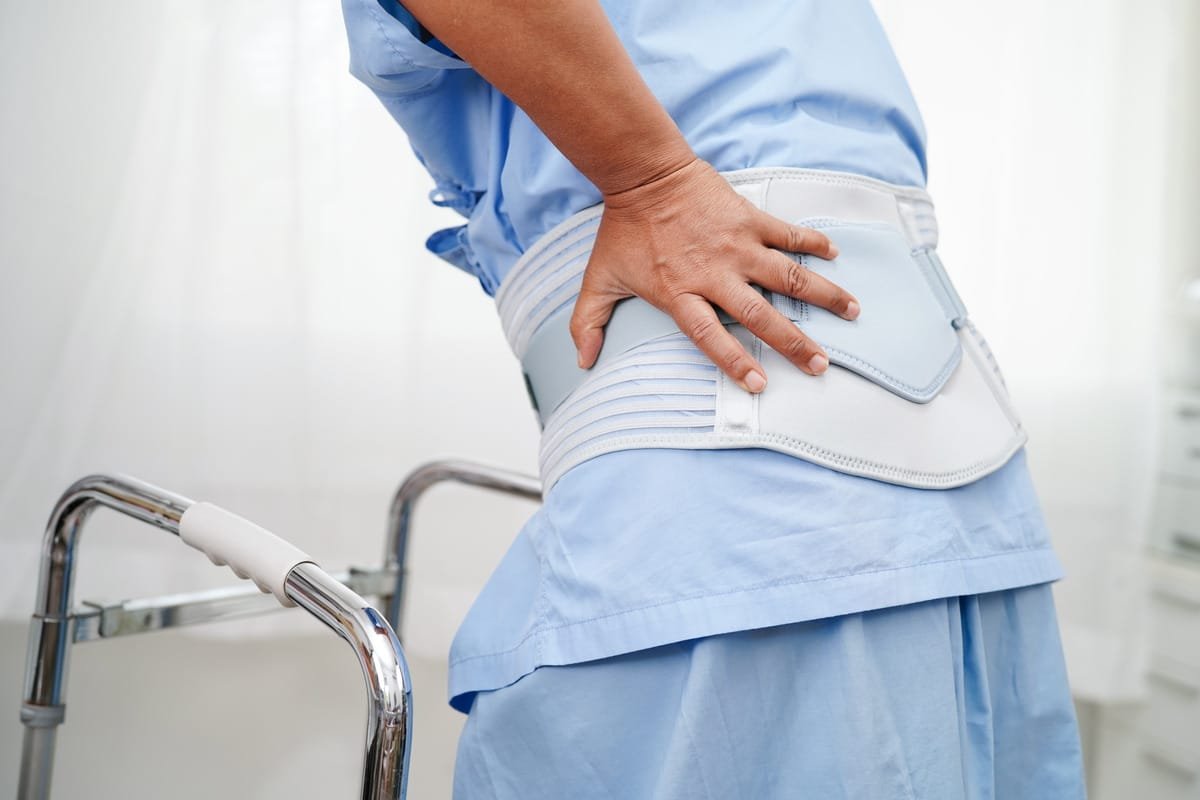
- Use walker/cane as long as advised (it’s not weakness—it’s safety)
For long-term joint health:
- Maintain a healthy weight
- Stay active with low-impact exercises
- Prioritise muscle strength (hips and thighs protect the knee)
- Avoid high-impact jumping activities unless cleared by your surgeon
Bonus Mistake: Self-Medicating or Stopping Medicines Early
After knee replacement, doctors often prescribe pain relief, anti-inflammatory medicines, and sometimes blood-thinning medication to prevent clots. Some patients stop these early once they feel better or take additional medicines without guidance.
What to do:
- Take medicines exactly as prescribed
- Don’t add over-the-counter painkillers without checking
- Inform your doctor about any side effects rather than stopping suddenly
Recovery Timeline: What “Normal” Often Looks Like
Every patient recovers differently, but here’s a general idea:
- First 2 weeks: swelling, wound care, walking with support, basic range-of-motion exercises
- Weeks 3–6: improved walking, better bending, reduced pain, strengthening starts progressing
- Weeks 6–12: greater confidence in daily activities, more endurance, improved stair climbing
- 3–6 months: stronger knee function, better stability, longer walking distances
- 6–12 months: ongoing improvement in strength, comfort, and overall function
If your recovery feels slower, it doesn’t always mean something is wrong. But it does mean you should review your rehab plan, technique, and activity level with your specialist.
Why Surgeon Guidance Makes a Big Difference
A knee replacement is a precise procedure, but the best outcomes come when:
- The surgical technique is strong
- Post-operative protocols are clear
- Patient education is consistent
- Follow-up care is timely
- Rehab is planned around the patient’s needs and lifestyle
This is where experience and patient-centric care matter. Dr Deepak Mishra is known as the best Orthopedic doctor in Faridabad and the best knee replacement surgeon, trusted for thorough evaluation, personalised recovery guidance, and a strong focus on long-term function. He currently practices at Asian Hospital, Faridabad.
To book an appointment with Dr Deepak Mishra:
Call: +91 8287334003
Frequently Asked Questions (FAQs)
1) How long will swelling last after knee replacement?
Swelling is common for several weeks and can come and go with activity. It usually improves gradually over 2–3 months, though mild swelling can persist longer depending on activity and individual healing.
2) Is it normal to feel stiffness in the new knee?
Yes, stiffness is common—especially in the morning or after sitting. Regular physiotherapy, movement breaks, and swelling control help improve flexibility.
3) When can I start climbing stairs?
Many patients start stairs early with support, but comfort and safety depend on strength and balance. The key is gradual progression and correct technique.
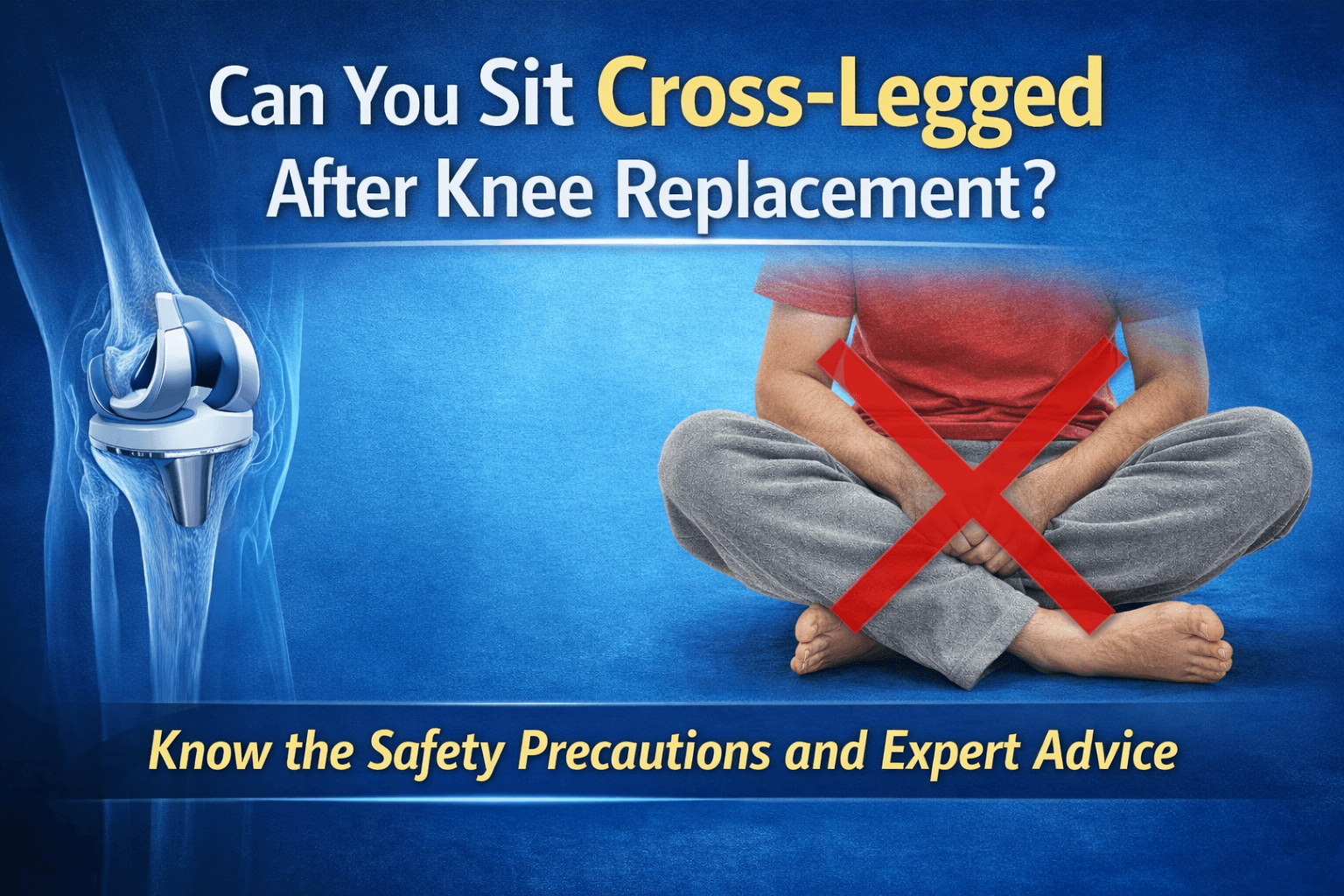
4) Can I sit cross-legged or squat after knee replacement?
In most cases, deep squats and cross-legged sitting are not recommended early. Some patients may achieve it later depending on flexibility and implant type, but it should only be attempted with your surgeon’s guidance.
5) What is the biggest factor in a successful knee replacement outcome?
Consistency—especially with physiotherapy, safe activity progression, and follow-up care. Avoiding the common mistakes discussed above greatly improves outcomes.
Final Takeaway
A successful knee replacement is not just about replacing the joint—it’s about rebuilding your movement. Avoiding these five mistakes can dramatically improve your comfort, mobility, and confidence:
- Skipping physiotherapy
- Overdoing activity too early
- Ignoring warning signs
- Poor wound care
- Not making home and lifestyle adjustments
If you want expert evaluation, surgical excellence, and recovery guidance you can trust, consult Dr Deepak Mishra, recognised as the best Orthopedic doctor in Faridabad and the best knee replacement surgeon for comprehensive care.
Appointment: +91 8287334003
Currently practicing at: Asian Hospital, Faridabad
Recent Blogs
-
 Post Operative Exercises
- 1, March 2026
-
After ACL Surgery When Can I Walk?
- 1, March 2026
-
What Happens If Knee Arthritis Is Left Untreated?
- 21, February 2026
-
Can Knee Replacement Fail? Causes, Signs & Prevention
- 21, February 2026
-
 Who Is Not Suitable for Knee Replacement Surgery?
- 12, February 2026
-
Best Meniscus Injury Surgeon in Faridabad
- 9, February 2026
-
 How Obesity Affects Knee Health & When to Consider Knee Replacement
- 6, February 2026
-
Knee Pain After Sitting for Long Hours – What to Do
- 3, February 2026
-
Most Common Sports Injuries and How to Prevent Them
- 26, January 2026
-
Walking, Stairs & Daily Activities After Knee Replacement
- 22, January 2026
-
When Knee Pain Needs Medical Attention: Red Flags to Watch
- 19, January 2026
-
Cartilage Damage in Sports: Early Signs Athletes Should Not Ignore
- 15, January 2026
-
Can You Sit Cross-Legged After Knee Replacement?
- 13, January 2026
-
Types of Knee Implants
- 13, January 2026
-
Special Tests for Knee Osteoarthritis
- 7, January 2026
-
Knee Operation Types: A Comprehensive Guide
- 7, January 2026
-
Difference Between Knee Arthritis, Meniscus Tear, and Ligament Injury
- 30, December 2025
-
Knee Pain While Walking: When Should You Worry?
- 30, December 2025
-
What Happens If Knee Replacement Is Delayed Too Long?
- 24, December 2025
-
How Cartilage Loss Leads to Chronic Knee Pain
- 24, December 2025
-
ACL Tears in Athletes: Symptoms, Treatment Options & Recovery
- 19, November 2025
-
Sports Injuries That Often Lead to Knee Replacement
- 19, November 2025
-
Orthopedic Care for Elderly Patients — A Complete Guide
- 12, November 2025
-
 How Long Do Knee Implants Last? (10–20 Year Longevity Guide)
- 12, November 2025
-
Importance of Early Diagnosis in Bone and Joint Problems
- 28, October 2025
-
Best Treatment Options for Sports Injuries
- 28, October 2025
-
 The Difference Between ACL Tear, Sprain, and Rupture
- 16, October 2025
-
Post-ACL Surgery Do’s and Don’ts
- 16, October 2025
-
Early Signs You Might Have an ACL Injury (and When to See a Doctor)
- 16, October 2025
-
Does Insurance Cover Robotic Knee Replacement Surgery?
- 6, October 2025
-
When Can You Return to Sports After Robotic Knee Replacement?
- 6, October 2025
-
 Impact of Obesity on Knee Replacement Surgery and Recovery
- 30, September 2025
-
Early vs. Delayed Knee Replacement: Which Is Better?
- 30, September 2025
-
How Durable Are Knee Implants? A Complete Guide
- 24, September 2025
-
Can You Play Sports After Knee Replacement Surgery?
- 24, September 2025
-
 Key Benefits of Revision Hip Replacement You Should Know
- 15, September 2025
-
Revision Hip Replacement vs. Primary Hip Replacement: Key Differences
- 15, September 2025
-

-
Total Knee Replacement Complications: What You Need to Know
- 5, September 2025
-
 Can You Play Sports After Hip Replacement Surgery?
- 26, August 2025
-
 Preparing for Knee Replacement: Do’s and Don’ts Before Surgery
- 26, August 2025
-
-
What to Know About Knee Replacement Revision Surgery
- 18, August 2025
-
Cost of Hip Replacement in India – What Patients Should Know
- 11, August 2025
-
-
Who Is the Best Orthopedic Doctor for Sports Injuries?
- 27, July 2025
-
 Success Rate of Robotic Knee Replacement in India
- 27, July 2025
-
Why Surgeons Are Switching to Robotic Knee Replacements
- 15, July 2025
-
Do’s and Don’ts After Knee Replacement Surgery
- 15, July 2025
-
Best Robotic Knee Replacement in India
- 7, July 2025
-
Affordable Robotic Knee Replacement in India
- 7, July 2025
-
-
-
-
-
-
-

-
 Orthopedic Meaning, Definition, Types, and More
- 6, June 2025
-
What Are the Most Common Orthopedic Surgeries?
- 24, May 2025
-
What Does an Orthopedic Doctor Do?
- 24, May 2025
-

-
-
-
Best Orthopedic Doctor for Knee Pain in Faridabad
- 12, May 2025
-
How to Prevent Knee Pain with Orthopedic Expert Tips
- 29, April 2025
-
-
Best Orthopedic Treatment in Faridabad: What You Should Know
- 29, April 2025
-

-

-
Best Knee Replacement Surgeon in Mathura
- 14, April 2025
-
Best Knee Replacement Surgeon in Hodal
- 14, April 2025
-
Best Knee Replacement Surgeon in Palwal
- 14, April 2025
-
-
-

-
Benefits of Minimally Invasive Knee Surgery
- 24, March 2025
-
Best knee Replacement Surgeon in India
- 17, March 2025
-
-
How to Recover Quickly After Knee Replacement Surgery
- 10, March 2025
-
-
-
-
Minimally Invasive Arthroplasty: Benefits and Recovery Advantages
- 24, February 2025
-
Common Mistakes to Avoid After Joint Replacement Surgery
- 24, February 2025
-
Choosing the Right Hip Replacement Surgeon: A Comprehensive Guide
- 17, February 2025
-
Restoring Mobility: The Role of Knee Replacement Doctors
- 17, February 2025
-
Orthopedic Trauma Care for Athletes
- 6, February 2025
-
Best Doctor for ACL Tear Treatment
- 6, February 2025
-
Best Sports Medicine Doctor for Knee Injuries
- 6, February 2025
-
Orthopedic Surgeons: 7 Things You Need to Know
- 27, January 2025
-
Best Joint Replacement Surgeon in Greater Faridabad
- 27, January 2025
-
Best Knee Replacement Surgeon in Palwal
- 20, January 2025
-
Best Knee Replacement Surgeon in South Delhi
- 20, January 2025
-
Signs You May Need a Knee Replacement: Insights from a Surgeon
- 13, January 2025
-
Restoring Mobility: The Role of Knee Replacement Doctor
- 13, January 2025
-
Robotic Knee Replacement Surgery in Delhi
- 30, December 2024
-
Robotic Orthopedic Surgery: Revolutionizing Joint Replacement and Repair
- 30, December 2024
-
Robotic Knee Replacement vs. Traditional Surgery: A Comparative Guide
- 23, December 2024
-
How to Make Joints Stronger: A Comprehensive Guide
- 23, December 2024
-
Common Knee Conditions and How a Knee Surgeon Can Help
- 16, December 2024
-
-
-
Orthopedic Surgeons: 7 Things You Need to Know
- 6, December 2024
-
Top 5 Mistakes After Knee Replacement
- 25, November 2024
-
Advantages and Disadvantages of Robotic Knee Replacement
- 25, November 2024
-
When to See an Orthopedic Specialist: Recognizing Early Signs
- 15, November 2024
-
Benefits of Robotic-Assisted Knee Replacement Surgery
- 15, November 2024
-
Knee Replacement Surgery Cost
- 8, November 2024
-
Best Robotic Knee Replacement Surgeon in Faridabad
- 8, November 2024
-
-
Knee Replacement Surgery: Types, Benefits, and Recovery Timeline
- 28, October 2024
-
What is Osteoporosis? Symptoms, Causes, and Prevention
- 21, October 2024
-
Signs It’s Time for a Knee Replacement: When to Consult a Surgeon
- 18, October 2024
-
Understanding Different Types of Arthritis: Symptoms and Causes
- 11, October 2024
-
Taking Care After Knee Replacement Surgery
- 15, December 2022
-
Amazing Ways to Get Relief from Arthritis Pain Naturally
- 2, December 2022
-
-
How Does Fat Affect Arthritis?
- 4, November 2022