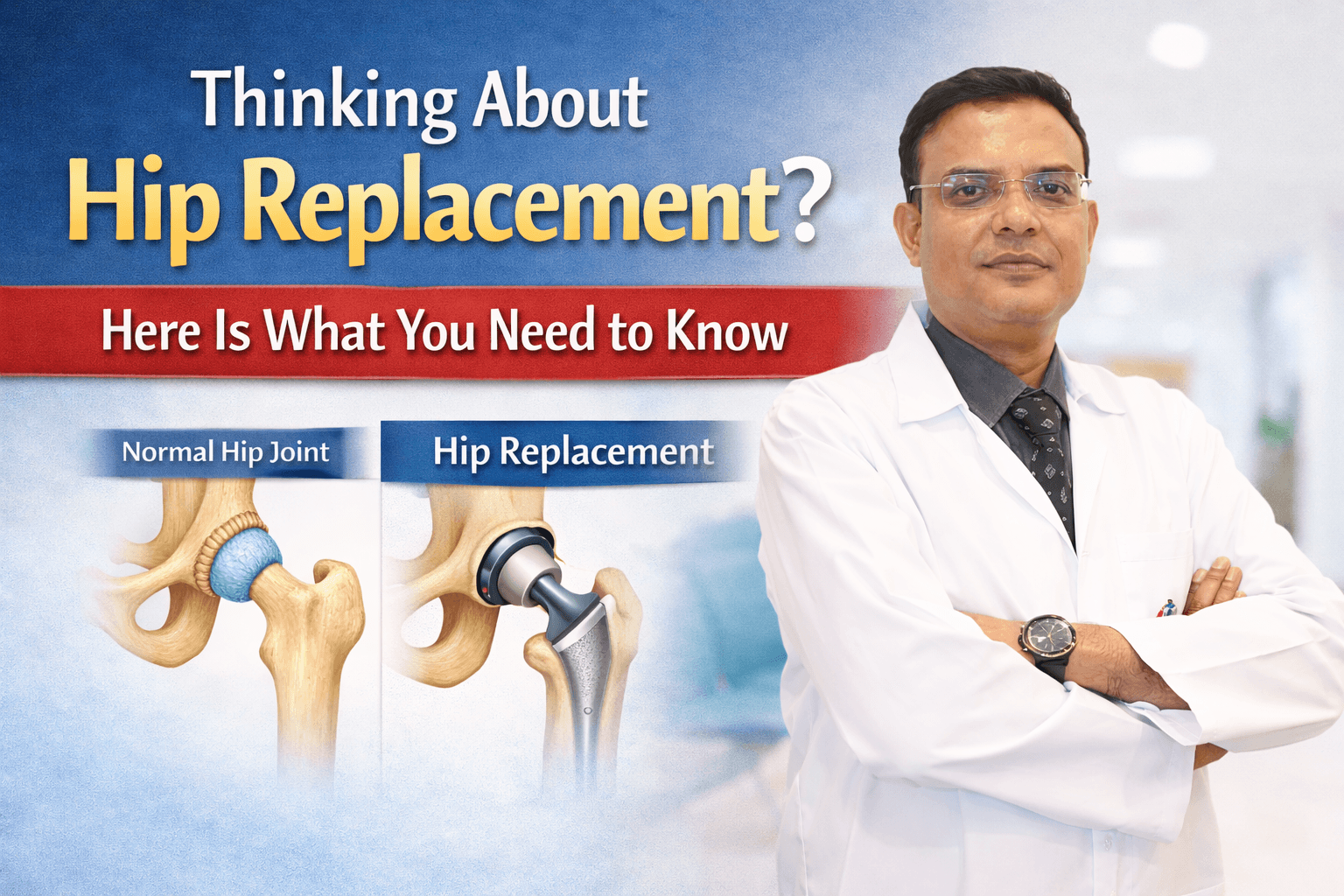
Thinking About Hip Replacement? Here Is What You Need to Know
March 3, 2026Hip pain can significantly affect your ability to walk, sit, sleep, and perform everyday activities. For many people suffering from chronic hip pain, hip replacement surgery offers a life-changing solution. If you or a loved one are considering hip replacement, understanding the procedure, its benefits, recovery process, and choosing the right orthopedic specialist are essential steps toward successful treatment.
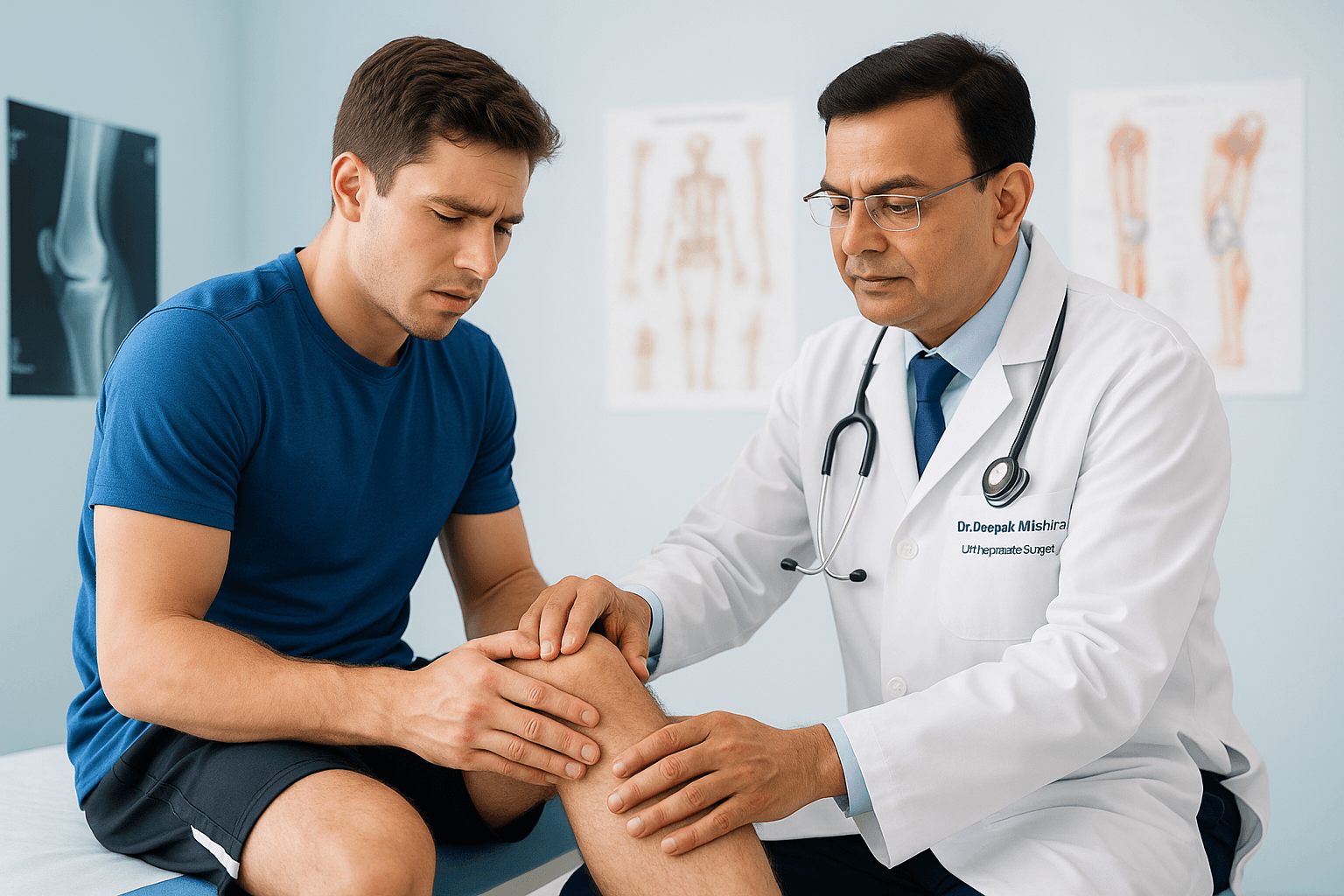
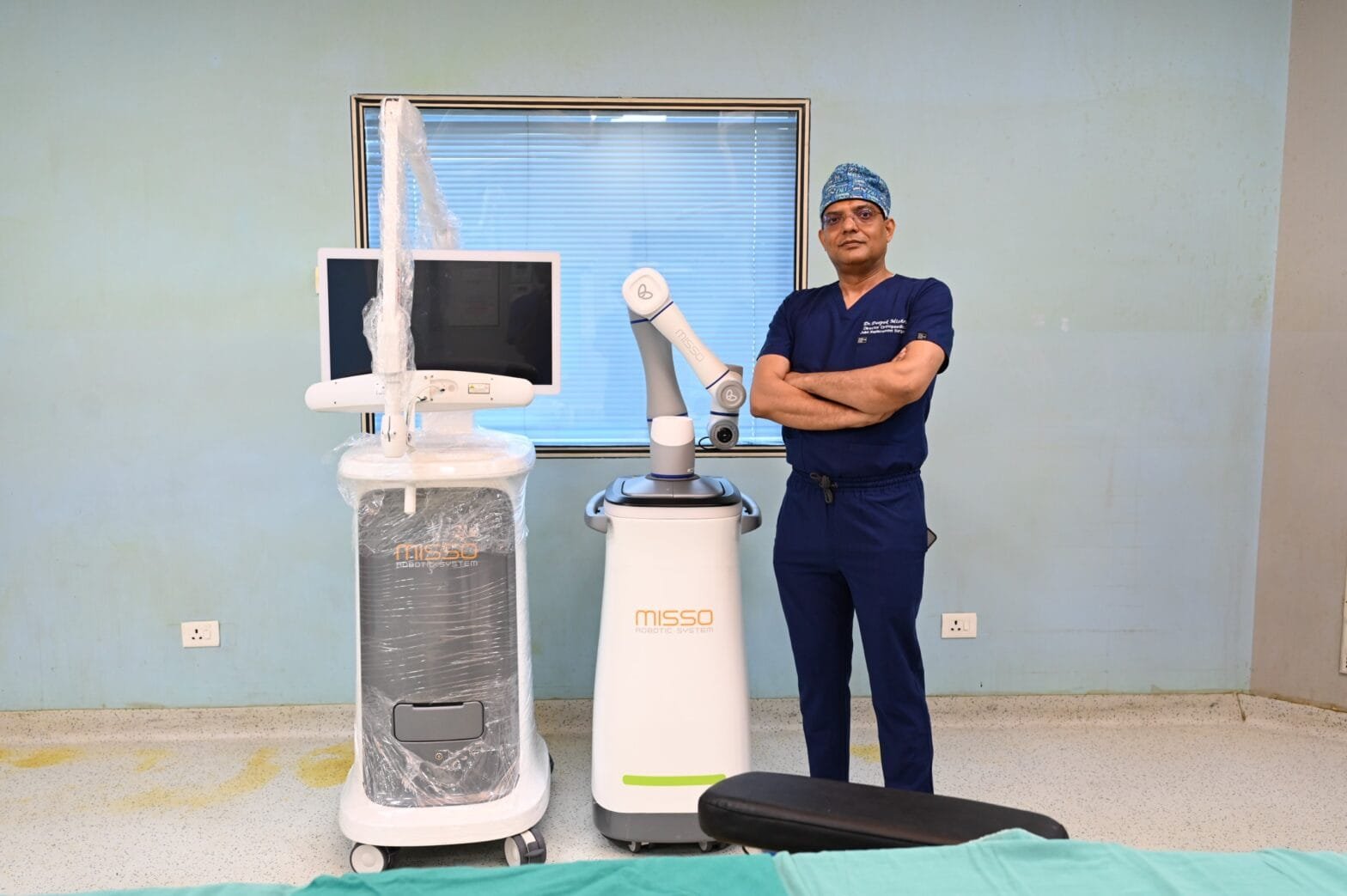
In Faridabad and the surrounding NCR region, Dr. Deepak Mishra is widely regarded as one of the best orthopedic doctors in Faridabad and a leading knee and joint replacement surgeon, known for his expertise in advanced joint replacement procedures and patient-focused care.
What Is Hip Replacement Surgery?
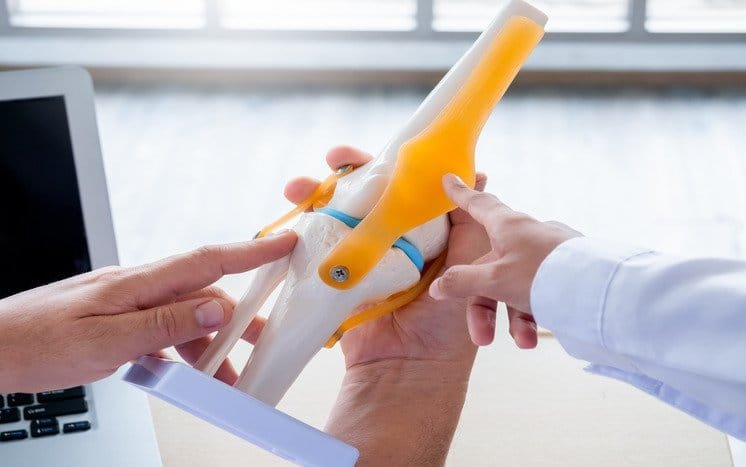
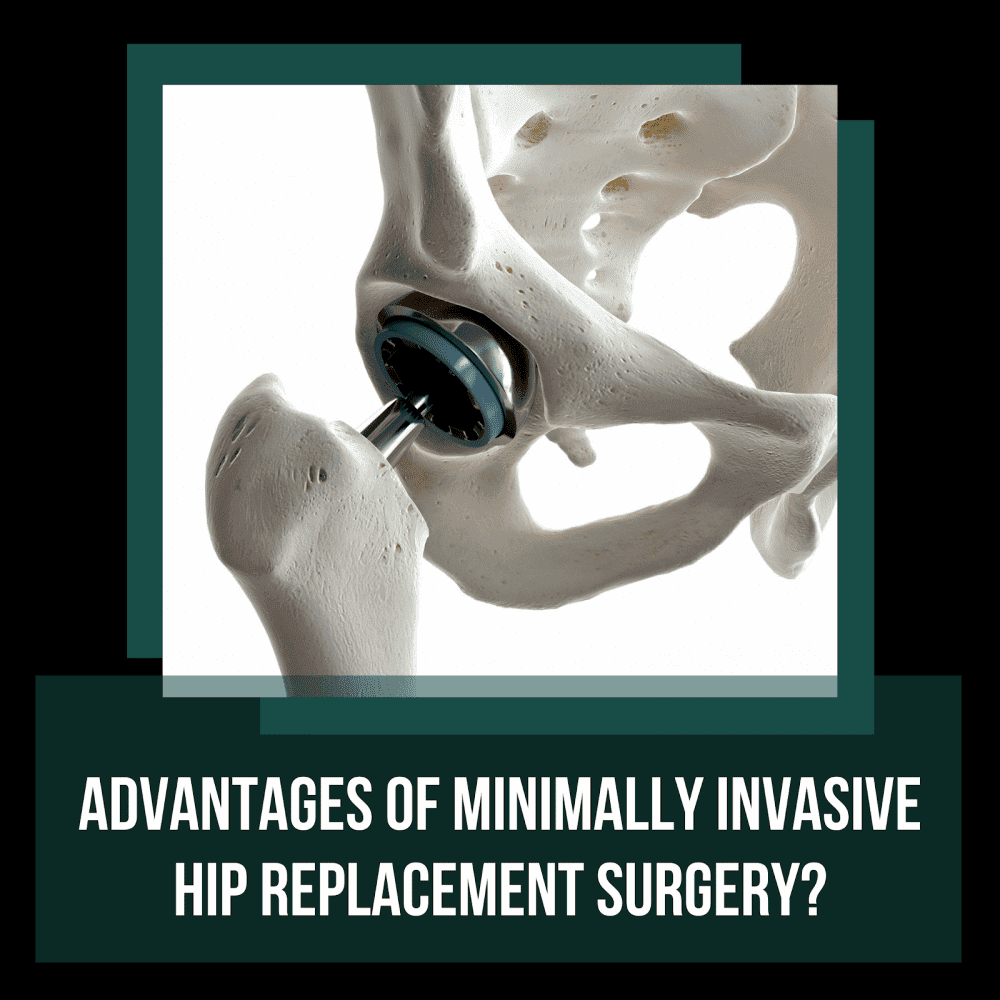
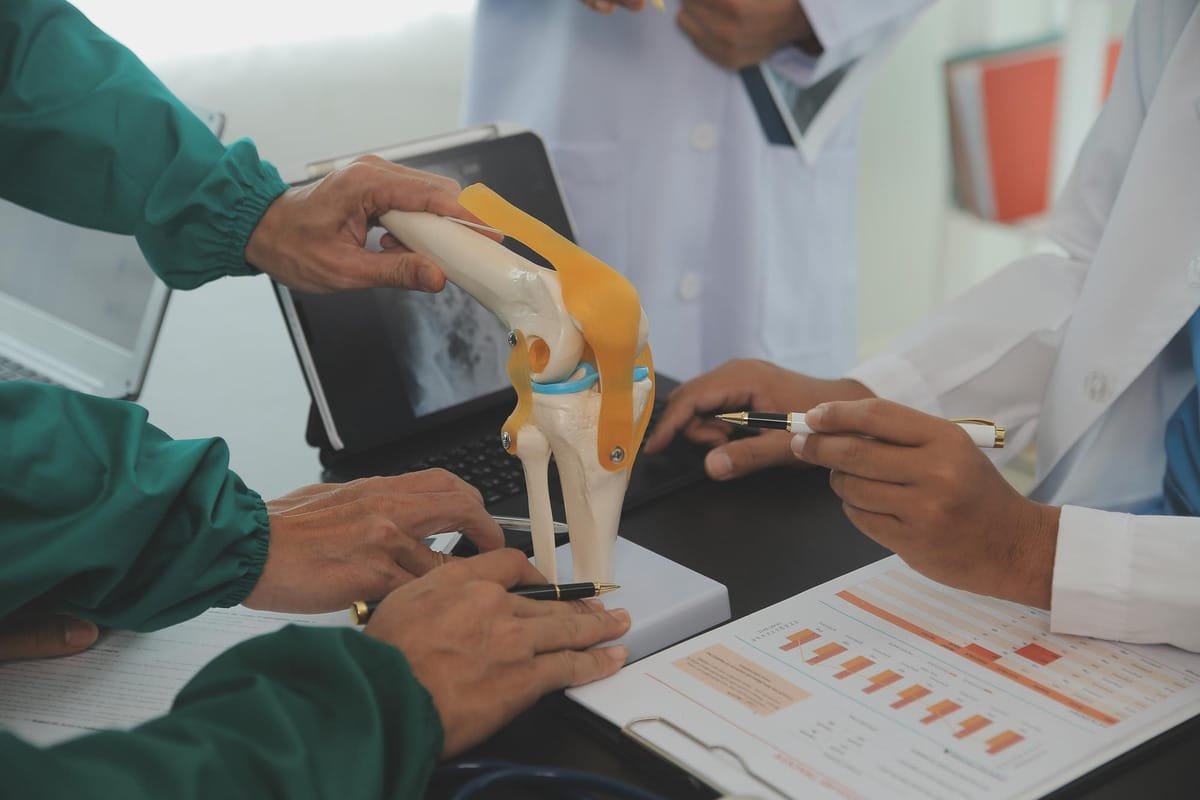
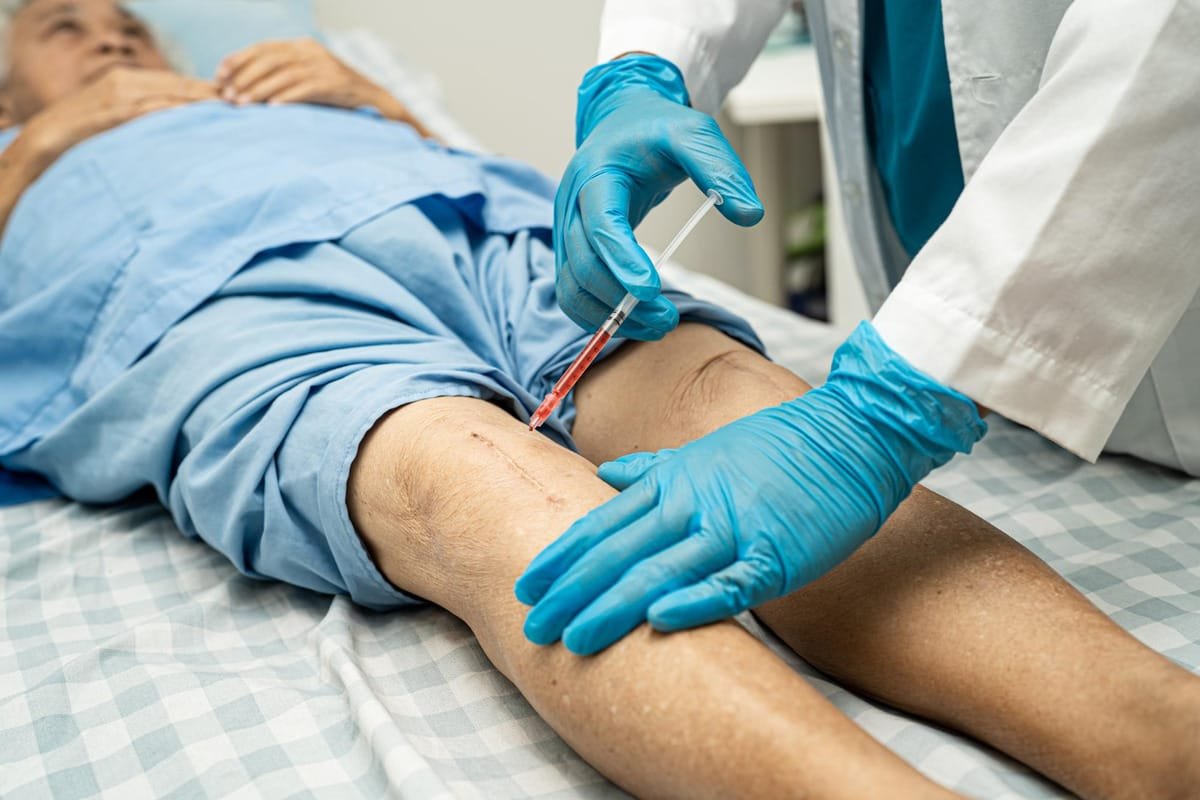
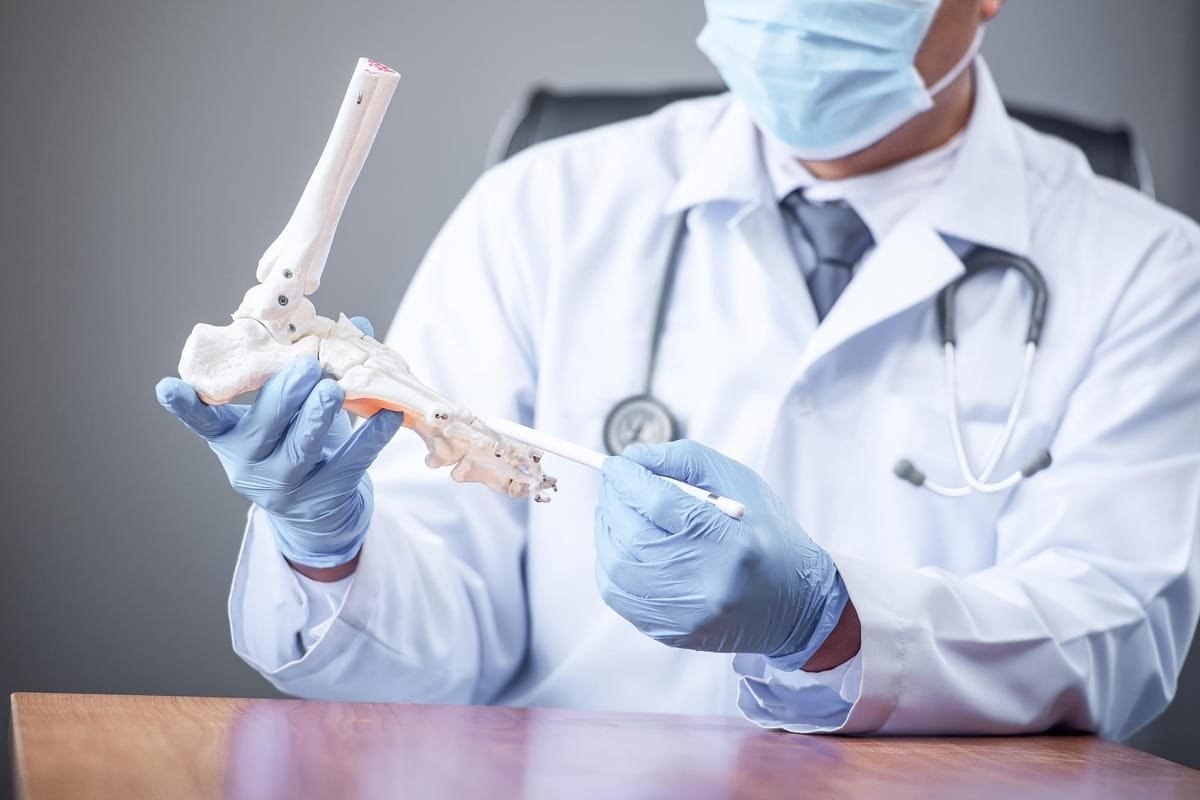
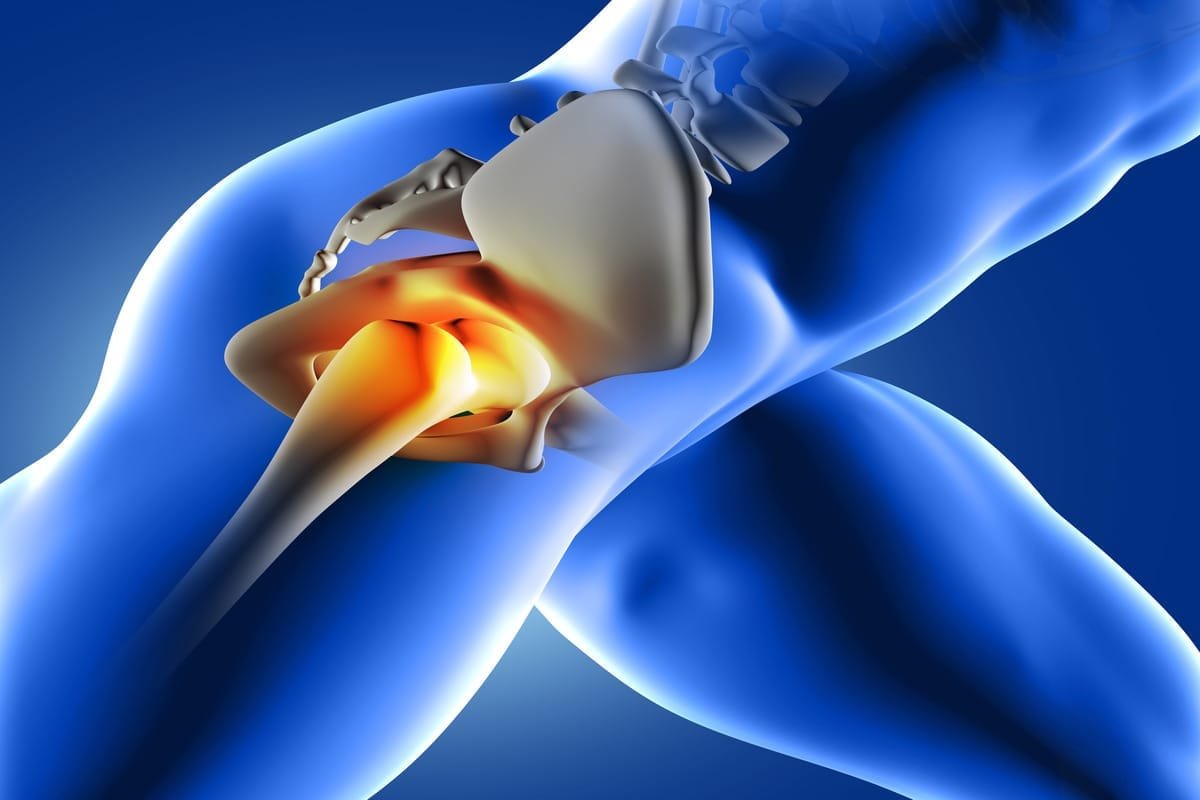
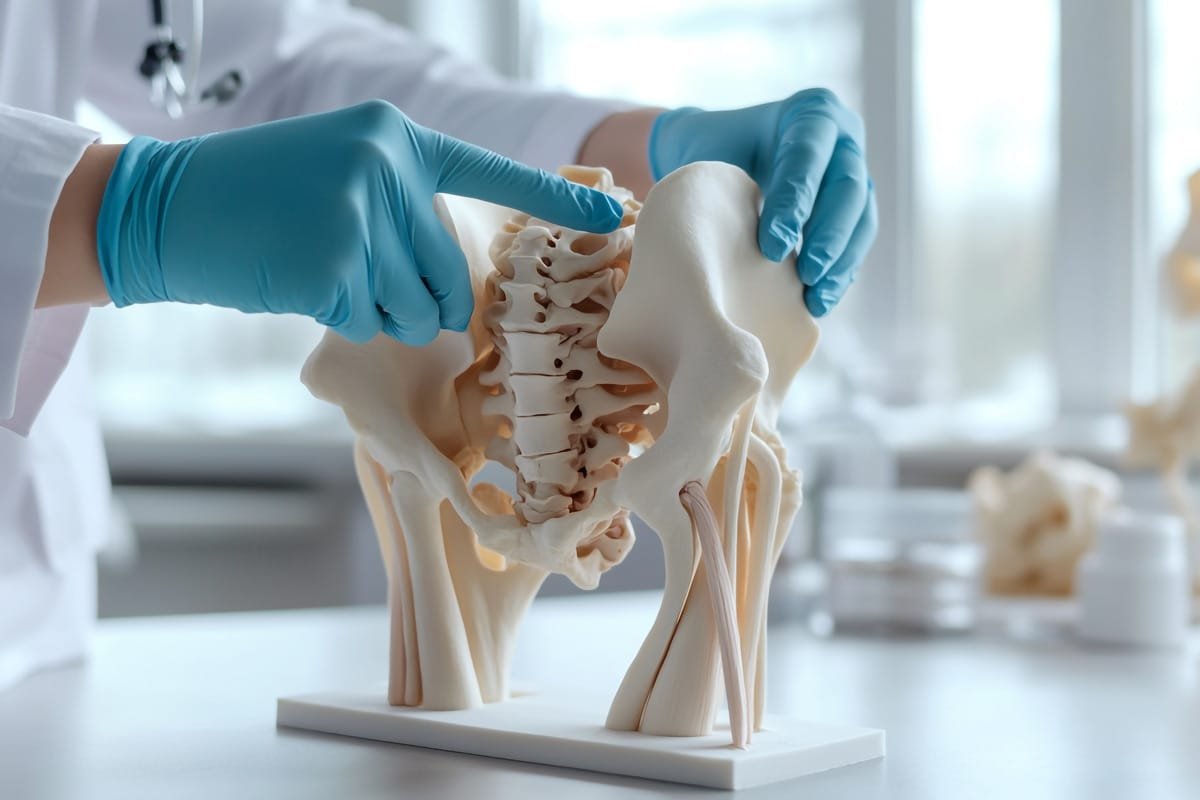
Hip replacement surgery, also called total hip arthroplasty, is a procedure in which a damaged hip joint is replaced with an artificial implant. The surgeon removes the worn-out bone and cartilage and replaces them with prosthetic components made of metal, ceramic, or durable plastic.
This procedure restores smooth joint movement and significantly reduces pain caused by severe joint damage. It usually takes one to two hours, and most patients experience substantial improvement in mobility and quality of life afterward.
When Do You Need a Hip Replacement?
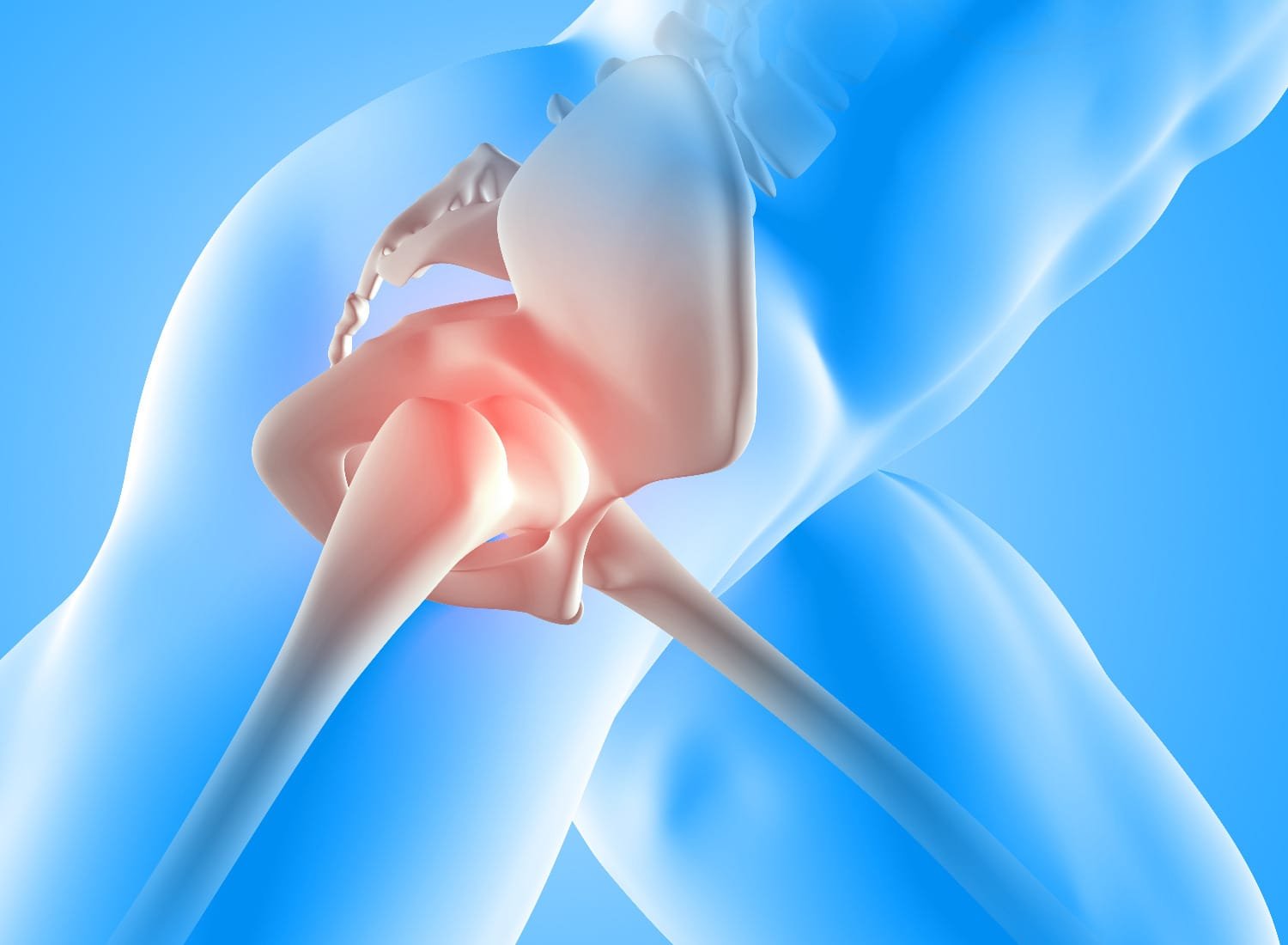
Doctors usually recommend hip replacement when non-surgical treatments such as medications, physiotherapy, or lifestyle modifications fail to relieve symptoms. The most common cause is osteoarthritis, where the cartilage in the hip joint gradually wears away, leading to pain and stiffness.
Common Signs You May Need Hip Replacement
- Persistent hip pain that interferes with daily activities
- Difficulty walking, standing, or climbing stairs
- Stiffness in the hip joint that limits movement
- Pain that continues even while resting or sleeping
- Reduced response to medications and physiotherapy
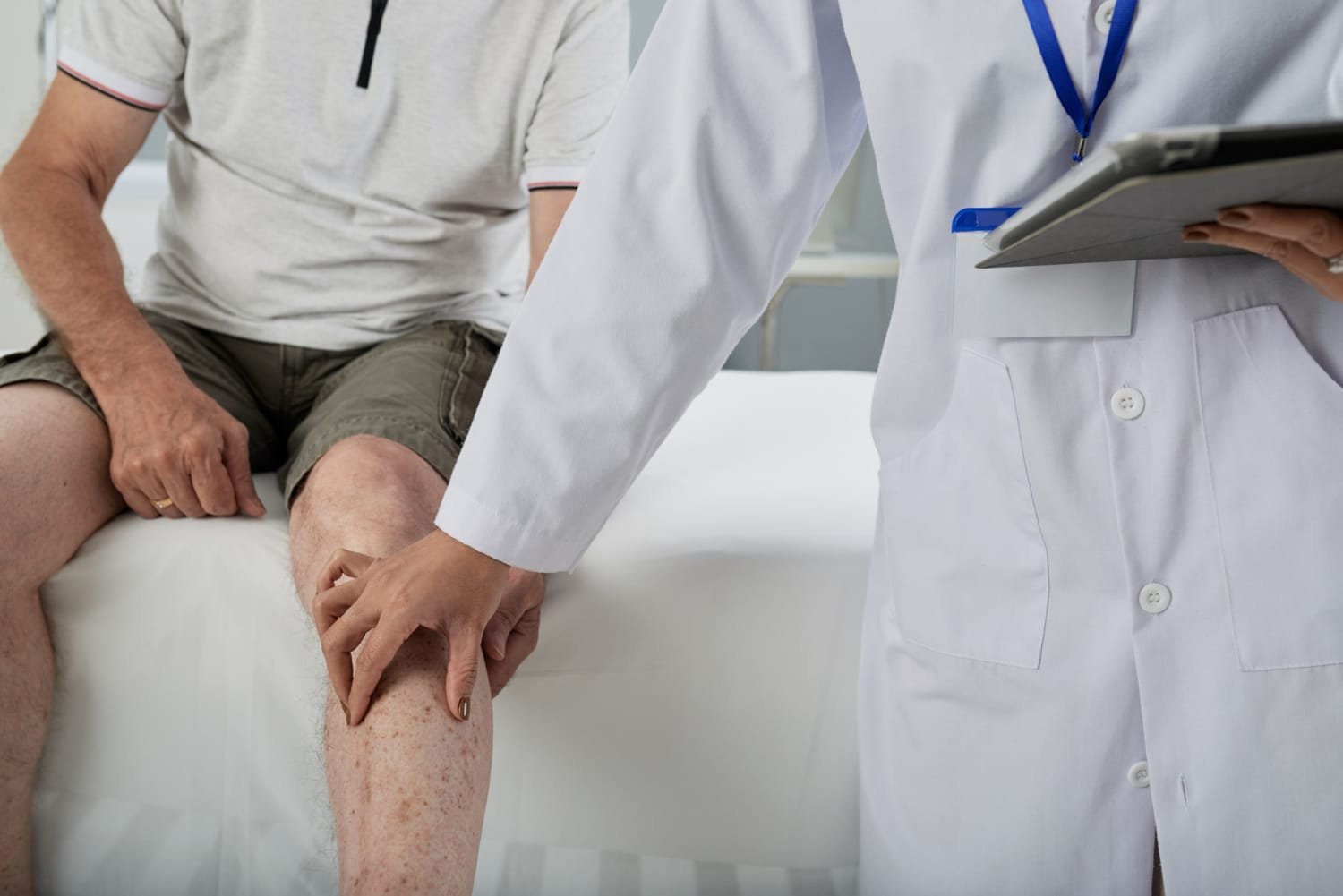
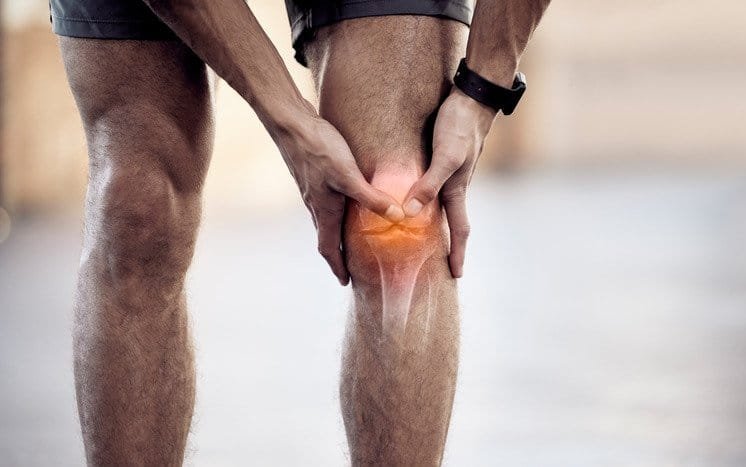
Severe hip arthritis can also cause pain in the groin or even the knee due to shared nerve pathways.
Conditions That May Lead to Hip Replacement
Several medical conditions can damage the hip joint over time, including:
- Osteoarthritis
- Rheumatoid arthritis
- Hip fractures or trauma
- Avascular necrosis (loss of blood supply to the bone)
- Degenerative joint disease
When joint damage becomes severe and affects quality of life, surgery may be the most effective treatment option.
Benefits of Hip Replacement Surgery
Hip replacement surgery is one of the most successful orthopedic procedures worldwide. Most patients experience dramatic improvements in mobility and comfort after surgery.
Key Benefits
- Significant pain relief
- Improved joint mobility and flexibility
- Better ability to walk, sit, and perform daily activities
- Enhanced overall quality of life
By replacing damaged cartilage and bone surfaces, the surgery eliminates painful friction within the joint and restores smoother movement.
Many patients are able to return to normal daily activities and enjoy a more active lifestyle after recovery.
What Happens During Hip Replacement Surgery?
The procedure generally involves the following steps:
- Anesthesia: The patient receives spinal or general anesthesia.
- Removal of damaged bone and cartilage: The surgeon removes the diseased parts of the hip joint.
- Implant placement: Artificial components are inserted to recreate the hip joint.
- Closure and recovery: The incision is closed and rehabilitation begins.
Modern surgical techniques, including minimally invasive approaches, allow faster recovery and smaller incisions in many cases.
Recovery After Hip Replacement
Recovery varies depending on the patient’s age, overall health, and rehabilitation efforts.
Typical recovery timeline:
- 24–48 hours: Patients usually begin assisted walking.
- 2–3 months: Most patients regain significant mobility.
- 6–12 months: Full recovery and strength restoration may occur.
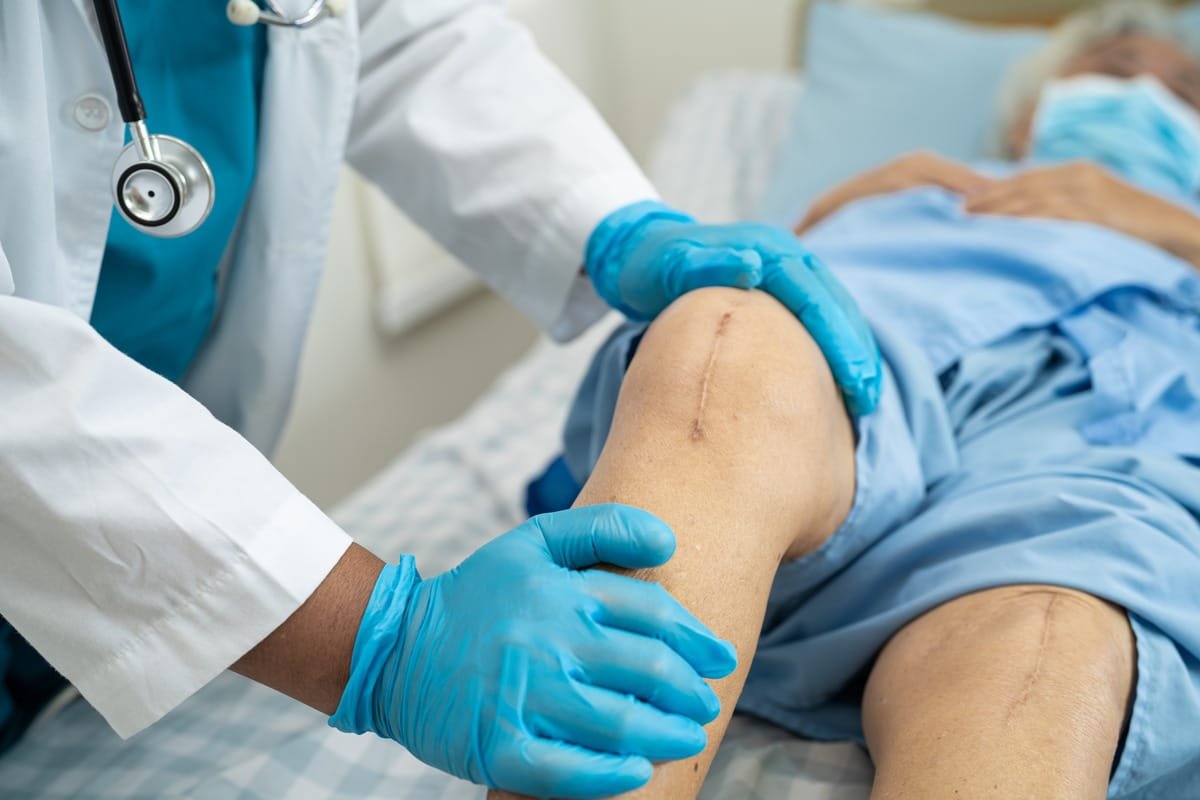
Physiotherapy plays a crucial role in strengthening muscles and improving joint function after surgery.
Are There Any Risks?
Like any major surgery, hip replacement carries some risks, although complications are relatively uncommon.
Possible risks include:
- Infection
- Blood clots
- Nerve or blood vessel injury
- Hip dislocation
- Bone fracture during surgery
However, the overall complication rate is low, and most patients experience excellent outcomes with proper medical care and rehabilitation.
Choosing the Right Orthopedic Surgeon
The success of hip replacement surgery largely depends on the expertise of the orthopedic surgeon. Patients should look for a specialist with extensive experience in joint replacement and advanced surgical techniques.
In Faridabad, Dr. Deepak Mishra is recognized as one of the best orthopedic doctors and leading knee replacement surgeons, known for his precision in joint replacement procedures, advanced orthopedic techniques, and commitment to delivering excellent patient outcomes. His expertise in treating complex joint conditions has helped many patients regain mobility and live pain-free lives.
Final Thoughts
Hip replacement surgery can be a life-changing treatment for individuals suffering from severe hip pain and mobility limitations. With modern surgical techniques and expert orthopedic care, most patients achieve long-term relief, improved mobility, and a better quality of life.
If persistent hip pain is affecting your daily activities, consulting an experienced orthopedic specialist such as Dr. Deepak Mishra in Faridabad can help you explore the best treatment options and determine whether hip replacement surgery is the right choice for you.
Recent Blogs
-

-
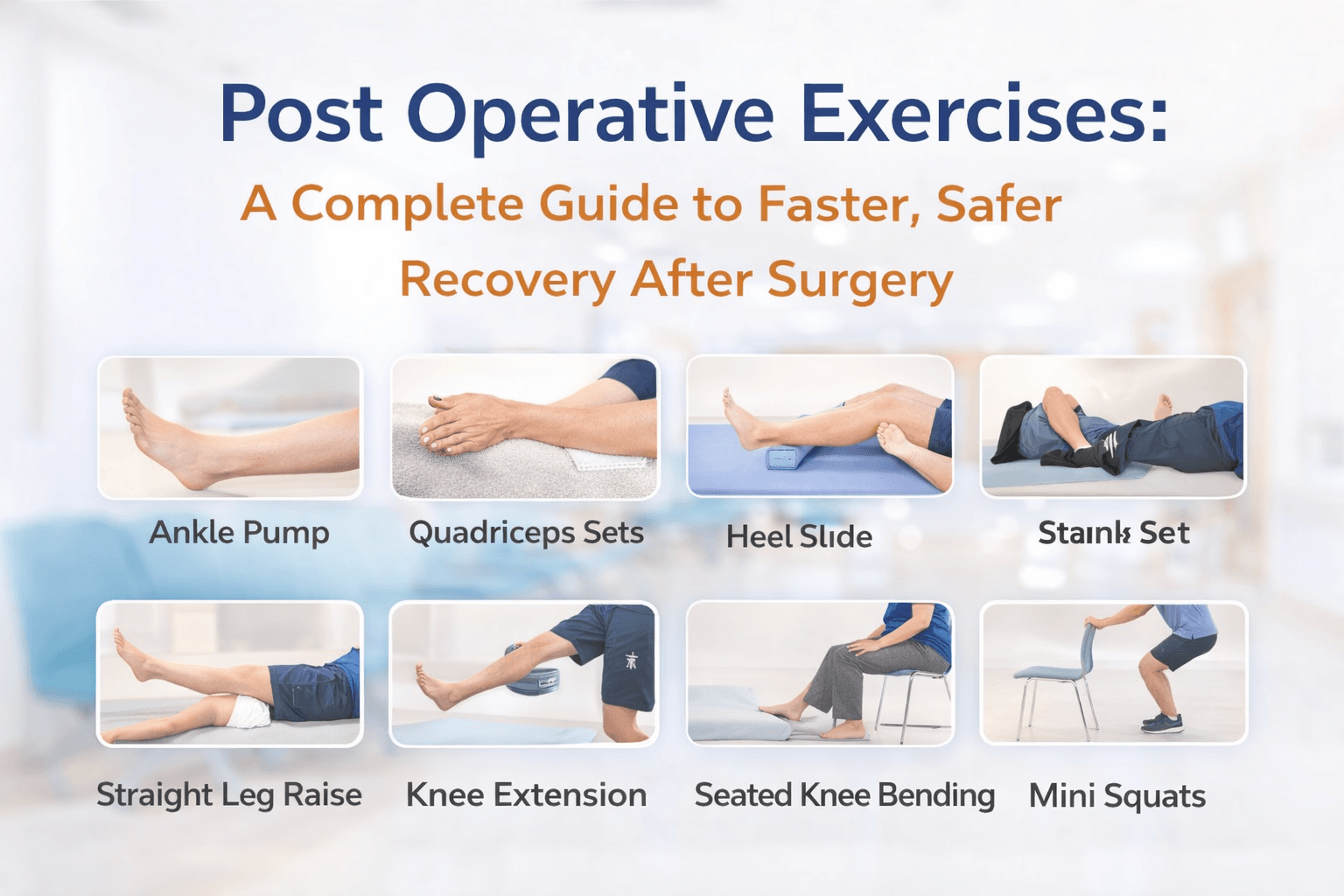
Post Operative Exercises
- 26, February 2026
-
After ACL Surgery When Can I Walk?
- 24, February 2026
-
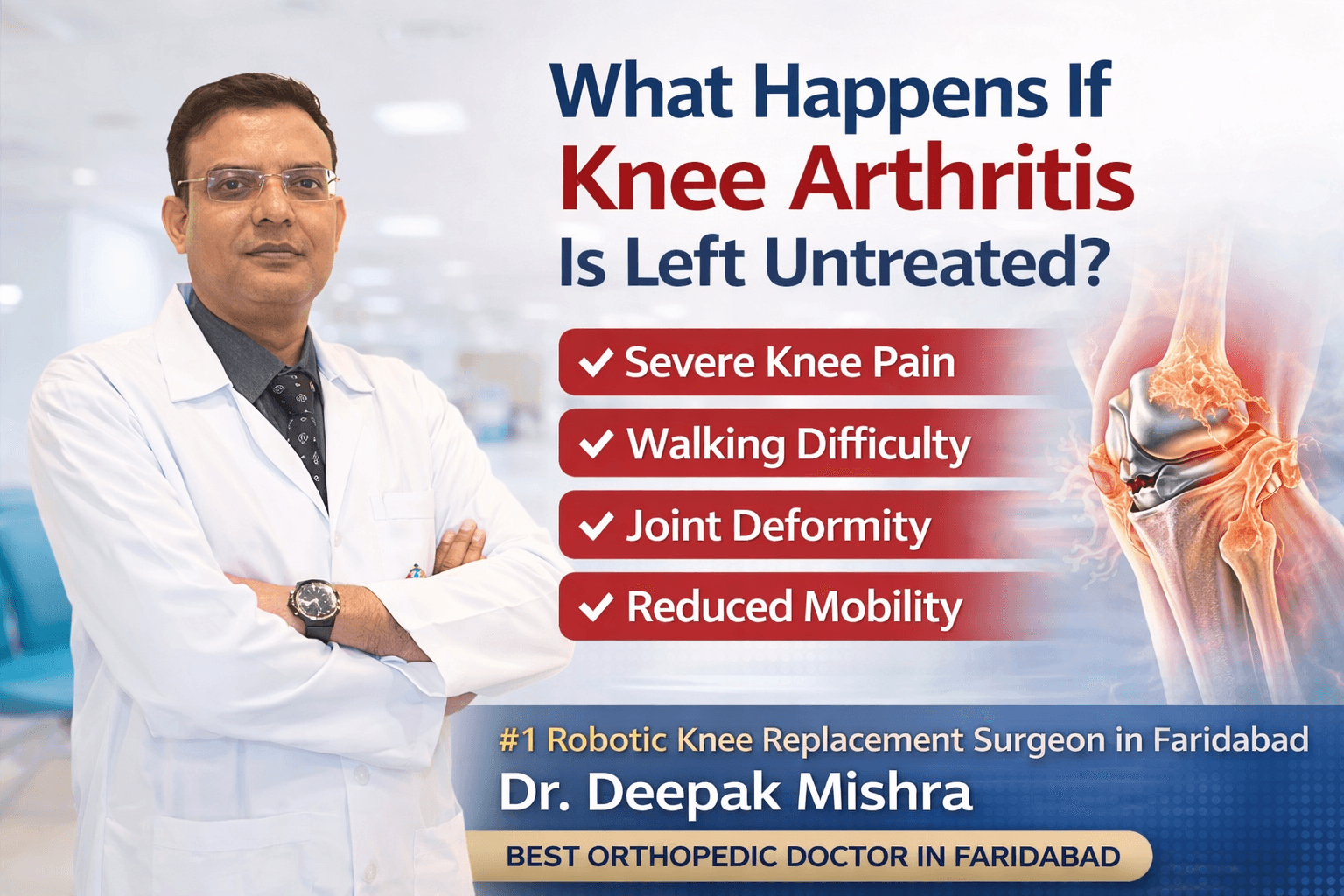
What Happens If Knee Arthritis Is Left Untreated?
- 21, February 2026
-
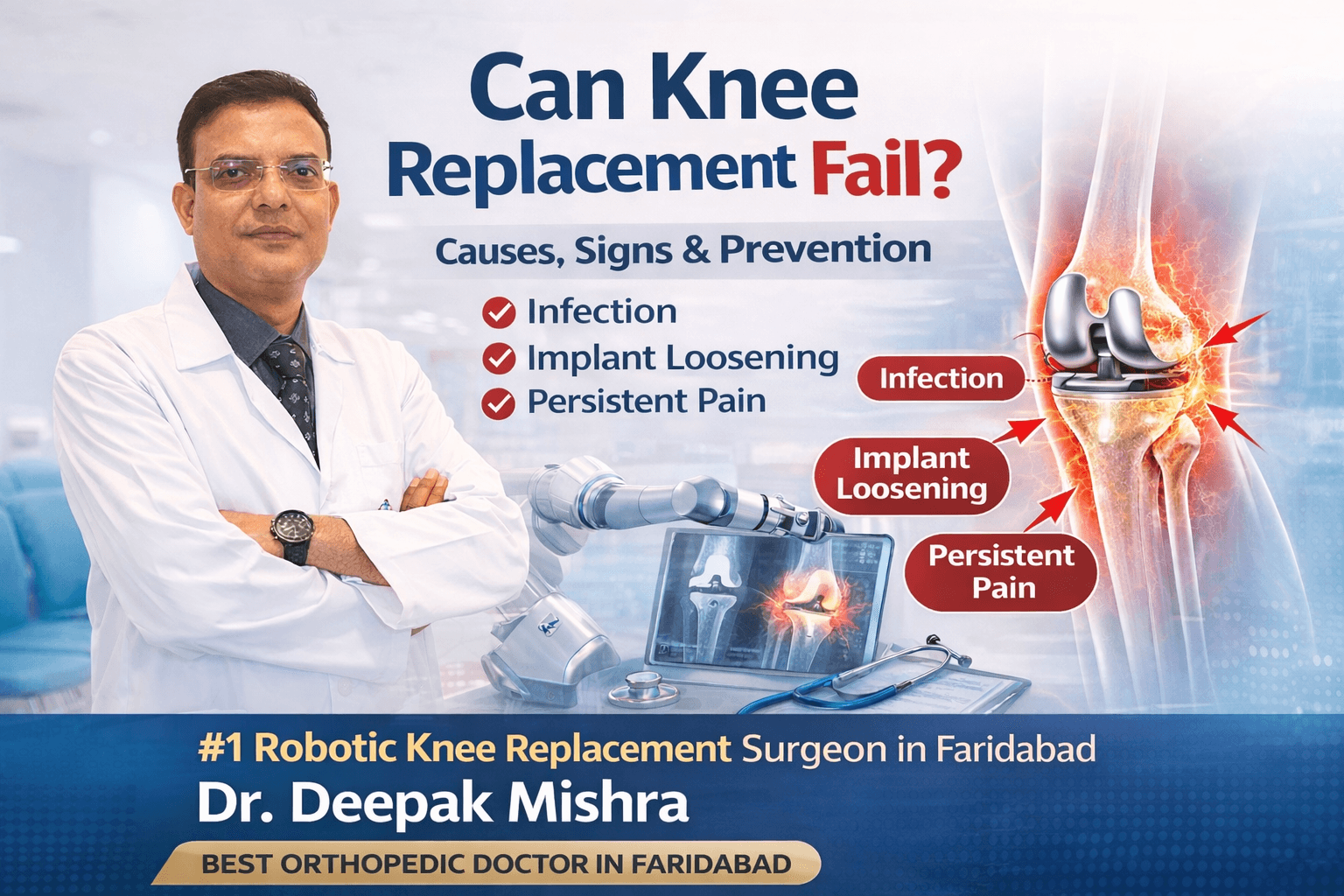
Can Knee Replacement Fail? Causes, Signs & Prevention
- 21, February 2026
-
 Who Is Not Suitable for Knee Replacement Surgery?
- 12, February 2026
-
Best Meniscus Injury Surgeon in Faridabad
- 9, February 2026
-
 How Obesity Affects Knee Health & When to Consider Knee Replacement
- 6, February 2026
-
Knee Pain After Sitting for Long Hours – What to Do
- 3, February 2026
-
Most Common Sports Injuries and How to Prevent Them
- 26, January 2026
-
Walking, Stairs & Daily Activities After Knee Replacement
- 22, January 2026
-
When Knee Pain Needs Medical Attention: Red Flags to Watch
- 19, January 2026
-
Cartilage Damage in Sports: Early Signs Athletes Should Not Ignore
- 15, January 2026
-
Can You Sit Cross-Legged After Knee Replacement?
- 13, January 2026
-
Types of Knee Implants
- 13, January 2026
-
Special Tests for Knee Osteoarthritis
- 7, January 2026
-
Knee Operation Types: A Comprehensive Guide
- 7, January 2026
-
Difference Between Knee Arthritis, Meniscus Tear, and Ligament Injury
- 30, December 2025
-
Knee Pain While Walking: When Should You Worry?
- 30, December 2025
-
What Happens If Knee Replacement Is Delayed Too Long?
- 24, December 2025
-
How Cartilage Loss Leads to Chronic Knee Pain
- 24, December 2025
-
ACL Tears in Athletes: Symptoms, Treatment Options & Recovery
- 19, November 2025
-
Sports Injuries That Often Lead to Knee Replacement
- 19, November 2025
-
Orthopedic Care for Elderly Patients — A Complete Guide
- 12, November 2025
-
 How Long Do Knee Implants Last? (10–20 Year Longevity Guide)
- 12, November 2025
-
Importance of Early Diagnosis in Bone and Joint Problems
- 28, October 2025
-
Best Treatment Options for Sports Injuries
- 28, October 2025
-
 The Difference Between ACL Tear, Sprain, and Rupture
- 16, October 2025
-
Post-ACL Surgery Do’s and Don’ts
- 16, October 2025
-
Early Signs You Might Have an ACL Injury (and When to See a Doctor)
- 16, October 2025
-
Does Insurance Cover Robotic Knee Replacement Surgery?
- 6, October 2025
-
When Can You Return to Sports After Robotic Knee Replacement?
- 6, October 2025
-
 Impact of Obesity on Knee Replacement Surgery and Recovery
- 30, September 2025
-
Early vs. Delayed Knee Replacement: Which Is Better?
- 30, September 2025
-
How Durable Are Knee Implants? A Complete Guide
- 24, September 2025
-
Can You Play Sports After Knee Replacement Surgery?
- 24, September 2025
-
 Key Benefits of Revision Hip Replacement You Should Know
- 15, September 2025
-
Revision Hip Replacement vs. Primary Hip Replacement: Key Differences
- 15, September 2025
-

-
Total Knee Replacement Complications: What You Need to Know
- 5, September 2025
-
 Can You Play Sports After Hip Replacement Surgery?
- 26, August 2025
-
 Preparing for Knee Replacement: Do’s and Don’ts Before Surgery
- 26, August 2025
-
-
What to Know About Knee Replacement Revision Surgery
- 18, August 2025
-
Cost of Hip Replacement in India – What Patients Should Know
- 11, August 2025
-
-
Who Is the Best Orthopedic Doctor for Sports Injuries?
- 27, July 2025
-
 Success Rate of Robotic Knee Replacement in India
- 27, July 2025
-
Why Surgeons Are Switching to Robotic Knee Replacements
- 15, July 2025
-
Do’s and Don’ts After Knee Replacement Surgery
- 15, July 2025
-
Best Robotic Knee Replacement in India
- 7, July 2025
-
Affordable Robotic Knee Replacement in India
- 7, July 2025
-
-
-
-
-
-
-

-
 Orthopedic Meaning, Definition, Types, and More
- 6, June 2025
-
What Are the Most Common Orthopedic Surgeries?
- 24, May 2025
-
What Does an Orthopedic Doctor Do?
- 24, May 2025
-

-
-
-
Best Orthopedic Doctor for Knee Pain in Faridabad
- 12, May 2025
-
How to Prevent Knee Pain with Orthopedic Expert Tips
- 29, April 2025
-
-
Best Orthopedic Treatment in Faridabad: What You Should Know
- 29, April 2025
-

-

-
Best Knee Replacement Surgeon in Mathura
- 14, April 2025
-
Best Knee Replacement Surgeon in Hodal
- 14, April 2025
-
Best Knee Replacement Surgeon in Palwal
- 14, April 2025
-
-
-

-
Benefits of Minimally Invasive Knee Surgery
- 24, March 2025
-
Best knee Replacement Surgeon in India
- 17, March 2025
-
-
How to Recover Quickly After Knee Replacement Surgery
- 10, March 2025
-
-
-
-
Minimally Invasive Arthroplasty: Benefits and Recovery Advantages
- 24, February 2025
-
Common Mistakes to Avoid After Joint Replacement Surgery
- 24, February 2025
-
Choosing the Right Hip Replacement Surgeon: A Comprehensive Guide
- 17, February 2025
-
Restoring Mobility: The Role of Knee Replacement Doctors
- 17, February 2025
-
Orthopedic Trauma Care for Athletes
- 6, February 2025
-
Best Doctor for ACL Tear Treatment
- 6, February 2025
-
Best Sports Medicine Doctor for Knee Injuries
- 6, February 2025
-
Orthopedic Surgeons: 7 Things You Need to Know
- 27, January 2025
-
Best Joint Replacement Surgeon in Greater Faridabad
- 27, January 2025
-
Best Knee Replacement Surgeon in Palwal
- 20, January 2025
-
Best Knee Replacement Surgeon in South Delhi
- 20, January 2025
-
Signs You May Need a Knee Replacement: Insights from a Surgeon
- 13, January 2025
-
Restoring Mobility: The Role of Knee Replacement Doctor
- 13, January 2025
-
Robotic Knee Replacement Surgery in Delhi
- 30, December 2024
-
Robotic Orthopedic Surgery: Revolutionizing Joint Replacement and Repair
- 30, December 2024
-
Robotic Knee Replacement vs. Traditional Surgery: A Comparative Guide
- 23, December 2024
-
How to Make Joints Stronger: A Comprehensive Guide
- 23, December 2024
-
Common Knee Conditions and How a Knee Surgeon Can Help
- 16, December 2024
-
-
-
Orthopedic Surgeons: 7 Things You Need to Know
- 6, December 2024
-
Top 5 Mistakes After Knee Replacement
- 25, November 2024
-
Advantages and Disadvantages of Robotic Knee Replacement
- 25, November 2024
-
When to See an Orthopedic Specialist: Recognizing Early Signs
- 15, November 2024
-
Benefits of Robotic-Assisted Knee Replacement Surgery
- 15, November 2024
-
Knee Replacement Surgery Cost
- 8, November 2024
-
Best Robotic Knee Replacement Surgeon in Faridabad
- 8, November 2024
-
-
Knee Replacement Surgery: Types, Benefits, and Recovery Timeline
- 28, October 2024
-
What is Osteoporosis? Symptoms, Causes, and Prevention
- 21, October 2024
-
Signs It’s Time for a Knee Replacement: When to Consult a Surgeon
- 18, October 2024
-
Understanding Different Types of Arthritis: Symptoms and Causes
- 11, October 2024
-
Taking Care After Knee Replacement Surgery
- 15, December 2022
-
Amazing Ways to Get Relief from Arthritis Pain Naturally
- 2, December 2022
-
-
How Does Fat Affect Arthritis?
- 4, November 2022