Special Tests for Knee Osteoarthritis
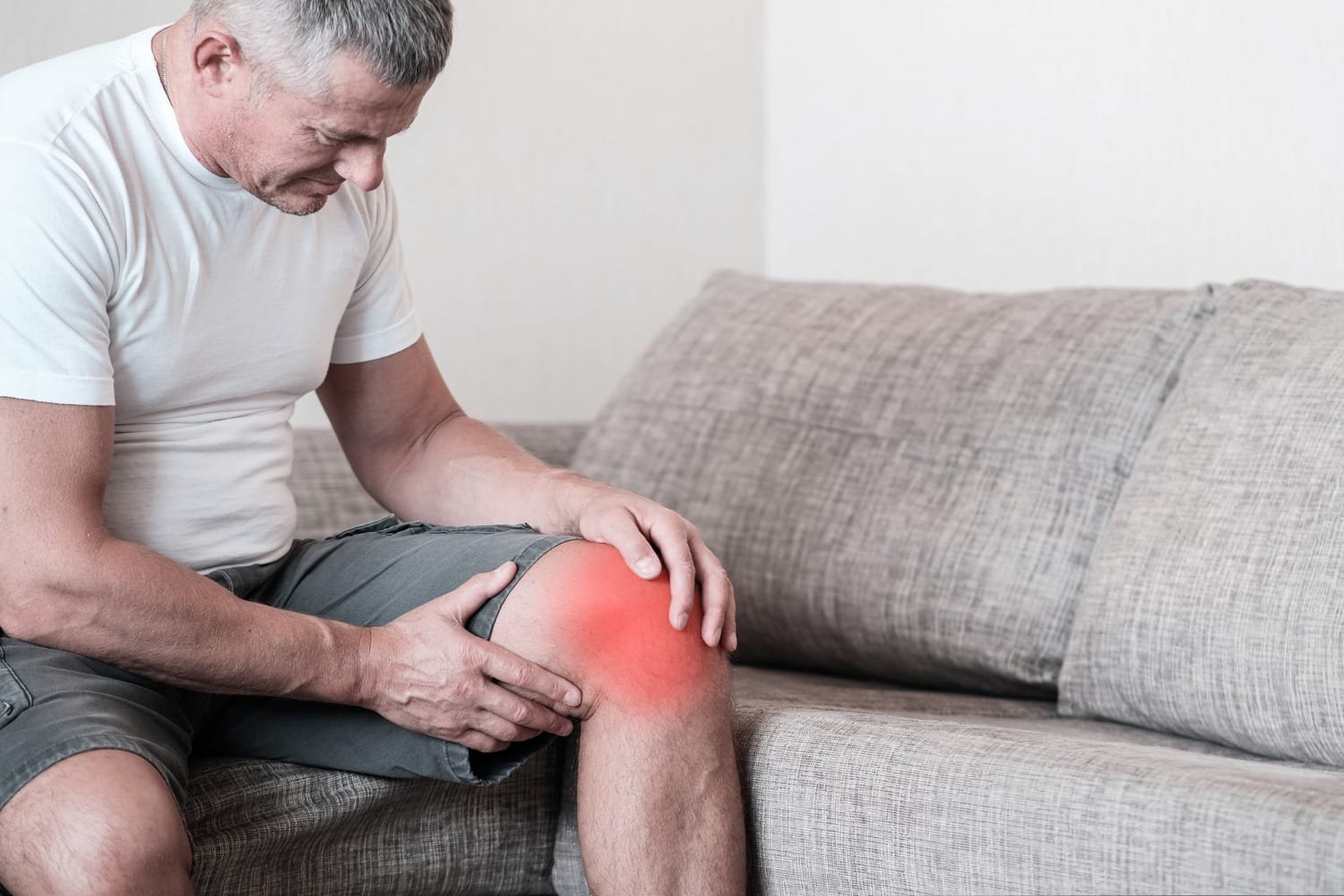
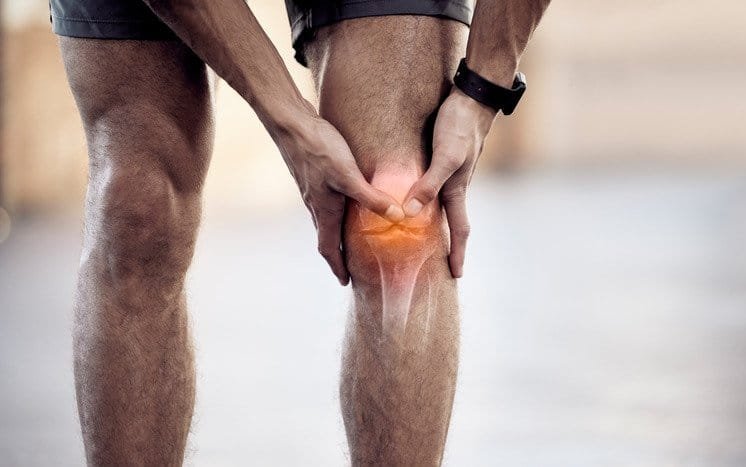
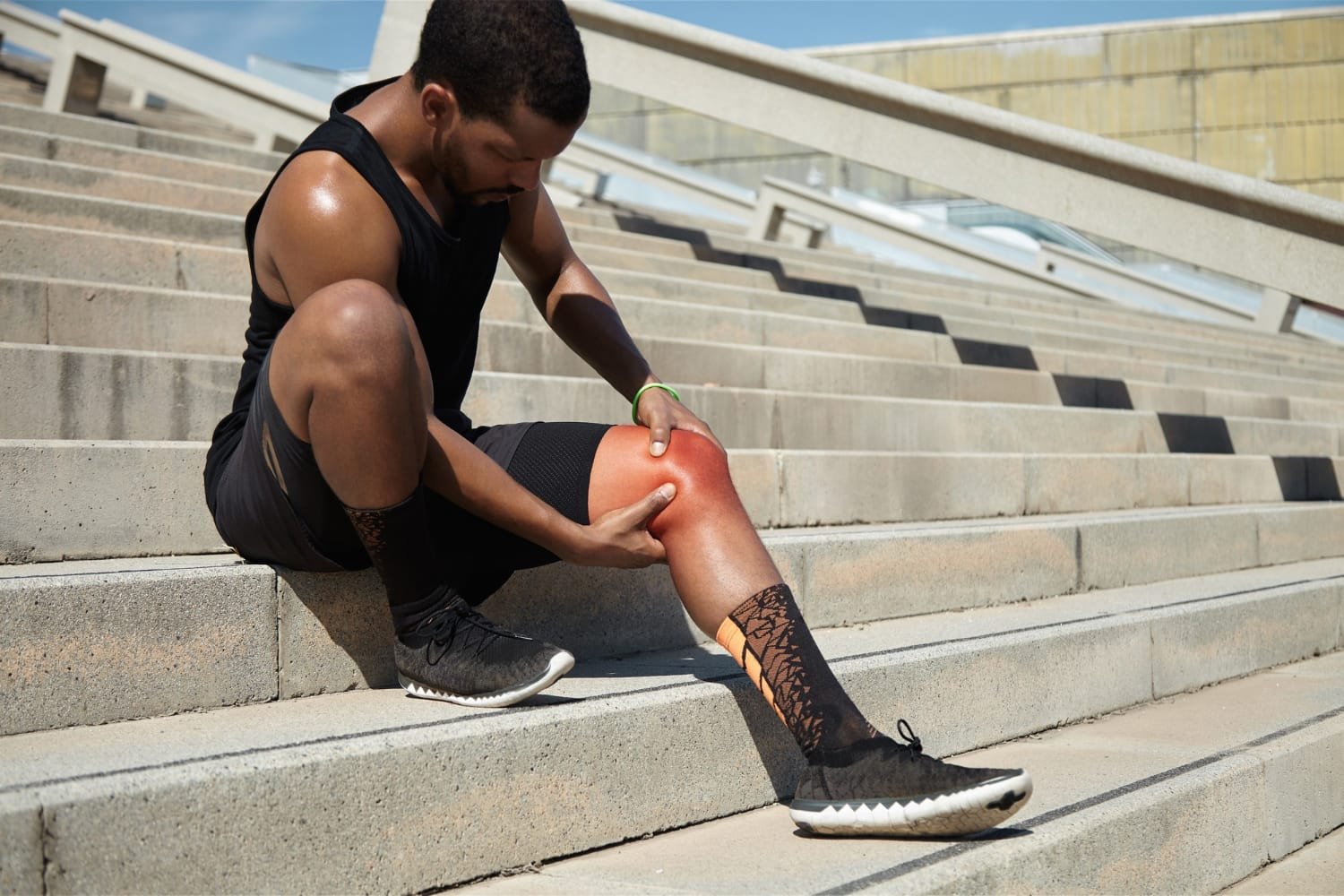
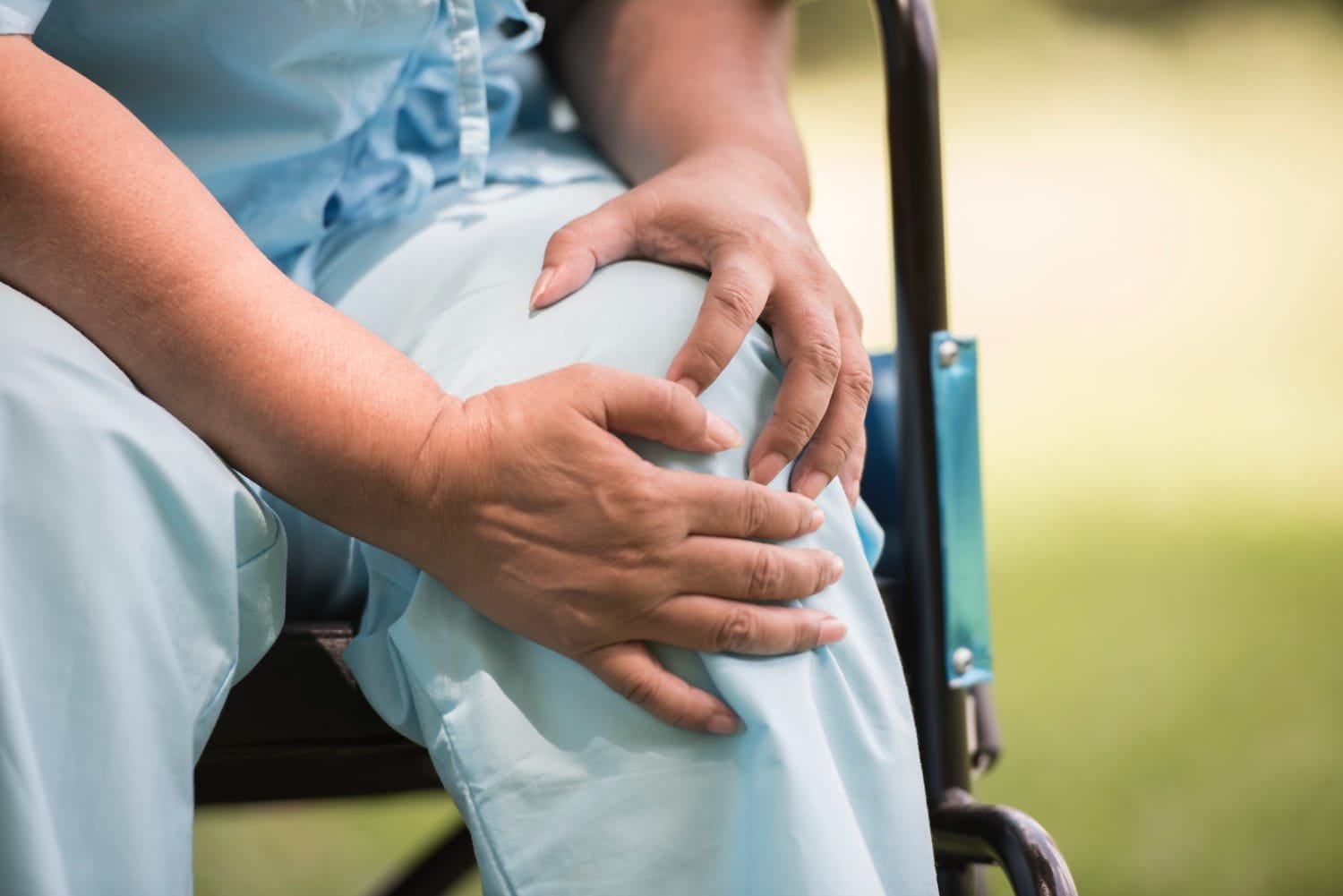
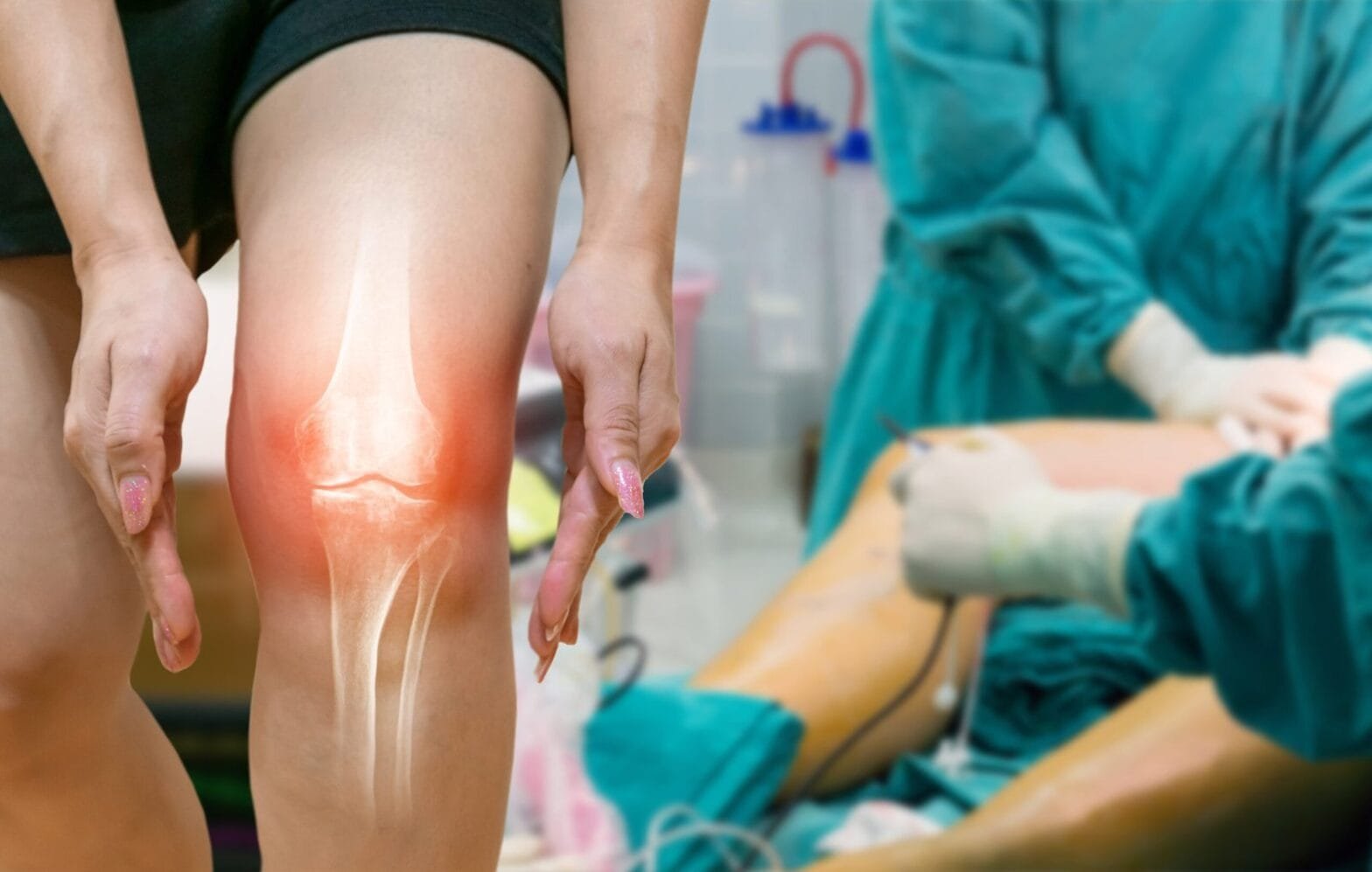
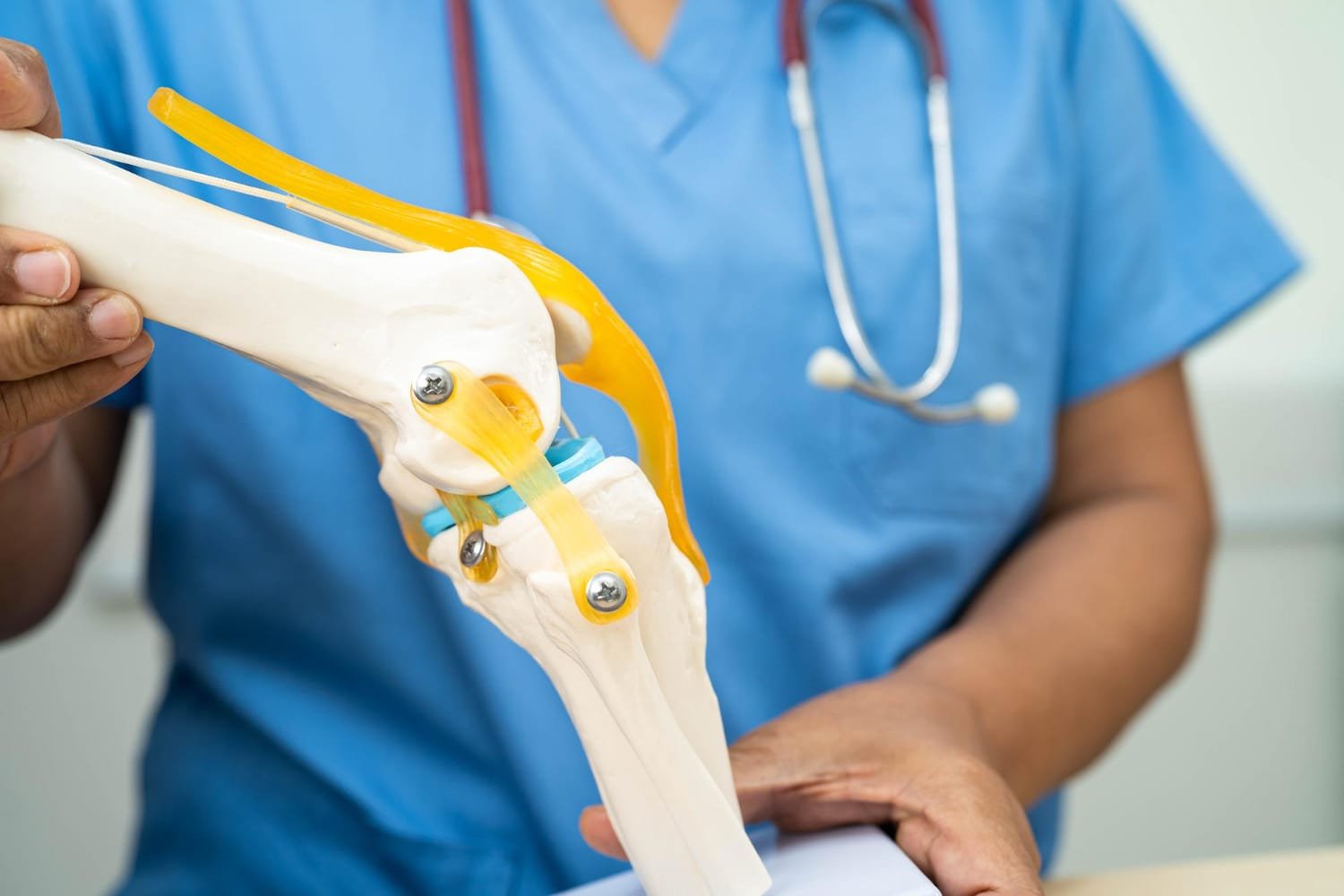
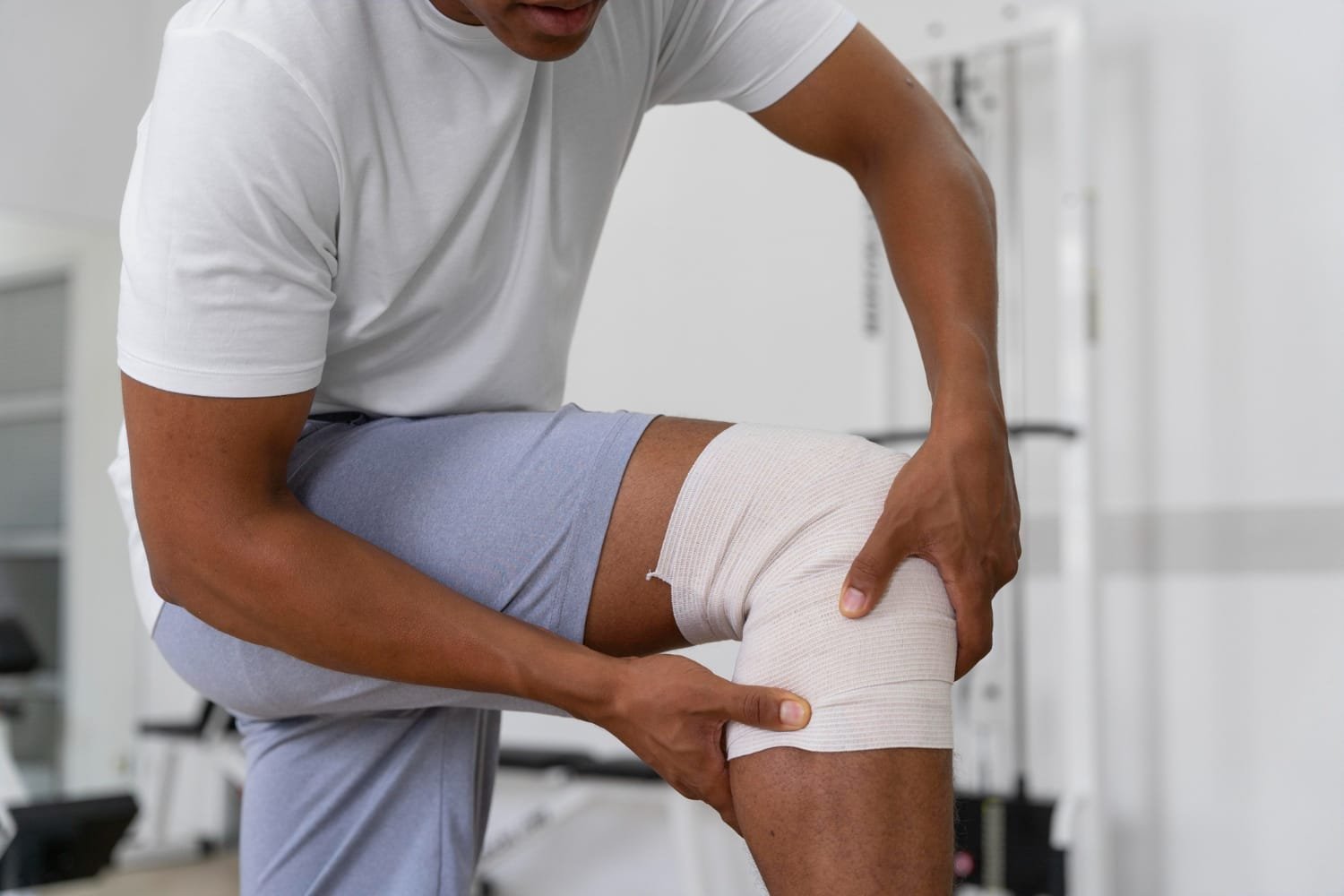
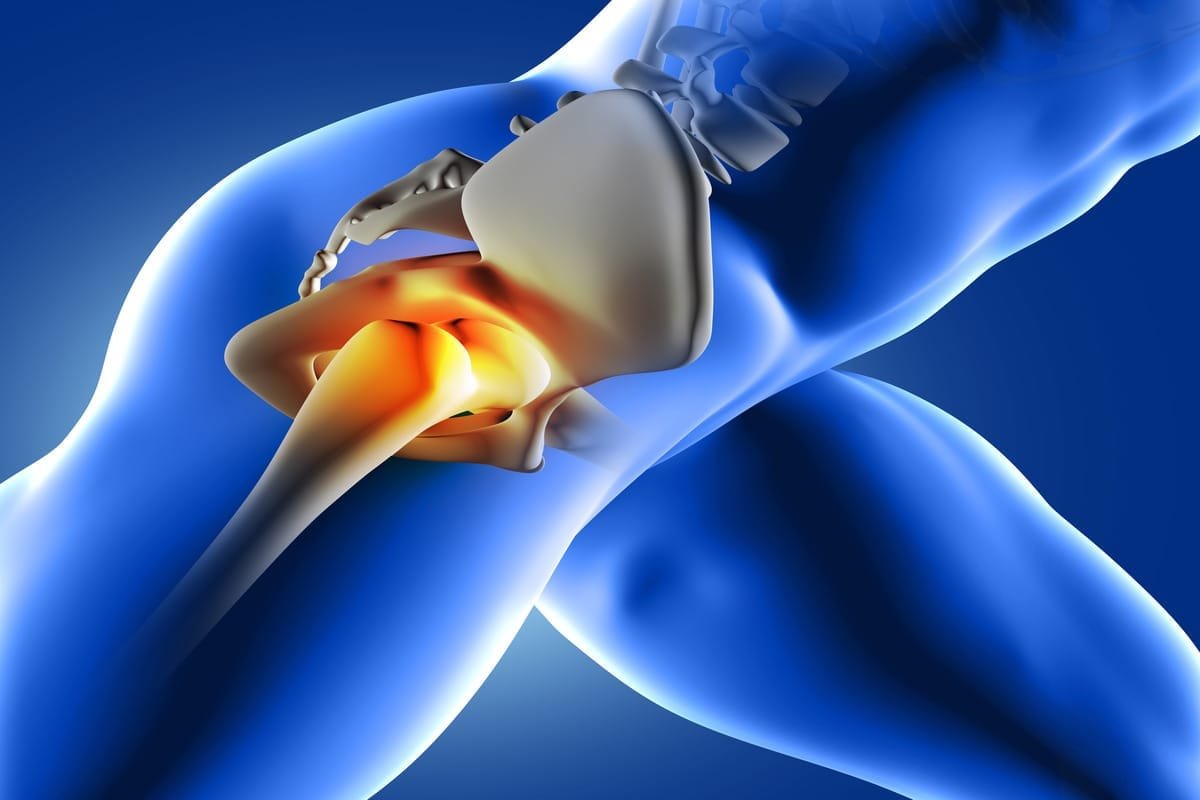
January 7, 2026Knee osteoarthritis (OA) is one of the most common joint disorders, especially among middle-aged and elderly individuals. It occurs due to gradual wear and tear of the knee joint cartilage, leading to pain, stiffness, swelling, and reduced mobility. Early and accurate diagnosis plays a crucial role in slowing disease progression and improving quality of life.
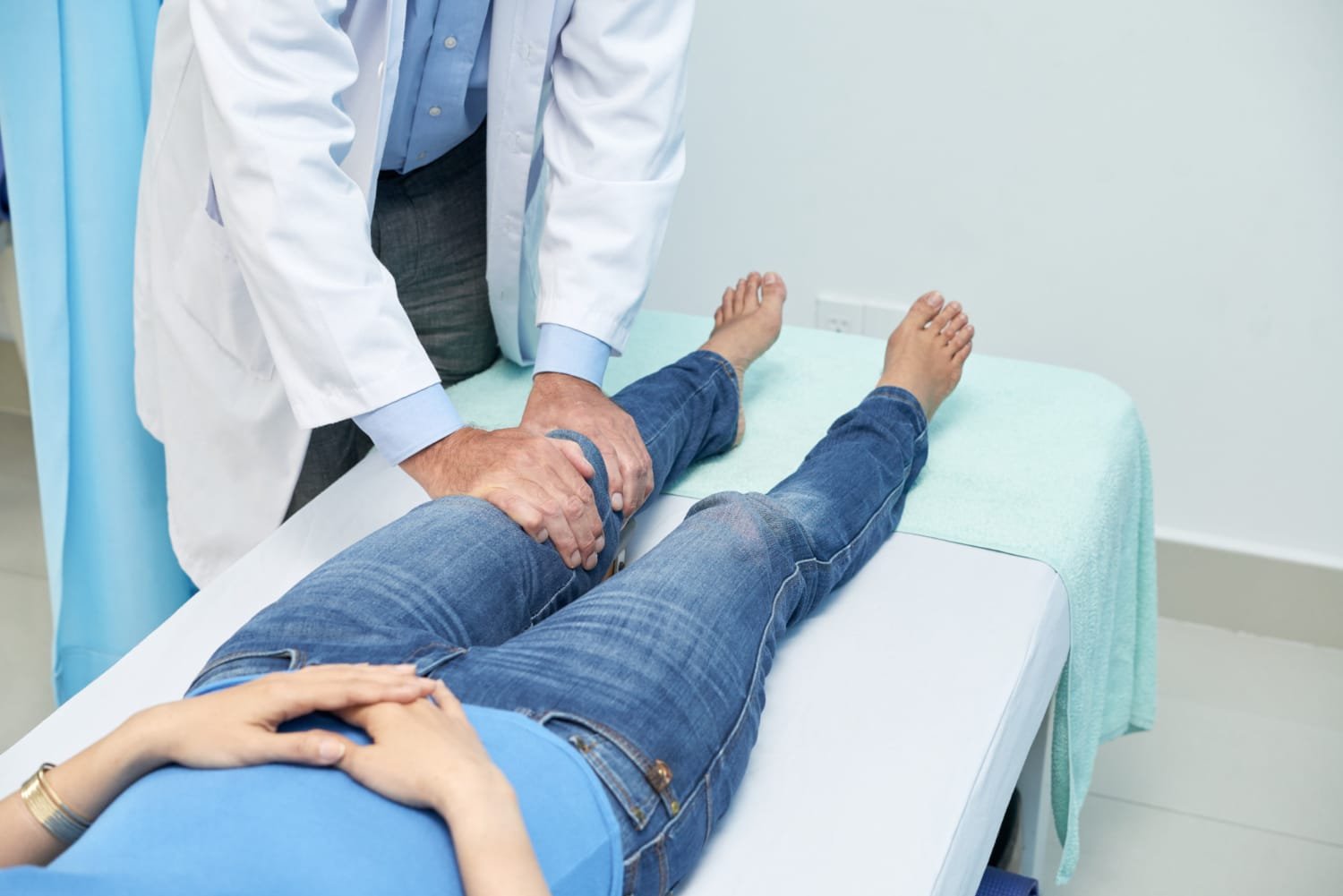
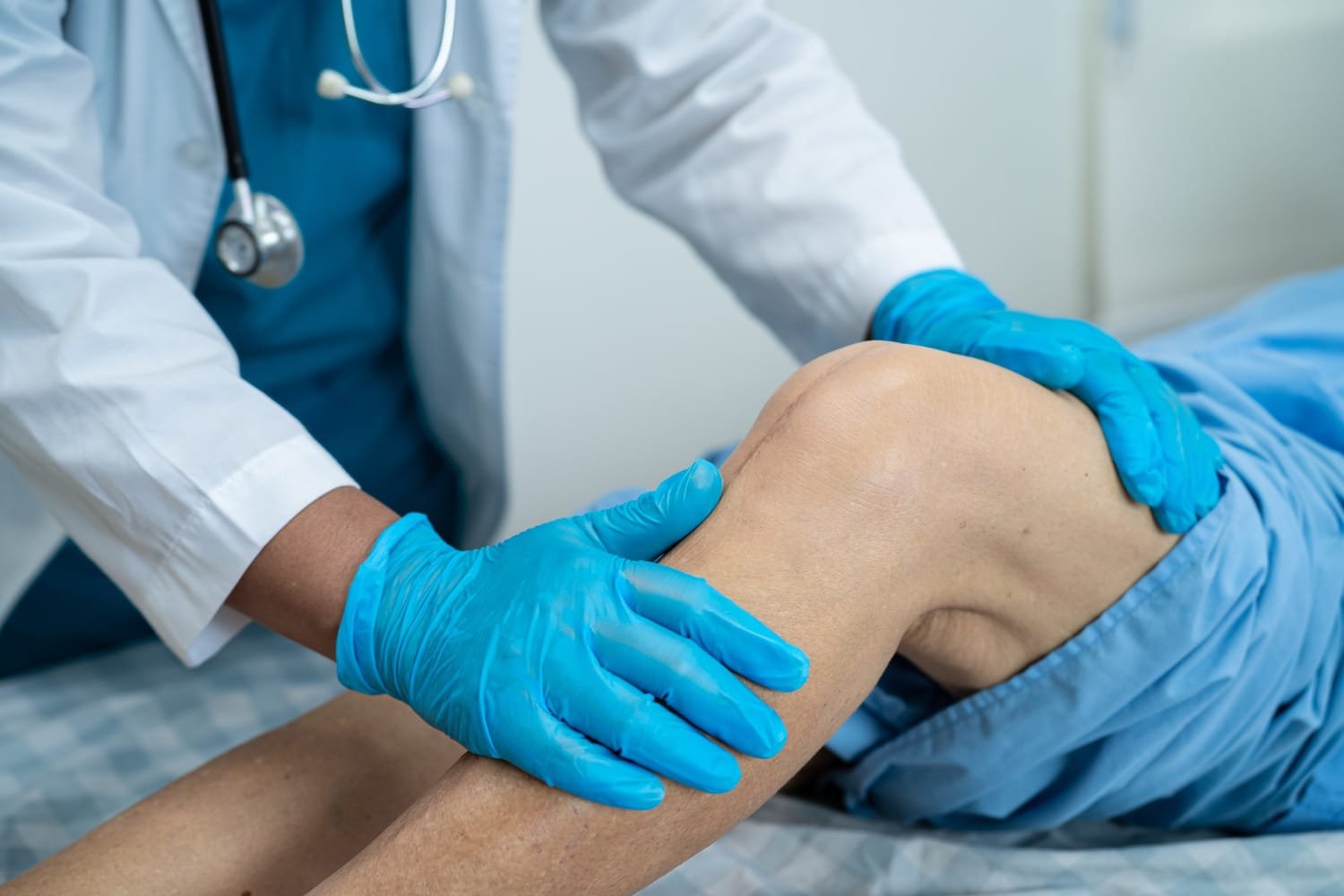
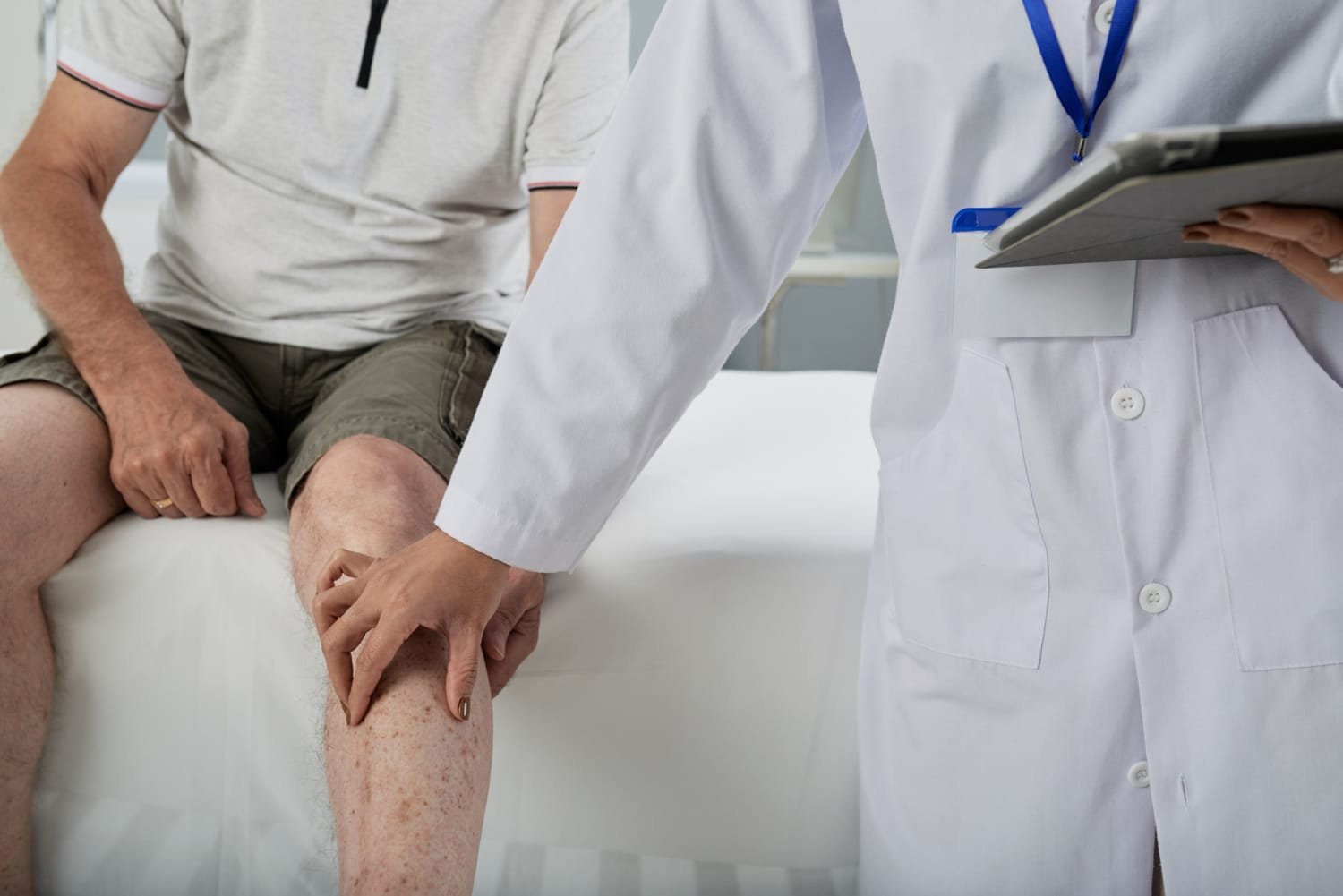
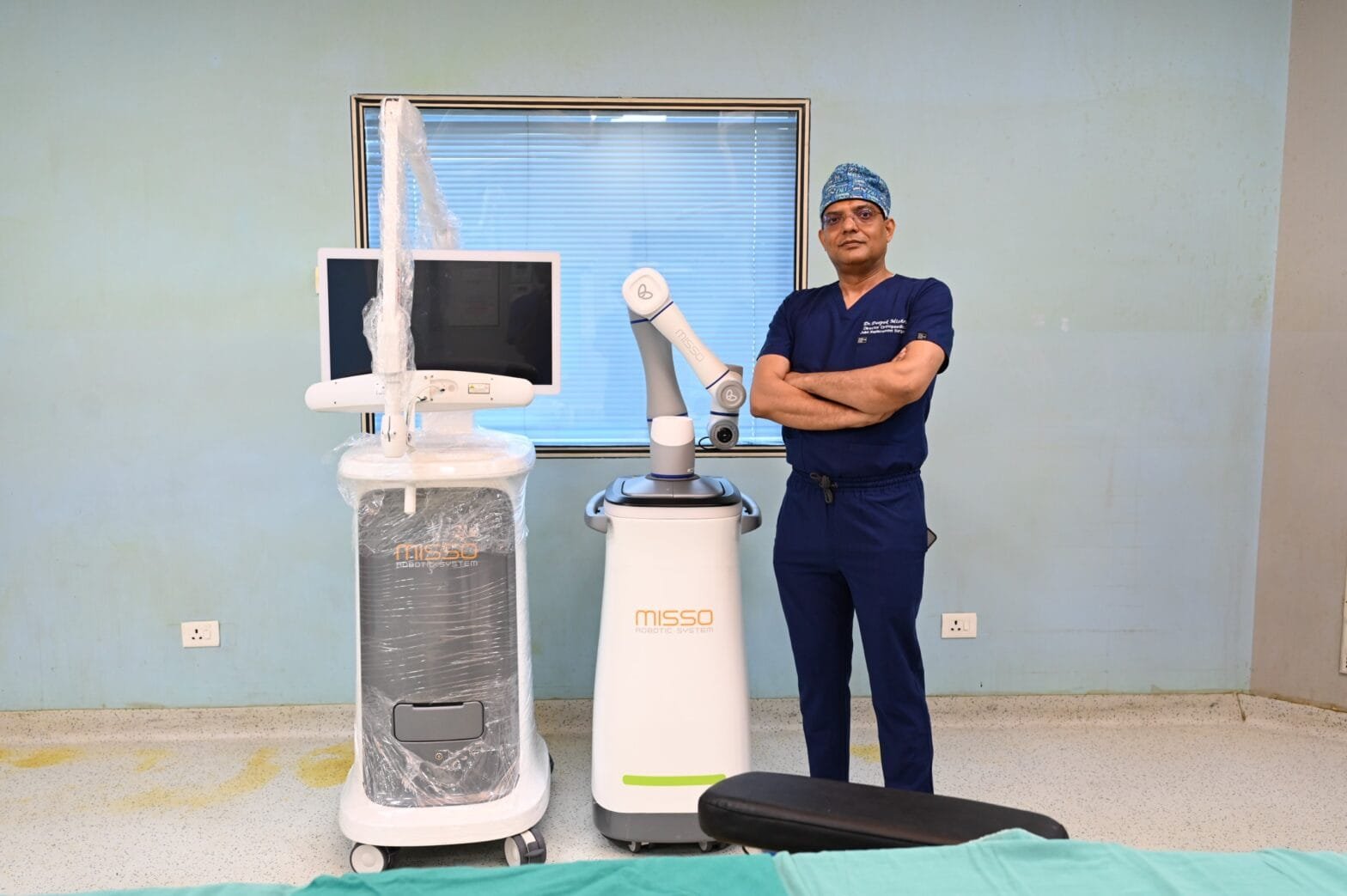
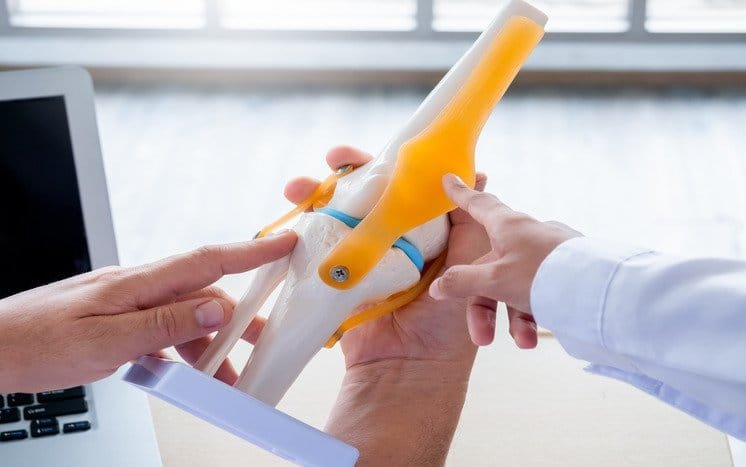
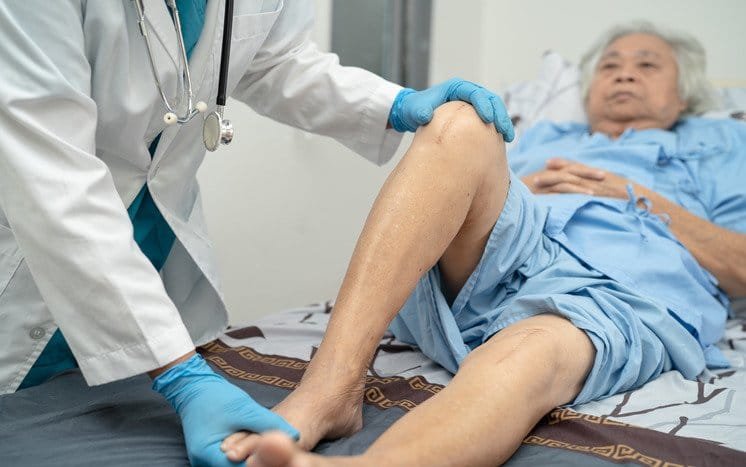
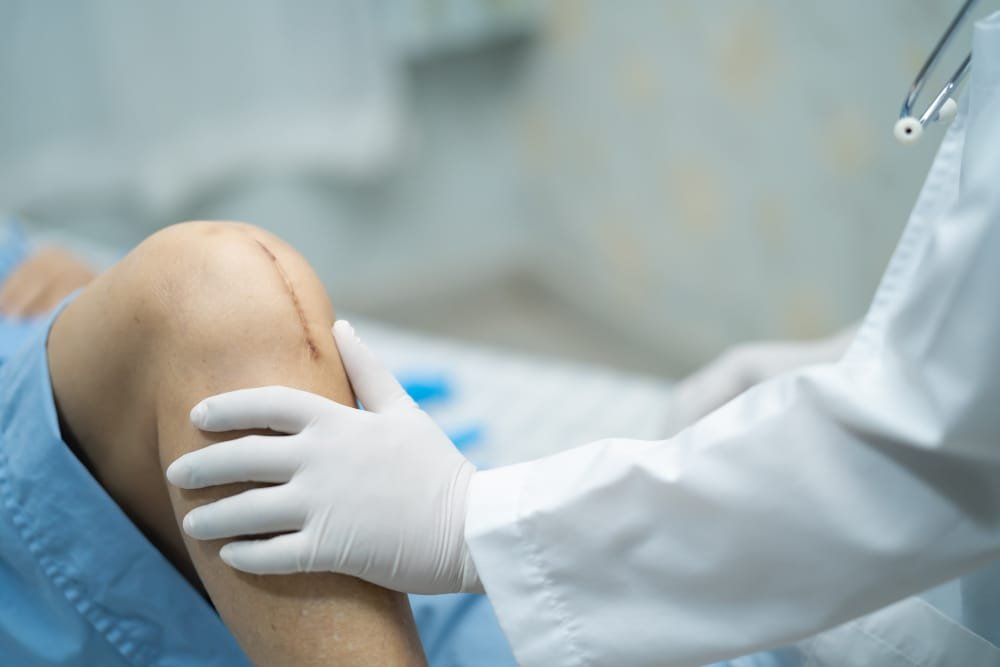
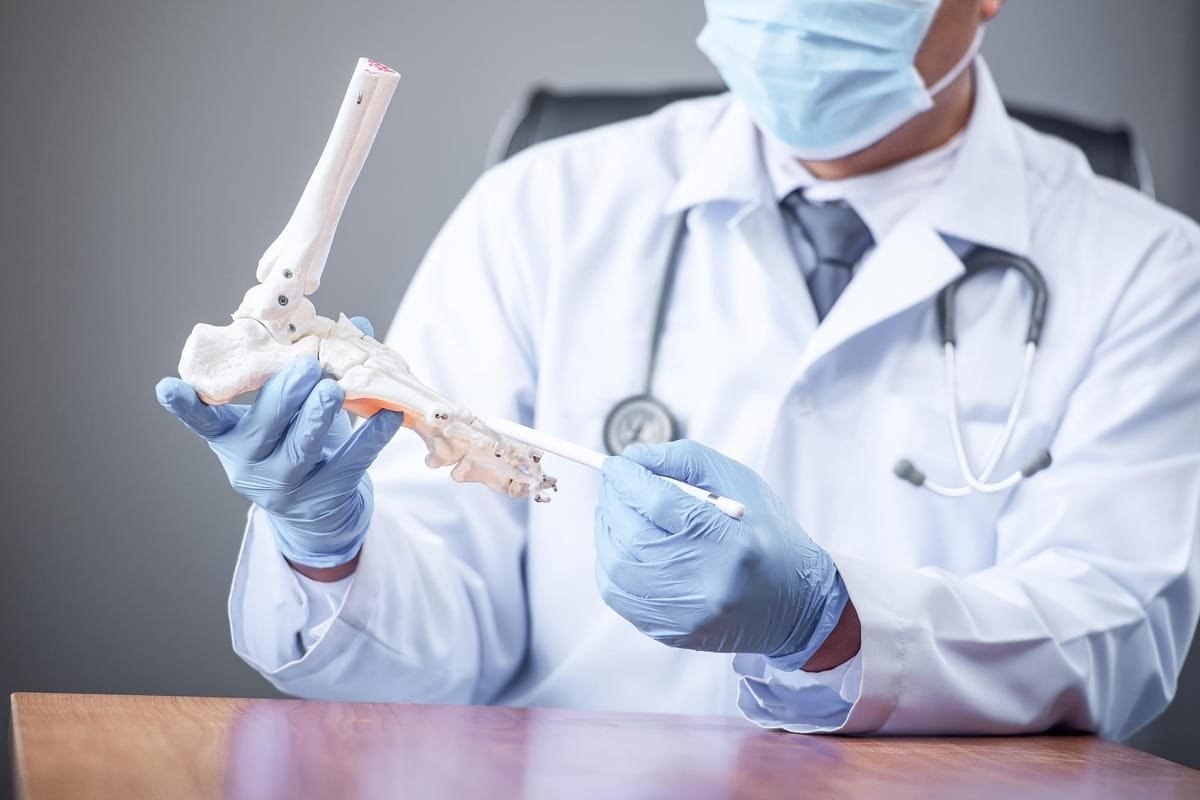
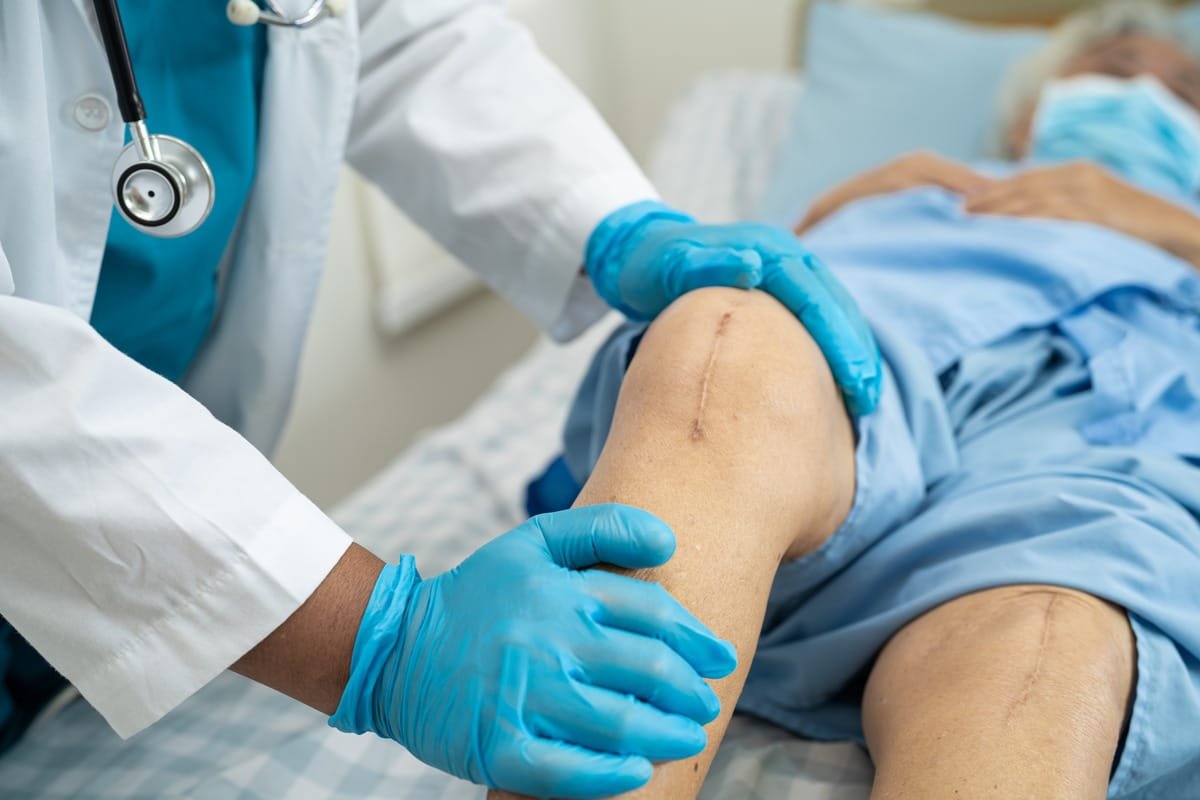
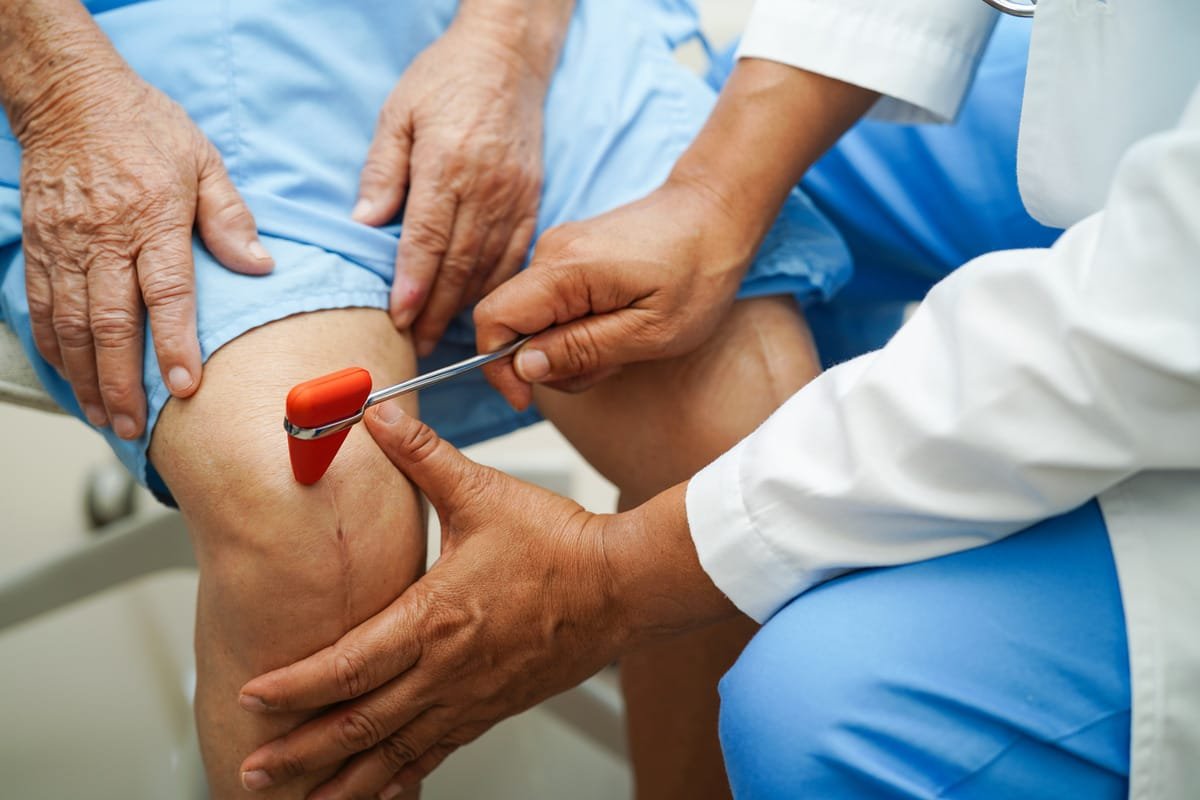
Apart from X-rays and imaging studies, special clinical tests performed during physical examination help orthopedic specialists assess the severity, alignment, and functional impact of knee osteoarthritis. This blog explains the most important special tests for knee osteoarthritis, their clinical relevance, and why consulting Dr Deepak Mishra, the best orthopedic doctor in faridabad.
Understanding Knee Osteoarthritis
Knee osteoarthritis is a degenerative joint disease characterized by:
- Loss of cartilage
- Joint space narrowing
- Bone spur (osteophyte) formation
- Inflammation of surrounding tissues
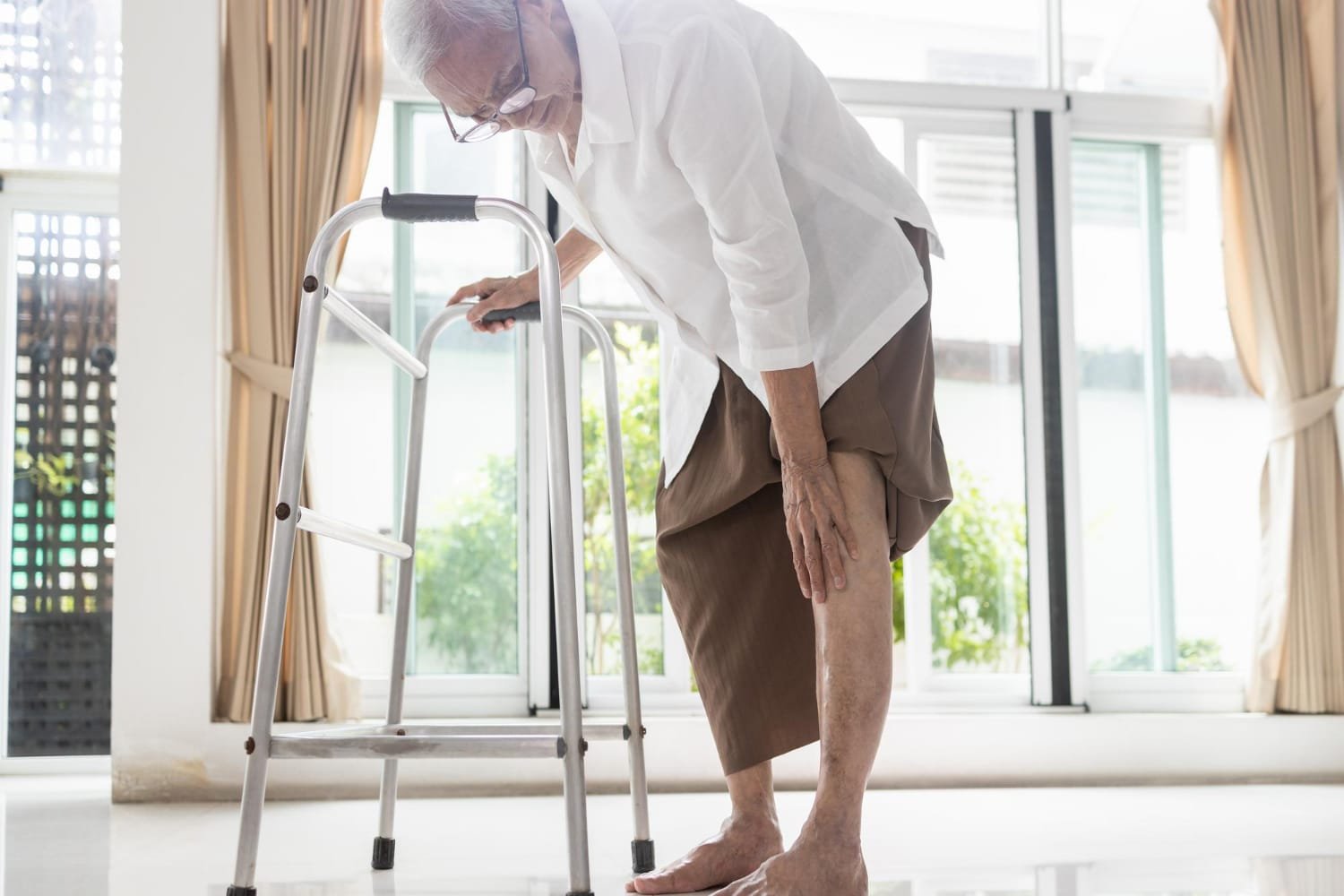
Patients commonly present with:
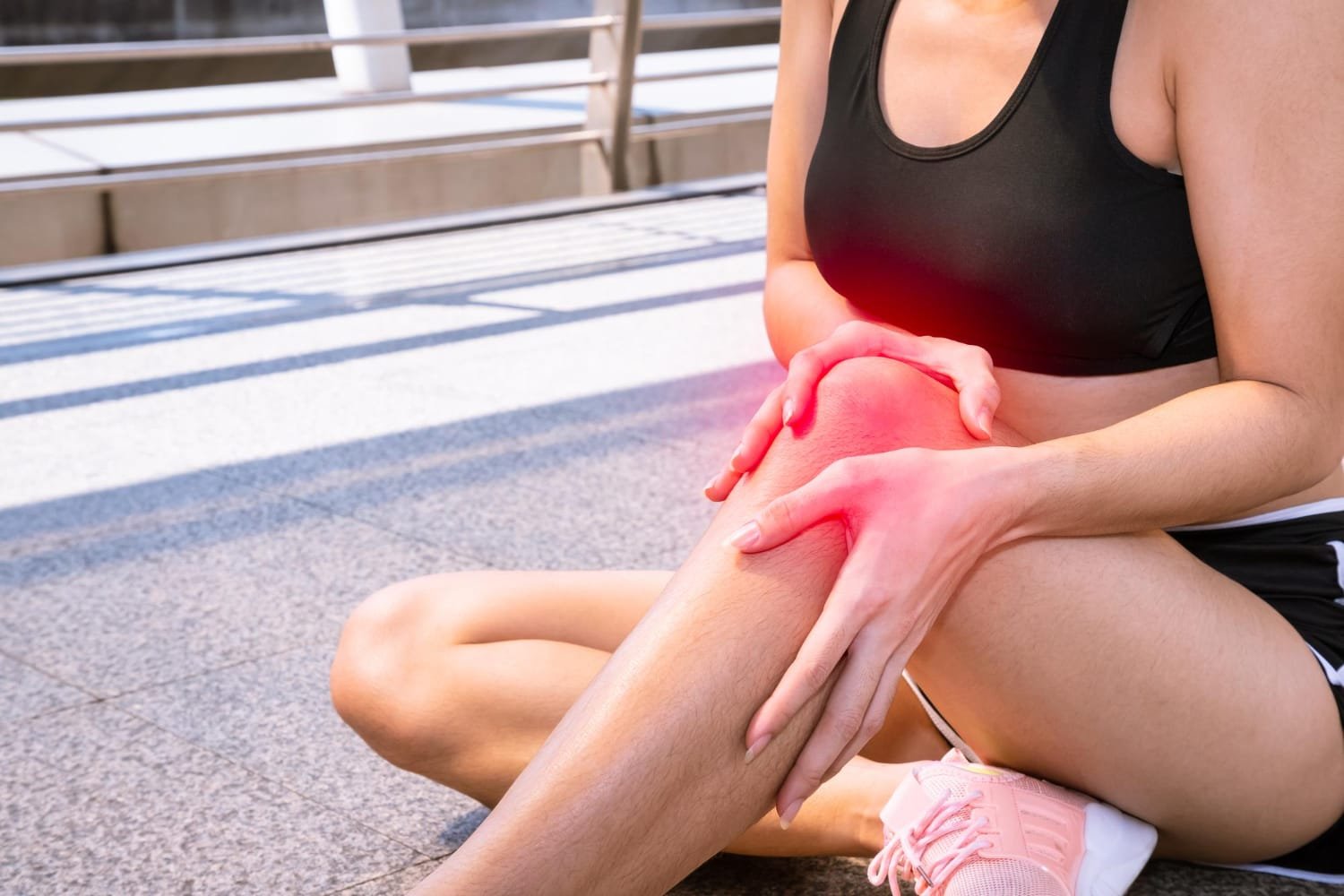
- Knee pain during walking or climbing stairs
- Morning stiffness lasting less than 30 minutes
- Crepitus (crackling sound)
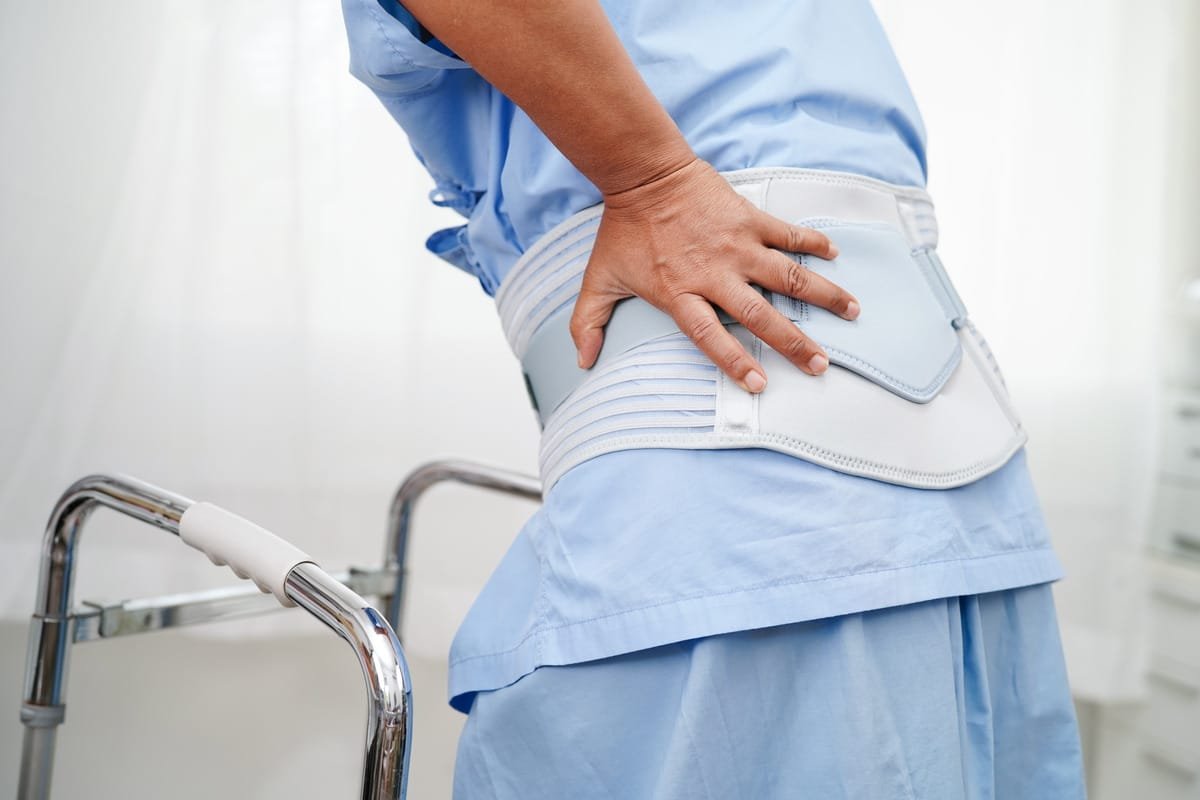
- Swelling and reduced range of motion
Why Special Tests Are Important in Knee Osteoarthritis
Special tests help doctors:
- Differentiate osteoarthritis from ligament or meniscal injuries
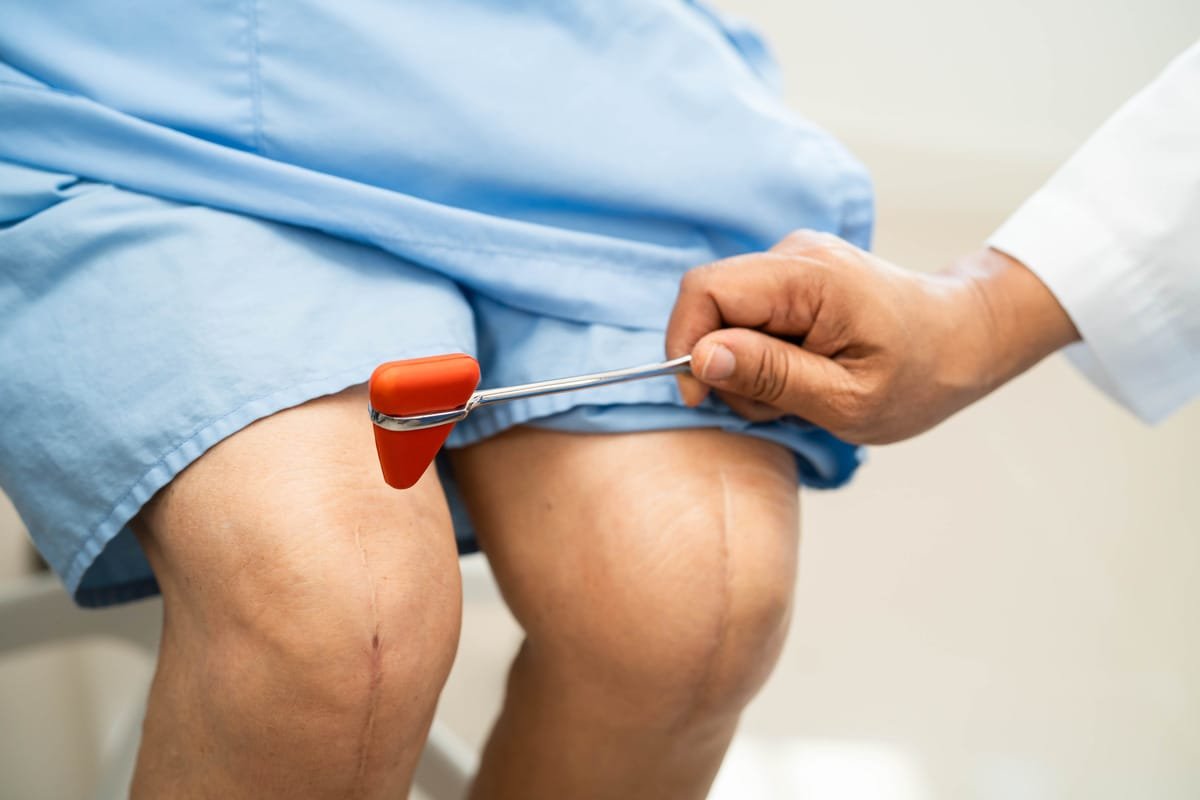
- Assess joint stability and alignment
- Evaluate pain source and severity
- Plan appropriate treatment (conservative vs surgical)
These tests are quick, non-invasive, and performed during clinical examination.
Key Special Tests for Knee Osteoarthritis
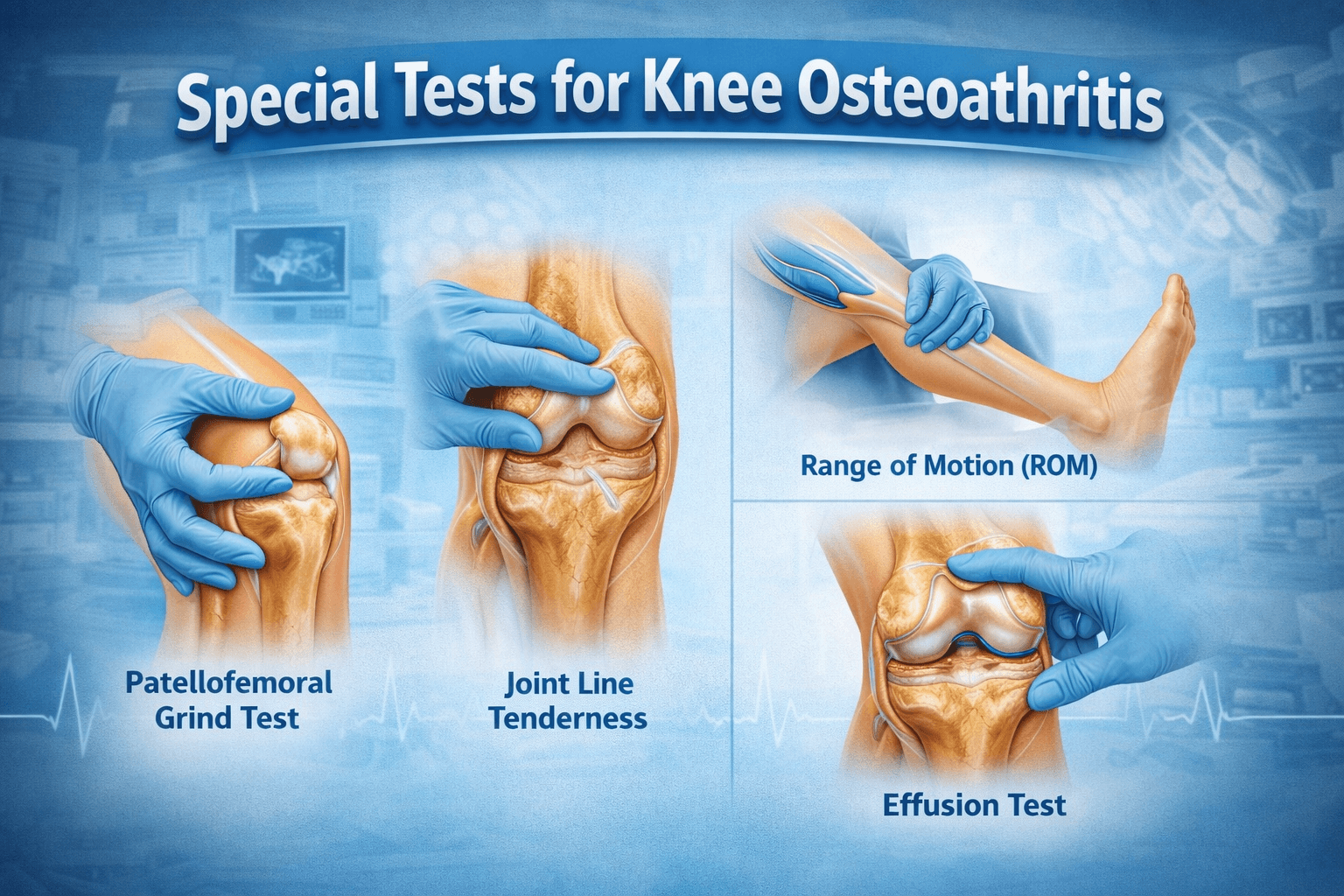
1. Patellofemoral Grind Test (Clarke’s Test)
Purpose:
Assesses degeneration of the patellofemoral joint (kneecap joint).
How It’s Done:
The examiner stabilizes the patella while asking the patient to contract the quadriceps muscle.
Positive Test:
Pain or discomfort indicates patellofemoral osteoarthritis.
Clinical Importance:
Common in patients with anterior knee pain and difficulty rising from sitting.
2. Crepitus Test
Purpose:
Detects rough joint surfaces due to cartilage loss.
How It’s Done:
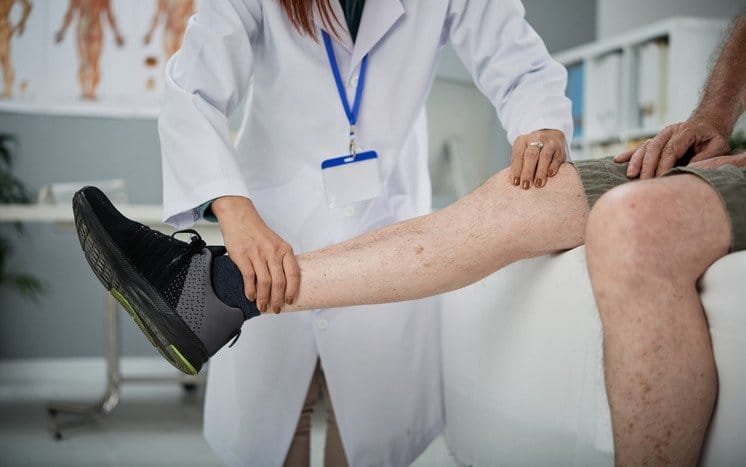
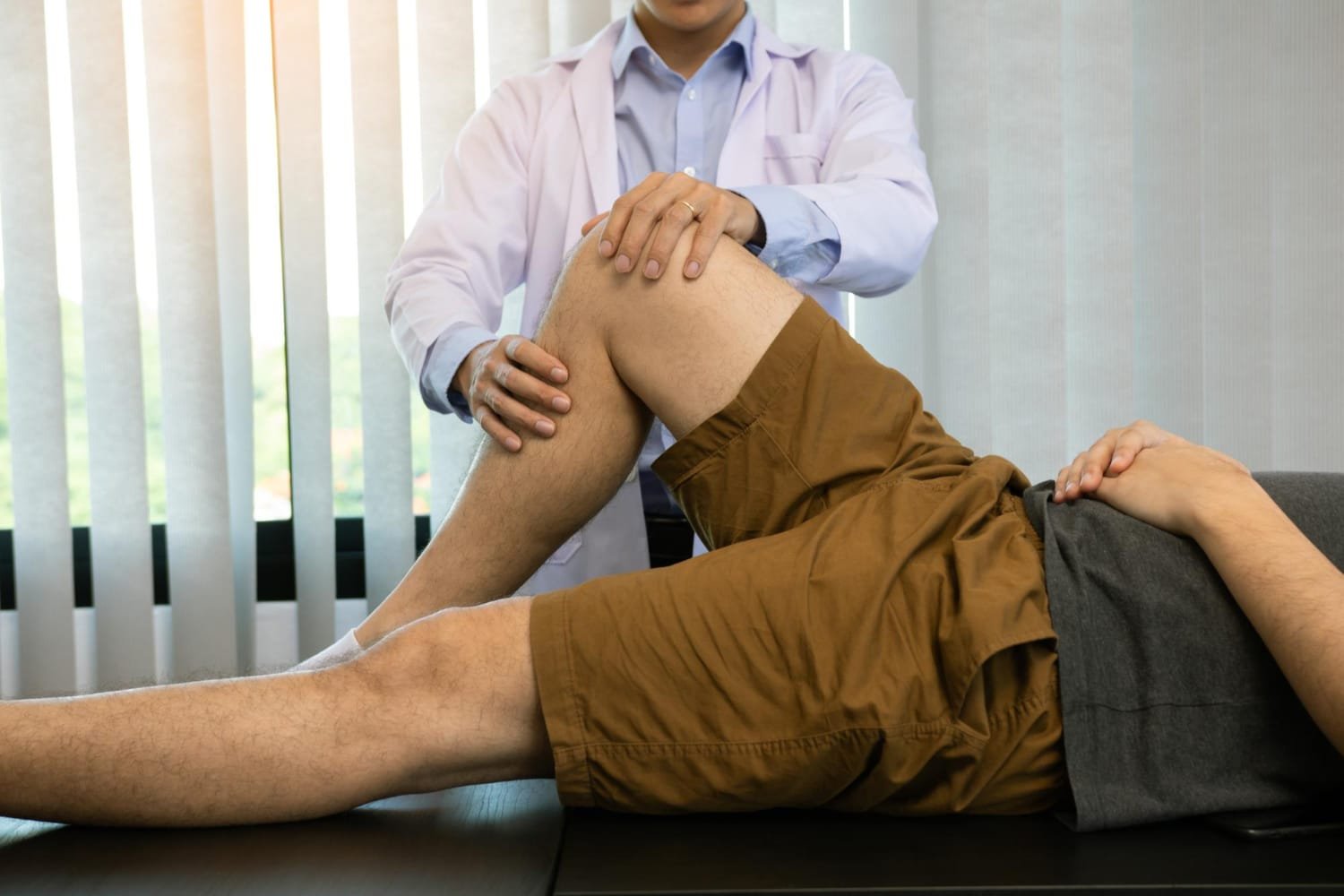
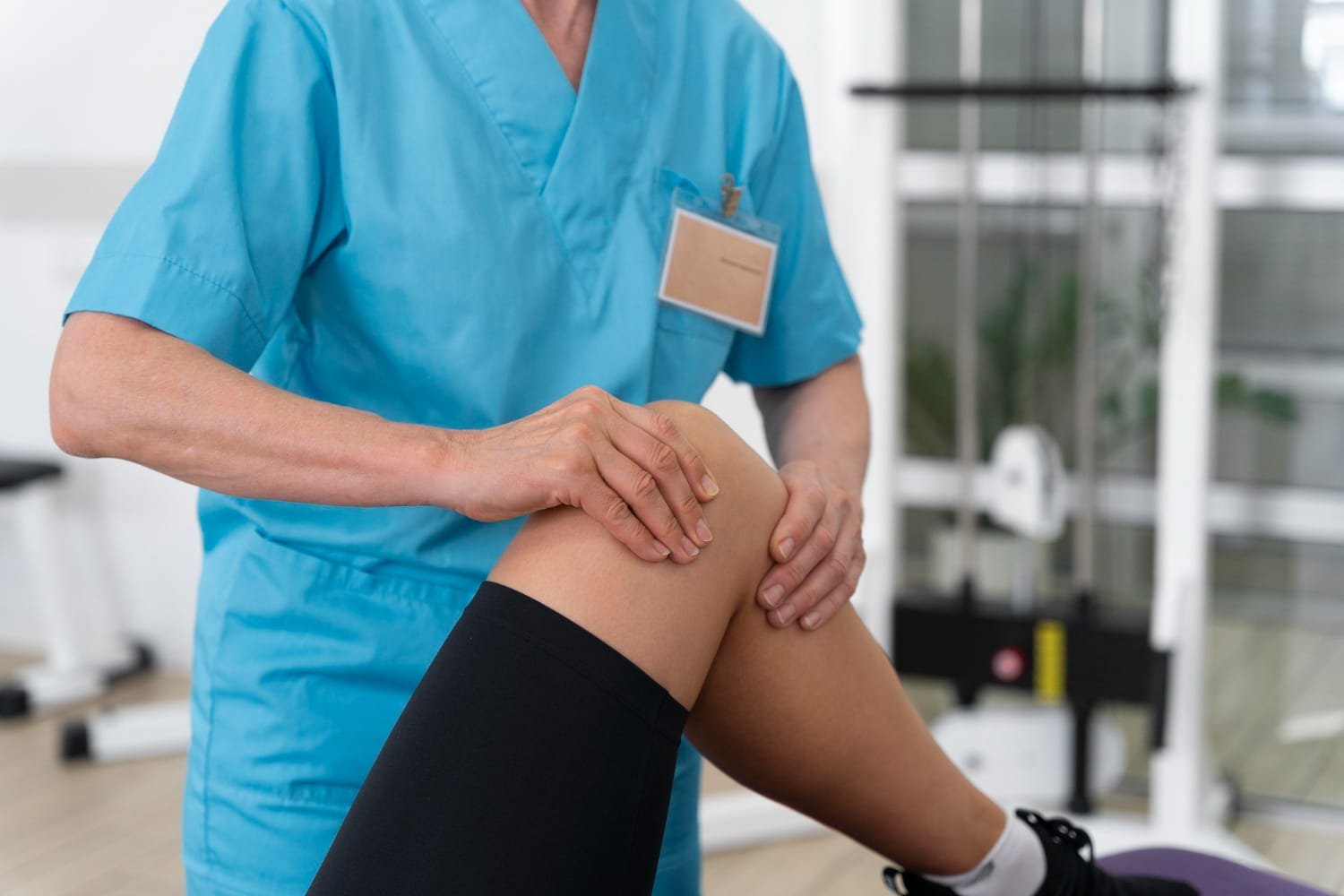
The knee is passively flexed and extended while feeling for vibrations or sounds.
Positive Finding:
Grinding or crackling sensation during movement.
Clinical Importance:
A classic sign of advanced knee osteoarthritis.
3. Varus and Valgus Stress Test
Purpose:
Evaluates medial and lateral compartment involvement.
How It’s Done:
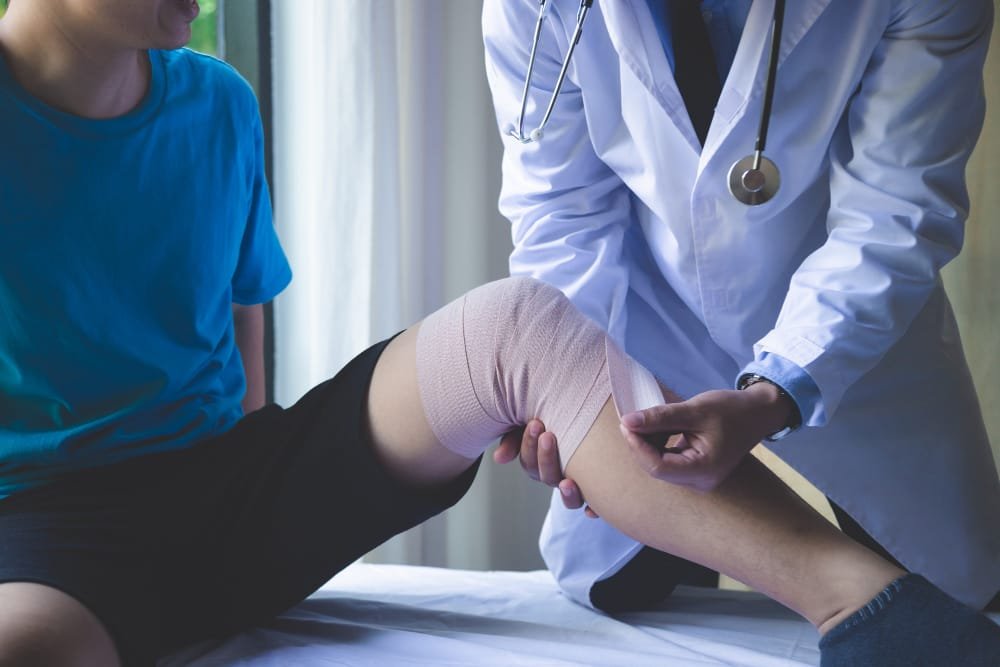
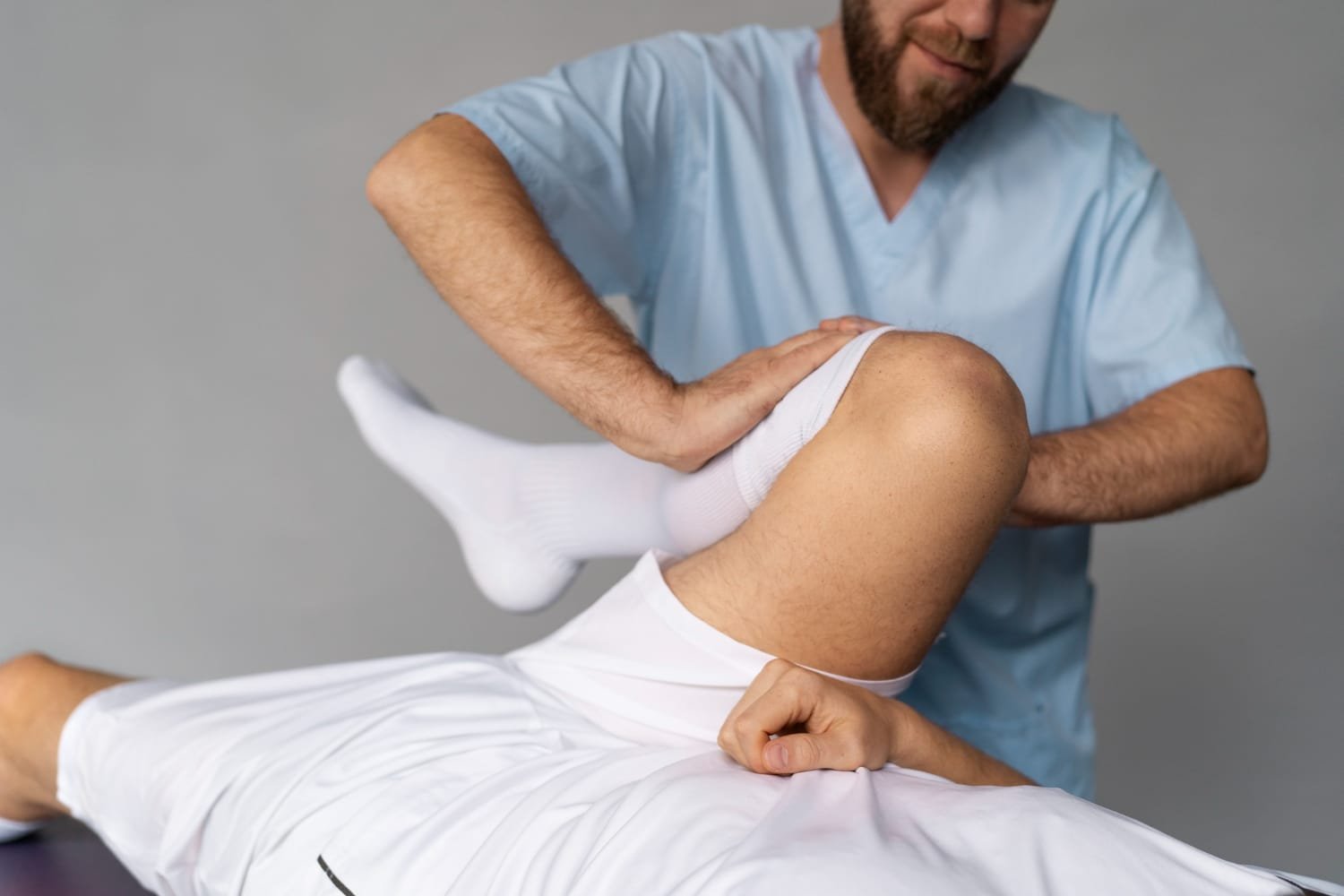
Stress is applied to the knee in both inward (varus) and outward (valgus) directions.
Positive Test:
Pain without excessive instability suggests compartmental osteoarthritis.
Clinical Importance:
Helps identify whether medial or lateral knee arthritis is dominant.
4. Range of Motion (ROM) Assessment
Purpose:
Measures stiffness and joint restriction.
How It’s Done:
Active and passive knee flexion and extension are examined.
Abnormal Finding:
Reduced extension or flexion compared to normal knee.
Clinical Importance:
Progressive limitation is a hallmark of worsening osteoarthritis.
5. Joint Line Tenderness Test
Purpose:
Identifies localized degeneration or osteophyte formation.
How It’s Done:
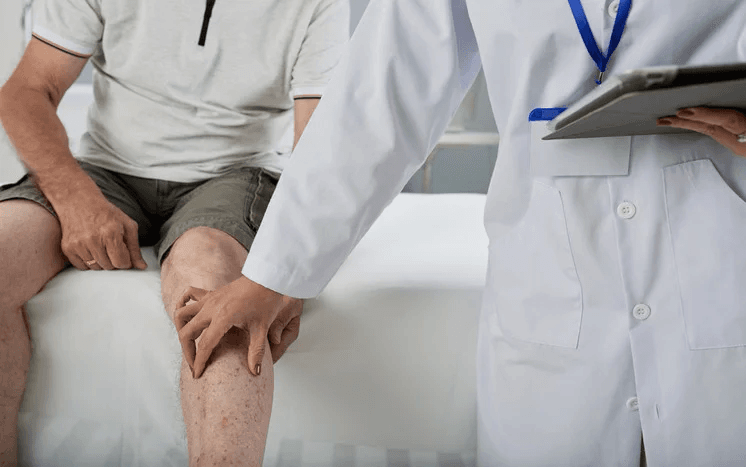
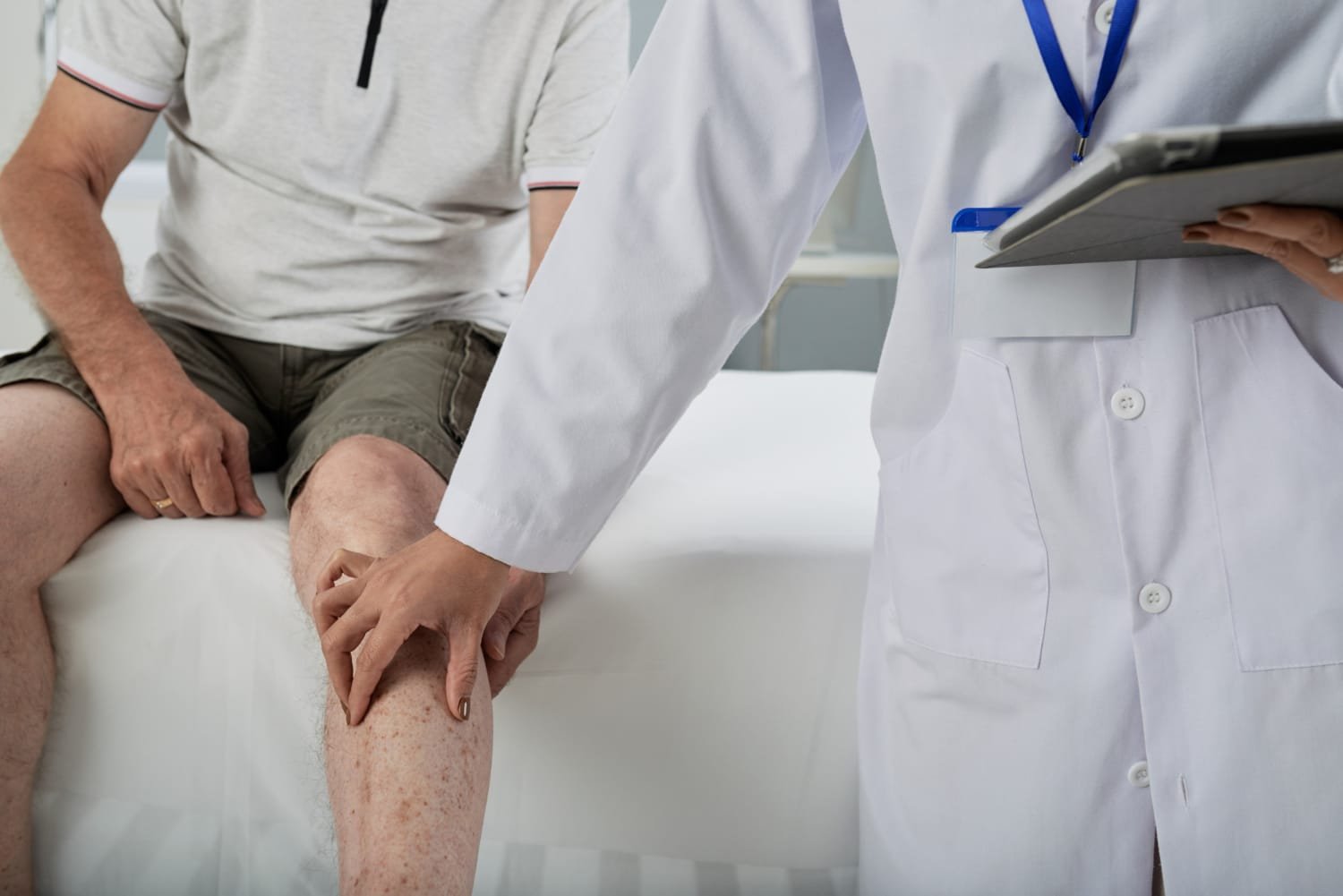
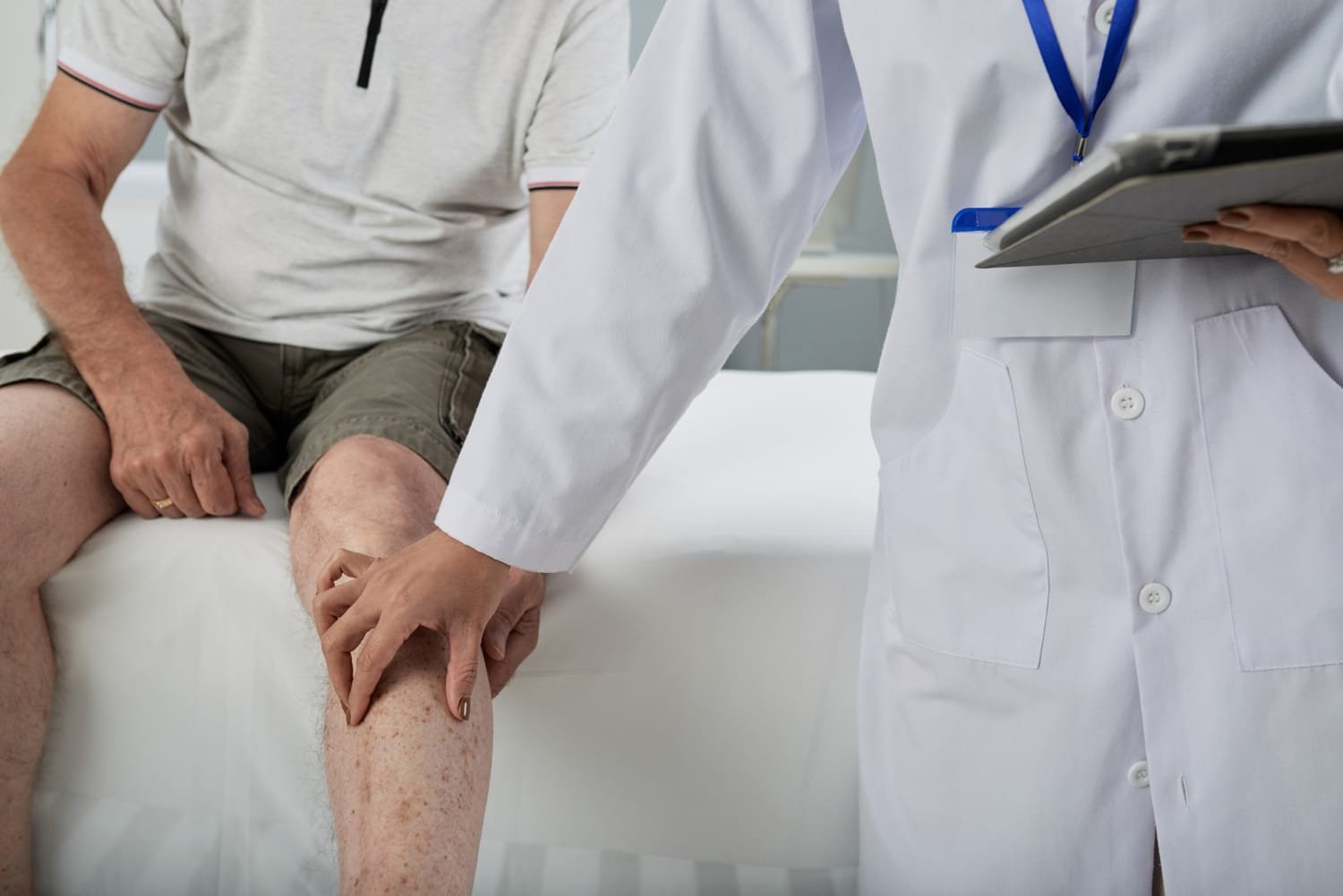
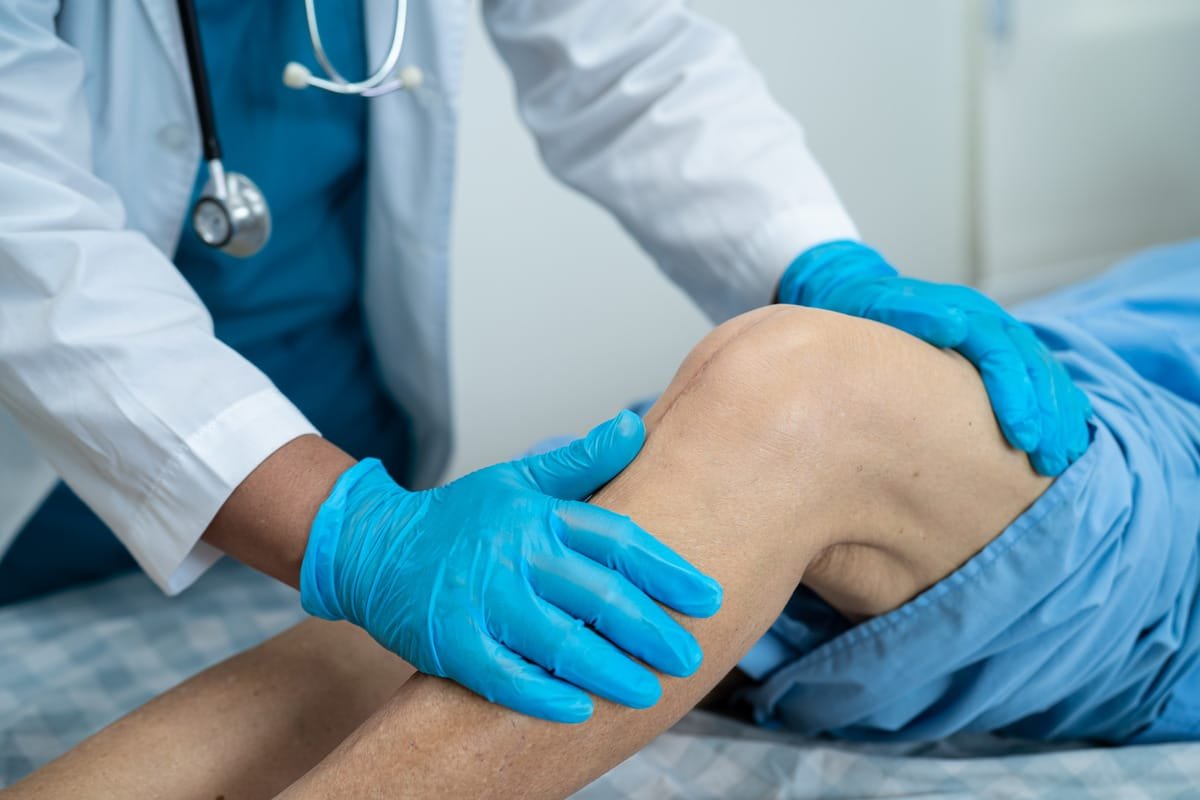
Gentle pressure is applied along the medial and lateral joint lines.
Positive Test:
Localized pain on palpation.
Clinical Importance:
Often correlates with radiological joint space narrowing.
6. Effusion Test (Bulge Sign / Patellar Tap)
Purpose:
Detects fluid accumulation due to inflammation.
How It’s Done:
Fluid movement is assessed around the patella.
Positive Test:
Visible or palpable fluid shift.
Clinical Importance:
Seen in inflammatory flare-ups of knee osteoarthritis.
7. Functional Tests (Gait & Squat Test)
Purpose:
Assesses real-life functional limitation.
Observations Include:
- Antalgic gait (pain-avoiding walk)
- Difficulty squatting or standing from sitting
- Knee deformity (bow legs or knock knees)
Clinical Importance:
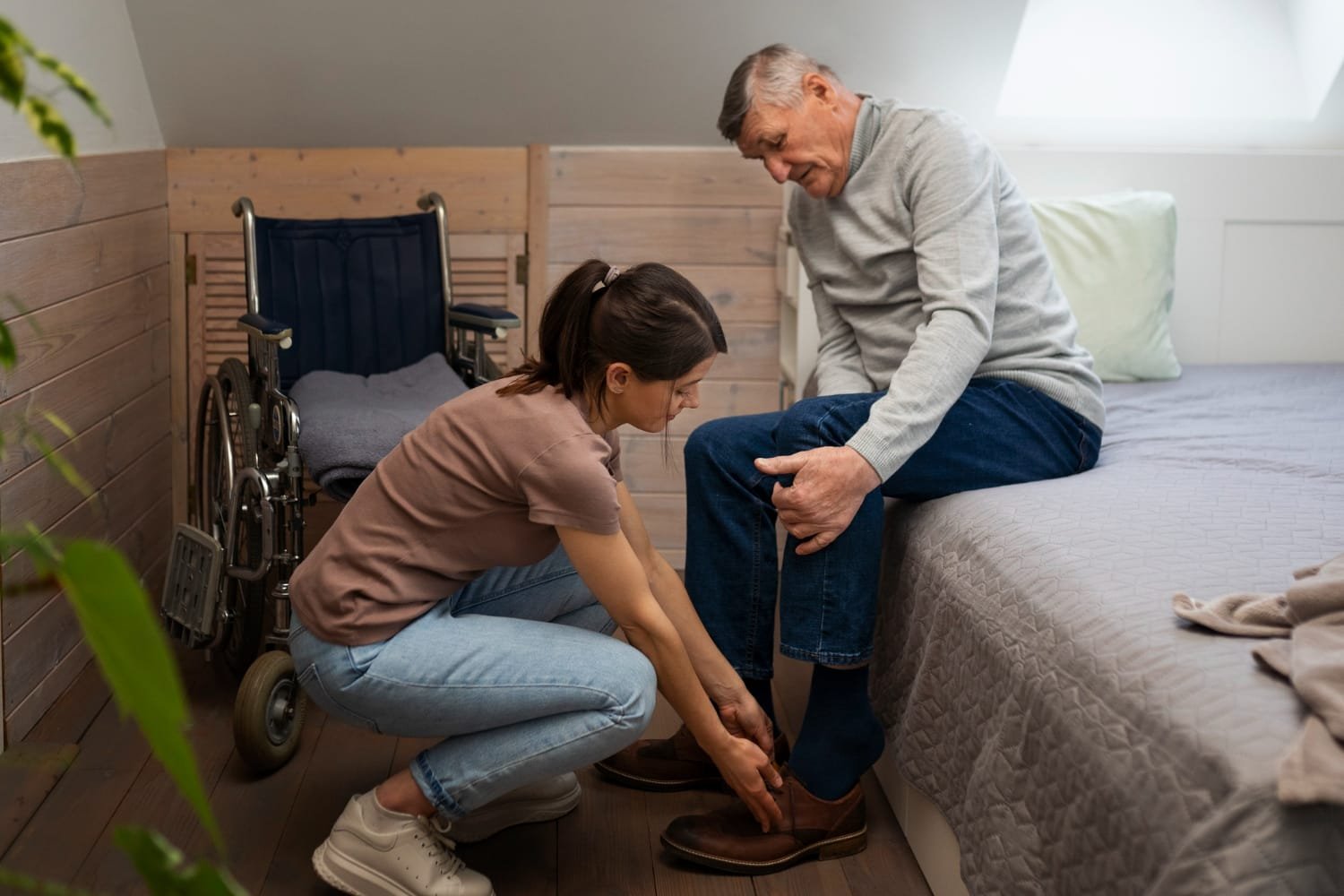
Helps determine disease impact on daily activities.
When Are Imaging Tests Needed?
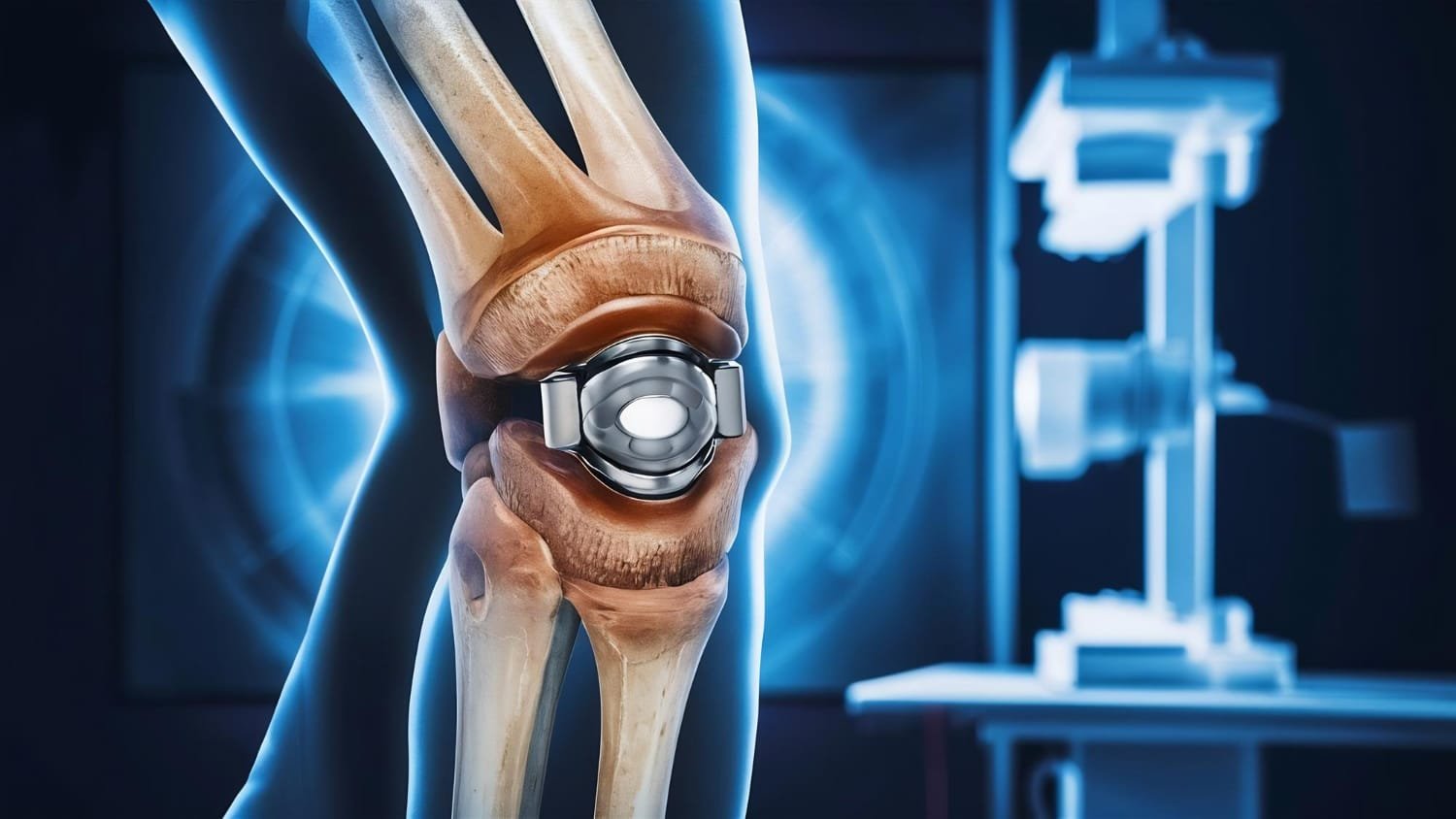
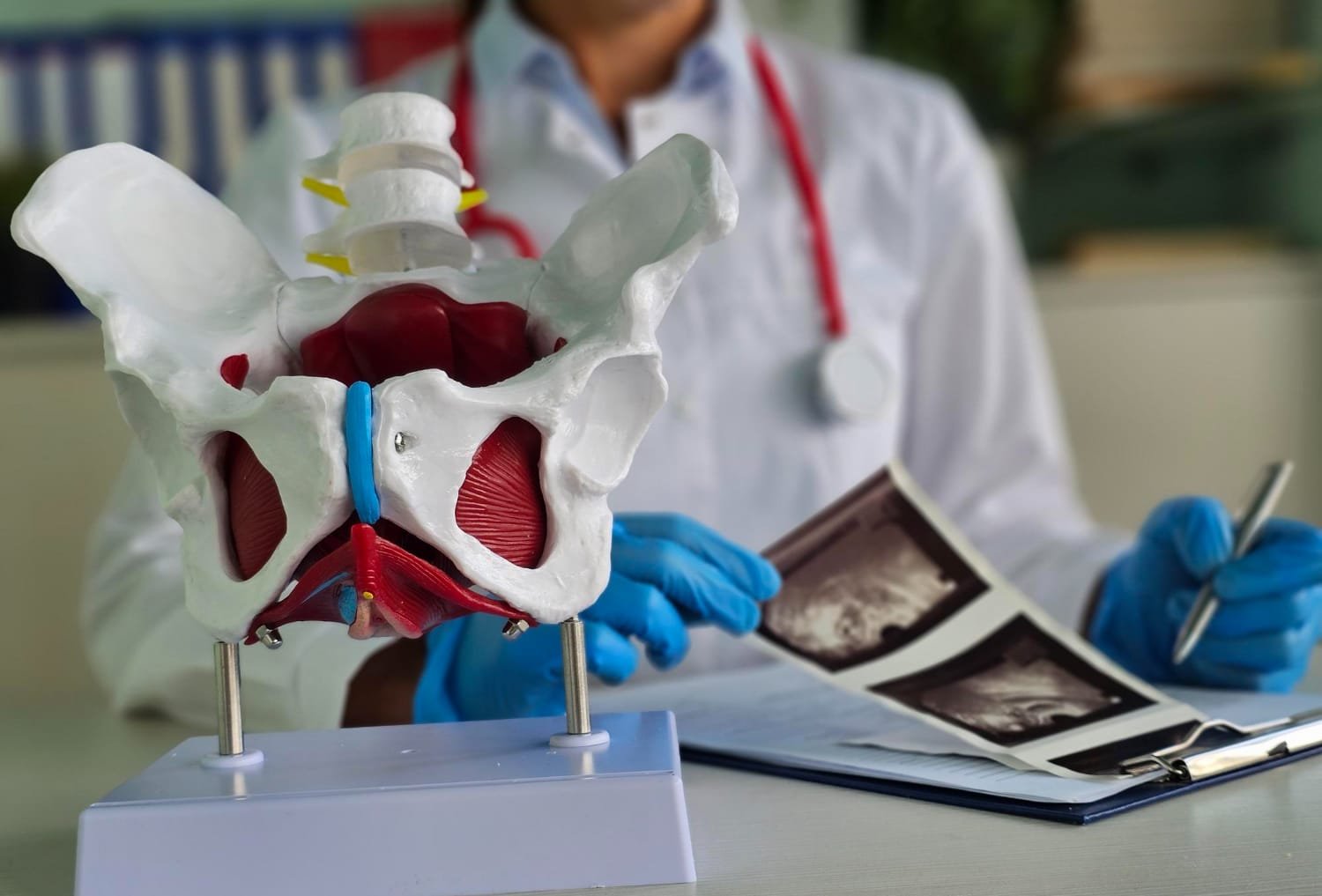
Special tests guide clinical suspicion, but imaging confirms diagnosis:
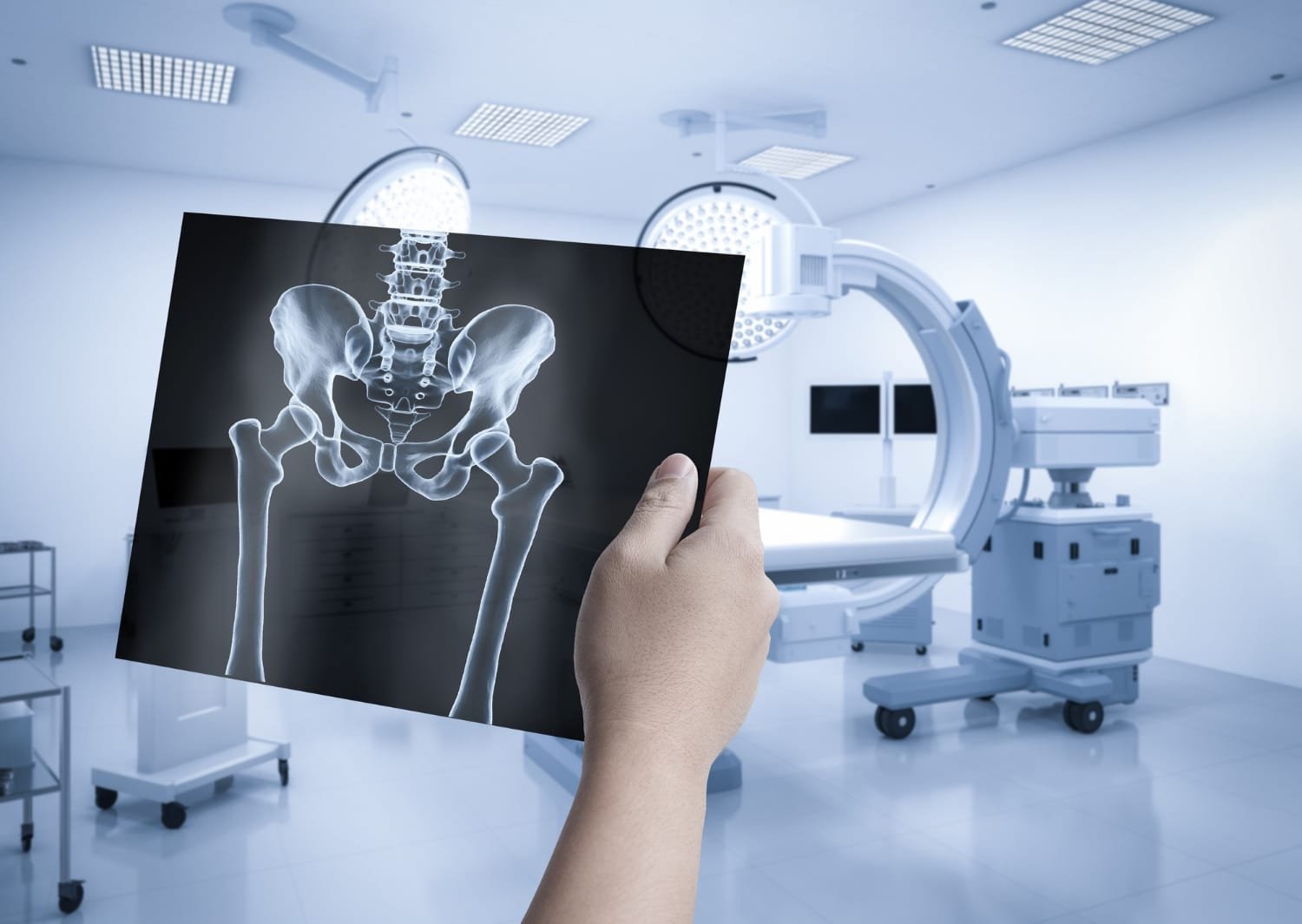
- X-ray: Gold standard for osteoarthritis diagnosis
- MRI: Used when symptoms don’t match X-ray findings
- CT Scan: For surgical planning in complex cases
Treatment Planning Based on Test Findings
Depending on clinical test results, treatment may include:
- Lifestyle modification and weight management
- Physiotherapy and muscle strengthening
- Pain management and injections
- Knee preservation procedures
- Partial or total knee replacement surgery
Why Choose the Right Orthopedic Doctor Matters
Accurate interpretation of special tests requires experience. A skilled orthopedic doctor can differentiate osteoarthritis from ligament injuries, meniscal tears, or inflammatory arthritis—ensuring the right treatment at the right time.
Dr. Deepak Mishra – Best Orthopedic Doctor in Faridabad
When it comes to diagnosis and treatment of knee osteoarthritis, Dr. Deepak Mishra is widely regarded as the best orthopedic doctor in Faridabad. With extensive expertise in clinical evaluation, knee preservation techniques, and advanced knee replacement surgeries, he offers personalized, evidence-based care for every patient.
His approach focuses on:
- Accurate diagnosis using clinical tests and imaging
- Non-surgical management whenever possible
- Advanced surgical solutions for severe osteoarthritis
- Comprehensive rehabilitation and long-term joint care
Patients trust Dr. Deepak Mishra for his precision, experience, and patient-centric orthopedic care.
Conclusion
Special tests for knee osteoarthritis play a vital role in early detection, severity assessment, and treatment planning. When performed by an experienced orthopedic specialist, these tests help prevent disease progression and unnecessary surgery.
If you are experiencing chronic knee pain, stiffness, or difficulty walking, consulting an expert like Dr. Deepak Mishra, the best orthopedic doctor in Faridabad, can help you regain mobility and improve your quality of life.
Recent Blogs
-
 Post Operative Exercises
- 1, March 2026
-
After ACL Surgery When Can I Walk?
- 1, March 2026
-
What Happens If Knee Arthritis Is Left Untreated?
- 21, February 2026
-
Can Knee Replacement Fail? Causes, Signs & Prevention
- 21, February 2026
-
 Who Is Not Suitable for Knee Replacement Surgery?
- 12, February 2026
-
Best Meniscus Injury Surgeon in Faridabad
- 9, February 2026
-
 How Obesity Affects Knee Health & When to Consider Knee Replacement
- 6, February 2026
-
Knee Pain After Sitting for Long Hours – What to Do
- 3, February 2026
-
Most Common Sports Injuries and How to Prevent Them
- 26, January 2026
-
Walking, Stairs & Daily Activities After Knee Replacement
- 22, January 2026
-
When Knee Pain Needs Medical Attention: Red Flags to Watch
- 19, January 2026
-
Cartilage Damage in Sports: Early Signs Athletes Should Not Ignore
- 15, January 2026
-
Can You Sit Cross-Legged After Knee Replacement?
- 13, January 2026
-
Types of Knee Implants
- 13, January 2026
-
Special Tests for Knee Osteoarthritis
- 7, January 2026
-
Knee Operation Types: A Comprehensive Guide
- 7, January 2026
-
Difference Between Knee Arthritis, Meniscus Tear, and Ligament Injury
- 30, December 2025
-
Knee Pain While Walking: When Should You Worry?
- 30, December 2025
-
What Happens If Knee Replacement Is Delayed Too Long?
- 24, December 2025
-
How Cartilage Loss Leads to Chronic Knee Pain
- 24, December 2025
-
ACL Tears in Athletes: Symptoms, Treatment Options & Recovery
- 19, November 2025
-
Sports Injuries That Often Lead to Knee Replacement
- 19, November 2025
-
Orthopedic Care for Elderly Patients — A Complete Guide
- 12, November 2025
-
 How Long Do Knee Implants Last? (10–20 Year Longevity Guide)
- 12, November 2025
-
Importance of Early Diagnosis in Bone and Joint Problems
- 28, October 2025
-
Best Treatment Options for Sports Injuries
- 28, October 2025
-
 The Difference Between ACL Tear, Sprain, and Rupture
- 16, October 2025
-
Post-ACL Surgery Do’s and Don’ts
- 16, October 2025
-
Early Signs You Might Have an ACL Injury (and When to See a Doctor)
- 16, October 2025
-
Does Insurance Cover Robotic Knee Replacement Surgery?
- 6, October 2025
-
When Can You Return to Sports After Robotic Knee Replacement?
- 6, October 2025
-
 Impact of Obesity on Knee Replacement Surgery and Recovery
- 30, September 2025
-
Early vs. Delayed Knee Replacement: Which Is Better?
- 30, September 2025
-
How Durable Are Knee Implants? A Complete Guide
- 24, September 2025
-
Can You Play Sports After Knee Replacement Surgery?
- 24, September 2025
-
 Key Benefits of Revision Hip Replacement You Should Know
- 15, September 2025
-
Revision Hip Replacement vs. Primary Hip Replacement: Key Differences
- 15, September 2025
-

-
Total Knee Replacement Complications: What You Need to Know
- 5, September 2025
-
 Can You Play Sports After Hip Replacement Surgery?
- 26, August 2025
-
 Preparing for Knee Replacement: Do’s and Don’ts Before Surgery
- 26, August 2025
-
-
What to Know About Knee Replacement Revision Surgery
- 18, August 2025
-
Cost of Hip Replacement in India – What Patients Should Know
- 11, August 2025
-
-
Who Is the Best Orthopedic Doctor for Sports Injuries?
- 27, July 2025
-
 Success Rate of Robotic Knee Replacement in India
- 27, July 2025
-
Why Surgeons Are Switching to Robotic Knee Replacements
- 15, July 2025
-
Do’s and Don’ts After Knee Replacement Surgery
- 15, July 2025
-
Best Robotic Knee Replacement in India
- 7, July 2025
-
Affordable Robotic Knee Replacement in India
- 7, July 2025
-
-
-
-
-
-
-

-
 Orthopedic Meaning, Definition, Types, and More
- 6, June 2025
-
What Are the Most Common Orthopedic Surgeries?
- 24, May 2025
-
What Does an Orthopedic Doctor Do?
- 24, May 2025
-

-
-
-
Best Orthopedic Doctor for Knee Pain in Faridabad
- 12, May 2025
-
How to Prevent Knee Pain with Orthopedic Expert Tips
- 29, April 2025
-
-
Best Orthopedic Treatment in Faridabad: What You Should Know
- 29, April 2025
-

-

-
Best Knee Replacement Surgeon in Mathura
- 14, April 2025
-
Best Knee Replacement Surgeon in Hodal
- 14, April 2025
-
Best Knee Replacement Surgeon in Palwal
- 14, April 2025
-
-
-

-
Benefits of Minimally Invasive Knee Surgery
- 24, March 2025
-
Best knee Replacement Surgeon in India
- 17, March 2025
-
-
How to Recover Quickly After Knee Replacement Surgery
- 10, March 2025
-
-
-
-
Minimally Invasive Arthroplasty: Benefits and Recovery Advantages
- 24, February 2025
-
Common Mistakes to Avoid After Joint Replacement Surgery
- 24, February 2025
-
Choosing the Right Hip Replacement Surgeon: A Comprehensive Guide
- 17, February 2025
-
Restoring Mobility: The Role of Knee Replacement Doctors
- 17, February 2025
-
Orthopedic Trauma Care for Athletes
- 6, February 2025
-
Best Doctor for ACL Tear Treatment
- 6, February 2025
-
Best Sports Medicine Doctor for Knee Injuries
- 6, February 2025
-
Orthopedic Surgeons: 7 Things You Need to Know
- 27, January 2025
-
Best Joint Replacement Surgeon in Greater Faridabad
- 27, January 2025
-
Best Knee Replacement Surgeon in Palwal
- 20, January 2025
-
Best Knee Replacement Surgeon in South Delhi
- 20, January 2025
-
Signs You May Need a Knee Replacement: Insights from a Surgeon
- 13, January 2025
-
Restoring Mobility: The Role of Knee Replacement Doctor
- 13, January 2025
-
Robotic Knee Replacement Surgery in Delhi
- 30, December 2024
-
Robotic Orthopedic Surgery: Revolutionizing Joint Replacement and Repair
- 30, December 2024
-
Robotic Knee Replacement vs. Traditional Surgery: A Comparative Guide
- 23, December 2024
-
How to Make Joints Stronger: A Comprehensive Guide
- 23, December 2024
-
Common Knee Conditions and How a Knee Surgeon Can Help
- 16, December 2024
-
-
-
Orthopedic Surgeons: 7 Things You Need to Know
- 6, December 2024
-
Top 5 Mistakes After Knee Replacement
- 25, November 2024
-
Advantages and Disadvantages of Robotic Knee Replacement
- 25, November 2024
-
When to See an Orthopedic Specialist: Recognizing Early Signs
- 15, November 2024
-
Benefits of Robotic-Assisted Knee Replacement Surgery
- 15, November 2024
-
Knee Replacement Surgery Cost
- 8, November 2024
-
Best Robotic Knee Replacement Surgeon in Faridabad
- 8, November 2024
-
-
Knee Replacement Surgery: Types, Benefits, and Recovery Timeline
- 28, October 2024
-
What is Osteoporosis? Symptoms, Causes, and Prevention
- 21, October 2024
-
Signs It’s Time for a Knee Replacement: When to Consult a Surgeon
- 18, October 2024
-
Understanding Different Types of Arthritis: Symptoms and Causes
- 11, October 2024
-
Taking Care After Knee Replacement Surgery
- 15, December 2022
-
Amazing Ways to Get Relief from Arthritis Pain Naturally
- 2, December 2022
-
-
How Does Fat Affect Arthritis?
- 4, November 2022