
Knee Pain While Walking: When Should You Worry?
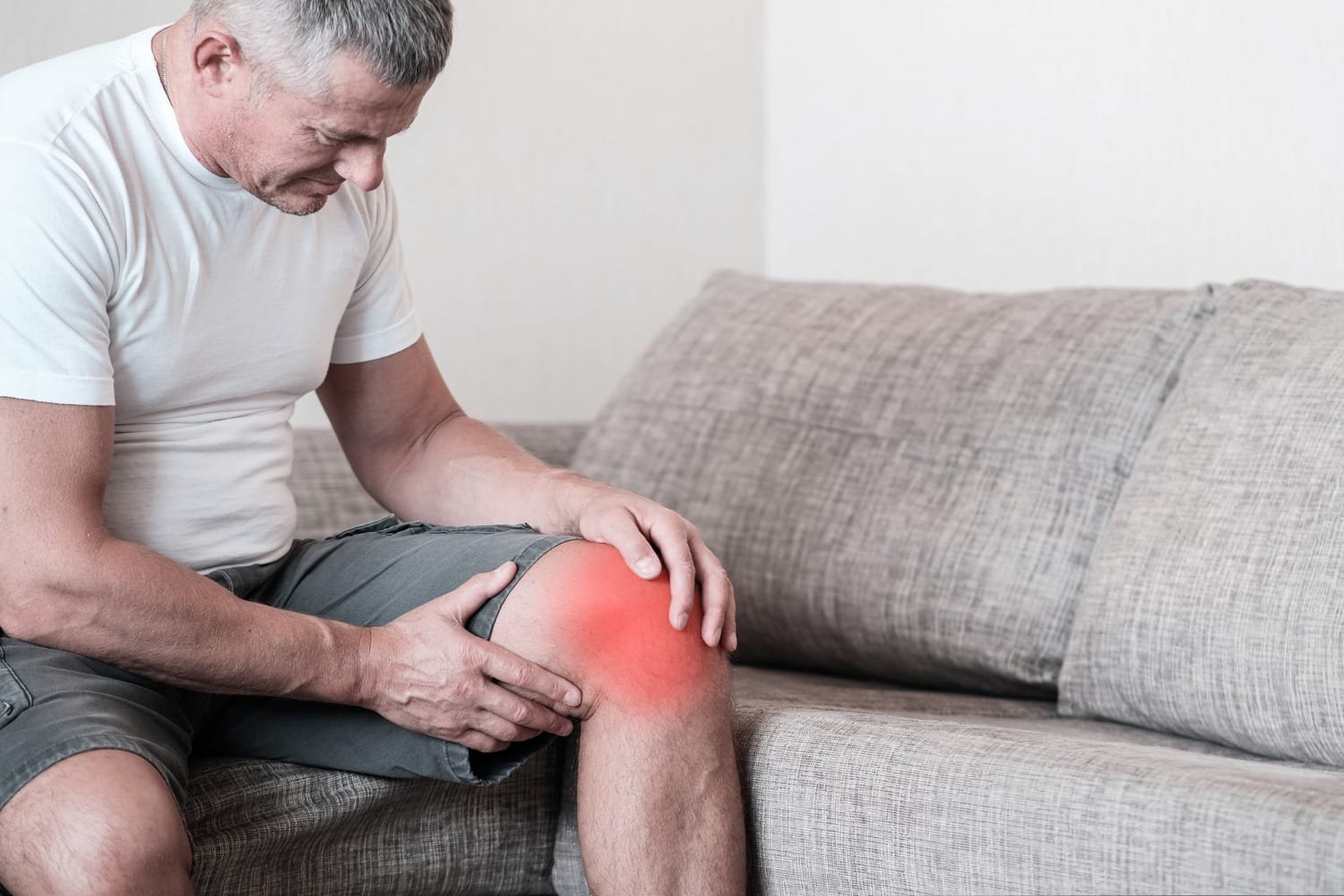
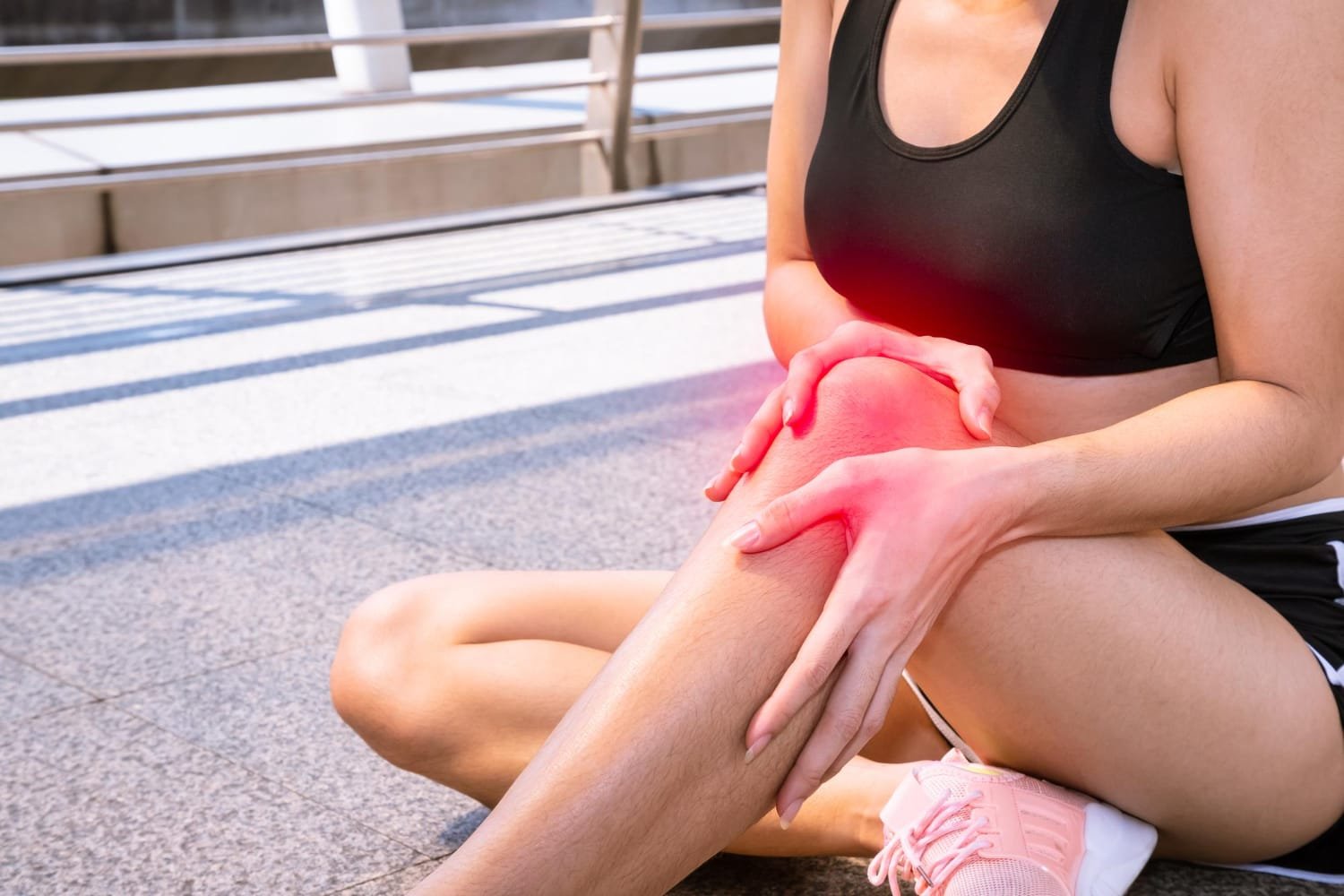
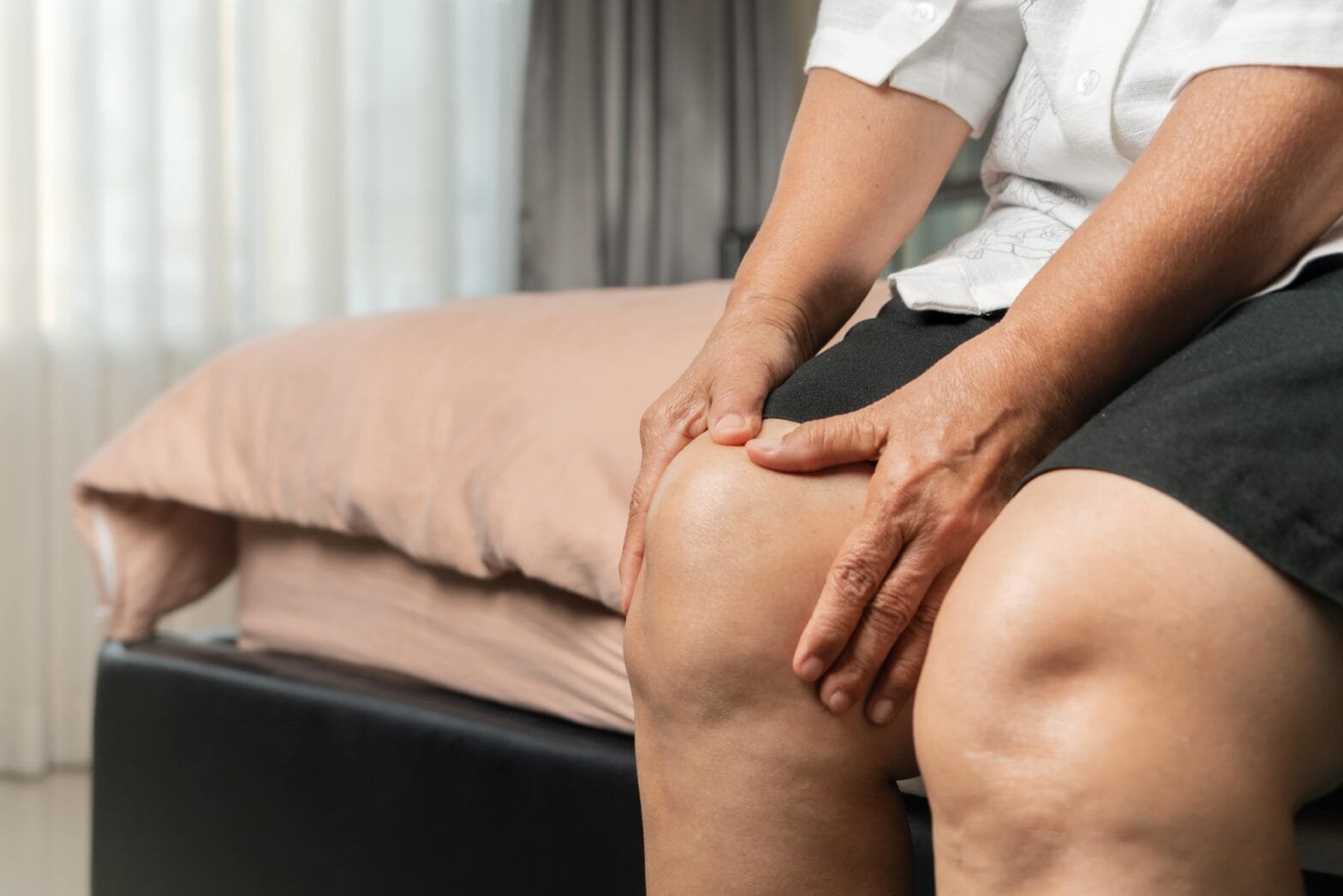
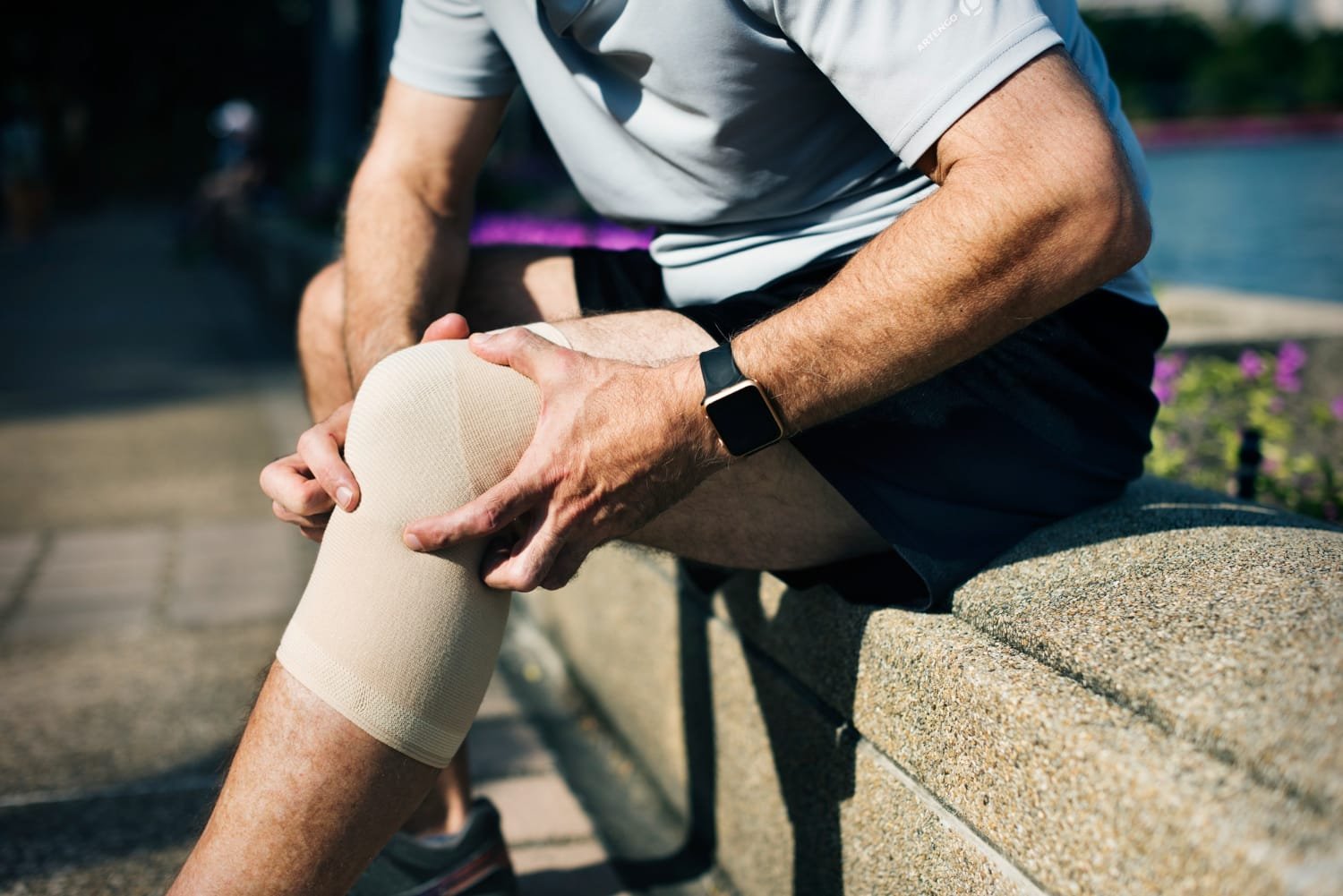
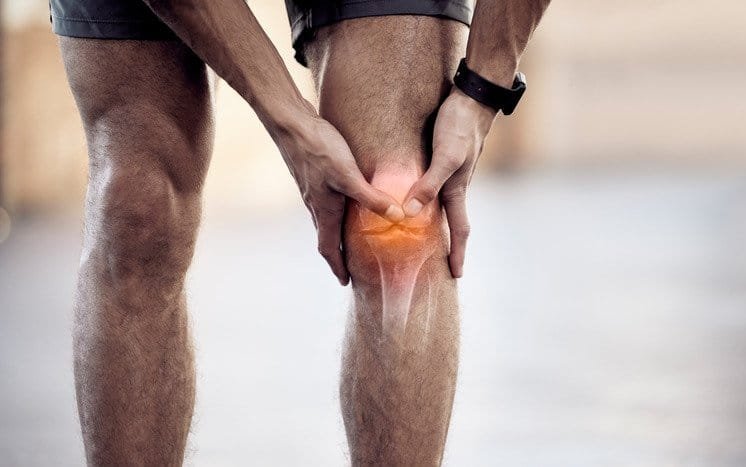
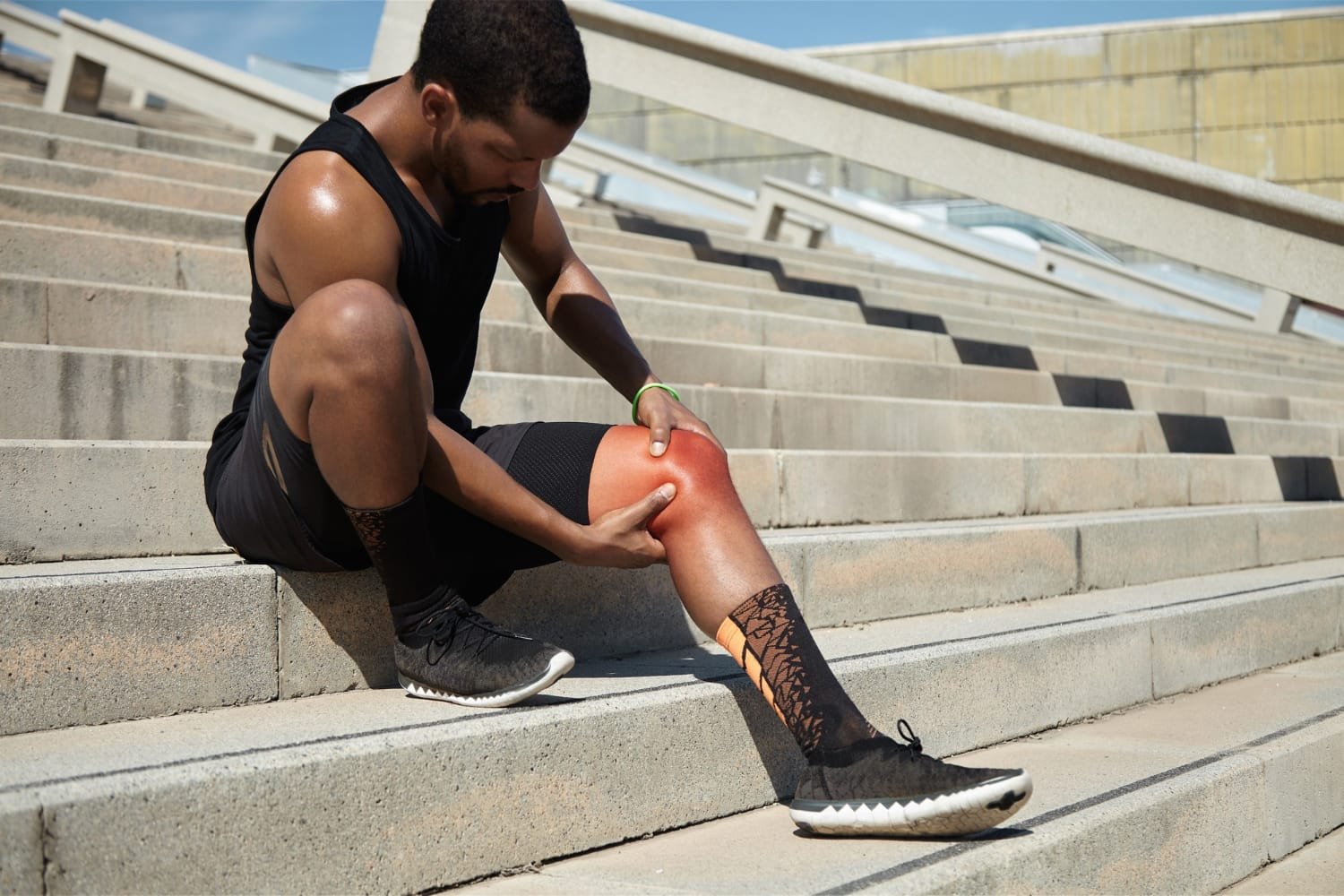
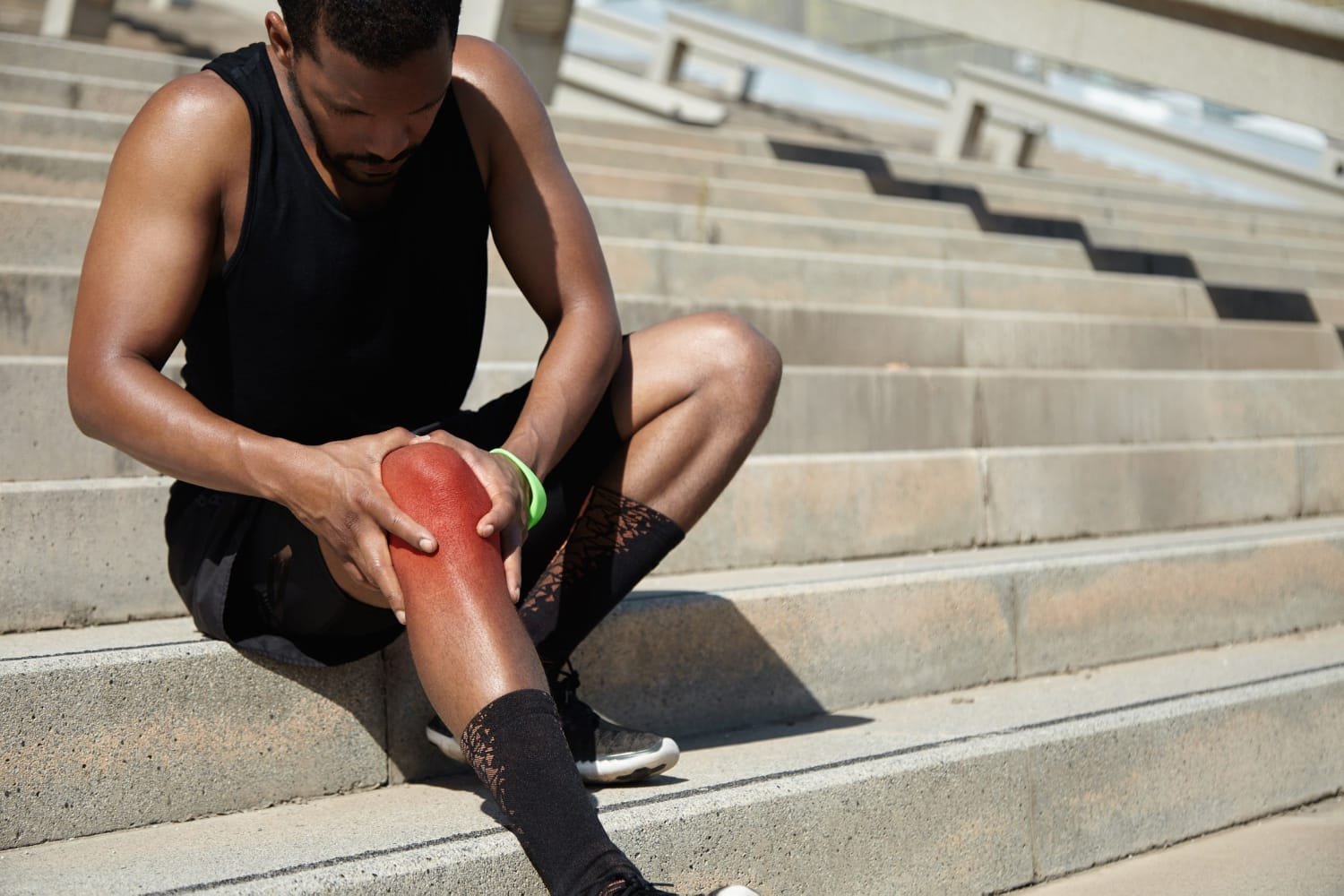
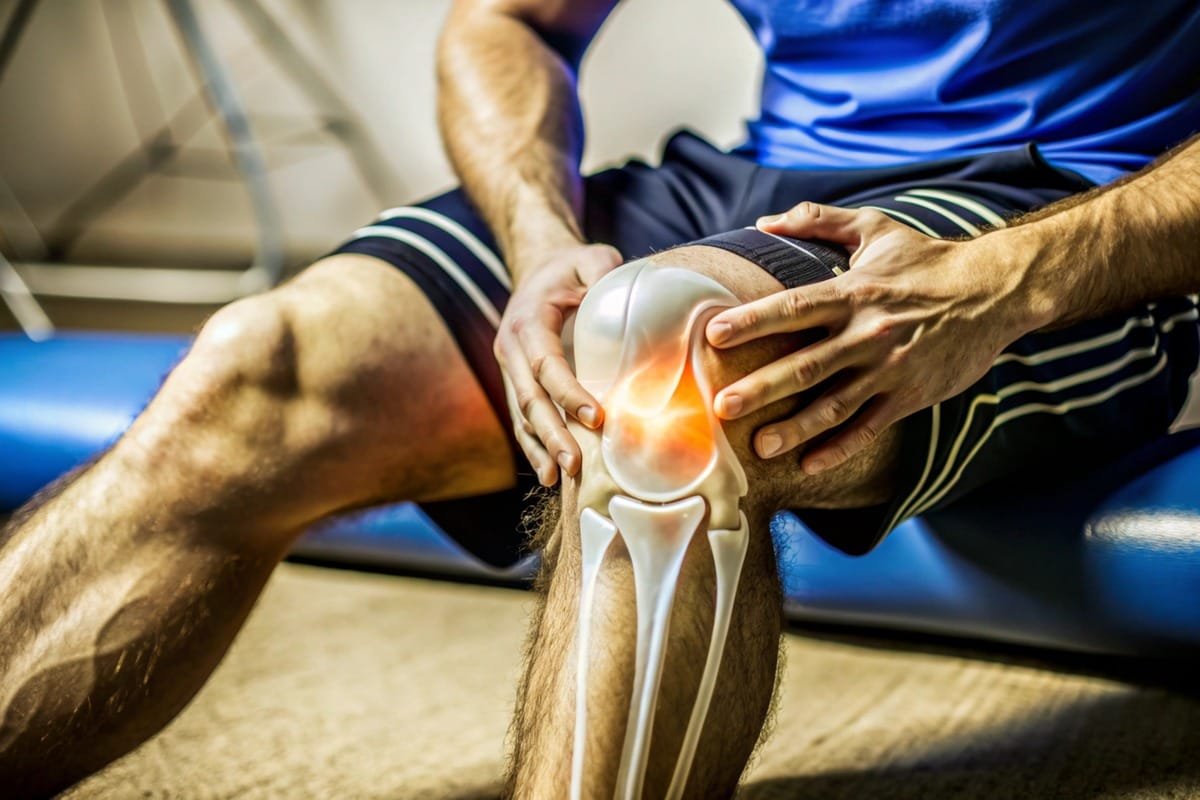
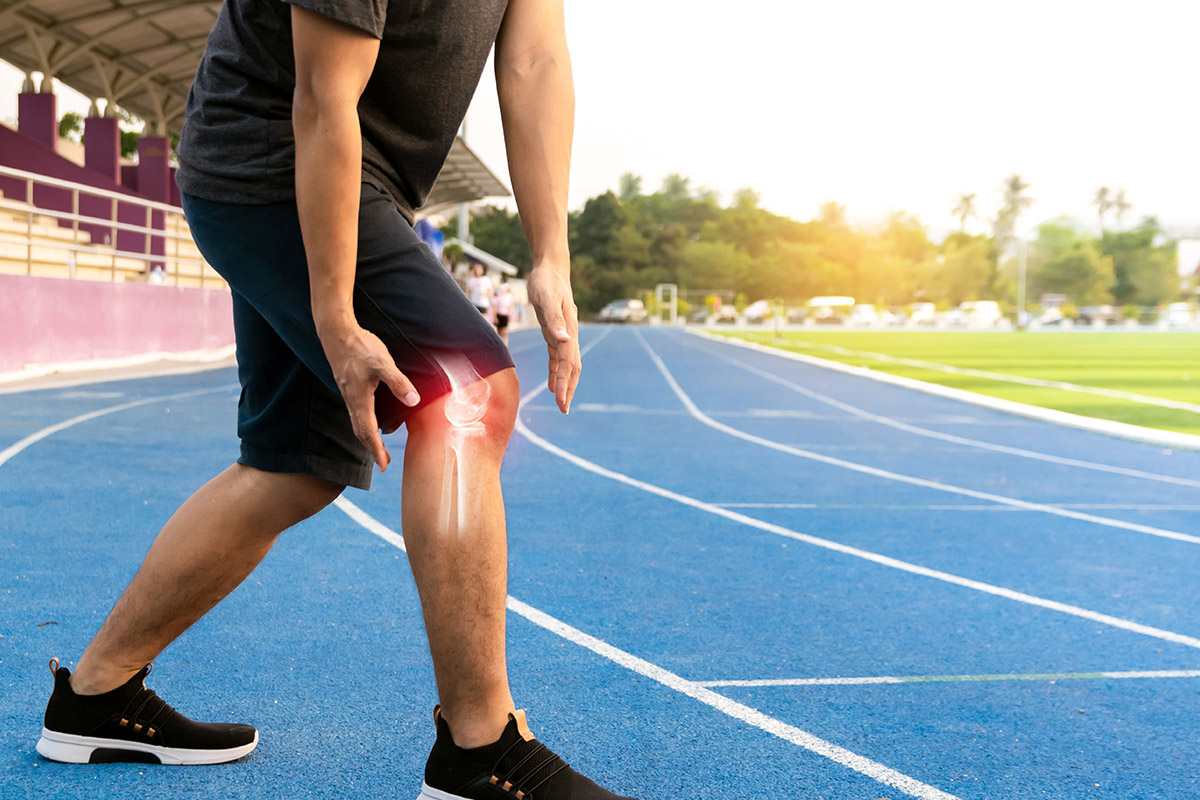
December 30, 2025Knee pain is one of the most common musculoskeletal complaints that affects people of all ages. Whether you’re exercising, walking to work, climbing stairs, or simply enjoying a stroll in the park, knee discomfort can be both frustrating and debilitating. But when should knee pain while walking be a cause for concern, and when is it something that can be managed conservatively at home?
In this comprehensive guide, we’ll explore the causes, symptoms, warning signs, prevention strategies, and treatments — and highlight why consulting an expert like Dr. Deepak Mishra — the best orthopedic doctor in Faridabad — can make all the difference in your recovery.
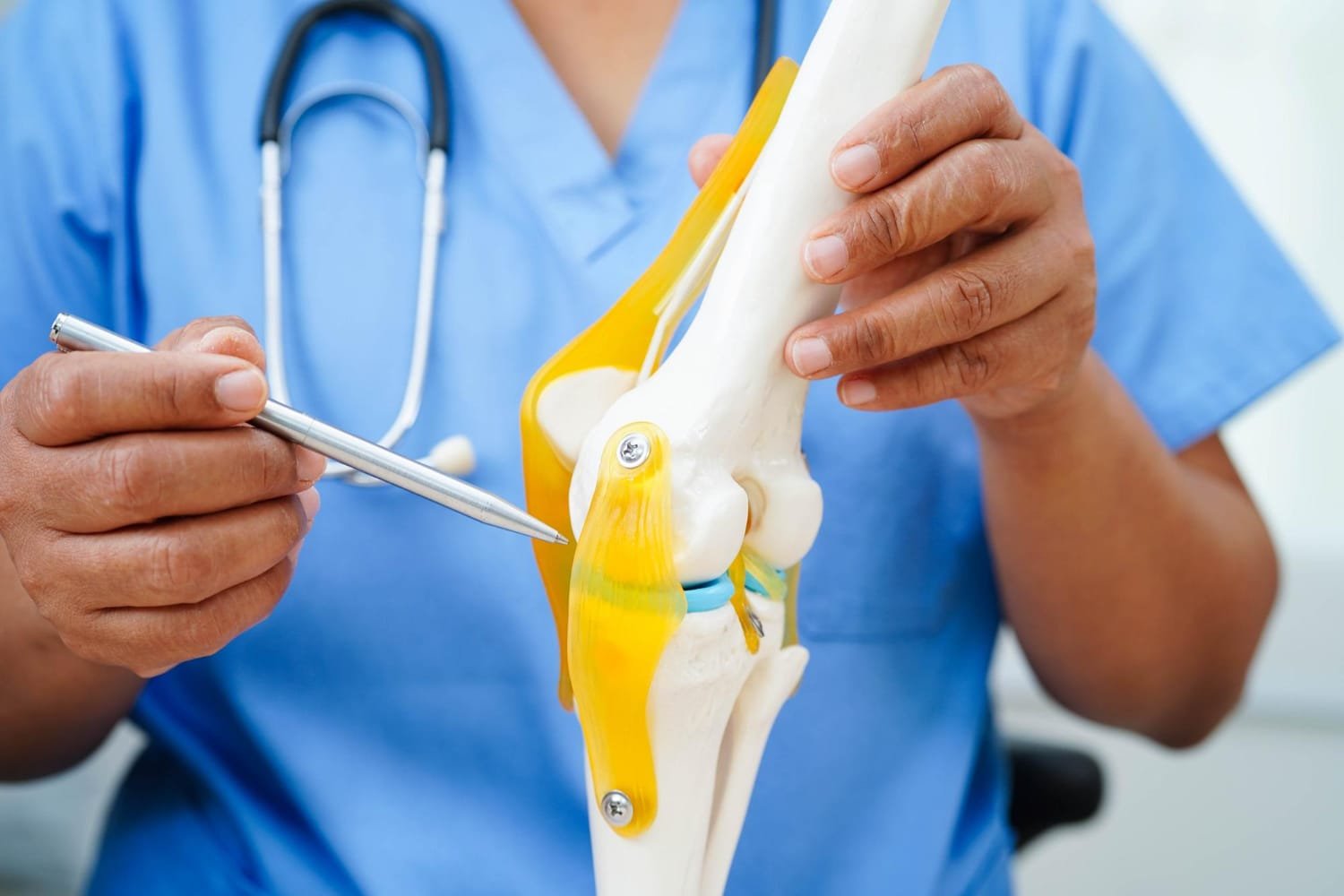
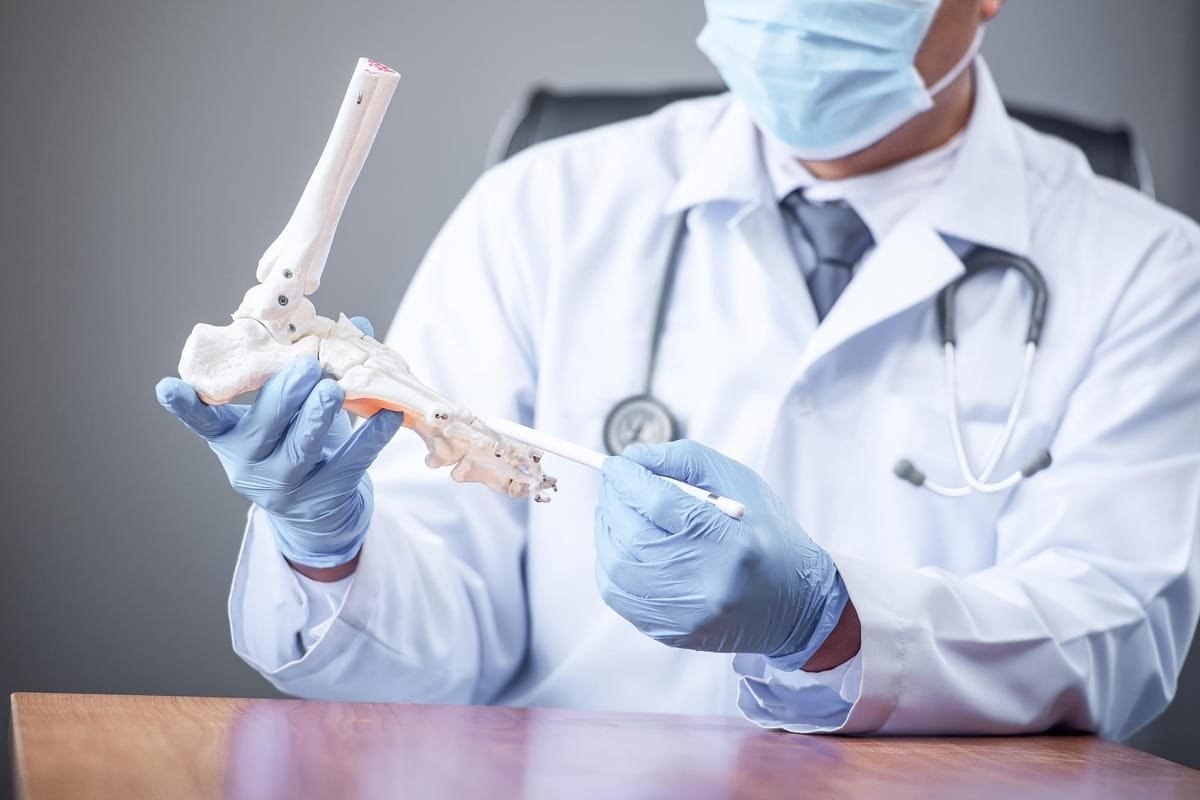
Understanding Knee Anatomy: A Quick Overview
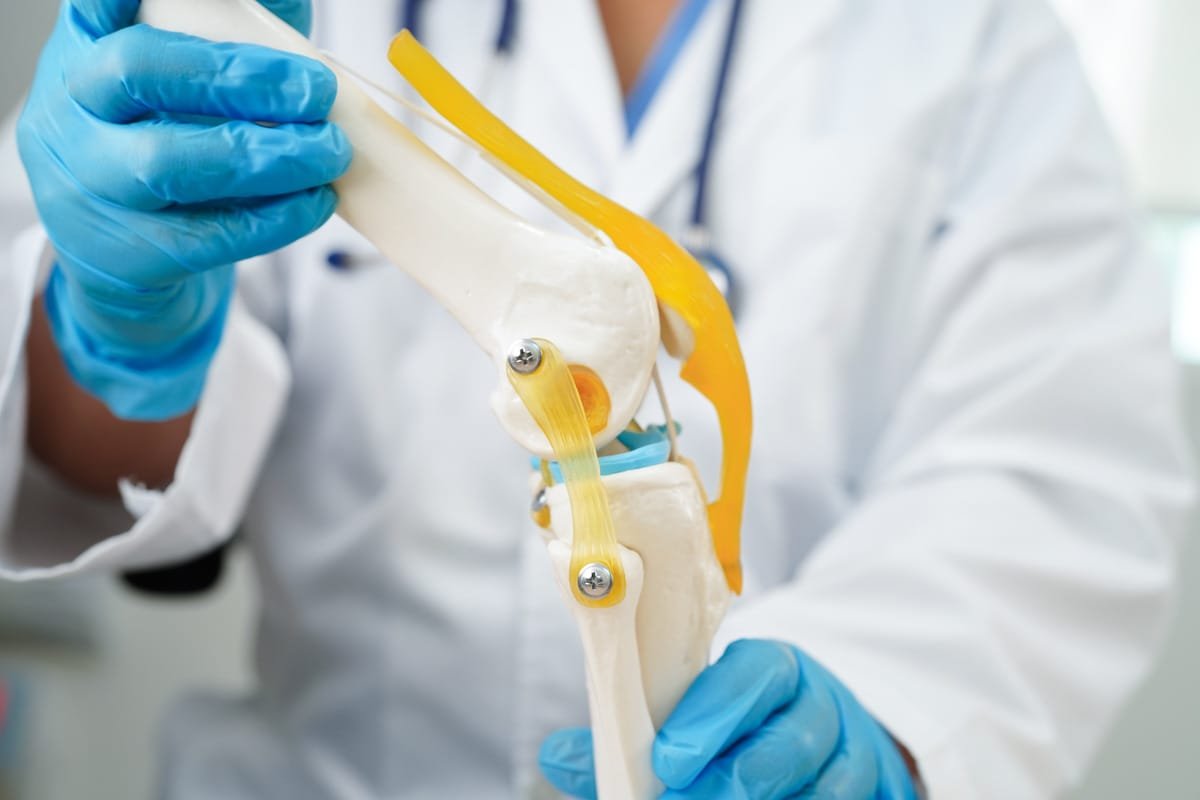
Before diving into knee pain, it helps to know how the knee works.
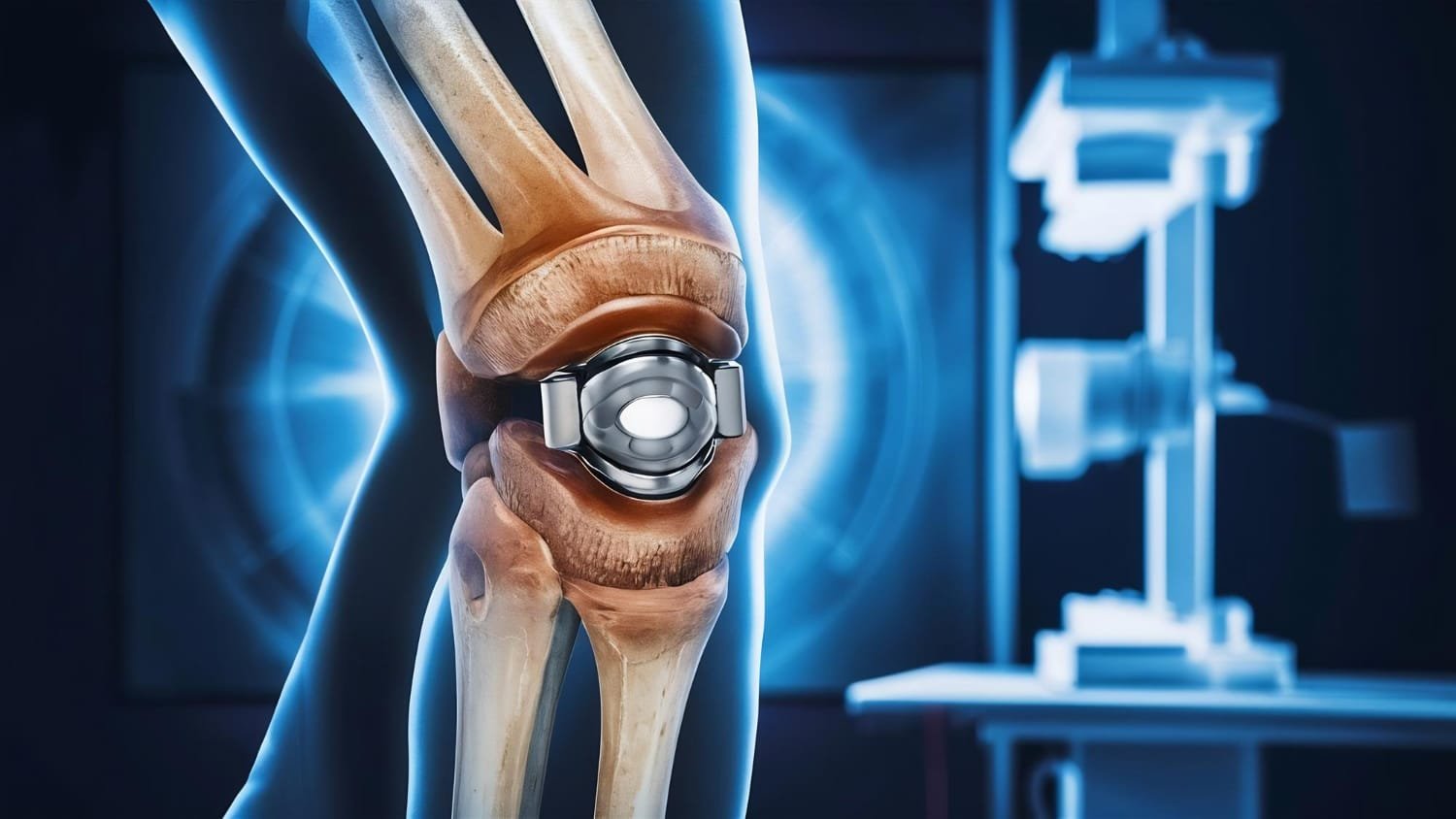
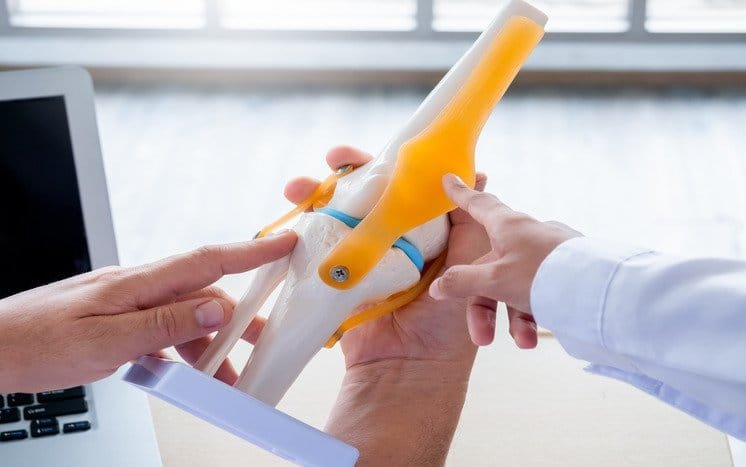
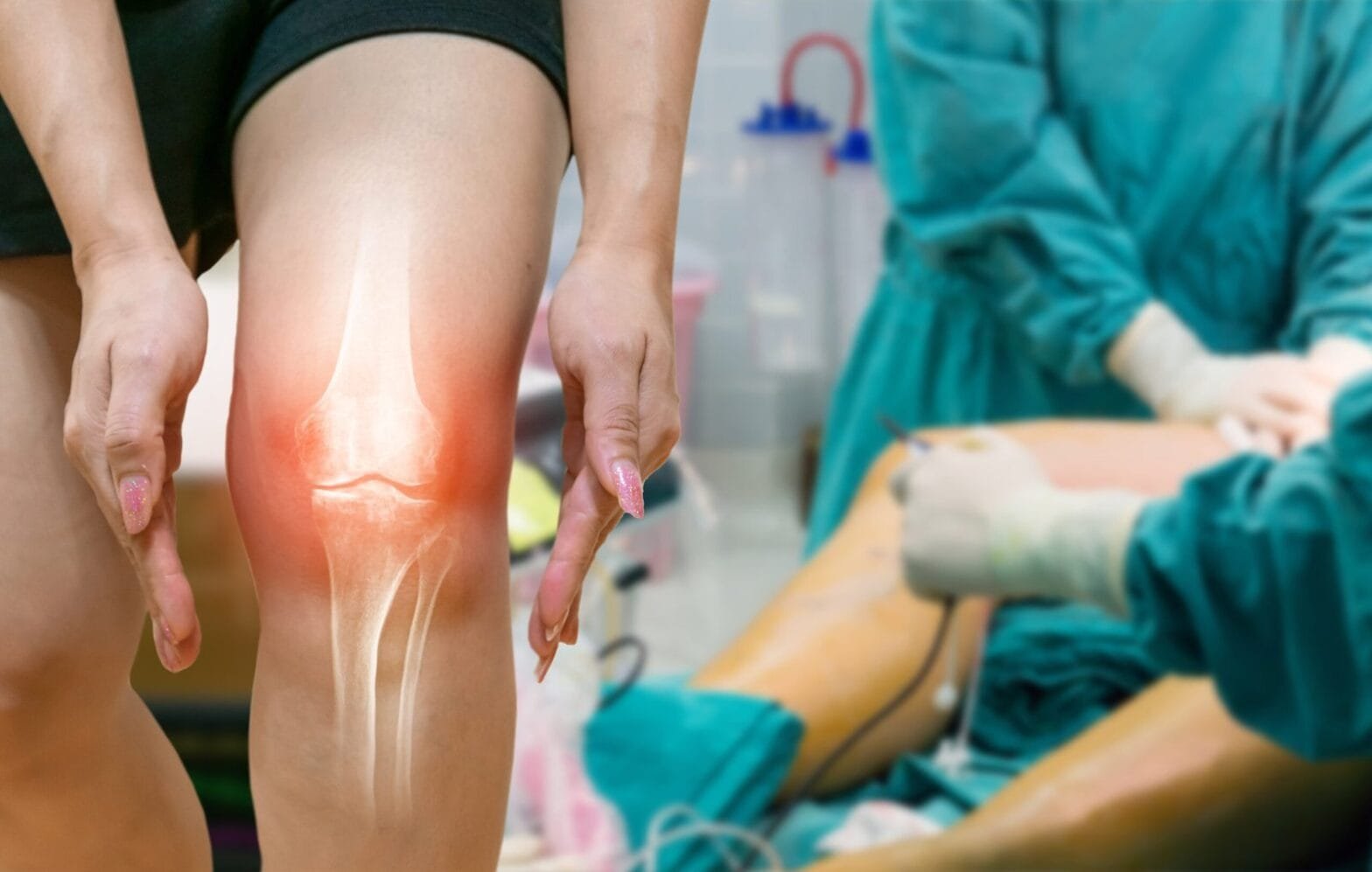
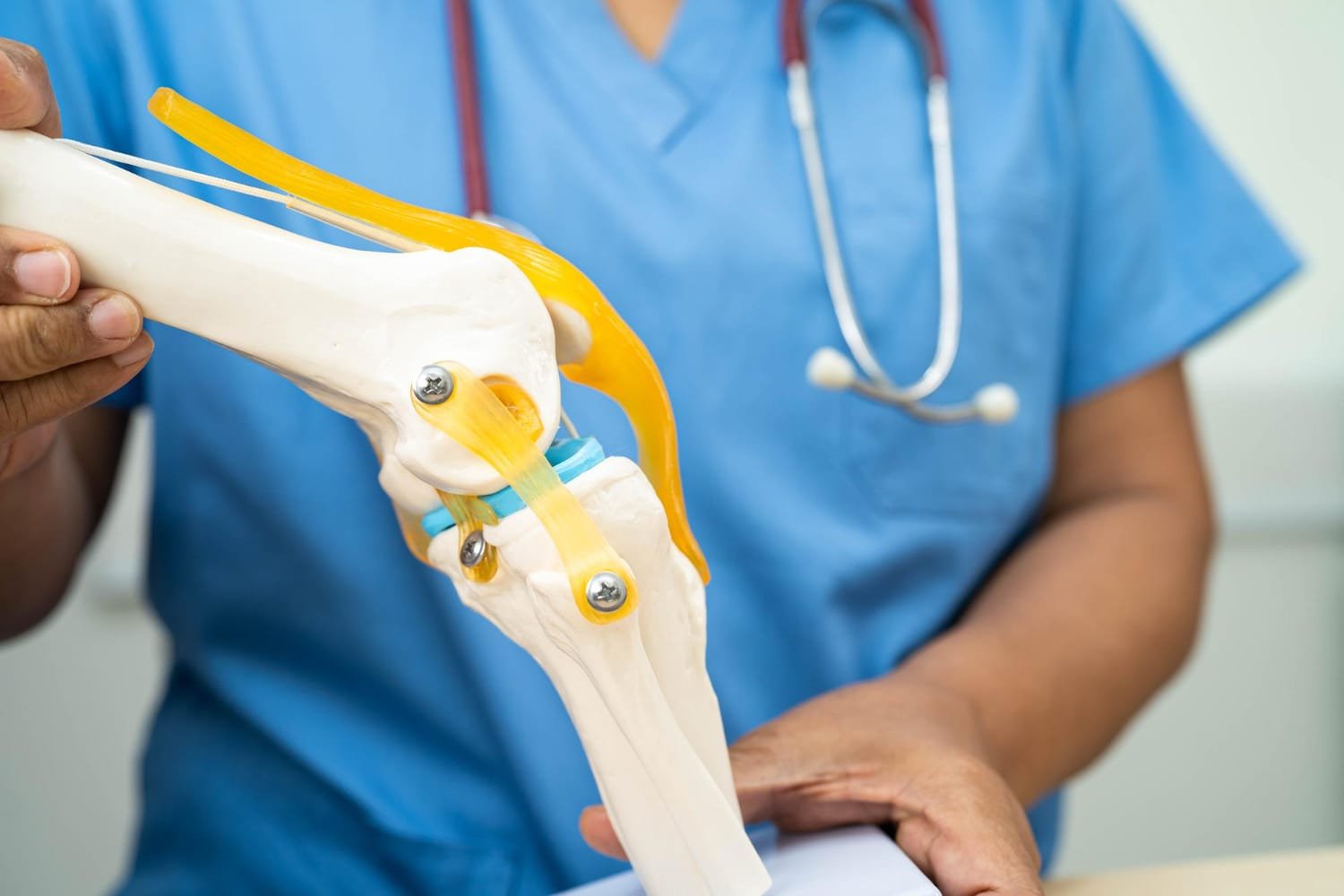
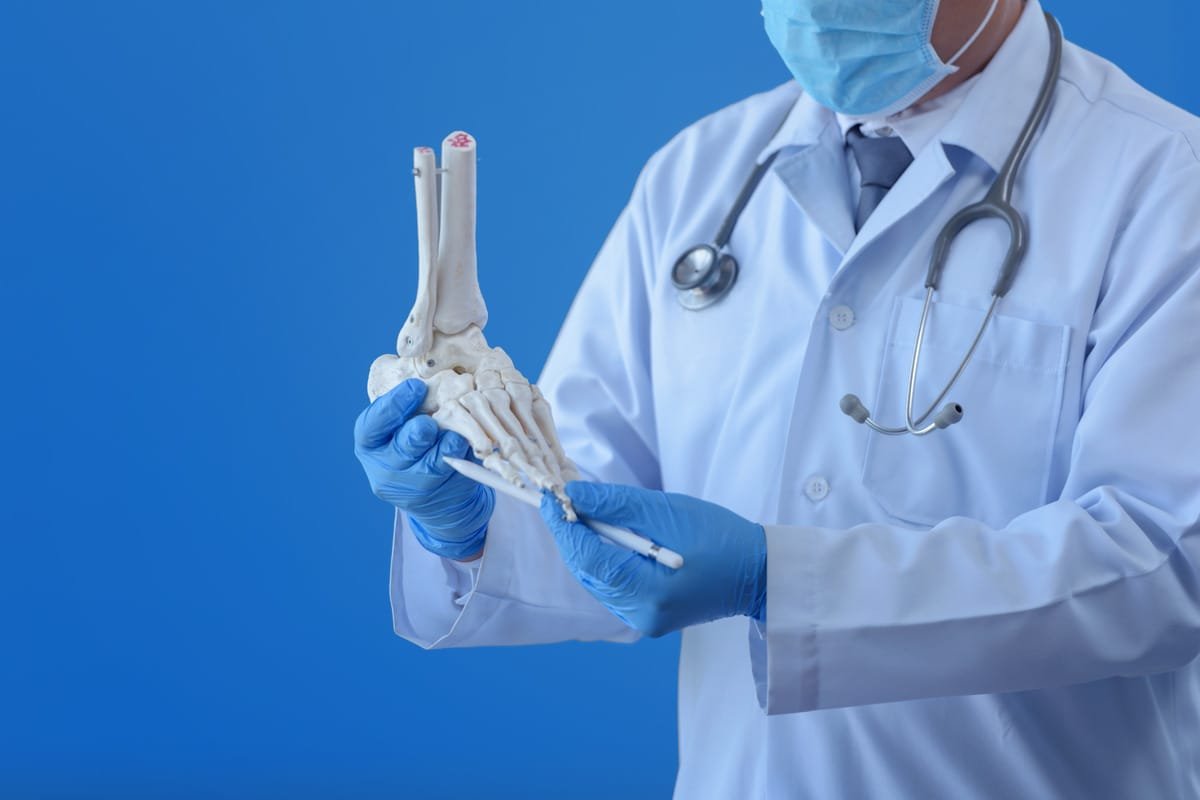
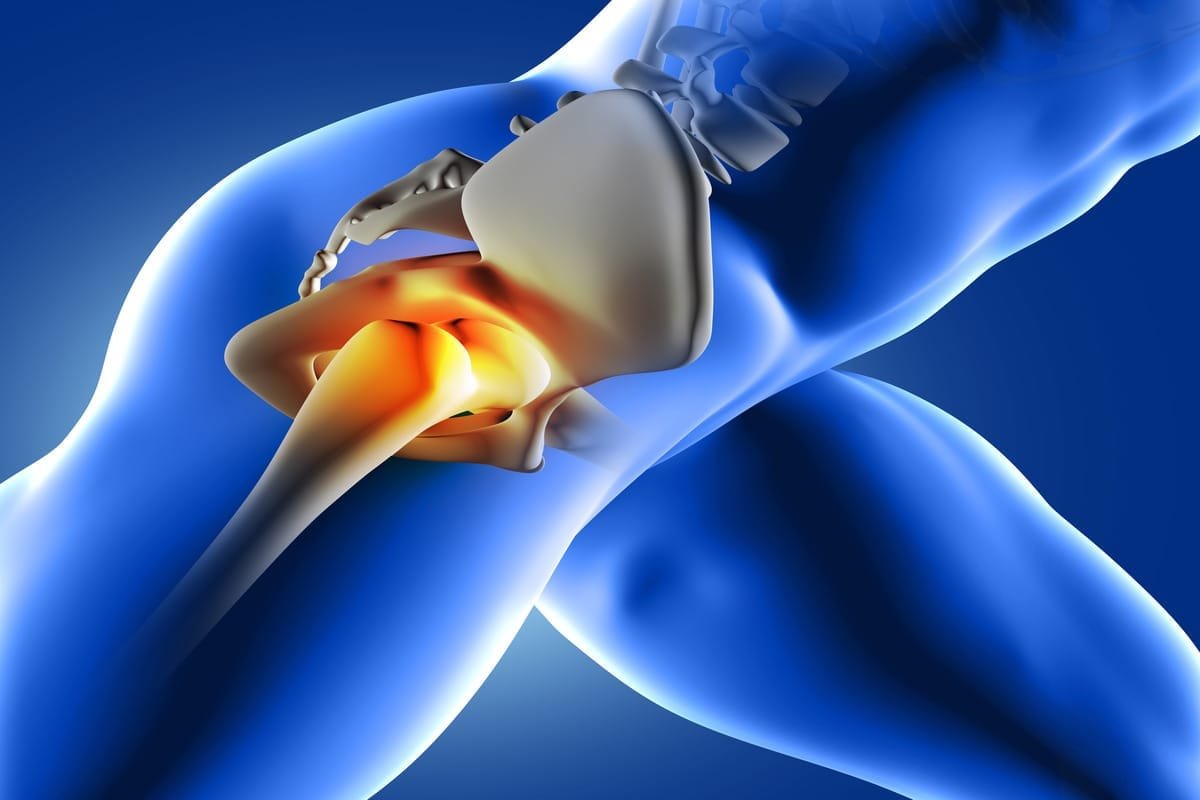
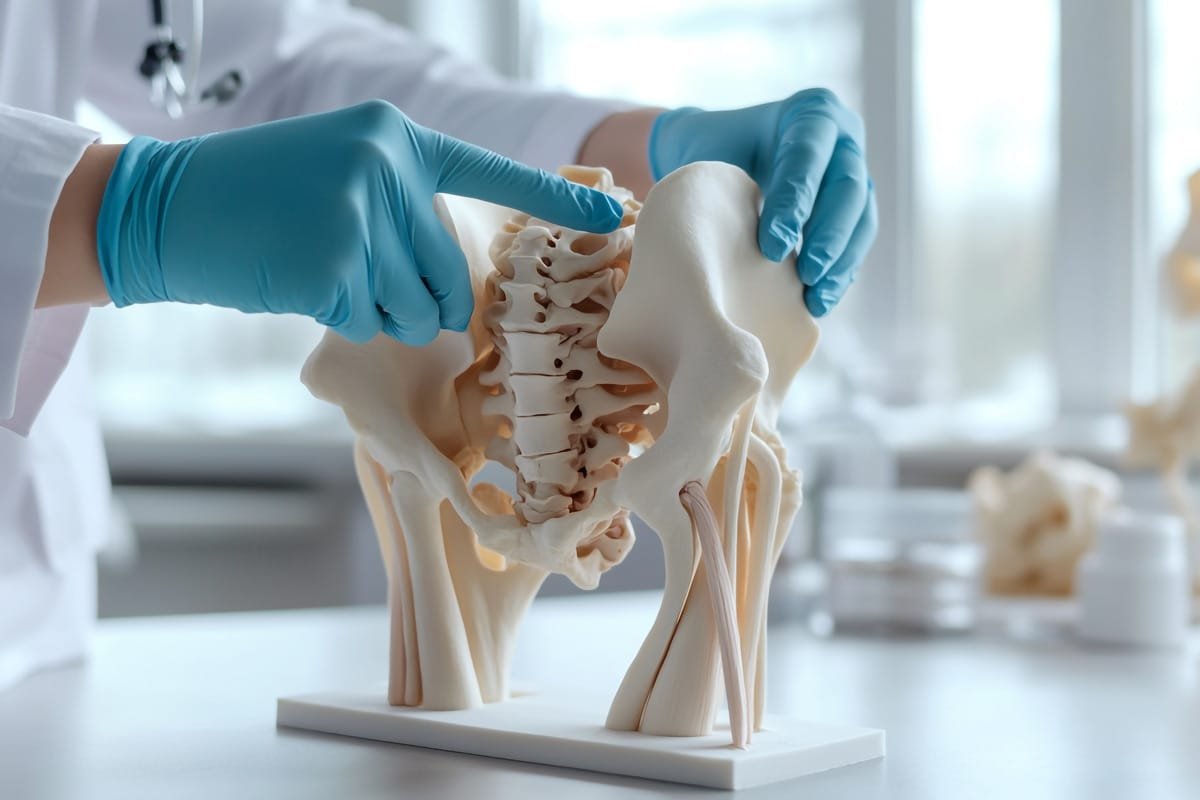
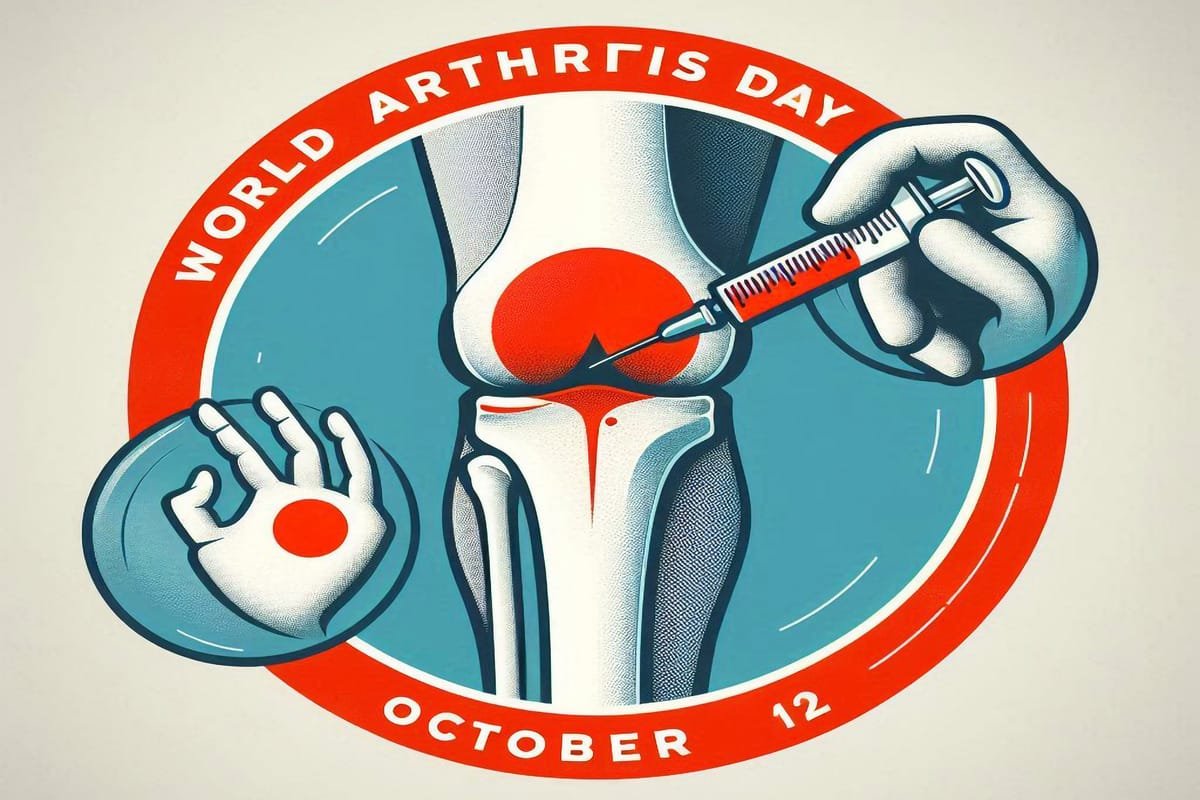
The knee is a complex joint made up of:
- Bones: Femur (thigh bone), tibia (shin bone), patella (kneecap)
- Cartilage: Cushions between bones (meniscus)
- Ligaments: Provide stability (ACL, PCL, MCL, LCL)
- Tendons: Connect muscles to bones
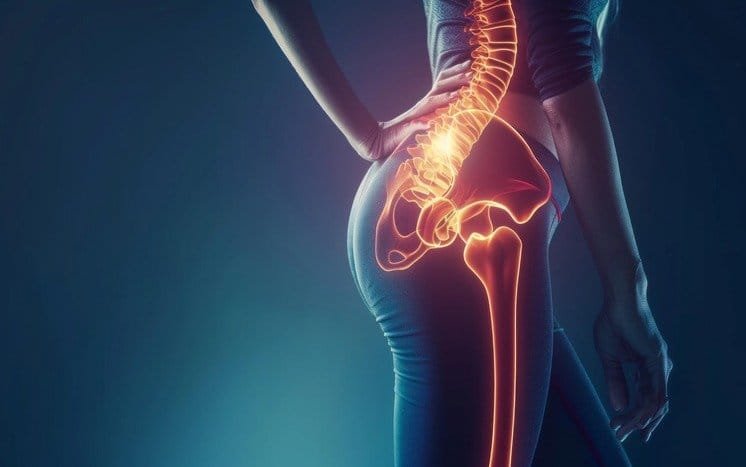
Any disruption in these components can lead to knee pain — especially during everyday activities like walking.
Why Your Knee Hurts While Walking
Here are the most common causes of knee pain when walking:
1. Osteoarthritis
This is the most frequent cause of knee pain in adults over 40. Degeneration of joint cartilage leads to:
- Pain during weight-bearing activities
- Stiffness
- Reduced mobility
2. Meniscus Tears
The meniscus acts as a shock absorber. Tears can happen due to:
- Twisting the knee suddenly
- Athletic injuries
- Age-related wear
Symptoms include pain, swelling, and difficulty fully straightening the knee.
3. Ligament Injuries
Walking may aggravate injuries to the:
- ACL (Anterior Cruciate Ligament)
- PCL (Posterior Cruciate Ligament)
- MCL (Medial Collateral Ligament)
These injuries often occur during sports but can also happen from a misstep.
4. Patellofemoral Pain Syndrome (Runner’s Knee)
Pain around or behind the kneecap, especially when walking downhill or climbing stairs.
5. Bursitis
Inflammation of the fluid-filled sacs (bursa) that cushion the knee.
6. Tendonitis
Inflammation of tendons due to overuse, common in runners and active adults.
When Knee Pain While Walking Is Normal
Not all knee pain is serious. Some triggers are common and typically harmless:
- Overexertion after new or intense physical activity
- Muscle fatigue
- Mild inflammation after long walks
- Sitting or resting too long followed by activity
If pain is mild, improves with rest, and doesn’t limit walking — it often resolves with simple care:
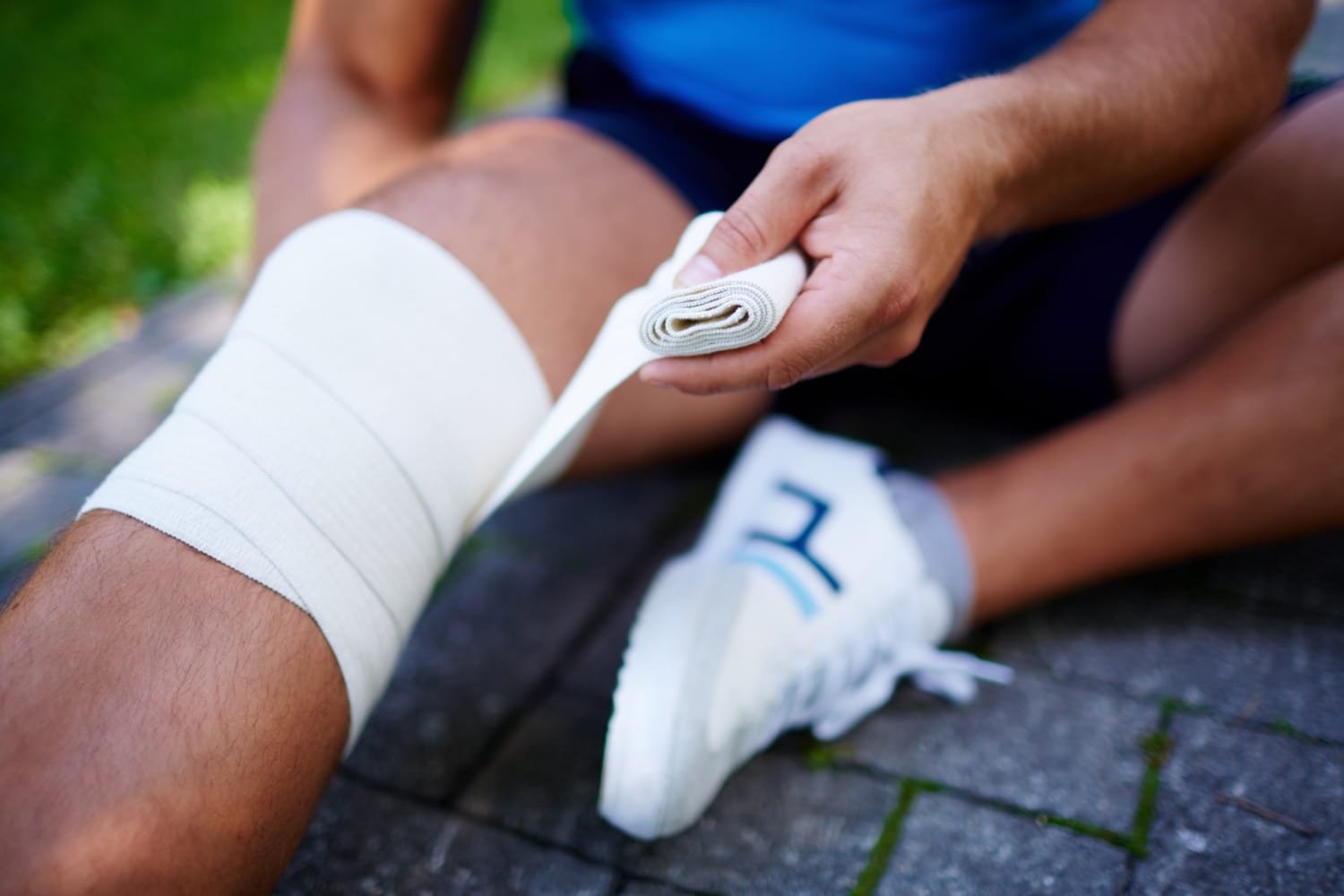
- Rest and avoid strenuous activities
- Ice the knee 2–3 times daily
- Take NSAIDs (as advised by a doctor)
- Gentle stretching
However, persistent or worsening pain warrants further evaluation.
Red Flags: When Knee Pain Should Concern You
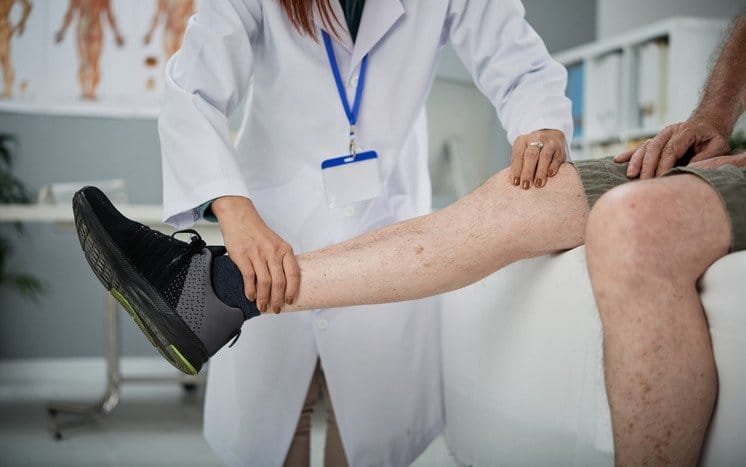
Seek medical attention if your knee pain while walking is associated with:
❗ Severe Pain
If pain is intense and stops you from walking, it needs evaluation.
❗ Swelling That Doesn’t Improve
Significant swelling can indicate serious injury or inflammation.
❗ Inability to Fully Bend or Straighten the Knee
Could suggest meniscus tear or ligament injury.
❗ Instability or “Giving Way”
A sensation that your knee can’t support weight could signal ligament damage.
❗ Audible “Pop” During Injury
Often associated with ligament tears.
❗ Fever With Knee Pain
May indicate infection — needs urgent care.
❗ Pain Persists for More Than 1–2 Weeks
Even gentle daily use should become more comfortable over time.
Diagnosis: How Orthopedic Doctors Evaluate Knee Pain
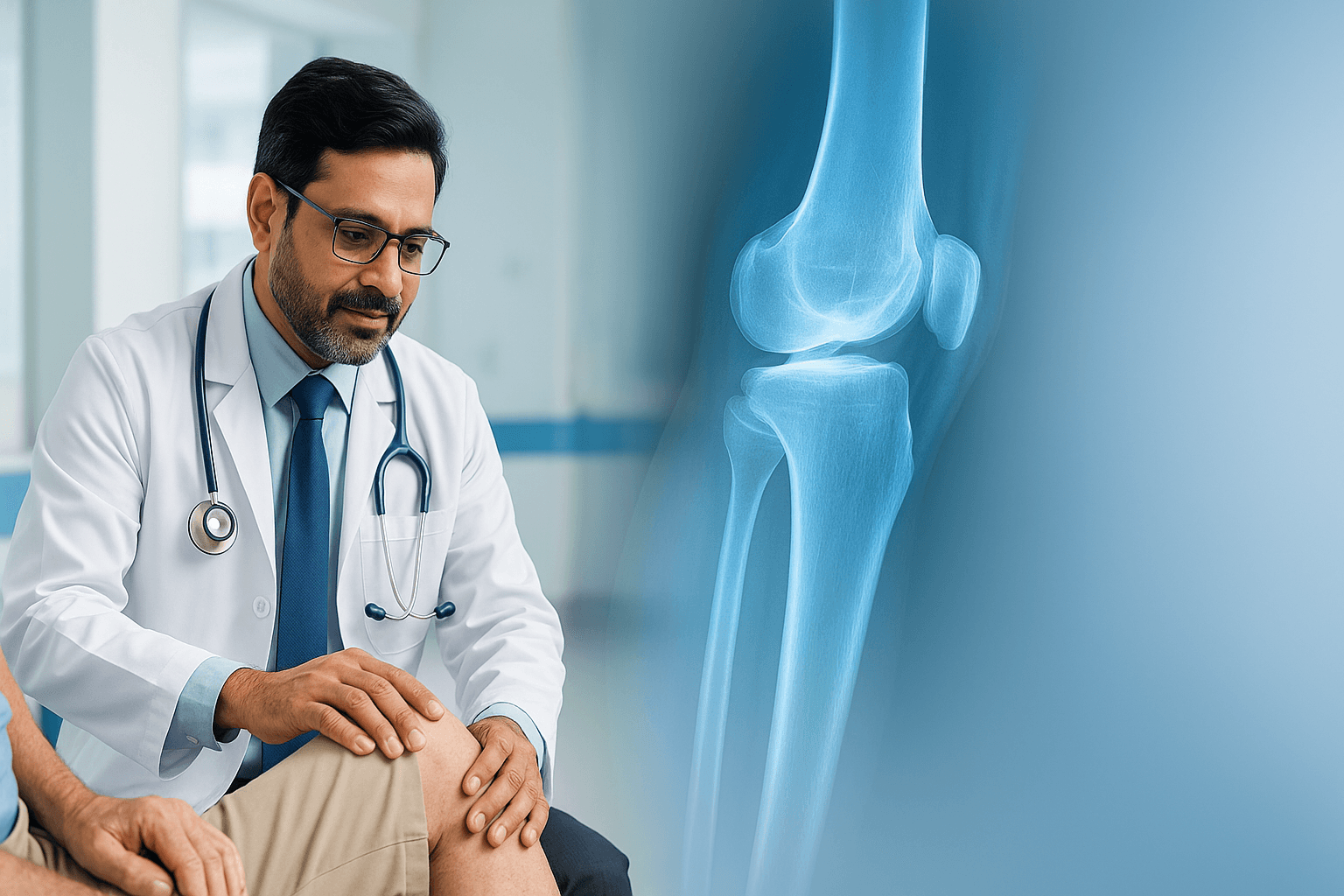
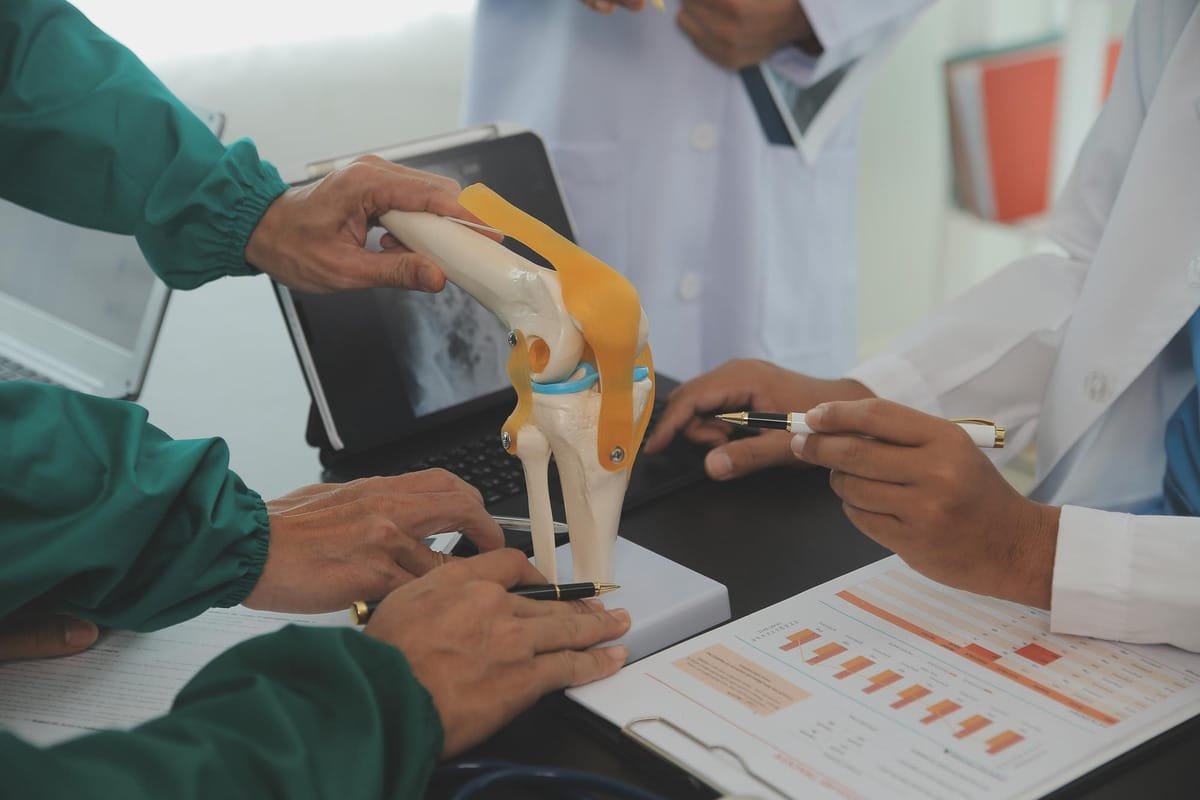
When you consult an expert like Dr. Deepak Mishra — the best orthopedic doctor in Faridabad, you can expect:
1. Detailed Medical History
Understanding how the pain started, your lifestyle, and activity level.
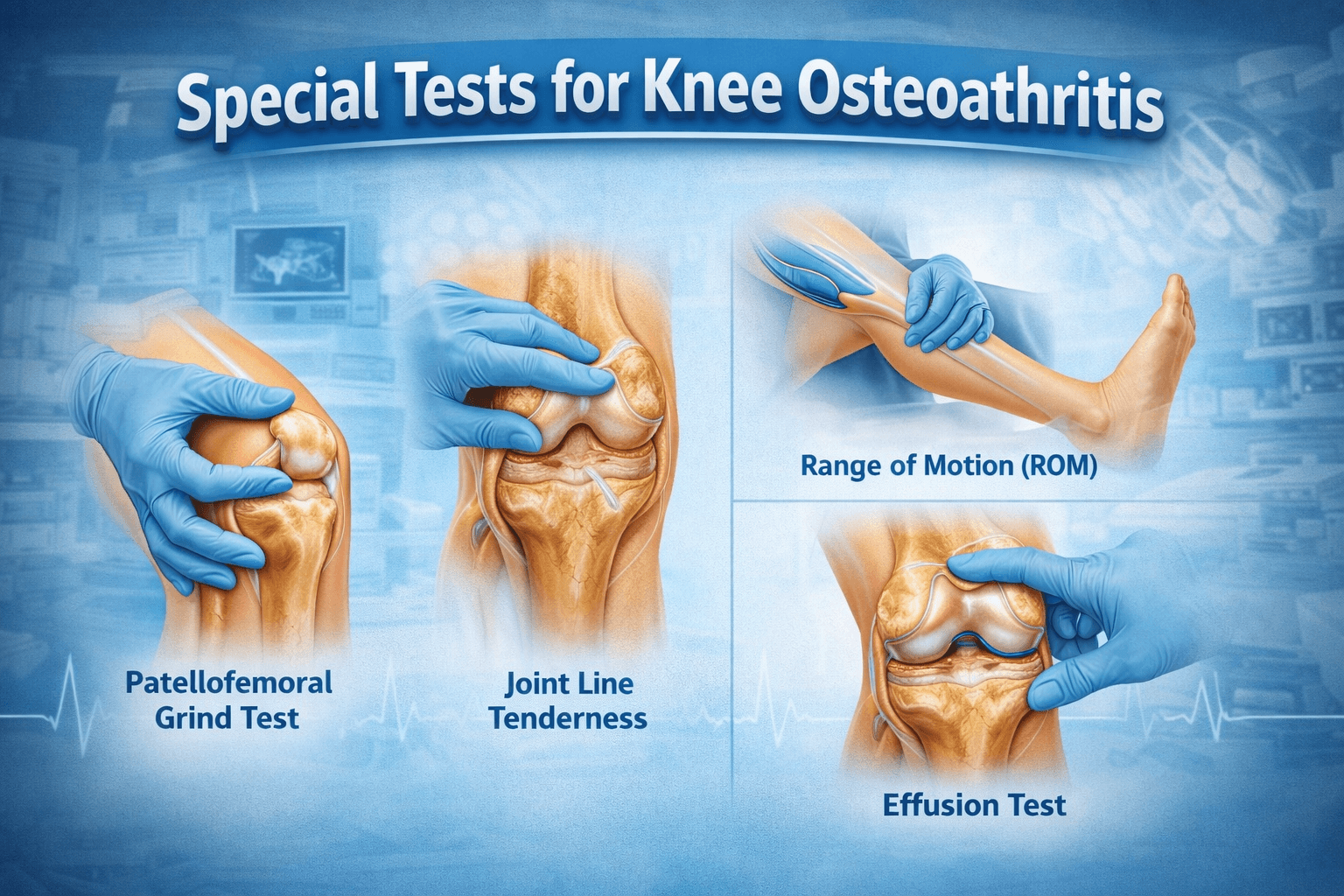
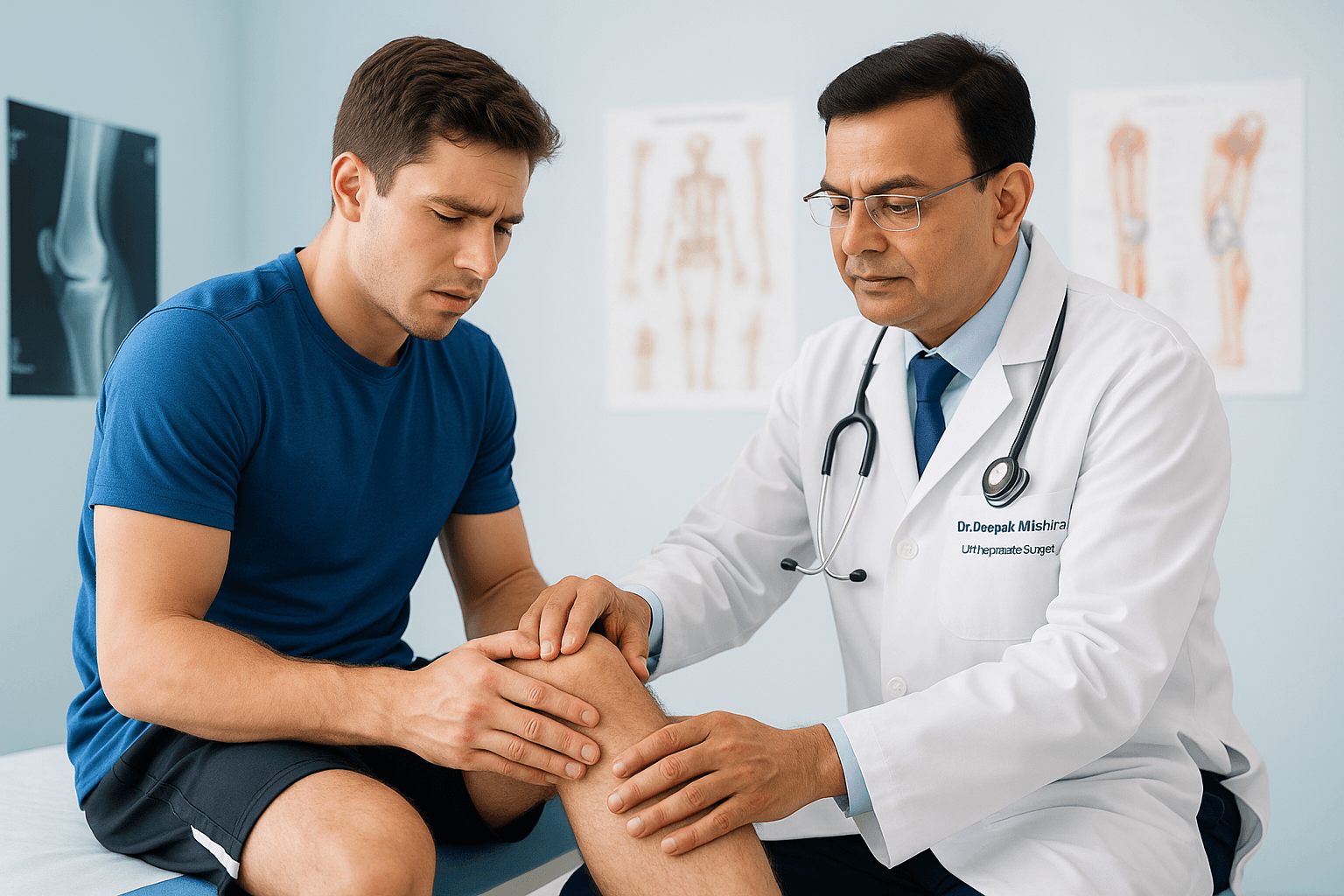
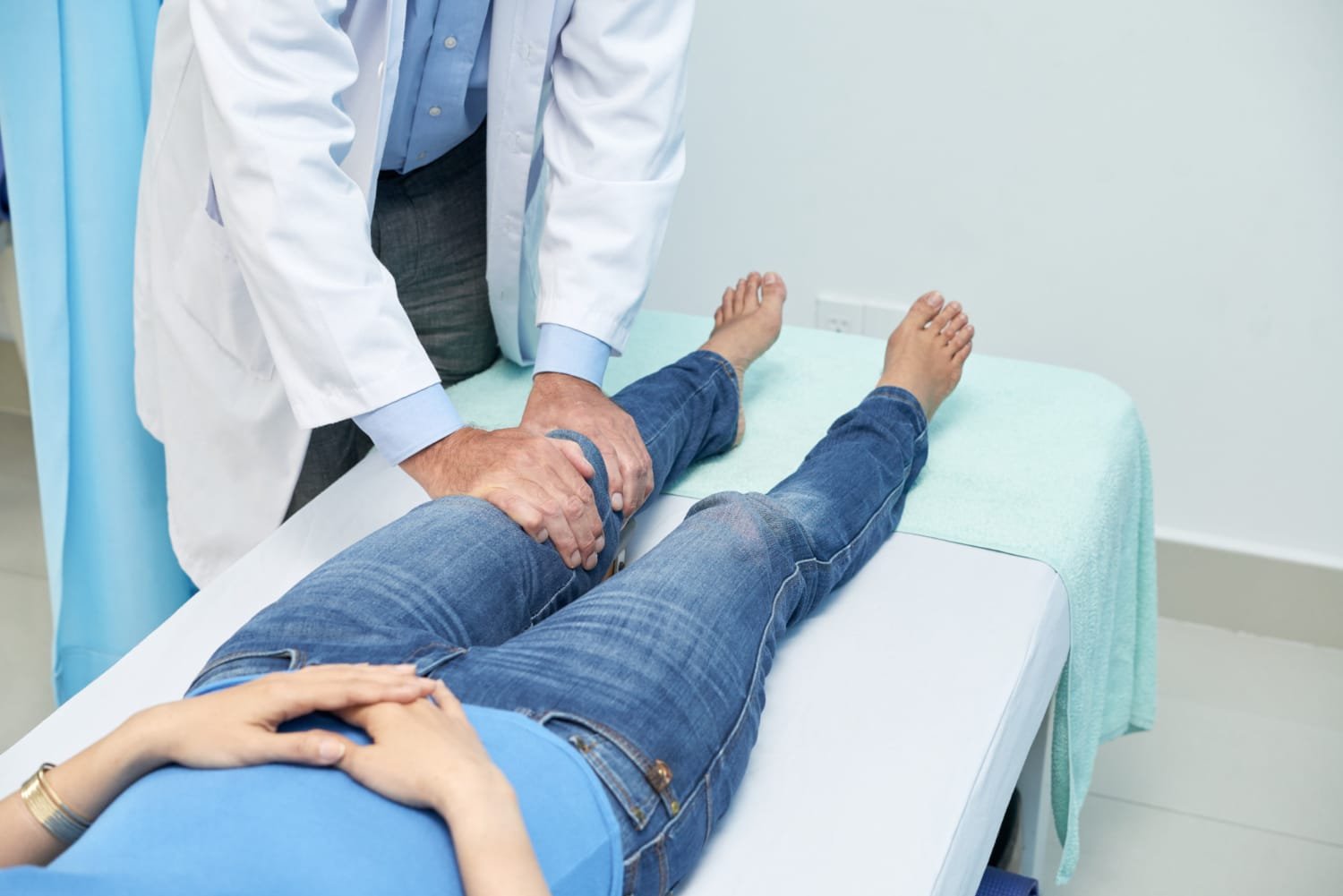
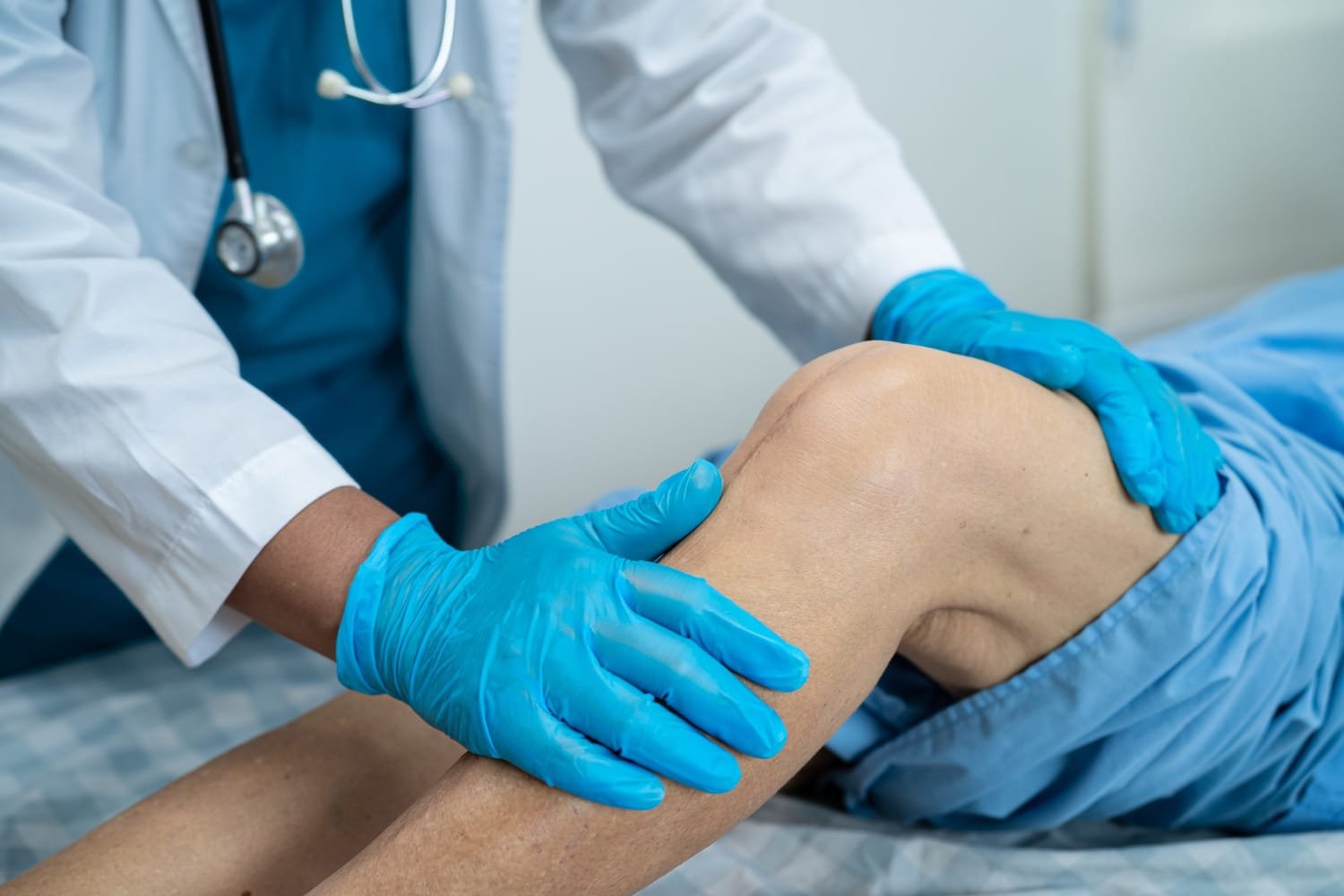
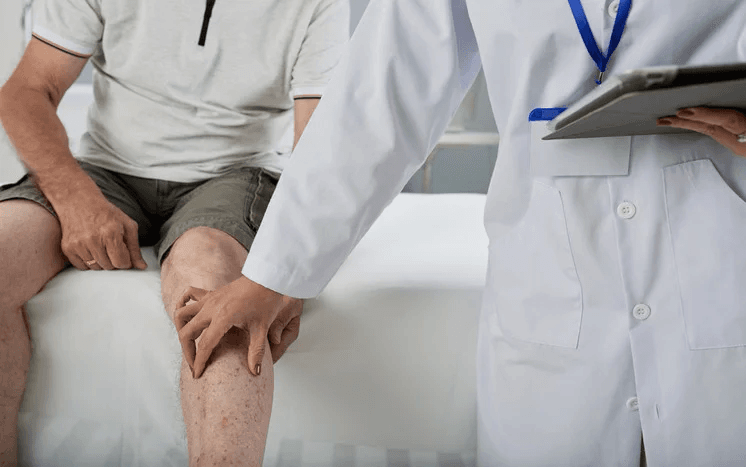
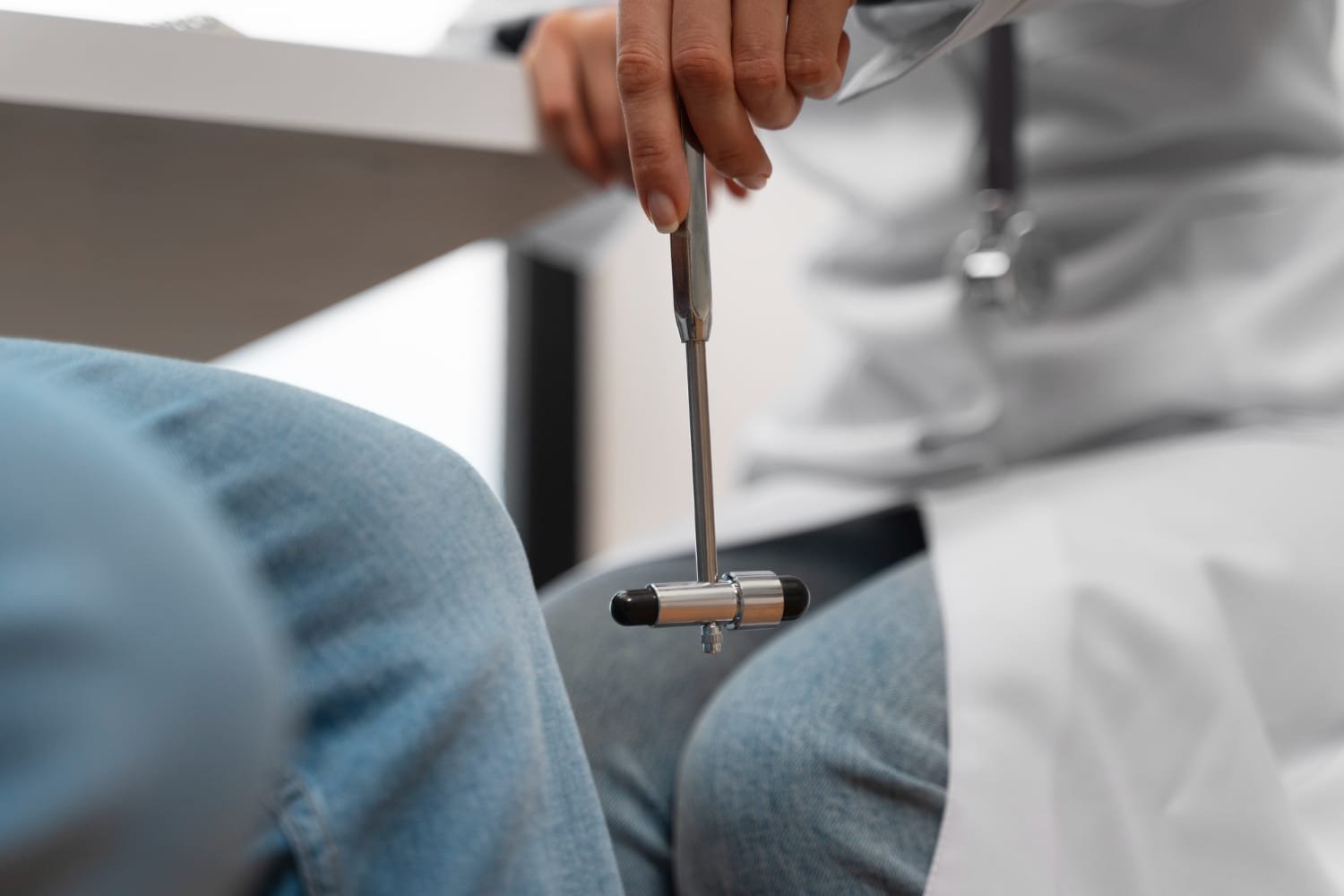
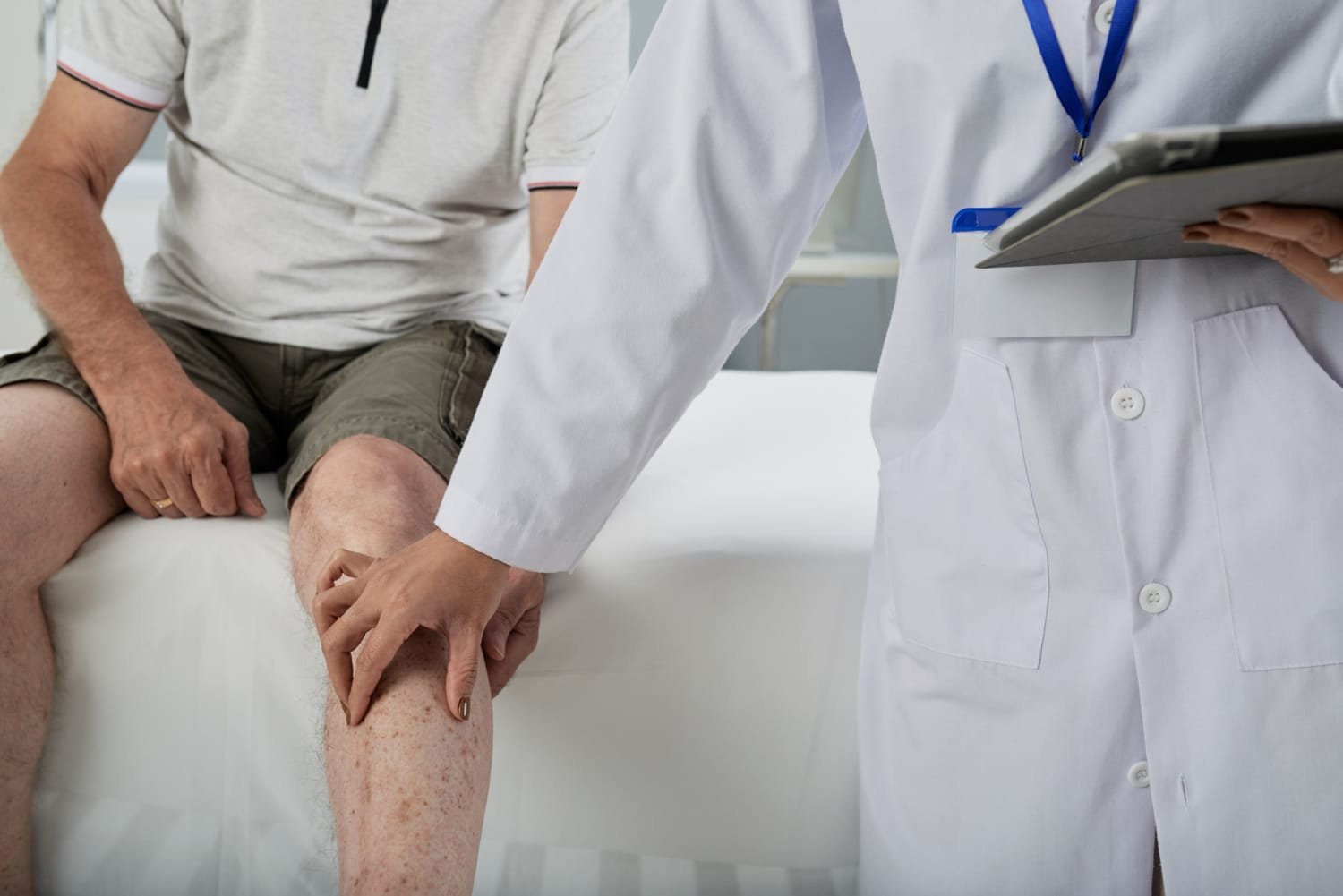
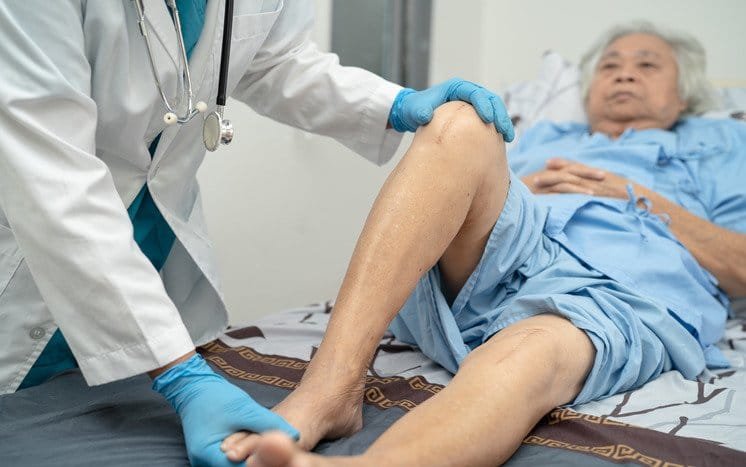
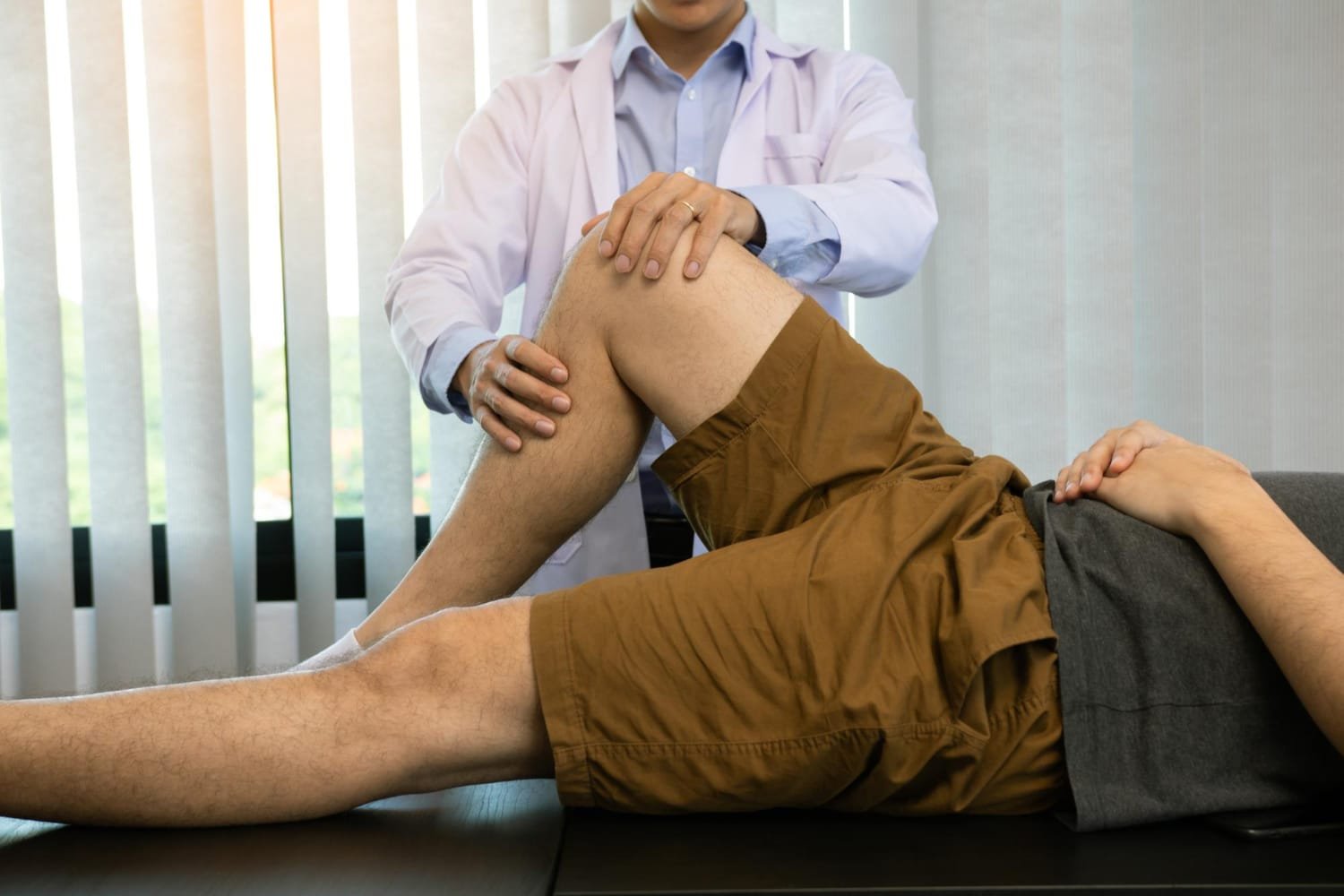
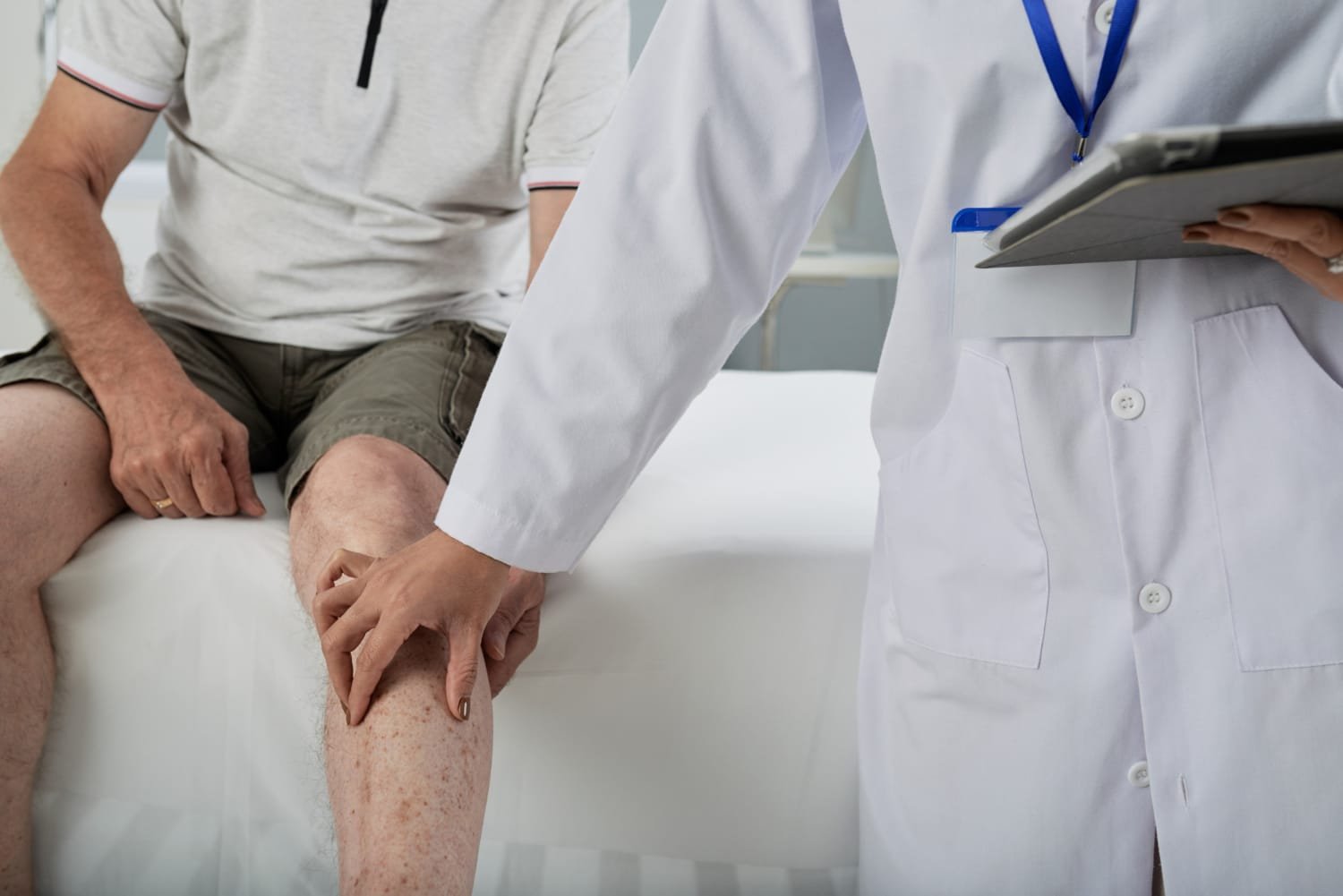
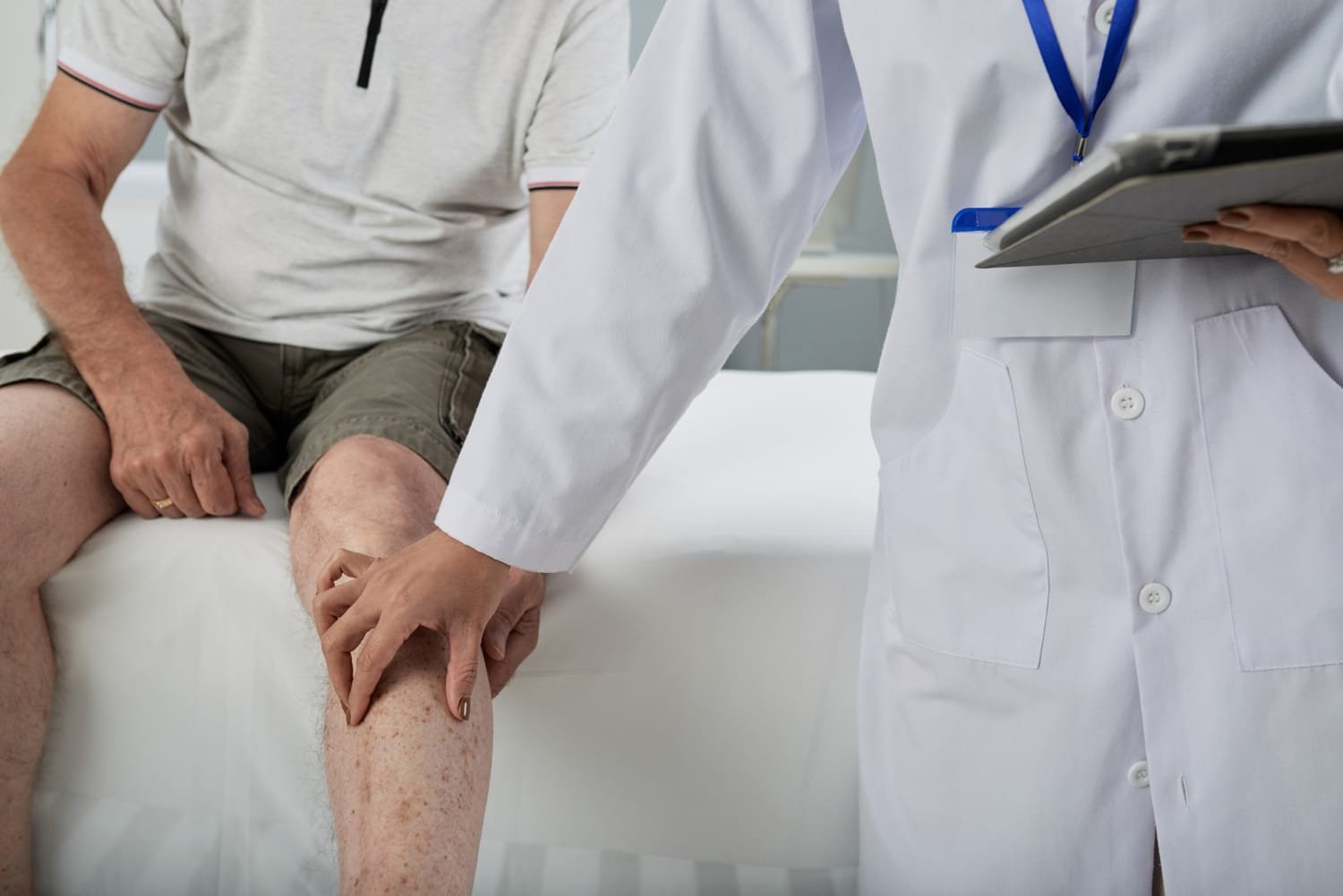
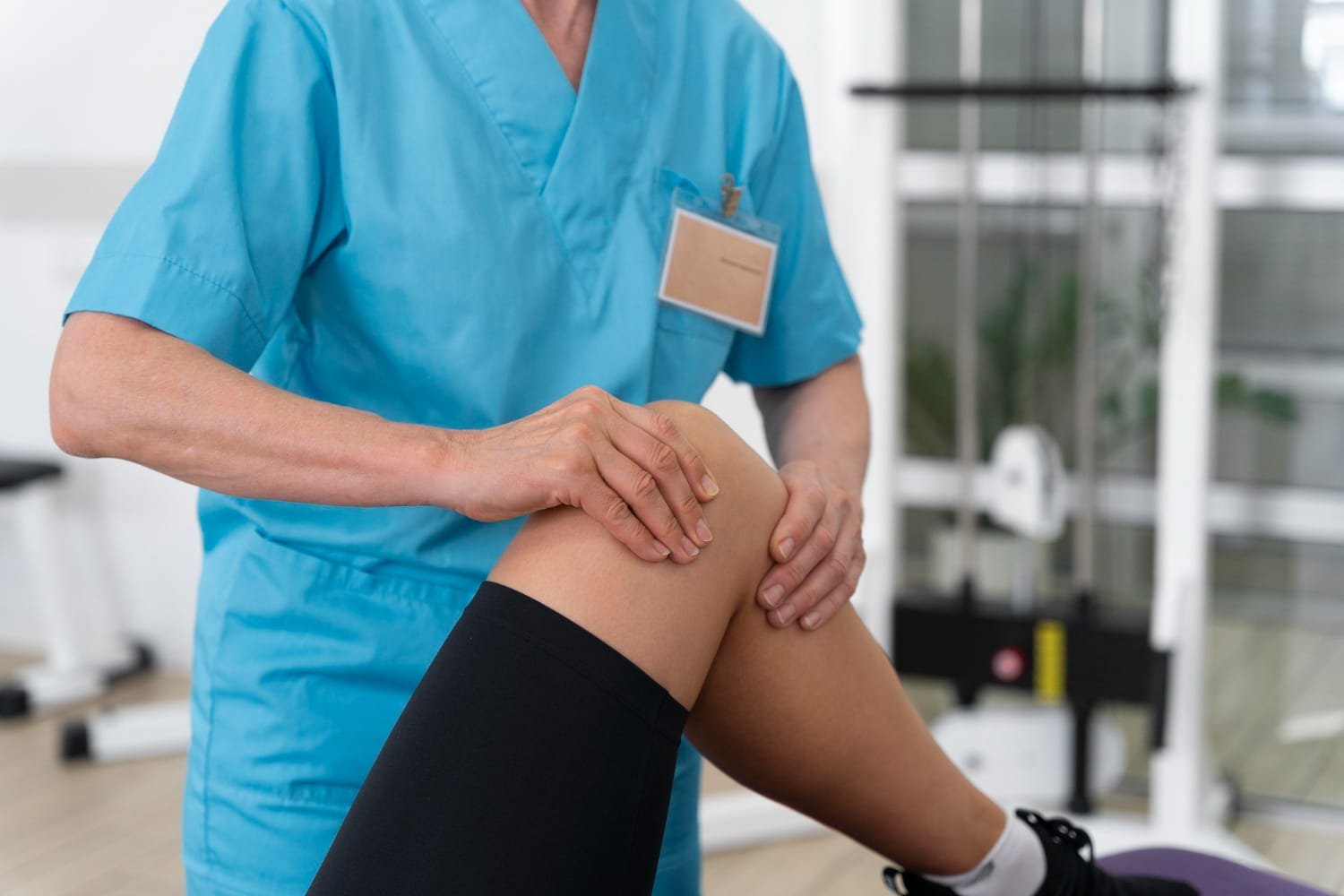
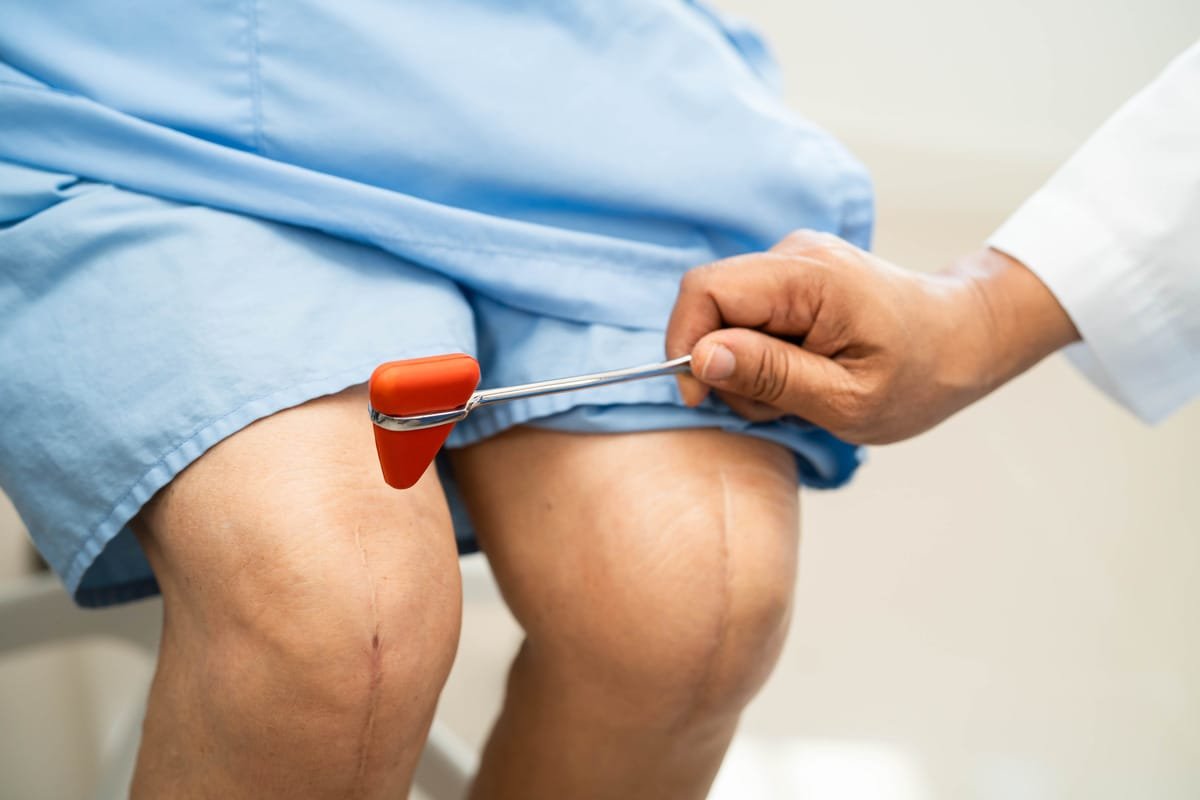
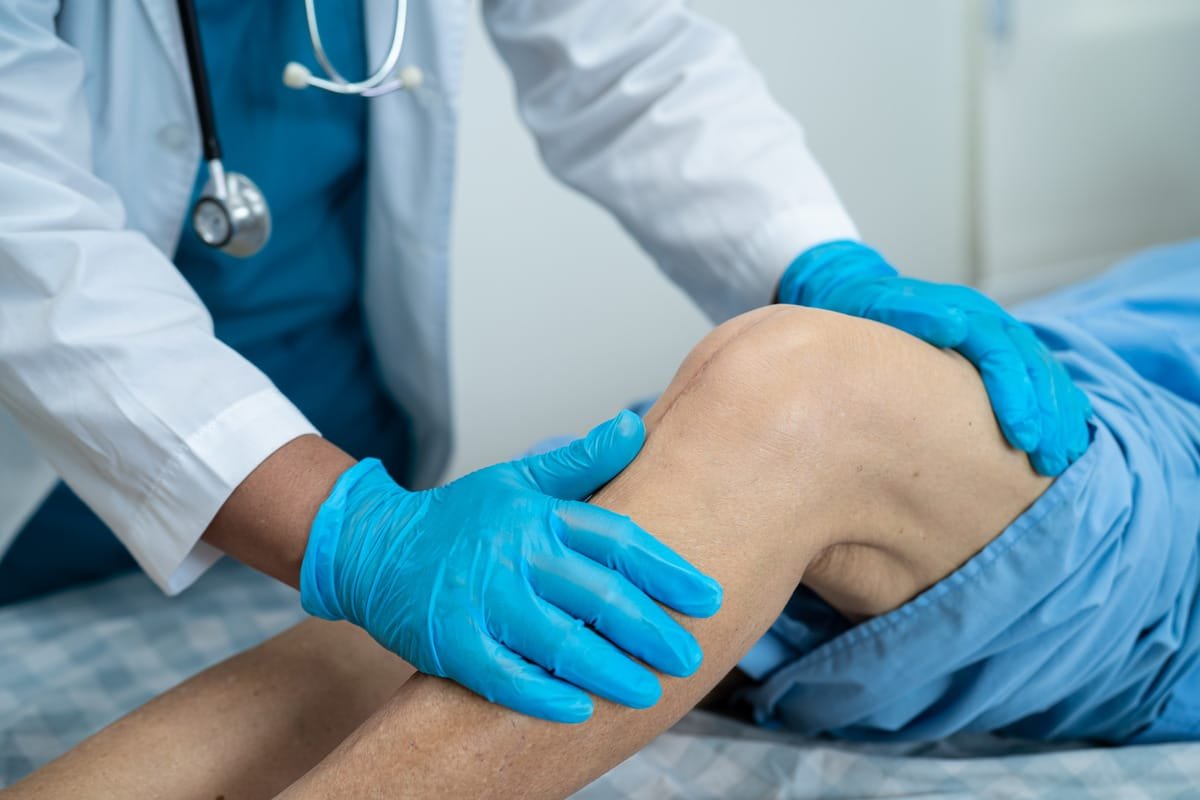
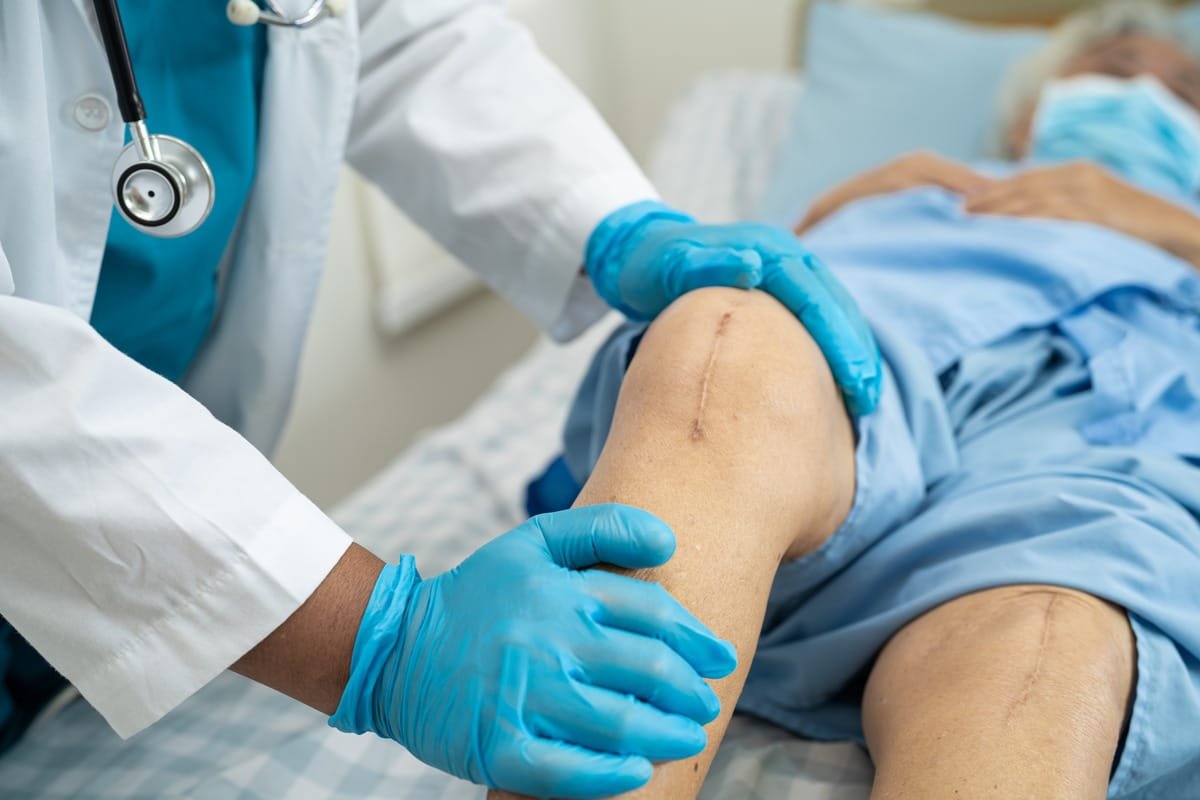
2. Physical Examination
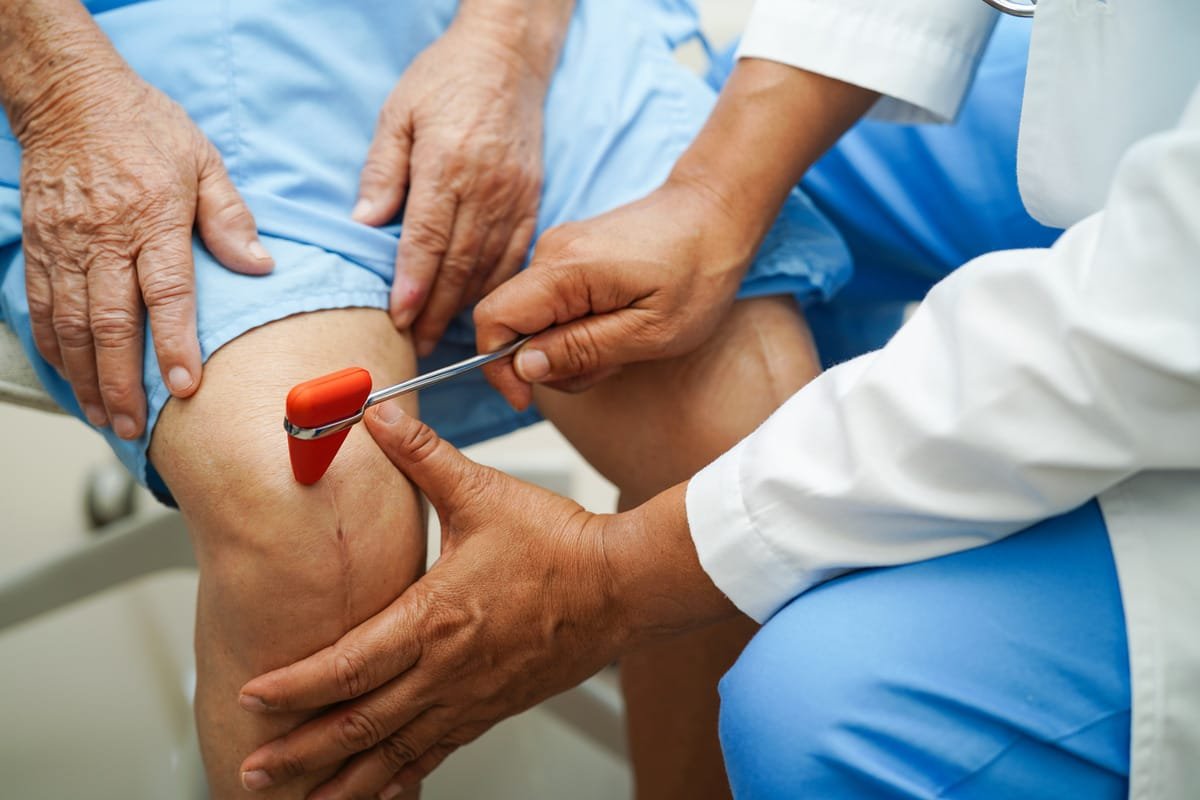
Checking knee movement, strength, stability, swelling, and tenderness.
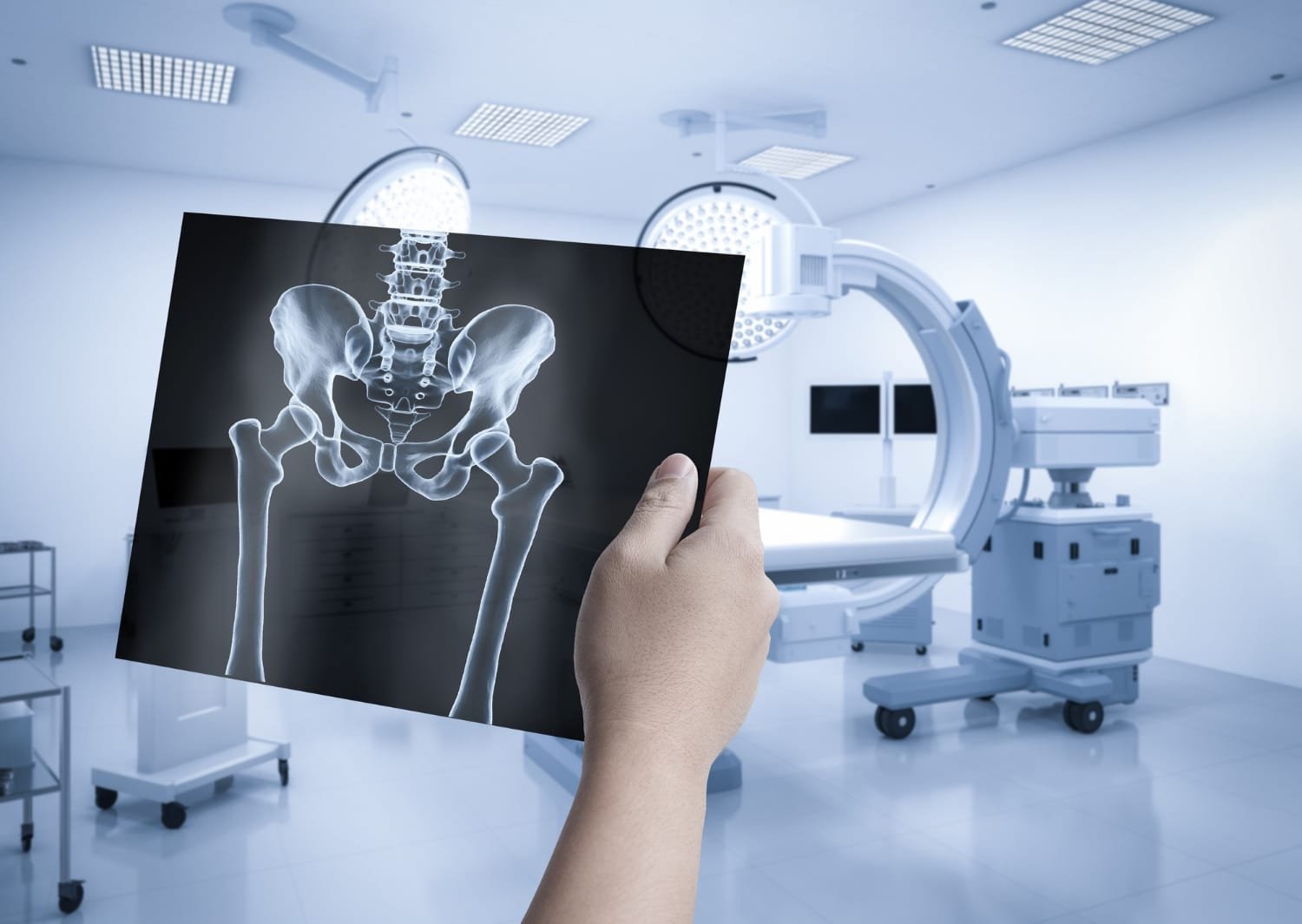
3. Imaging Studies
Including:
- X-rays to assess bone alignment and arthritis
- MRI to visualize soft tissues (meniscus, ligaments)
Accurate diagnosis leads to personalized treatment plans and faster recovery.
Treatment Options
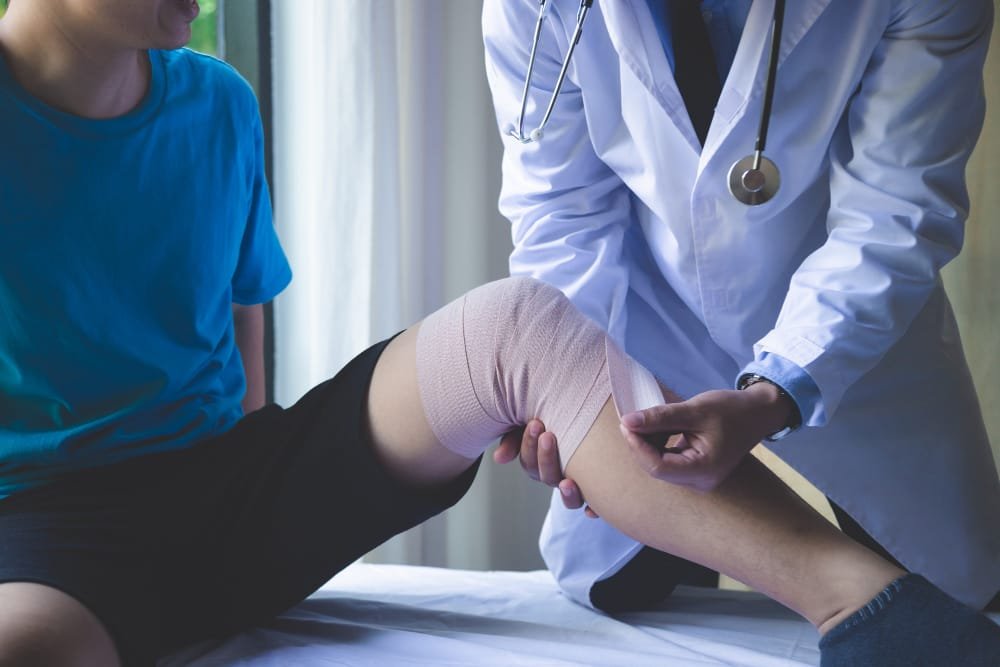
🩹 Non-Surgical Treatment
Most early-stage knee pain responds well to:
- Physiotherapy to strengthen muscles
- Anti-inflammatory medication
- Targeted exercises
- Weight management
- Activity modification
💉 Injections
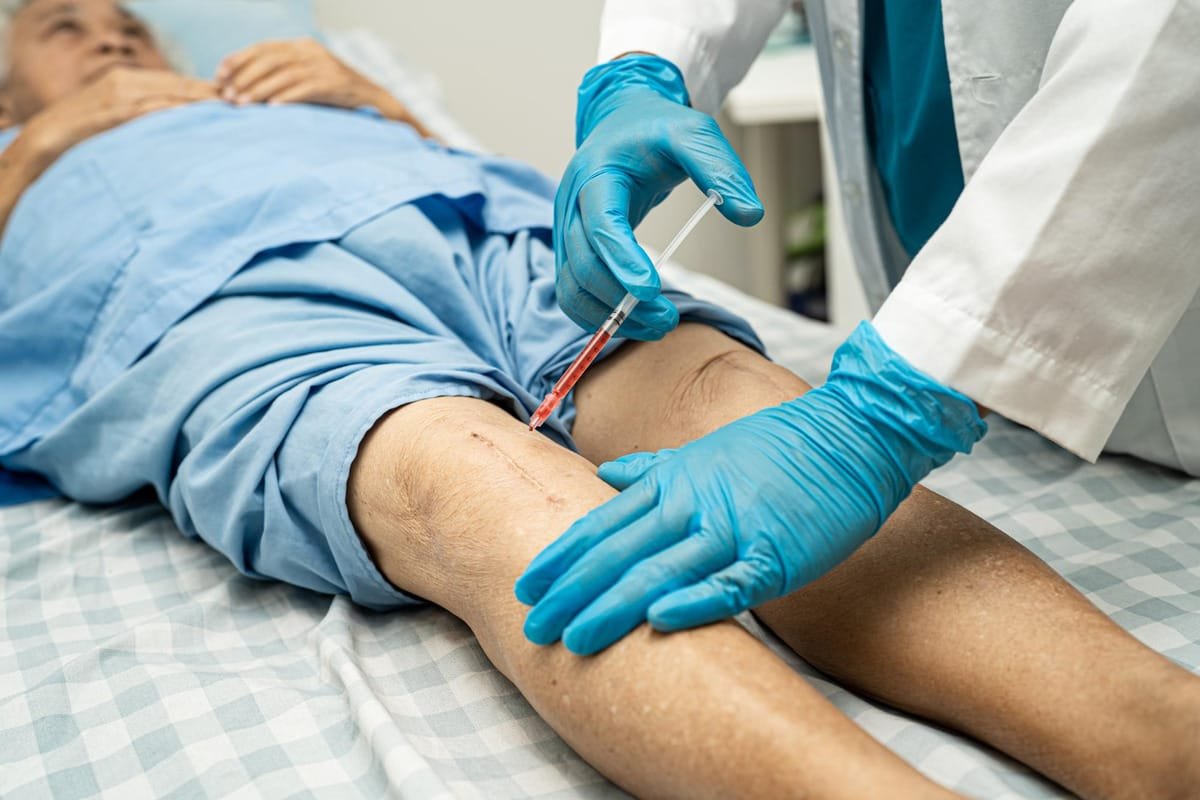
In some cases, corticosteroid or PRP (Platelet-Rich Plasma) injections help reduce inflammation and promote healing.
🦿 Surgery
Reserved for:
- Severe meniscus tears
- Advanced arthritis
- Persistent instability
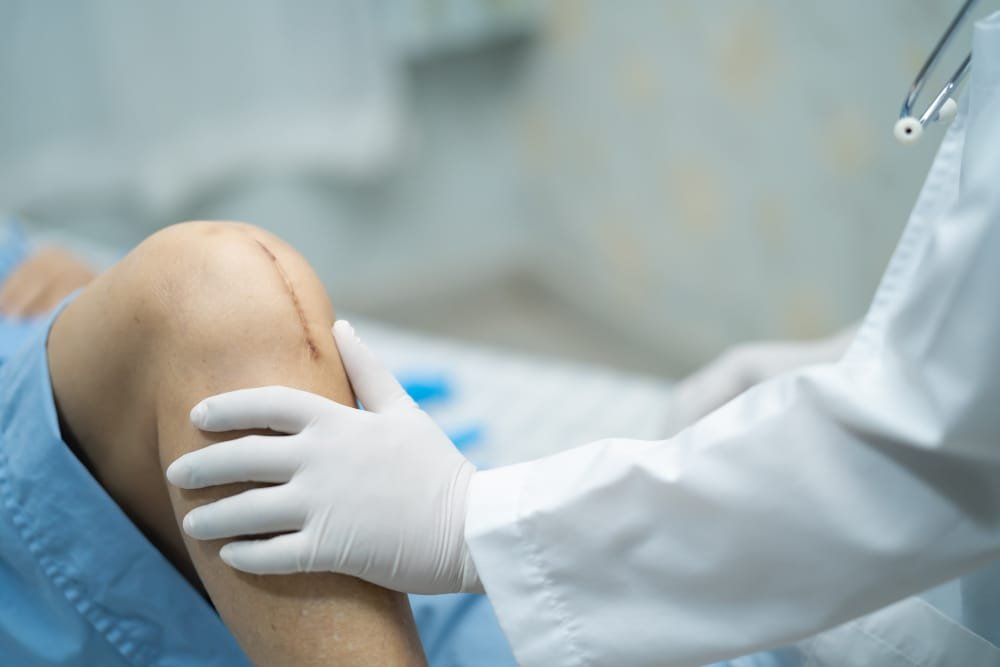
Arthroscopic surgery, partial knee replacement, or total knee replacement may be considered based on severity.
Dr. Deepak Mishra evaluates all options to recommend the most effective and least invasive approach tailored to you.
Preventing Knee Pain While Walking
Here are practical tips to protect your knees:
✅ Maintain a healthy weight
✅ Wear supportive footwear
✅ Warm up before exercise
✅ Strengthen quadriceps, hamstrings, and calf muscles
✅ Avoid sudden increases in activity intensity
Remember: Prevention is always better than cure.
Why Choose Dr. Deepak Mishra – The Best Orthopedic Doctor in Faridabad
When knee pain affects your daily life, expert care matters. Dr. Deepak Mishra is a highly respected orthopedic specialist known for:
- Extensive experience in diagnosing and treating knee conditions
- Personalized treatment plans
- Expertise in both conservative and surgical interventions
- Compassionate patient care and follow-up
Whether it’s chronic pain or an injury affecting your walk, Dr. Mishra ensures you get the right care for lasting relief and improved mobility.
Conclusion
Knee pain while walking doesn’t always mean something serious — but it shouldn’t be ignored if it persists, worsens, or limits your daily activities.
Early evaluation and proper diagnosis can help prevent long-term disability and get you back on your feet with confidence. If you’re experiencing persistent knee pain, consult Dr. Deepak Mishra — the best orthopedic doctor in Faridabad — for expert care and personalized treatment.
Recent Blogs
-
 Post Operative Exercises
- 1, March 2026
-
After ACL Surgery When Can I Walk?
- 1, March 2026
-
What Happens If Knee Arthritis Is Left Untreated?
- 21, February 2026
-
Can Knee Replacement Fail? Causes, Signs & Prevention
- 21, February 2026
-
 Who Is Not Suitable for Knee Replacement Surgery?
- 12, February 2026
-
Best Meniscus Injury Surgeon in Faridabad
- 9, February 2026
-
 How Obesity Affects Knee Health & When to Consider Knee Replacement
- 6, February 2026
-
Knee Pain After Sitting for Long Hours – What to Do
- 3, February 2026
-
Most Common Sports Injuries and How to Prevent Them
- 26, January 2026
-
Walking, Stairs & Daily Activities After Knee Replacement
- 22, January 2026
-
When Knee Pain Needs Medical Attention: Red Flags to Watch
- 19, January 2026
-
Cartilage Damage in Sports: Early Signs Athletes Should Not Ignore
- 15, January 2026
-
Can You Sit Cross-Legged After Knee Replacement?
- 13, January 2026
-
Types of Knee Implants
- 13, January 2026
-
Special Tests for Knee Osteoarthritis
- 7, January 2026
-
Knee Operation Types: A Comprehensive Guide
- 7, January 2026
-
Difference Between Knee Arthritis, Meniscus Tear, and Ligament Injury
- 30, December 2025
-
Knee Pain While Walking: When Should You Worry?
- 30, December 2025
-
What Happens If Knee Replacement Is Delayed Too Long?
- 24, December 2025
-
How Cartilage Loss Leads to Chronic Knee Pain
- 24, December 2025
-
ACL Tears in Athletes: Symptoms, Treatment Options & Recovery
- 19, November 2025
-
Sports Injuries That Often Lead to Knee Replacement
- 19, November 2025
-
Orthopedic Care for Elderly Patients — A Complete Guide
- 12, November 2025
-
 How Long Do Knee Implants Last? (10–20 Year Longevity Guide)
- 12, November 2025
-
Importance of Early Diagnosis in Bone and Joint Problems
- 28, October 2025
-
Best Treatment Options for Sports Injuries
- 28, October 2025
-
 The Difference Between ACL Tear, Sprain, and Rupture
- 16, October 2025
-
Post-ACL Surgery Do’s and Don’ts
- 16, October 2025
-
Early Signs You Might Have an ACL Injury (and When to See a Doctor)
- 16, October 2025
-
Does Insurance Cover Robotic Knee Replacement Surgery?
- 6, October 2025
-
When Can You Return to Sports After Robotic Knee Replacement?
- 6, October 2025
-
 Impact of Obesity on Knee Replacement Surgery and Recovery
- 30, September 2025
-
Early vs. Delayed Knee Replacement: Which Is Better?
- 30, September 2025
-
How Durable Are Knee Implants? A Complete Guide
- 24, September 2025
-
Can You Play Sports After Knee Replacement Surgery?
- 24, September 2025
-
 Key Benefits of Revision Hip Replacement You Should Know
- 15, September 2025
-
Revision Hip Replacement vs. Primary Hip Replacement: Key Differences
- 15, September 2025
-

-
Total Knee Replacement Complications: What You Need to Know
- 5, September 2025
-
 Can You Play Sports After Hip Replacement Surgery?
- 26, August 2025
-
 Preparing for Knee Replacement: Do’s and Don’ts Before Surgery
- 26, August 2025
-
-
What to Know About Knee Replacement Revision Surgery
- 18, August 2025
-
Cost of Hip Replacement in India – What Patients Should Know
- 11, August 2025
-
-
Who Is the Best Orthopedic Doctor for Sports Injuries?
- 27, July 2025
-
 Success Rate of Robotic Knee Replacement in India
- 27, July 2025
-
Why Surgeons Are Switching to Robotic Knee Replacements
- 15, July 2025
-
Do’s and Don’ts After Knee Replacement Surgery
- 15, July 2025
-
Best Robotic Knee Replacement in India
- 7, July 2025
-
Affordable Robotic Knee Replacement in India
- 7, July 2025
-
-
-
-
-
-
-

-
 Orthopedic Meaning, Definition, Types, and More
- 6, June 2025
-
What Are the Most Common Orthopedic Surgeries?
- 24, May 2025
-
What Does an Orthopedic Doctor Do?
- 24, May 2025
-

-
-
-
Best Orthopedic Doctor for Knee Pain in Faridabad
- 12, May 2025
-
How to Prevent Knee Pain with Orthopedic Expert Tips
- 29, April 2025
-
-
Best Orthopedic Treatment in Faridabad: What You Should Know
- 29, April 2025
-

-

-
Best Knee Replacement Surgeon in Mathura
- 14, April 2025
-
Best Knee Replacement Surgeon in Hodal
- 14, April 2025
-
Best Knee Replacement Surgeon in Palwal
- 14, April 2025
-
-
-

-
Benefits of Minimally Invasive Knee Surgery
- 24, March 2025
-
Best knee Replacement Surgeon in India
- 17, March 2025
-
-
How to Recover Quickly After Knee Replacement Surgery
- 10, March 2025
-
-
-
-
Minimally Invasive Arthroplasty: Benefits and Recovery Advantages
- 24, February 2025
-
Common Mistakes to Avoid After Joint Replacement Surgery
- 24, February 2025
-
Choosing the Right Hip Replacement Surgeon: A Comprehensive Guide
- 17, February 2025
-
Restoring Mobility: The Role of Knee Replacement Doctors
- 17, February 2025
-
Orthopedic Trauma Care for Athletes
- 6, February 2025
-
Best Doctor for ACL Tear Treatment
- 6, February 2025
-
Best Sports Medicine Doctor for Knee Injuries
- 6, February 2025
-
Orthopedic Surgeons: 7 Things You Need to Know
- 27, January 2025
-
Best Joint Replacement Surgeon in Greater Faridabad
- 27, January 2025
-
Best Knee Replacement Surgeon in Palwal
- 20, January 2025
-
Best Knee Replacement Surgeon in South Delhi
- 20, January 2025
-
Signs You May Need a Knee Replacement: Insights from a Surgeon
- 13, January 2025
-
Restoring Mobility: The Role of Knee Replacement Doctor
- 13, January 2025
-
Robotic Knee Replacement Surgery in Delhi
- 30, December 2024
-
Robotic Orthopedic Surgery: Revolutionizing Joint Replacement and Repair
- 30, December 2024
-
Robotic Knee Replacement vs. Traditional Surgery: A Comparative Guide
- 23, December 2024
-
How to Make Joints Stronger: A Comprehensive Guide
- 23, December 2024
-
Common Knee Conditions and How a Knee Surgeon Can Help
- 16, December 2024
-
-
-
Orthopedic Surgeons: 7 Things You Need to Know
- 6, December 2024
-
Top 5 Mistakes After Knee Replacement
- 25, November 2024
-
Advantages and Disadvantages of Robotic Knee Replacement
- 25, November 2024
-
When to See an Orthopedic Specialist: Recognizing Early Signs
- 15, November 2024
-
Benefits of Robotic-Assisted Knee Replacement Surgery
- 15, November 2024
-
Knee Replacement Surgery Cost
- 8, November 2024
-
Best Robotic Knee Replacement Surgeon in Faridabad
- 8, November 2024
-
-
Knee Replacement Surgery: Types, Benefits, and Recovery Timeline
- 28, October 2024
-
What is Osteoporosis? Symptoms, Causes, and Prevention
- 21, October 2024
-
Signs It’s Time for a Knee Replacement: When to Consult a Surgeon
- 18, October 2024
-
Understanding Different Types of Arthritis: Symptoms and Causes
- 11, October 2024
-
Taking Care After Knee Replacement Surgery
- 15, December 2022
-
Amazing Ways to Get Relief from Arthritis Pain Naturally
- 2, December 2022
-
-
How Does Fat Affect Arthritis?
- 4, November 2022