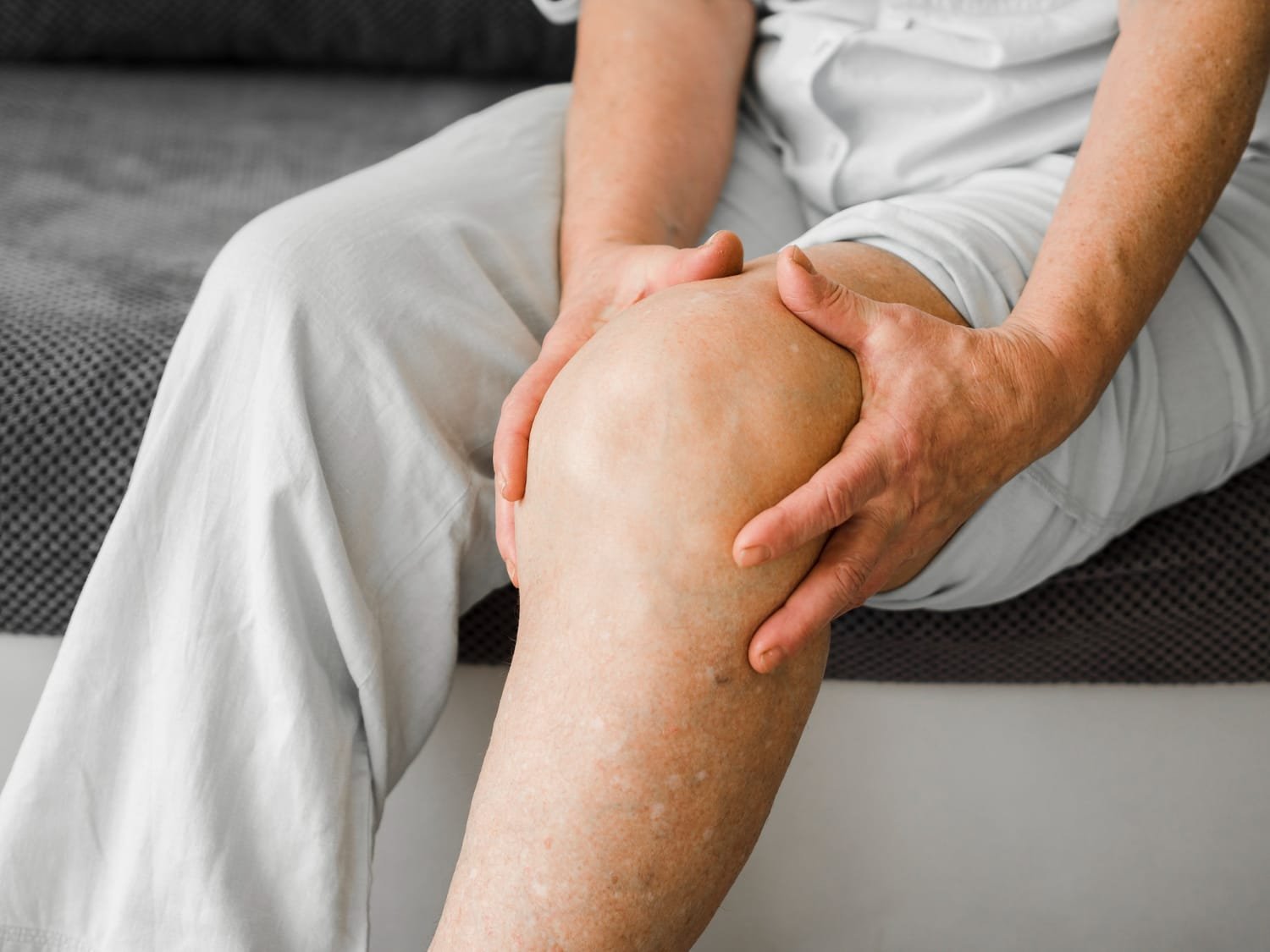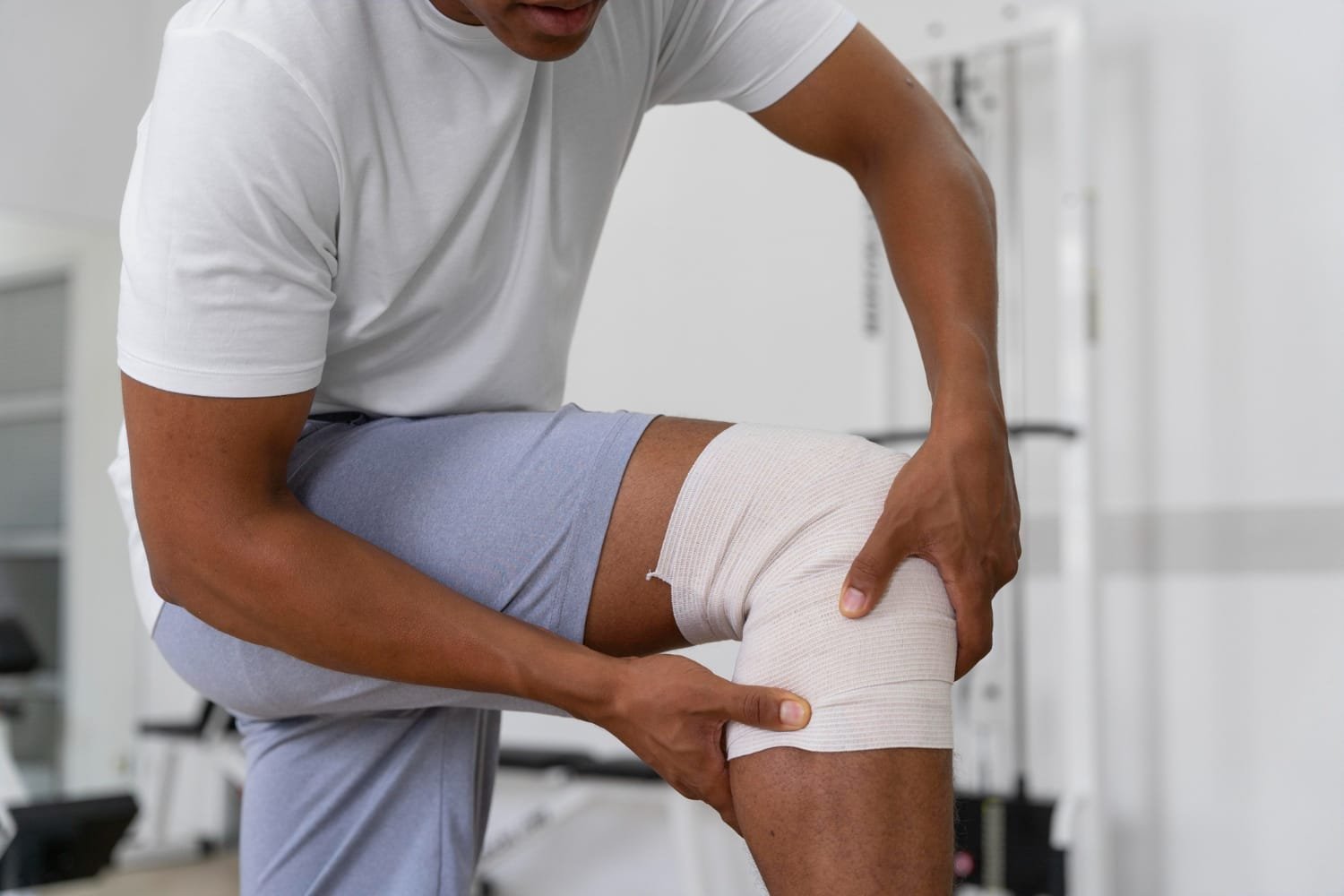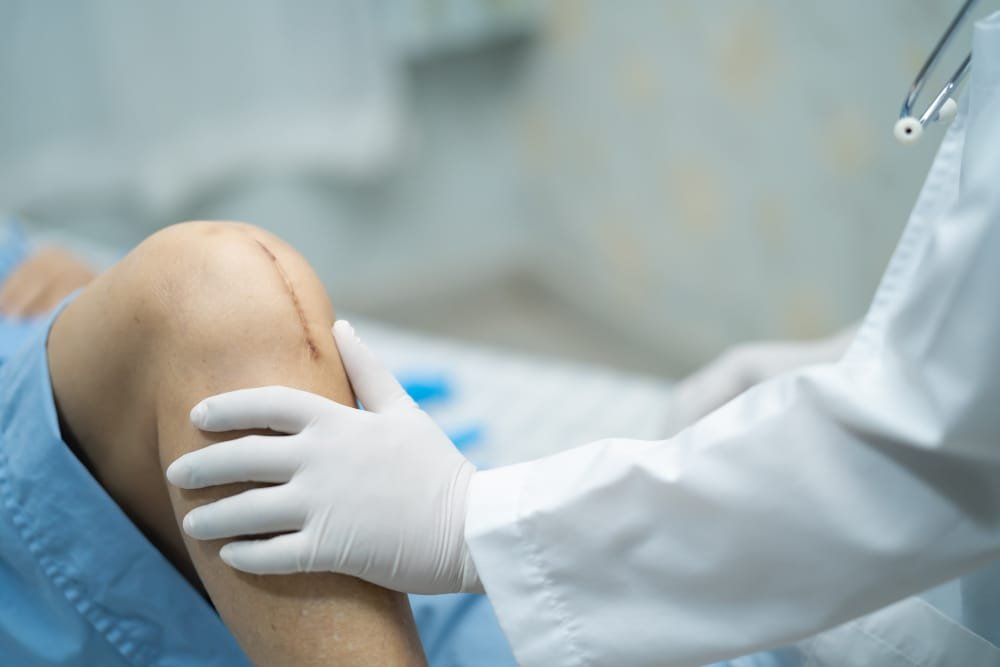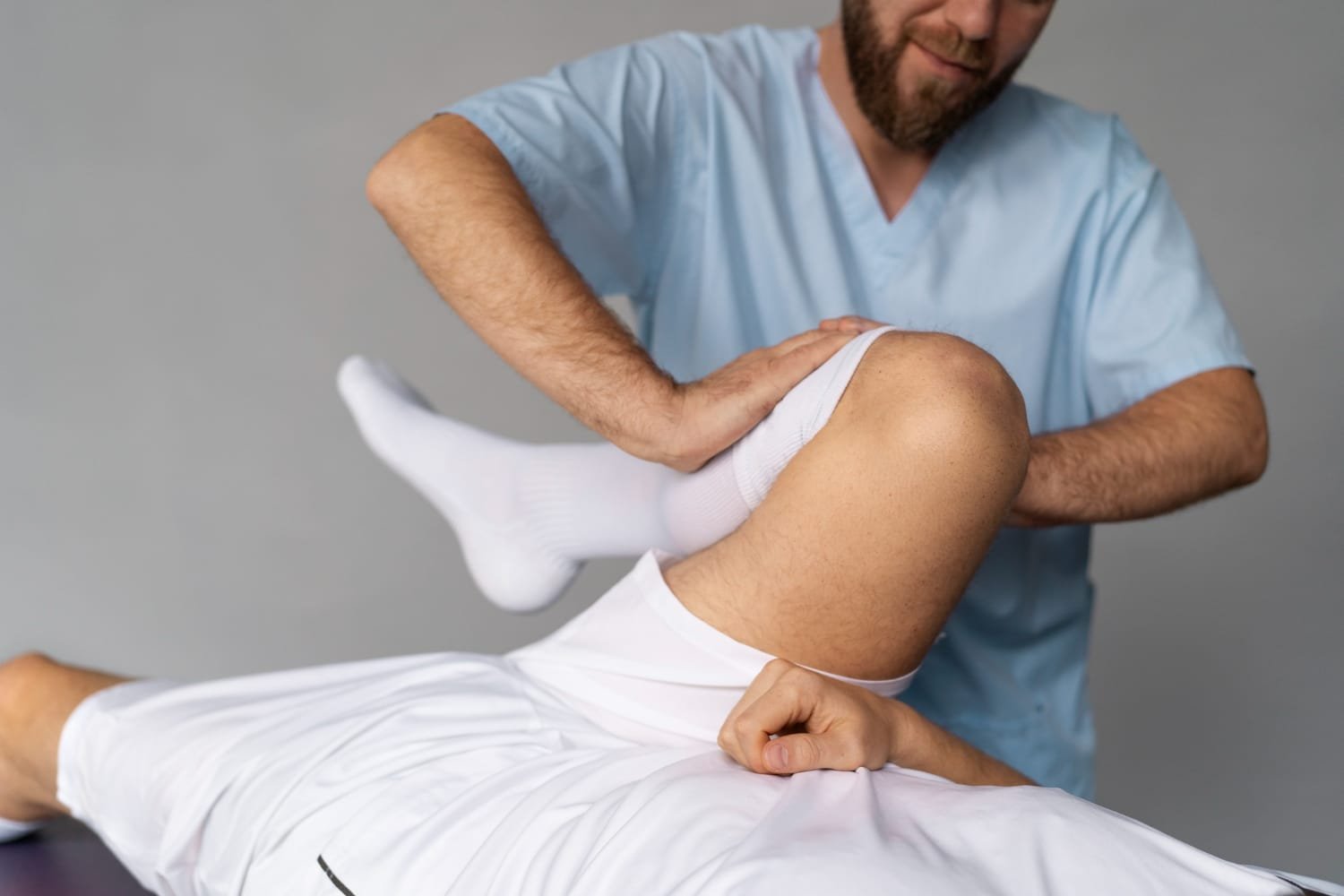

Knee Pain After Sitting for Long Hours – What to Do
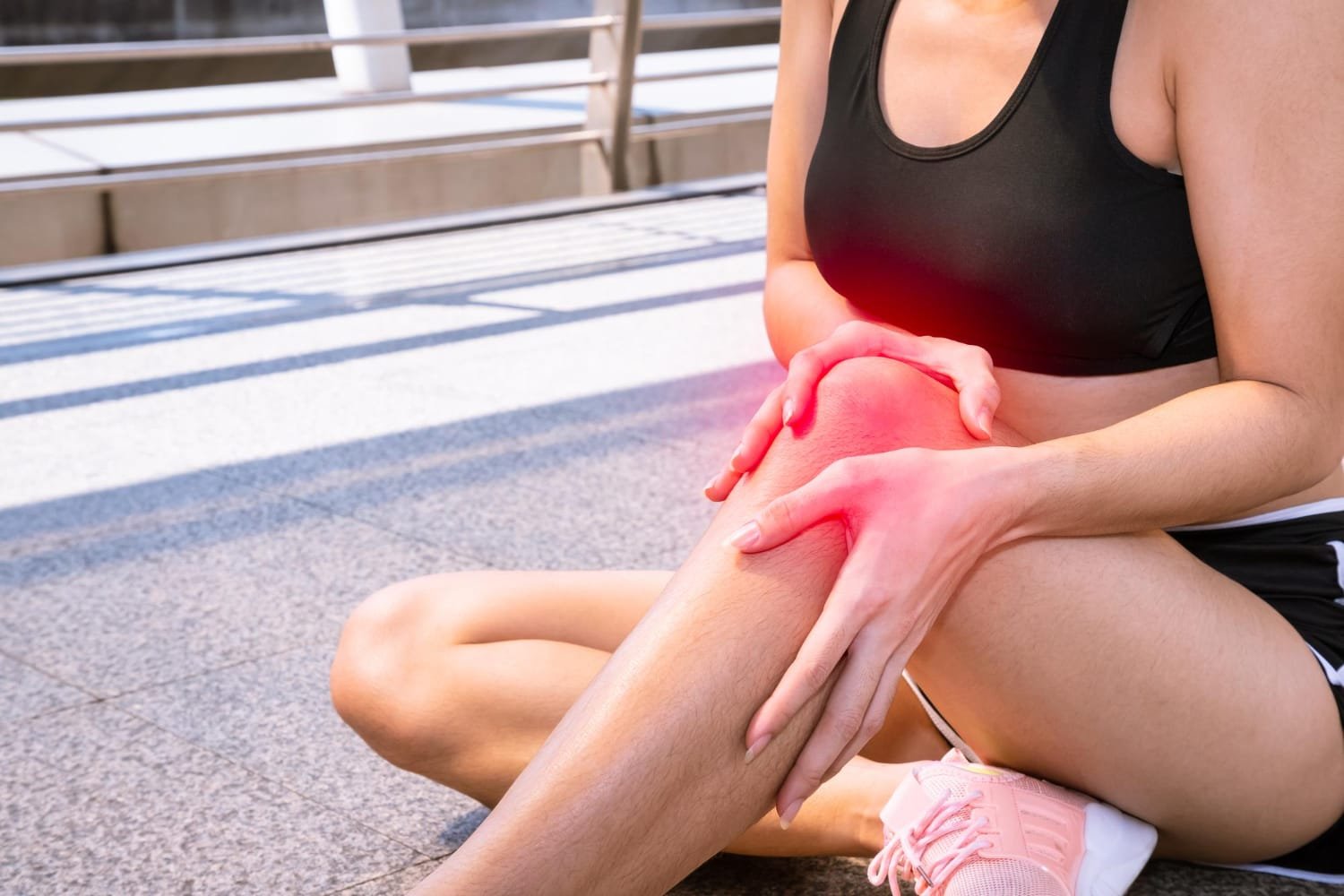
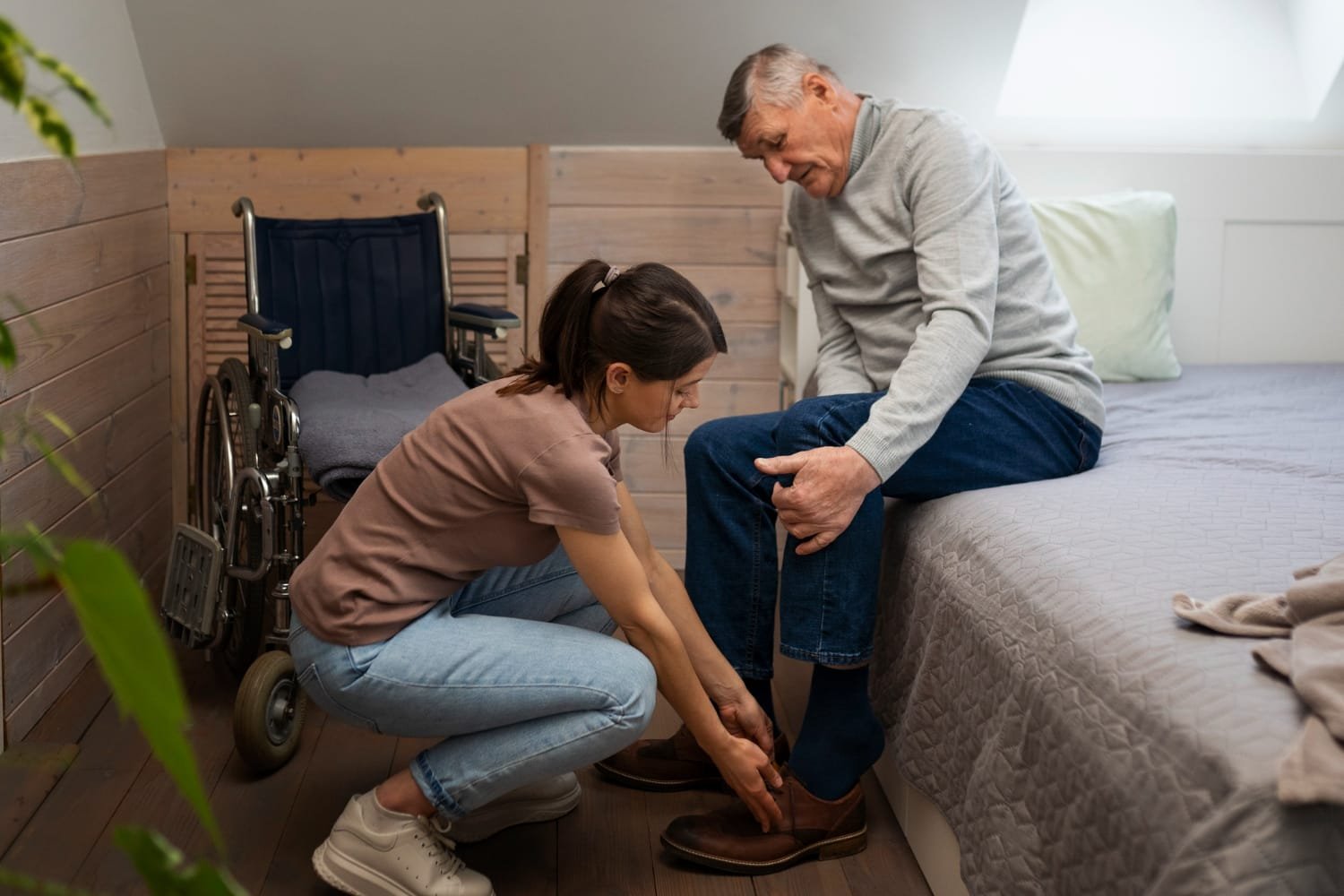
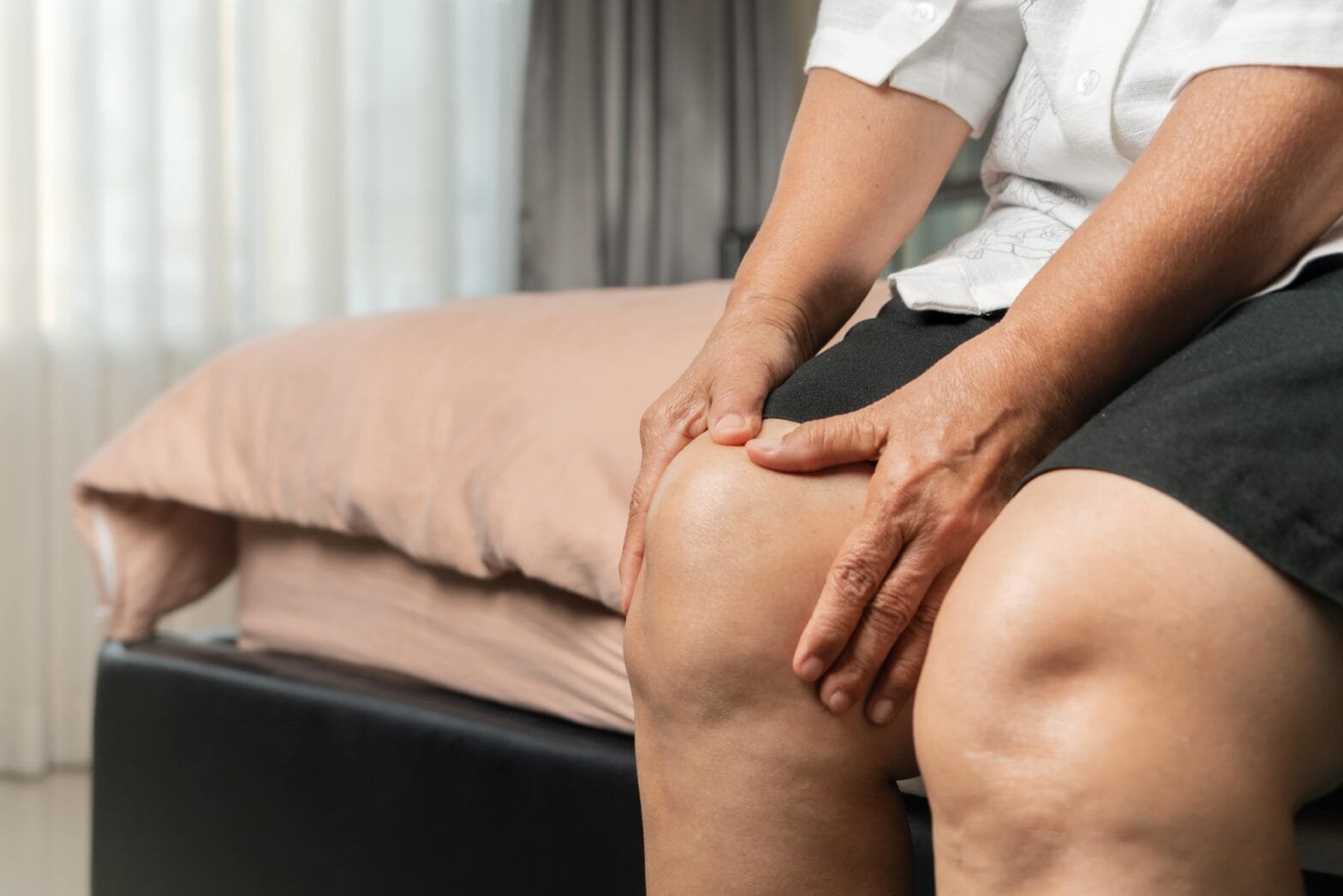
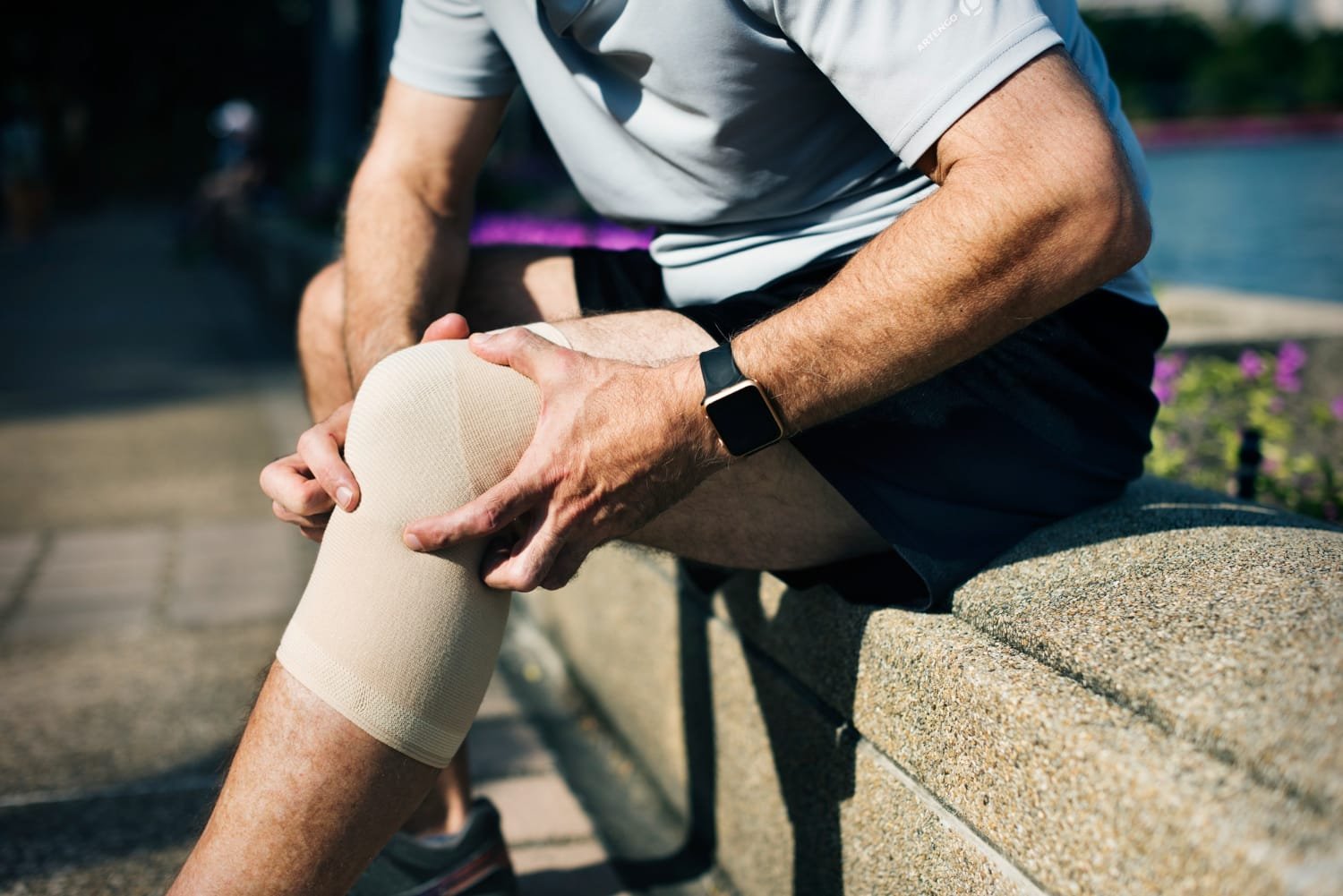
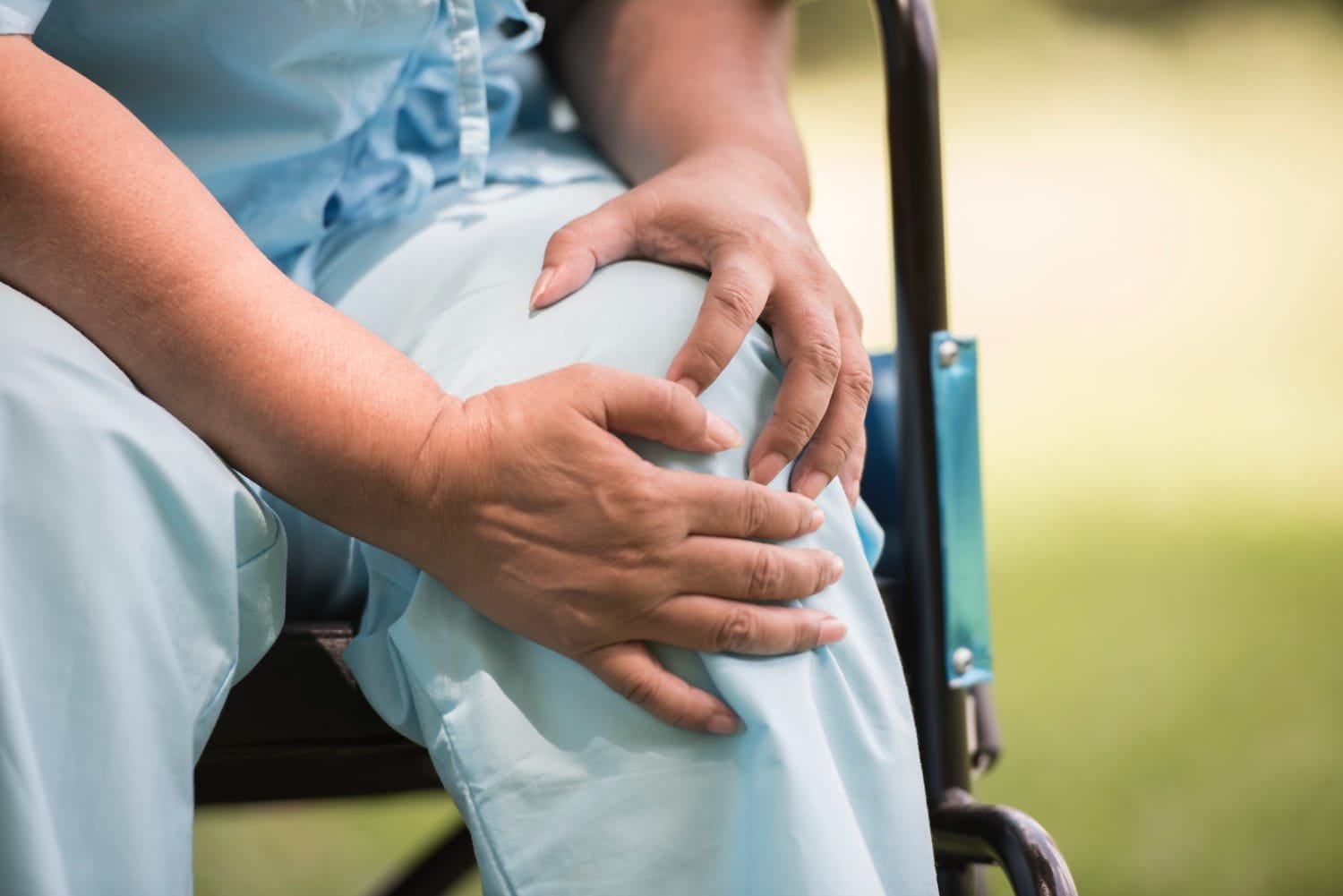
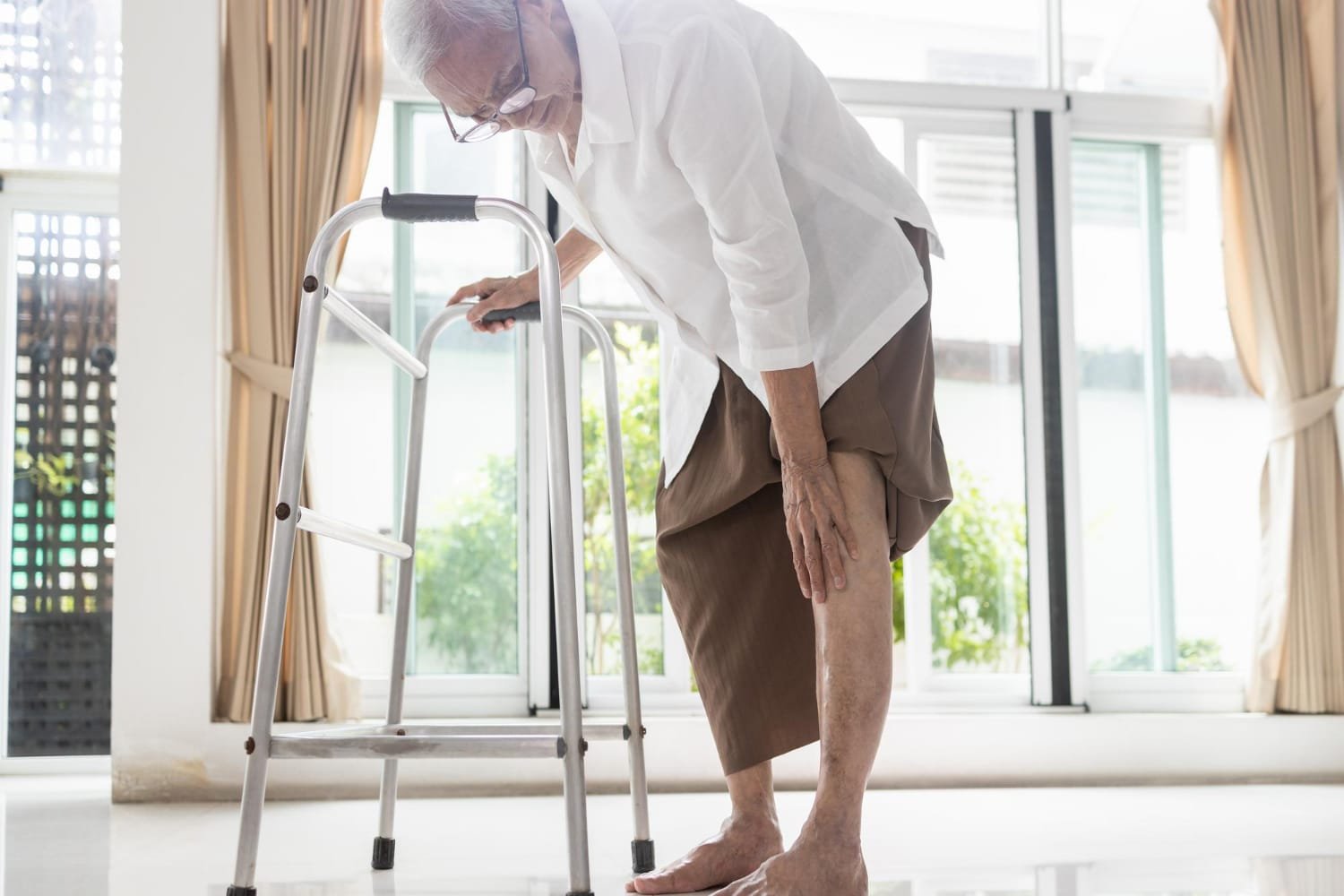
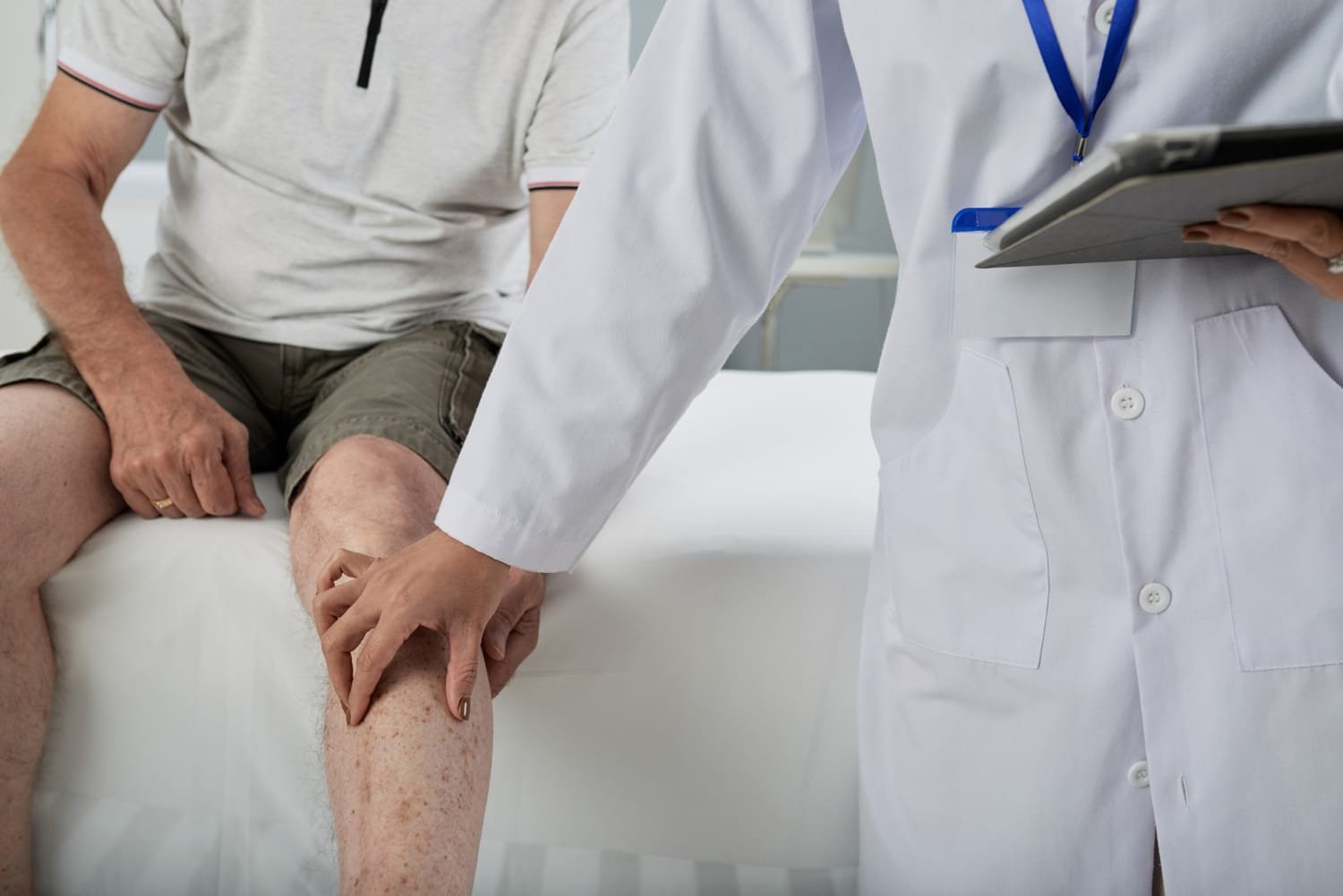
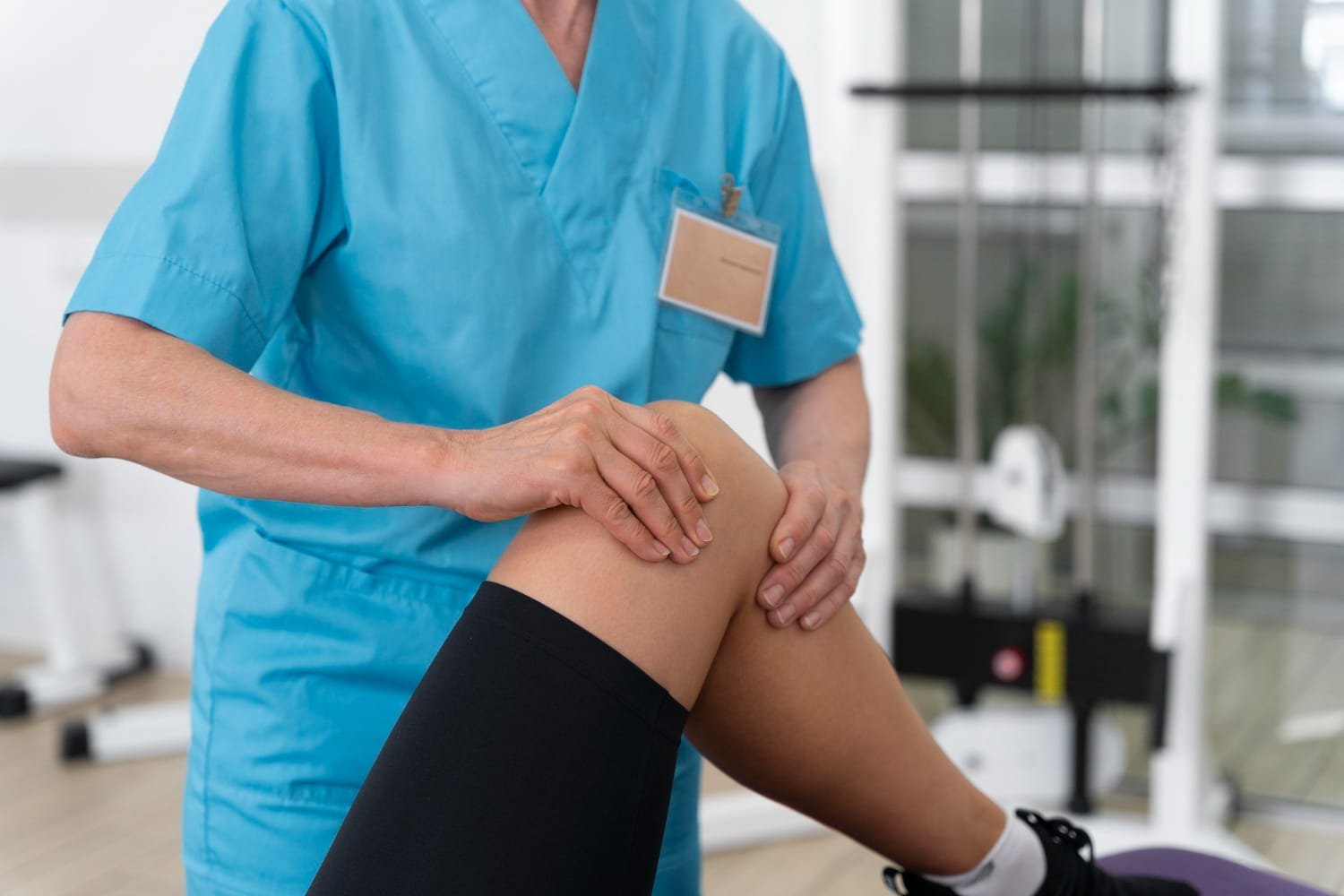
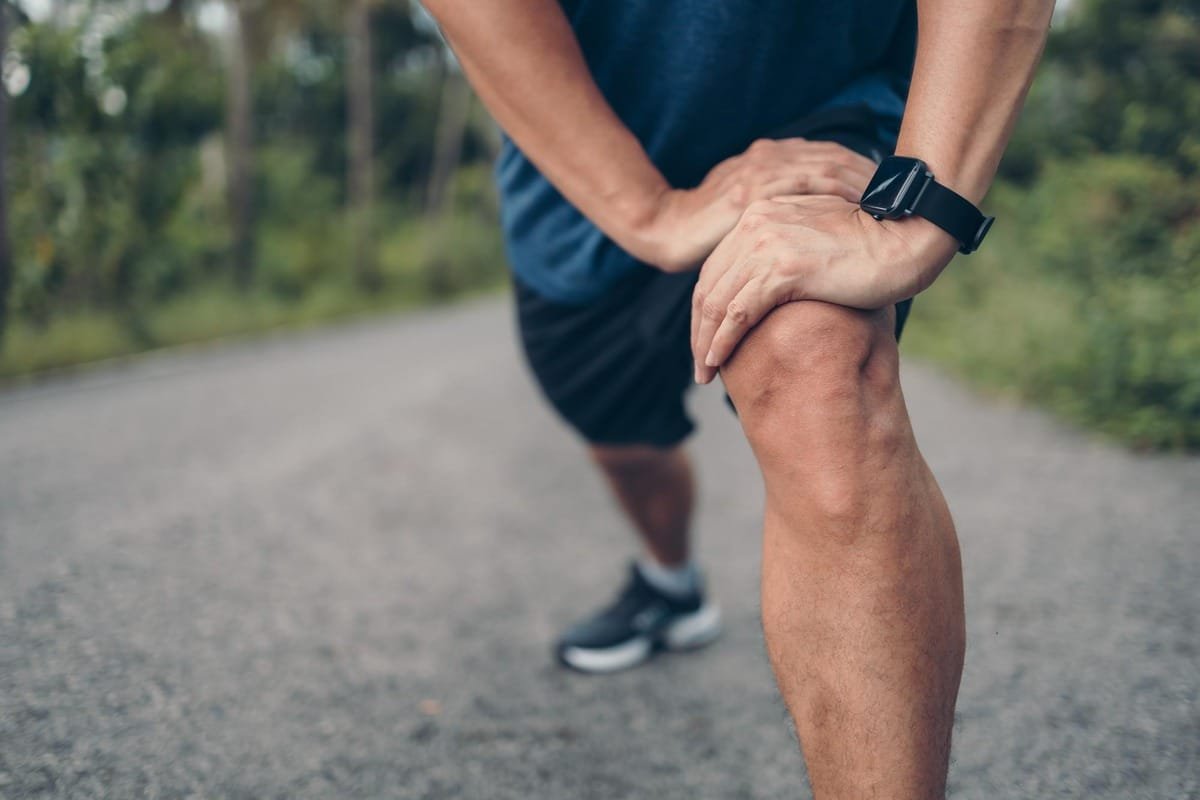
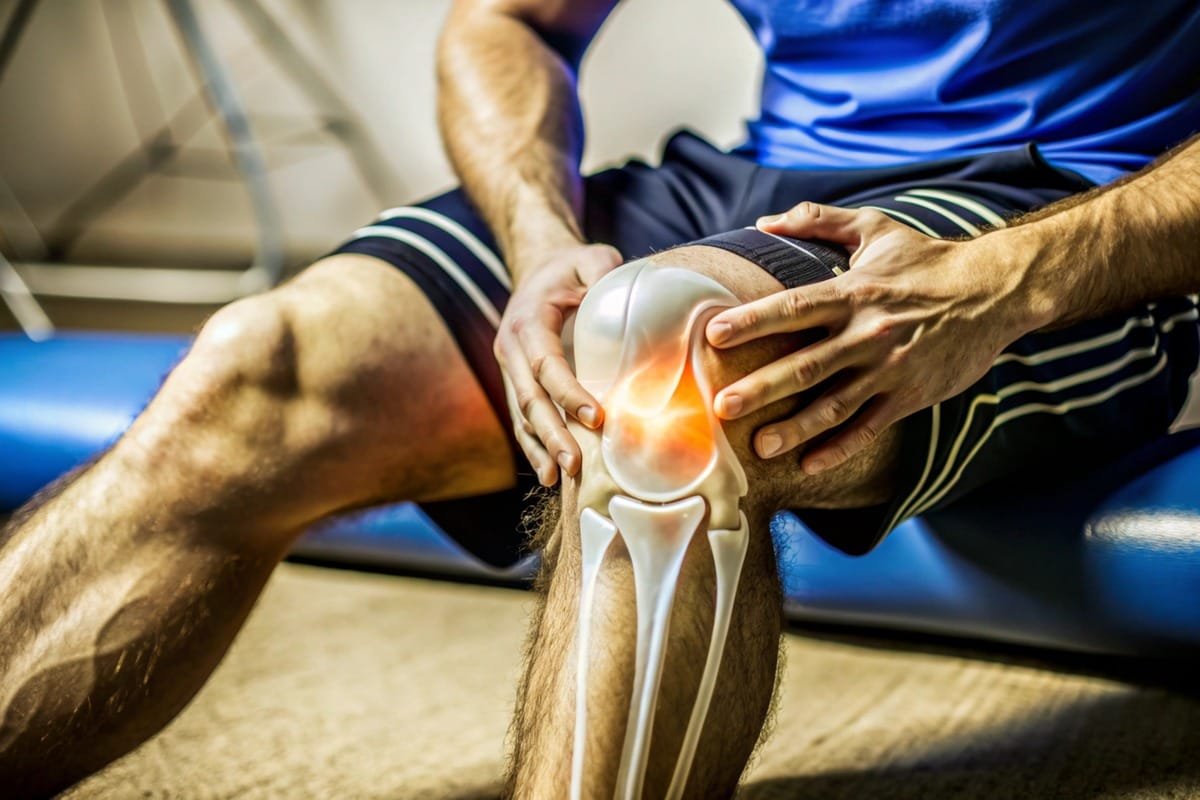
February 3, 2026In today’s lifestyle, long hours of sitting have become unavoidable—whether it’s office work, driving, screen time, or working from home. While back and neck pain are often discussed, knee pain after sitting for long hours is an equally common but ignored problem. Many people experience stiffness, discomfort, or sharp pain in the knees when they stand up after prolonged sitting.
This blog explains why knee pain occurs after sitting, what it indicates about your joint health, and what you can do to prevent and treat it effectively.
Why Do Knees Hurt After Sitting for Long Hours?
1. Reduced blood circulation
When you sit for extended periods, especially without movement, blood circulation around the knee joint slows down. This leads to stiffness and discomfort when you try to stand or walk.
2. Prolonged knee bending
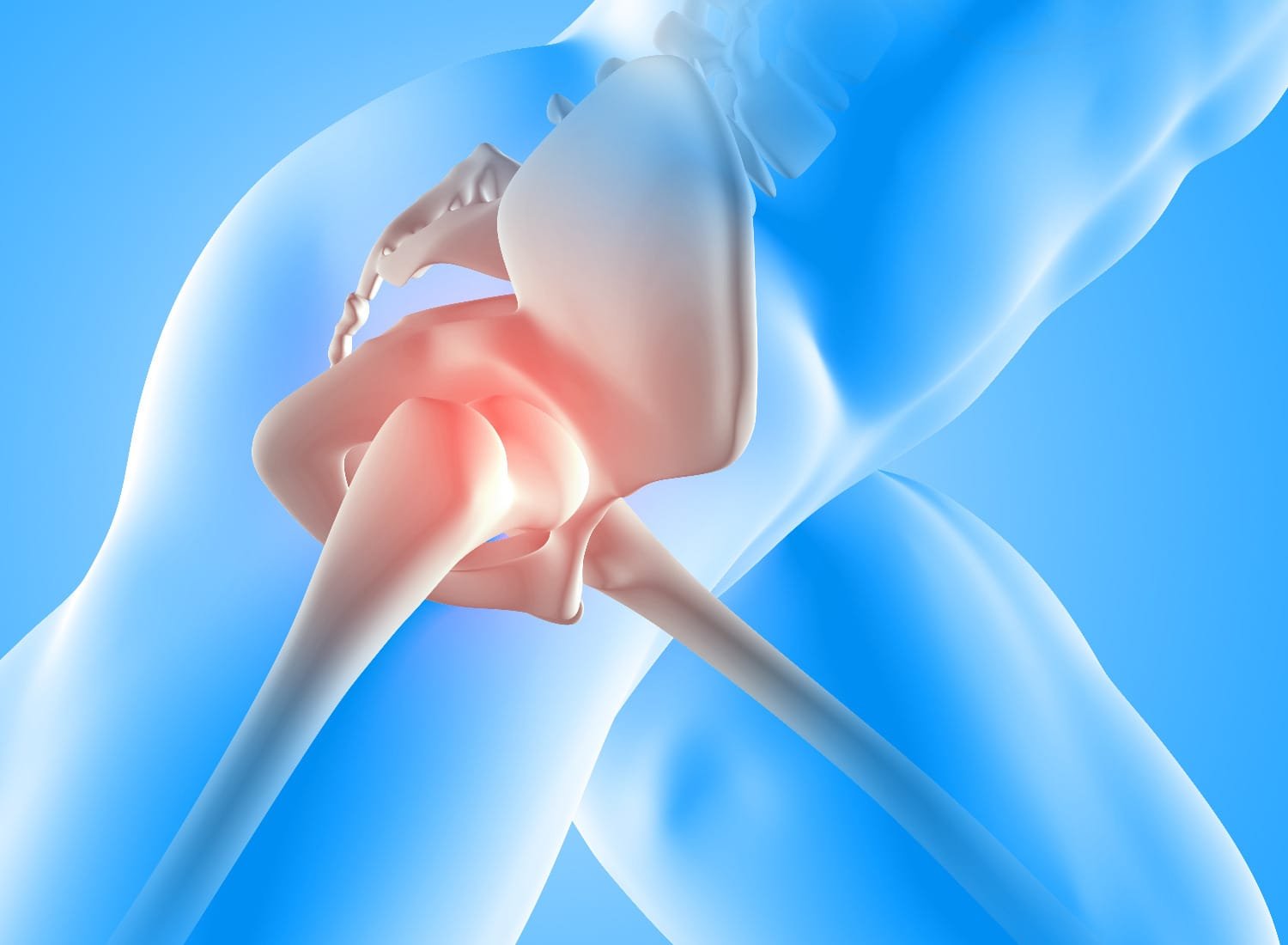
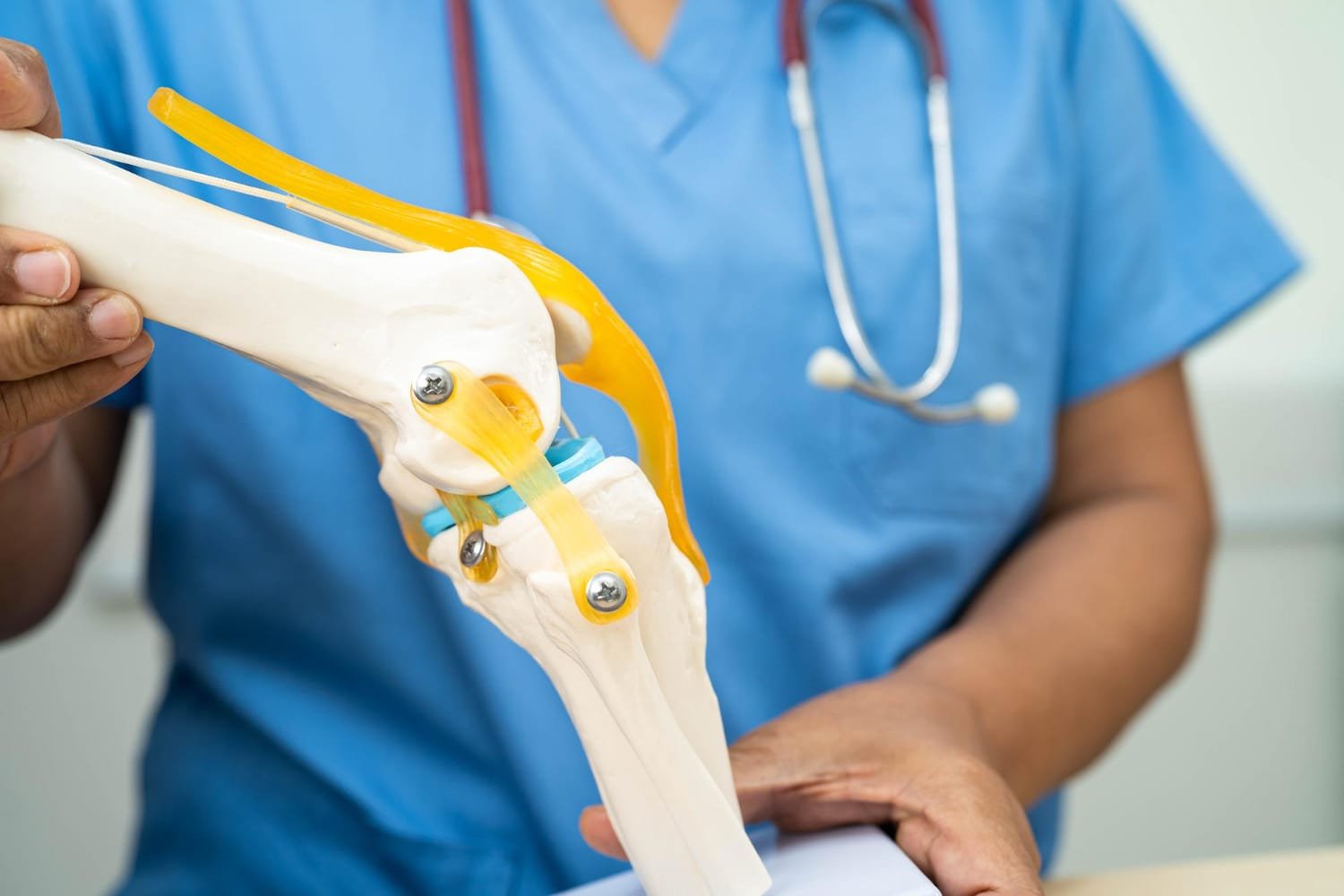
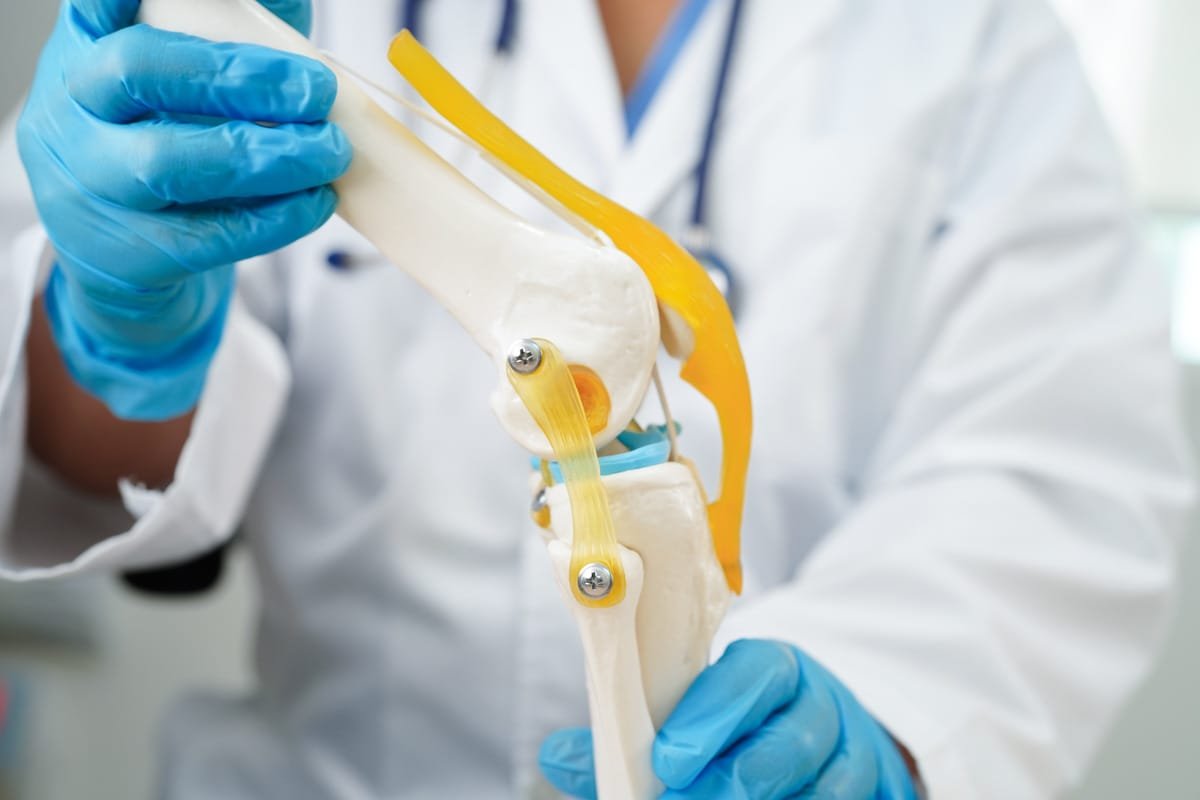
Sitting keeps your knees in a bent position for a long time. This puts pressure on the kneecap (patella) and surrounding tissues, leading to pain—commonly known as theatre sign or patellofemoral pain.
3. Weak thigh and hip muscles
Sedentary habits weaken the quadriceps and hip muscles. These muscles play a crucial role in supporting the knee joint. Weak support increases strain on the knee when you change posture.
4. Early cartilage wear
Repeated stress combined with inactivity can contribute to early cartilage degeneration, especially in people above 35, overweight individuals, or those with previous knee injuries.
5. Poor sitting posture
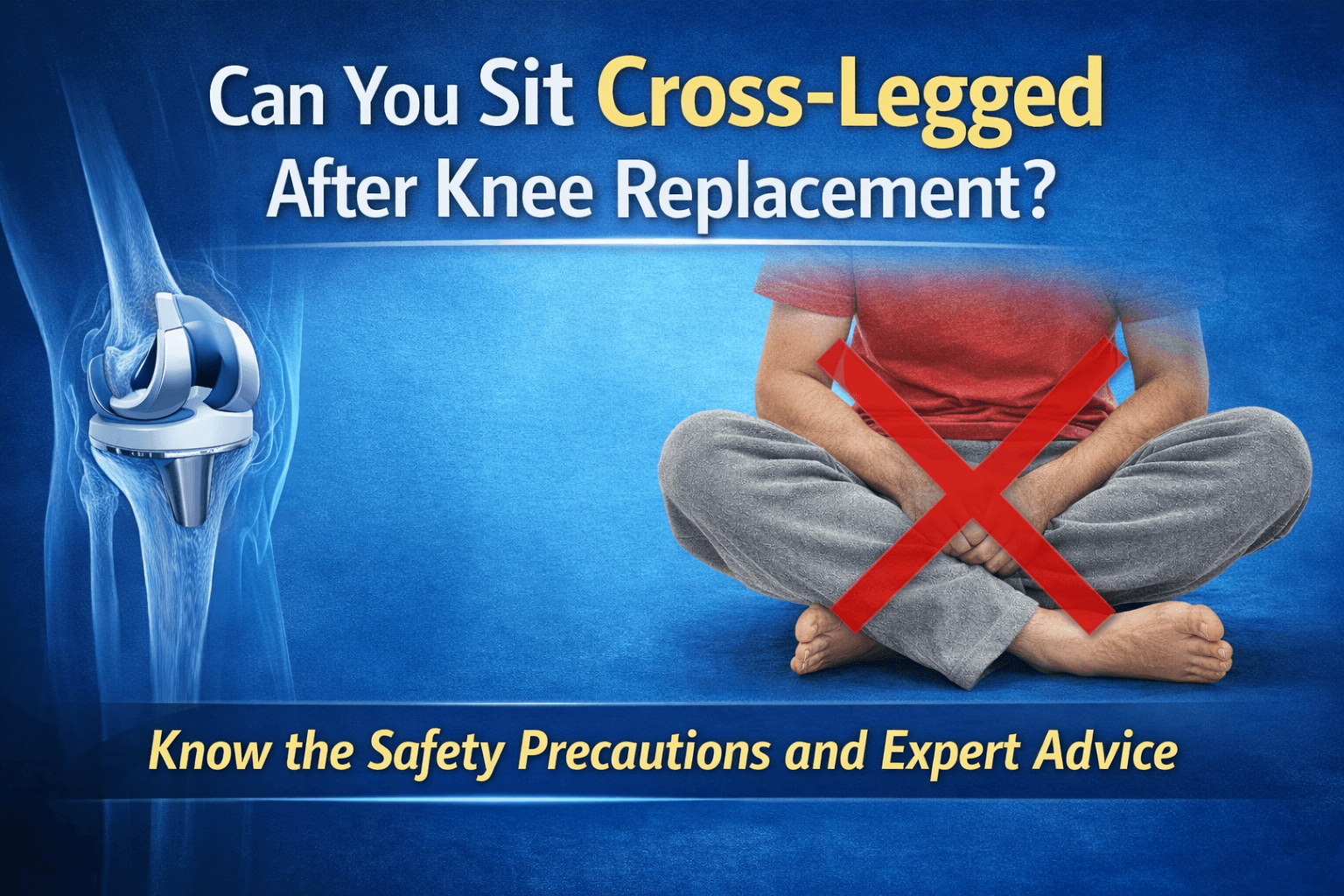
Low chairs, sitting cross-legged for long periods, or sitting with knees bent sharply can increase joint stress and cause pain over time.
Common Symptoms to Watch For
- Knee stiffness after standing up
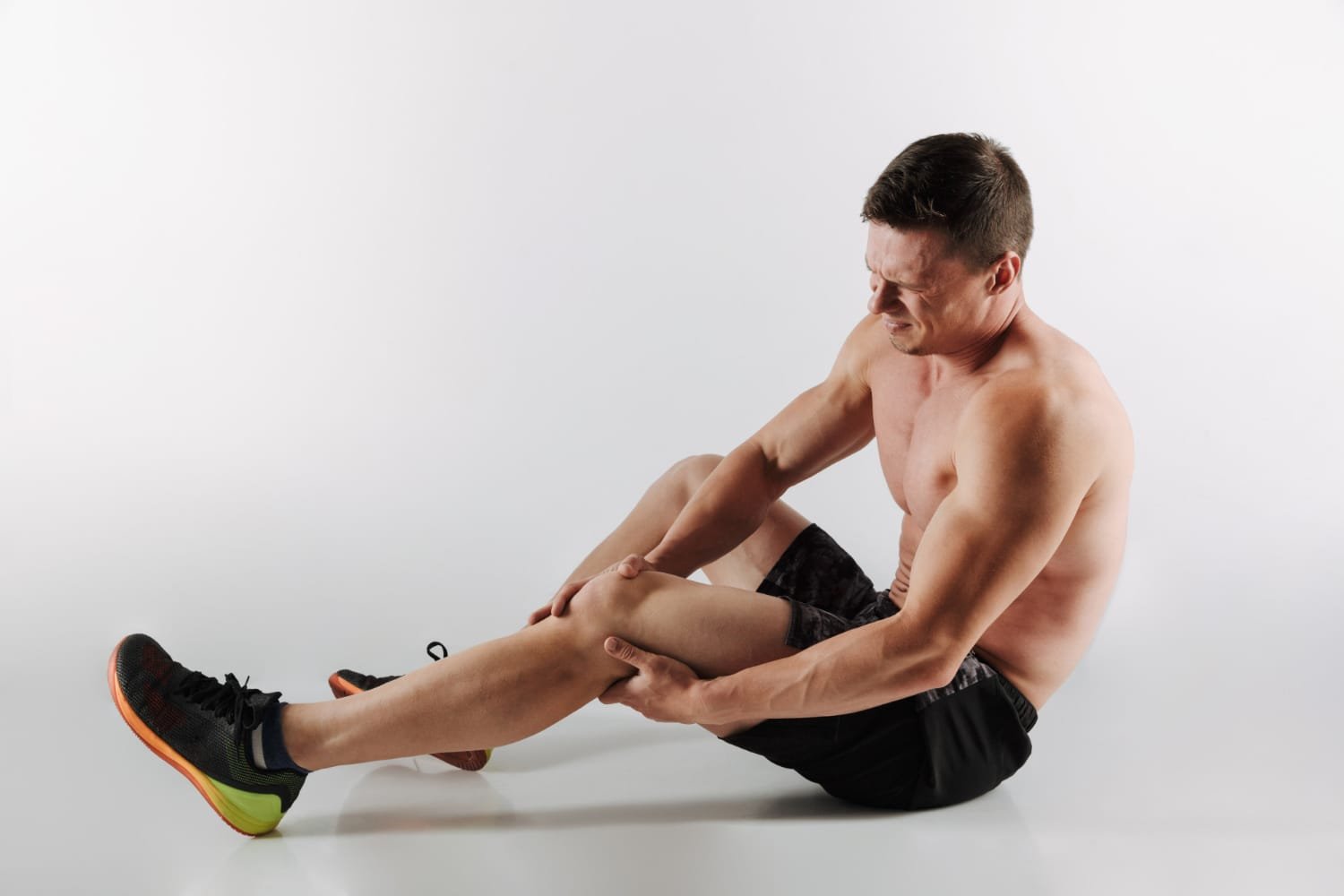
- Pain while straightening the knee
- Crackling or popping sound while moving
- Mild swelling around the knee
- Pain while climbing stairs after long sitting
- Feeling of tightness or heaviness in the knee
If these symptoms occur frequently, they should not be ignored.
Who Is at Higher Risk?
- Office professionals with desk jobs
- Drivers and people with long commuting hours
- Work-from-home professionals
- Overweight or obese individuals
- People above 40 years of age
- Patients with early arthritis
- Those with previous knee injuries
What to Do If You Have Knee Pain After Sitting
1. Take regular movement breaks
Stand up and walk for 2–3 minutes every 30–45 minutes. Gentle movement keeps the joint lubricated and prevents stiffness.
2. Improve your sitting posture
- Keep feet flat on the floor
- Avoid sitting cross-legged for long durations
- Ensure knees are at hip level or slightly lower
- Use a chair with proper height and support
3. Strengthen supporting muscles
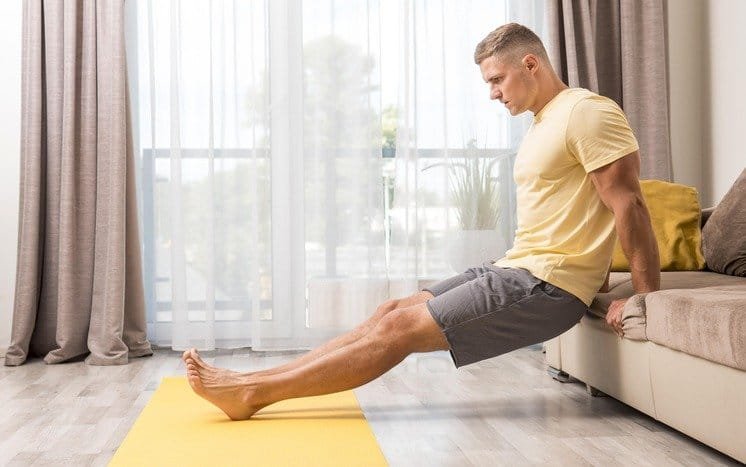
Physiotherapy-guided exercises for:
- Quadriceps
- Hamstrings
- Hip muscles
Strong muscles reduce load on the knee joint.
4. Apply heat or cold therapy
- Heat helps in stiffness and muscle tightness
- Cold packs help if there is swelling or inflammation
5. Maintain a healthy body weight
Extra body weight puts continuous stress on knee joints, especially during posture changes.
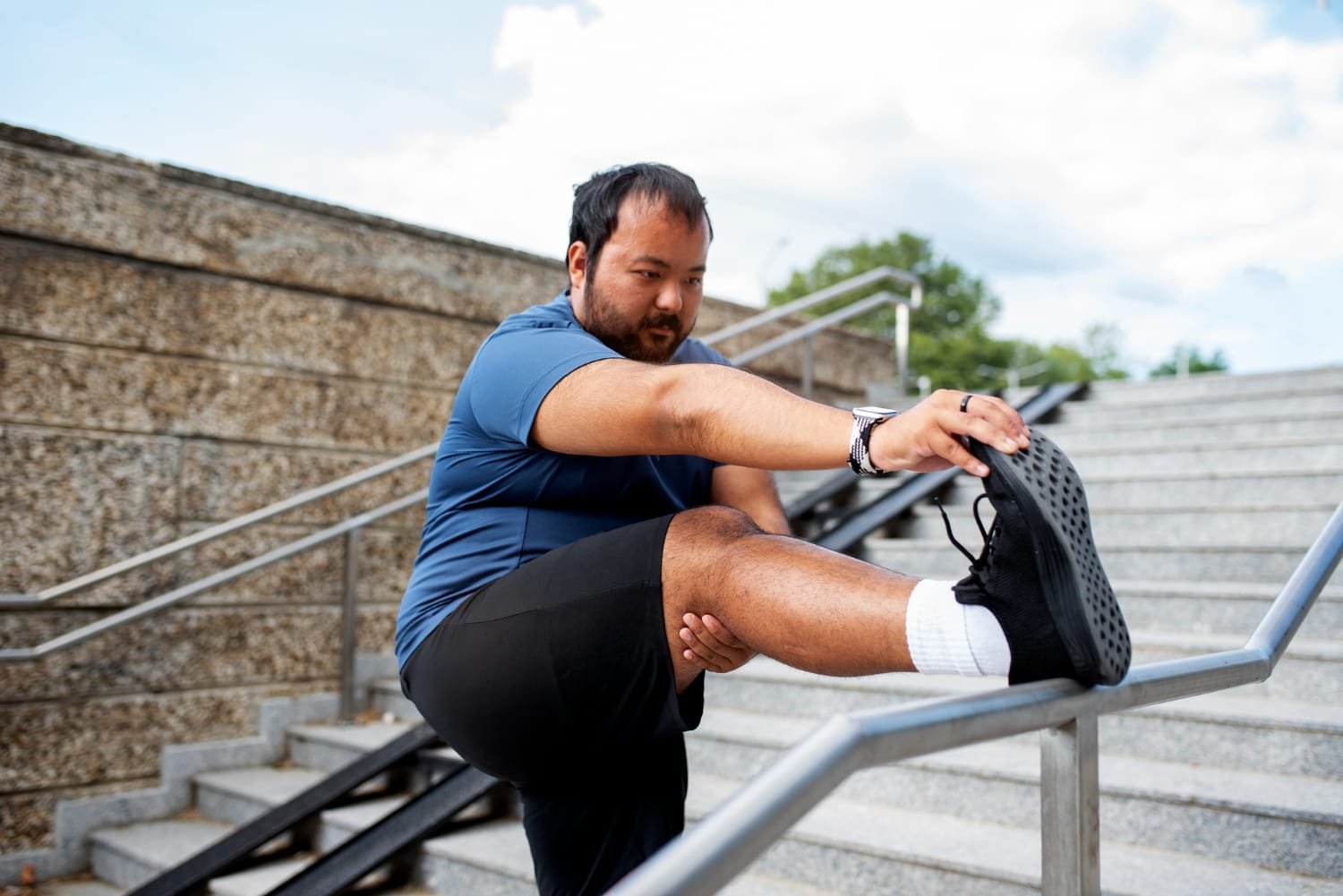
6. Gentle stretching
Stretching before and after long sitting hours improves flexibility and reduces pain.
When Knee Pain After Sitting Is a Warning Sign
You should consult an orthopedic specialist if:
- Pain is persistent or worsening
- Stiffness lasts more than a few minutes after standing
- Pain affects daily activities
- There is visible swelling or deformity
- You experience knee locking or instability
These could indicate:
- Early knee osteoarthritis
- Patellofemoral joint disorder
- Meniscus degeneration
- Ligament strain
Early diagnosis can prevent progression to severe joint damage.
Medical Evaluation and Treatment Options
An orthopedic doctor may suggest:
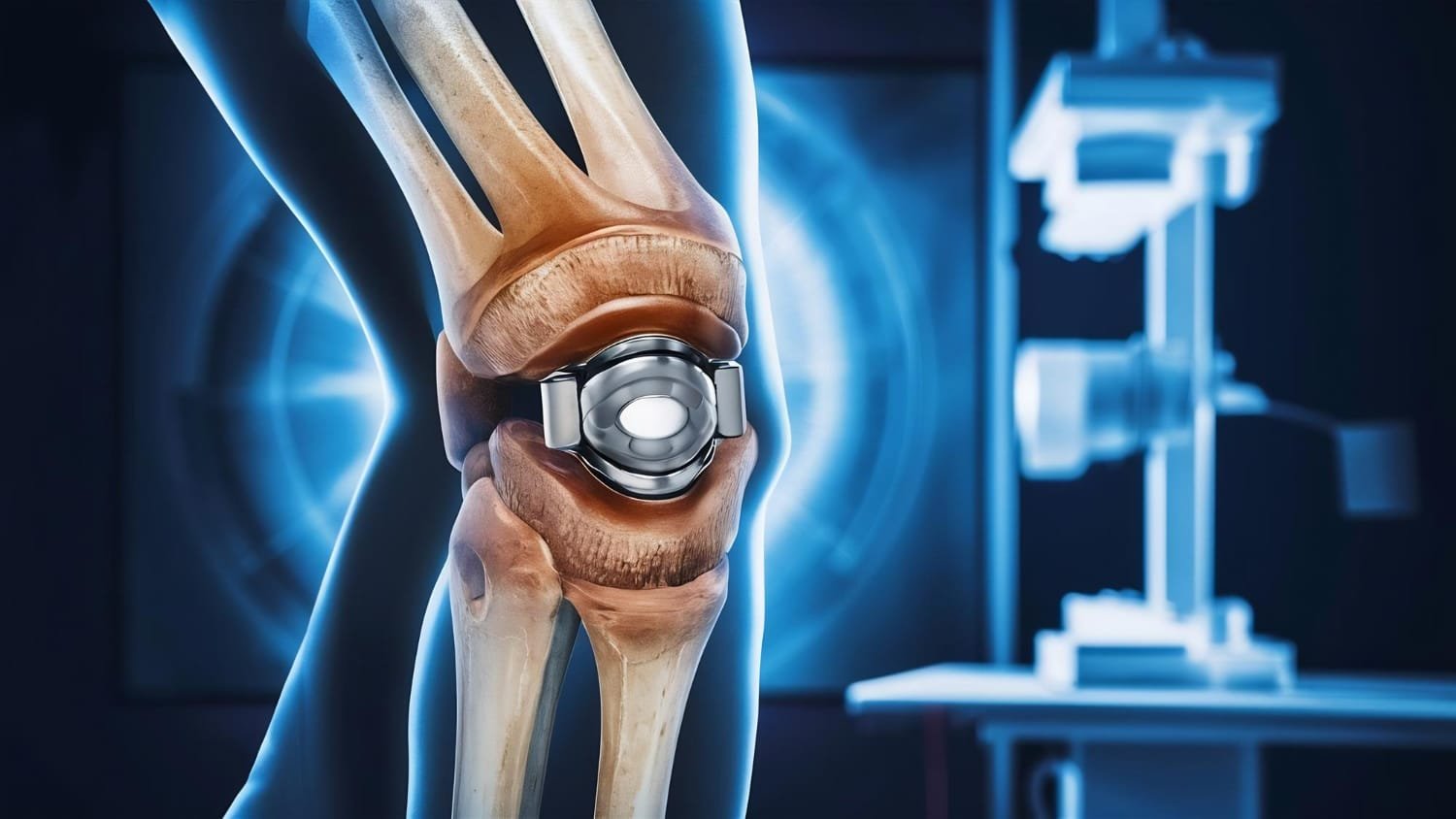
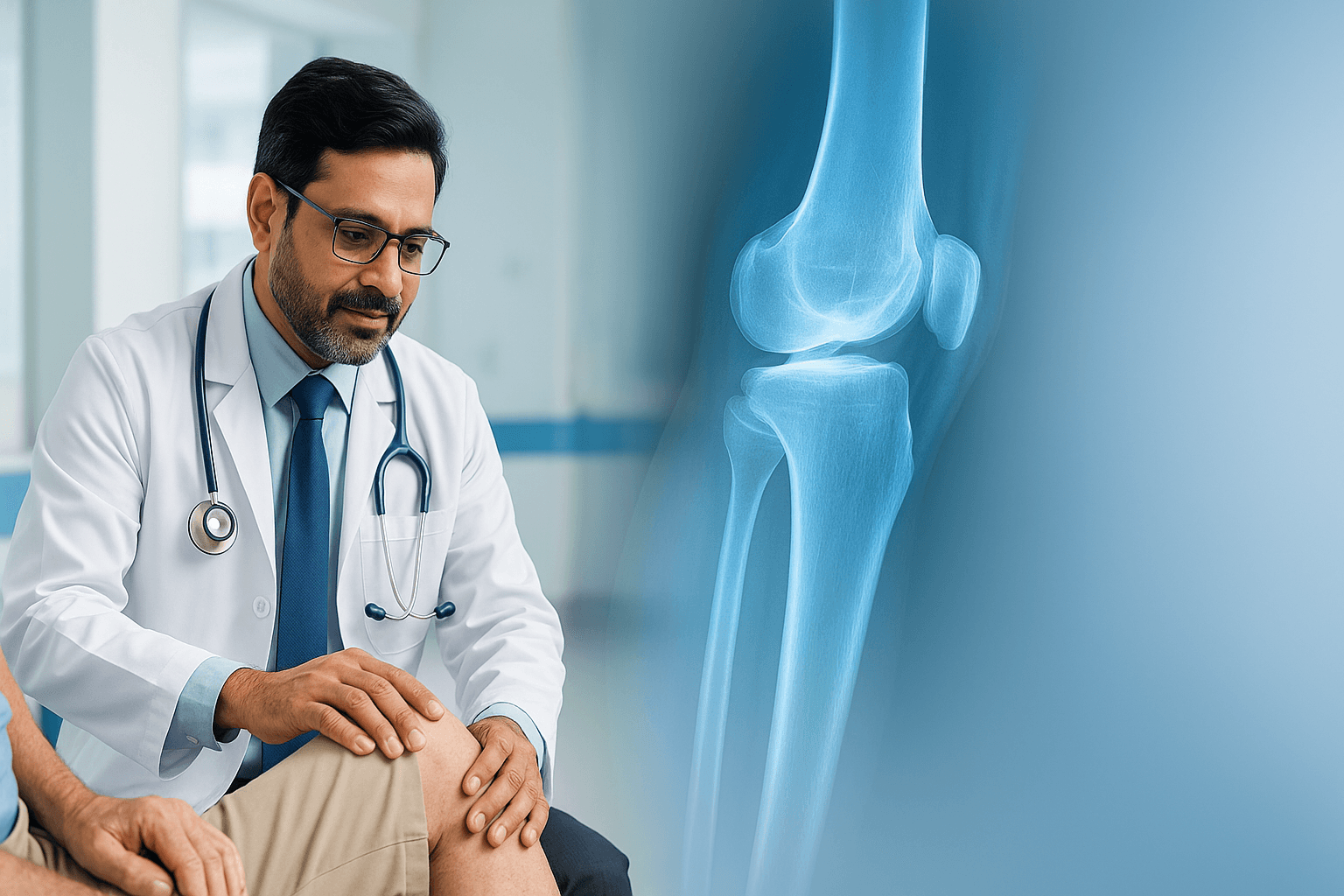
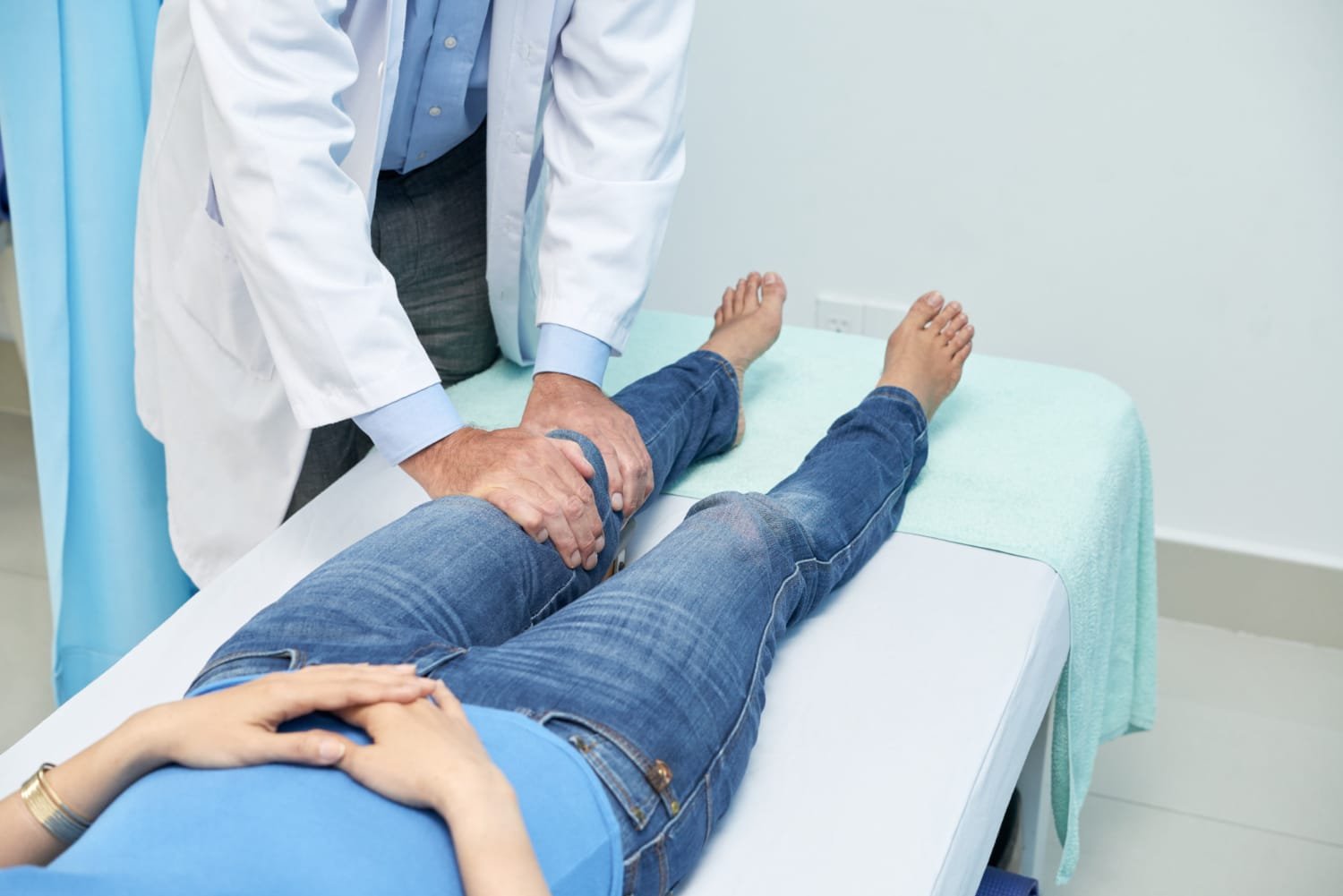
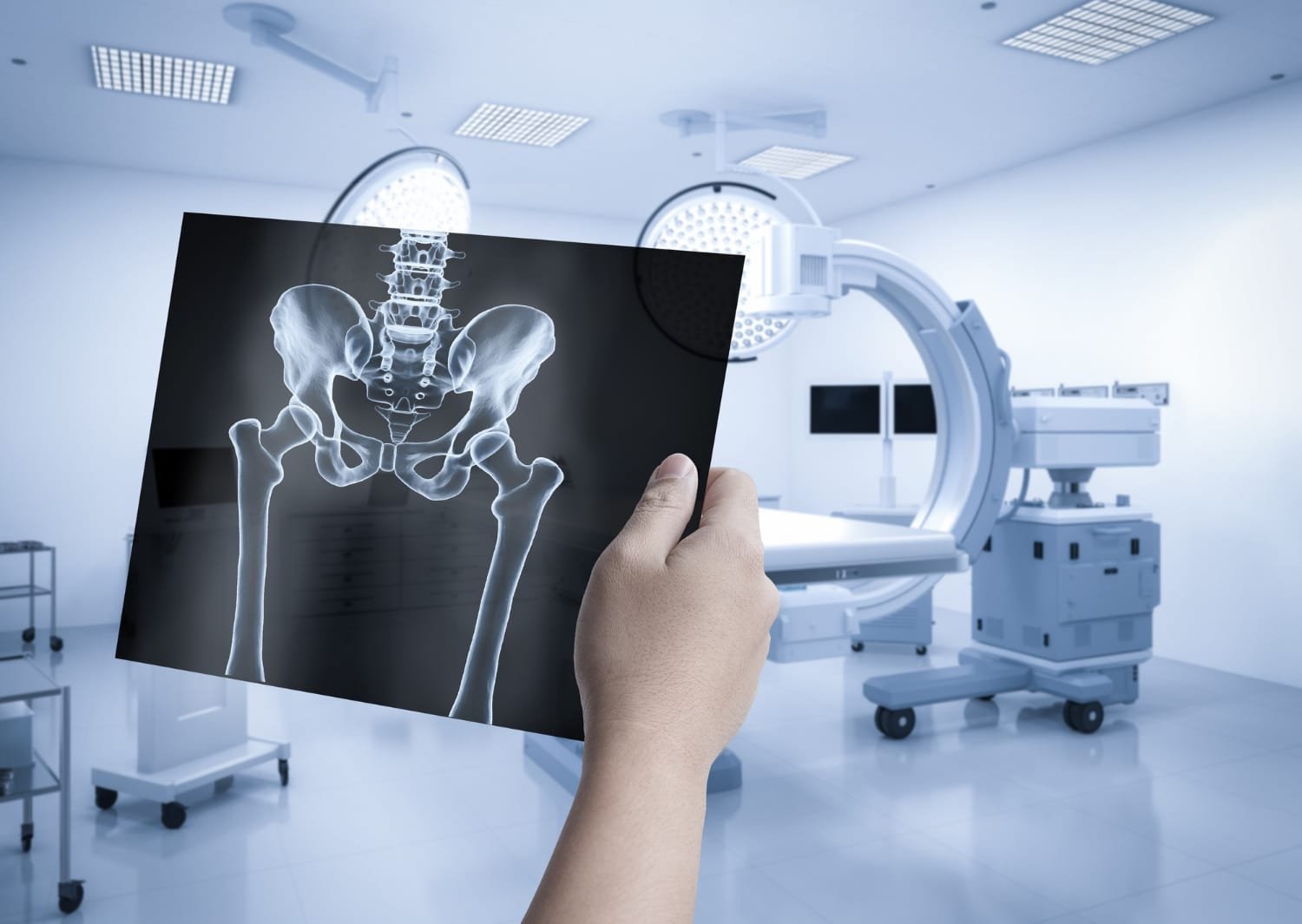
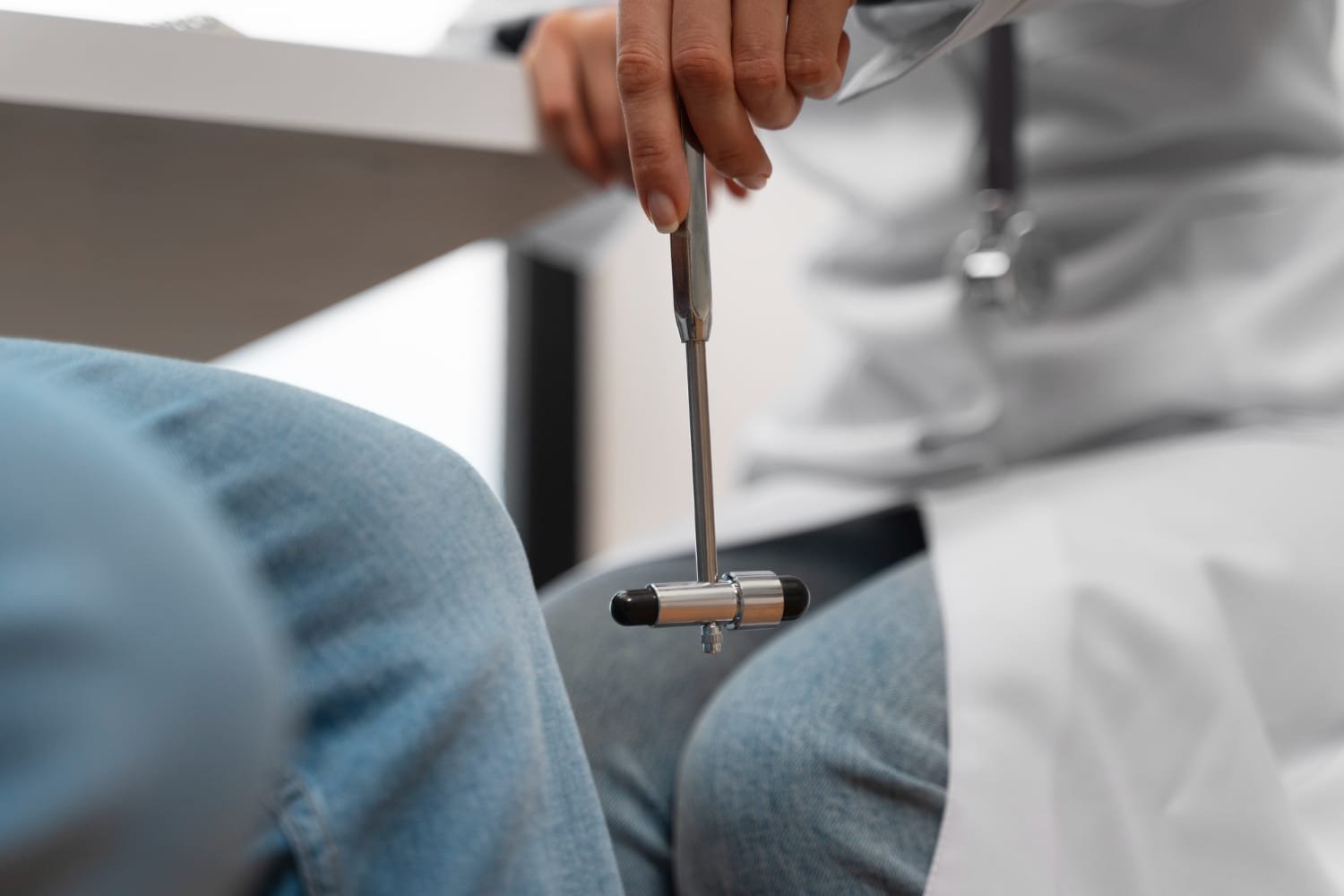
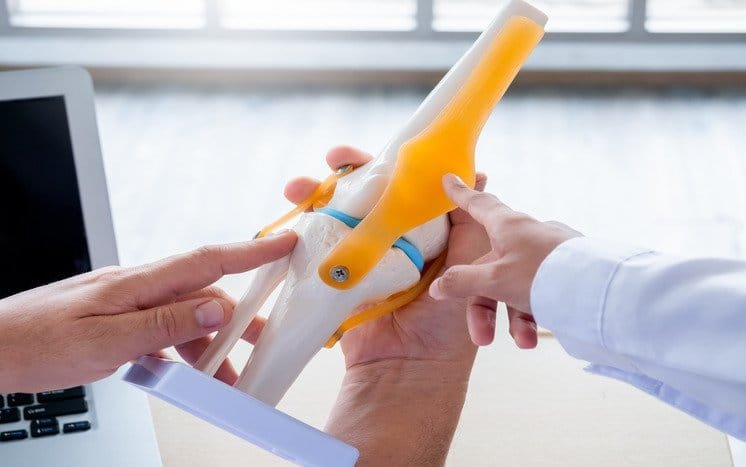
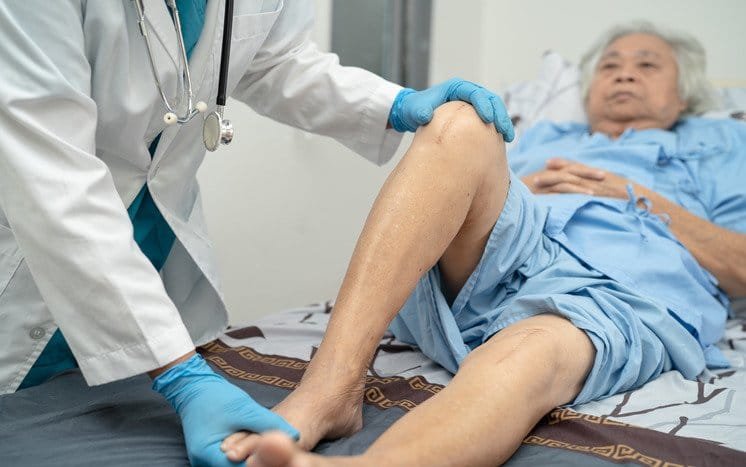
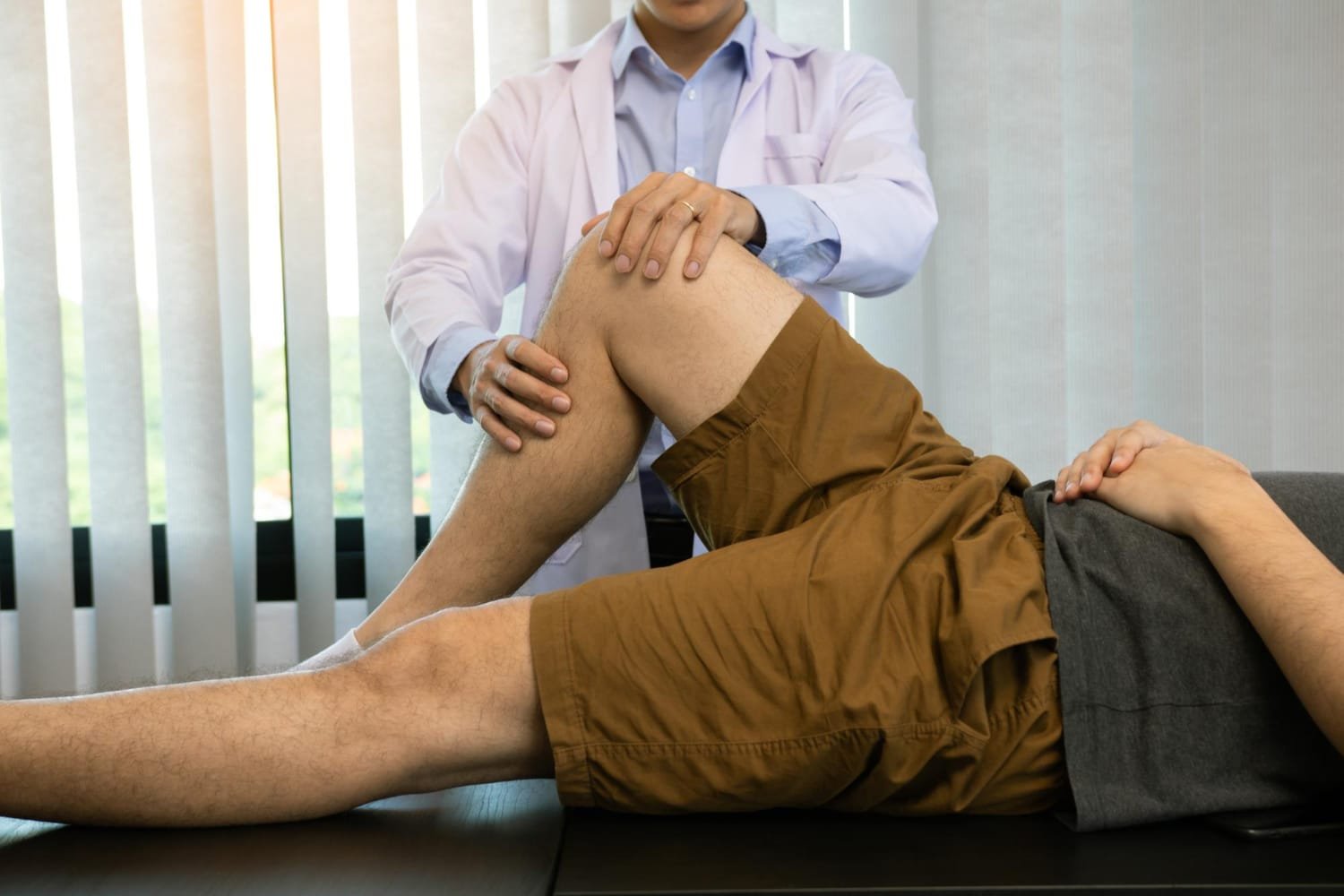
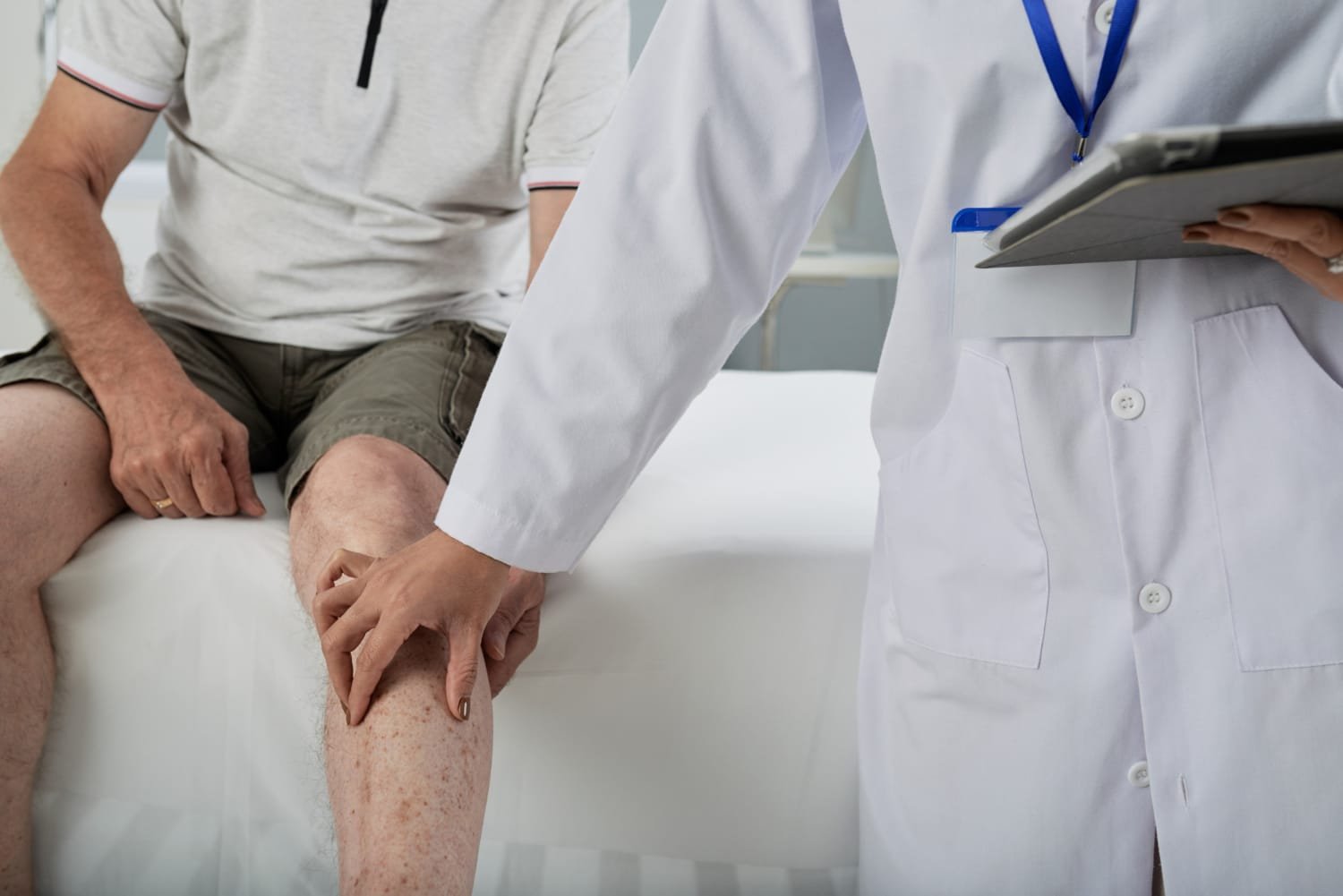
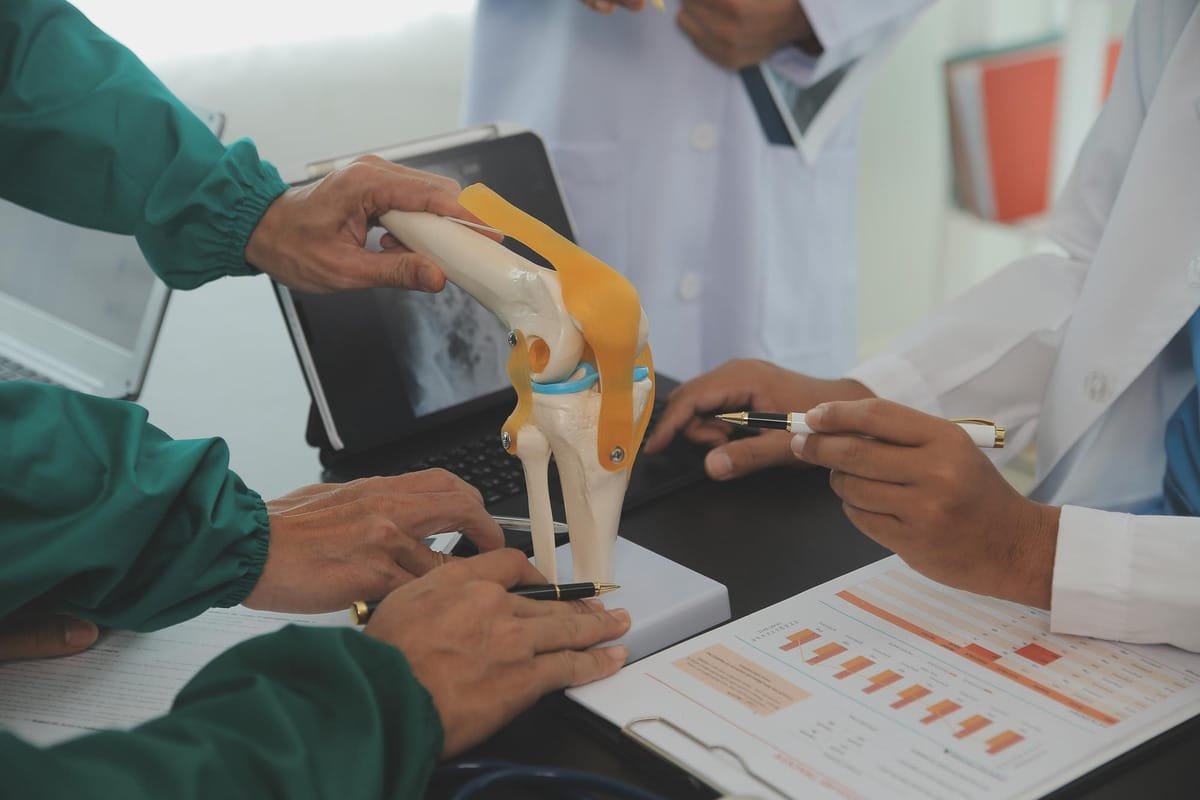
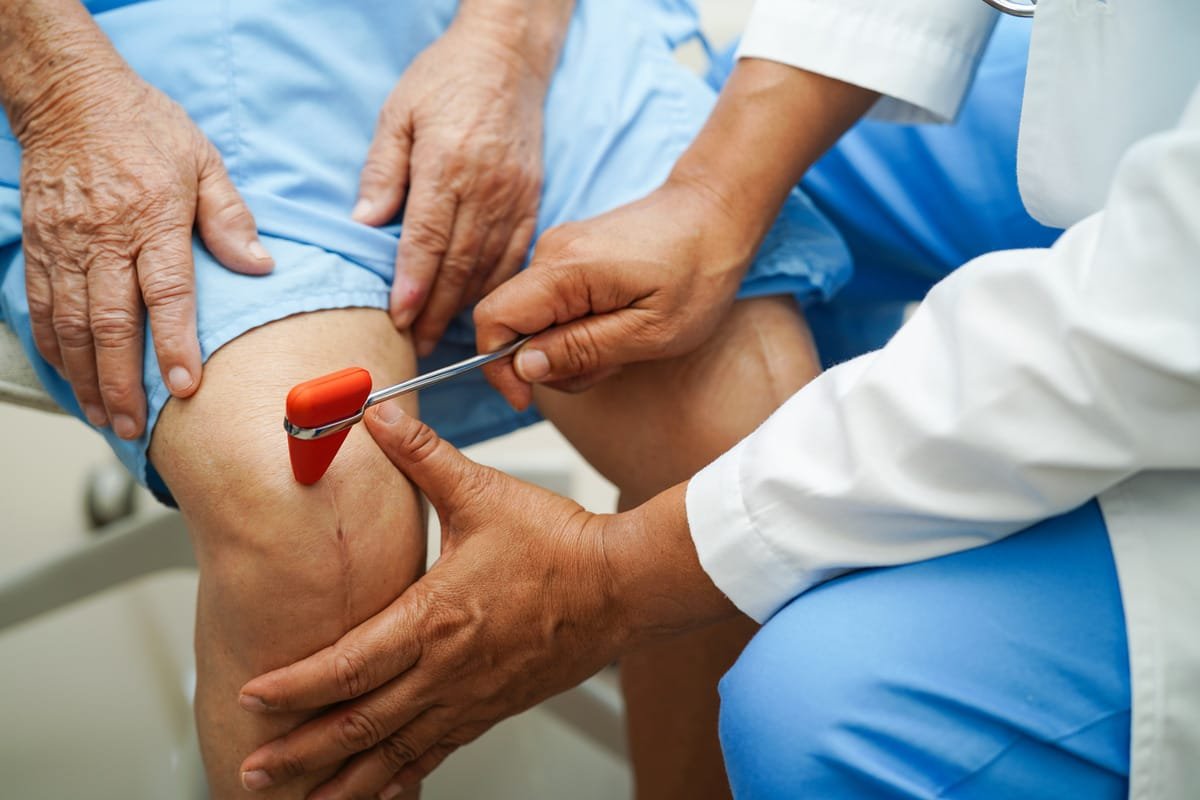
- Clinical examination and X-rays
- Physiotherapy and posture correction
- Anti-inflammatory medication (if required)
- Lifestyle modification guidance
- In advanced cases, further intervention depending on joint condition
Timely treatment often avoids the need for surgery.
Best Orthopedic Doctor in Faridabad for Knee Pain
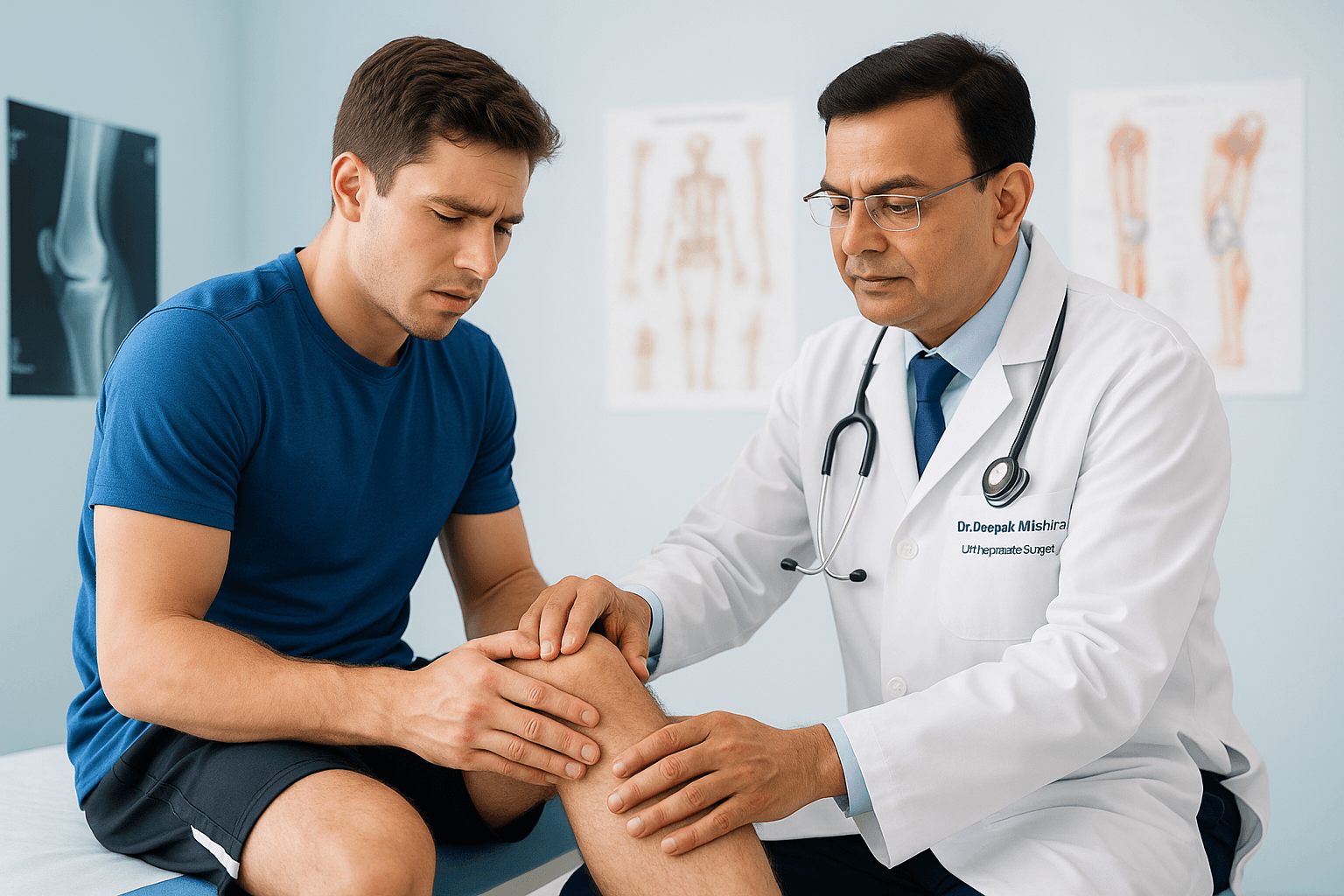
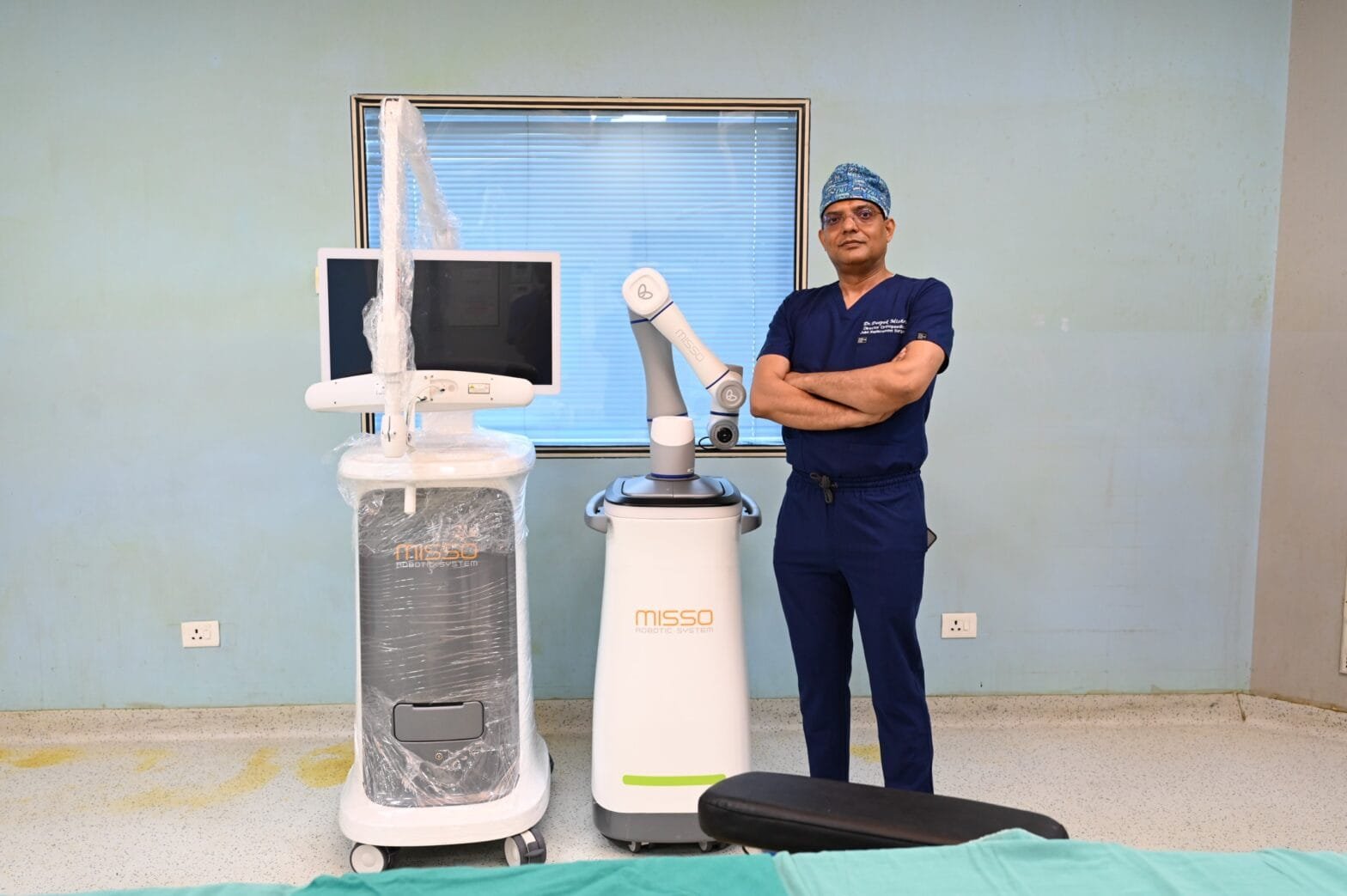
For accurate diagnosis and advanced knee care, Dr Deepak Mishra is widely regarded as the best orthopedic doctor in Faridabad. He has extensive experience in treating knee pain, arthritis, sports injuries, and knee replacement surgeries with a patient-focused approach.
Dr Deepak Mishra
Orthopedic & Knee Replacement Specialist
Currently practicing at Asian Hospital, Faridabad
📞 Appointment: +91 8287334003
Can Knee Pain After Sitting Lead to Knee Replacement?
In most cases, no—especially if addressed early. However, if knee pain after sitting is due to advanced arthritis and ignored for years, it may progress to severe joint damage where knee replacement becomes necessary.
Early consultation, lifestyle changes, and proper treatment can significantly delay or prevent surgery.
FAQs
1. Is knee pain after sitting normal?
Occasional stiffness is common, but regular pain is not normal and should be evaluated.
2. Can long sitting cause arthritis?
Long sitting alone doesn’t cause arthritis, but it can accelerate symptoms in people already at risk.
3. Does walking help knee pain after sitting?
Yes, gentle walking improves circulation and reduces stiffness.
4. Should I avoid sitting on the floor?
People with knee pain should limit floor sitting and squatting, especially for long durations.
5. When should I see an orthopedic doctor?
If pain lasts more than a few weeks or affects daily life, consult a specialist.
Conclusion
Knee pain after sitting for long hours is a common lifestyle-related issue, but it should never be ignored. Simple changes like regular movement, posture correction, muscle strengthening, and early medical advice can protect your knees for the long term.
If you are experiencing persistent knee pain, consult Dr Deepak Mishra, the best orthopedic doctor in Faridabad, for expert guidance and personalised treatment.
📞 Call for Appointment: +91 8287334003
Recent Blogs
-
 How Obesity Affects Knee Health & When to Consider Knee Replacement
- 6, February 2026
-
Knee Pain After Sitting for Long Hours – What to Do
- 3, February 2026
-
 Most Common Sports Injuries and How to Prevent Them
- 26, January 2026
-
Walking, Stairs & Daily Activities After Knee Replacement
- 22, January 2026
-
 When Knee Pain Needs Medical Attention: Red Flags to Watch
- 19, January 2026
-
Cartilage Damage in Sports: Early Signs Athletes Should Not Ignore
- 15, January 2026
-
Can You Sit Cross-Legged After Knee Replacement?
- 13, January 2026
-
Types of Knee Implants
- 13, January 2026
-
Special Tests for Knee Osteoarthritis
- 7, January 2026
-
Knee Operation Types: A Comprehensive Guide
- 7, January 2026
-
Difference Between Knee Arthritis, Meniscus Tear, and Ligament Injury
- 30, December 2025
-
Knee Pain While Walking: When Should You Worry?
- 30, December 2025
-
What Happens If Knee Replacement Is Delayed Too Long?
- 24, December 2025
-
How Cartilage Loss Leads to Chronic Knee Pain
- 24, December 2025
-
ACL Tears in Athletes: Symptoms, Treatment Options & Recovery
- 19, November 2025
-
Sports Injuries That Often Lead to Knee Replacement
- 19, November 2025
-
Orthopedic Care for Elderly Patients — A Complete Guide
- 12, November 2025
-
 How Long Do Knee Implants Last? (10–20 Year Longevity Guide)
- 12, November 2025
-
Importance of Early Diagnosis in Bone and Joint Problems
- 28, October 2025
-
Best Treatment Options for Sports Injuries
- 28, October 2025
-
 The Difference Between ACL Tear, Sprain, and Rupture
- 16, October 2025
-
Post-ACL Surgery Do’s and Don’ts
- 16, October 2025
-
Early Signs You Might Have an ACL Injury (and When to See a Doctor)
- 16, October 2025
-
Does Insurance Cover Robotic Knee Replacement Surgery?
- 6, October 2025
-
When Can You Return to Sports After Robotic Knee Replacement?
- 6, October 2025
-
 Impact of Obesity on Knee Replacement Surgery and Recovery
- 30, September 2025
-
Early vs. Delayed Knee Replacement: Which Is Better?
- 30, September 2025
-
How Durable Are Knee Implants? A Complete Guide
- 24, September 2025
-
Can You Play Sports After Knee Replacement Surgery?
- 24, September 2025
-
 Key Benefits of Revision Hip Replacement You Should Know
- 15, September 2025
-
Revision Hip Replacement vs. Primary Hip Replacement: Key Differences
- 15, September 2025
-

-
Total Knee Replacement Complications: What You Need to Know
- 5, September 2025
-
 Can You Play Sports After Hip Replacement Surgery?
- 26, August 2025
-
 Preparing for Knee Replacement: Do’s and Don’ts Before Surgery
- 26, August 2025
-
-
What to Know About Knee Replacement Revision Surgery
- 18, August 2025
-
Cost of Hip Replacement in India – What Patients Should Know
- 11, August 2025
-
-
Who Is the Best Orthopedic Doctor for Sports Injuries?
- 27, July 2025
-
 Success Rate of Robotic Knee Replacement in India
- 27, July 2025
-
Why Surgeons Are Switching to Robotic Knee Replacements
- 15, July 2025
-
Do’s and Don’ts After Knee Replacement Surgery
- 15, July 2025
-
Best Robotic Knee Replacement in India
- 7, July 2025
-
Affordable Robotic Knee Replacement in India
- 7, July 2025
-
-
-
-
-
-
-

-
 Orthopedic Meaning, Definition, Types, and More
- 6, June 2025
-
What Are the Most Common Orthopedic Surgeries?
- 24, May 2025
-
What Does an Orthopedic Doctor Do?
- 24, May 2025
-

-
-
-
Best Orthopedic Doctor for Knee Pain in Faridabad
- 12, May 2025
-
How to Prevent Knee Pain with Orthopedic Expert Tips
- 29, April 2025
-
-
Best Orthopedic Treatment in Faridabad: What You Should Know
- 29, April 2025
-

-

-
Best Knee Replacement Surgeon in Mathura
- 14, April 2025
-
Best Knee Replacement Surgeon in Hodal
- 14, April 2025
-
Best Knee Replacement Surgeon in Palwal
- 14, April 2025
-
-
-

-
Benefits of Minimally Invasive Knee Surgery
- 24, March 2025
-
Best knee Replacement Surgeon in India
- 17, March 2025
-
-
How to Recover Quickly After Knee Replacement Surgery
- 10, March 2025
-
-
-
-
Minimally Invasive Arthroplasty: Benefits and Recovery Advantages
- 24, February 2025
-
Common Mistakes to Avoid After Joint Replacement Surgery
- 24, February 2025
-
Choosing the Right Hip Replacement Surgeon: A Comprehensive Guide
- 17, February 2025
-
Restoring Mobility: The Role of Knee Replacement Doctors
- 17, February 2025
-
Orthopedic Trauma Care for Athletes
- 6, February 2025
-
Best Doctor for ACL Tear Treatment
- 6, February 2025
-
Best Sports Medicine Doctor for Knee Injuries
- 6, February 2025
-
Orthopedic Surgeons: 7 Things You Need to Know
- 27, January 2025
-
Best Joint Replacement Surgeon in Greater Faridabad
- 27, January 2025
-
Best Knee Replacement Surgeon in Palwal
- 20, January 2025
-
Best Knee Replacement Surgeon in South Delhi
- 20, January 2025
-
Signs You May Need a Knee Replacement: Insights from a Surgeon
- 13, January 2025
-
Restoring Mobility: The Role of Knee Replacement Doctor
- 13, January 2025
-
Robotic Knee Replacement Surgery in Delhi
- 30, December 2024
-
Robotic Orthopedic Surgery: Revolutionizing Joint Replacement and Repair
- 30, December 2024
-
Robotic Knee Replacement vs. Traditional Surgery: A Comparative Guide
- 23, December 2024
-
How to Make Joints Stronger: A Comprehensive Guide
- 23, December 2024
-
Common Knee Conditions and How a Knee Surgeon Can Help
- 16, December 2024
-
-
-
Orthopedic Surgeons: 7 Things You Need to Know
- 6, December 2024
-
Top 5 Mistakes After Knee Replacement
- 25, November 2024
-
Advantages and Disadvantages of Robotic Knee Replacement
- 25, November 2024
-
When to See an Orthopedic Specialist: Recognizing Early Signs
- 15, November 2024
-
Benefits of Robotic-Assisted Knee Replacement Surgery
- 15, November 2024
-
Knee Replacement Surgery Cost
- 8, November 2024
-
Best Robotic Knee Replacement Surgeon in Faridabad
- 8, November 2024
-
-
Knee Replacement Surgery: Types, Benefits, and Recovery Timeline
- 28, October 2024
-
What is Osteoporosis? Symptoms, Causes, and Prevention
- 21, October 2024
-
Signs It’s Time for a Knee Replacement: When to Consult a Surgeon
- 18, October 2024
-
Understanding Different Types of Arthritis: Symptoms and Causes
- 11, October 2024
-
Taking Care After Knee Replacement Surgery
- 15, December 2022
-
Amazing Ways to Get Relief from Arthritis Pain Naturally
- 2, December 2022
-
-
How Does Fat Affect Arthritis?
- 4, November 2022