
Knee Operation Types: A Comprehensive Guide
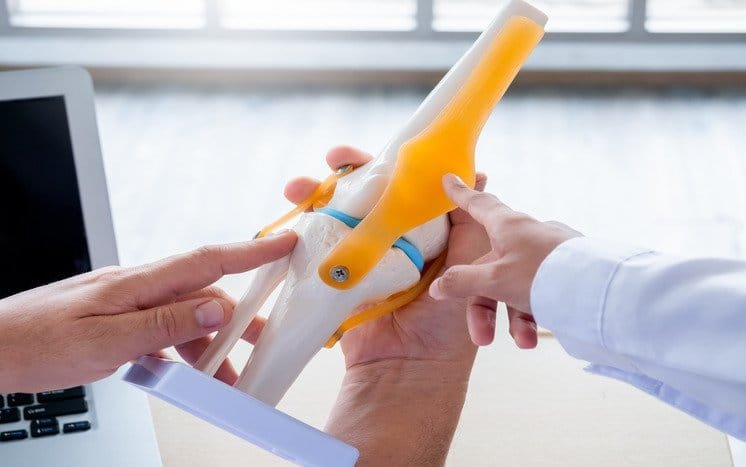
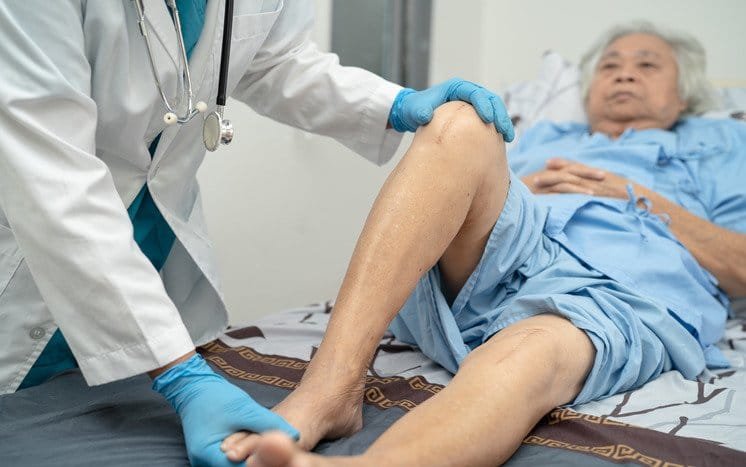
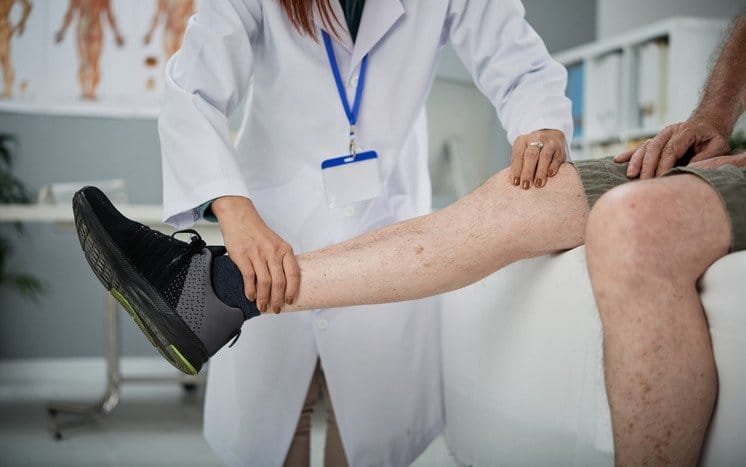
January 7, 2026Knee pain, injury, and degenerative conditions are among the most common musculoskeletal problems affecting people of all ages. When nonsurgical treatments such as medication, physiotherapy, injections, and lifestyle modifications fail to provide lasting relief, knee surgery often becomes the recommended solution. With advancements in orthopedic techniques, knee surgeries today are more precise, minimally invasive, and tailored to individual needs.
In this detailed guide, we explore the various types of knee operations, when they are recommended, recovery expectations, and why Dr. Deepak Mishra is considered the best orthopedic doctor in Faridabad for knee care.
1. Arthroscopic Knee Surgery
Overview
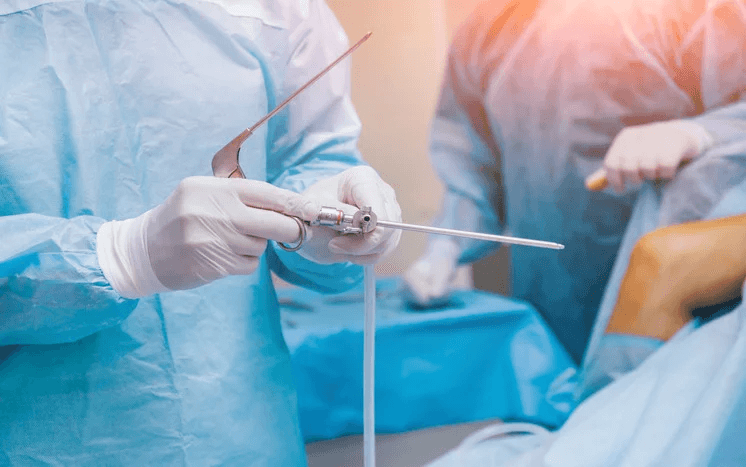
Arthroscopy is a minimally invasive surgical technique used to diagnose and treat knee problems through small incisions using a tiny camera (arthroscope) and specialized instruments.
Common Procedures Using Arthroscopy
- Meniscus Repair or Meniscectomy – Trimming or repairing torn meniscal cartilage.
- Removal of Loose Bodies – Extracting fragments of bone or cartilage.
- Synovectomy – Removal of inflamed synovial tissue.
- Ligament Debridement – Cleaning damaged ligament tissue.
Indications
- Meniscal tears
- Persistent knee swelling
- Mechanical symptoms like catching or locking
- Mild cartilage damage
Advantages
- Smaller incisions
- Less pain and scarring
- Faster recovery compared to open surgery
2. ACL (Anterior Cruciate Ligament) Reconstruction
Overview
The ACL is critical for knee stability, especially in sports. When this ligament is torn due to injury, reconstruction rather than simple repair is generally recommended because the ACL does not heal well on its own.
Procedure
- Harvesting a graft from the patient (patellar tendon, hamstring tendon) or using a donor graft
- Reconstructing the ligament using arthroscopic techniques
- Securing the graft with screws or fixation devices
Indications
- Active individuals with knee instability
- ACL tears from sports injuries or trauma
Recovery
Patients typically undergo structured physiotherapy and can return to sports within 6–12 months depending on progress.
3. Meniscal Surgery
Overview
The meniscus is a C-shaped cartilage that cushions the knee. Tears can occur due to injury or degeneration.
Types of Meniscal Surgery
- Meniscectomy – Removing the torn part of the meniscus
- Meniscal Repair – Suturing the tear when blood supply is sufficient
- Meniscal Transplantation – Replacing the meniscus with a donor graft in select cases
Indications
- Pain, swelling, catching, or locking of the knee
- Deteriorating function despite nonsurgical care
Outcomes
Preserving meniscal tissue (repair) leads to better long-term joint health and reduced risk of arthritis.
4. Partial Knee Replacement (Unicompartmental Knee Arthroplasty)
Overview
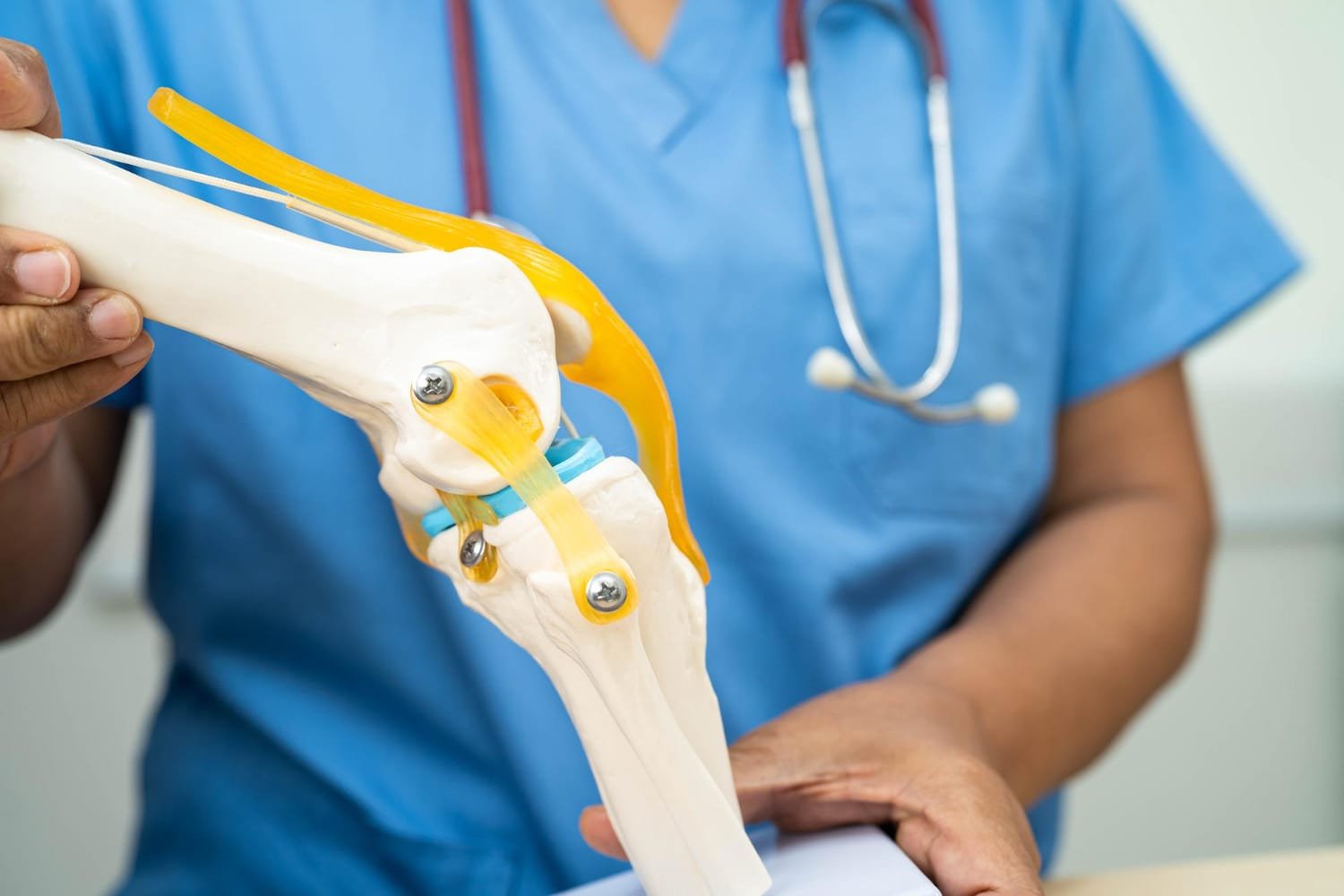
This surgery replaces only the damaged compartment of the knee (medial, lateral, or patellofemoral) while preserving healthy cartilage in other areas.
Indications
- Osteoarthritis affecting only one part of the knee
- Stable ligaments and good range of motion
Benefits
- Smaller incision and less bone removal
- Quicker recovery time compared to total knee replacement
- More natural knee motion
5. Total Knee Replacement (Total Knee Arthroplasty)
Overview
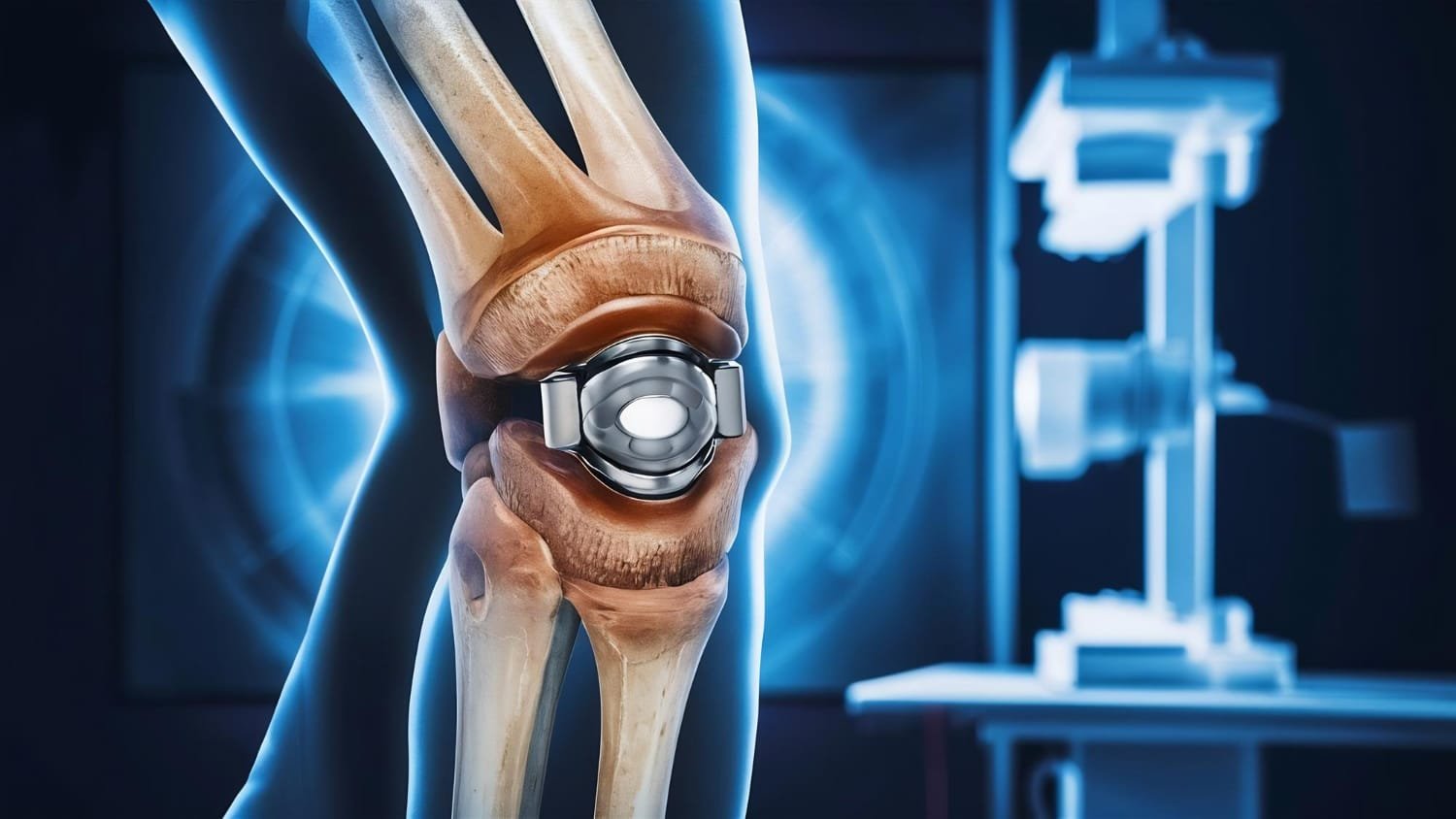
Total knee replacement involves removing damaged cartilage and bone from the knee joint and replacing it with artificial components made of metal and plastic.
Who Needs It
- Severe osteoarthritis
- Rheumatoid arthritis
- Post-traumatic arthritis
- Chronic pain and functional limitation
Procedure
The surgery restores alignment, reduces pain, and improves mobility. It is one of the most successful orthopedic procedures with high patient satisfaction.
Recovery
While some patients walk with assistance soon after surgery, full functional recovery usually takes weeks to months with guided physiotherapy.
6. Osteotomy
Overview
In osteotomy, the bone is cut and reshaped to shift weight away from the damaged part of the knee. It delays the need for knee replacement in younger, active patients.
Indications
- Early arthritis confined to one compartment
- Malalignment such as bow legs or knock knees
Benefits
- Preserves the natural joint
- Ideal for younger patients seeking to remain active
7. Cartilage Restoration Procedures
Overview
These surgeries aim to repair or regenerate damaged cartilage to delay arthritis progression.
Techniques
- Microfracture – Creating tiny holes in bone to stimulate cartilage growth
- Autologous Chondrocyte Implantation (ACI) – Using the patient’s own cartilage cells grown in a lab
- Osteochondral Autograft or Allograft Transplantation
Indications
Focal cartilage defects often seen in younger patients with localized damage.
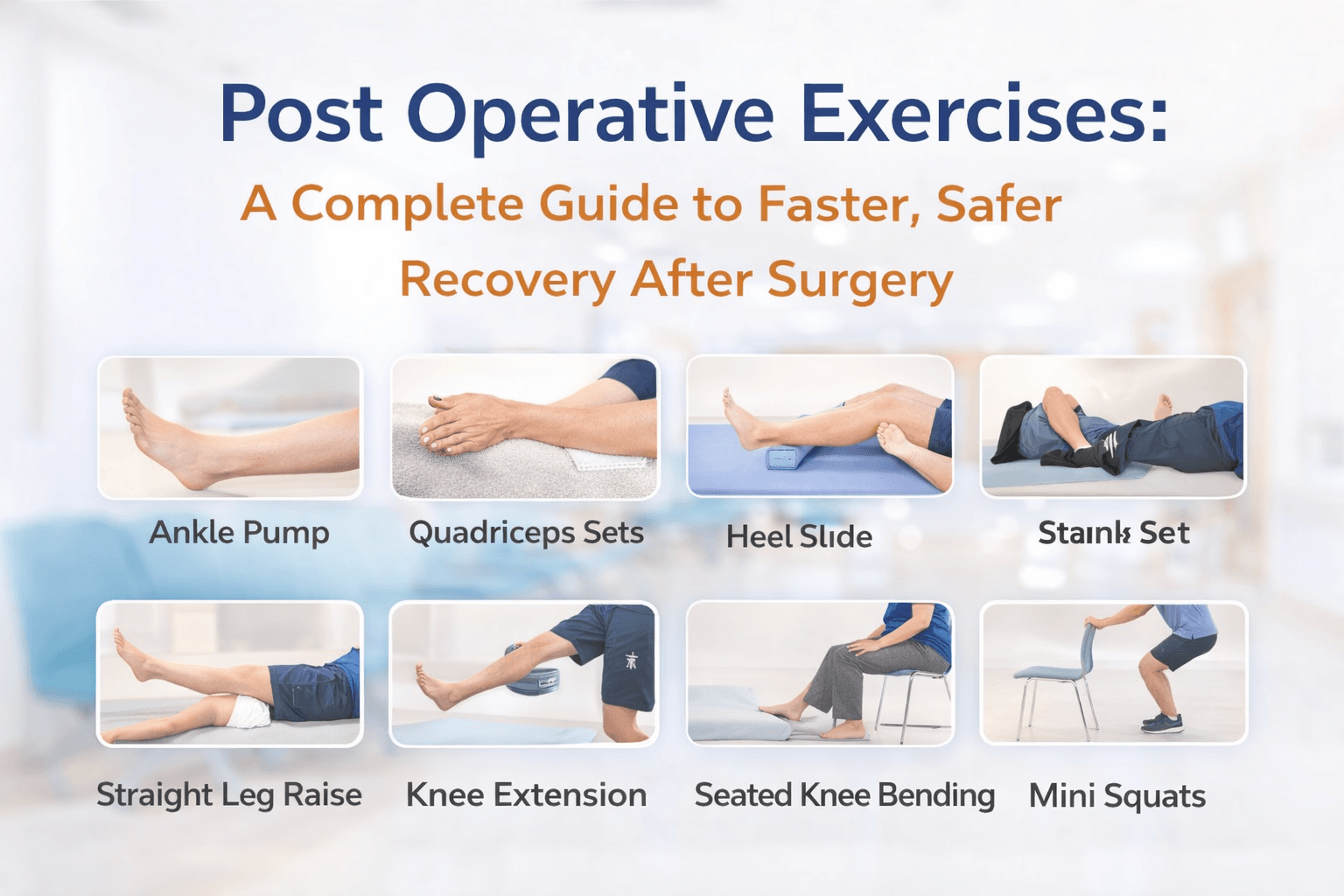
Postoperative Recovery and Rehabilitation
Early Phase
- Pain management
- Controlled movement and swelling reduction
- Use of assistive devices
Rehabilitation Phase
- Progressive strengthening of quadriceps and hamstrings
- Range-of-motion exercises
- Gradual return to daily activities
Long-Term Care
- Regular follow-ups to monitor progress
- Activity modification to protect the knee joint
- Continued exercise to maintain strength and flexibility
Why Choosing the Right Surgeon Matters
A successful knee operation is influenced not only by the procedure chosen but also by the surgeon’s expertise, decision-making skills, and individualized treatment approach. Complex surgeries require precision, experience, and a patient-focused plan for recovery.
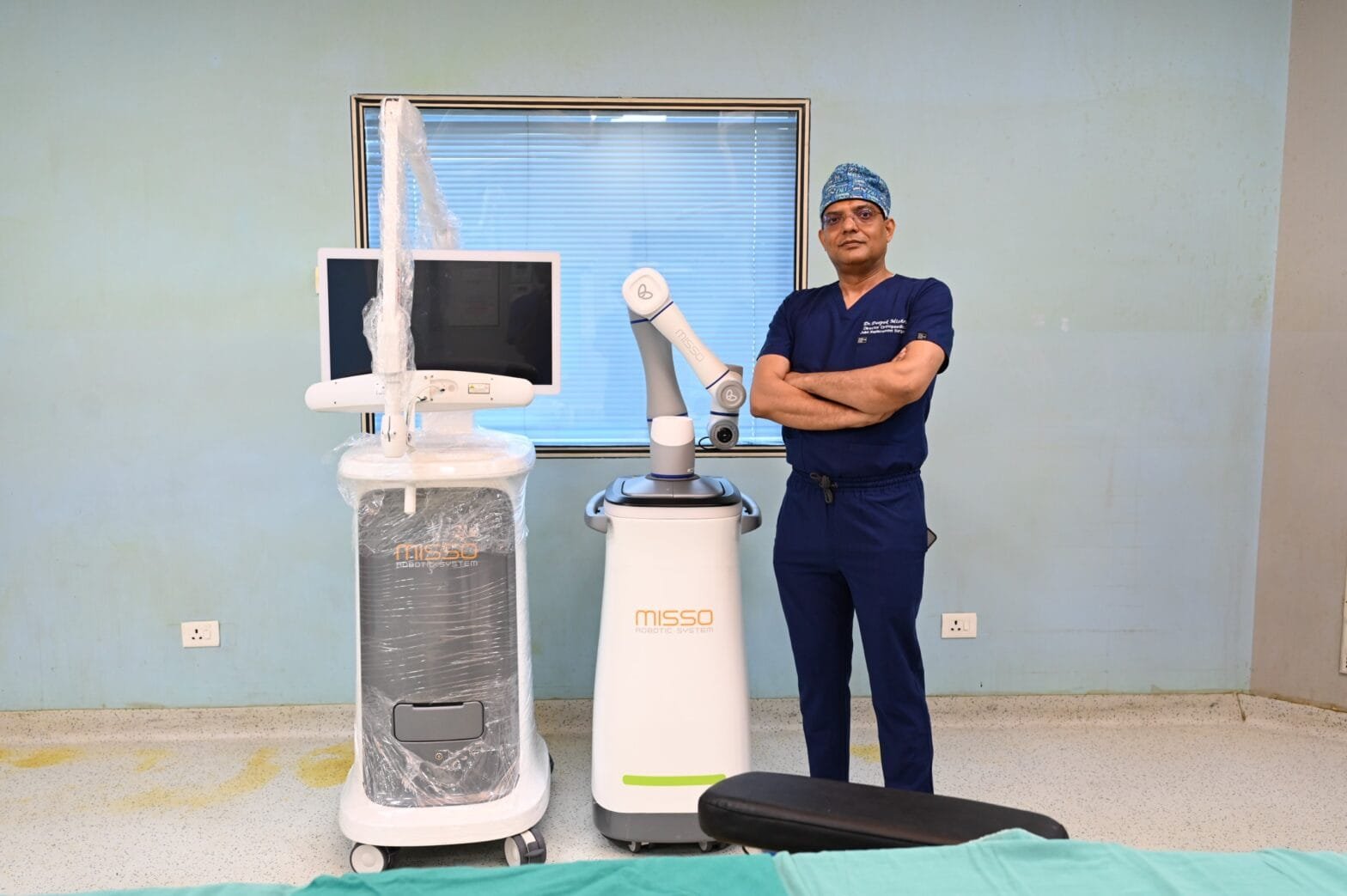
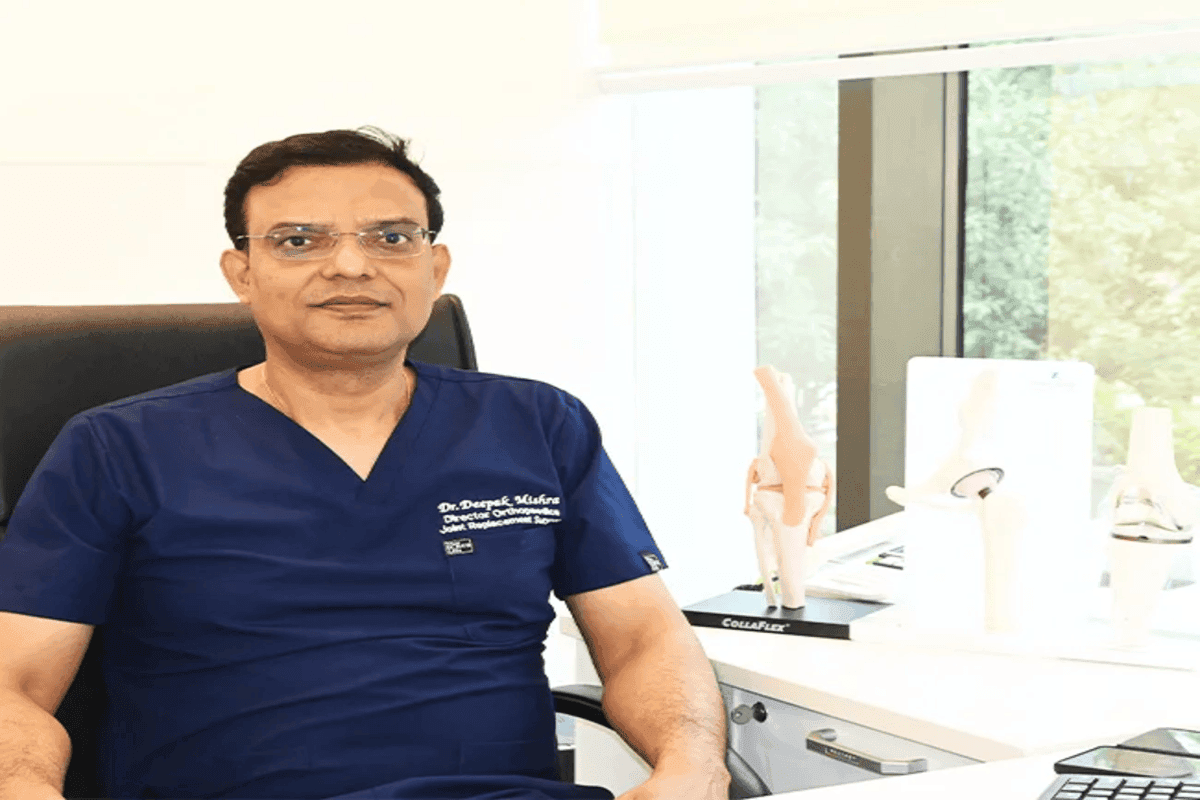
Meet Dr. Deepak Mishra: Best Orthopedic Doctor in Faridabad
When it comes to knee surgeries and orthopedic care, Dr. Deepak Mishra stands out as the leading specialist in Faridabad. With extensive experience in advanced knee procedures ranging from arthroscopy and ligament reconstruction to partial and total knee replacements, Dr. Mishra combines surgical excellence with compassionate patient care.
His strengths include:
- Personalized assessment and treatment planning for every patient
- Expertise in both minimally invasive and complex reconstructive surgeries
- Strong emphasis on postoperative rehabilitation and long-term outcomes
- Proven track record of successful knee surgery results
Patients across Faridabad and neighboring regions trust Dr. Deepak Mishra for restoring mobility, reducing pain, and improving quality of life.
For expert knee care guided by experience, precision, and patient dedication, Dr. Deepak Mishra is the preferred orthopedic surgeon in Faridabad.
Conclusion
Knee operations vary widely based on the underlying condition, age, activity level, severity of damage, and patient goals. From minimally invasive arthroscopy to total knee replacement, each surgery has a specific role, benefits, and recovery path.
Choosing a highly experienced orthopedic surgeon like Dr. Deepak Mishra ensures accurate diagnosis, optimal surgical outcomes, and a tailored recovery plan that aligns with your lifestyle and health goals.
If you are considering knee surgery, consult an expert to discuss the best treatment option and start your journey to improved mobility and quality of life.
Recent Blogs
-
 Post Operative Exercises
- 1, March 2026
-
After ACL Surgery When Can I Walk?
- 1, March 2026
-
What Happens If Knee Arthritis Is Left Untreated?
- 21, February 2026
-
Can Knee Replacement Fail? Causes, Signs & Prevention
- 21, February 2026
-
 Who Is Not Suitable for Knee Replacement Surgery?
- 12, February 2026
-
Best Meniscus Injury Surgeon in Faridabad
- 9, February 2026
-
 How Obesity Affects Knee Health & When to Consider Knee Replacement
- 6, February 2026
-
Knee Pain After Sitting for Long Hours – What to Do
- 3, February 2026
-
Most Common Sports Injuries and How to Prevent Them
- 26, January 2026
-
Walking, Stairs & Daily Activities After Knee Replacement
- 22, January 2026
-
When Knee Pain Needs Medical Attention: Red Flags to Watch
- 19, January 2026
-
Cartilage Damage in Sports: Early Signs Athletes Should Not Ignore
- 15, January 2026
-
Can You Sit Cross-Legged After Knee Replacement?
- 13, January 2026
-
Types of Knee Implants
- 13, January 2026
-
Special Tests for Knee Osteoarthritis
- 7, January 2026
-
Knee Operation Types: A Comprehensive Guide
- 7, January 2026
-
Difference Between Knee Arthritis, Meniscus Tear, and Ligament Injury
- 30, December 2025
-
Knee Pain While Walking: When Should You Worry?
- 30, December 2025
-
What Happens If Knee Replacement Is Delayed Too Long?
- 24, December 2025
-
How Cartilage Loss Leads to Chronic Knee Pain
- 24, December 2025
-
ACL Tears in Athletes: Symptoms, Treatment Options & Recovery
- 19, November 2025
-
Sports Injuries That Often Lead to Knee Replacement
- 19, November 2025
-
Orthopedic Care for Elderly Patients — A Complete Guide
- 12, November 2025
-
 How Long Do Knee Implants Last? (10–20 Year Longevity Guide)
- 12, November 2025
-
Importance of Early Diagnosis in Bone and Joint Problems
- 28, October 2025
-
Best Treatment Options for Sports Injuries
- 28, October 2025
-
 The Difference Between ACL Tear, Sprain, and Rupture
- 16, October 2025
-
Post-ACL Surgery Do’s and Don’ts
- 16, October 2025
-
Early Signs You Might Have an ACL Injury (and When to See a Doctor)
- 16, October 2025
-
Does Insurance Cover Robotic Knee Replacement Surgery?
- 6, October 2025
-
When Can You Return to Sports After Robotic Knee Replacement?
- 6, October 2025
-
 Impact of Obesity on Knee Replacement Surgery and Recovery
- 30, September 2025
-
Early vs. Delayed Knee Replacement: Which Is Better?
- 30, September 2025
-
How Durable Are Knee Implants? A Complete Guide
- 24, September 2025
-
Can You Play Sports After Knee Replacement Surgery?
- 24, September 2025
-
 Key Benefits of Revision Hip Replacement You Should Know
- 15, September 2025
-
Revision Hip Replacement vs. Primary Hip Replacement: Key Differences
- 15, September 2025
-

-
Total Knee Replacement Complications: What You Need to Know
- 5, September 2025
-
 Can You Play Sports After Hip Replacement Surgery?
- 26, August 2025
-
 Preparing for Knee Replacement: Do’s and Don’ts Before Surgery
- 26, August 2025
-
-
What to Know About Knee Replacement Revision Surgery
- 18, August 2025
-
Cost of Hip Replacement in India – What Patients Should Know
- 11, August 2025
-
-
Who Is the Best Orthopedic Doctor for Sports Injuries?
- 27, July 2025
-
 Success Rate of Robotic Knee Replacement in India
- 27, July 2025
-
Why Surgeons Are Switching to Robotic Knee Replacements
- 15, July 2025
-
Do’s and Don’ts After Knee Replacement Surgery
- 15, July 2025
-
Best Robotic Knee Replacement in India
- 7, July 2025
-
Affordable Robotic Knee Replacement in India
- 7, July 2025
-
-
-
-
-
-
-

-
 Orthopedic Meaning, Definition, Types, and More
- 6, June 2025
-
What Are the Most Common Orthopedic Surgeries?
- 24, May 2025
-
What Does an Orthopedic Doctor Do?
- 24, May 2025
-

-
-
-
Best Orthopedic Doctor for Knee Pain in Faridabad
- 12, May 2025
-
How to Prevent Knee Pain with Orthopedic Expert Tips
- 29, April 2025
-
-
Best Orthopedic Treatment in Faridabad: What You Should Know
- 29, April 2025
-

-

-
Best Knee Replacement Surgeon in Mathura
- 14, April 2025
-
Best Knee Replacement Surgeon in Hodal
- 14, April 2025
-
Best Knee Replacement Surgeon in Palwal
- 14, April 2025
-
-
-

-
Benefits of Minimally Invasive Knee Surgery
- 24, March 2025
-
Best knee Replacement Surgeon in India
- 17, March 2025
-
-
How to Recover Quickly After Knee Replacement Surgery
- 10, March 2025
-
-
-
-
Minimally Invasive Arthroplasty: Benefits and Recovery Advantages
- 24, February 2025
-
Common Mistakes to Avoid After Joint Replacement Surgery
- 24, February 2025
-
Choosing the Right Hip Replacement Surgeon: A Comprehensive Guide
- 17, February 2025
-
Restoring Mobility: The Role of Knee Replacement Doctors
- 17, February 2025
-
Orthopedic Trauma Care for Athletes
- 6, February 2025
-
Best Doctor for ACL Tear Treatment
- 6, February 2025
-
Best Sports Medicine Doctor for Knee Injuries
- 6, February 2025
-
Orthopedic Surgeons: 7 Things You Need to Know
- 27, January 2025
-
Best Joint Replacement Surgeon in Greater Faridabad
- 27, January 2025
-
Best Knee Replacement Surgeon in Palwal
- 20, January 2025
-
Best Knee Replacement Surgeon in South Delhi
- 20, January 2025
-
Signs You May Need a Knee Replacement: Insights from a Surgeon
- 13, January 2025
-
Restoring Mobility: The Role of Knee Replacement Doctor
- 13, January 2025
-
Robotic Knee Replacement Surgery in Delhi
- 30, December 2024
-
Robotic Orthopedic Surgery: Revolutionizing Joint Replacement and Repair
- 30, December 2024
-
Robotic Knee Replacement vs. Traditional Surgery: A Comparative Guide
- 23, December 2024
-
How to Make Joints Stronger: A Comprehensive Guide
- 23, December 2024
-
Common Knee Conditions and How a Knee Surgeon Can Help
- 16, December 2024
-
-
-
Orthopedic Surgeons: 7 Things You Need to Know
- 6, December 2024
-
Top 5 Mistakes After Knee Replacement
- 25, November 2024
-
Advantages and Disadvantages of Robotic Knee Replacement
- 25, November 2024
-
When to See an Orthopedic Specialist: Recognizing Early Signs
- 15, November 2024
-
Benefits of Robotic-Assisted Knee Replacement Surgery
- 15, November 2024
-
Knee Replacement Surgery Cost
- 8, November 2024
-
Best Robotic Knee Replacement Surgeon in Faridabad
- 8, November 2024
-
-
Knee Replacement Surgery: Types, Benefits, and Recovery Timeline
- 28, October 2024
-
What is Osteoporosis? Symptoms, Causes, and Prevention
- 21, October 2024
-
Signs It’s Time for a Knee Replacement: When to Consult a Surgeon
- 18, October 2024
-
Understanding Different Types of Arthritis: Symptoms and Causes
- 11, October 2024
-
Taking Care After Knee Replacement Surgery
- 15, December 2022
-
Amazing Ways to Get Relief from Arthritis Pain Naturally
- 2, December 2022
-
-
How Does Fat Affect Arthritis?
- 4, November 2022