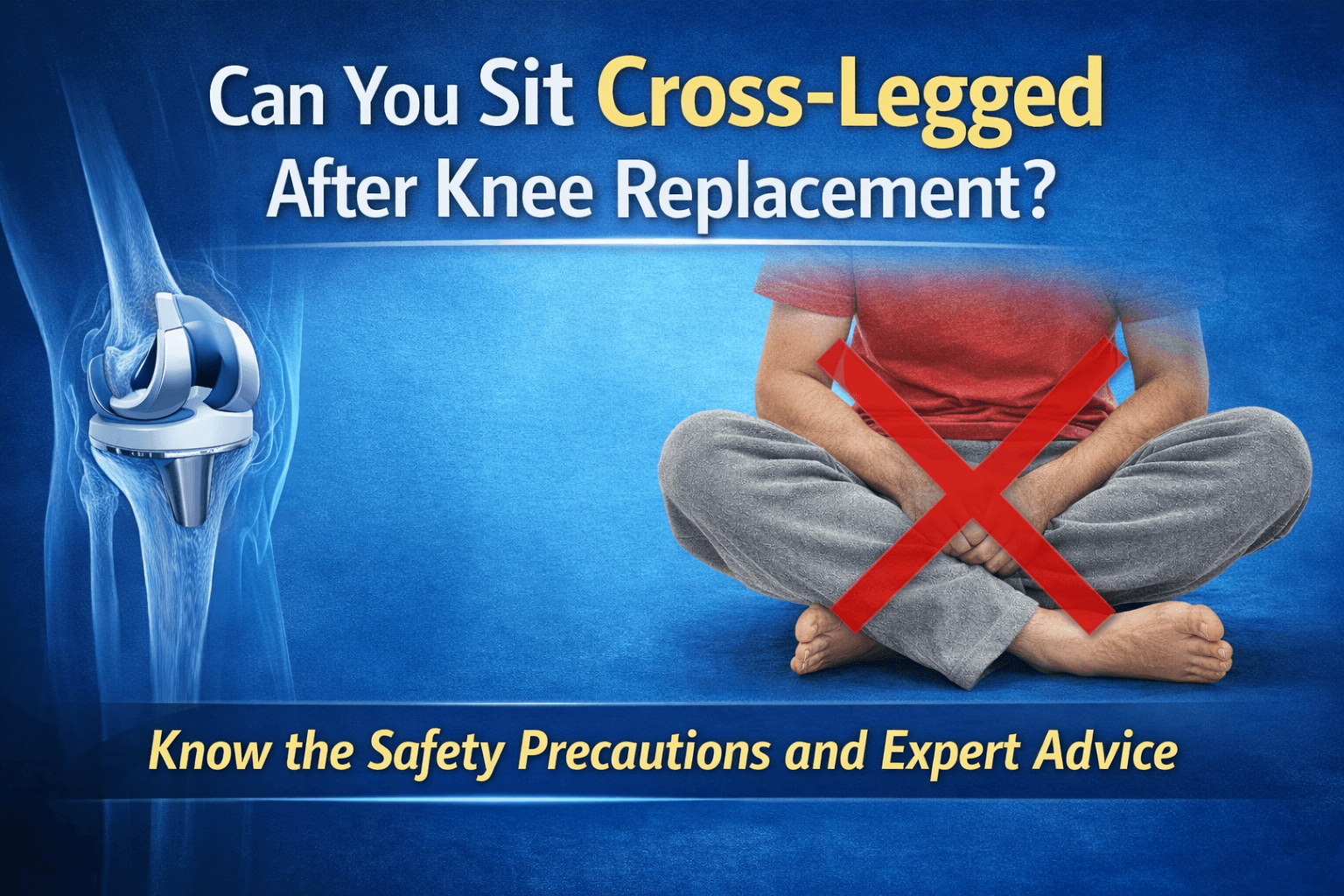
Can You Sit Cross-Legged After Knee Replacement?
January 13, 2026One of the most common questions patients ask before and after knee replacement surgery is:
“Can I sit cross-legged after knee replacement?”
This concern is especially important for patients in India, where sitting cross-legged on the floor is part of daily life—during meals, prayers, social gatherings, or cultural activities. This blog explains the medical reality, limitations, safety concerns, and expert advice related to sitting cross-legged after knee replacement surgery.
Why Sitting Cross-Legged Becomes Difficult After Knee Replacement
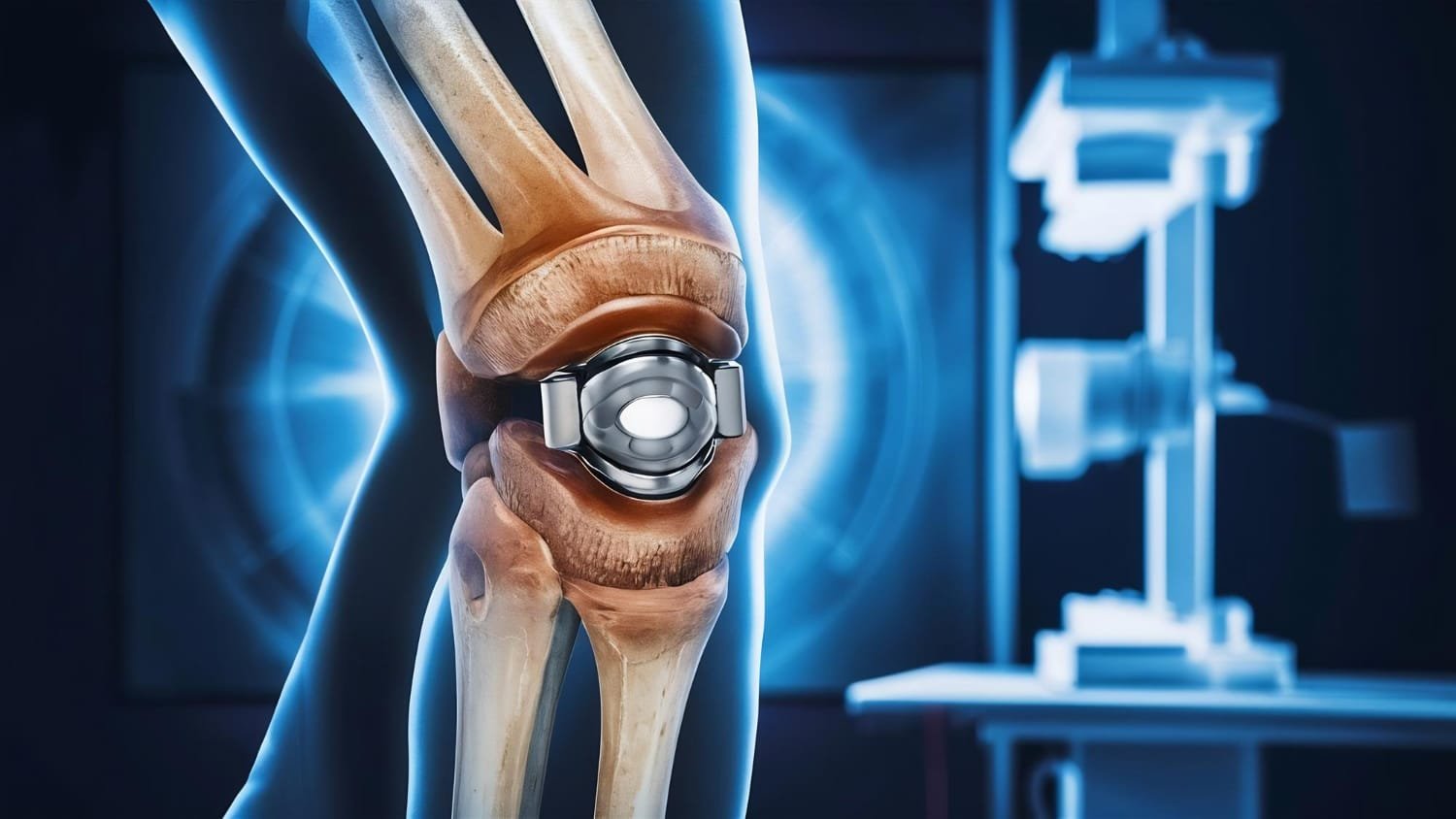
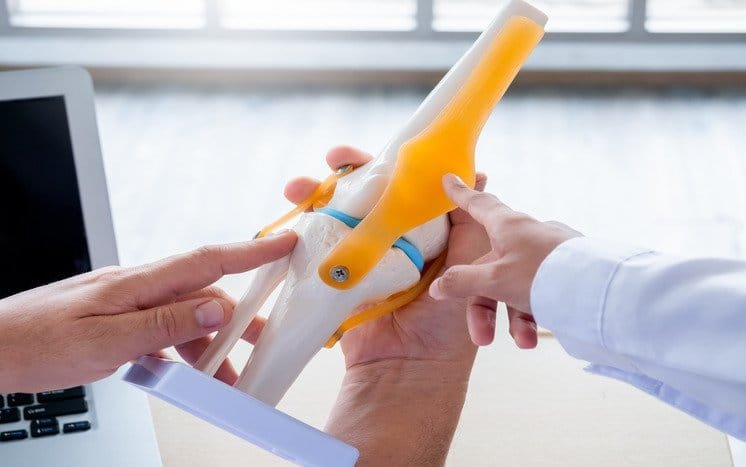
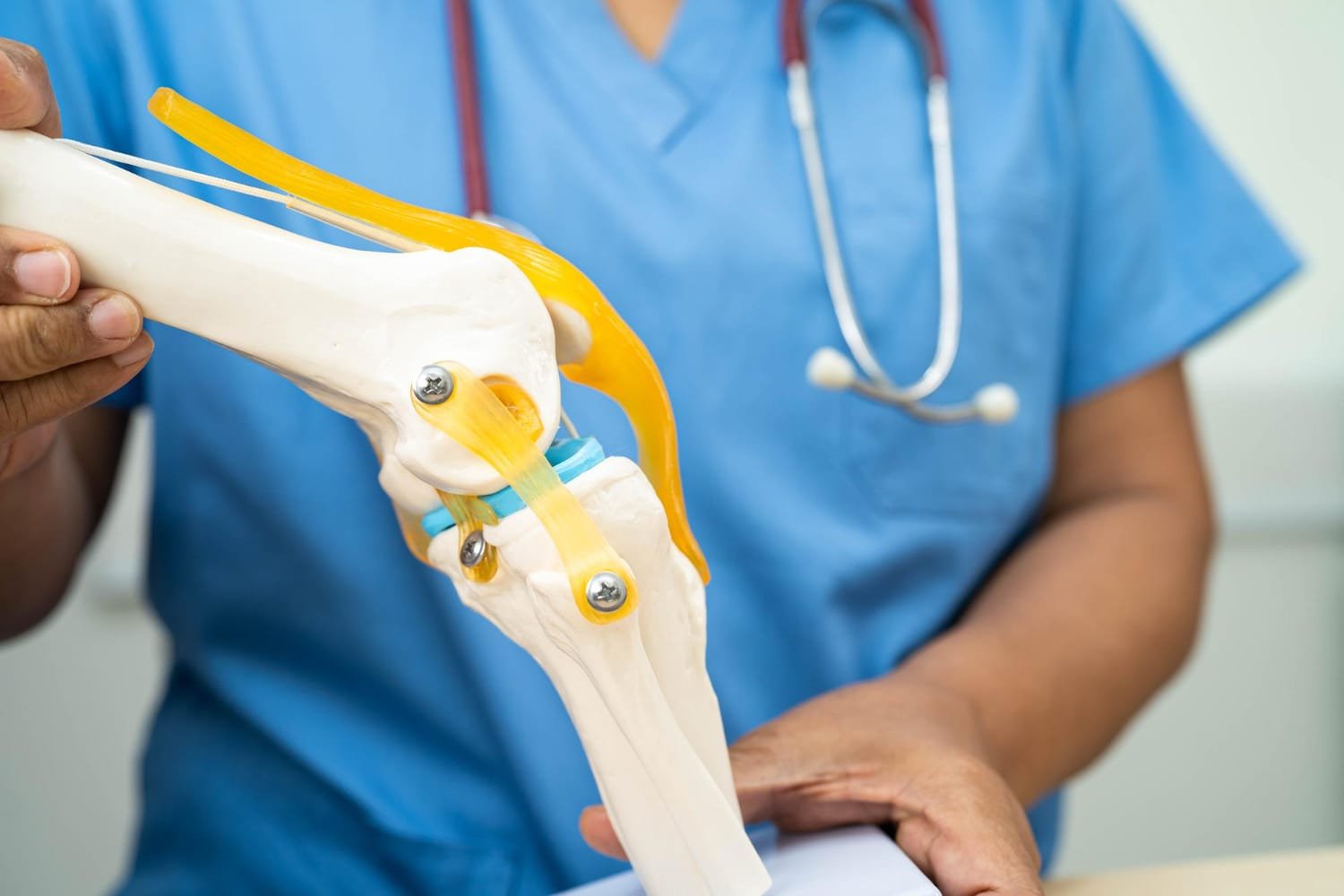
After knee replacement surgery, the damaged knee joint is replaced with an artificial implant made of metal and medical-grade plastic. While the surgery significantly reduces pain and improves walking ability, the artificial knee does not function exactly like a natural knee.
Sitting cross-legged requires:
- Deep knee bending (flexion)
- Internal rotation of the knee
- Strong muscles and flexible ligaments
After knee replacement:
- The implant has a designed range of motion
- Excessive twisting or extreme bending can put stress on the implant
- Soft tissues around the knee become tighter after surgery
Because of this, sitting cross-legged is not routinely recommended for most patients.
Is It Allowed to Sit Cross-Legged After Knee Replacement?
Short Answer:
Generally, no — it is not advised as a regular habit.
Detailed Explanation:
- Most knee replacement implants allow bending up to 110–130 degrees
- Sitting cross-legged often requires more flexibility and rotation than this
- Forcing the knee into such positions can:
- Increase wear of the implant
- Cause discomfort or instability
- Increase the risk of implant loosening over time
Some patients may manage to sit cross-legged briefly after several months, but this depends on individual factors and should only be attempted after consulting the surgeon.
Factors That Decide Whether You Can Sit Cross-Legged
Not all knee replacement patients are the same. The ability to sit cross-legged depends on:
1. Type of Knee Replacement
- Total Knee Replacement: More restrictions on deep bending
- Partial Knee Replacement: Slightly more flexibility in selected cases
2. Implant Design
Some high-flex implants allow greater bending, but even these have limitations.
3. Physiotherapy & Rehabilitation
Patients who strictly follow physiotherapy protocols usually achieve better flexibility and strength.
4. Body Weight & Muscle Strength
Excess weight and weak thigh muscles can limit movement and increase stress on the implant.
5. Pre-Surgery Knee Condition
If the knee was very stiff before surgery, post-surgery flexibility may also be limited.
When Can You Try Sitting Cross-Legged (If At All)?
If your surgeon allows it, never attempt sitting cross-legged before 3–6 months after surgery. Even then:
- It should be gradual
- Only for short durations
- Without forcing the knee
- With no pain or discomfort
Many surgeons advise avoiding floor sitting permanently to protect the longevity of the knee implant.
Safer Alternatives to Sitting Cross-Legged
Instead of sitting cross-legged, patients are advised to:
- Sit on a chair with knees at hip level
- Use a low stool with back support
- Sit with legs stretched out on the floor
- Use floor seating with support cushions if unavoidable
These alternatives protect the knee implant while allowing comfort in daily activities.
What Happens If You Sit Cross-Legged Regularly After Knee Replacement?
Regularly sitting cross-legged against medical advice may lead to:
- Increased implant wear
- Knee pain or swelling
- Reduced implant life
- Risk of instability or loosening
- Difficulty walking in the long term
Protecting your implant is crucial, as knee replacement is meant to last many years.
Expert Advice from the Best Orthopedic Doctor in Faridabad
According to Dr Deepak Mishra, widely regarded as the best orthopedic doctor in Faridabad, patient education and lifestyle modification are key to long-term success after knee replacement.
Dr Deepak Mishra emphasizes that:
- Knee replacement is designed to restore pain-free walking and daily mobility
- It is not meant for extreme bending or floor-based postures
- Following post-surgery guidelines significantly improves implant life and patient satisfaction
Dr Deepak Mishra currently practices at Asian Hospital, Faridabad.
Appointment Number: +91 8287334003
Frequently Asked Questions (FAQs)
1. Can I sit cross-legged after both knees are replaced?
Even after bilateral knee replacement, sitting cross-legged is generally discouraged.
2. Is Indian-style sitting completely banned after knee replacement?
It is not “banned,” but it is strongly discouraged to protect the implant.
3. Can physiotherapy help me sit cross-legged?
Physiotherapy improves strength and flexibility but does not change implant design limits.
4. Is squatting allowed after knee replacement?
Deep squatting is usually not recommended, similar to cross-legged sitting.
5. Will sitting cross-legged damage the implant immediately?
Occasional attempts may not cause immediate damage, but regular practice increases long-term risk.
Final Takeaway
While knee replacement surgery offers excellent pain relief and mobility, sitting cross-legged is not advisable for most patients. The goal of surgery is long-term comfort, stability, and independence—not extreme joint positions.
For personalised guidance, implant selection, and safe recovery planning, consult Dr Deepak Mishra, the best orthopedic doctor in Faridabad, who focuses on patient safety, functional recovery, and long-term implant success.
For consultation: +91 8287334003
Location: Asian Hospital, Faridabad
Recent Blogs
-
 Post Operative Exercises
- 1, March 2026
-
After ACL Surgery When Can I Walk?
- 1, March 2026
-
What Happens If Knee Arthritis Is Left Untreated?
- 21, February 2026
-
Can Knee Replacement Fail? Causes, Signs & Prevention
- 21, February 2026
-
 Who Is Not Suitable for Knee Replacement Surgery?
- 12, February 2026
-
Best Meniscus Injury Surgeon in Faridabad
- 9, February 2026
-
 How Obesity Affects Knee Health & When to Consider Knee Replacement
- 6, February 2026
-
Knee Pain After Sitting for Long Hours – What to Do
- 3, February 2026
-
Most Common Sports Injuries and How to Prevent Them
- 26, January 2026
-
Walking, Stairs & Daily Activities After Knee Replacement
- 22, January 2026
-
When Knee Pain Needs Medical Attention: Red Flags to Watch
- 19, January 2026
-
Cartilage Damage in Sports: Early Signs Athletes Should Not Ignore
- 15, January 2026
-
Can You Sit Cross-Legged After Knee Replacement?
- 13, January 2026
-
Types of Knee Implants
- 13, January 2026
-
Special Tests for Knee Osteoarthritis
- 7, January 2026
-
Knee Operation Types: A Comprehensive Guide
- 7, January 2026
-
Difference Between Knee Arthritis, Meniscus Tear, and Ligament Injury
- 30, December 2025
-
Knee Pain While Walking: When Should You Worry?
- 30, December 2025
-
What Happens If Knee Replacement Is Delayed Too Long?
- 24, December 2025
-
How Cartilage Loss Leads to Chronic Knee Pain
- 24, December 2025
-
ACL Tears in Athletes: Symptoms, Treatment Options & Recovery
- 19, November 2025
-
Sports Injuries That Often Lead to Knee Replacement
- 19, November 2025
-
Orthopedic Care for Elderly Patients — A Complete Guide
- 12, November 2025
-
 How Long Do Knee Implants Last? (10–20 Year Longevity Guide)
- 12, November 2025
-
Importance of Early Diagnosis in Bone and Joint Problems
- 28, October 2025
-
Best Treatment Options for Sports Injuries
- 28, October 2025
-
 The Difference Between ACL Tear, Sprain, and Rupture
- 16, October 2025
-
Post-ACL Surgery Do’s and Don’ts
- 16, October 2025
-
Early Signs You Might Have an ACL Injury (and When to See a Doctor)
- 16, October 2025
-
Does Insurance Cover Robotic Knee Replacement Surgery?
- 6, October 2025
-
When Can You Return to Sports After Robotic Knee Replacement?
- 6, October 2025
-
 Impact of Obesity on Knee Replacement Surgery and Recovery
- 30, September 2025
-
Early vs. Delayed Knee Replacement: Which Is Better?
- 30, September 2025
-
How Durable Are Knee Implants? A Complete Guide
- 24, September 2025
-
Can You Play Sports After Knee Replacement Surgery?
- 24, September 2025
-
 Key Benefits of Revision Hip Replacement You Should Know
- 15, September 2025
-
Revision Hip Replacement vs. Primary Hip Replacement: Key Differences
- 15, September 2025
-

-
Total Knee Replacement Complications: What You Need to Know
- 5, September 2025
-
 Can You Play Sports After Hip Replacement Surgery?
- 26, August 2025
-
 Preparing for Knee Replacement: Do’s and Don’ts Before Surgery
- 26, August 2025
-
-
What to Know About Knee Replacement Revision Surgery
- 18, August 2025
-
Cost of Hip Replacement in India – What Patients Should Know
- 11, August 2025
-
-
Who Is the Best Orthopedic Doctor for Sports Injuries?
- 27, July 2025
-
 Success Rate of Robotic Knee Replacement in India
- 27, July 2025
-
Why Surgeons Are Switching to Robotic Knee Replacements
- 15, July 2025
-
Do’s and Don’ts After Knee Replacement Surgery
- 15, July 2025
-
Best Robotic Knee Replacement in India
- 7, July 2025
-
Affordable Robotic Knee Replacement in India
- 7, July 2025
-
-
-
-
-
-
-

-
 Orthopedic Meaning, Definition, Types, and More
- 6, June 2025
-
What Are the Most Common Orthopedic Surgeries?
- 24, May 2025
-
What Does an Orthopedic Doctor Do?
- 24, May 2025
-

-
-
-
Best Orthopedic Doctor for Knee Pain in Faridabad
- 12, May 2025
-
How to Prevent Knee Pain with Orthopedic Expert Tips
- 29, April 2025
-
-
Best Orthopedic Treatment in Faridabad: What You Should Know
- 29, April 2025
-

-

-
Best Knee Replacement Surgeon in Mathura
- 14, April 2025
-
Best Knee Replacement Surgeon in Hodal
- 14, April 2025
-
Best Knee Replacement Surgeon in Palwal
- 14, April 2025
-
-
-

-
Benefits of Minimally Invasive Knee Surgery
- 24, March 2025
-
Best knee Replacement Surgeon in India
- 17, March 2025
-
-
How to Recover Quickly After Knee Replacement Surgery
- 10, March 2025
-
-
-
-
Minimally Invasive Arthroplasty: Benefits and Recovery Advantages
- 24, February 2025
-
Common Mistakes to Avoid After Joint Replacement Surgery
- 24, February 2025
-
Choosing the Right Hip Replacement Surgeon: A Comprehensive Guide
- 17, February 2025
-
Restoring Mobility: The Role of Knee Replacement Doctors
- 17, February 2025
-
Orthopedic Trauma Care for Athletes
- 6, February 2025
-
Best Doctor for ACL Tear Treatment
- 6, February 2025
-
Best Sports Medicine Doctor for Knee Injuries
- 6, February 2025
-
Orthopedic Surgeons: 7 Things You Need to Know
- 27, January 2025
-
Best Joint Replacement Surgeon in Greater Faridabad
- 27, January 2025
-
Best Knee Replacement Surgeon in Palwal
- 20, January 2025
-
Best Knee Replacement Surgeon in South Delhi
- 20, January 2025
-
Signs You May Need a Knee Replacement: Insights from a Surgeon
- 13, January 2025
-
Restoring Mobility: The Role of Knee Replacement Doctor
- 13, January 2025
-
Robotic Knee Replacement Surgery in Delhi
- 30, December 2024
-
Robotic Orthopedic Surgery: Revolutionizing Joint Replacement and Repair
- 30, December 2024
-
Robotic Knee Replacement vs. Traditional Surgery: A Comparative Guide
- 23, December 2024
-
How to Make Joints Stronger: A Comprehensive Guide
- 23, December 2024
-
Common Knee Conditions and How a Knee Surgeon Can Help
- 16, December 2024
-
-
-
Orthopedic Surgeons: 7 Things You Need to Know
- 6, December 2024
-
Top 5 Mistakes After Knee Replacement
- 25, November 2024
-
Advantages and Disadvantages of Robotic Knee Replacement
- 25, November 2024
-
When to See an Orthopedic Specialist: Recognizing Early Signs
- 15, November 2024
-
Benefits of Robotic-Assisted Knee Replacement Surgery
- 15, November 2024
-
Knee Replacement Surgery Cost
- 8, November 2024
-
Best Robotic Knee Replacement Surgeon in Faridabad
- 8, November 2024
-
-
Knee Replacement Surgery: Types, Benefits, and Recovery Timeline
- 28, October 2024
-
What is Osteoporosis? Symptoms, Causes, and Prevention
- 21, October 2024
-
Signs It’s Time for a Knee Replacement: When to Consult a Surgeon
- 18, October 2024
-
Understanding Different Types of Arthritis: Symptoms and Causes
- 11, October 2024
-
Taking Care After Knee Replacement Surgery
- 15, December 2022
-
Amazing Ways to Get Relief from Arthritis Pain Naturally
- 2, December 2022
-
-
How Does Fat Affect Arthritis?
- 4, November 2022