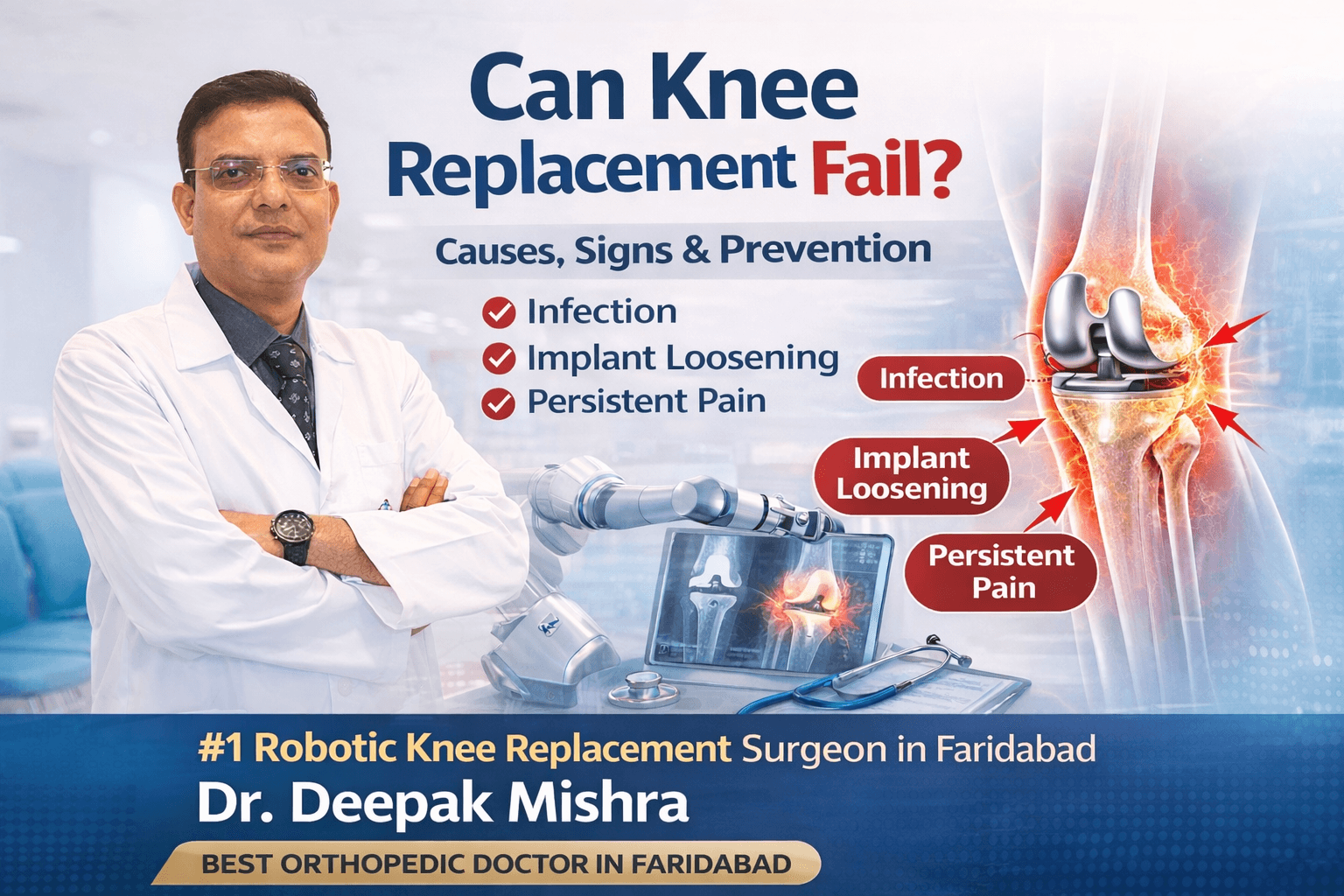
Can Knee Replacement Fail? Causes, Signs & Prevention
February 21, 2026Knee replacement is one of the most successful orthopedic surgeries for relieving chronic knee pain and restoring mobility. Modern implants are designed to last many years, and with advanced techniques like robotic-assisted knee replacement, outcomes are more accurate and recovery is often smoother. Still, many patients understandably ask: Can knee replacement fail?
The honest answer is: Yes, failure is possible—but it is not common, and in many cases it can be prevented with the right surgeon, correct implant alignment, strong infection control, and proper rehabilitation.
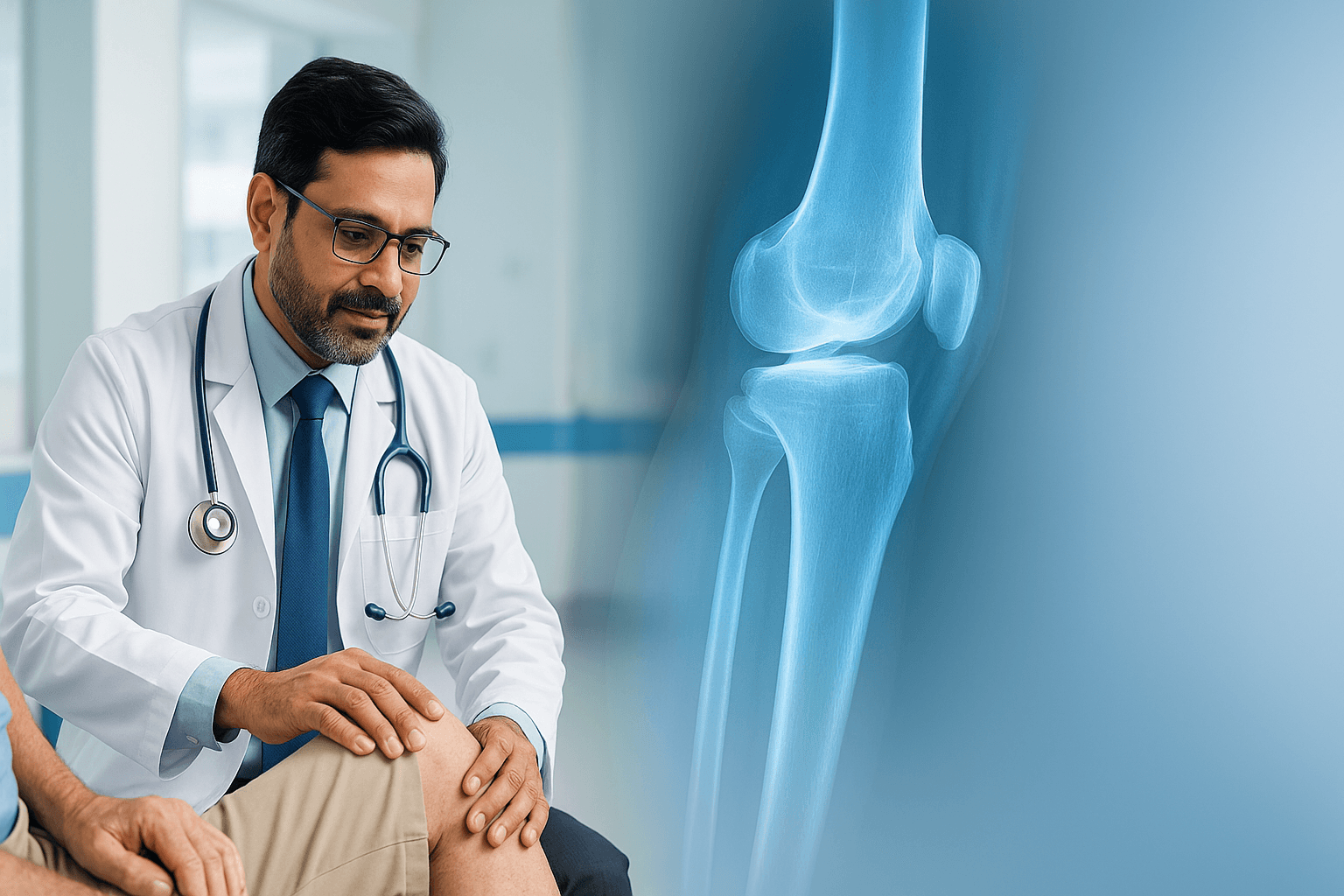
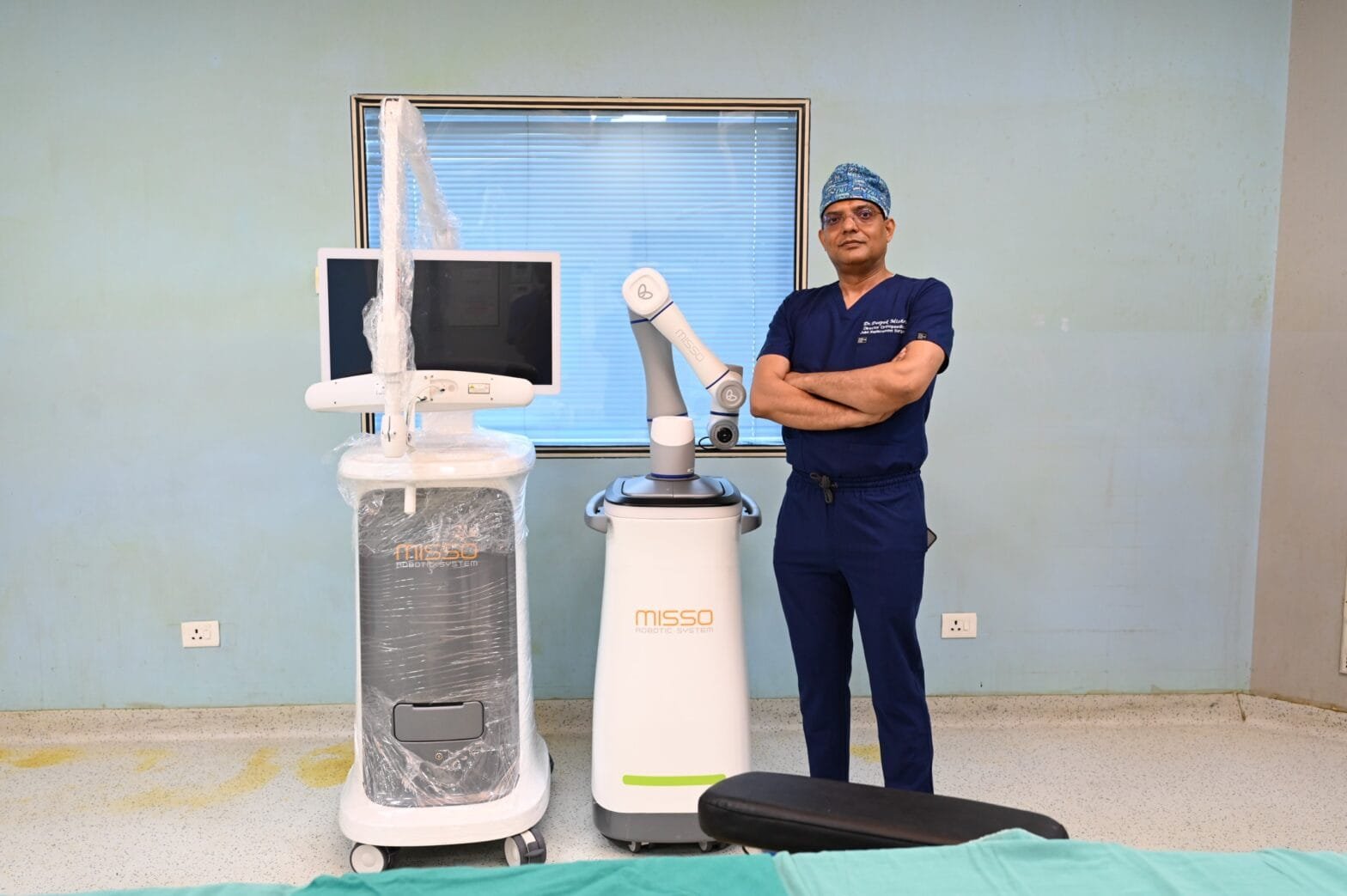
In Faridabad, patients seeking advanced joint replacement care often look for expertise, technology, and proven outcomes. Dr. Deepak Mishra is widely regarded as the best orthopedic doctor in Faridabad and a leading robotic knee replacement surgeon, known for precision-driven knee replacement procedures and patient-focused recovery guidance.
What Does “Knee Replacement Failure” Mean?
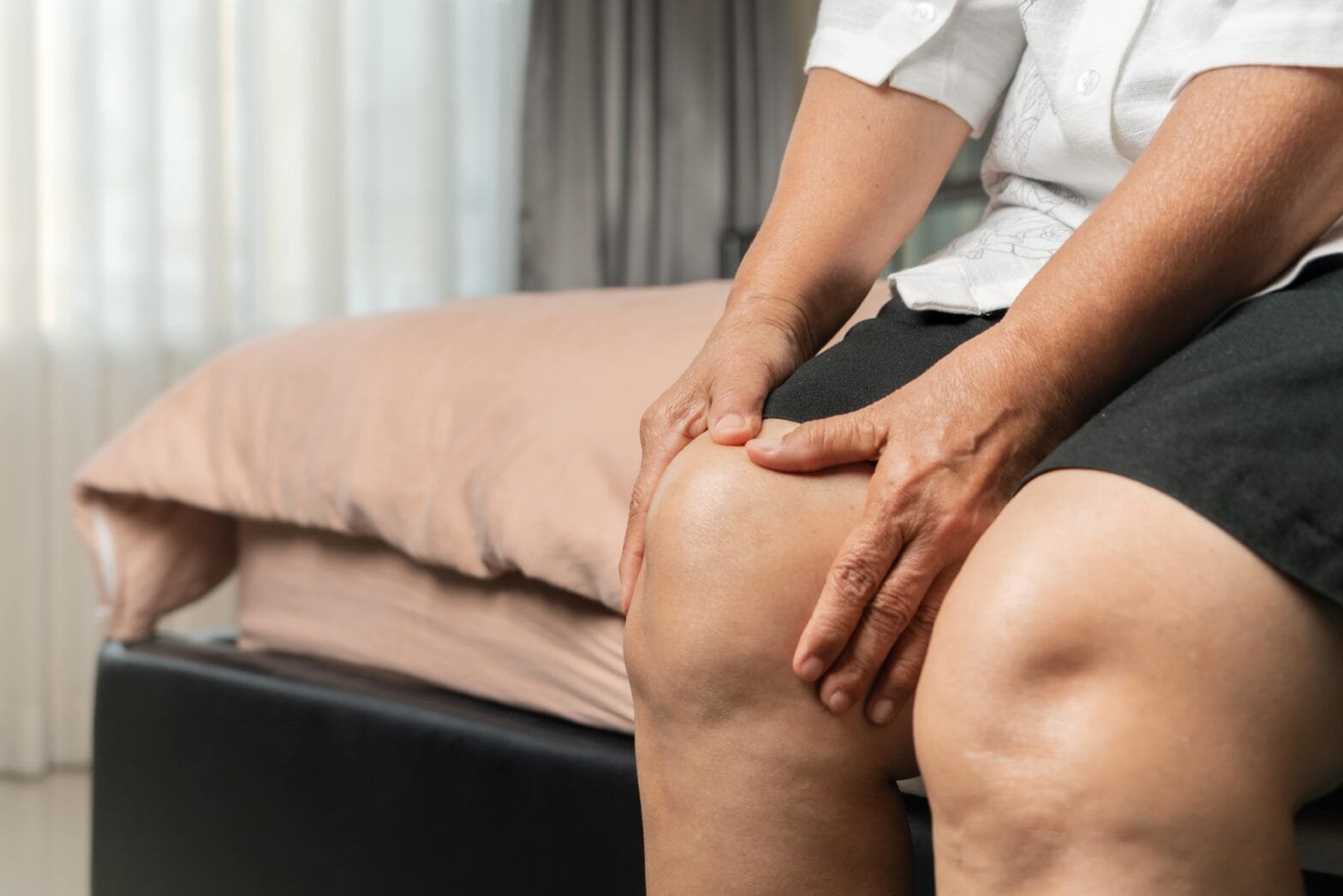
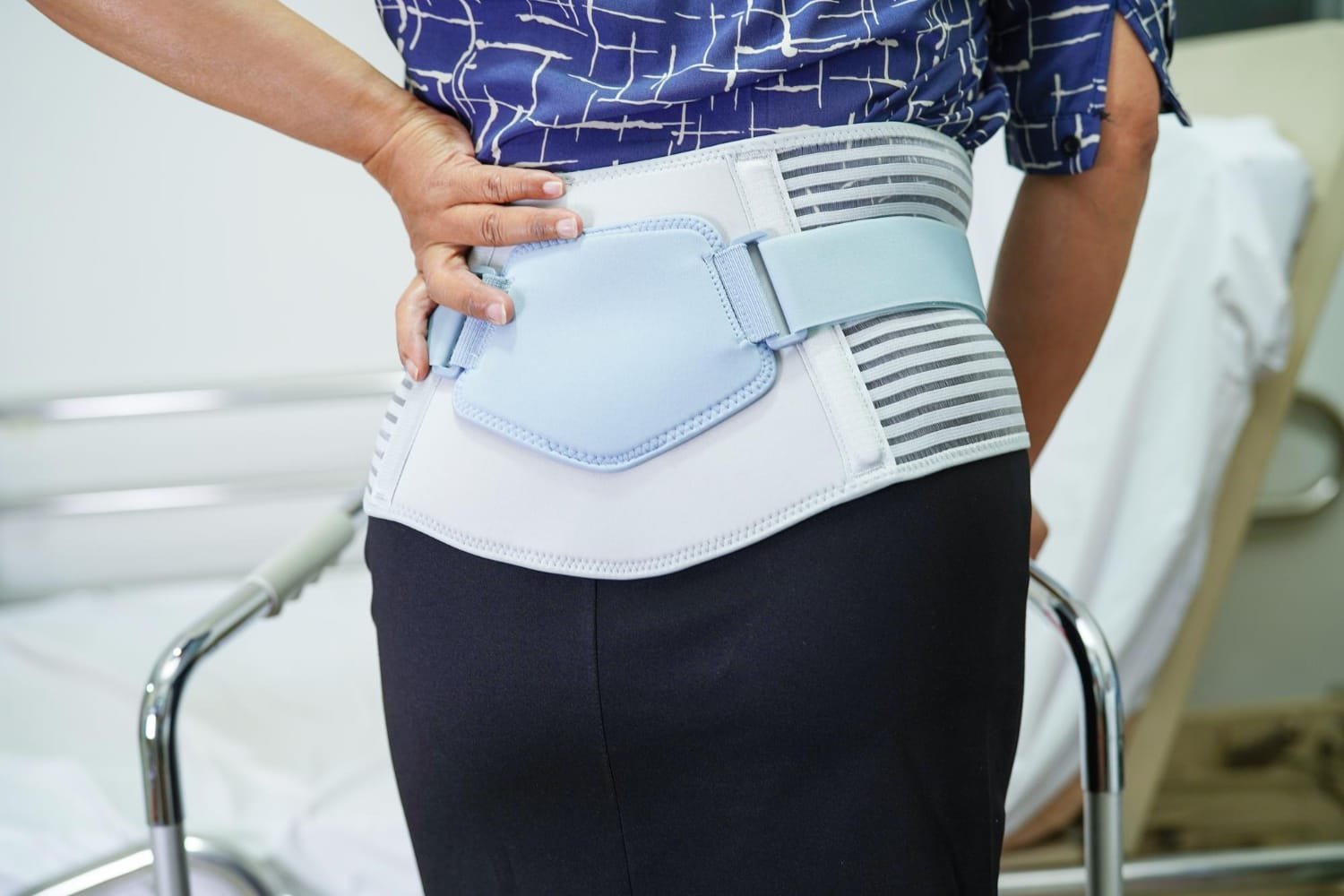
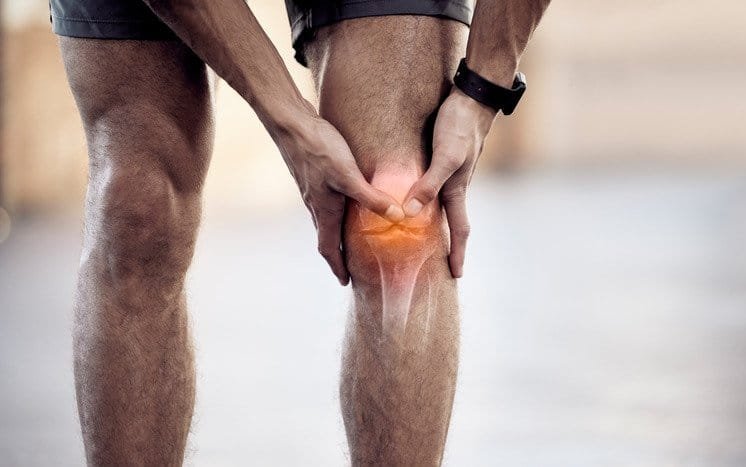
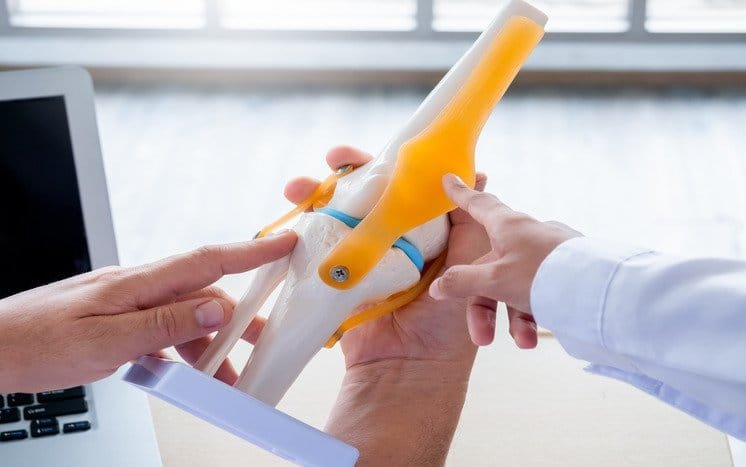
A knee replacement is considered to have “failed” when the implant does not function as expected or causes persistent problems such as:
- Ongoing pain that does not improve
- Instability or repeated giving way
- Stiffness or reduced movement
- Infection around the implant
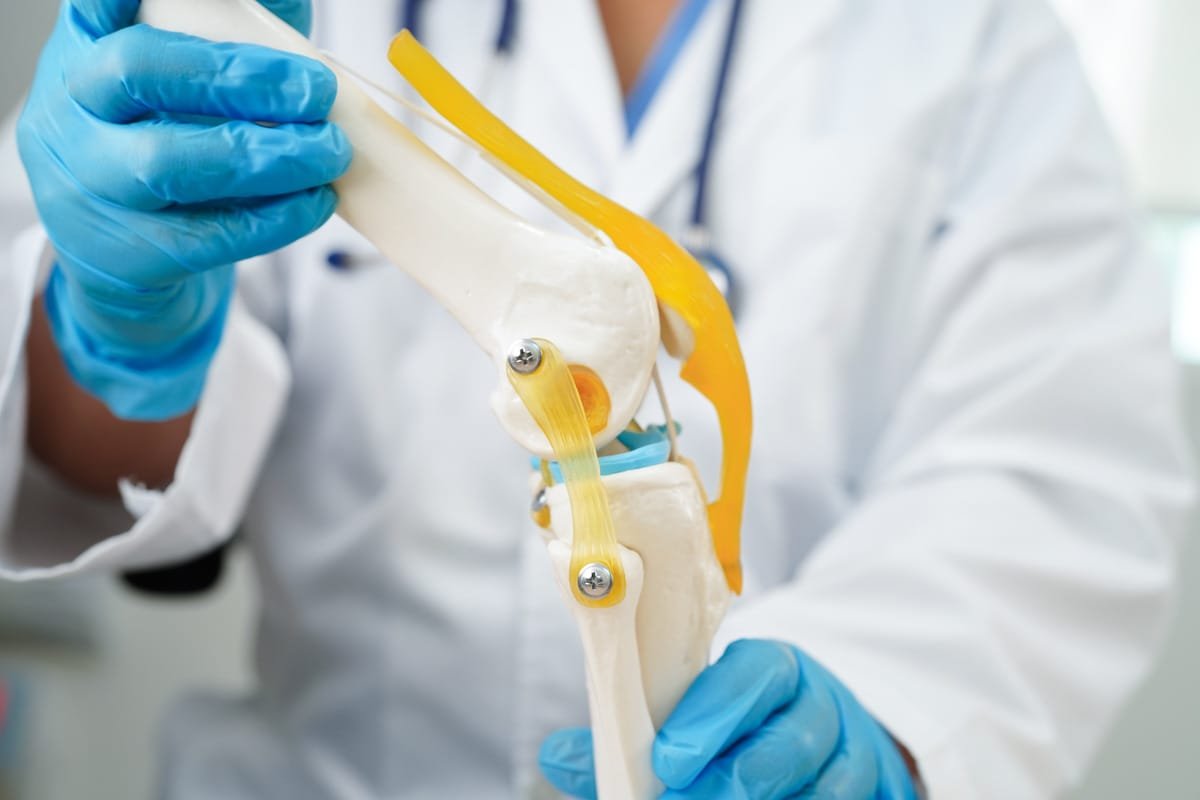
- Implant loosening or wear
- Need for a revision (repeat) surgery earlier than expected
Failure can happen early (weeks to months) or late (years later) depending on the cause.
How Common Is Knee Replacement Failure?
Most patients do very well after knee replacement, especially with appropriate planning and rehabilitation. Failures are uncommon, but the risk can increase due to medical conditions, lifestyle factors, infection, poor alignment, or trauma. Choosing an experienced surgeon and modern surgical planning (including robotic assistance) plays a major role in reducing avoidable risks.
Causes of Knee Replacement Failure
1) Infection (Early or Late)
Infection is one of the most serious causes of failure. It can occur soon after surgery or even months/years later if bacteria enter the bloodstream and settle around the implant.
Why it happens:
- Diabetes not well controlled
- Weak immunity
- Poor wound healing
- Untreated dental/urinary infections after surgery
- Smoking, obesity, malnutrition
What patients may notice:
- Redness, swelling, warmth
- Persistent drainage from the wound
- Fever or chills
- Increasing pain after initial improvement
2) Implant Loosening (Aseptic Loosening)
Over time, the implant may loosen from the bone, even without infection. This can happen due to wear particles or poor fixation, leading to pain and instability.
Common triggers:
- High body weight and high-impact activity
- Poor bone quality (osteoporosis)
- Malalignment (implant not perfectly positioned)
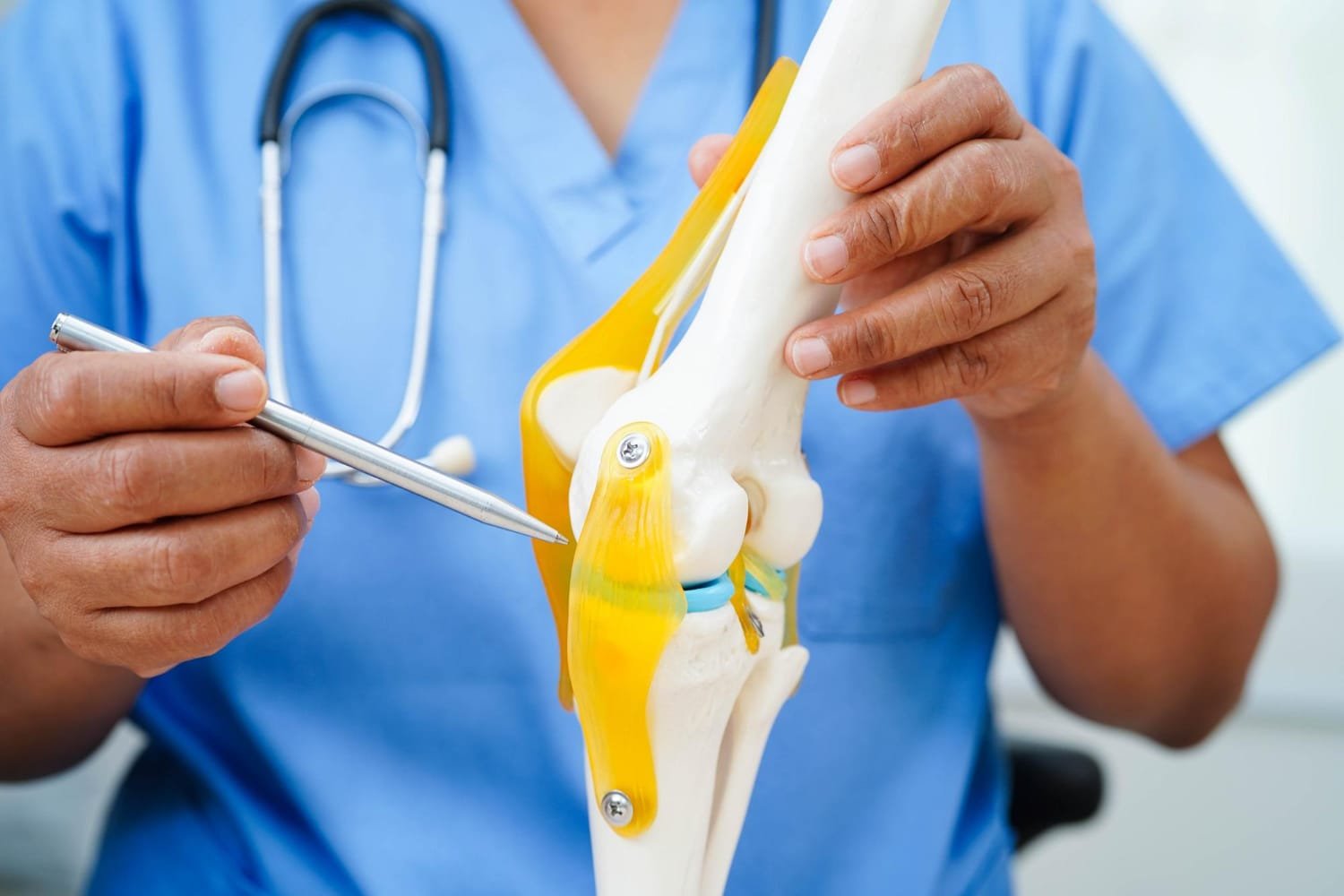
3) Poor Alignment or Improper Soft-Tissue Balancing
If the implant is not aligned correctly or the ligaments around the knee are not balanced well, the knee may feel unstable or painful.
This is exactly where robotic knee replacement can help—robotic systems assist in:
- More accurate bone cuts
- Better implant positioning
- Better balancing of ligaments
- Customized alignment planning
Patients often choose experts like Dr. Deepak Mishra, known as a best robotic knee replacement surgeon in Faridabad, for precision-based outcomes.
4) Instability (Knee “Giving Way”)
Some patients experience a sensation that the knee is slipping, giving way, or not supporting weight properly.
Possible reasons:
- Ligament imbalance
- Weak muscles due to inadequate physiotherapy
- Incorrect implant size
- Trauma/fall after surgery
5) Stiffness (Limited Knee Bending)
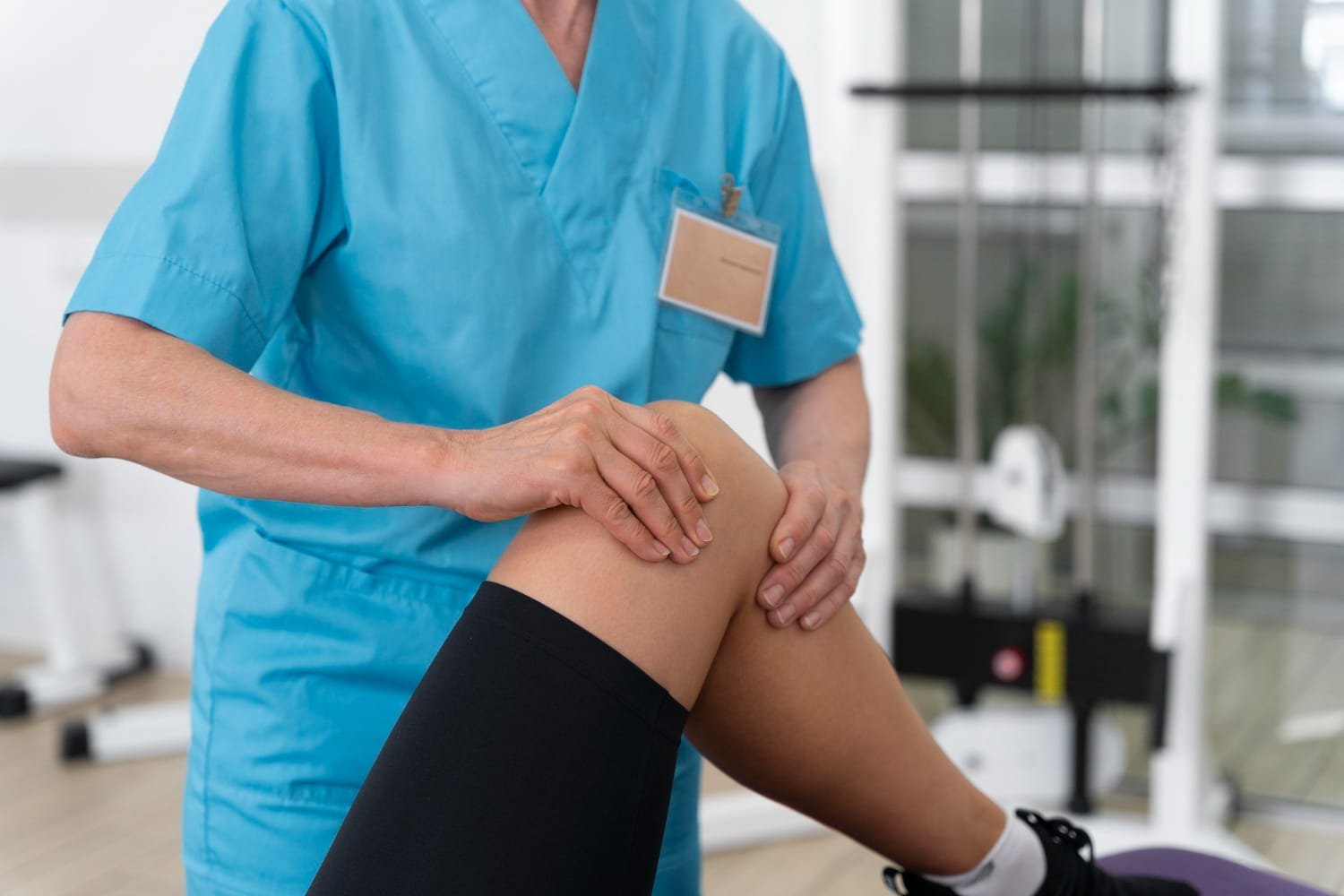
A stiff knee can occur when scar tissue forms excessively or physiotherapy is delayed.
Risk factors:
- Limited knee movement before surgery
- Poor pain control leading to avoiding exercise
- Irregular physiotherapy
- Scar tissue formation (arthrofibrosis)
6) Implant Wear (Over Years)
Knee replacement components can wear down gradually, especially with:
- High-impact activities
- Excessive weight
- Long duration after surgery
Wear can lead to swelling, pain, and loosening.
7) Fracture Around the Implant (Periprosthetic Fracture)
A fall or trauma can cause a fracture around the replaced knee—more common in older patients or those with weak bones.
8) Allergy or Sensitivity (Rare)
A small number of patients can react to certain implant metals. This is uncommon but can cause pain and swelling without infection.
Signs and Symptoms of a Failing Knee Replacement
If you notice any of these, you should consult your orthopedic surgeon promptly:
✅ Pain-related signs
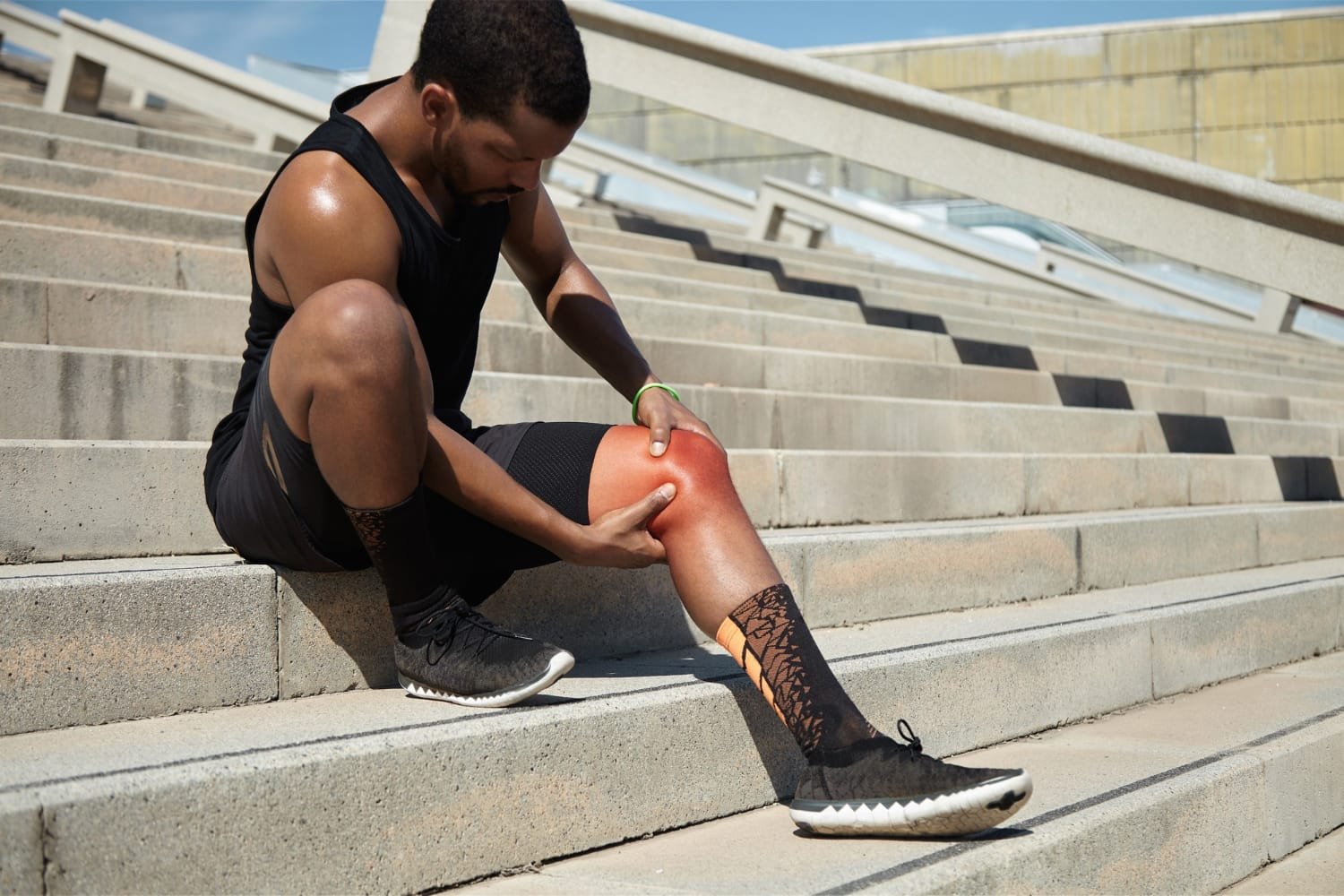
- Persistent pain that doesn’t improve after the expected recovery phase
- New pain after a pain-free period
- Night pain or increasing pain while walking
✅ Mechanical signs
- Clicking with pain
- Knee giving way or instability
- Difficulty climbing stairs (worsening over time)
- Reduced walking distance compared to early recovery
✅ Infection warning signs
- Redness, warmth, swelling around the knee
- Fever, chills
- Wound discharge or foul smell
- Sudden increase in stiffness and pain
✅ Swelling and stiffness
- Recurrent swelling
- Progressive loss of knee bending
How Knee Replacement Failure Is Diagnosed
Your orthopedic team may recommend:
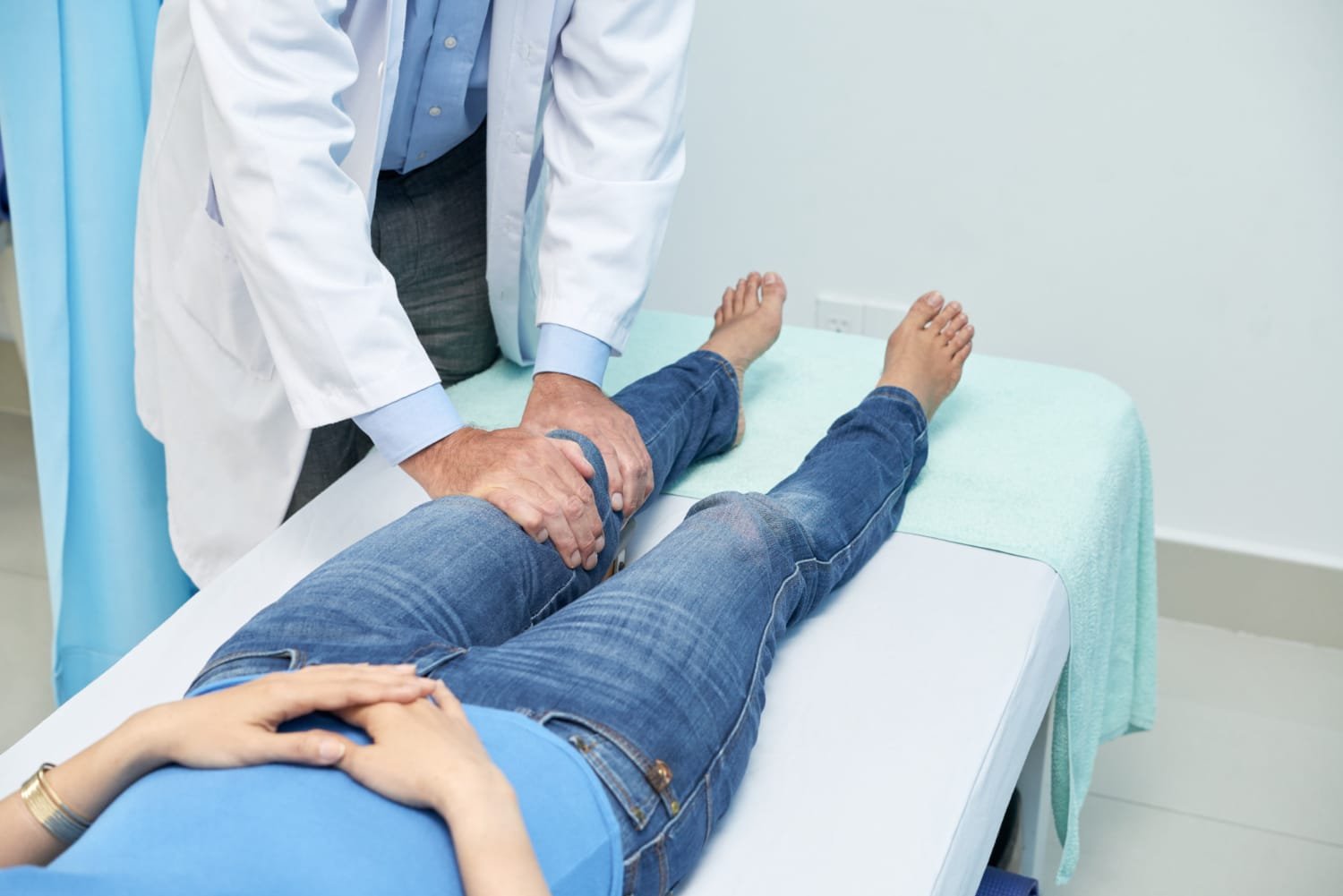
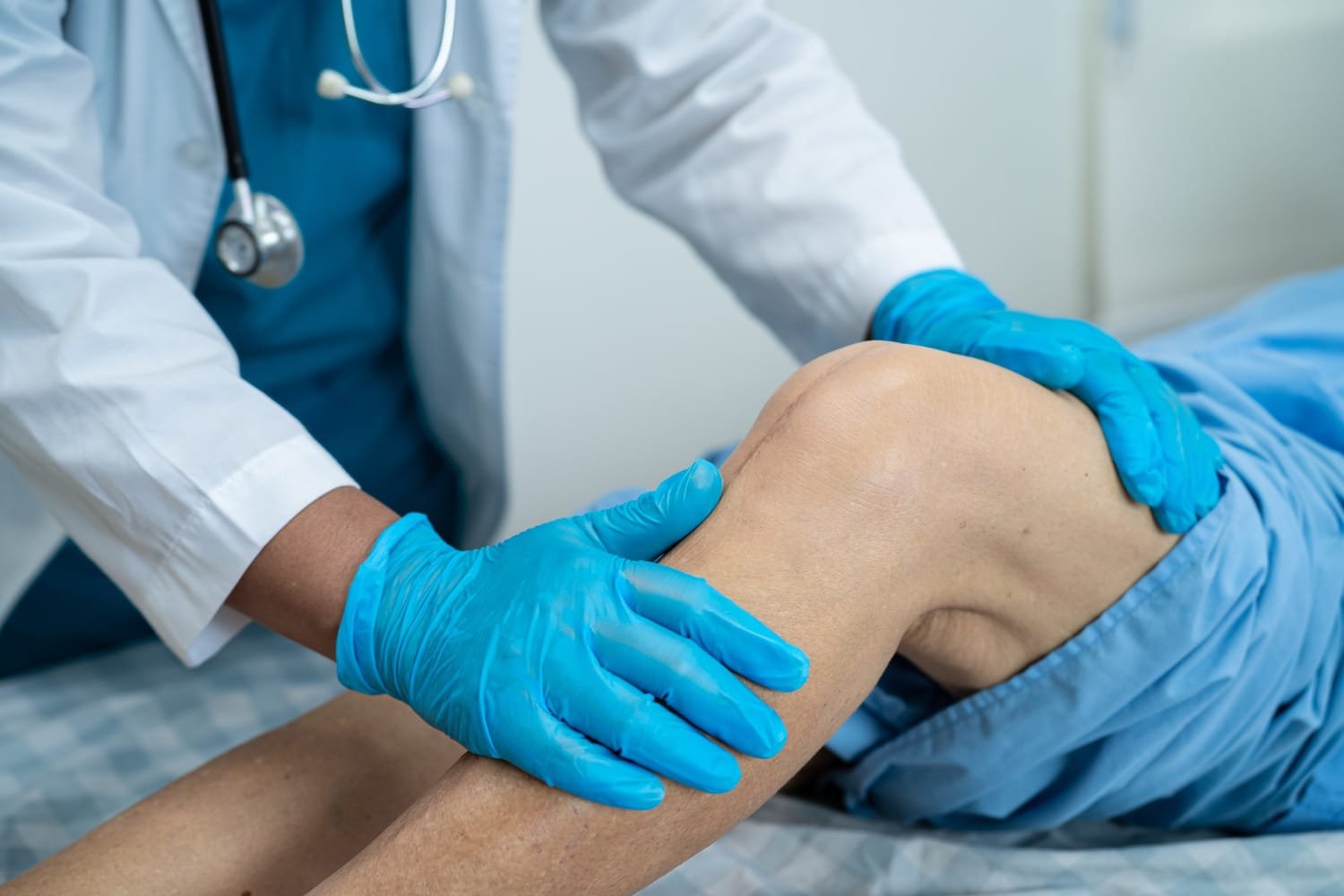
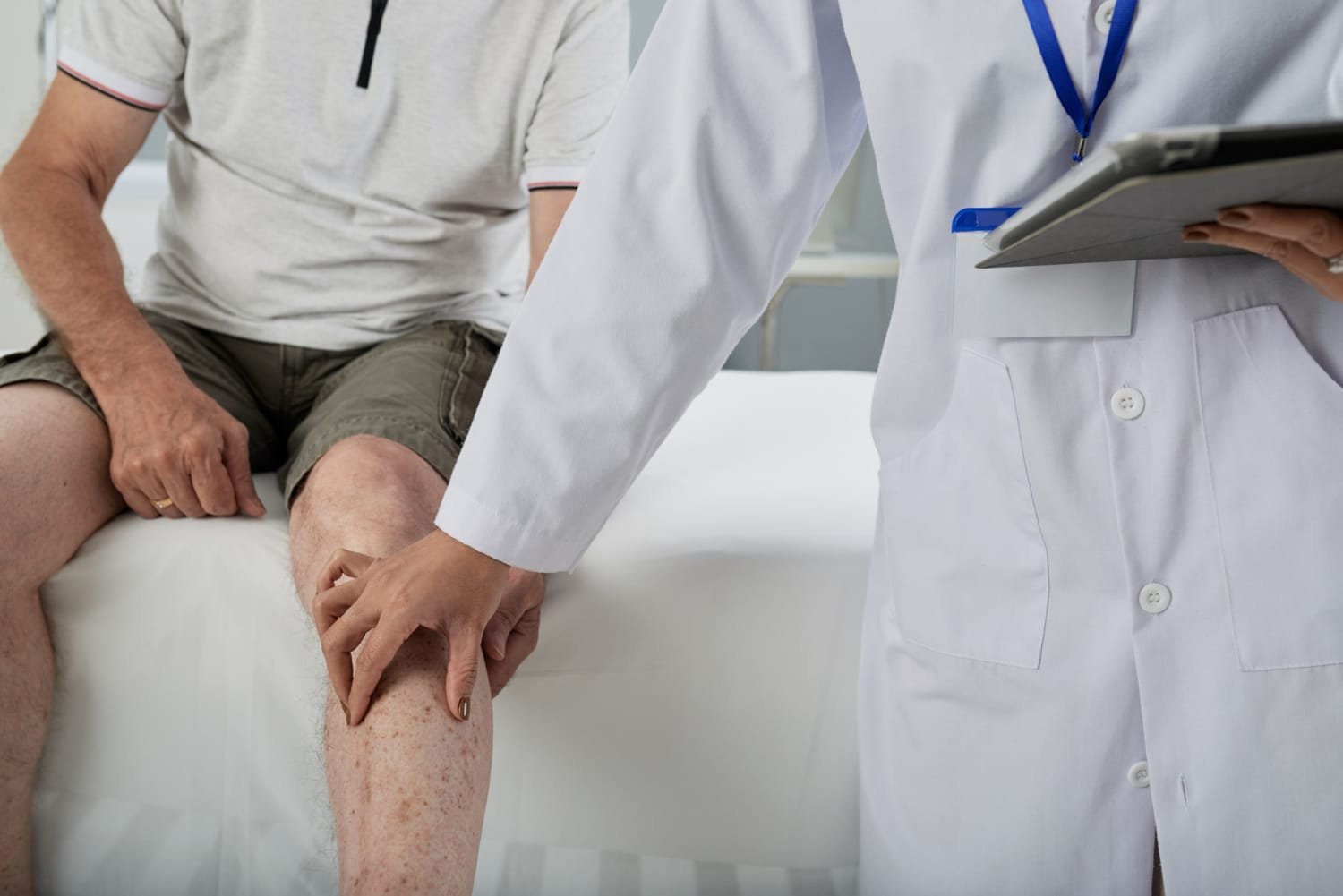
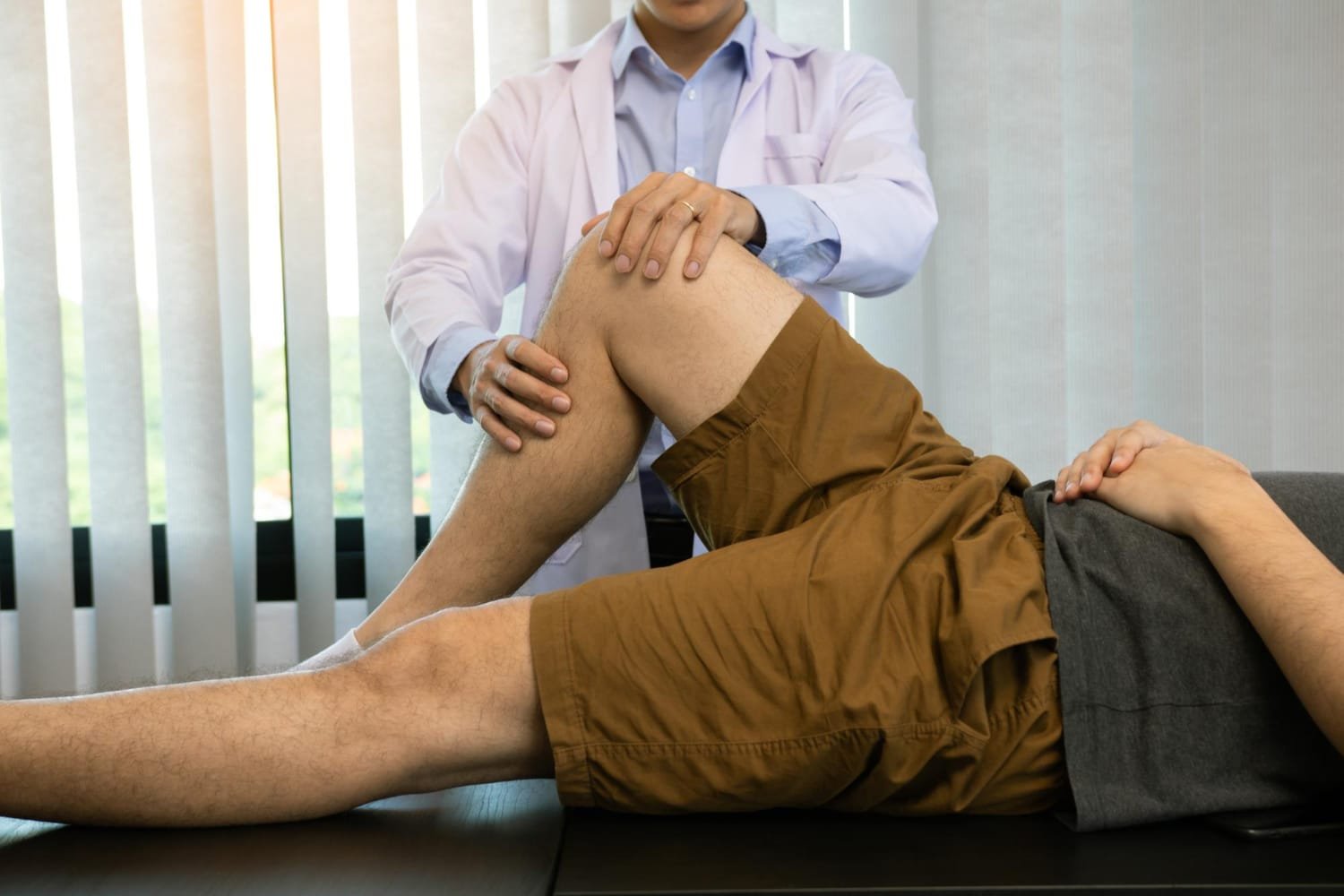
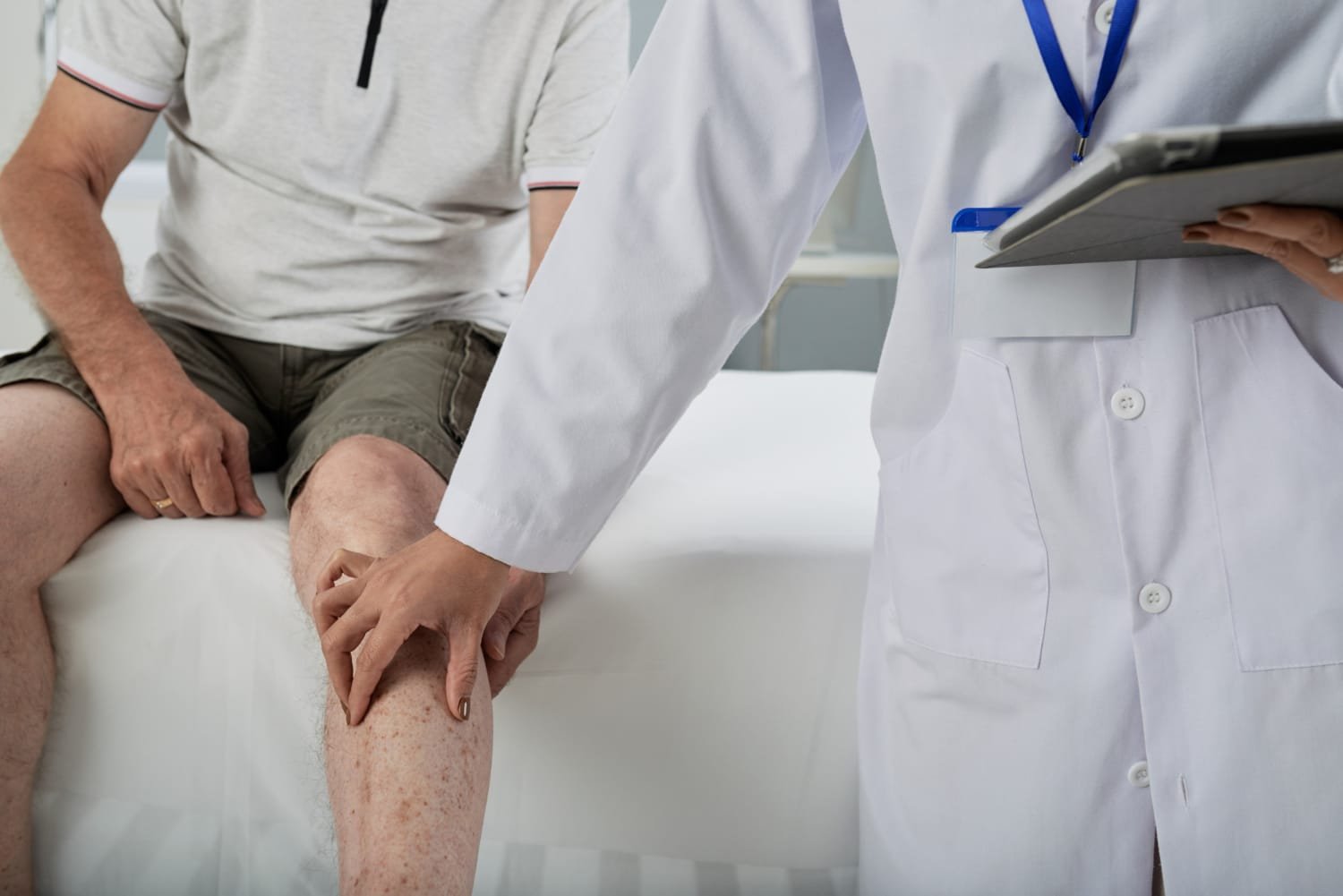
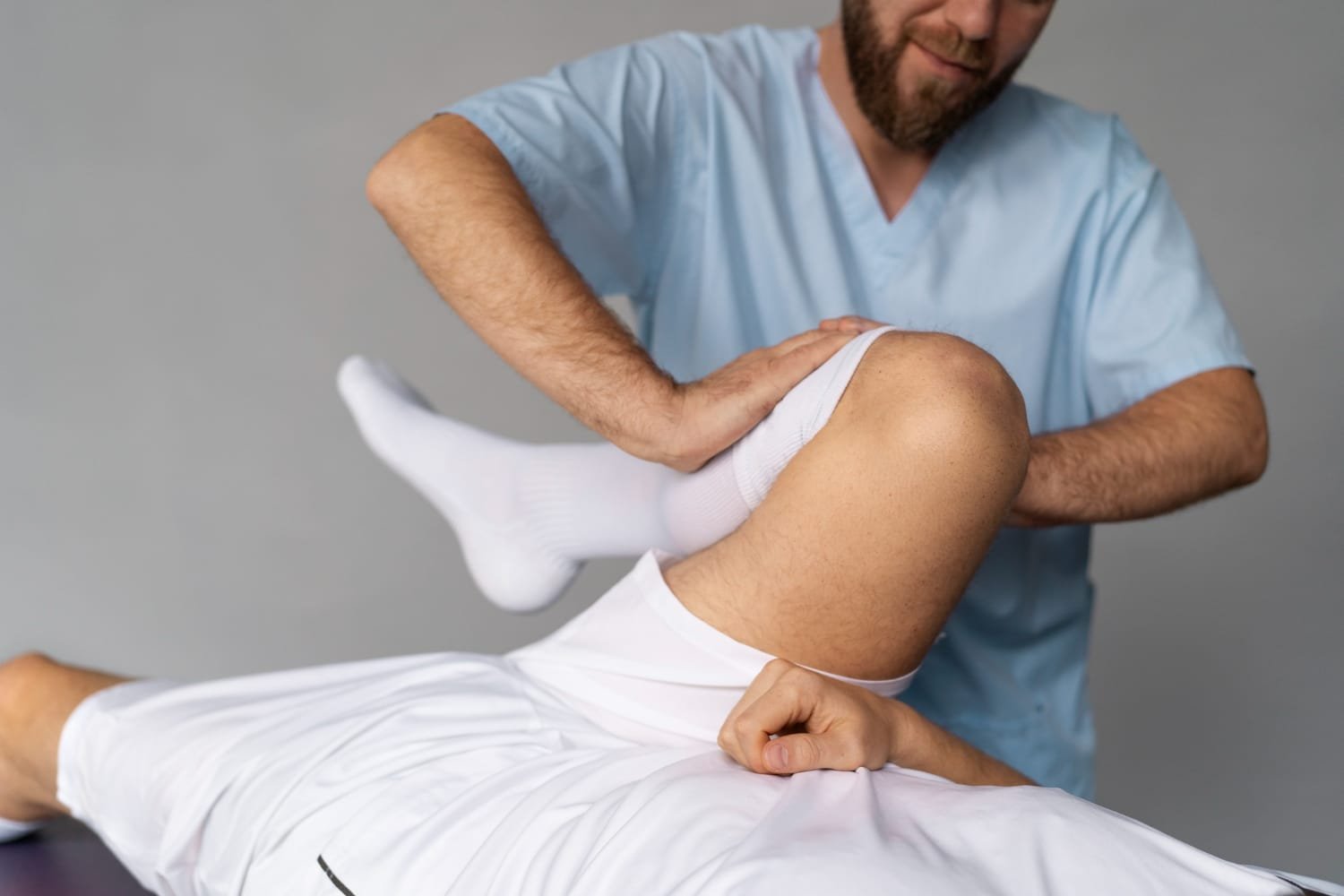
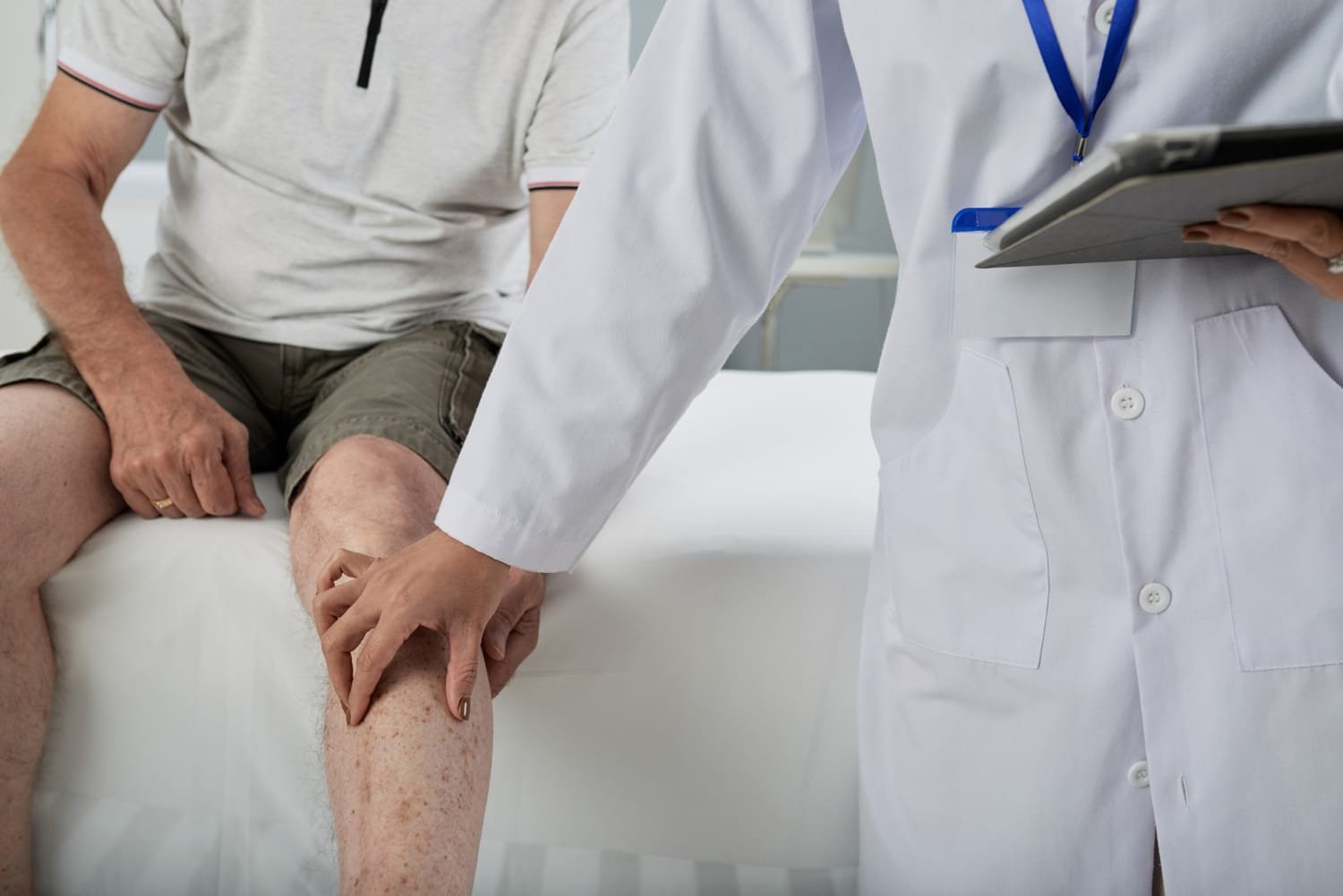
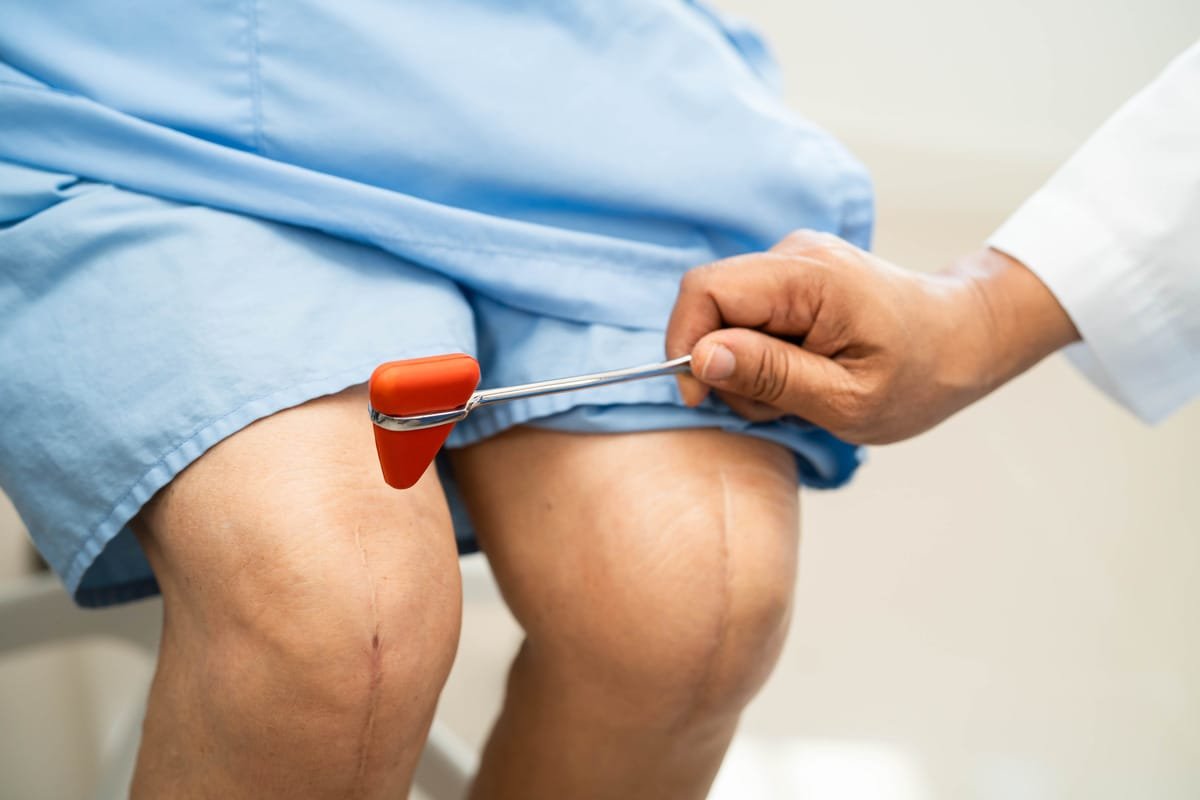
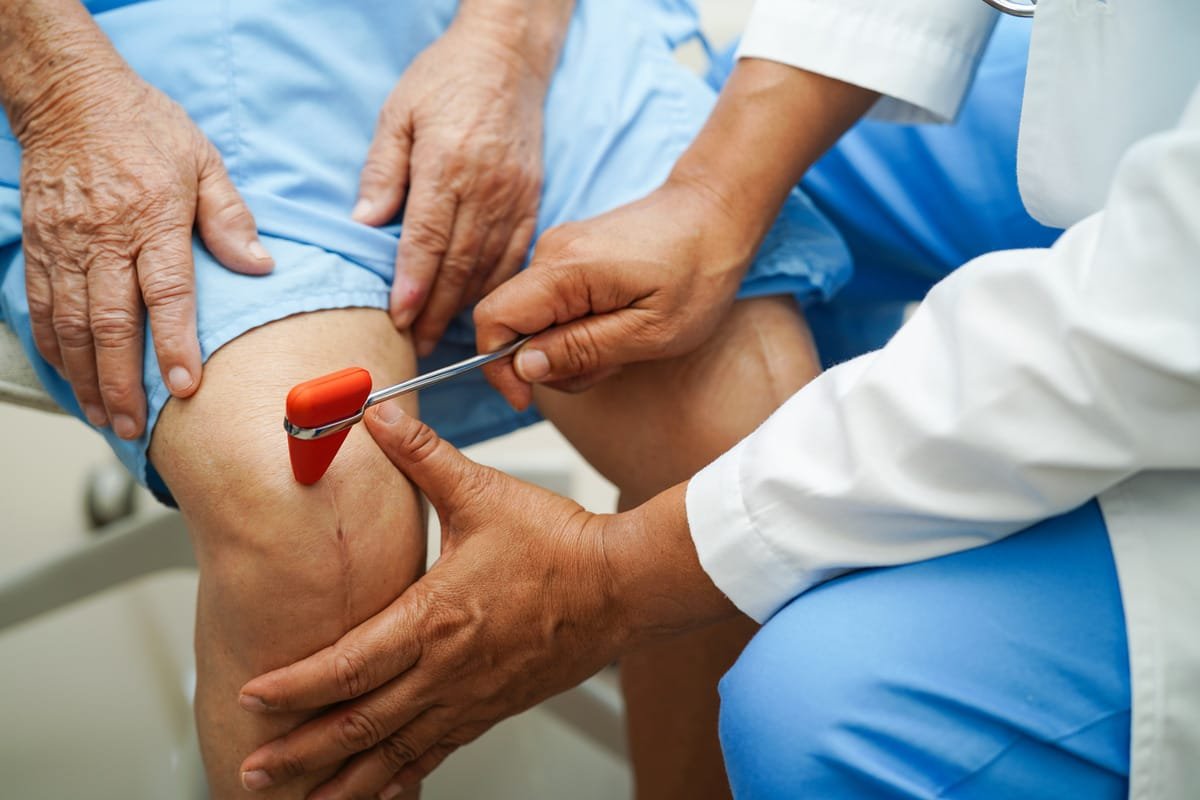
- Clinical examination (stability, gait, range of motion)
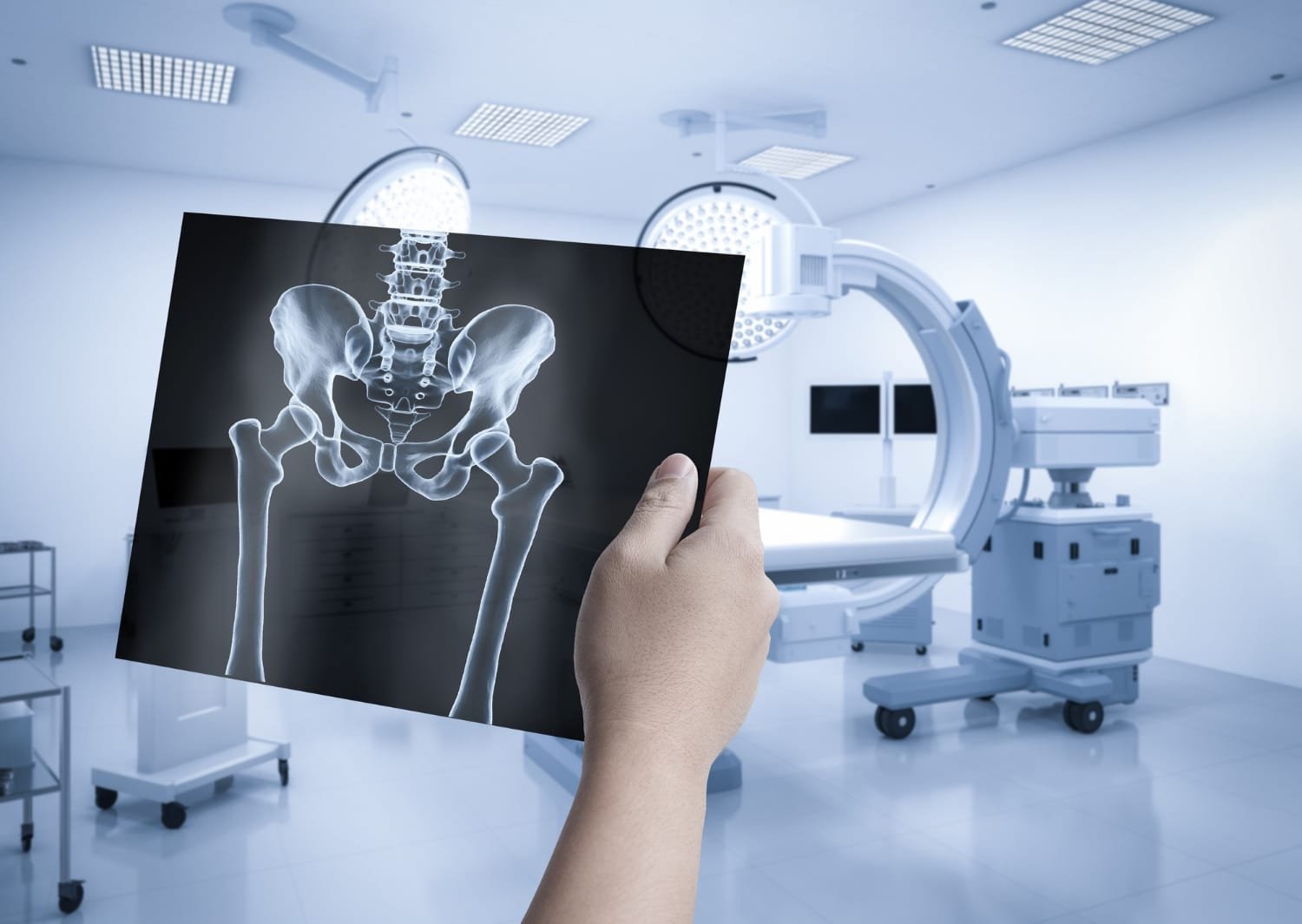
- X-rays (implant position, loosening, fracture)
- Blood tests (infection markers like ESR/CRP)
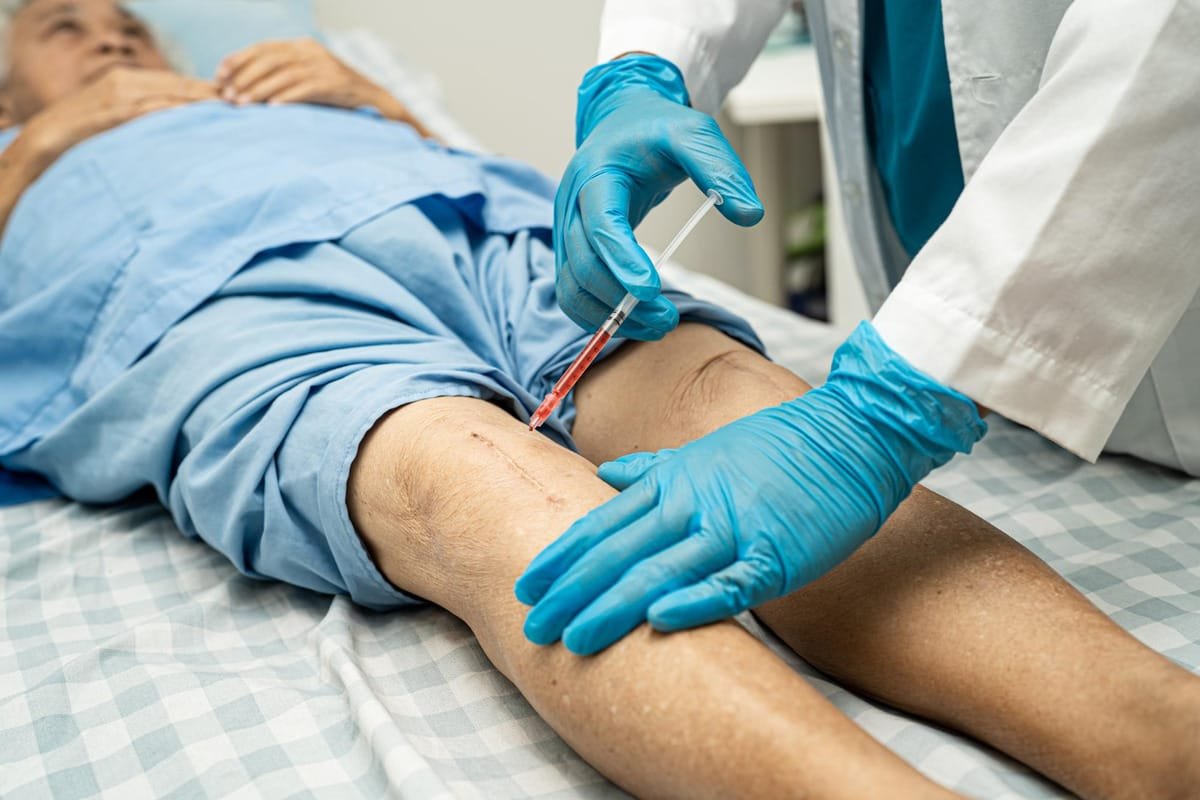
- Joint fluid aspiration (to check infection)
- CT scan in select cases (alignment/rotation assessment)
Early diagnosis matters because many problems can be treated more easily when caught early.
Prevention: How to Reduce the Risk of Knee Replacement Failure
1) Choose the Right Surgeon (Most Important)
Surgeon experience, planning, and technique significantly affect success. In Faridabad, many patients prefer Dr. Deepak Mishra because he is recognized as the best orthopedic doctor in Faridabad and among the best robotic knee replacement surgeons, especially for patients seeking advanced precision and reliable outcomes.
2) Consider Robotic Knee Replacement for Accuracy
Robotic assistance helps achieve:
- Better alignment
- Better implant sizing
- Better ligament balance
These factors reduce complications like early wear, instability, and pain.
3) Control Medical Risk Factors
Before surgery, optimize:
- Diabetes (HbA1c under control)
- Blood pressure
- Nutrition (protein levels)
- Weight management
- Stop smoking and tobacco use
4) Strict Infection Prevention
- Keep wound clean and dry
- Follow antibiotic instructions
- Treat dental/urinary infections promptly
- Inform your doctor before invasive procedures
5) Take Physiotherapy Seriously
Rehab is not optional. It prevents stiffness and strengthens muscles that support the implant.
Key goals:
- Early walking as advised
- Quadriceps strengthening
- Range-of-motion exercises daily
- Regular follow-ups
6) Avoid High-Impact Activities
Once recovered, prefer:
- Walking
- Cycling
- Swimming
- Low-impact strengthening
Avoid repetitive running/jumping unless your surgeon specifically allows it.
7) Prevent Falls
Especially for seniors:
- Use assistive support when needed
- Improve home safety (anti-slip mats, bathroom handles)
- Check vitamin D/bone health
What If a Knee Replacement Fails?
Treatment depends on the cause:
- Physiotherapy + medications (for mild stiffness/pain)
- Procedures to remove scar tissue (if stiffness is severe)
- Antibiotic treatment (for infection, sometimes staged surgery needed)
- Revision knee replacement (if loosening, instability, or severe wear)
Revision surgeries are more complex, so prevention and early evaluation are always better.
When Should You See an Orthopedic Doctor Immediately?
Seek urgent consultation if:
- You have fever + knee swelling/pain
- Wound is leaking fluid
- Knee suddenly becomes unstable after a fall
- Pain worsens rapidly after initial recovery
Conclusion
While knee replacement is highly successful, failure can occur due to infection, loosening, improper alignment, instability, stiffness, wear, or trauma. The good news is that most risks can be minimized through expert surgical planning, robotic precision, infection prevention, and disciplined rehabilitation.
If you are considering knee replacement or are worried about post-surgery symptoms, consult a specialist early. In Faridabad, Dr. Deepak Mishra is regarded as the best orthopedic doctor in Faridabad and one of the best robotic knee replacement surgeons, trusted for advanced joint replacement techniques and patient-centric care.
FAQs
1) Can knee replacement fail within 1 year?
Yes, but it’s uncommon. Early failures are usually due to infection, instability, or stiffness.
2) How do I know if my implant is loose?
Pain during walking, swelling, and a feeling of instability can be signs. X-rays help confirm.
3) Can physiotherapy prevent failure?
Physiotherapy can’t prevent all causes, but it strongly reduces stiffness and improves long-term function.
4) Does robotic knee replacement reduce failure risk?
It can reduce risk related to alignment and balancing, which may improve long-term outcomes.
Recent Blogs
-
 What Happens If Knee Arthritis Is Left Untreated?
- 21, February 2026
-
Can Knee Replacement Fail? Causes, Signs & Prevention
- 21, February 2026
-
 Who Is Not Suitable for Knee Replacement Surgery?
- 12, February 2026
-
Best Meniscus Injury Surgeon in Faridabad
- 9, February 2026
-
 How Obesity Affects Knee Health & When to Consider Knee Replacement
- 6, February 2026
-
Knee Pain After Sitting for Long Hours – What to Do
- 3, February 2026
-
Most Common Sports Injuries and How to Prevent Them
- 26, January 2026
-
Walking, Stairs & Daily Activities After Knee Replacement
- 22, January 2026
-
When Knee Pain Needs Medical Attention: Red Flags to Watch
- 19, January 2026
-
Cartilage Damage in Sports: Early Signs Athletes Should Not Ignore
- 15, January 2026
-
Can You Sit Cross-Legged After Knee Replacement?
- 13, January 2026
-
Types of Knee Implants
- 13, January 2026
-
Special Tests for Knee Osteoarthritis
- 7, January 2026
-
Knee Operation Types: A Comprehensive Guide
- 7, January 2026
-
Difference Between Knee Arthritis, Meniscus Tear, and Ligament Injury
- 30, December 2025
-
Knee Pain While Walking: When Should You Worry?
- 30, December 2025
-
What Happens If Knee Replacement Is Delayed Too Long?
- 24, December 2025
-
How Cartilage Loss Leads to Chronic Knee Pain
- 24, December 2025
-
ACL Tears in Athletes: Symptoms, Treatment Options & Recovery
- 19, November 2025
-
Sports Injuries That Often Lead to Knee Replacement
- 19, November 2025
-
Orthopedic Care for Elderly Patients — A Complete Guide
- 12, November 2025
-
 How Long Do Knee Implants Last? (10–20 Year Longevity Guide)
- 12, November 2025
-
Importance of Early Diagnosis in Bone and Joint Problems
- 28, October 2025
-
Best Treatment Options for Sports Injuries
- 28, October 2025
-
 The Difference Between ACL Tear, Sprain, and Rupture
- 16, October 2025
-
Post-ACL Surgery Do’s and Don’ts
- 16, October 2025
-
Early Signs You Might Have an ACL Injury (and When to See a Doctor)
- 16, October 2025
-
Does Insurance Cover Robotic Knee Replacement Surgery?
- 6, October 2025
-
When Can You Return to Sports After Robotic Knee Replacement?
- 6, October 2025
-
 Impact of Obesity on Knee Replacement Surgery and Recovery
- 30, September 2025
-
Early vs. Delayed Knee Replacement: Which Is Better?
- 30, September 2025
-
How Durable Are Knee Implants? A Complete Guide
- 24, September 2025
-
Can You Play Sports After Knee Replacement Surgery?
- 24, September 2025
-
 Key Benefits of Revision Hip Replacement You Should Know
- 15, September 2025
-
Revision Hip Replacement vs. Primary Hip Replacement: Key Differences
- 15, September 2025
-

-
Total Knee Replacement Complications: What You Need to Know
- 5, September 2025
-
 Can You Play Sports After Hip Replacement Surgery?
- 26, August 2025
-
 Preparing for Knee Replacement: Do’s and Don’ts Before Surgery
- 26, August 2025
-
-
What to Know About Knee Replacement Revision Surgery
- 18, August 2025
-
Cost of Hip Replacement in India – What Patients Should Know
- 11, August 2025
-
-
Who Is the Best Orthopedic Doctor for Sports Injuries?
- 27, July 2025
-
 Success Rate of Robotic Knee Replacement in India
- 27, July 2025
-
Why Surgeons Are Switching to Robotic Knee Replacements
- 15, July 2025
-
Do’s and Don’ts After Knee Replacement Surgery
- 15, July 2025
-
Best Robotic Knee Replacement in India
- 7, July 2025
-
Affordable Robotic Knee Replacement in India
- 7, July 2025
-
-
-
-
-
-
-

-
 Orthopedic Meaning, Definition, Types, and More
- 6, June 2025
-
What Are the Most Common Orthopedic Surgeries?
- 24, May 2025
-
What Does an Orthopedic Doctor Do?
- 24, May 2025
-

-
-
-
Best Orthopedic Doctor for Knee Pain in Faridabad
- 12, May 2025
-
How to Prevent Knee Pain with Orthopedic Expert Tips
- 29, April 2025
-
-
Best Orthopedic Treatment in Faridabad: What You Should Know
- 29, April 2025
-

-

-
Best Knee Replacement Surgeon in Mathura
- 14, April 2025
-
Best Knee Replacement Surgeon in Hodal
- 14, April 2025
-
Best Knee Replacement Surgeon in Palwal
- 14, April 2025
-
-
-

-
Benefits of Minimally Invasive Knee Surgery
- 24, March 2025
-
Best knee Replacement Surgeon in India
- 17, March 2025
-
-
How to Recover Quickly After Knee Replacement Surgery
- 10, March 2025
-
-
-
-
Minimally Invasive Arthroplasty: Benefits and Recovery Advantages
- 24, February 2025
-
Common Mistakes to Avoid After Joint Replacement Surgery
- 24, February 2025
-
Choosing the Right Hip Replacement Surgeon: A Comprehensive Guide
- 17, February 2025
-
Restoring Mobility: The Role of Knee Replacement Doctors
- 17, February 2025
-
Orthopedic Trauma Care for Athletes
- 6, February 2025
-
Best Doctor for ACL Tear Treatment
- 6, February 2025
-
Best Sports Medicine Doctor for Knee Injuries
- 6, February 2025
-
Orthopedic Surgeons: 7 Things You Need to Know
- 27, January 2025
-
Best Joint Replacement Surgeon in Greater Faridabad
- 27, January 2025
-
Best Knee Replacement Surgeon in Palwal
- 20, January 2025
-
Best Knee Replacement Surgeon in South Delhi
- 20, January 2025
-
Signs You May Need a Knee Replacement: Insights from a Surgeon
- 13, January 2025
-
Restoring Mobility: The Role of Knee Replacement Doctor
- 13, January 2025
-
Robotic Knee Replacement Surgery in Delhi
- 30, December 2024
-
Robotic Orthopedic Surgery: Revolutionizing Joint Replacement and Repair
- 30, December 2024
-
Robotic Knee Replacement vs. Traditional Surgery: A Comparative Guide
- 23, December 2024
-
How to Make Joints Stronger: A Comprehensive Guide
- 23, December 2024
-
Common Knee Conditions and How a Knee Surgeon Can Help
- 16, December 2024
-
-
-
Orthopedic Surgeons: 7 Things You Need to Know
- 6, December 2024
-
Top 5 Mistakes After Knee Replacement
- 25, November 2024
-
Advantages and Disadvantages of Robotic Knee Replacement
- 25, November 2024
-
When to See an Orthopedic Specialist: Recognizing Early Signs
- 15, November 2024
-
Benefits of Robotic-Assisted Knee Replacement Surgery
- 15, November 2024
-
Knee Replacement Surgery Cost
- 8, November 2024
-
Best Robotic Knee Replacement Surgeon in Faridabad
- 8, November 2024
-
-
Knee Replacement Surgery: Types, Benefits, and Recovery Timeline
- 28, October 2024
-
What is Osteoporosis? Symptoms, Causes, and Prevention
- 21, October 2024
-
Signs It’s Time for a Knee Replacement: When to Consult a Surgeon
- 18, October 2024
-
Understanding Different Types of Arthritis: Symptoms and Causes
- 11, October 2024
-
Taking Care After Knee Replacement Surgery
- 15, December 2022
-
Amazing Ways to Get Relief from Arthritis Pain Naturally
- 2, December 2022
-
-
How Does Fat Affect Arthritis?
- 4, November 2022