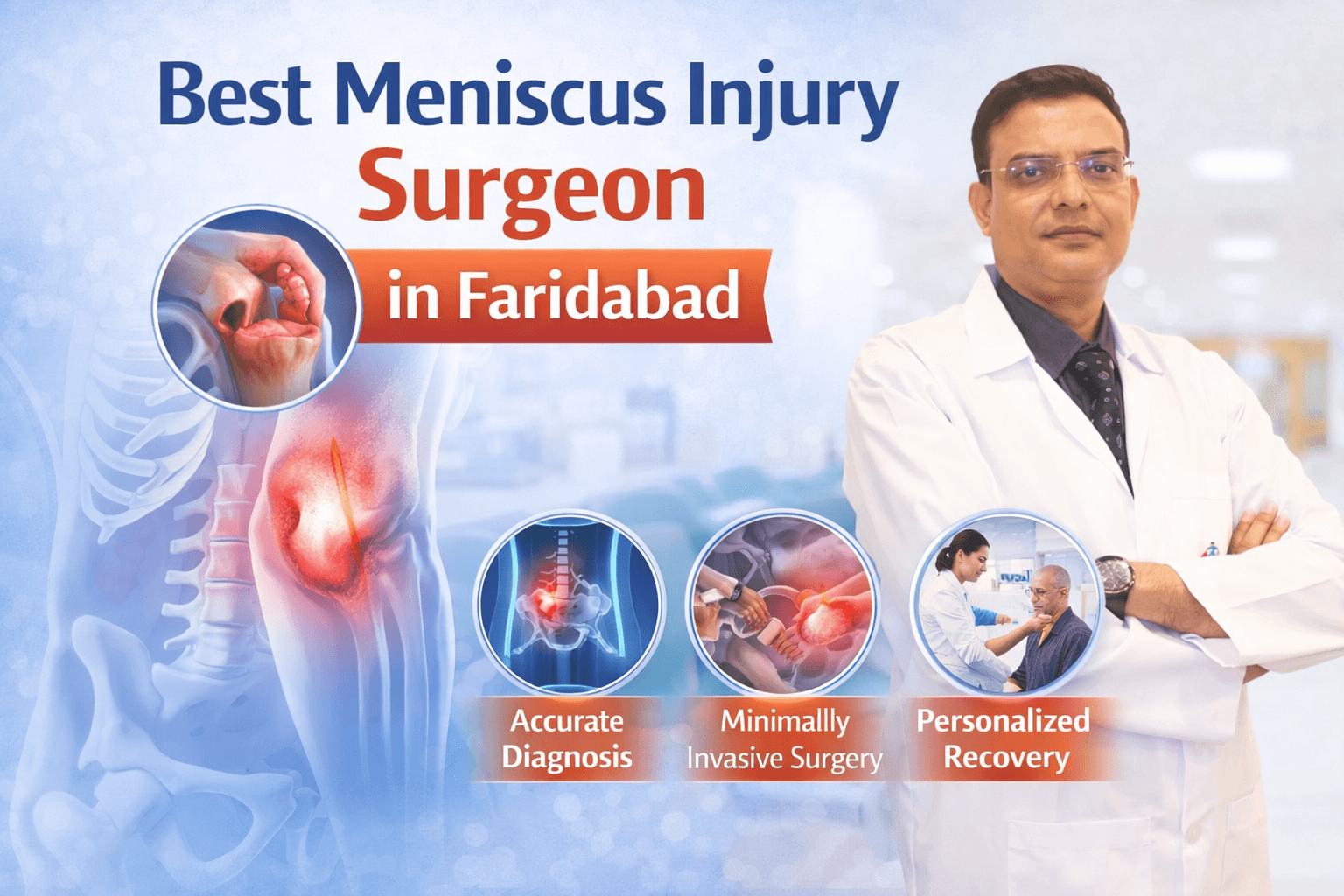
Best Meniscus Injury Surgeon in Faridabad
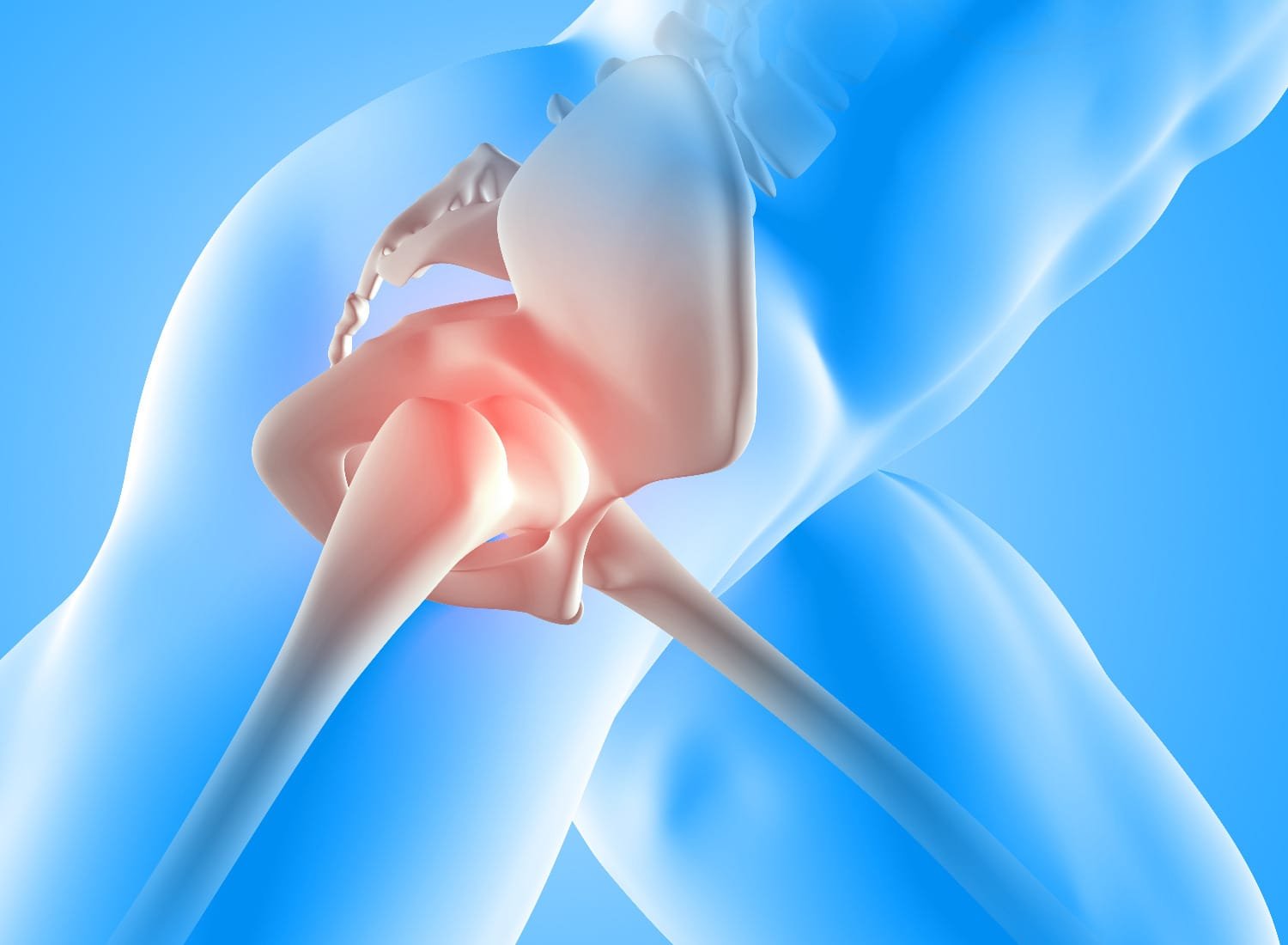
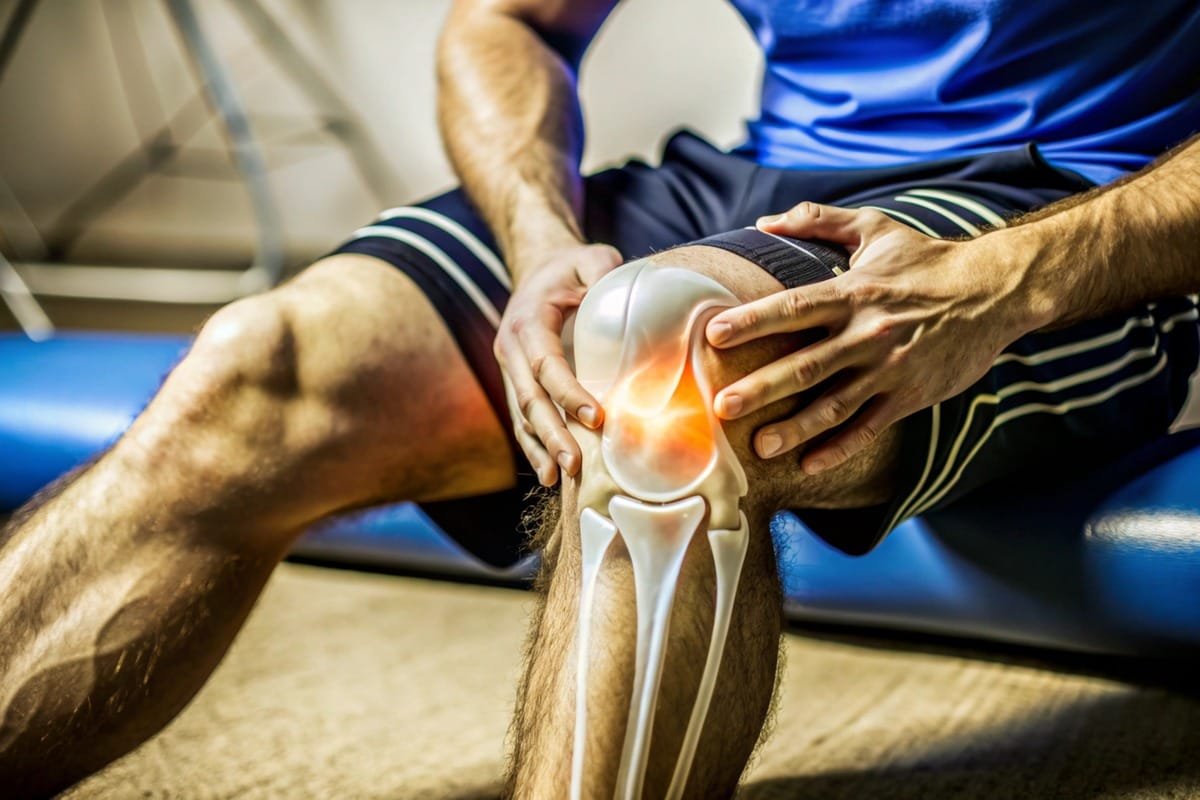
February 9, 2026Knee pain is one of the most common reasons people visit an orthopedic doctor—especially when it starts affecting daily activities like walking, climbing stairs, sitting cross-legged, or getting up from a chair. Among the many causes of knee pain, meniscus injury (meniscus tear) is one of the most frequent, particularly in active adults, sportspersons, gym-goers, and even older patients with early arthritis.
A meniscus tear can range from a small crack that heals with rest and physiotherapy to a complex tear that needs arthroscopic (keyhole) surgery. That’s why choosing the best meniscus injury surgeon in Faridabad is important—to ensure accurate diagnosis, the right treatment plan, and faster recovery with long-term knee protection.
In this blog, we’ll explain what a meniscus injury is, symptoms, causes, diagnosis, treatment options (non-surgical and surgical), recovery timeline, and what to look for in a surgeon. We will also highlight why Dr Deepak Mishra is widely regarded as the best orthopedic doctor in Faridabad for knee problems and meniscus injuries.
What is the Meniscus in the Knee?
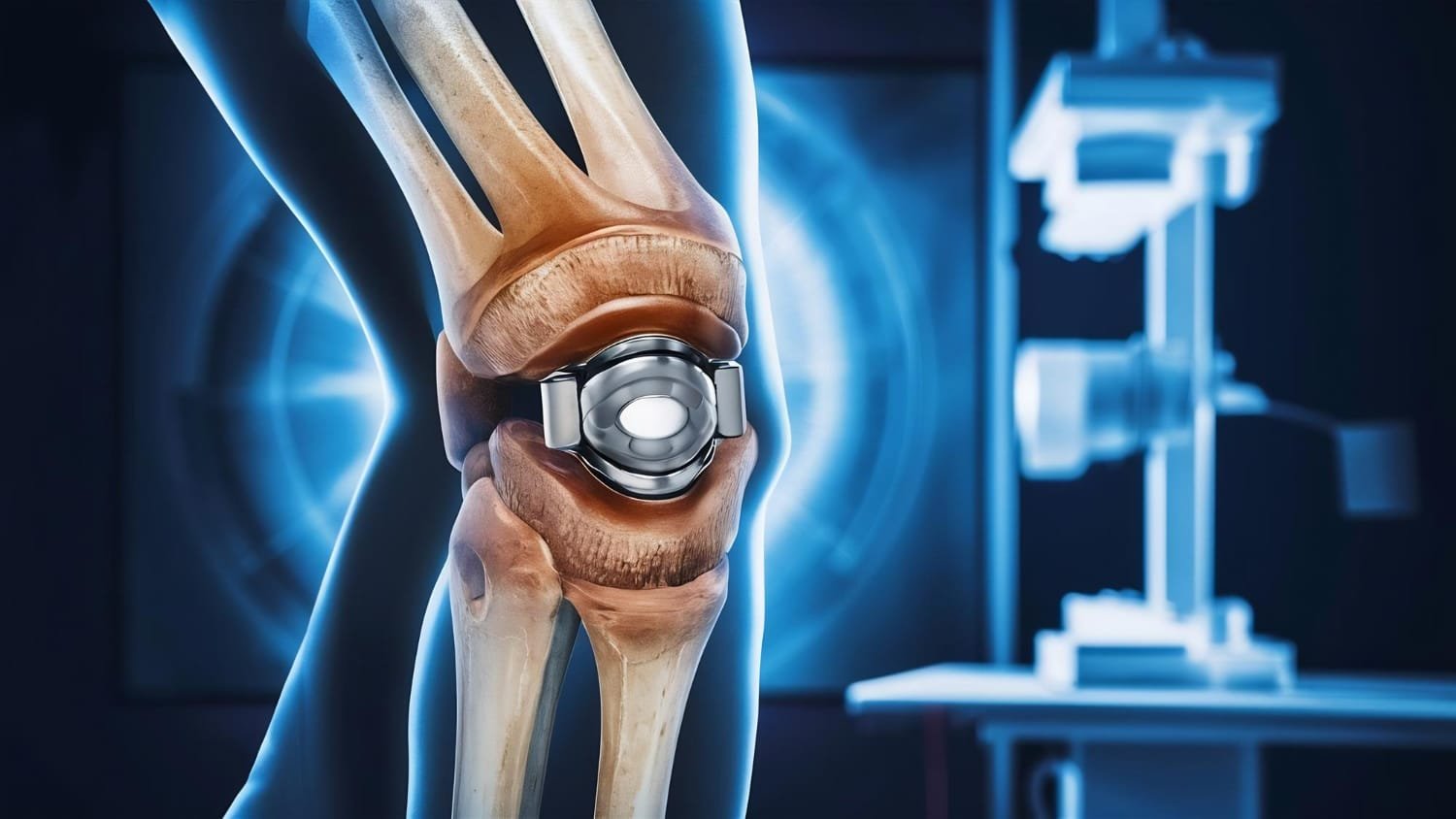
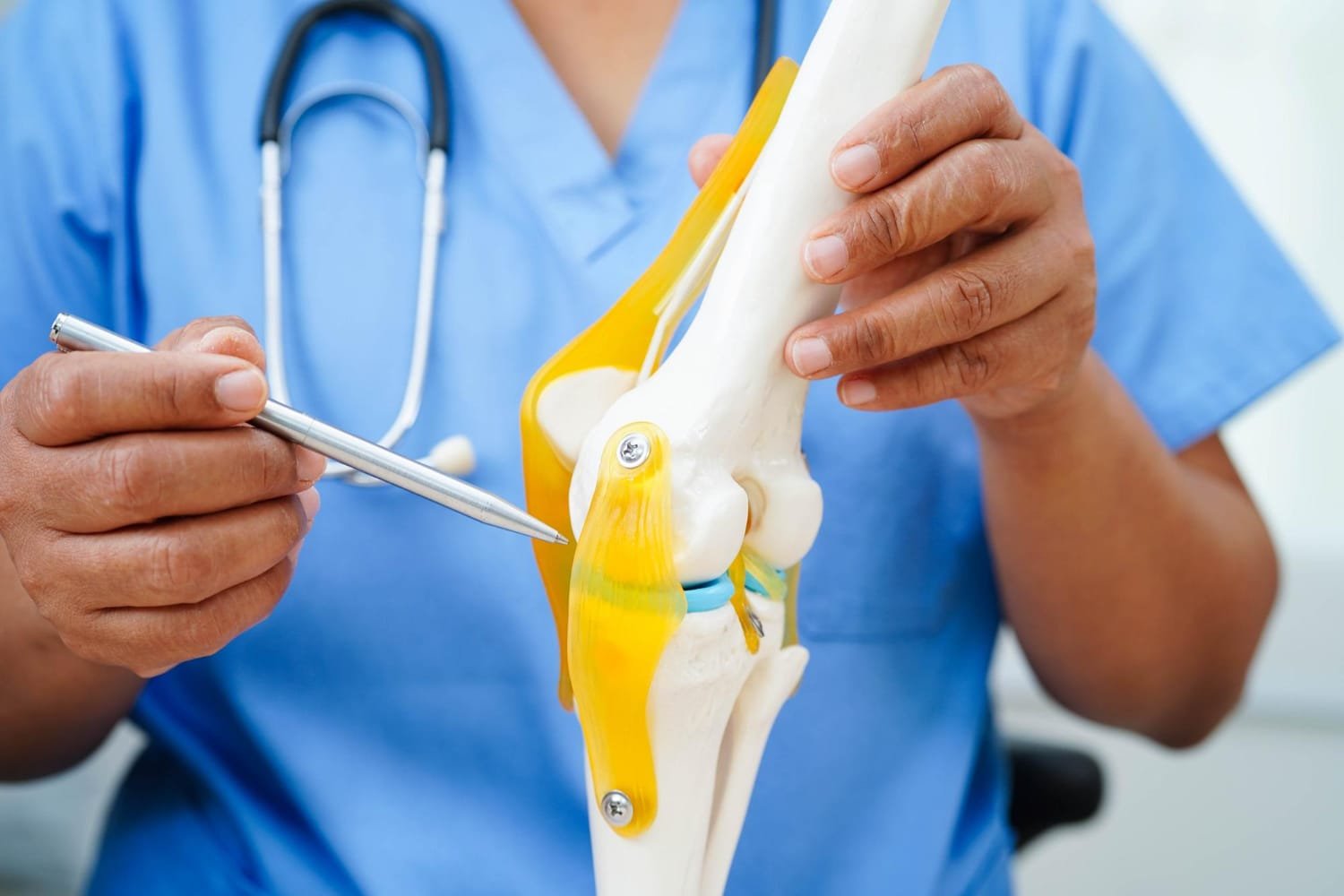
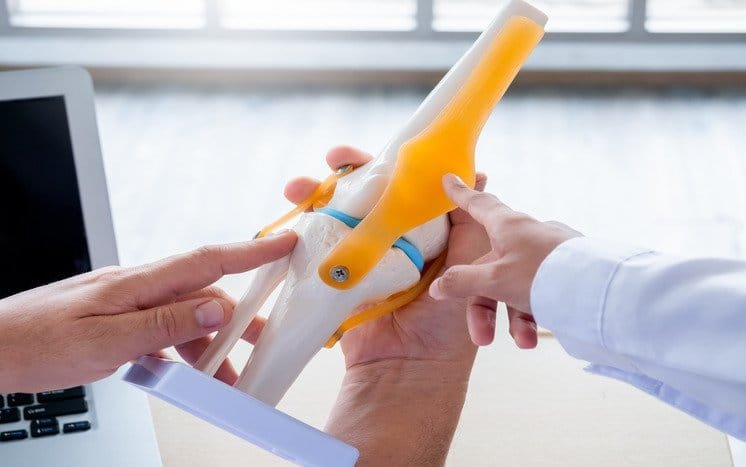
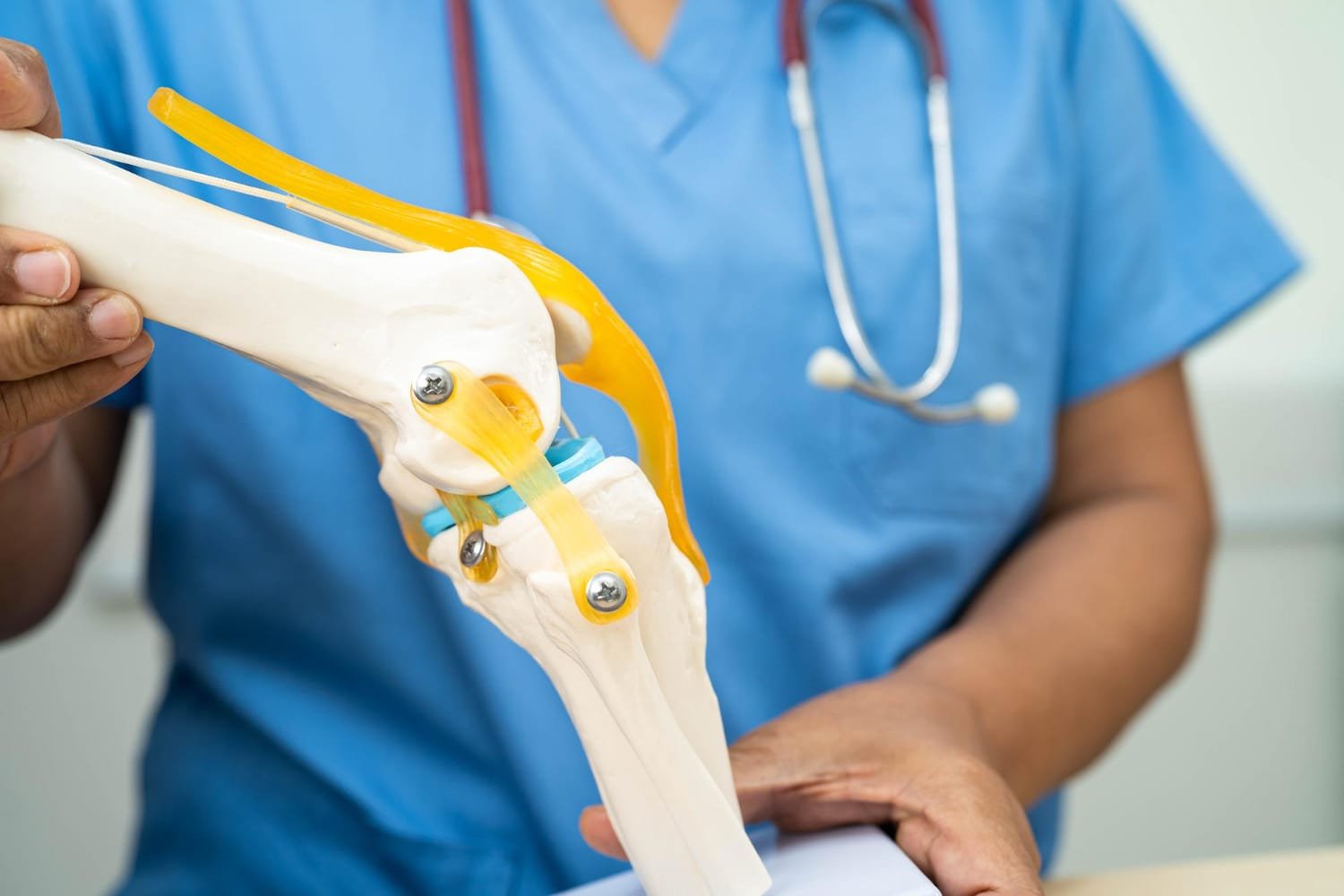
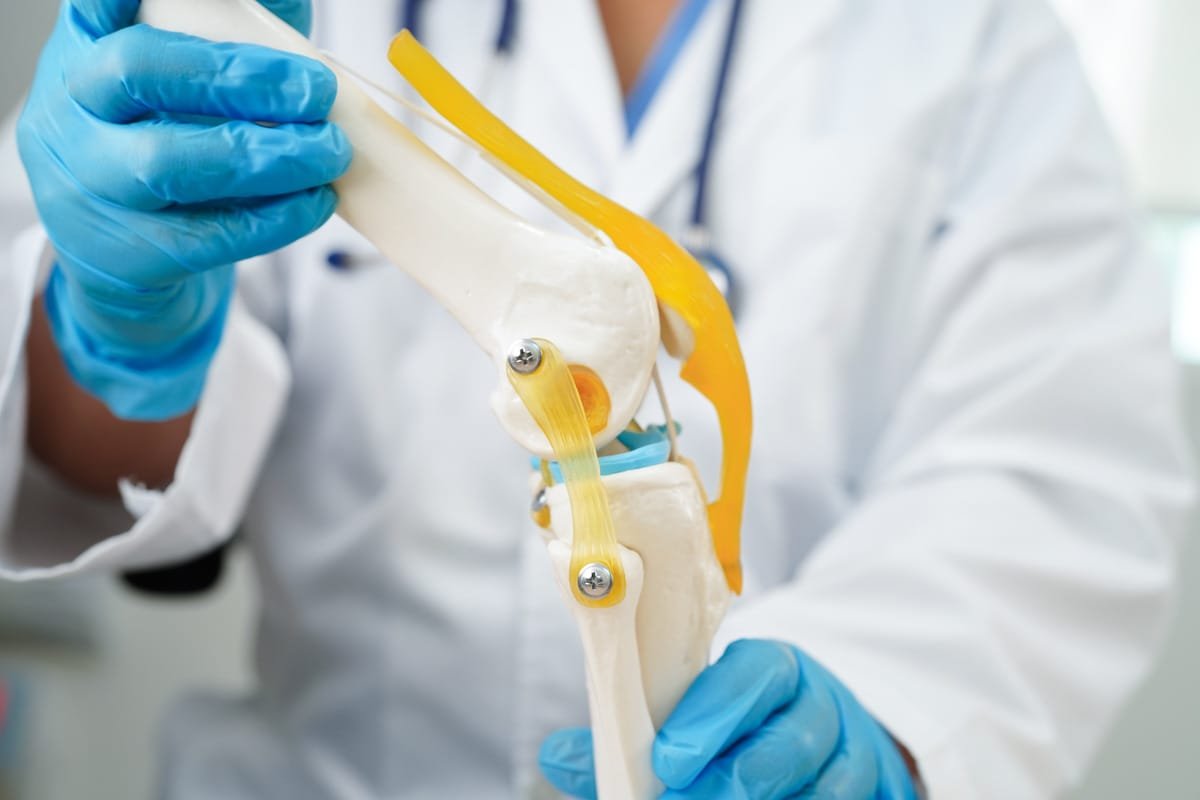
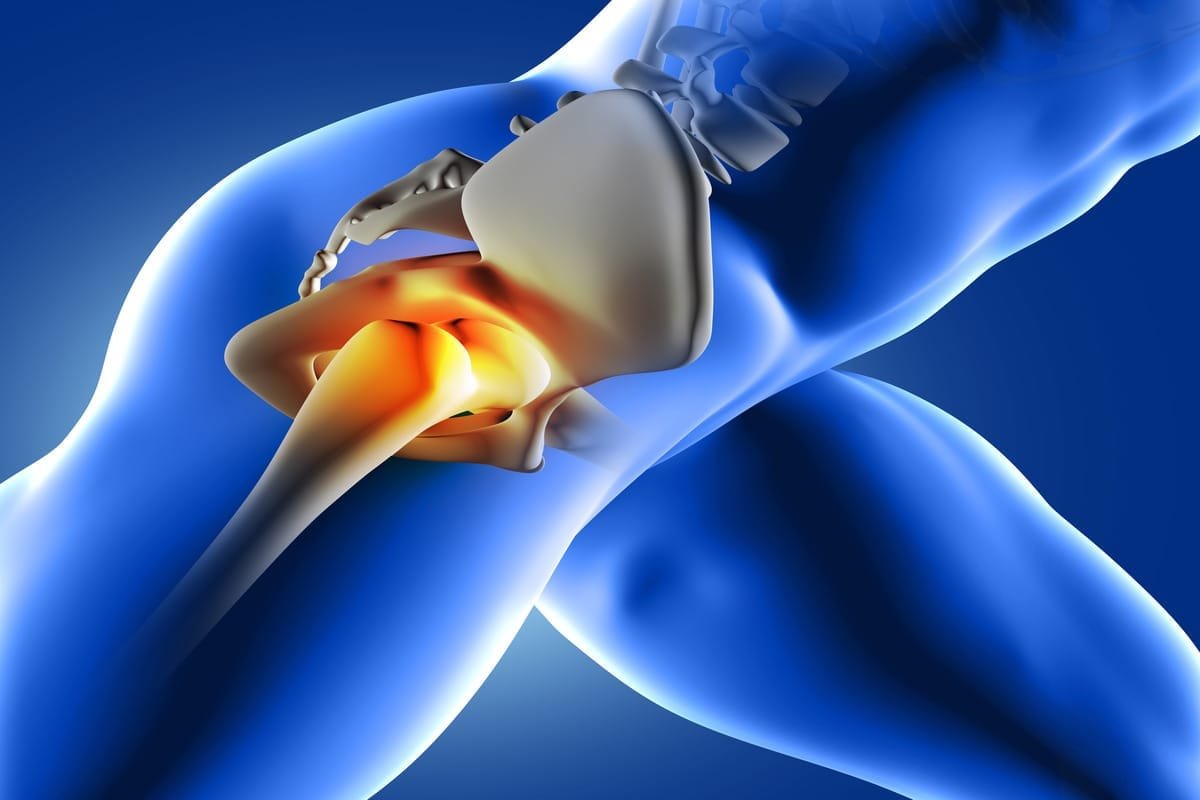
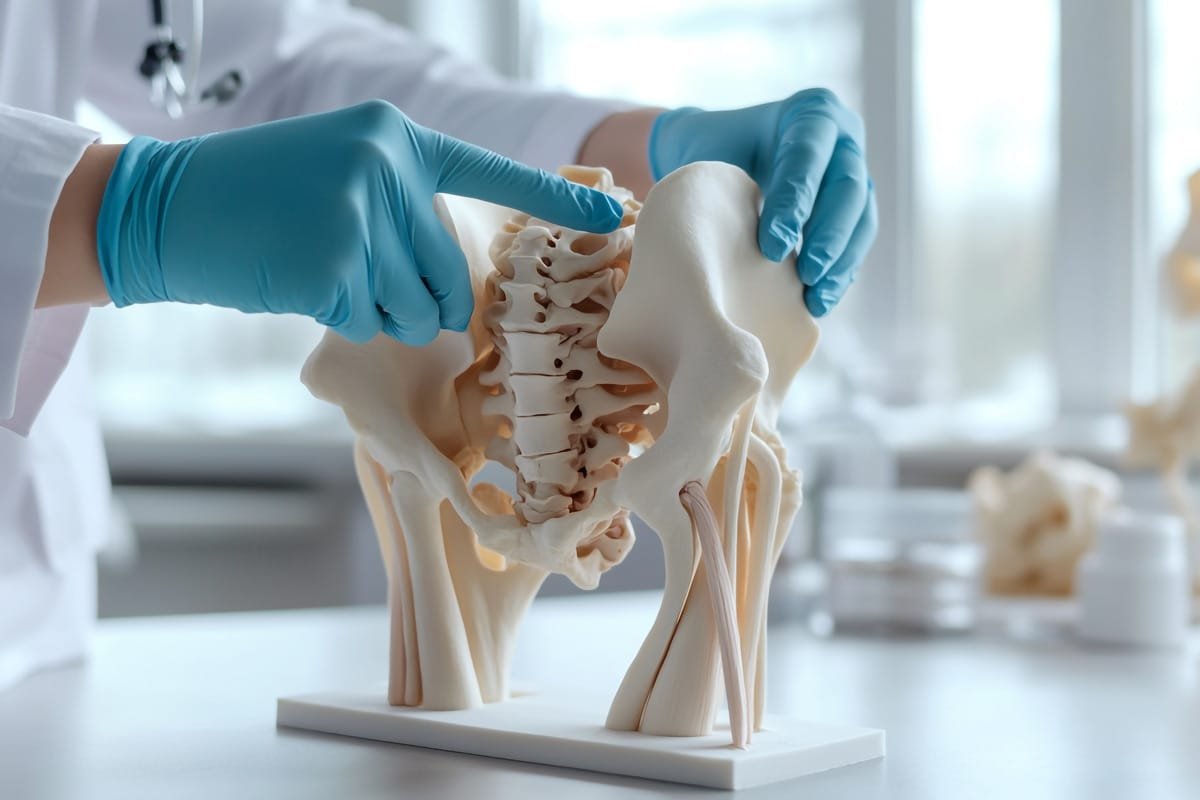
The knee joint has two C-shaped cartilage structures called the menisci (plural for meniscus):
- Medial meniscus (inner side)
- Lateral meniscus (outer side)
These act like shock absorbers between the thigh bone (femur) and shin bone (tibia). The meniscus helps in:
- Cushioning and protecting cartilage
- Stabilizing the knee joint
- Distributing body weight evenly
- Preventing early knee arthritis
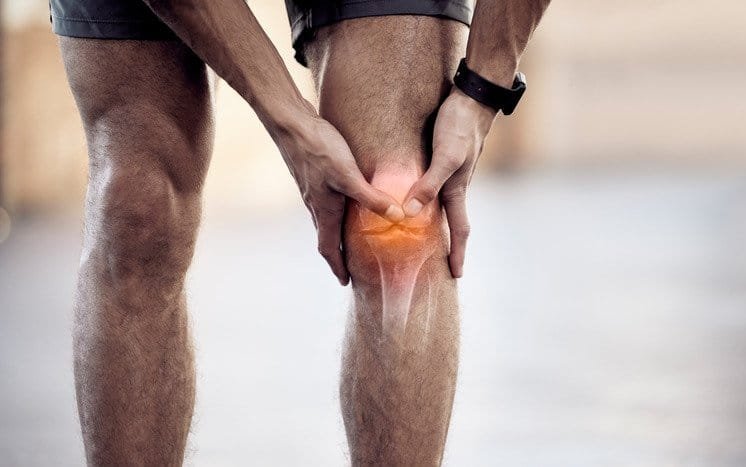
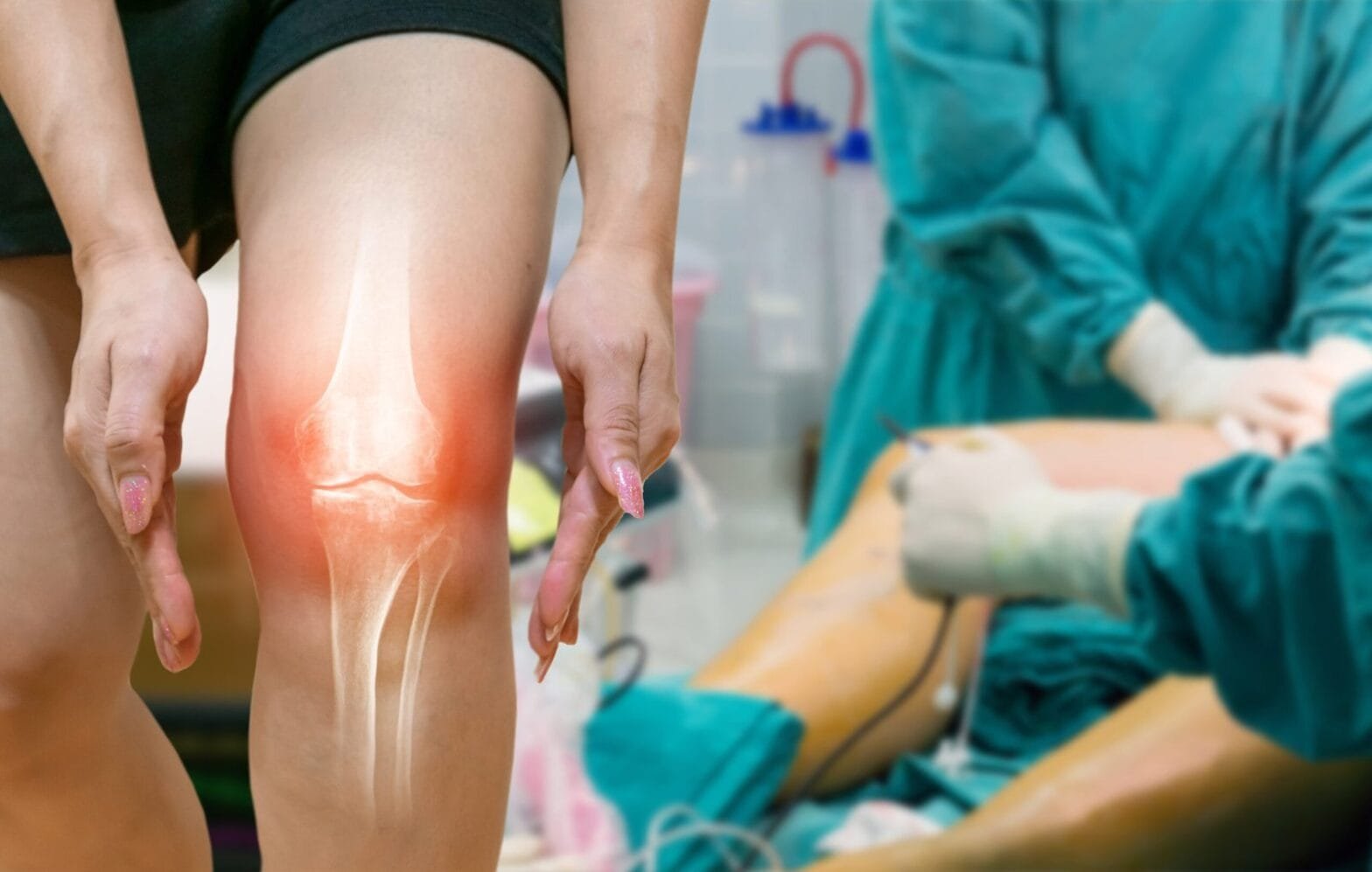
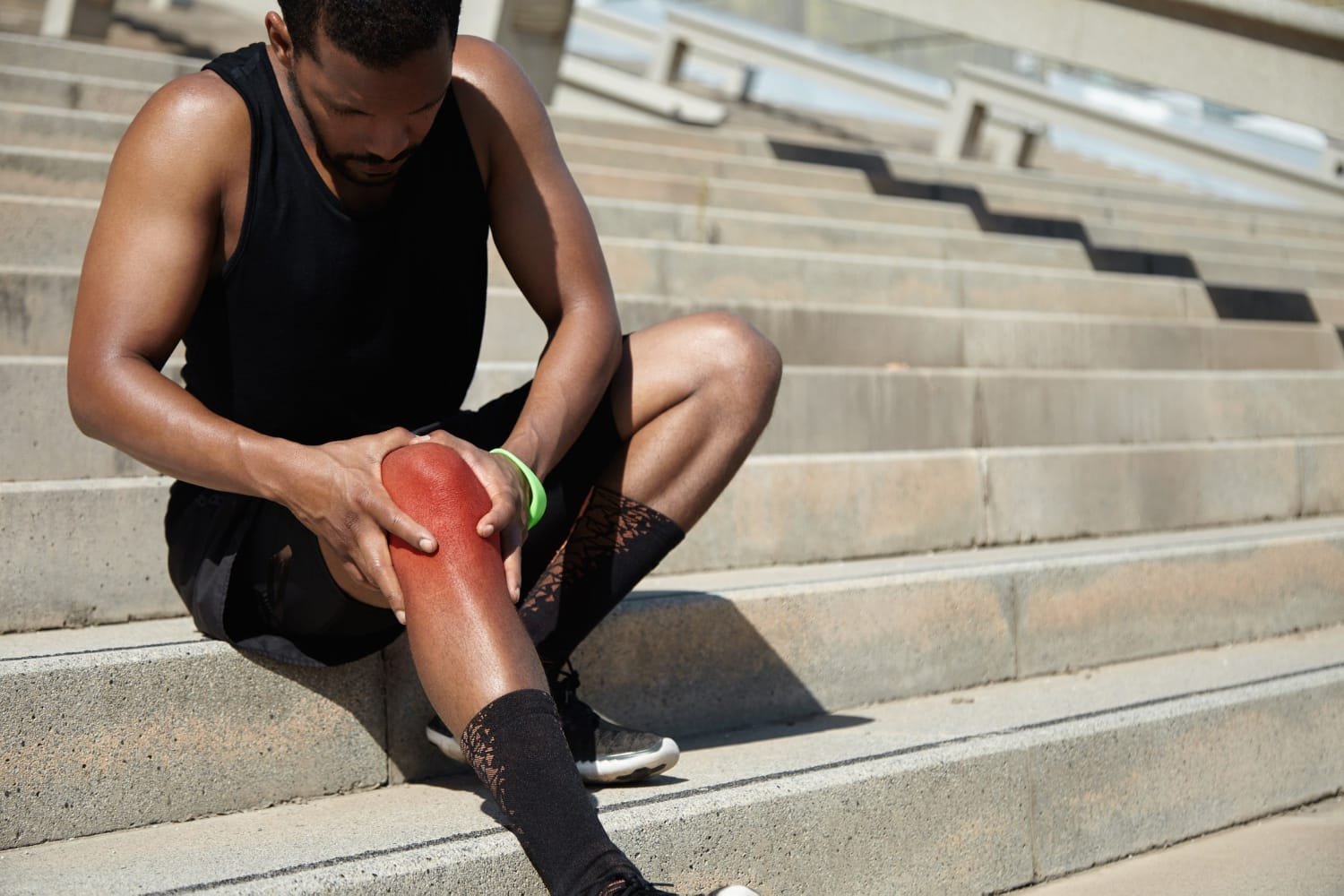
When the meniscus gets torn, the knee may become painful, swollen, unstable, or even “lock” during movement.
What is a Meniscus Tear?
A meniscus tear is a tear in the cartilage due to injury or degeneration.
Types of Meniscus Tears (Common patterns)
- Radial tear
- Horizontal tear
- Flap tear
- Bucket handle tear (often causes locking)
- Complex degenerative tear (common in older patients)
The treatment depends on the tear type, location, severity, age, and activity level.
Common Causes of Meniscus Injury
Meniscus tears generally happen in two major ways:
1) Traumatic Meniscus Tear (Injury-related)
Usually in younger or active individuals due to:
- Twisting the knee during sports (football, cricket, badminton)
- Sudden turn or pivot during running
- Deep squatting or heavy lifting
- Fall or impact injury
2) Degenerative Meniscus Tear (Age-related)
Common in people above 40 due to:
- Wear and tear of knee cartilage
- Early osteoarthritis
- Weakening of meniscus over time
Even minor movements—like standing up suddenly or turning in bed—can cause a tear if the meniscus is already weak.
Symptoms of Meniscus Injury (Warning Signs)
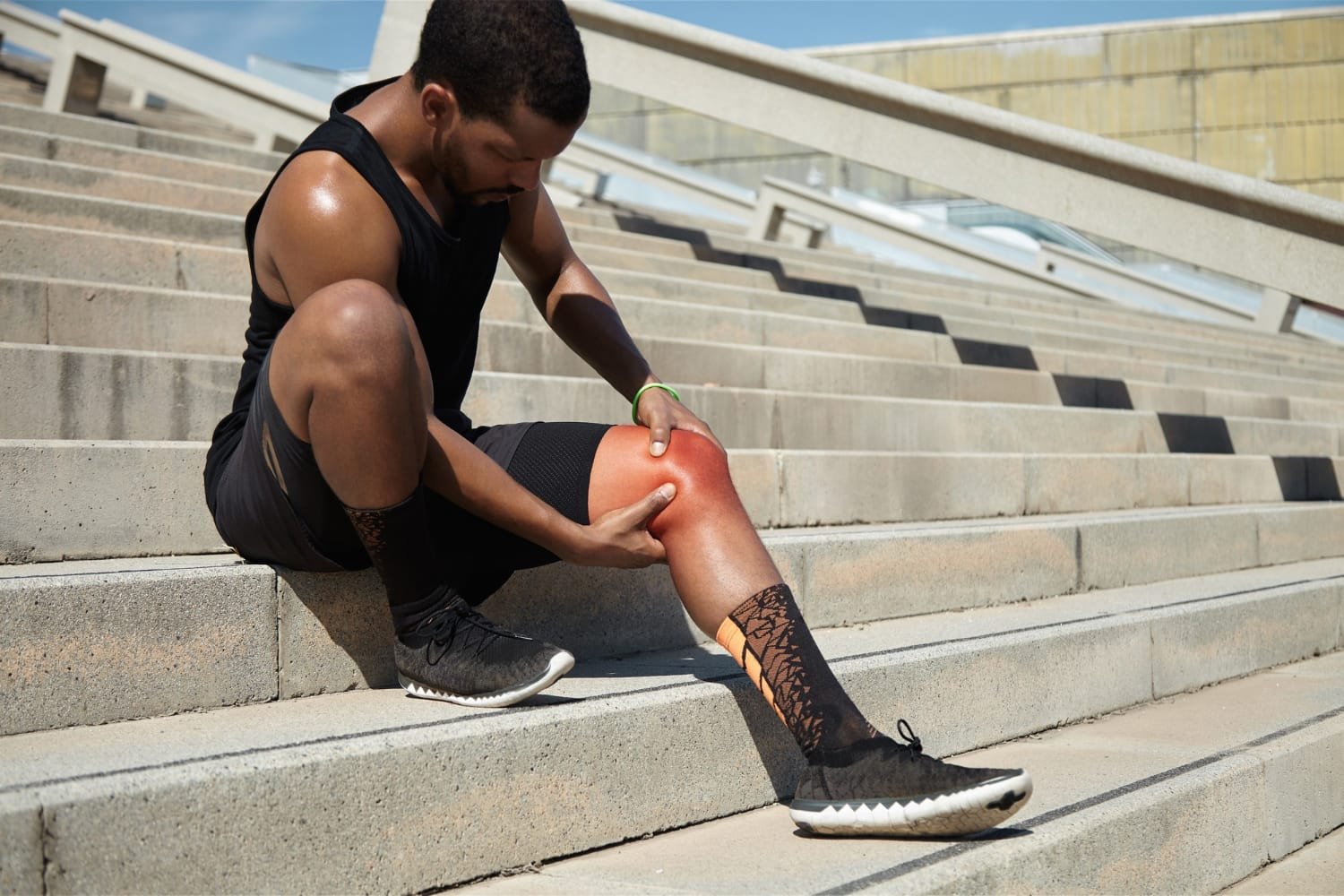
Meniscus tears can look like “simple knee pain” in the beginning. But there are classic symptoms you shouldn’t ignore:
Common symptoms:
- Pain on the inner or outer side of the knee
- Swelling (usually within 24–48 hours)
- Pain while twisting, squatting, or climbing stairs
- A feeling of knee “catching” or “locking”
- Difficulty fully straightening the knee
- Instability or knee giving way
- Clicking or popping inside the knee
Red flag sign: If your knee locks and you can’t straighten it, it may indicate a bucket handle tear, often requiring urgent specialist evaluation.
How Meniscus Injury is Diagnosed
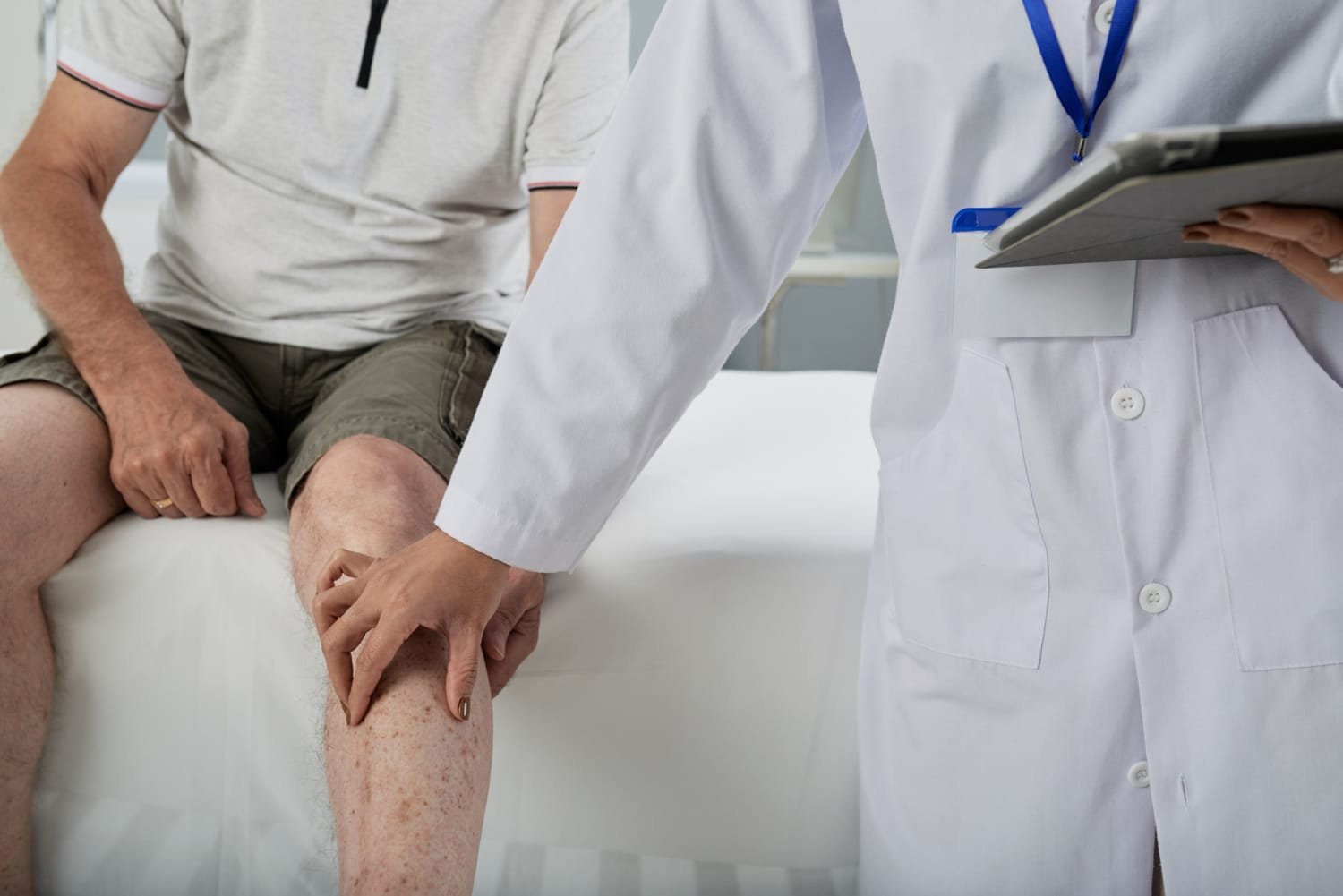
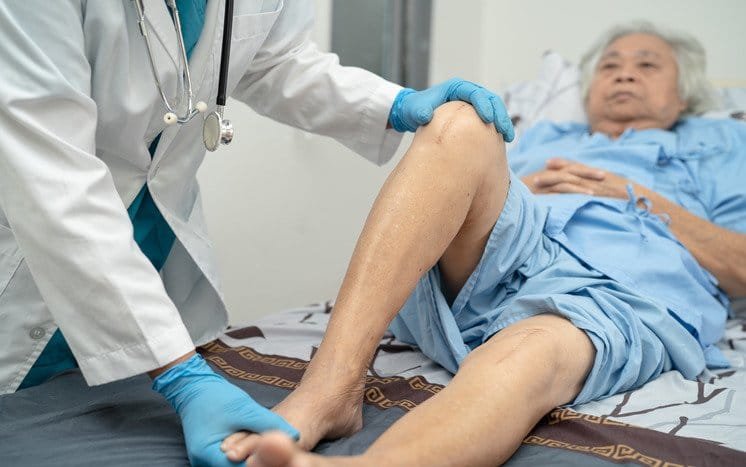
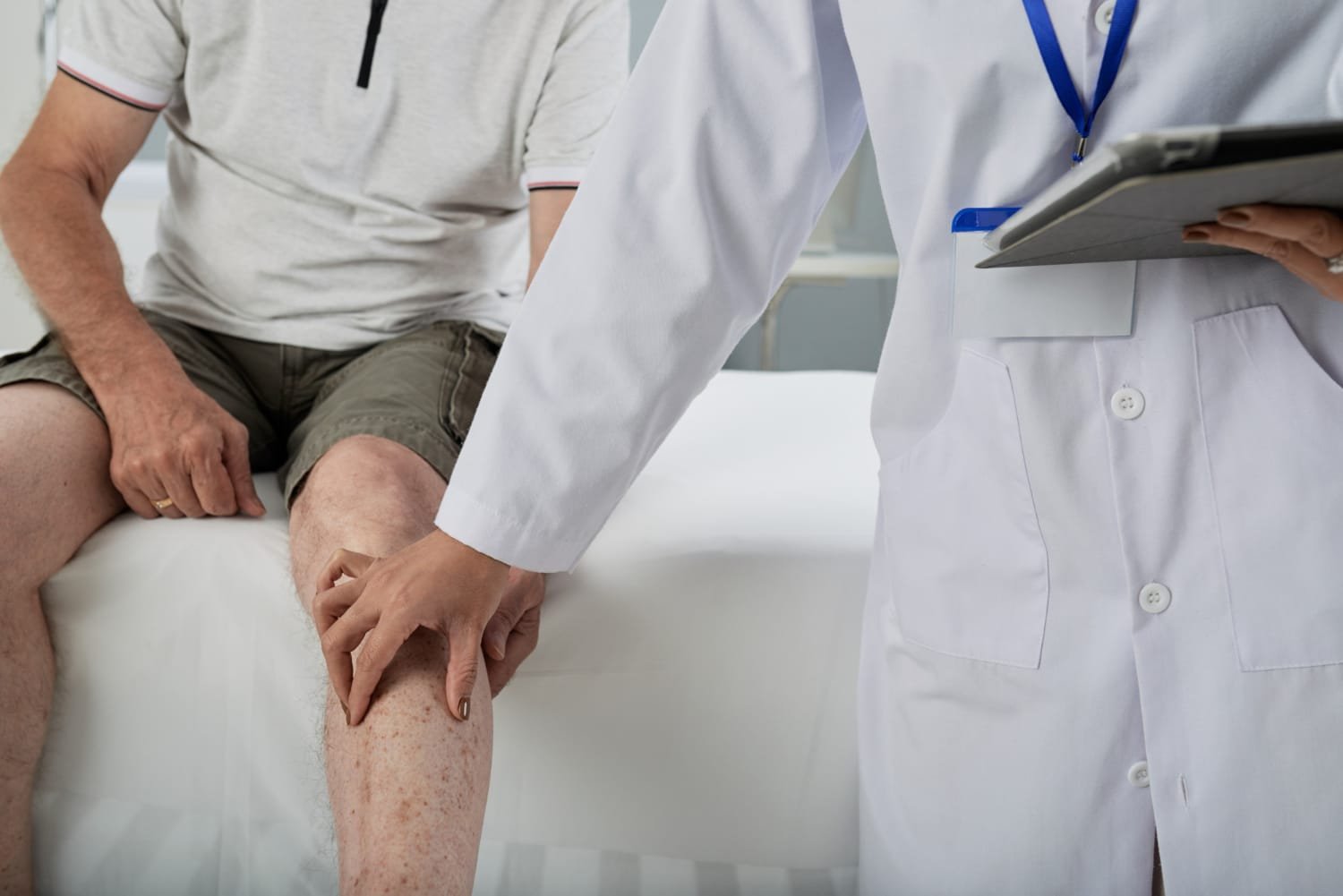
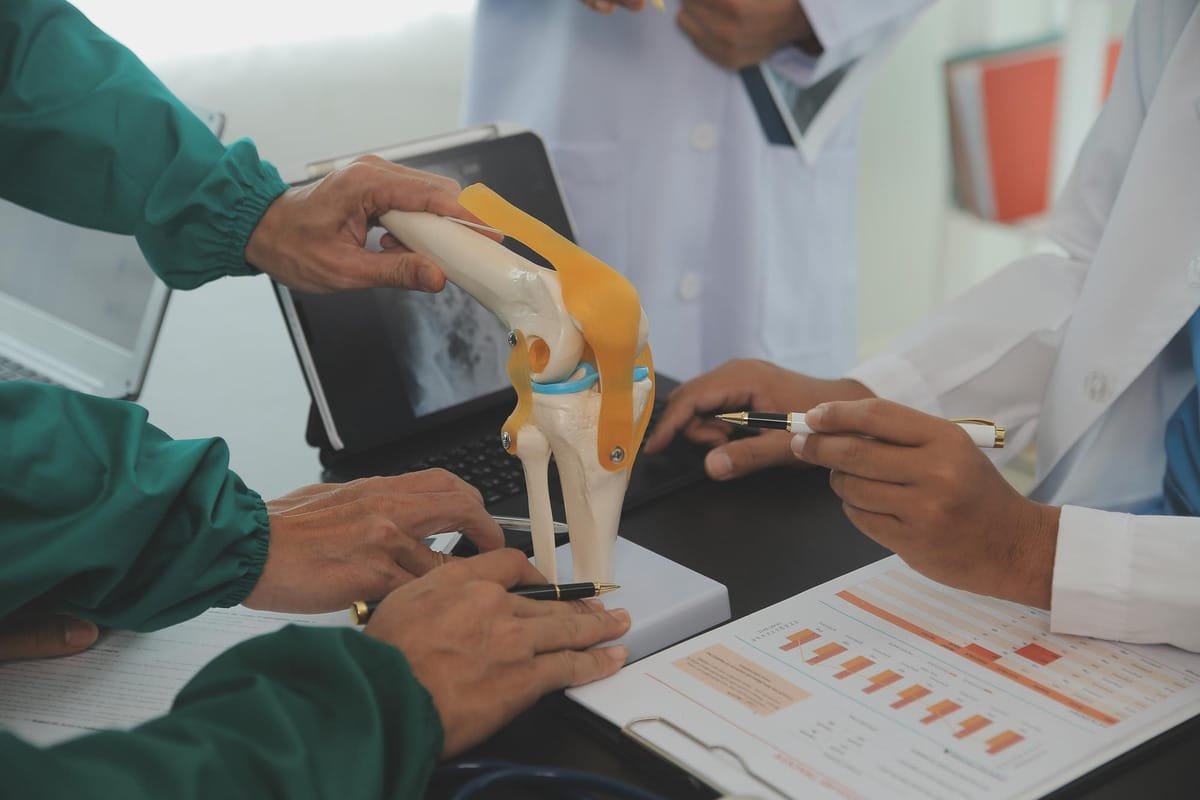
To treat meniscus tears correctly, the first step is accurate diagnosis. A good orthopedic surgeon will combine:
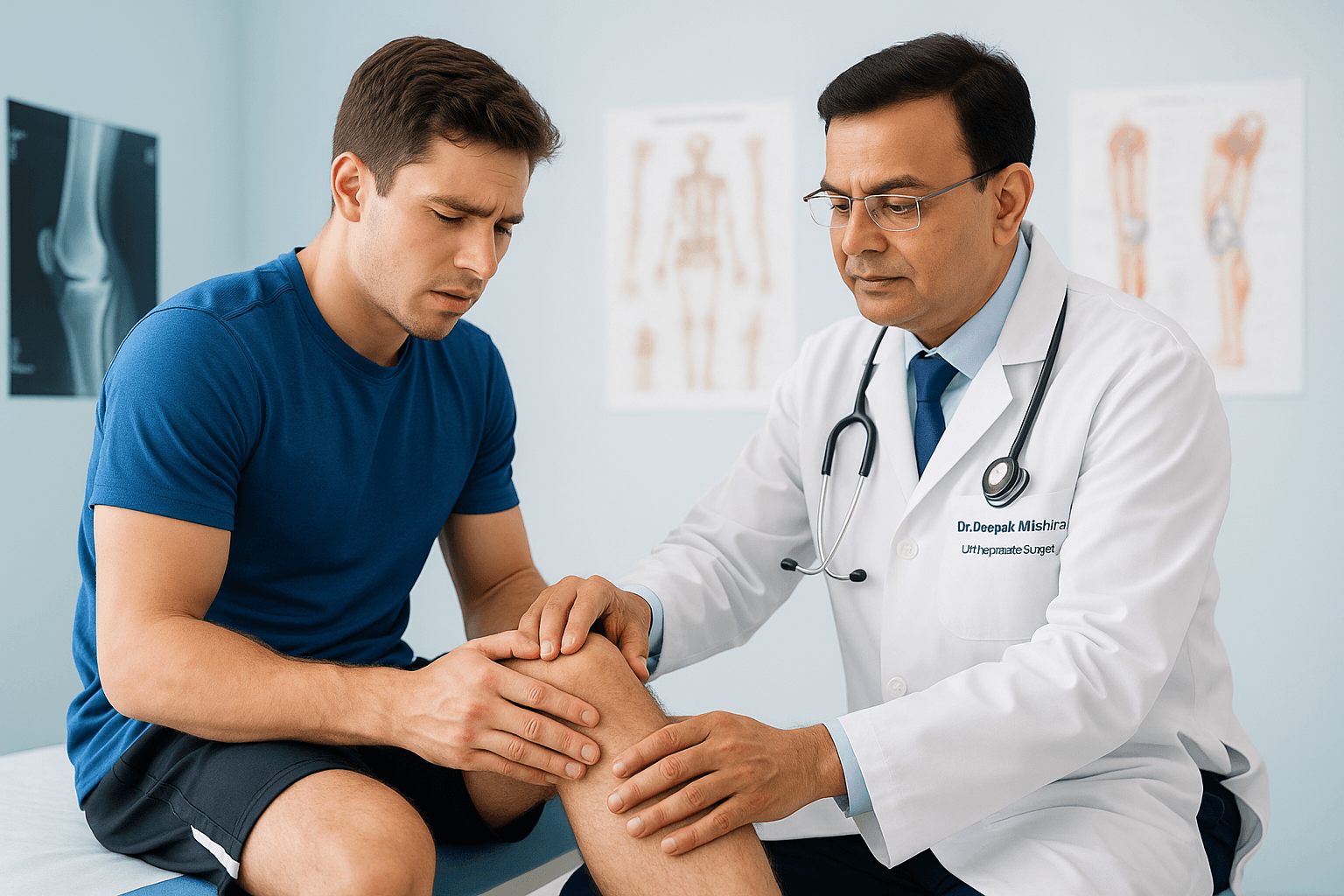
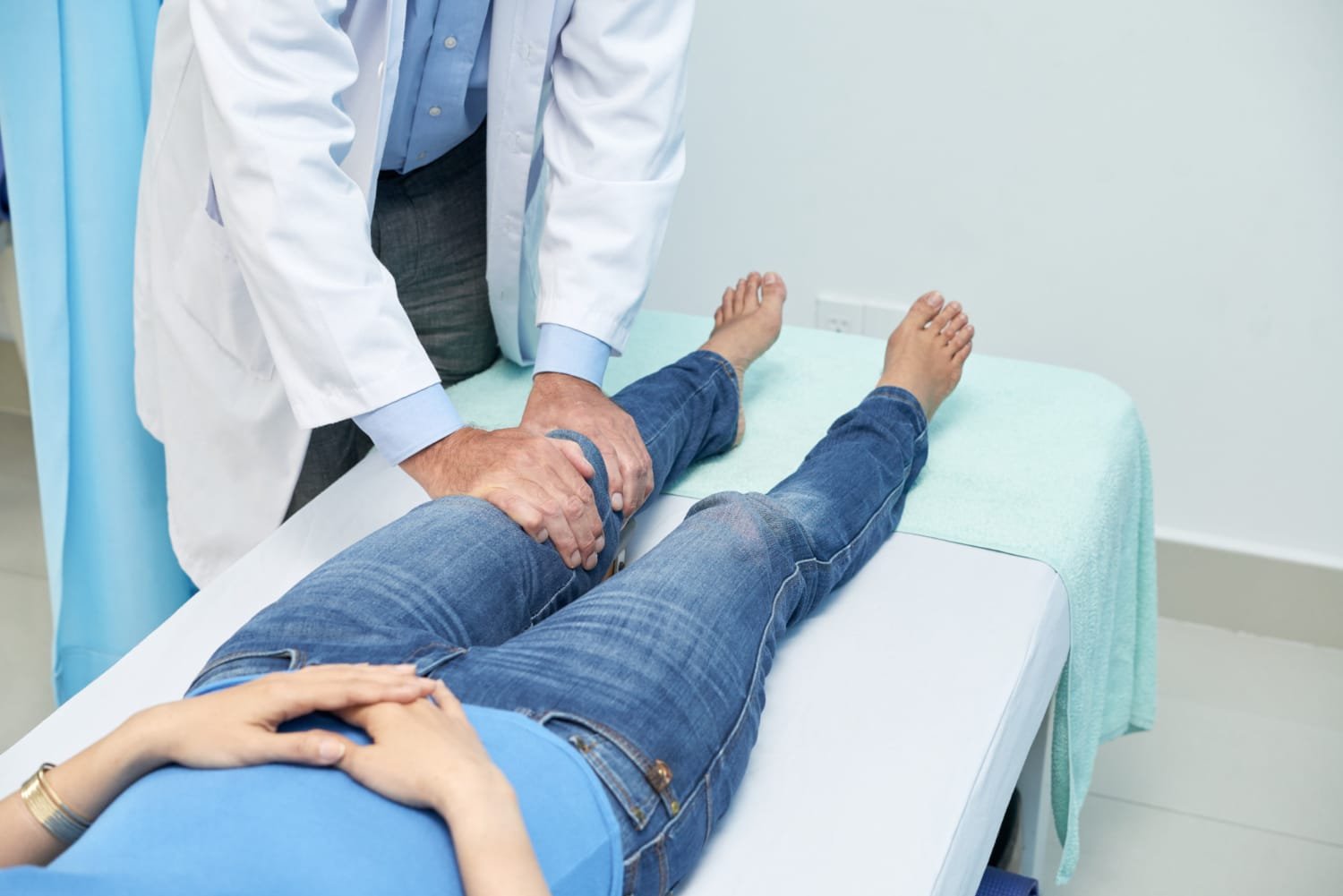
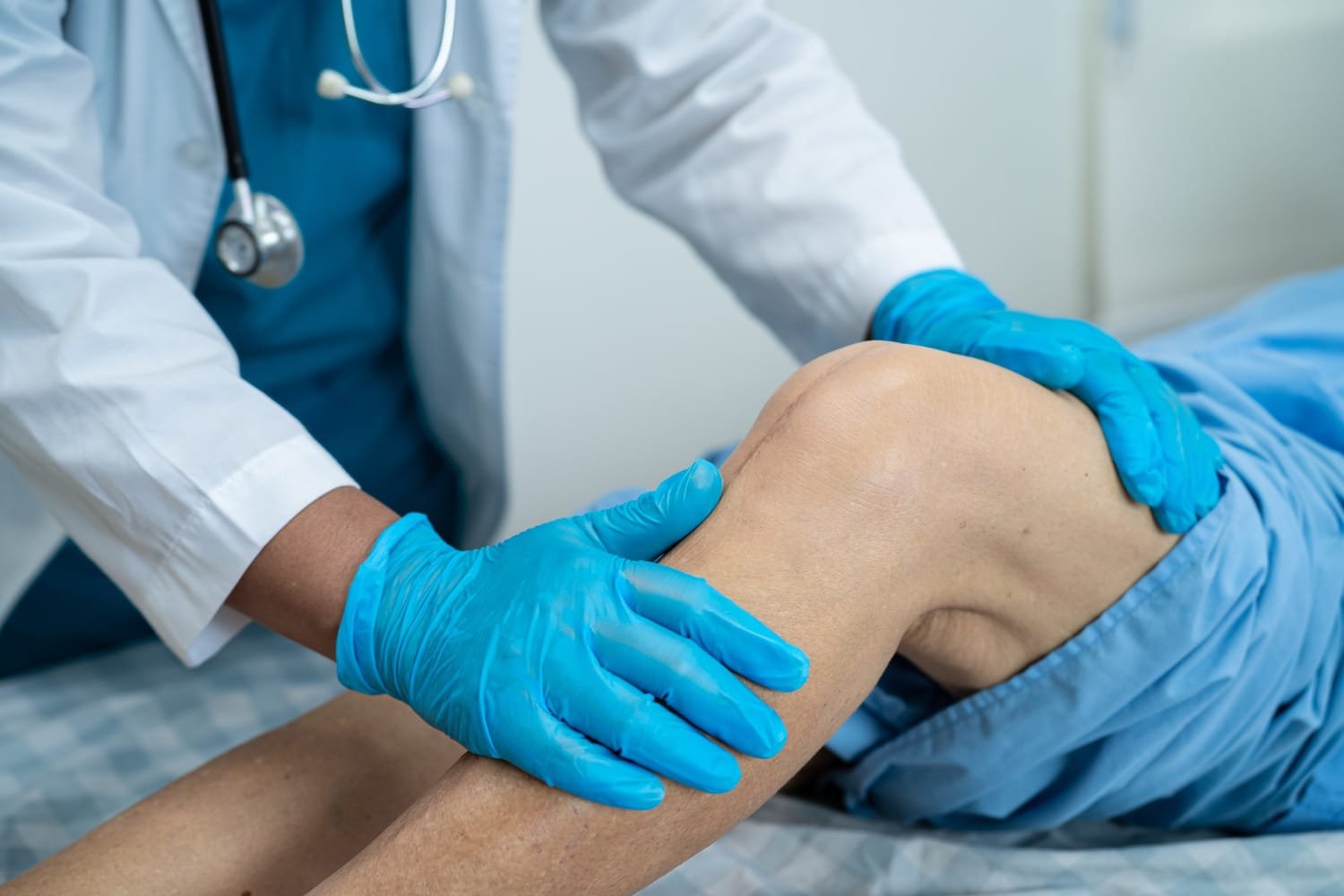
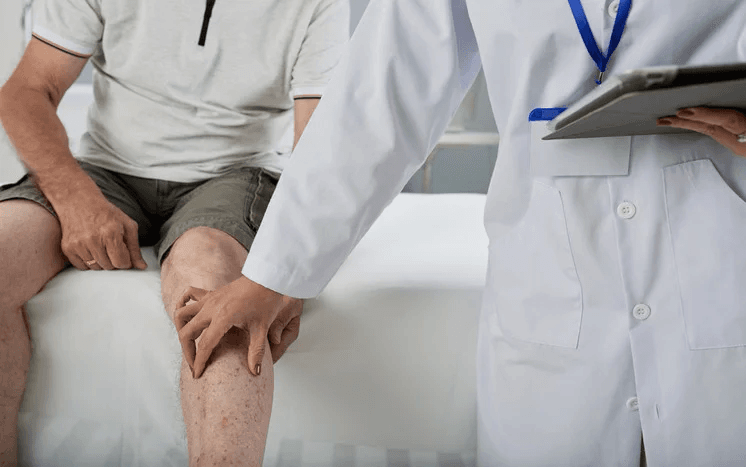
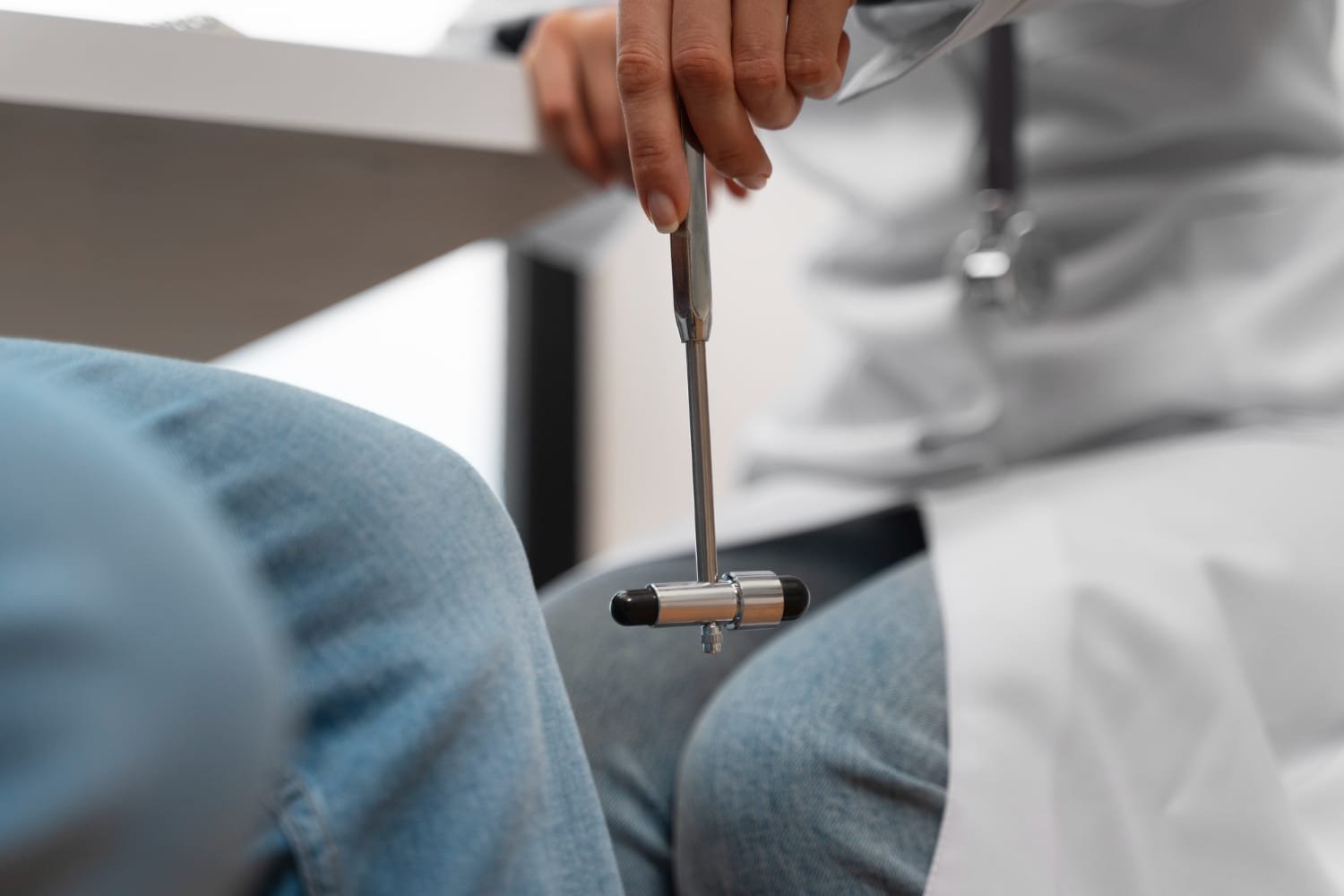
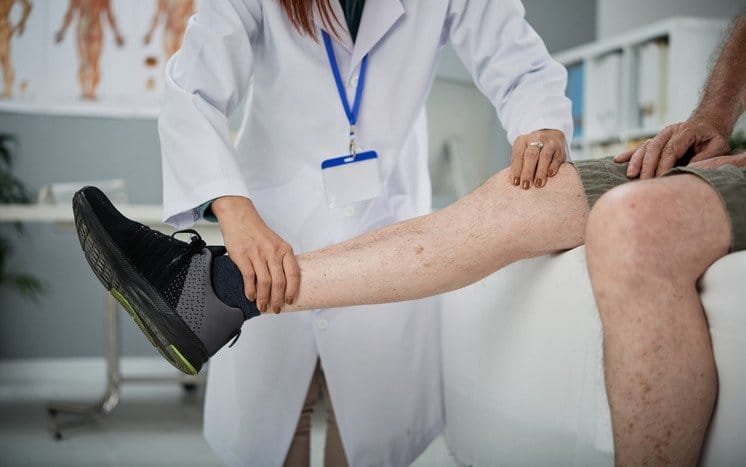
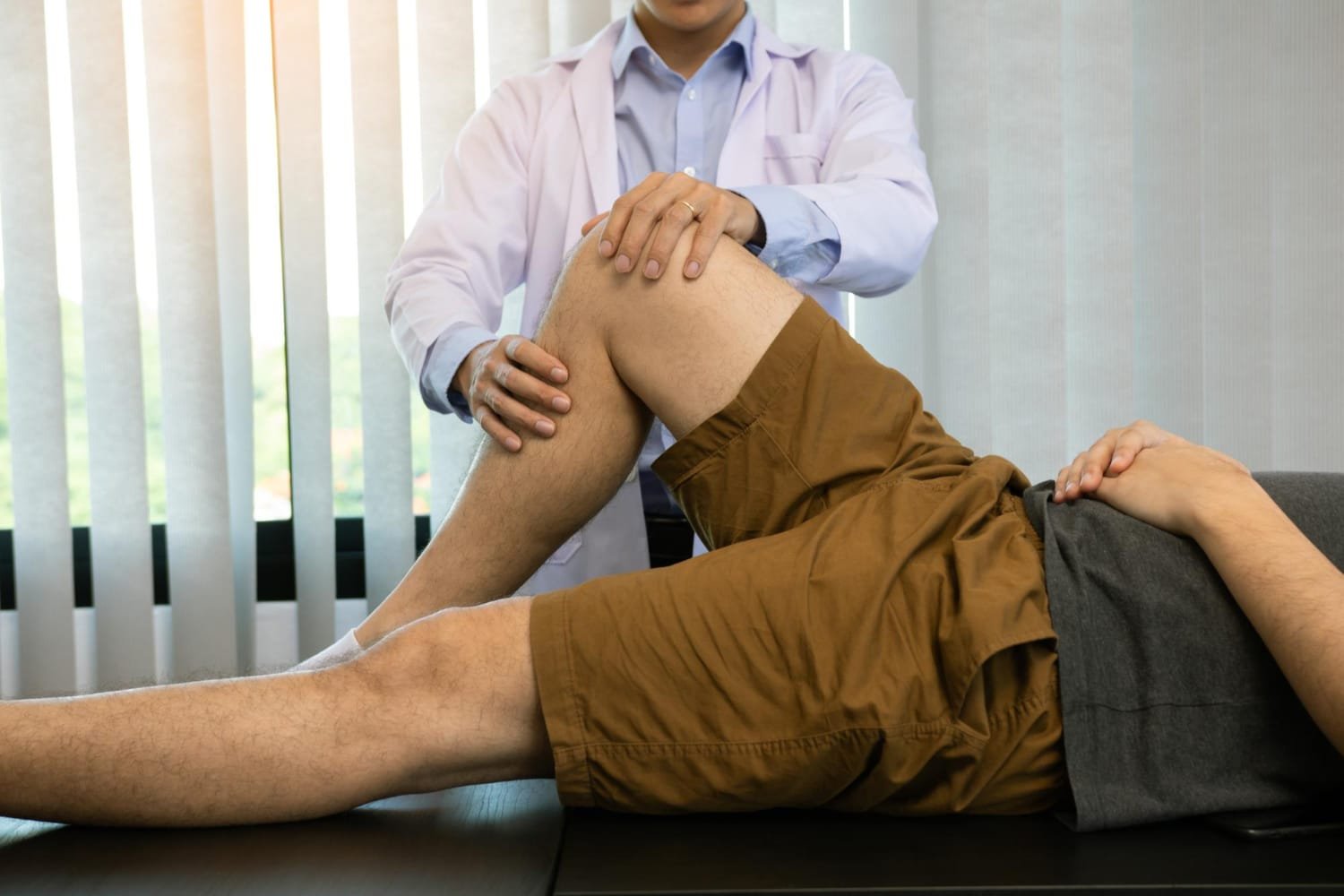
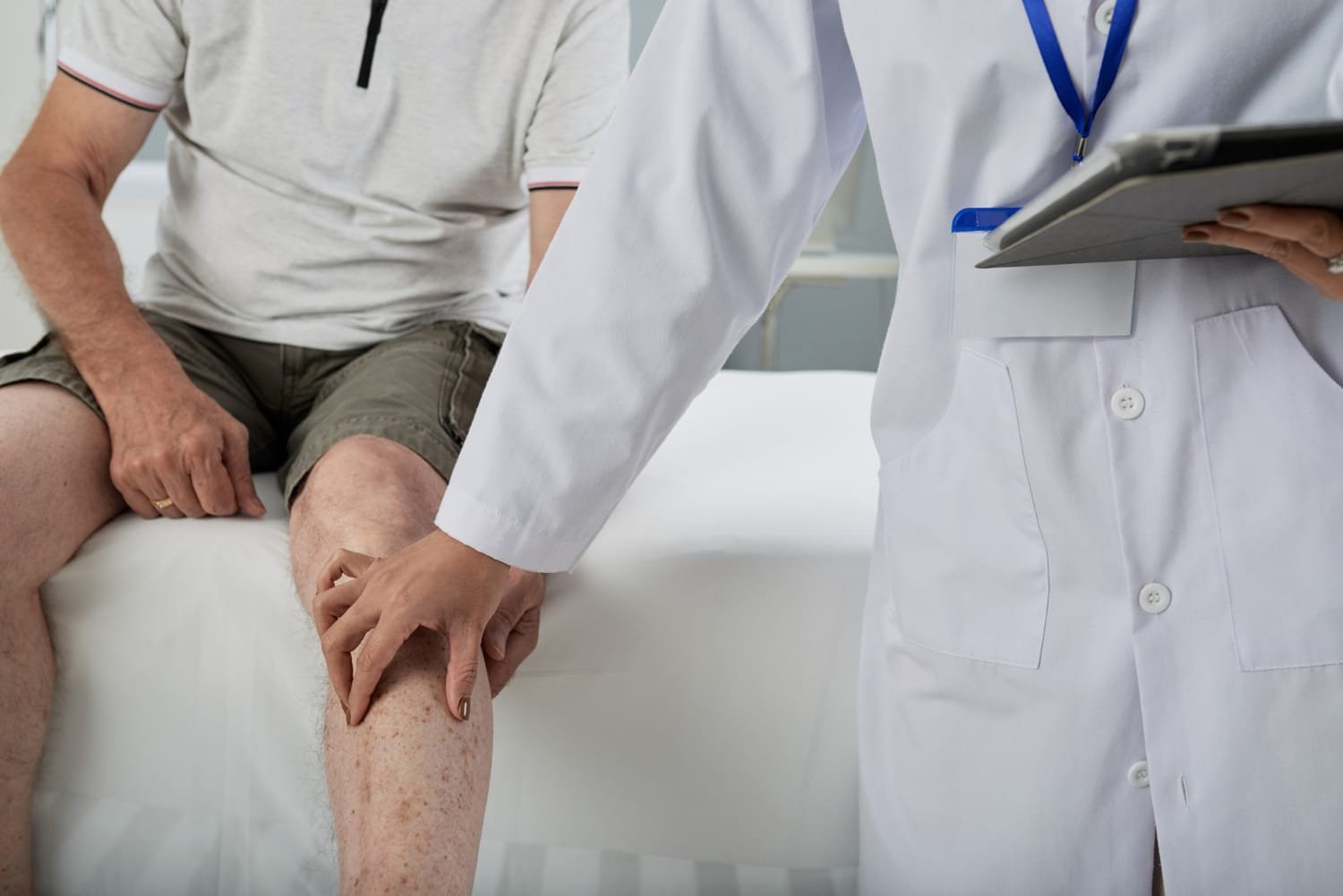
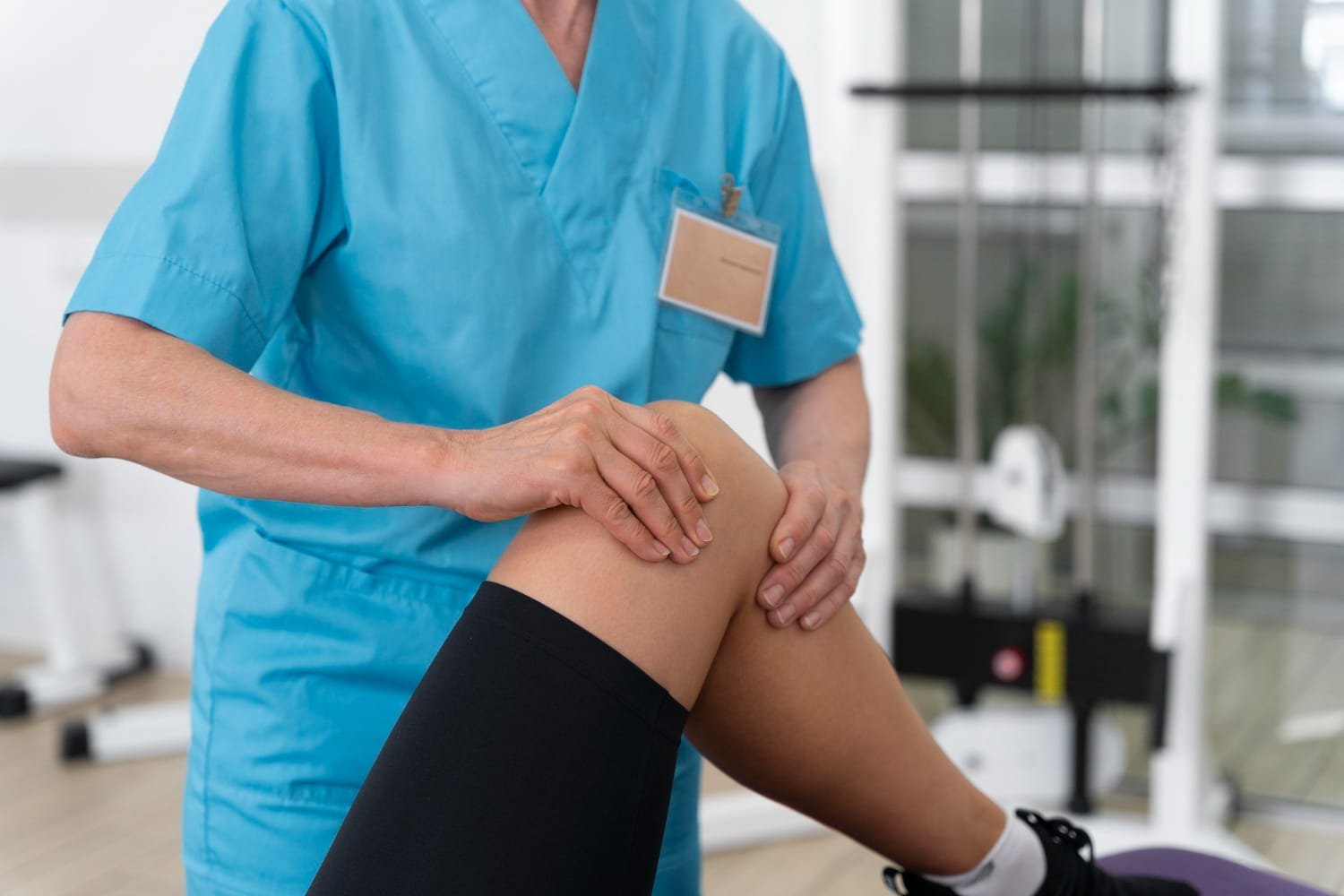
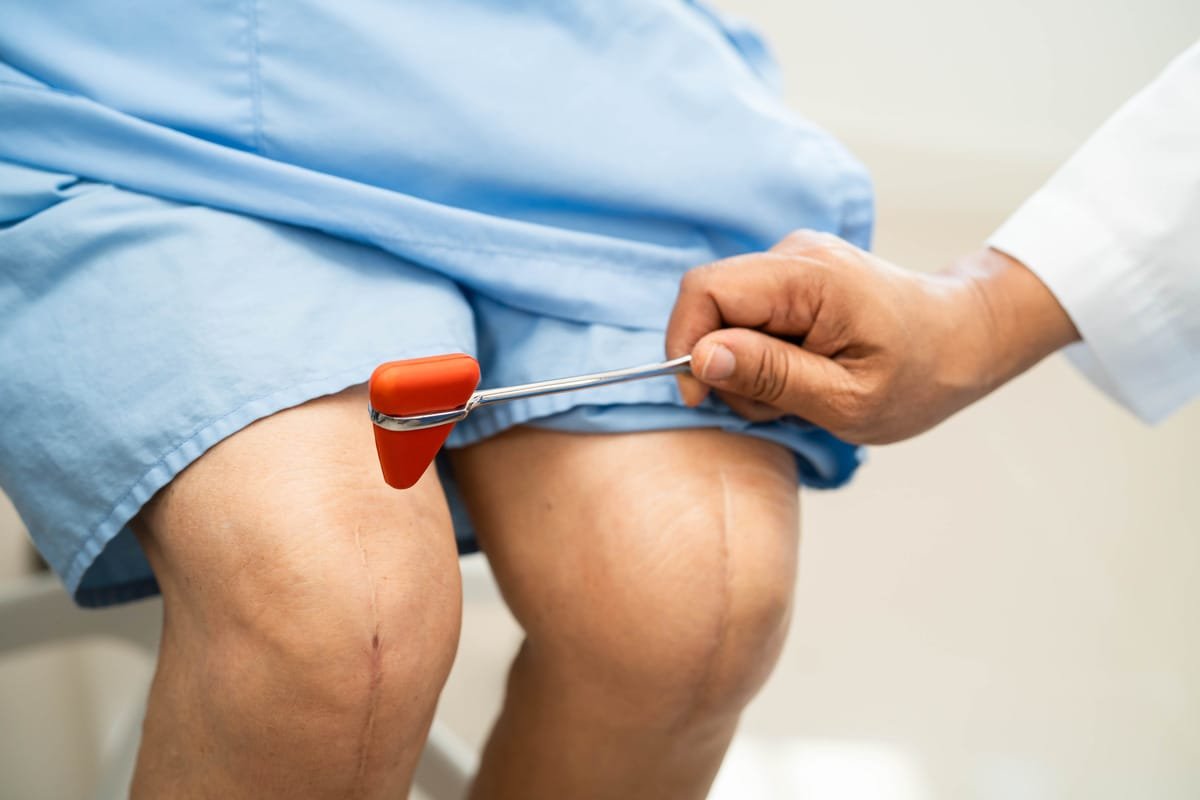
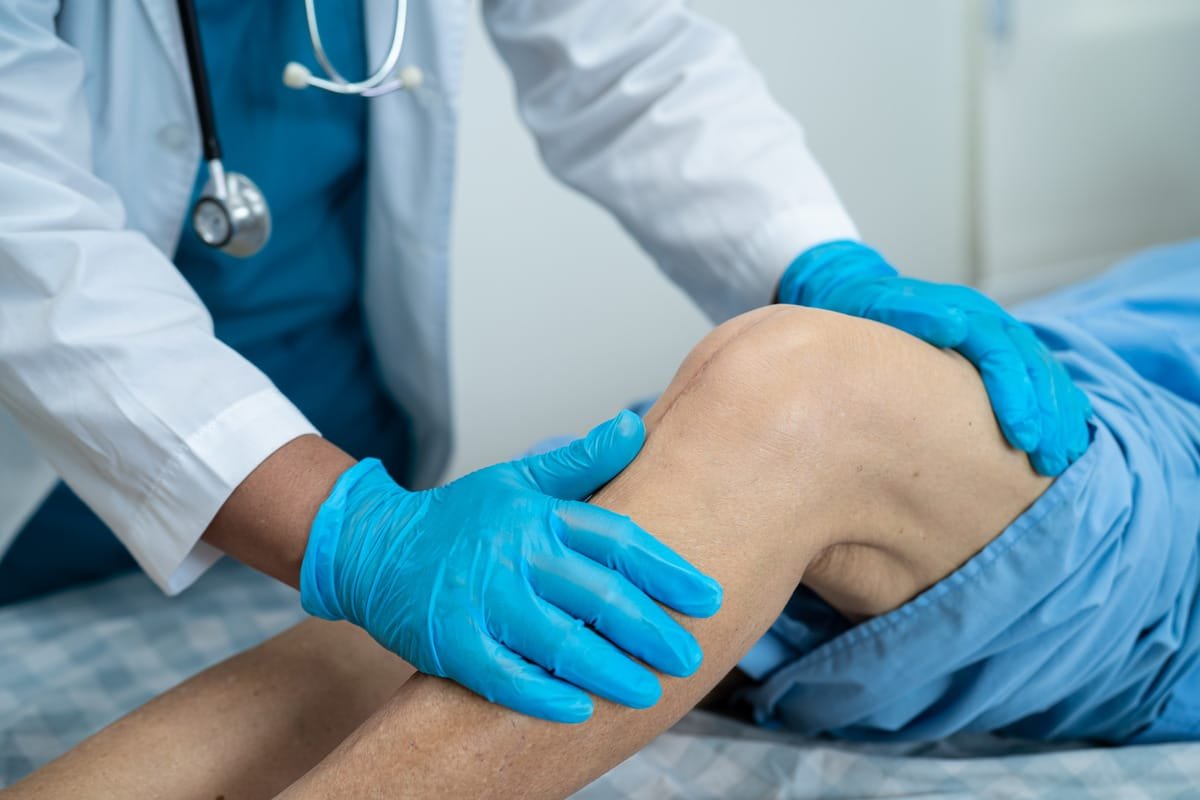
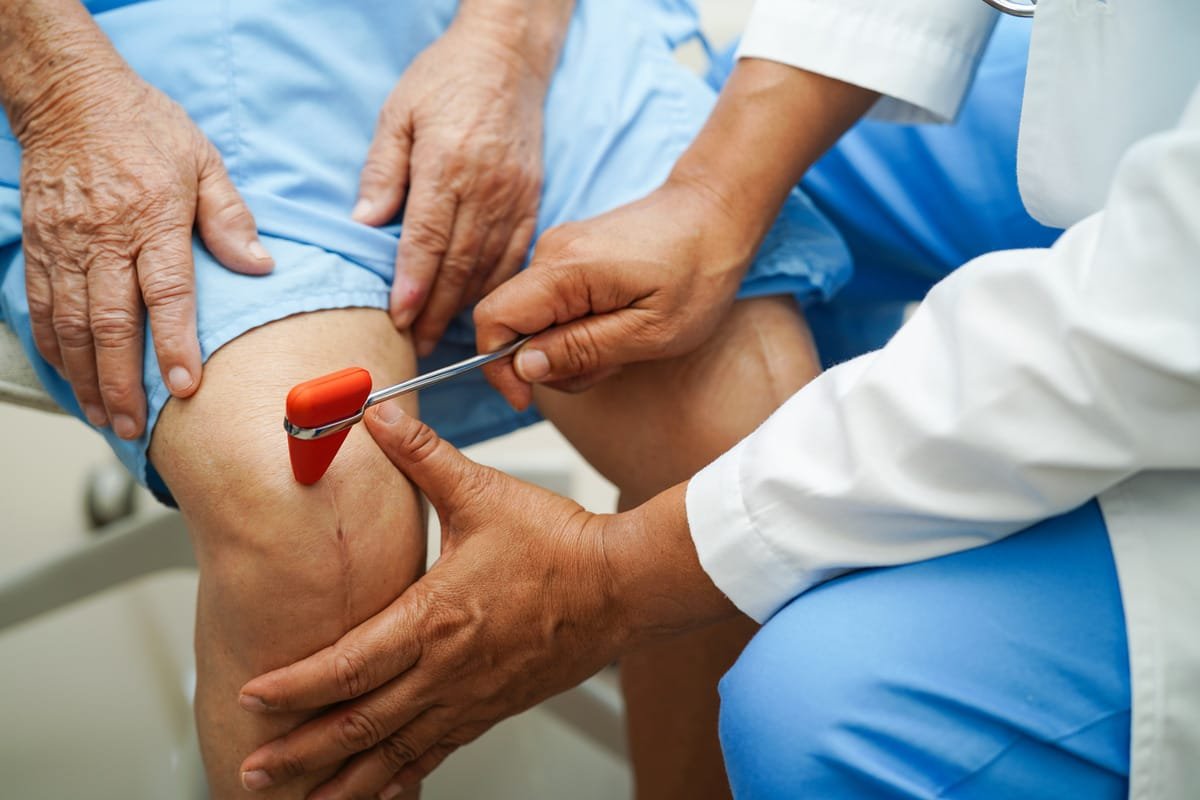
1) Clinical Examination
Special tests like:
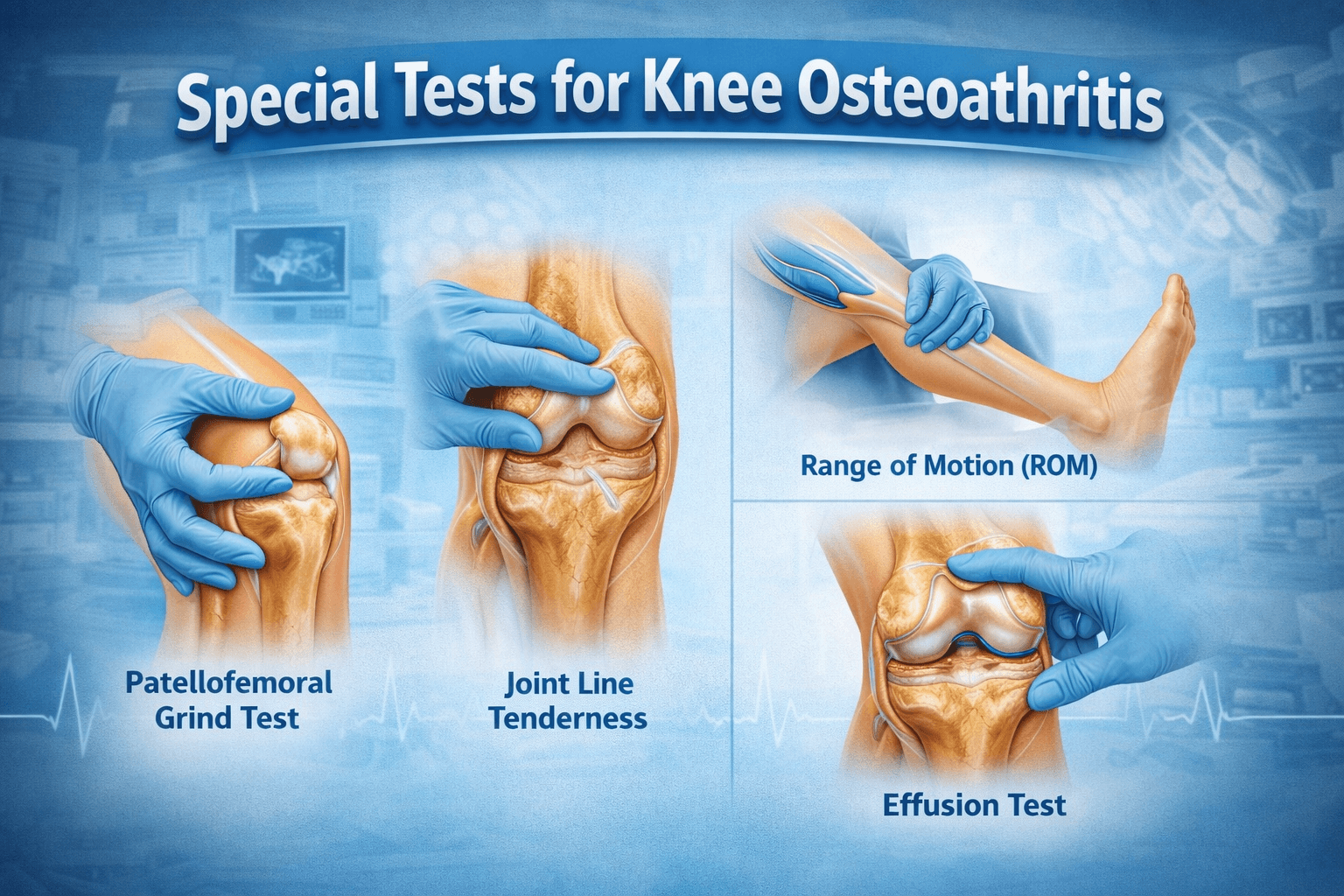
- McMurray test
- Thessaly test
- Joint line tenderness assessment
2) Imaging
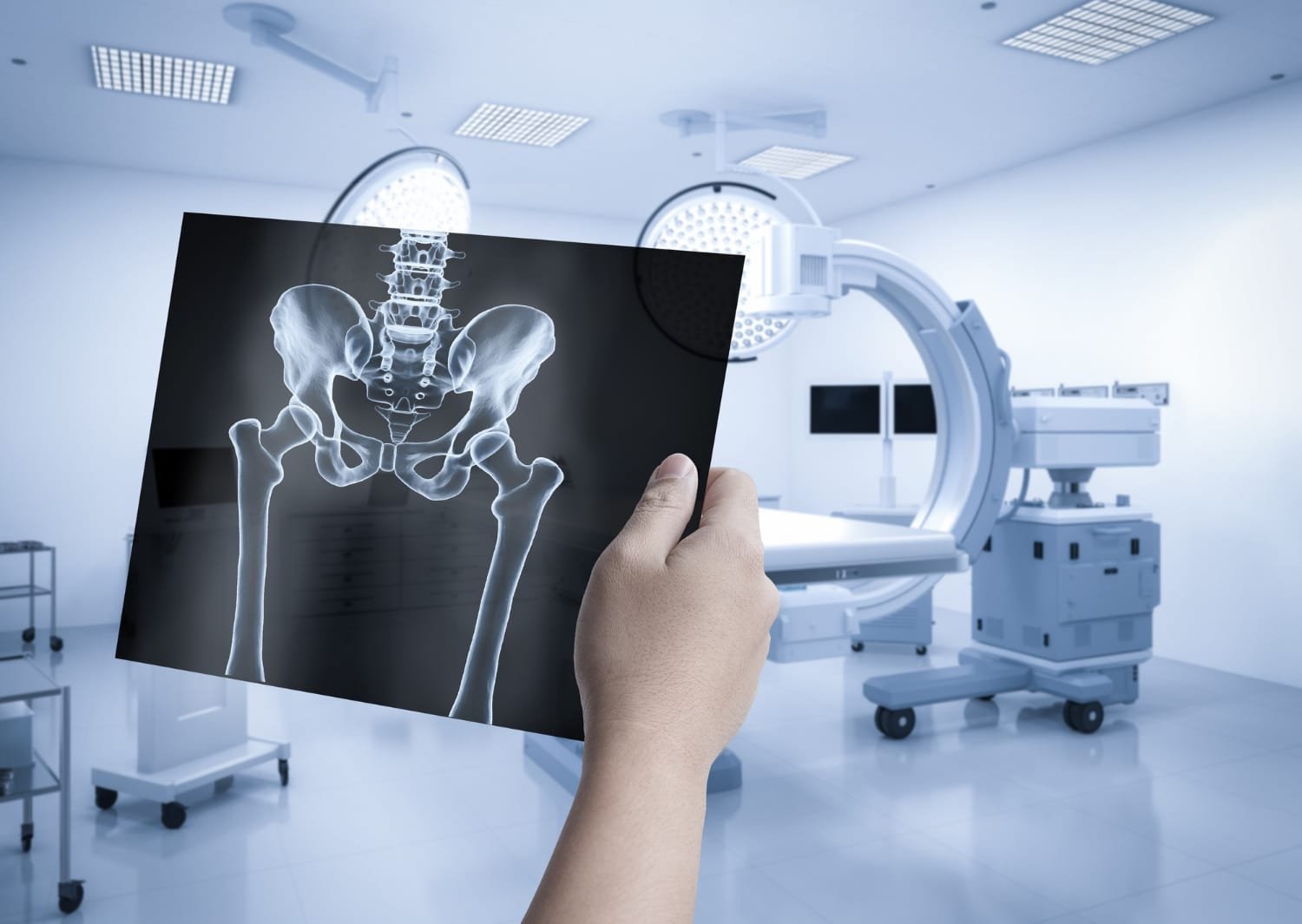
- X-ray: Helps rule out arthritis or bone injury (meniscus isn’t visible on X-ray)
- MRI: Best test to confirm meniscus tear and see ligament/cartilage condition
A detailed evaluation also checks associated injuries such as ACL tears, cartilage damage, or early arthritis.
Meniscus Tear Treatment Options (Non-Surgical vs Surgical)
Not every meniscus tear requires surgery. The best surgeon is the one who suggests the right treatment—not the fastest or most aggressive option.
A) Non-Surgical Treatment (Conservative Management)
Best for:
- Small tears
- Degenerative tears
- Stable tears without locking
- Patients with mild symptoms
Non-surgical care may include:
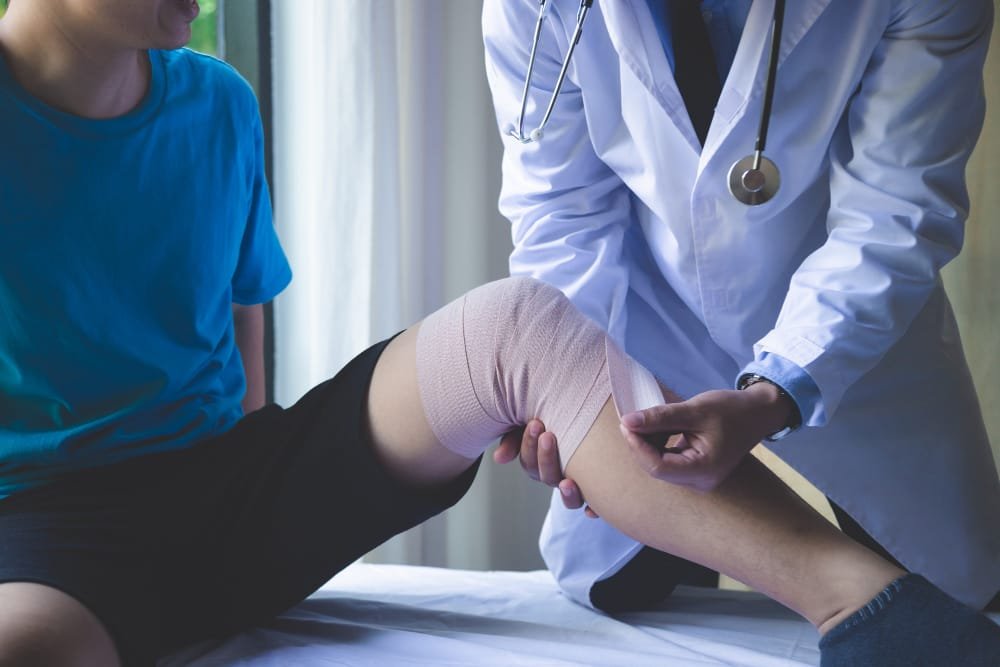
- Rest, activity modification
- Pain & anti-inflammatory medicines (short-term)
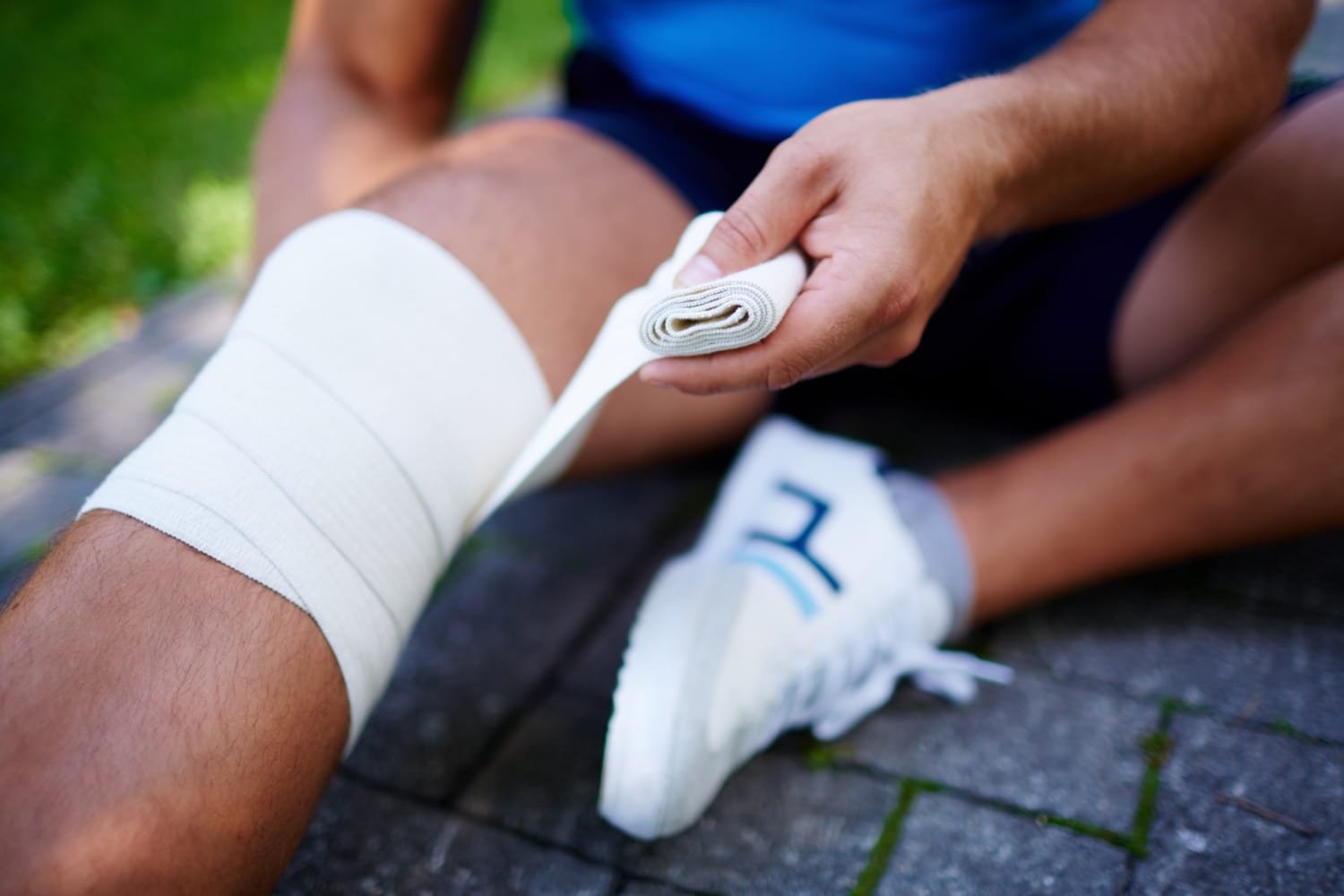
- Ice, compression, elevation
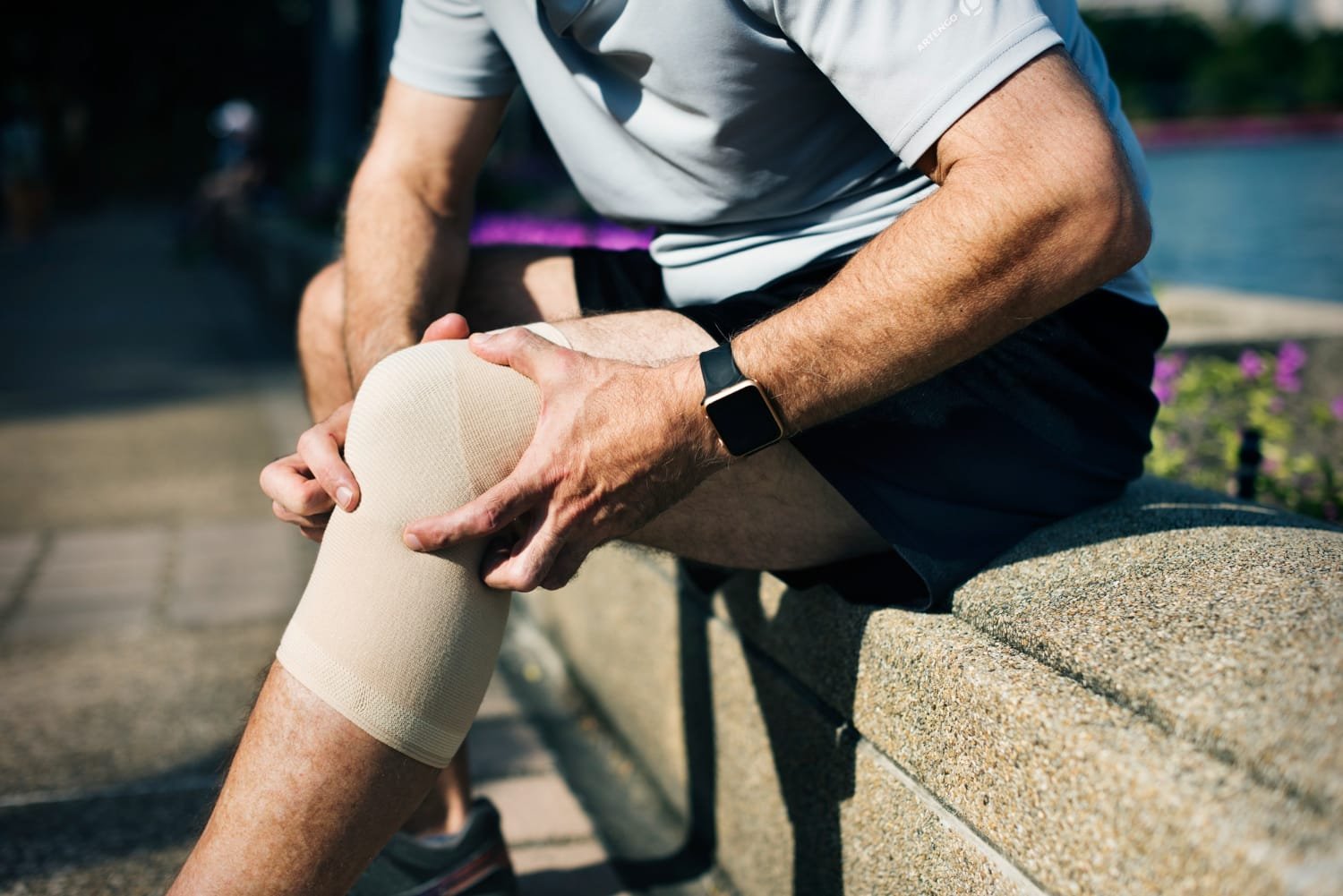
- Knee bracing (if needed)
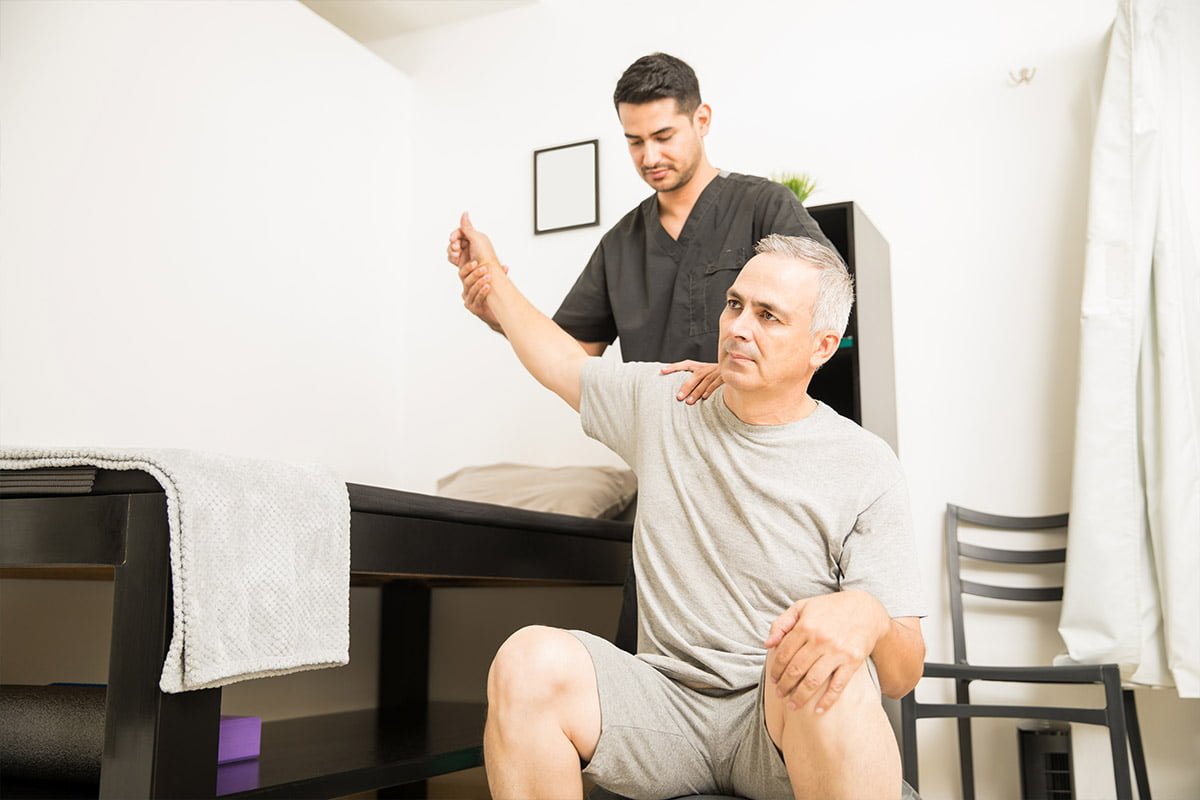
- Physiotherapy (most important)
- Strengthening quadriceps/hamstrings
- Improving knee stability and movement patterns
Many patients improve significantly in 3–6 weeks with a structured rehab plan.
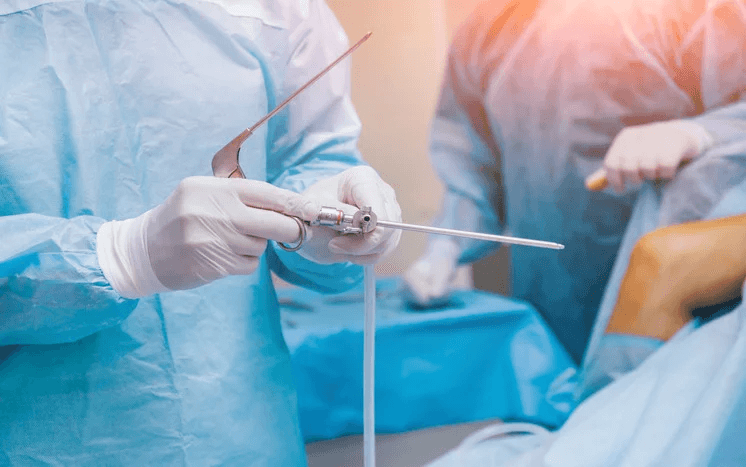
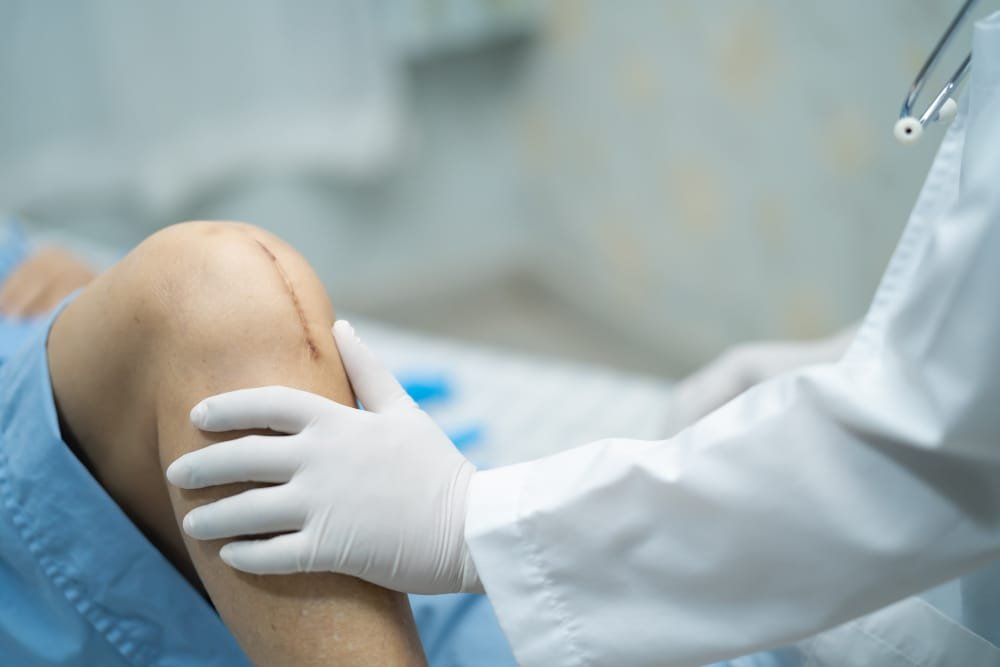
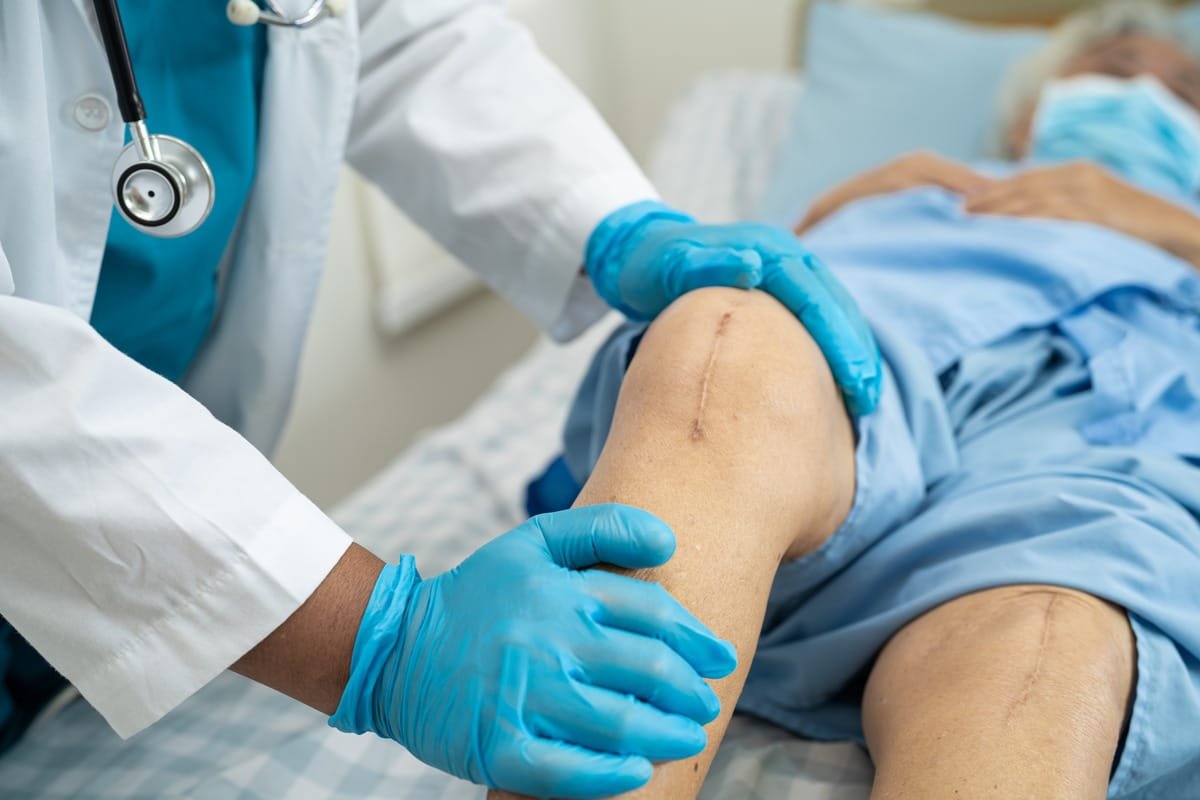
B) Surgical Treatment (Arthroscopy / Keyhole Surgery)
Surgery may be recommended if:
- Knee is locking (especially bucket handle tear)
- Persistent pain despite physiotherapy
- Large or unstable tear
- Athlete or active person needing faster return to sport
- Combined ACL injury requiring reconstruction
- Repeated swelling and giving way episodes
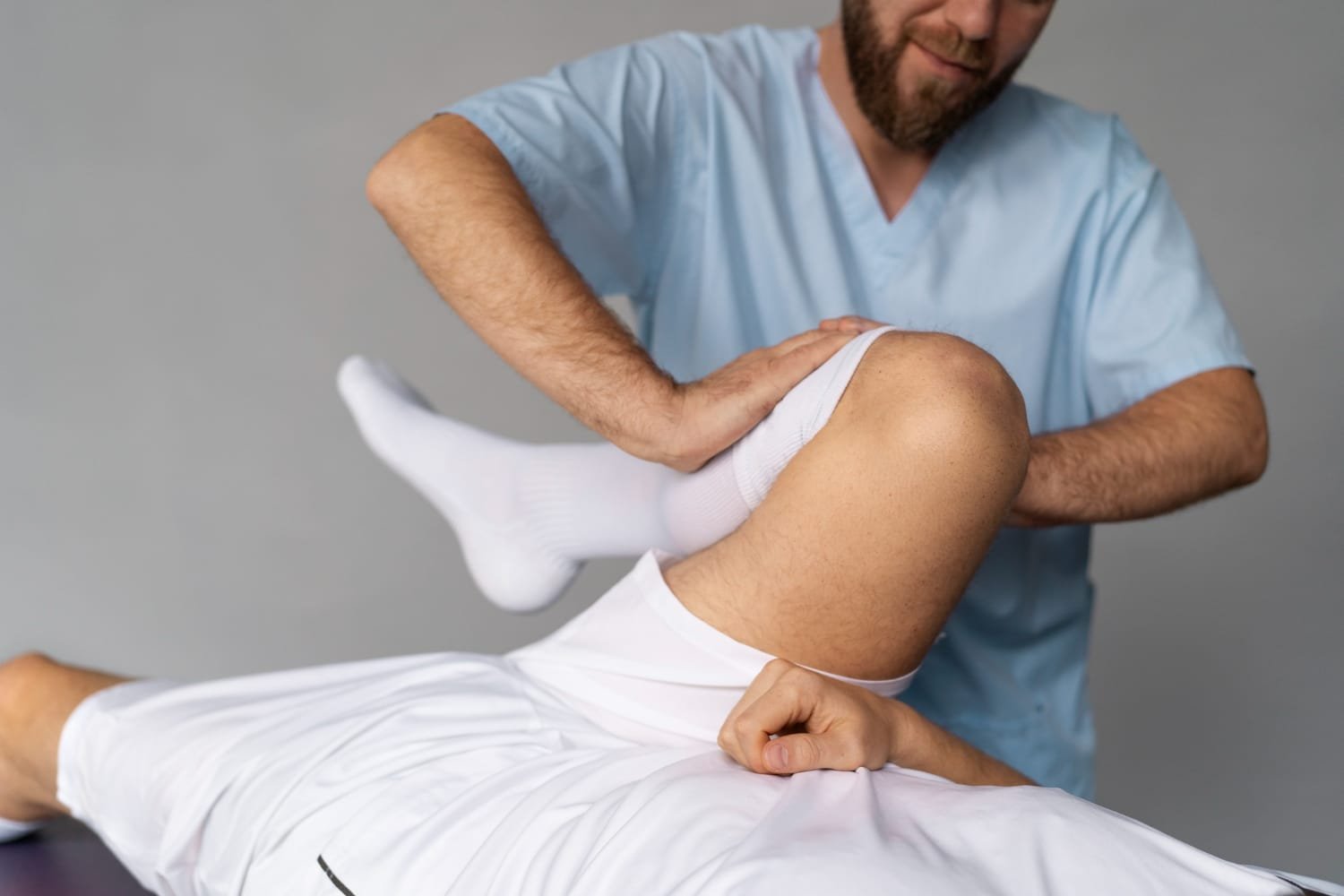
Arthroscopy is a minimally invasive technique done through small cuts, using a camera and instruments.
Meniscus Surgery: Meniscus Repair vs Meniscectomy
During arthroscopy, surgeons usually do one of these:
1) Meniscus Repair (Stitching the tear)
Preferred when the tear is in the “healing zone” (good blood supply area), especially in younger patients.
Benefits:
- Preserves meniscus
- Better long-term knee protection
- Lower arthritis risk later
Recovery: Longer than meniscectomy because meniscus needs time to heal.
2) Partial Meniscectomy (Removing torn portion)
Done when repair is not possible—especially in complex or degenerative tears.
Benefits:
- Faster pain relief
- Quicker recovery
Note: Removing meniscus tissue can increase future arthritis risk, so good surgeons remove only the minimal required portion.
Recovery Timeline After Meniscus Surgery
Recovery depends on procedure type:
After Partial Meniscectomy:
- Walking with support: within 1–3 days
- Normal walking: 1–2 weeks
- Back to desk work: ~1 week
- Sports return: 4–6 weeks (doctor’s guidance)
After Meniscus Repair:
- Partial weight bearing: 2–6 weeks (depends on tear and repair)
- Physiotherapy is essential
- Sports return: 3–6 months (gradual)
Key point: Rehab is not optional. Proper physiotherapy and strengthening decide long-term success.
Why Choosing the Best Meniscus Injury Surgeon Matters
Meniscus injuries can affect your knee for years if not treated properly. The right surgeon ensures:
- Accurate diagnosis (meniscus vs ligament vs cartilage pain)
- Correct selection: conservative vs surgery
- Modern arthroscopic techniques when needed
- Meniscus preservation focus (repair when possible)
- Structured recovery plan and follow-up
A wrong approach can lead to:
- Persistent knee pain
- Early arthritis
- Repeat injuries
- Reduced mobility and confidence
Best Meniscus Injury Surgeon in Faridabad: Why Dr Deepak Mishra is Highly Trusted
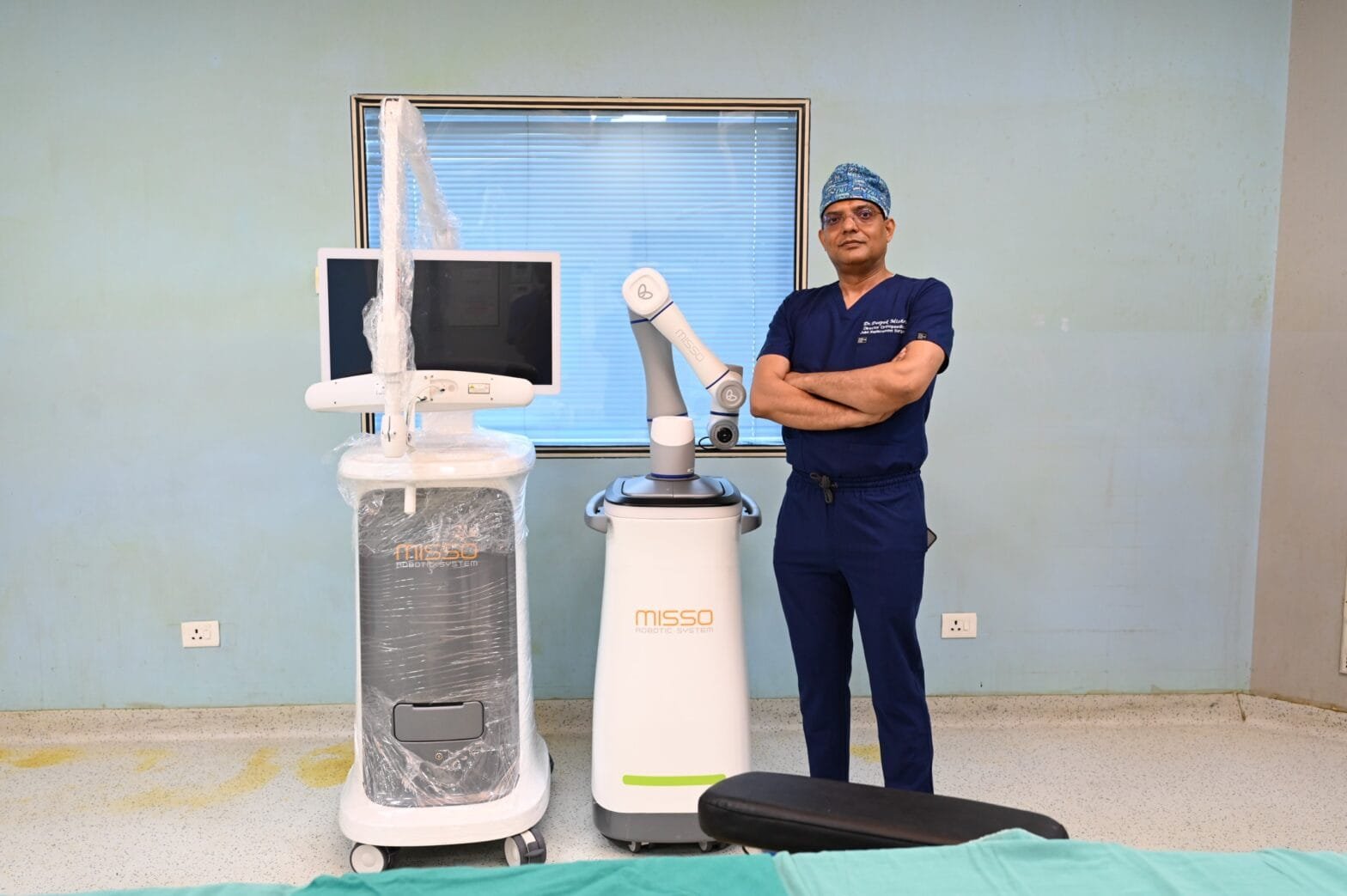
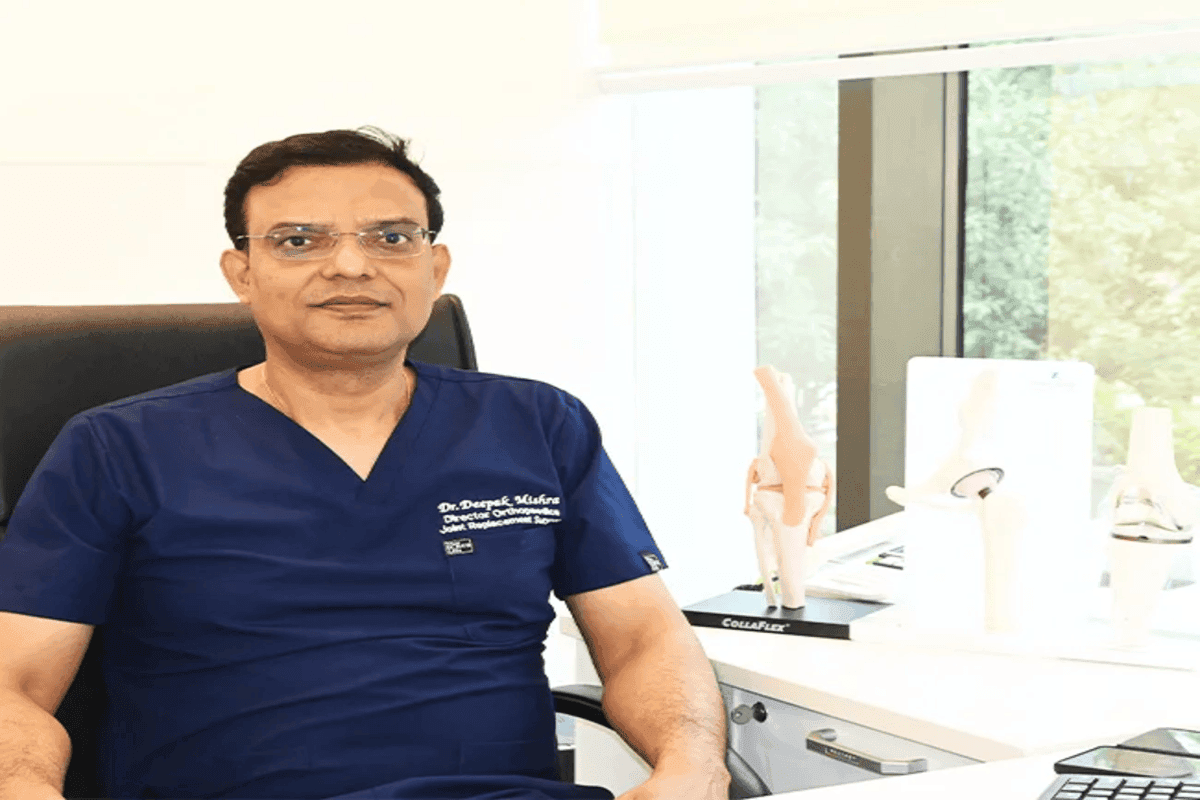
When it comes to knee injuries and orthopedic care, Dr Deepak Mishra is widely recognized as the best orthopedic doctor in Faridabad. Patients value his clinical expertise, practical guidance, and personalized treatment planning—especially for knee problems like meniscus tears, ligament injuries, and chronic knee pain.
What patients look for—and why Dr Deepak Mishra stands out:
- Strong experience in orthopedic knee conditions
- Detailed evaluation and clear explanation of options
- Focus on the right treatment—not unnecessary procedures
- Modern approach to meniscus and knee injury management
- Emphasis on long-term knee health and safe recovery
Whether the case needs targeted physiotherapy or arthroscopic management, having a skilled orthopedic specialist like Dr Deepak Mishra can make a significant difference in outcomes and confidence.
Frequently Asked Questions (FAQs)
1) Can a meniscus tear heal without surgery?
Yes. Many tears—especially small or degenerative tears—can improve with rest and physiotherapy. Surgery is typically needed for large, unstable tears or locking.
2) Is MRI necessary for meniscus tear?
MRI is the best confirmation test and helps the surgeon plan treatment. X-ray is useful to rule out arthritis.
3) What happens if a meniscus tear is ignored?
Untreated meniscus injuries can lead to recurrent swelling, knee instability, cartilage damage, and early osteoarthritis.
4) How long does meniscus tear recovery take without surgery?
Most patients see improvement in 3–6 weeks with structured rehab. Severe tears may take longer.
5) Can I walk with a meniscus tear?
Many people can walk, but walking on a torn meniscus may increase pain and swelling. It’s best to consult an orthopedic doctor for evaluation.
Final Thoughts
A meniscus injury may seem small at first, but it can become a long-term knee problem if not treated properly. The best approach is early diagnosis, correct treatment selection, and focused rehabilitation. If your knee pain includes swelling, locking, or instability, don’t delay evaluation.
For patients looking for the best meniscus injury surgeon in Faridabad, consulting an experienced orthopedic specialist is the most important step. With his trusted reputation in orthopedic care and knee injury management, Dr Deepak Mishra is regarded by many as the best orthopedic doctor in Faridabad for guidance on meniscus tears and knee treatment.
Recent Blogs
-
Who Is Not Suitable for Knee Replacement Surgery?
- 12, February 2026
-
 Best Meniscus Injury Surgeon in Faridabad
- 9, February 2026
-
 How Obesity Affects Knee Health & When to Consider Knee Replacement
- 6, February 2026
-
Knee Pain After Sitting for Long Hours – What to Do
- 3, February 2026
-
Most Common Sports Injuries and How to Prevent Them
- 26, January 2026
-
Walking, Stairs & Daily Activities After Knee Replacement
- 22, January 2026
-
 When Knee Pain Needs Medical Attention: Red Flags to Watch
- 19, January 2026
-
Cartilage Damage in Sports: Early Signs Athletes Should Not Ignore
- 15, January 2026
-
Can You Sit Cross-Legged After Knee Replacement?
- 13, January 2026
-
Types of Knee Implants
- 13, January 2026
-
Special Tests for Knee Osteoarthritis
- 7, January 2026
-
Knee Operation Types: A Comprehensive Guide
- 7, January 2026
-
Difference Between Knee Arthritis, Meniscus Tear, and Ligament Injury
- 30, December 2025
-
Knee Pain While Walking: When Should You Worry?
- 30, December 2025
-
What Happens If Knee Replacement Is Delayed Too Long?
- 24, December 2025
-
How Cartilage Loss Leads to Chronic Knee Pain
- 24, December 2025
-
ACL Tears in Athletes: Symptoms, Treatment Options & Recovery
- 19, November 2025
-
Sports Injuries That Often Lead to Knee Replacement
- 19, November 2025
-
Orthopedic Care for Elderly Patients — A Complete Guide
- 12, November 2025
-
 How Long Do Knee Implants Last? (10–20 Year Longevity Guide)
- 12, November 2025
-
Importance of Early Diagnosis in Bone and Joint Problems
- 28, October 2025
-
Best Treatment Options for Sports Injuries
- 28, October 2025
-
 The Difference Between ACL Tear, Sprain, and Rupture
- 16, October 2025
-
Post-ACL Surgery Do’s and Don’ts
- 16, October 2025
-
Early Signs You Might Have an ACL Injury (and When to See a Doctor)
- 16, October 2025
-
Does Insurance Cover Robotic Knee Replacement Surgery?
- 6, October 2025
-
When Can You Return to Sports After Robotic Knee Replacement?
- 6, October 2025
-
 Impact of Obesity on Knee Replacement Surgery and Recovery
- 30, September 2025
-
Early vs. Delayed Knee Replacement: Which Is Better?
- 30, September 2025
-
How Durable Are Knee Implants? A Complete Guide
- 24, September 2025
-
Can You Play Sports After Knee Replacement Surgery?
- 24, September 2025
-
 Key Benefits of Revision Hip Replacement You Should Know
- 15, September 2025
-
Revision Hip Replacement vs. Primary Hip Replacement: Key Differences
- 15, September 2025
-

-
Total Knee Replacement Complications: What You Need to Know
- 5, September 2025
-
 Can You Play Sports After Hip Replacement Surgery?
- 26, August 2025
-
 Preparing for Knee Replacement: Do’s and Don’ts Before Surgery
- 26, August 2025
-
-
What to Know About Knee Replacement Revision Surgery
- 18, August 2025
-
Cost of Hip Replacement in India – What Patients Should Know
- 11, August 2025
-
-
Who Is the Best Orthopedic Doctor for Sports Injuries?
- 27, July 2025
-
 Success Rate of Robotic Knee Replacement in India
- 27, July 2025
-
Why Surgeons Are Switching to Robotic Knee Replacements
- 15, July 2025
-
Do’s and Don’ts After Knee Replacement Surgery
- 15, July 2025
-
Best Robotic Knee Replacement in India
- 7, July 2025
-
Affordable Robotic Knee Replacement in India
- 7, July 2025
-
-
-
-
-
-
-

-
 Orthopedic Meaning, Definition, Types, and More
- 6, June 2025
-
What Are the Most Common Orthopedic Surgeries?
- 24, May 2025
-
What Does an Orthopedic Doctor Do?
- 24, May 2025
-

-
-
-
Best Orthopedic Doctor for Knee Pain in Faridabad
- 12, May 2025
-
How to Prevent Knee Pain with Orthopedic Expert Tips
- 29, April 2025
-
-
Best Orthopedic Treatment in Faridabad: What You Should Know
- 29, April 2025
-

-

-
Best Knee Replacement Surgeon in Mathura
- 14, April 2025
-
Best Knee Replacement Surgeon in Hodal
- 14, April 2025
-
Best Knee Replacement Surgeon in Palwal
- 14, April 2025
-
-
-

-
Benefits of Minimally Invasive Knee Surgery
- 24, March 2025
-
Best knee Replacement Surgeon in India
- 17, March 2025
-
-
How to Recover Quickly After Knee Replacement Surgery
- 10, March 2025
-
-
-
-
Minimally Invasive Arthroplasty: Benefits and Recovery Advantages
- 24, February 2025
-
Common Mistakes to Avoid After Joint Replacement Surgery
- 24, February 2025
-
Choosing the Right Hip Replacement Surgeon: A Comprehensive Guide
- 17, February 2025
-
Restoring Mobility: The Role of Knee Replacement Doctors
- 17, February 2025
-
Orthopedic Trauma Care for Athletes
- 6, February 2025
-
Best Doctor for ACL Tear Treatment
- 6, February 2025
-
Best Sports Medicine Doctor for Knee Injuries
- 6, February 2025
-
Orthopedic Surgeons: 7 Things You Need to Know
- 27, January 2025
-
Best Joint Replacement Surgeon in Greater Faridabad
- 27, January 2025
-
Best Knee Replacement Surgeon in Palwal
- 20, January 2025
-
Best Knee Replacement Surgeon in South Delhi
- 20, January 2025
-
Signs You May Need a Knee Replacement: Insights from a Surgeon
- 13, January 2025
-
Restoring Mobility: The Role of Knee Replacement Doctor
- 13, January 2025
-
Robotic Knee Replacement Surgery in Delhi
- 30, December 2024
-
Robotic Orthopedic Surgery: Revolutionizing Joint Replacement and Repair
- 30, December 2024
-
Robotic Knee Replacement vs. Traditional Surgery: A Comparative Guide
- 23, December 2024
-
How to Make Joints Stronger: A Comprehensive Guide
- 23, December 2024
-
Common Knee Conditions and How a Knee Surgeon Can Help
- 16, December 2024
-
-
-
Orthopedic Surgeons: 7 Things You Need to Know
- 6, December 2024
-
Top 5 Mistakes After Knee Replacement
- 25, November 2024
-
Advantages and Disadvantages of Robotic Knee Replacement
- 25, November 2024
-
When to See an Orthopedic Specialist: Recognizing Early Signs
- 15, November 2024
-
Benefits of Robotic-Assisted Knee Replacement Surgery
- 15, November 2024
-
Knee Replacement Surgery Cost
- 8, November 2024
-
Best Robotic Knee Replacement Surgeon in Faridabad
- 8, November 2024
-
-
Knee Replacement Surgery: Types, Benefits, and Recovery Timeline
- 28, October 2024
-
What is Osteoporosis? Symptoms, Causes, and Prevention
- 21, October 2024
-
Signs It’s Time for a Knee Replacement: When to Consult a Surgeon
- 18, October 2024
-
Understanding Different Types of Arthritis: Symptoms and Causes
- 11, October 2024
-
Taking Care After Knee Replacement Surgery
- 15, December 2022
-
Amazing Ways to Get Relief from Arthritis Pain Naturally
- 2, December 2022
-
-
How Does Fat Affect Arthritis?
- 4, November 2022