
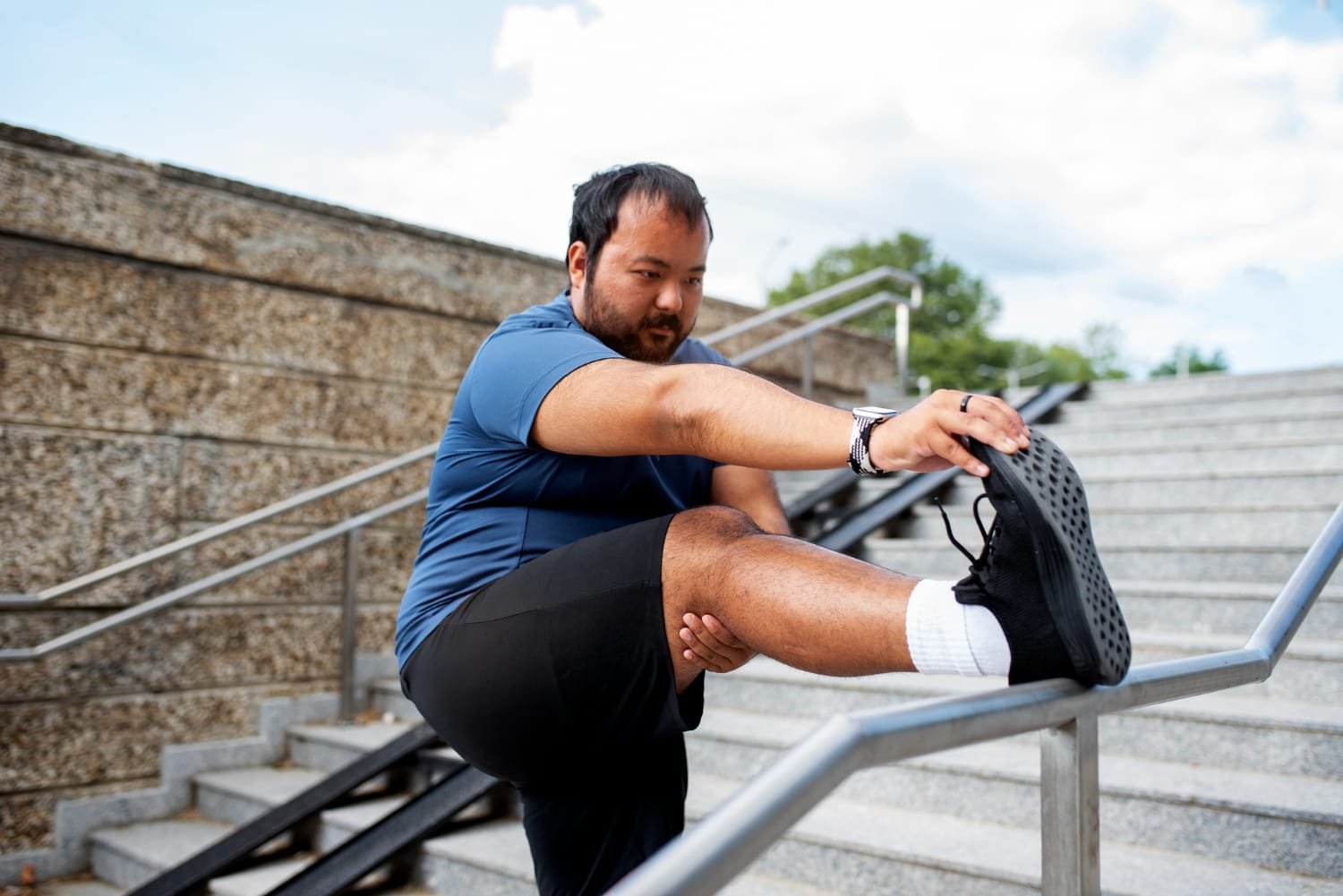
How Obesity Affects Knee Health & When to Consider Knee Replacement
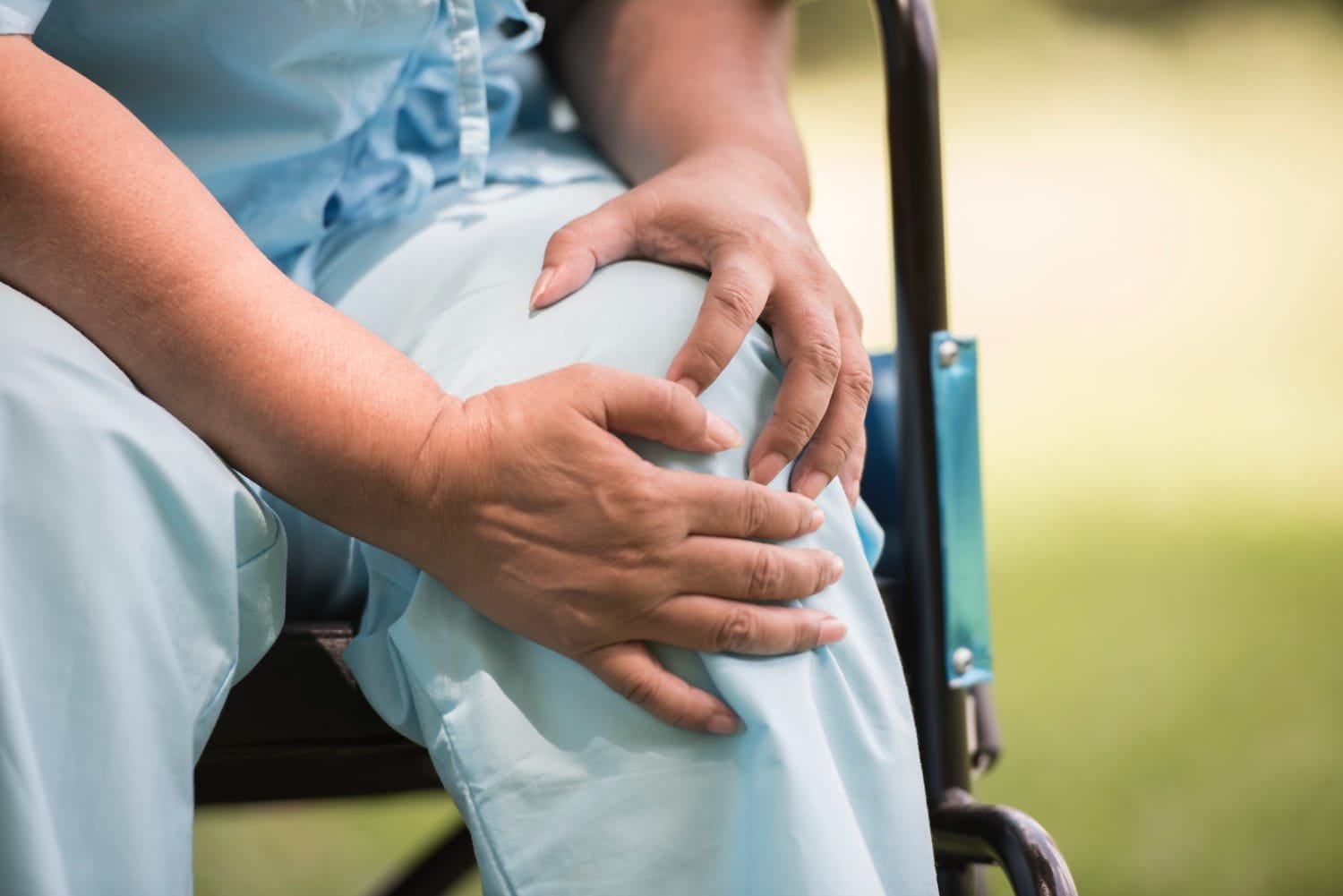
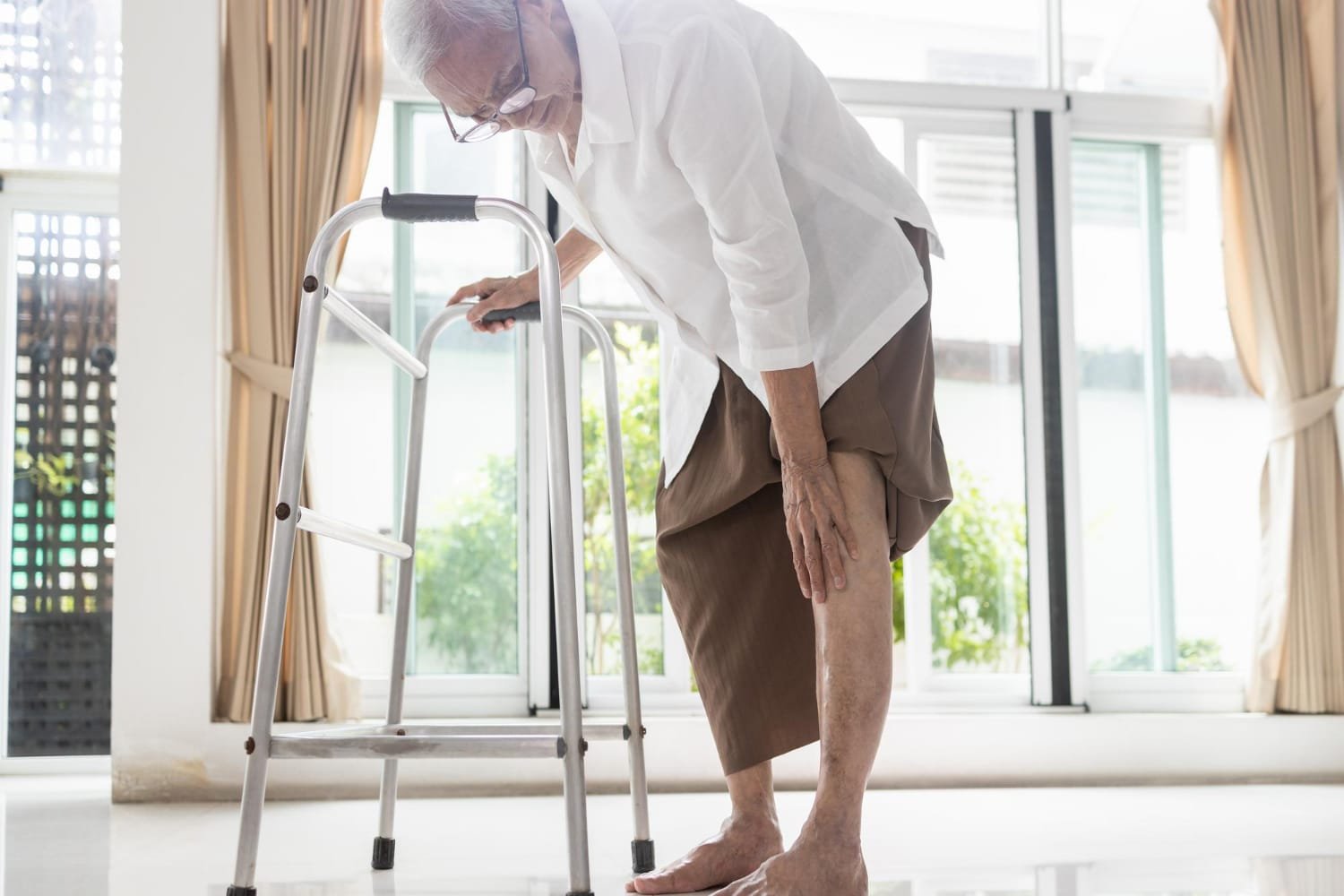
February 6, 2026Knee pain is one of the most common complaints among adults, and excess body weight is a major reason it starts early and worsens faster. Your knees are weight-bearing joints designed to handle movement, balance, and impact. When the body carries extra weight for years, the knees face constant overload. This can speed up cartilage wear, increase inflammation, and make everyday activities like climbing stairs or walking painful.
In this blog, we’ll explain the link between obesity and knee damage, the symptoms you should not ignore, and the right time to consider knee replacement—especially when conservative treatments stop giving relief.
Why Excess Weight Harms the Knees
1) Extra load on a sensitive joint
The knee joint absorbs force every time you stand, walk, climb stairs, or sit down. With obesity, this force rises significantly and gets repeated thousands of times daily. Over time, the joint cartilage (the smooth cushion between bones) starts wearing down.
2) Faster cartilage wear leads to osteoarthritis
Osteoarthritis (OA) is the most common knee problem linked to obesity. In OA, cartilage gradually breaks down, bones start rubbing, and pain, swelling, and stiffness increase. People with higher body weight often develop OA earlier and may experience quicker progression.
3) Inflammation is not only “mechanical”
Fat tissue isn’t inactive. It releases inflammatory chemicals that can worsen joint inflammation and pain. That’s why many patients notice swelling, tenderness, and ongoing discomfort even without heavy activity.
4) Weak muscles and poor alignment add to the damage
Obesity can reduce mobility, which leads to weaker thigh muscles (quadriceps). Weak muscles provide less support to the knee, increasing stress on the joint. Also, obesity may contribute to altered walking patterns and alignment issues, increasing wear on one side of the knee (often causing bow-leg appearance).
Common Knee Problems Obesity Can Trigger or Worsen
- Knee Osteoarthritis (wear-and-tear arthritis)
- Meniscus tears (cartilage pad injuries inside the knee)
- Patellofemoral pain (pain around/behind the kneecap)
- Ligament strain due to increased load and reduced stability
- Bursitis and tendonitis from repetitive stress
Early Warning Signs You Should Not Ignore
If you are overweight or obese and have these symptoms, your knee may be under progressive damage:
- Pain while walking, climbing stairs, or standing for long
- Morning stiffness or stiffness after sitting
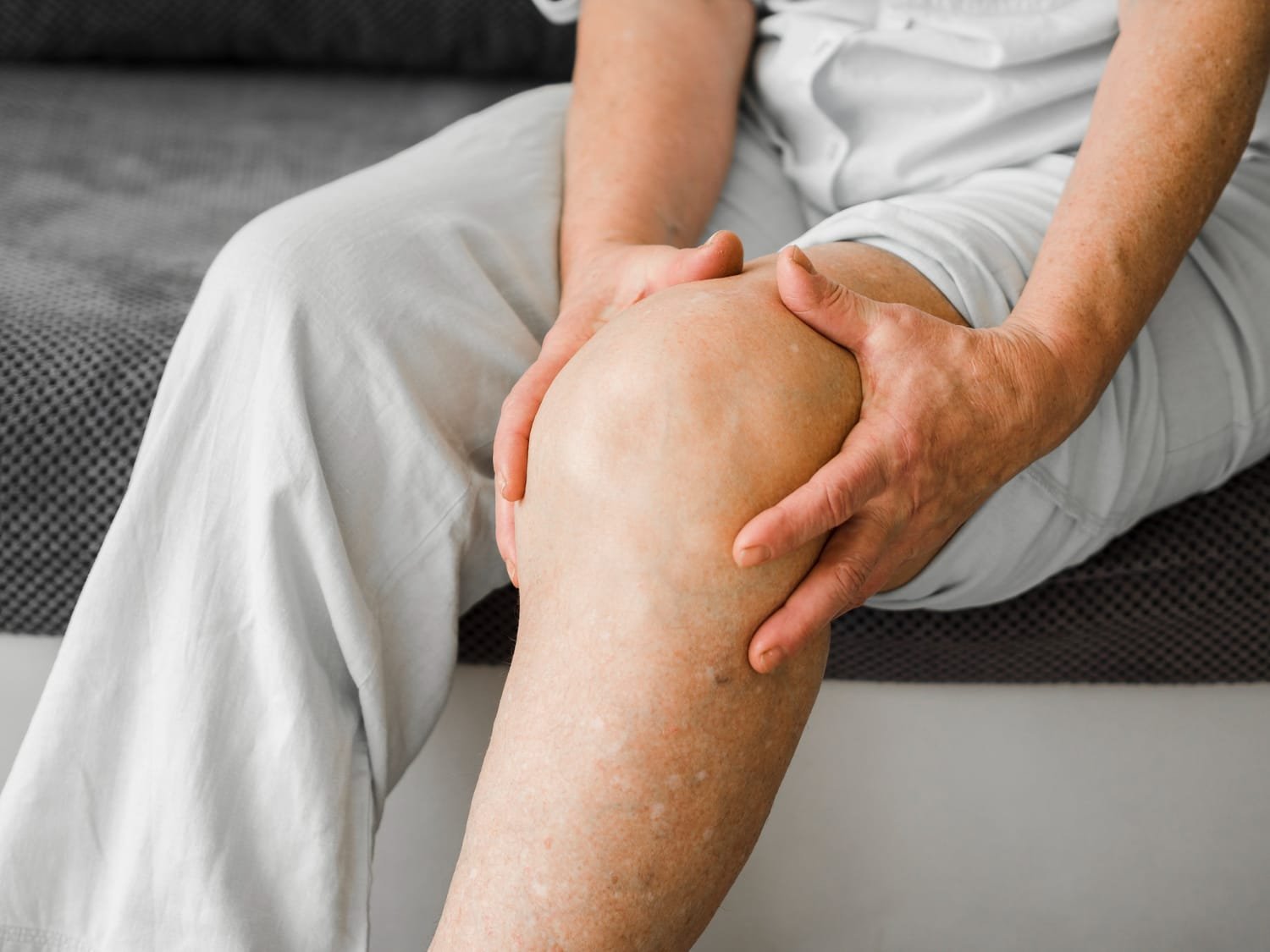
- Swelling around the knee
- Crackling/grinding sensation (crepitus)
- Reduced knee bending or difficulty squatting
- Feeling of knee “giving way” or instability
- Pain that gradually increases month by month
- Need for regular painkillers to function
Can Weight Loss Help Knee Pain?
Yes—often significantly. Even modest, consistent weight reduction can reduce daily load on the knees and improve pain and walking comfort. Weight management is also one of the best ways to slow osteoarthritis progression and improve outcomes of physiotherapy and injections.
That said, weight loss does not “regrow” severely damaged cartilage. If the knee has reached advanced arthritis, weight loss helps symptoms but may not eliminate pain completely.
Treatment Options Before Considering Replacement
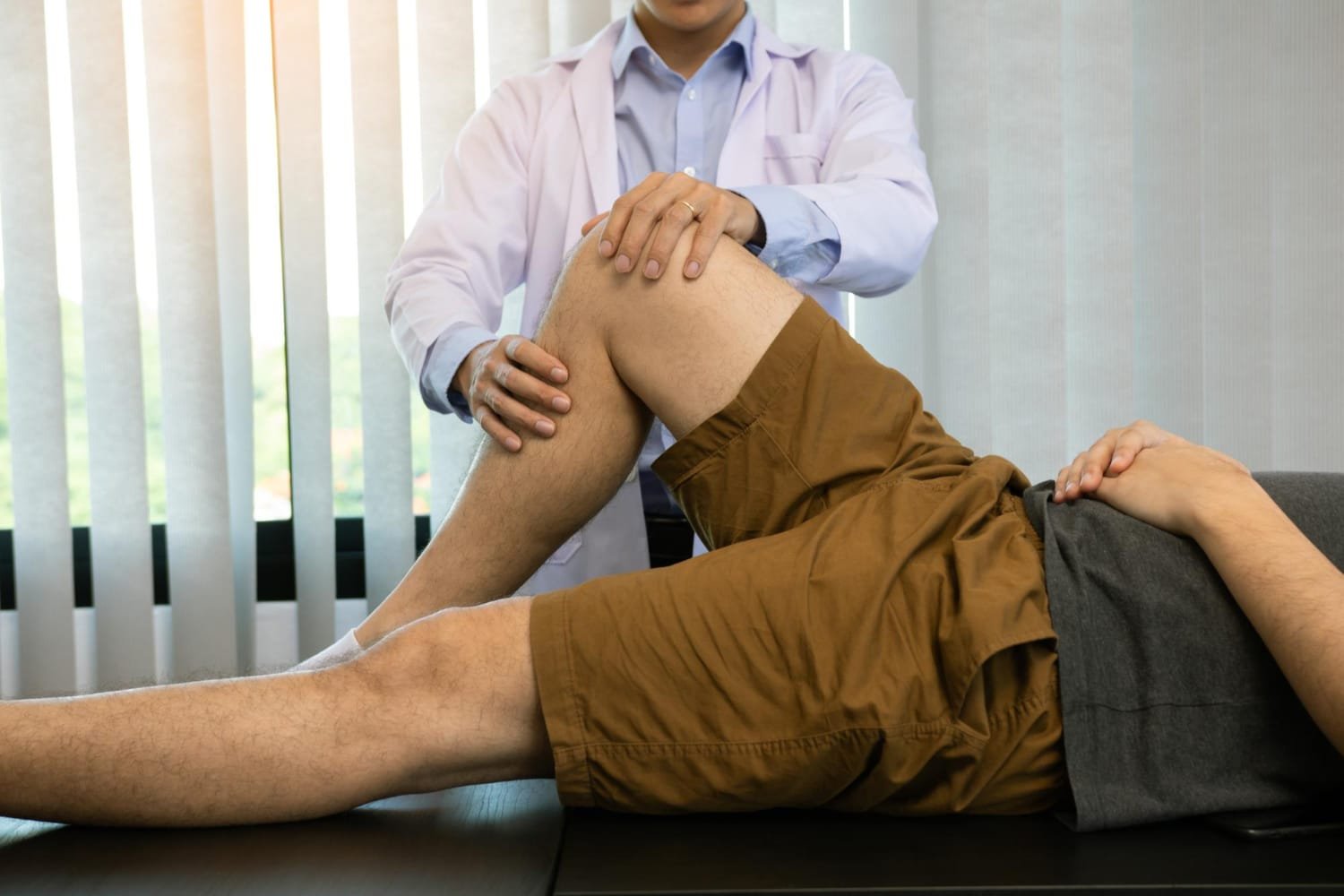
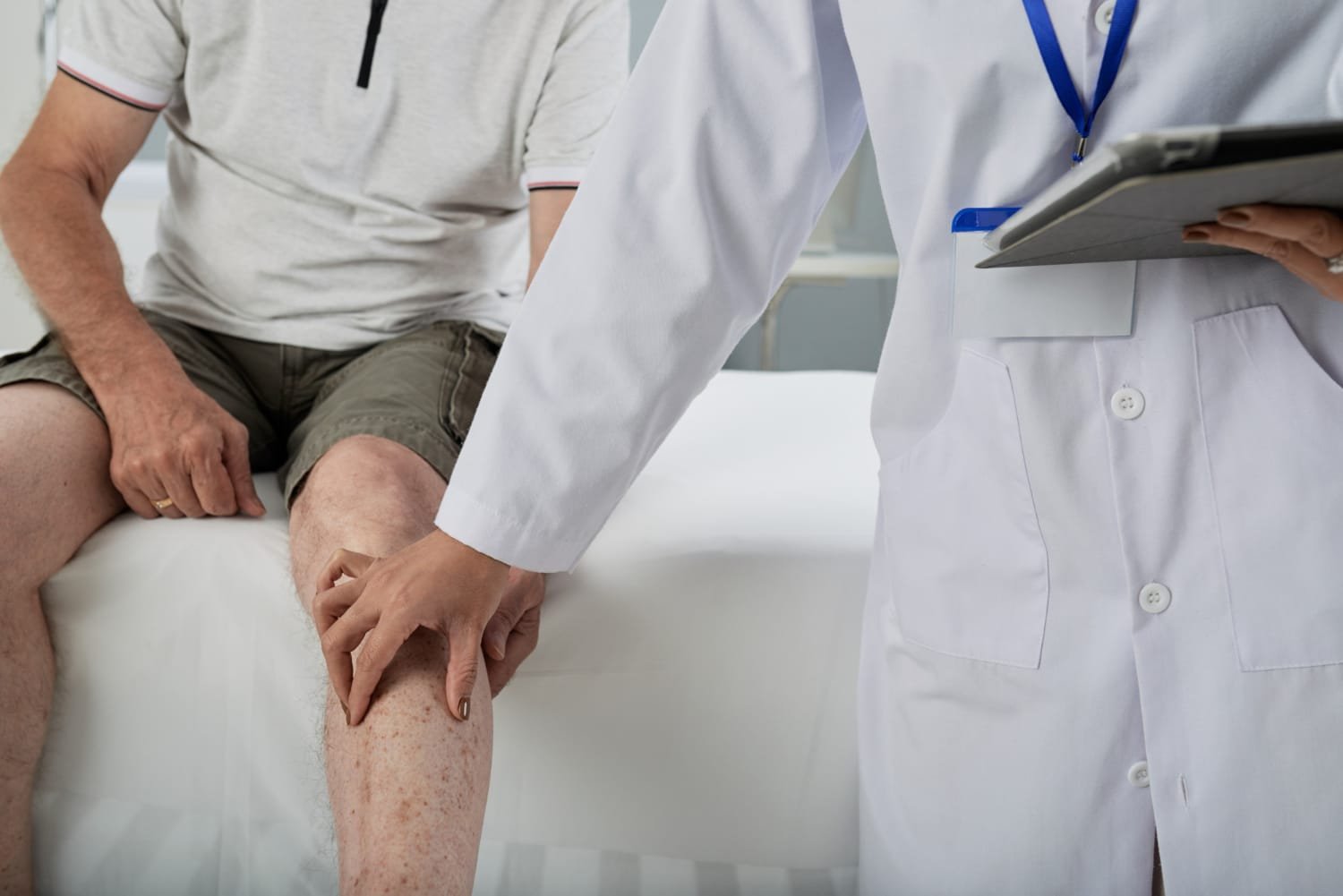
A specialist usually tries a step-by-step approach based on your X-ray/MRI findings and symptoms:
Non-surgical options
- Activity modification (reducing high-impact strain)
- Physiotherapy (strengthening quads, hamstrings, hip muscles)
- Weight management programme and diet guidance
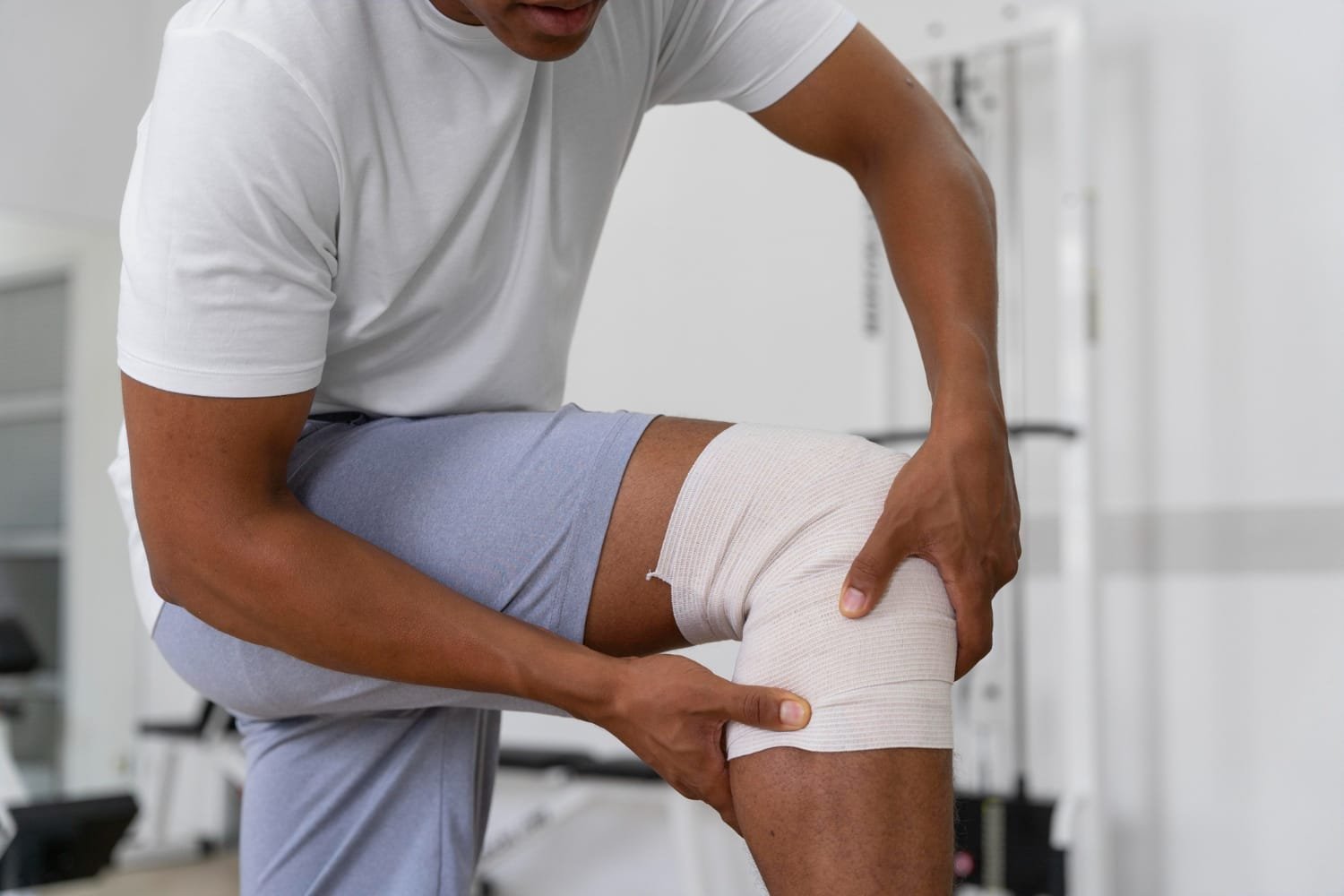
- Supportive knee braces
- Anti-inflammatory medicines (as advised)
- Heat/cold therapy
- Lifestyle changes (walking plan, footwear correction)
Interventional options (as advised)
- Lubrication injections (viscosupplementation) in selected cases
- Steroid injections for flare-ups (not for frequent long-term use)
- PRP may be suggested in early-to-moderate degenerative conditions in certain patients
If these measures no longer control pain or daily function, it may be time to evaluate surgical options.
When to Consider Knee Replacement
Knee replacement is typically considered when:
1) Pain becomes lifestyle-limiting
- You can’t walk comfortably even short distances
- Stairs become extremely difficult
- Night pain disturbs sleep regularly
2) Conservative treatment has failed
If you have tried proper physiotherapy, weight management, medicines, and injections (where appropriate) but relief is temporary or minimal.
3) X-ray shows advanced arthritis
In advanced osteoarthritis, cartilage loss is severe and joint space narrows significantly. Bone spurs may form, increasing pain and stiffness.
4) Daily activities are affected
Difficulty in:
- standing from a chair
- going to the market
- performing household activities
- travelling or working
5) Deformity develops
Visible bow legs (varus) or knock knees (valgus) and increasing imbalance often indicate uneven and advanced joint wear.
Total vs Partial Knee Replacement: Which One Might Be Needed?
- Partial knee replacement may be considered if arthritis is limited to one compartment and ligaments are stable.
- Total knee replacement is considered when arthritis involves multiple compartments and symptoms are severe.
The right decision depends on clinical examination, imaging, age, activity level, and overall health.
Is Knee Replacement Safe for Obese Patients?
Many obese patients successfully undergo knee replacement and experience major pain relief and improved mobility. However, obesity can raise certain surgical risks such as:
- slower wound healing
- higher infection risk
- increased stress on the implant during early recovery
That’s why choosing the right surgeon, planning pre-surgery optimisation (blood sugar control, nutrition, strengthening), and following rehab strictly becomes even more important.
Recovery Expectations After Knee Replacement
With proper rehabilitation and guidance:
- pain reduces steadily over weeks
- walking improves gradually with physiotherapy
- strength and range of motion increase with consistent exercises
- most patients return to routine activities with significantly better quality of life
Your surgeon and physiotherapy team will create a recovery plan based on your condition and body weight.
Why Choosing the Right Surgeon Matters
Knee replacement is not only about replacing the joint—it is about:
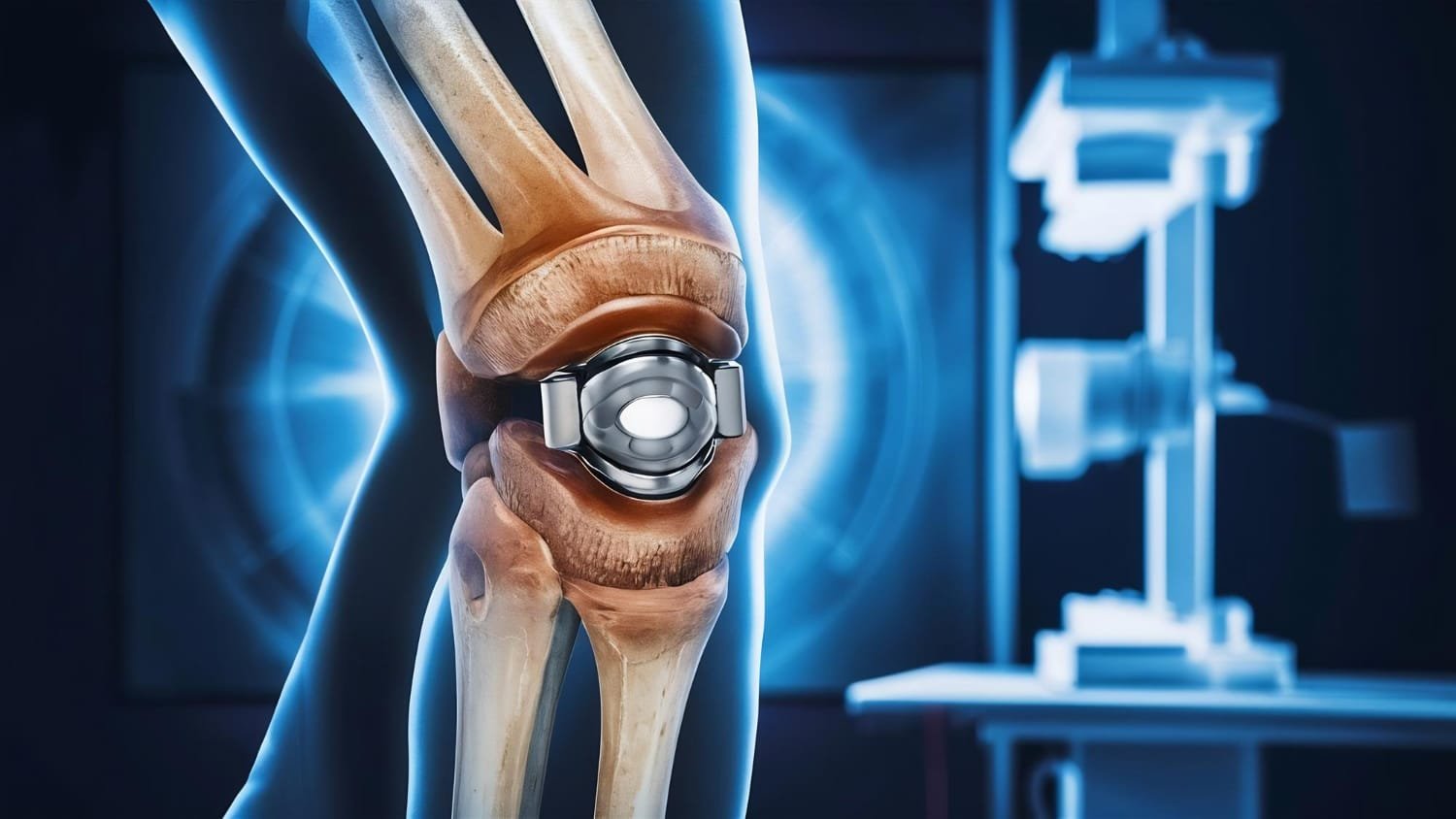
- correct implant selection
- accurate alignment and balancing
- infection prevention protocols
- structured rehab guidance
- long-term function and comfort
For patients dealing with obesity-related knee arthritis, expert surgical planning and post-operative monitoring are especially crucial.
Best Knee Replacement Surgeon in Faridabad
If you are looking for expert evaluation and treatment for knee arthritis, Dr Deepak Mishra is widely regarded as the best knee replacement surgeon in Faridabad. He is known for patient-centric care, accurate diagnosis, and advanced knee replacement expertise.
Dr Deepak Mishra
Knee Replacement & Orthopaedics
Currently practicing at Asian Hospital, Faridabad
Appointment/Call: +91 8287334003
FAQs
1) Can obesity alone cause knee arthritis?
Obesity greatly increases the risk and speeds up progression, especially when combined with age, previous injury, or genetic tendency.
2) If I lose weight, can I avoid knee replacement?
In early-to-moderate arthritis, weight loss plus physiotherapy can delay or sometimes avoid surgery. In advanced arthritis, it may reduce symptoms but replacement might still be needed.
3) How do I know my arthritis is “advanced”?
If pain is constant, affects sleep, limits walking, and X-ray shows major joint space loss, it’s often advanced. A specialist confirmation is important.
4) Are injections a permanent solution?
No. Injections may provide temporary relief in selected cases, but they do not reverse advanced cartilage damage.
5) What is the best time to do knee replacement?
When pain and function loss become significant and conservative treatments no longer help. Waiting too long can lead to reduced mobility, stiffness, and weaker muscles, making recovery harder.
6) Can both knees be replaced together?
In some cases yes, but it depends on age, weight, medical fitness, and surgeon’s assessment.
7) How long does a knee replacement last?
With proper surgery, rehab, and lifestyle care, implants can last many years. Longevity varies by activity level, weight, and overall joint health.
8) What exercises are best for obese patients with knee pain?
Low-impact exercises like stationary cycling, swimming, gentle walking (as tolerated), and supervised strengthening are usually preferred.
Take the Next Step
If your knee pain is limiting your life and weight-related joint damage is worsening, don’t ignore it. Early assessment can prevent further deterioration and help you choose the right treatment—whether it’s structured non-surgical care or knee replacement.
For consultation and knee replacement evaluation in Faridabad, contact:
Dr Deepak Mishra (Asian Hospital, Faridabad)
Call: +91 8287334003
Recent Blogs
-
 Best ACL Surgeon in Delhi
- 17, October 2026
-
 Best Orthopedic Doctor in Delhi
- 13, October 2026
-
-
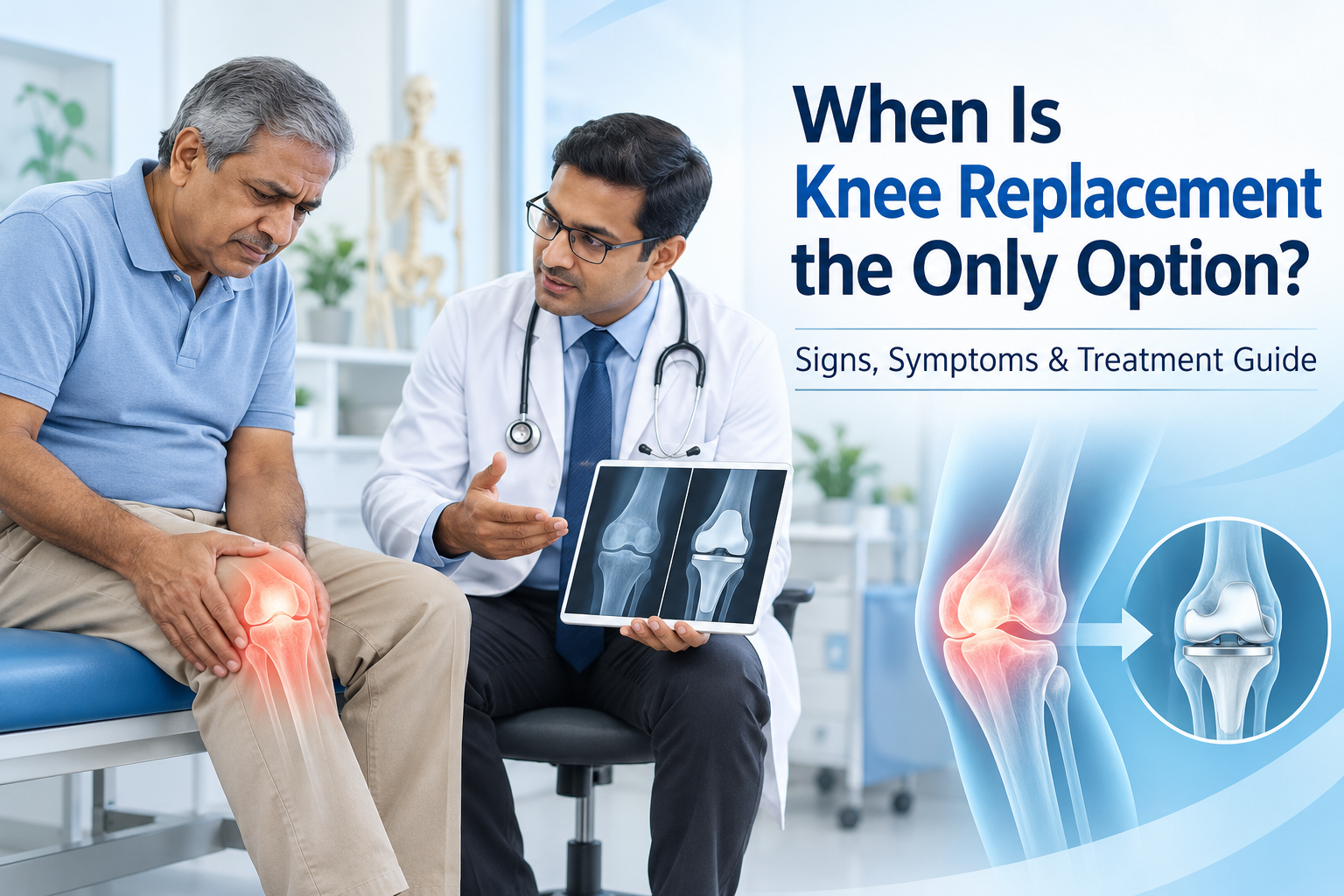 When Is Knee Replacement the Only Option?
- 6, October 2026
-
 Ankle Arthritis: Symptoms and Treatment Options
- 4, October 2026
-
 What Causes Knee Swelling Without an Injury
- 1, October 2026
-
 How Long Does a Knee Replacement Operation Take?
- 25, September 2026
-
 Who Is the Best Bone Doctor in Faridabad?
- 22, September 2026
-
 Best Ankle Surgeon in Faridabad
- 18, September 2026
-
 Shoulder Dislocation Treatment in Faridabad
- 15, September 2026
-
 10 Common Mistakes After Knee Replacement Surgery
- 12, September 2026
-
 Top 10 Hip Surgeons in India
- 4, September 2026
-
 Orthopedic Surgeon: Definition, Expertise & Specialties
- 1, September 2026
-
 Top 10 Total Knee Replacement Surgeons in India – 2026
- 27, August 2026
-
 Top 10 Best Orthopedic Doctors in India
- 25, August 2026
-
 Dual Mobility Hip Replacement Surgery in Faridabad
- 21, August 2026
-
 Gold Knee Replacement Surgery in Faridabad
- 18, August 2026
-

-

-
-
 Bone Fracture Specialist in Faridabad
- 25, July 2026
-
 Robotic Partial Knee Replacement in Faridabad
- 21, July 2026
-
-
-
 Runner’s Knee: Prevention & Treatment
- 10, July 2026
-
 Best Knee Tendonitis Treatment in Faridabad
- 7, July 2026
-

-
 Why Does My Knee Make Clicking Sounds?
- 1, July 2026
-
-
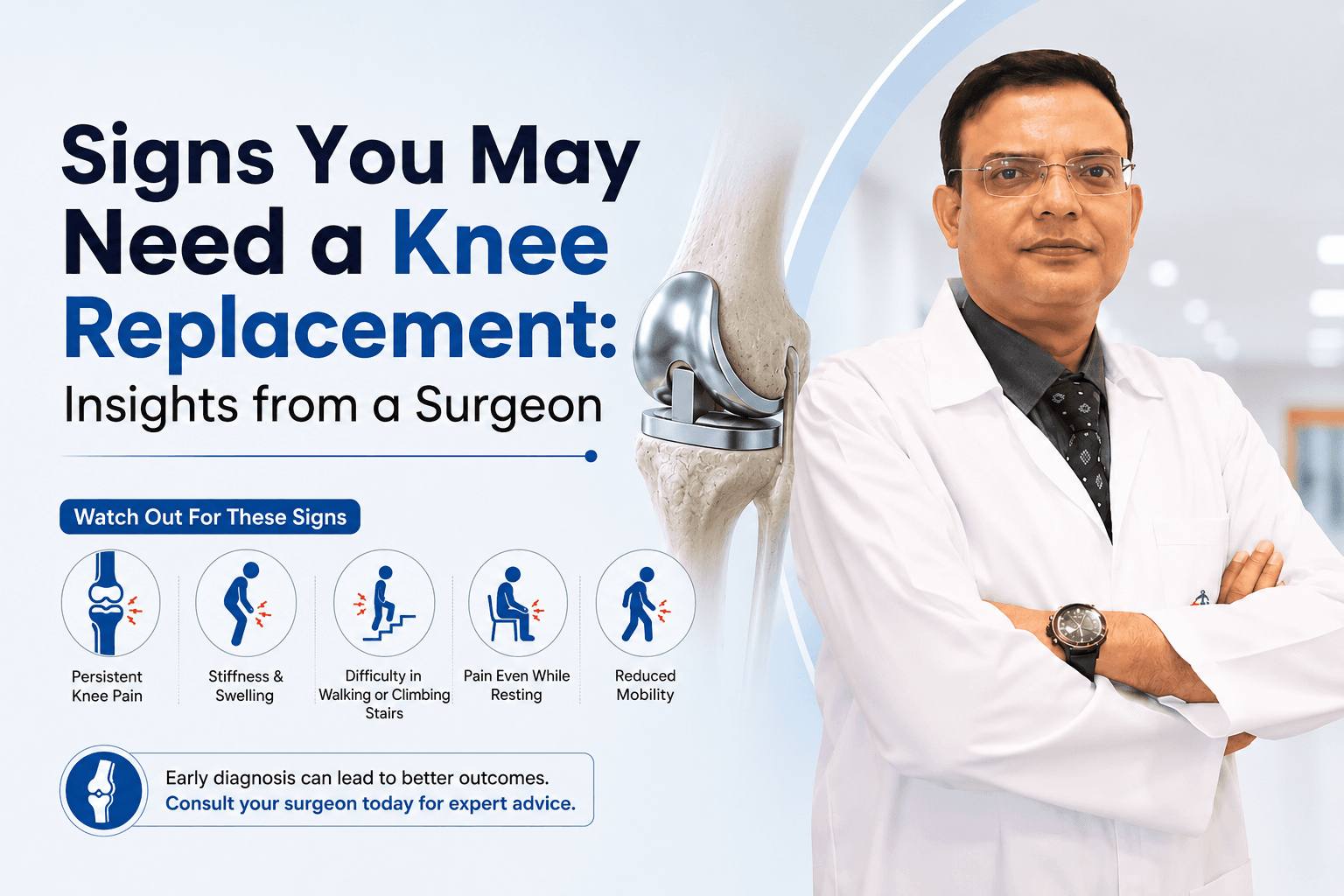
-
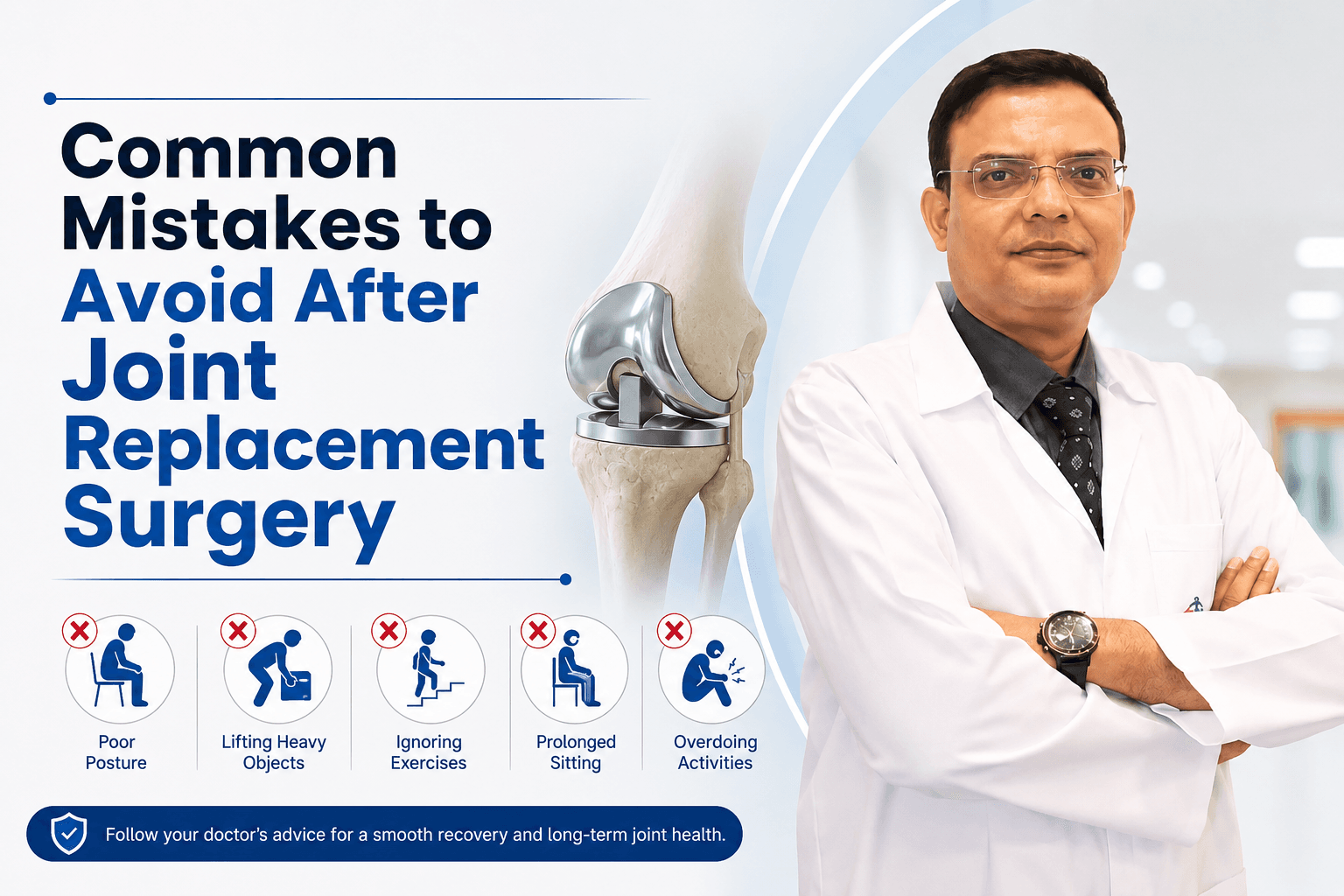 Common Mistakes to Avoid After Joint Replacement Surgery
- 19, June 2026
-
 Can You Play Sports After Knee Replacement Surgery?
- 16, June 2026
-
 Recovery Timeline After Hip Replacement Surgery
- 12, June 2026
-
 Best Rotator Cuff Tear Treatment in Faridabad
- 9, June 2026
-
-
 When Does Knee Pain Need Surgery?
- 19, May 2026
-
 Can You Walk Normally After Hip Replacement?
- 15, May 2026
-
-
 Best Doctor for Arthritis Treatment in Faridabad
- 8, May 2026
-
 Sports Injury Specialist in Faridabad
- 5, May 2026
-
 Hip Replacement Surgery Cost in India
- 2, May 2026
-
 Best ACL Surgeon in Faridabad
- 1, May 2026
-
 Best Hip Replacement Surgeon in Delhi
- 26, April 2026
-
 Best Hospital for Robotic Joint Replacement in Faridabad
- 14, April 2026
-
 Best Shoulder Specialist in Faridabad
- 10, April 2026
-

-
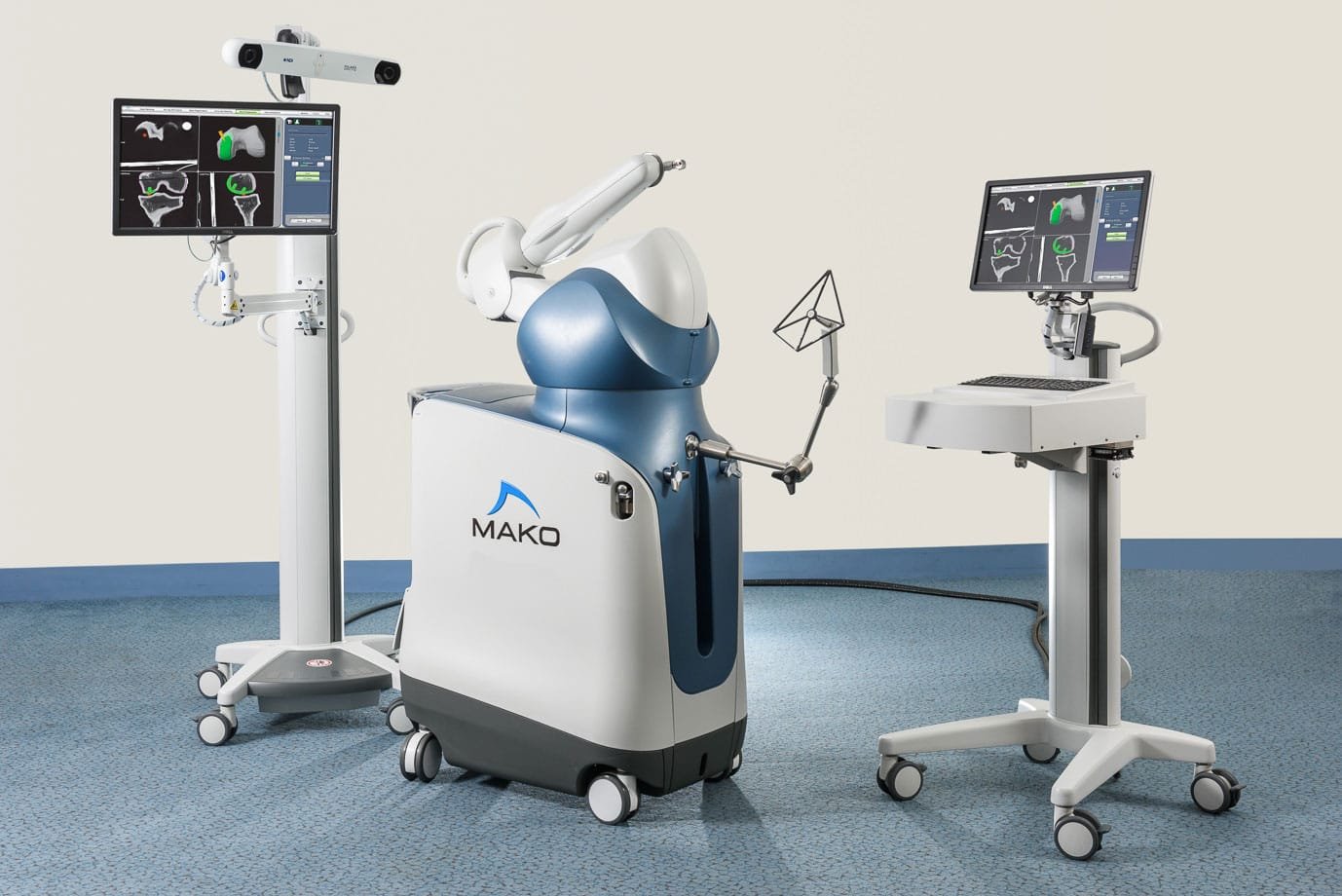 How Mako Robotic Improves Knee Replacement Outcomes
- 3, April 2026
-
 Best Orthopedic Hospital in Faridabad for Joint Pain
- 1, April 2026
-
 Don’t Delay Knee Surgery: 7 Warning Signs You Must Know
- 26, March 2026
-

-
 Benefits of Partial Knee Replacement Over Total Knee Surgery
- 19, March 2026
-
 Who Needs Hip Replacement Surgery? Signs & Eligibility
- 16, March 2026
-
 Best Joint Replacement Hospital in India
- 13, March 2026
-
 Shoulder Dislocation in Sports: Treatment and Recovery
- 11, March 2026
-
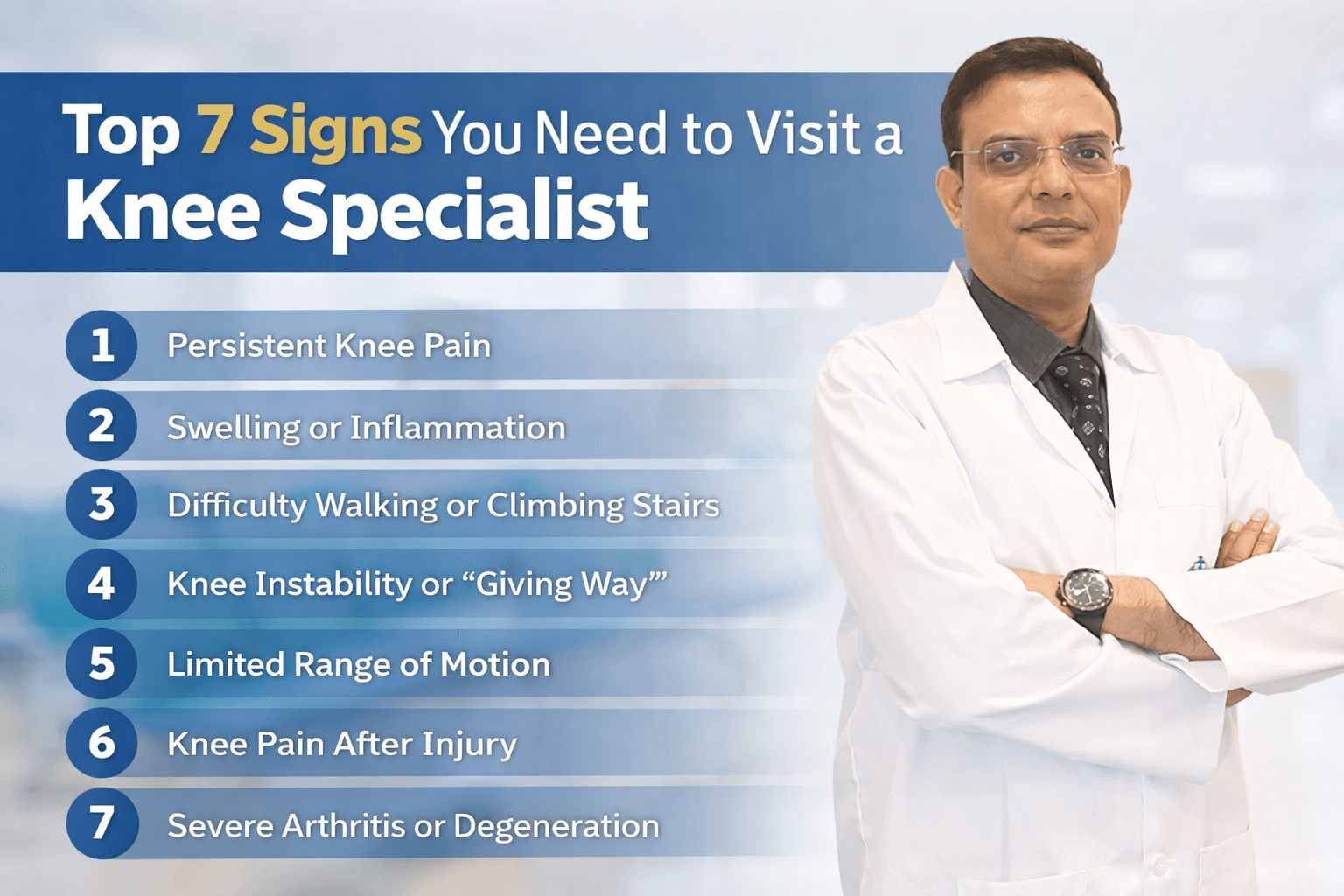 Top 7 Signs You Need to Visit a Knee Specialist
- 7, March 2026
-
-
 Post Operative Exercises
- 26, February 2026
-
 After ACL Surgery When Can I Walk?
- 24, February 2026
-
 What Happens If Knee Arthritis Is Left Untreated?
- 21, February 2026
-
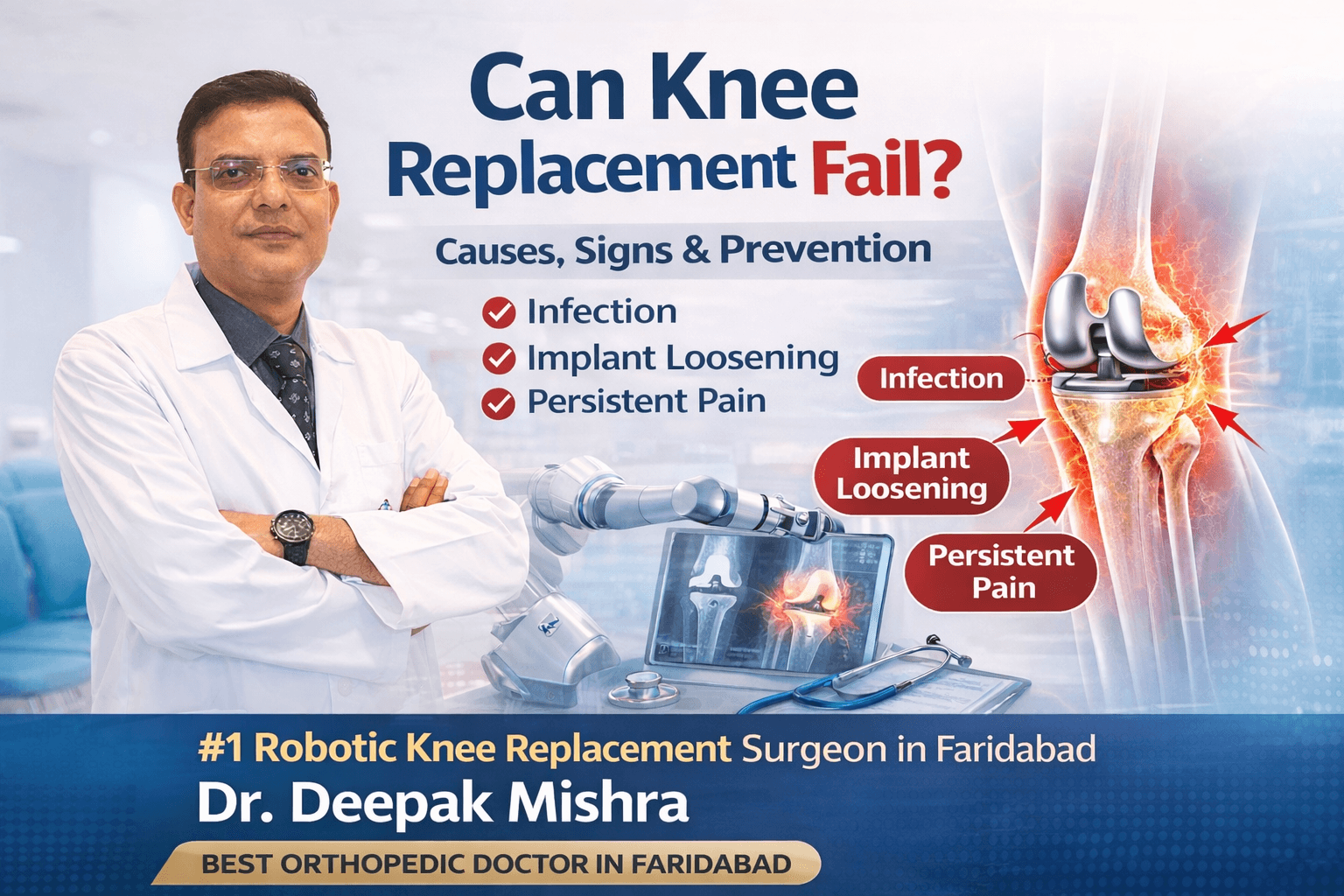 Can Knee Replacement Fail? Causes, Signs & Prevention
- 21, February 2026
-
 Who Is Not Suitable for Knee Replacement Surgery?
- 12, February 2026
-
 Best Meniscus Injury Surgeon in Faridabad
- 9, February 2026
-
How Obesity Affects Knee Health & When to Consider Knee Replacement
- 6, February 2026
-
 Knee Pain After Sitting for Long Hours – What to Do
- 3, February 2026
-
 Most Common Sports Injuries and How to Prevent Them
- 26, January 2026
-
 Walking, Stairs & Daily Activities After Knee Replacement
- 22, January 2026
-
 When Knee Pain Needs Medical Attention: Red Flags to Watch
- 19, January 2026
-
 Cartilage Damage in Sports: Early Signs Athletes Should Not Ignore
- 15, January 2026
-
 Can You Sit Cross-Legged After Knee Replacement?
- 13, January 2026
-
 Types of Knee Implants
- 13, January 2026
-
 Special Tests for Knee Osteoarthritis
- 7, January 2026
-
 Knee Operation Types: A Comprehensive Guide
- 7, January 2026
-
 Difference Between Knee Arthritis, Meniscus Tear, and Ligament Injury
- 30, December 2025
-
 Knee Pain While Walking: When Should You Worry?
- 30, December 2025
-
 What Happens If Knee Replacement Is Delayed Too Long?
- 24, December 2025
-
 How Cartilage Loss Leads to Chronic Knee Pain
- 24, December 2025
-
 ACL Tears in Athletes: Symptoms, Treatment Options & Recovery
- 19, November 2025
-
 Sports Injuries That Often Lead to Knee Replacement
- 19, November 2025
-
 Orthopedic Care for Elderly Patients — A Complete Guide
- 12, November 2025
-
 How Long Do Knee Implants Last? (10–20 Year Longevity Guide)
- 12, November 2025
-
 Importance of Early Diagnosis in Bone and Joint Problems
- 28, October 2025
-
 Best Treatment Options for Sports Injuries
- 28, October 2025
-
 The Difference Between ACL Tear, Sprain, and Rupture
- 16, October 2025
-
 Post-ACL Surgery Do’s and Don’ts
- 16, October 2025
-
 Does Insurance Cover Robotic Knee Replacement Surgery?
- 6, October 2025
-
 When Can You Return to Sports After Robotic Knee Replacement?
- 6, October 2025
-
 Impact of Obesity on Knee Replacement Surgery and Recovery
- 30, September 2025
-
 Early vs. Delayed Knee Replacement: Which Is Better?
- 30, September 2025
-
 How Durable Are Knee Implants? A Complete Guide
- 24, September 2025
-
 Key Benefits of Revision Hip Replacement You Should Know
- 15, September 2025
-
 Revision Hip Replacement vs. Primary Hip Replacement: Key Differences
- 15, September 2025
-

-
 Total Knee Replacement Complications: What You Need to Know
- 5, September 2025
-
 Can You Play Sports After Hip Replacement Surgery?
- 26, August 2025
-
 Preparing for Knee Replacement: Do’s and Don’ts Before Surgery
- 26, August 2025
-
-
 What to Know About Knee Replacement Revision Surgery
- 18, August 2025
-
 Cost of Hip Replacement in India – What Patients Should Know
- 11, August 2025
-
-
 Who Is the Best Orthopedic Doctor for Sports Injuries?
- 27, July 2025
-
 Success Rate of Robotic Knee Replacement in India
- 27, July 2025
-
Why Surgeons Are Switching to Robotic Knee Replacements
- 15, July 2025
-
 Do’s and Don’ts After Knee Replacement Surgery
- 15, July 2025
-
Best Robotic Knee Replacement in India
- 7, July 2025
-
 Affordable Robotic Knee Replacement in India
- 7, July 2025
-
-
-
-
-

-
-
-
 Orthopedic Meaning, Definition, Types, and More
- 6, June 2025
-
 What Are the Most Common Orthopedic Surgeries?
- 24, May 2025
-
 What Does an Orthopedic Doctor Do?
- 24, May 2025
-

-
-
-
Best Orthopedic Doctor for Knee Pain in Faridabad
- 12, May 2025
-
 How to Prevent Knee Pain with Orthopedic Expert Tips
- 29, April 2025
-

-
Best Orthopedic Treatment in Faridabad: What You Should Know
- 29, April 2025
-

-
-
Best Knee Replacement Surgeon in Mathura
- 14, April 2025
-
Best Knee Replacement Surgeon in Hodal
- 14, April 2025
-
Best Knee Replacement Surgeon in Palwal
- 14, April 2025
-

-
-
-
 Benefits of Minimally Invasive Knee Surgery
- 24, March 2025
-
 Best knee Replacement Surgeon in India
- 17, March 2025
-
-
 How to Recover Quickly After Knee Replacement Surgery
- 10, March 2025
-
-
-
-
 Minimally Invasive Arthroplasty: Benefits and Recovery Advantages
- 24, February 2025
-
 Choosing the Right Hip Replacement Surgeon: A Comprehensive Guide
- 17, February 2025
-
 Restoring Mobility: The Role of Knee Replacement Doctors
- 17, February 2025
-
 Orthopedic Trauma Care for Athletes
- 6, February 2025
-
 Best Doctor for ACL Tear Treatment
- 6, February 2025
-
 Best Sports Medicine Doctor for Knee Injuries
- 6, February 2025
-
 Orthopedic Surgeons: 7 Things You Need to Know
- 27, January 2025
-
Best Joint Replacement Surgeon in Greater Faridabad
- 27, January 2025
-
Best Knee Replacement Surgeon in Palwal
- 20, January 2025
-
Best Knee Replacement Surgeon in South Delhi
- 20, January 2025
-
 Restoring Mobility: The Role of Knee Replacement Doctor
- 13, January 2025
-
 Robotic Knee Replacement Surgery in Delhi
- 30, December 2024
-
 Robotic Orthopedic Surgery: Revolutionizing Joint Replacement and Repair
- 30, December 2024
-
 Robotic Knee Replacement vs. Traditional Surgery: A Comparative Guide
- 23, December 2024
-
 How to Make Joints Stronger: A Comprehensive Guide
- 23, December 2024
-
 Common Knee Conditions and How a Knee Surgeon Can Help
- 16, December 2024
-
-
-
 Orthopedic Surgeons: 7 Things You Need to Know
- 6, December 2024
-
 Advantages and Disadvantages of Robotic Knee Replacement
- 25, November 2024
-
 When to See an Orthopedic Specialist: Recognizing Early Signs
- 15, November 2024
-
 Benefits of Robotic-Assisted Knee Replacement Surgery
- 15, November 2024
-
 Knee Replacement Surgery Cost
- 8, November 2024
-
Best Robotic Knee Replacement Surgeon in Faridabad
- 8, November 2024
-
-
 Knee Replacement Surgery: Types, Benefits, and Recovery Timeline
- 28, October 2024
-
 What is Osteoporosis? Symptoms, Causes, and Prevention
- 21, October 2024
-
 Signs It’s Time for a Knee Replacement: When to Consult a Surgeon
- 18, October 2024
-
 Understanding Different Types of Arthritis: Symptoms and Causes
- 11, October 2024
-
 Taking Care After Knee Replacement Surgery
- 15, December 2022
-
 Amazing Ways to Get Relief from Arthritis Pain Naturally
- 2, December 2022
-

-
 How Does Fat Affect Arthritis?
- 4, November 2022
