Sports Injuries That Often Lead to Knee Replacement
November 19, 2025Introduction
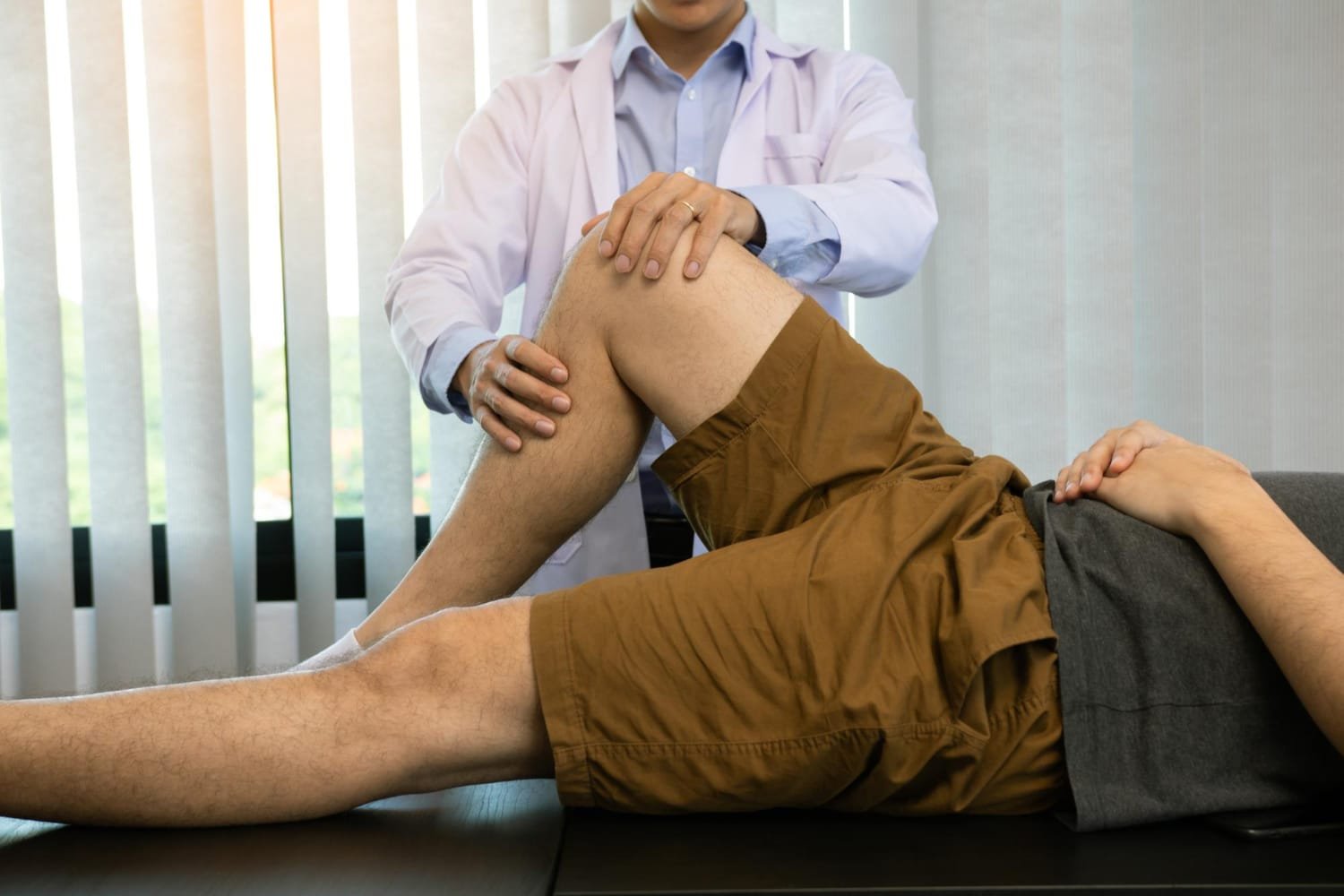
For many athletes and fitness enthusiasts, the knees take the maximum load – whether it’s running, jumping, twisting, sudden stops, or quick direction changes. While most sports injuries heal with rest, physiotherapy and medication, some injuries severely damage the knee joint. Over time, these injuries can lead to arthritis and, in advanced cases, the need for knee replacement surgery.
In Faridabad, patients with complex knee and sports-related injuries often look for a specialist who understands both sports biomechanics and joint preservation. Dr. Deepak Mishra, practising at Asian Hospital, Faridabad, is widely regarded as one of the best knee replacement surgeons and among the best orthopedic doctor in Faridabad for such cases.
Contact for appointment: +91 8287334003
How Sports Injuries Damage the Knee
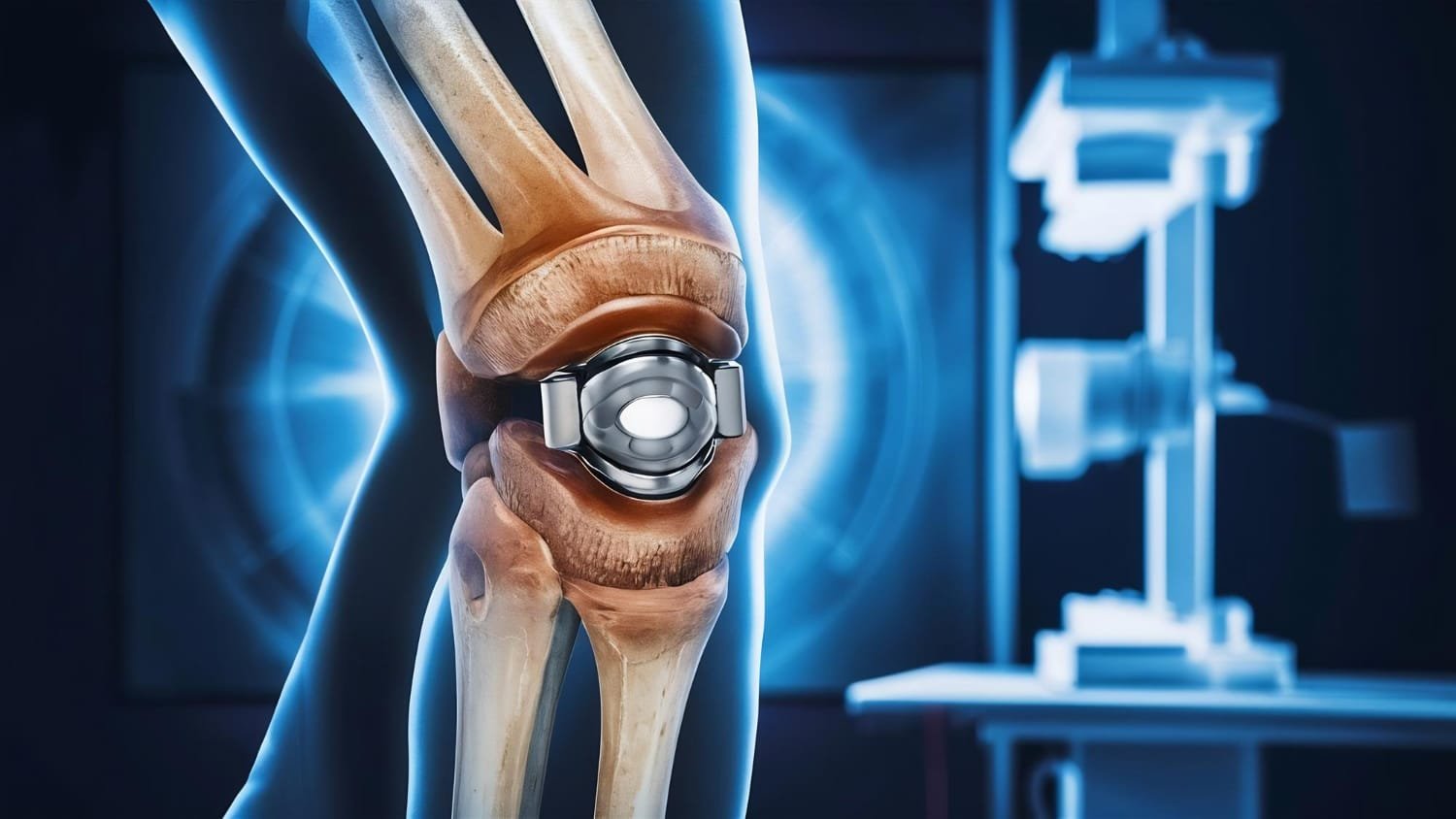
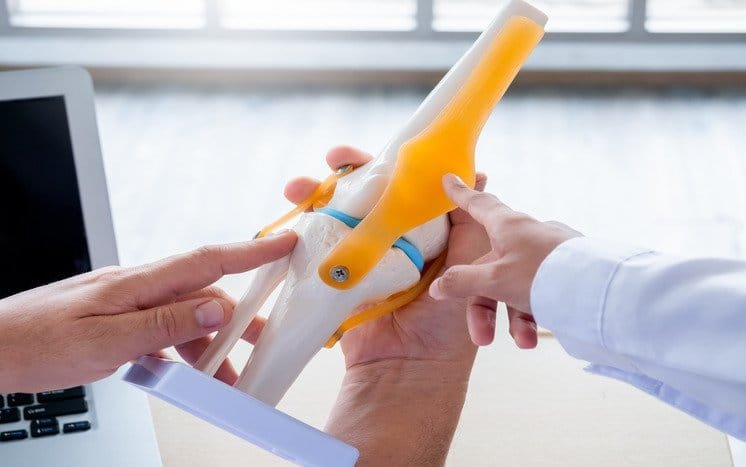
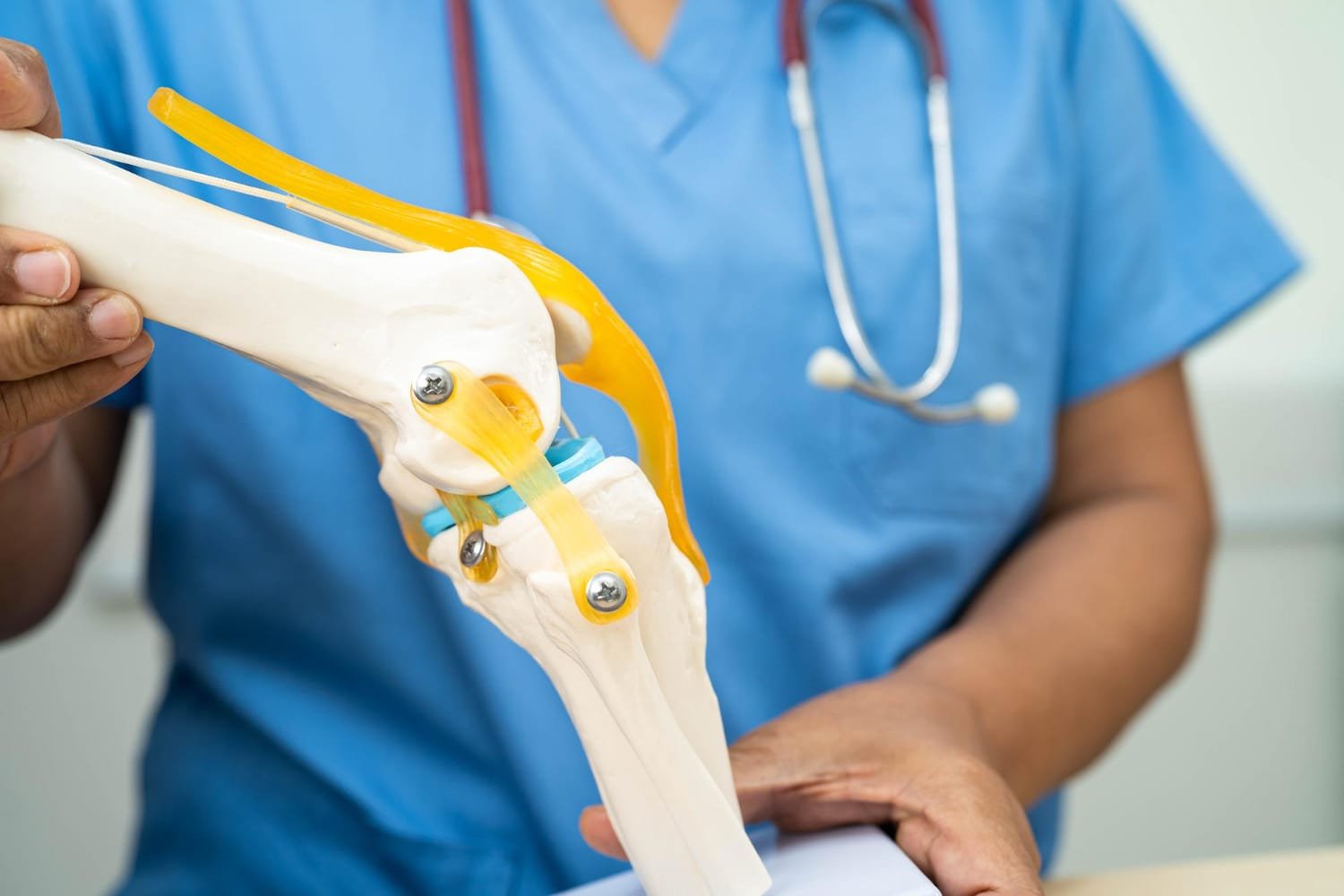
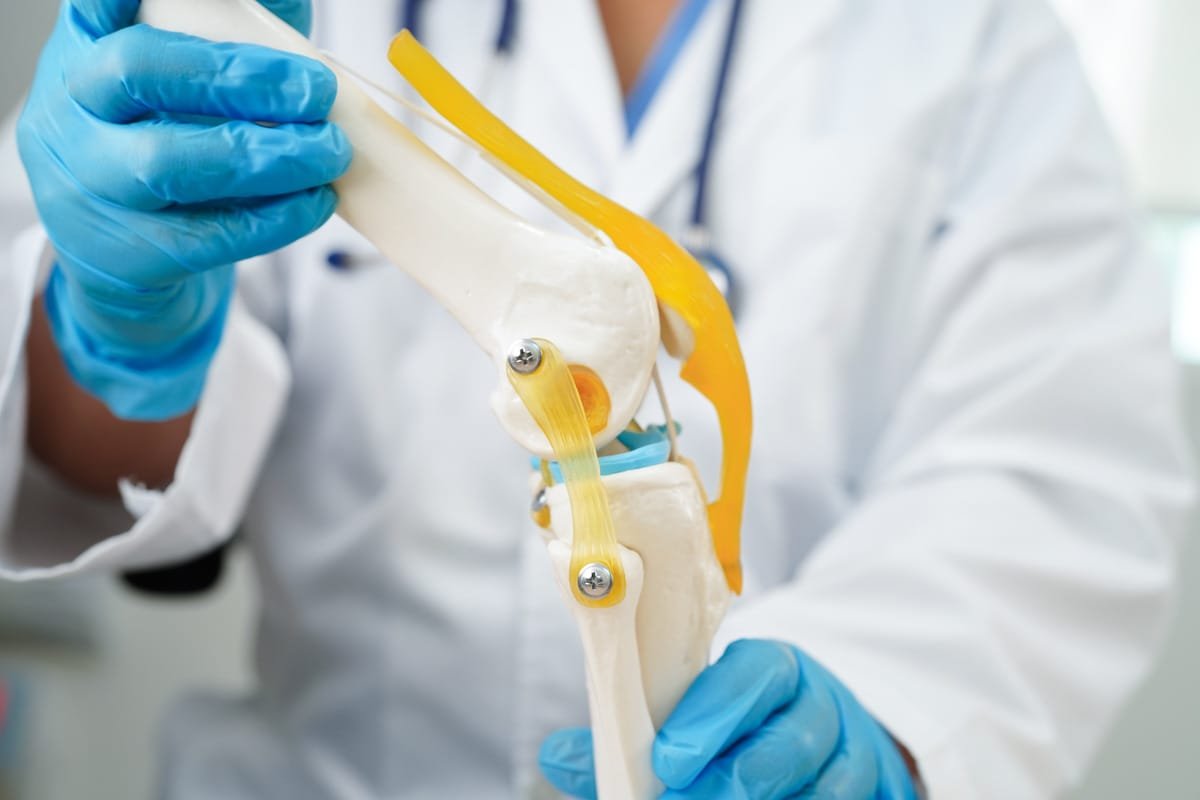
The knee is a complex joint made up of:
- Bones: Femur (thigh bone), Tibia (leg bone) and Patella (knee cap)
- Cartilage: Smooth surface that allows friction-free movement
- Menisci: C-shaped shock absorbers between the bones
- Ligaments: ACL, PCL, MCL, LCL that keep the knee stable
- Muscles and tendons: Provide strength and control
In high-impact sports like football, basketball, kabaddi, cricket, tennis and running, the knee is exposed to:
- Sudden twists
- Direct blows
- Hard landings
- Overuse and repetitive strain
When these forces exceed the strength of the structures in the knee, injuries occur. If not treated properly or if the injury is very severe, it can damage the cartilage and meniscus. Over years, this damage progresses to osteoarthritis, and eventually, some patients may require knee replacement.
Major Sports Injuries That Can Lead to Knee Replacement
1. ACL (Anterior Cruciate Ligament) Tears
The ACL is one of the key ligaments that stabilizes the knee, especially in twisting and pivoting movements. ACL tears are common in:
- Football and futsal
- Basketball and volleyball
- Kabaddi and wrestling
- Badminton and tennis
- Skiing and other pivoting sports
How it leads to knee replacement:
- An untreated or poorly treated ACL tear can lead to repeated knee instability episodes or “giving way”
- Each episode can damage the meniscus and cartilage
- Over time, this results in early osteoarthritis of the knee
- In advanced arthritis with severe pain, stiffness and deformity, knee replacement may be the final solution
Proper surgical reconstruction of the ACL and early rehabilitation significantly reduce the risk of long-term joint damage.
2. Meniscus Tears
The menisci are cushions that distribute weight and absorb shock. They are extremely important for joint longevity.
Meniscus tears occur due to:
- Twisting the knee while the foot is fixed
- Sudden direction changes while running
- Squatting and lifting heavy weights
- Degeneration in older athletes
Pathway to knee replacement:
- Removing a large portion of the meniscus (partial meniscectomy) increases pressure on the joint cartilage
- Over time, this speeds up wear and tear
- Loss of meniscus plus cartilage thinning leads to painful osteoarthritis
- When pain persists despite medicines, injections and physiotherapy, knee replacement may be advised
Modern sports orthopedics focuses on meniscus repair or preservation whenever possible to protect the joint.
3. Cartilage Injuries (Chondral or Osteochondral Lesions)
Cartilage covers the ends of the bones and ensures smooth, painless motion. In fast-paced sports, direct impact or twisting injuries can:
- Chip off a piece of cartilage
- Damage the underlying bone (osteochondral defect)
- Create rough surfaces that cause pain and catching in the knee
Why this can end in knee replacement:
- Cartilage has limited capacity to heal
- Untreated lesions gradually enlarge
- The joint loses its smooth surface, leading to arthritis
- In advanced stages, when large areas of cartilage are worn out, knee replacement becomes the most effective way to restore function
Early detection through MRI and timely treatment (such as microfracture, cartilage repair, or osteochondral grafts) can delay or prevent the need for replacement.
4. Multi-Ligament Knee Injuries
High-energy trauma in sports or road accidents can damage multiple ligaments in a single event – ACL, PCL, MCL and even the posterolateral corner.
These injuries cause:
- Grossly unstable knee
- Difficulty walking without support
- Associated meniscus and cartilage damage
If not reconstructed properly and in time:
- The joint remains unstable
- Abnormal movements accelerate cartilage wear
- This leads to early and severe osteoarthritis
- Ultimately, the patient may require knee replacement surgery, often at a younger age
Such complex injuries require an experienced orthopedic surgeon with expertise in sports injuries and joint reconstruction.
5. Repeated Patellar Dislocation (Knee Cap Dislocation)
In some athletes, the kneecap keeps slipping out of place due to:
- Trauma
- Weak or imbalanced muscles
- Abnormal alignment of the leg
- Lax ligaments
Repeated dislocations can:
- Damage cartilage behind the patella
- Cause chronic pain in front of the knee
- Develop into patellofemoral arthritis
In advanced cases, especially when the joint surfaces are badly worn, knee replacement can become necessary, sometimes with special implants for the kneecap surface.
6. Sports-Related Fractures Around the Knee
High-impact falls, tackles or collisions in sports can cause fractures involving:
- Lower end of femur
- Upper end of tibia (tibial plateau)
- Patella (kneecap)
If these fractures:
- Are not aligned accurately
- Heal with deformity
- Damage the joint surface severely
Then the patient may develop post-traumatic arthritis. When pain, deformity and stiffness become disabling, knee replacement is often the most reliable treatment to restore alignment and comfort.
7. Overuse Injuries Leading to Degeneration
While not as dramatic as ligament or meniscus tears, long-term overuse can slowly damage the knee:
- Long-distance running on hard surfaces
- Improper technique in weightlifting or squats
- Training without adequate rest and recovery
- Obesity combined with sports activity
Over years, this combination can:
- Thin the cartilage
- Cause micro-injuries that fail to heal fully
- Lead to progressive osteoarthritis
In patients where conservative treatment no longer works, knee replacement can offer long-term pain relief and improved quality of life.
When Does a Sports Injury Patient Actually Need Knee Replacement?
Not every sports injury needs surgery, and not every surgery ends in replacement. Knee replacement is usually considered when:
- Pain is severe and persistent, even at rest or at night
- Daily activities like walking, climbing stairs, or sitting cross-legged become very difficult
- Range of motion is significantly reduced
- X-rays or MRI show advanced arthritis, joint space loss or deformity
- Other treatments – medicines, injections, physiotherapy, braces – have failed to provide relief
An experienced orthopedic surgeon evaluates:
- The extent of joint damage
- Age, activity level, weight and expectations of the patient
- Previous surgeries and current alignment
Based on this, the surgeon suggests whether joint preservation (arthroscopic repair, osteotomy etc.) is still possible, or whether knee replacement will give better long-term results.
Can Athletes Return to Sports After Knee Replacement?
Modern knee replacement focuses not just on pain relief, but also on functional recovery.
After successful knee replacement and proper rehabilitation, many patients can:
- Walk comfortably
- Climb stairs without pain
- Do low-impact sports like brisk walking, swimming, cycling, golf and light gym workouts
High-impact activities like running, jumping, competitive football or basketball are generally discouraged to protect the implant. However, the goal is to help patients live an active, independent and pain-free life.
A skilled knee replacement surgeon plans the implant type, alignment and rehabilitation protocol according to the patient’s activity level and expectations.
Preventing Sports Injuries That Damage the Knee
While some injuries are accidental, many can be prevented or reduced in severity with simple steps:
- Proper warm-up and stretching before sports
- Strengthening quadriceps, hamstrings, hip and core muscles
- Wearing appropriate footwear and using correct technique
- Avoiding sudden increase in training intensity or duration
- Listening to your body and not playing through severe pain
- Seeking early medical advice instead of ignoring knee swelling, instability or locking
Early diagnosis and timely treatment can often save the joint and delay or prevent the need for knee replacement.
Why Choose an Expert Orthopedic Surgeon for Sports-Injury Related Knee Problems?
Sports-related knee injuries can be complex. A surgeon who understands both sports medicine and joint replacement can:
- Focus on joint preservation in early stages
- Accurately decide when replacement is truly needed
- Use advanced techniques to ensure natural movement and long implant life
- Guide you safely back to an active lifestyle with customized rehabilitation
Dr. Deepak Mishra – Among the Best Knee Replacement Surgeons in Faridabad
In Faridabad, patients suffering from severe sports-related knee damage and advanced arthritis often trust Dr. Deepak Mishra for his expertise in both sports injuries and joint replacement.
- He is widely regarded as one of the best knee replacement surgeons in Faridabad.
- He is also considered among the best orthopedic doctors in Faridabad for complex knee and sports-related conditions.
- He is currently practising at Asian Hospital, Faridabad.
Patients appreciate his:
- Detailed evaluation and clear explanation of the problem
- Balanced approach between conservative treatment and surgery
- Expertise in managing complex ligament injuries, cartilage damage and advanced arthritis
- Focus on early mobilization and structured rehabilitation after surgery
If you have:
- A long-standing sports injury
- Persistent knee pain or instability
- Difficulty walking, climbing stairs or squatting
- X-ray or MRI reports showing advanced damage
Consulting an experienced specialist like Dr. Deepak Mishra can help you understand whether your knee can still be preserved or if knee replacement is the best way forward for a pain-free, active life.
For appointments with Dr. Deepak Mishra (Asian Hospital, Faridabad), you may contact:
Phone: +91 8287334003
Recent Blogs
-
-
 When Is Knee Replacement the Only Option?
- 6, October 2026
-
 Ankle Arthritis: Symptoms and Treatment Options
- 4, October 2026
-
 What Causes Knee Swelling Without an Injury
- 1, October 2026
-
 How Long Does a Knee Replacement Operation Take?
- 25, September 2026
-
 Who Is the Best Bone Doctor in Faridabad?
- 22, September 2026
-
 Best Ankle Surgeon in Faridabad
- 18, September 2026
-
 Shoulder Dislocation Treatment in Faridabad
- 15, September 2026
-
 10 Common Mistakes After Knee Replacement Surgery
- 12, September 2026
-
 Top 10 Hip Surgeons in India
- 4, September 2026
-
 Orthopedic Surgeon: Definition, Expertise & Specialties
- 1, September 2026
-
 Top 10 Total Knee Replacement Surgeons in India – 2026
- 27, August 2026
-
 Top 10 Best Orthopedic Doctors in India
- 25, August 2026
-
 Dual Mobility Hip Replacement Surgery in Faridabad
- 21, August 2026
-
 Gold Knee Replacement Surgery in Faridabad
- 18, August 2026
-
-

-
-
 Bone Fracture Specialist in Faridabad
- 25, July 2026
-
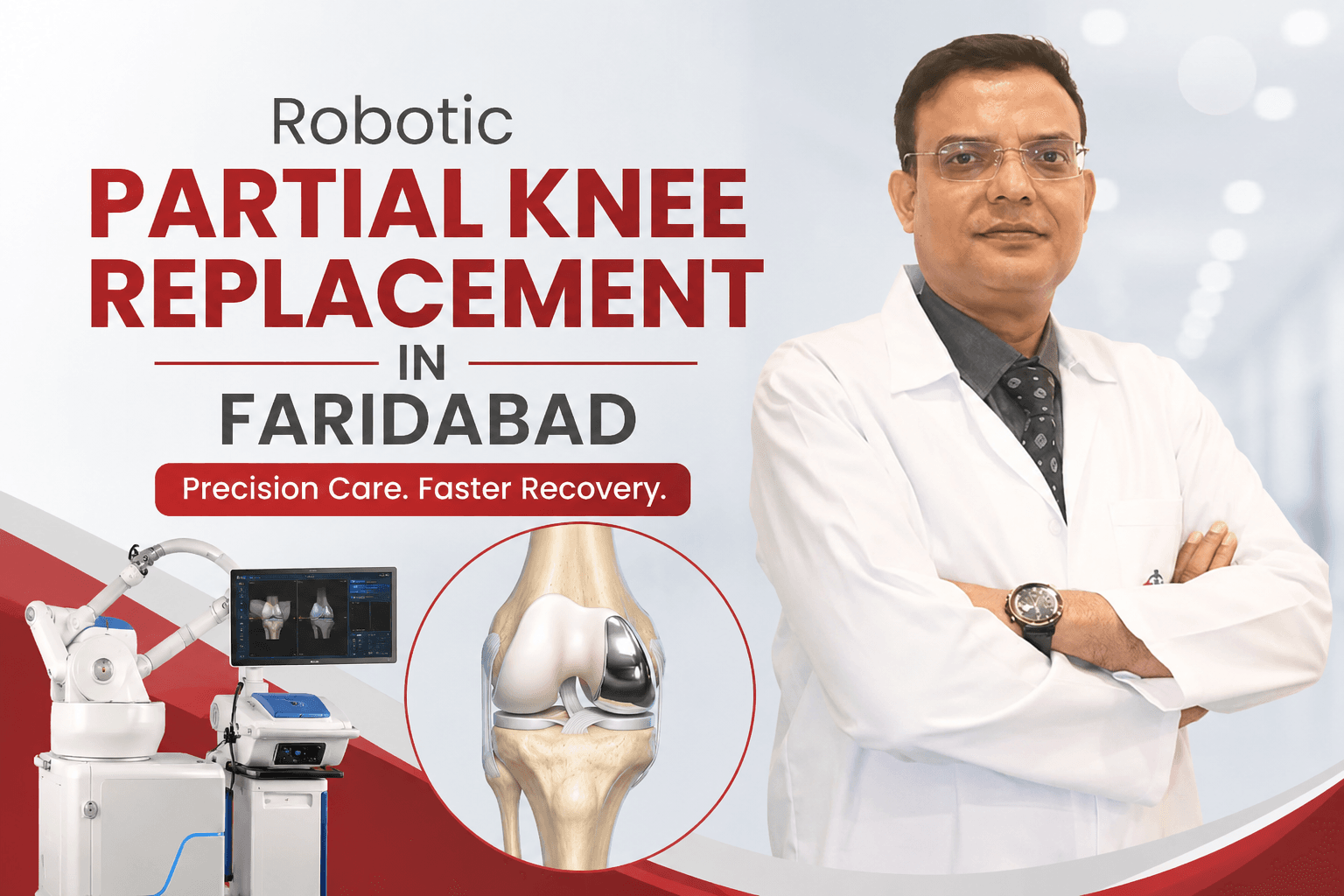 Robotic Partial Knee Replacement in Faridabad
- 21, July 2026
-
-
-
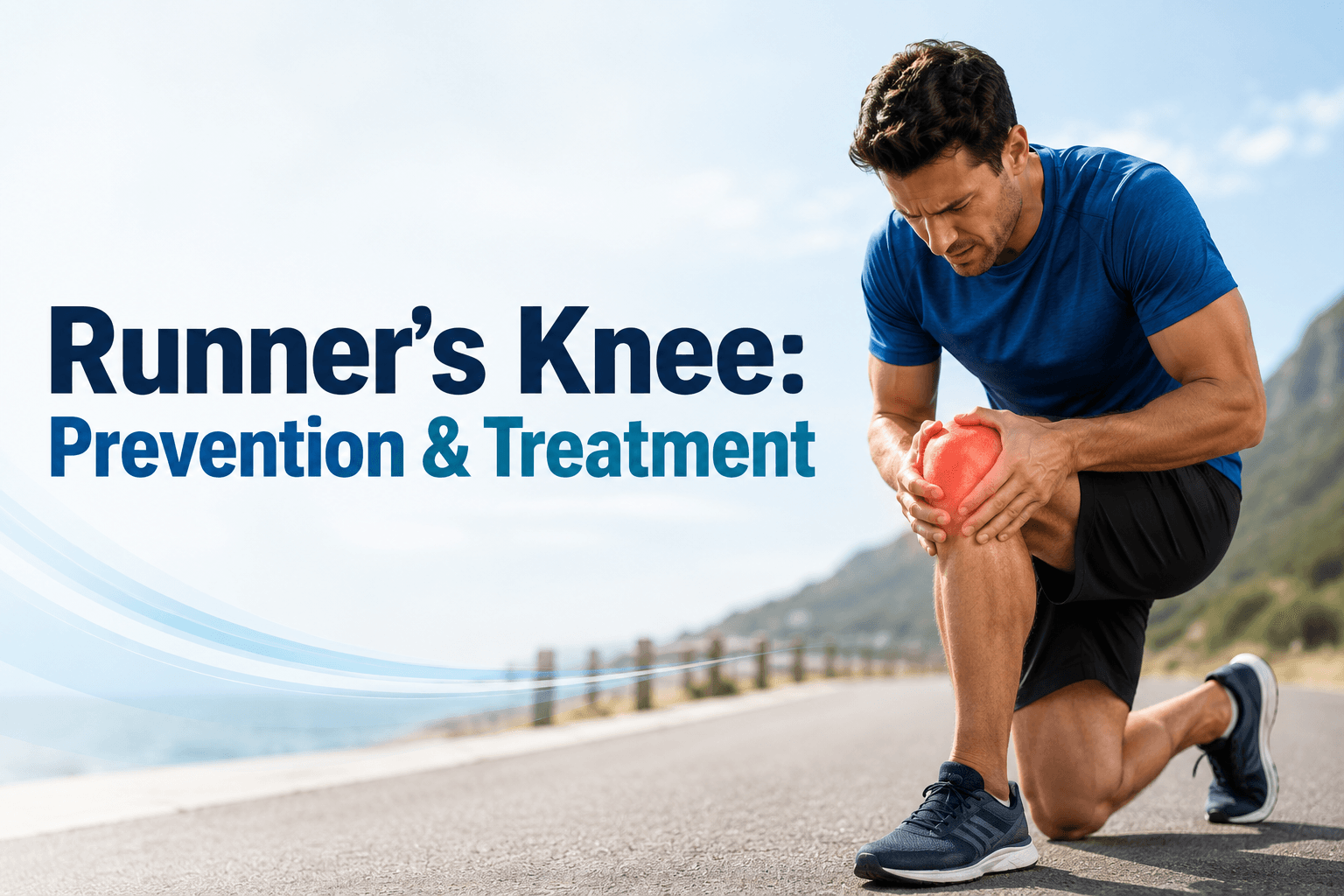 Runner’s Knee: Prevention & Treatment
- 10, July 2026
-
 Best Knee Tendonitis Treatment in Faridabad
- 7, July 2026
-

-
 Why Does My Knee Make Clicking Sounds?
- 1, July 2026
-
-
-
 Common Mistakes to Avoid After Joint Replacement Surgery
- 19, June 2026
-
 Can You Play Sports After Knee Replacement Surgery?
- 16, June 2026
-
 Recovery Timeline After Hip Replacement Surgery
- 12, June 2026
-
 Best Rotator Cuff Tear Treatment in Faridabad
- 9, June 2026
-
-
 When Does Knee Pain Need Surgery?
- 19, May 2026
-
 Can You Walk Normally After Hip Replacement?
- 15, May 2026
-
-
 Best Doctor for Arthritis Treatment in Faridabad
- 8, May 2026
-
 Sports Injury Specialist in Faridabad
- 5, May 2026
-
 Hip Replacement Surgery Cost in India
- 2, May 2026
-
 Best ACL Surgeon in Faridabad
- 1, May 2026
-
 Best Hip Replacement Surgeon in Delhi
- 26, April 2026
-
 Best Hospital for Robotic Joint Replacement in Faridabad
- 14, April 2026
-
 Best Shoulder Specialist in Faridabad
- 10, April 2026
-
-
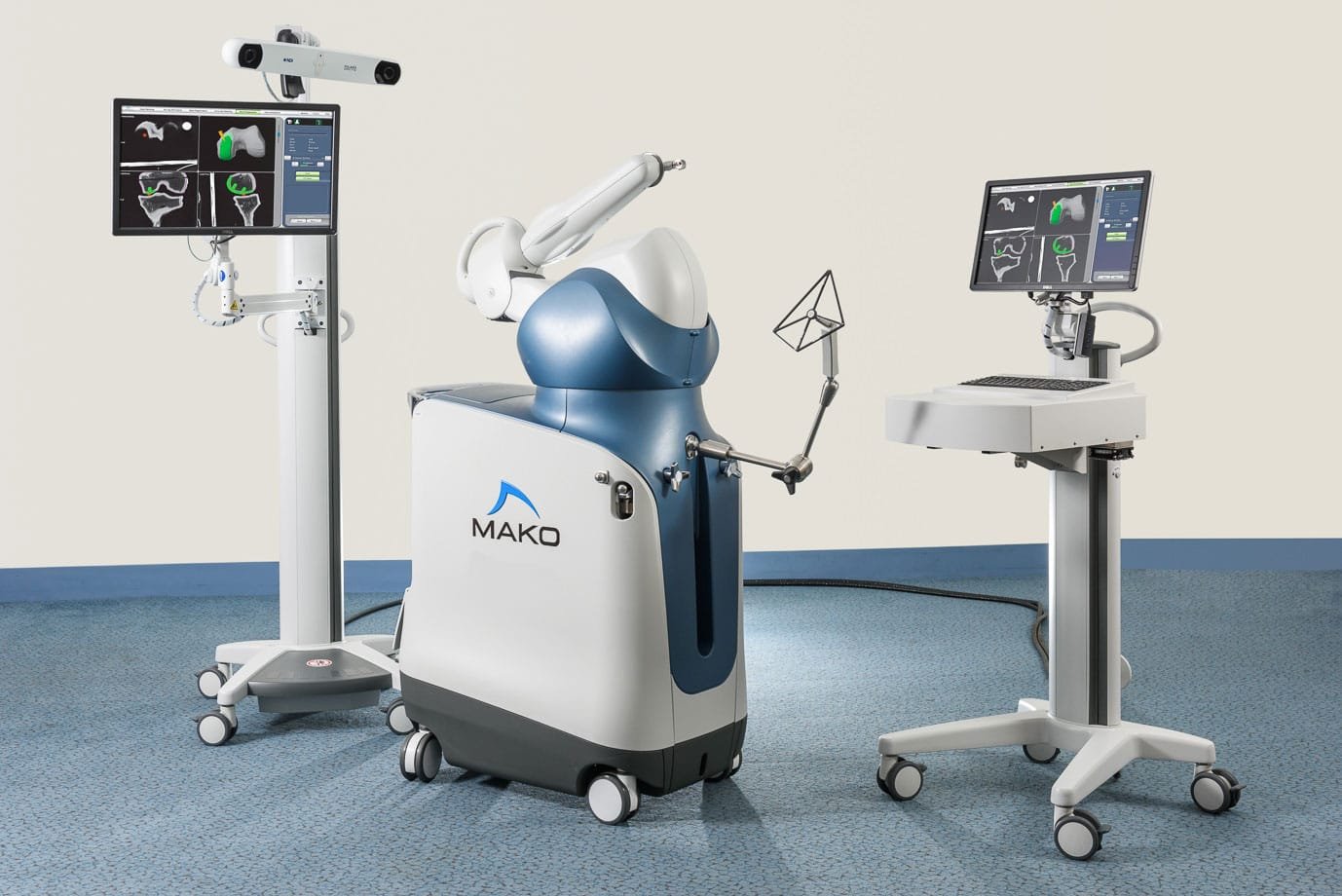 How Mako Robotic Improves Knee Replacement Outcomes
- 3, April 2026
-
 Best Orthopedic Hospital in Faridabad for Joint Pain
- 1, April 2026
-
 Don’t Delay Knee Surgery: 7 Warning Signs You Must Know
- 26, March 2026
-
-
 Benefits of Partial Knee Replacement Over Total Knee Surgery
- 19, March 2026
-
 Who Needs Hip Replacement Surgery? Signs & Eligibility
- 16, March 2026
-
 Best Joint Replacement Hospital in India
- 13, March 2026
-
 Shoulder Dislocation in Sports: Treatment and Recovery
- 11, March 2026
-
 Top 7 Signs You Need to Visit a Knee Specialist
- 7, March 2026
-
-
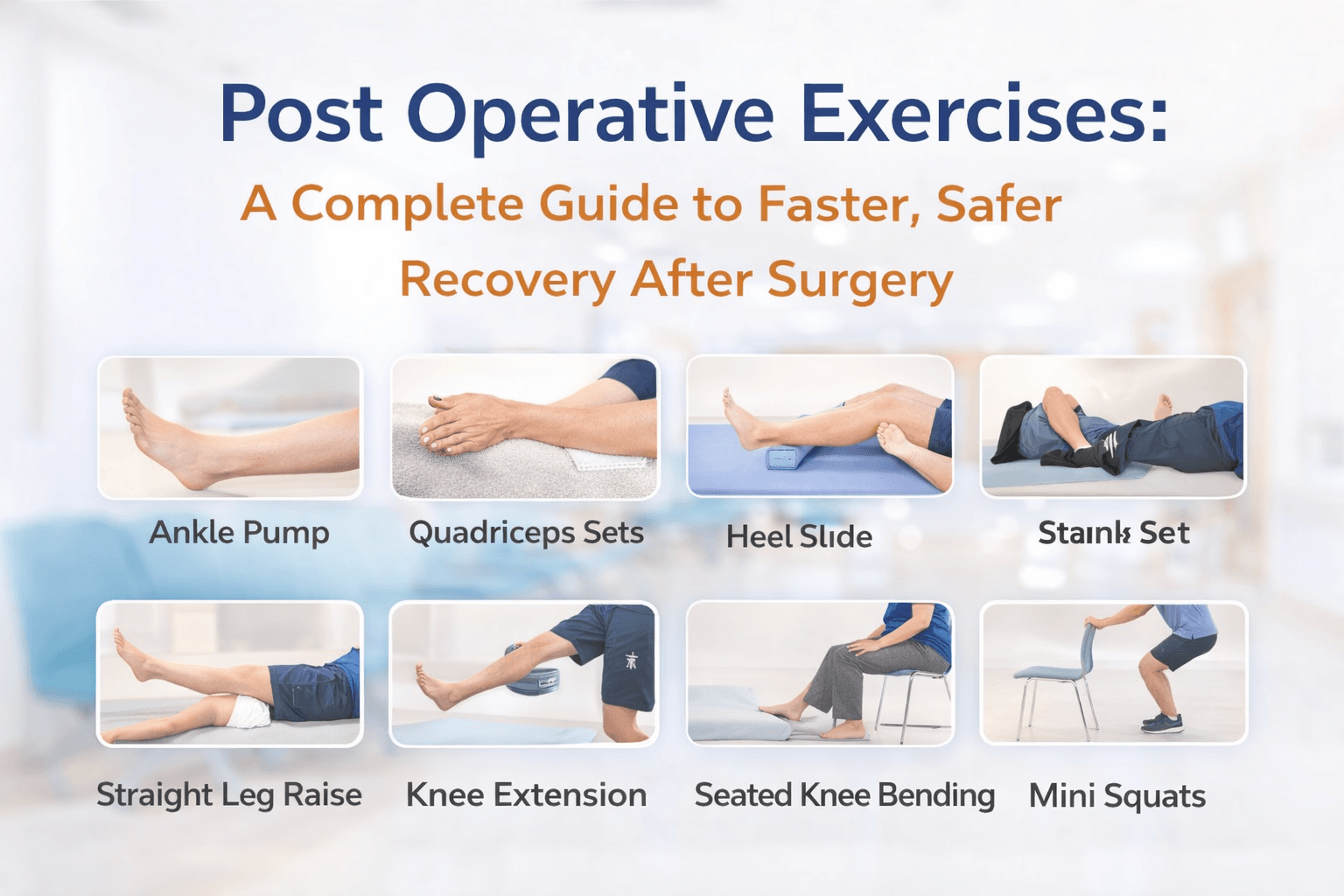 Post Operative Exercises
- 26, February 2026
-
 After ACL Surgery When Can I Walk?
- 24, February 2026
-
 What Happens If Knee Arthritis Is Left Untreated?
- 21, February 2026
-
 Can Knee Replacement Fail? Causes, Signs & Prevention
- 21, February 2026
-
 Who Is Not Suitable for Knee Replacement Surgery?
- 12, February 2026
-
 Best Meniscus Injury Surgeon in Faridabad
- 9, February 2026
-
 How Obesity Affects Knee Health & When to Consider Knee Replacement
- 6, February 2026
-
 Knee Pain After Sitting for Long Hours – What to Do
- 3, February 2026
-
 Most Common Sports Injuries and How to Prevent Them
- 26, January 2026
-
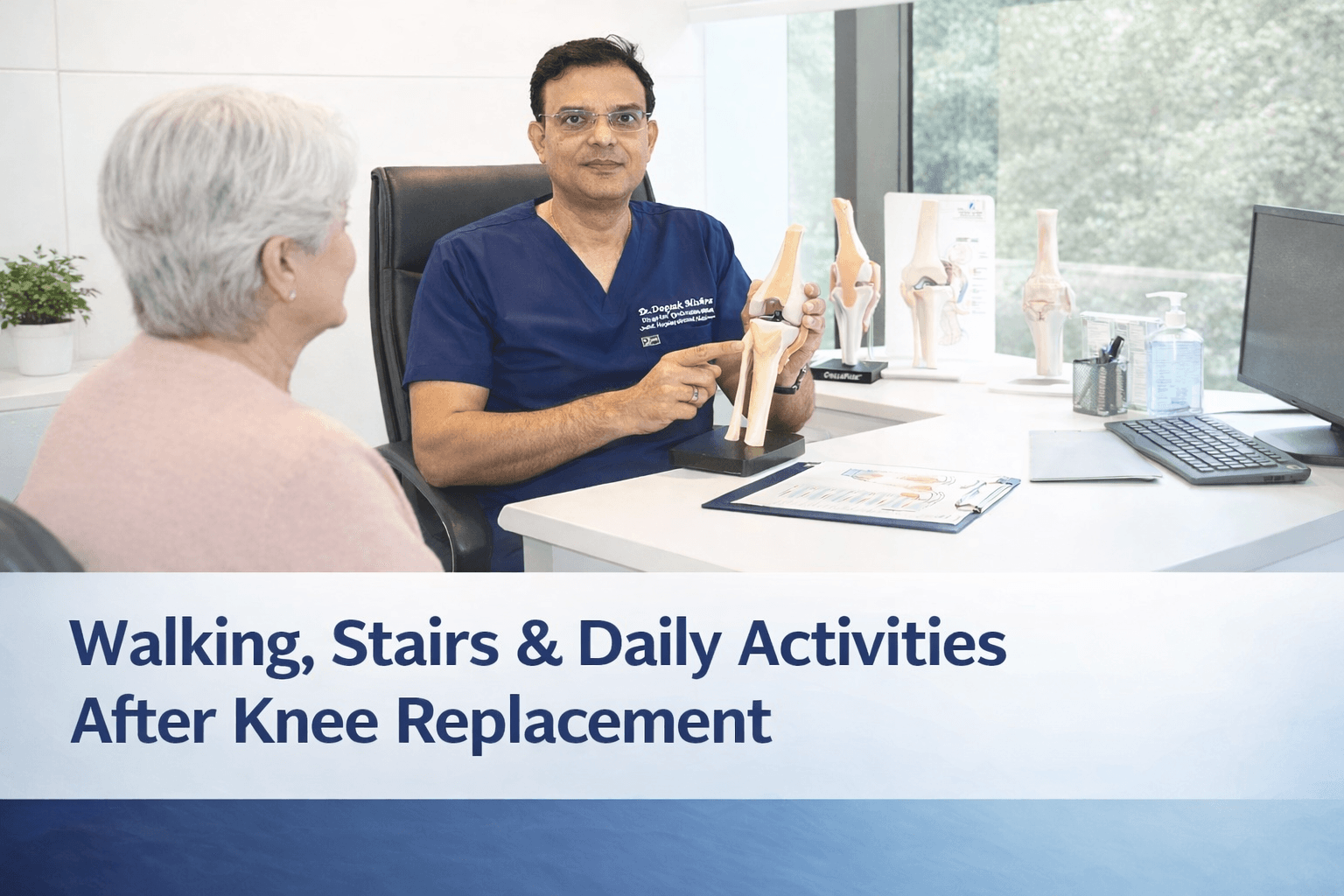 Walking, Stairs & Daily Activities After Knee Replacement
- 22, January 2026
-
 When Knee Pain Needs Medical Attention: Red Flags to Watch
- 19, January 2026
-
 Cartilage Damage in Sports: Early Signs Athletes Should Not Ignore
- 15, January 2026
-
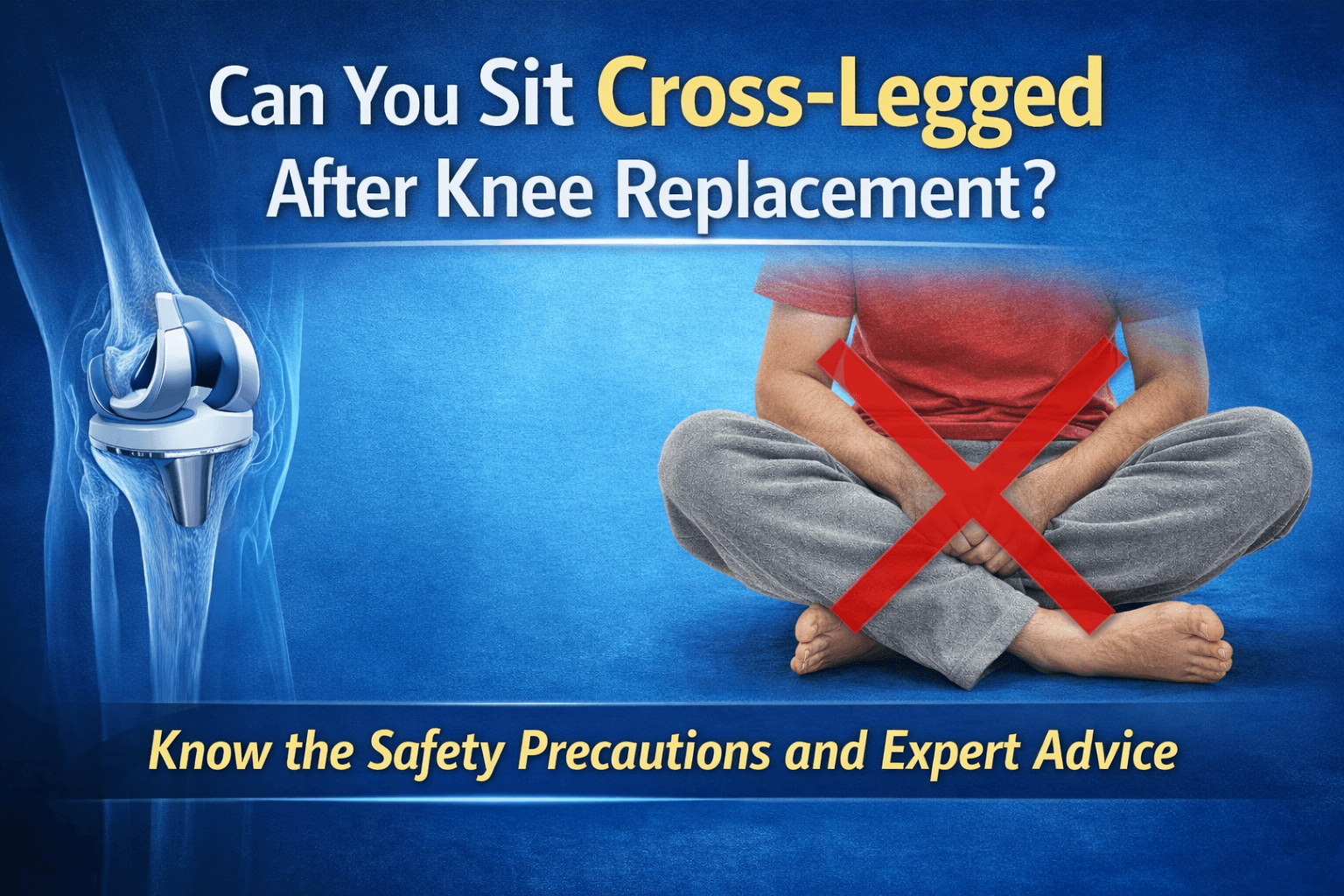 Can You Sit Cross-Legged After Knee Replacement?
- 13, January 2026
-
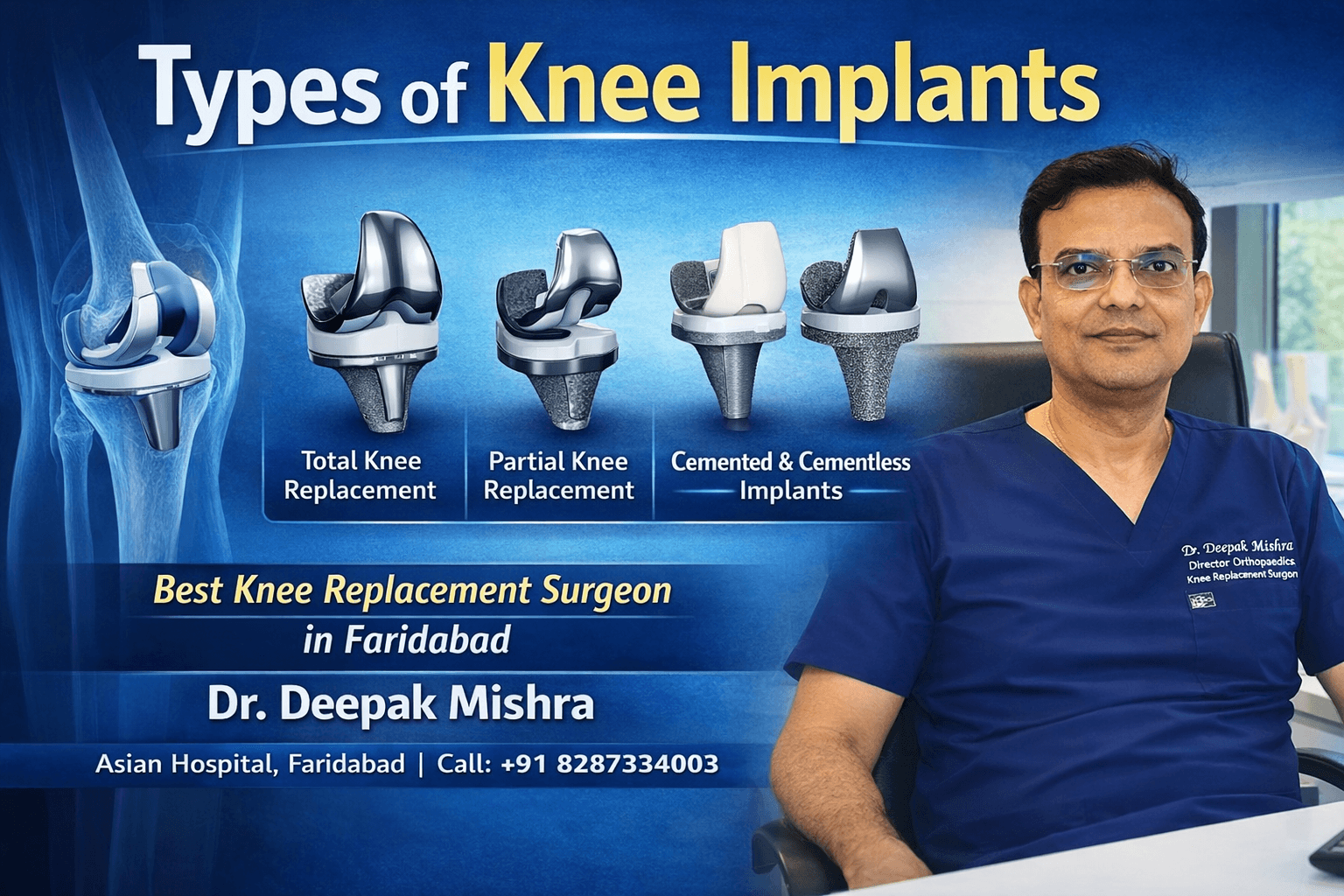 Types of Knee Implants
- 13, January 2026
-
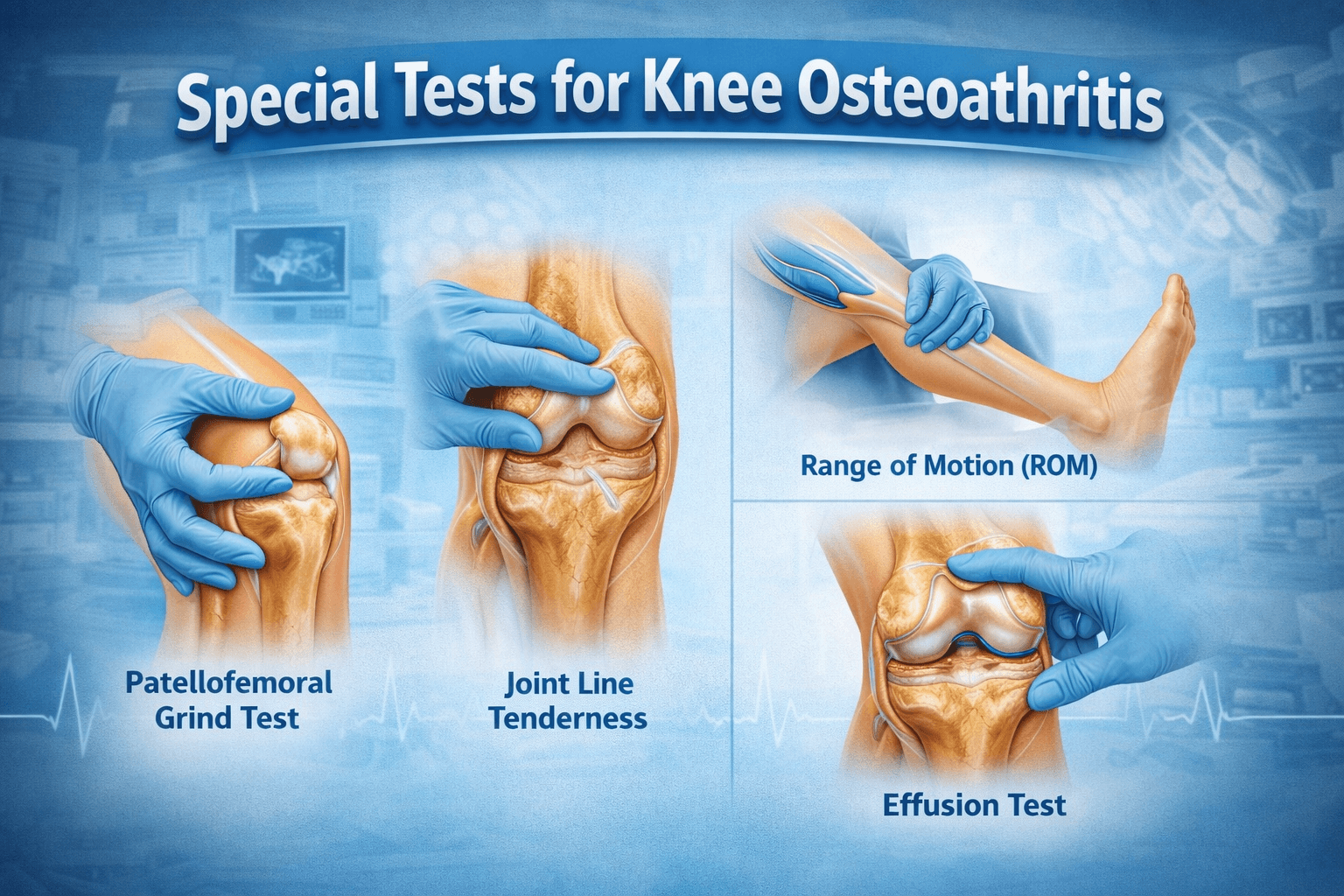 Special Tests for Knee Osteoarthritis
- 7, January 2026
-
 Knee Operation Types: A Comprehensive Guide
- 7, January 2026
-
 Difference Between Knee Arthritis, Meniscus Tear, and Ligament Injury
- 30, December 2025
-
 Knee Pain While Walking: When Should You Worry?
- 30, December 2025
-
 What Happens If Knee Replacement Is Delayed Too Long?
- 24, December 2025
-
 How Cartilage Loss Leads to Chronic Knee Pain
- 24, December 2025
-
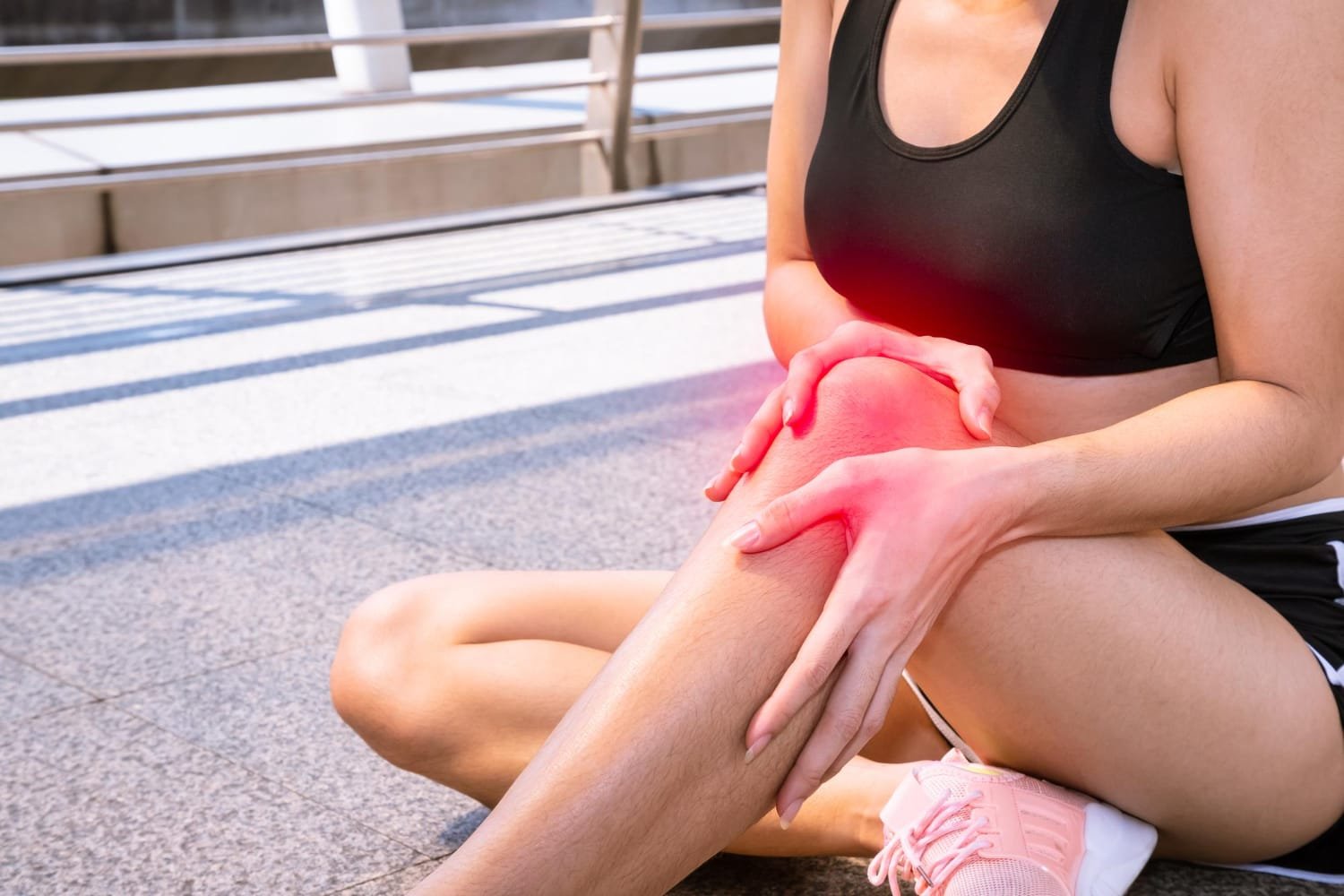 ACL Tears in Athletes: Symptoms, Treatment Options & Recovery
- 19, November 2025
-
Sports Injuries That Often Lead to Knee Replacement
- 19, November 2025
-
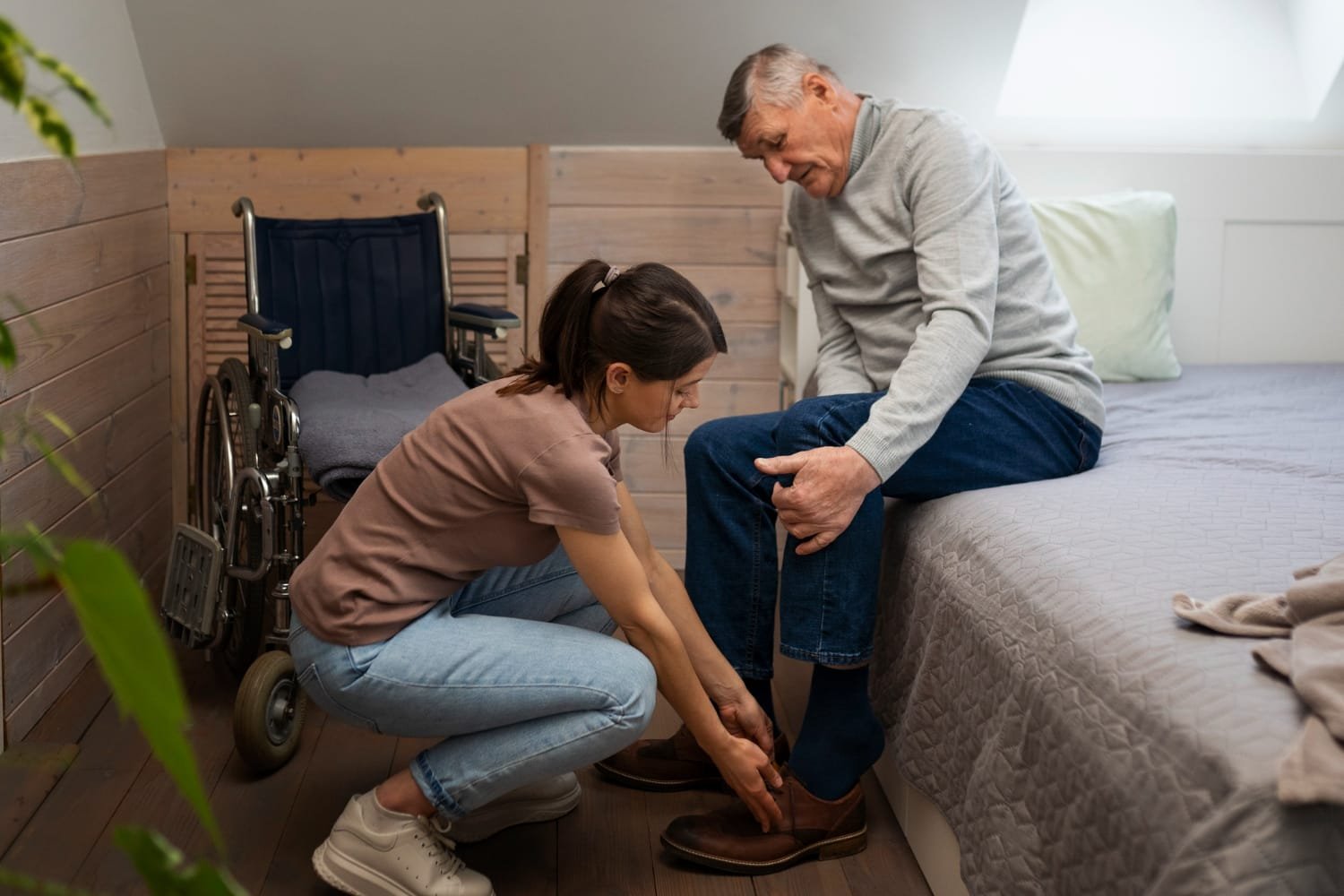 Orthopedic Care for Elderly Patients — A Complete Guide
- 12, November 2025
-
 How Long Do Knee Implants Last? (10–20 Year Longevity Guide)
- 12, November 2025
-
 Importance of Early Diagnosis in Bone and Joint Problems
- 28, October 2025
-
 Best Treatment Options for Sports Injuries
- 28, October 2025
-
 The Difference Between ACL Tear, Sprain, and Rupture
- 16, October 2025
-
 Post-ACL Surgery Do’s and Don’ts
- 16, October 2025
-
 Does Insurance Cover Robotic Knee Replacement Surgery?
- 6, October 2025
-
 When Can You Return to Sports After Robotic Knee Replacement?
- 6, October 2025
-
 Impact of Obesity on Knee Replacement Surgery and Recovery
- 30, September 2025
-
 Early vs. Delayed Knee Replacement: Which Is Better?
- 30, September 2025
-
 How Durable Are Knee Implants? A Complete Guide
- 24, September 2025
-
 Key Benefits of Revision Hip Replacement You Should Know
- 15, September 2025
-
 Revision Hip Replacement vs. Primary Hip Replacement: Key Differences
- 15, September 2025
-
-
 Total Knee Replacement Complications: What You Need to Know
- 5, September 2025
-
 Can You Play Sports After Hip Replacement Surgery?
- 26, August 2025
-
 Preparing for Knee Replacement: Do’s and Don’ts Before Surgery
- 26, August 2025
-
-
 What to Know About Knee Replacement Revision Surgery
- 18, August 2025
-
 Cost of Hip Replacement in India – What Patients Should Know
- 11, August 2025
-
-
 Who Is the Best Orthopedic Doctor for Sports Injuries?
- 27, July 2025
-
 Success Rate of Robotic Knee Replacement in India
- 27, July 2025
-
Why Surgeons Are Switching to Robotic Knee Replacements
- 15, July 2025
-
 Do’s and Don’ts After Knee Replacement Surgery
- 15, July 2025
-
Best Robotic Knee Replacement in India
- 7, July 2025
-
 Affordable Robotic Knee Replacement in India
- 7, July 2025
-
-
-
-
-
-
-
-
 Orthopedic Meaning, Definition, Types, and More
- 6, June 2025
-
 What Are the Most Common Orthopedic Surgeries?
- 24, May 2025
-
 What Does an Orthopedic Doctor Do?
- 24, May 2025
-
-
-
-
Best Orthopedic Doctor for Knee Pain in Faridabad
- 12, May 2025
-
 How to Prevent Knee Pain with Orthopedic Expert Tips
- 29, April 2025
-
-
Best Orthopedic Treatment in Faridabad: What You Should Know
- 29, April 2025
-

-
-
Best Knee Replacement Surgeon in Mathura
- 14, April 2025
-
Best Knee Replacement Surgeon in Hodal
- 14, April 2025
-
Best Knee Replacement Surgeon in Palwal
- 14, April 2025
-
-
-
-
 Benefits of Minimally Invasive Knee Surgery
- 24, March 2025
-
 Best knee Replacement Surgeon in India
- 17, March 2025
-
-
 How to Recover Quickly After Knee Replacement Surgery
- 10, March 2025
-
-
-
-
 Minimally Invasive Arthroplasty: Benefits and Recovery Advantages
- 24, February 2025
-
 Choosing the Right Hip Replacement Surgeon: A Comprehensive Guide
- 17, February 2025
-
 Restoring Mobility: The Role of Knee Replacement Doctors
- 17, February 2025
-
 Orthopedic Trauma Care for Athletes
- 6, February 2025
-
 Best Doctor for ACL Tear Treatment
- 6, February 2025
-
 Best Sports Medicine Doctor for Knee Injuries
- 6, February 2025
-
 Orthopedic Surgeons: 7 Things You Need to Know
- 27, January 2025
-
Best Joint Replacement Surgeon in Greater Faridabad
- 27, January 2025
-
Best Knee Replacement Surgeon in Palwal
- 20, January 2025
-
Best Knee Replacement Surgeon in South Delhi
- 20, January 2025
-
 Restoring Mobility: The Role of Knee Replacement Doctor
- 13, January 2025
-
 Robotic Knee Replacement Surgery in Delhi
- 30, December 2024
-
 Robotic Orthopedic Surgery: Revolutionizing Joint Replacement and Repair
- 30, December 2024
-
 Robotic Knee Replacement vs. Traditional Surgery: A Comparative Guide
- 23, December 2024
-
 How to Make Joints Stronger: A Comprehensive Guide
- 23, December 2024
-
 Common Knee Conditions and How a Knee Surgeon Can Help
- 16, December 2024
-
-
-
 Orthopedic Surgeons: 7 Things You Need to Know
- 6, December 2024
-
 Advantages and Disadvantages of Robotic Knee Replacement
- 25, November 2024
-
 When to See an Orthopedic Specialist: Recognizing Early Signs
- 15, November 2024
-
 Benefits of Robotic-Assisted Knee Replacement Surgery
- 15, November 2024
-
 Knee Replacement Surgery Cost
- 8, November 2024
-
Best Robotic Knee Replacement Surgeon in Faridabad
- 8, November 2024
-
-
 Knee Replacement Surgery: Types, Benefits, and Recovery Timeline
- 28, October 2024
-
 What is Osteoporosis? Symptoms, Causes, and Prevention
- 21, October 2024
-
 Signs It’s Time for a Knee Replacement: When to Consult a Surgeon
- 18, October 2024
-
 Understanding Different Types of Arthritis: Symptoms and Causes
- 11, October 2024
-
 Taking Care After Knee Replacement Surgery
- 15, December 2022
-
 Amazing Ways to Get Relief from Arthritis Pain Naturally
- 2, December 2022
-
-
 How Does Fat Affect Arthritis?
- 4, November 2022
