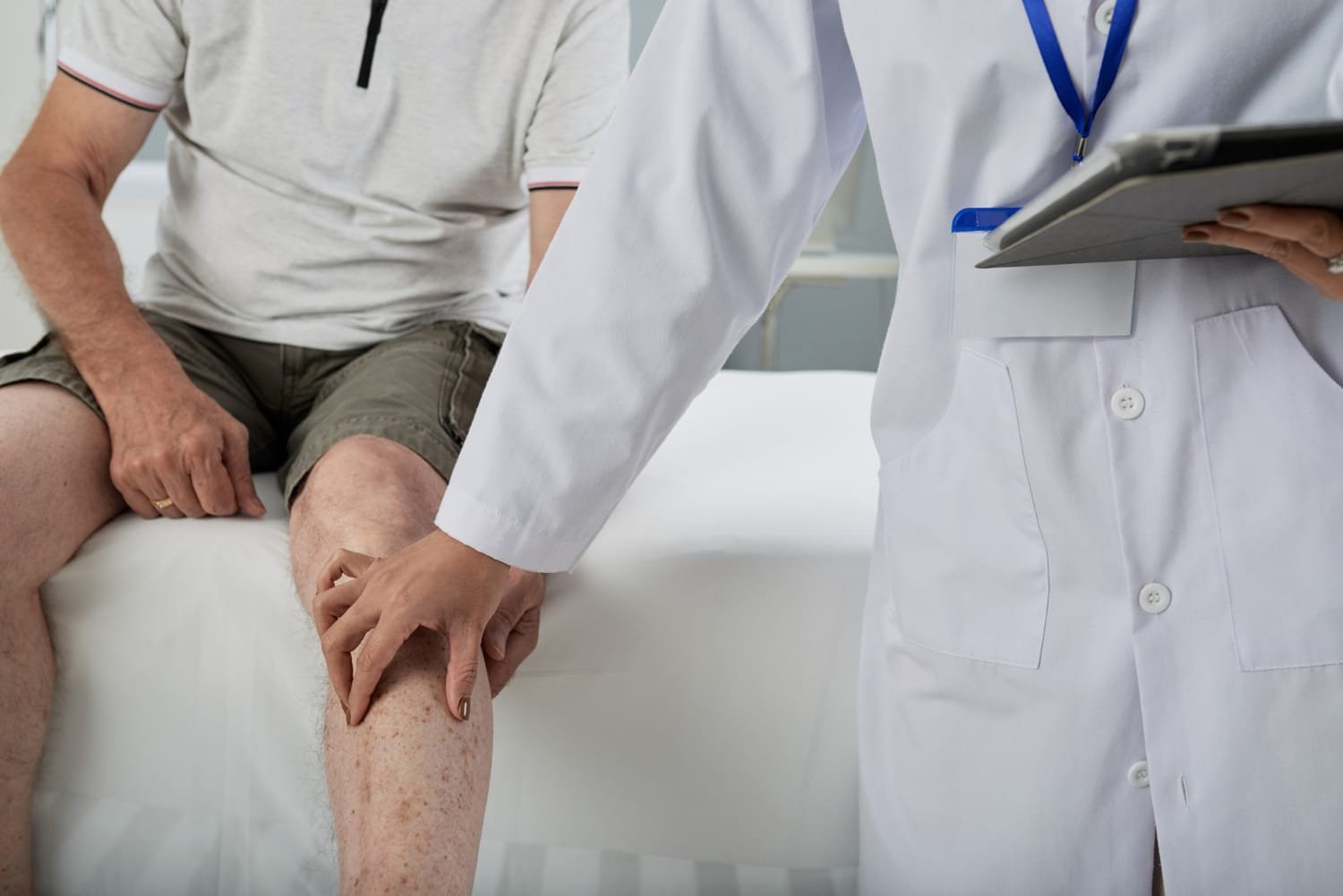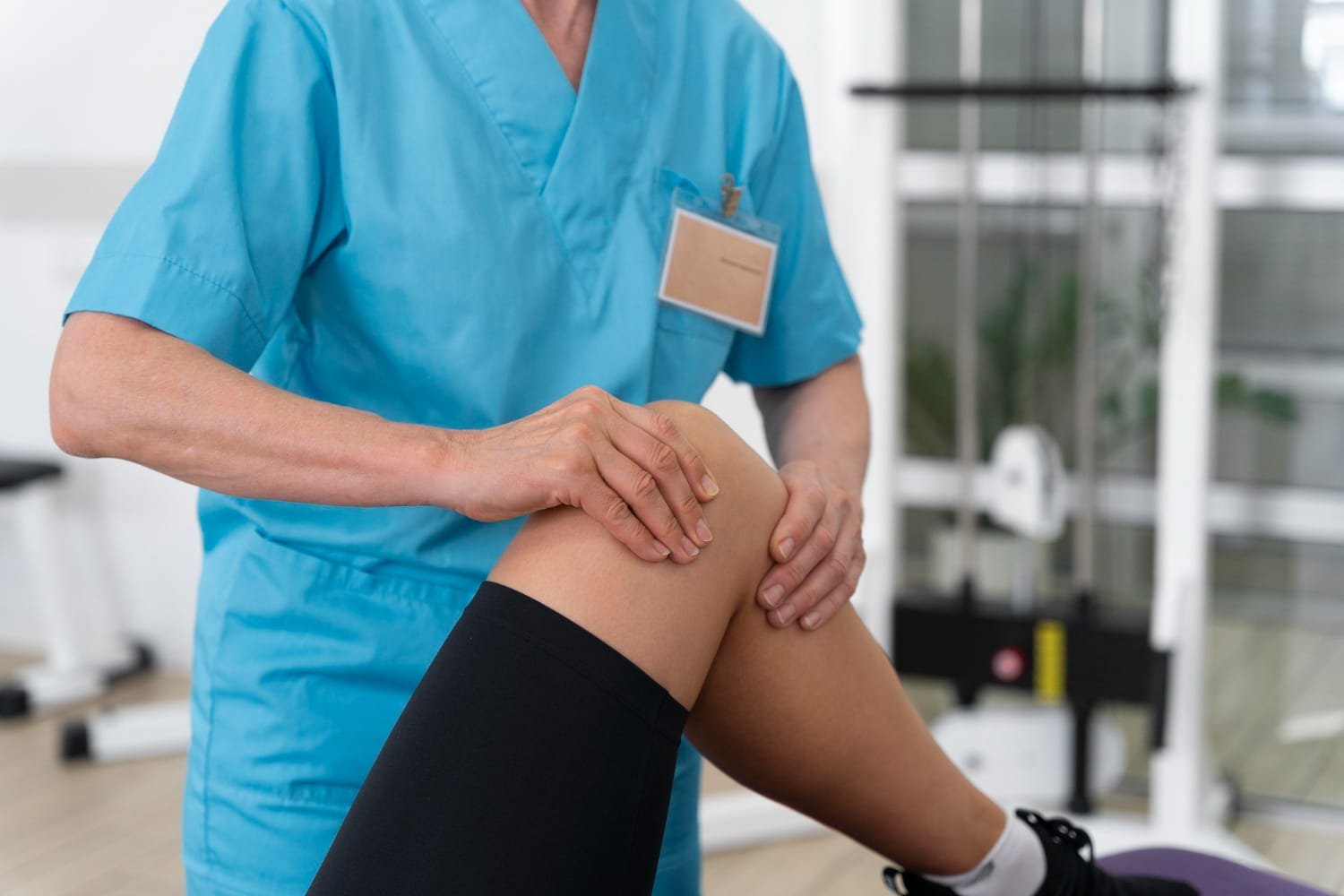
When Knee Pain Needs Medical Attention: Red Flags to Watch
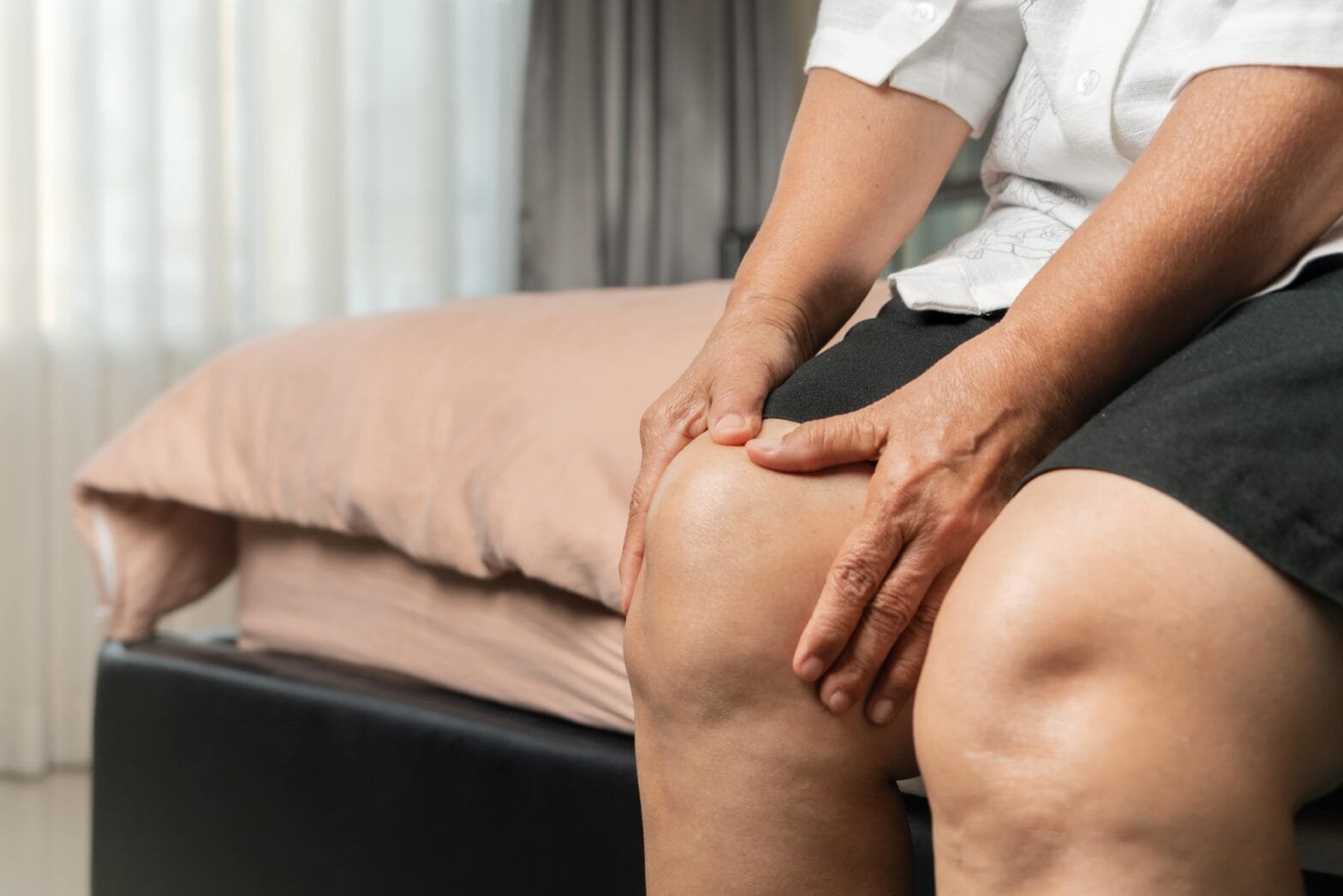
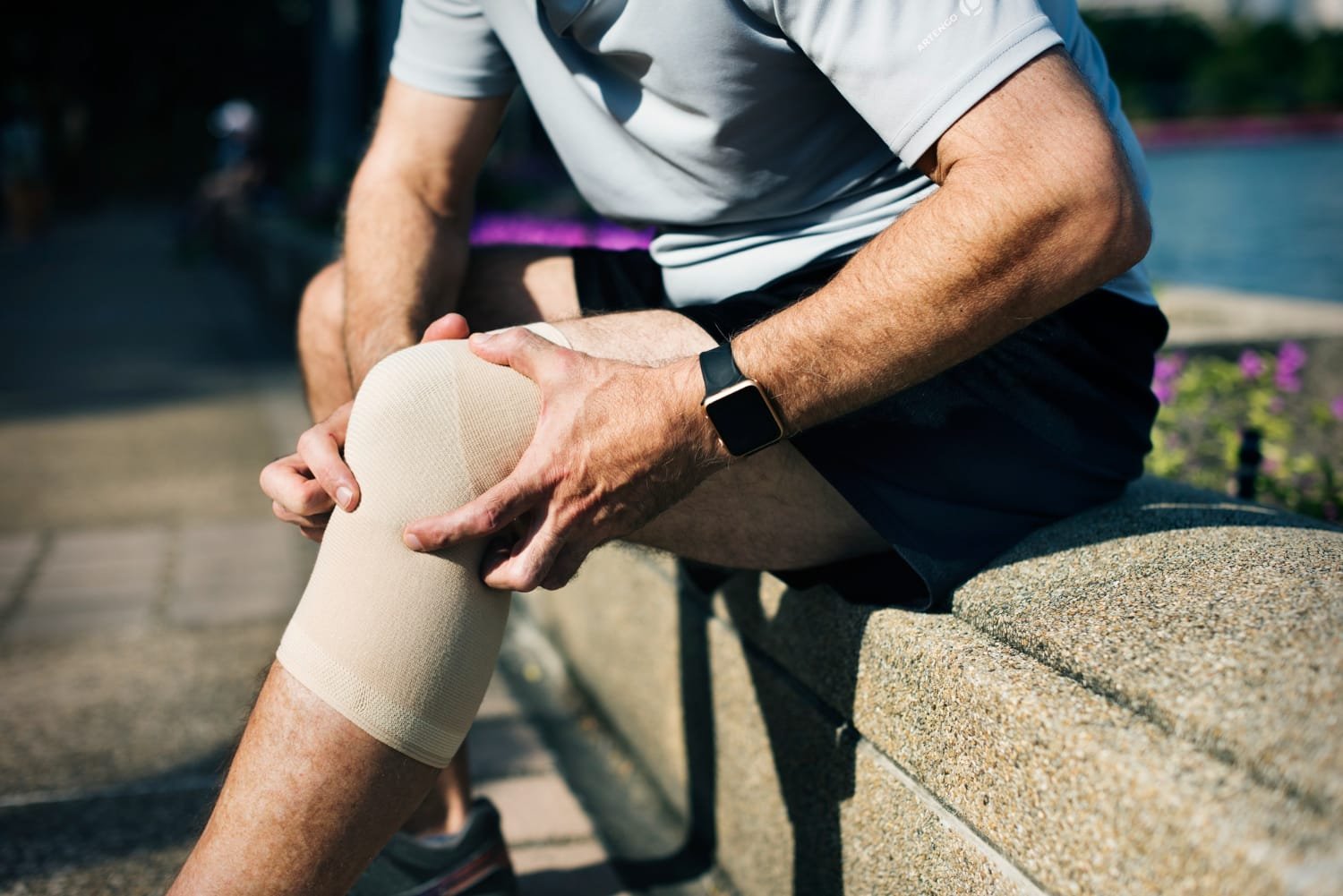
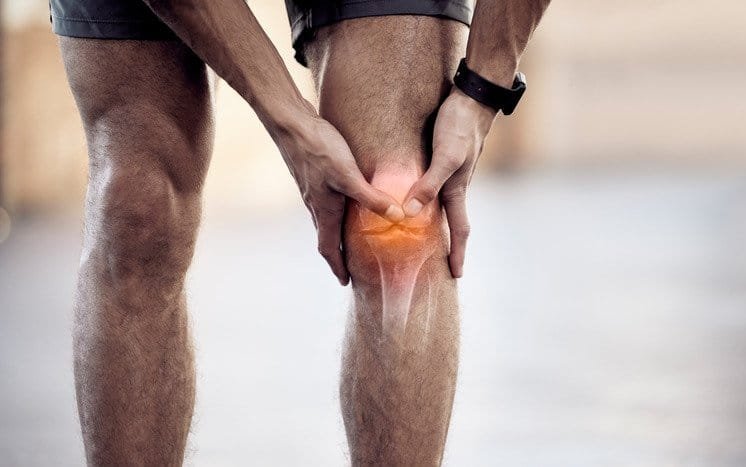
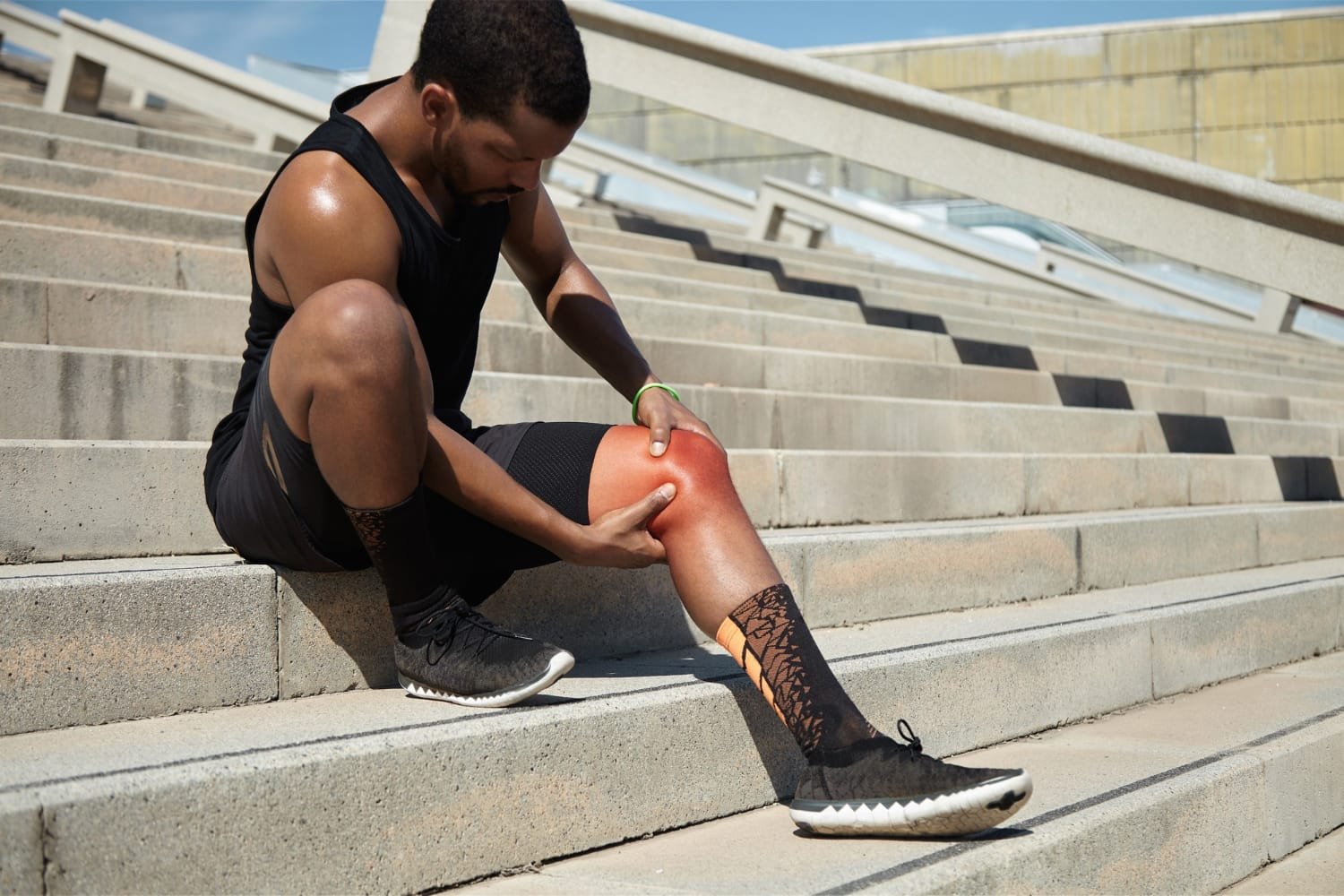
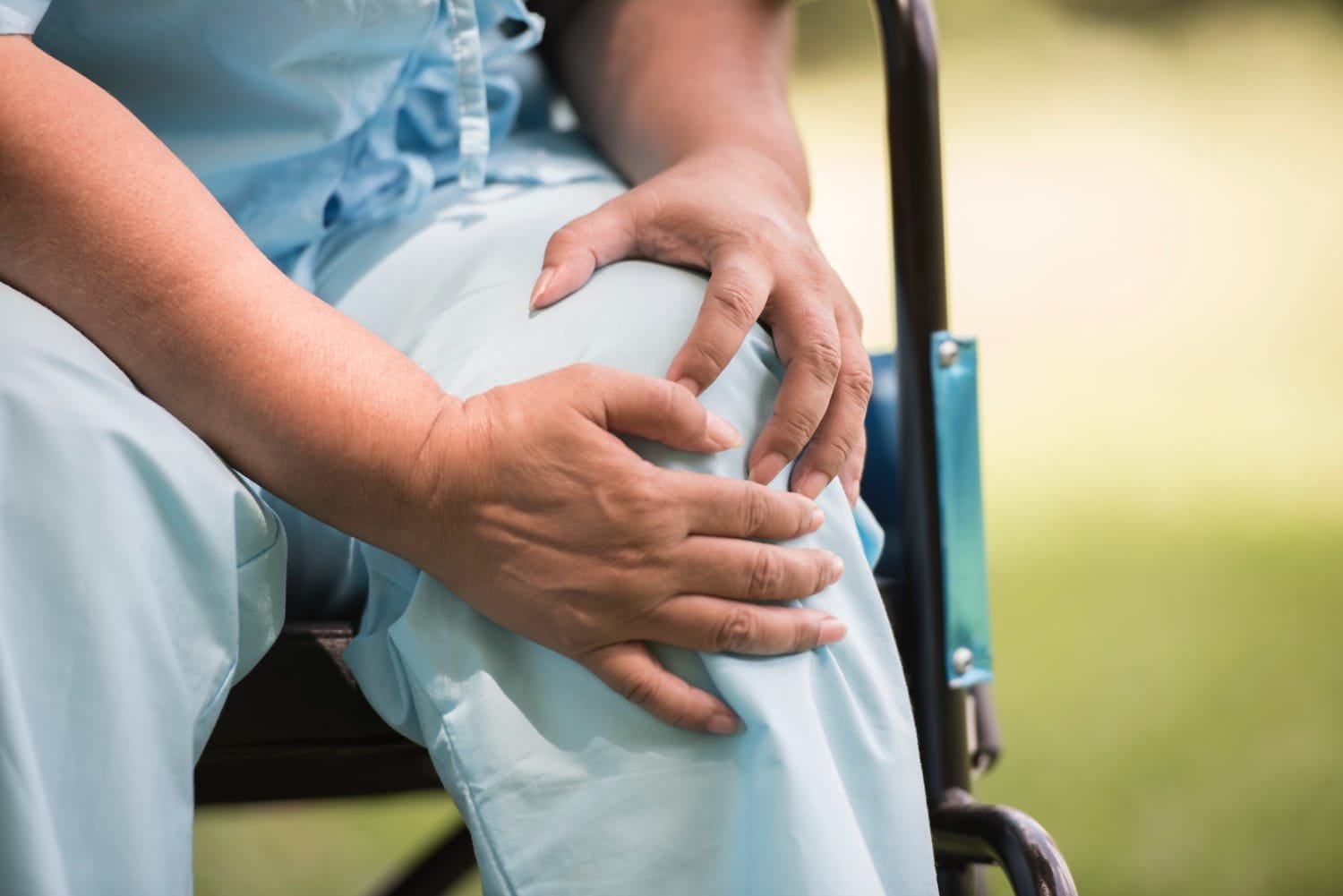
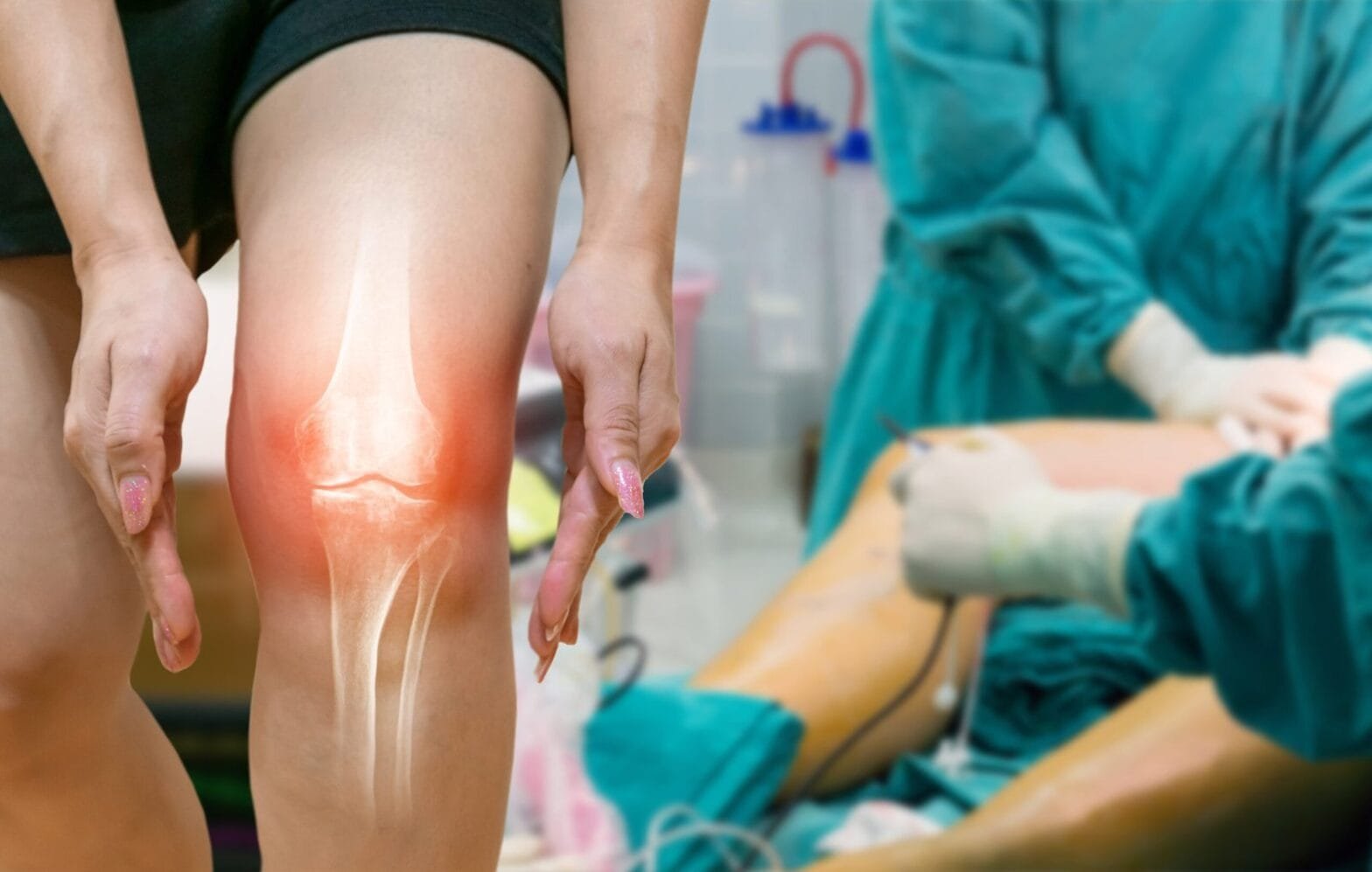
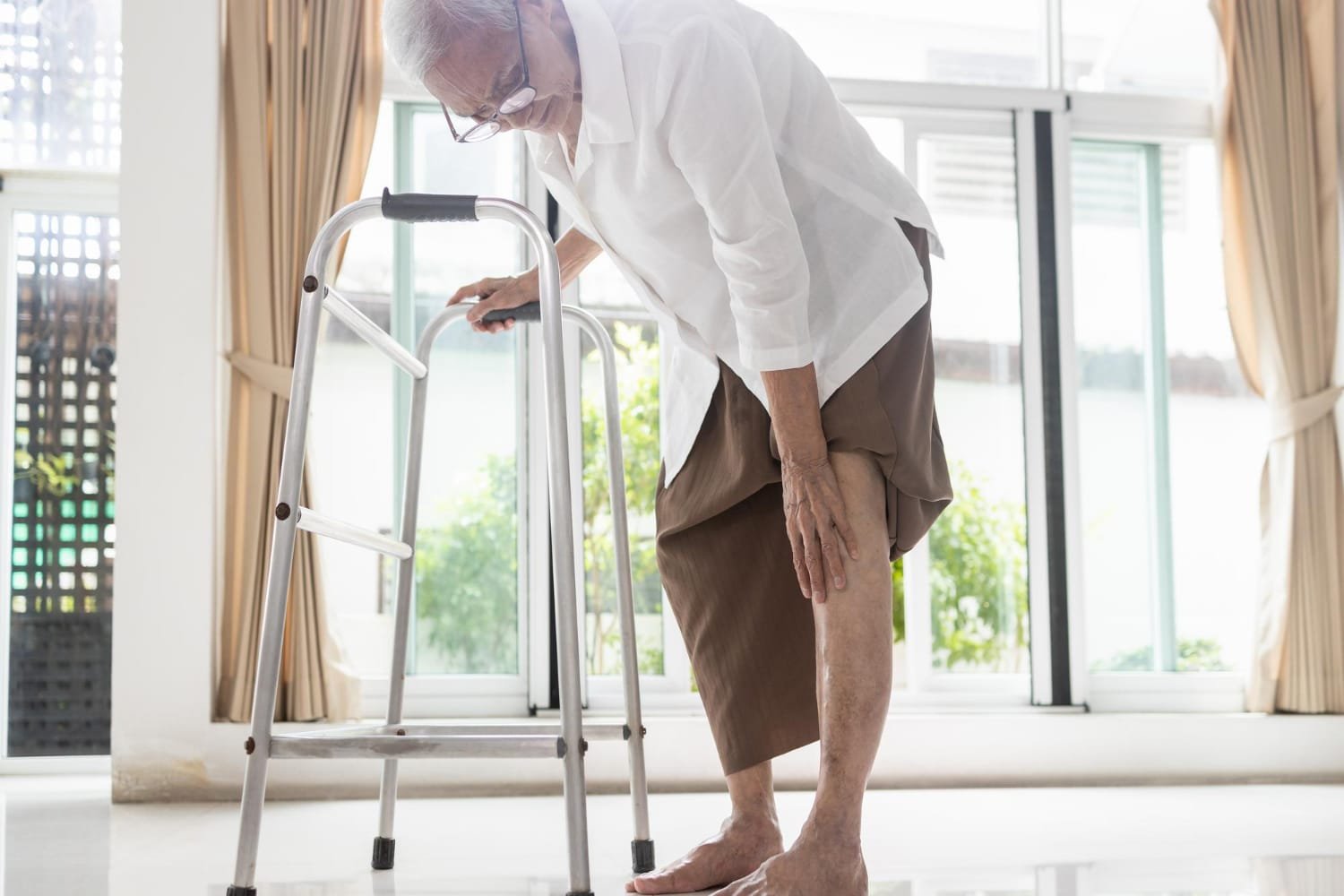
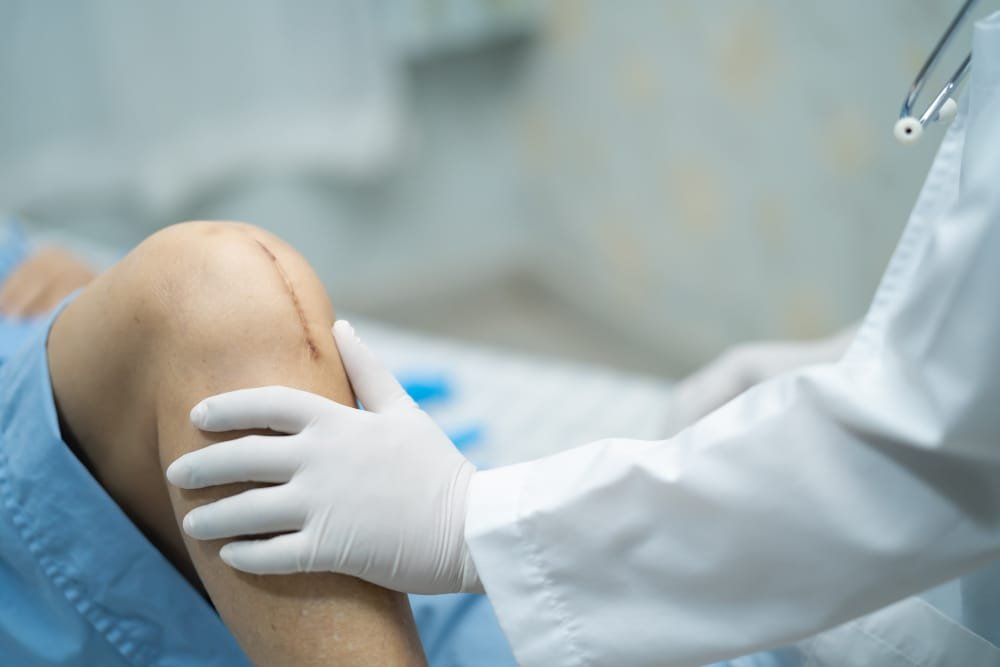
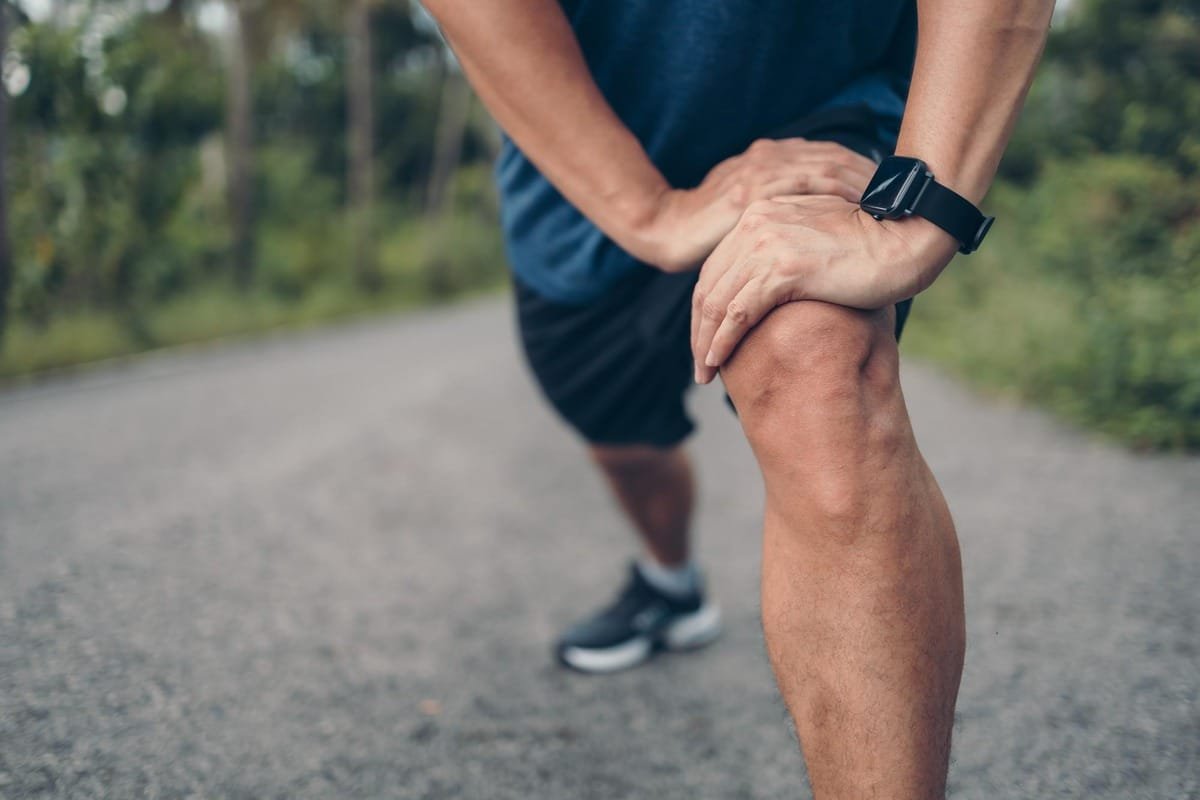
January 19, 2026Knee pain is a common complaint among people of all ages, especially those who lead active lifestyles. Whether it stems from sports injuries, overuse, arthritis, or simple wear and tear, most knee pain can be managed with rest, self-care, and time. However, there are certain situations when knee pain is a warning sign of something more serious. Ignoring these red flags can lead to long-term damage, chronic pain, and loss of mobility.
In this comprehensive guide, you will learn:
- Why knee pain can be more than just discomfort
- The red flags that indicate you need prompt medical care
- How early diagnosis and treatment can protect your long-term knee health
- What to expect when you consult a specialist
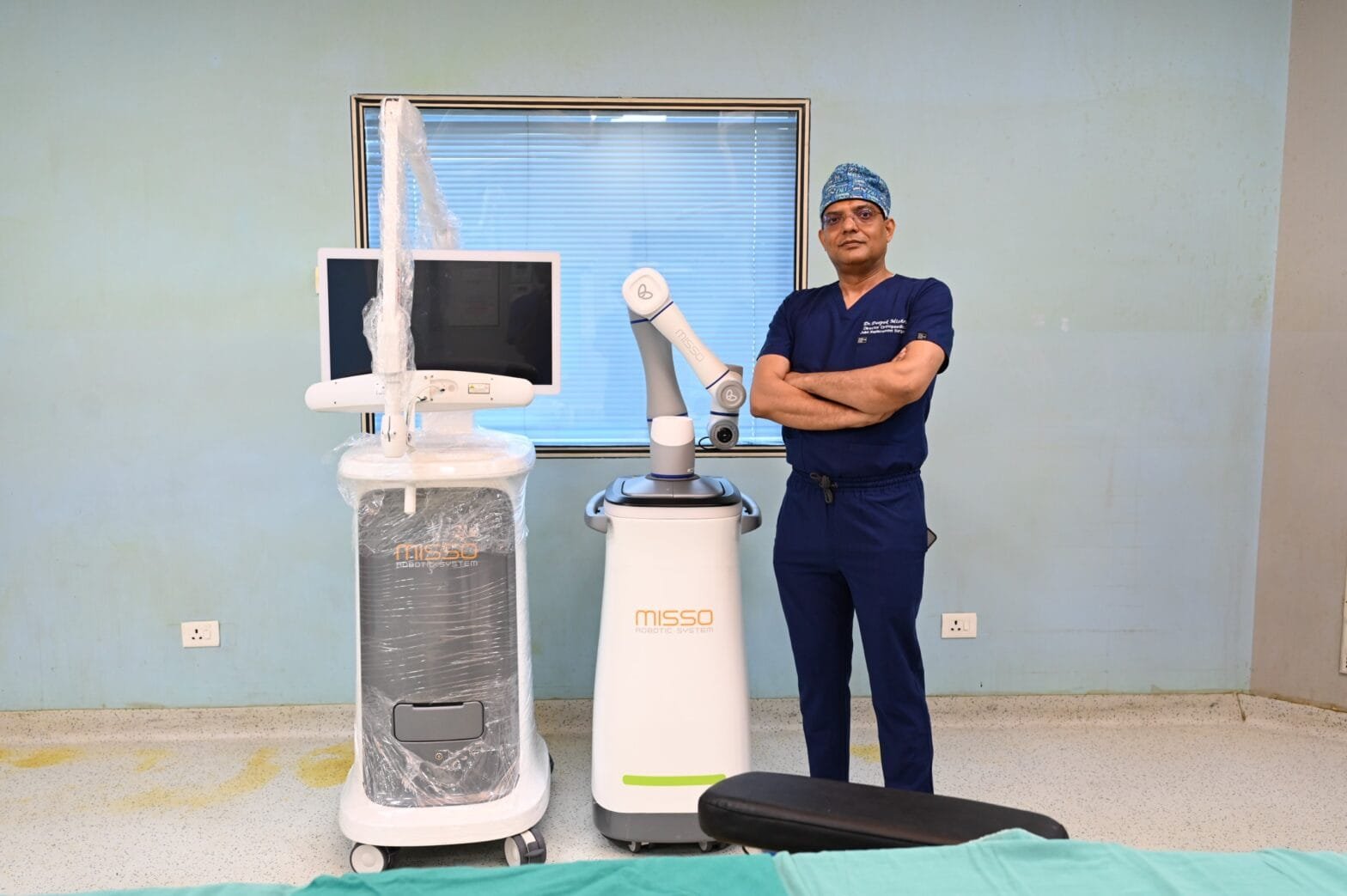
Throughout this article, we will also highlight the expertise of Dr Deepak Mishra, regarded as the best orthopedic doctor in Faridabad, known for his clinical excellence and patient-centred care in treating knee injuries and joint pain.
Understanding Knee Pain
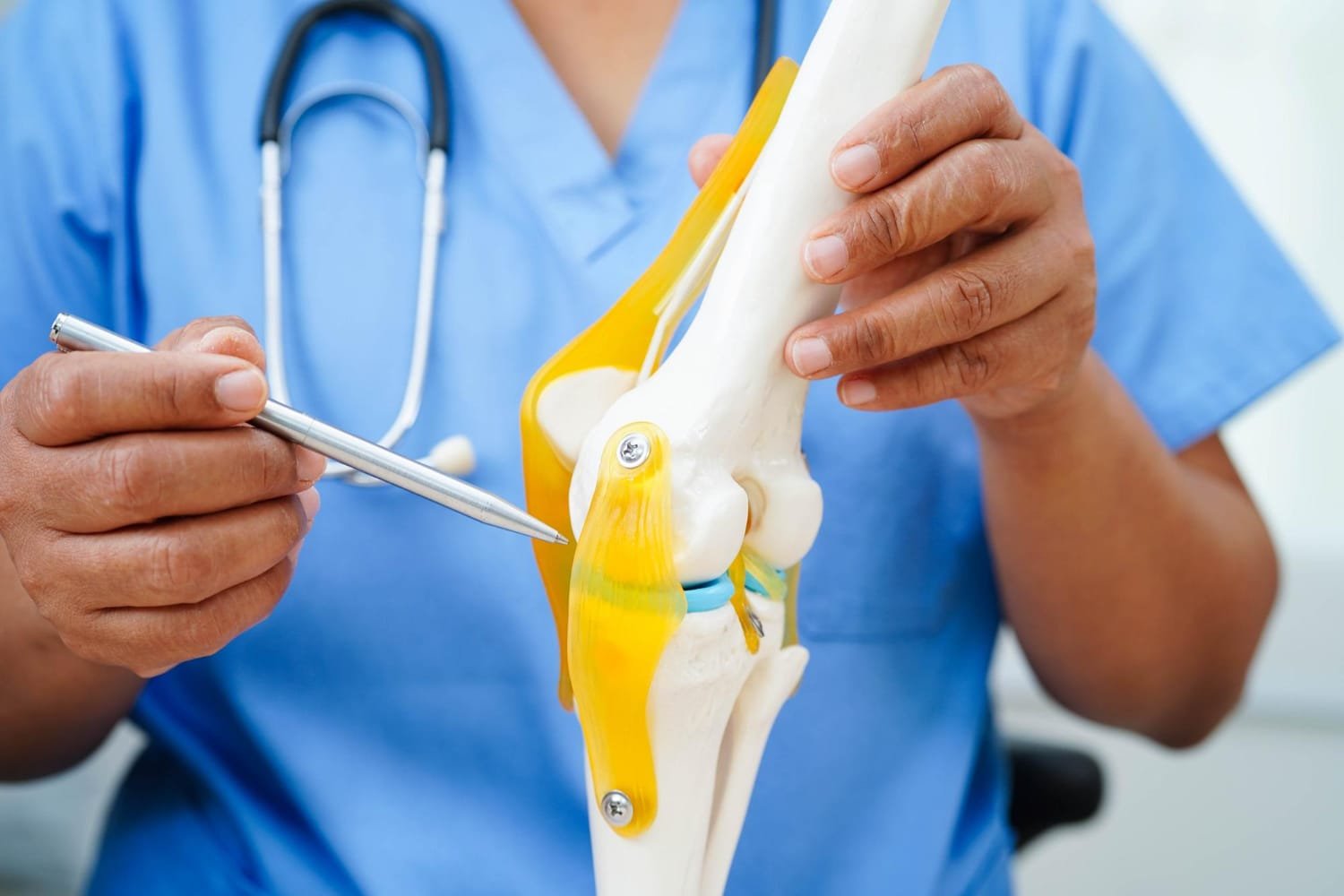
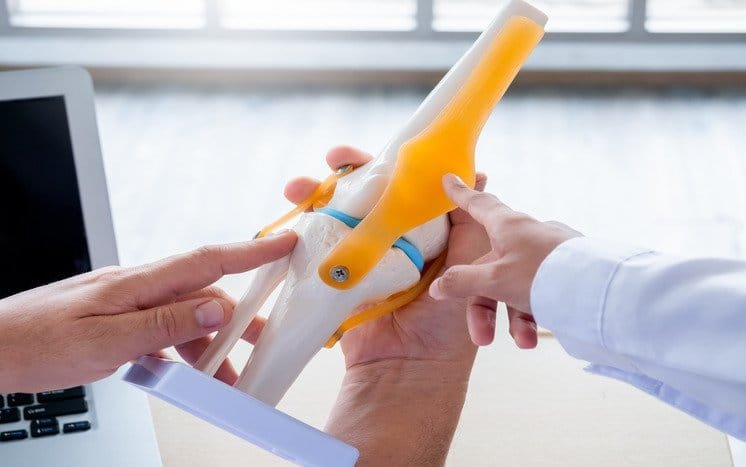
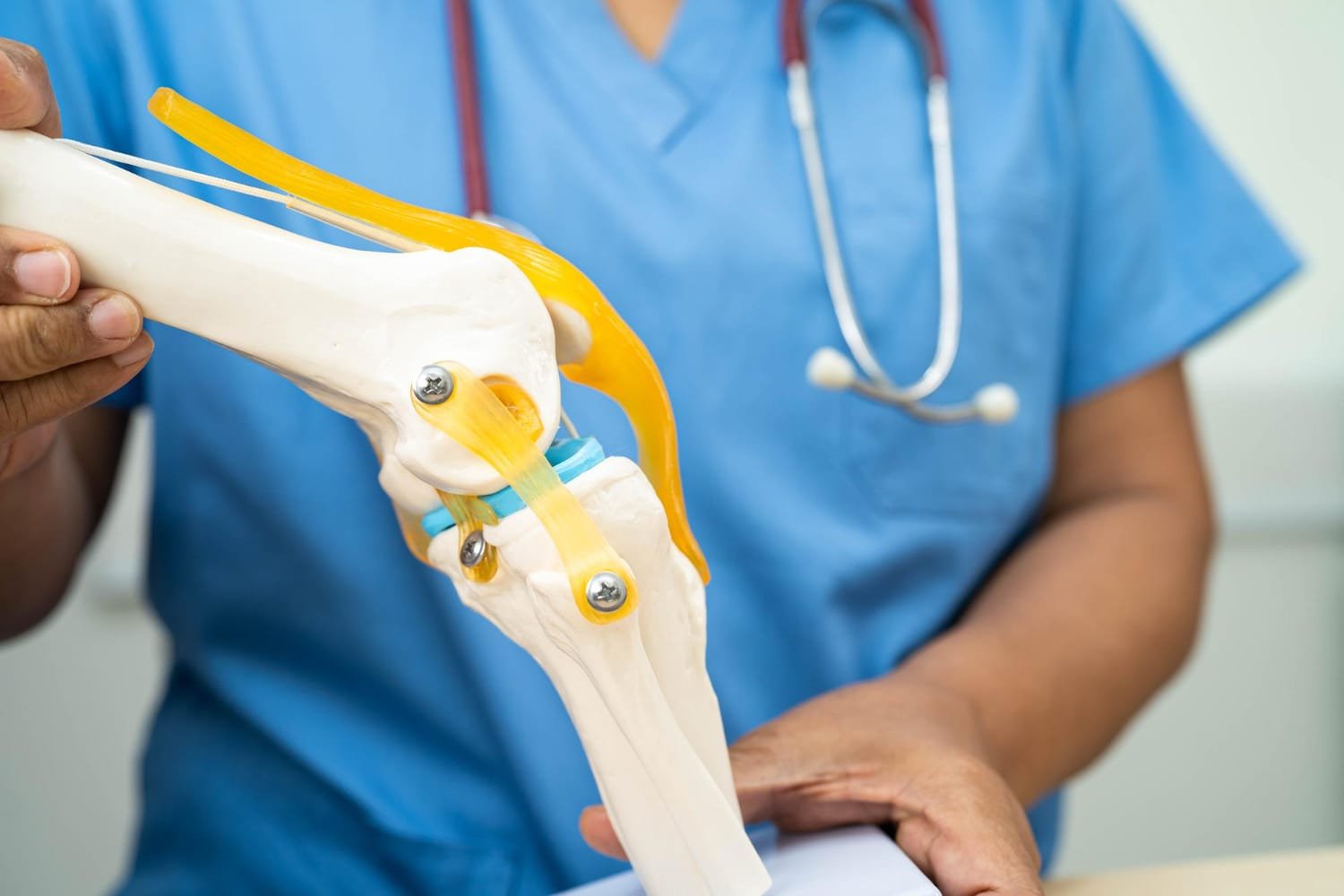
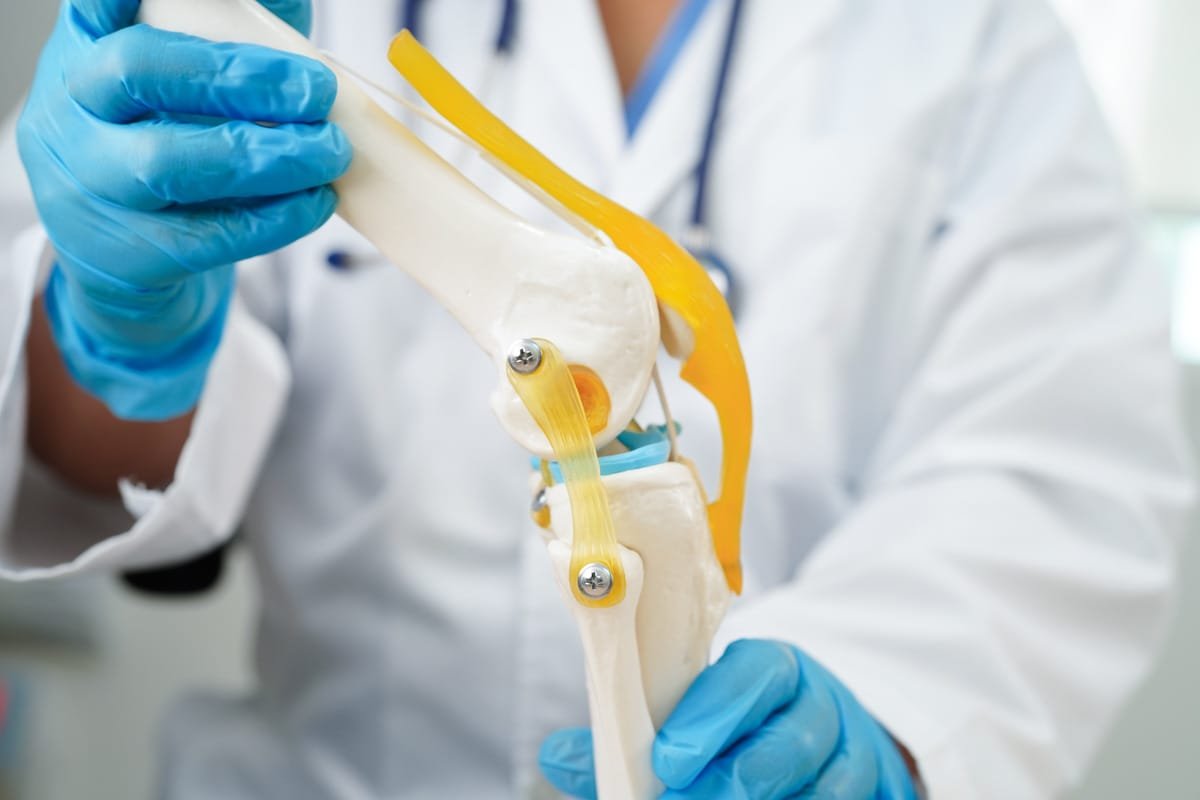
The knee is one of the most complex and heavily used joints in the body. It supports your weight, absorbs shock, and allows movement when walking, running, jumping, and climbing. Because of this, knee pain can arise from various causes, including:
- Ligament injuries (ACL, PCL, MCL)
- Meniscus tears
- Tendonitis
- Bursitis
- Arthritis (osteoarthritis, rheumatoid arthritis)
- Fractures
- Dislocations
- Overuse injuries
- Mechanical problems such as cartilage damage
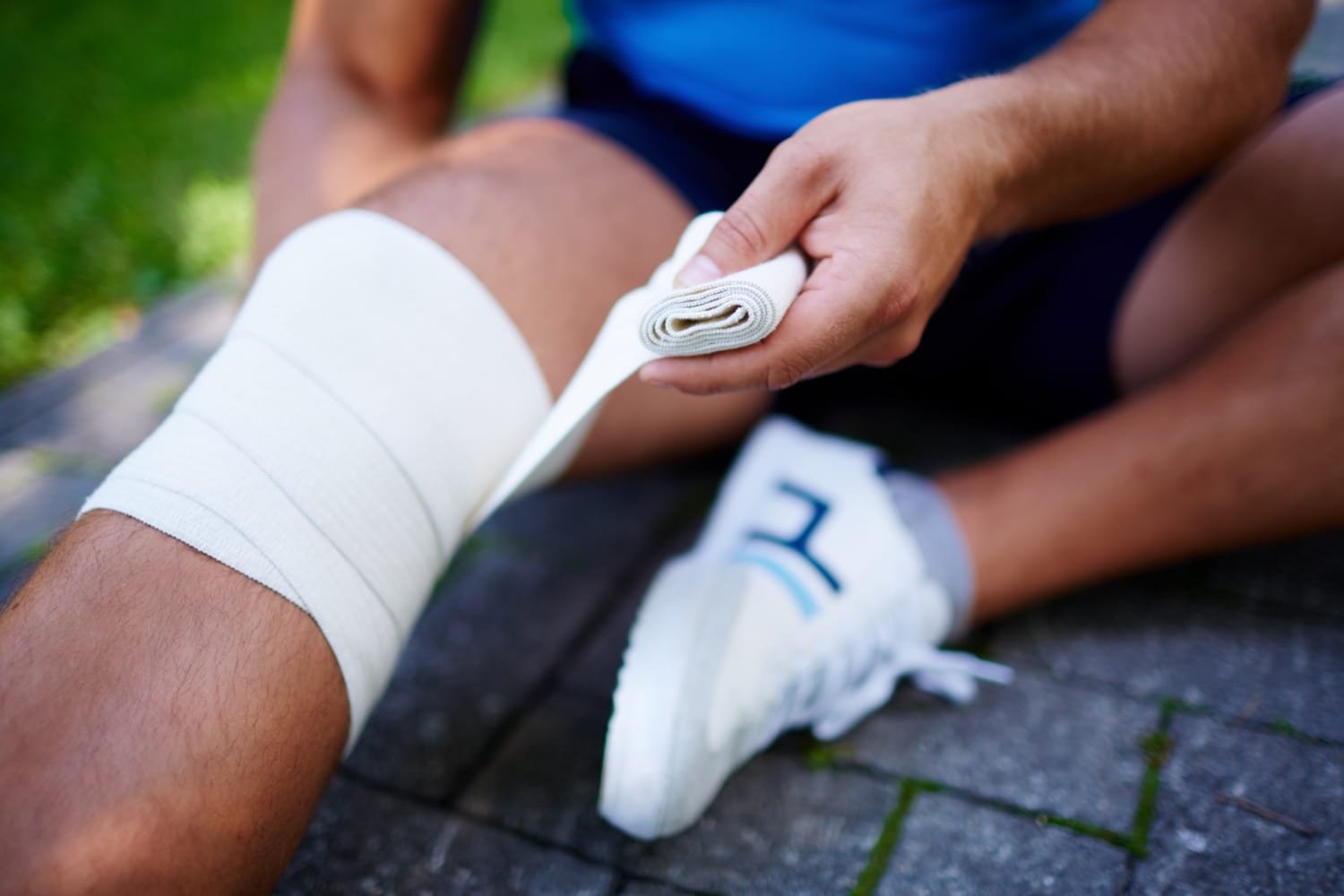
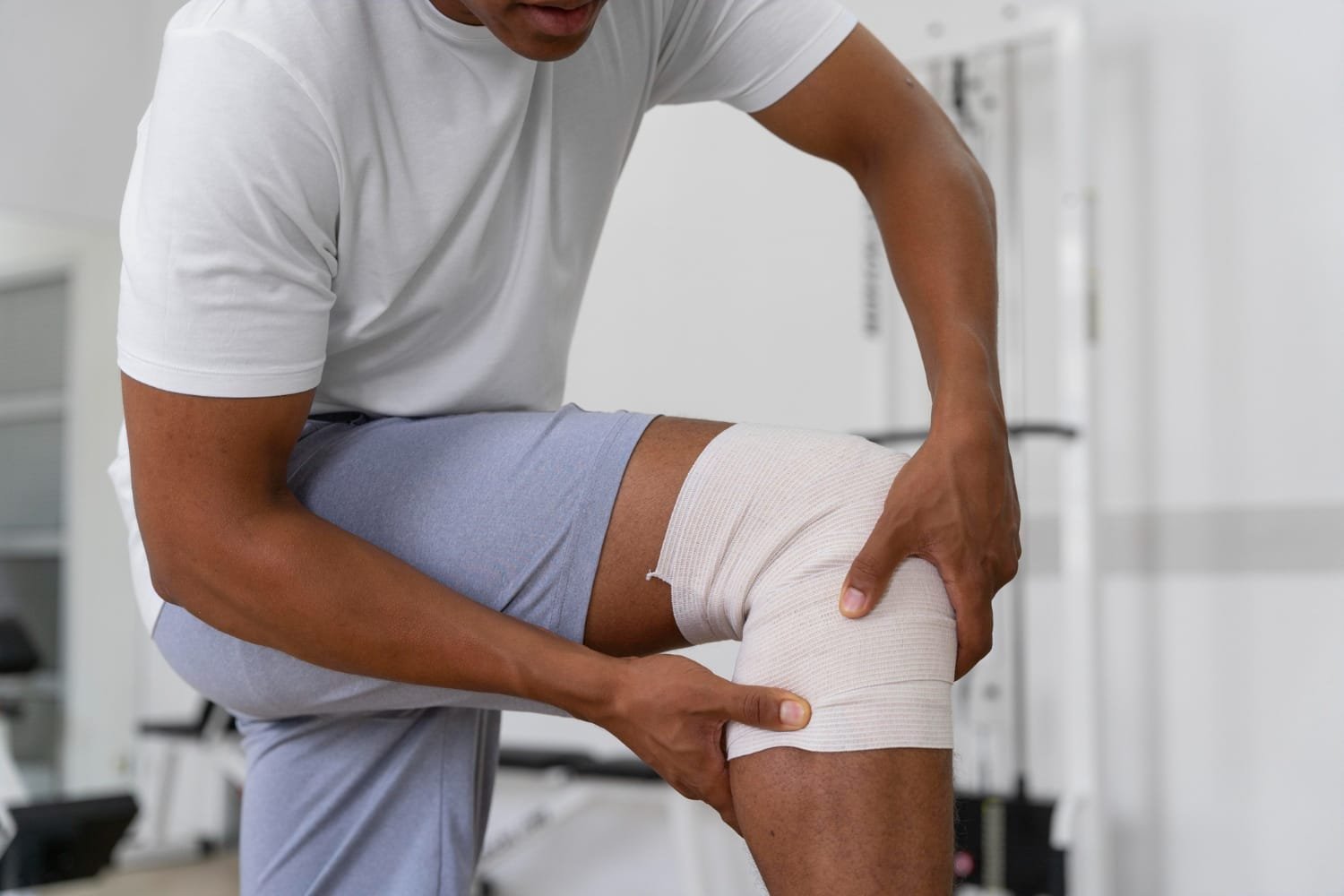
Most mild knee pain resolves with rest, ice, compression, and elevation (RICE), along with physical therapy and strengthening exercises. But there are times when knee pain signals a medical emergency or a condition requiring specialist care.
Why Recognising Red Flags Matters
Many people dismiss knee pain as a temporary problem or “part of ageing”, especially when the discomfort comes and goes. While mild knee aches can be benign, certain symptoms indicate underlying structural damage or serious pathology.
Left untreated, these conditions can:
- Progress rapidly
- Cause permanent damage
- Lead to joint instability
- Increase the risk of early arthritis
- Result in loss of function and mobility
Therefore, recognising the red flags early can make a significant difference in outcomes.
Red Flags: When Knee Pain Needs Immediate Medical Attention
Here are the key symptoms and situations that warrant a prompt medical evaluation:
1. Severe Pain That Limits Movement
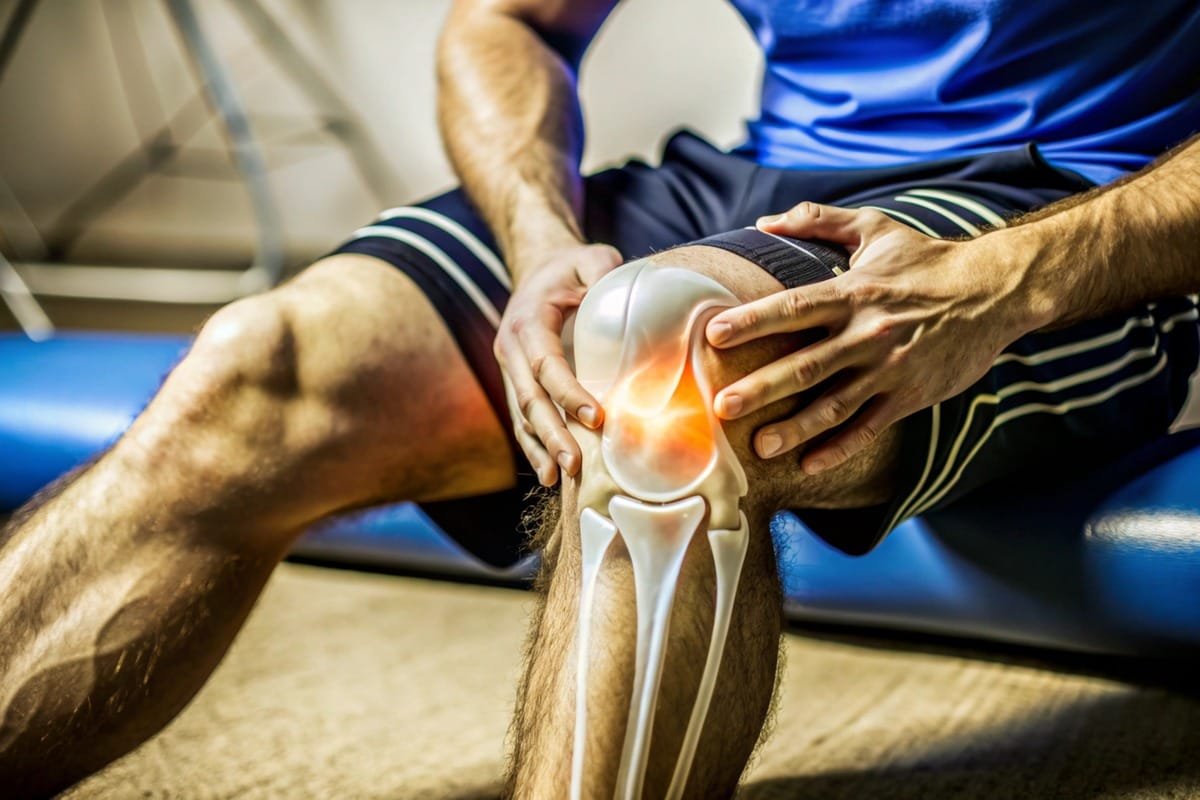
If your knee pain is so intense that you cannot walk, bend, or bear weight on your leg, this is a strong indicator of a serious injury. Severe pain could mean:
- A torn ligament
- A fracture
- A dislocated knee
- Severe meniscus damage
This level of pain should not be ignored or treated at home.
2. Sudden Swelling or Rapid Inflammation
Swelling that develops quickly after an injury is often a sign of internal bleeding or fluid accumulation inside the knee joint. This can be caused by:
- Ligament tears
- Meniscus tears
- Fractures
- Synovial inflammation
If swelling occurs within a few hours after trauma, seek medical care immediately.
3. Inability to Bear Weight
If your knee gives way when you try to stand or walk, or if you cannot put any weight on your leg, this is a red flag. It may signal:
- Structural instability
- Severe cartilage or ligament damage
- Bone injury
A specialist needs to examine you to determine the cause and appropriate treatment plan.
4. Deformity of the Knee
Any obvious deformity, such as the knee appearing bent or twisted in an abnormal position, strongly indicates a dislocation or fracture. These conditions require urgent medical attention and often imaging such as X-rays or MRI.
5. Locking or Inability to Fully Straighten the Knee
If your knee gets stuck in a bent position, or you cannot fully extend or flex it, this could mean:
- A piece of cartilage or meniscus is trapped in the joint
- Severe swelling or mechanical obstruction
- Loose body within the joint
Locked knee is not something that should be passed off as normal pain.
6. Fever, Redness and Warmth Around the Knee
These symptoms may point to infection within the joint (septic arthritis). A knee infection is a medical emergency, especially if it is accompanied by fever, chills, or general malaise. Prompt intervention is critical to prevent joint destruction.
7. Persistent Pain That Does Not Improve
If knee pain lasts more than a few weeks despite rest, medication, and conservative care, further evaluation is necessary. Chronic pain may arise from:
- Early arthritis
- Repeated microtrauma
- Cartilage degeneration
- Tendon issues
Delaying diagnosis may limit the effectiveness of treatment.
8. Numbness or Tingling
Never ignore neurological symptoms such as numbness, tingling, or weakness in the leg or foot. These could signify nerve involvement or compromised blood flow.
9. Pain Accompanied by Weight Loss or Other Systemic Symptoms
Unexplained weight loss, loss of appetite, night sweats, or fatigue alongside knee pain could be signs of systemic disease, including autoimmune conditions or rare tumours.
What Happens at a Medical Evaluation
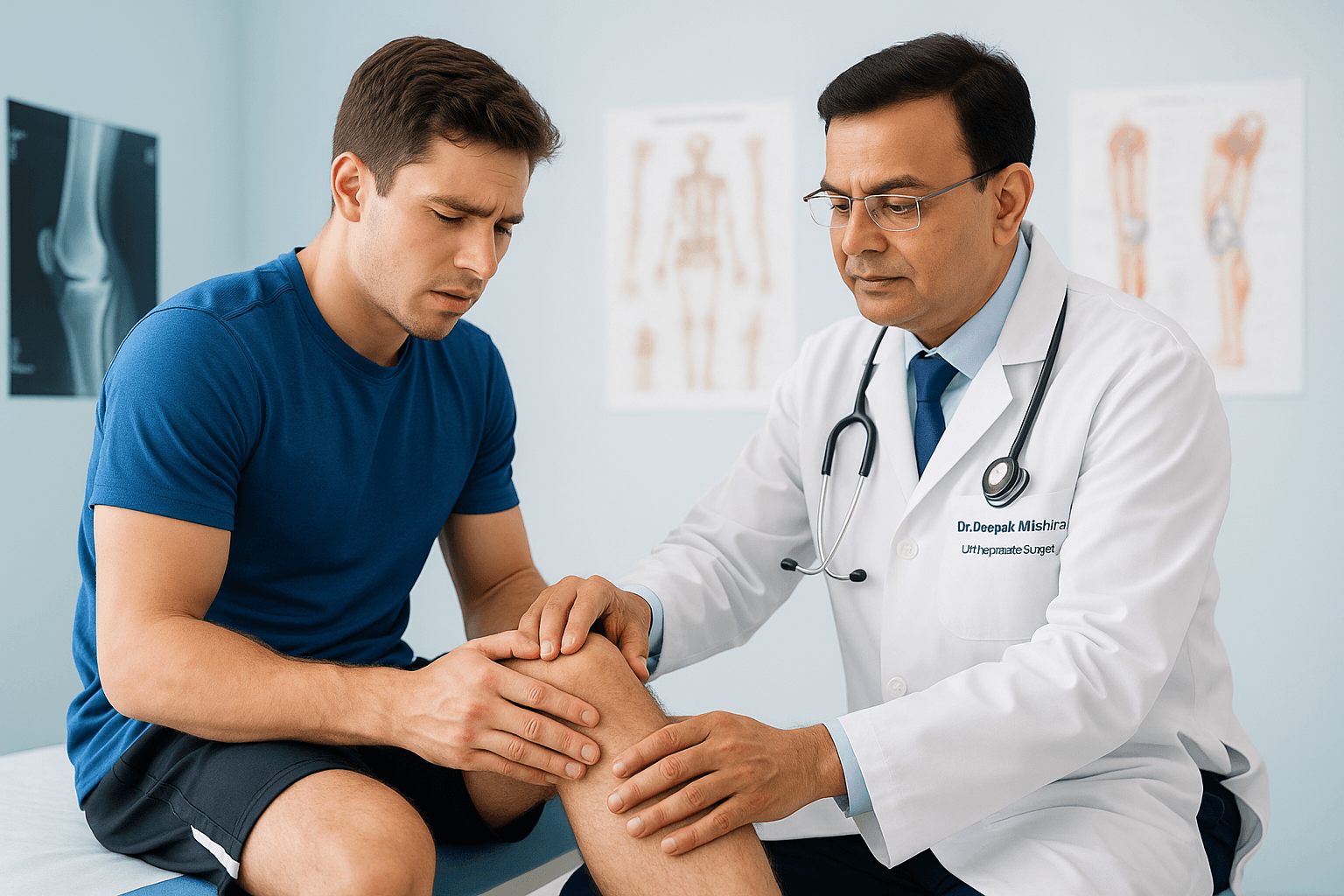
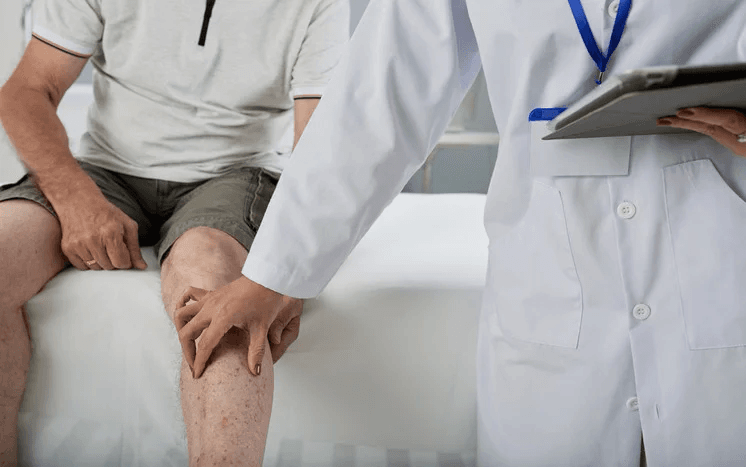
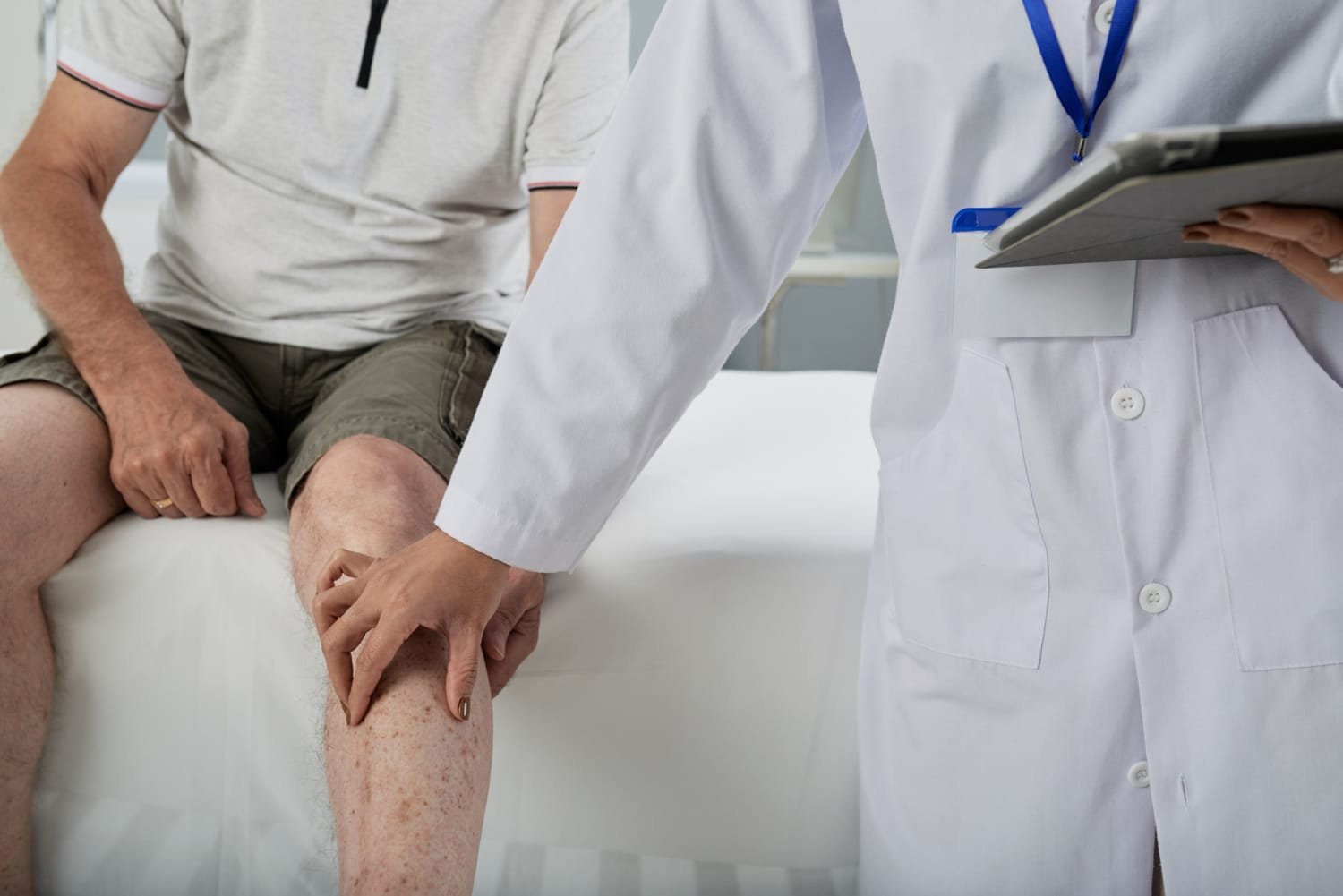
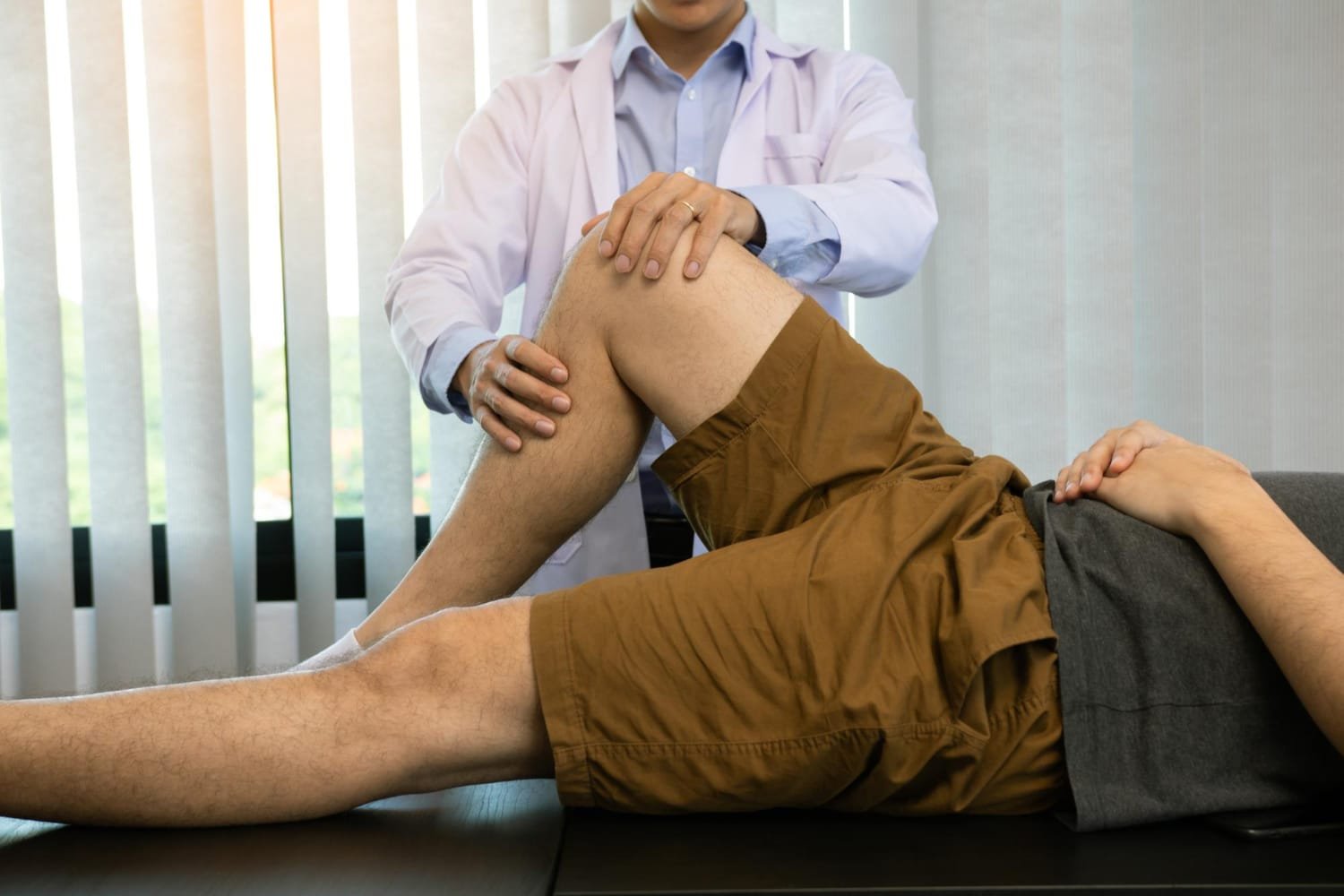
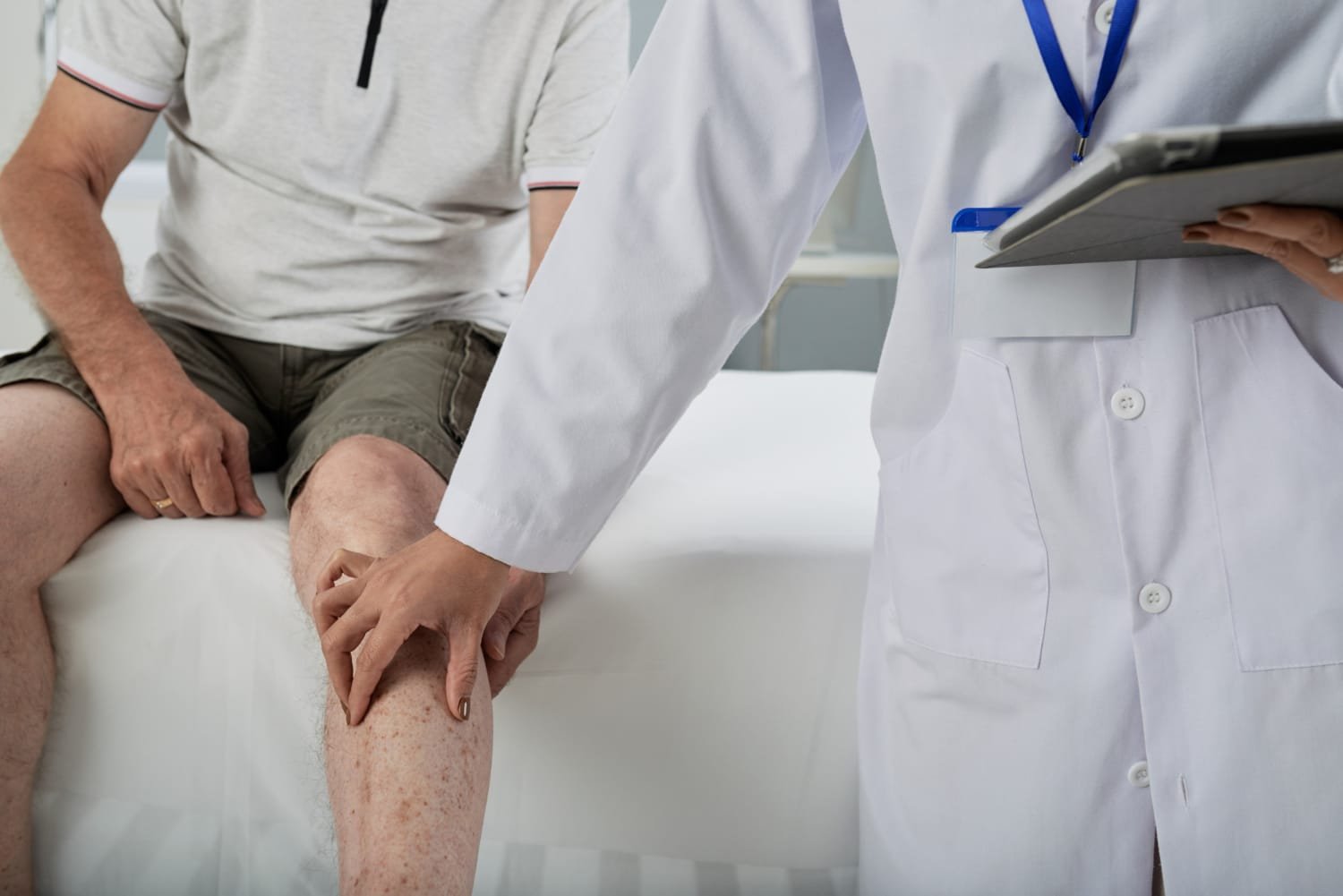
A thorough clinical evaluation helps identify the exact cause of knee pain. When you consult a specialist like Dr Deepak Mishra, the best orthopedic doctor in Faridabad, you can expect:
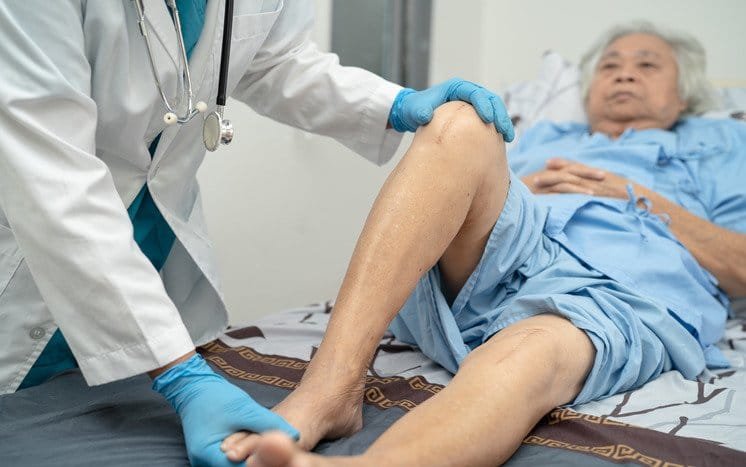
Comprehensive History and Examination
The doctor will ask about:
- How the pain started
- Activities that aggravate or relieve the pain
- Associated symptoms
- Previous injuries or surgeries
- Your lifestyle and physical activity level
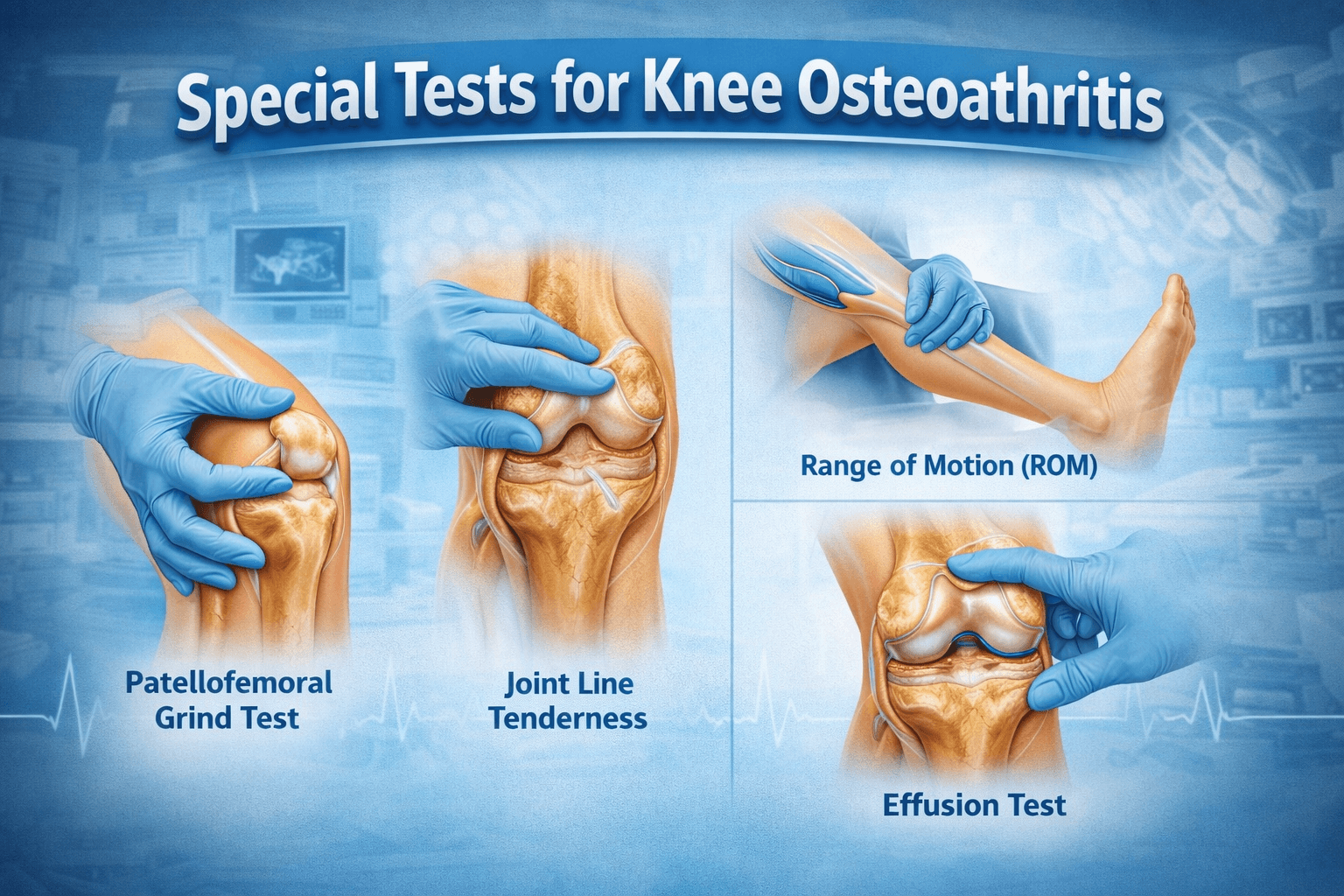
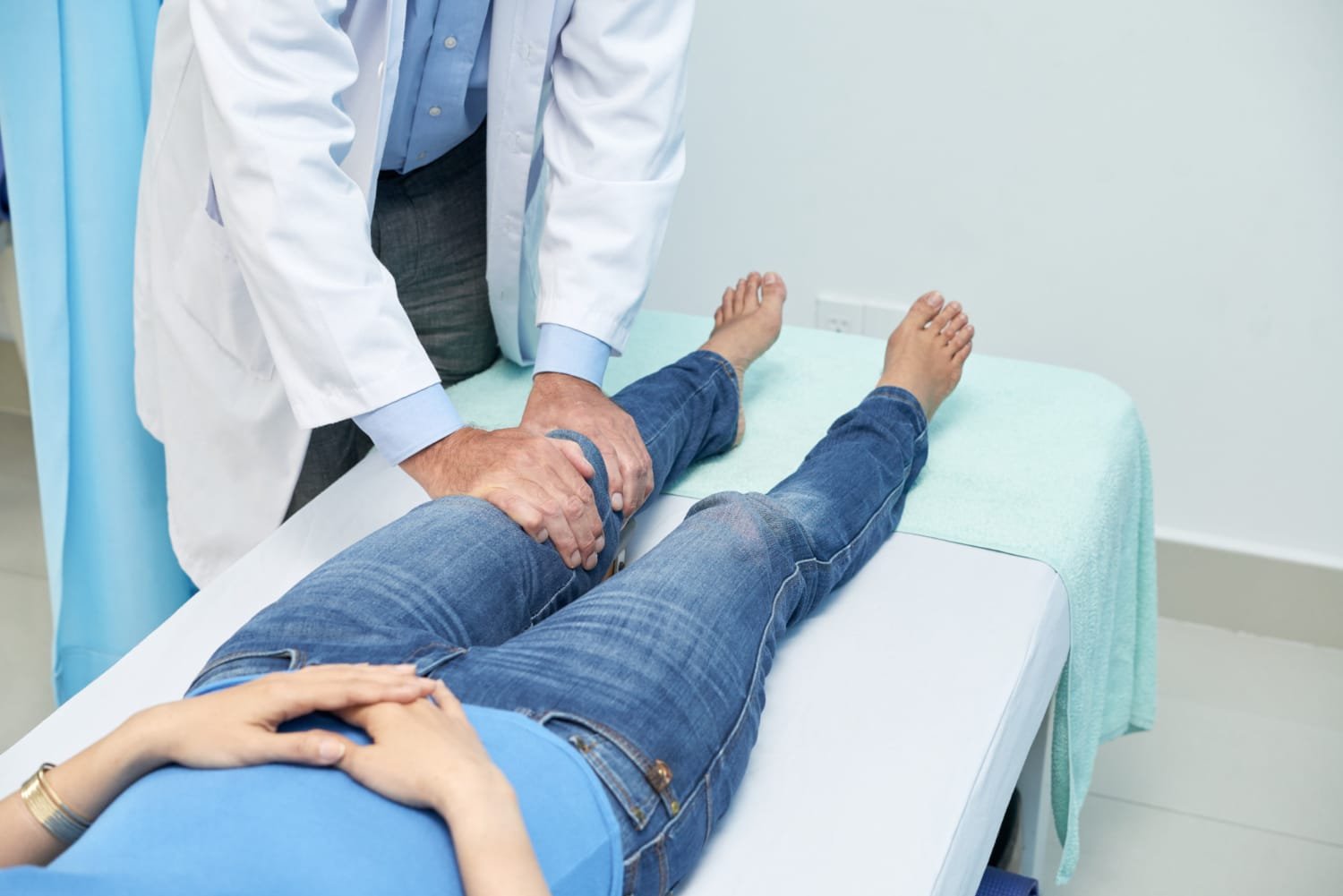
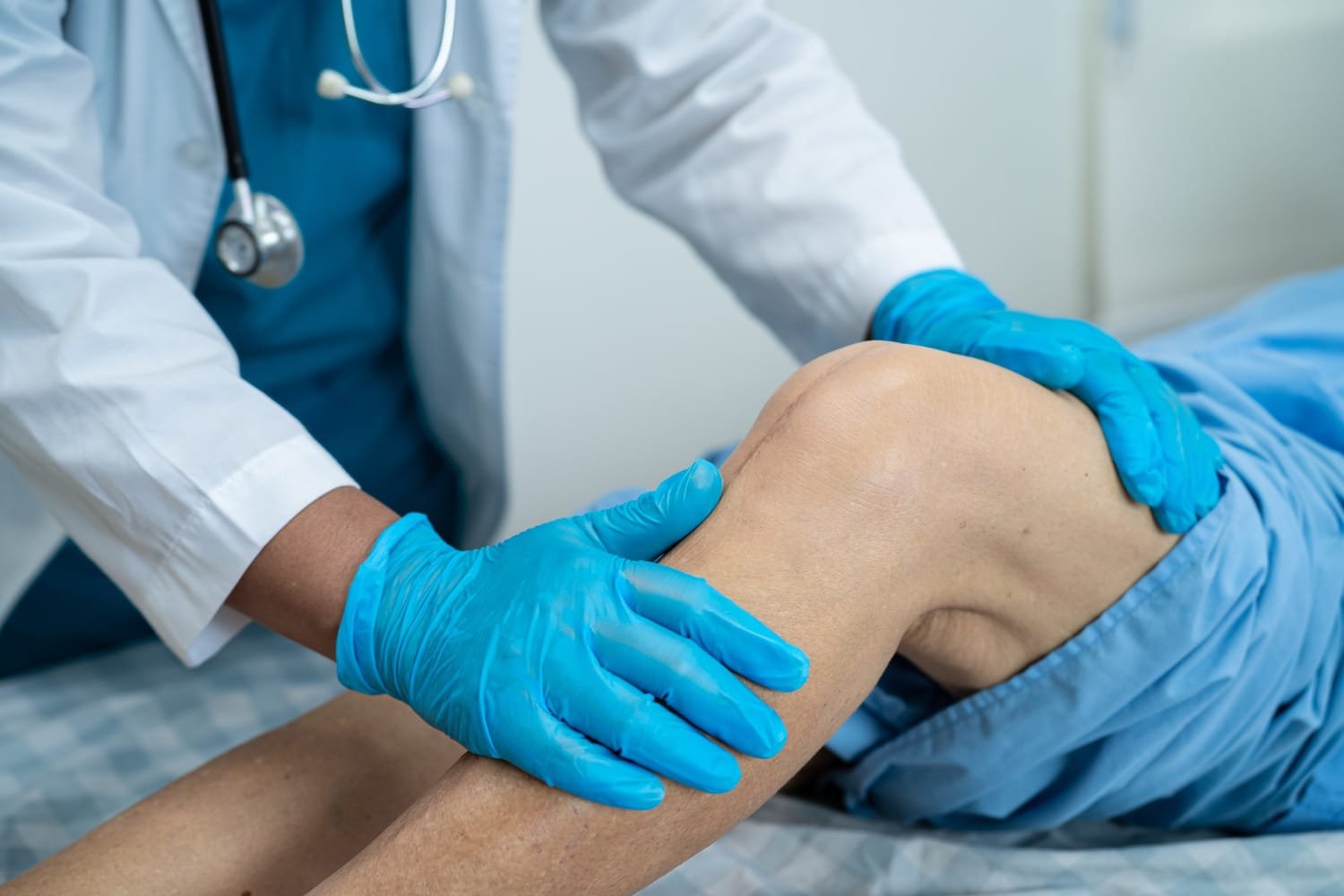
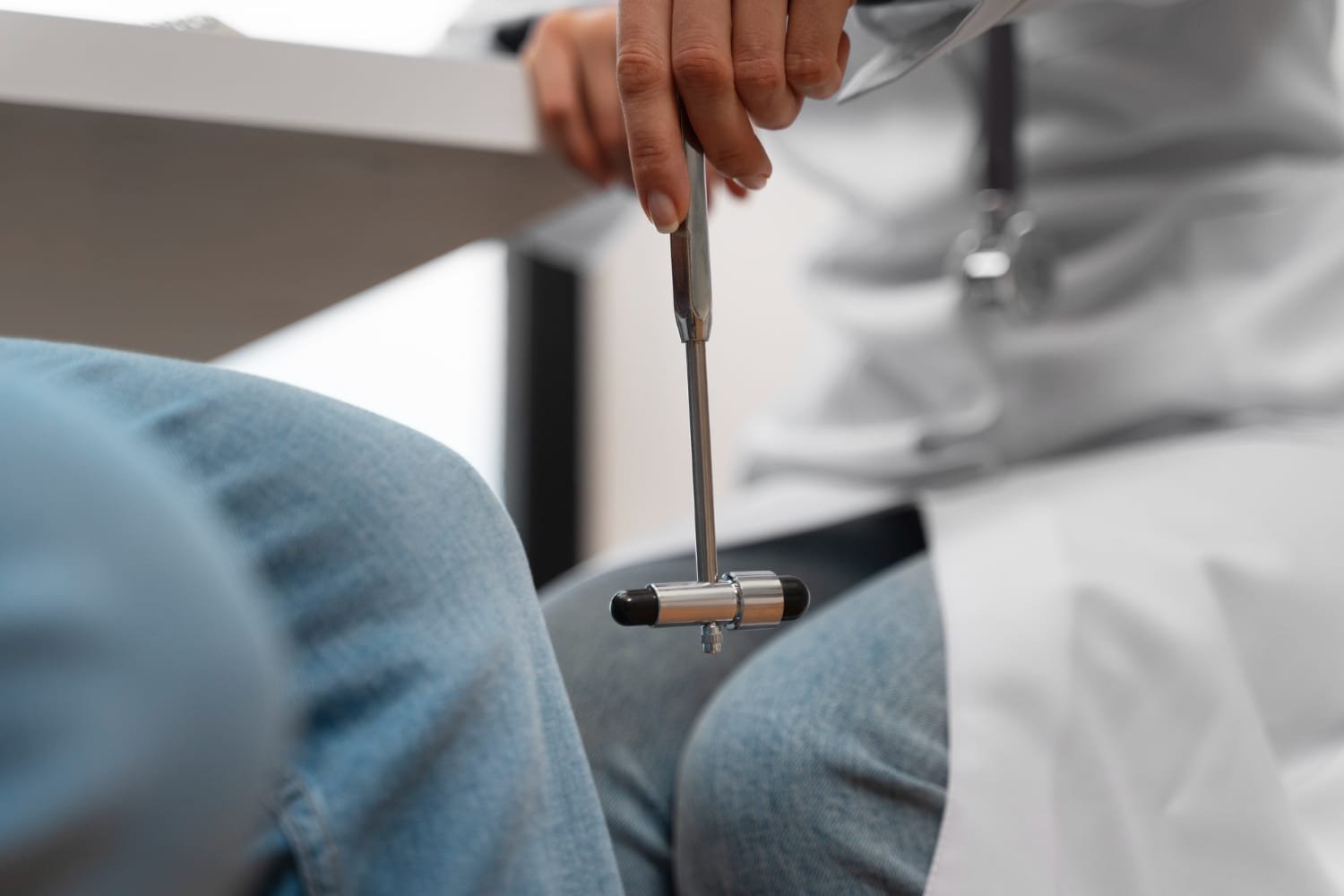
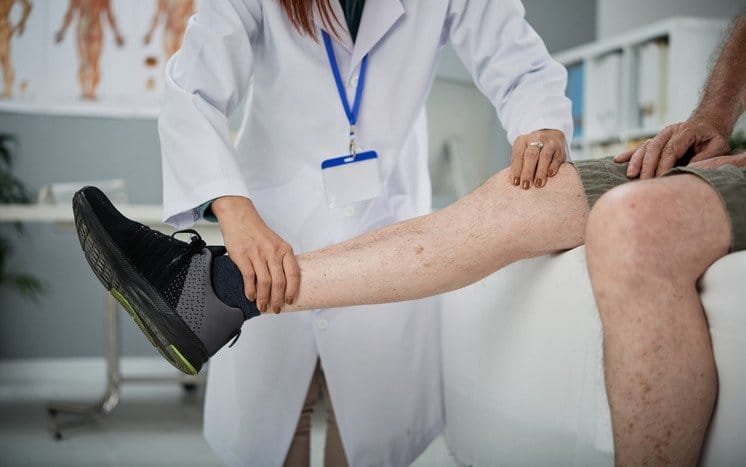
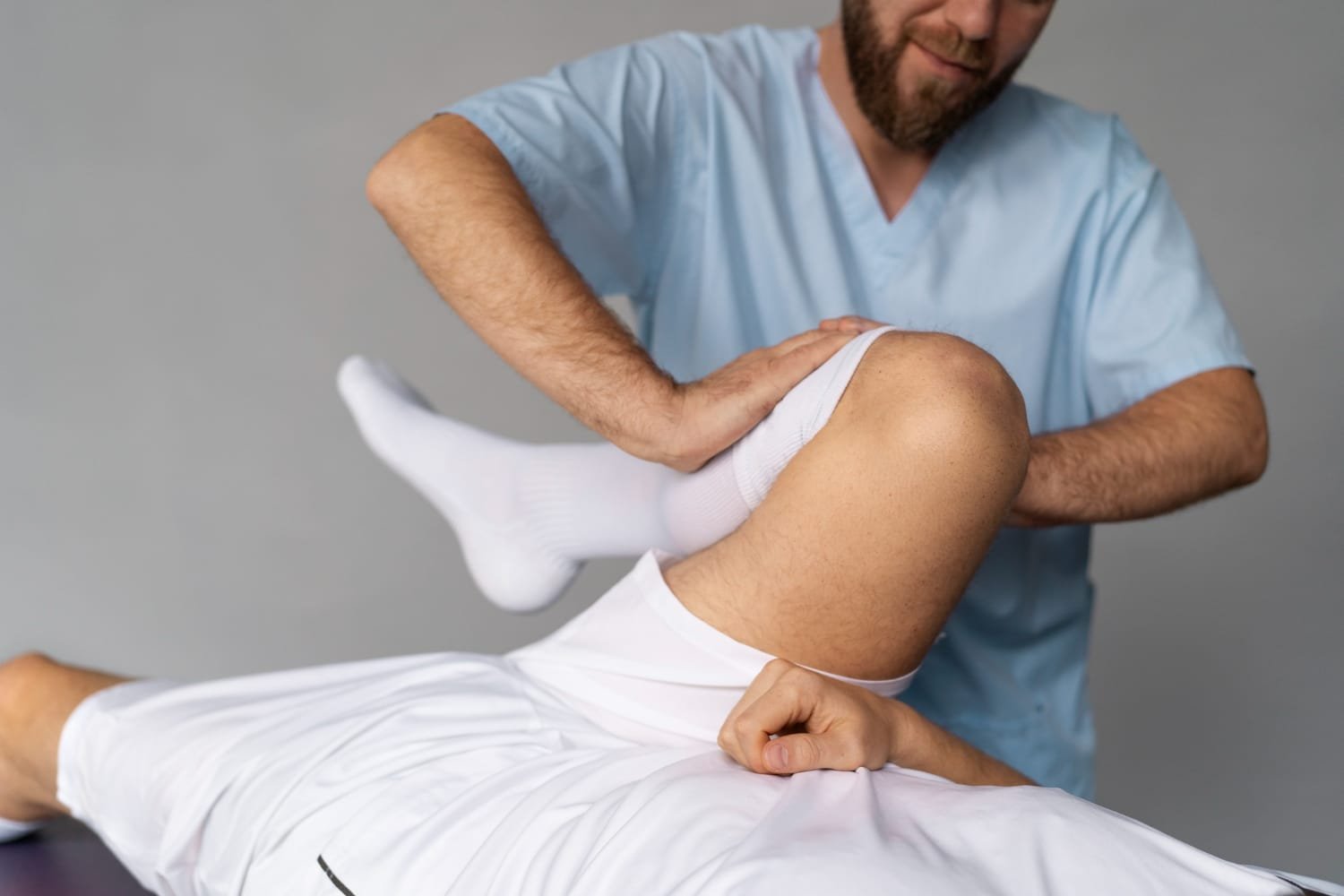
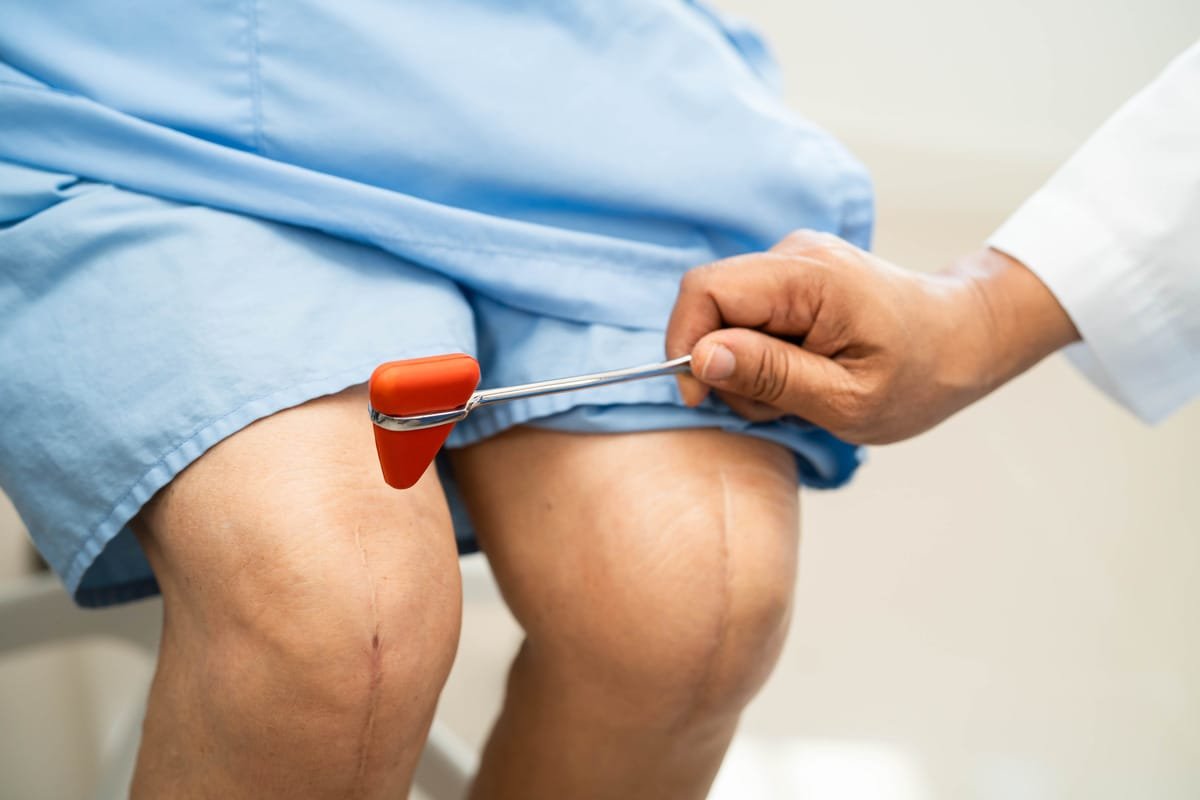
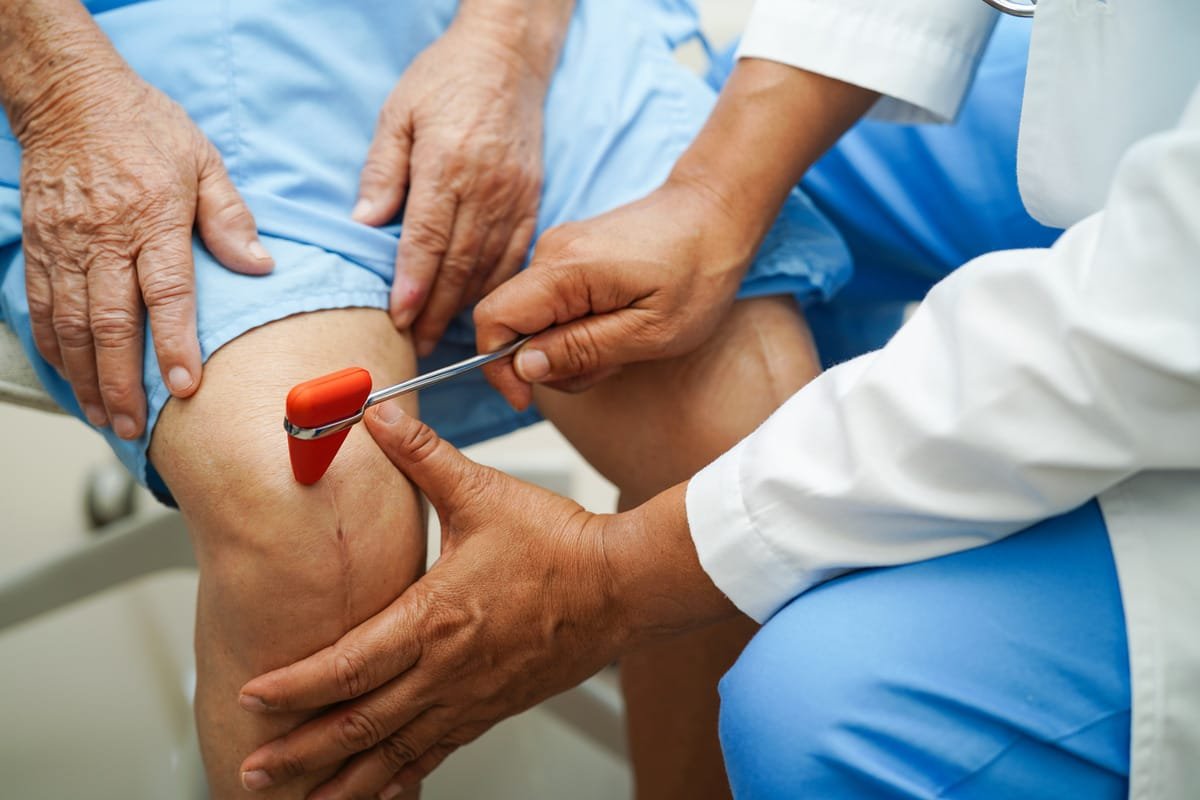
A detailed physical examination assesses:
- Range of motion
- Stability of ligaments
- Swelling
- Tenderness
- Walking pattern
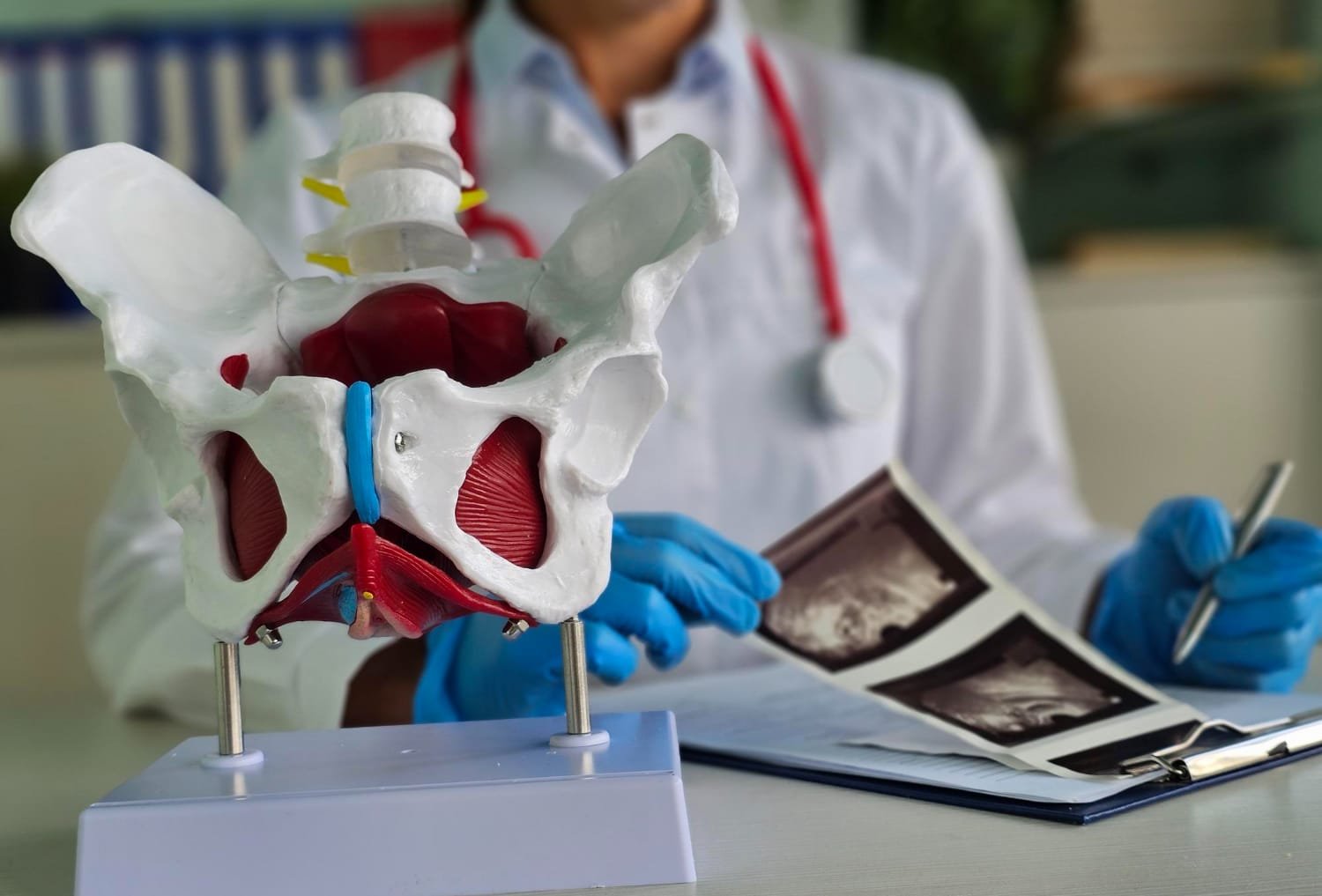
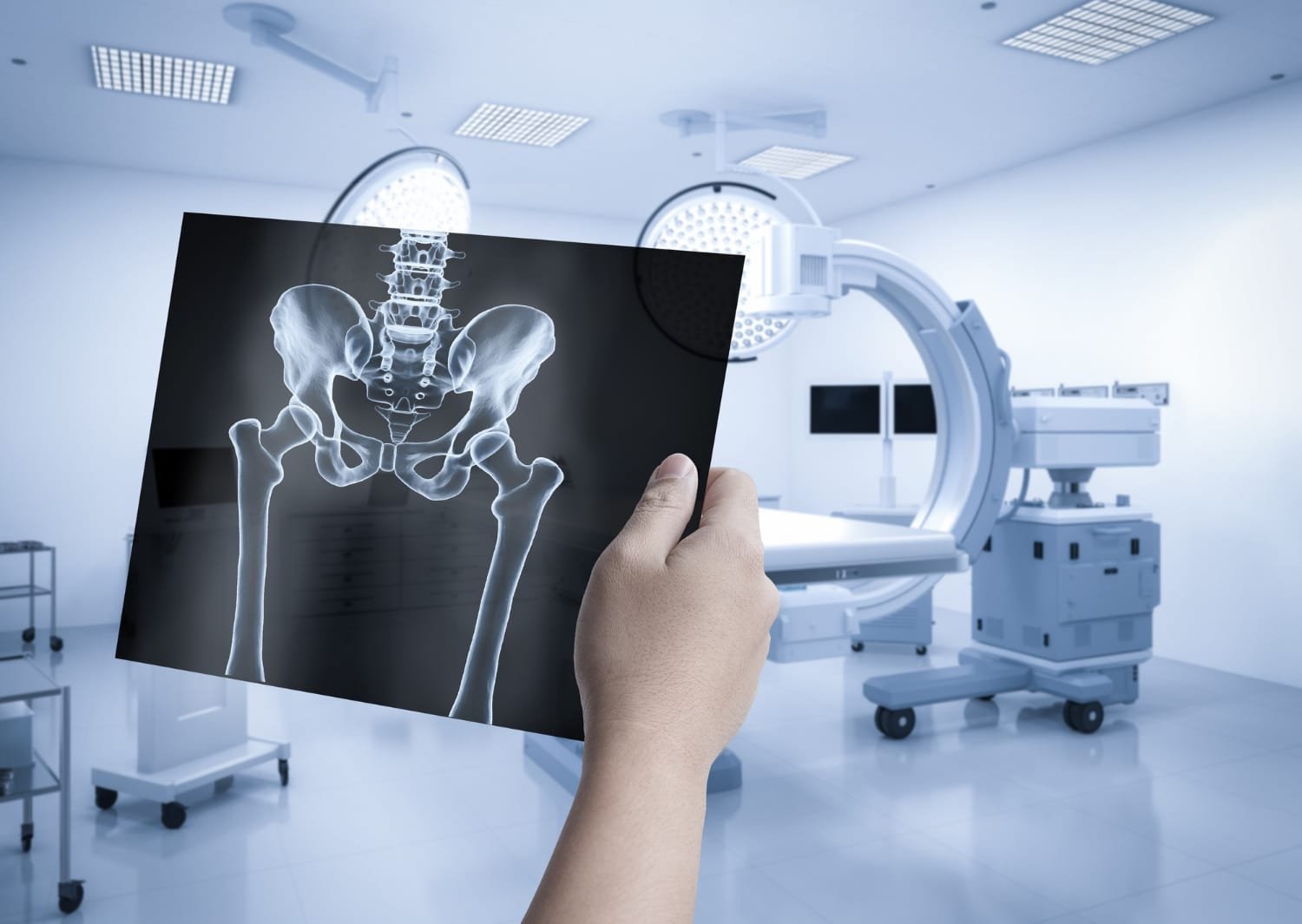
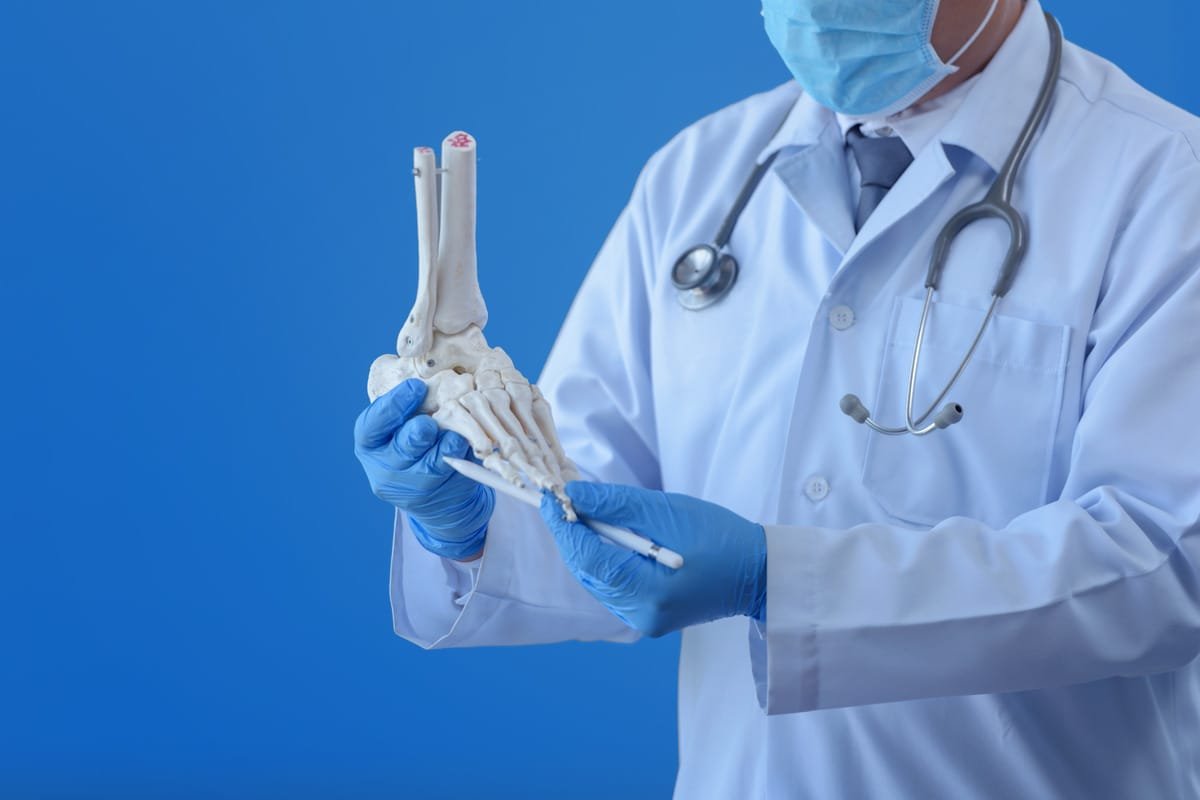
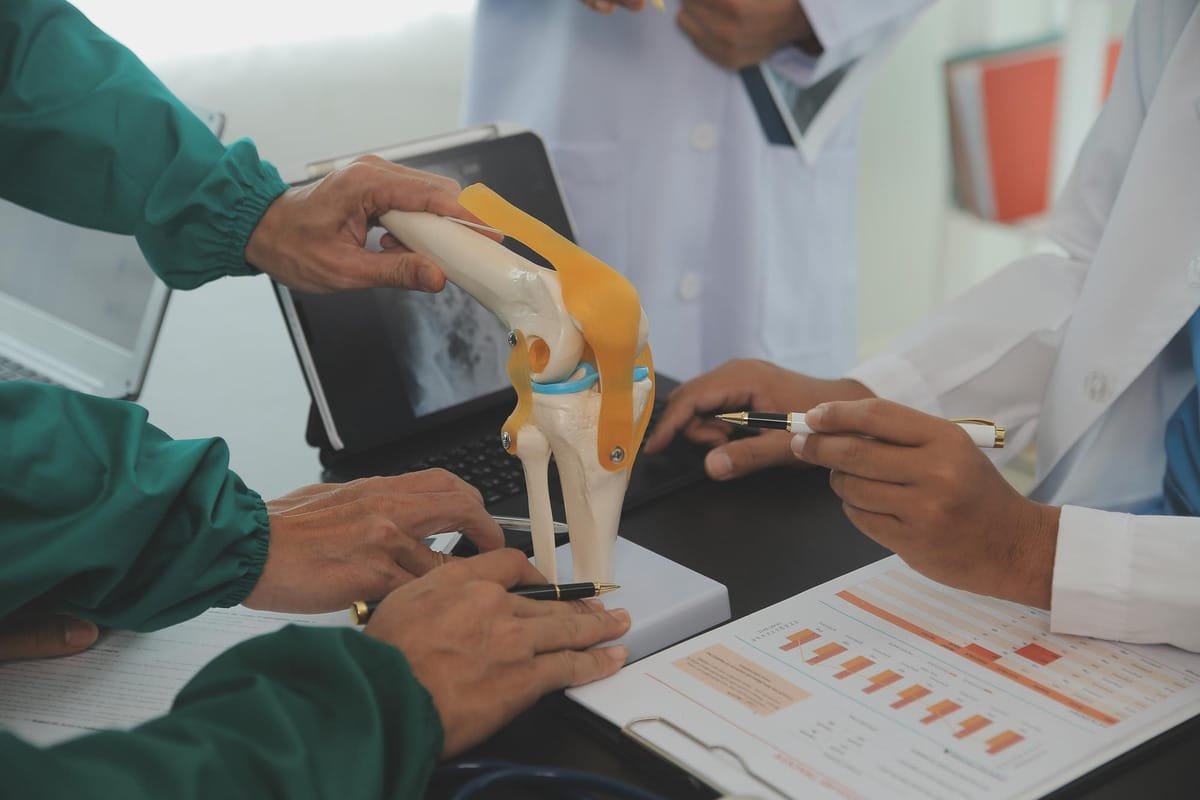
Diagnostic Imaging
Depending on the findings, the doctor may recommend:
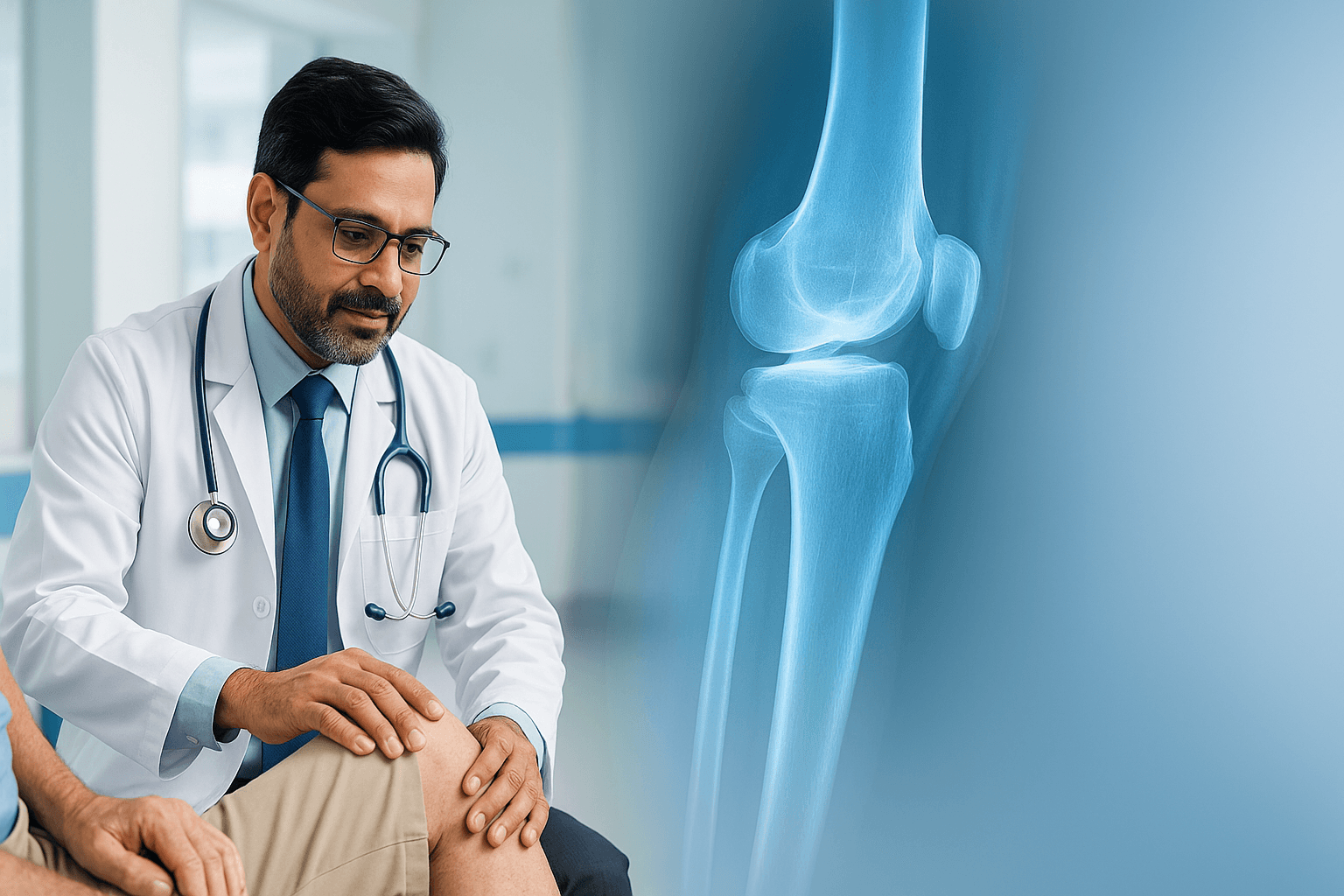
- X-rays to check for fractures or bone abnormalities
- MRI to visualise soft tissues such as ligaments and cartilage
- Ultrasound for tendon and soft tissue evaluation
- CT scan in complex cases
Advanced imaging allows precise diagnosis and tailored treatment planning.
Individualised Treatment Plan
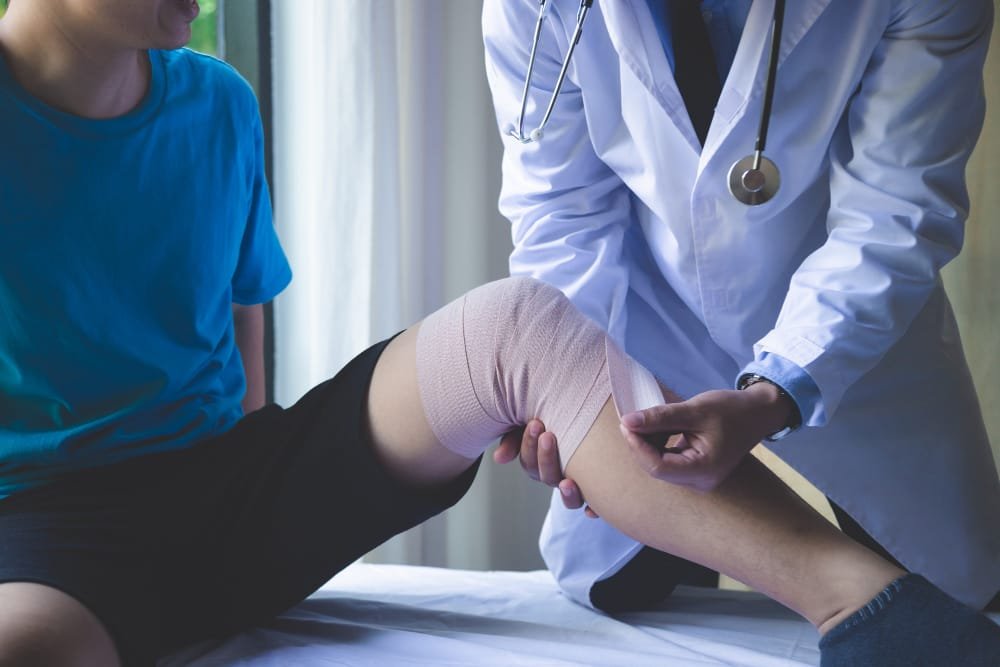
Based on diagnosis, treatment may include:
- Physiotherapy and supervised rehabilitation
- Anti-inflammatory medications
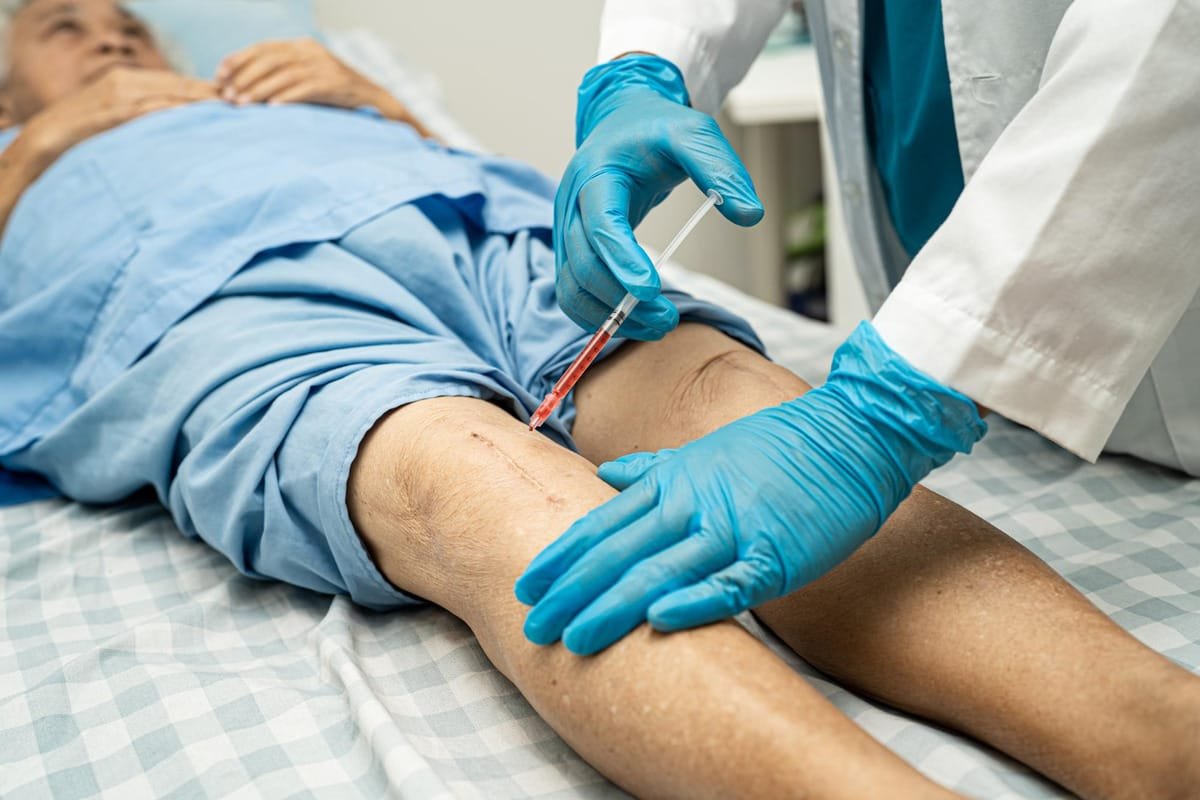
- Injections such as corticosteroids or PRP (Platelet Rich Plasma)
- Bracing or orthotic support
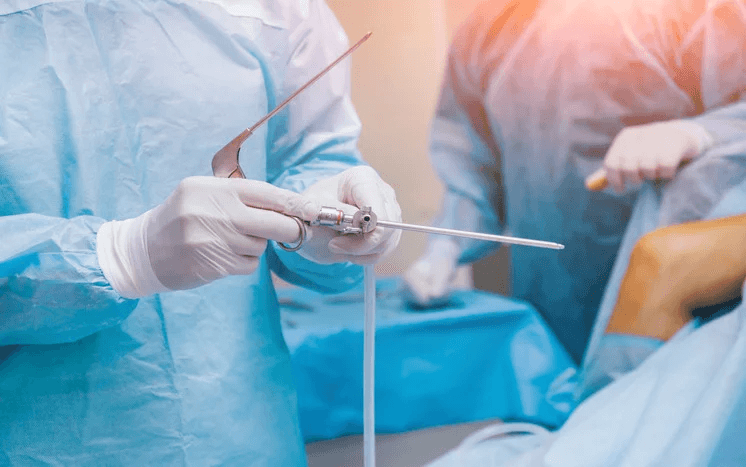
- Minimally invasive arthroscopy
- Ligament reconstruction or repair
- Partial or total knee replacement in advanced cases
With Dr Deepak Mishra’s expertise, patients receive evidence-based care focused on restoring function, reducing pain, and preventing future injury.
How Early Intervention Helps
Timely medical attention offers several benefits:
Reduces Long-Term Damage
Early treatment of ligament tears or cartilage injuries may prevent further deterioration and reduce the risk of early-onset arthritis.
Faster and Better Recovery
A prompt diagnosis and guided rehabilitation can significantly shorten recovery time and improve outcomes compared to delayed treatment.
Avoids Complications
Conditions like infections or mechanical obstructions can worsen if left untreated. Early intervention avoids chronic pain and disability.
Tailored Treatment
Every knee injury is unique. A personalised approach ensures that treatment matches not just the diagnosis, but your lifestyle and goals.
Prevention: How to Protect Your Knees
While recognising red flags is crucial, prevention remains the best strategy:
Warm-Up Before Physical Activity
Always warm up before engaging in sports or strenuous activity. Gentle stretching and muscle activation prepares the knee for load.
Strengthen Muscles Around the Knee
A strong quadriceps, hamstrings, and calf muscles provide better support for the knee joint.
Wear Appropriate Footwear
Shoes that fit well and provide proper support can reduce undue stress on the knees.
Avoid Sudden Increases in Activity
Gradual progression helps tissues adapt and reduces the risk of overuse injuries.
Maintain a Healthy Weight
Extra body weight increases stress on the knees, accelerating wear and tear.
When to See Dr Deepak Mishra
If you experience any of the red flags listed above, do not delay seeking expert care. Dr Deepak Mishra, recognised as the best orthopedic doctor in Faridabad, brings years of specialised experience in diagnosing and managing acute and chronic knee problems. His patient-centred approach ensures:
- Accurate diagnosis
- Clear explanation of treatment options
- Evidence-based care
- Rehabilitation support
Patients trust his expertise for sports injuries, joint pain treatment, advanced surgical procedures, and personalised recovery plans.
Conclusion
Knee pain is common, but not all pain should be ignored or treated at home. Being aware of red flags such as severe pain, rapid swelling, inability to bear weight, deformity, locking of the knee, fever, or persistent discomfort helps you decide when to seek professional care.
Early evaluation and treatment by an expert like Dr Deepak Mishra can prevent long-term joint damage, restore mobility, and improve quality of life. If your knee pain shows any of the warning signs described above, consult a qualified orthopedic specialist without delay.
Your knees carry you through life. Protect them by recognising the signs that demand medical attention.
Recent Blogs
-
 When Knee Pain Needs Medical Attention: Red Flags to Watch
- 19, January 2026
-
Cartilage Damage in Sports: Early Signs Athletes Should Not Ignore
- 15, January 2026
-
 Can You Sit Cross-Legged After Knee Replacement?
- 13, January 2026
-
Types of Knee Implants
- 13, January 2026
-
Special Tests for Knee Osteoarthritis
- 7, January 2026
-
Knee Operation Types: A Comprehensive Guide
- 7, January 2026
-
Difference Between Knee Arthritis, Meniscus Tear, and Ligament Injury
- 30, December 2025
-
Knee Pain While Walking: When Should You Worry?
- 30, December 2025
-
 What Happens If Knee Replacement Is Delayed Too Long?
- 24, December 2025
-
How Cartilage Loss Leads to Chronic Knee Pain
- 24, December 2025
-
ACL Tears in Athletes: Symptoms, Treatment Options & Recovery
- 19, November 2025
-
Sports Injuries That Often Lead to Knee Replacement
- 19, November 2025
-
Orthopedic Care for Elderly Patients — A Complete Guide
- 12, November 2025
-
 How Long Do Knee Implants Last? (10–20 Year Longevity Guide)
- 12, November 2025
-
Importance of Early Diagnosis in Bone and Joint Problems
- 28, October 2025
-
Best Treatment Options for Sports Injuries
- 28, October 2025
-
 The Difference Between ACL Tear, Sprain, and Rupture
- 16, October 2025
-
Post-ACL Surgery Do’s and Don’ts
- 16, October 2025
-
Early Signs You Might Have an ACL Injury (and When to See a Doctor)
- 16, October 2025
-
Does Insurance Cover Robotic Knee Replacement Surgery?
- 6, October 2025
-
When Can You Return to Sports After Robotic Knee Replacement?
- 6, October 2025
-
 Impact of Obesity on Knee Replacement Surgery and Recovery
- 30, September 2025
-
Early vs. Delayed Knee Replacement: Which Is Better?
- 30, September 2025
-
How Durable Are Knee Implants? A Complete Guide
- 24, September 2025
-
Can You Play Sports After Knee Replacement Surgery?
- 24, September 2025
-
 Key Benefits of Revision Hip Replacement You Should Know
- 15, September 2025
-
Revision Hip Replacement vs. Primary Hip Replacement: Key Differences
- 15, September 2025
-

-
Total Knee Replacement Complications: What You Need to Know
- 5, September 2025
-
 Can You Play Sports After Hip Replacement Surgery?
- 26, August 2025
-
 Preparing for Knee Replacement: Do’s and Don’ts Before Surgery
- 26, August 2025
-
-
What to Know About Knee Replacement Revision Surgery
- 18, August 2025
-
Cost of Hip Replacement in India – What Patients Should Know
- 11, August 2025
-
-
Who Is the Best Orthopedic Doctor for Sports Injuries?
- 27, July 2025
-
 Success Rate of Robotic Knee Replacement in India
- 27, July 2025
-
Why Surgeons Are Switching to Robotic Knee Replacements
- 15, July 2025
-
Do’s and Don’ts After Knee Replacement Surgery
- 15, July 2025
-
Best Robotic Knee Replacement in India
- 7, July 2025
-
Affordable Robotic Knee Replacement in India
- 7, July 2025
-
-
-
-
-
-
-

-
 Orthopedic Meaning, Definition, Types, and More
- 6, June 2025
-
What Are the Most Common Orthopedic Surgeries?
- 24, May 2025
-
What Does an Orthopedic Doctor Do?
- 24, May 2025
-

-
-
-
Best Orthopedic Doctor for Knee Pain in Faridabad
- 12, May 2025
-
How to Prevent Knee Pain with Orthopedic Expert Tips
- 29, April 2025
-
-
Best Orthopedic Treatment in Faridabad: What You Should Know
- 29, April 2025
-

-

-
Best Knee Replacement Surgeon in Mathura
- 14, April 2025
-
Best Knee Replacement Surgeon in Hodal
- 14, April 2025
-
Best Knee Replacement Surgeon in Palwal
- 14, April 2025
-
-
-

-
Benefits of Minimally Invasive Knee Surgery
- 24, March 2025
-
Best knee Replacement Surgeon in India
- 17, March 2025
-
-
How to Recover Quickly After Knee Replacement Surgery
- 10, March 2025
-
-
-
-
Minimally Invasive Arthroplasty: Benefits and Recovery Advantages
- 24, February 2025
-
Common Mistakes to Avoid After Joint Replacement Surgery
- 24, February 2025
-
Choosing the Right Hip Replacement Surgeon: A Comprehensive Guide
- 17, February 2025
-
Restoring Mobility: The Role of Knee Replacement Doctors
- 17, February 2025
-
Orthopedic Trauma Care for Athletes
- 6, February 2025
-
Best Doctor for ACL Tear Treatment
- 6, February 2025
-
Best Sports Medicine Doctor for Knee Injuries
- 6, February 2025
-
Orthopedic Surgeons: 7 Things You Need to Know
- 27, January 2025
-
Best Joint Replacement Surgeon in Greater Faridabad
- 27, January 2025
-
Best Knee Replacement Surgeon in Palwal
- 20, January 2025
-
Best Knee Replacement Surgeon in South Delhi
- 20, January 2025
-
Signs You May Need a Knee Replacement: Insights from a Surgeon
- 13, January 2025
-
Restoring Mobility: The Role of Knee Replacement Doctor
- 13, January 2025
-
Robotic Knee Replacement Surgery in Delhi
- 30, December 2024
-
Robotic Orthopedic Surgery: Revolutionizing Joint Replacement and Repair
- 30, December 2024
-
Robotic Knee Replacement vs. Traditional Surgery: A Comparative Guide
- 23, December 2024
-
How to Make Joints Stronger: A Comprehensive Guide
- 23, December 2024
-
Common Knee Conditions and How a Knee Surgeon Can Help
- 16, December 2024
-
-
-
Orthopedic Surgeons: 7 Things You Need to Know
- 6, December 2024
-
Top 5 Mistakes After Knee Replacement
- 25, November 2024
-
Advantages and Disadvantages of Robotic Knee Replacement
- 25, November 2024
-
When to See an Orthopedic Specialist: Recognizing Early Signs
- 15, November 2024
-
Benefits of Robotic-Assisted Knee Replacement Surgery
- 15, November 2024
-
Knee Replacement Surgery Cost
- 8, November 2024
-
Best Robotic Knee Replacement Surgeon in Faridabad
- 8, November 2024
-
-
Knee Replacement Surgery: Types, Benefits, and Recovery Timeline
- 28, October 2024
-
What is Osteoporosis? Symptoms, Causes, and Prevention
- 21, October 2024
-
Signs It’s Time for a Knee Replacement: When to Consult a Surgeon
- 18, October 2024
-
Understanding Different Types of Arthritis: Symptoms and Causes
- 11, October 2024
-
Taking Care After Knee Replacement Surgery
- 15, December 2022
-
Amazing Ways to Get Relief from Arthritis Pain Naturally
- 2, December 2022
-
-
How Does Fat Affect Arthritis?
- 4, November 2022