Cartilage Damage in Sports: Early Signs Athletes Should Not Ignore
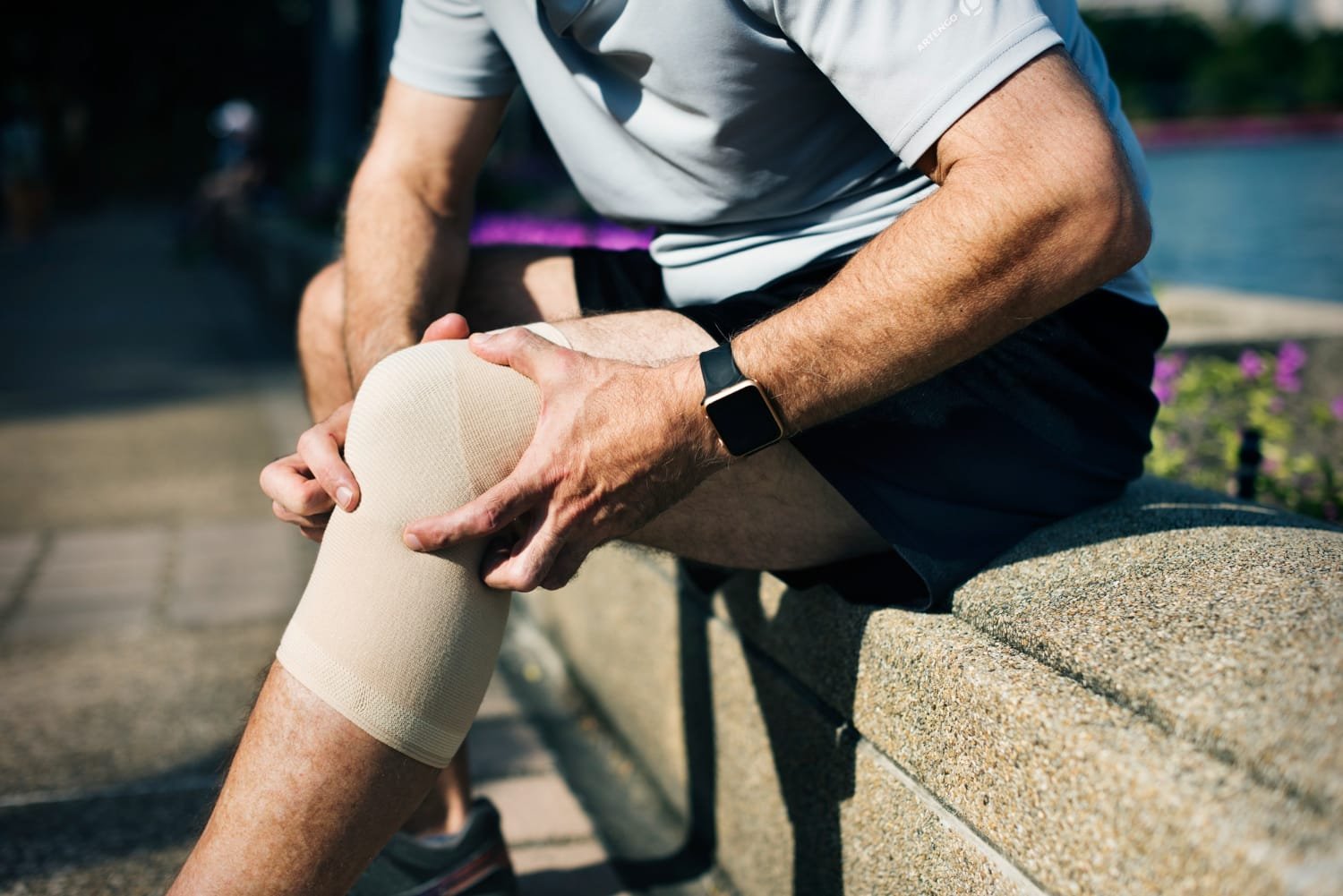
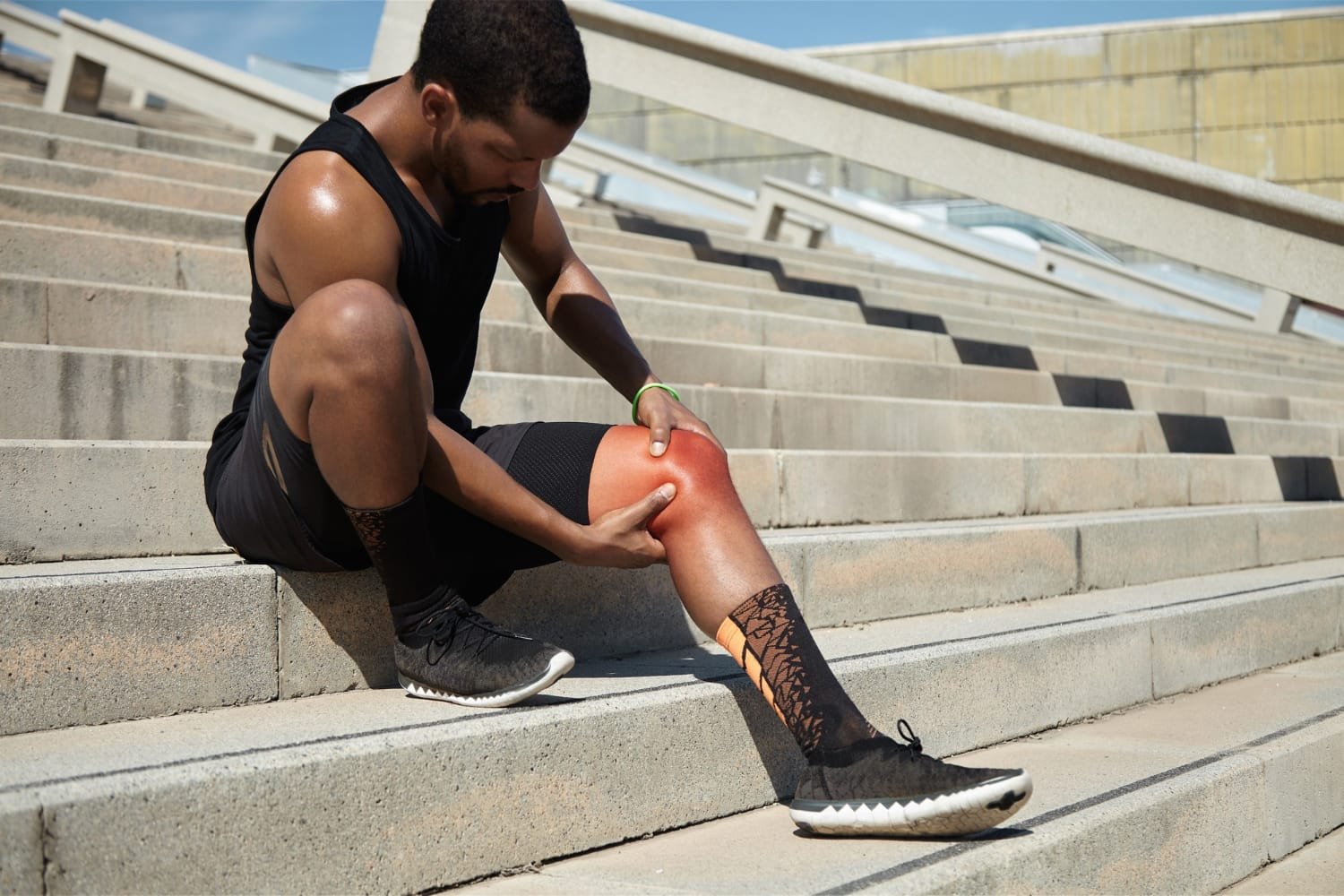
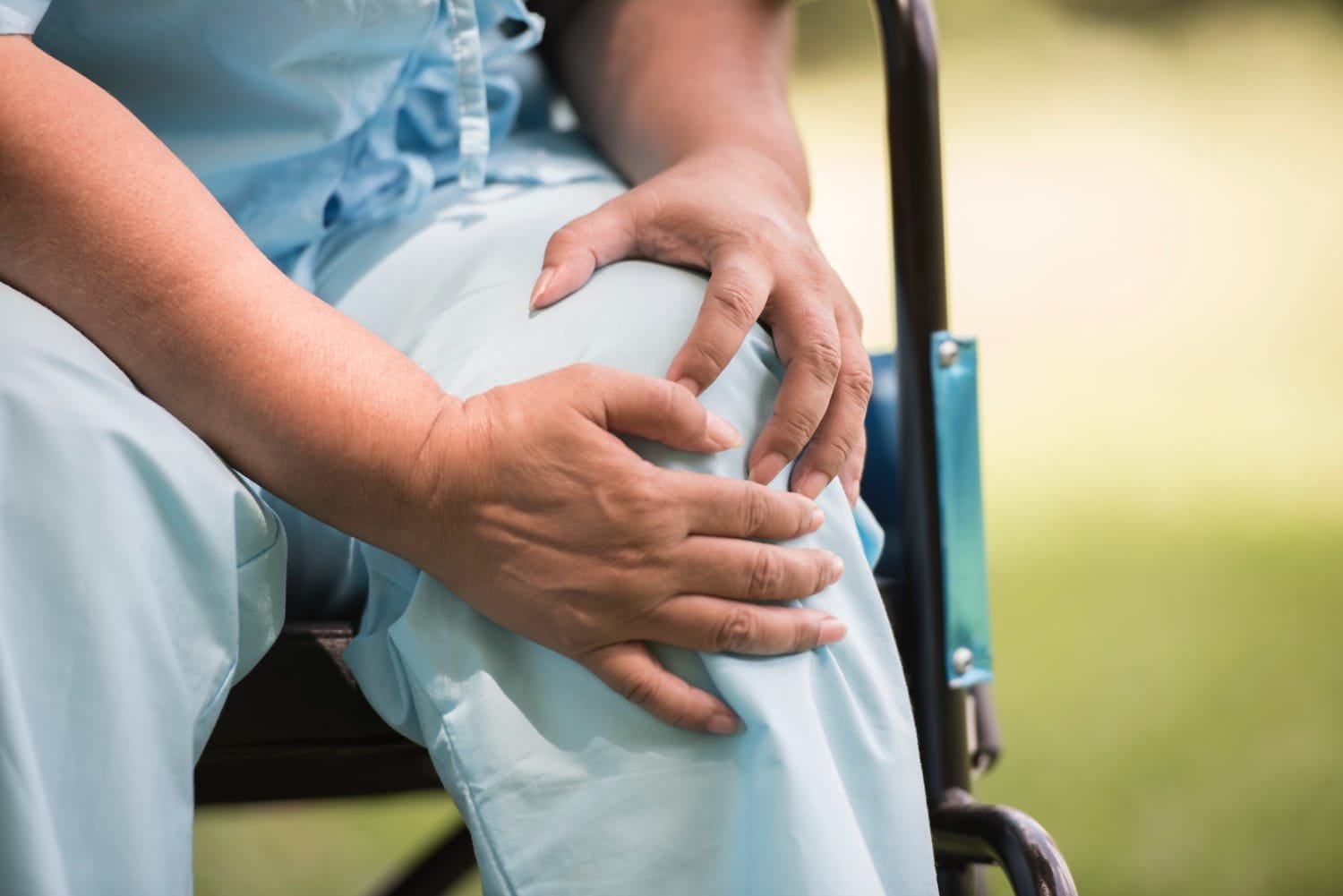
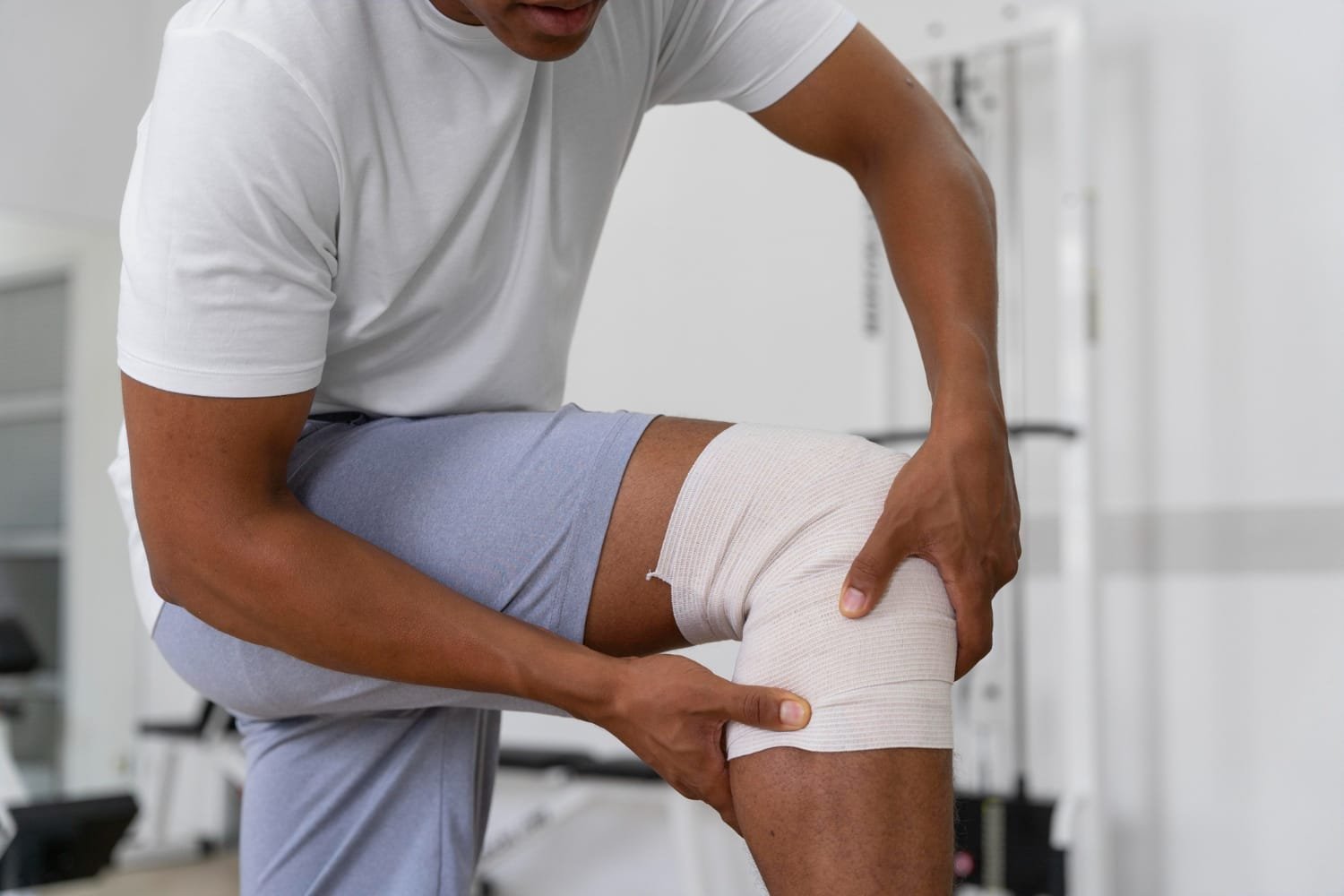
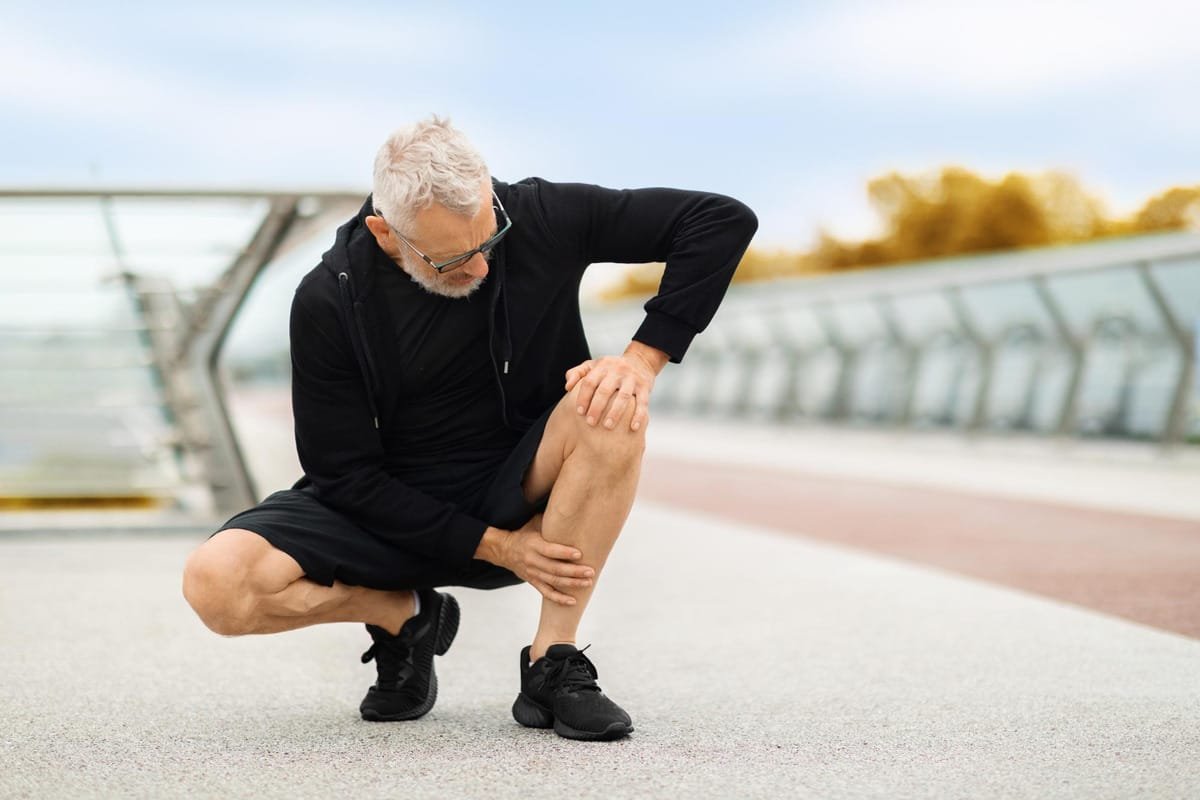
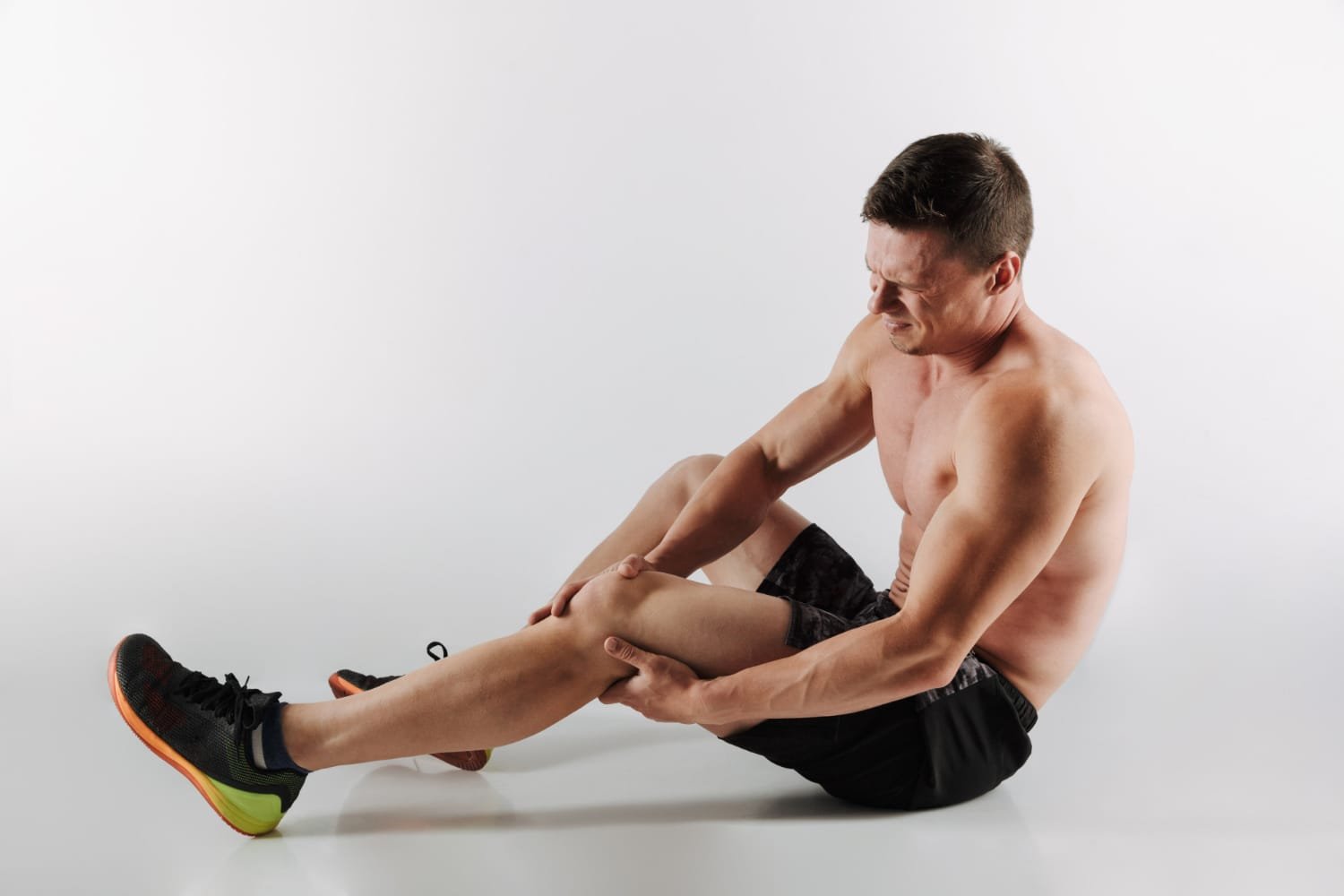
January 15, 2026Cartilage injuries are one of the most overlooked problems in sports. Many athletes assume their knee pain is just “strain,” “tightness,” or a temporary issue that will settle with rest. But cartilage damage is different. It can start silently, worsen gradually, and if ignored, may lead to long-term joint problems, recurring swelling, reduced performance, and even early osteoarthritis.
If you play sports regularly, understanding the early warning signs of cartilage damage can help you act quickly, recover better, and protect your career, fitness, and quality of life.
What Is Cartilage and Why It Matters in Sports?
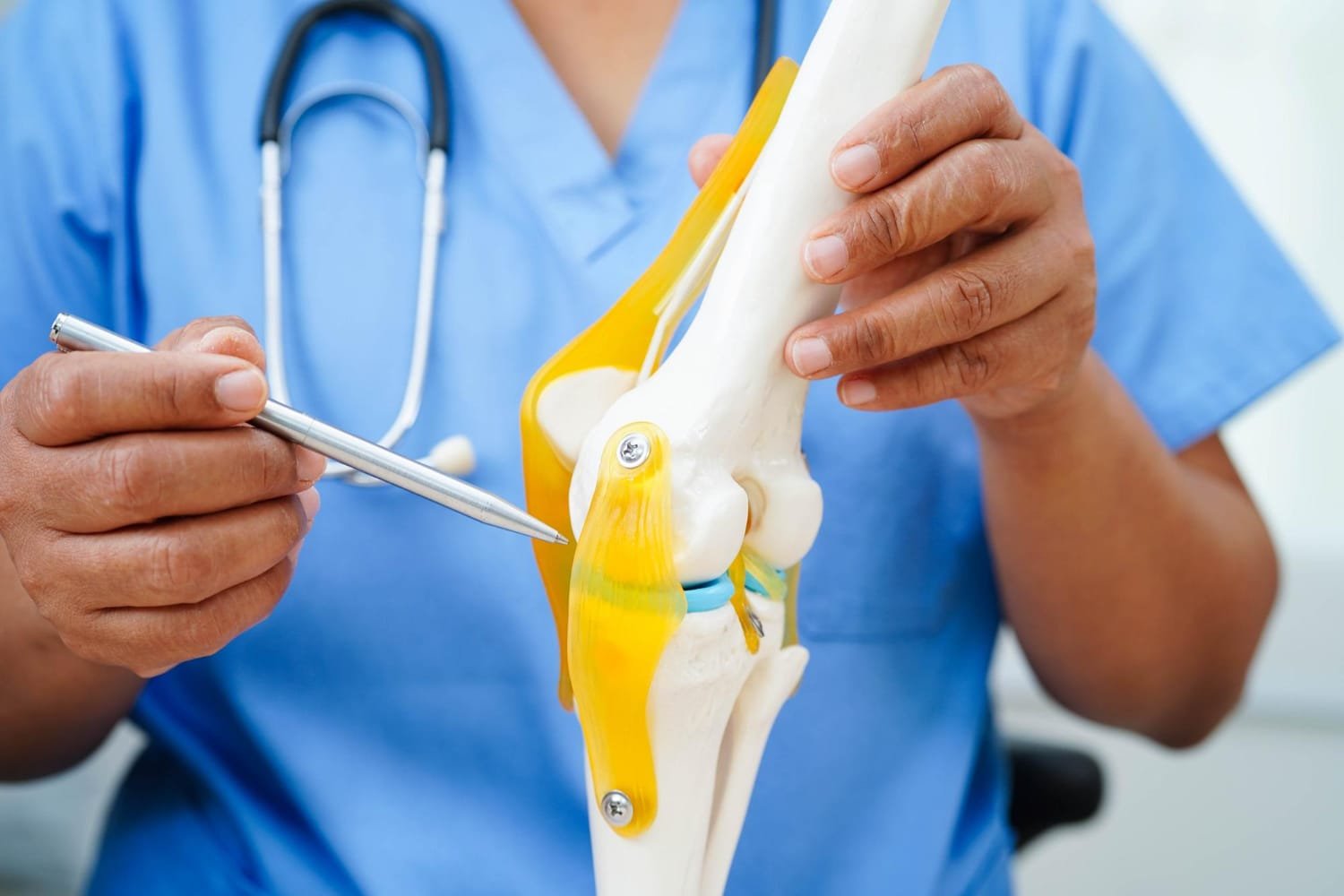
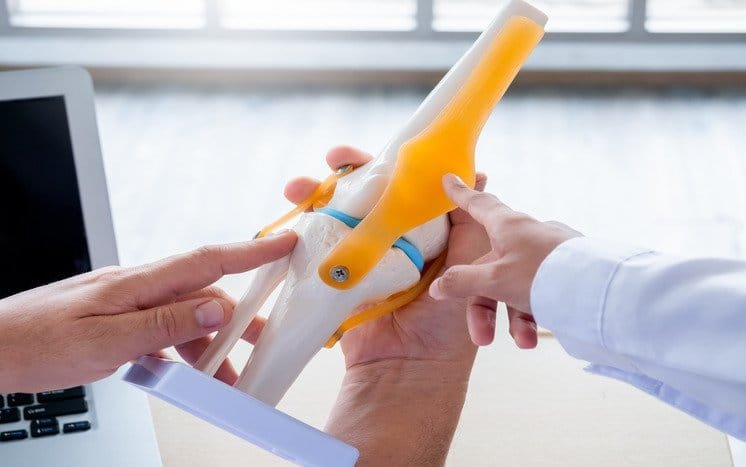
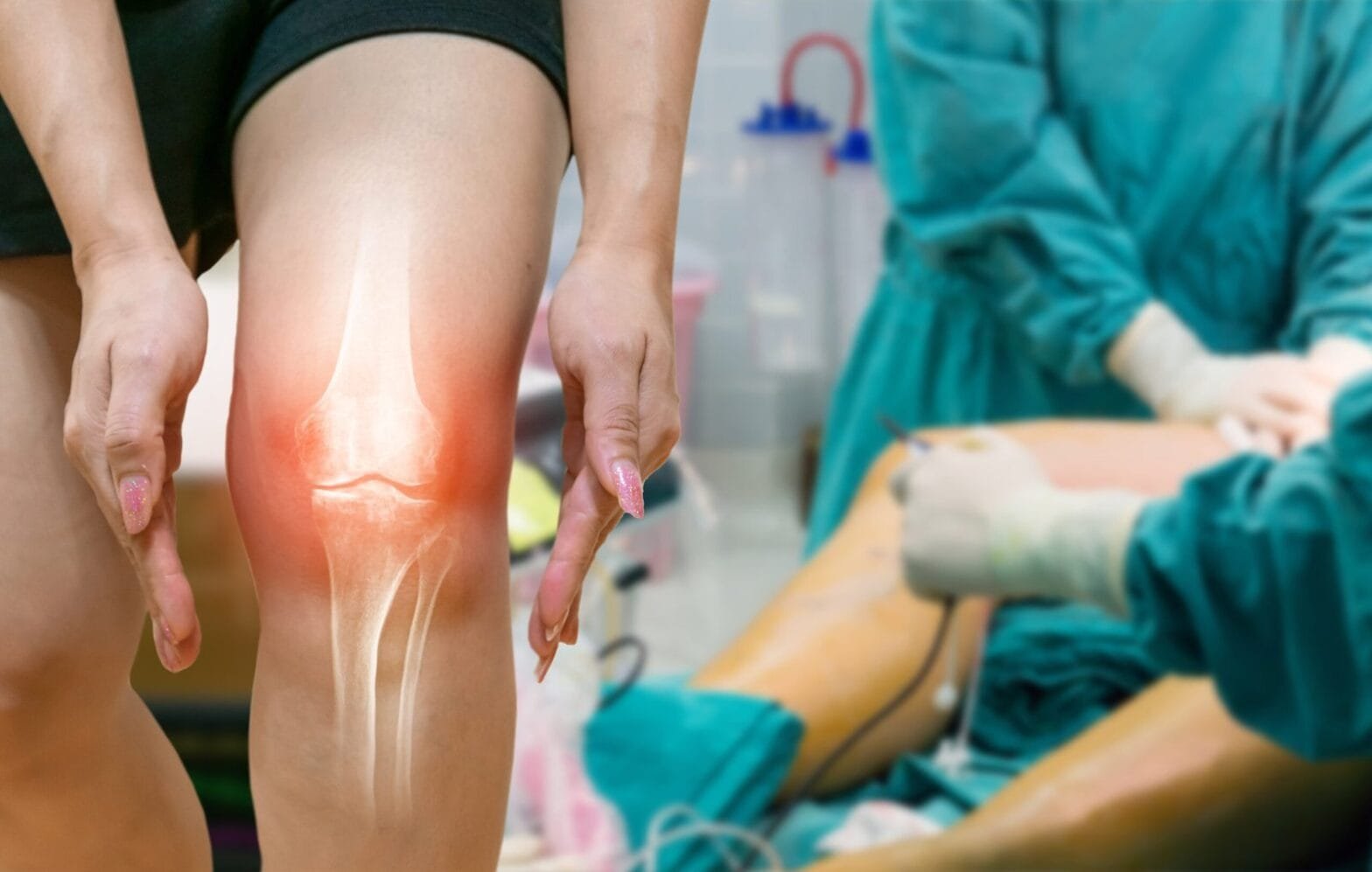
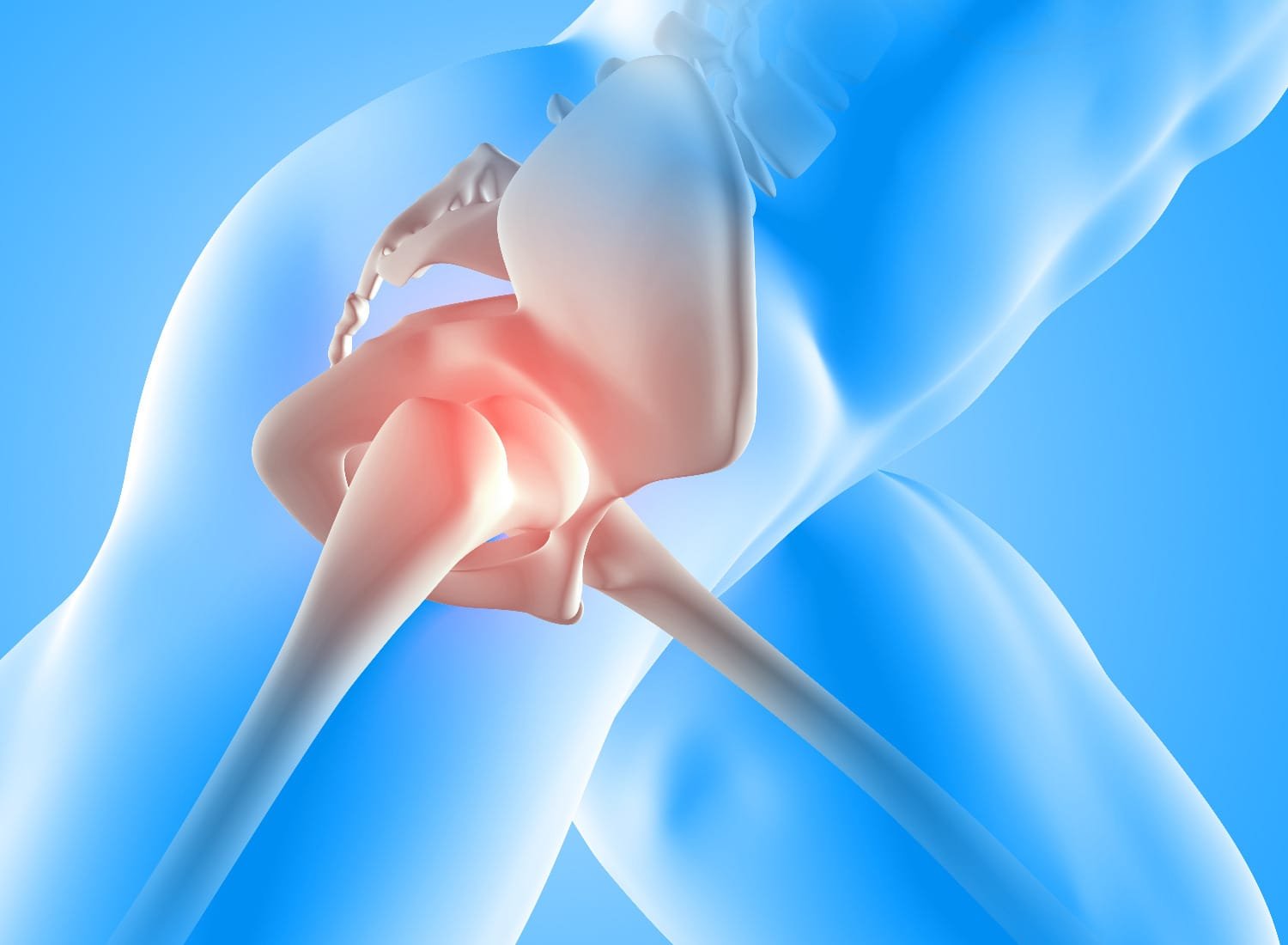
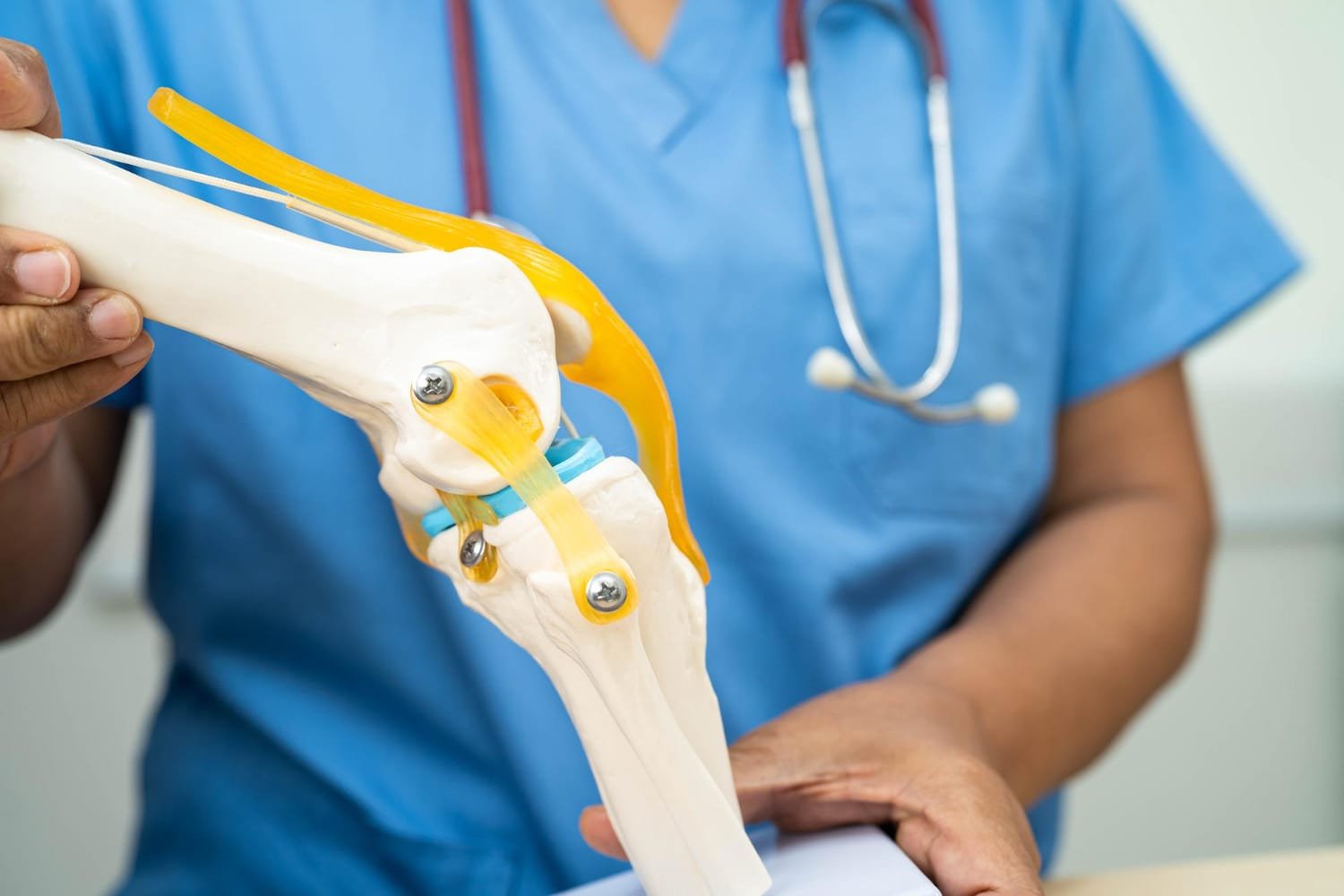
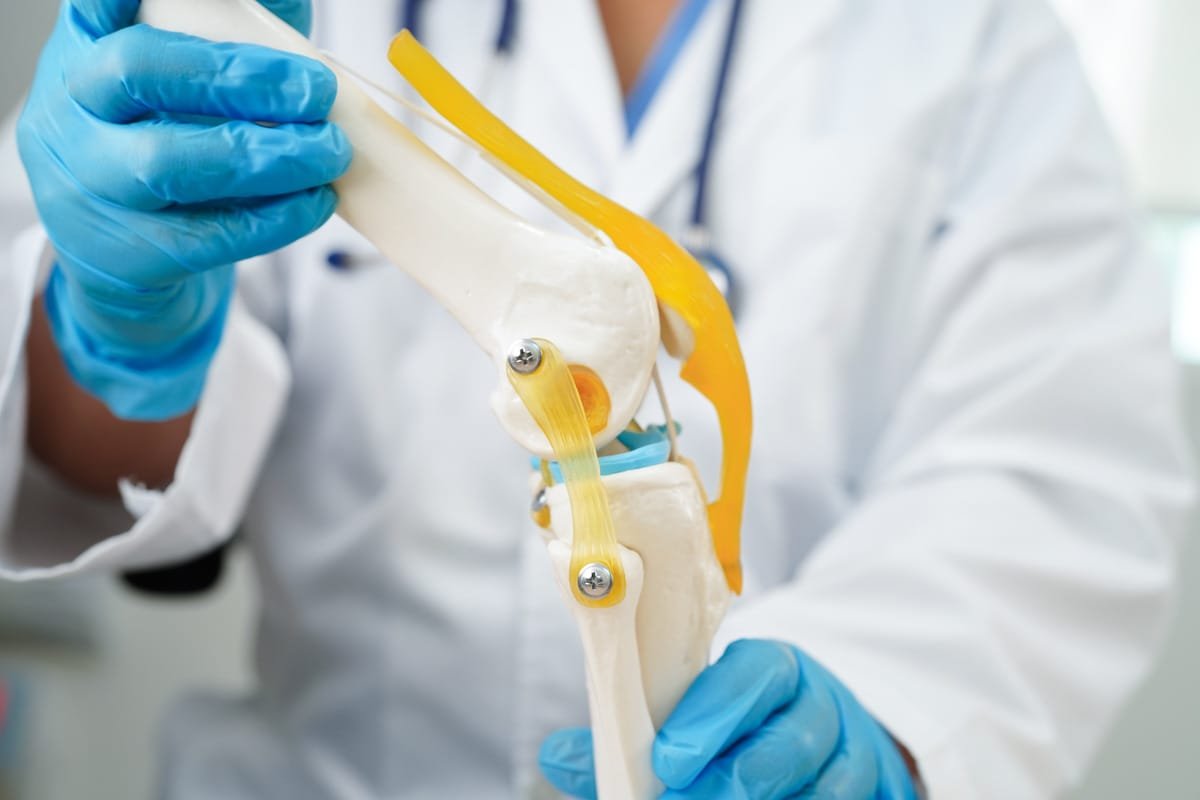
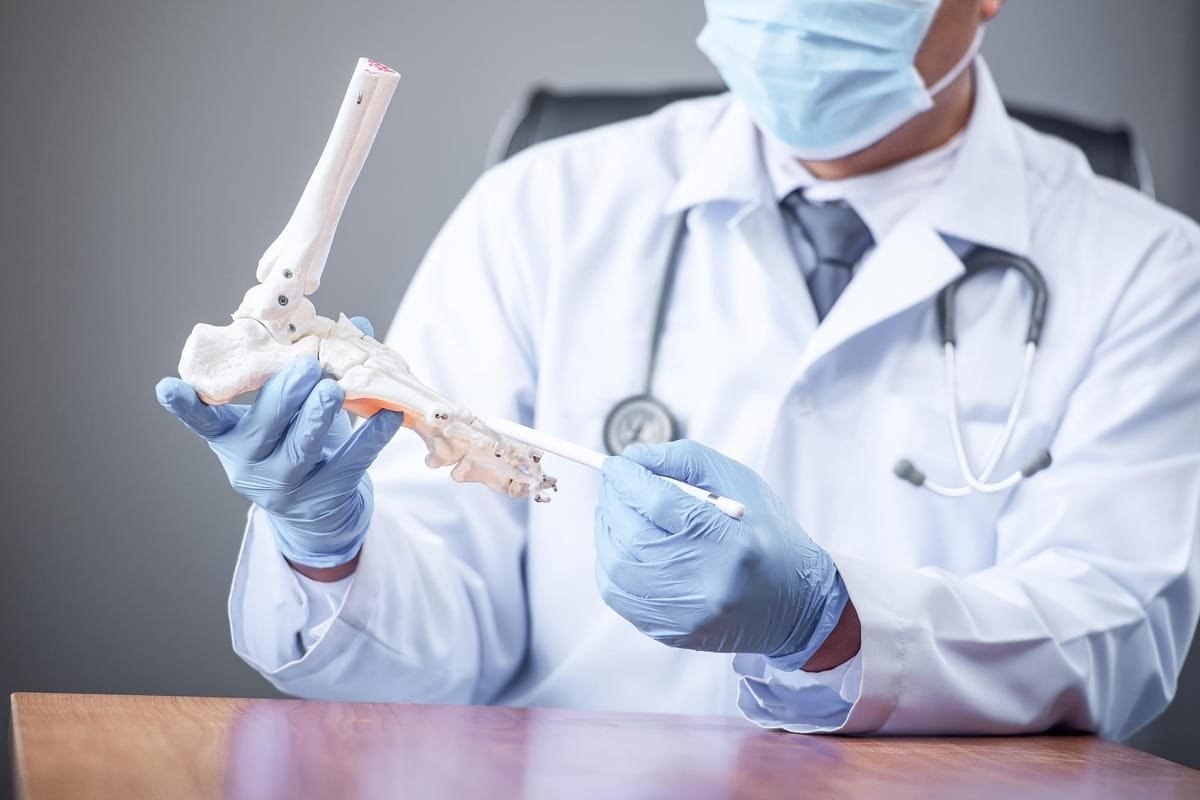
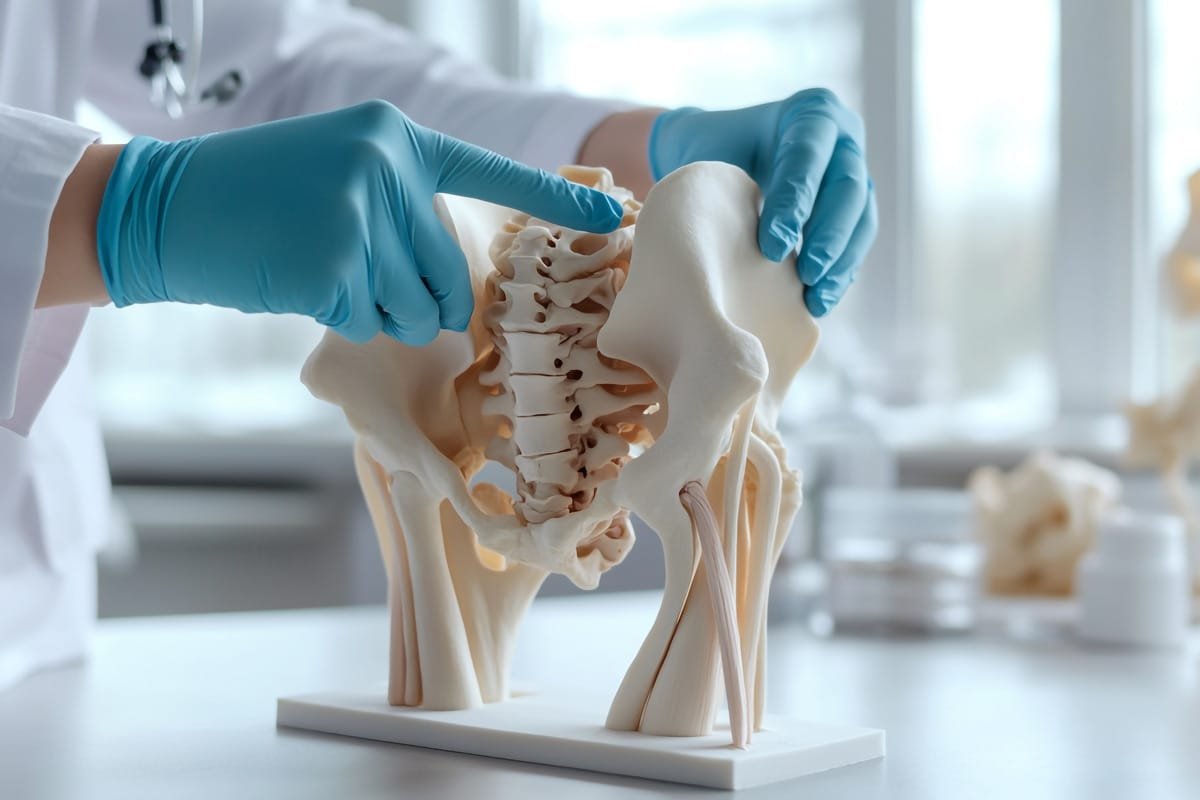
Cartilage is a smooth, rubber-like tissue that covers the ends of bones where they meet in a joint. It works like a shock absorber and a low-friction surface, allowing the joint to move smoothly while distributing load.
In athletes, cartilage is under repeated stress due to:
- Running, sprinting, jumping, sudden pivots
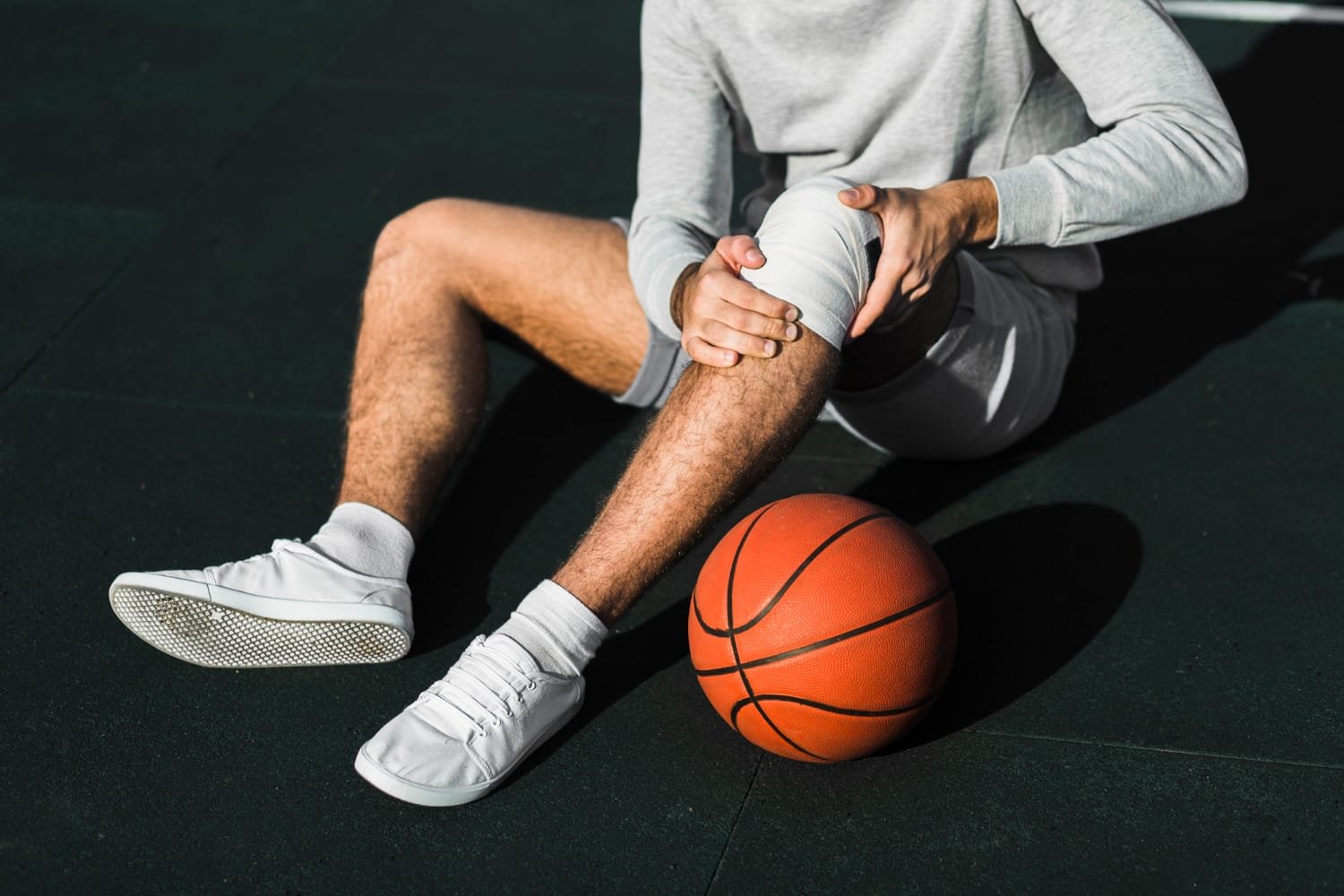
- Contact injuries (football, kabaddi, basketball)
- Overuse training (marathons, intense gym routines)
- Poor biomechanics, weak muscle support, or improper technique
Because cartilage has limited blood supply, it heals slowly. That’s why early diagnosis and correct treatment are crucial.
Common Sports-Related Cartilage Injuries
Cartilage damage can occur in different forms, such as:
- Chondral injury (damage to the cartilage surface)
- Osteochondral injury (cartilage plus underlying bone)
- Meniscus tears (meniscus is a type of cartilage in the knee)
- Cartilage wear from overuse (gradual breakdown due to repetitive load)
The knee is most commonly affected, but cartilage damage can also occur in the ankle, hip, shoulder, and elbow—especially in high-impact sports.
Early Signs Athletes Should Not Ignore
Cartilage damage often begins with subtle symptoms that athletes push through. Here are the early signs that deserve attention:
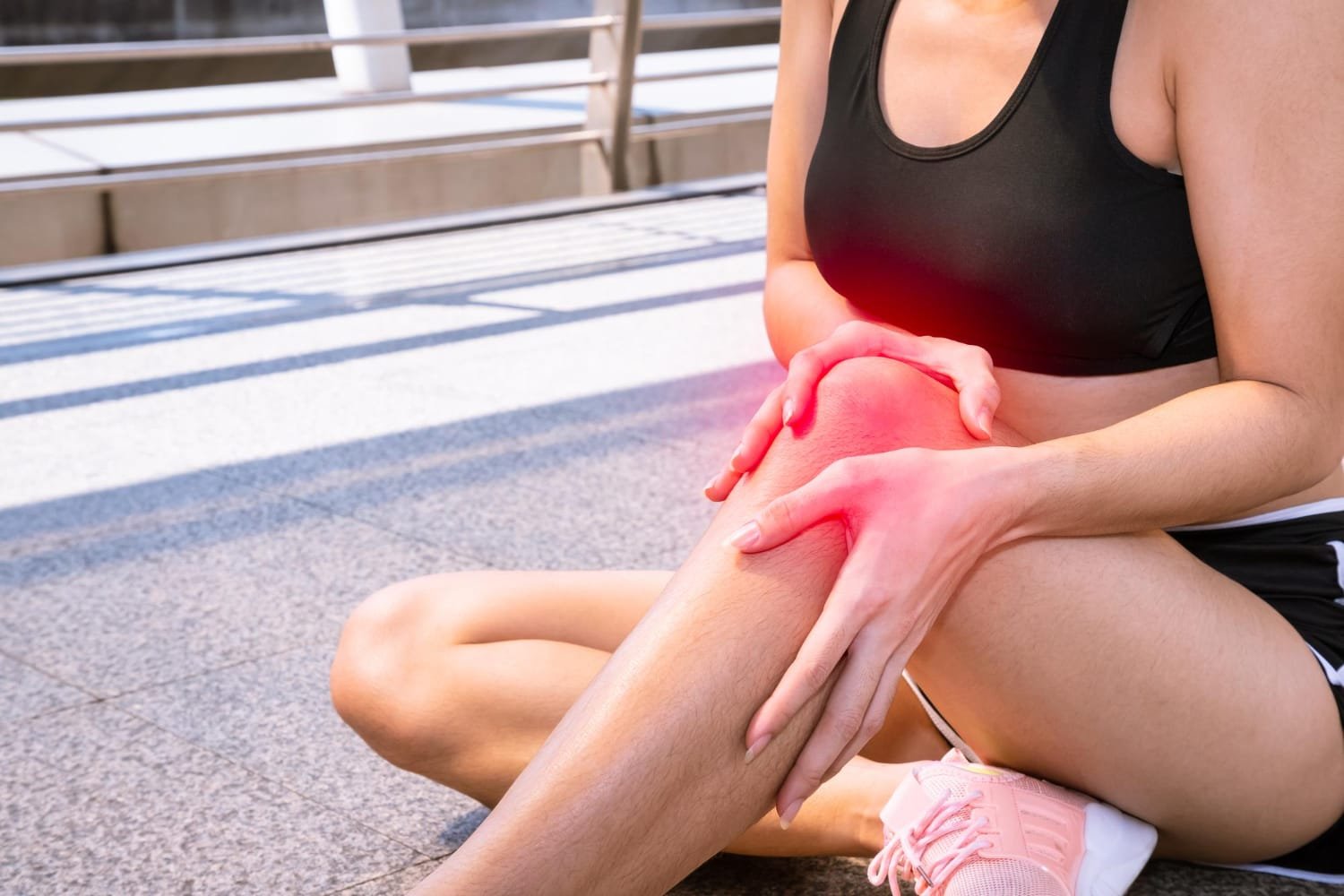
1) Pain That Doesn’t Match the Injury
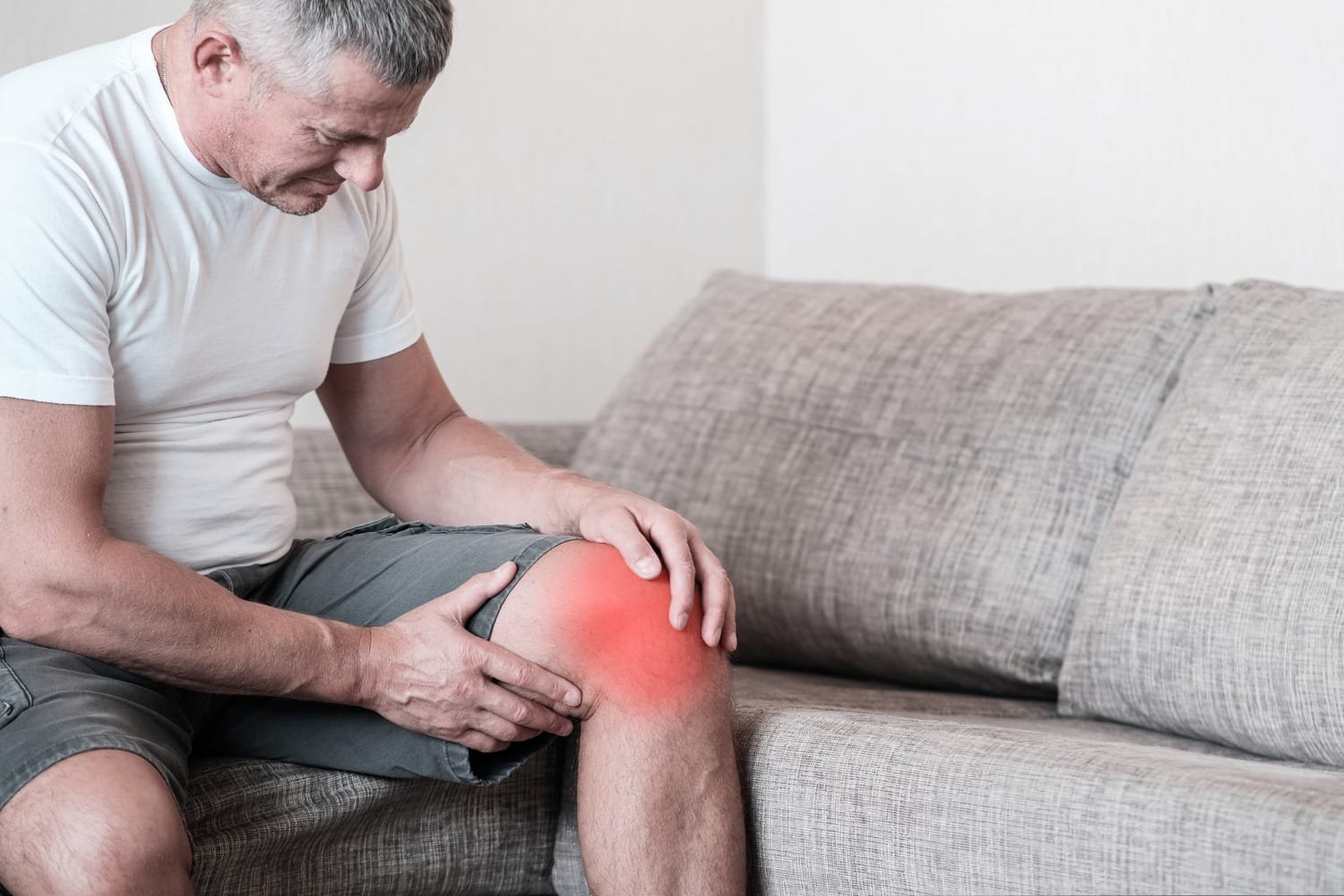
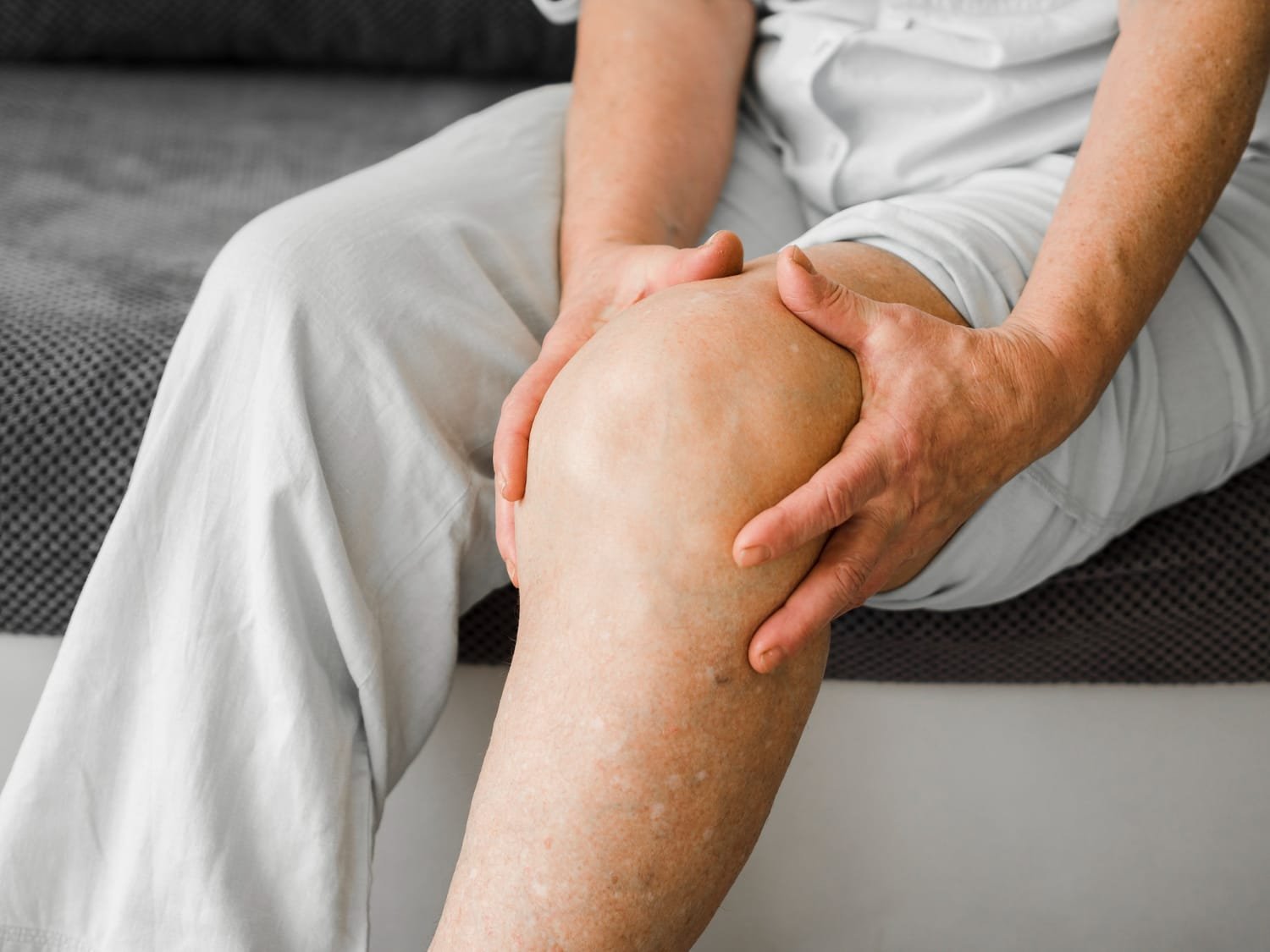
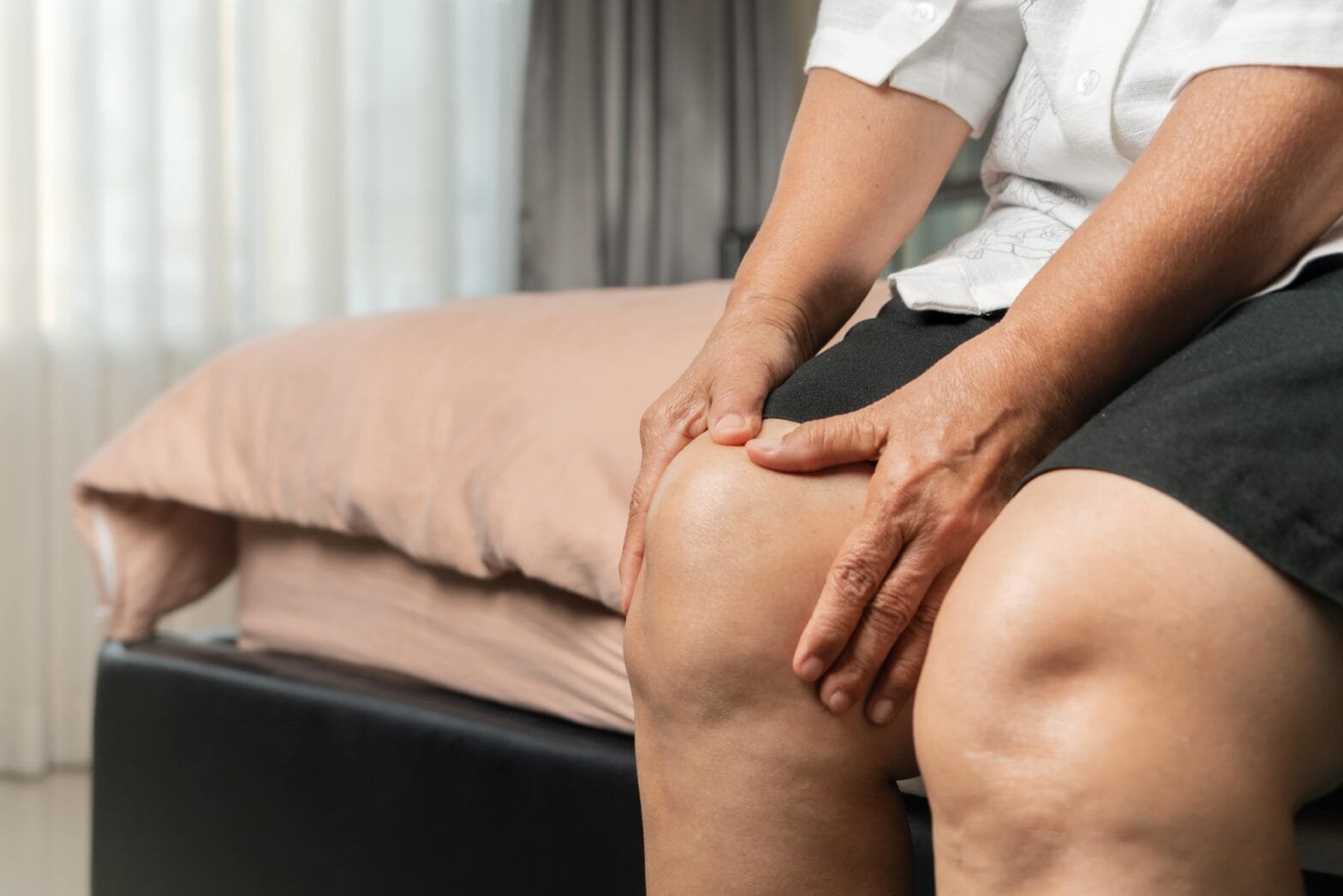
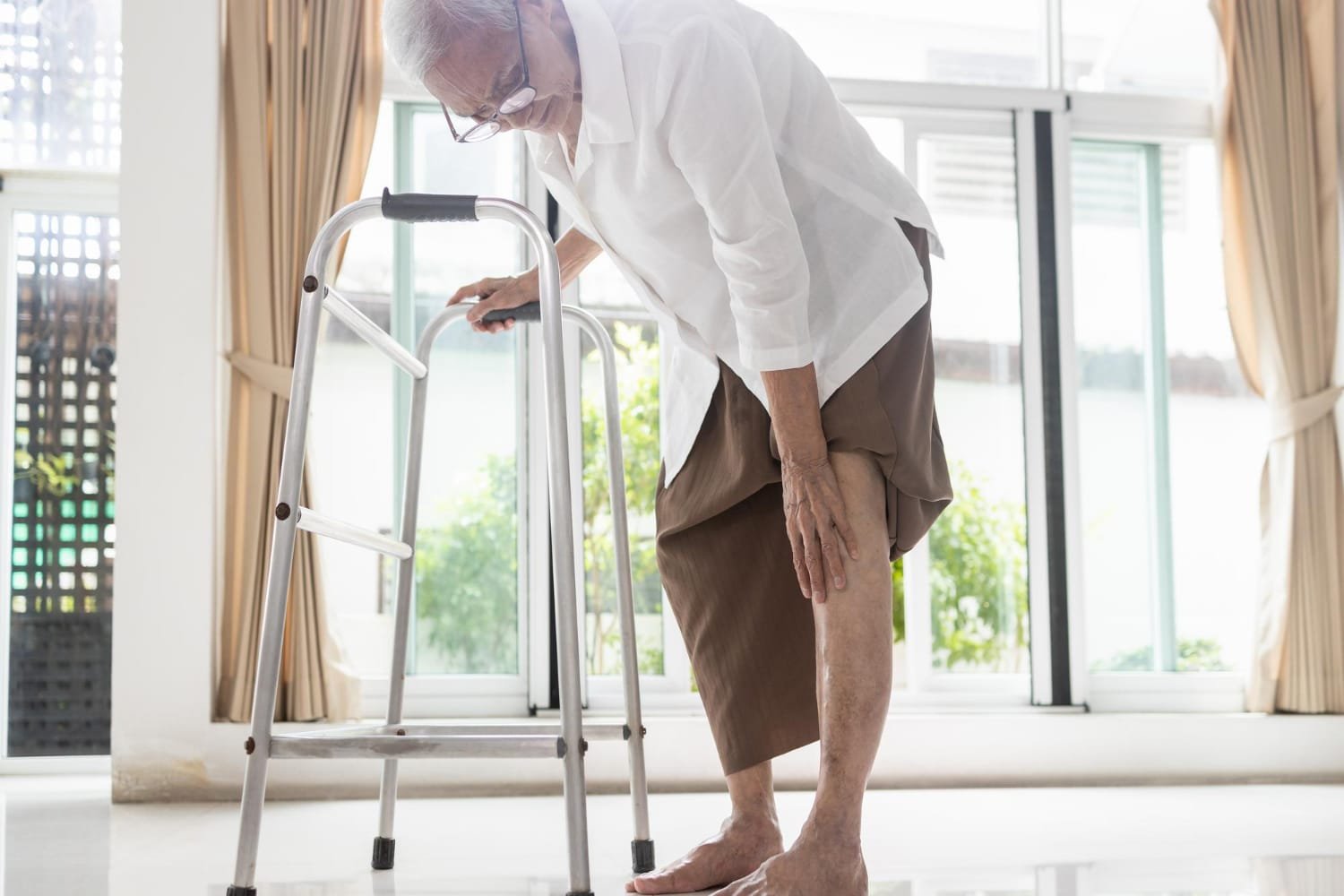
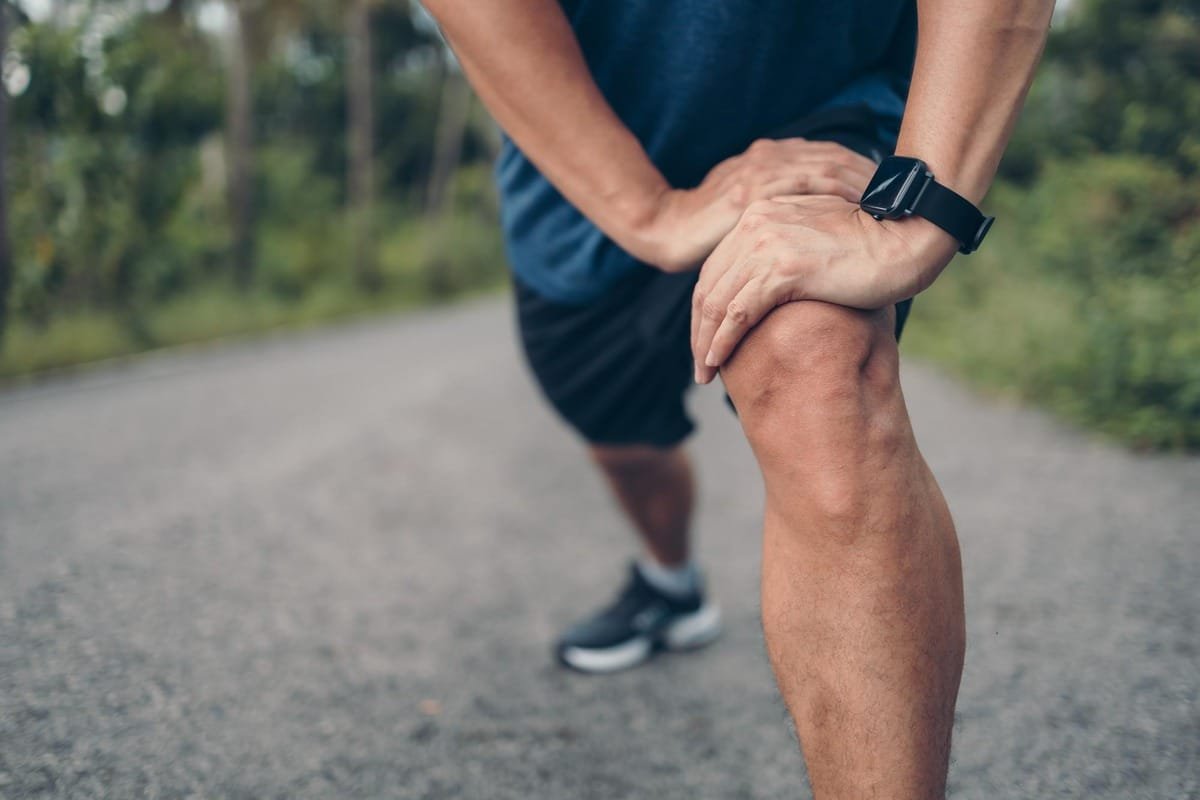
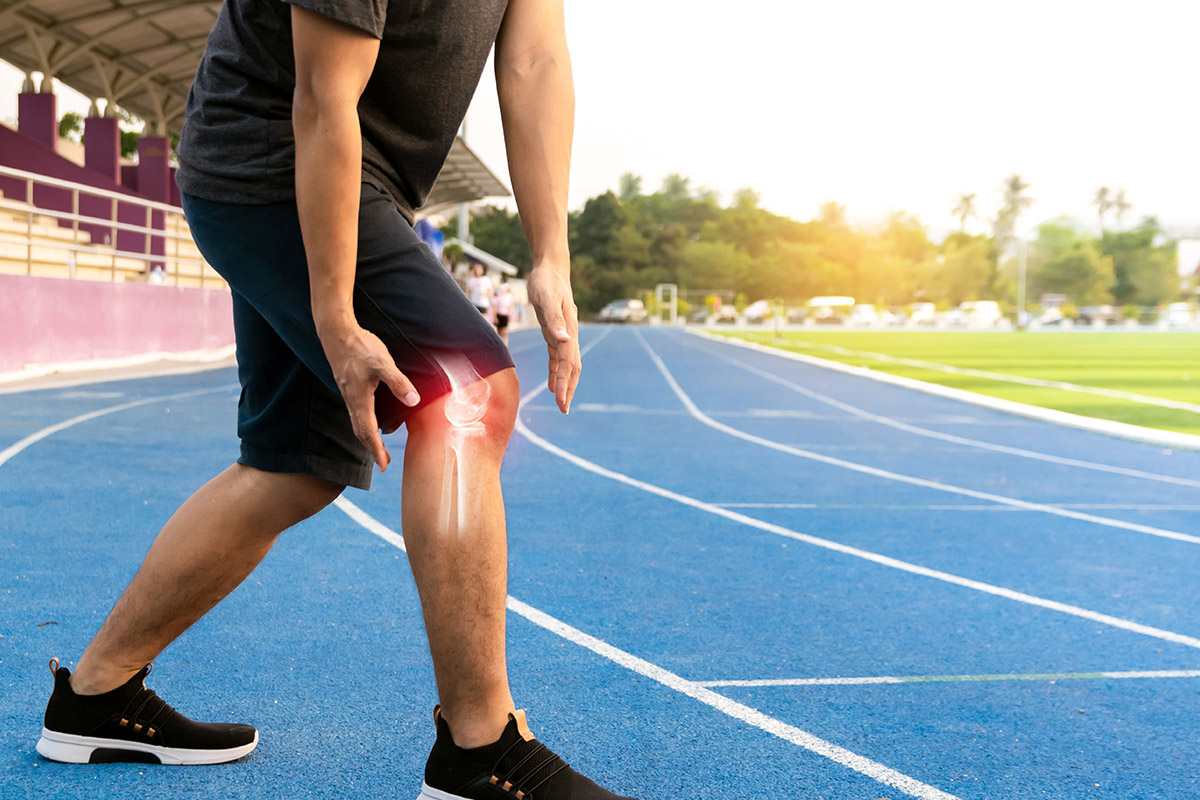
If pain continues even after a minor twist or impact, or returns every time you train, it may indicate cartilage injury rather than simple muscle strain.
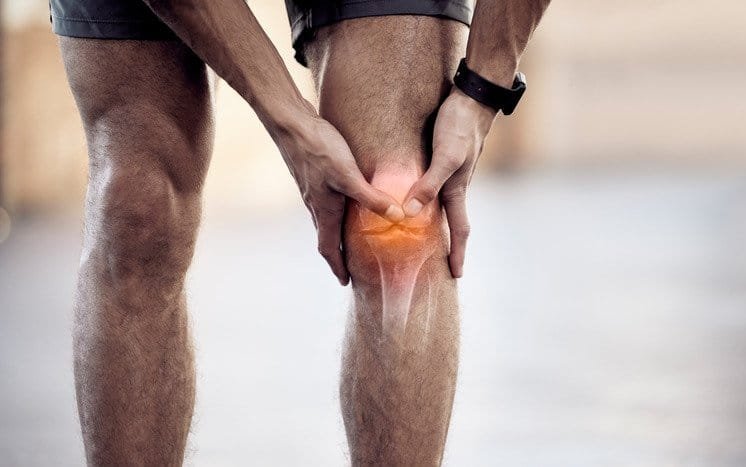
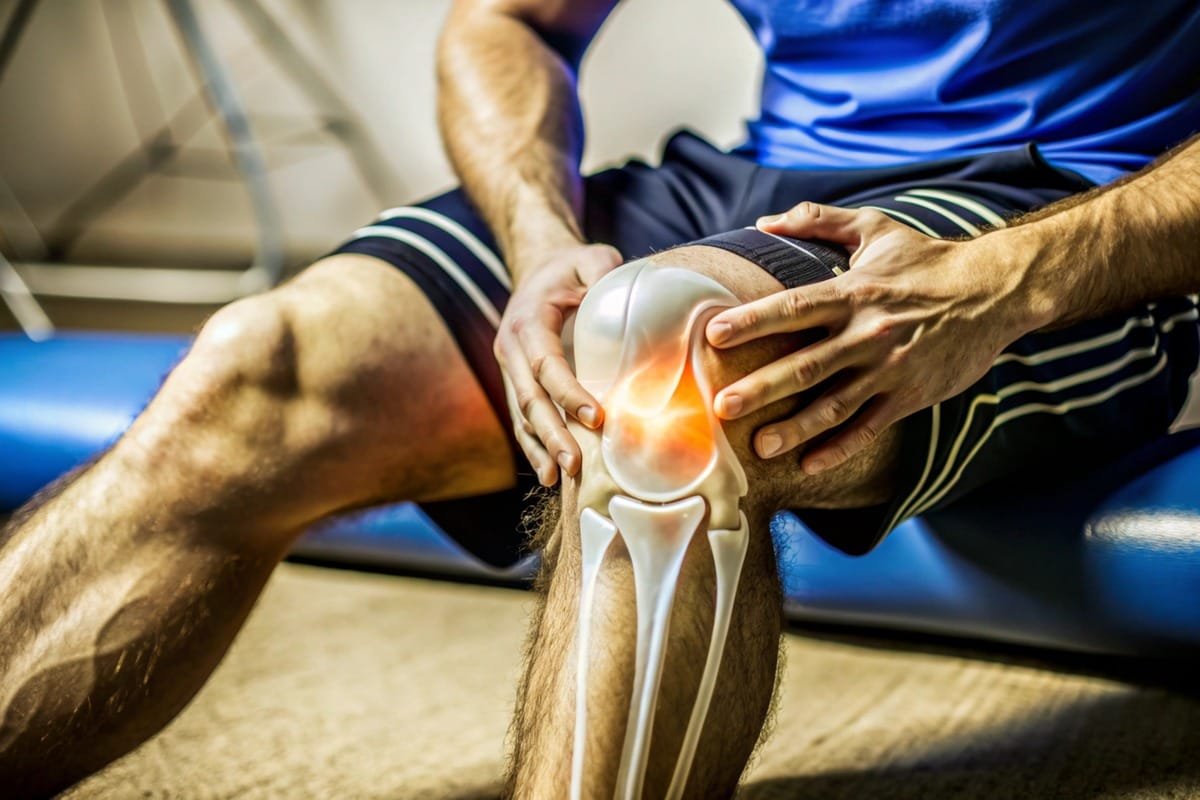
Key sign: pain feels “deep inside the joint” rather than on the surface.
2) Swelling After Activity (Not Immediately)
Cartilage damage often causes swelling hours after practice or the next day, especially after running, jumping, or long sessions.
Key sign: swelling keeps coming back after activity.
3) Clicking, Catching, or Locking Sensation
If the joint feels like it “catches,” locks, or makes clicking sounds during movement, damaged cartilage may be interfering with smooth joint motion.
Key sign: locking episodes or catching during squats, stairs, or pivots.
4) Stiffness and Reduced Range of Motion
Cartilage injury can cause stiffness, especially after sitting for long periods or in the morning. Over time, athletes may notice reduced flexibility.
Key sign: difficulty fully bending or straightening the knee.
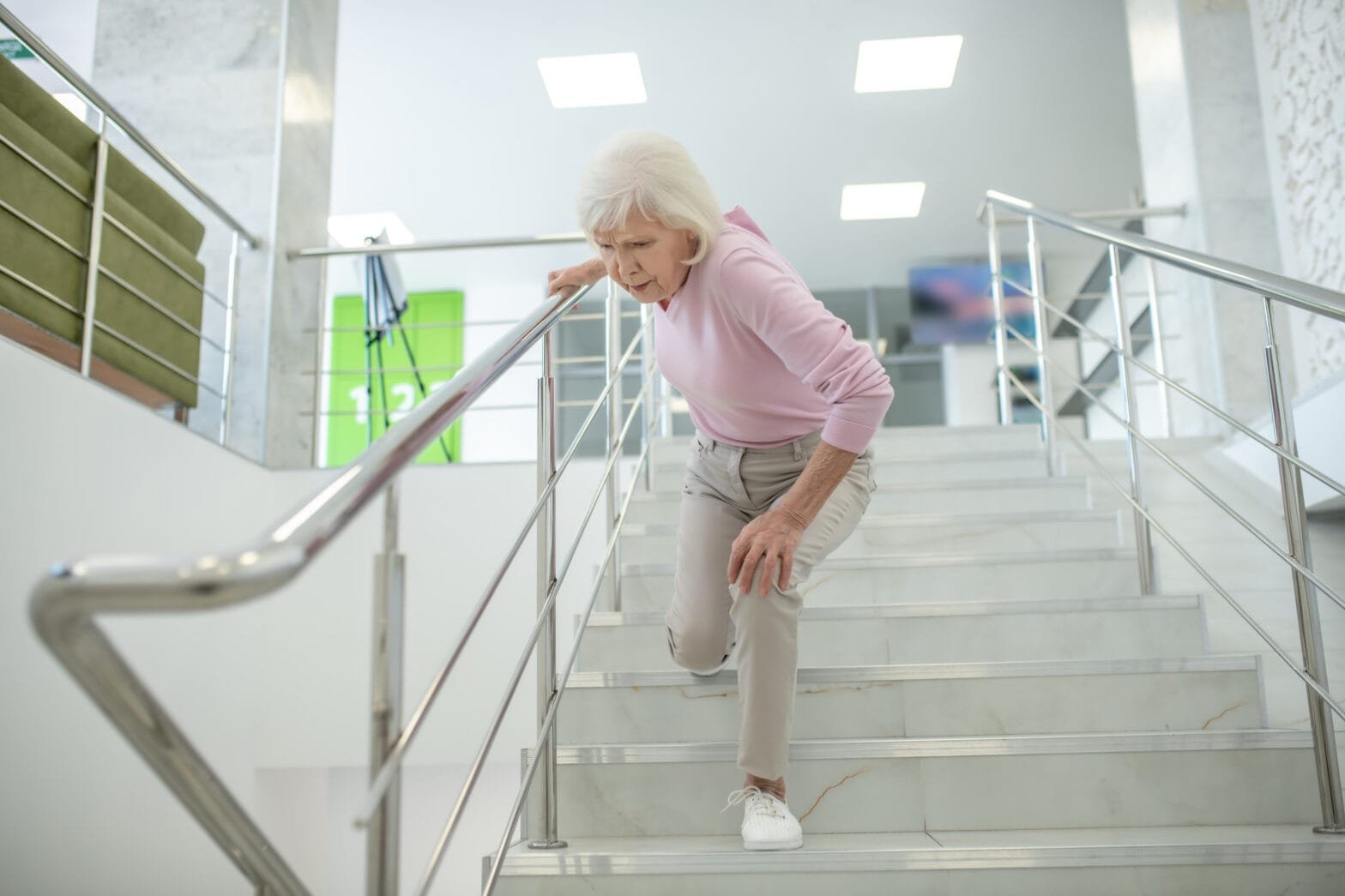
5) Pain on Stairs, Squats, or After Jumping
Cartilage wear commonly causes pain during high-load joint activities such as:
- climbing stairs
- deep squats
- lunges
- landing from jumps
Key sign: pain increases with load and improves with rest.
6) A Feeling of Instability or “Giving Way”
Even if your ligaments are intact, cartilage damage can create an unstable feeling because the joint is not gliding smoothly.
Key sign: the knee feels unreliable during direction changes.
7) Persistent Joint Line Tenderness
If pain is consistently felt along the joint line (especially in the knee), it could be related to meniscus or cartilage surface injury.
Key sign: pinpoint pain on the joint line that persists.
What Causes Cartilage Damage in Athletes?
Cartilage damage in sports typically occurs due to:
Acute Injury (Sudden Event)
- twisting while foot is planted
- direct impact or collision
- landing awkwardly after jump
- tackle injuries
Overuse and Repetitive Stress
- long-term running on hard surfaces
- excessive training without recovery
- poor footwear
- muscle imbalance or weak core/hips
- incorrect squat, deadlift, or jump mechanics
Biomechanical Factors
- knock knees or bow legs
- flat feet or overpronation
- tight hamstrings or hip flexors
- poor posture and movement patterns
Which Athletes Are at Higher Risk?
Cartilage injuries are more common in:
- football, cricket, basketball, kabaddi, badminton players
- runners and marathon trainees
- gym-goers lifting heavy with poor form
- athletes returning too early after ACL/meniscus injuries
- overweight athletes (extra load increases cartilage stress)
Why Ignoring Cartilage Symptoms Can Be Costly
Ignoring early symptoms may lead to:
- larger cartilage defects
- frequent swelling and reduced endurance
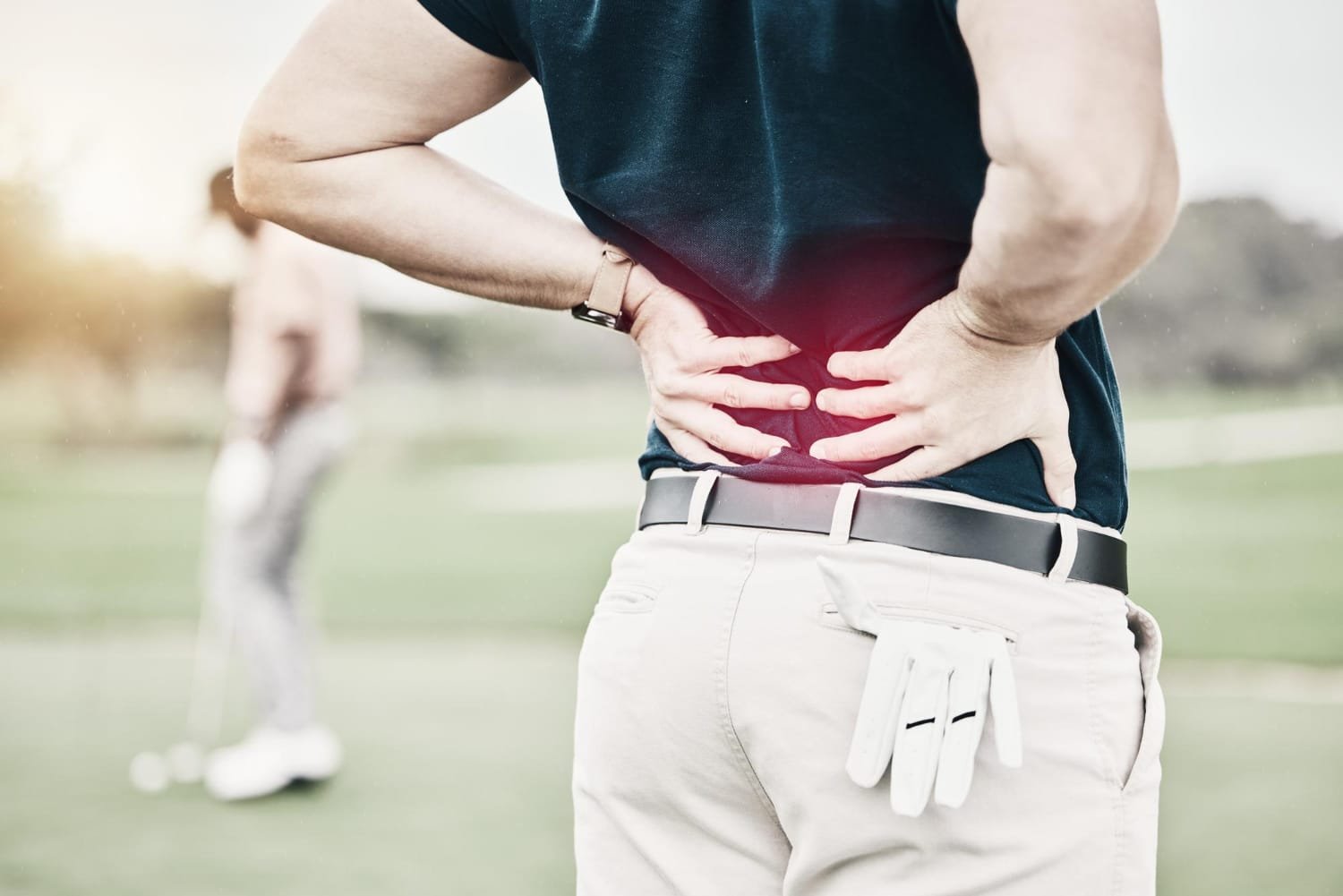
- compensatory injuries (hip, back, ankle)
- meniscus tears or ligament overload
- early degenerative arthritis
- long-term performance decline
The earlier cartilage damage is managed, the better the chance of preserving joint health.
Diagnosis: How Doctors Confirm Cartilage Damage
A proper evaluation typically includes:
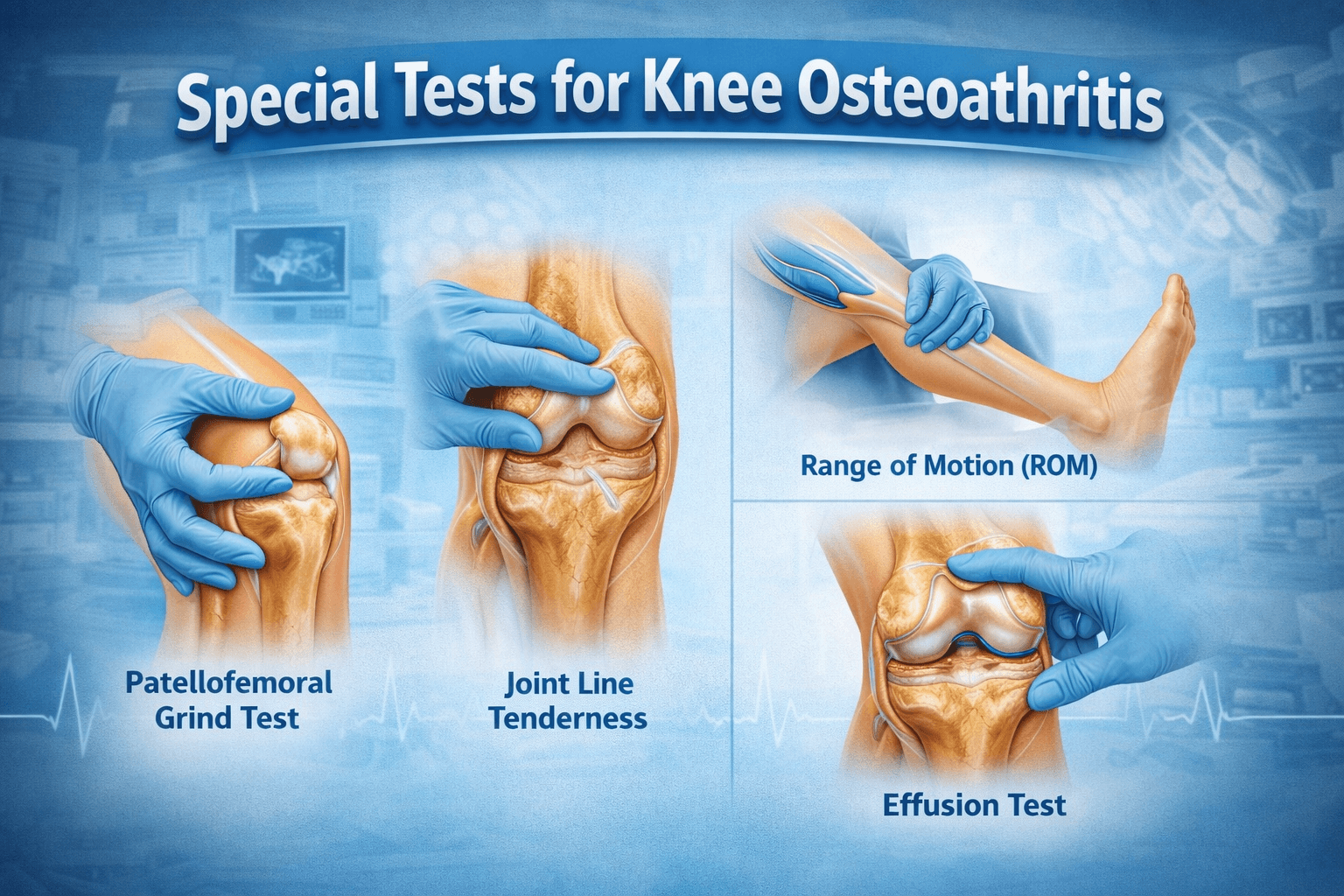
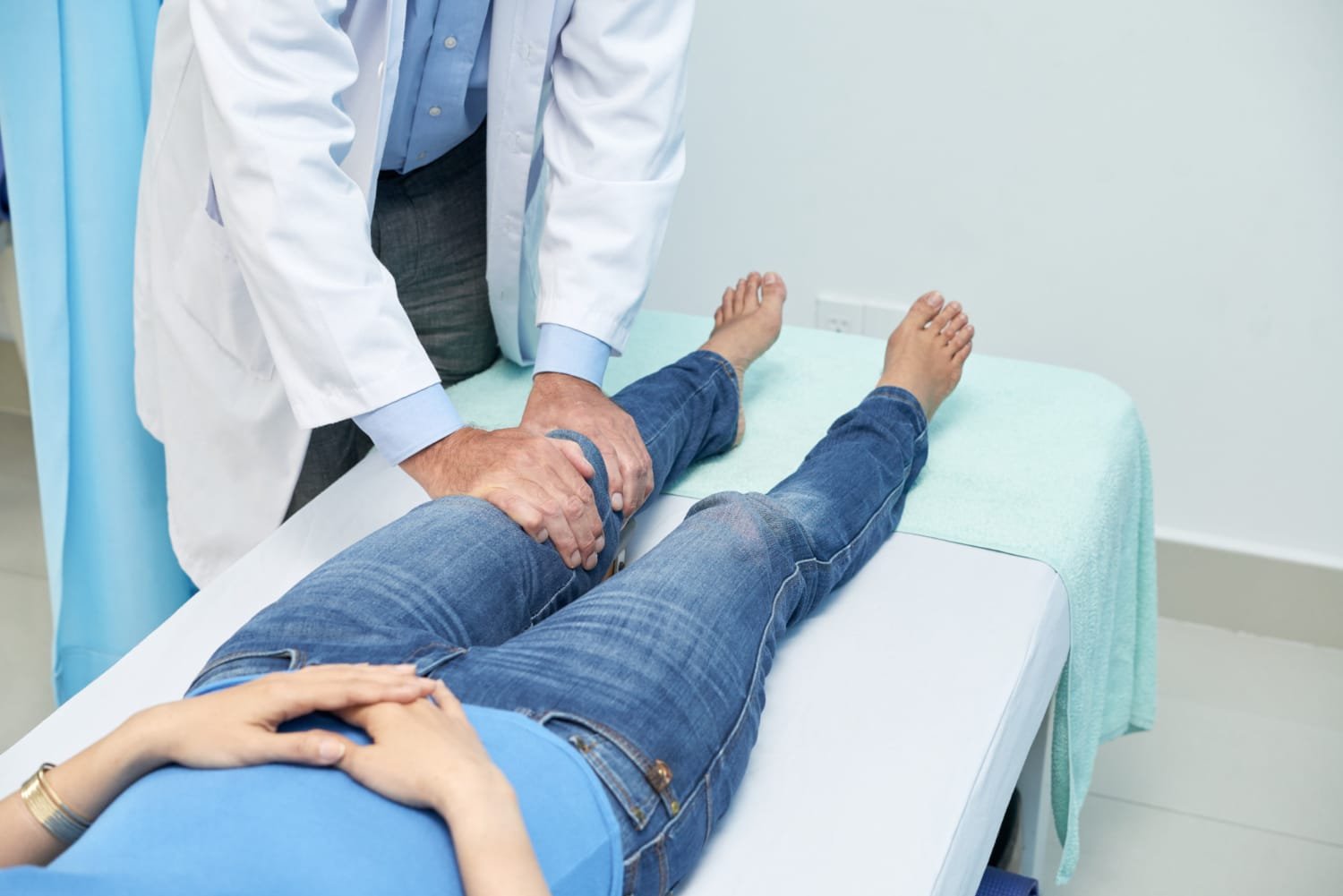
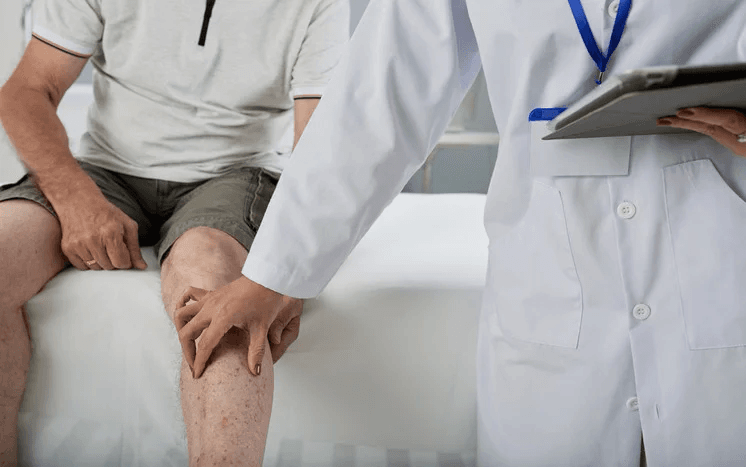
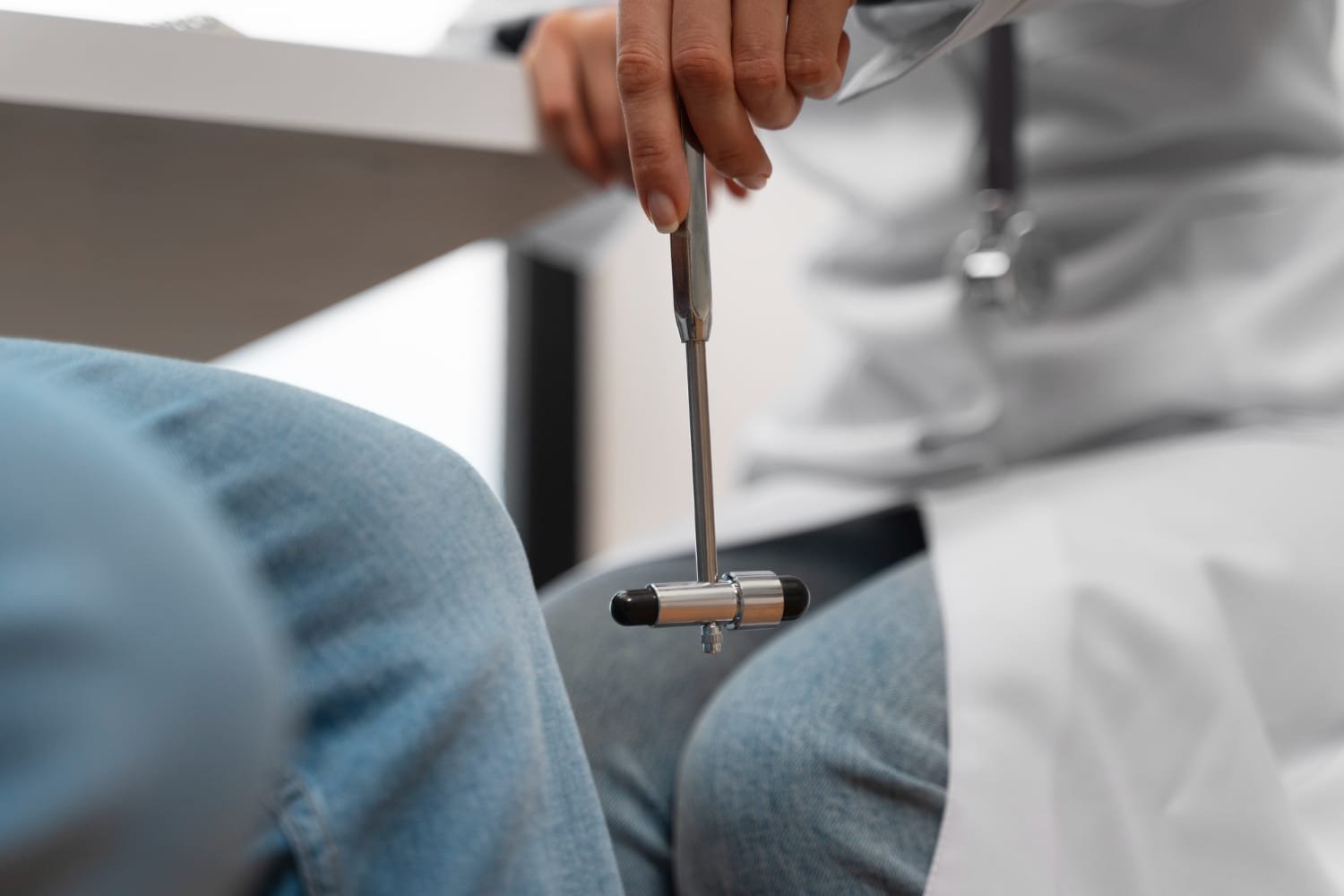
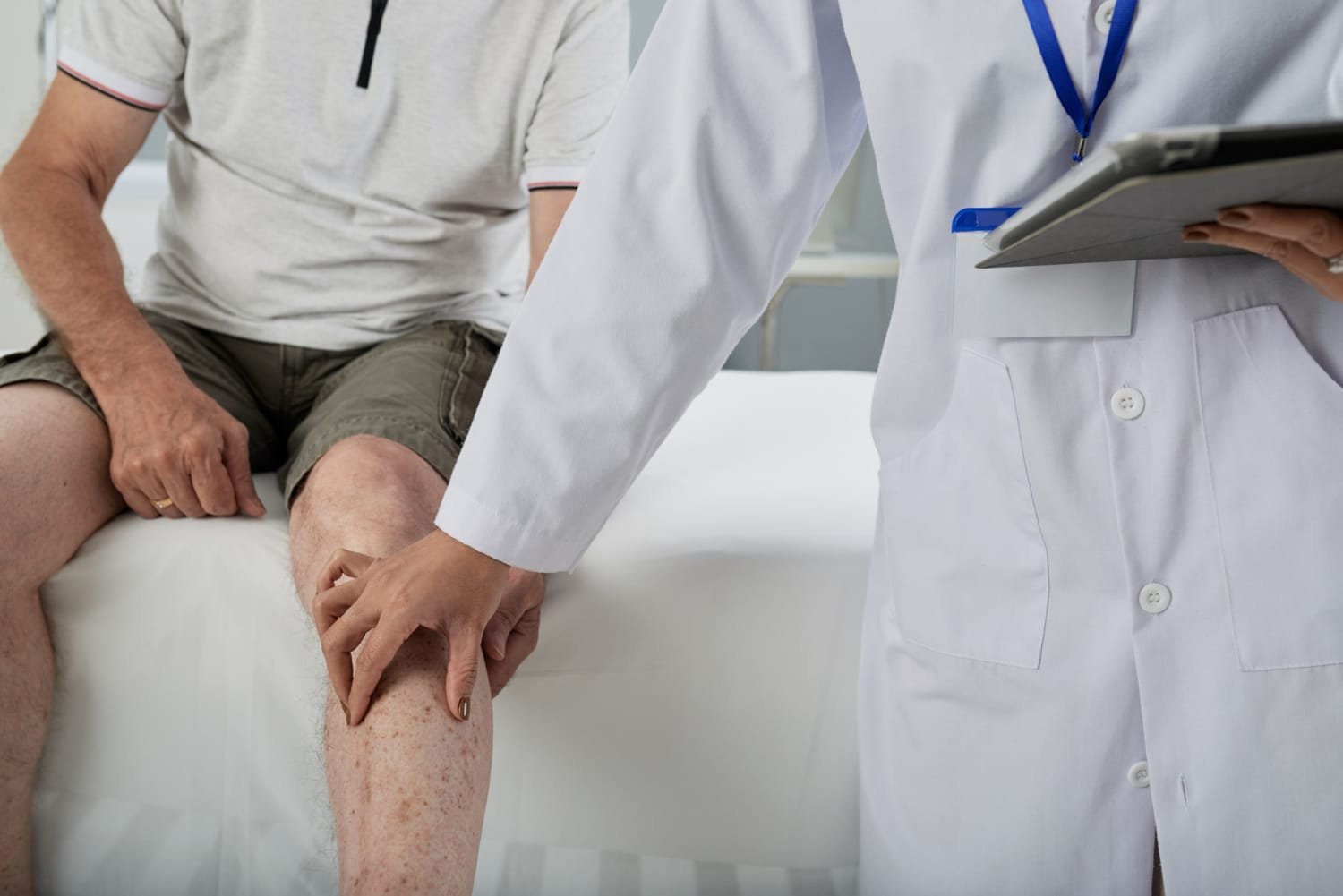
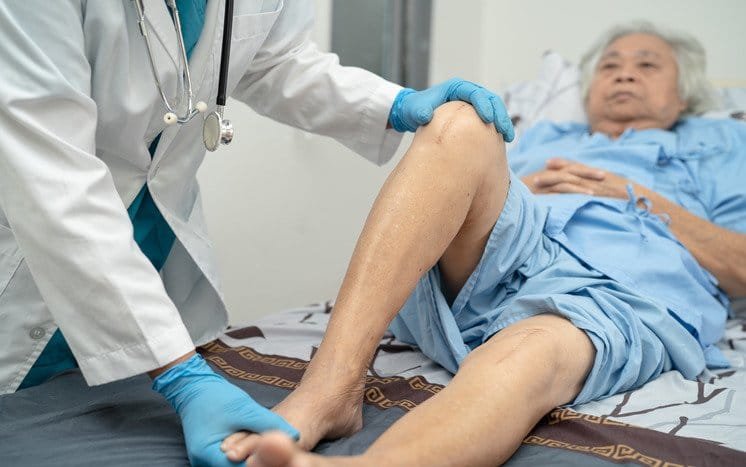
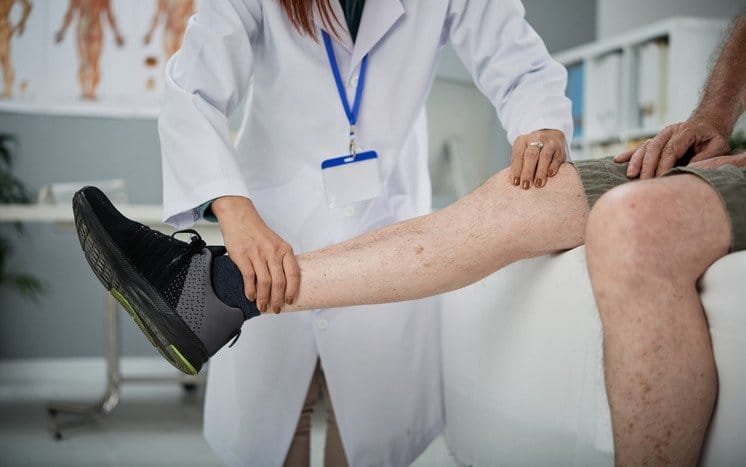
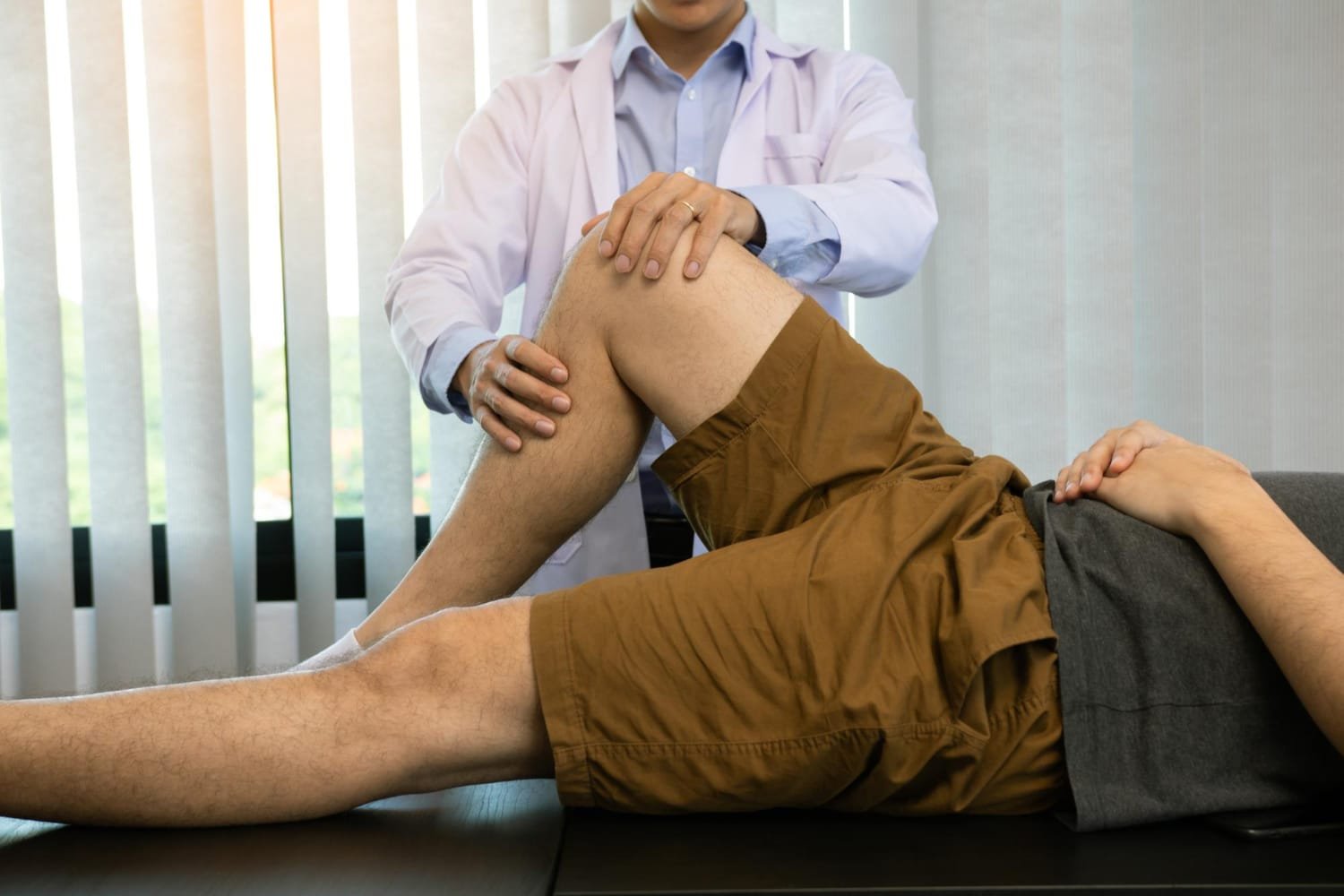
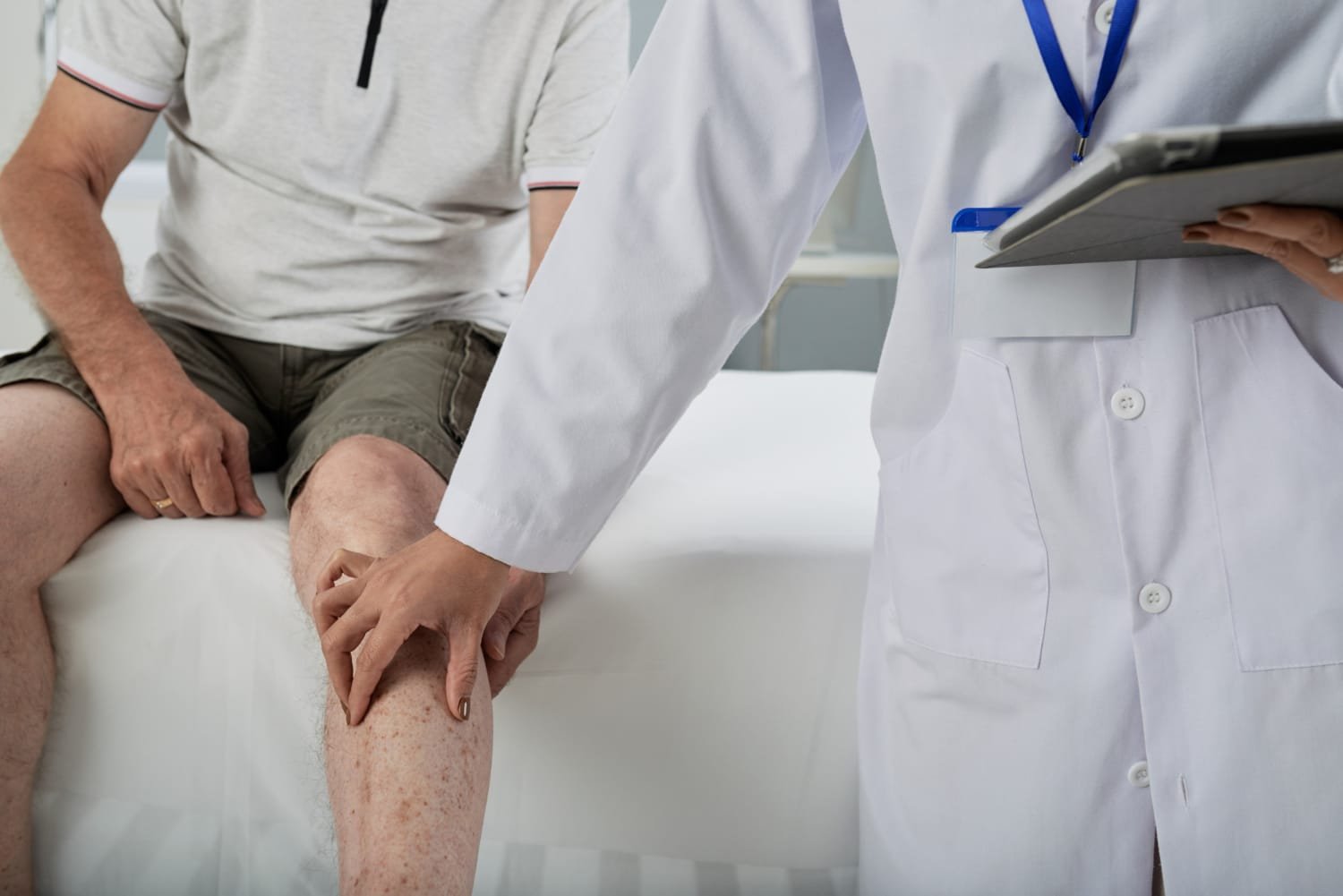
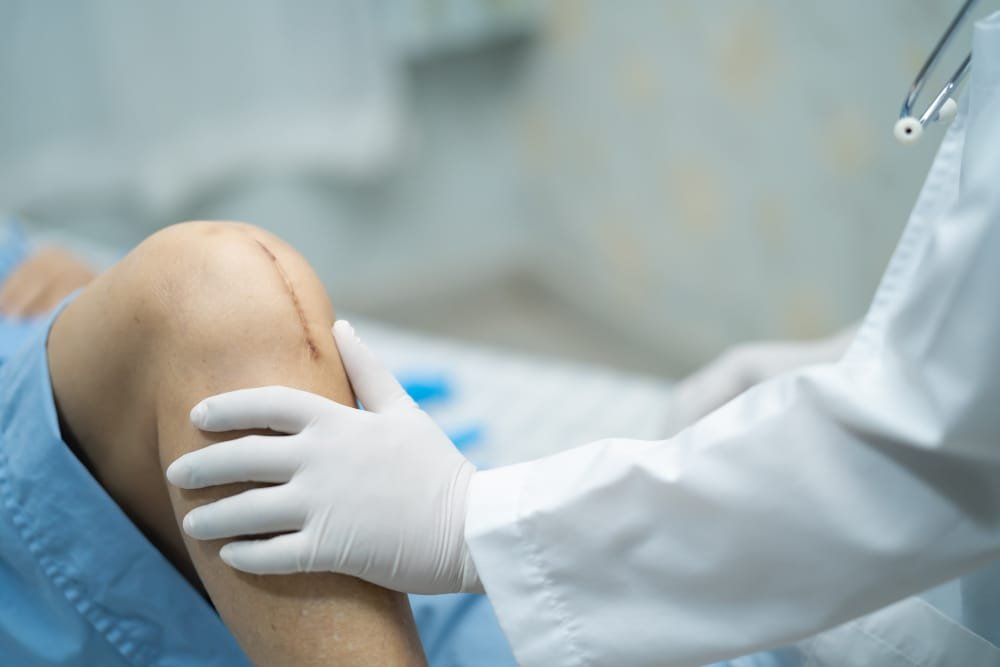
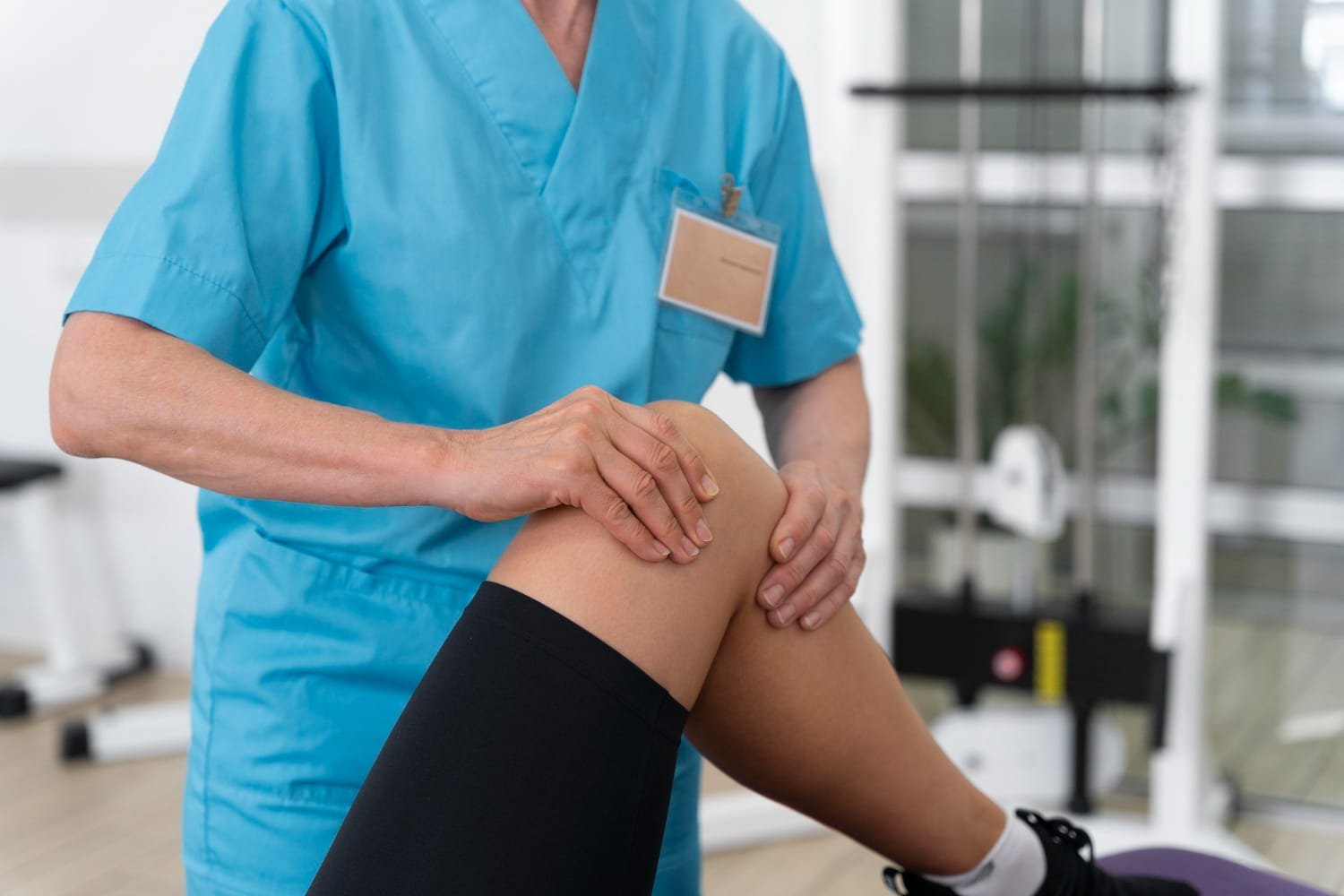
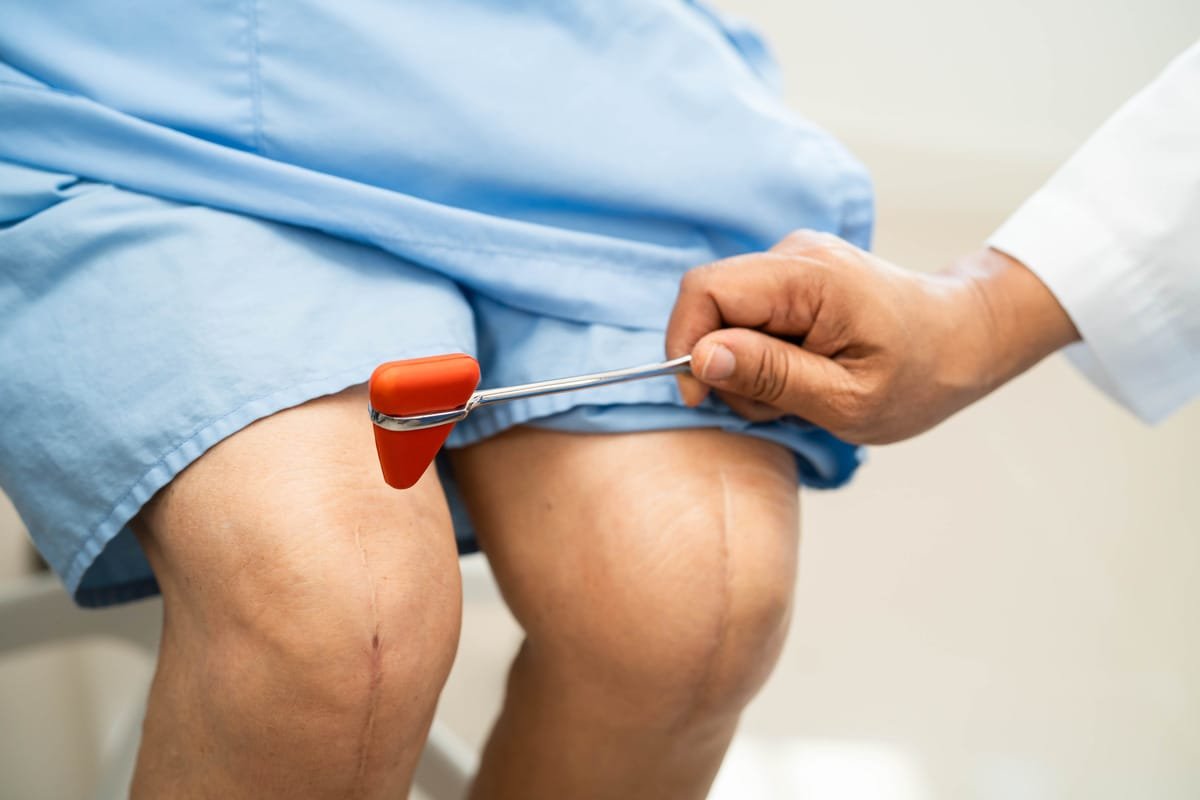
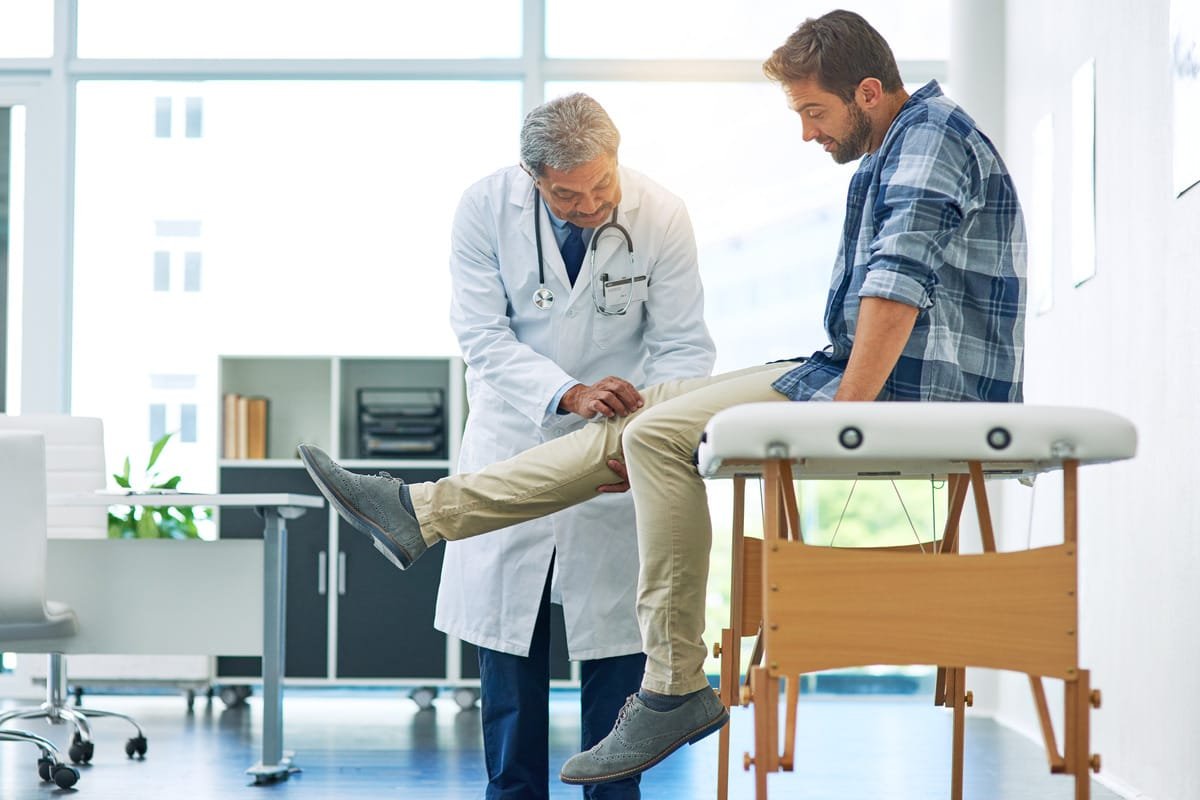
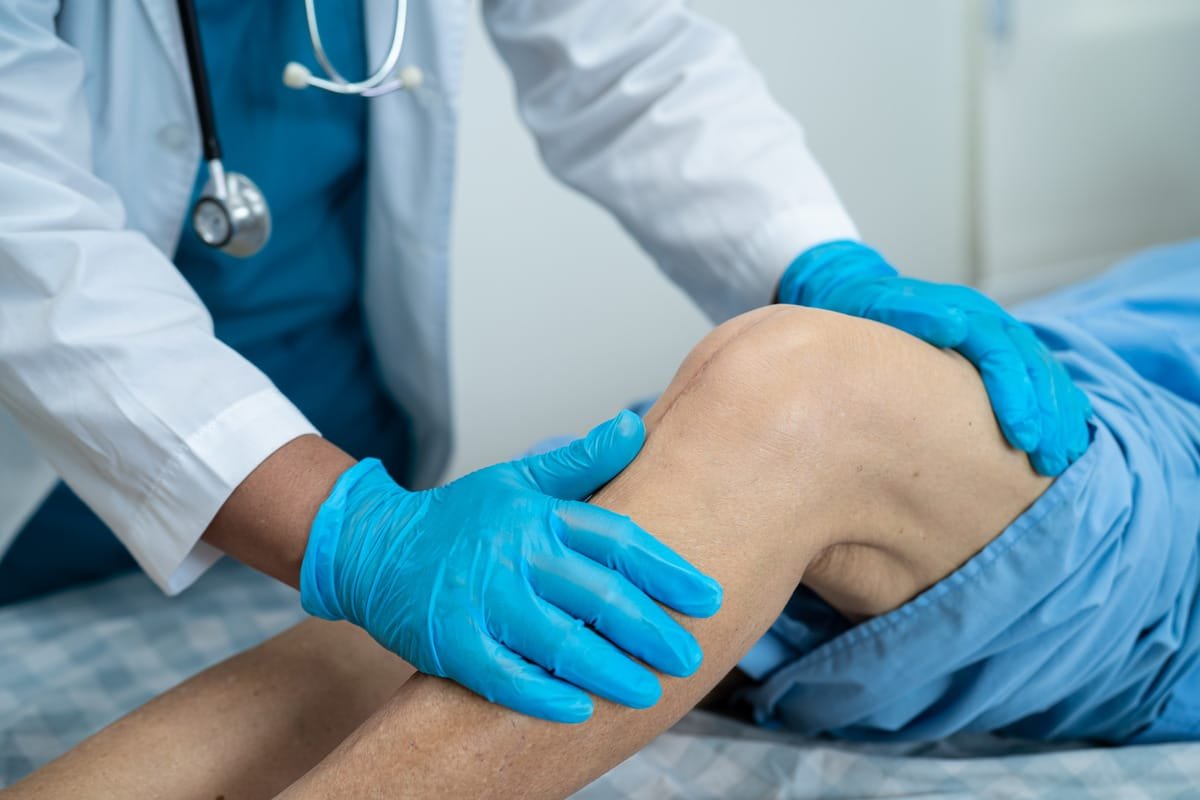
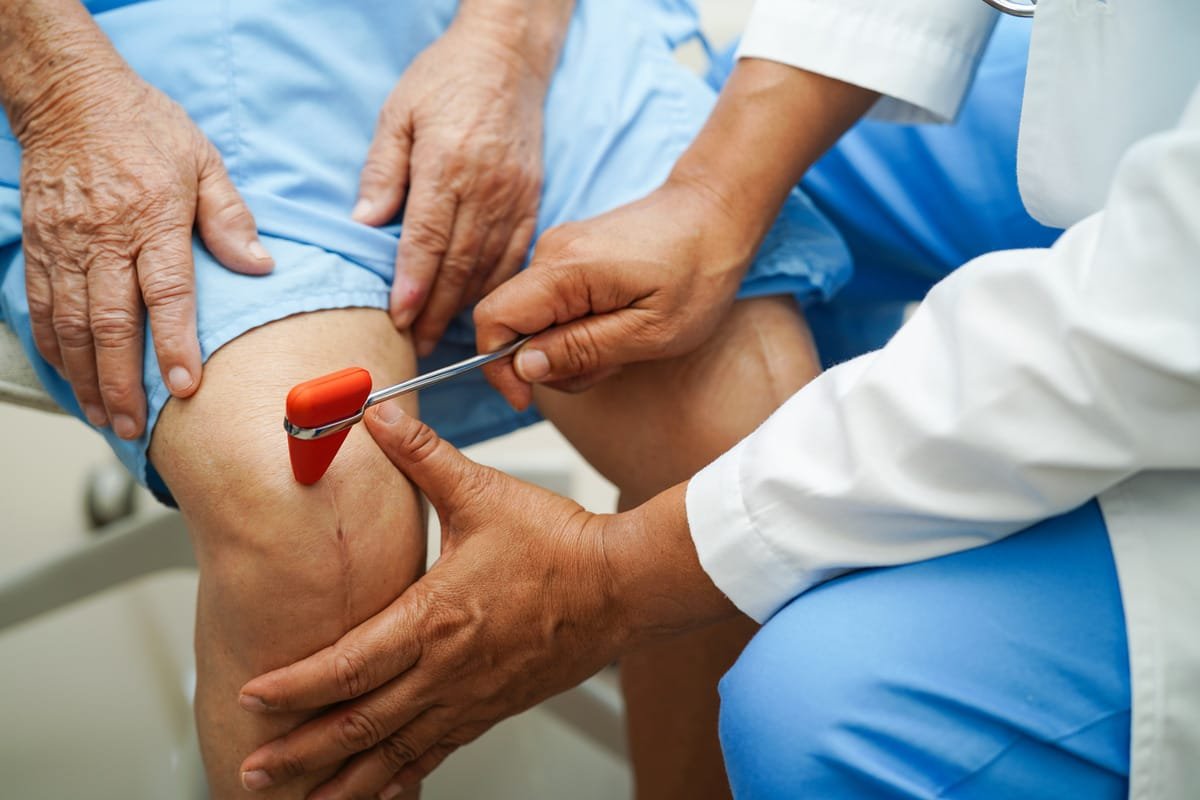
- Clinical examination (range of motion, joint line testing, stability)
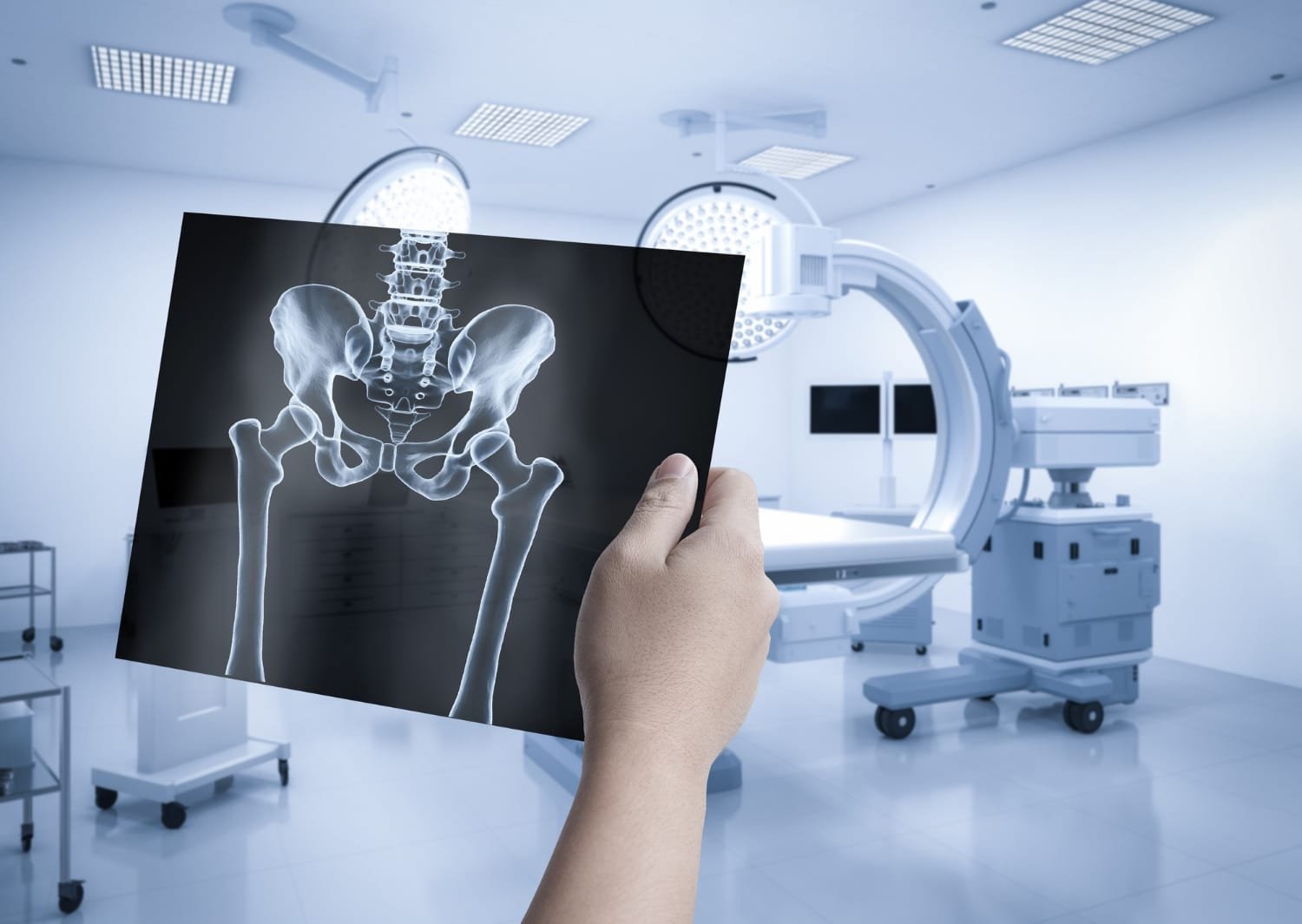
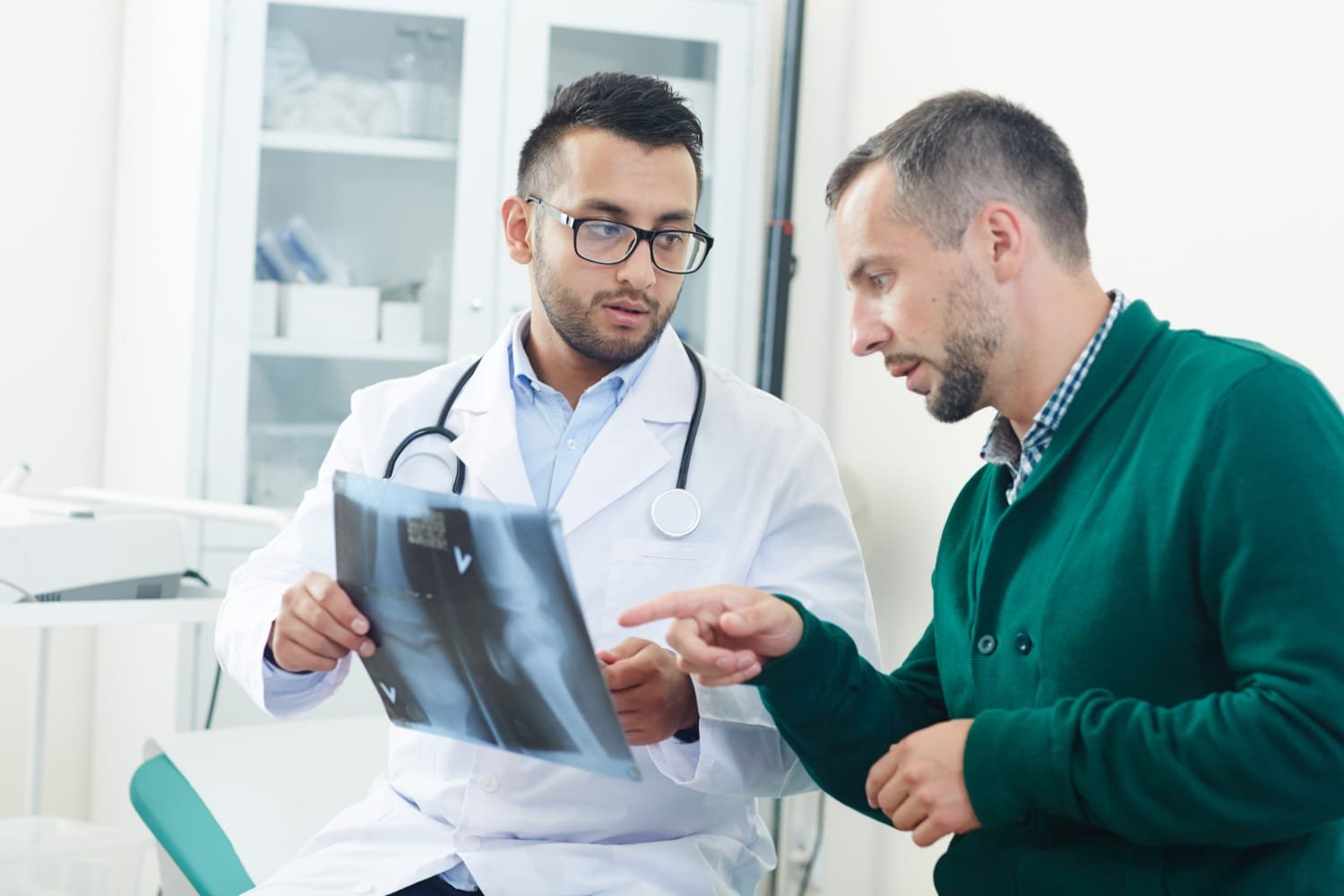
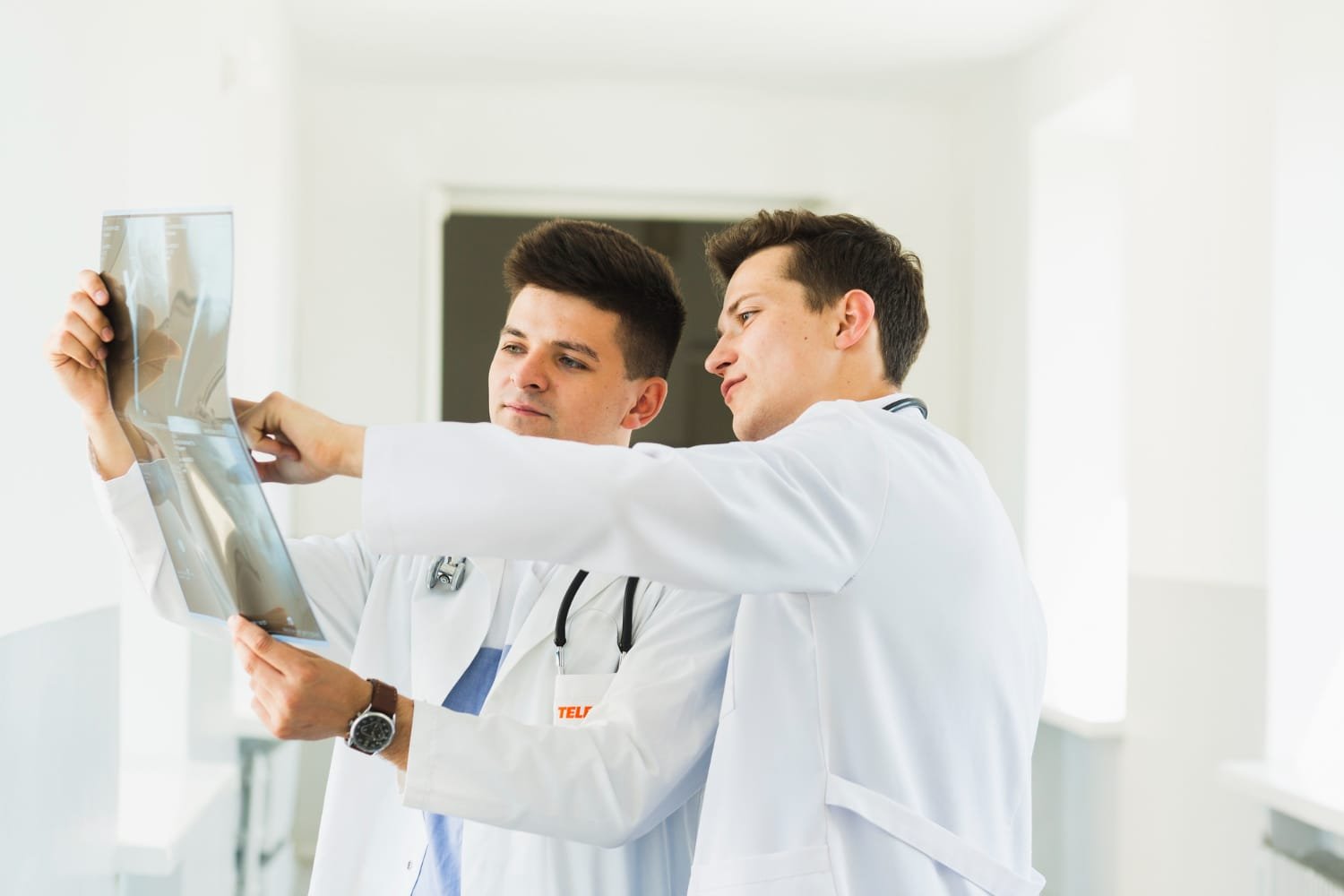
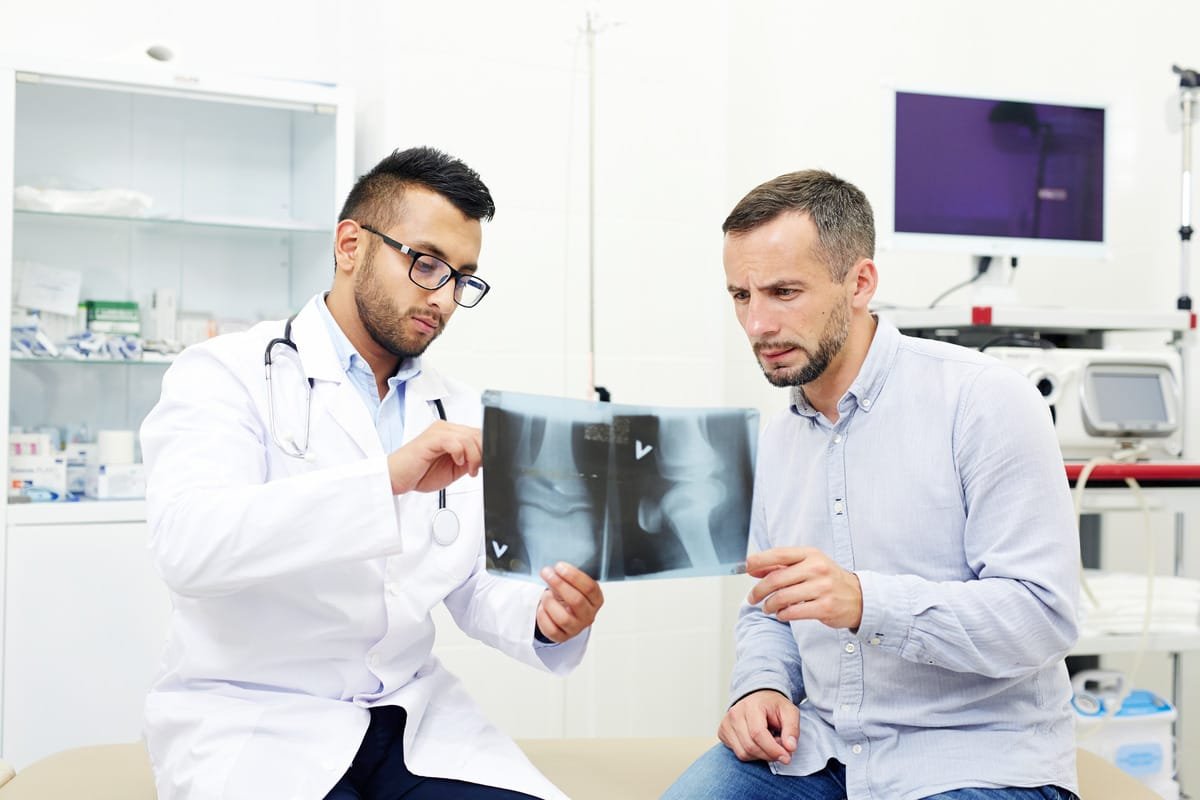
- X-ray (to check alignment and bone changes)
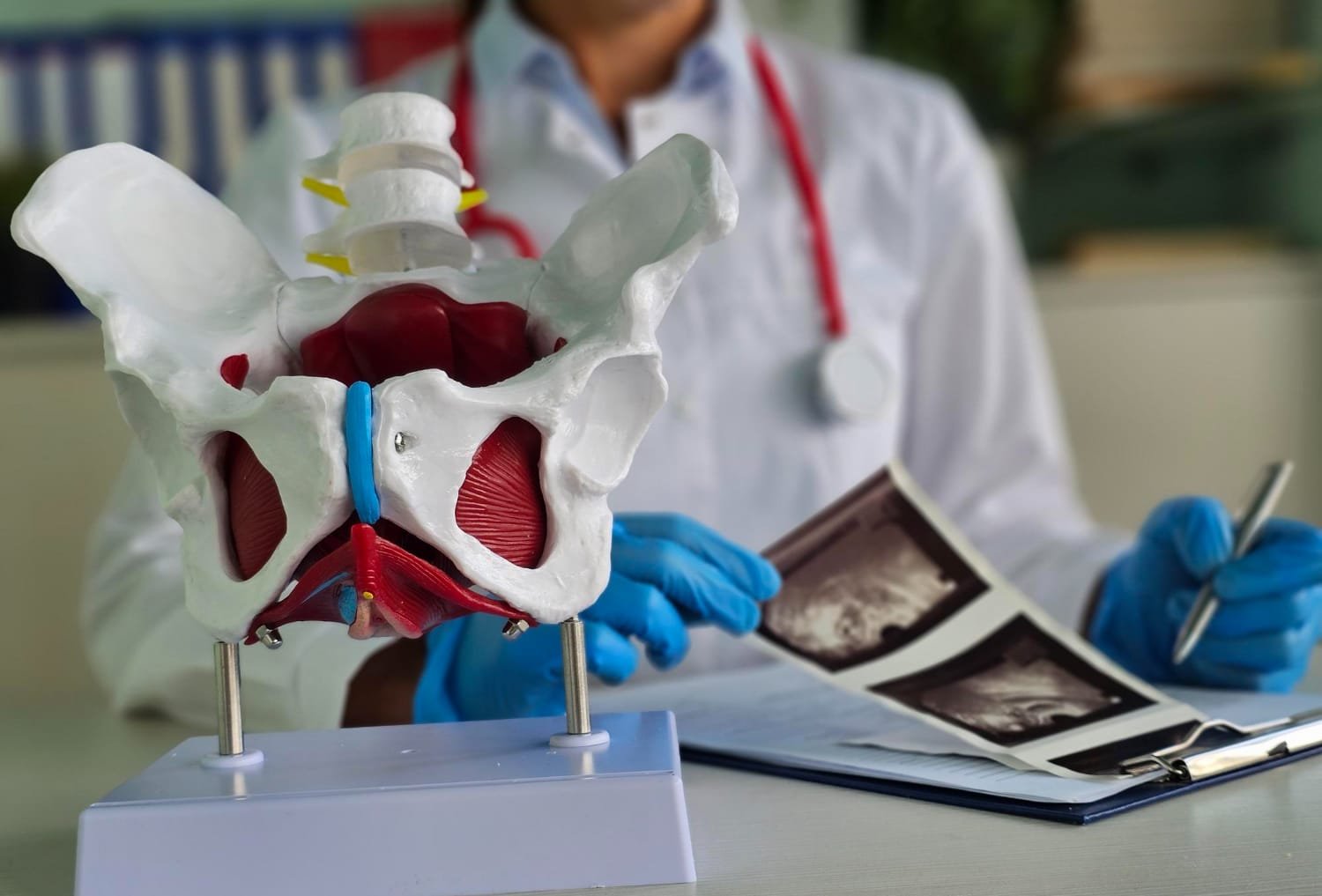
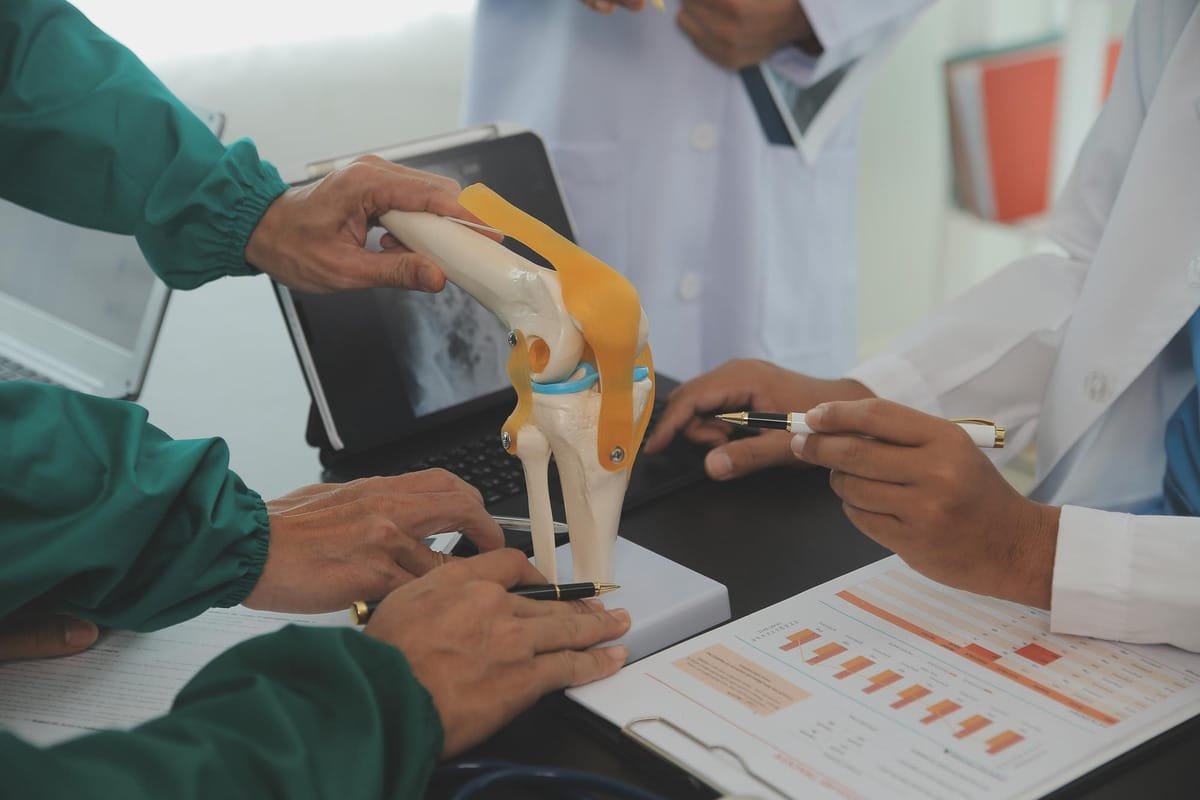
- MRI (most useful to detect cartilage defects, meniscus tears, bone bruises)
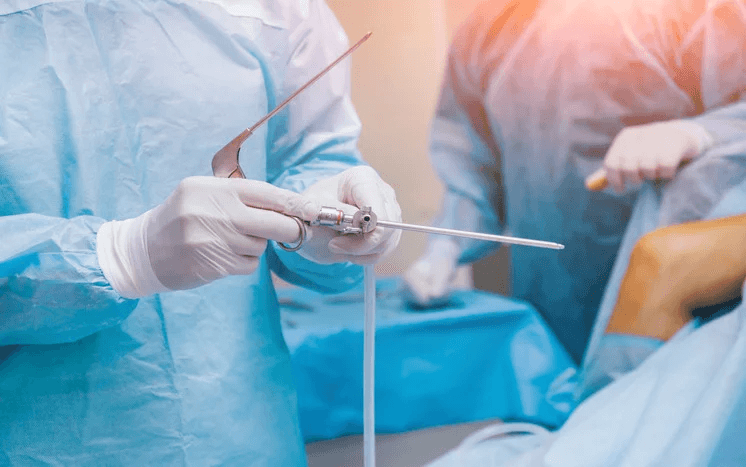
In some cases, diagnostic arthroscopy may be recommended to directly visualise the cartilage.
Treatment Options for Sports Cartilage Damage
Treatment depends on the size, location, and grade of cartilage injury, plus the athlete’s age and sport level.
1) Conservative (Non-Surgical) Treatment
Suitable for early or mild cartilage injuries:
- activity modification (temporary rest from high impact)
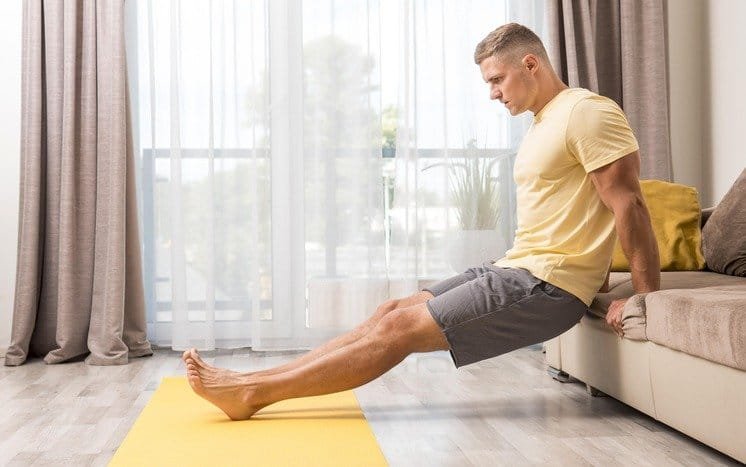
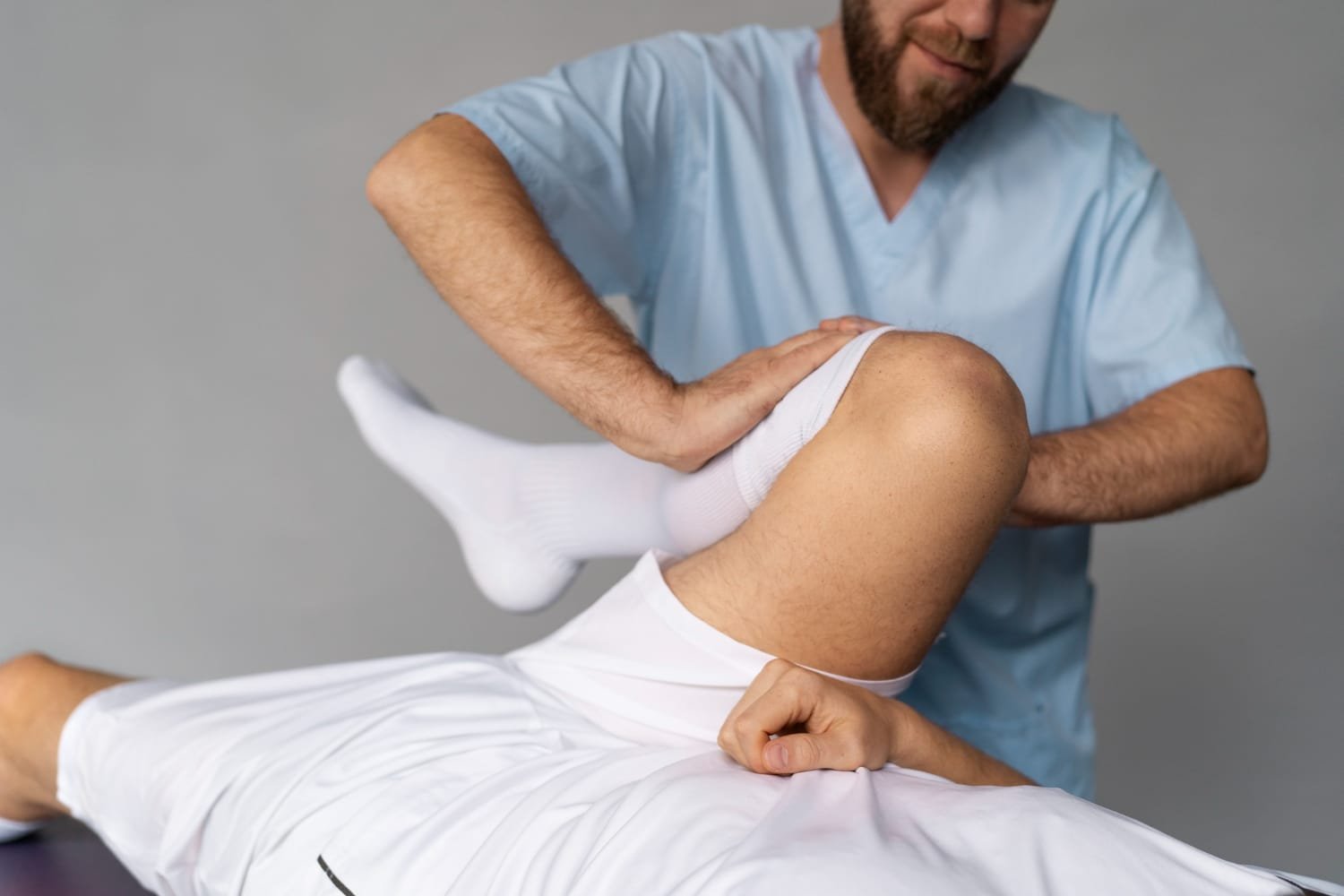
- physiotherapy to strengthen quads, hamstrings, glutes, and core
- mobility and alignment correction
- anti-inflammatory pain relief (as advised)
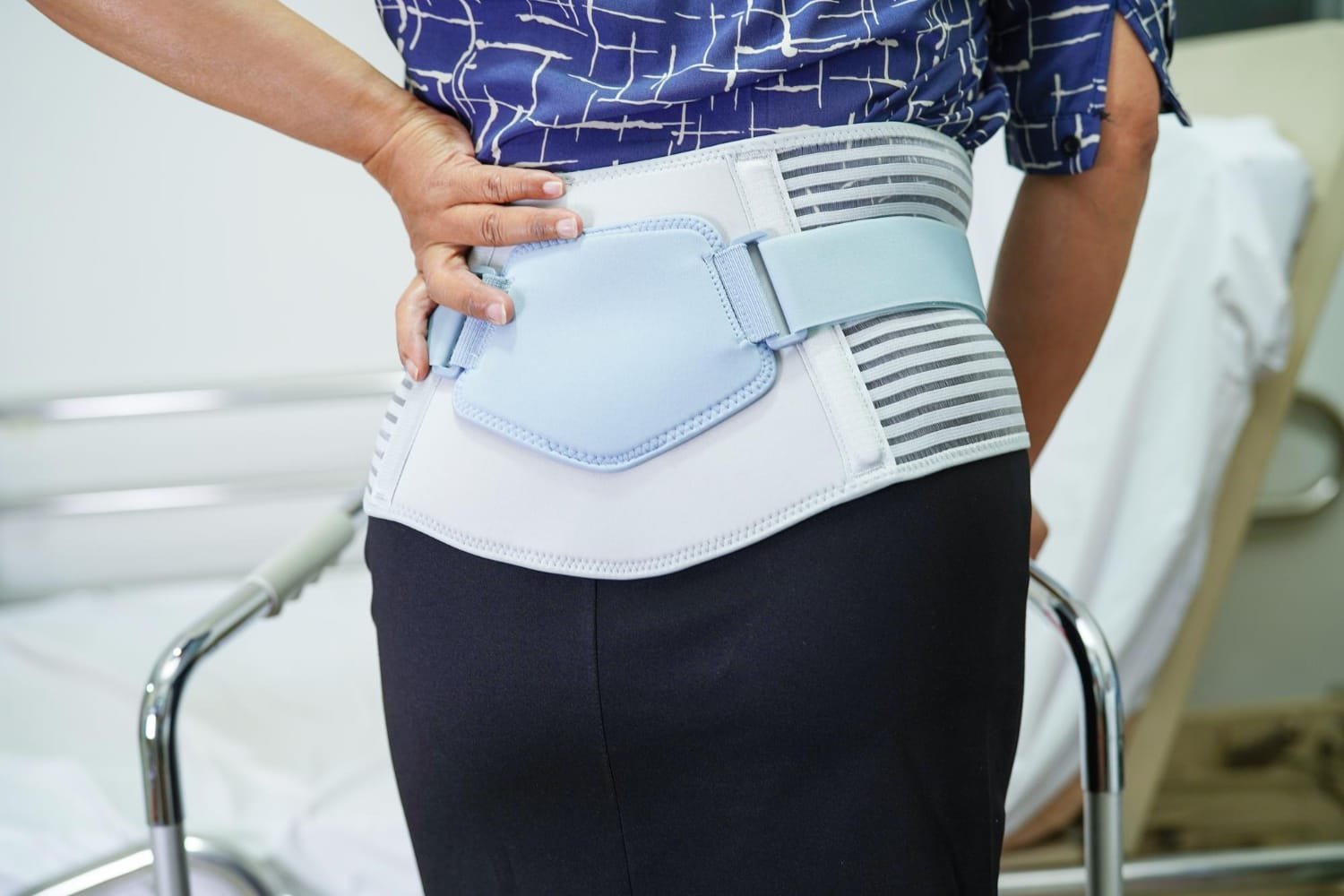
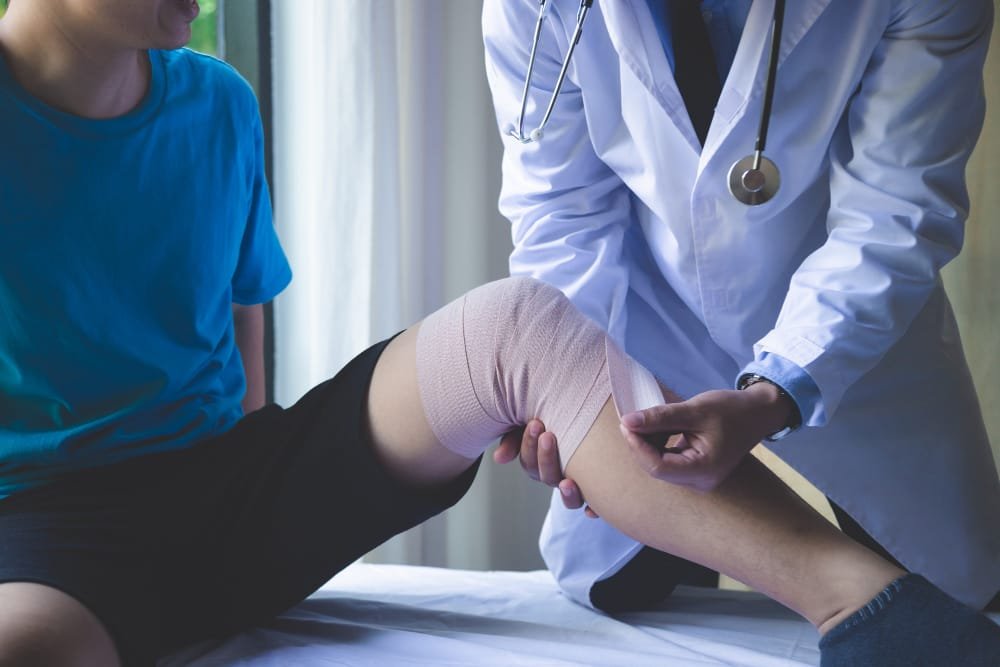
- braces or taping if needed
- guided rehabilitation plan
Many athletes improve significantly with structured rehab and load management.
2) Sports-Specific Physiotherapy and Rehab
A good rehab program focuses on:
- correcting movement mechanics
- improving knee tracking and hip control
- reducing load on damaged cartilage
- step-by-step return to running and sport drills
Skipping rehab or returning too quickly is a common reason symptoms recur.
3) Injection-Based Therapies (Case-Dependent)
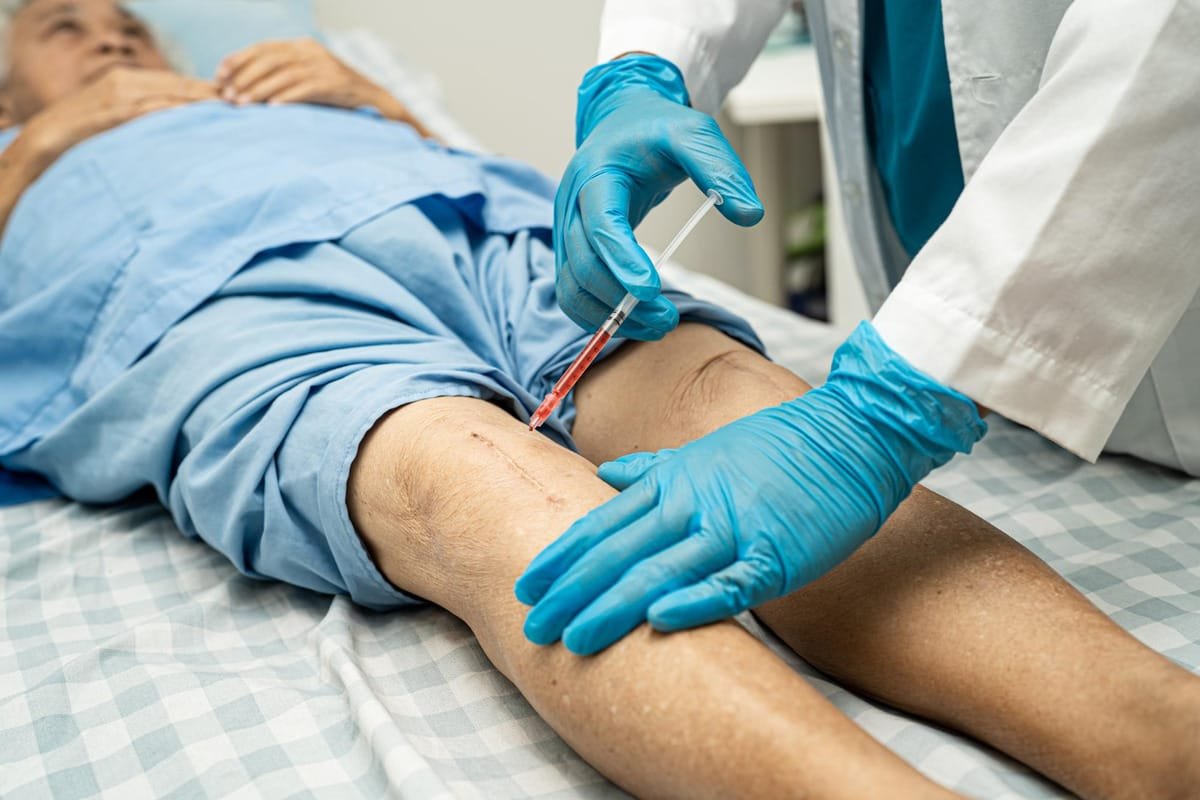
Depending on the case, doctors may consider:
- lubricating injections
- regenerative options like PRP (doctor’s decision)
These may help symptoms, but they are not a replacement for strengthening and biomechanical correction.
4) Surgical Options (When Required)
If symptoms persist, swelling is frequent, or cartilage defect is significant, surgical options may include:
- arthroscopic cartilage smoothing (debridement)
- microfracture procedure (for certain defects)
- cartilage repair techniques (in selected cases)
- addressing associated injuries like meniscus tears or ligament issues
How Athletes Can Protect Cartilage and Prevent Damage
Here are practical strategies to reduce risk:
- Warm up properly (dynamic warm-up + activation drills)
- Strengthen glutes and core to improve knee alignment
- Avoid sudden training spikes; increase intensity gradually
- Prioritise recovery (sleep, hydration, mobility work)
- Use correct footwear and replace worn shoes
- Work on technique (landing mechanics, squats, pivots)
- Don’t ignore swelling—it’s a sign the joint is irritated
When Should You See an Orthopedic Doctor?
Consult a specialist if you have:
- swelling after activity that returns repeatedly
- catching, locking, or clicking with pain
- pain lasting more than 10–14 days despite rest
- instability or difficulty continuing sport
- reduced range of motion or stiffness
Early evaluation helps protect the joint and reduces the chance of long-term damage.
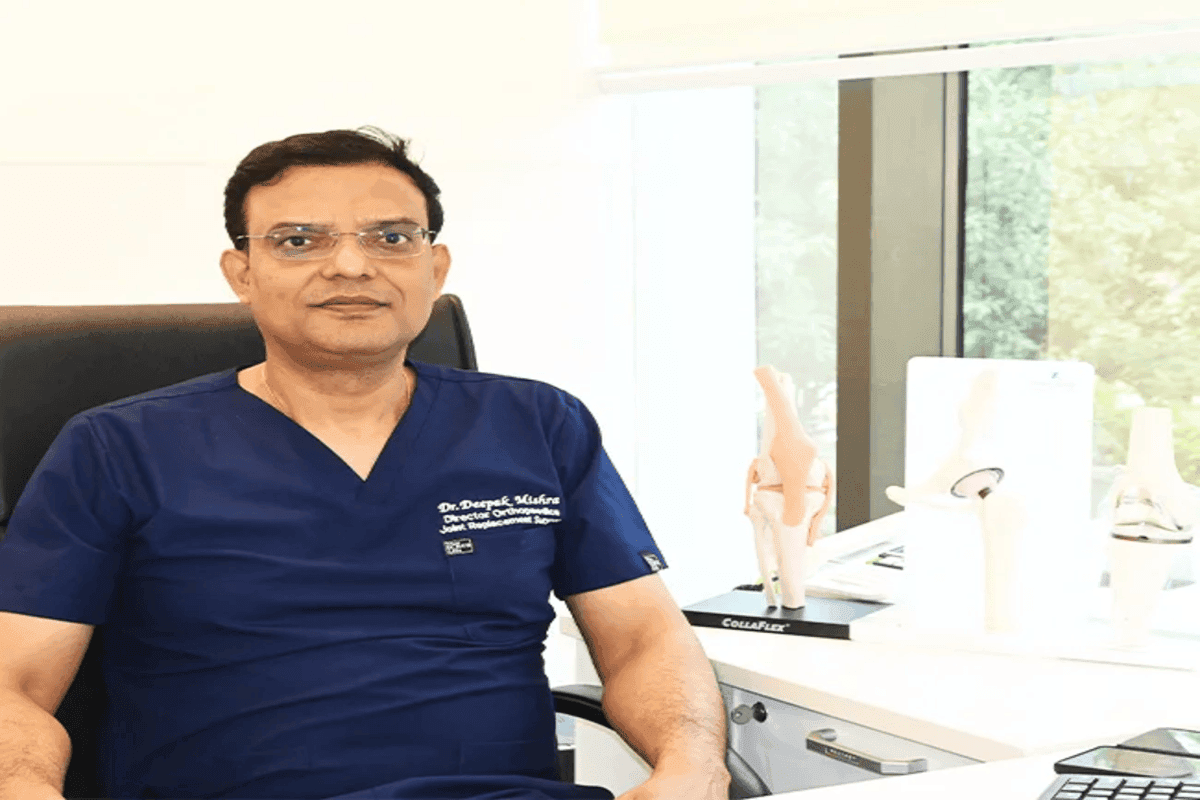
Consult Dr. Deepak Mishra – Best Orthopedic Doctor in Faridabad
For athletes dealing with knee pain, swelling, locking, or suspected cartilage injury, expert assessment and a personalised treatment plan are essential. Dr. Deepak Mishra is widely regarded as the best orthopedic doctor in Faridabad, known for his clinical expertise in managing sports injuries, knee problems, and joint pain with a focus on accurate diagnosis, advanced treatment, and structured recovery plans.
Dr. Deepak Mishra is currently practicing at Asian Hospital, Faridabad.
Appointment Number: +91 8287334003
Conclusion
Cartilage damage in sports is not always dramatic, but it is serious. The biggest risk isn’t the injury itself—it’s ignoring the early signs. If you notice swelling after activity, deep joint pain, stiffness, clicking, or a catching sensation, don’t push through it. Acting early can protect your joint, improve recovery, and keep you playing for years.
If you want to continue your sport safely, consult an orthopedic expert and follow a structured rehab plan that addresses the root cause—not just the pain.
Recent Blogs
-
 Top 10 Total Knee Replacement Surgeons in India – 2026
- 27, August 2026
-
Top 10 Best Orthopedic Doctors in India
- 25, August 2026
-
Dual Mobility Hip Replacement Surgery in Faridabad
- 21, August 2026
-
Gold Knee Replacement Surgery in Faridabad
- 18, August 2026
-
-
-
-
 Bone Fracture Specialist in Faridabad
- 25, July 2026
-
Robotic Partial Knee Replacement in Faridabad
- 21, July 2026
-
-
-
Runner’s Knee: Prevention & Treatment
- 10, July 2026
-
Best Knee Tendonitis Treatment in Faridabad
- 7, July 2026
-
-
Why Does My Knee Make Clicking Sounds?
- 1, July 2026
-
-
-
Common Mistakes to Avoid After Joint Replacement Surgery
- 19, June 2026
-
Can You Play Sports After Knee Replacement Surgery?
- 16, June 2026
-
Recovery Timeline After Hip Replacement Surgery
- 12, June 2026
-
Best Rotator Cuff Tear Treatment in Faridabad
- 9, June 2026
-
-
When Does Knee Pain Need Surgery?
- 19, May 2026
-
Can You Walk Normally After Hip Replacement?
- 15, May 2026
-
-
Best Doctor for Arthritis Treatment in Faridabad
- 8, May 2026
-
Sports Injury Specialist in Faridabad
- 5, May 2026
-
Hip Replacement Surgery Cost in India
- 2, May 2026
-
Best ACL Surgeon in Faridabad
- 1, May 2026
-
Best Hip Replacement Surgeon in Delhi
- 26, April 2026
-
Best Hospital for Robotic Joint Replacement in Faridabad
- 14, April 2026
-
Best Shoulder Specialist in Faridabad
- 10, April 2026
-
-
 How Mako Robotic Improves Knee Replacement Outcomes
- 3, April 2026
-
 Best Orthopedic Hospital in Faridabad for Joint Pain
- 1, April 2026
-
Don’t Delay Knee Surgery: 7 Warning Signs You Must Know
- 26, March 2026
-
-
Benefits of Partial Knee Replacement Over Total Knee Surgery
- 19, March 2026
-
Who Needs Hip Replacement Surgery? Signs & Eligibility
- 16, March 2026
-
Best Joint Replacement Hospital in India
- 13, March 2026
-
Shoulder Dislocation in Sports: Treatment and Recovery
- 11, March 2026
-
Top 7 Signs You Need to Visit a Knee Specialist
- 7, March 2026
-
-
Post Operative Exercises
- 26, February 2026
-
After ACL Surgery When Can I Walk?
- 24, February 2026
-
What Happens If Knee Arthritis Is Left Untreated?
- 21, February 2026
-
Can Knee Replacement Fail? Causes, Signs & Prevention
- 21, February 2026
-
 Who Is Not Suitable for Knee Replacement Surgery?
- 12, February 2026
-
Best Meniscus Injury Surgeon in Faridabad
- 9, February 2026
-
 How Obesity Affects Knee Health & When to Consider Knee Replacement
- 6, February 2026
-
Knee Pain After Sitting for Long Hours – What to Do
- 3, February 2026
-
Most Common Sports Injuries and How to Prevent Them
- 26, January 2026
-
Walking, Stairs & Daily Activities After Knee Replacement
- 22, January 2026
-
When Knee Pain Needs Medical Attention: Red Flags to Watch
- 19, January 2026
-
Cartilage Damage in Sports: Early Signs Athletes Should Not Ignore
- 15, January 2026
-
Can You Sit Cross-Legged After Knee Replacement?
- 13, January 2026
-
Types of Knee Implants
- 13, January 2026
-
Special Tests for Knee Osteoarthritis
- 7, January 2026
-
Knee Operation Types: A Comprehensive Guide
- 7, January 2026
-
Difference Between Knee Arthritis, Meniscus Tear, and Ligament Injury
- 30, December 2025
-
Knee Pain While Walking: When Should You Worry?
- 30, December 2025
-
What Happens If Knee Replacement Is Delayed Too Long?
- 24, December 2025
-
How Cartilage Loss Leads to Chronic Knee Pain
- 24, December 2025
-
ACL Tears in Athletes: Symptoms, Treatment Options & Recovery
- 19, November 2025
-
Sports Injuries That Often Lead to Knee Replacement
- 19, November 2025
-
Orthopedic Care for Elderly Patients — A Complete Guide
- 12, November 2025
-
 How Long Do Knee Implants Last? (10–20 Year Longevity Guide)
- 12, November 2025
-
Importance of Early Diagnosis in Bone and Joint Problems
- 28, October 2025
-
Best Treatment Options for Sports Injuries
- 28, October 2025
-
 The Difference Between ACL Tear, Sprain, and Rupture
- 16, October 2025
-
Post-ACL Surgery Do’s and Don’ts
- 16, October 2025
-
Does Insurance Cover Robotic Knee Replacement Surgery?
- 6, October 2025
-
When Can You Return to Sports After Robotic Knee Replacement?
- 6, October 2025
-
 Impact of Obesity on Knee Replacement Surgery and Recovery
- 30, September 2025
-
Early vs. Delayed Knee Replacement: Which Is Better?
- 30, September 2025
-
How Durable Are Knee Implants? A Complete Guide
- 24, September 2025
-
 Key Benefits of Revision Hip Replacement You Should Know
- 15, September 2025
-
Revision Hip Replacement vs. Primary Hip Replacement: Key Differences
- 15, September 2025
-

-
Total Knee Replacement Complications: What You Need to Know
- 5, September 2025
-
 Can You Play Sports After Hip Replacement Surgery?
- 26, August 2025
-
 Preparing for Knee Replacement: Do’s and Don’ts Before Surgery
- 26, August 2025
-
-
What to Know About Knee Replacement Revision Surgery
- 18, August 2025
-
Cost of Hip Replacement in India – What Patients Should Know
- 11, August 2025
-
-
Who Is the Best Orthopedic Doctor for Sports Injuries?
- 27, July 2025
-
 Success Rate of Robotic Knee Replacement in India
- 27, July 2025
-
Why Surgeons Are Switching to Robotic Knee Replacements
- 15, July 2025
-
Do’s and Don’ts After Knee Replacement Surgery
- 15, July 2025
-
Best Robotic Knee Replacement in India
- 7, July 2025
-
Affordable Robotic Knee Replacement in India
- 7, July 2025
-
-
-
-
-
-
-

-
 Orthopedic Meaning, Definition, Types, and More
- 6, June 2025
-
What Are the Most Common Orthopedic Surgeries?
- 24, May 2025
-
What Does an Orthopedic Doctor Do?
- 24, May 2025
-

-
-
-
Best Orthopedic Doctor for Knee Pain in Faridabad
- 12, May 2025
-
How to Prevent Knee Pain with Orthopedic Expert Tips
- 29, April 2025
-
-
Best Orthopedic Treatment in Faridabad: What You Should Know
- 29, April 2025
-

-

-
Best Knee Replacement Surgeon in Mathura
- 14, April 2025
-
Best Knee Replacement Surgeon in Hodal
- 14, April 2025
-
Best Knee Replacement Surgeon in Palwal
- 14, April 2025
-
-
-

-
Benefits of Minimally Invasive Knee Surgery
- 24, March 2025
-
Best knee Replacement Surgeon in India
- 17, March 2025
-
-
How to Recover Quickly After Knee Replacement Surgery
- 10, March 2025
-
-
-
-
Minimally Invasive Arthroplasty: Benefits and Recovery Advantages
- 24, February 2025
-
Choosing the Right Hip Replacement Surgeon: A Comprehensive Guide
- 17, February 2025
-
Restoring Mobility: The Role of Knee Replacement Doctors
- 17, February 2025
-
Orthopedic Trauma Care for Athletes
- 6, February 2025
-
Best Doctor for ACL Tear Treatment
- 6, February 2025
-
Best Sports Medicine Doctor for Knee Injuries
- 6, February 2025
-
Orthopedic Surgeons: 7 Things You Need to Know
- 27, January 2025
-
Best Joint Replacement Surgeon in Greater Faridabad
- 27, January 2025
-
Best Knee Replacement Surgeon in Palwal
- 20, January 2025
-
Best Knee Replacement Surgeon in South Delhi
- 20, January 2025
-
Restoring Mobility: The Role of Knee Replacement Doctor
- 13, January 2025
-
Robotic Knee Replacement Surgery in Delhi
- 30, December 2024
-
Robotic Orthopedic Surgery: Revolutionizing Joint Replacement and Repair
- 30, December 2024
-
Robotic Knee Replacement vs. Traditional Surgery: A Comparative Guide
- 23, December 2024
-
How to Make Joints Stronger: A Comprehensive Guide
- 23, December 2024
-
Common Knee Conditions and How a Knee Surgeon Can Help
- 16, December 2024
-
-
-
Orthopedic Surgeons: 7 Things You Need to Know
- 6, December 2024
-
Top 5 Mistakes After Knee Replacement
- 25, November 2024
-
Advantages and Disadvantages of Robotic Knee Replacement
- 25, November 2024
-
When to See an Orthopedic Specialist: Recognizing Early Signs
- 15, November 2024
-
Benefits of Robotic-Assisted Knee Replacement Surgery
- 15, November 2024
-
Knee Replacement Surgery Cost
- 8, November 2024
-
Best Robotic Knee Replacement Surgeon in Faridabad
- 8, November 2024
-
-
Knee Replacement Surgery: Types, Benefits, and Recovery Timeline
- 28, October 2024
-
What is Osteoporosis? Symptoms, Causes, and Prevention
- 21, October 2024
-
Signs It’s Time for a Knee Replacement: When to Consult a Surgeon
- 18, October 2024
-
Understanding Different Types of Arthritis: Symptoms and Causes
- 11, October 2024
-
Taking Care After Knee Replacement Surgery
- 15, December 2022
-
Amazing Ways to Get Relief from Arthritis Pain Naturally
- 2, December 2022
-
-
How Does Fat Affect Arthritis?
- 4, November 2022